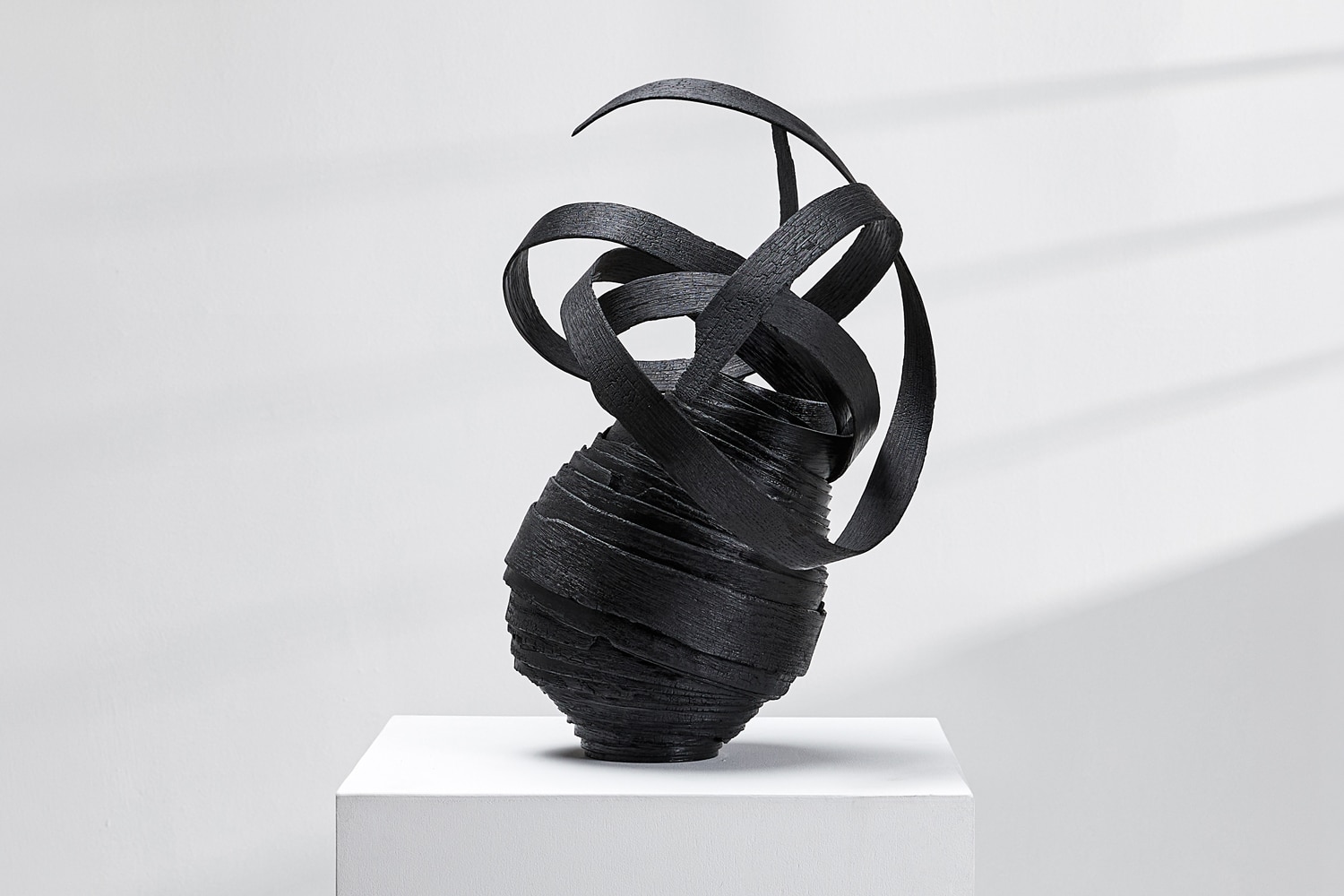
©All rights reserved
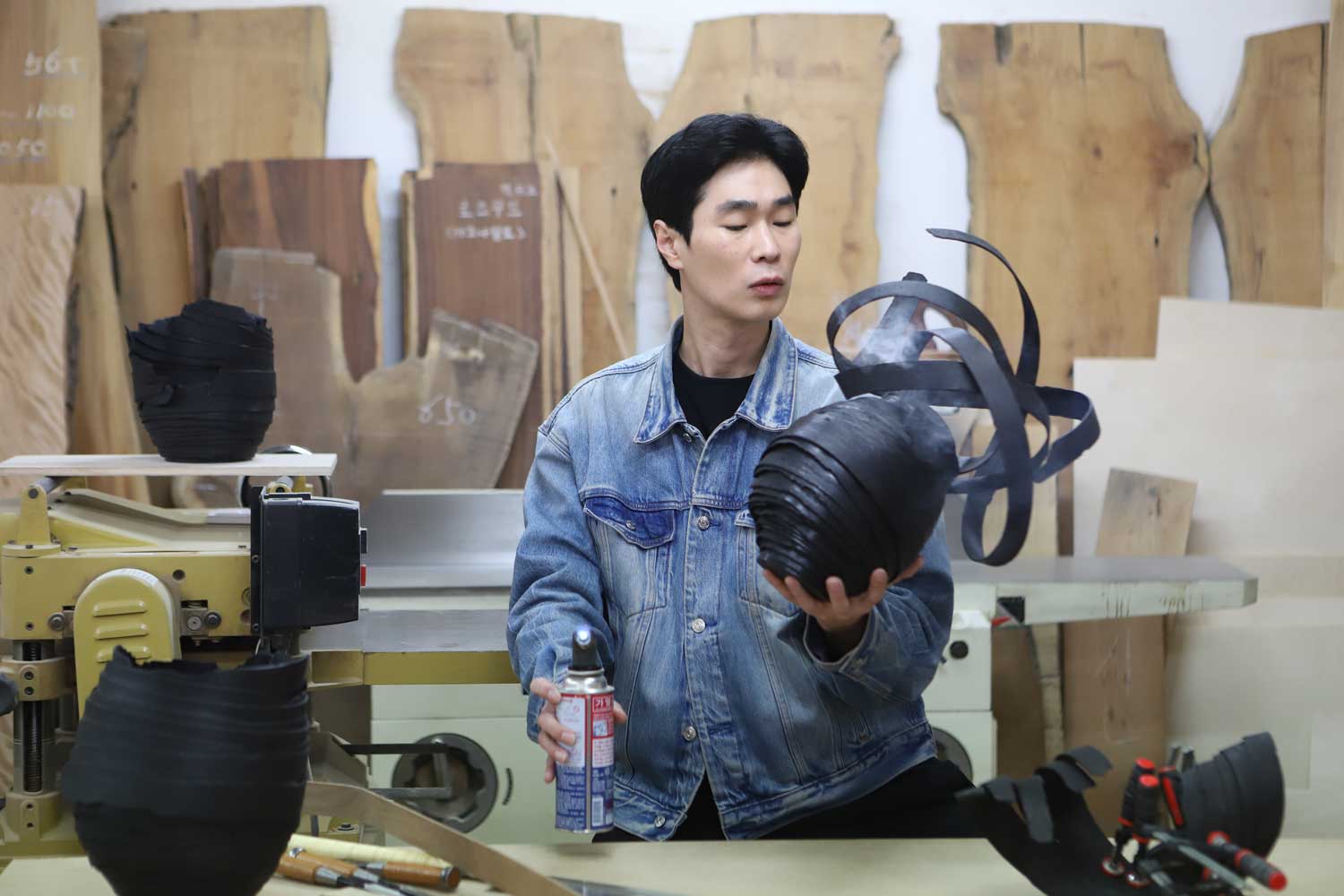
©All rights reserved
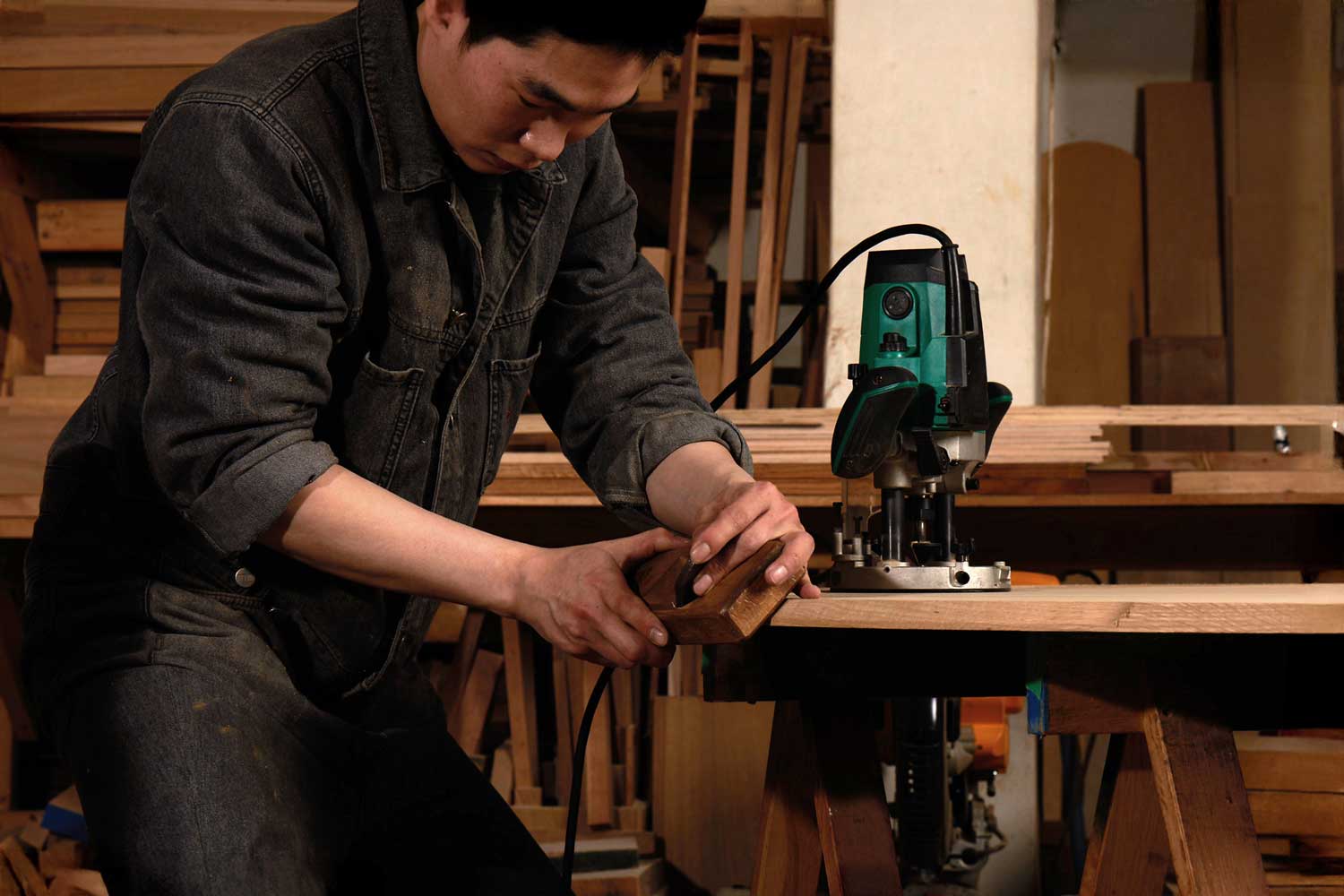
©All rights reserved
©All rights reserved
©All rights reserved
©All rights reserved
Yoonbae Kim
Wood sculptor
Seoul, South Korea
Recommended by Jean Blanchaert & Irina Focsaneanu Eschenazi
©All rights reserved
©All rights reserved
©All rights reserved
©All rights reserved
©All rights reserved
©All rights reserved
©All rights reserved
©All rights reserved
©All rights reserved
©All rights reserved
©All rights reserved
©All rights reserved
When the wood flows
- Yoonbae explores the natural flow and form of wood
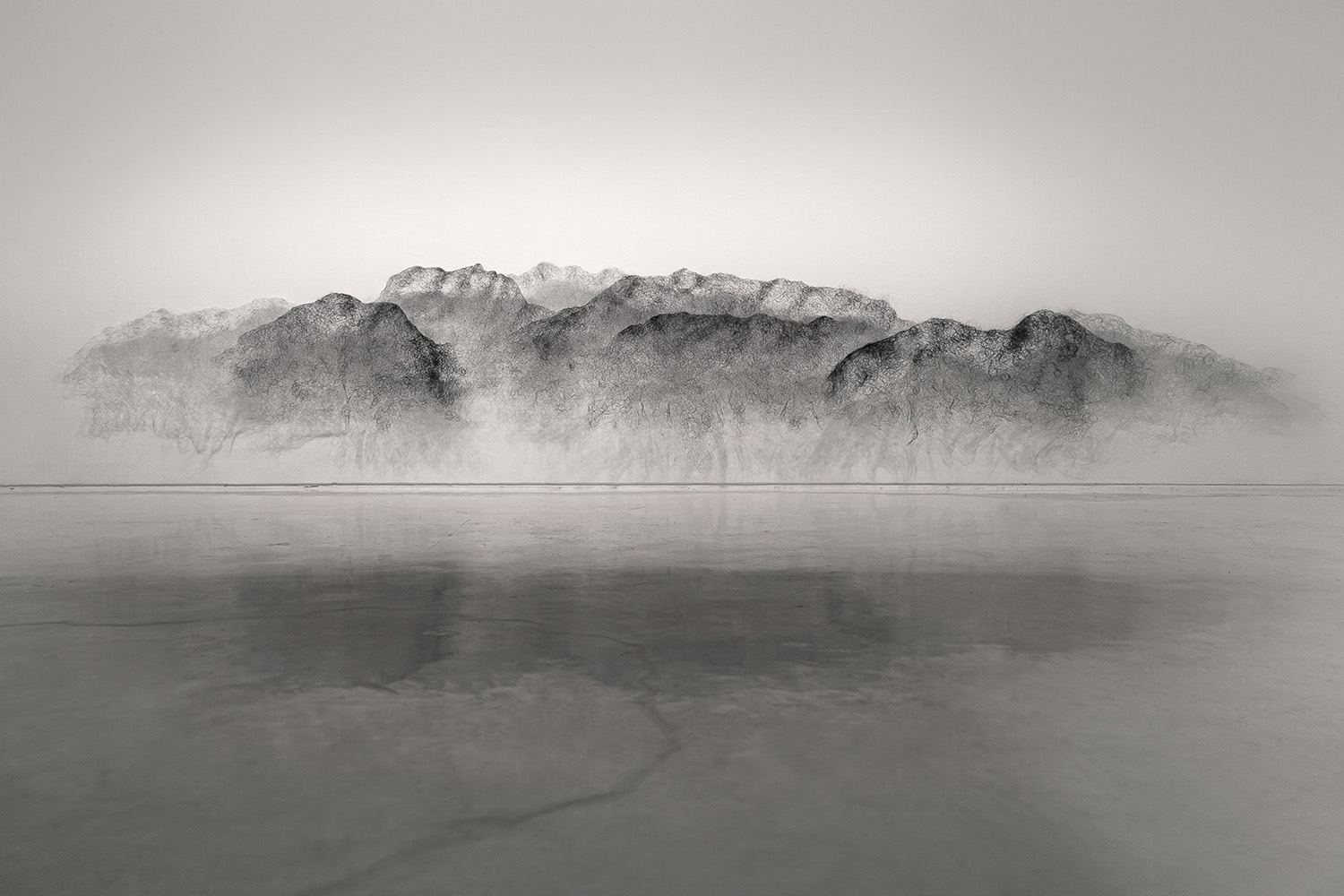
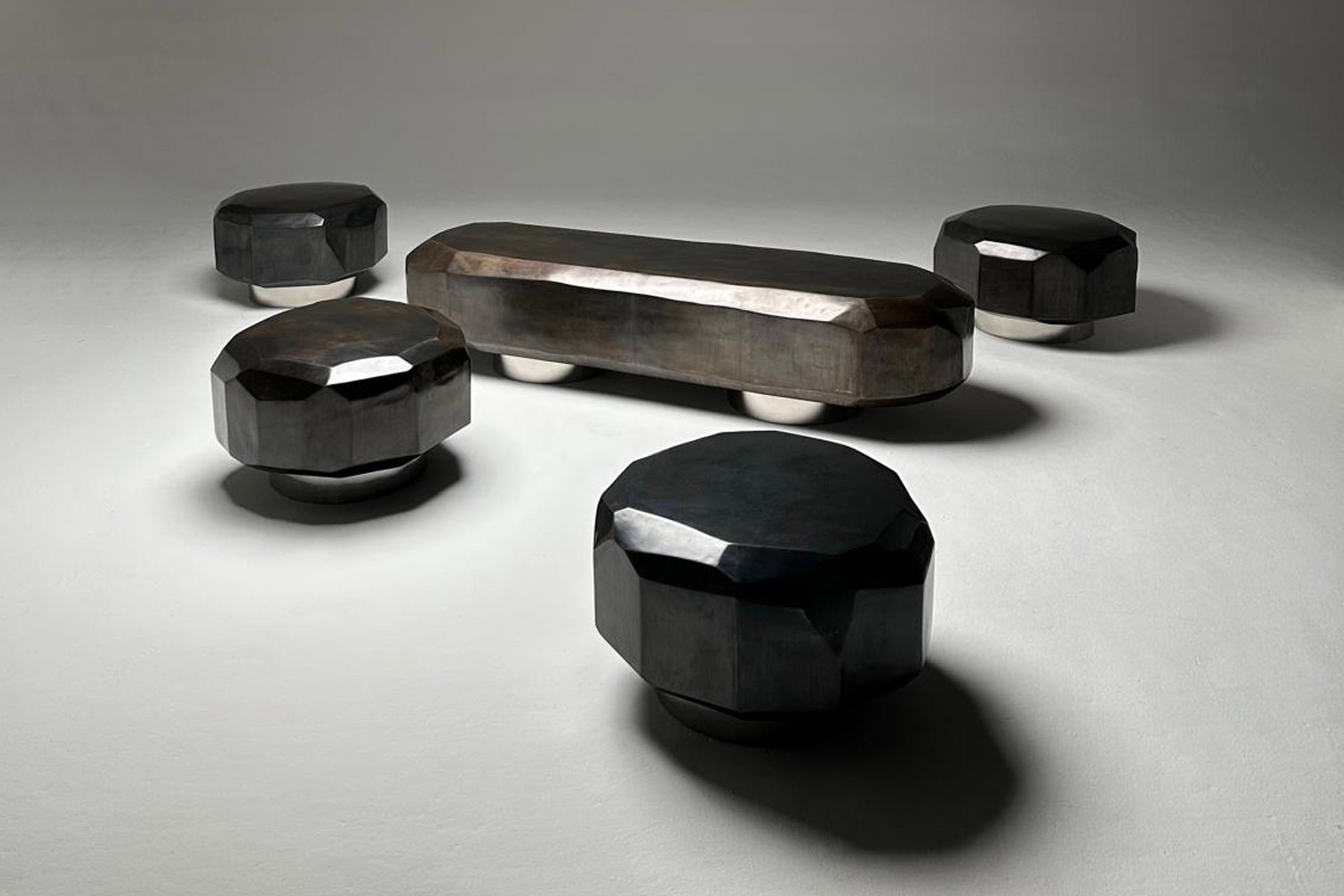
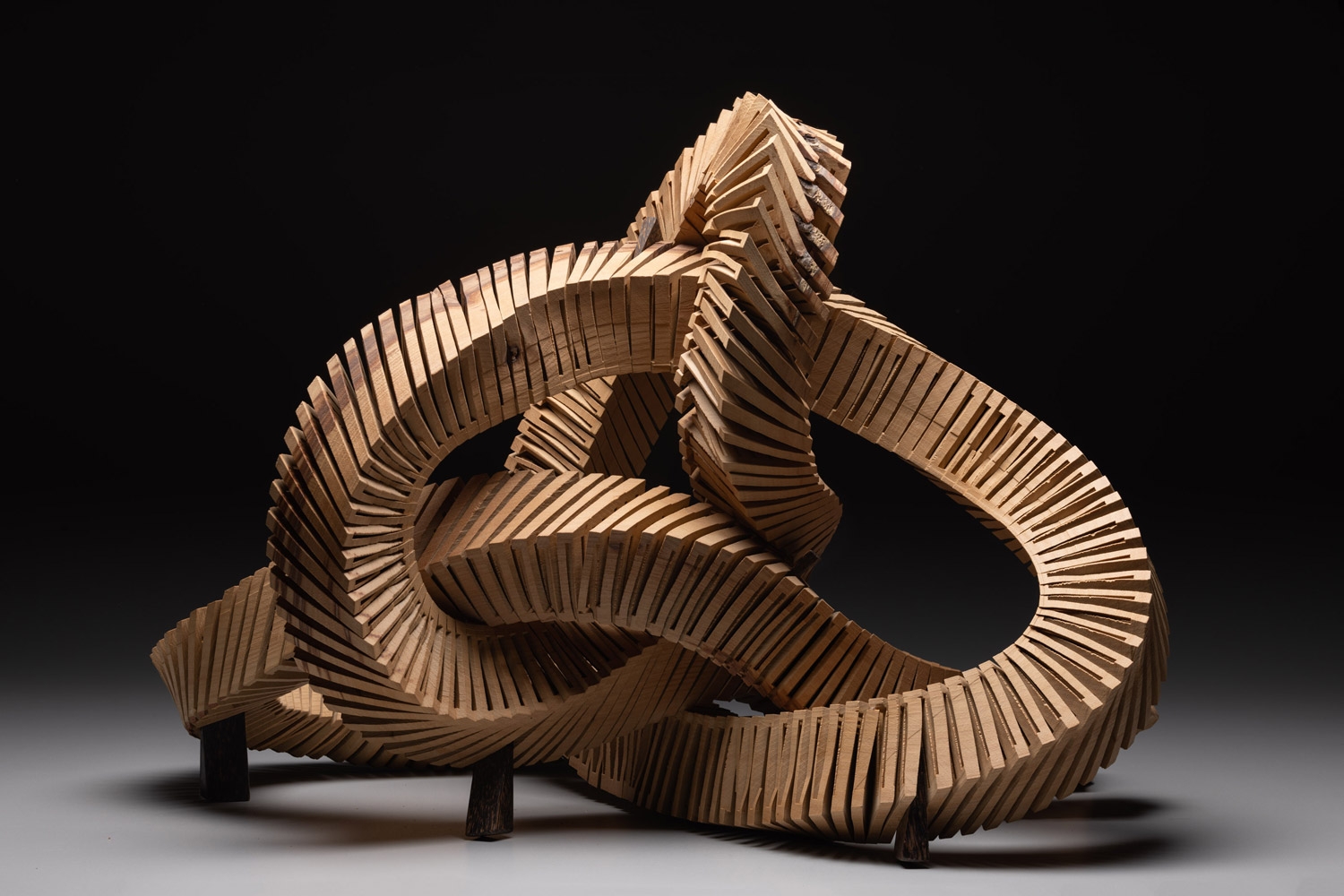
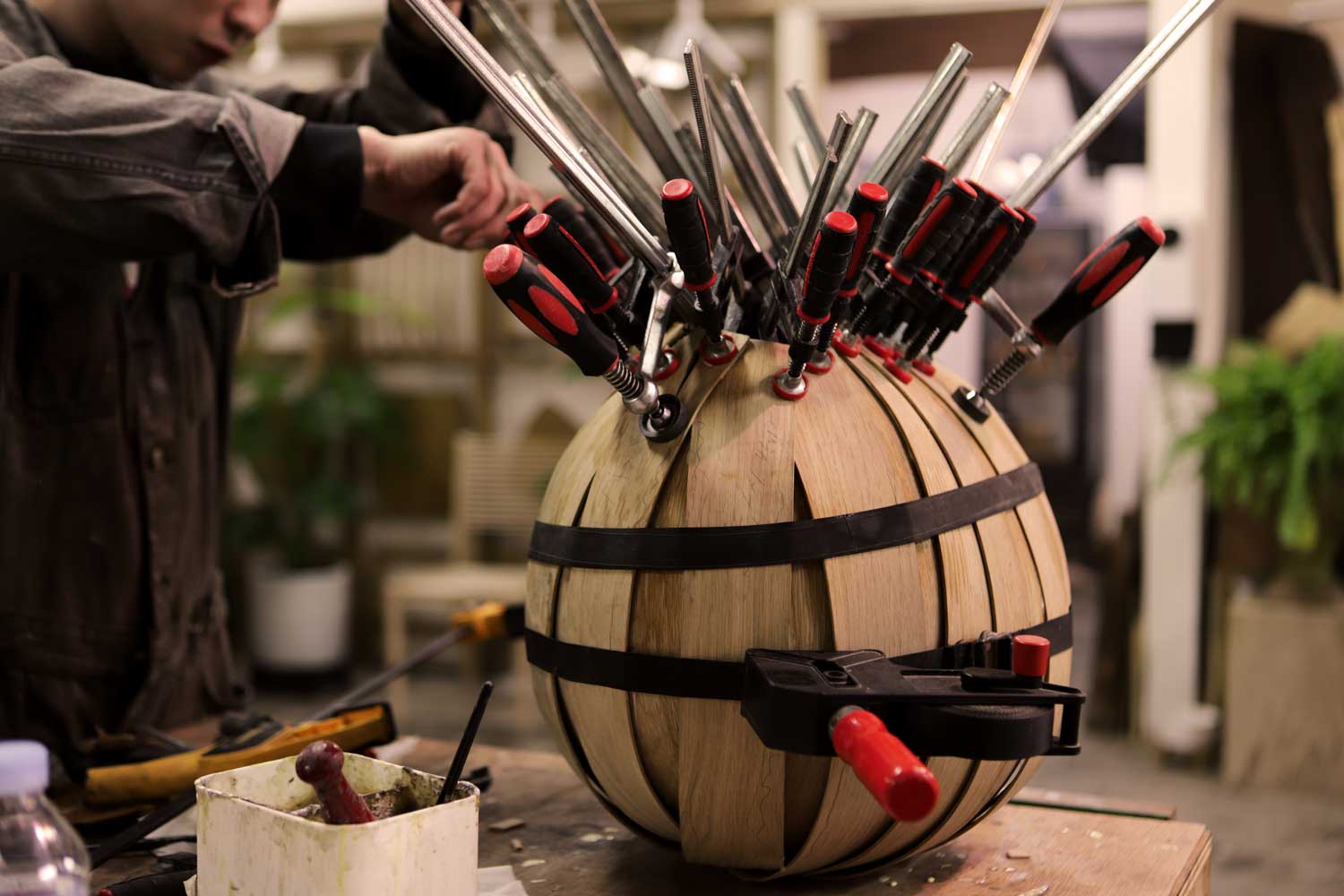
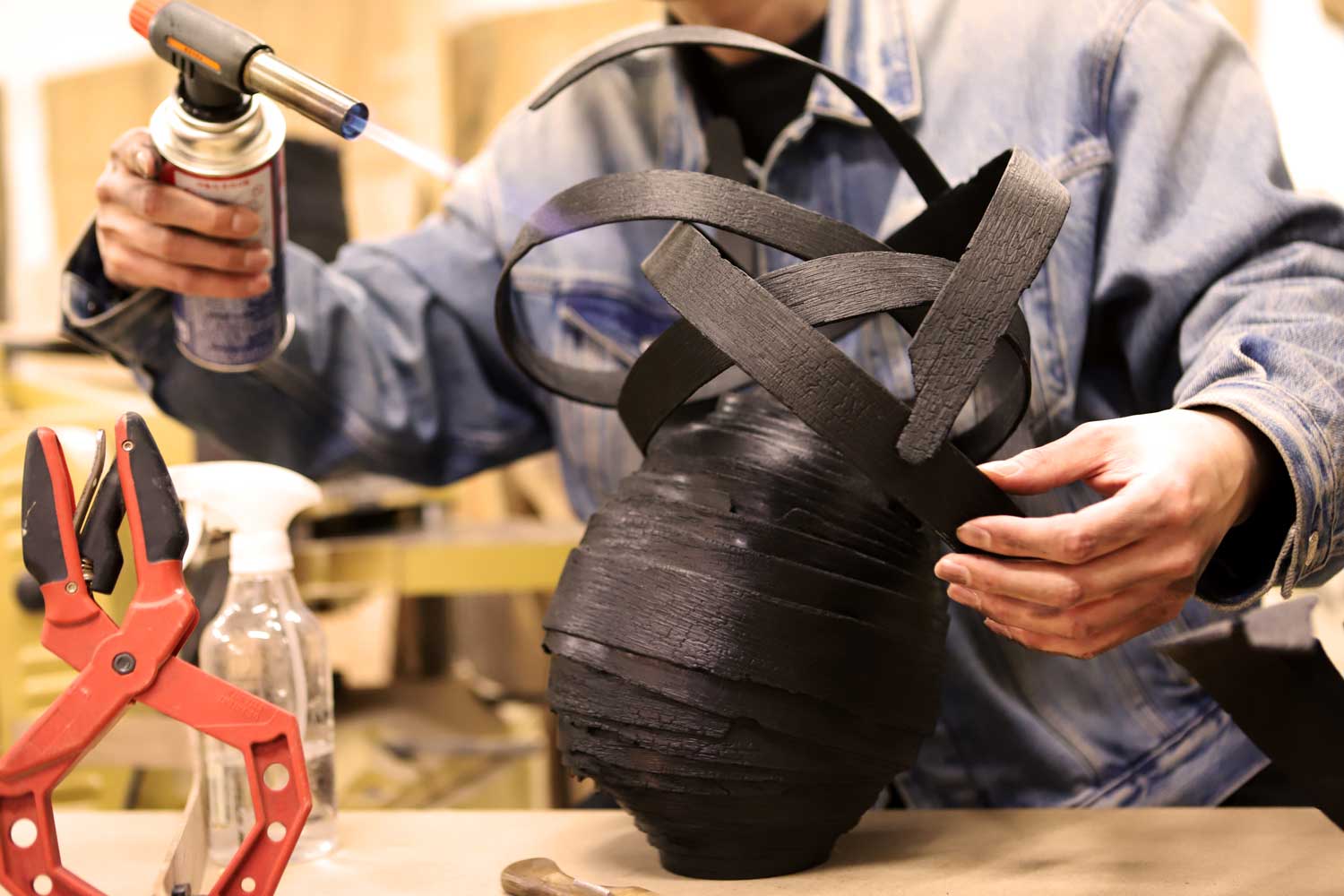
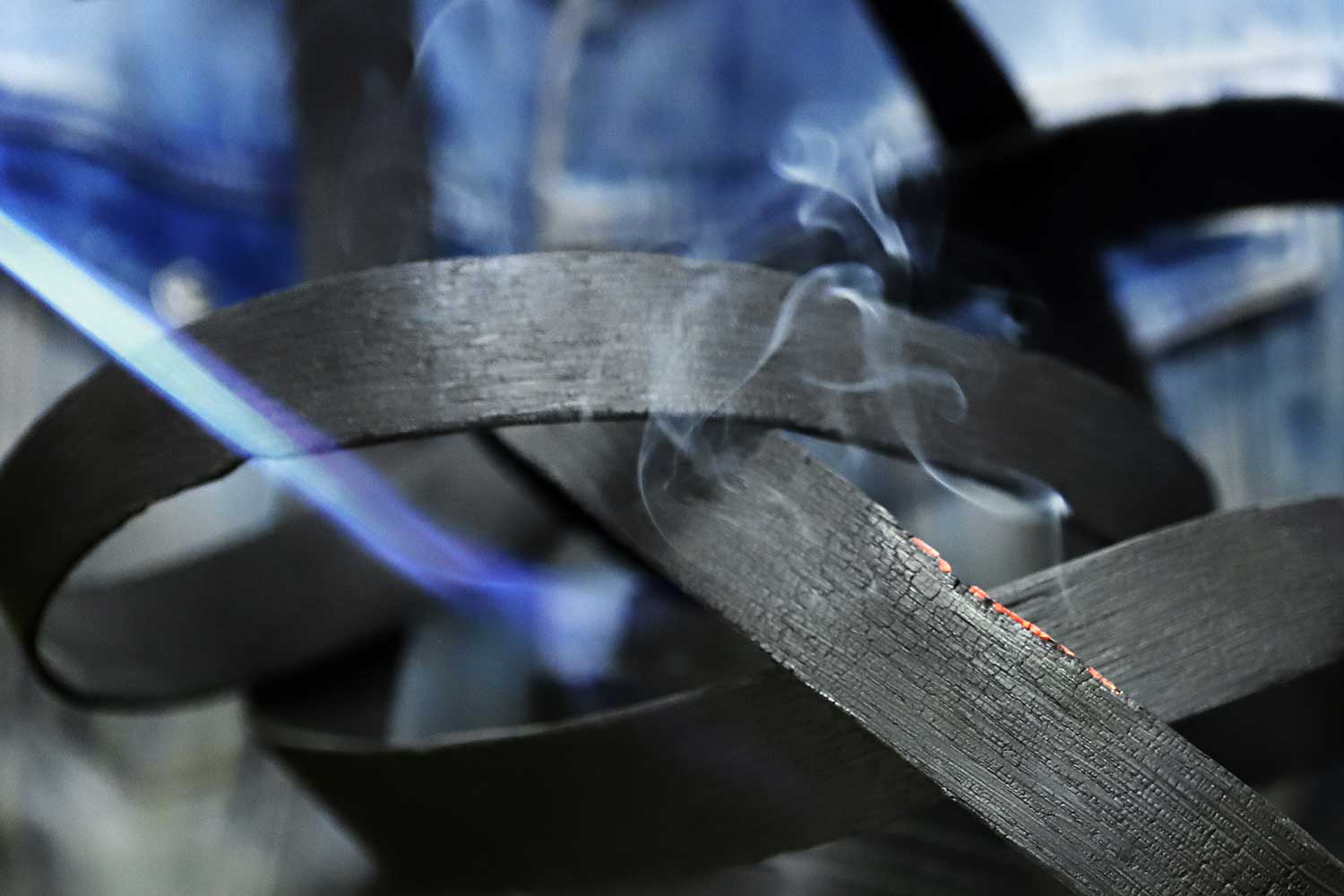
- His works emerge through steam bending and carbonisation
- Emotional expression is at the heart of his practice
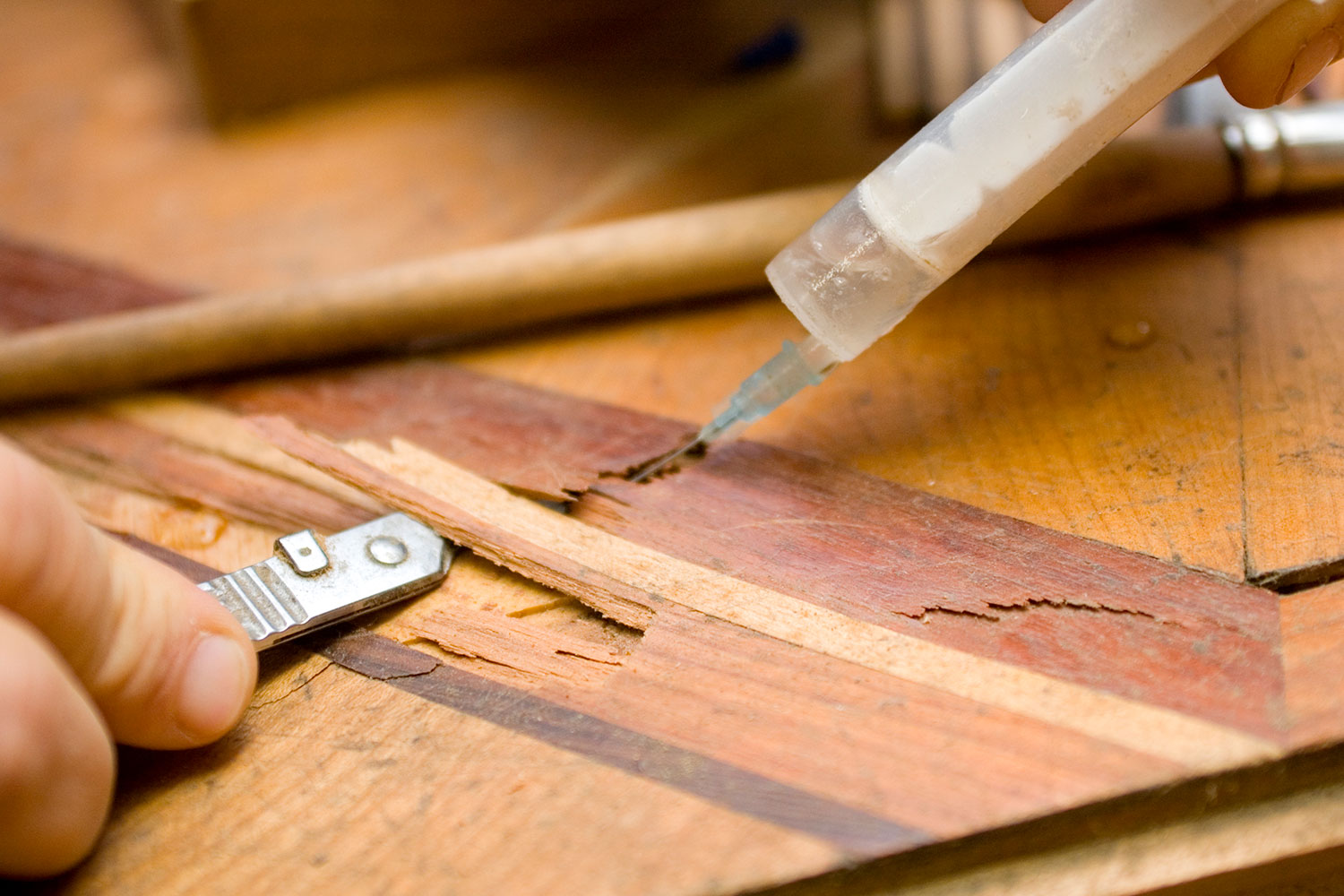
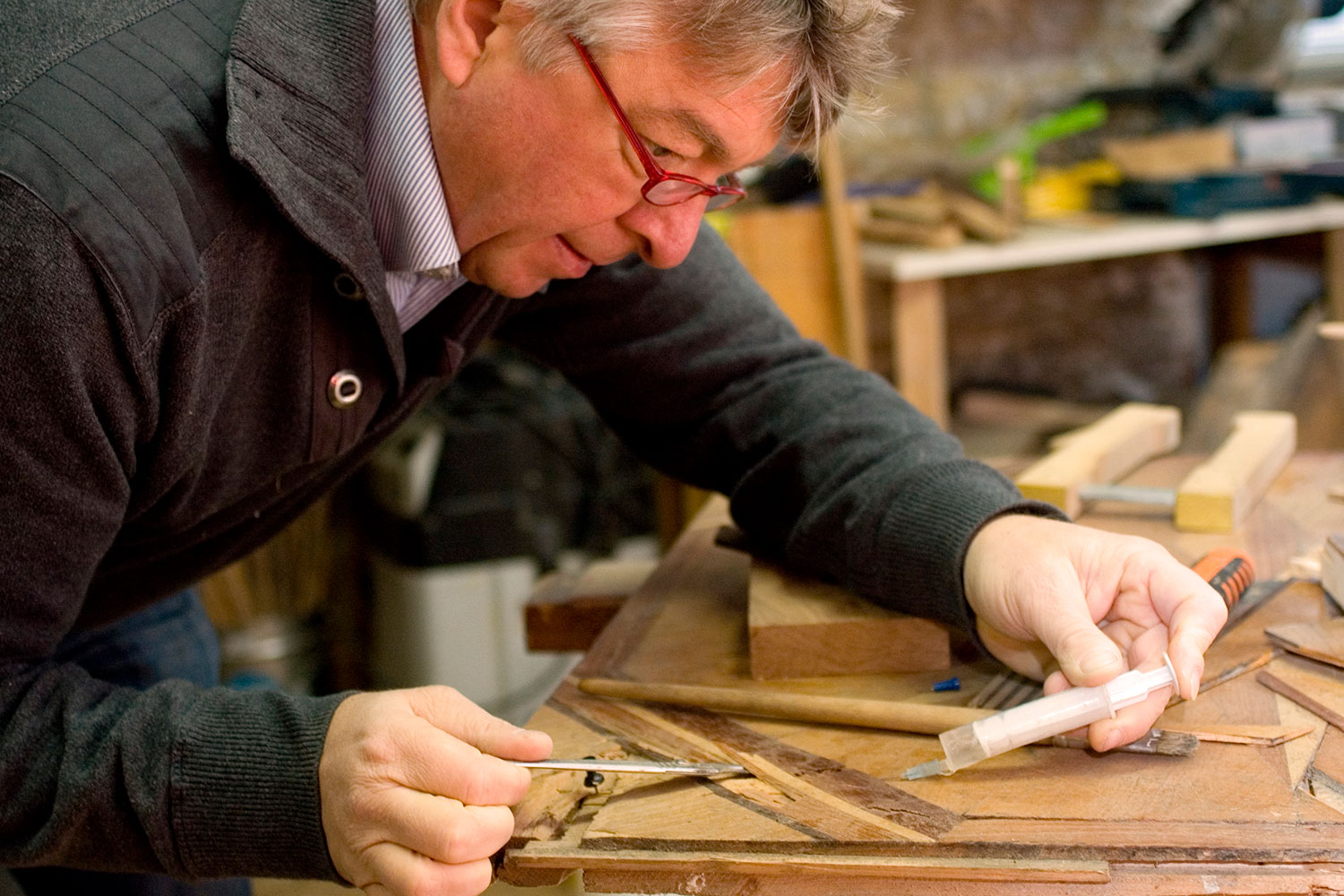
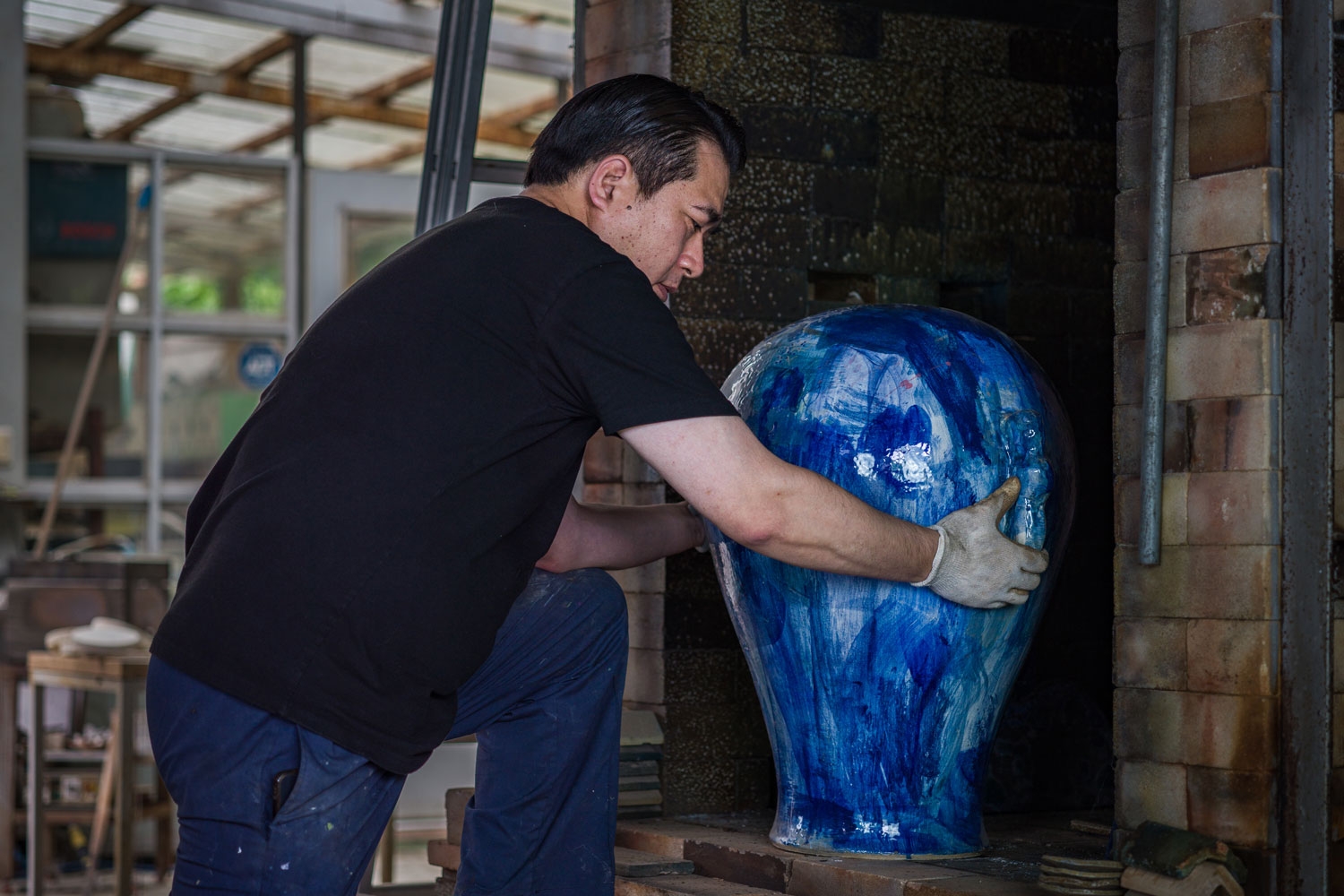
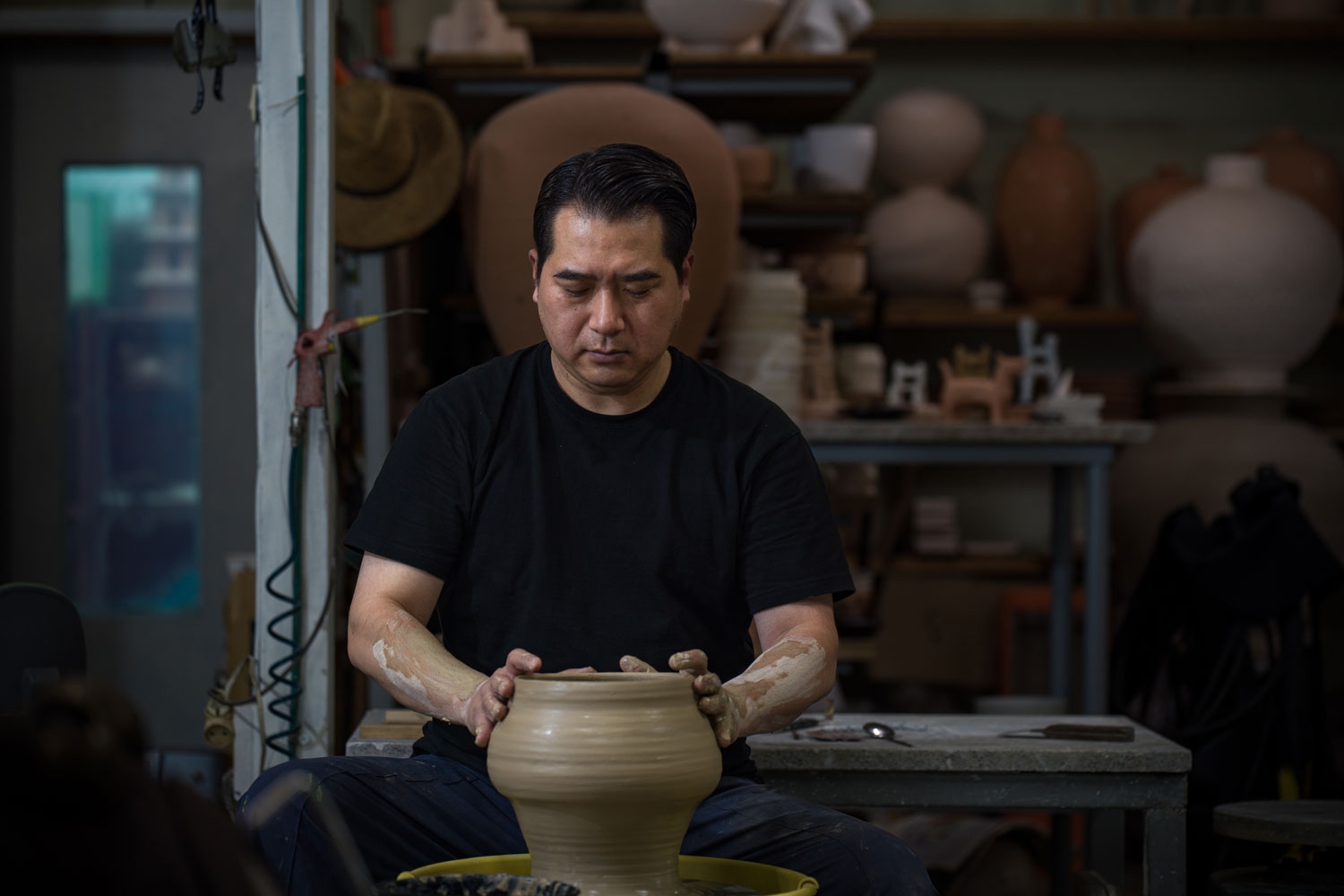
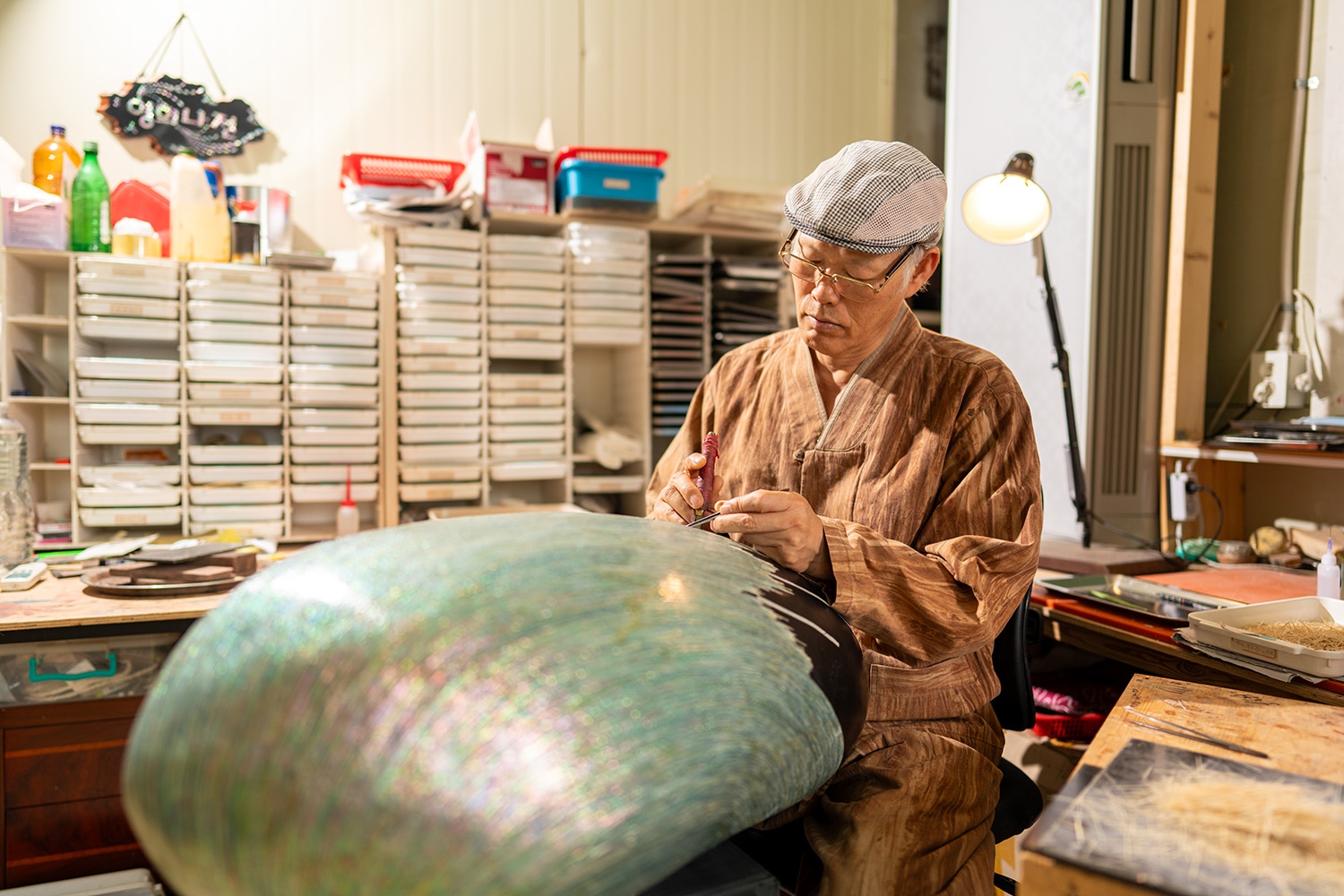
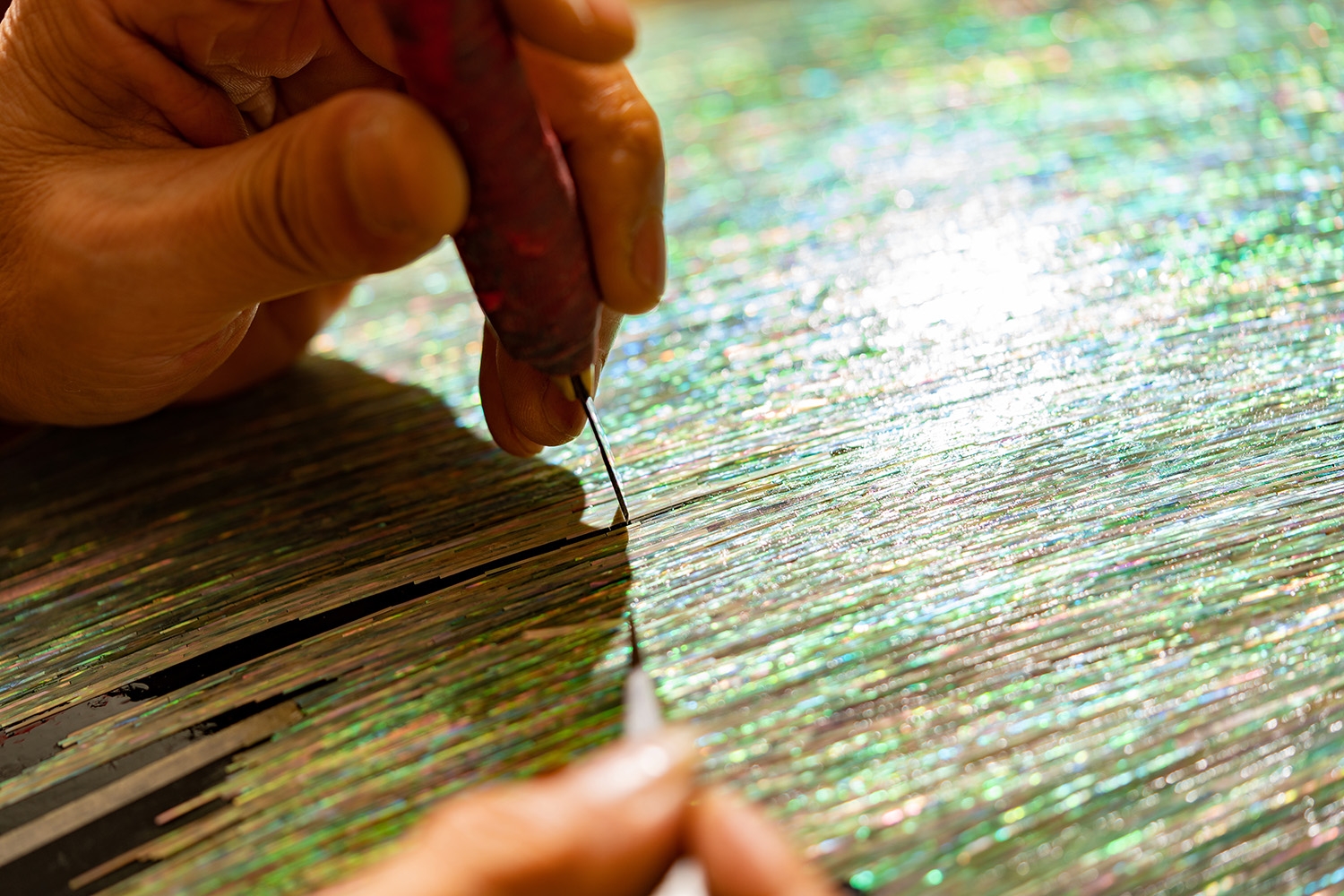
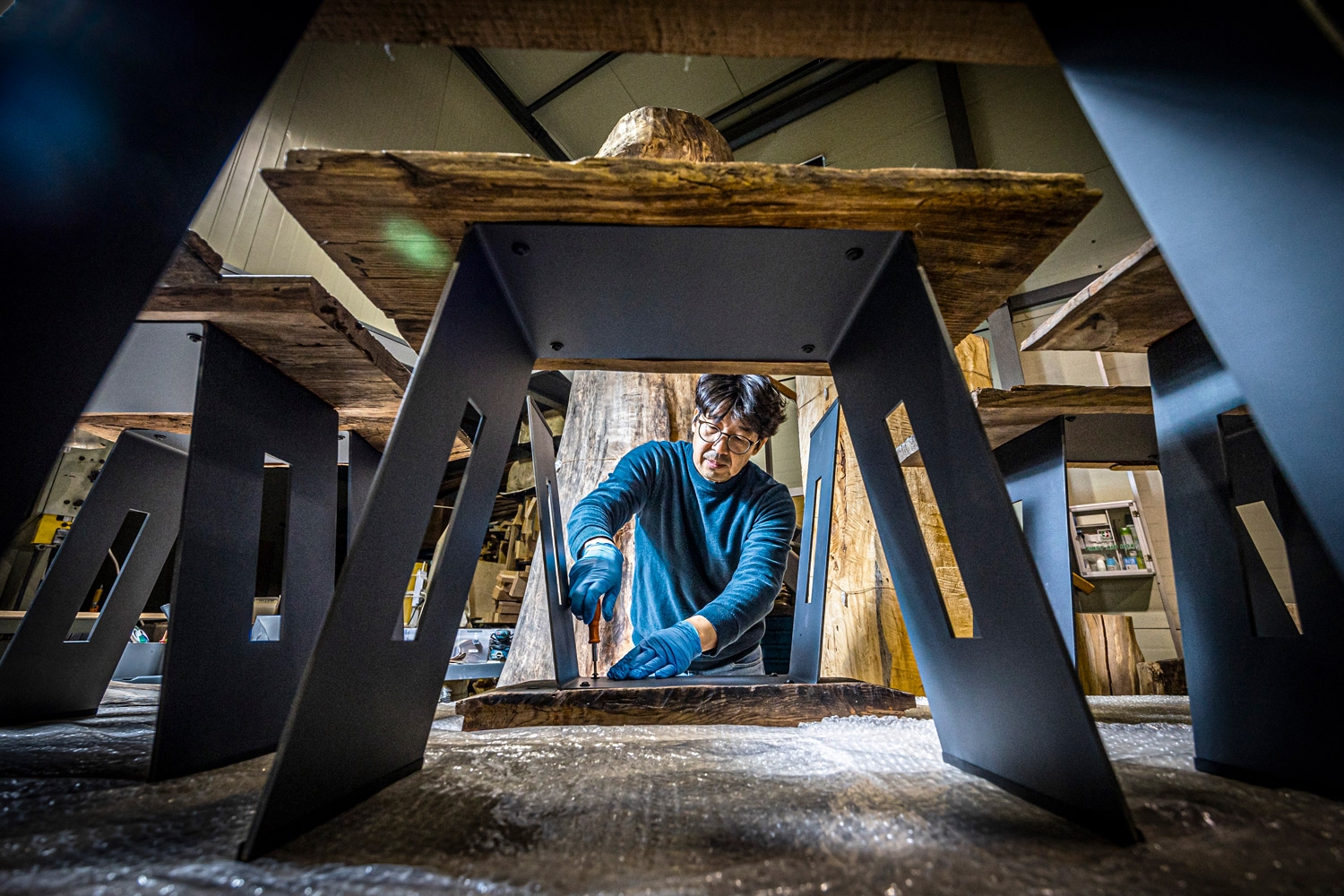
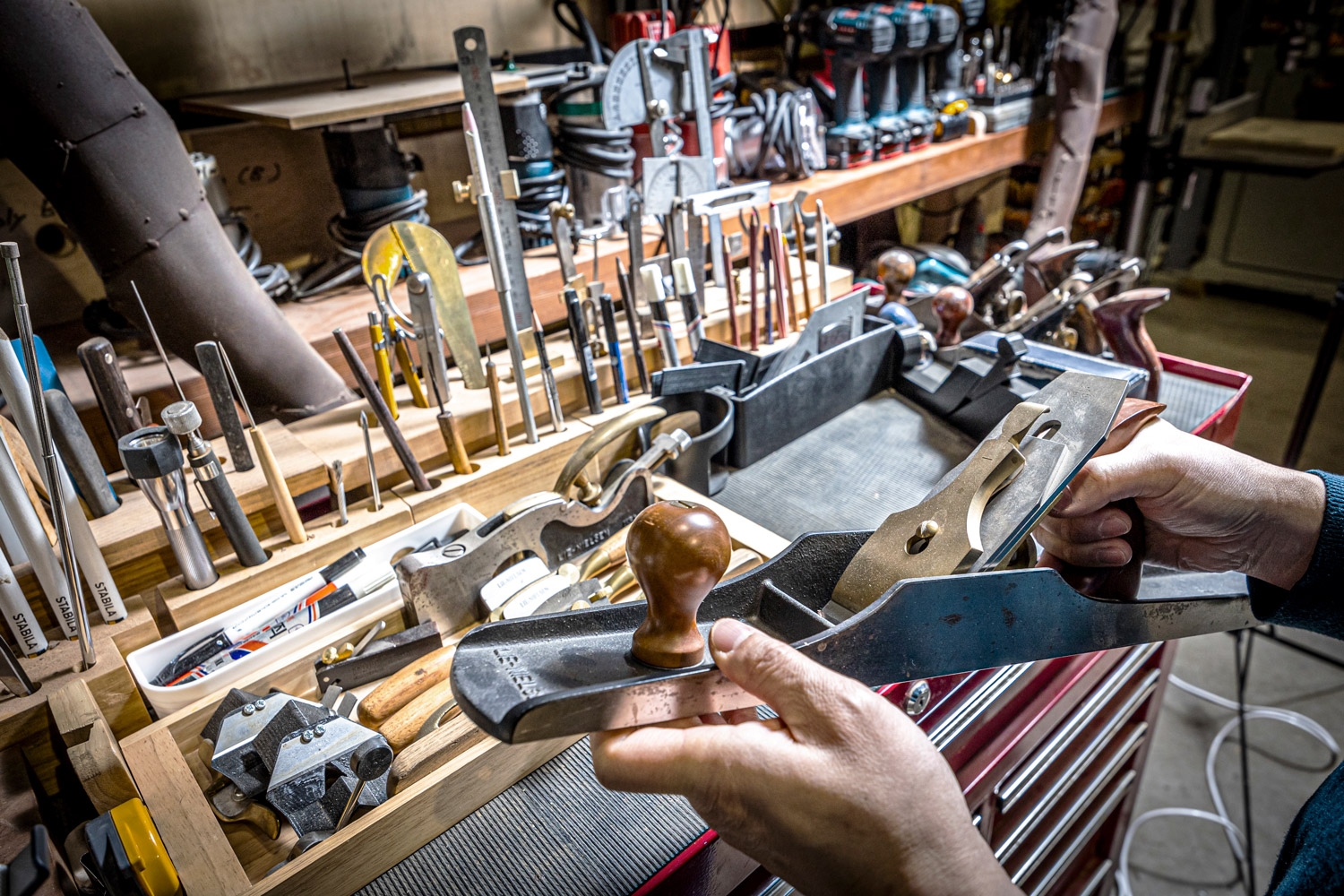
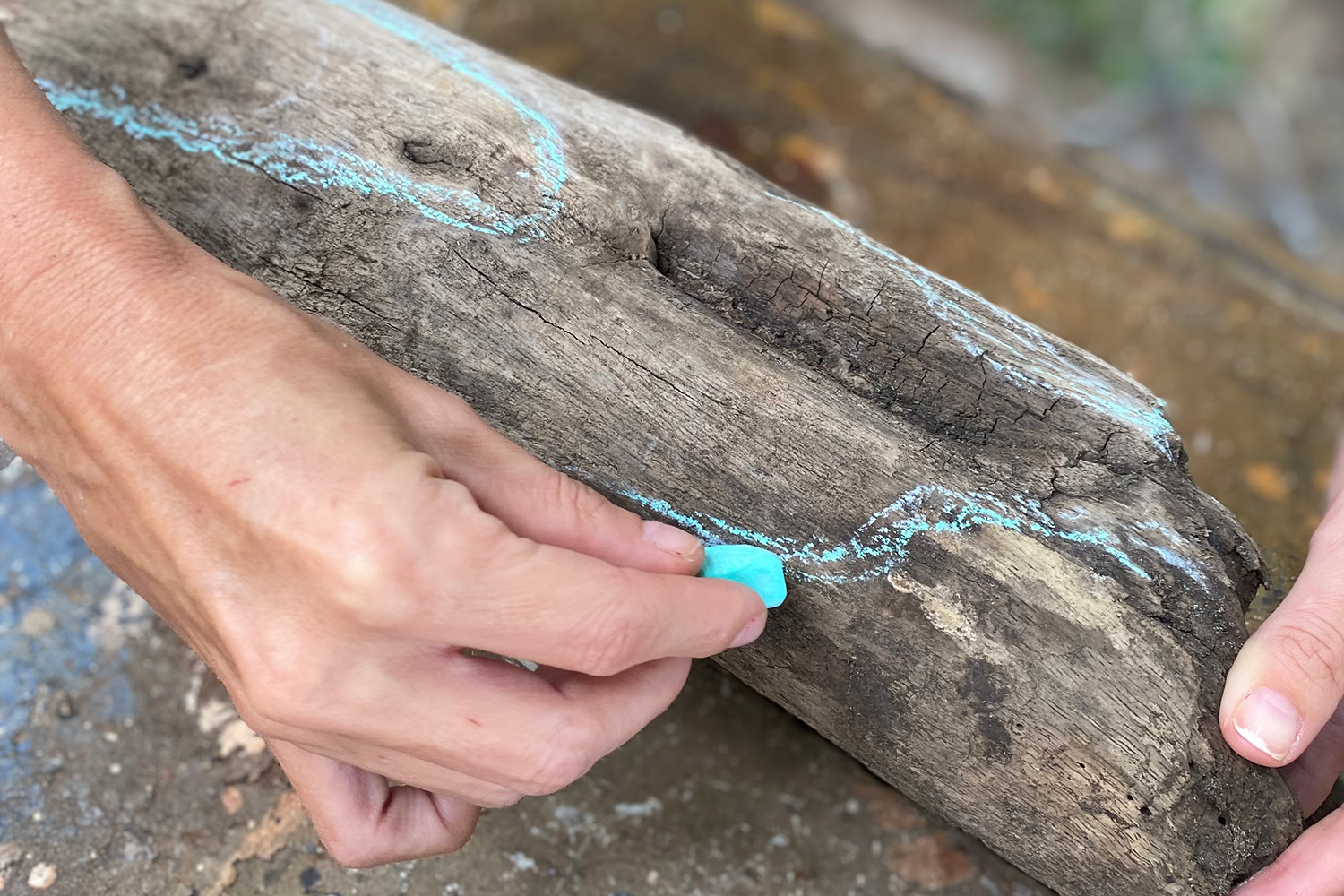
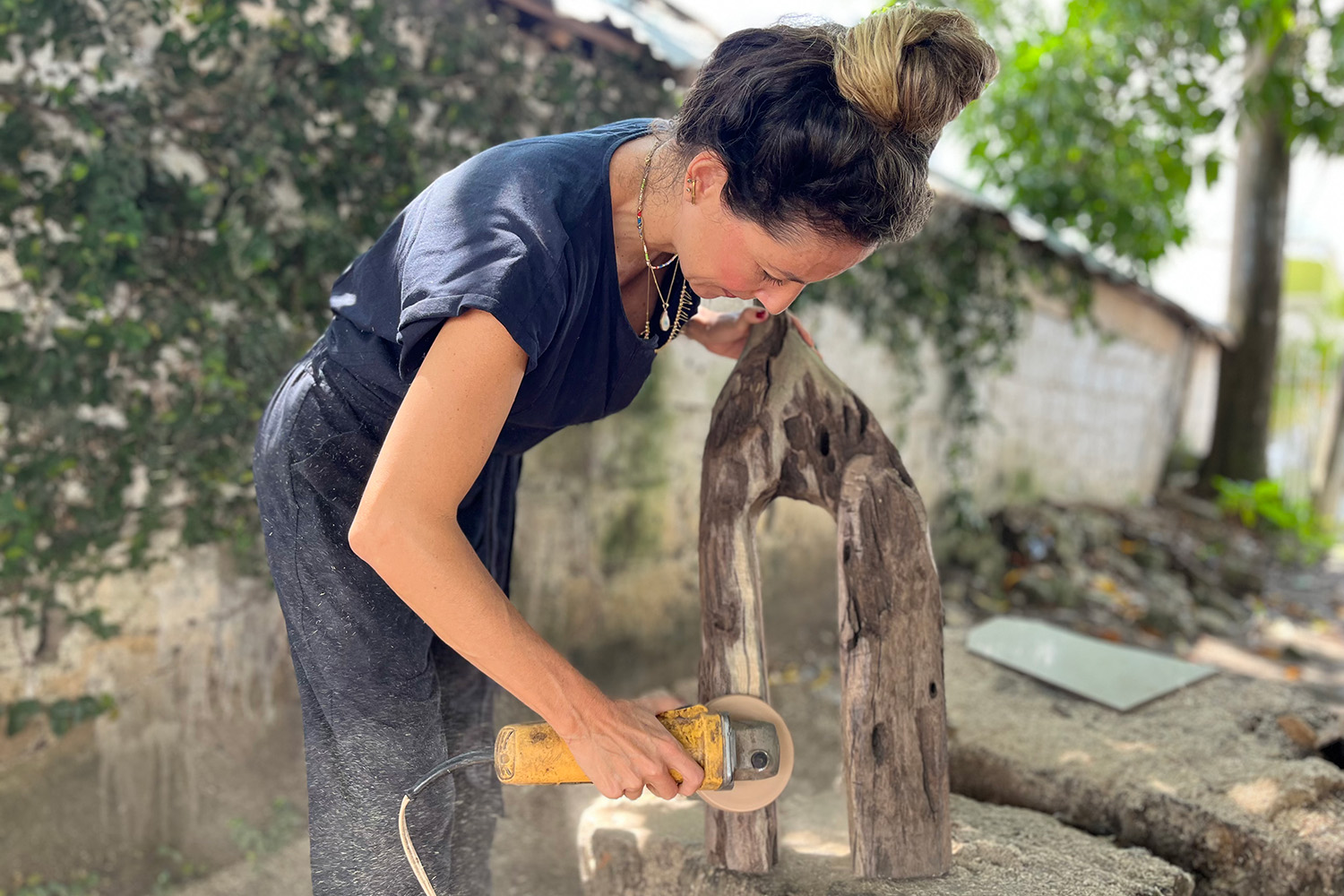
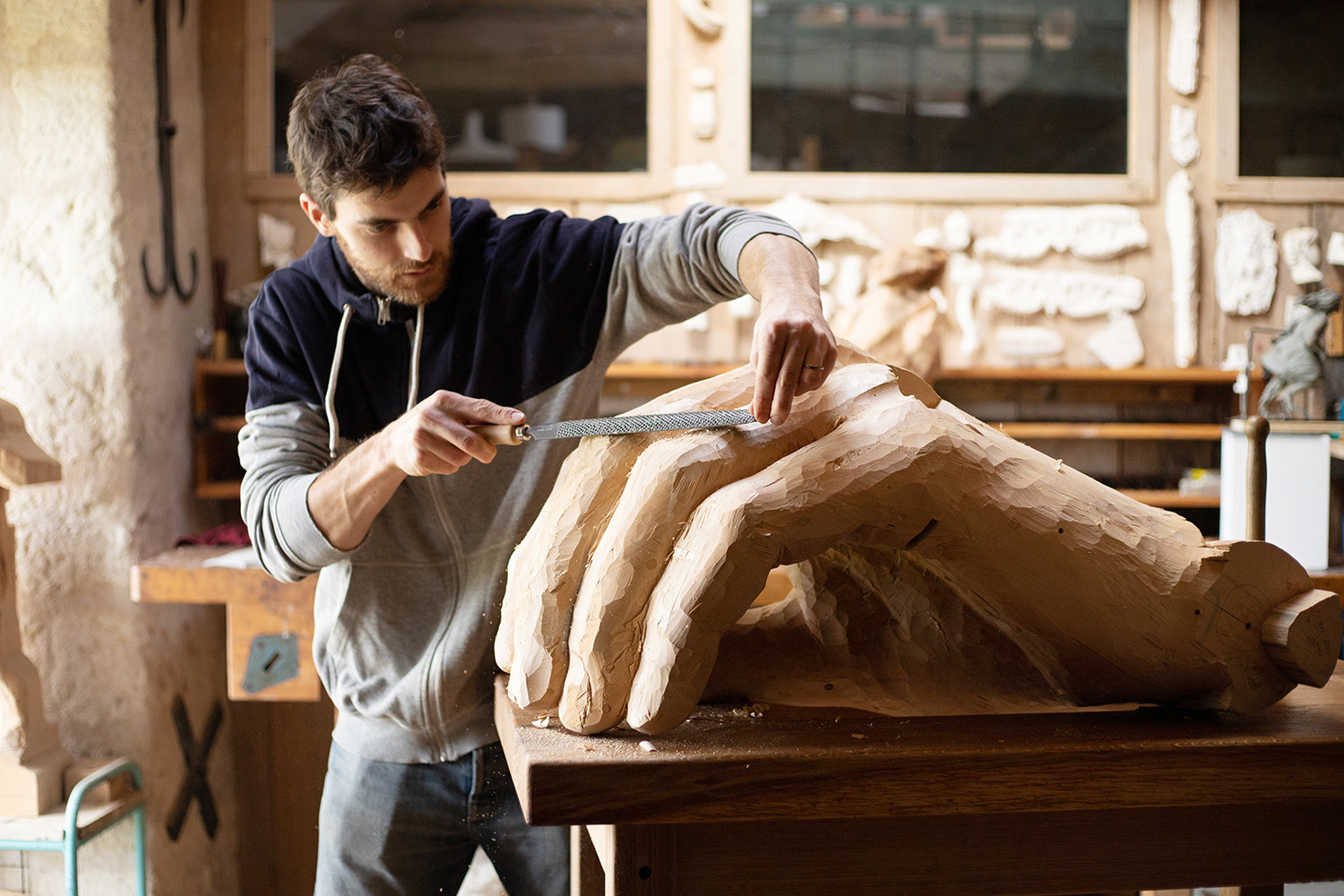
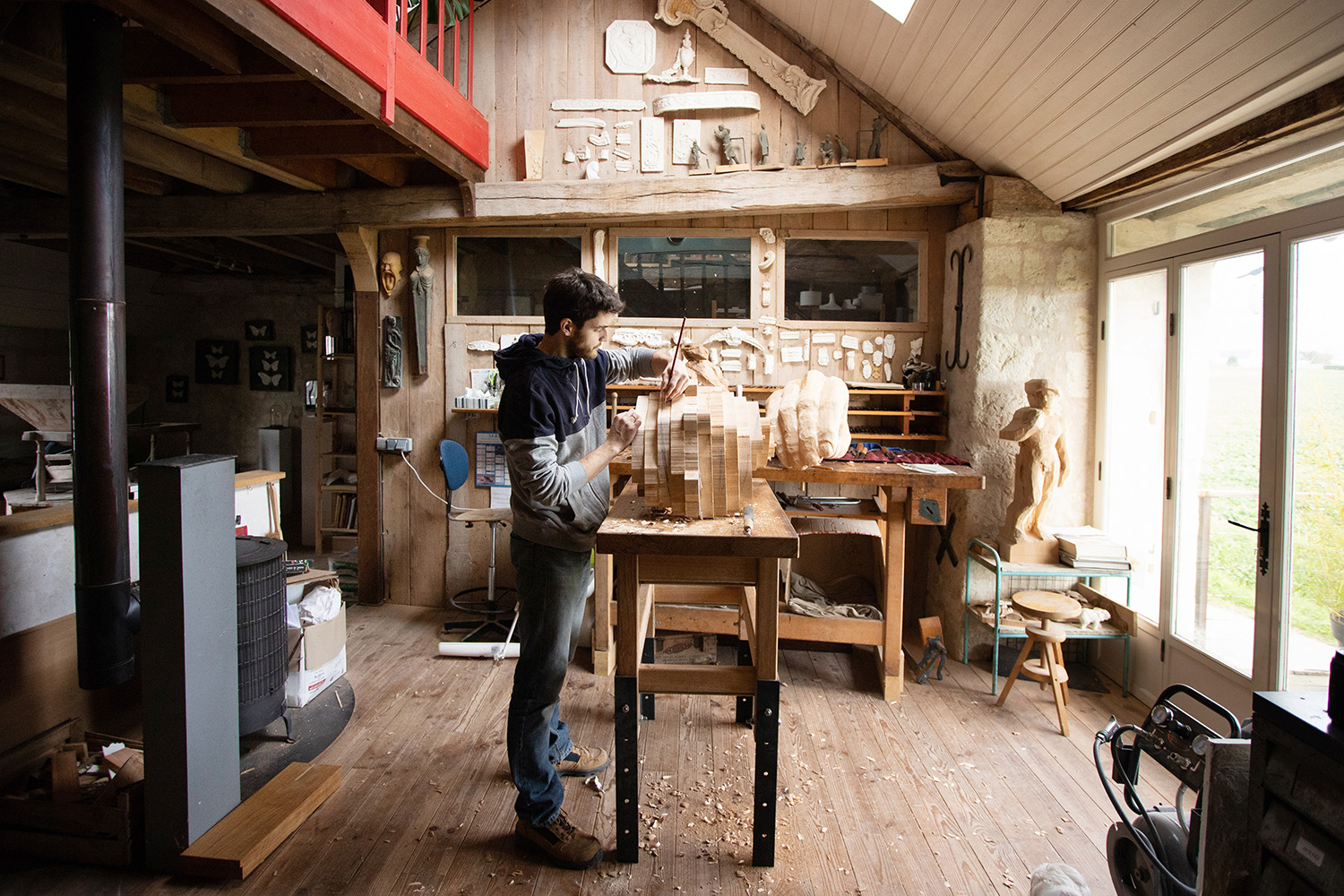
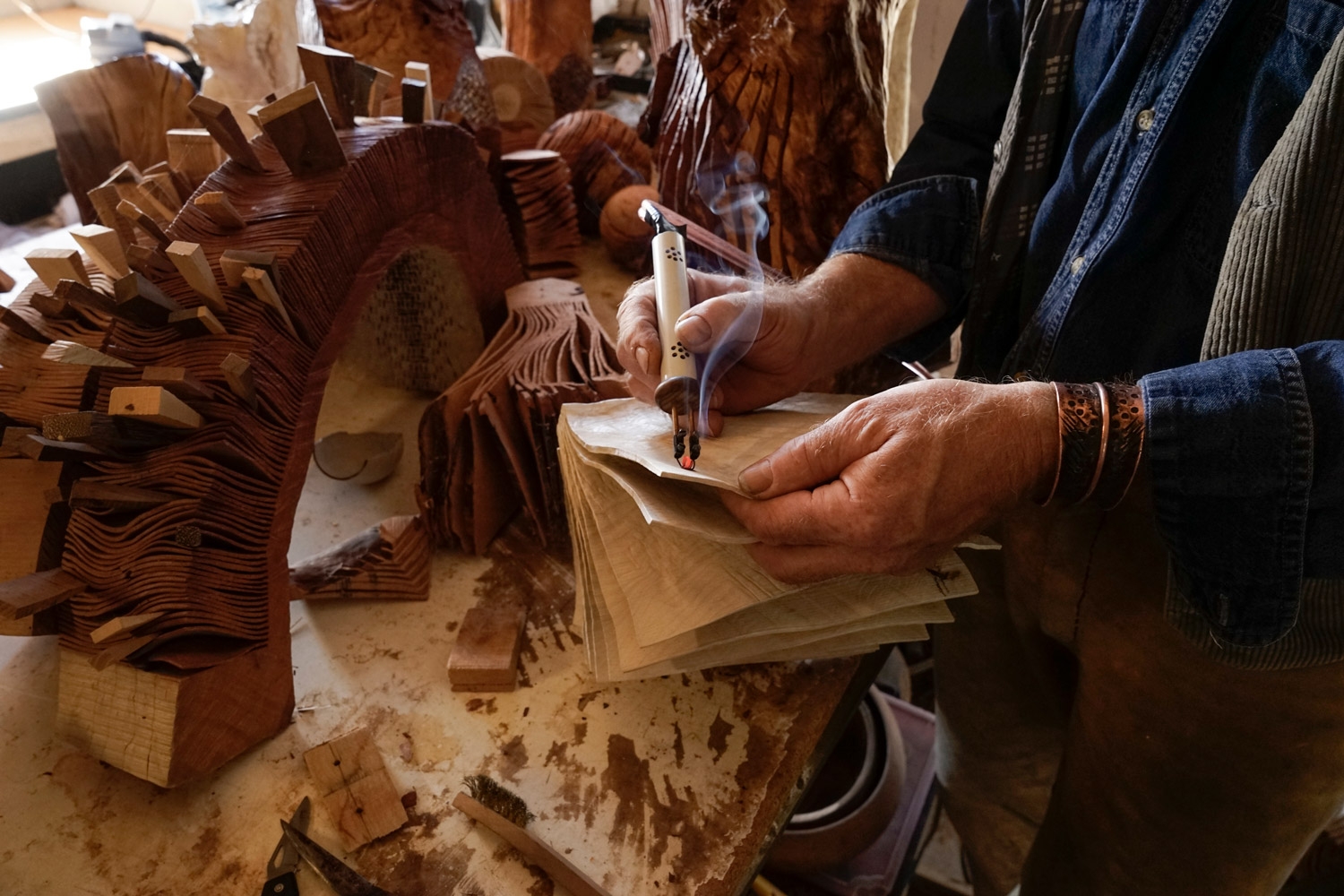
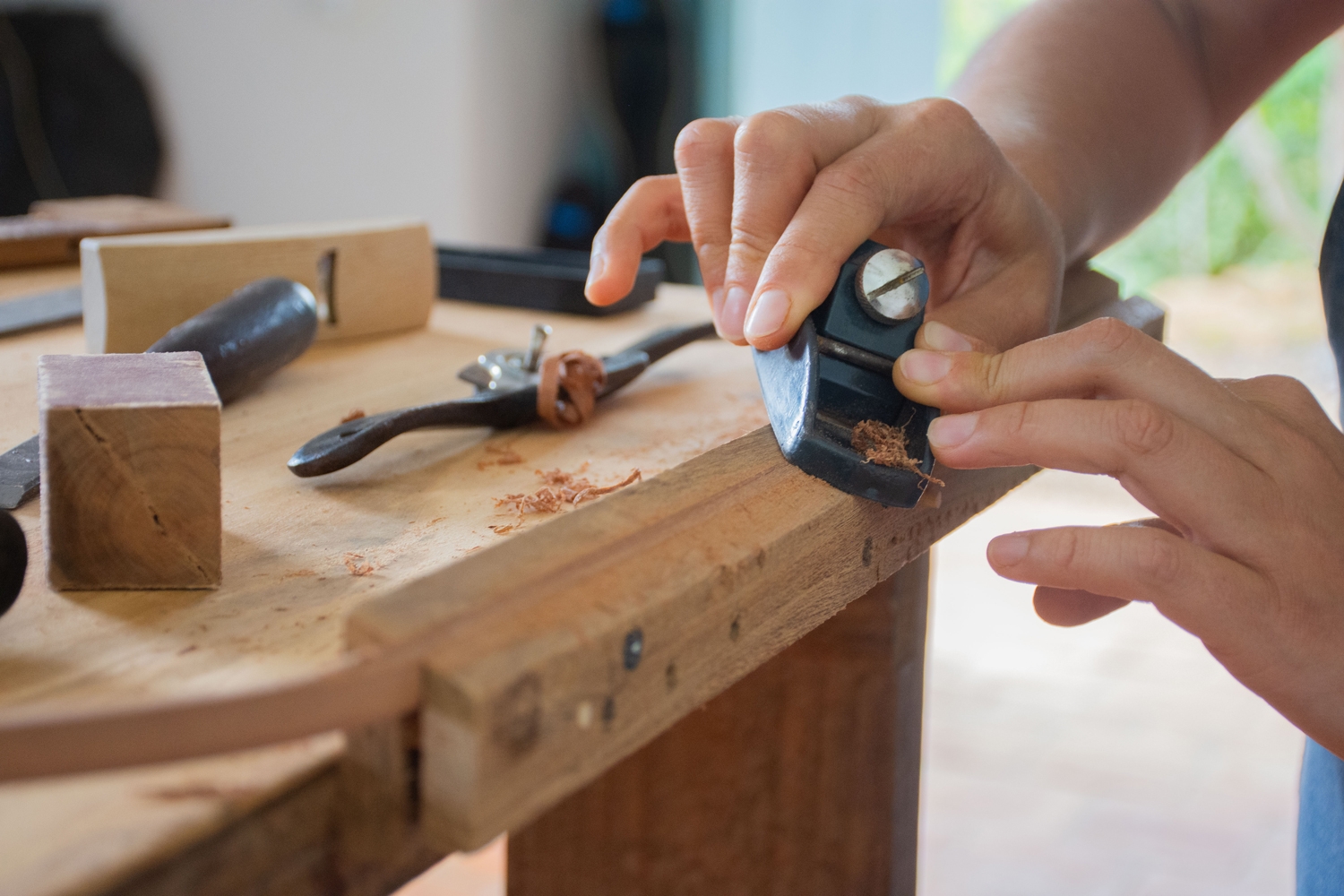
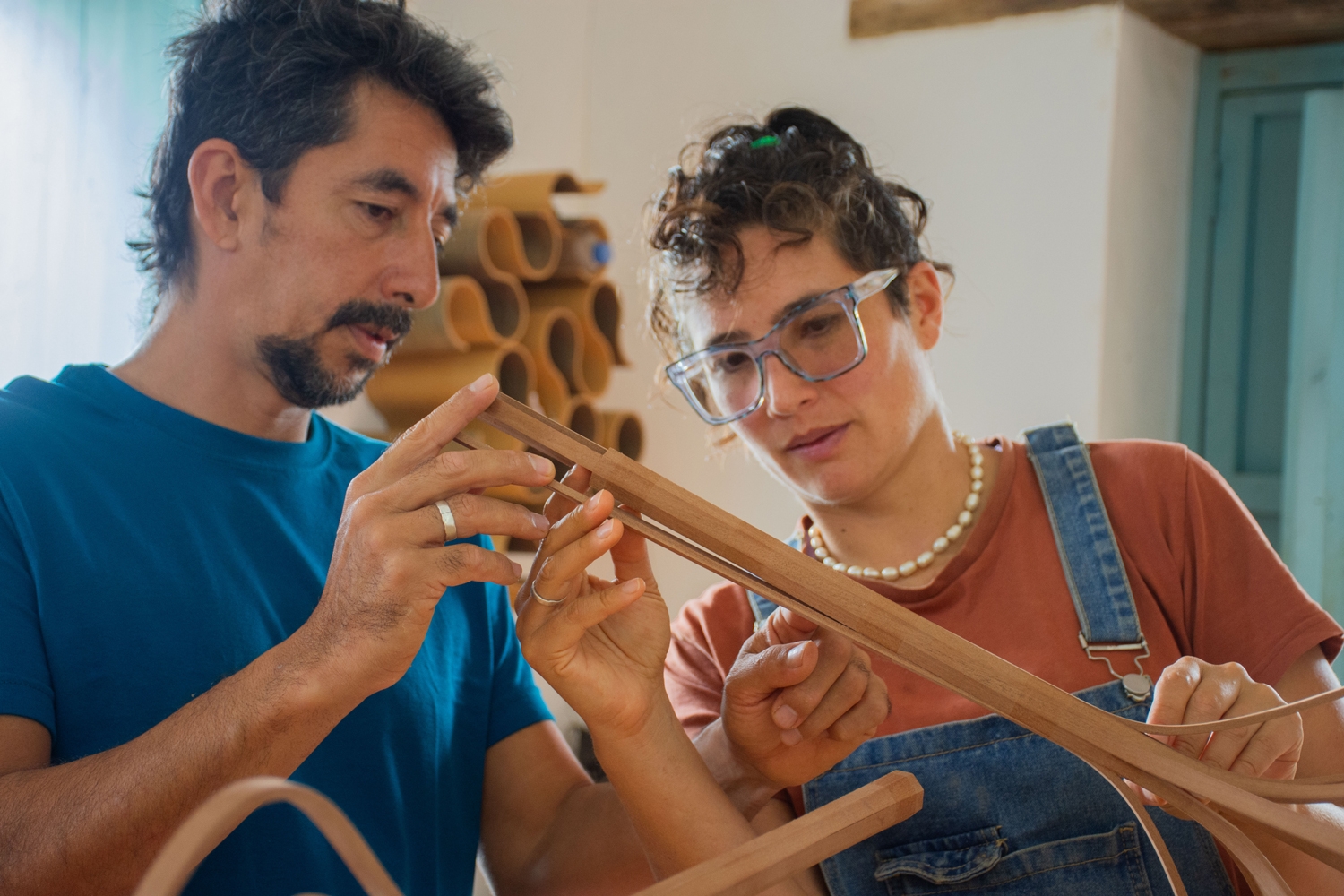
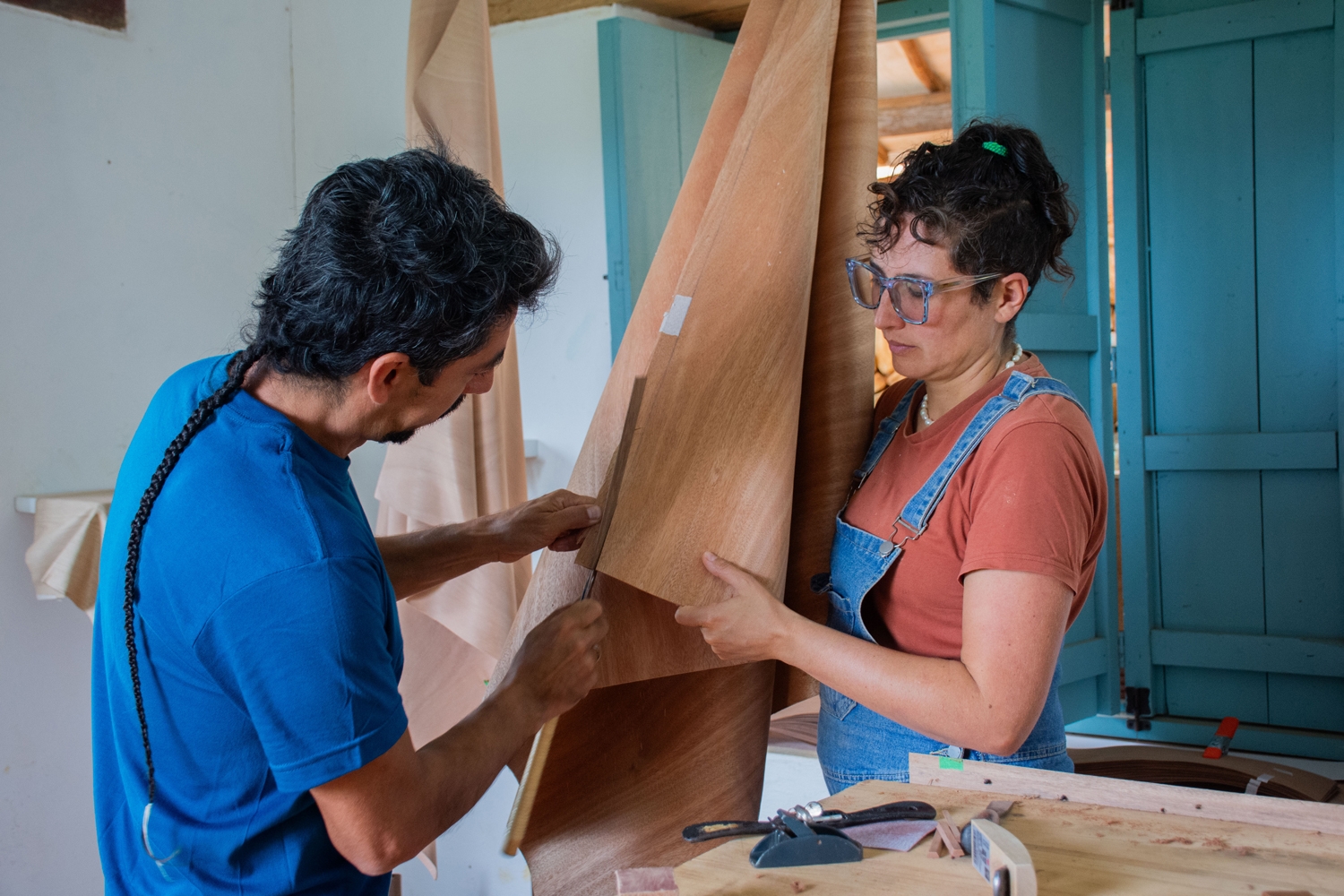
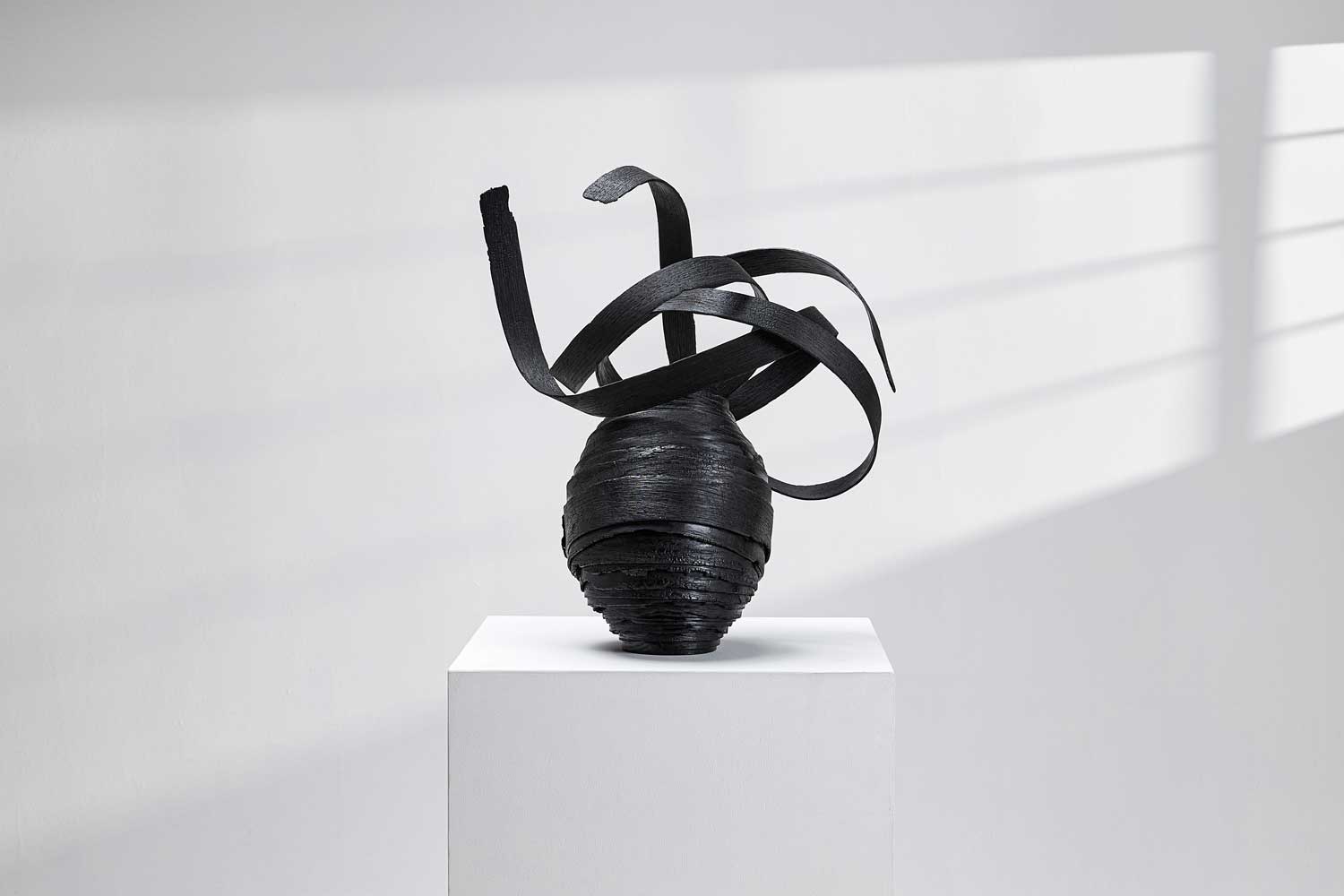
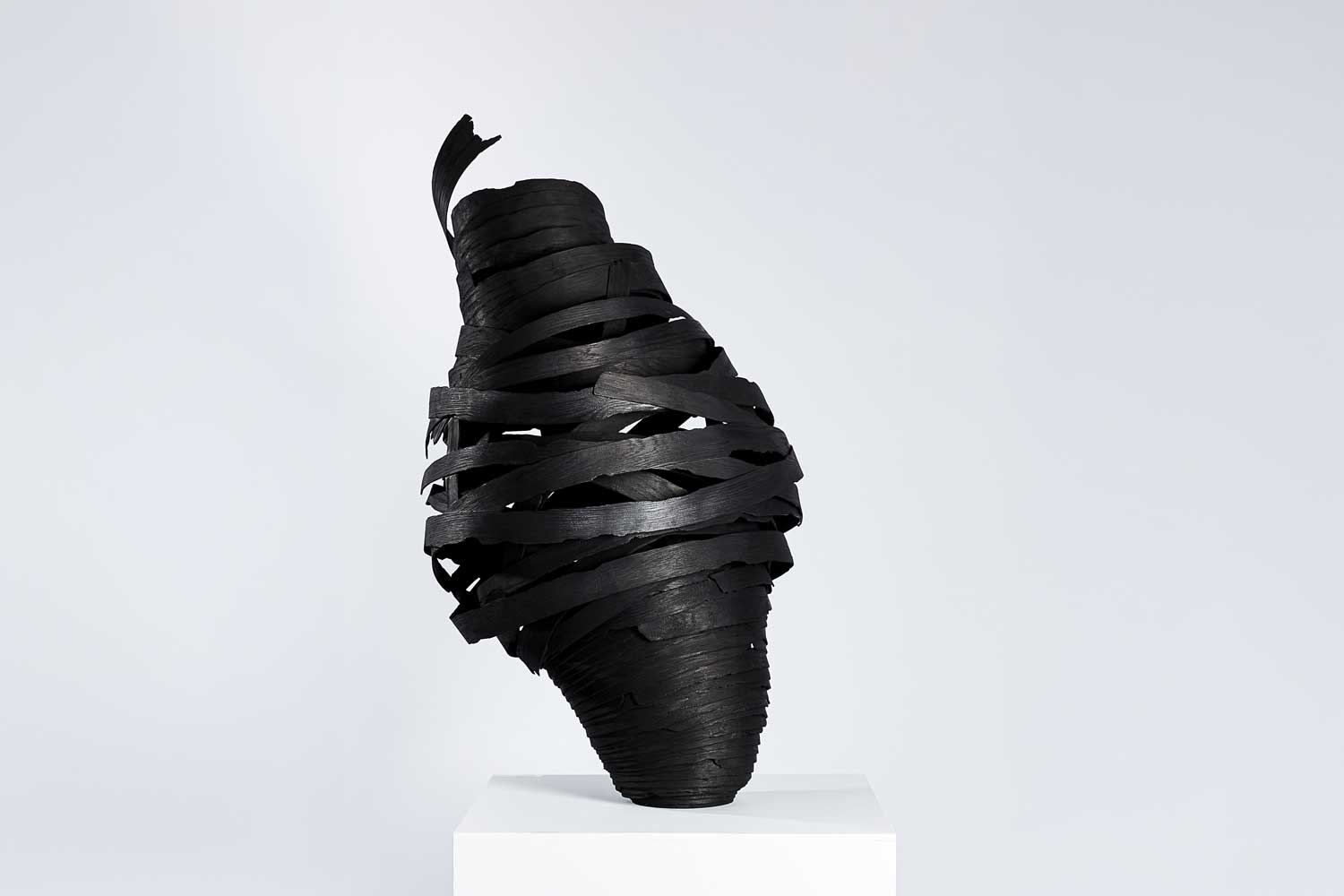
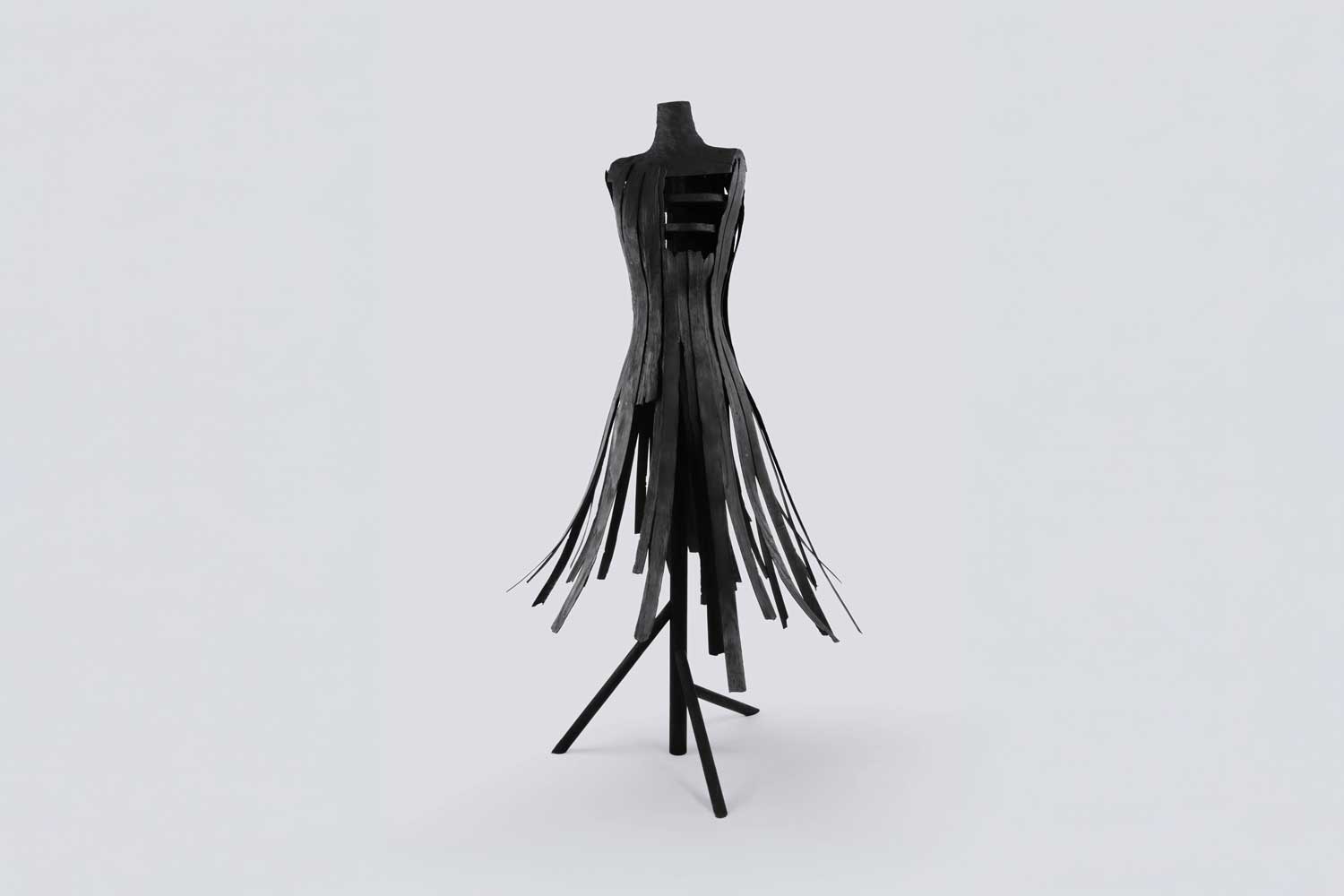
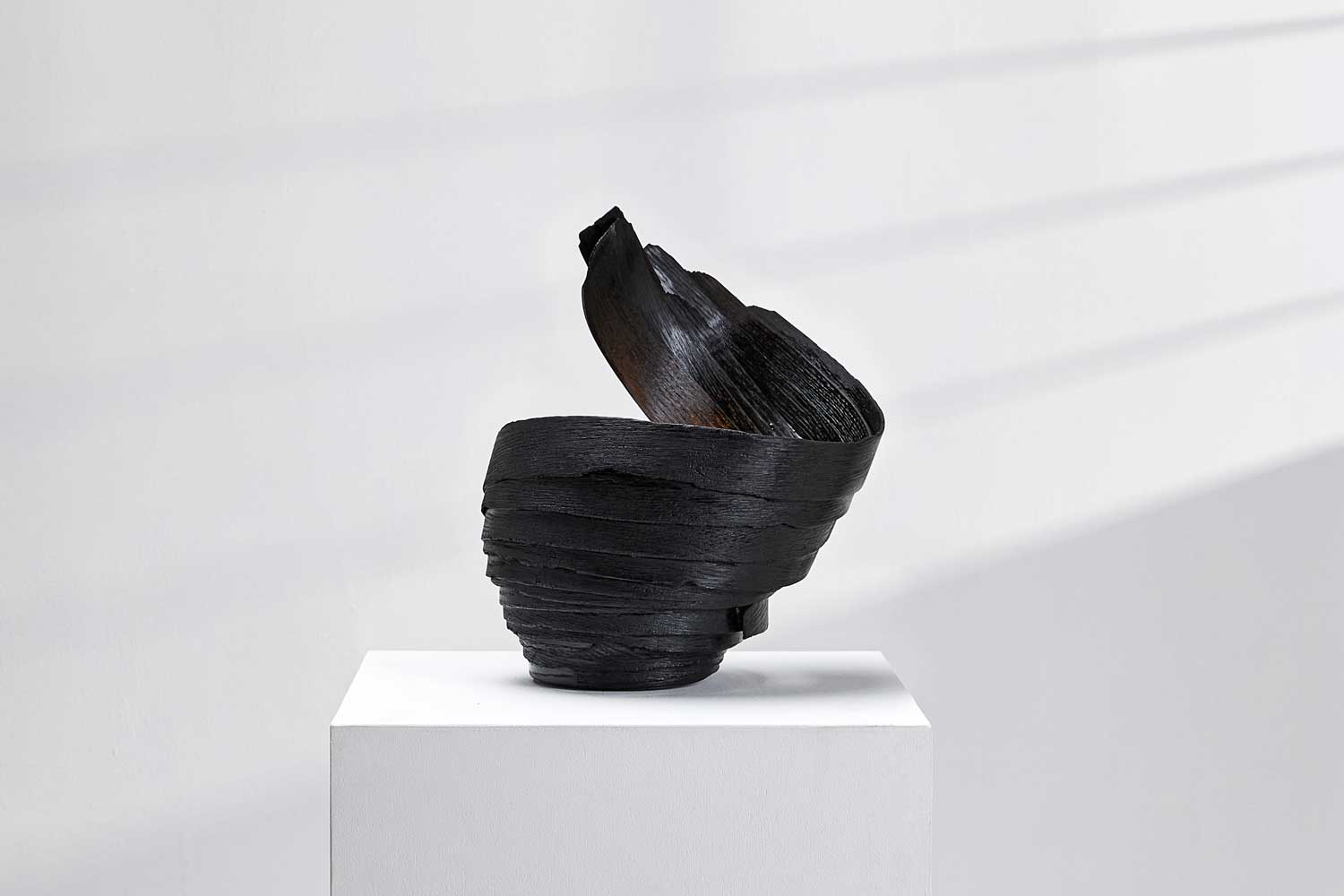
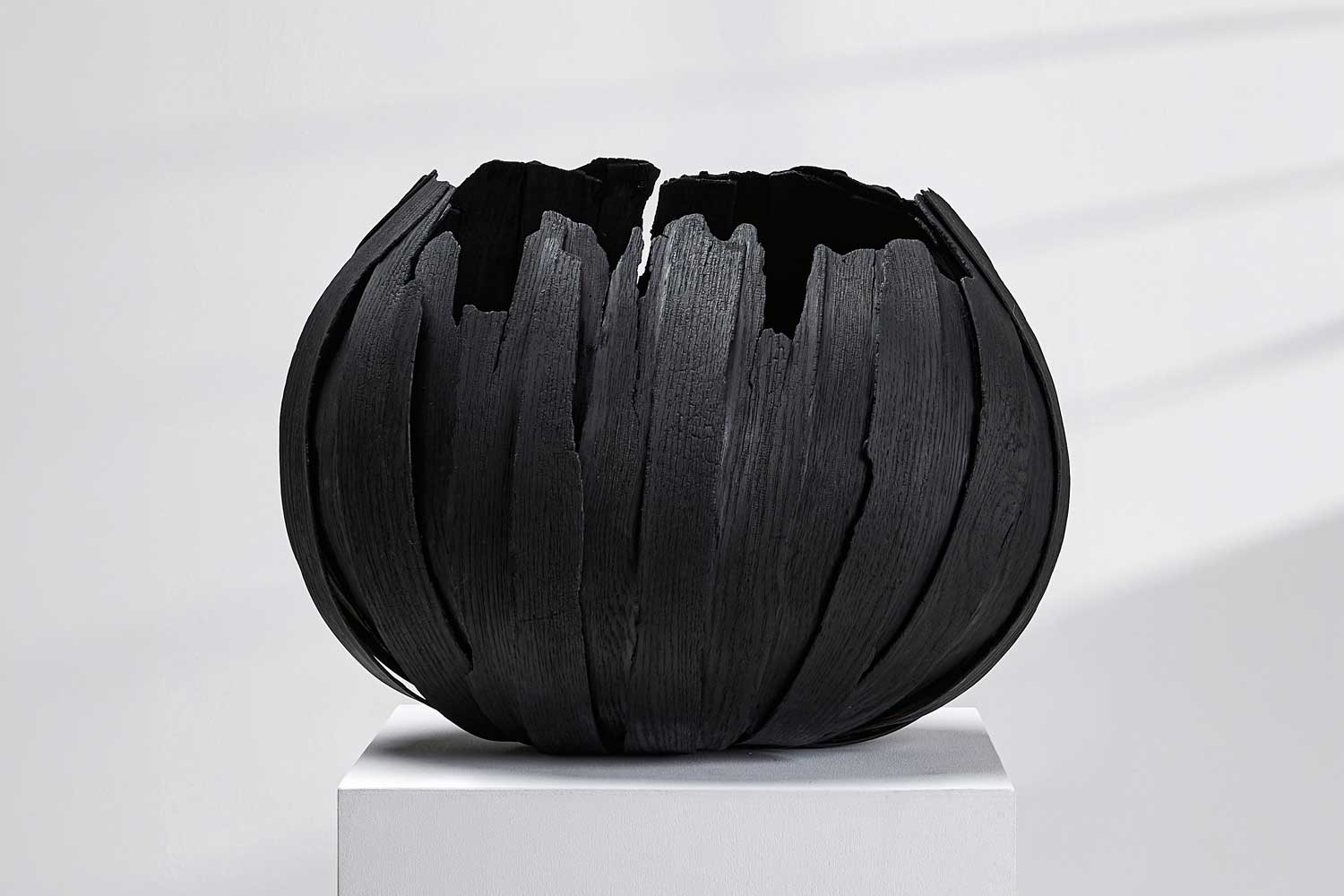
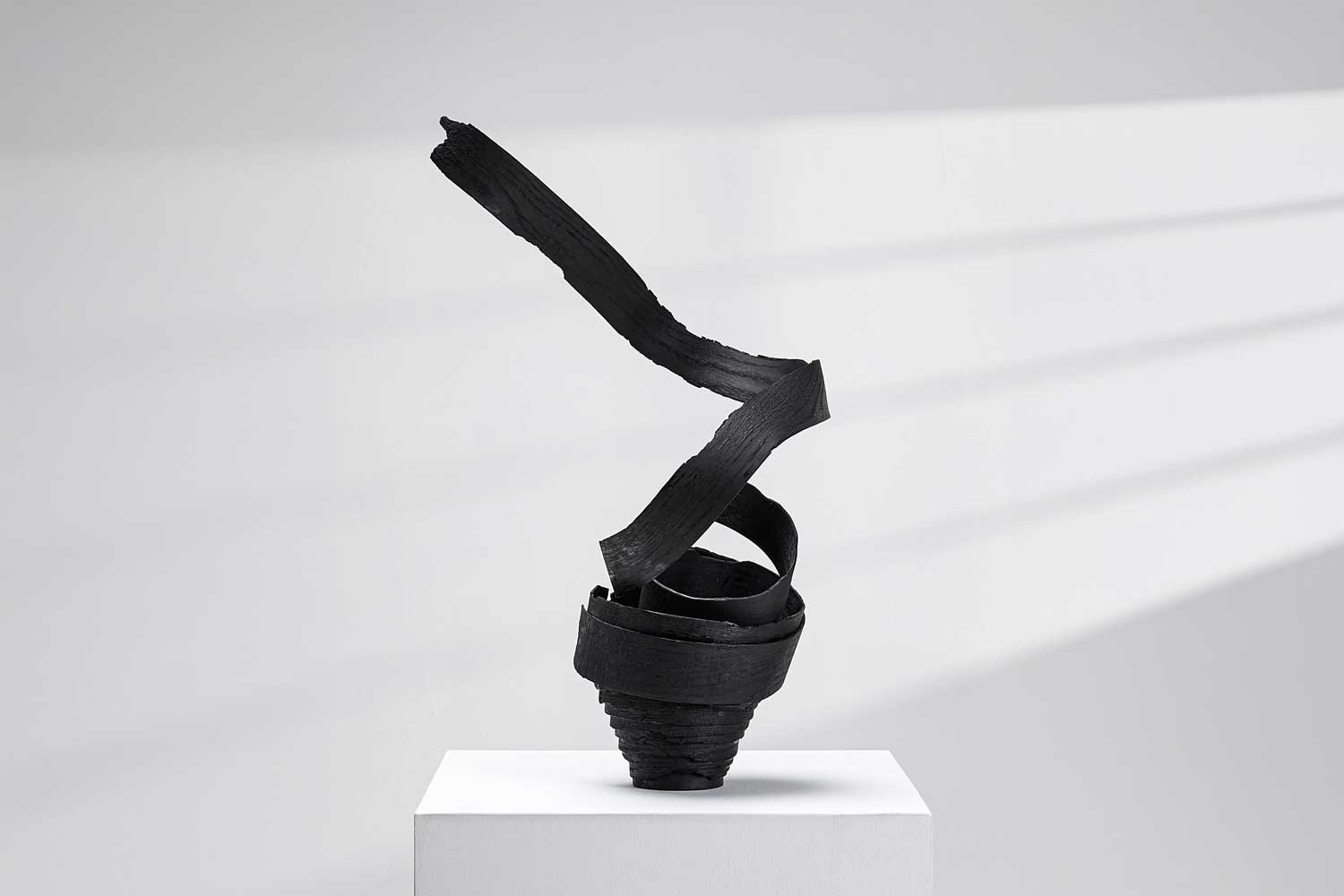
Yoonbae Kim has built a hybrid life for himself, working as a wood sculptor while also performing as an actor. He uses the periods of time between his work in Korean dramas and films meaningfully, turning to expressing emotion through gesture and movement in wood. He handcrafts sculptures that honour the natural form of wood. “For me, the life of a woodworker and the life of an actor are not separate paths, but relationships that influence and expand one another,” he says. Yoonbae initially trained in solid wood furniture making before developing an interest in dry and steam wood-bending techniques. From there, he built a practice centred on bending and burning wood, his approach allowing forms to emerge through the material as they find a natural flow.
Yoonbae Kim is an expert artisan: he began his career in 2016.
Discover his work
INTERVIEW
I have always valued irregular and unrefined moments in life. At some point, I set aside drawings and began allowing form to emerge naturally through the process of bending and burning wood. Instead of trying to control the material, I chose to respect its natural flow.
During the working process, there are moments when the grain and surface of the wood reveal themselves in unexpected ways. In those instances, I encounter the material’s inherent character directly. I find deep fulfilment when such accidental discoveries naturally become part of the final form.
I believe function in craft goes beyond utility, that it also holds the time and emotions of the person encountering the object. I believe my works are discovered differently by each viewer. For some, they are objects to touch and use, for others, they are seen simply as forms within a space.
I often draw inspiration from nature. Observing the forms, grain and naturally bent branches of trees gives me ideas for my work. In nature’s unintended forms and balances, I find hints for the guiding principle of my practice, defined as chance and flow.
Yoonbae Kim
Wood sculptor
Seoul, South Korea
Recommended by Jean Blanchaert & Irina Focsaneanu Eschenazi
ADDRESS
Address upon request, Seoul, South Korea
AVAILABILITY
By appointment only
PHONE
+82 1033988693
LANGUAGES
Korean
HOMO FABER FINDS
Homo Faber Finds is a new service aiming to inspire admirers of craft to connect and collaborate with exceptional artisans.
We invite you to submit an enquiry here.