Ahyun Jeon
Resin artist
Seoul, South Korea
Unfurling mist in cubic forms
- Ahyun constructs rectangular sculptures with concrete and resin
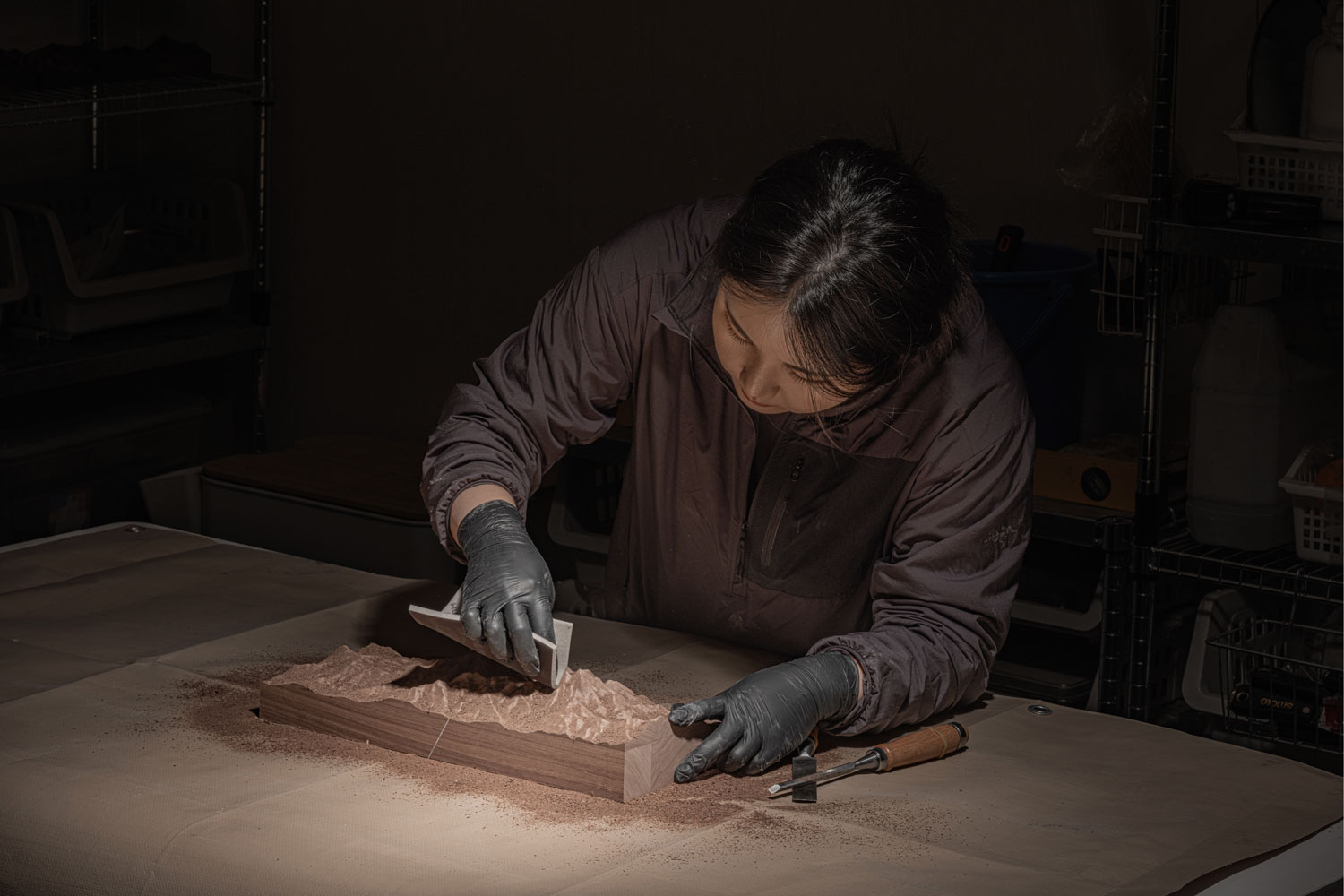
- Her process begins with digitally modelling South Korean mountains
- In her future works, she hopes to explore curved forms and traditional hanji paper
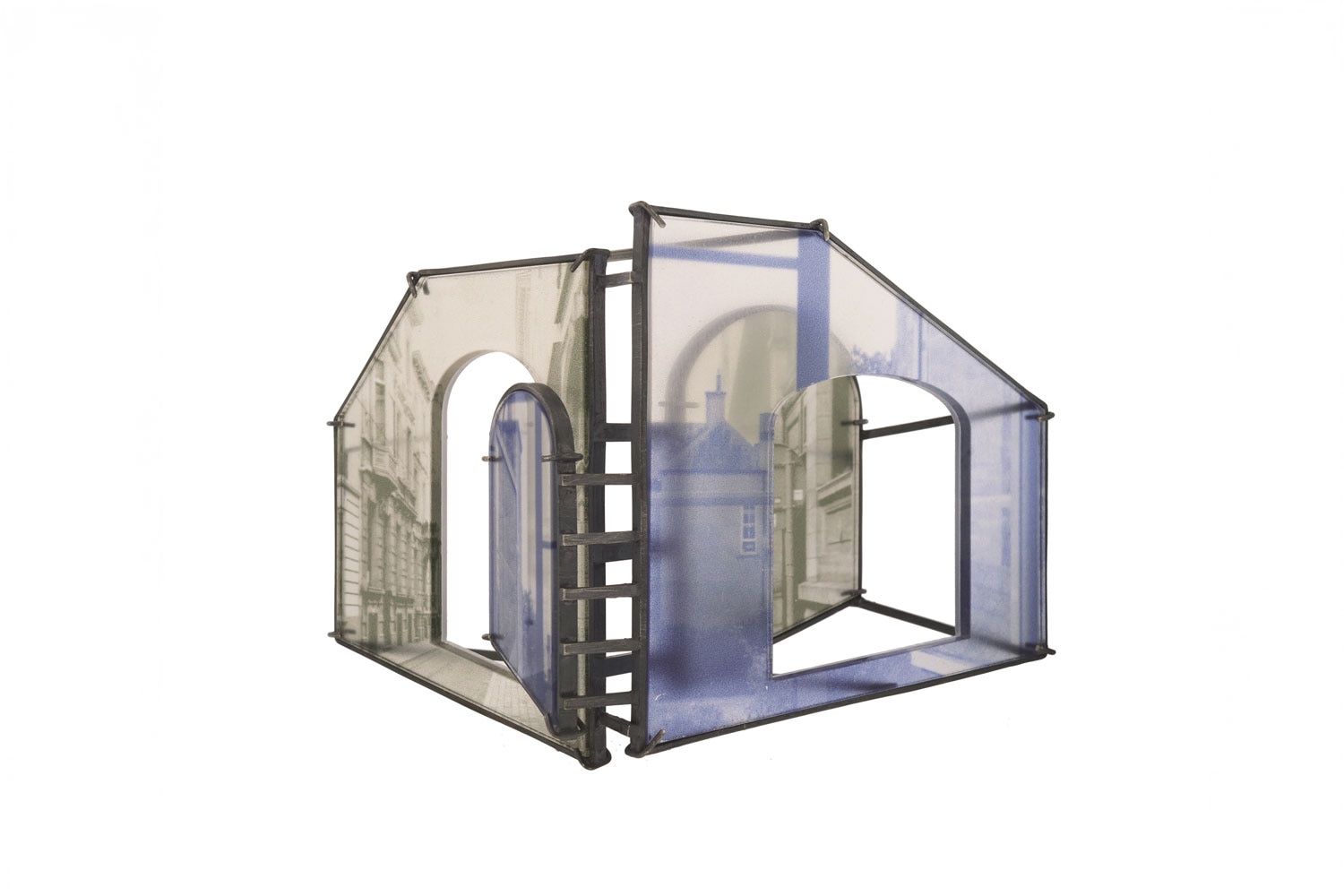
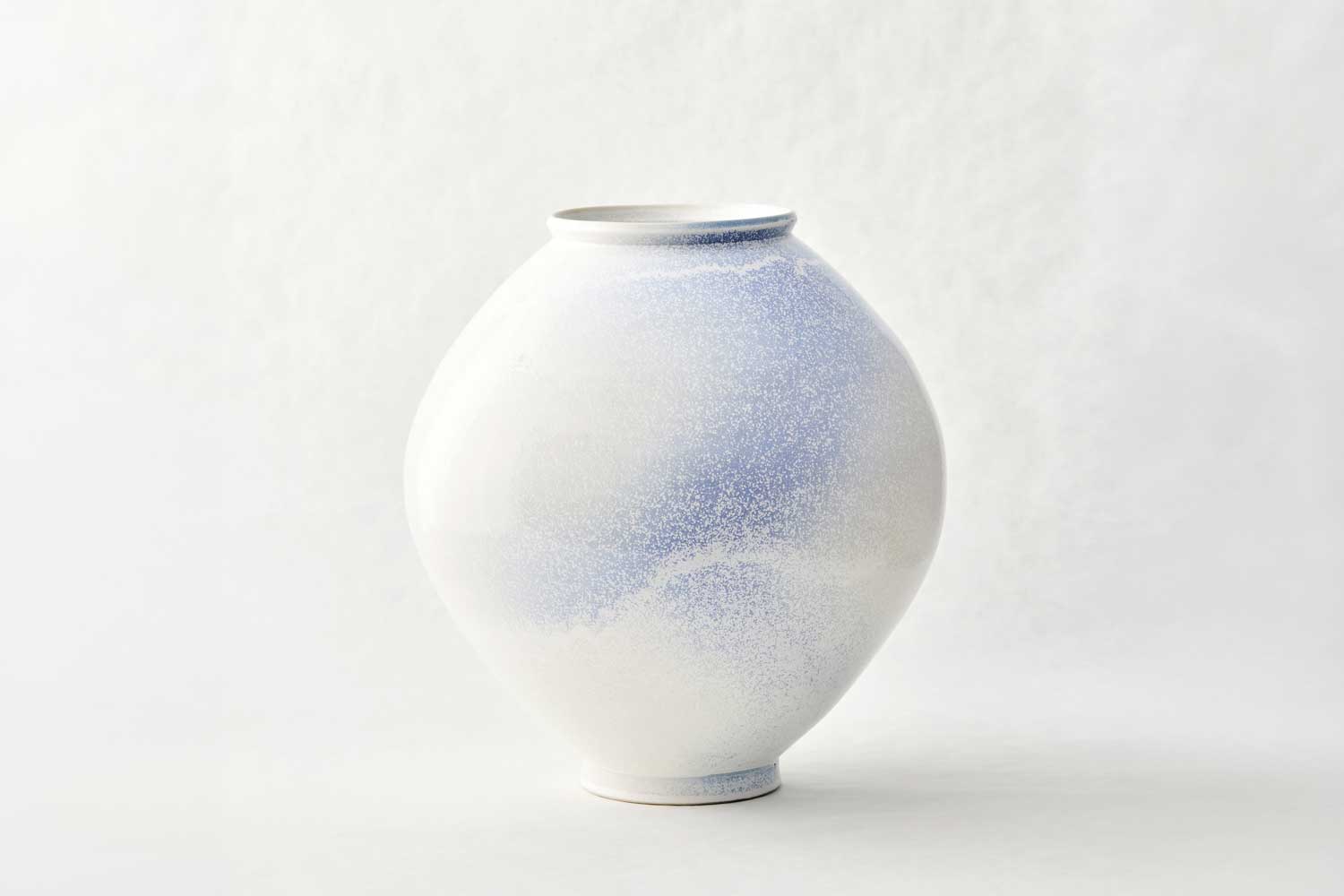
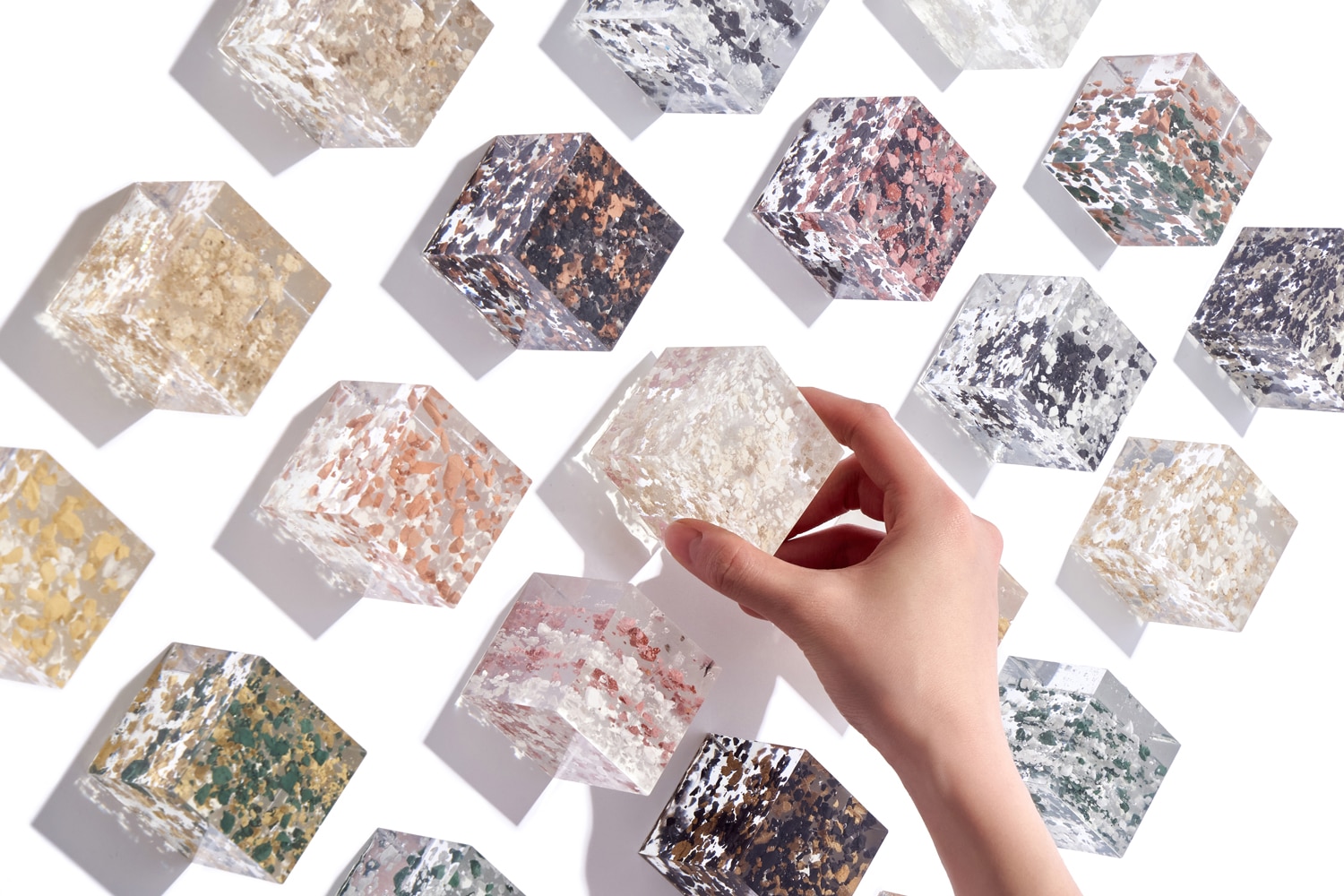
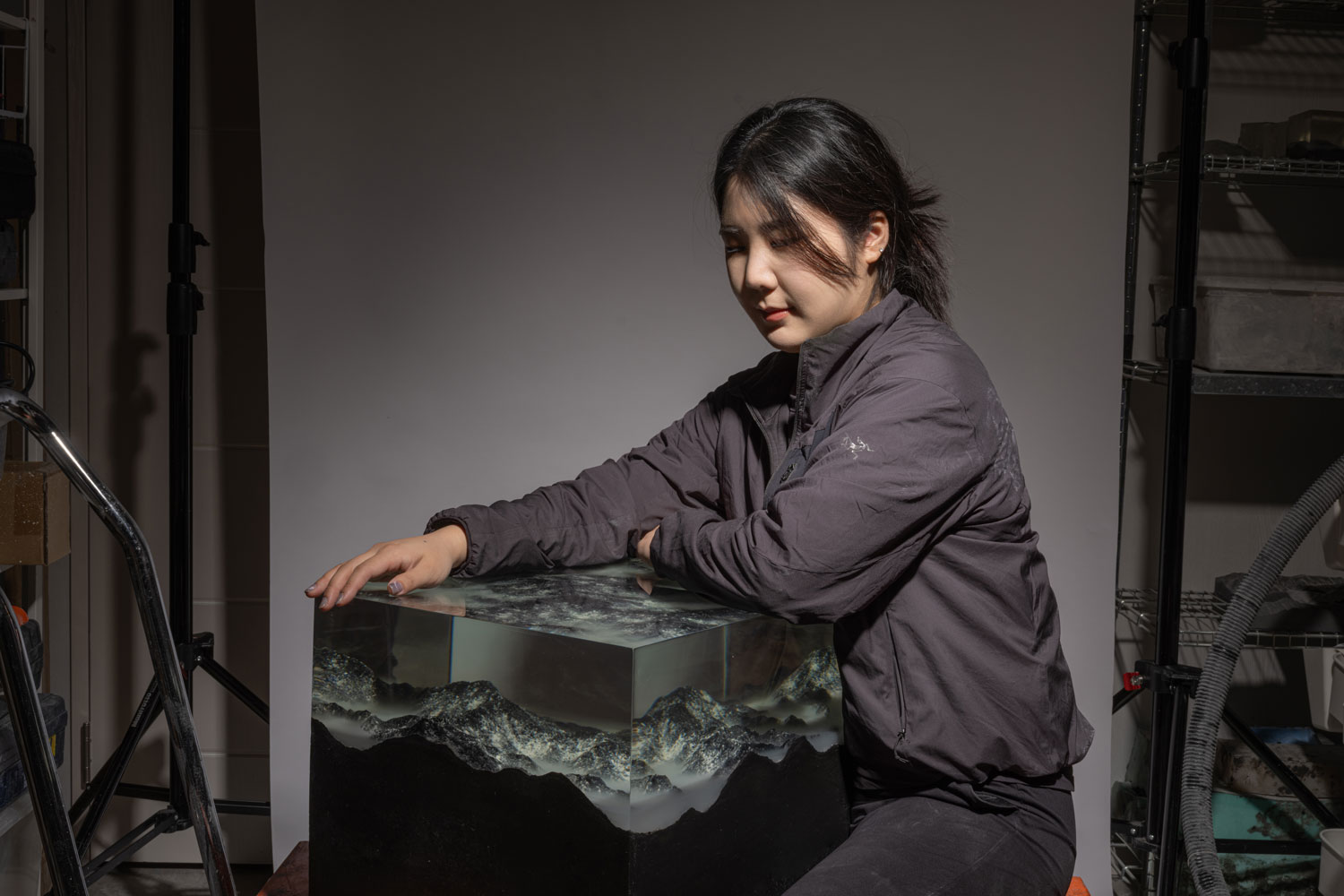
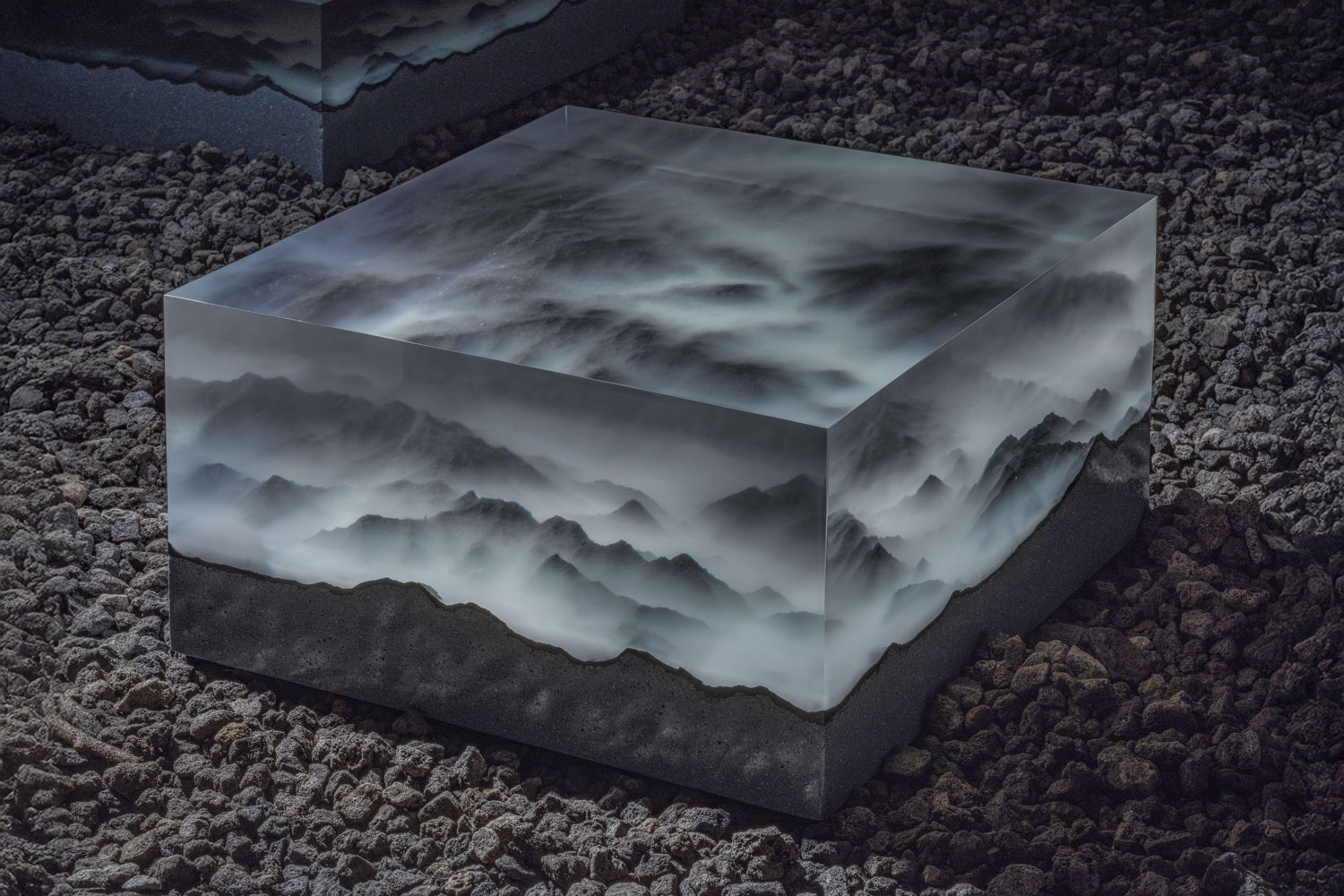
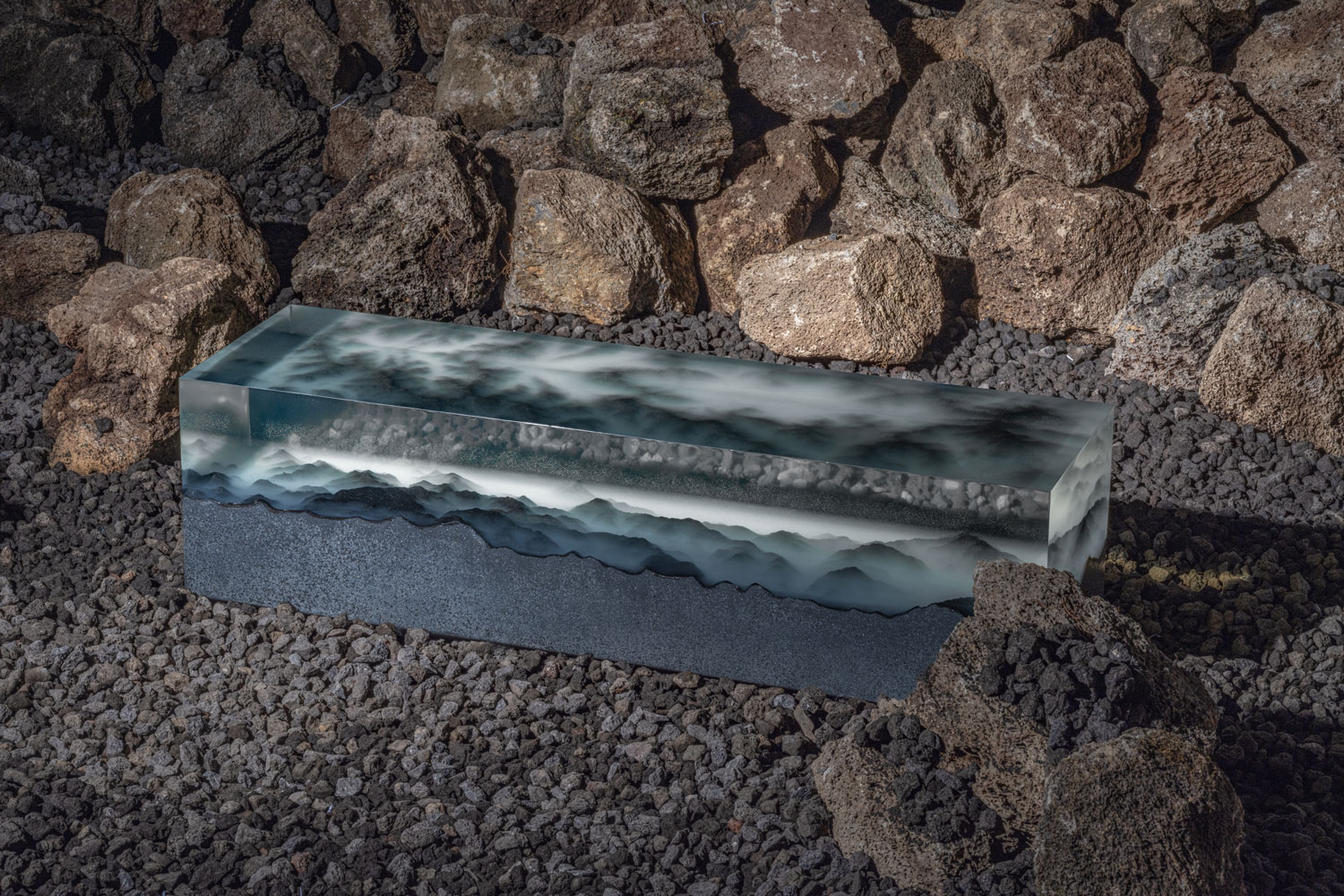
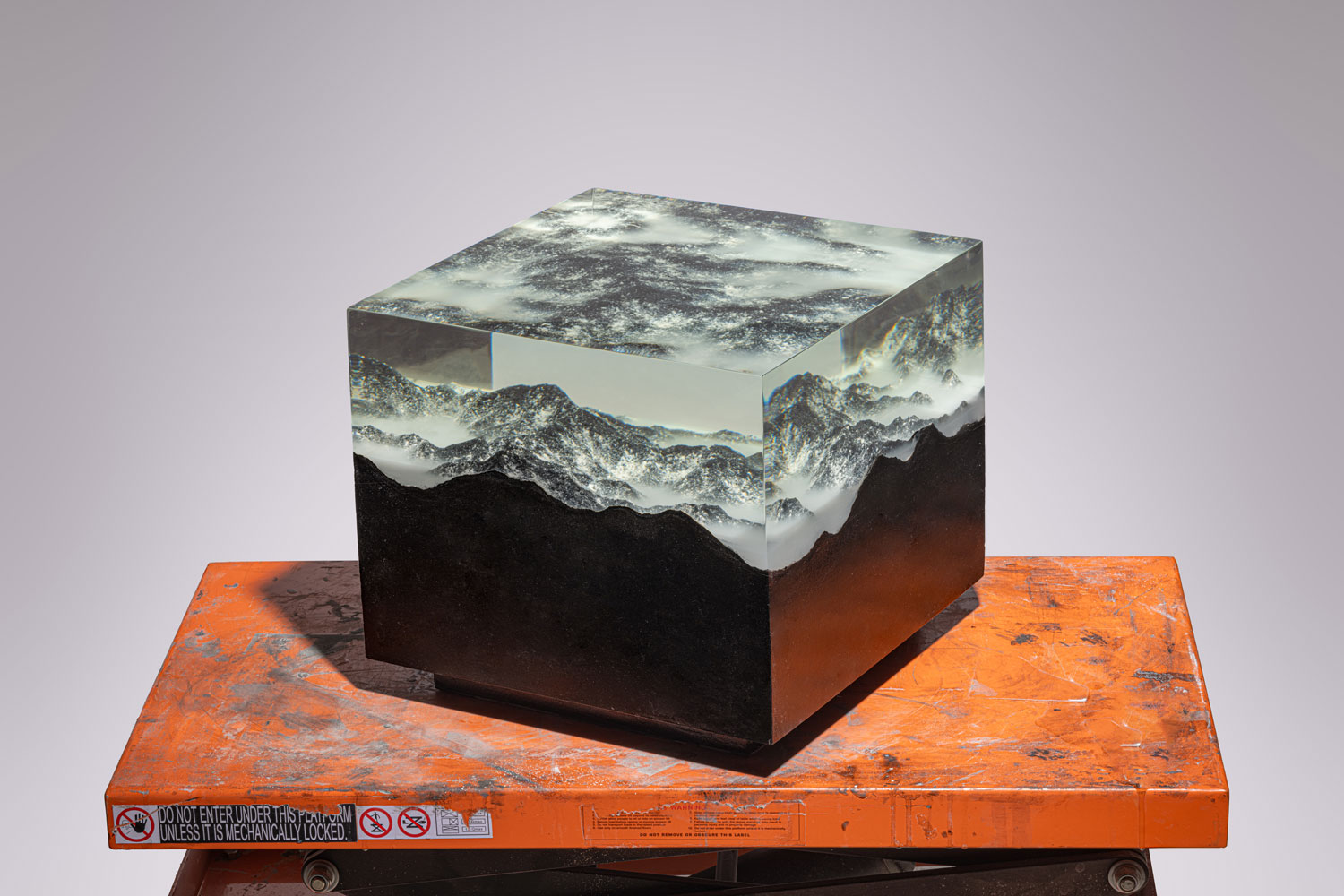
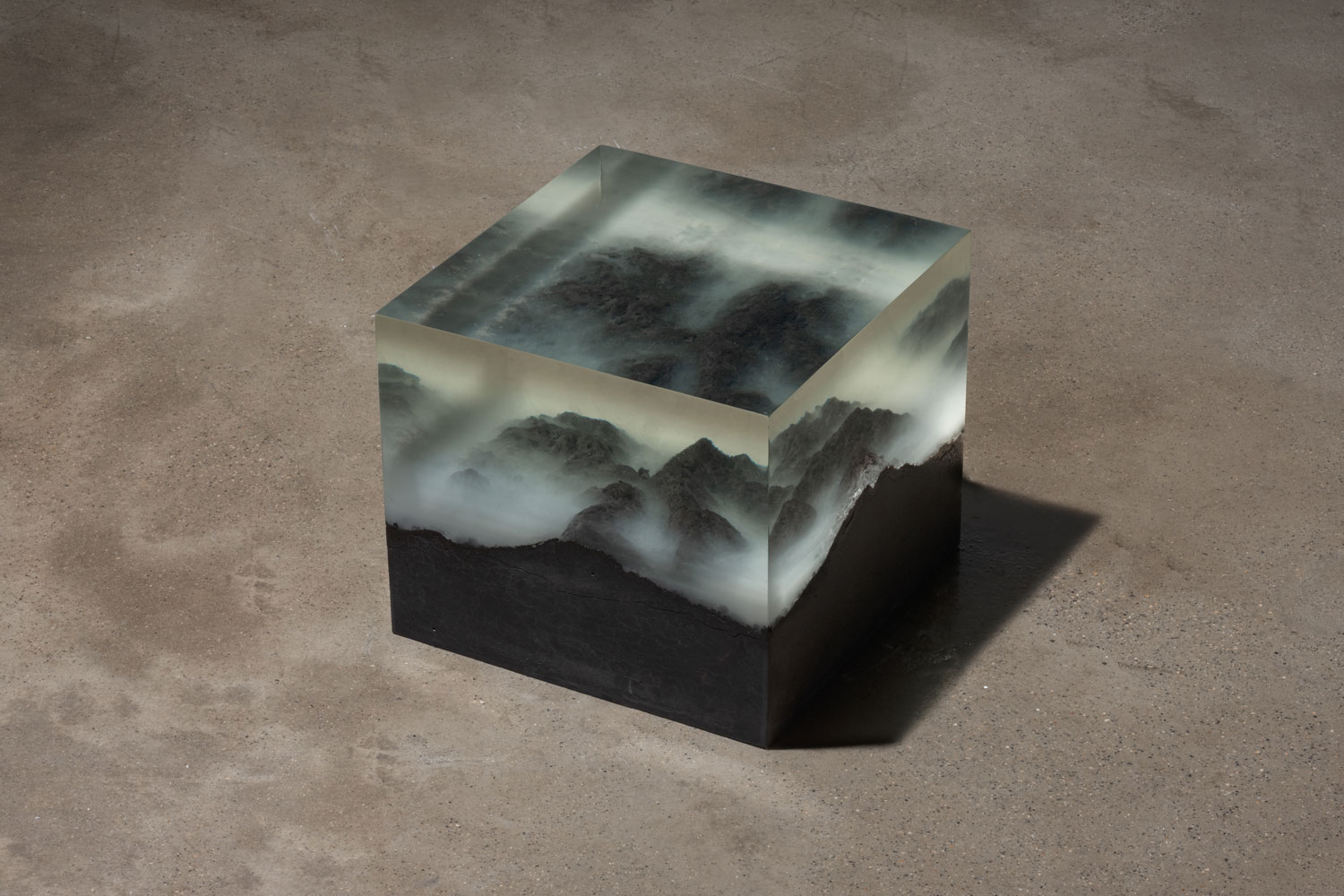
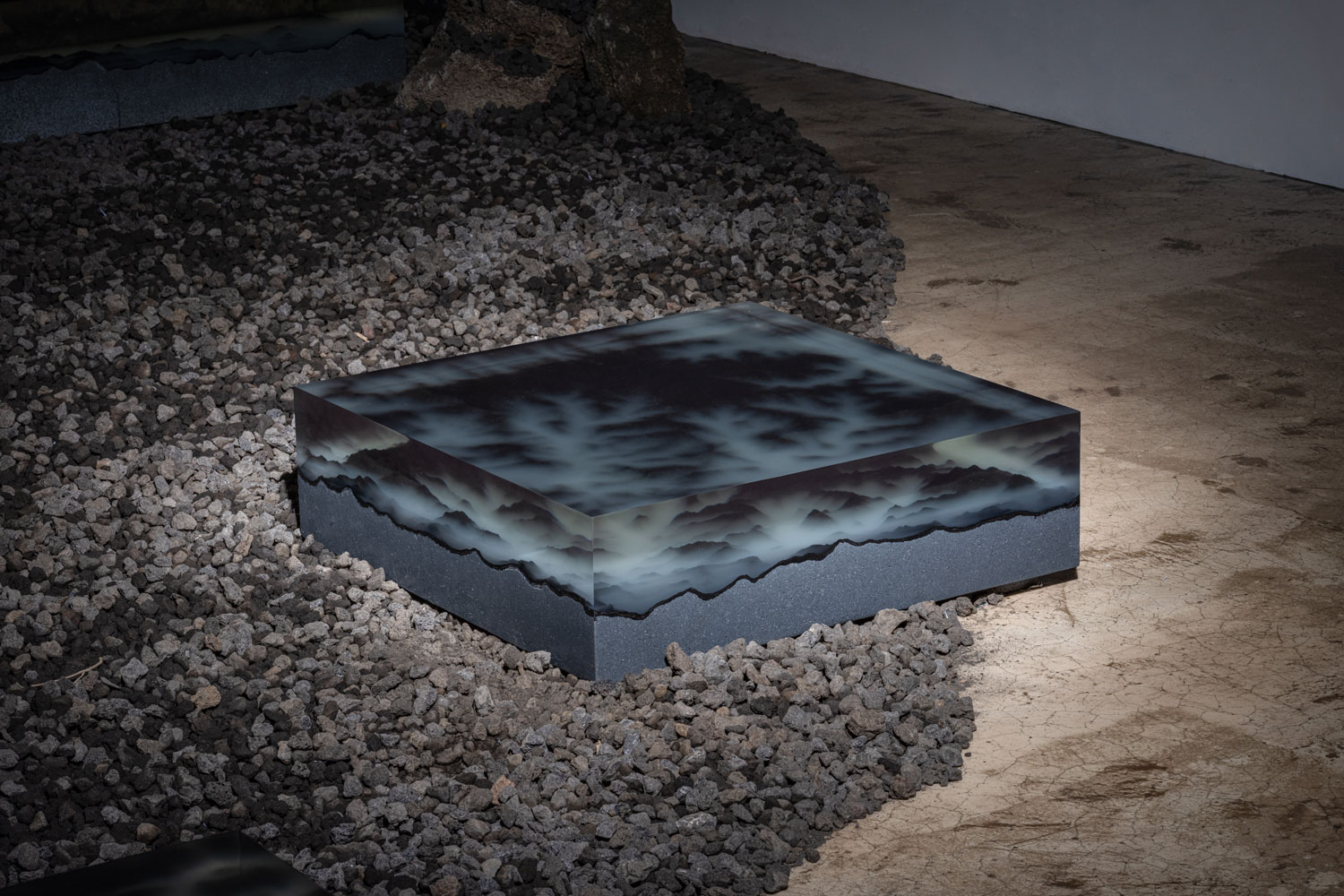
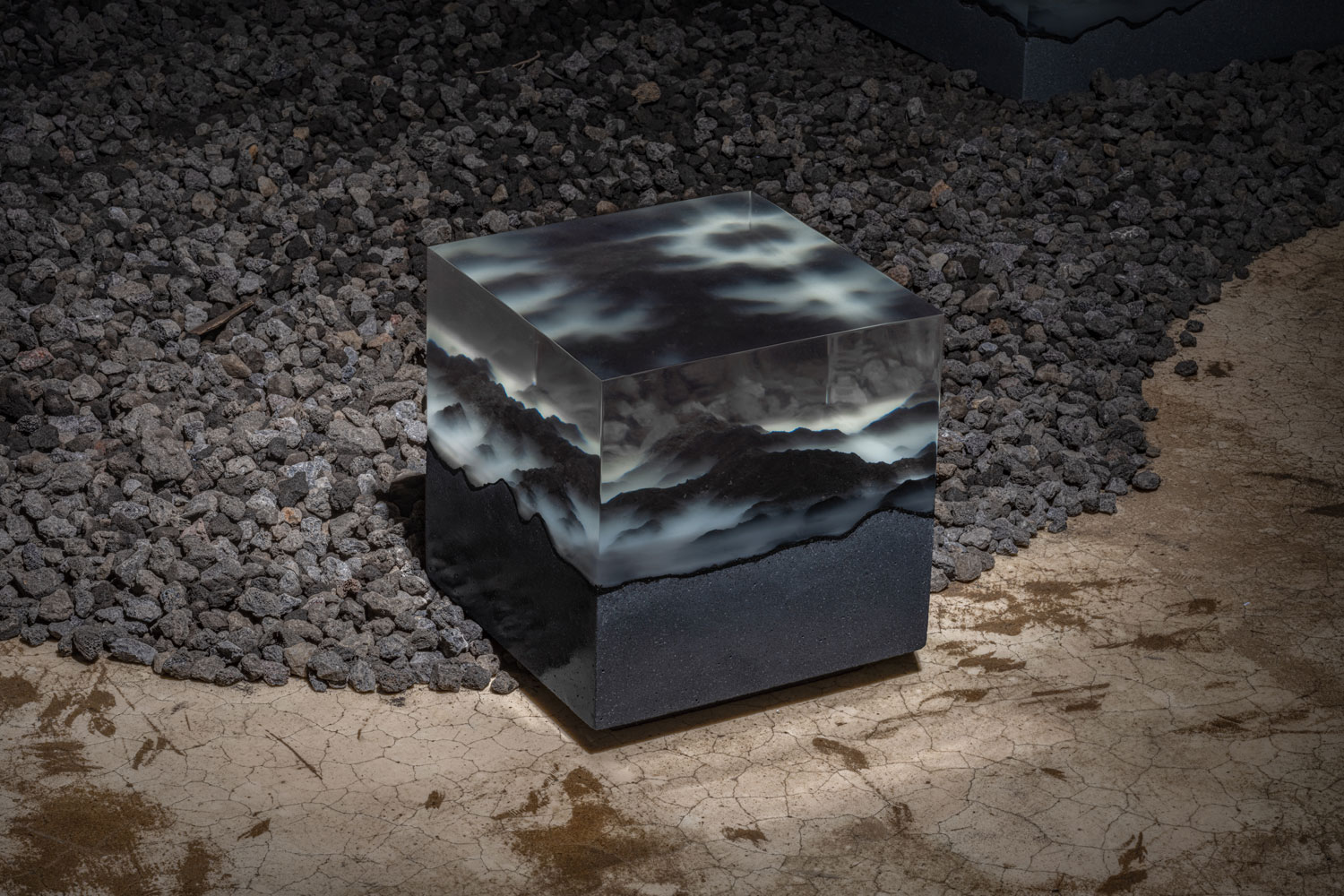
Ahyun Jeon's resin works bring South Korea's mountainous landscapes indoors. Her terrains are enclosed within concrete and resin forms that read as furniture in scale, but landscape in feeling. In her Simsаn series, Ahyun draws on the shimwonbeop technique of traditional Korean landscape painting, reverses it and applies it in 3D. She builds each piece from digital models of actual mountains, such as the Jirisan, Seoraksan, Woraksan and Songnisan. "I keep a running list of mountains I want to work with, visiting them when I can or researching them in the meantime," Ahyun says. Her works have featured in international exhibitions, including the 2025 Révélations in Paris.
INTERVIEW
My Simsan series began with a choice to face a personal loss. Watching a mist-covered mountain, I found consolation in things being out of sight but not gone. To bring that feeling indoors, I reversed the traditional shimwonbeop technique, applying it in a 3D form to hold large-scale sculptural landscapes.
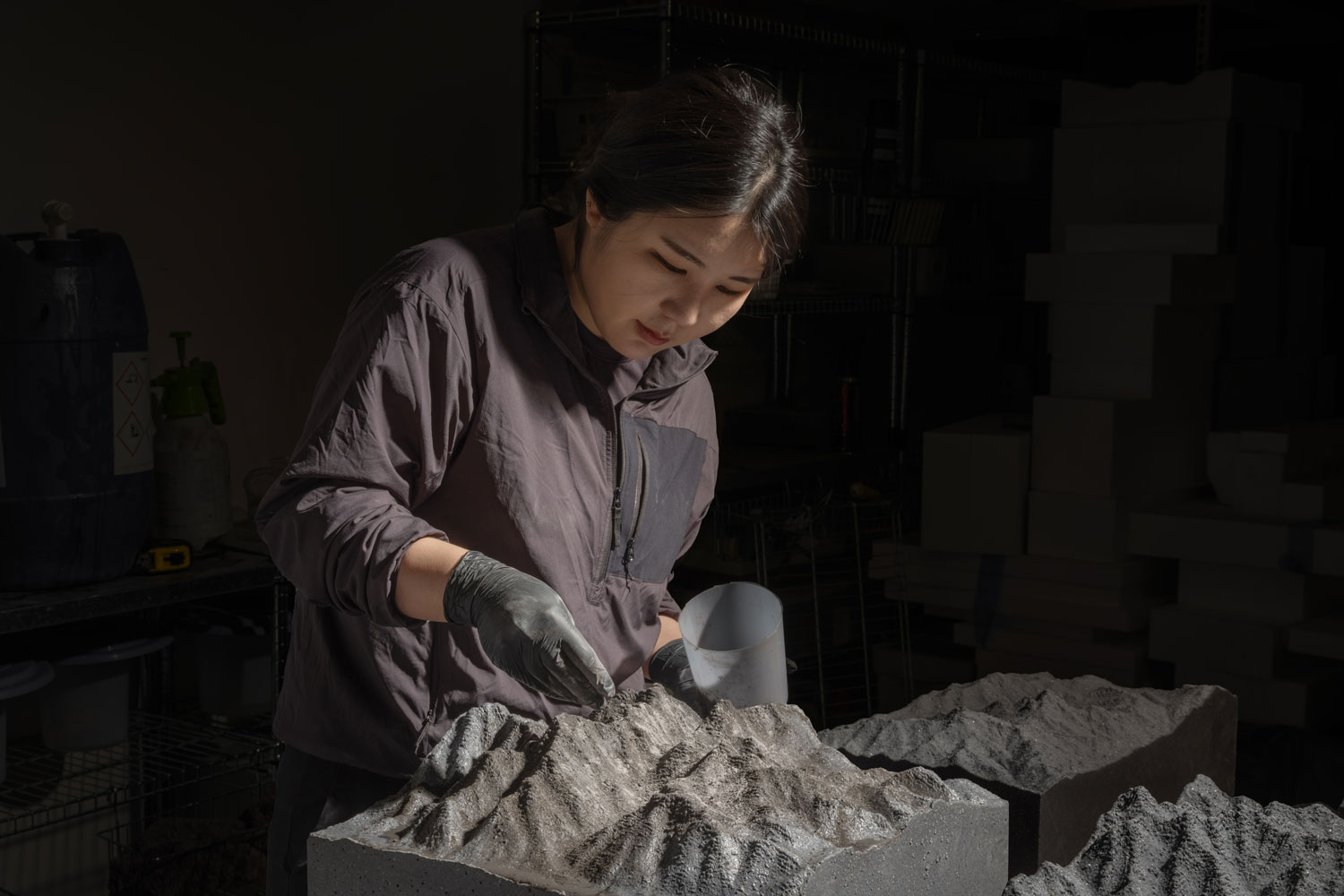
I research and visit mountains to find terrains that suit my intended scale. I then create a digital model of the specific area and dimensions. I prefer working from places I have visited in person, but sometimes, digital modelling comes first and the physical visit follows later.
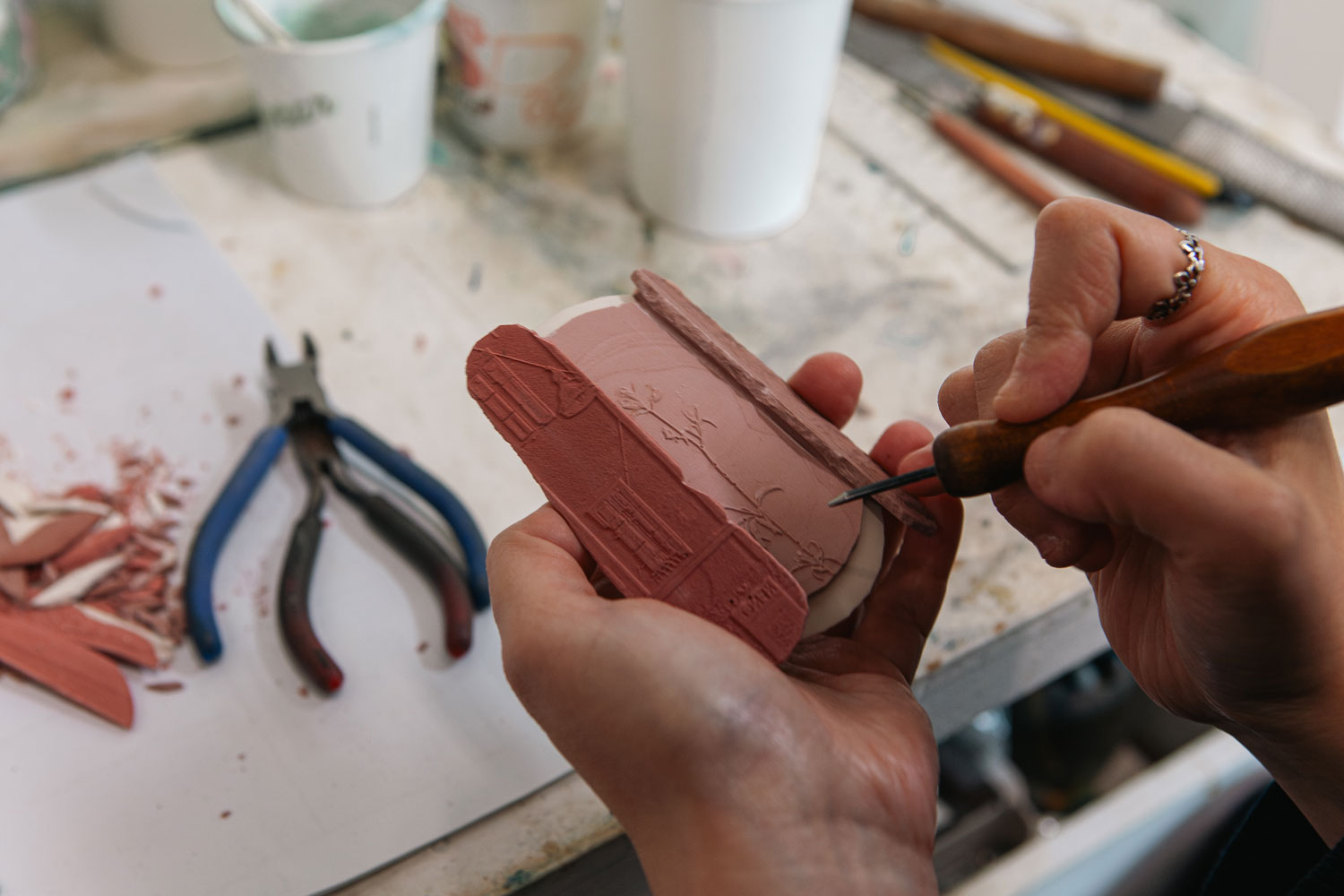
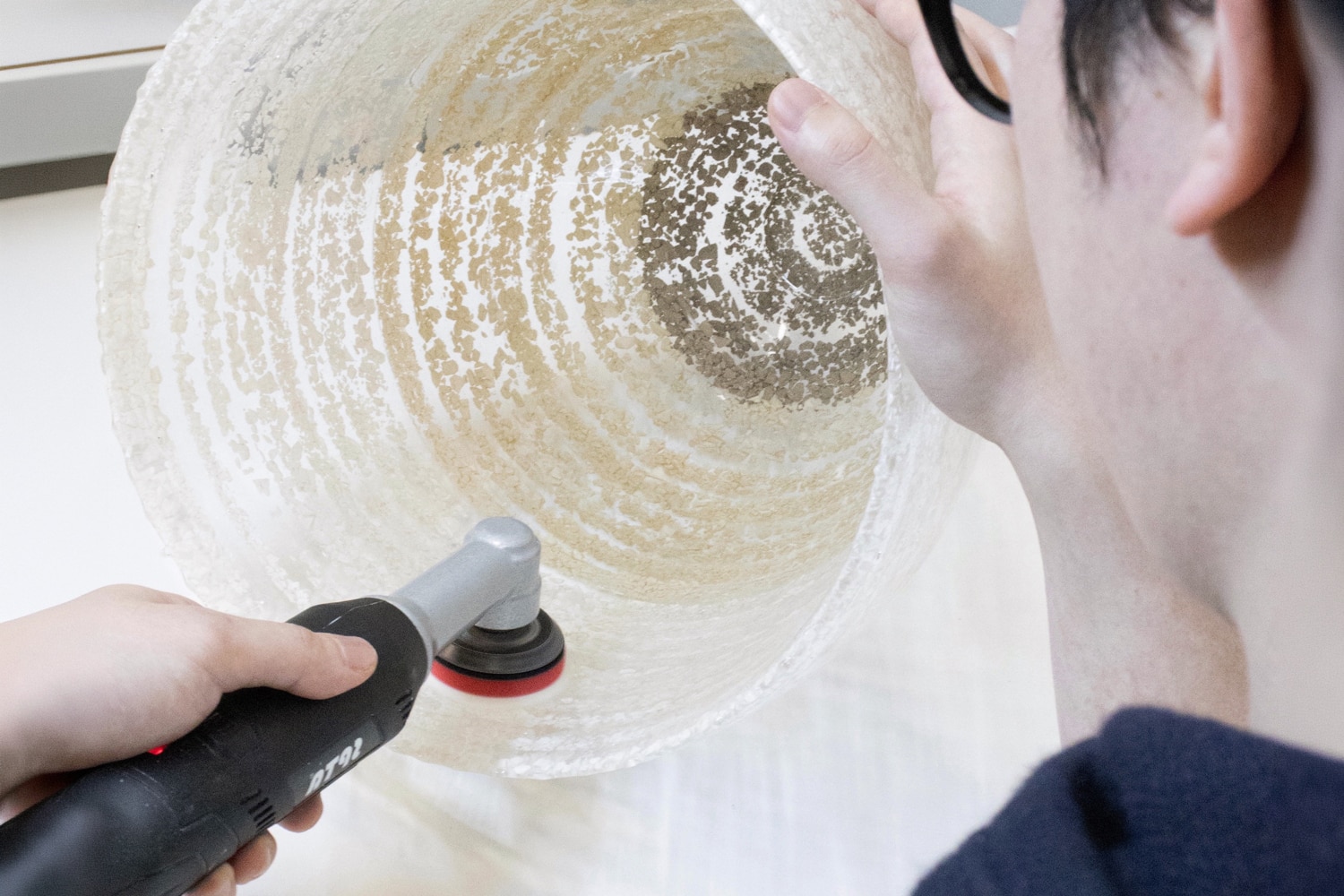
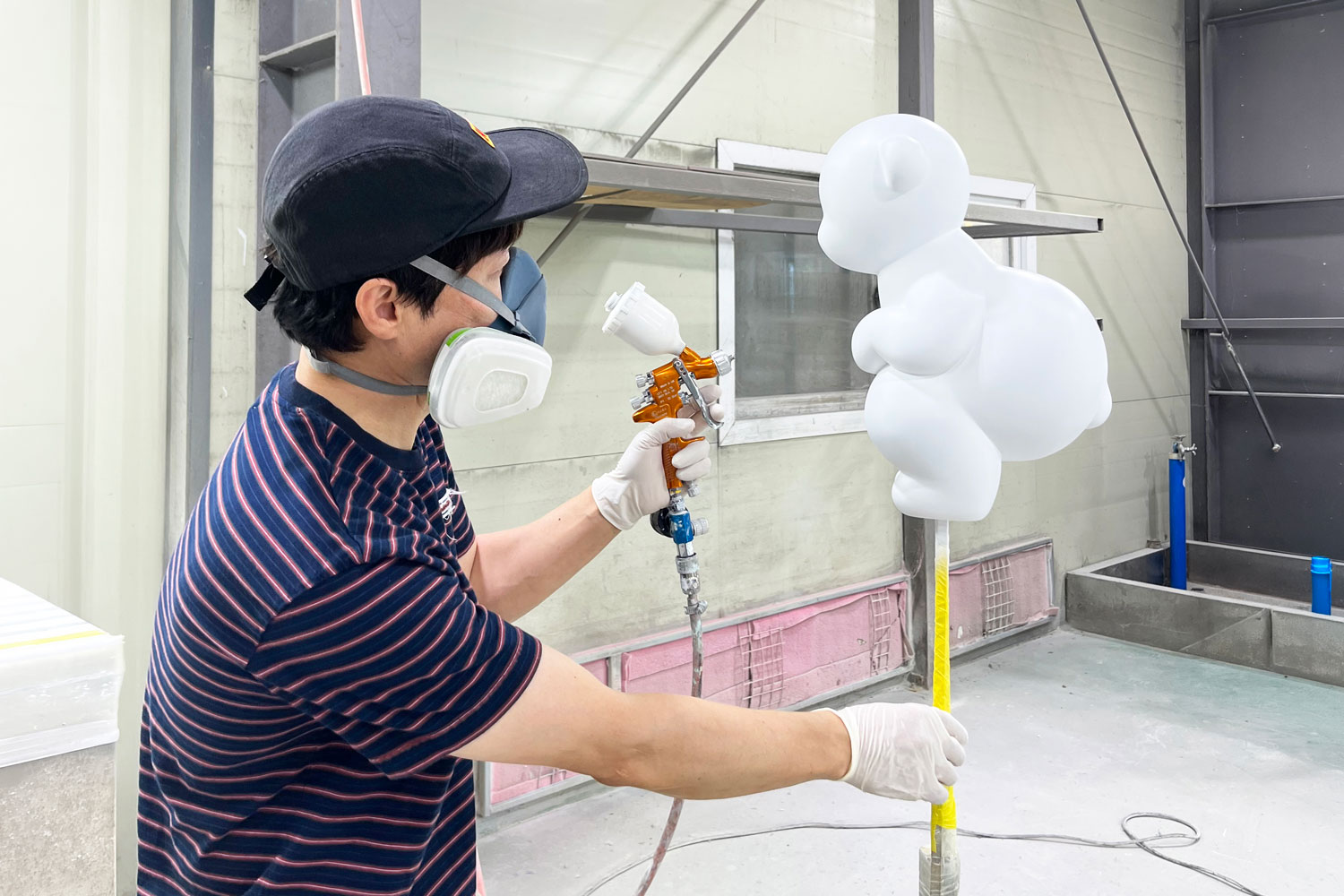
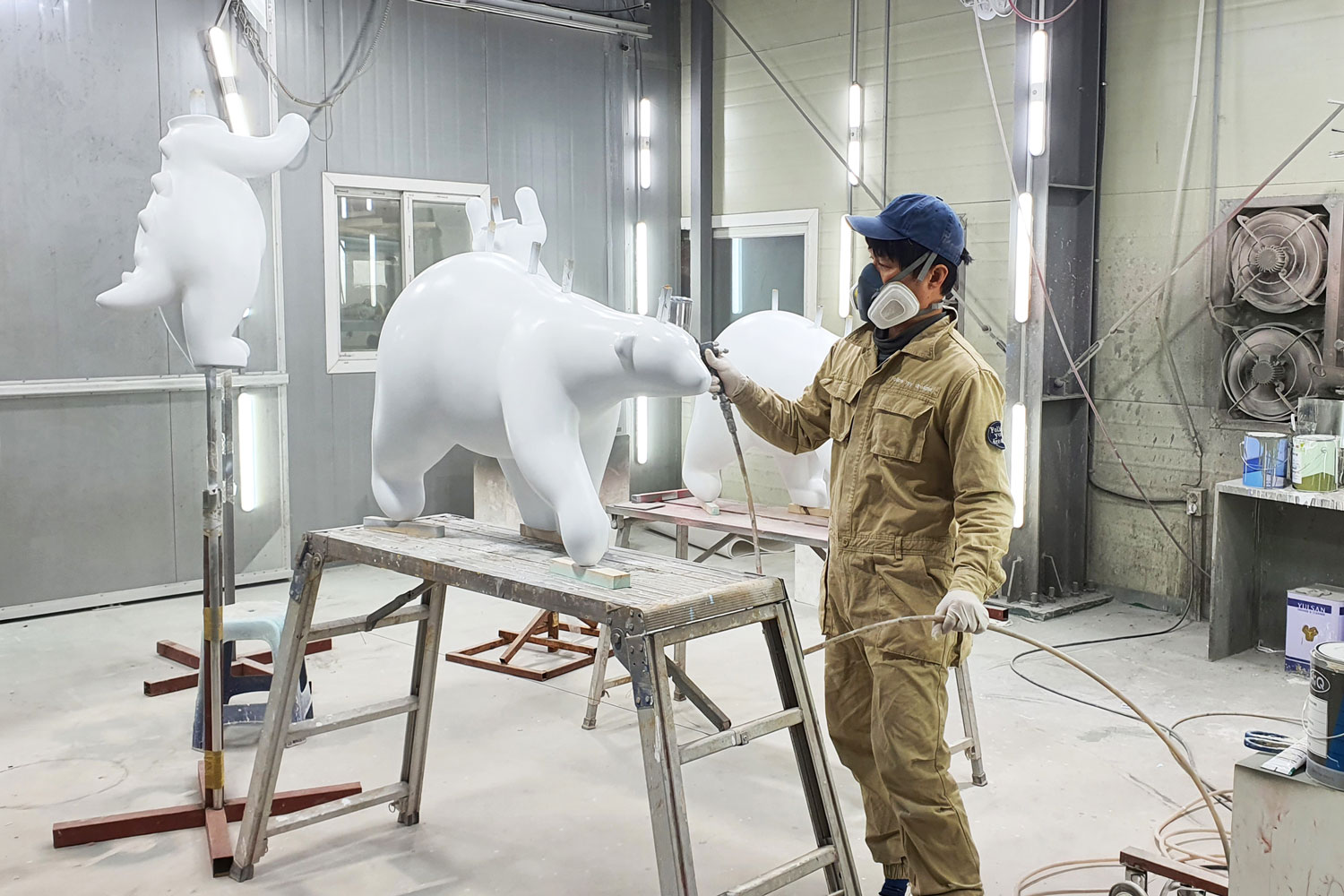
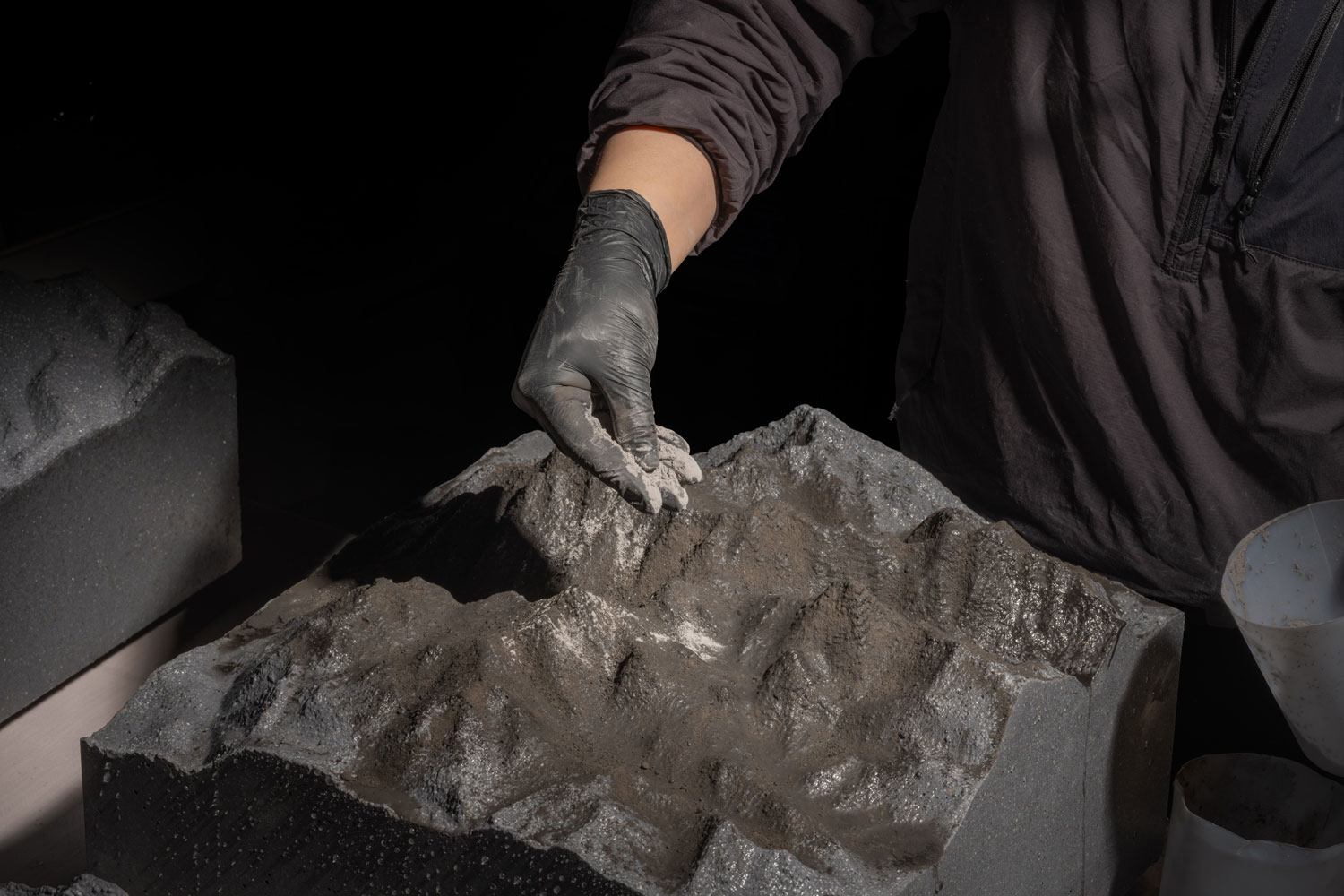
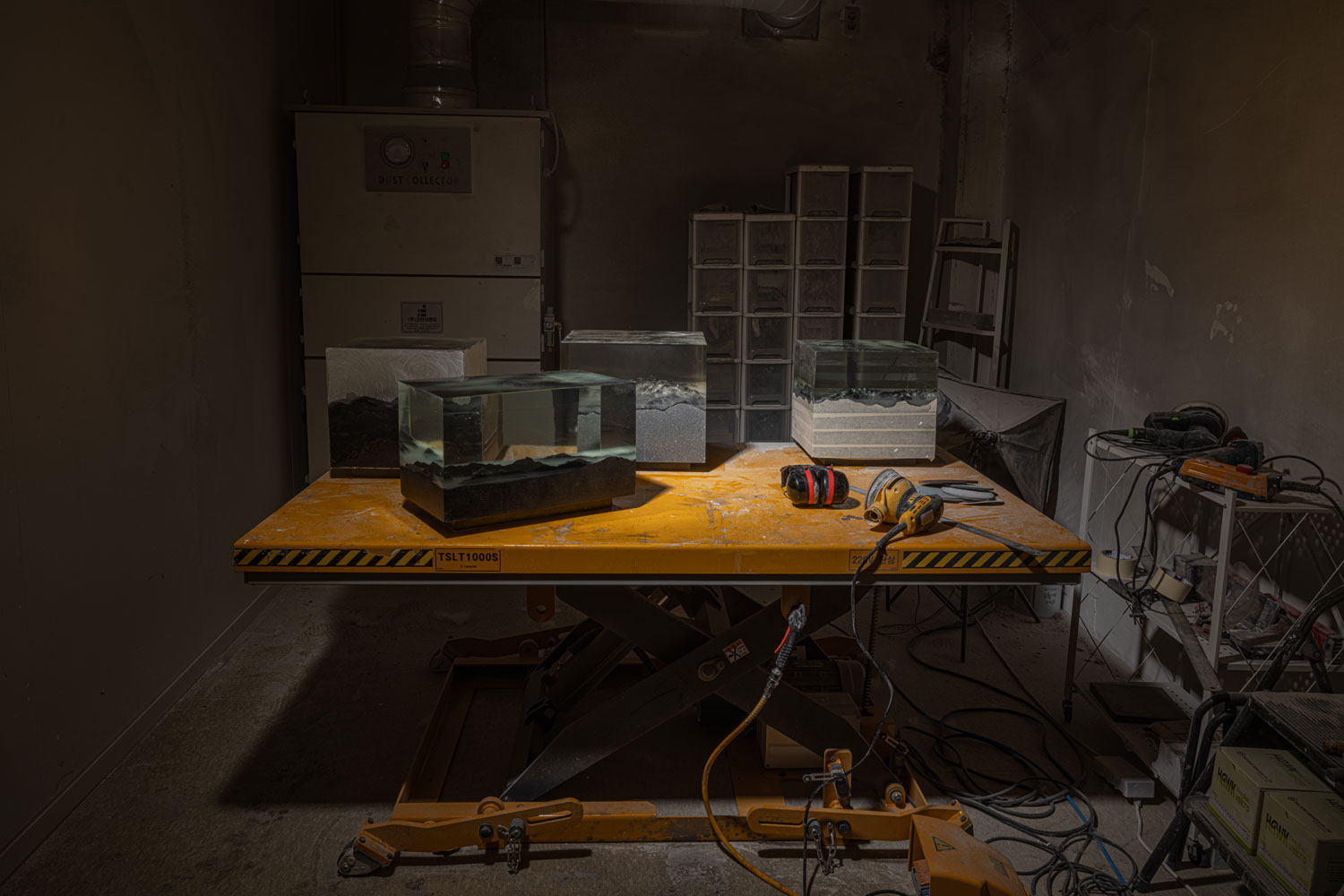
I create a mould from my model to cast the mountain form in concrete. After building surface texture on top of the cast, I place the piece inside a second mould for the resin pour. I render mist by layering pigments and resin. Once cured, the piece is sanded, polished and finished to match the concrete base.
The rectangular form grew from my desire to bring landscape indoors with volume rather than flat representation. I plan to move away from the strict cube toward curved forms that suggest landscape painting on hanji paper, rolled and unfurling. The quality of the mist within the pieces will shift too, moving away from the stillness of earlier work.
Ahyun Jeon
Resin artist
Seoul, South Korea
ADDRESS
Address upon request, Seoul, South Korea
AVAILABILITY
By appointment only
LANGUAGES
Korean
Homo Faber Finds is a new service aiming to inspire admirers of craft to connect and collaborate with exceptional artisans.
We invite you to submit an enquiry here.