©All rights reserved
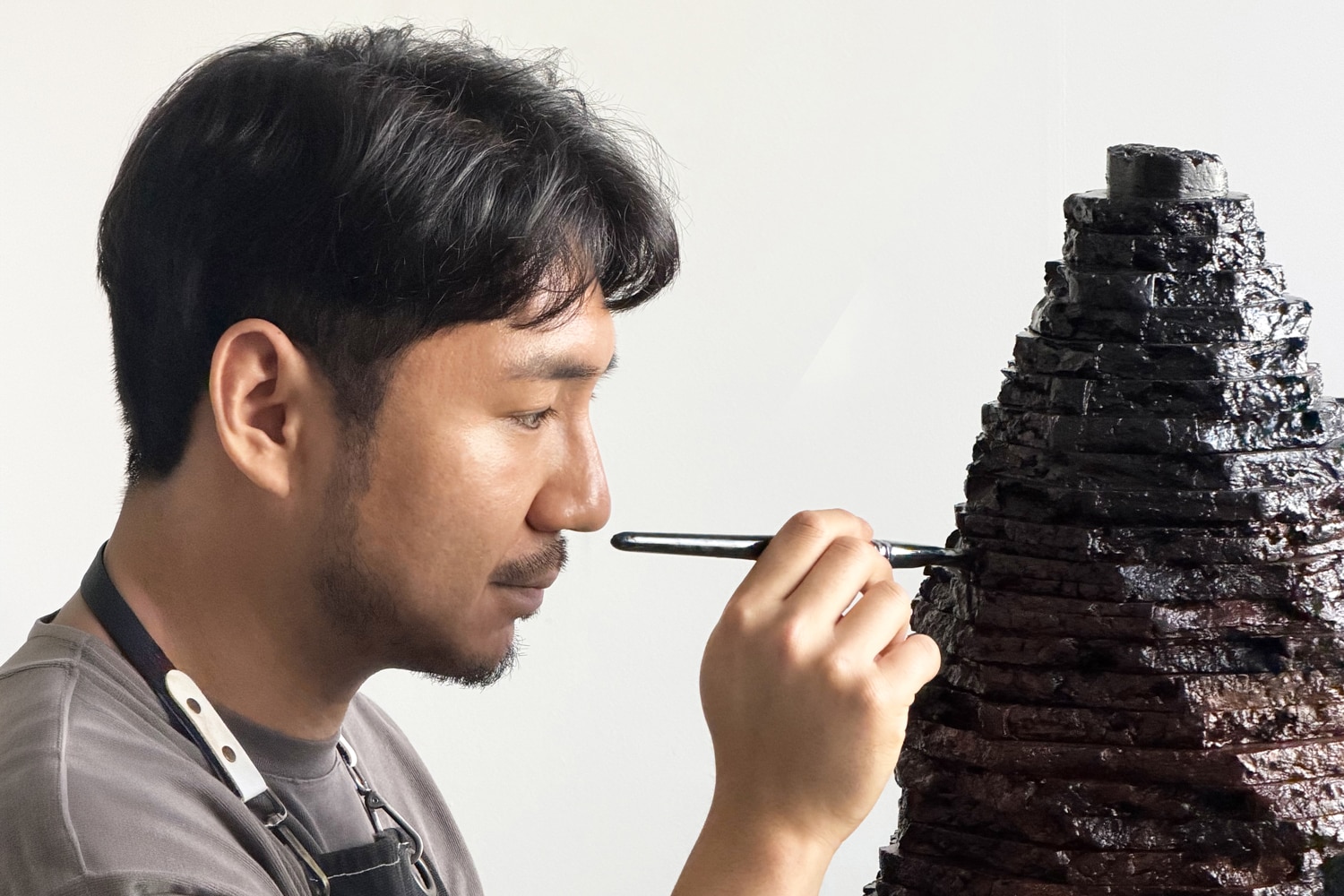
©All rights reserved
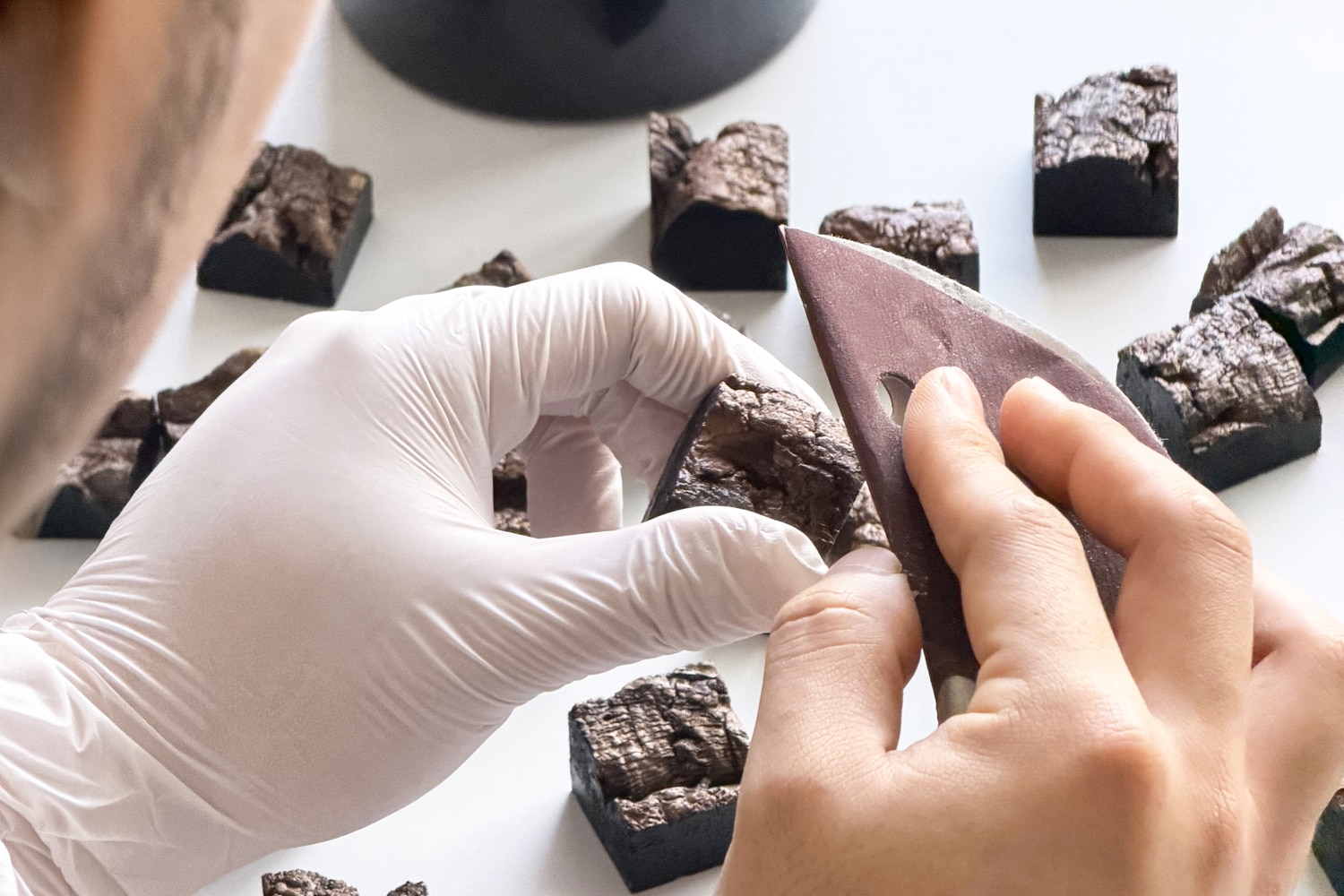
©All rights reserved
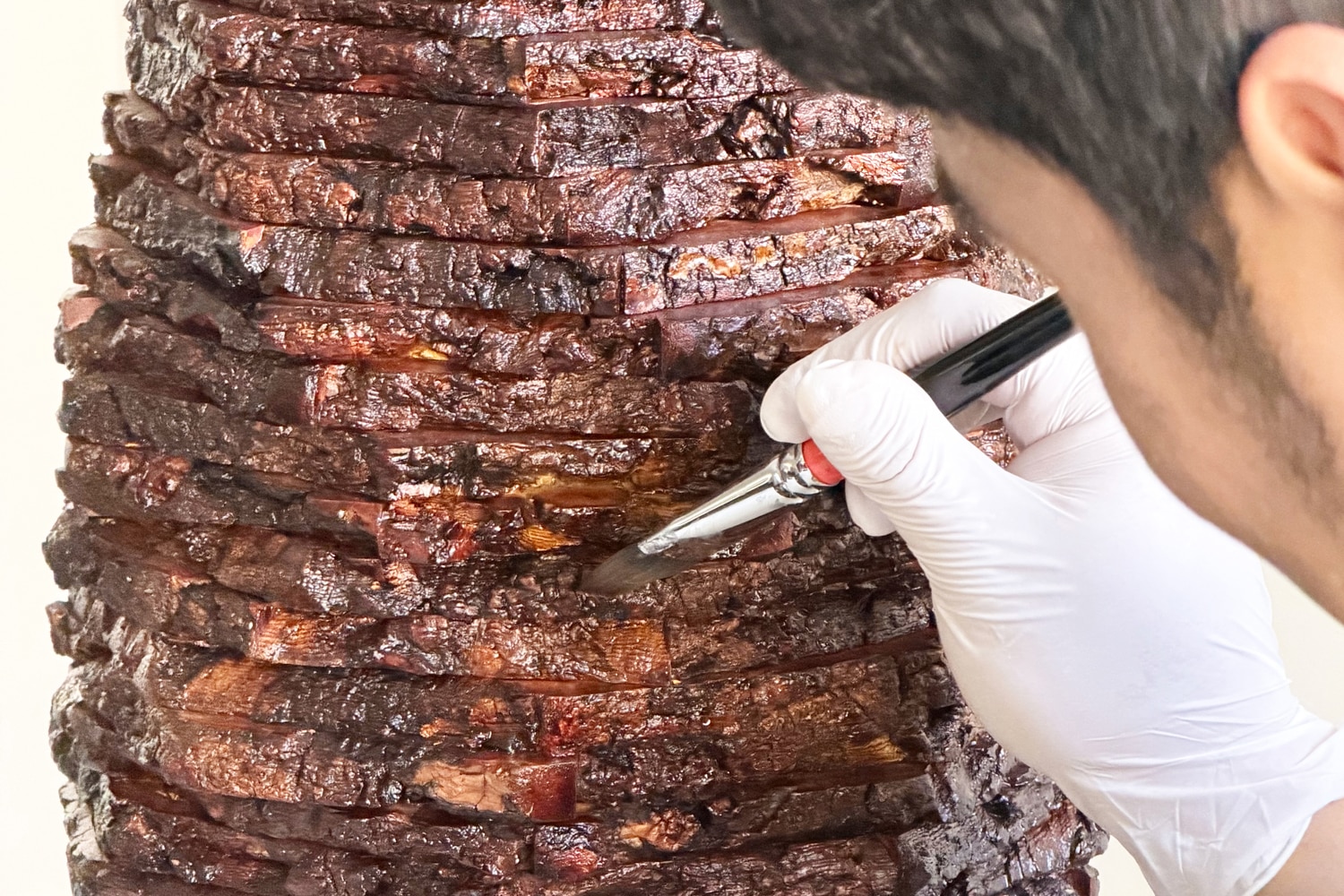
©All rights reserved
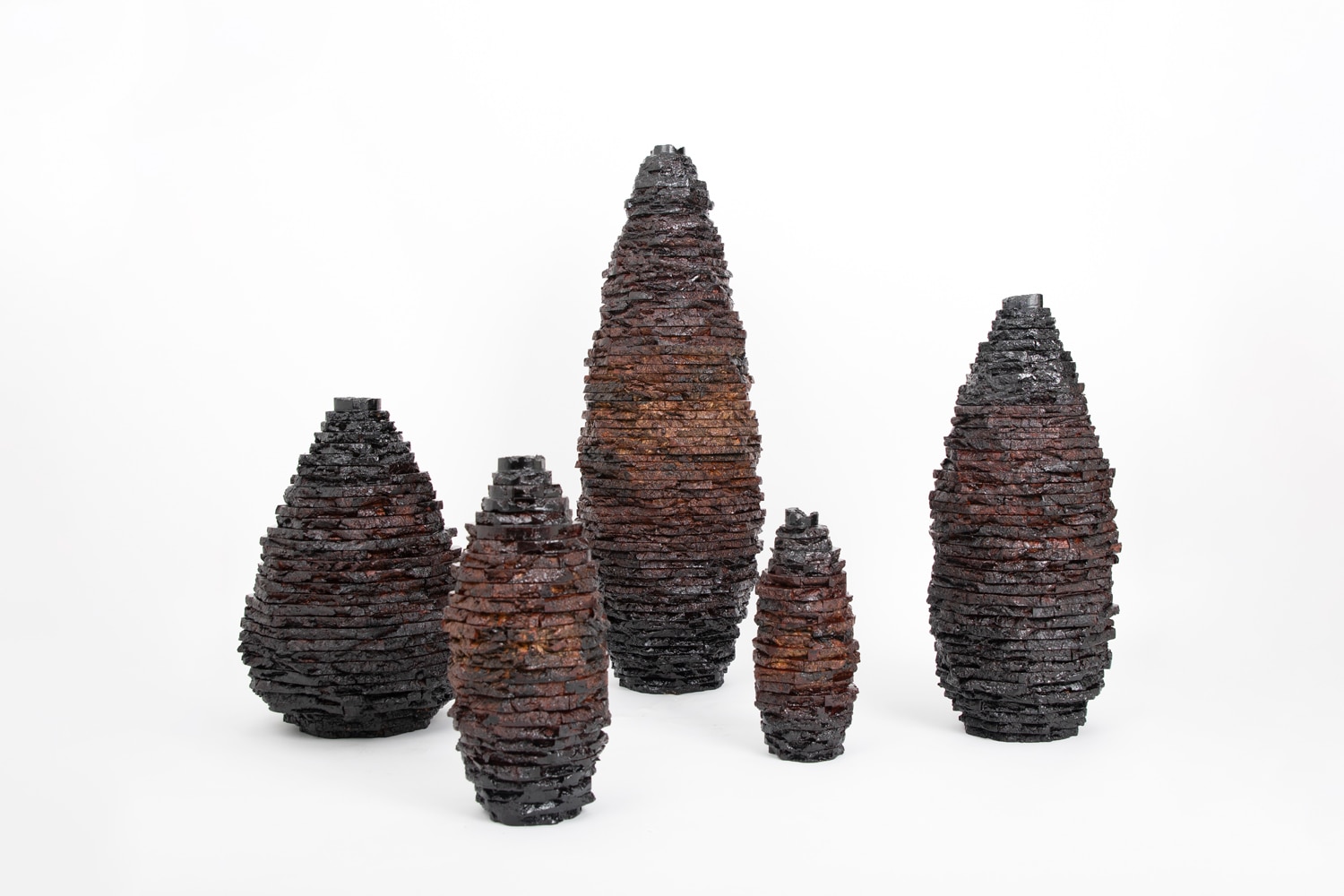
©All rights reserved
©All rights reserved
Hyungho Jeon
Wood sculptor
Seoul, South Korea
©All rights reserved
©All rights reserved
©All rights reserved
©All rights reserved
©All rights reserved
©All rights reserved
©All rights reserved
©All rights reserved
©All rights reserved
©All rights reserved
©All rights reserved
©All rights reserved
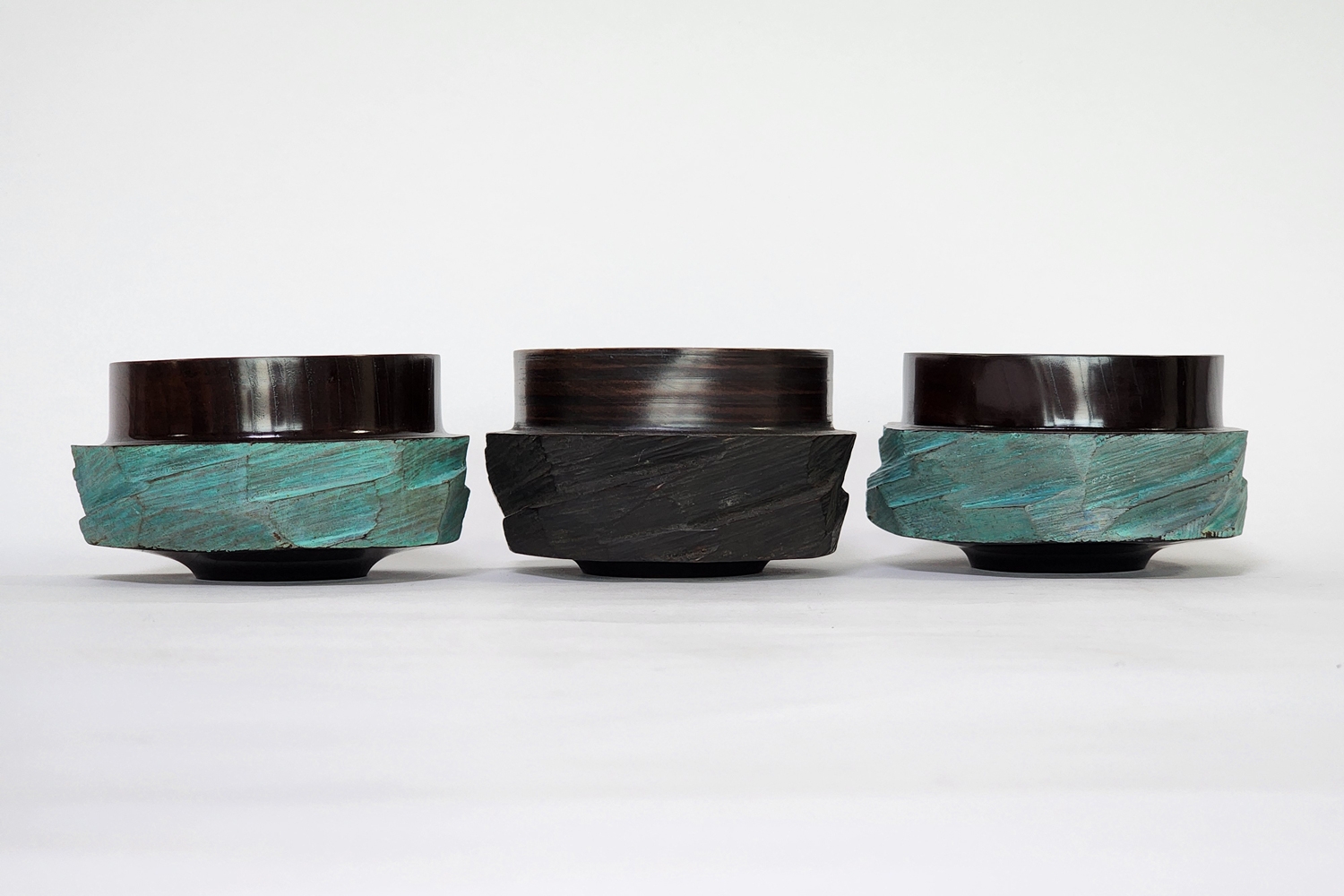
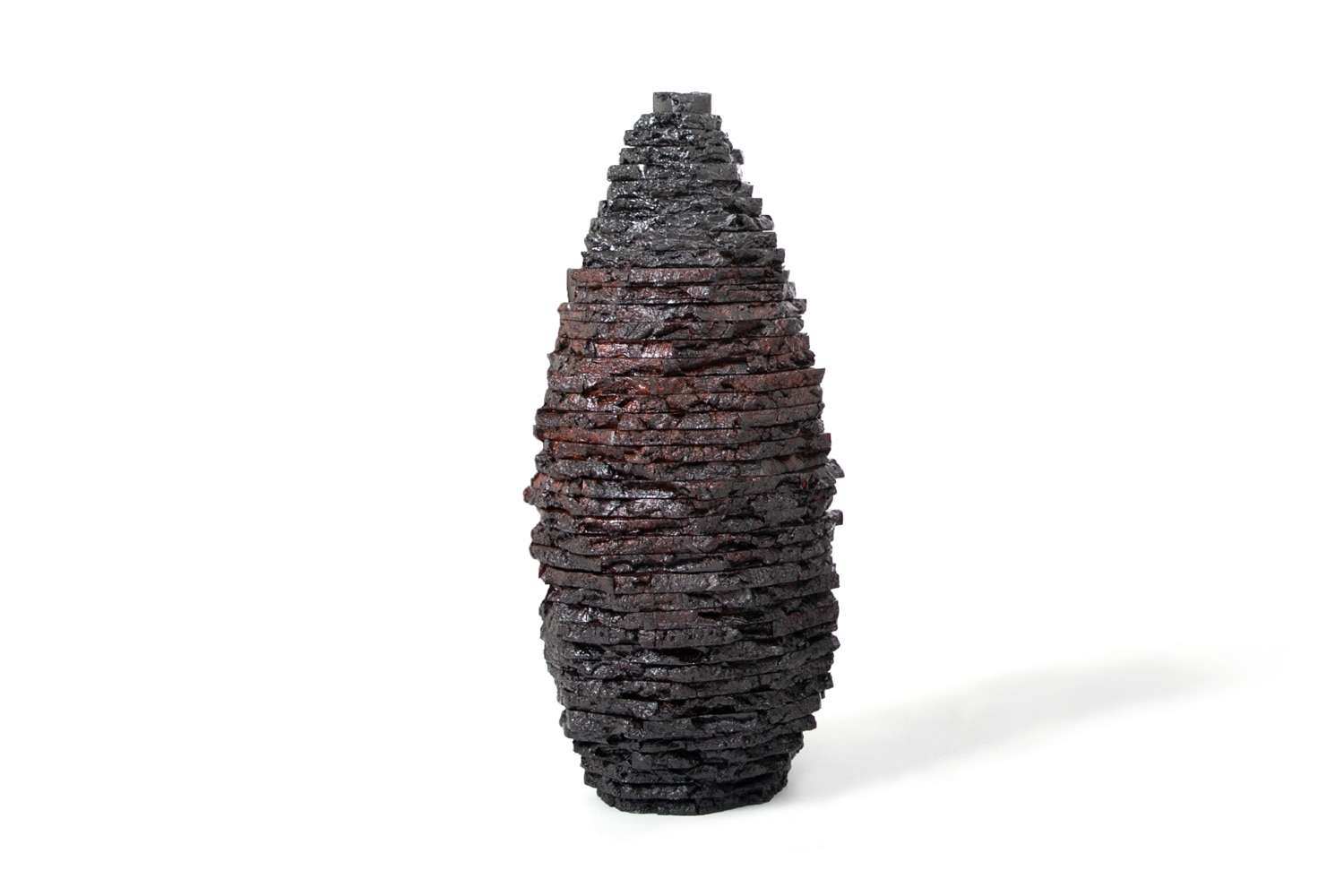
Towers of tree bark
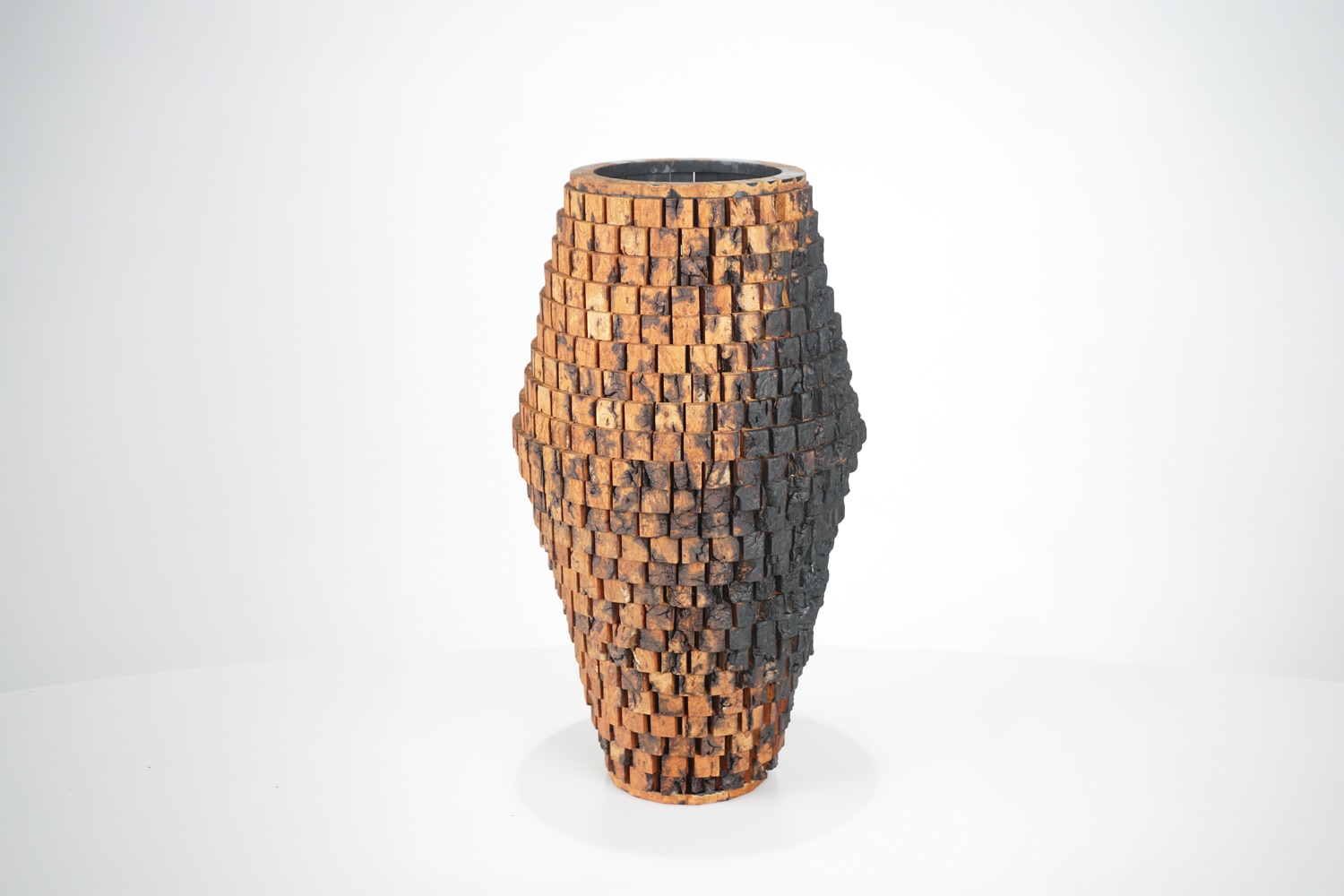
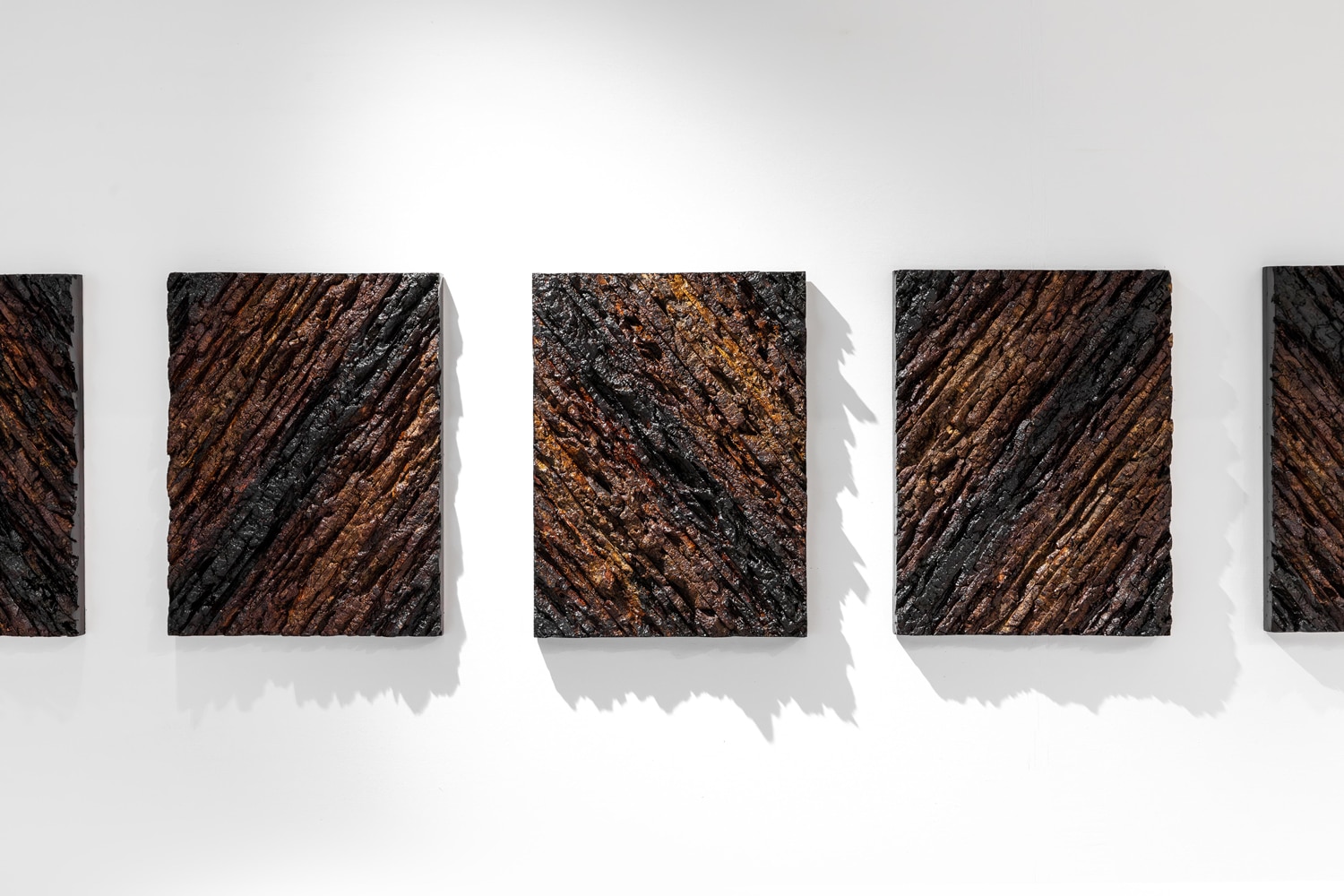
- Hyungho uses discarded bark and gulpi oak bark to make his sculptures
- His practice is an innovation on traditional materials native to Korea
- He constructs forms to celebrate details that are overlooked in everyday life
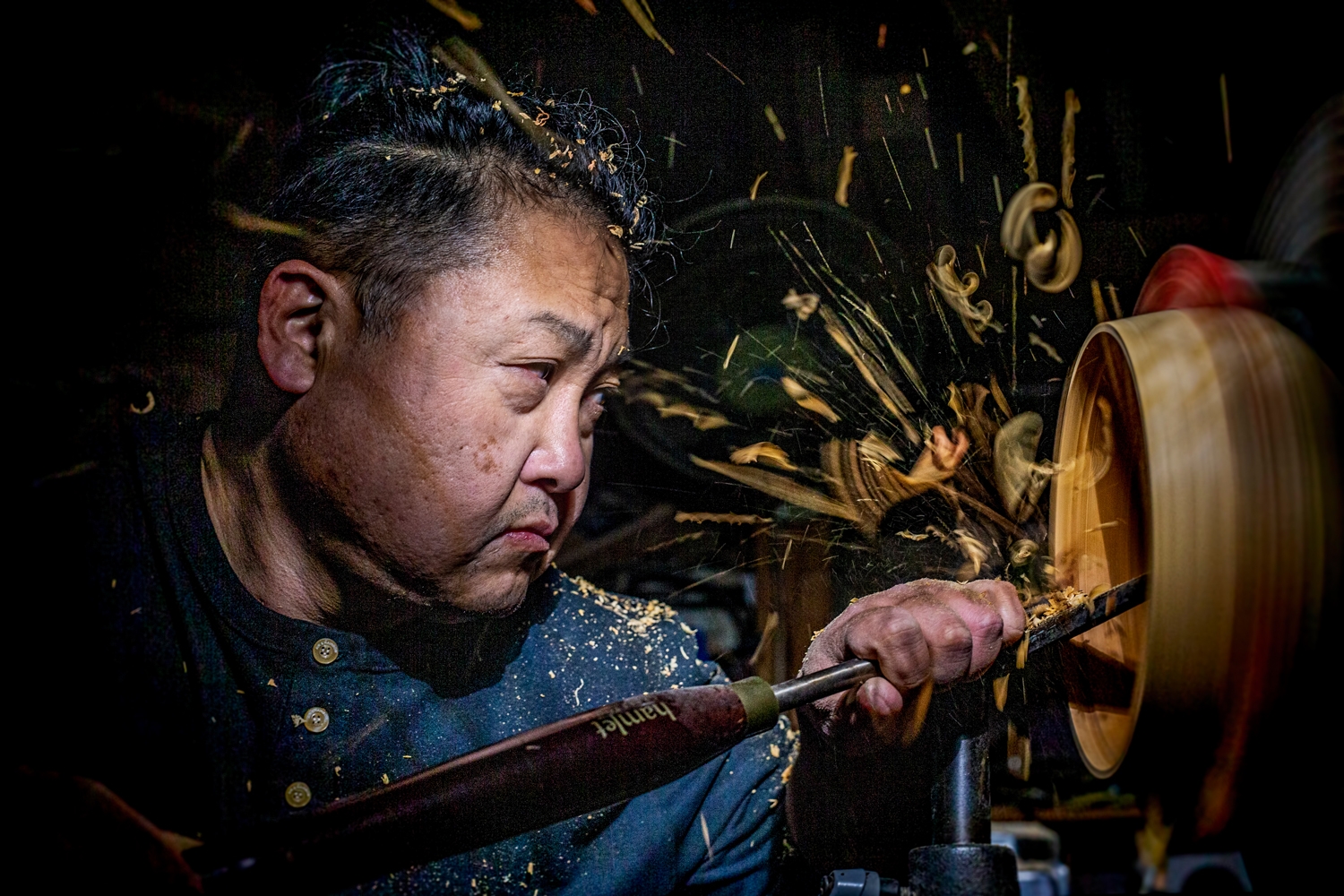
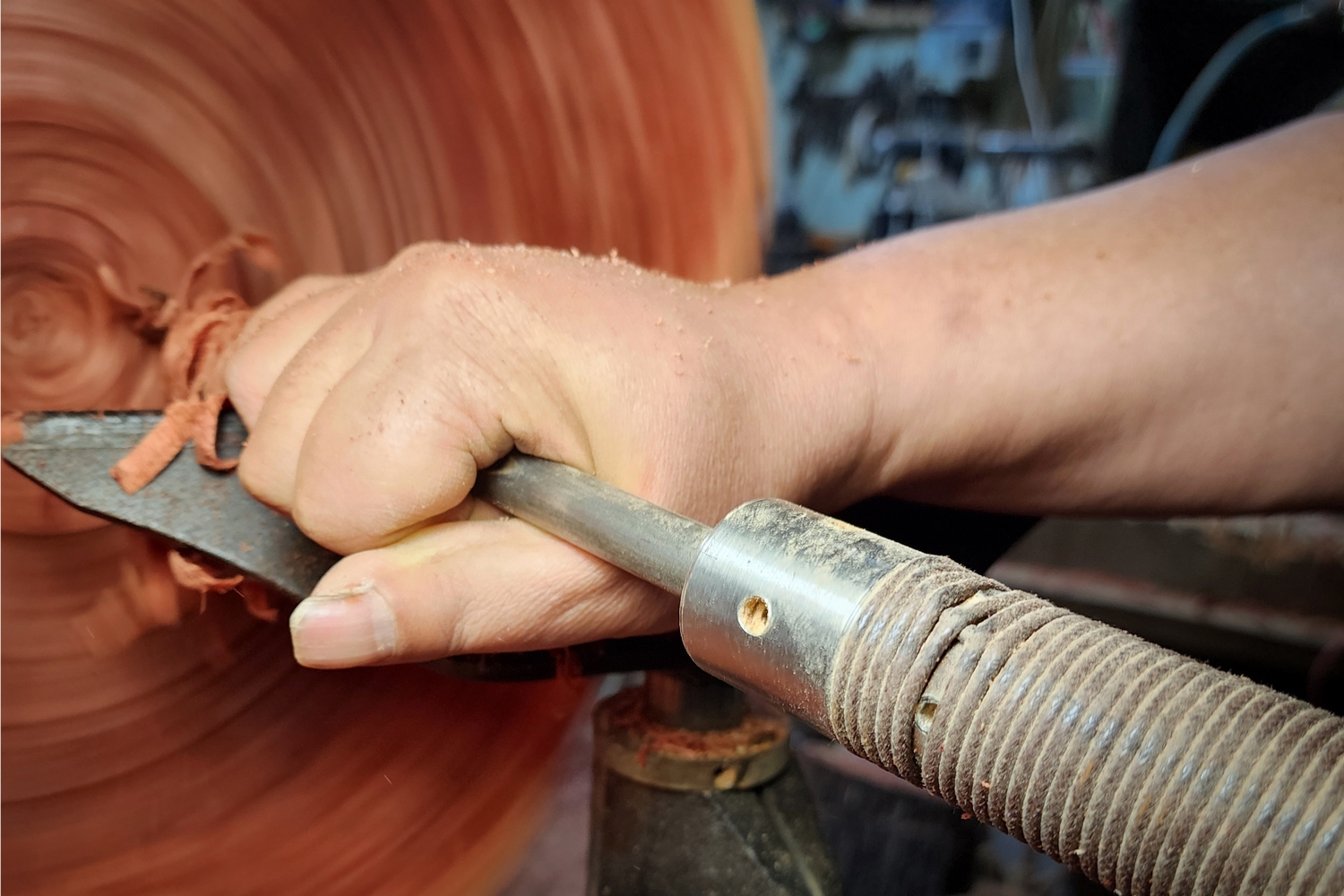
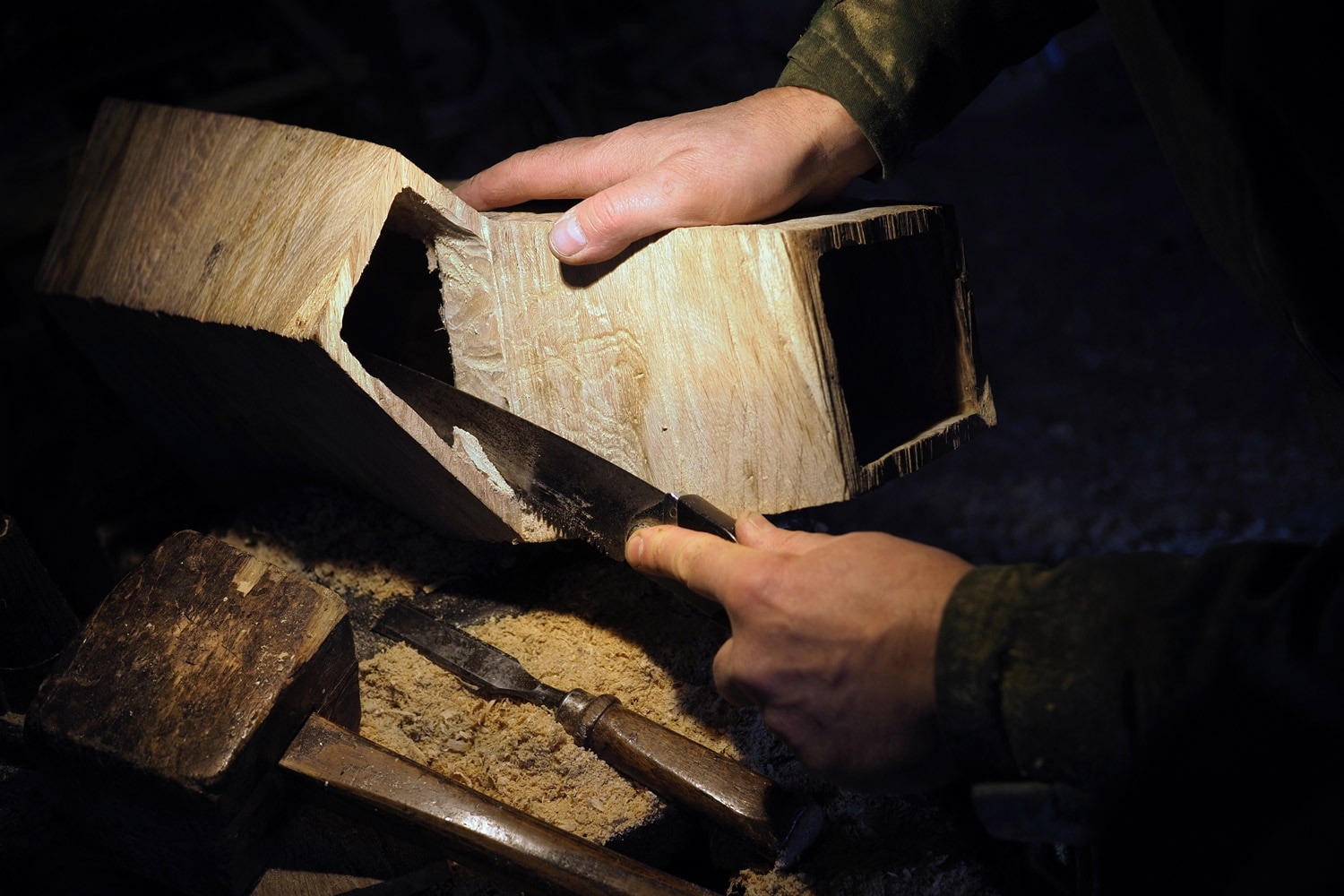
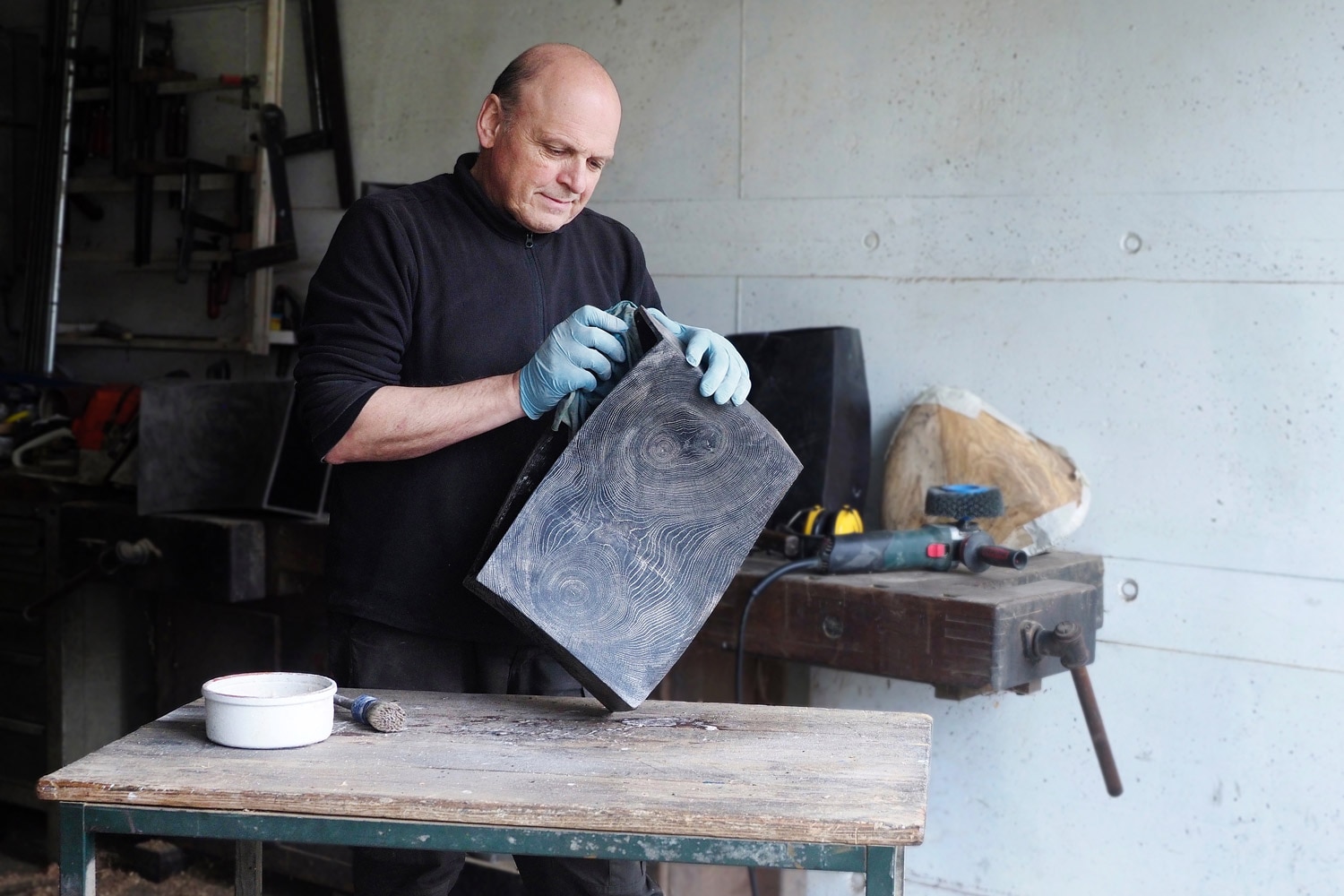
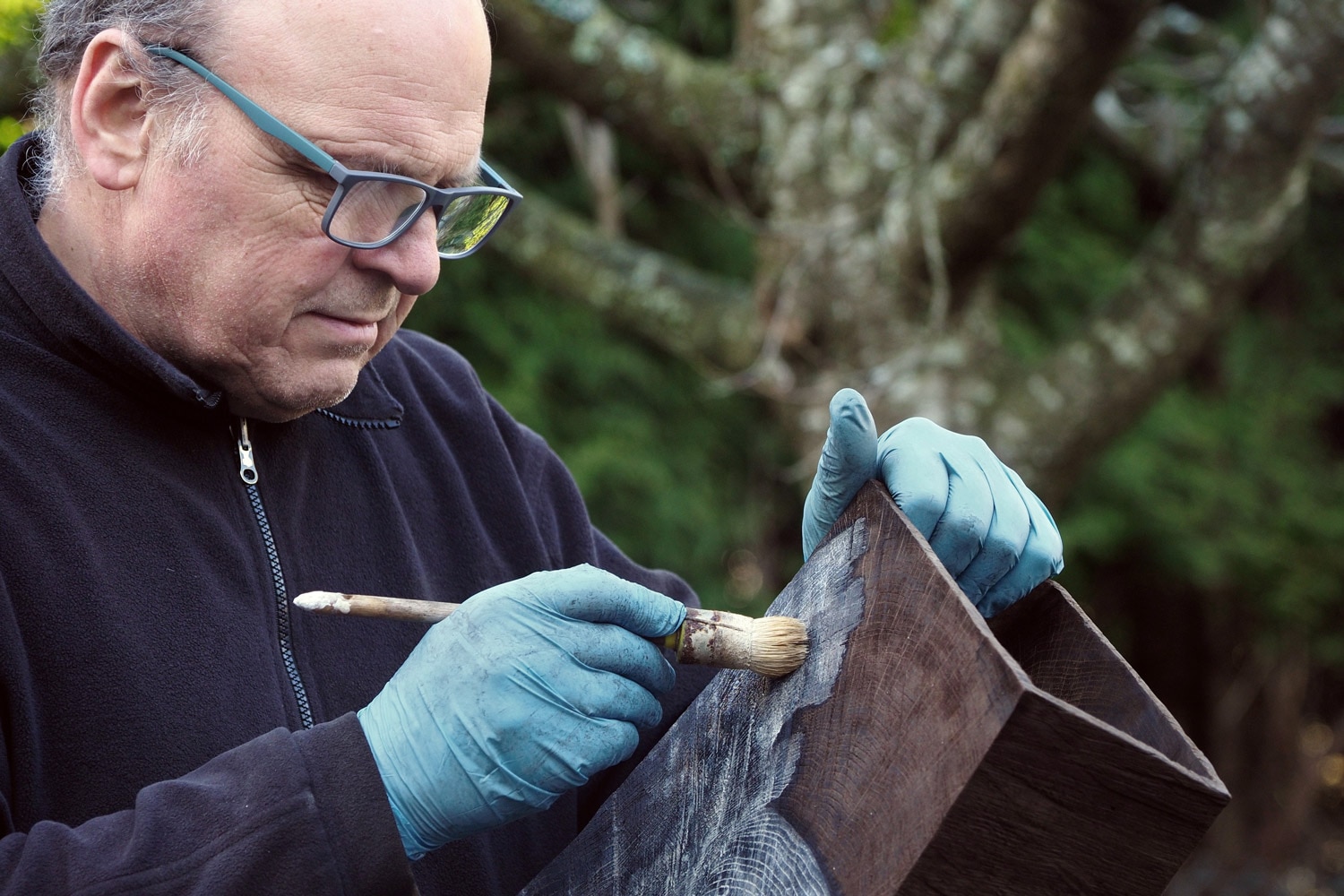
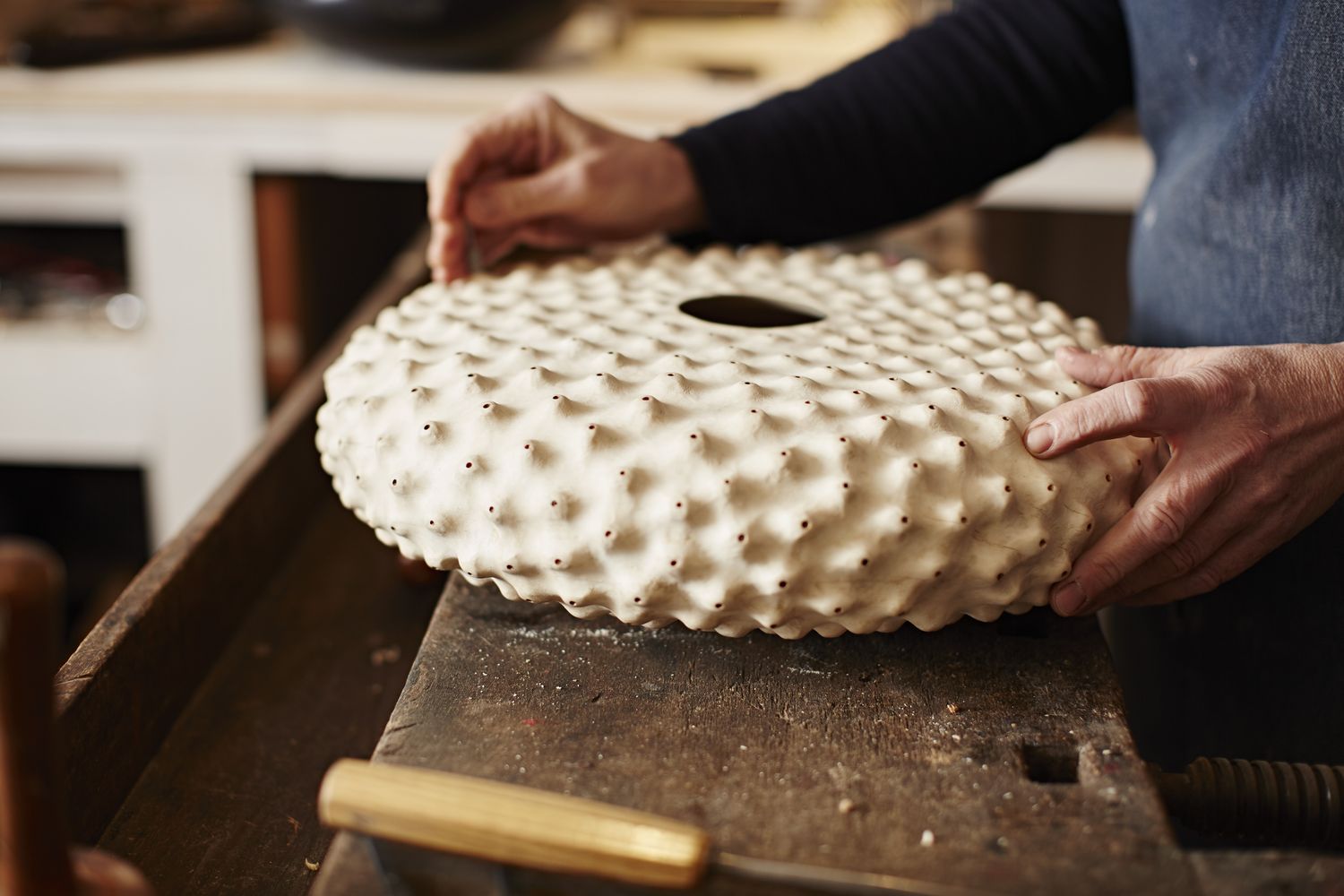
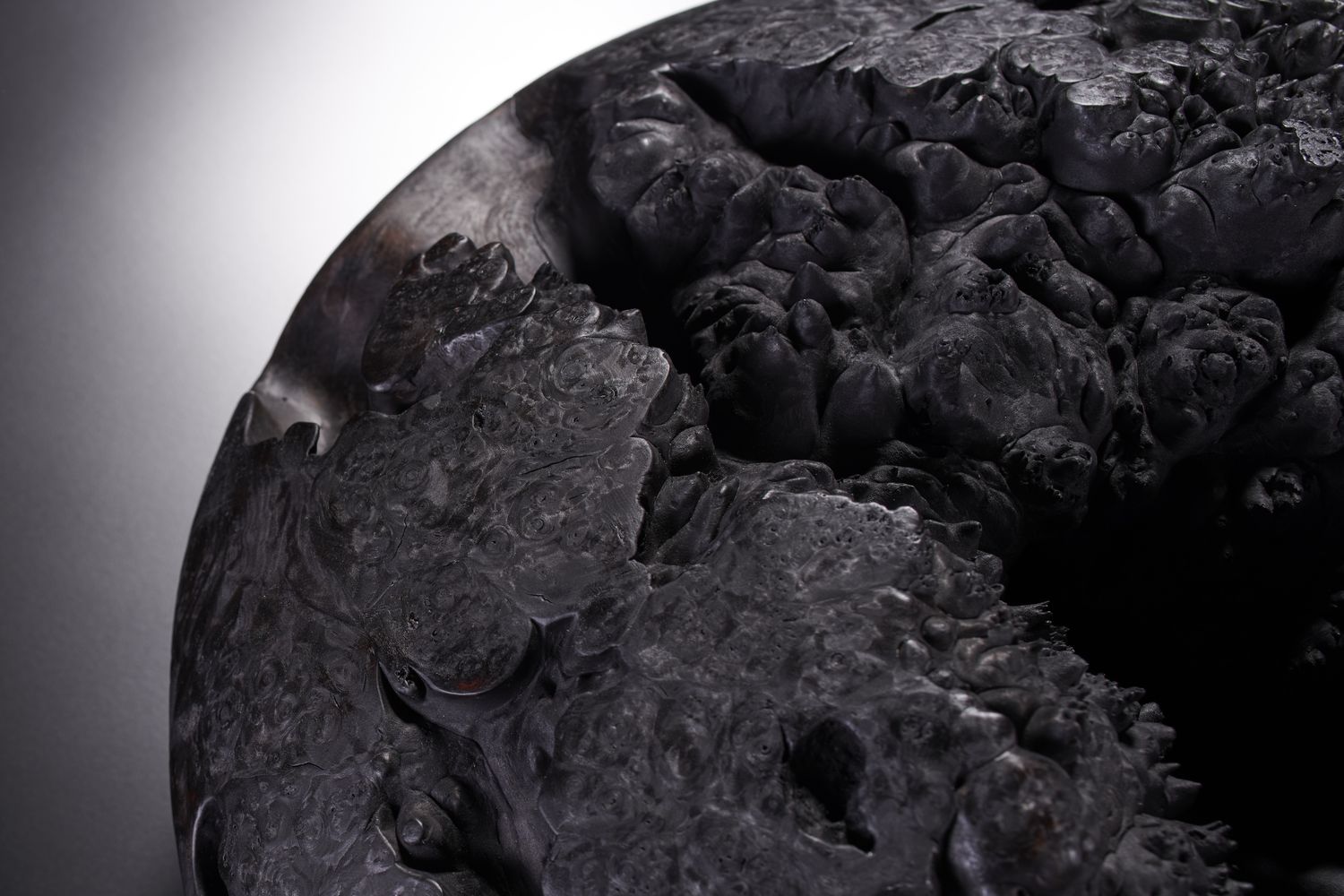
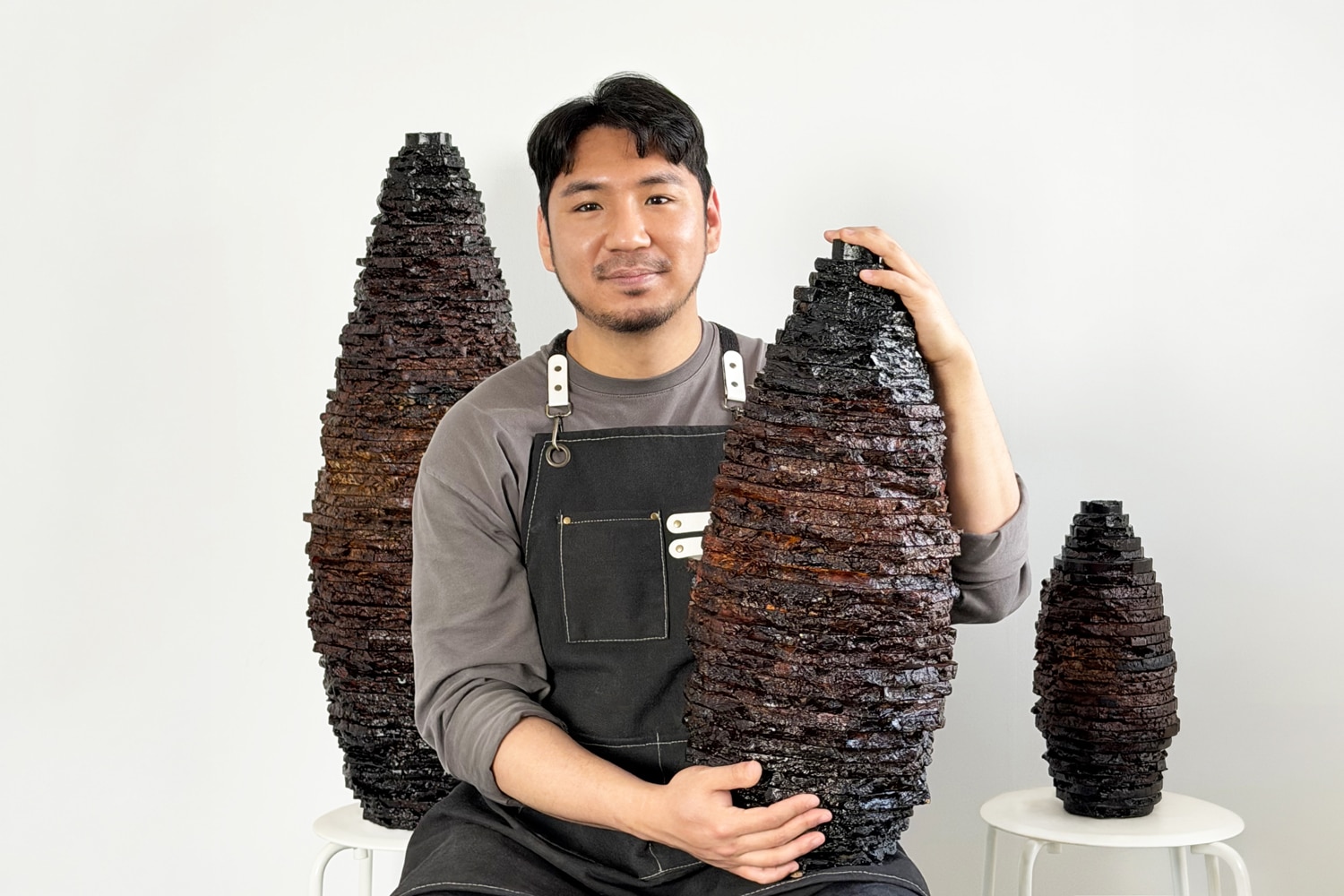
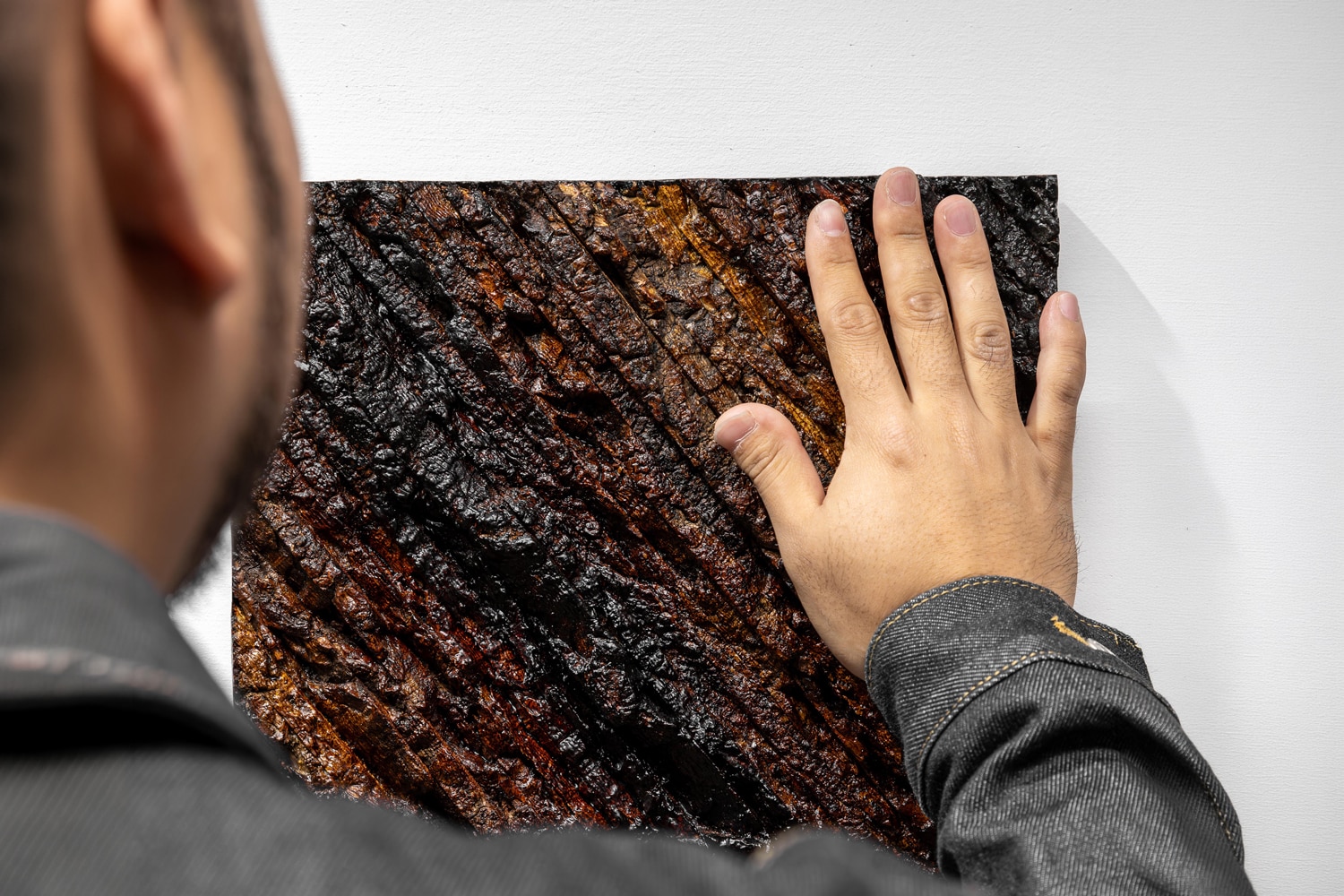
From an early age, Hyungho Jeon enjoyed taking things apart and putting them back together. Through this hands-on process, he developed an interest in design and later studied it at university. During his studies, he worked with various materials to create furniture and objects, and decided to pursue woodworking. "I was especially drawn to the traces left by time embedded in the surface of wood and the way these marks remain visible throughout the making," says Hyungho. He began to see potential in discarded tree bark, and now specialises in reconstructing this material into sculptural forms through stacking and lacquering. "I see it as a process of reinterpreting traditional materials through a contemporary sculptural language," he explains. Through his making process, Hyungho reveals subtle yet persistent signs of life preserved in materials.
Hyungho Jeon is a rising star: he began his career in 2022.
INTERVIEW
While I enjoyed working with many materials, wood revealed new expressions the more I worked with it. Although it appears solid on the surface, differences in grain, density and colour gradually emerge as it is processed. Even pieces from the same tree have their own distinct character.
During the woodworking process, I began to notice that pieces of bark would always fall away and be discarded. One day, I realised that their surface texture and form felt even more powerful than the wood itself. From that moment on, I began to see tree bark as a material in its own right.
Inspiration for my work comes not from distant sources but from repeated impressions in everyday life. I often observe things that once existed but are gradually disappearing. I reflect on why they fade and what traces remain.
I believe a good piece of artwork has the power to make people look at it for a long time. It is a work that goes beyond a fleeting first impression, invites close observation and does not easily fade with time. I am interested in creating works that leave room for viewers’ own thoughts, rather than explaining too much through form.
Hyungho Jeon
Wood sculptor
Seoul, South Korea
ADDRESS
Address upon request, Seoul, South Korea
AVAILABILITY
By appointment only
LANGUAGES
Korean
HOMO FABER FINDS
Homo Faber Finds is a new service aiming to inspire admirers of craft to connect and collaborate with exceptional artisans.
We invite you to submit an enquiry here.