Sam Woong Lee
Furniture maker
Seoul, South Korea
Crafting a contemporary language
- In Sam Woong's work, tradition is a living language of design
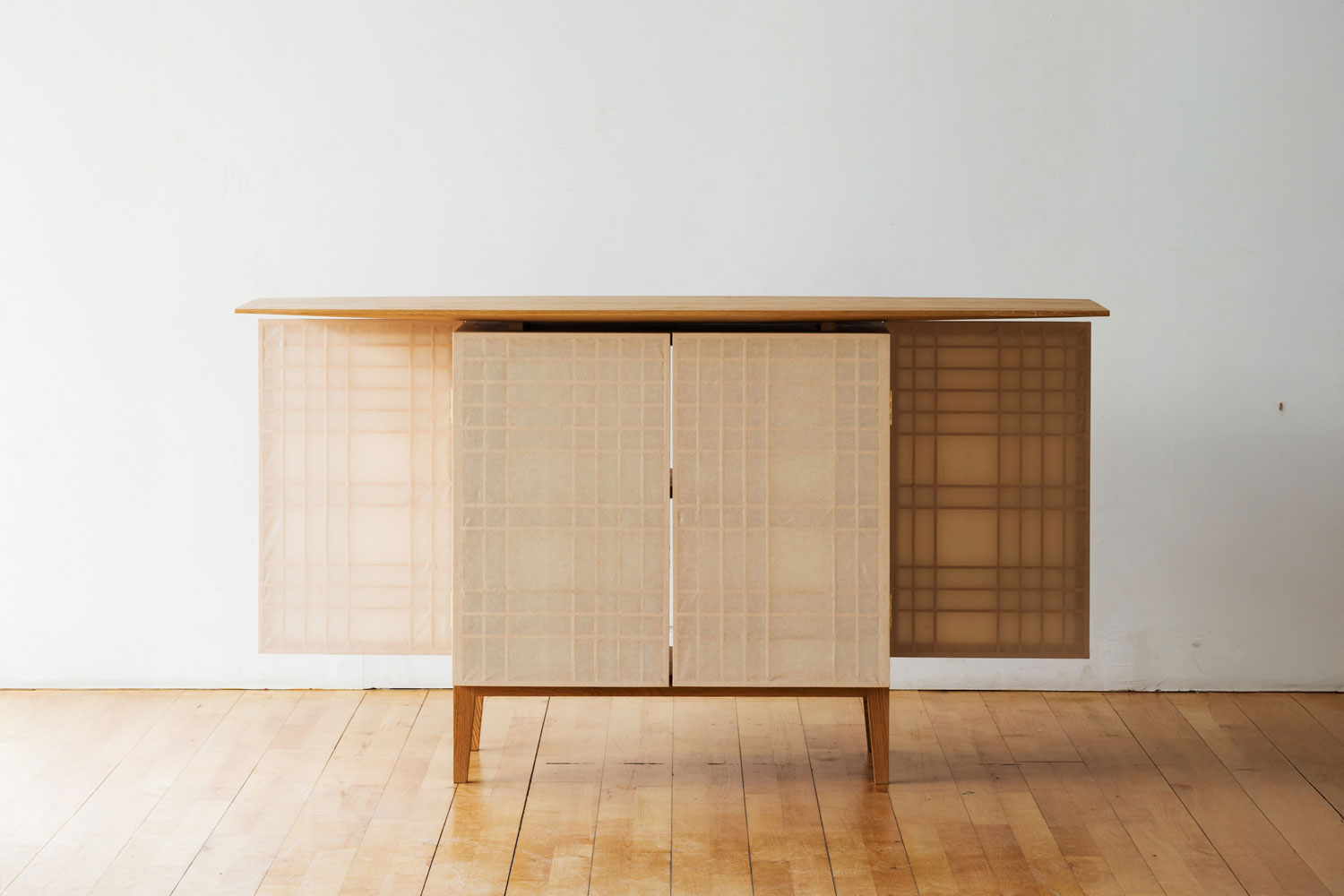
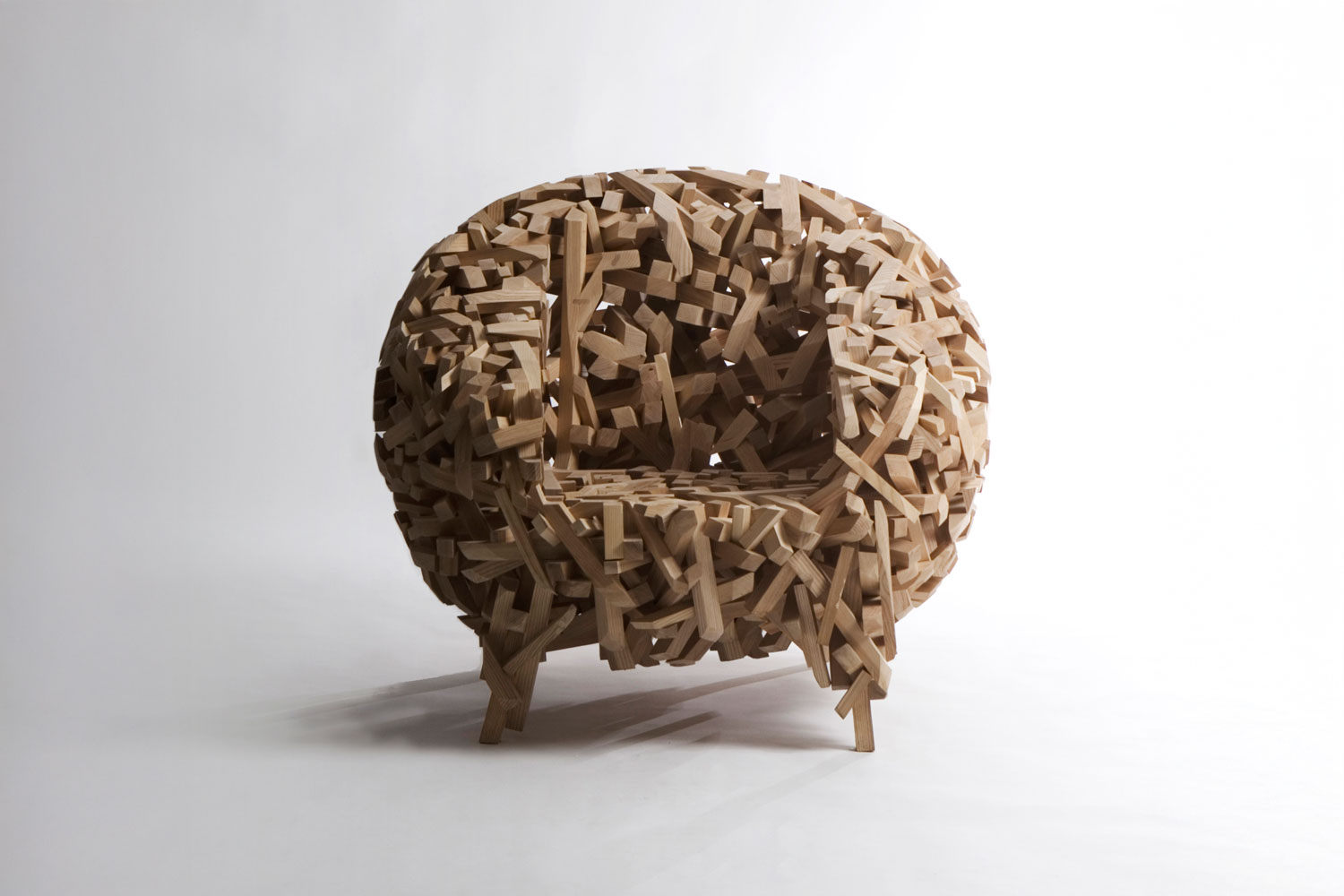
- Wood, metal and mother-of-pearl coexist in his furniture series
- He develops each piece as a celebration of a certain material
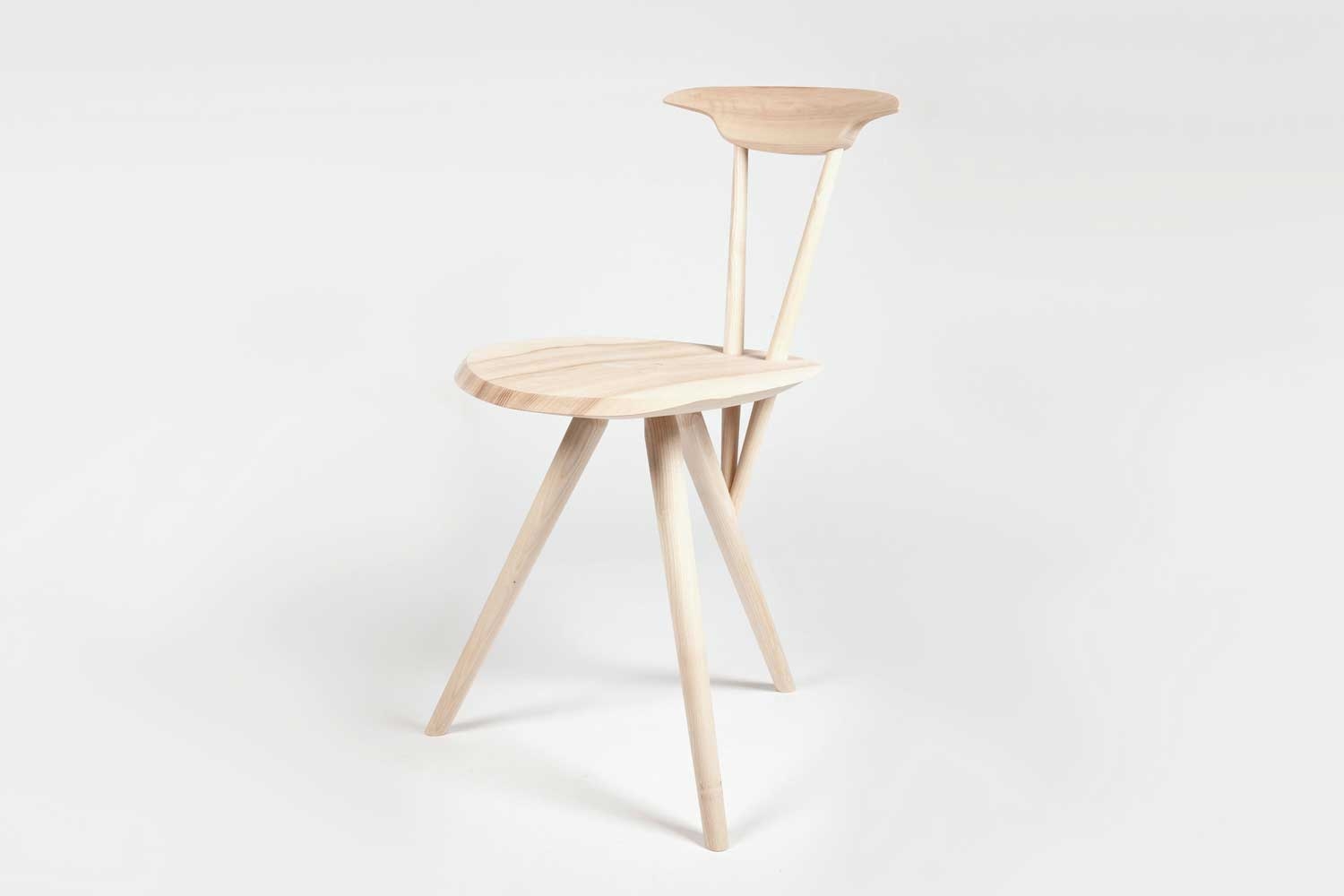
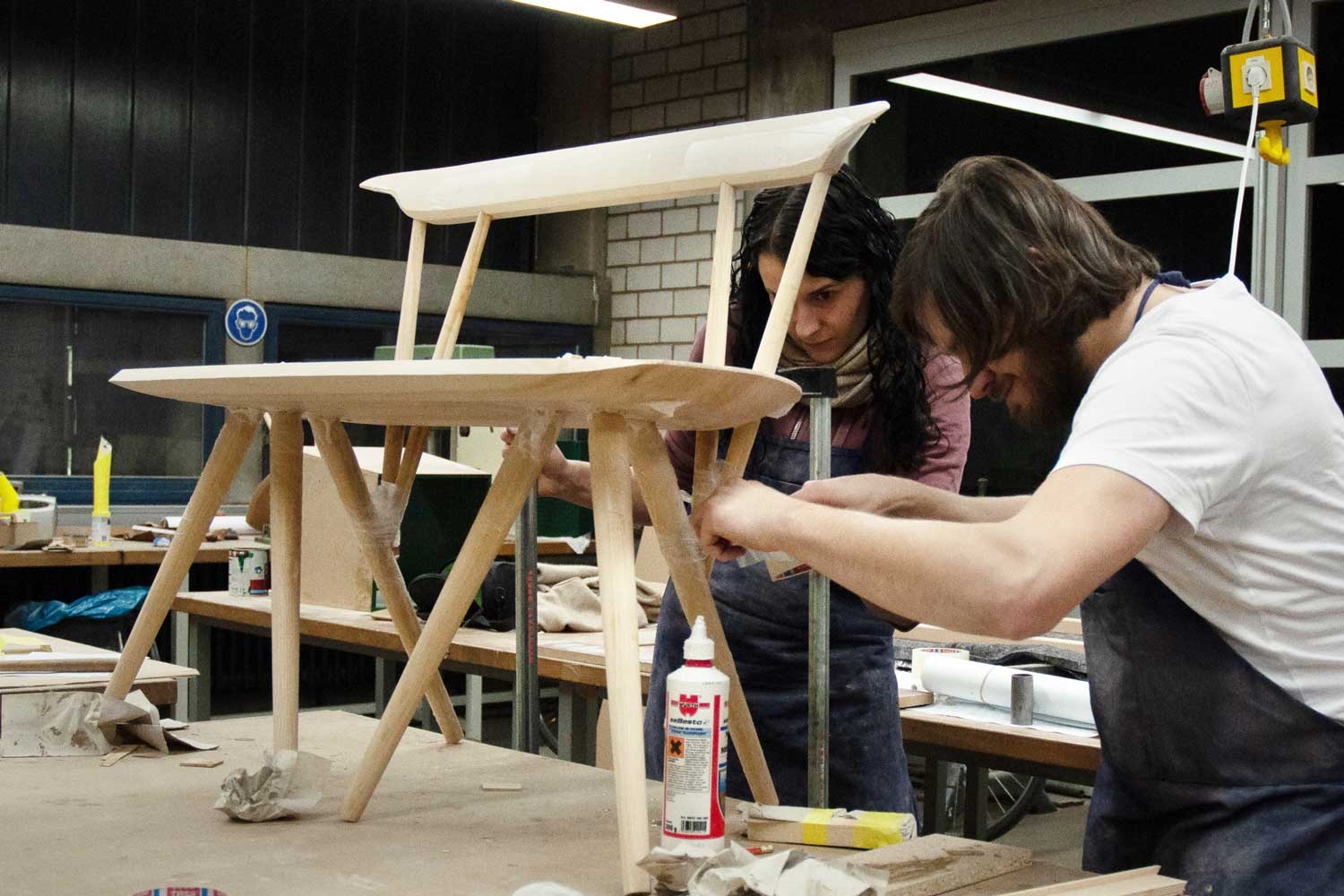
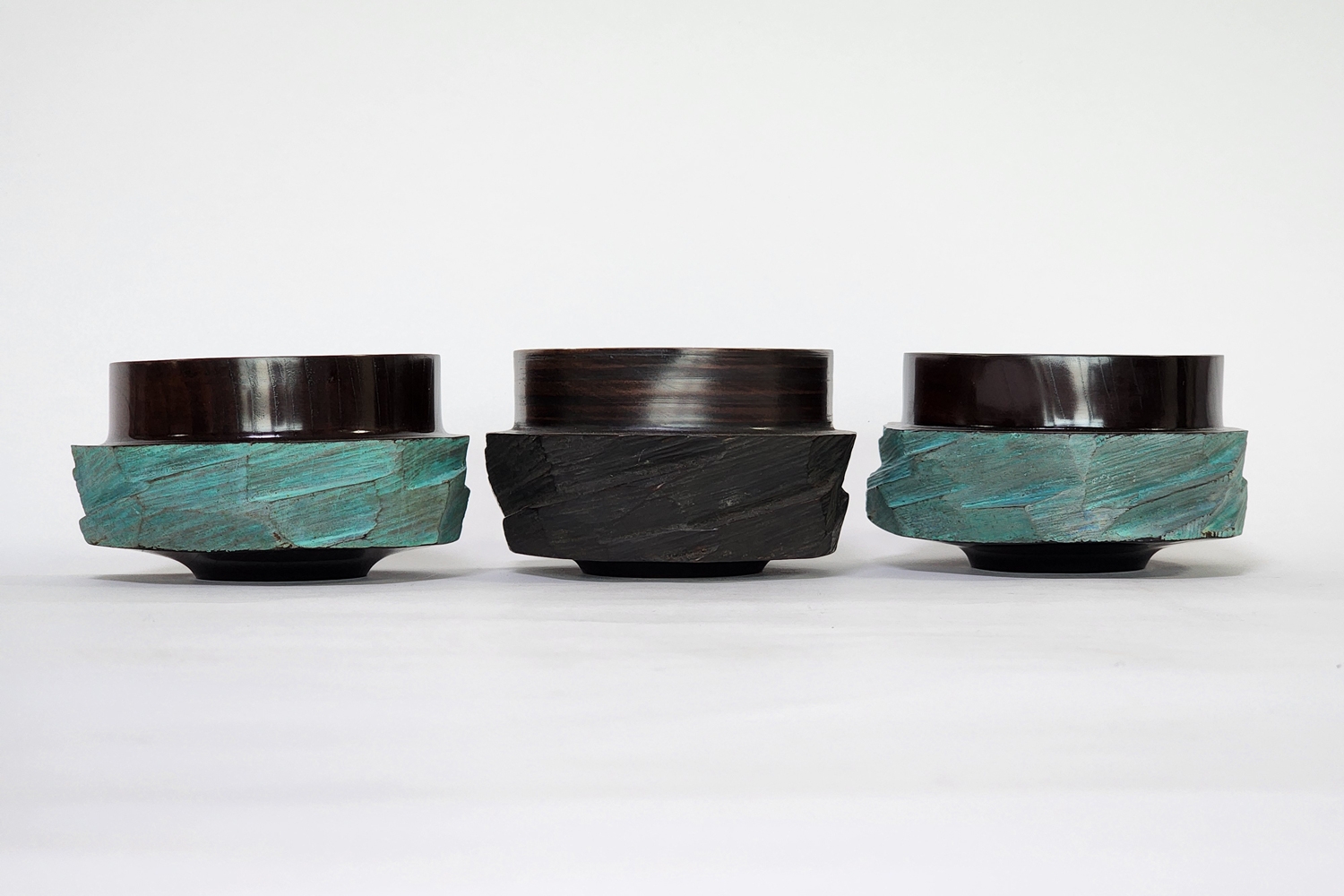
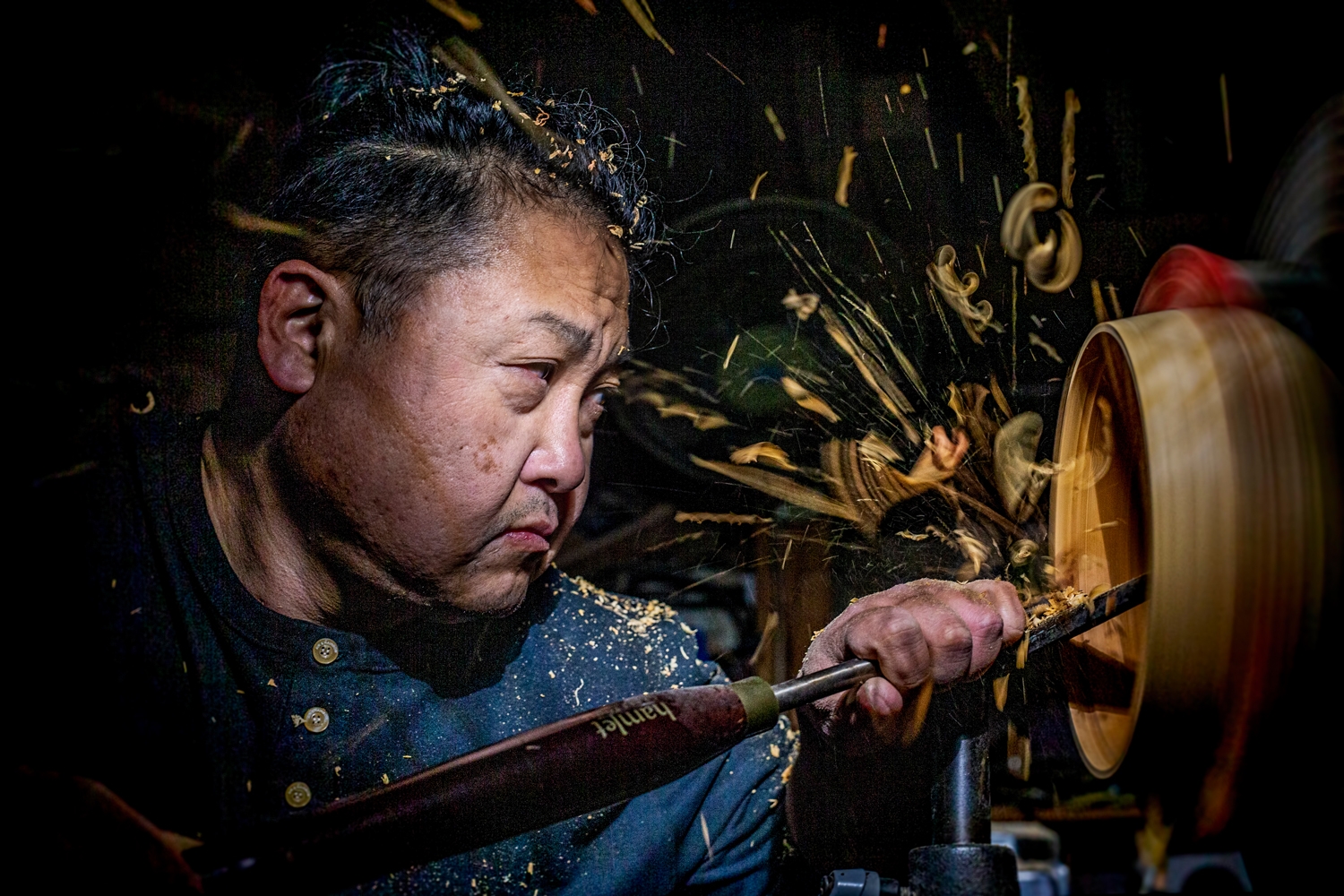
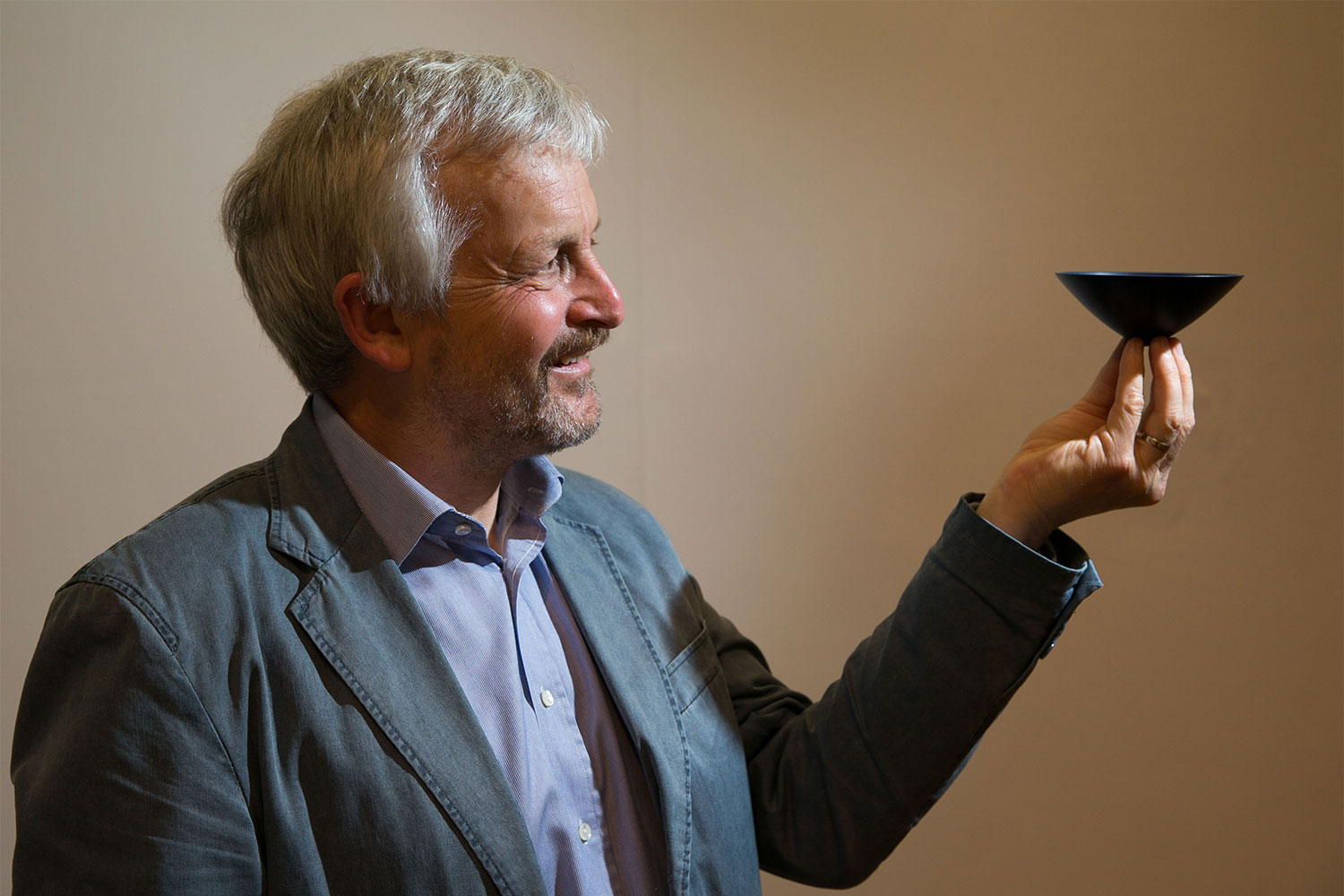
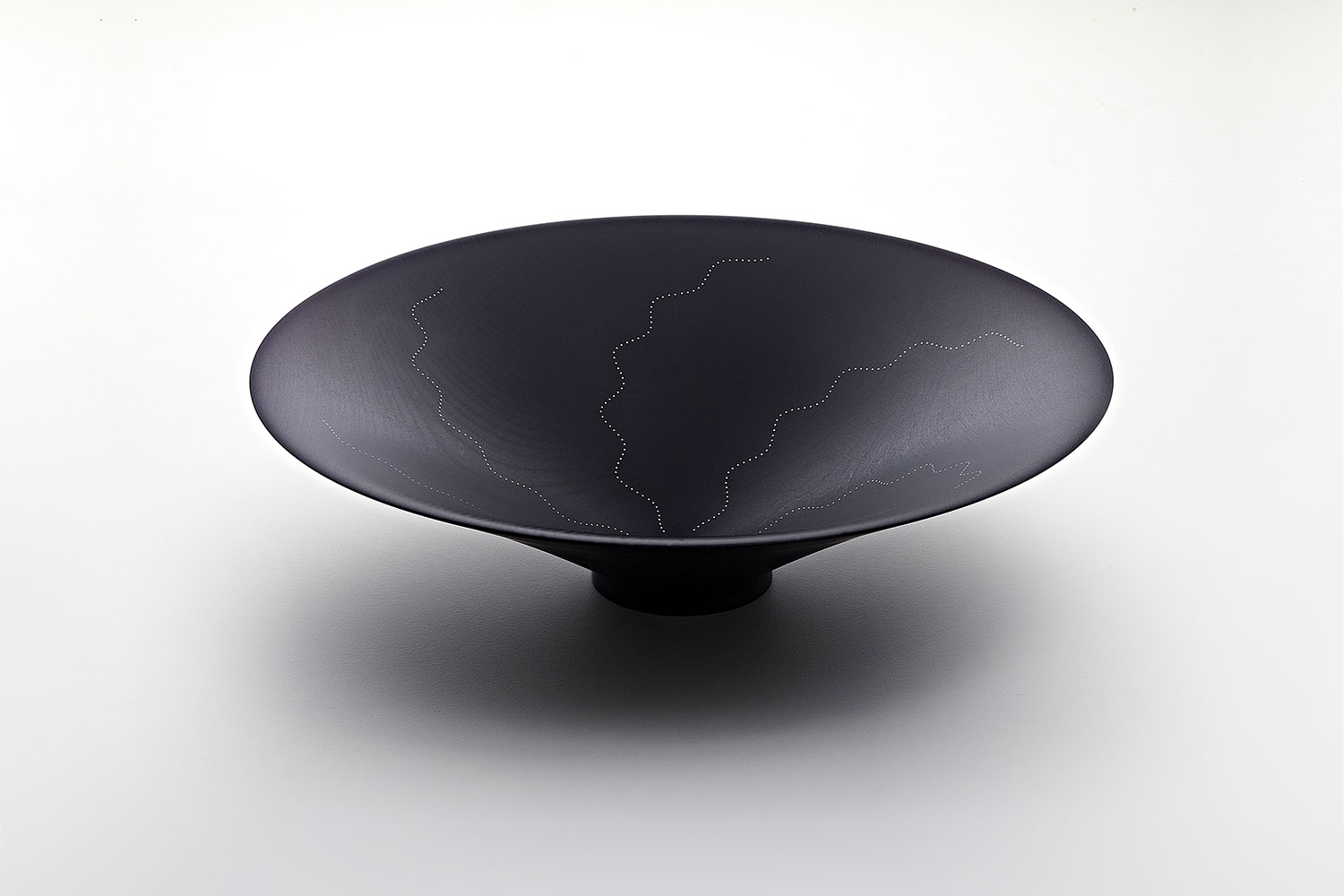
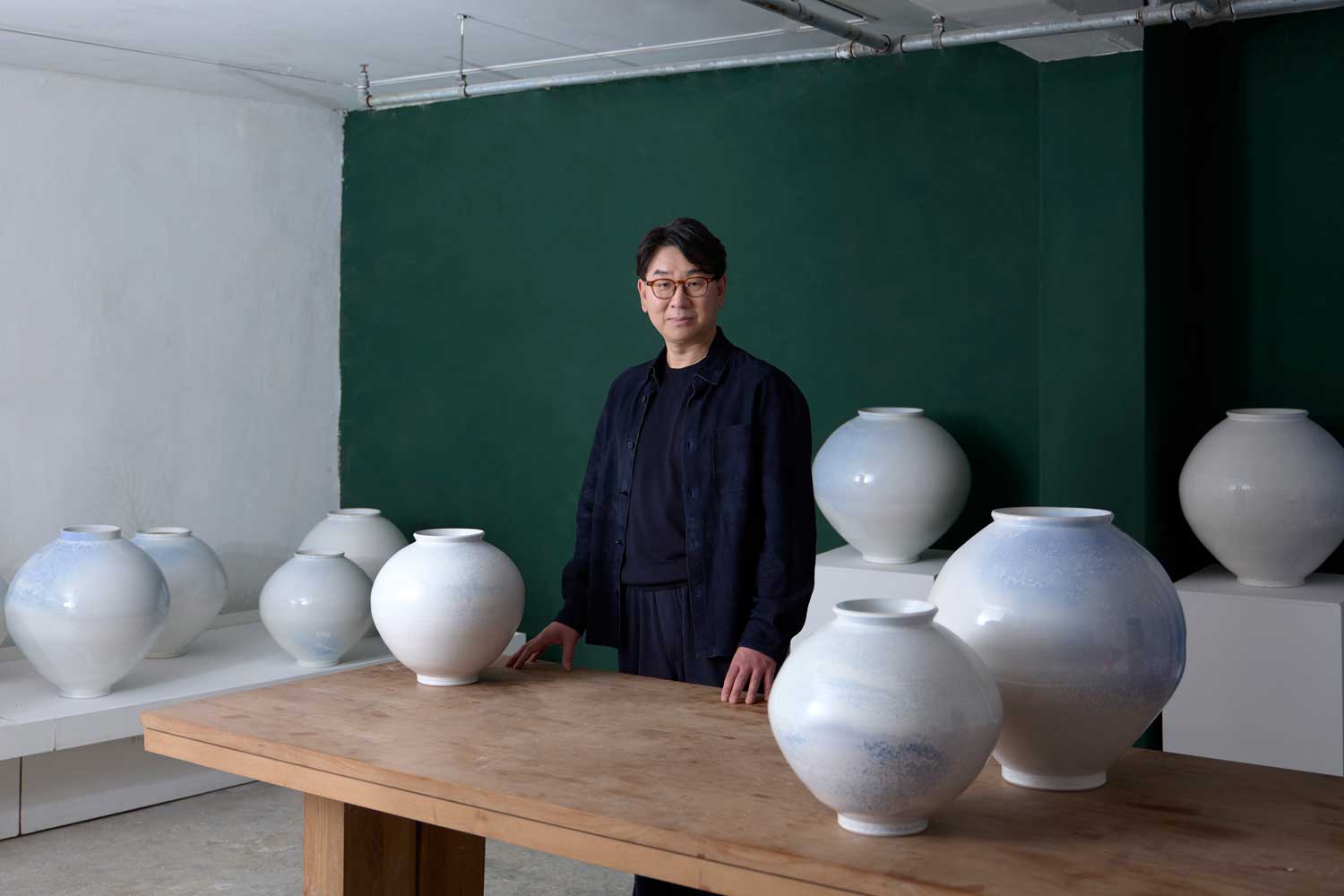
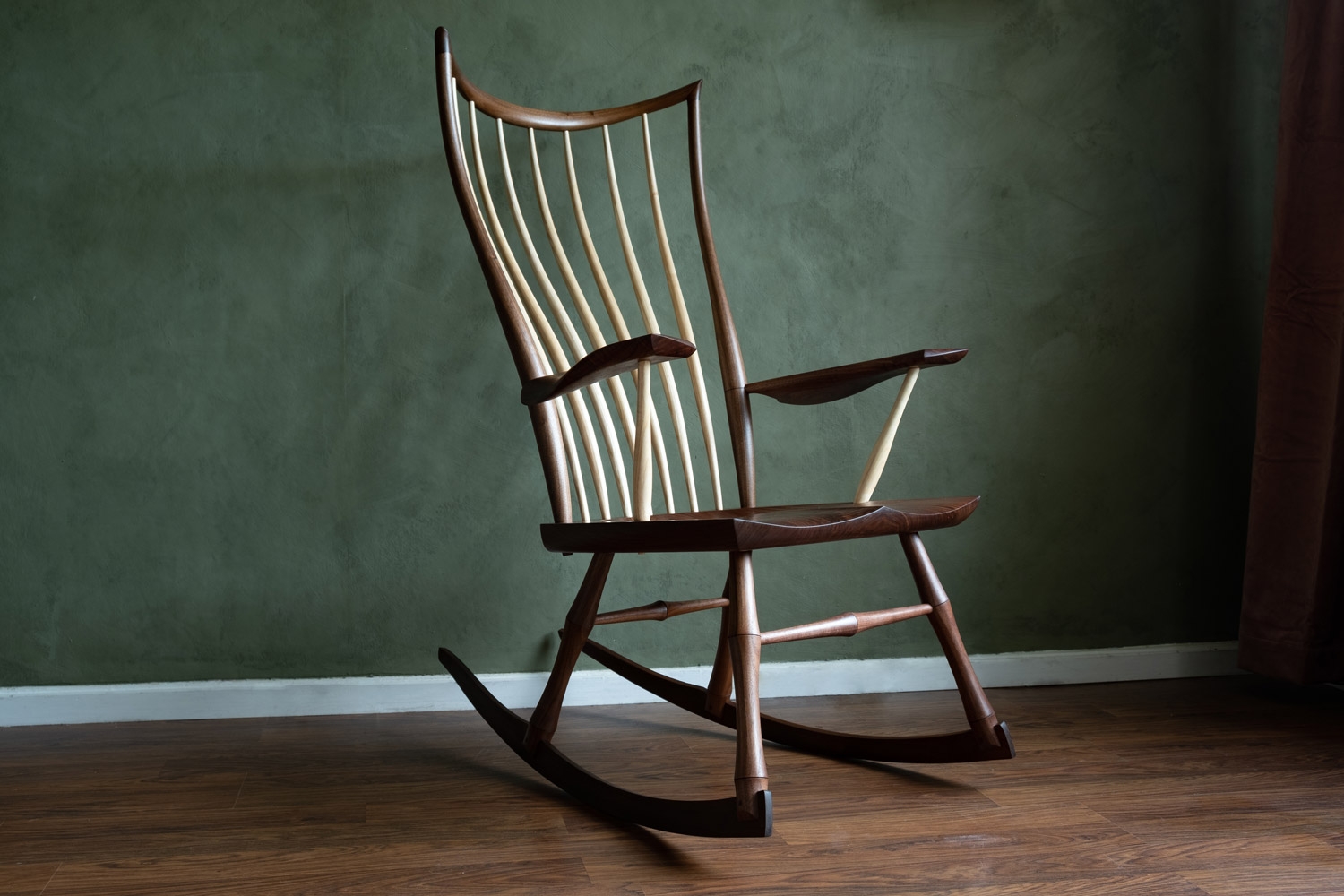
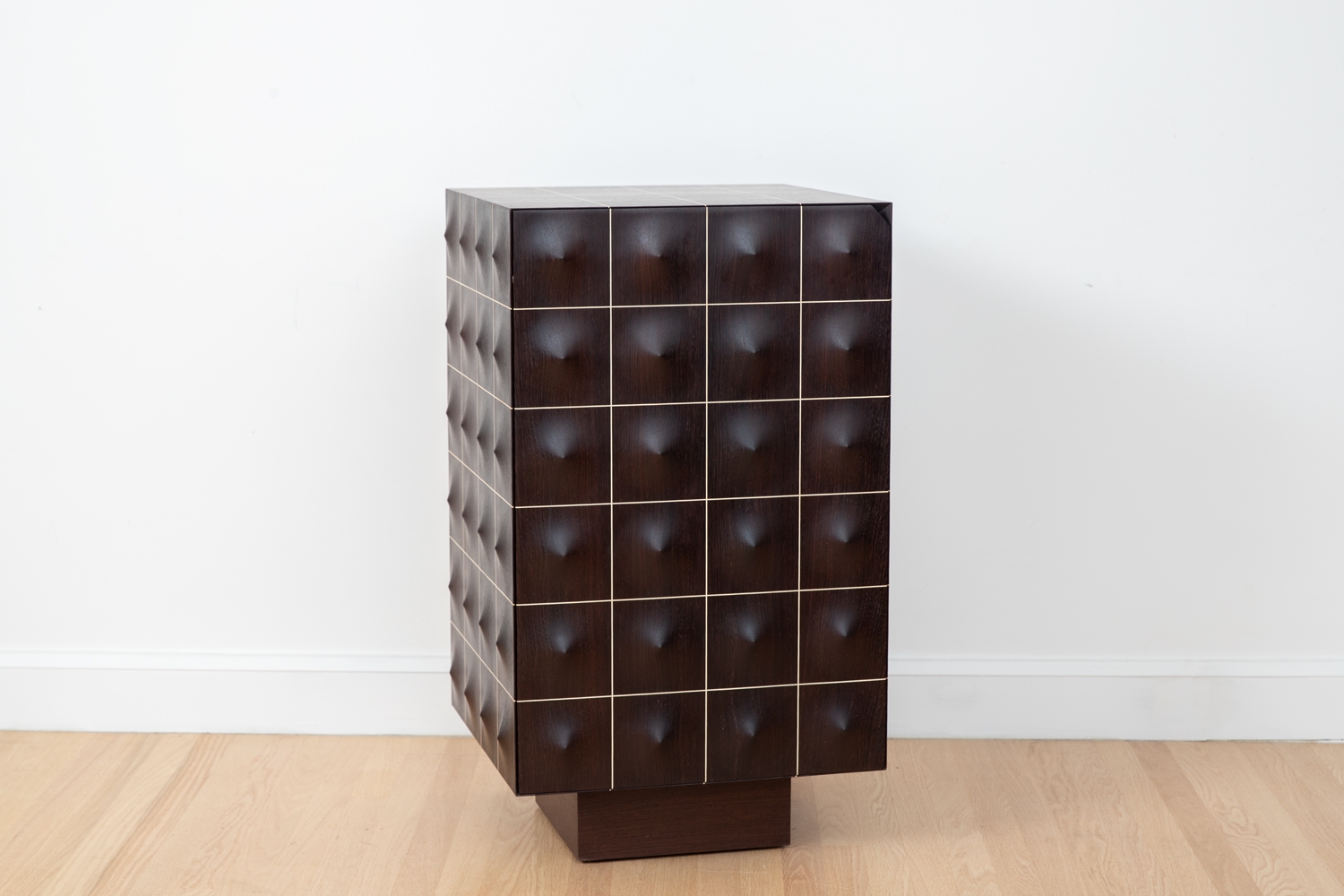
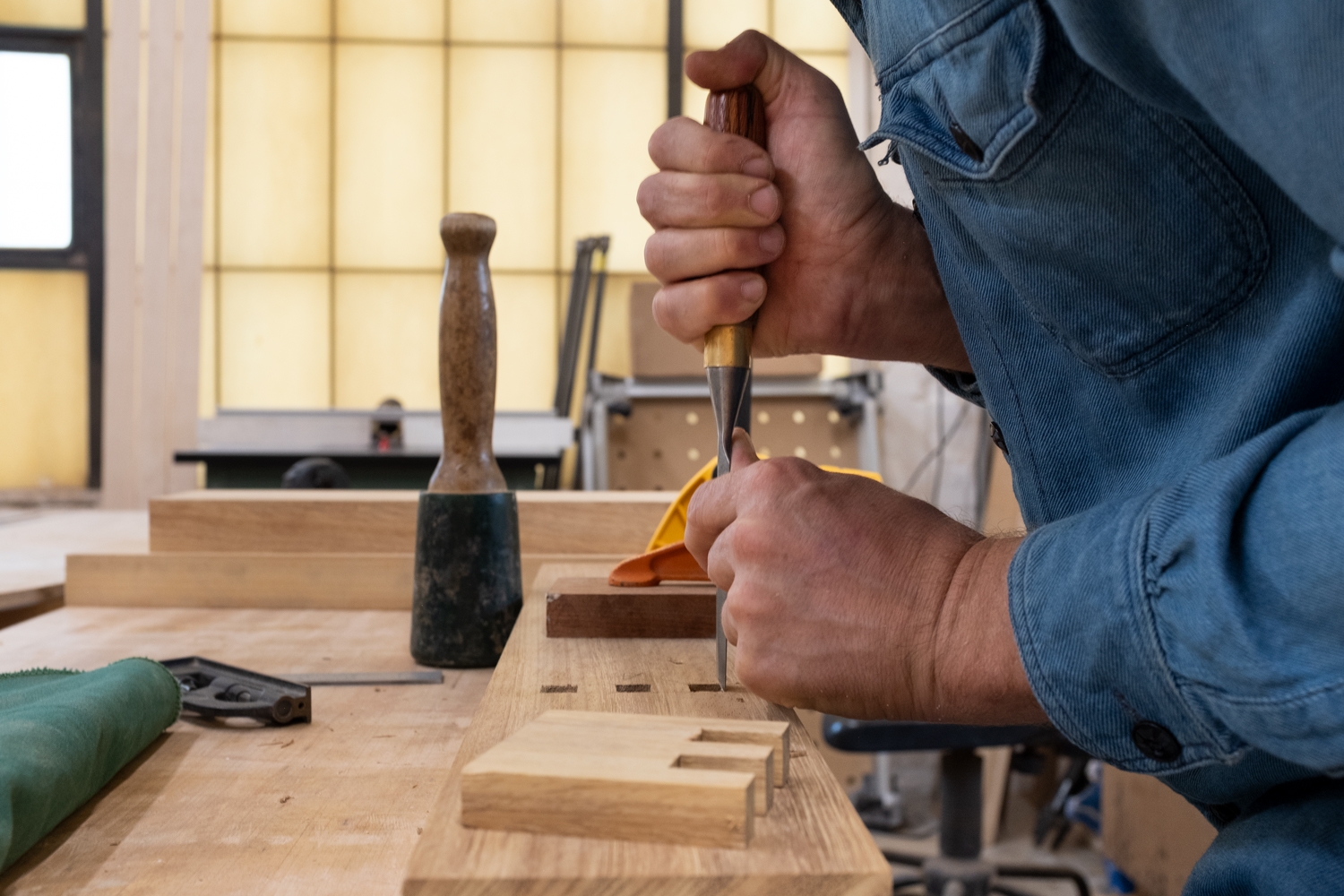
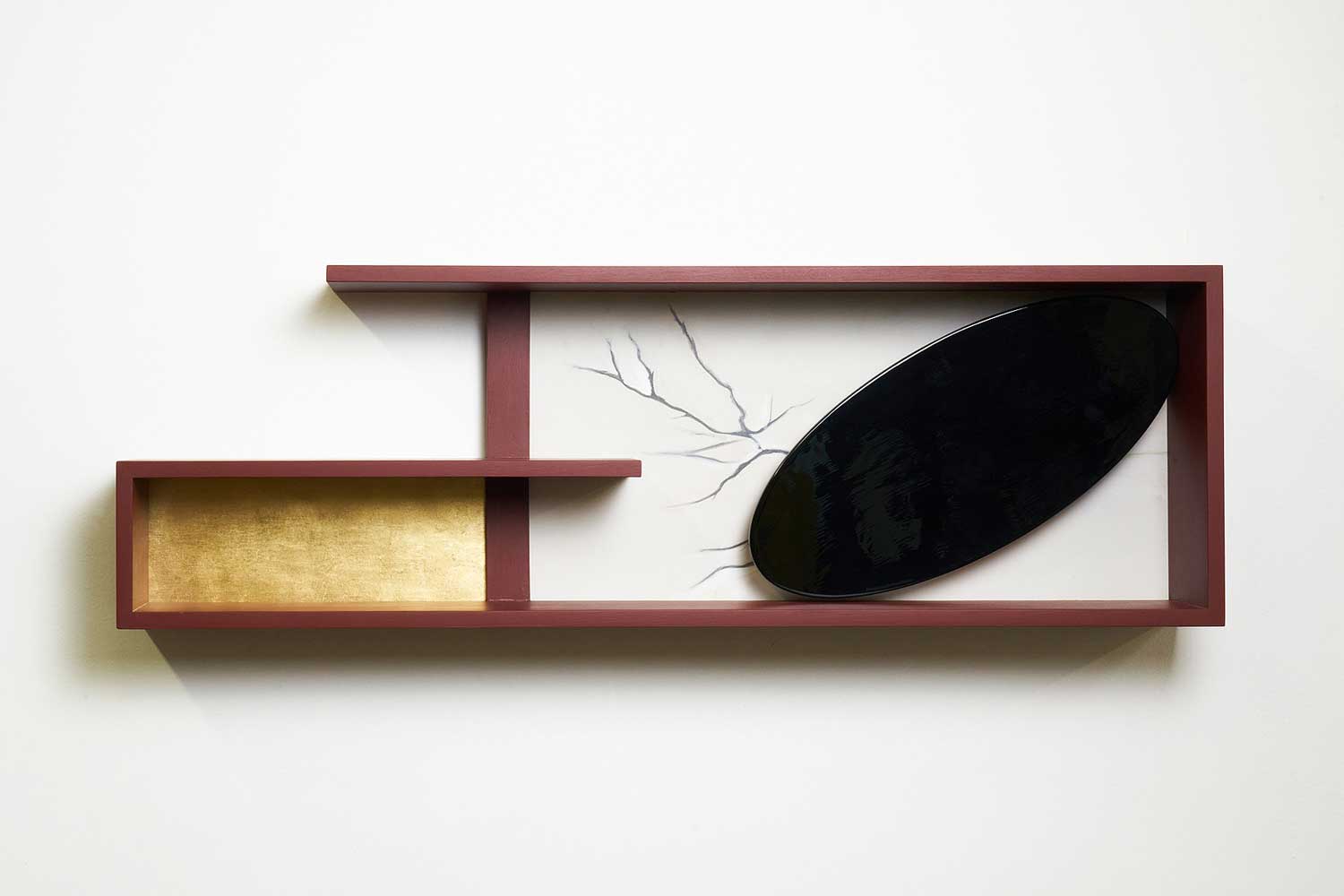
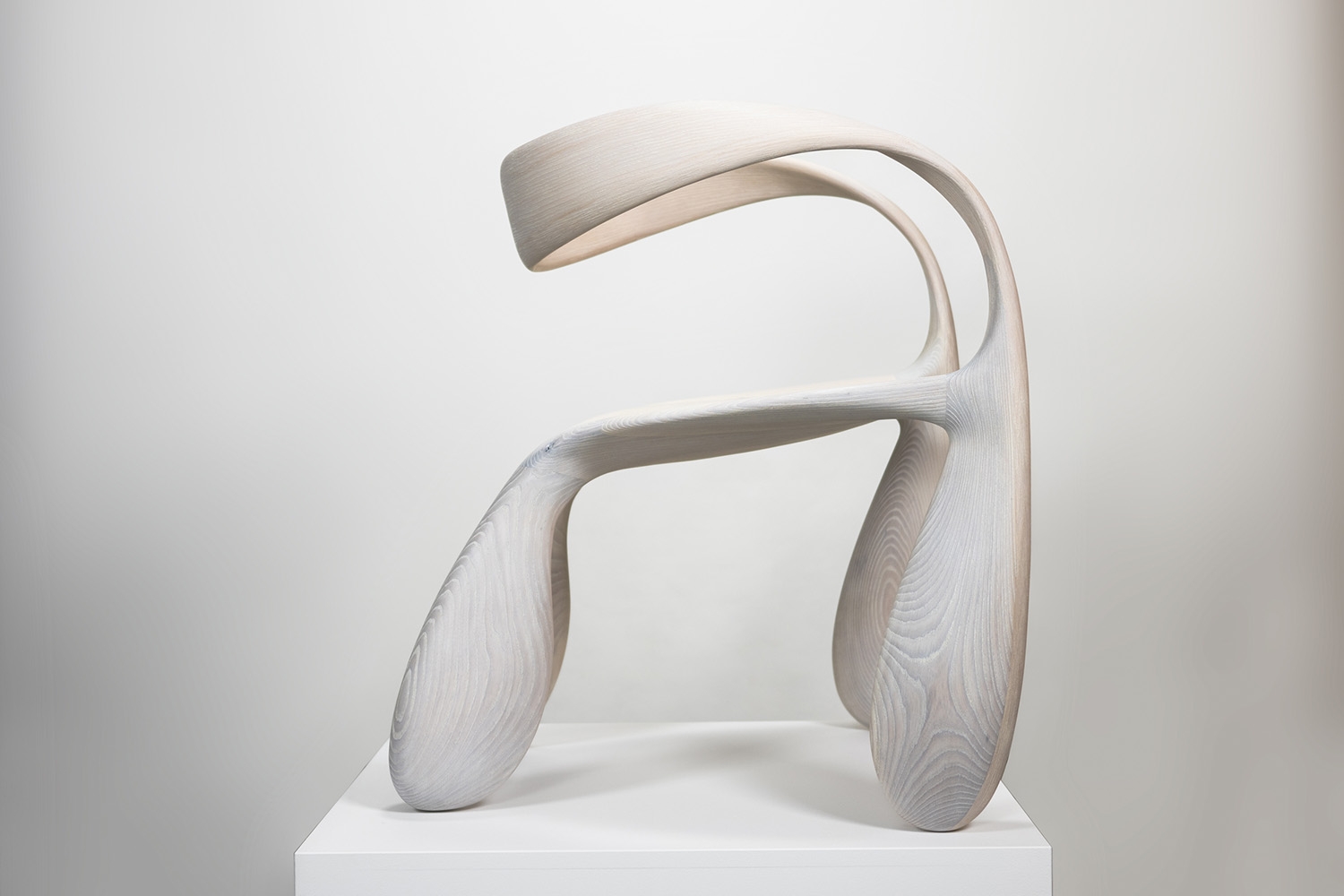
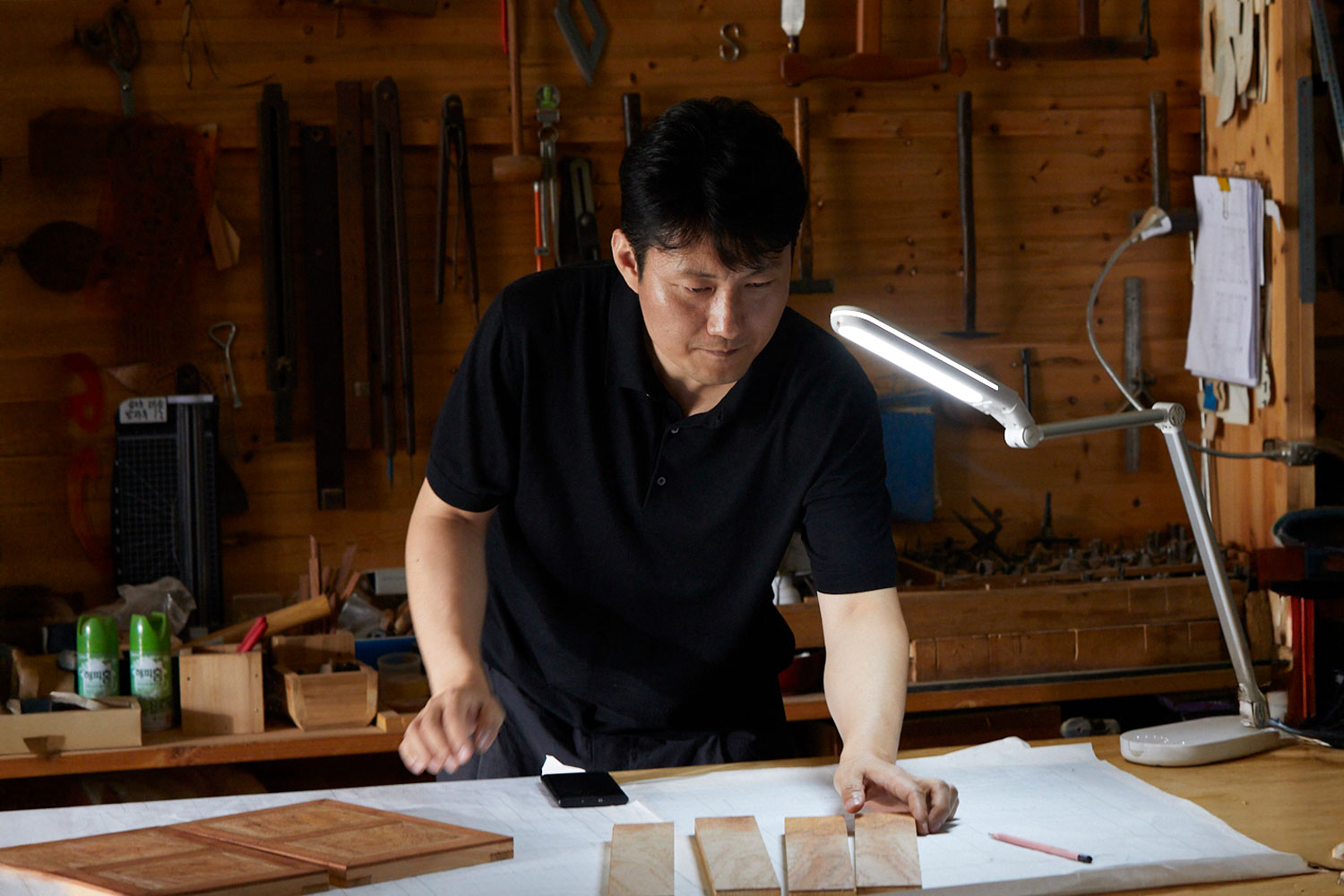
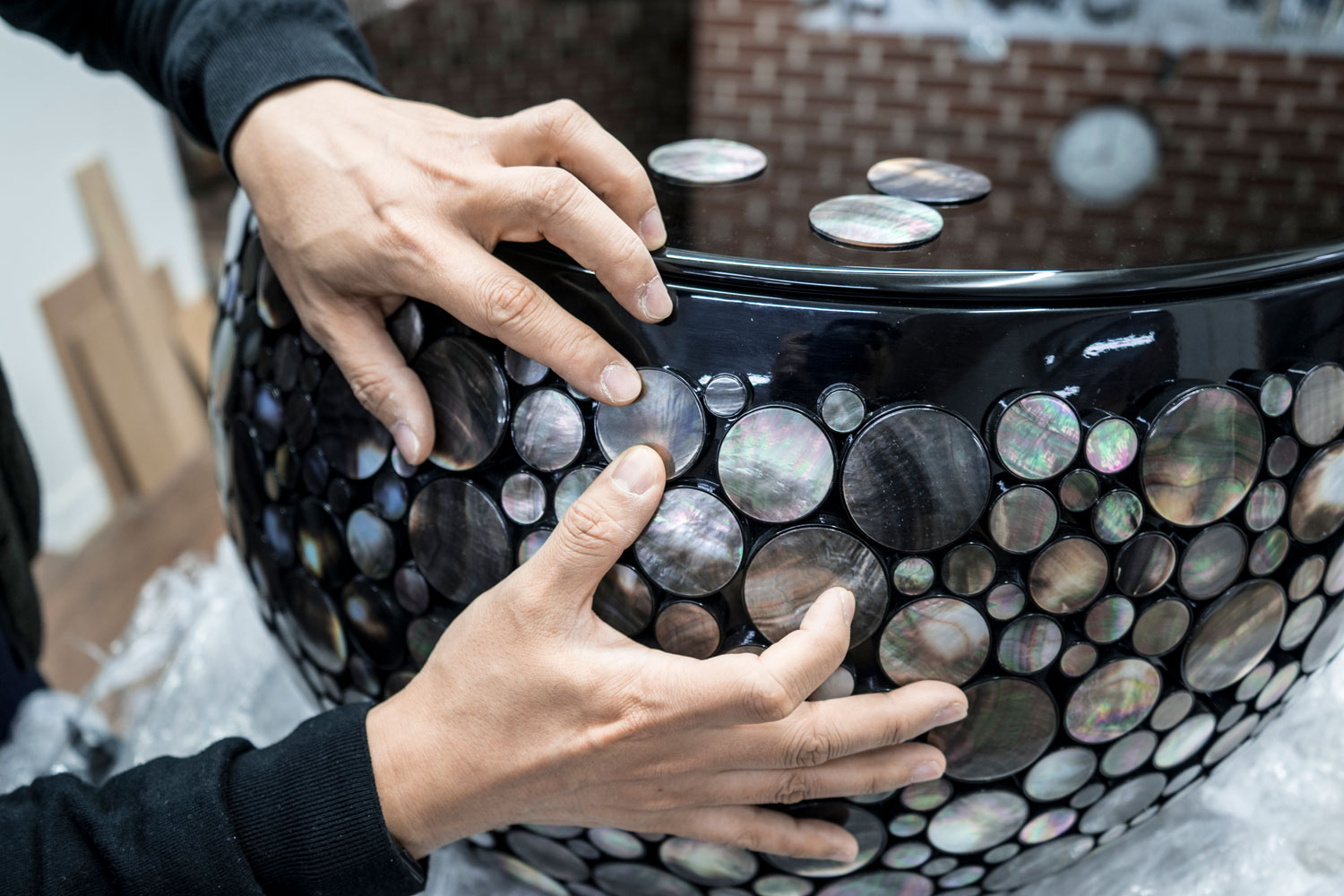
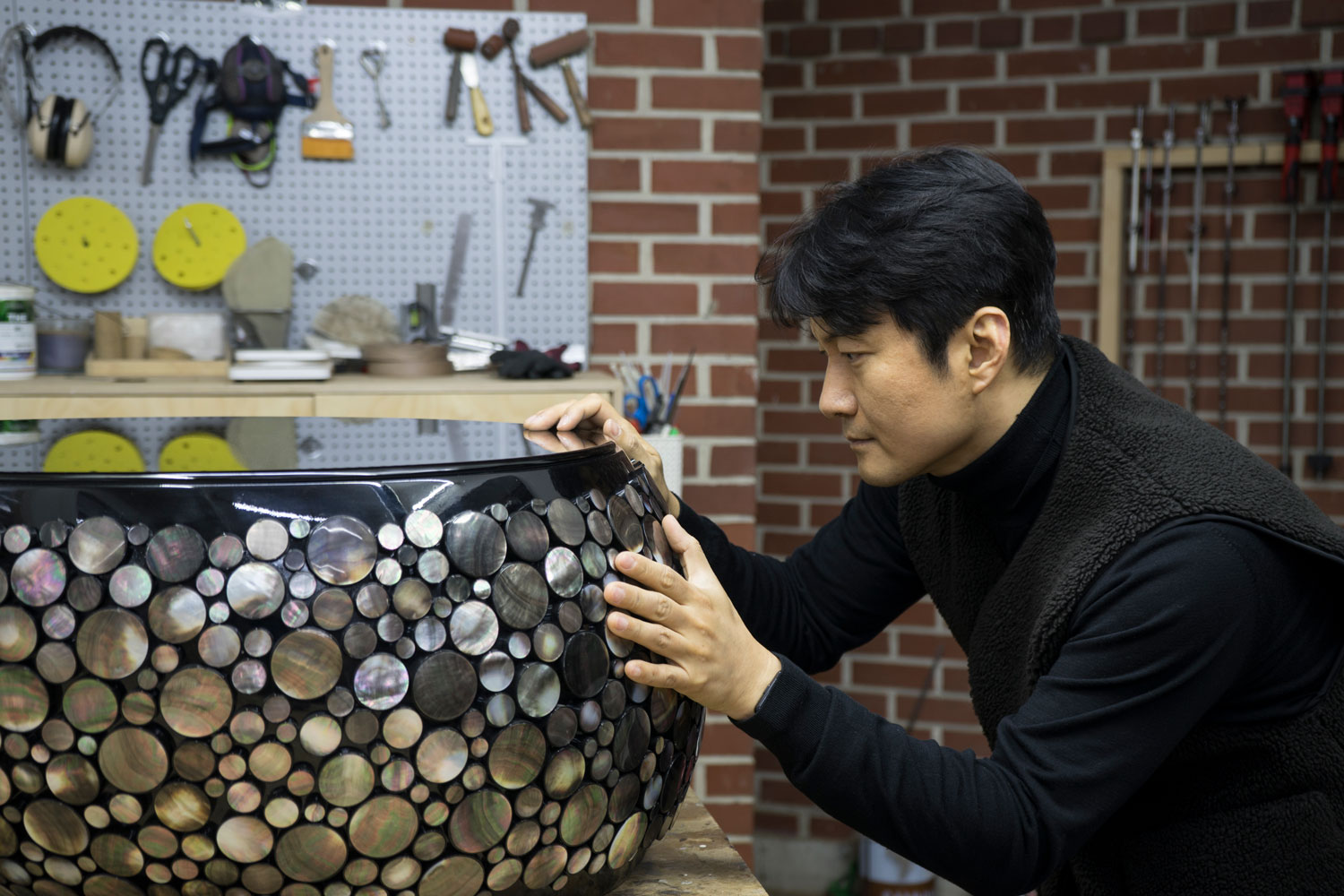
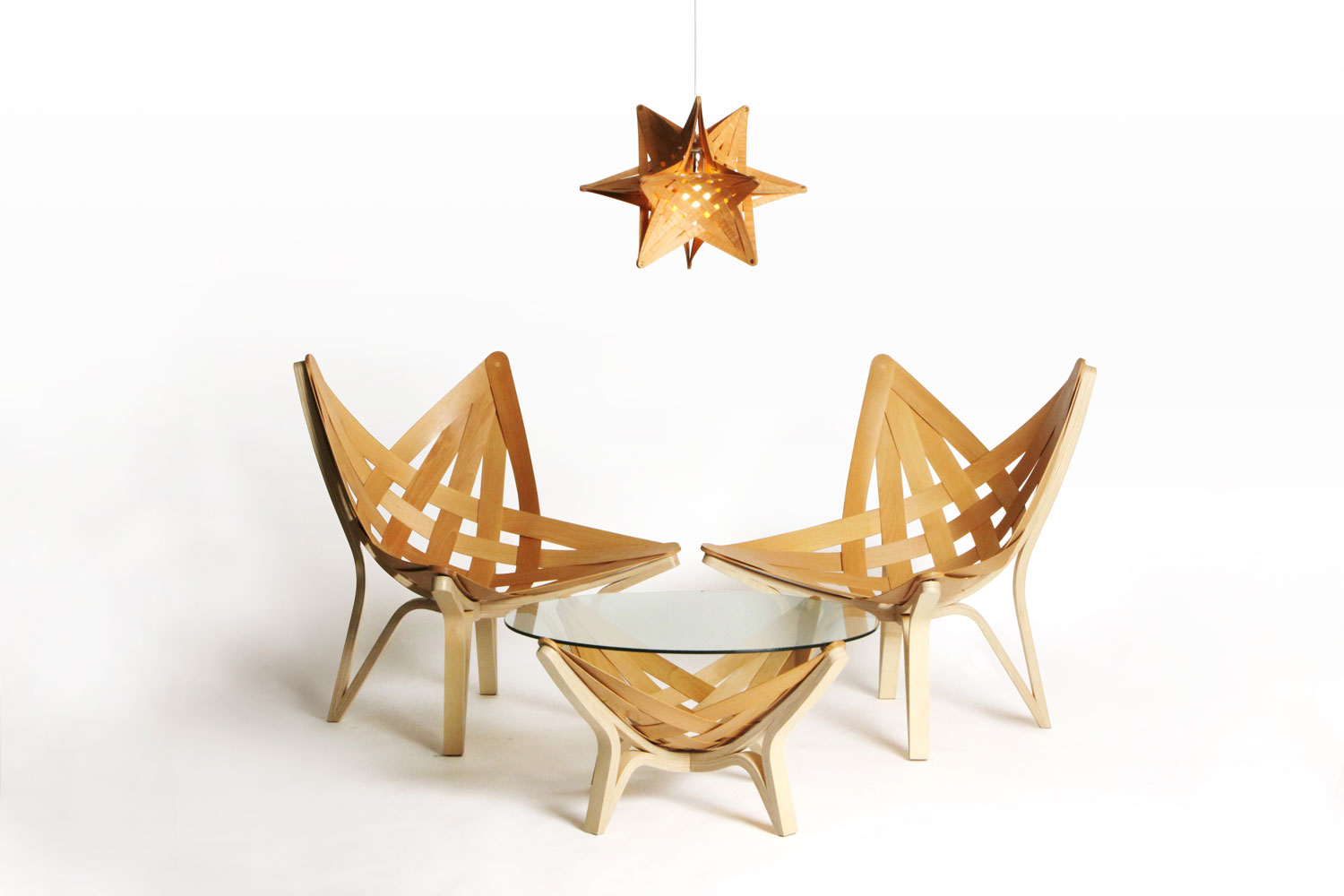
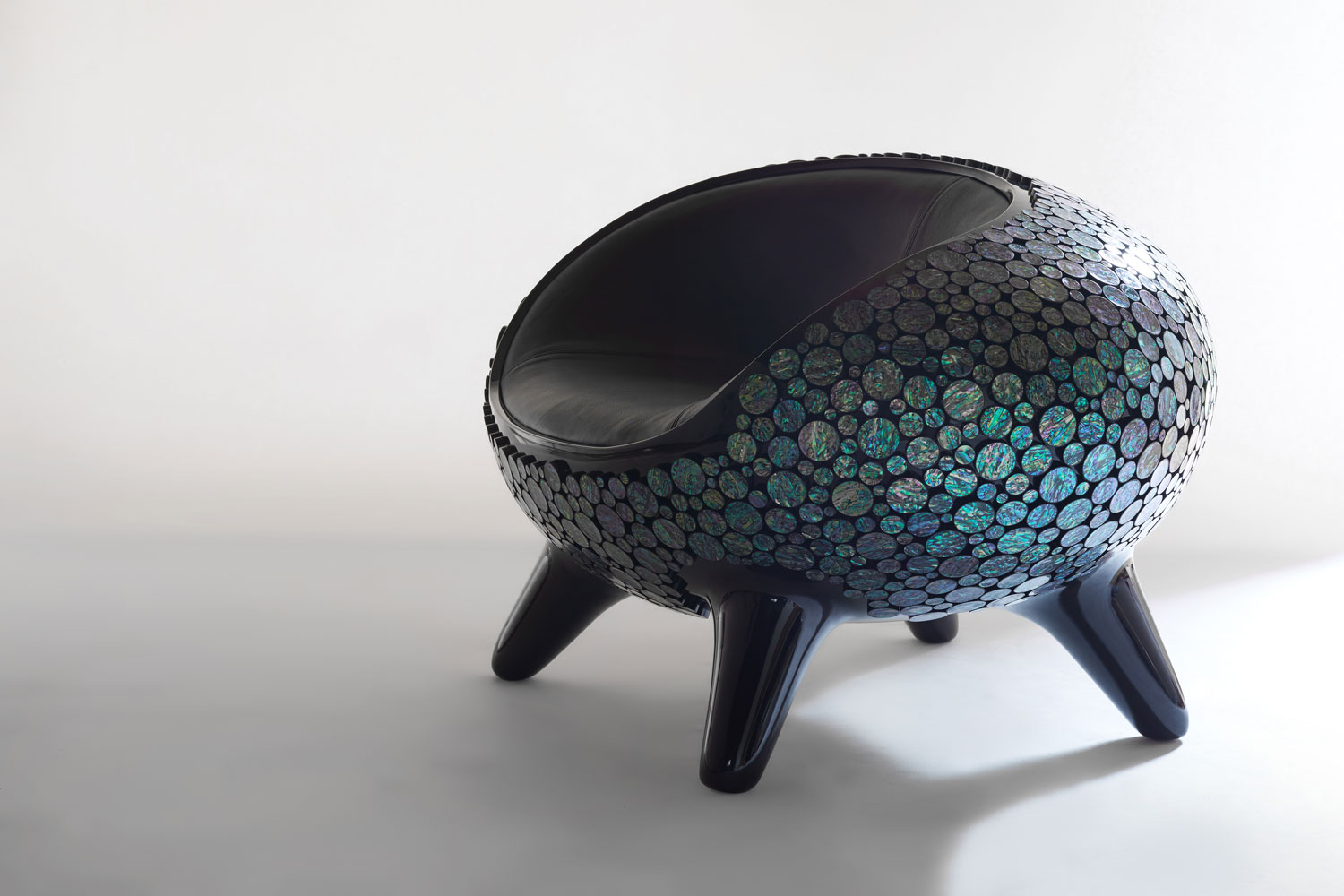
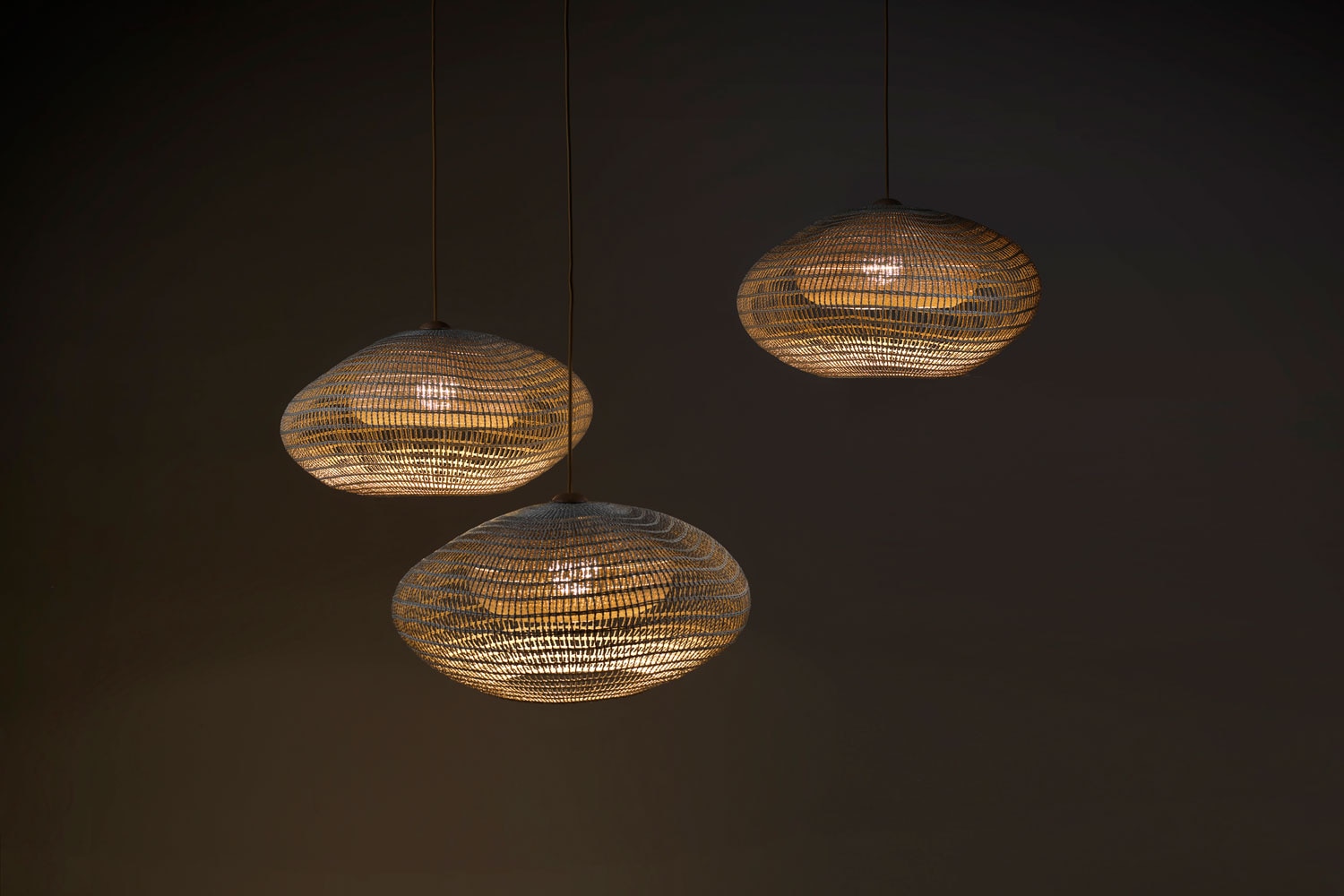
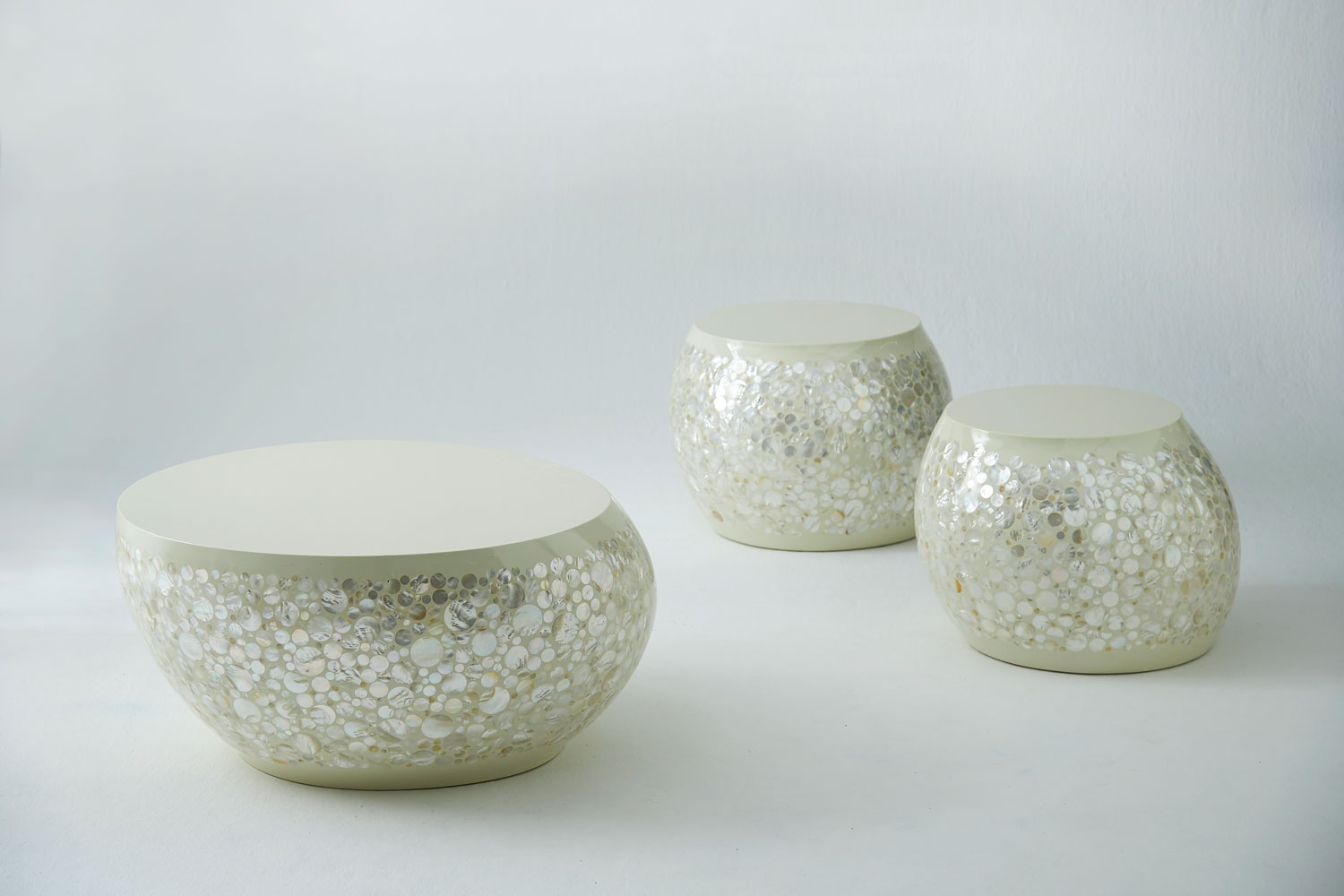
Working across wood, metal and mother-of-pearl, Sam Woong Lee develops objects that translate Korean craft traditions into contemporary expression. Trained in woodworking and furniture design, Sam Woong's practice begins with a deep consideration of each material’s structure, symbolism and physical behaviour. Wood remains central to his work for its warmth, versatility and ability to harmonize with other materials, while metal and mother-of-pearl introduce contrast, reflection and tension. In his mother-of-pearl works, organic forms capture shifting light, transforming a traditional material into a sculptural presence. "Between function and beauty, my works emphasize meaning and form over technique alone," explains Sam Woong. "Craft is not a relic of the past, but a living, evolving expression of the present."
INTERVIEW
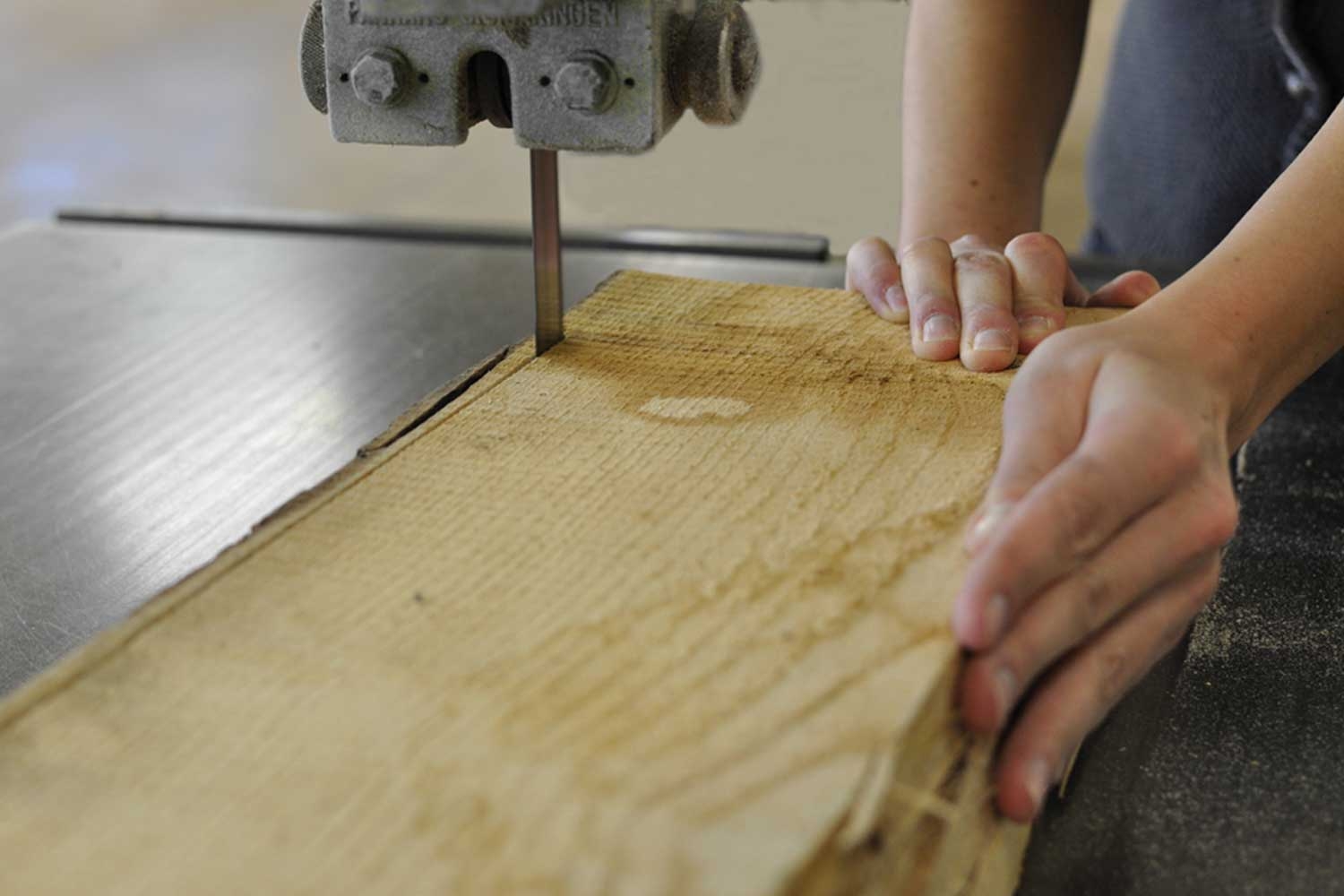
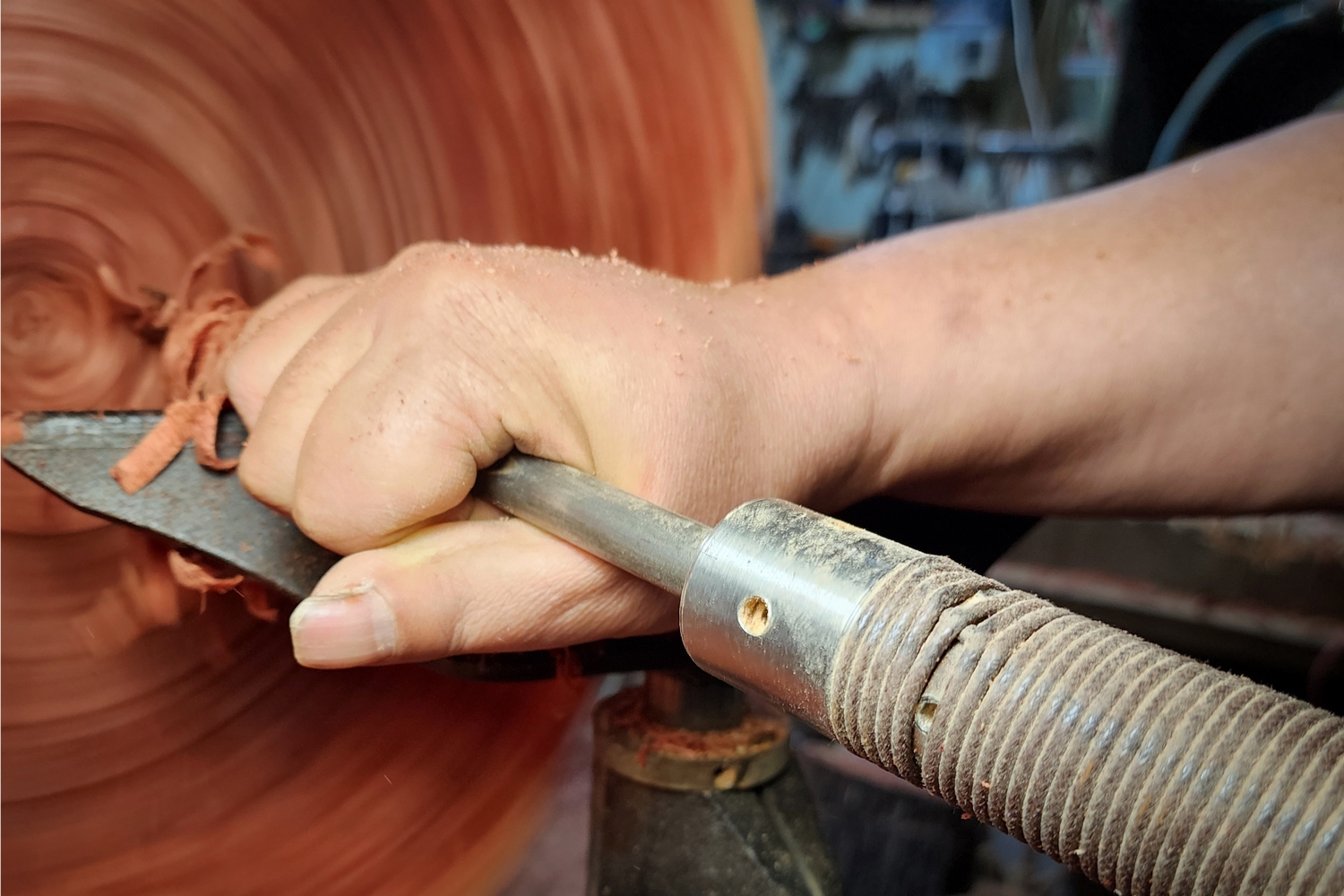
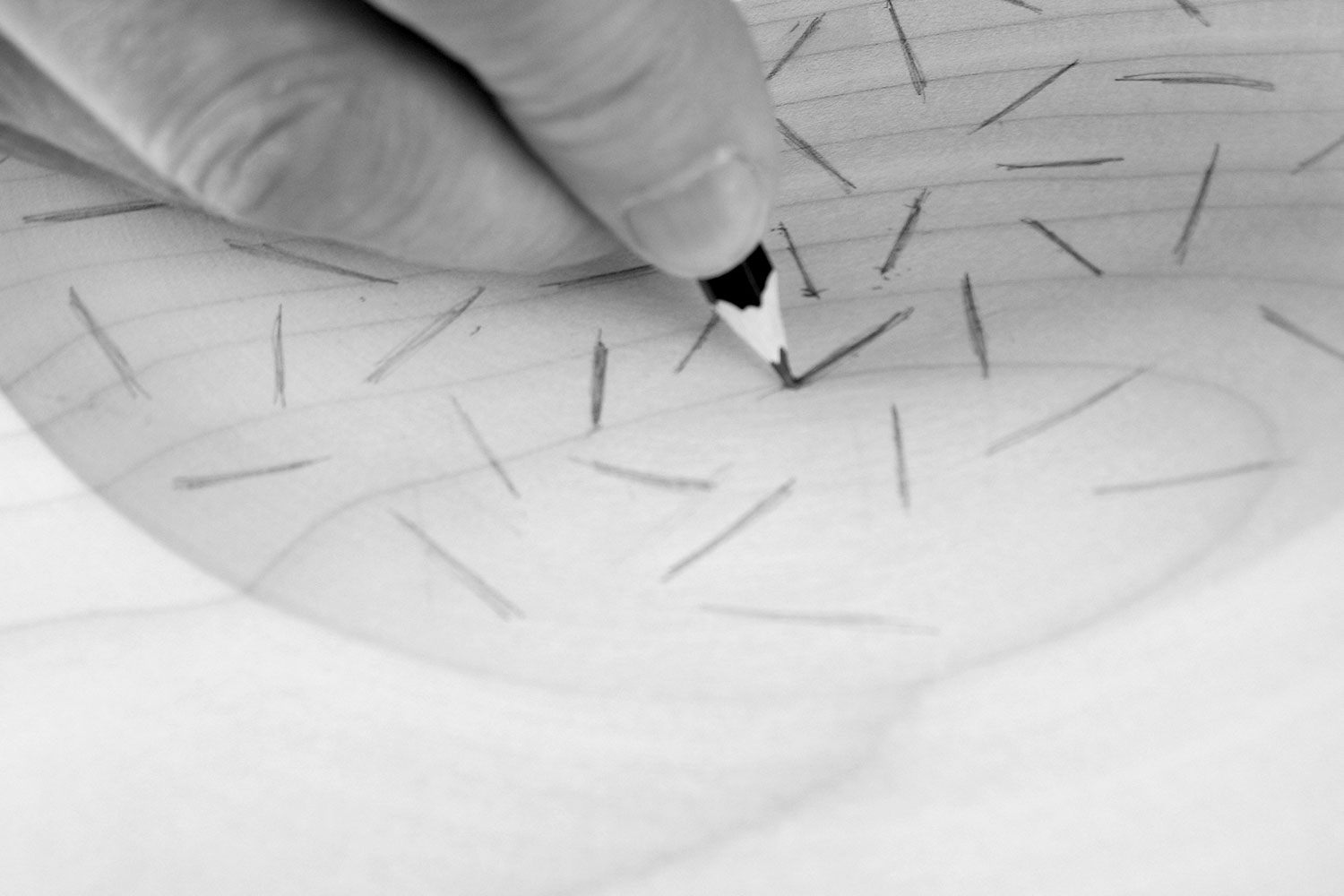
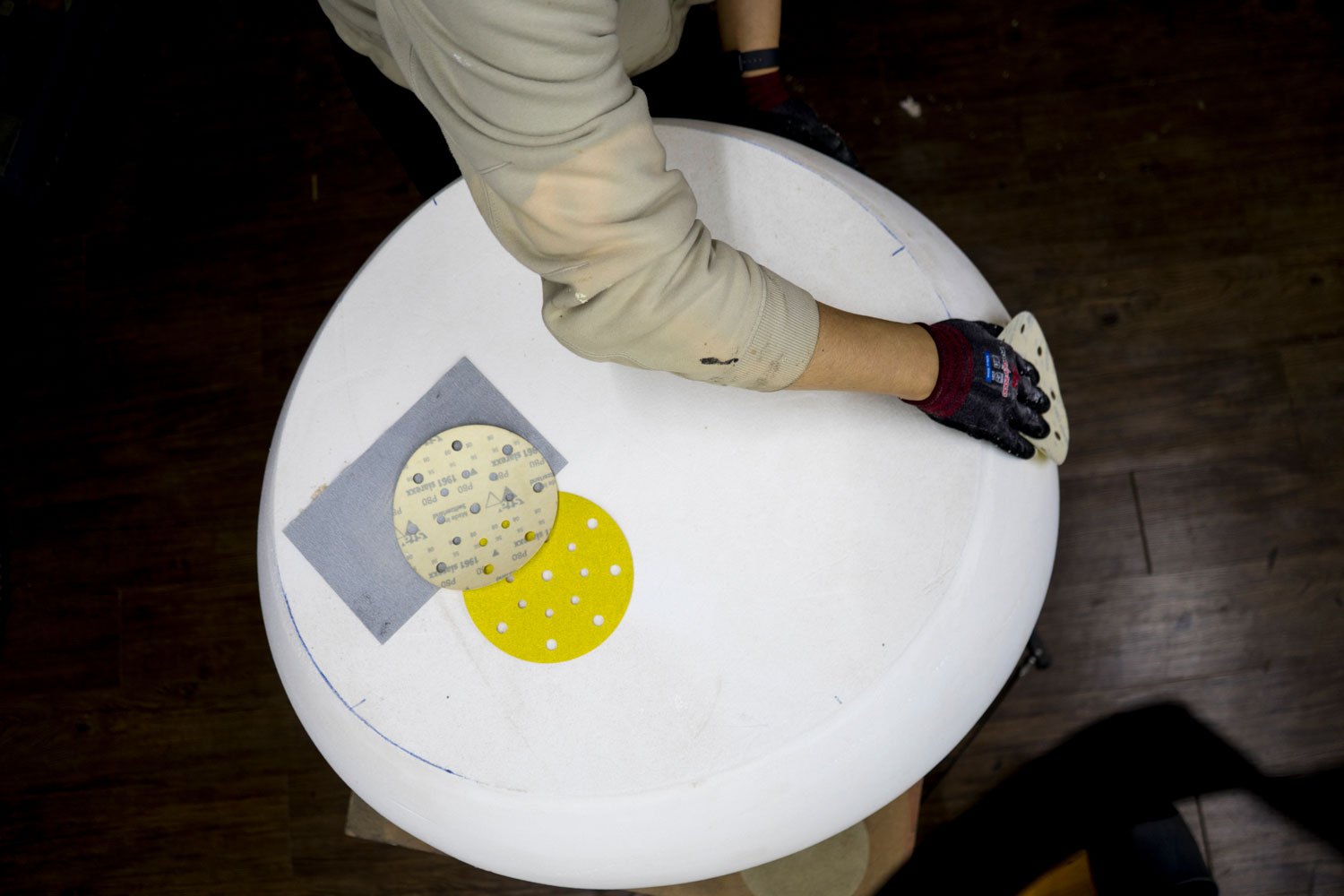
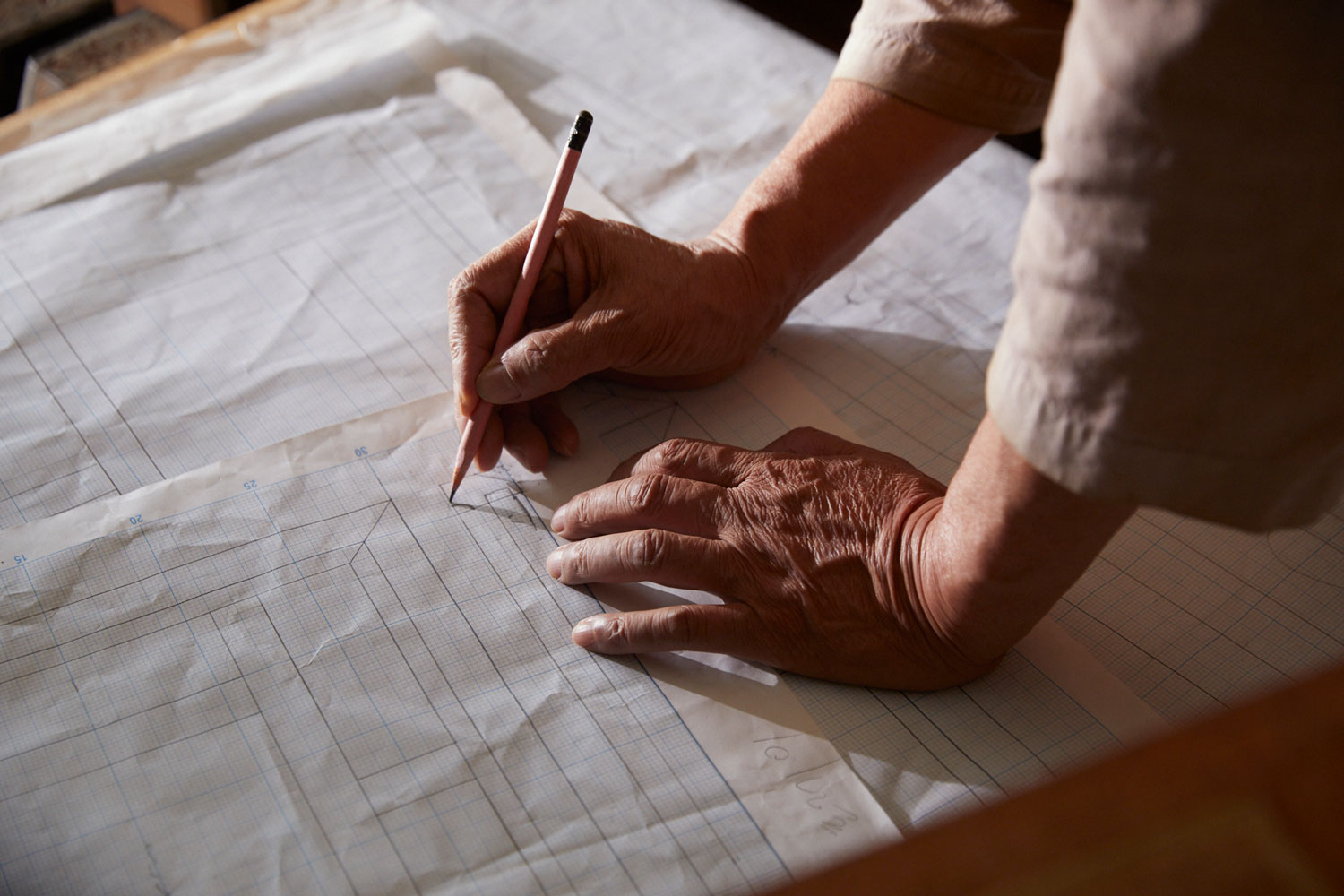
I begin by considering the meaning and structure of the material. Most works start from the material itself, and its physical properties shape how I interpret form and function. Technique and time matter, but experience allows me to resolve those gradually through the process.
While developing the Octopus series, I became interested in mother-of-pearl as interest in traditional materials was rising in Korea. Though often seen as outdated, I found its light refined and rich, and explored organic forms that reveal shifting reflections from every angle.
Through my work, I hope to convey that tradition is not something fixed in the past, but a living language that continues today. Rooted in Korean identity, my practice draws from tradition to enrich the present and evolve alongside contemporary life.
Today, craft cannot rely on technique or material alone. What matters is the attitude and meaning behind each choice. Advances like AI highlight the value of human-centered work, making crafts rooted in intention and perspective more important than ever.
Sam Woong Lee
Furniture maker
Seoul, South Korea
ADDRESS
Address upon request, Seoul, South Korea
AVAILABILITY
By appointment only
PHONE
+82 1048602360
LANGUAGES
Korean, English
Homo Faber Finds is a new service aiming to inspire admirers of craft to connect and collaborate with exceptional artisans.
We invite you to submit an enquiry here.