Morito Ebine
Furniture maker
Santo Antônio do Pinhal, Brazil
A Japanese spirit for Brazilian furniture making
- Morito merges Japanese woodwork traditions with Brazilian design flair
- His practice is based on a philosophy of continuous improvement and transmission of craft
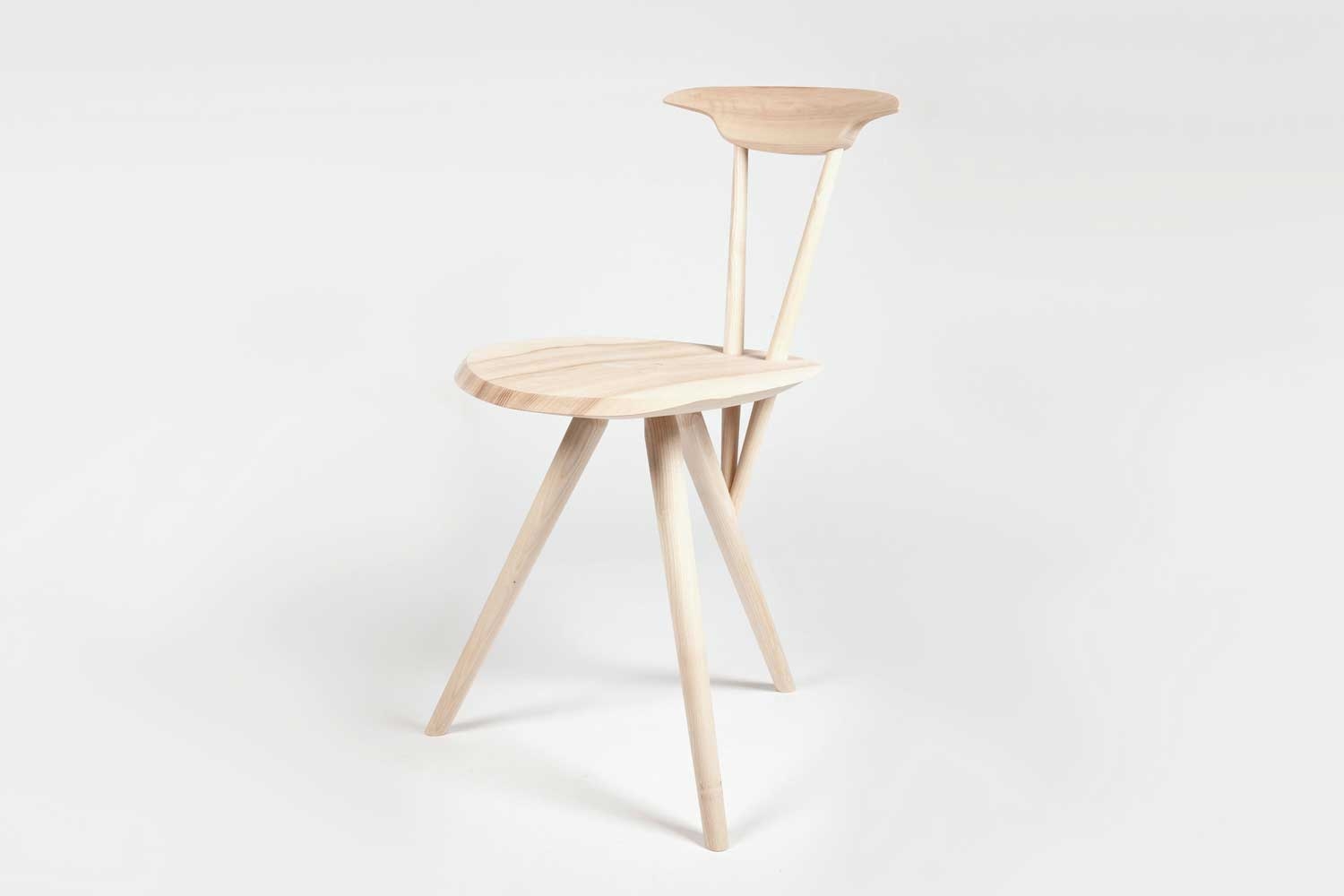
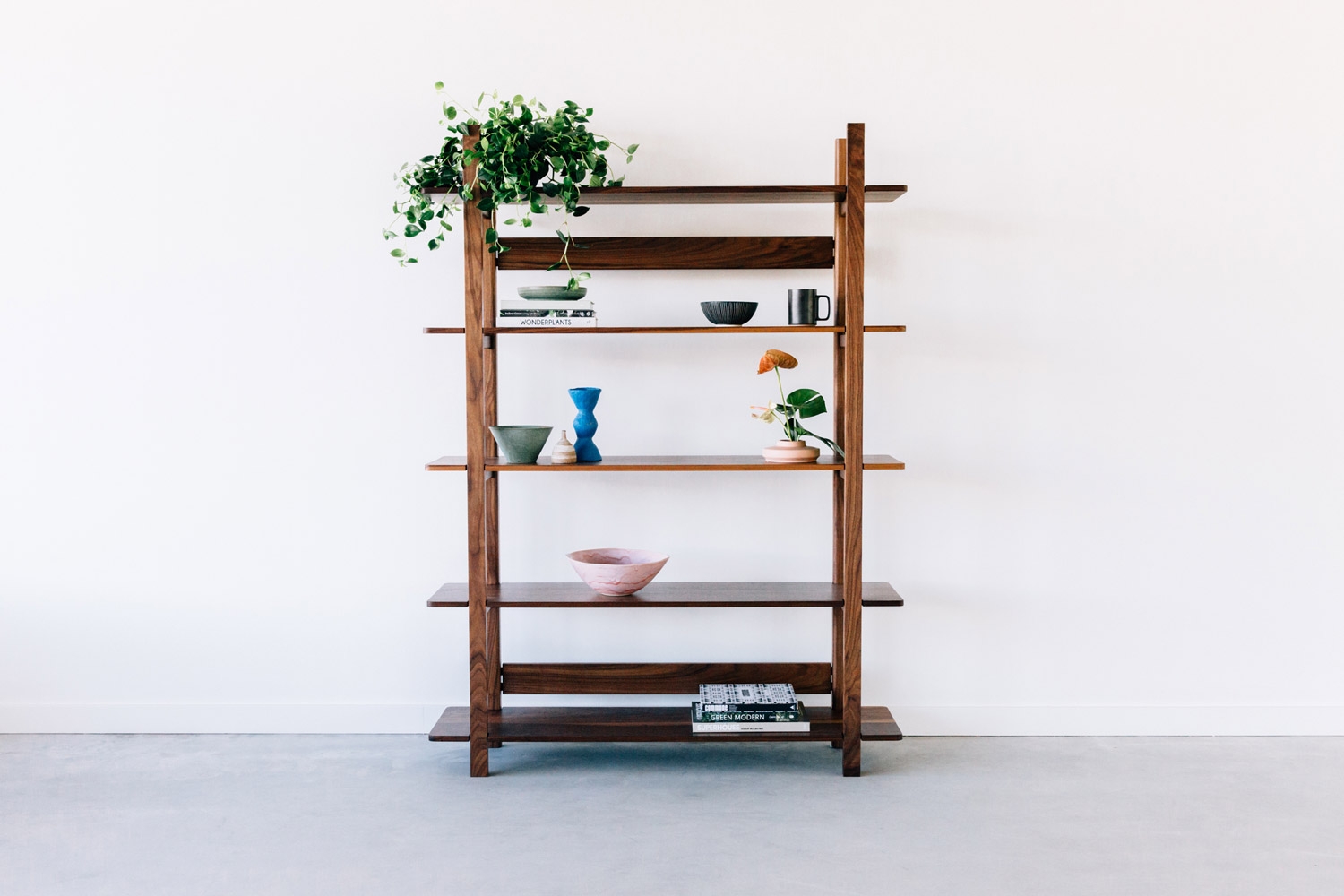
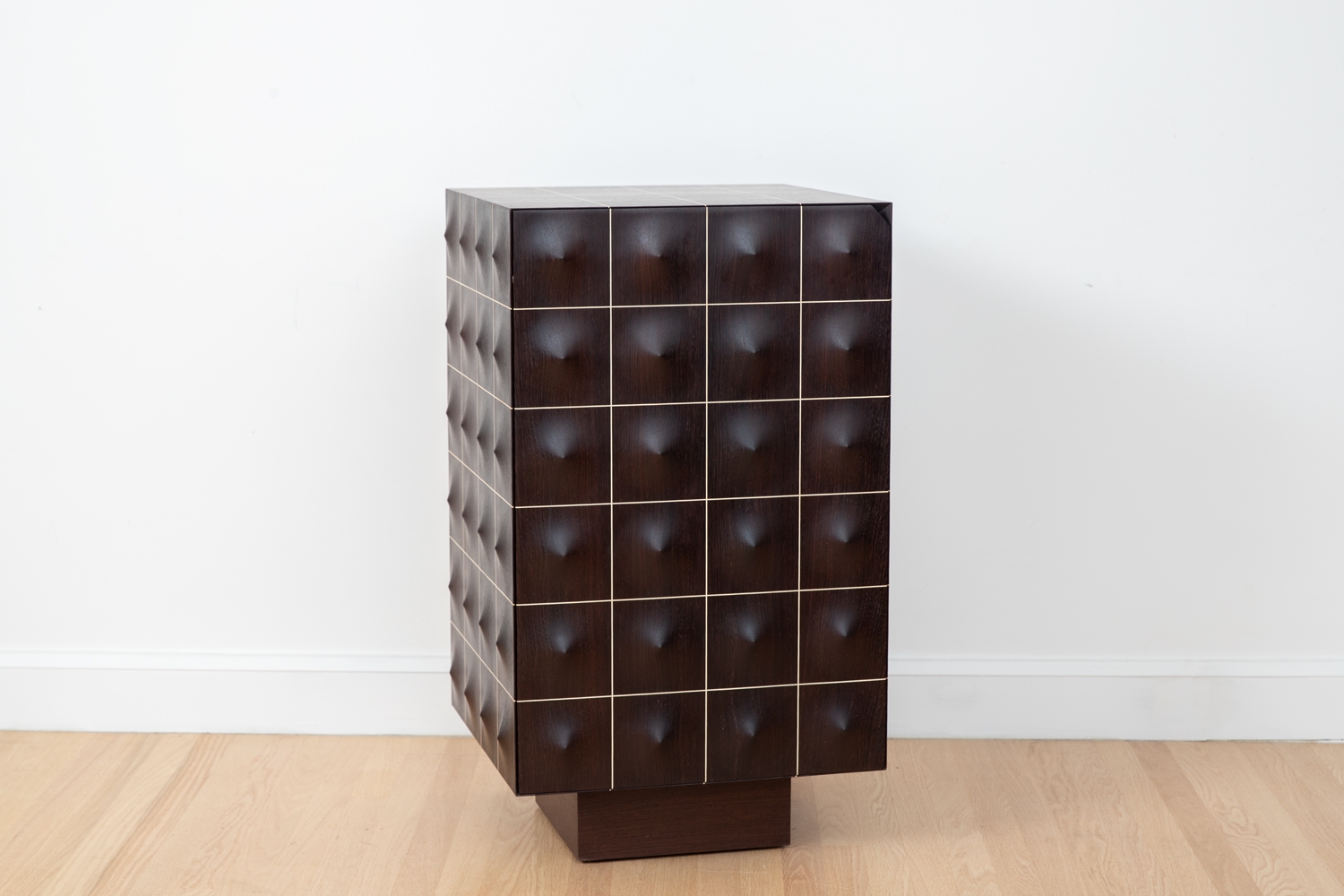
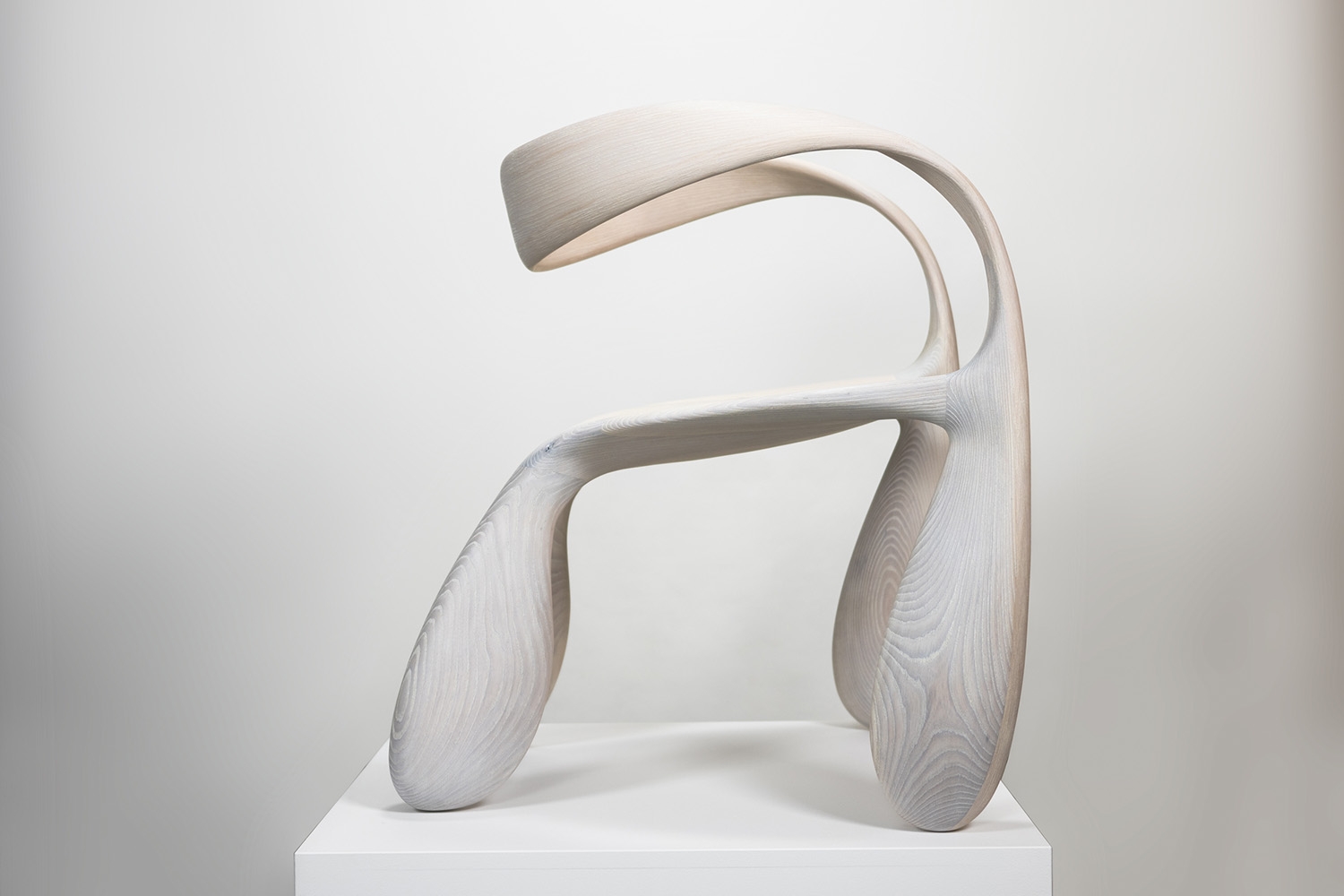
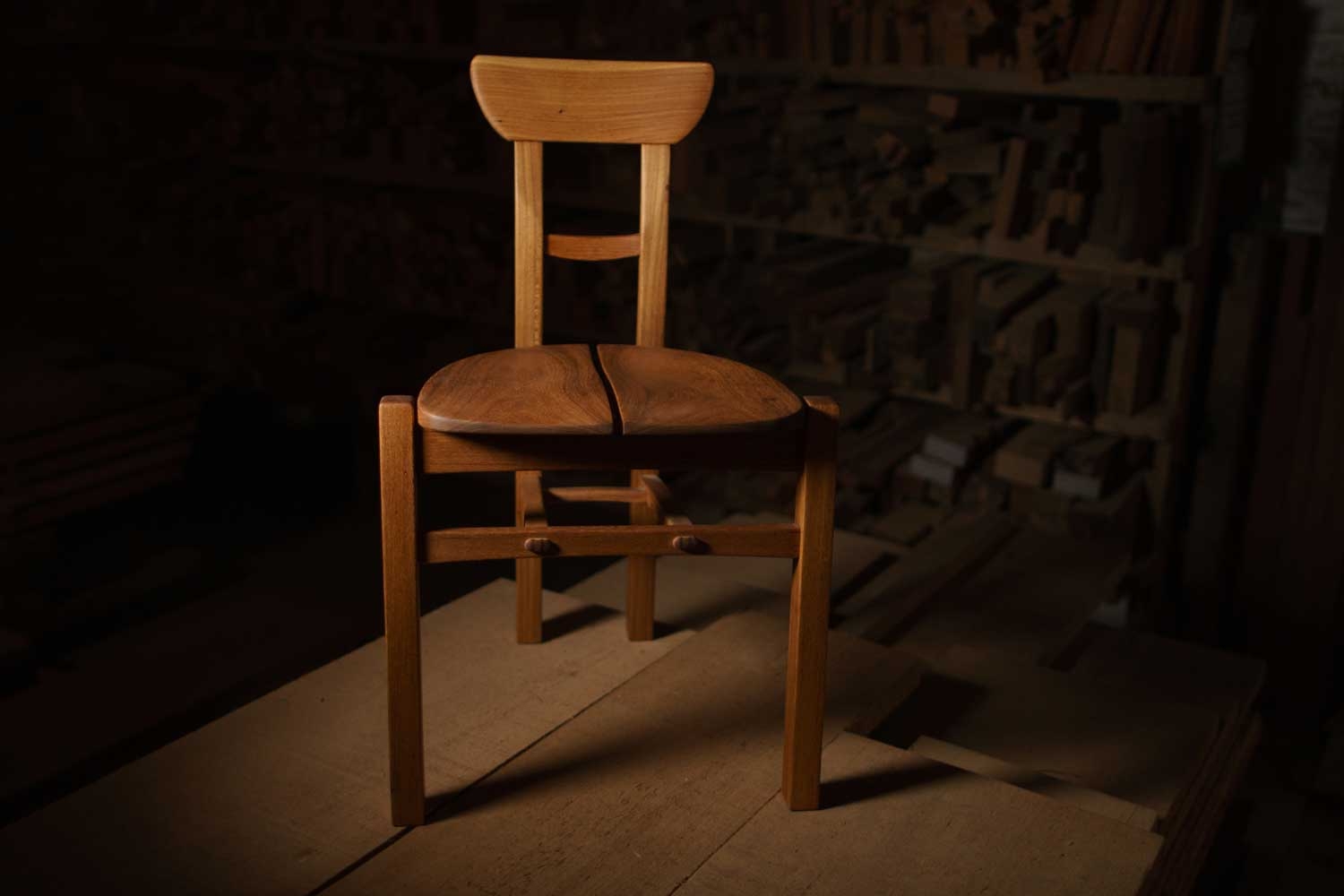
- His signature style is to reveal joints with shapely detailing and finishes
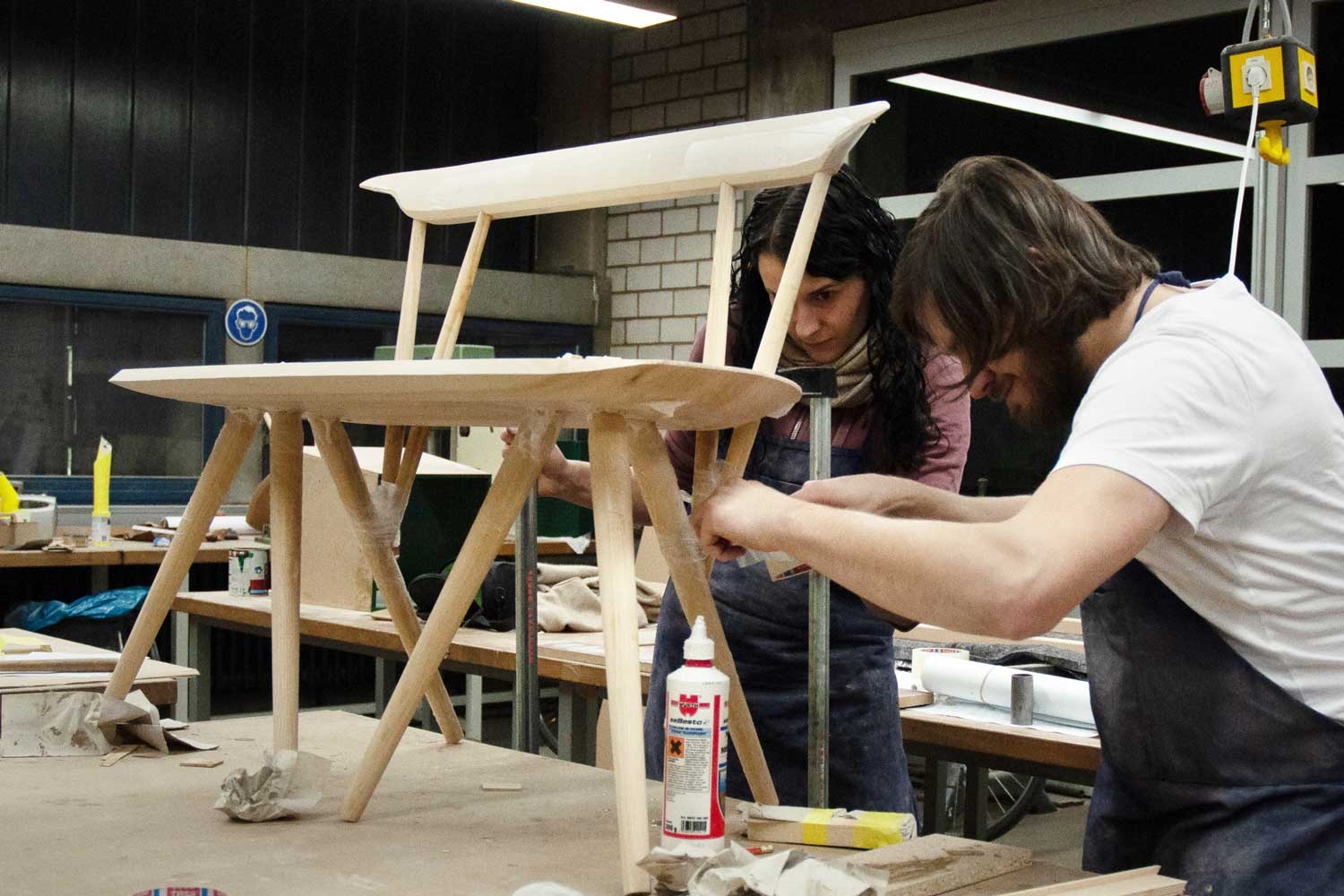
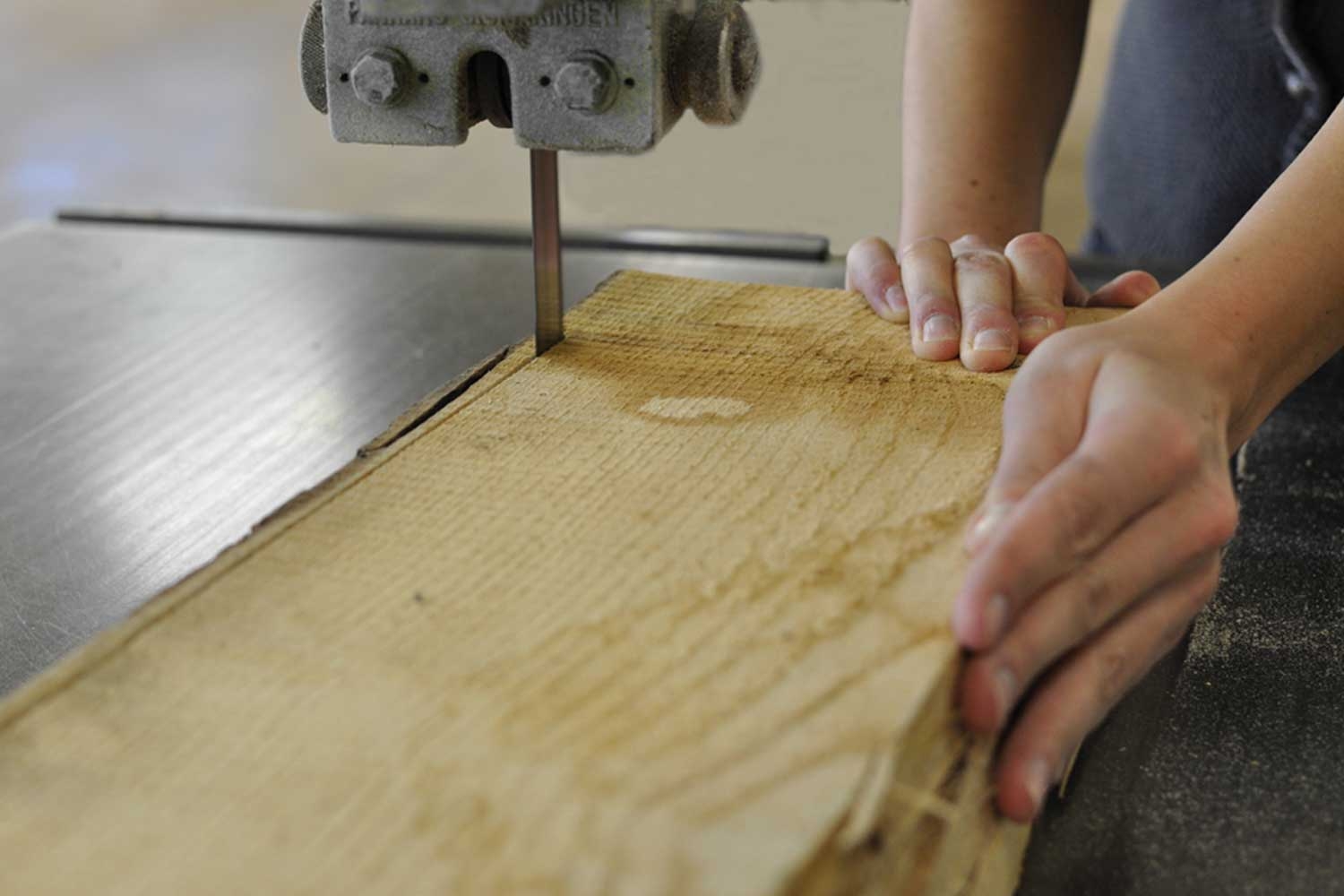
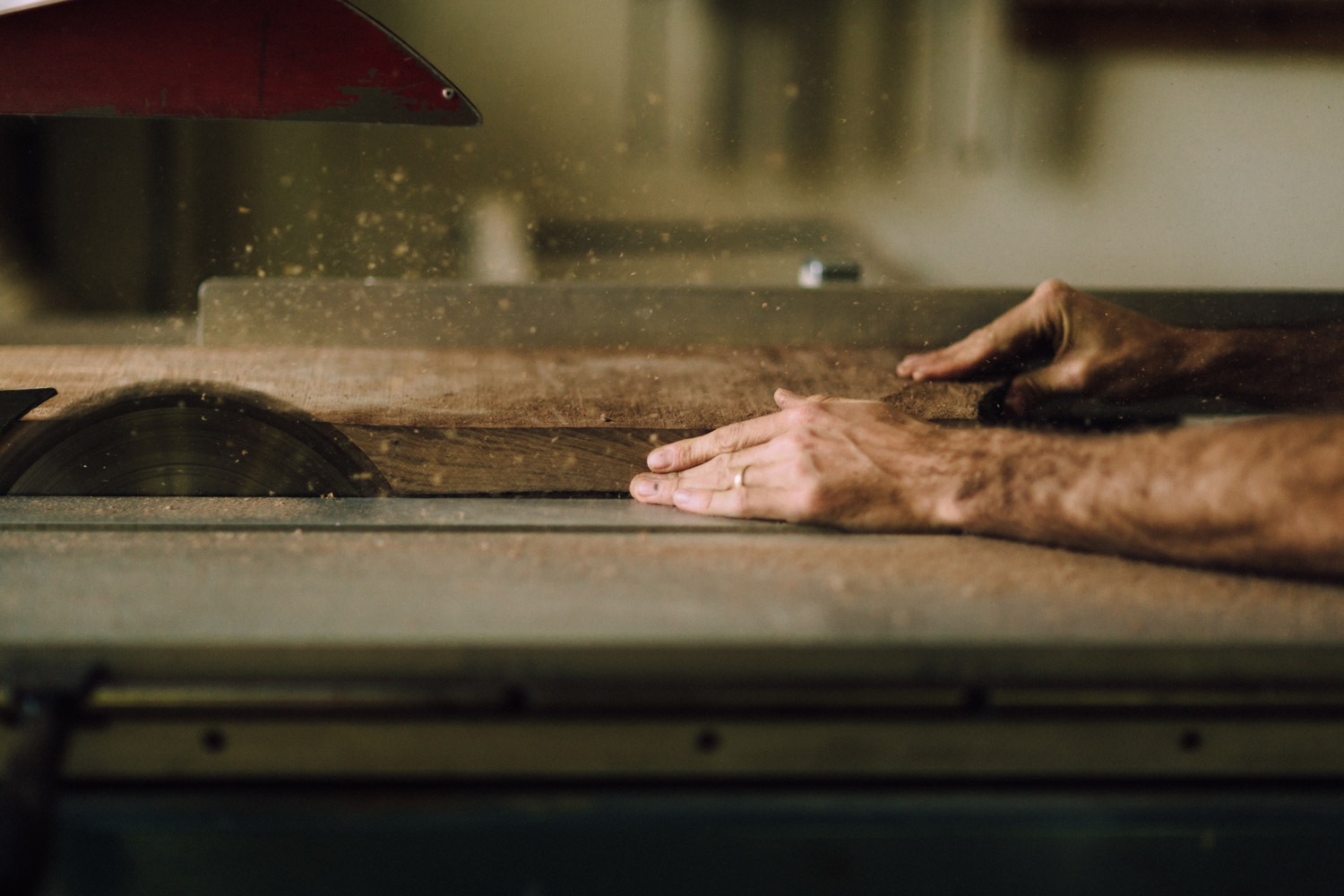
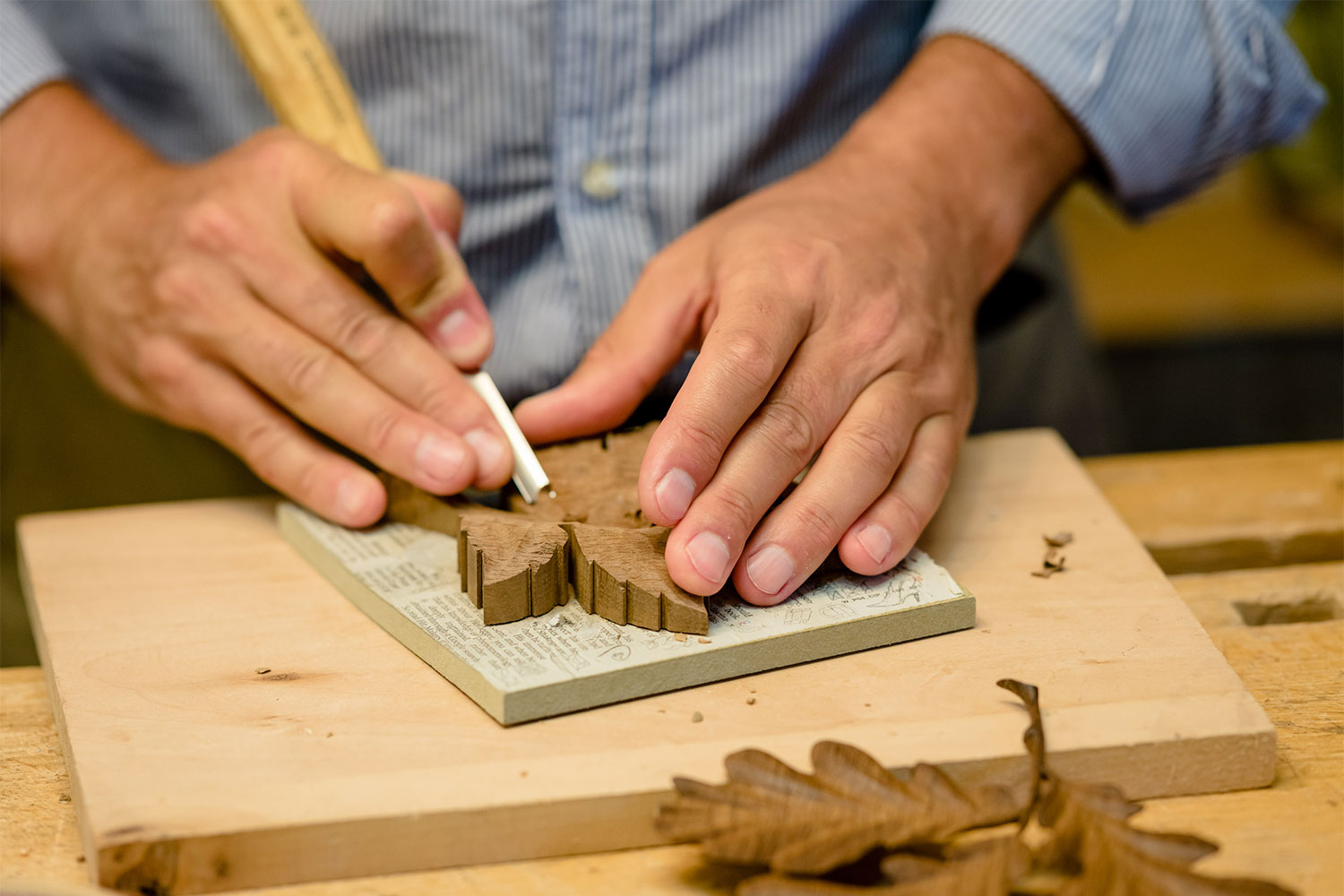
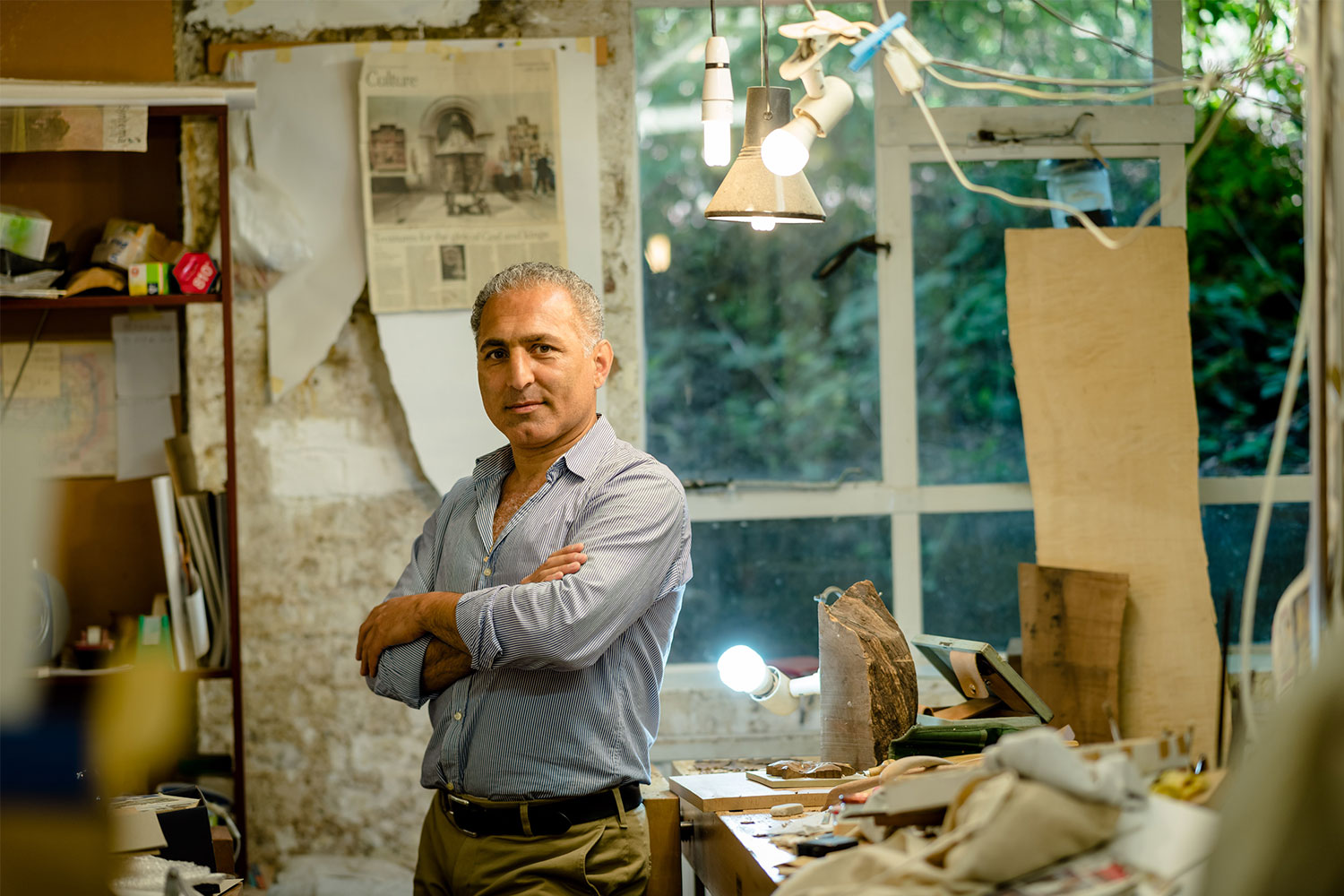
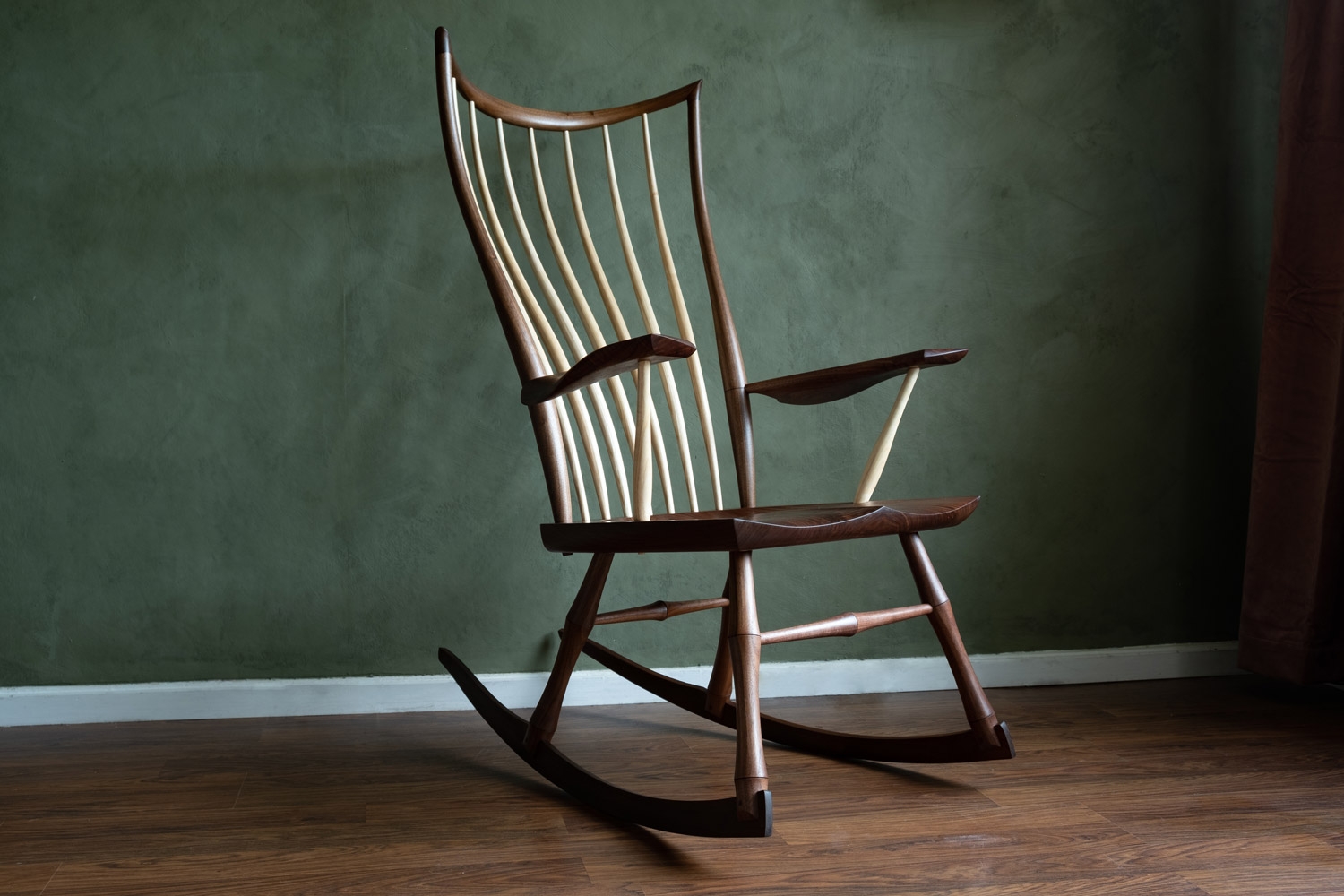
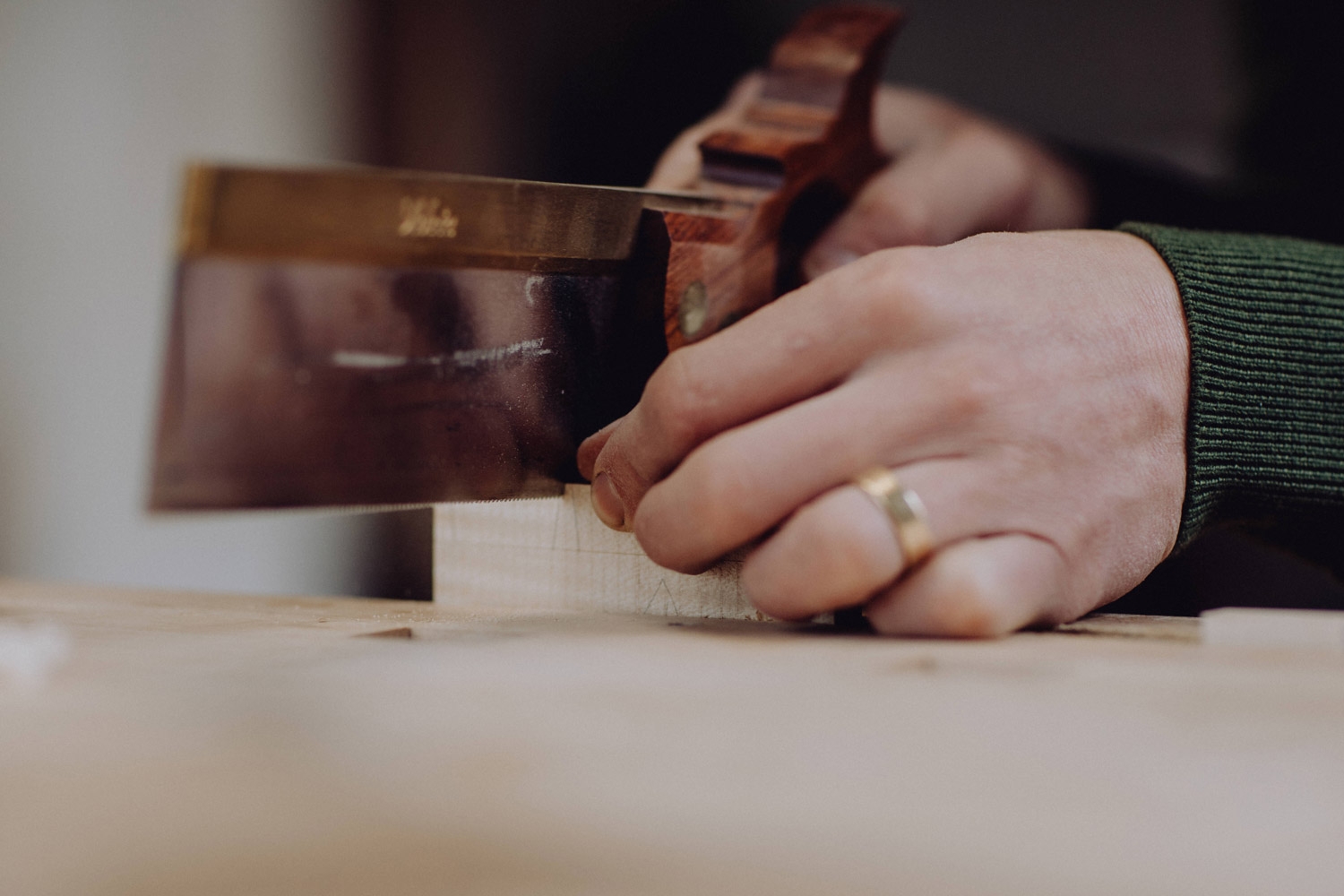
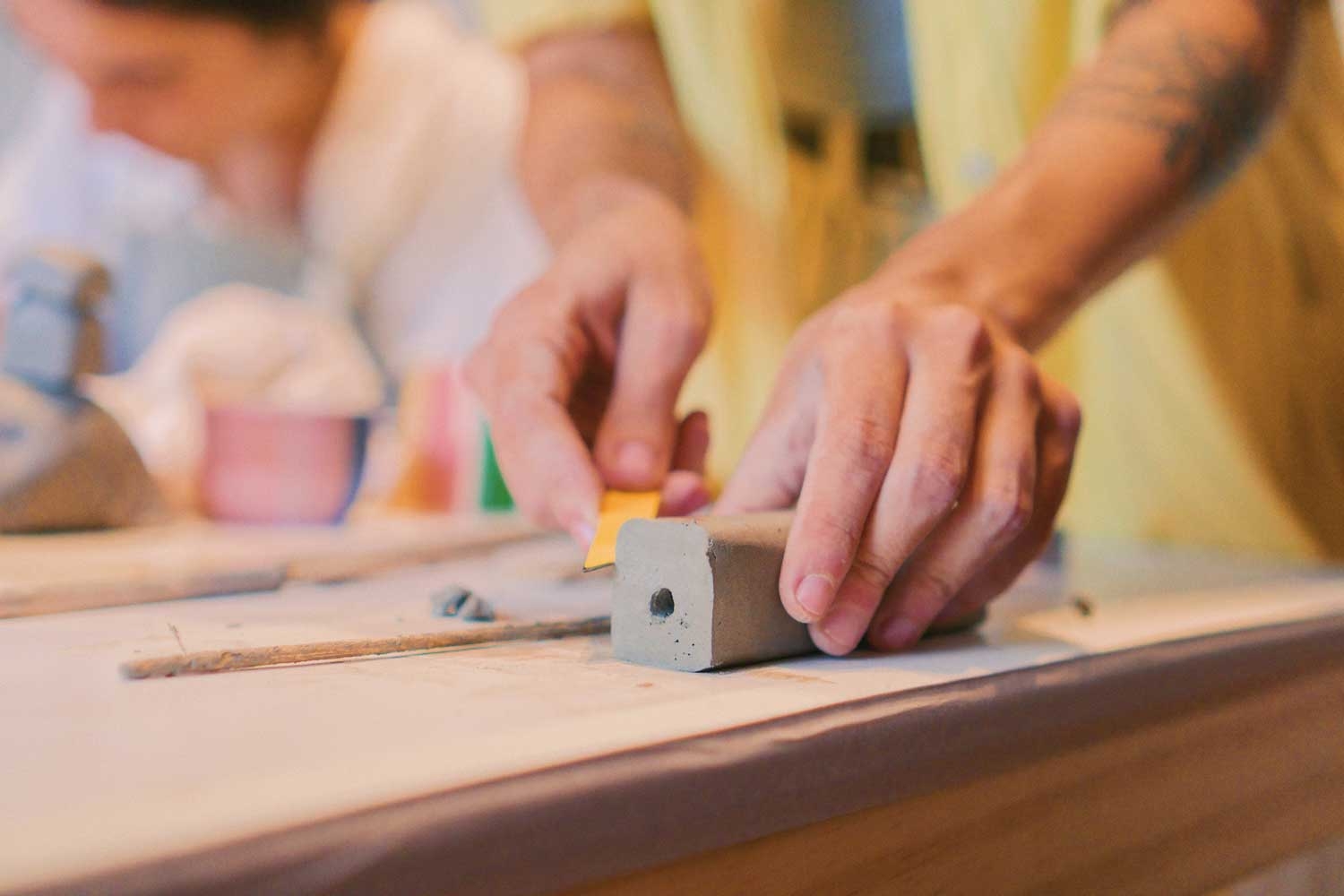
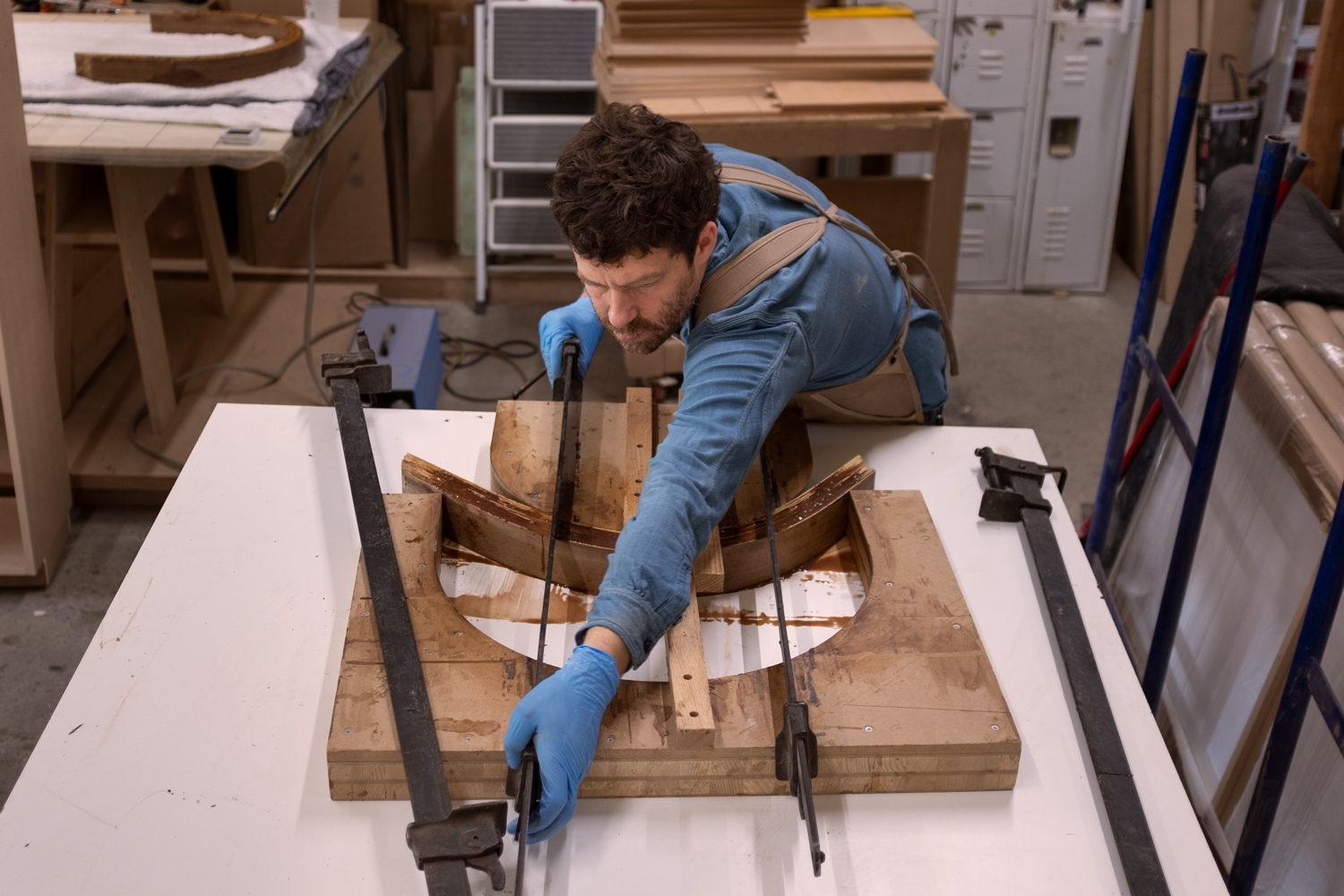
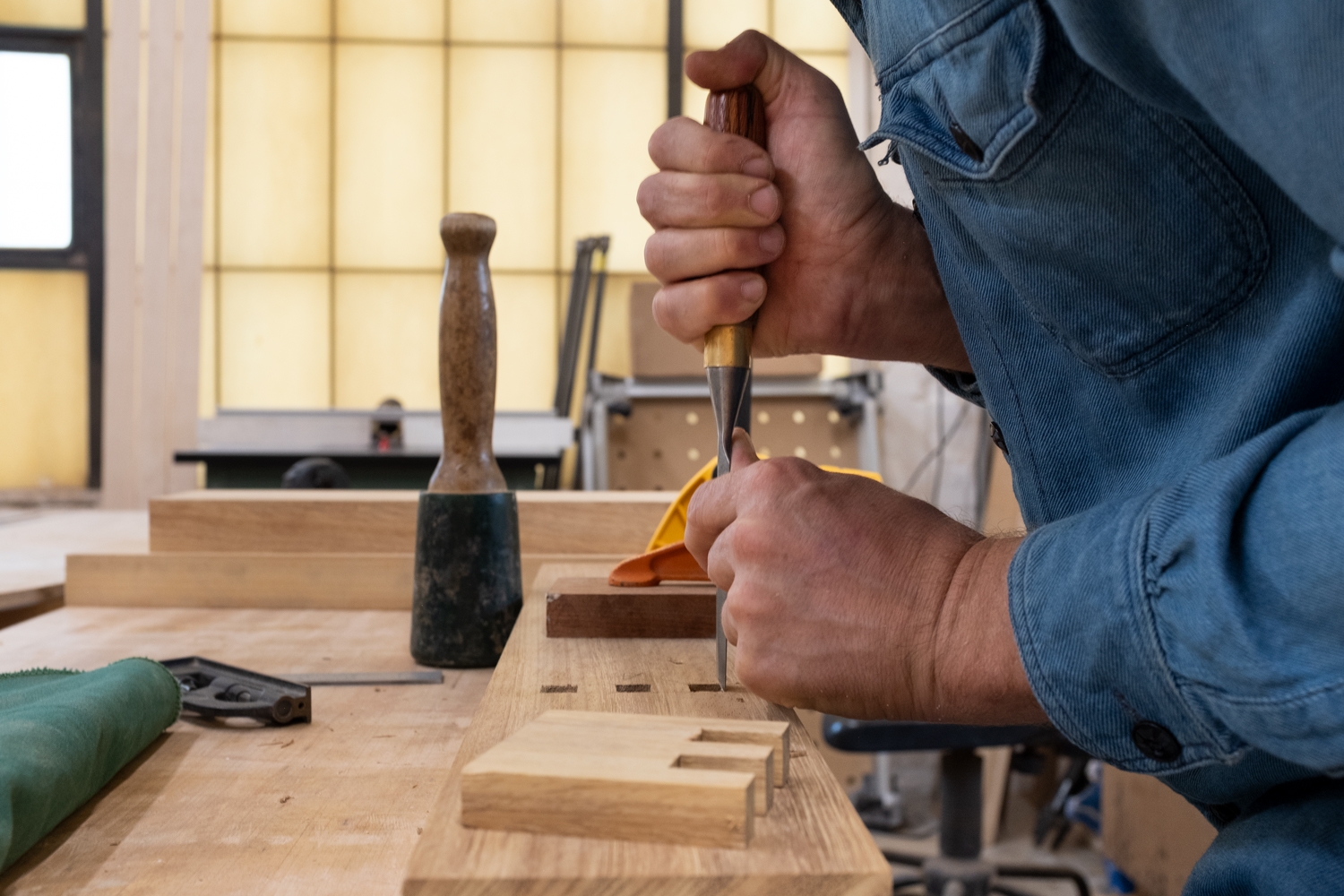
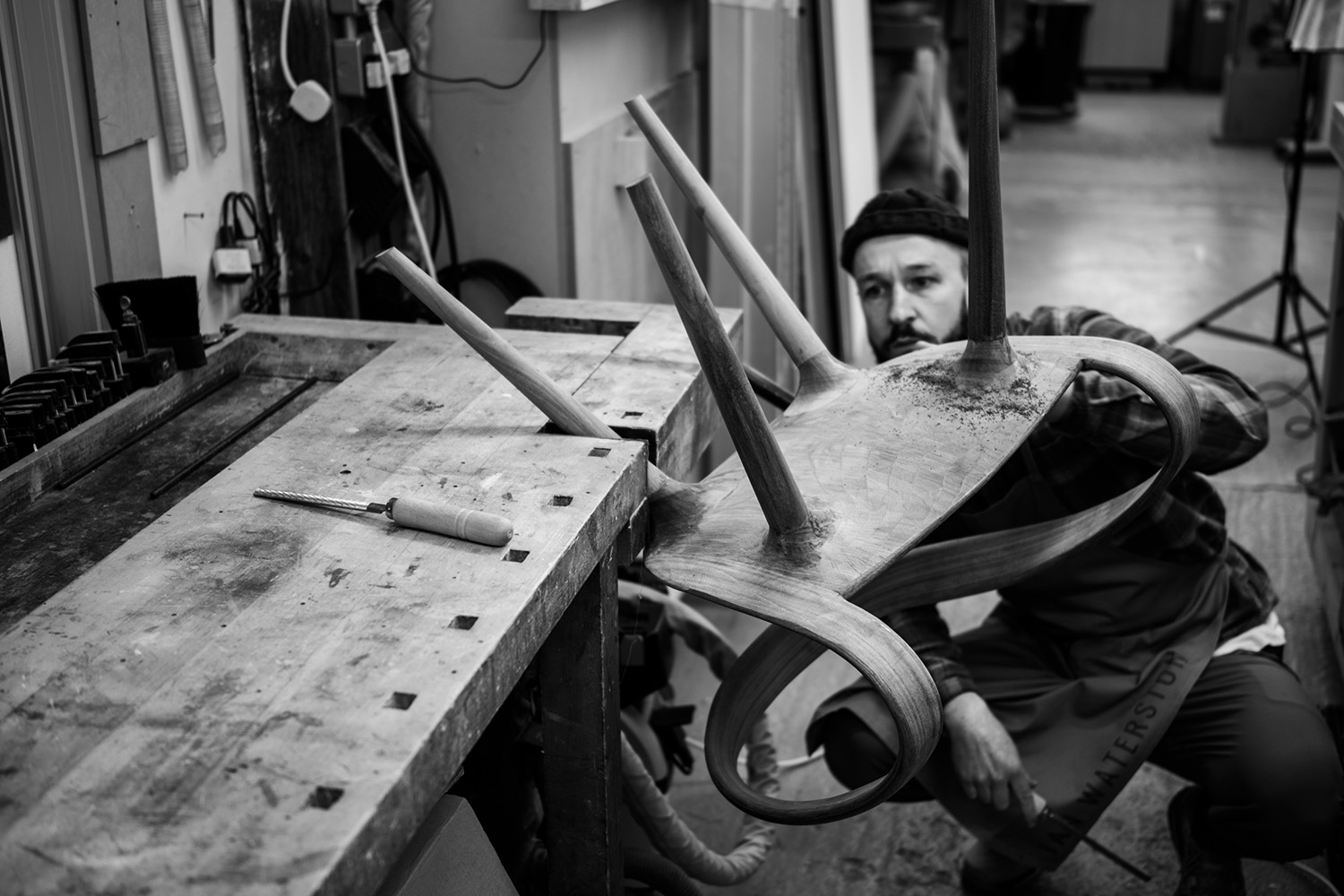
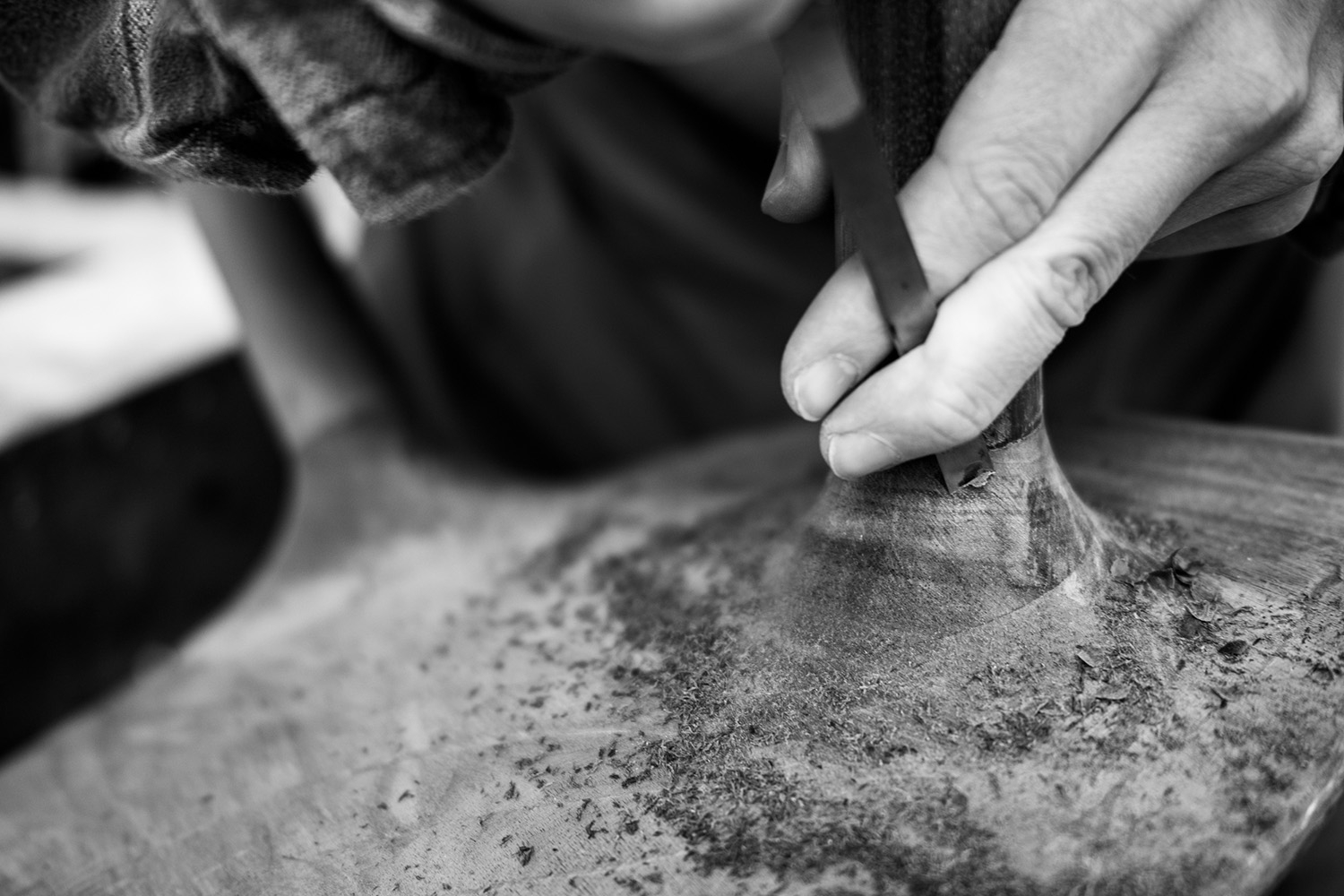
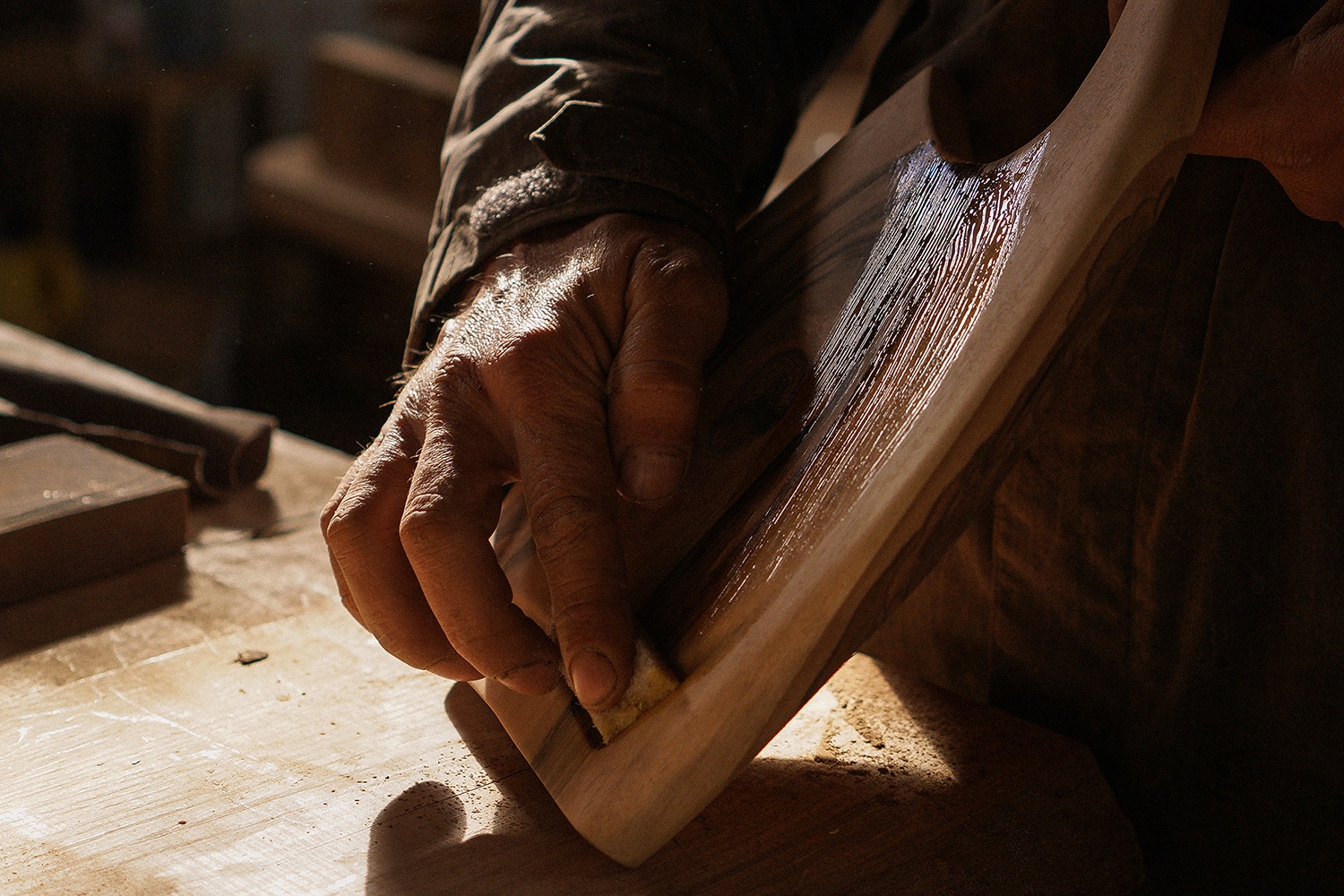
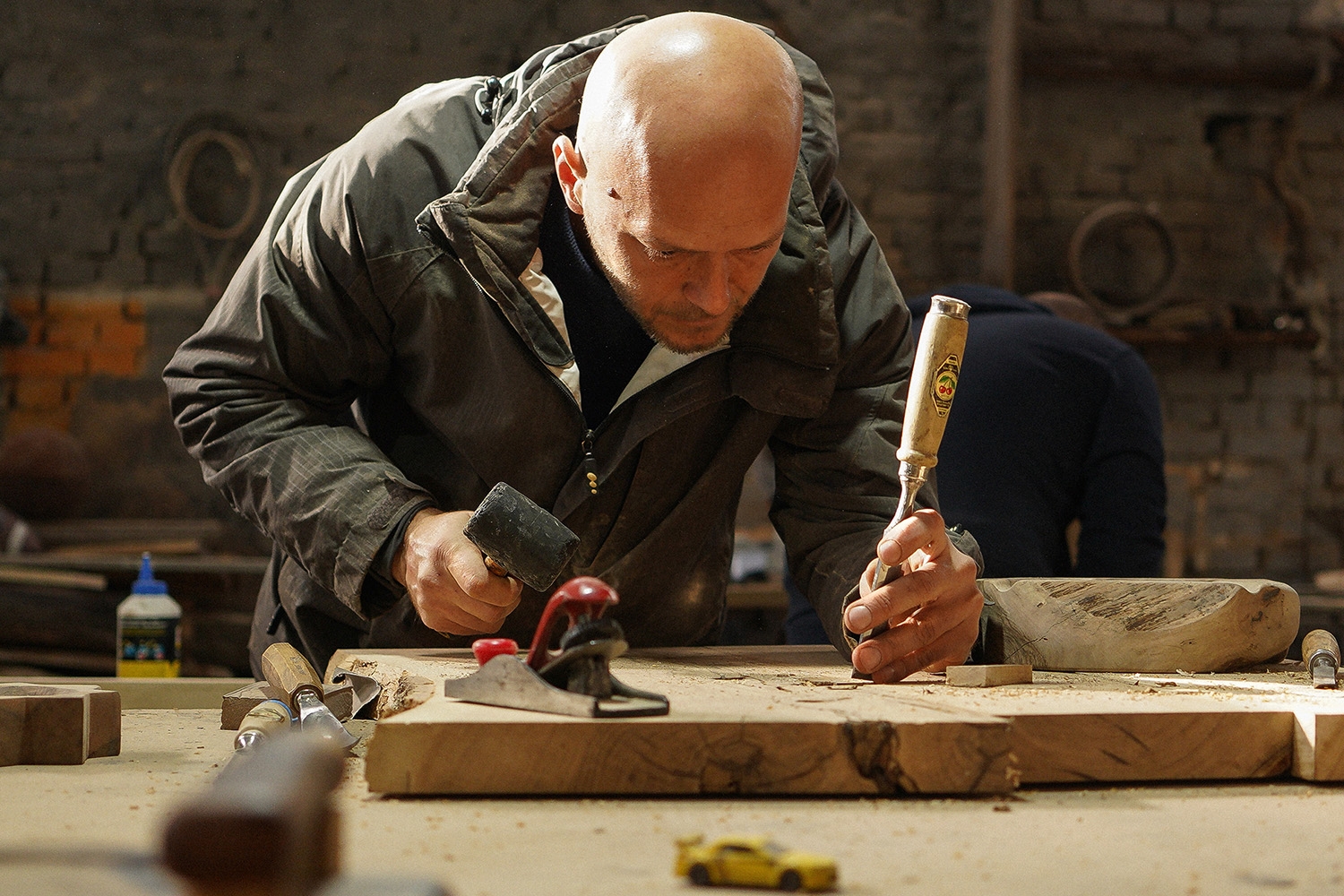
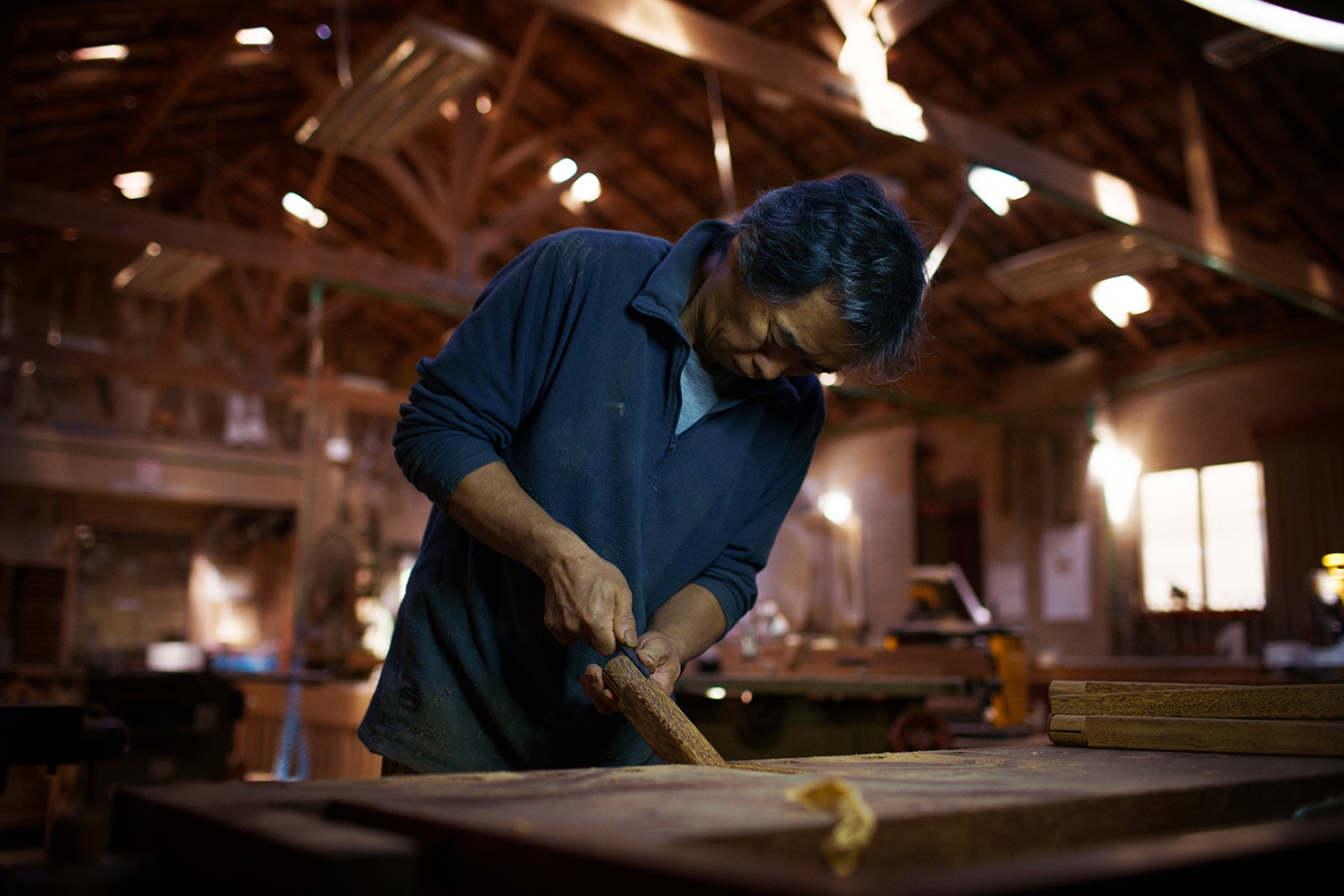
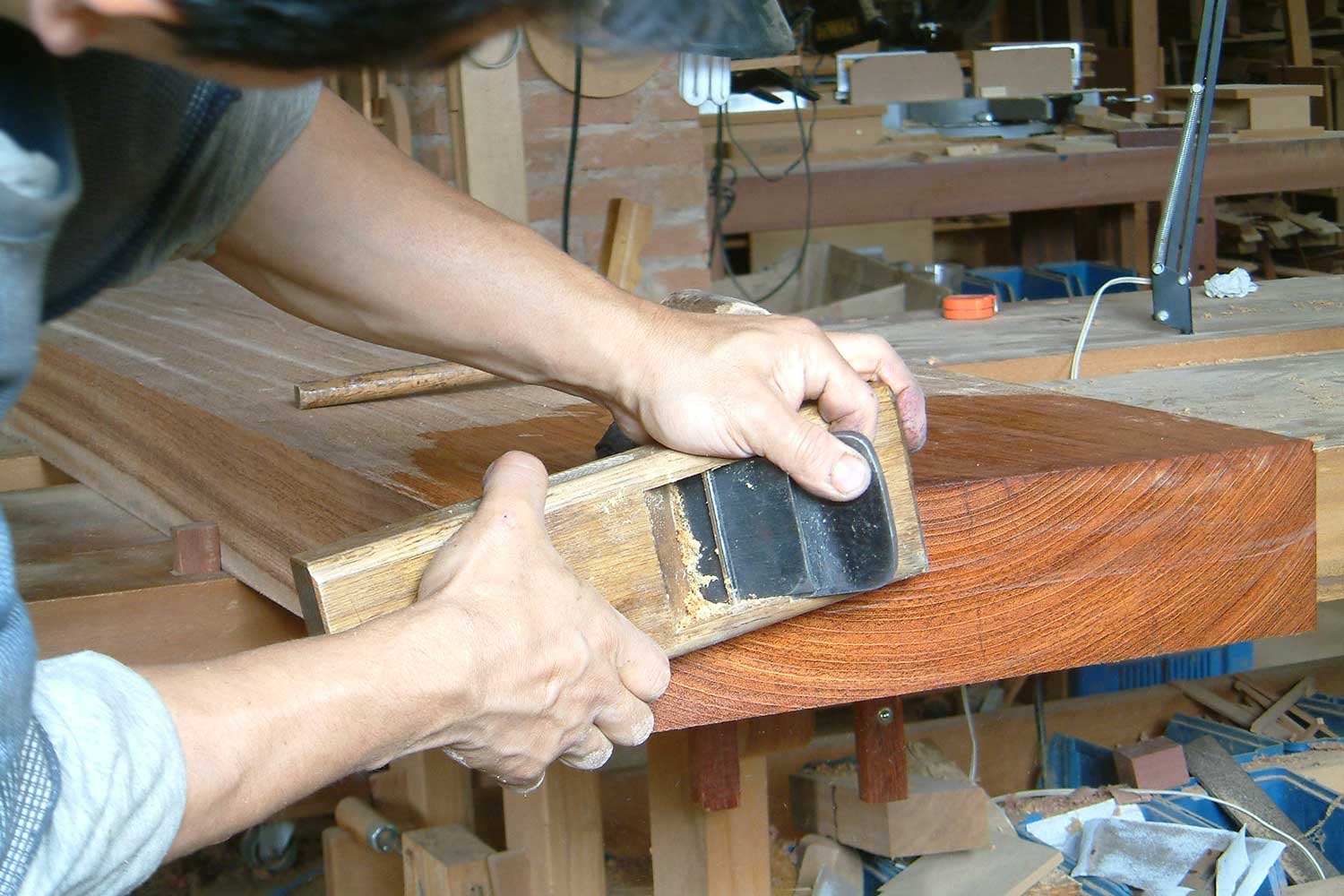
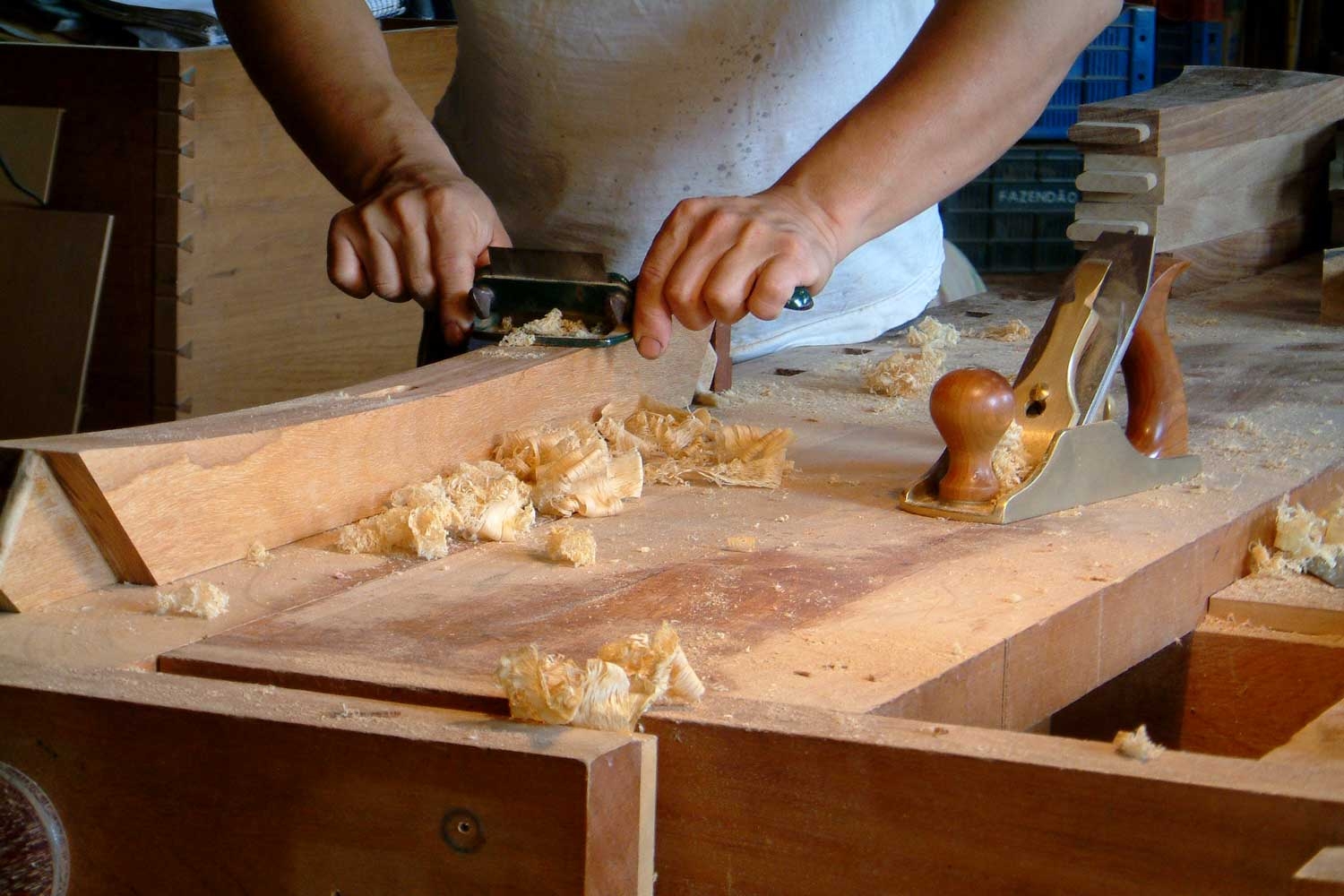
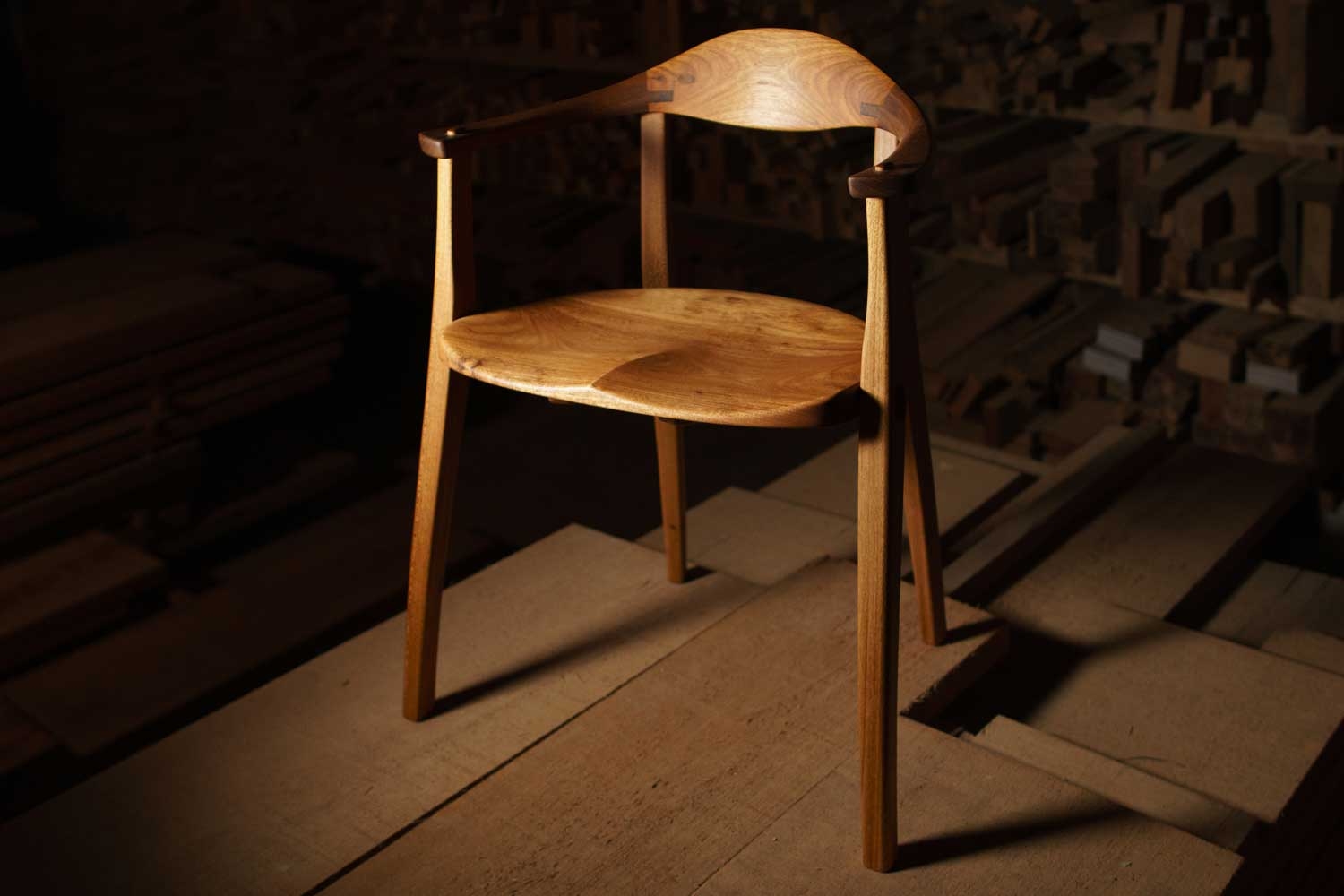
In the mid-1990s, Morito Ebine left Japan for Brazil, carrying the teachings of Kanagawa University, where he studied woodworking and furniture design. He employs the millenary Japanese joinery technique known as sashimono, which assembles furniture without the use of nails, relying on intricate wood joints instead. Traditionally concealed in Japan, these joints are prominently displayed in Morito's work to suit Brazilian design preferences. He became proficient in handling native Brazilian woods, such as freijó, sucupira, and pau marfim, which differ in density from the Japanese woods he was familiar with. Morito upholds the deeply rooted Japanese tradition of passing down skills by imparting his expertise to others. “In Japan, the university trains you to teach. We learn from the elders and must teach what we know to the younger ones,” he explains.
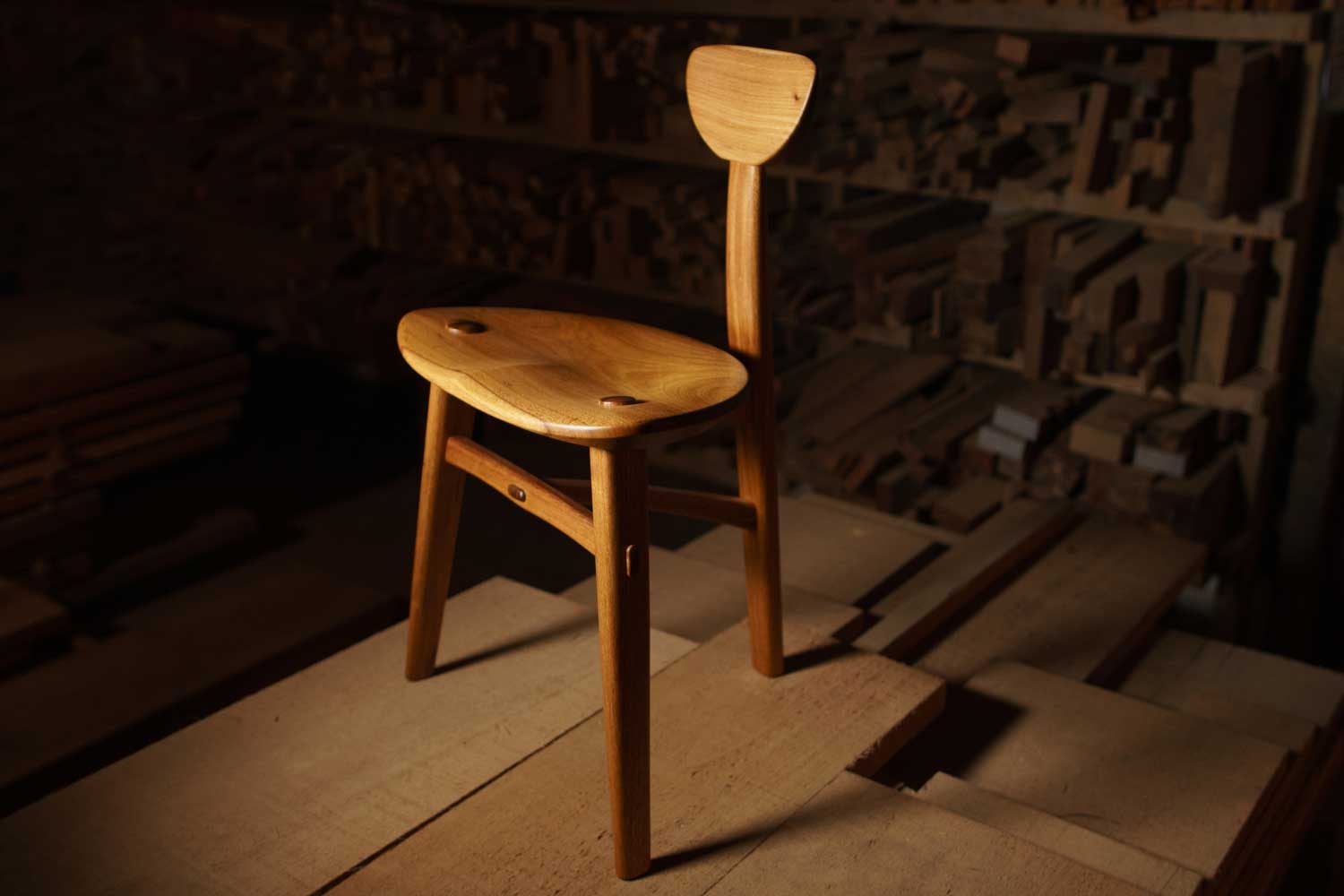
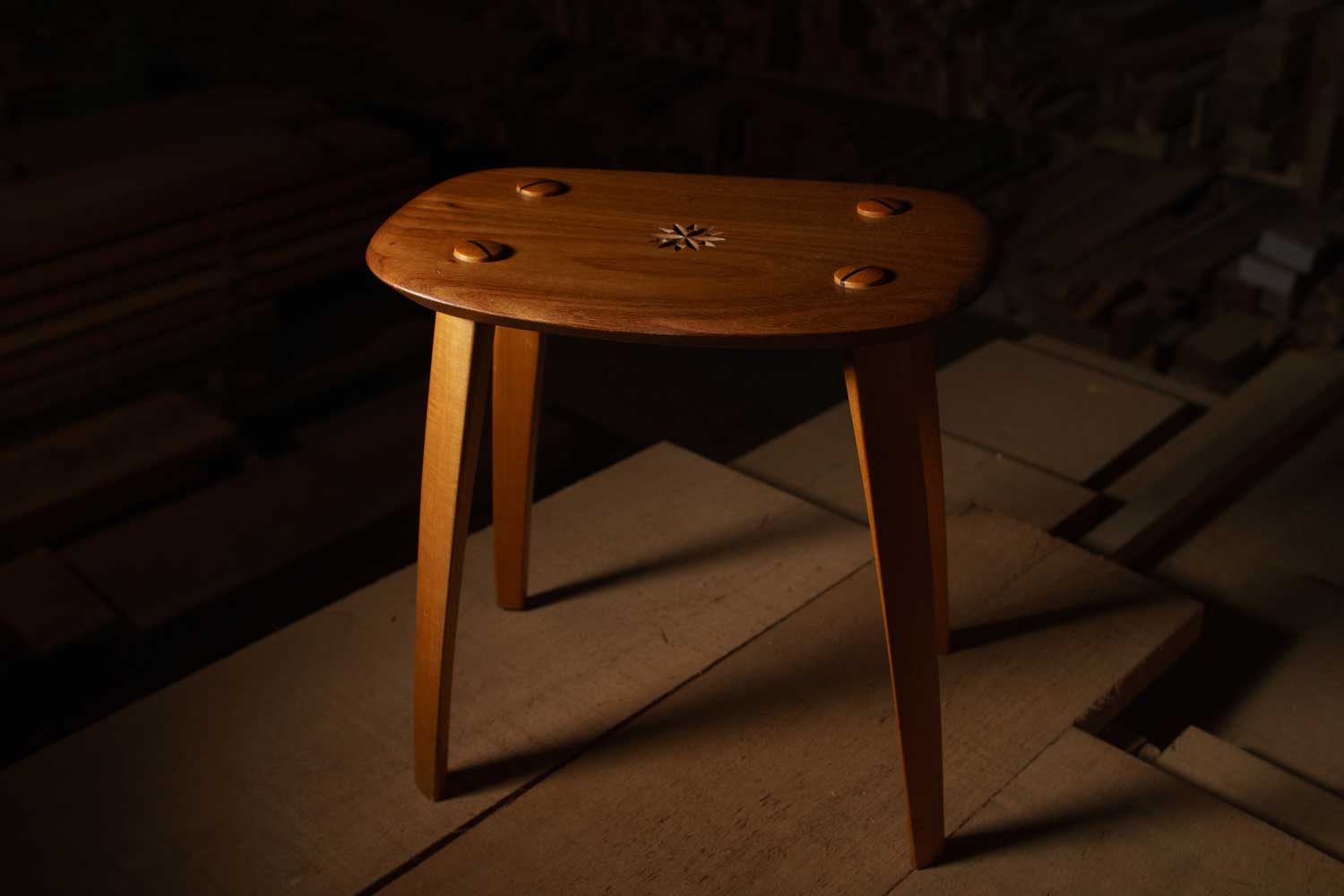
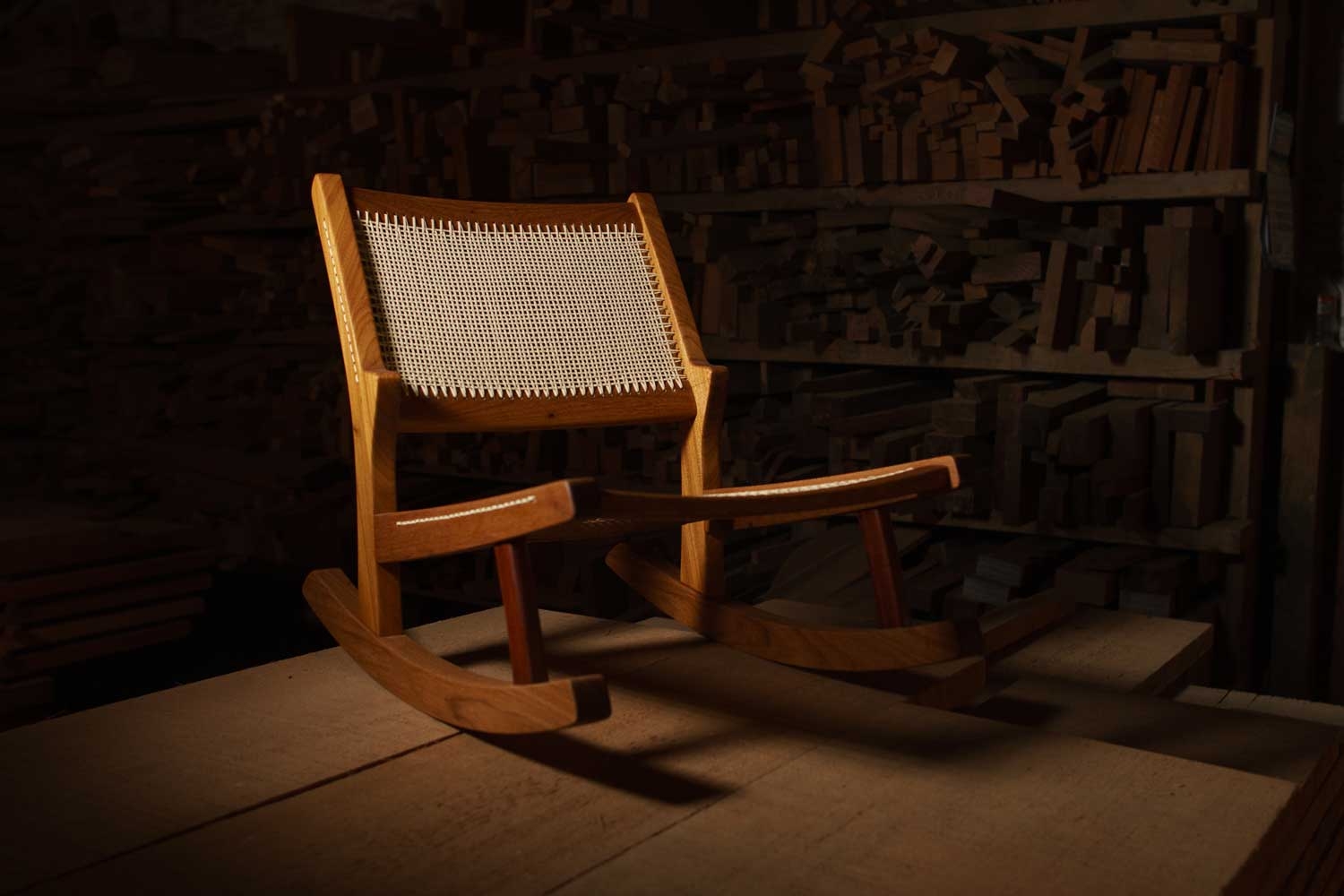
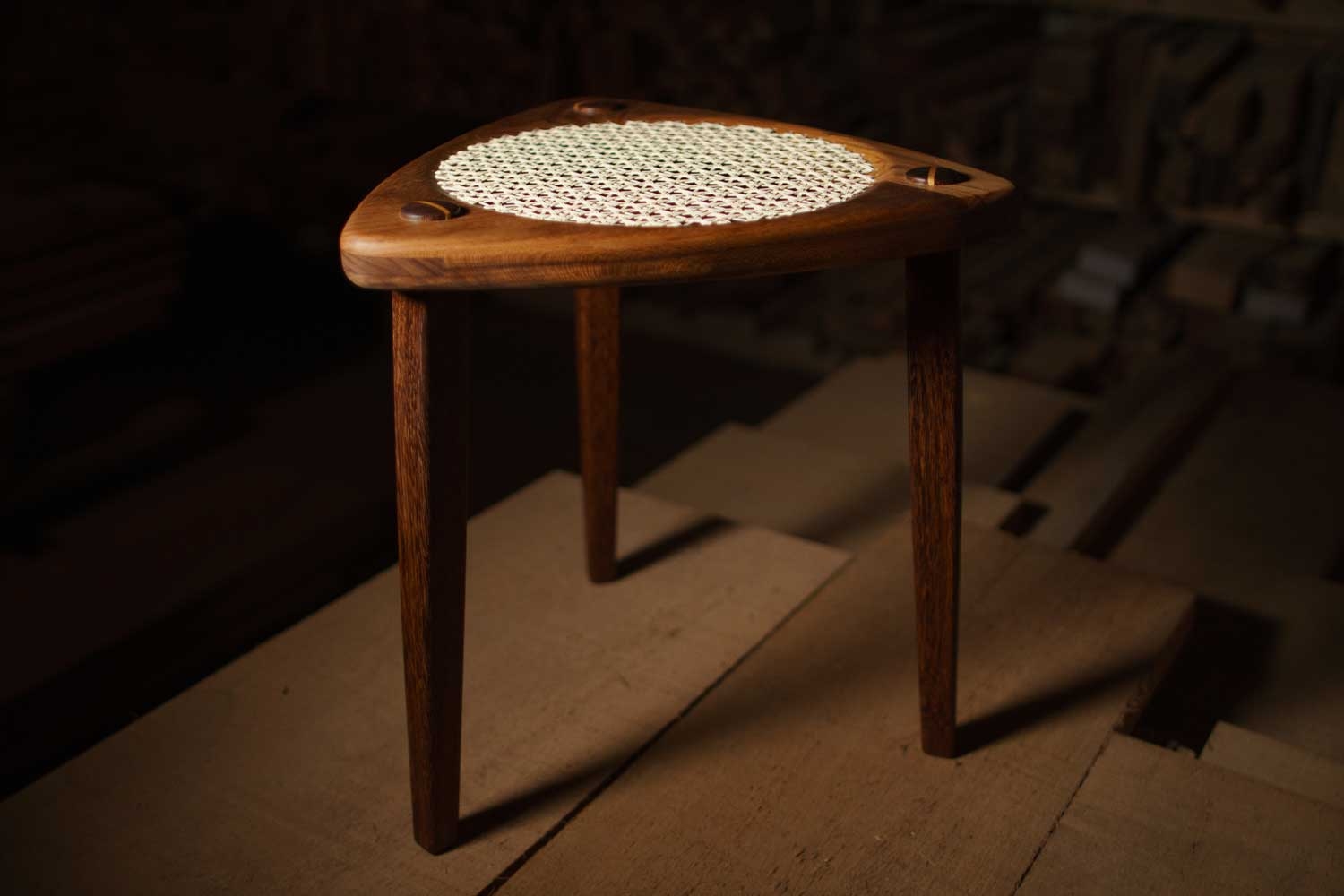
INTERVIEW
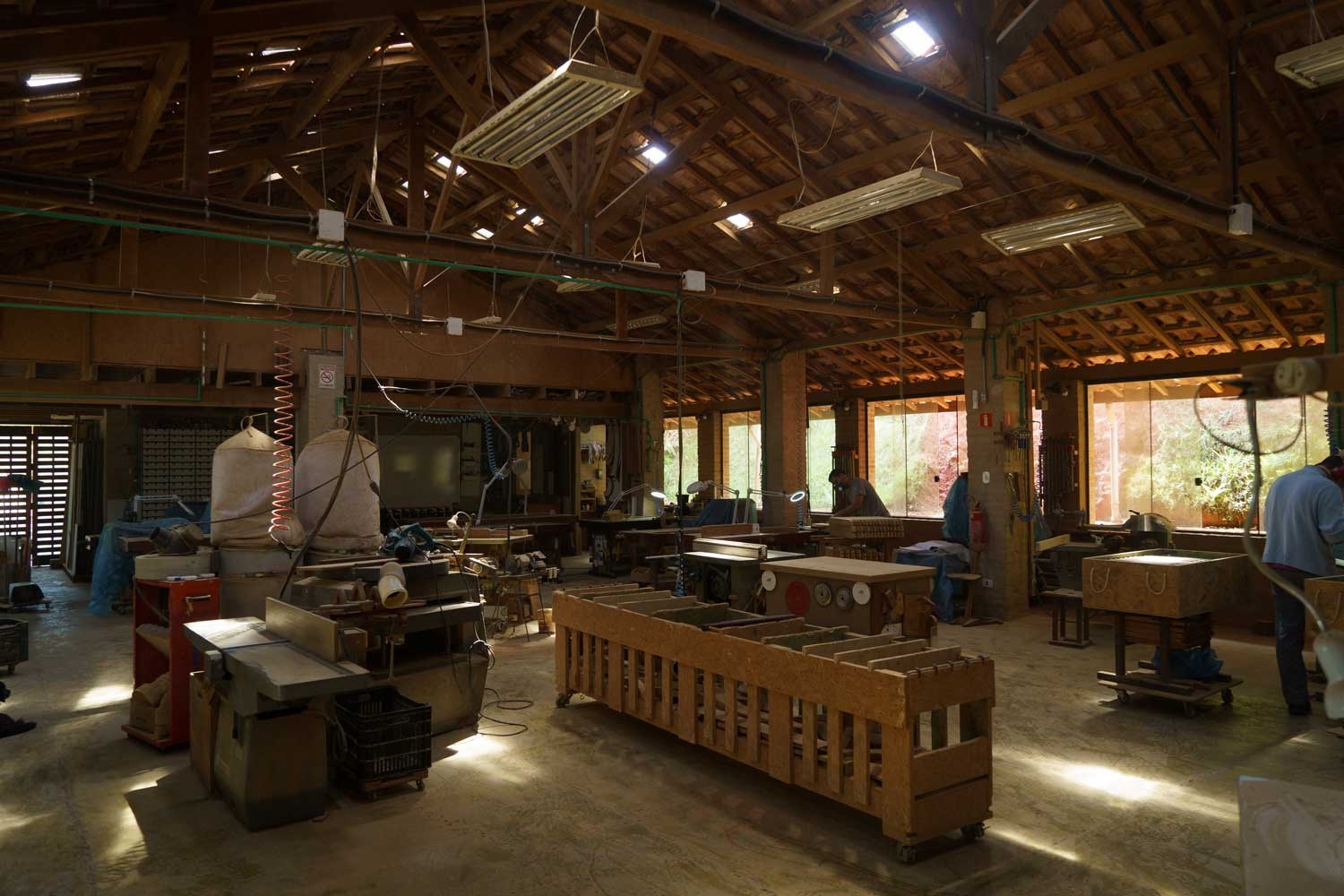
Usually, it takes two to three weeks to develop a new design. I make jigs, often leading to design changes. It takes me about two months to produce the first prototype. Even after decades of production, I continue to make design changes, following the kaizen philosophy of continuous improvement.
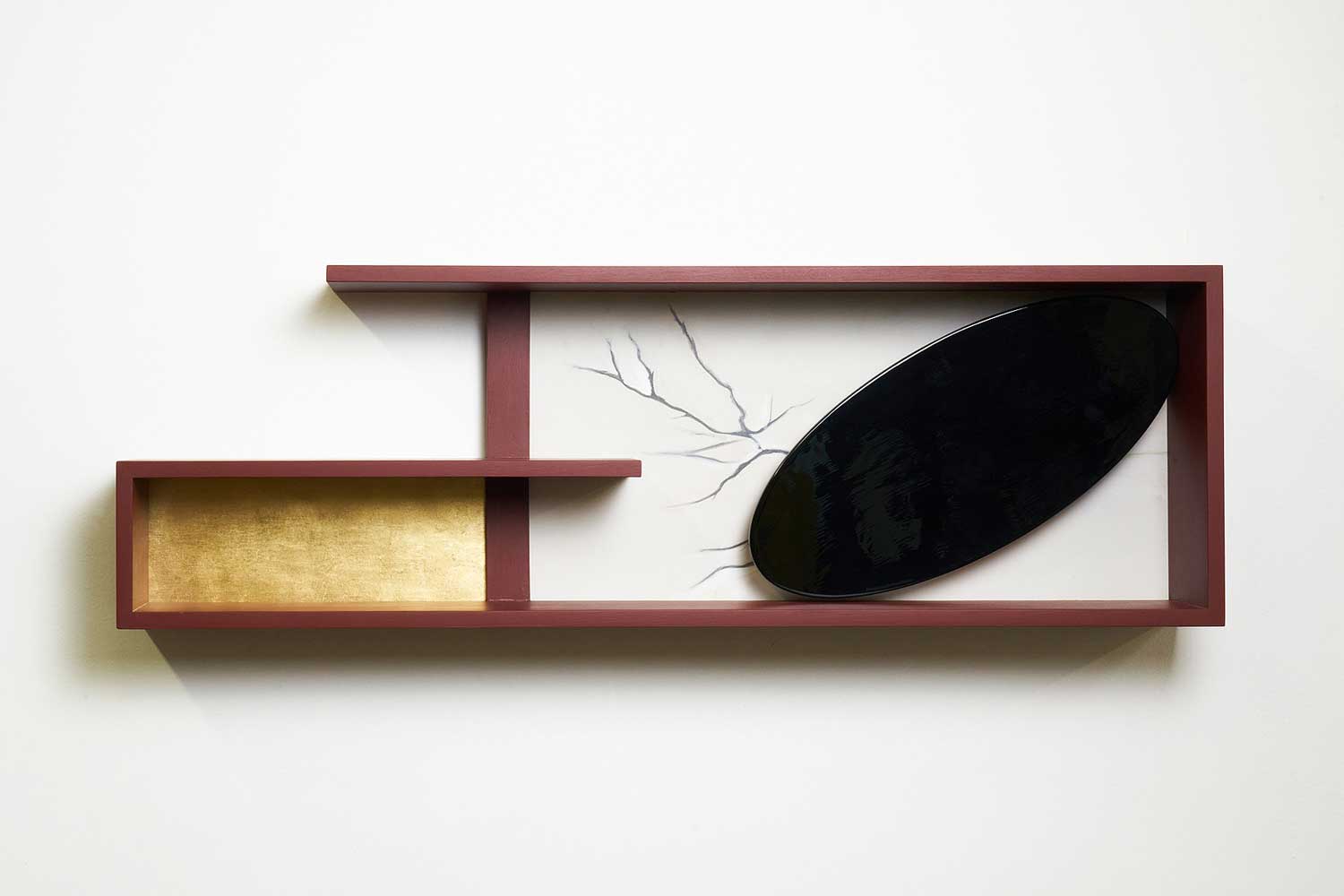
I strive to create contemporary furniture that is timeless and versatile. My goal is to design pieces that can seamlessly integrate into a traditionally styled home, without disrupting the existing decor.
I enjoy walking in the mountains and forests, watching the trees. The memories of these experiences help inspire me when designing furniture.
Many Japanese traditions are completely opposite to those in Brazil, but there are some similarities such as shifts towards sustainability. People recognise that durable and comfortable furniture reduces wood usage.
Morito Ebine
Furniture maker
Santo Antônio do Pinhal, Brazil
ADDRESS
Address upon request, Santo Antônio do Pinhal, Brazil
AVAILABILITY
By appointment only
PHONE
+55 1236661361
LANGUAGES
Portuguese, English, Japanese
Homo Faber Finds is a new service aiming to inspire admirers of craft to connect and collaborate with exceptional artisans.
We invite you to submit an enquiry here.