Victor Xavier & Søren Hallberg
Assimply Studio
Furniture maker
Rio de Janeiro, Brazil
Terrazzo ecologically reimagined
- Victor and Søren create furniture using discarded materials
- The duo works with their own modern twist on the traditional terrazzo technique
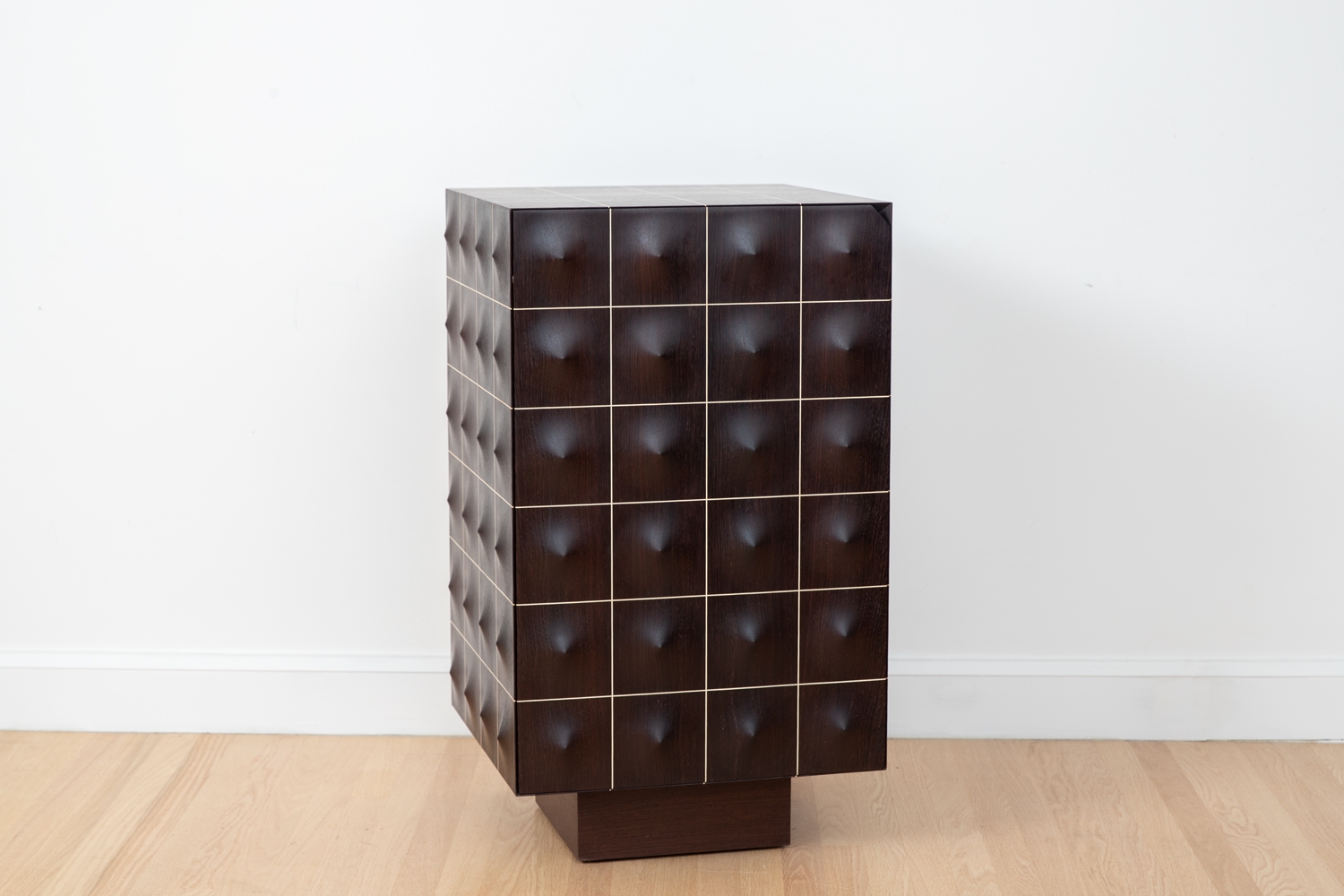
- Their pieces bridge Danish minimalism and Brazilian flair
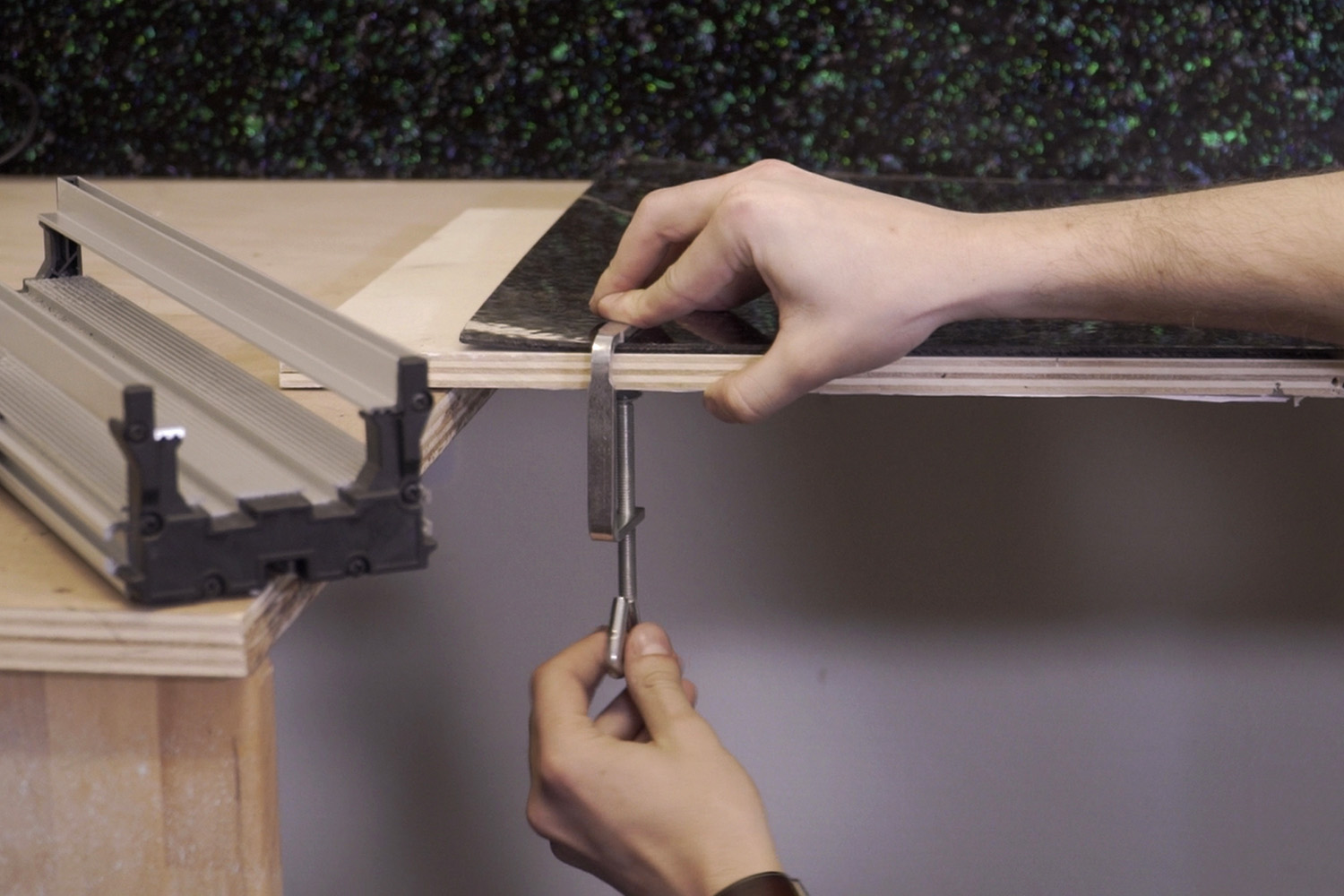
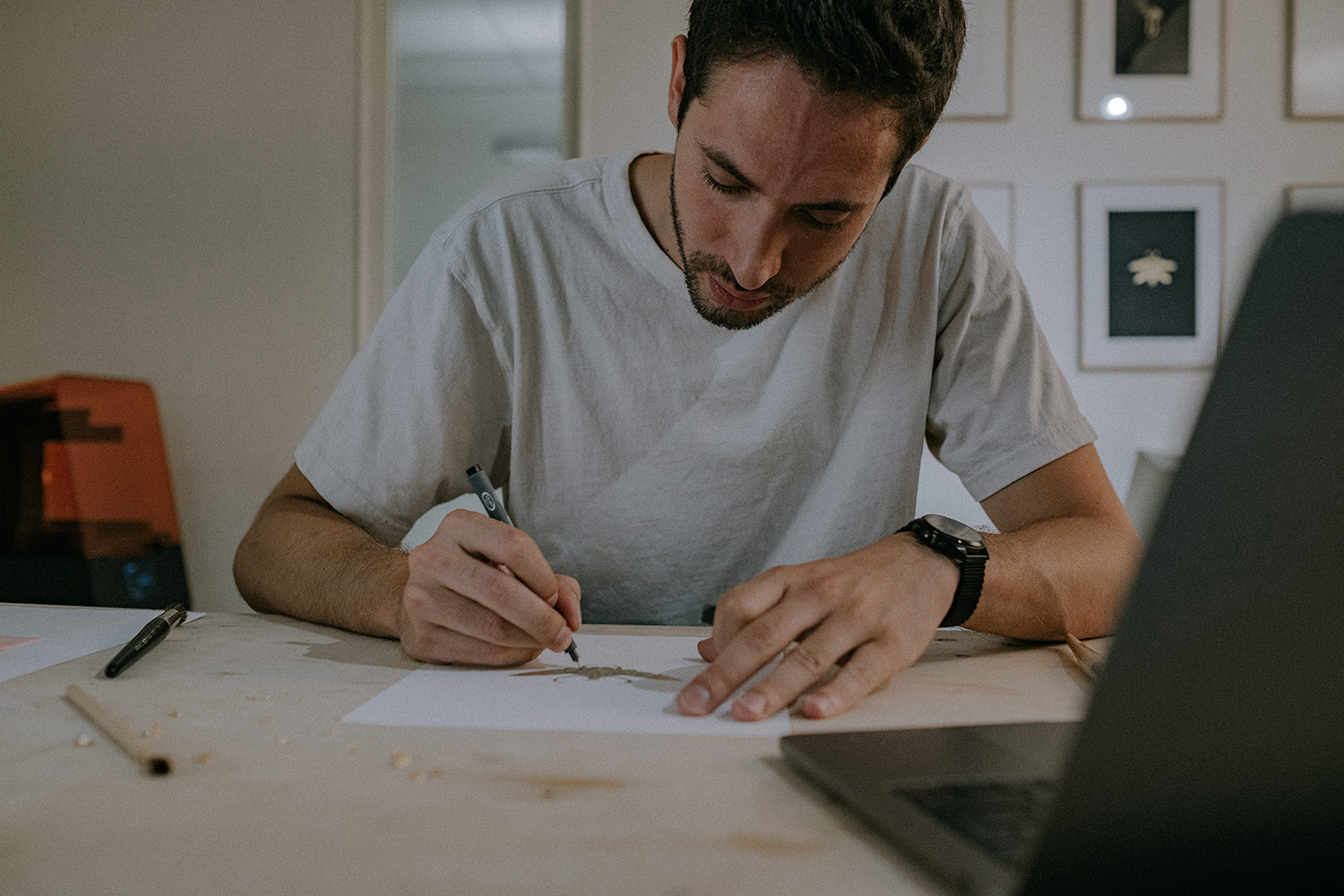
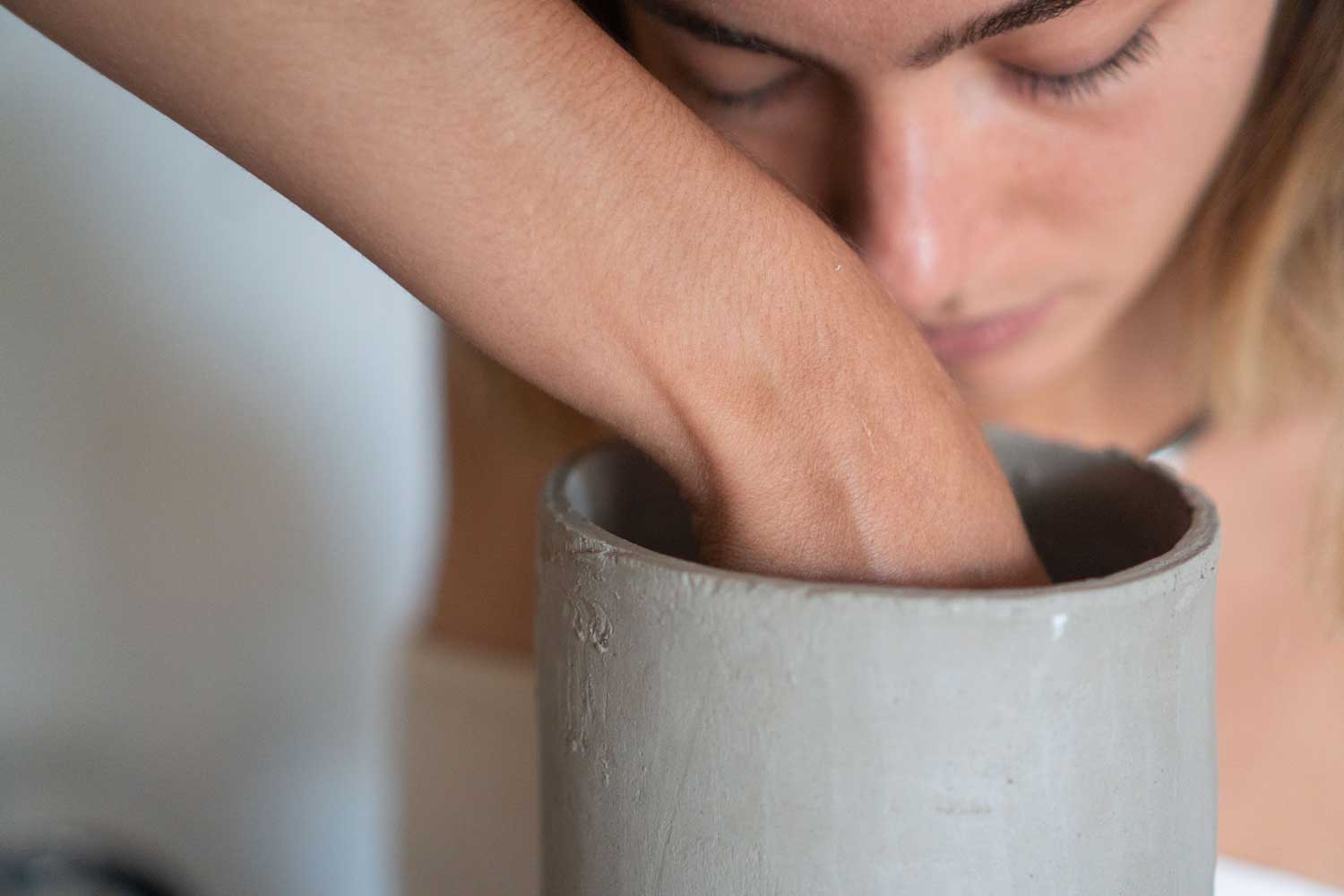
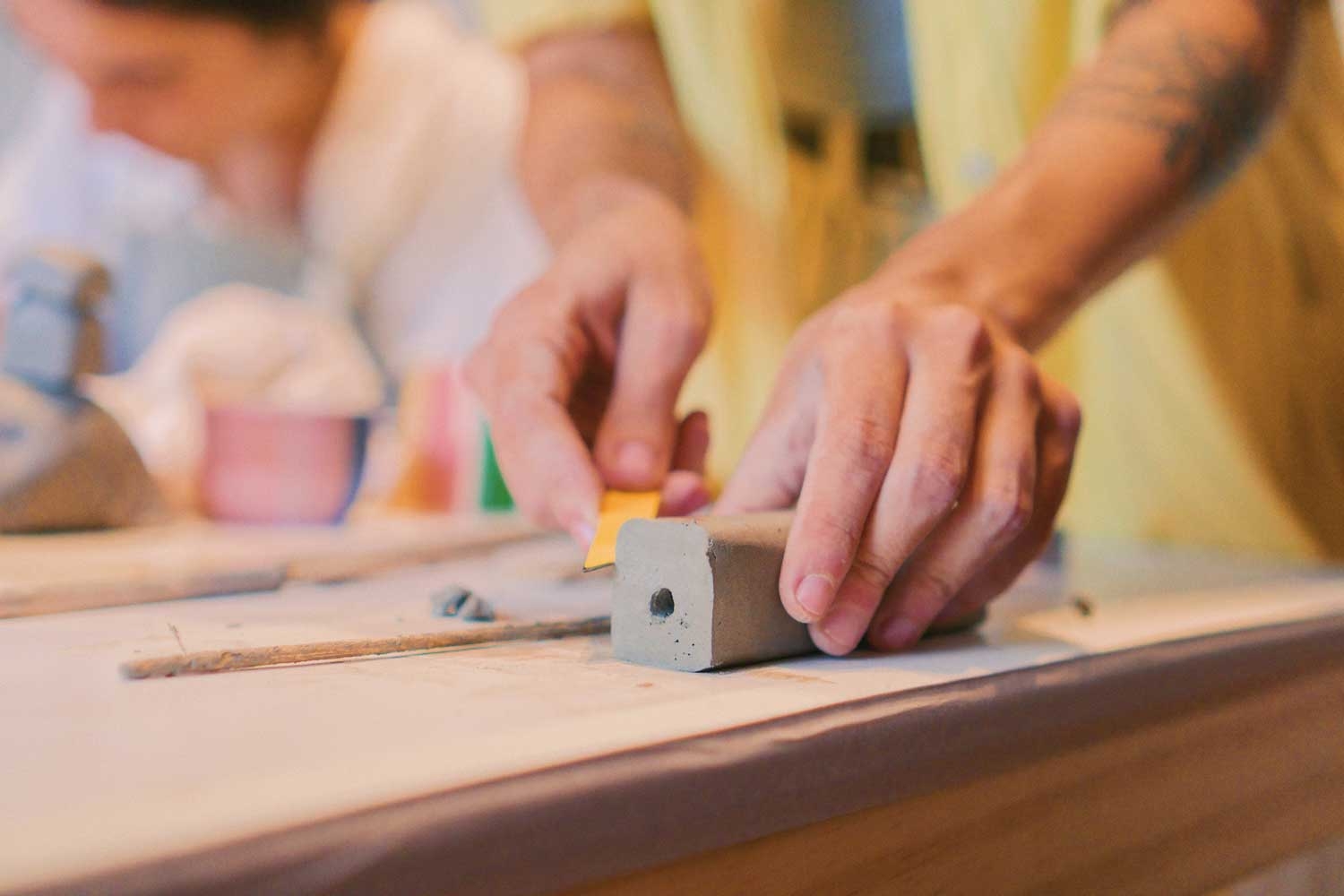
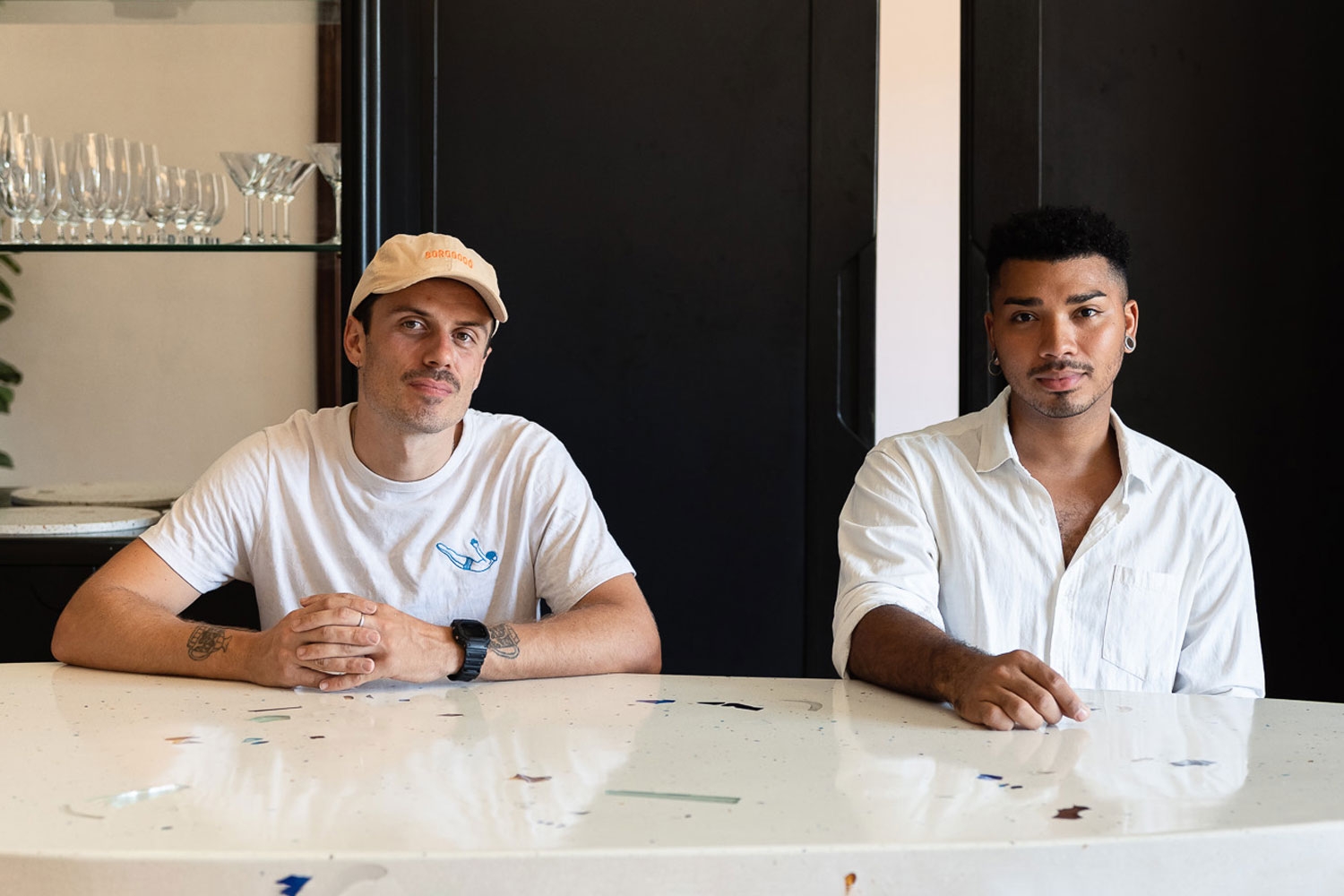
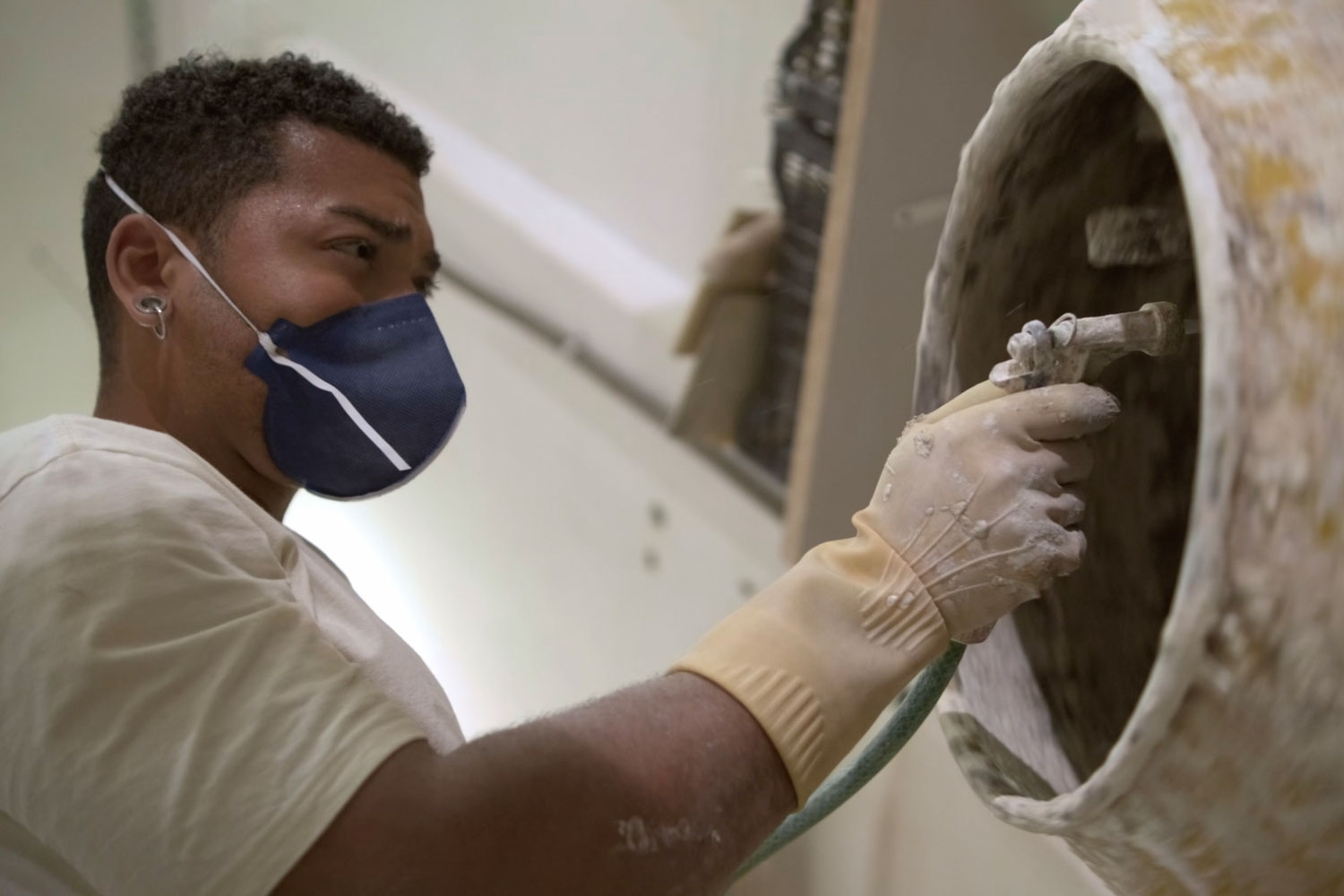
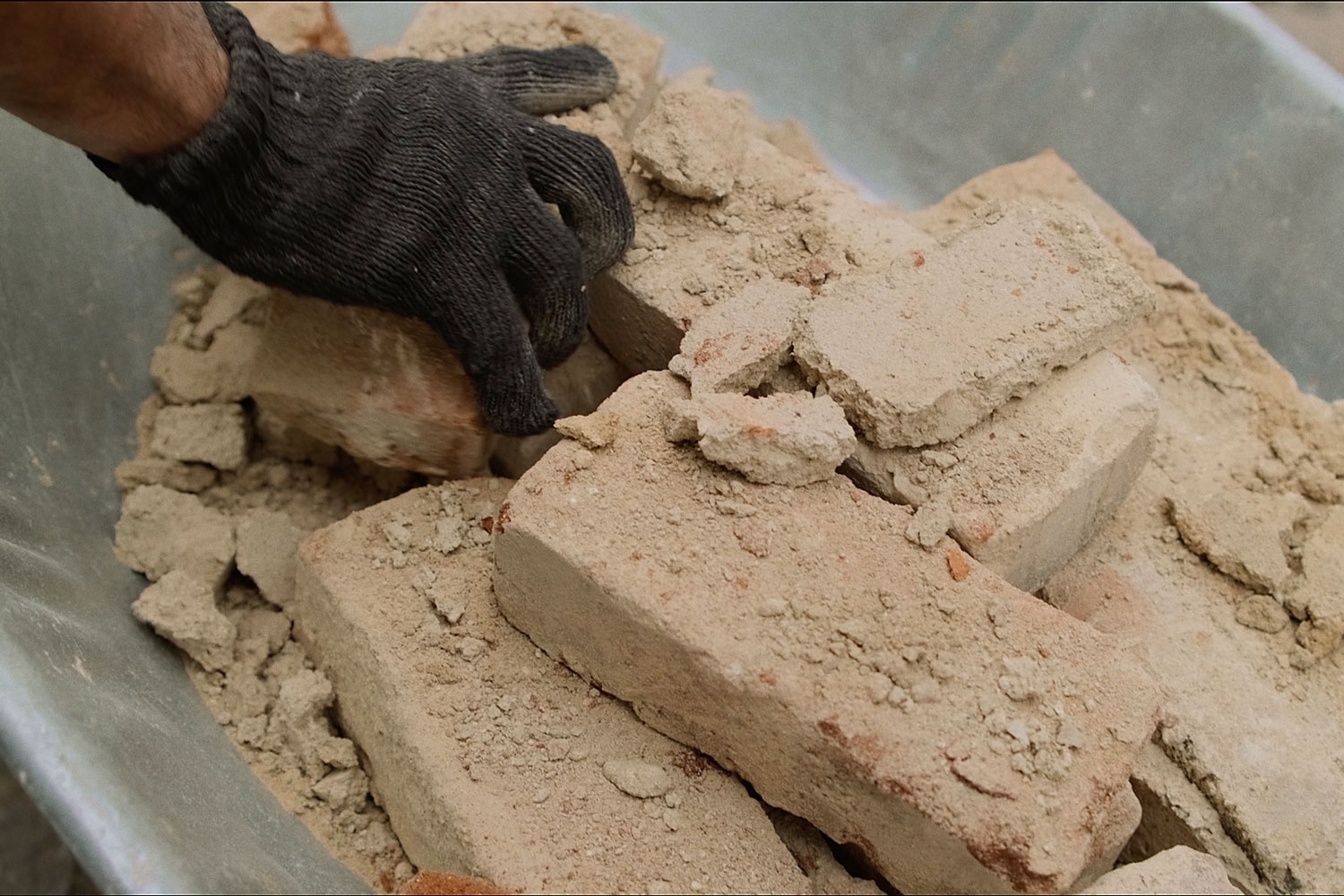
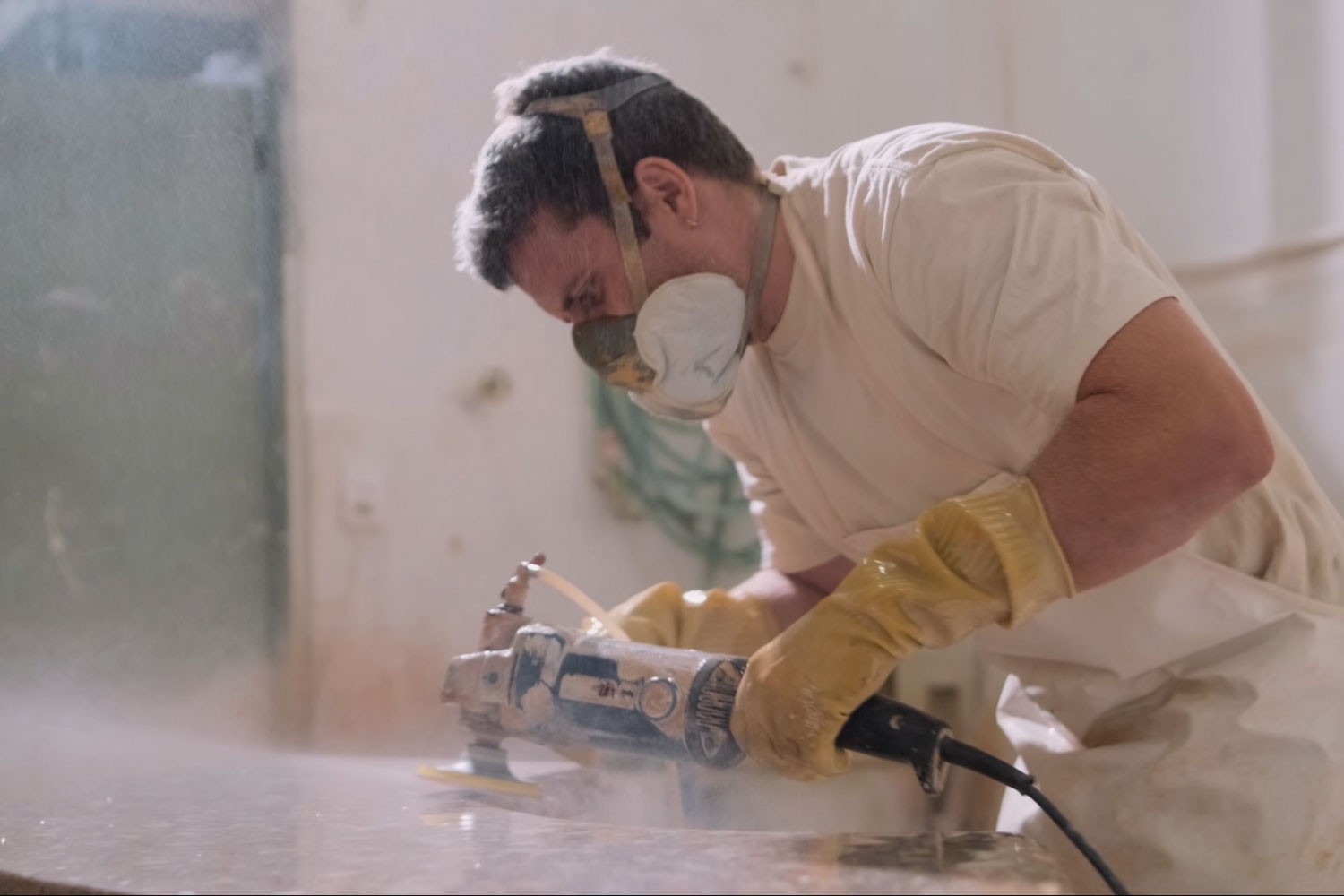
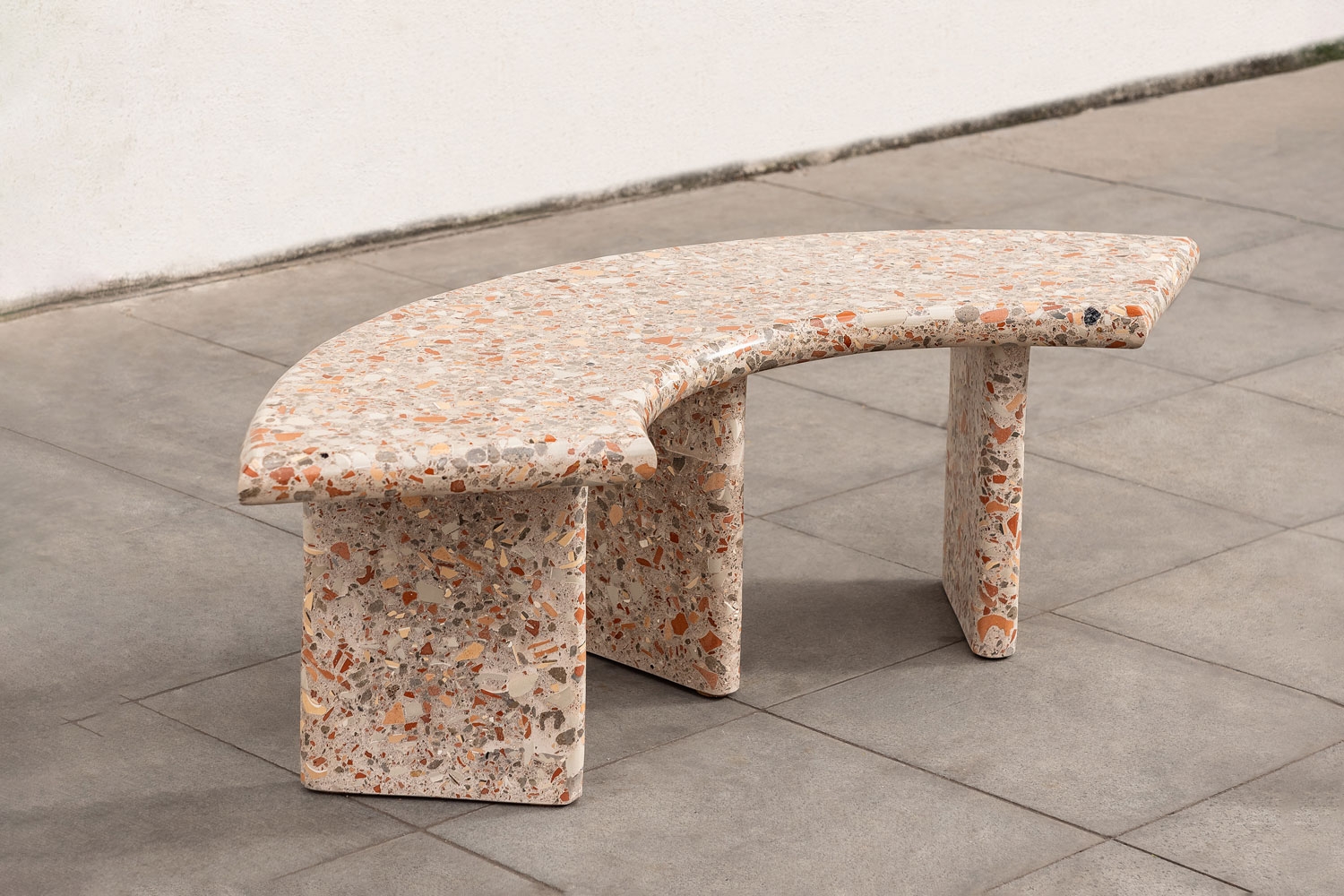
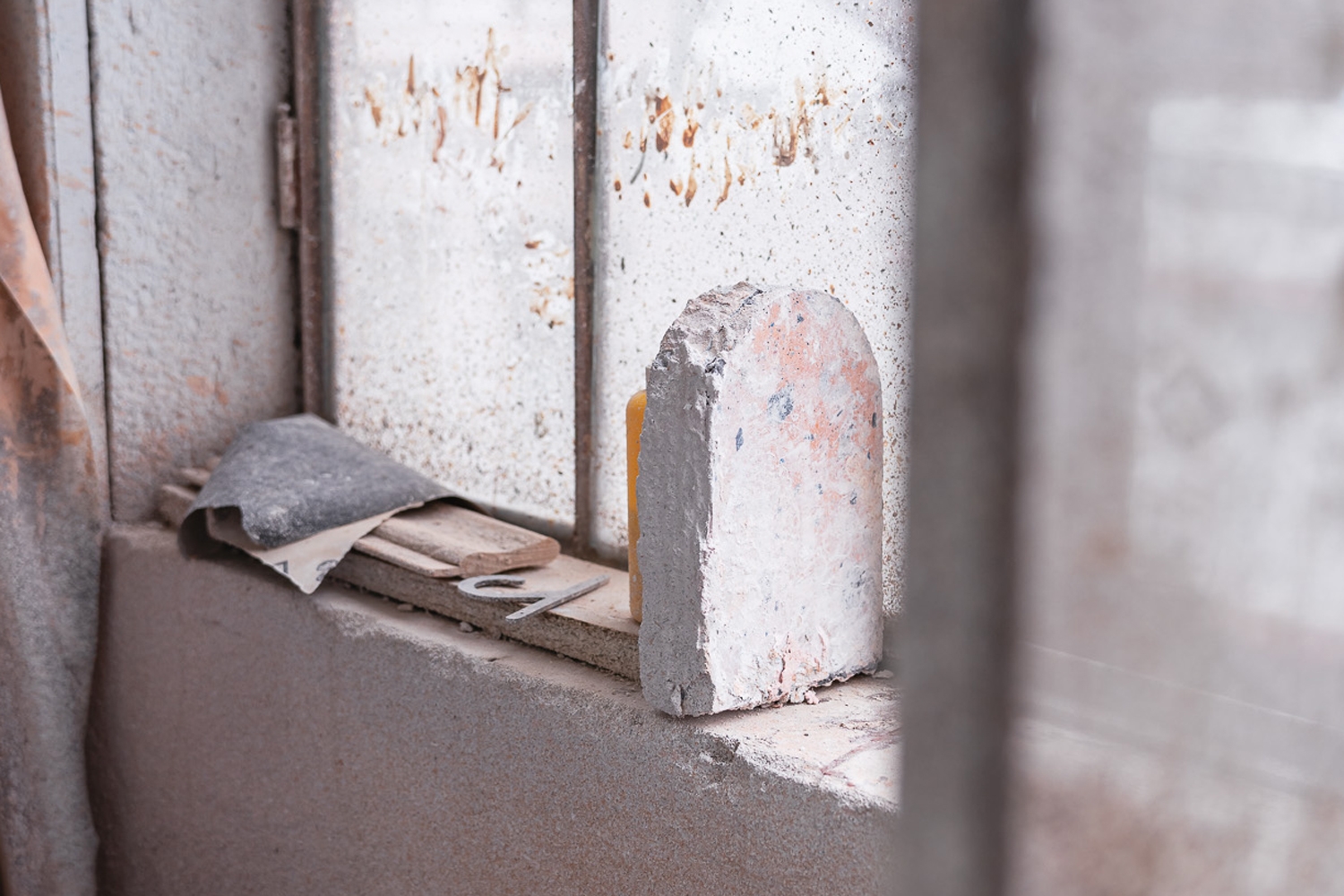
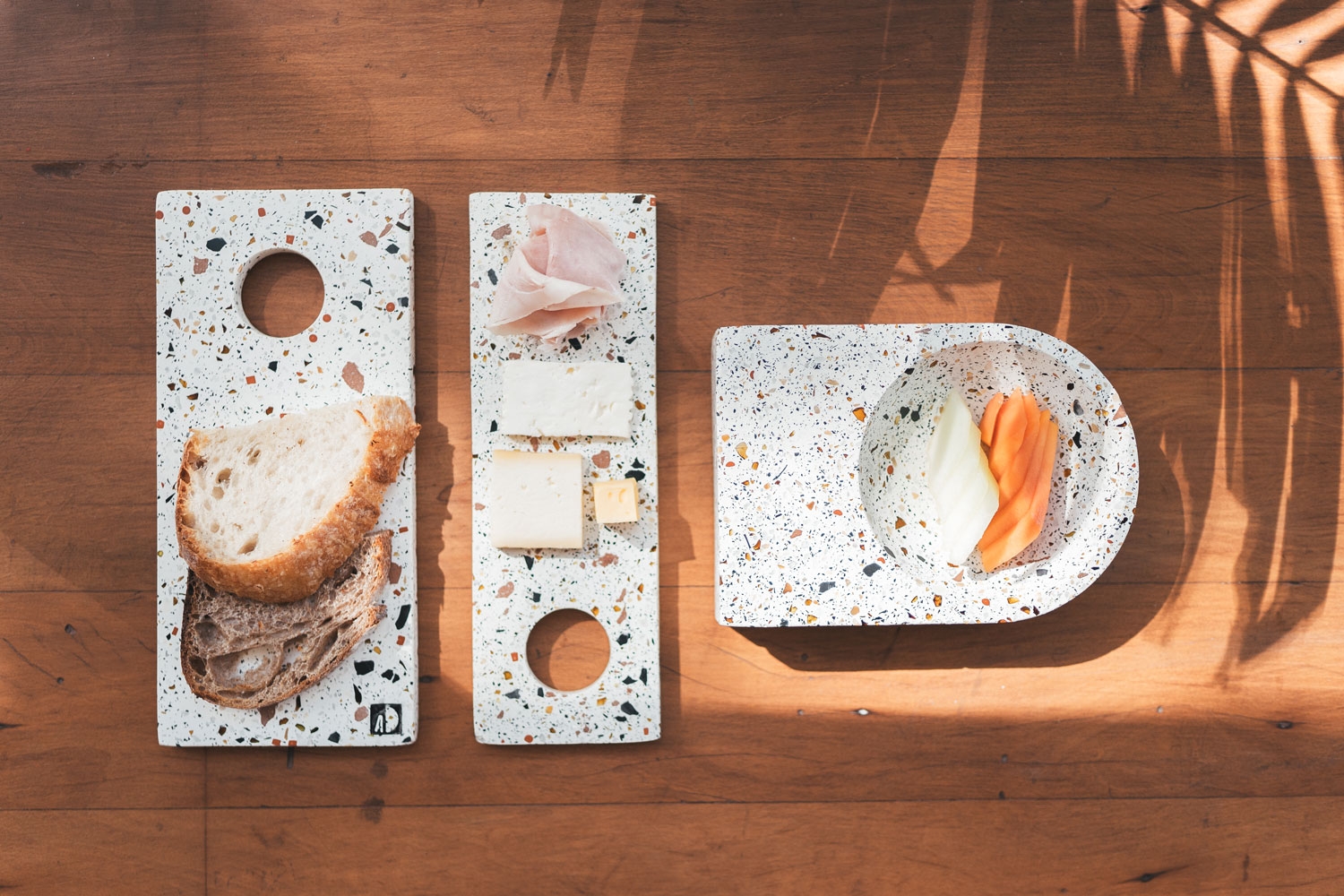
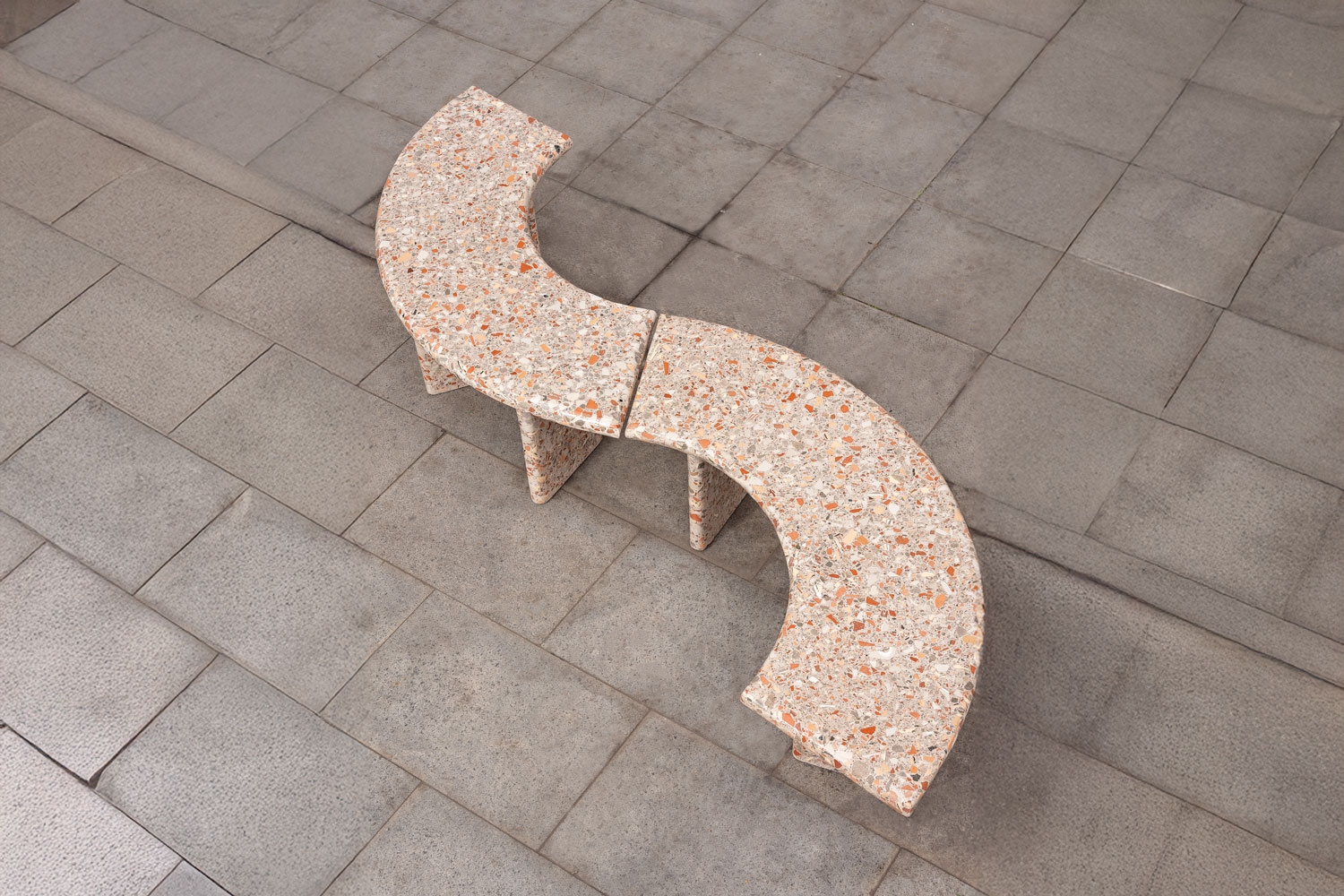
Victor Xavier and Søren Hallberg, partners in life and craft, work together with overlooked materials – tile dust, wood scraps, plastic, glass crystals, oyster shells and construction debris. From their Rio de Janeiro studio Assimply, architect Victor and digital designer Søren transform discarded materials into furniture and décor with the terrazzo technique. Terrazzo is known for its use of aggregates extracted from quarries. “Our passion is to make something beautiful out of the unexpected,” the duo says. They describe their design language as simple lines and integrity in material choices, with boldness, rhythm and organic flow. The result is more than aesthetic, it reflects a commitment to reuse. “We aim to use as much waste as possible in our mixes. We have come a long way with our mission,” Victor and Søren explain.
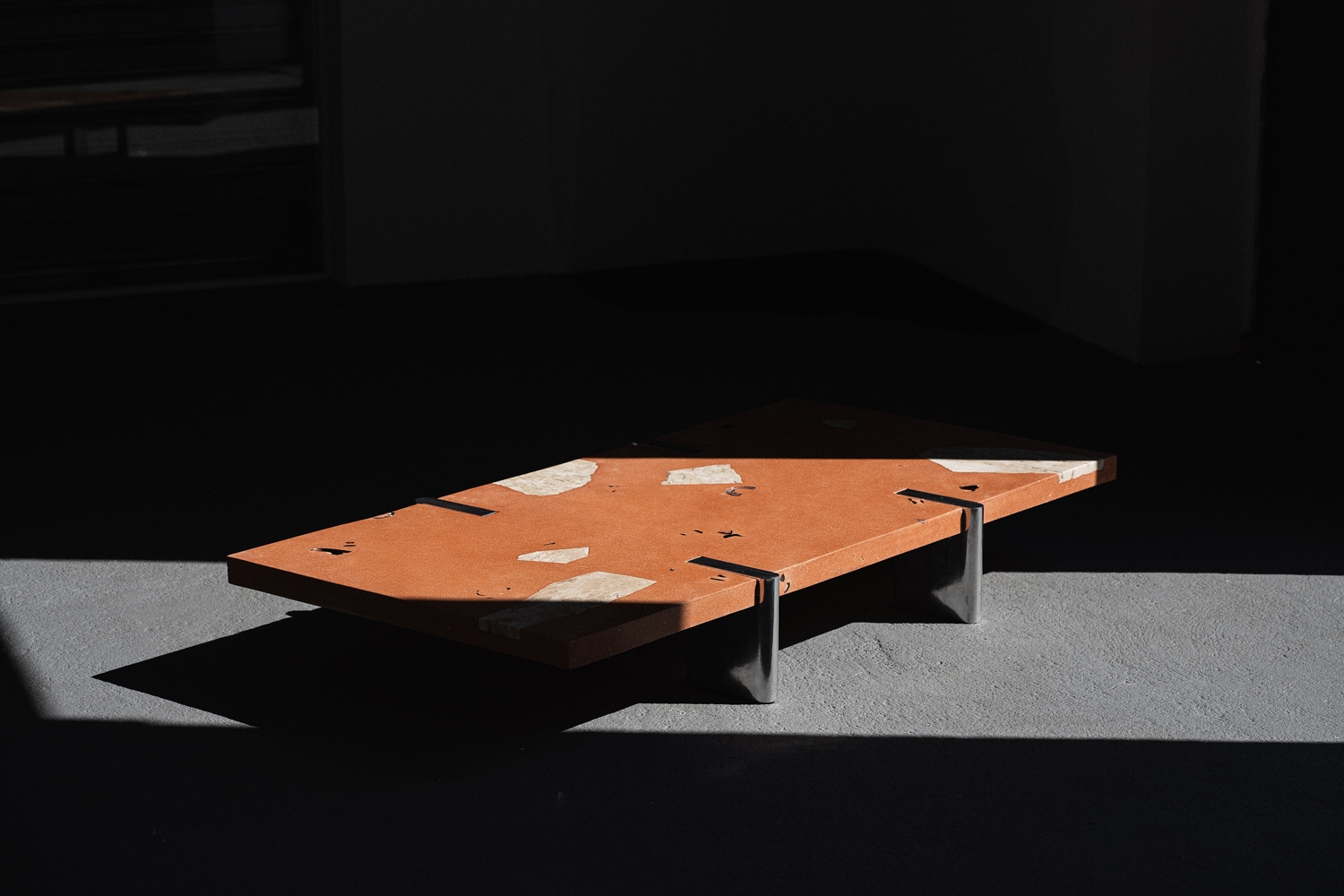
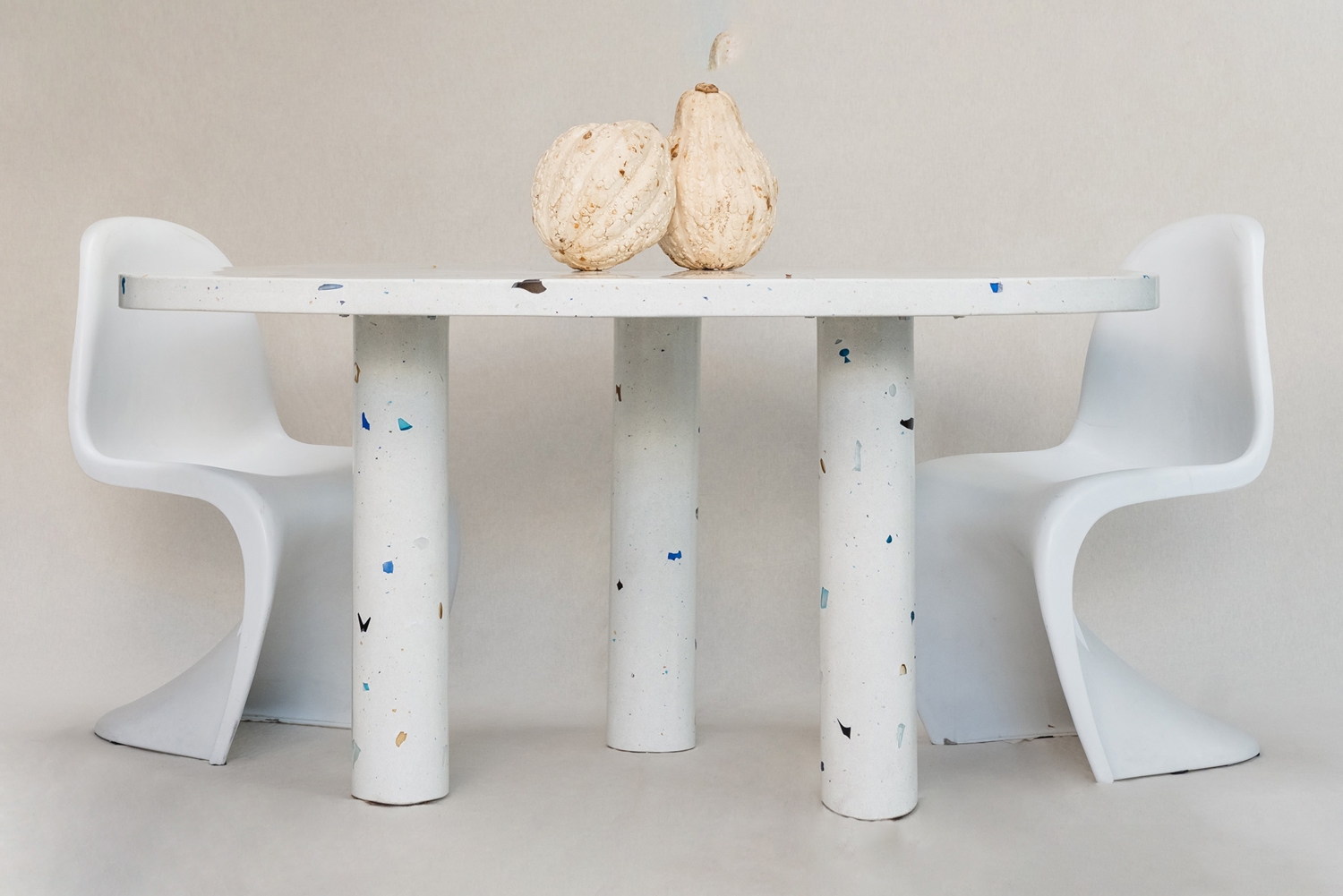
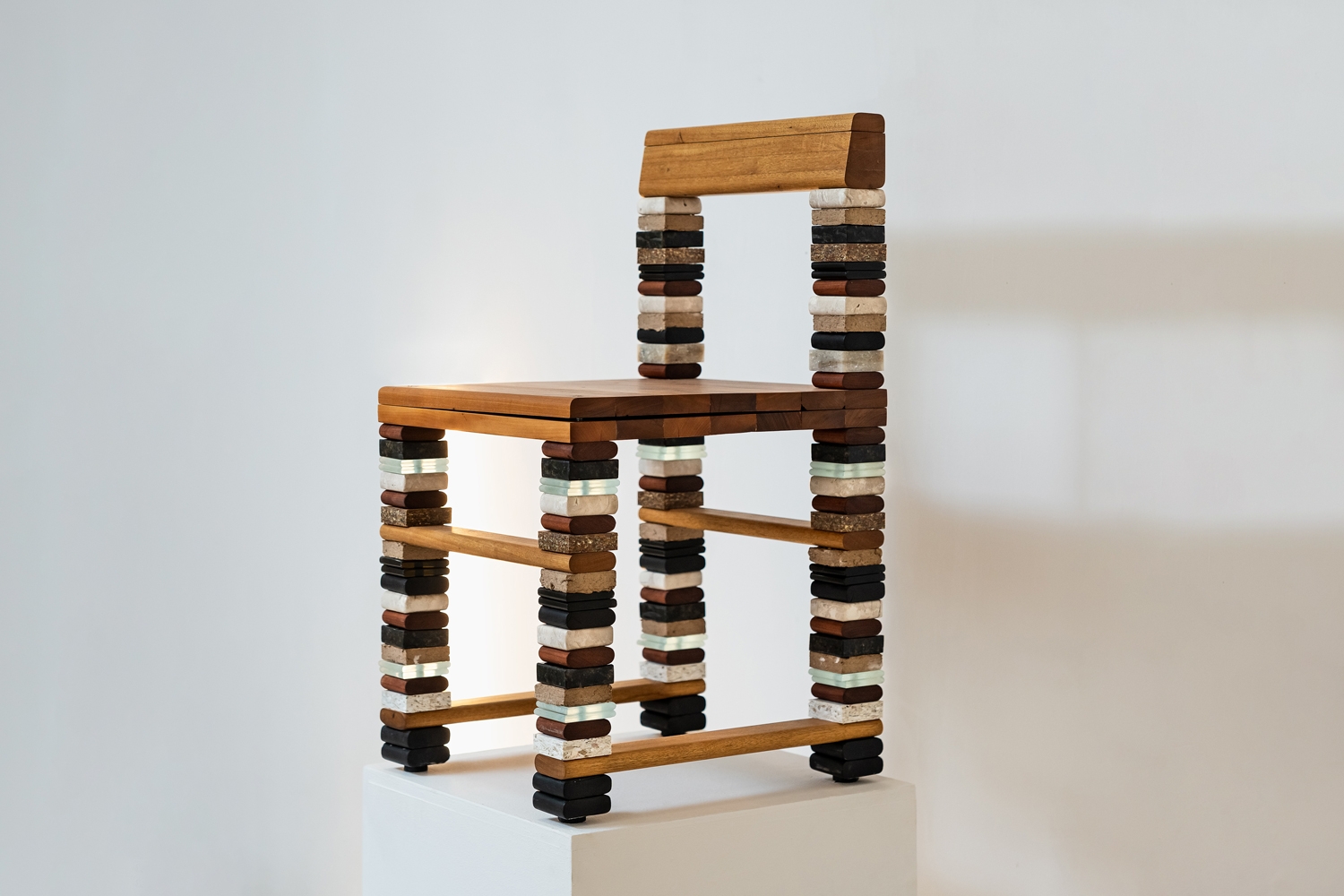
INTERVIEW
We started working together during the pandemic in our apartment. We made small vases and utensils with cement as a hobby. When our friends saw our pieces, they encouraged us to share them, so we began taking our design work seriously. We later moved into a shared workspace, where we started creating larger pieces.
From the start, we knew Assimply had to be a responsible project, especially in how we approached materials. During our first tests at home, we discovered that terrazzo was a technique that could incorporate all sorts of leftovers and waste. This flexibility proved that terrazzo is the right fit for the kind of work we want to do.
Terrazzo does not allow for just any shape or size, its weight and structure come with limits, so we are always working within those constraints. We are drawn to bold, monolithic forms, and bringing those to life can be technically demanding.
In Brazil, terrazzo is often tied to Italian immigrant heritage, but the technique dates back to ancient Egypt and has evolved globally. At Assimply, we draw on existing knowledge while taking a contemporary approach, learning from tradition while exploring new ways to work with it.
Victor Xavier & Søren Hallberg
Assimply Studio
Furniture maker
Rio de Janeiro, Brazil
AVAILABILITY
By appointment only
PHONE
+55 21974148071
LANGUAGES
Portuguese, English, Danish
Homo Faber Finds is a new service aiming to inspire admirers of craft to connect and collaborate with exceptional artisans.
We invite you to submit an enquiry here.