Manu Almeida
Macramé maker
Rio de Janeiro, Brazil
The family thread in every knot
- Manu’s father and grandmother are enduring influences on her journey with macramé
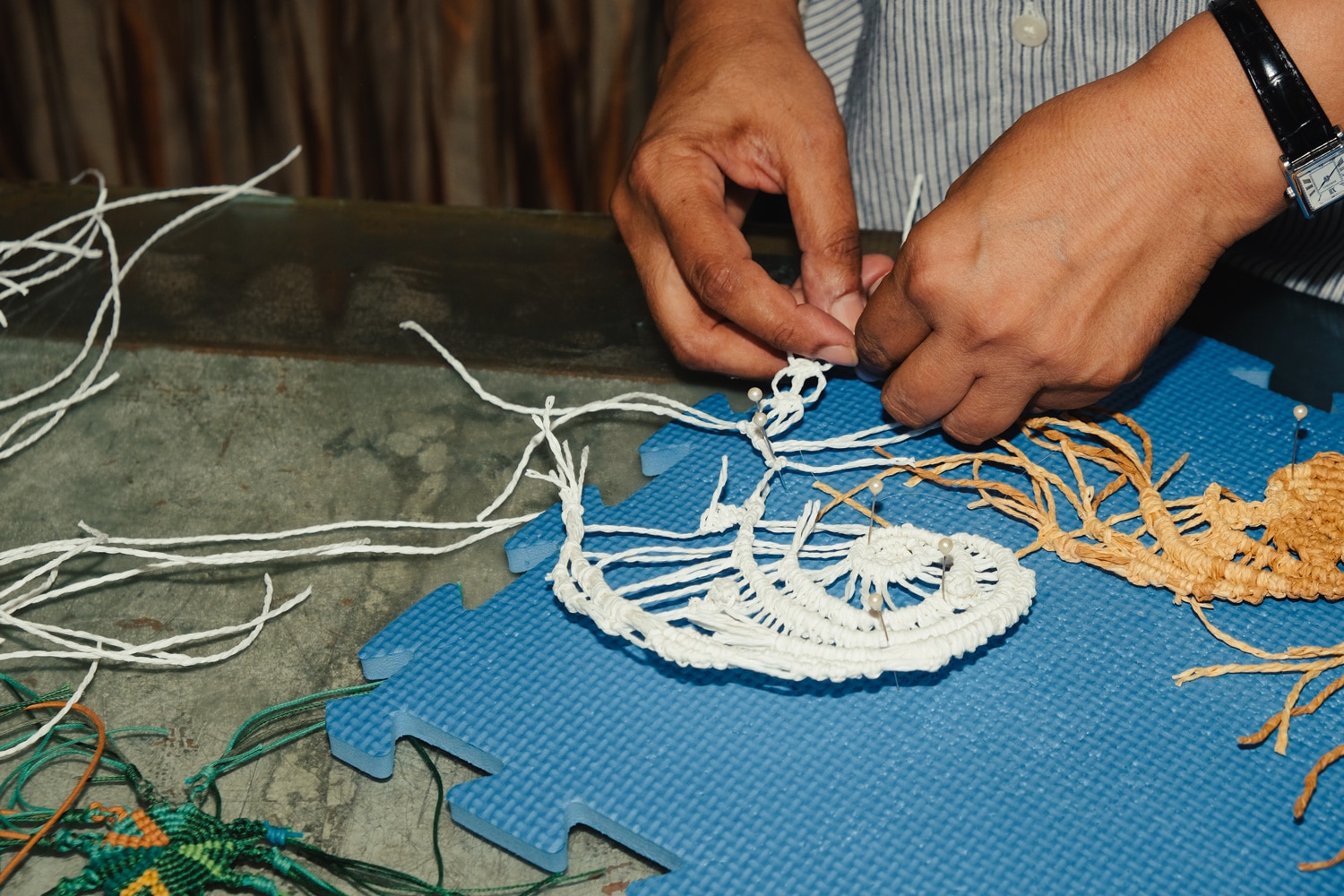
- She discovers new knotting techniques during the process of making
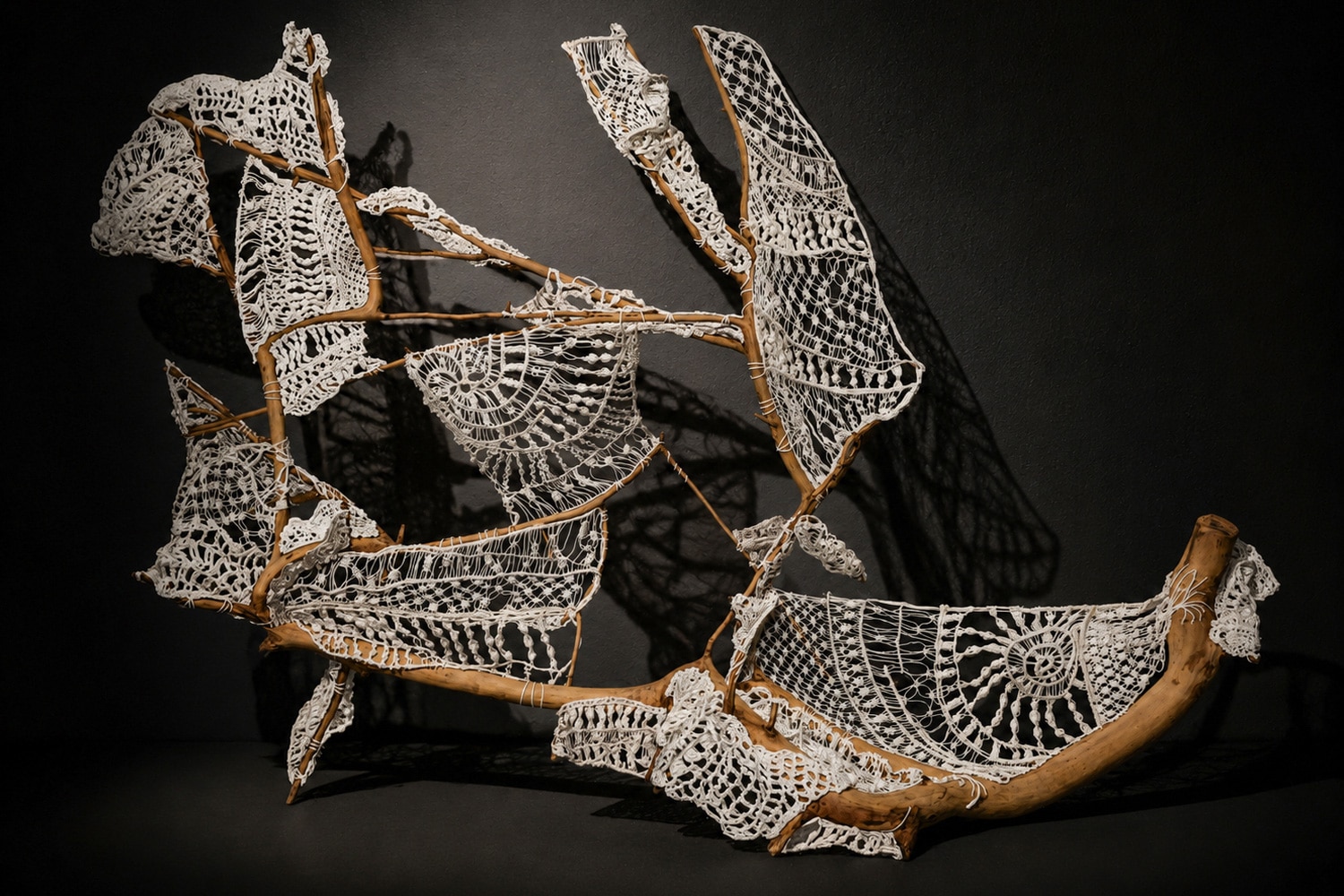
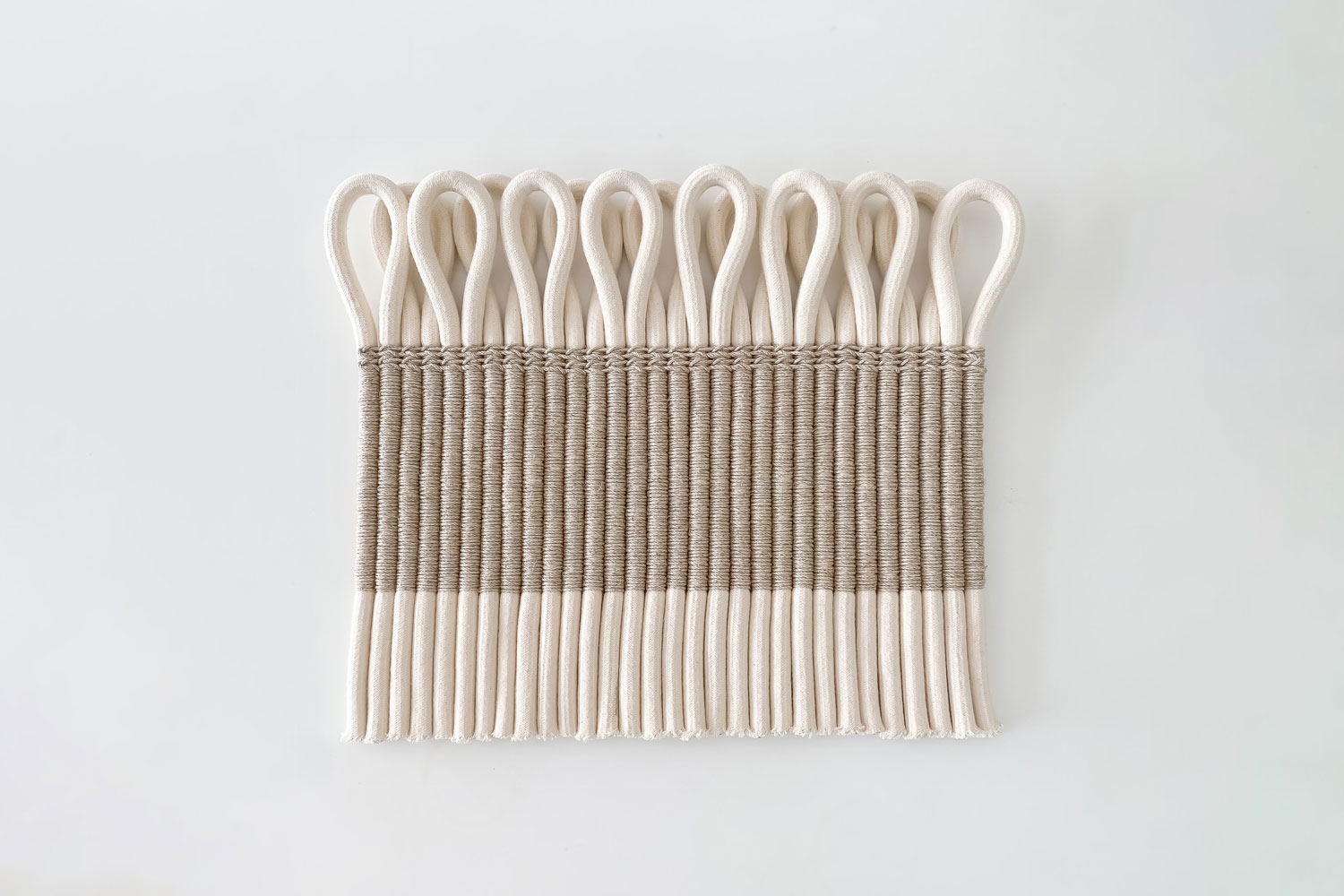
- Her signature material is cotton cord, which she combines with ceramics and wood
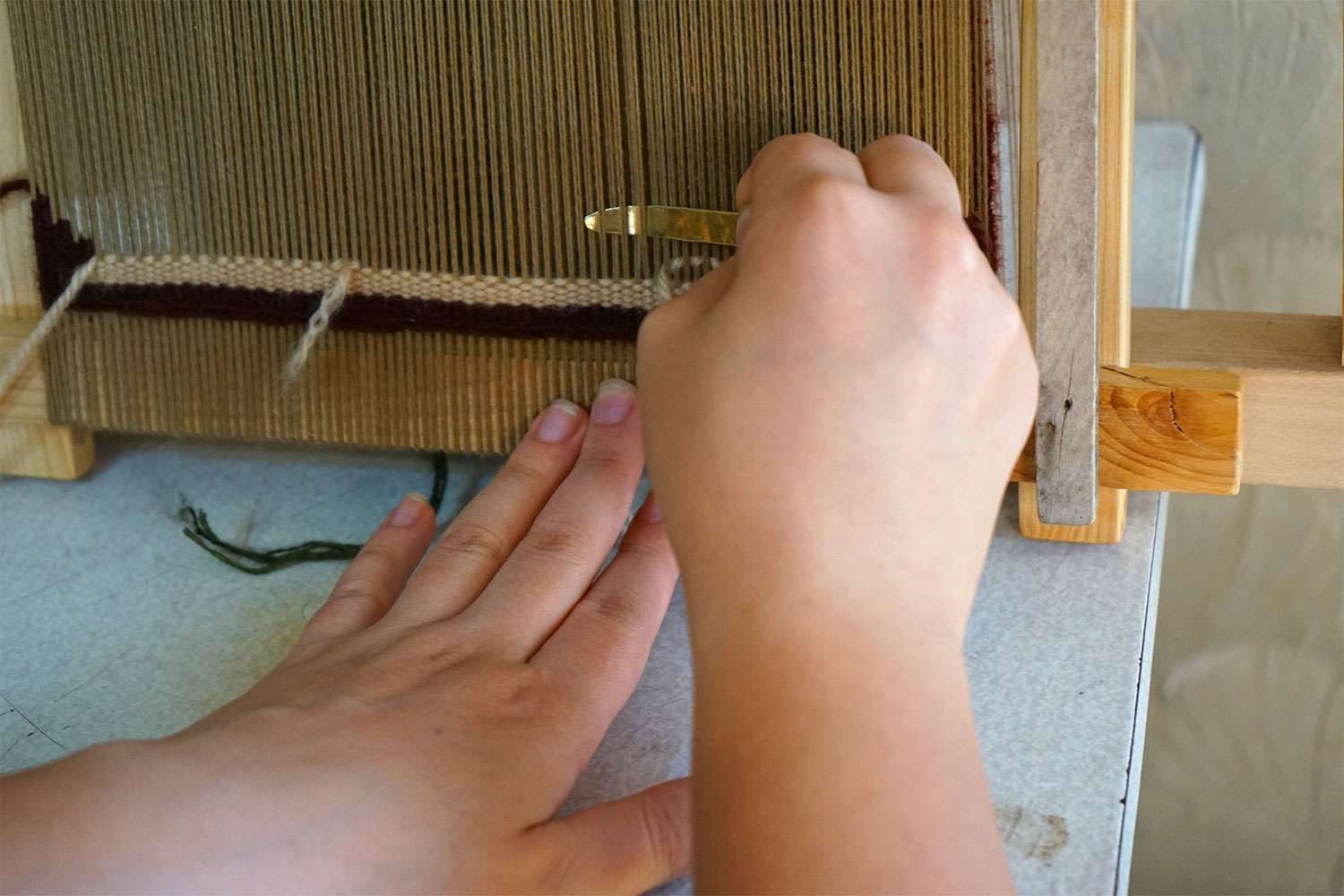
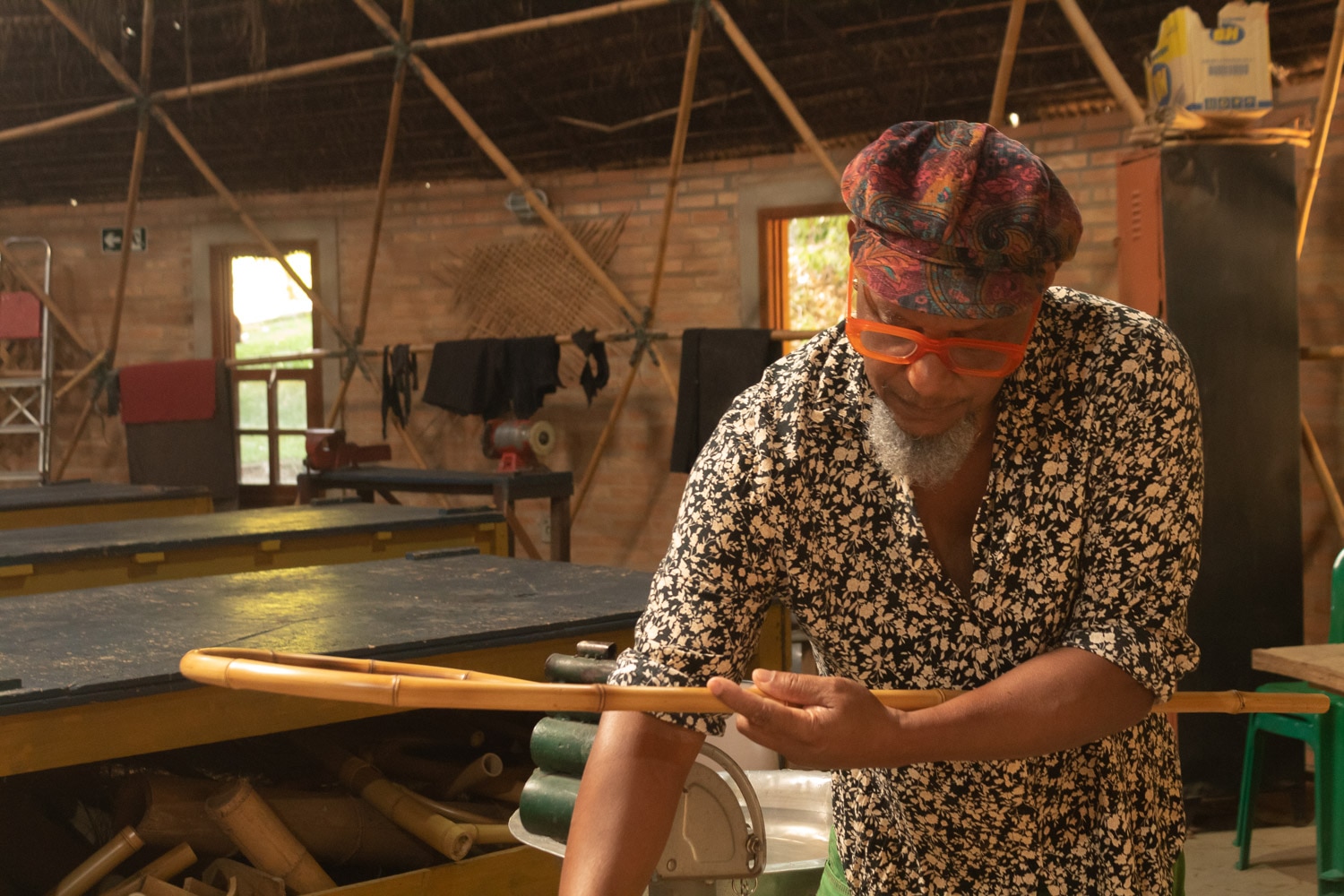
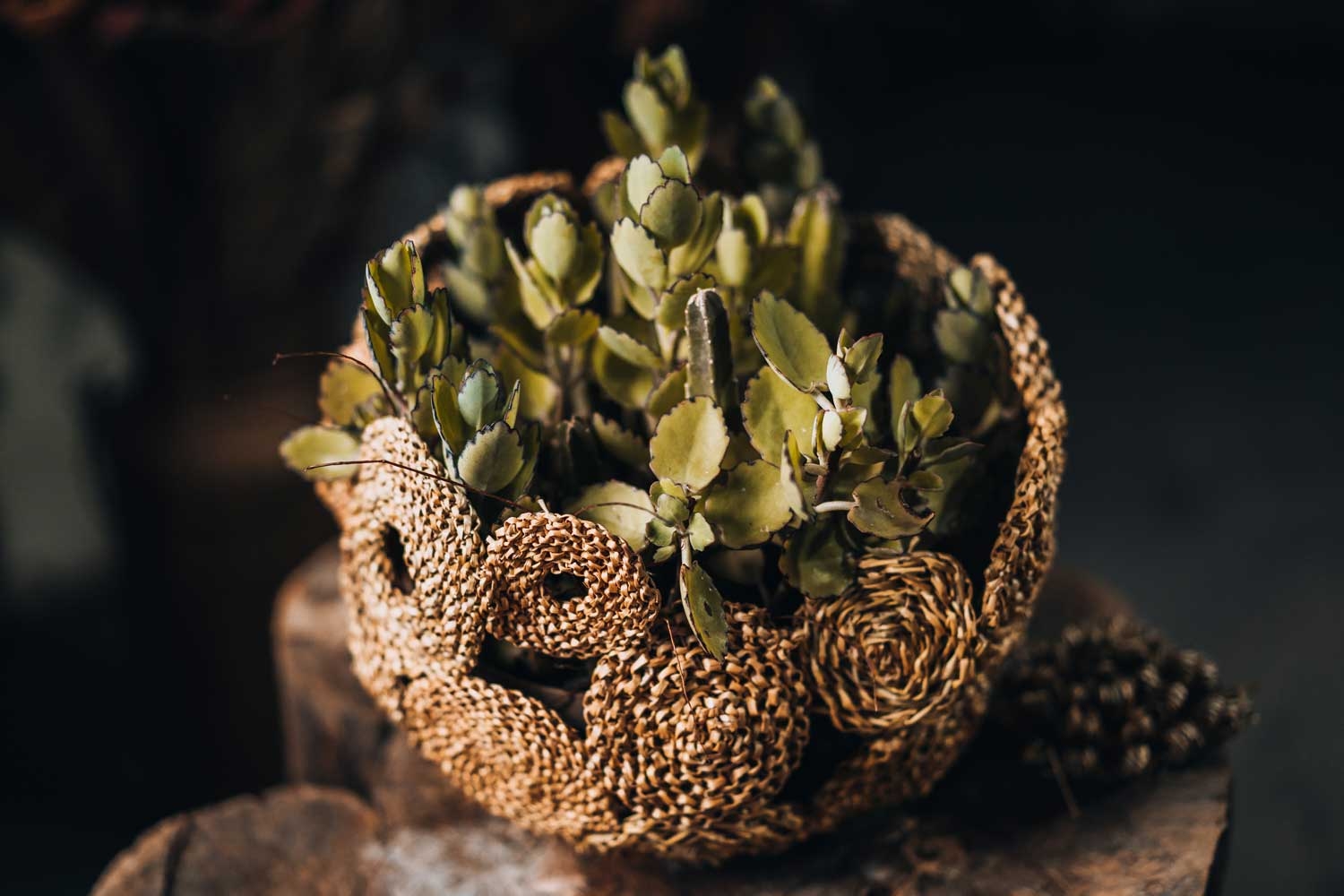
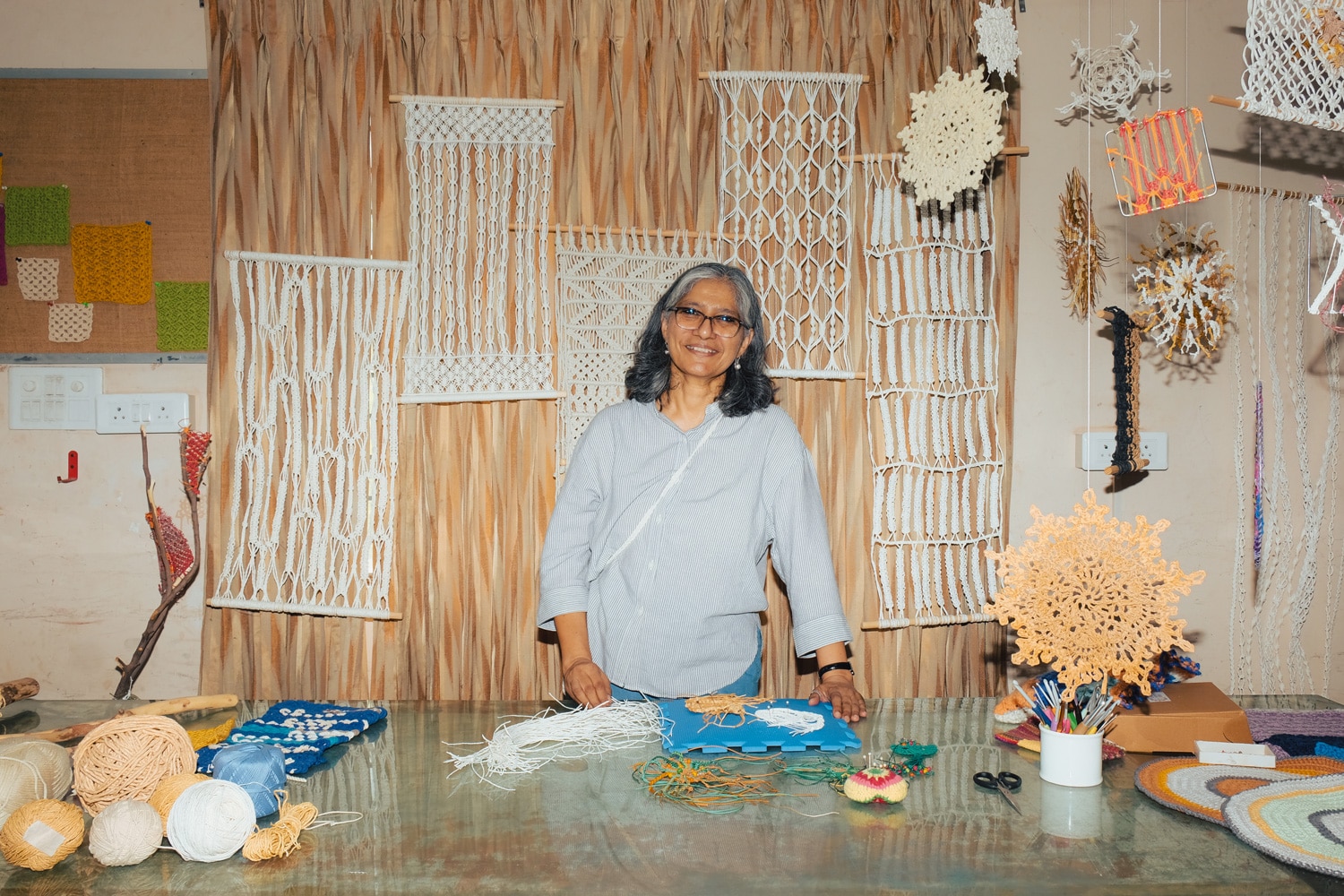
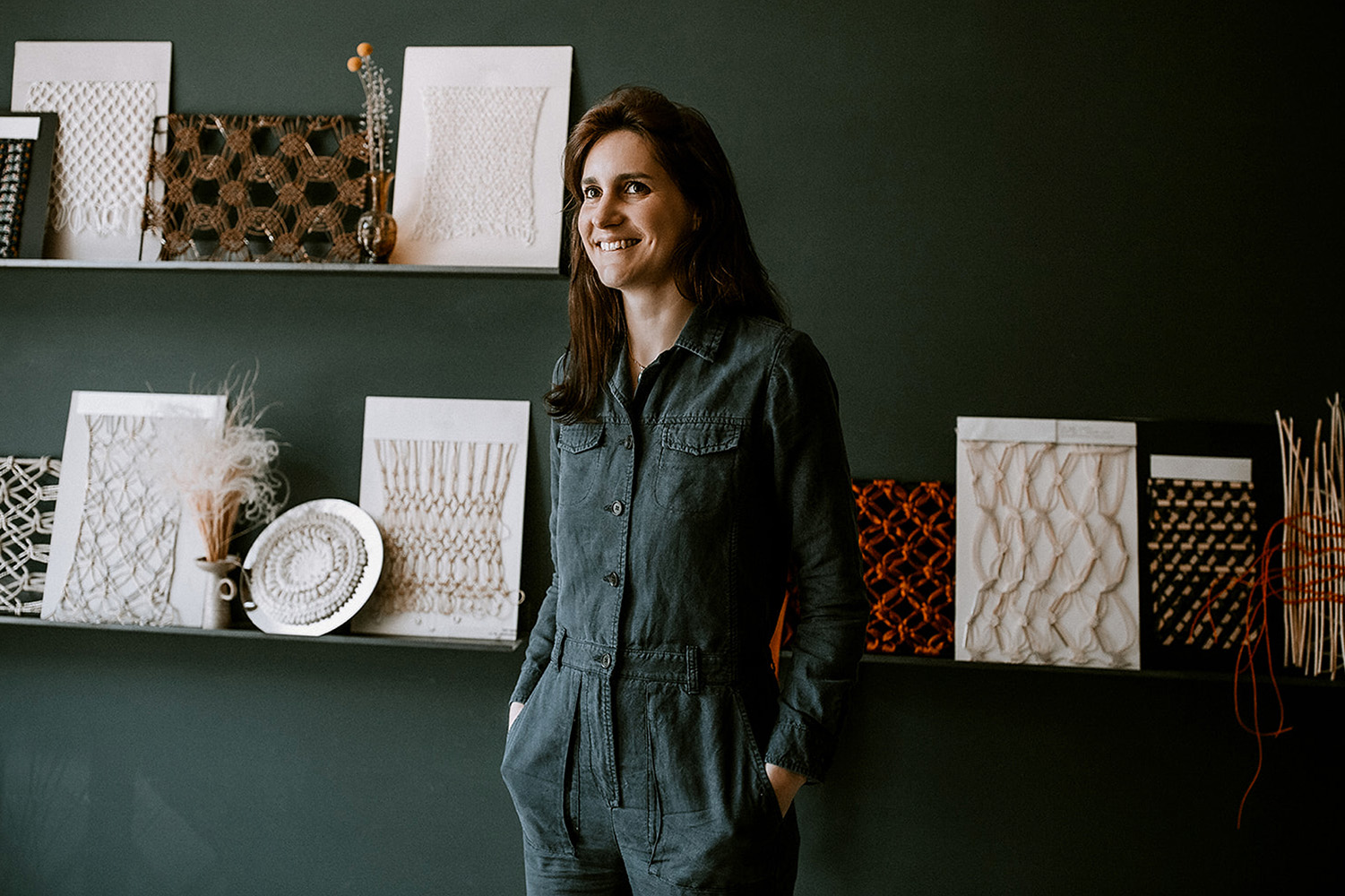
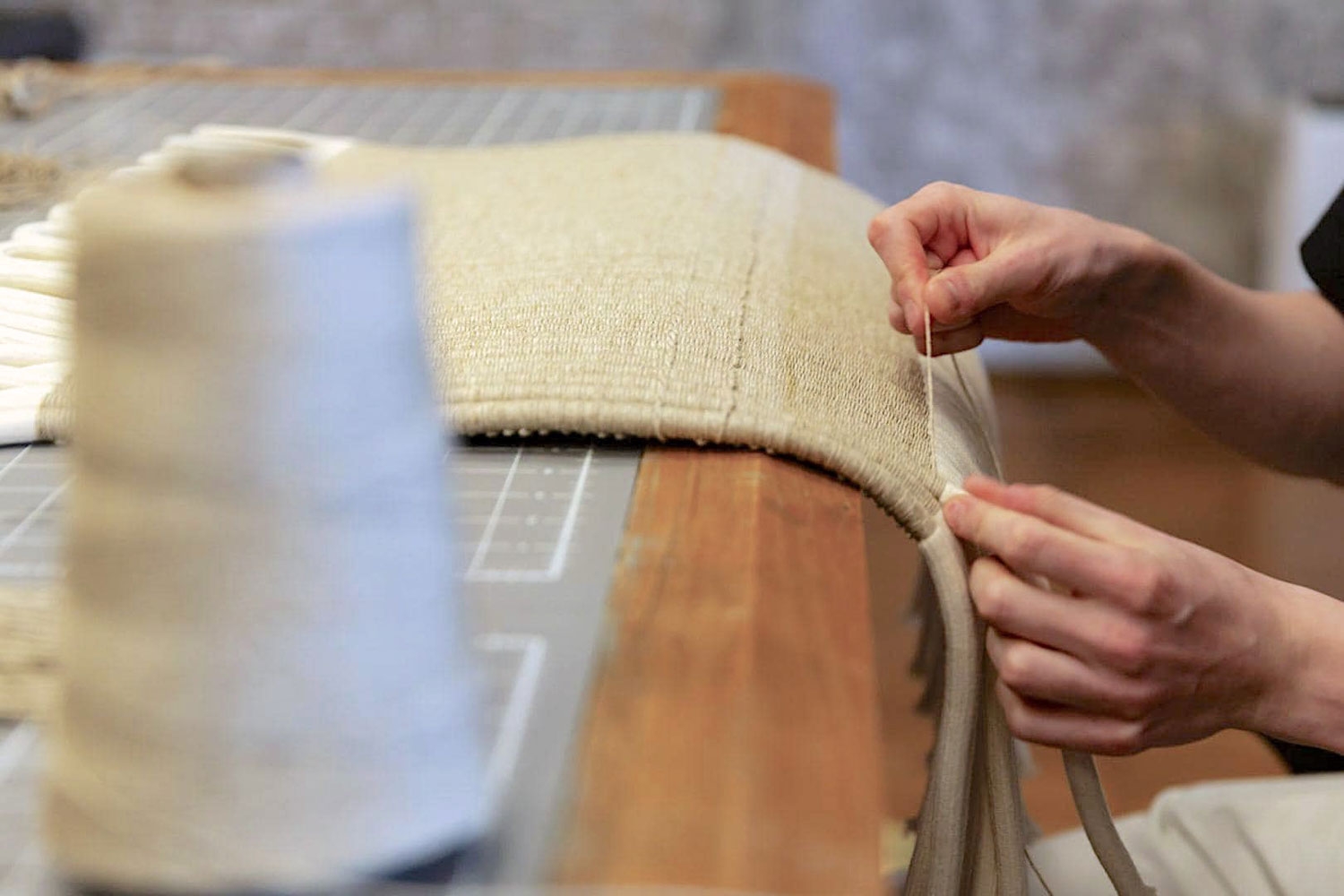
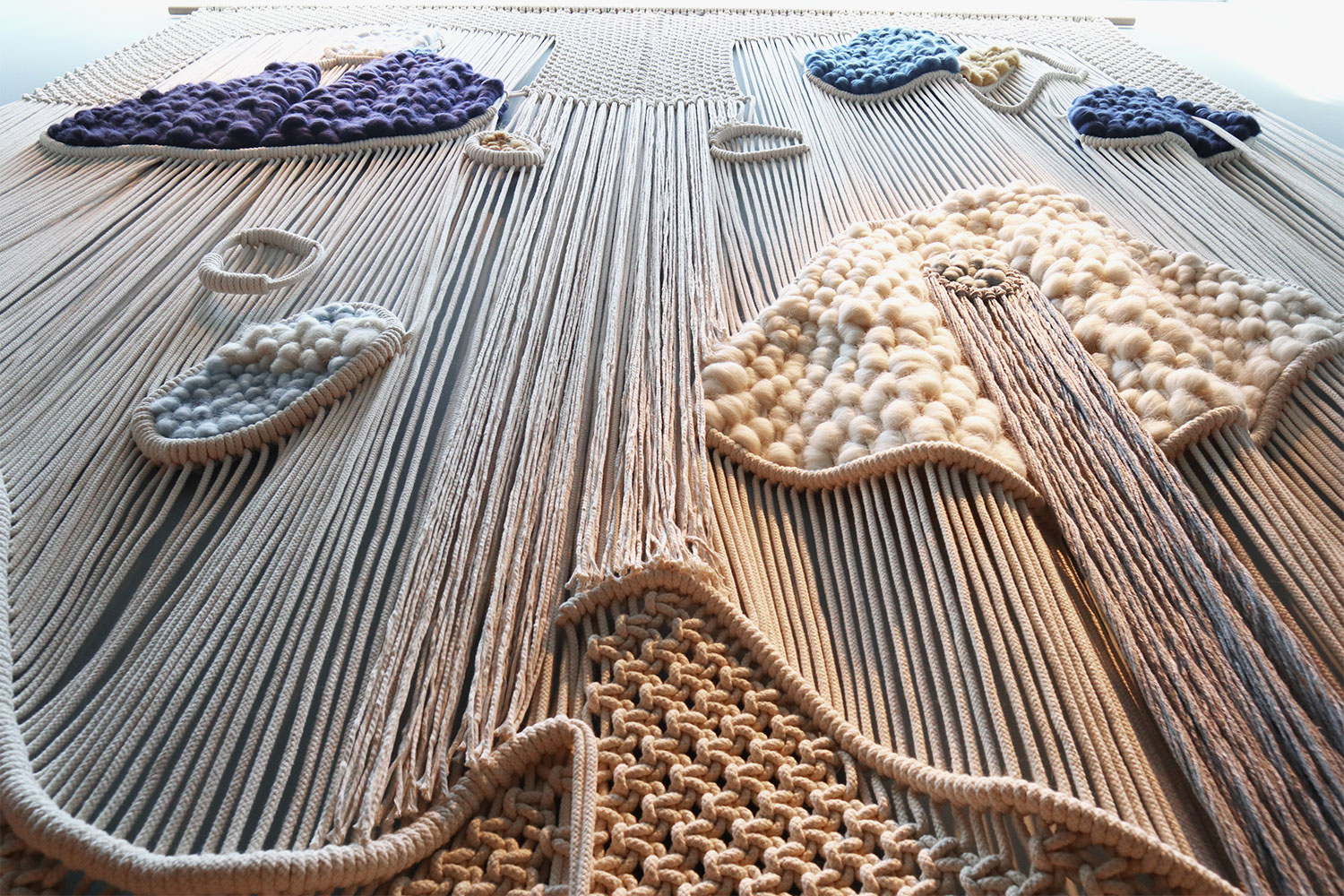
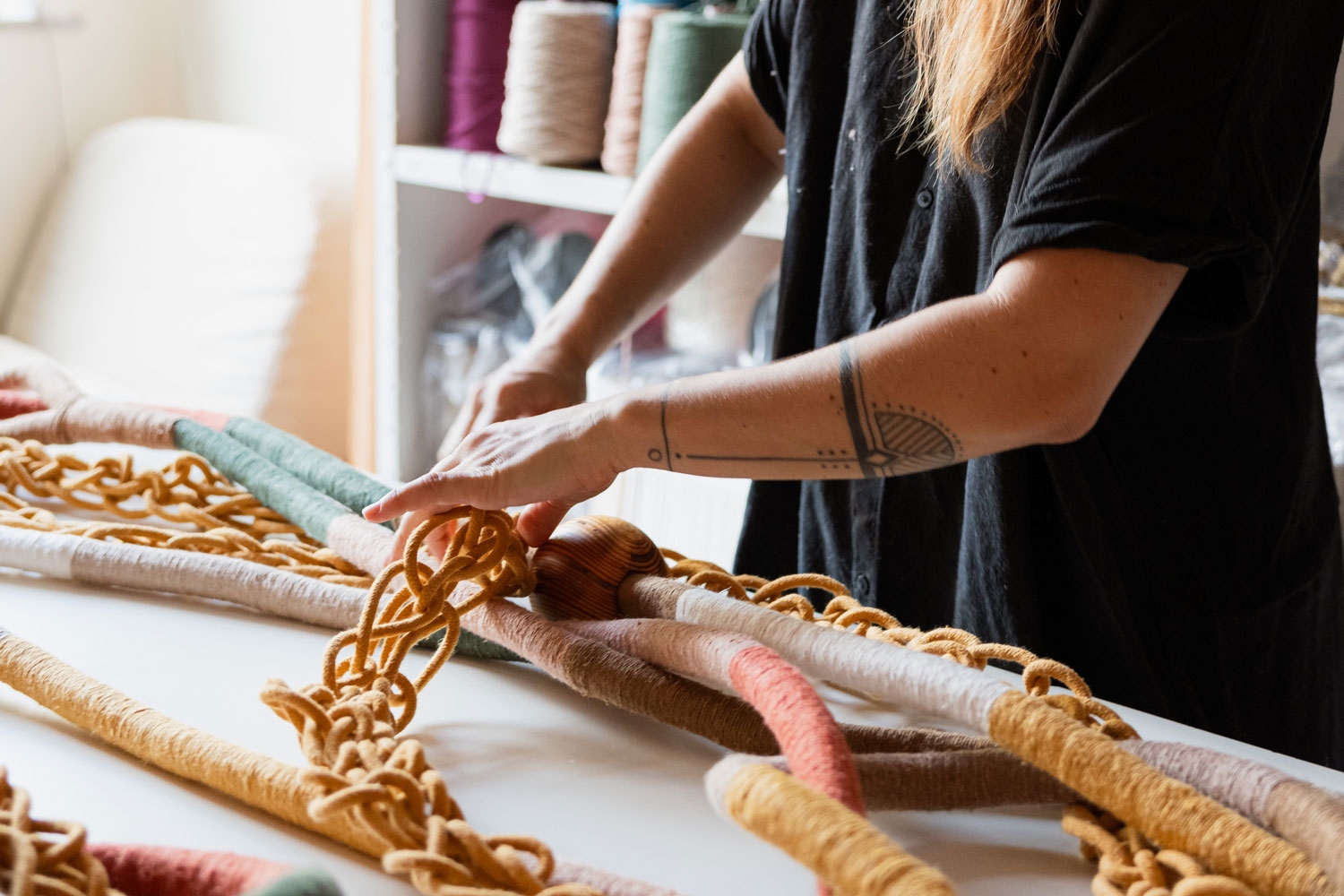
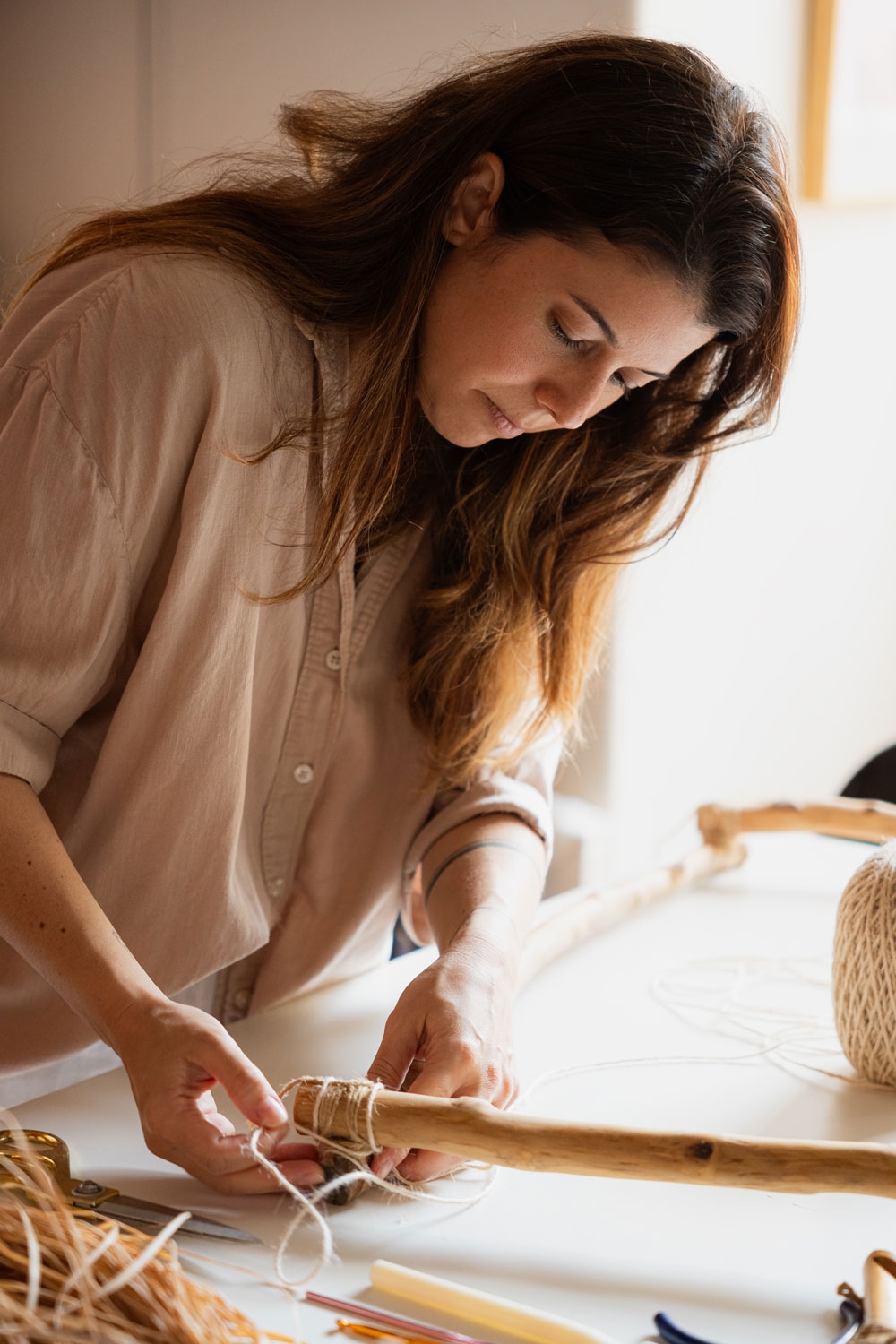
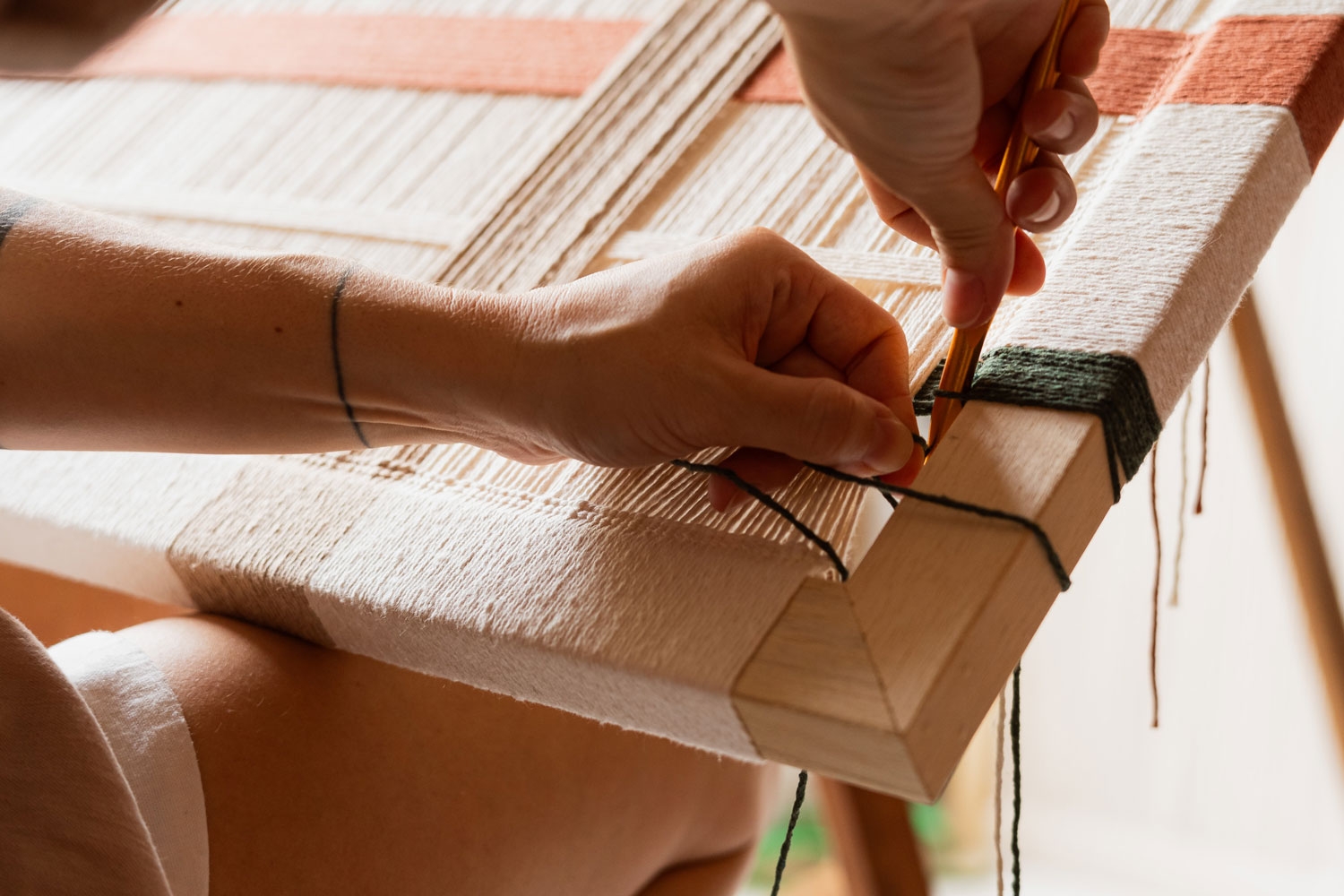
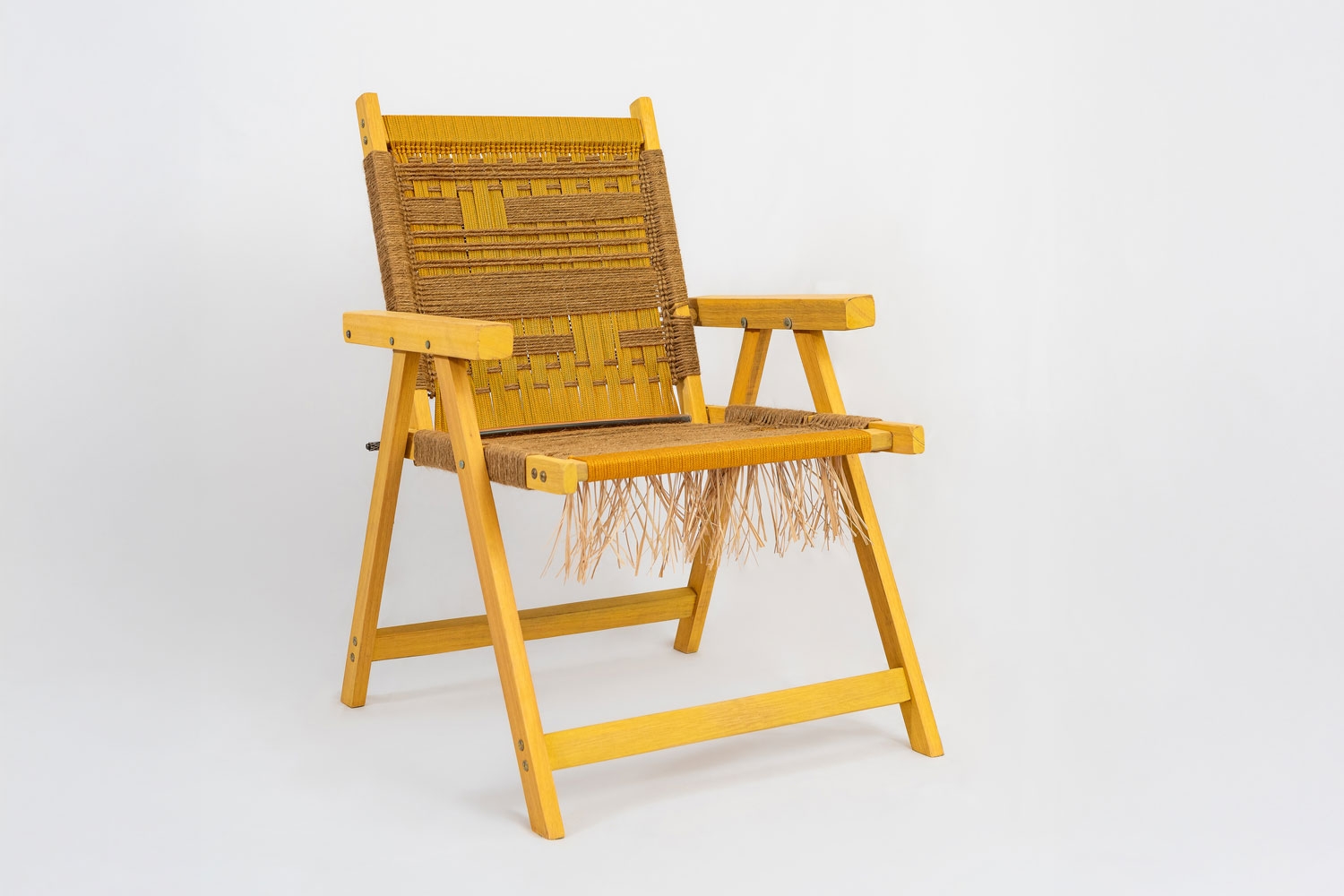
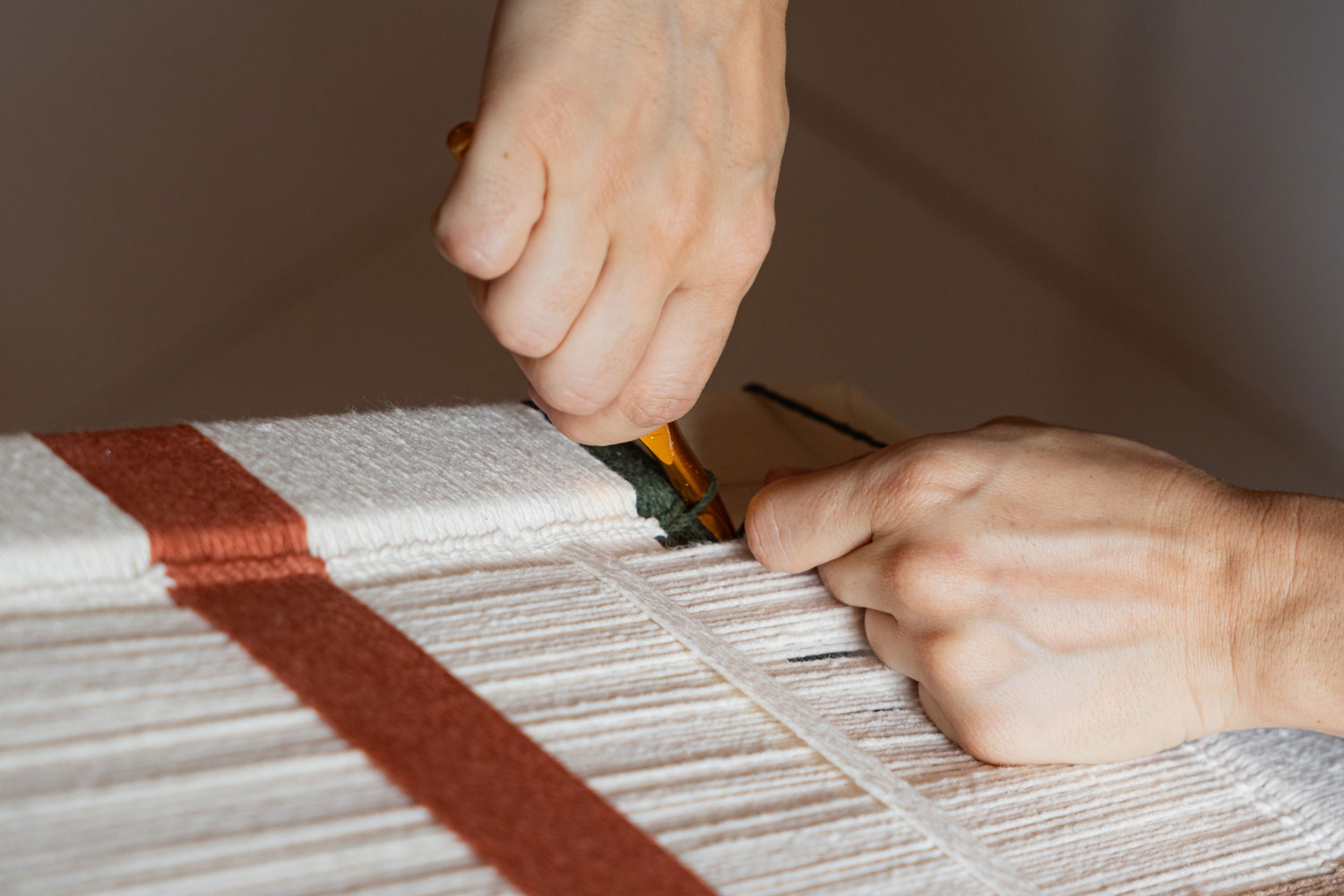
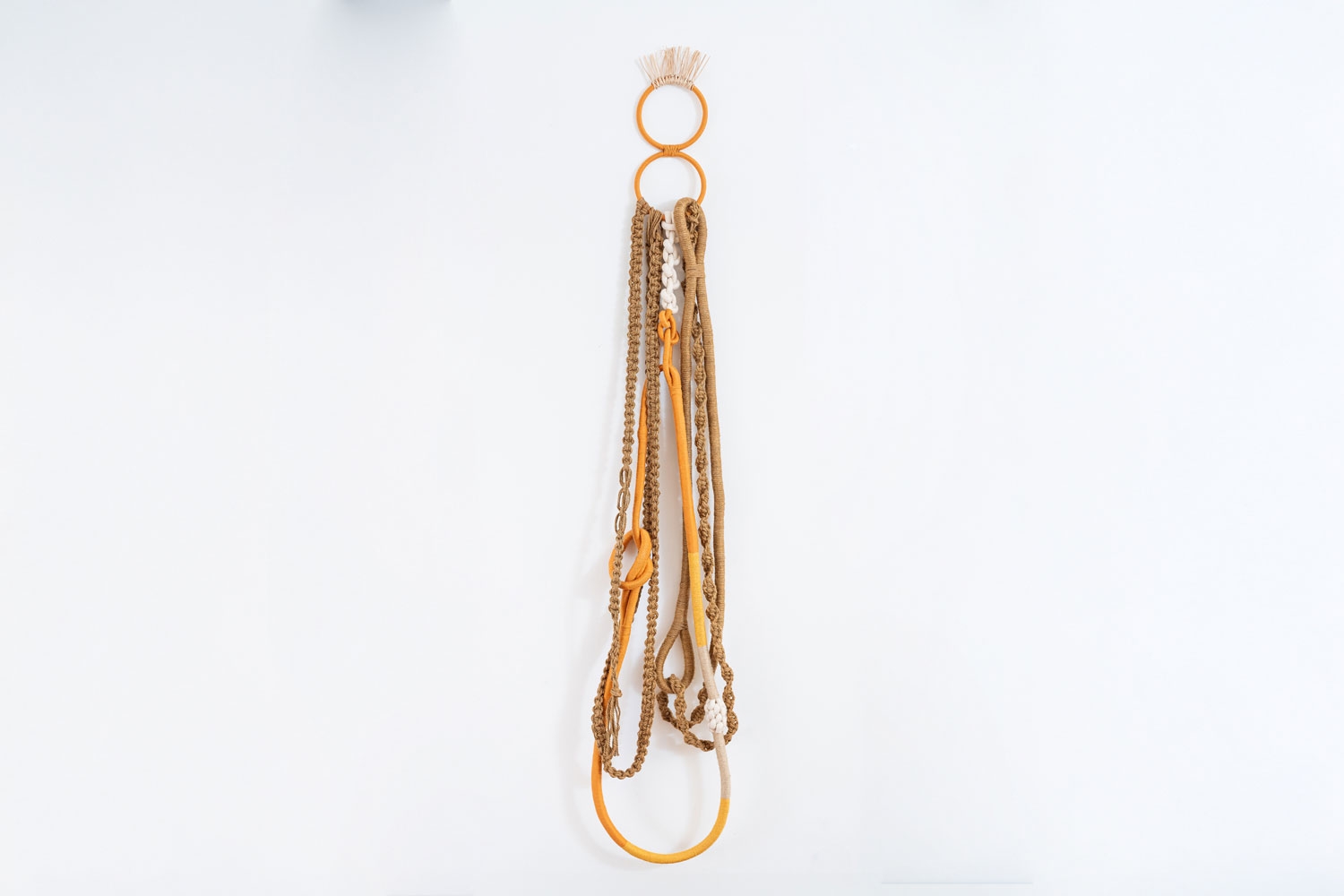
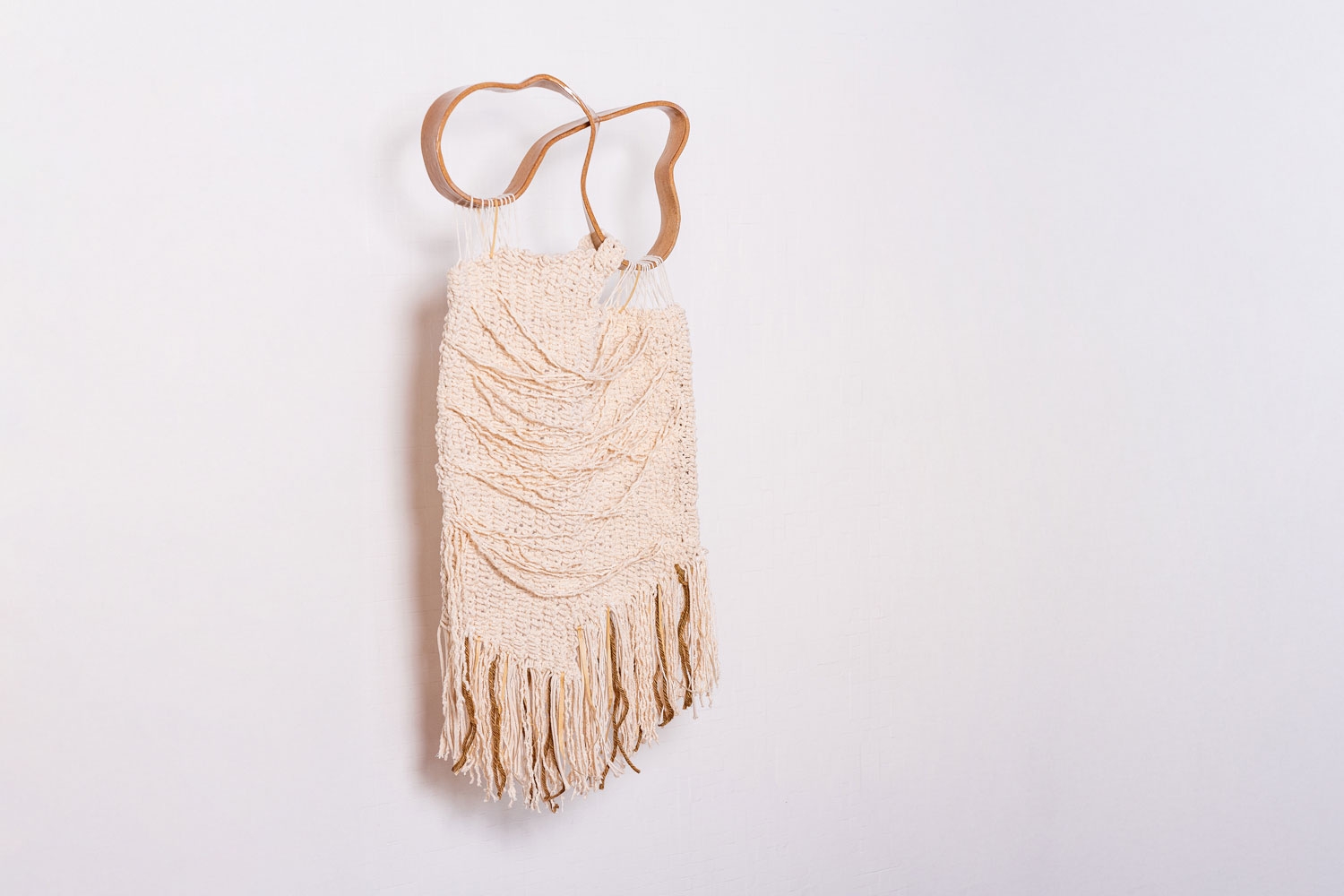
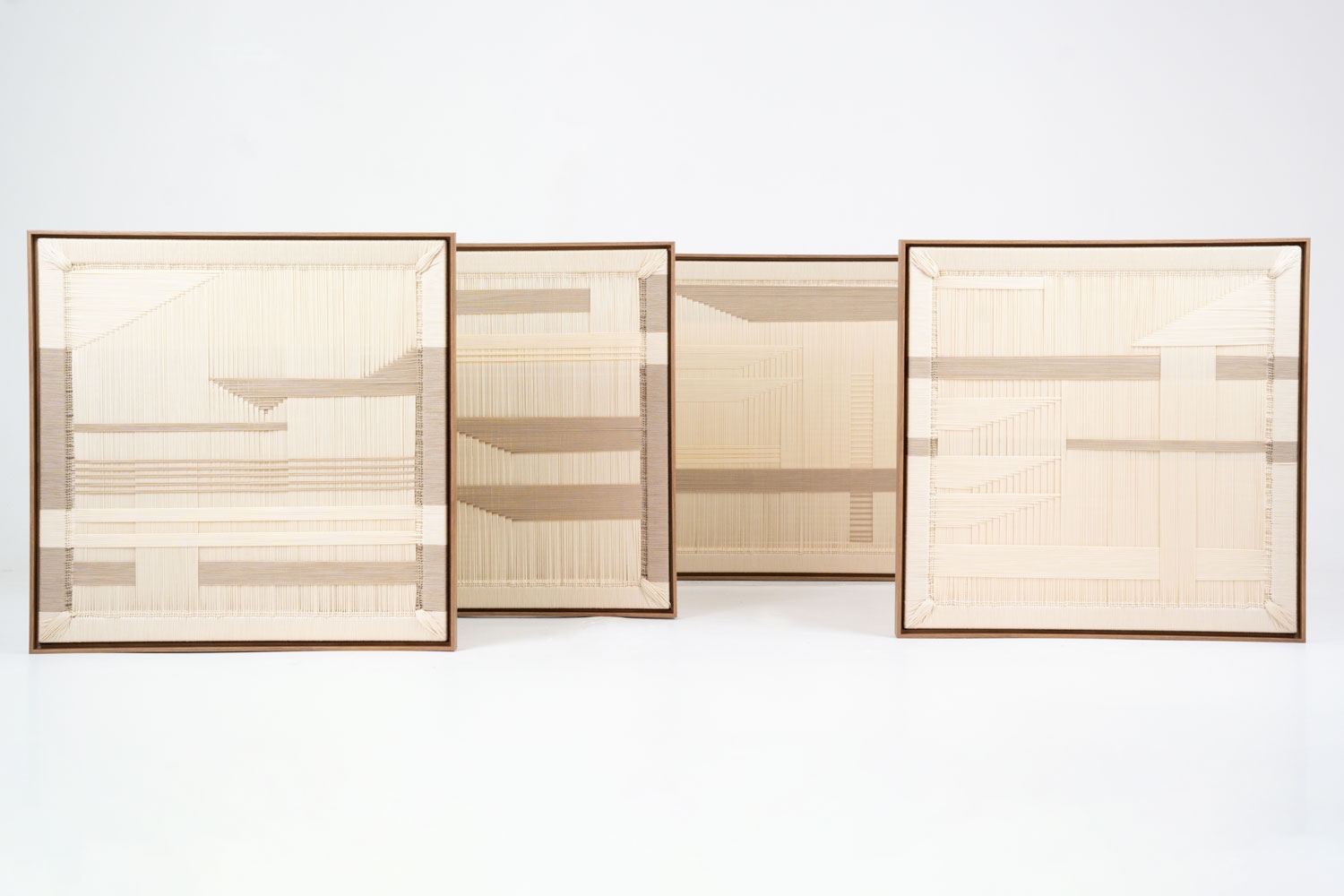
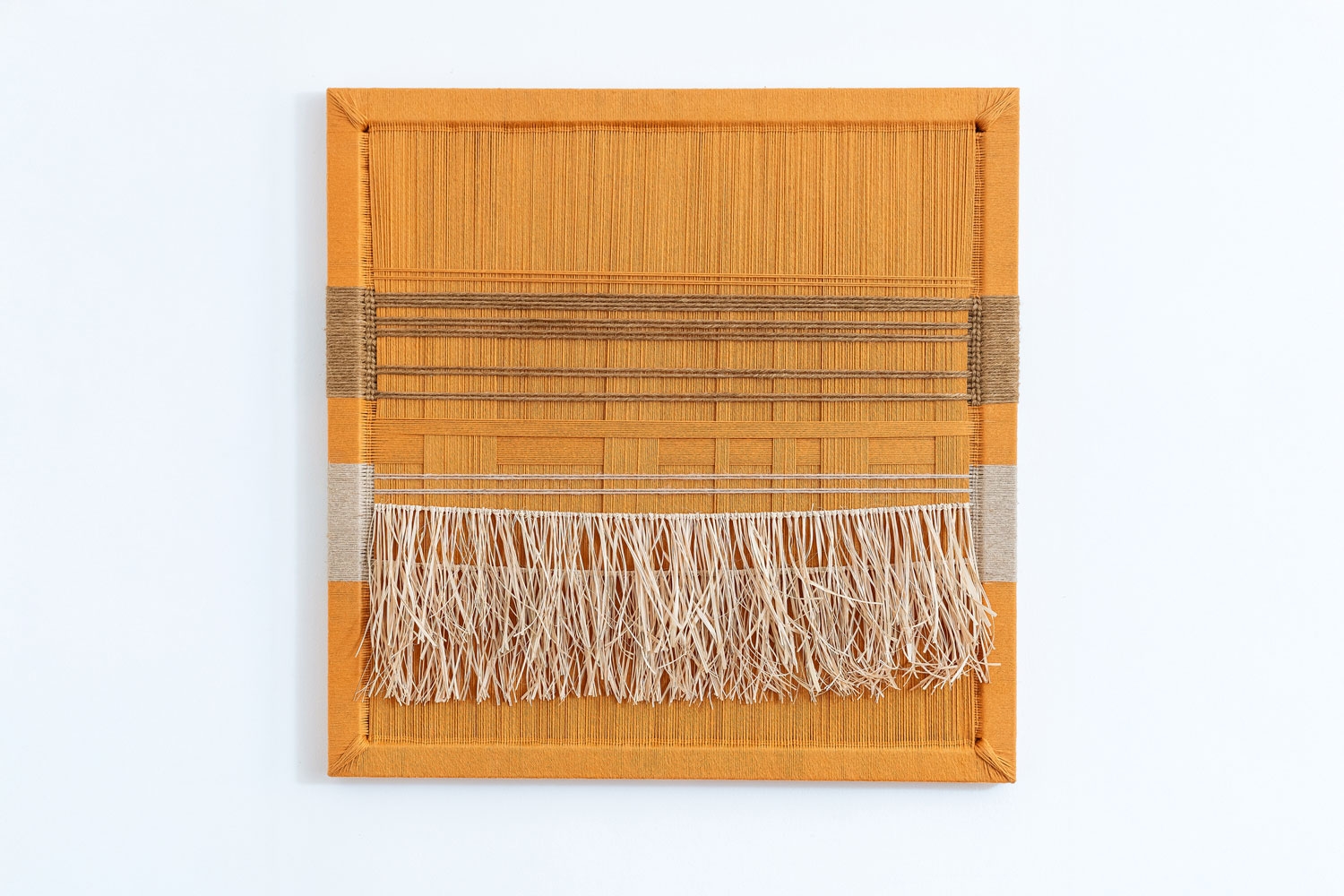
Manu Almeida left architecture for the tactile world of craftsmanship, first exploring ceramics and drawing, before being captivated by macramé. It was her father, an artisan himself, who taught her how to tie her first knots. “Craft had long been part of my dad’s life, and it started to weave our bond as well,” Manu says. In 2021, she opened her home-based studio, a space where crafting became a way to honour and carry forward this shared legacy. Each piece begins with a concept for a commission or exhibition, but it is through making that Manu's new knotting techniques emerge. Her process helps her refine her methods and explore new forms – from wall hangings to seating and sculptures. "What sets my work apart is how rooted it is in personal experience. I carry those memories and an emotional thread into the knots I tie," she says.
INTERVIEW
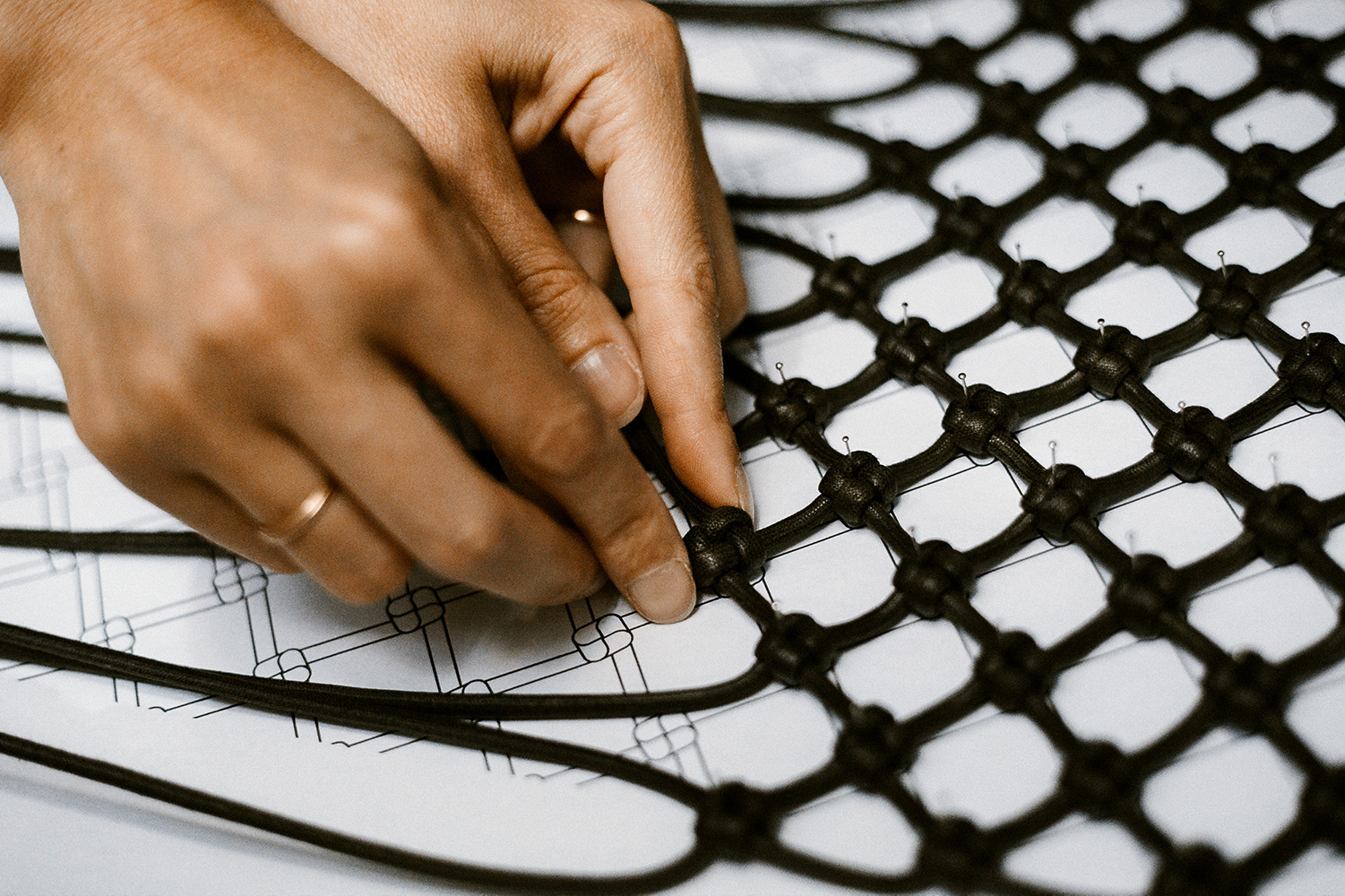
While I do not follow a fixed pathway, I do have a methodology. I usually begin with a proposed theme, then sketch, reflect and gradually bring form and concept into alignment, a habit rooted in my architectural training.
Cotton cord is the material I use most and feel most connected to. I am drawn to its versatility, the range of proportions it allows and the fact that it is often made from recycled fibres. I also use other materials, such as ceramics I make myself and wood, depending on what the piece calls for.
My grandmother, a Portuguese seamstress, had a big impact on my practice. She gave me fabric scraps with her own drawings to embroider. I grew up around thread and fabric, and those early experiences still shape how I relate to materials today.
Exhibiting in Milan was a key milestone for me, not just for the event itself, but for the freedom I had to create without commercial pressure. It affirmed my voice and proved that my work resonates across different cultural contexts.
Manu Almeida
Macramé maker
Rio de Janeiro, Brazil
ADDRESS
Address upon request, Rio de Janeiro, Brazil
AVAILABILITY
By appointment only
PHONE
+55 21983169131
LANGUAGES
Portuguese, English, Spanish
Homo Faber Finds is a new service aiming to inspire admirers of craft to connect and collaborate with exceptional artisans.
We invite you to submit an enquiry here.