Bruno Camarotti
Furniture maker
São Paulo, Brazil
Towards a new form of design
- Bruno makes versatile furniture pieces influenced by his architectural background
- He set up his practice as a furniture maker in 2015 in São Paulo
- He was mentored by Morito Ebine who helped him refine his skills
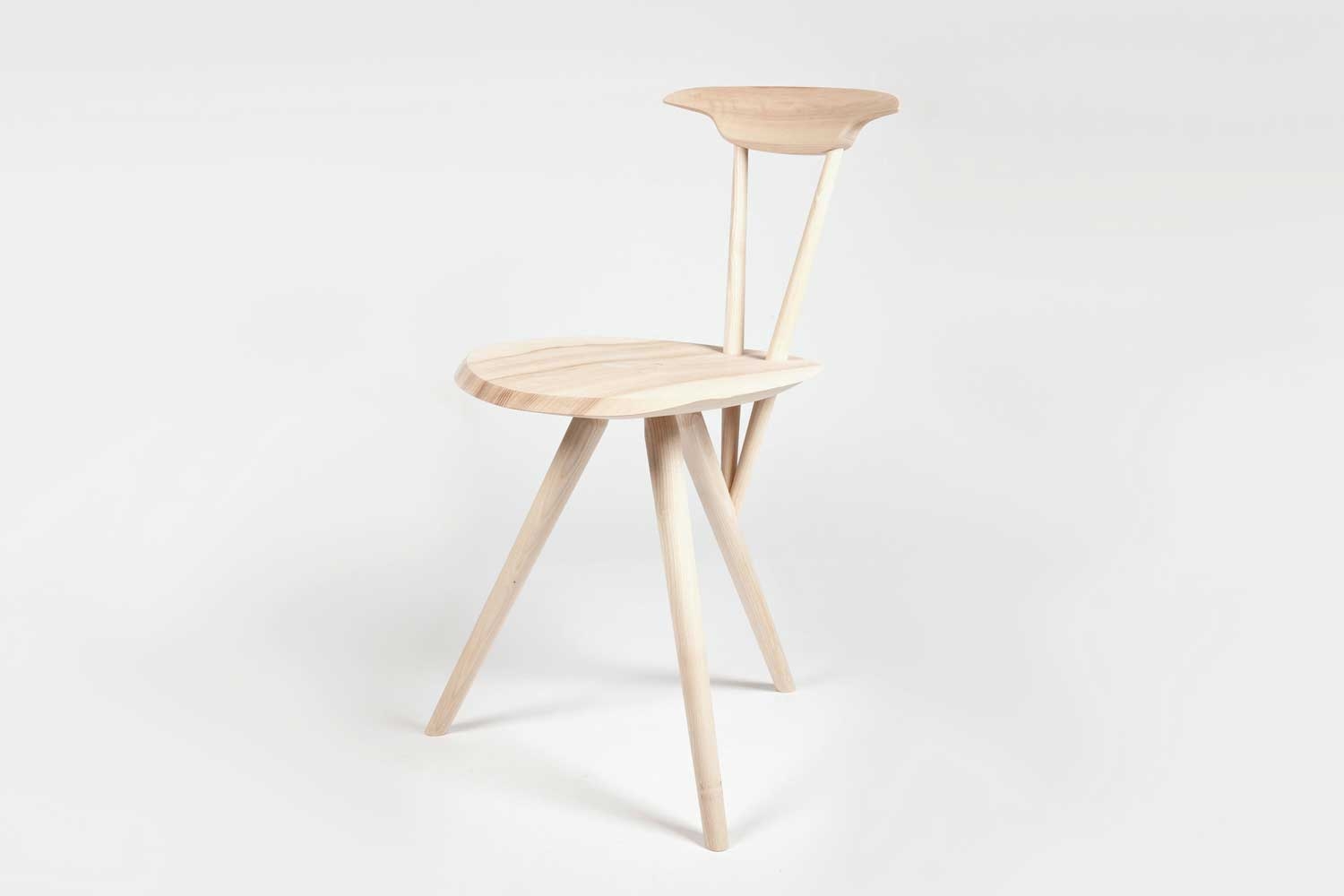
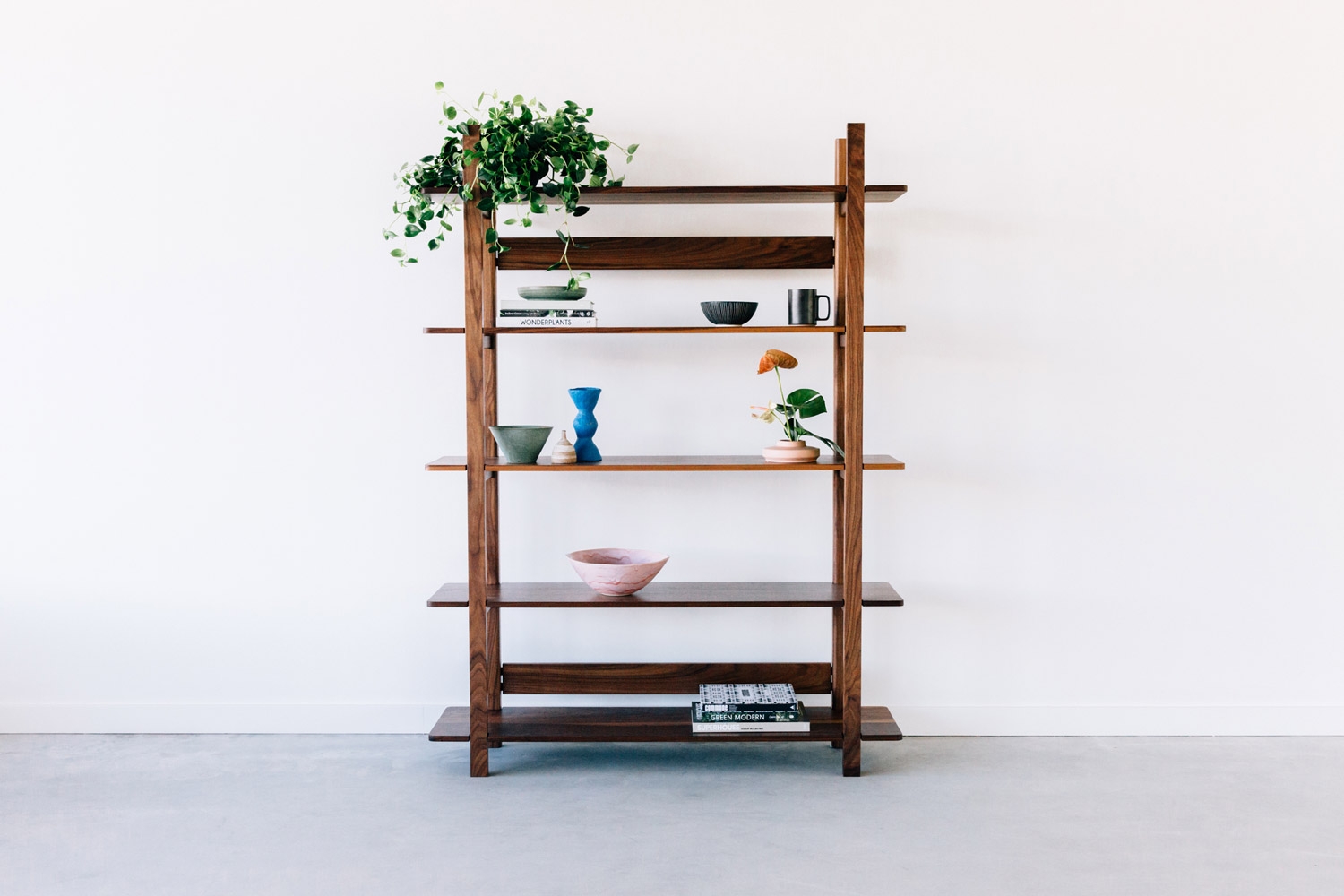
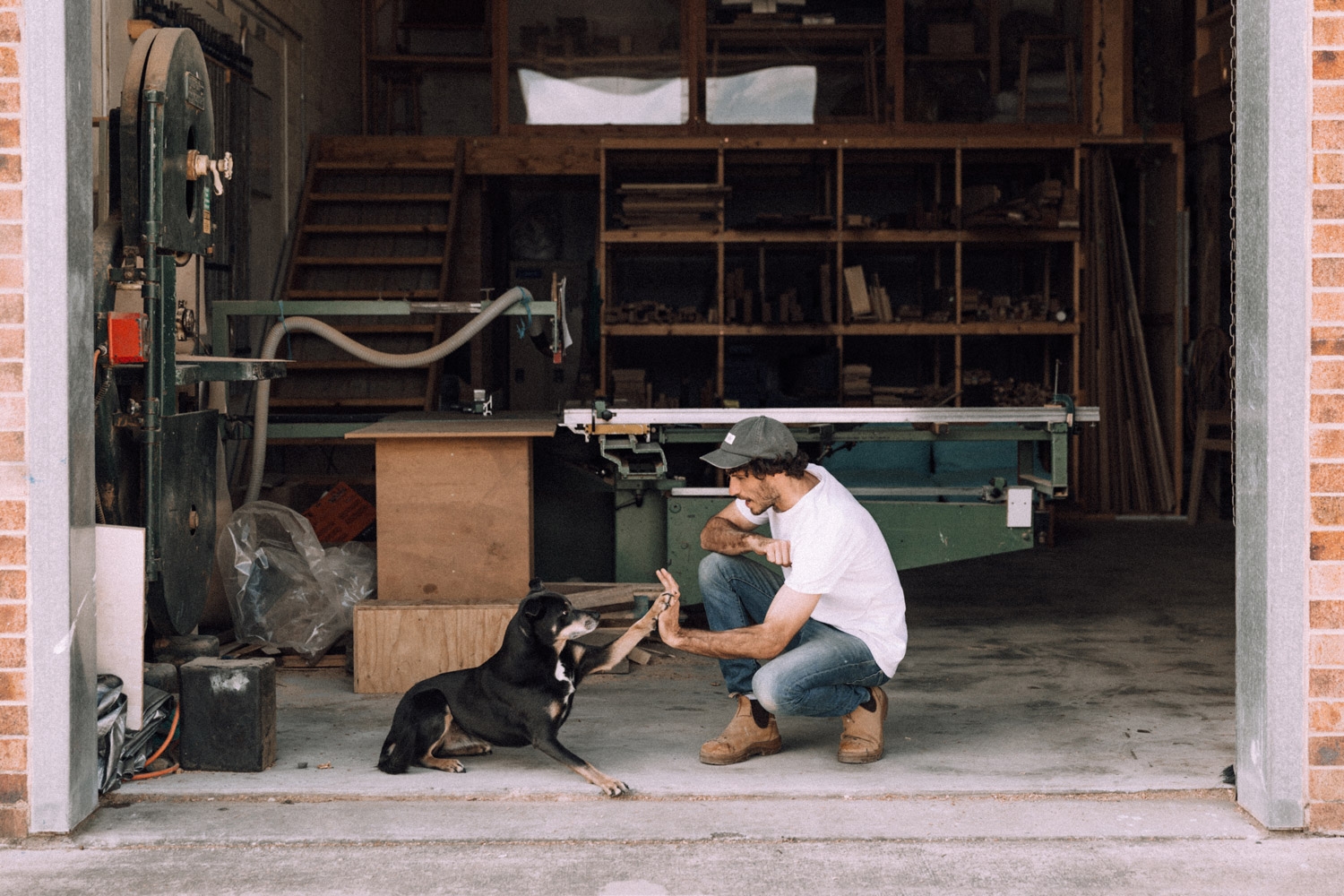
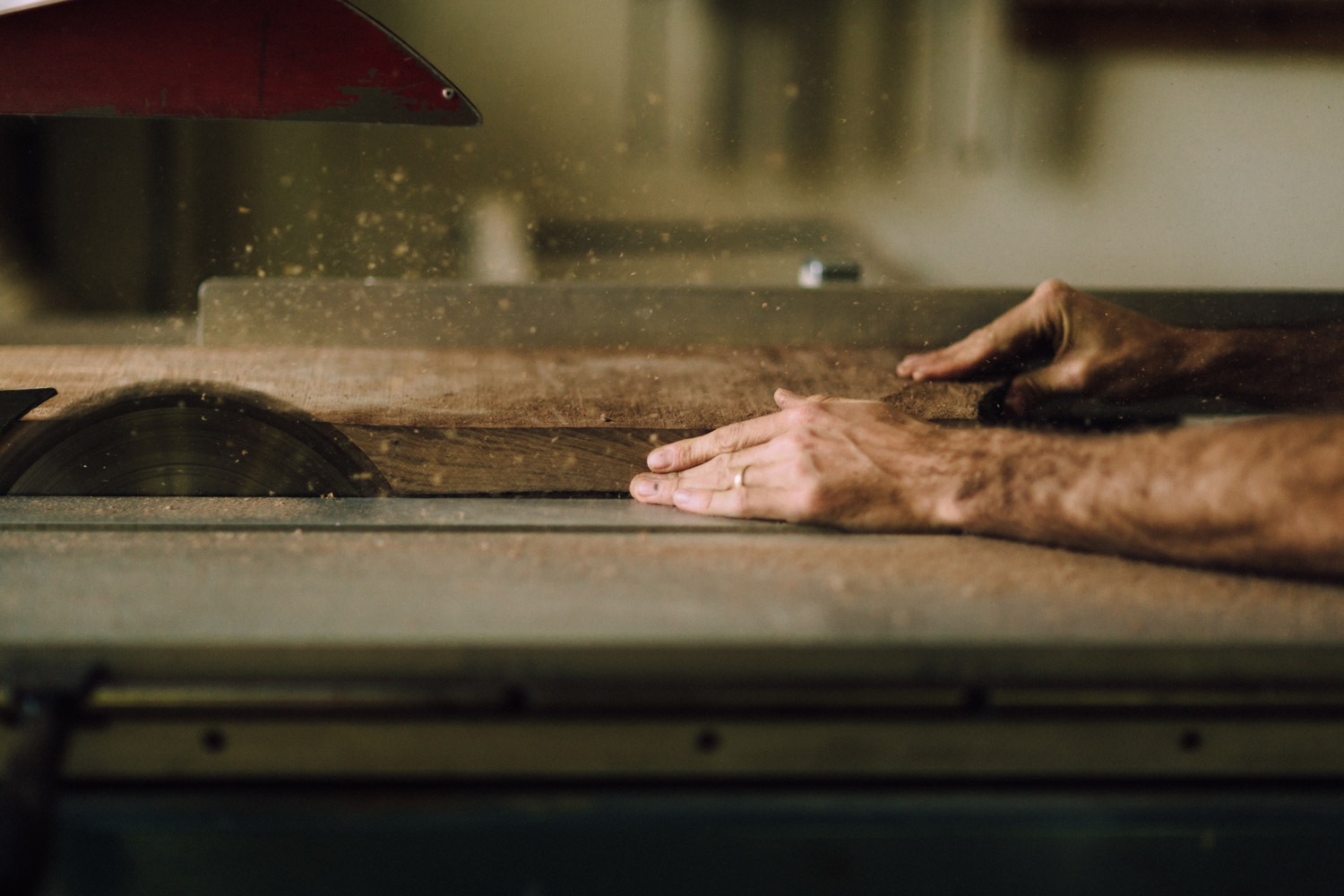
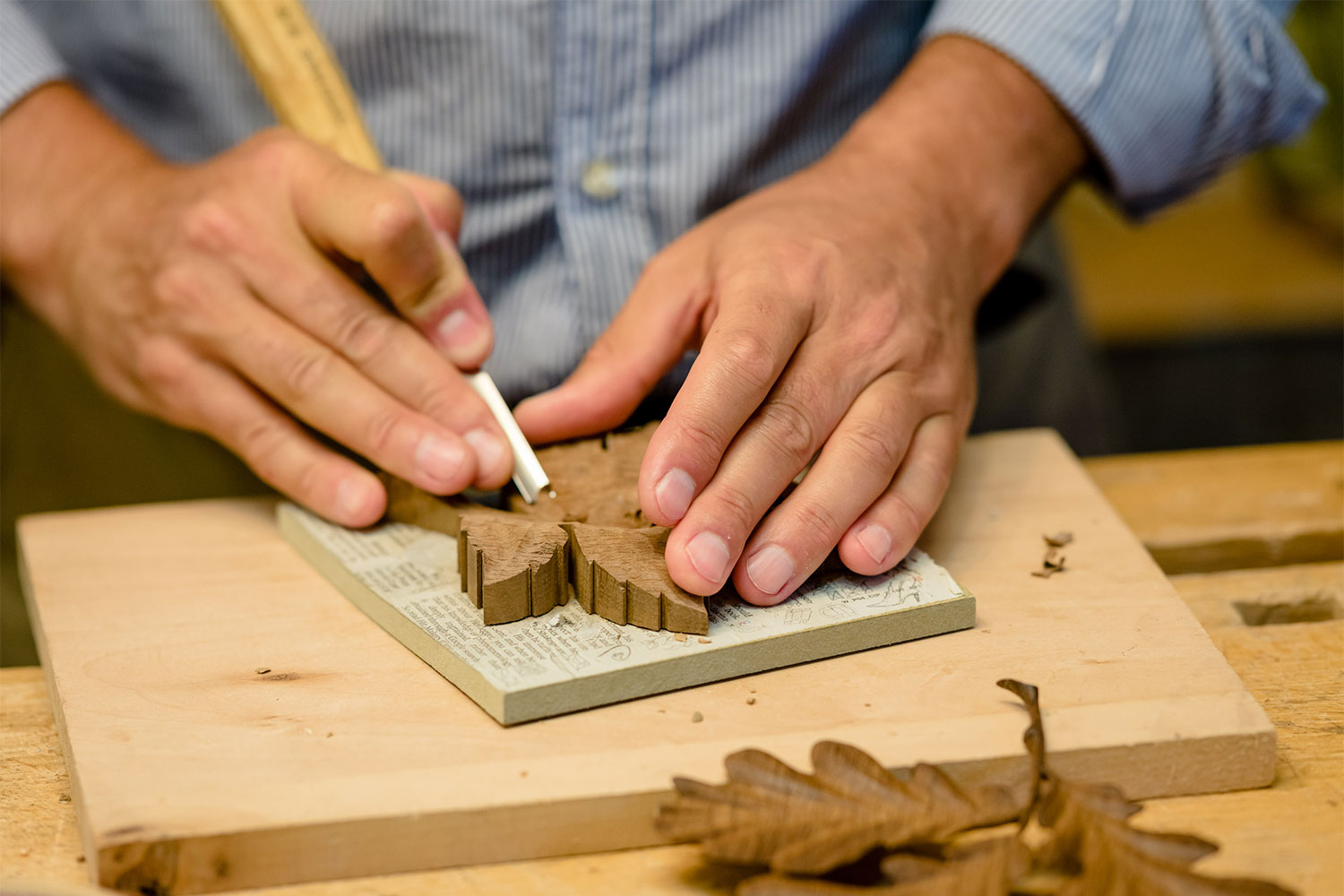
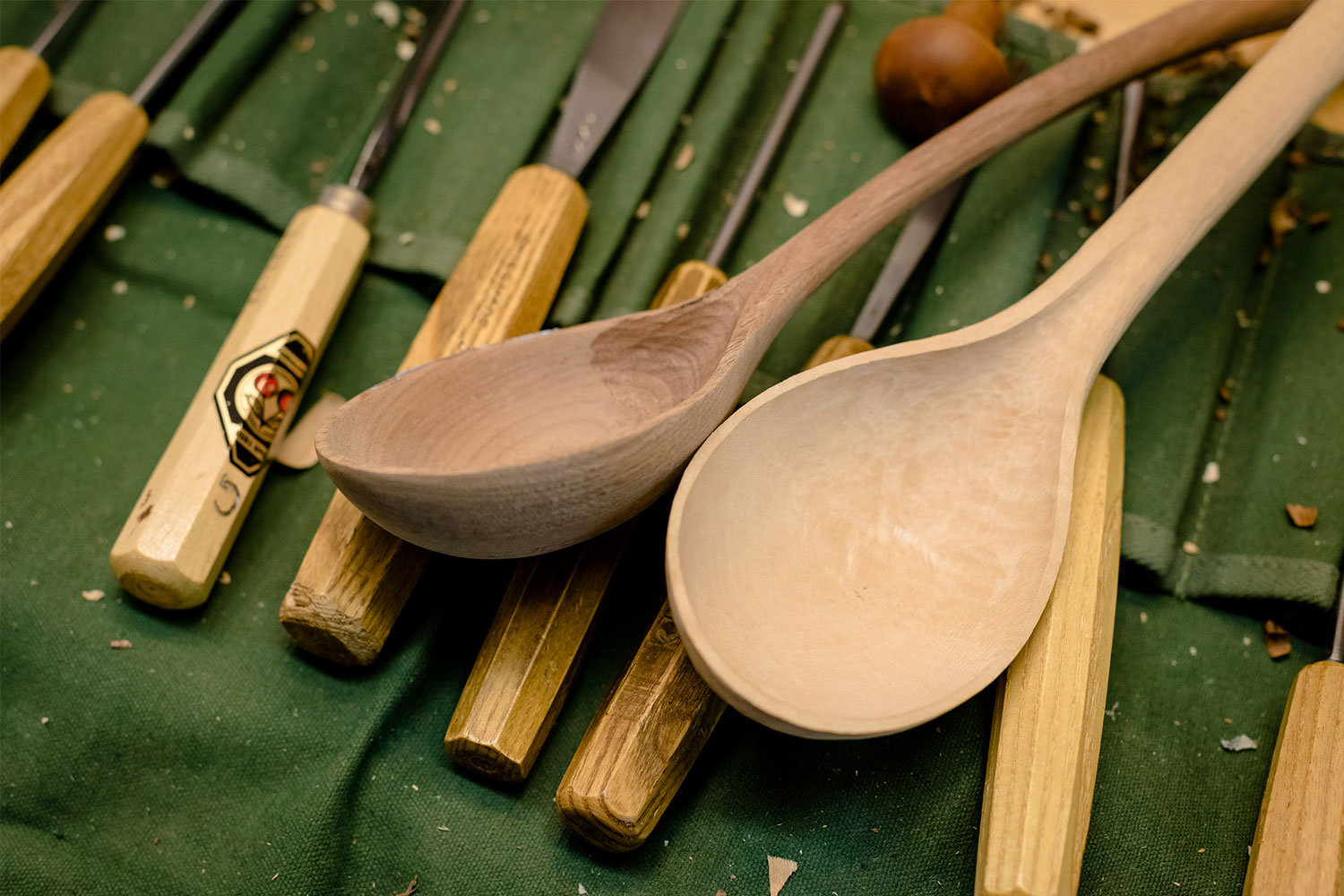
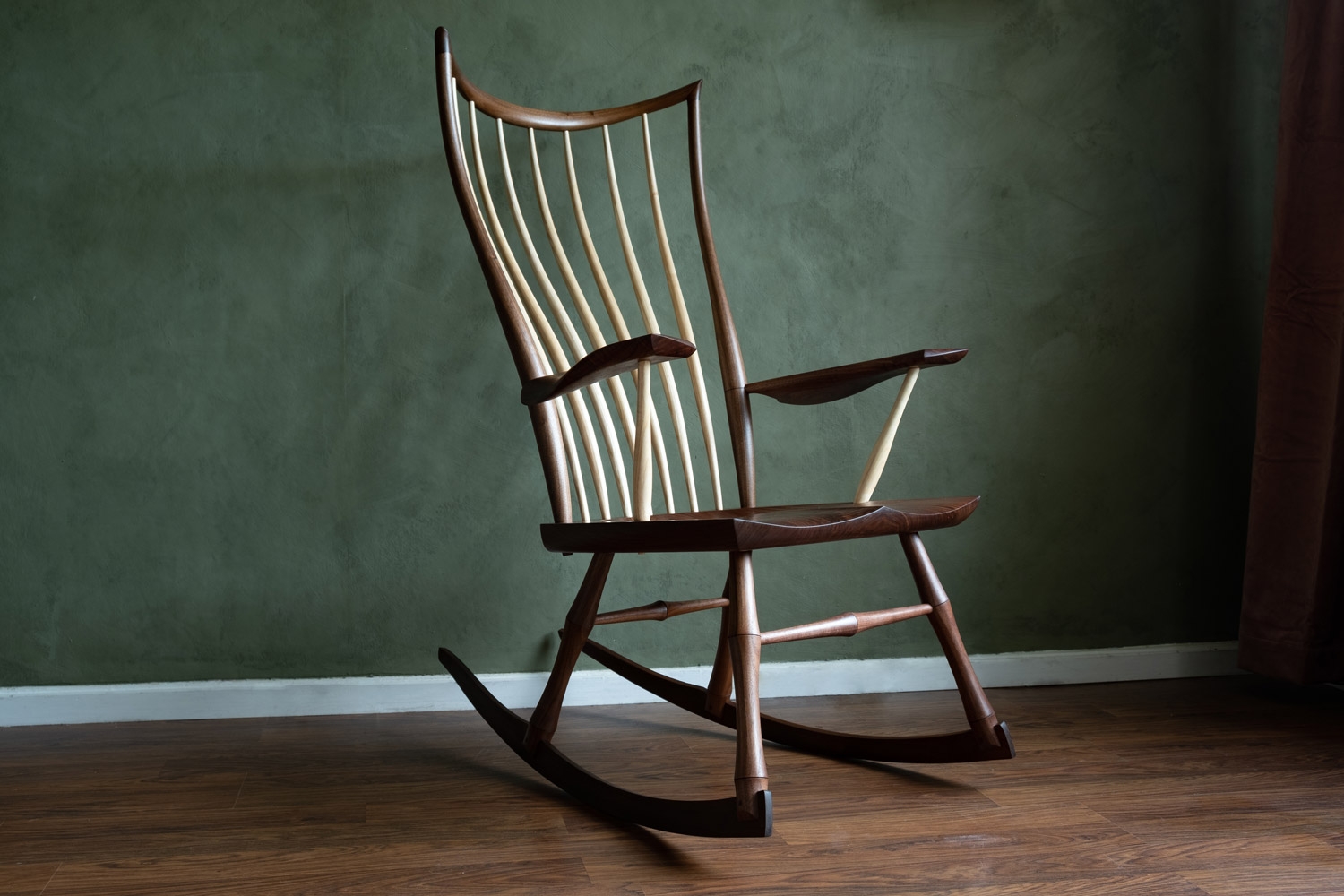
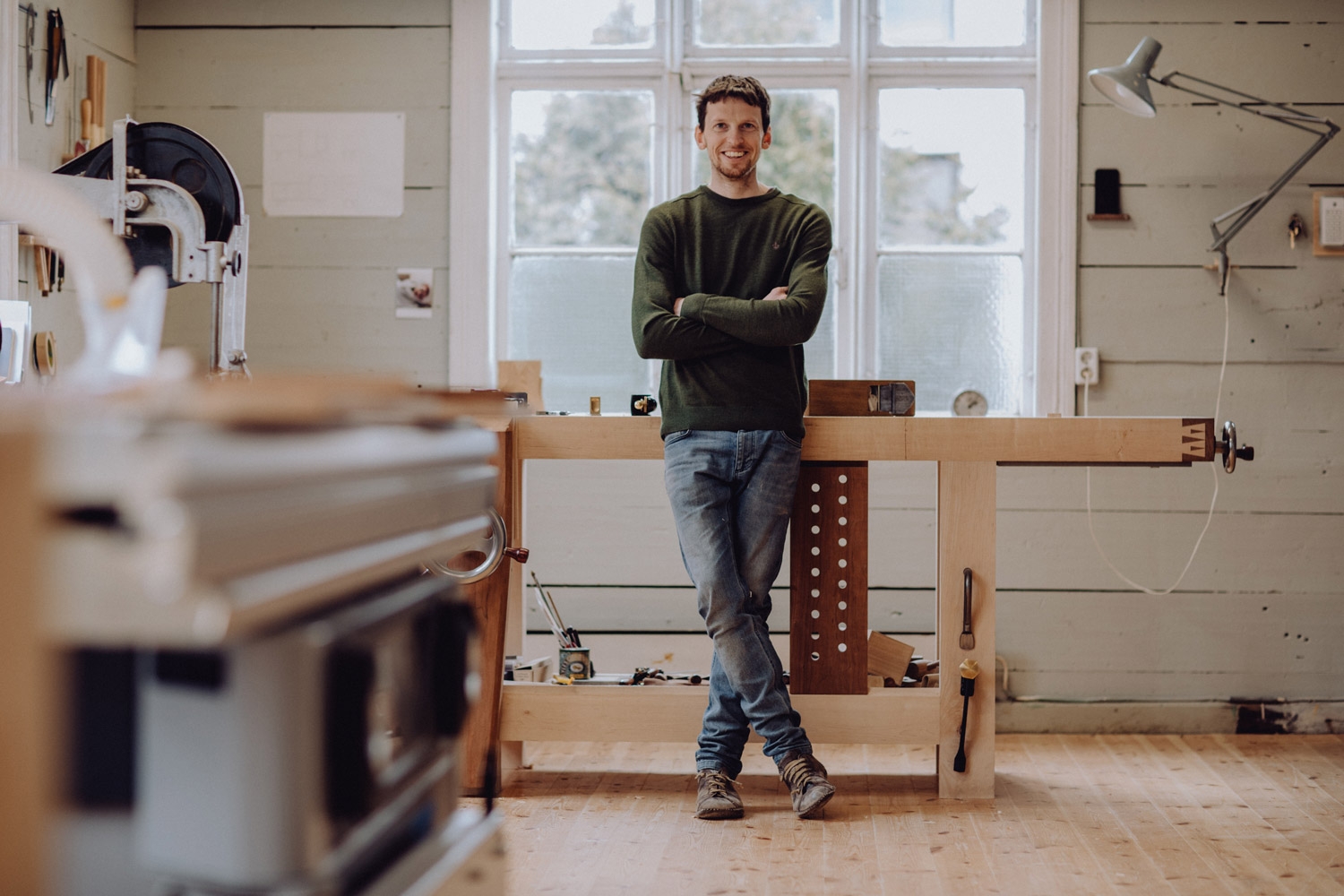
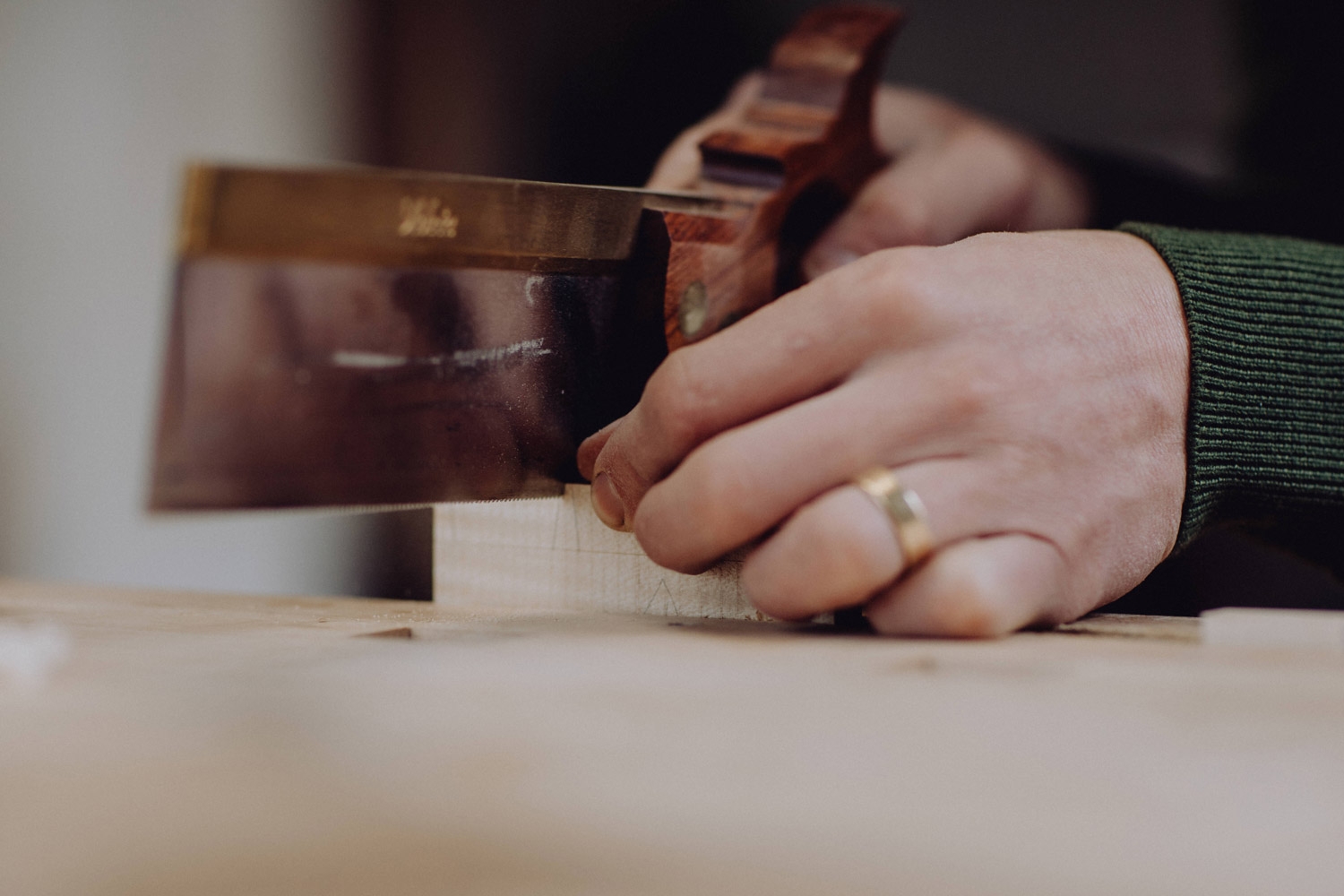
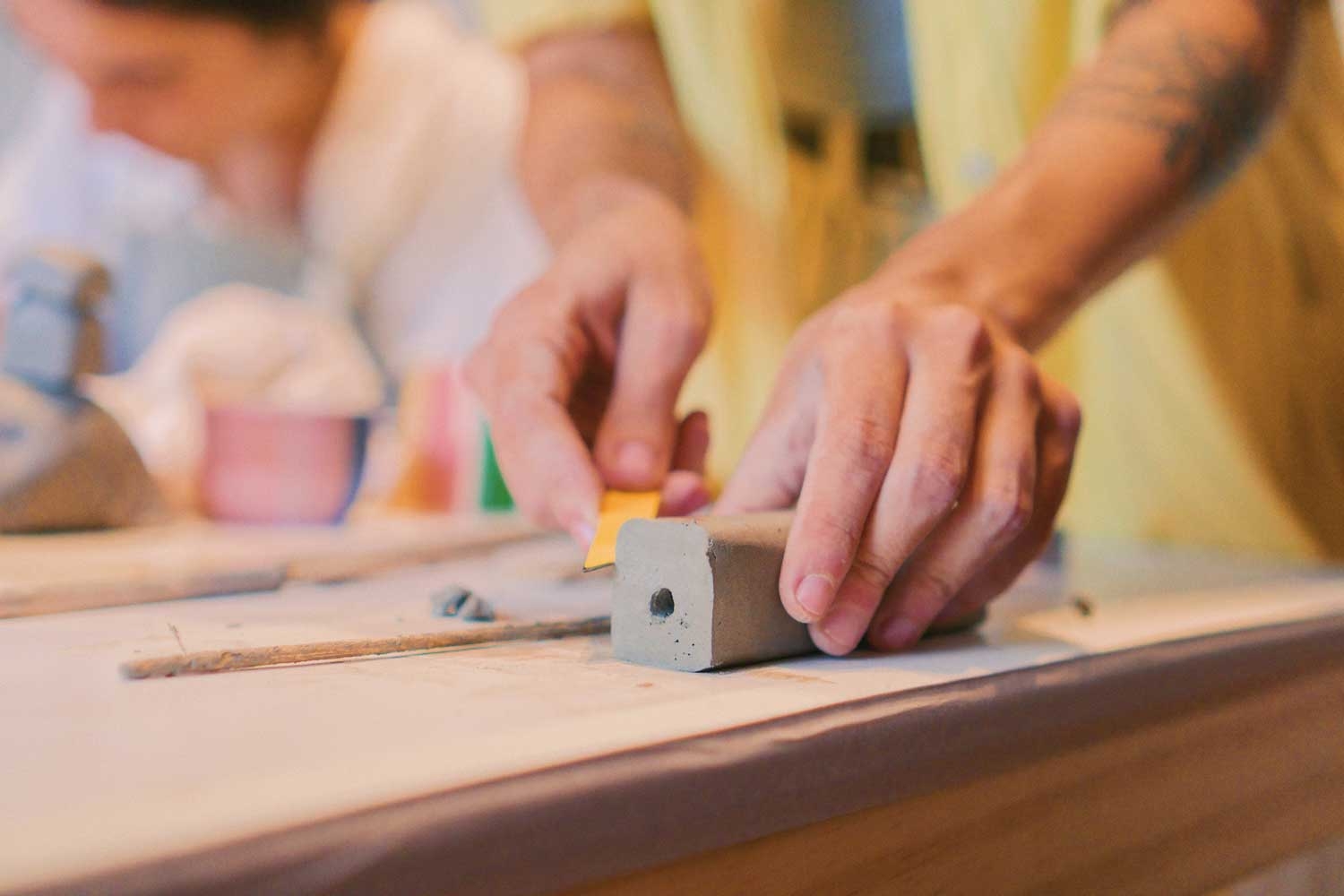
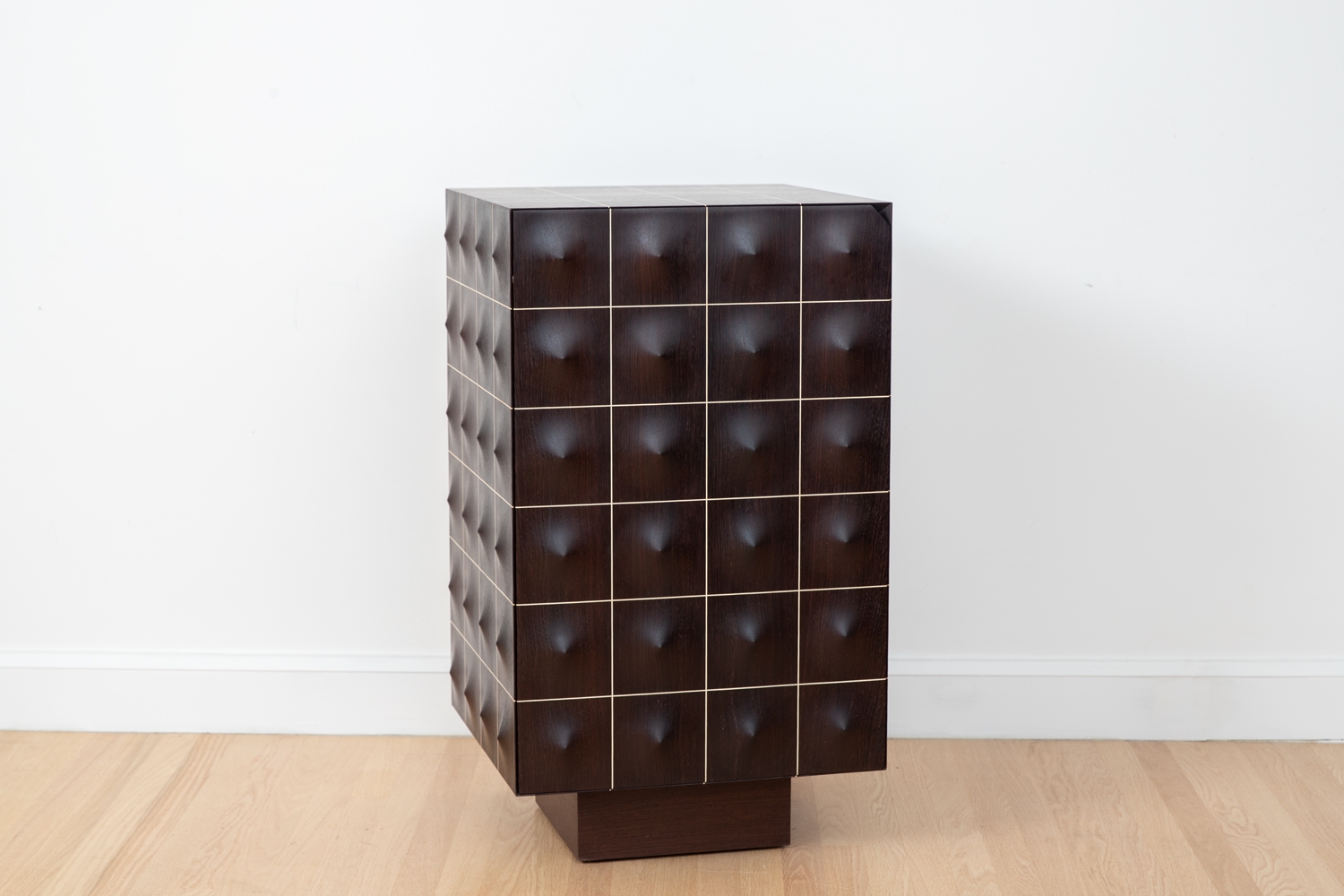
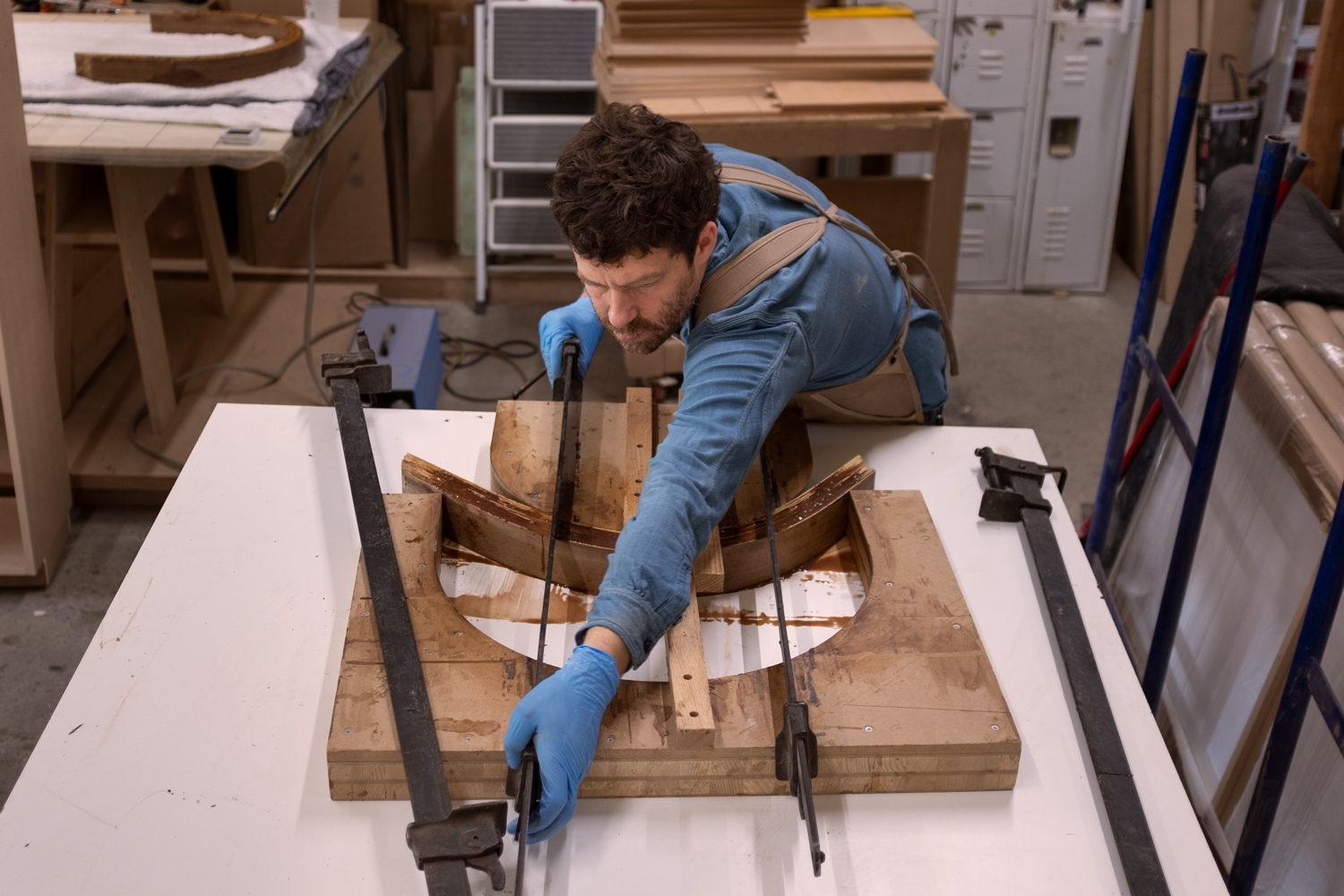
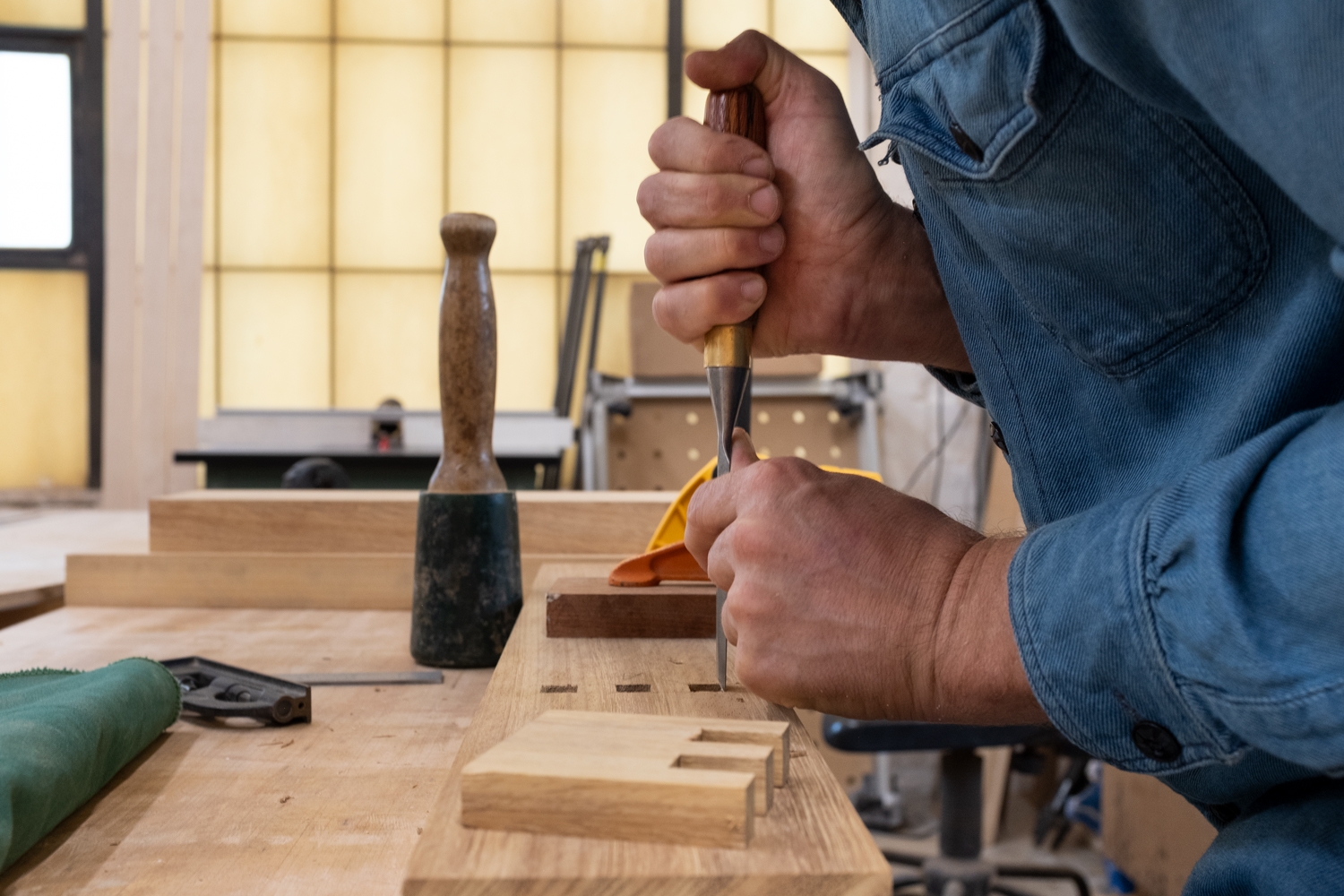
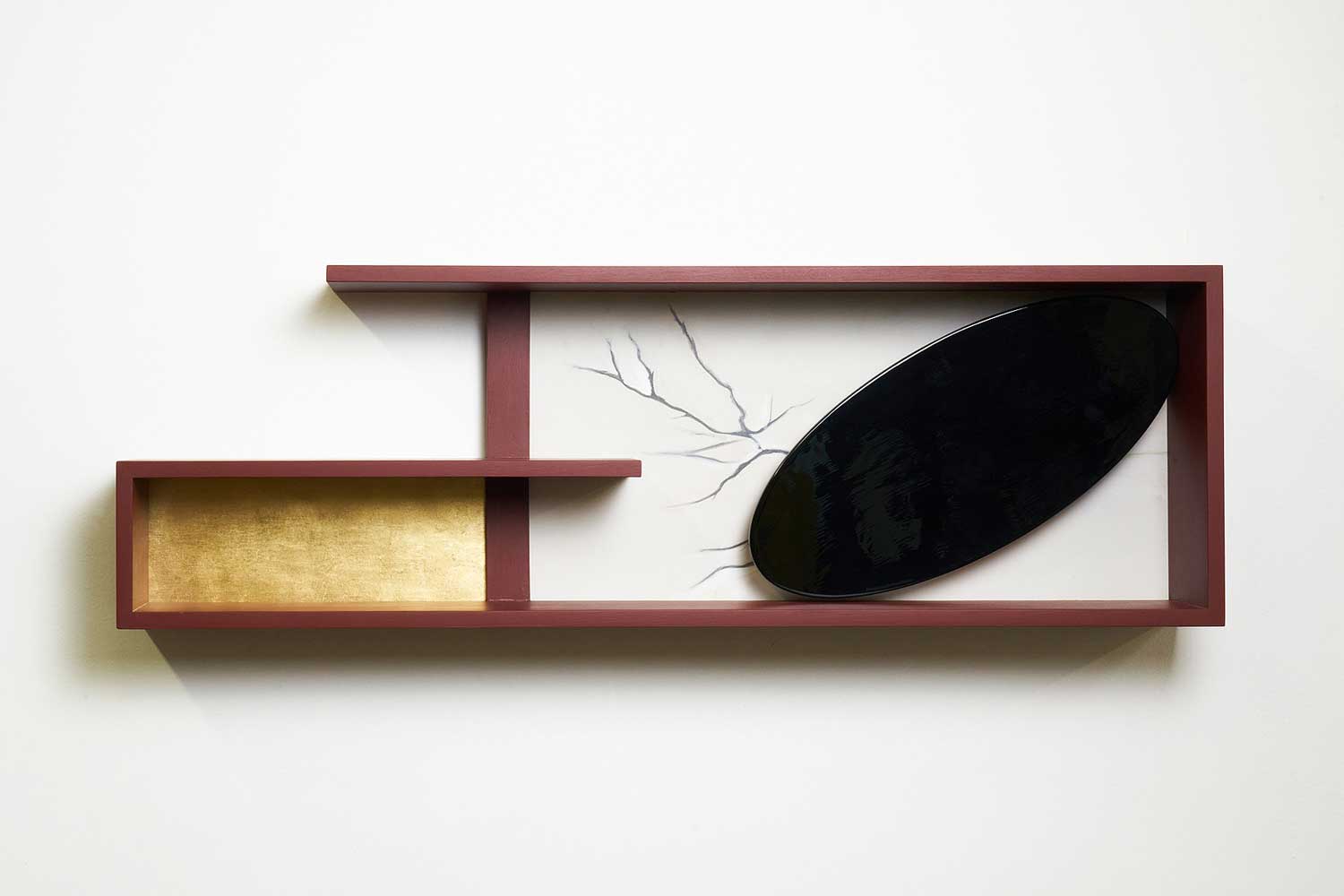
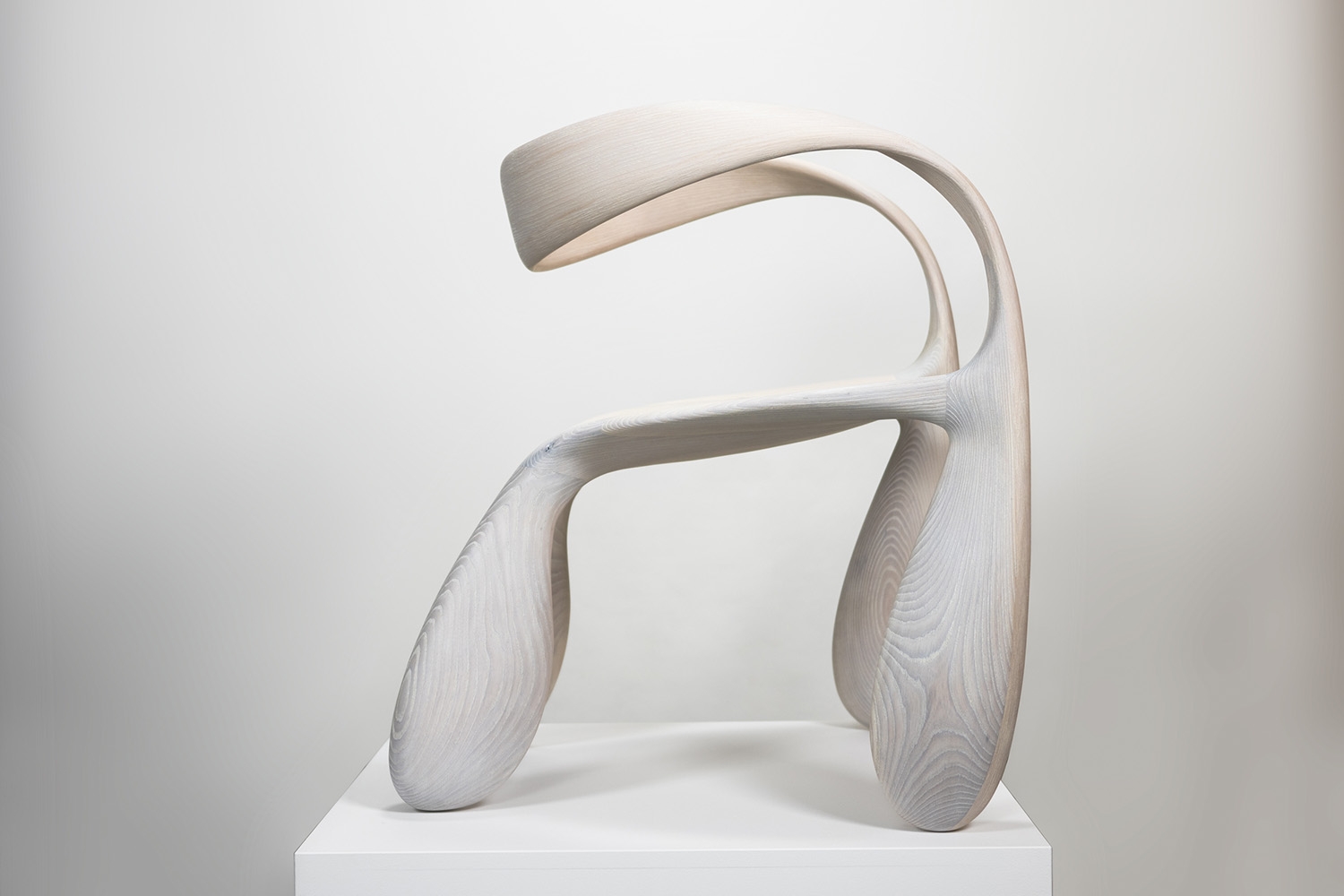
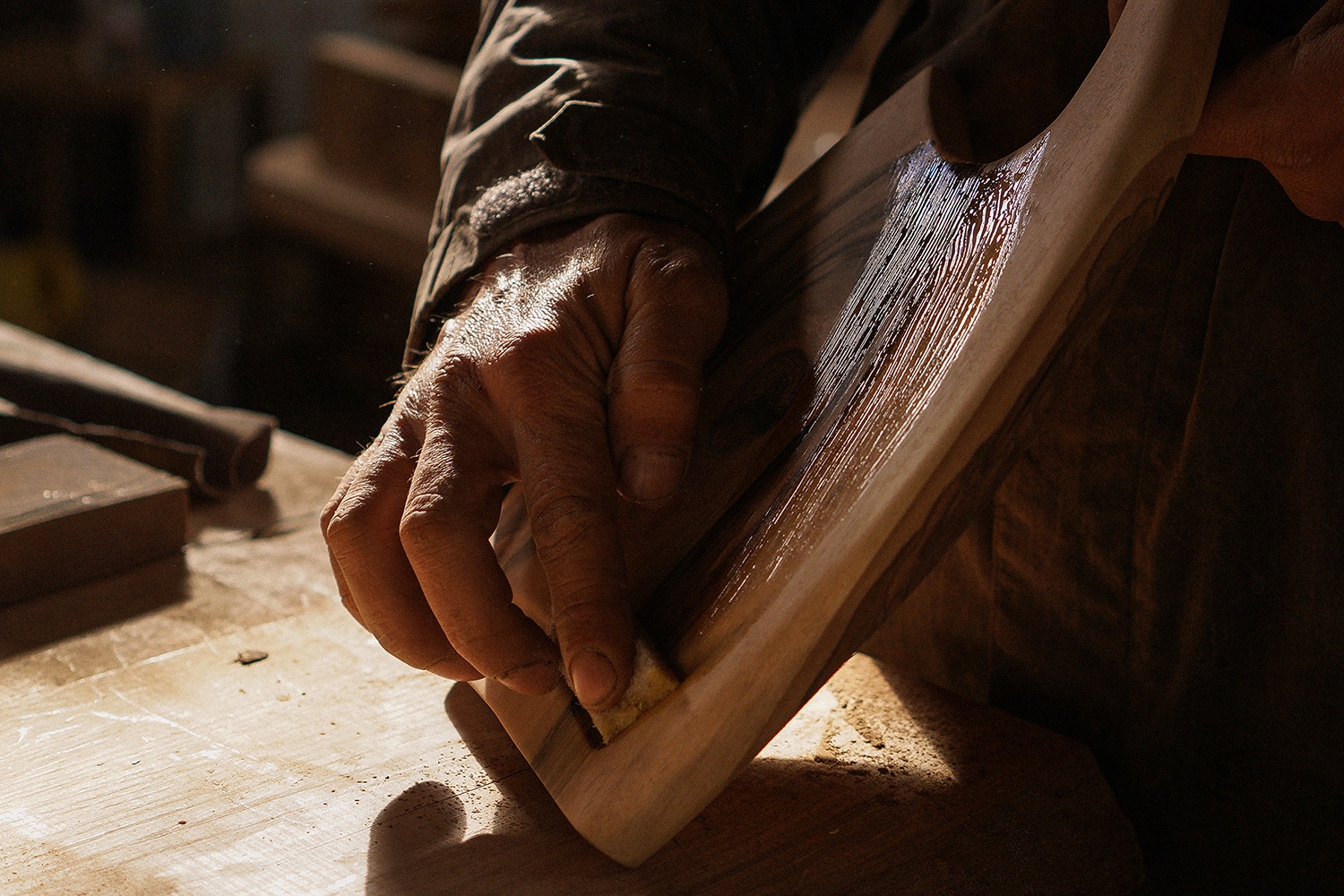
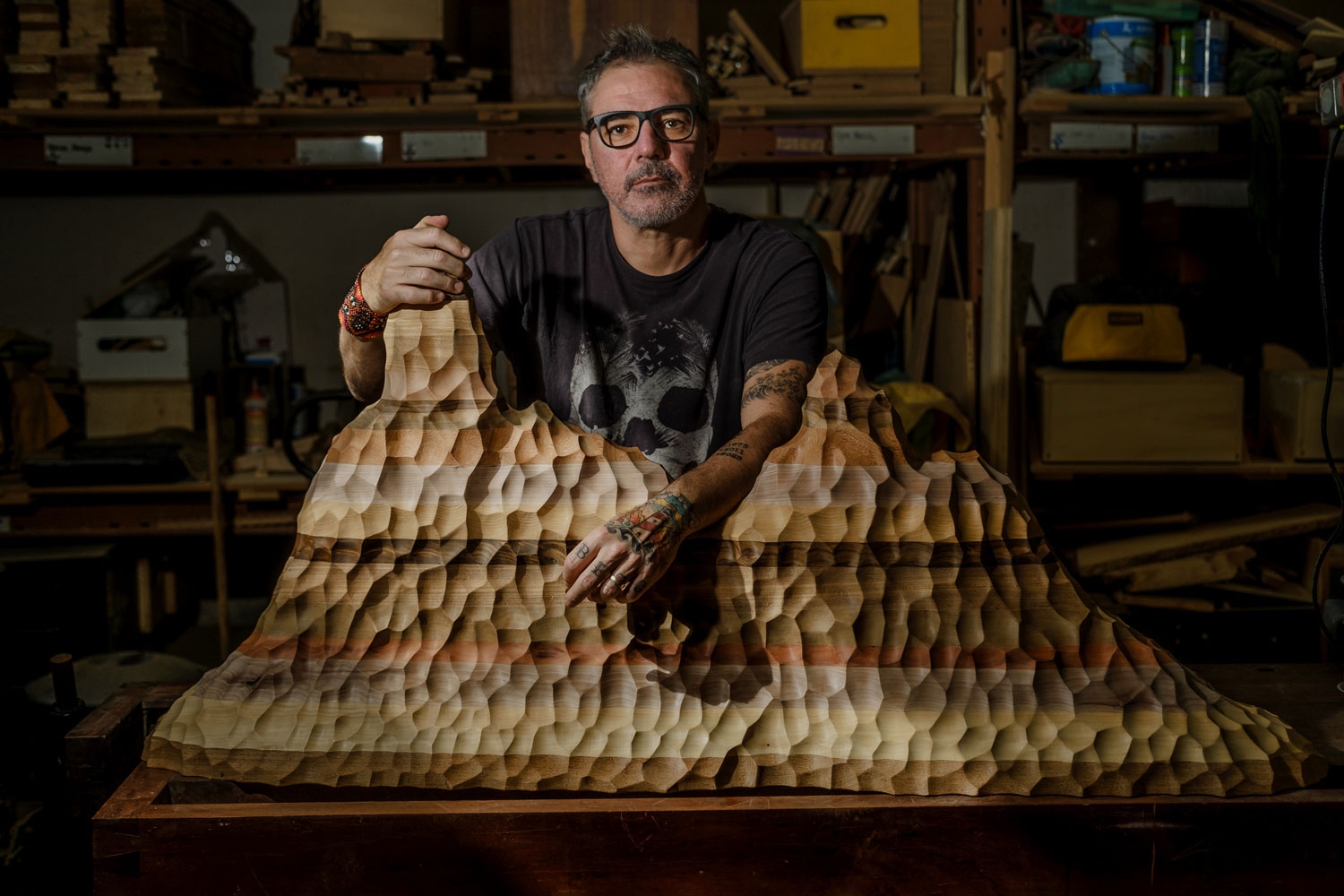
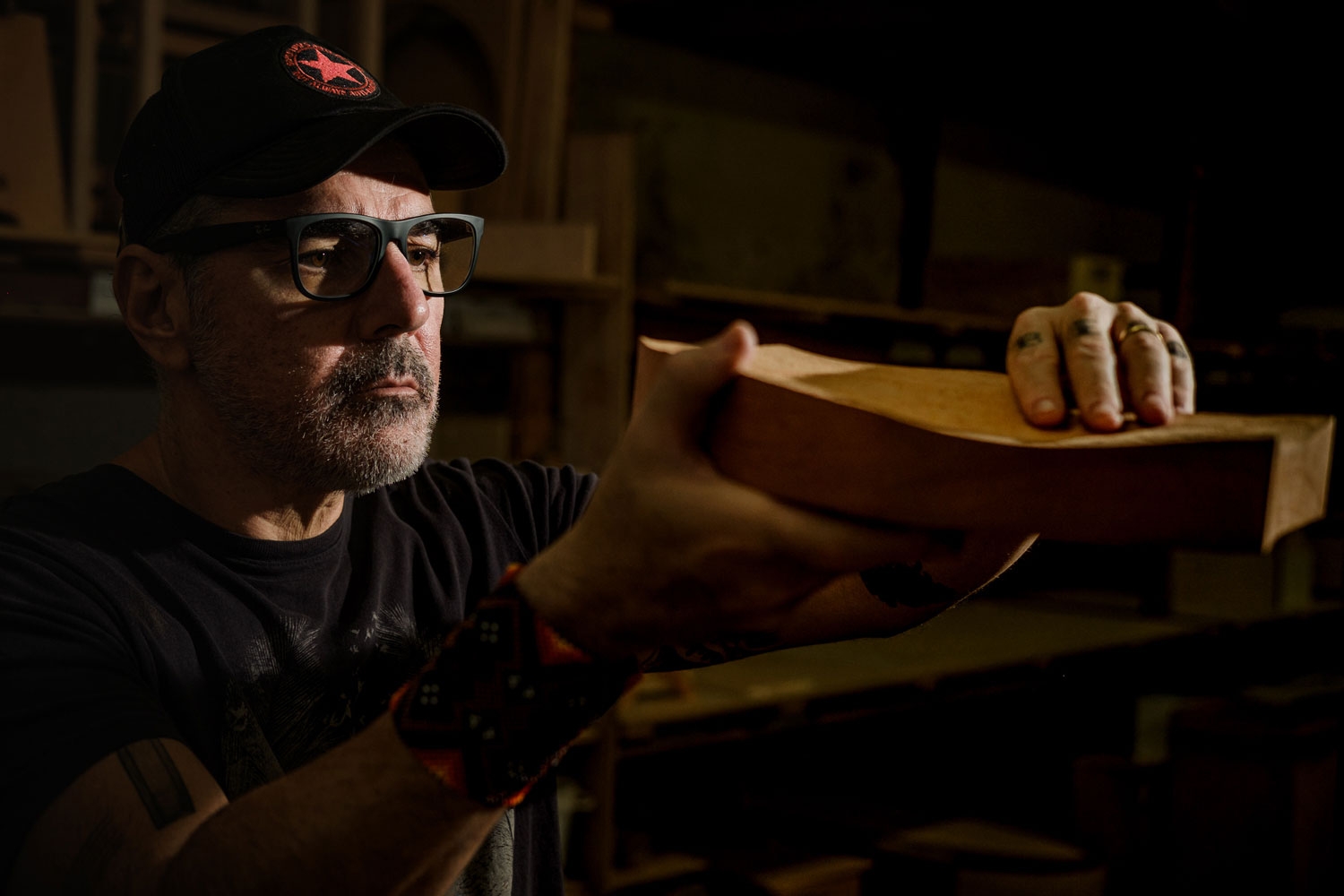
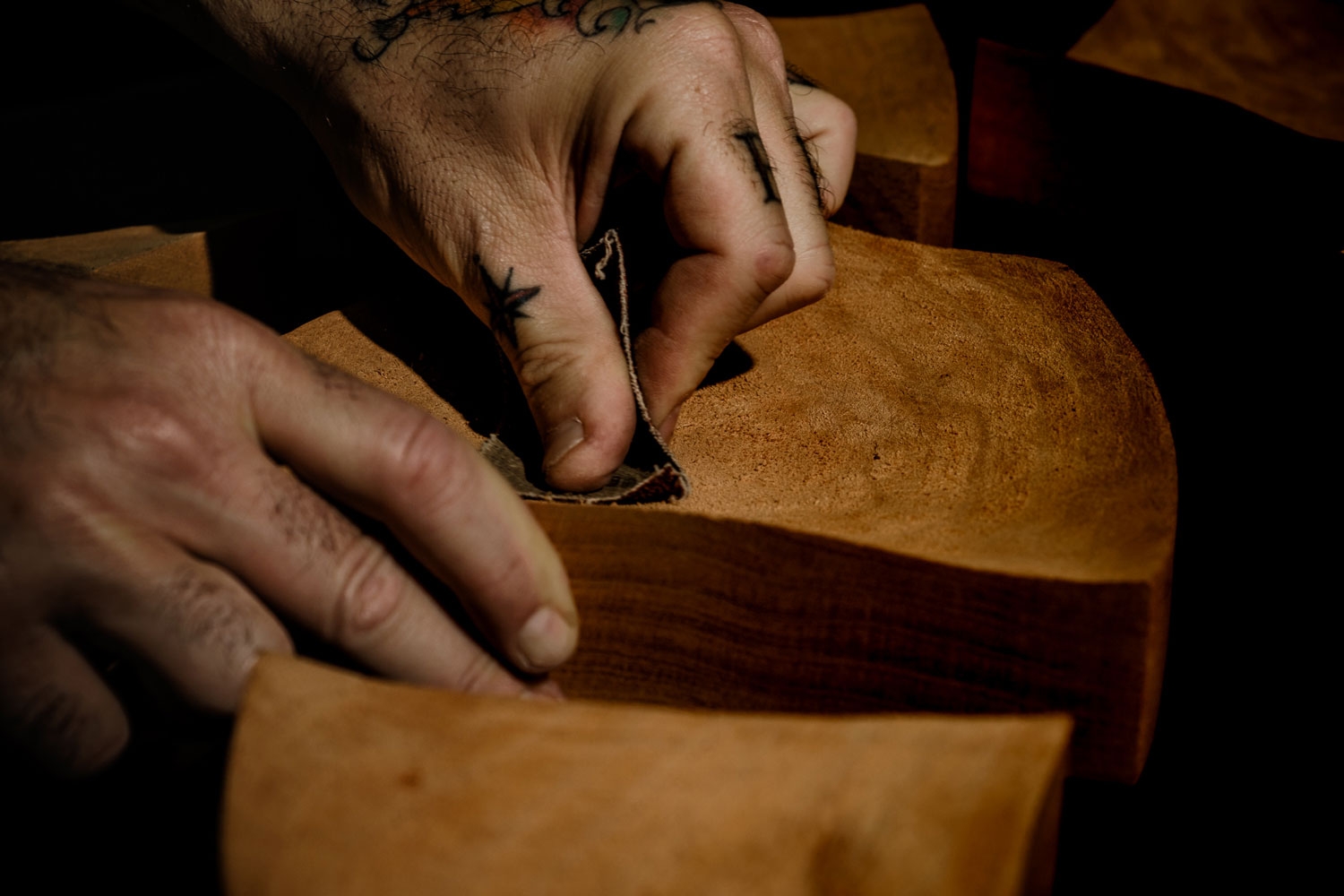
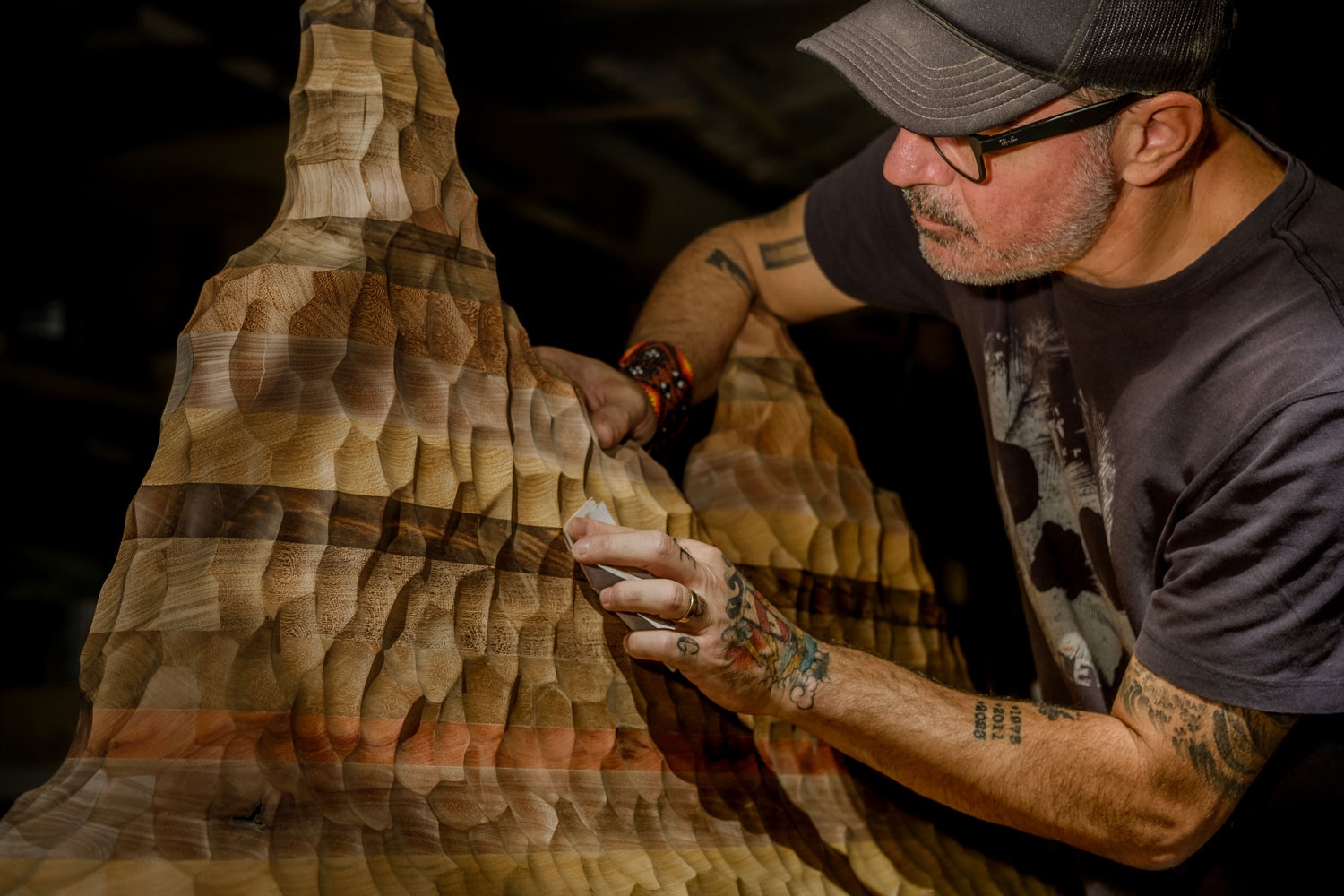
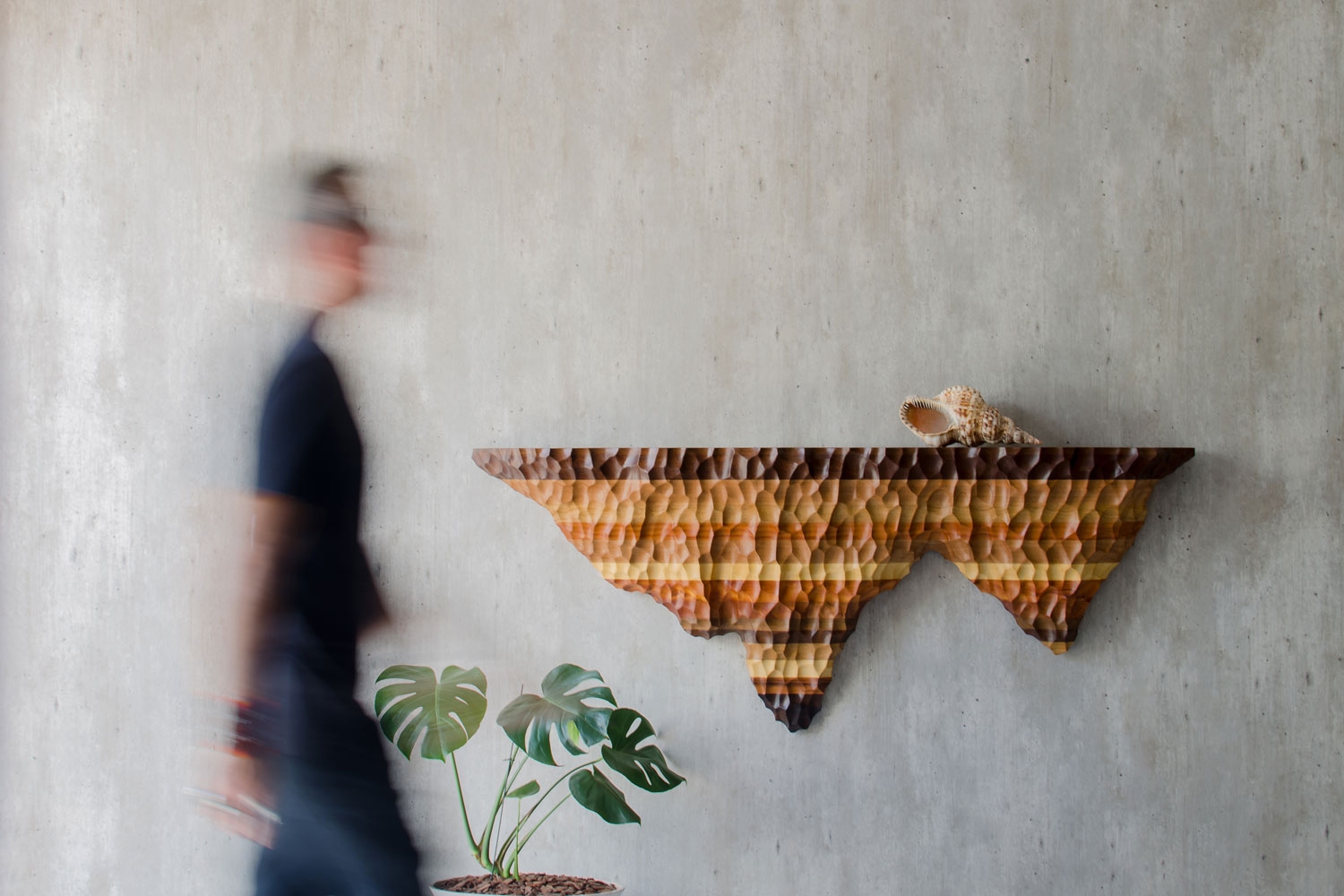
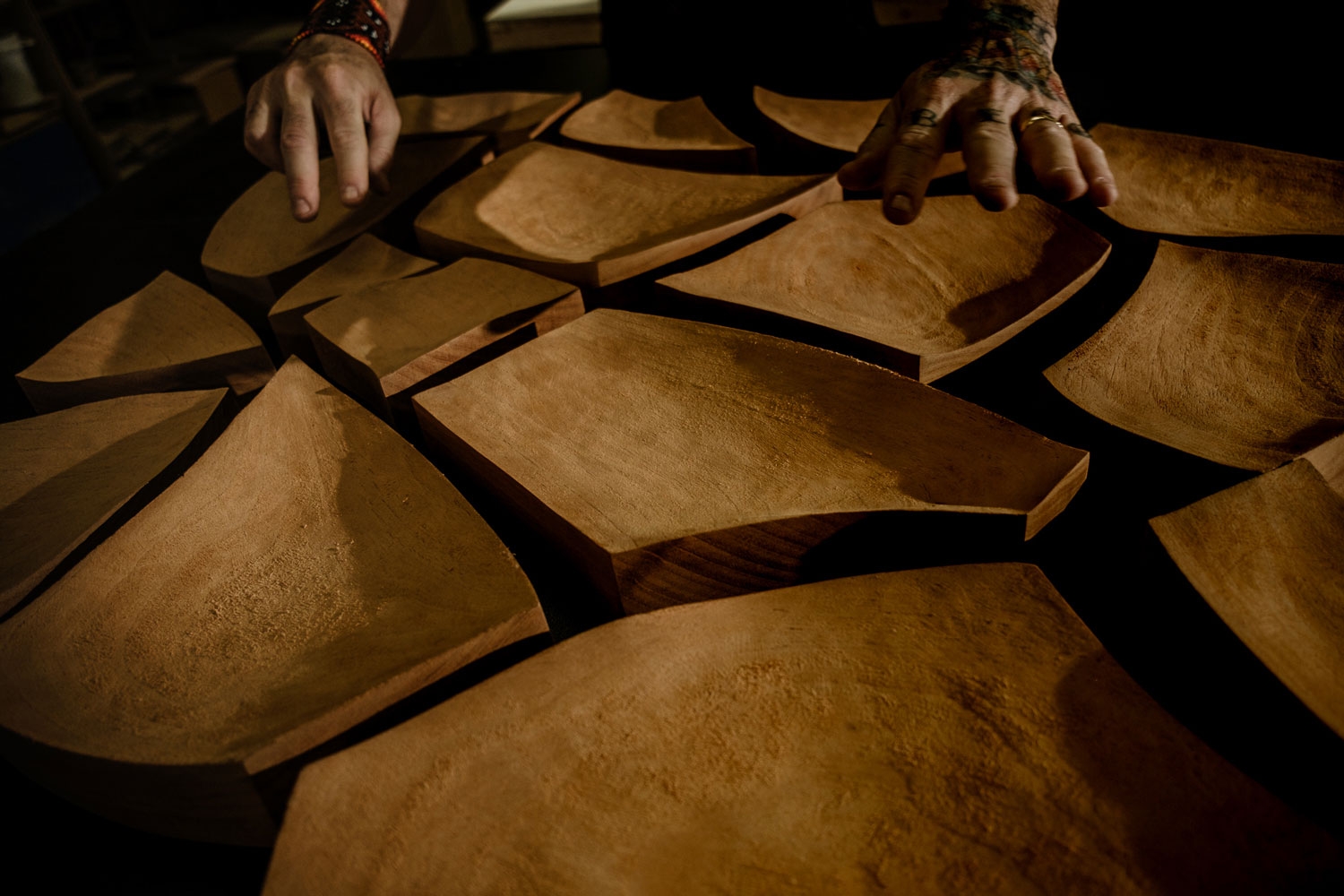
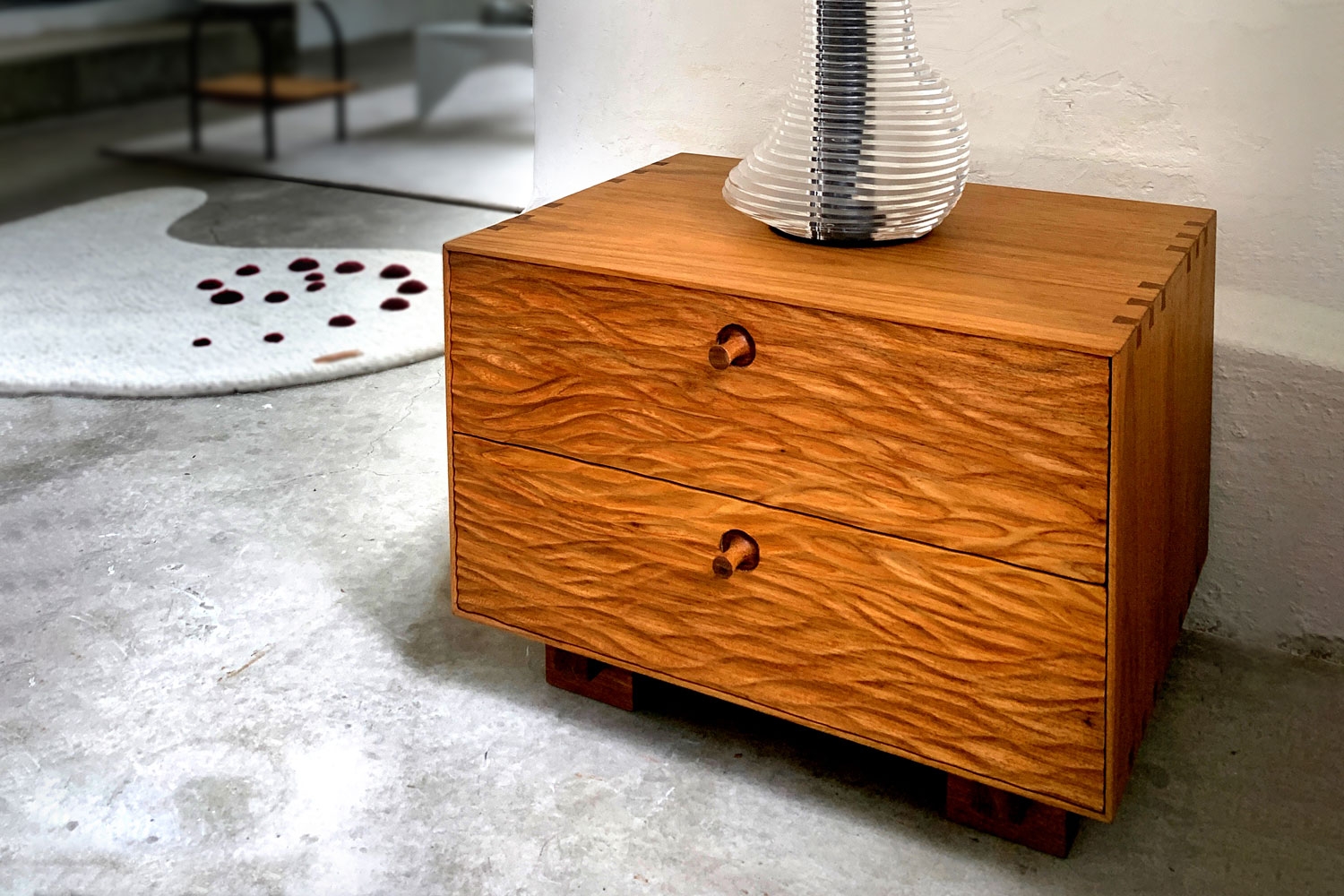
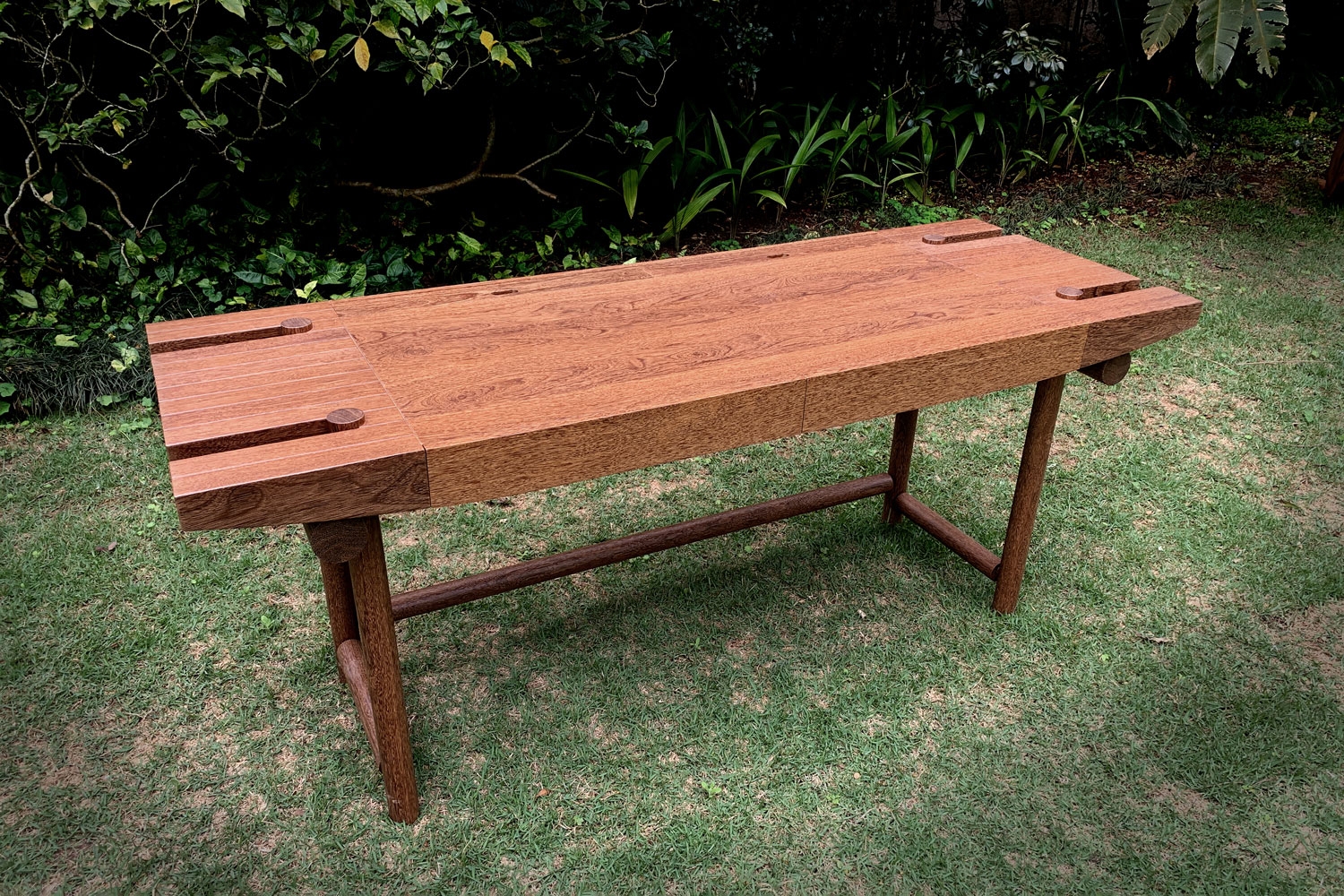
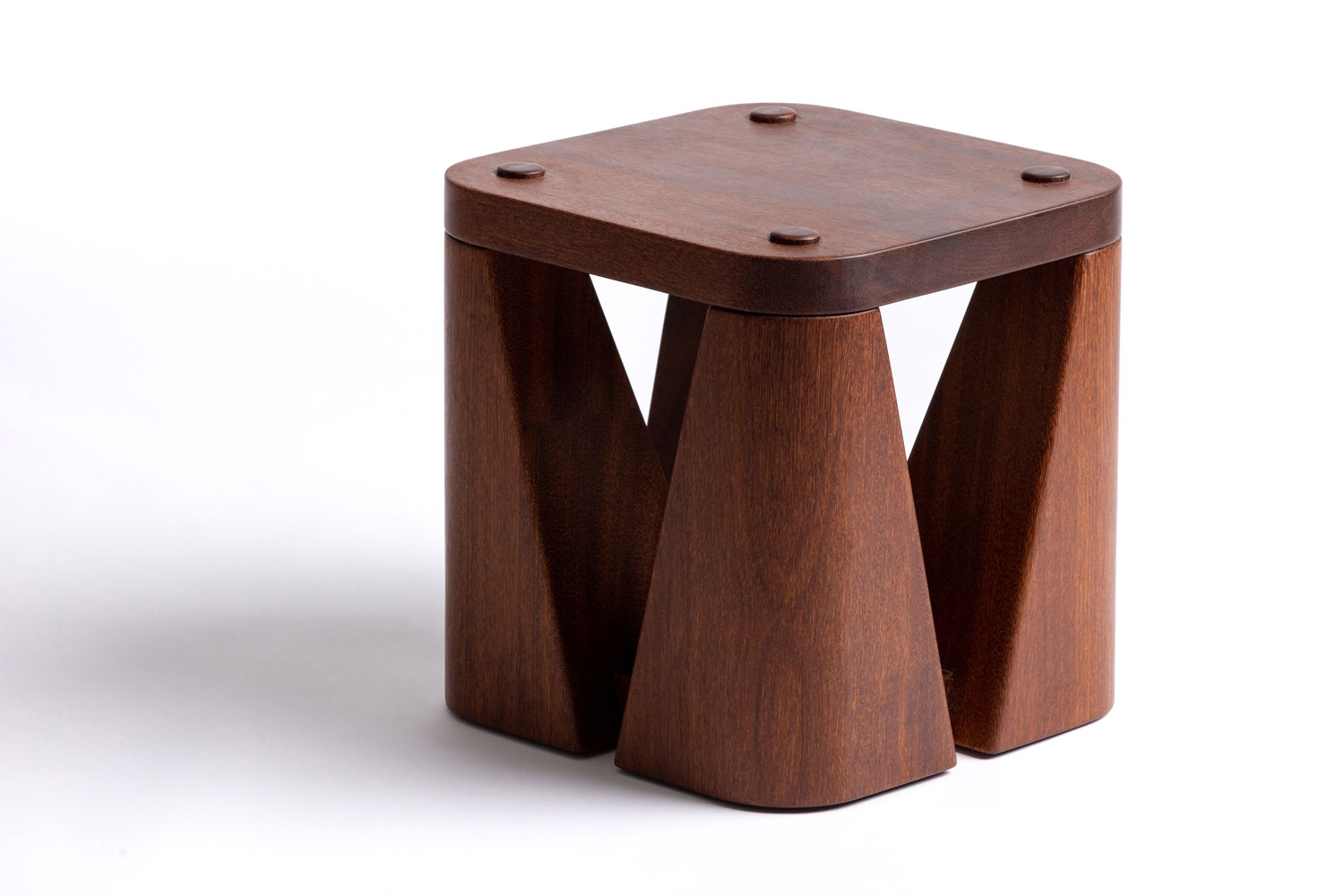
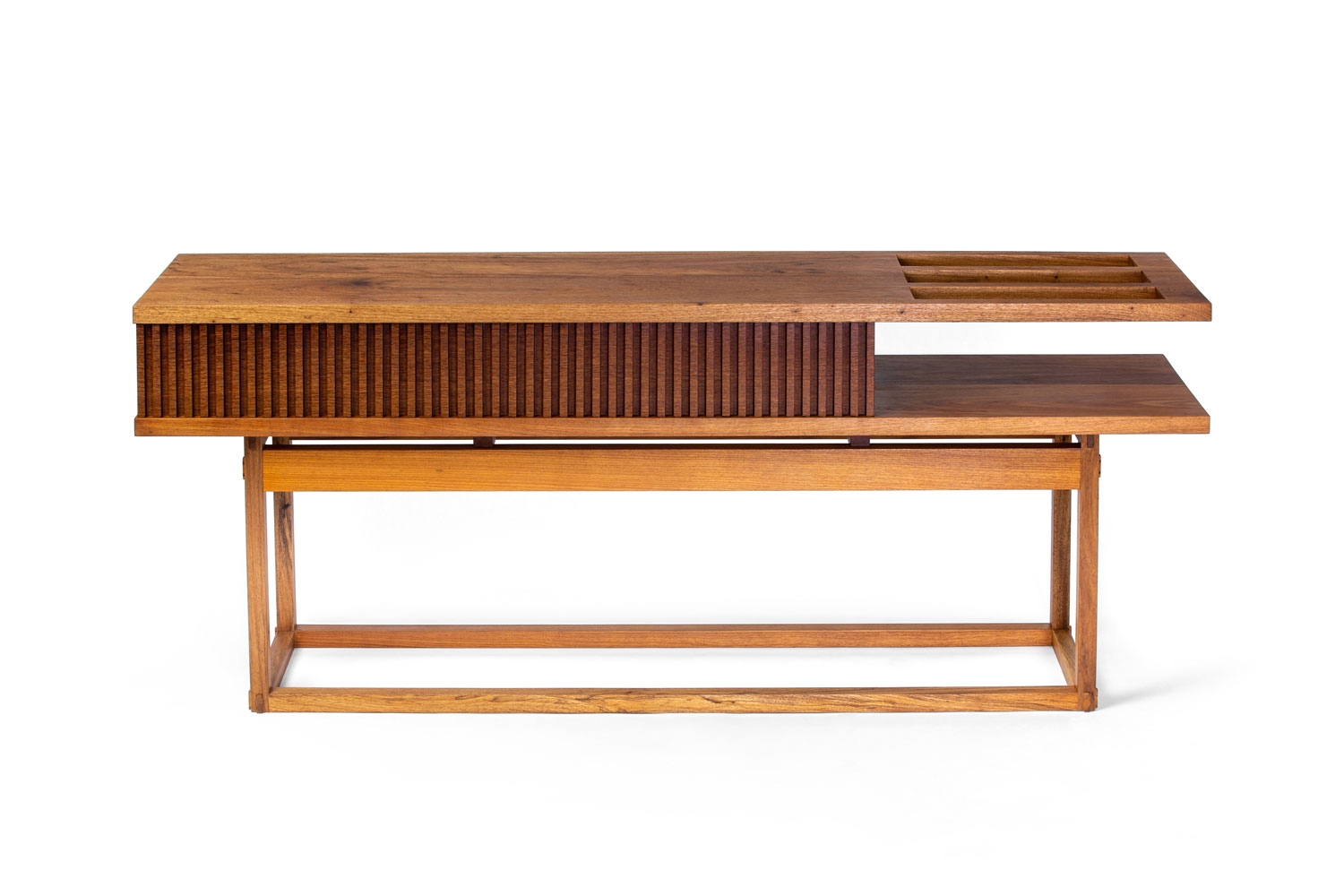
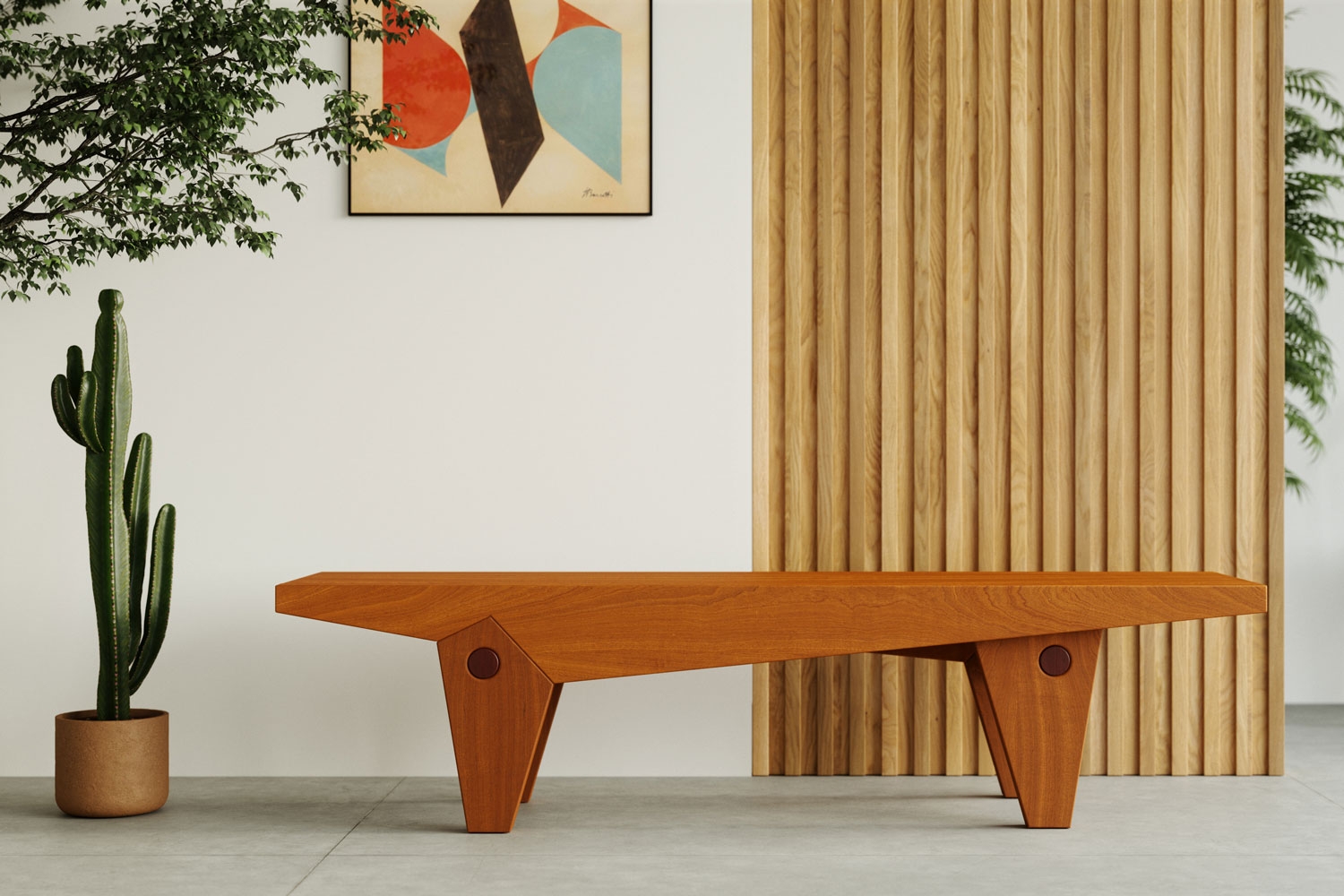
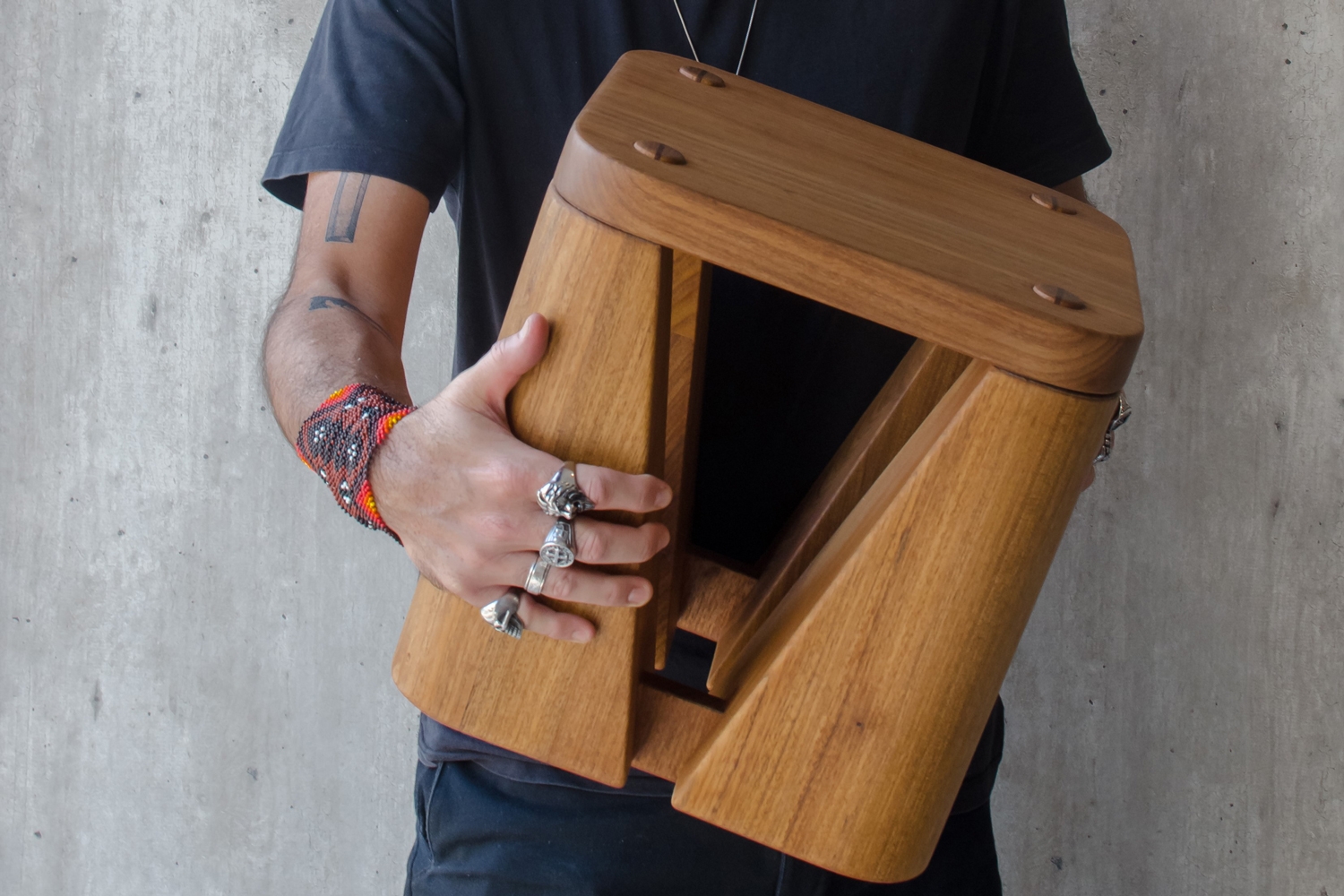
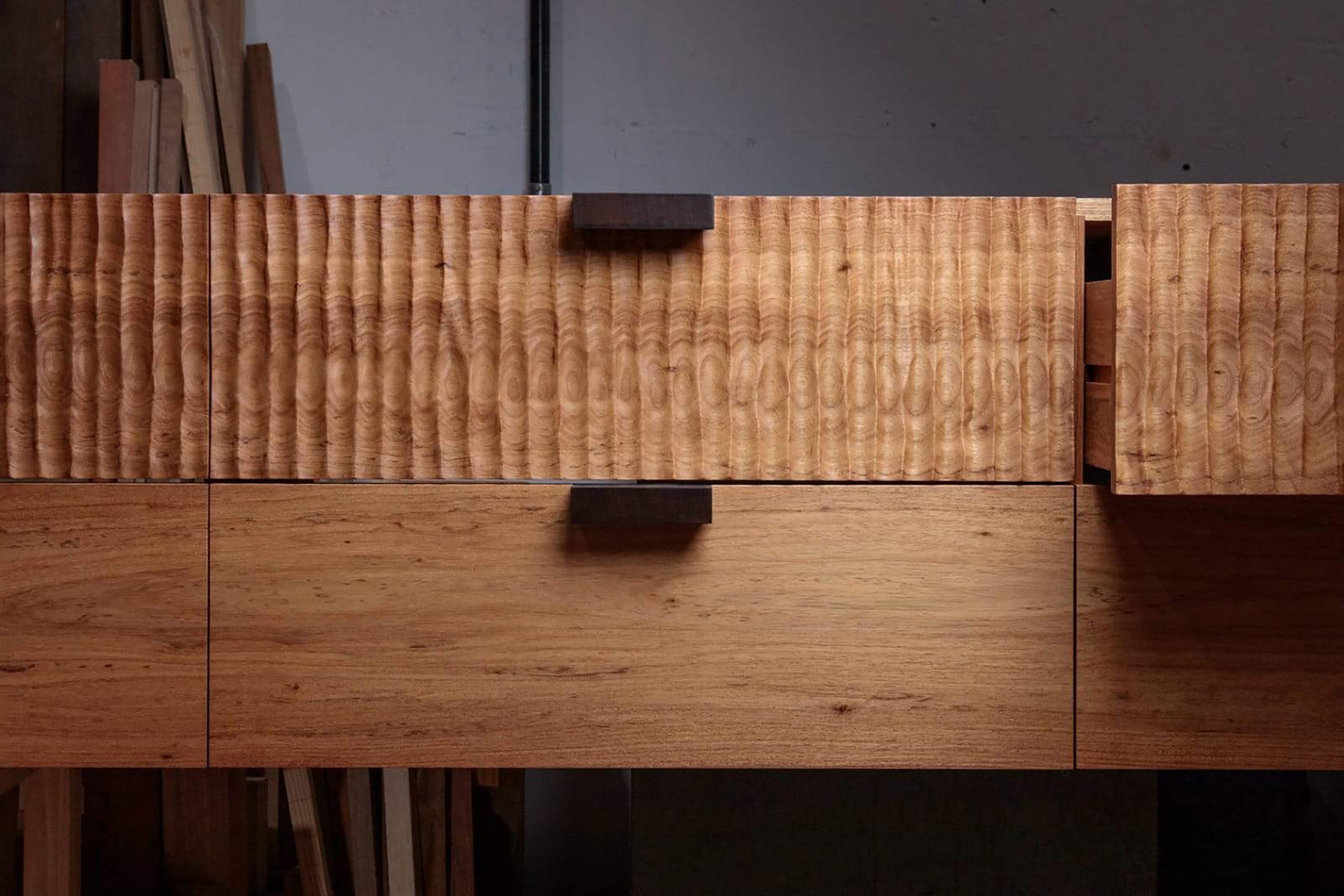
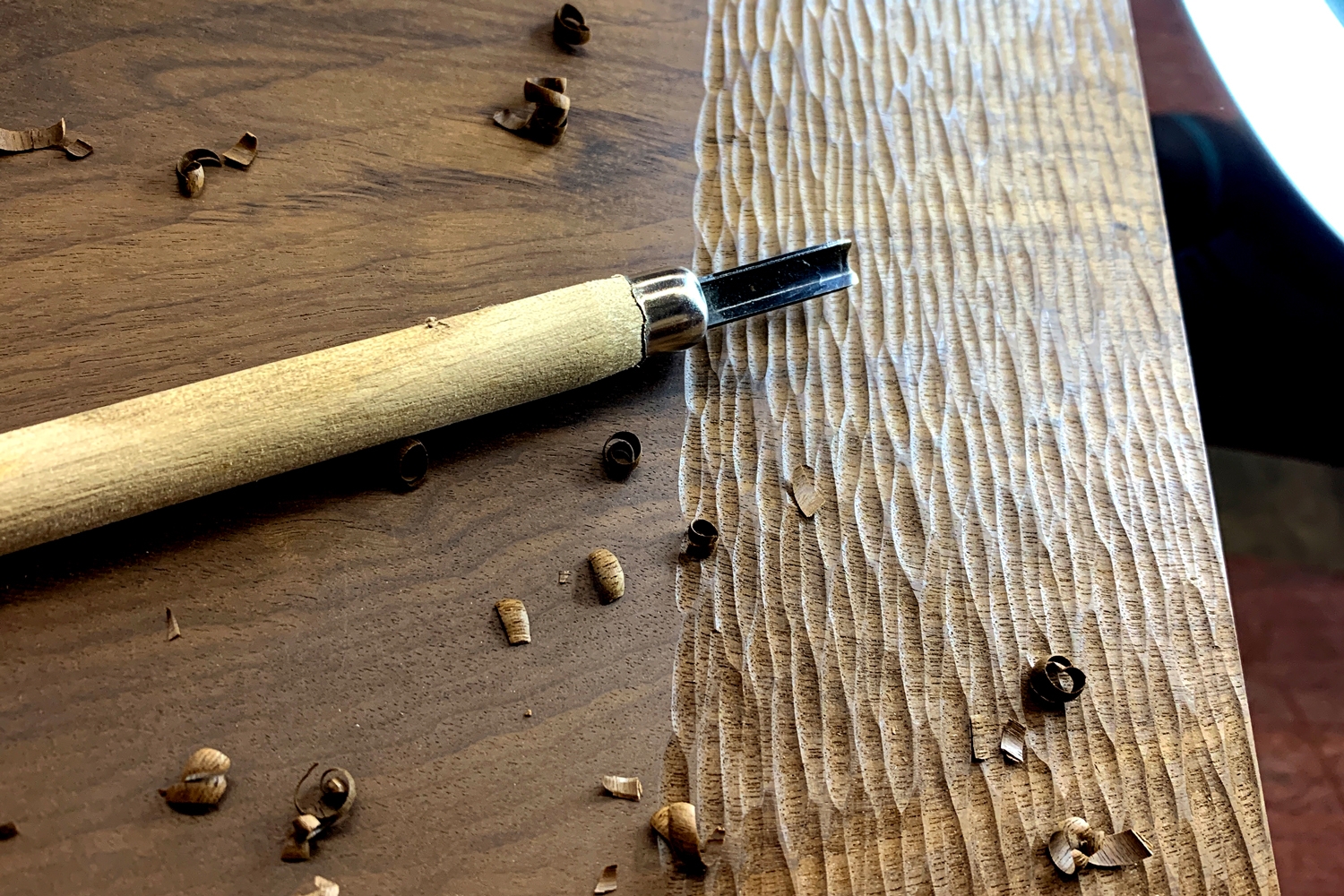
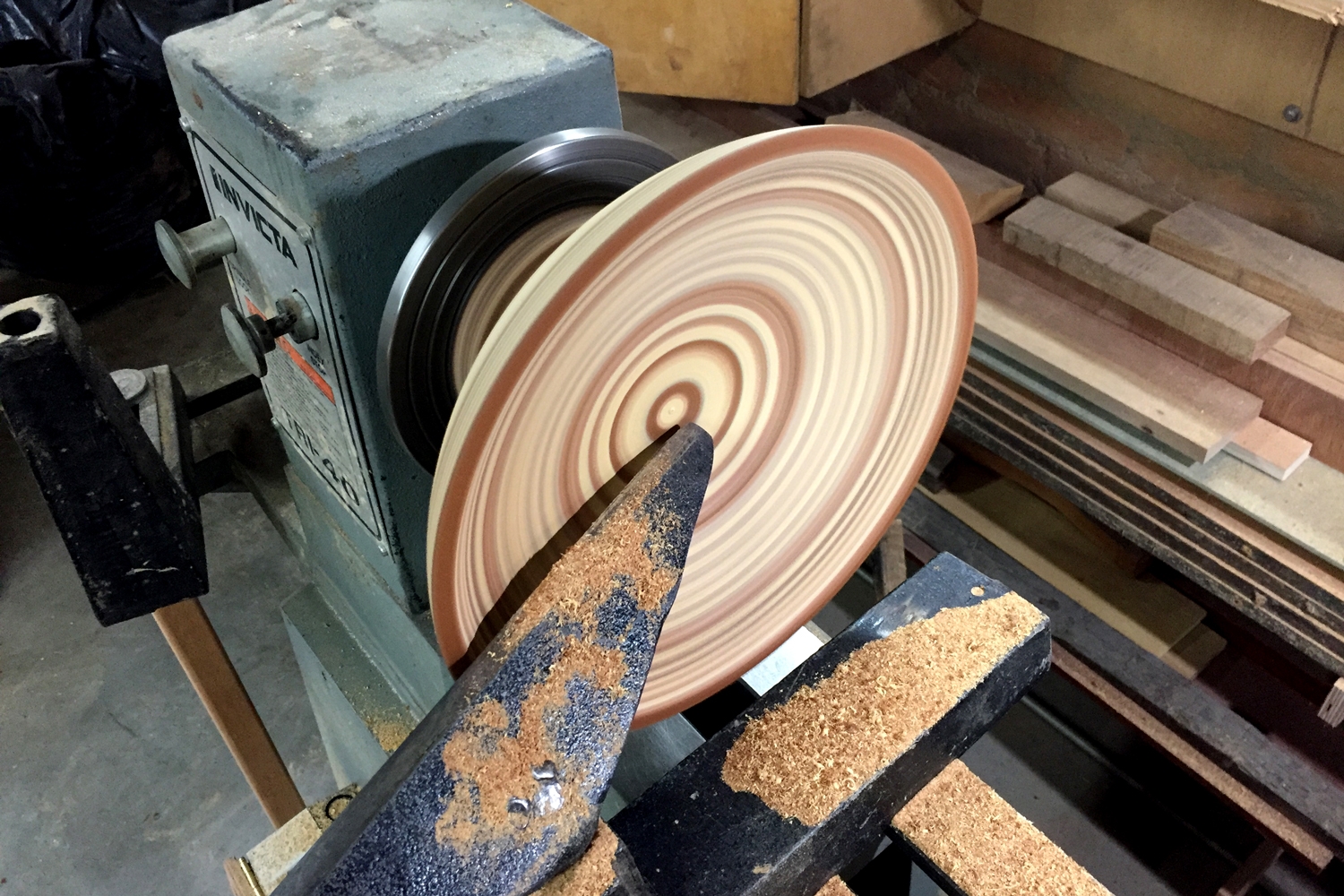
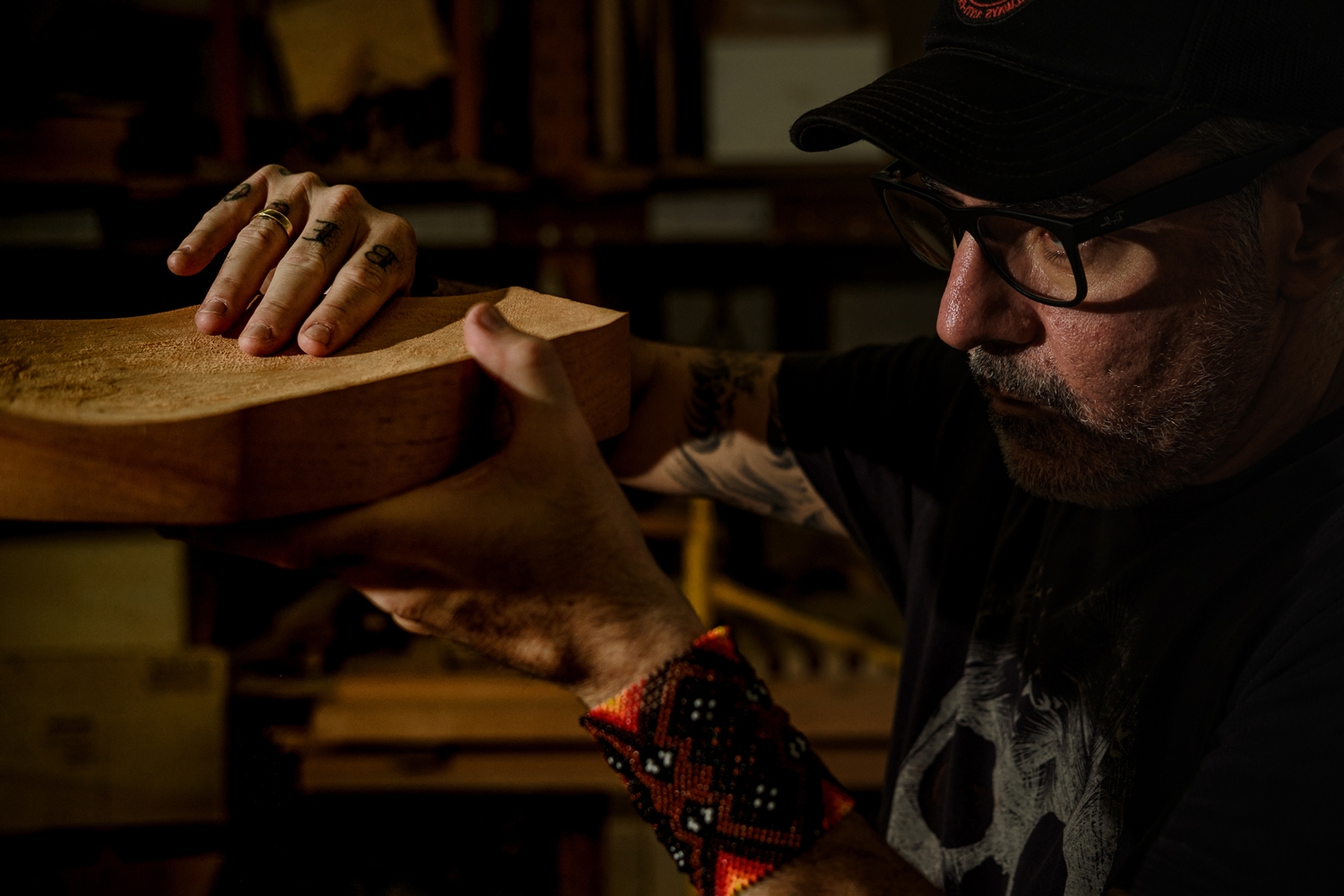
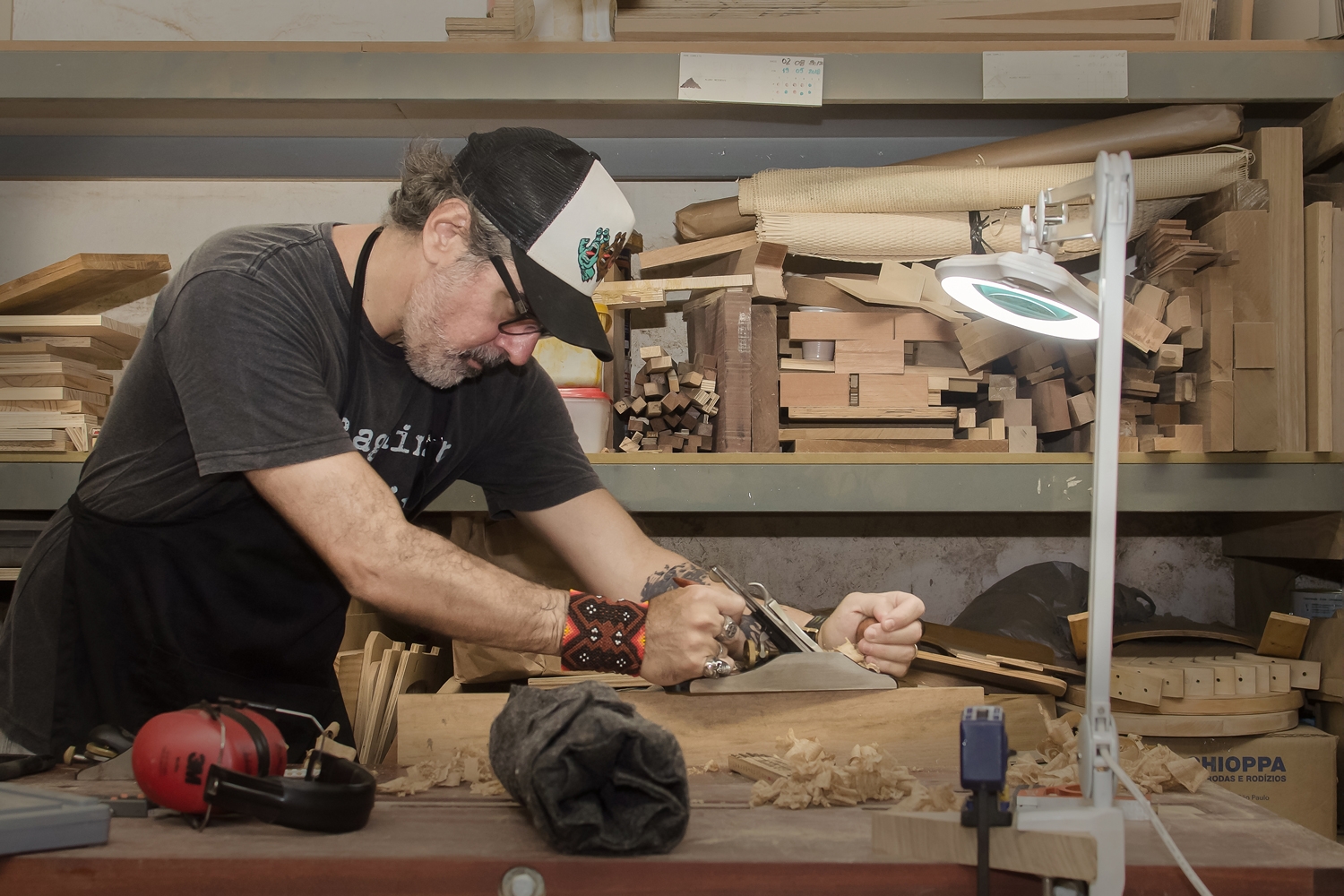
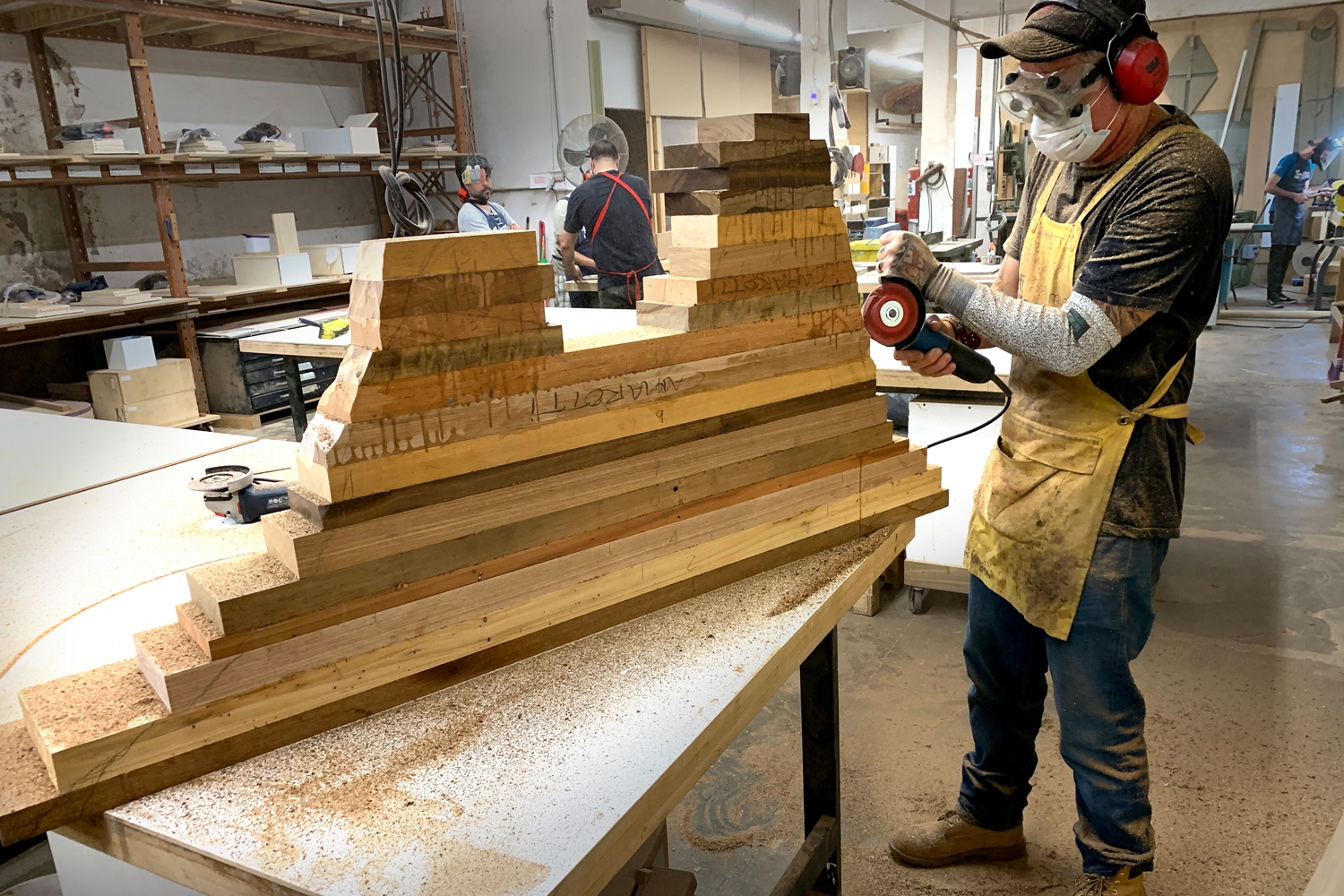
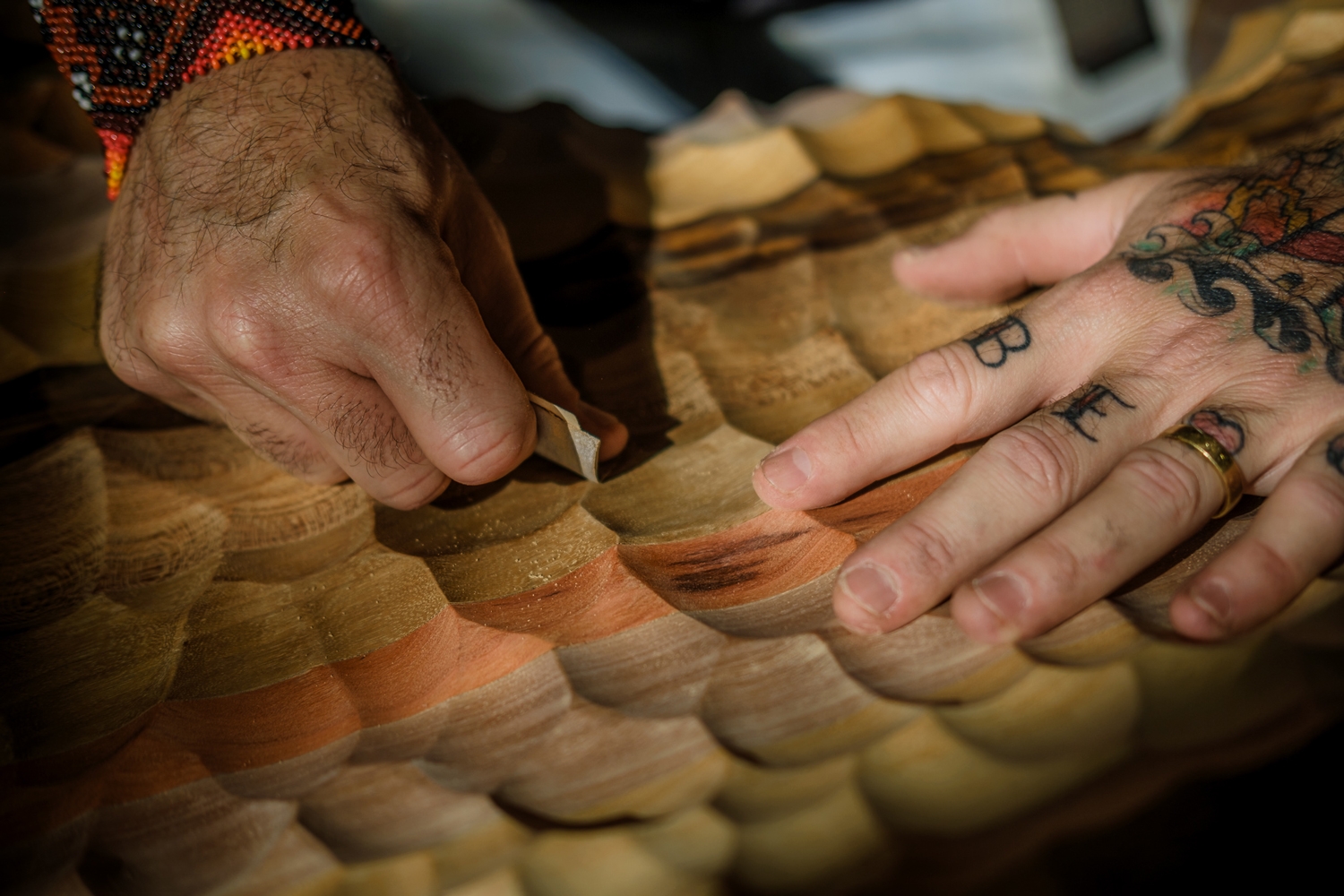
Bruno Camarotti trained as an architect, then grew increasingly drawn to woodwork and building furniture. When the time was right for his family, Bruno moved to São Paulo and immersed himself in fine woodworking under the guidance of craftsman Morito Ebine. His practice now spans furniture, sculpture and objects. Bruno's architectural background is ever-present in suspended forms and pilotis-like bases, along with the influence of coastal landscapes of his native Ceará. "My finishes are soft to touch. I want them to feel fluid, not rigid,” he says. Inspiration strikes Bruno from unexpected places – it could be a piece of music or a passing shape in a film scene. He captures his thoughts in sketchbooks, which he revisits to find old drawings and rework them. “That is the advantage of designing and making. You get to see everything through, from idea to object,” Bruno says.
INTERVIEW
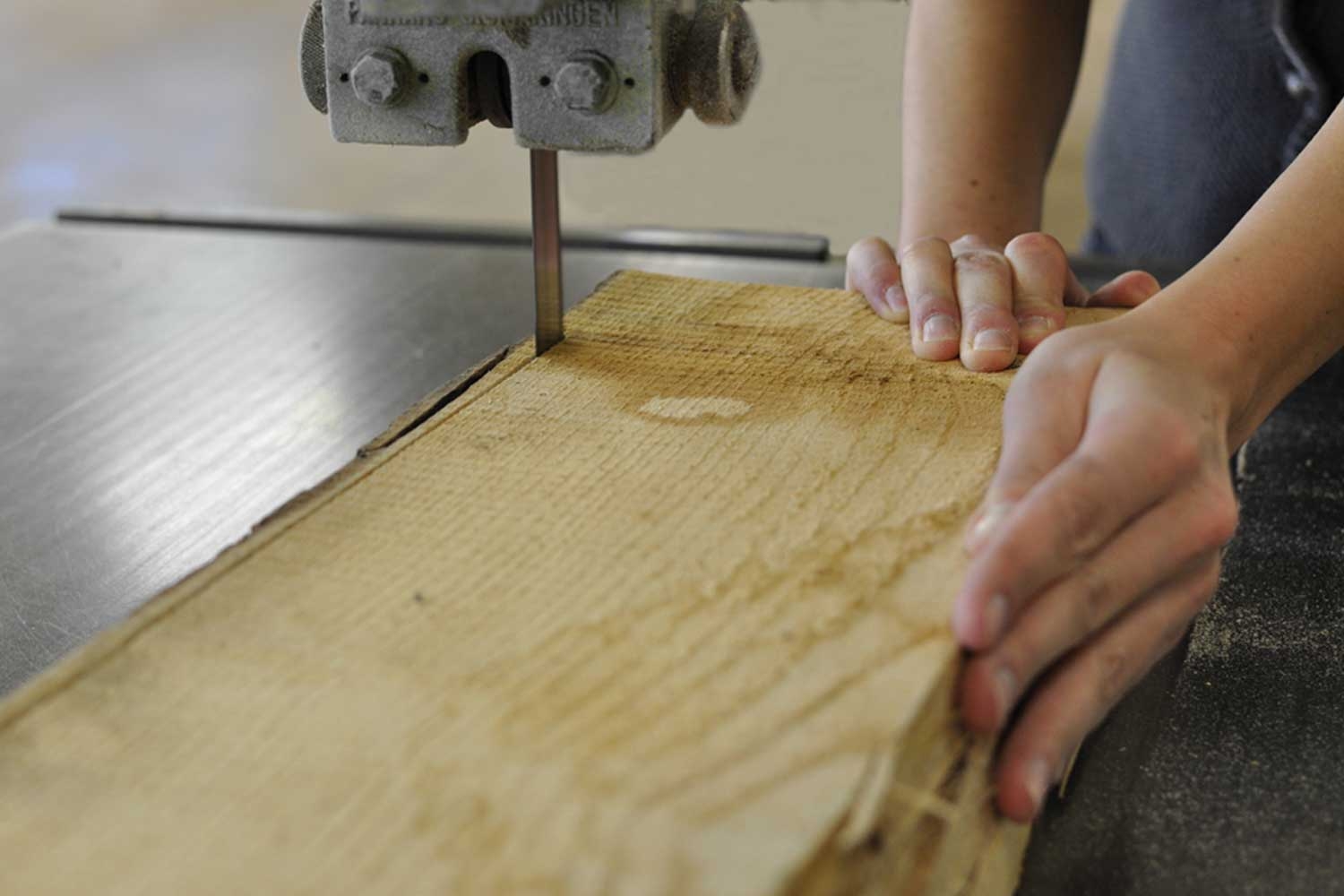
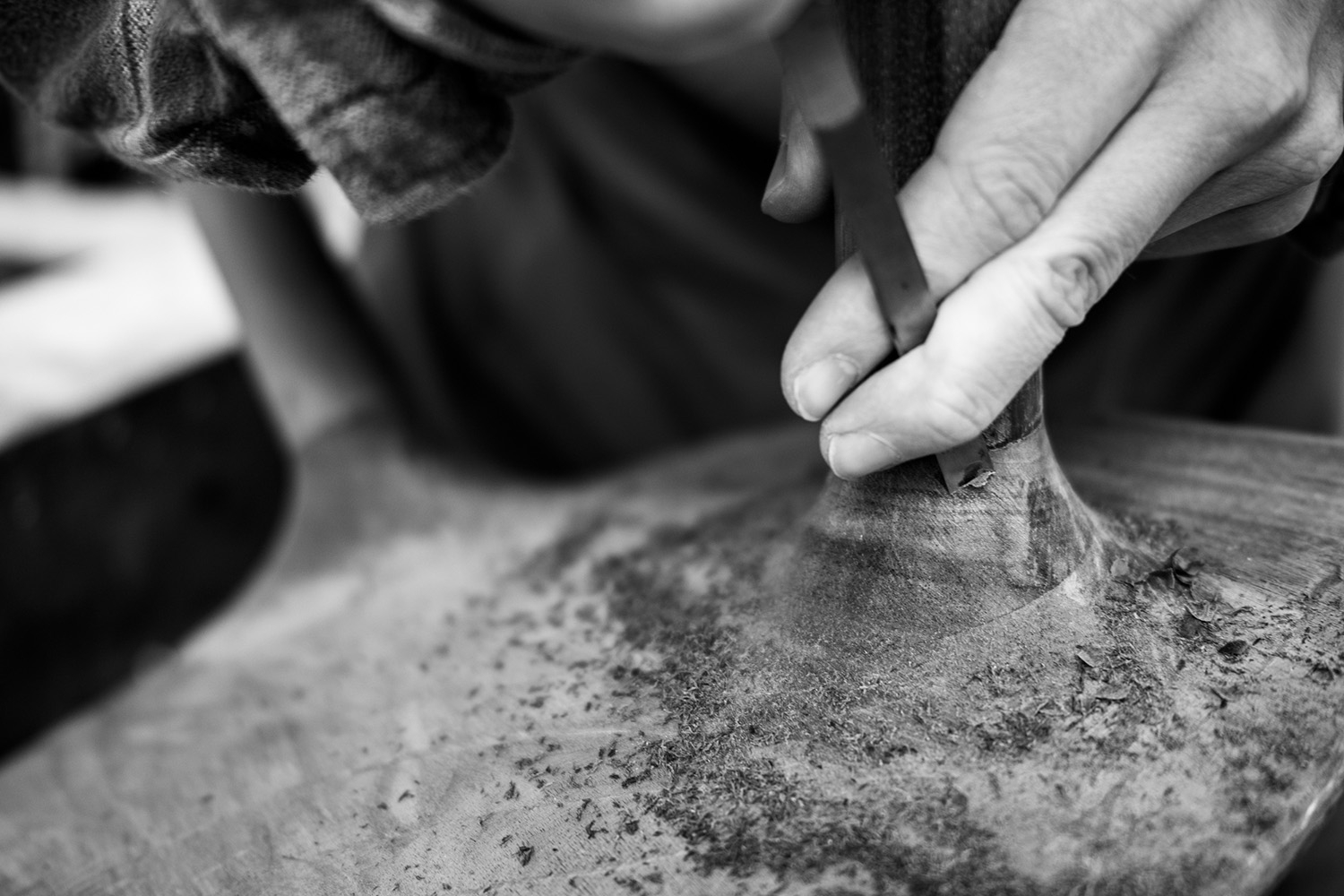
When I was a child, my parents bought a beach flat in Icaraí in Ceará. They hired a carpenter to make all the furniture on-site and craft everything there. I remember it vividly – the smell of the wood, the sound of the tools, the cherrywood pieces that could immediately be recognised. This experience definitely planted the seed of my interest.
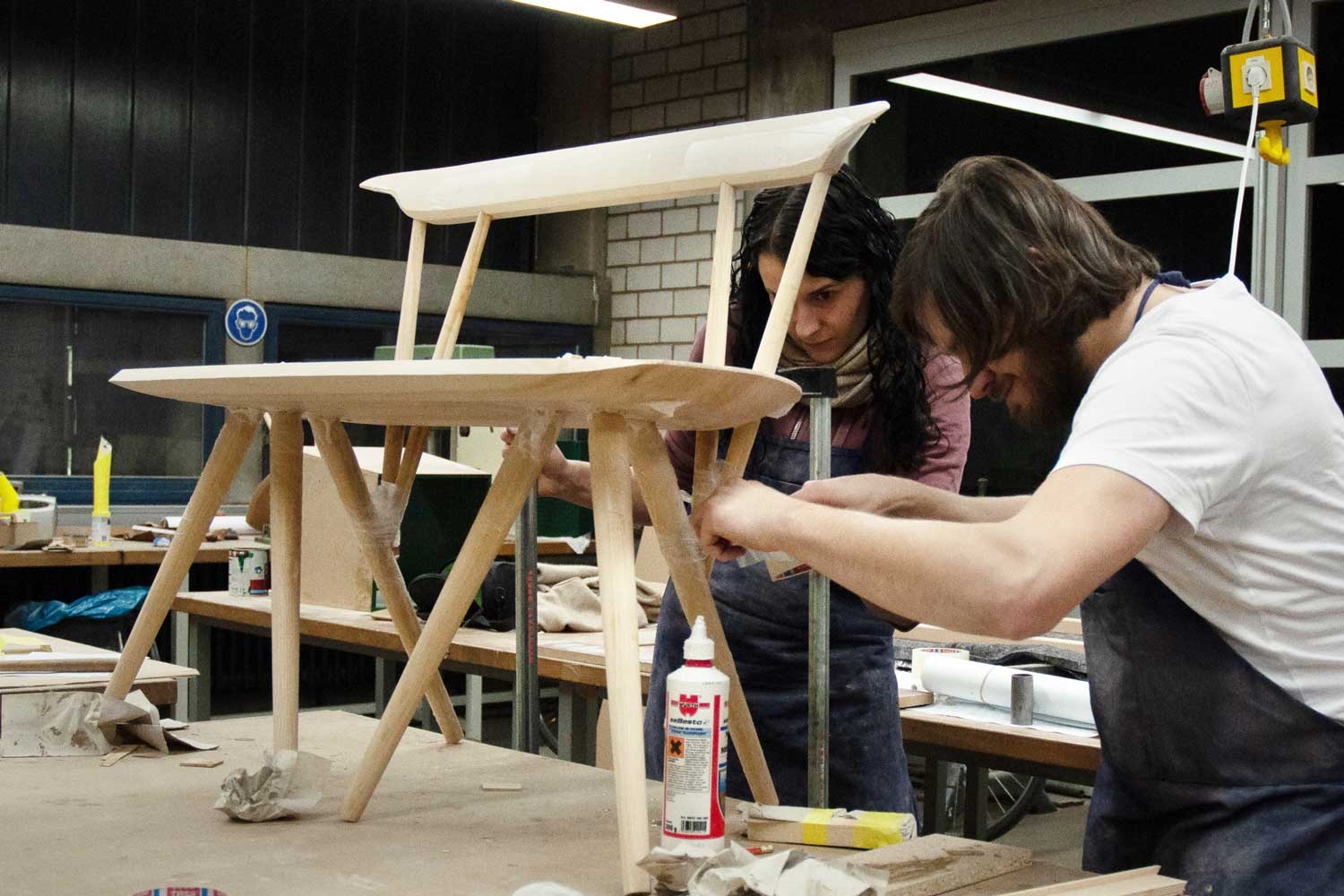
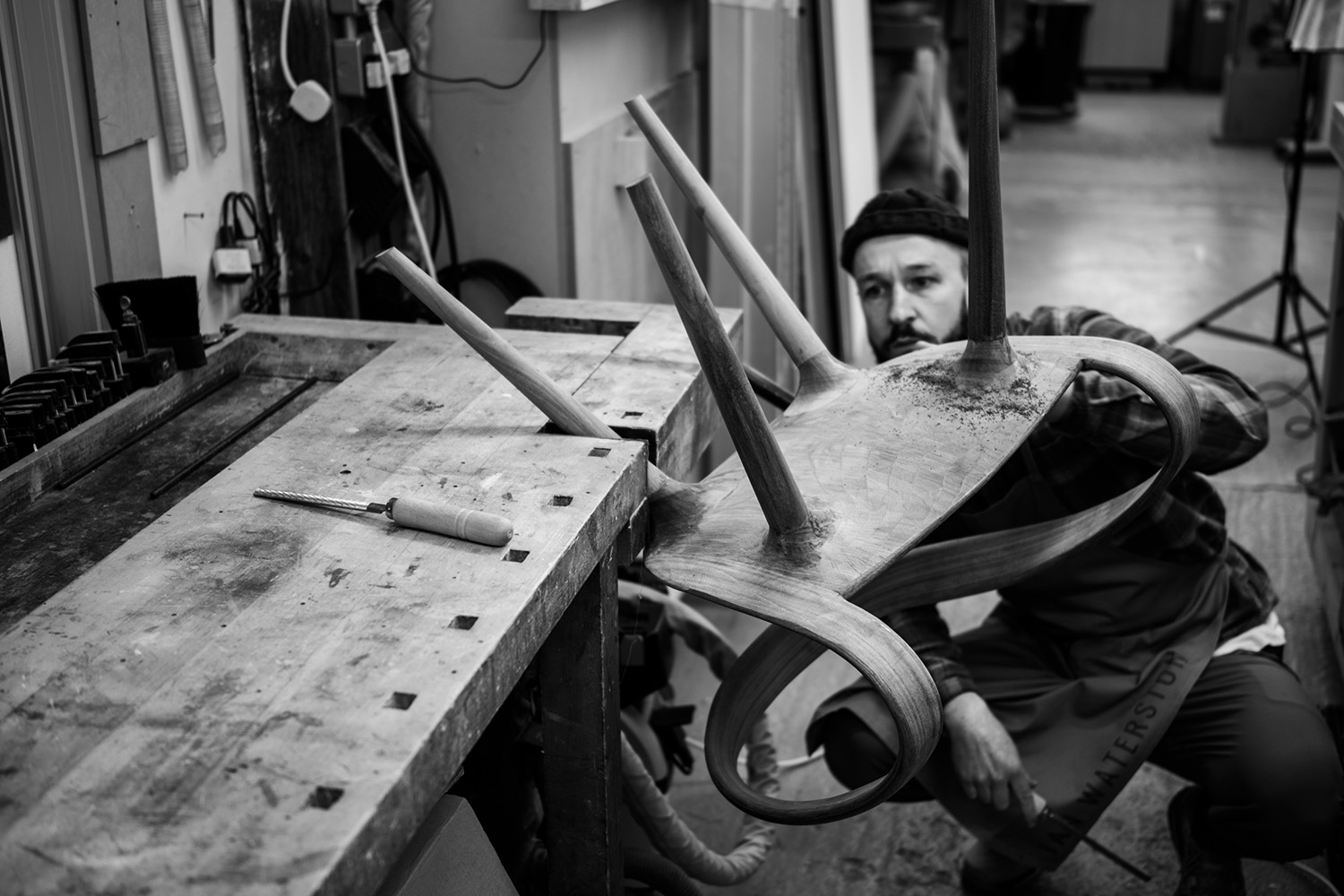
As an architect, I loved being on-site collaborating with masons and engineers and making decisions in the moment. I missed that direct, hands-on experience when I was sitting behind a computer.
It was not easy to change both my career and where I lived. São Paulo is one of Latin America’s main creative hubs, with some of the best craftspeople in the furniture making field. Joining that scene meant figuring out where and how I could fit in.
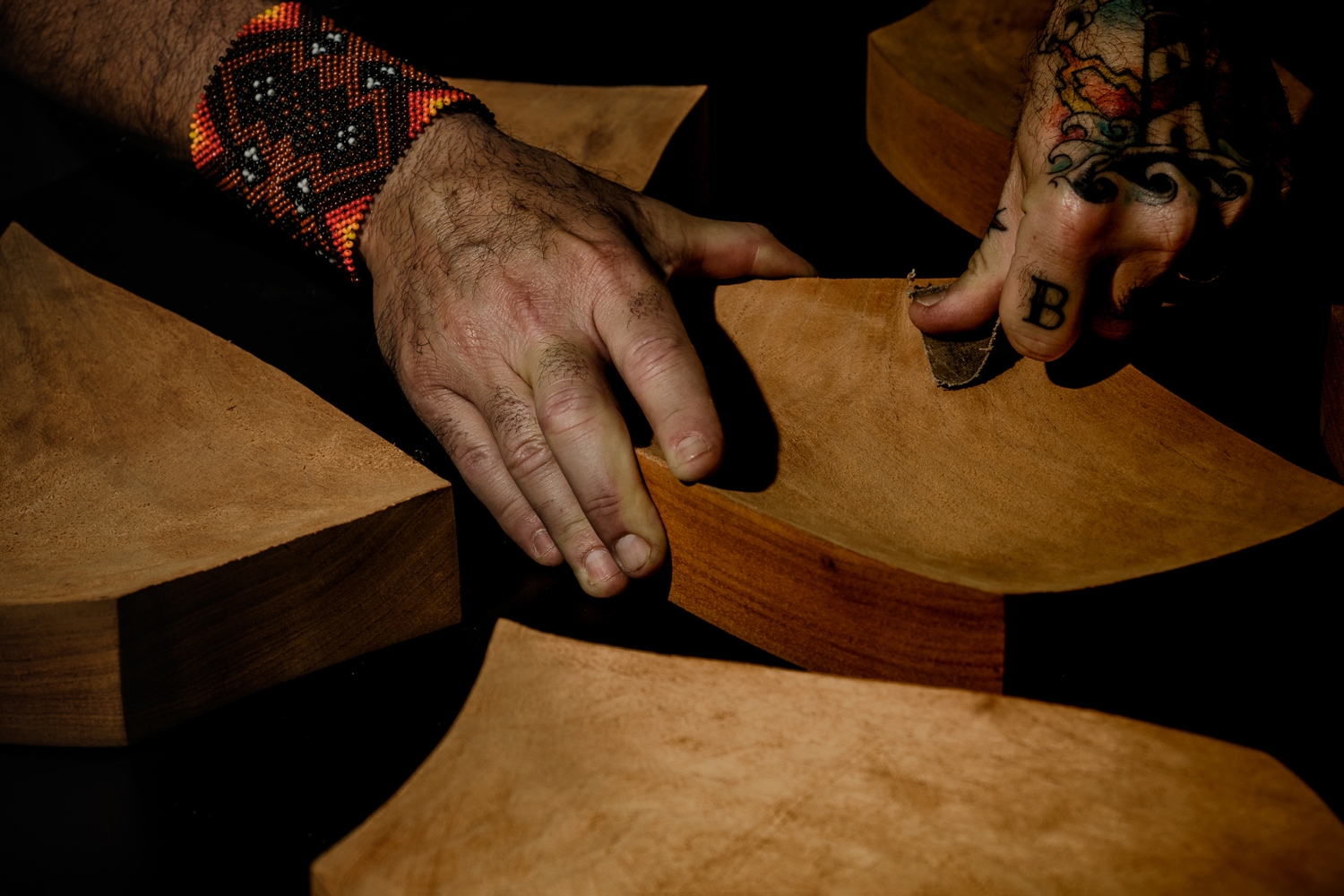
I try to use offcuts whenever I can – scraps often become handle inlays. But using reclaimed wood in Brazil can be expensive and bureaucratic, which raises prices for everyone.
3 EXPERIENCES
3 EXPERIENCES
Bruno Camarotti
Furniture maker
São Paulo, Brazil
AVAILABILITY
By appointment only
PHONE
+55 11988500847
LANGUAGES
Portuguese
Homo Faber Finds is a new service aiming to inspire admirers of craft to connect and collaborate with exceptional artisans.
We invite you to submit an enquiry here.