Image 1 of 2
Paul Arnhold
Glassblower
New York, NY, USA
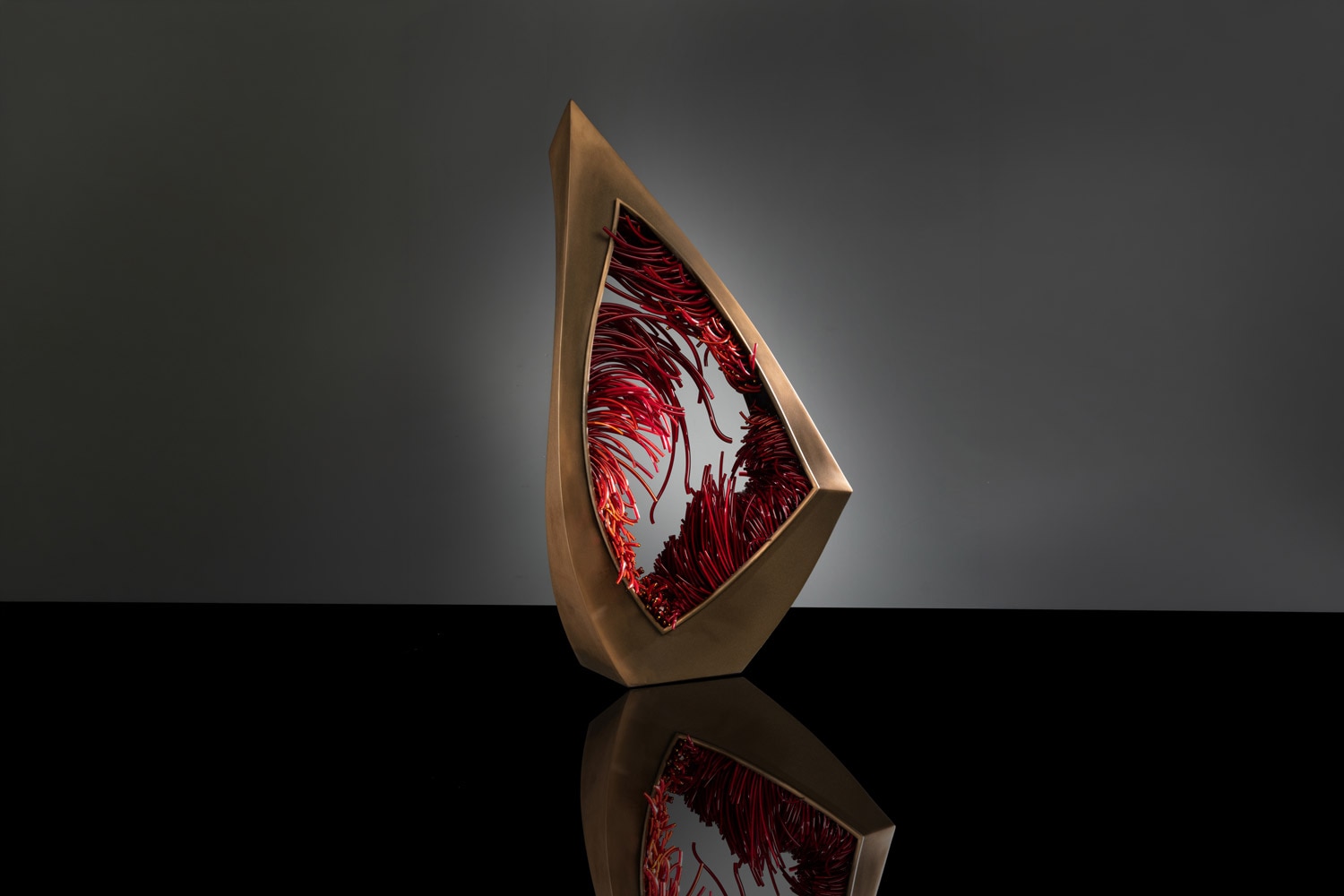
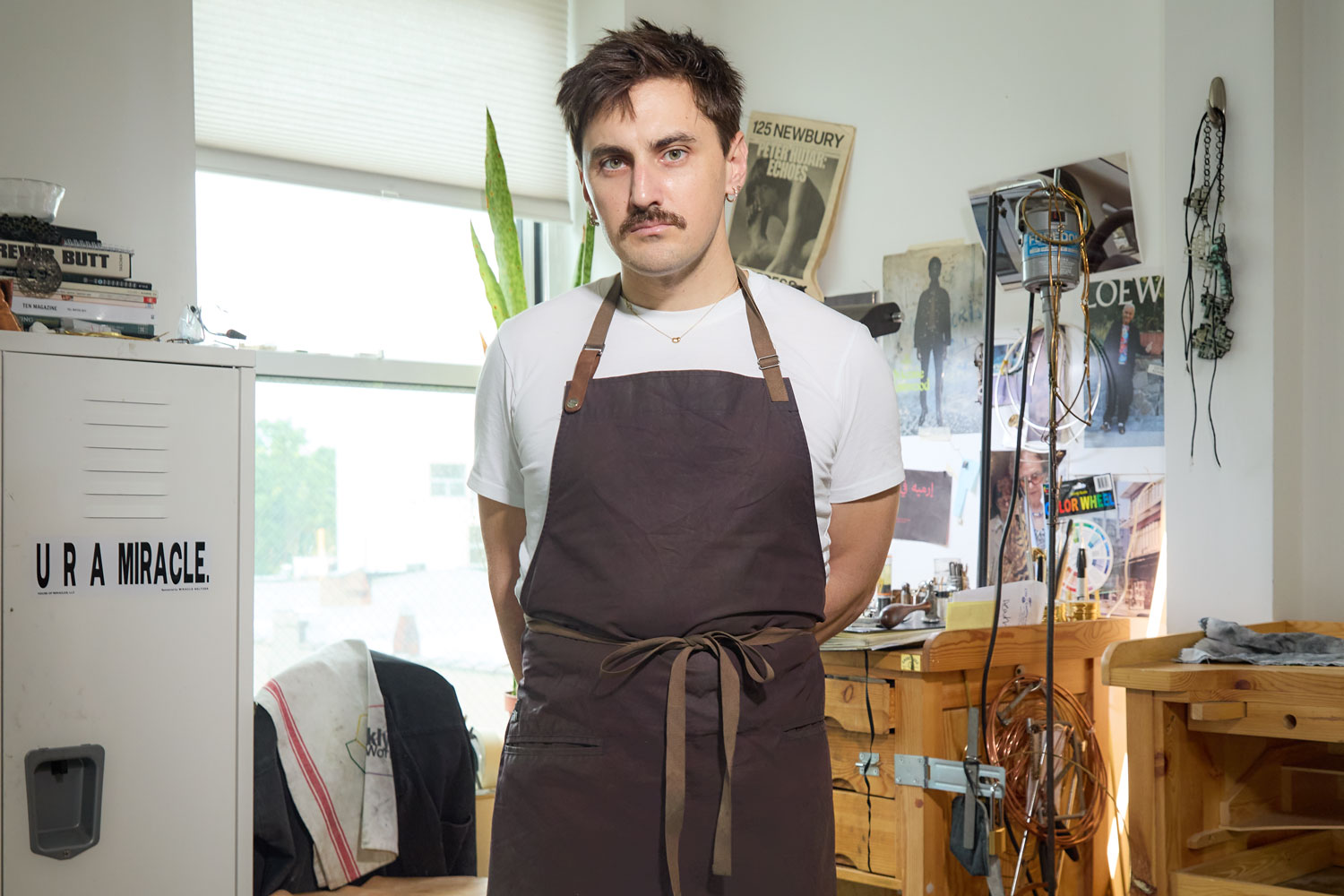
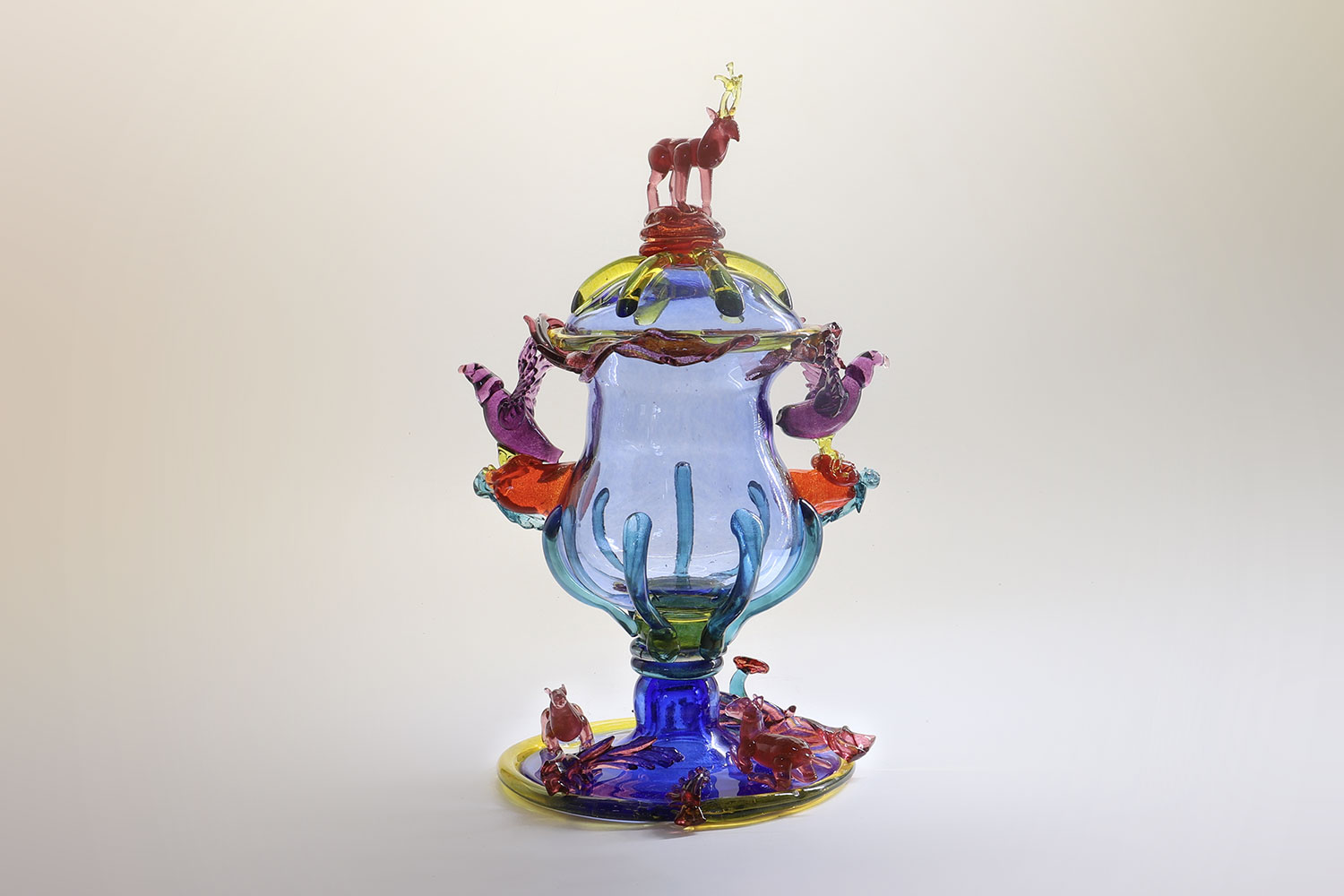
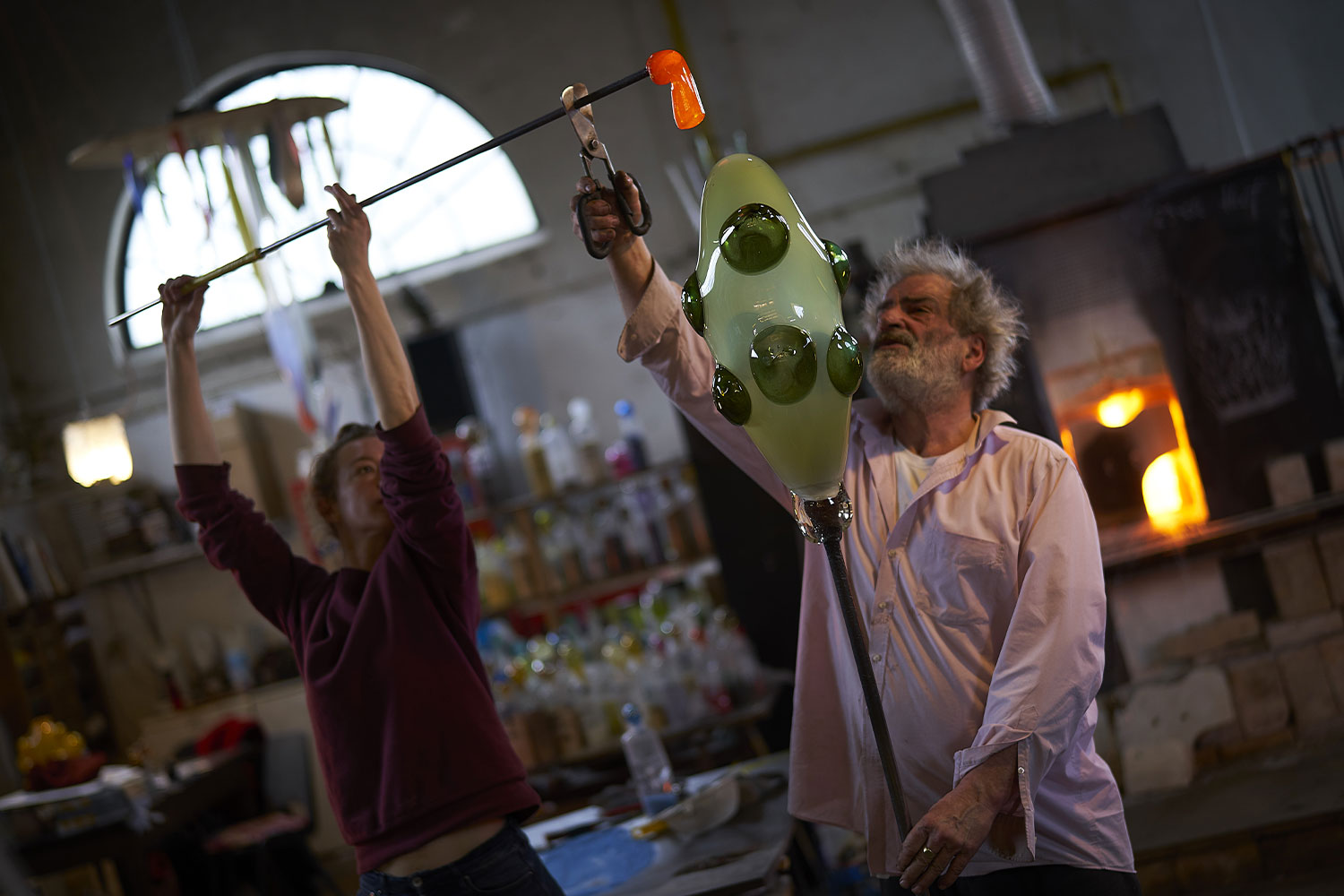
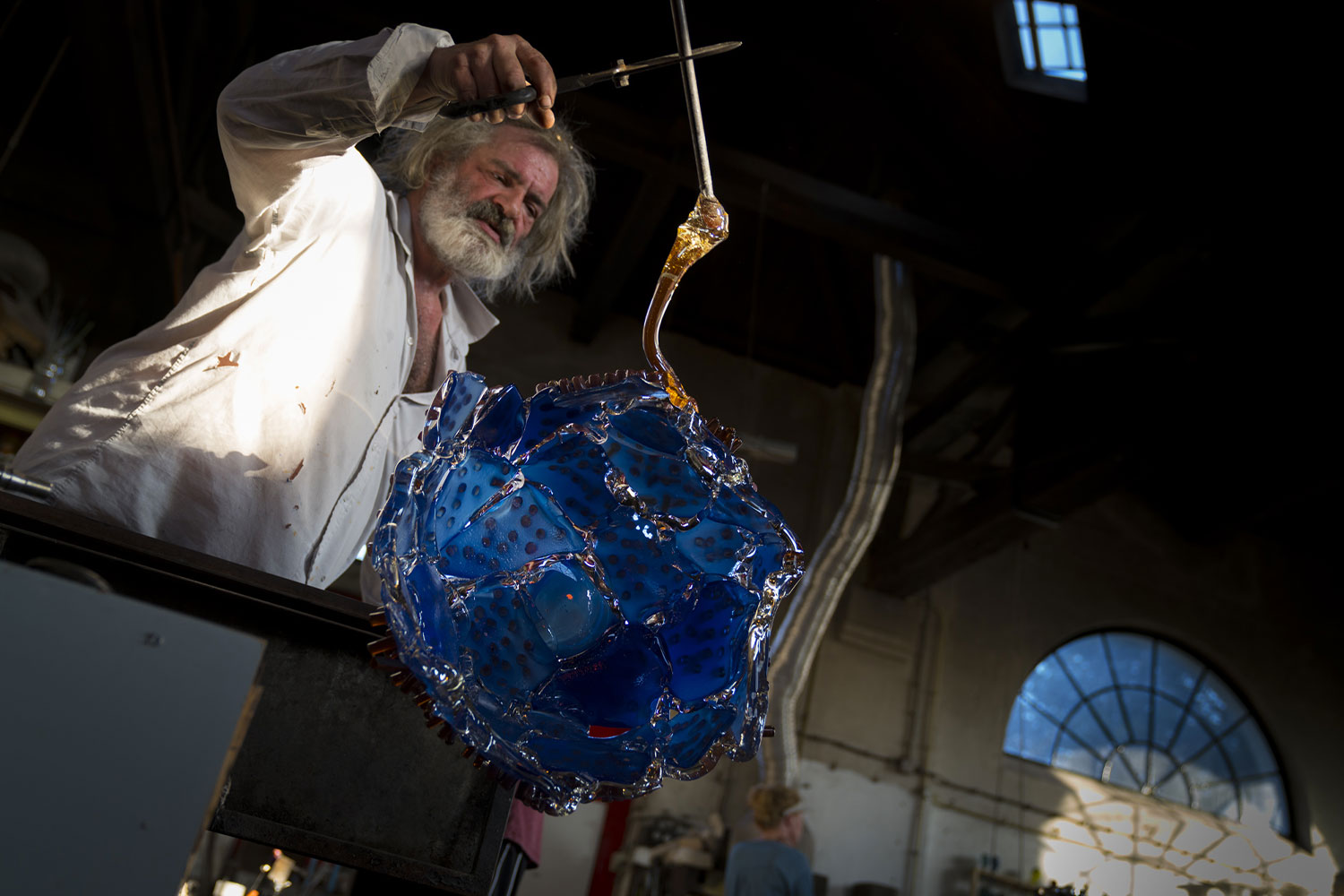
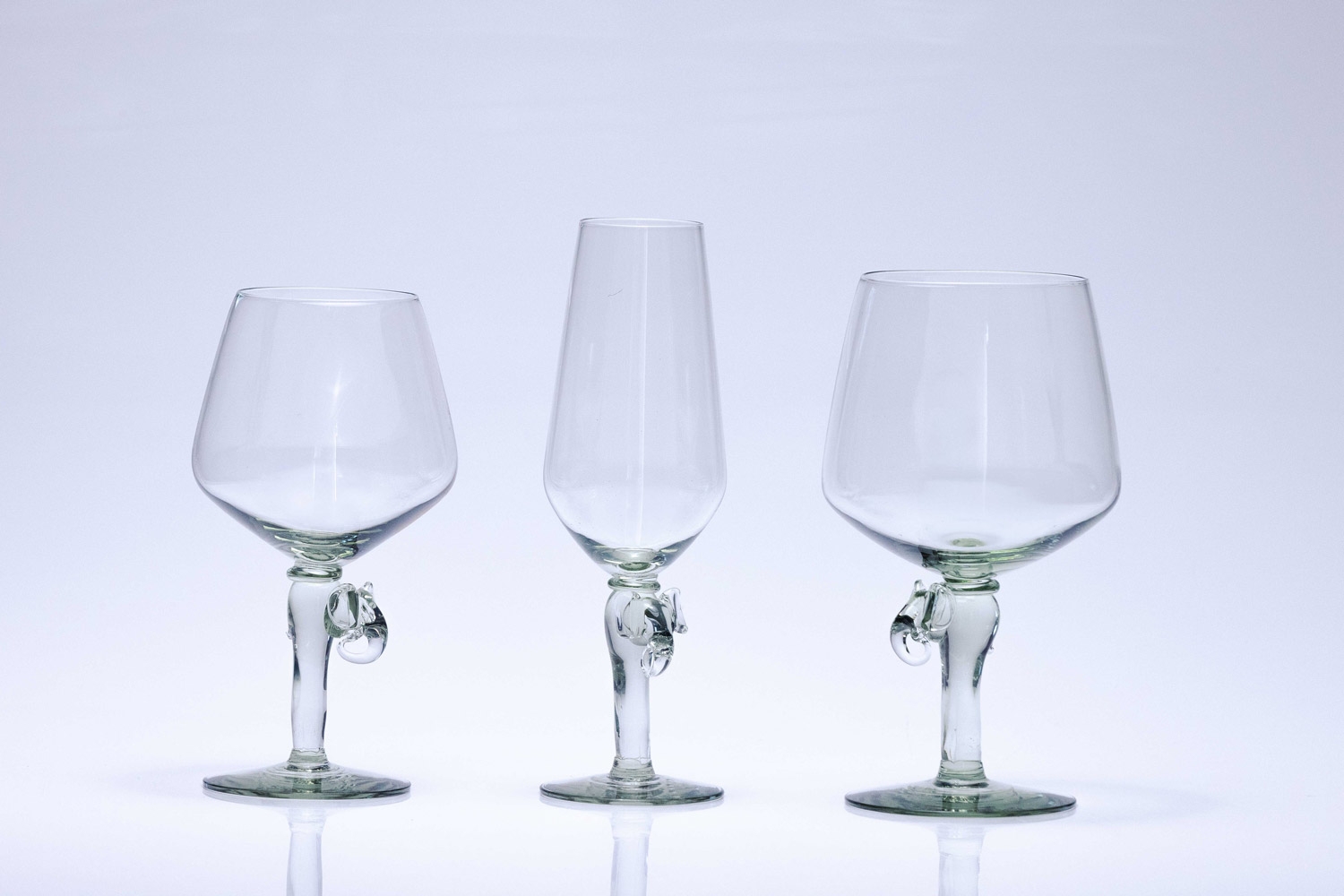
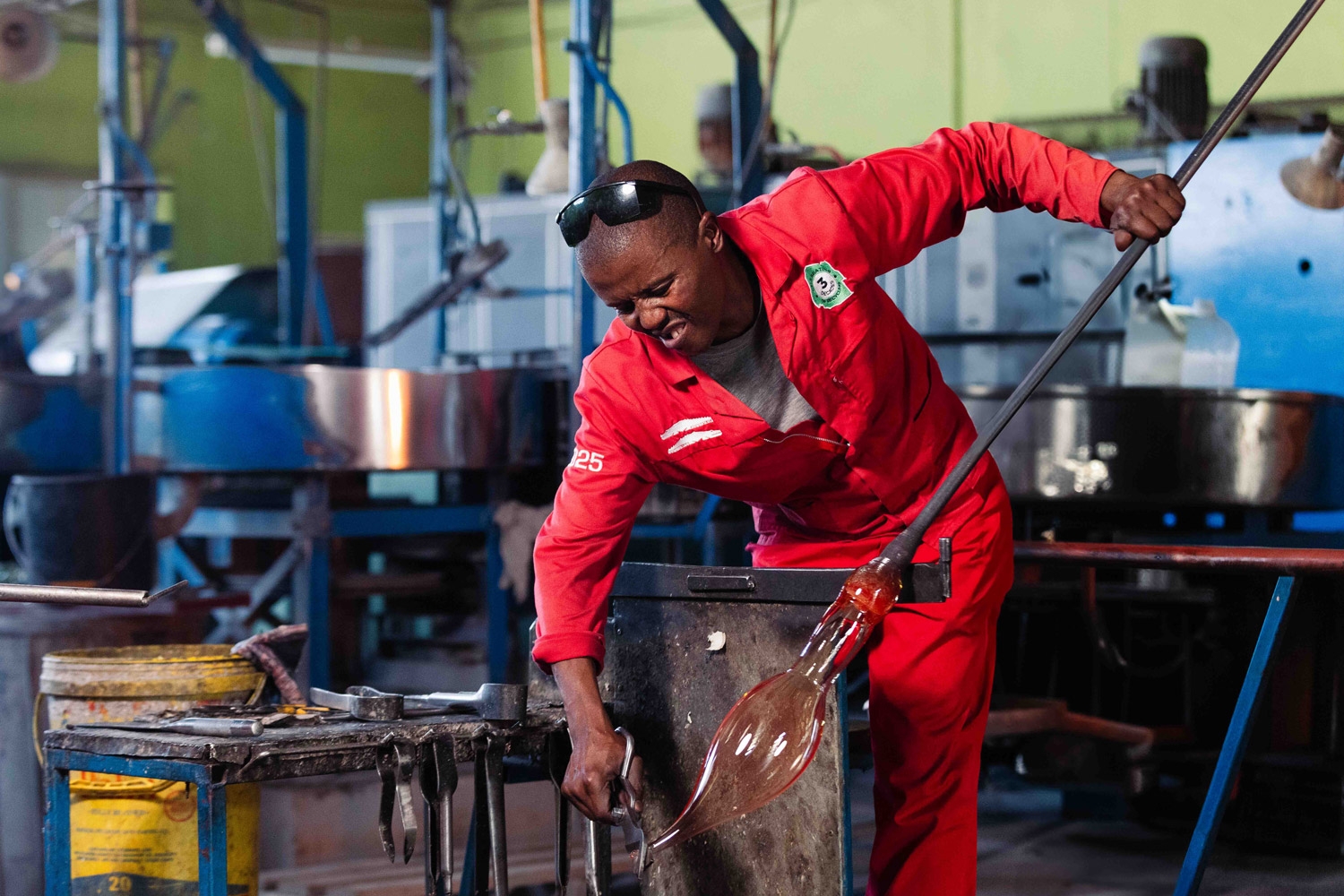
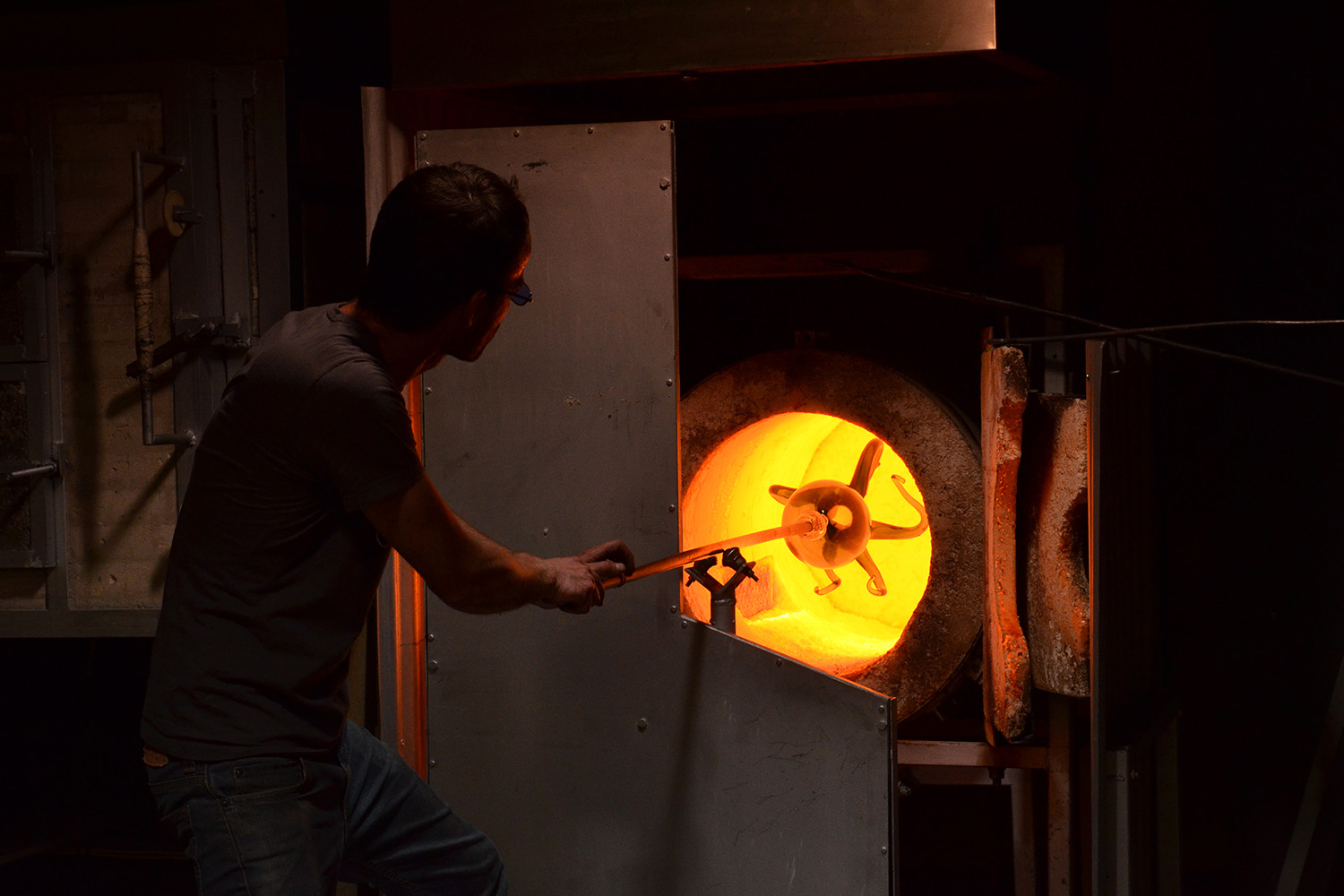
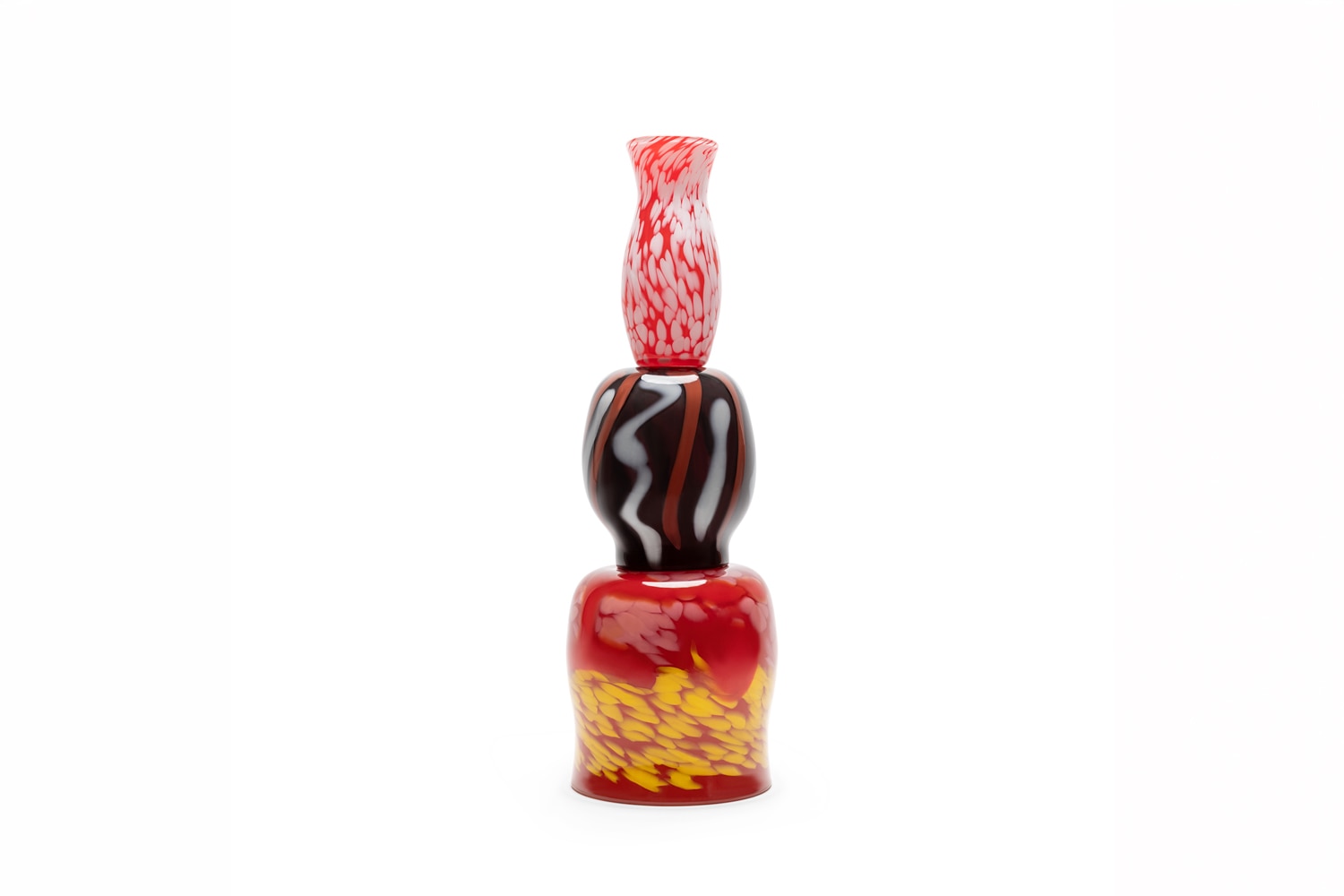
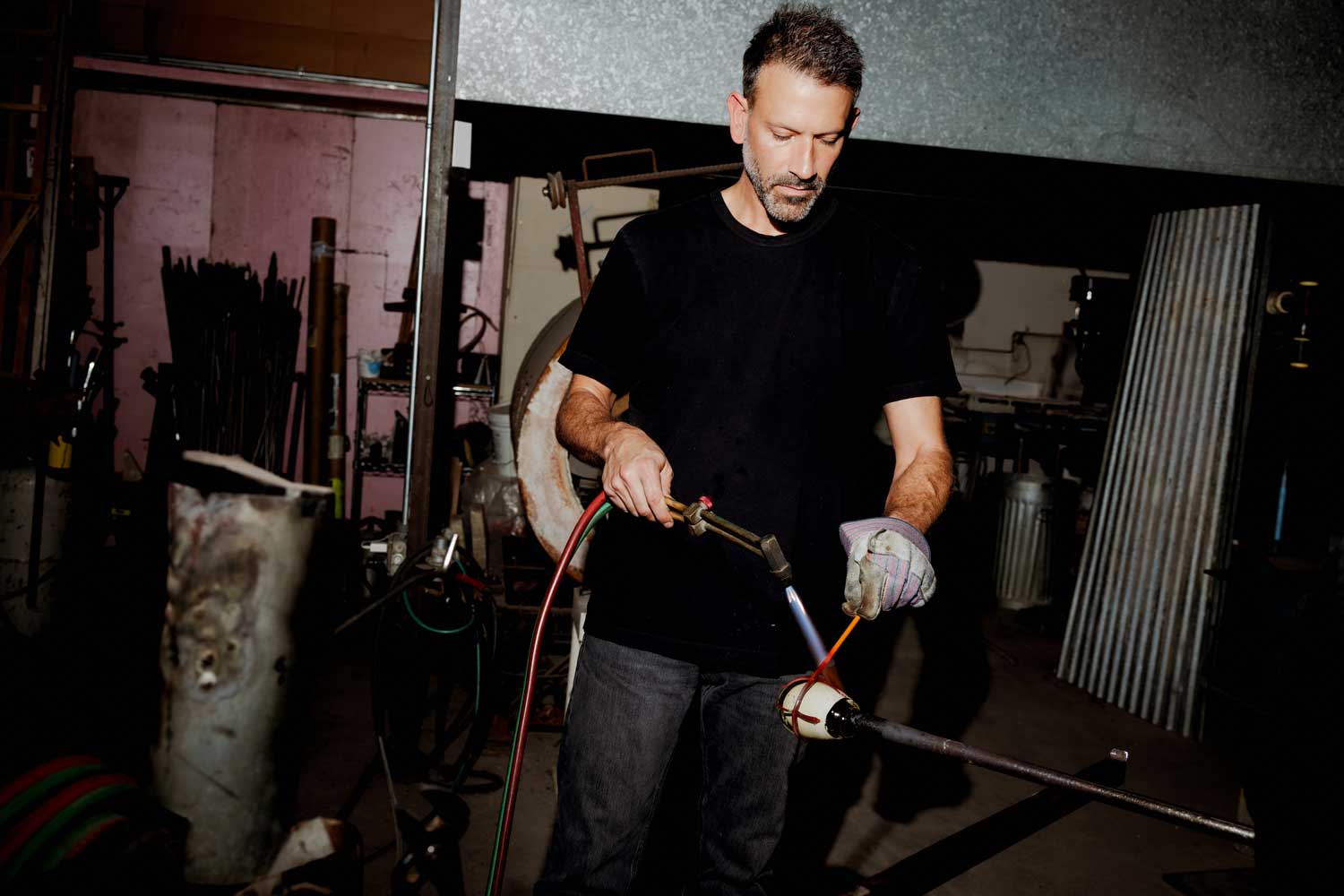
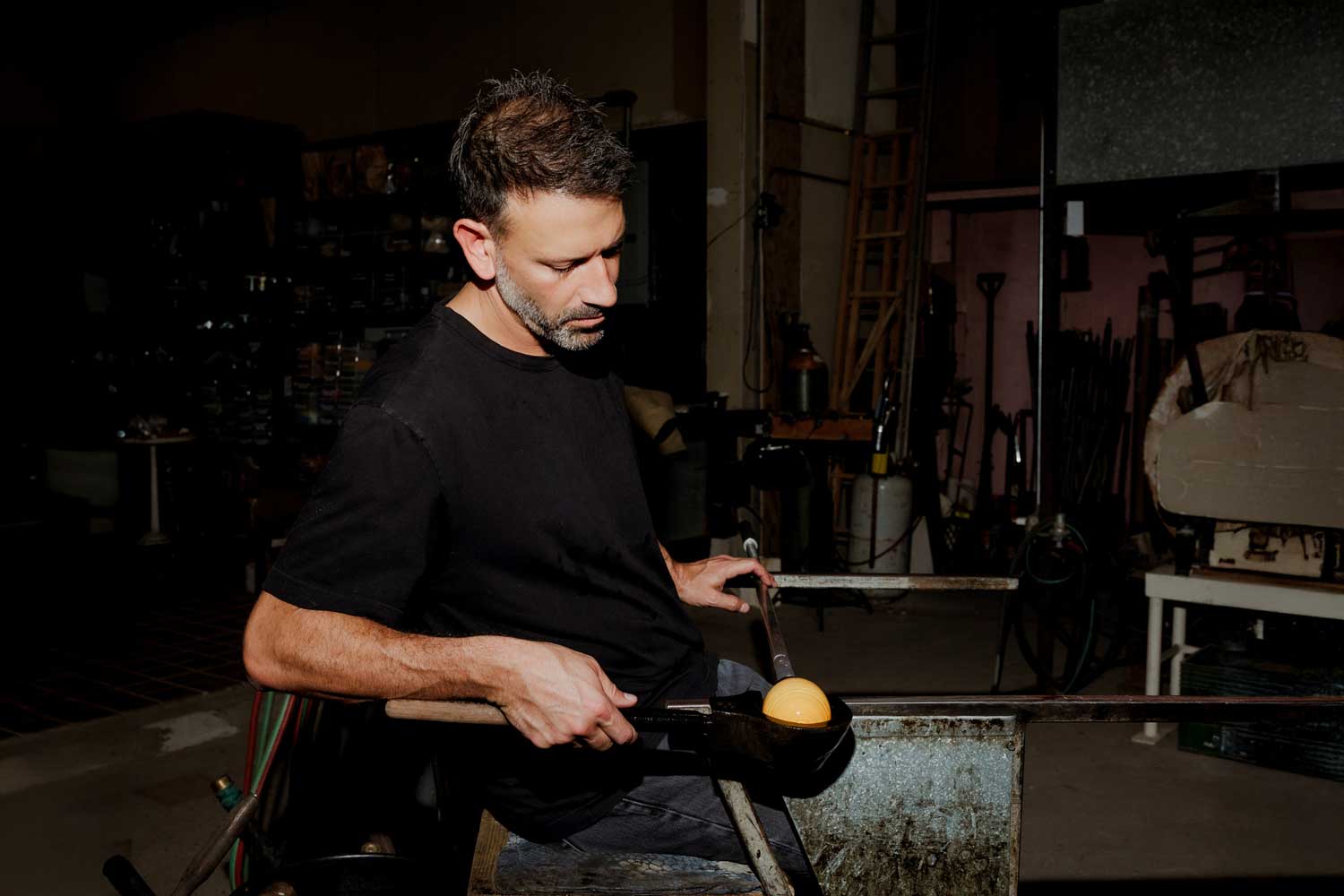
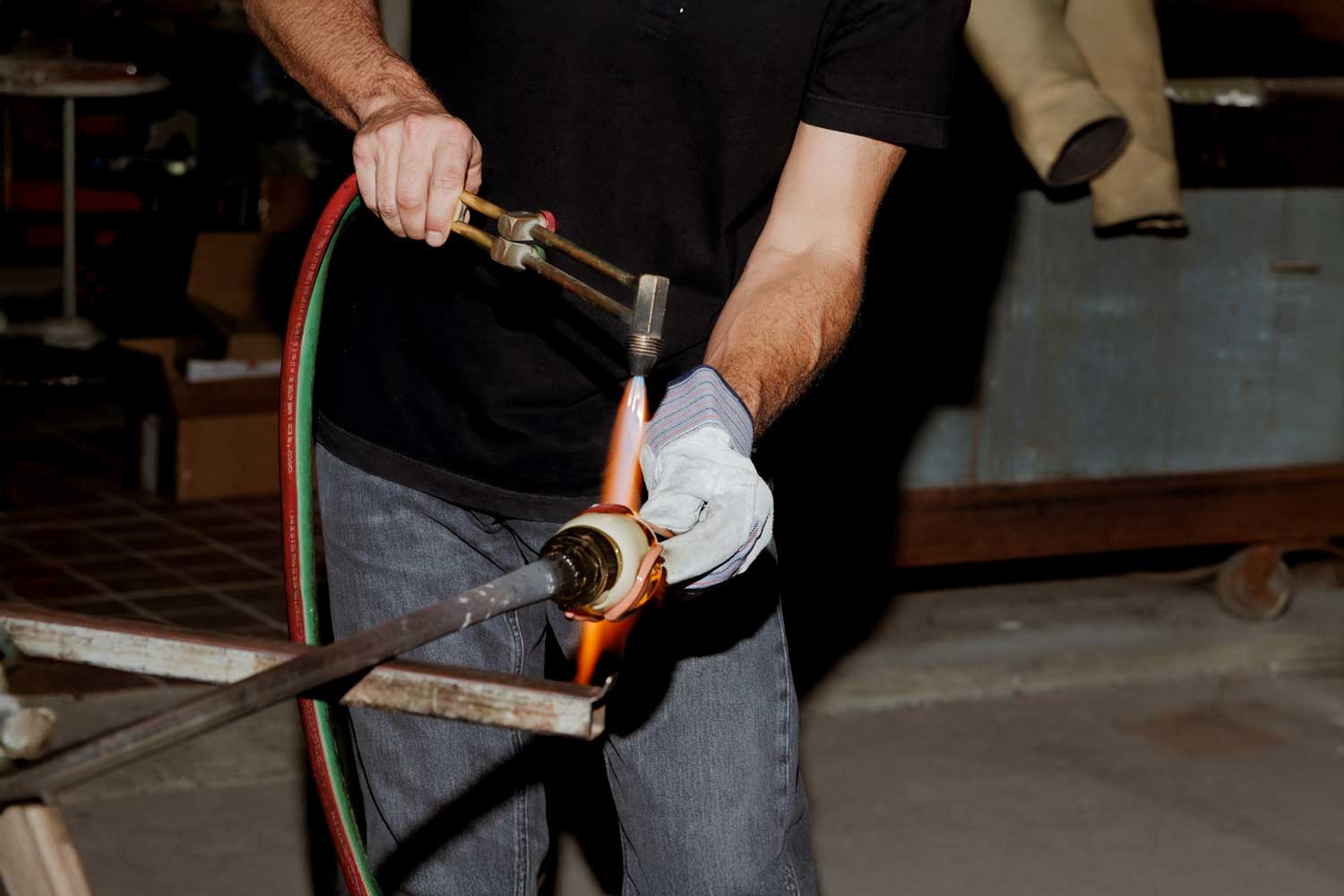
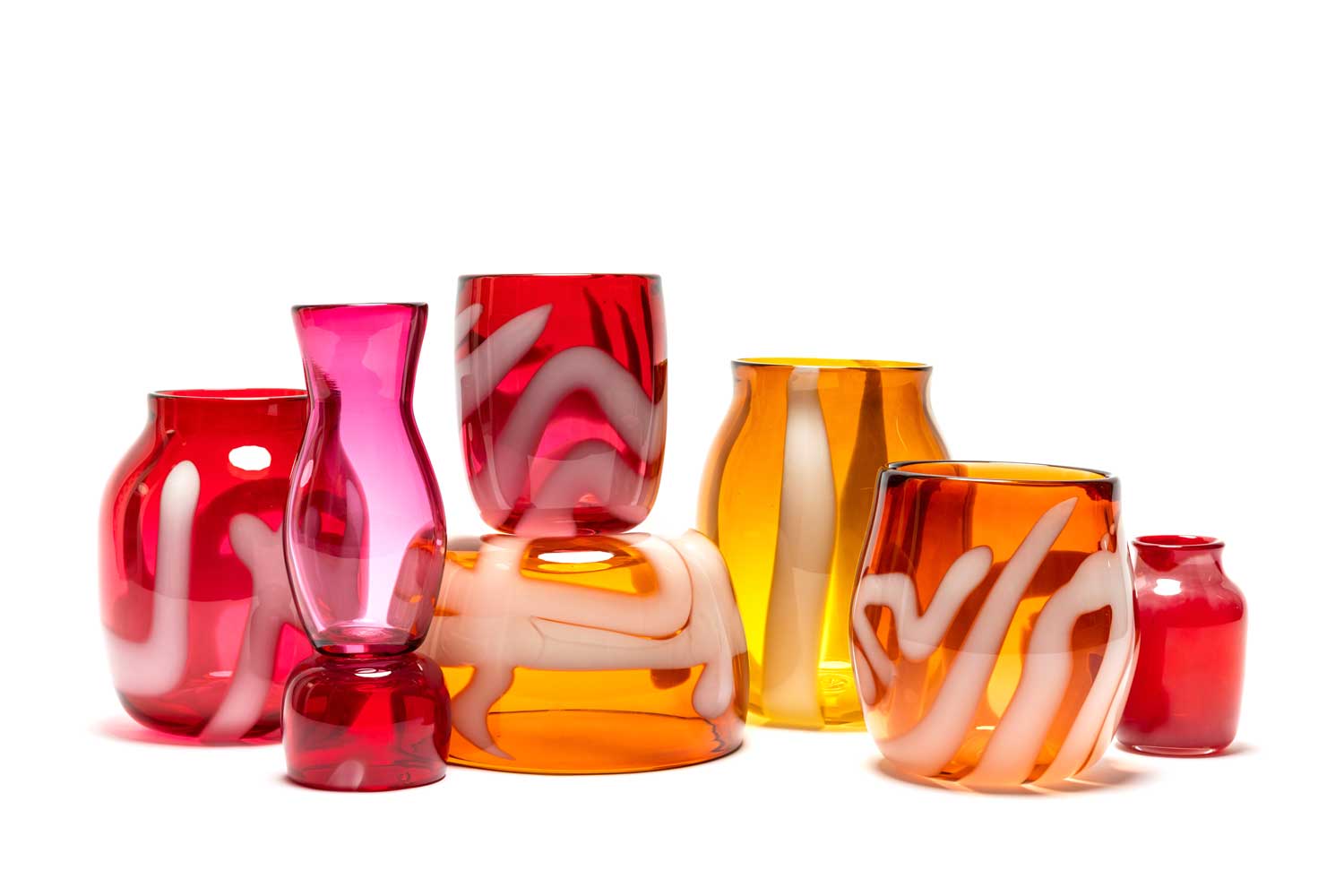
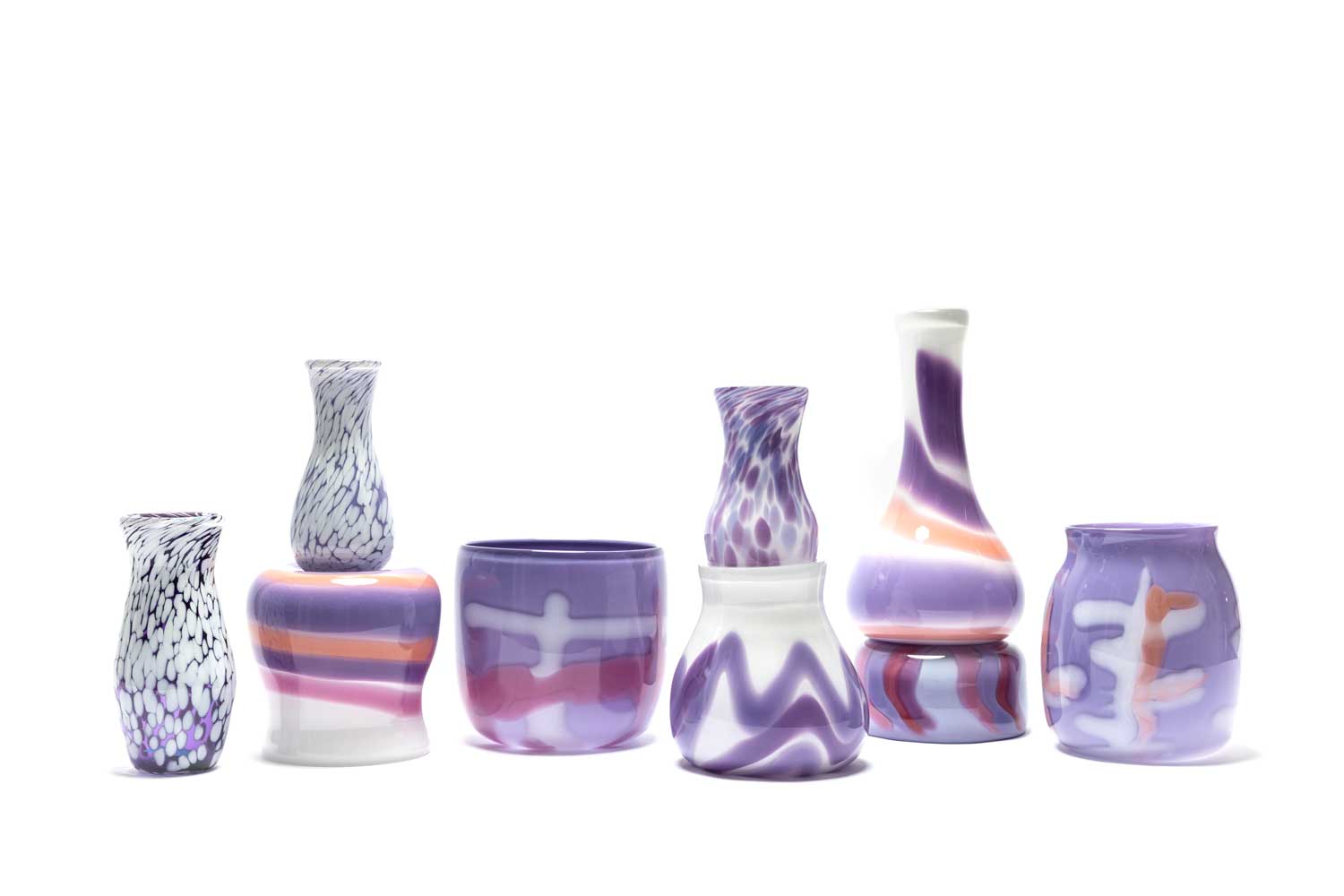
From a pre-American Civil War warehouse near the Brooklyn waterfront in New York City, Paul Arnhold handcrafts his objects of glass. With the furnace heated up to 2000°F, there is little room for error. The works he produces range from vases and bowls to carafes and glasses in distinctive, energetic colours and patterns. Paul first began blowing glass at summer camp in Connecticut when he was a child, and studied glass beyond school and in workshops with expert makers thereafter. "Much of my training was about developing sensitivity: learning how the material moves, how heat affects it, when to push, and when to let it lead," he says. Paul's optimistic works have charmed the retail market and been featured in numerous international publications, including Architectural Digest, New York Magazine and Vogue.
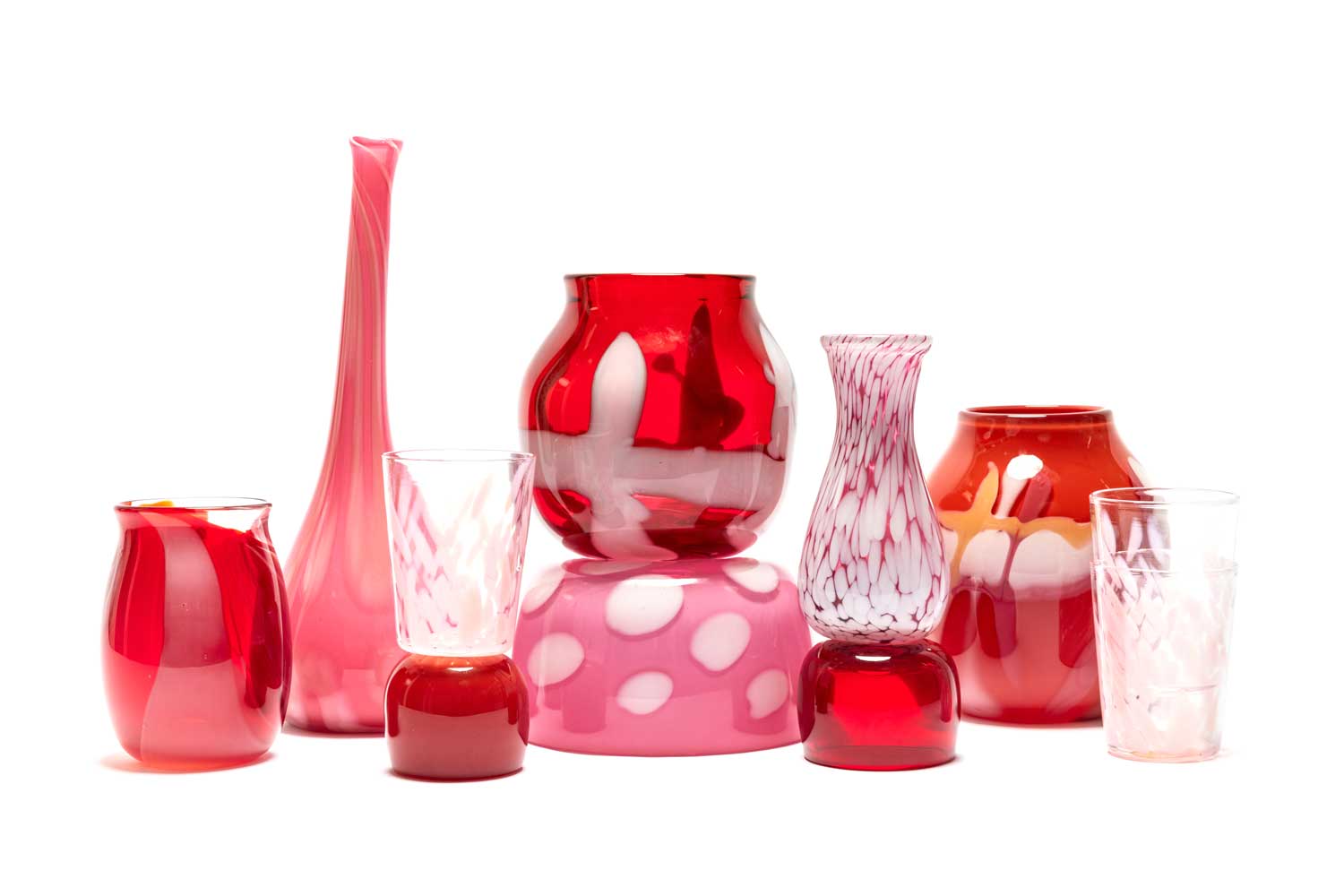
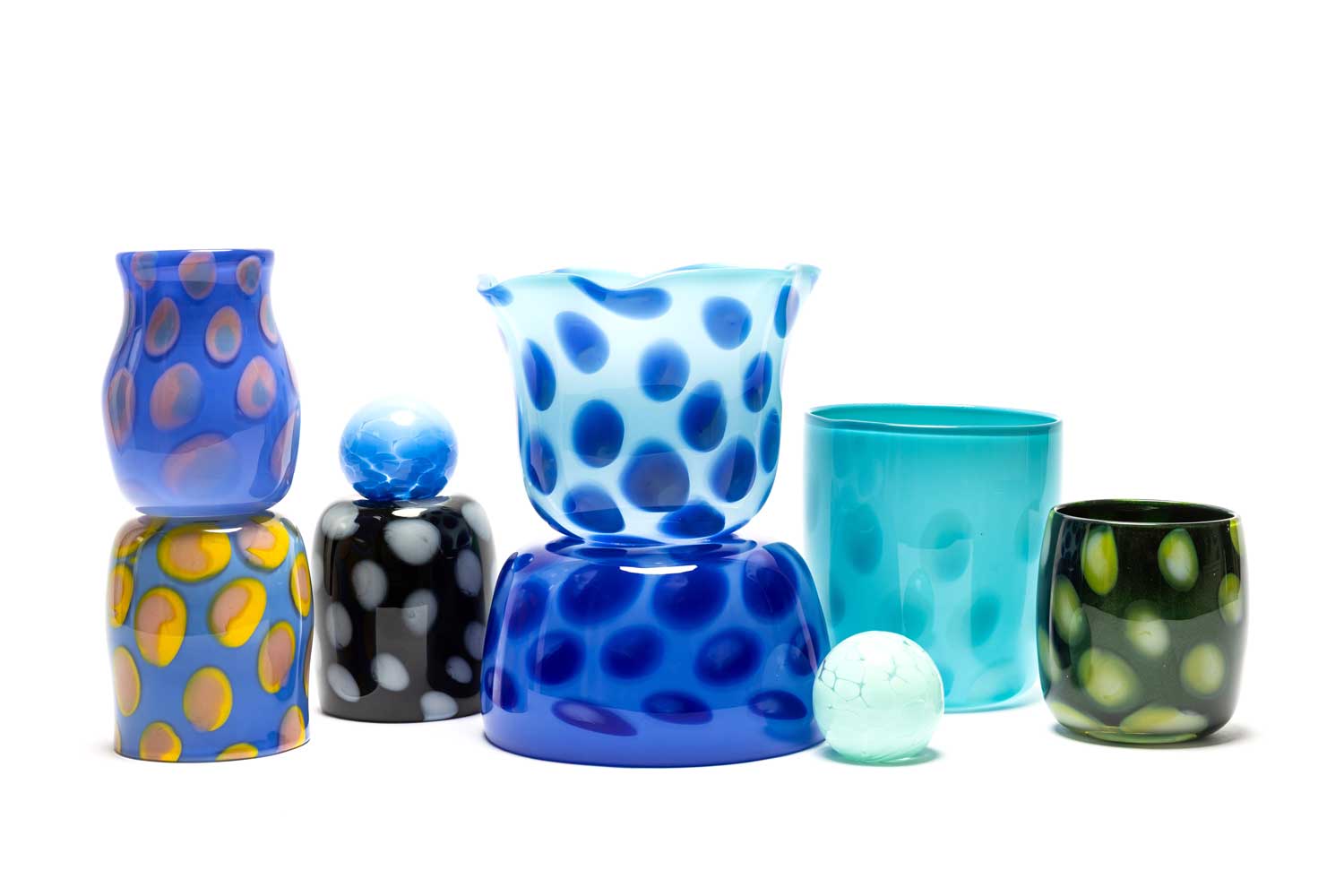
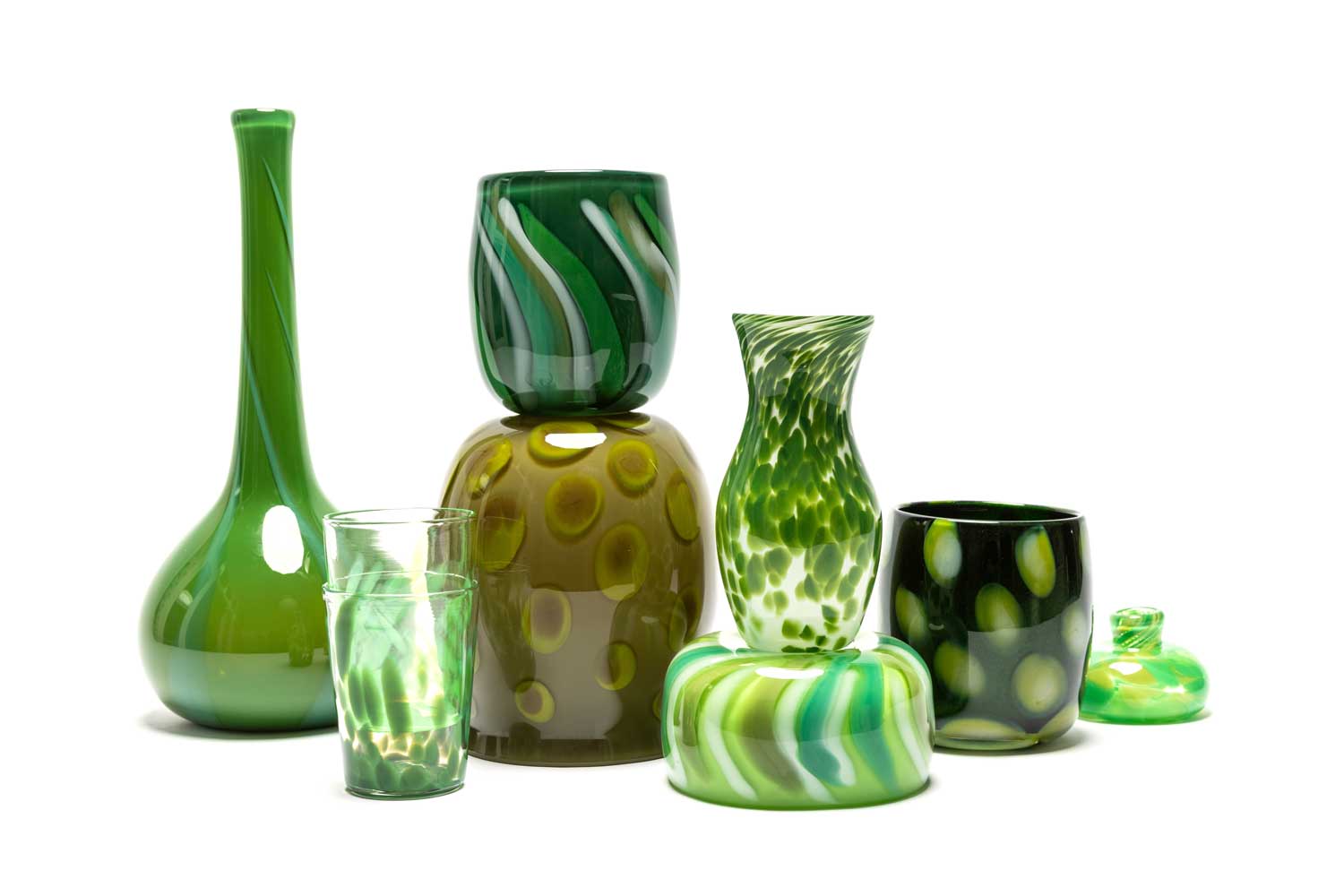
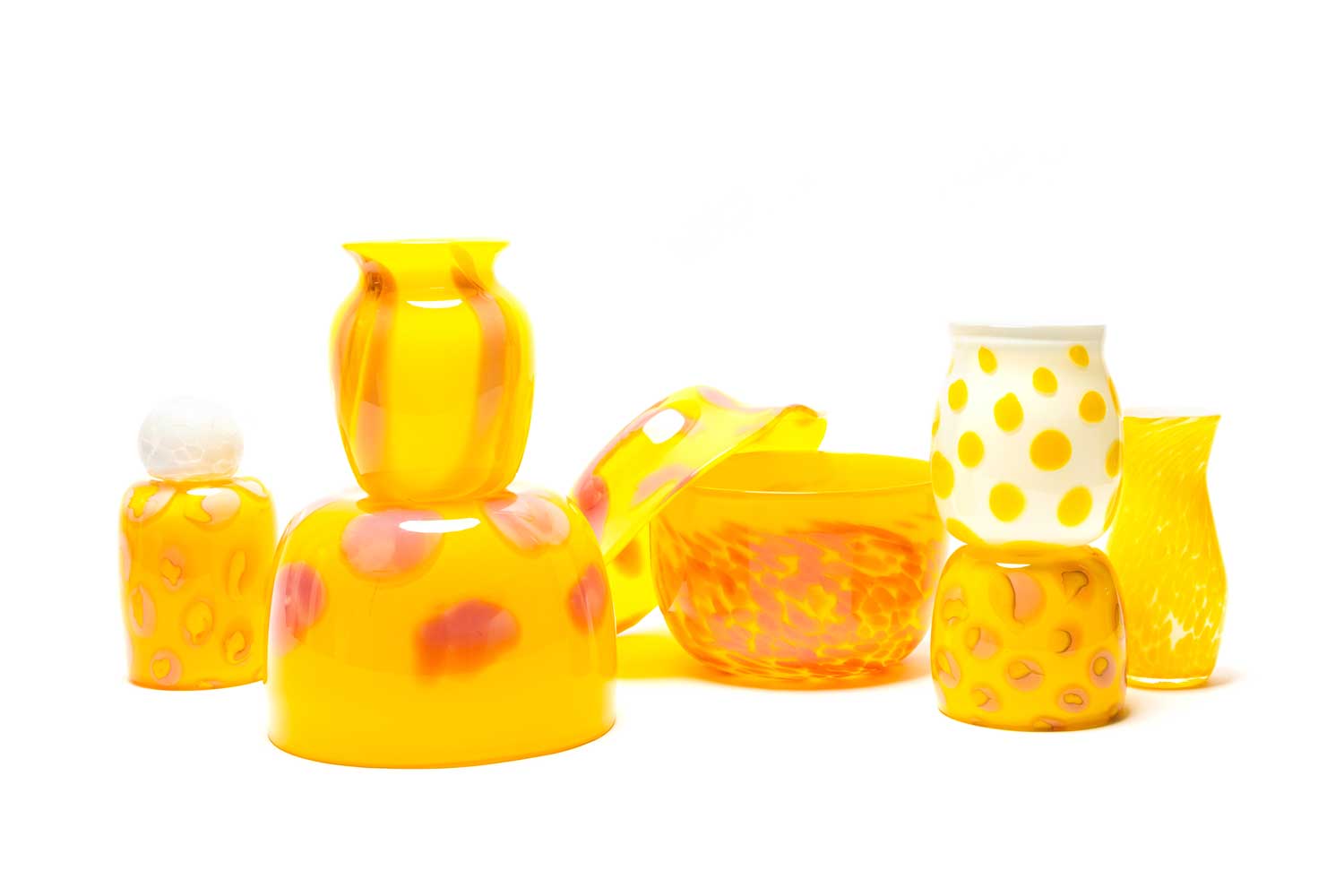
My practice is rooted in traditional hand-blown glass, with a lasting admiration for the Murano tradition. What continues to interest me most is the balance between structure and spontaneity within the material. I make functional vessels that are also intended to have a strong presence as objects in their own right.
I first discovered glassblowing as a child, and it stayed with me from that point on. I continued working with glass through college, and my real education came over time in the studio, by working closely with master glassblowers and learning through observation, repetition and practice. Glass is a material that teaches humility. It is physical, fast and demanding, and there is no substitute for time spent doing it.
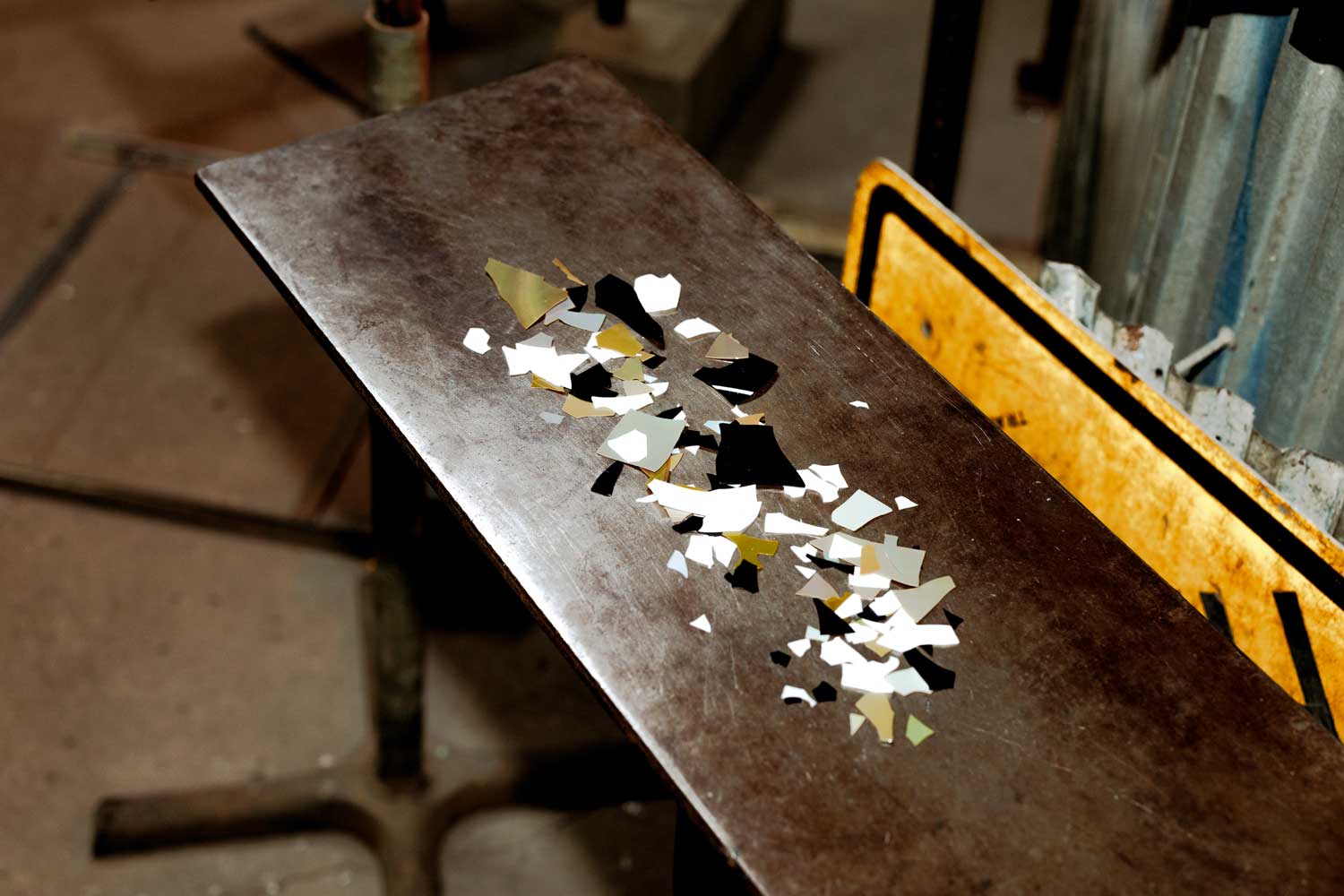
Most of my materials come through established suppliers who specialise in glassmaking, including clear glass, colour and the technical materials needed in the studio. Beyond the raw materials, I think of sourcing more broadly. A great deal of what informs my work comes from what I gather on a constant basis: flowers, textiles, paintings, interiors and objects from different periods. Those visual references shape my creations as much as the material itself.
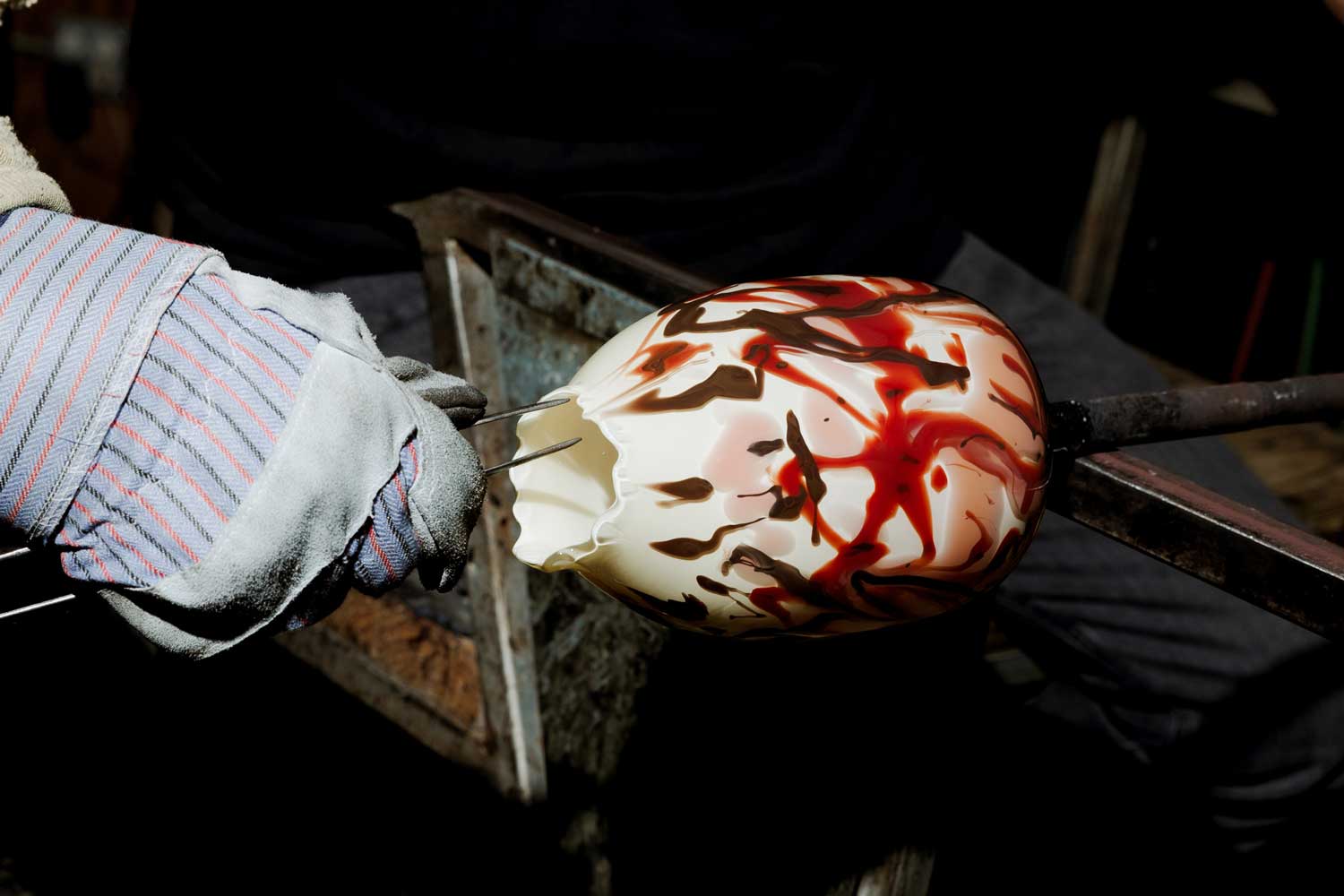
My process usually begins with colour and the mood or feeling I want a piece to carry. I tend to think first about the emotional relationship between tones and what kind of atmosphere they create, rather than with a fully resolved sketch. From this loose framework, the process is highly improvisational because the material requires a response in real time. I think of my process less as imposing a fixed idea, and more as guiding the piece while leaving room for the unexpected.
Glassblower
New York, NY, USA
Address upon request, New York, NY, USA
By appointment only
English
Homo Faber Finds is a new service aiming to inspire admirers of craft to connect and collaborate with exceptional artisans.
We invite you to submit an enquiry here.