©Lydia Singletary
©Lydia Singletary
©Mac Holt
©All rights reserved
©Julien Capmeil
Preston Singletary
Glassblower
Seattle, WA, USA
©Lydia Singletary
©Lydia Singletary
©Lydia Singletary
©Lydia Singletary
©Mac Holt
©Mac Holt
©All rights reserved
©All rights reserved
©Julien Capmeil
©Julien Capmeil
Ancestral stories told through contemporary glass
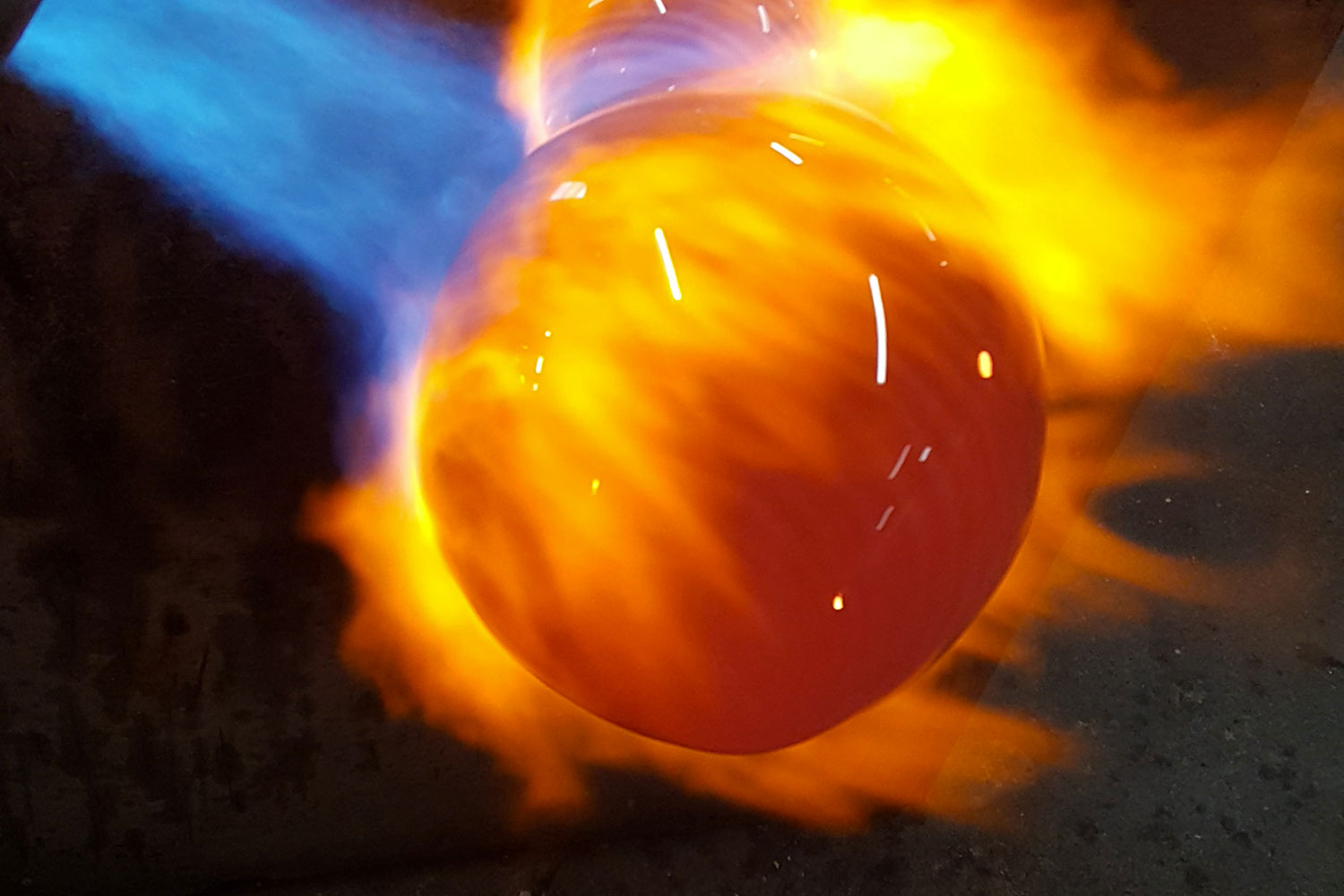
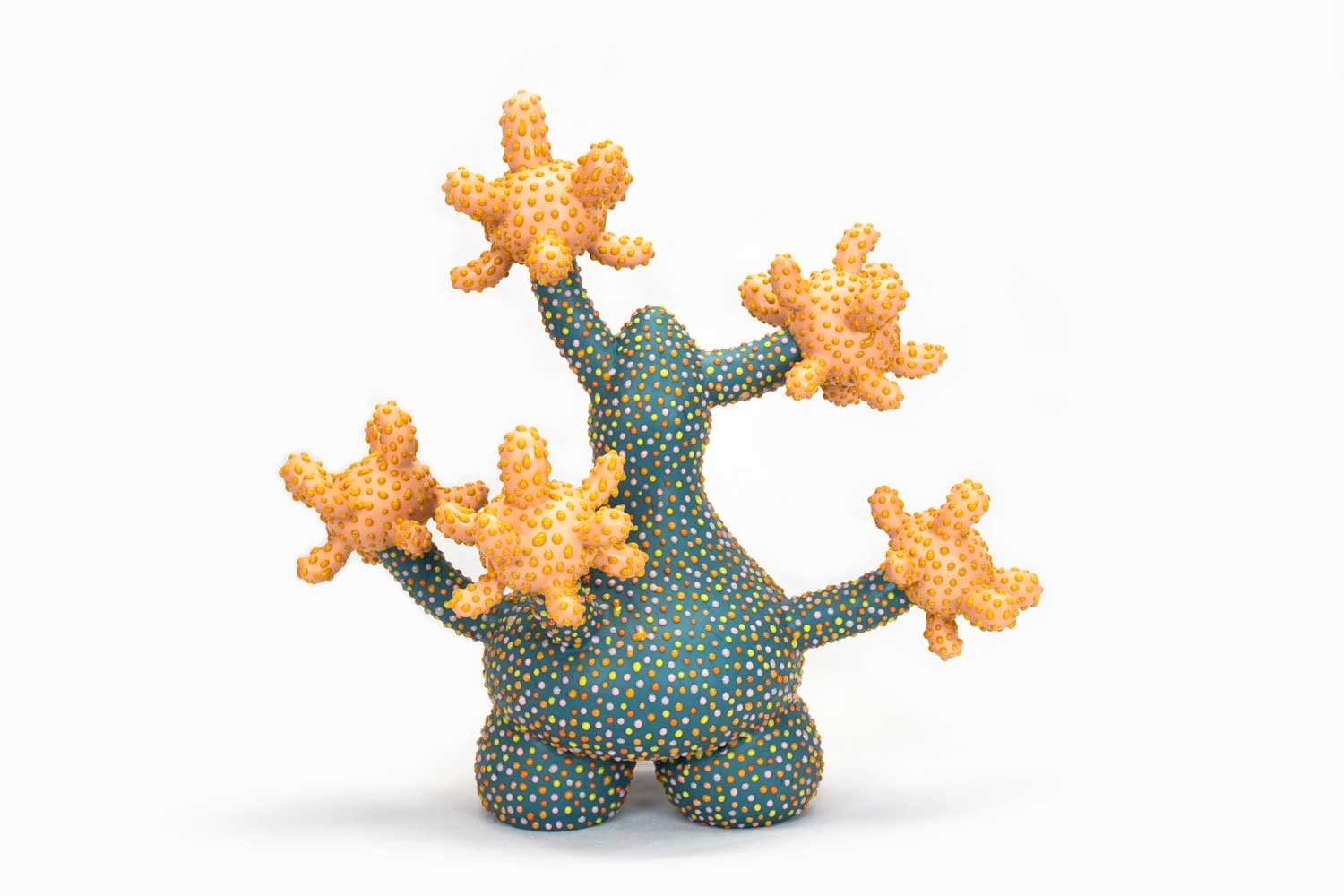
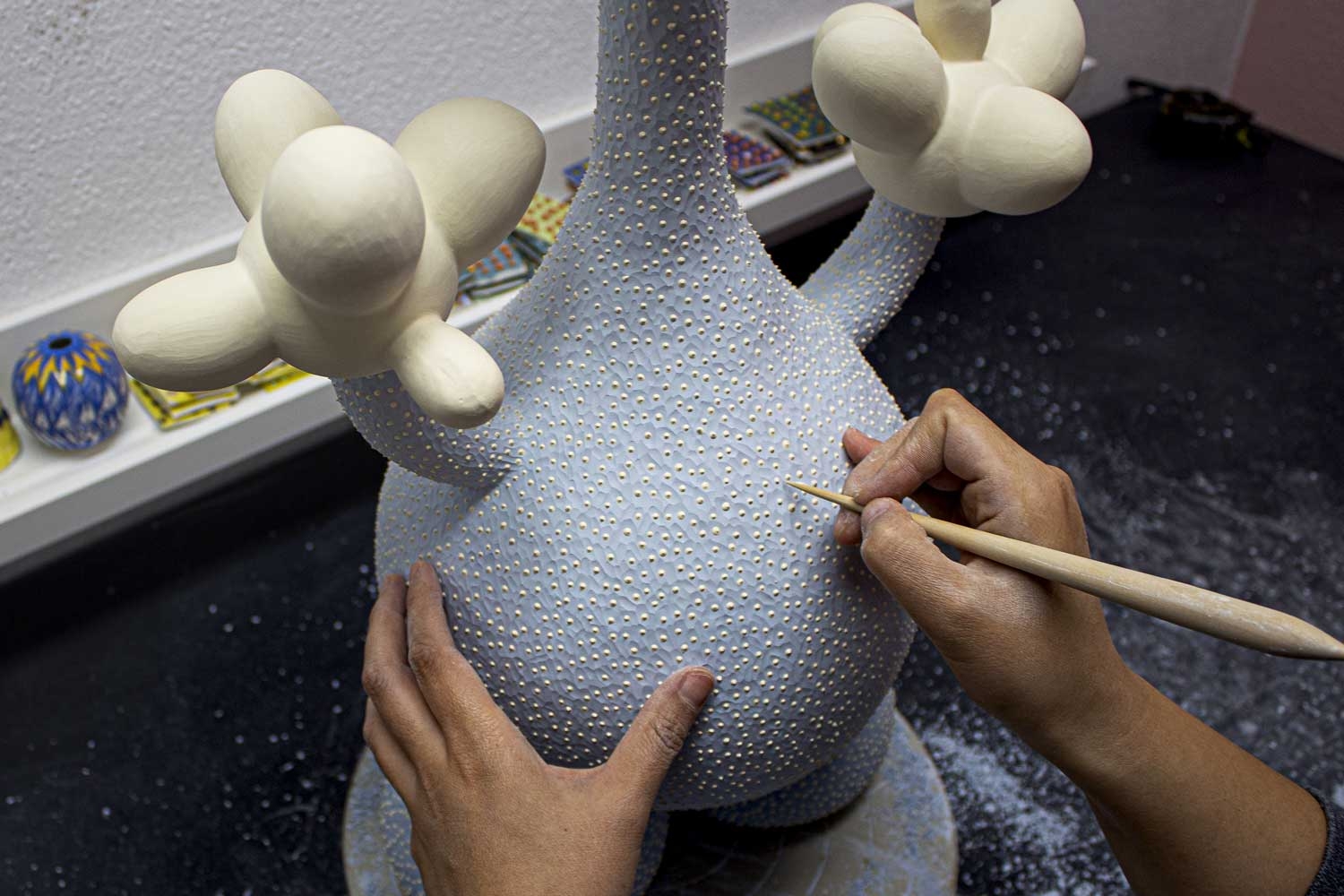
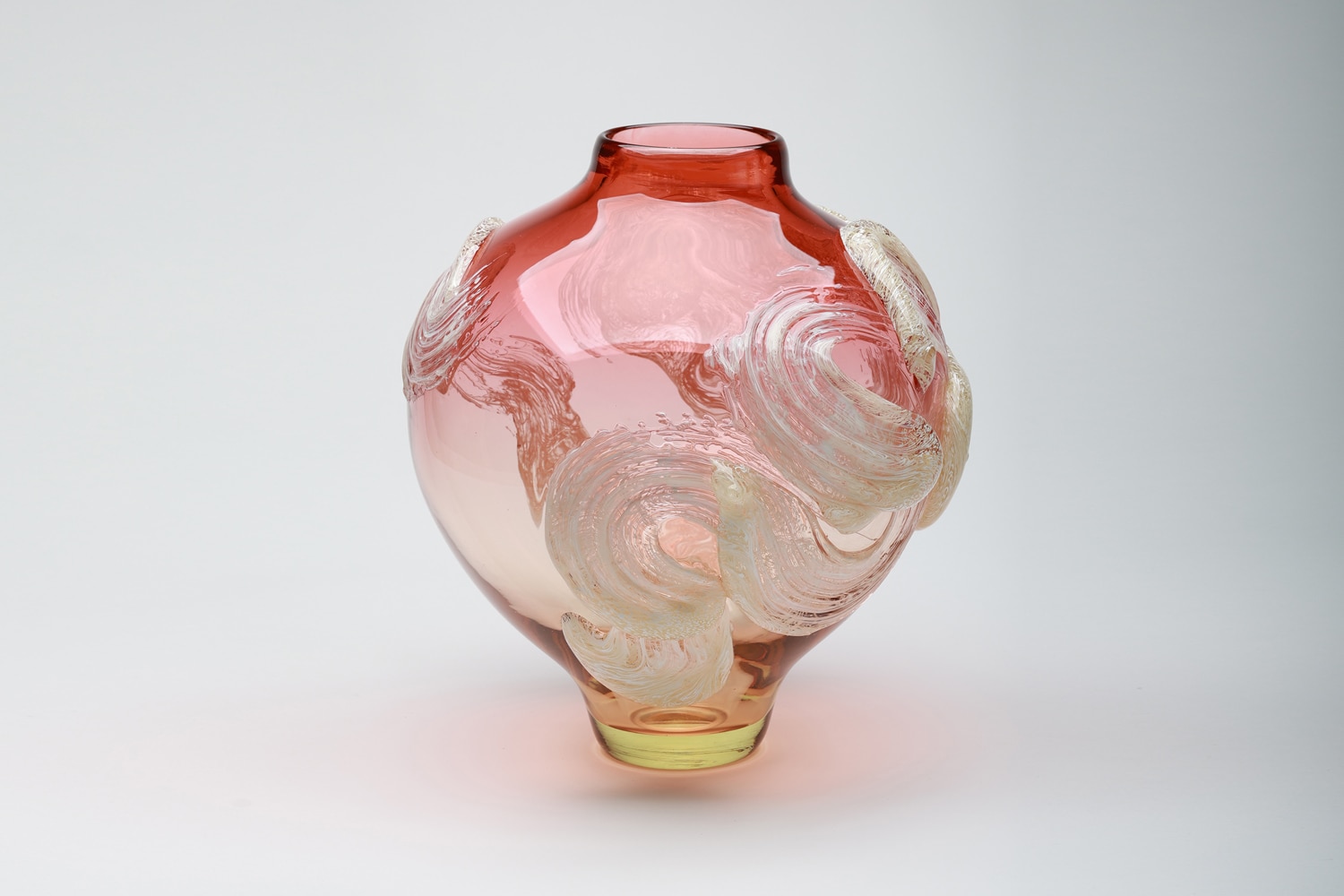
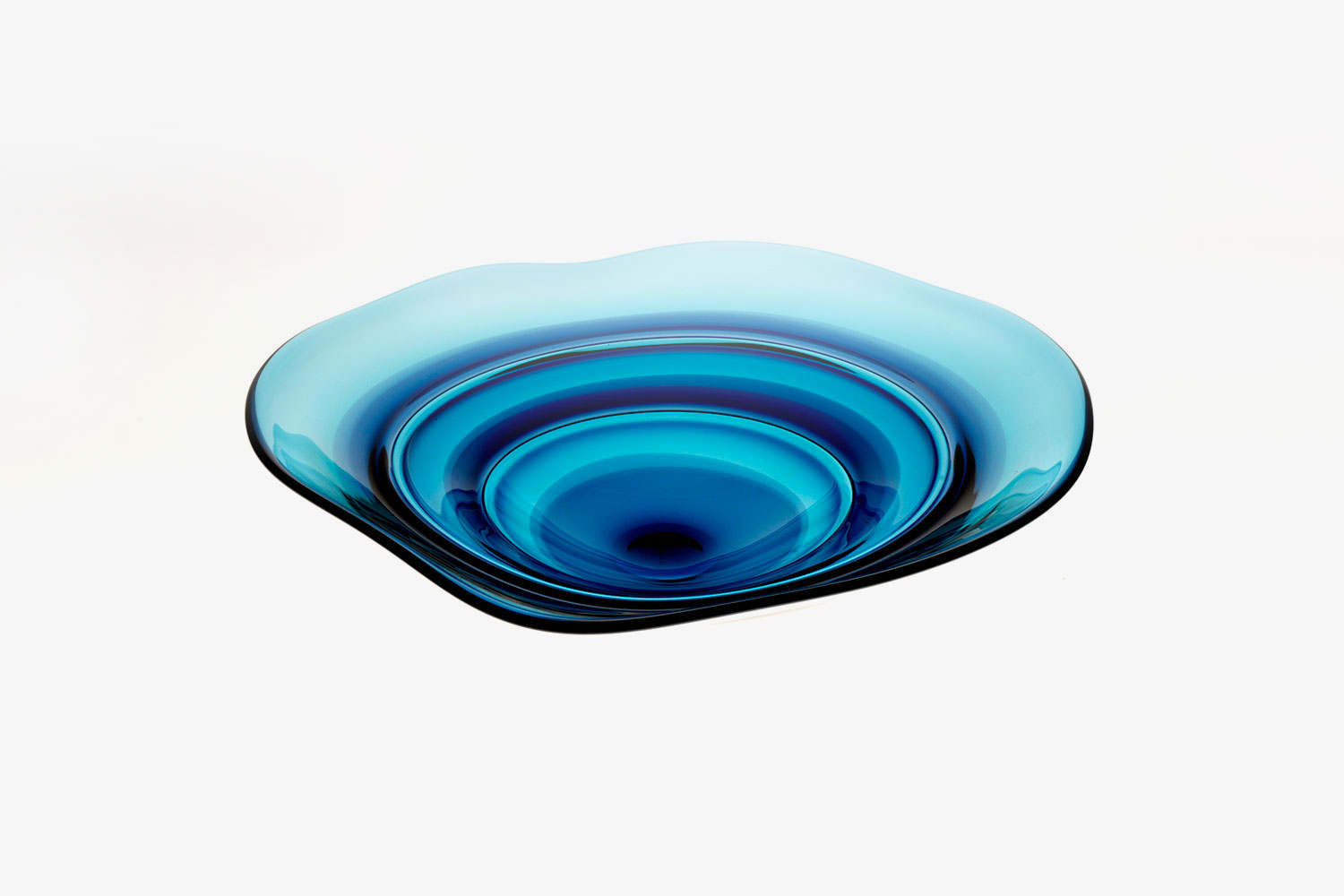
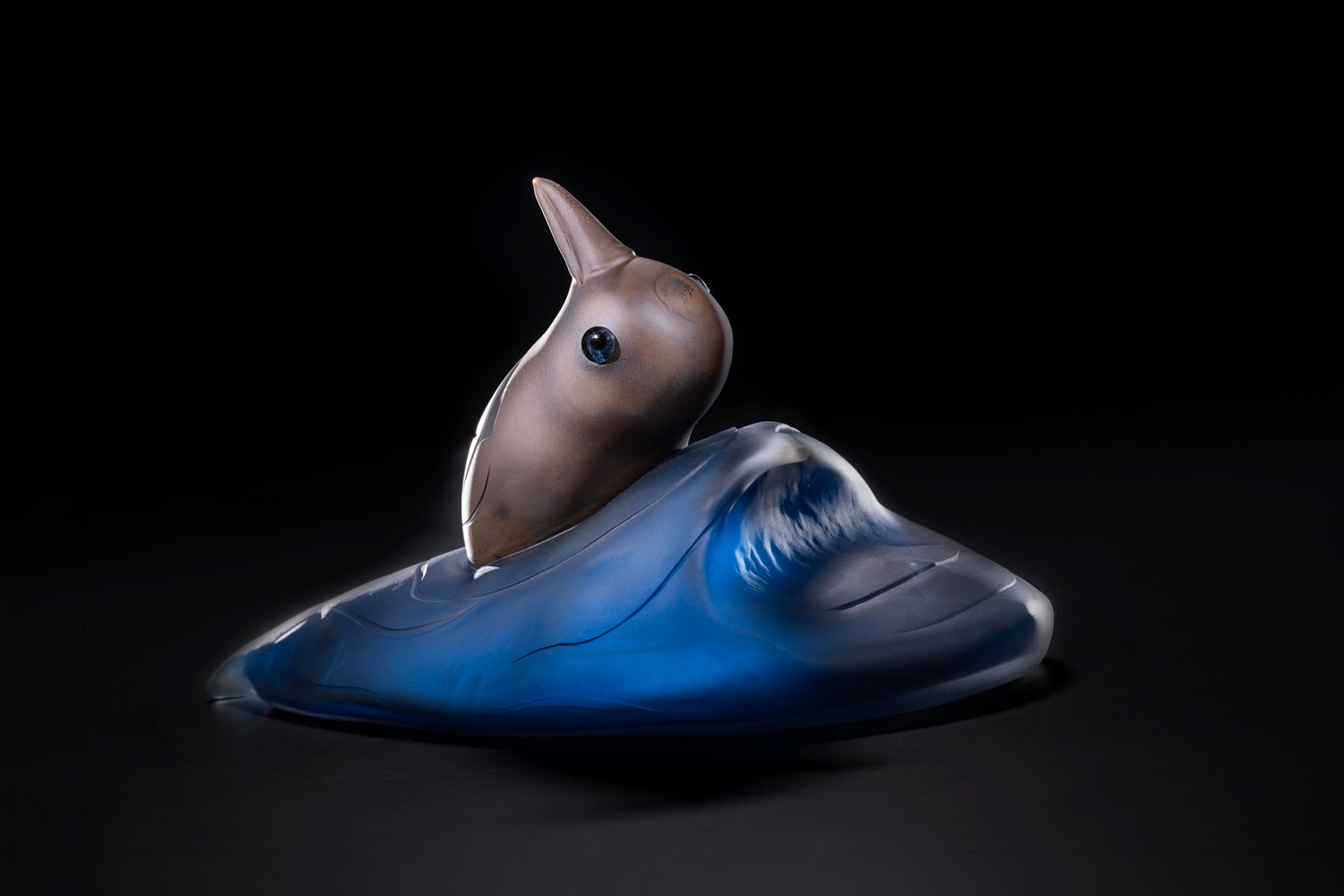
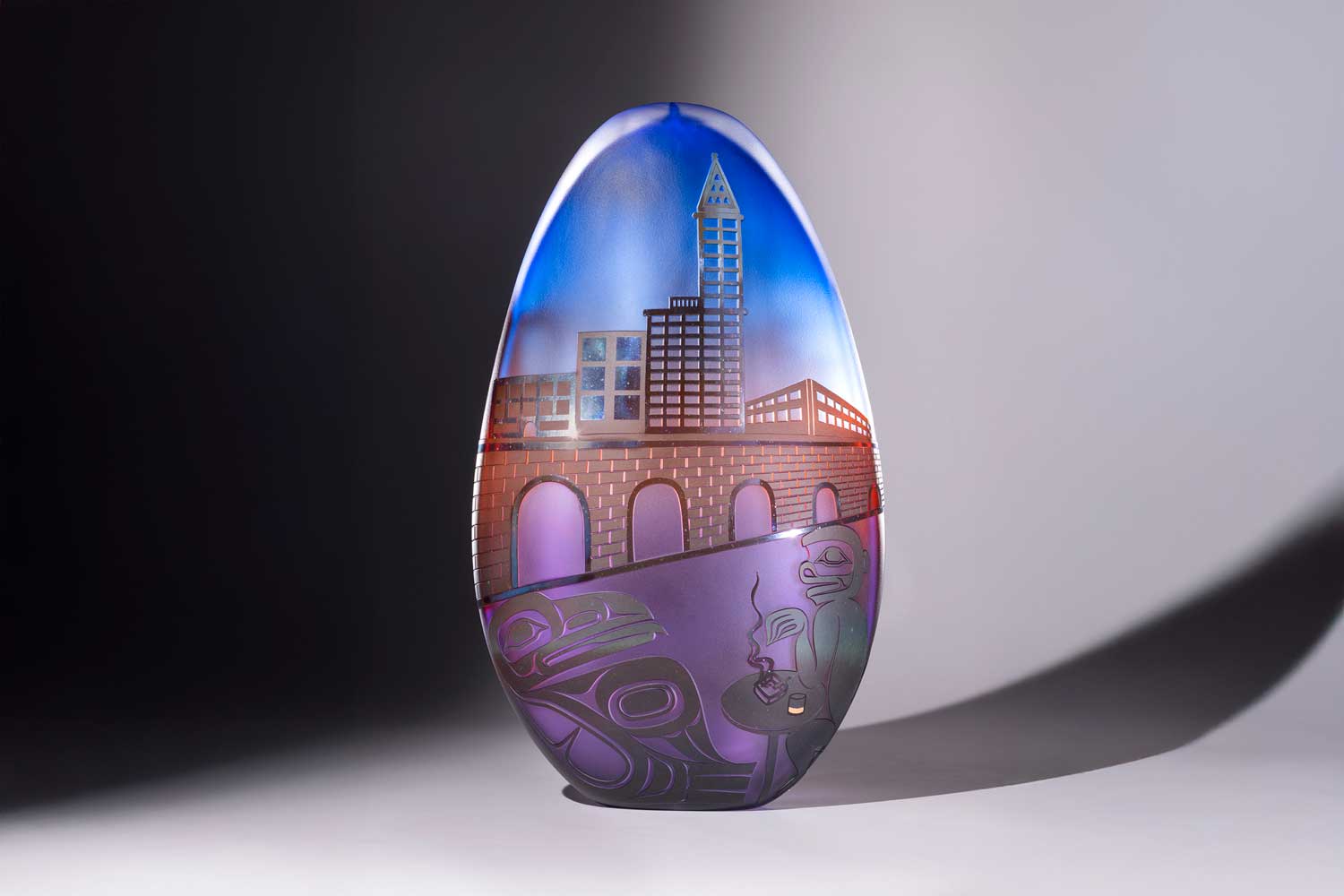
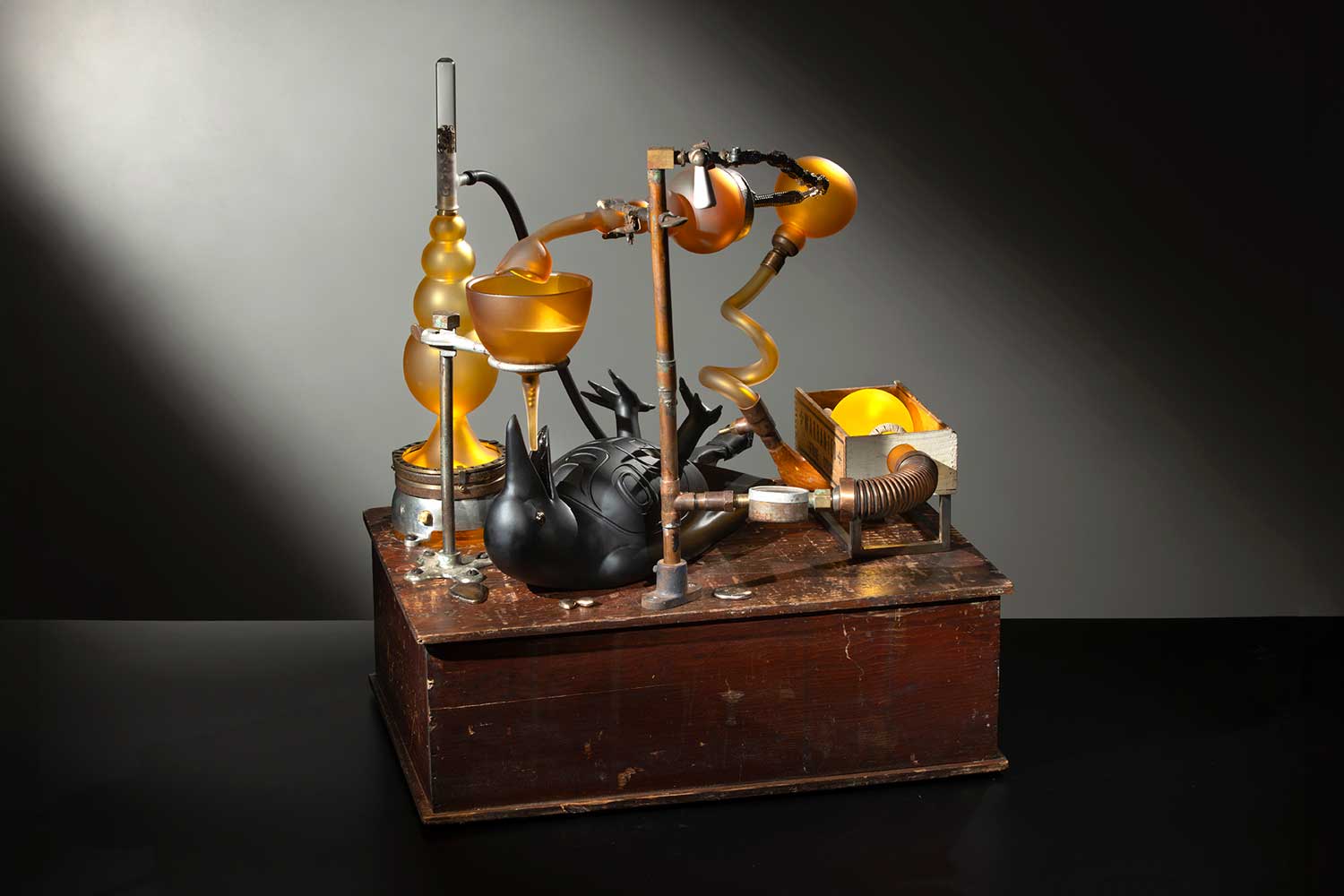
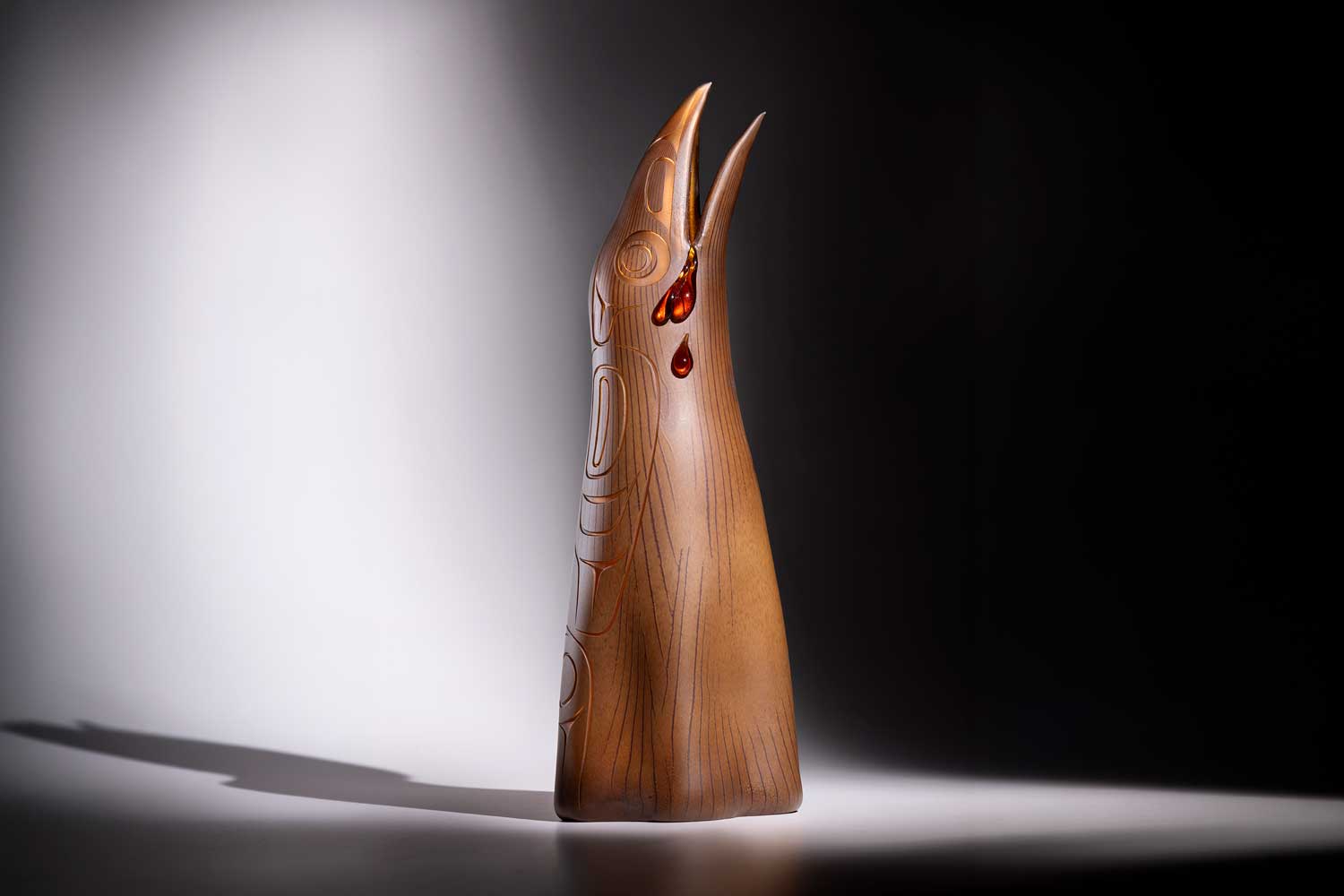
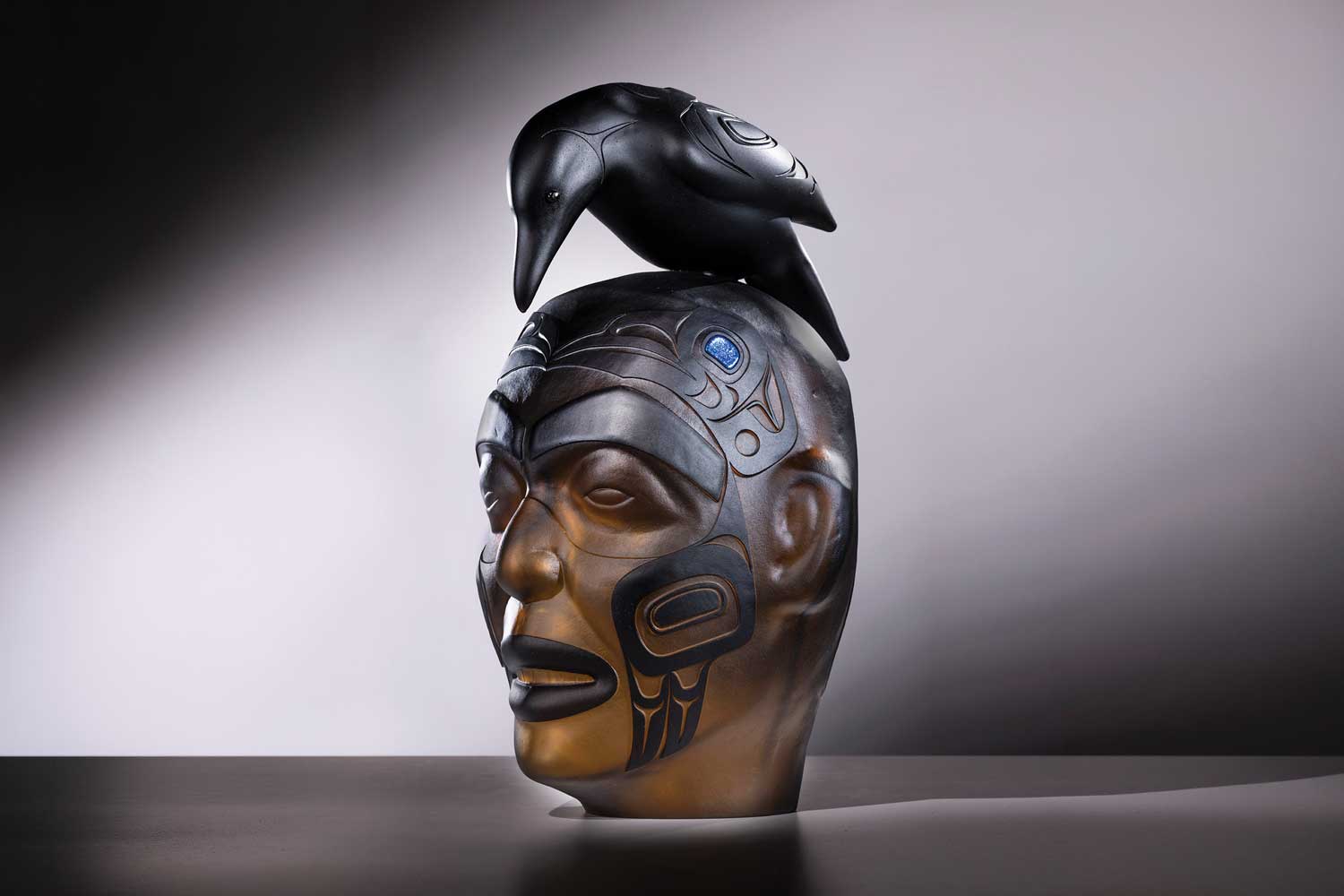
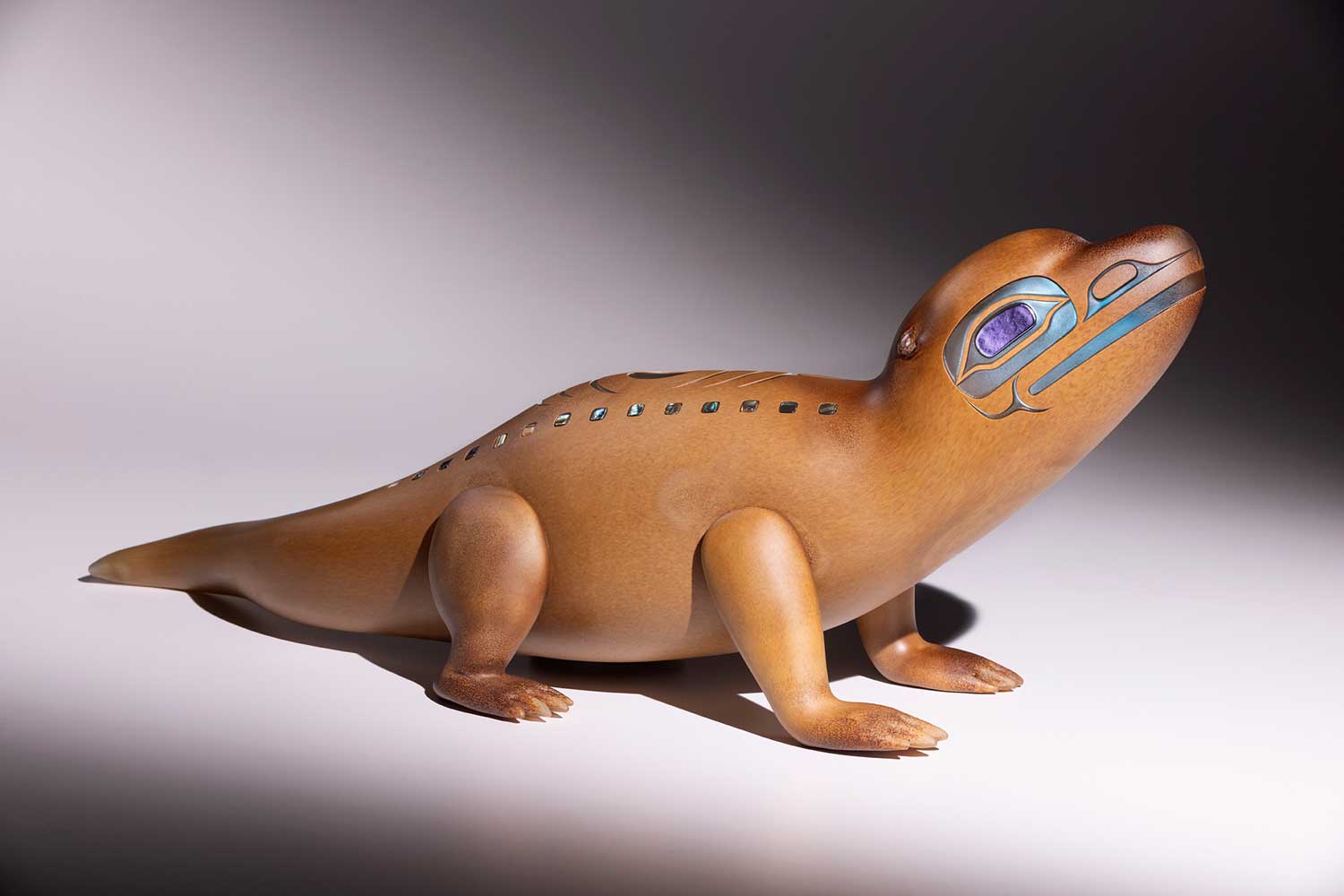
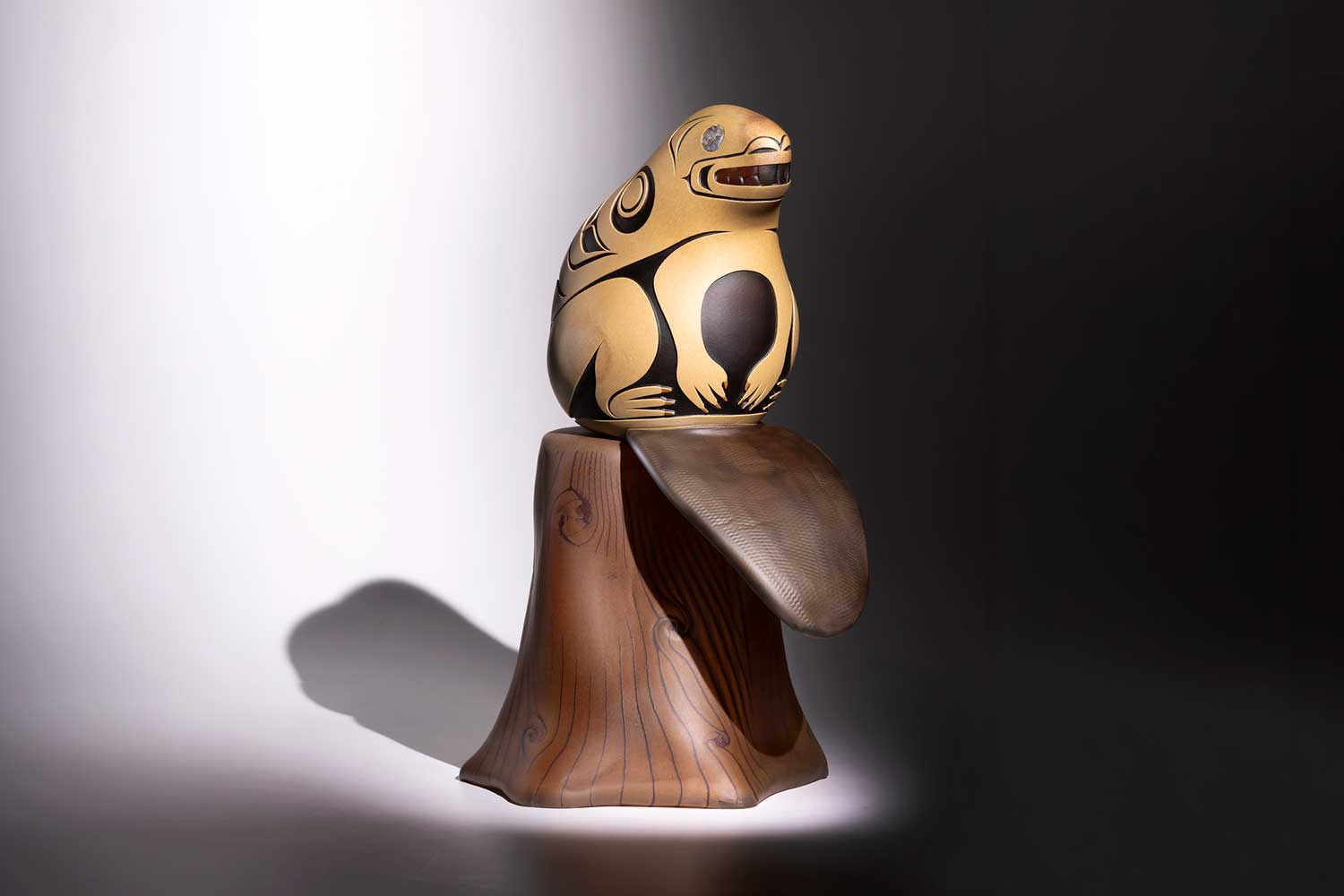
- Preston's blown glass sculptures are sand carved to reveal design elements
- With glass, he extends Tlingit formline design beyond its traditional materials
- Collaboration and Indigenous storytelling are central to his creative process
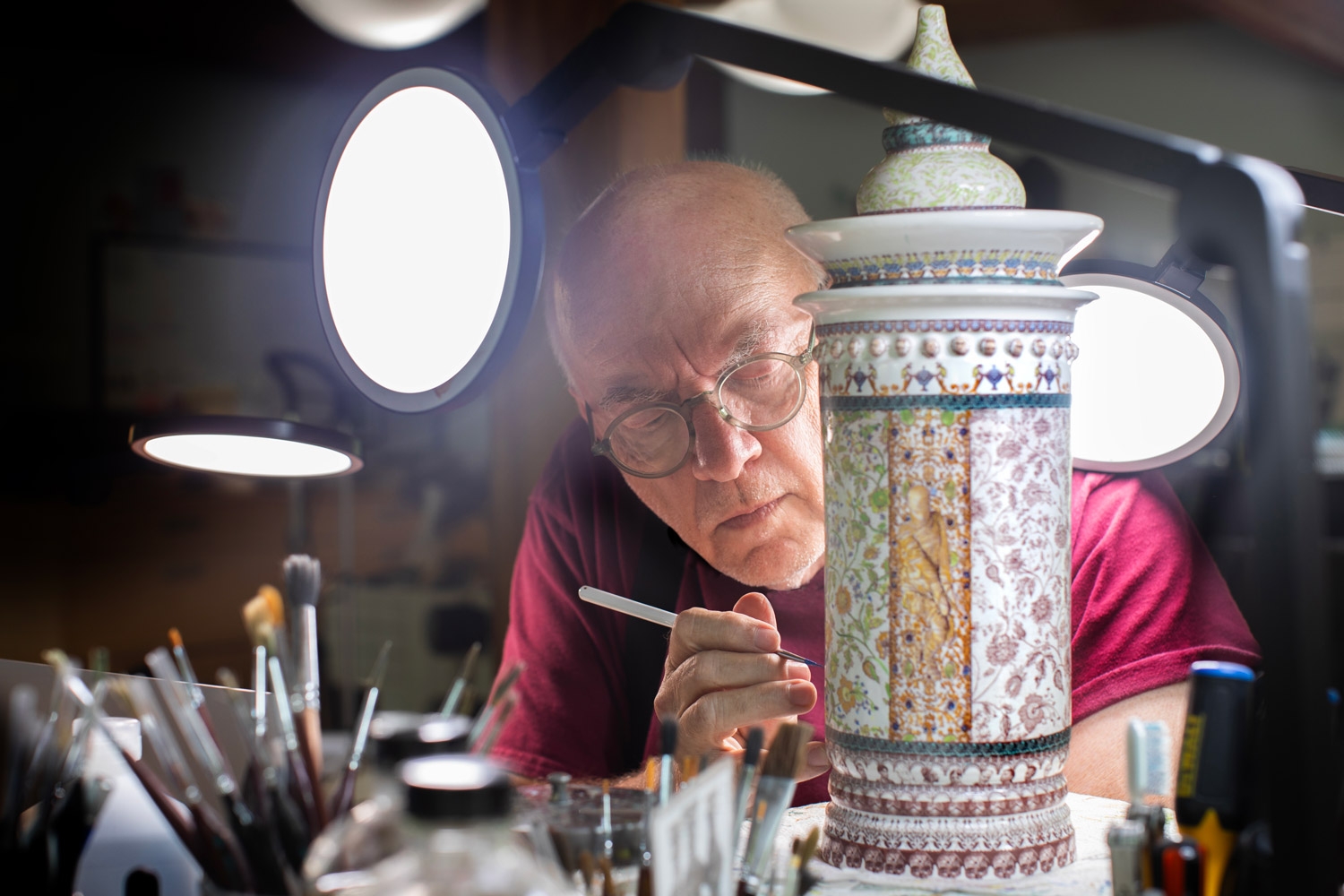
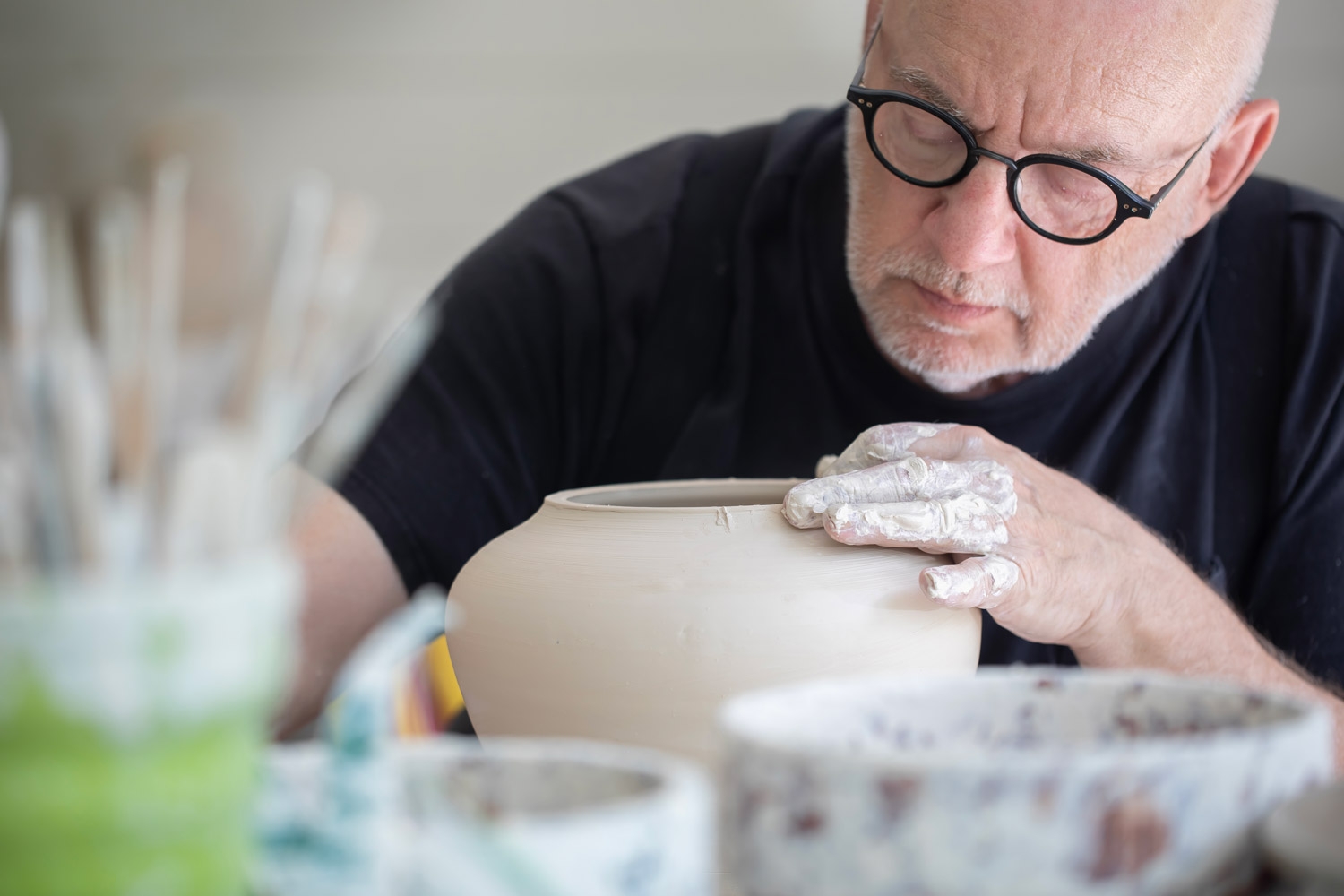
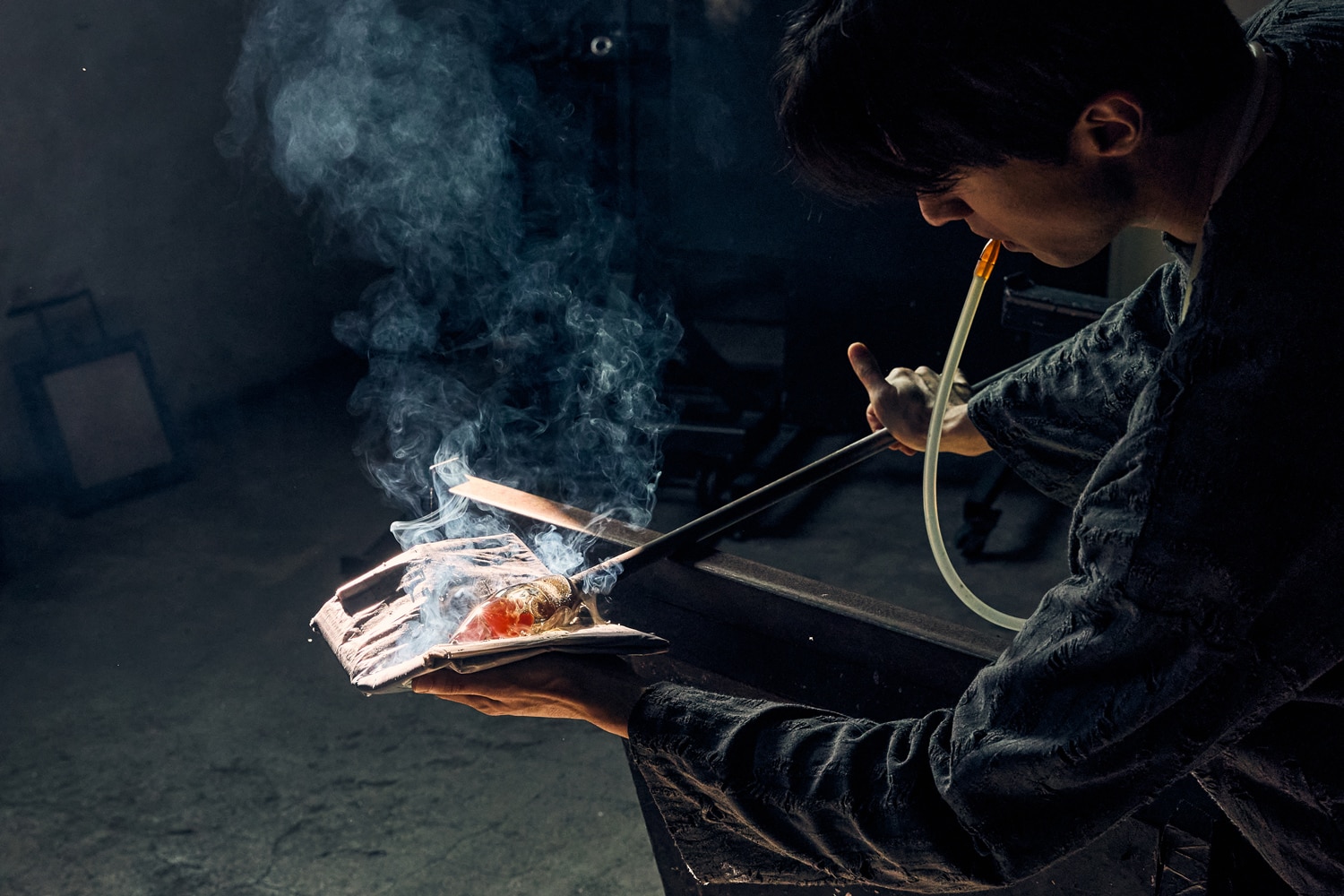
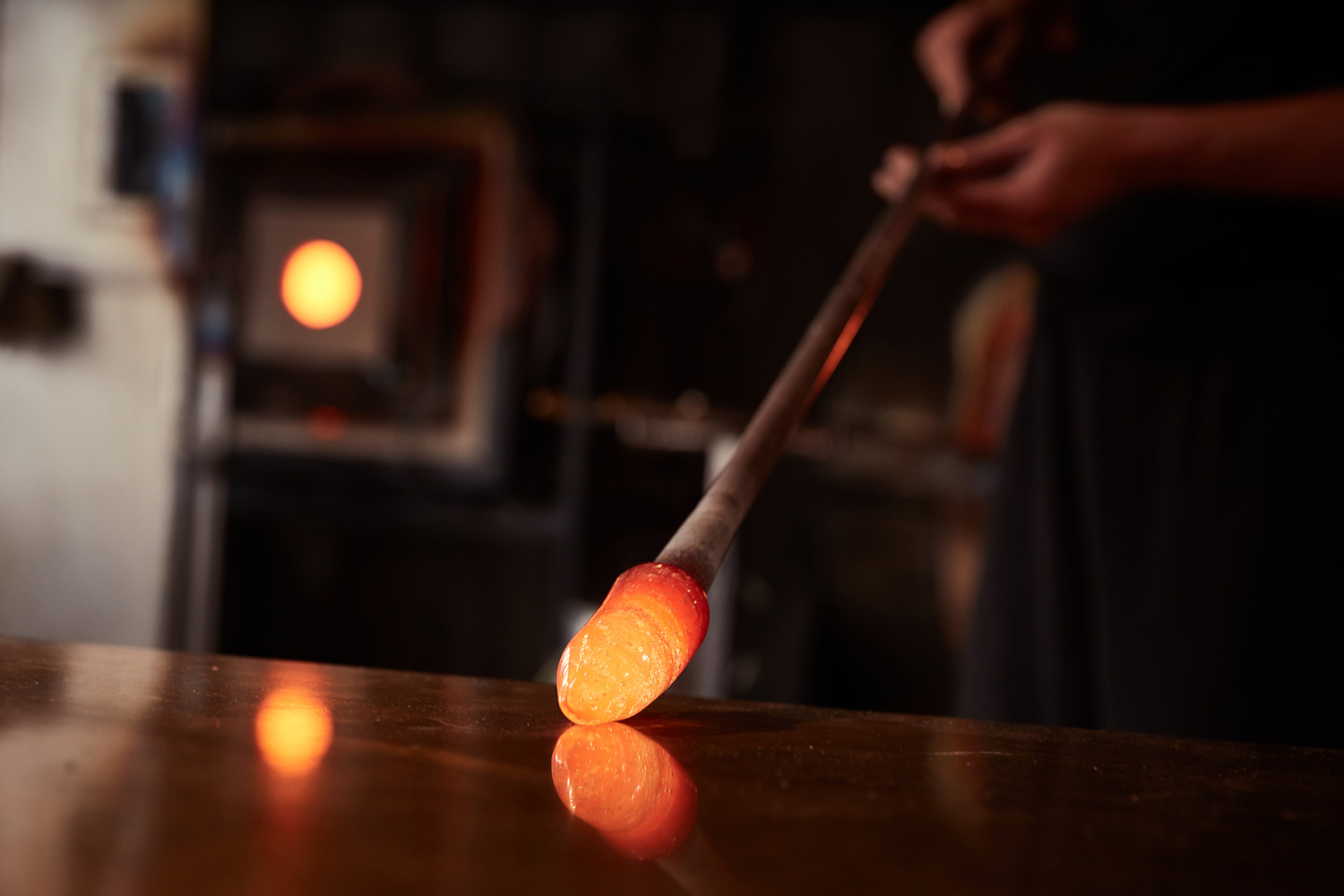
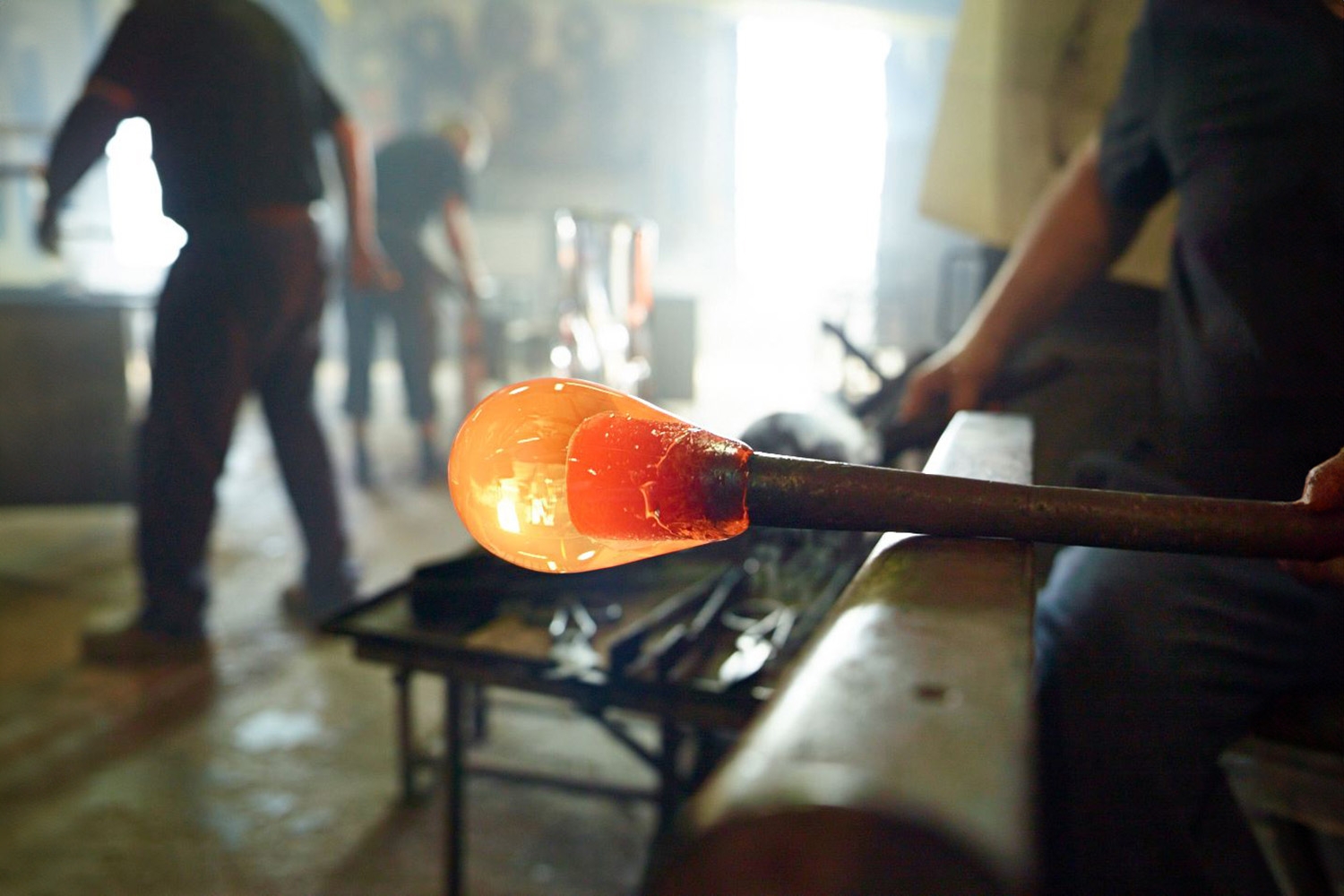
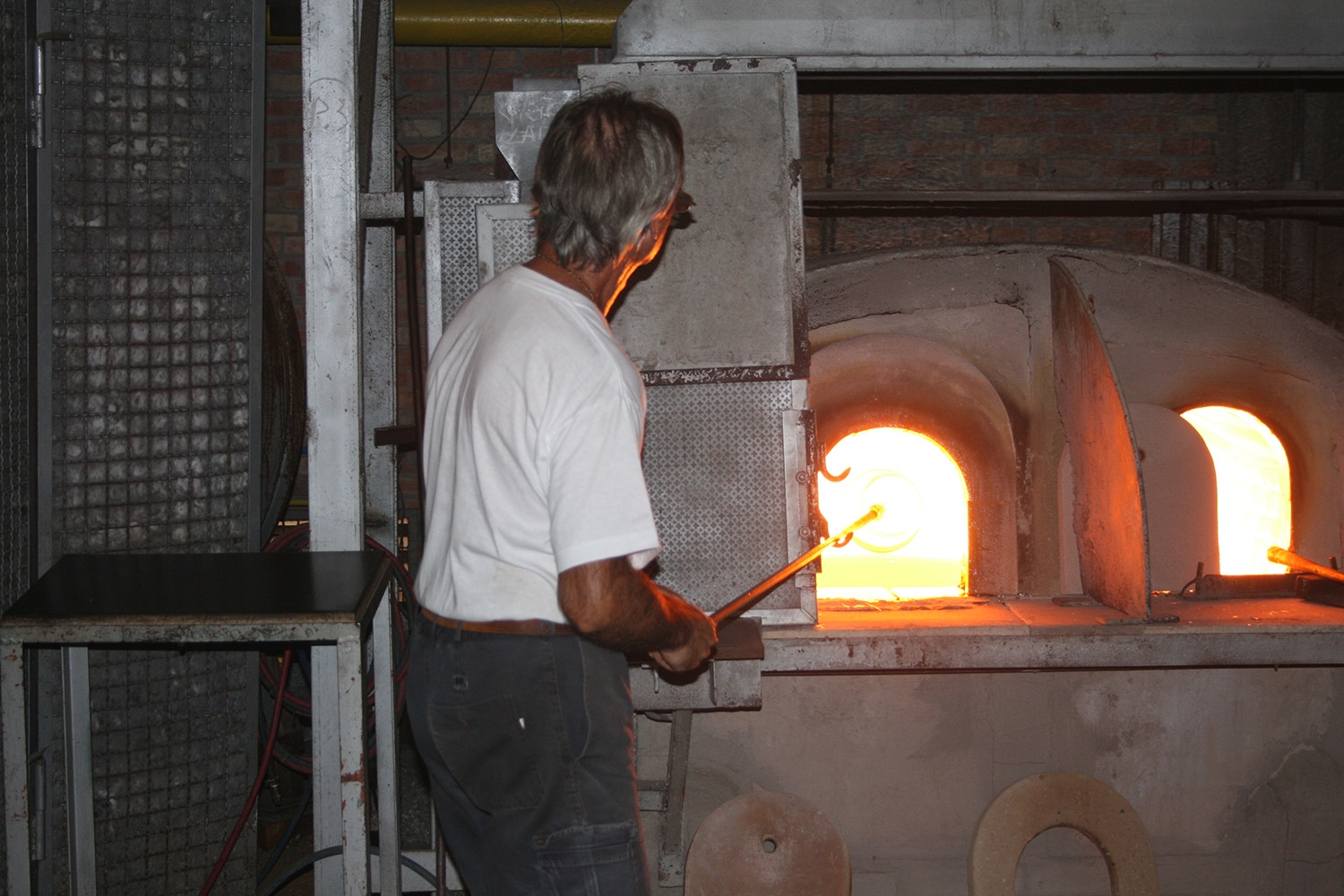
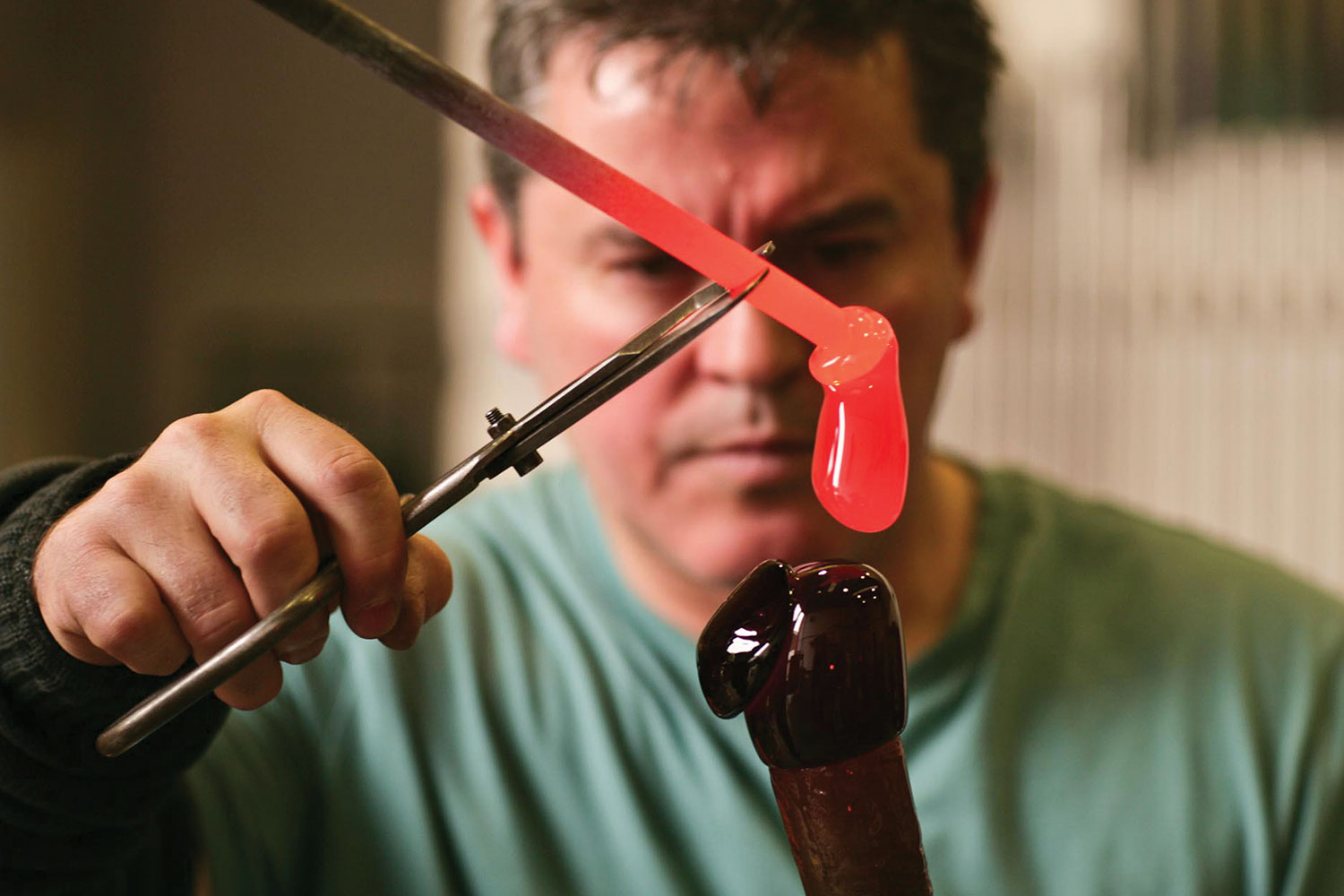
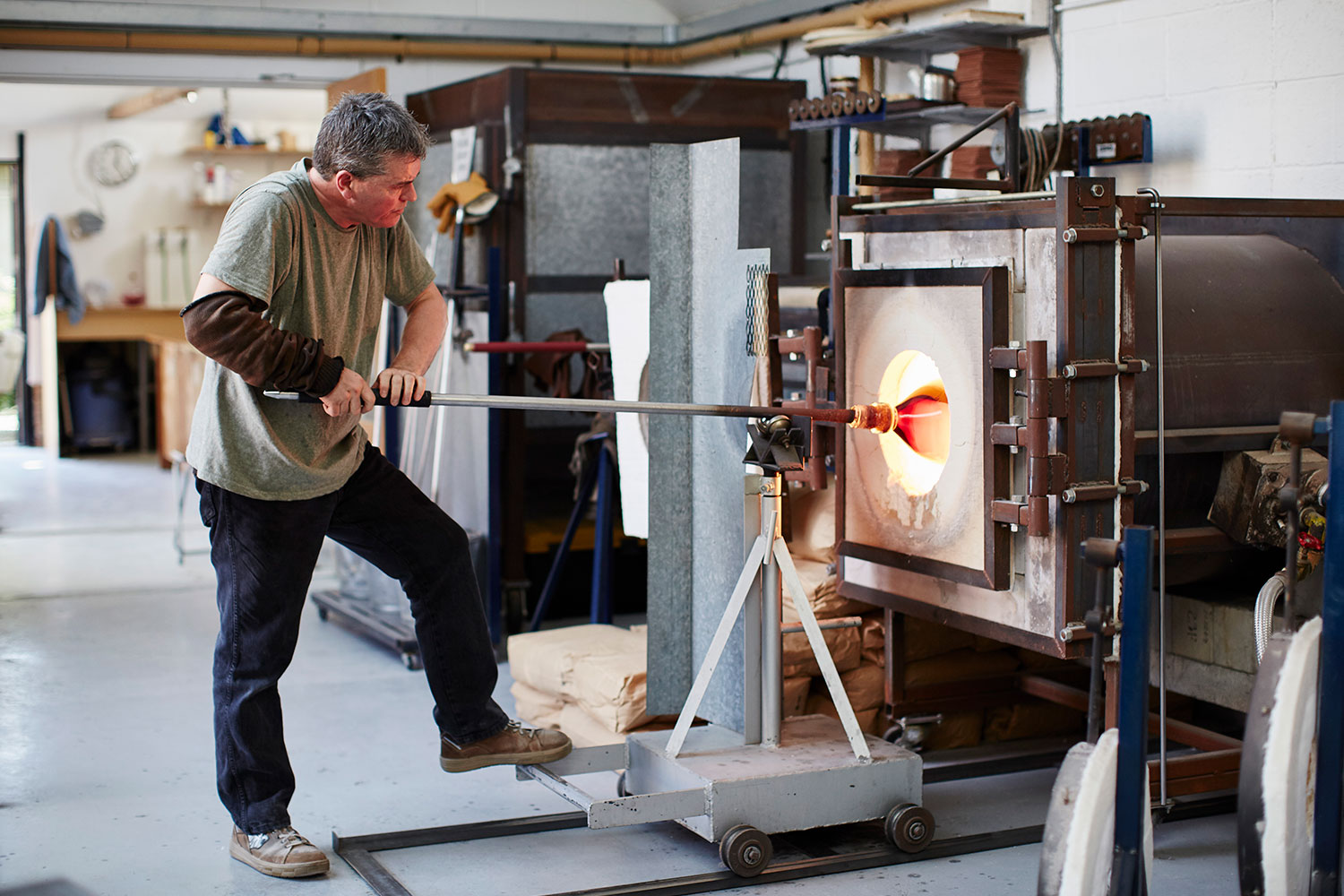
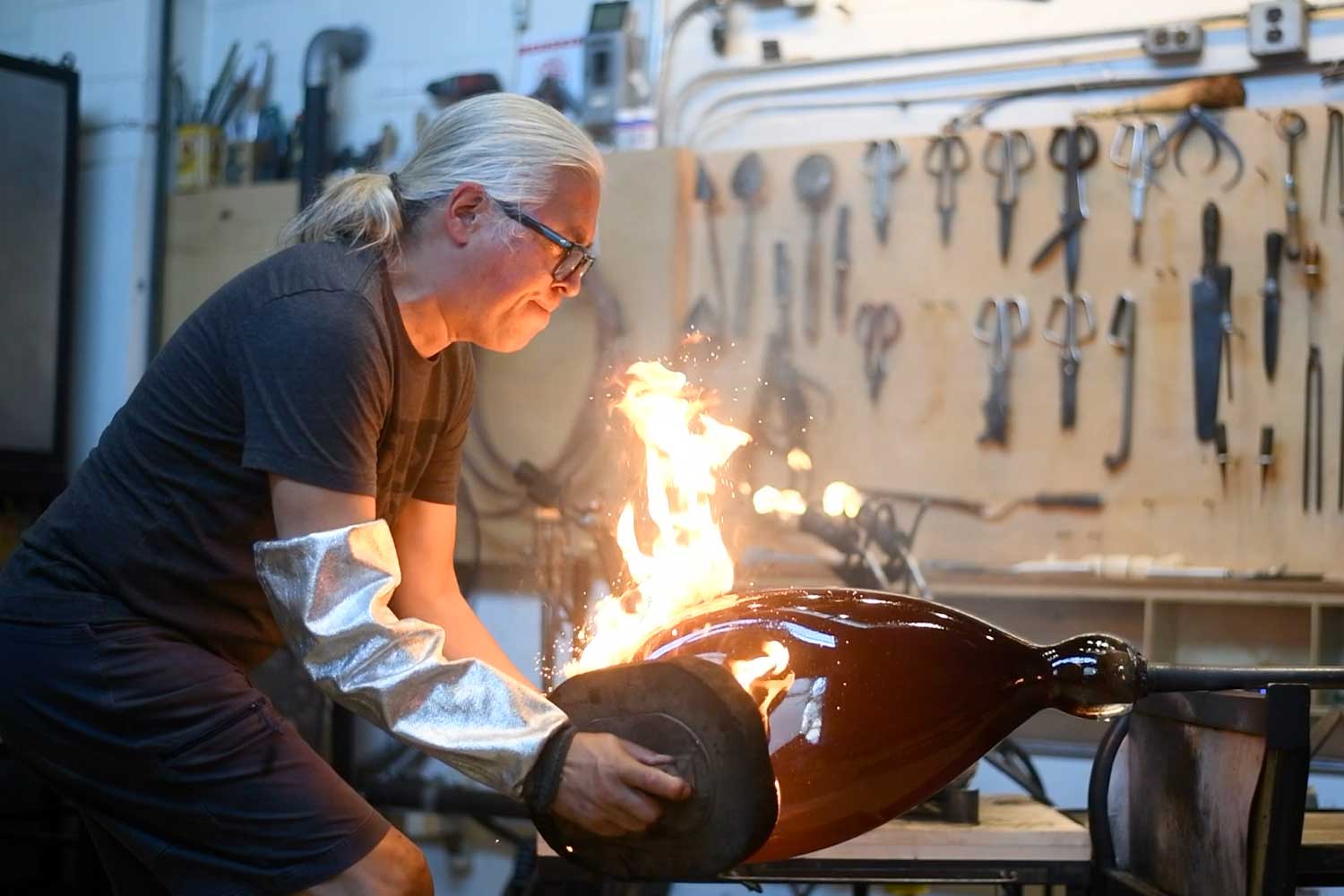
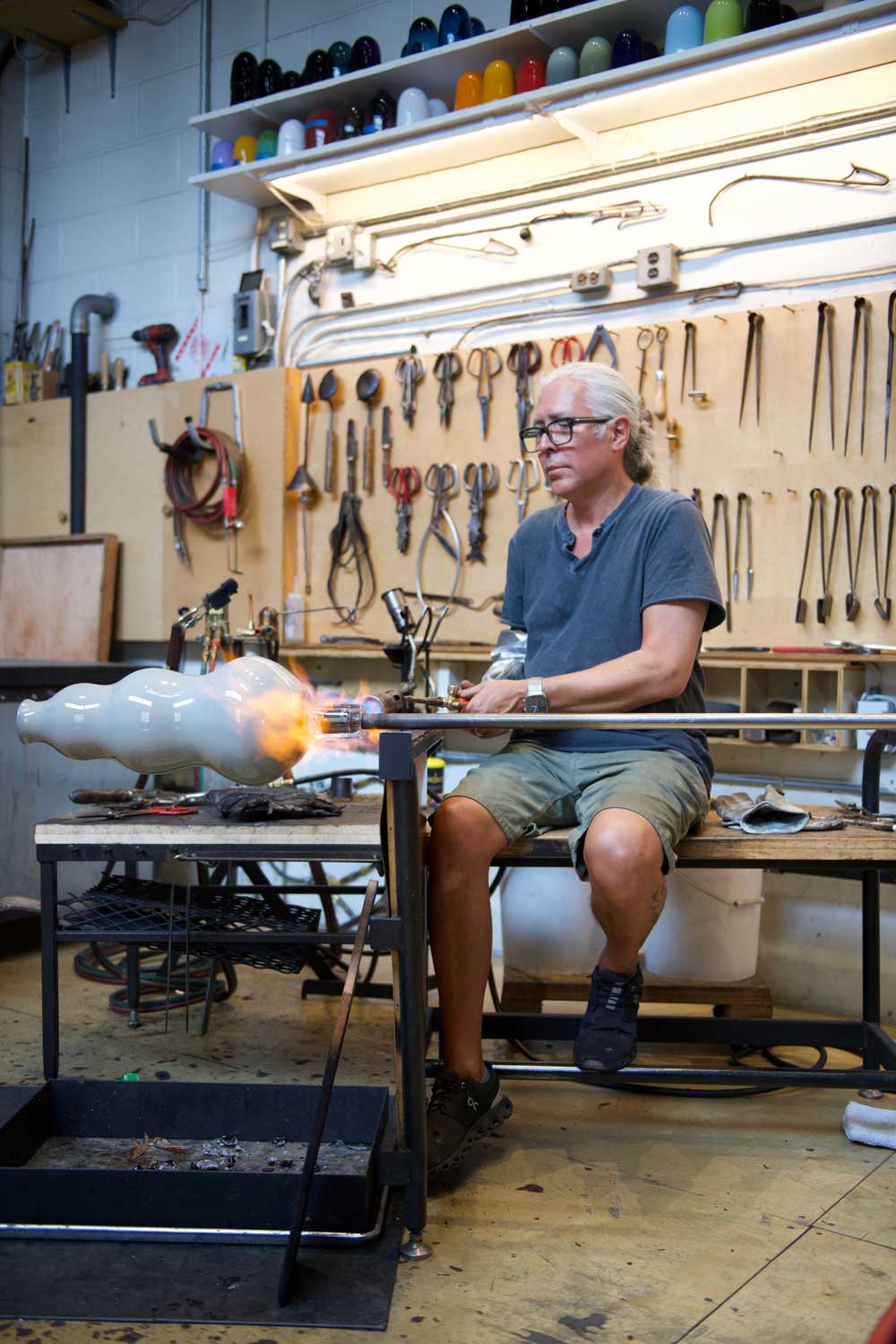
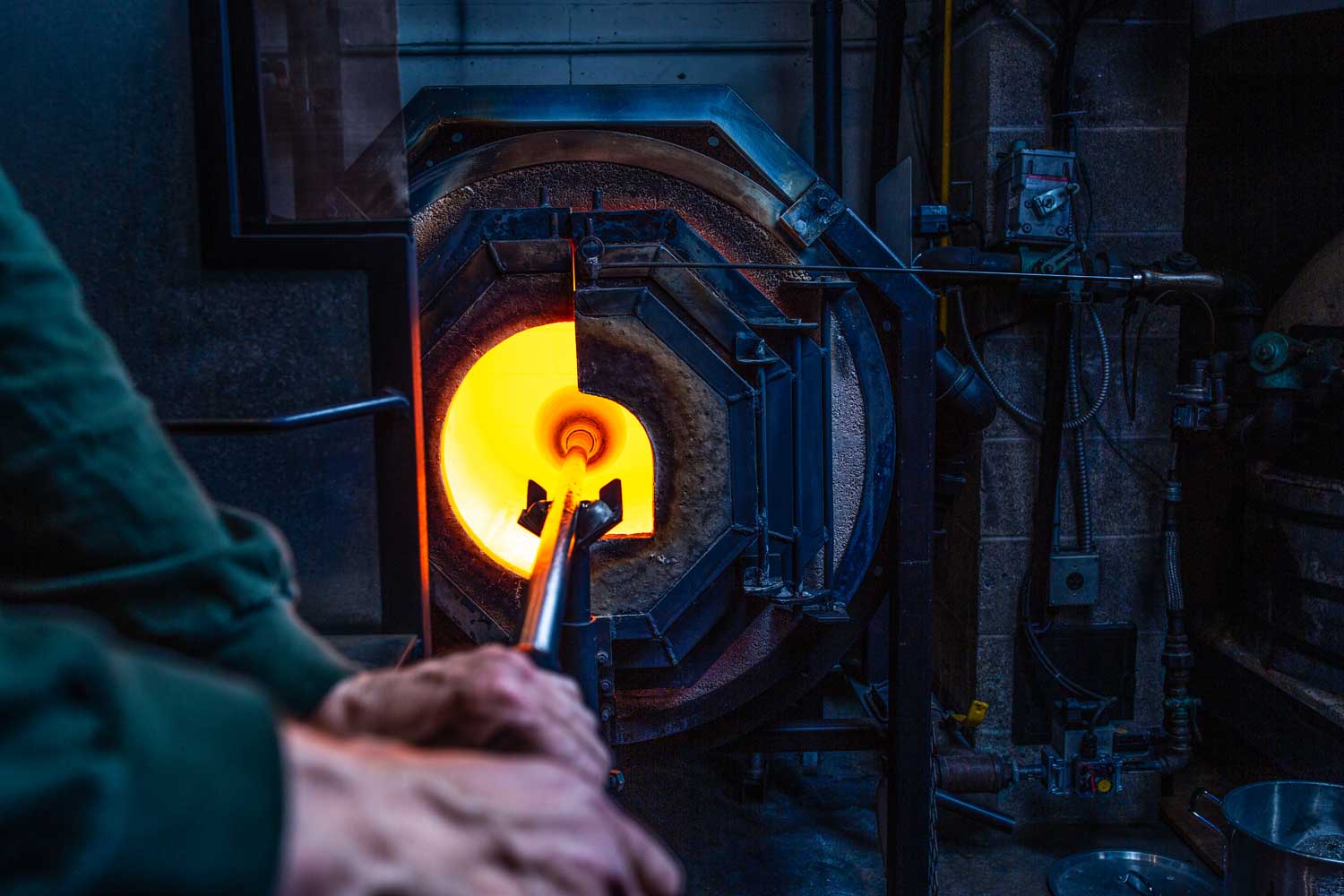
Preston Singletary's journey with glass began with hands-on experience as a night watchman in a production studio, before he refined his practice at Pilchuck Glass School. He combines contemporary glass techniques with his Tlingit cultural background, an Indigenous people from Southeast Alaska. “Growing up in Seattle, I felt a disconnect from my heritage, which led me to study Tlingit formline design,” Preston explains. “It is essentially the architecture of the Tlingit visual language, characterised by specific U-forms, ovoids and other elements that define its unique style.” His work translates this language and its mythological origins into a new material context. Much of his practice also engages with broader efforts in cultural reclamation and preservation, and he frequently collaborates with writers, mythologists and other artists to expand the reach of Indigenous stories through glass.
Preston Singletary is a master artisan: he began his career in 1985 and he started teaching in 1996.
INTERVIEW
I wanted my work to be unique, so I turned to my culture. I had to reinvent myself and work hard to understand how to create my own designs. Exhibiting my objects inspired by the Tlingit culture was met with a lot of support. People responded to how personal it felt.
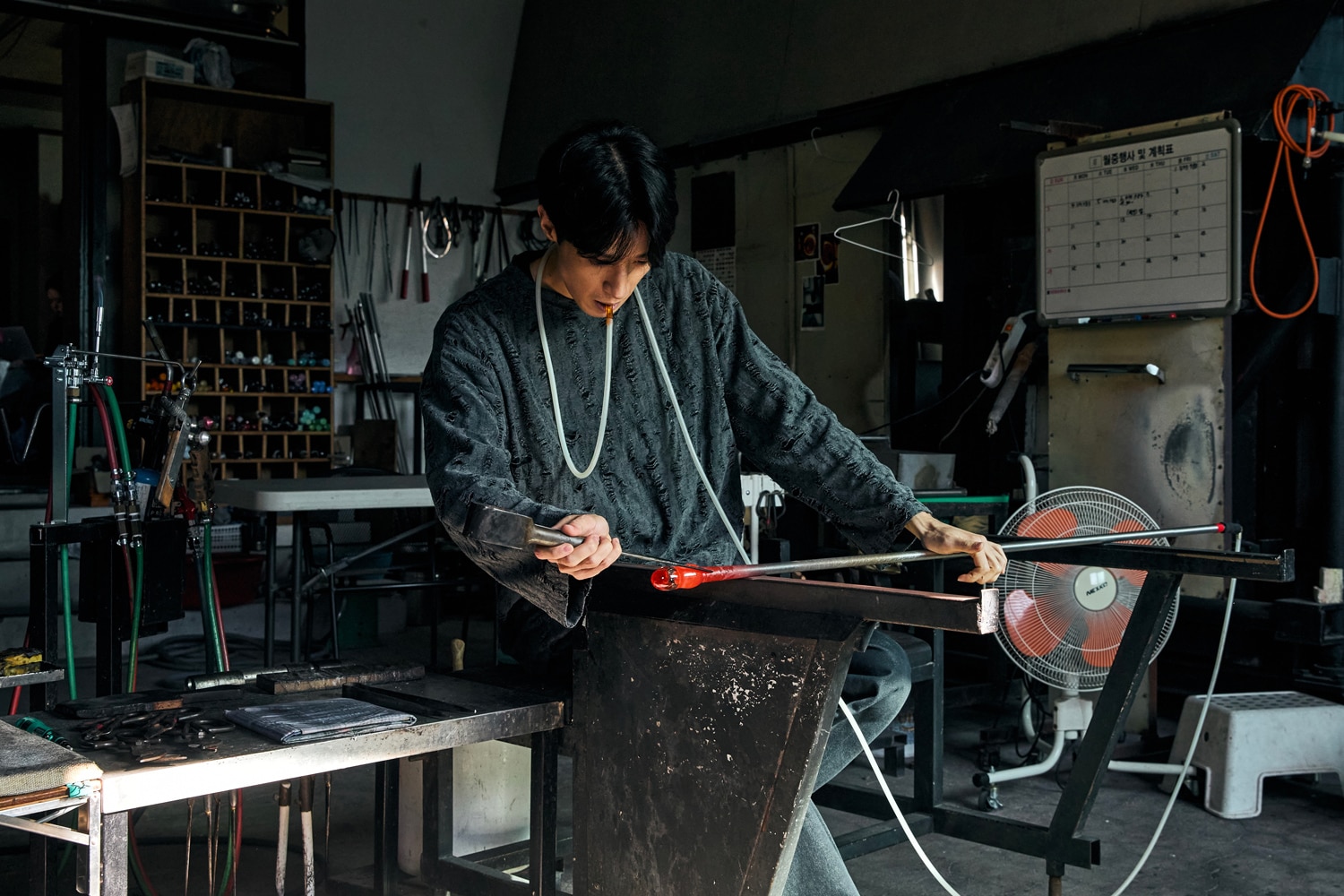
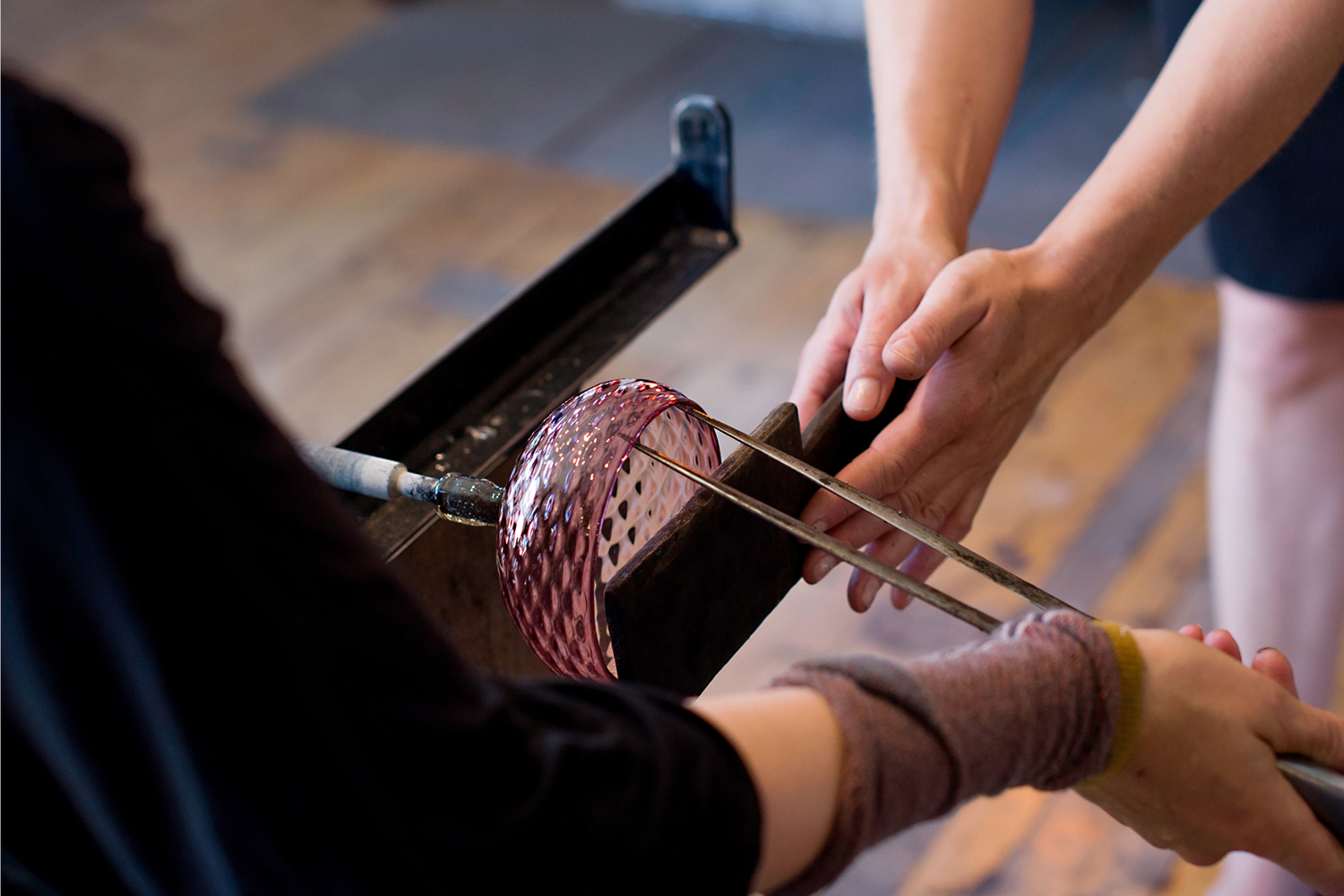
Collaboration is essential in glassblowing: it is inherent to the medium. There is a constant camaraderie, shared problem-solving and mentorship. For me, collaboration expanded to include working with other artists and interpreting their ideas. Working with Indigenous artists gave me an additional layer of depth.
Inspired by historic objects, I spent a long time trying to mimic their shapes in glass. However, I then began to delve deeper into mythology, especially Raven stories, such as how Raven acquired daylight and placed it in the sky, bringing light to the world.
Ancestral stories remain active and profoundly present. My recent focus has shifted to contemplating Raven's actions in today's world. Amidst pressing issues such as climate change, missing and murdered Indigenous women, and residential school grave sites, Raven serves as a powerful means to bring these realities to light through storytelling.
Preston Singletary
Glassblower
Seattle, WA, USA
ADDRESS
Address upon request, Seattle, WA, USA
AVAILABILITY
By appointment only
PHONE
+1 2065450555
LANGUAGES
English
HOMO FABER FINDS
Homo Faber Finds is a new service aiming to inspire admirers of craft to connect and collaborate with exceptional artisans.
We invite you to submit an enquiry here.