Kiva Ford
Glassblower
Pittsburgh, PA, USA
Finding beauty in scientific glassware
- Kiva’s practice unites the precision of scientific glassblowing with artistic vision
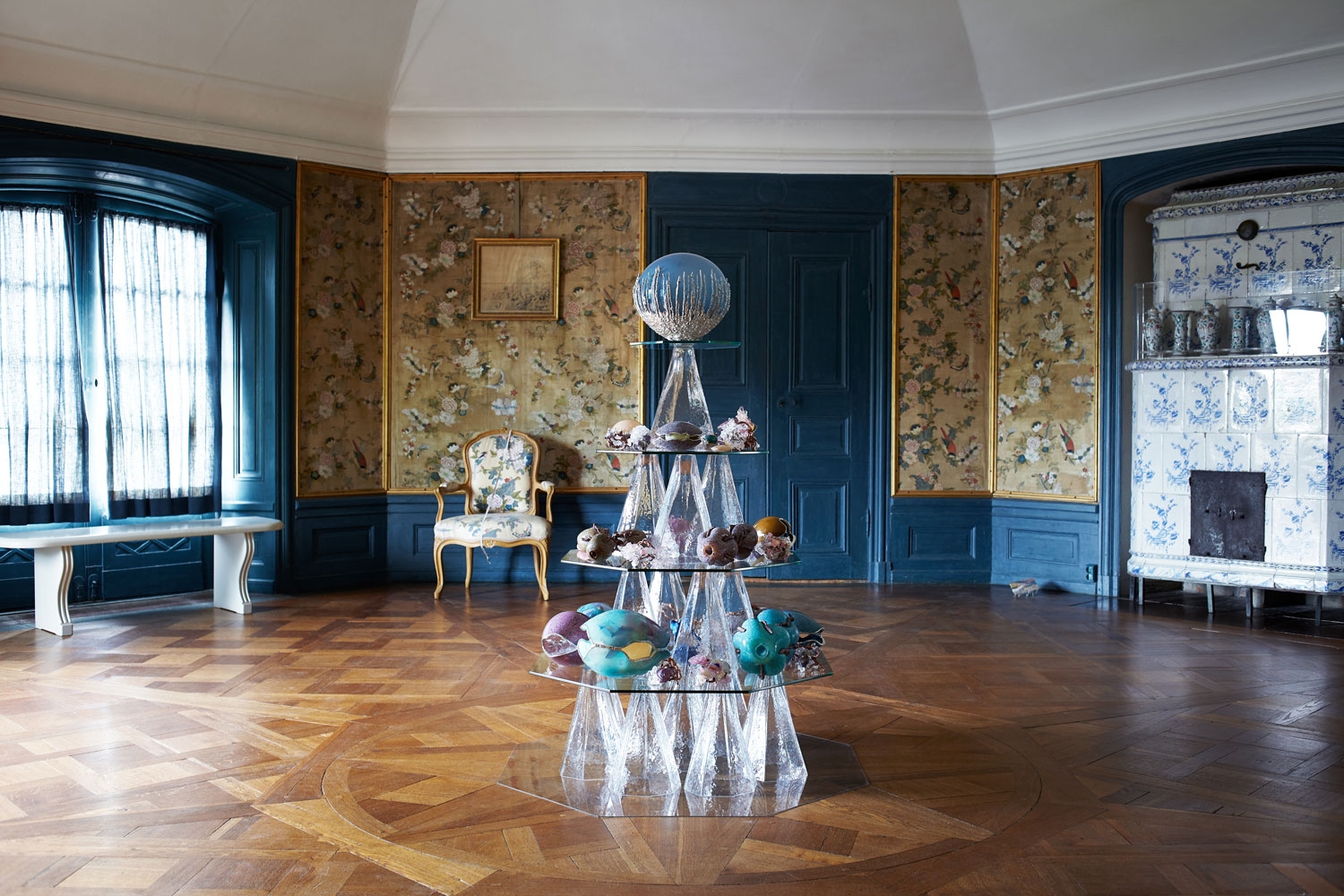
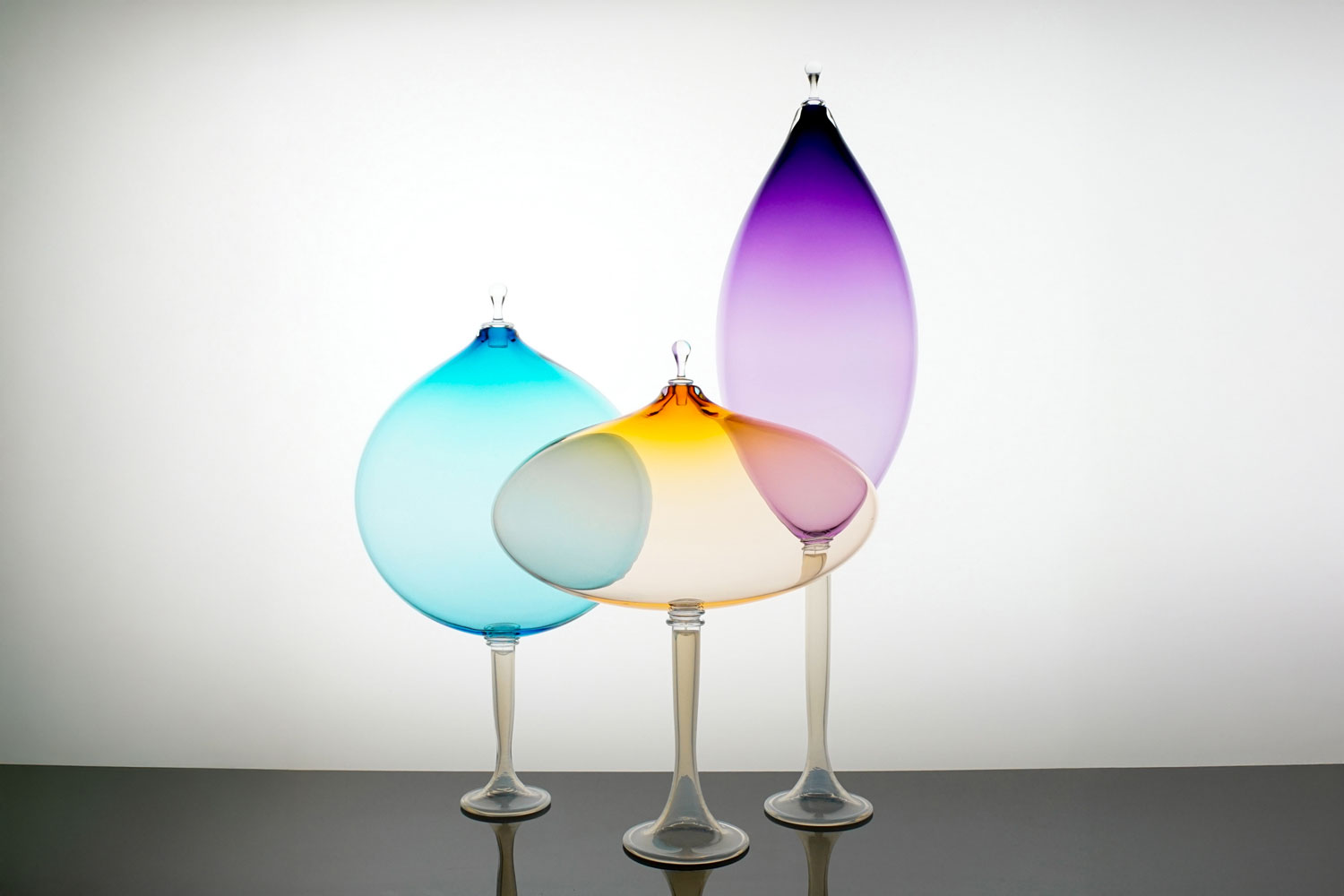
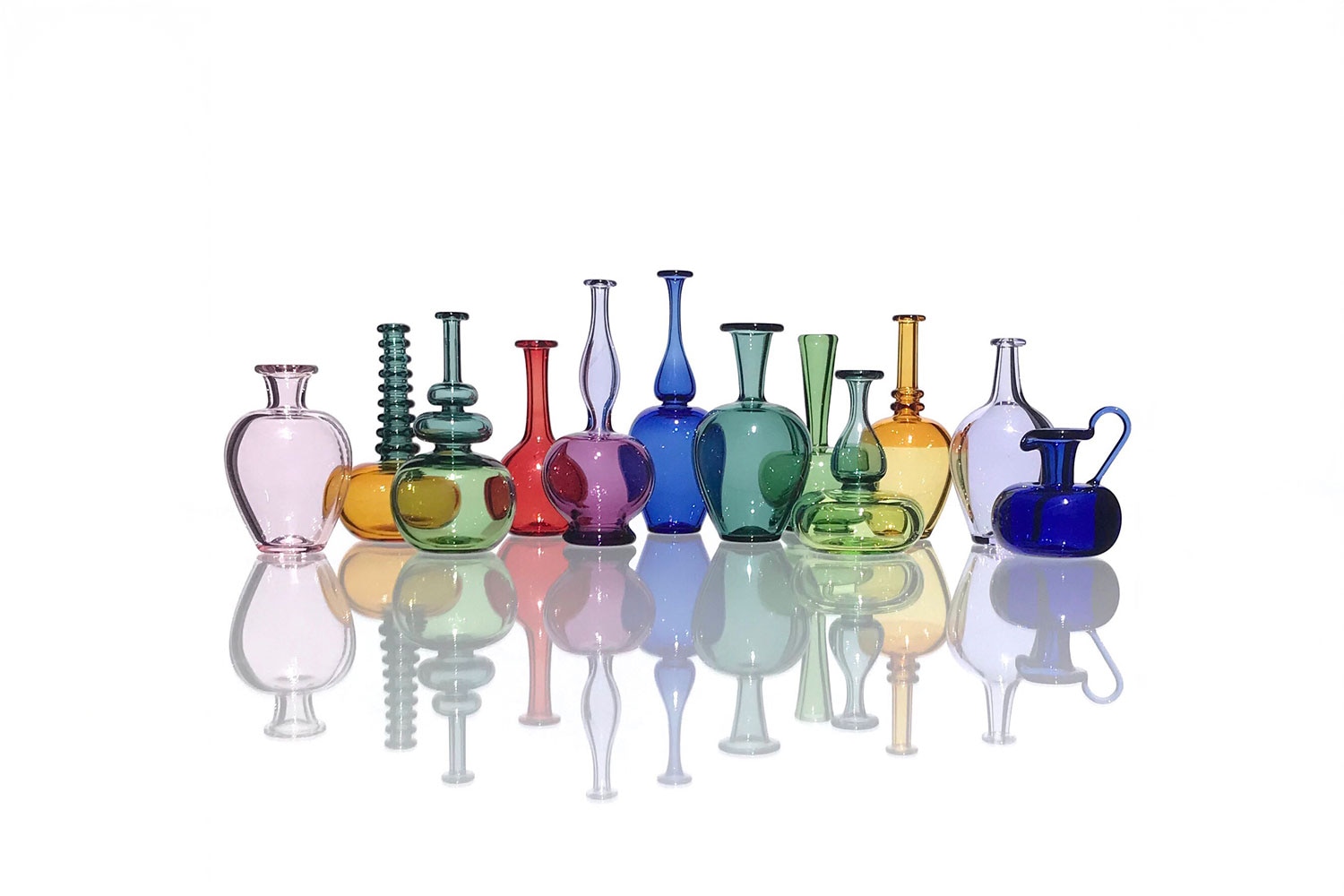
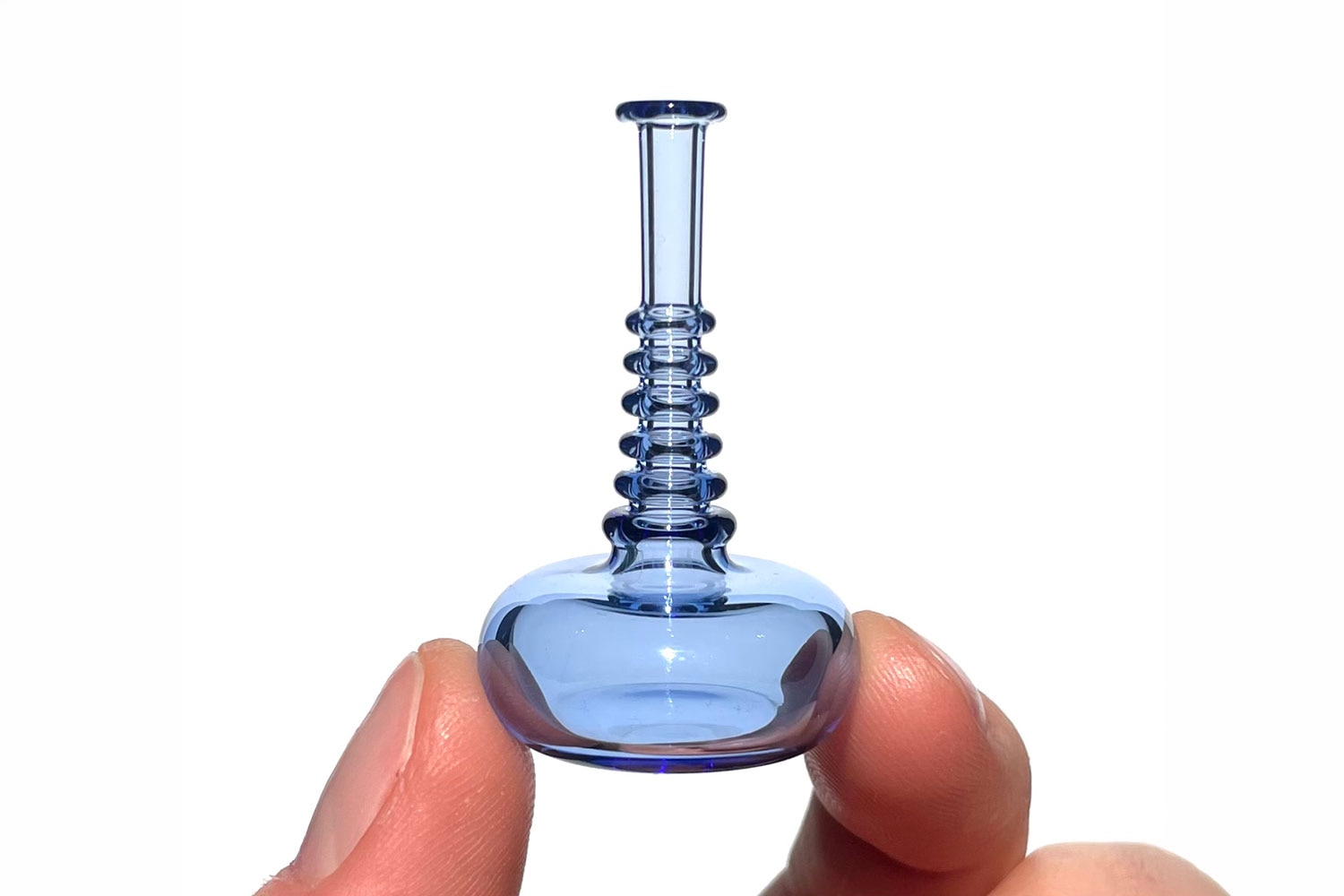
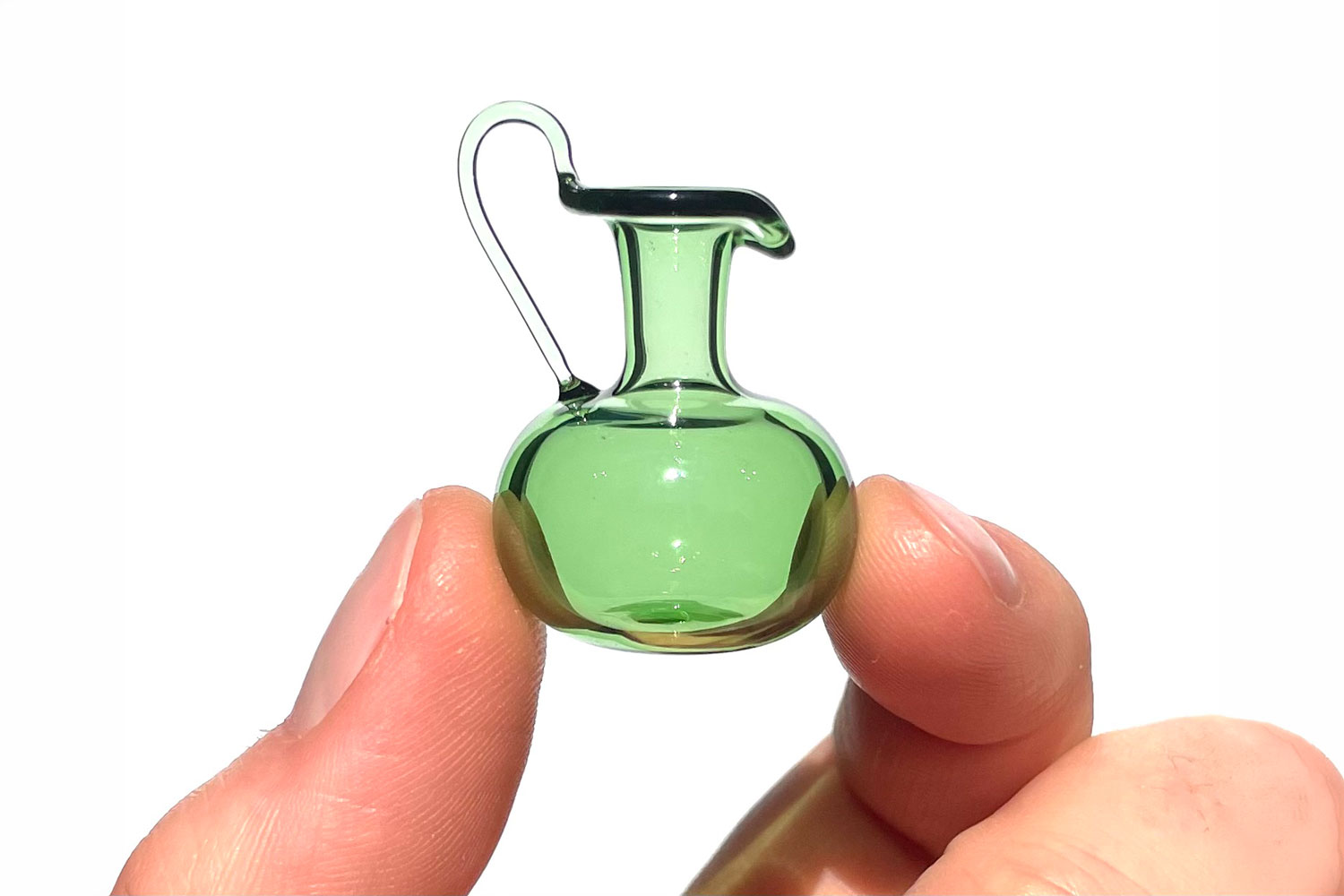
- His pieces range from miniature bottles to large-scale glass sculptures
- He is among the last to practise scientific glasswork by hand
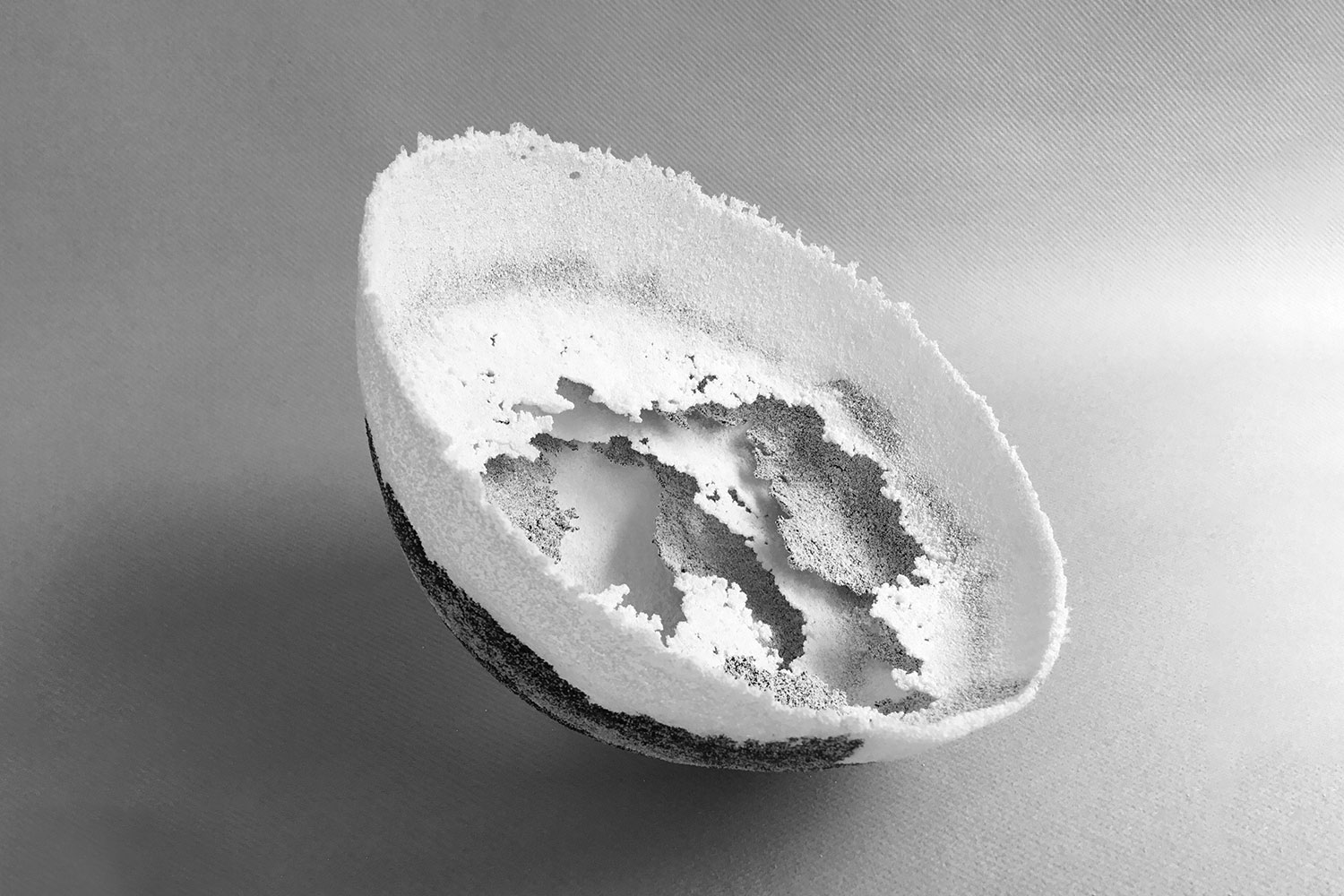
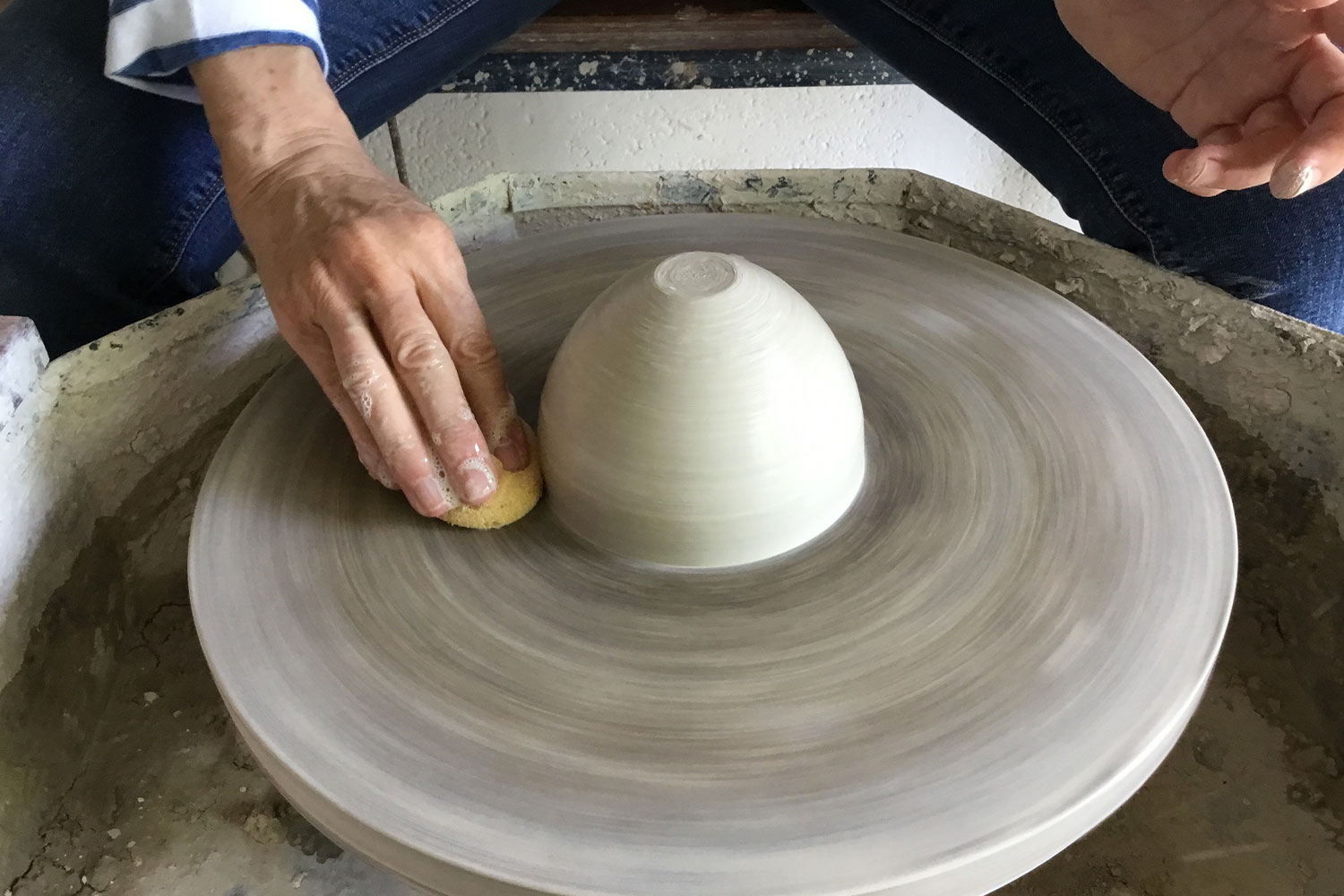
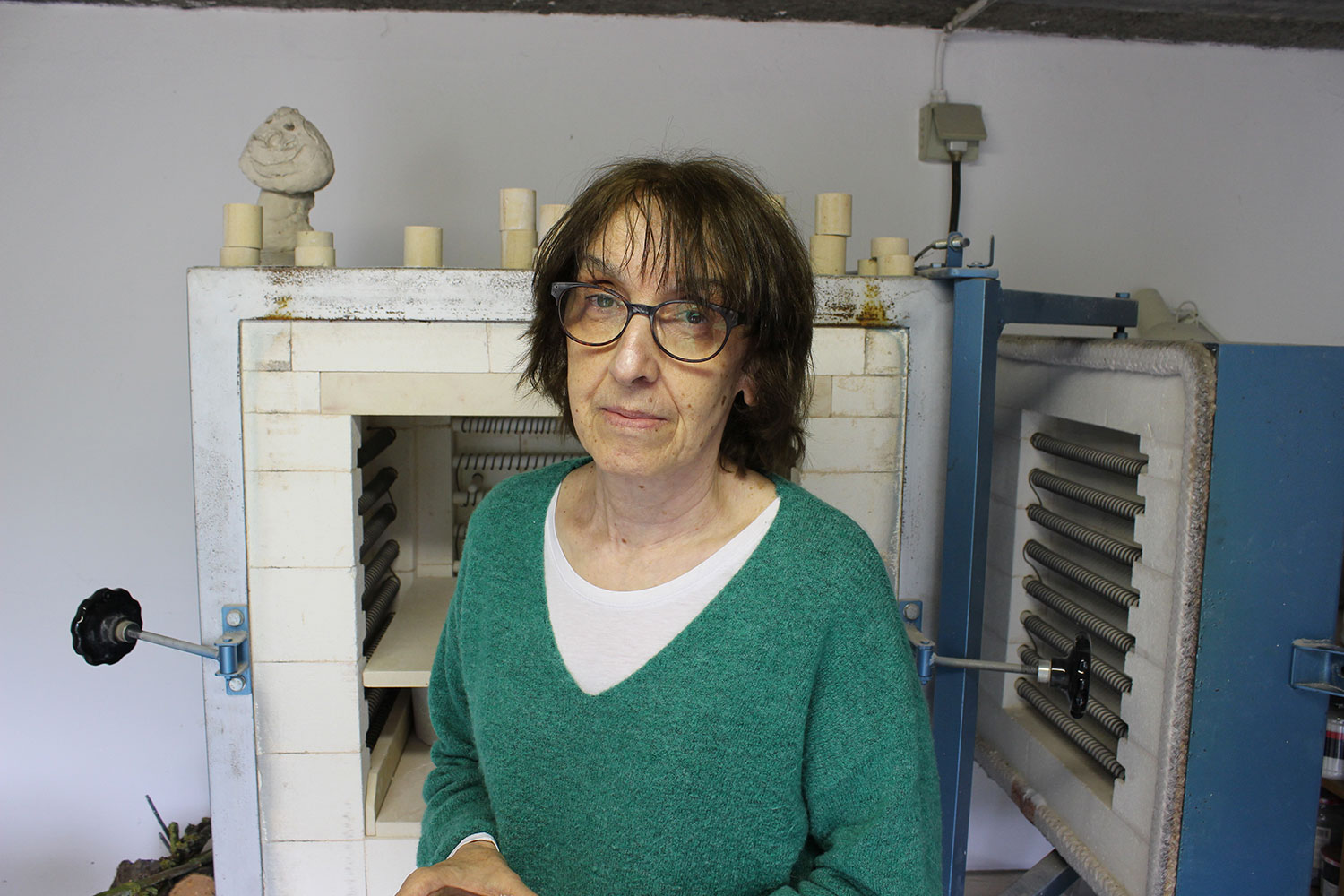
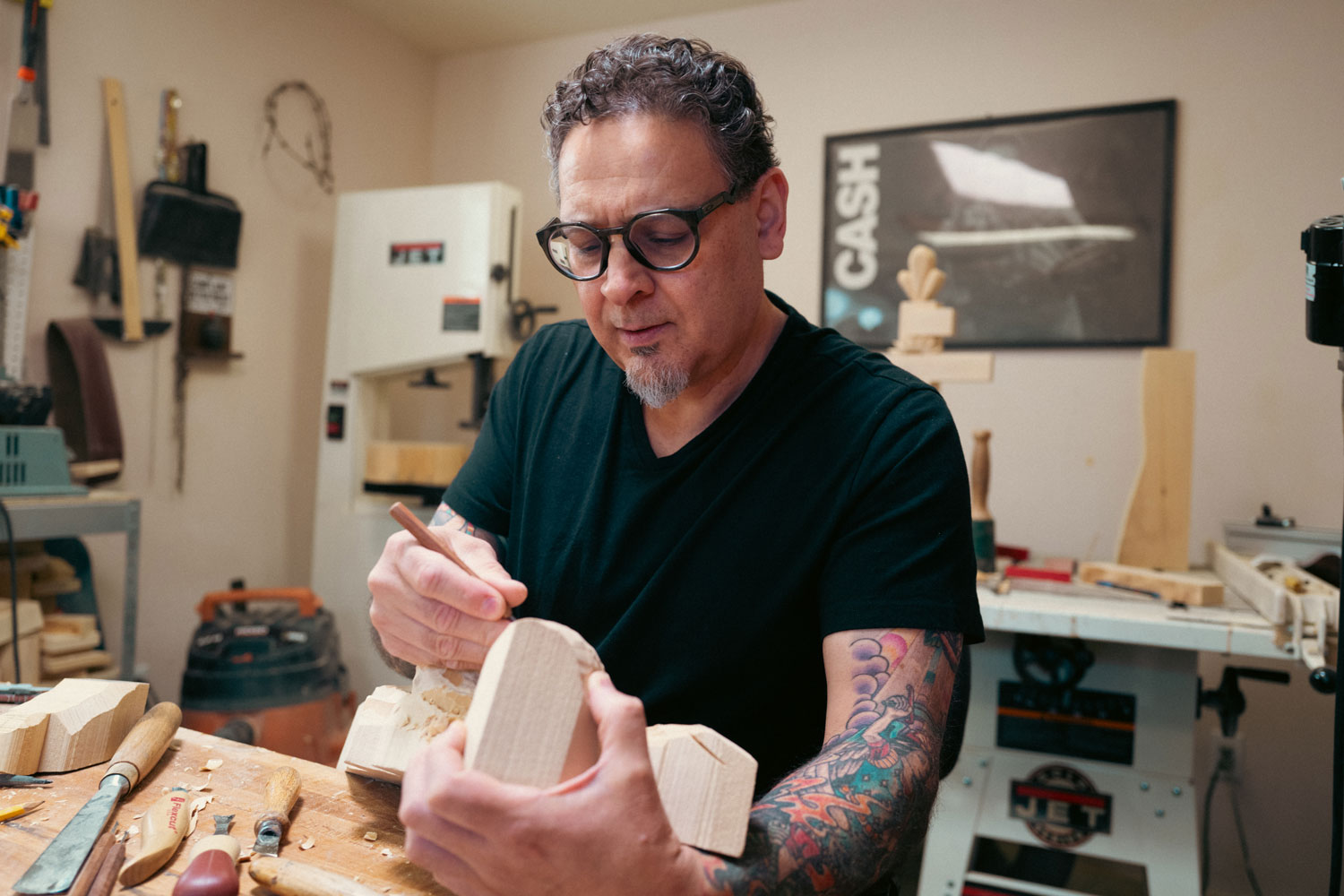
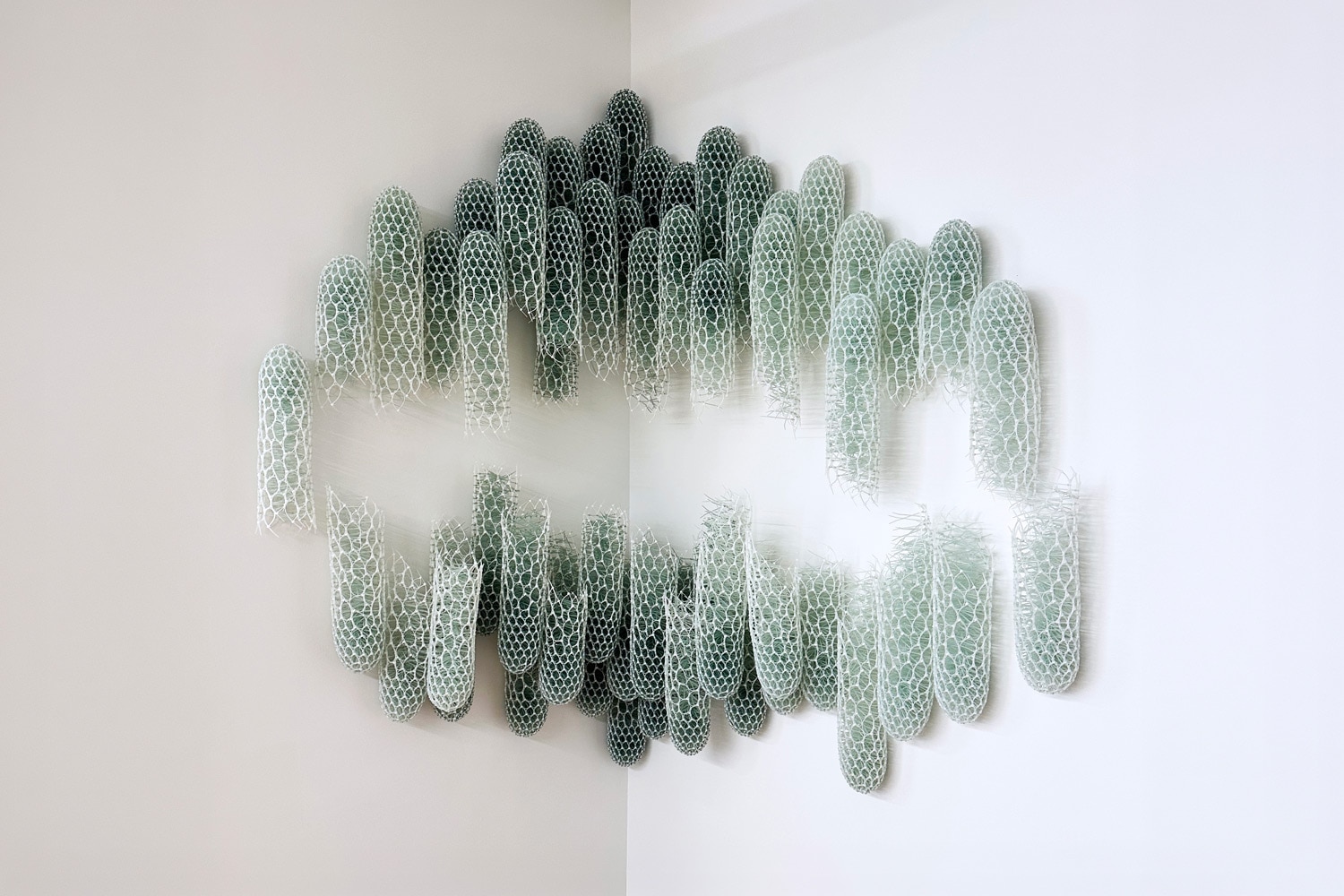
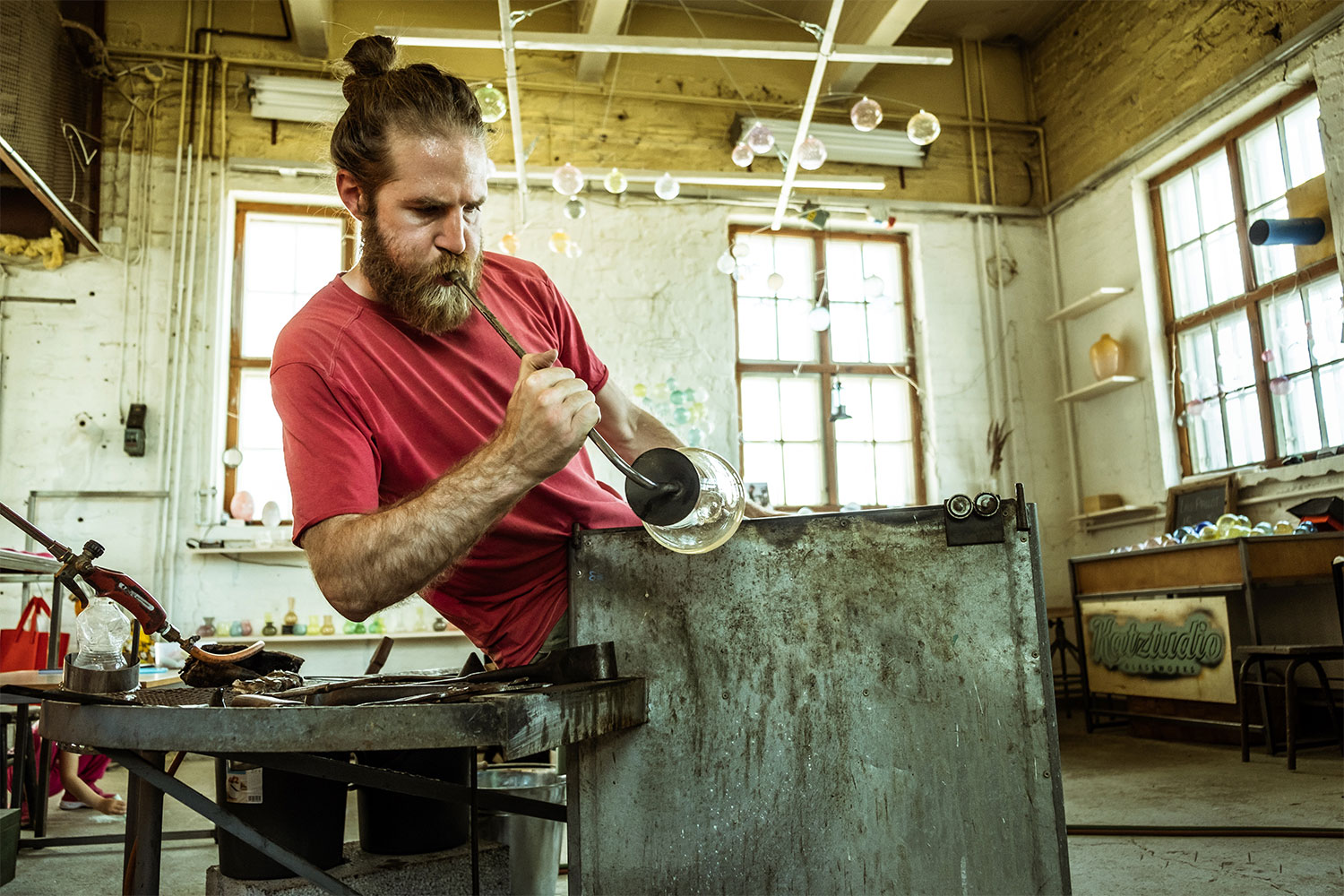
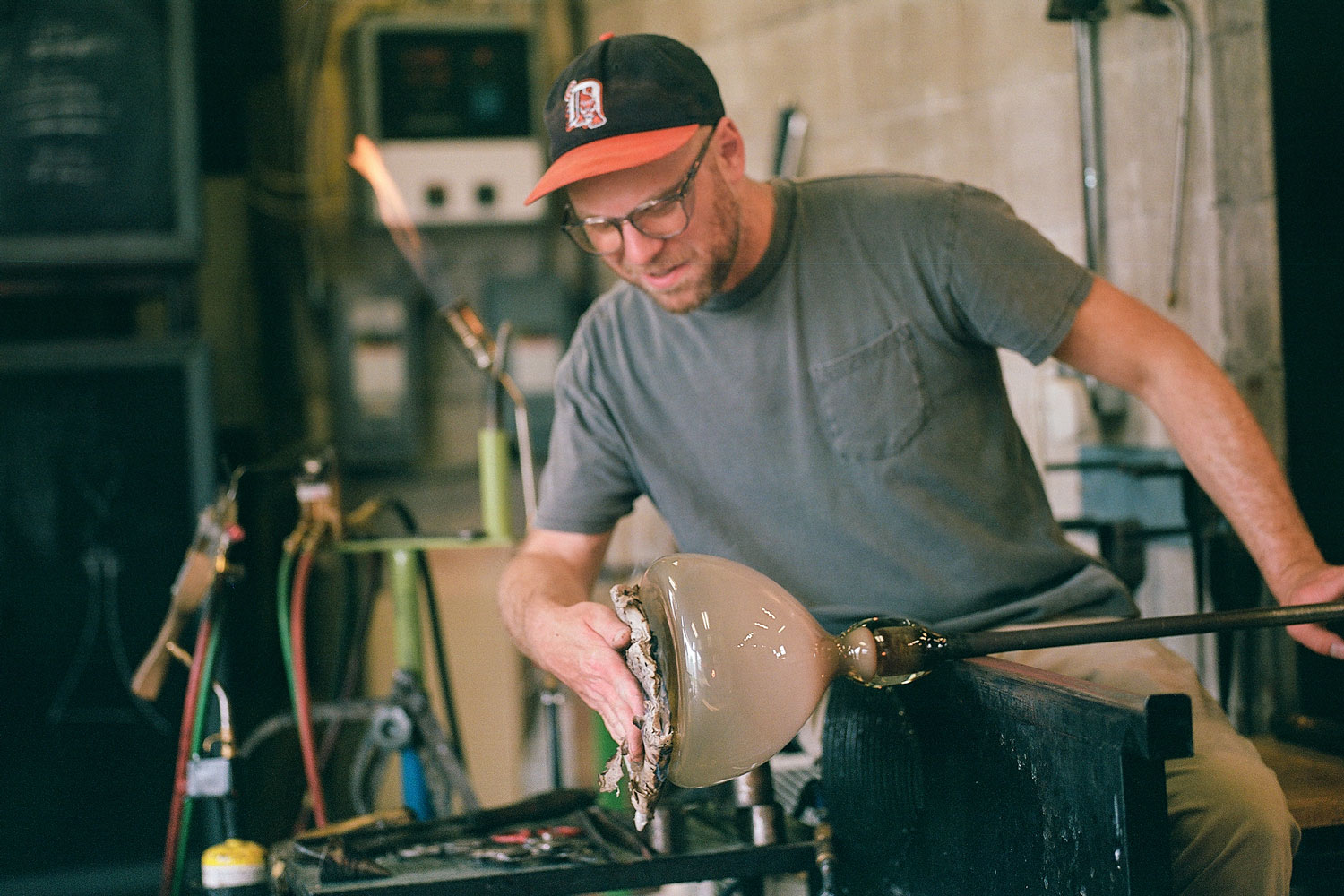
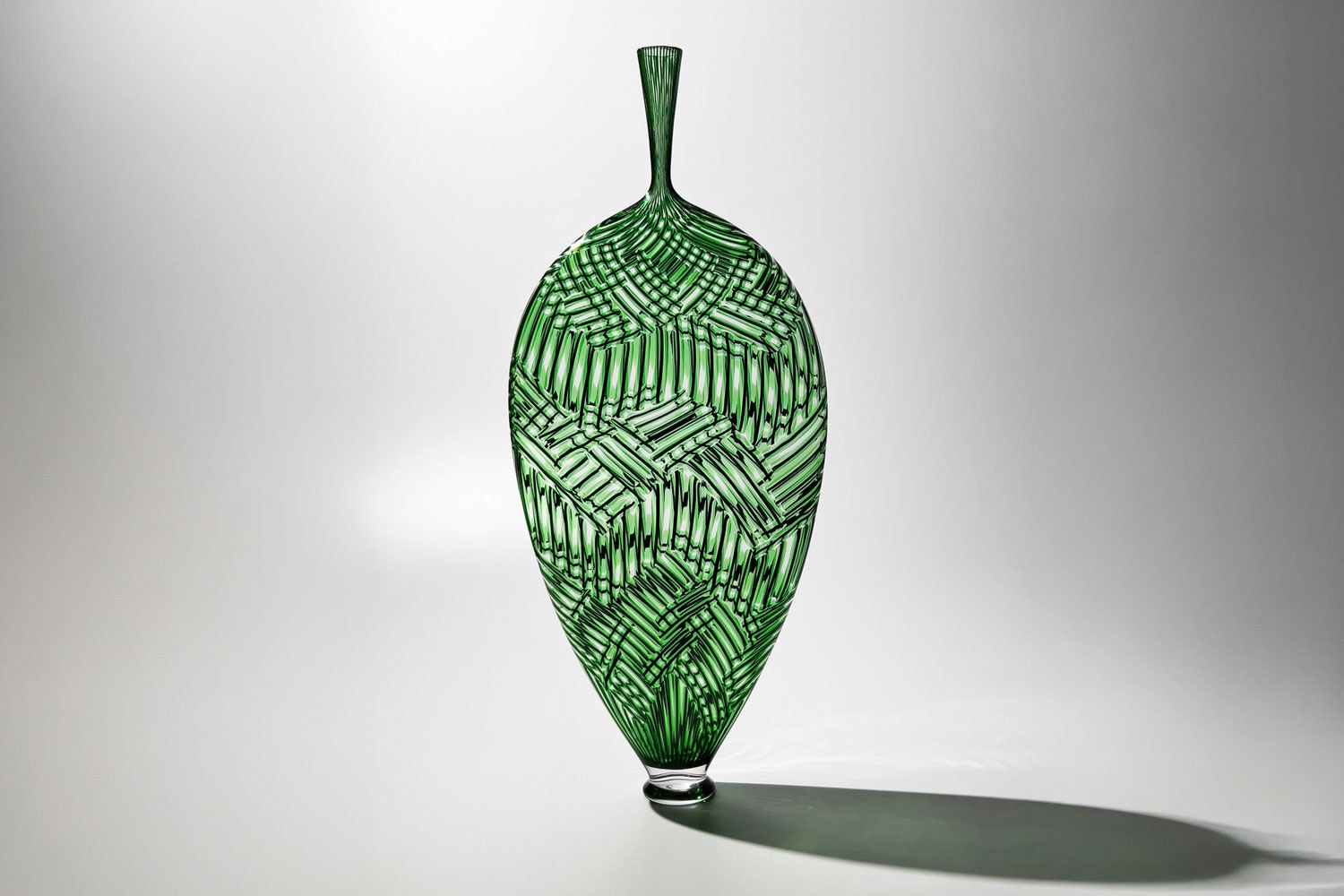
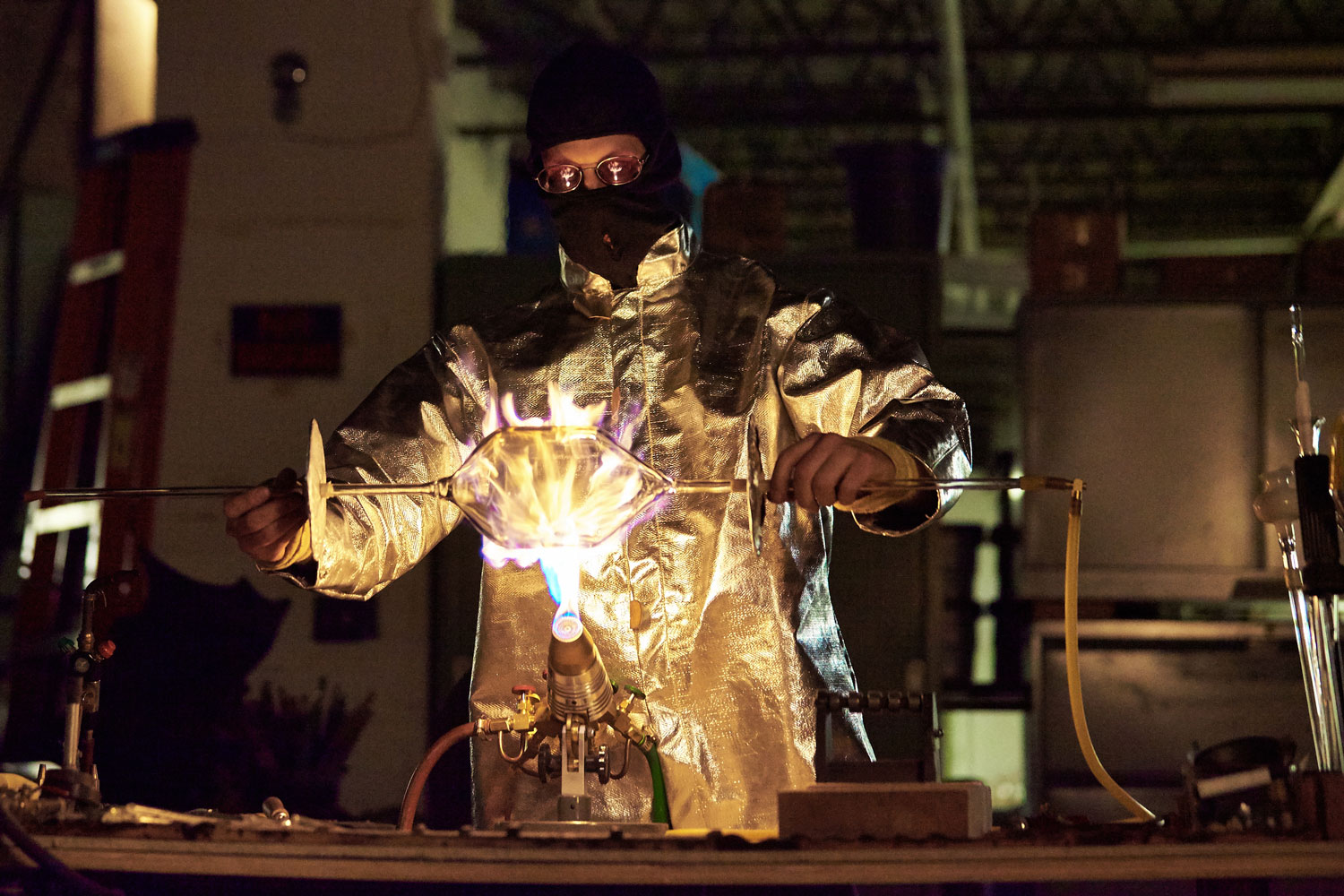
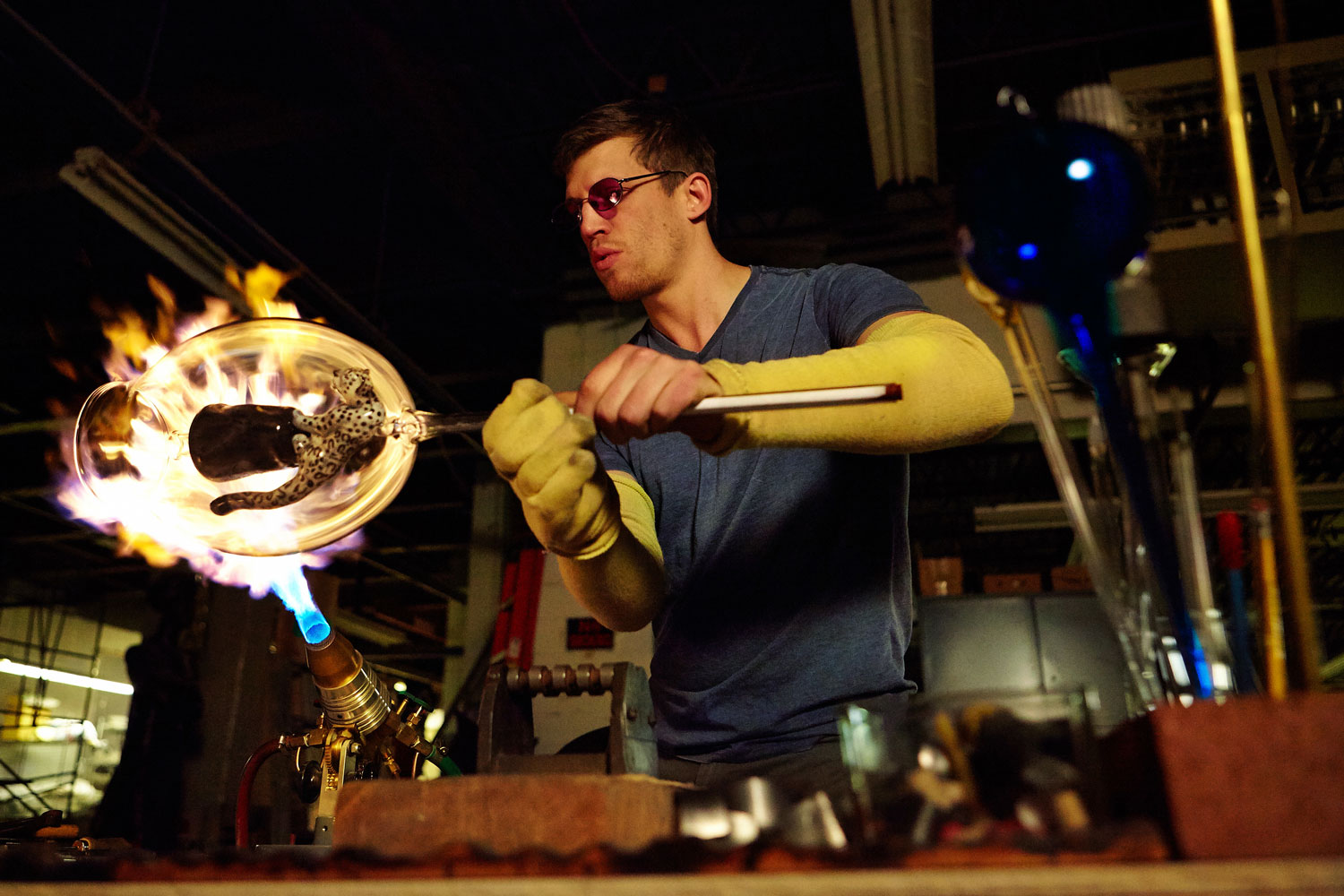
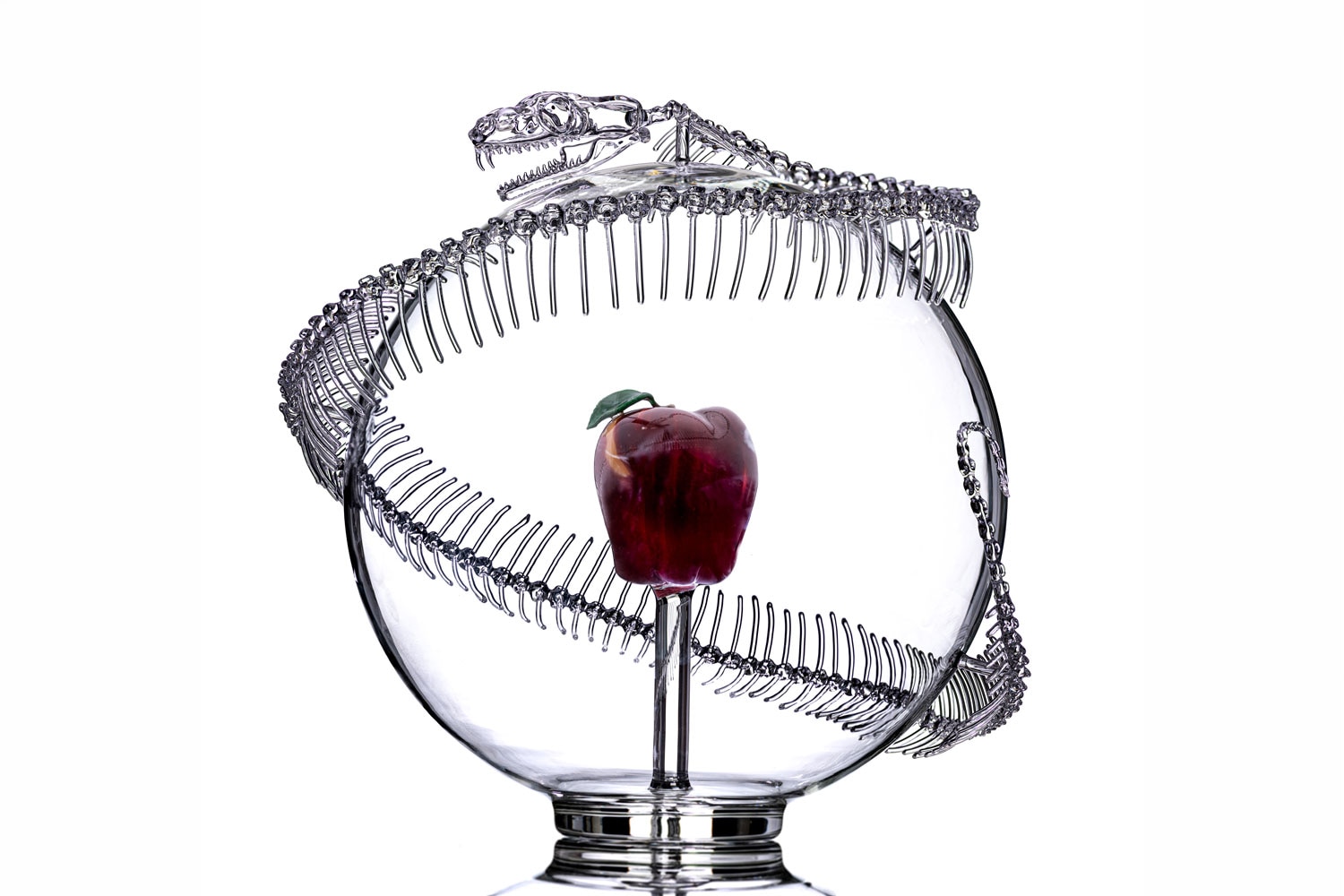
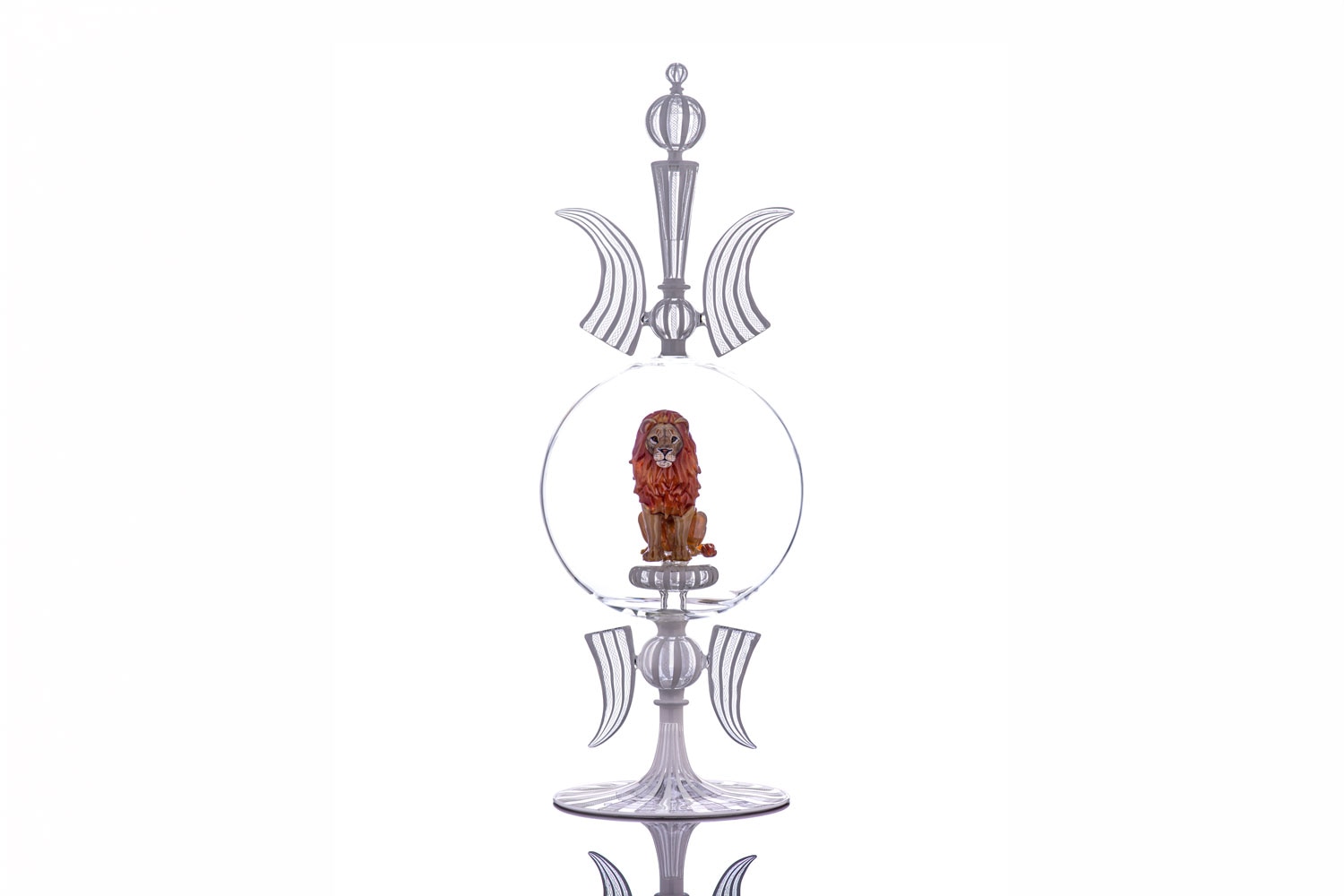
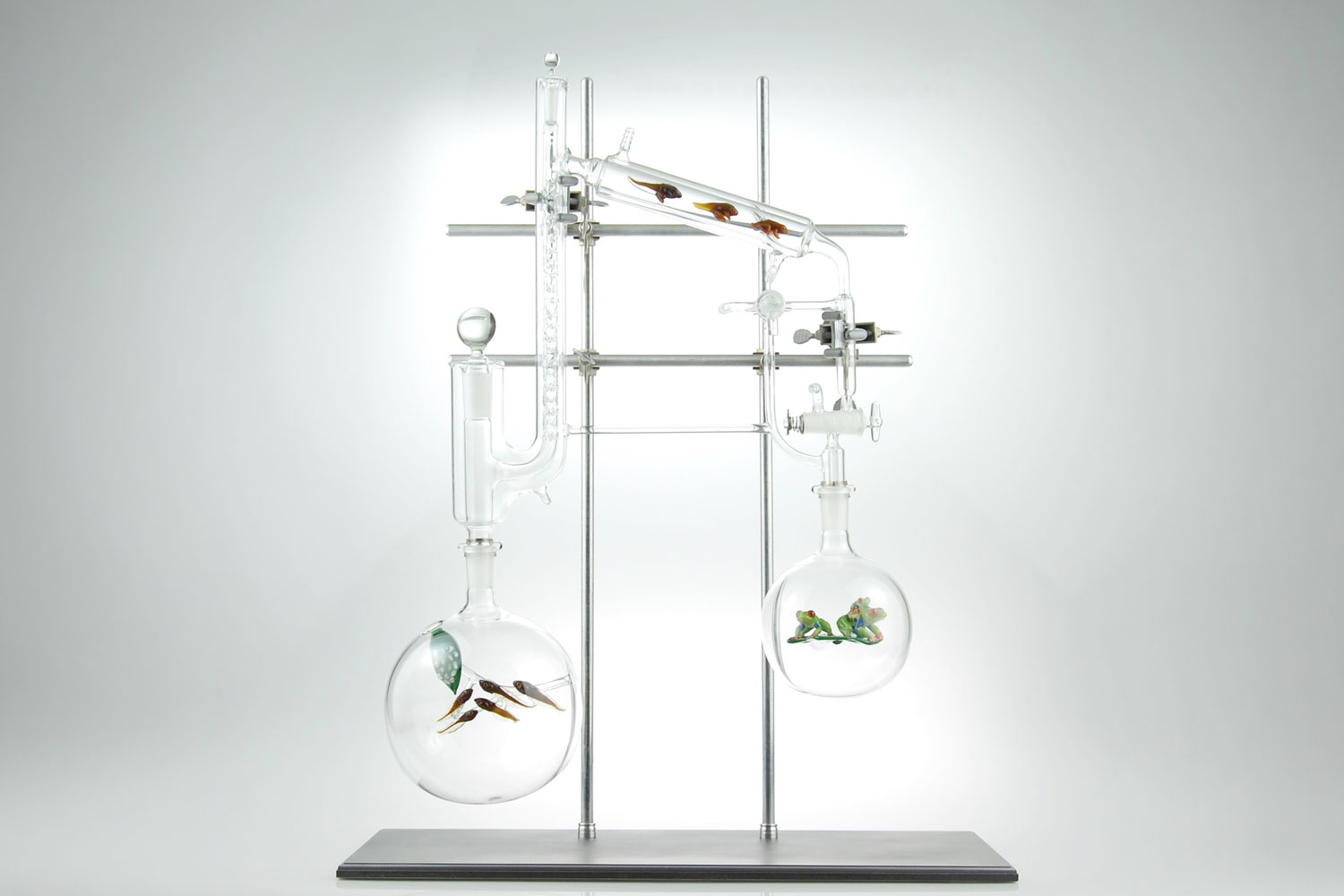
As a teenager, Kiva Ford was fascinated by laboratory glassware. He was curious about how pieces were made, how coils could be sealed inside a tube and how chambers could sit within chambers with no visible way in. Kiva followed that question into scientific glassblowing, later learning Venetian techniques and refining his focus on creating beautiful objects. “Beauty shapes how we experience the world,” he says. In some of his most imaginative works, Kiva reconfigures the logic of laboratory forms into whimsical compositions. Creatures and mythical figures inhabit their sealed interiors as if born there, encapsulated via his rigorous process of building from the inside out. “Beauty is not accidental. It is the alignment of order, structure, skill and time,“ he adds.
INTERVIEW
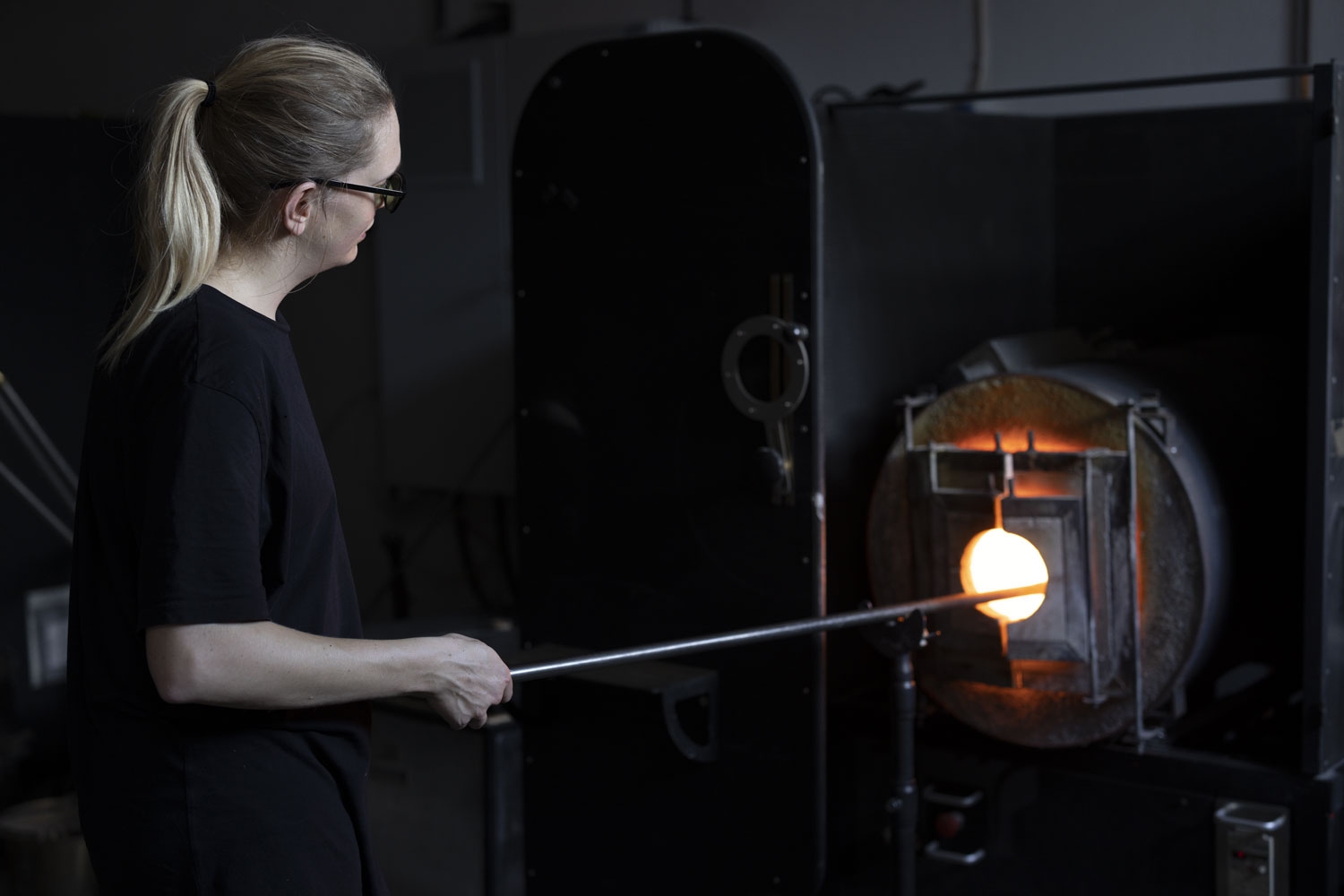
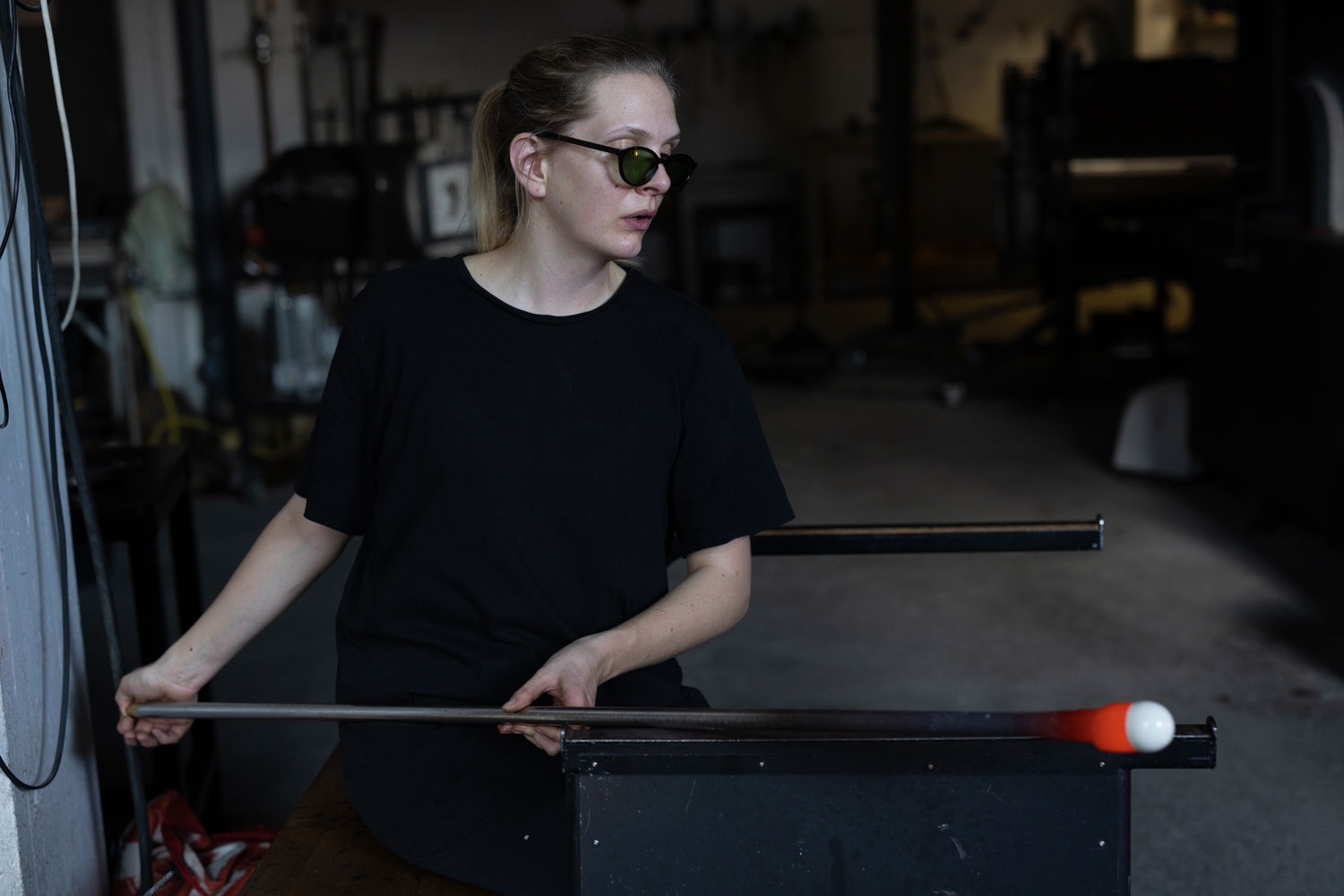
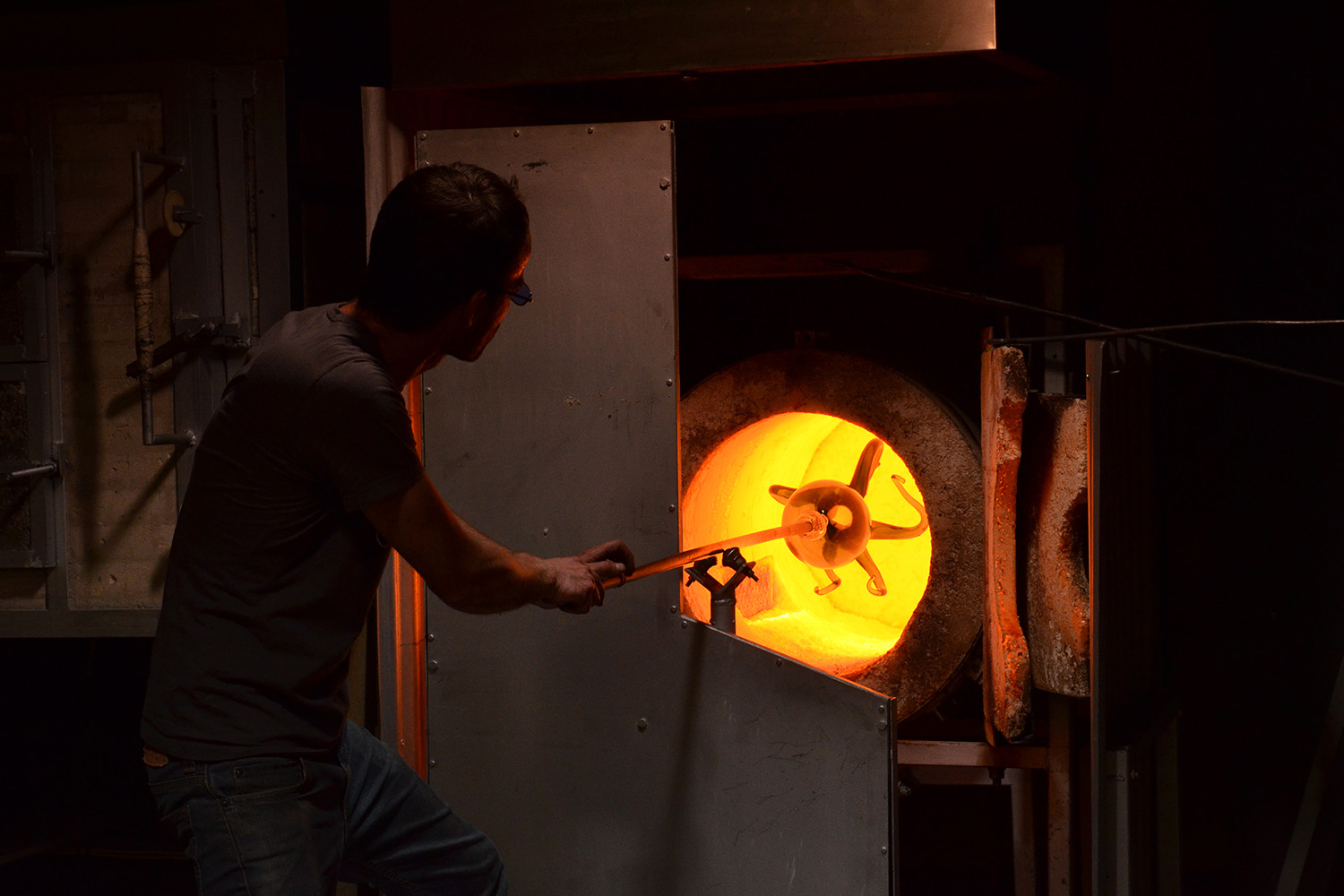
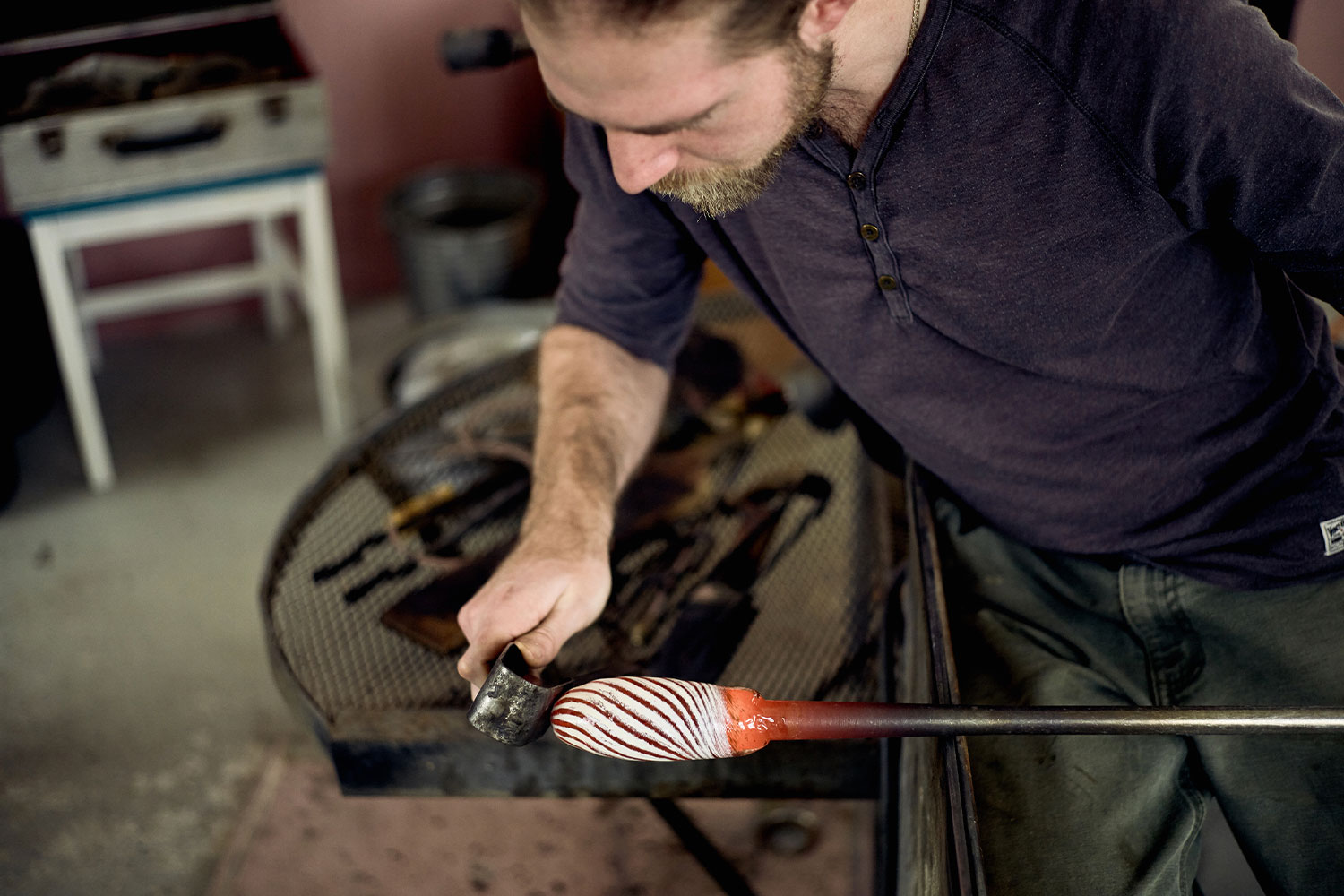
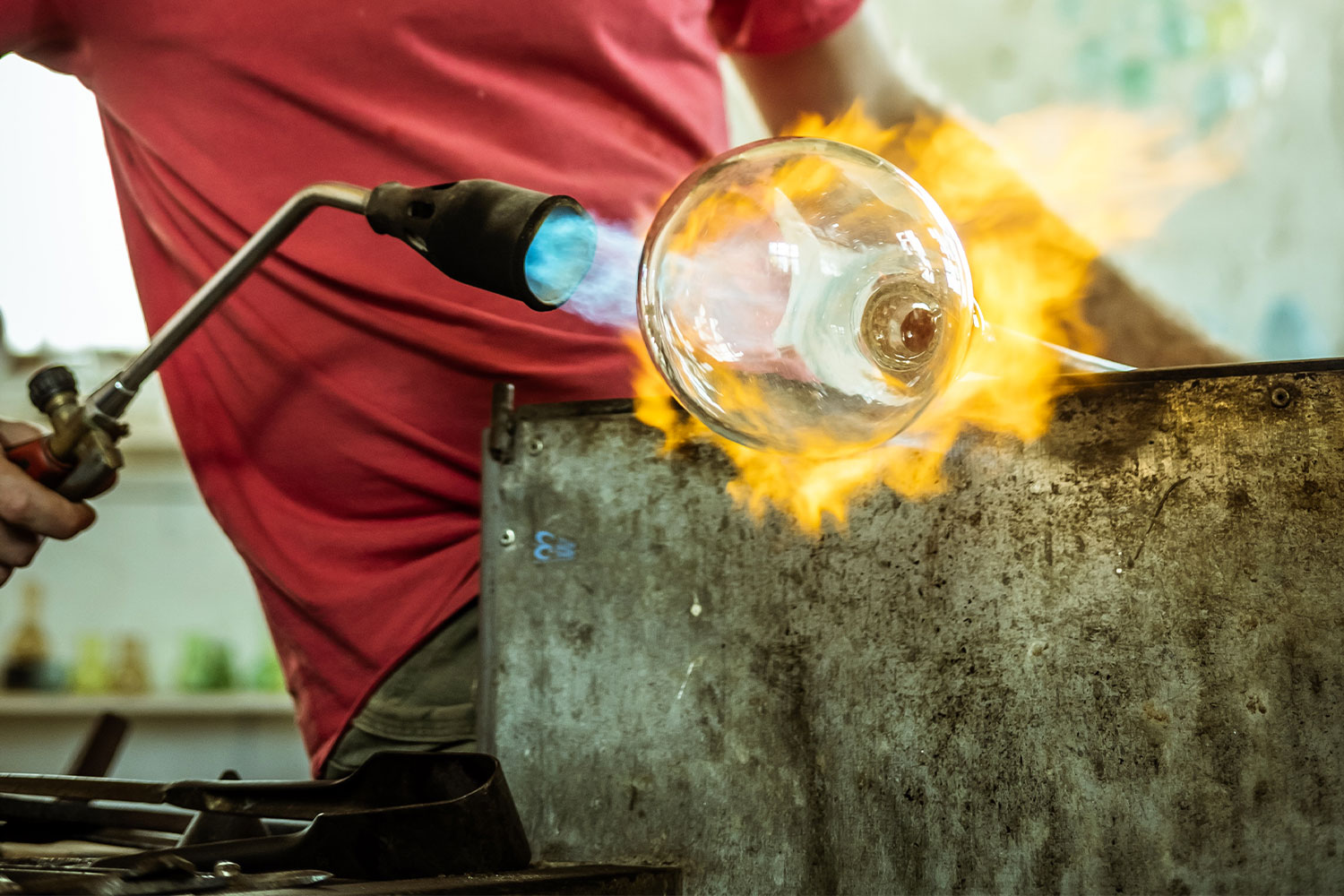
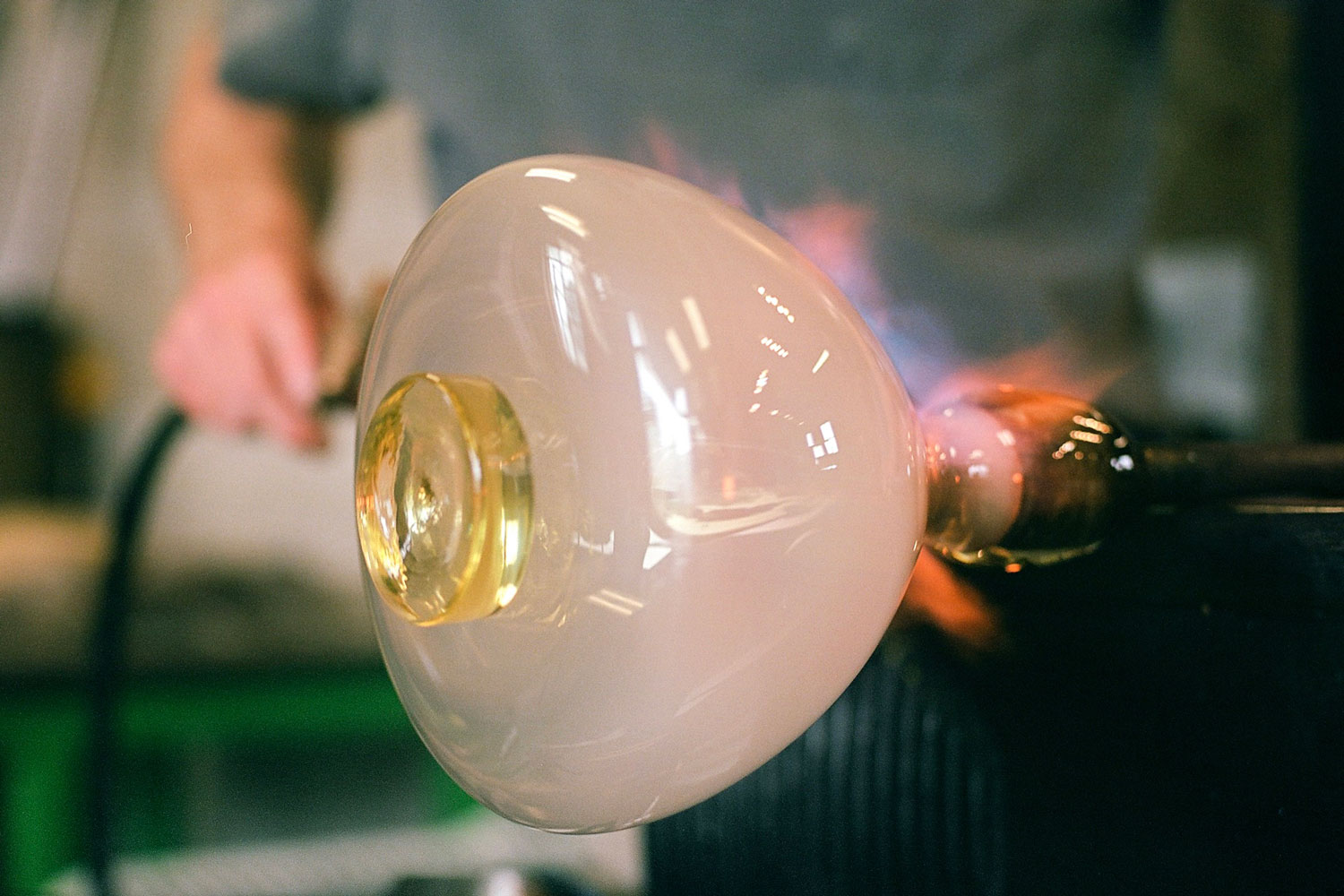
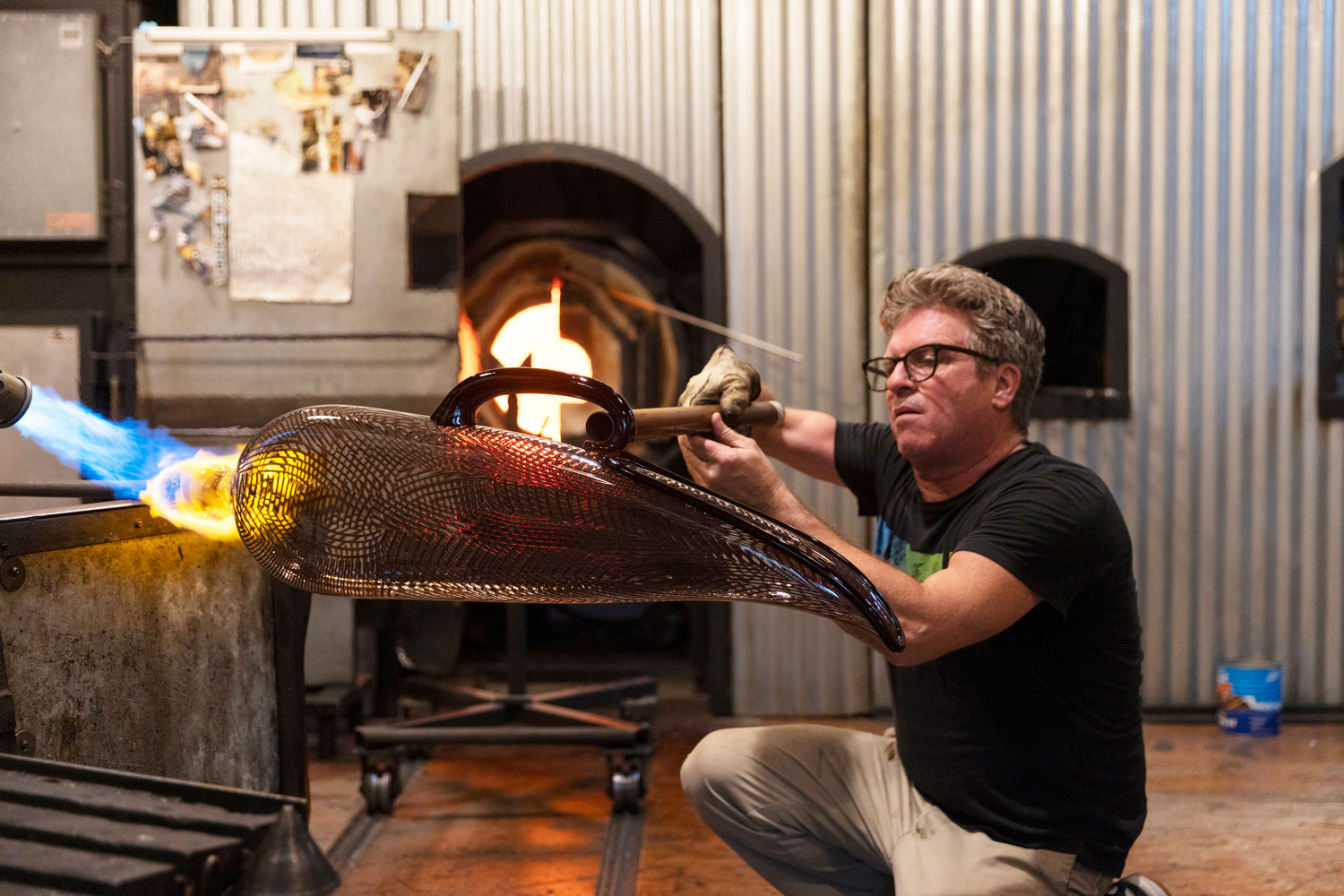
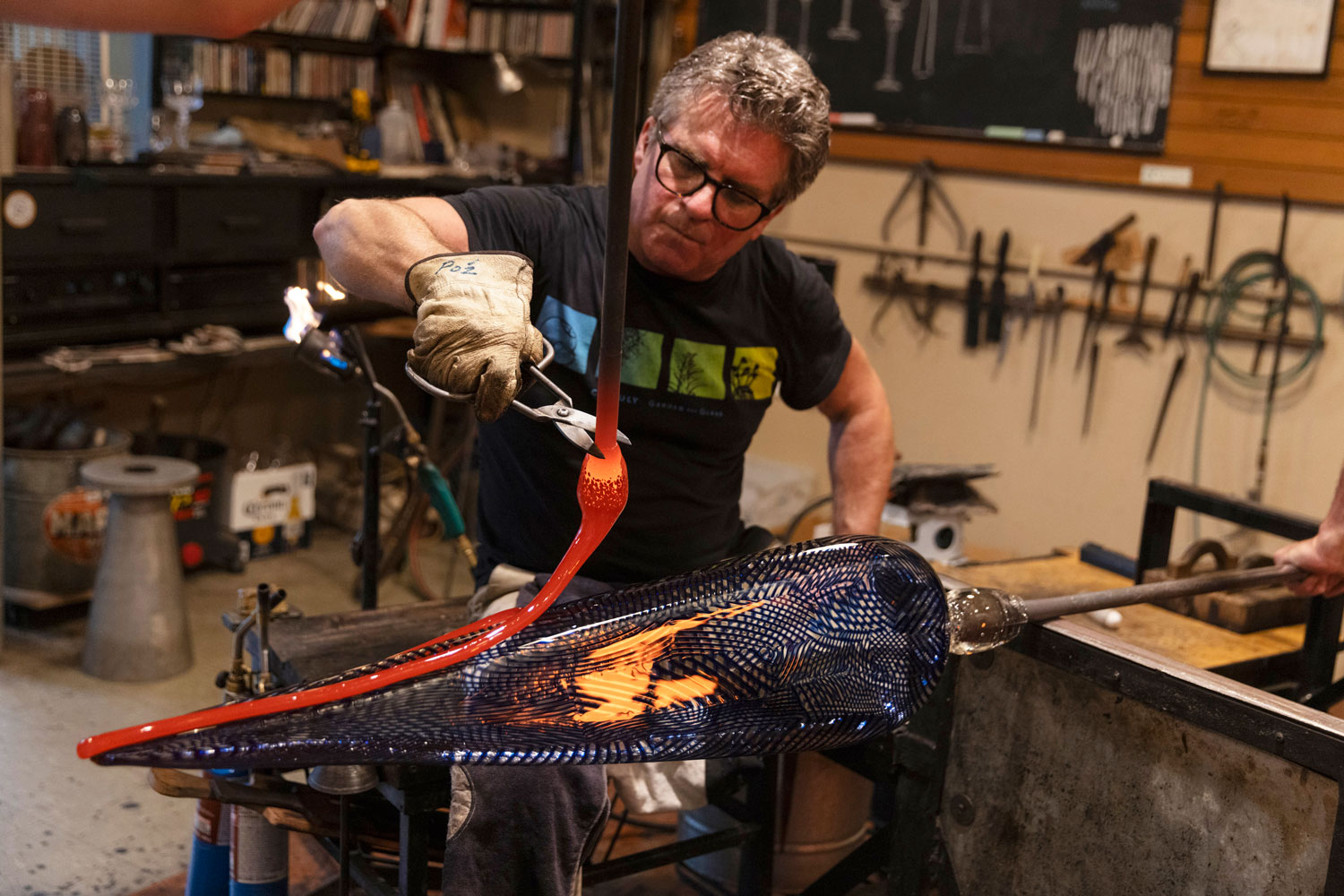
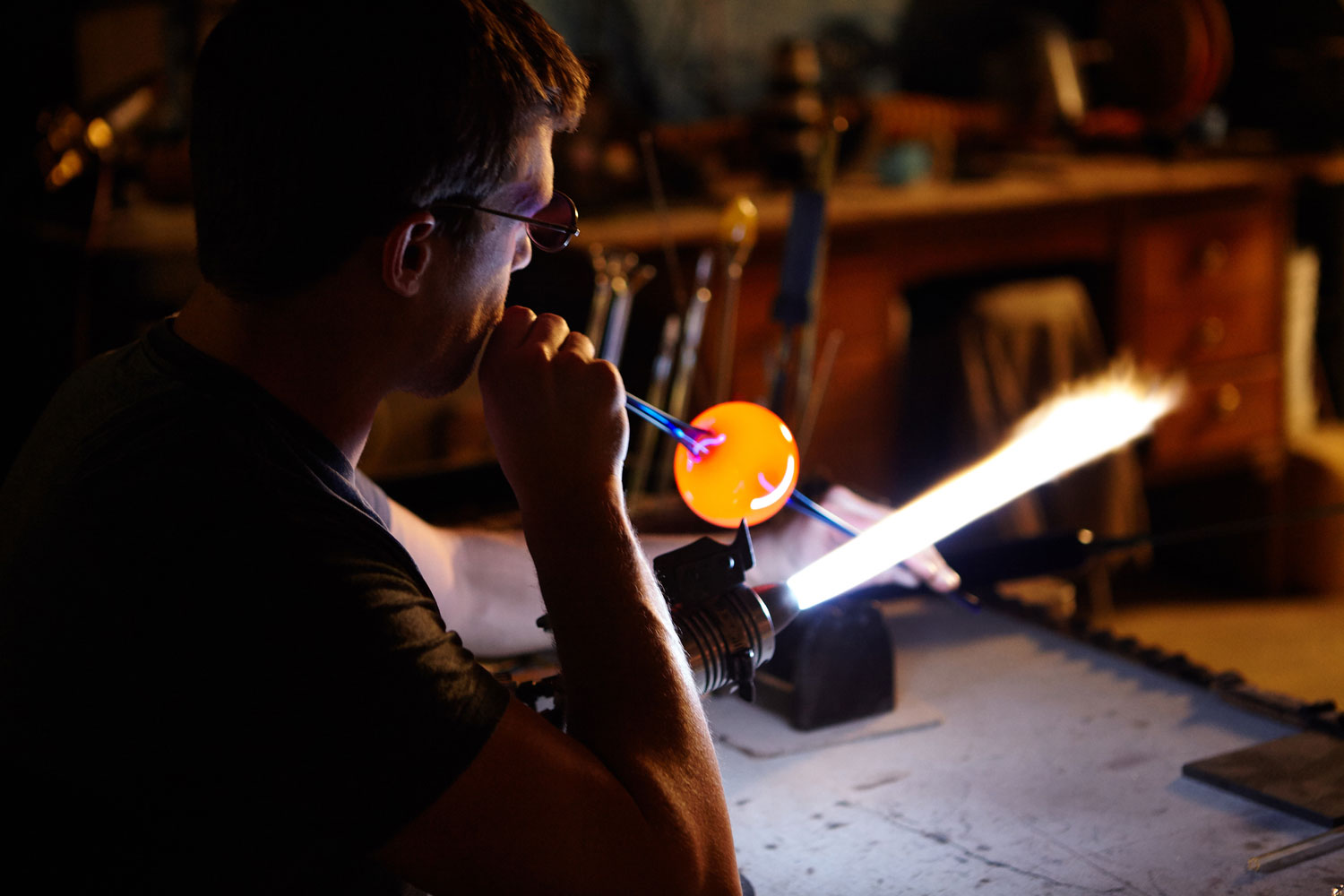
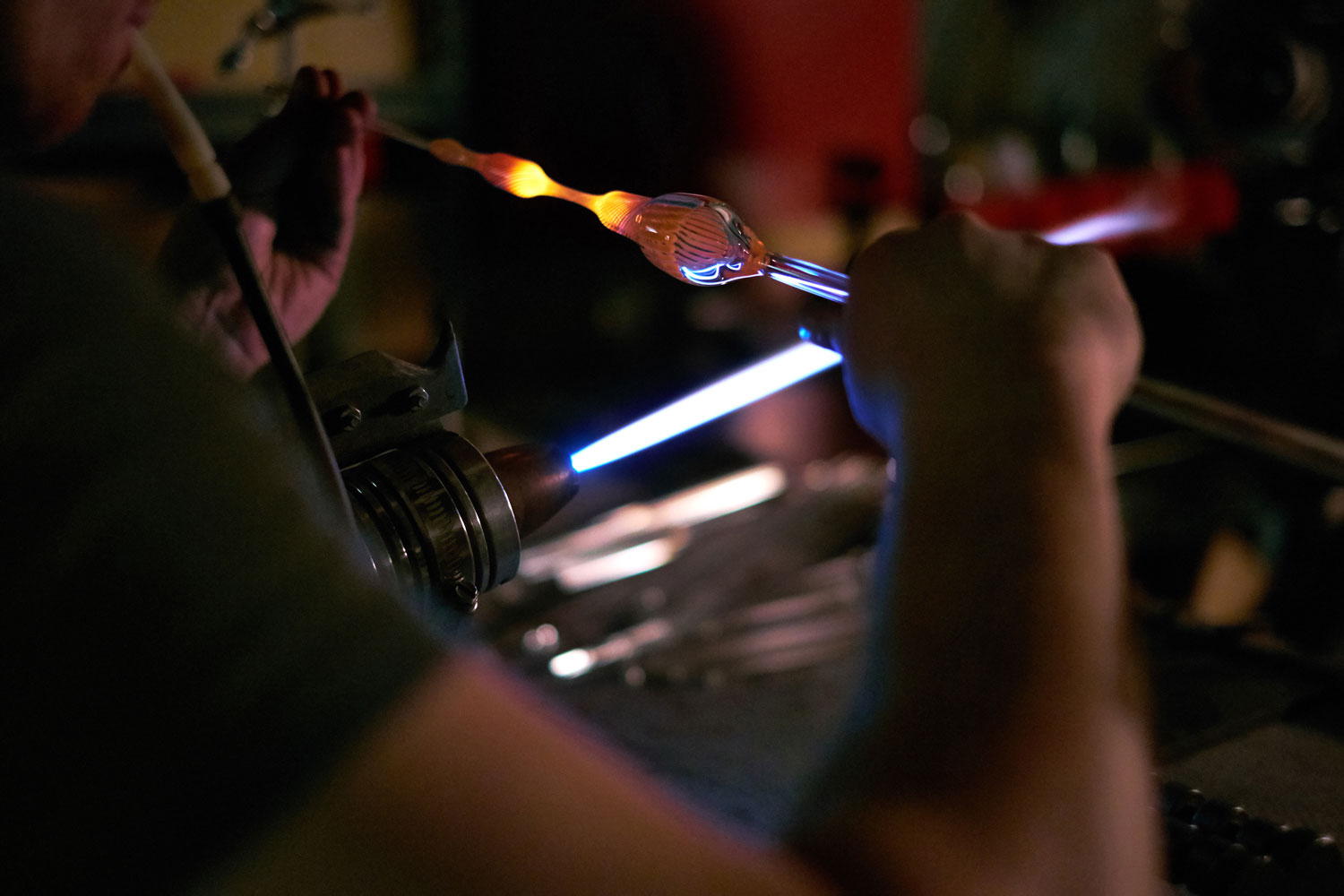
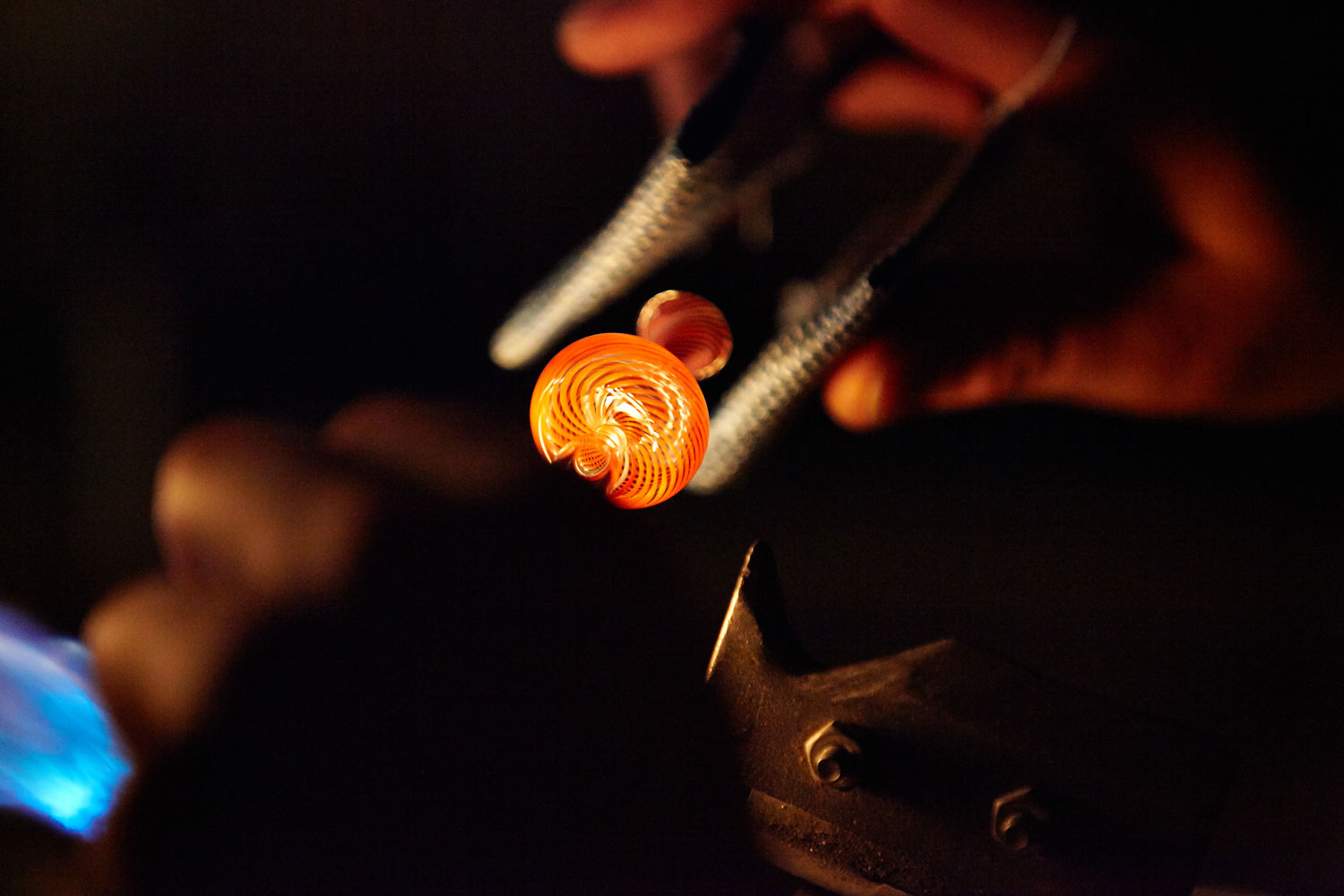
bI use oxygen and natural gas to melt borosilicate glass, or hydrogen and oxygen for quartz, which require a stronger, hotter flame. I make a lot of my own coloured tubing. The pieces are built in layers, from the inside out, so a lot of thinking goes into the production. Glass is an incredibly unforgiving material. Turning your back for a second can lead to losing a year's worth of work.
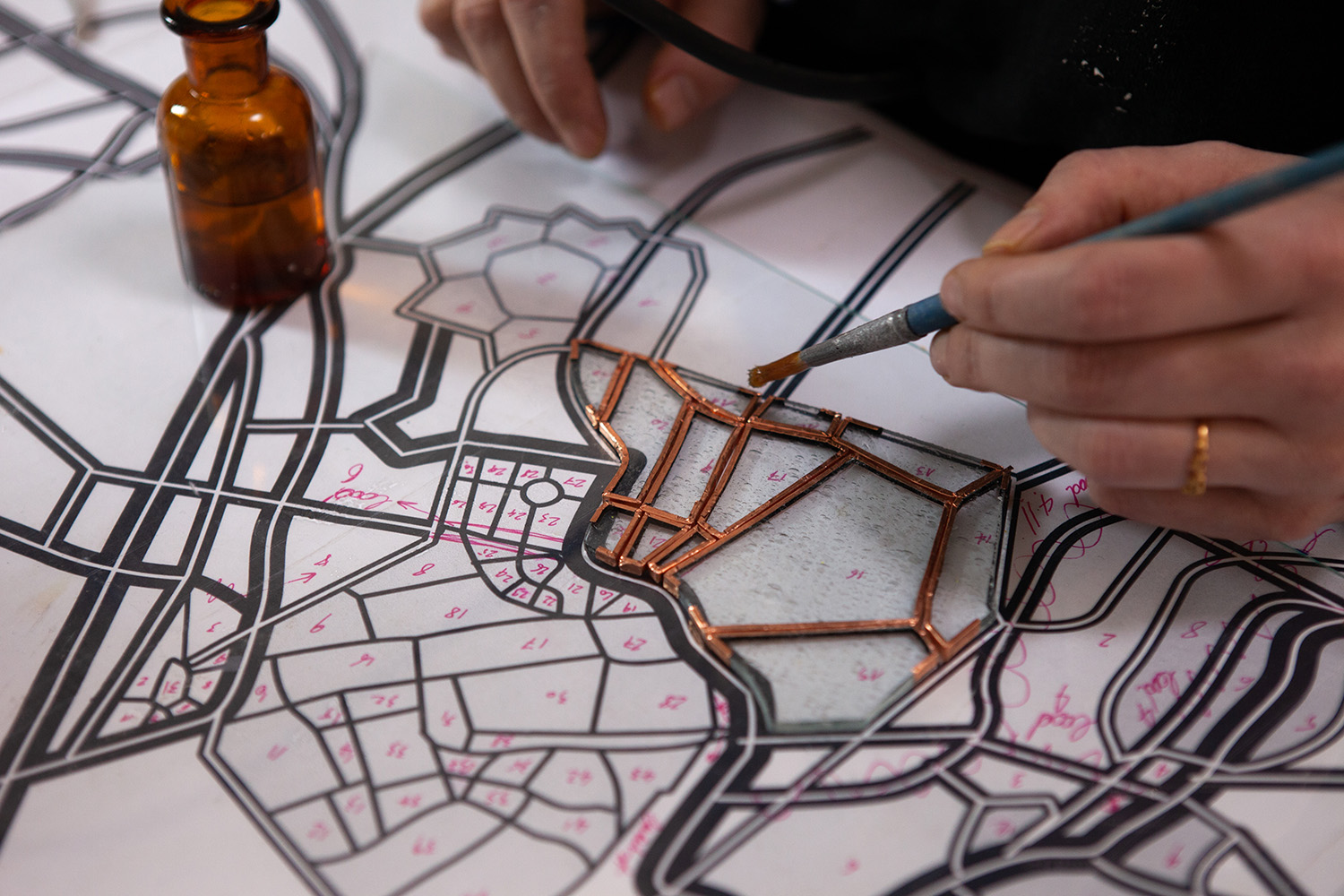
I like to draw it to scale, put it on a wall or the floor, and see what the piece evokes. At that point, I do not stick precisely to scientific specifications as working directly with the material will result in a better-looking piece. The making process becomes a kind of conversation with the material.
As a child, I had an idealistic vision. I thought it would be very cool to make the most beautiful object on Earth. I imagined making something so beautiful that all negative things would be stopped, all wars, all hatred. I thought that perhaps if people could see such an item, it could change the world.
As production has increasingly shifted to low-cost overseas manufacturing, something has been gained and something has been lost. We are being pushed away from making things with our hands. I believe I am now one of only a handful of artisans in the USA who can make scientific glasswork by hand, without a lathe or a machine
Kiva Ford
Glassblower
Pittsburgh, PA, USA
ADDRESS
Address upon request, Pittsburgh, PA, USA
AVAILABILITY
By appointment only
LANGUAGES
English
Homo Faber Finds is a new service aiming to inspire admirers of craft to connect and collaborate with exceptional artisans.
We invite you to submit an enquiry here.