Luca Kohut-Görömbei
Glassblower
Budapest, Hungary
Recommended by Judit Osvárt
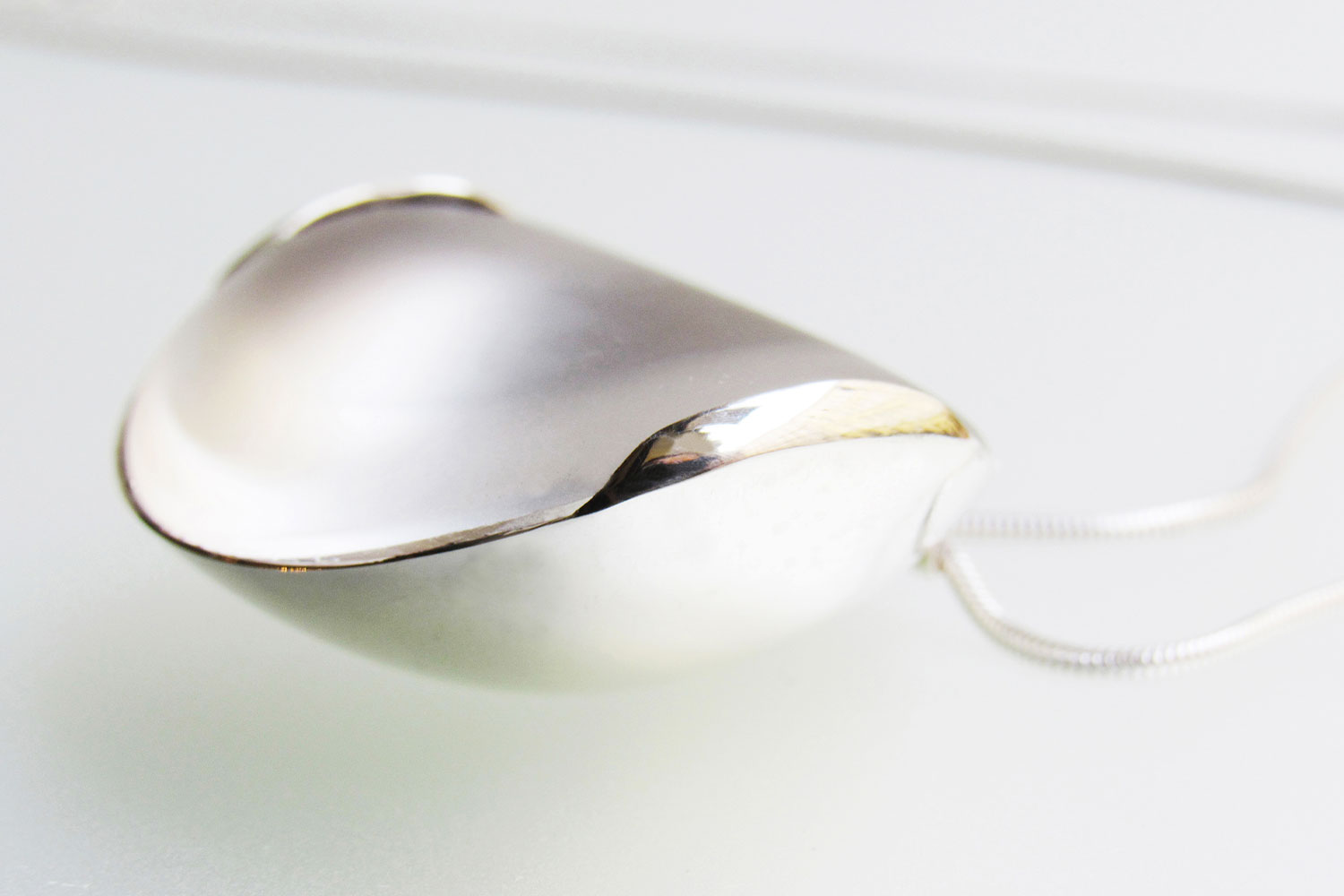
Glass meets metal
- Luca is both a glass artist and a goldsmith
- She has a very experimental approach
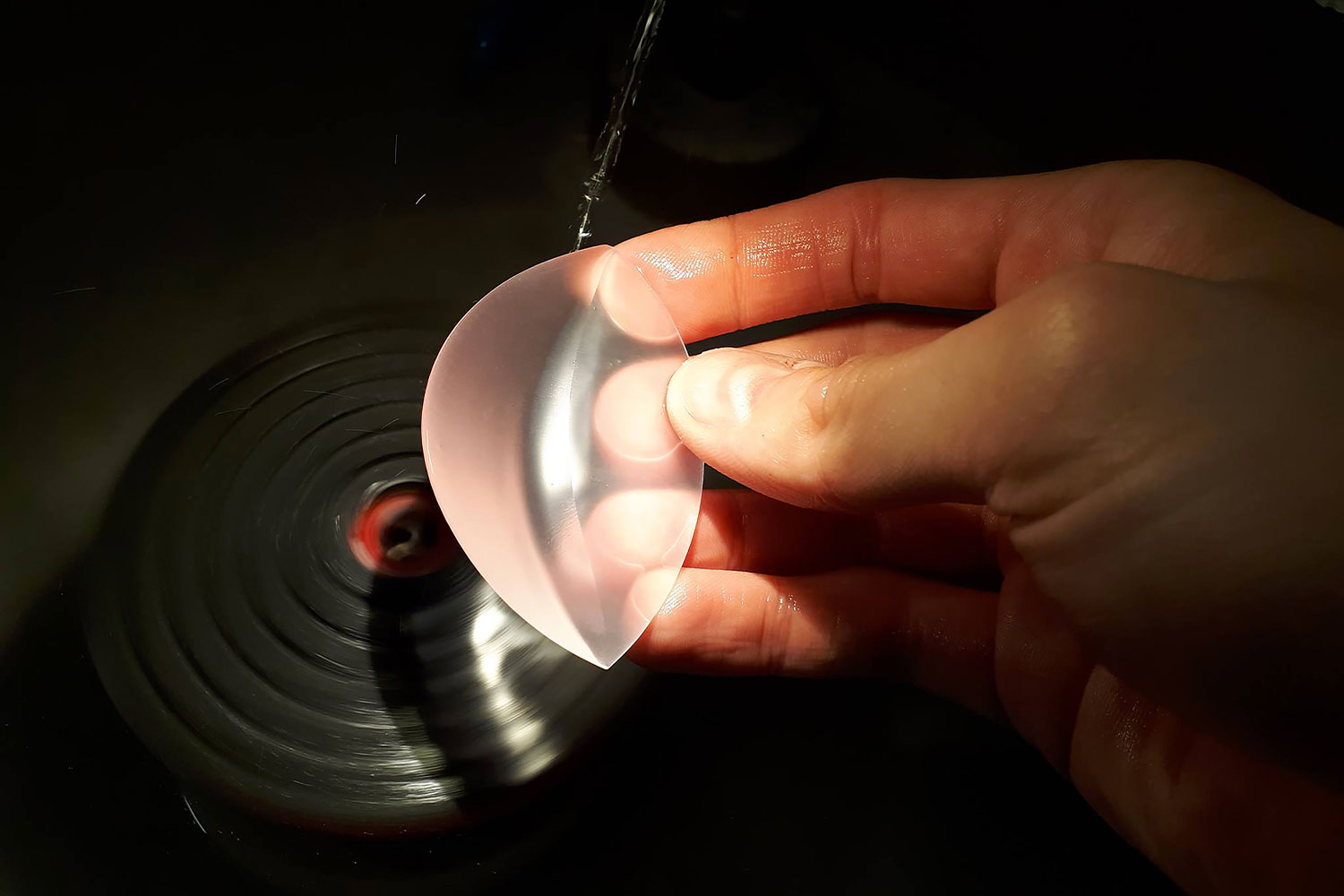
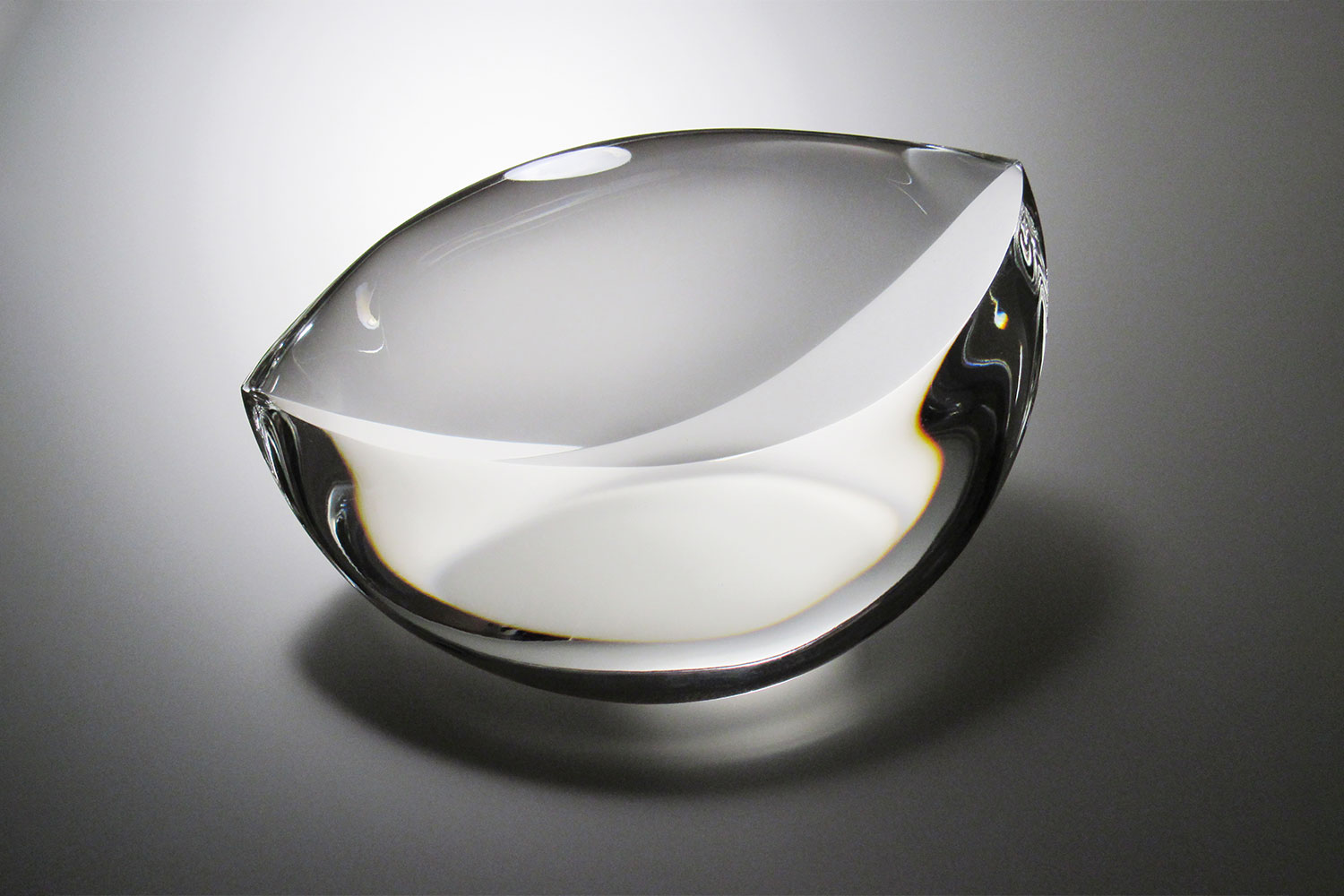
- She specialises in optical grinding
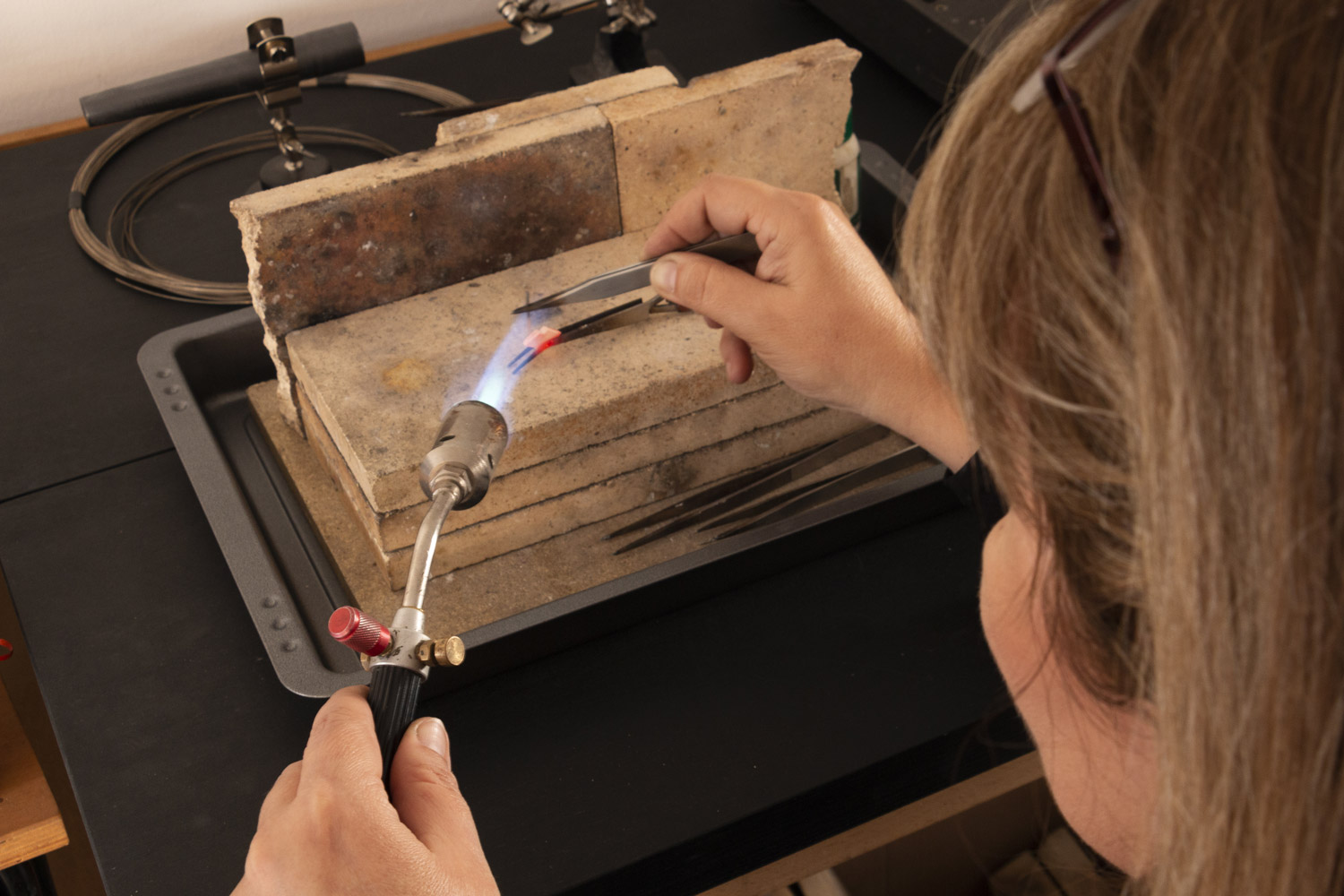
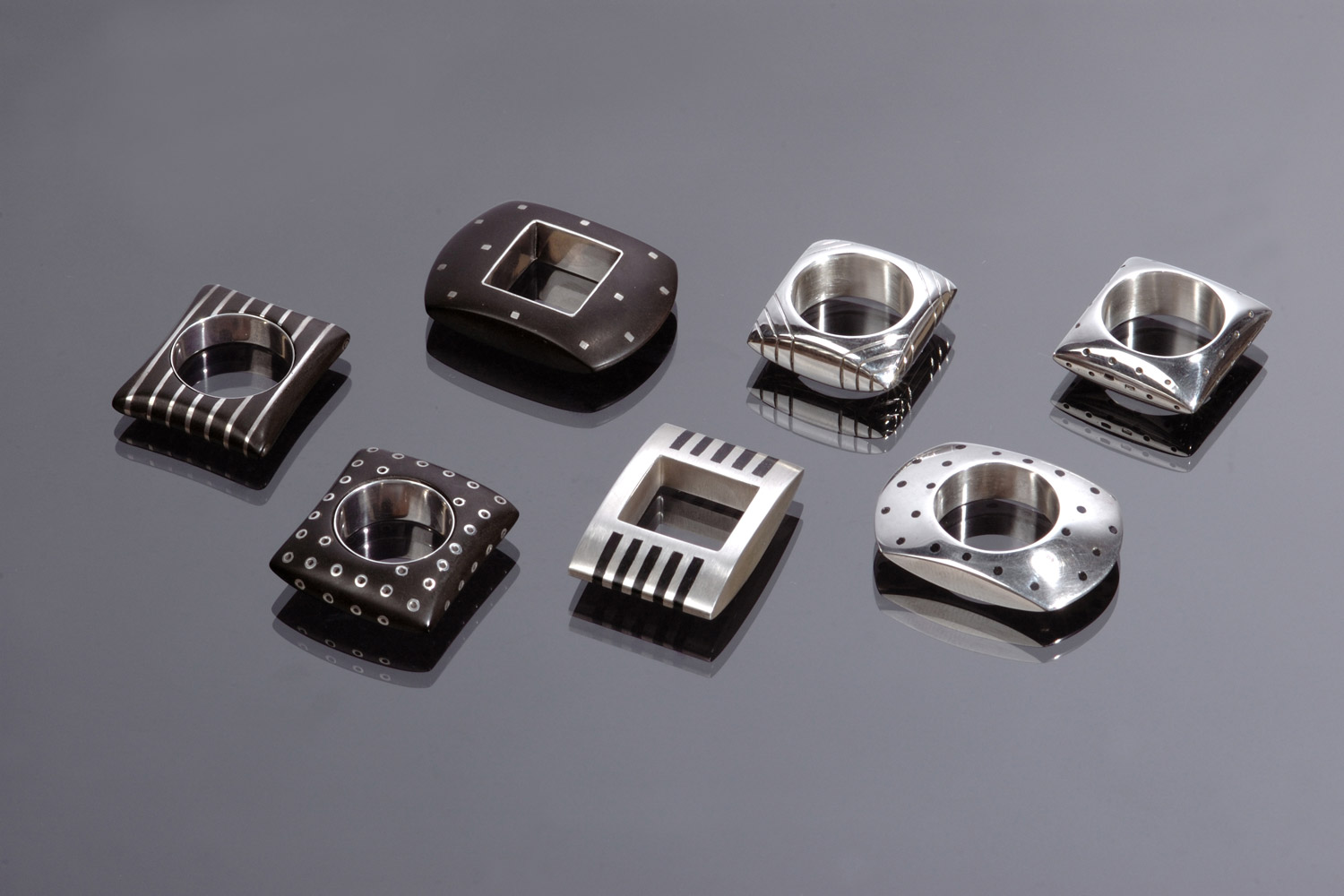
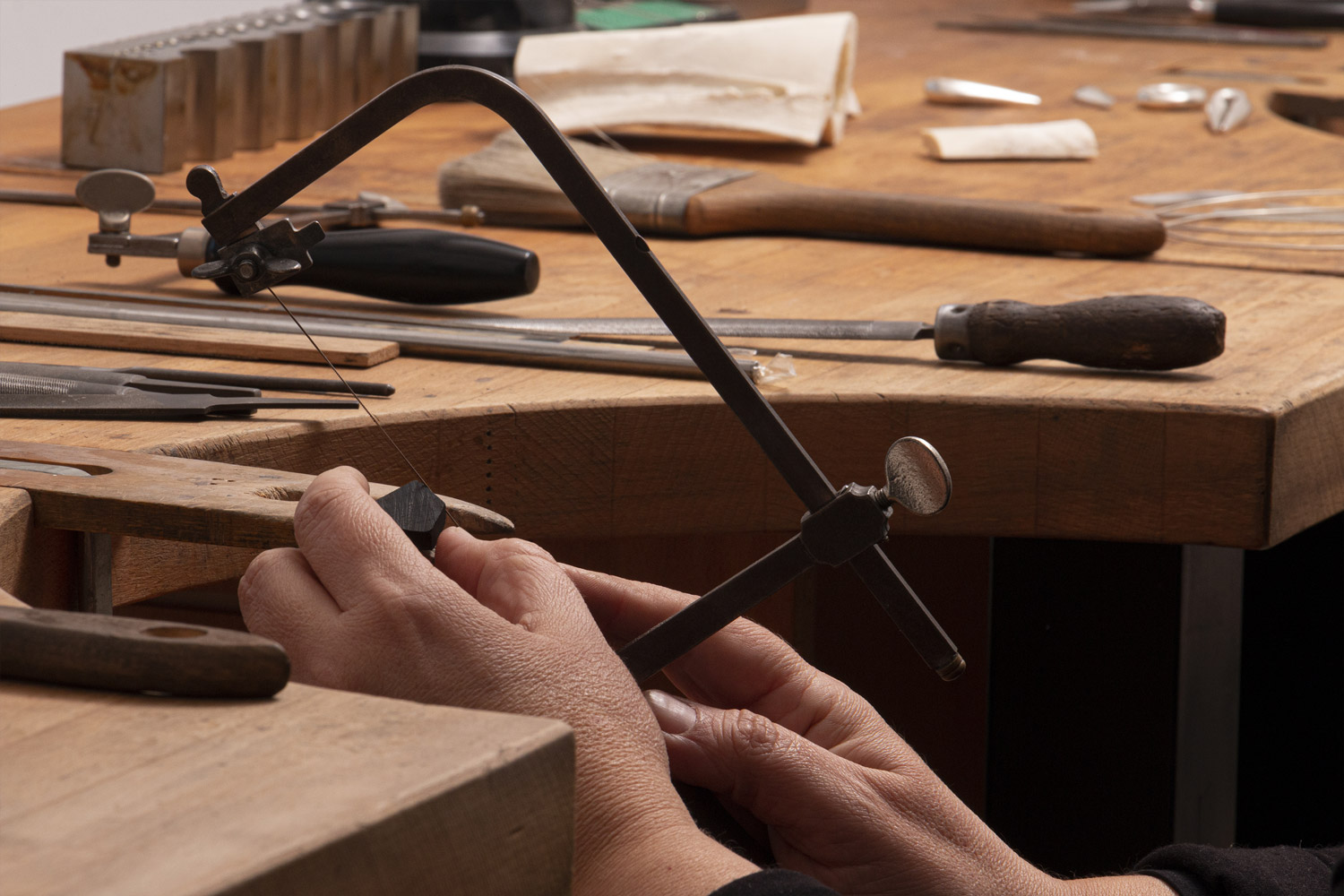
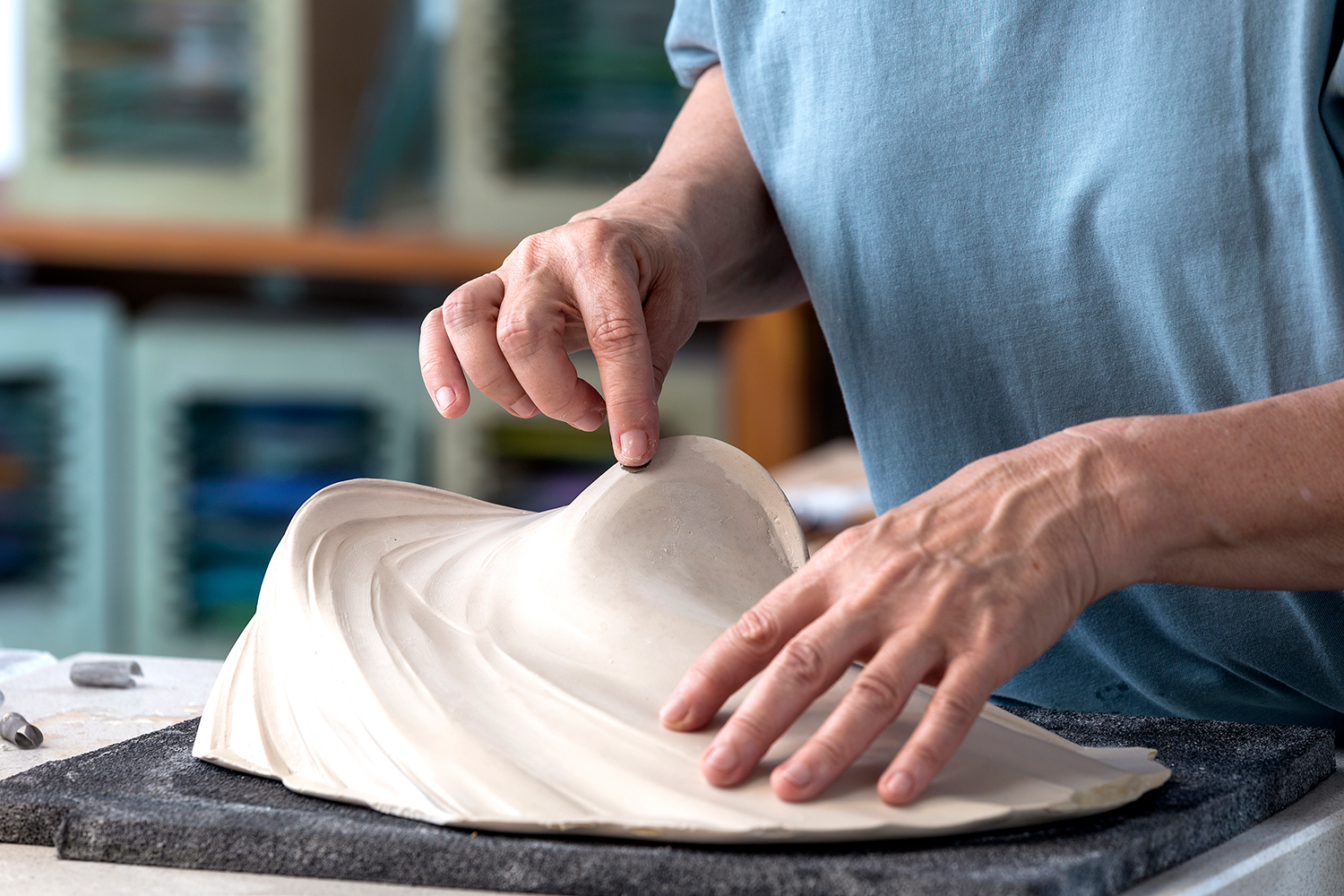
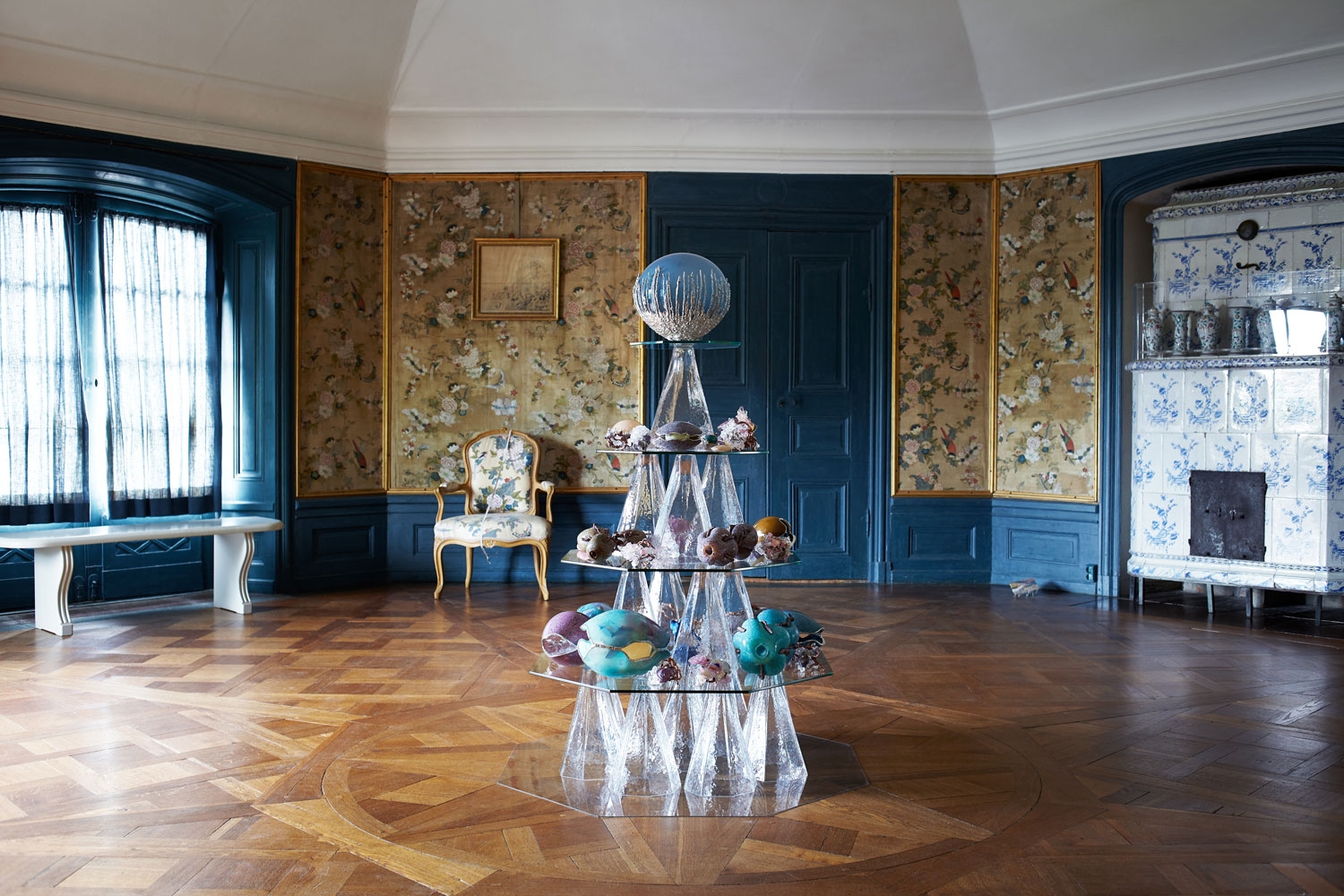
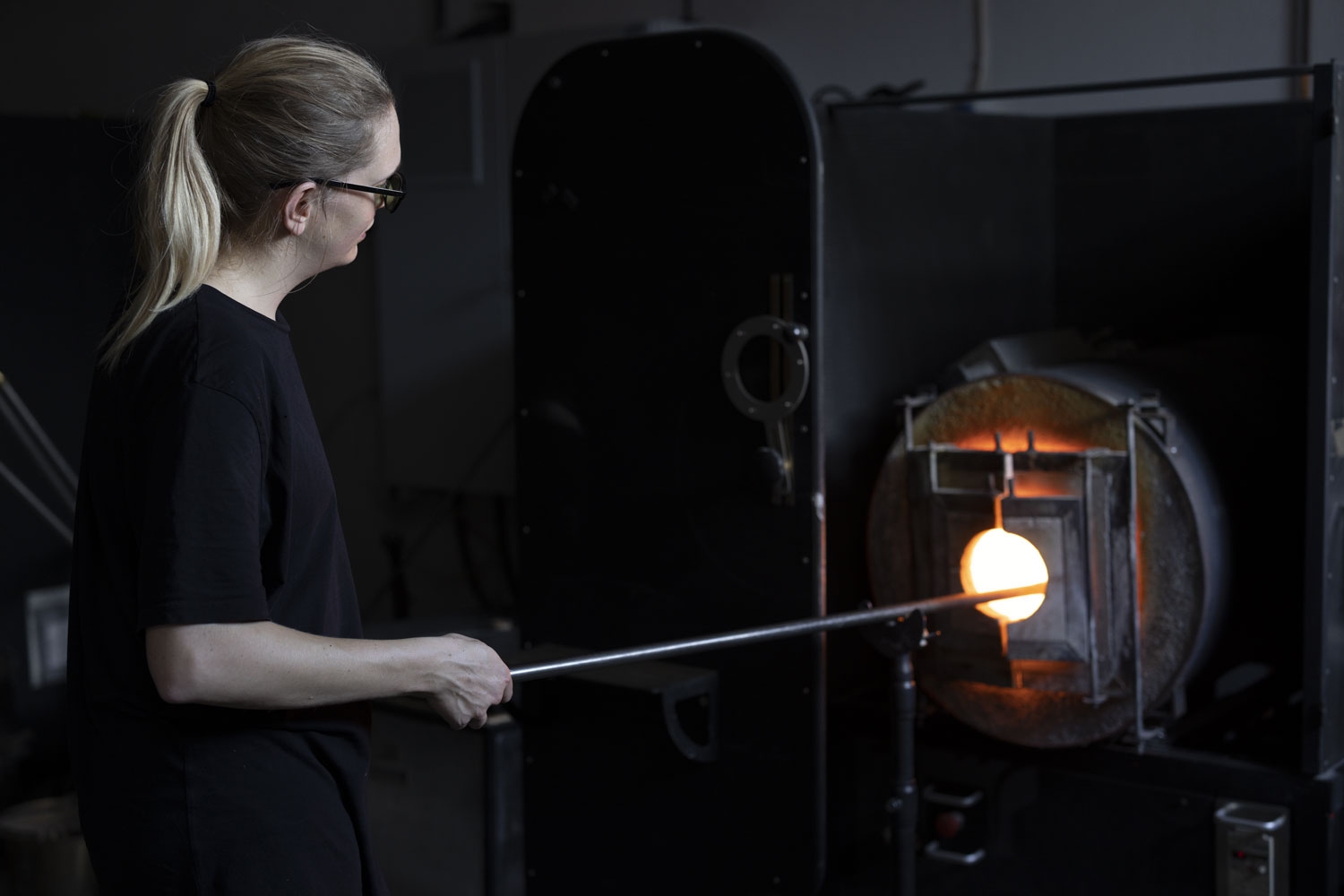
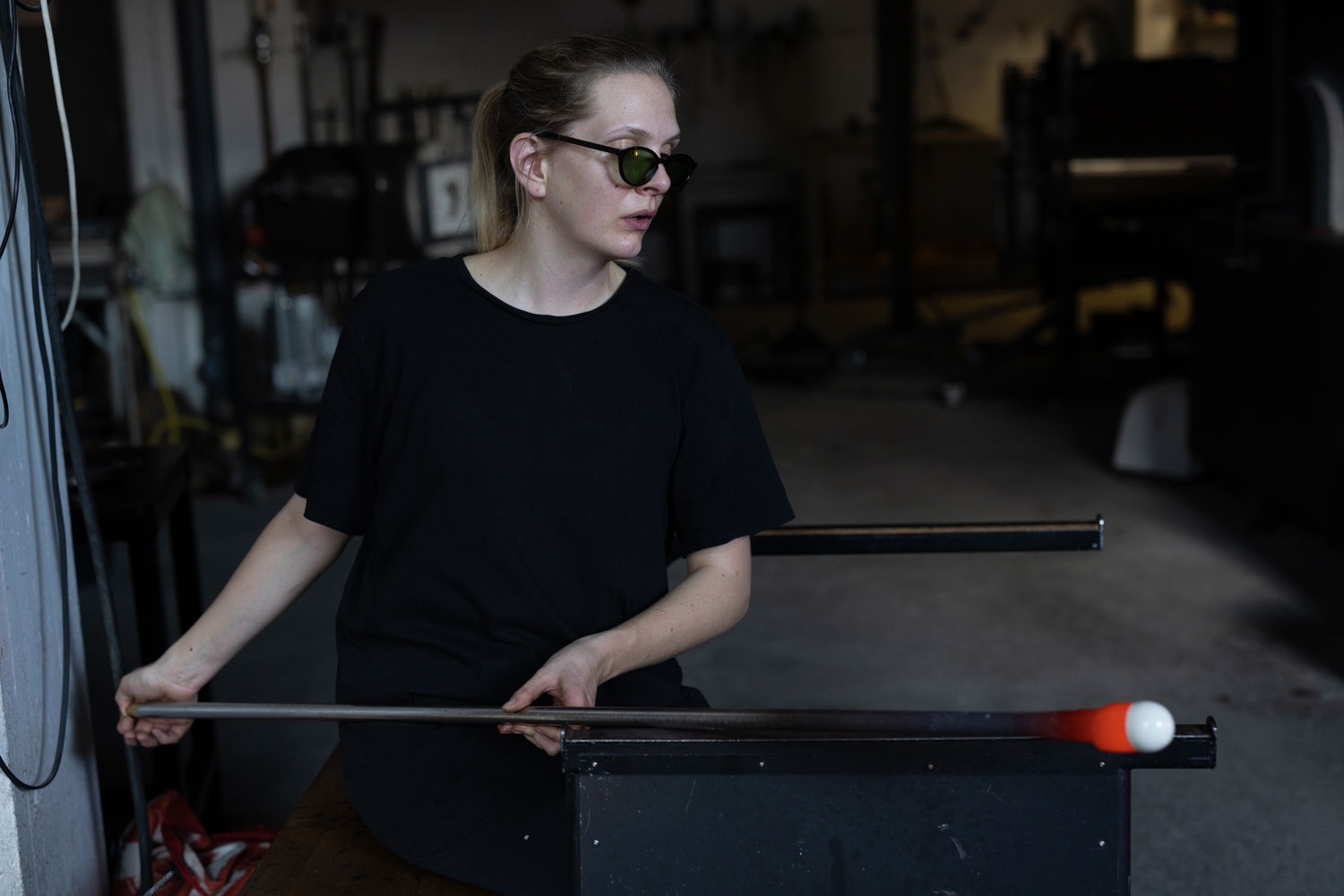
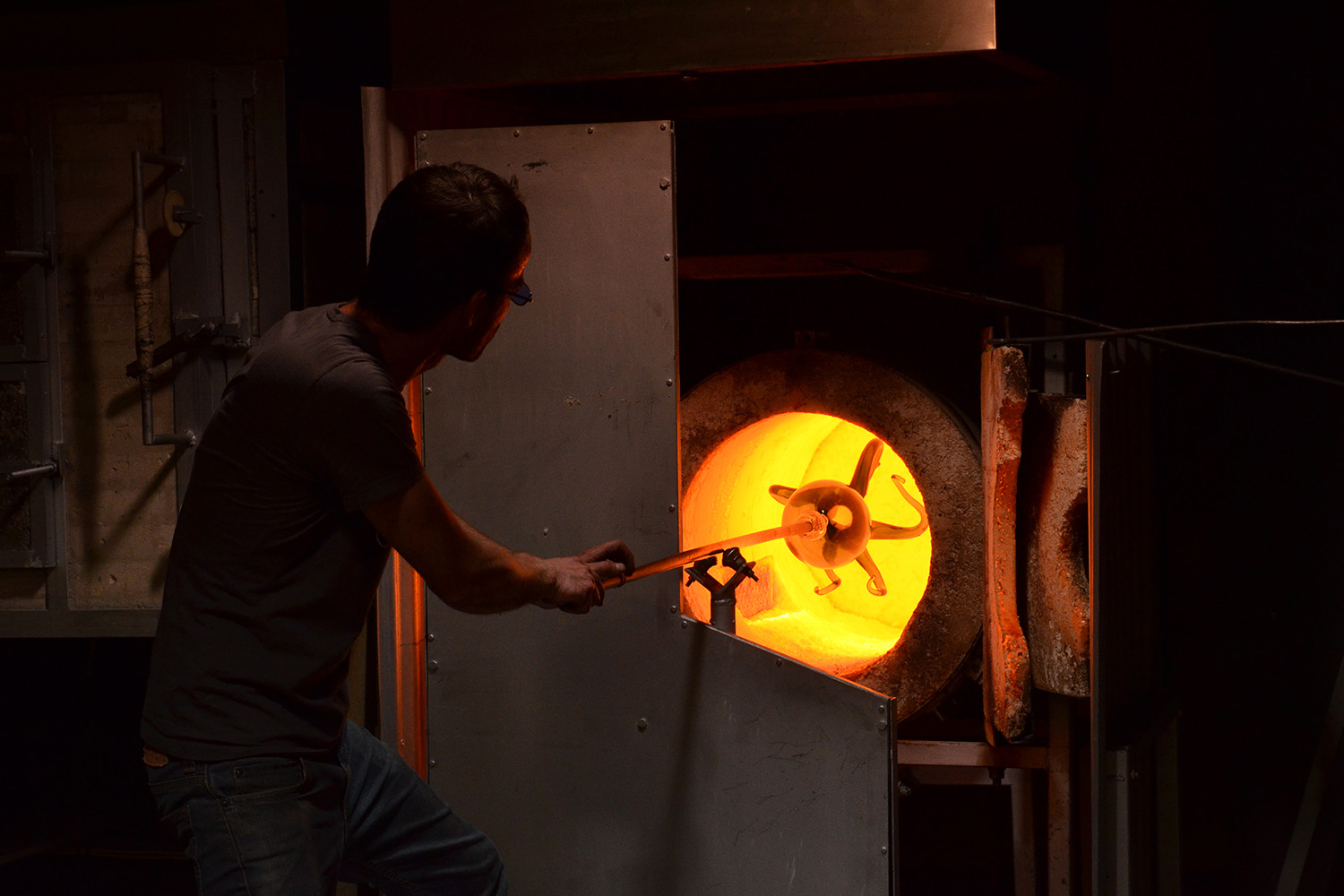
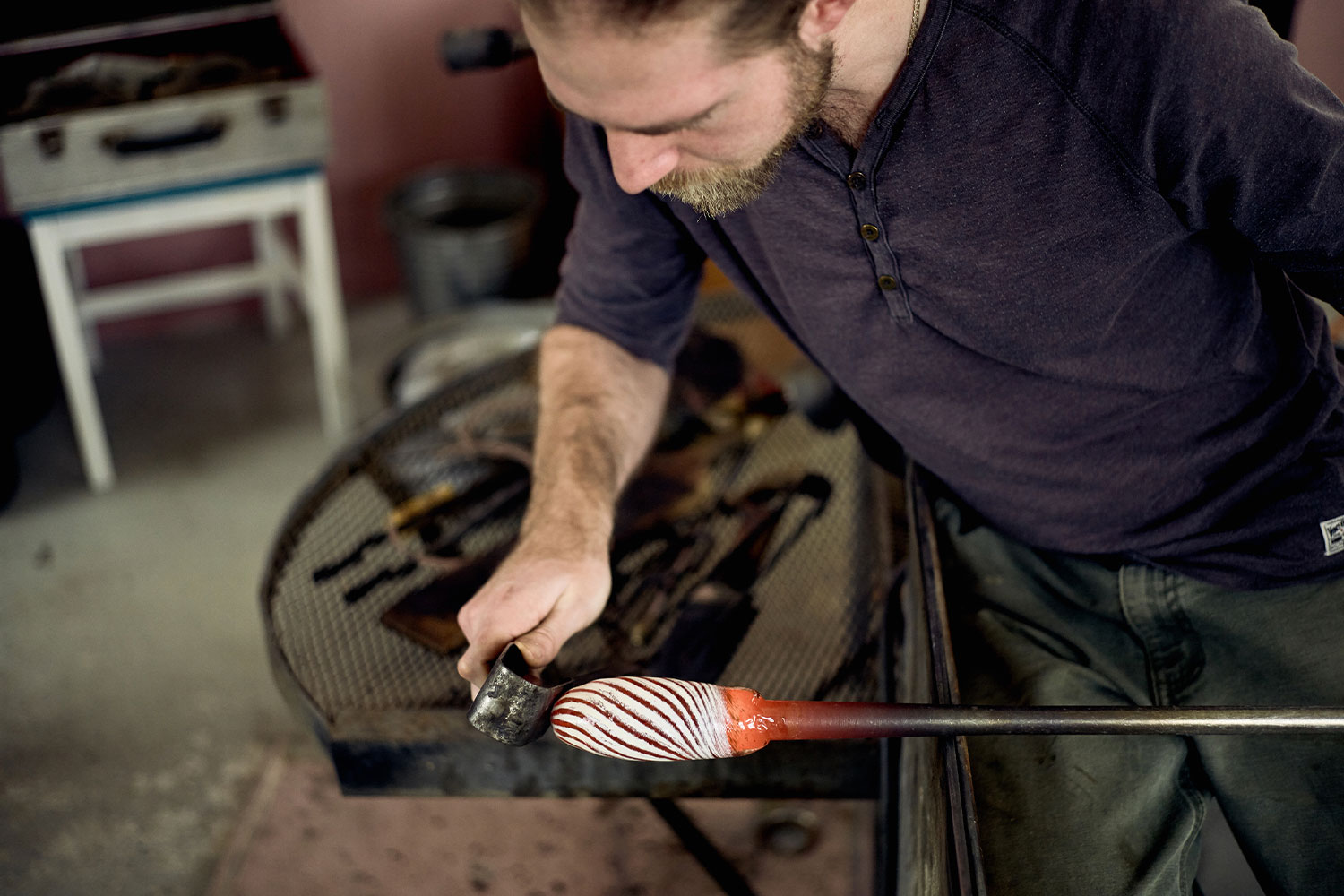
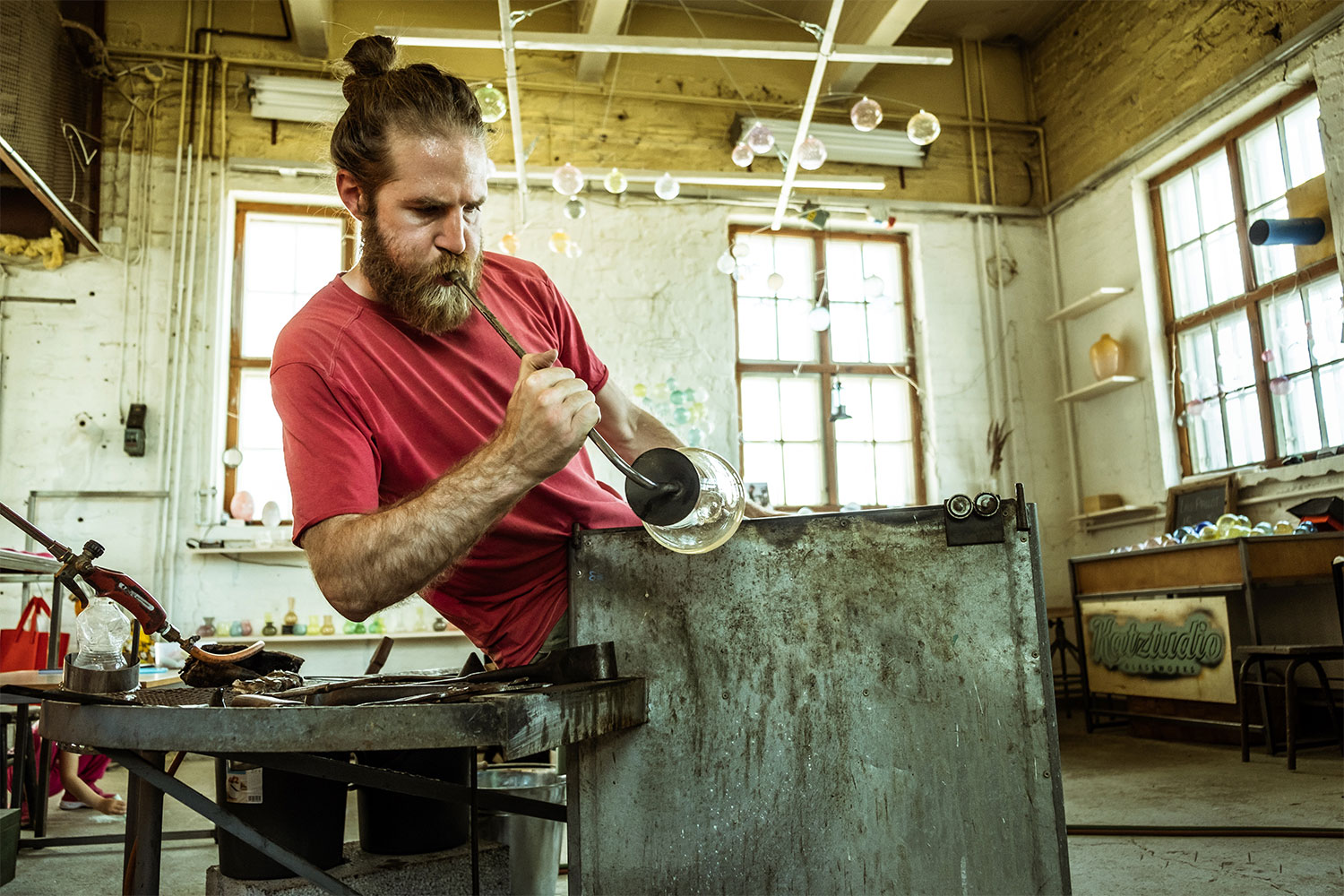
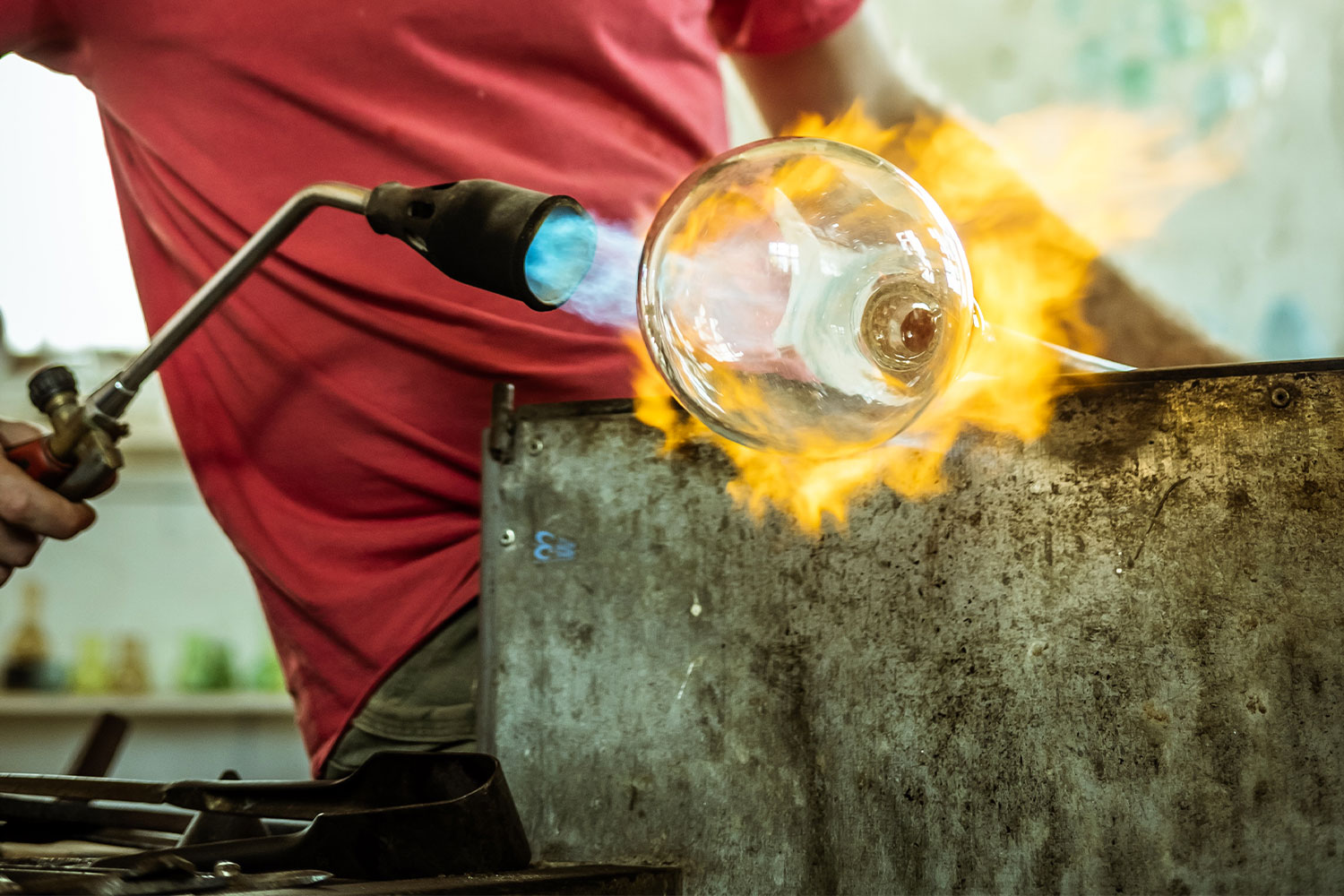
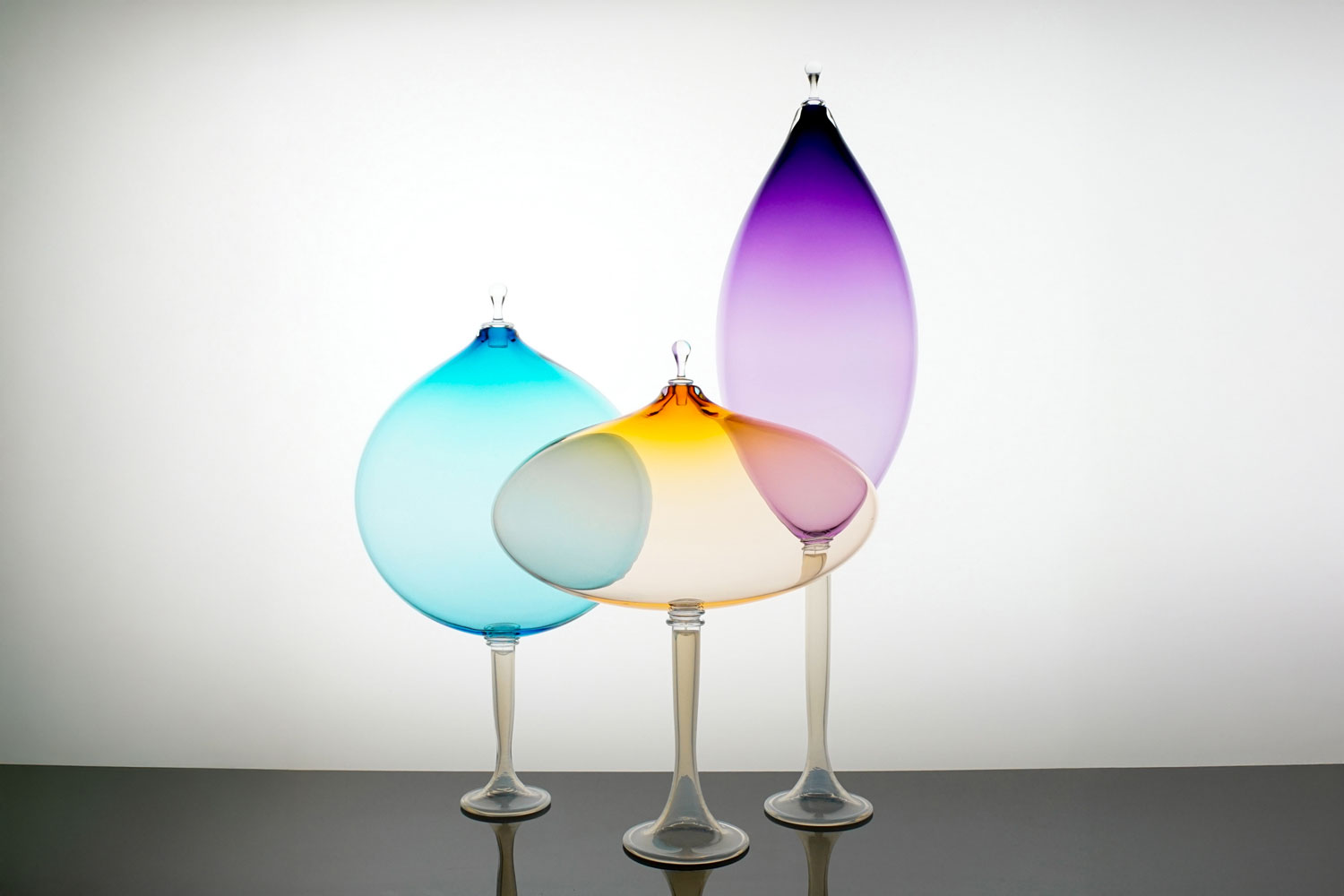
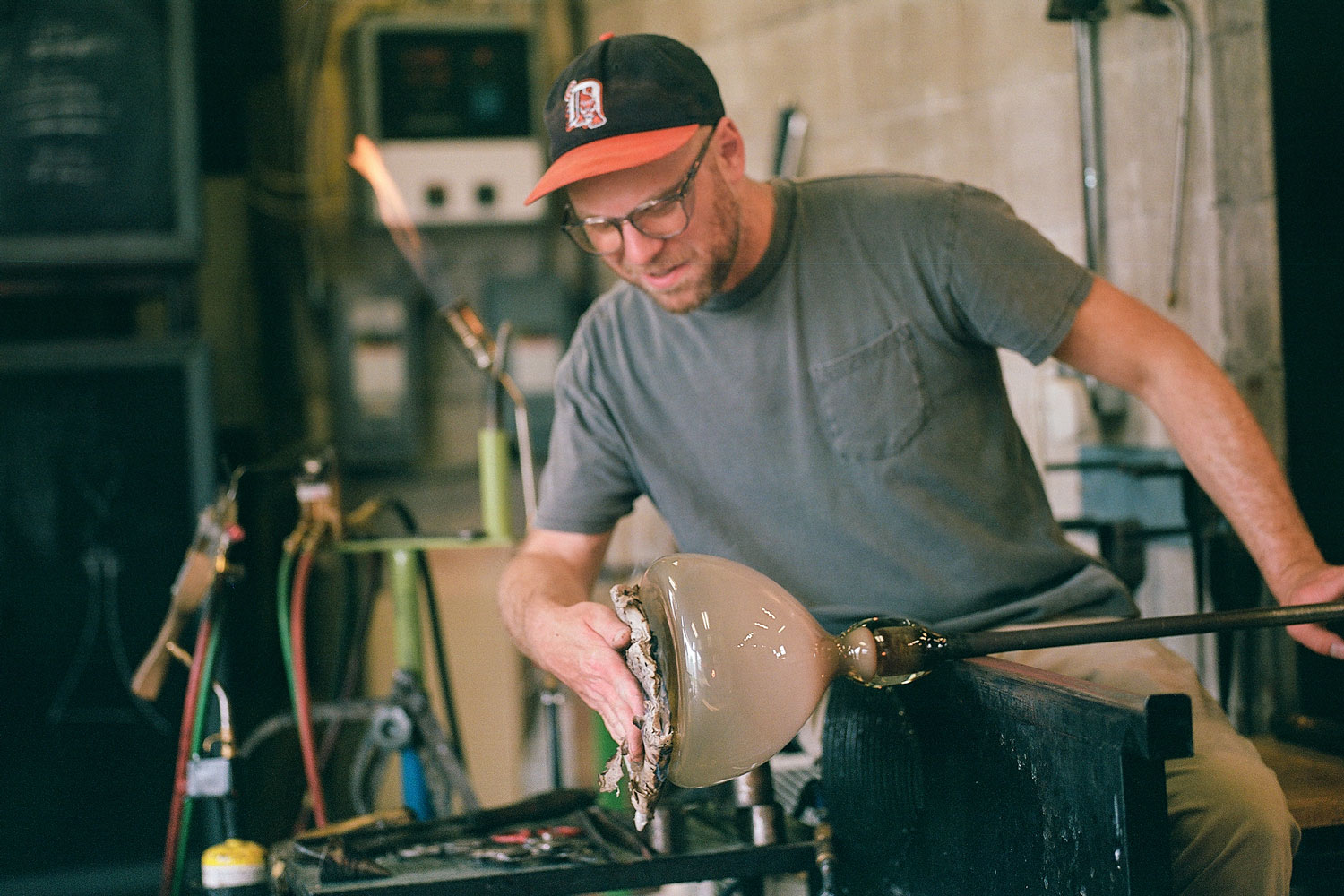
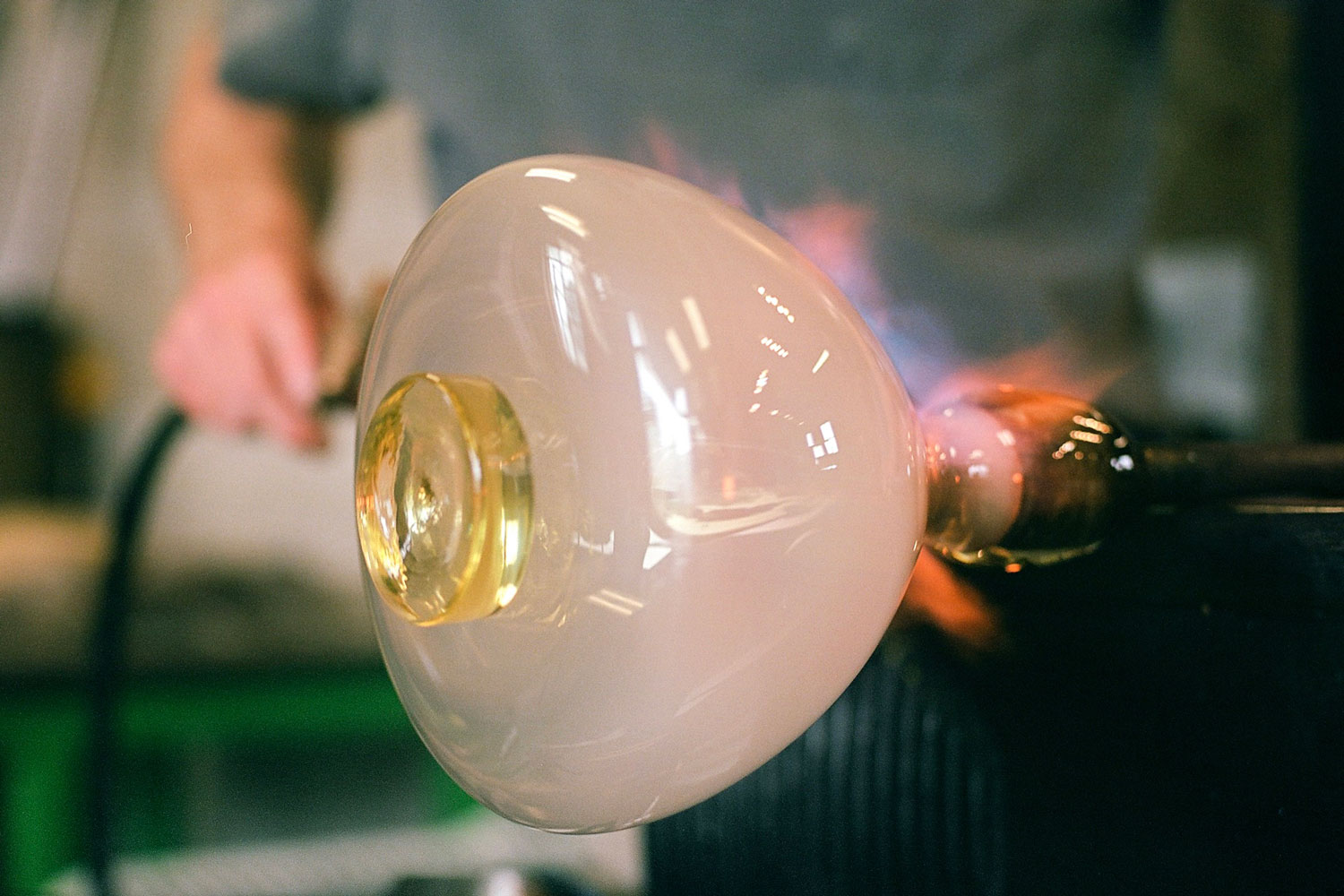
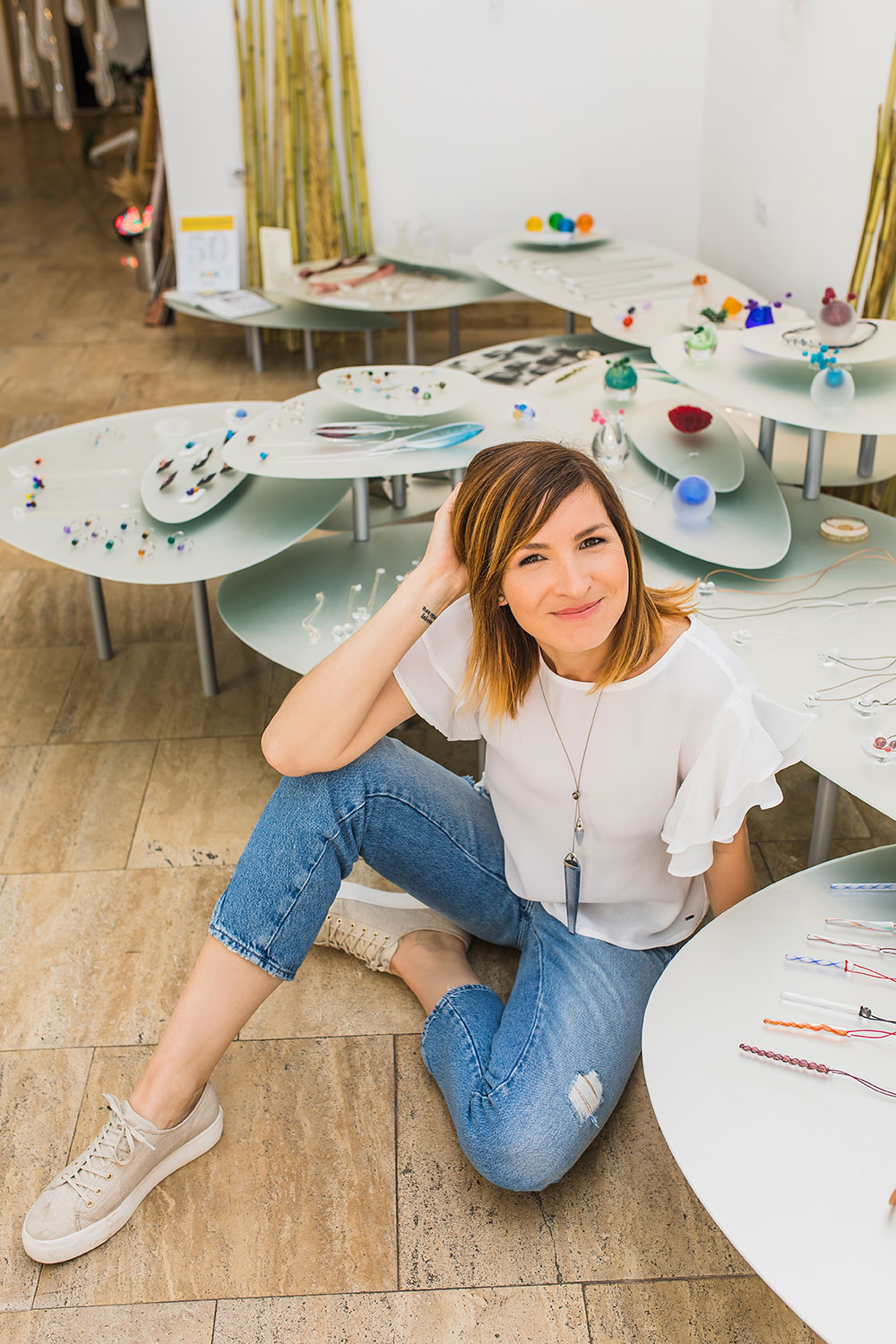
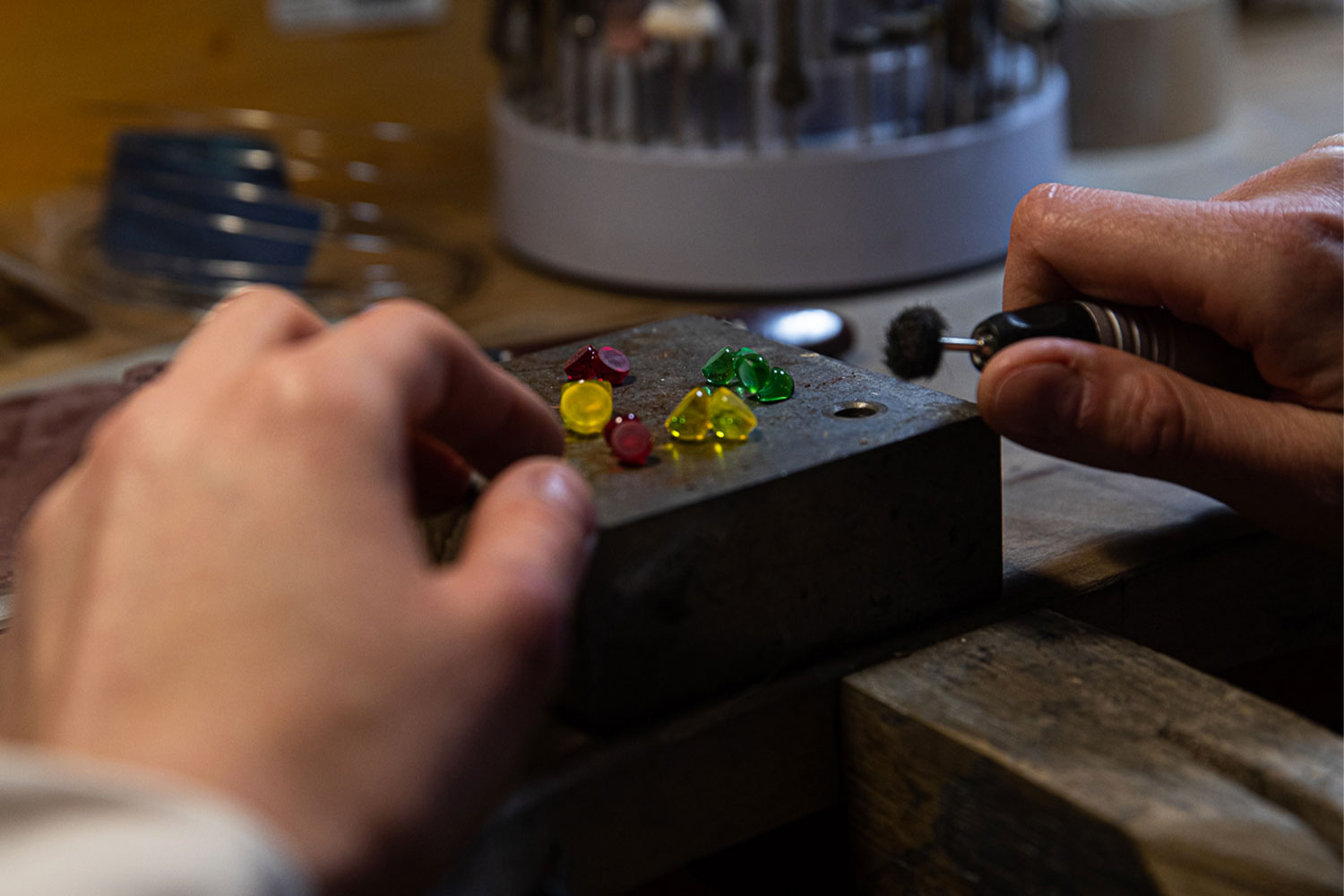
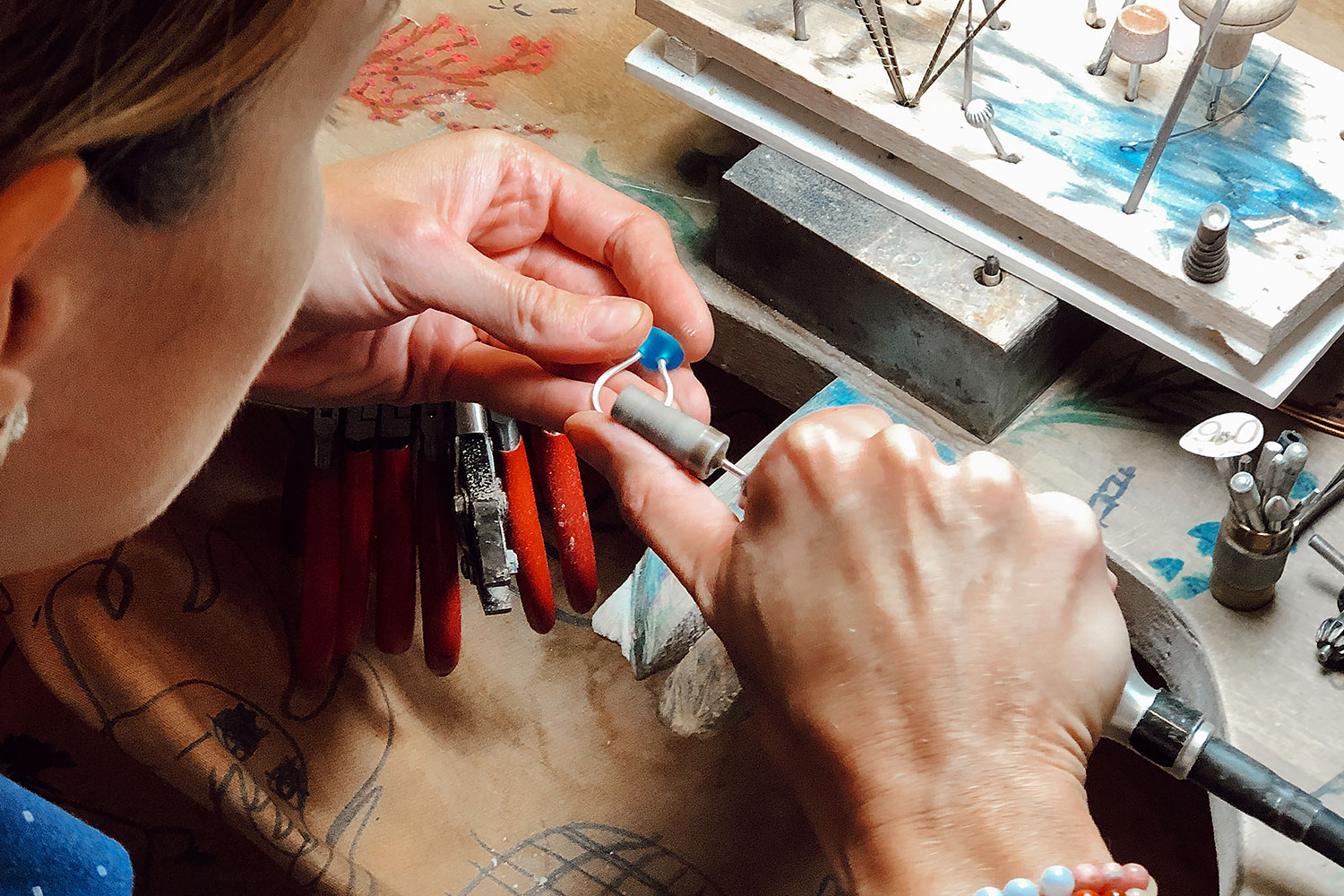
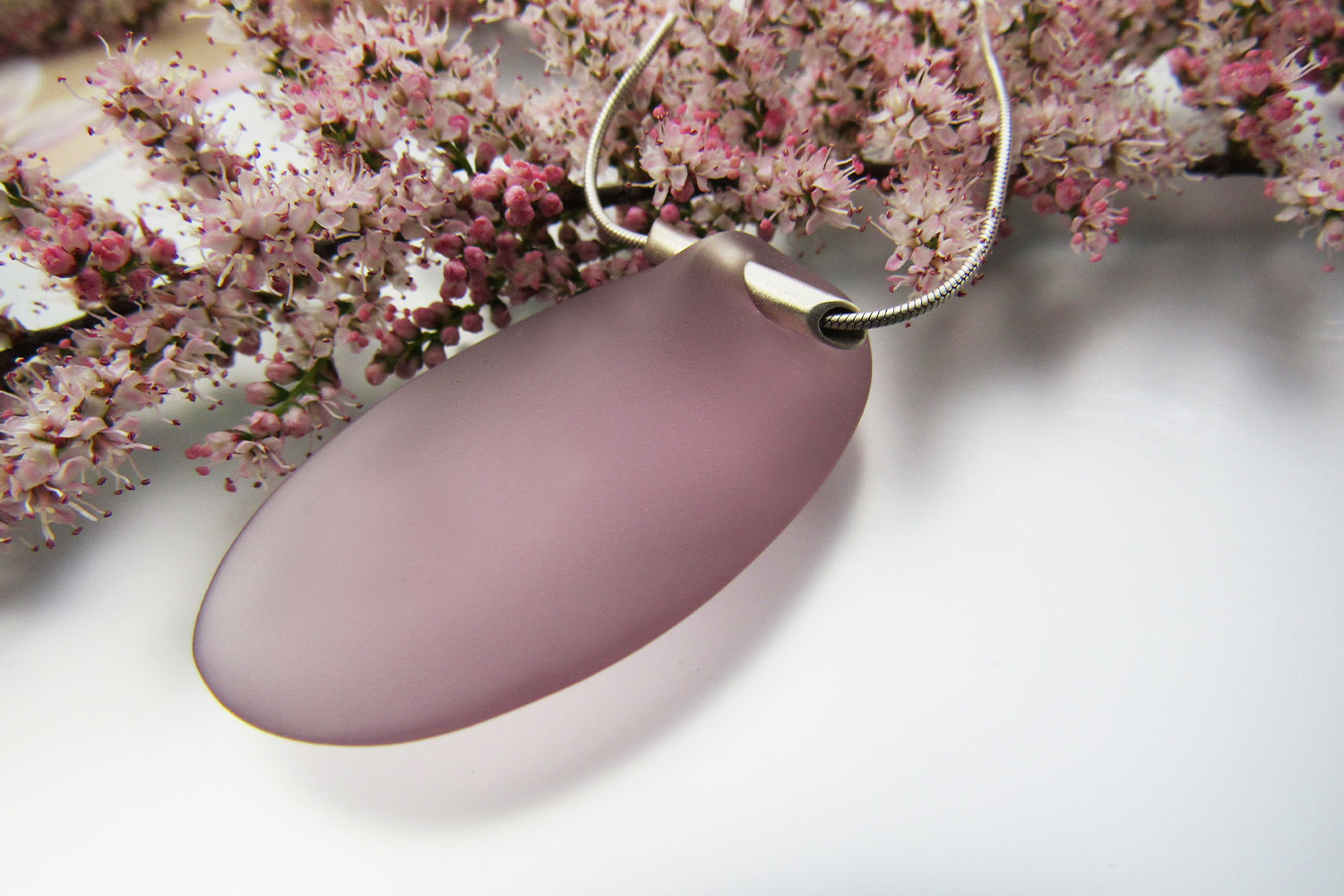
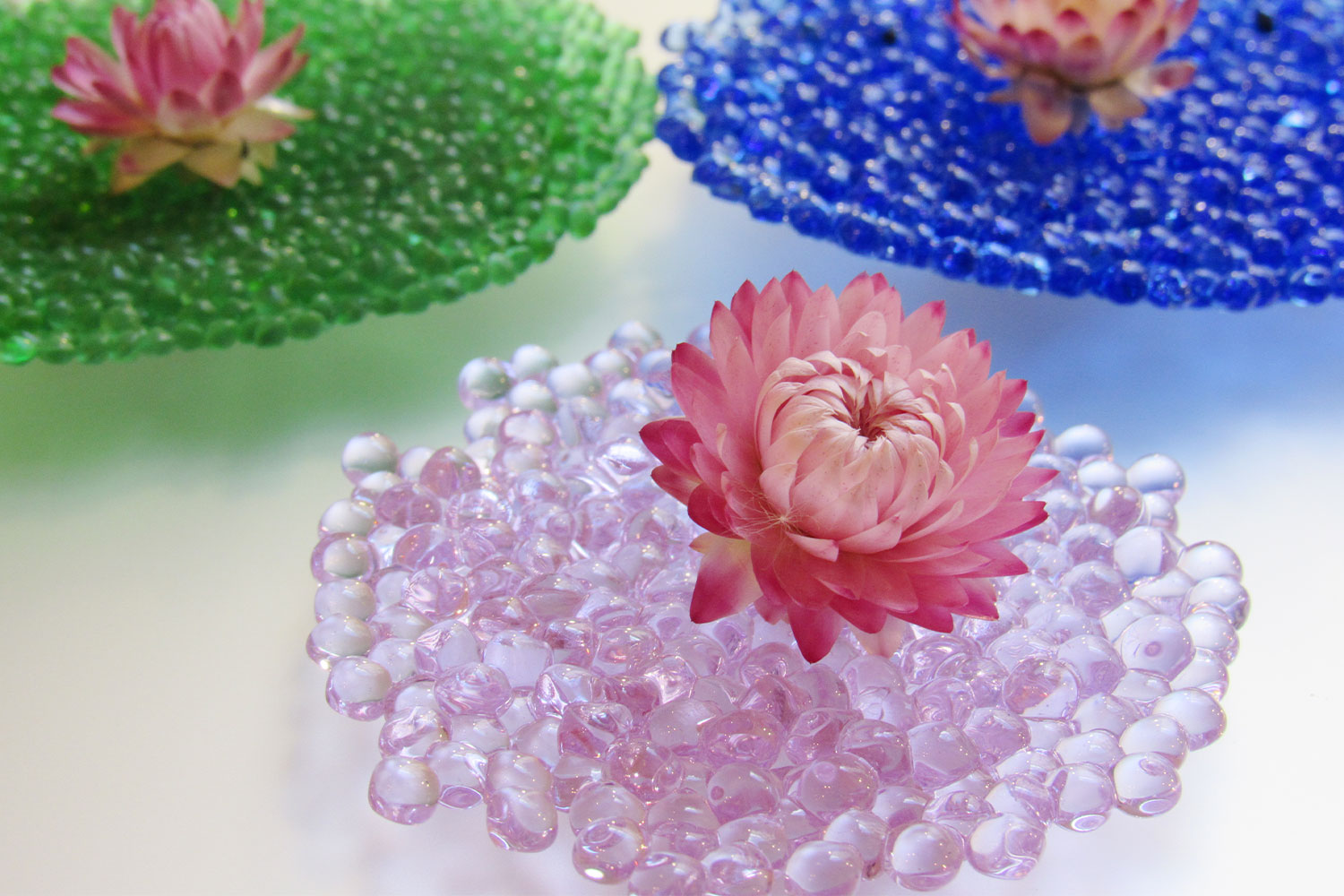
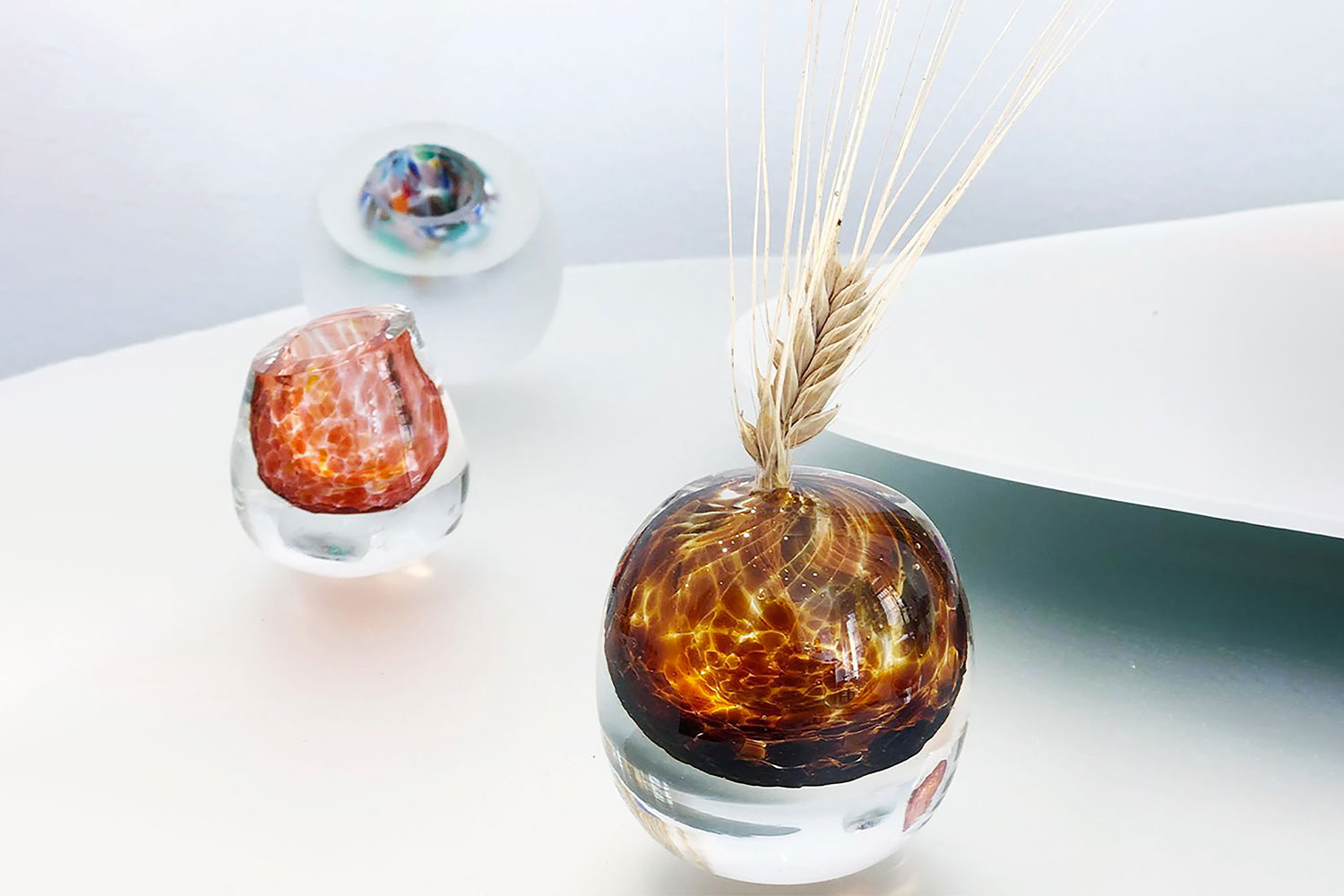
Luca Kohut-Görömbei started working with glassware as a small child, she says she was quite enchanted by glass at the age of 12. Because her parents saw that her intentions were serious, they made her a small workshop in the basement and allowed her to come to Budapest from the rural town where she grew up to study weekly. At MOME (Moholy-Nagy University of Art and Design), in addition to the title Silicate Industrial Designer, she also obtained a design manager qualification, and then learned goldsmithing. She prides herself on cultivating both professions at a high level so she can make her own jewellery. She is constantly experimenting in the fields of glass grinding, melting glass in electric kilns, glassblowing in hot furnaces, cold glasswork, laminated and layered glass. Her favourite moment is when she takes a piece of glass in her hands, which then turns into an object in them. She opened her own workshop in 2008 and launched her brand called Üvegház (Glasshouse) in 2013.
INTERVIEW
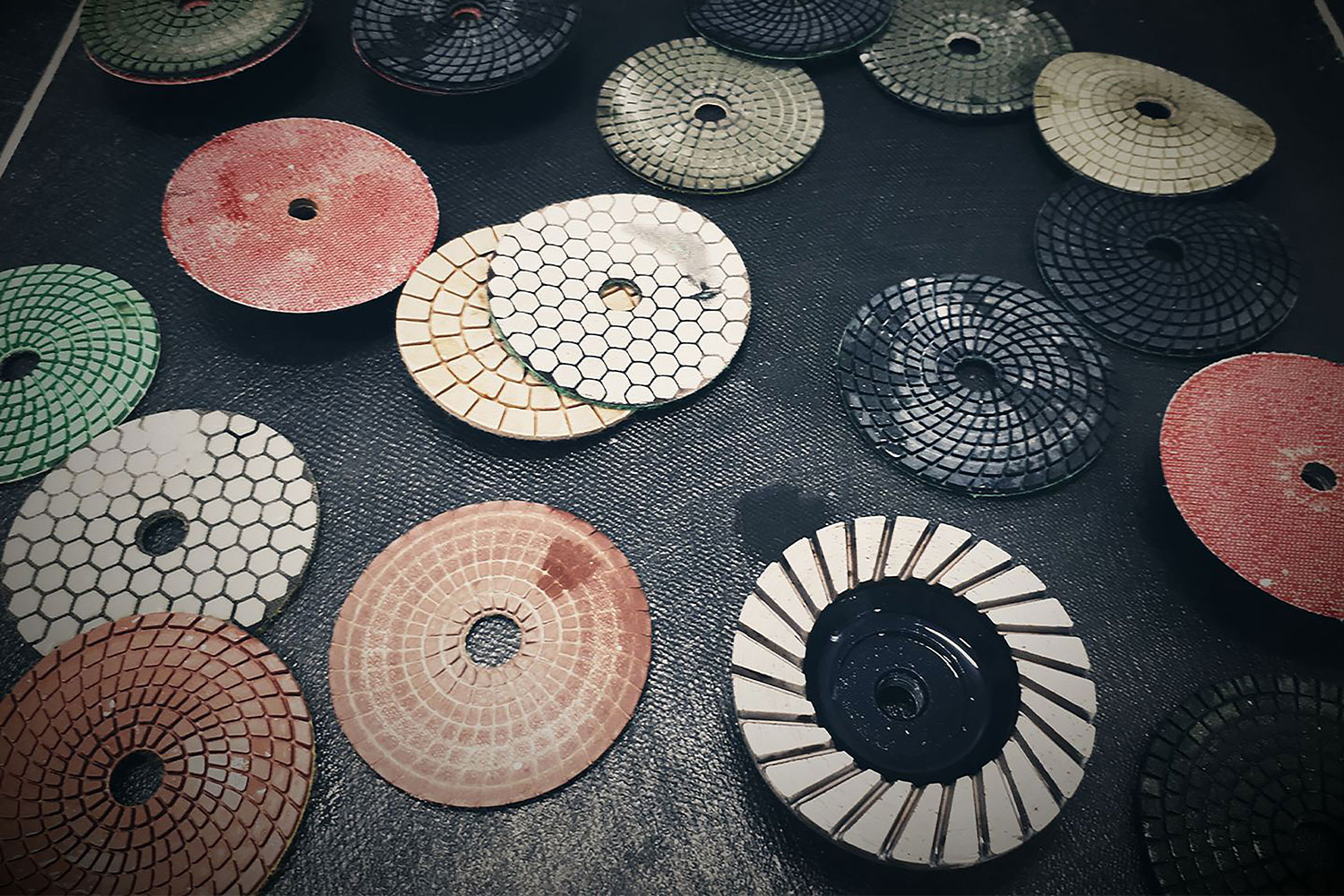
I try to keep traditional glass processing technologies alive, but I work with modern machines and materials. For example, I ordered a custom diamond machine that is as fast (literally) as a car and significantly shortens grinding times. Or I use a melted form of material that I usually call ‘space dust’ because, unlike old gypsum, it burns at 880 degrees for hours without cracking.
Primarily from nature, from walking in the woods, but I actually get most of my inspiration directly from the material itself. Often, I don’t go through a traditional design routine, but cling to an accident born out of an experiment. Glass is a rather whimsical, self-contained substance. It always holds surprises, unexpected situations.
There are only a very few specialists in Hungary. I am a member of the Hungarian Glass Art Society, they do a lot for the profession: they organise workshops and exhibitions abroad. I also think it’s important to introduce the little ones to this art so they can embark on a specialised training.
I think I am one of a very few glass designers who are also goldsmiths – this gives me a huge freedom in my work and allows me not to compromise. But I am also proud of my complex artworks, the execution of which I have to use all my knowledge: for example, I designed an art installation recently where one degree at a time could make a huge difference during melting.
Luca Kohut-Görömbei
Glassblower
Budapest, Hungary
Recommended by Judit Osvárt
AVAILABILITY
Monday to Sunday 11:00-18:00
PHONE
+36 306096346
LANGUAGES
Hungarian, English
Homo Faber Finds is a new service aiming to inspire admirers of craft to connect and collaborate with exceptional artisans.
We invite you to submit an enquiry here.