Kirsten Vikingstad Hermansson
Glassblower
Boda Glasbruk, Sweden
A unique sculptural language
- Kirsten exhibits her pieces across the world
- She is inspired by the wild nature of the west coast of Norway
- She studied at The Academy of Arts Architecture and Design in Czechia
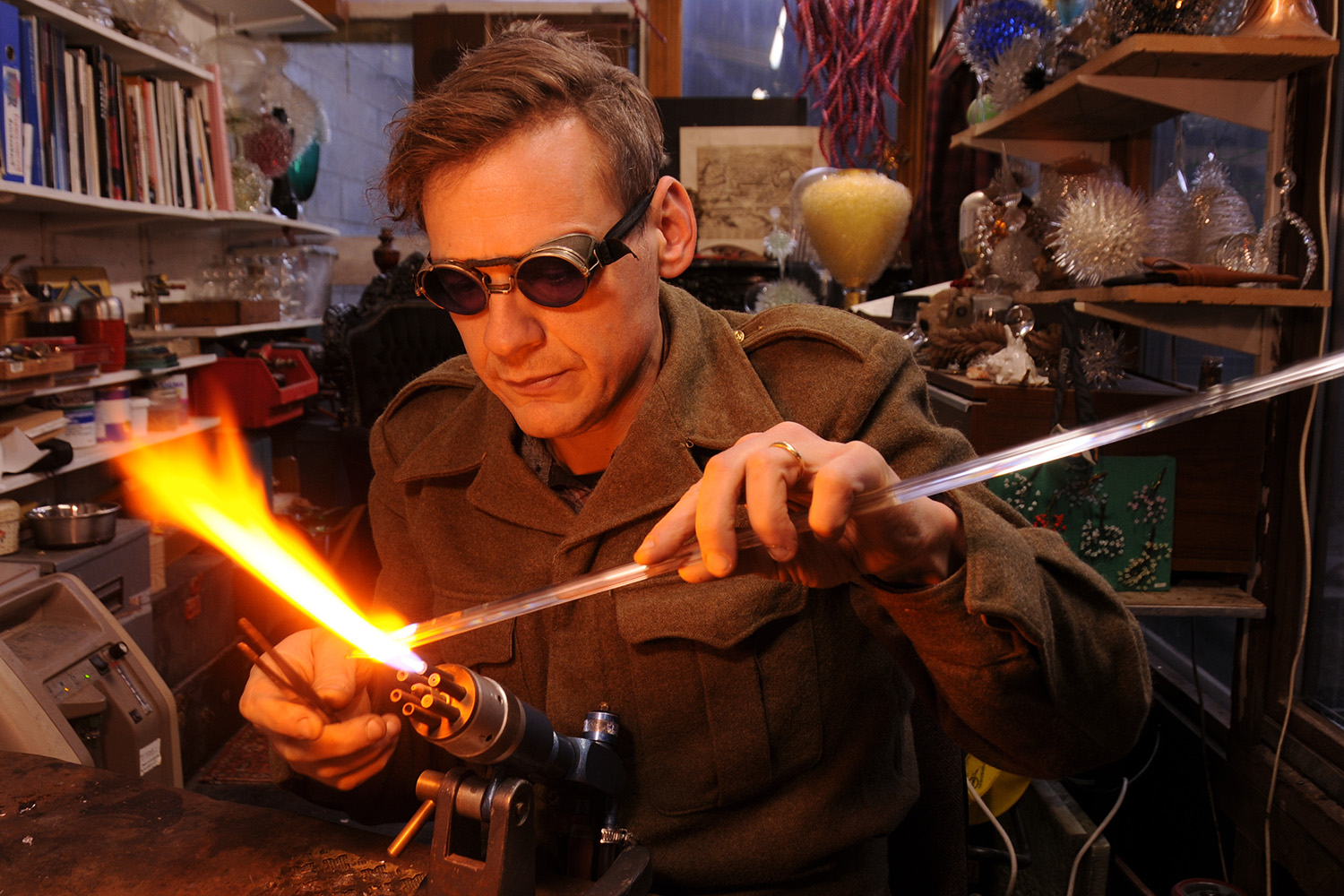
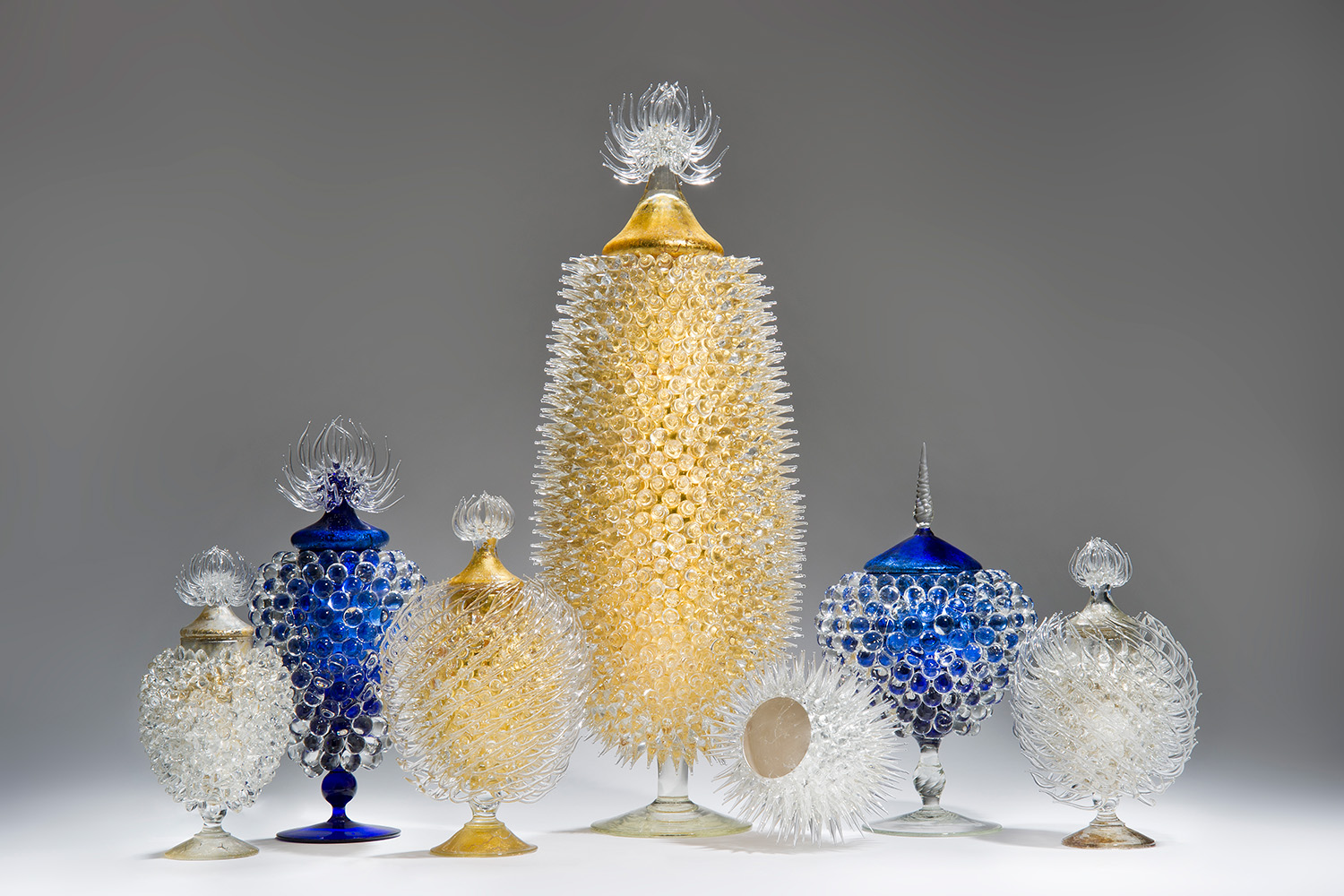
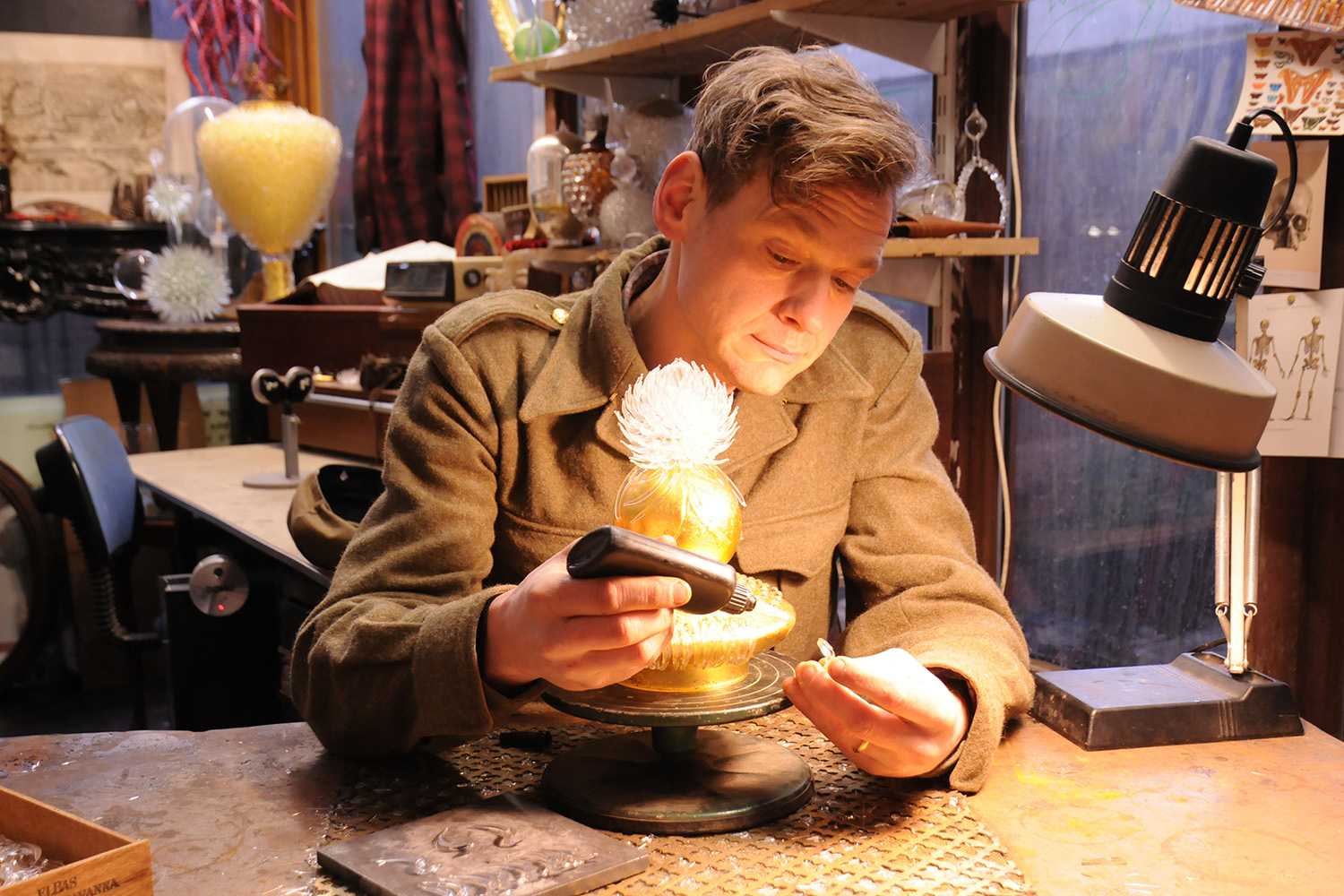
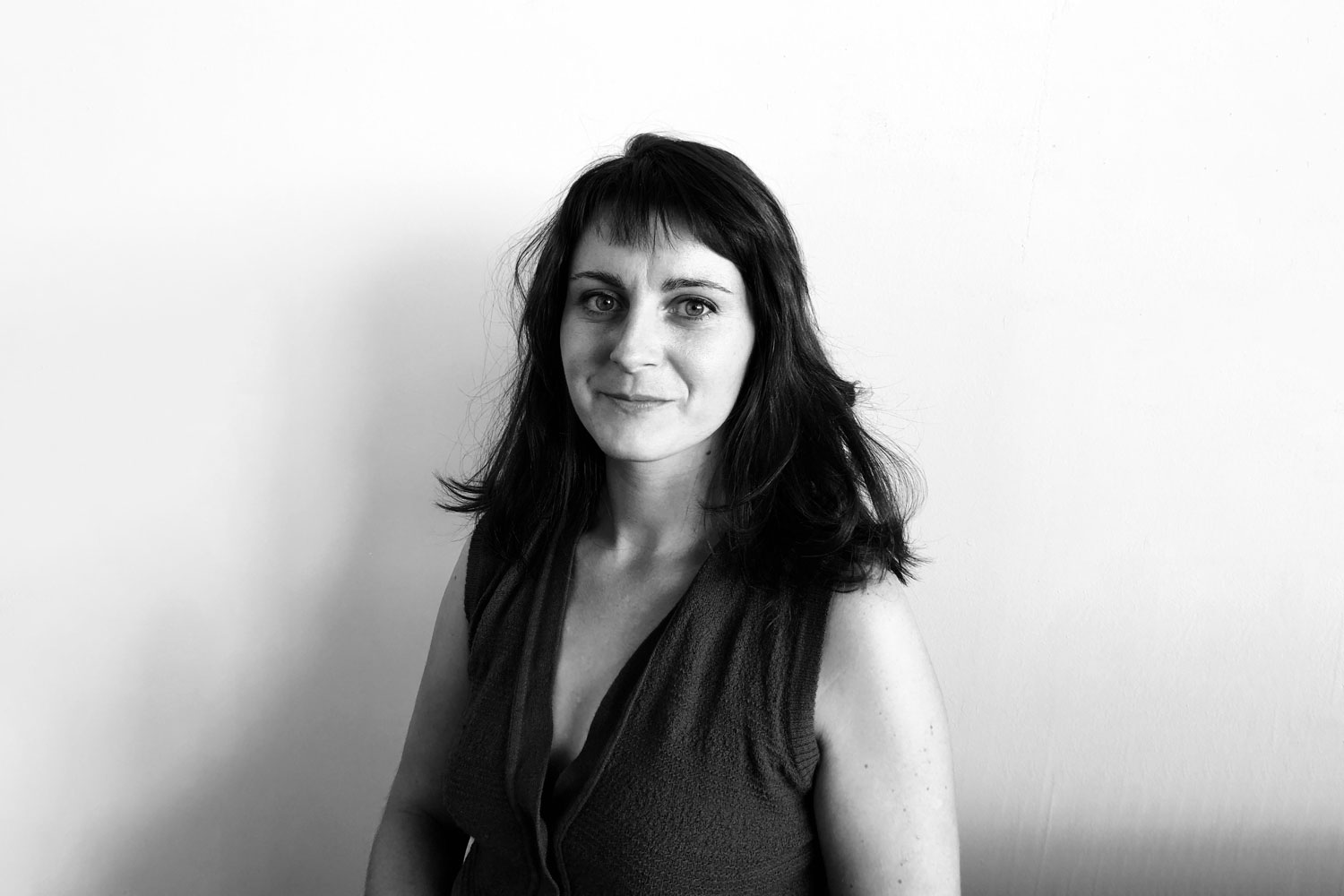
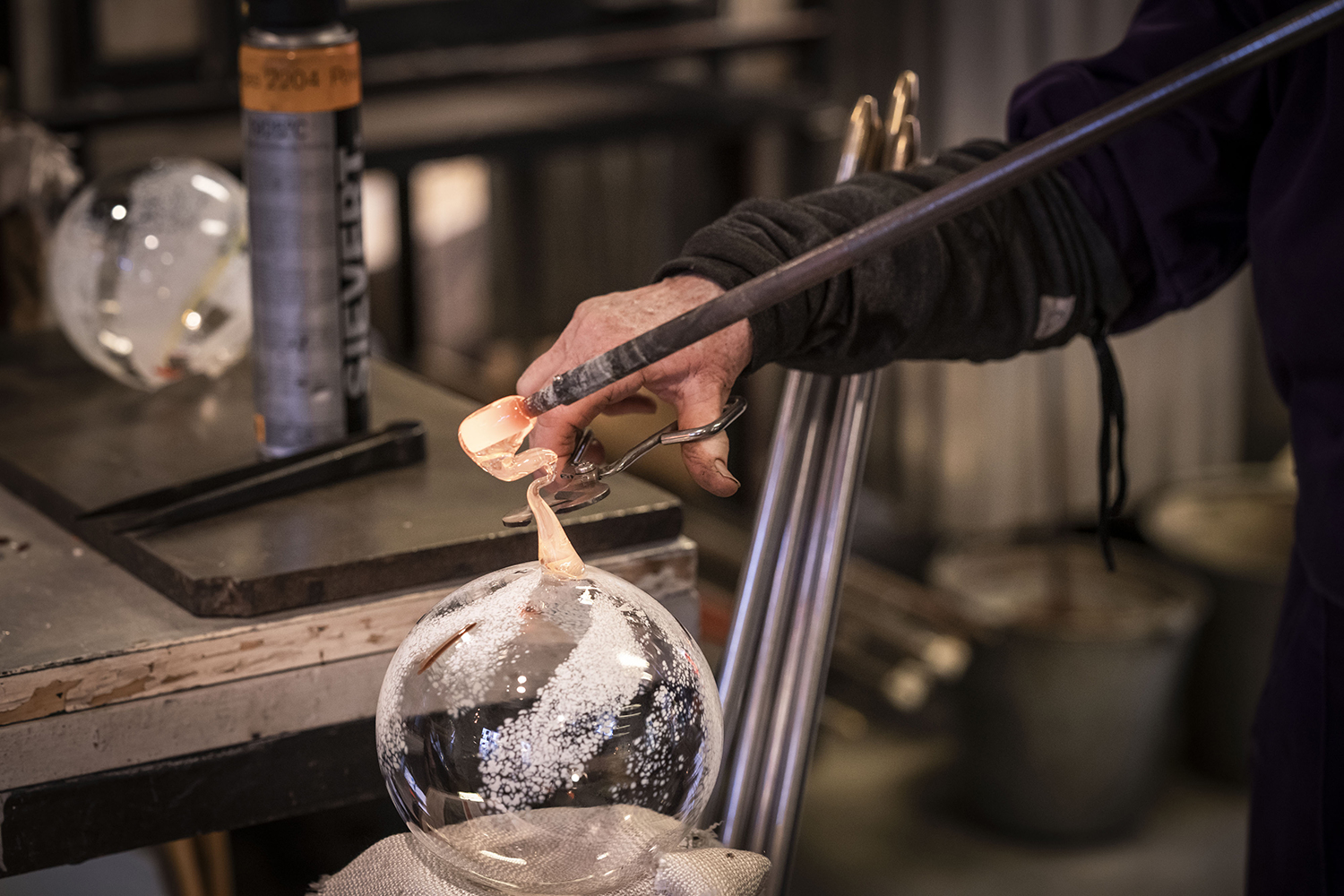
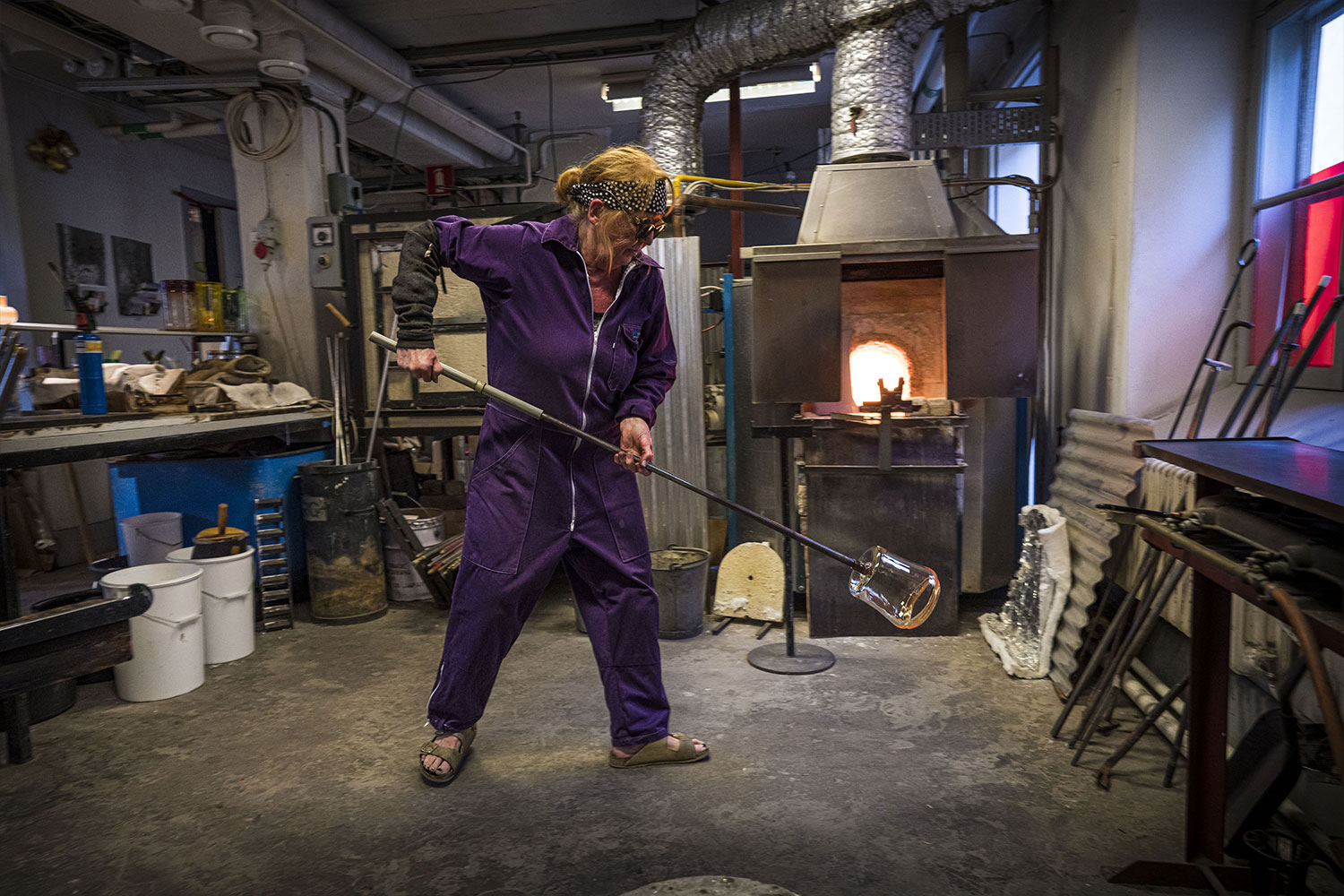
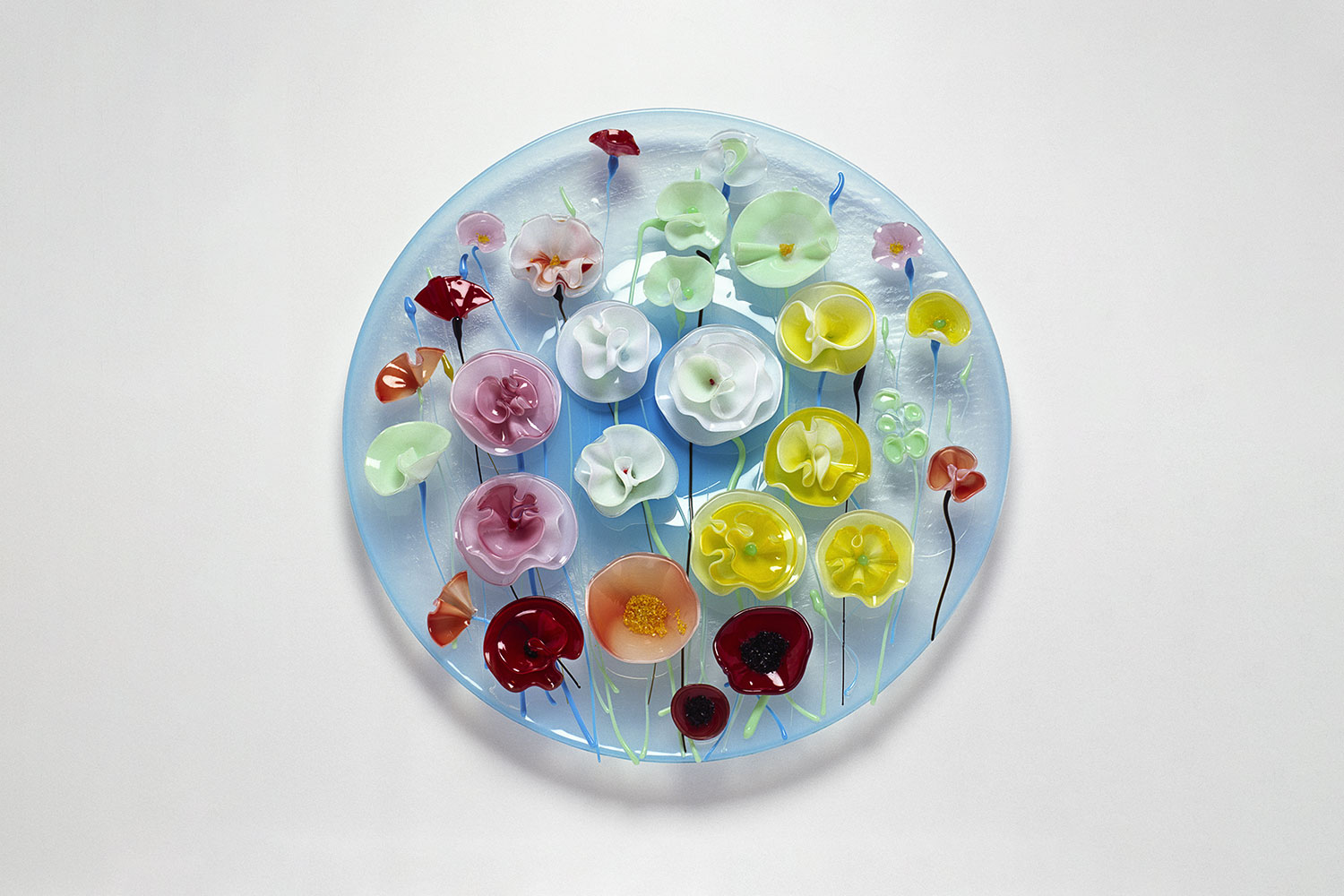
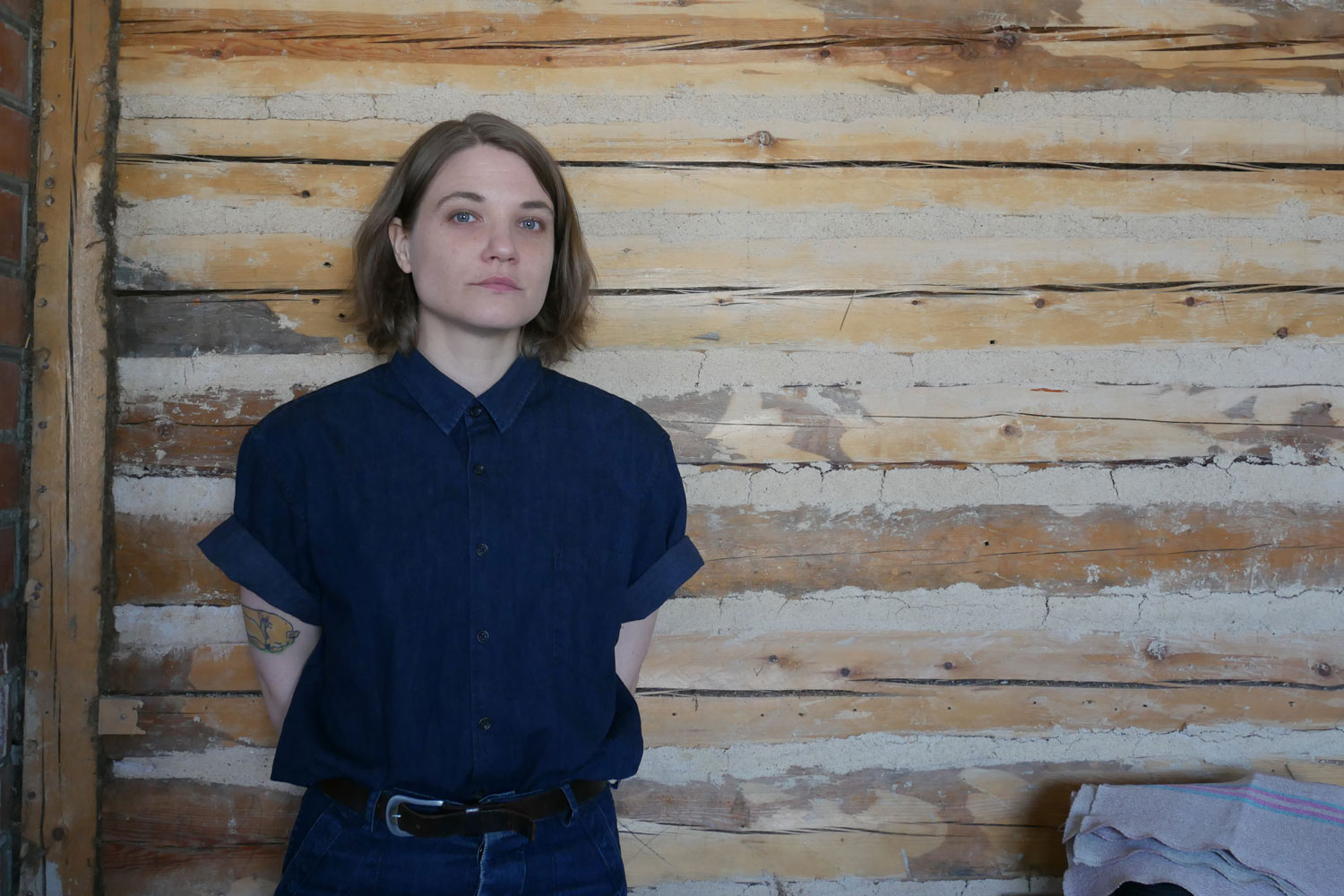
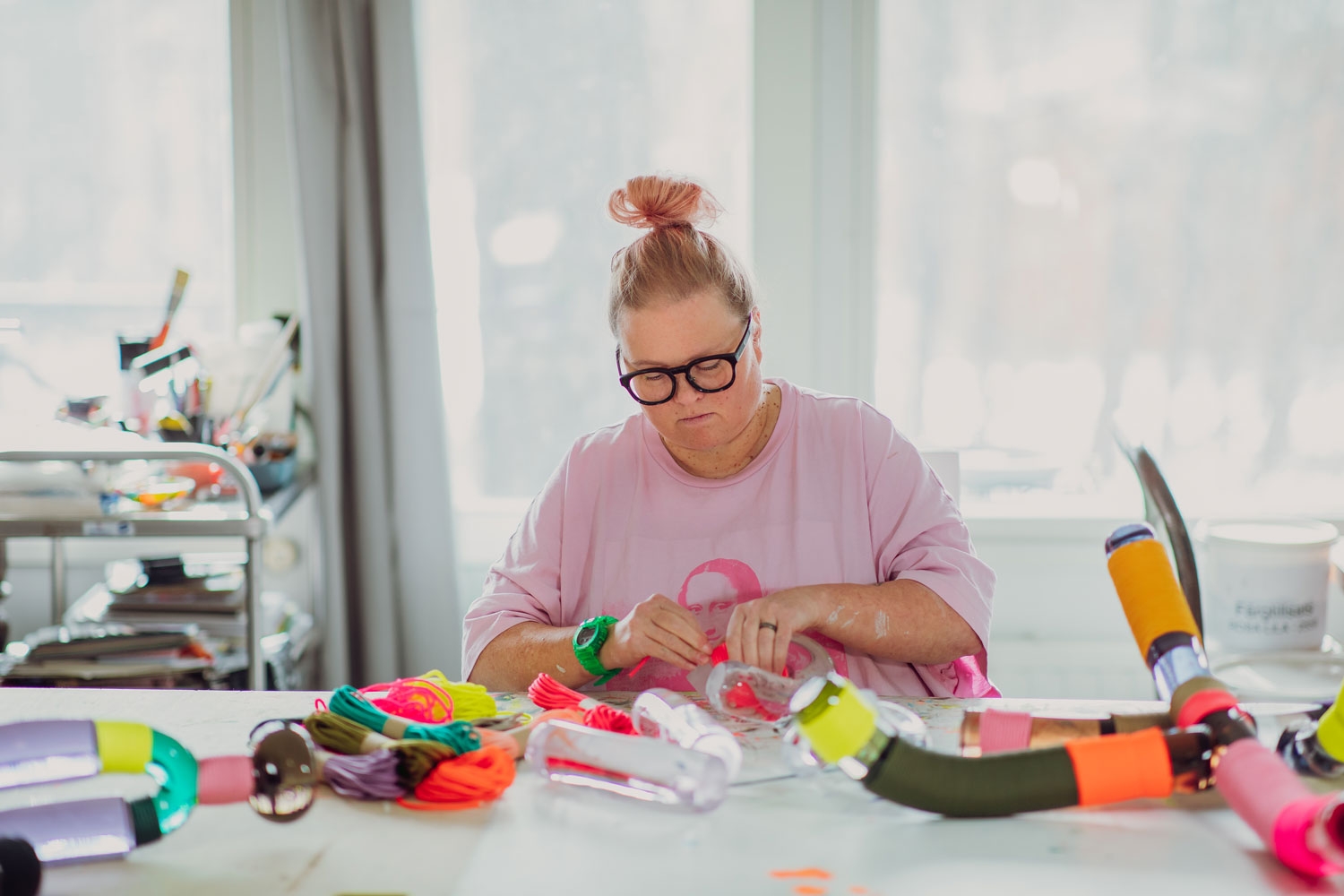
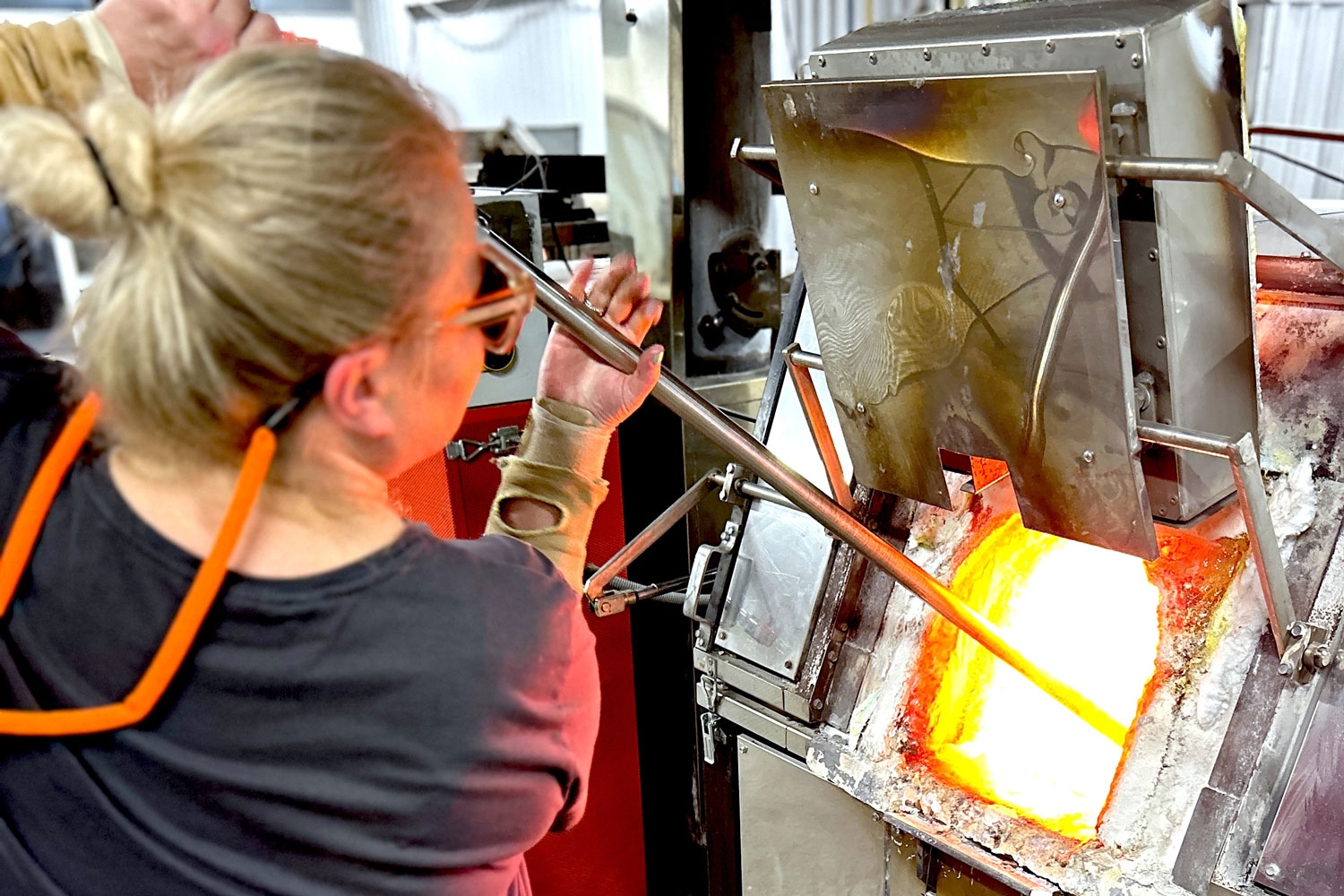
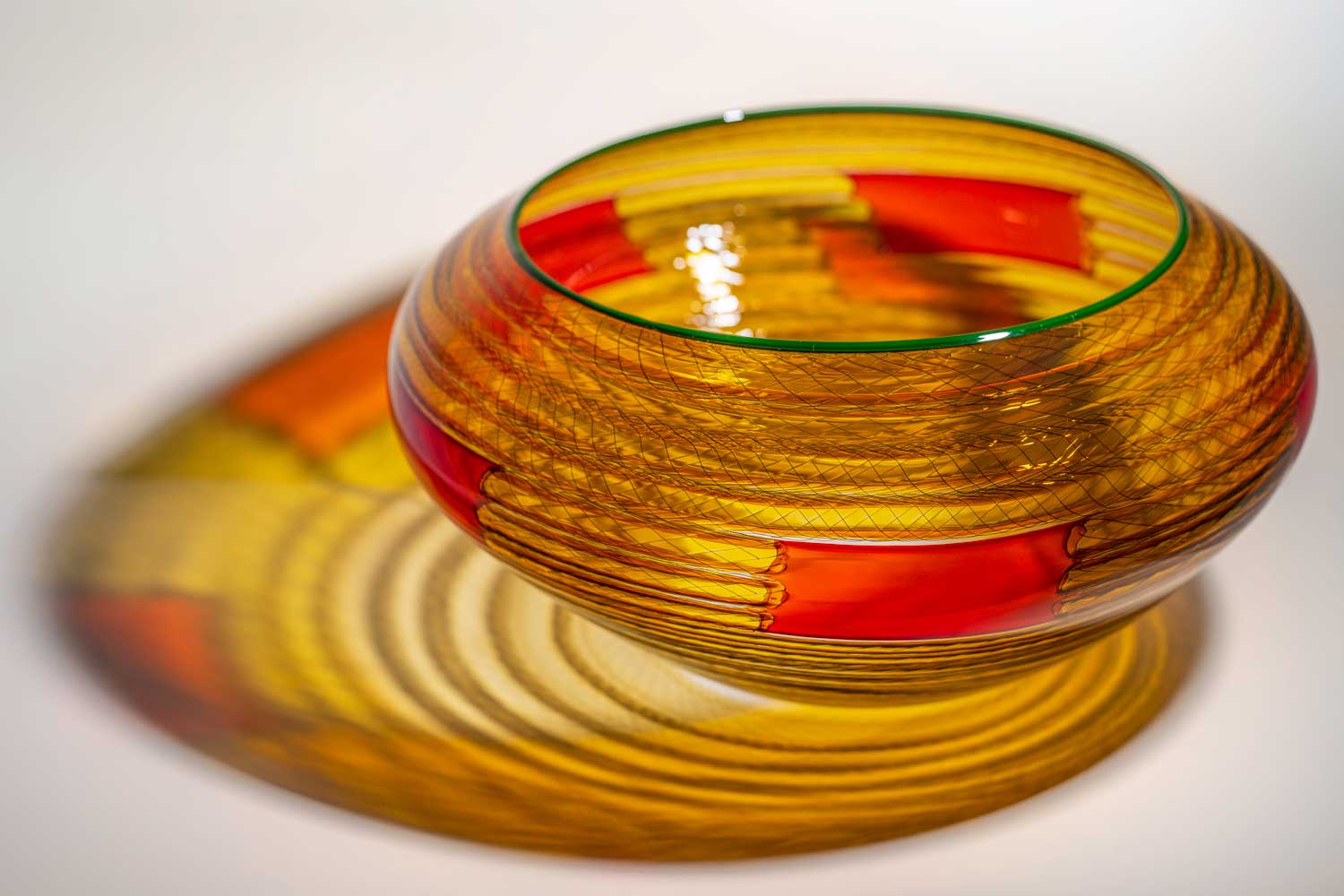
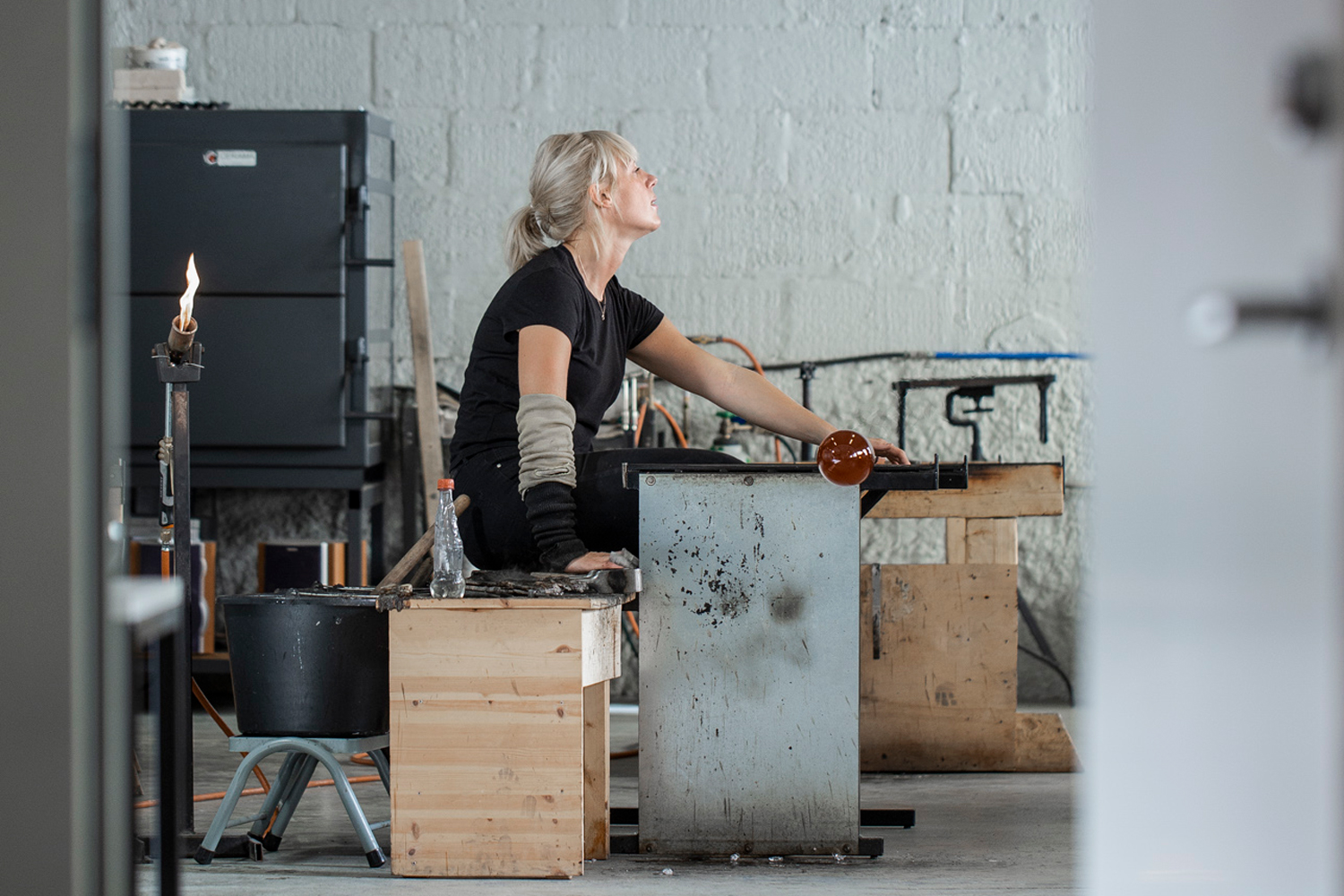
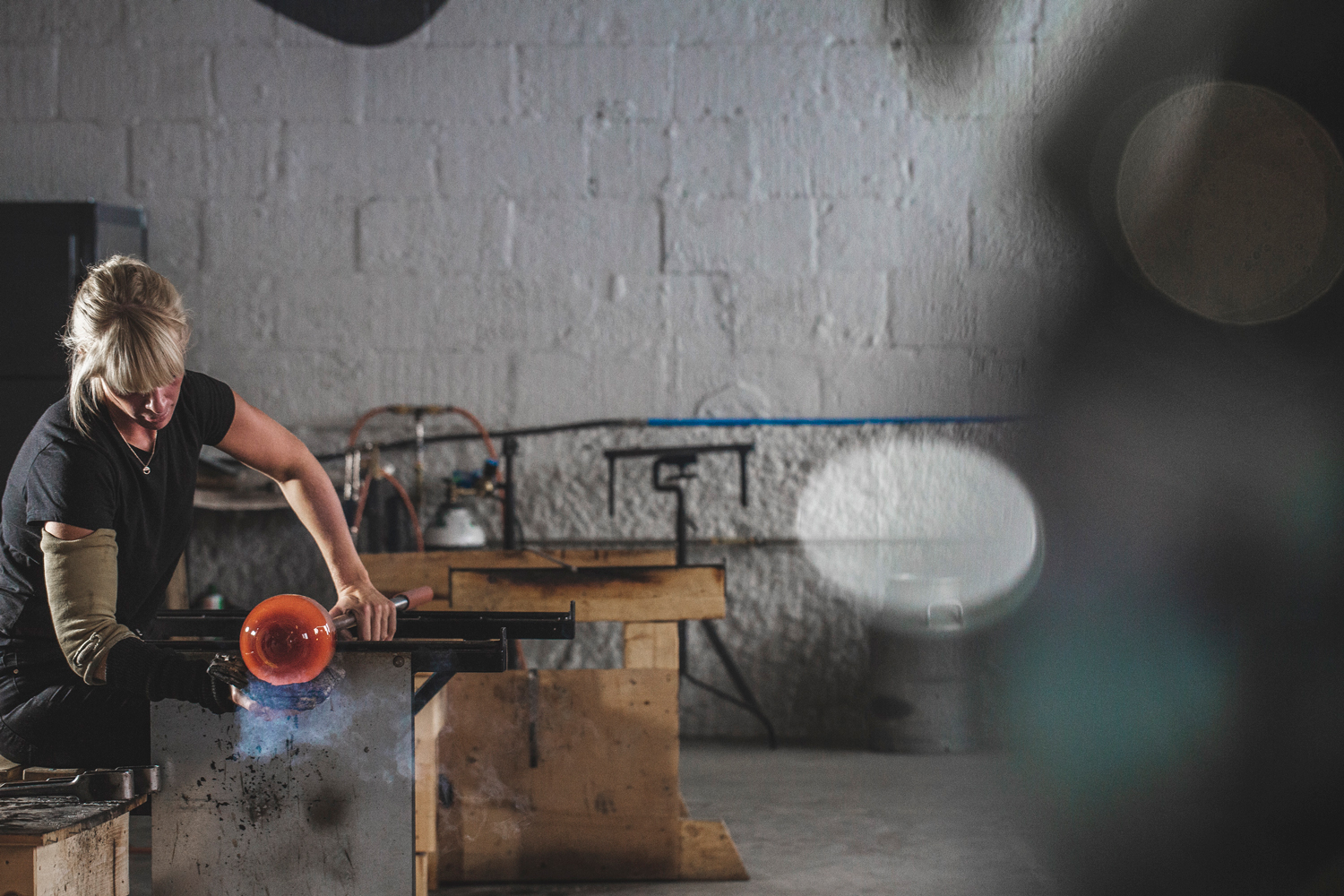
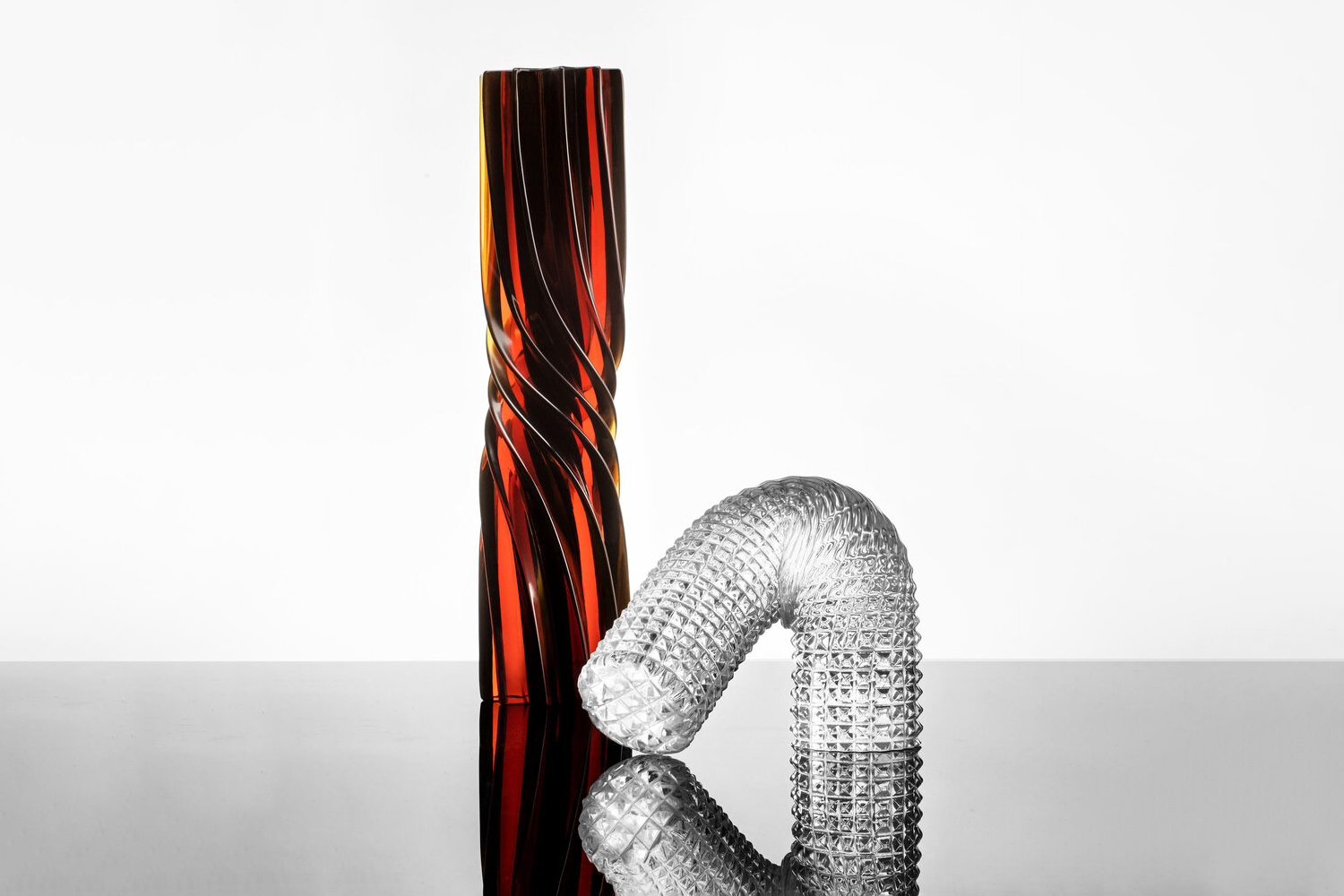
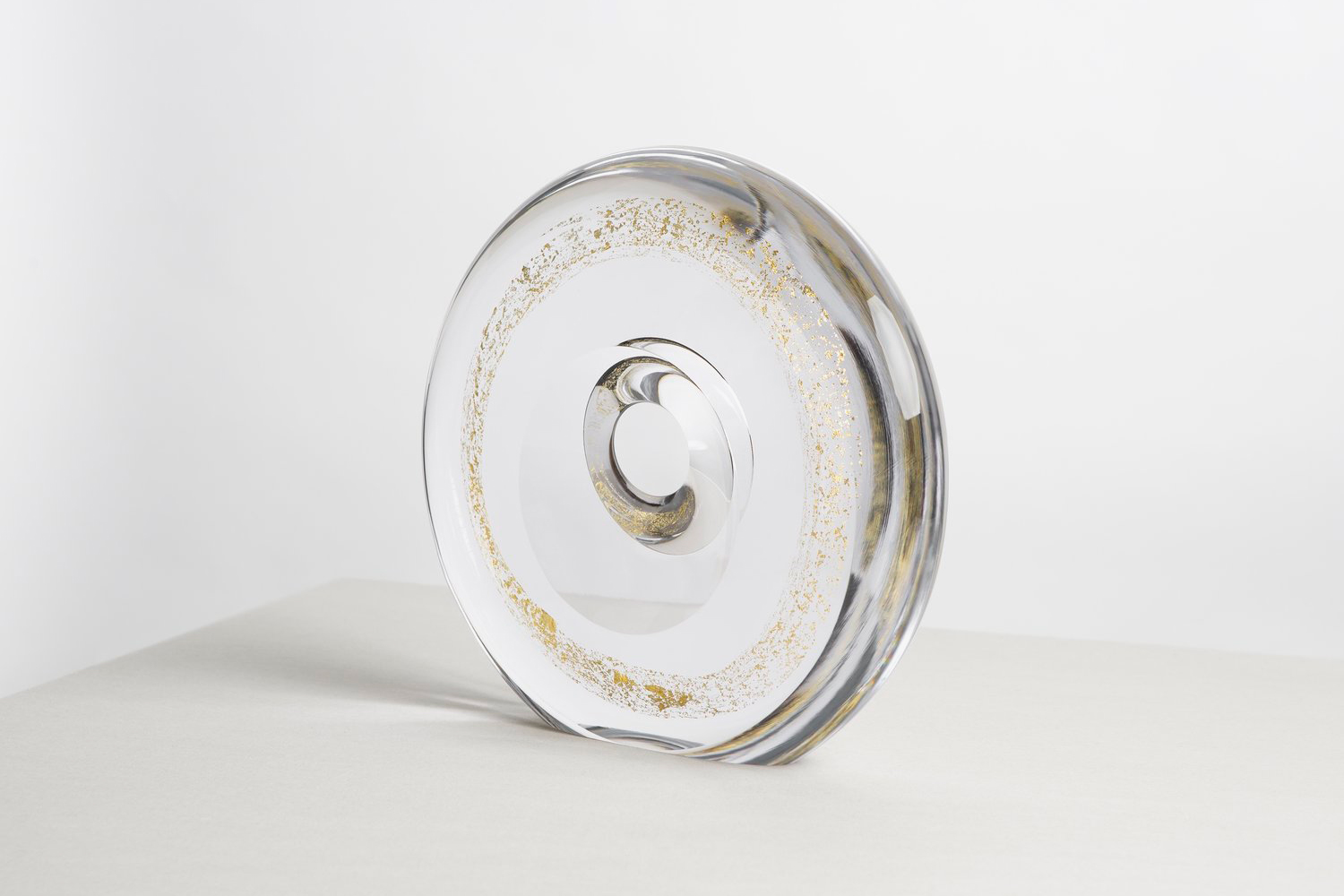
Kirsten Hermansson is a trained glassblower from Norway. Kirsten studied at the National Glass School in Orrefors and later at The Academy of Arts Architecture and Design in the Czechia where she trained in the Glass studio of Rony Plesl. She then followed a bachelor's at the Royal Danish Academy of Fine Arts Schools, Design School in Bornholm. She is now co-owner of the studio and shop Formbar Glassverksted in Haugesund, Norway. “I work systematically when creating my art and I like to work with composition, tight shapes while blending different techniques in order to create a holistic impression. I truly believe in creating art with my own hands, paying attention to the importance of details in regards to the whole,” Kirsten says of her creative process.
INTERVIEW
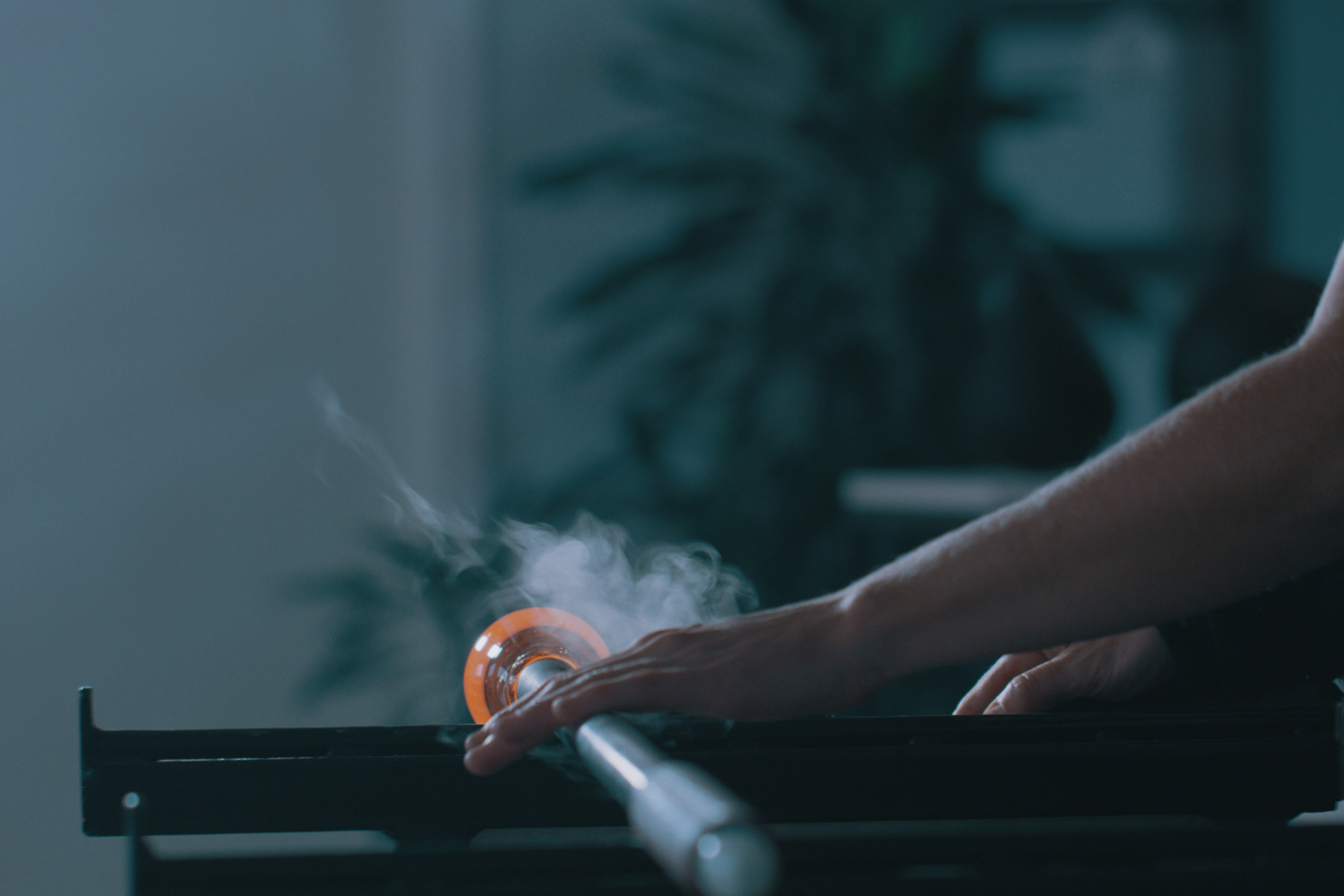
I grew up in a family of craftsmen, and since I was very young I knew I wanted to work within the field of arts and crafts. The first time I was inside a glass factory I was amazed about how quick the process was and the physical skills it took. It took me six months of training before I decided to be a glass artist.
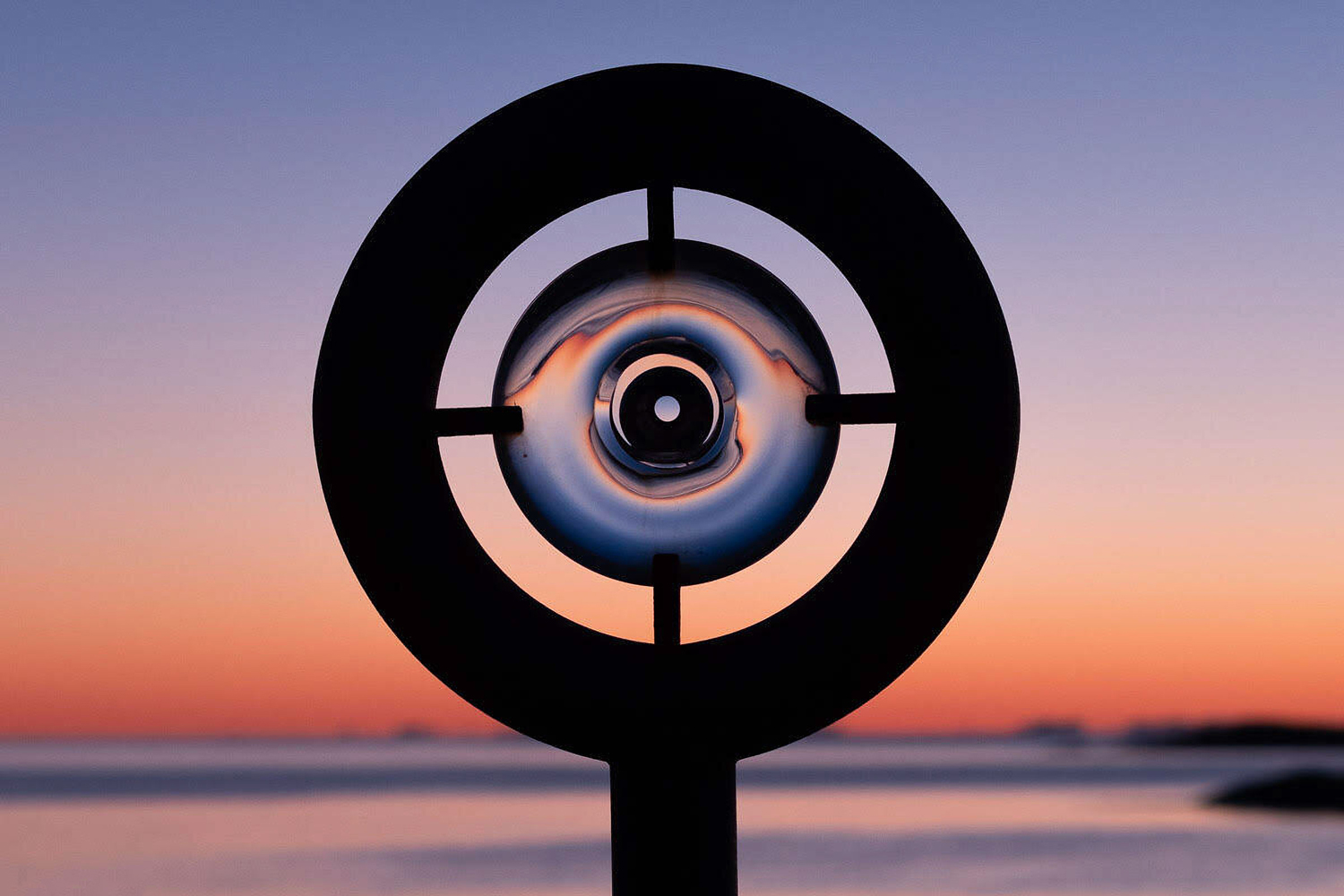
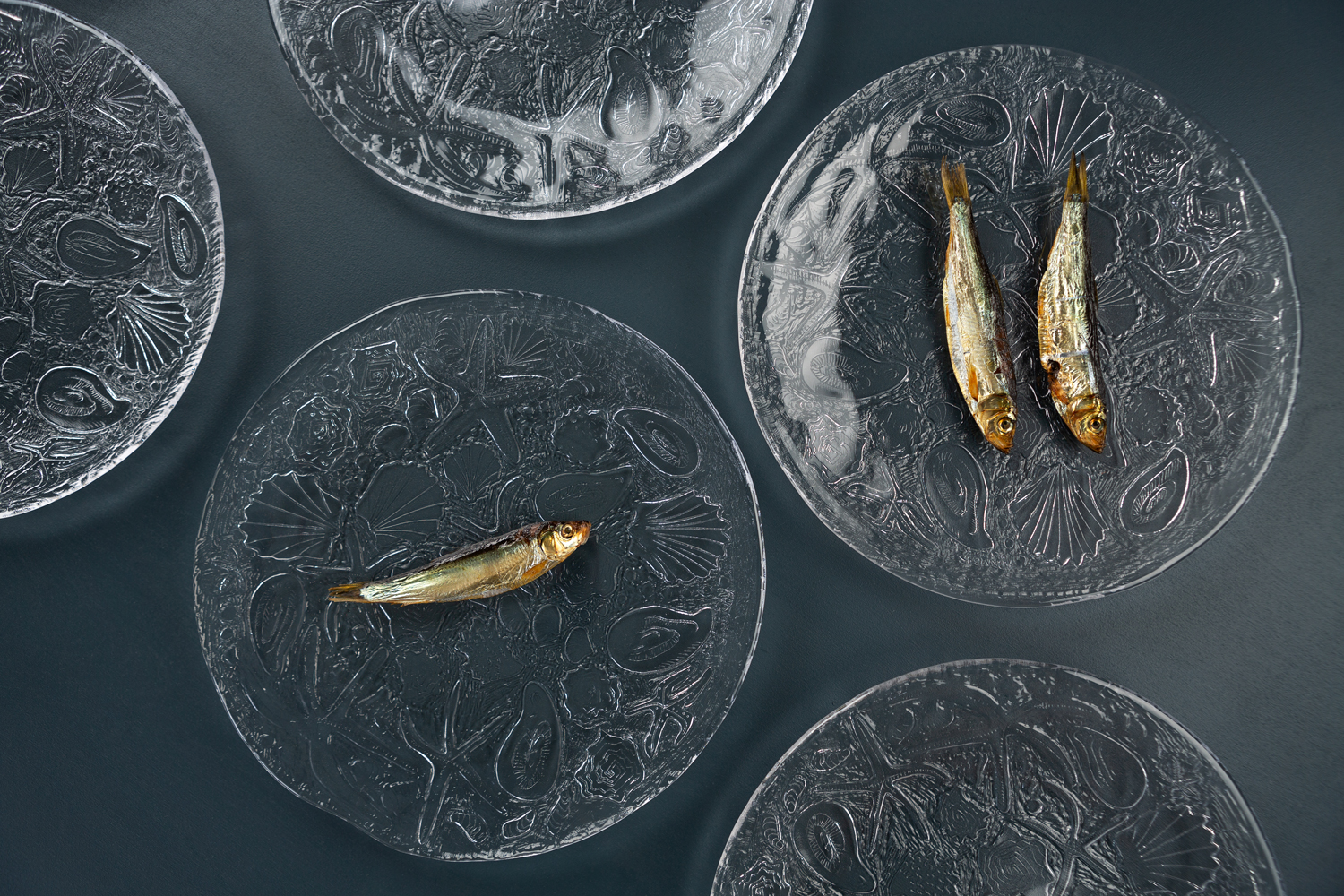
I am very much inspired by my home country, Norway, and its small towns on the west coast where I grew up and the awe-inspiring raw nature of the mountains and the Northern sea. I also take inspiration from the local shipping industry and the repetitiveness of the light houses by the shore.
When studying at the Academy of Arts Architecture and Design, Glass studio in Czech Republic I really formed my artistic language. The university really looks at art differently– it was a game changer for me and elevated me as an artist.
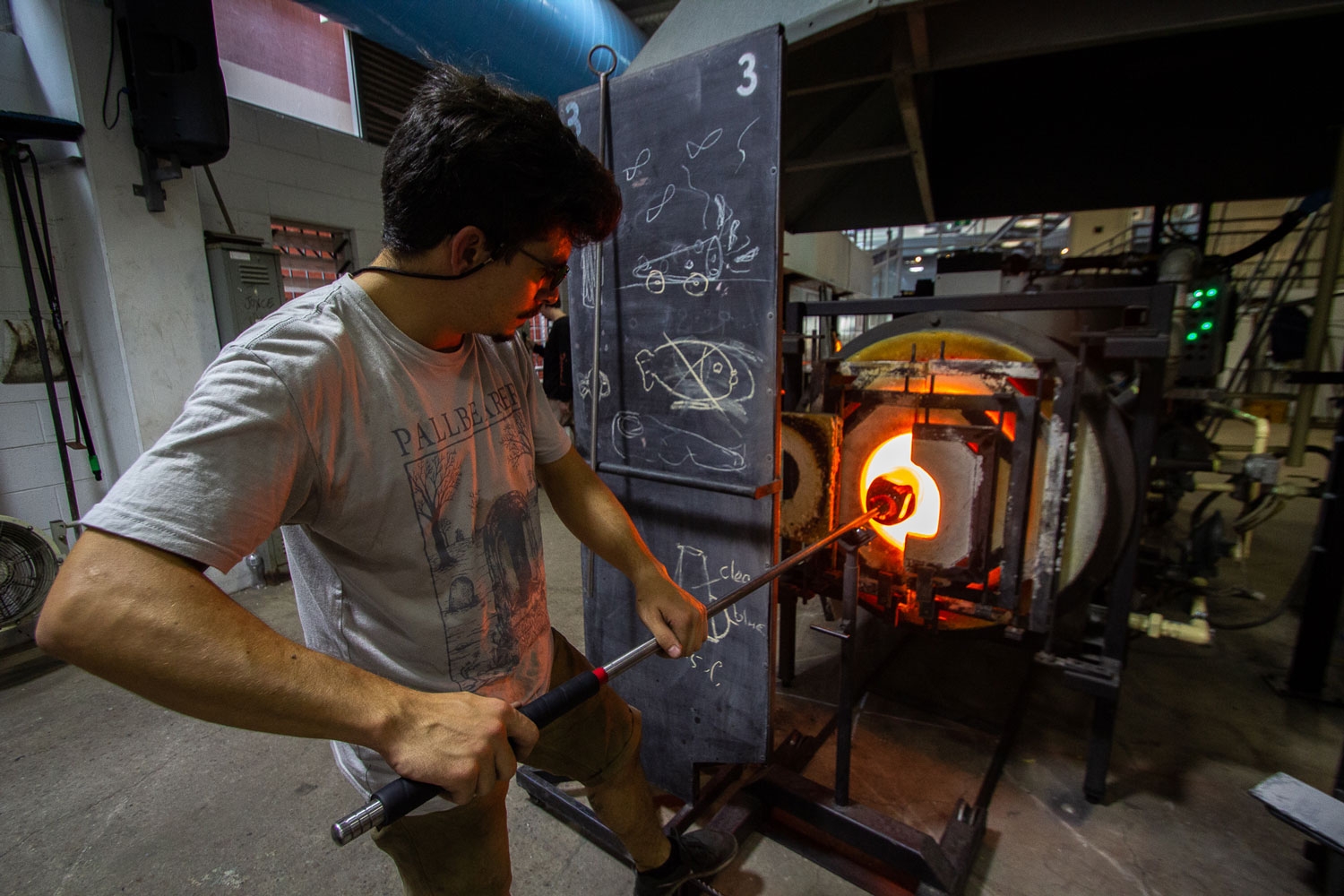
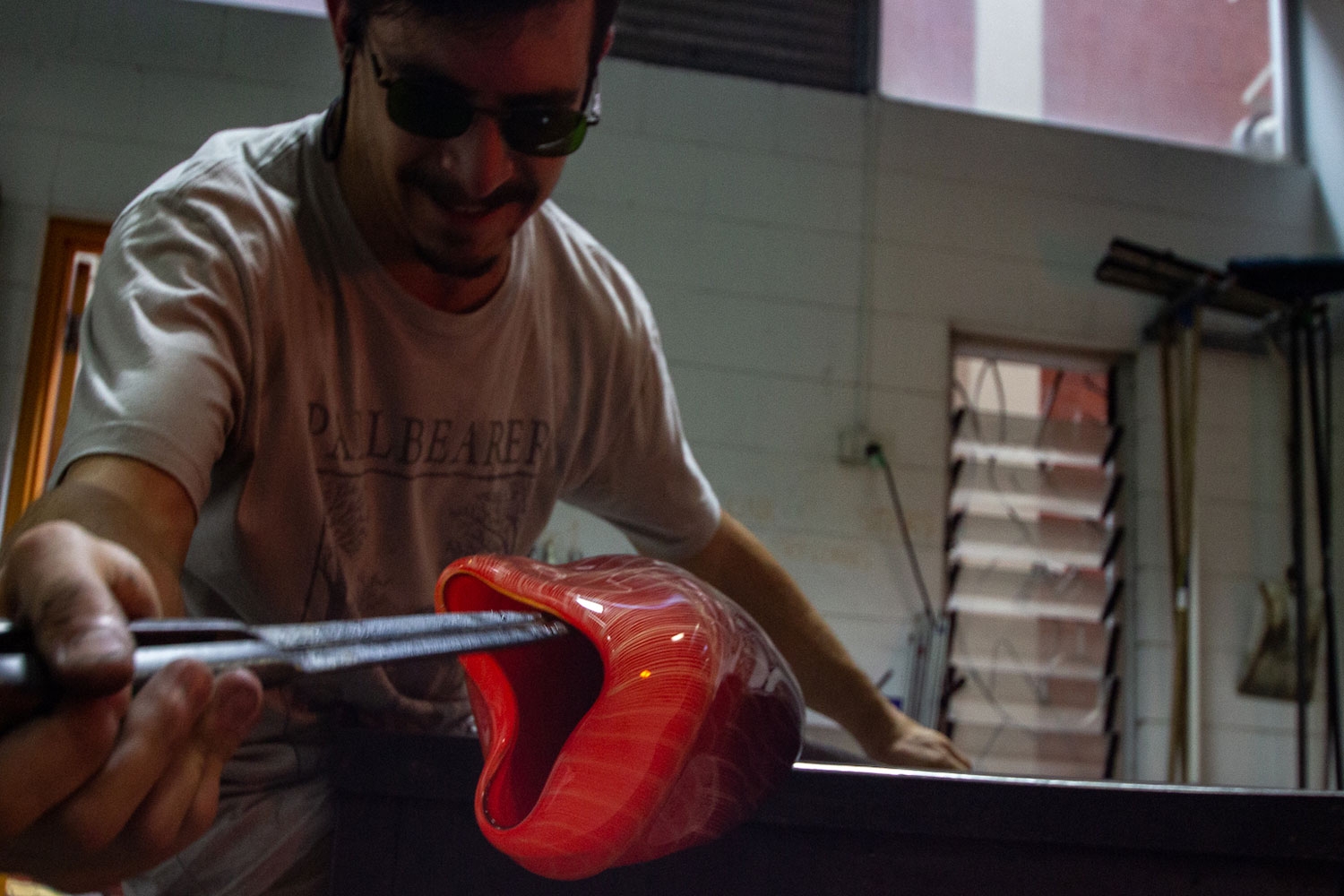
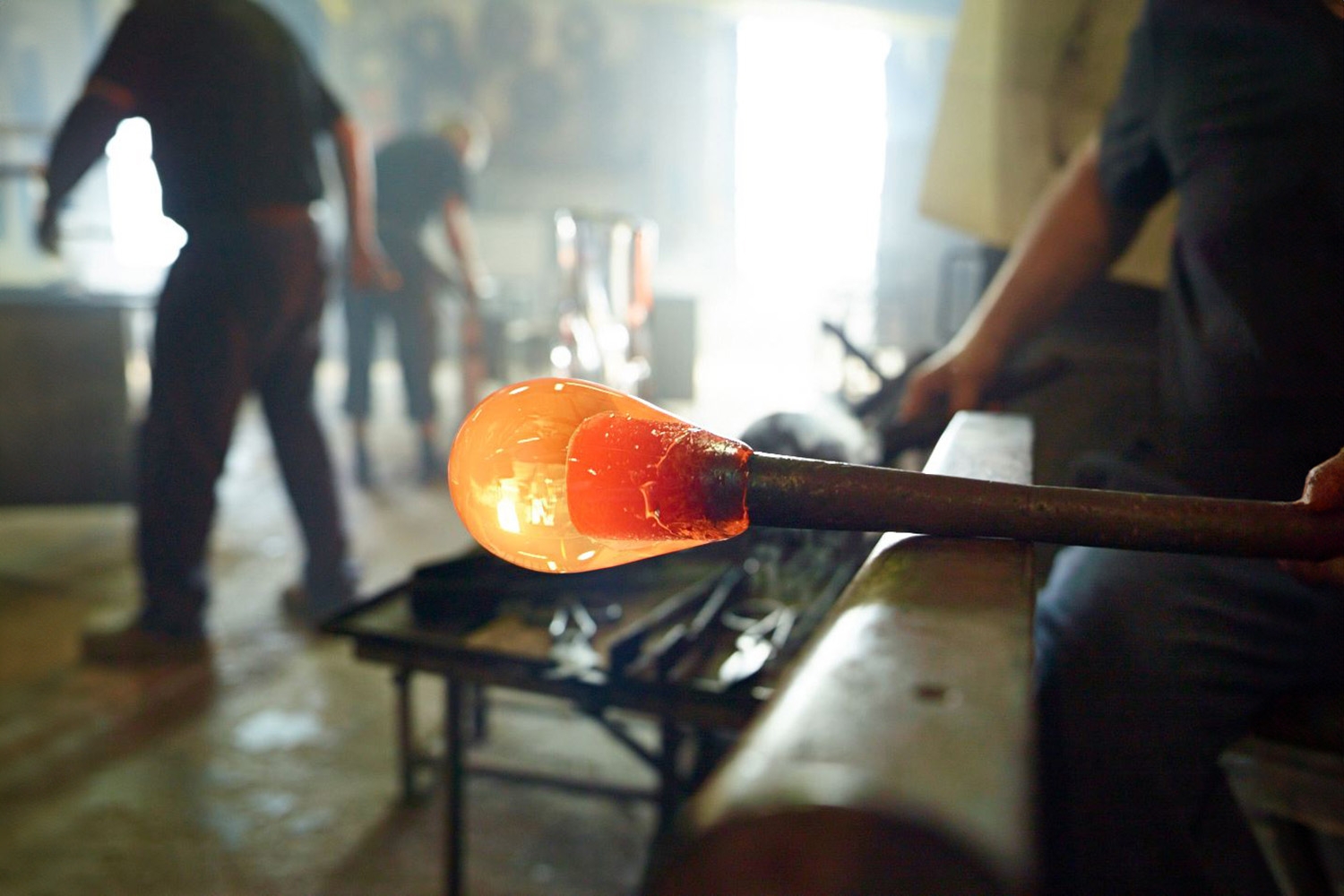
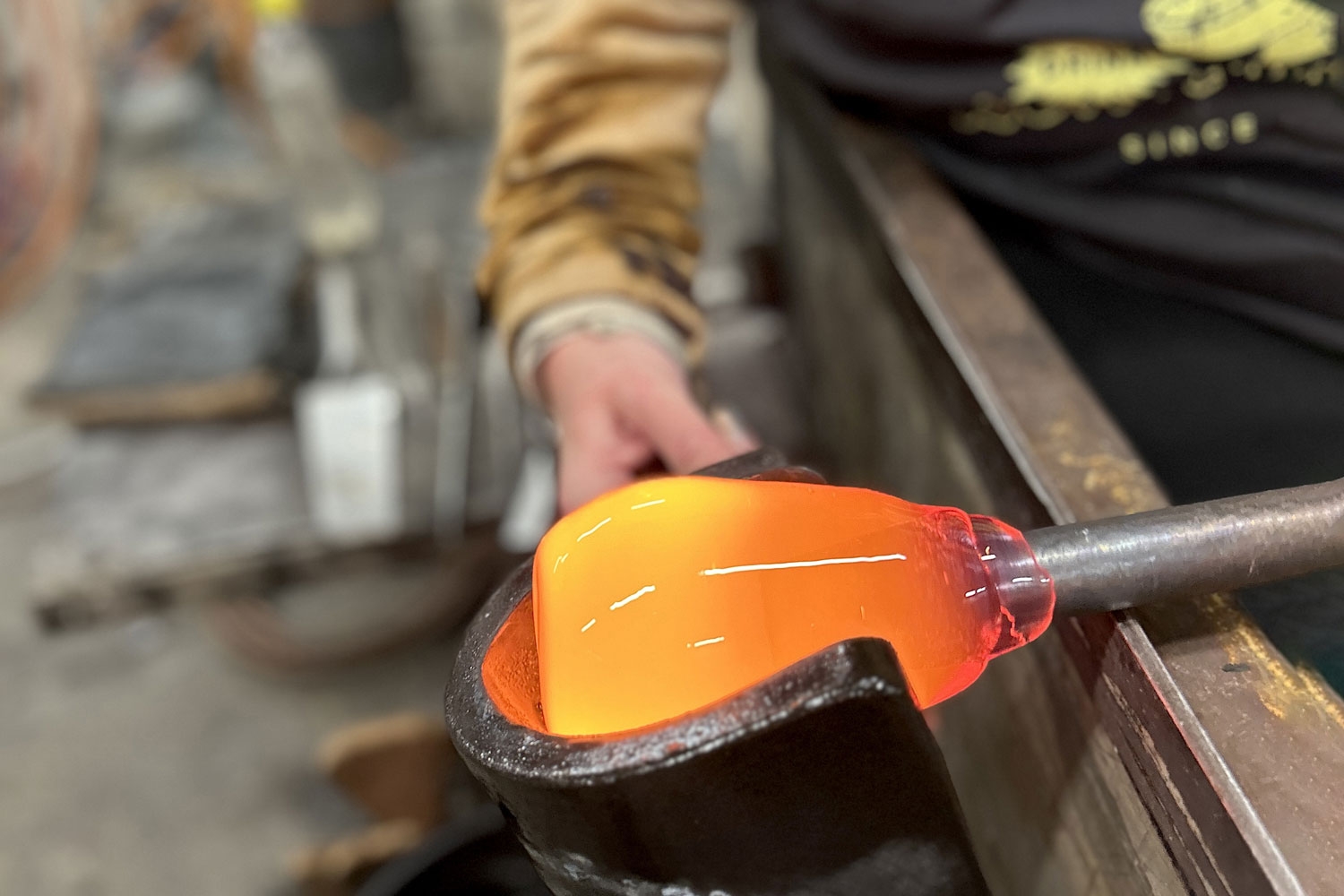
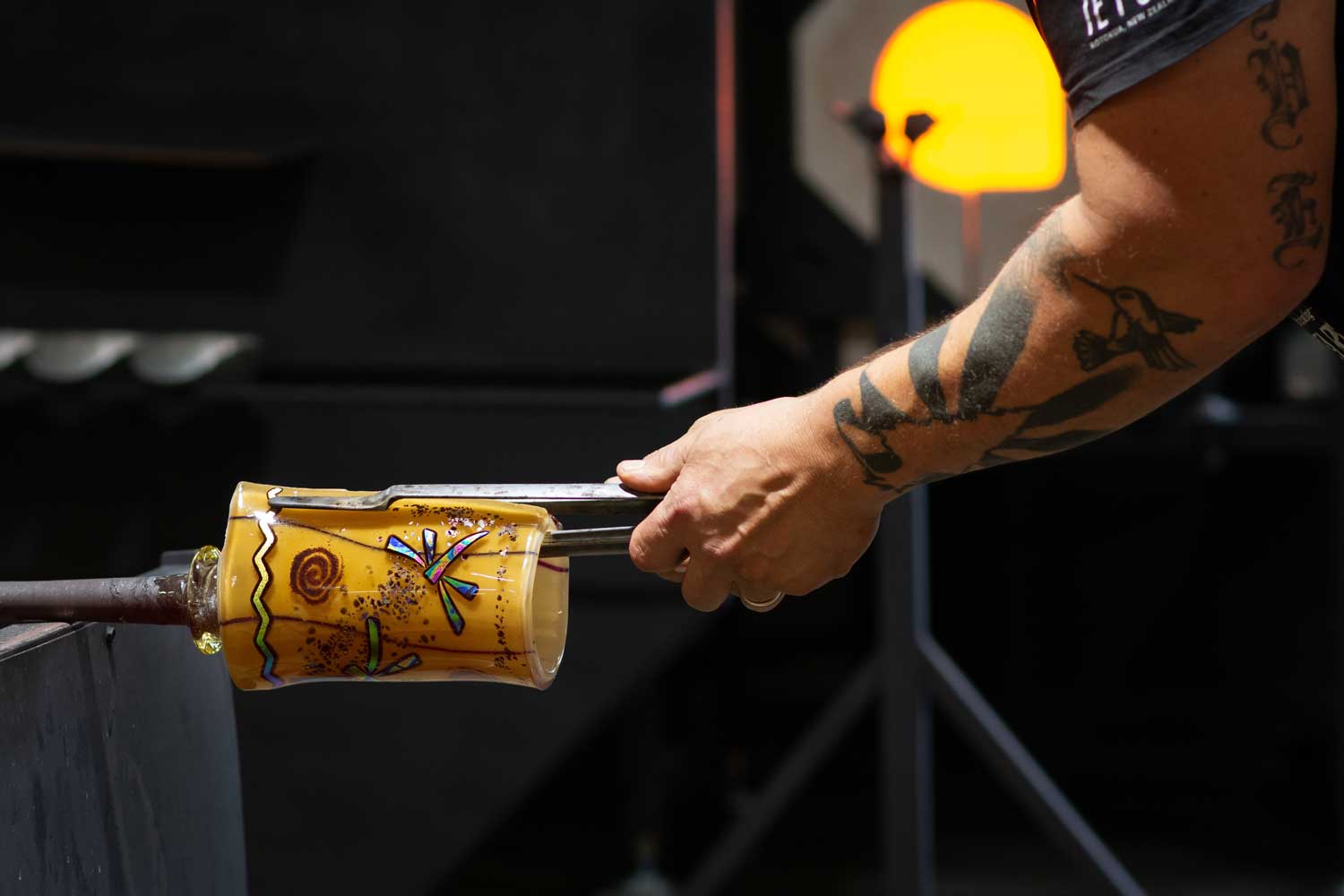
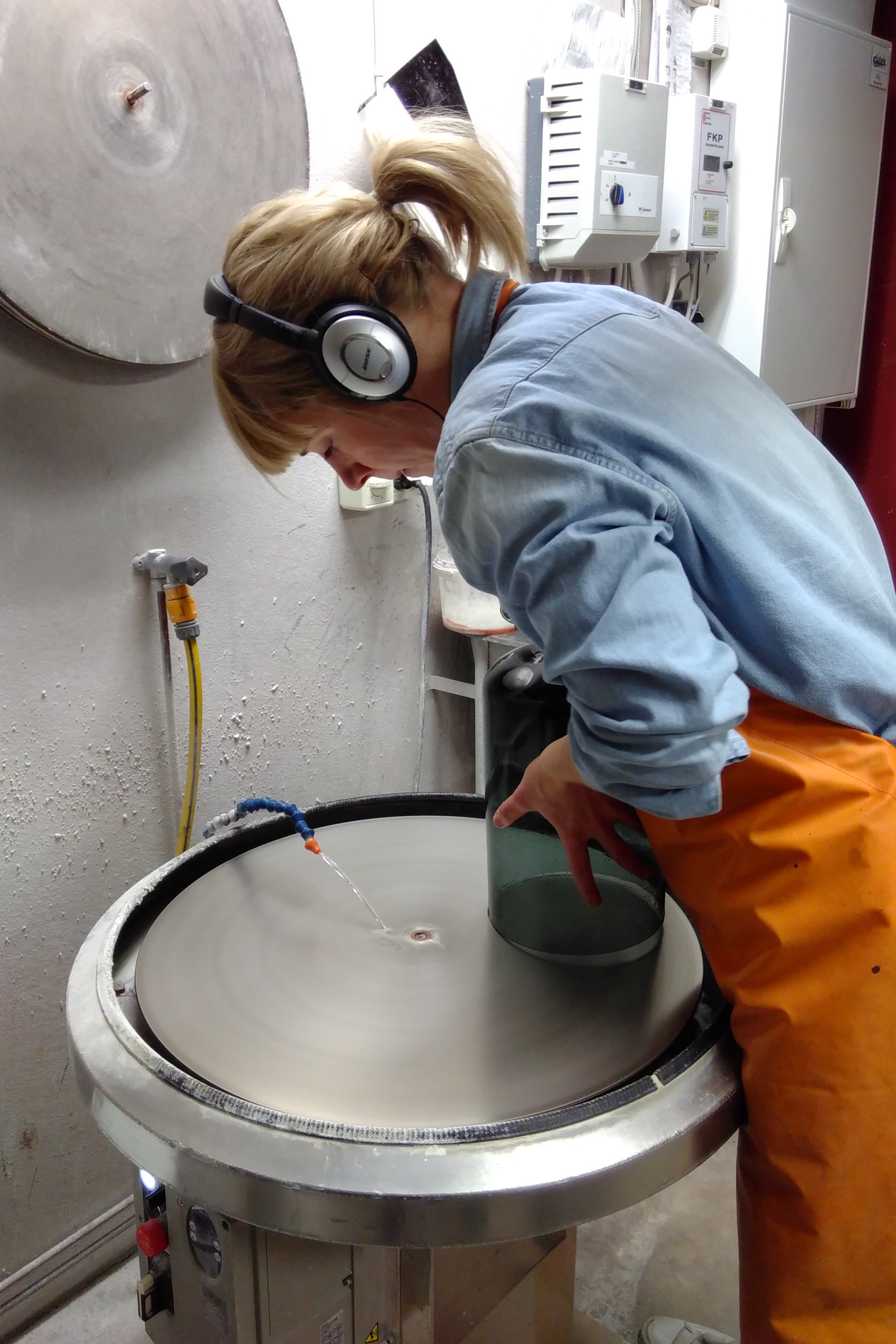
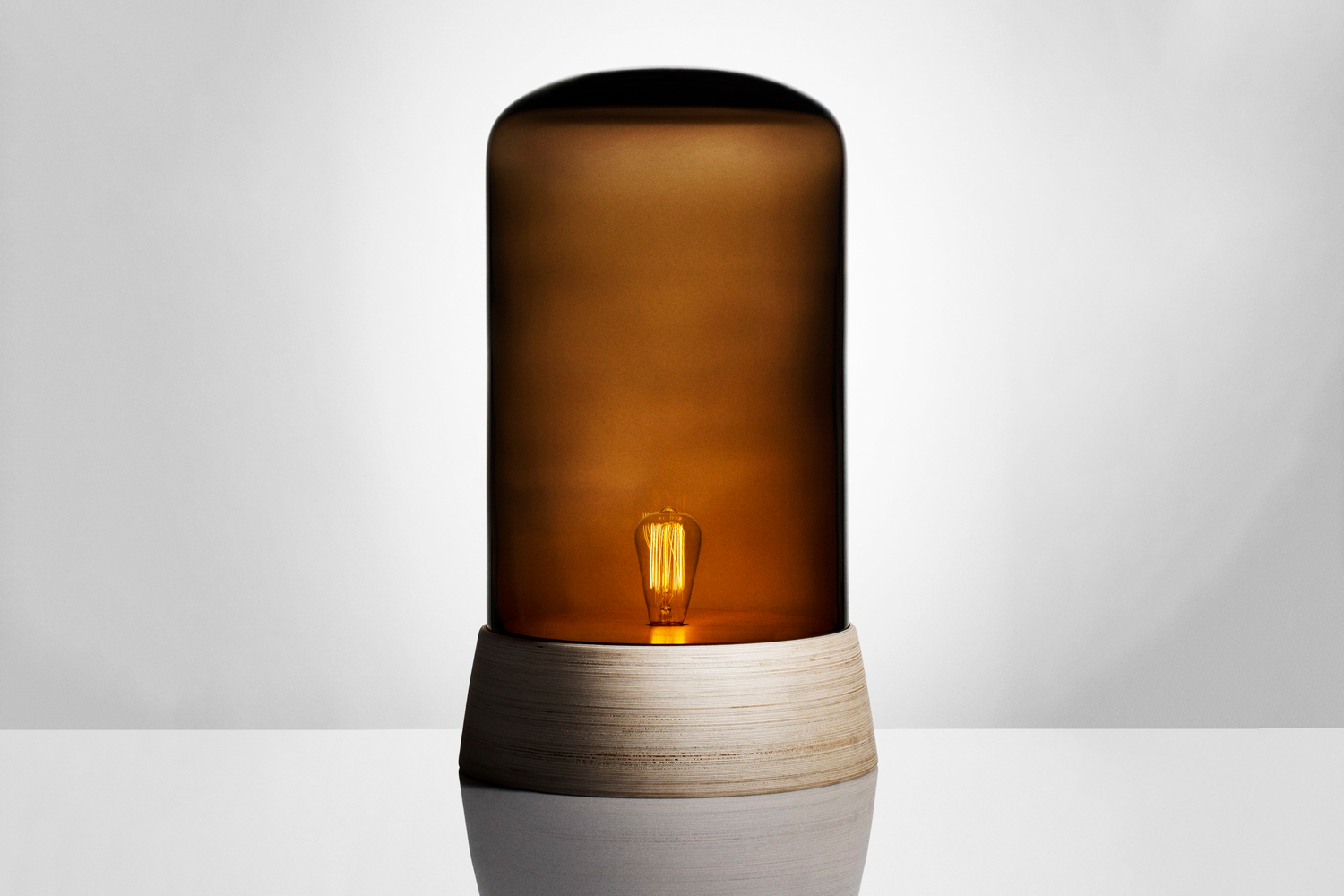
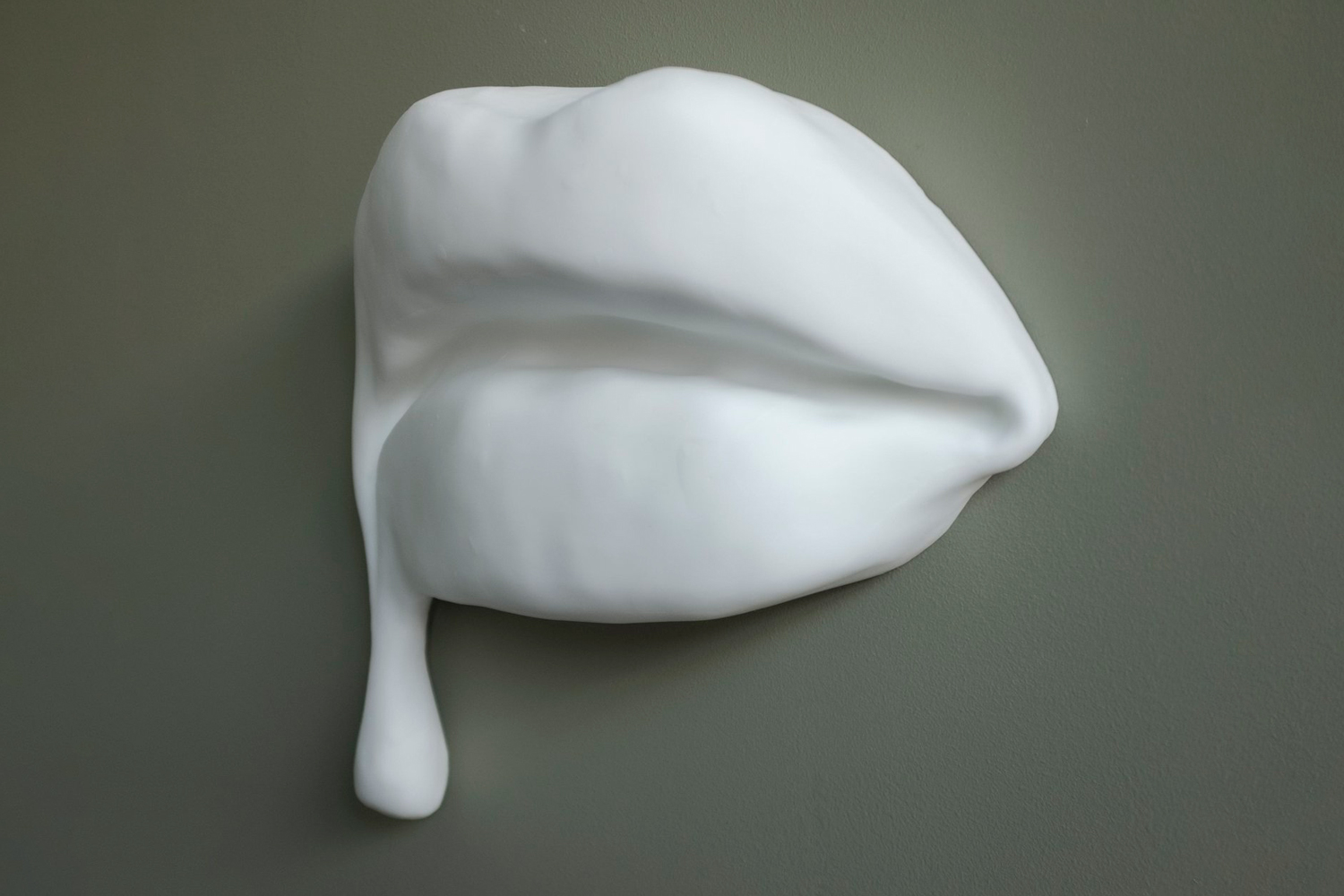
I mainly work with solid glass pieces and strive to create reflections of light in my art as well as I do the opposite, closing the light and only focusing on form and colour. I cut glass to change the shape or surface texture, relying on heat as the last step in the process.
Kirsten Vikingstad Hermansson
Glassblower
Boda Glasbruk, Sweden
AVAILABILITY
By appointment only
PHONE
+47 99235131
LANGUAGES
Norwegian, English
Homo Faber Finds is a new service aiming to inspire admirers of craft to connect and collaborate with exceptional artisans.
We invite you to submit an enquiry here.