Andy Paiko
Glassblower
Portland, OR, USA
A maximalist approach to glass
- Andy first discovered glassblowing at the age of 17
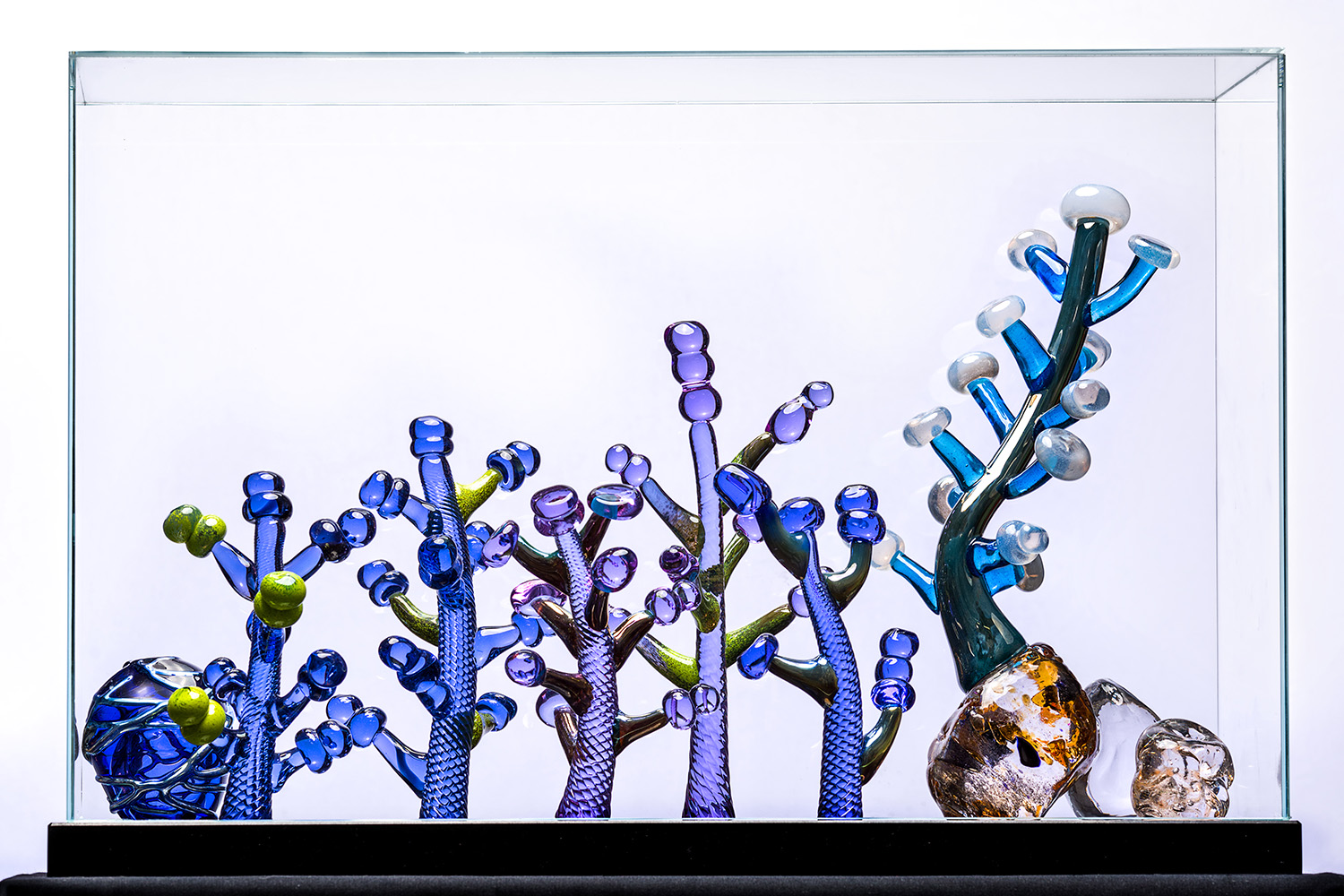
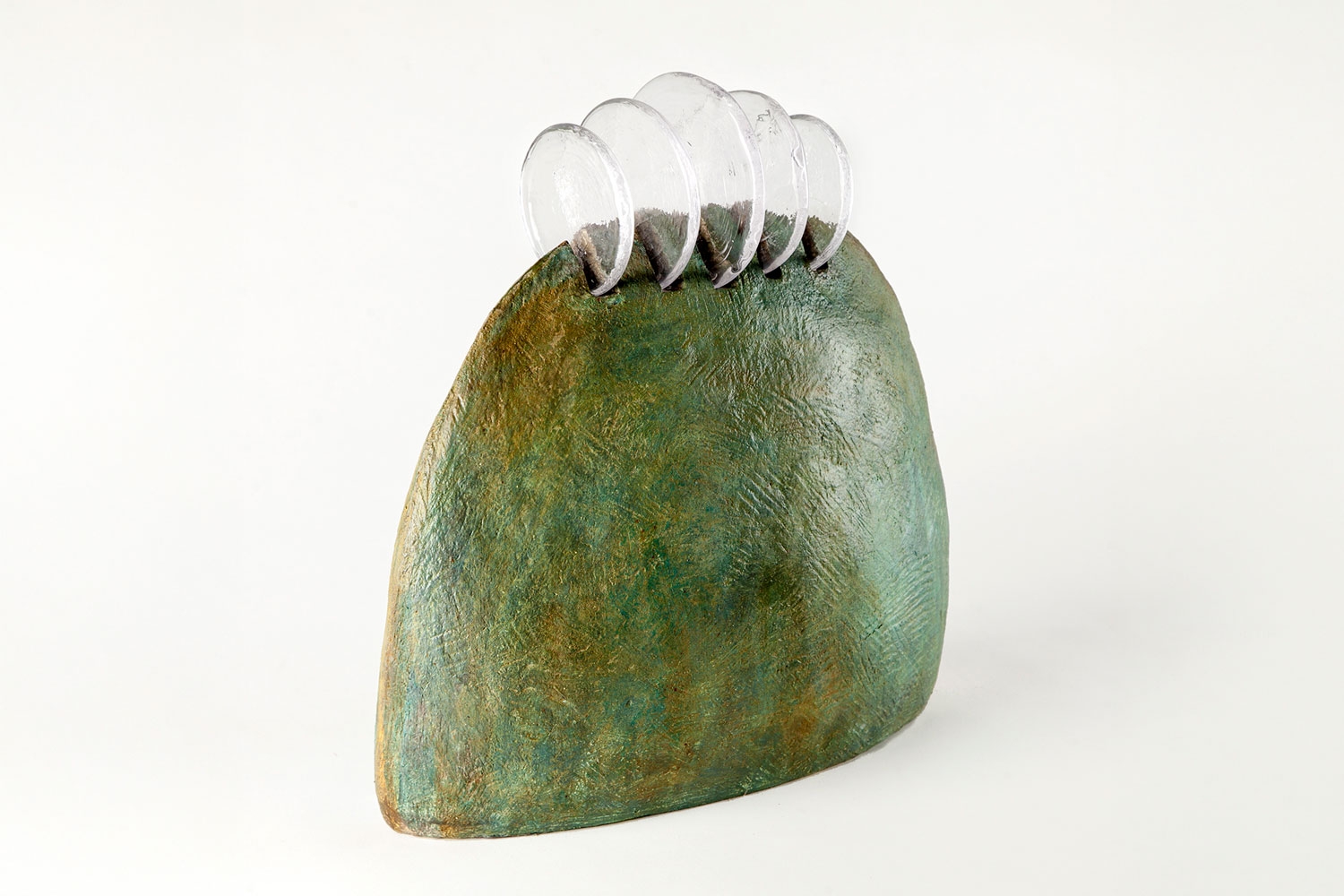
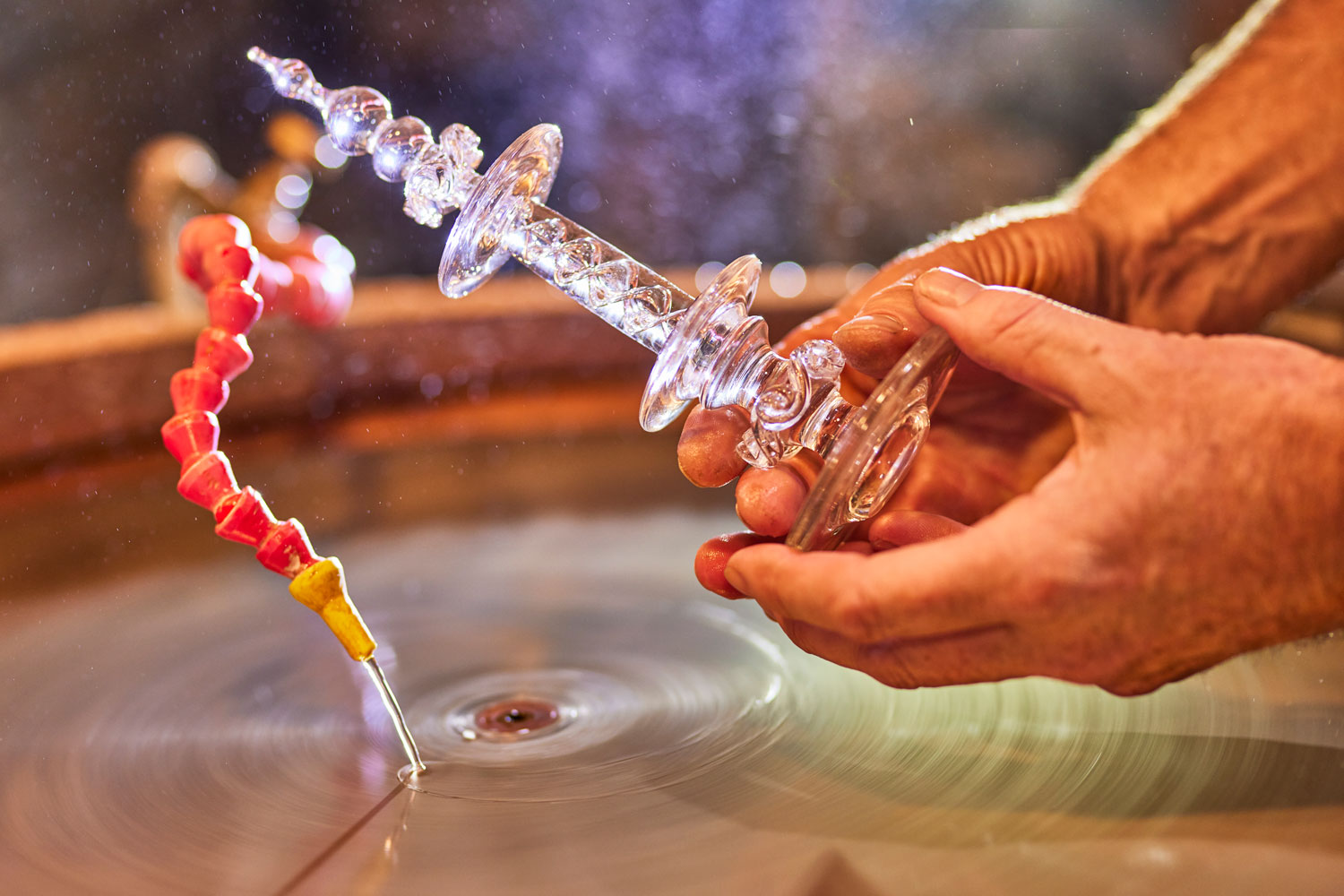
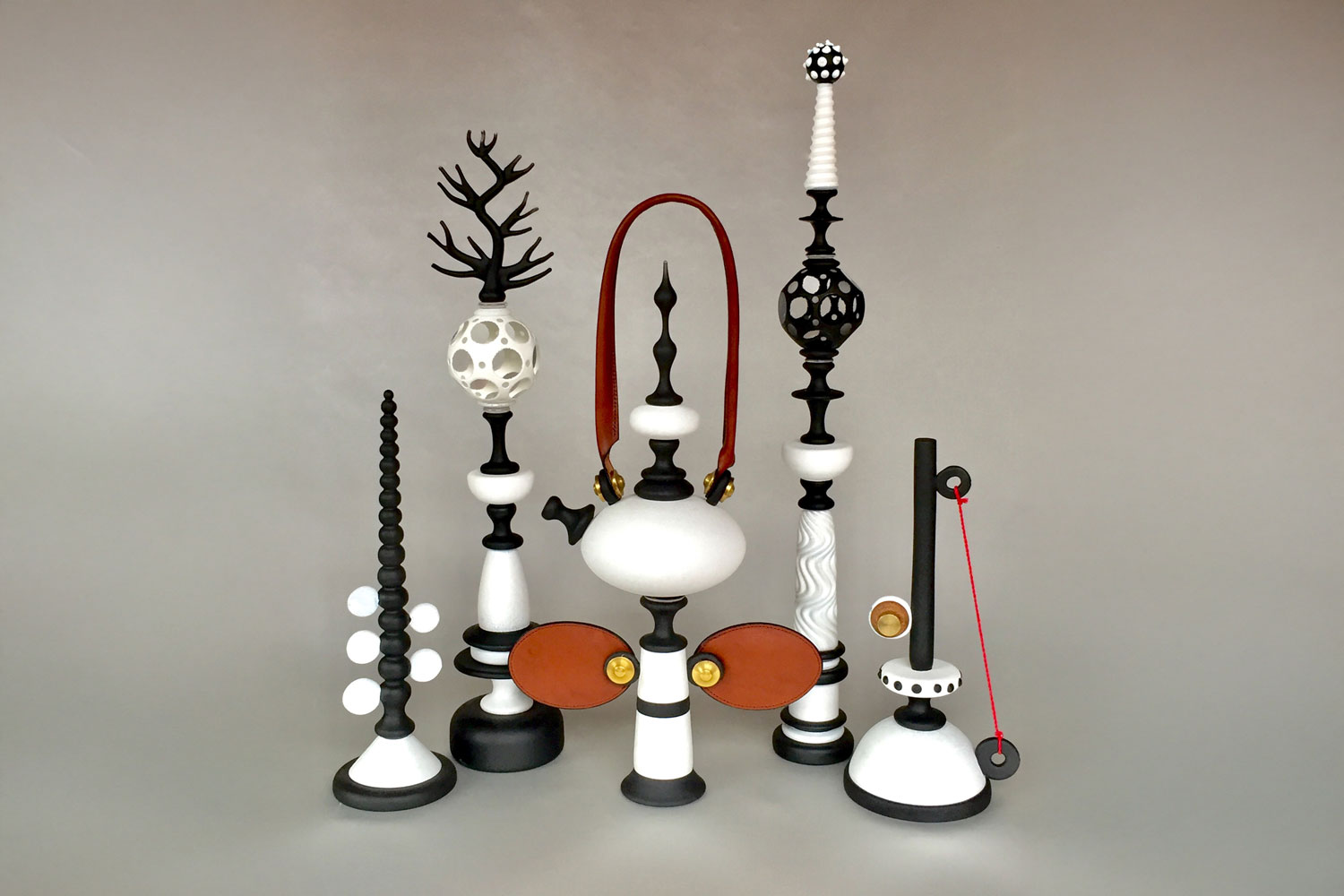
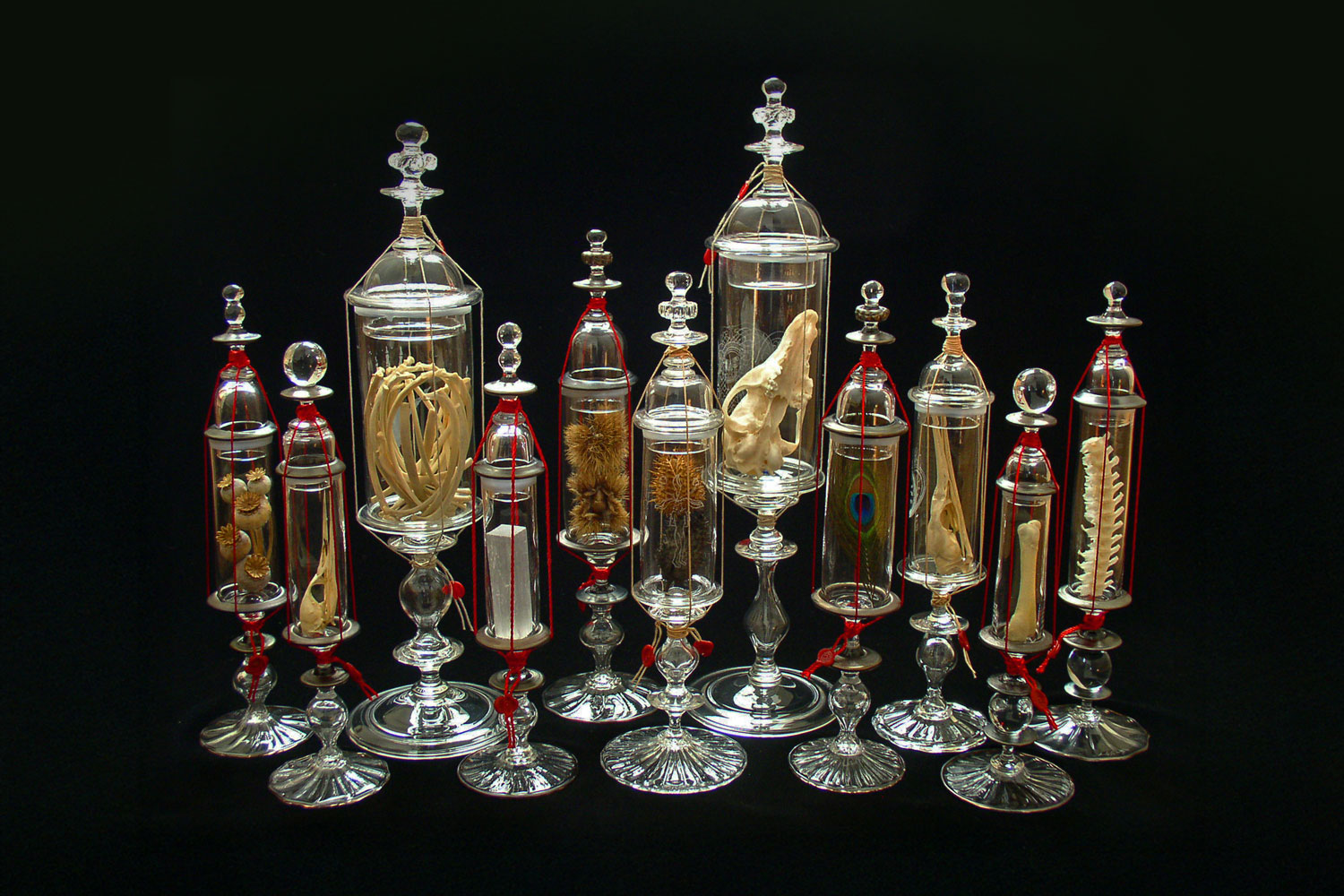
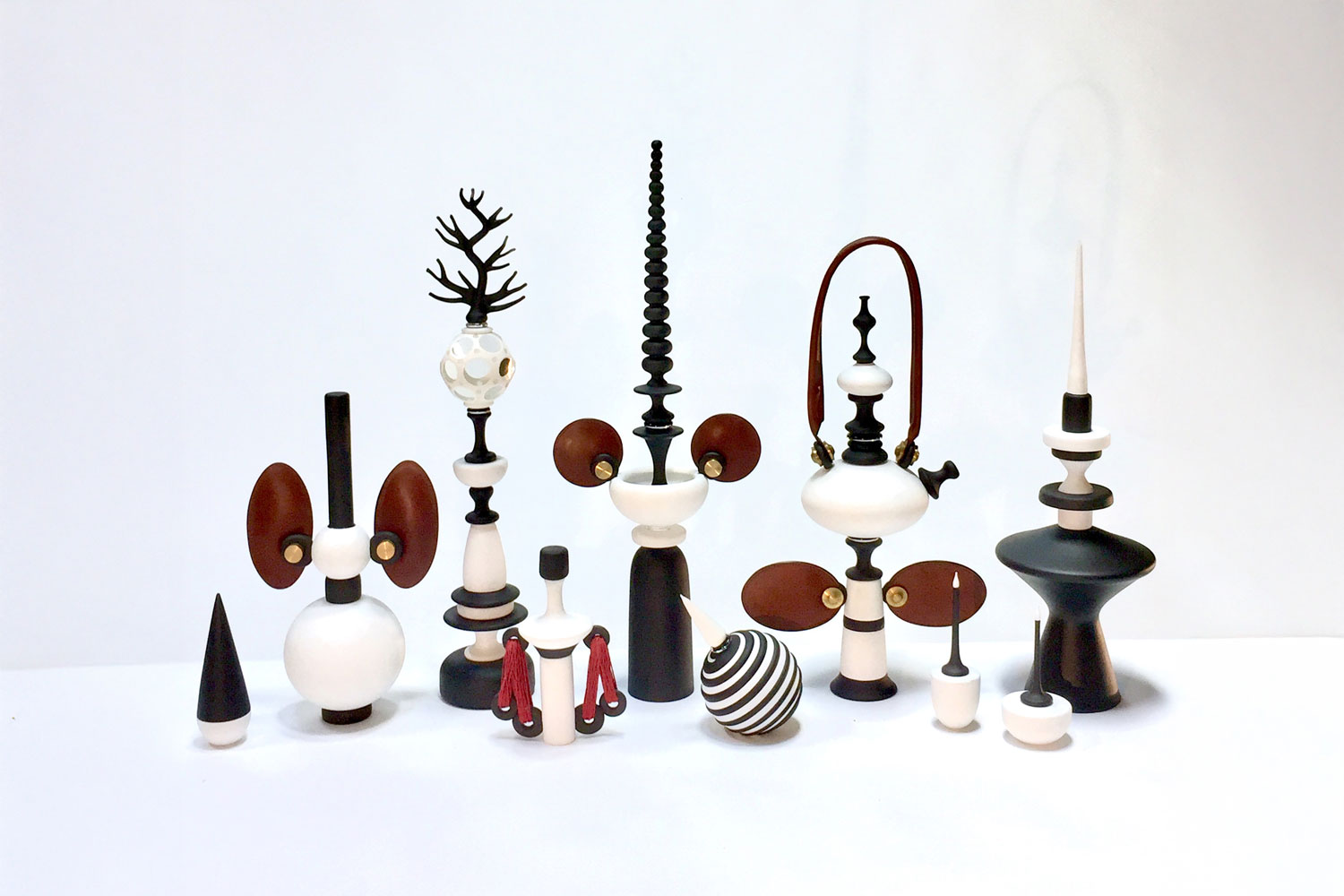
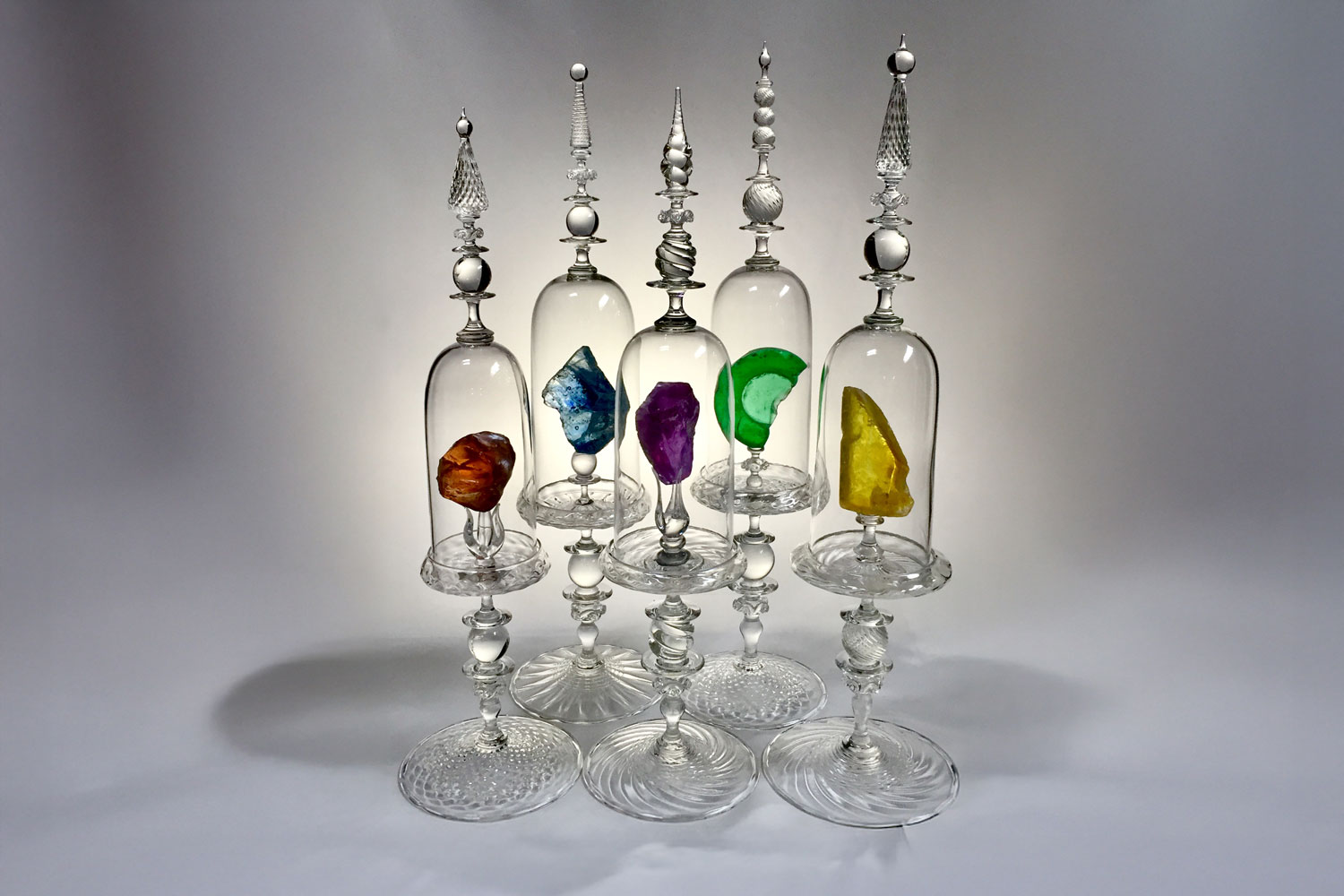
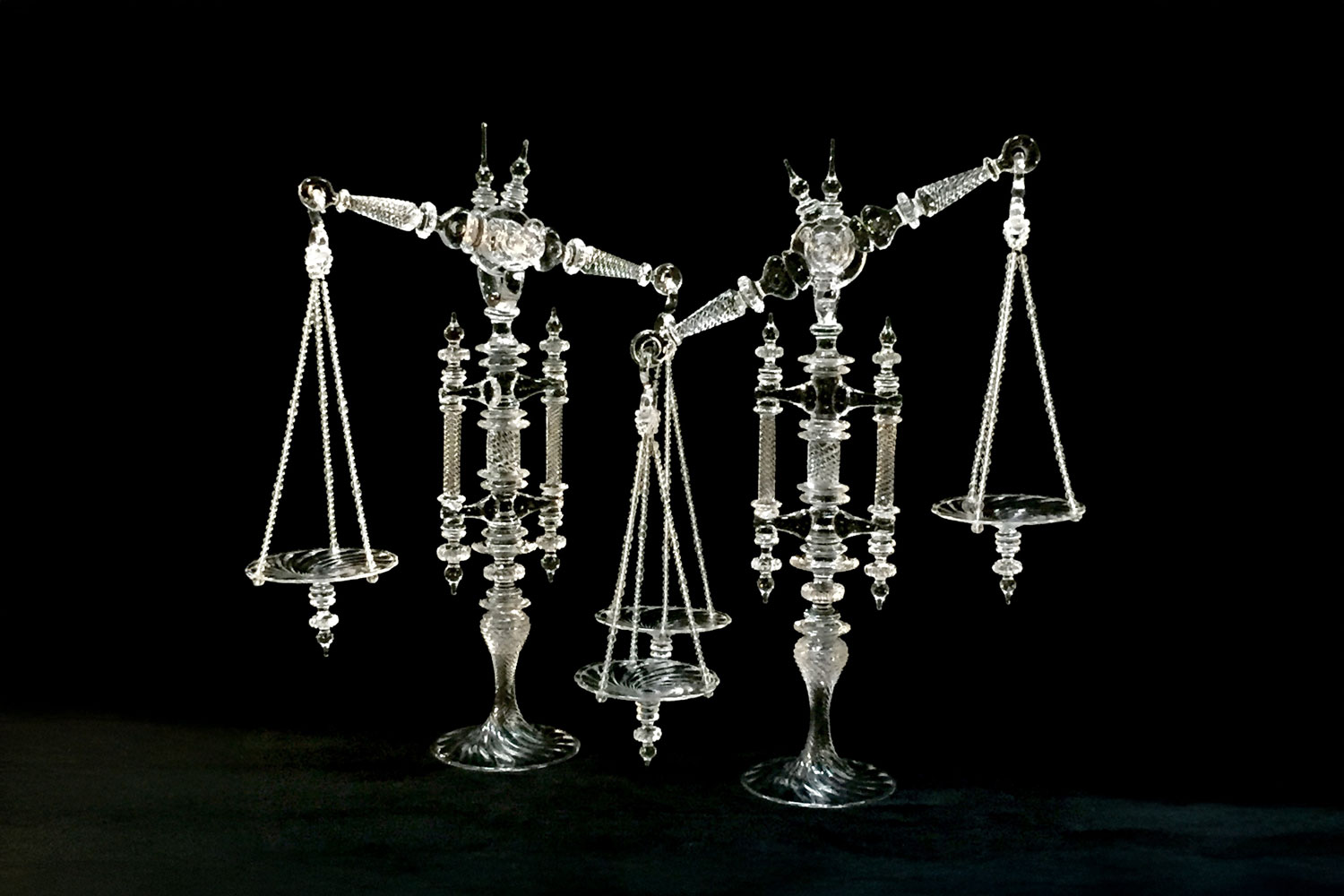
- His pieces reference antique Italian reliquaries and modern kinetic sculpture
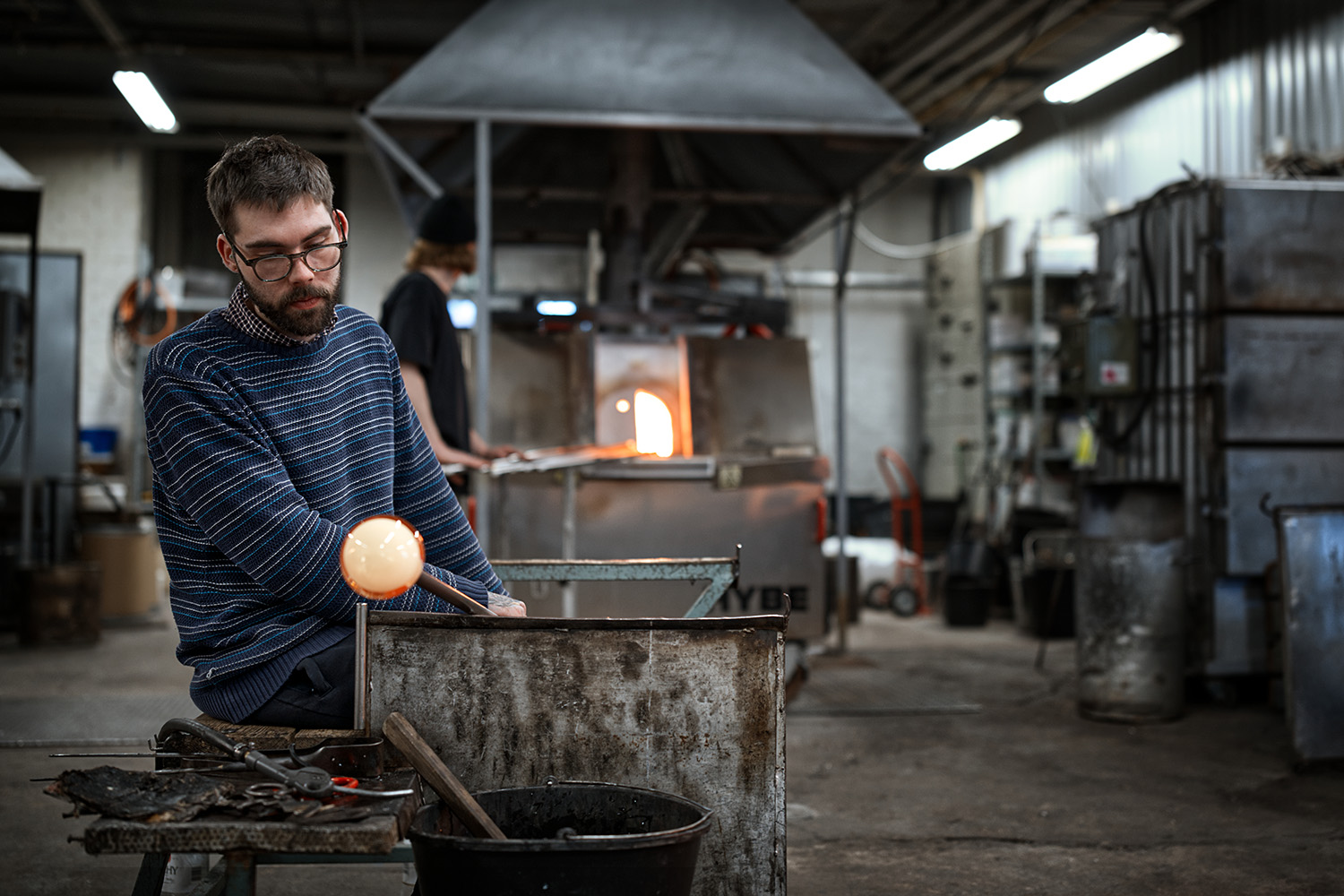
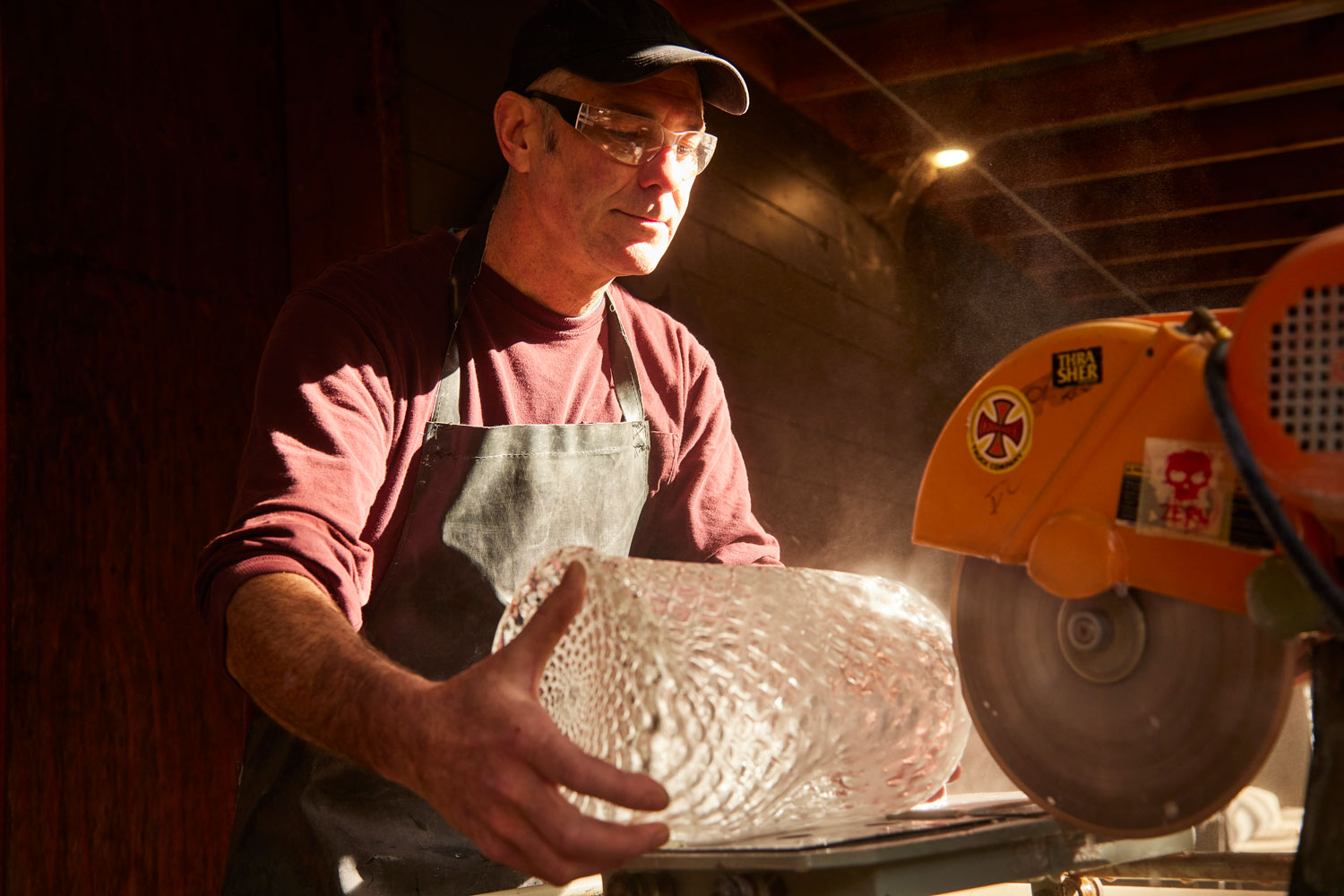
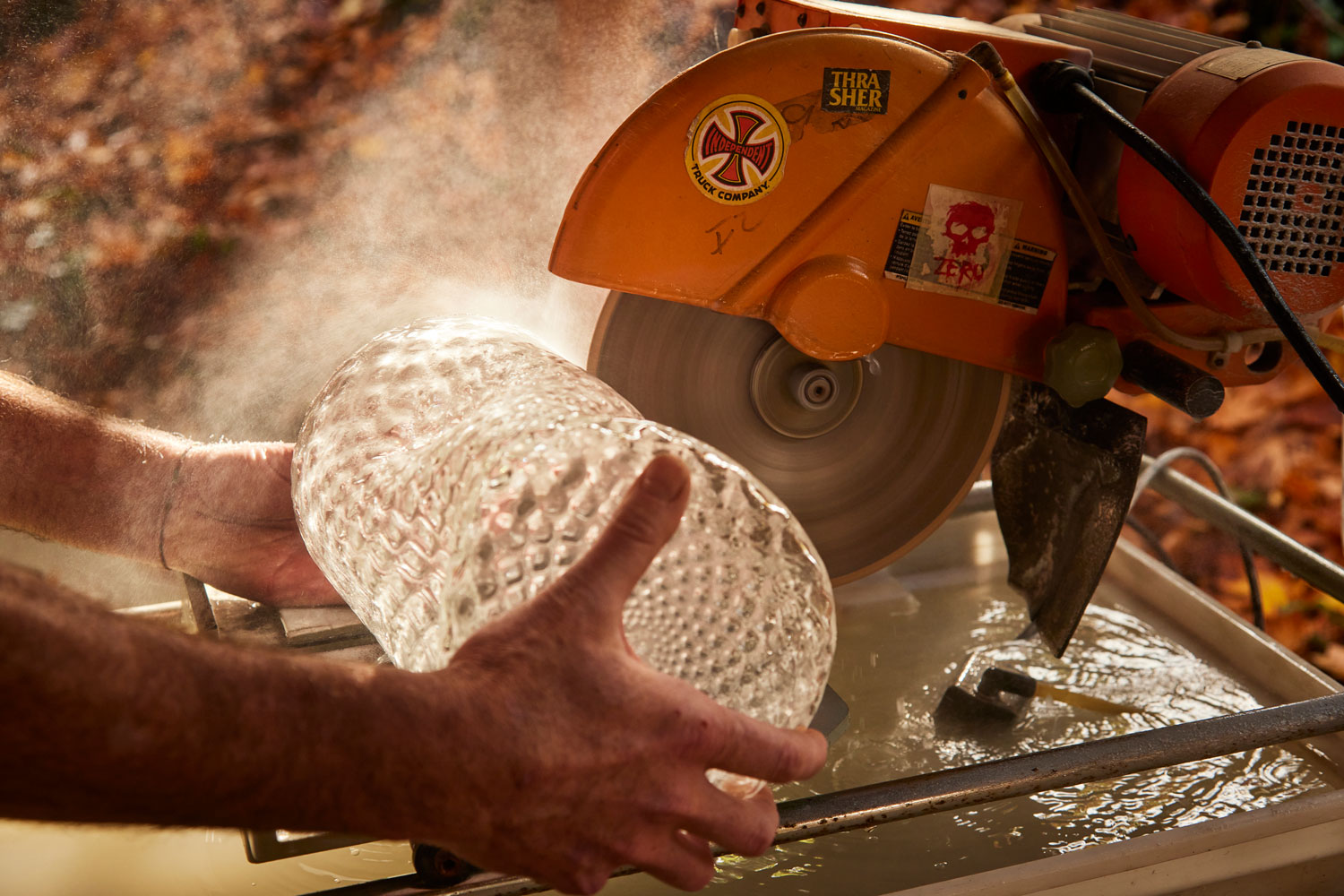
- He works solo in the hot shop to better realise his unusual and complex work
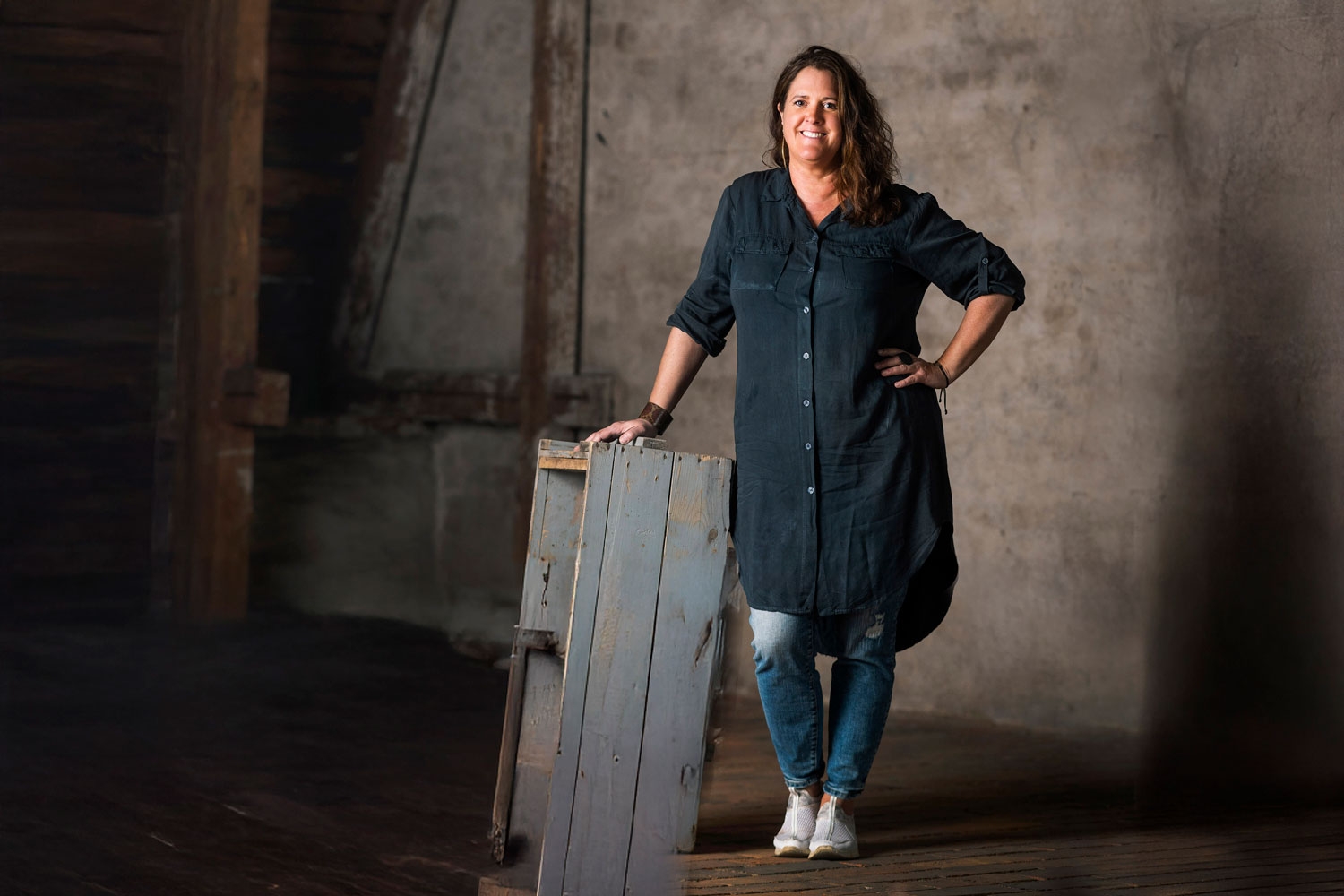
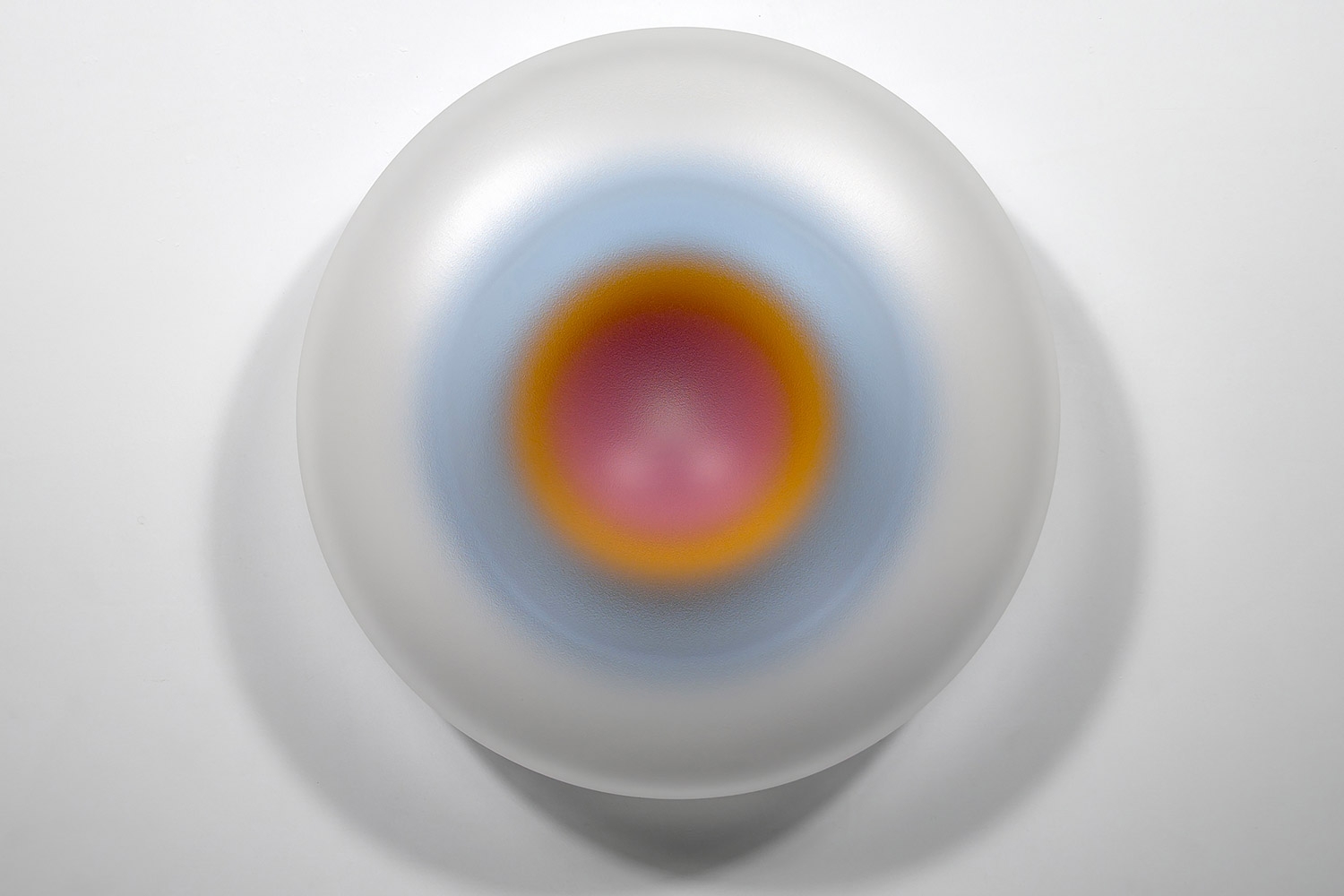
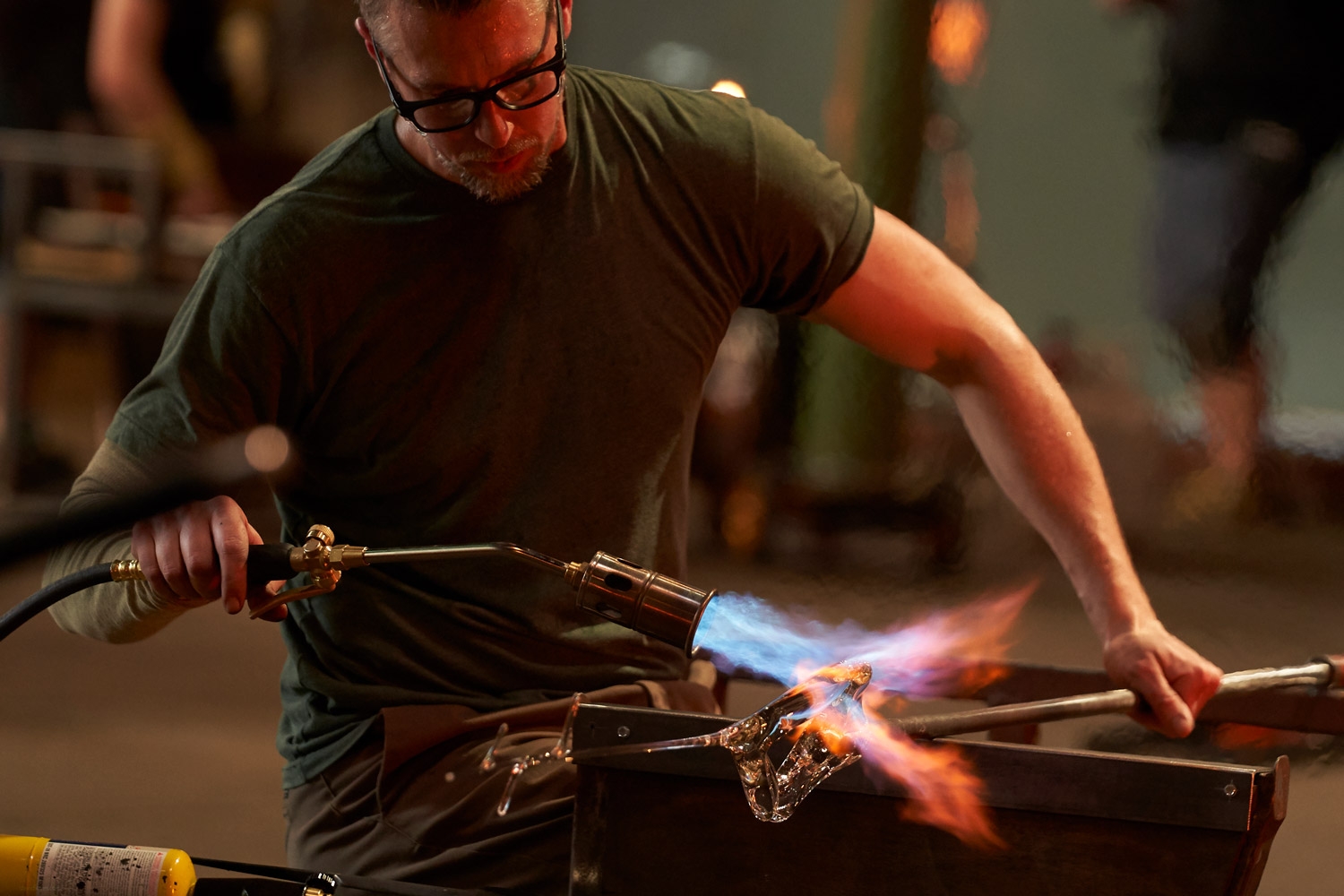
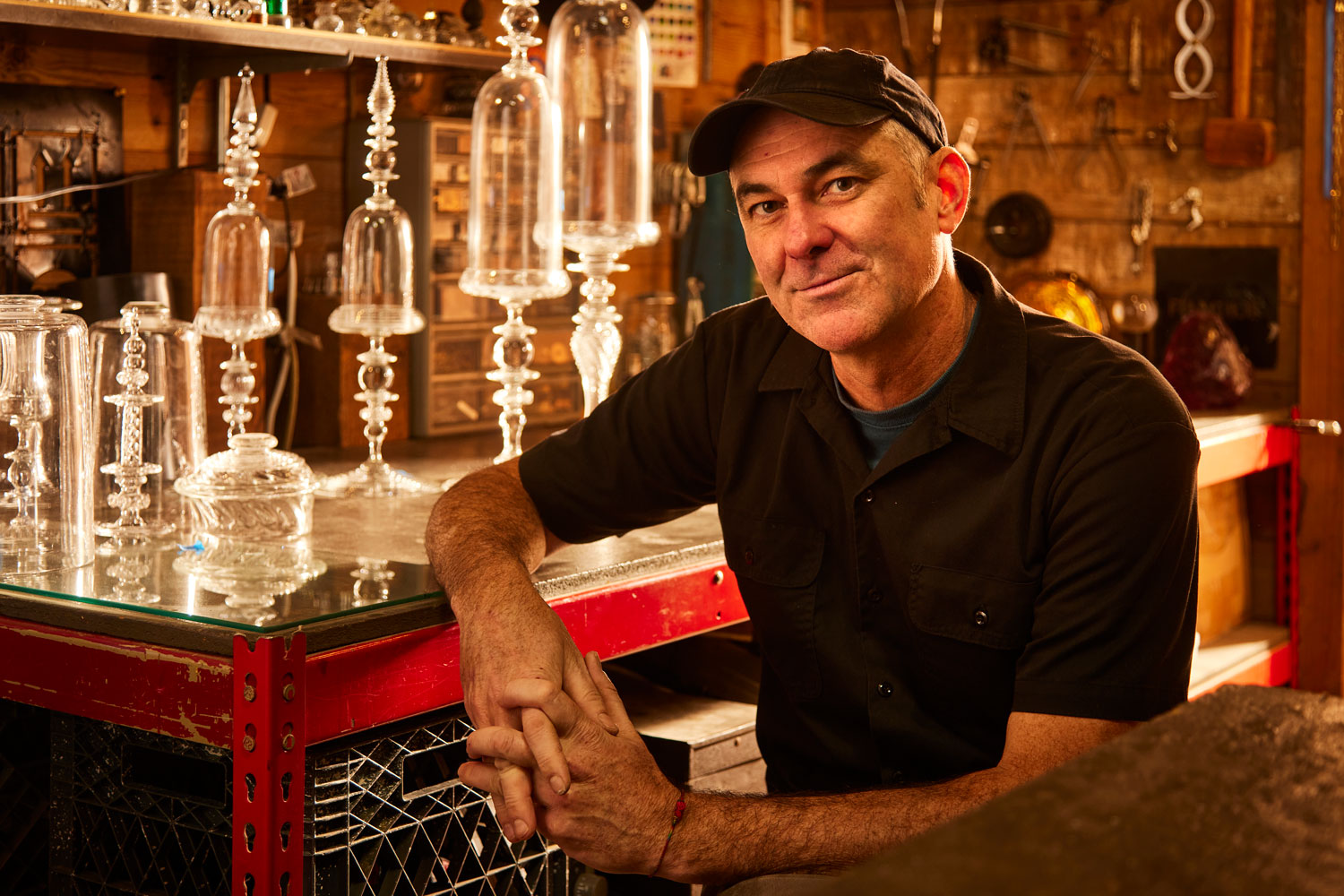
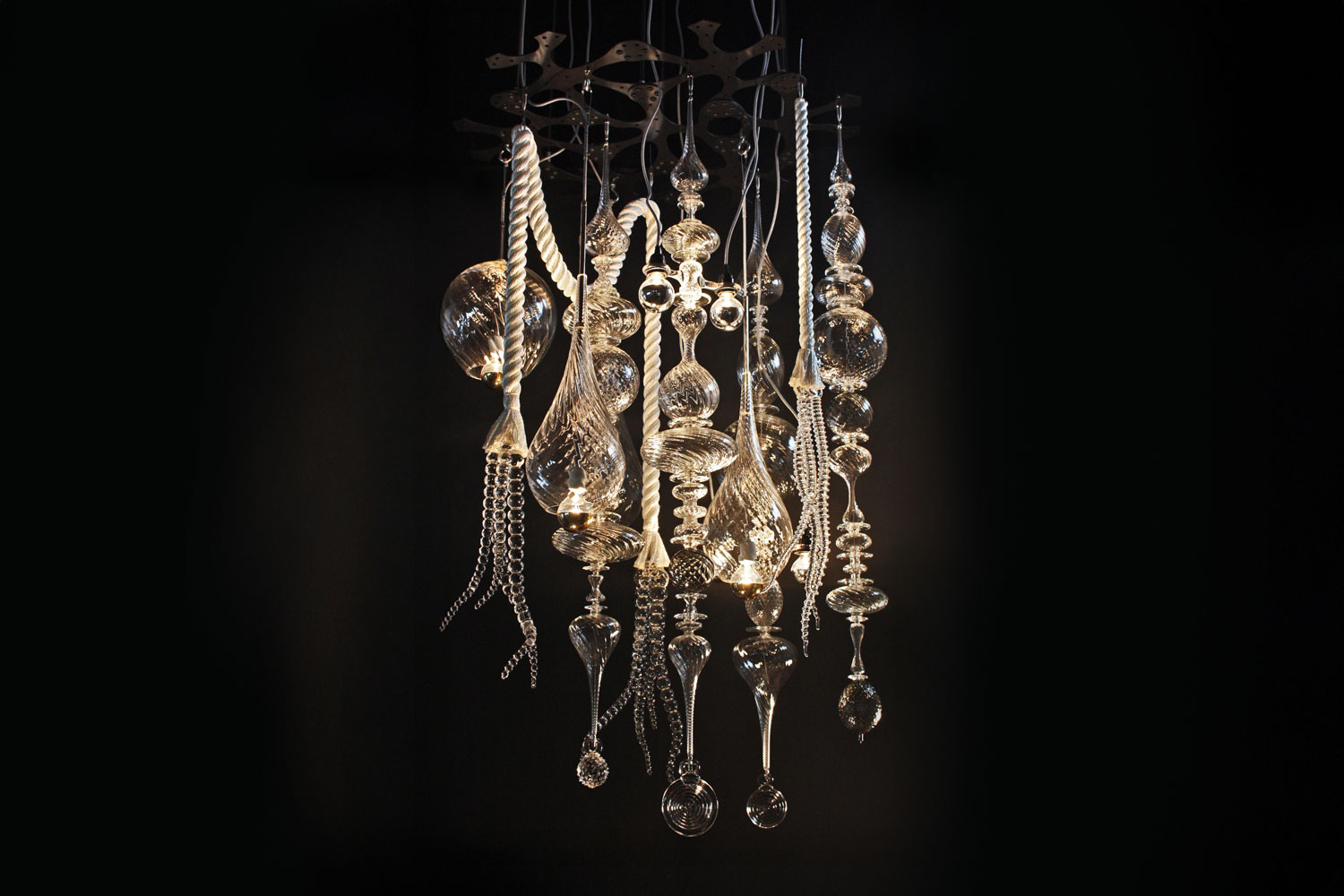
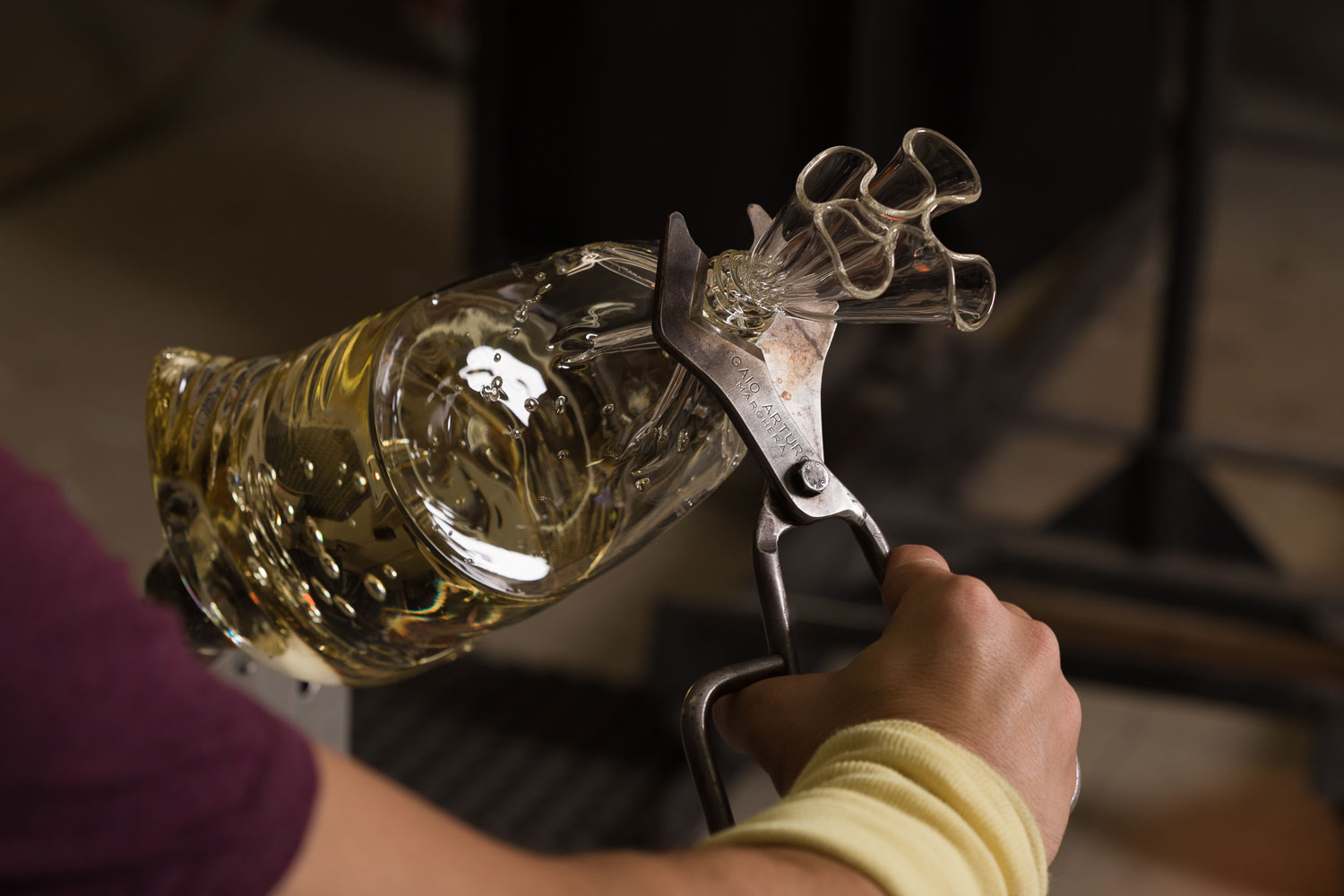
Andy Paiko was a teenager in the 1990s when a friend first piqued his interest in glassblowing. As an undergraduate student at California Polytechnic State University, he gained years of hands-on experience in the campus glass shop alongside apprenticeships with working artists as he developed his craft. Andy’s complex pieces span site-specific installations, kinetic sculptures and relic-inspired groupings, all of which he typically crafts without studio assistance. His approach is maximalist but controlled. “I use a mostly monochrome palette because adding colour would push it over the top and make it visually confusing. The limited palette helps everything hold together,” he says. In 2002, Andy co-founded the Central Coast Glass Artist Studio and has since run studios in California and the Pacific Northwest, where he is now based.
Discover his work
INTERVIEW
My friend took a glassblowing class and came back totally jazzed. Not long after, I was driving up the California coast and saw a little glass shop in a barn. I popped my head in and asked if the artist needed an assistant, and he put me and my friend to work. He was a grumpy old man, but I am a grumpy old man whisperer. I worked with him for over ten years.
I think of these projects as a series of problems. What the client wants, the budget, the space, the lighting, everything matters. The final piece is a solution to all of those problems, put together in a way that makes the client happy and hopefully makes enough money for the next project.
It is partly a control thing and partly because the people I learned from worked alone. As my pieces got more complicated, if I could not make it with a team, I figured out other ways to do it. I have jokingly called it Galapagos glass, developed in isolation, with totally bizarre methods that most people would say are wrong.
Everything costs so much more now, from tuition and studio time to fuel. To survive, you need years of experience or a lot of money. We are also concerned with our environmental impact, as we burn a lot of fossil fuels. Attention spans are shorter now. I cannot imagine many kids having the patience to devote themselves to molten glass.
Andy Paiko
Glassblower
Portland, OR, USA
ADDRESS
Address upon request, Portland, OR, USA
AVAILABILITY
By appointment only
PHONE
+1 7074860018
LANGUAGES
English
Homo Faber Finds is a new service aiming to inspire admirers of craft to connect and collaborate with exceptional artisans.
We invite you to submit an enquiry here.



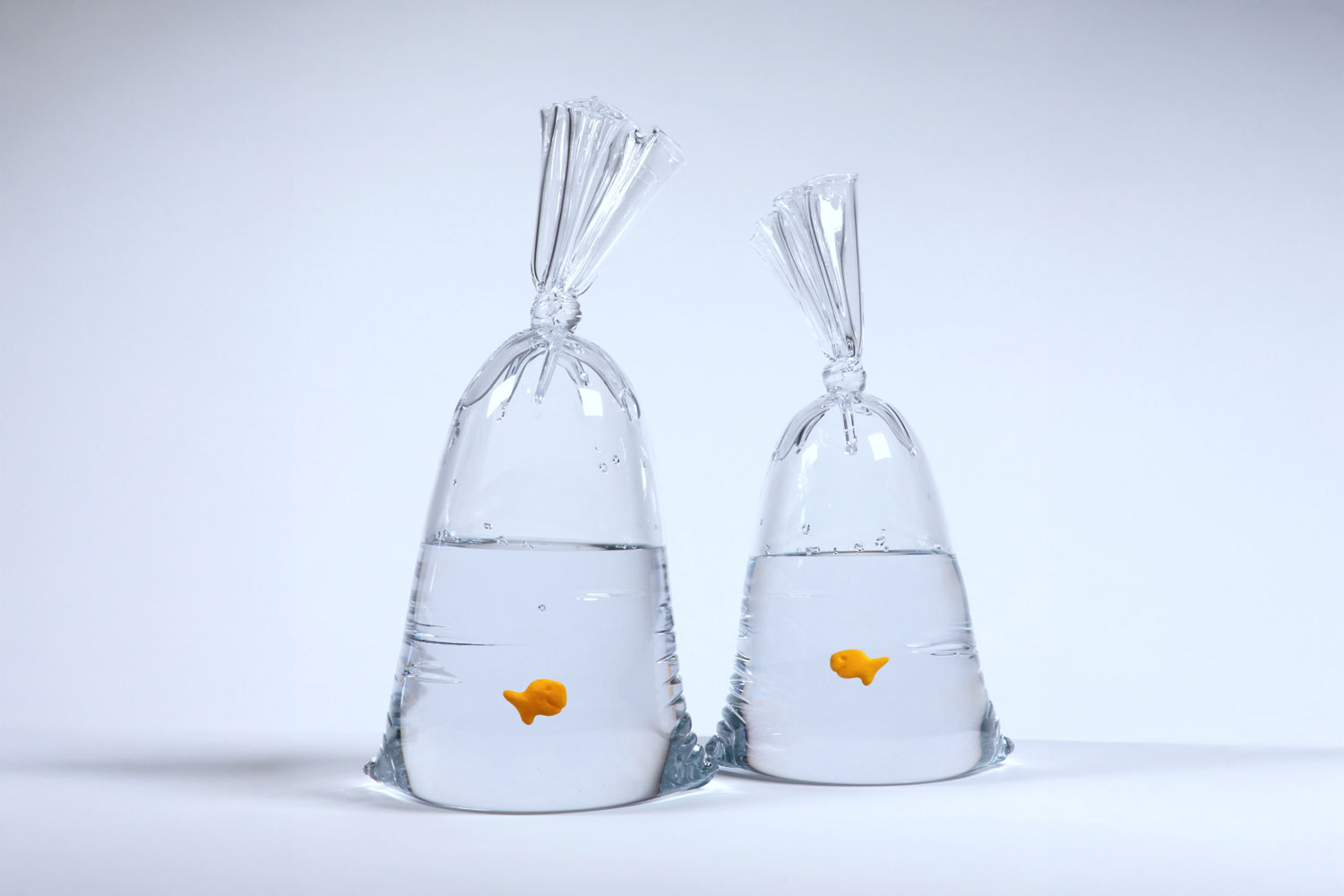
Bottle Marsupial 2017 Tom Moore.jpg)
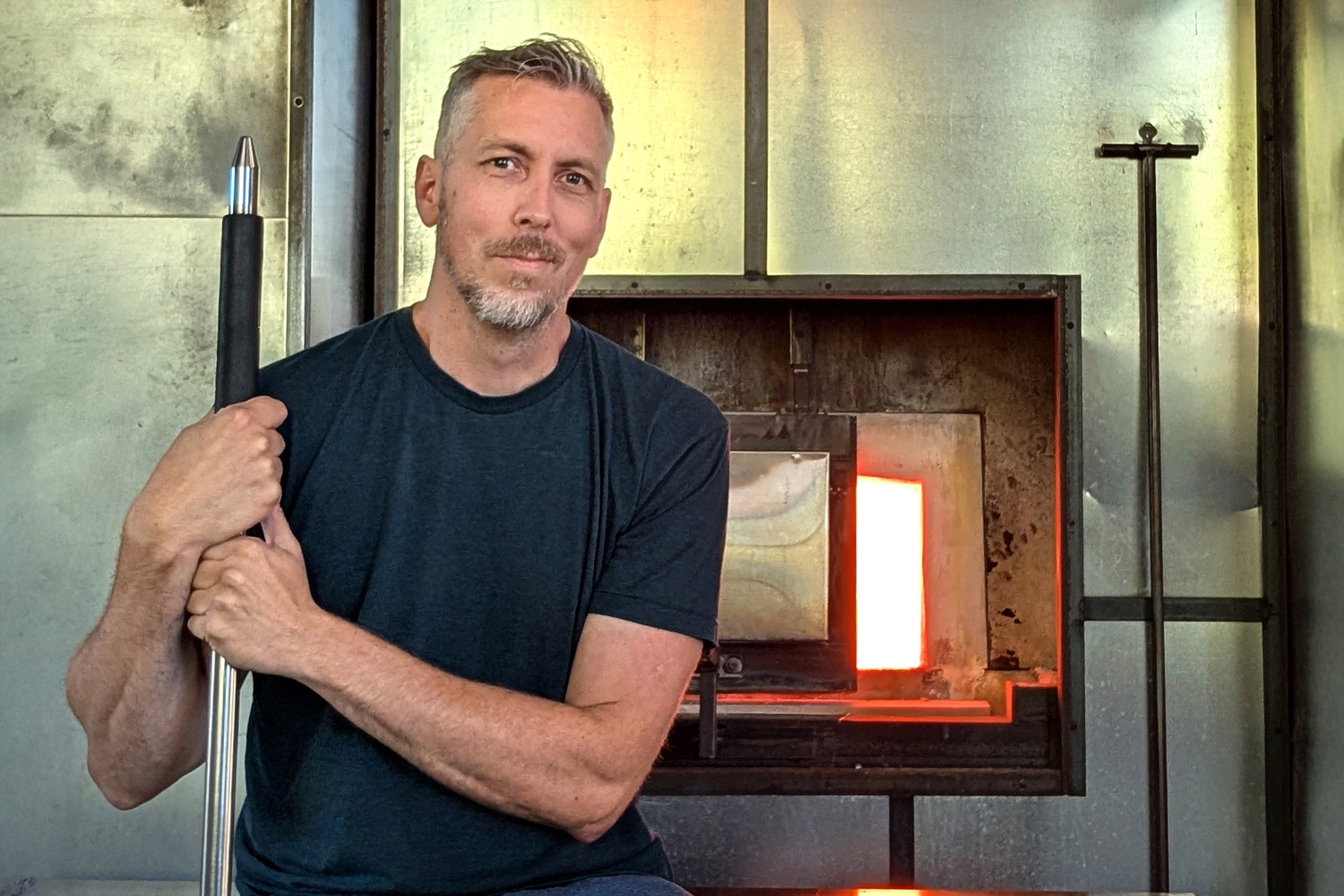
Studio Portrait Tom Moore.jpg)
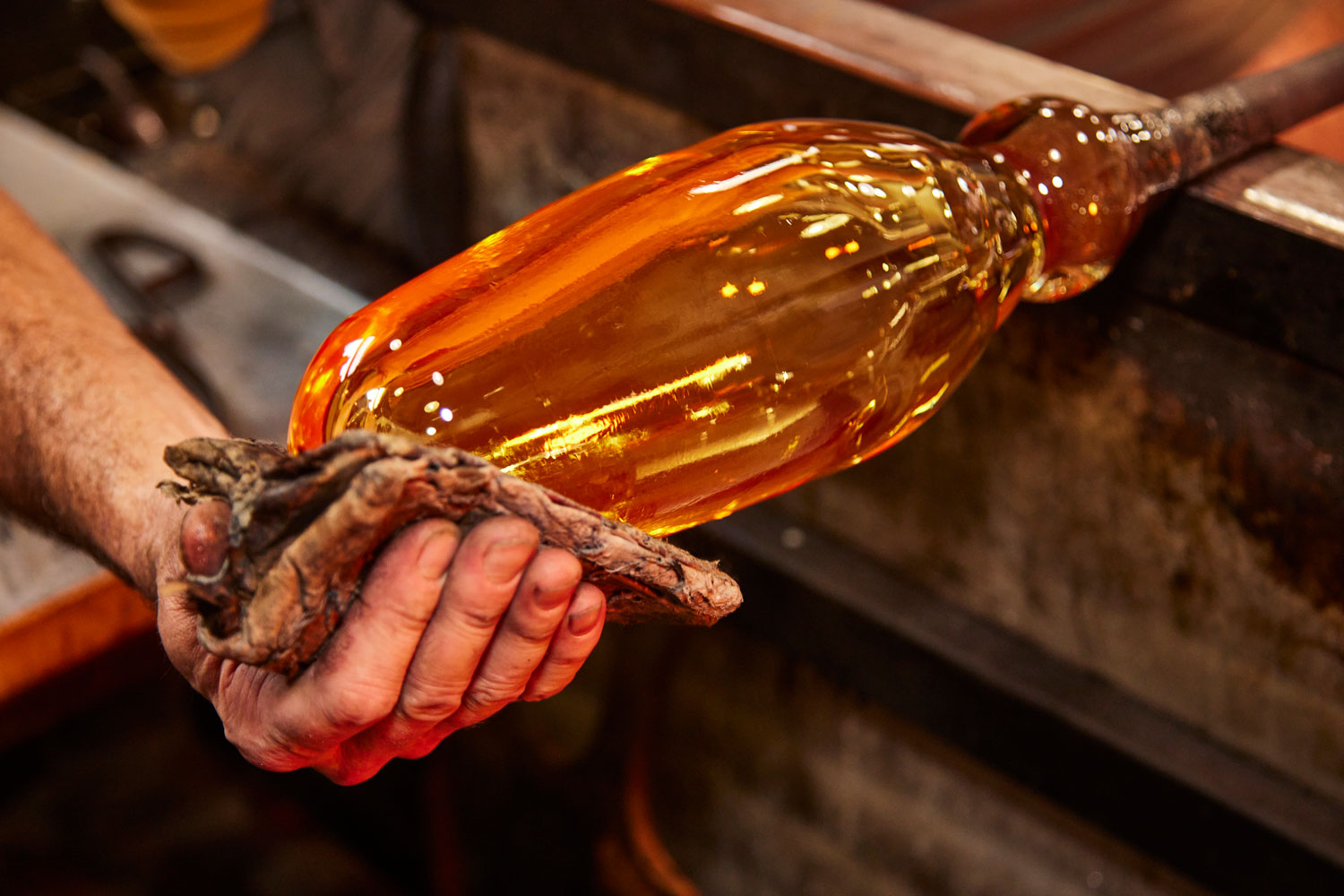
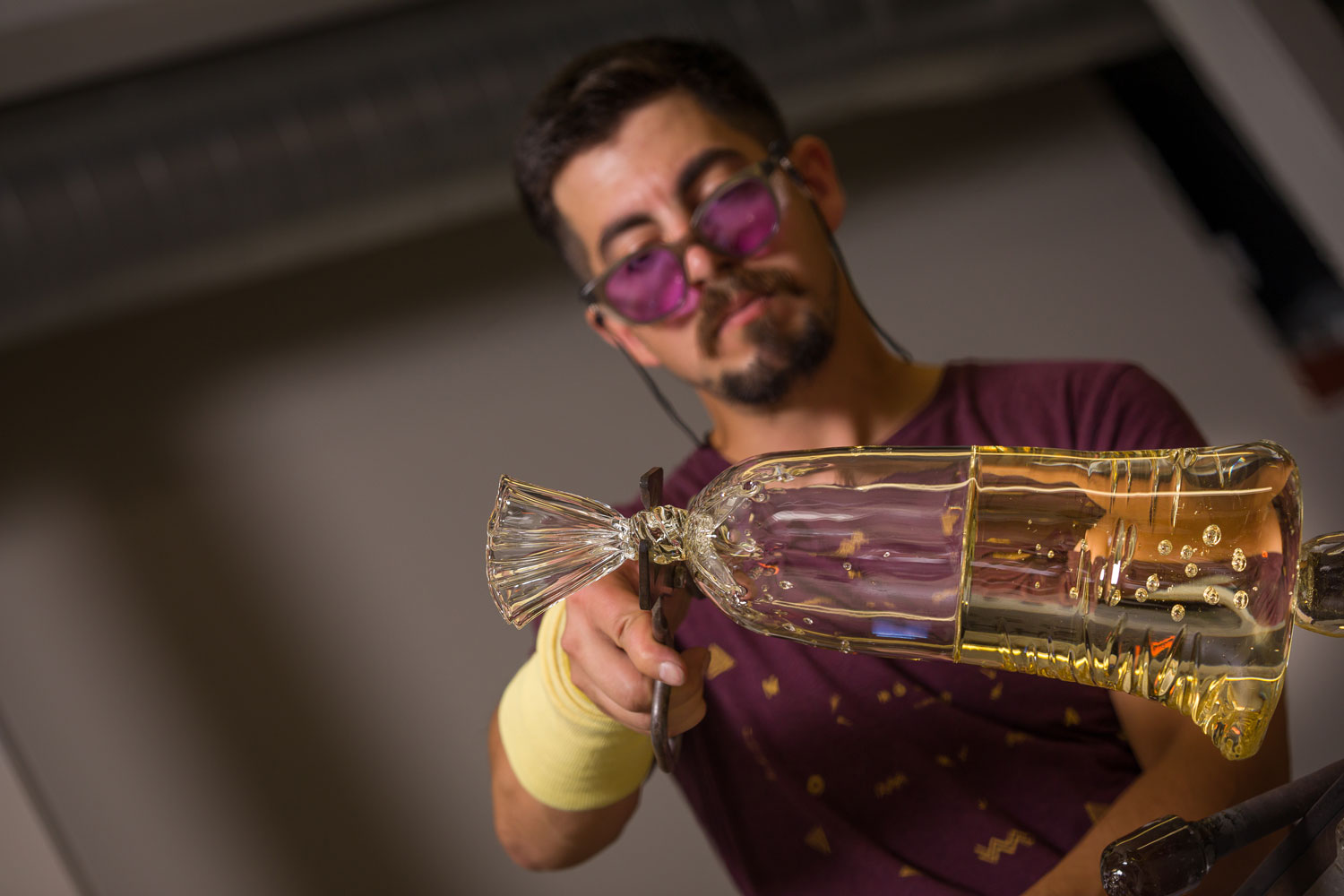
Blowing Glass 4 Tom Moore.jpg)