Image 1 of 2
Jane Yang-D'Haene
Ceramicist
New York, NY, USA
Recommended by Jean Blanchaert & Irina Focsaneanu Eschenazi
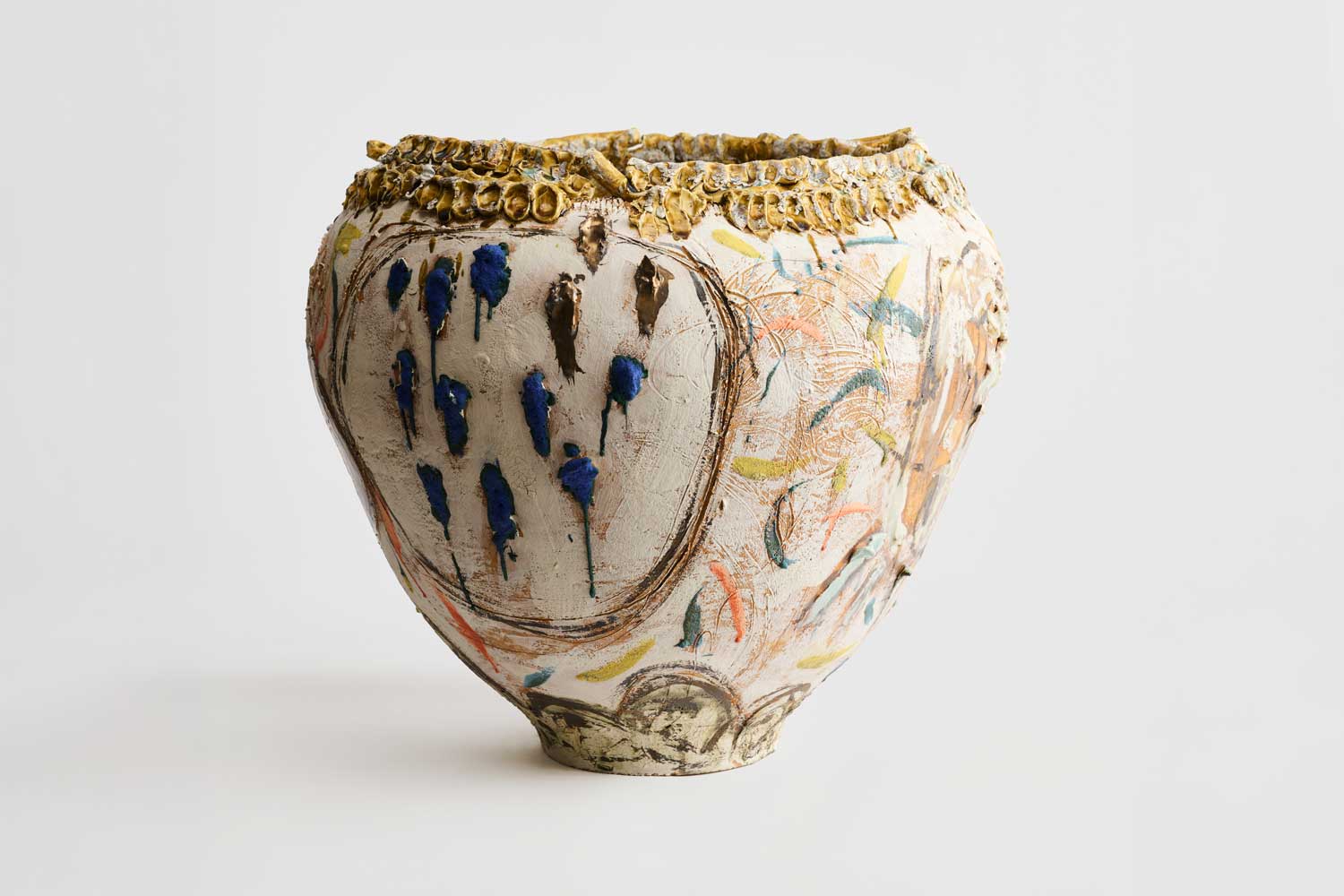
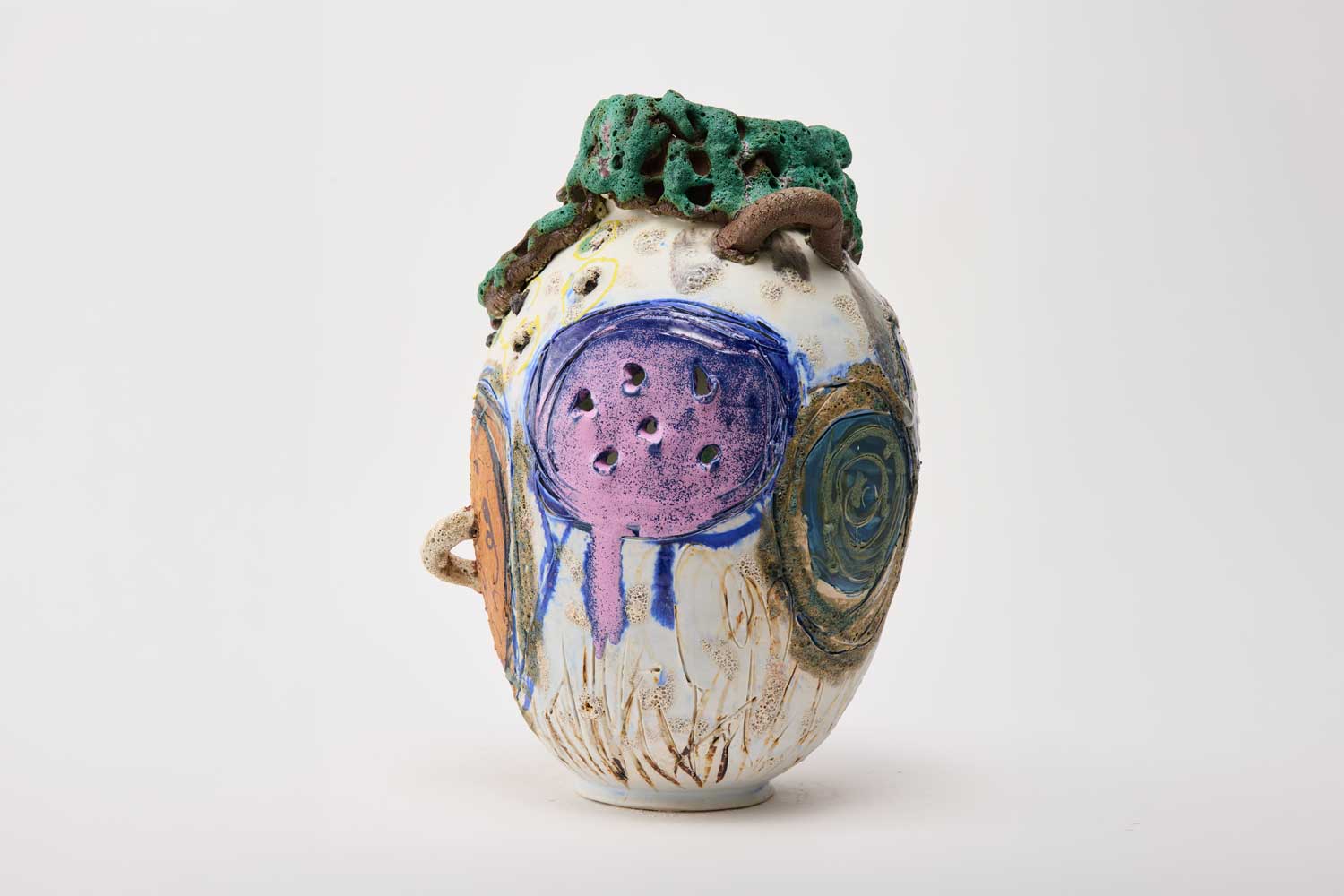
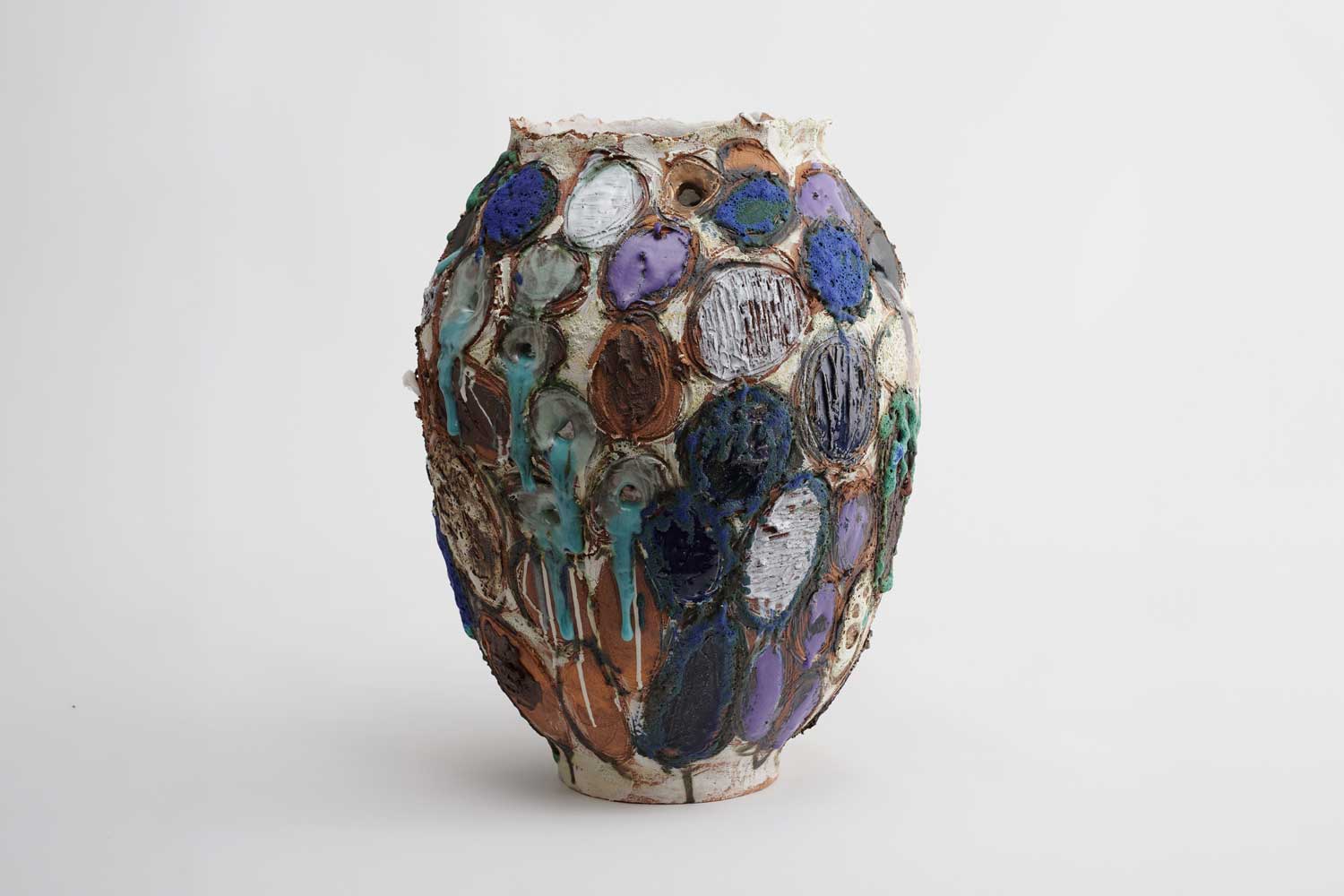
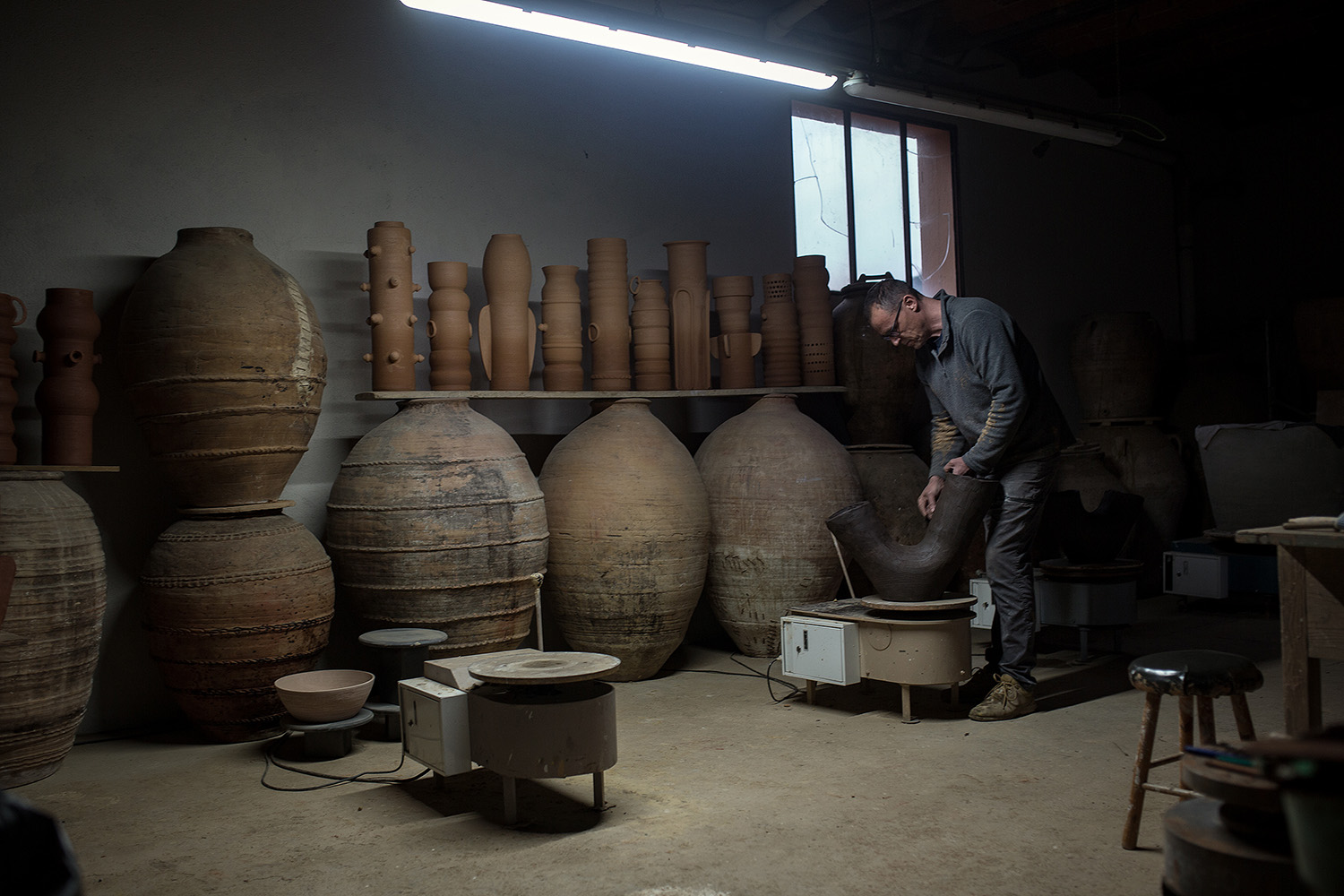
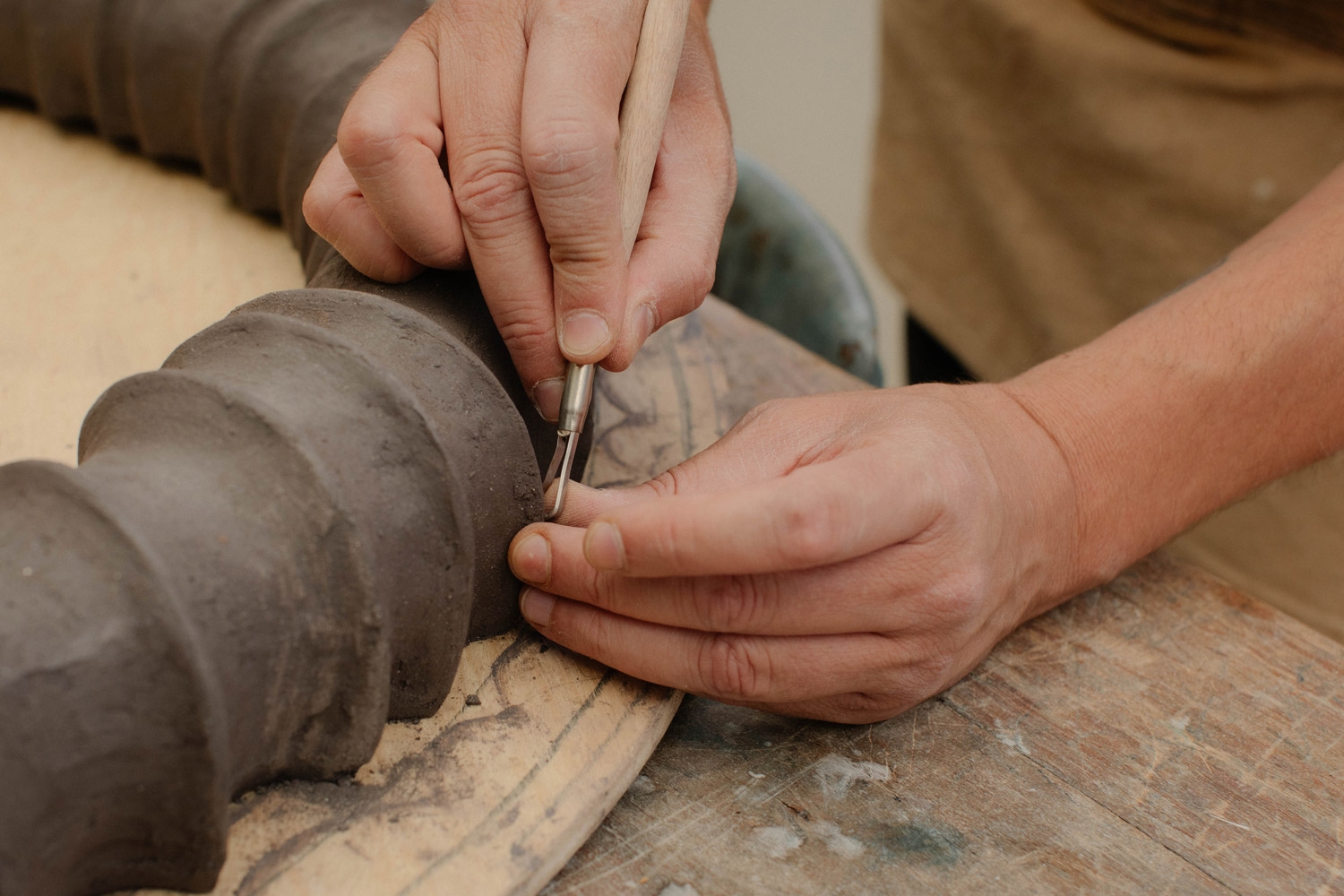
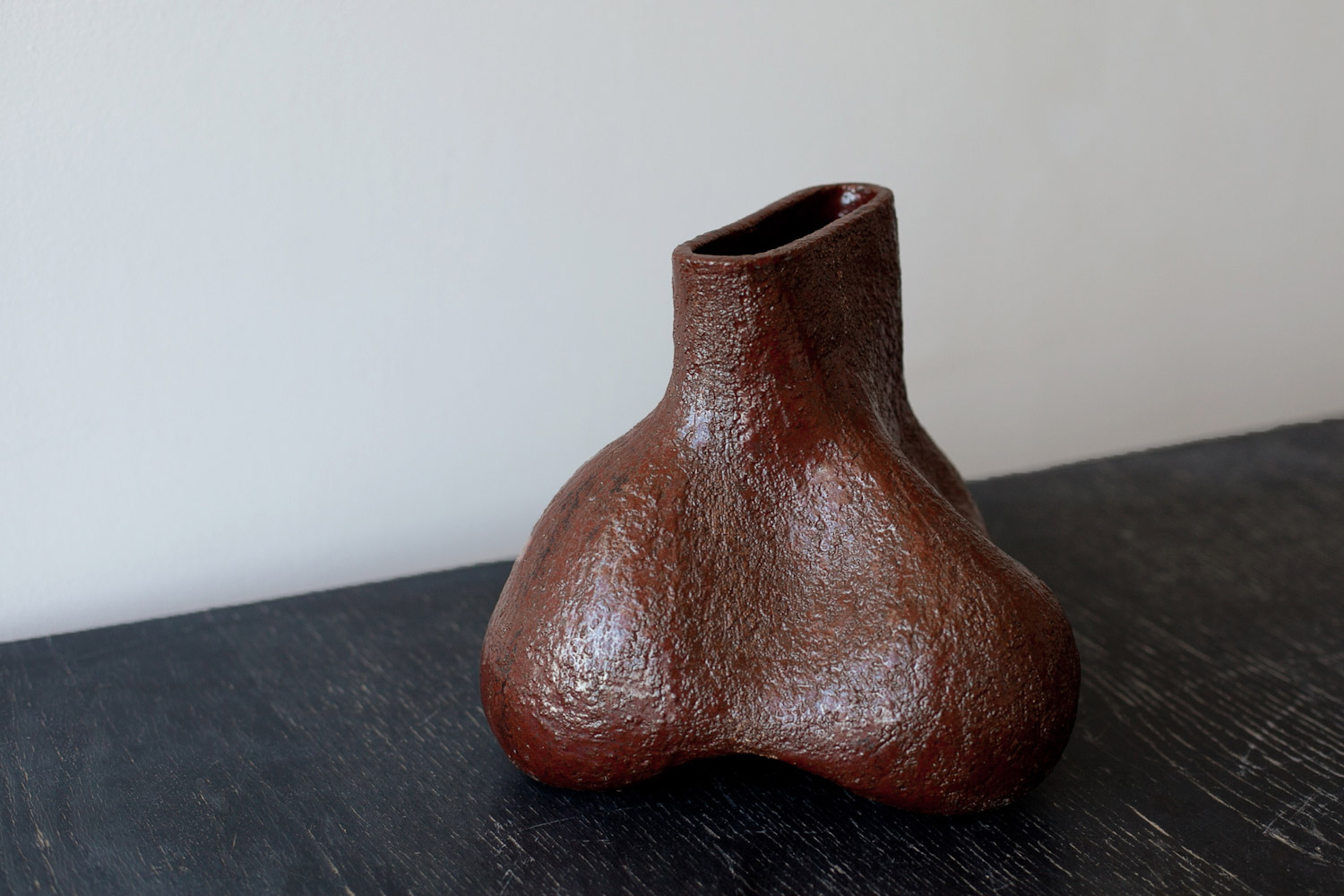
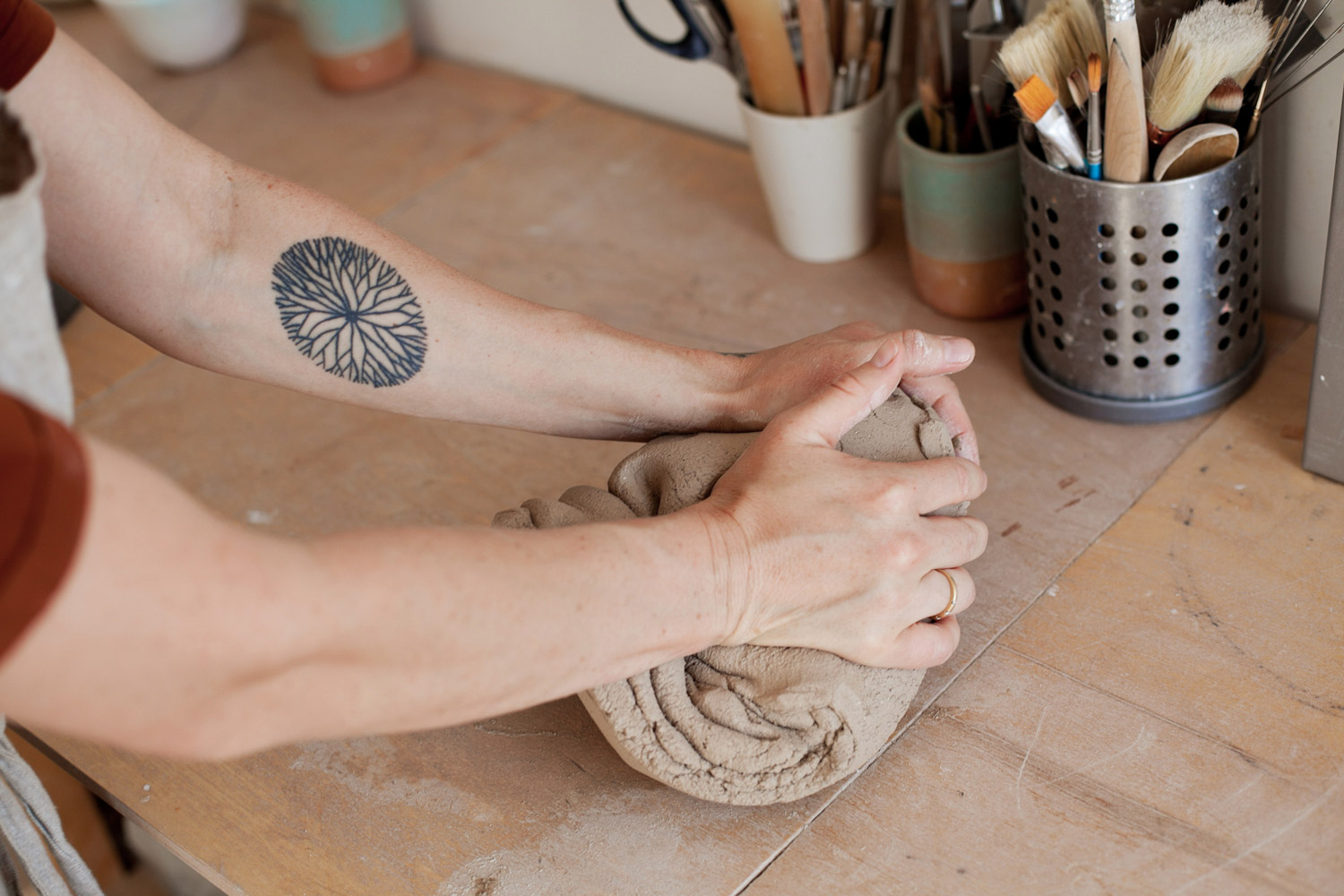
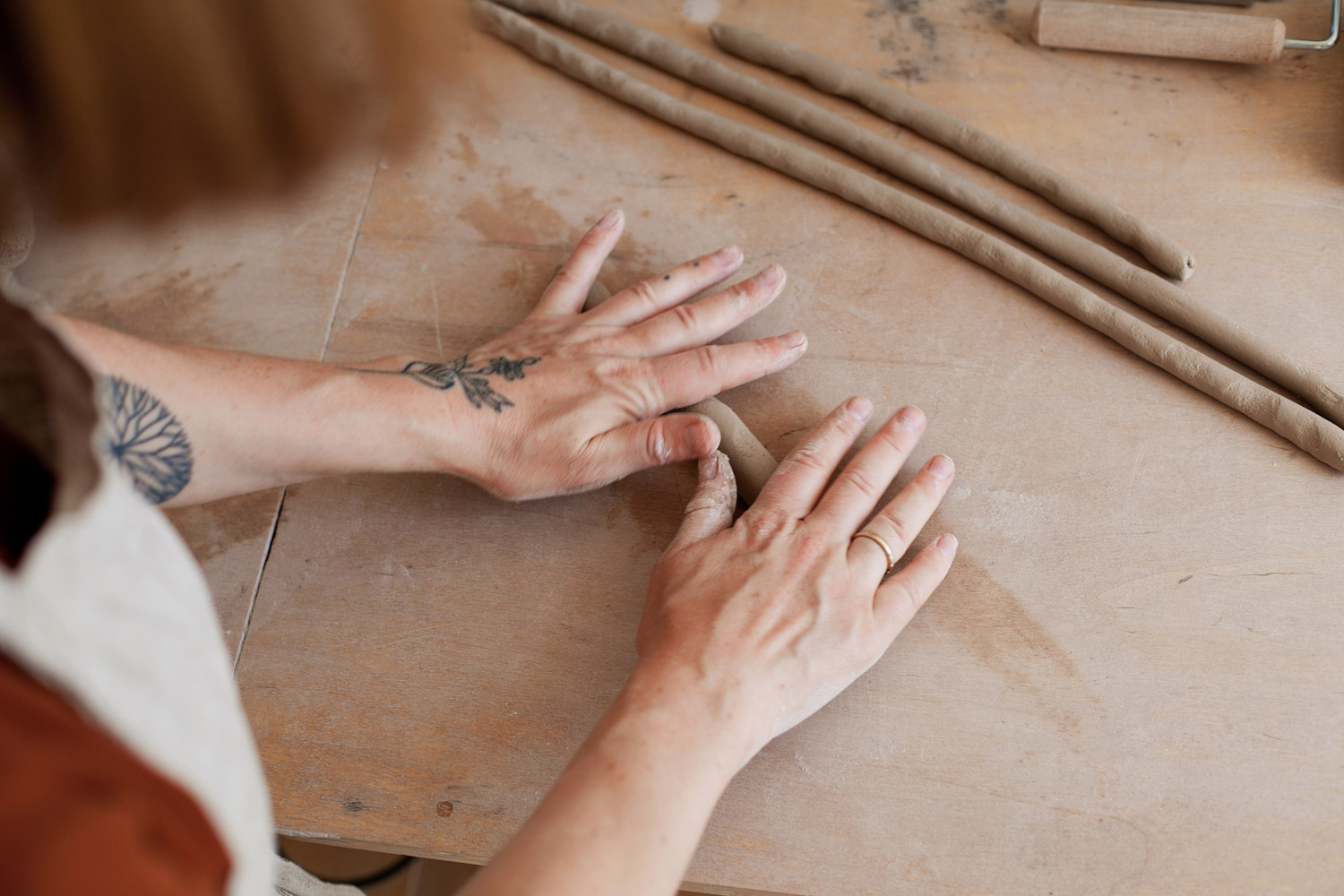
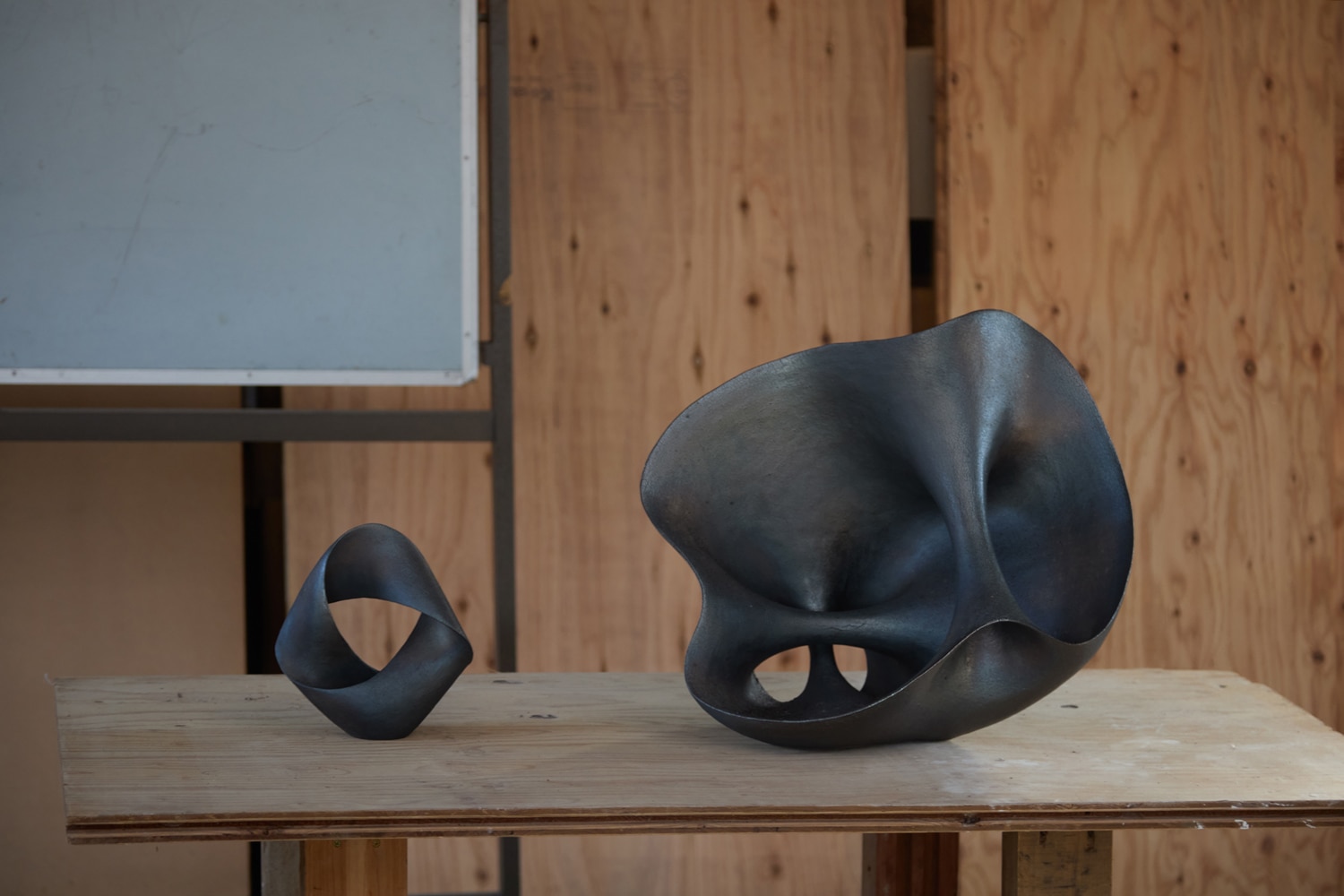
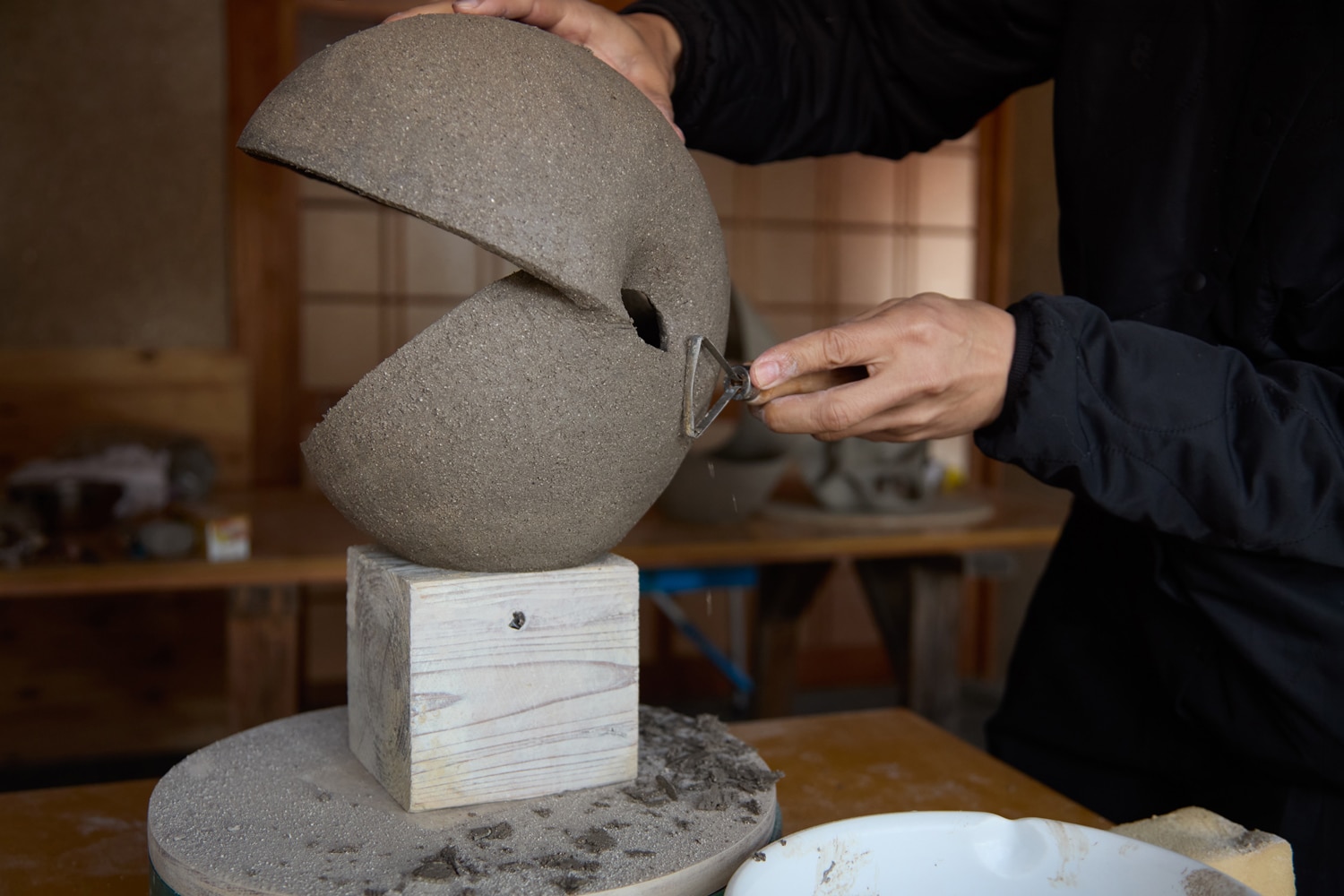
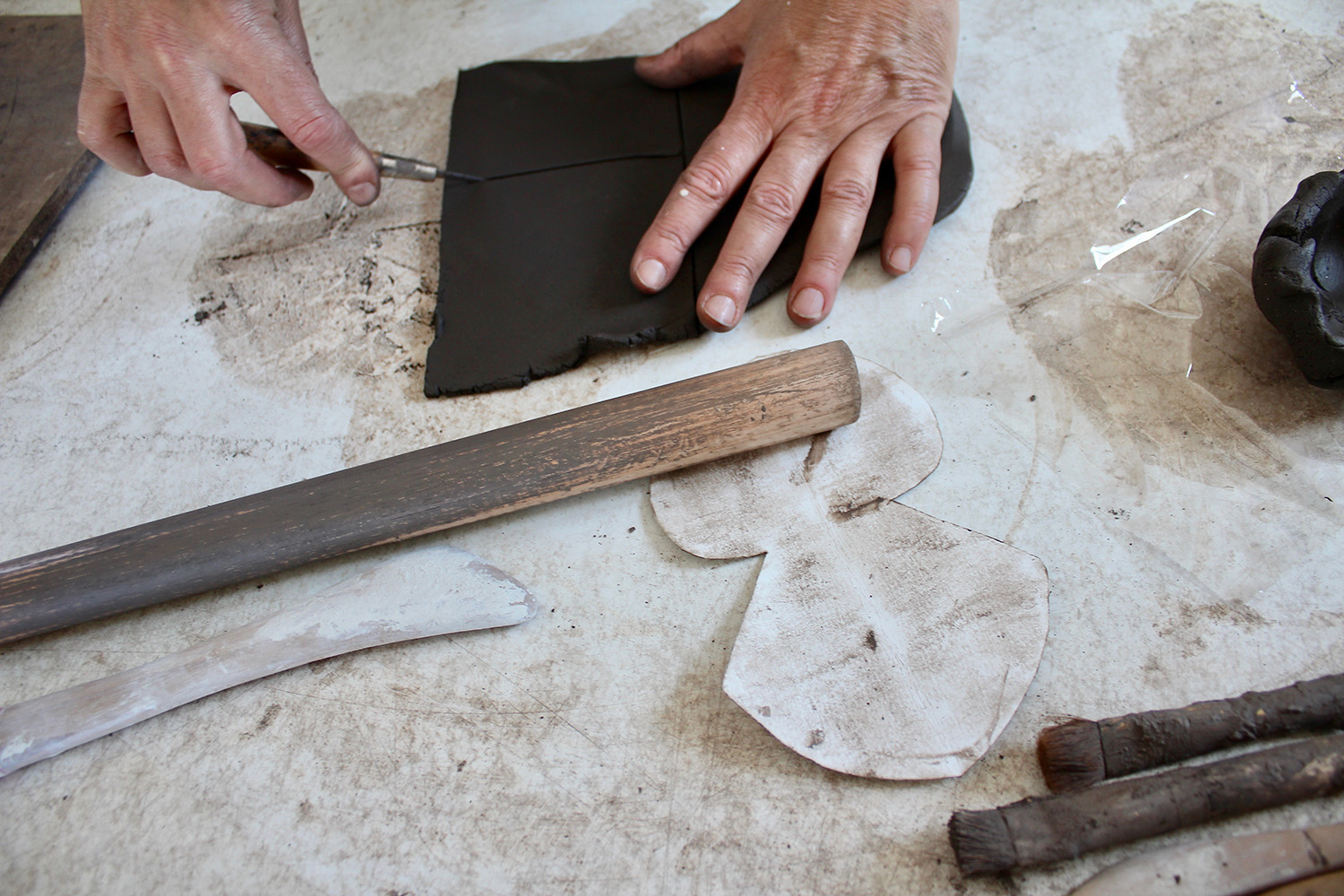
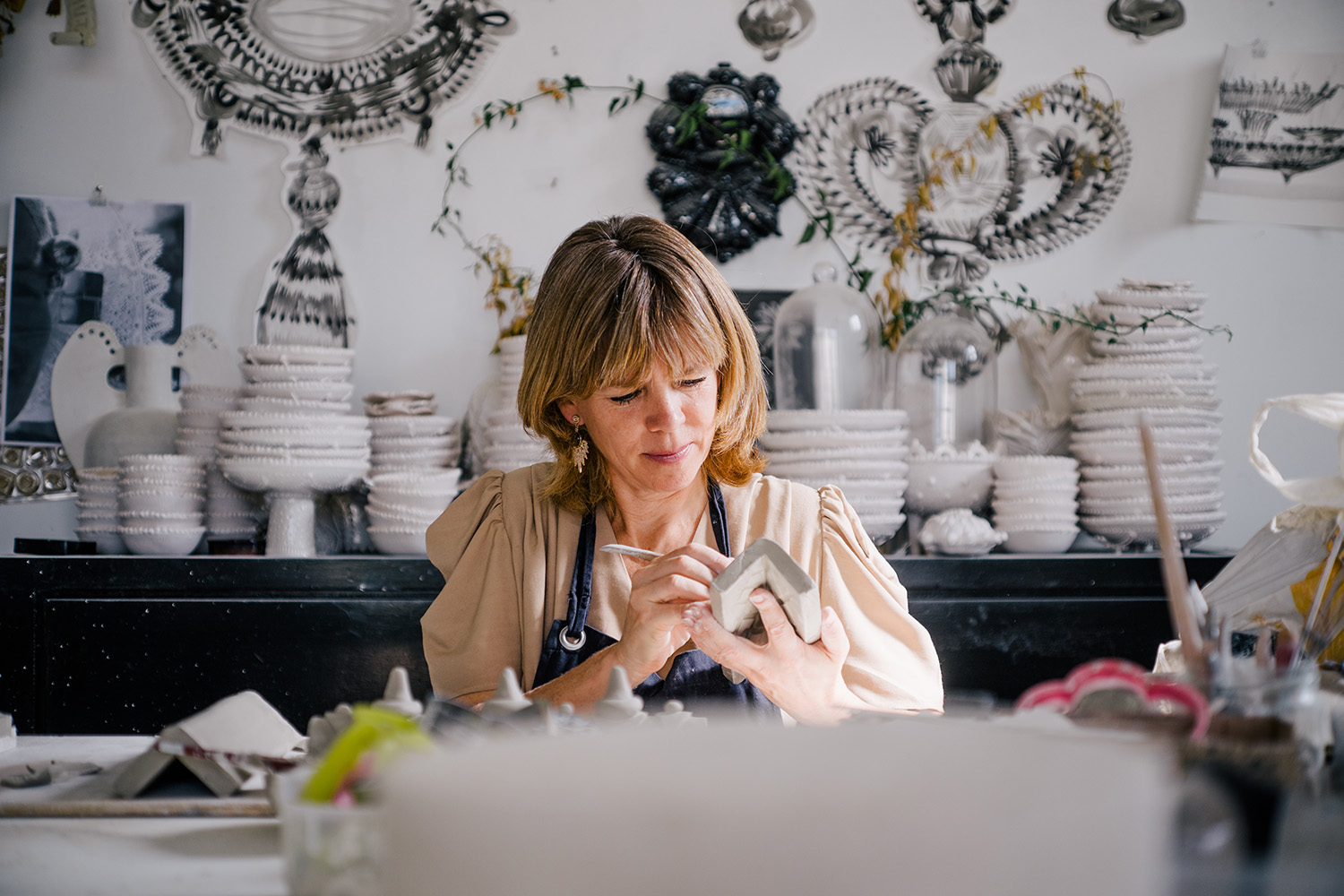
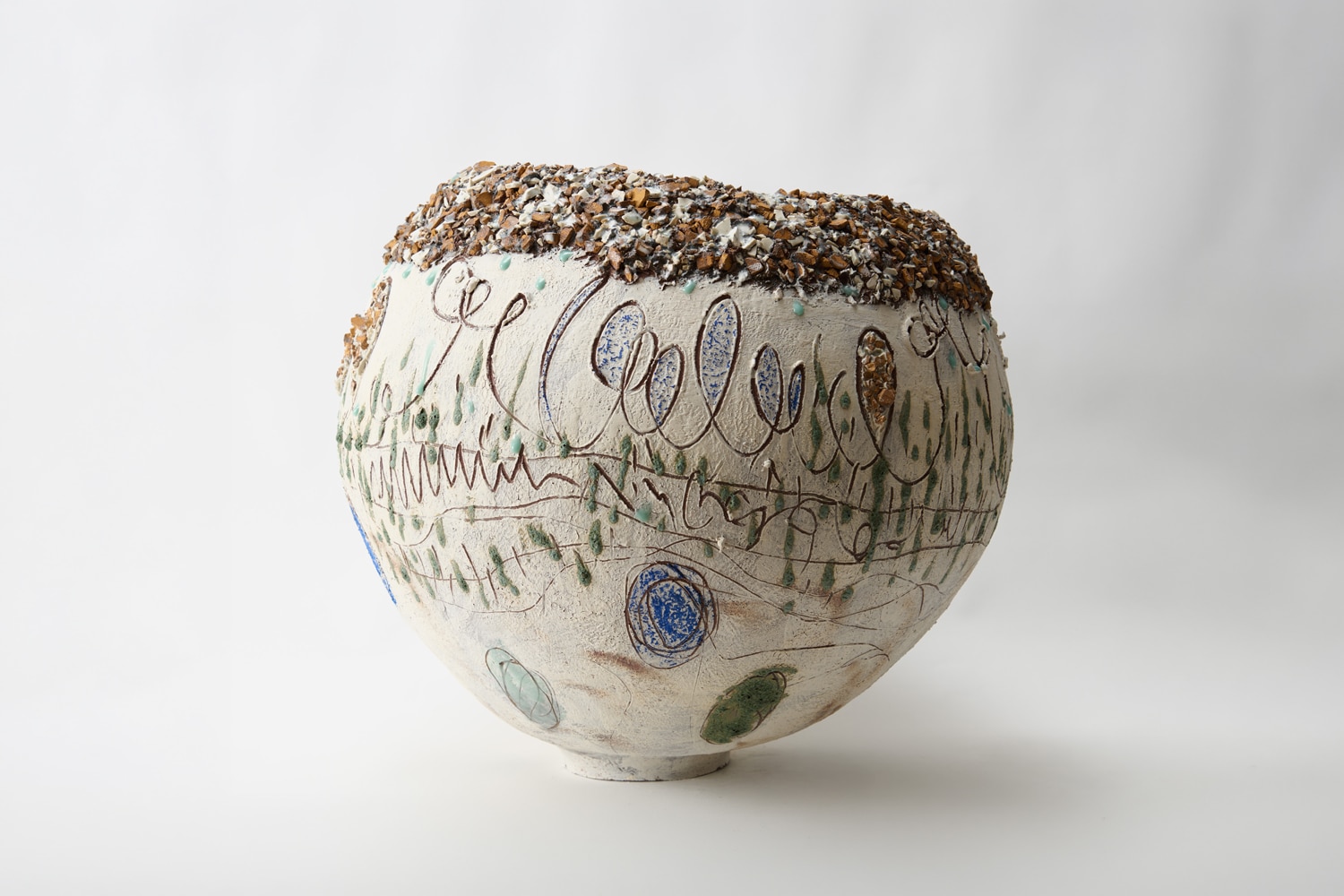
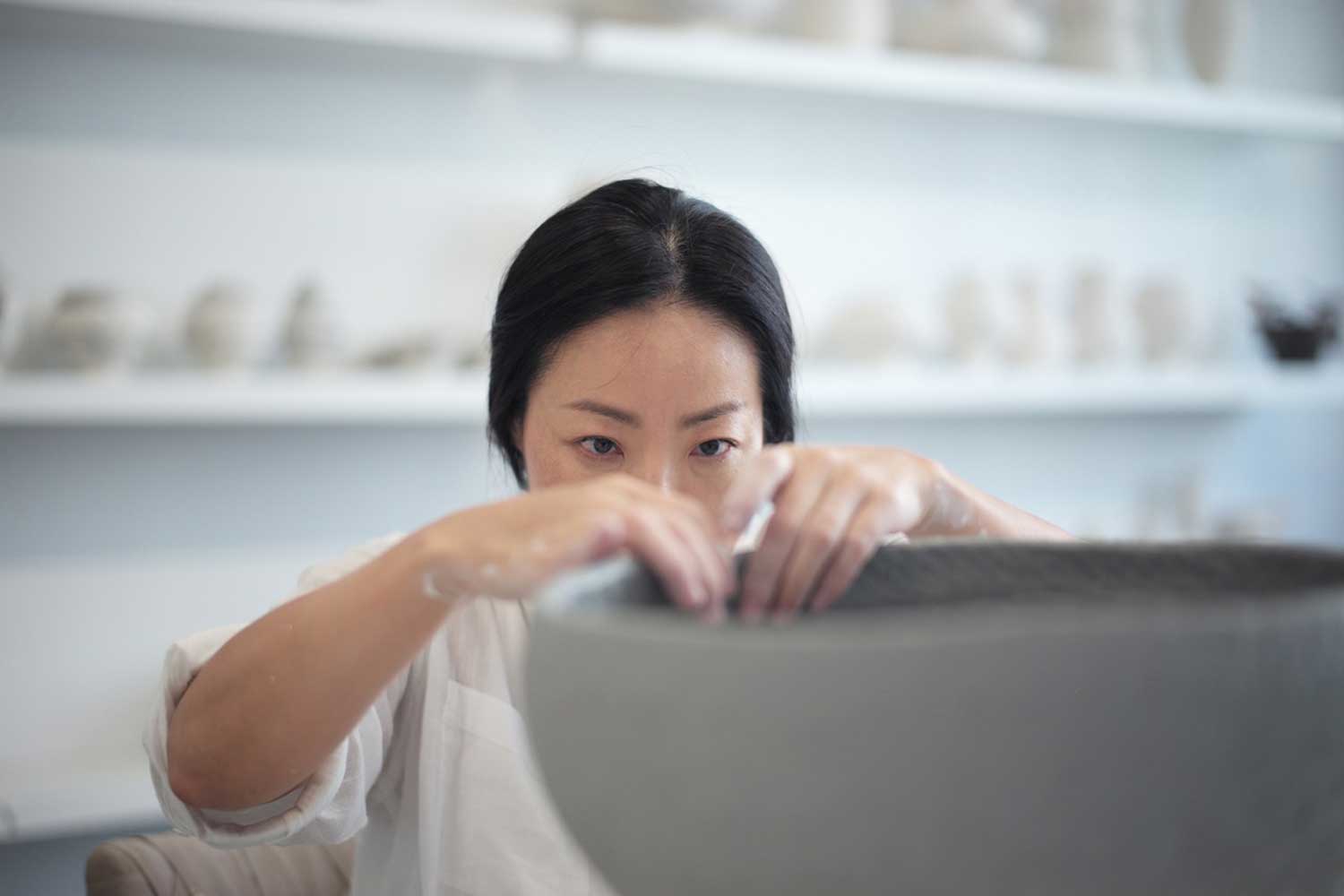
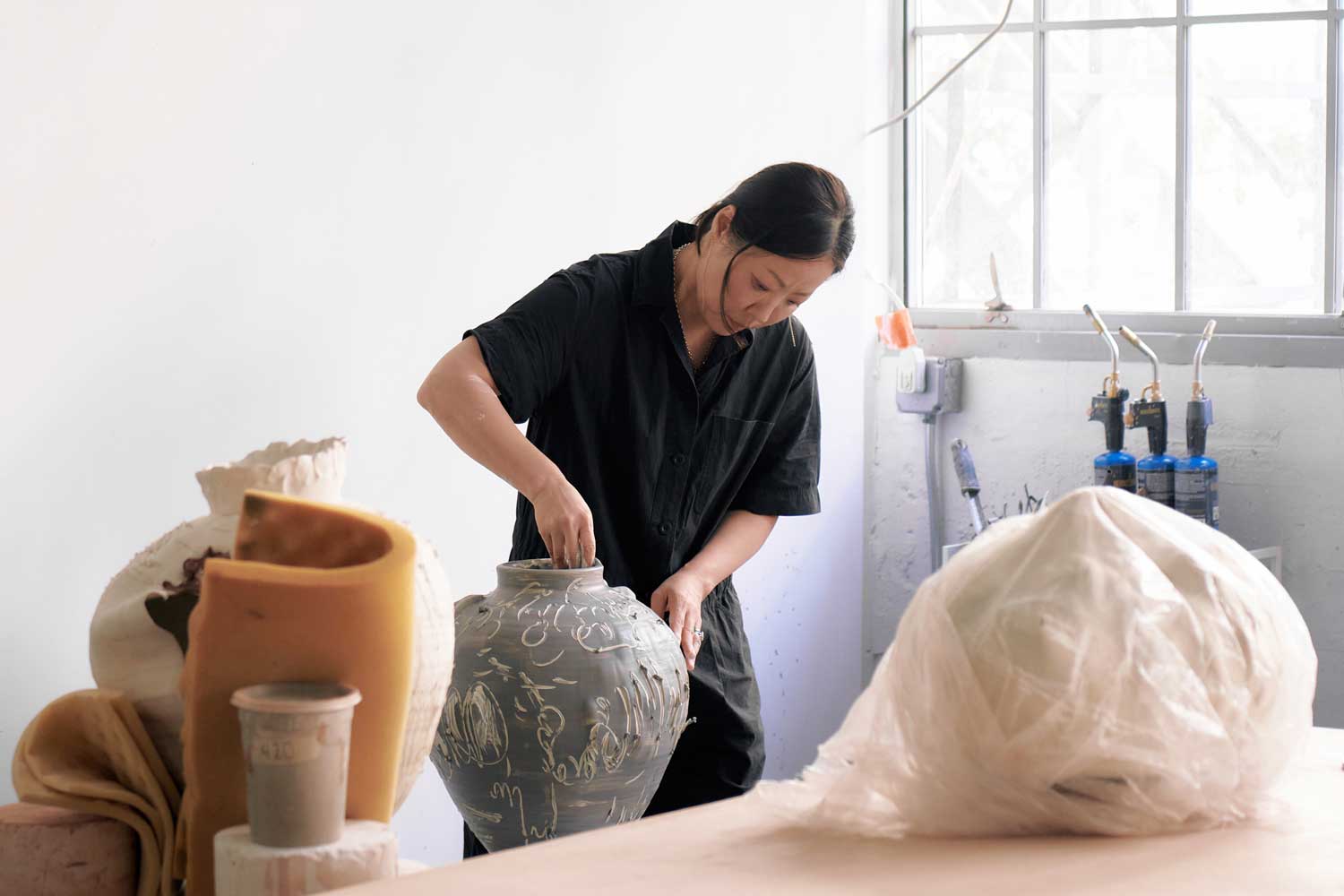
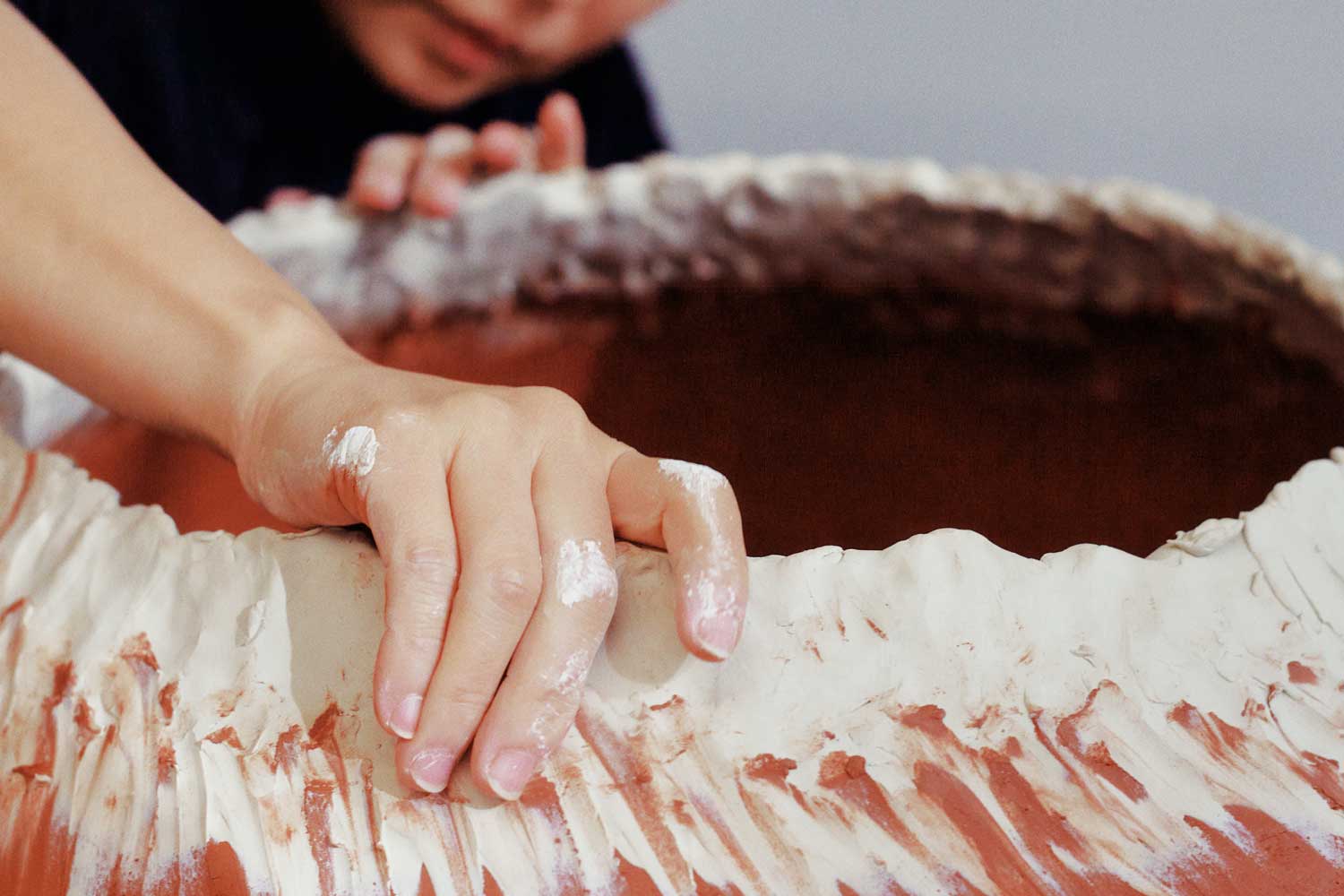
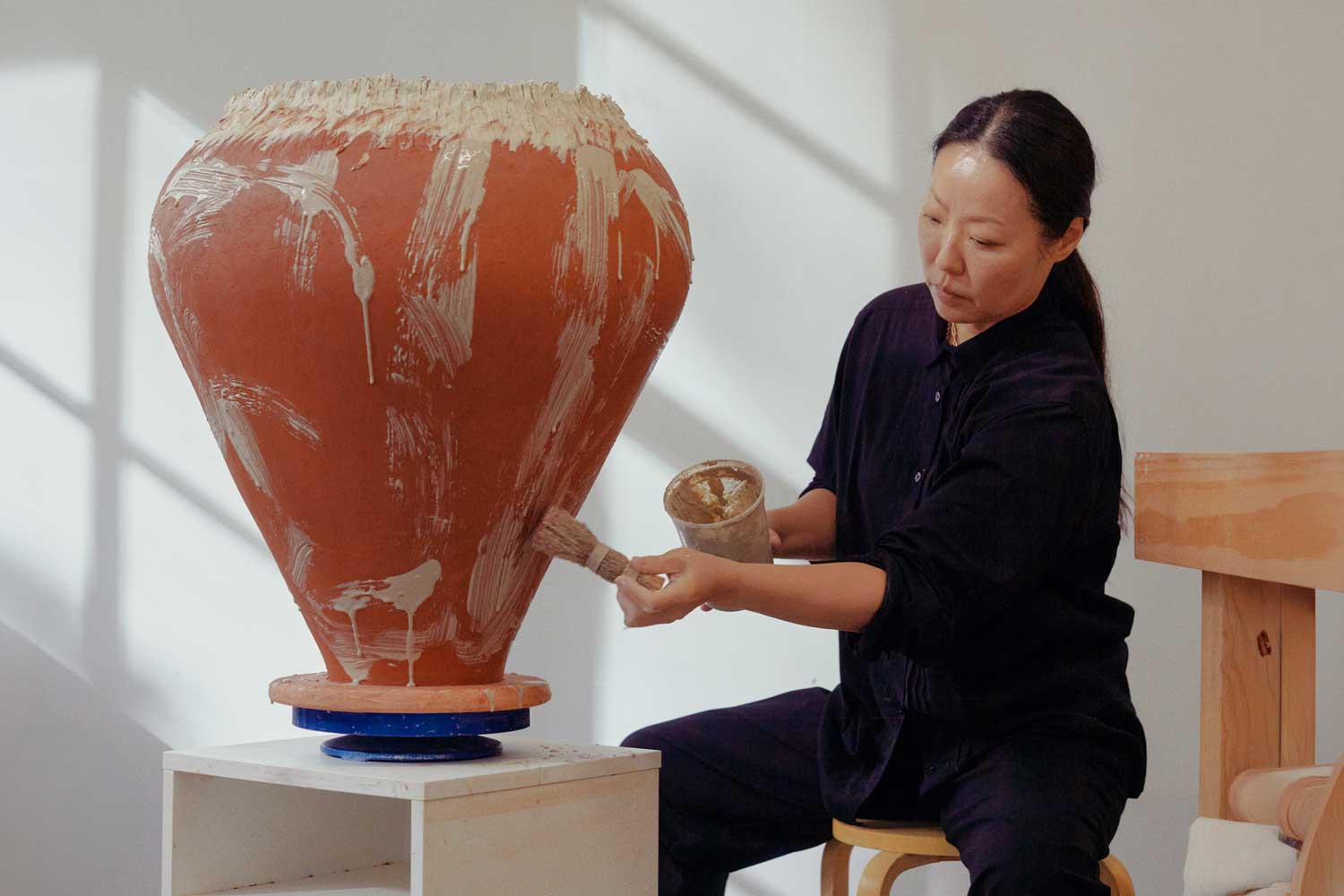
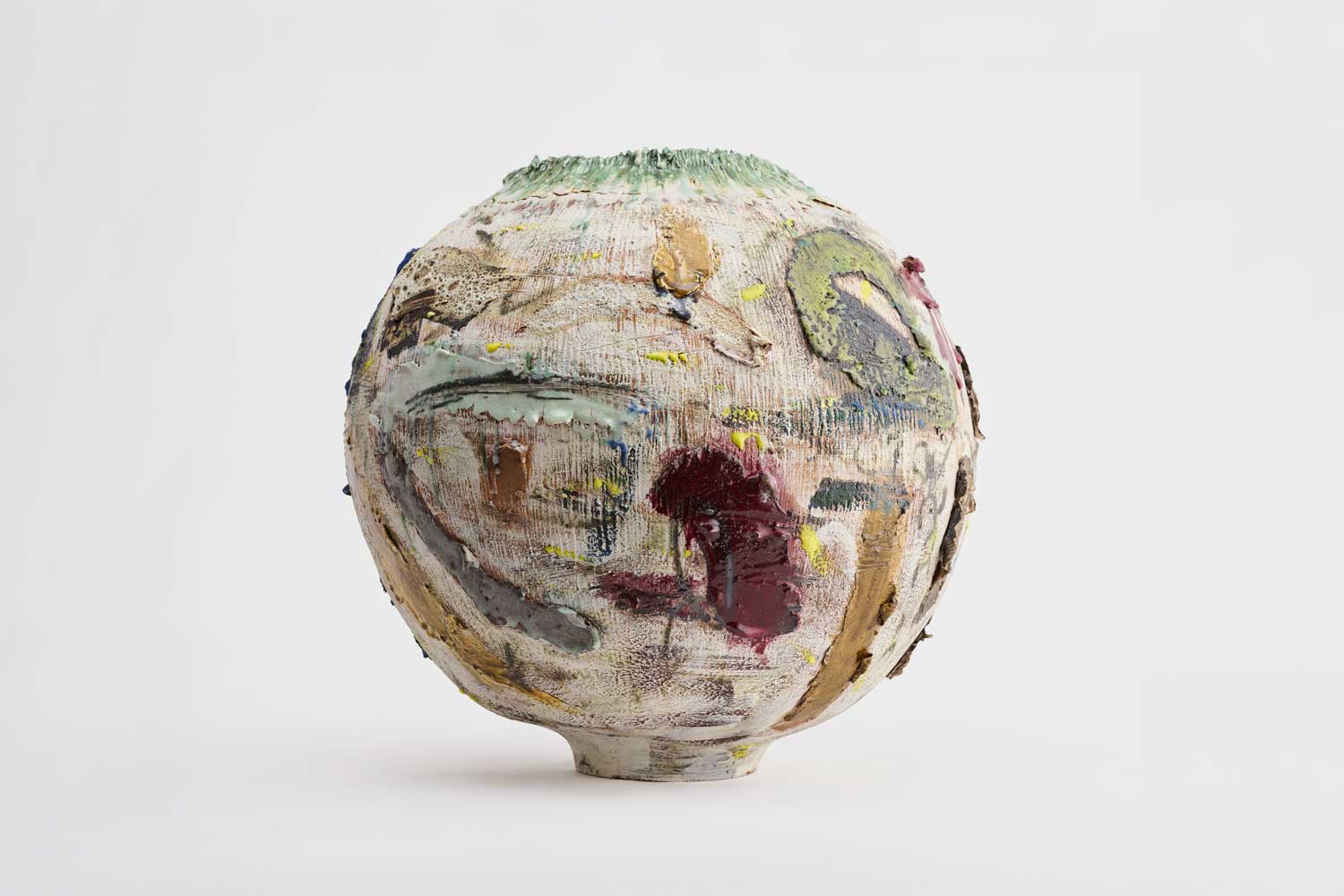
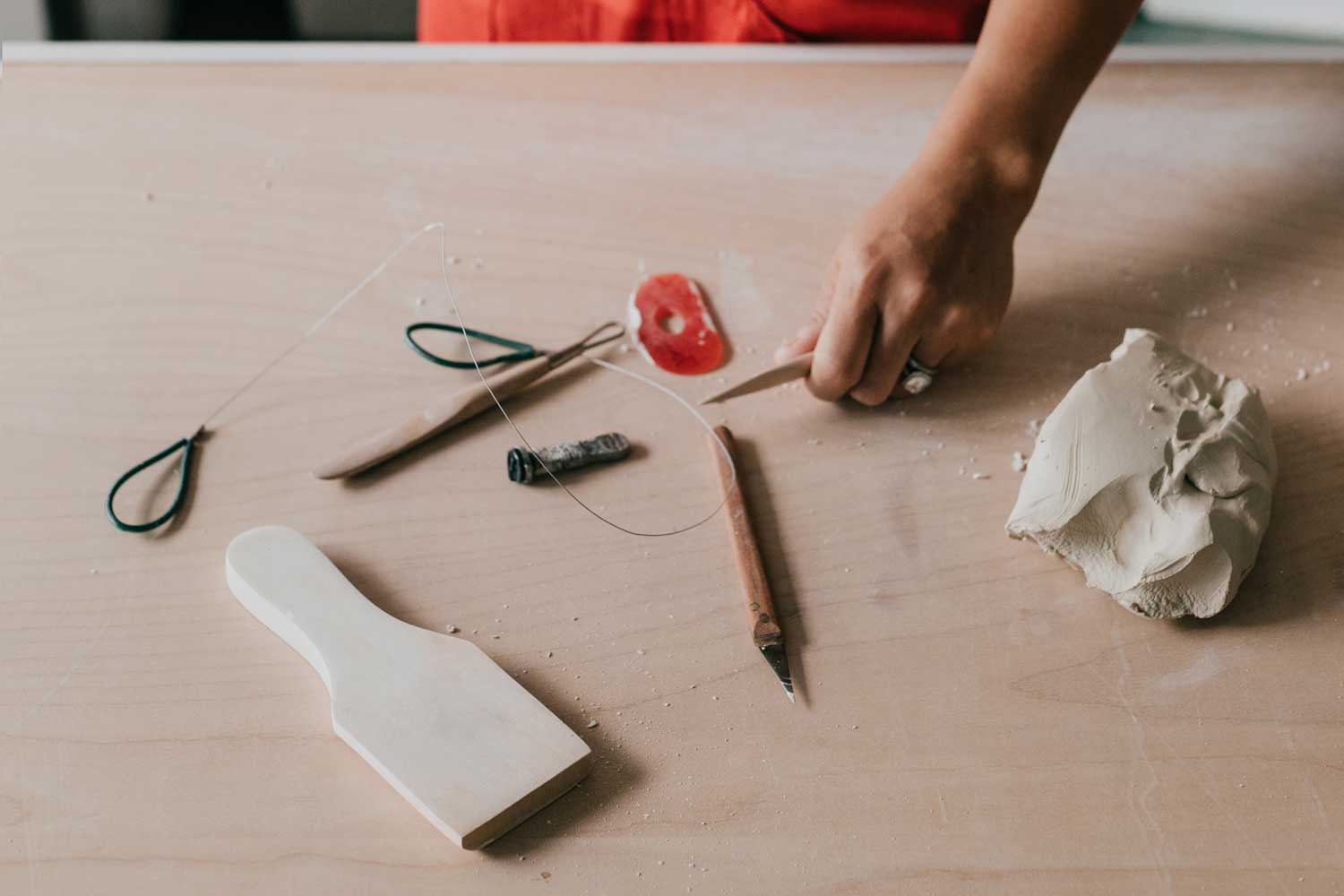
Jane Yang-D'Haene found ceramics after she had studied architecture at university. Following a semester of community studio training, she began hand building vessels and exploring their surfaces in a painterly way, continuing largely in a self-taught manner from then on. Her signature technique is building vessels using the coil method, forming each piece gradually by hand. She approaches the surface like a canvas, applying layered glazes and drawing and carving through multiple firings. Inspired by memory and personal experience, her vessels hold traces of time, loss and resilience. “Making is a quiet, intimate process in which marks and layers on the surface translate emotions and memories into form,” she says. She believes that her work is complete when form, surface and feeling come together with a strong sense of presence.
I studied architecture, where I learned to think about form, structure and space. When I discovered clay, it offered a more intimate and physical way to explore those ideas. The vessel became a natural form that could hold both presence and emotion. Clay became my language.
My studio is based in New York, where many cultures come together. As an immigrant who moved to the USA at 16, I hold multiple identities at once. I merge the tradition of the Korean vessel with a painterly and glazing approach. My vessels reflect dialogue between cultures and histories.
I draw from the tradition of the Korean Moon Jar and the long history of vessels as carriers of memory and emotion. At the same time, I treat the surface like a canvas, using mark-making, carving and layered glazes to create a contemporary language.
In 2023, I faced a serious personal challenge and went straight to the studio for solace. I felt an urgent need to make pieces that reflected my emotions at that moment. The experience deeply changed the direction of my work.
Ceramicist
New York, NY, USA
Recommended by Jean Blanchaert & Irina Focsaneanu Eschenazi
Address upon request, New York, NY, USA
By appointment only
+1 6462625423
English, Korean
Homo Faber Finds is a new service aiming to inspire admirers of craft to connect and collaborate with exceptional artisans.
We invite you to submit an enquiry here.