©All rights reserved
©All rights reserved
©All rights reserved
©All rights reserved
©All rights reserved
©All rights reserved
Francesca DiMattio
Mixed media sculptor
New York, NY, USA
©All rights reserved
©All rights reserved
©All rights reserved
©All rights reserved
©All rights reserved
©All rights reserved
©All rights reserved
©All rights reserved
©All rights reserved
©All rights reserved
©All rights reserved
©All rights reserved
The art of domestic rebellion
- Francesca subverts decorative traditions, giving household items new meaning
- Her practice experiments with the interplay between meaning and function
- She merges visual references from different eras and cultures in her sculptures
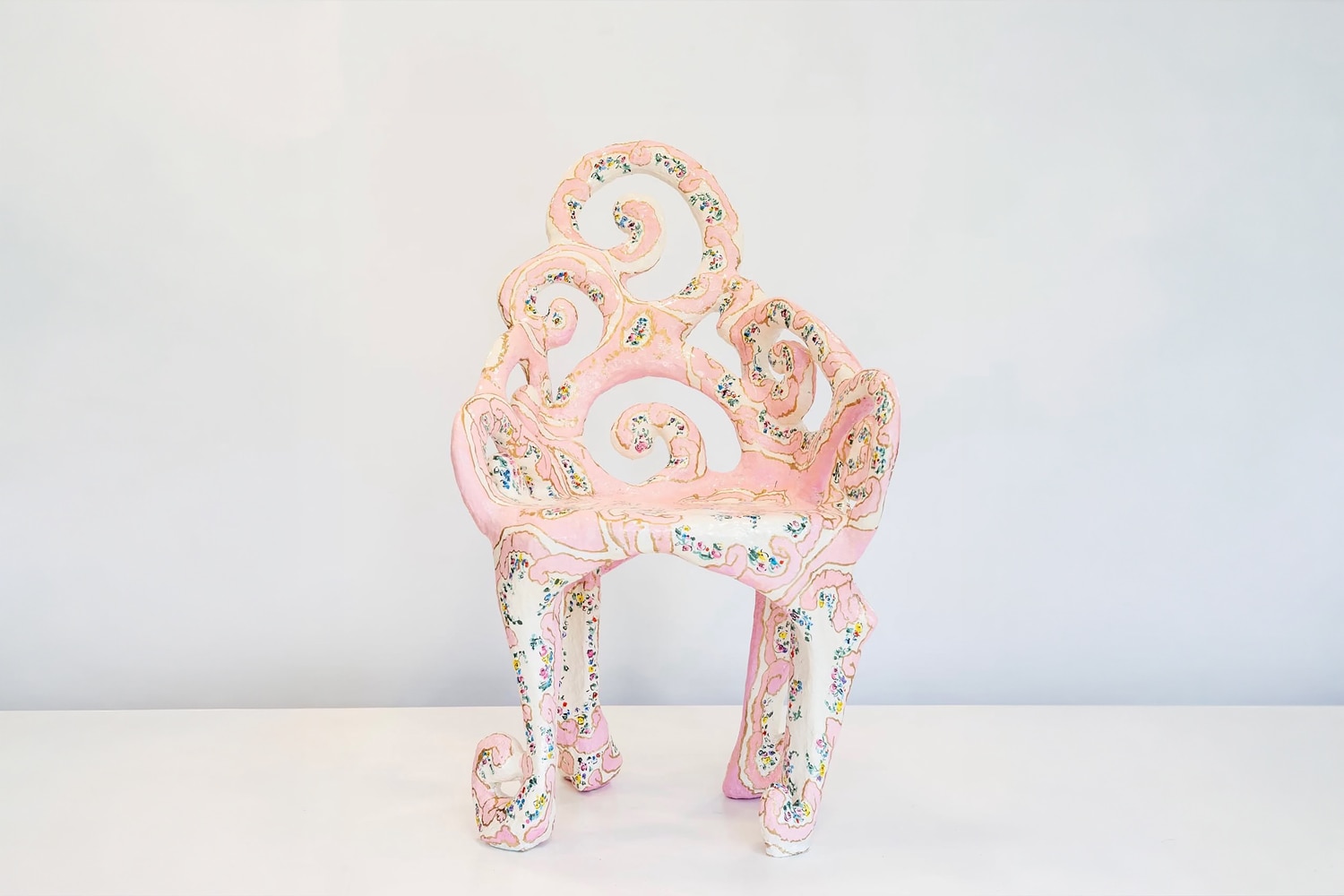
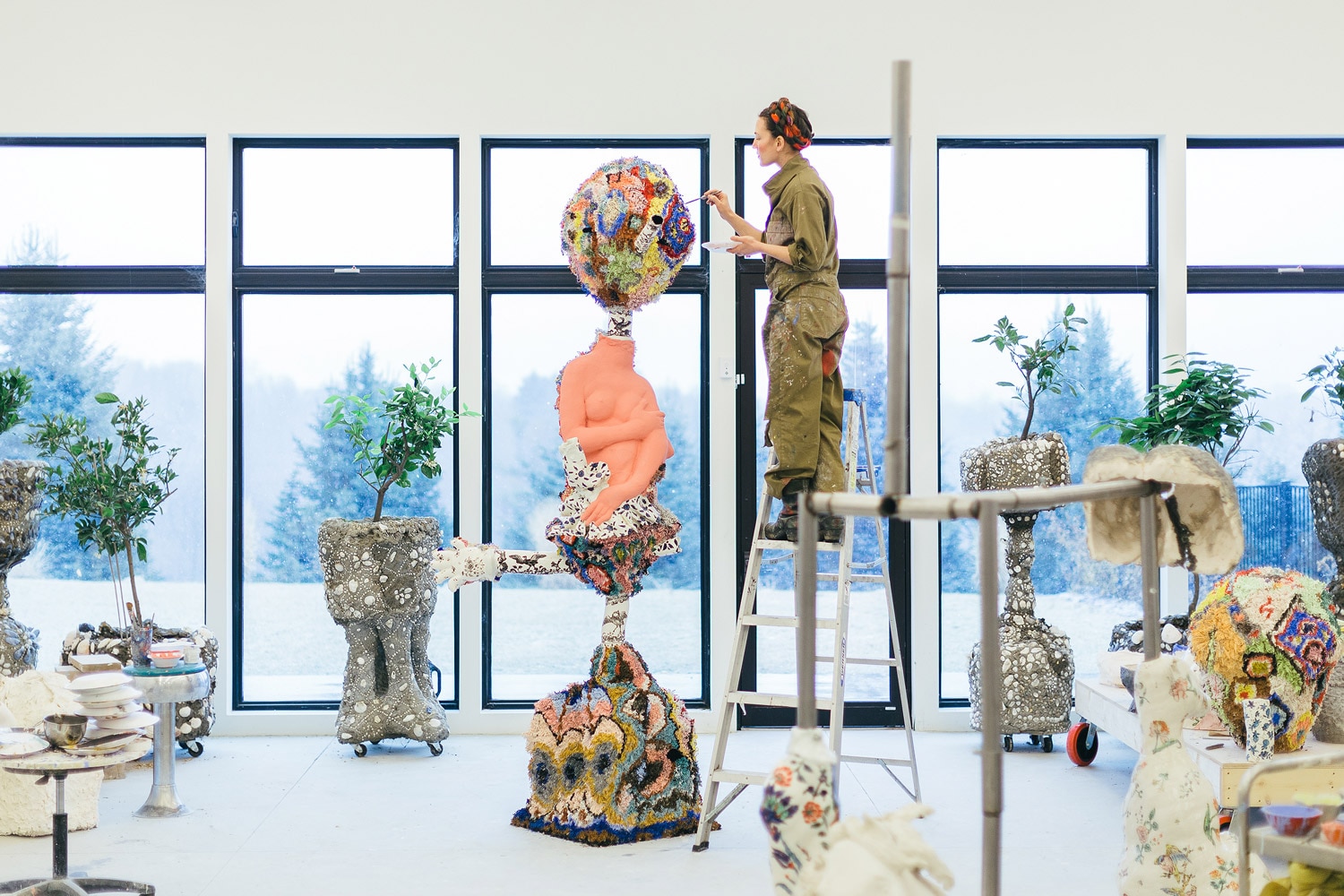
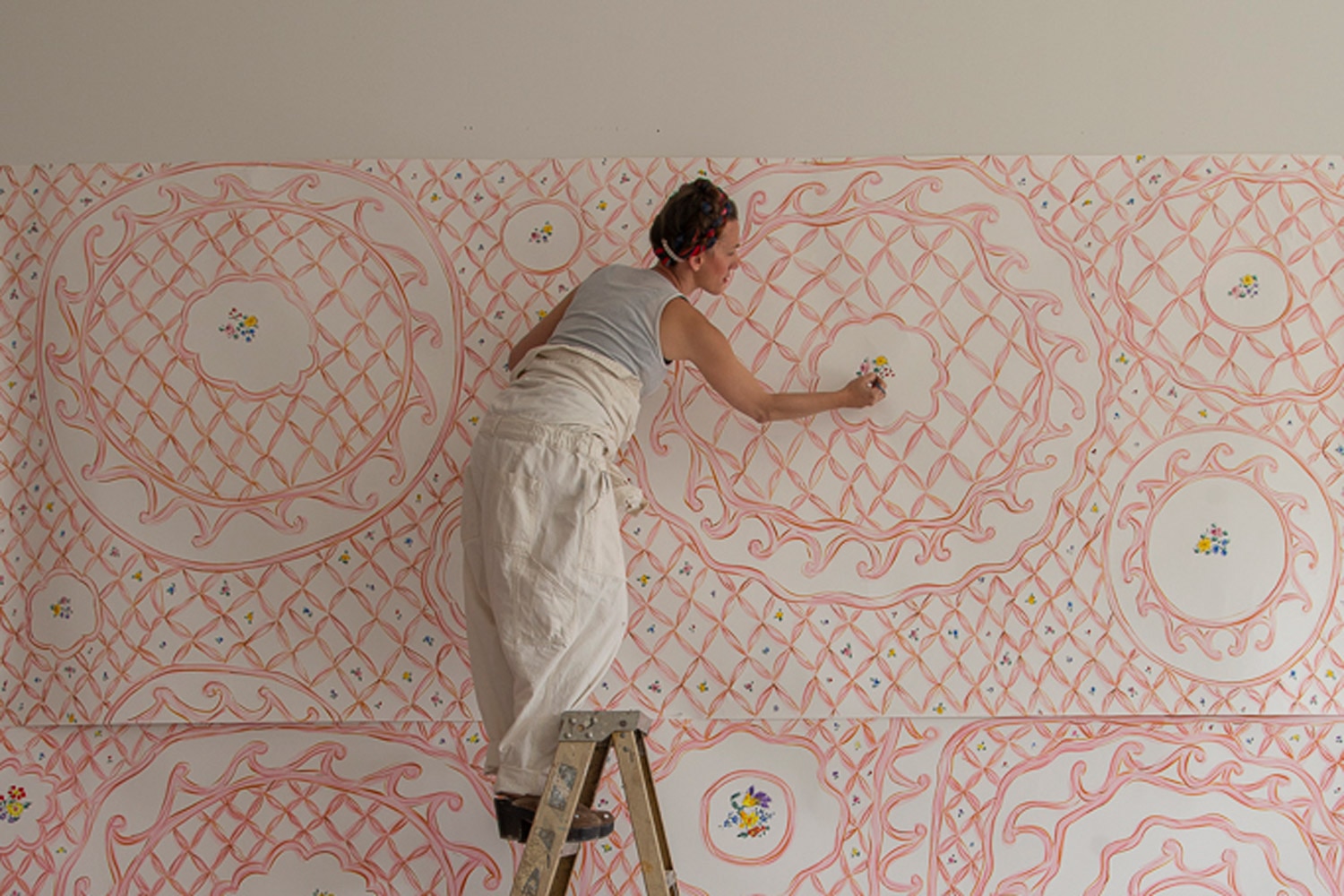
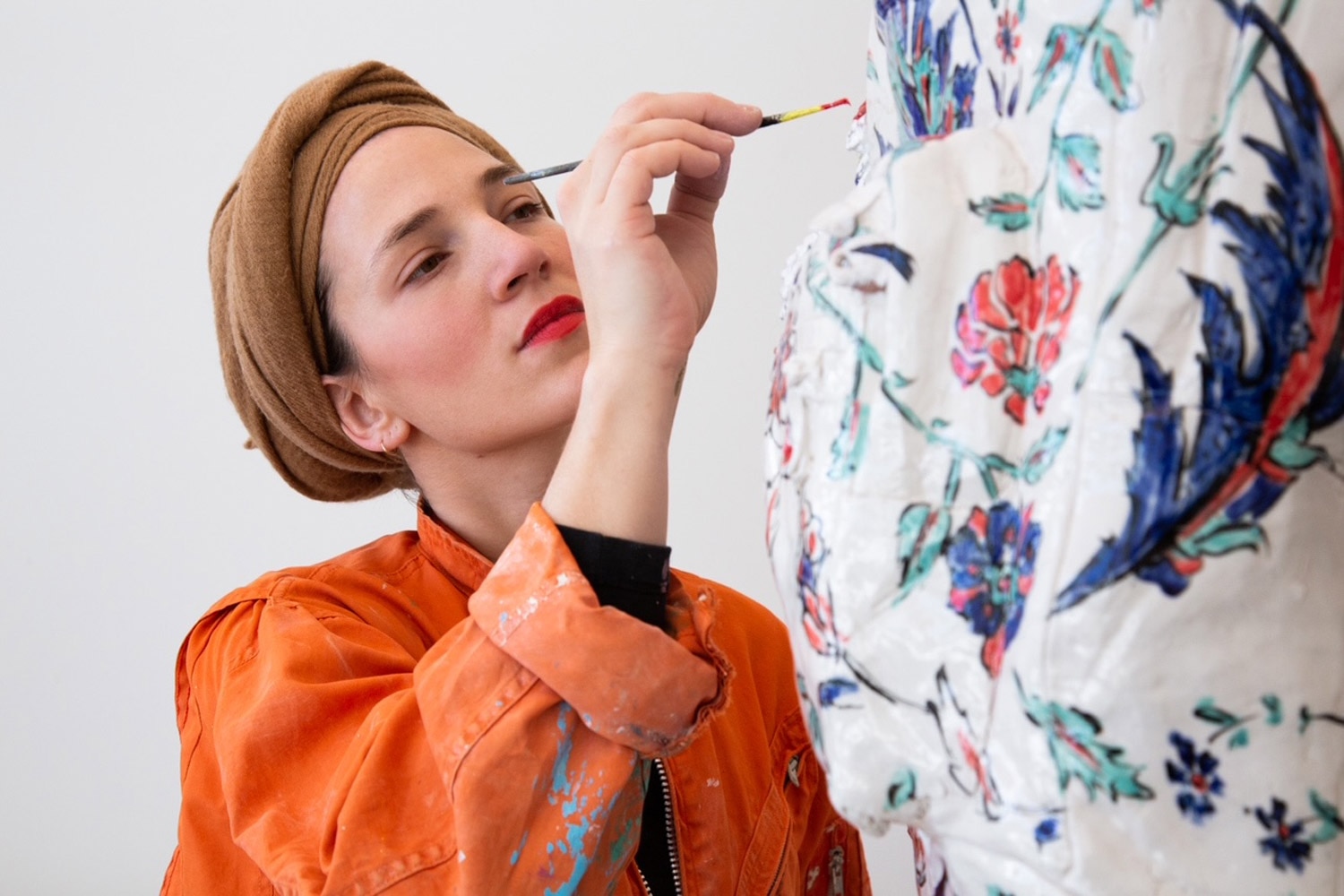
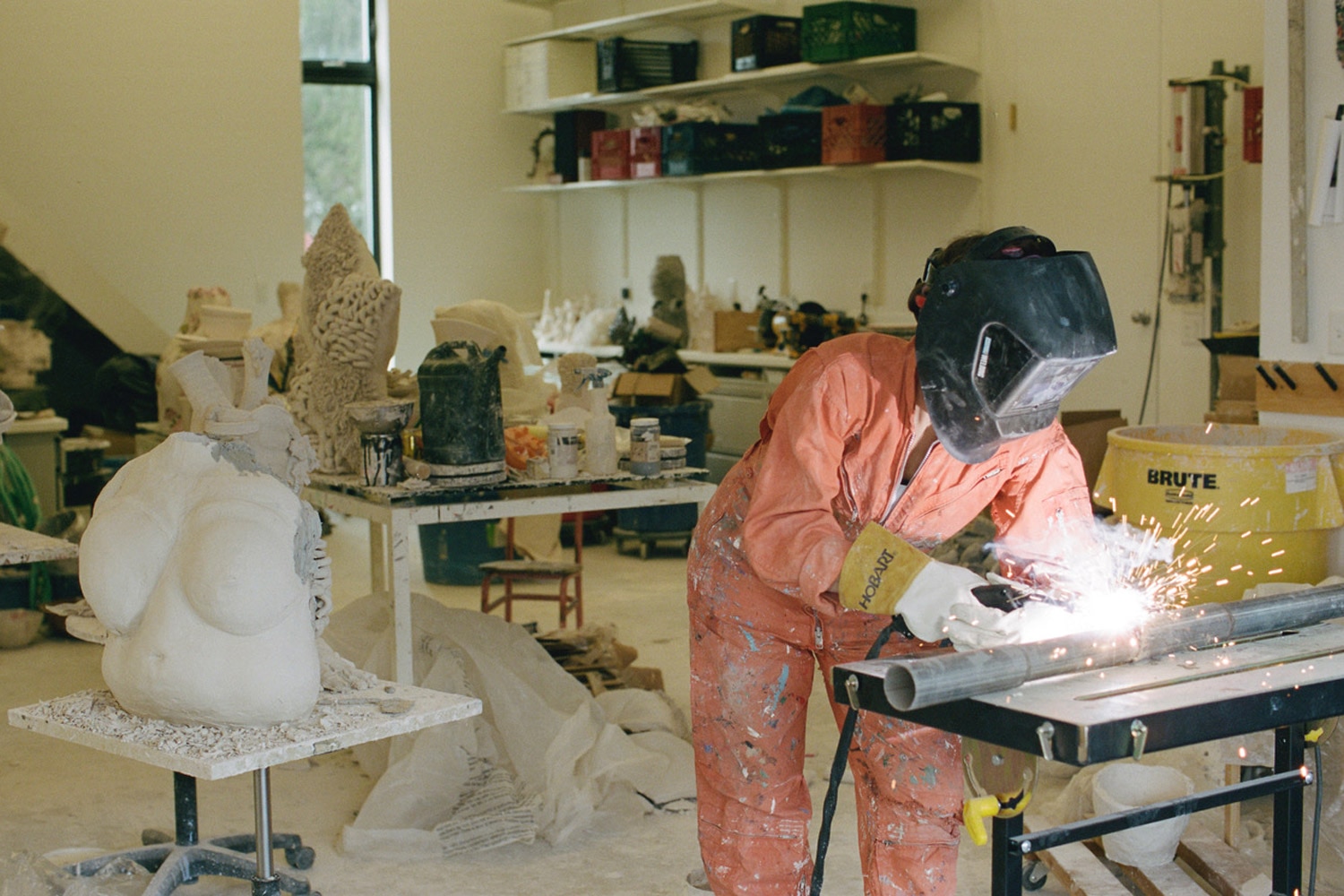
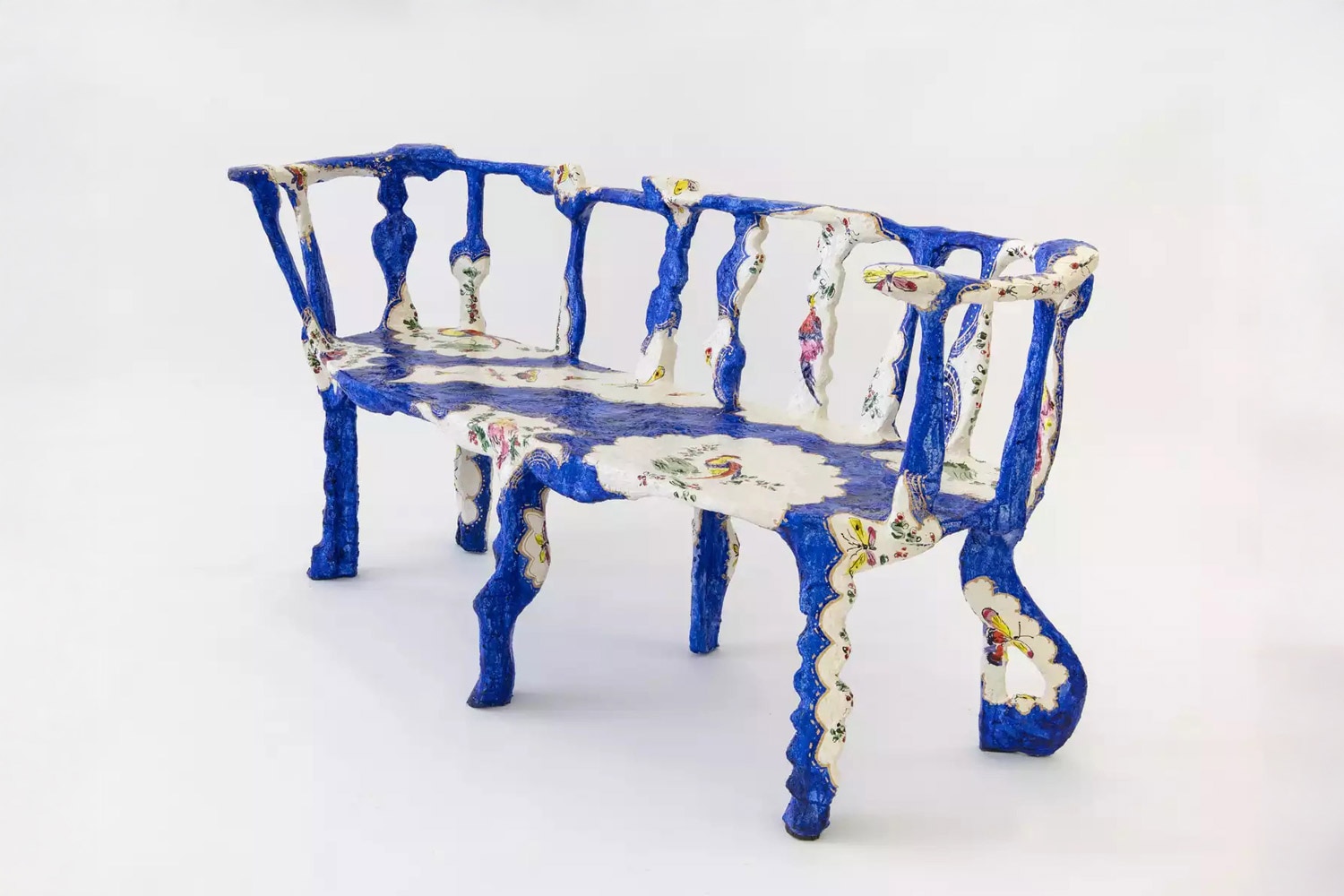
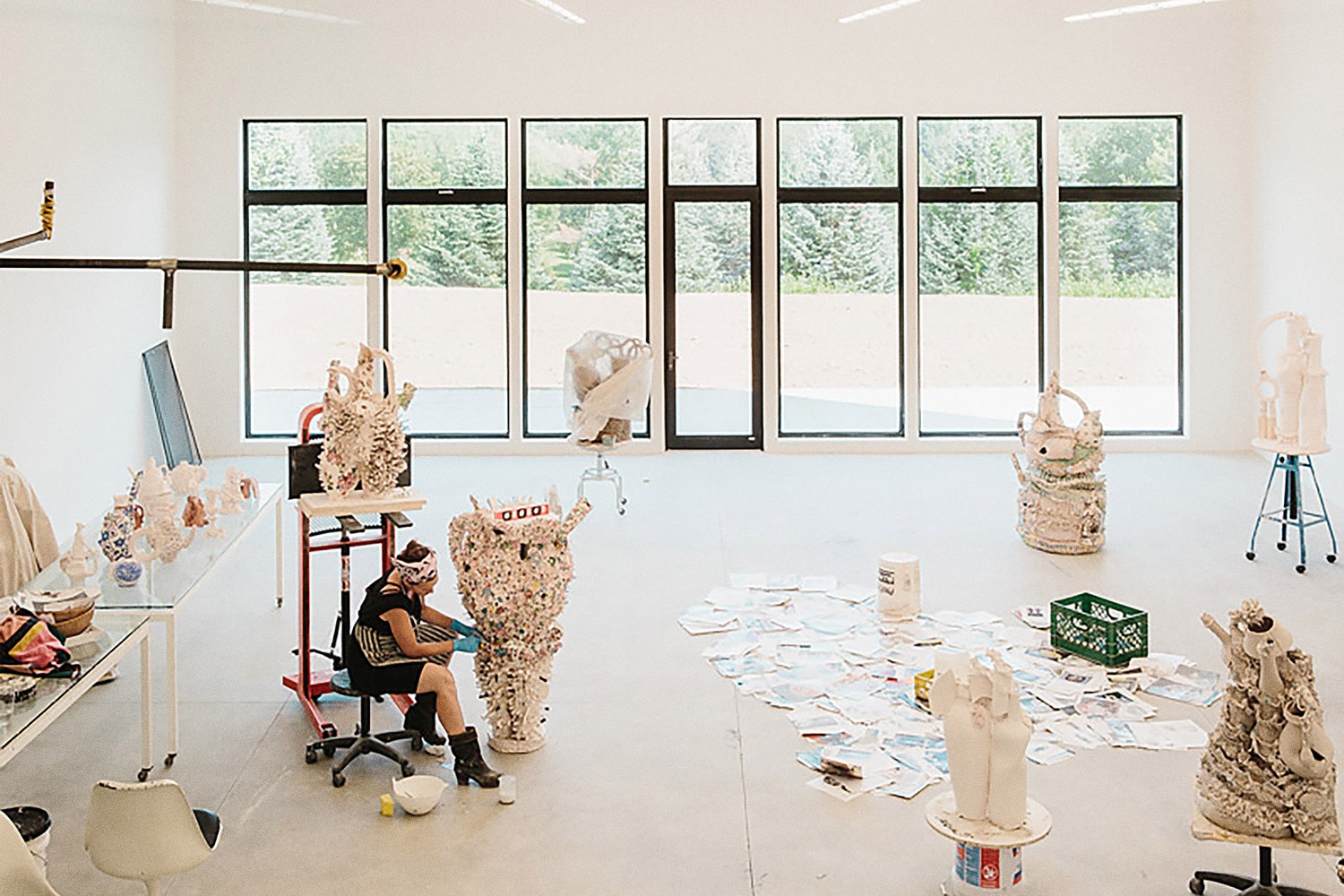
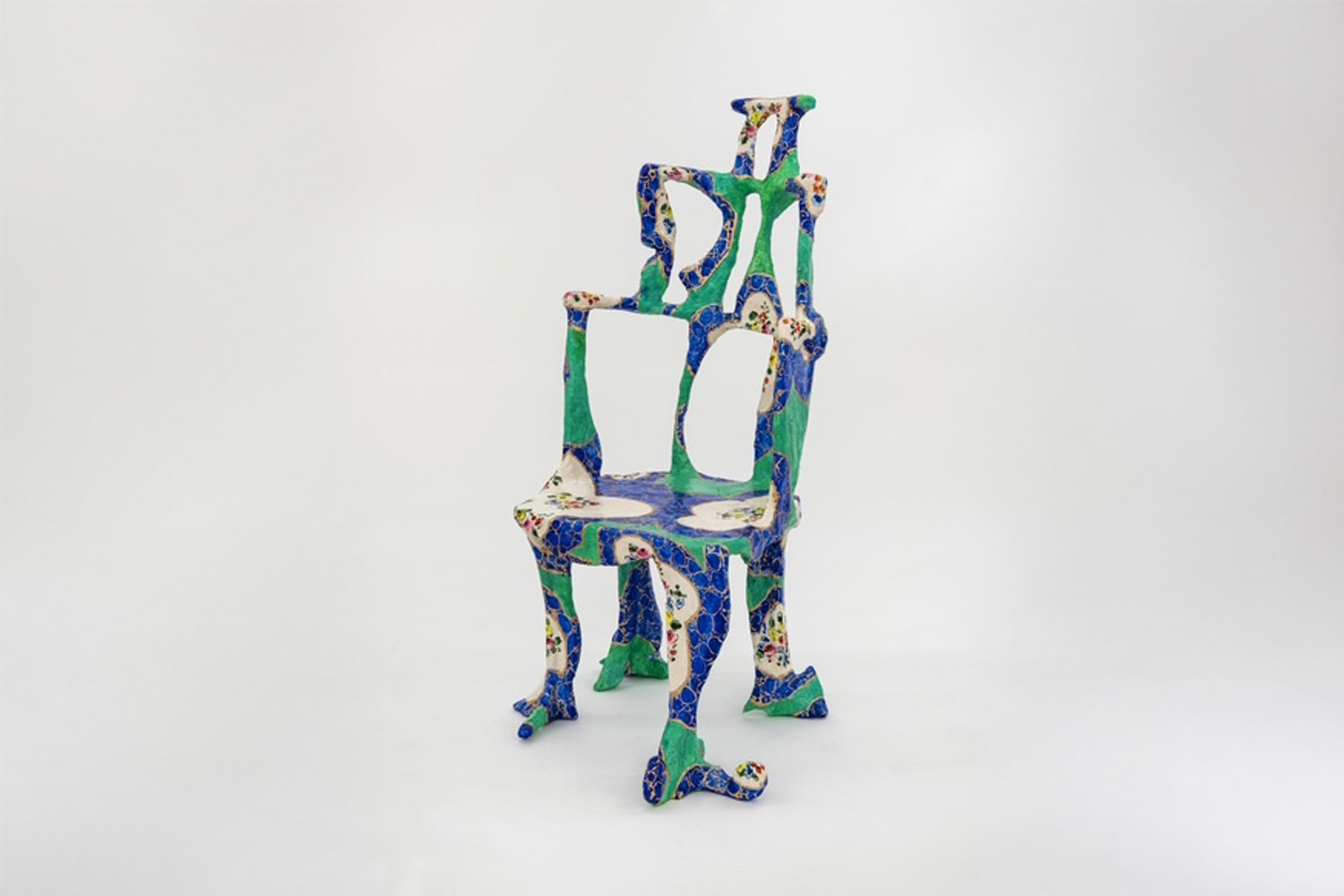
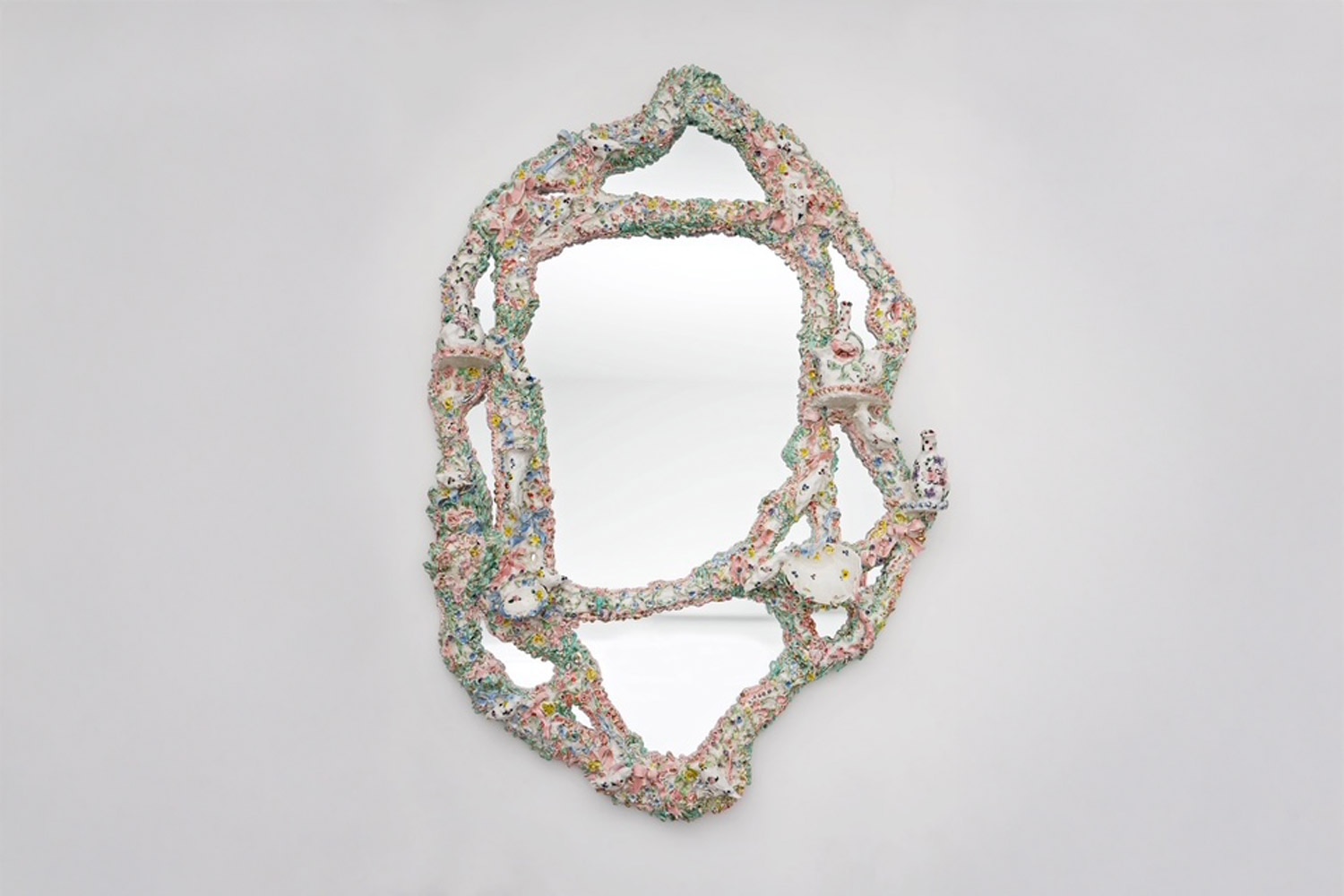
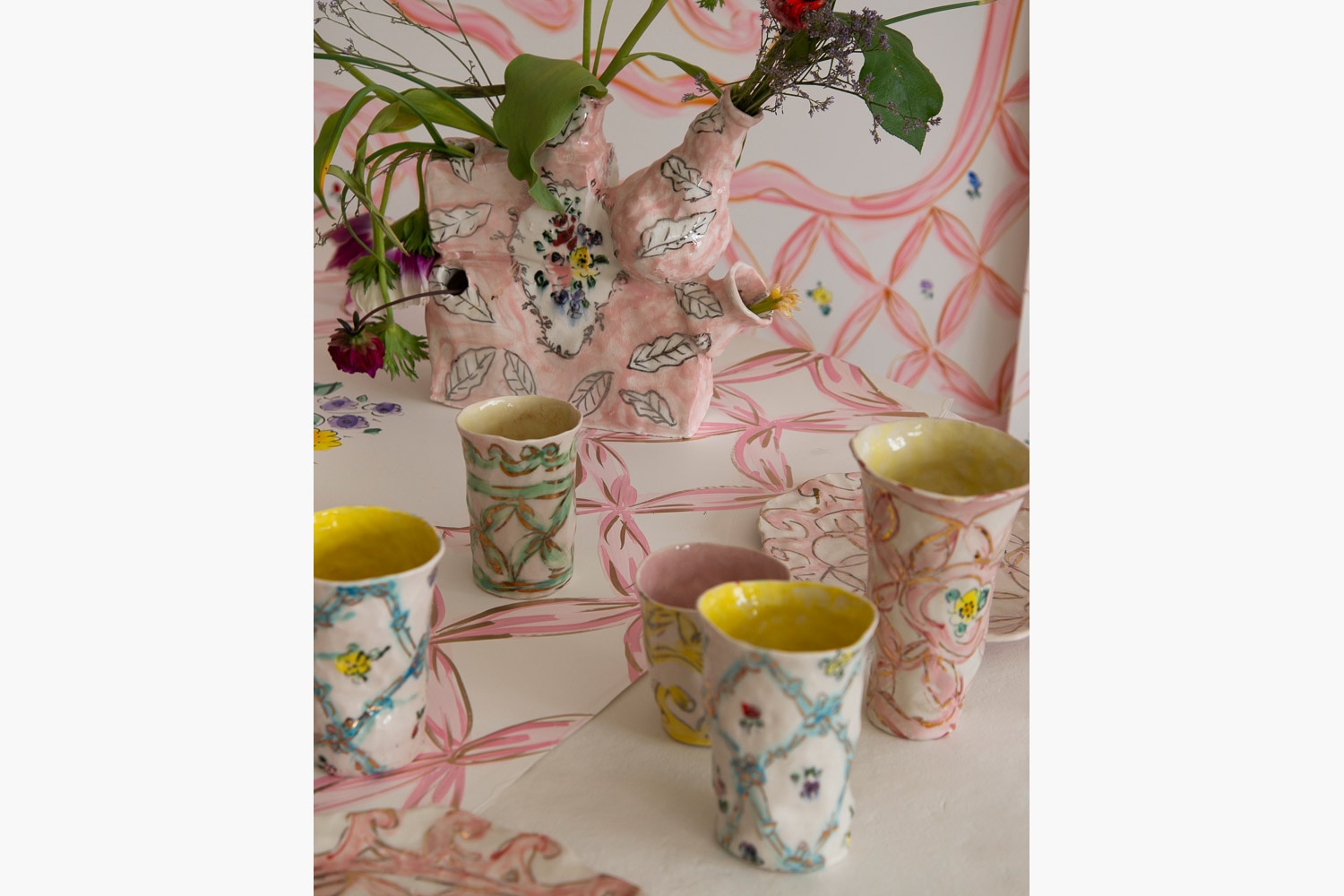
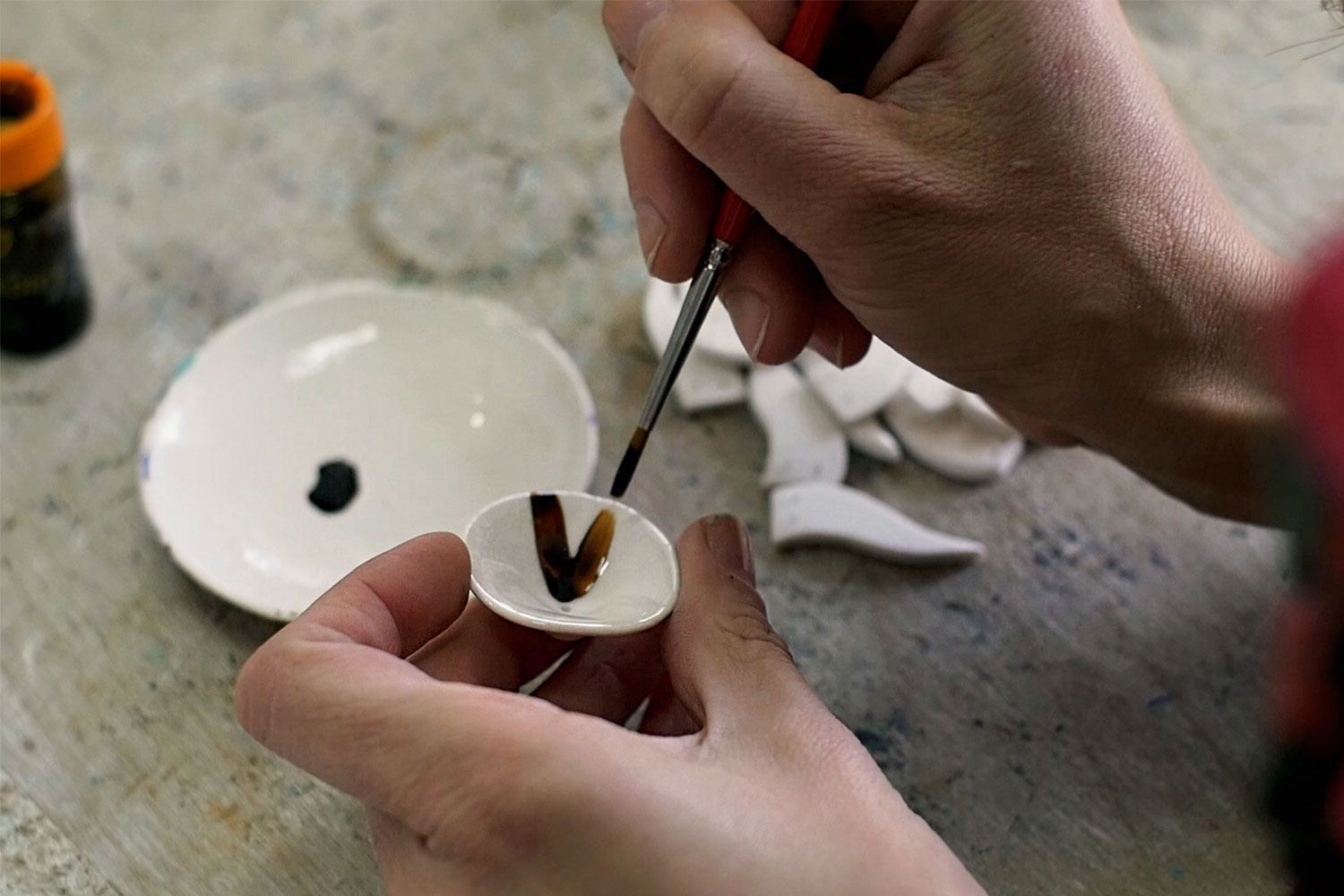
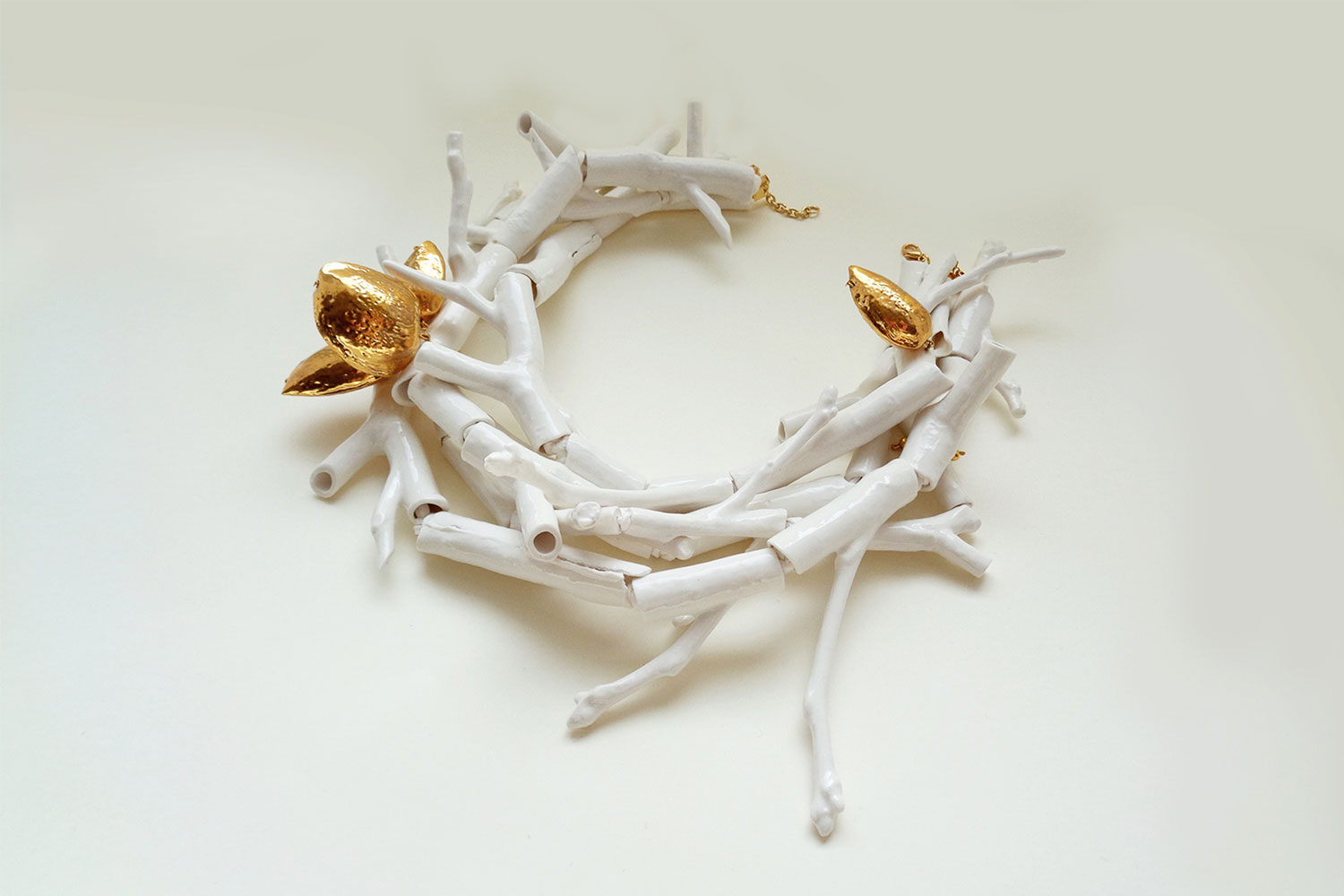
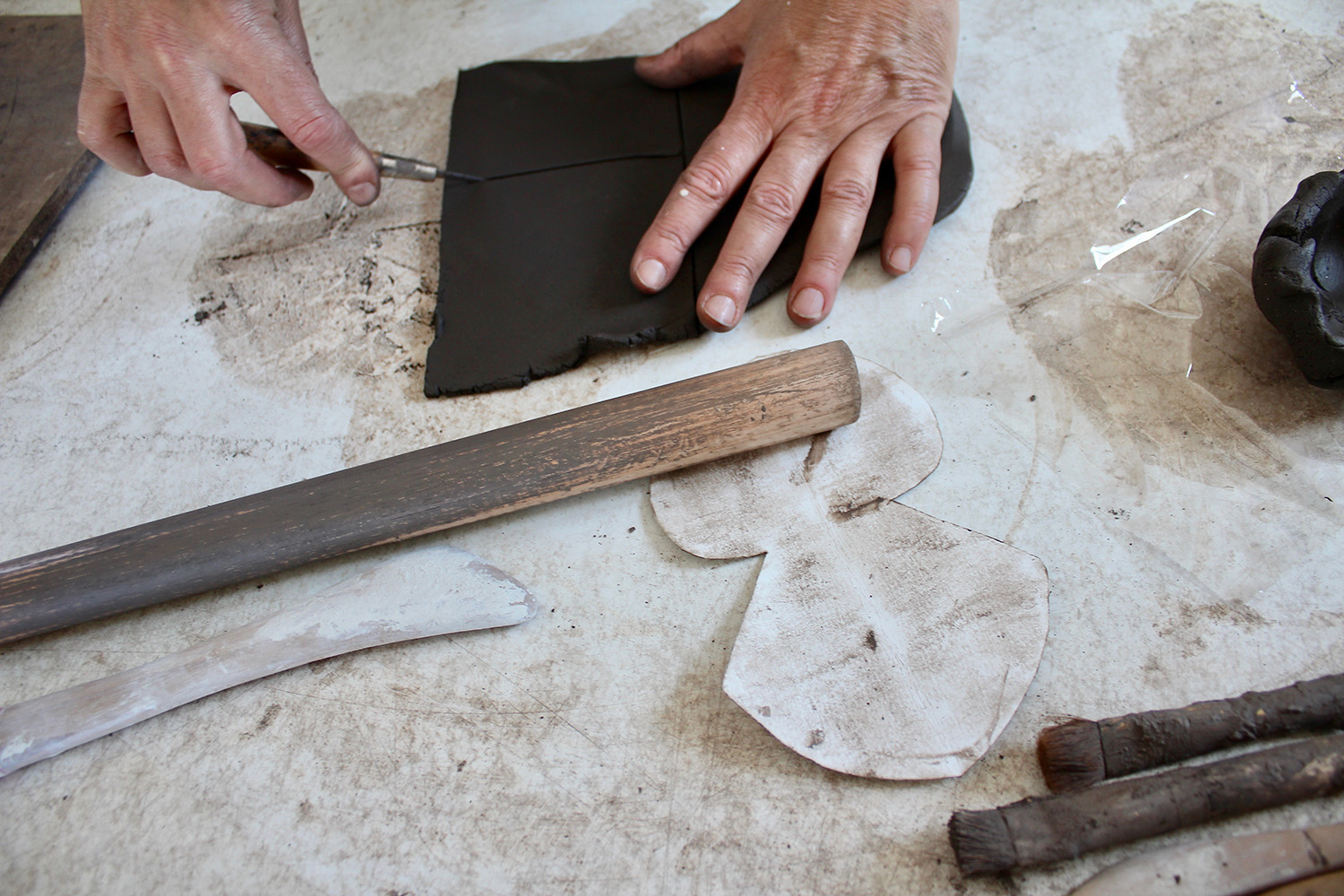
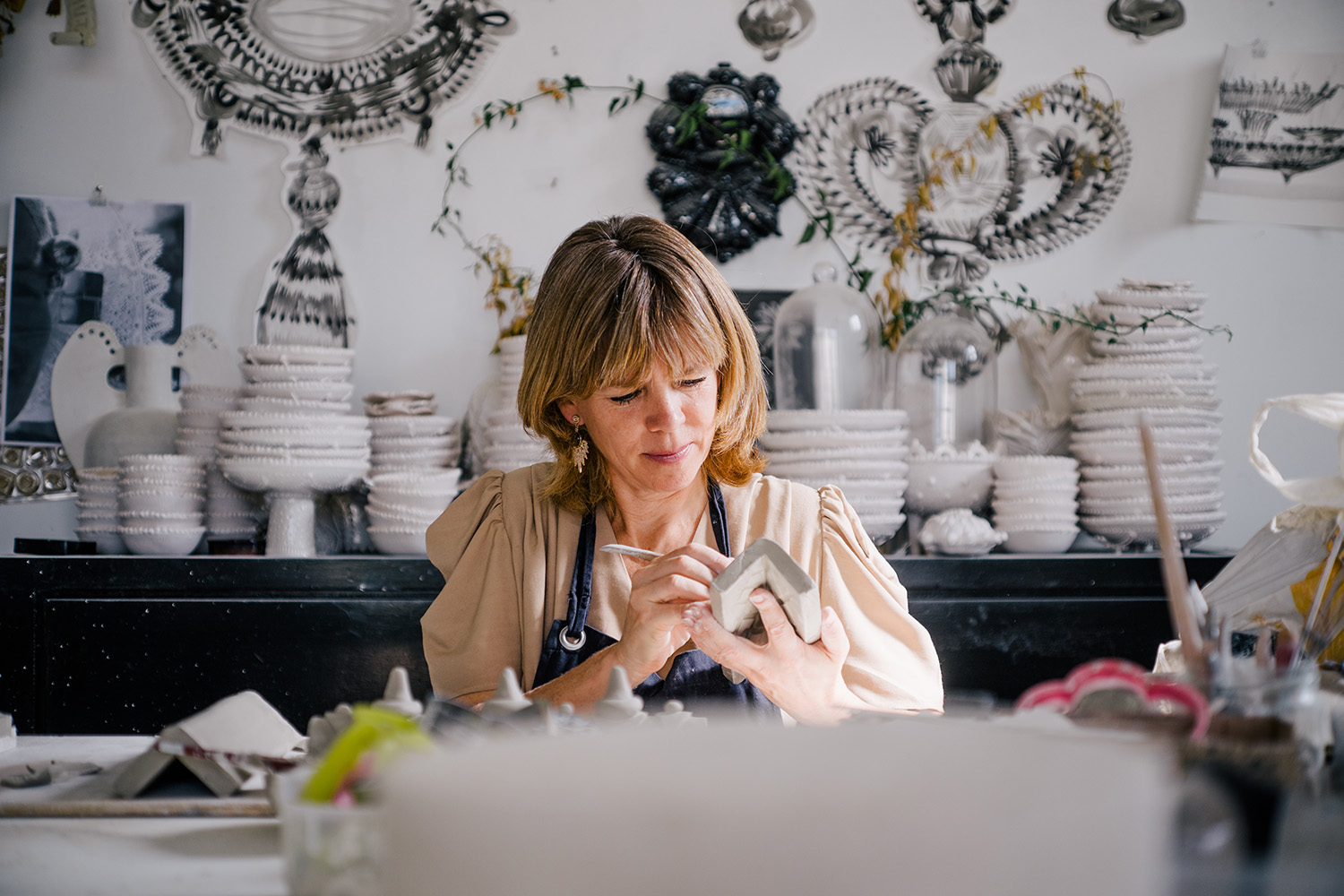
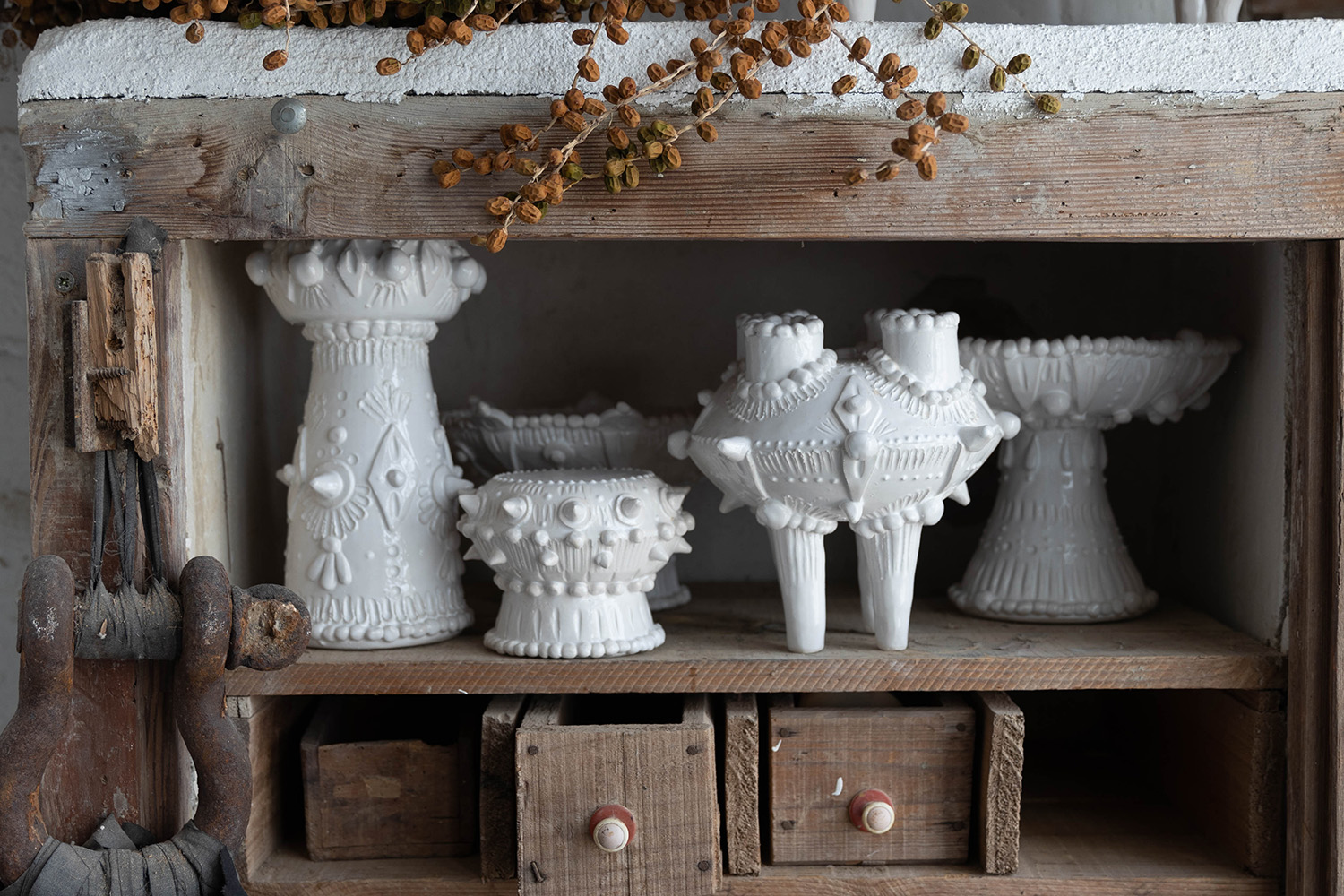
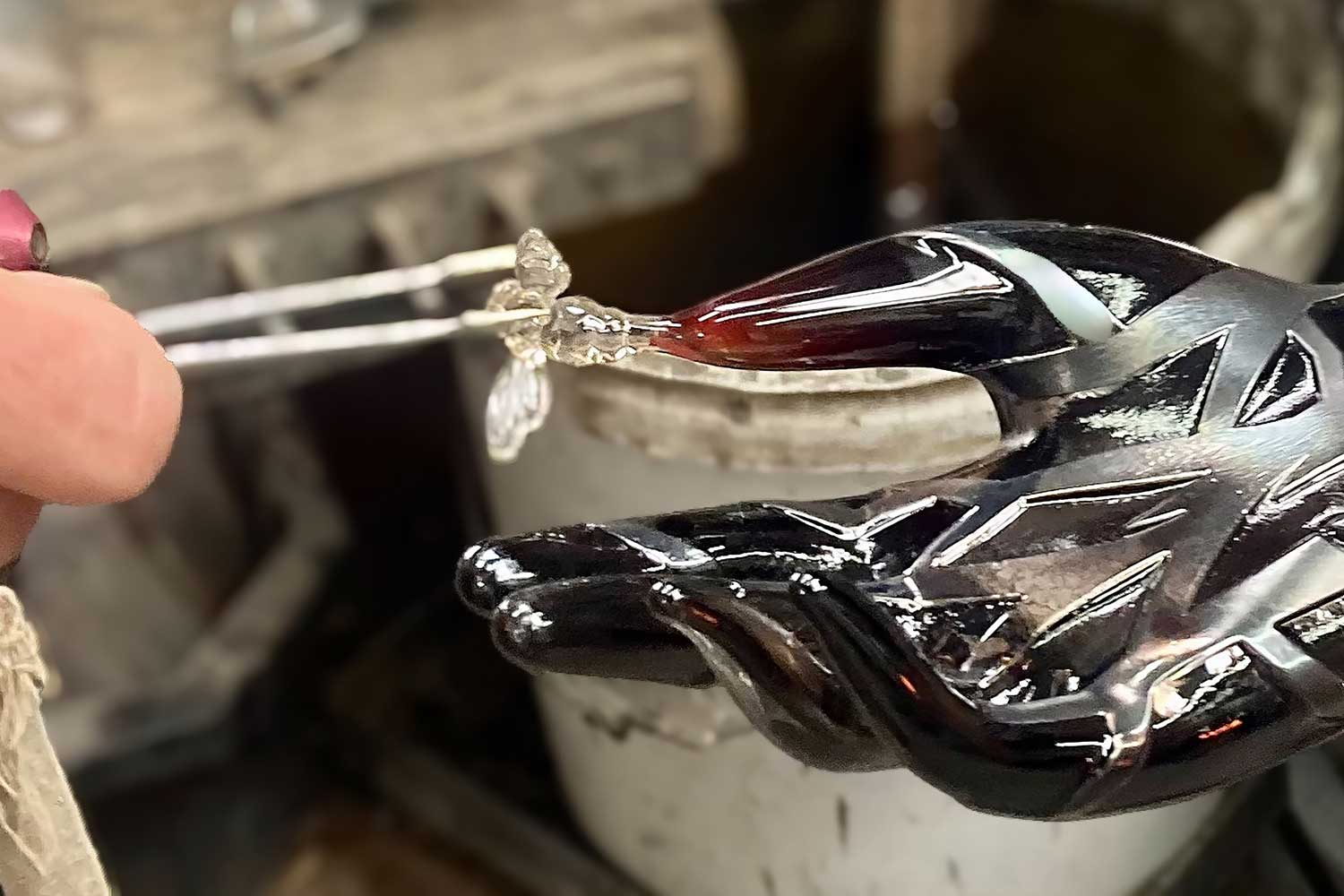
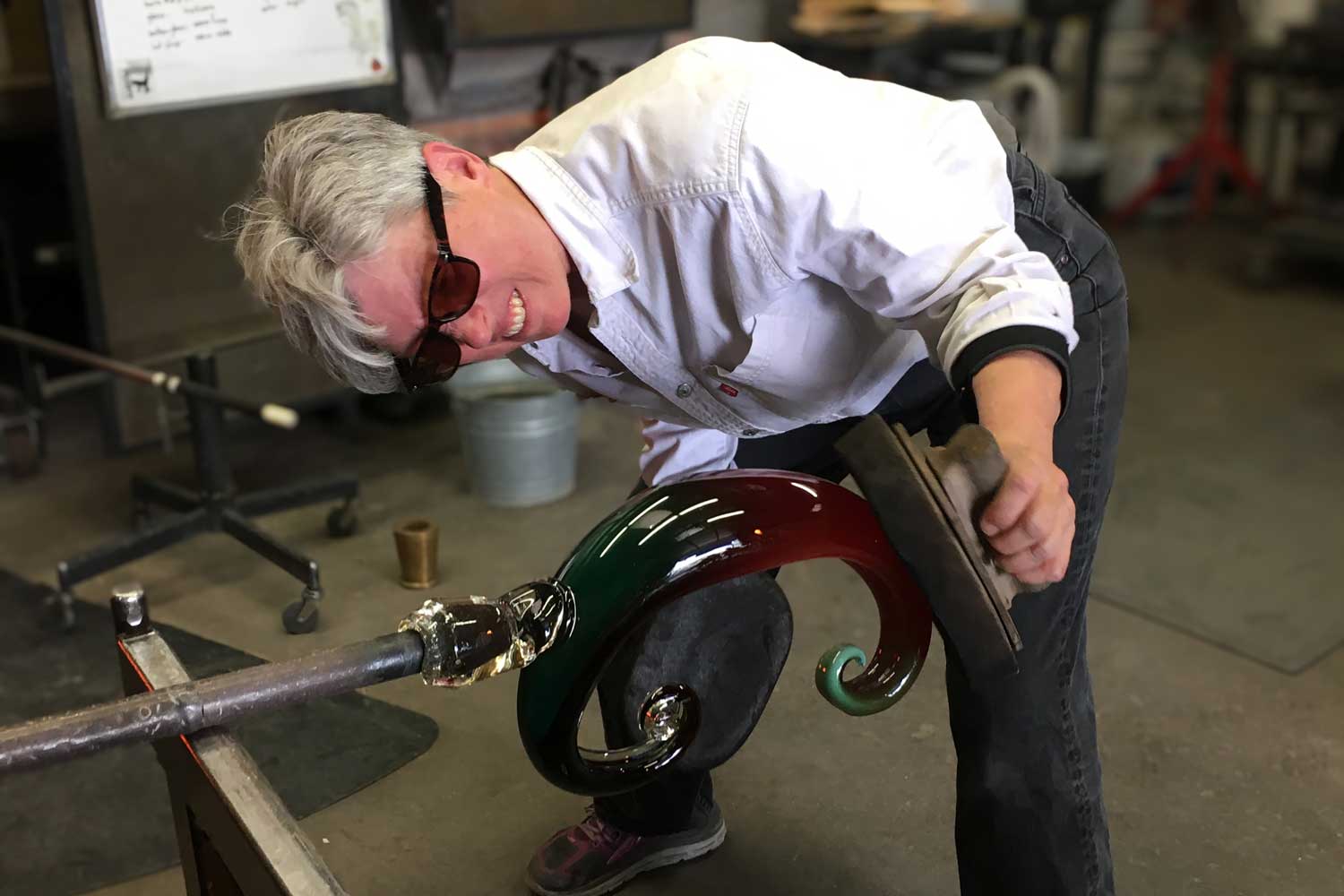
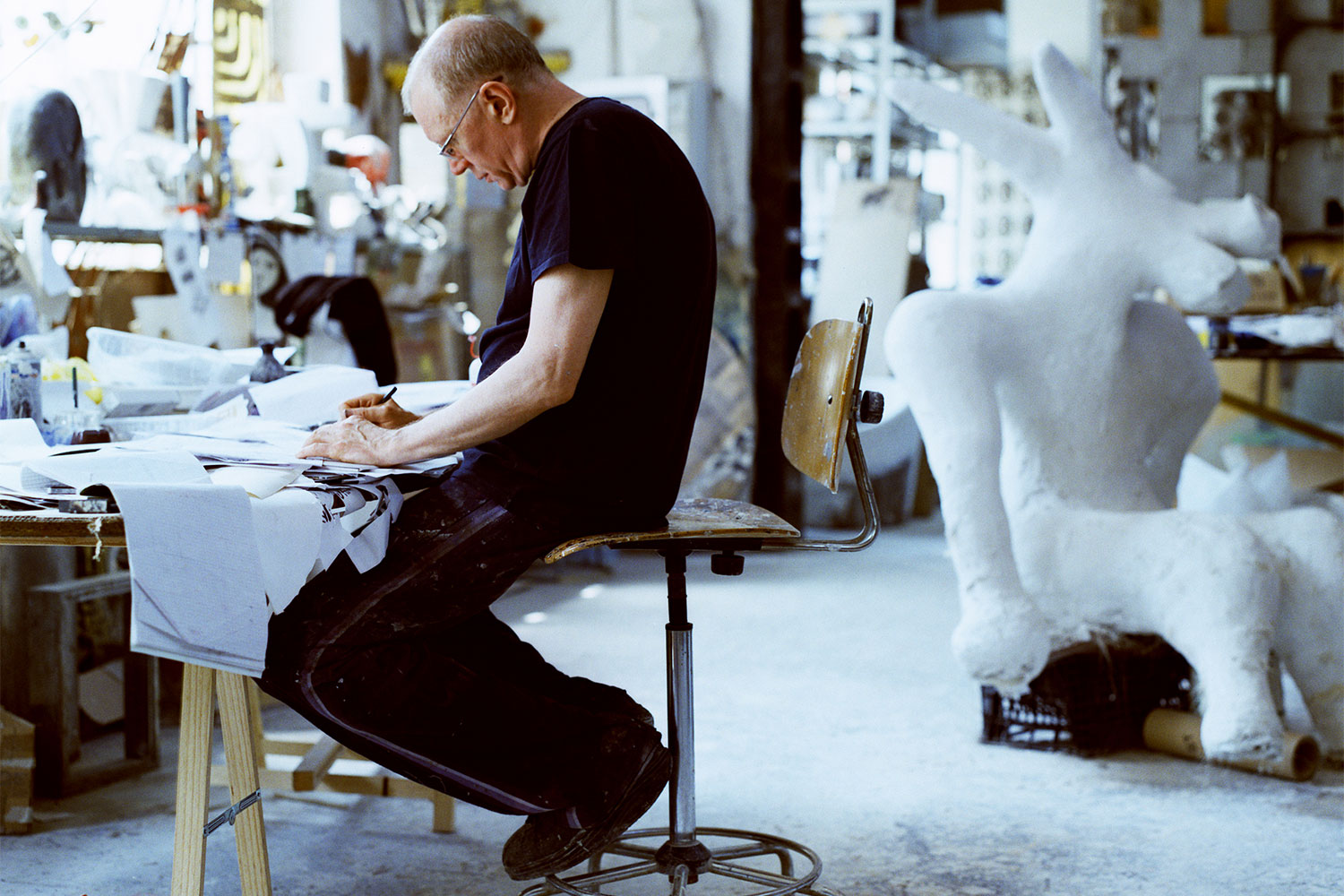
Trained in painting at Cooper Union and Columbia, Francesca DiMattio came to ceramic sculpture sideways, drawn to a medium dismissed by the fine art world in which she was immersed. “I hand sculpt every element without moulds, and shift the scale and proportion of domestic objects until they stop behaving as they should,” she says. Ornamental references, borrowed from diverse traditions including French 18th-century porcelain, Ming dynasty ceramics and Greco-roman mosaic, are rendered loosely as if seen in a dream. Floral motifs tip into something intense and viral, from sweet to threatening. Images from dishes wrap chairs and patterns do not behave as they should. Francesca applies the same intuitive rigour at all levels, to a teacup as to a chandelier. In 2019, she covered every inch of the home she grew up in with painted tiles, hand modelled porcelain and handmade furniture using plywood and paper mâché. “A domestic setting is a space for rebellion,” she says.
Francesca DiMattio is an expert artisan: she began her career in 2005.
INTERVIEW
I want to question how we assign value. My practice explores what valuable, usable and functional can mean. Shifting scale and proportion is a way of examining why we rank things the way we do. How does vase with a rug texture relate to the rug on the floor? Through my practice, polite objects are rendered not so polite.
I had never taken a ceramics class. I was drawn to it because it was so pushed aside at the time. I also like to pull from different moments in time and explore how one culture has always grasped from another, and ceramics has a vast history to pull from.
When I first started working with ceramics, I was interested in presenting decorative domestic objects in ways we were not used to seeing them. I hung chandeliers low and covered towering sculptures in gilded porcelain flowers. Then, after making large scale pieces about domestic objects, I began making actual domestic objects.
I continue to learn based on whatever the piece needs next. The trajectory of my practice pushes me to learn new things and incorporate different materials. A garlic press can give porcelain a rug like texture, and paper mâché can feel a lot like clay. The path is not always clear, and I feel that I exist in an off-road space.
Francesca DiMattio
Mixed media sculptor
New York, NY, USA
ADDRESS
Address upon request, New York, NY, USA
AVAILABILITY
By appointment only
LANGUAGES
English
HOMO FABER FINDS
Homo Faber Finds is a new service aiming to inspire admirers of craft to connect and collaborate with exceptional artisans.
We invite you to submit an enquiry here.


Portrait1_©Maxime-Chanet.jpg)