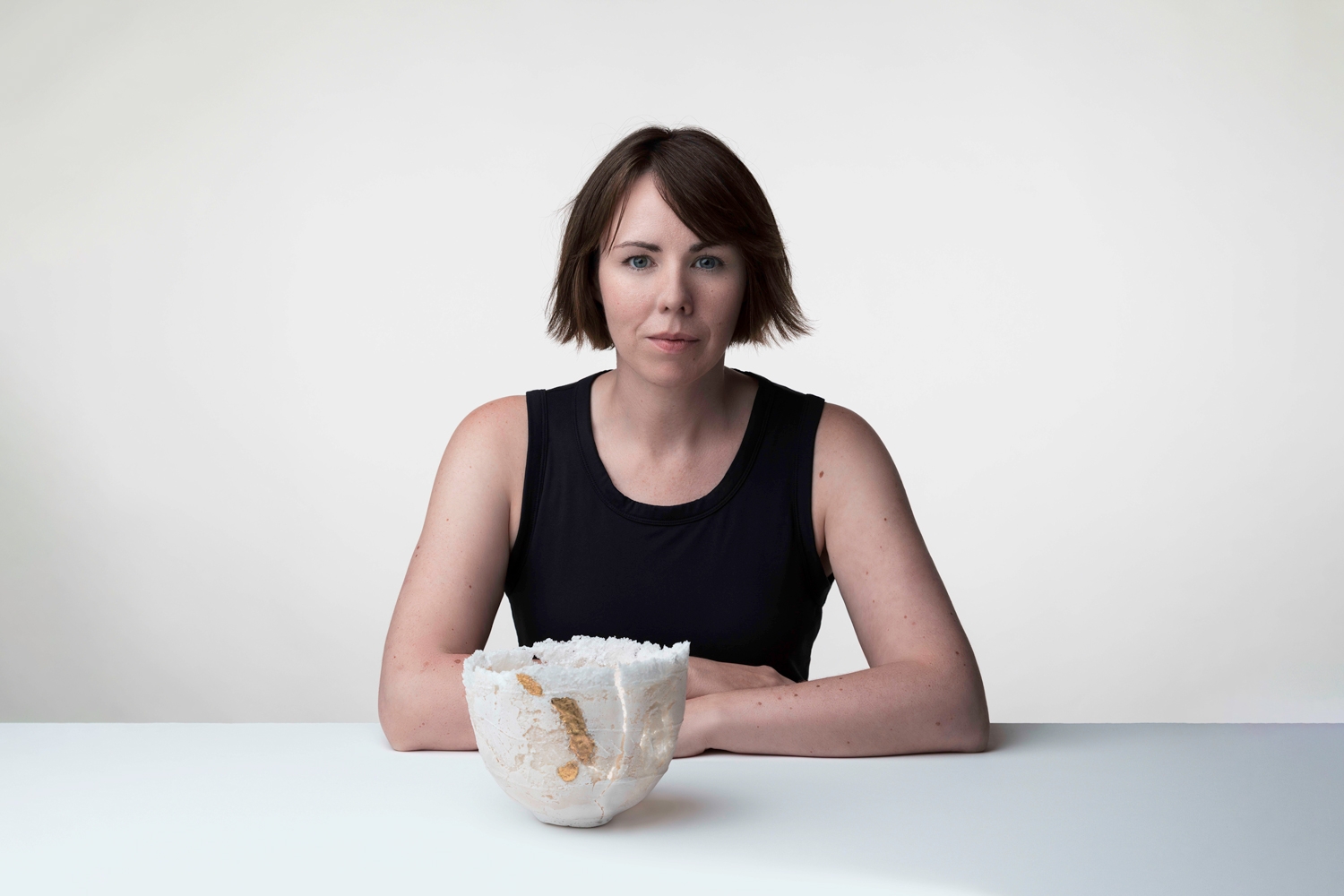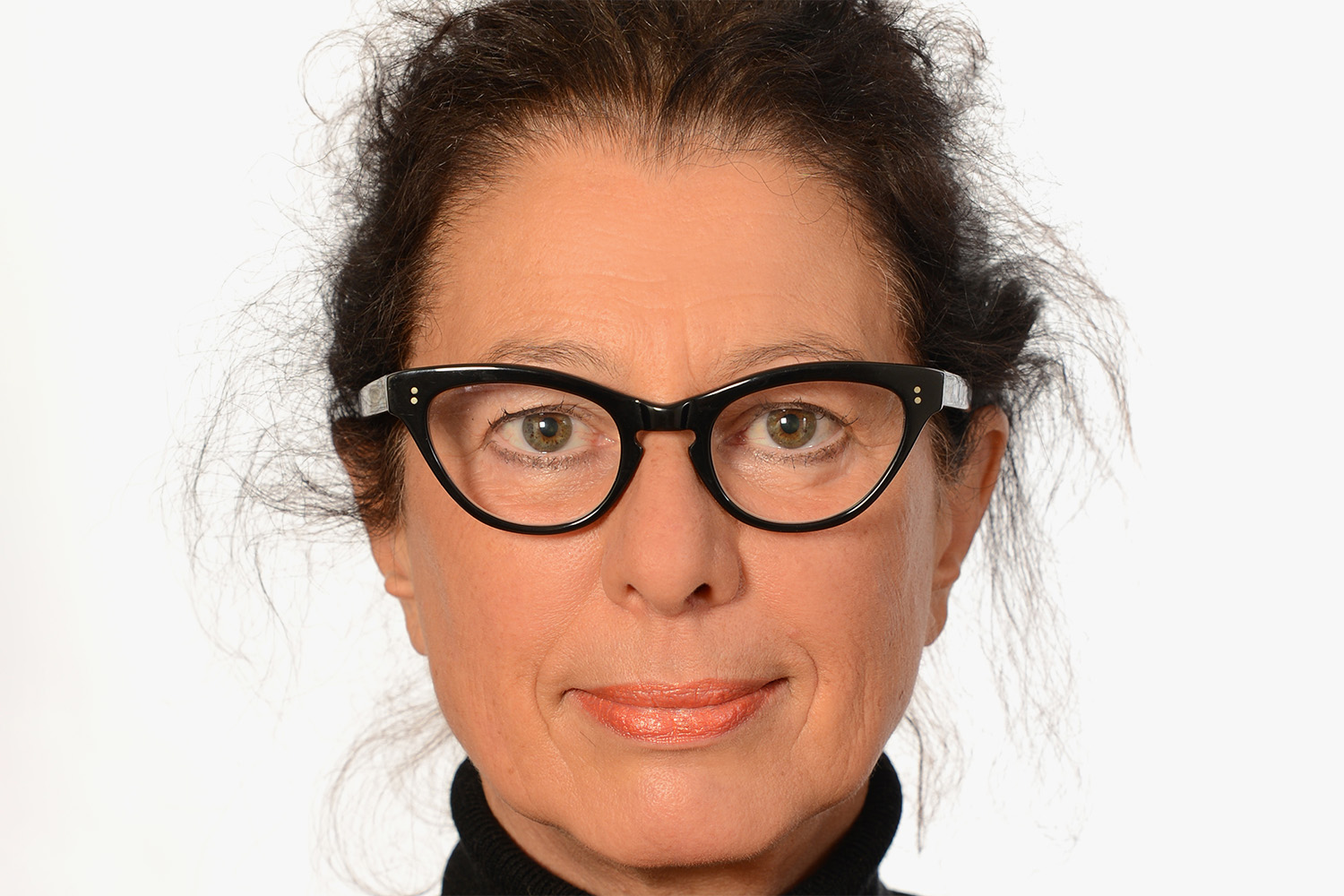
Ayako Hirogaki
Glass sculptor
New York, NY, USA
The invisible made visible
- Ayako's sculptures explore bodily imperfections and emotions
- She is a graduate of Tokyo Glass Art Institute and Toyama Institute of Glass Art
- She moved to New York City from Japan in 2019
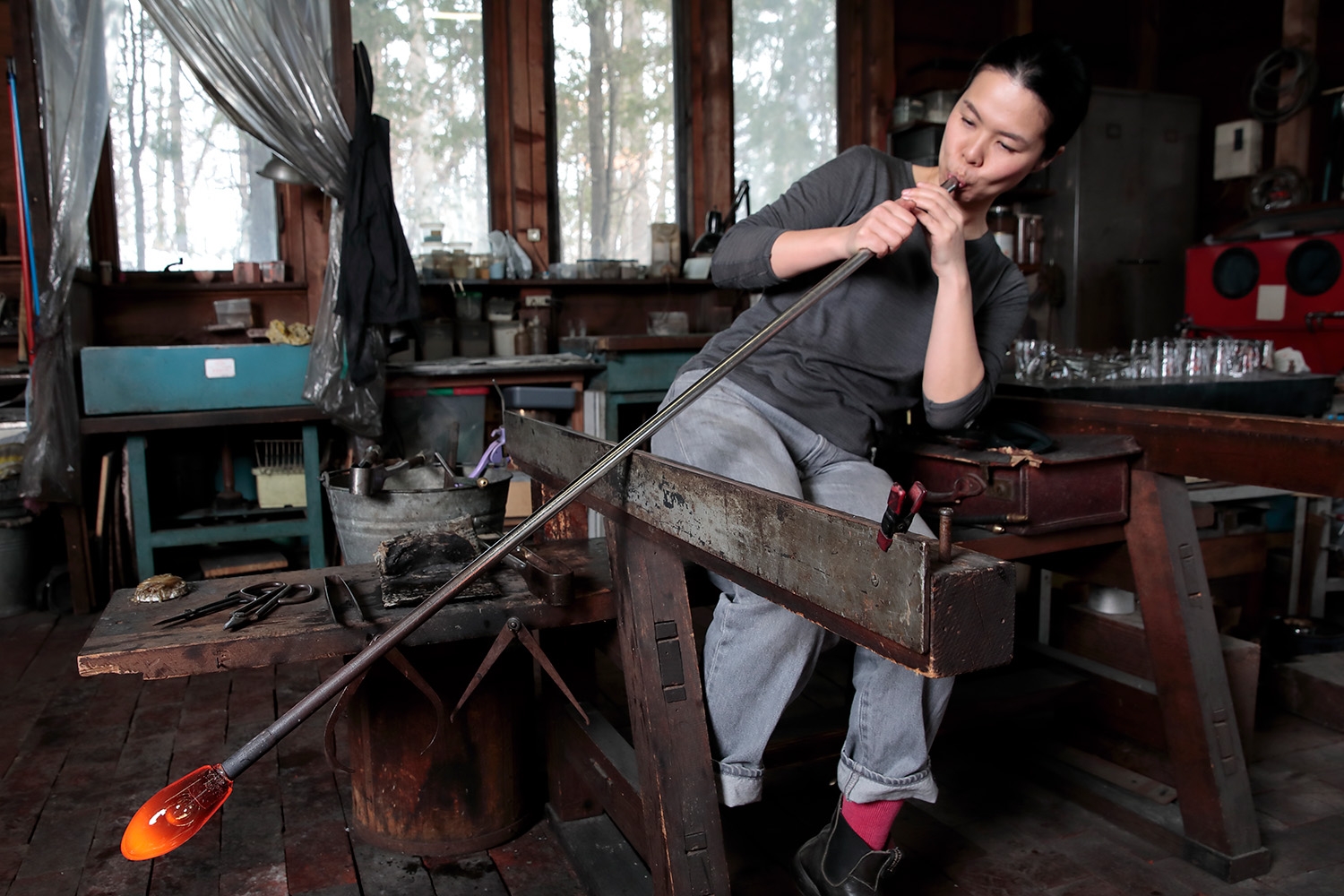
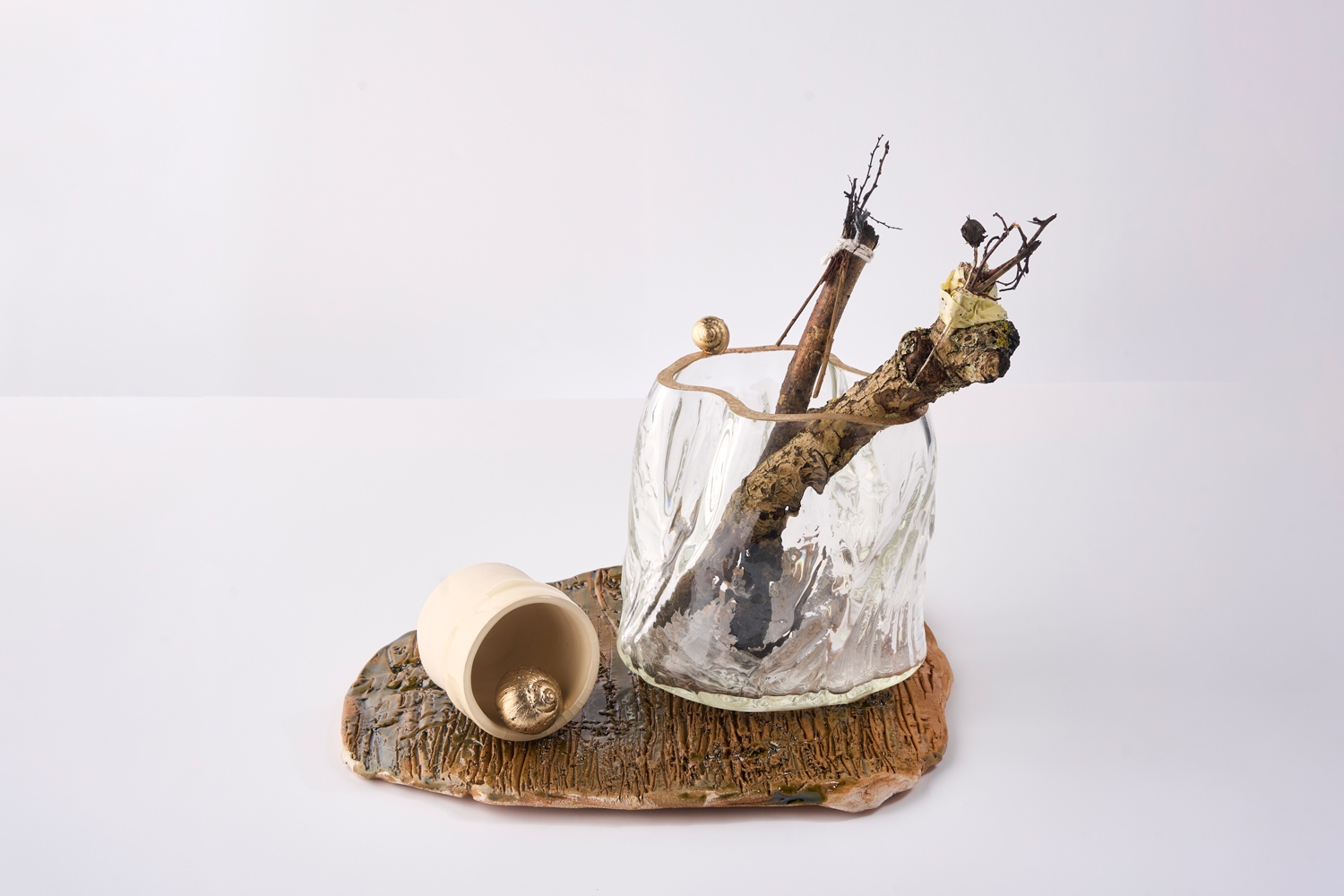
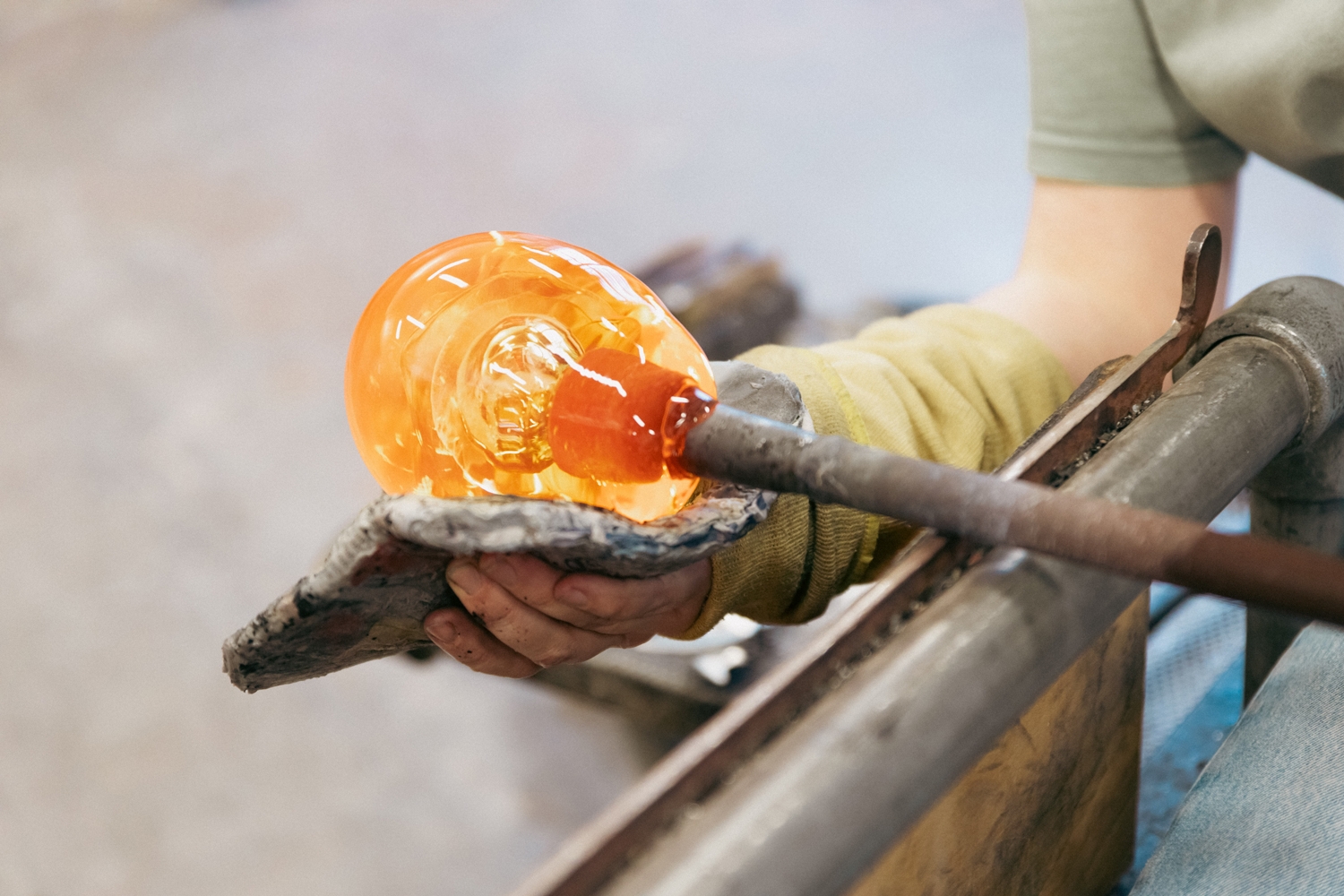
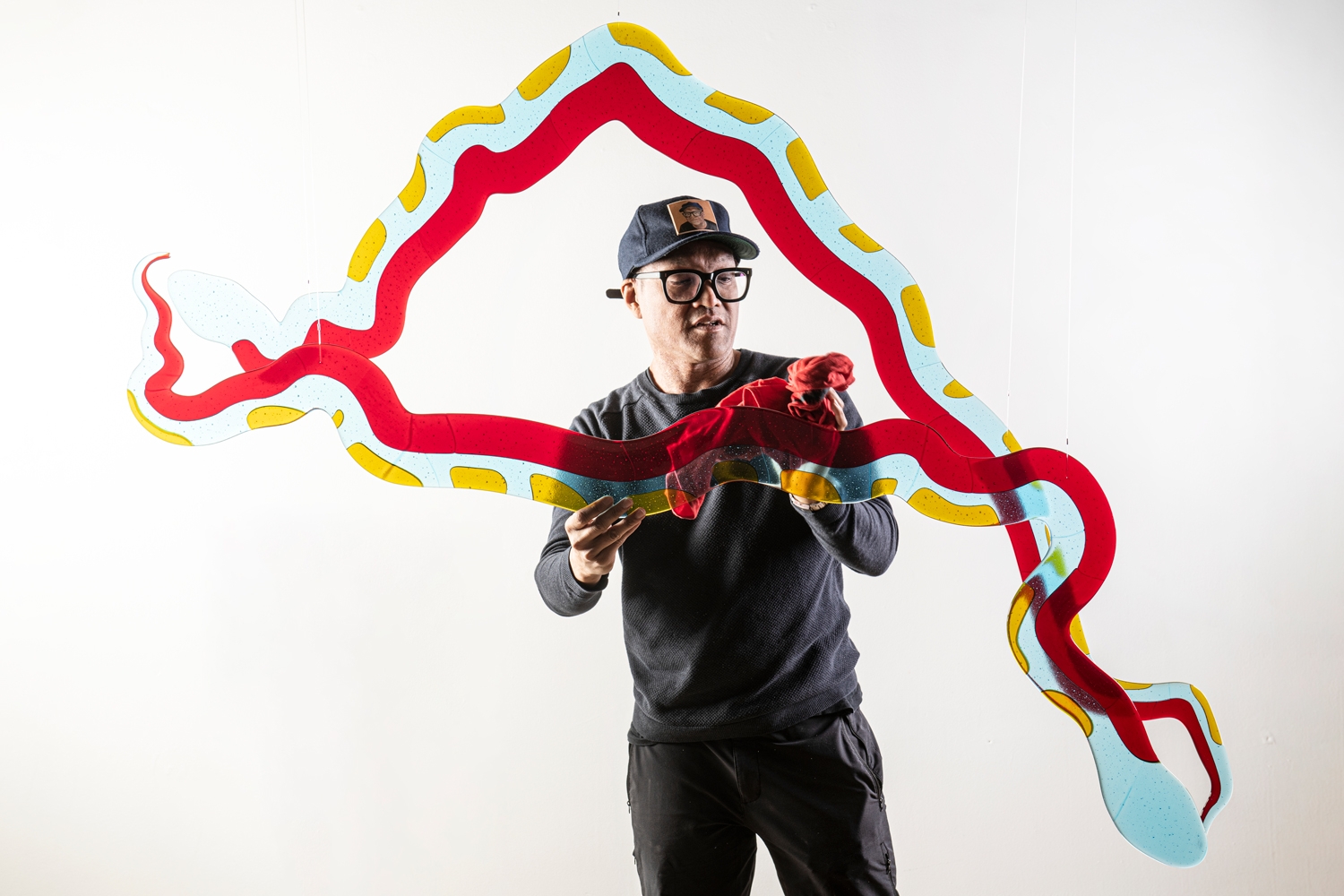
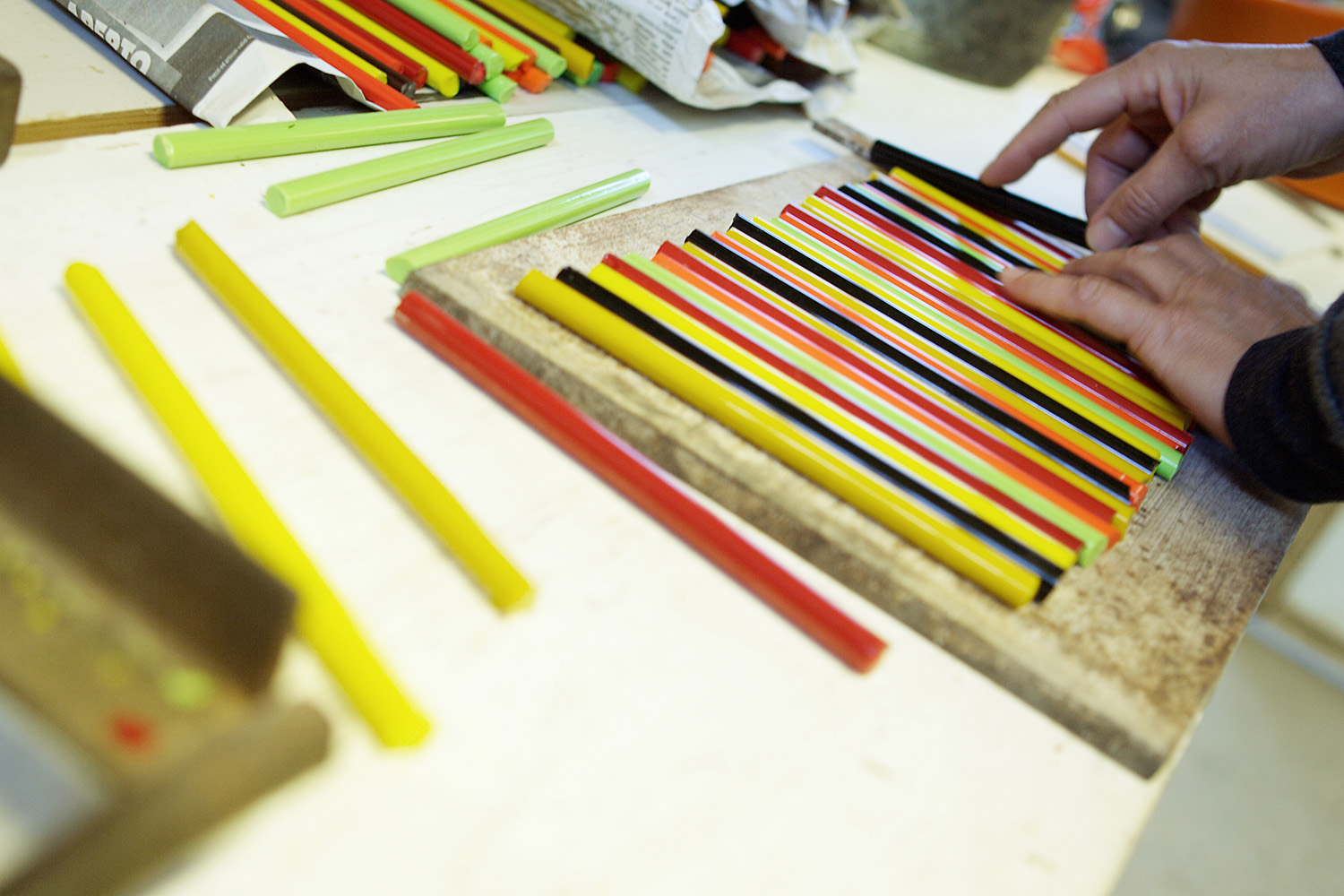
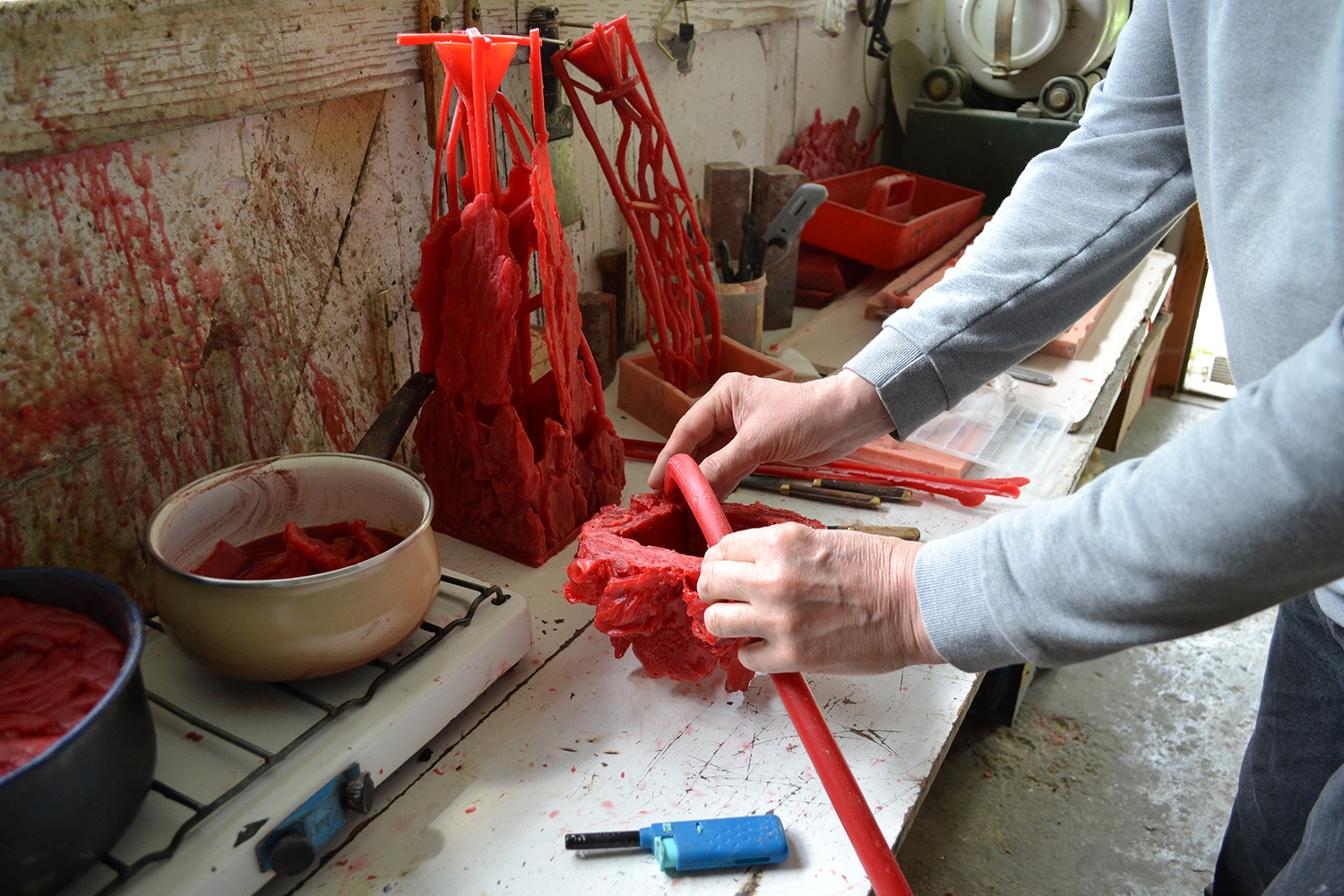
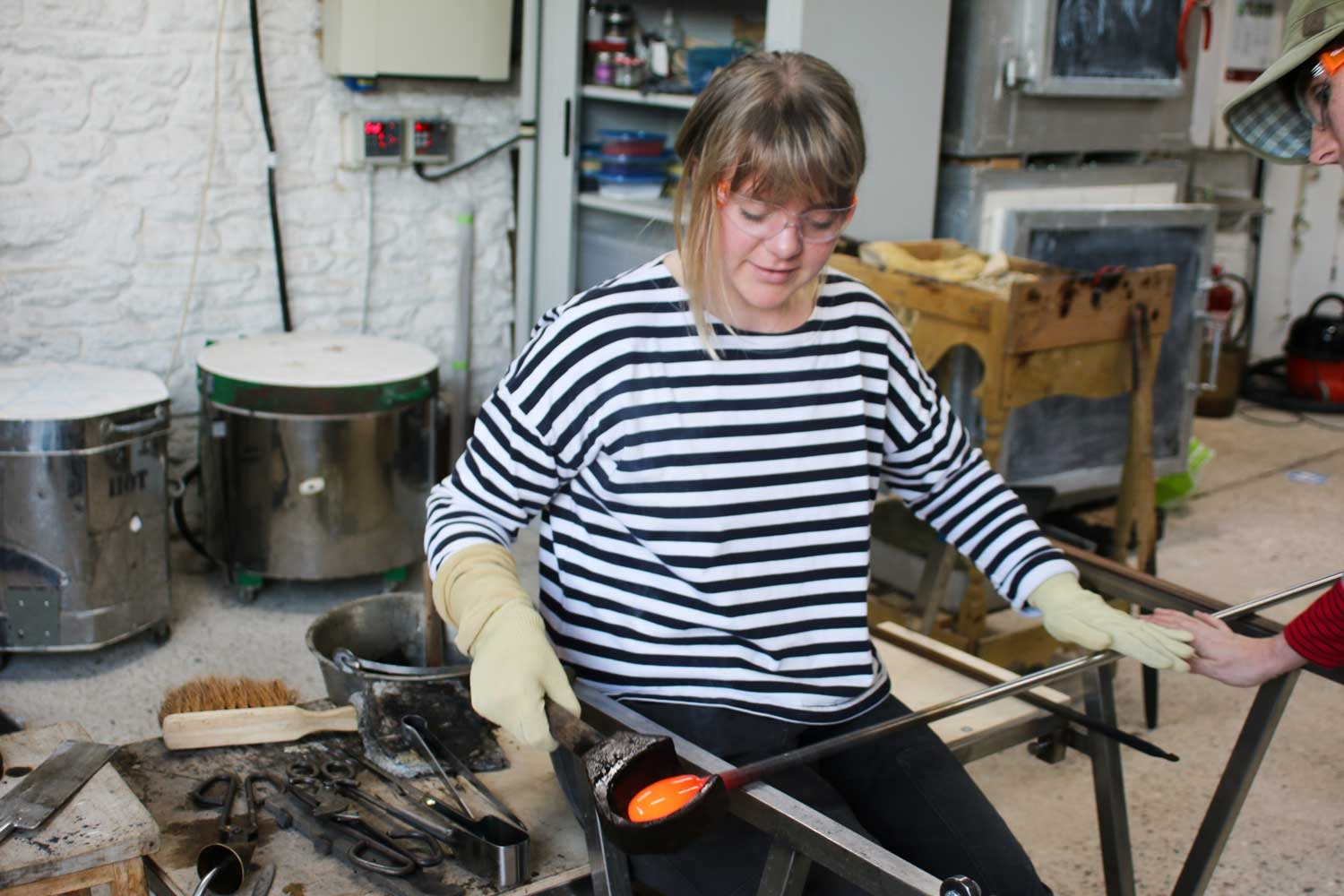
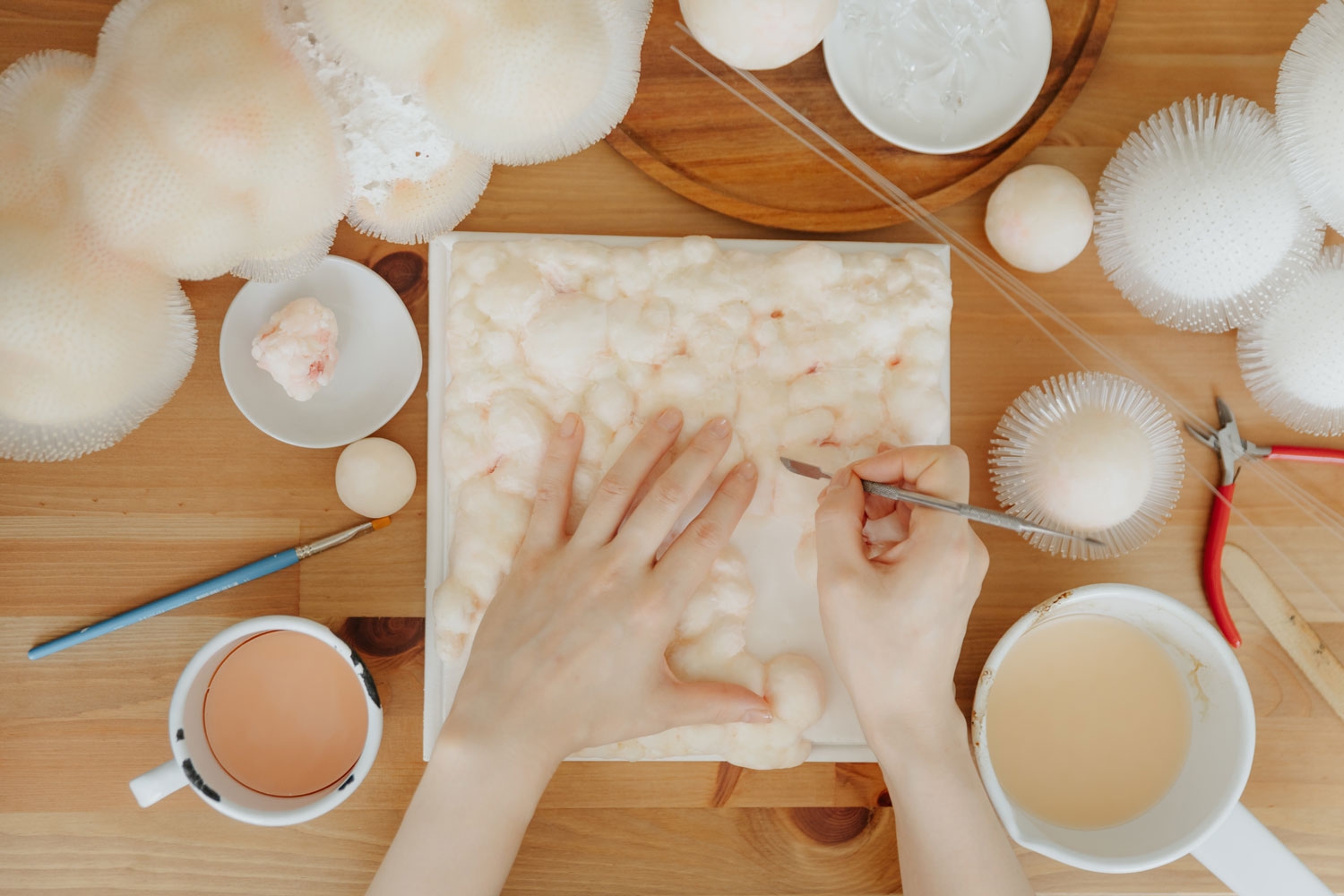
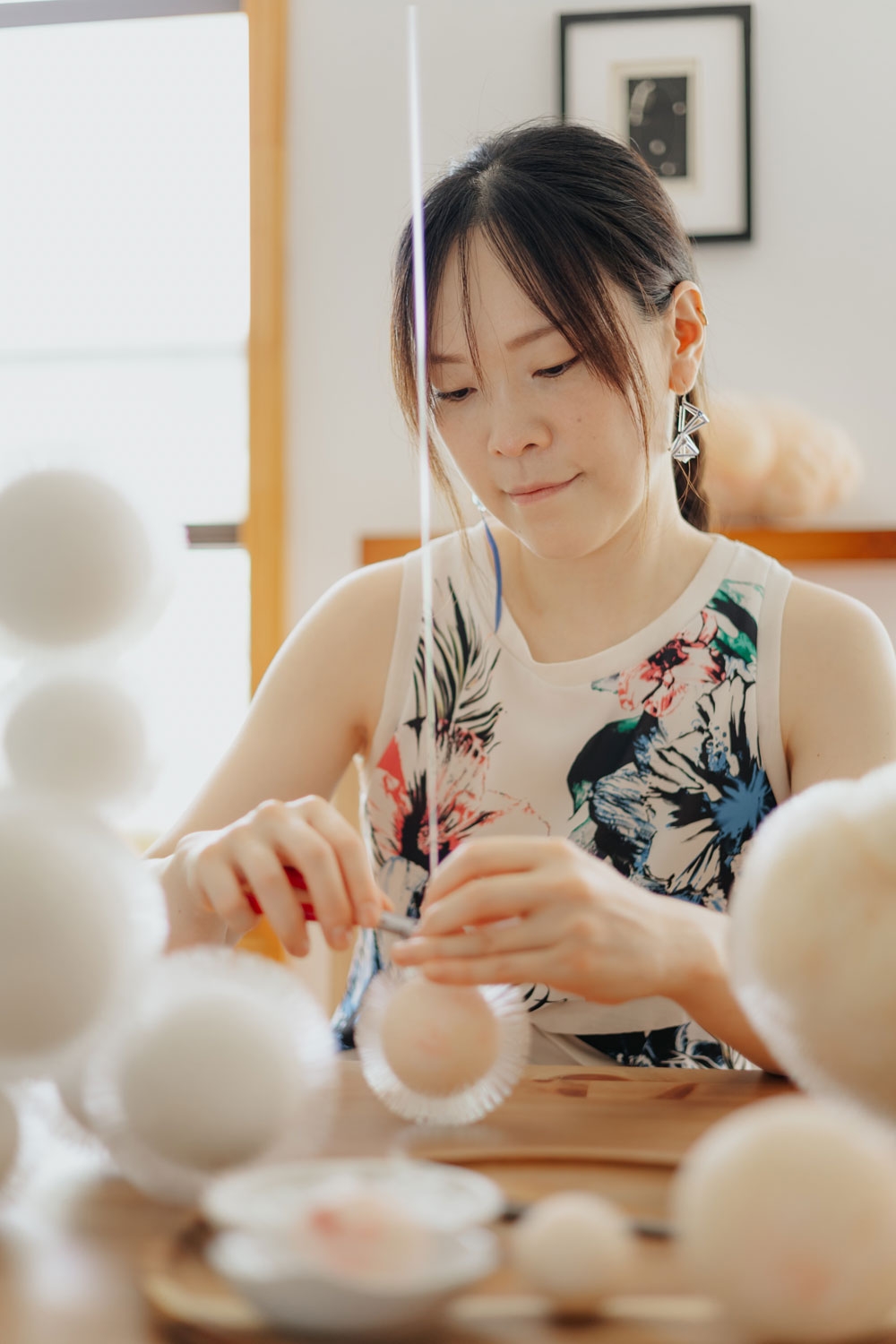
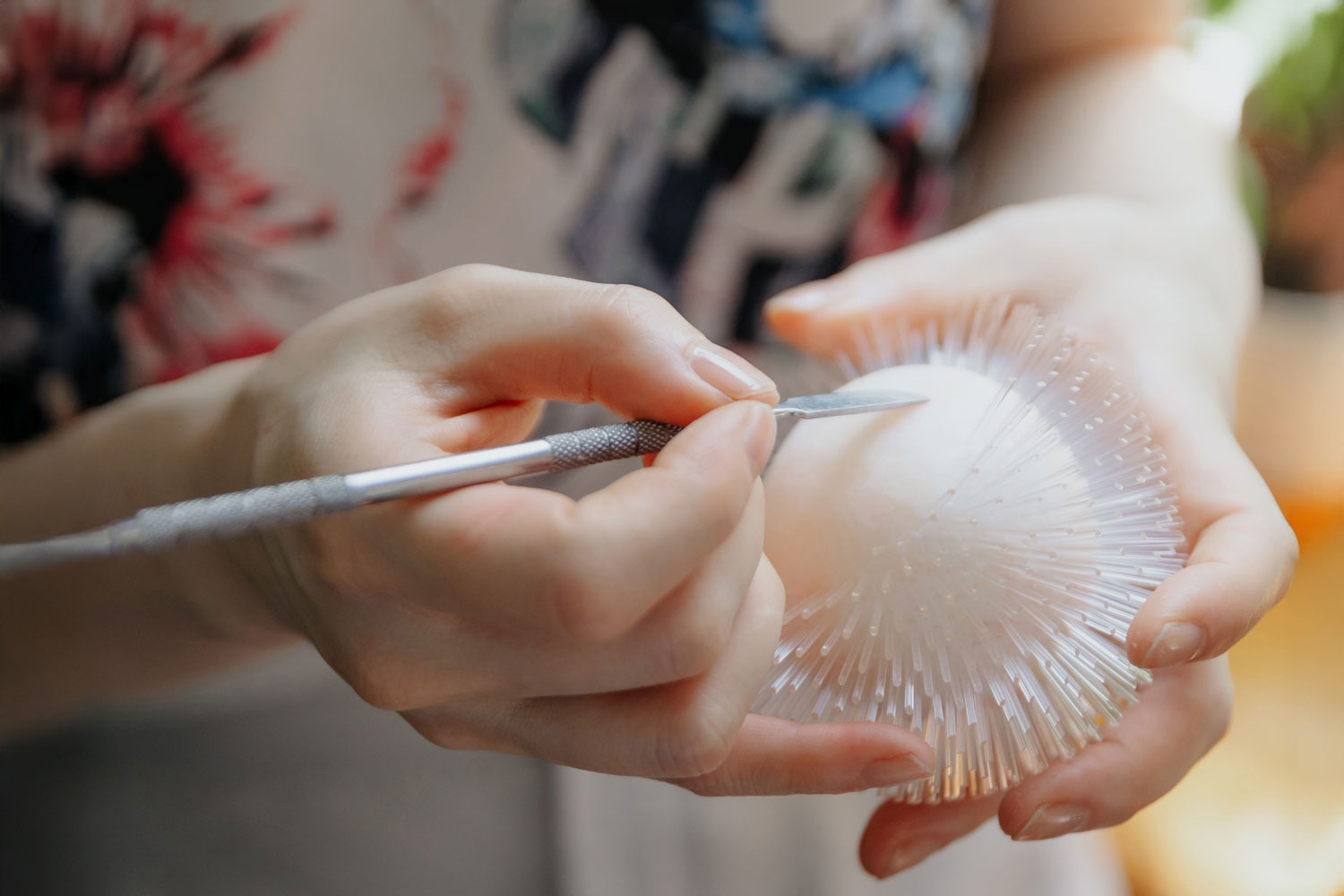
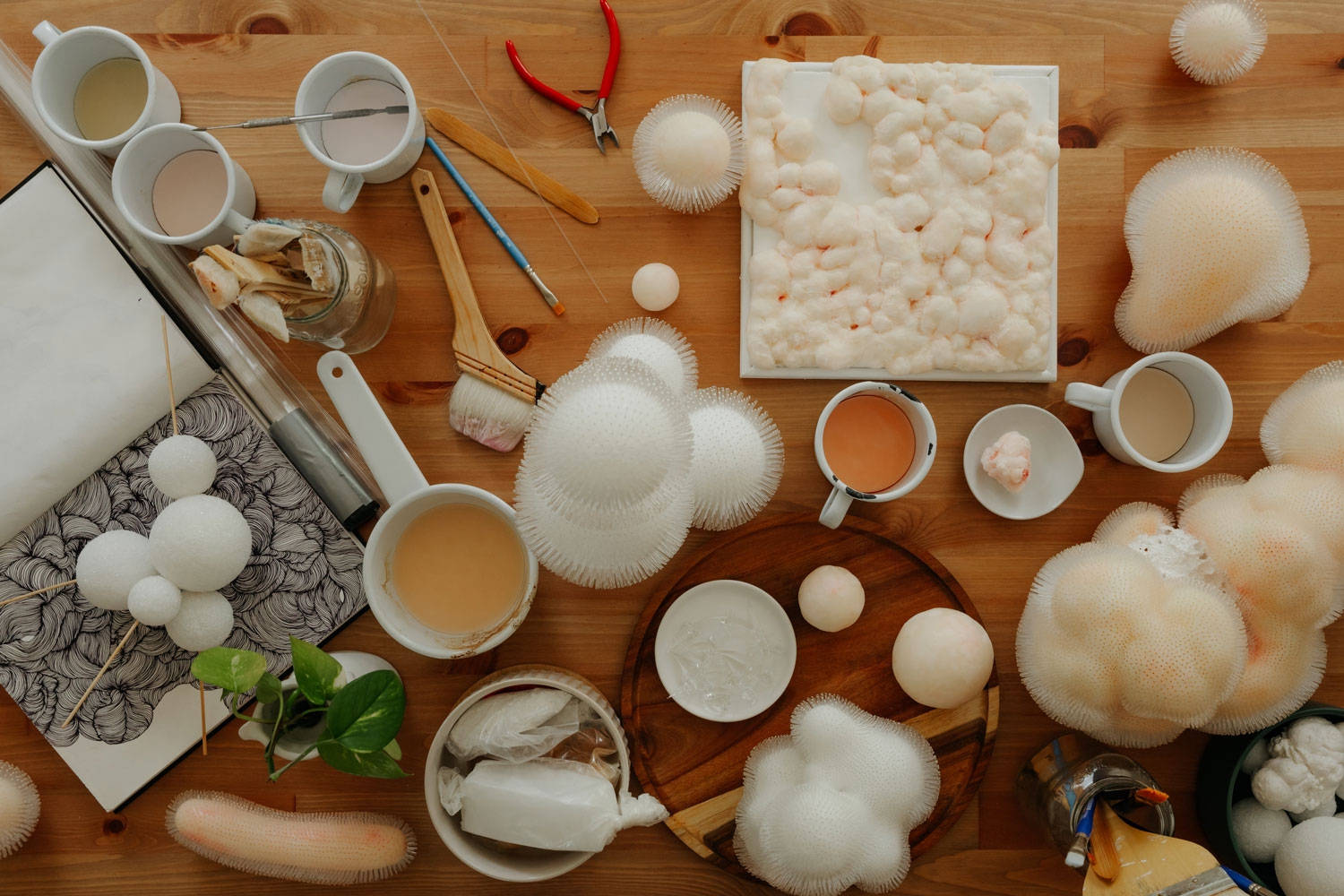
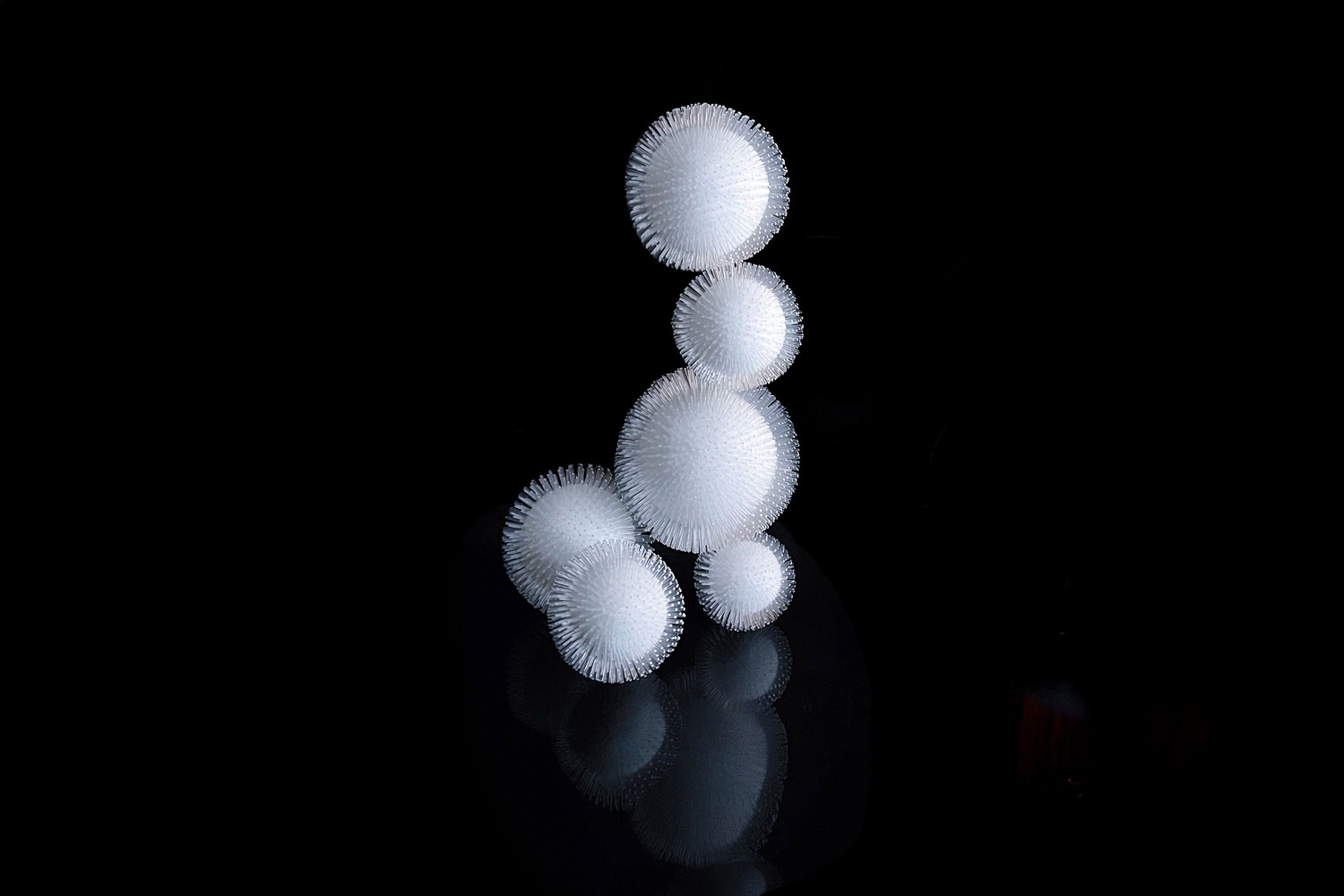
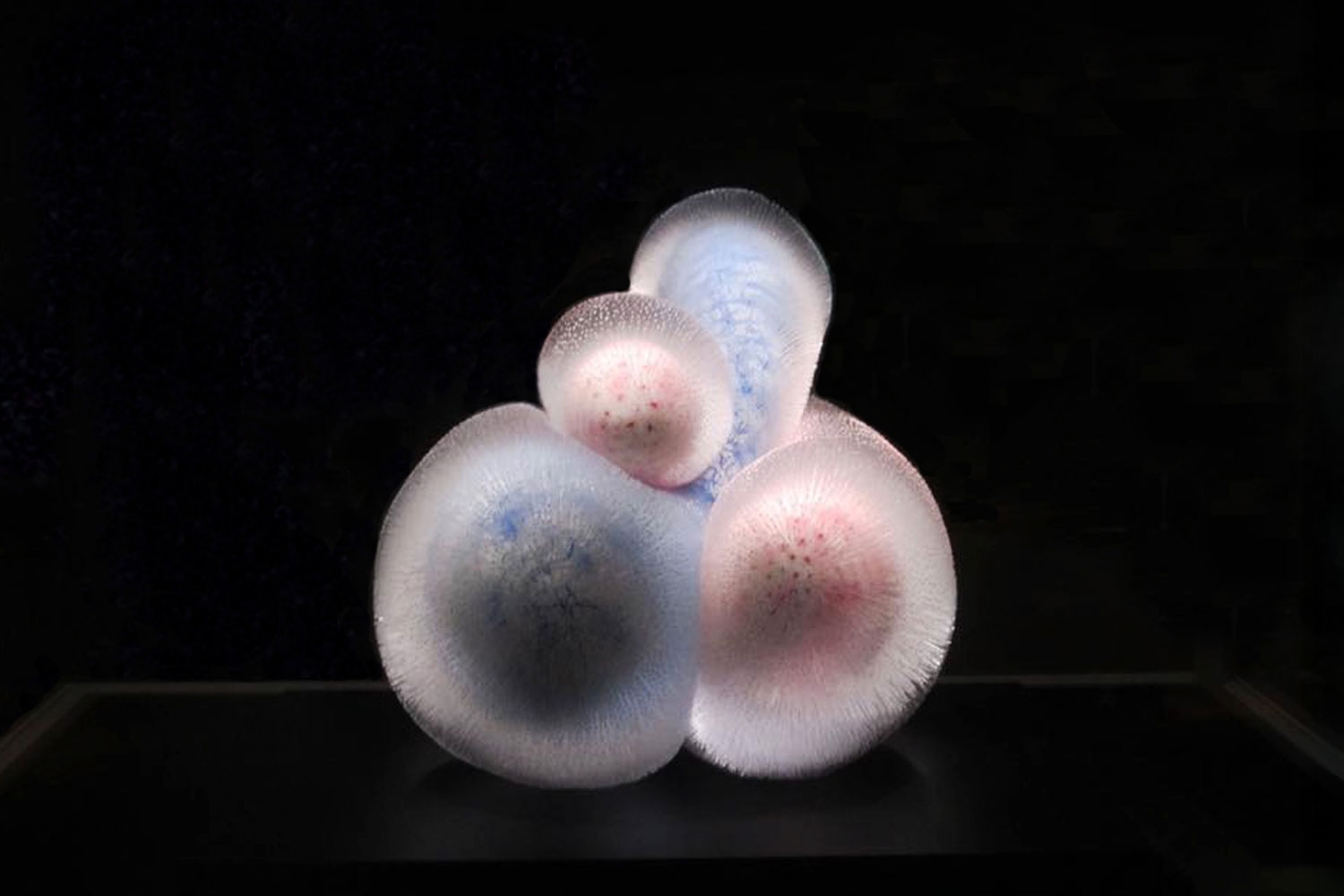
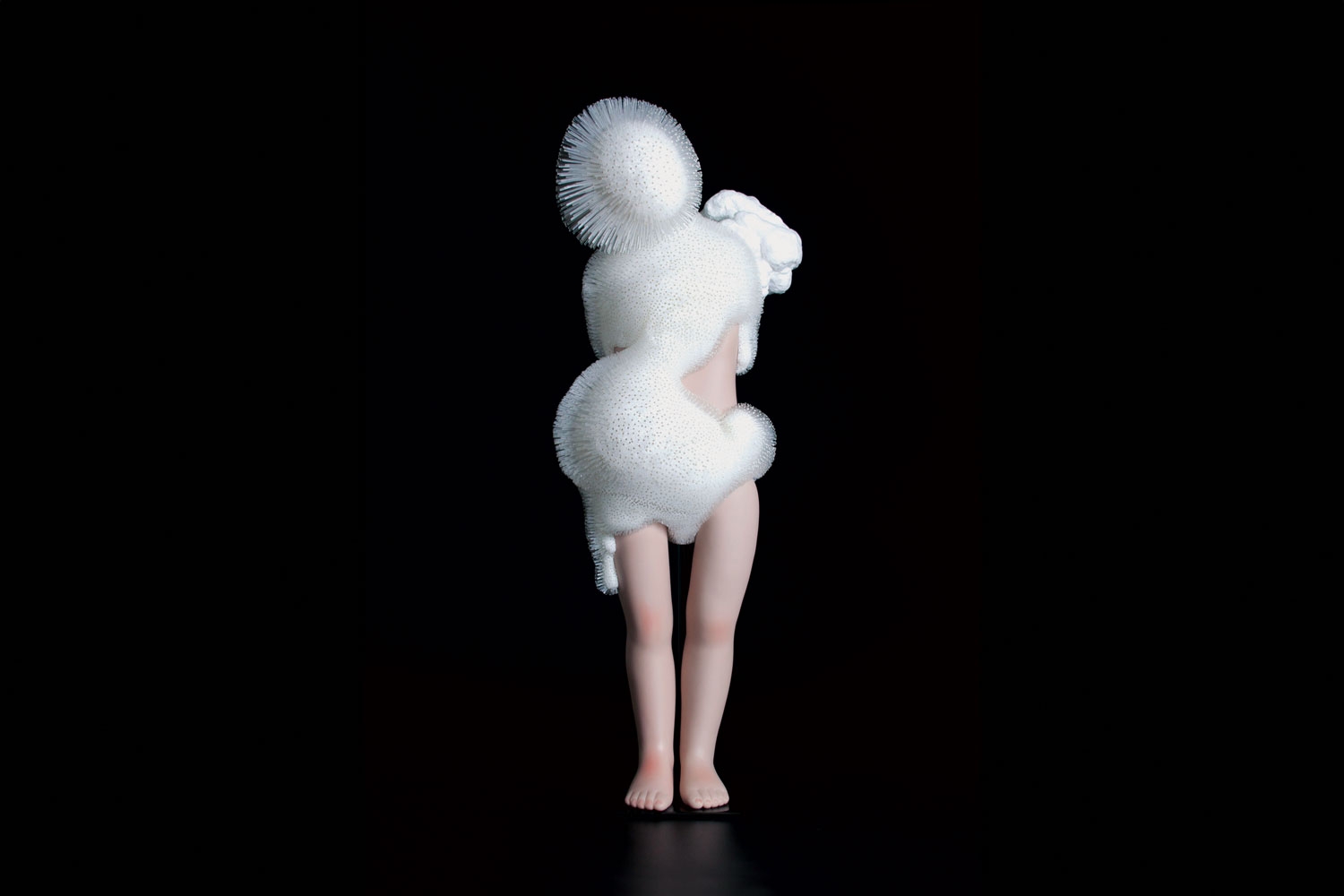
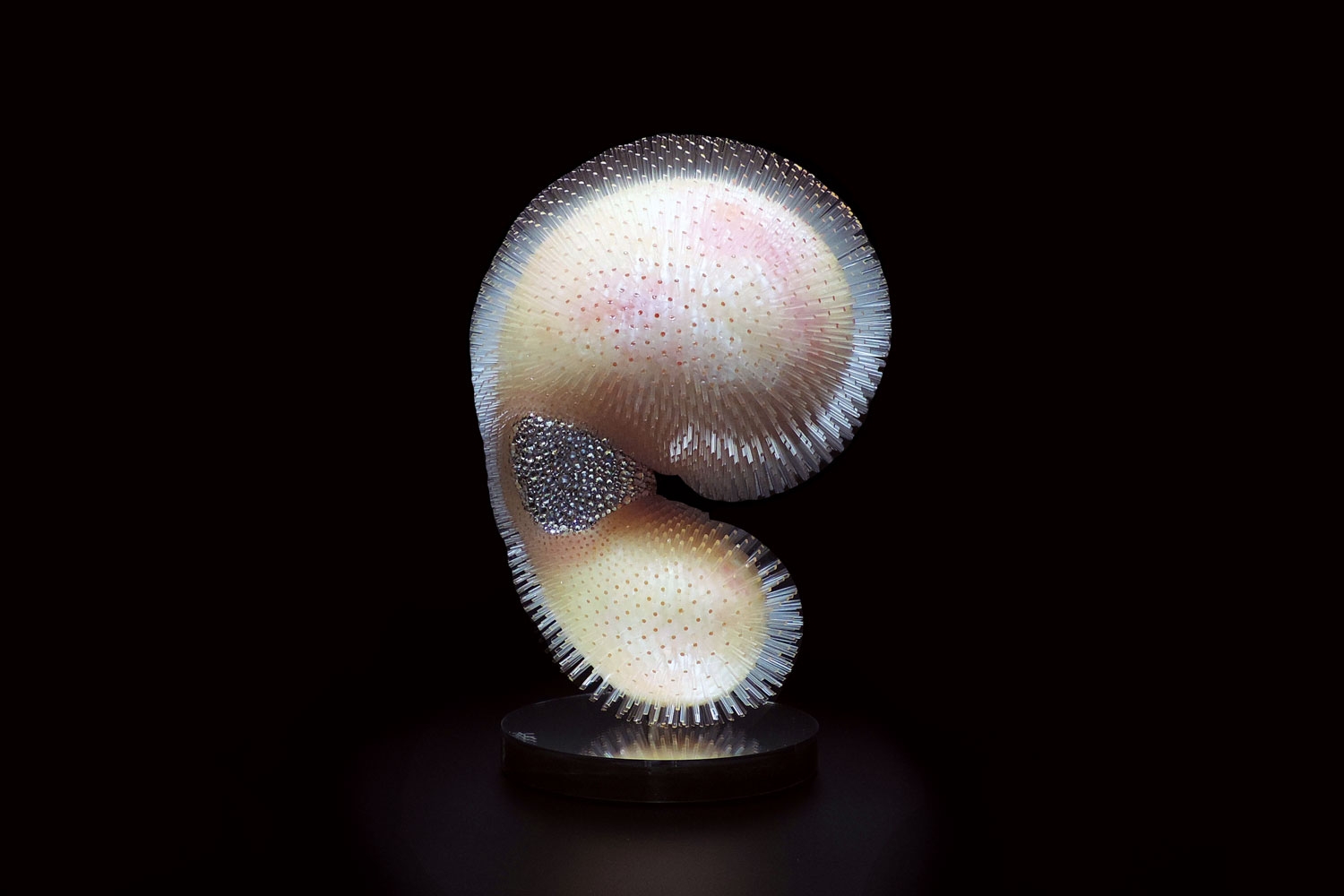
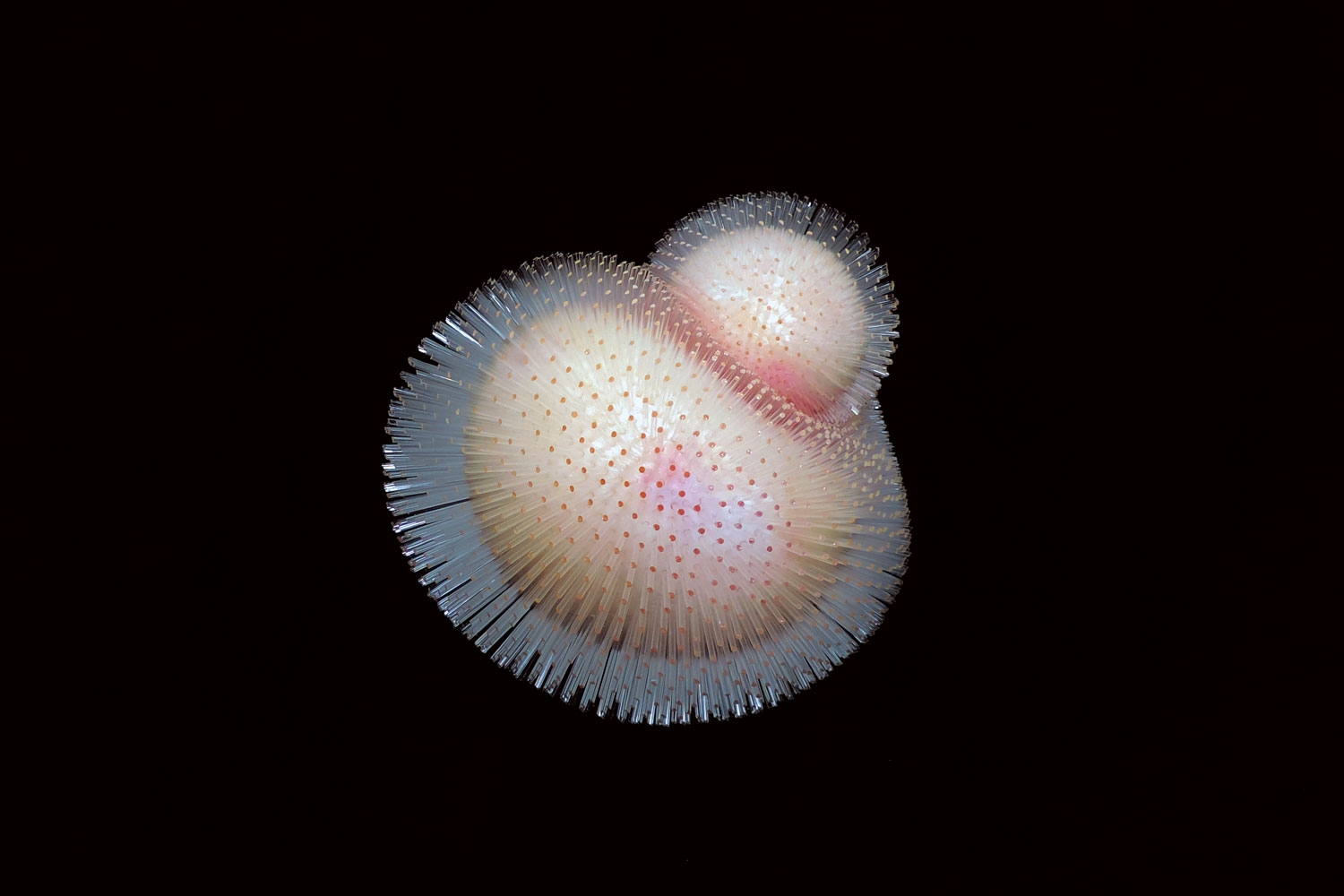
Ayako Hirokagi knew she wanted to work with glass at the age of eight. Her desire to create grew from watching artisans at work in her native Japan. Steadfast in pursuing her dream, Ayako learned to make functional items in a glassblowing studio before discovering sculpture at the Tokyo Glass Art Institute, where she taught from 2013 to 2019. Using her own simple, repetitive technique, she inserts countless thin quartz glass rods into painted wax-covered foam forms. Ayako explains why human life is a central theme in her work. “My sense of existence in childhood overlays the colourless, transparent nature of glass," she shares. "Glass is cold and hard, but also fragile and can look like tears."
INTERVIEW
When I was a child, I found a piece of sea glass at the beach. I thought it was a stone, but it disappeared into the waves. Because the glass was transparent, it became invisible. It was a very beautiful moment for me, and after it happened, I really got into glass.
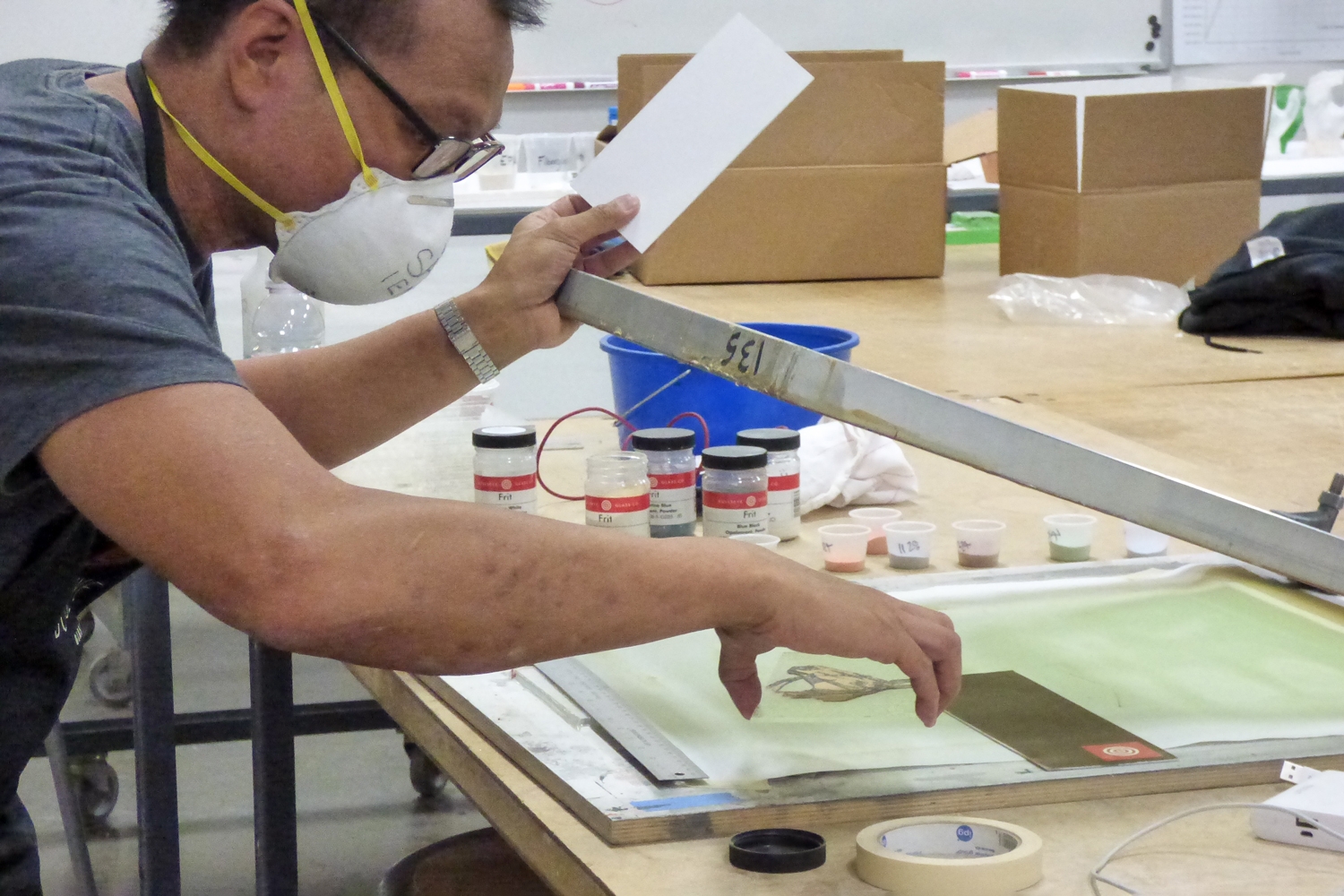
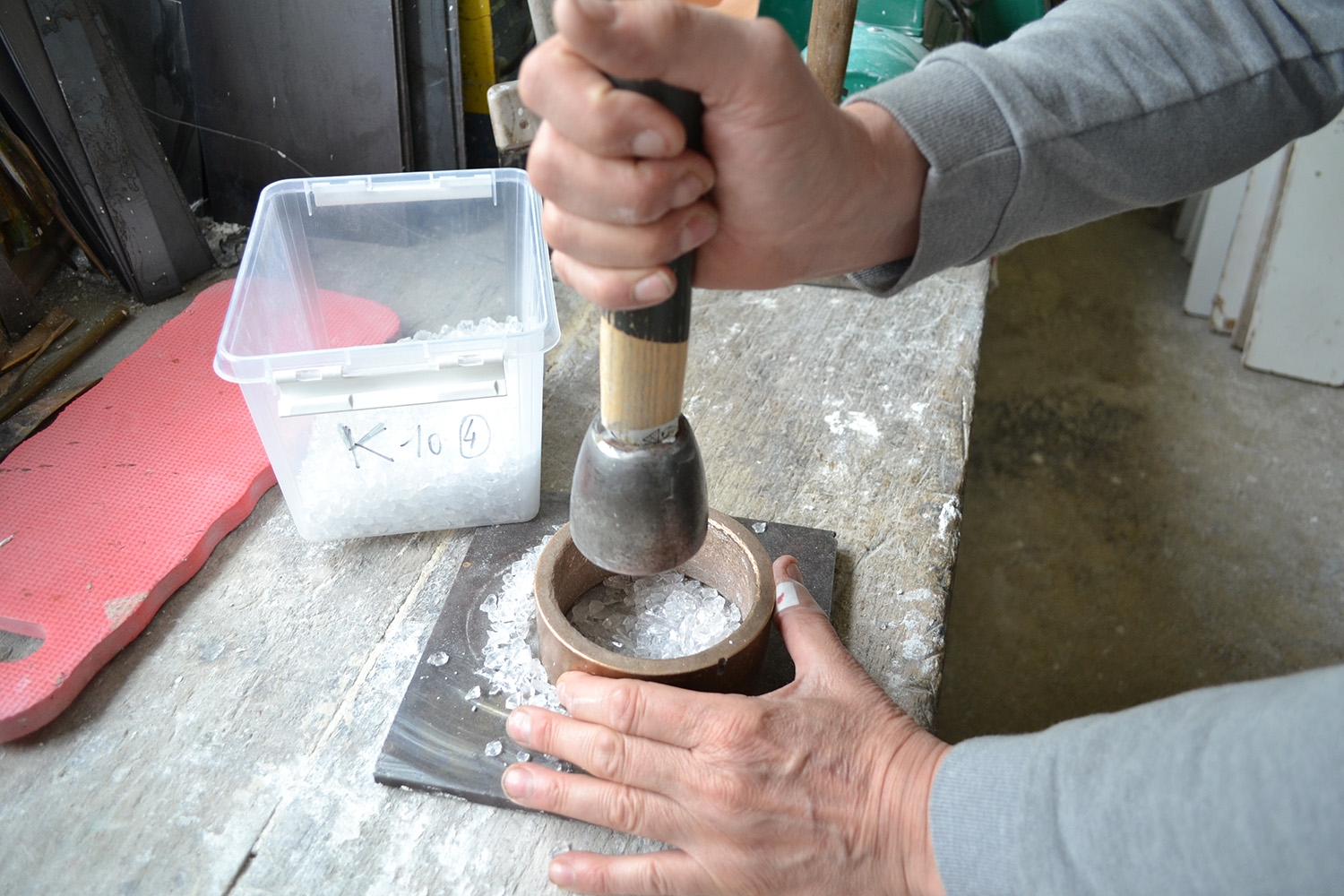
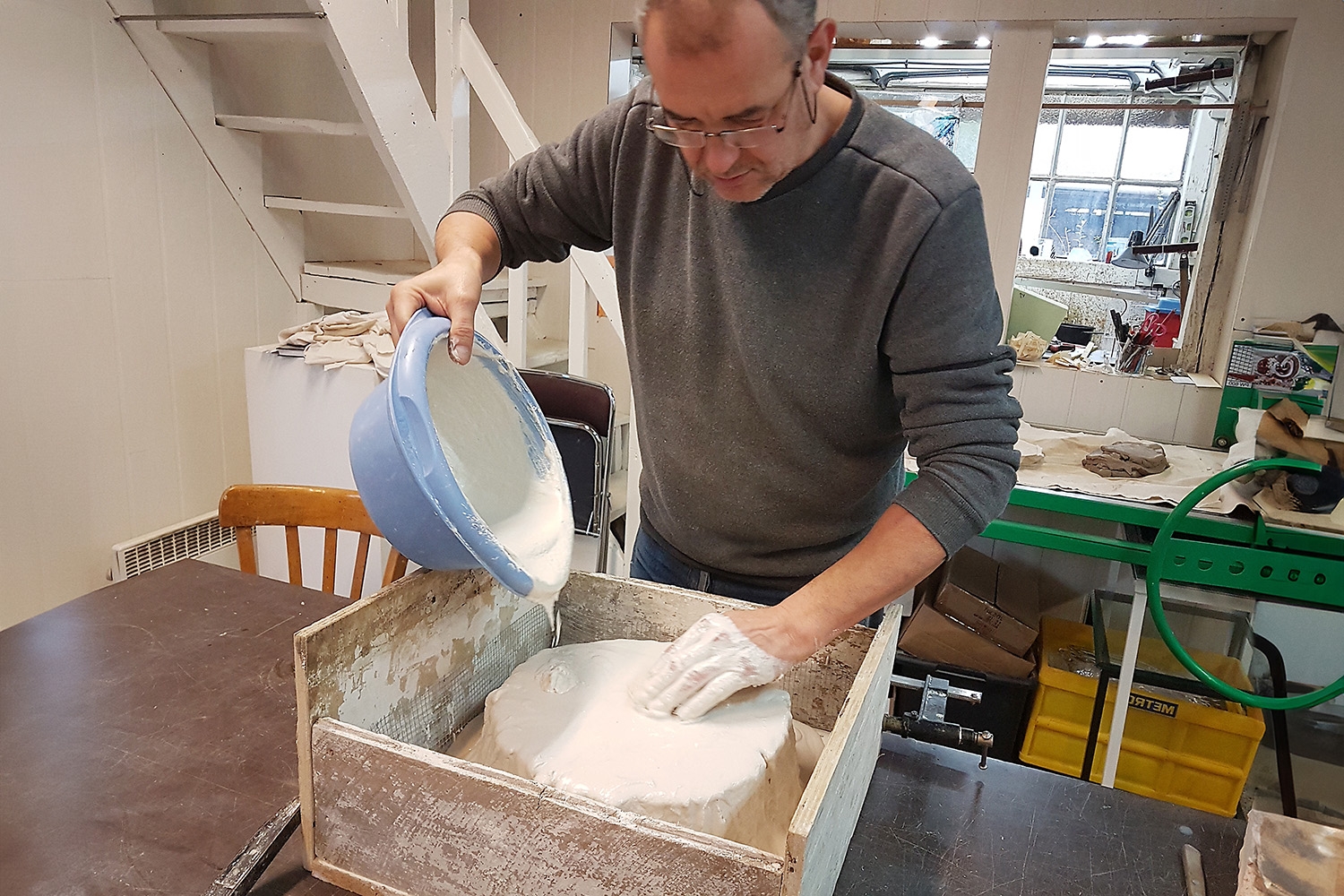
My technique is not traditional. When I was a student, I wanted to work with the materials all the time but I could only access the glass studio for about five hours a day. I would make a lot of glass materials when the workshop was open and then spend the rest of my time combining them to create sculptures. That is how my technique began.
I am deeply interested in the fragility of the human species. Why are our bodies so weak compared to those of other animals? We have weaker skin, bones and teeth, and limited defences. We are also mentally fragile. I am intrigued by these peculiarities of human existence.
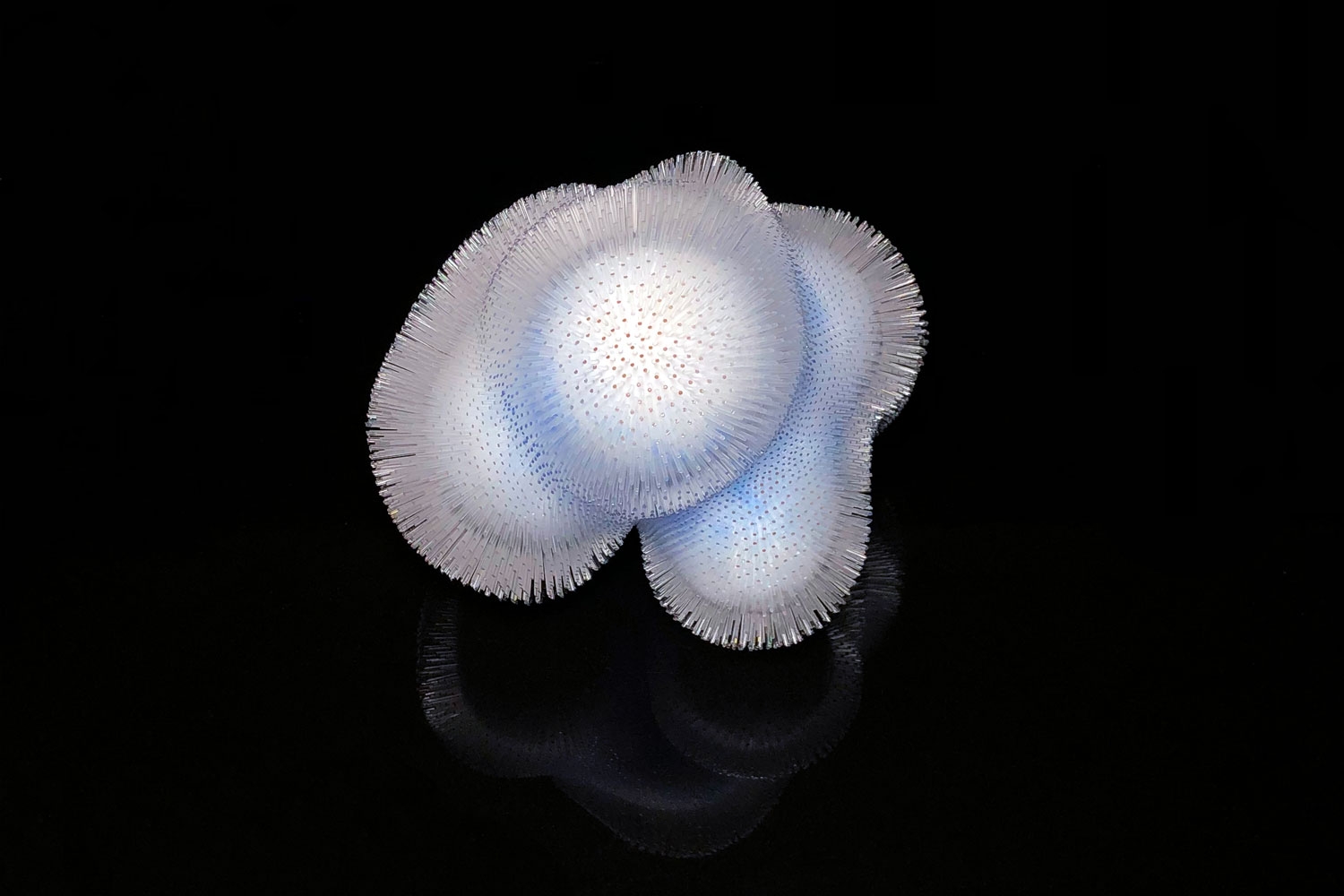
The way the colours of the sculpture reflect on the tips of the rods is fascinating. The countless glass rods blur the outlines and make my work look fragile. The sculptures appear soft despite their hardness, seem to float and look almost alive. I believe these visual effects are unique to the transparent nature of glass.
Ayako Hirogaki
Glass sculptor
New York, NY, USA
ADDRESS
Address upon request, New York, NY, USA
AVAILABILITY
By appointment only
LANGUAGES
Japanese, English
Homo Faber Finds is a new service aiming to inspire admirers of craft to connect and collaborate with exceptional artisans.
We invite you to submit an enquiry here.