
Dylan Martinez
Glass sculptor
Bingen, WA, USA
Glass cloaked in whimsy
- Dylan's glass sculptures showcase both concept and craft
- Through experimentation, he pushes glass beyond traditional methods
- His work challenges notions of perception and permanence
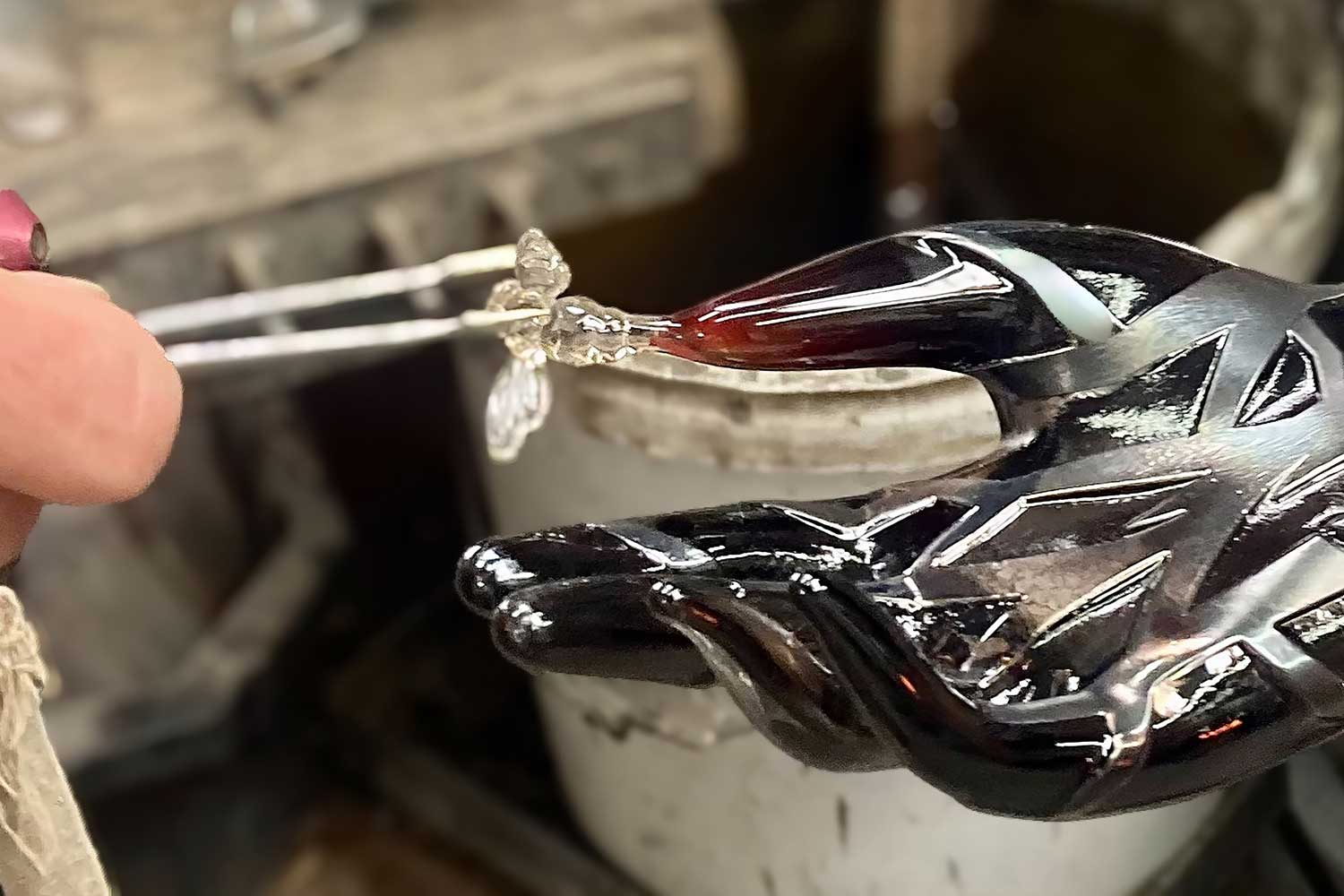
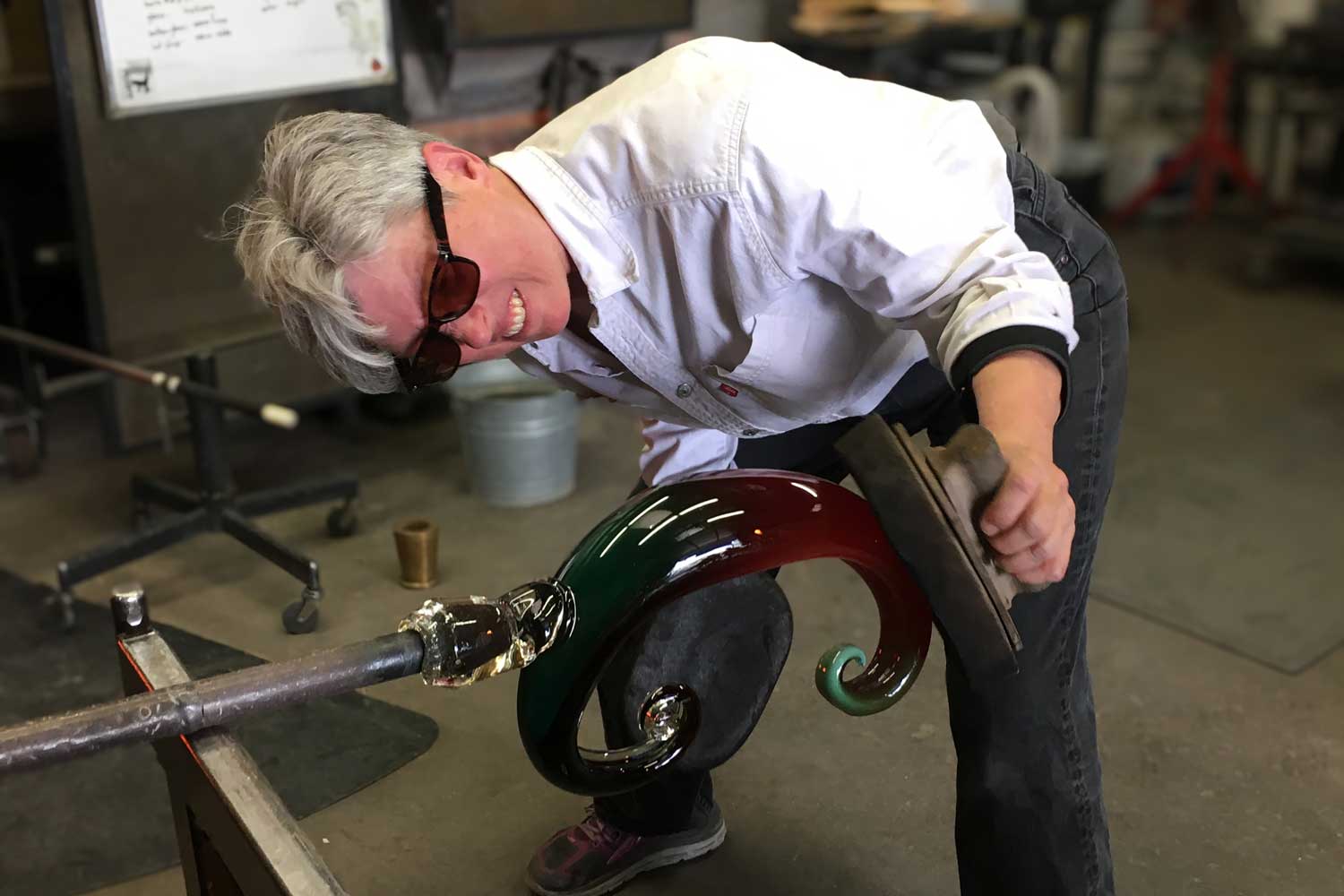
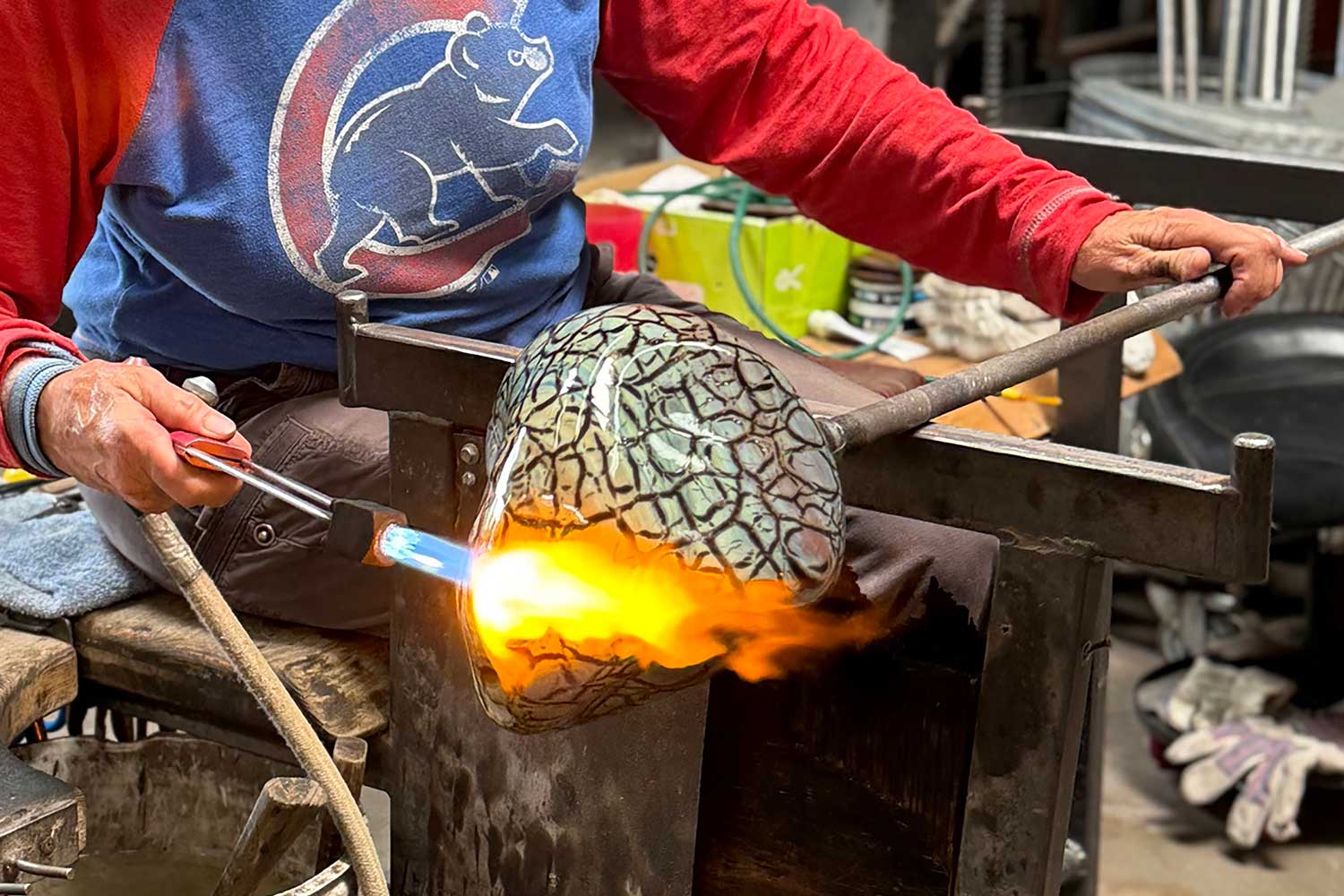
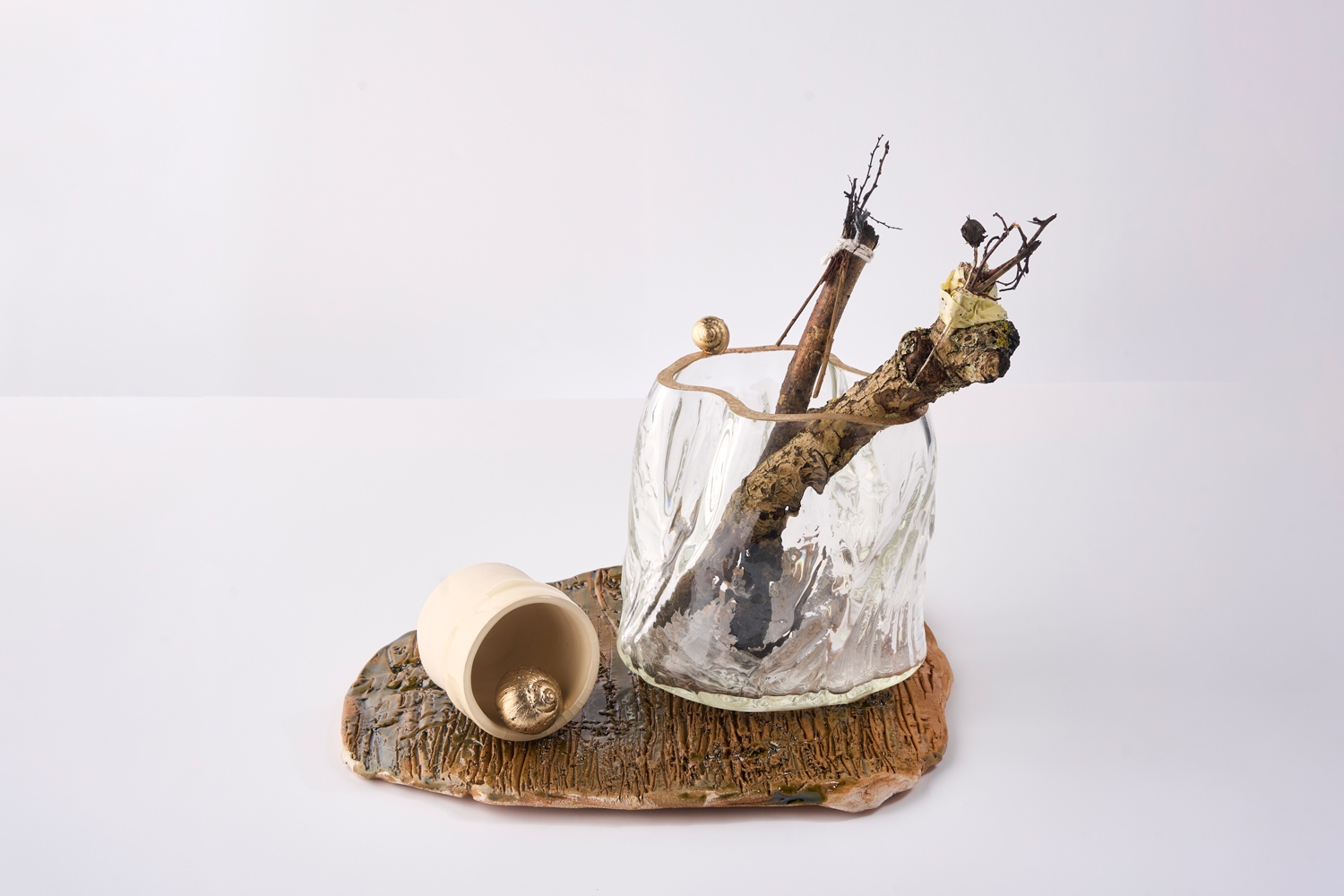
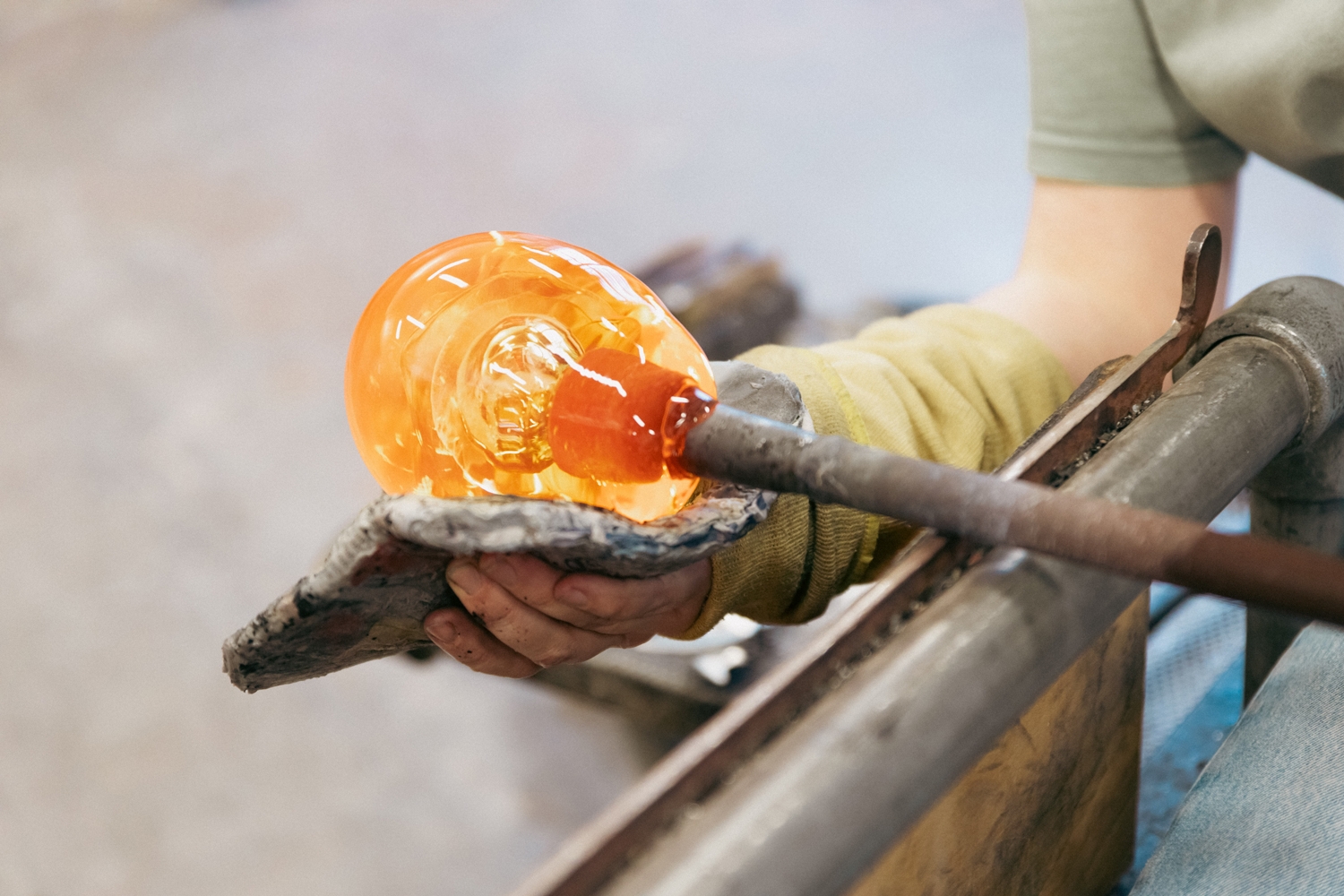
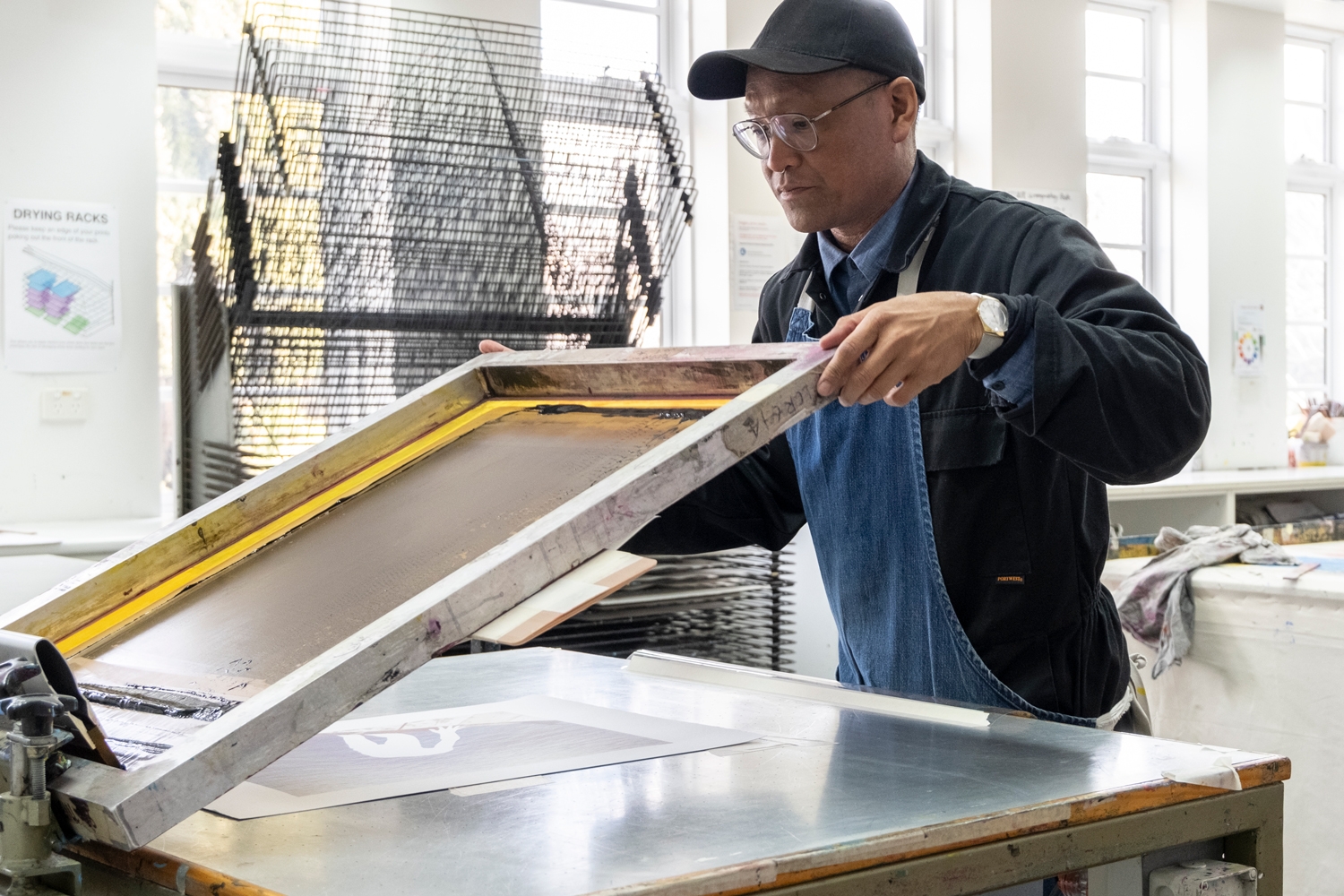
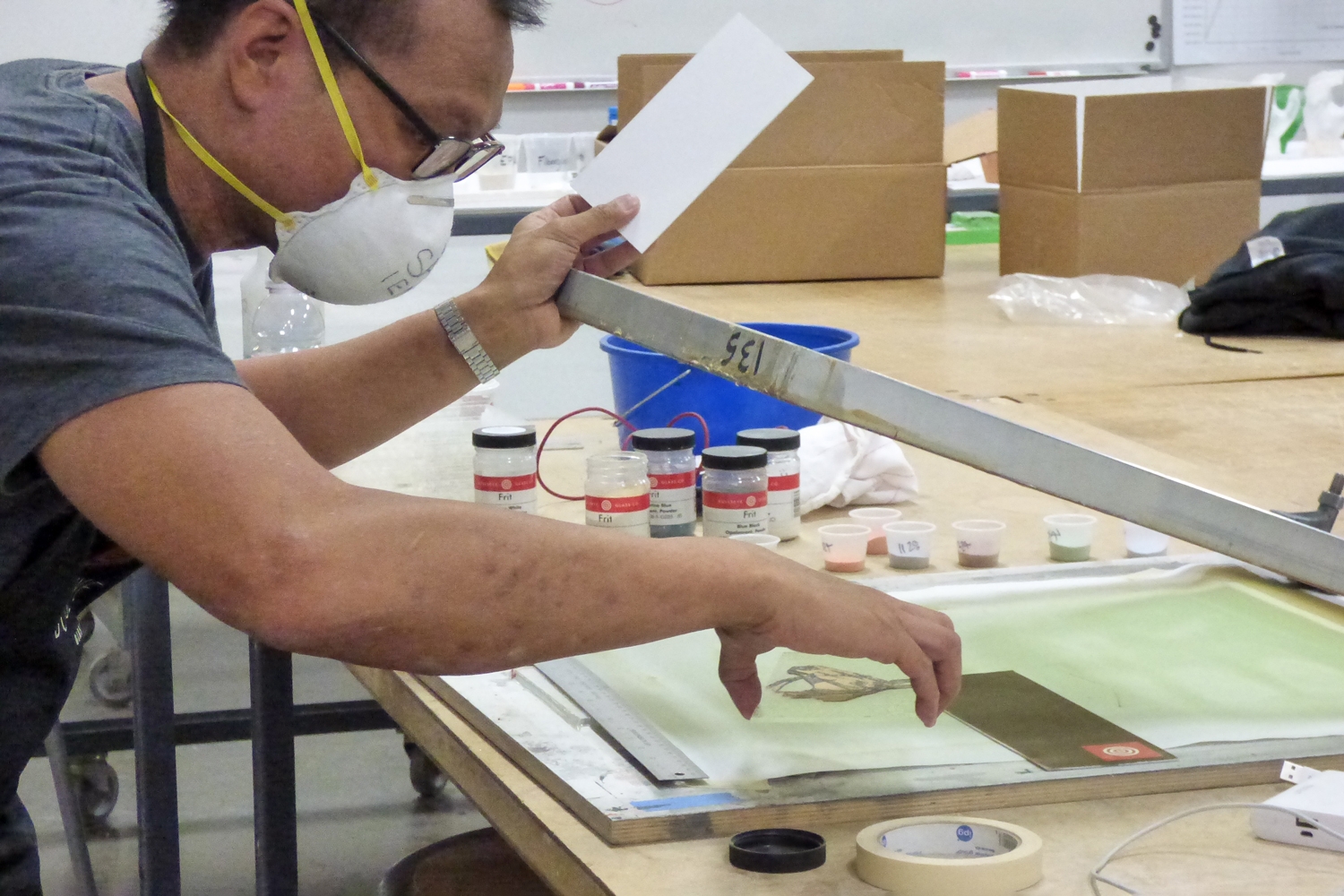
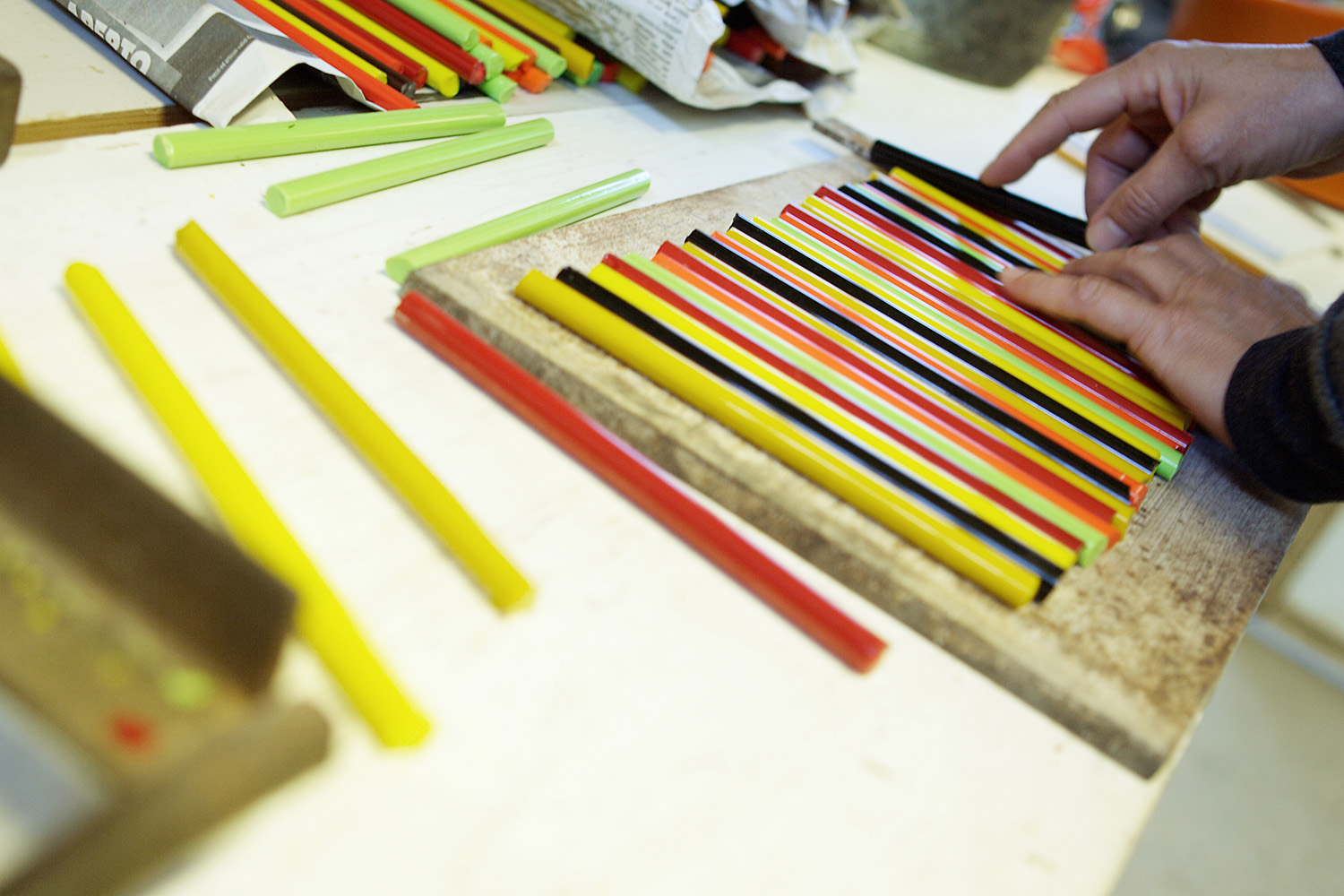
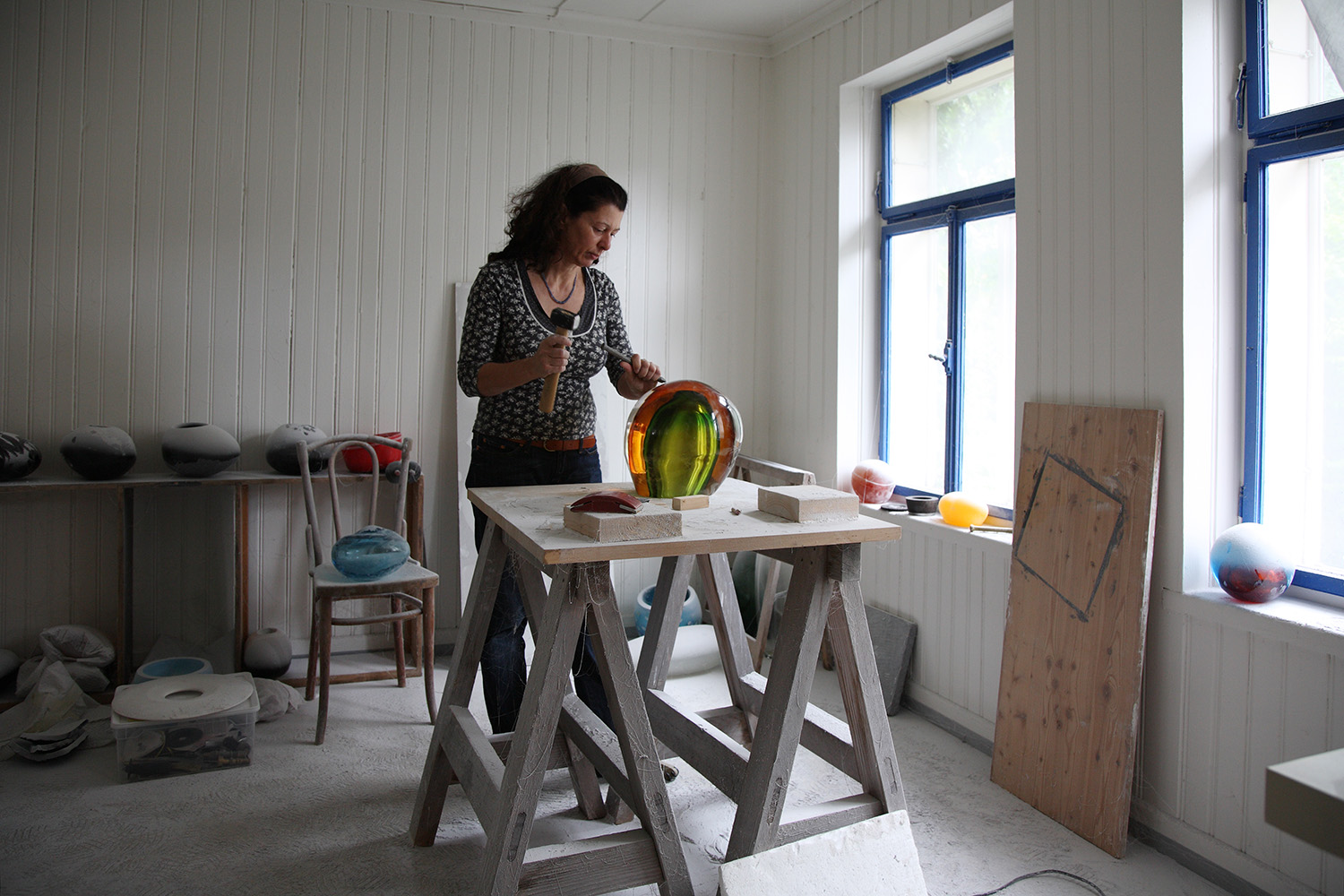
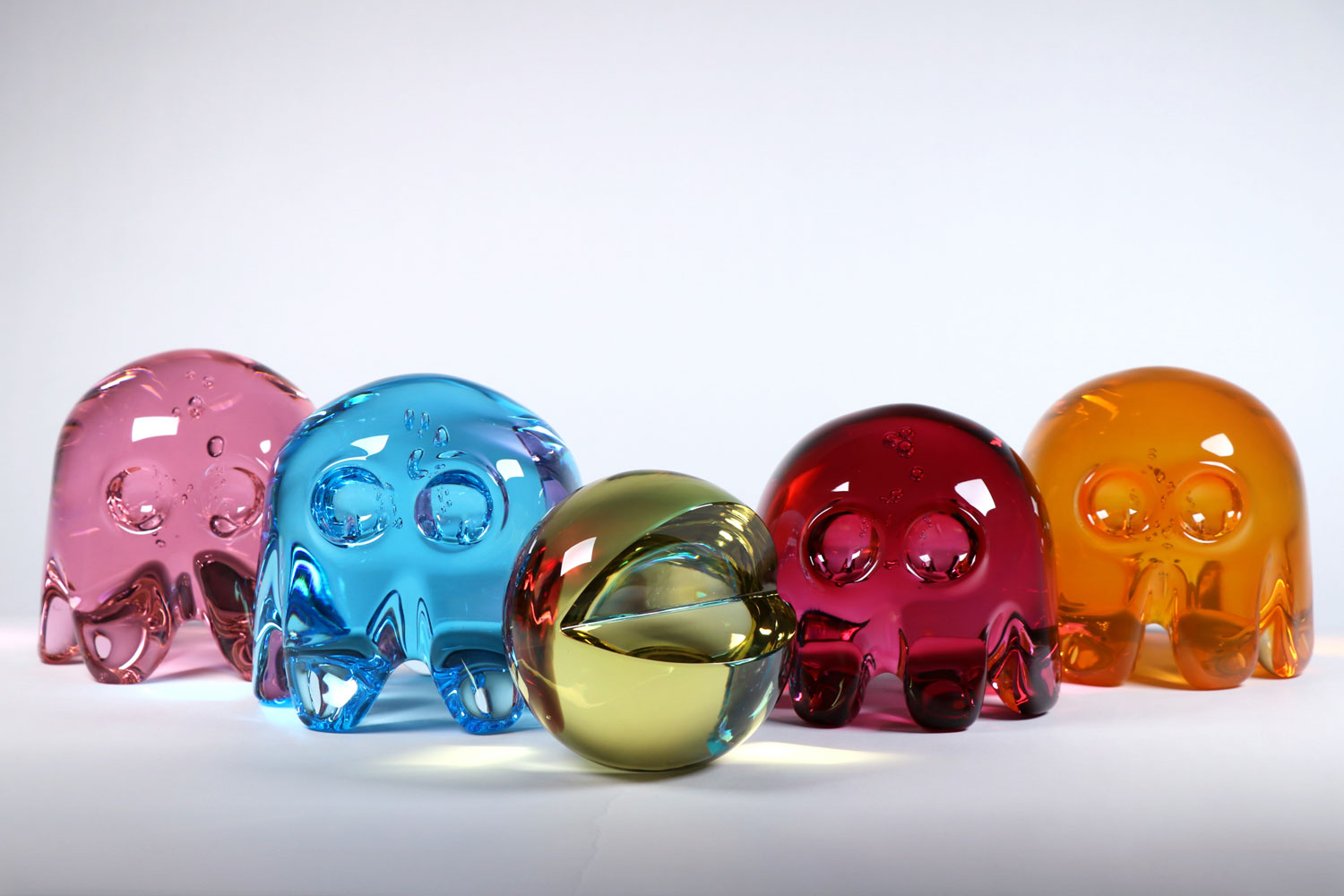
Dylan Martinez transforms glass into whimsical trompe l'oeil pieces. He was an undergraduate student studying science when he enrolled in a glassmaking course on an impulse. “What struck me immediately was how glass transformed everything I had only conceptualised in my studies, such as heat, viscosity and movement through space, into something tactile and responsive,” Dylan says. “Instead of working through equations, I was suddenly holding the science itself.” After completing his science degree, he continued with glass sculpture through hands-on artistic training as an artist’s apprentice and in residency, as well as self-directed immersion in the craft. In 2017, Dylan earned an MFA with a specialisation in glass from Ball State University. This marked a shift in his practice, from focusing primarily on technique to exploring the conceptual possibilities of glass as a fine art sculpture medium.

INTERVIEW
The first thing I ever made was a very clumsy cup: heavy, uneven and wobbly. The object itself was not the revelation, but the experience was. I saw how a molten, unstable material could be coaxed into something permanent and transparent, and how demanding it was to control. That initial difficulty lit a fire.
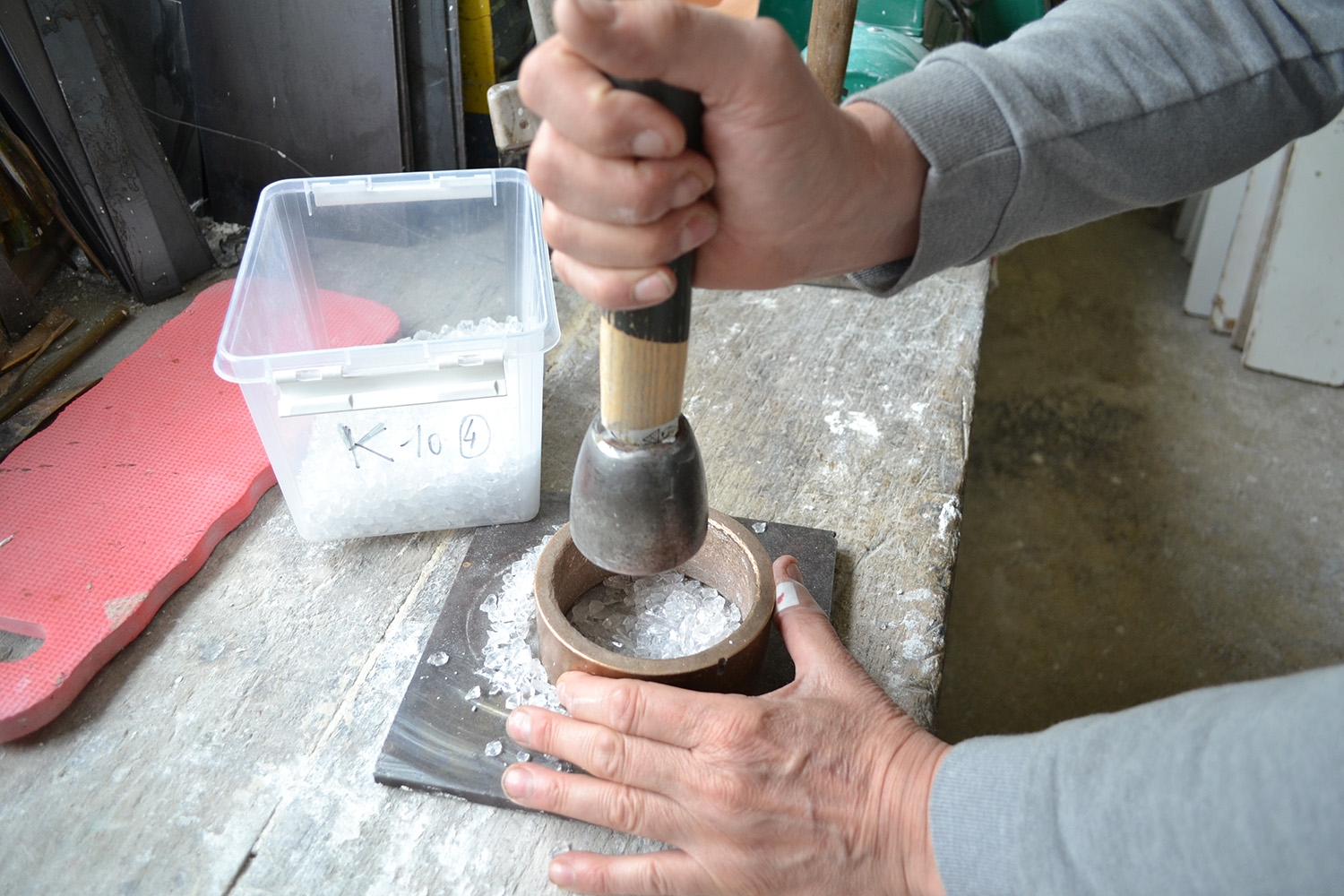
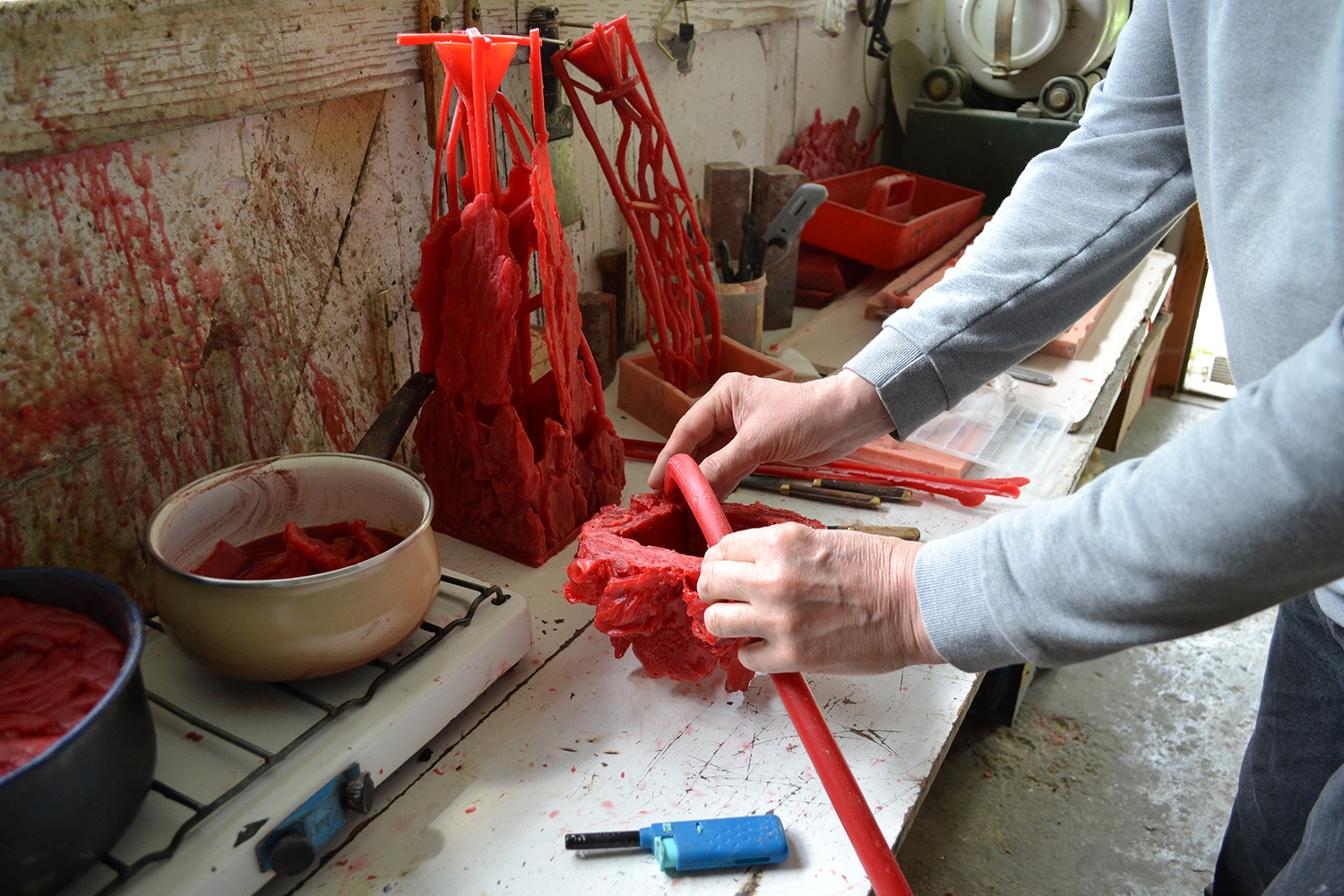
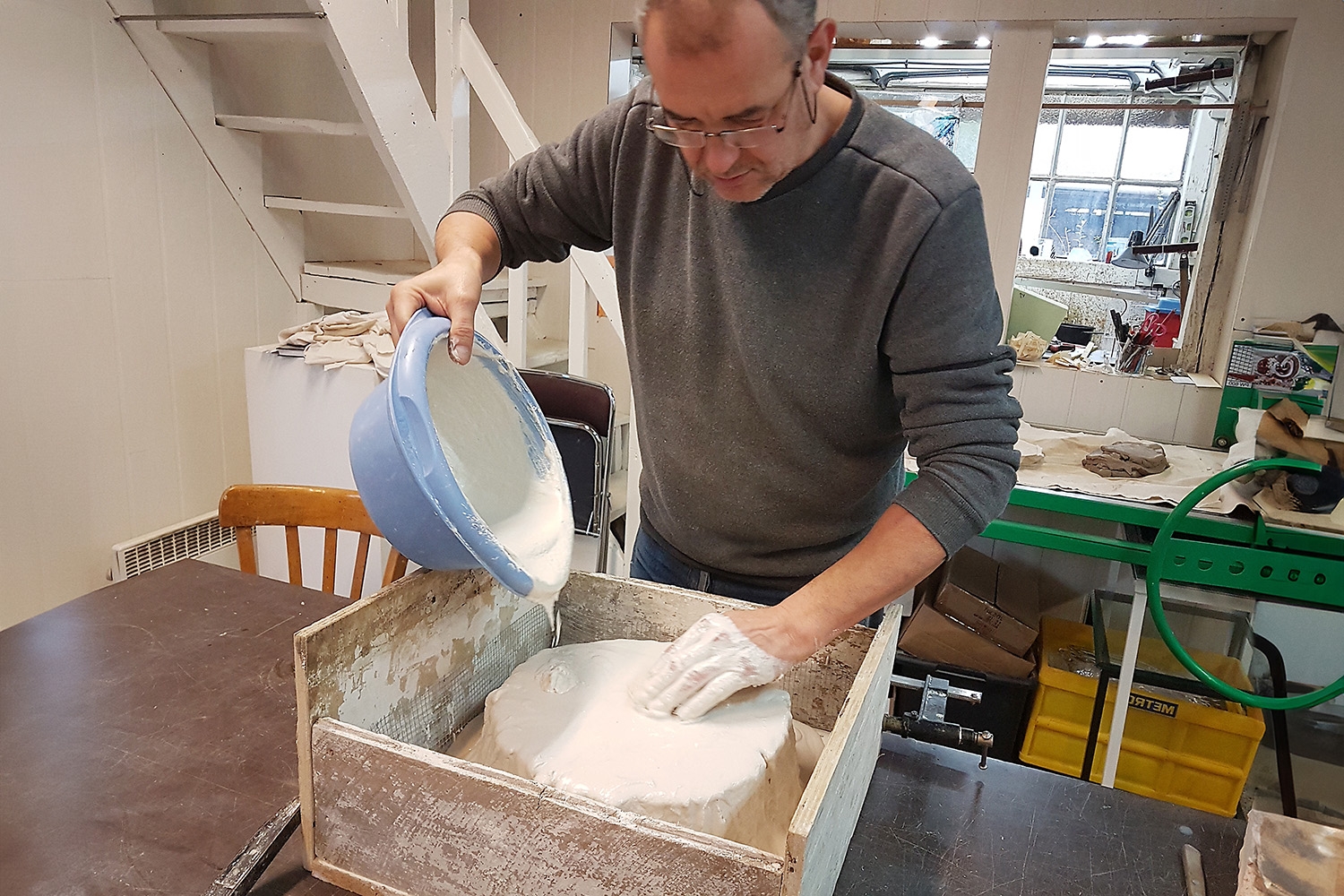
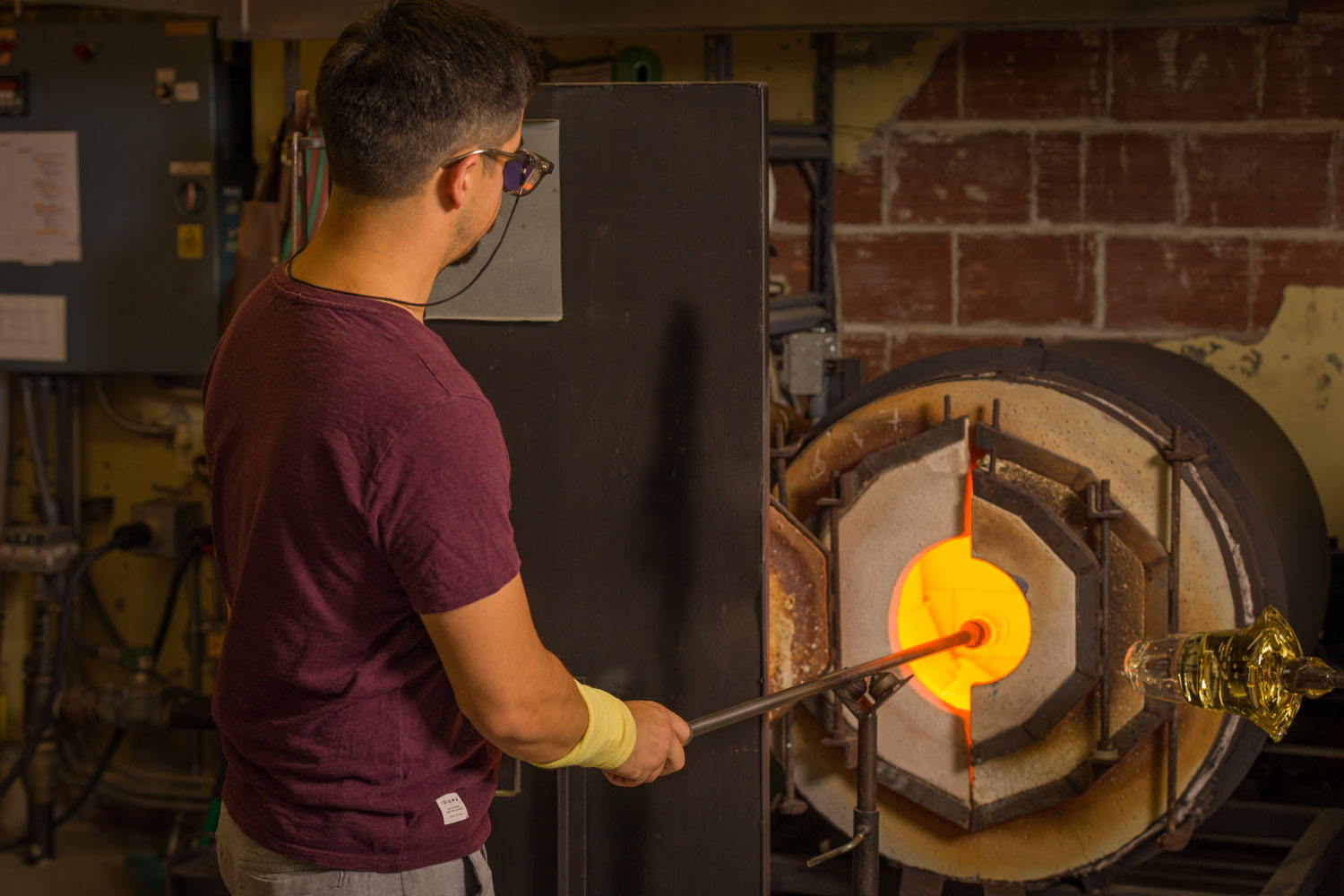
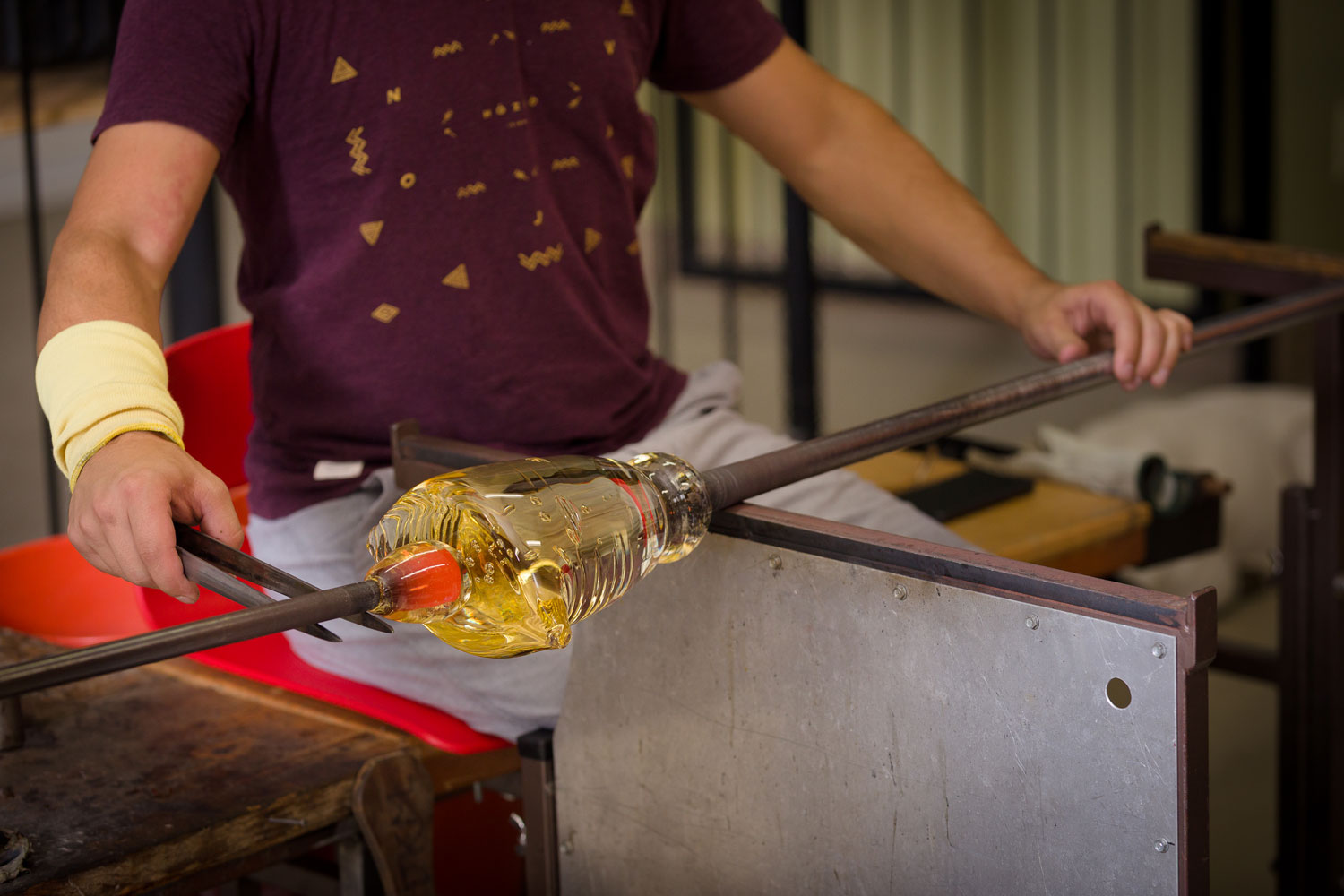
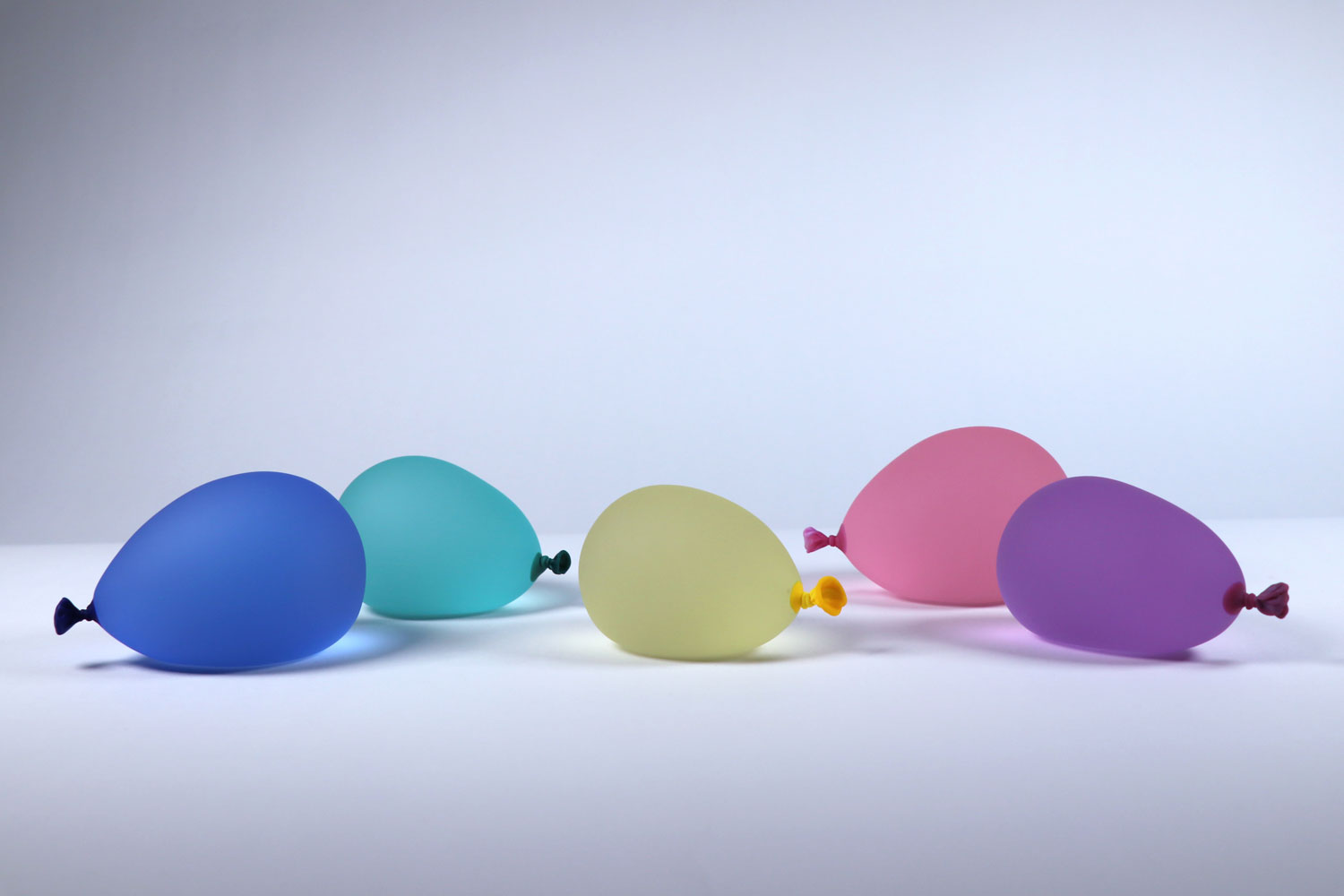
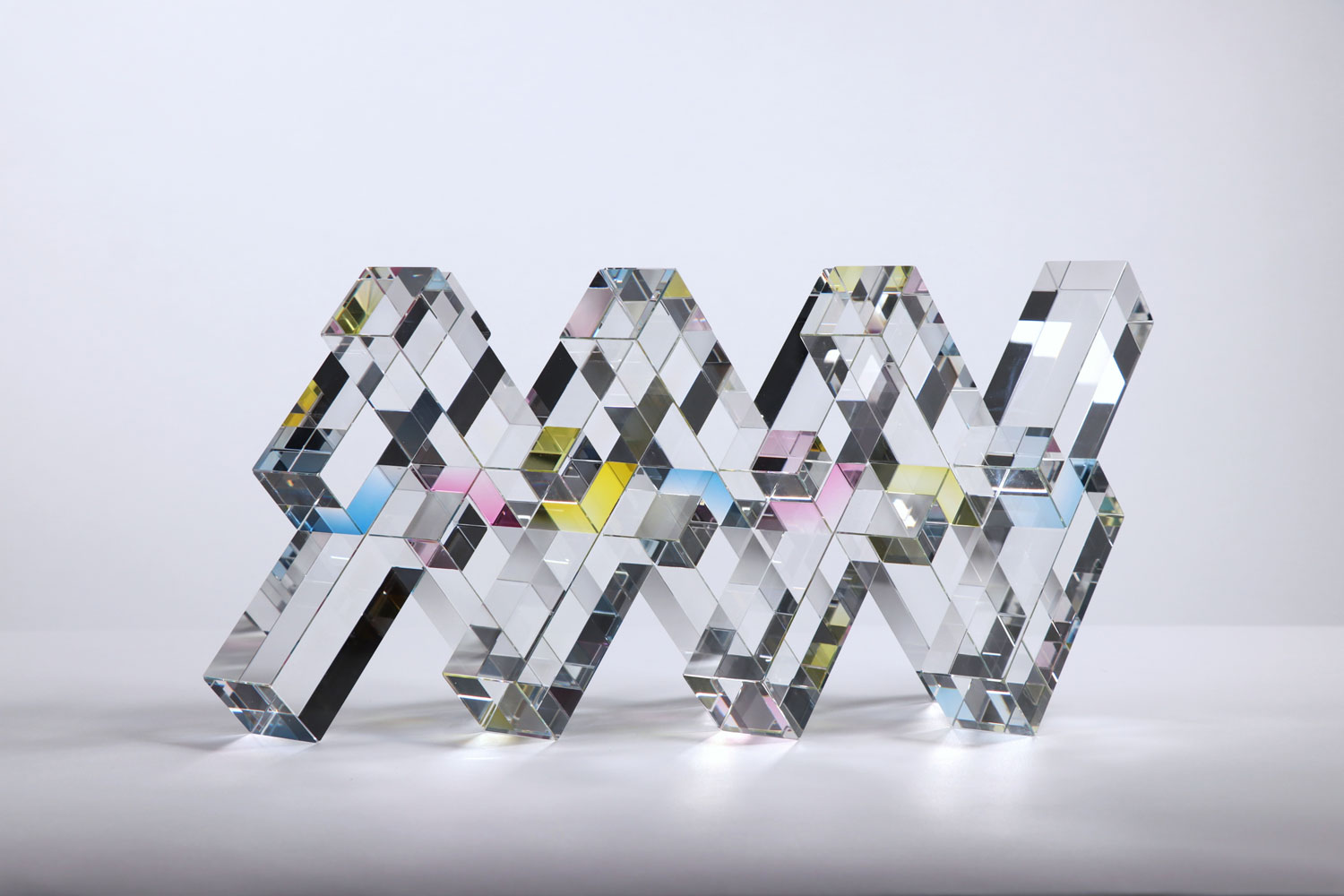
To make glass convincingly disappear, I have to push the material beyond typical methods. The challenge is not just executing a technique, it is discovering the technique in the first place, and then mastering it enough that viewers forget the glass entirely.
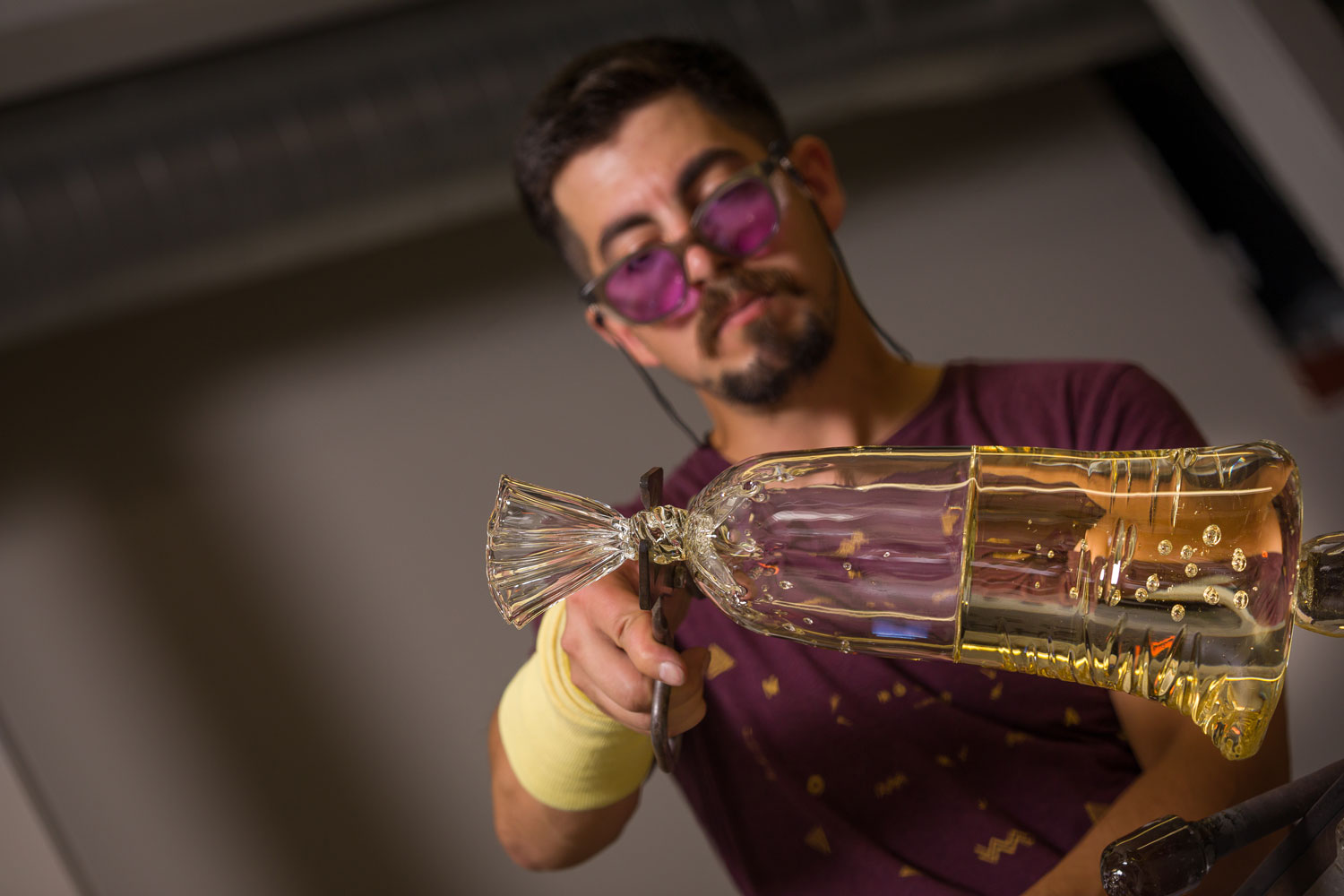
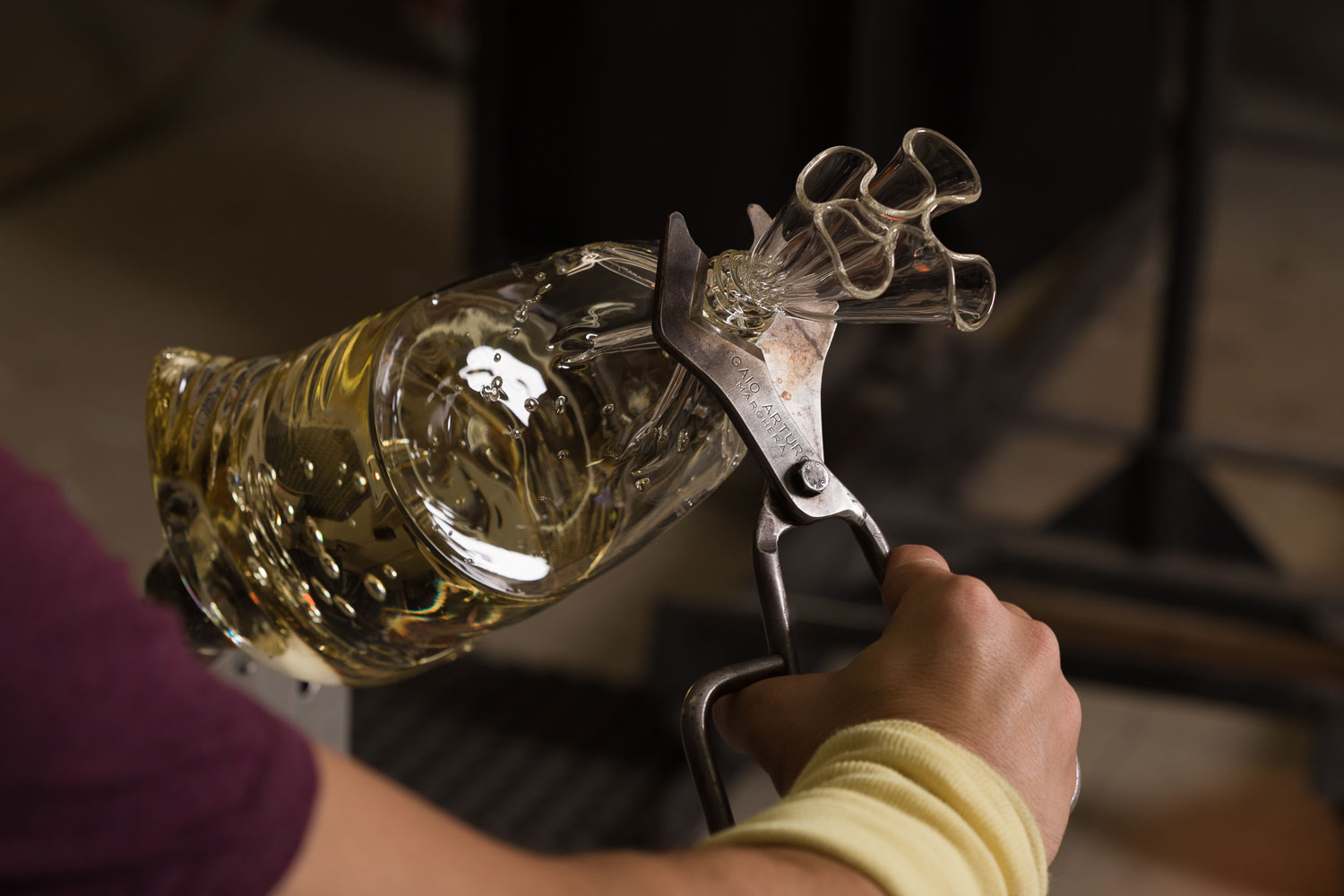
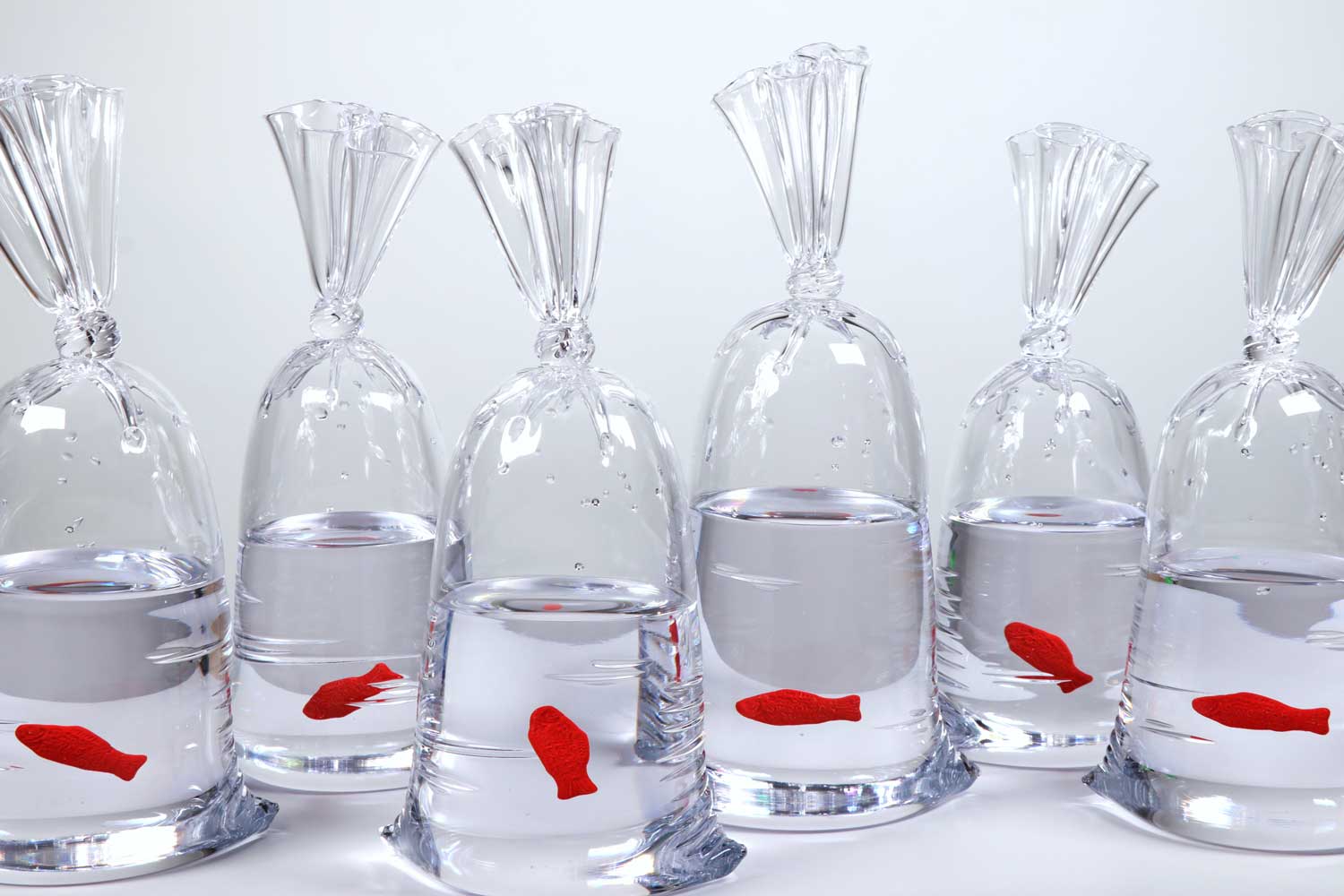
I use glass to mimic a plastic bag filled with water. People know it is glass, but they still flinch as if it might spill. That moment of cognitive dissonance is the whimsical part. Physically, every step is about balancing absolute control with just enough irregularity to make the illusion convincing.
There is a clear link to trompe l’oeil because of the optical mimicry, and to Pop Art in the sense that I am elevating everyday, recognisable objects. My optical glass work also draws from the Light and Space movement. But, for me, these categories are more like tools than destinations.
Dylan Martinez
Glass sculptor
Bingen, WA, USA
AVAILABILITY
By appointment only
LANGUAGES
English
Homo Faber Finds is a new service aiming to inspire admirers of craft to connect and collaborate with exceptional artisans.
We invite you to submit an enquiry here.



DSC02402_©Meg-Lovell.jpg)
DSC01379_©Meg-Lovell.jpg)
DSC01458_©Meg-Lovell.jpg)