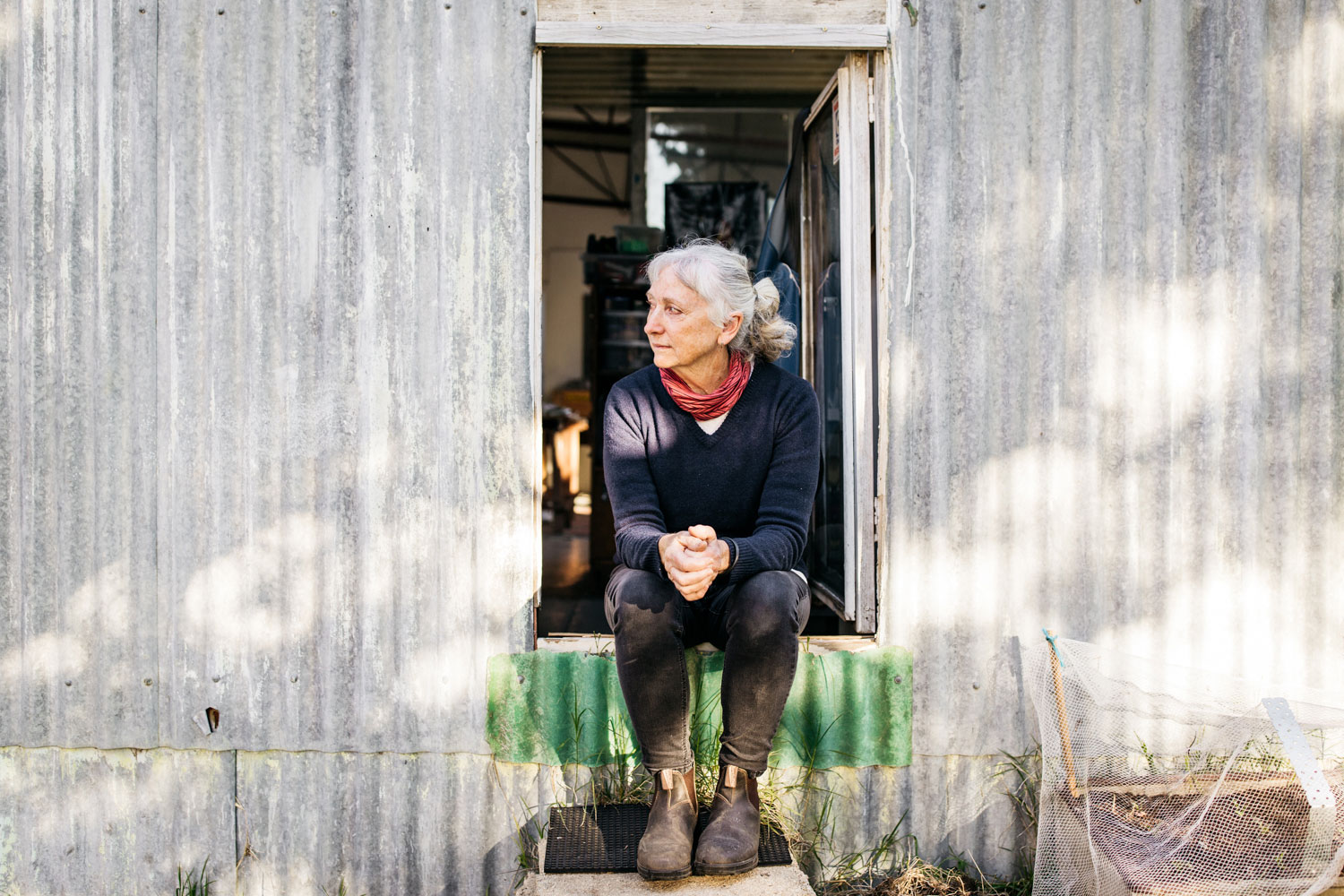
Kirstie Rea
Glass sculptor
Queanbeyan, Australia
Gentle gestures of folded glass
- Kirstie has been working with glass since the mid-1970s
- She uses glass to invite a sense of wonder
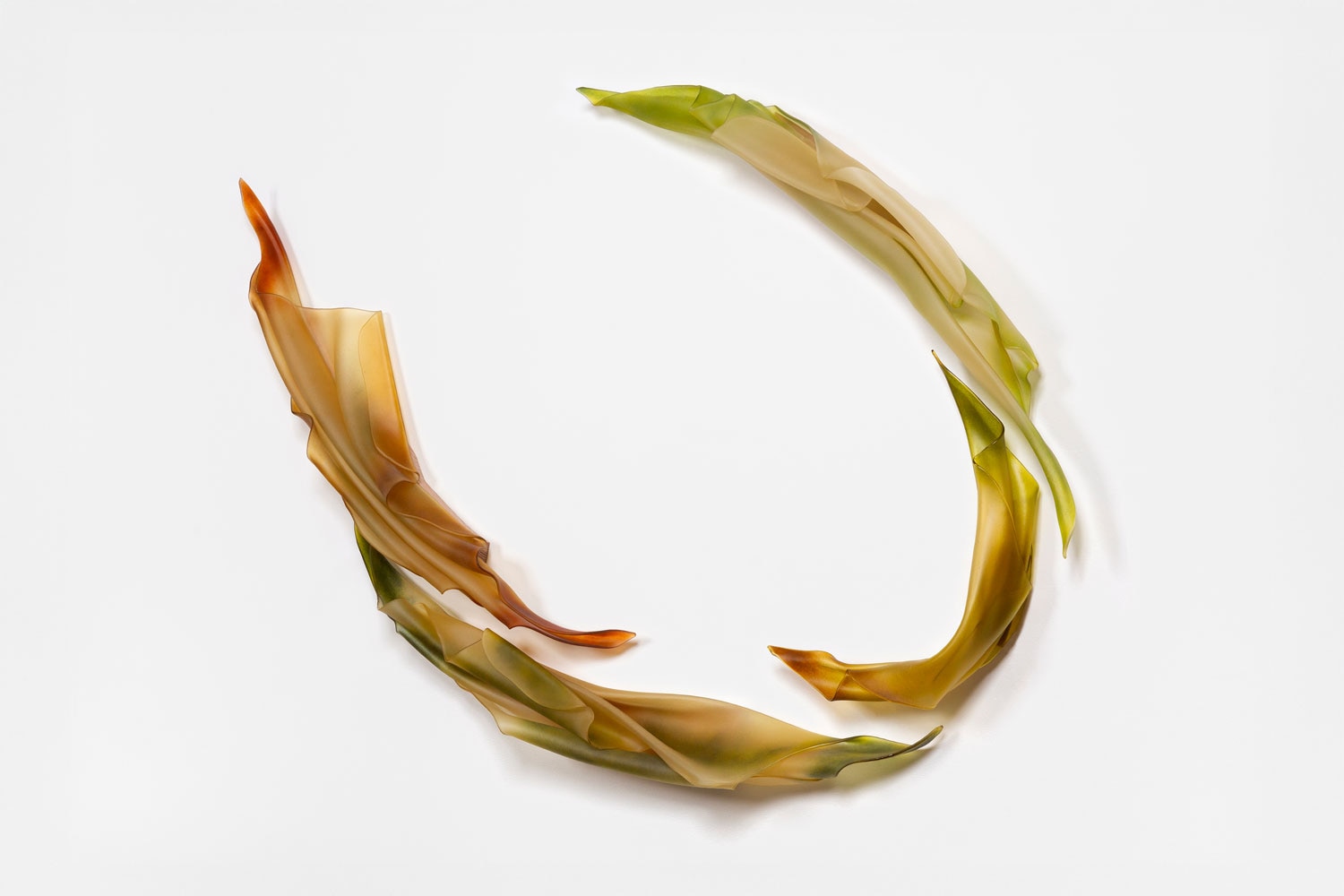
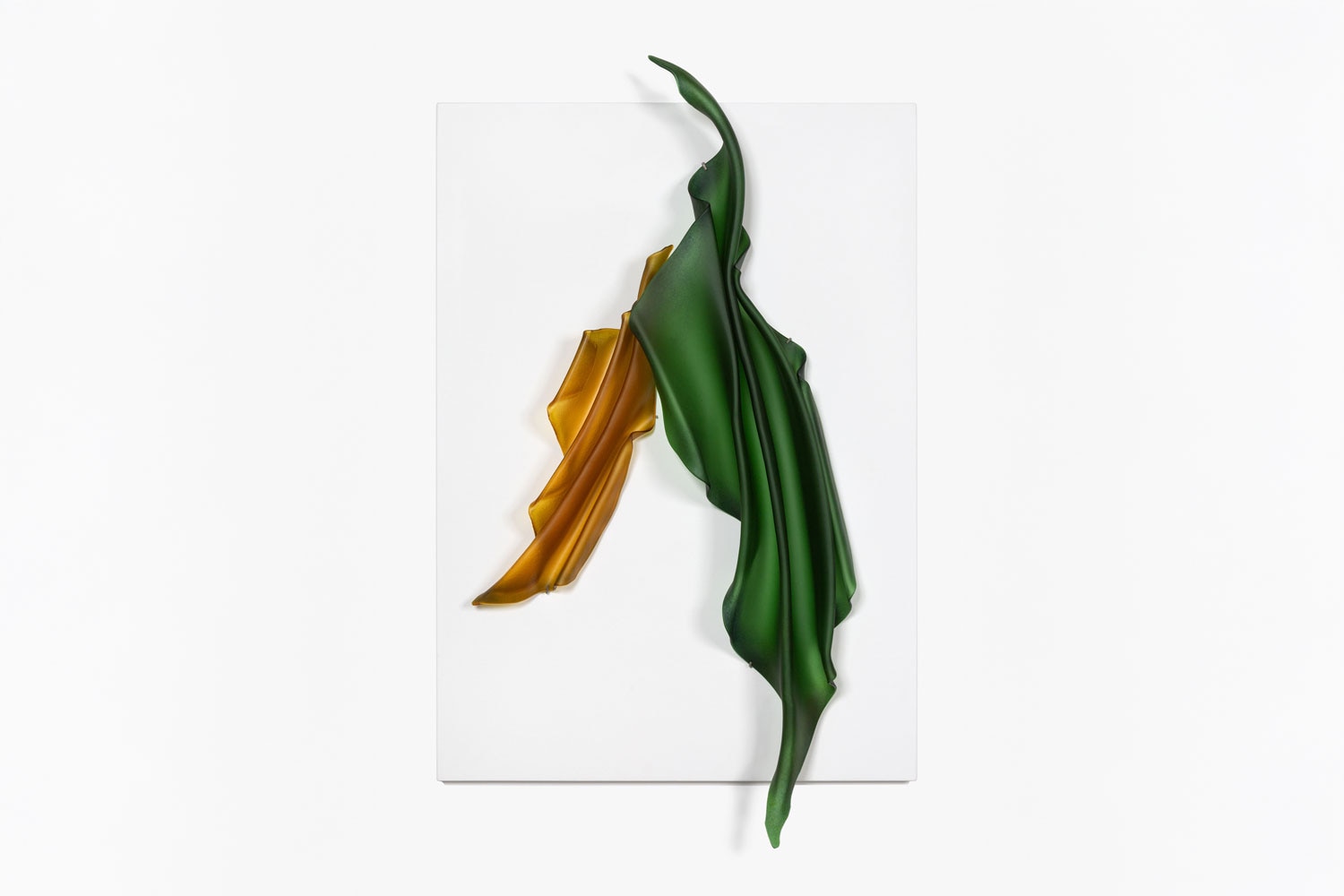
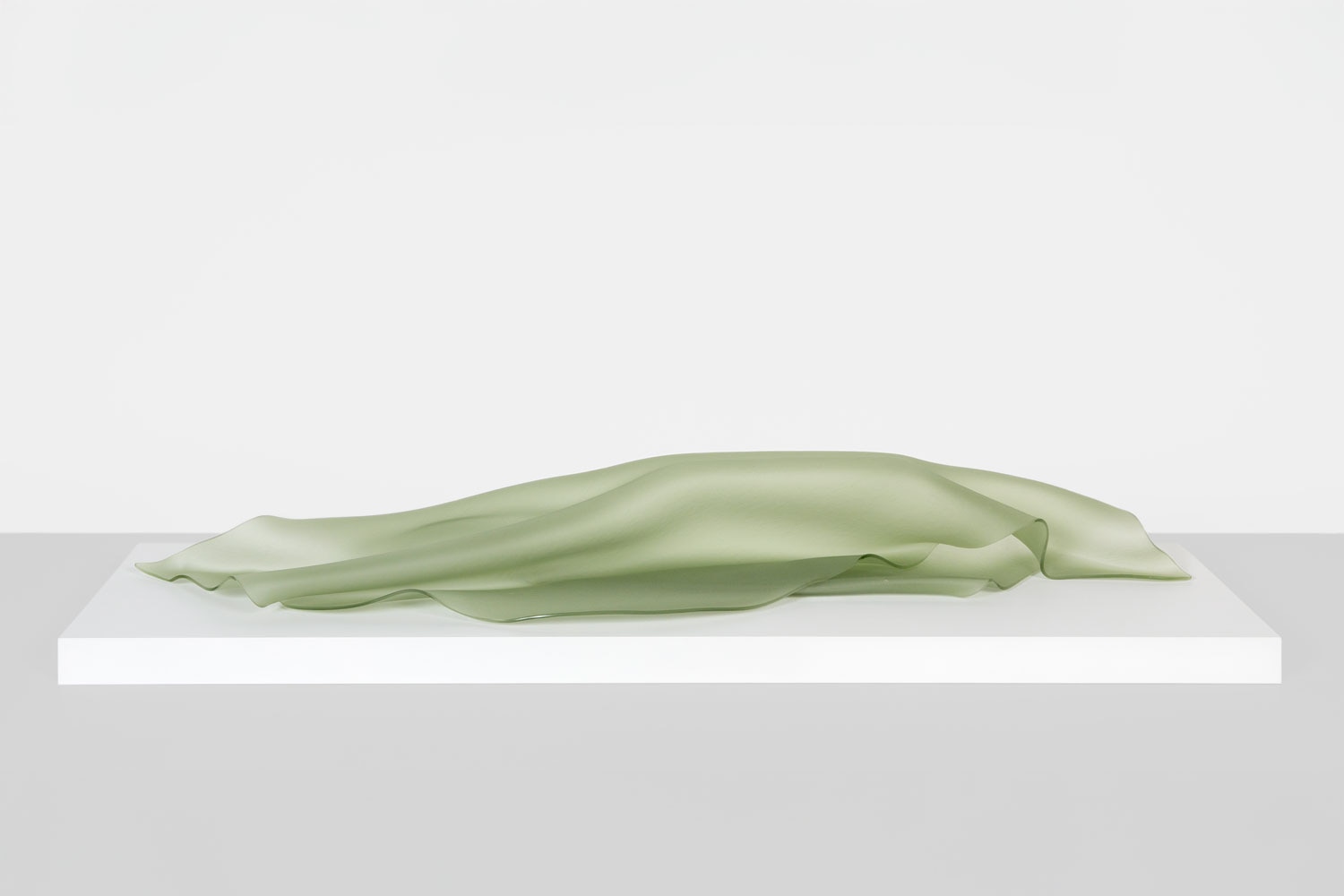
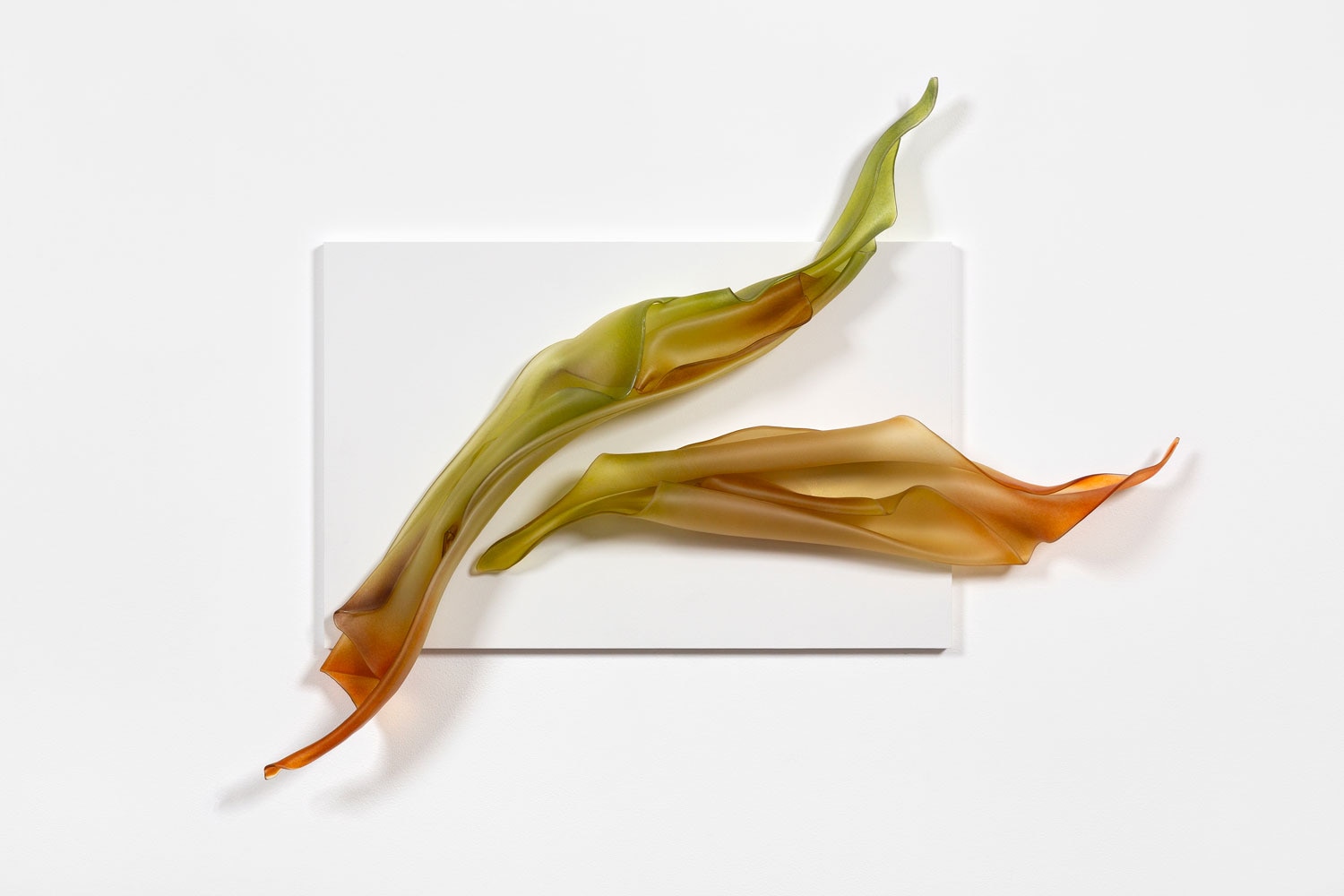
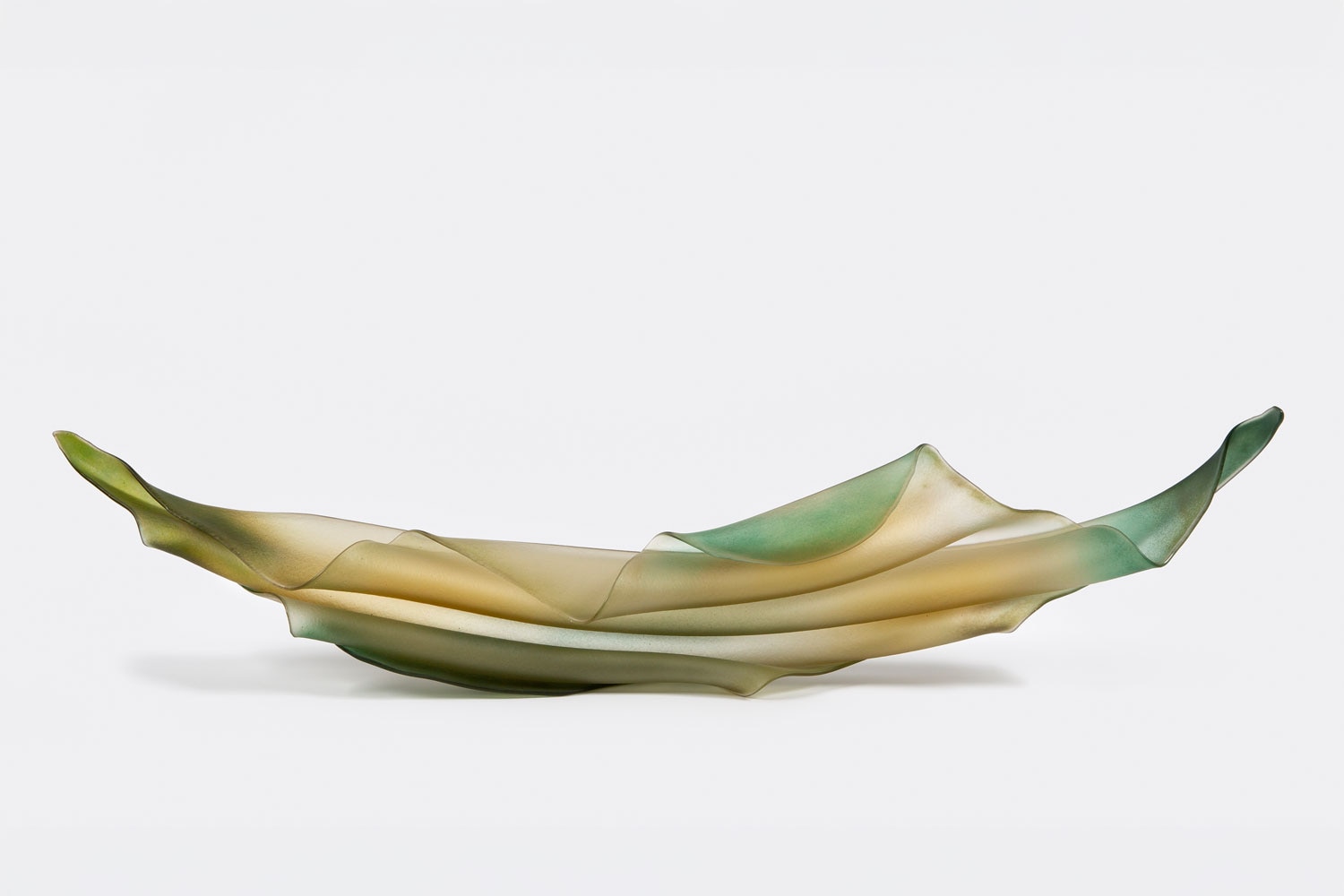
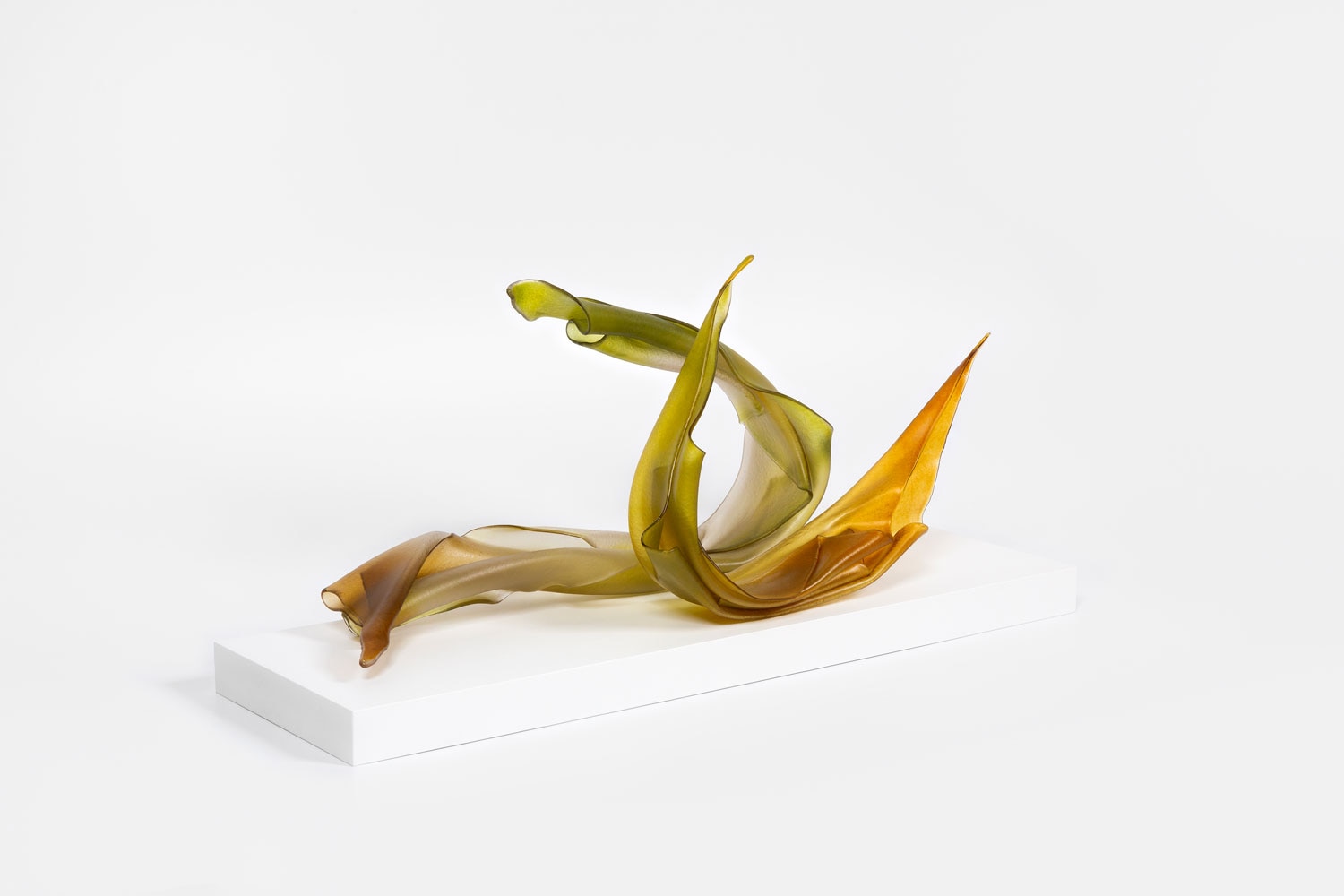
- Her ethereal pieces feature a fabric-like appearance in a multitude of soft hues
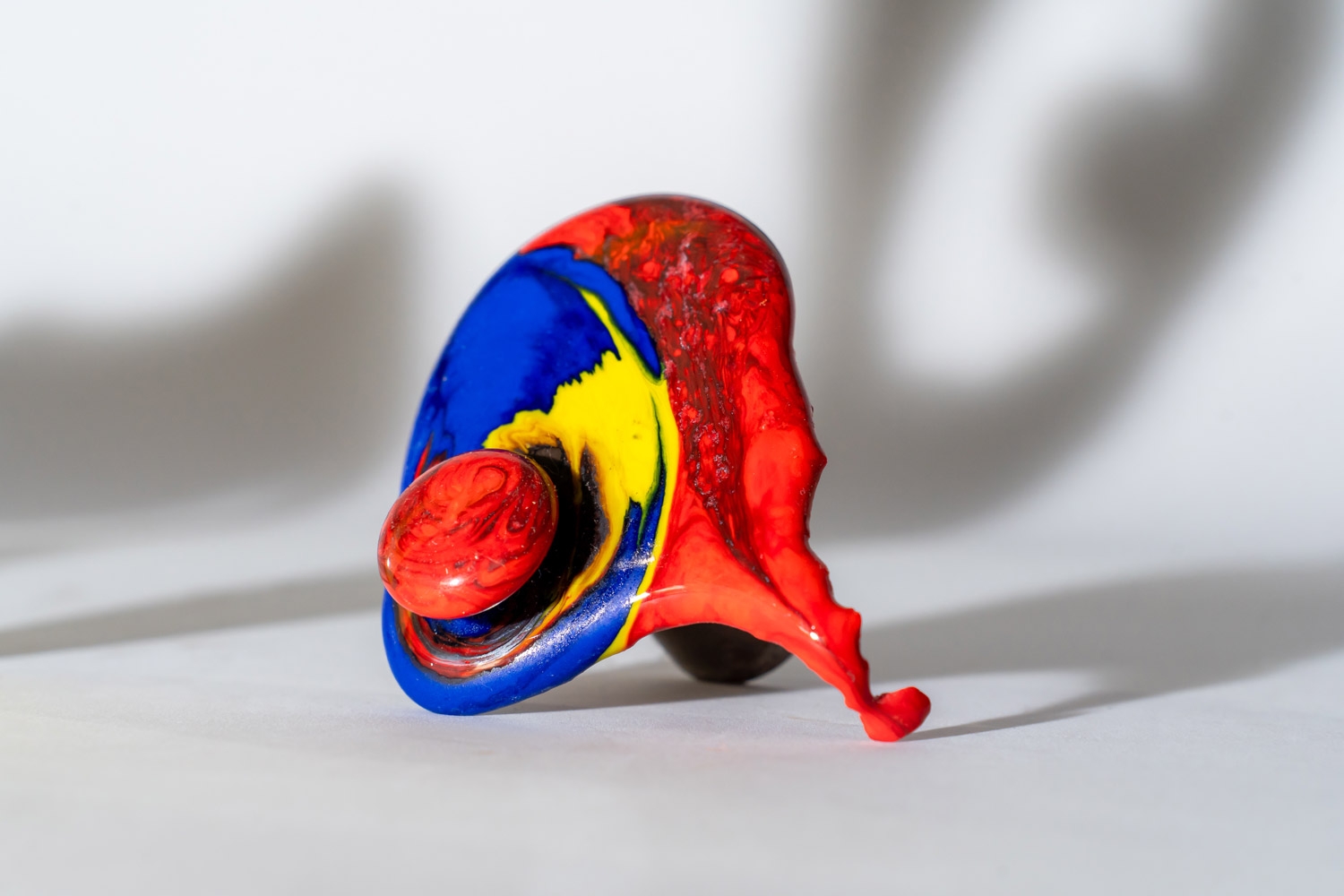
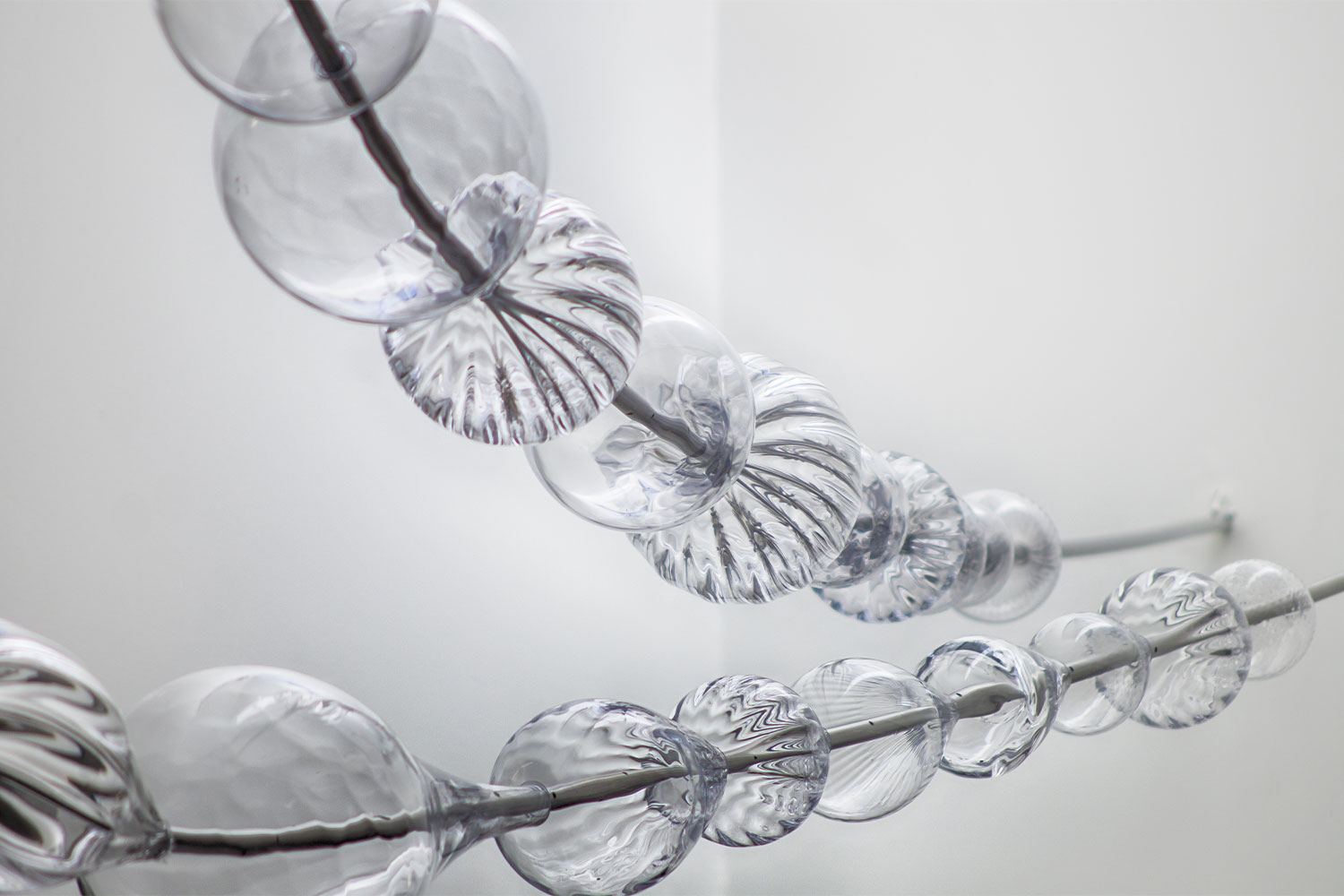
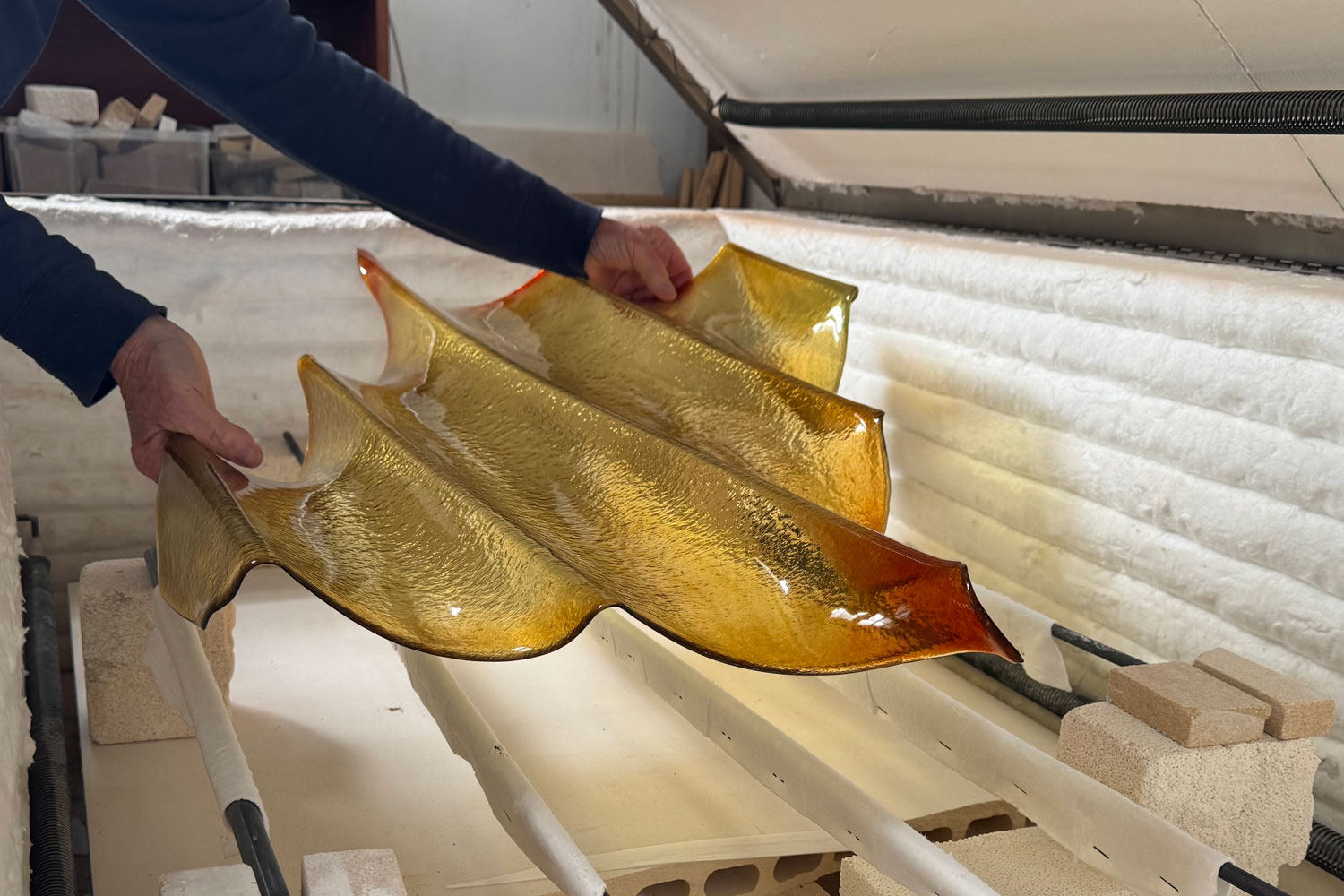
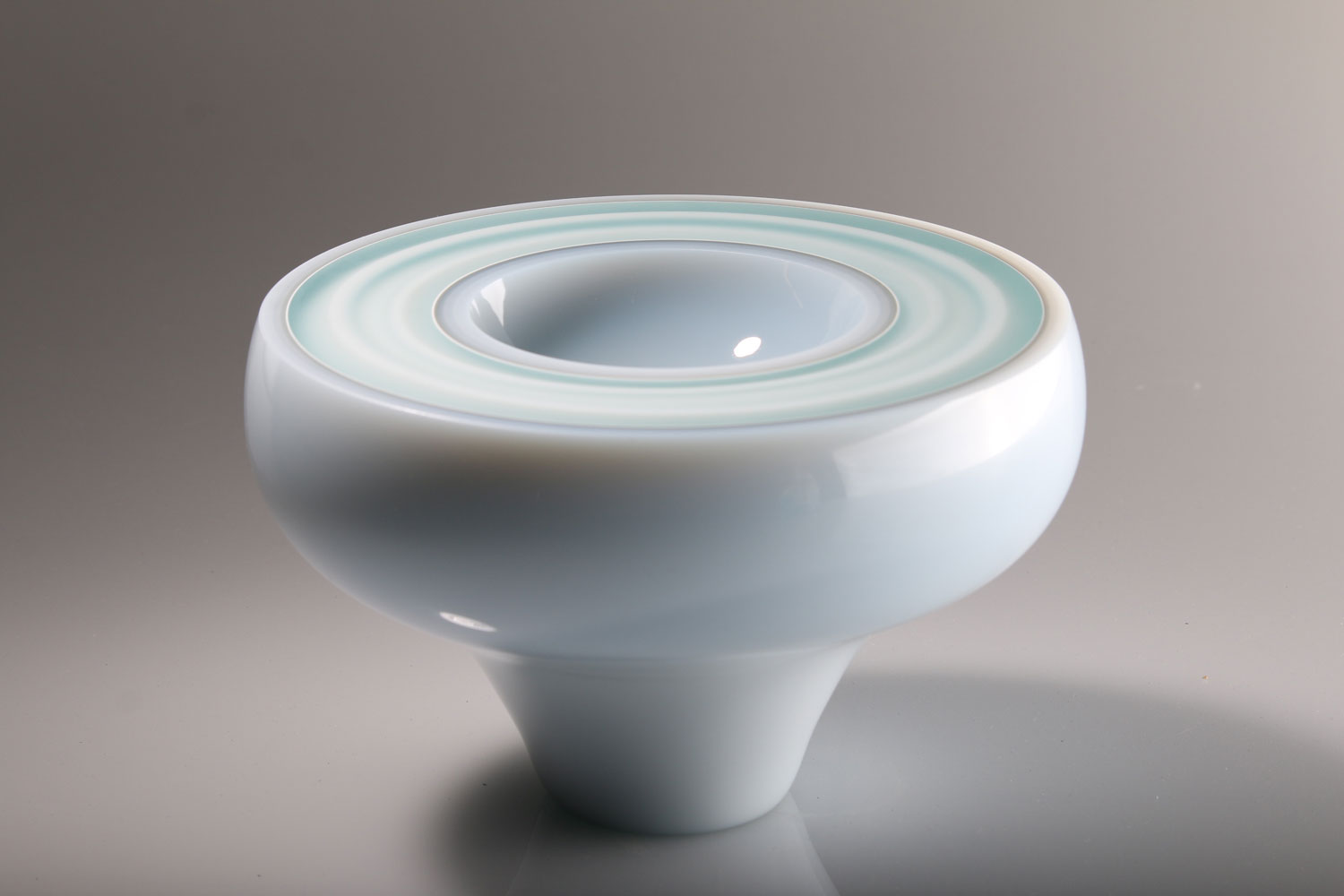
Kirstie Rea works with kiln-formed glass to make abstract objects inspired by the transcendental elements of nature and her surrounding locality. “The objects speak of the possibilities of both firm and fragile connections that we have to places,” she says. Kirstie learned her craft with German artisans Ludwig Schaffrath and Klaus Moje, and was initially inspired by Irish stained glass artists Harry Clarke and Evie Hone. She was also influenced by the 1981 New Glass: A Worldwide Survey exhibition at the V&A Museum in London. Currently, Kirstie’s objects take shape as folded sculptural forms achieved through multiple firings in a kiln, which continue to challenge and teach her.
INTERVIEW
I like to head outside, take a walk in my garden and wander to new places outside of the cities. I try to seek solitude and distance, photographing and field writing to record times spent in these places, which inspires and informs the studio making.
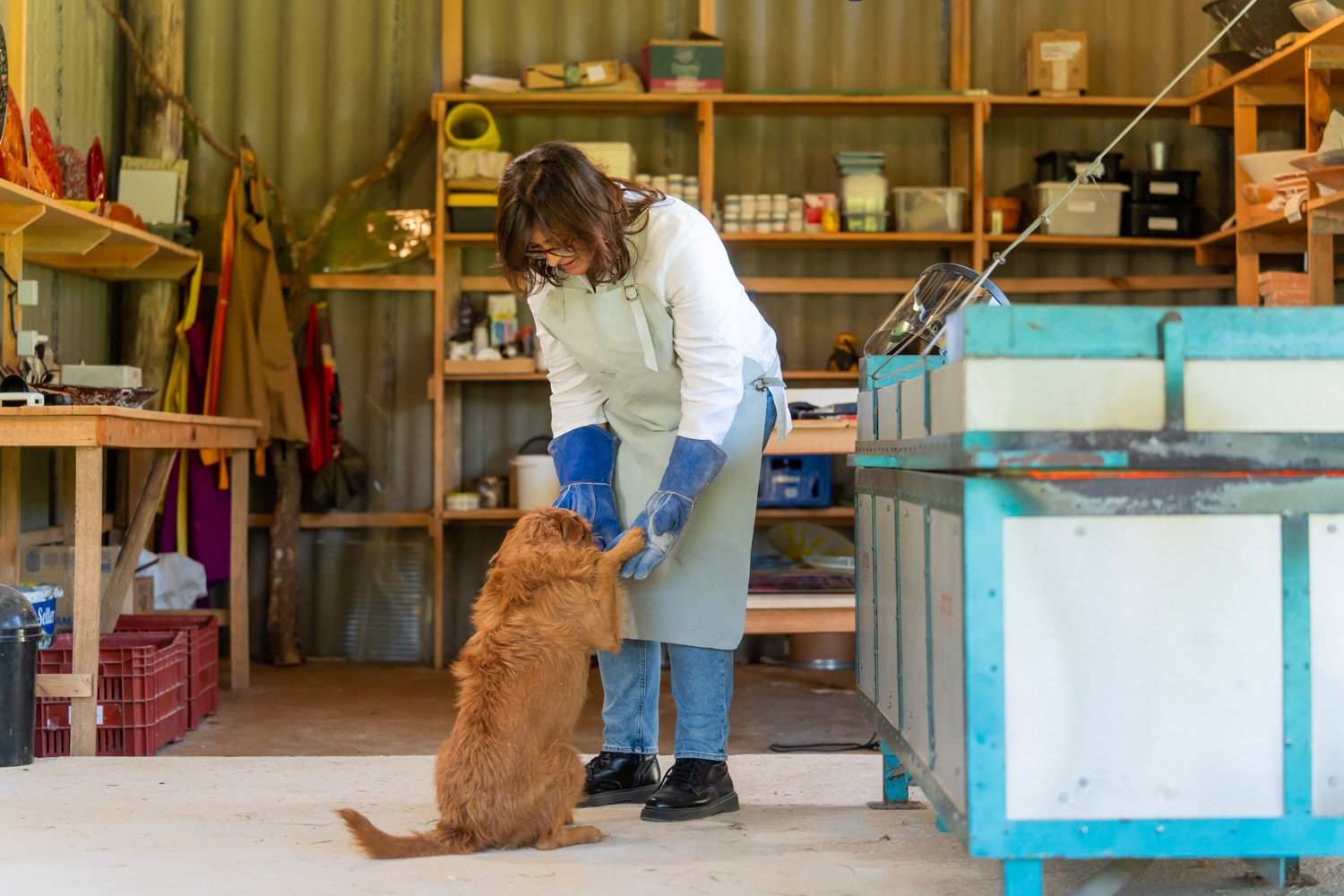
The garden is an extension of my studio. I share this space with nature, in the company of seasons, weather and wildlife. It offers form, colour, line, energy and reward every day. I nurture seeds and plants as I nurture ideas in the studio. It grants important reminders of daily connections to our natural world.
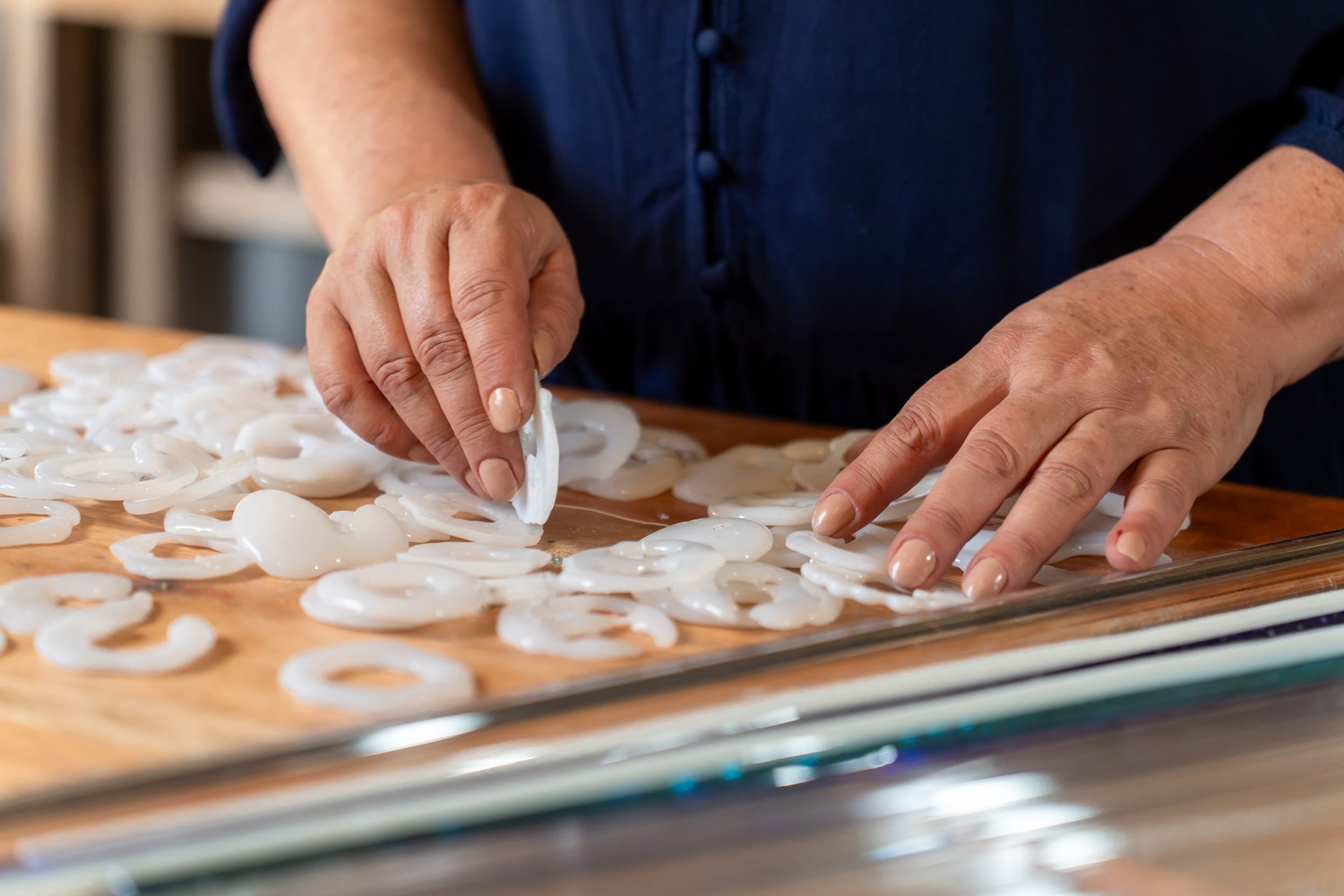
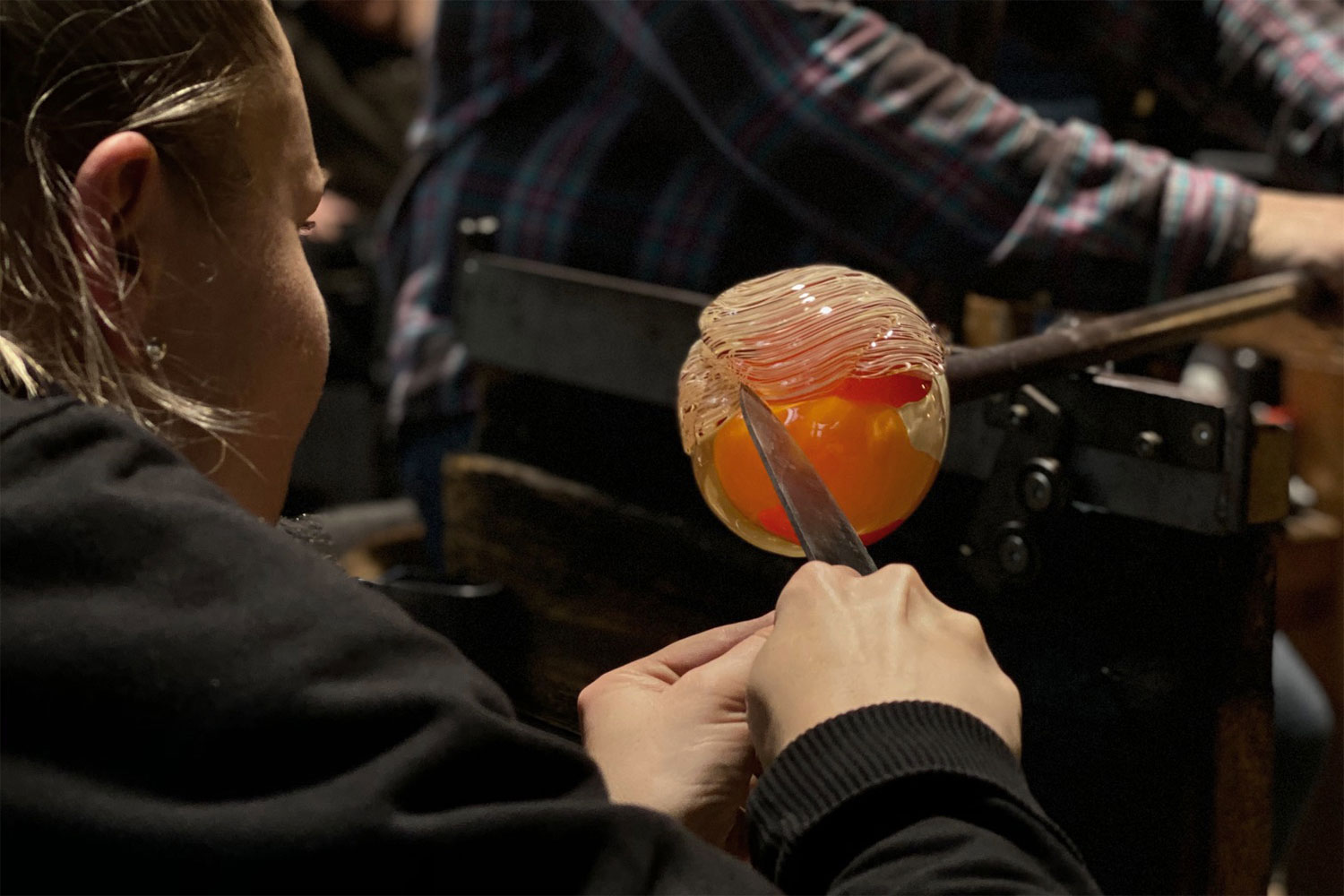
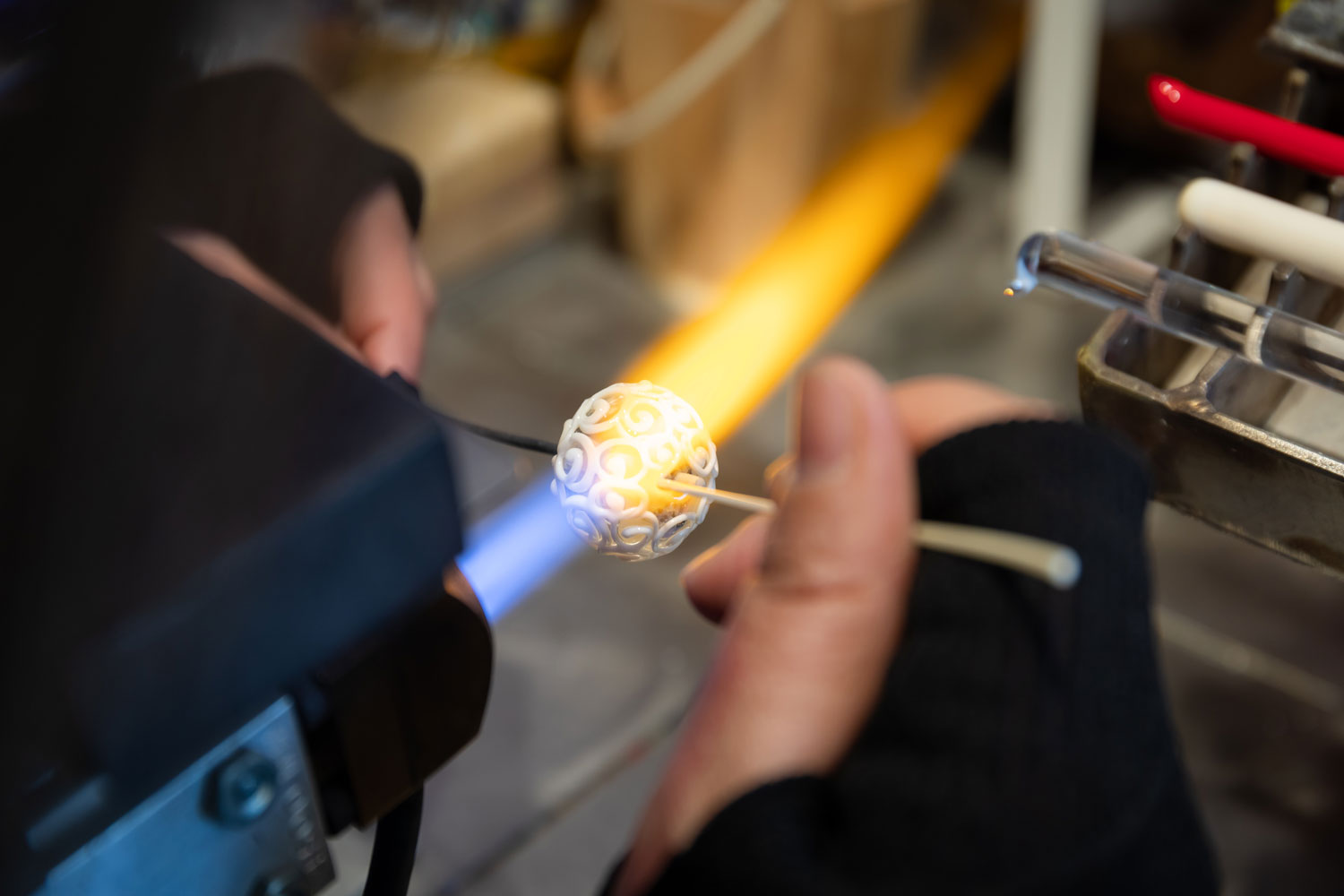
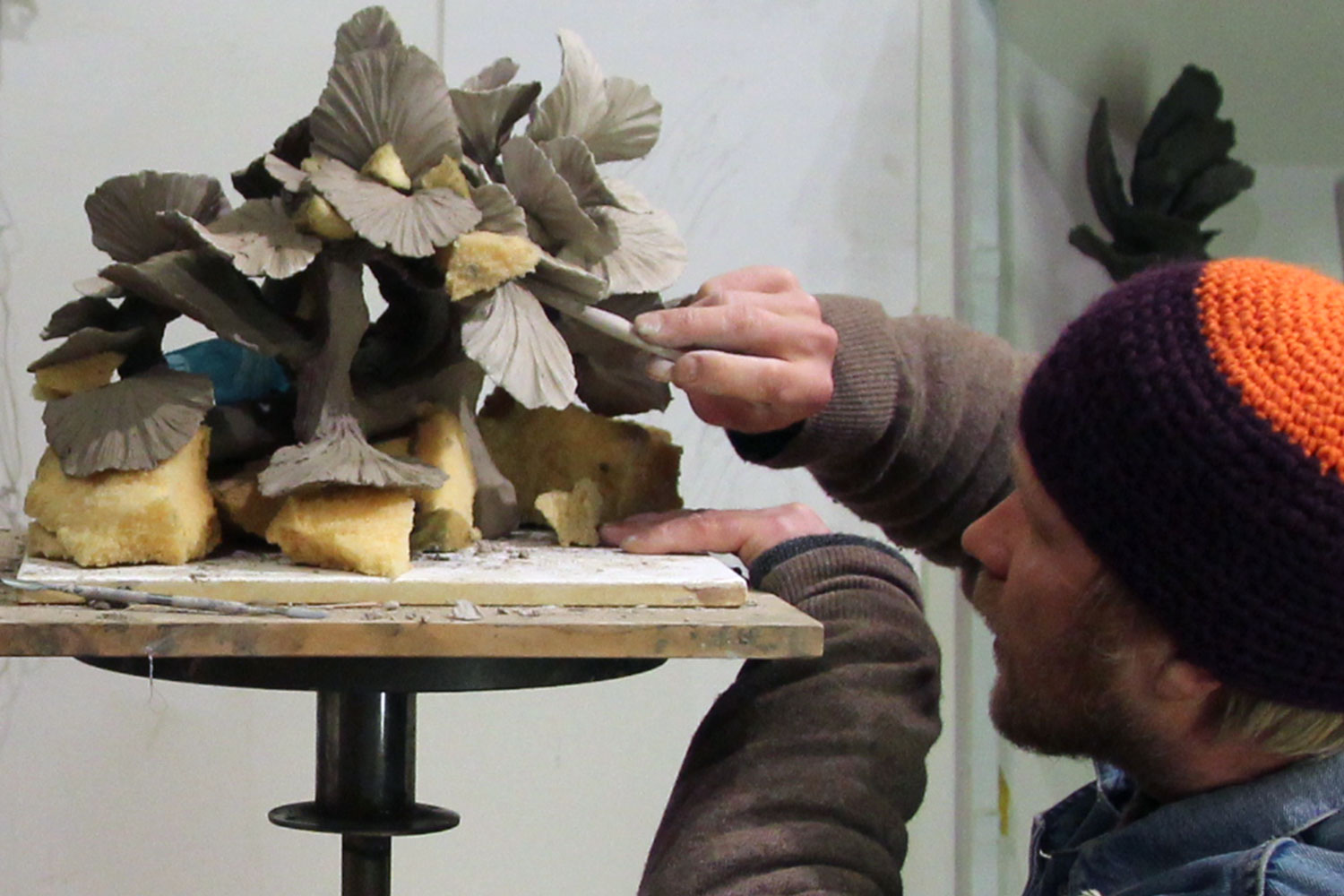
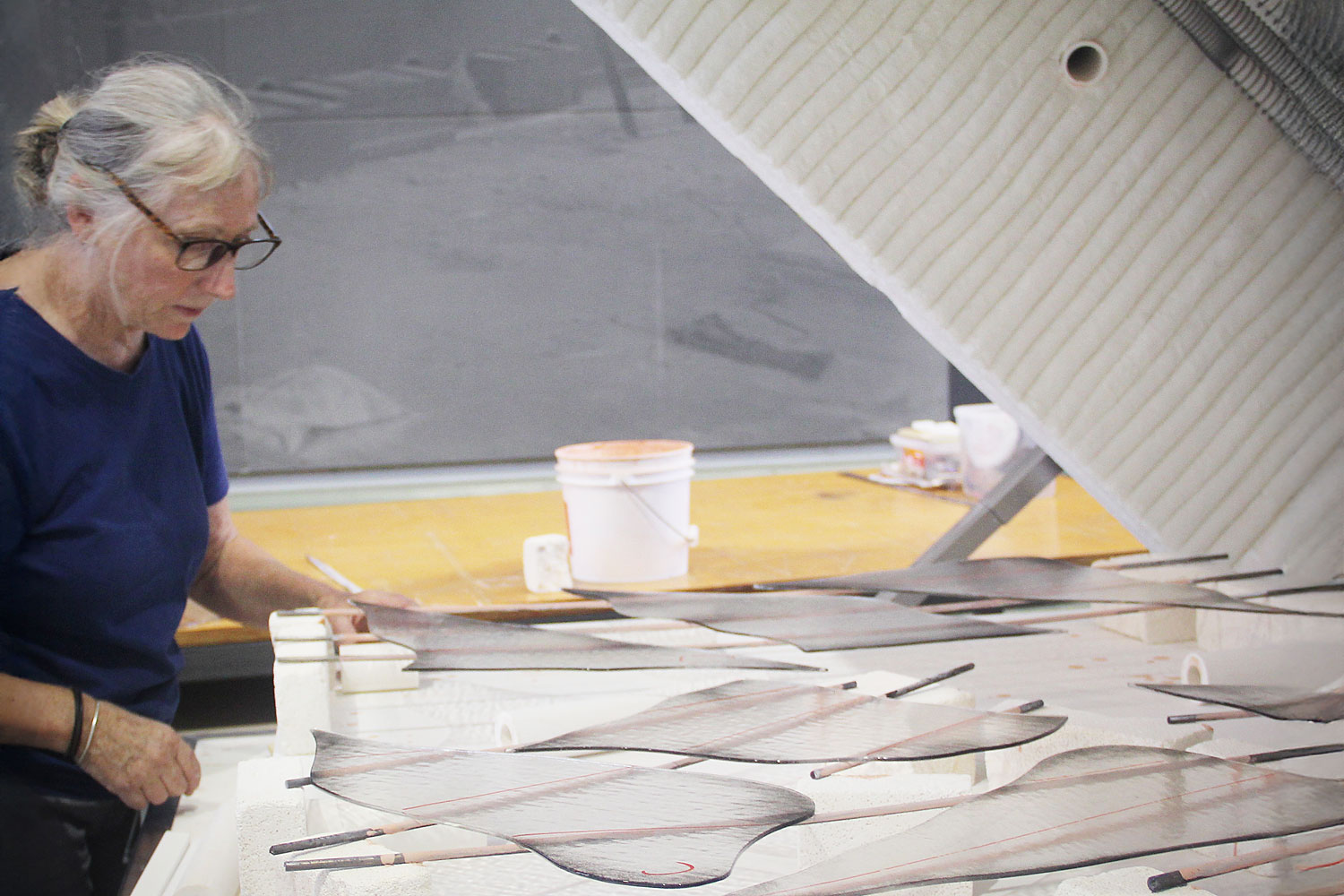
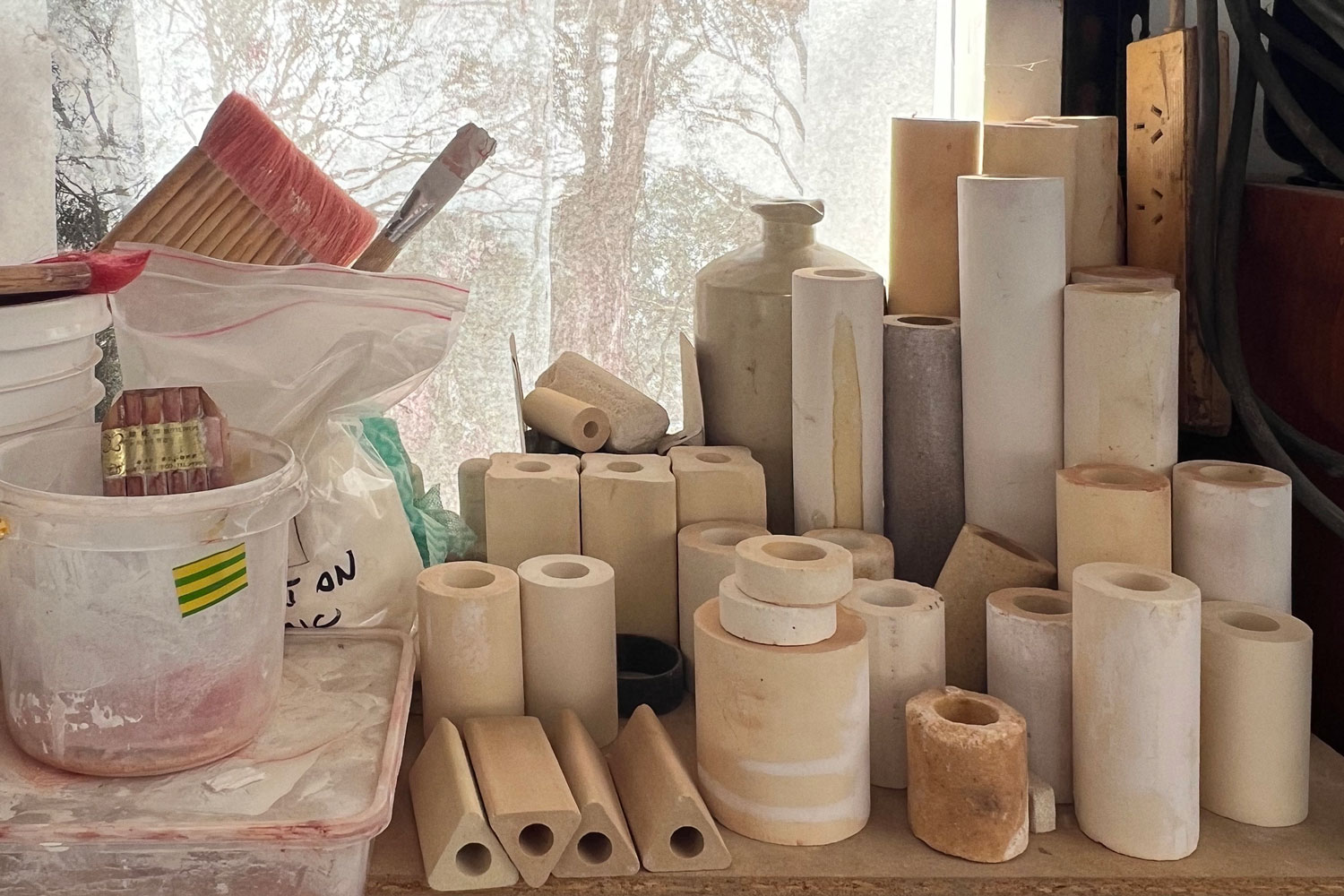
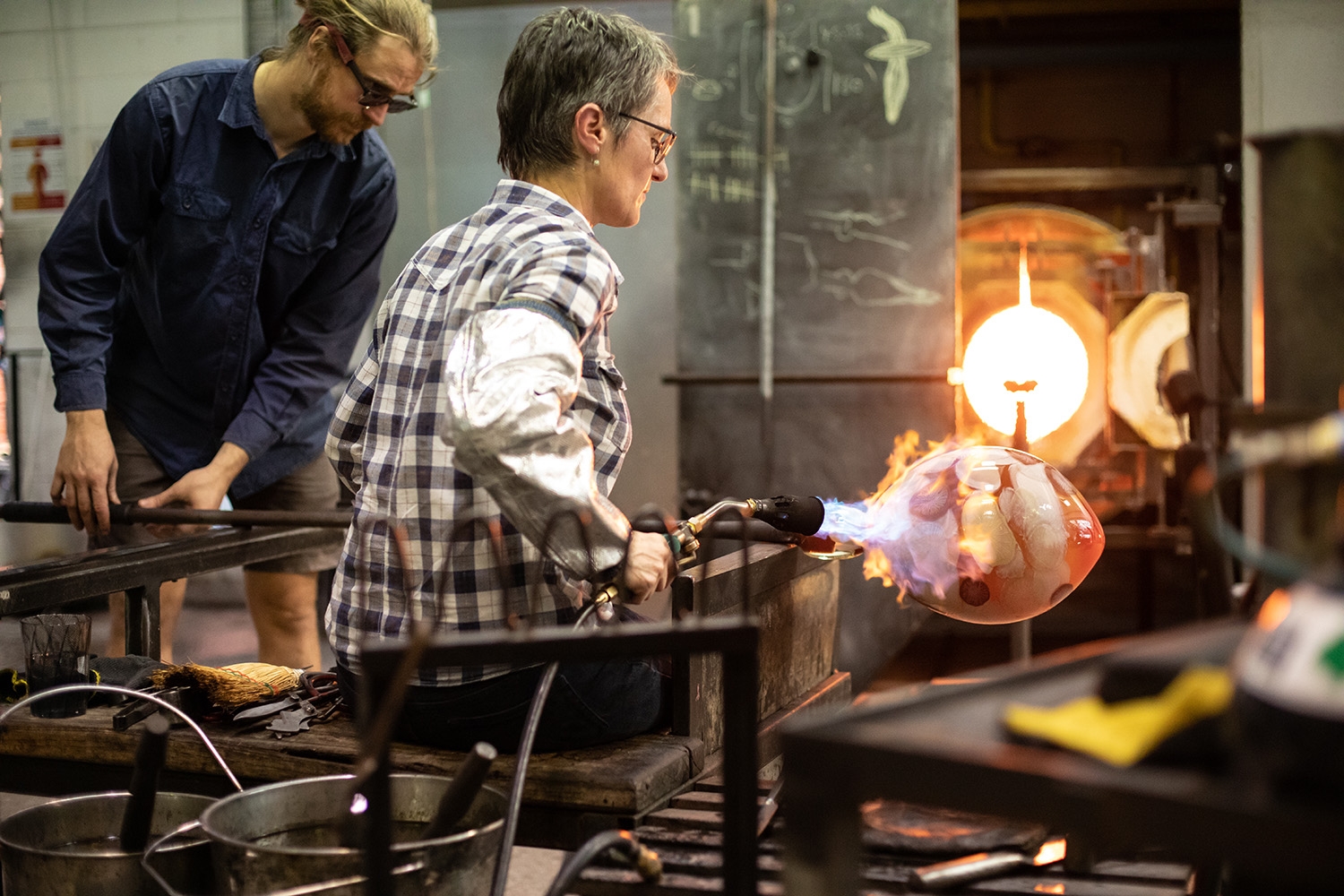
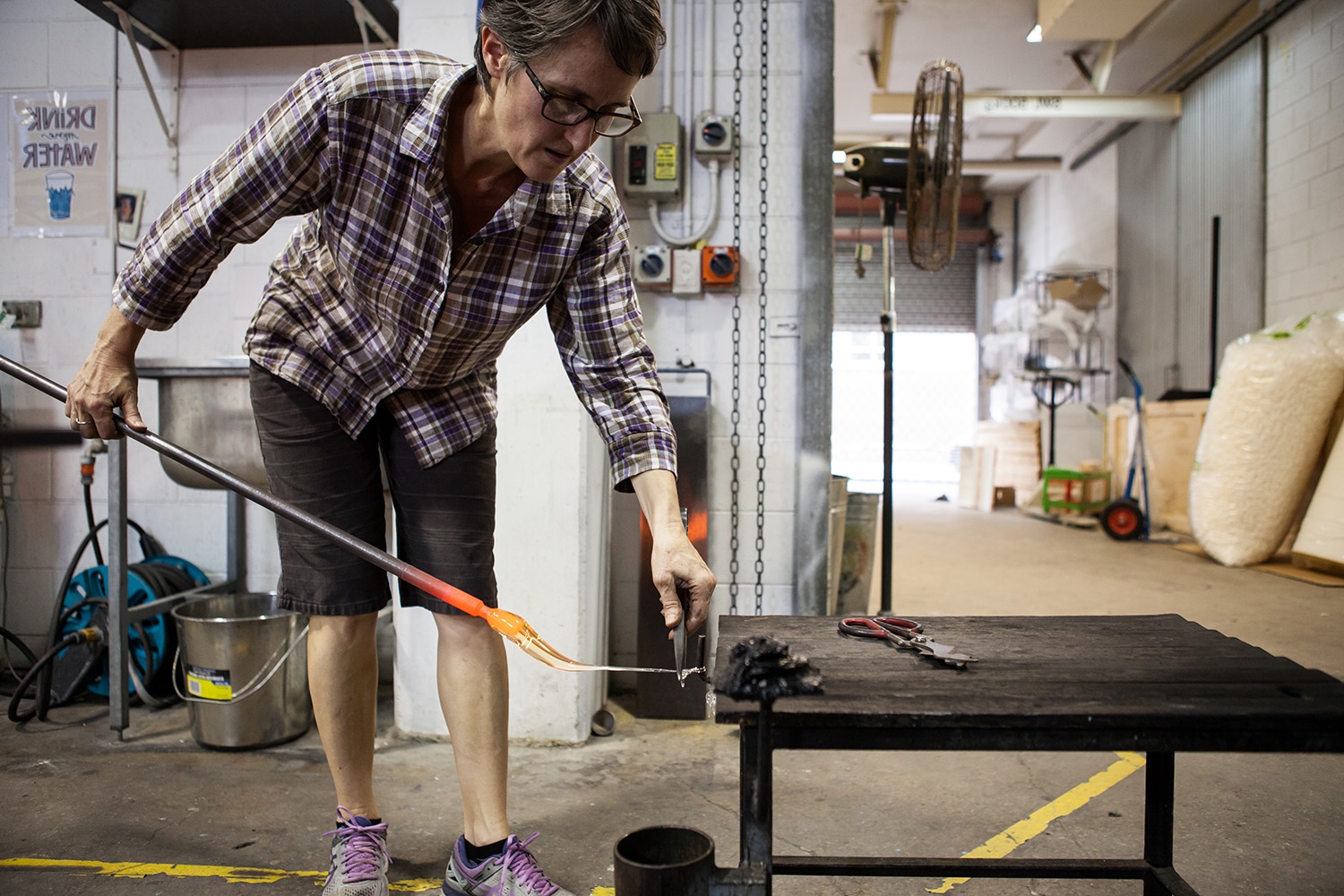
My processes of working with glass and my inspirations are entwined. I gently fold glass forms, achieved through multiple firings in a kiln express. The process allows me to connect with the experience of my senses when I am in nature alongside the awe and surprise that is found there.
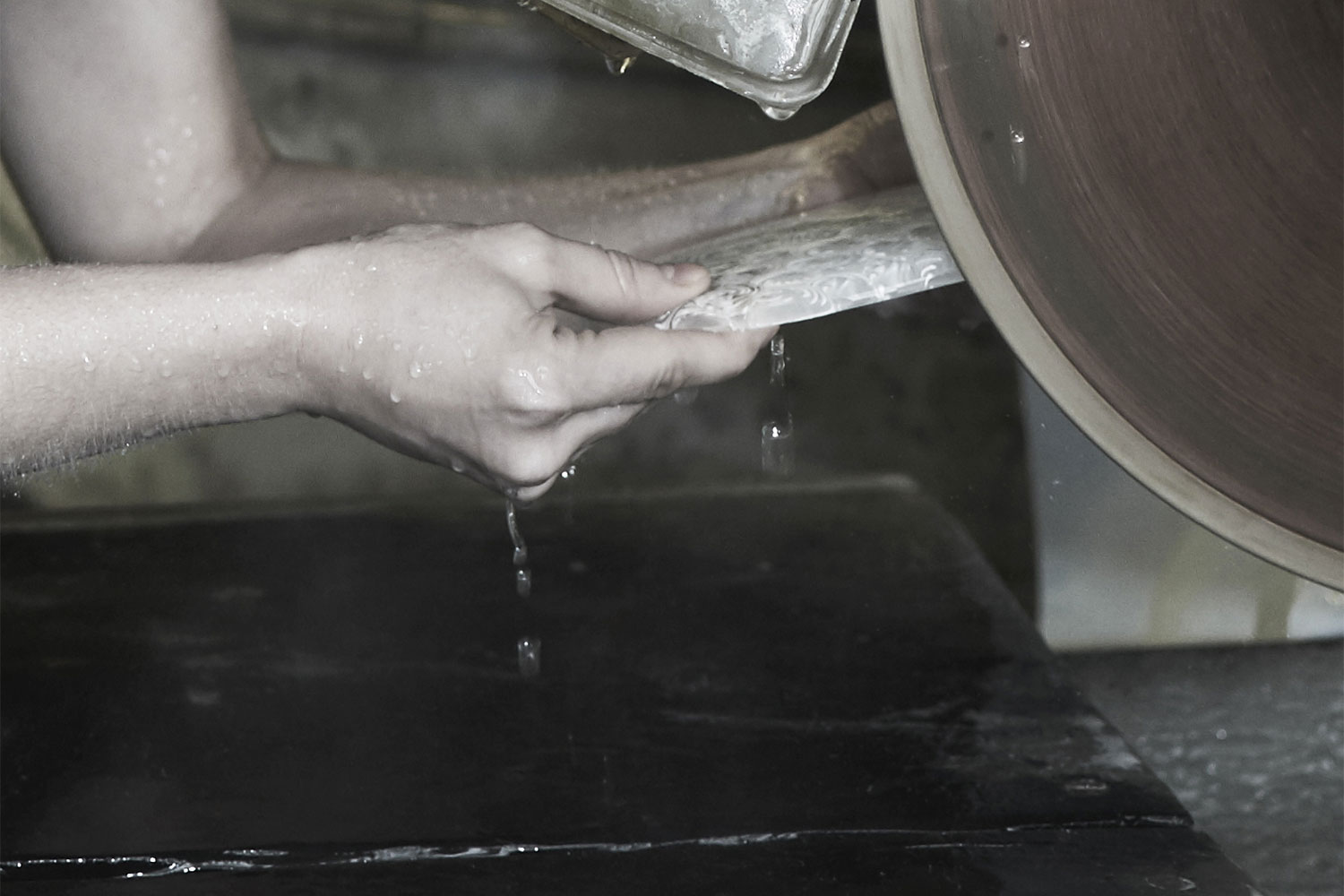
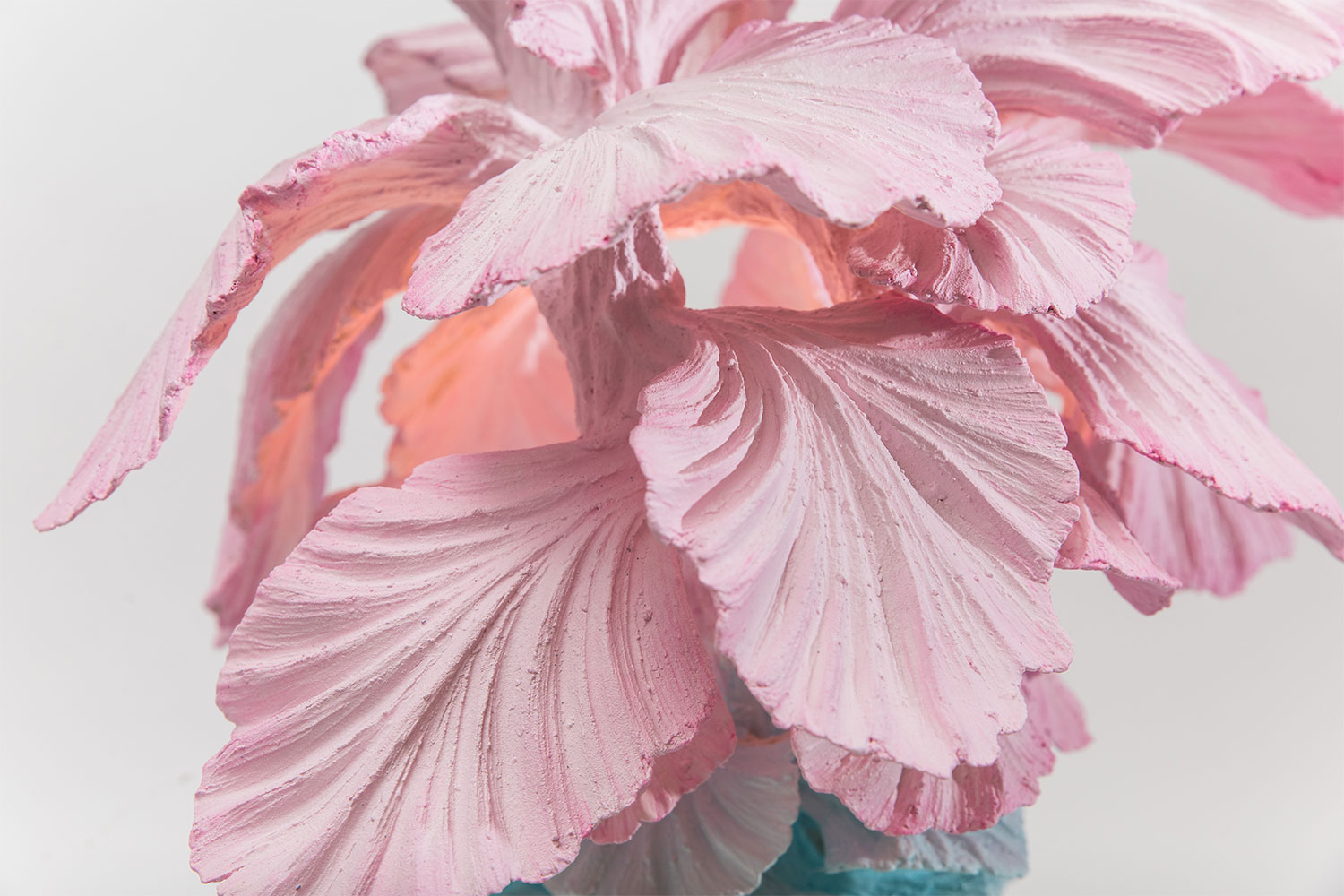
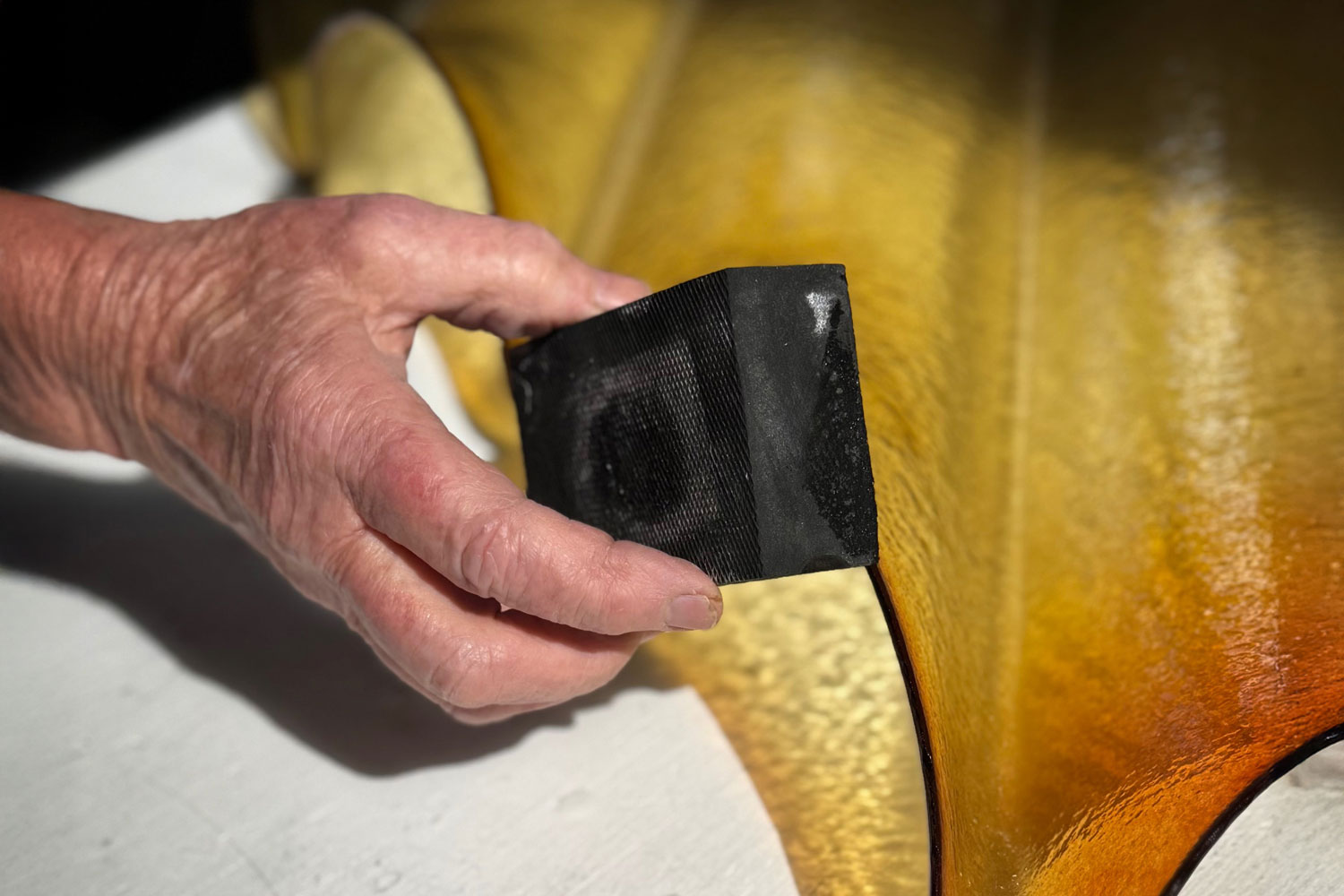
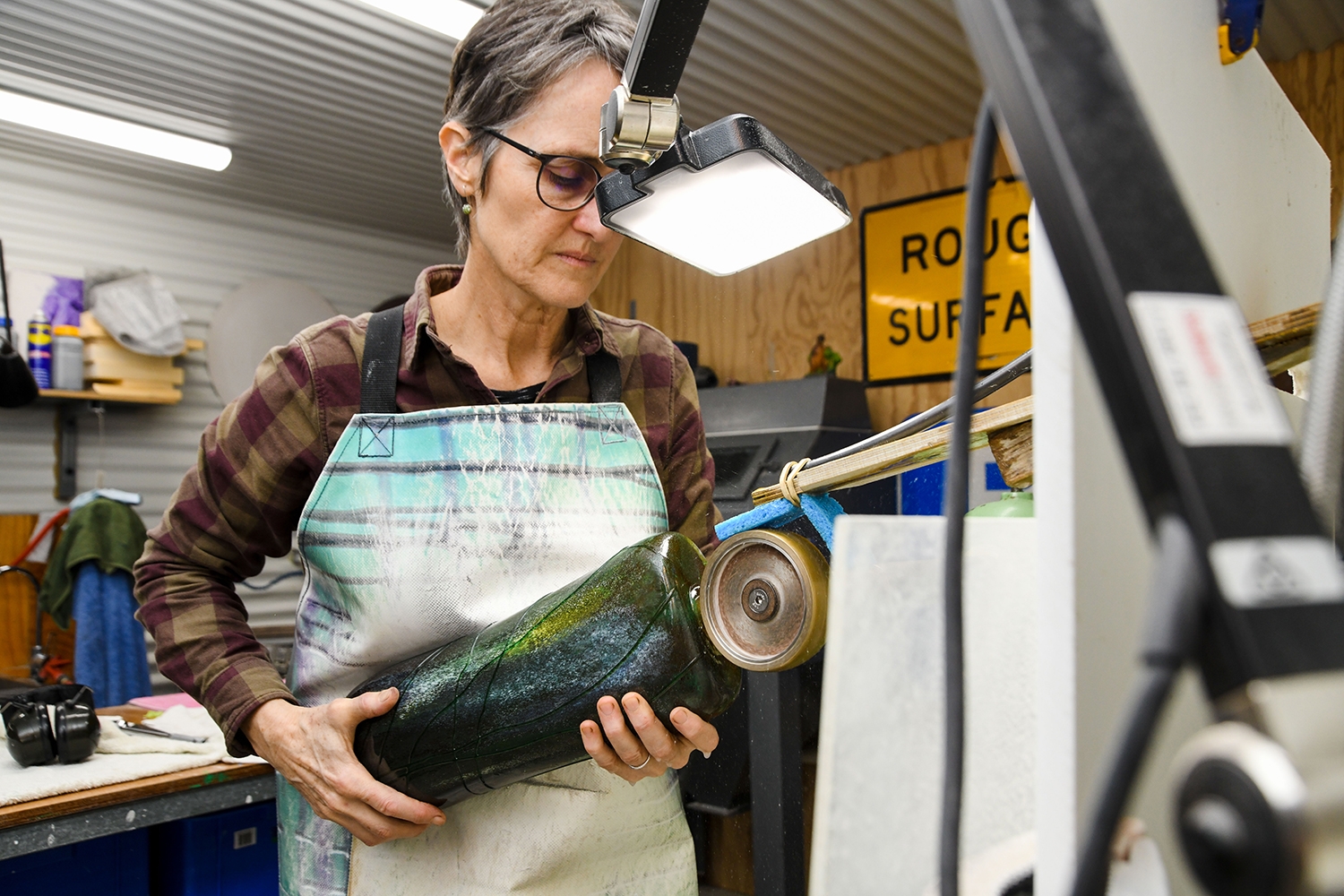
The glass surfaces are achieved through various sandblasting and grinding techniques. This is where I can balance lightness, and the tactility of glass can be expressed through the subtlety of the folded forms.
Kirstie Rea
Glass sculptor
Queanbeyan, Australia
ADDRESS
Address upon request, Queanbeyan, Australia
AVAILABILITY
By appointment only
LANGUAGES
English
Homo Faber Finds is a new service aiming to inspire admirers of craft to connect and collaborate with exceptional artisans.
We invite you to submit an enquiry here.
OBJECT05_Nero_Madeline_Cardone_(C)Bridie_Mackay.jpg)
EYE_GESTURE05_Madeline_Cardone_(C)Brooke_McEachern.jpg)
EYE_GESTURE02_Madeline_Cardone_(C)Brooke_McEachern.jpg)
Lorem Ipsum, installation view, 2025, photo courtesy of Canberra Contemporary, photo credit Brenton McGeachie-3 copy.jpg)
Lorem Ipsum, 2025, photo courtesy of Canberra Contemporary, photo credit Hilary Wardhaugh-2.jpg)
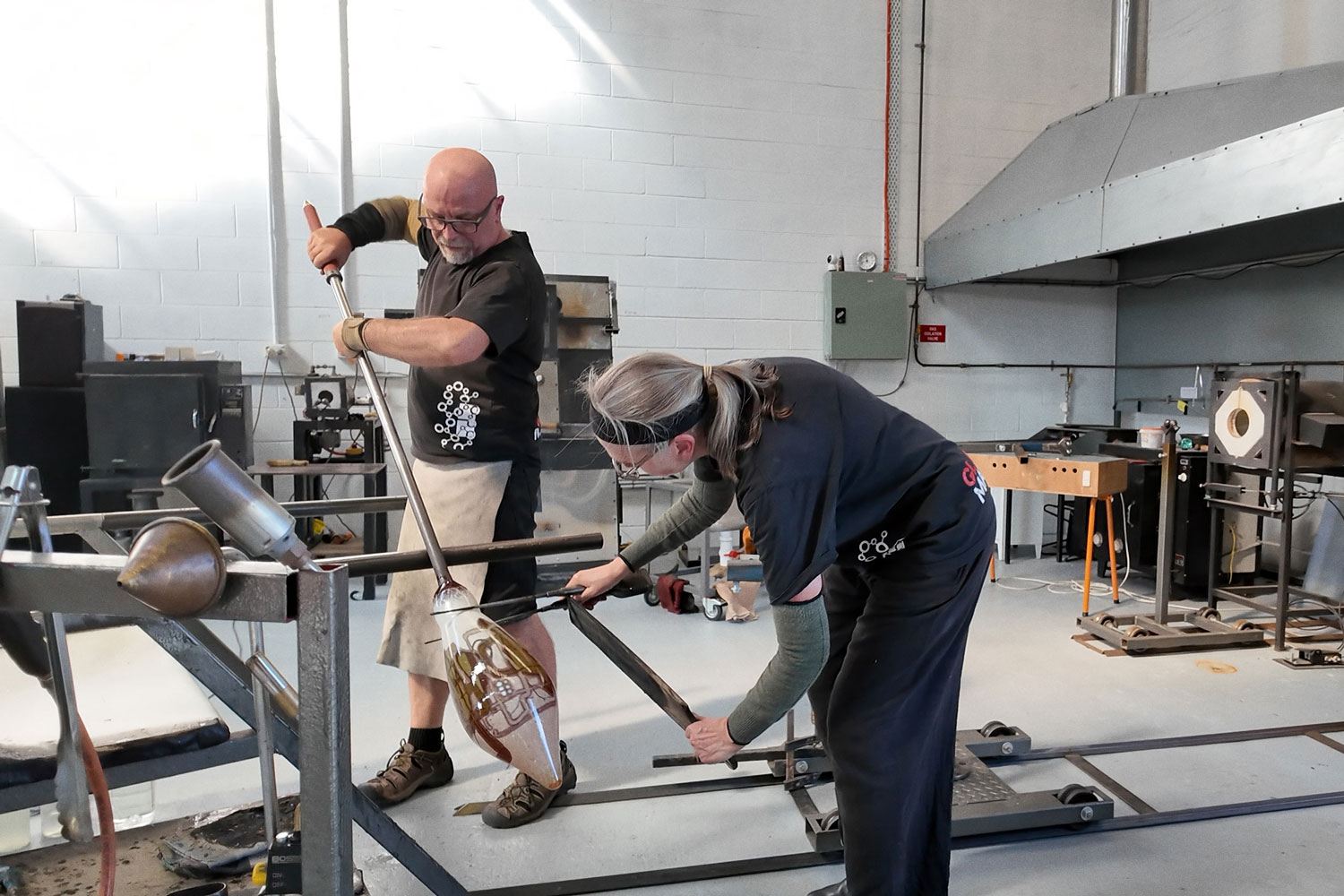
Process photo, photo credit Tom Glassey-10.jpg)