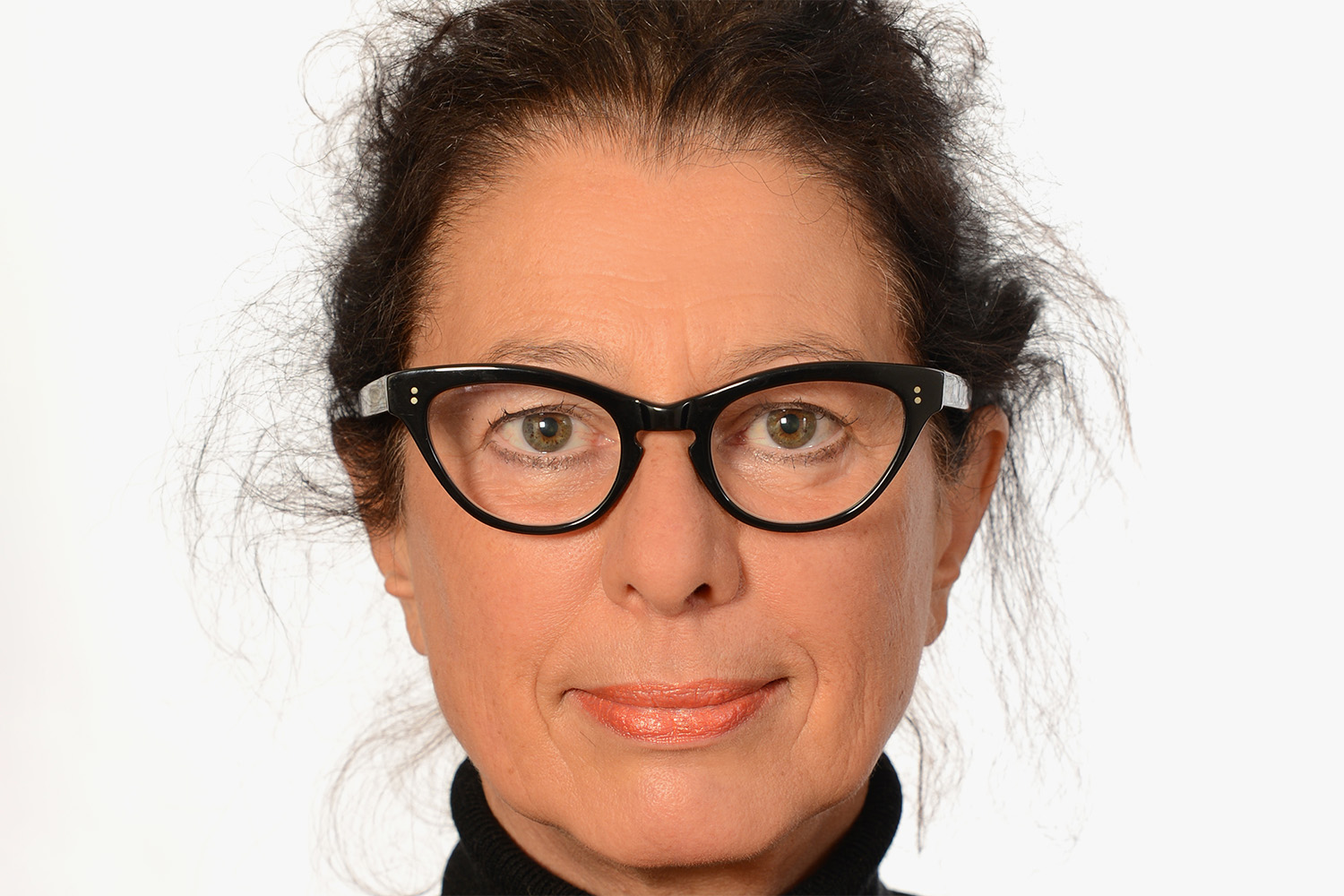
Meritxell Tembleque & Joaquim Falcó Capdevila
Quim & Txell
Glass sculptor
Verdu, Spain
A life of love and glass
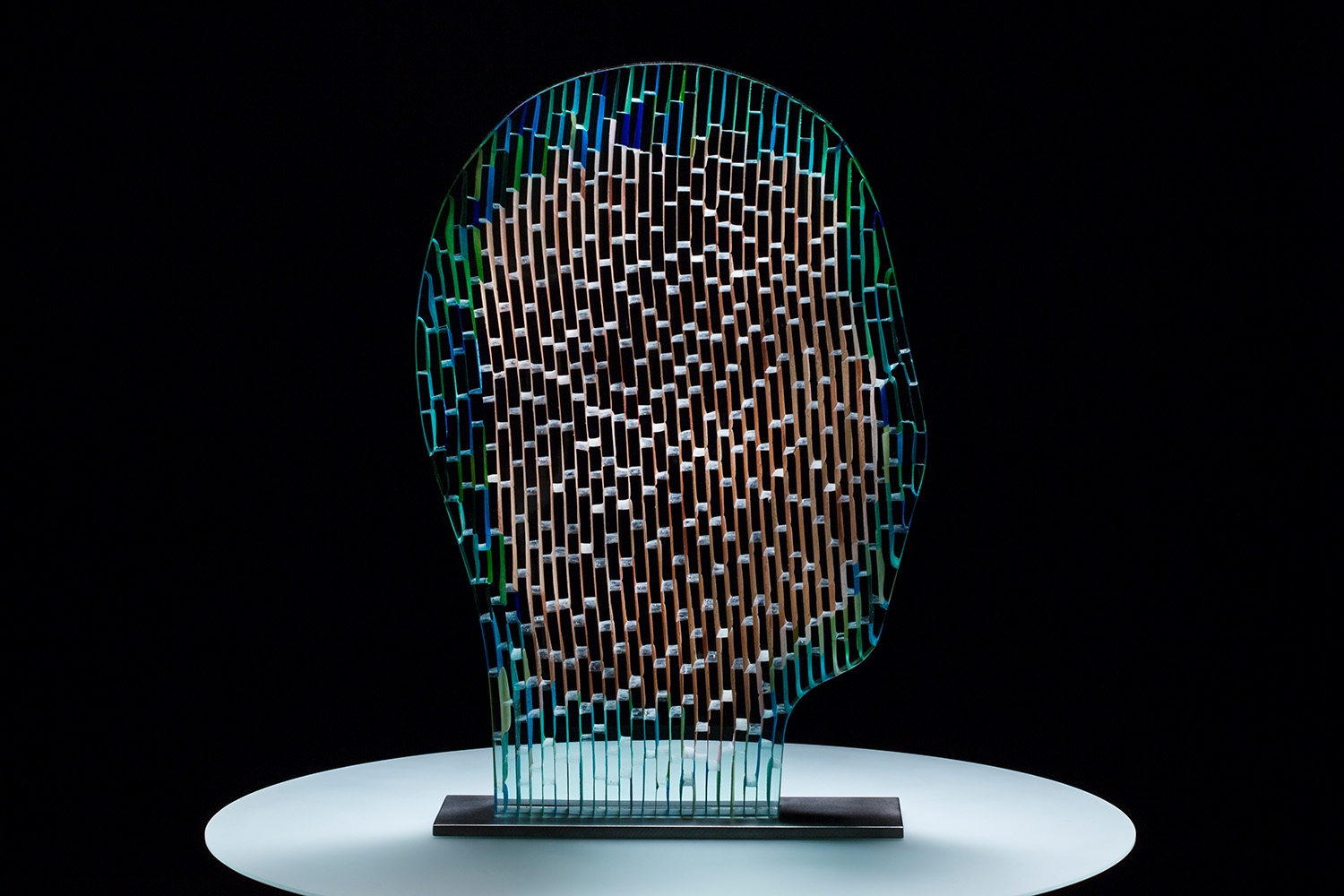
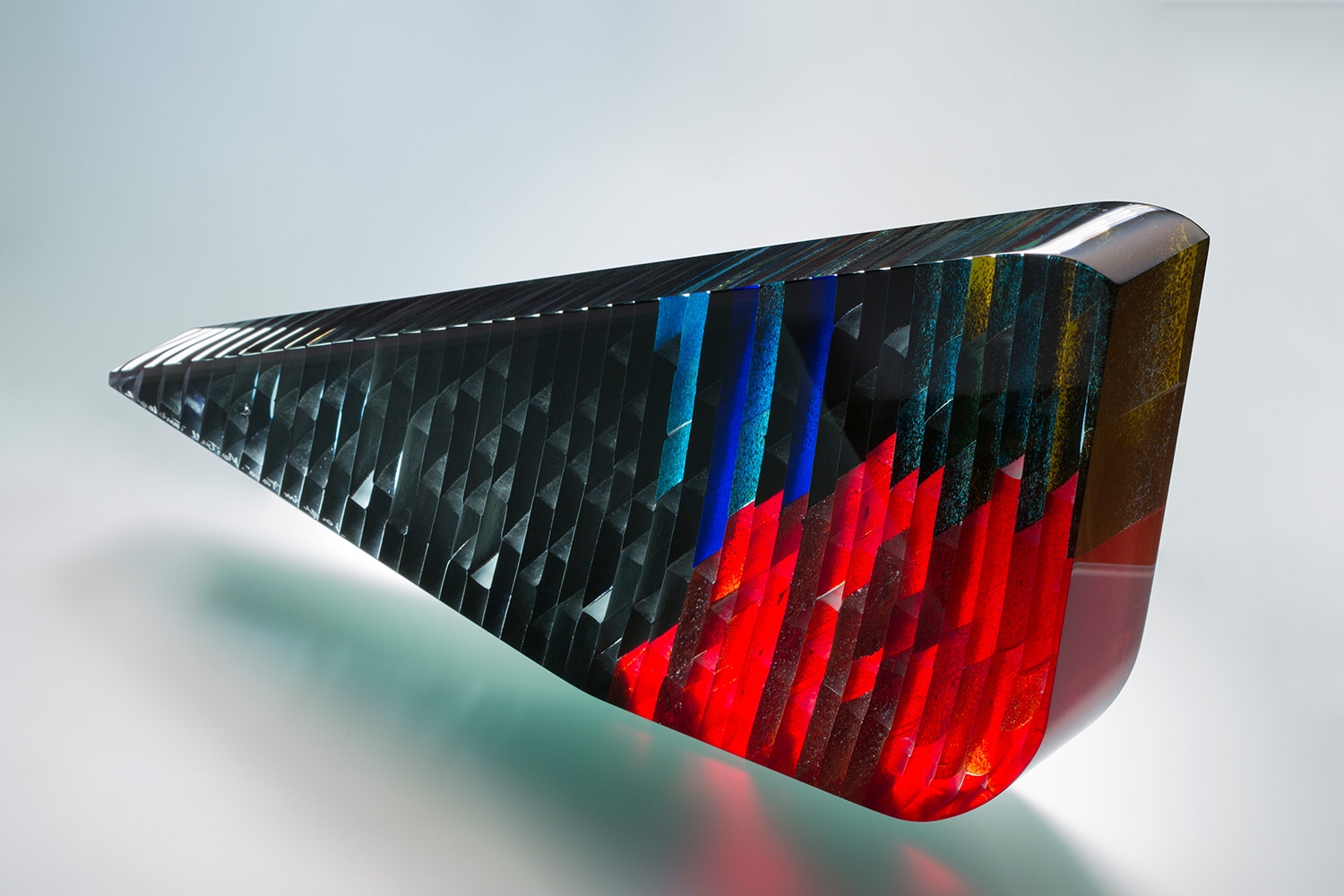
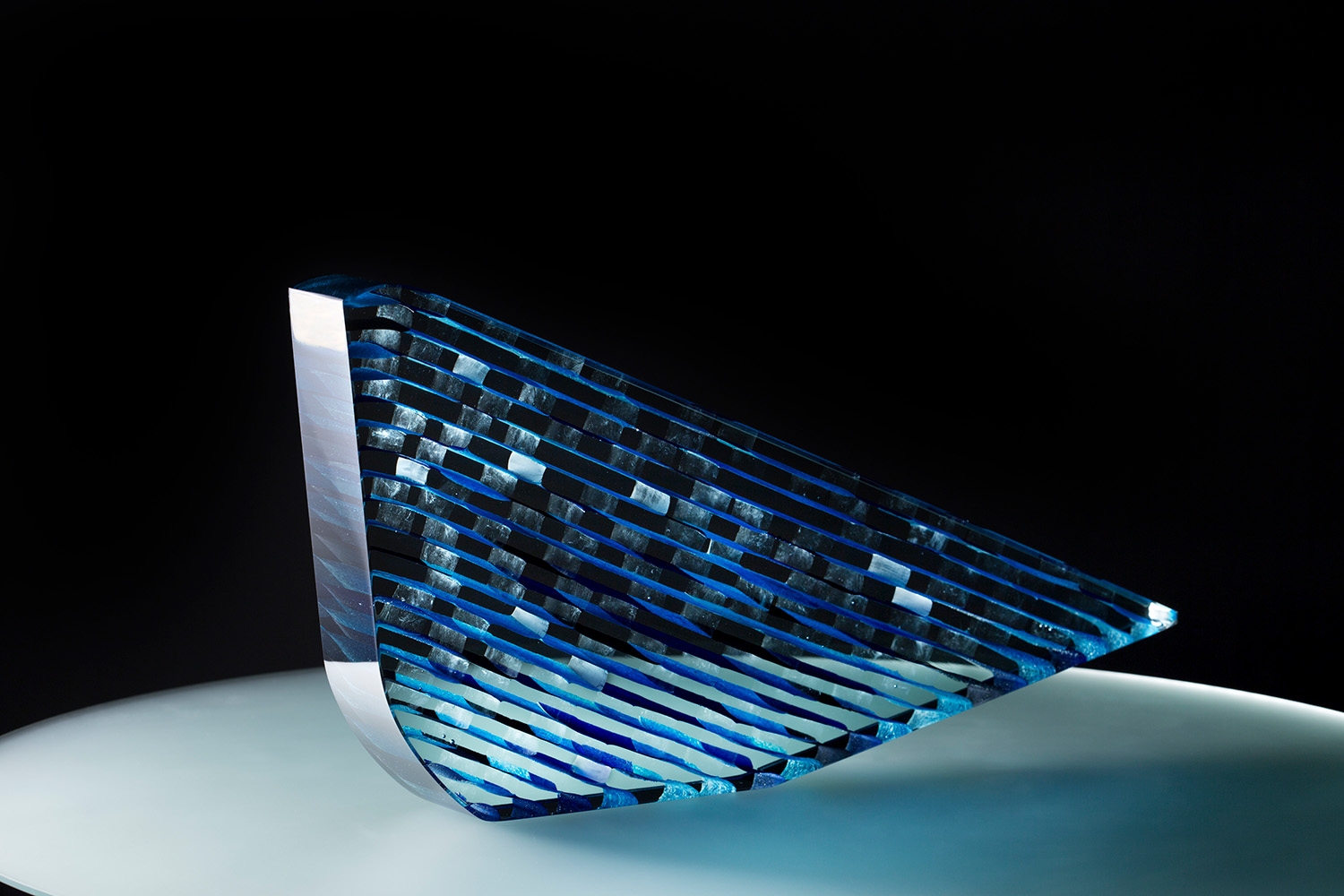
- Meritxell and Joaquim work with glass in a self-developed technique
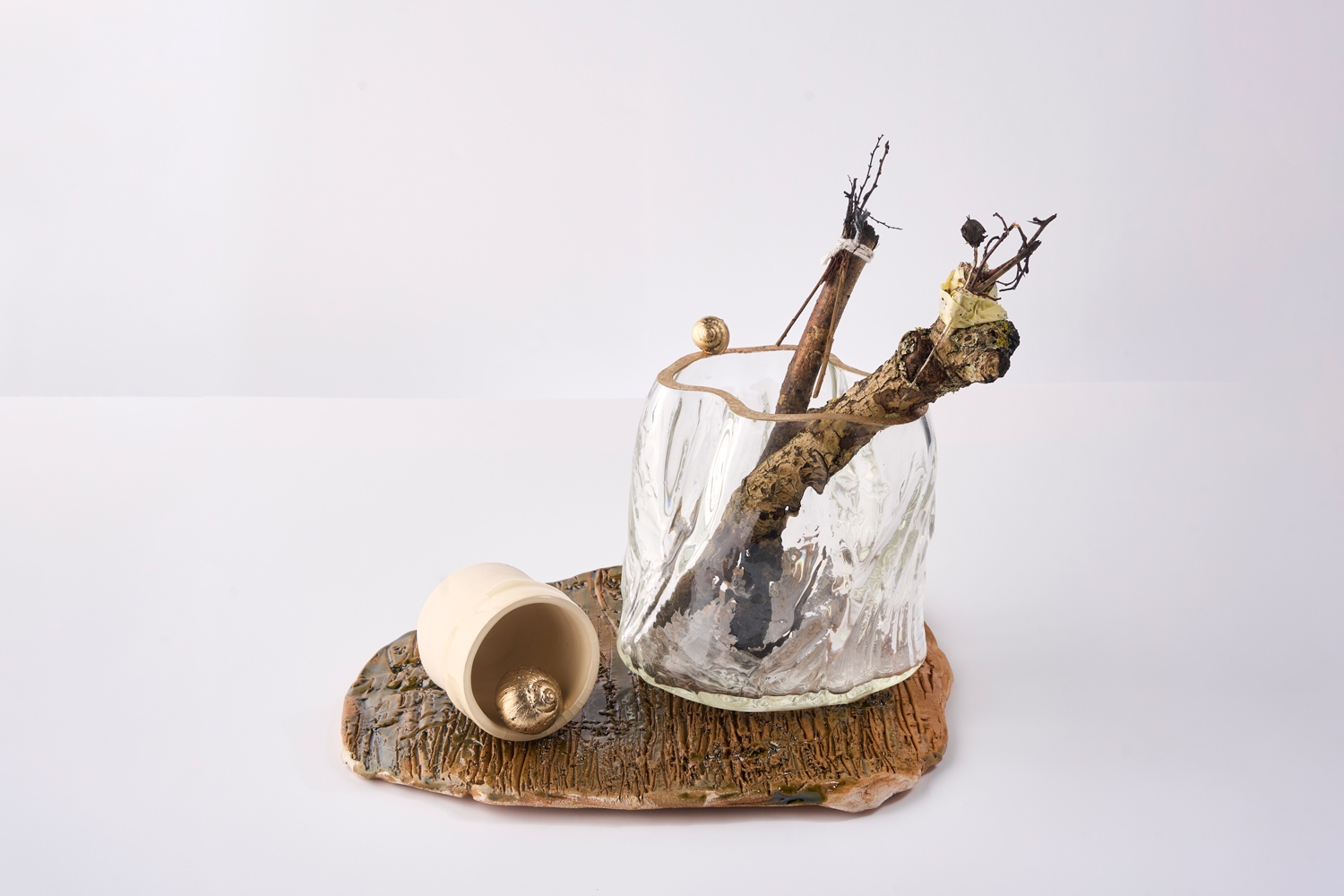
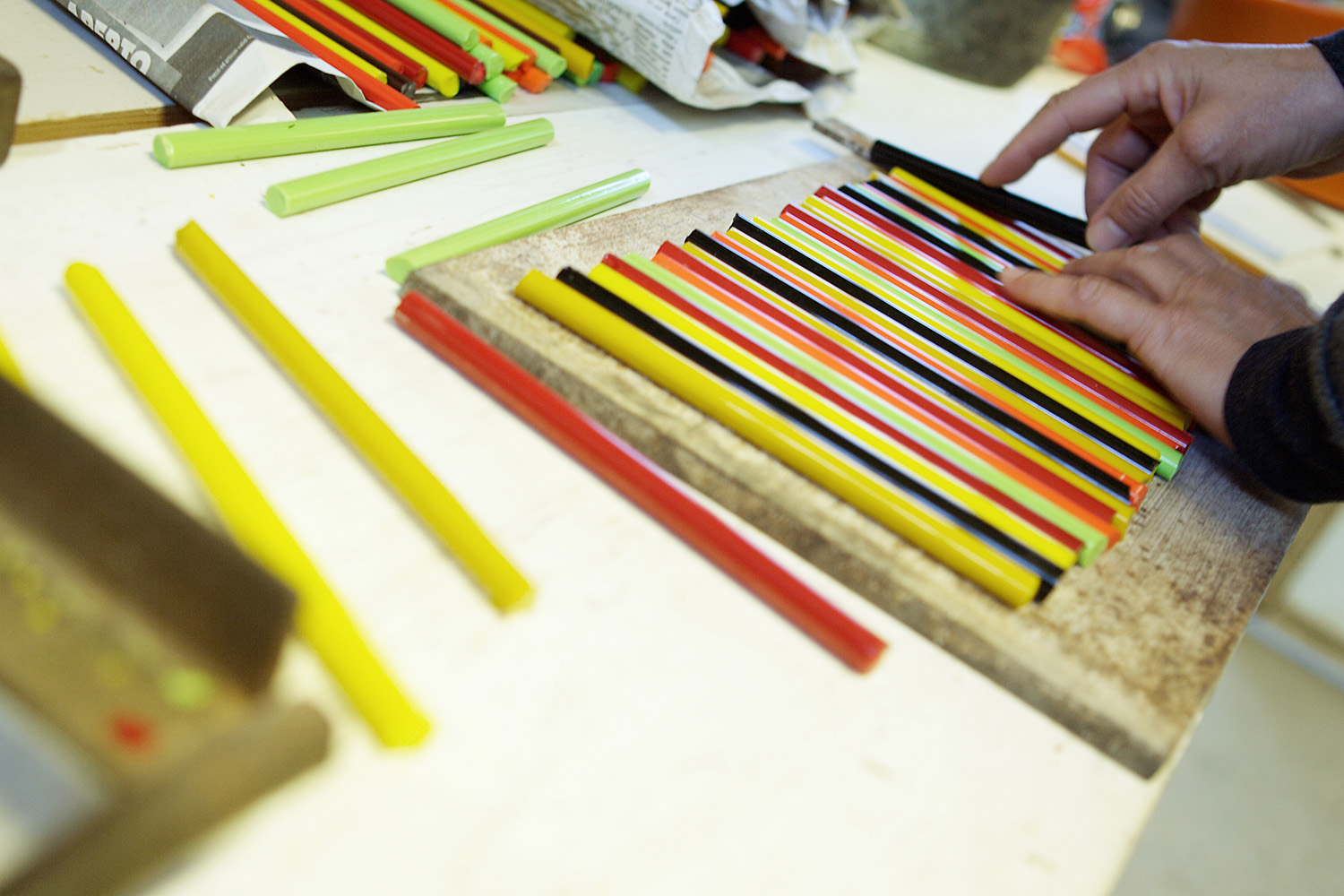
- Their pieces are halfway between stained glass and mosaics
- They have participated in several important festivals
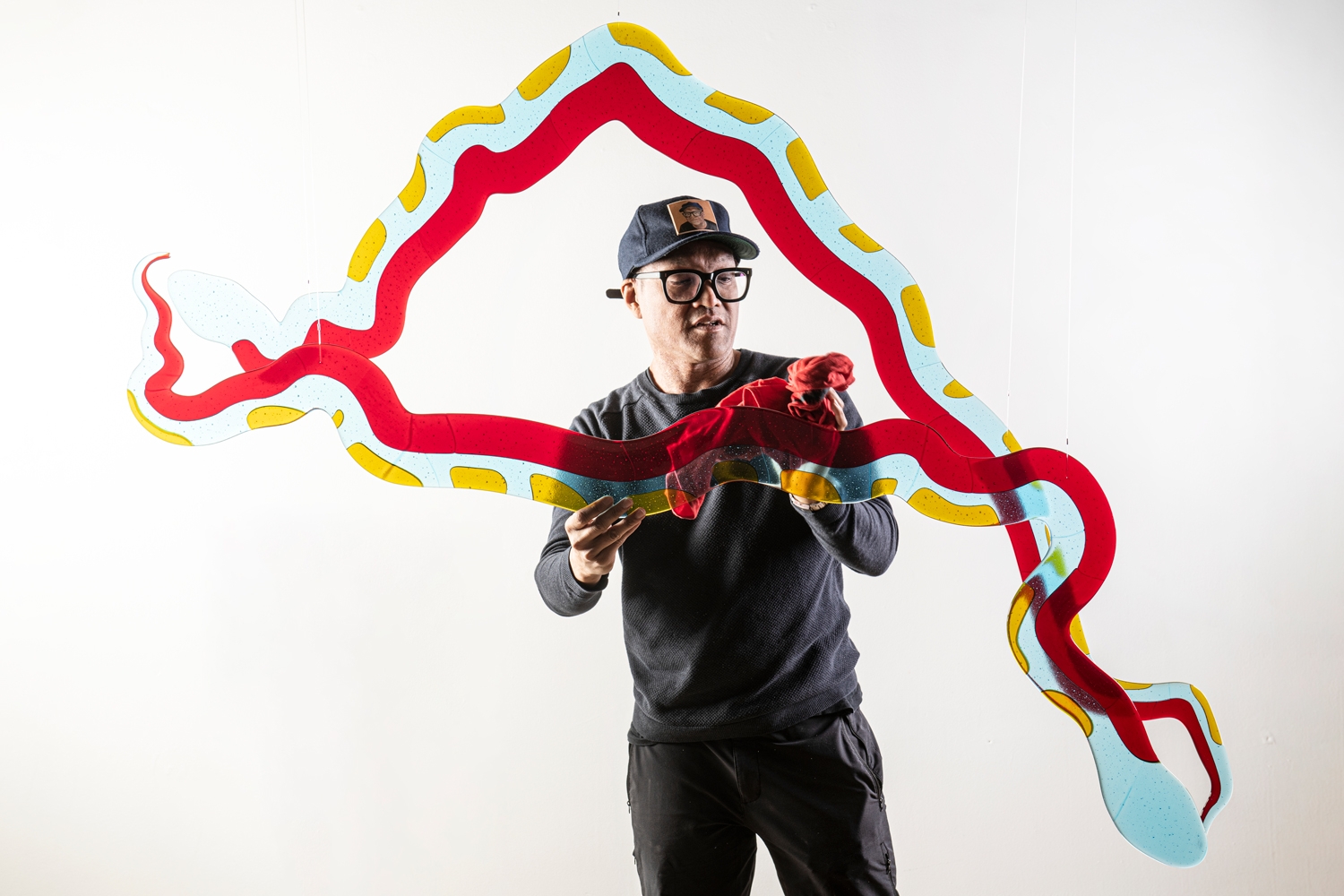
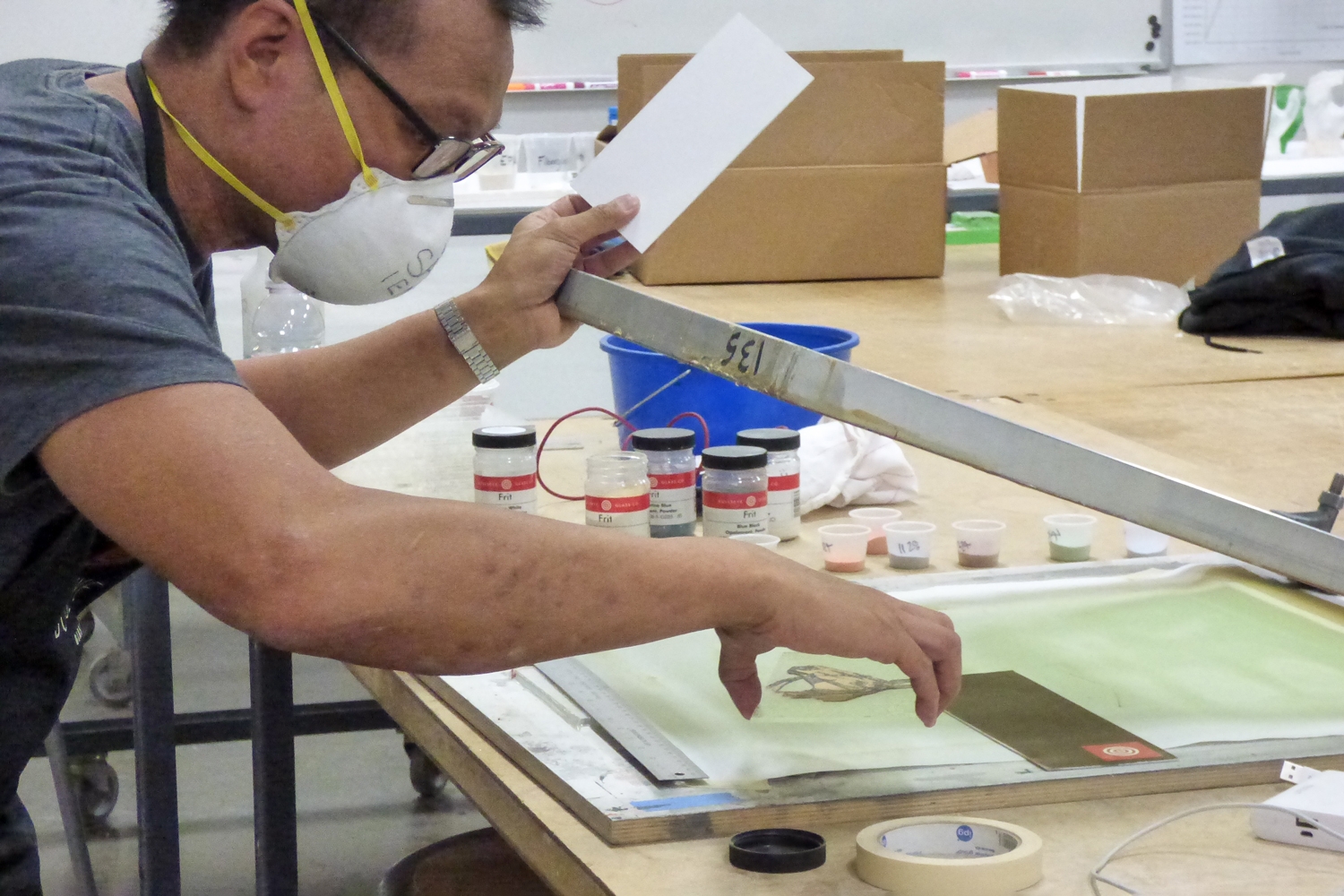
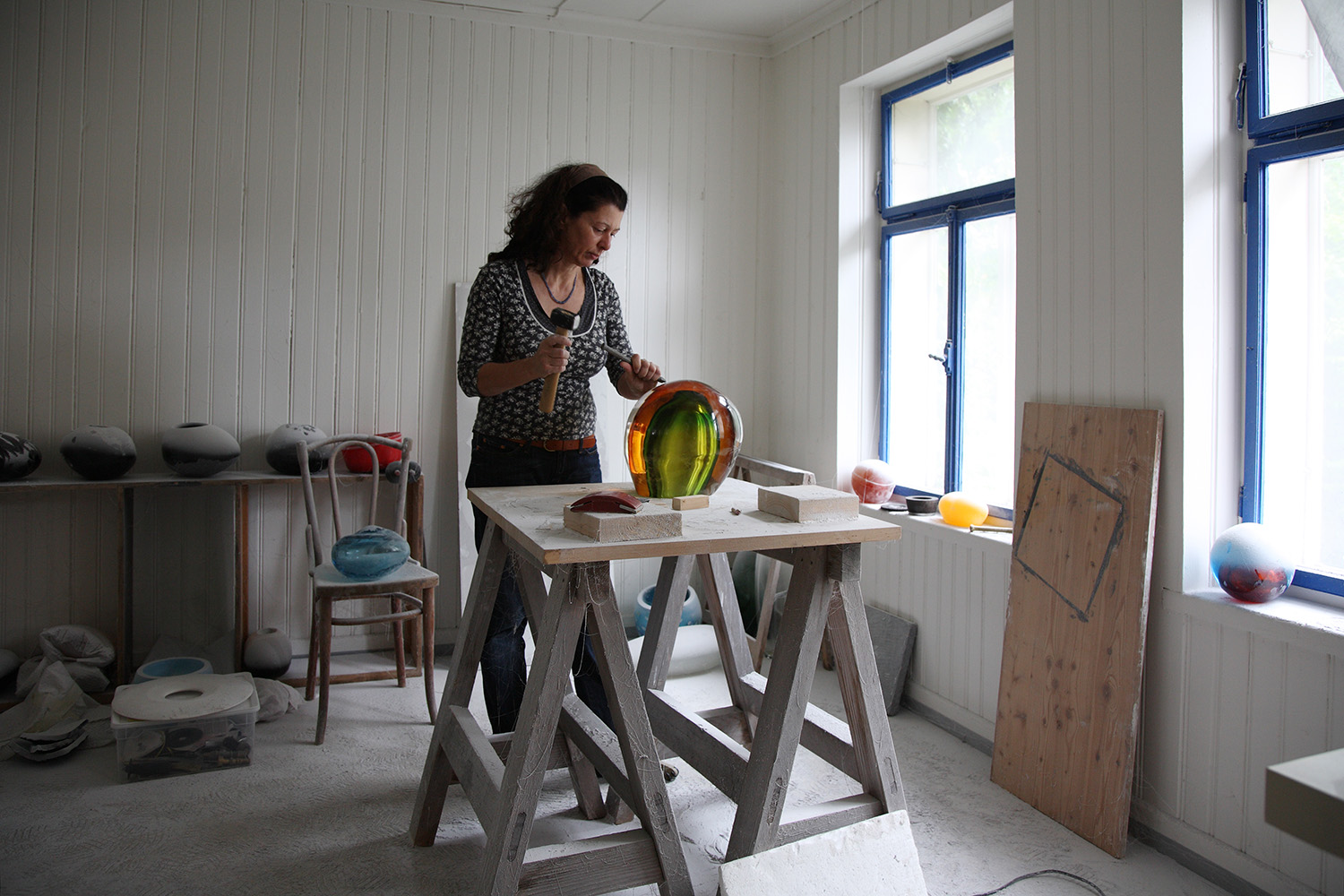
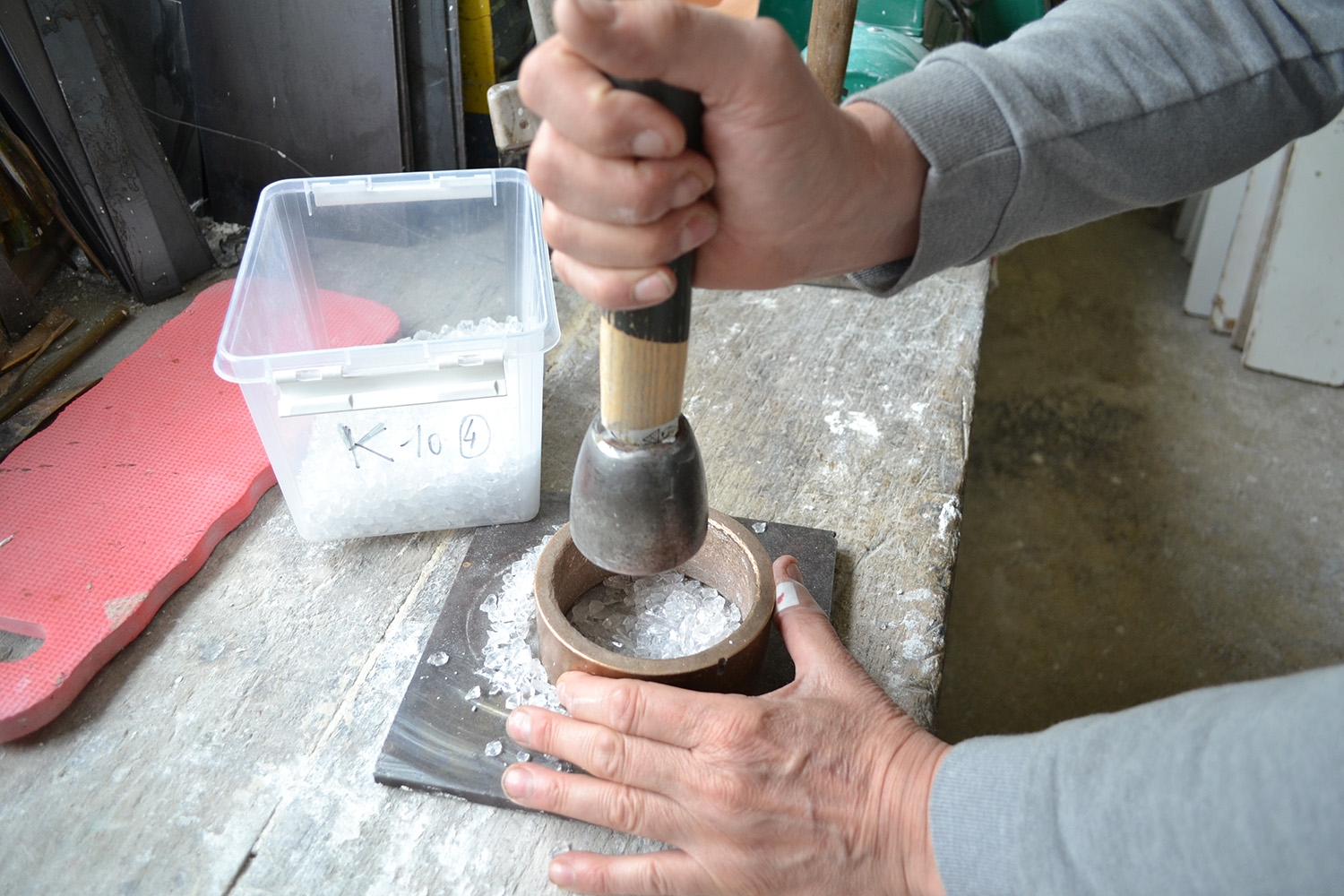
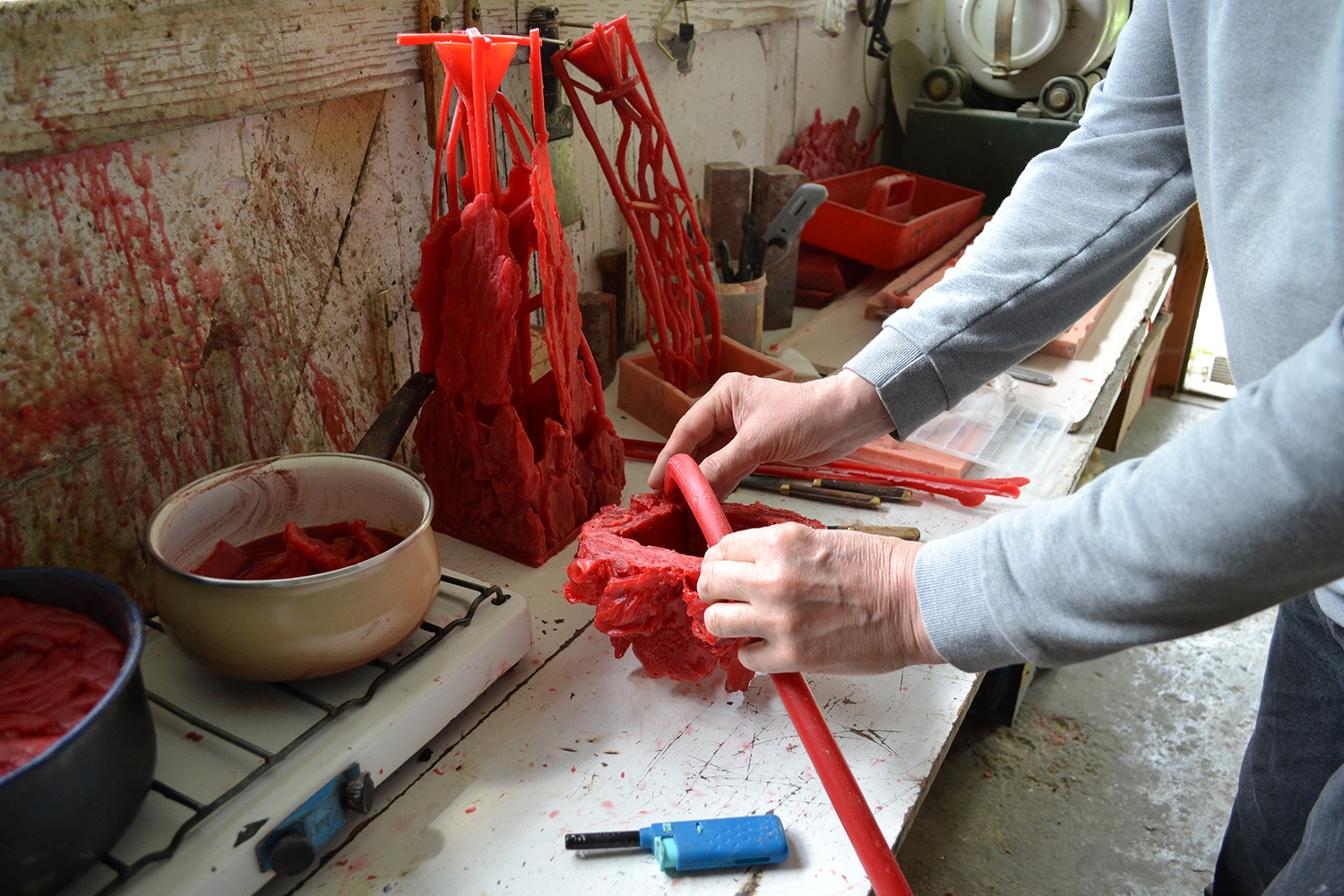
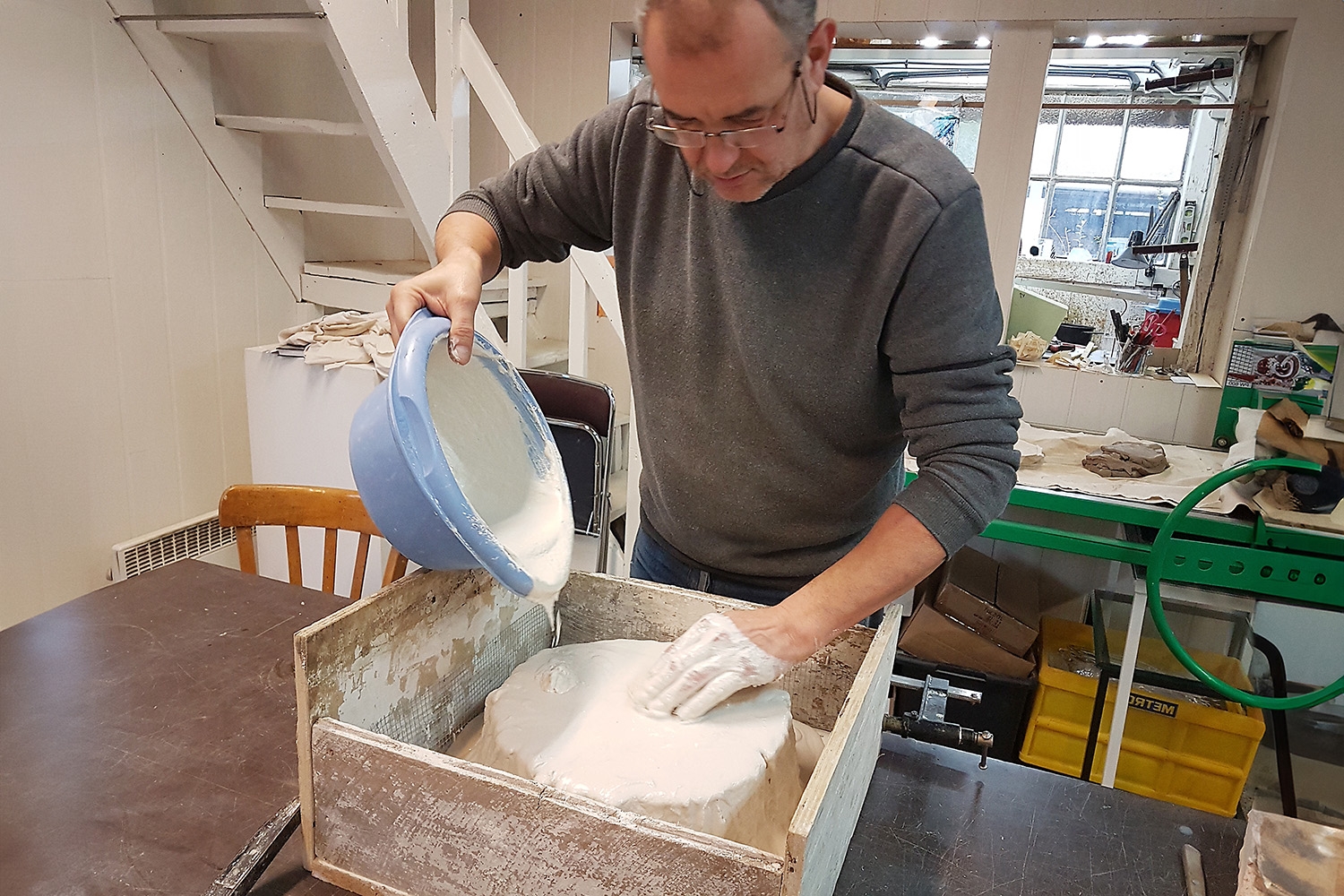
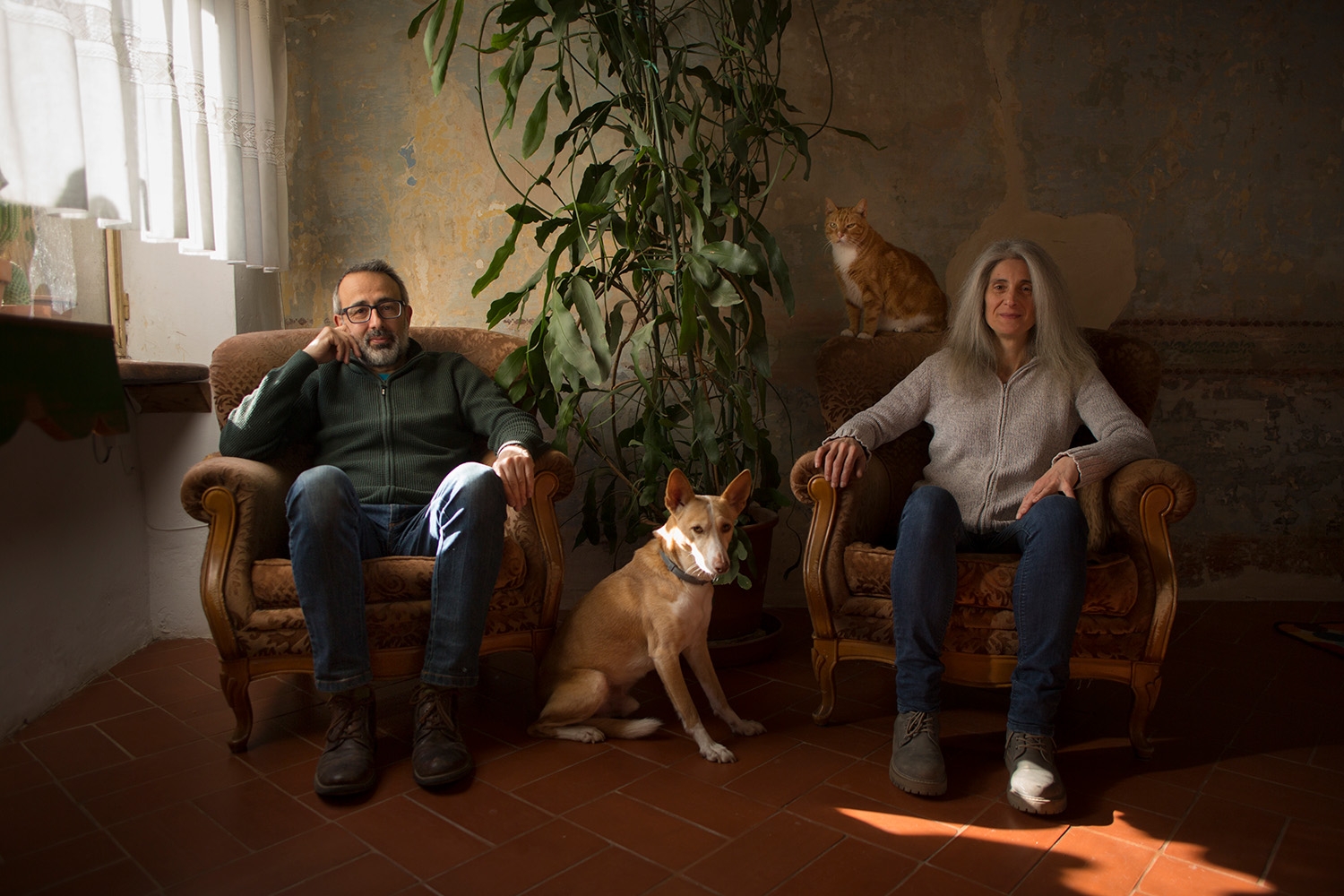
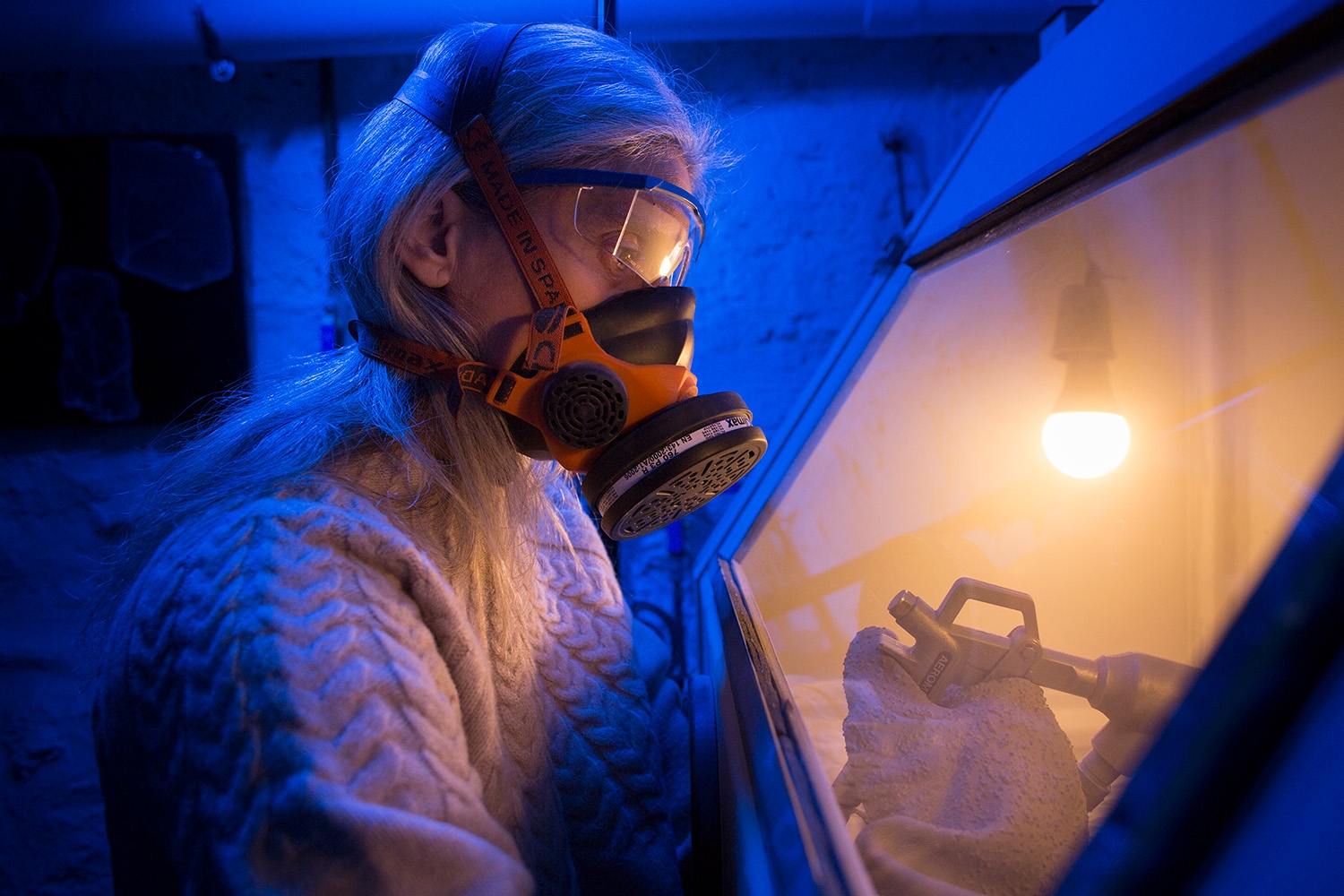
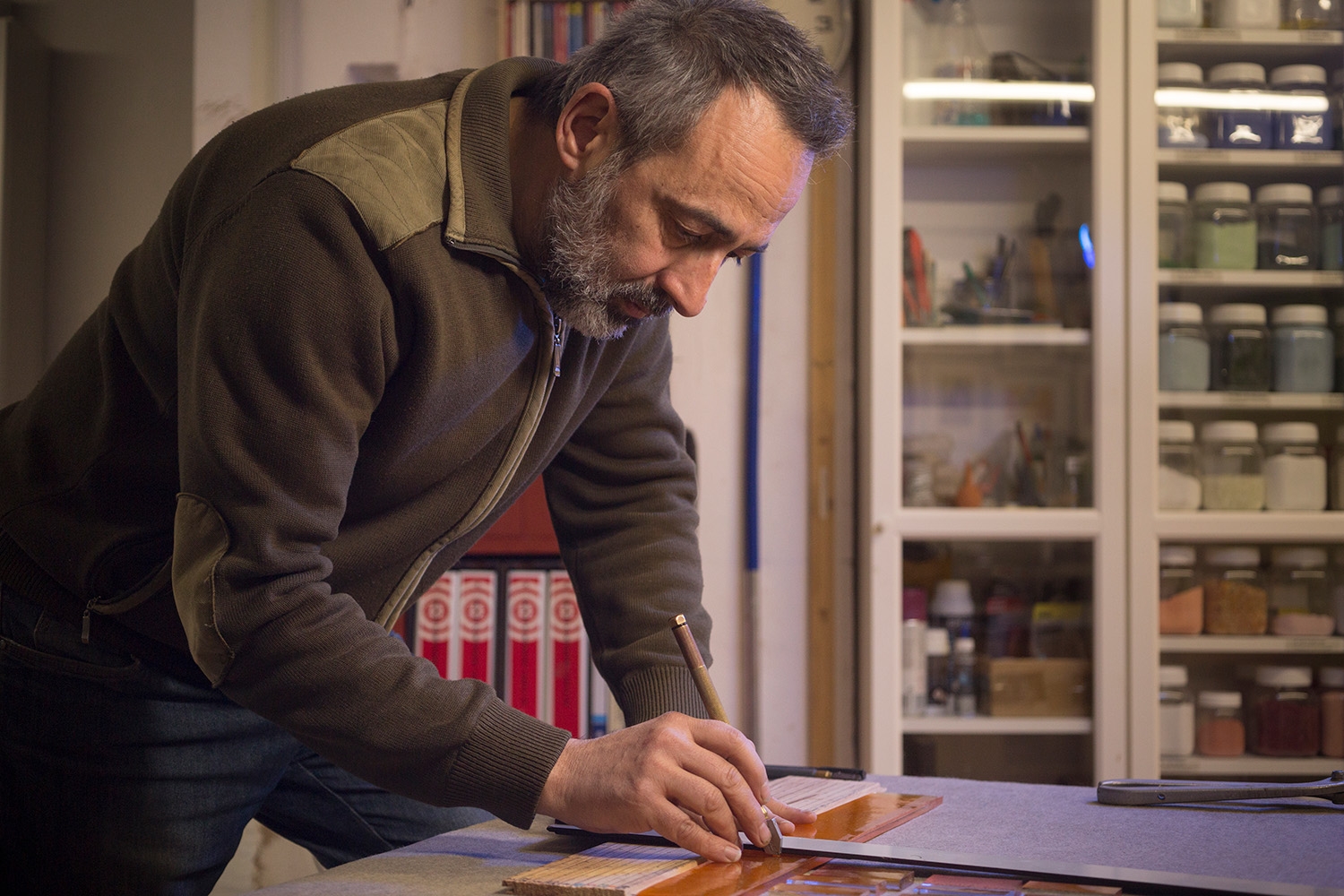
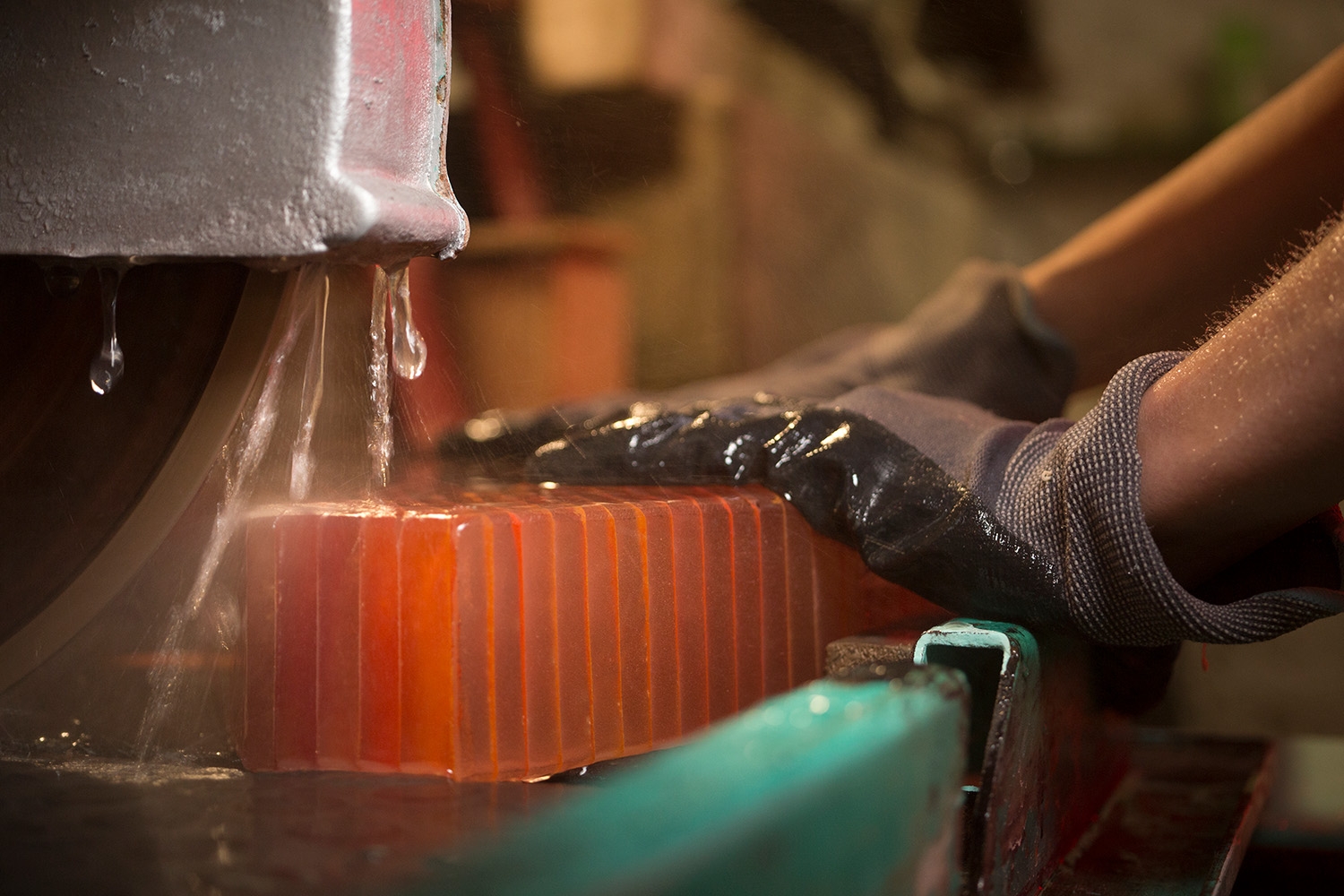
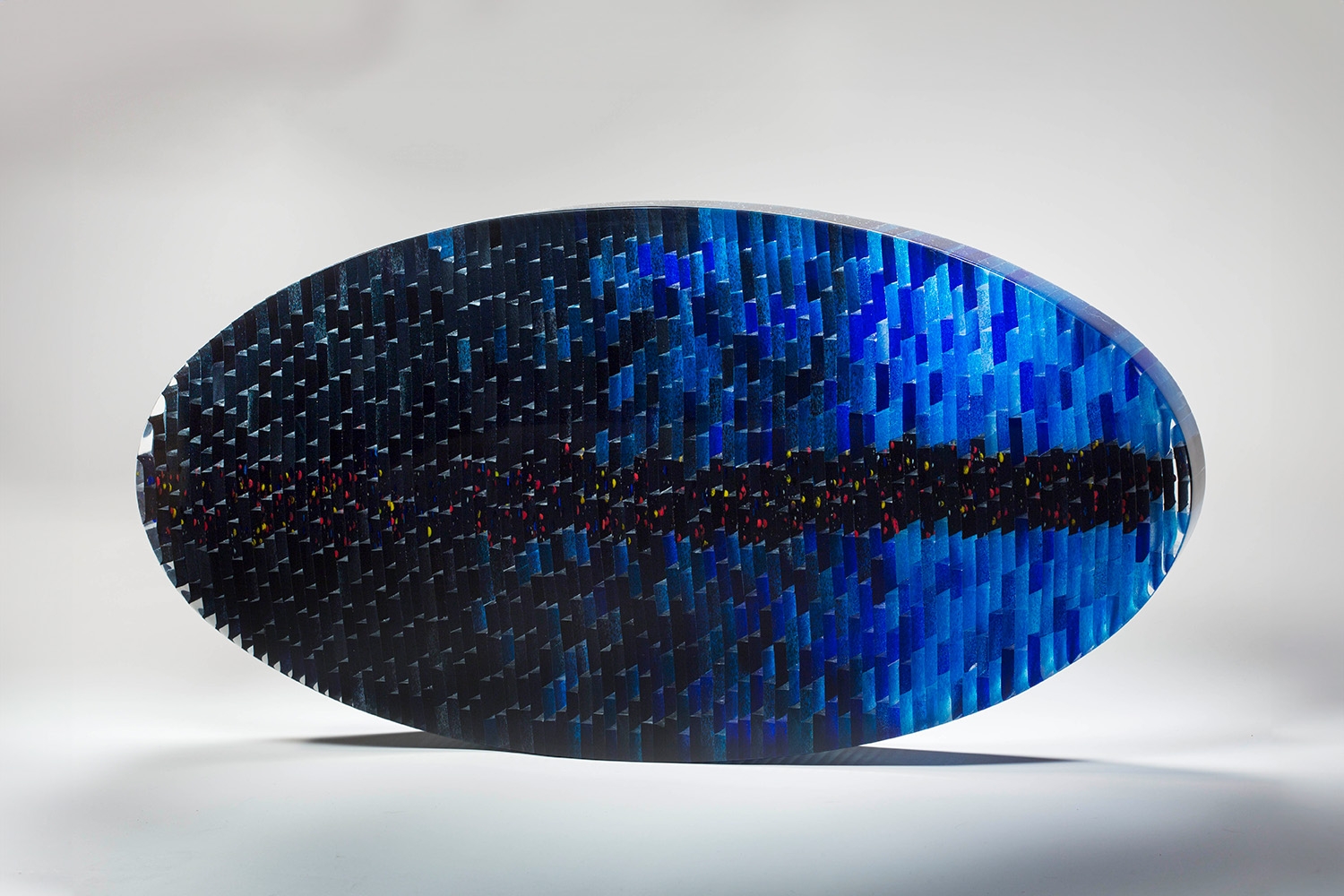
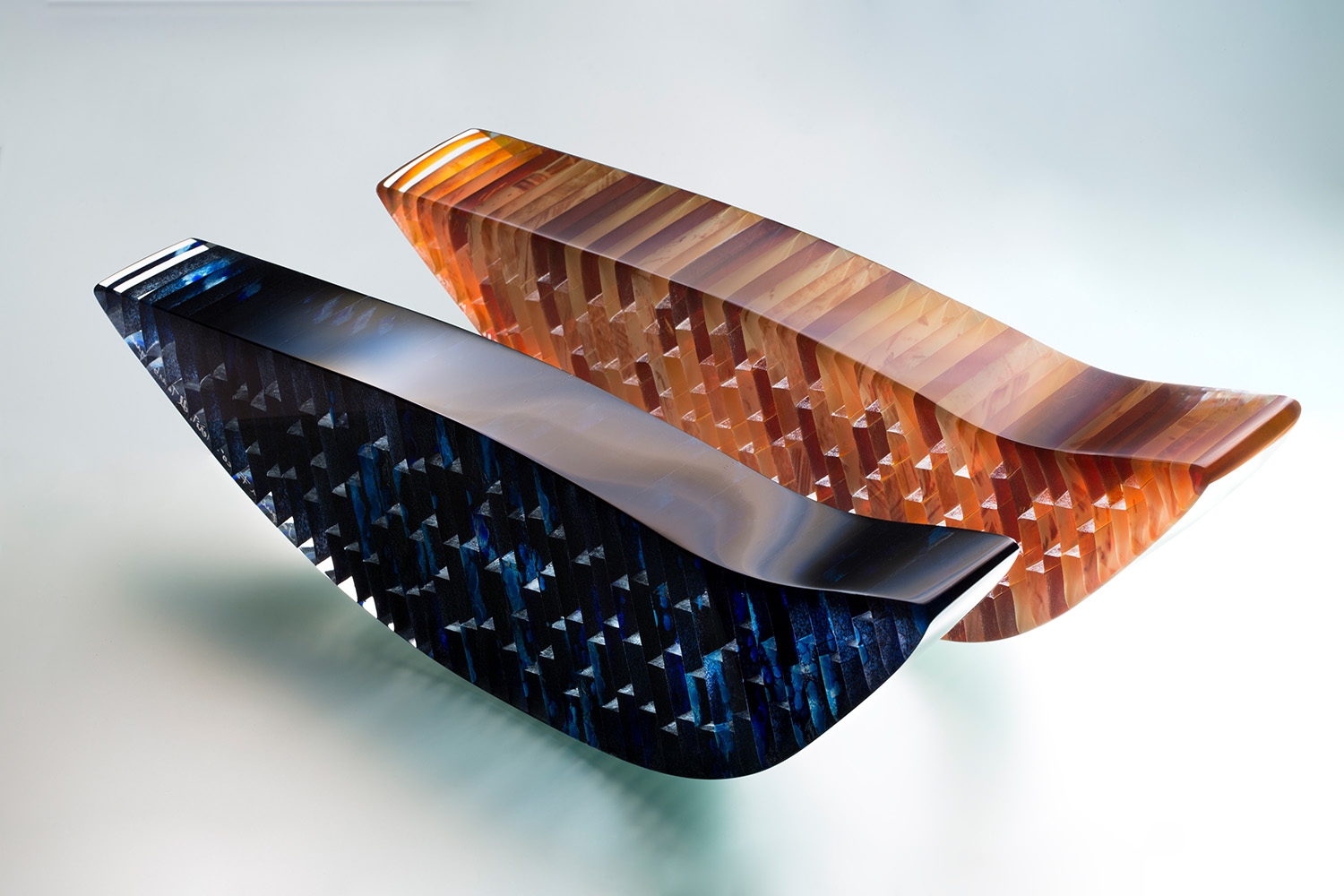
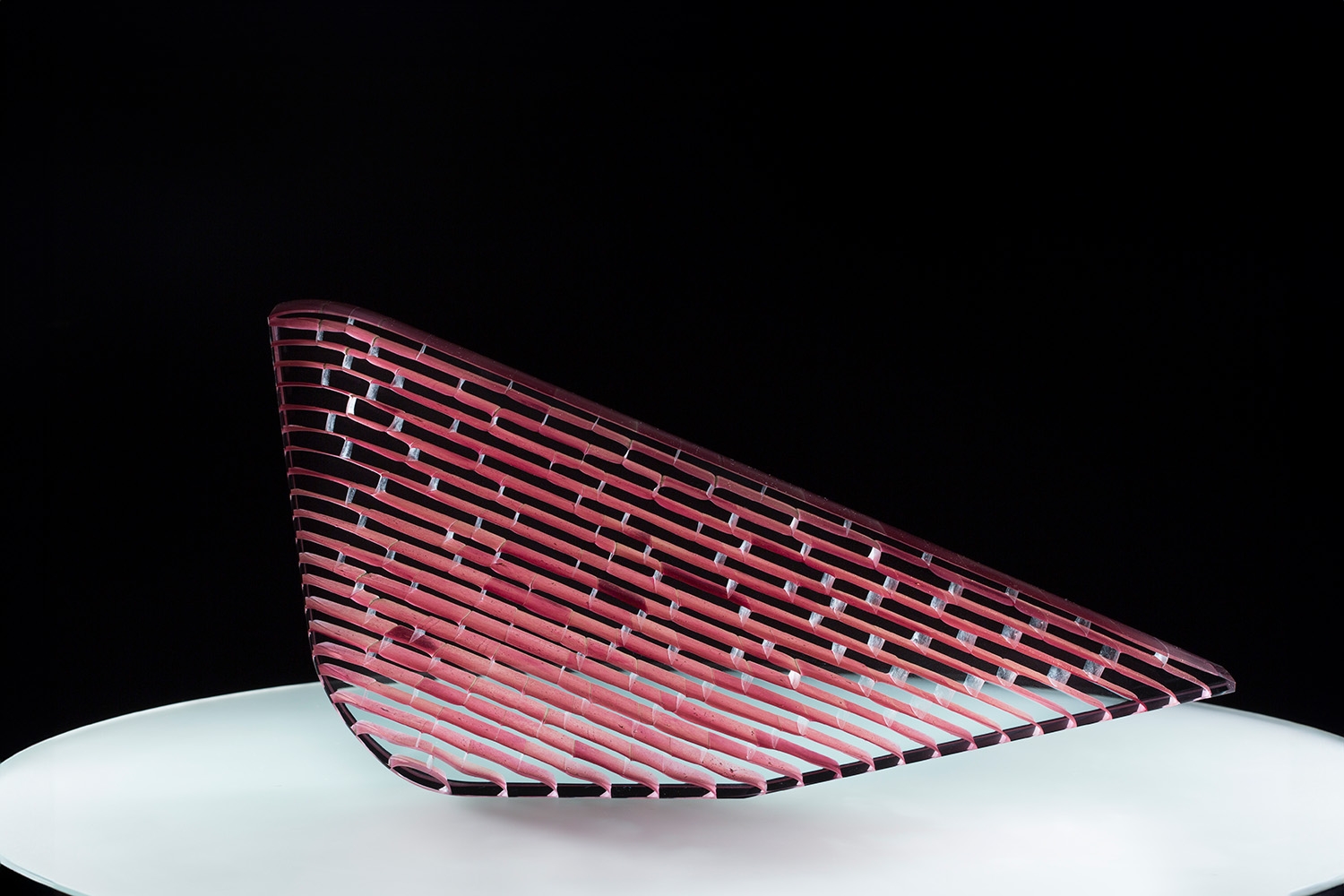
Meritxell Templeque and Joaquim Falcó Capdevila met at the Escola del Vidre in Barcelona in 1992. There they began to use certain traditional techniques: blowing, stained glass making, carving, engraving, grisaille, and fired enamels, among others. "We began incorporating new techniques such as fusing, casting, thermoforming, pâte de verre. We focused our interest on sculpture in fused glass techniques and cold working. In 1995-96, we did an internship together in the Czech Republic, where we deepened our knowledge in these techniques," says Meritxell. "Observing our environment fascinates us, both the natural landscape and the human one, its forms, processes, rhythms, textures at different scales. We like to establish parallels between these natural processes such as erosion or sedimentation and the work processes with which we shape glass," explains Joaquim. The duo are a couple in life as well as in their practice as glass artists.
INTERVIEW
Meritxell: At the moment we entered glass school. We saw glass crafts as a professional outlet for our creative impulses. When we finished the three years of our training and returned from an internship in the Czech Republic, we joined the school's teaching team with the hope of one day having our own workshop. This was our main goal and where we focused our efforts.
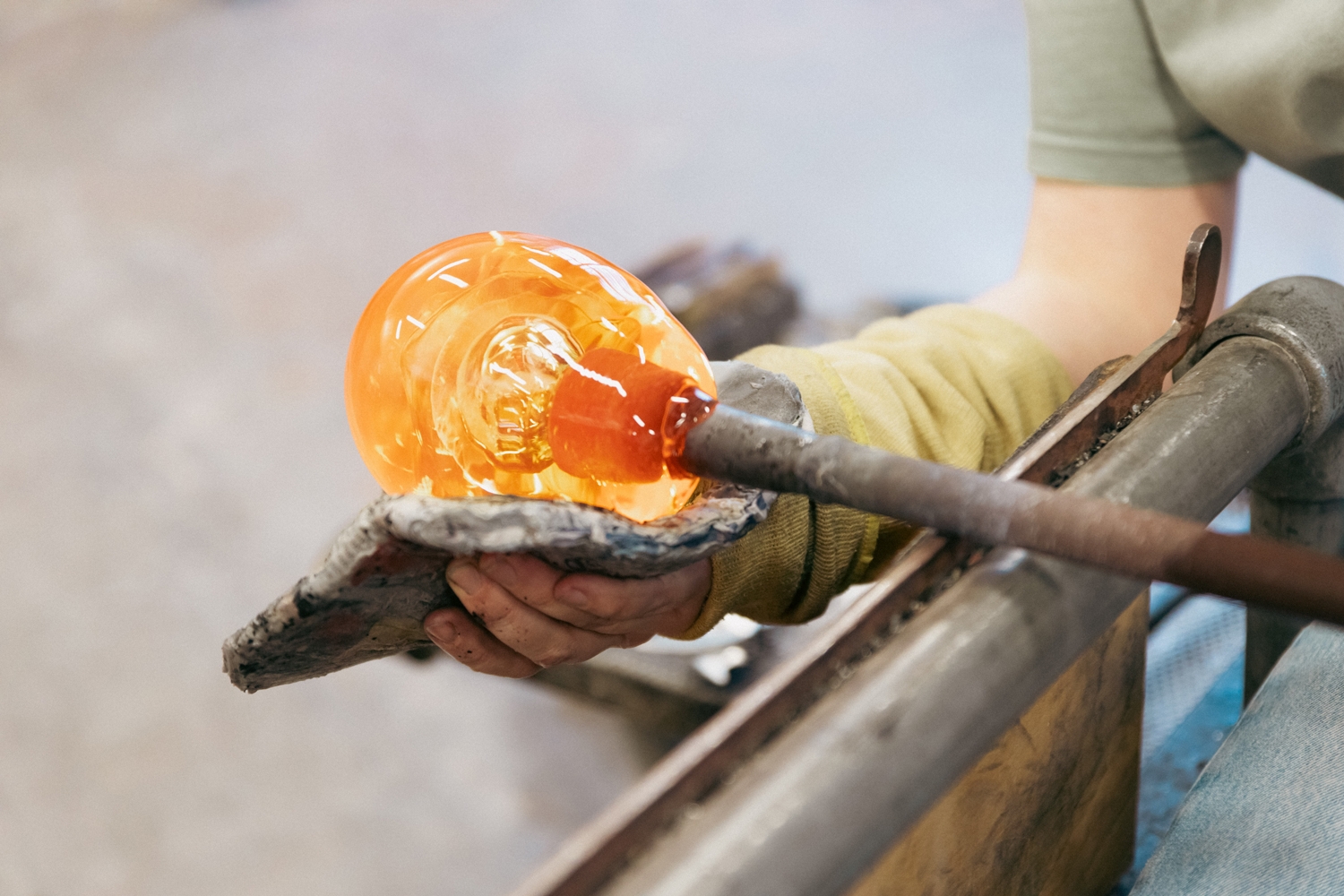
Joaquim: The 'magic' of blown glass fascinated us as children, Meritxell in a Spanish village near Barcelona and me in Mallorca. The fire from the kilns and the incandescent matter in a fluid state are very impactful visions and are processes unlike any others. Both of us felt very drawn to glass and possibly that fascination remained latent. When the opportunity arose to know and work with glass, we were able to channel those feelings.
Joaquim: One of the advantages of working as a couple is that individual skills add up. Meritxell models clay very well. I have specialised in moulds. From our beginnings in school, we have researched and experimented a lot with a very specific type of glass called 'float'.
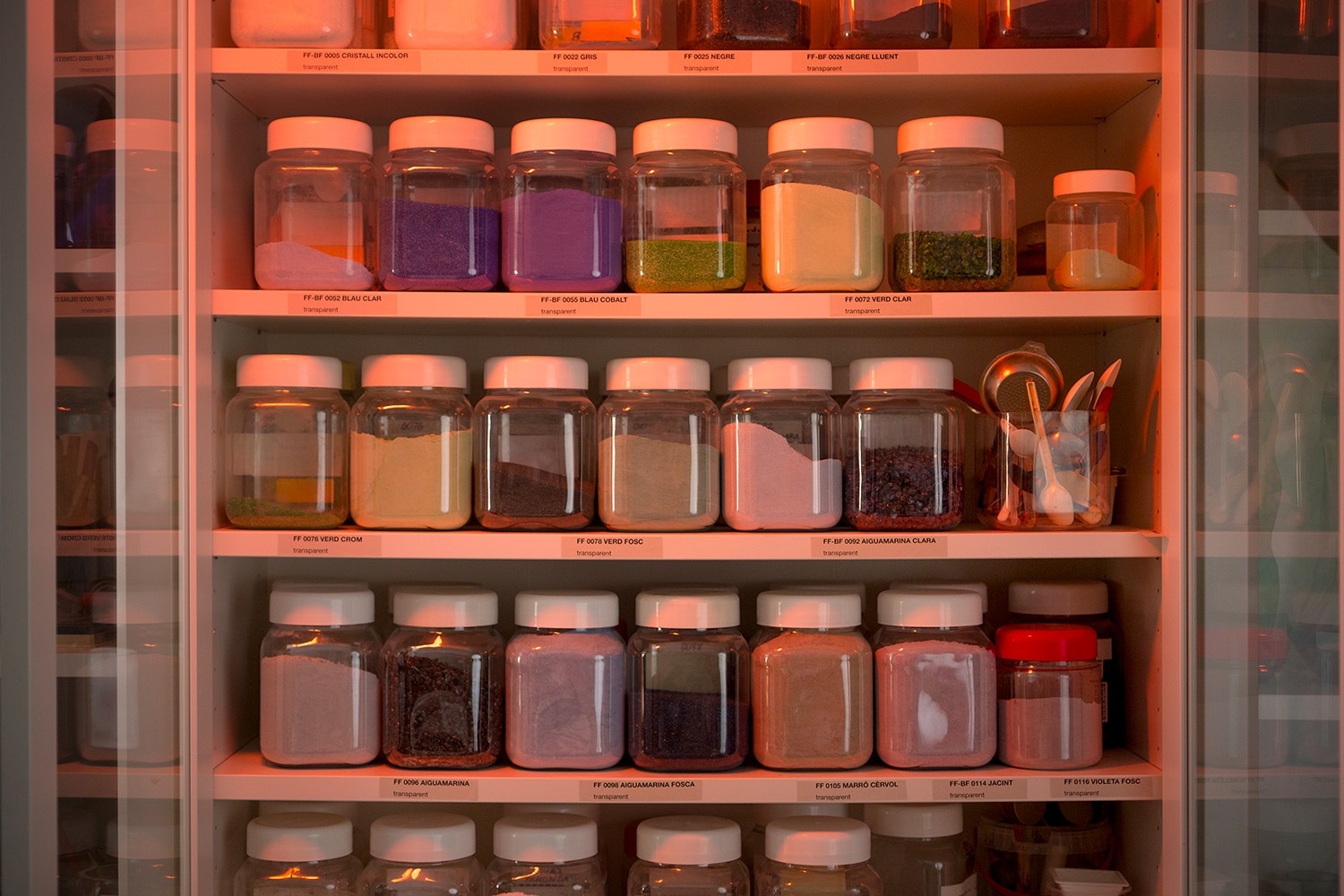
Meritxell: It is industrial flat glass, popularly known as window glass. We have developed a significant part of our work with this glass, which is not specially manufactured for craft or art, nor to withstand the fusion processes with which we work. Over time, we have developed our own personal working method for this glass.
Meritxell Tembleque & Joaquim Falcó Capdevila
Quim & Txell
Glass sculptor
Verdu, Spain
AVAILABILITY
By appointment only
PHONE
+34 646234654
LANGUAGES
Spanish, French, Catalan
Homo Faber Finds is a new service aiming to inspire admirers of craft to connect and collaborate with exceptional artisans.
We invite you to submit an enquiry here.
DSC02402_©Meg-Lovell.jpg)
DSC01379_©Meg-Lovell.jpg)
DSC01458_©Meg-Lovell.jpg)