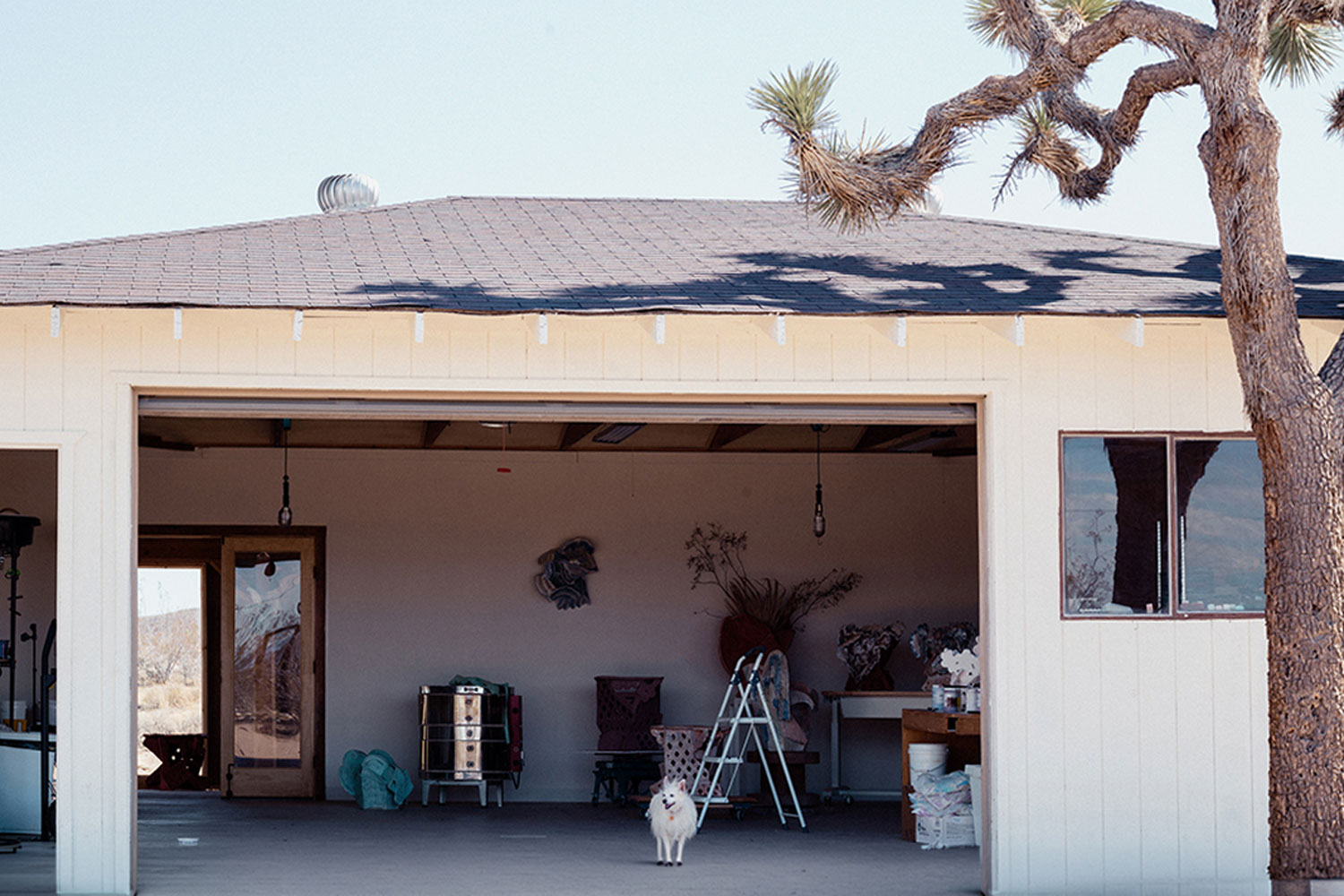
YehRim Lee
Ceramicist
Joshua Tree, CA, USA
Building bridges through clay
- YehRim’s ceramics merge traditional Korean methods with experimental forms
- Repeated firing and layered glazes are the hallmarks of her process
- She describes her artworks as conceptual bridges
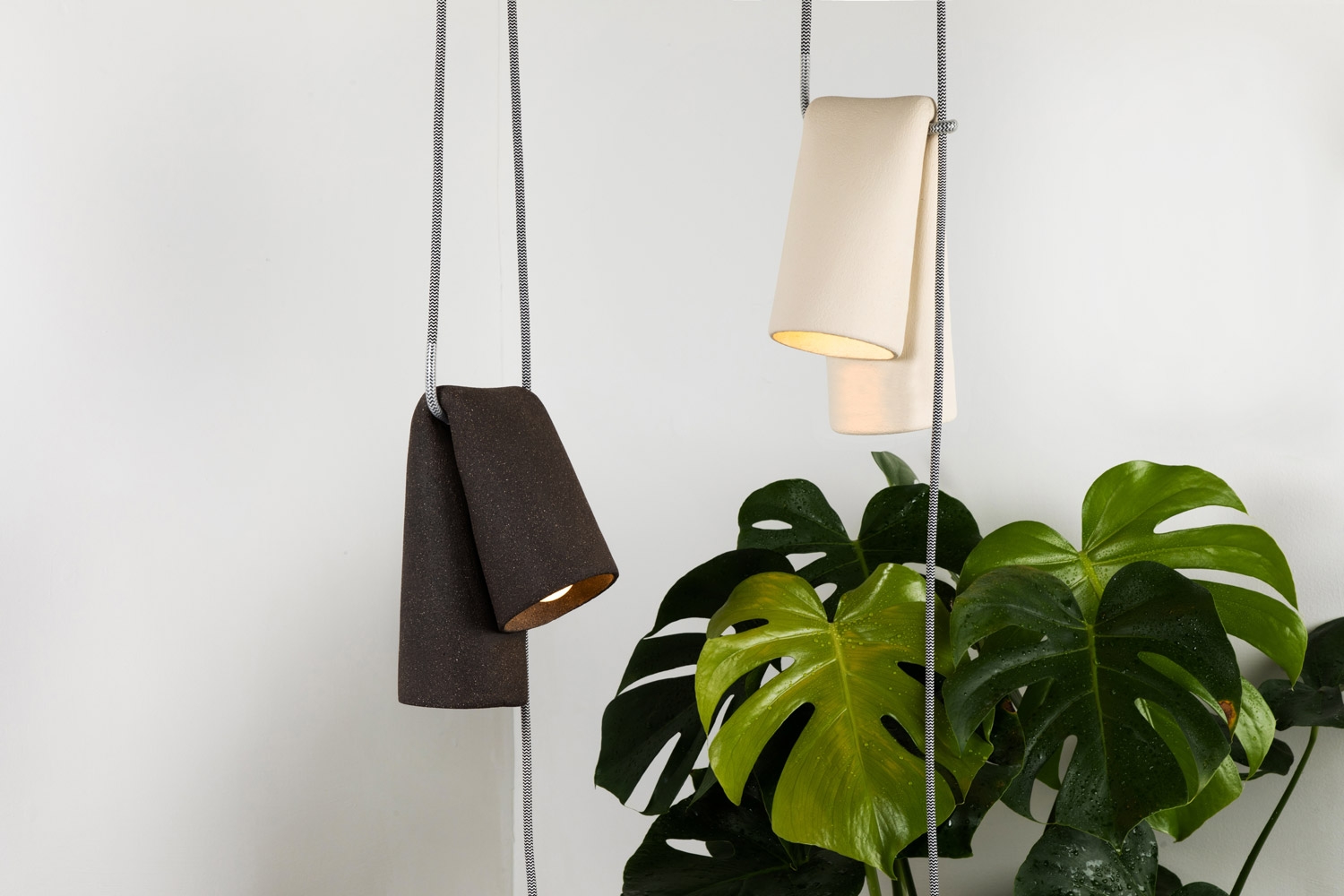
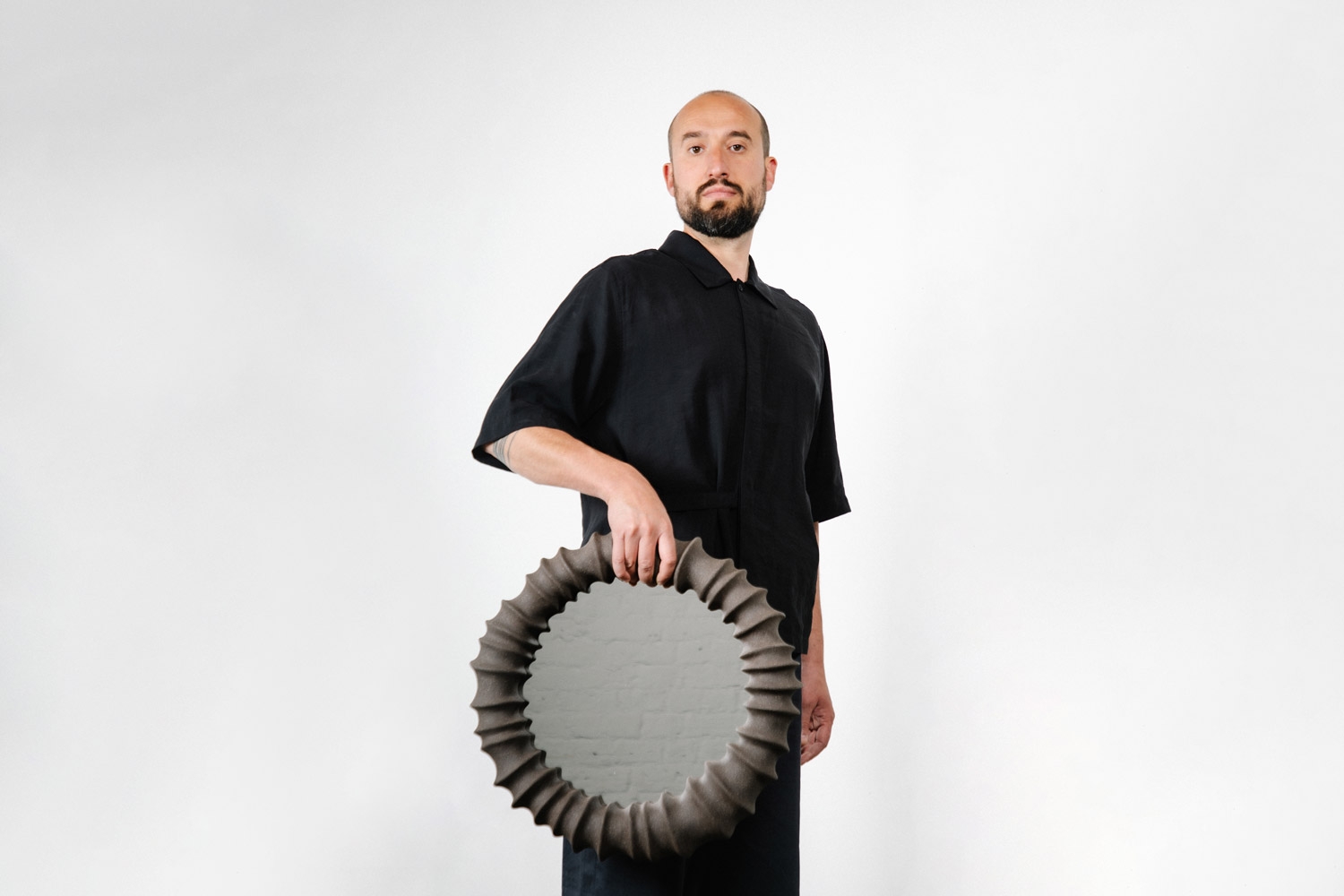
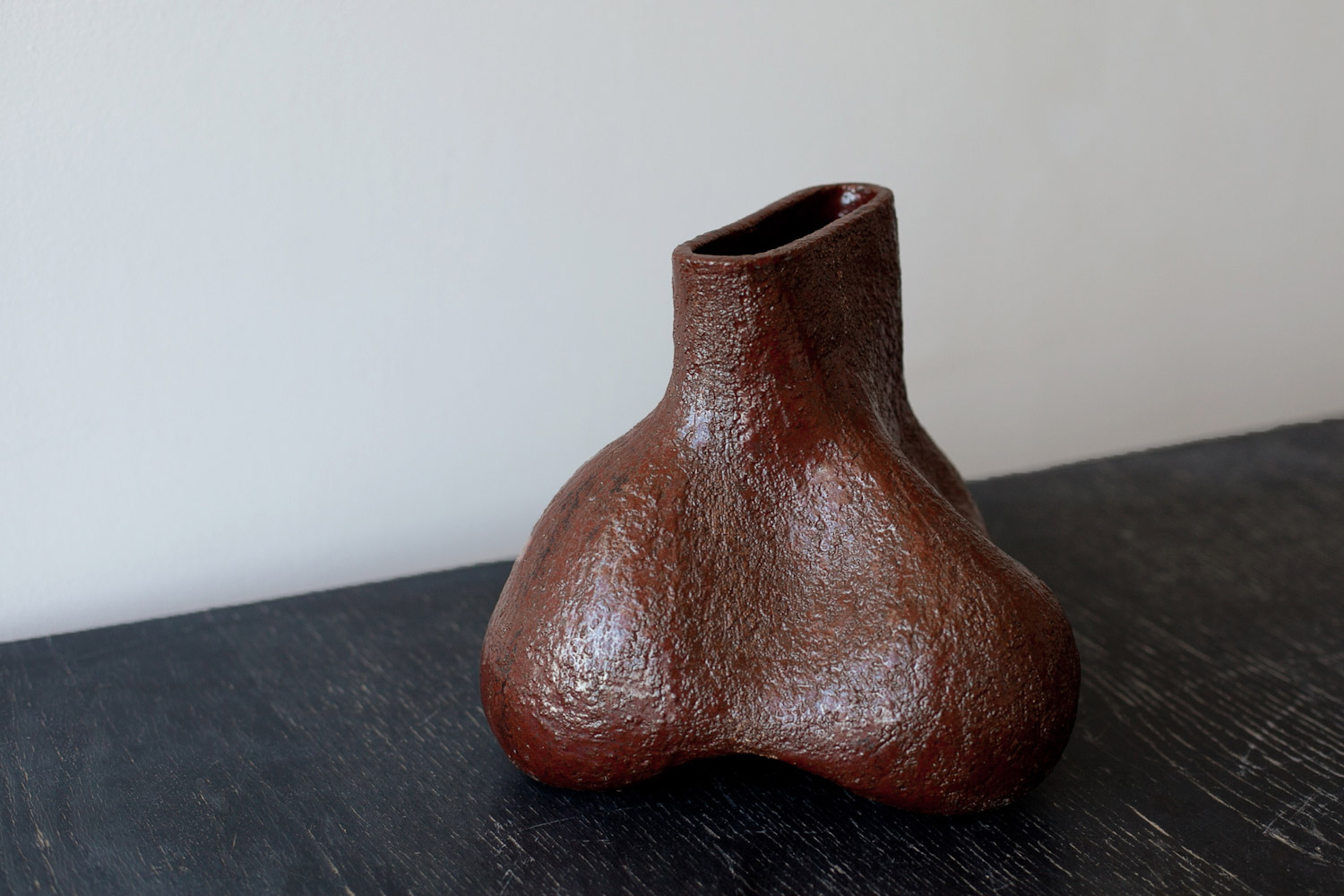
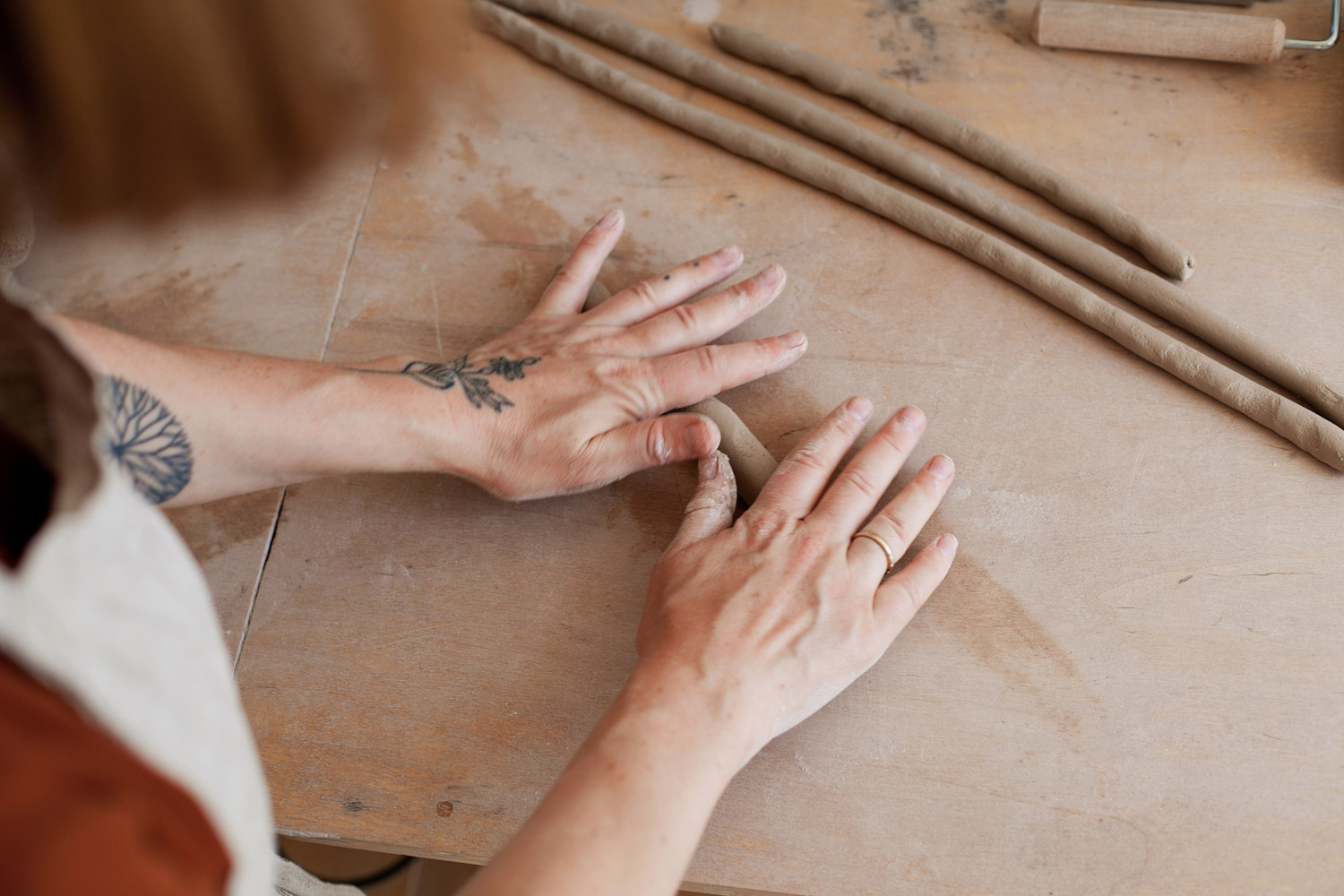
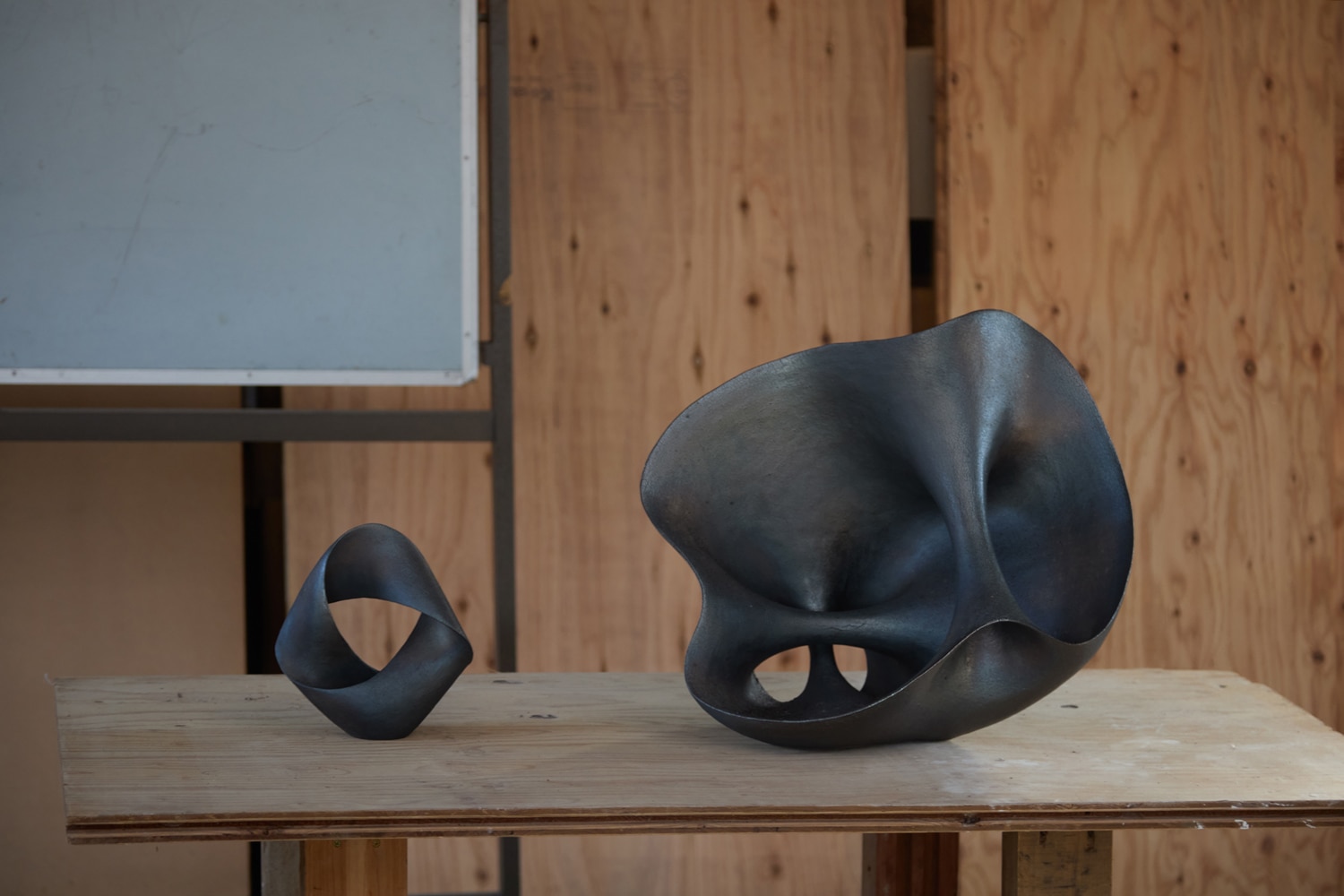
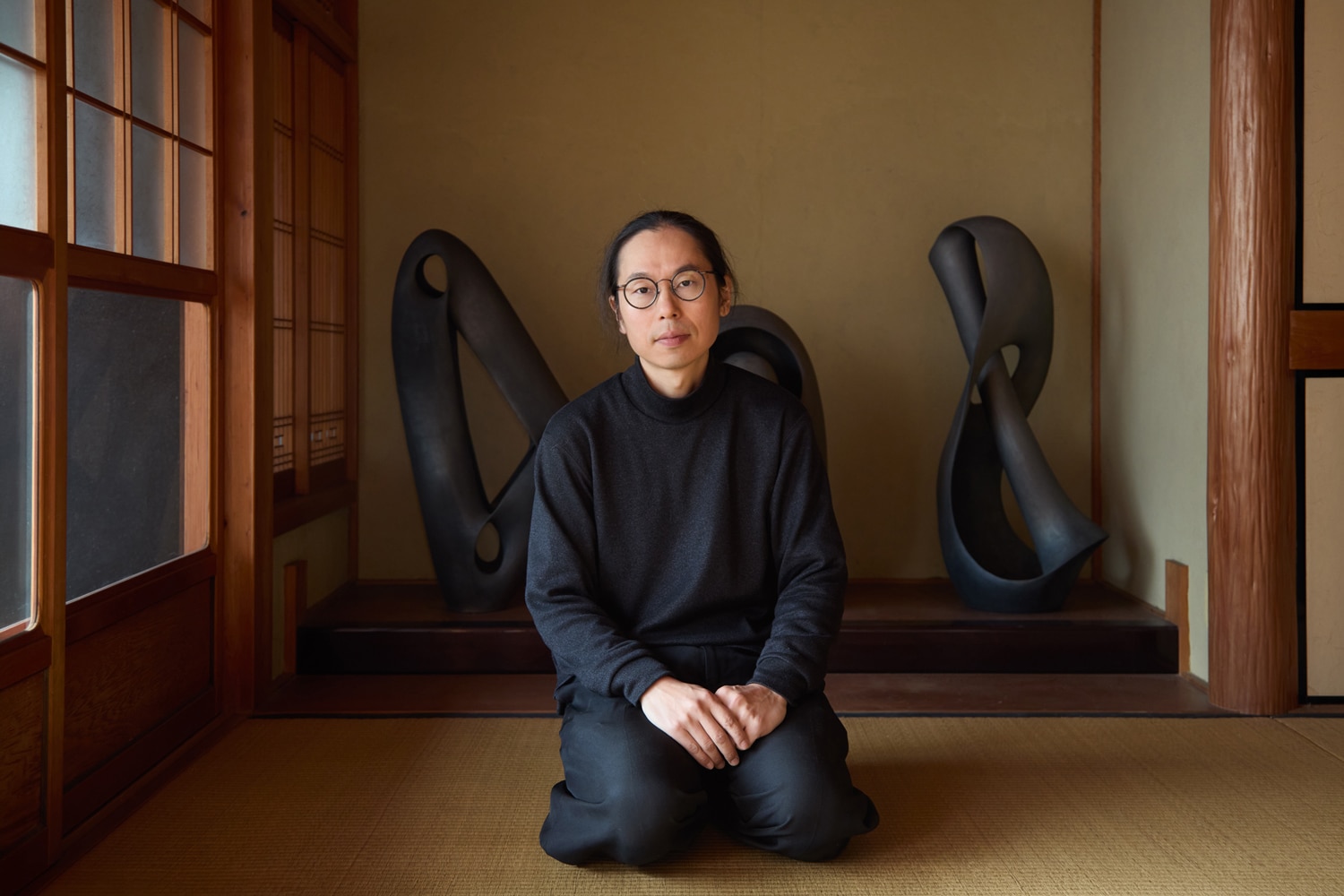
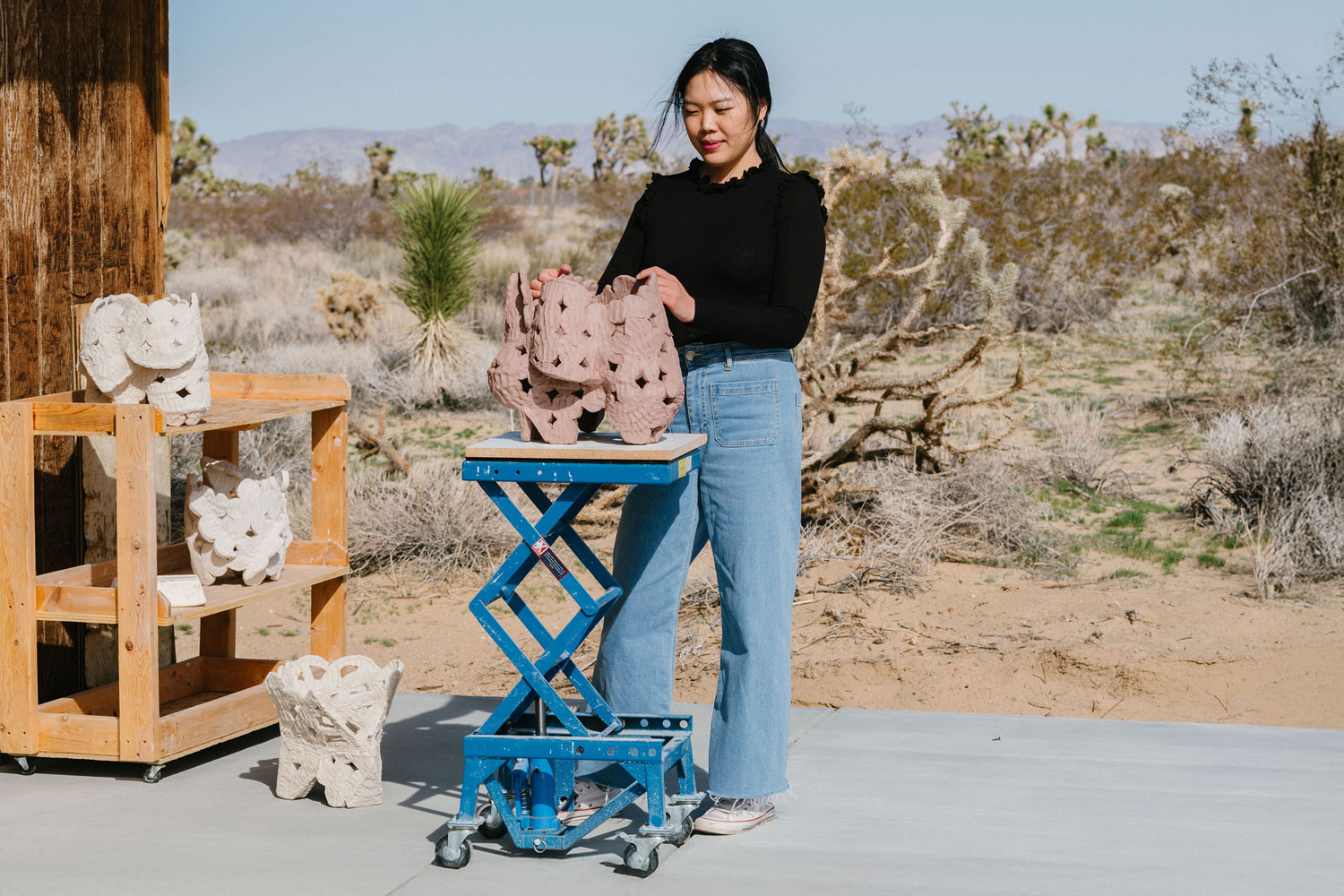
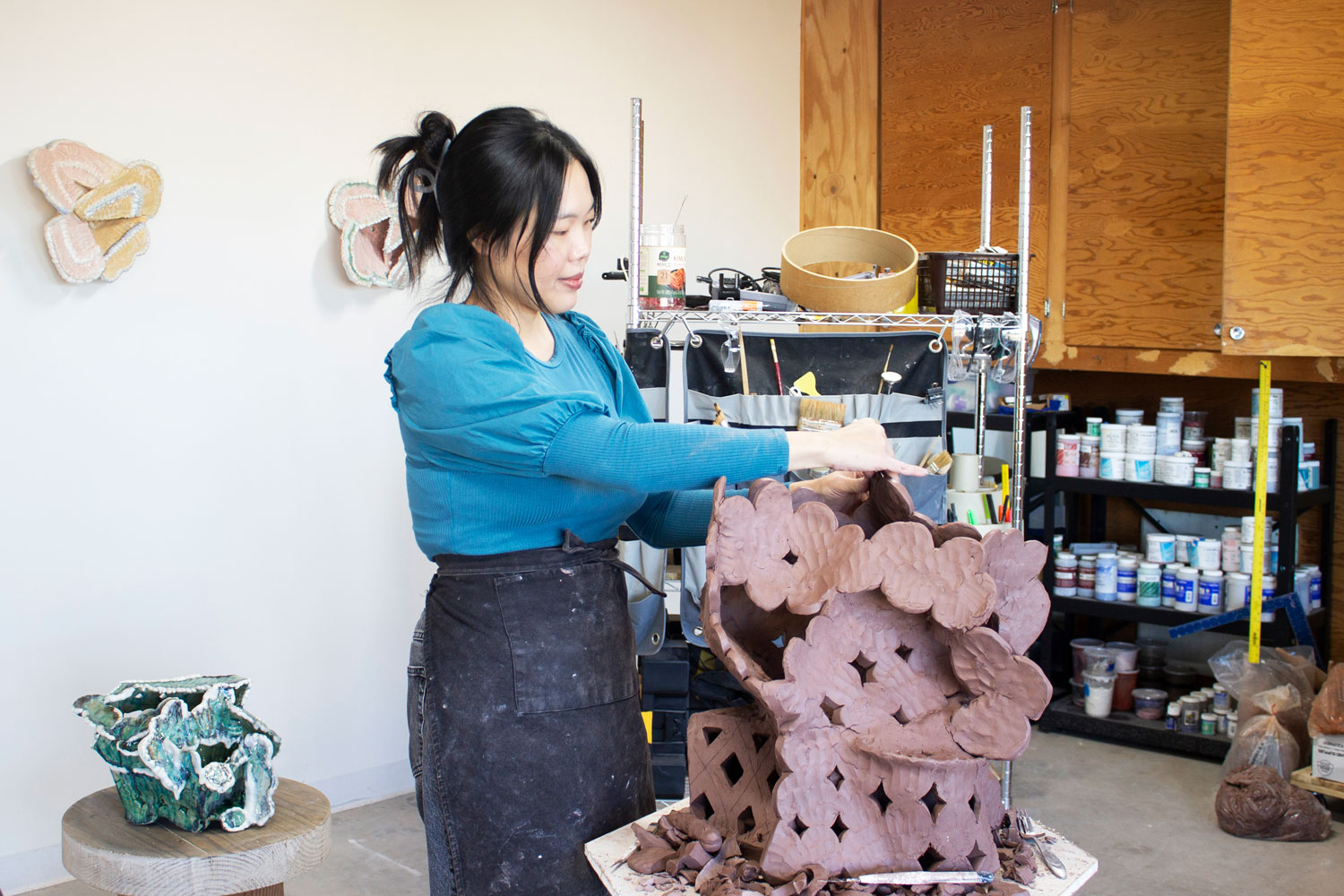
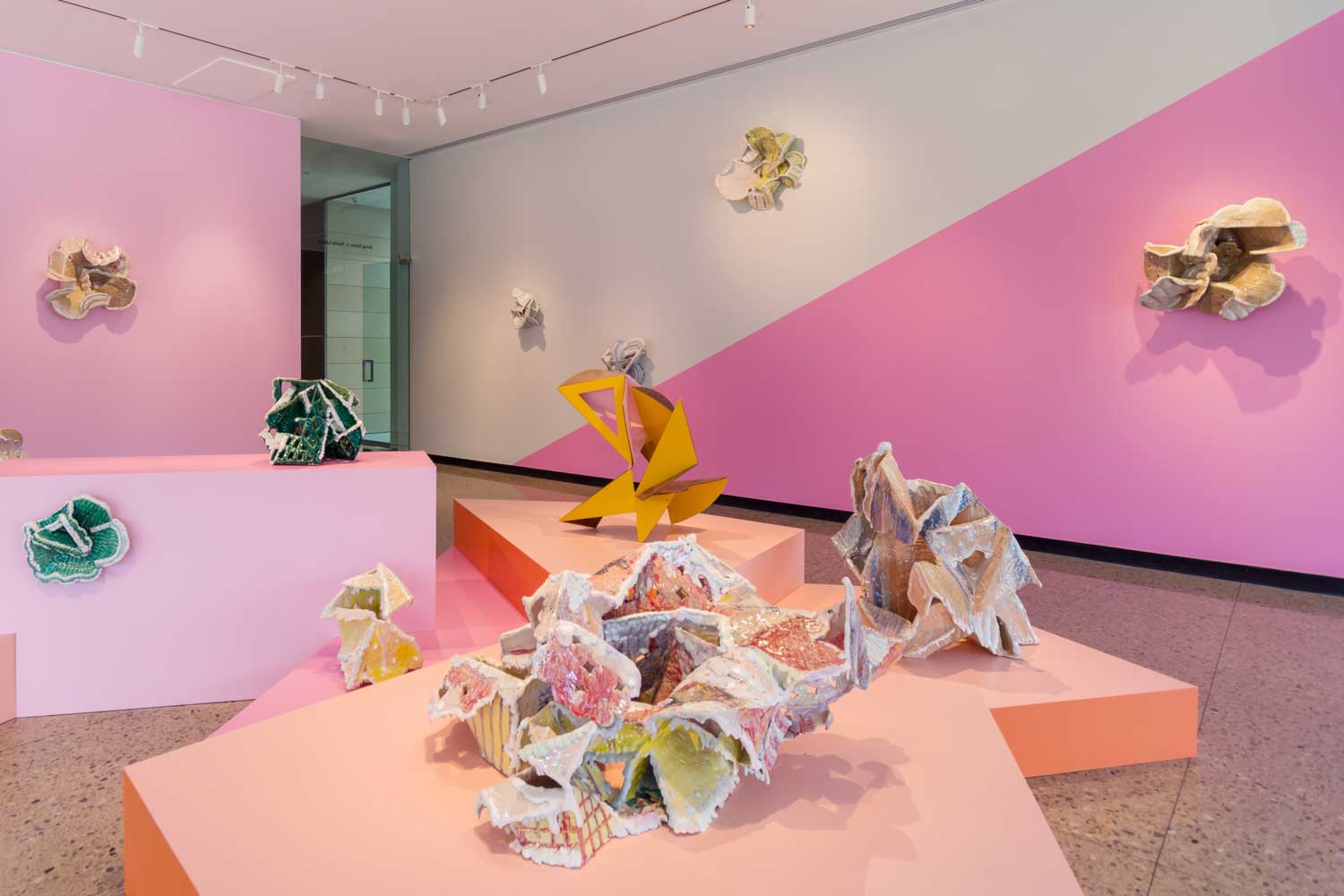
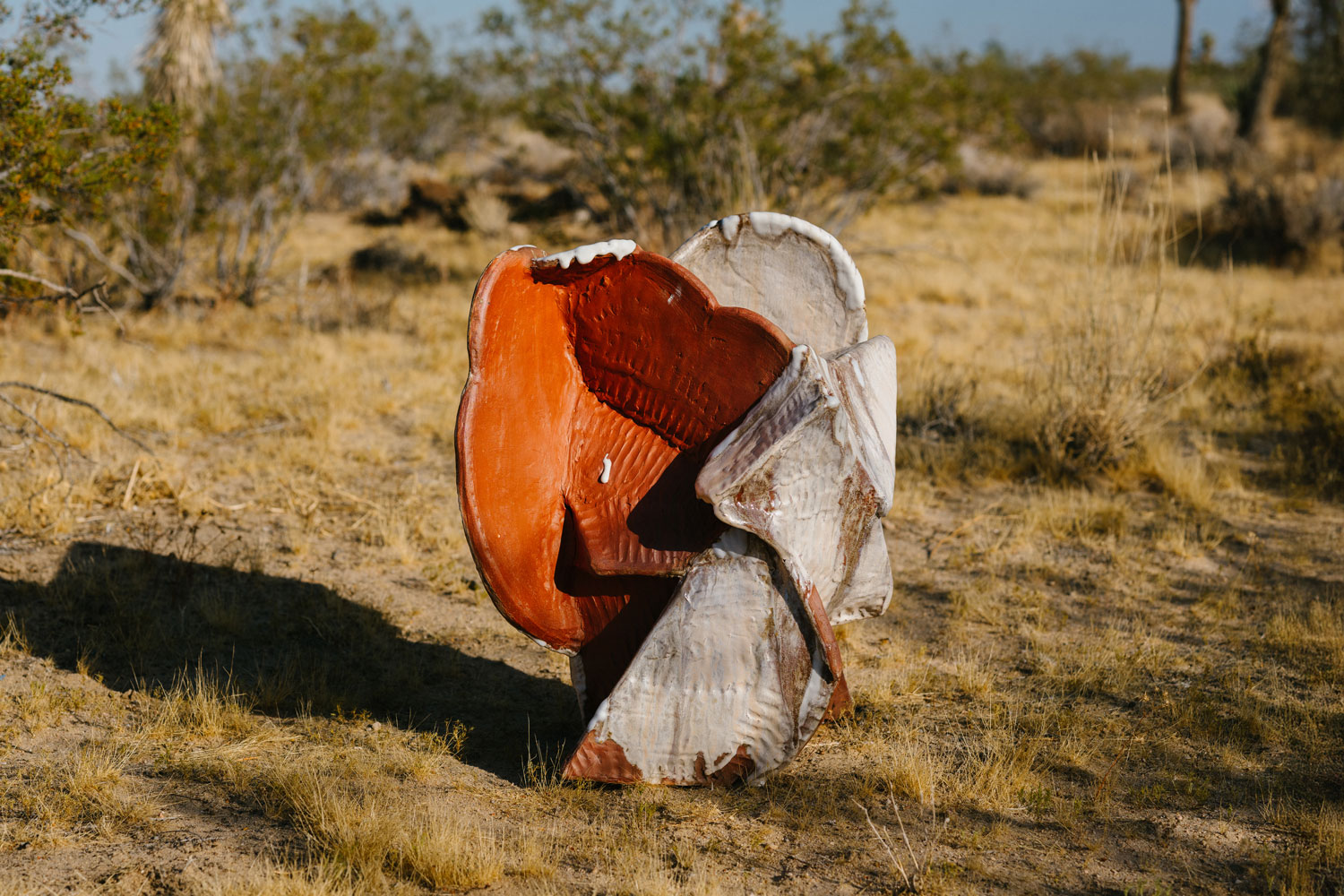
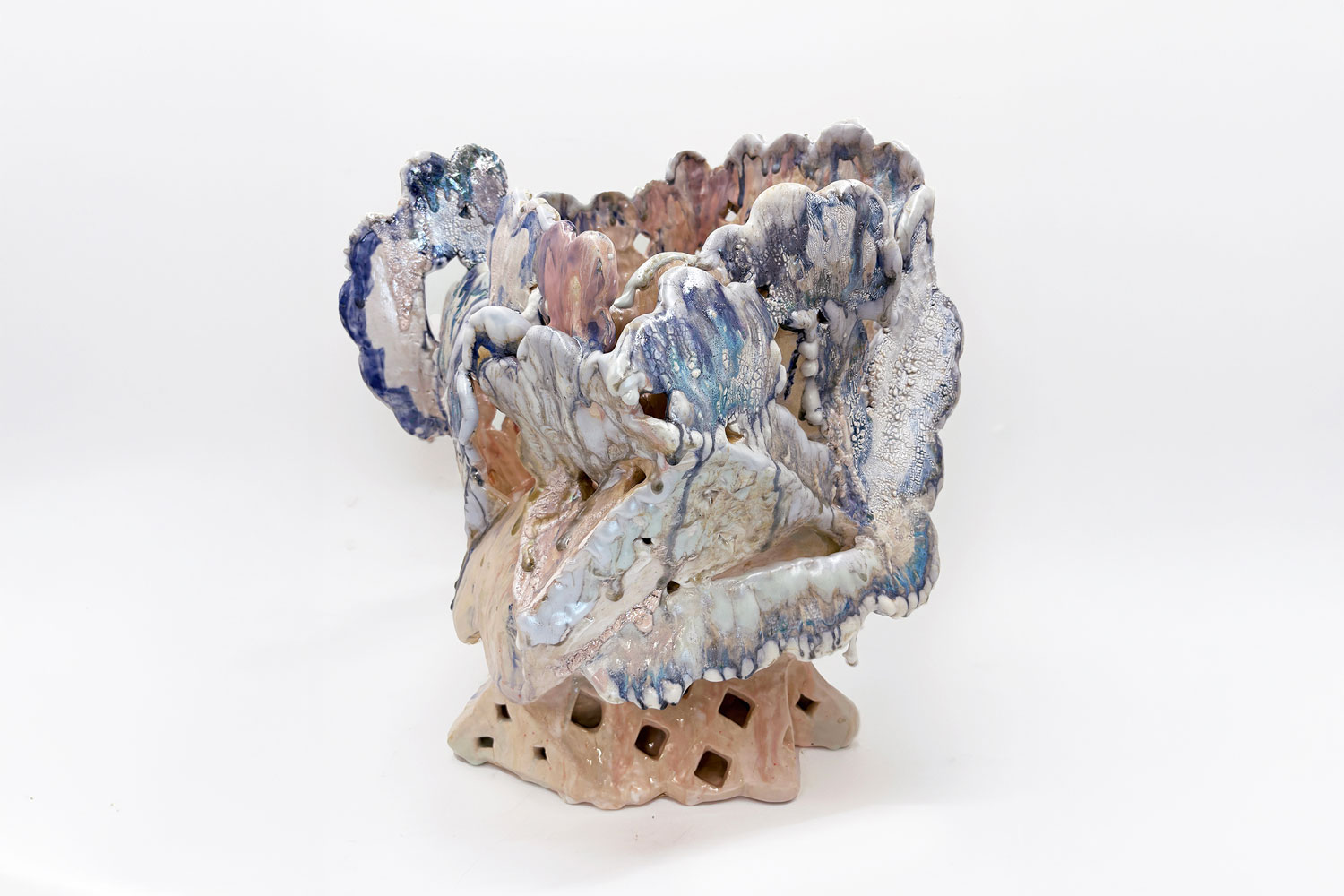
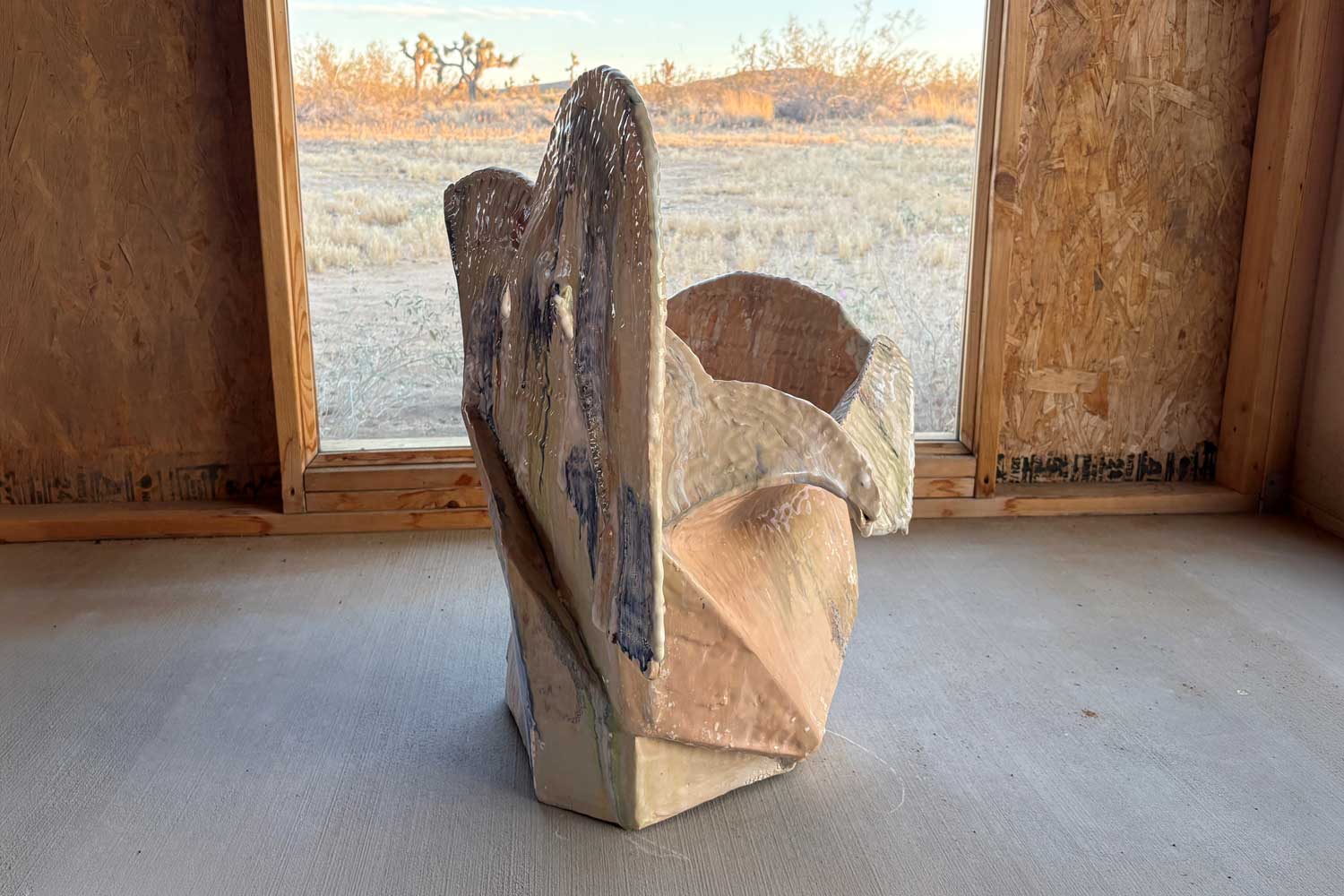
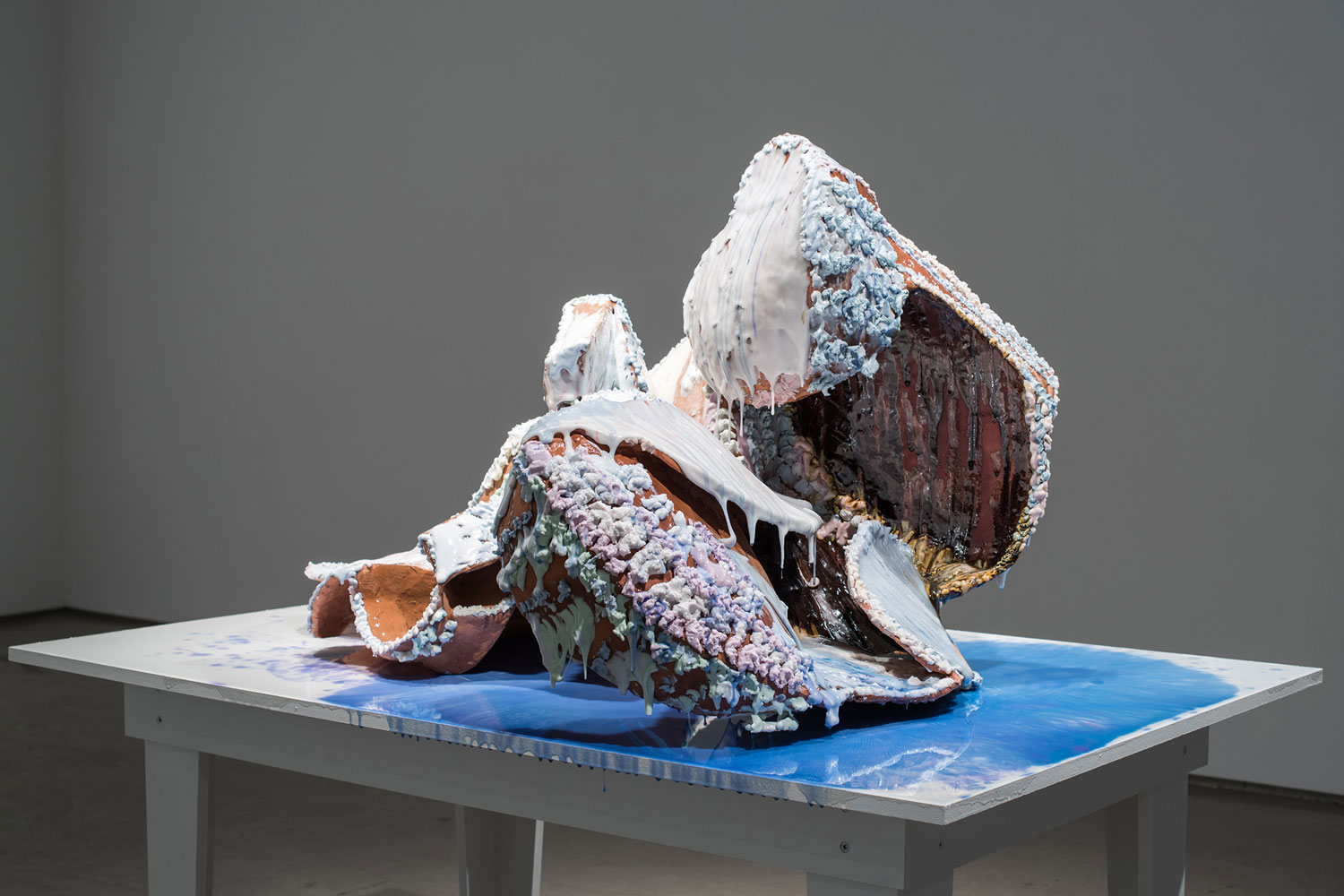
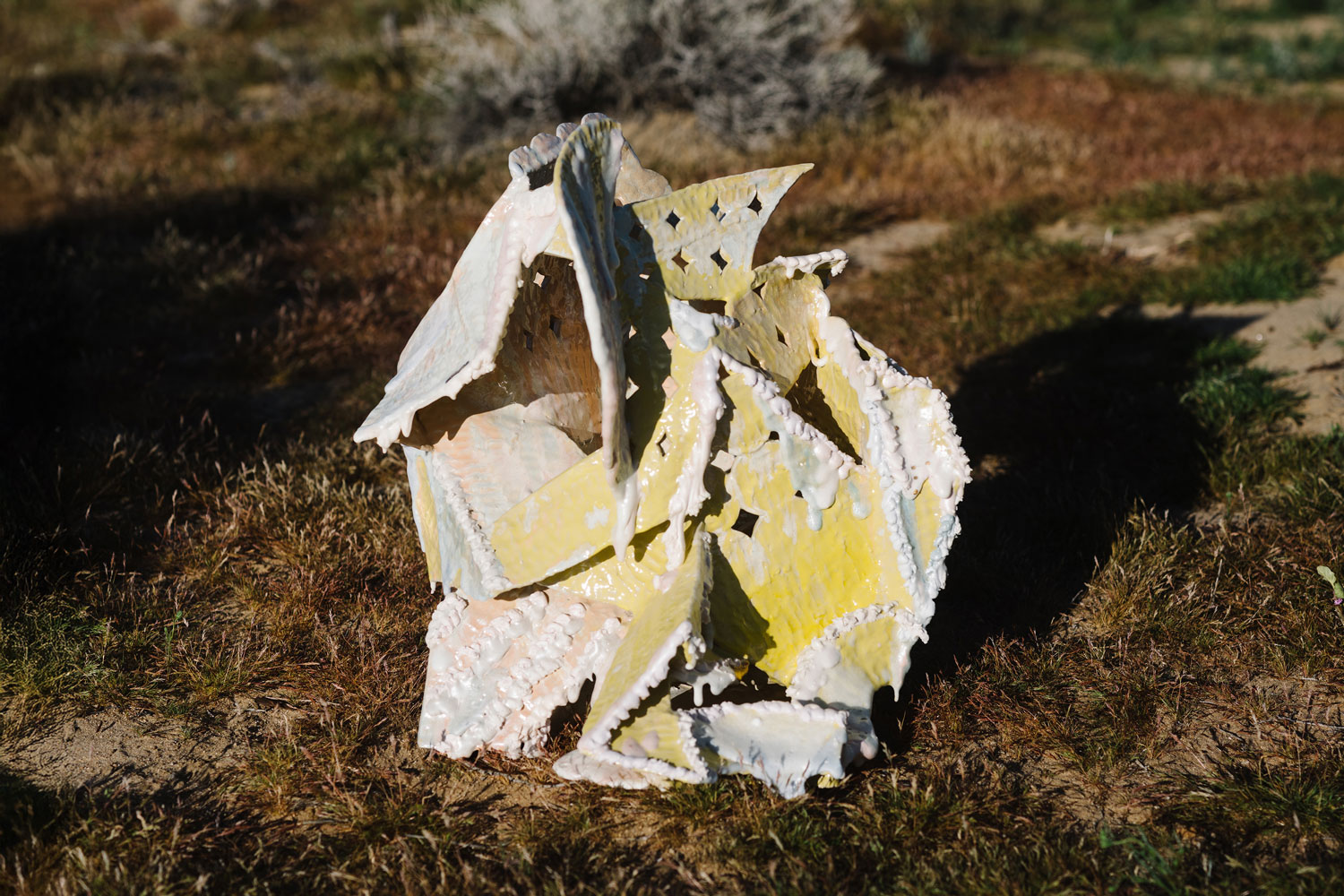
Dripping with brightly coloured glazes, YehRim Lee’s sculptures manifest a process that pushes the material to the brink of collapse. This approach lends her art a dense, tactile quality, which serves as a metaphor for the excesses of late-stage capitalism. Born in Seoul, Korea, YehRim’s personal history with ceramics is life long. Both her parents are ceramicists, and her father is a master of traditional onggi earthenware. Formally trained in Korea, China and the USA, YehRim reached a global audience via her 2022 collaboration with designer Kelly Wearstler, and her pieces are widely exhibited. After living and working in Eastern and Western societies, her practice aims to bridge opposing elements, including cultural identities, genders and the ideas of permanence and transience.
INTERVIEW
Curiosity is what draws me back. One piece makes me wonder if some angle or development in the next piece will work. When I open the kiln, I can never fully predict how the glaze will look, or if the piece has survived. I have to go back to the studio to see how yesterday’s work turned out.
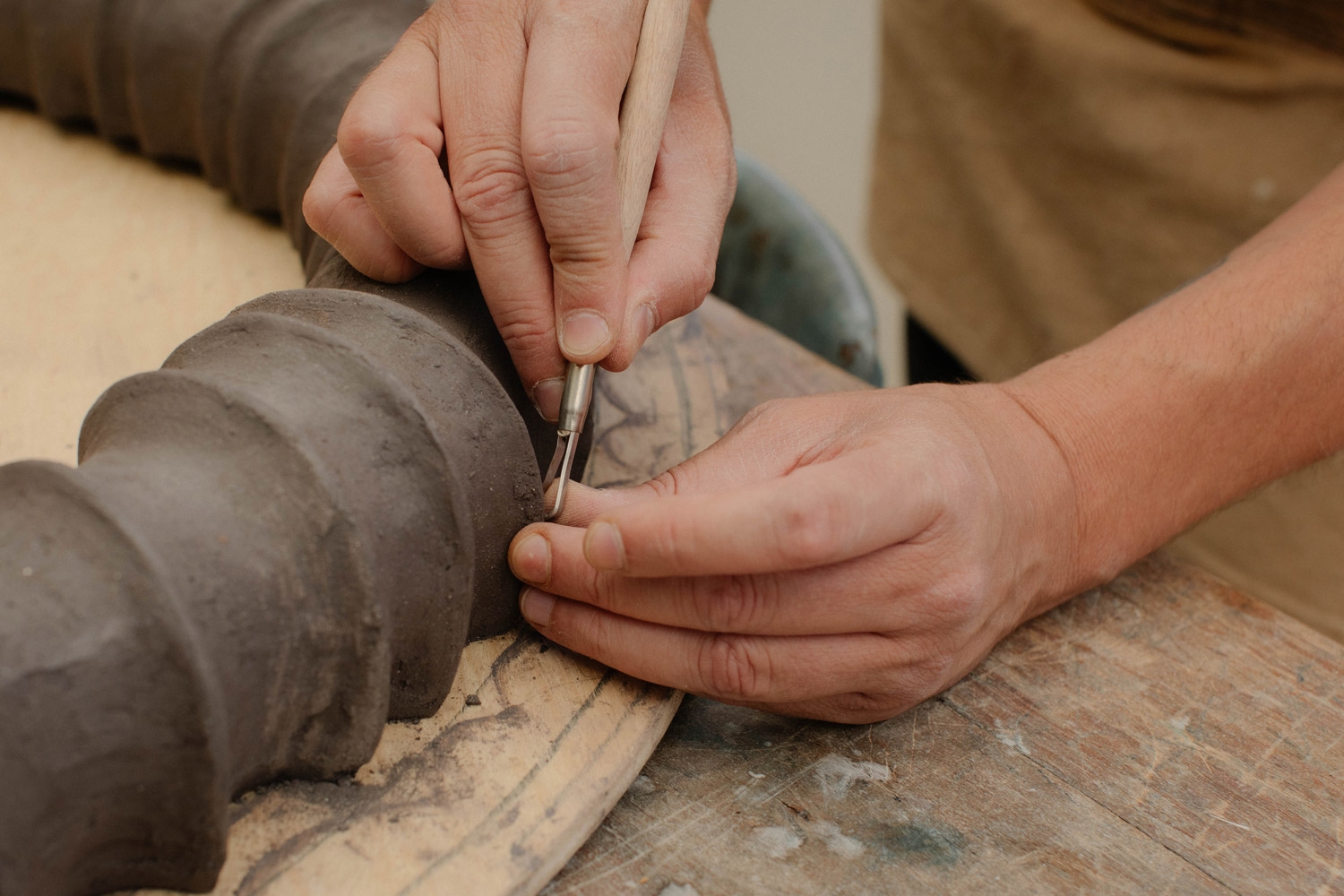
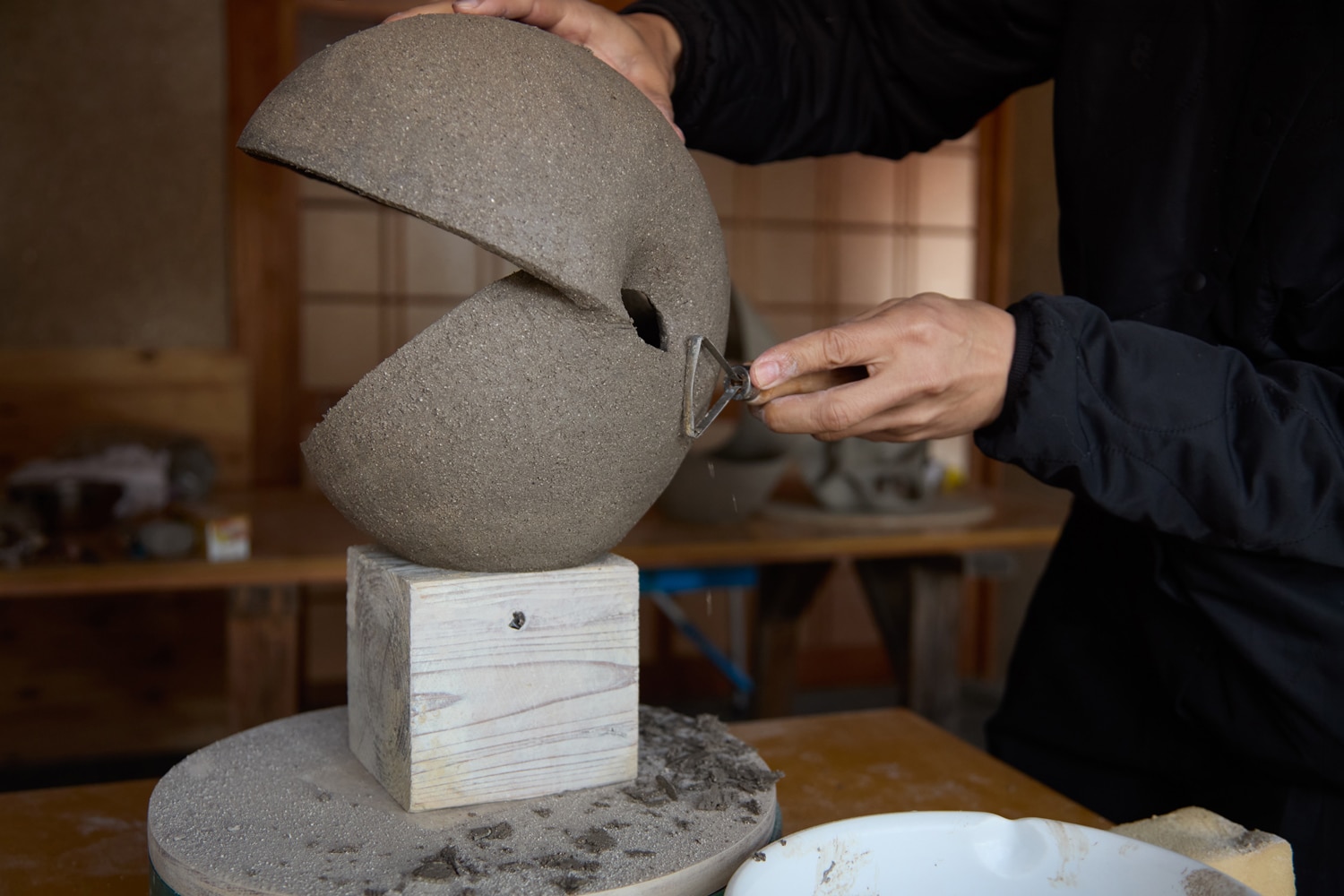
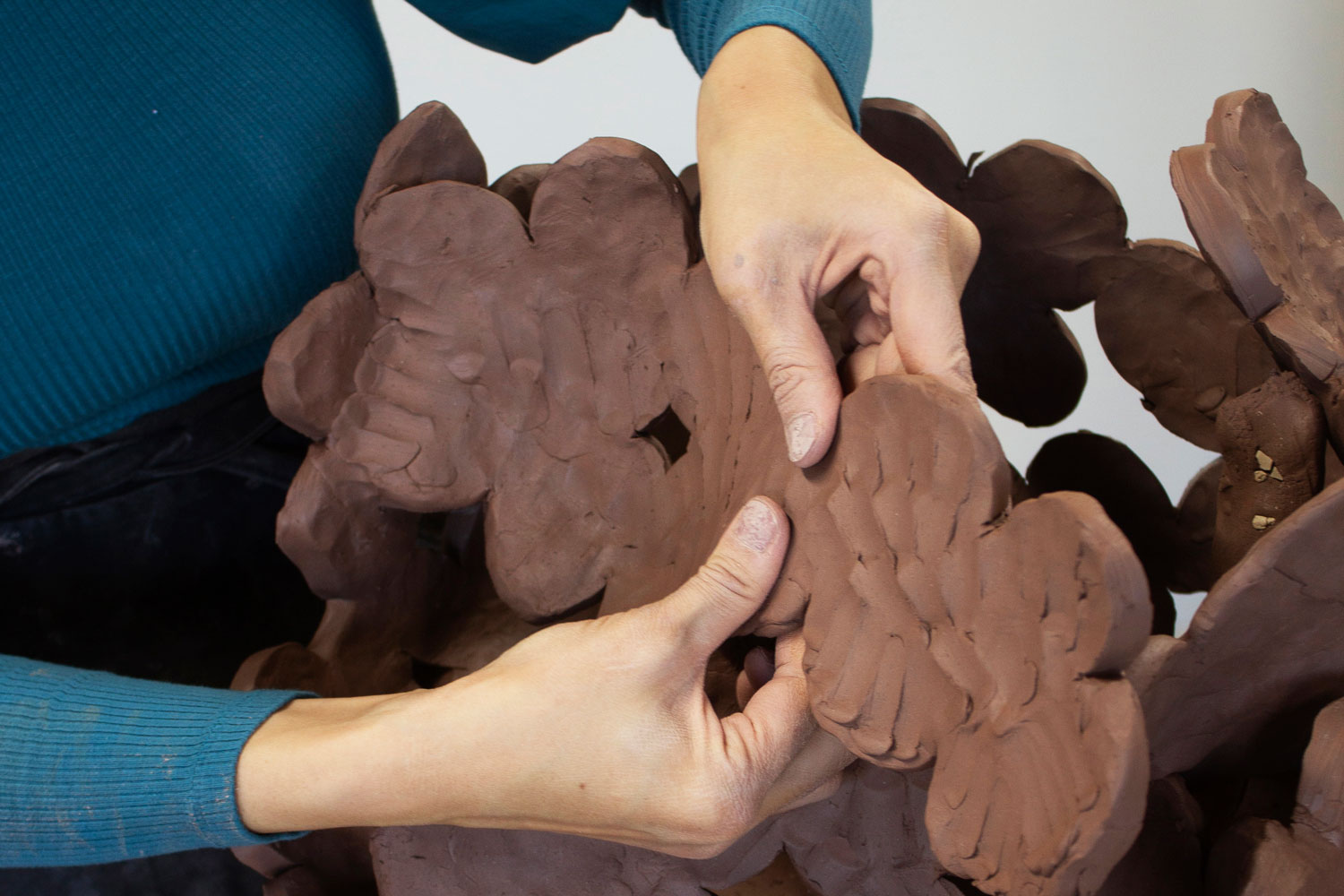
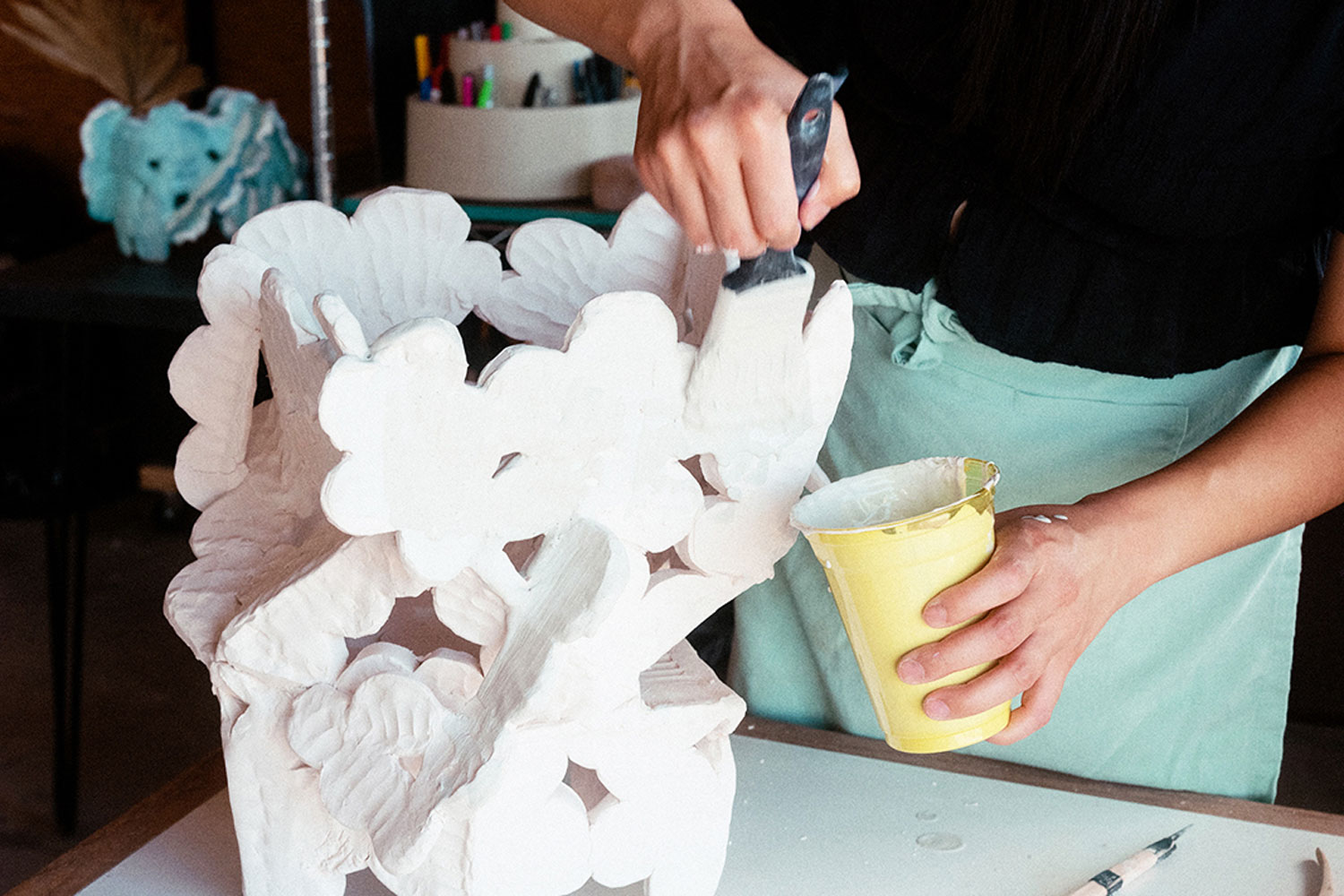
In terms of technical innovation, I am always exploring difficult angles, shapes and incisions in my work. I often layer glazes and use multiple firings to achieve a sense of over abundance. I enjoy testing the boundaries of what the material can handle.
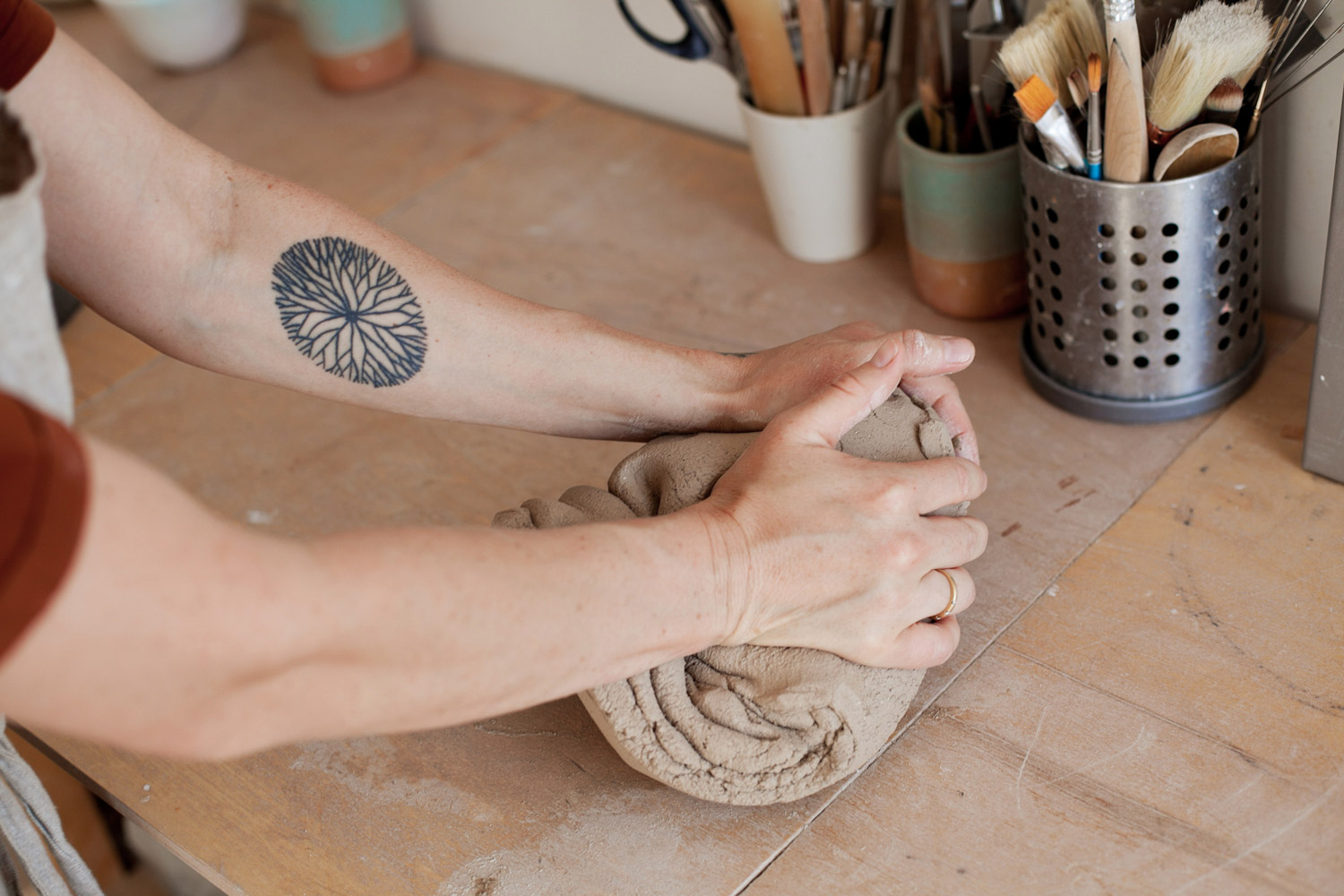
Since I make abstract sculptures, process and meaning are very closely aligned. I let one shape, one movement, inspire the next. I work intuitively, letting the clay guide its next progression. In this way, the process is the meaning.
When I open the door to the kiln, I just know by feeling when a piece is finished. Of course, ceramics do not allow easy revisions. It is a medium with a lot of instant successes or obvious failures where the material does not allow me to change small elements endlessly.
YehRim Lee
Ceramicist
Joshua Tree, CA, USA
AVAILABILITY
By appointment only
LANGUAGES
Korean, English
Homo Faber Finds is a new service aiming to inspire admirers of craft to connect and collaborate with exceptional artisans.
We invite you to submit an enquiry here.