Mary Little
Textile sculptor
Los Angeles, CA, USA
Recommended by Craft in America
Sculpting texture in canvas
- Mary’s sculptural textiles reference the interplay of light, repetition and gravity
- Her pieces are often inspired by her strong connections to Northern Ireland
- Each series she creates responds to her wider body of work
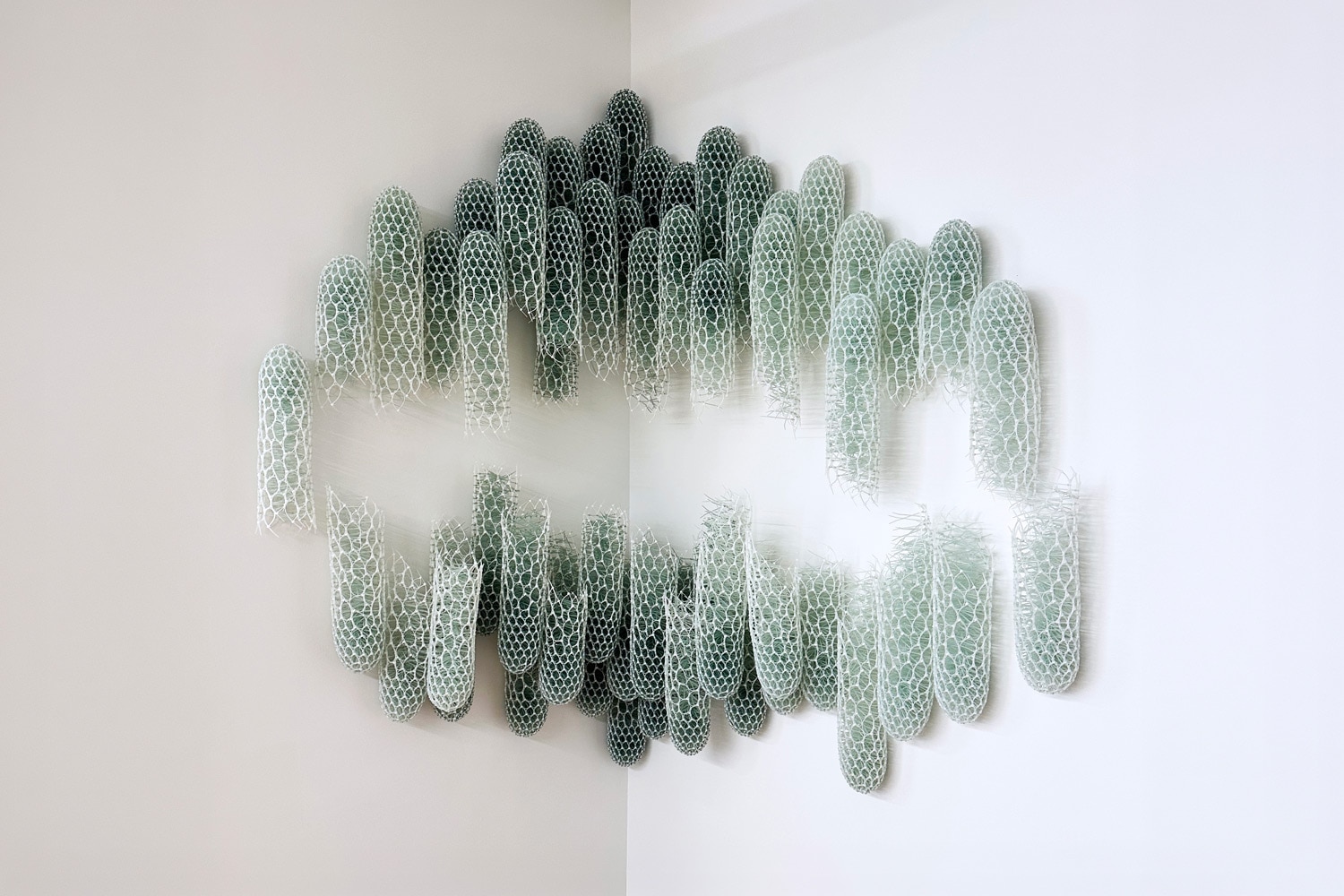
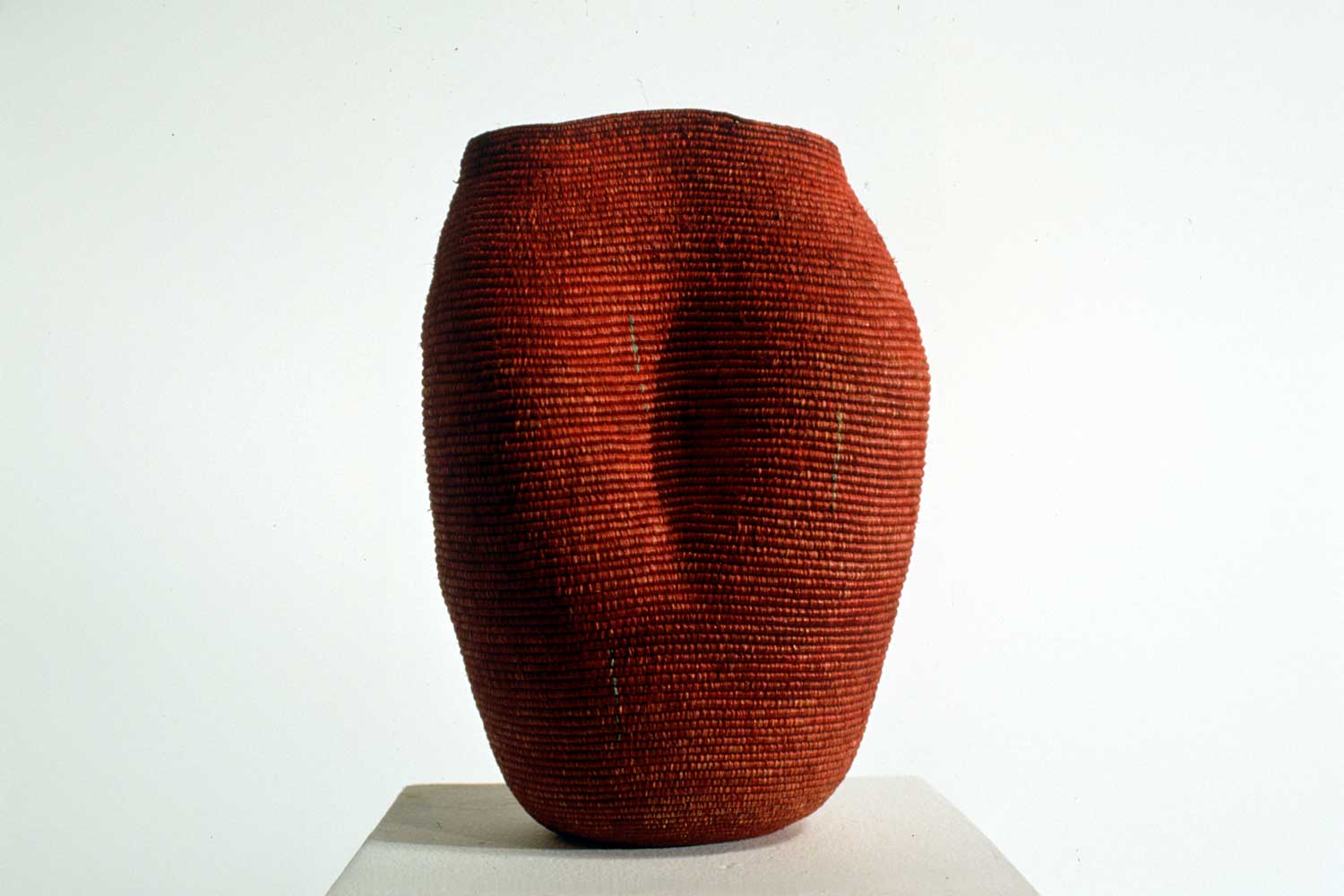
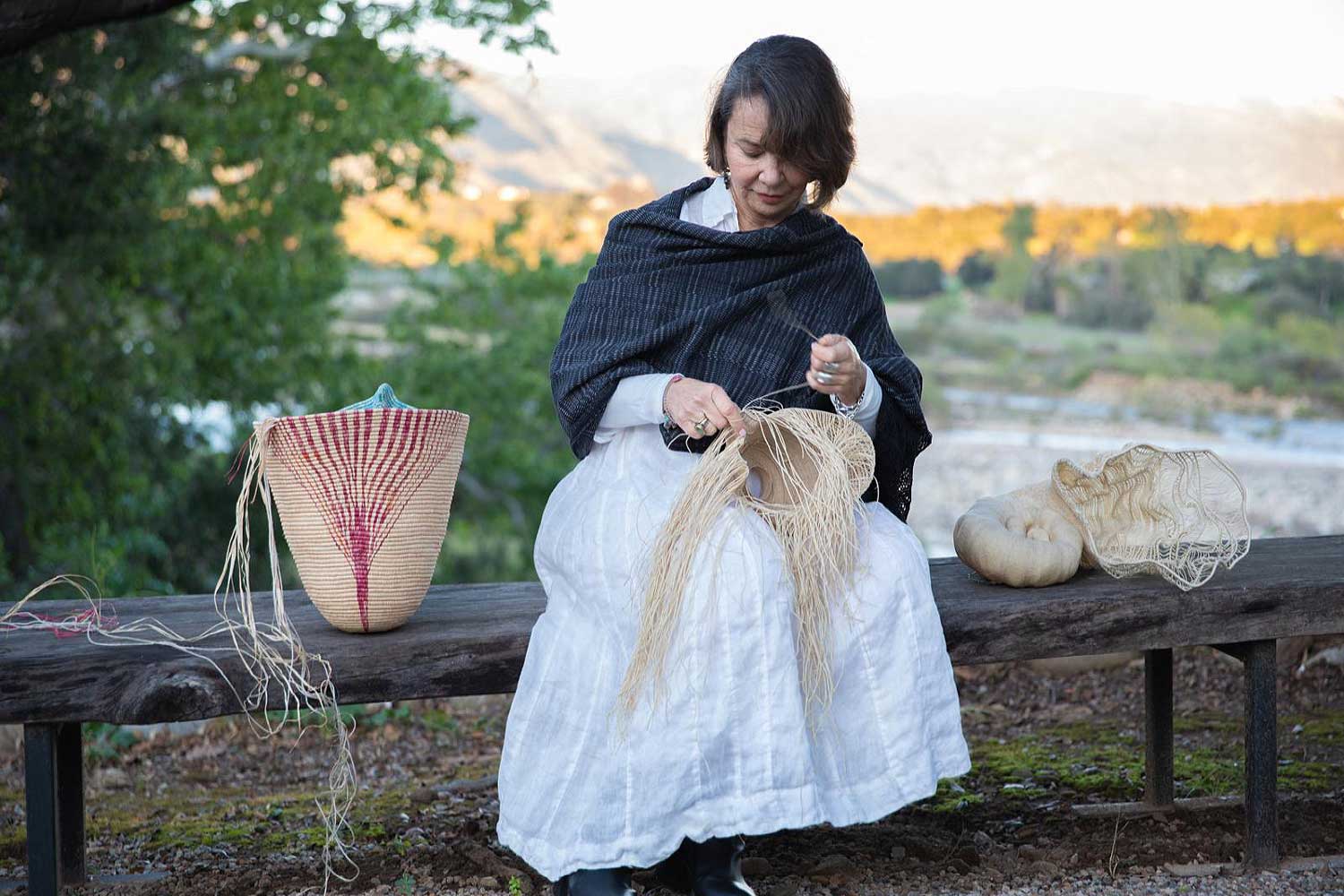
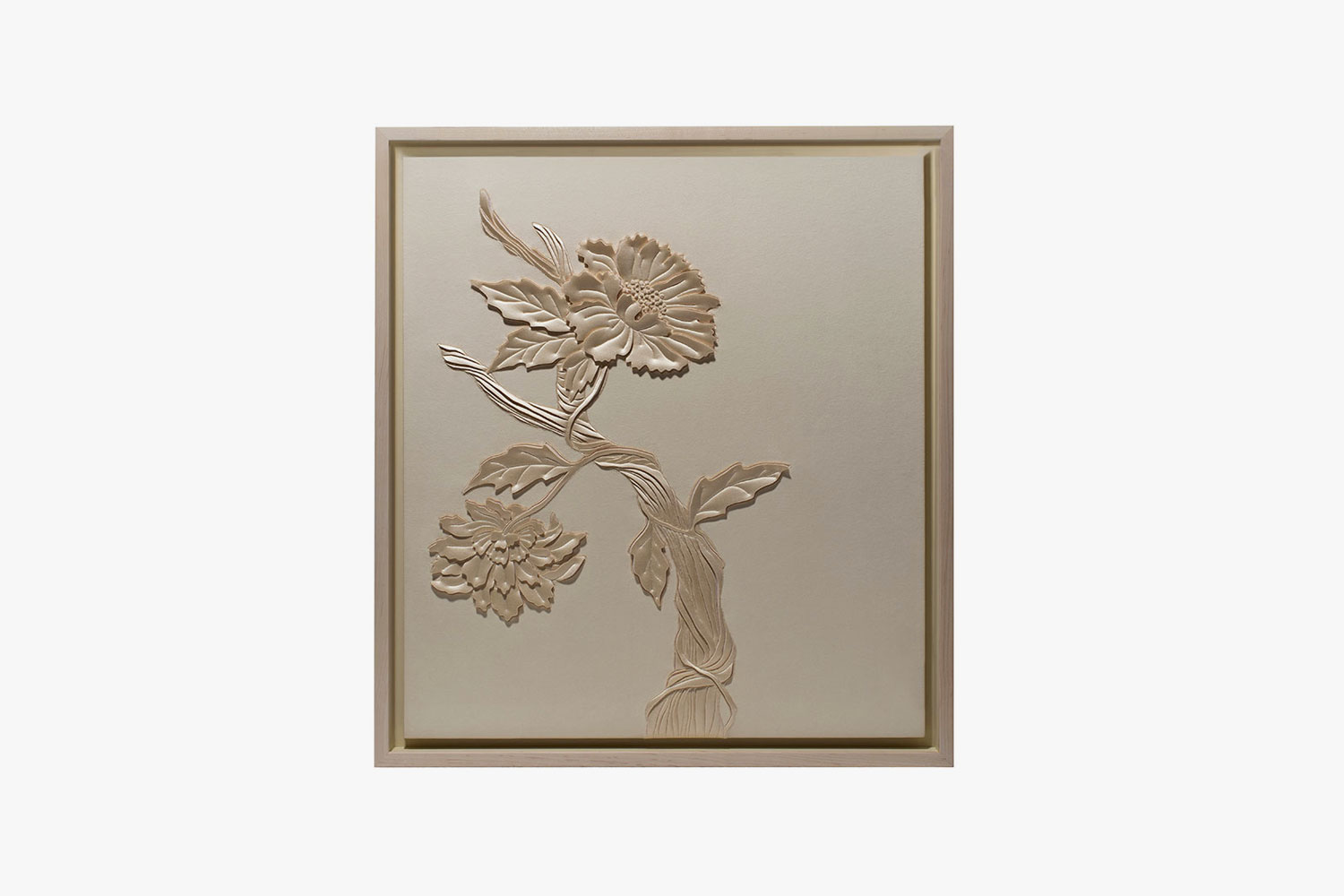
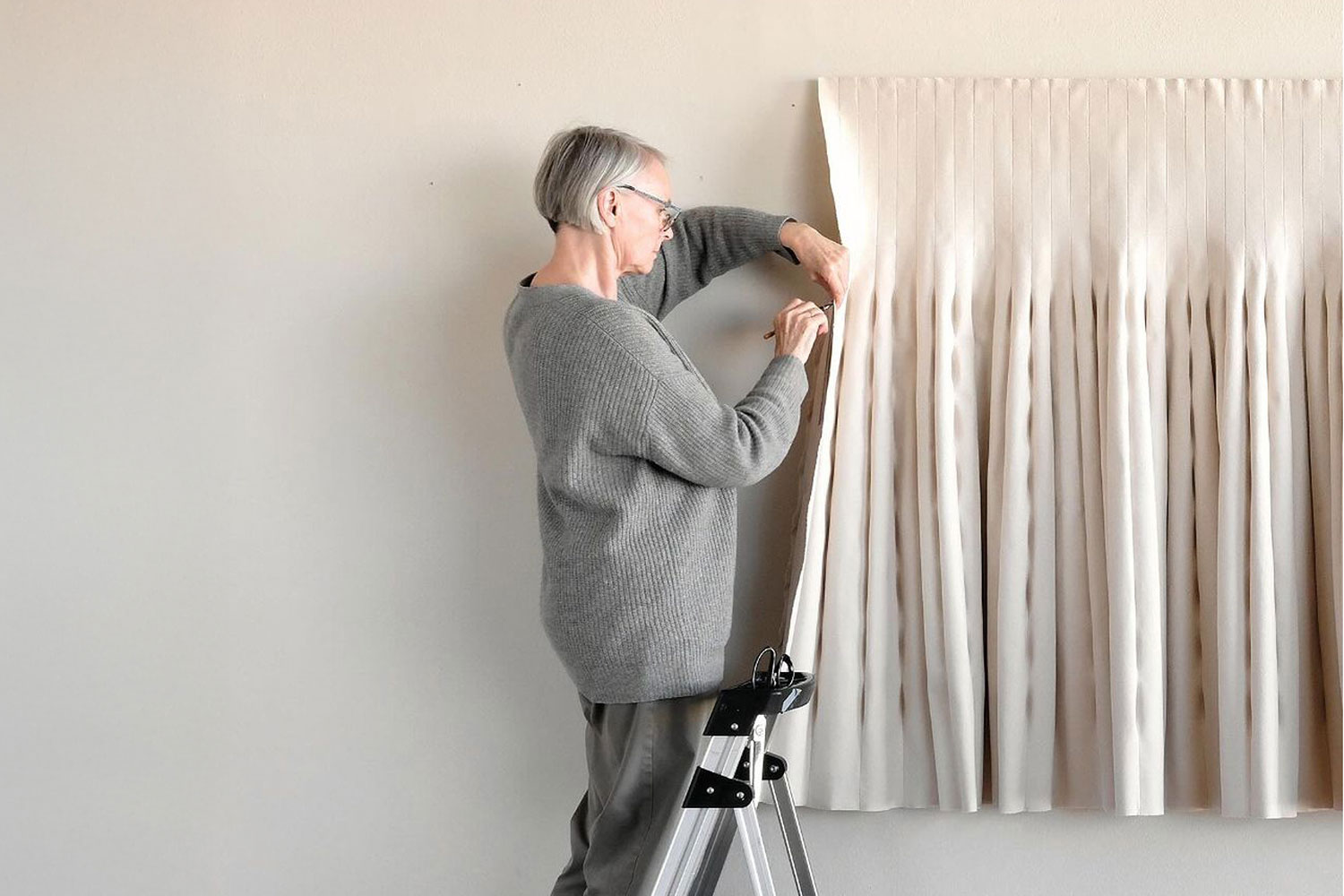
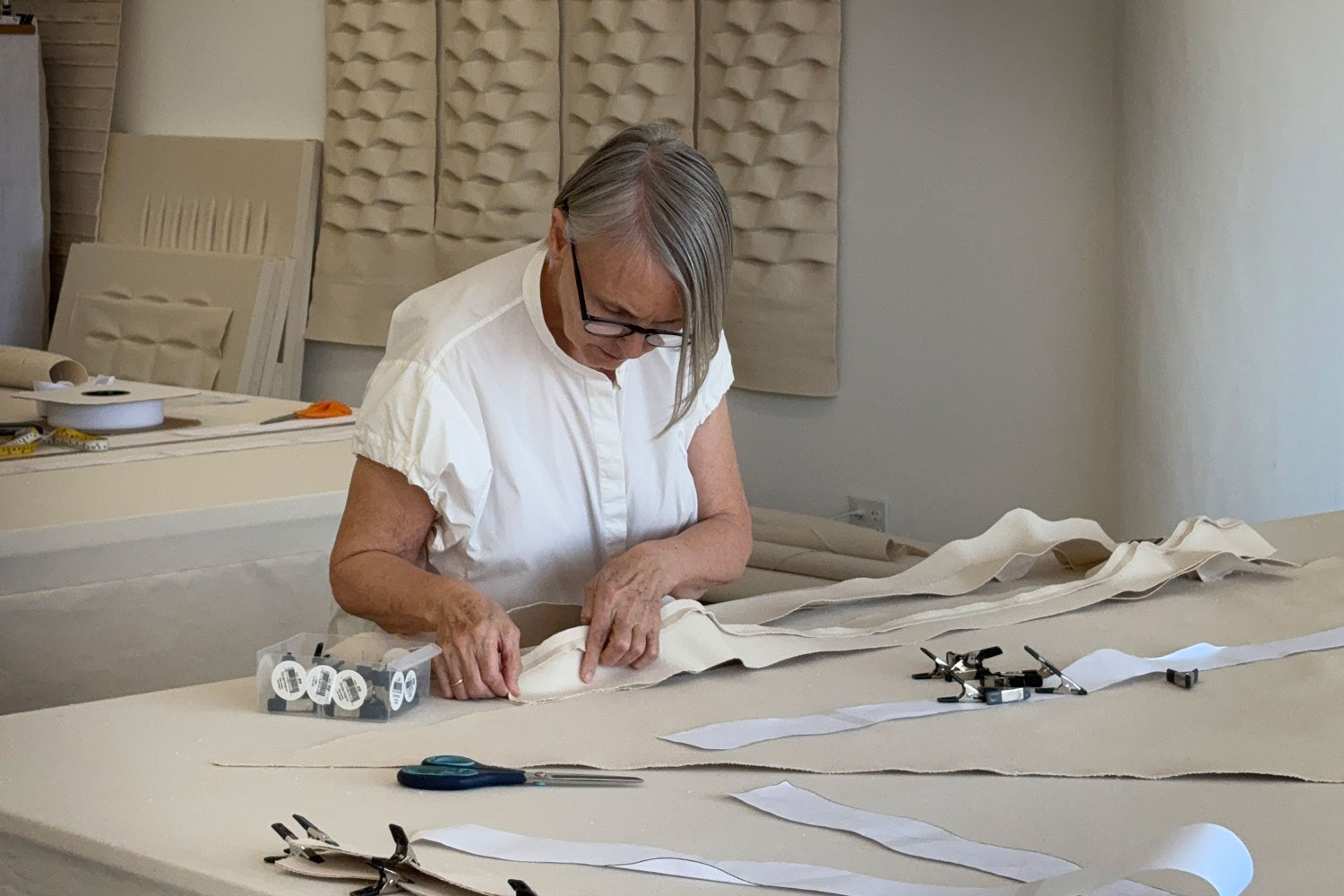
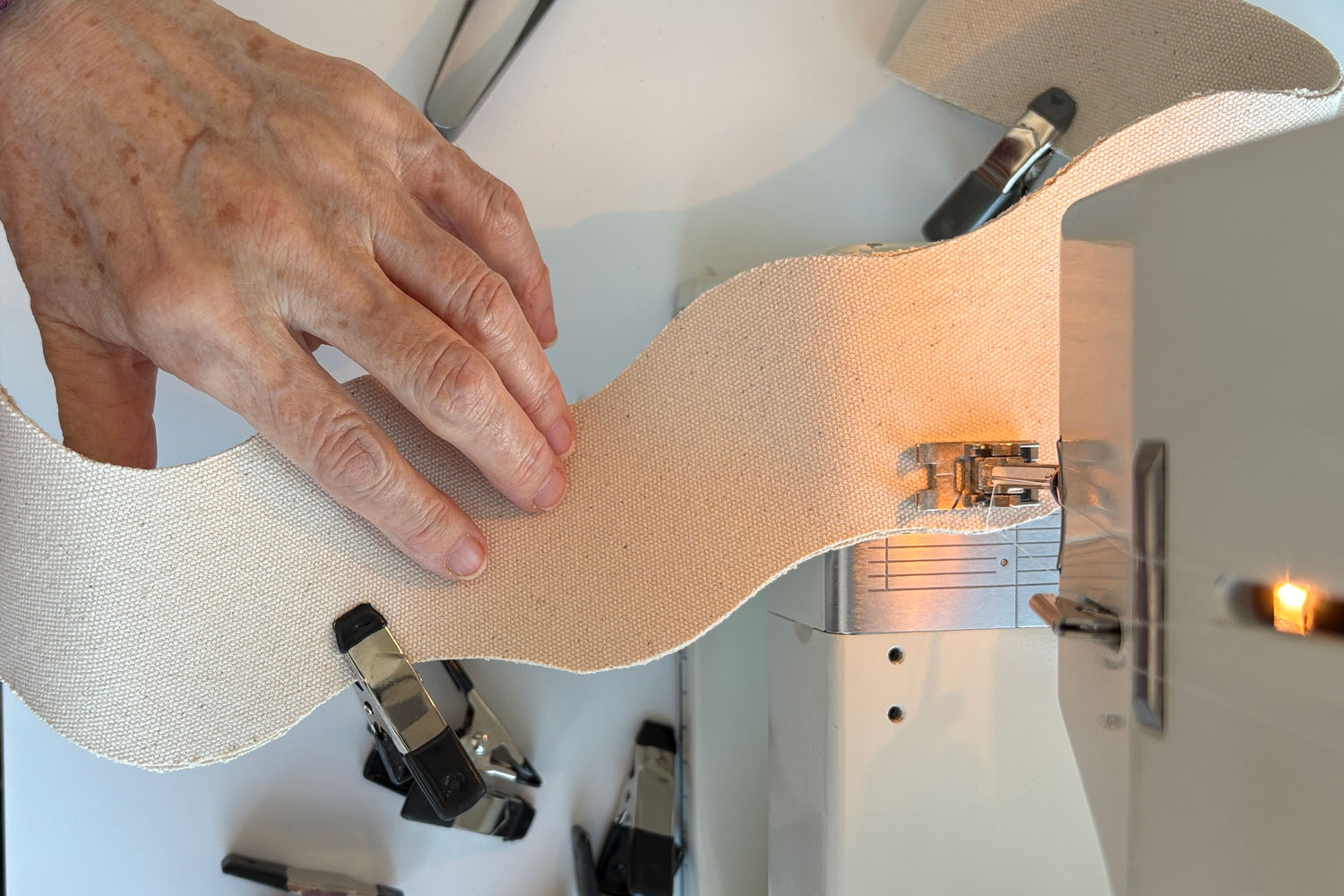
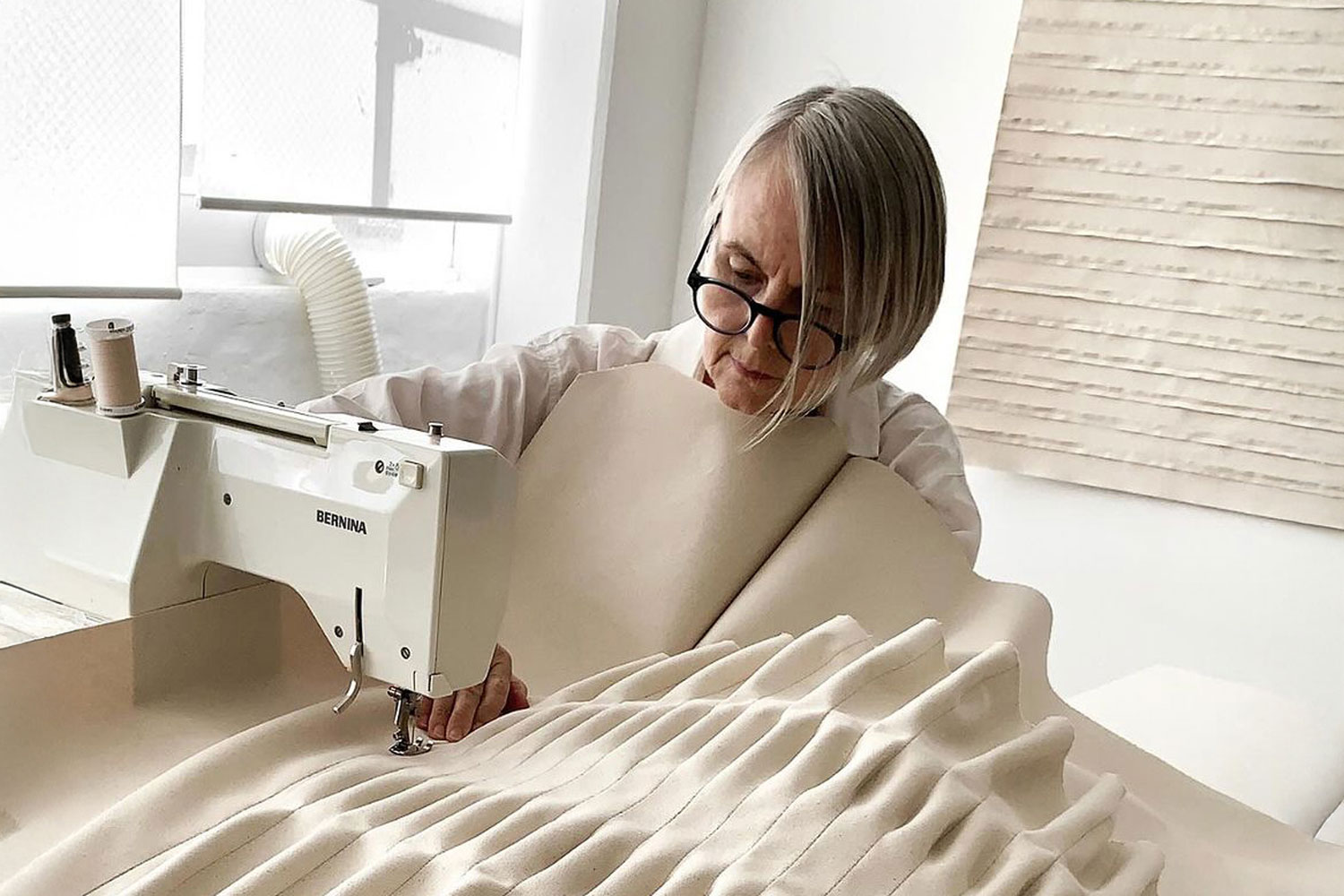
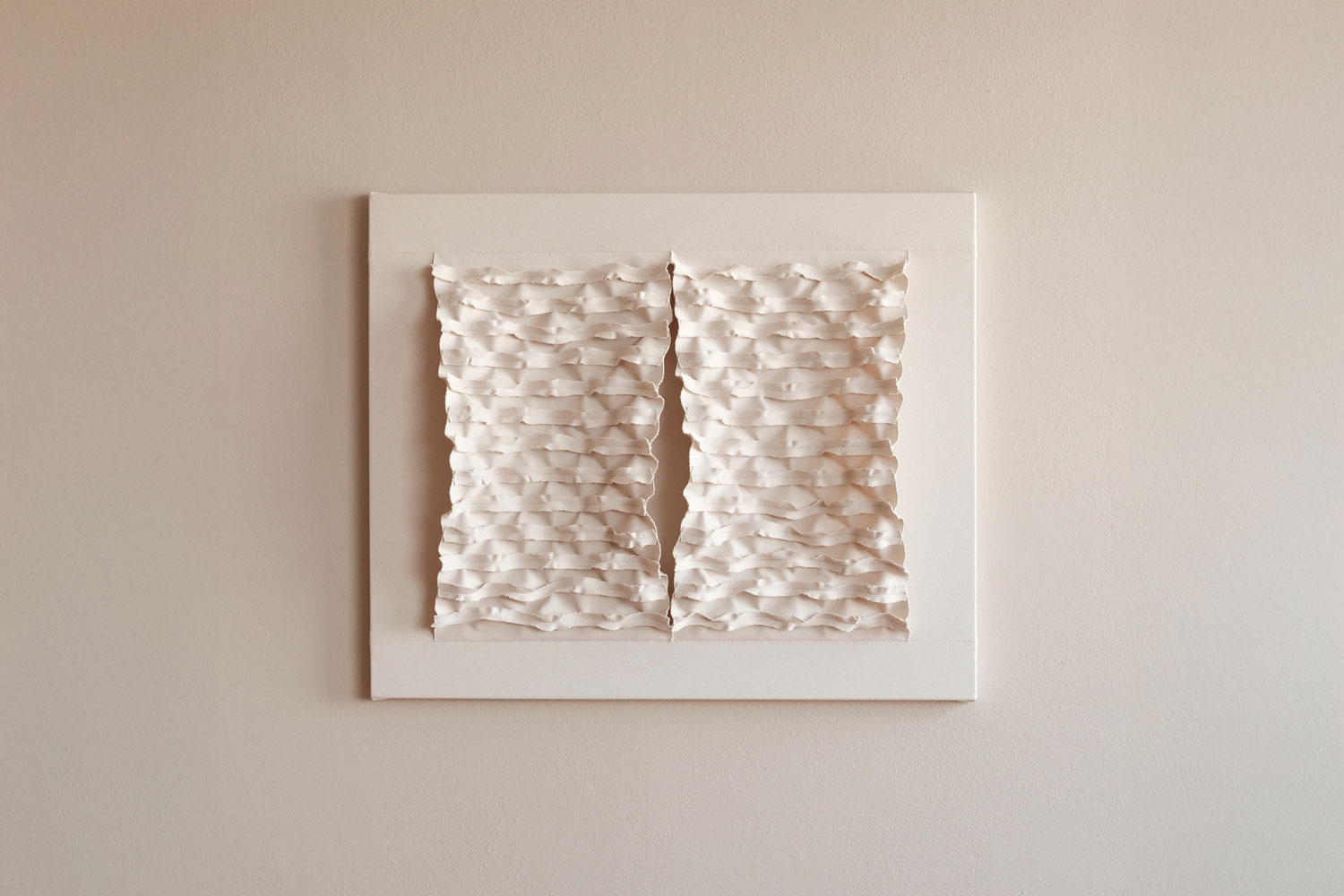
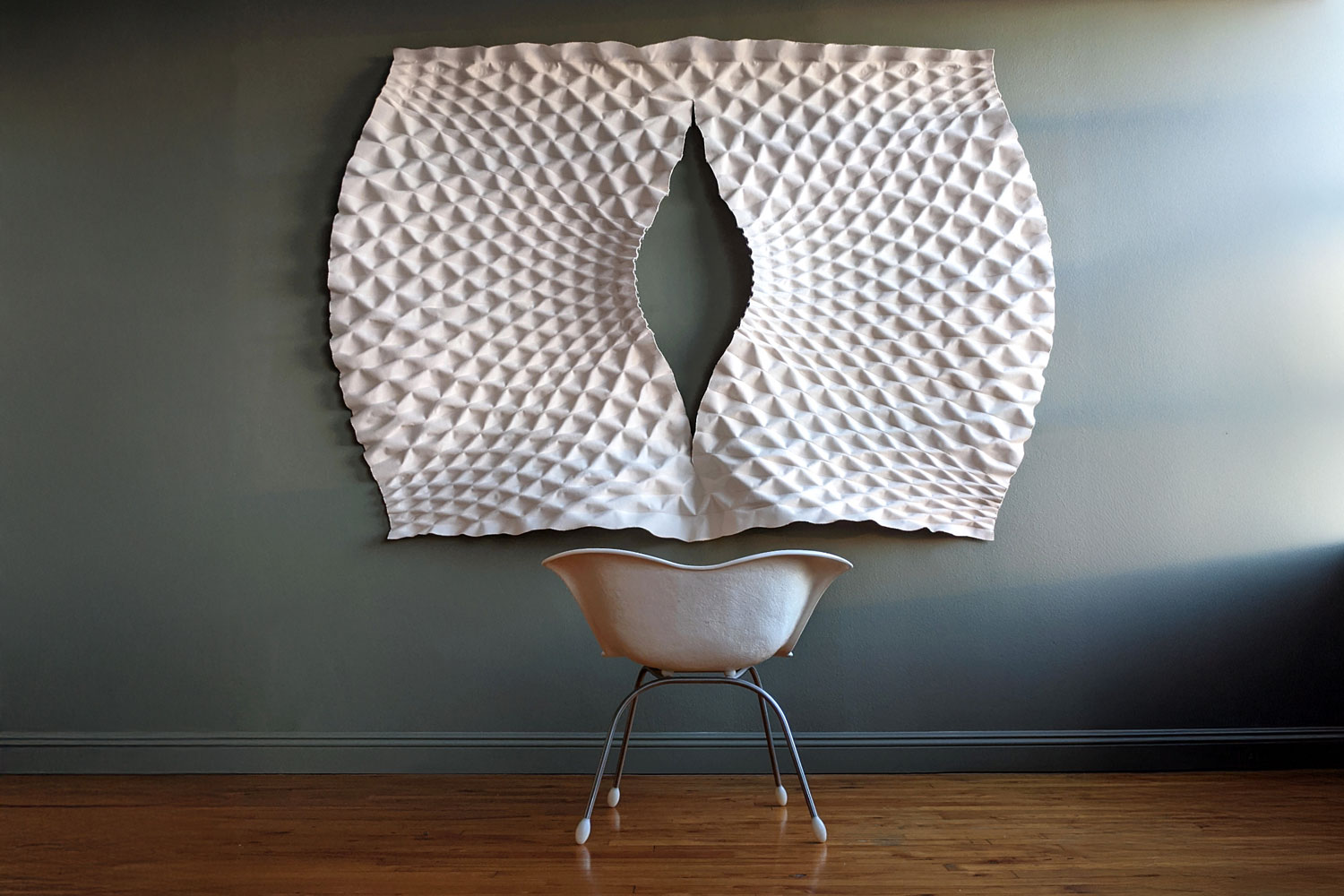
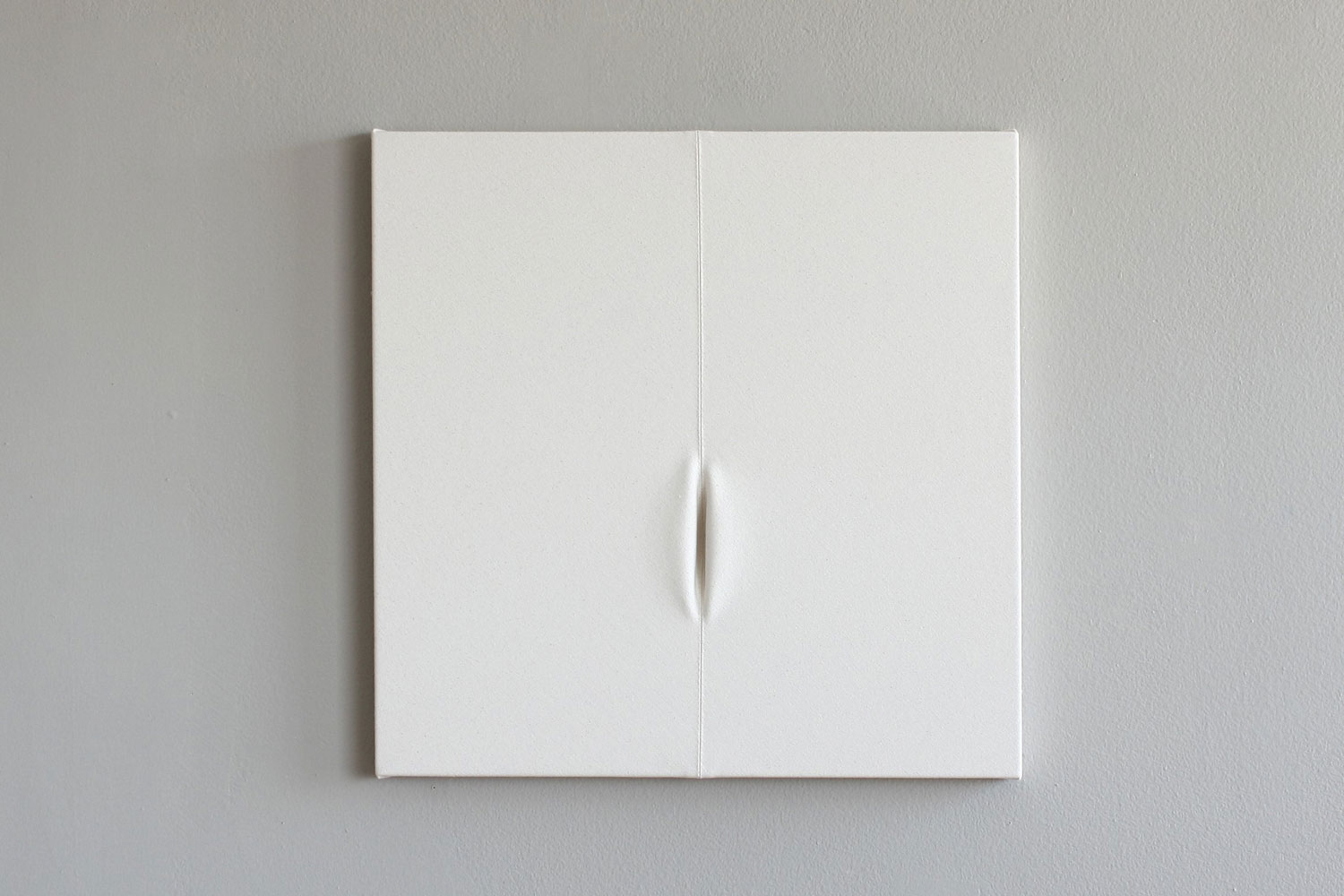
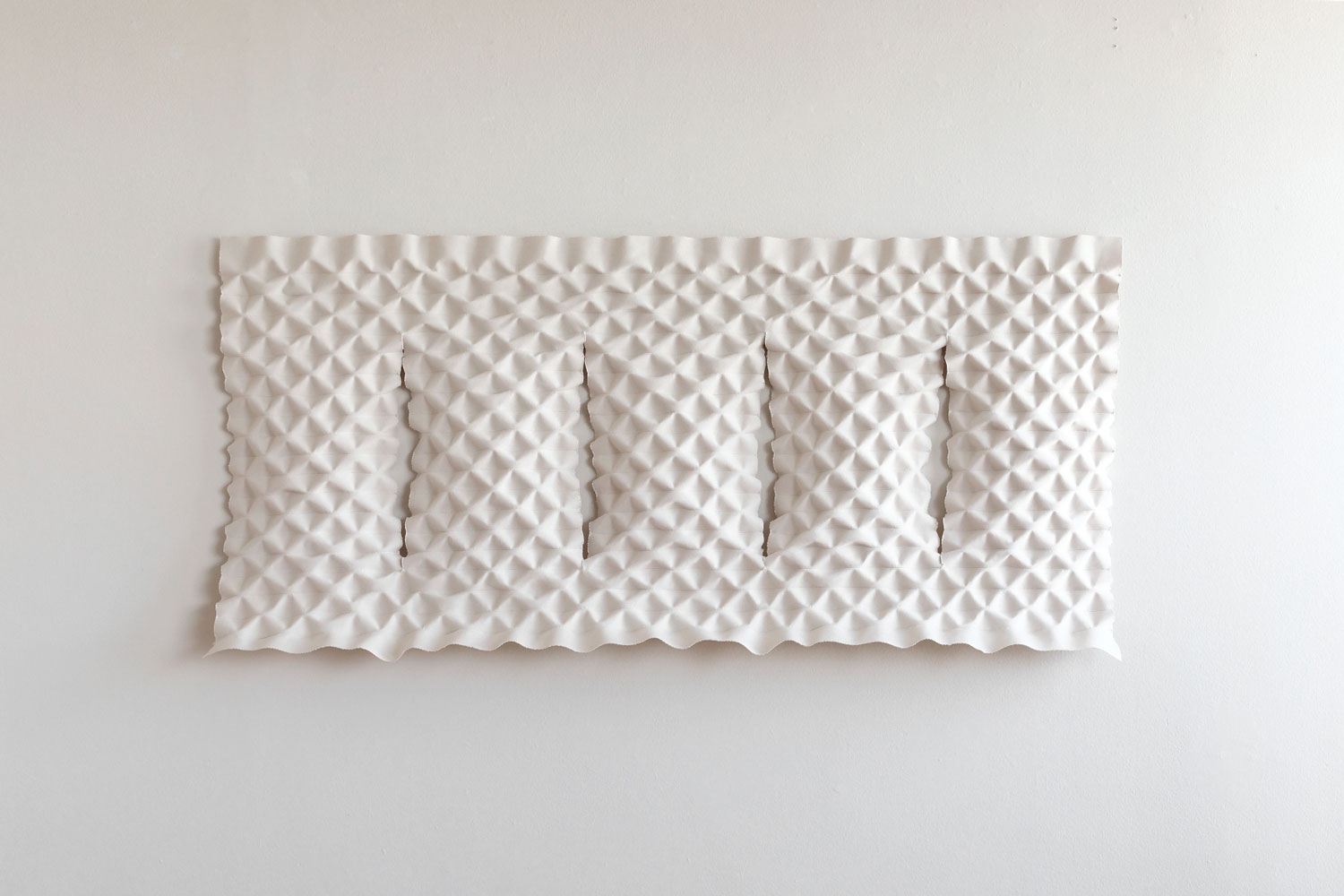
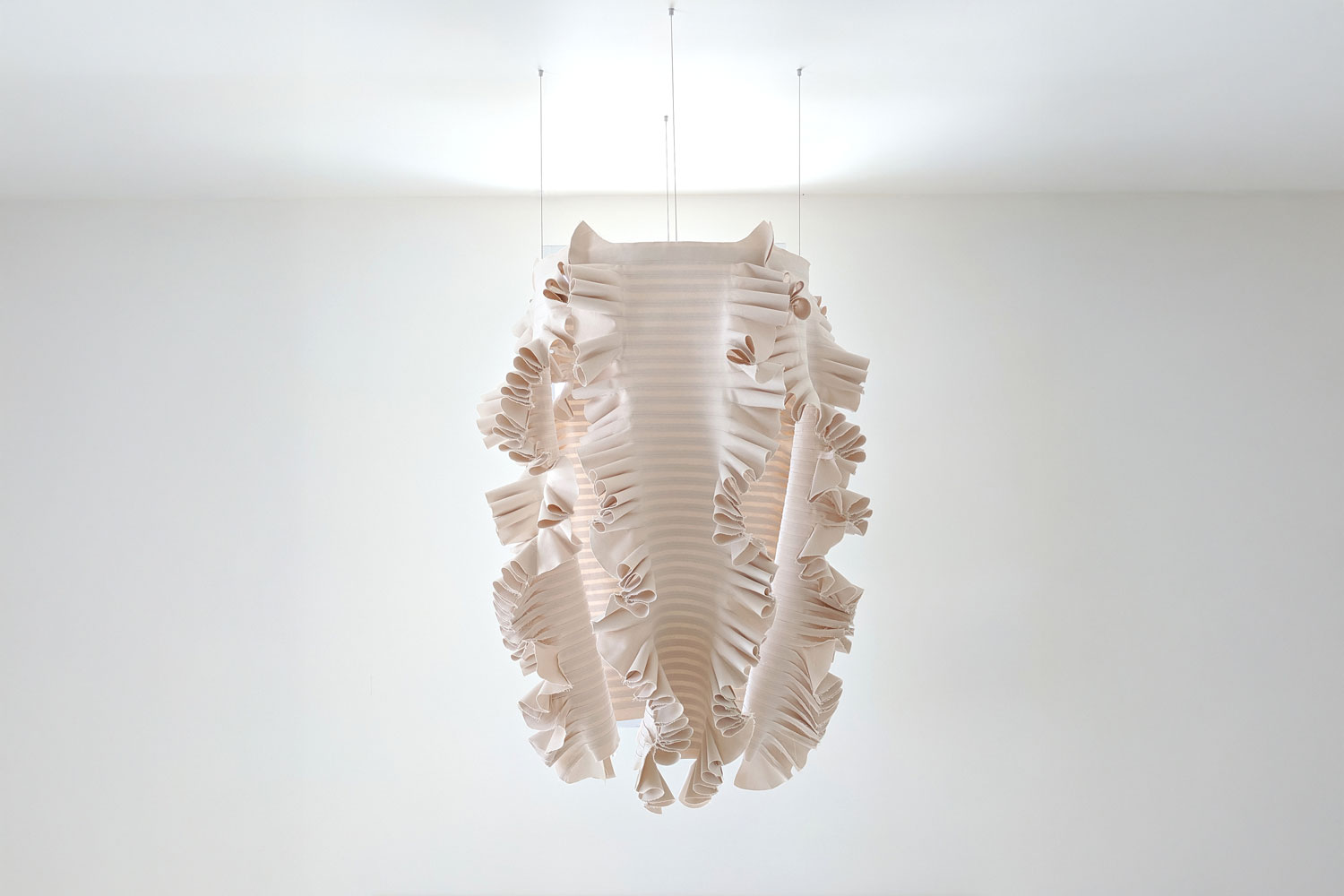
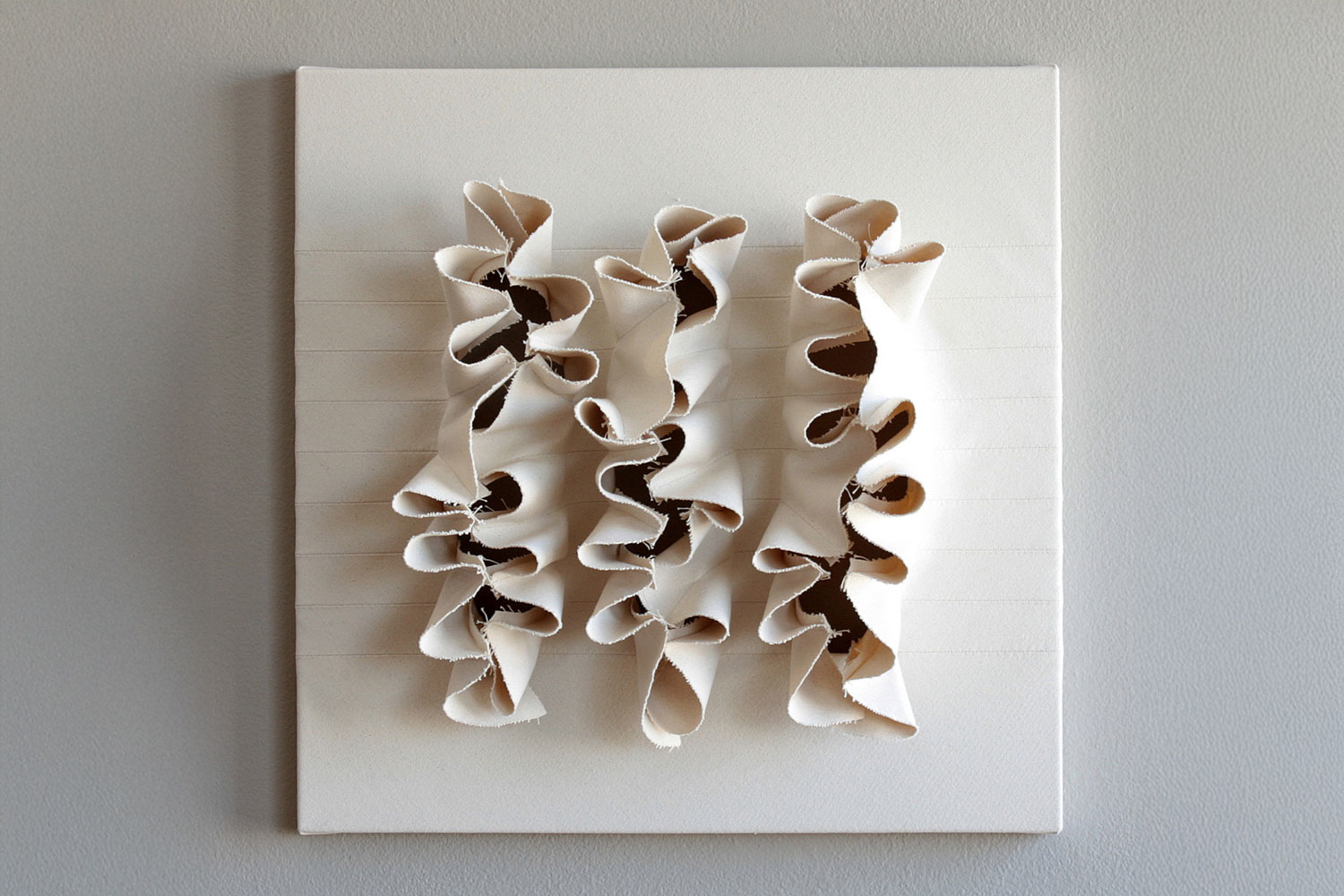
In Mary Little’s hands, plain and industrial unbleached cotton canvas becomes sculptural. Working from her Los Angeles studio, she shapes it into human-scale wall hangings attuned to their surroundings. Far from static, her work shifts with light. “In relief, the natural canvas tone deepens and brightens, and it modulates from ivory to grey in shaded recesses through to a whiter line where light catches each ridge,” she says. Mary studied at the Royal College of Art after graduating in Belfast, and over two decades as a furniture maker, refined upholstery and tailor-like techniques until they became second nature. In 2014, she began applying those methods to canvas, where each piece is built through cut and seam. The contours and undulations of Mary’s sculptures echo the topography of Northern Ireland, where she grew up. “My sense of form was shaped by land that knew no straight lines,” she says.
INTERVIEW
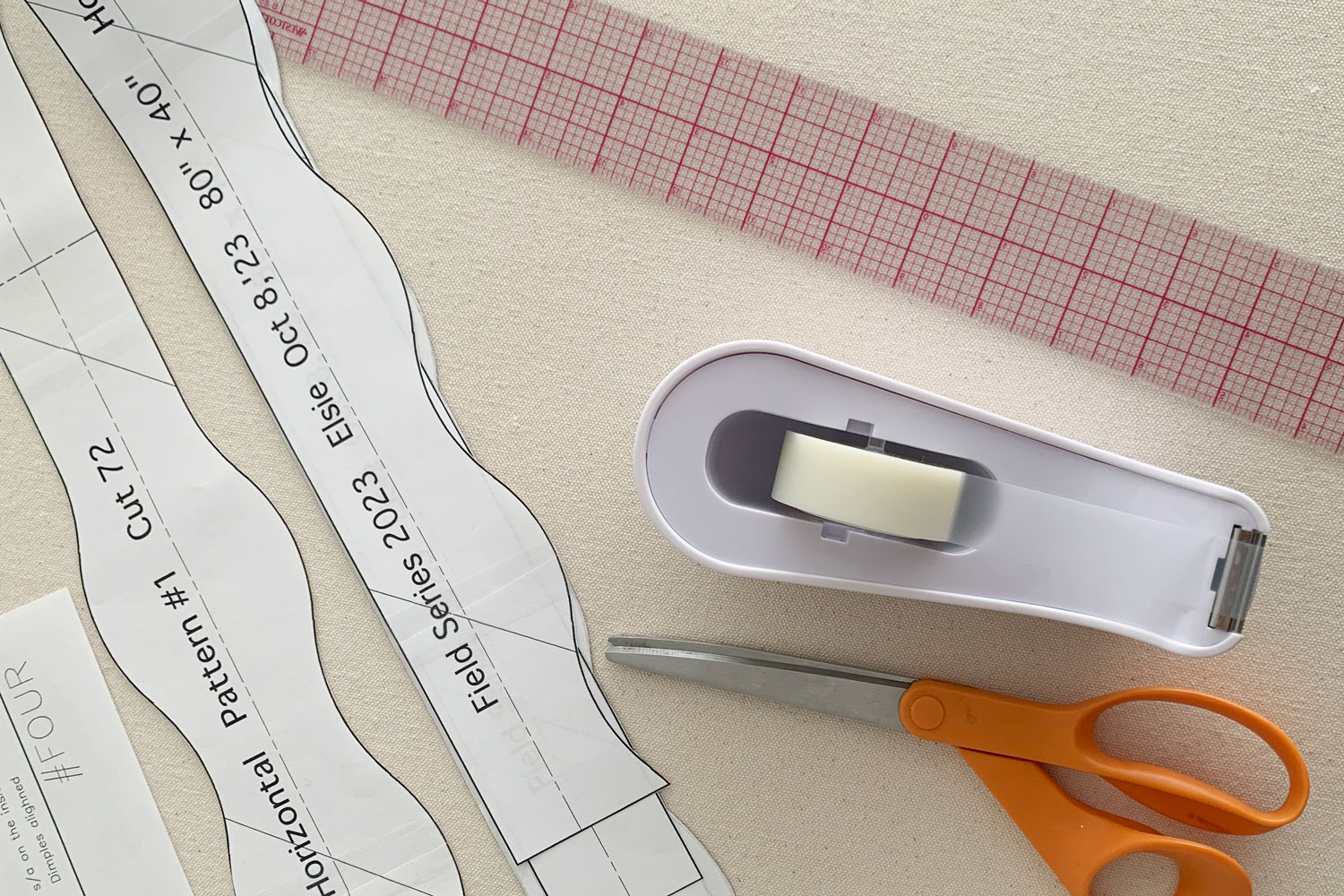
I describe it as sculpture. I am not comfortable calling myself a textile or fibre artist as I never trained in those disciplines. My training was in furniture design, and its logic of pattern making, construction and 3D thinking still underpins my work. The material changed but the method did not.
I needed a screen in our large loft space, so I made a 3D one from canvas and hung it on a Saturday morning. That evening, friends at dinner could not stop talking about it. They kept saying that I had to do something with it and I should explore it. They thought it could be a new direction for my work. It was.
Most of my pieces are around 1.5 metres tall, which is roughly my own height. That is not incidental. The relationship to the body was something I thought about constantly as a furniture maker, and it has carried over in my practice. The work needs to feel like it occupies the same world you do, not hang above it.
Every time I join one cut piece with another, the seam adds structure. Without those seams, the canvas collapses. So repetition is not primarily a visual choice, it is what gives the work its body. The form depends on it entirely.
Mary Little
Textile sculptor
Los Angeles, CA, USA
Recommended by Craft in America
ADDRESS
Address upon request, Los Angeles, CA, USA
AVAILABILITY
By appointment only
LANGUAGES
English
Homo Faber Finds is a new service aiming to inspire admirers of craft to connect and collaborate with exceptional artisans.
We invite you to submit an enquiry here.