Lorraine Bubar
Paper cutter
Los Angeles, CA, USA
Recommended by Craft in America
Picturesque paper palettes
- Lorraine's practice is inspired by nature and global papercutting traditions
- She worked in animation, along with teaching painting and drawing
- She has spent time in eight national parks as an artist in residence
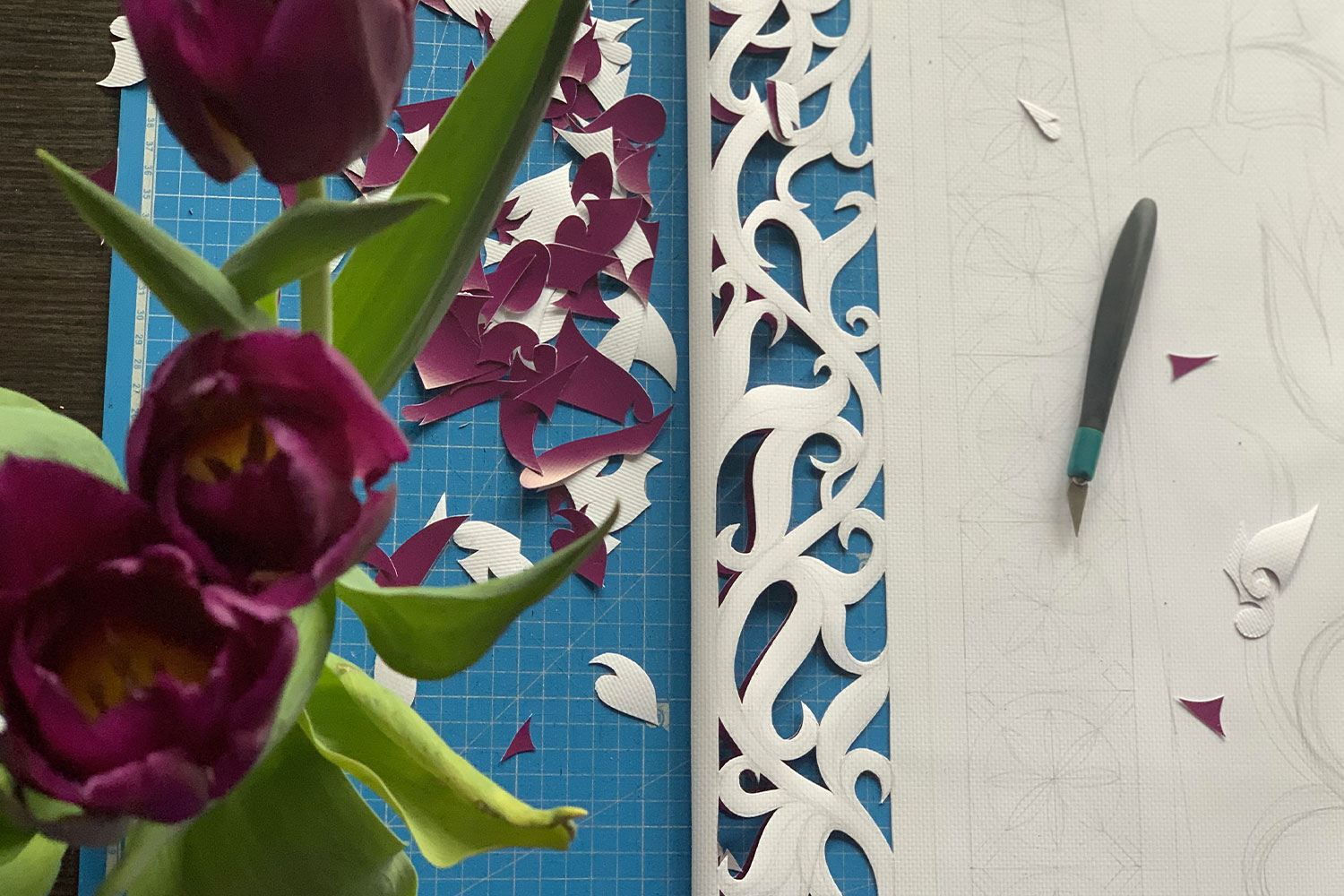
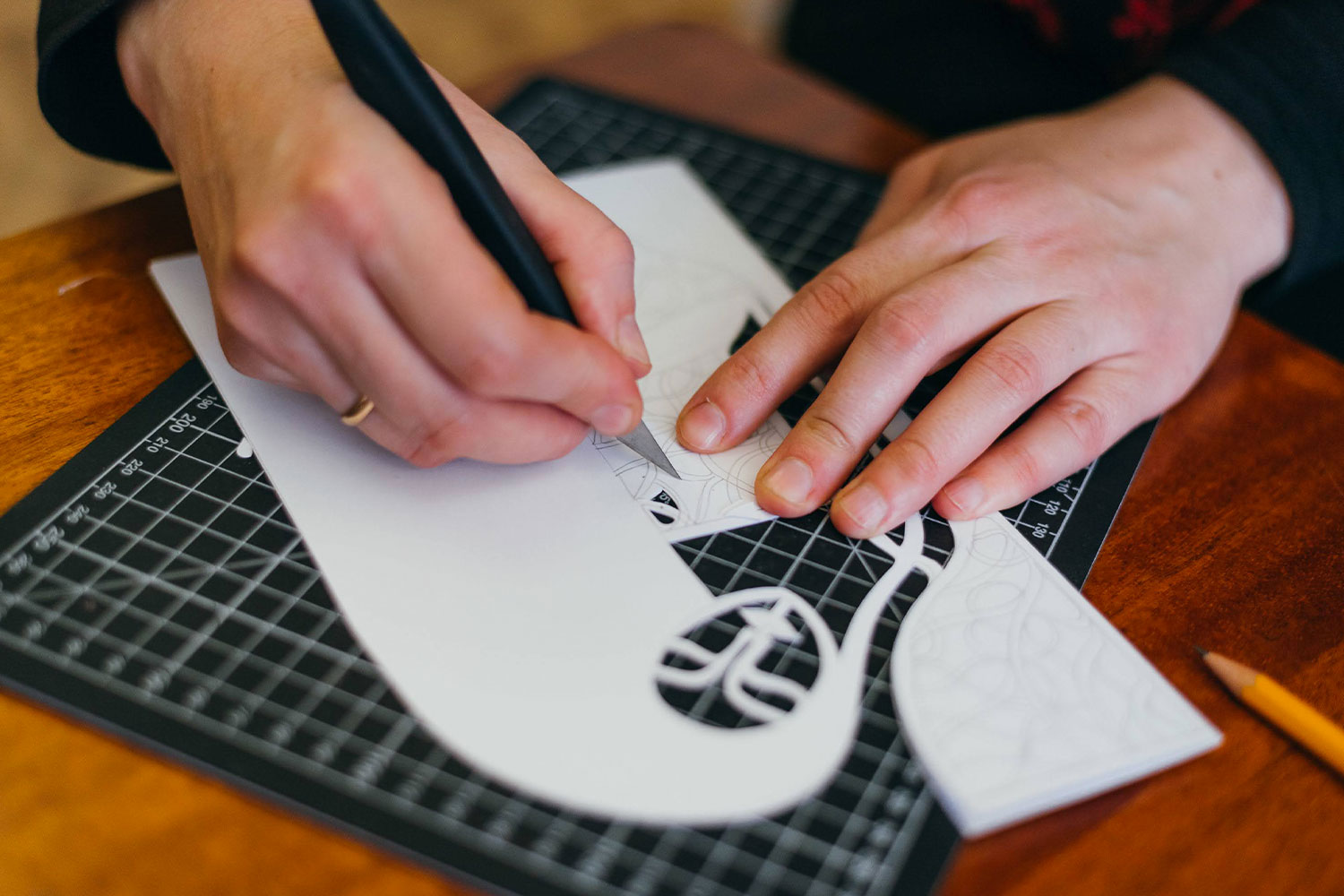
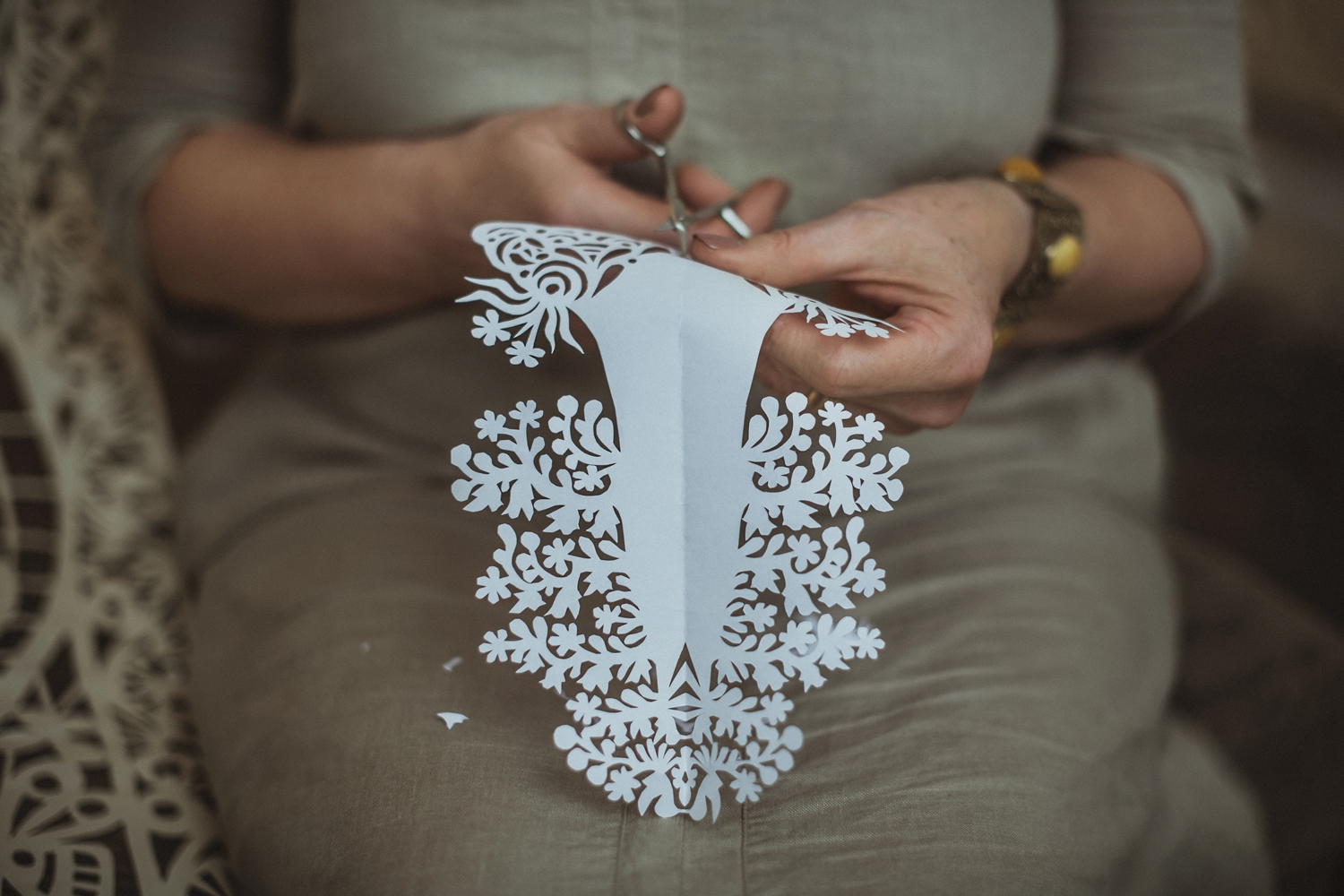
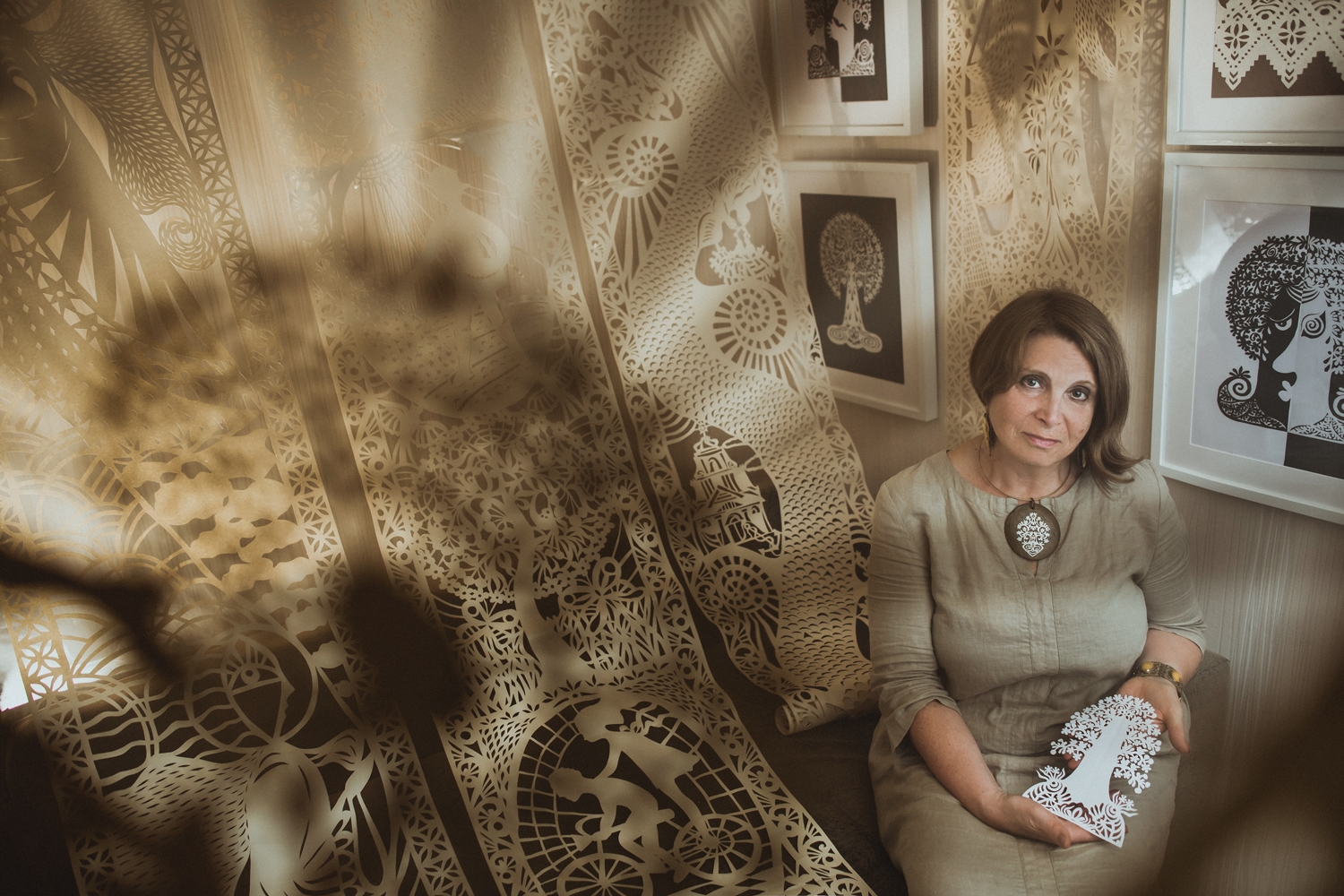
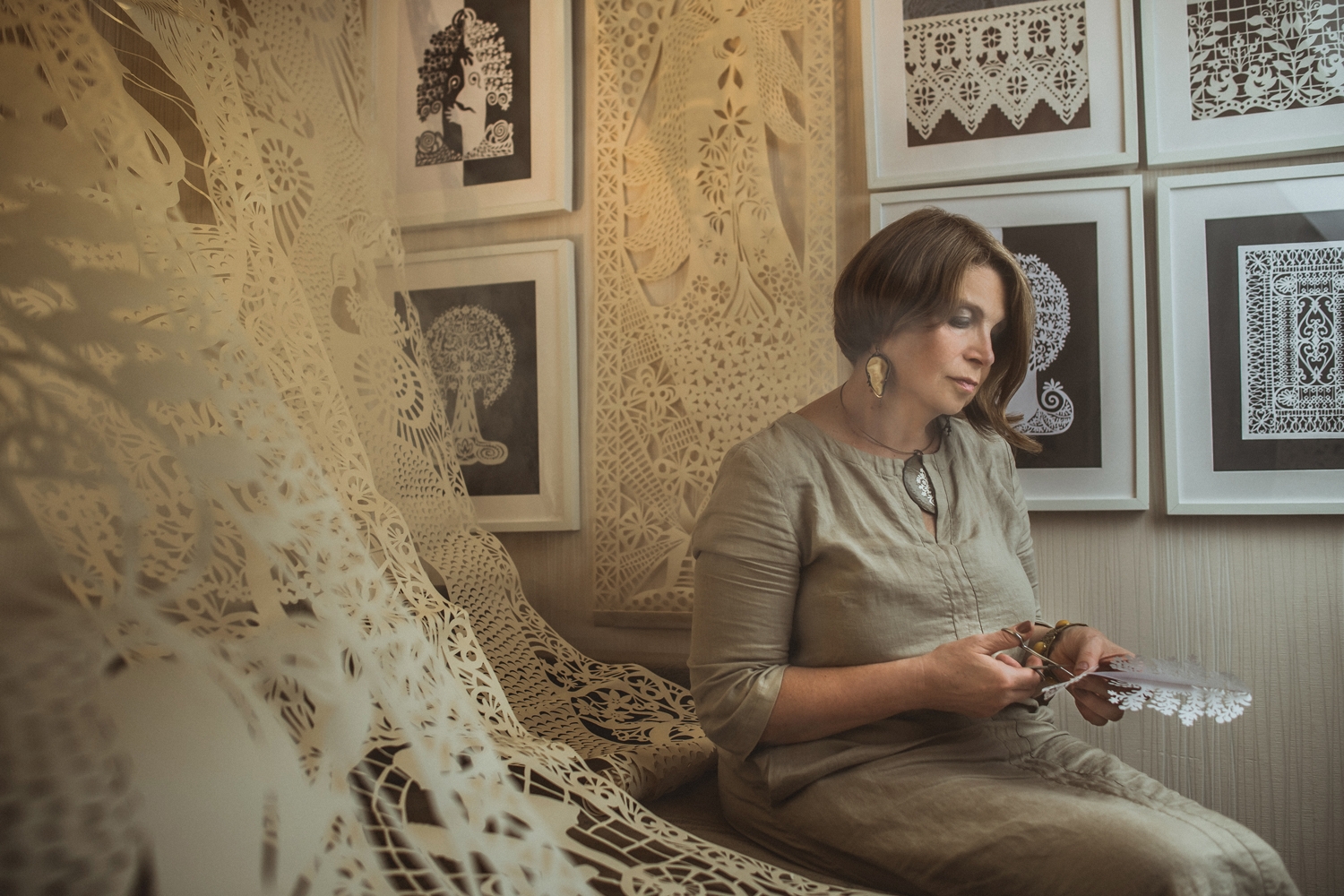
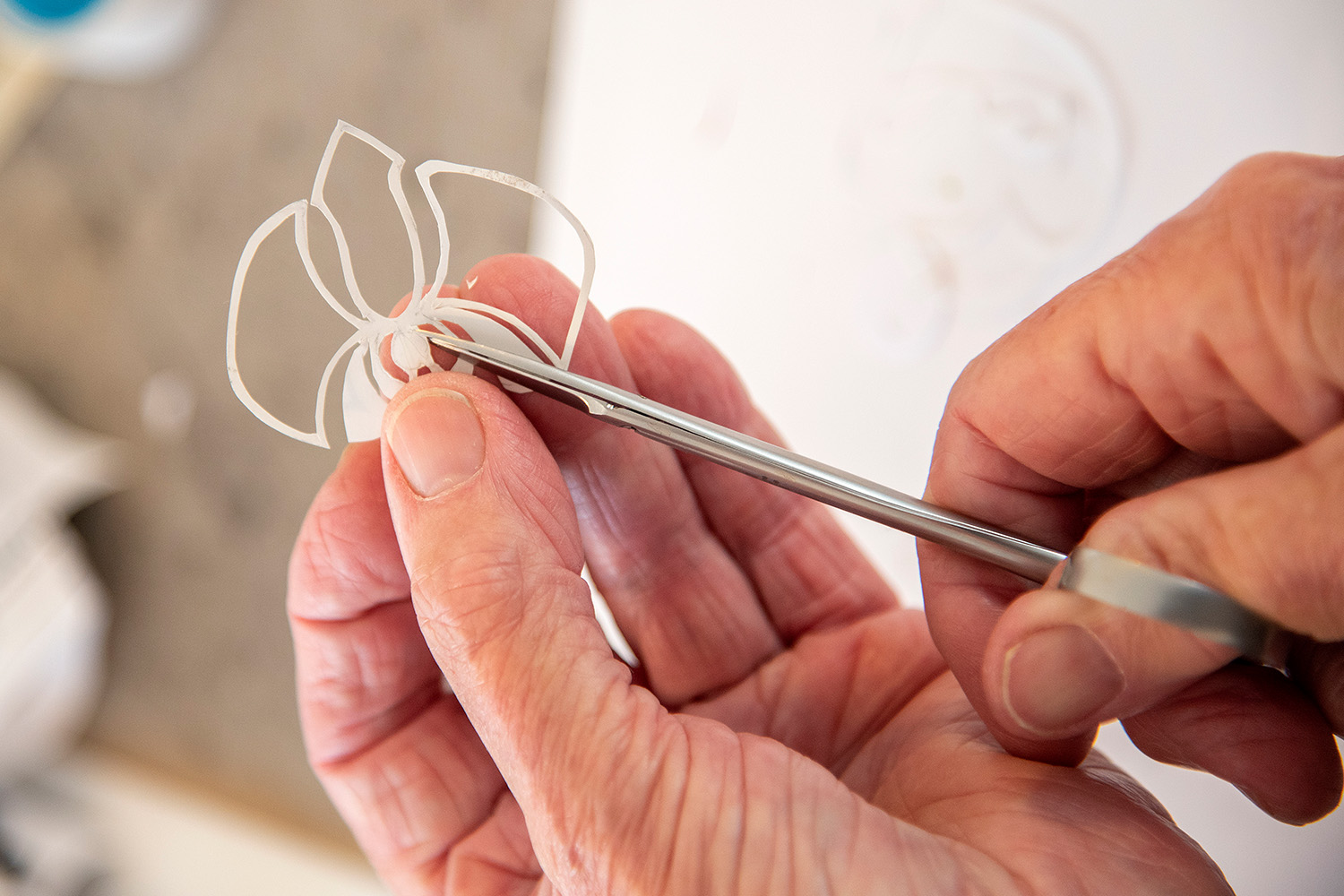
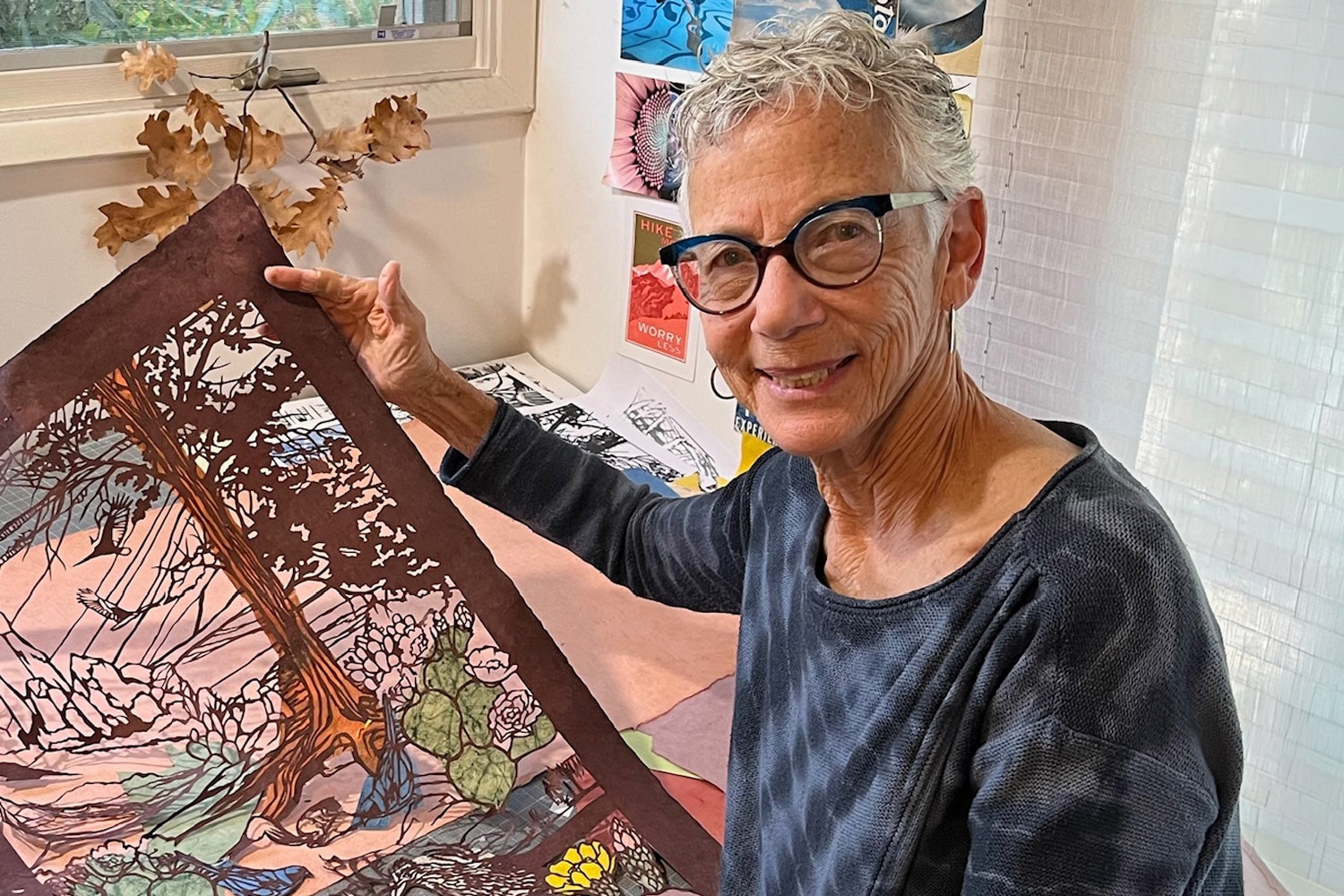
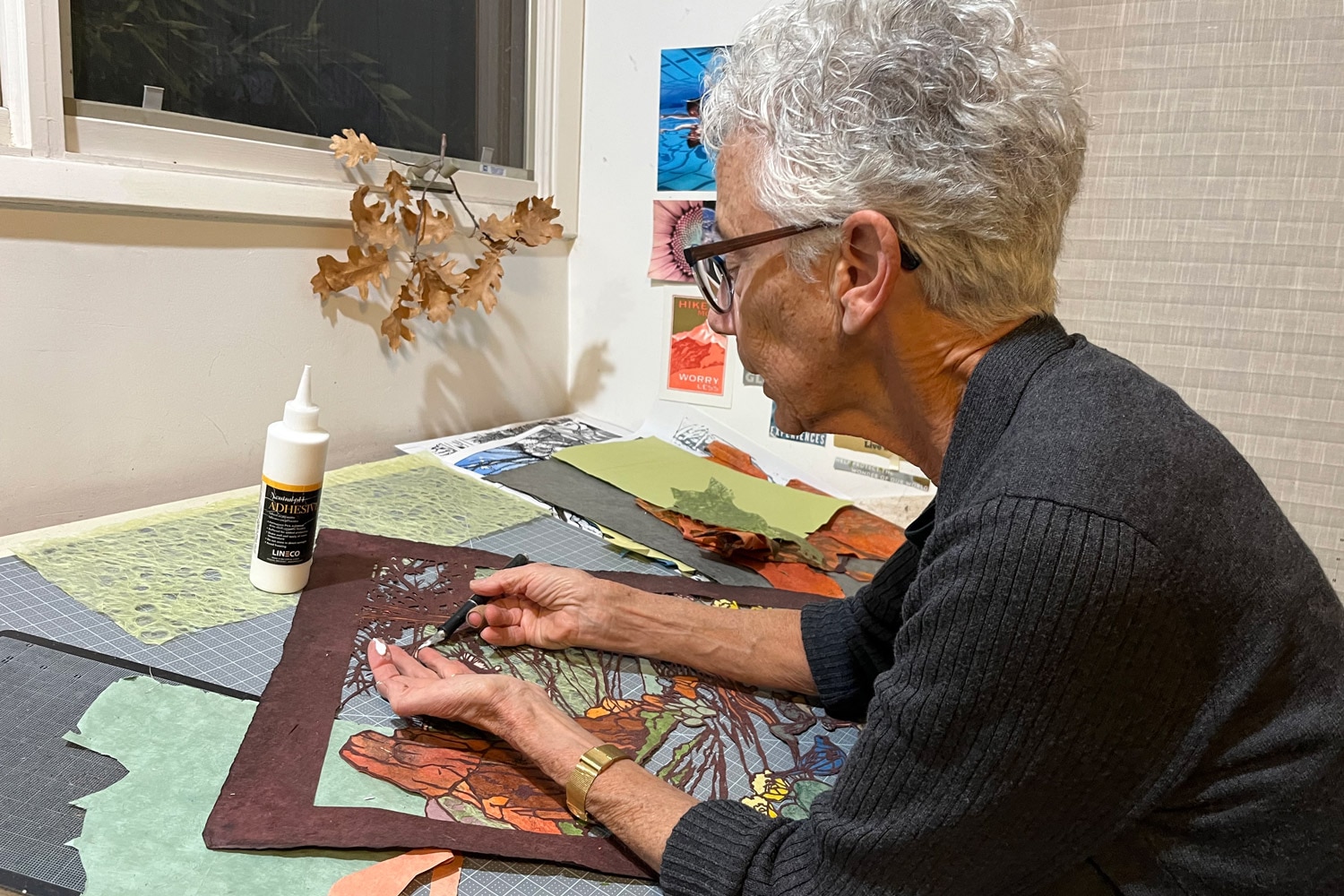
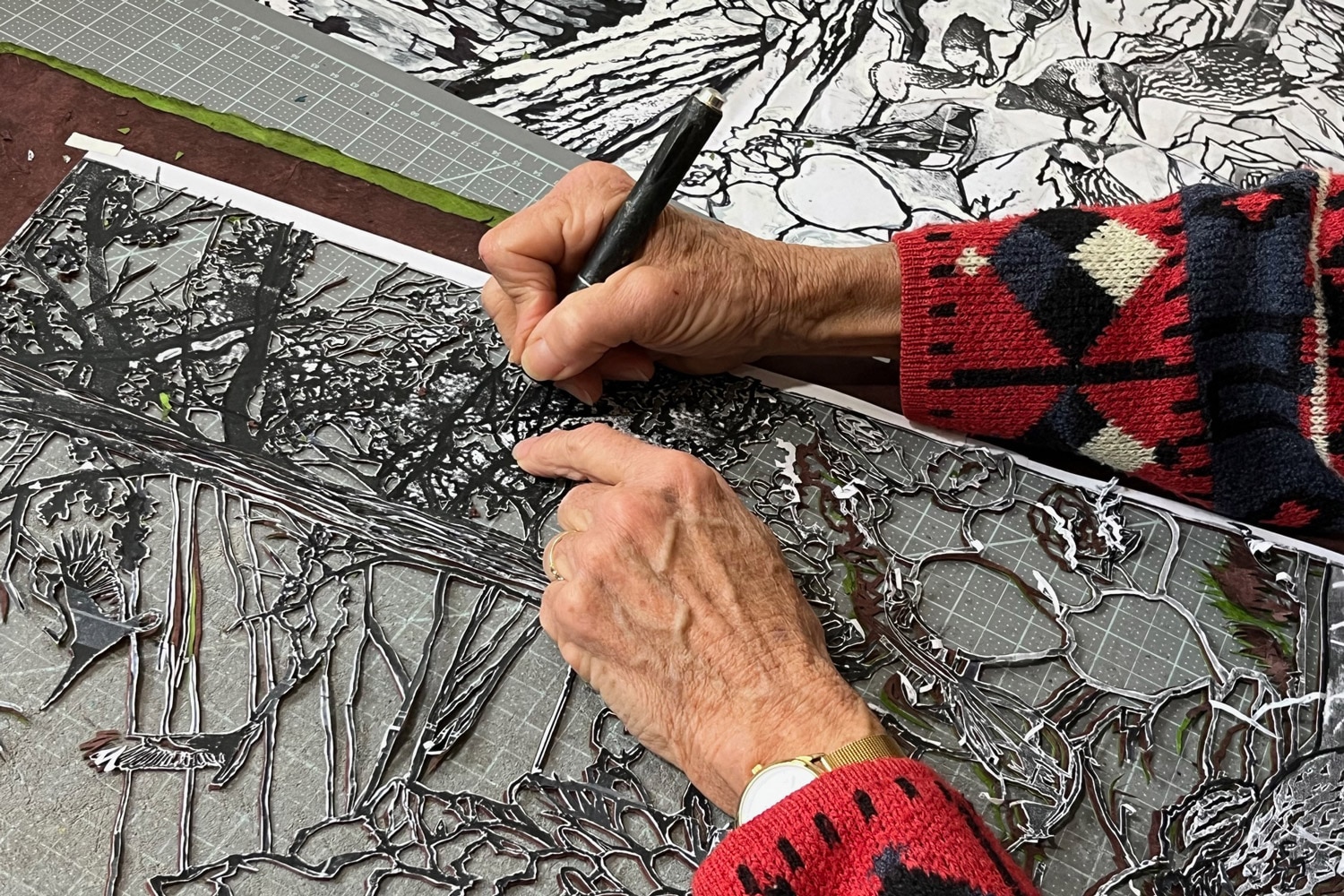
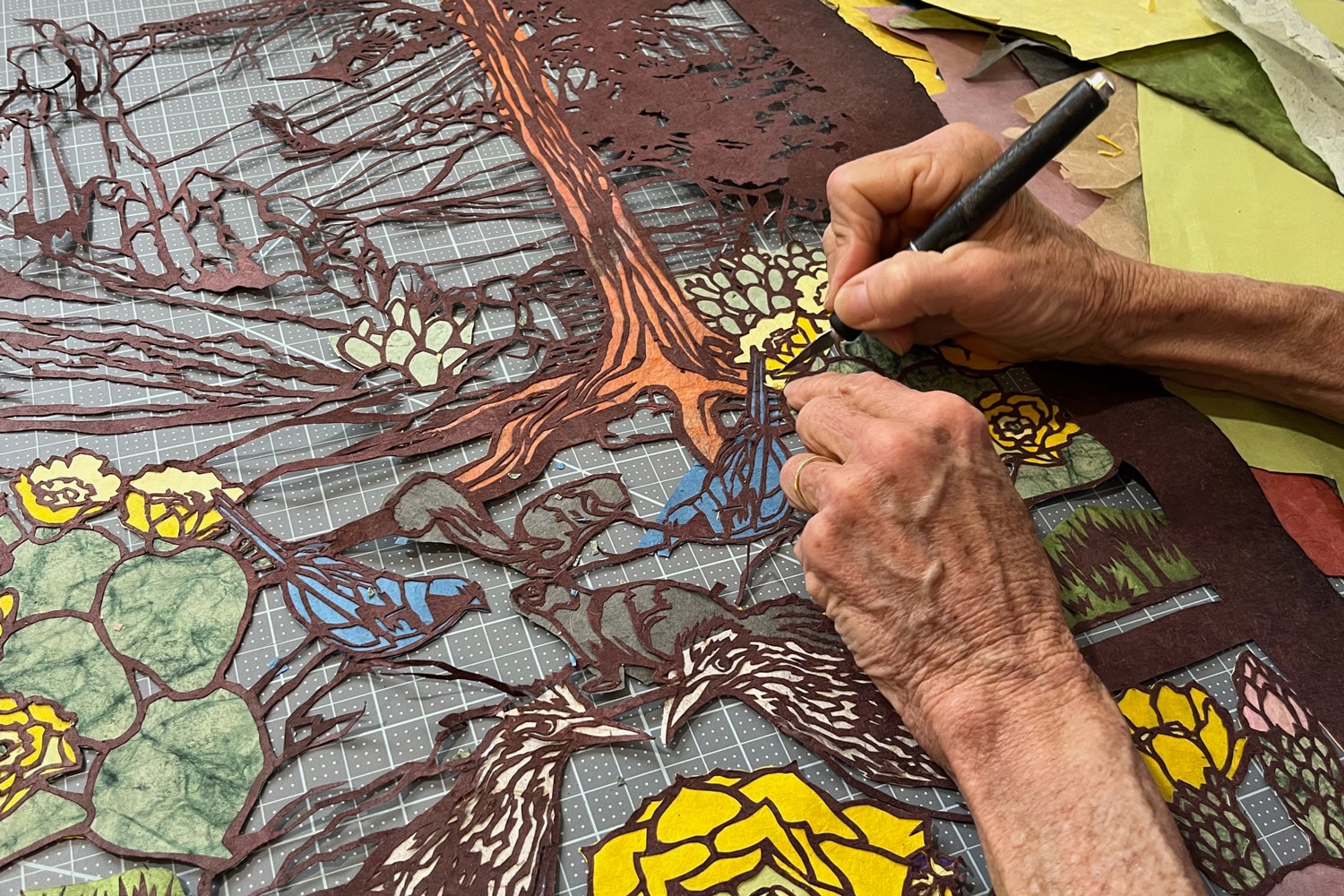
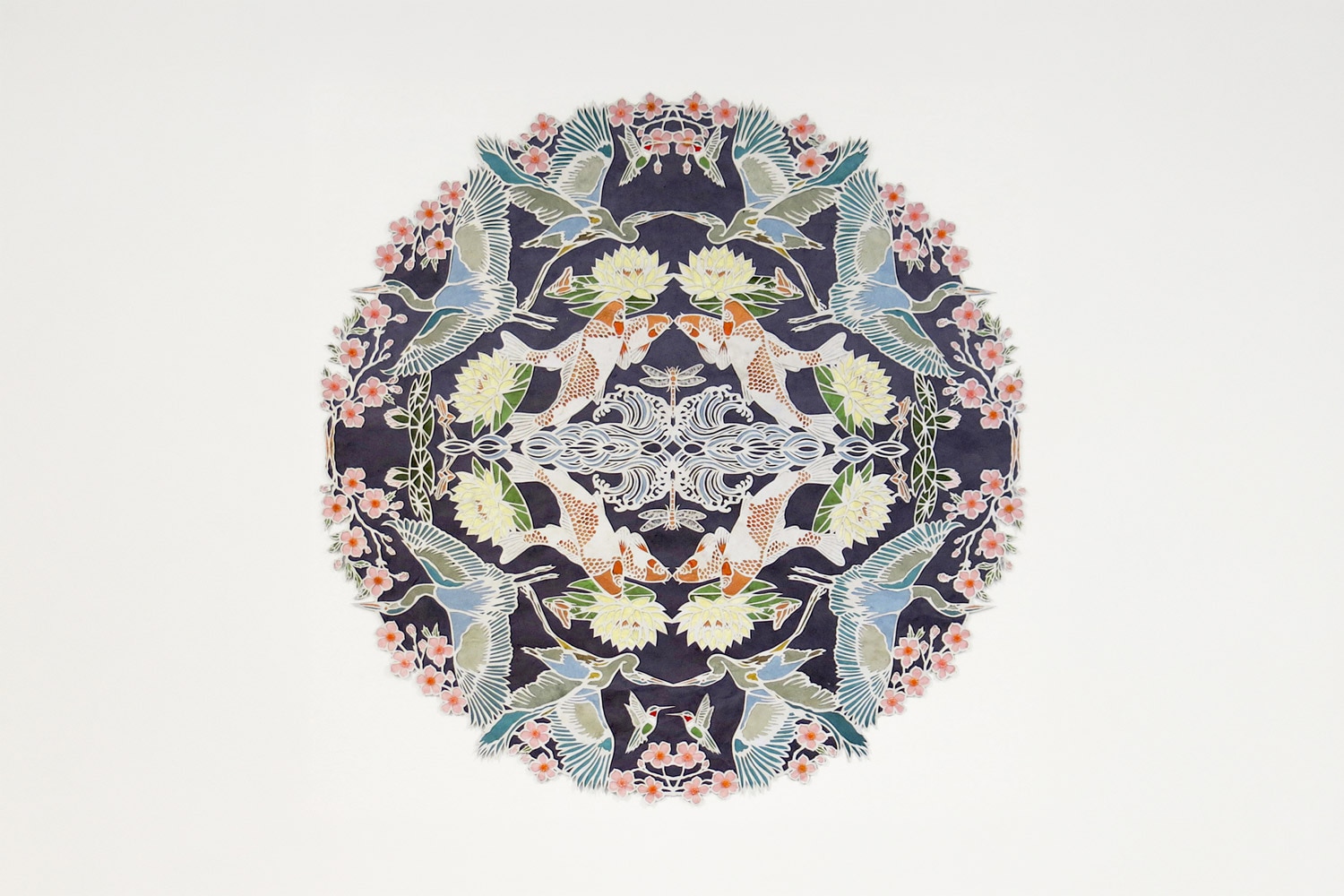
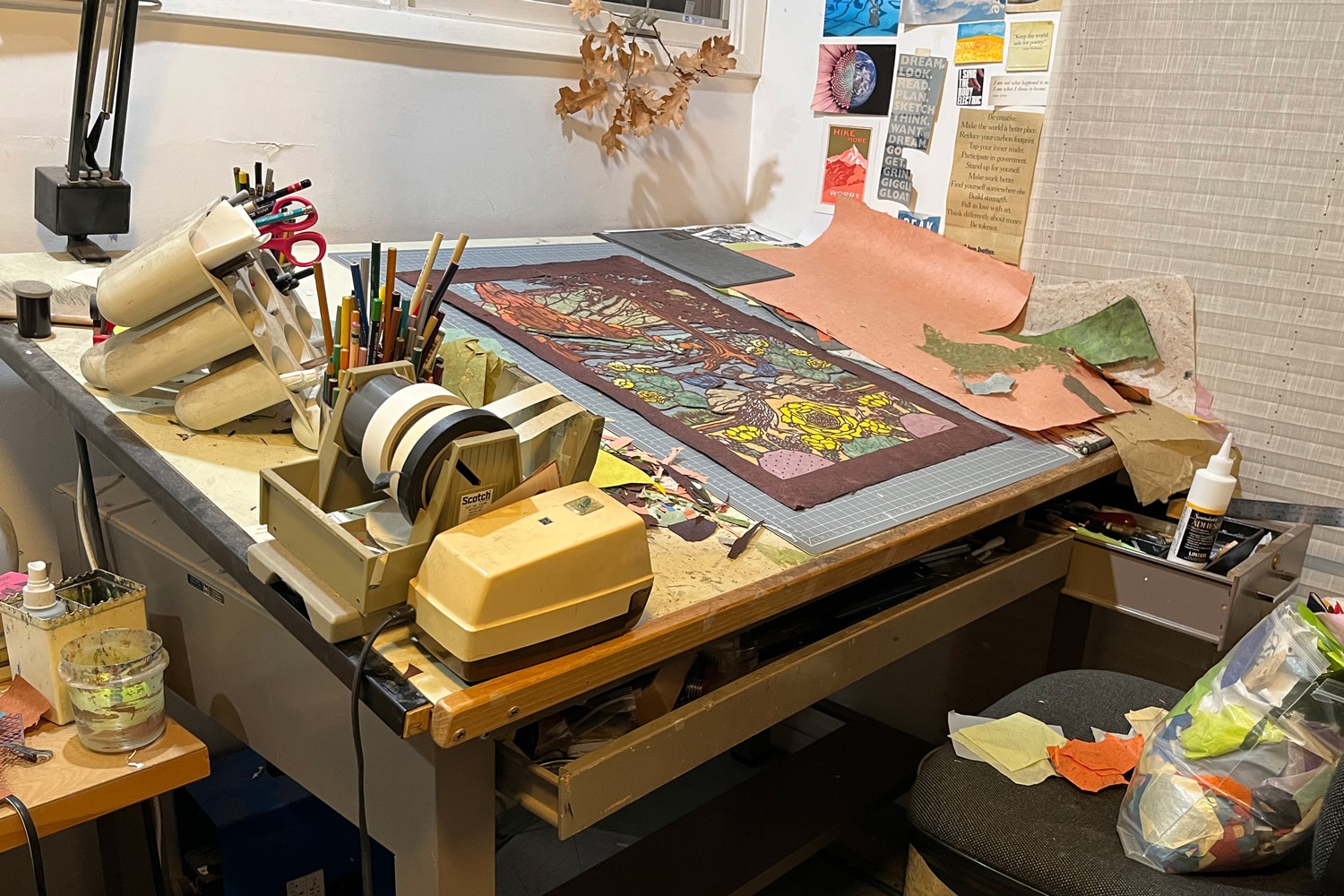
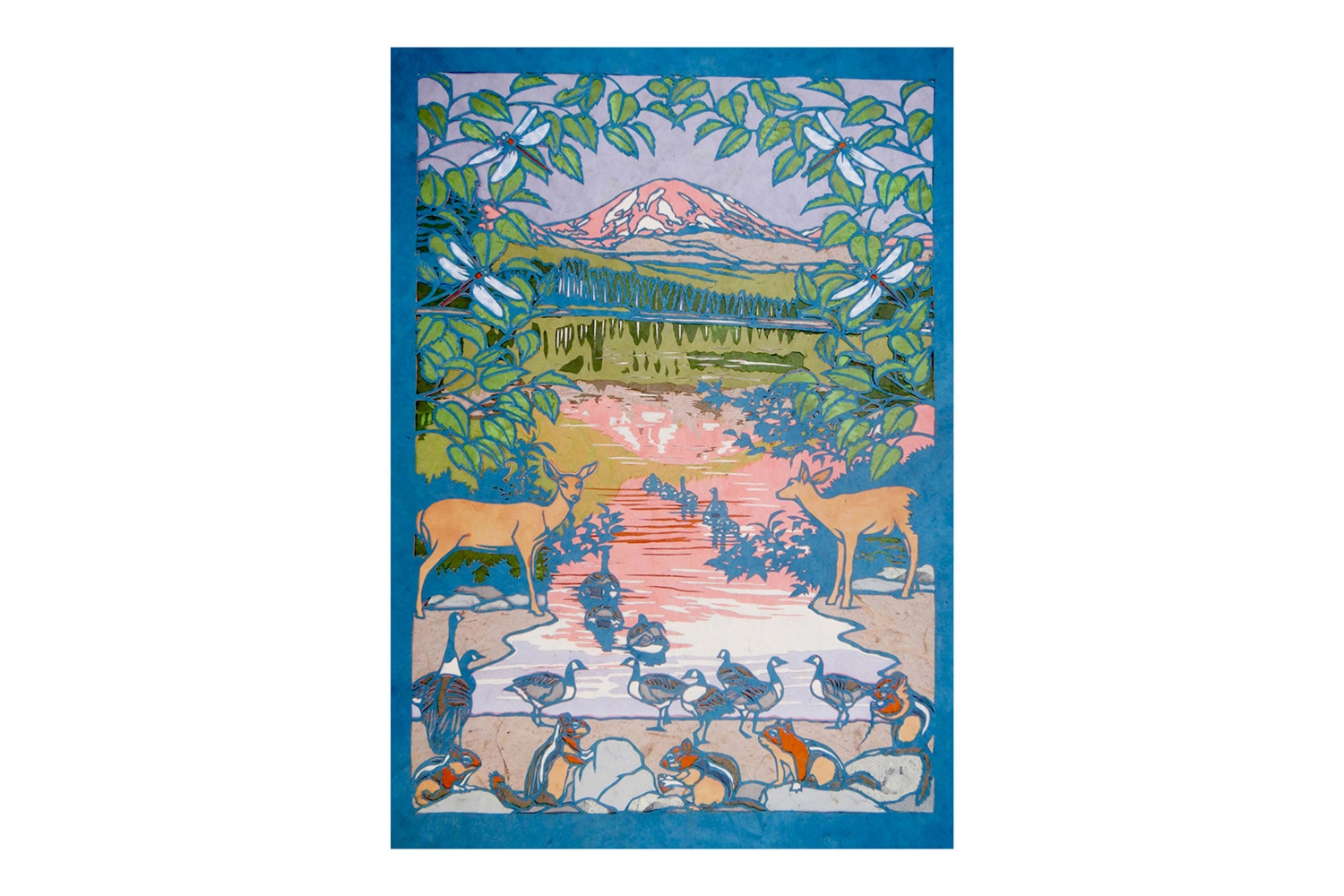
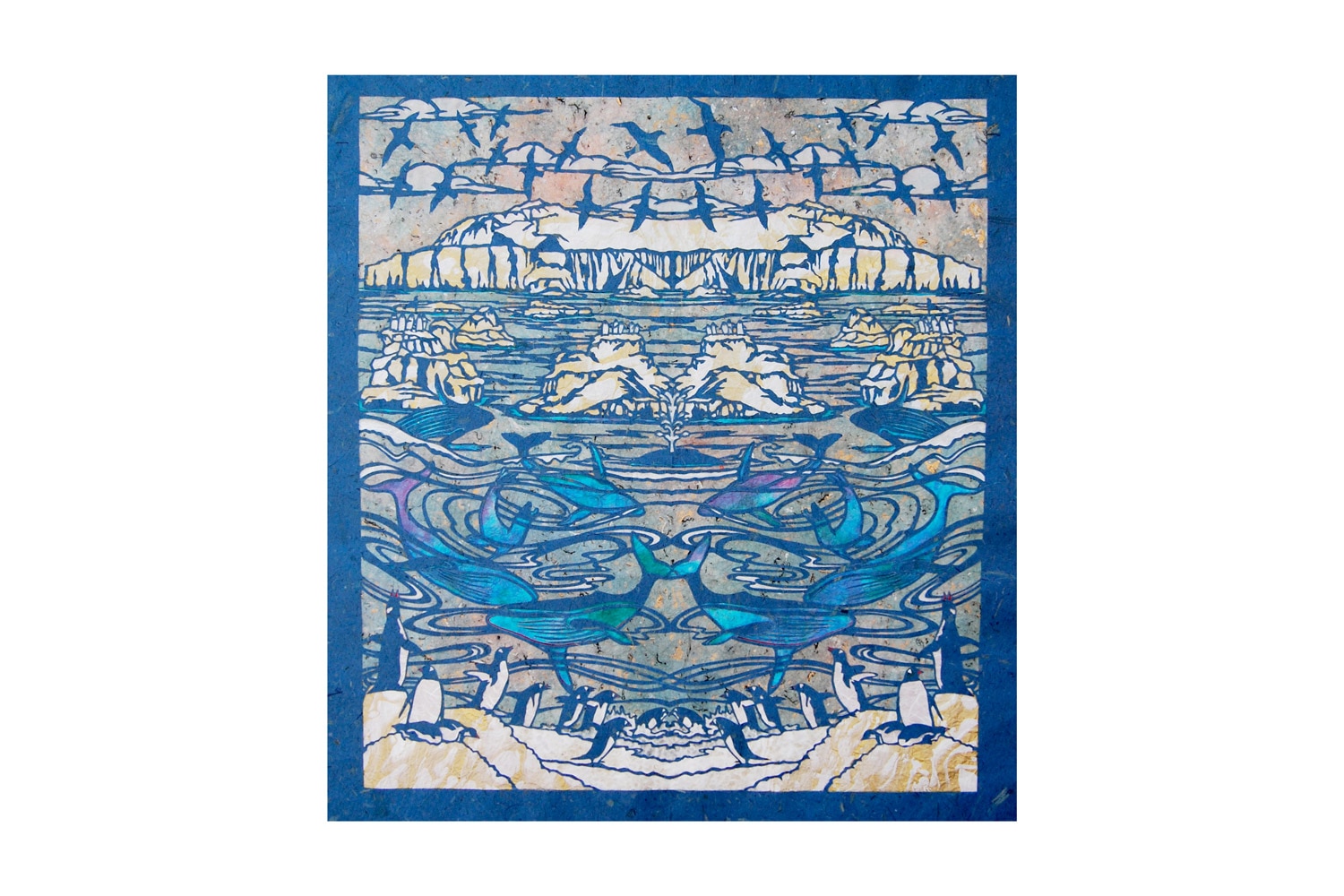
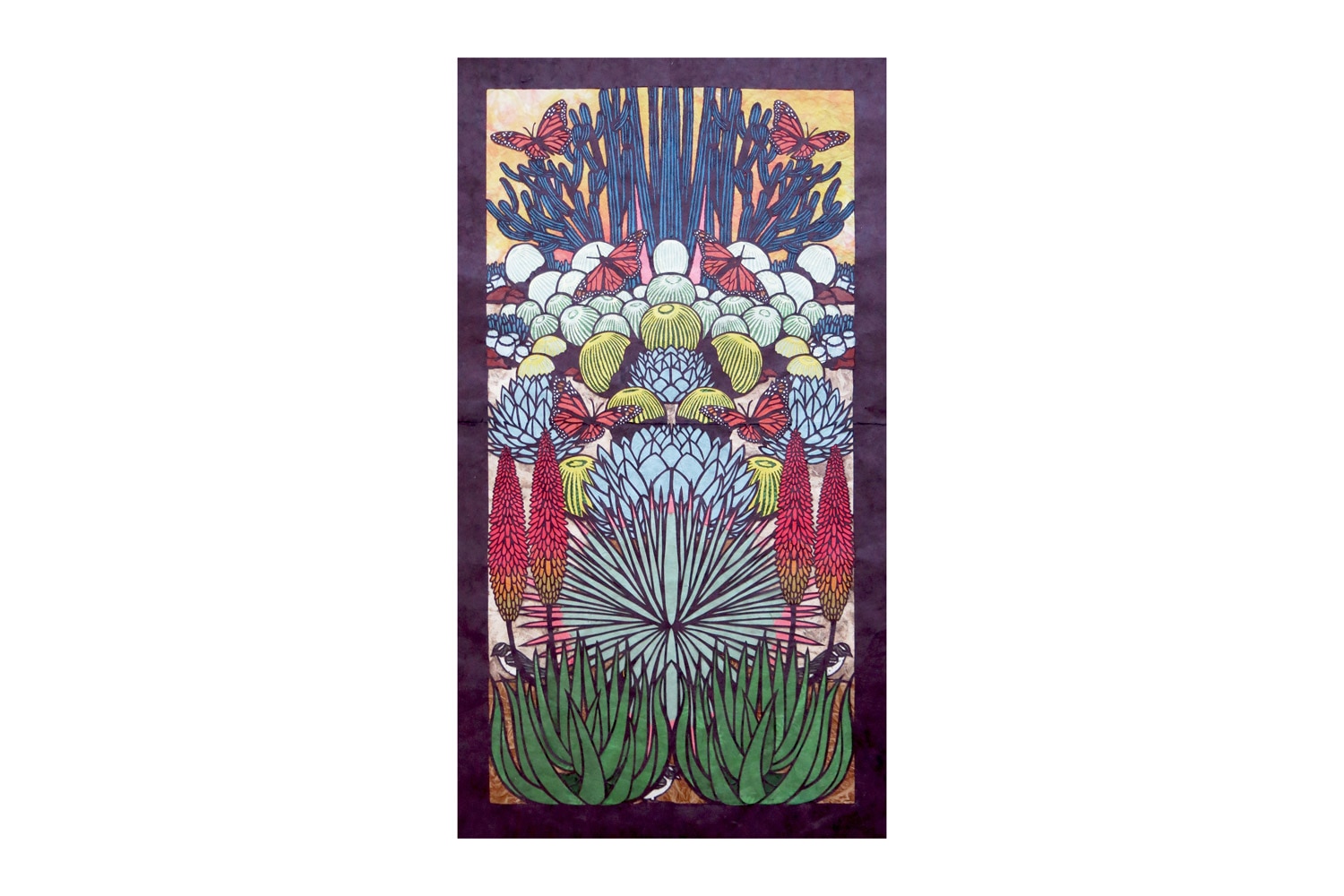
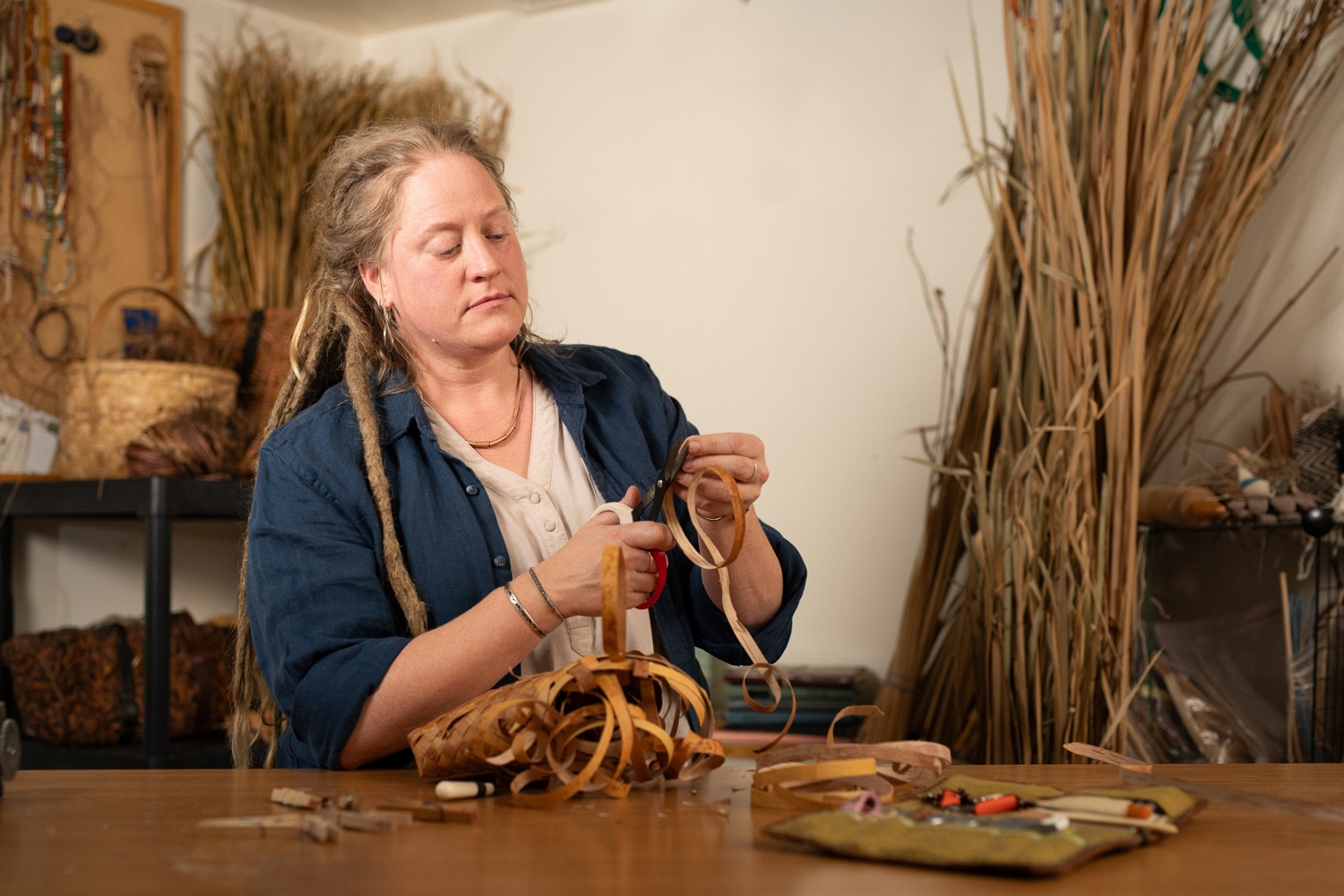
A career in hand drawn animation nurtured Lorraine Bubar’s affinity for precise, labor-intensive artwork. As a painter with a love of colour and an avid hiker and runner, her current practice combines her passions. “Paper cutting has fused so many of my interests,” she says. “Of all the different art mediums I have worked in, this is my most authentic self. What an amazing place to be!” Lorraine creates her intricate paper pieces by hand, using a fine point craft knife blade to both cut the lace-like designs and apply the neutral pH glue that adheres the elements together. Her position as an artist in residence at national parks from Maine to California to Alaska influences her work. “I aim to capture those awe moments of being in nature,” Lorraine explains.
INTERVIEW
Yes, it takes about a month to complete each piece, from working on the composition to actually cutting the work out and including the layers of coloured papers. It is labour intensive but I love the pace of it. Everybody strives to be in the flow, and I am definitely in the flow when I am doing my work.
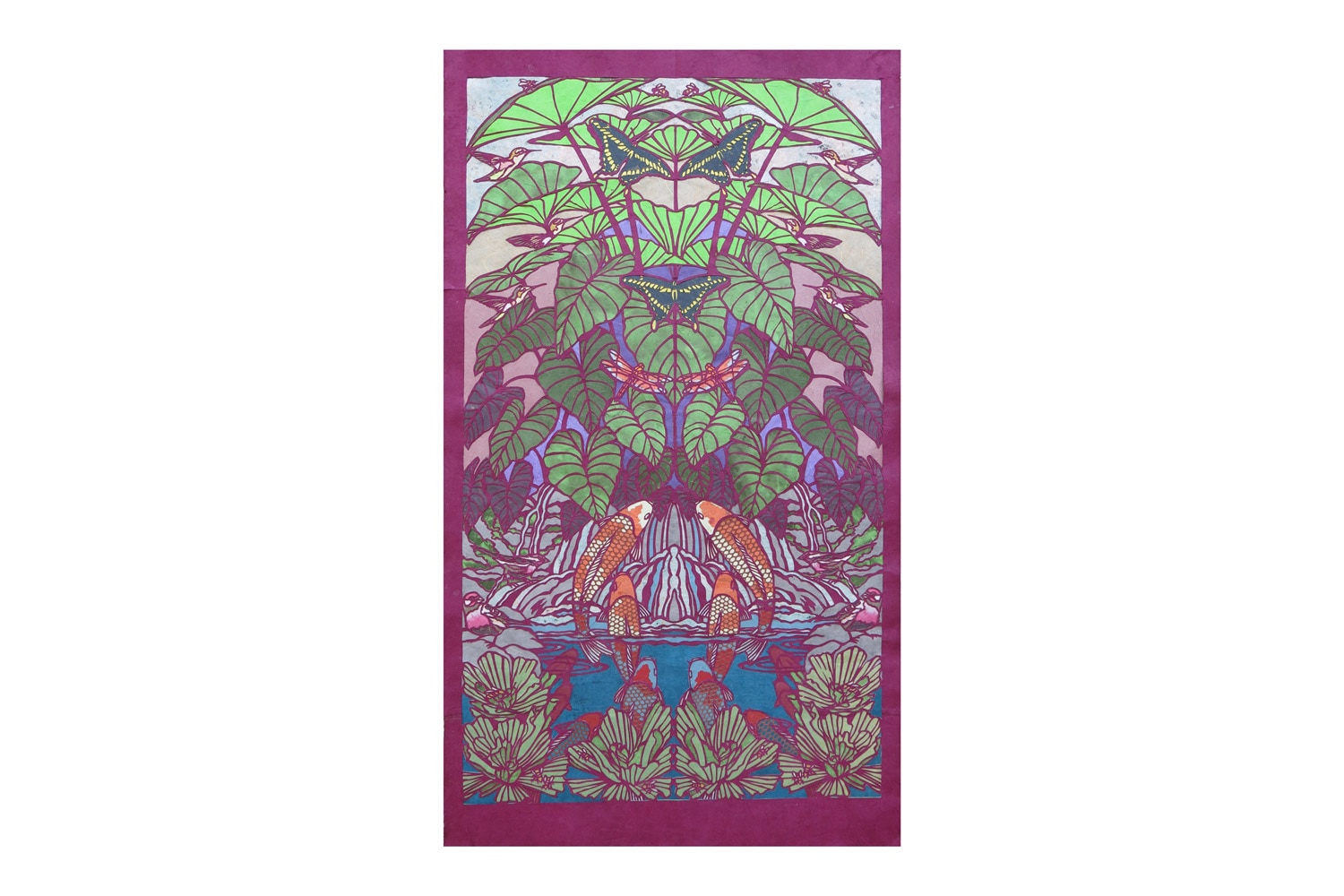
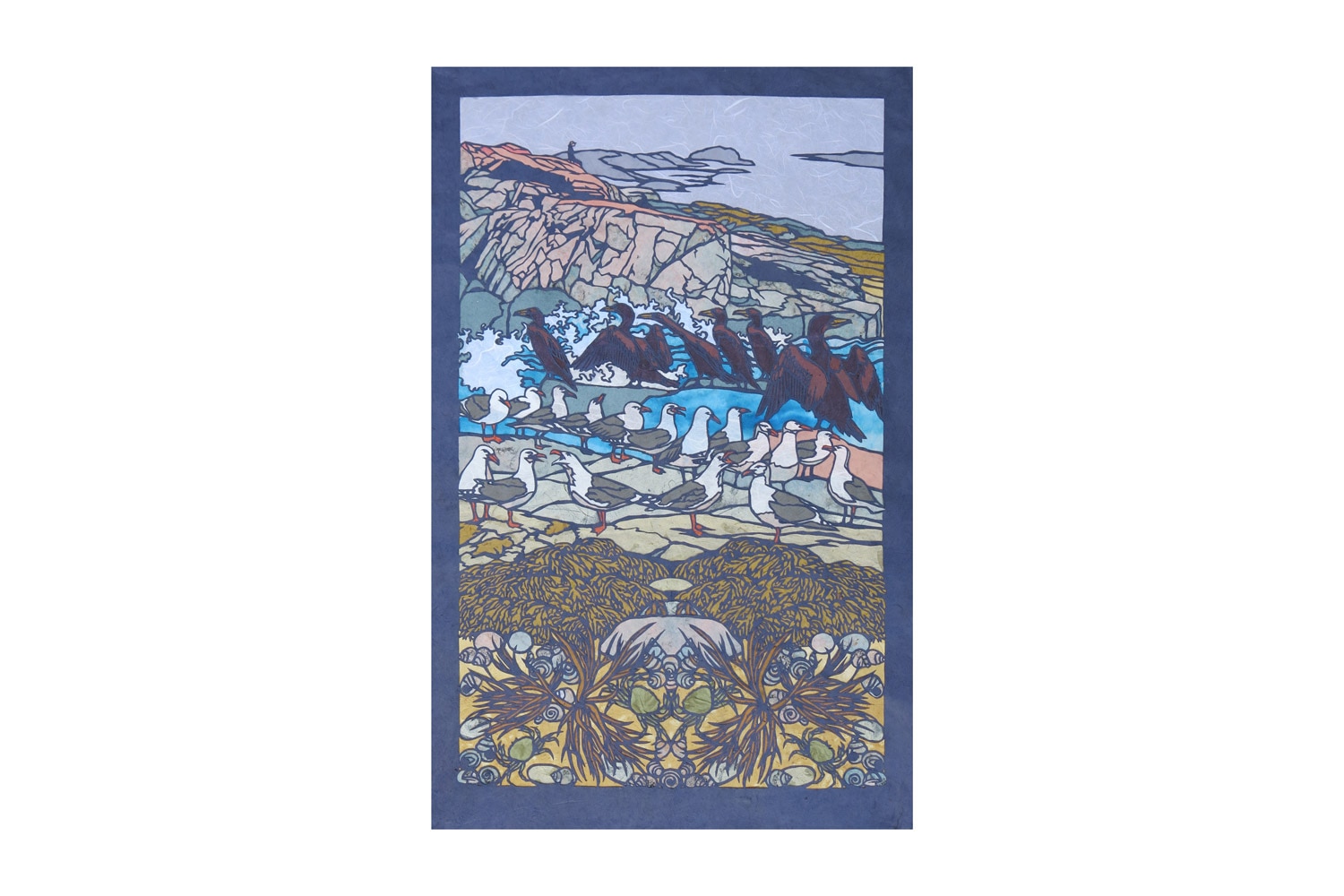
Paper is regarded as fragile, but it really is not. It is made up of fibres that interlink together. My work highlights the strength and fragility of paper contrasted with the strength and fragility of the natural environment.
People do not necessarily know the pieces are paper unless they observe them from up close. When they stand back, the pieces look like prints. I love hanging them unframed like a textile piece on the wall, so people can see all the layers. When they are framed, this aspect is not quite as obvious.
I admire the imagery, the use of positive and negative space, colours and techniques of Japanese woodblock prints. Artisans print all the colours, and then use a key block that creates the outline and ties it together. This resembles the top layer of my work.
Lorraine Bubar
Paper cutter
Los Angeles, CA, USA
Recommended by Craft in America
ADDRESS
Address upon request, Los Angeles, CA, USA
AVAILABILITY
By appointment only
LANGUAGES
English
Homo Faber Finds is a new service aiming to inspire admirers of craft to connect and collaborate with exceptional artisans.
We invite you to submit an enquiry here.

DSC02402_©Meg-Lovell.jpg)
DSC01379_©Meg-Lovell.jpg)
DSC01458_©Meg-Lovell.jpg)