Michael Velliquette
Paper cutter
Madison, WI, USA
Recommended by Jean Blanchaert & Irina Focsaneanu Eschenazi
Paper's boundless imagination
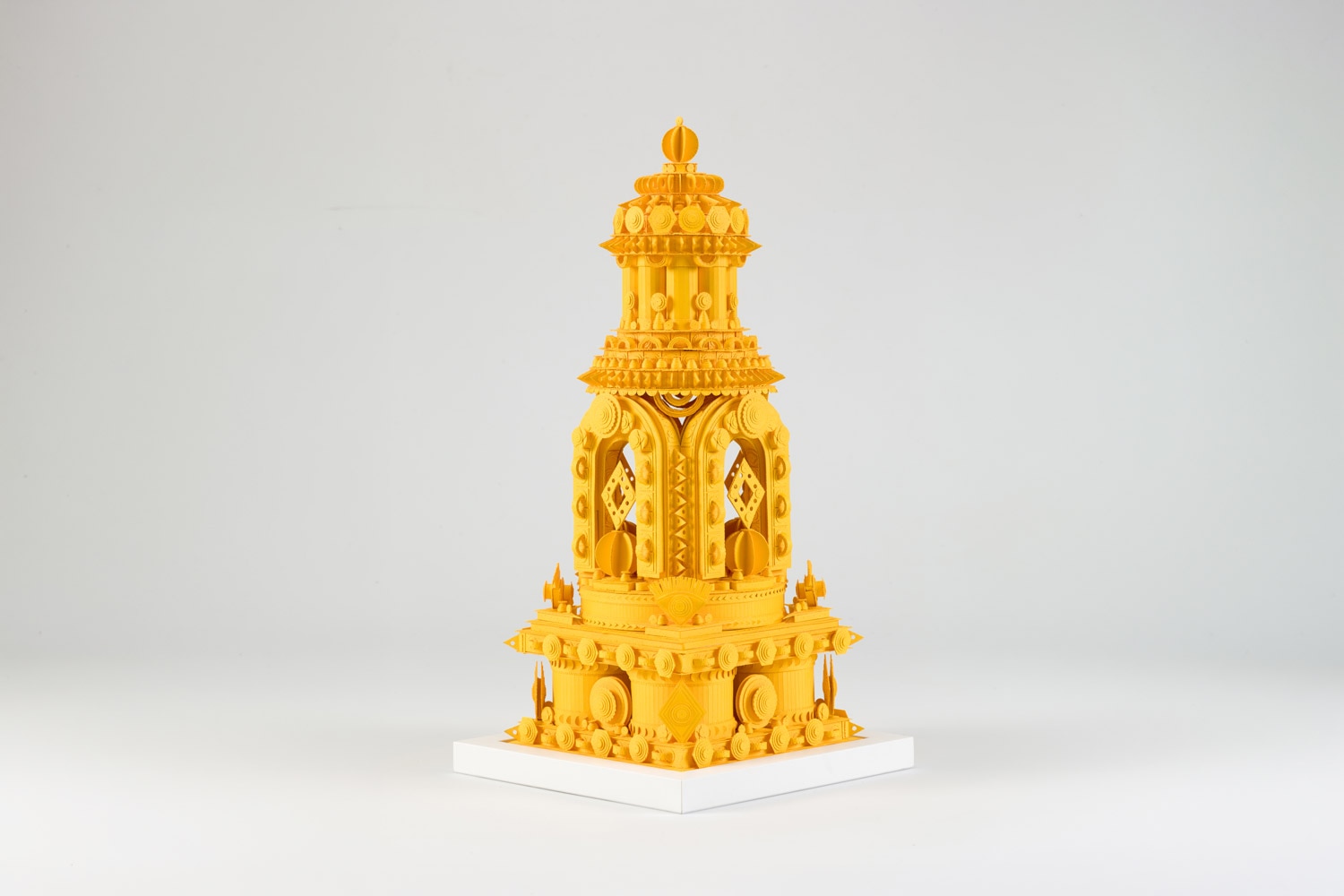
- Michael is inspired by speculative architecture, among other influences
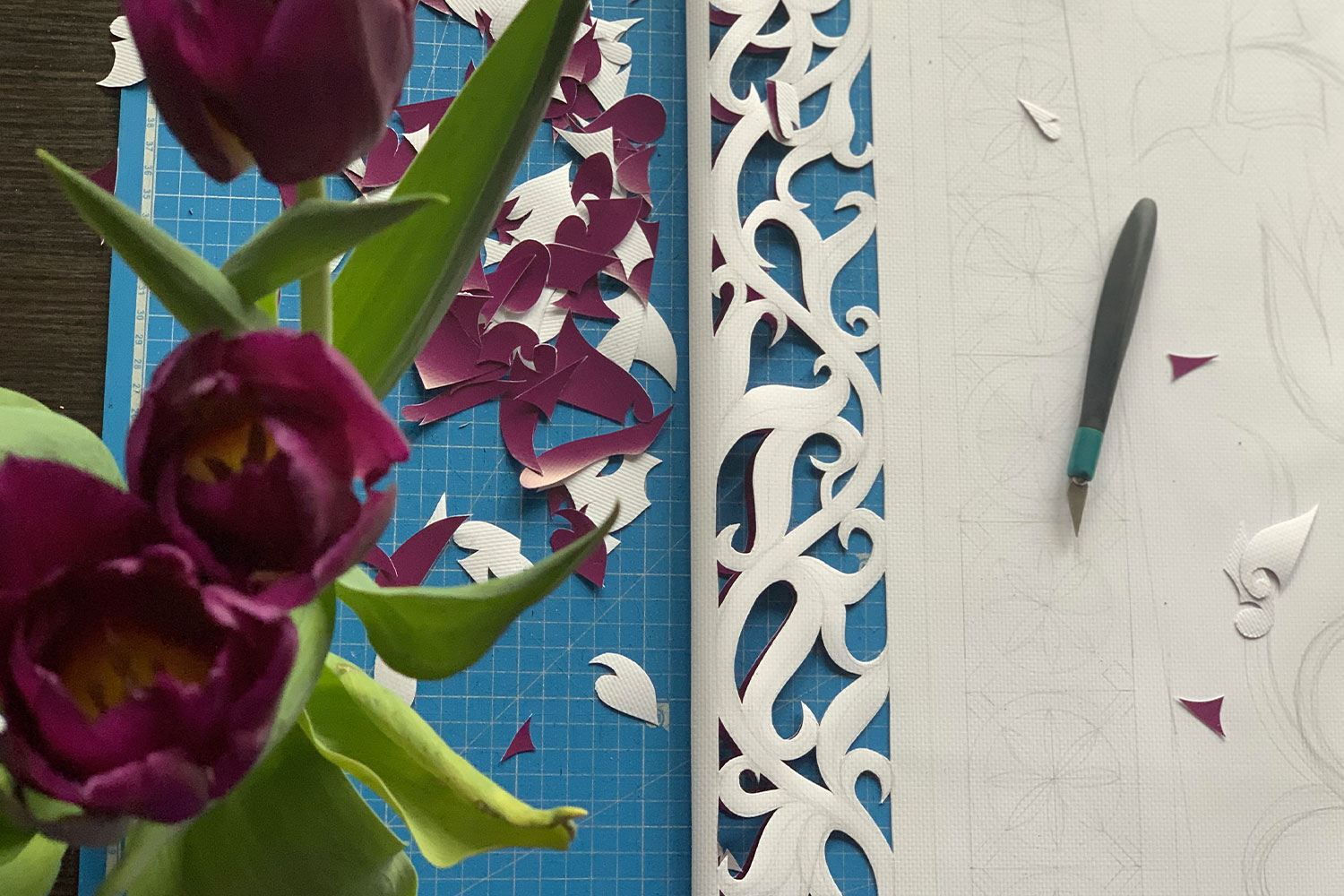
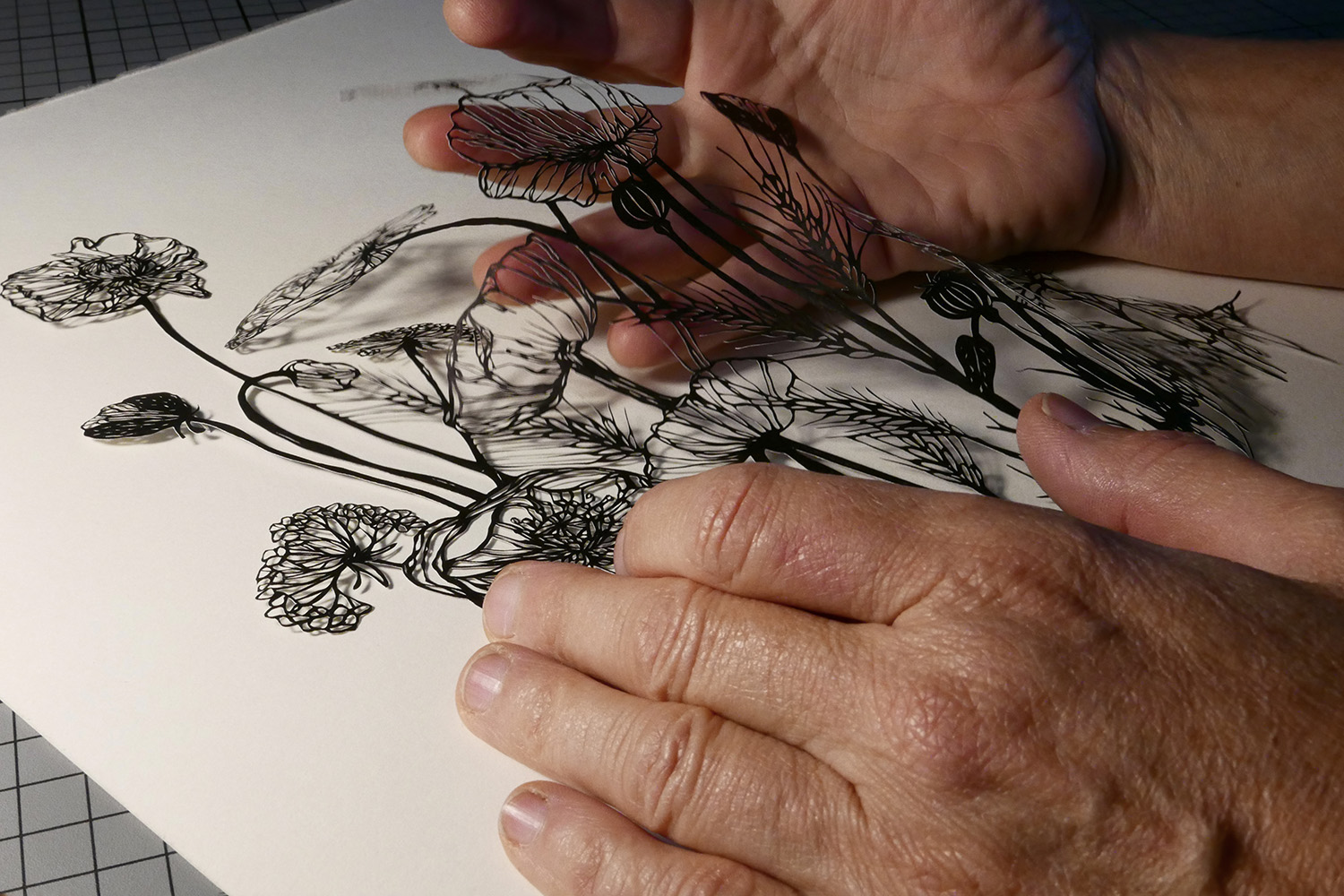
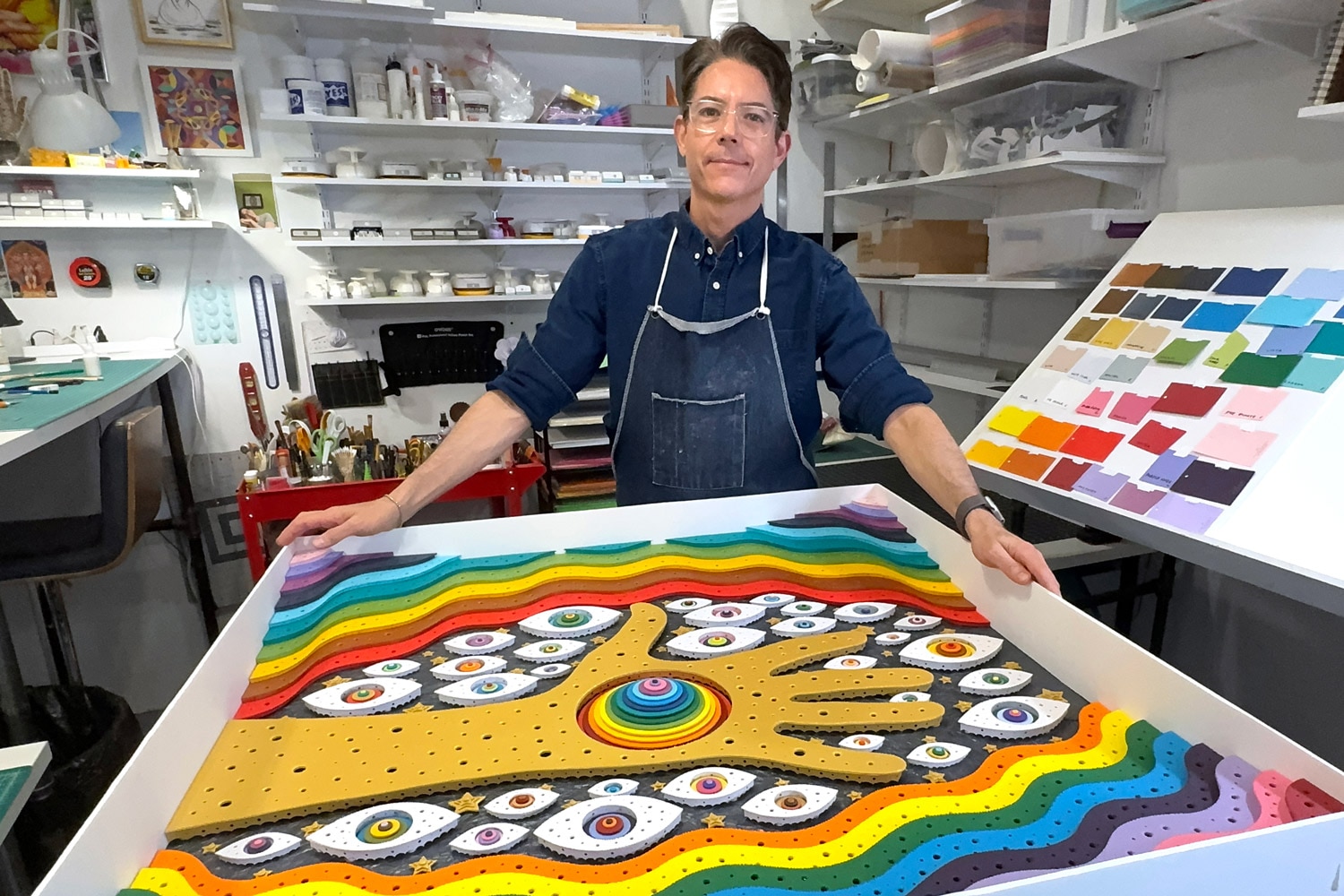
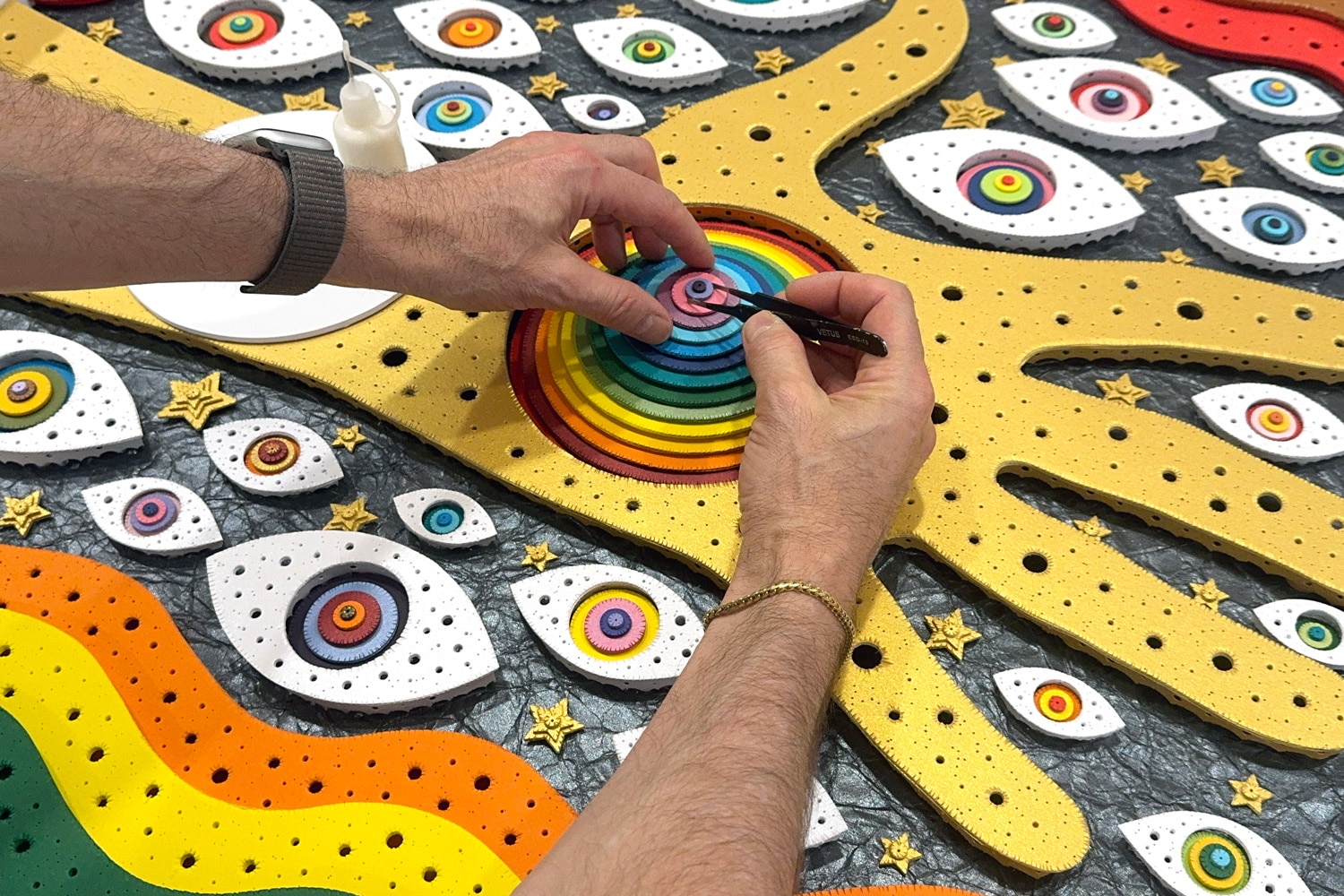
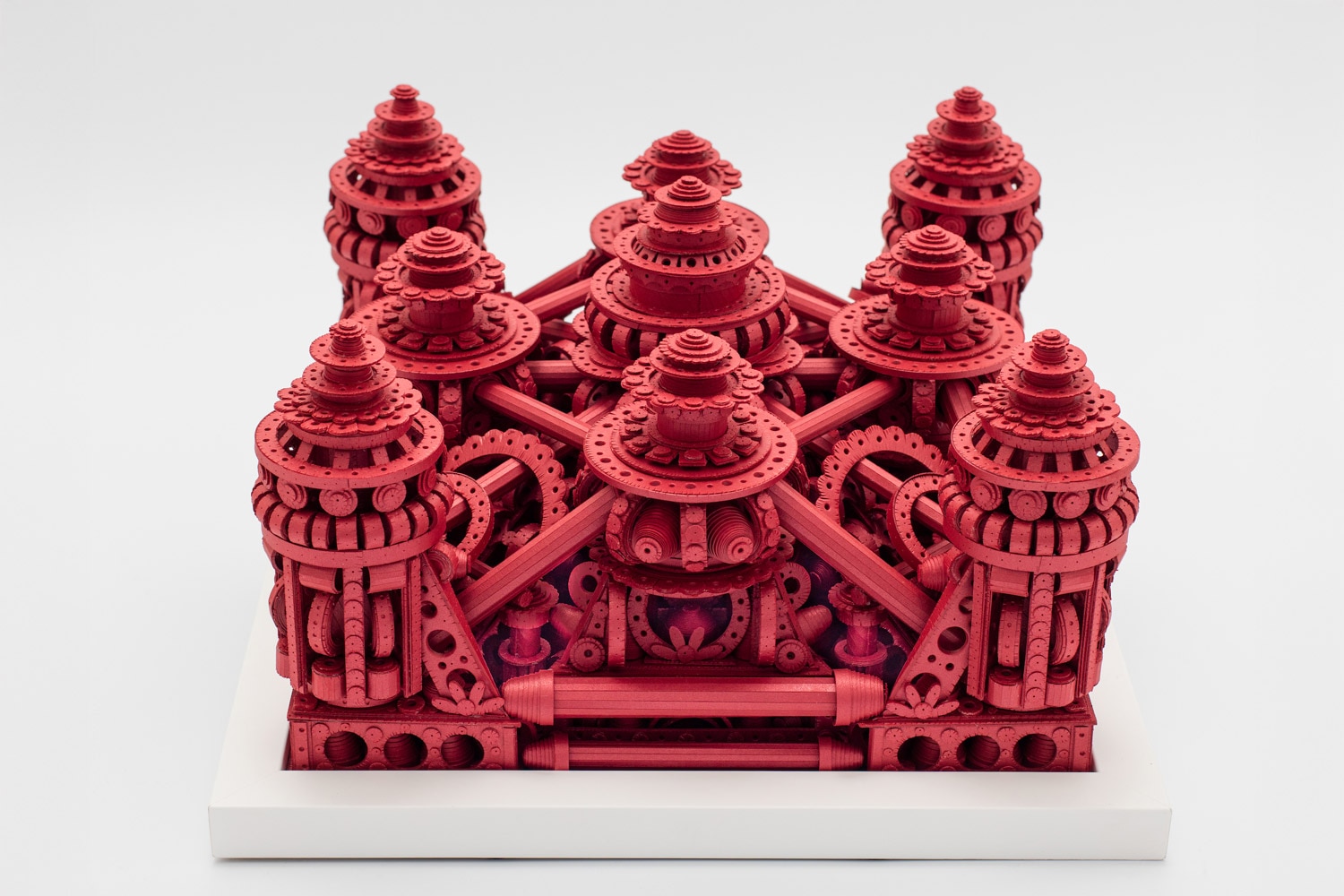
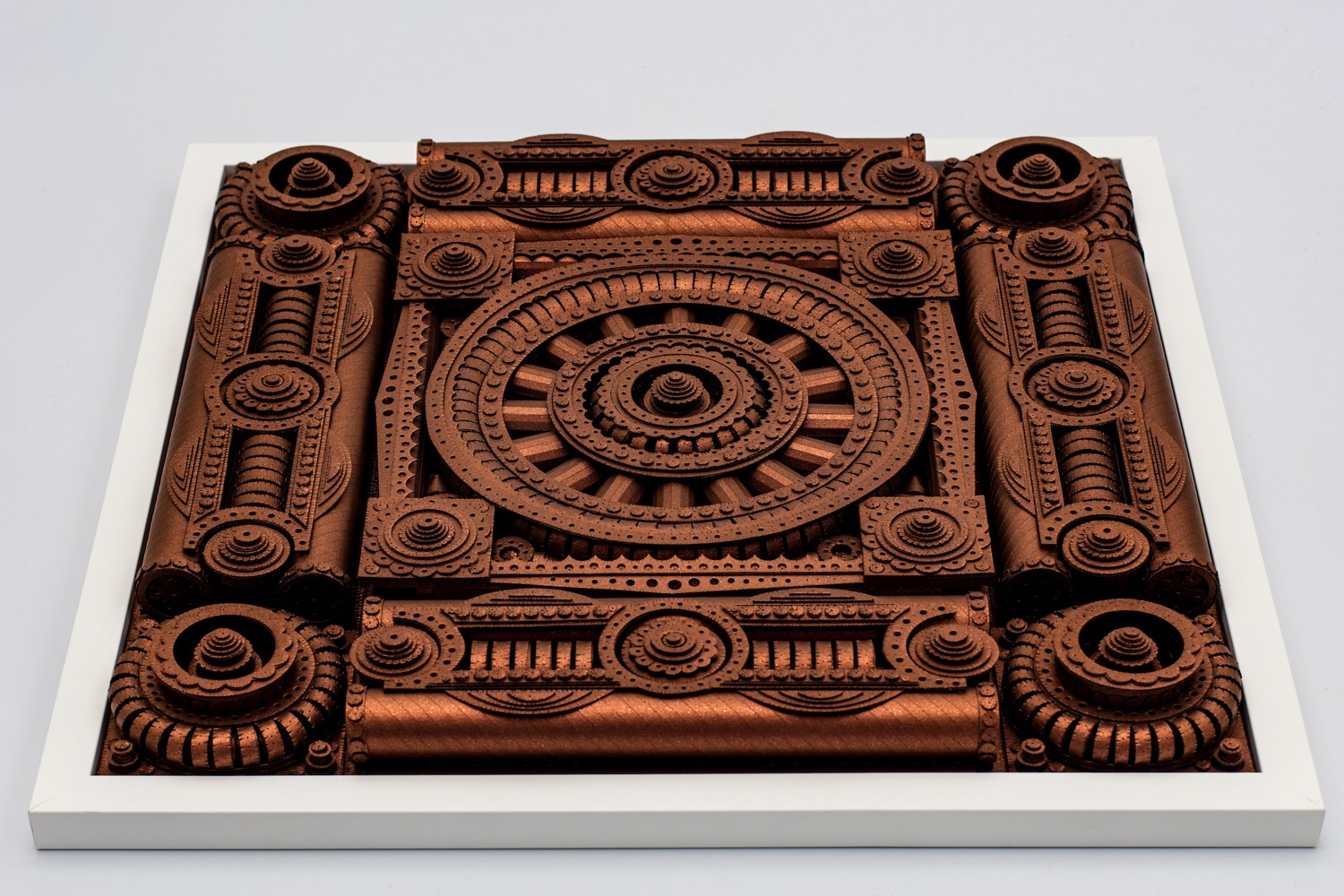
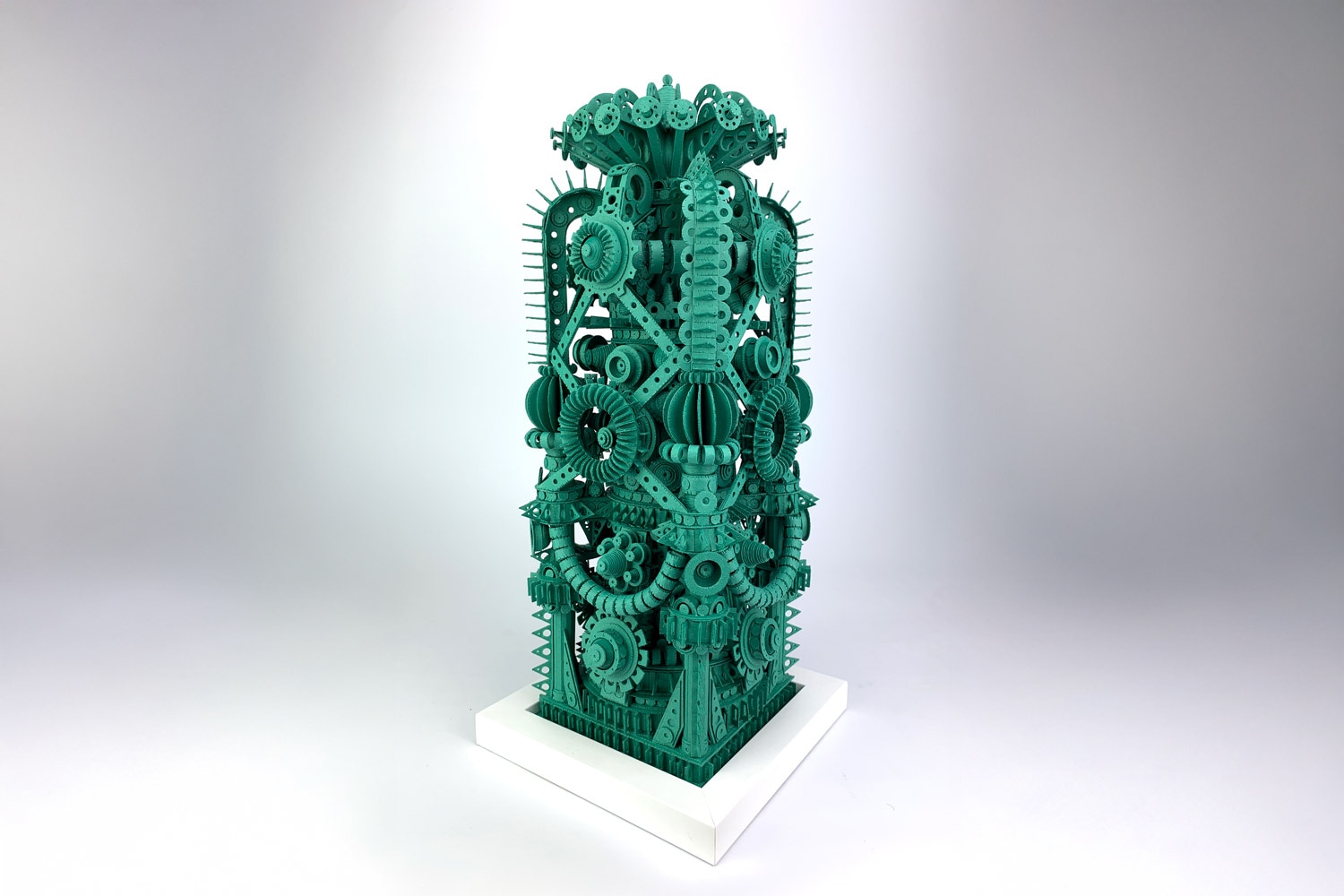
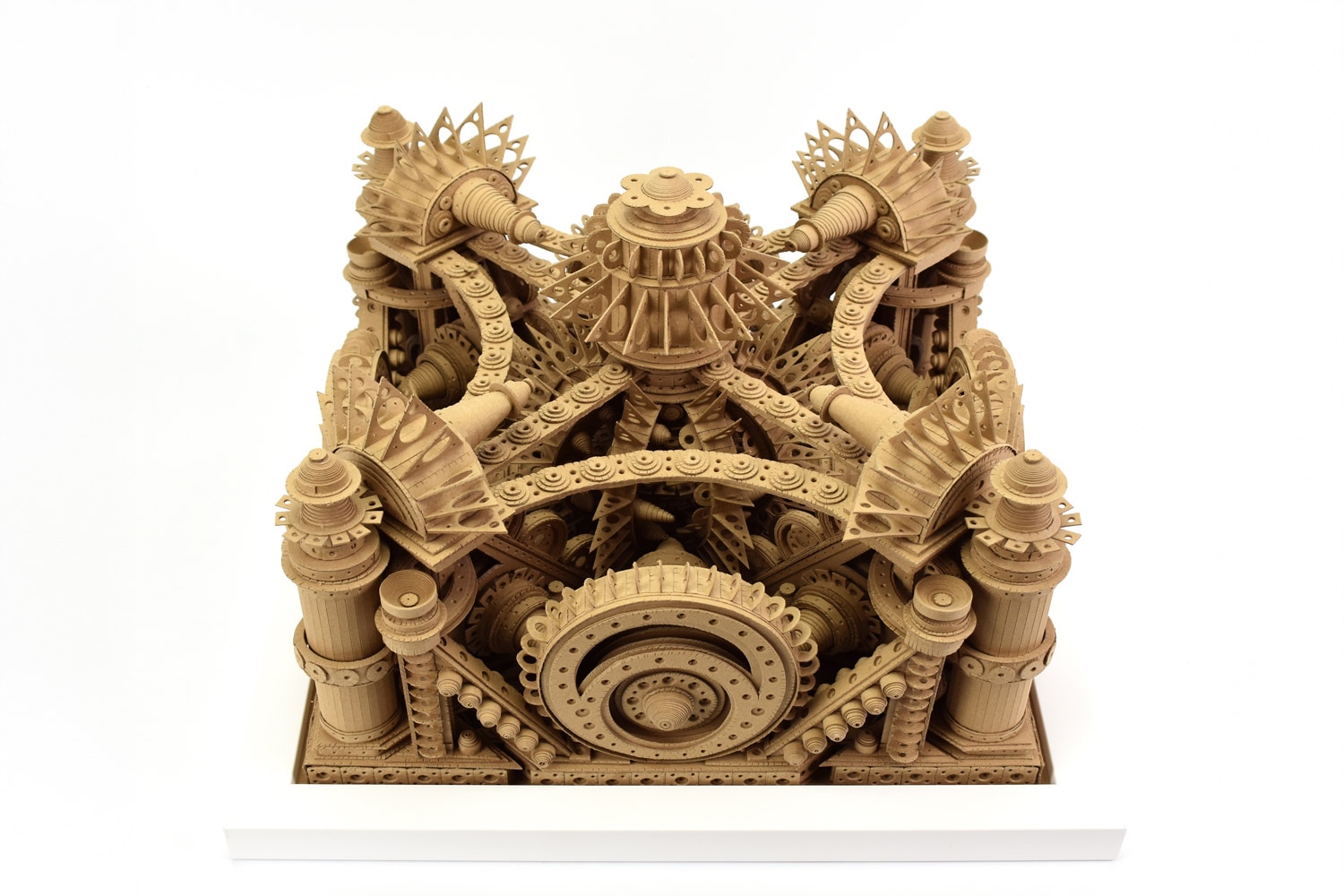
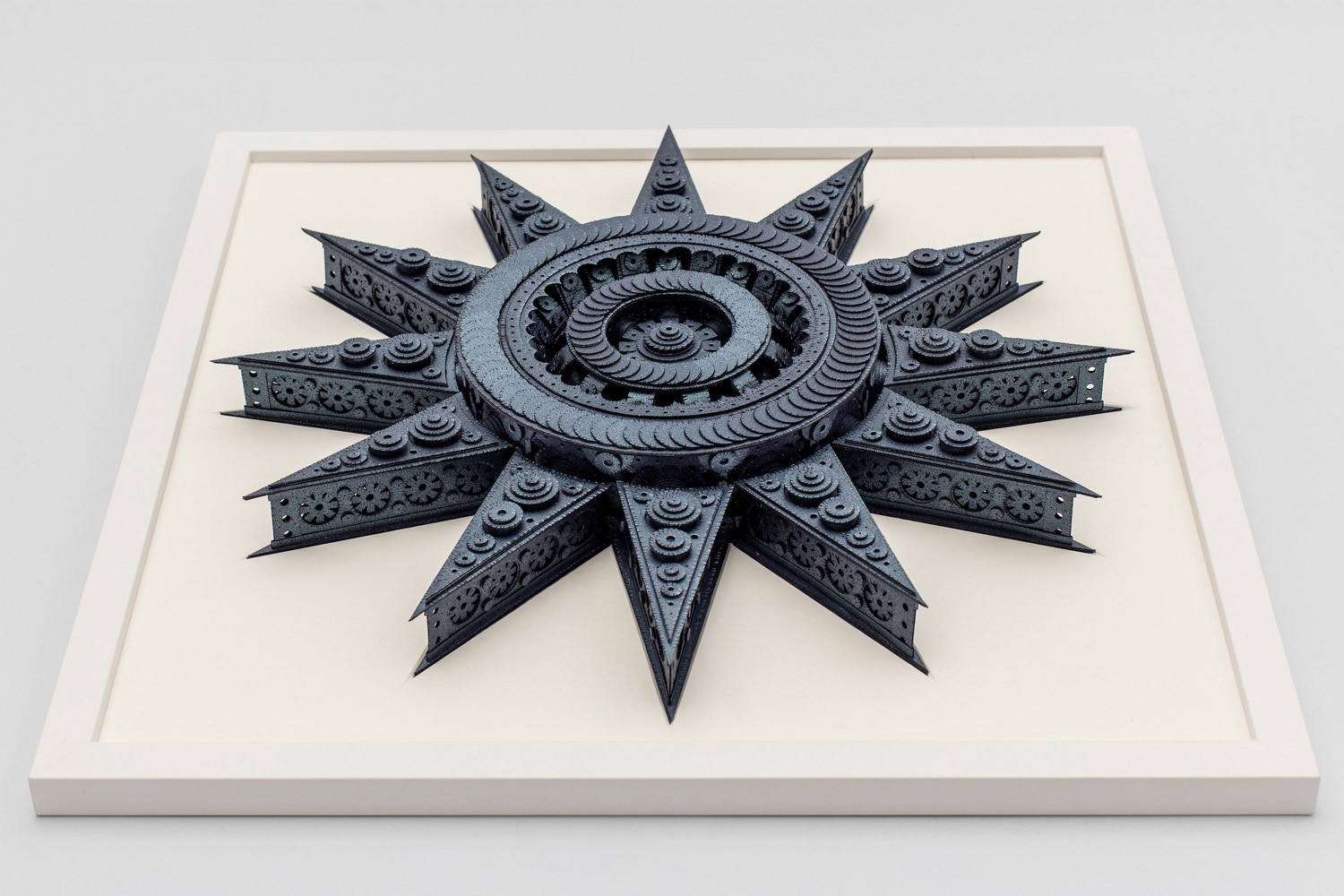
- He uses heavyweight paper to create dimensional reliefs and sculptures
- His wok has featured in solo exhibitions at David Shelton Gallery and Duane Reed Gallery
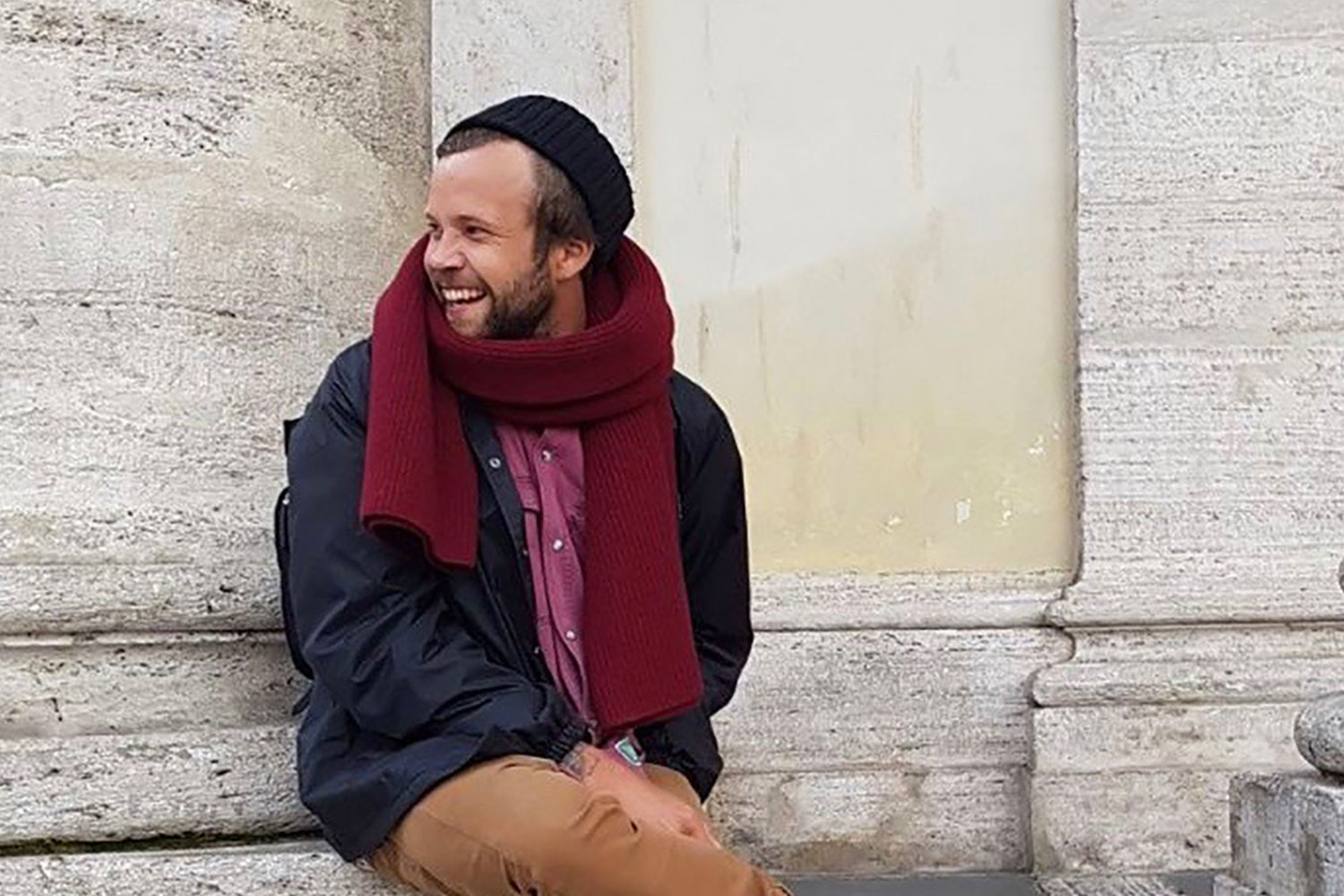
When Michael Velliquette worked with coloured cardstock over two decades ago, he did not immediately envision a formal path in paper art. "It was primarily an experimental medium for me,” he explains. "As I started exploring the material and learning about the craft’s centuries-old global tradition, my focus on paper’s intrinsic qualities became much more deliberate." Michael’s evolution as an artist and maker coincided with a broader renaissance of paper-based art in the USA, along with a growing availability of specialised tools and paper stocks. His intricate, 3D reliefs and sculptures have appeared in major international exhibitions and in prominent public and private collections. Michael is also a member of the Guild of American Papercutters and the Paper Artist Collective, and currently serves as a professor of art at the University of Wisconsin in Madison.
Discover his work
INTERVIEW
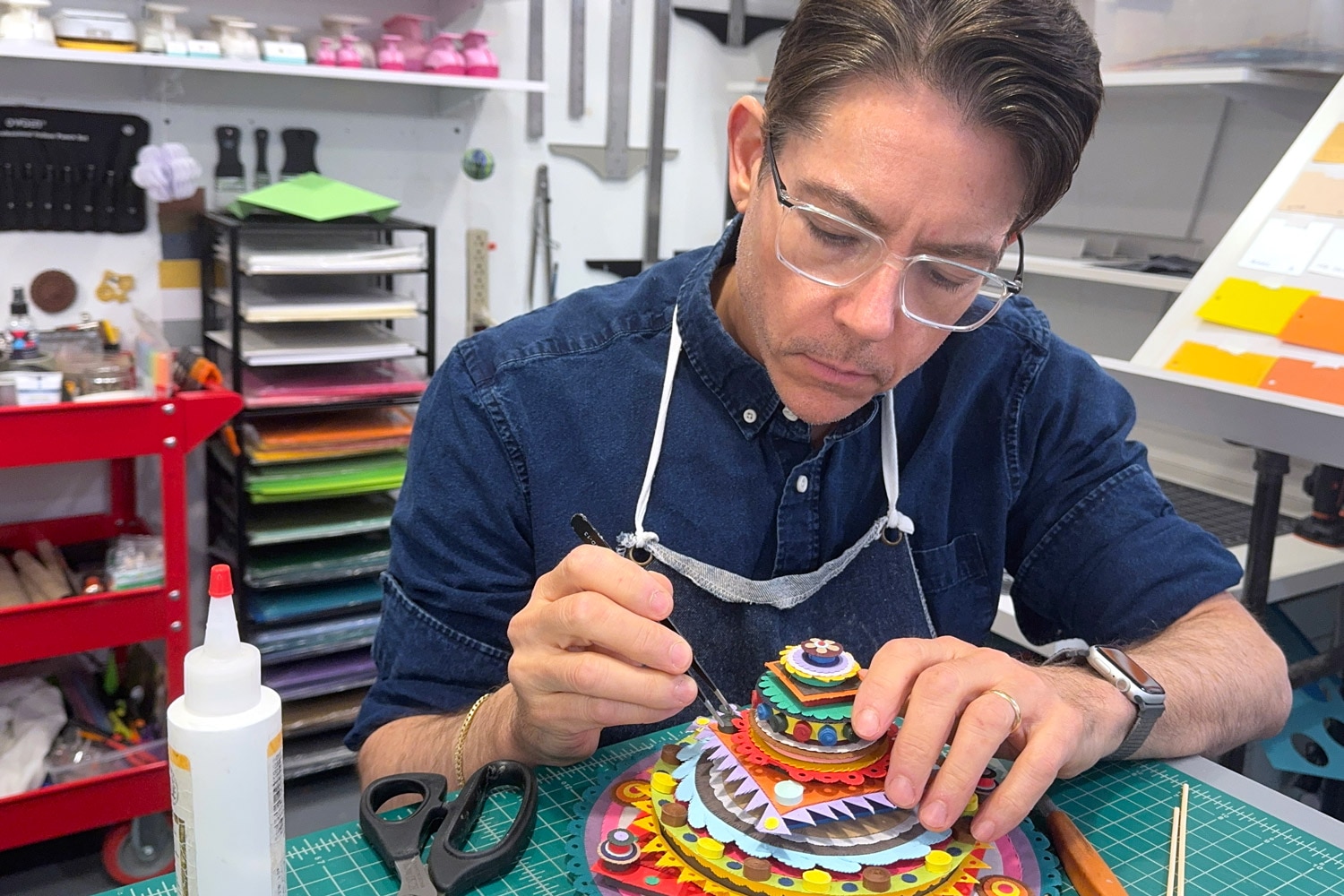
I made purely abstract, ornamental mandala forms using neutral-coloured paper. With each new piece, I would discover a new approach or technique for constructing a component, which then became the starting point for the next work.
There was a shift in my practice when I began taking a Buddhist-focused meditation class in 2015. Up until then, I had been using paper to illustrate ideas pictorially. The spiritual work set me on a different path, using the material itself to access a state of conscious awareness more directly through the act of making.
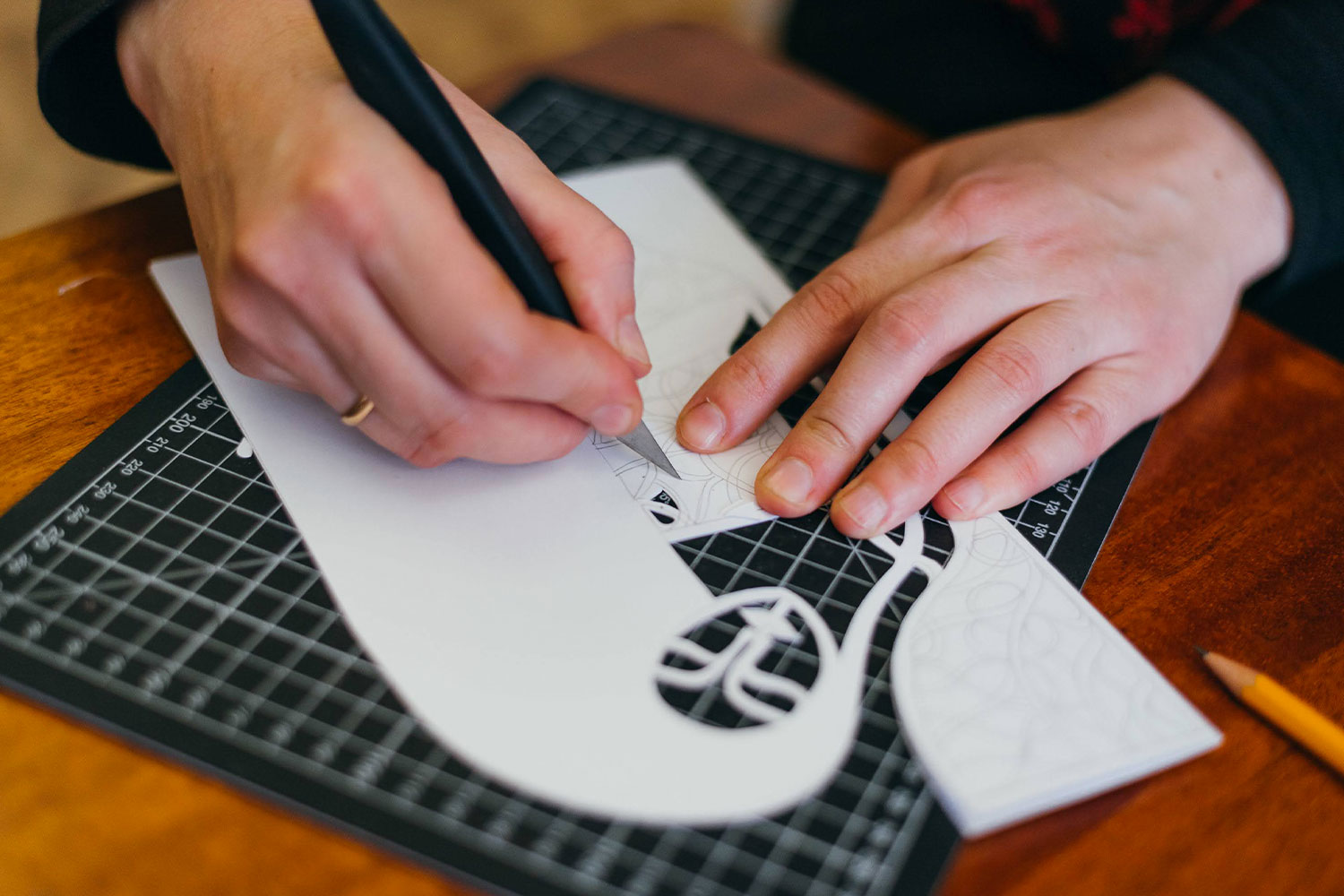
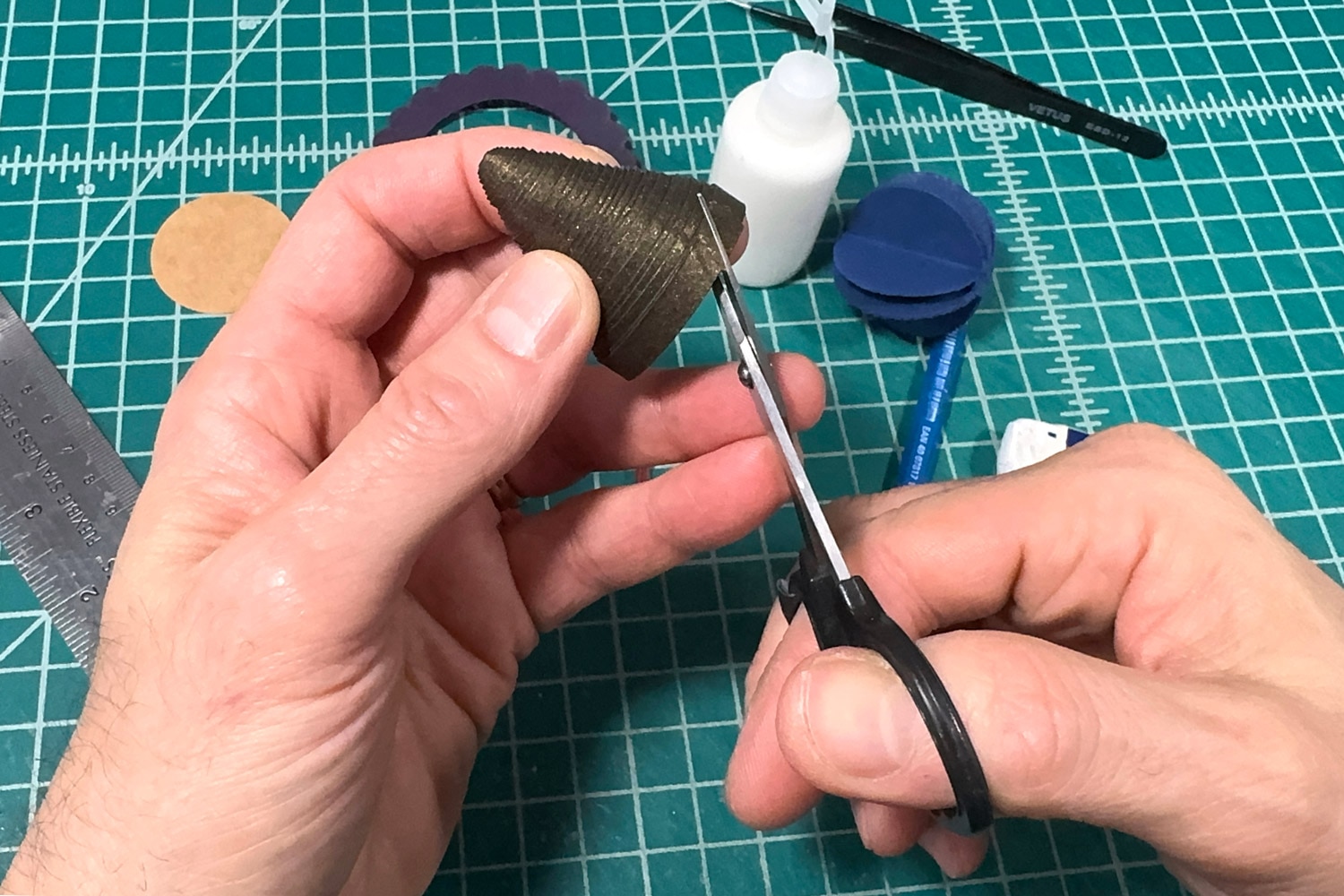
In my early works, I resisted the use of certain tools, such as paper punches, preferring to cut every element by hand. Over time, I discovered items such as the Japanese hole punch, which transformed the look and feel of my work. Ultimately, I have embraced tools that make the work appear more precise. It is all part of the evolution of the process.
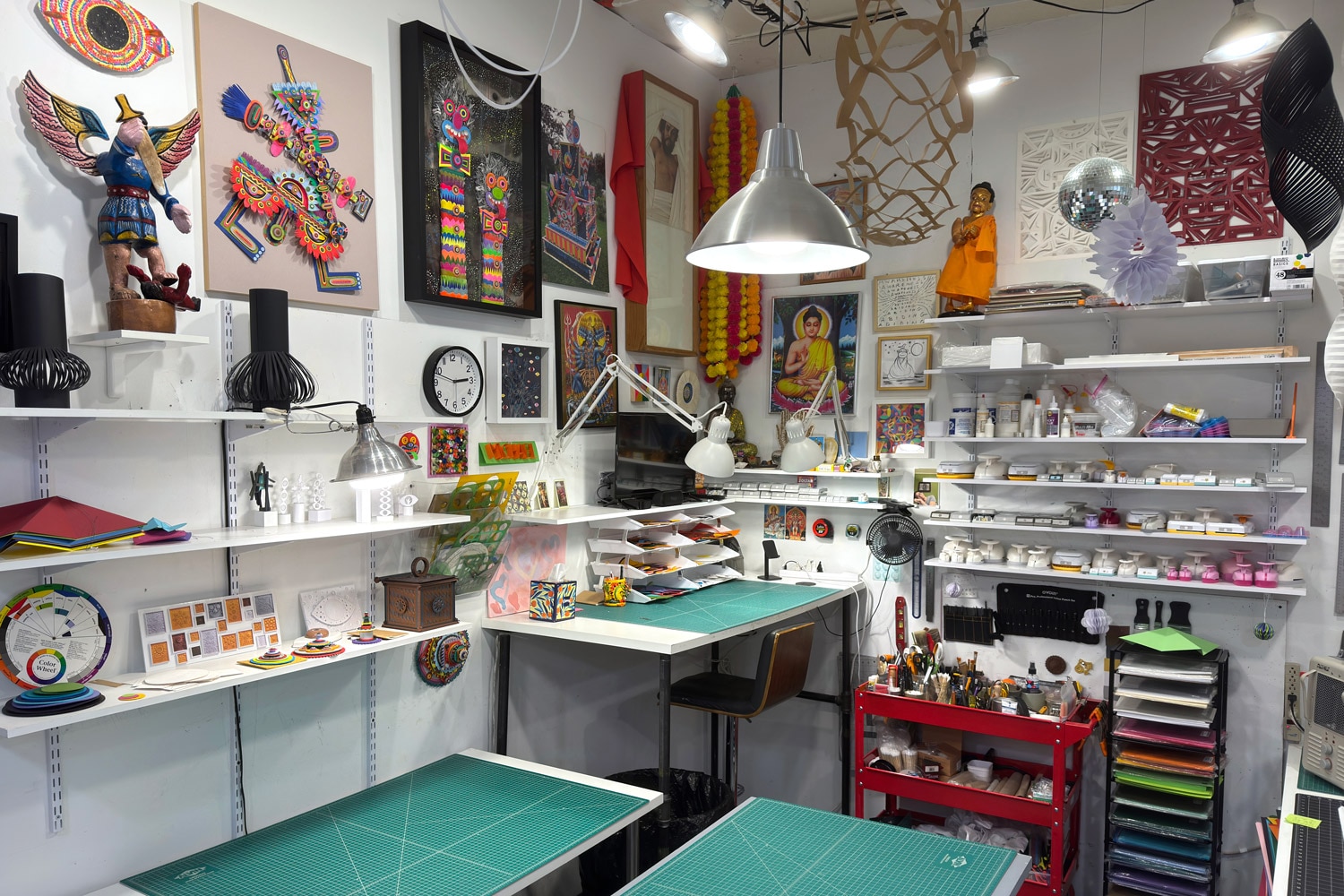
I find that new work is inspired by the work that precedes it. I also draw from many spheres of influence, including speculative and imaginary architecture, Modernist sculpture, paper art traditions, Art Brut, as well as in the intersection of art and spirituality.
Michael Velliquette
Paper cutter
Madison, WI, USA
Recommended by Jean Blanchaert & Irina Focsaneanu Eschenazi
AVAILABILITY
By appointment only
LANGUAGES
English
Homo Faber Finds is a new service aiming to inspire admirers of craft to connect and collaborate with exceptional artisans.
We invite you to submit an enquiry here.

DSC02402_©Meg-Lovell.jpg)
DSC01379_©Meg-Lovell.jpg)
DSC01458_©Meg-Lovell.jpg)