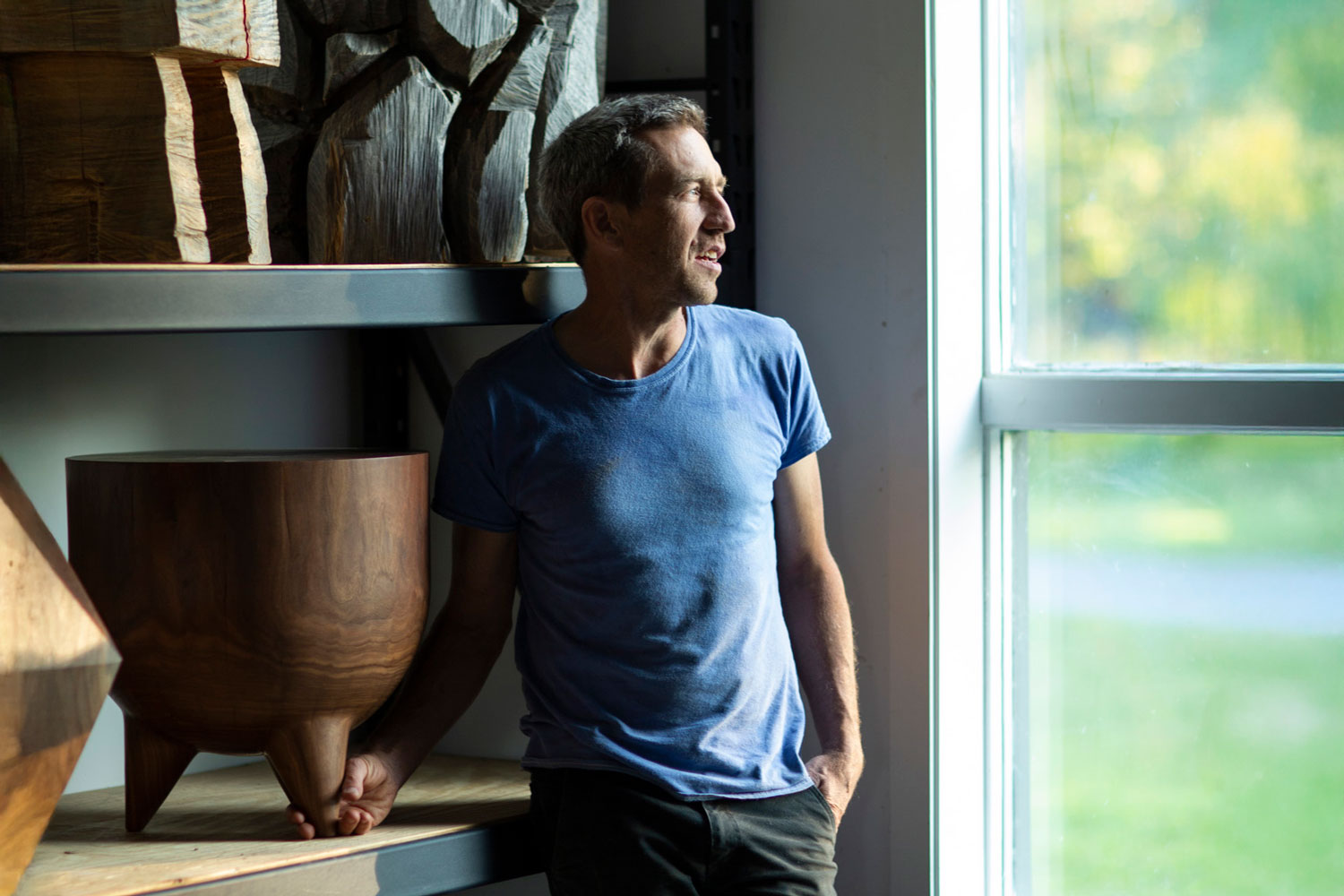
Jaydan Moore
Metal sculptor
Madison, WI, USA
Meaning, metal and memory
- Jaydan works with found silver-plated objects
- His creative path began with his family’s tombstone-making business
- In his hands, silver platters become a meditation on changing times
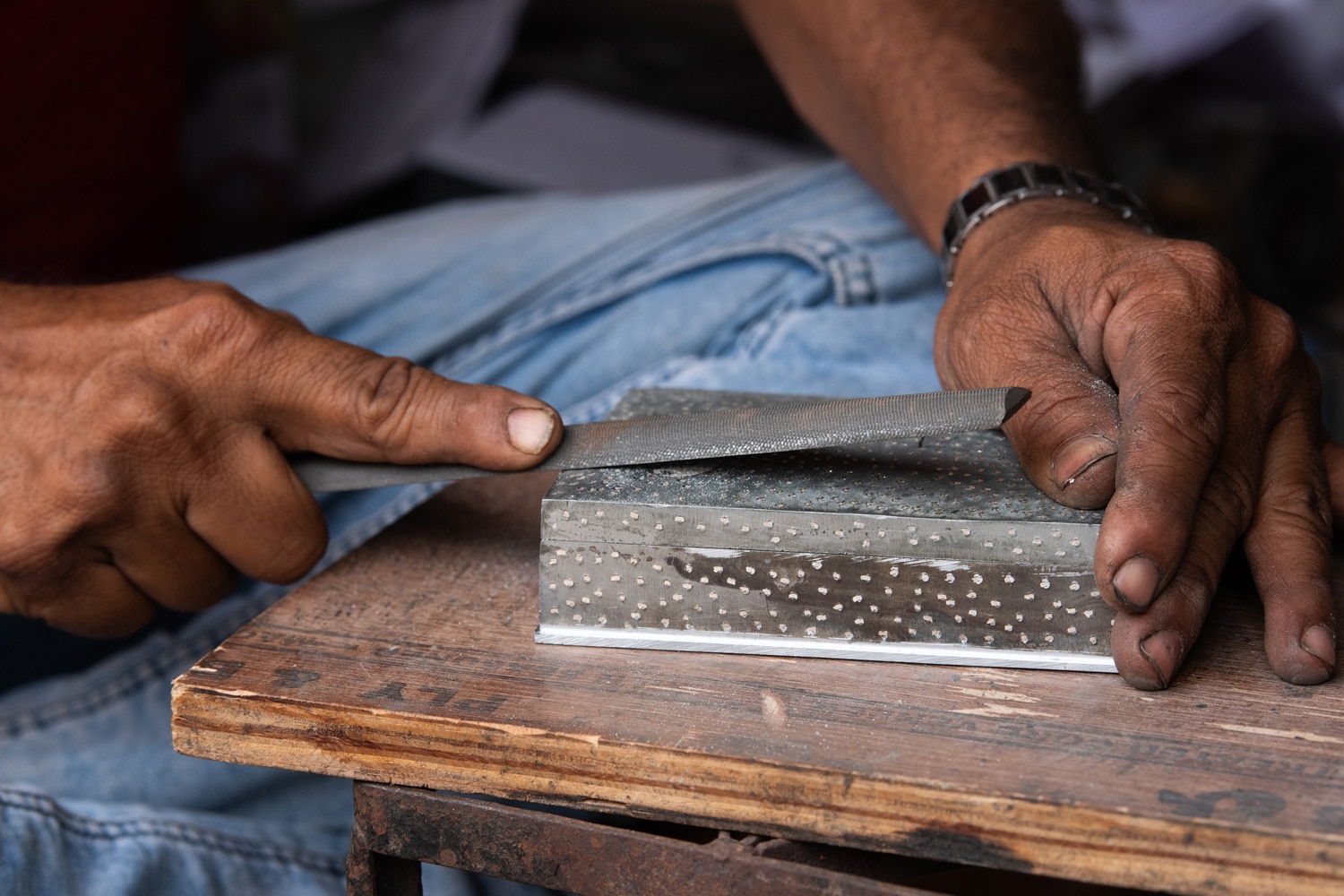
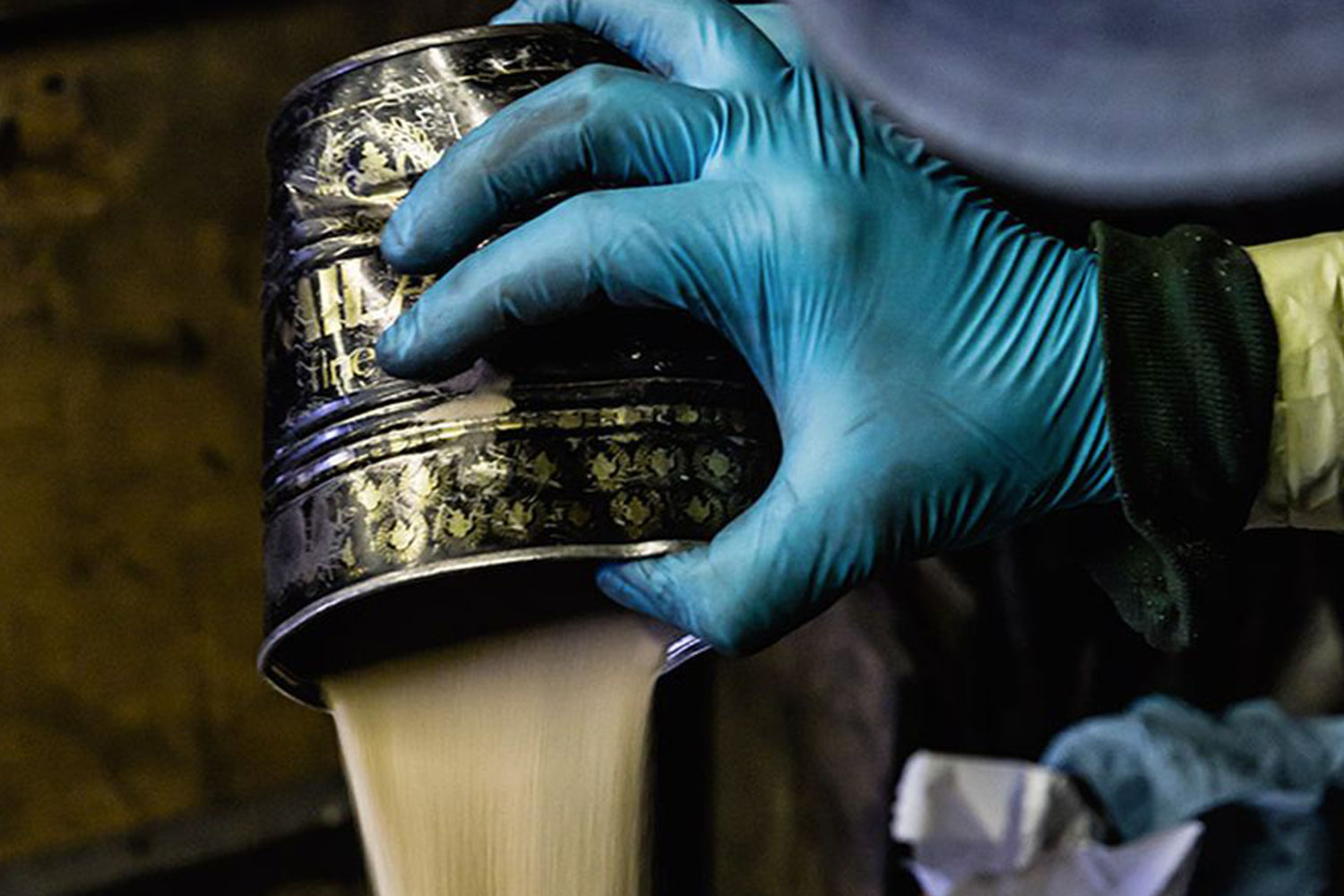
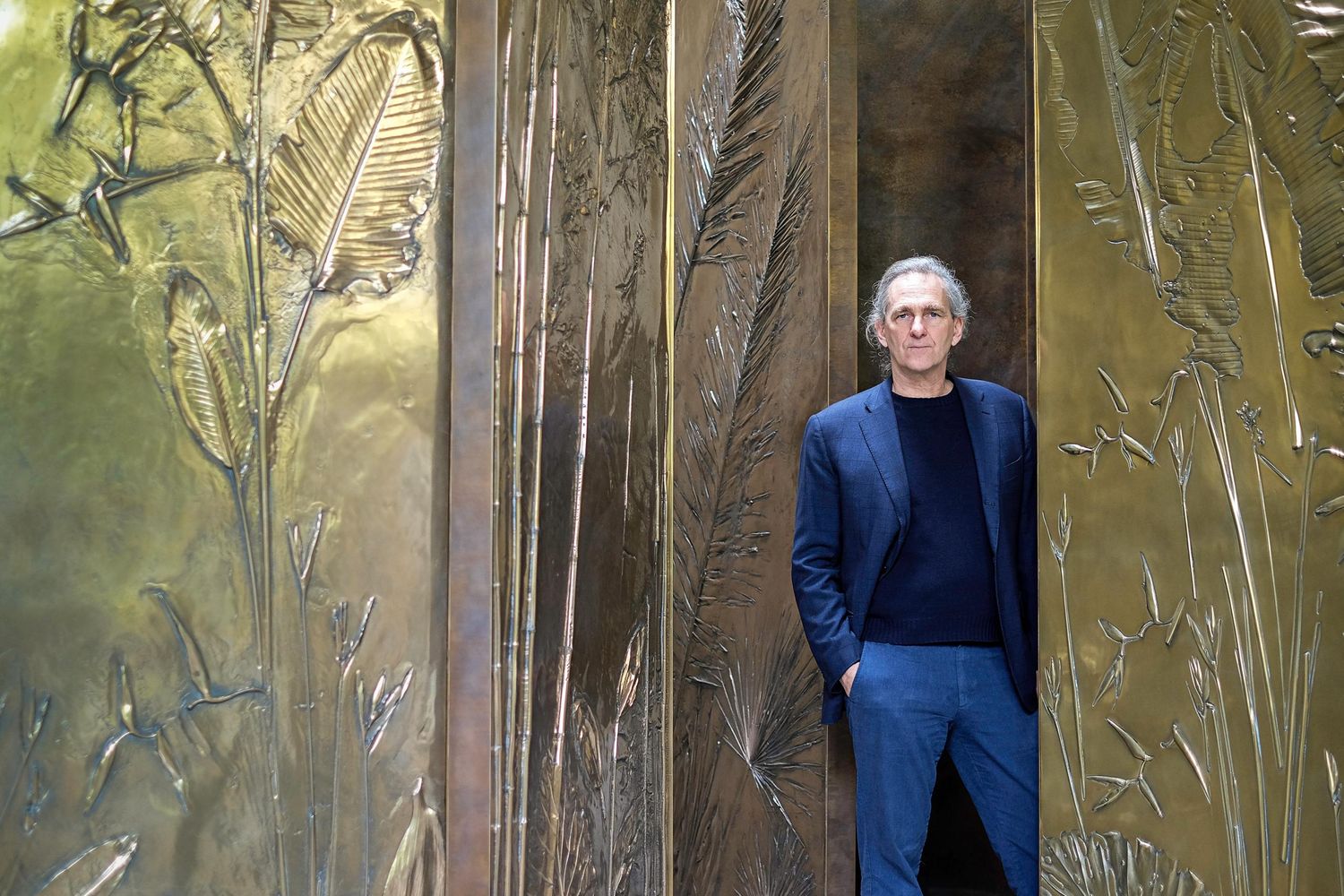
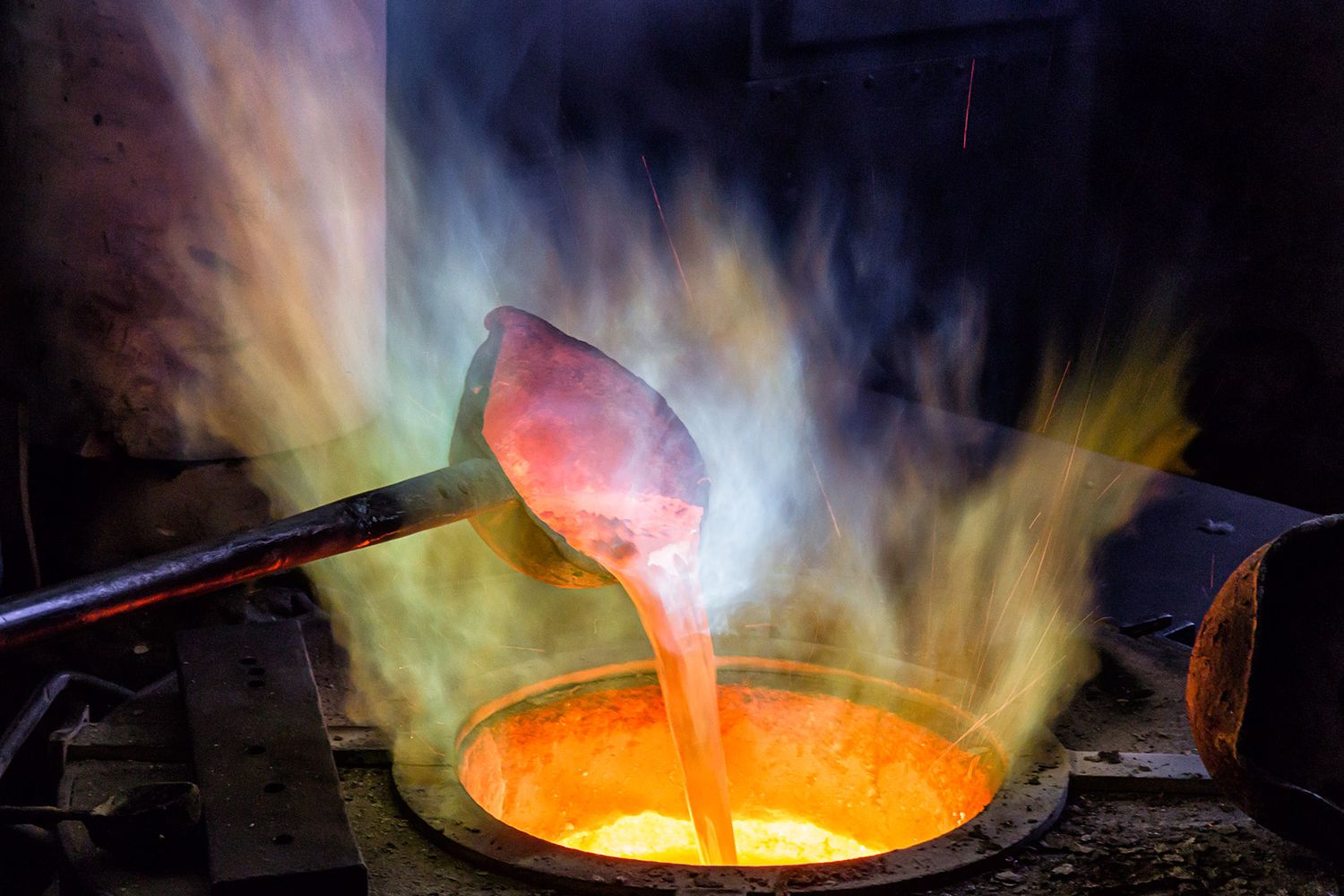
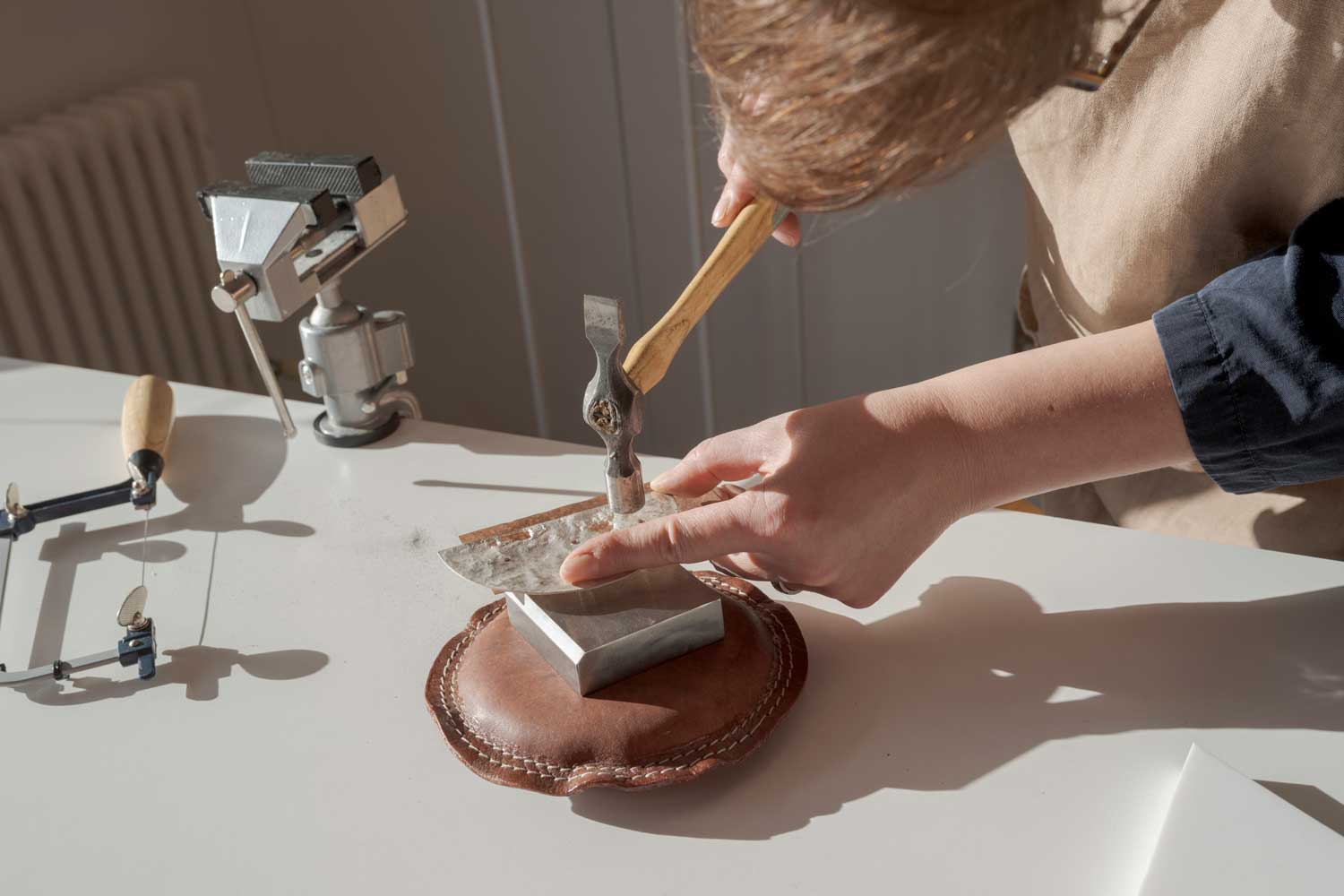
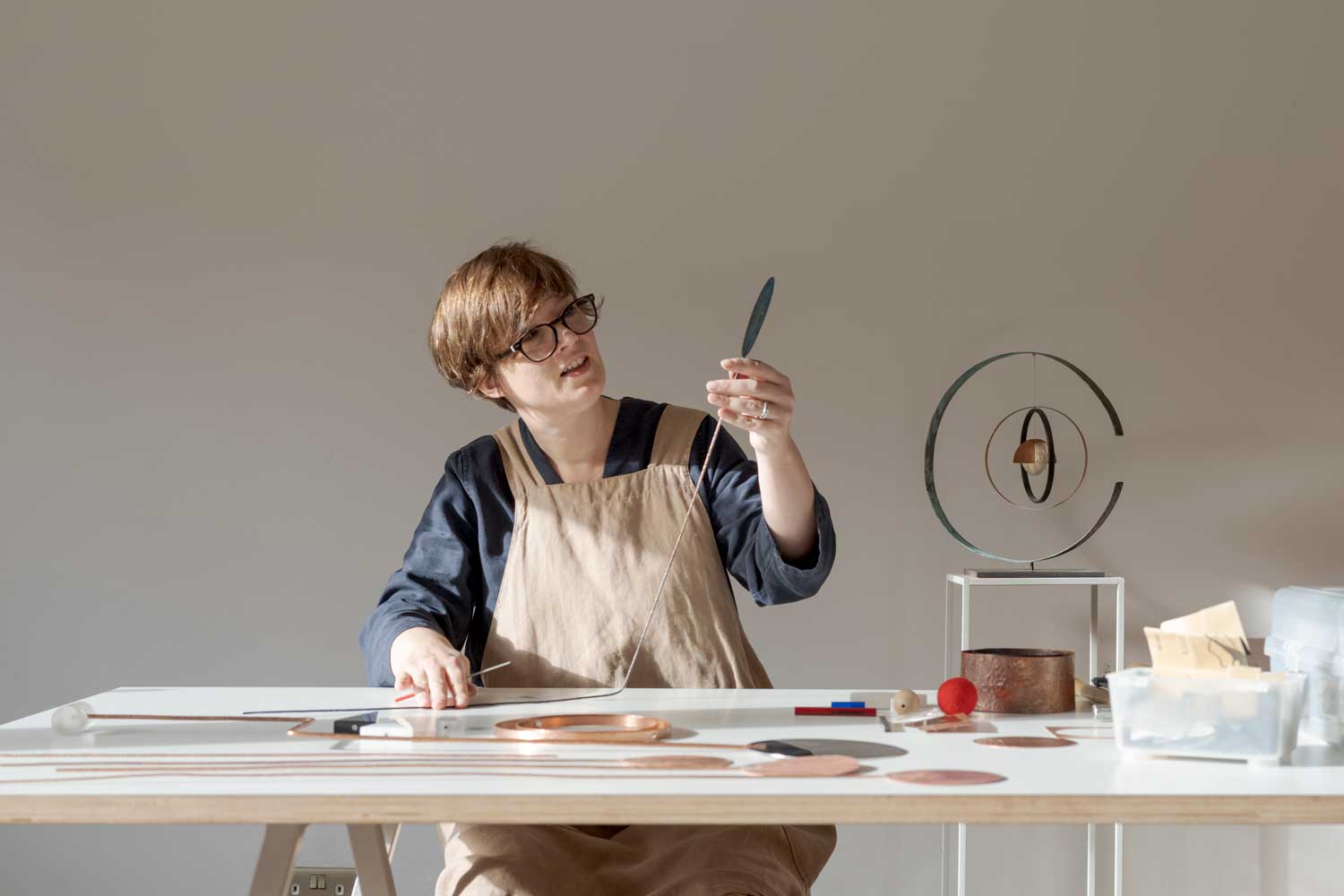
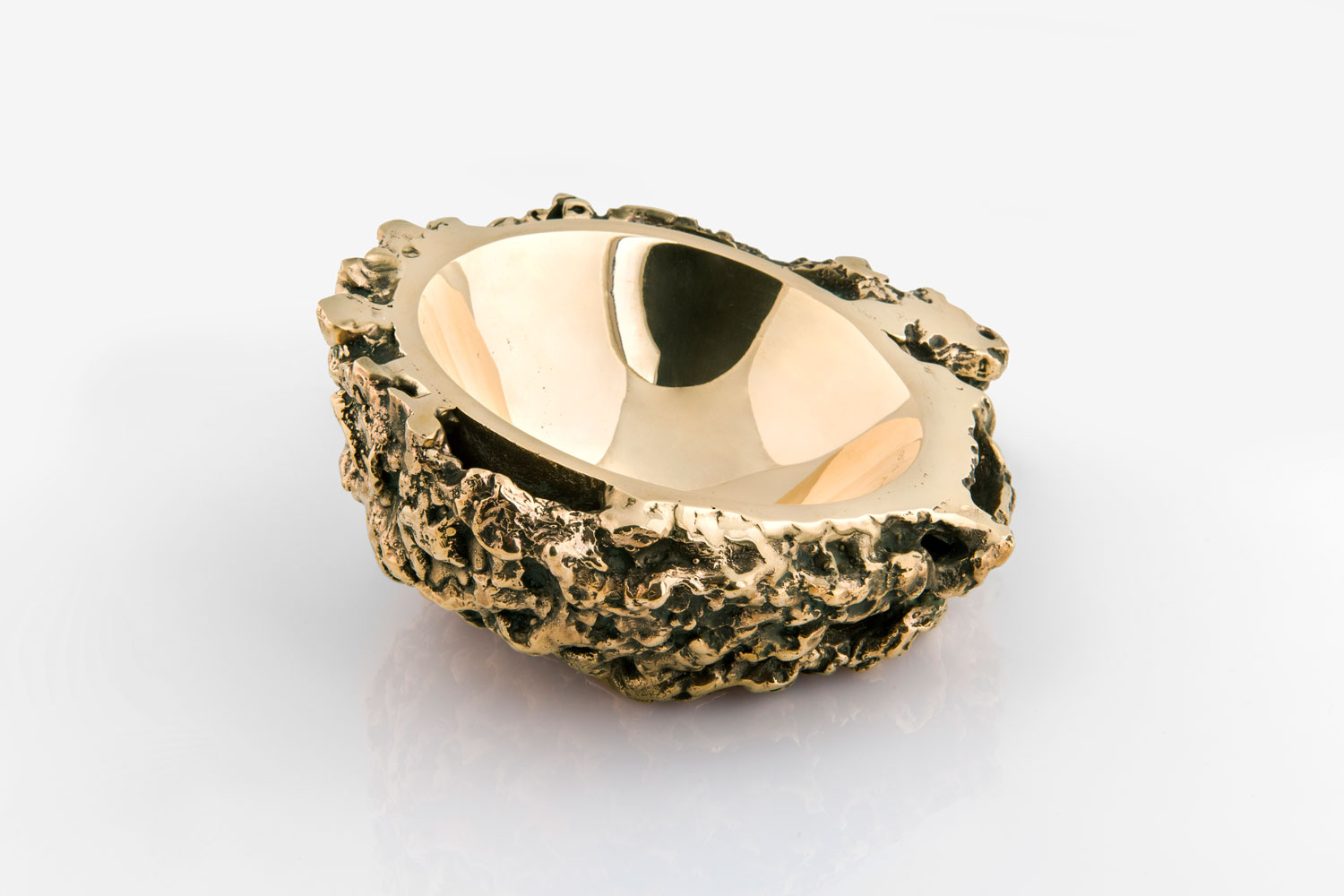
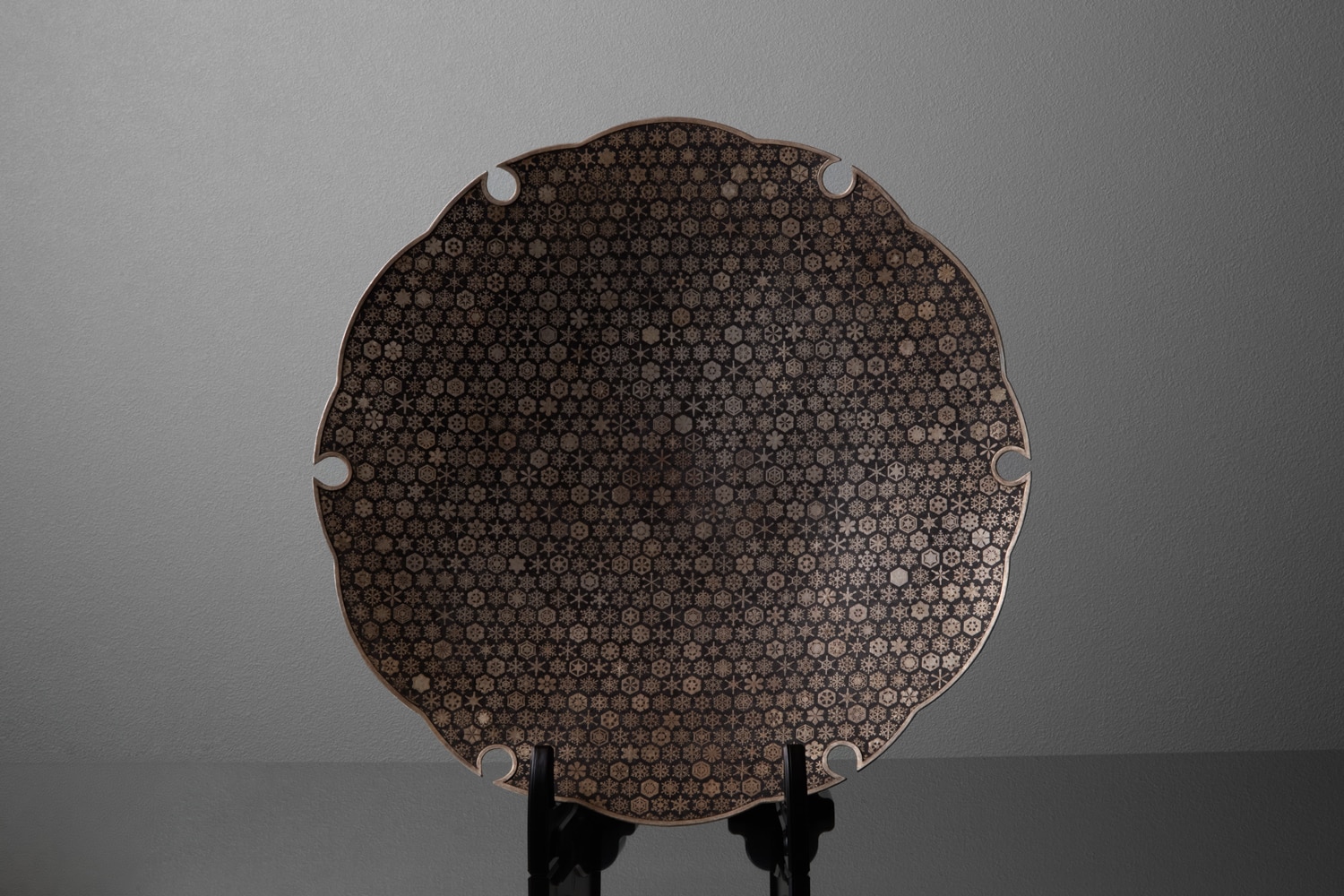
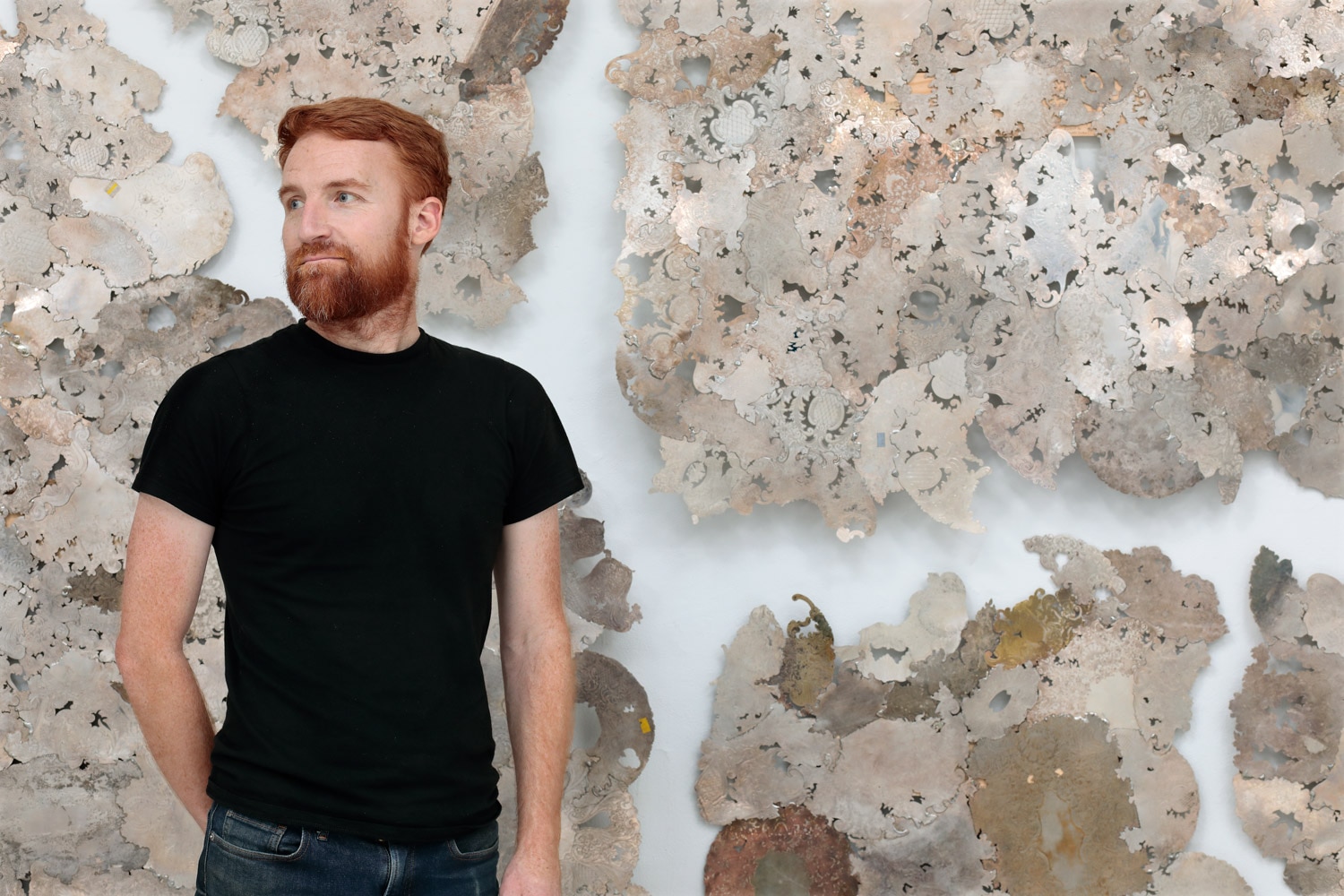
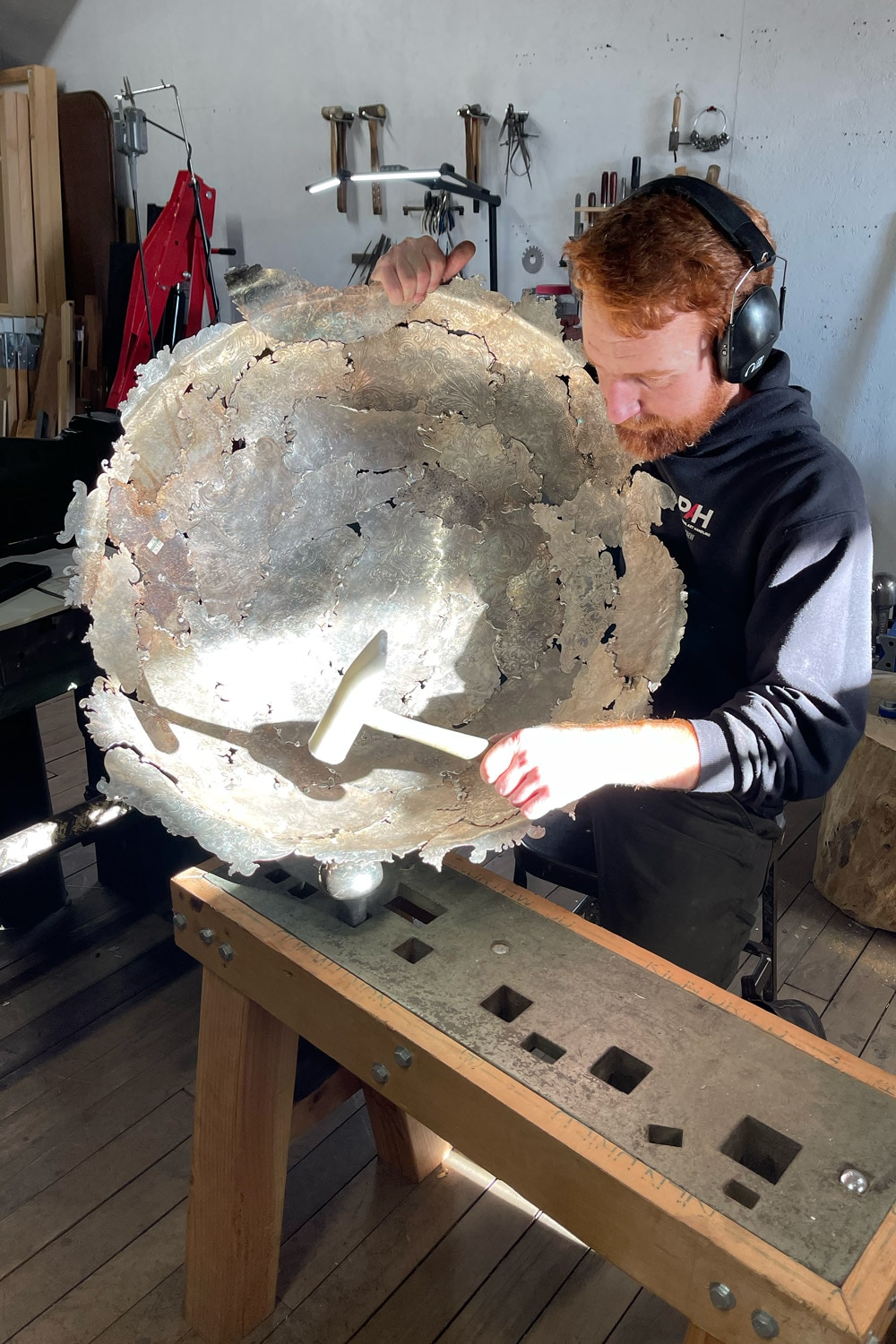
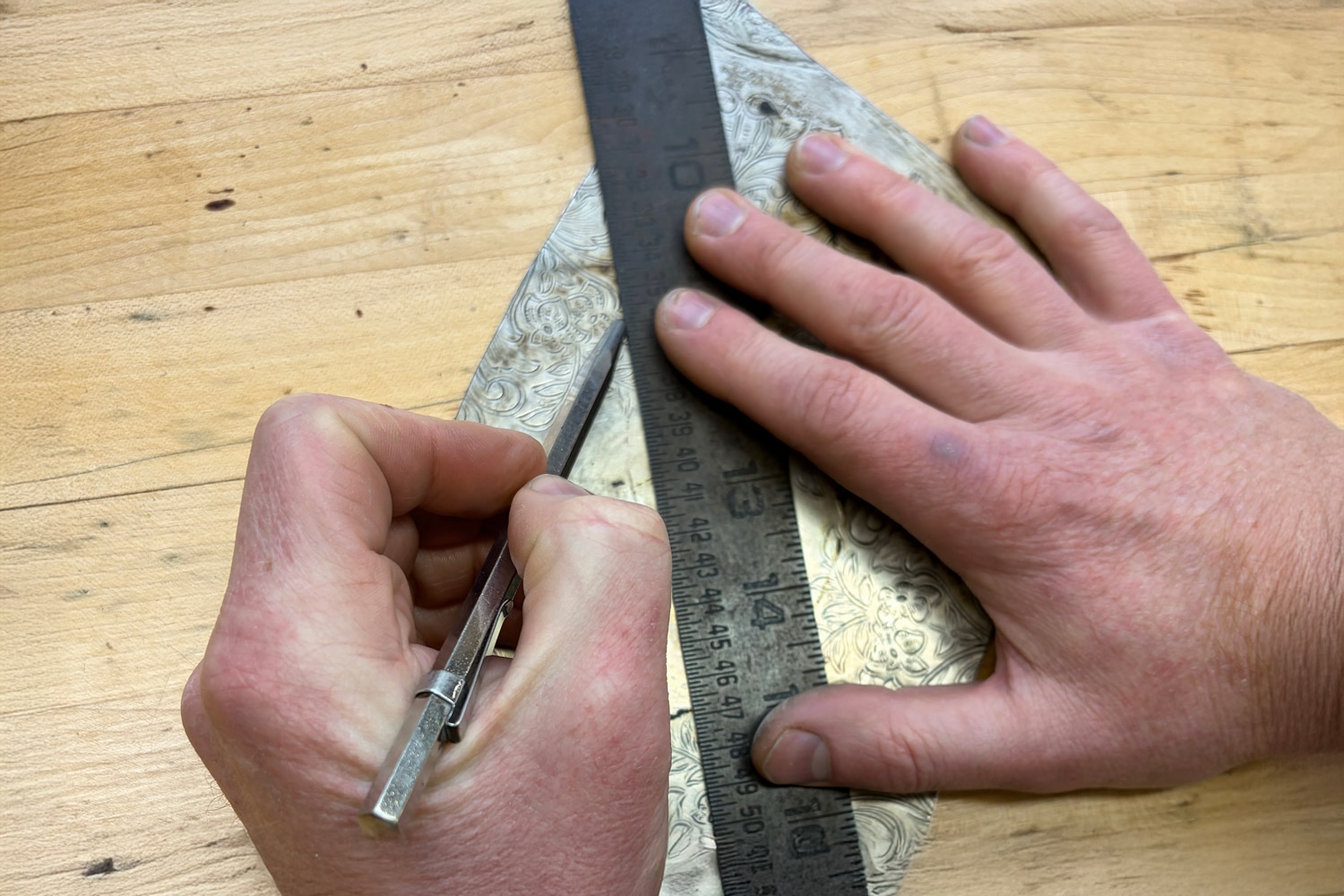
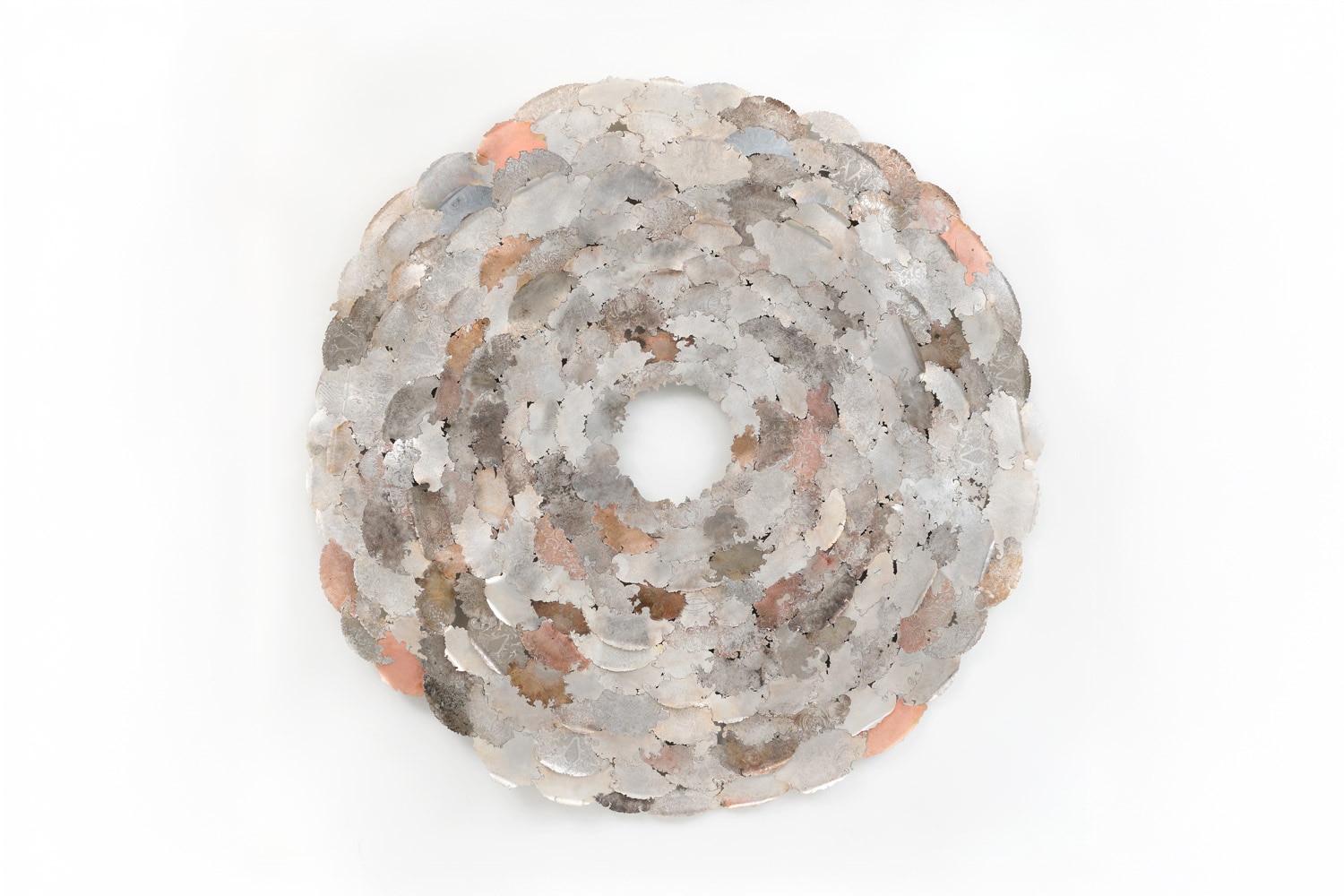
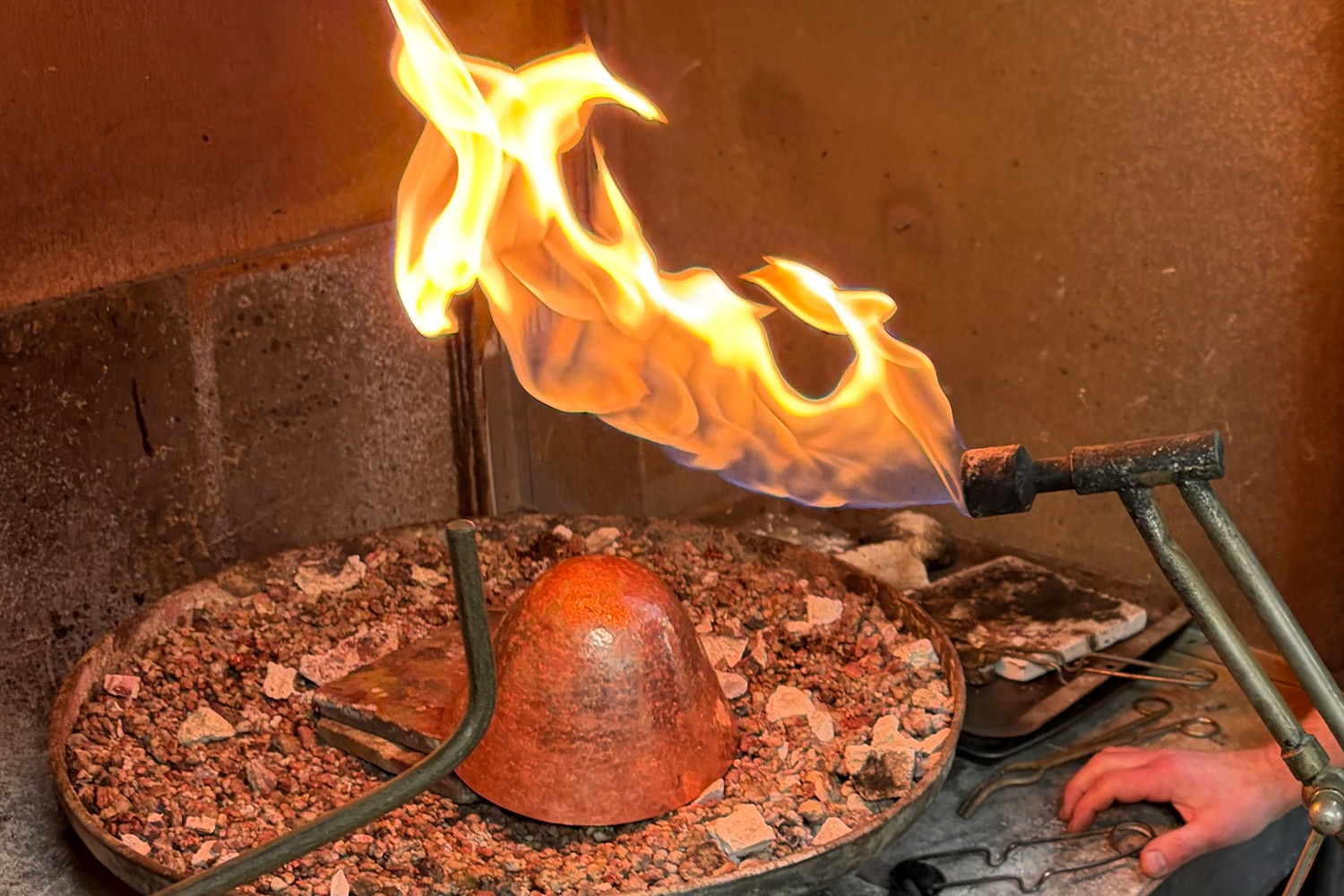
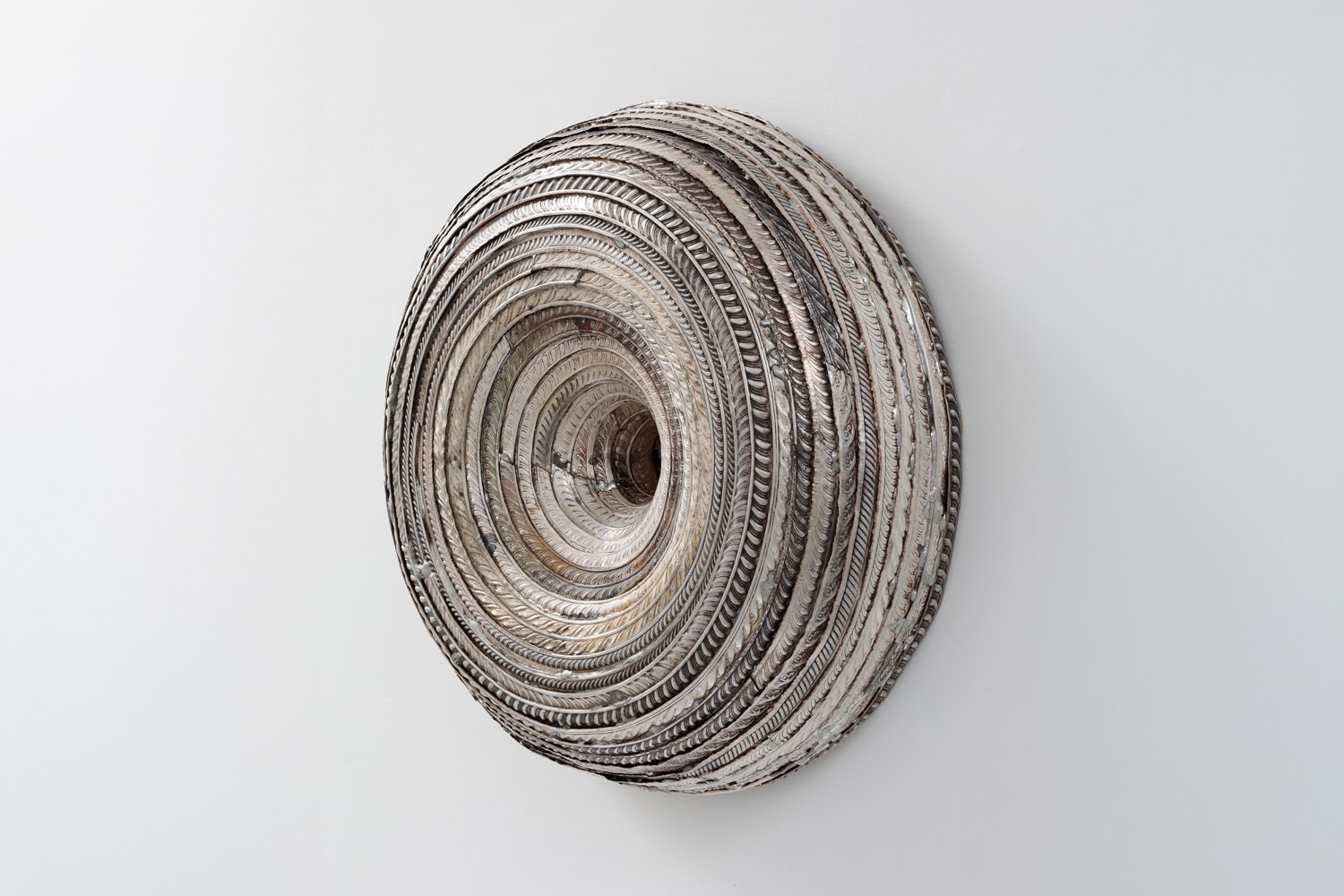
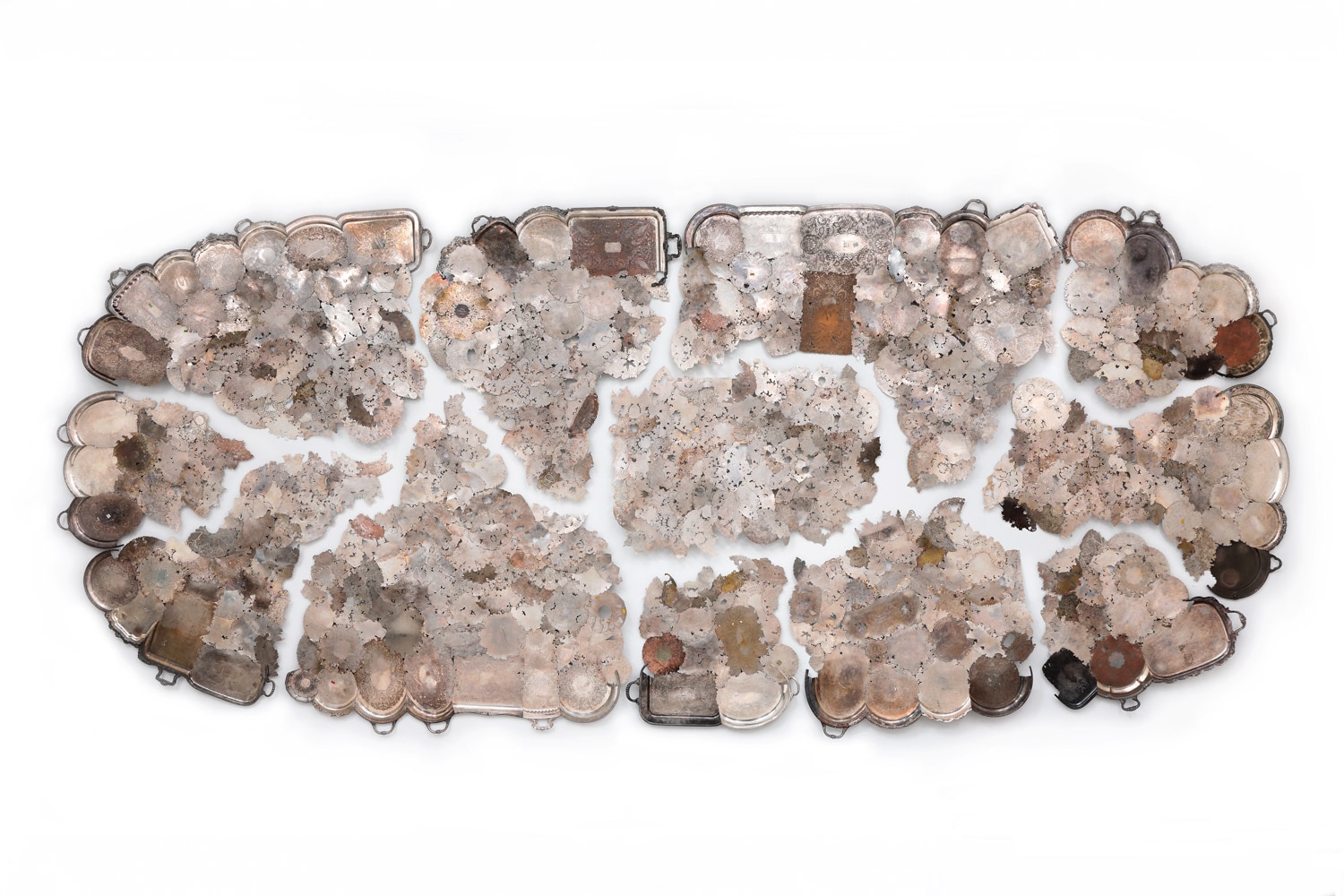
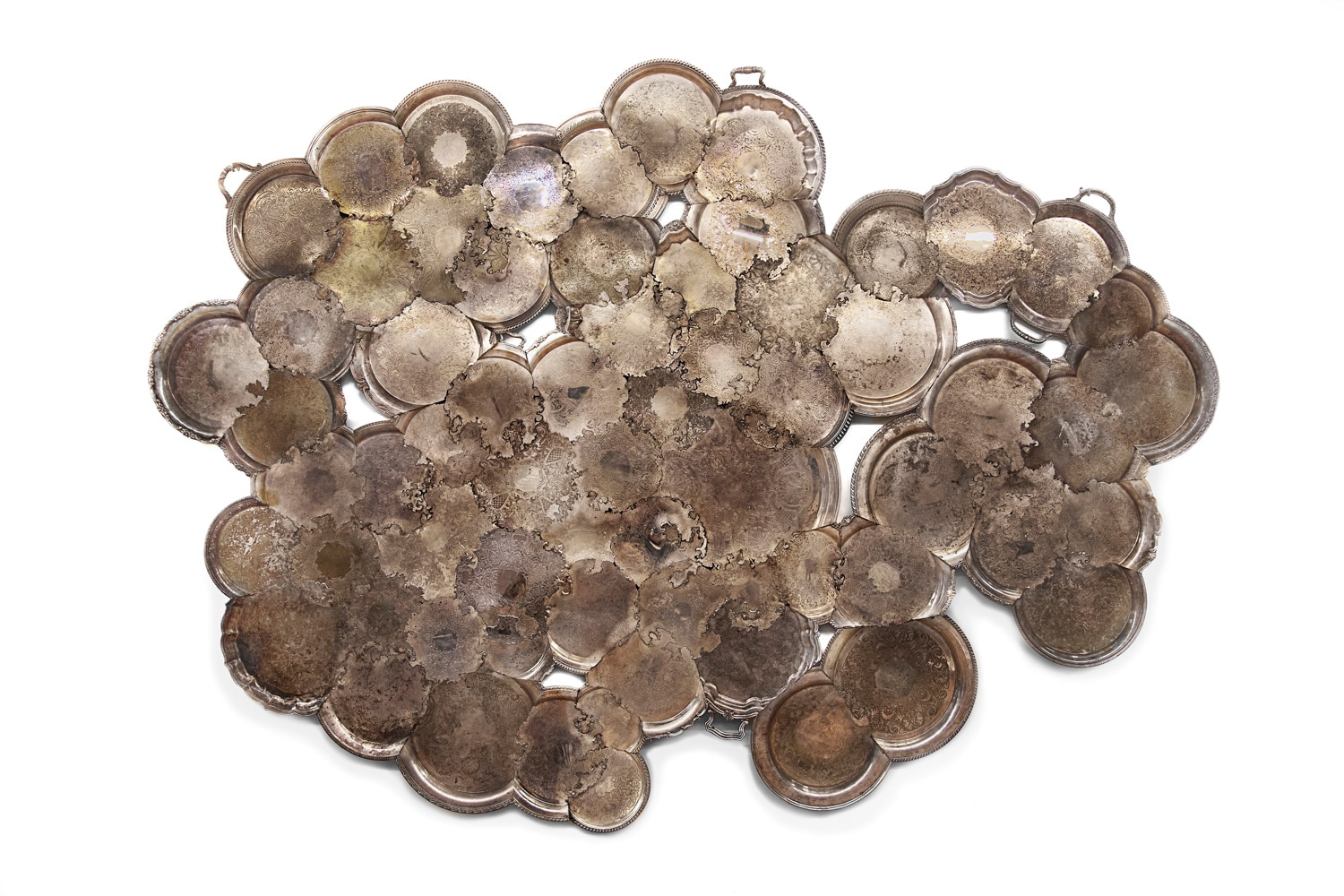
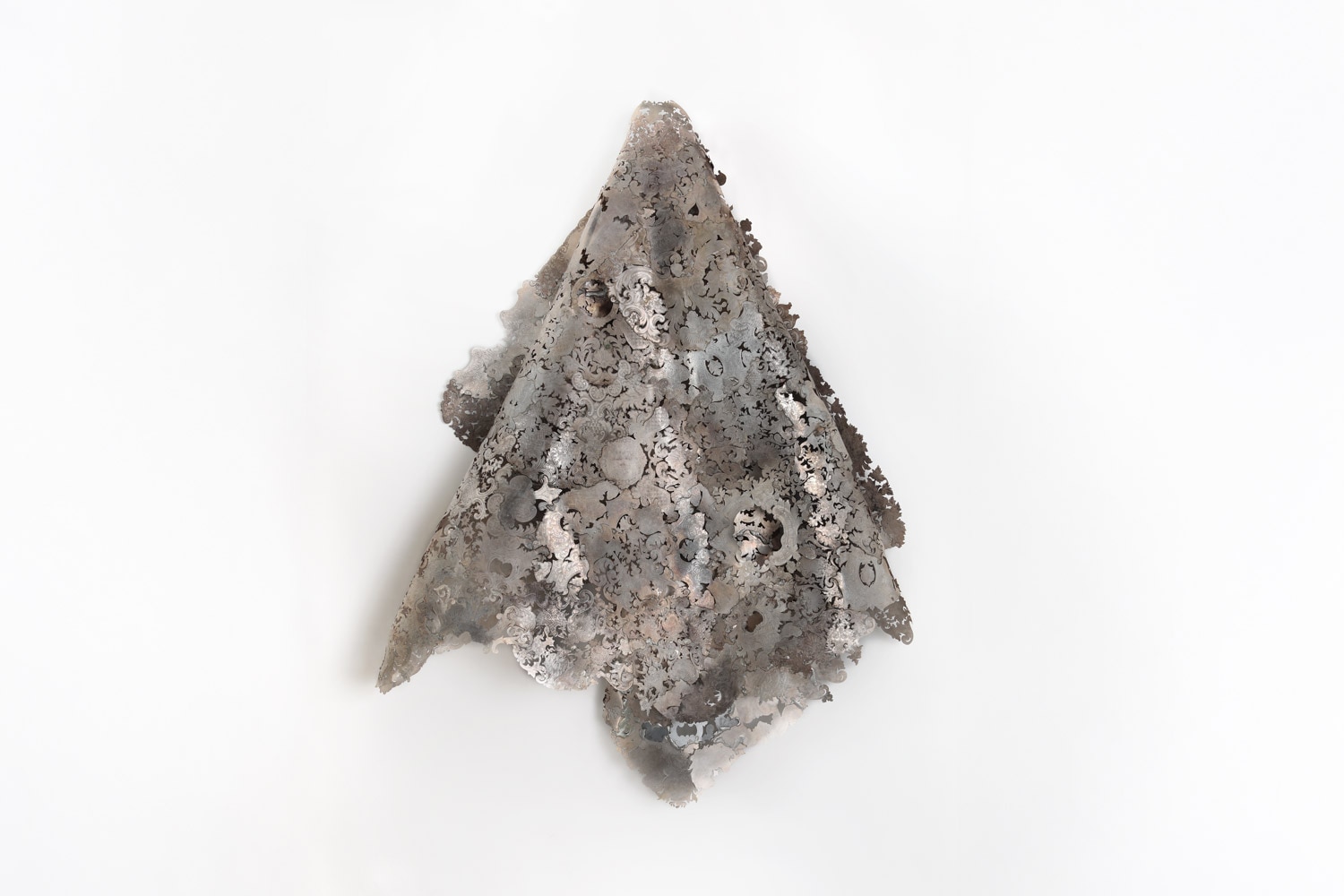
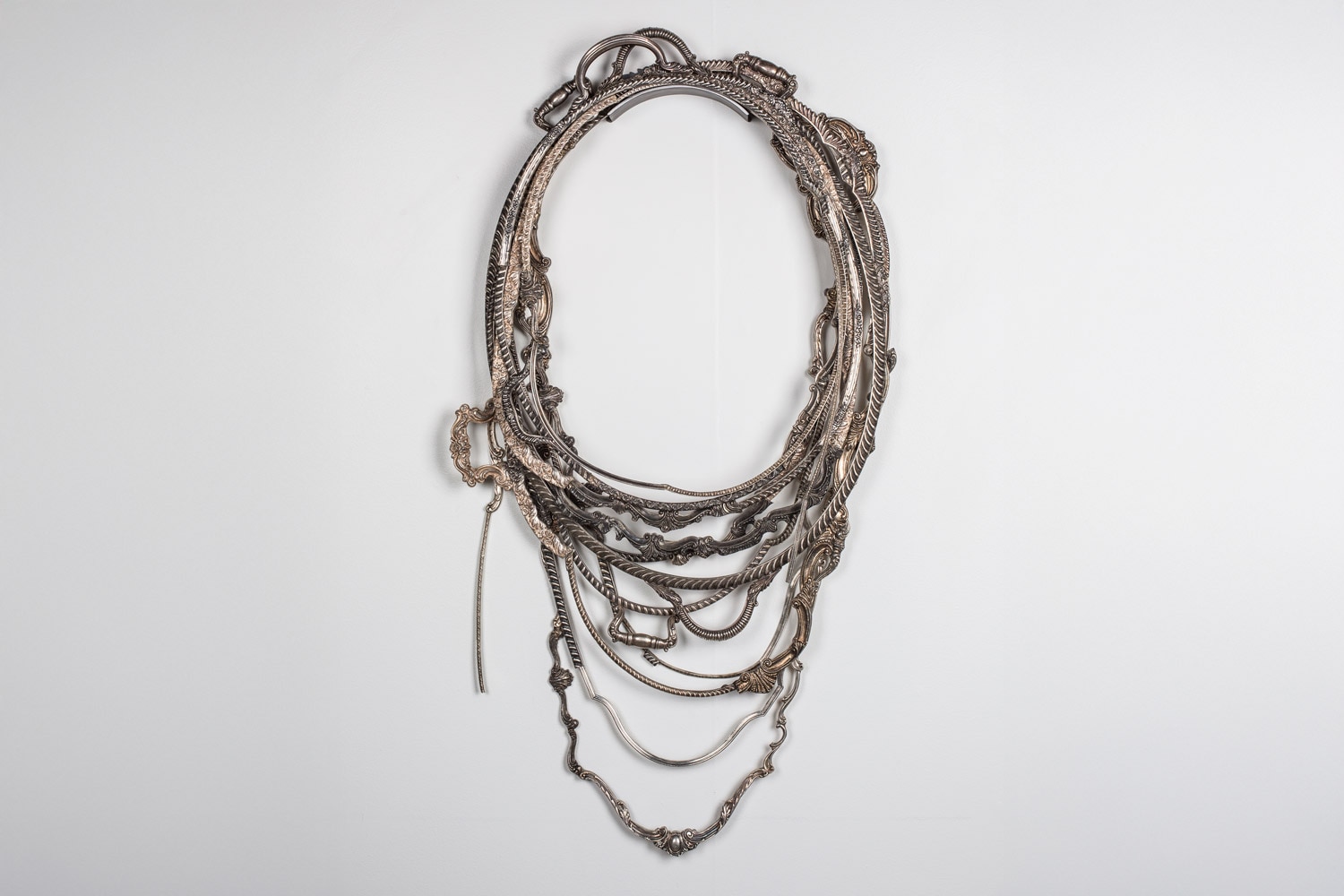
Jaydan Moore deconstructs found and donated silver platters and other objects, and refashions them into monumental works of art. His sculptural work with silver-plated objects invites viewers to consider what is valuable and who gets to decide. Most of Jaydan’s materials may originally have been gifts to mark special occasions or heirlooms carefully preserved and handed down. “They were vessels of memory, cherished by someone at some point. But preciousness is relative, and concepts of value change over time. There is more silver than heirs know what to do with,” he says. While the vogue for these original wares has passed, as part of Jaydan’s process, they become conceptual works of art that remind us of the ebb and flow of value and meaning.
INTERVIEW
I am the fourth-generation of artists in my family’s tombstone business. I spent most of my childhood in a workshop beside a graveyard, watching lives become reduced to a name, birth and death dates, and a simple line of text. It was my first lesson in conceptual art.
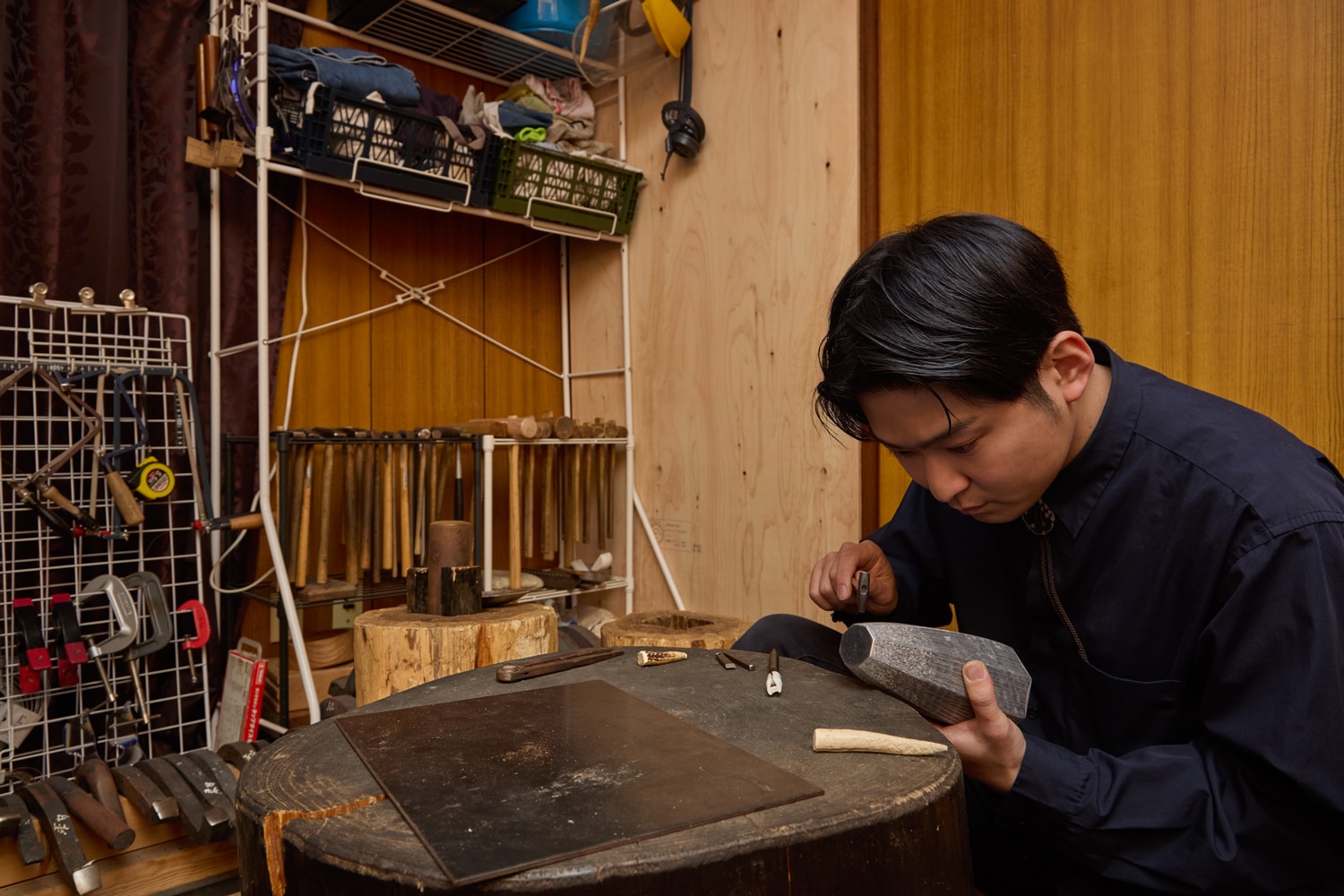
My aunt and uncle were metalsmiths who sparked my love of the craft. They taught at California College of the Arts (CCA), where I later studied. Their creativity and work ethic shaped me. At CCA’s pre-college metals class with my aunt, I built the foundation that led to me becoming the metalsmith I am today.
When I find scratched and used silver-plated platters in thrift stores, I see more than the tarnished metal surface. I see a symbol of the American dream quietly fading under mass production and shifting values. In early America, owning silver meant being able to afford the work of skilled artisans. By the 1960s, silver platters had diminished in value and were left tucked away and forgotten in attics.
In my current practice, I think about the memory and value of an object, and also how easily meaningful objects can be forgotten. My favourite prints are the ones with silverware scratches. They tell a story of use through generations as people gathered around a table to share a meal.
Jaydan Moore
Metal sculptor
Madison, WI, USA
ADDRESS
Address upon request, Madison, WI, USA
AVAILABILITY
By appointment only
LANGUAGES
English
Homo Faber Finds is a new service aiming to inspire admirers of craft to connect and collaborate with exceptional artisans.
We invite you to submit an enquiry here.