MJ Tyson
Metal sculptor
Morristown, NJ, USA
Recasting, repurposing and remembering
- MJ’s early training was in jewellery and metalsmithing
- She now transforms collections of objects into works of art
- Her moving pieces reference the passing of time and the traces we leave behind
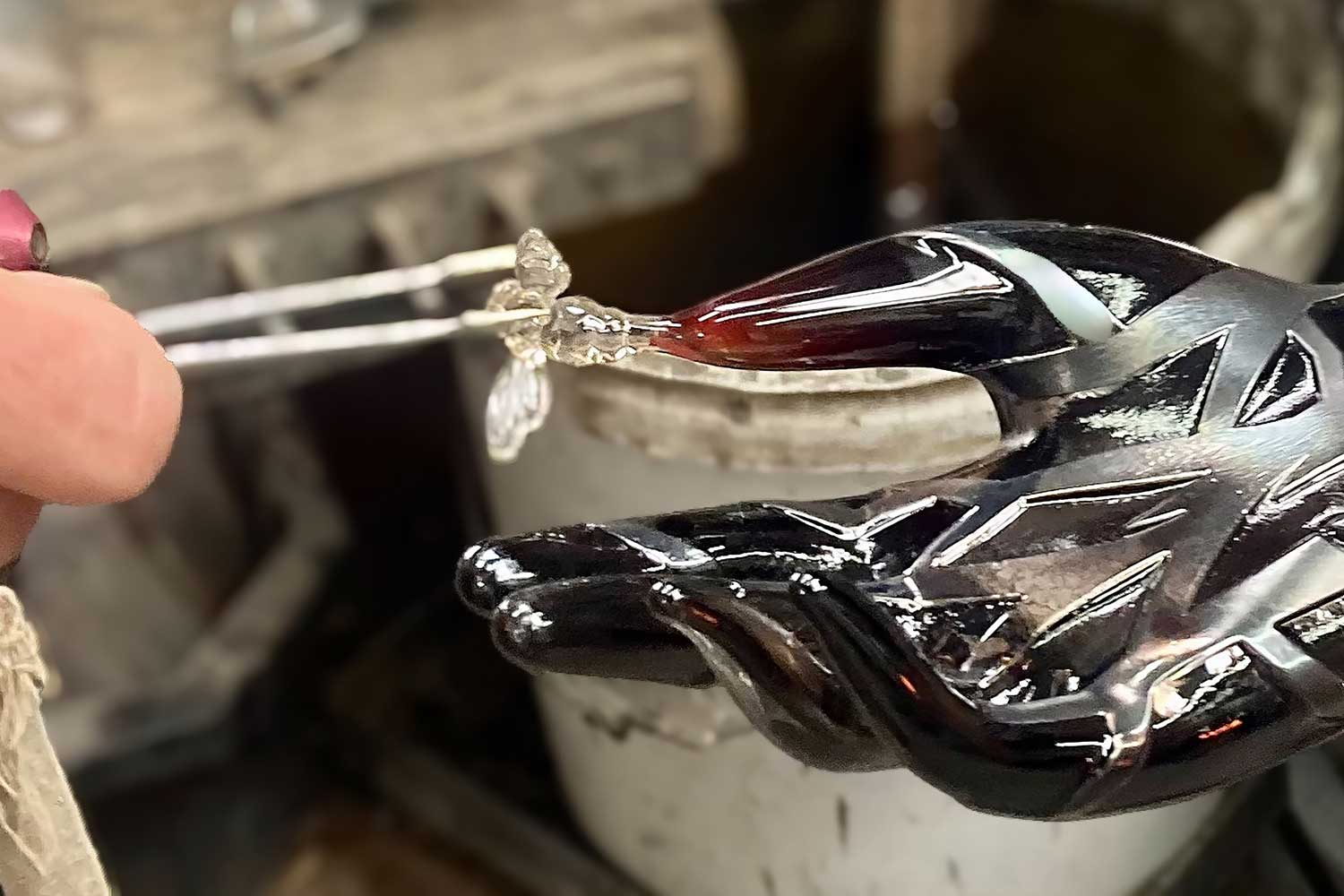
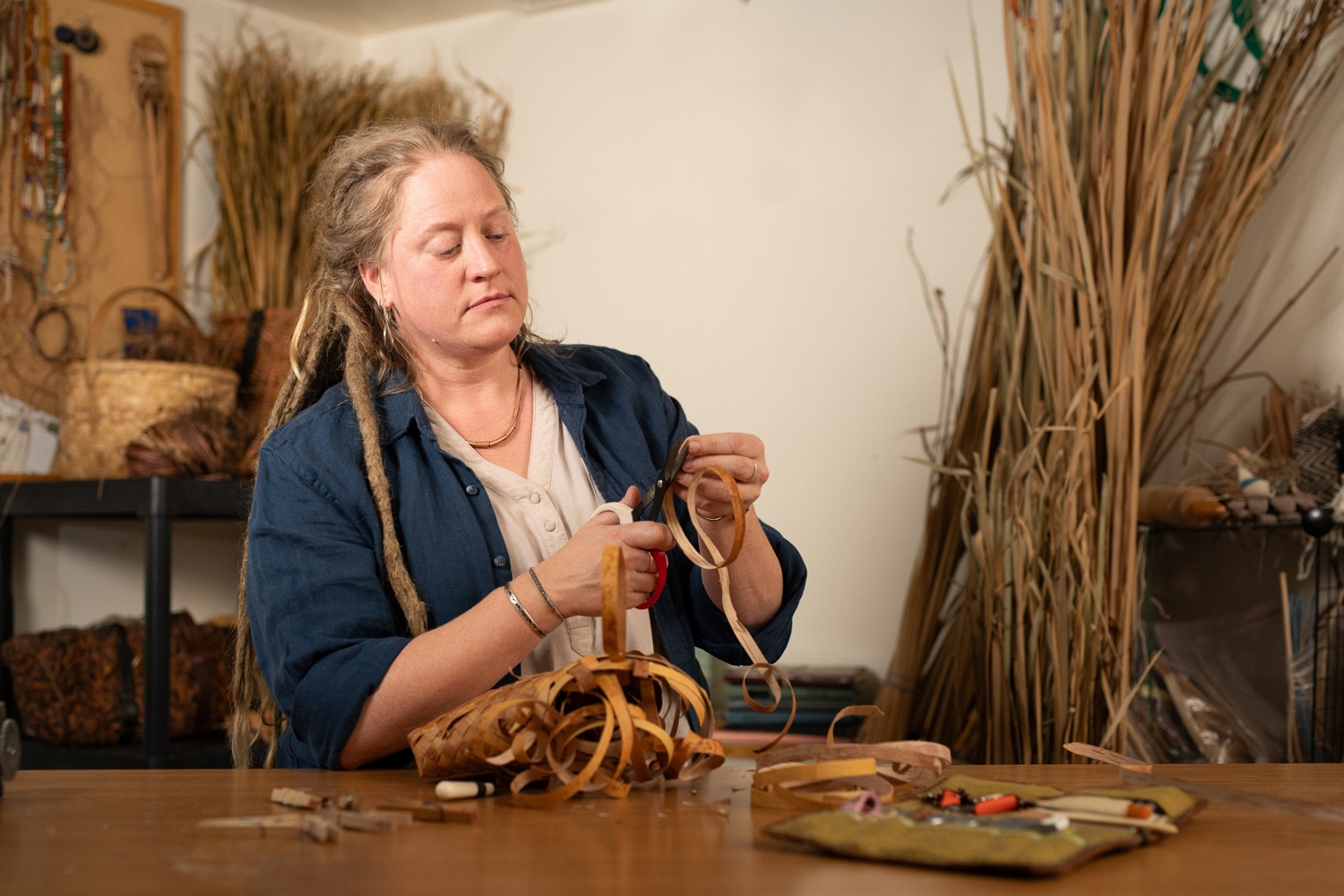
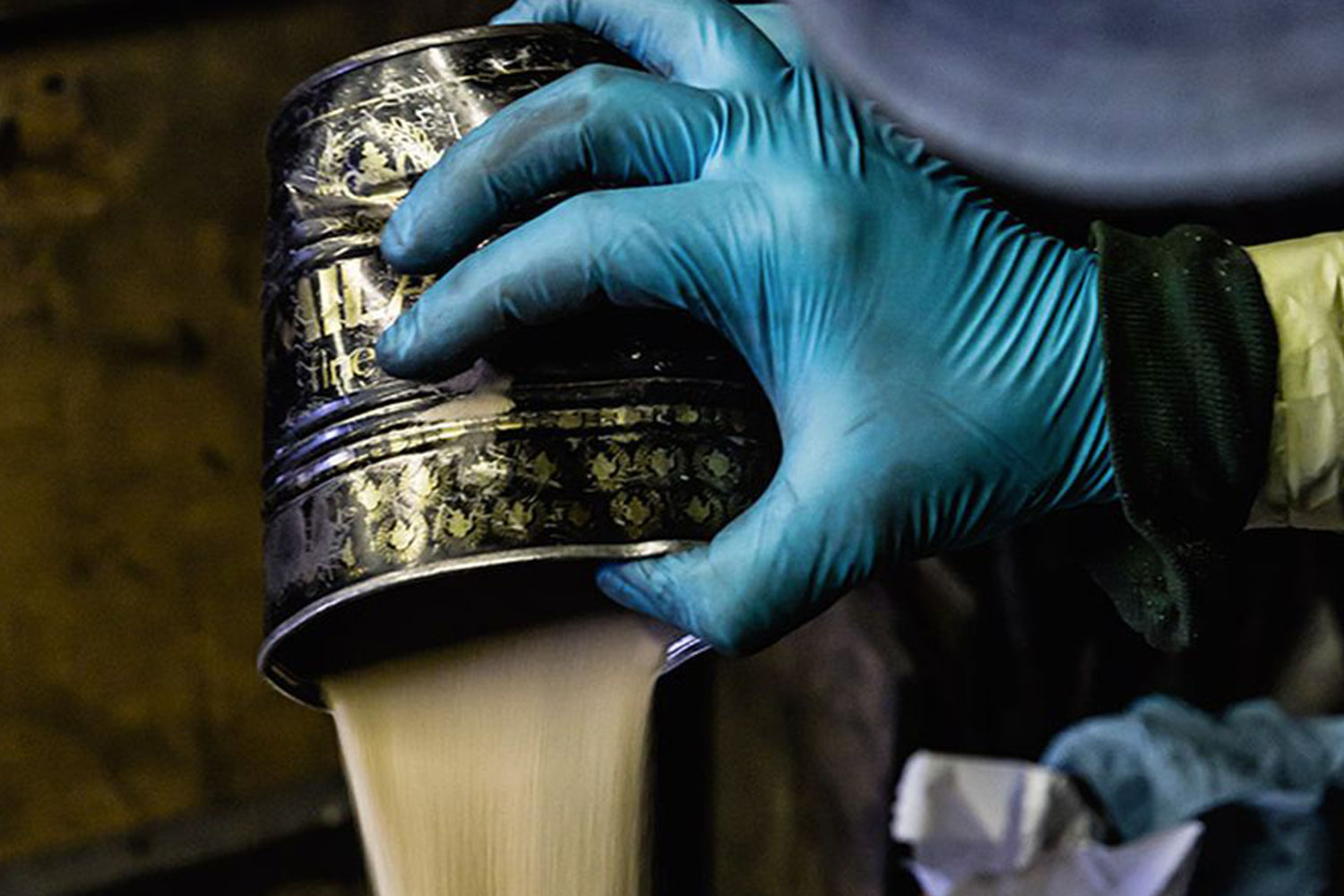
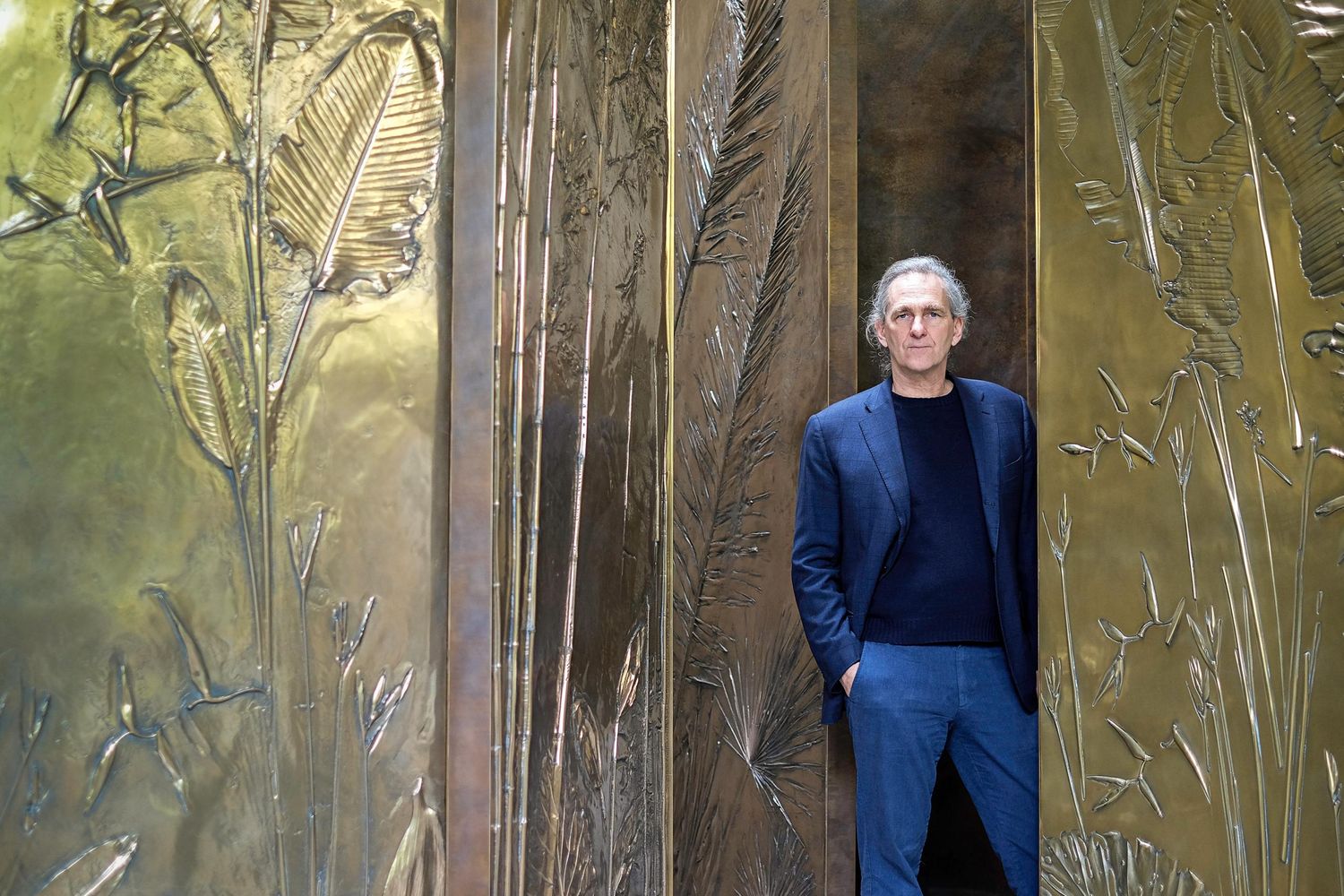
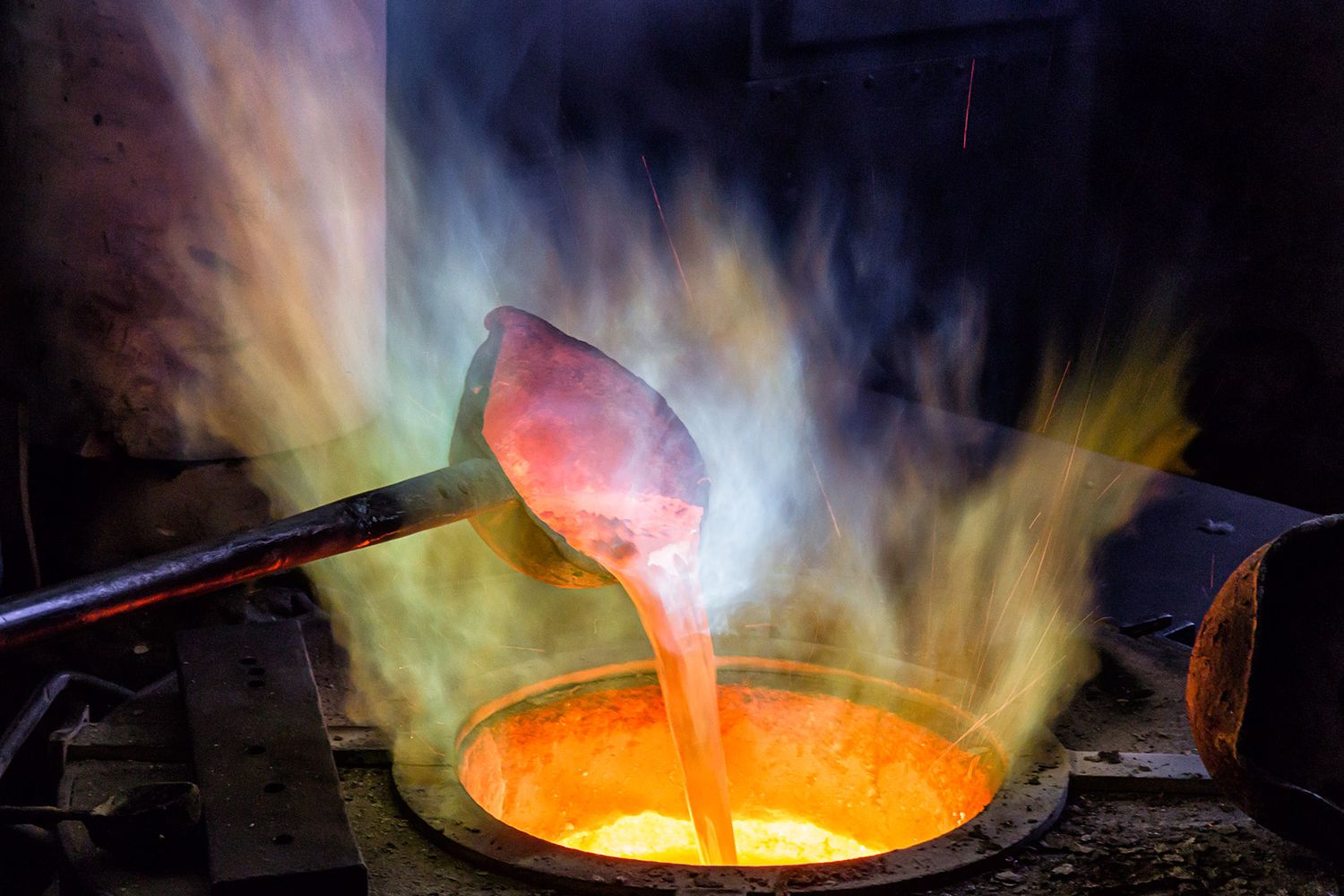
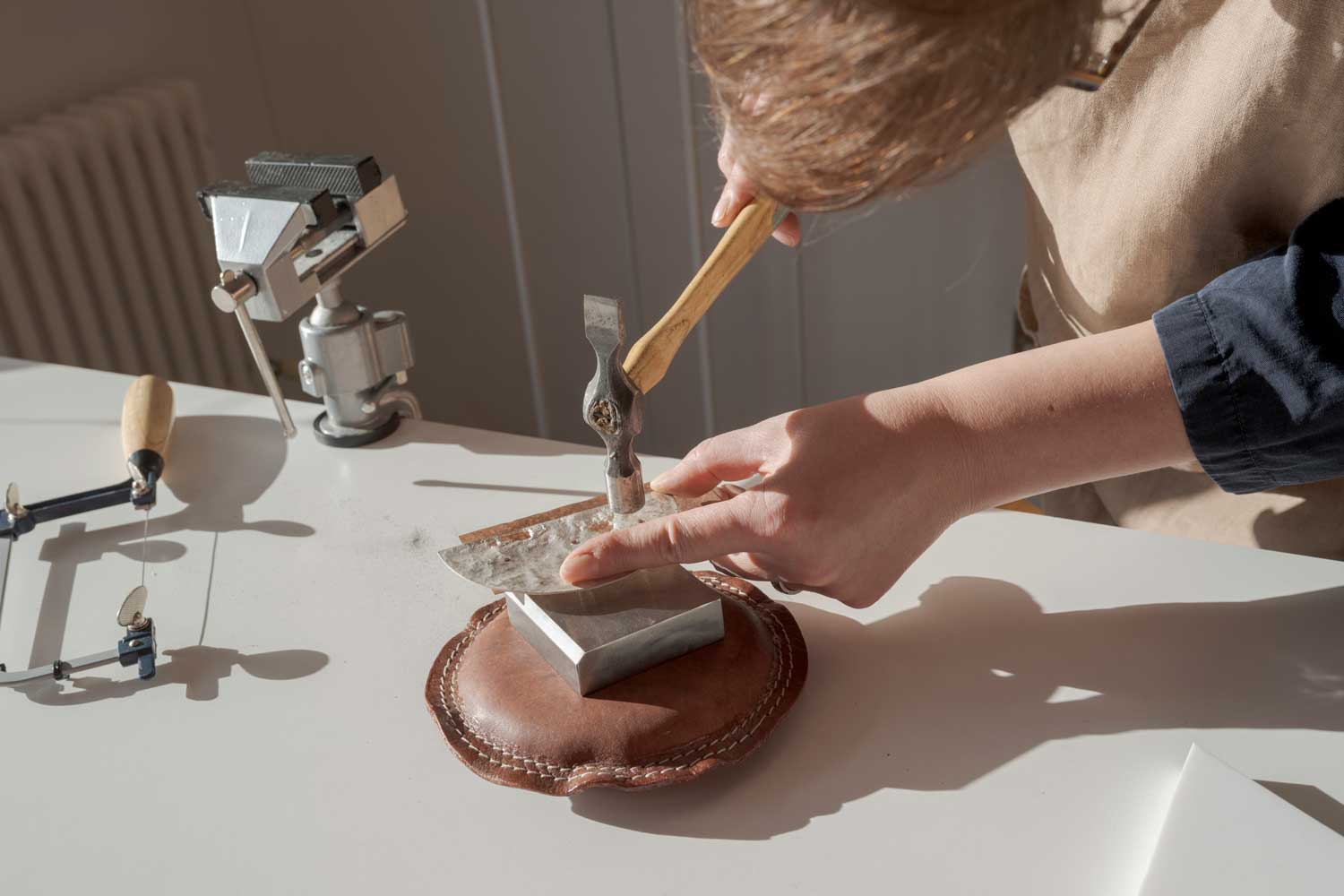
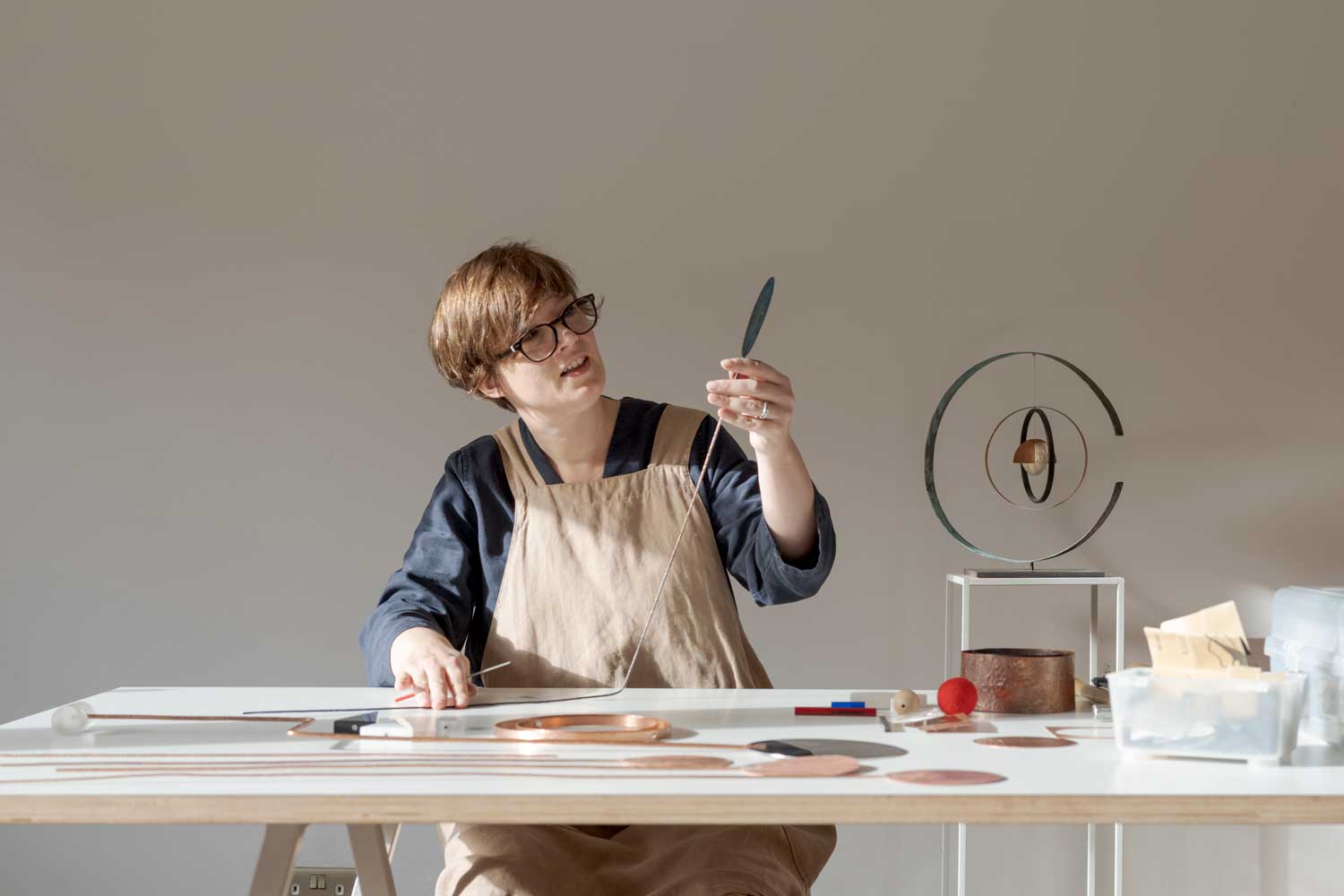
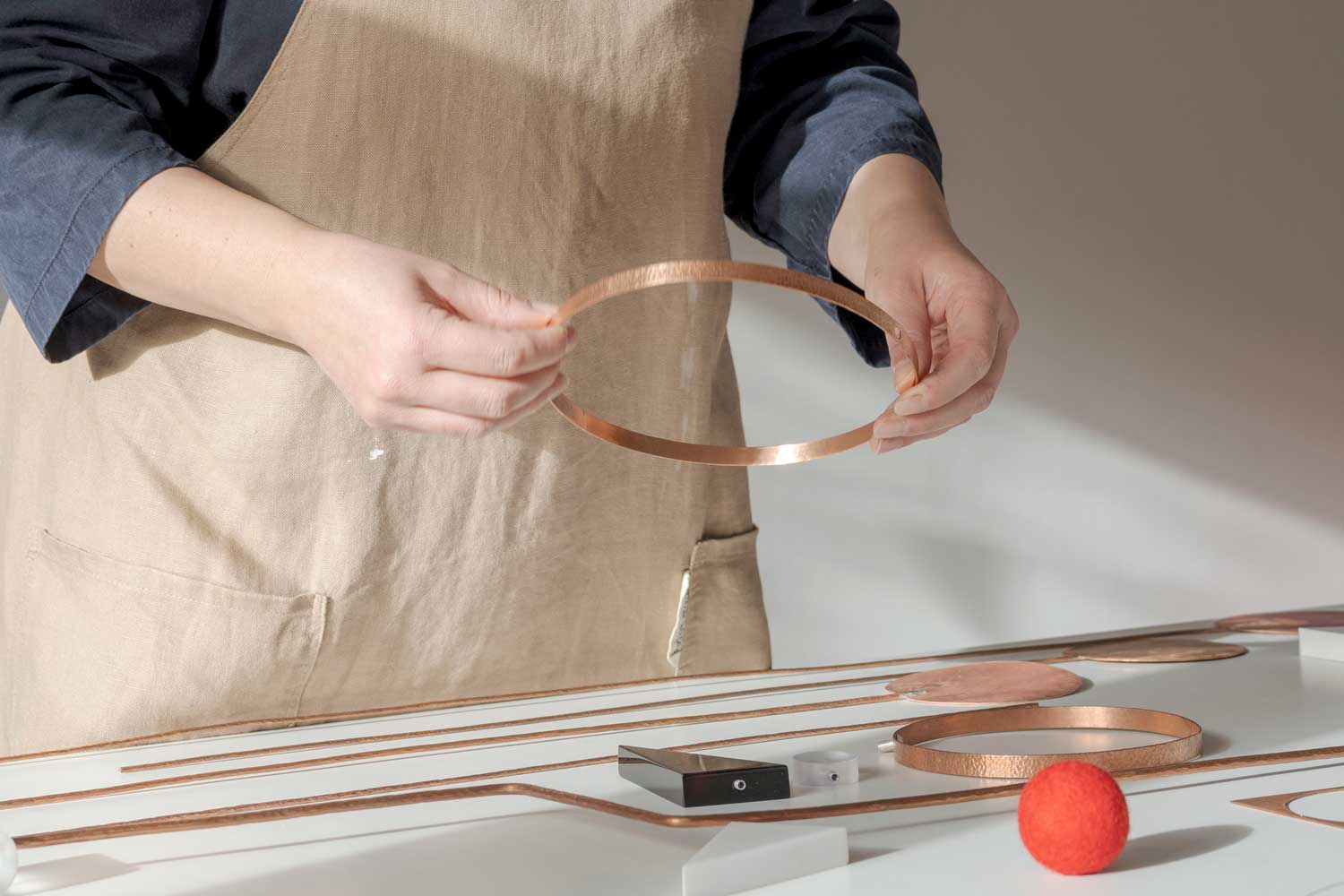
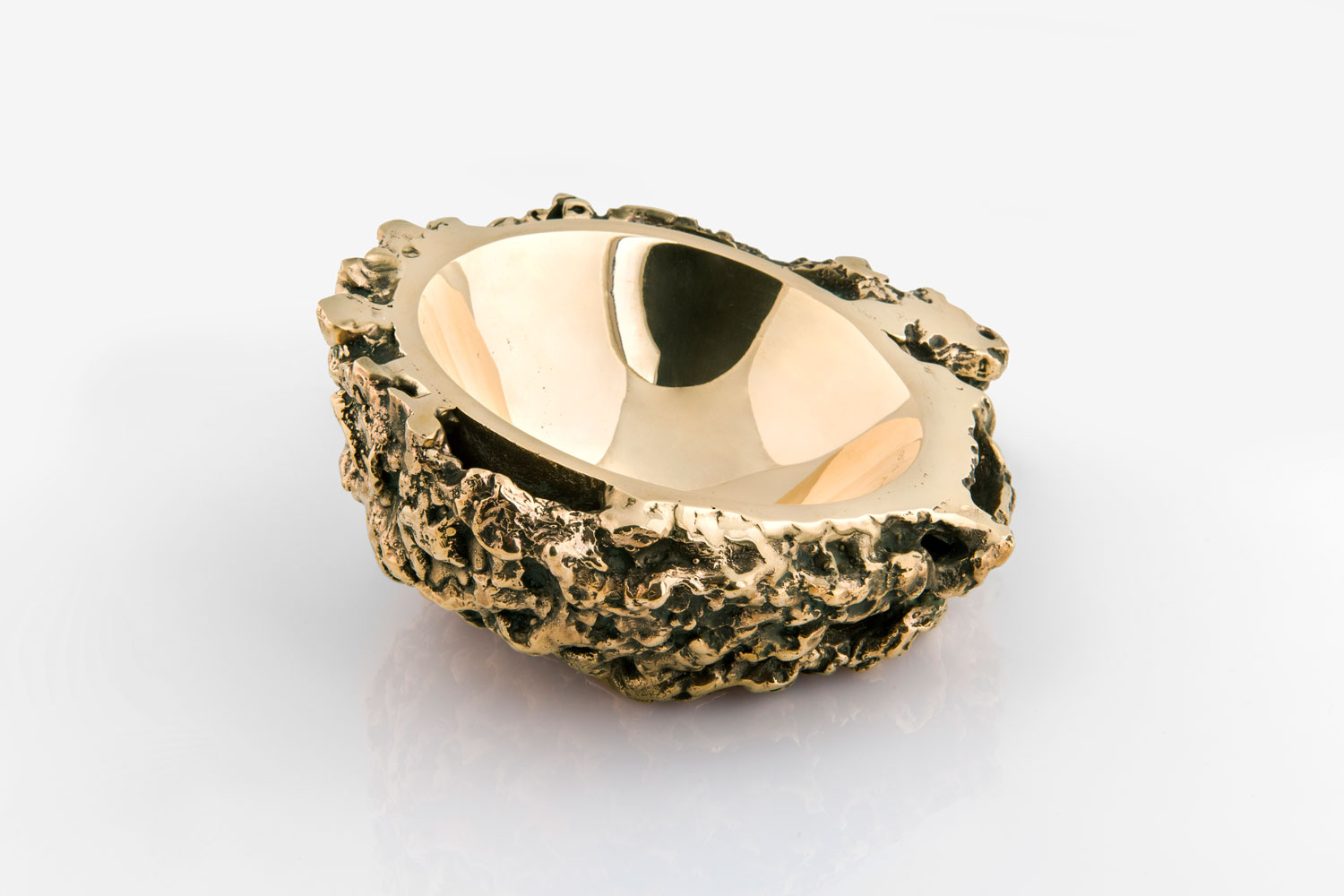
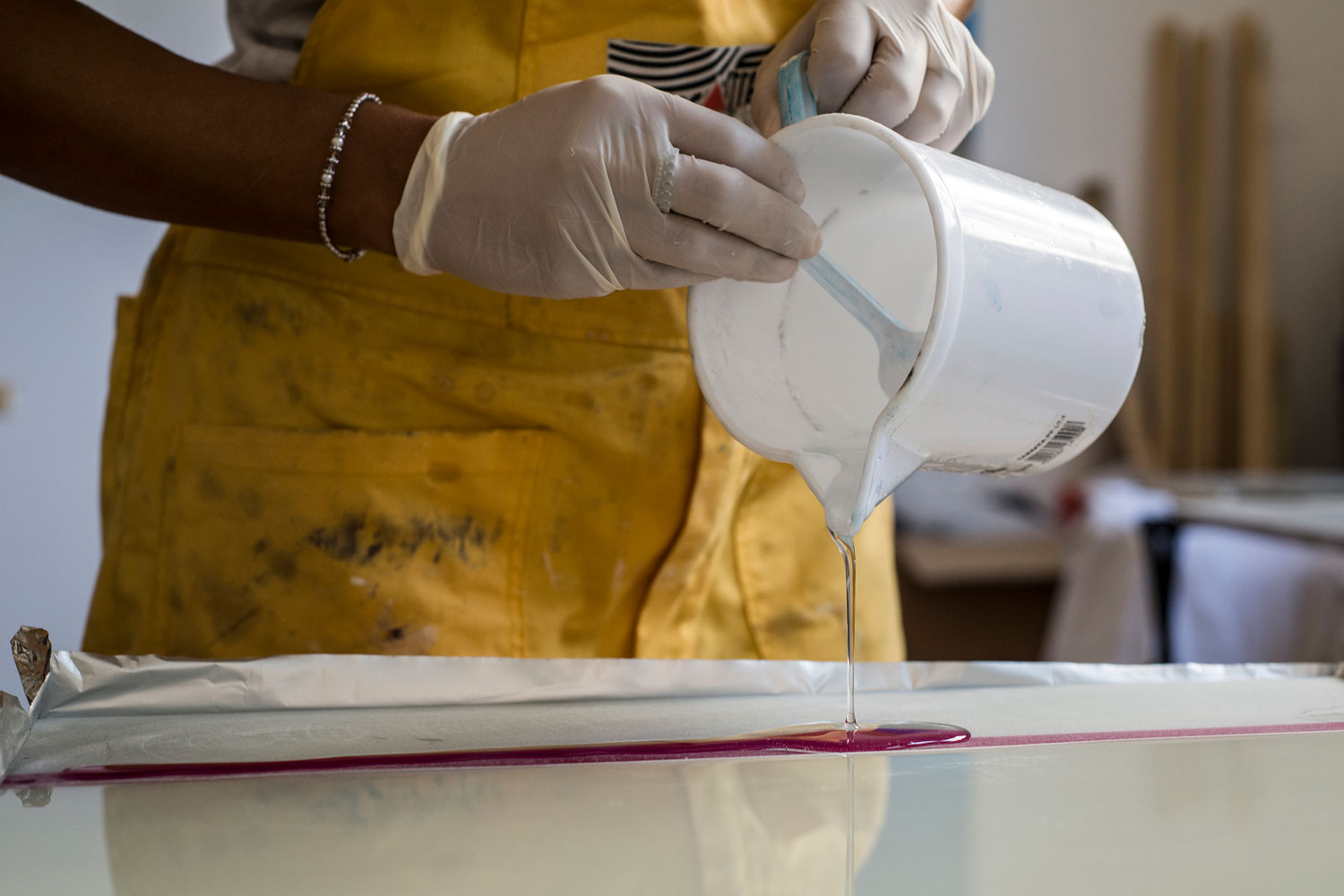
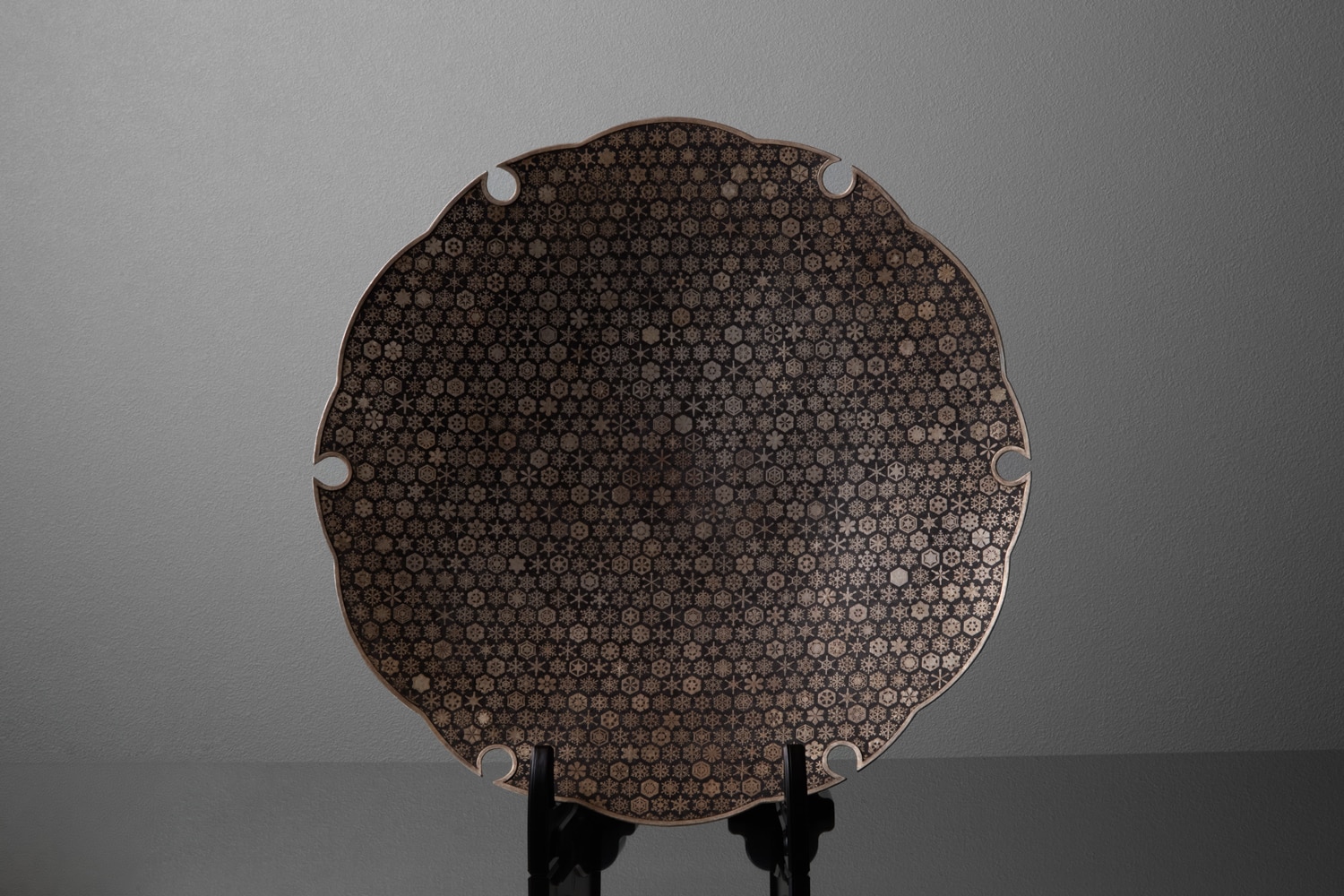
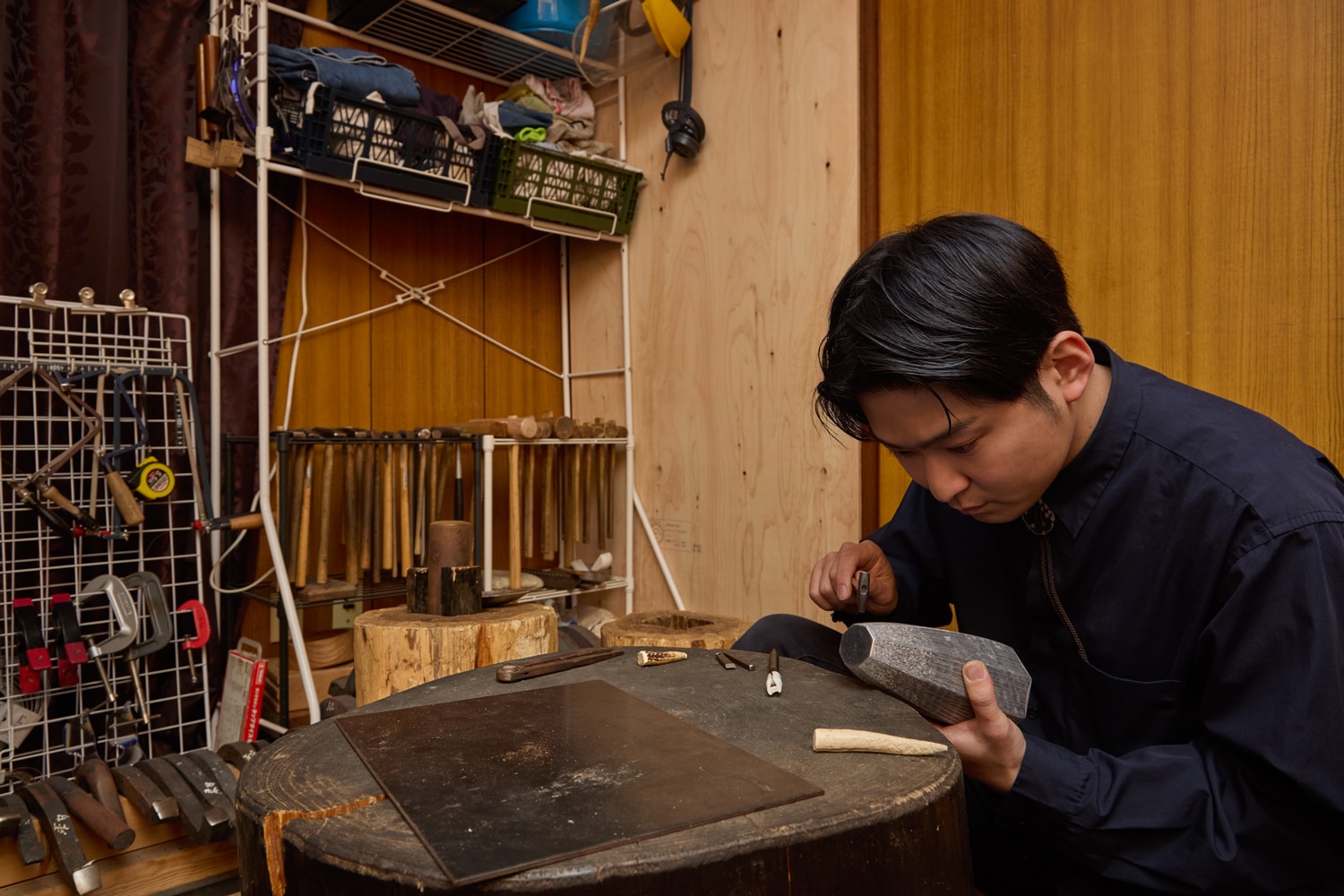
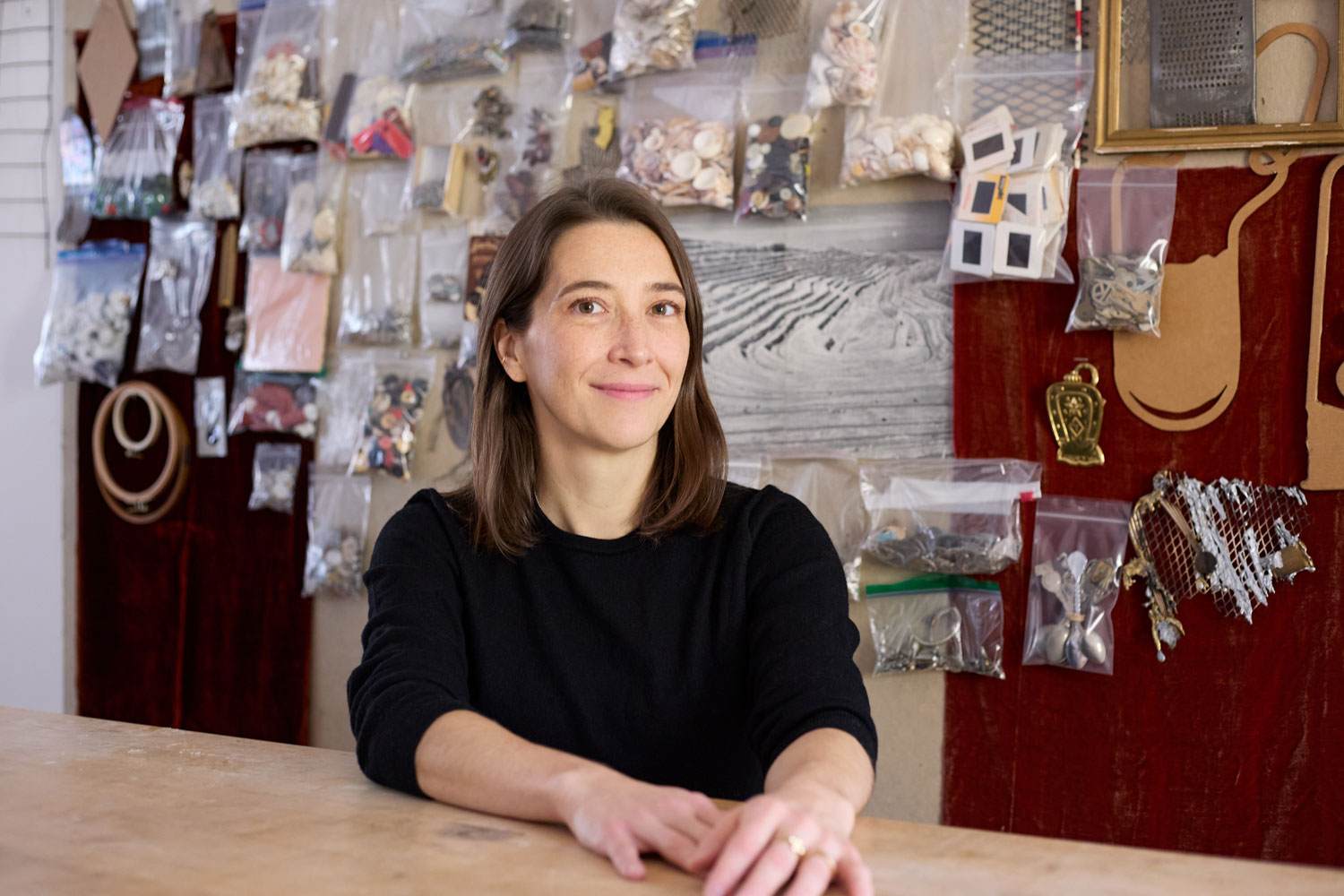
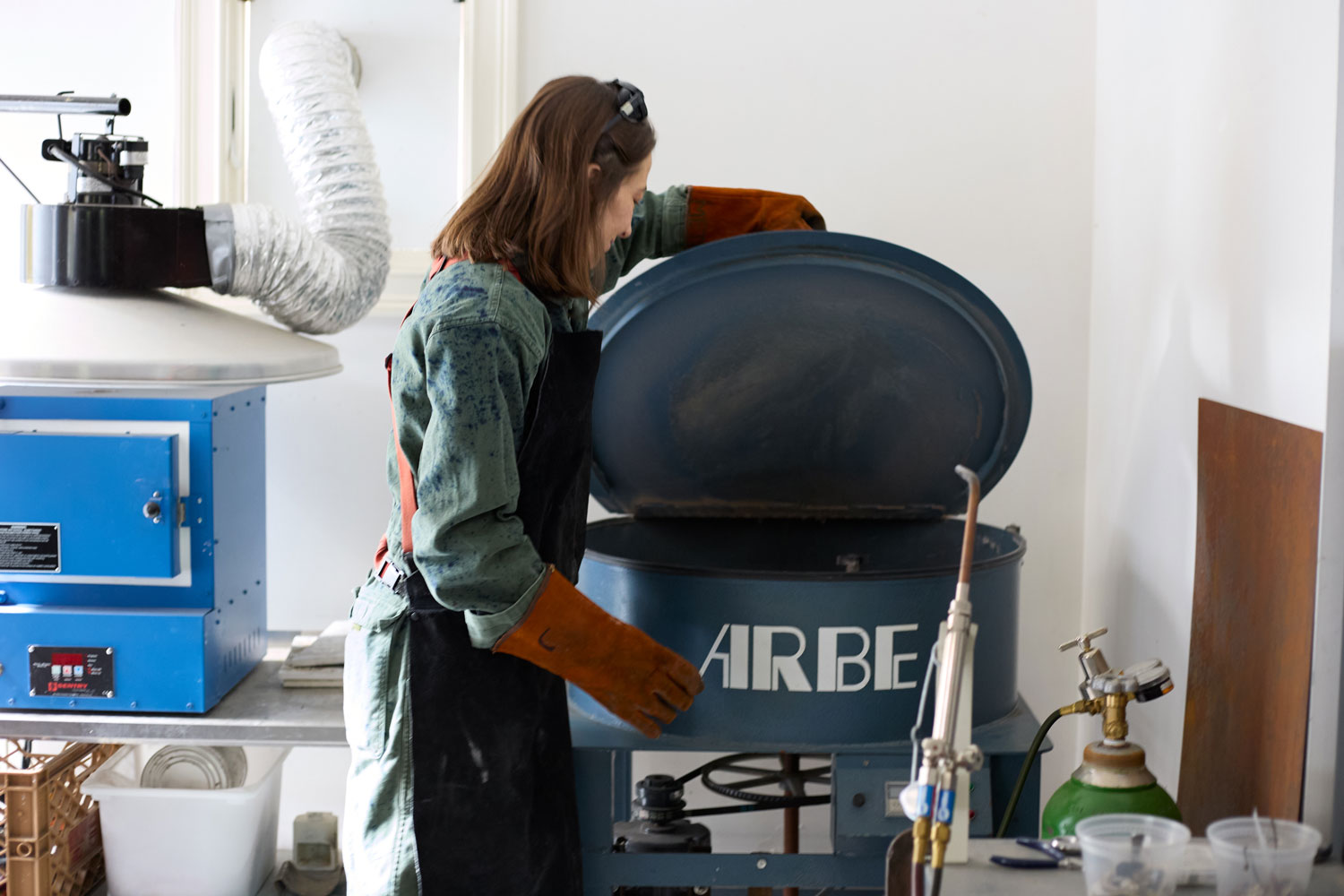
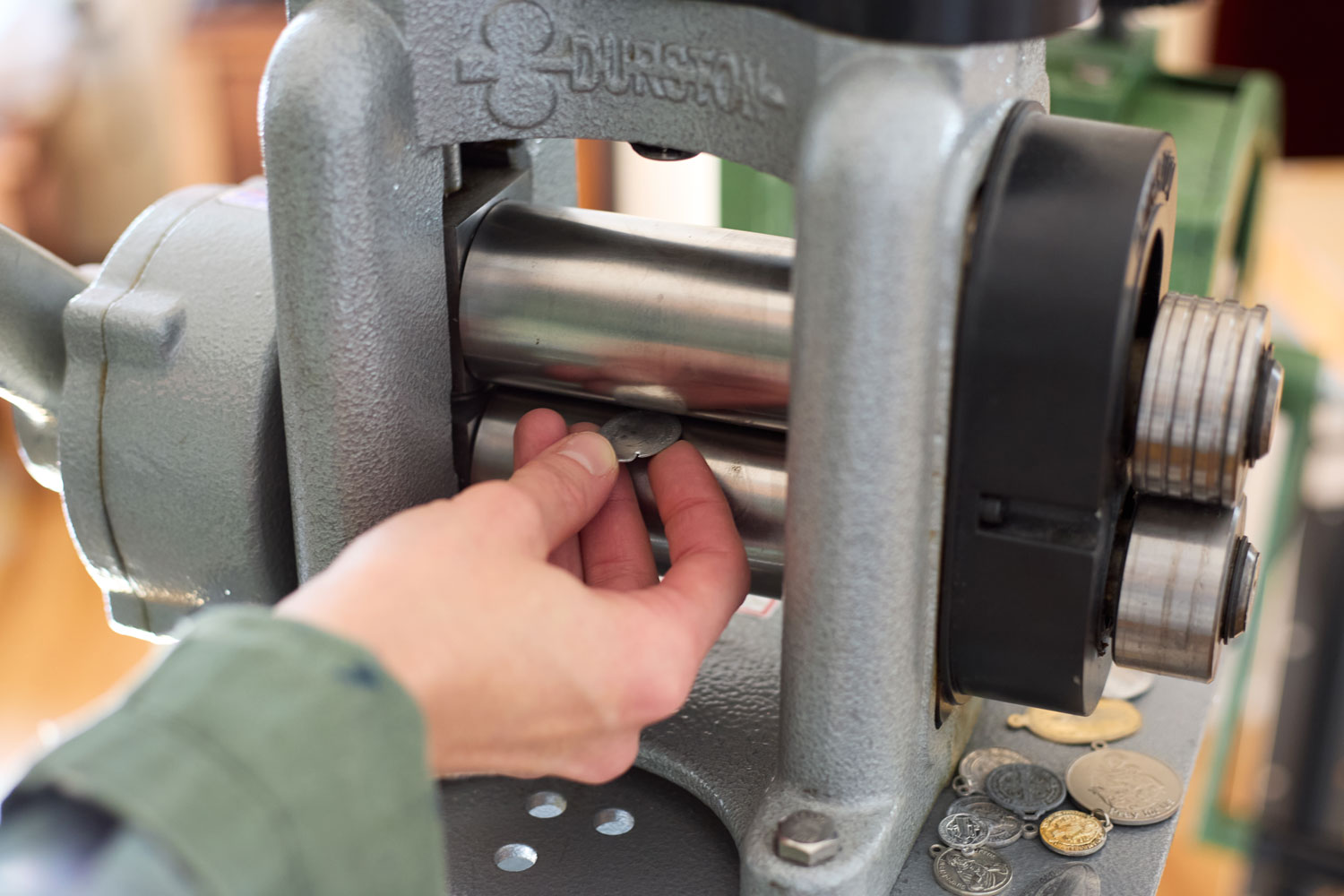
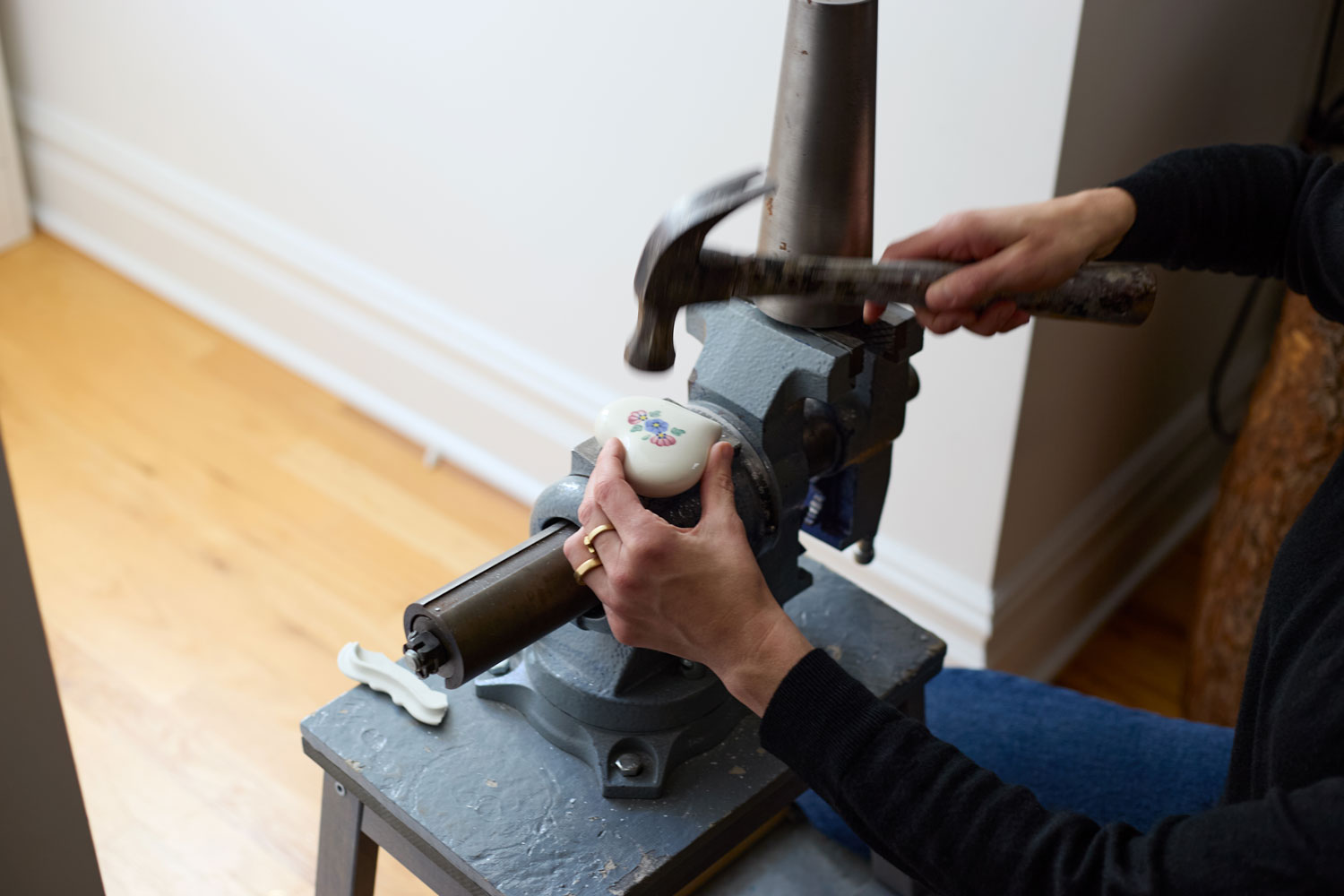
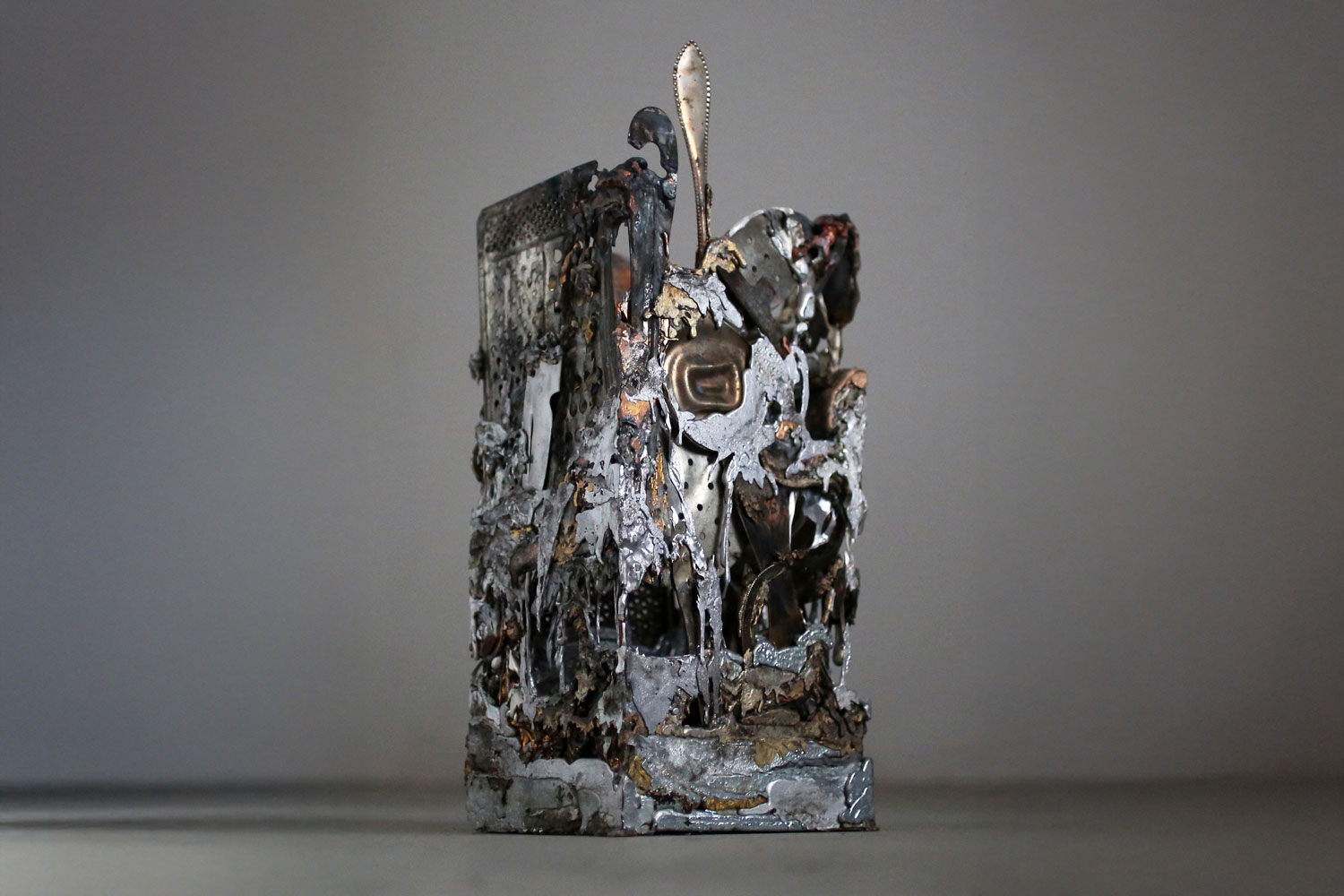
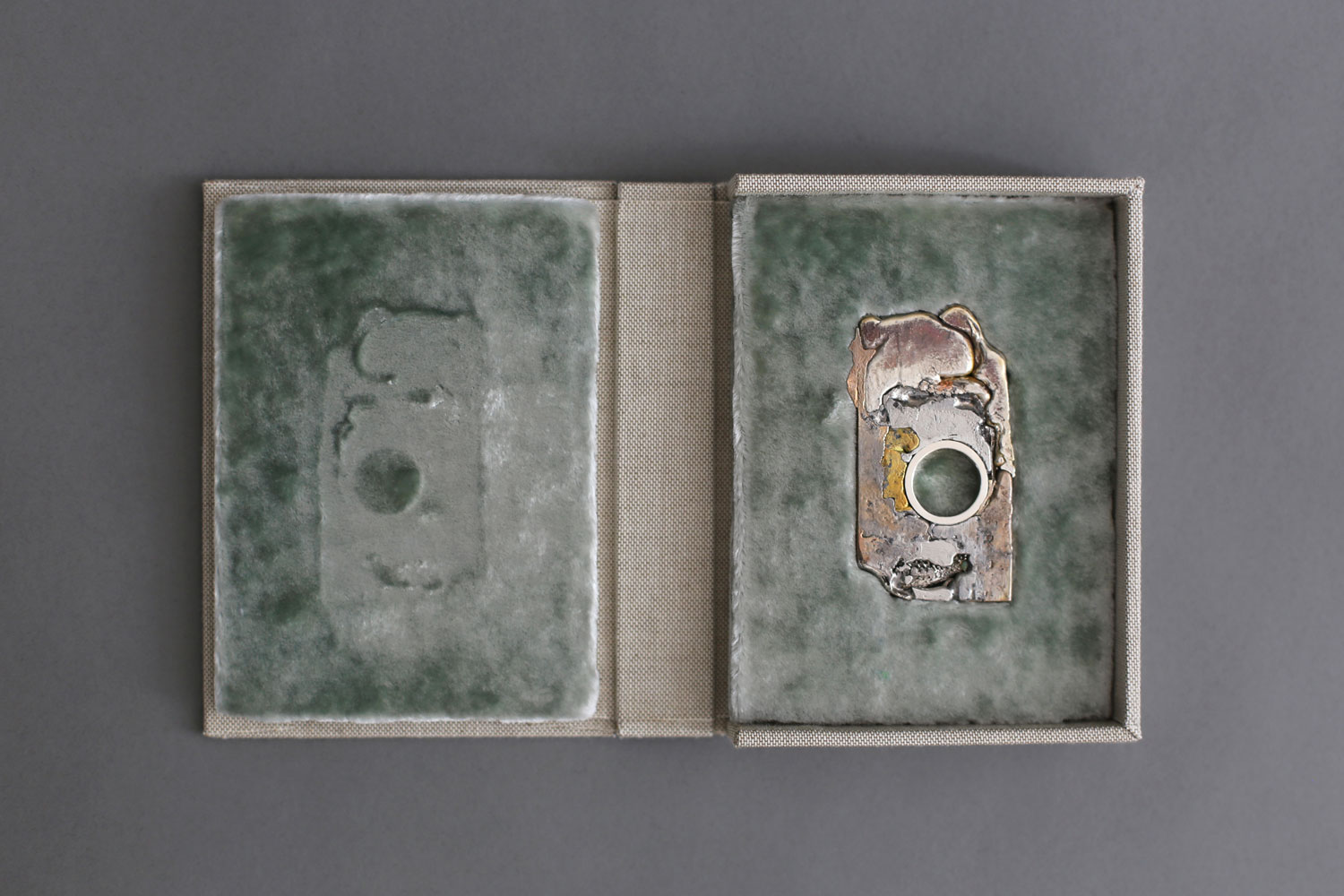
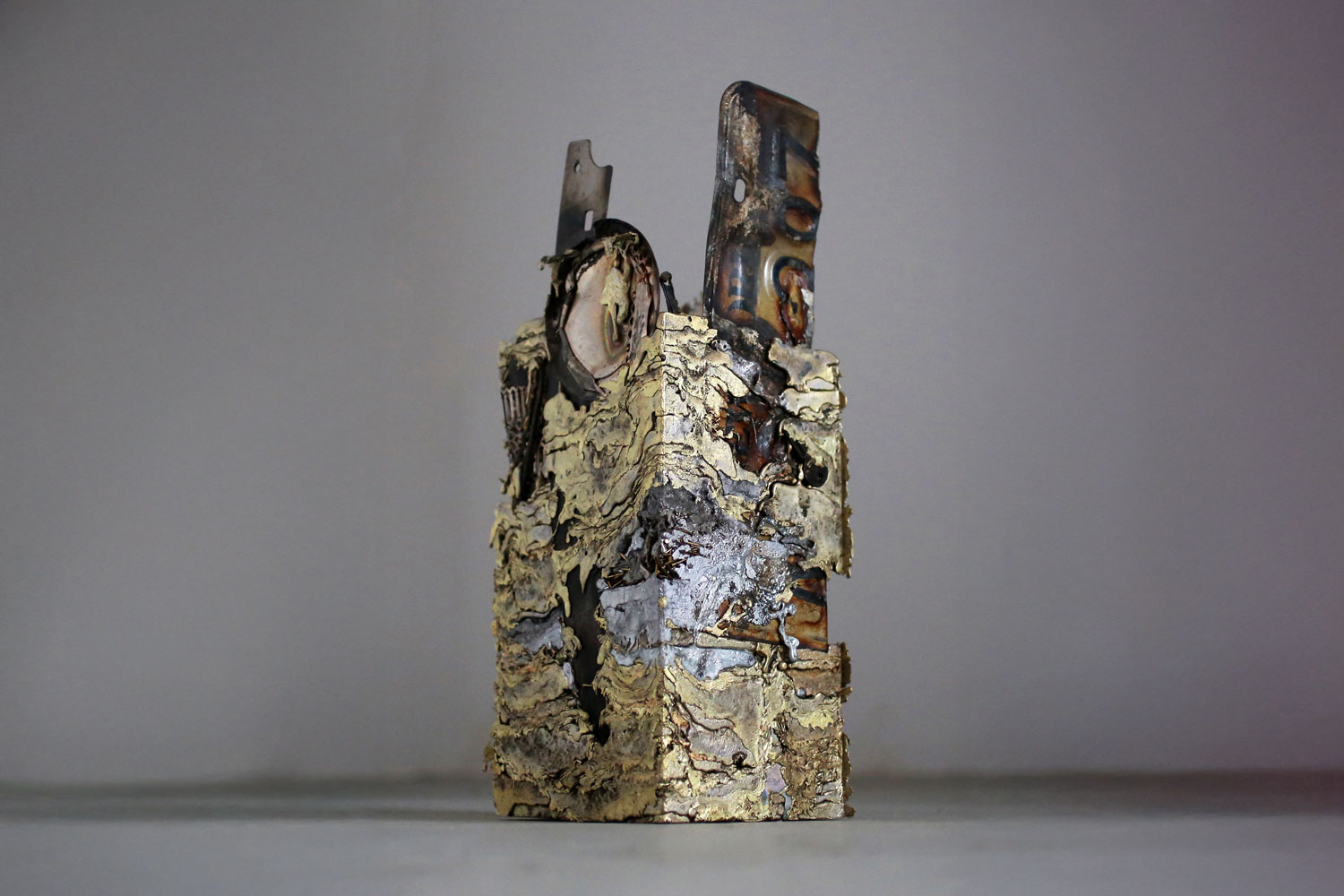
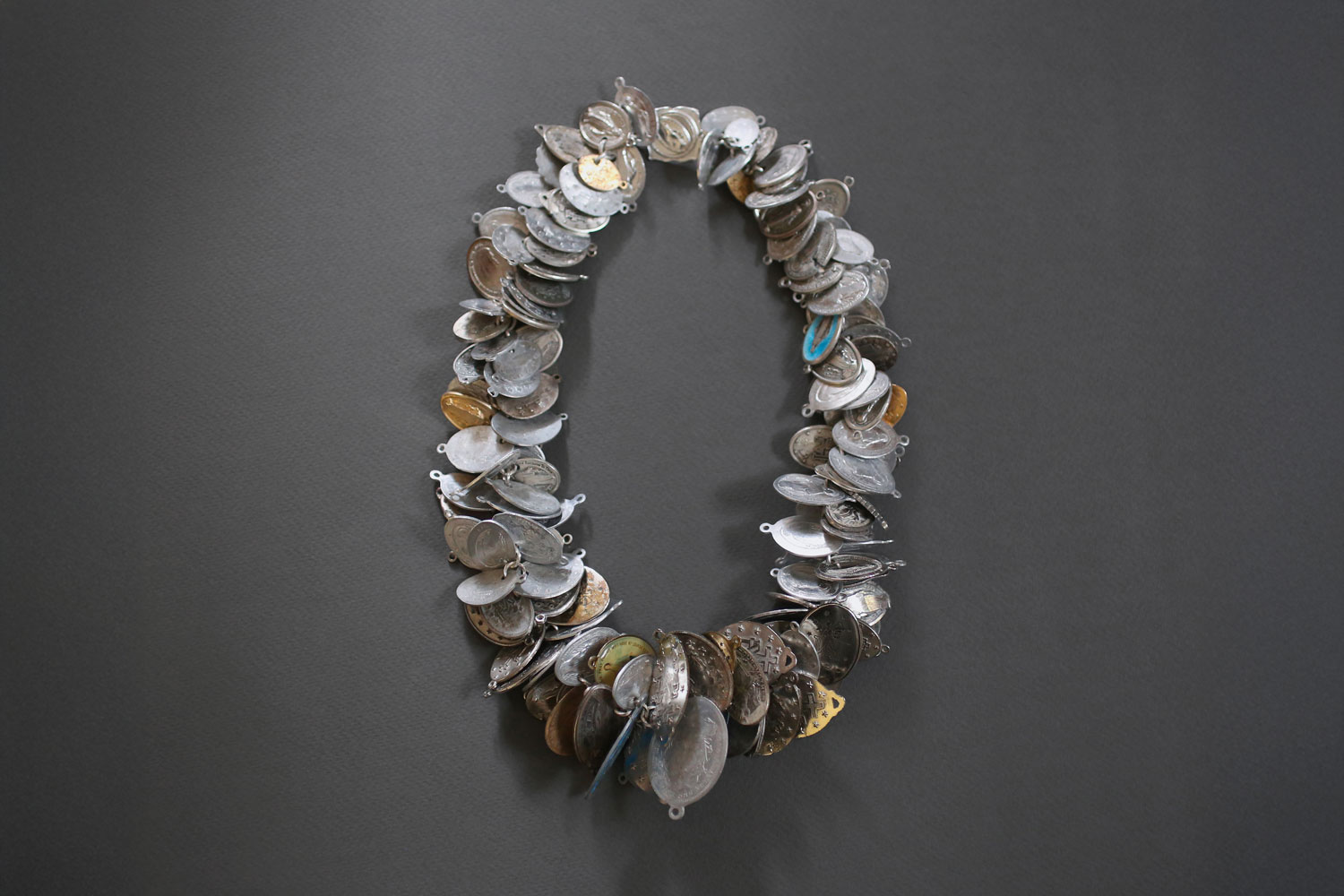
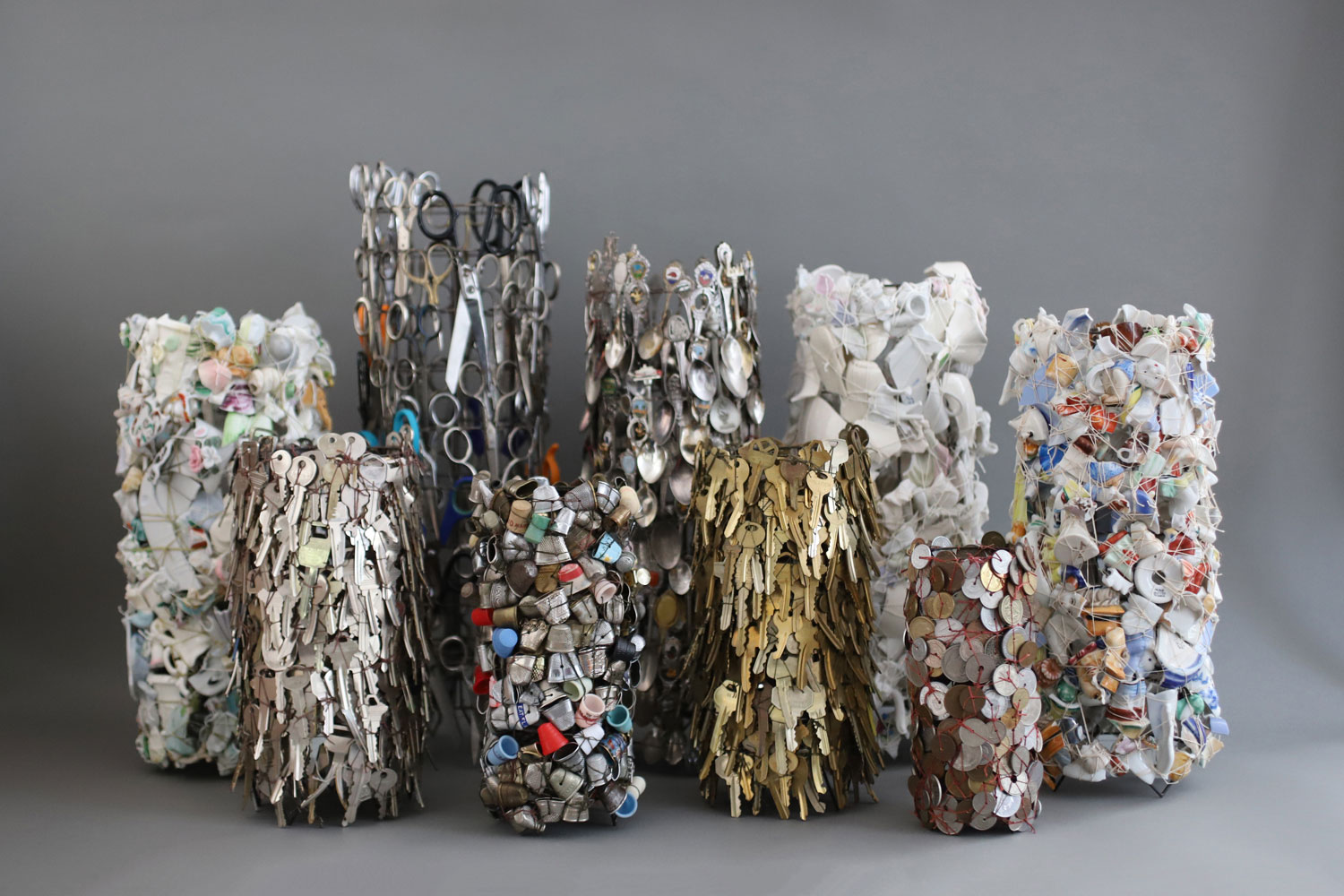
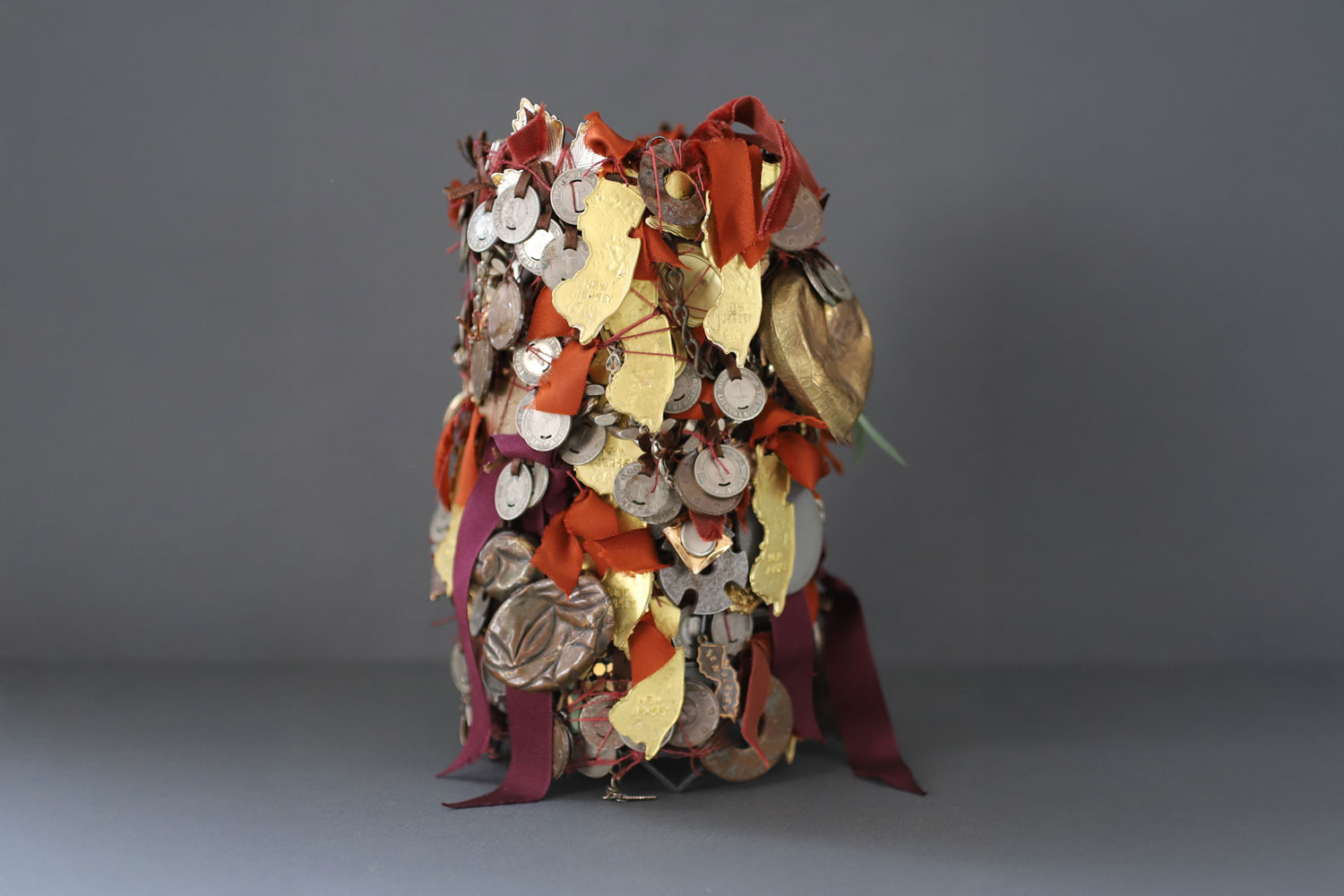
MJ Tyson creates sculptures and art pieces built from collections of materials and objects that have been discarded. Her practice takes these forgotten items and breathes new life into them. Sourced from yard sales and other people’s cast-offs, MJ’s artworks begin life literally in pieces, sorted into thematic piles. She starts by destroying the objects by drilling or breaking, and then she sets to remaking someone else’s treasure into something precious once again. MJ’s process employs her metalsmithing and jewellery making background as she melts, recasts or combines pieces of jewellery, medals, ceramics and mundane objects like buttons, keys, spoons or pairs of scissors into something new. “In each work, I aim to share three states: the past lives of collected objects, the material through which those objects live, and a new life that emerges through their consolidation,” she says.
INTERVIEW
I find it magical to work with something that everyone thinks of as permanent, long-lasting and valuable. As a jeweller, you make things for other people and that mindset has stuck with me. I still think about making objects in the service of other people’s needs. Nothing is closer to the body than jewellery.
It can feel overwhelming to become the keeper of something that is not significant to me but was to someone else. I think about how these objects outlive the person to whom they were valuable. I feel that conflict. Everything I do is trying to address that.
I consider all the objects equally, avoiding sentimental ideas that might make some things seem more special than others. In a collection that contains treasures and junk, I bring all the objects together without separating them into memory-holders and cast-offs. To me, the objects we collect seem equally essential when it comes to remembering a life.
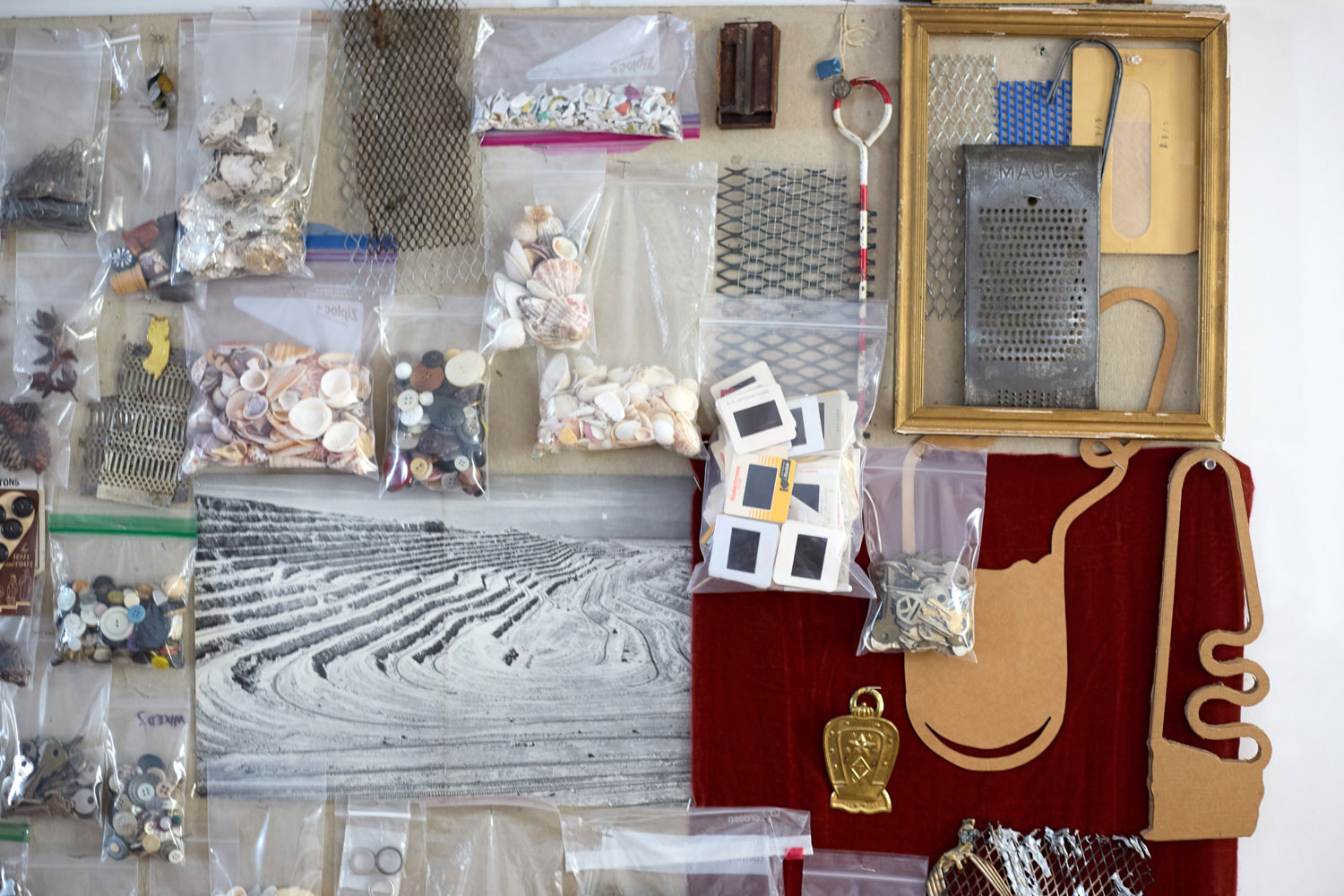
I am always collecting things. I go to estate sales, yard sales and take boxed-up collections from friends who are moving. I absorb them into my studio and separate the objects by things like material, time or colour. Then I build a framework to bring those materials back together. It takes a long time to figure out the substructure of a new series.
MJ Tyson
Metal sculptor
Morristown, NJ, USA
ADDRESS
Address upon request, Morristown, NJ, USA
AVAILABILITY
By appointment only
LANGUAGES
English
Homo Faber Finds is a new service aiming to inspire admirers of craft to connect and collaborate with exceptional artisans.
We invite you to submit an enquiry here.
DSC02402_©Meg-Lovell.jpg)
DSC01379_©Meg-Lovell.jpg)
DSC01458_©Meg-Lovell.jpg)