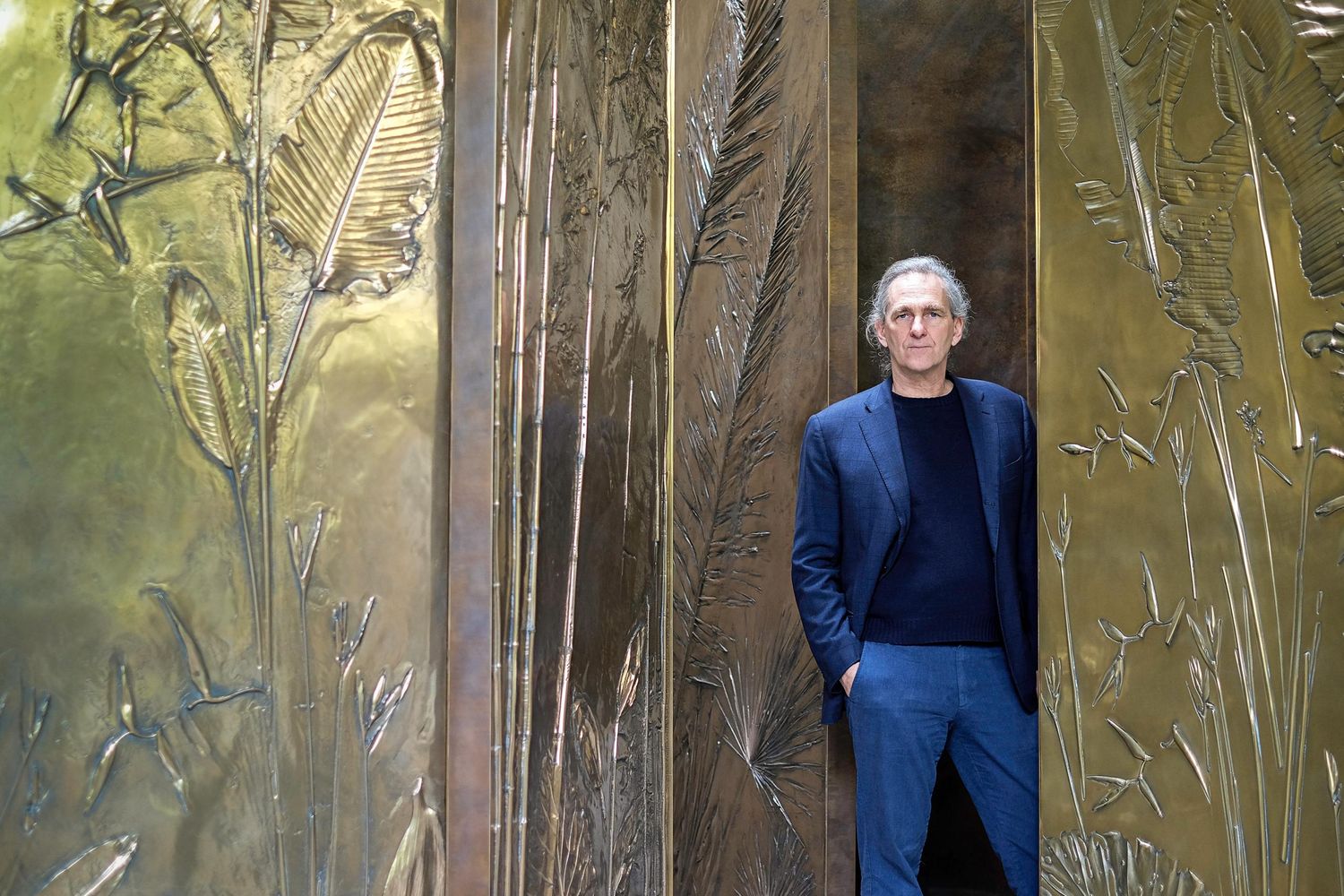
Allan Rubin
Metal sculptor
Cochecton, NY, USA
Sculptural cans as stylistic portraits
- Allan started out as a painter, then shifted to 3D artforms
- He transforms artists’ self-portraits into tin can sculptures
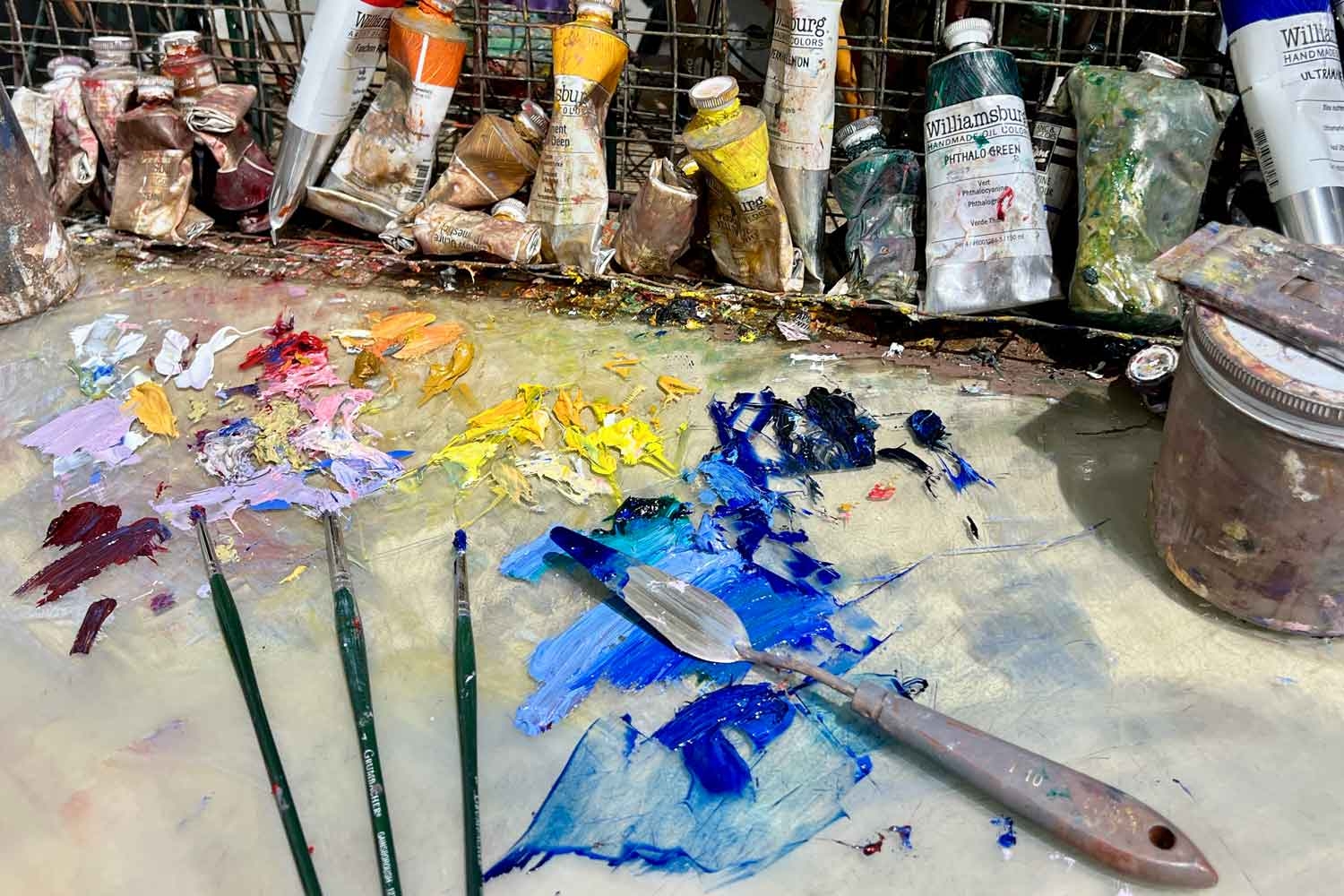
- He works with oil paint on recycled materials
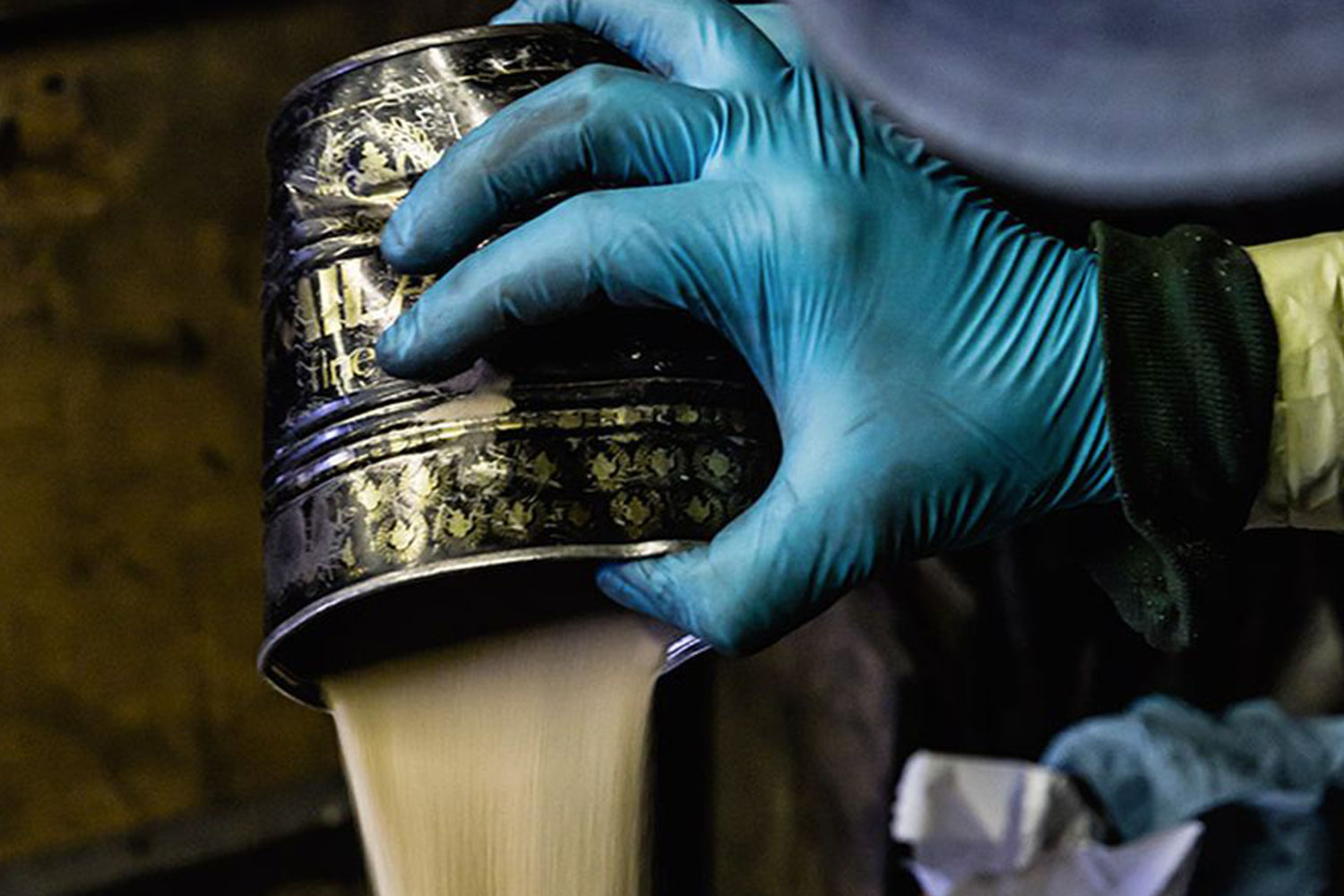
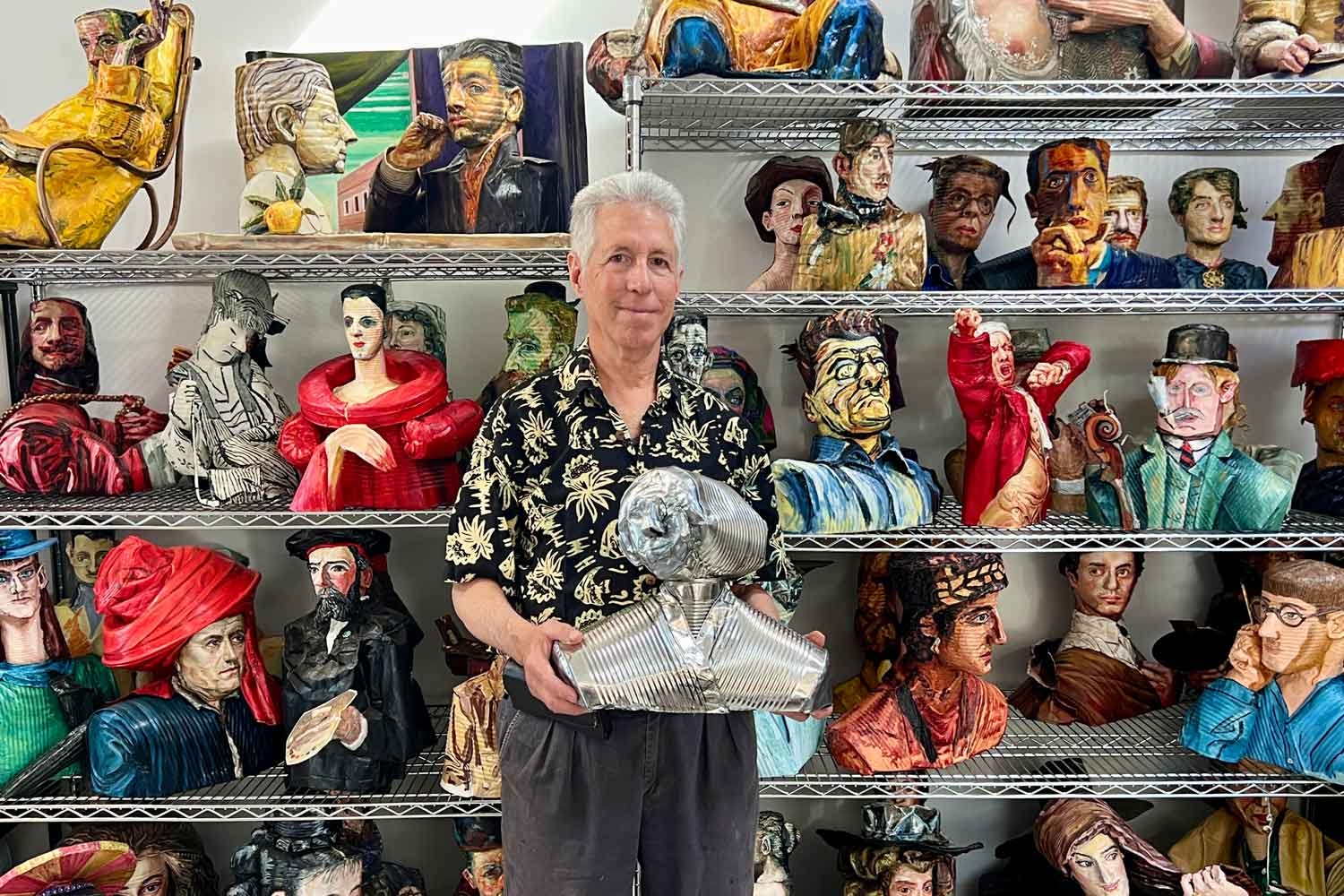
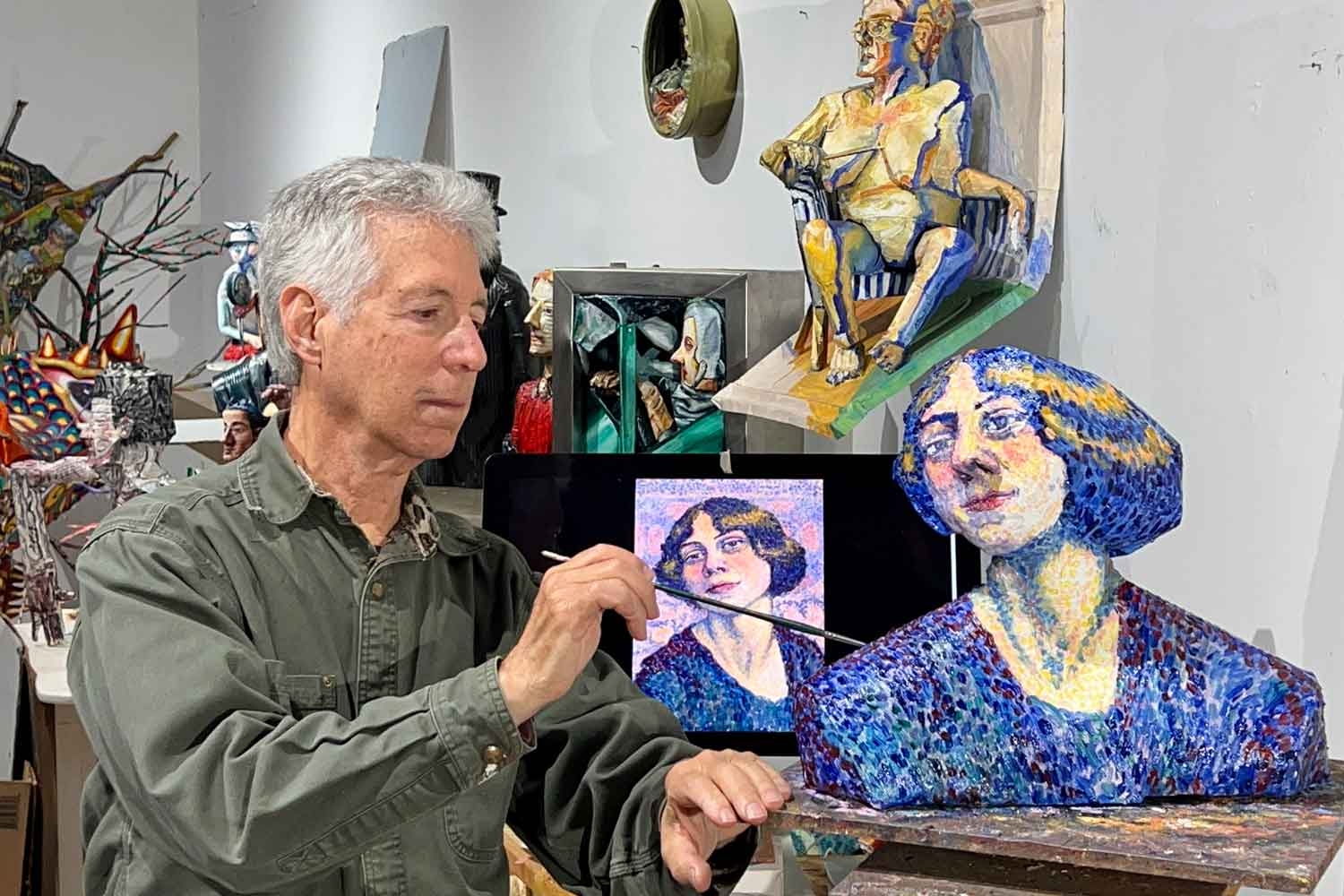
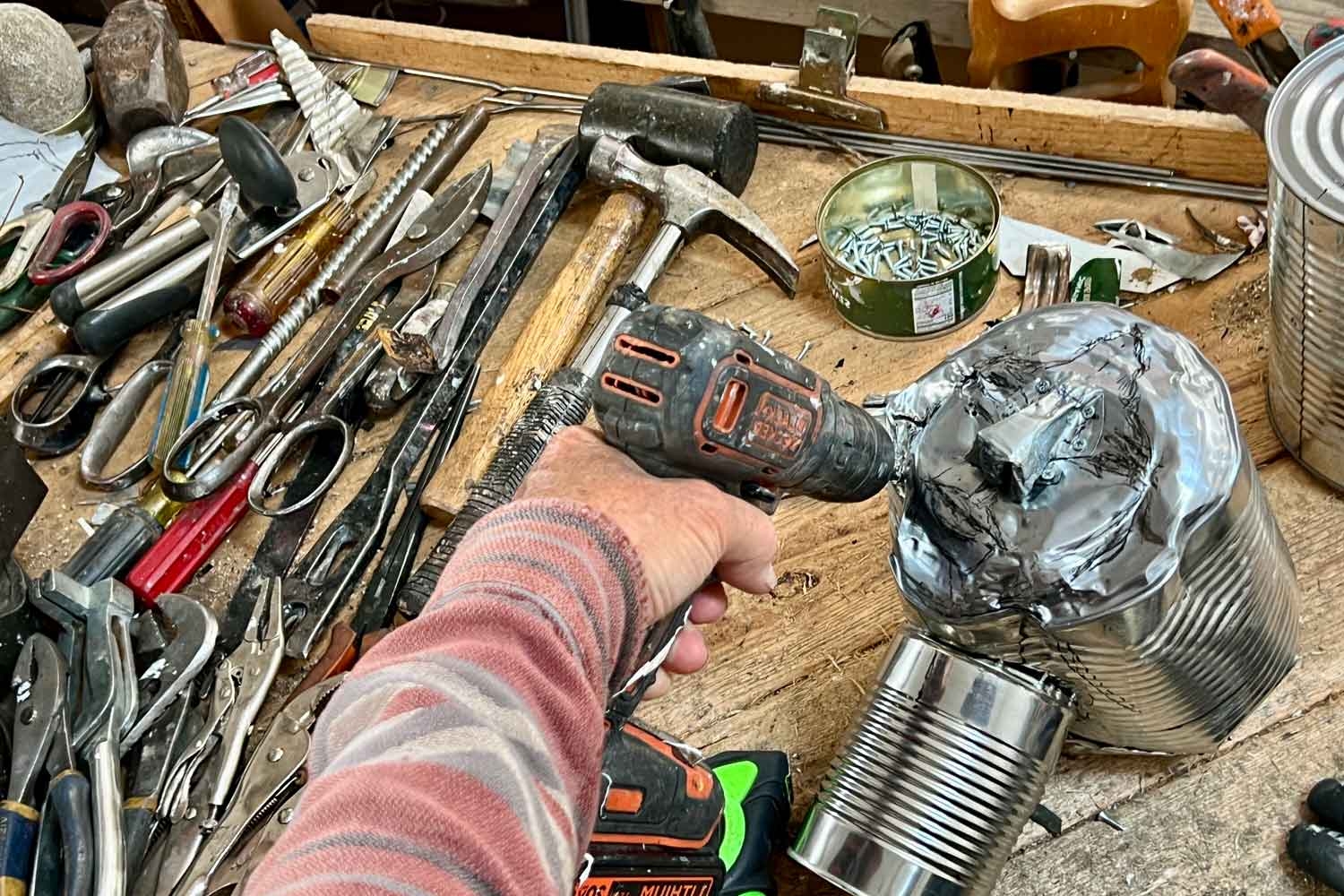
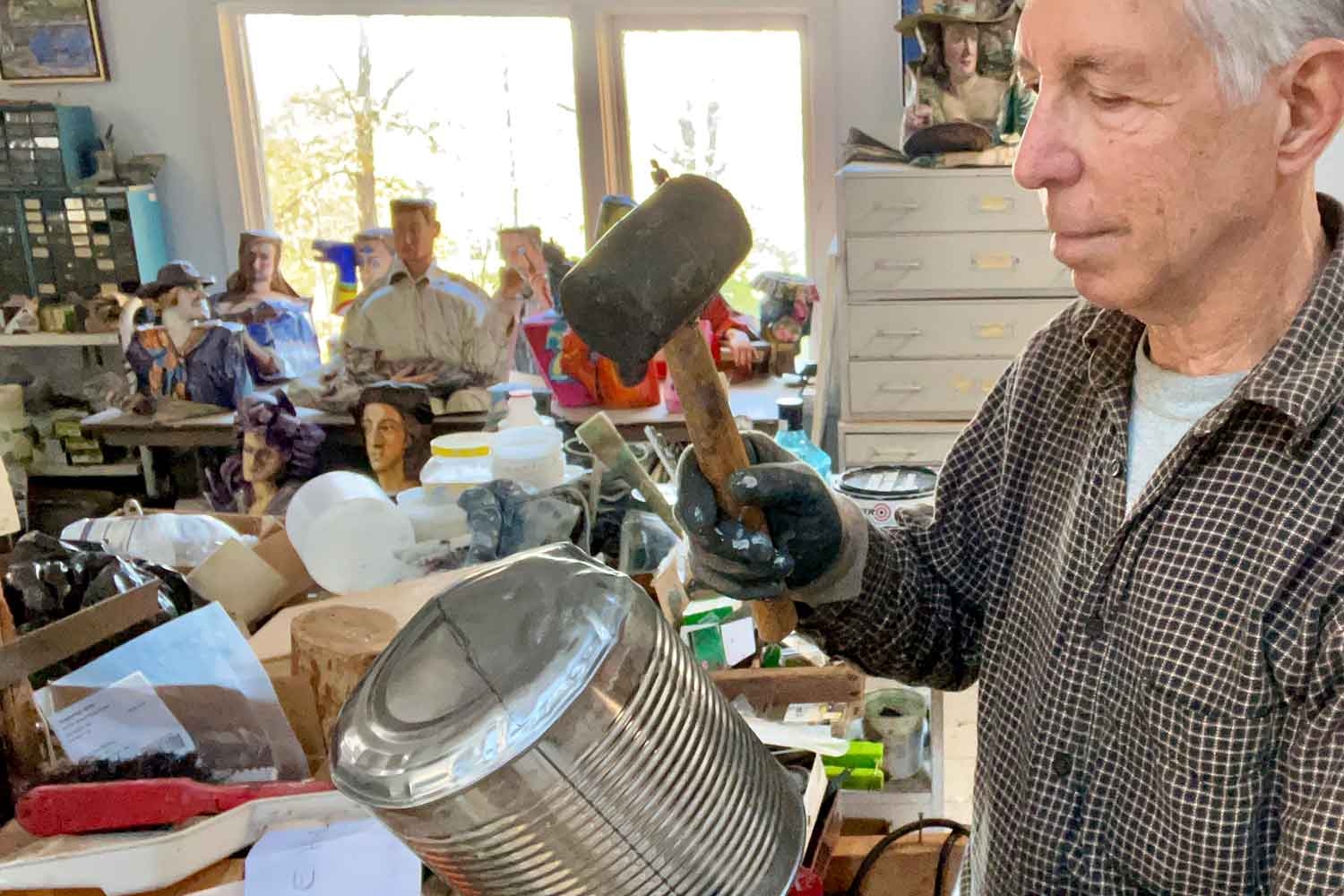
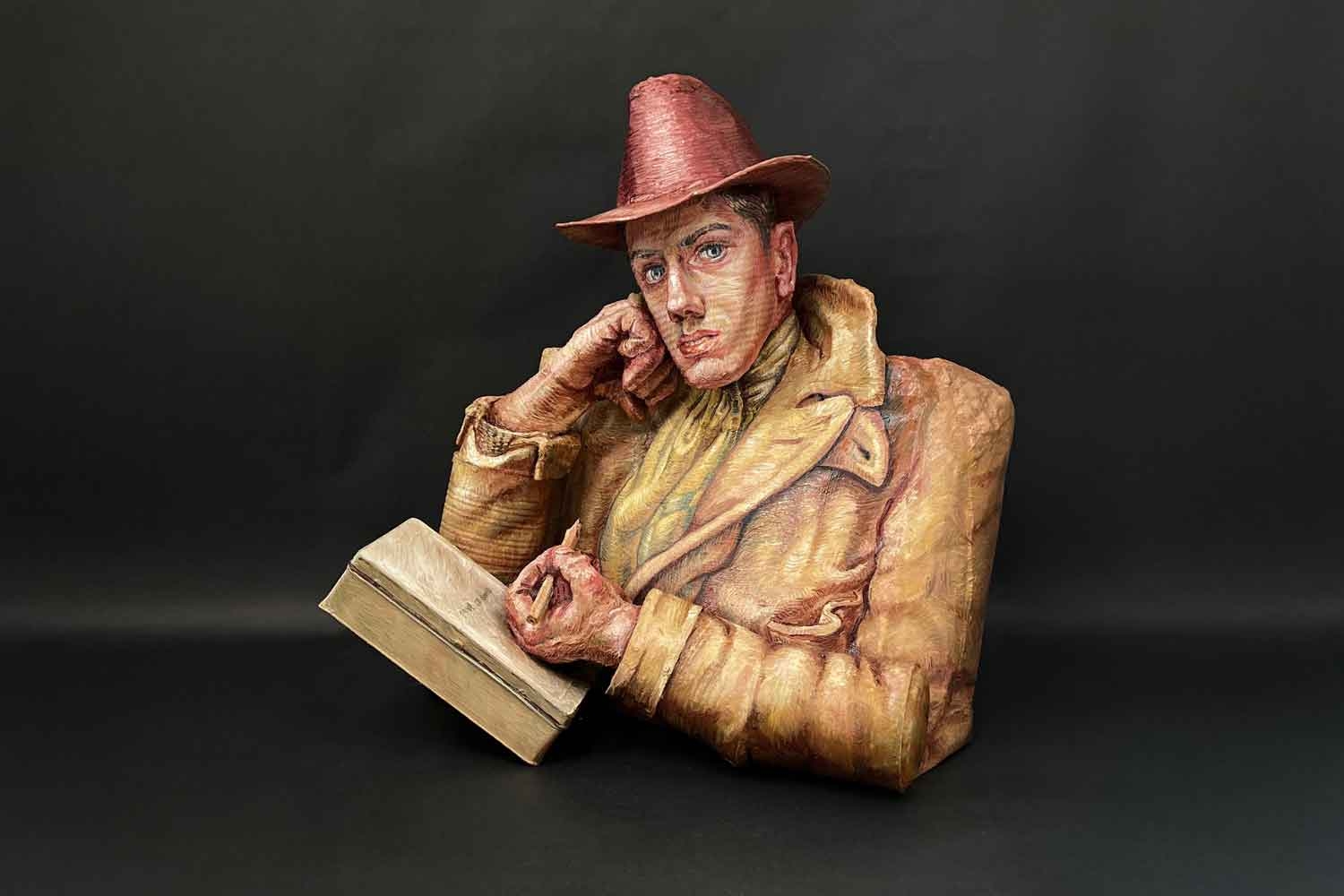
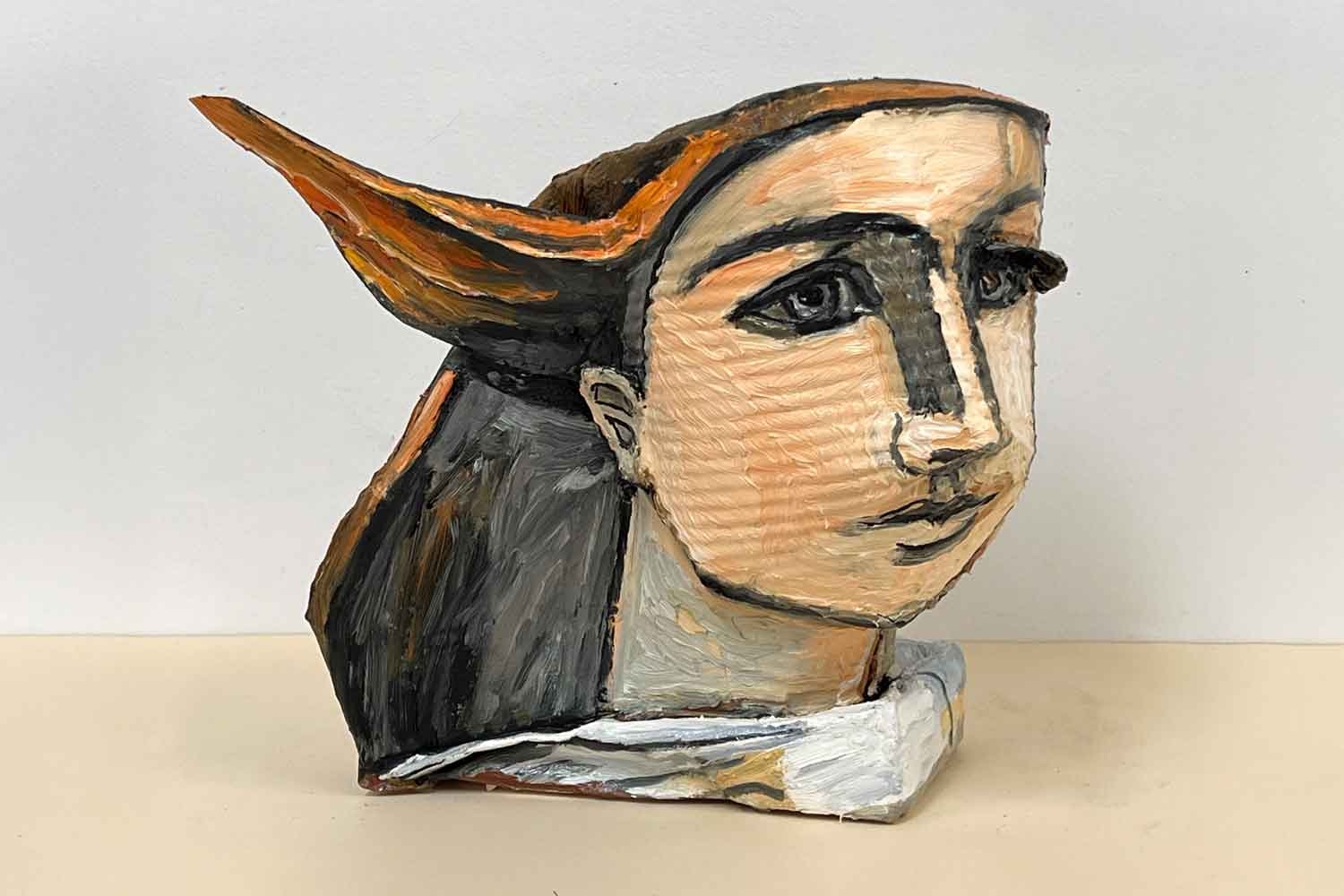
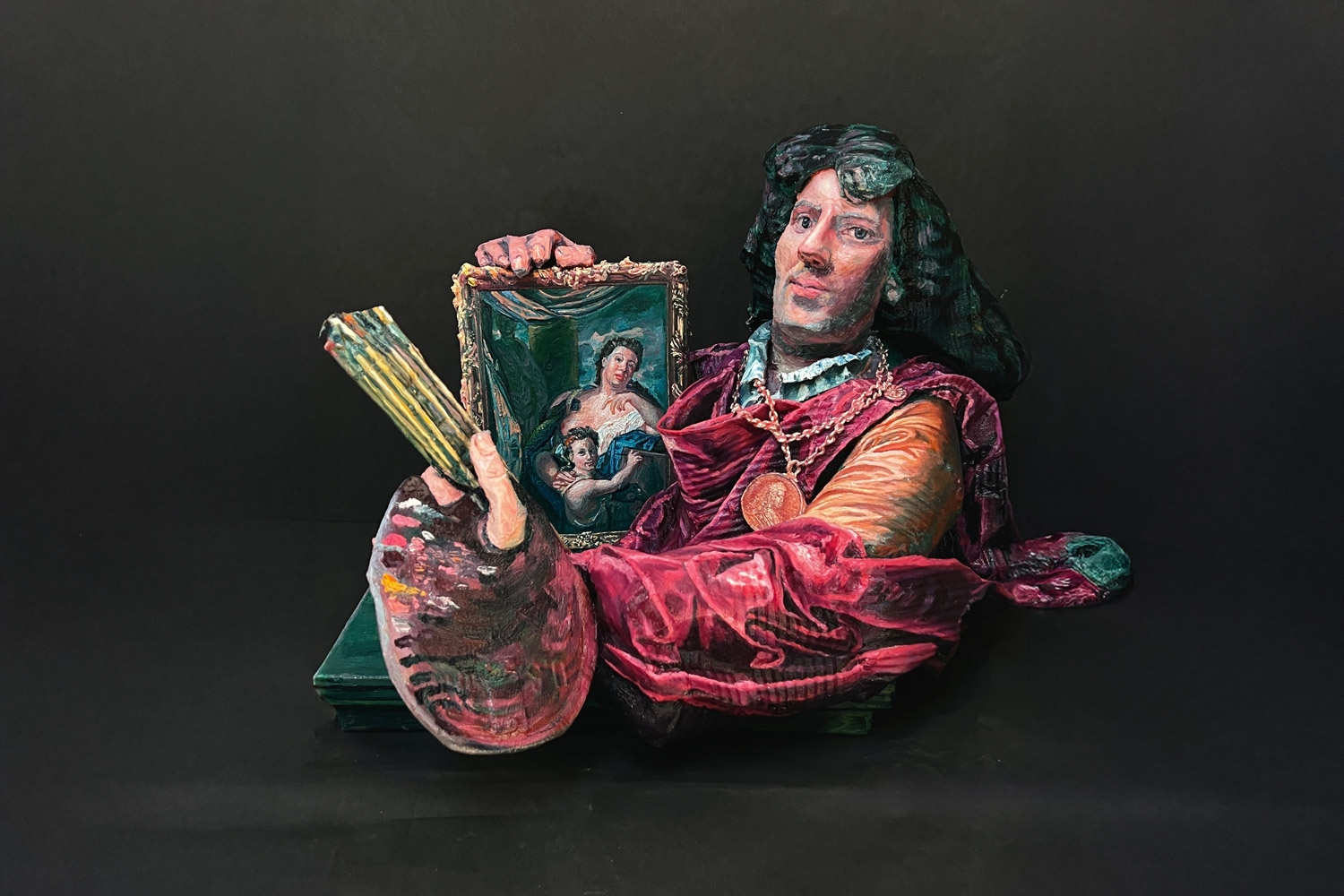
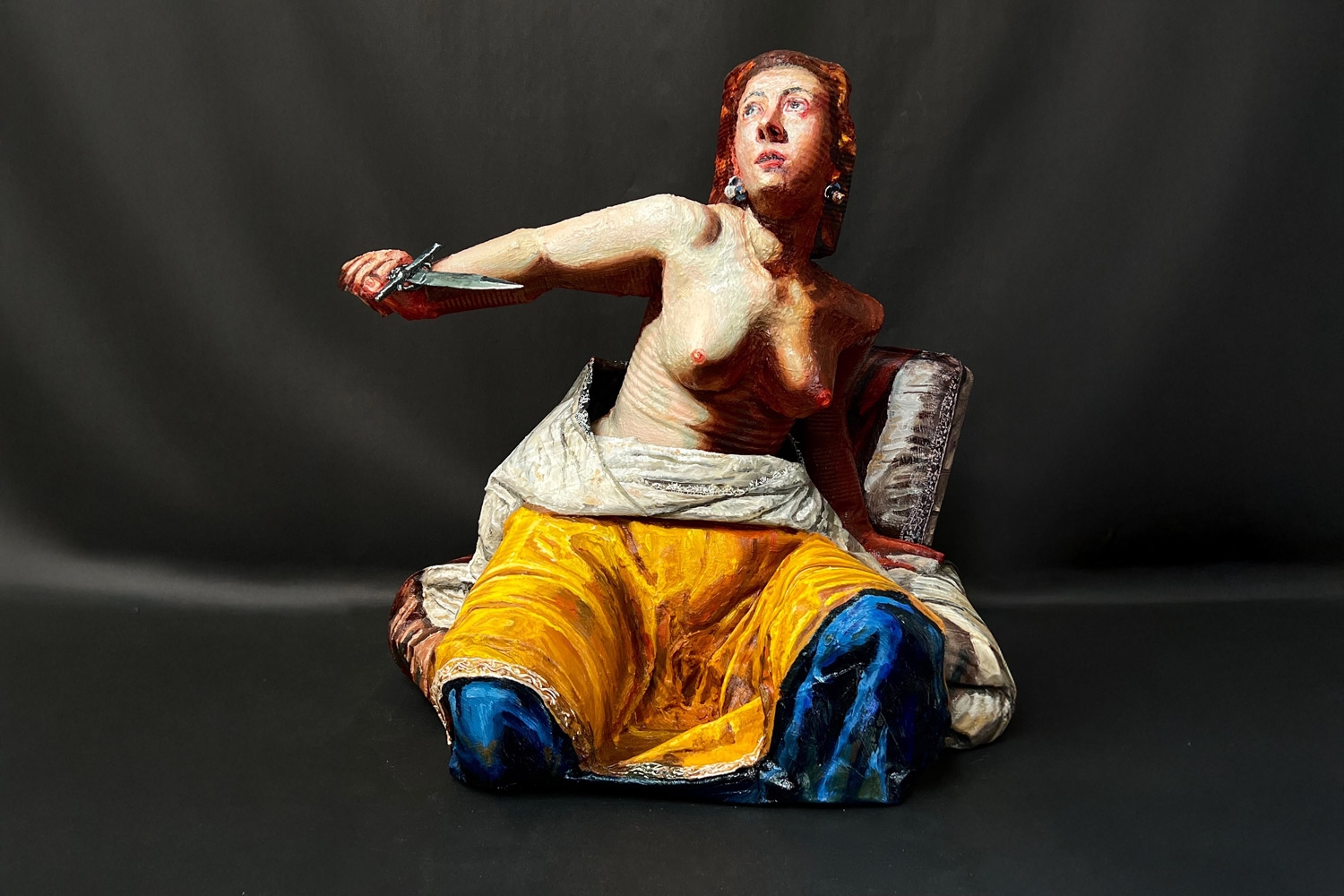
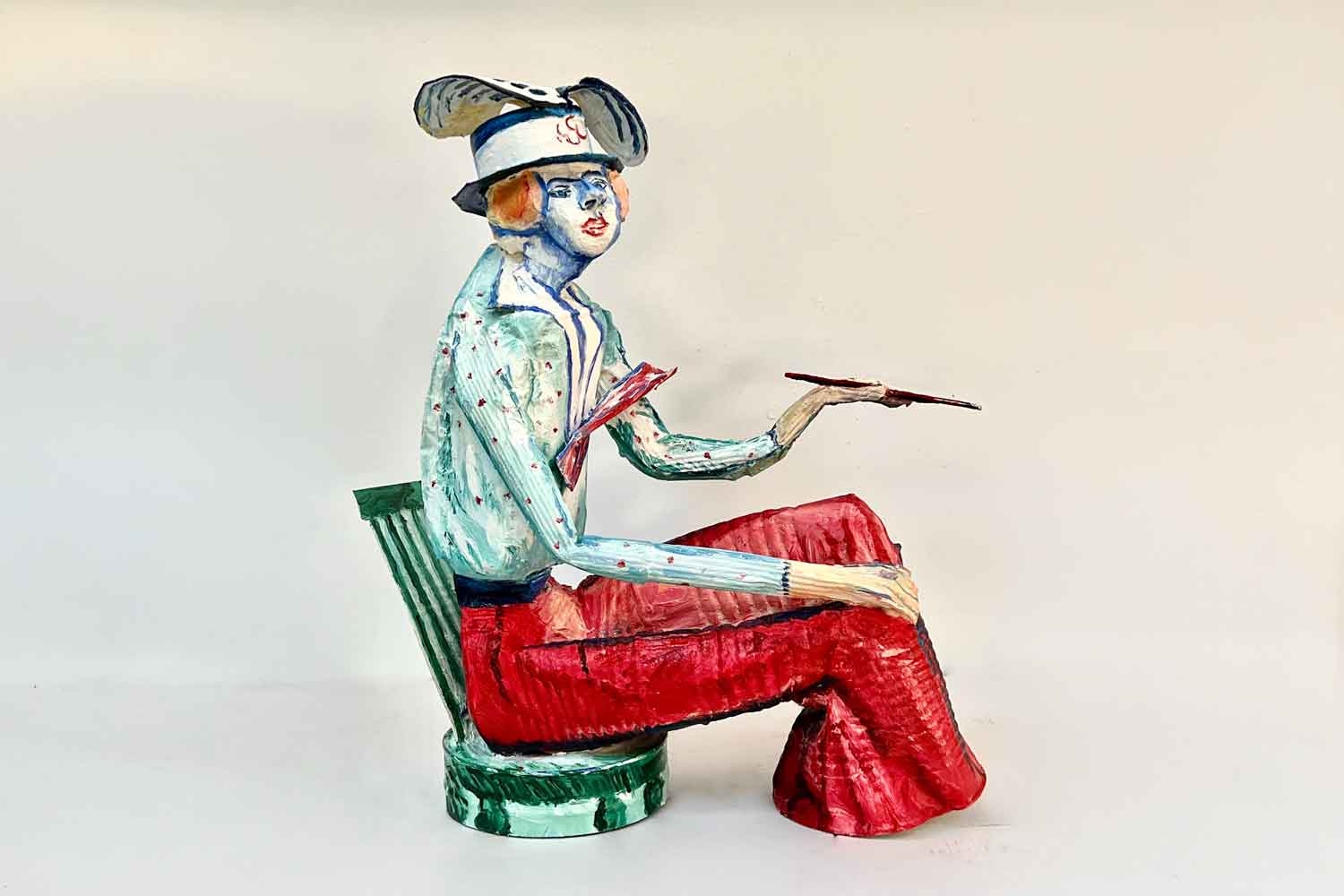
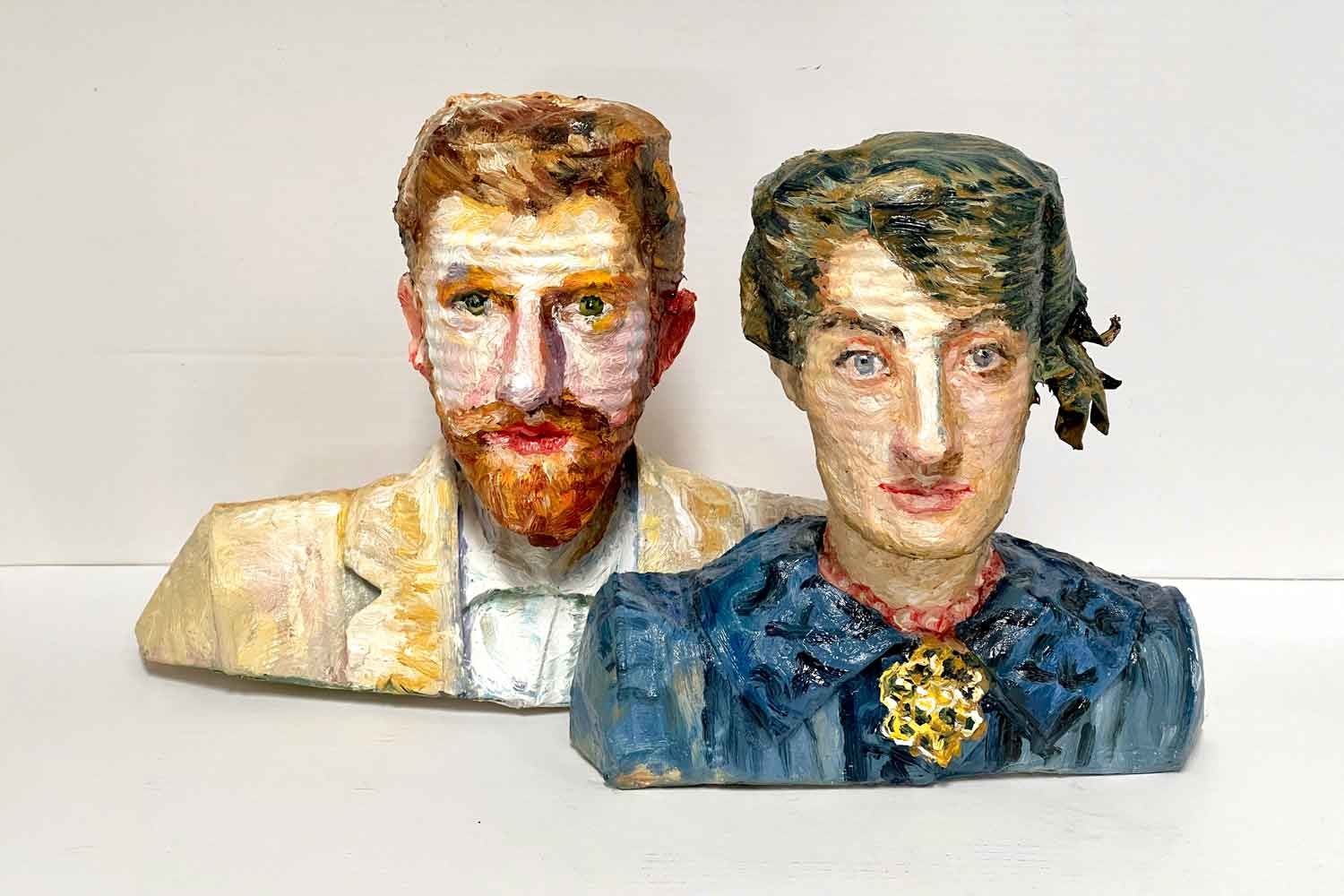
Allan Rubin has enjoyed a long, self-sustaining art career, beginning with painterly surrealism and later adopting an abstract style, which he applied to aerial landscapes and then to totemic fetish figures. His current body of metal sculptures began when an invitational exhibition called for very small works and Allan chose a tin can as a portrait substrate. "Eventually, I envisioned more commercially viable works," he says. Choosing his artistic heroes as subjects, Allan learns their techniques as he copies, paints and adapts their original, flat self-portraits to a dimensional sculpture assembled from multiple tin cans. The results, which he calls his personal CANon, are newly imagined artworks formed from the combination of recycled images and materials.
Discover his work
INTERVIEW
I consider how the original self-portrait, painted on a flat surface, might transfer to an interesting and pleasing 3D form. In choosing under-recognised artists of diversity, I imagine my CANon work as a corrective to the Western bias in art history.
As a young artist I was full of hope that I might be a successful, self-supporting creator. Over the years, I have redefined success to mean the ability to pursue my art without interruption, uninhibited by commercial pressure and critical opinions.
The sculptor within me emerged when flat surfaces no longer challenged me. My grandfathers were tailors and my father, whose cutting tools I inherited and use in my work, was a fur designer, so I suspect the motivation to shape forms is in my DNA.
I would like to see my sculptures exhibited in a university or museum setting. I want them to inspire art lovers, educate the public and call attention to the way in which artists contribute to the cultural, physical and emotional well being of humanity.
Allan Rubin
Metal sculptor
Cochecton, NY, USA
ADDRESS
Address upon request, Cochecton, NY, USA
AVAILABILITY
By appointment only
LANGUAGES
English
Homo Faber Finds is a new service aiming to inspire admirers of craft to connect and collaborate with exceptional artisans.
We invite you to submit an enquiry here.