Heinrich Filter
Metal sculptor
Pretoria, South Africa
Two paths converge towards metal sculpture
- Heinrich is a self-taught silver and bronze sculptor
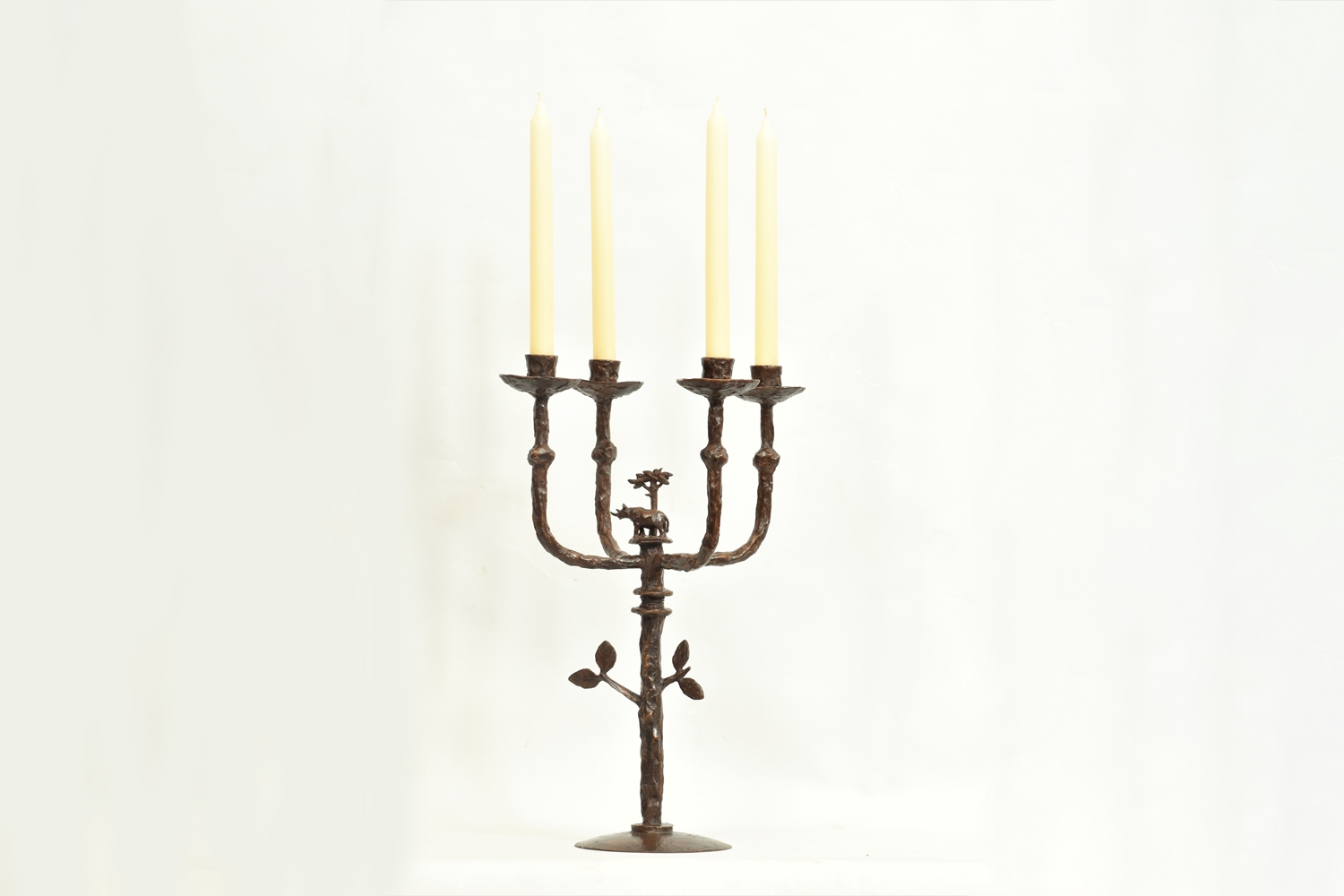
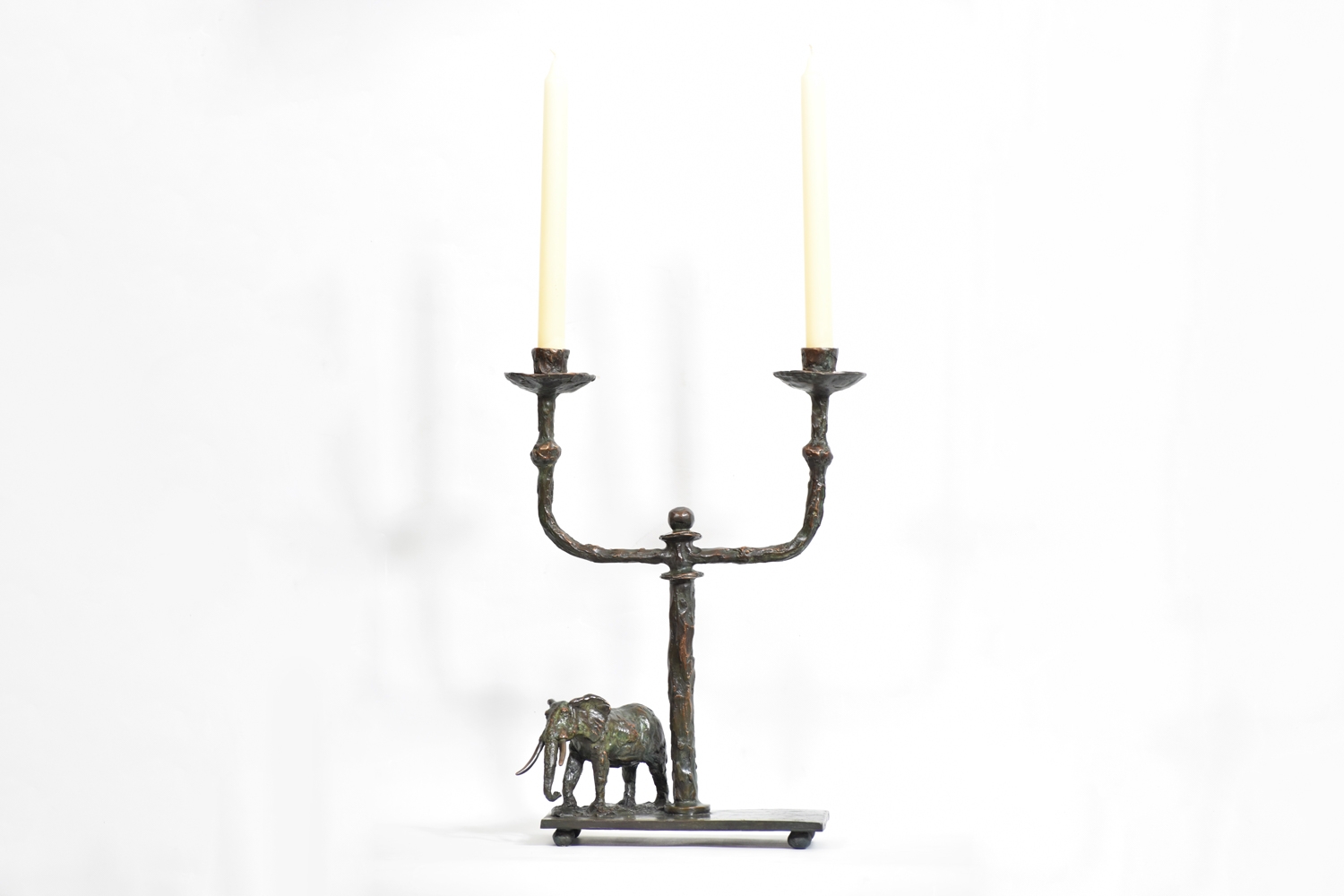
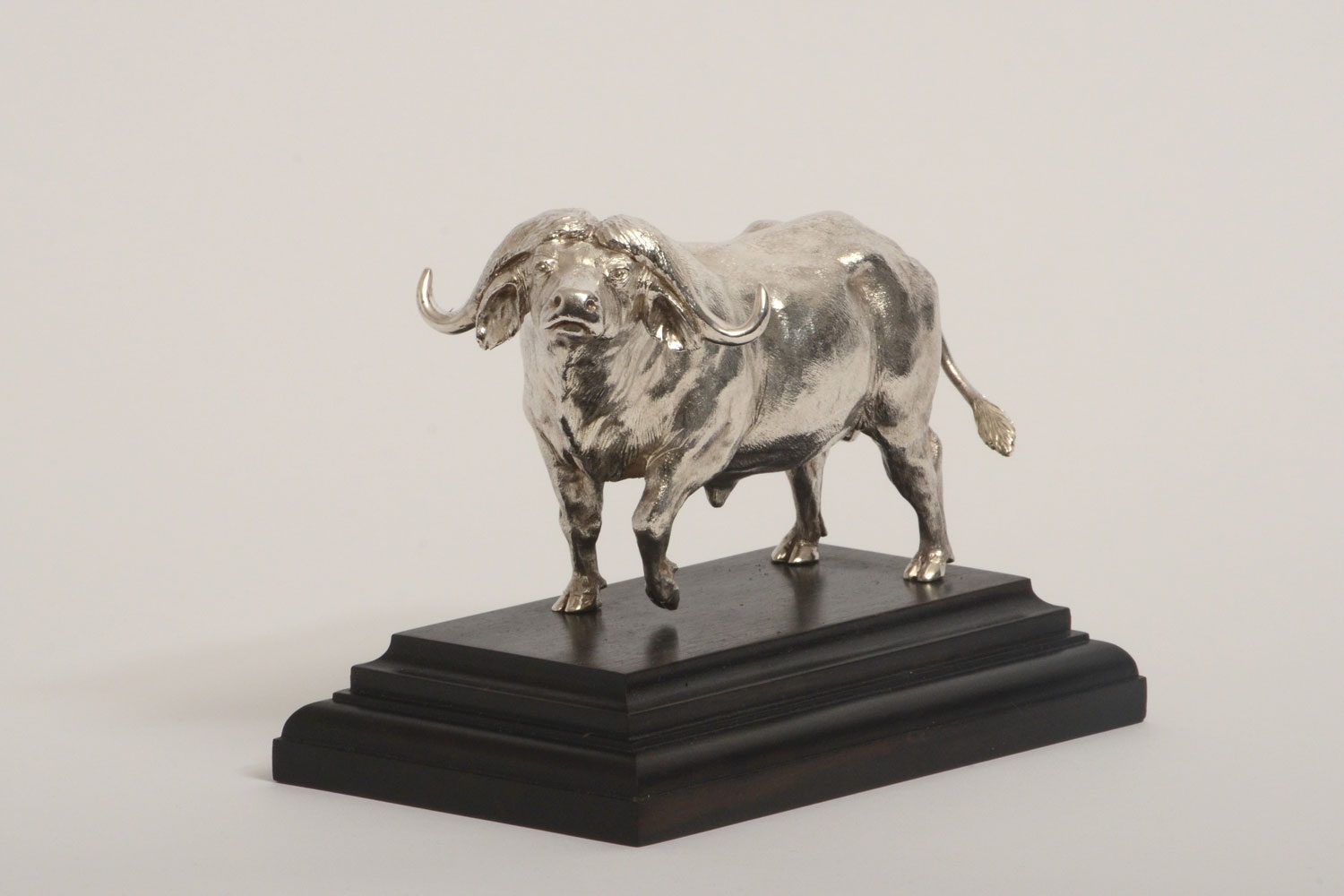
- His creations often represent African wildlife, a long-time passion of his
- Technical precision and detail define his approach
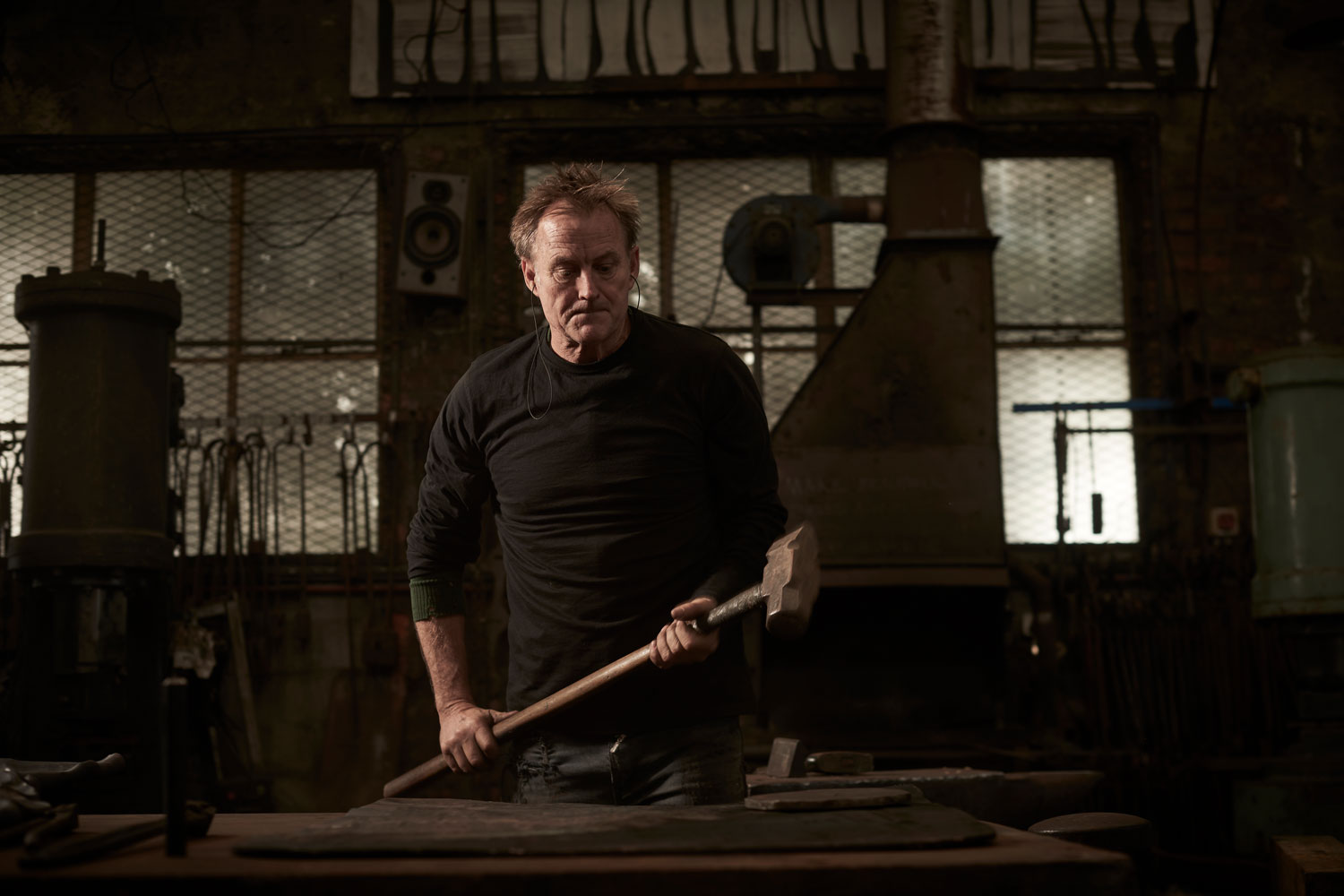
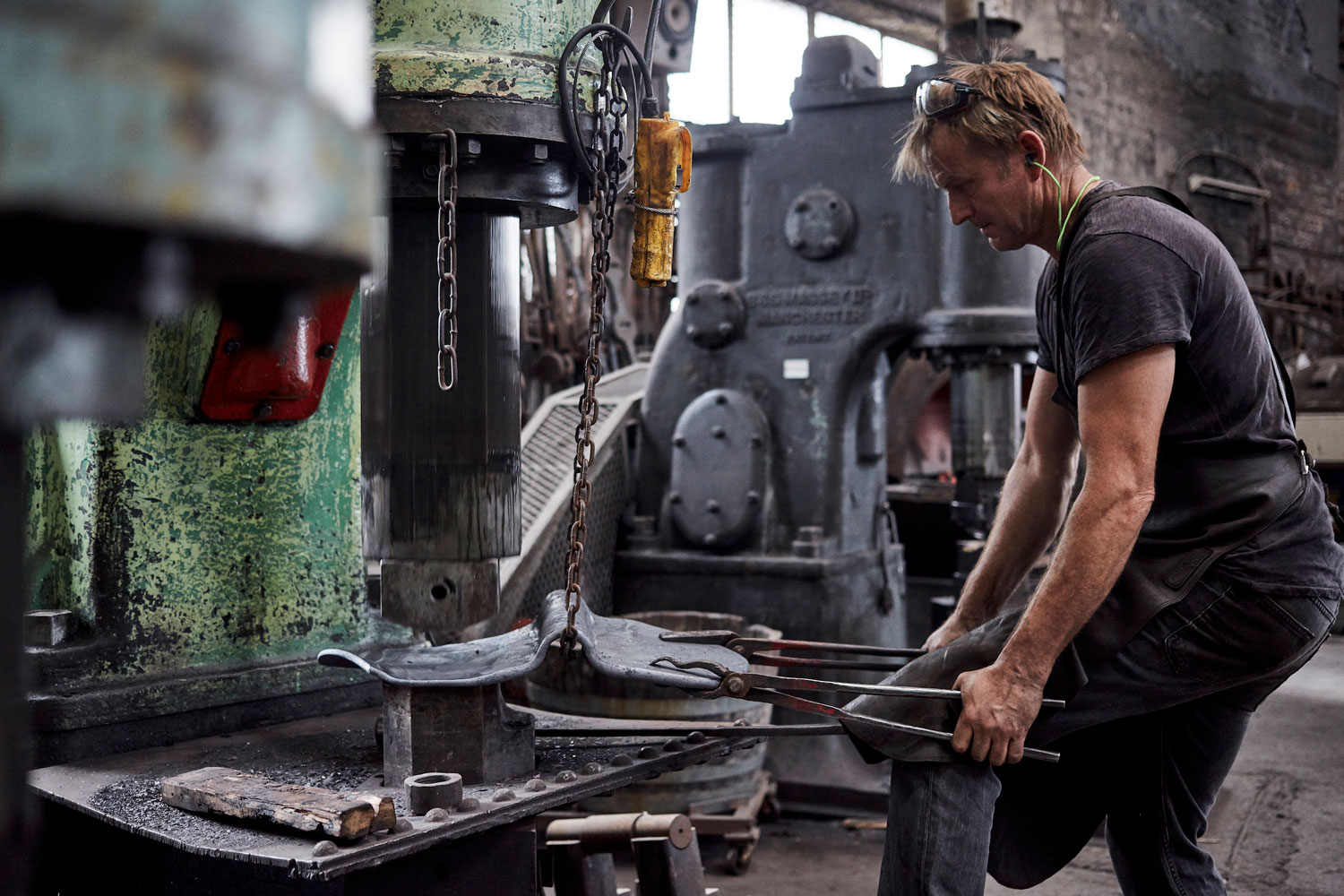
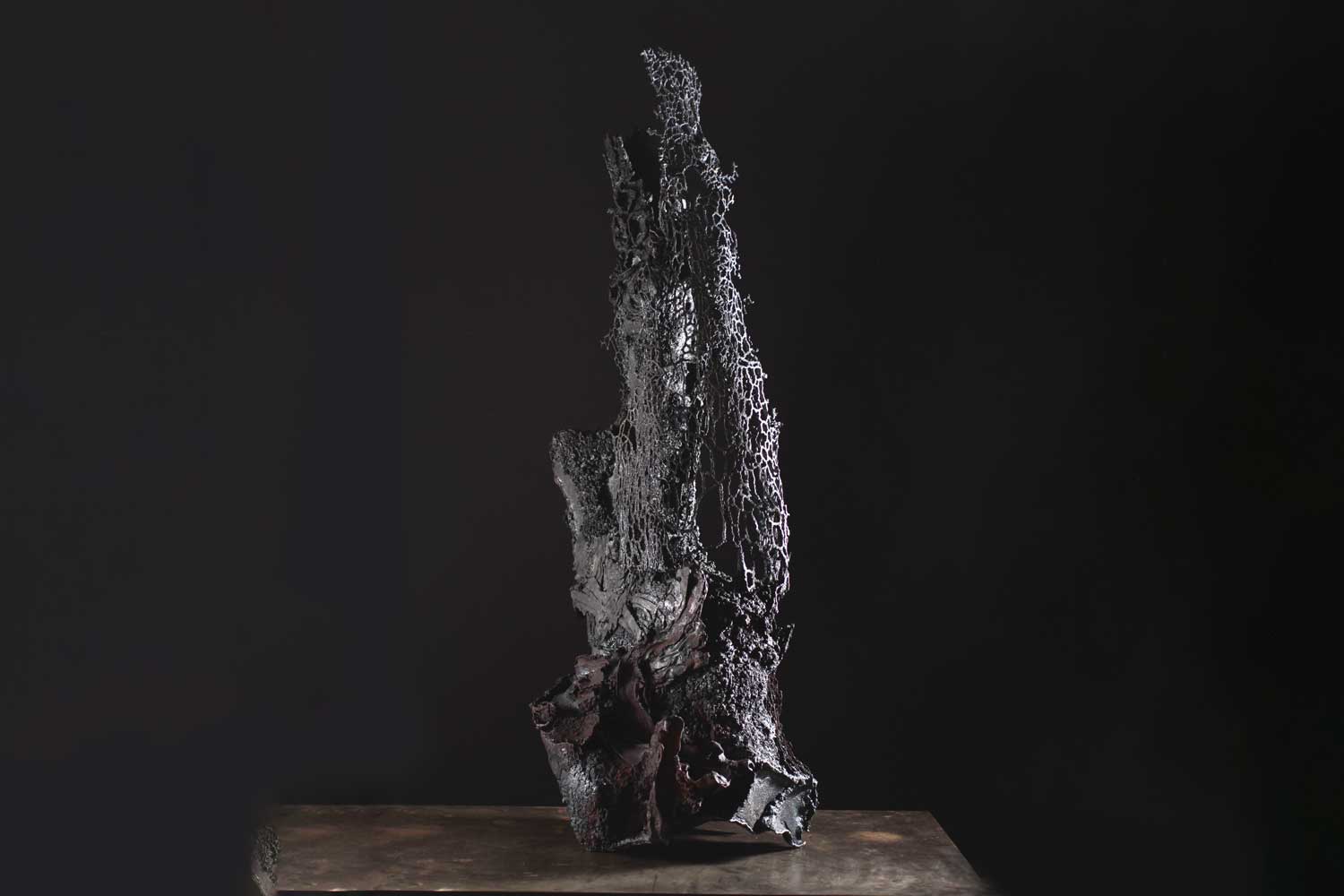
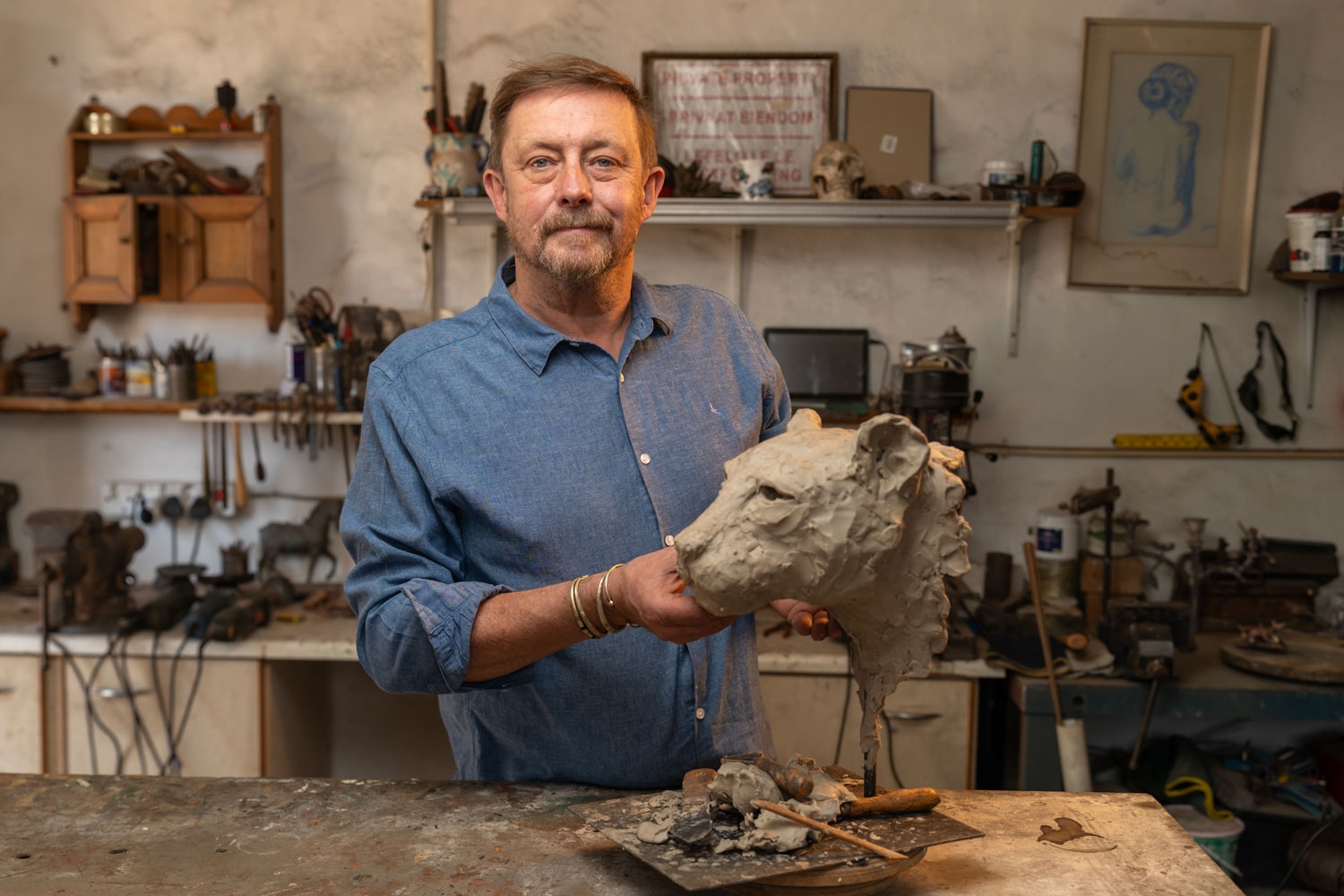
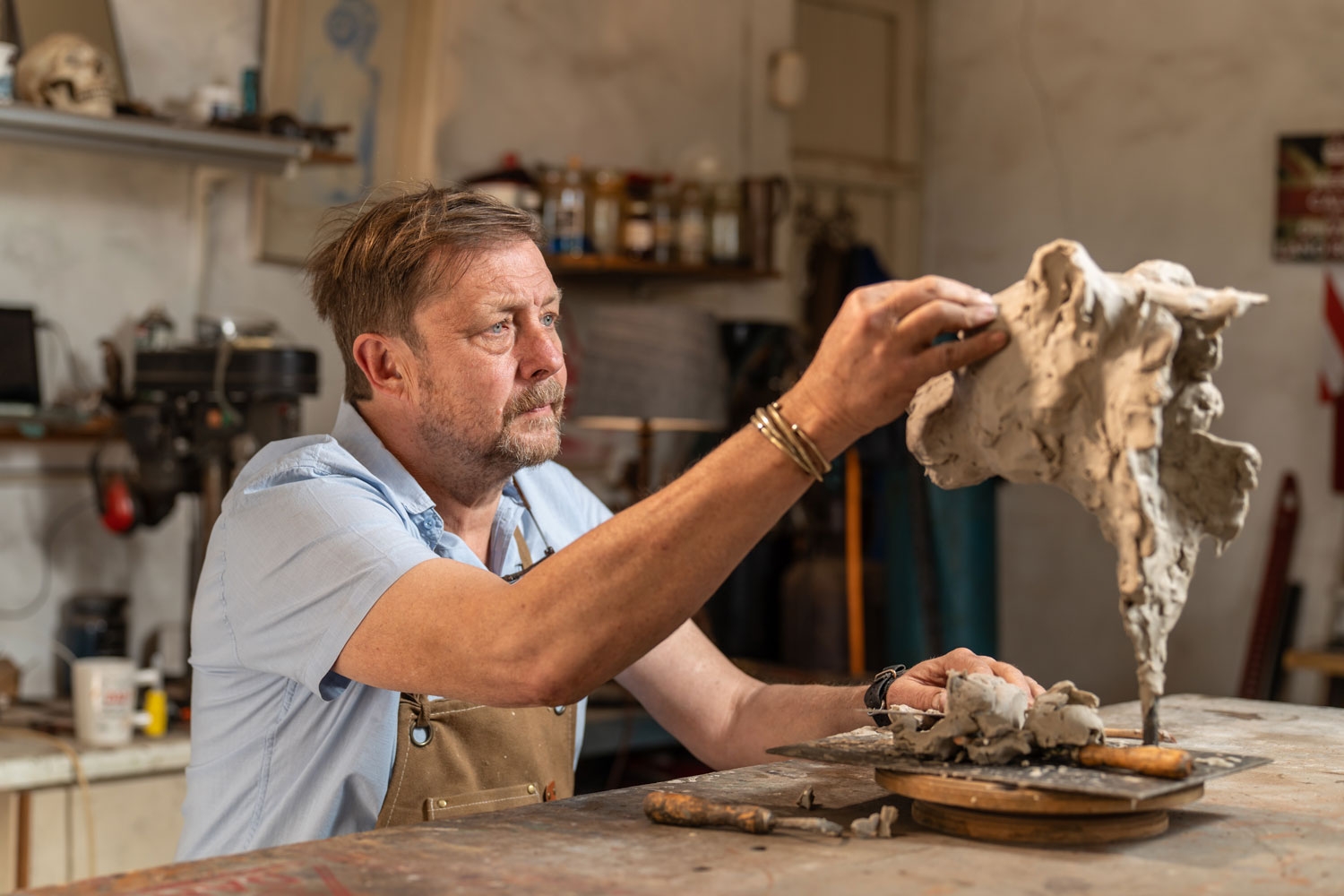
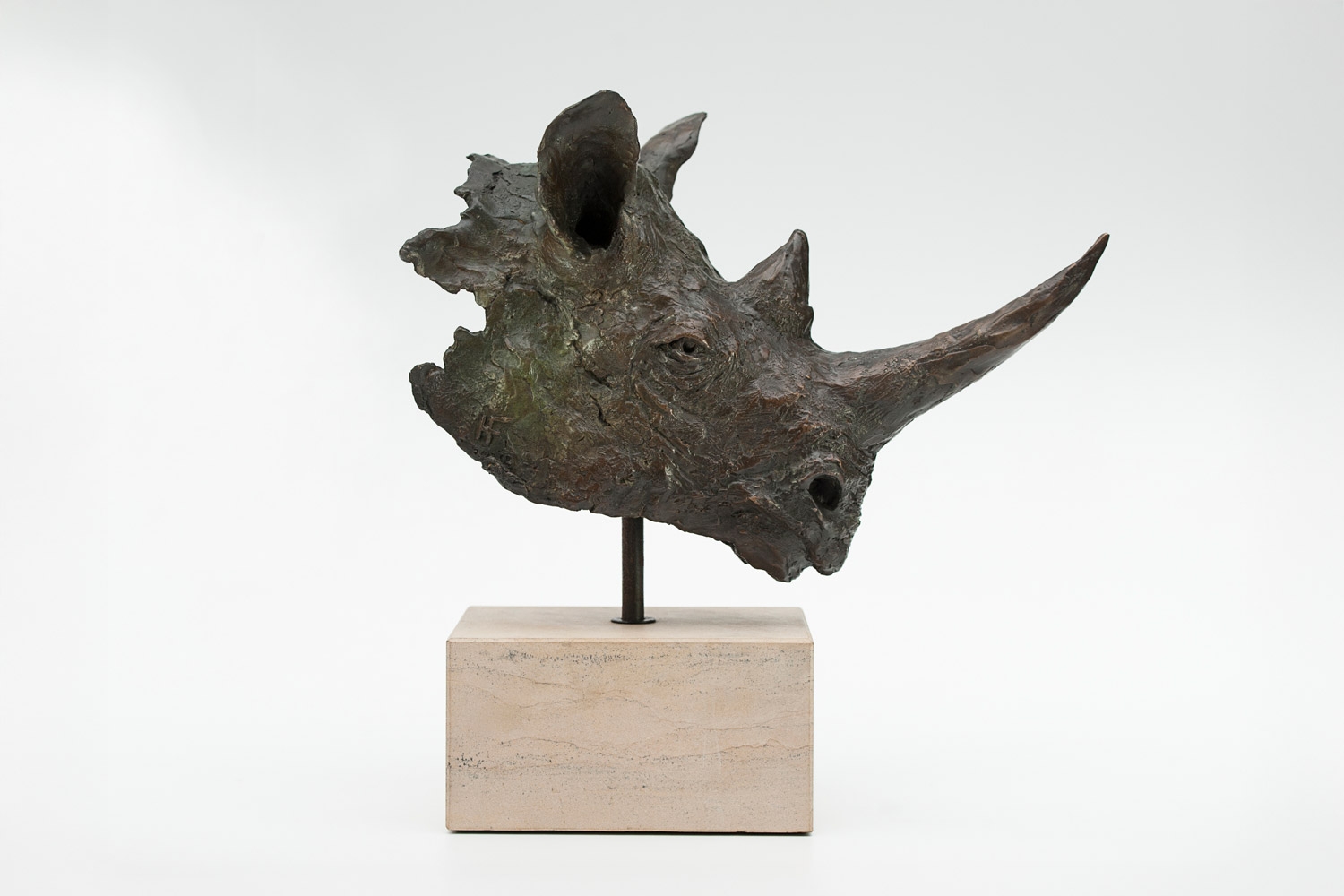
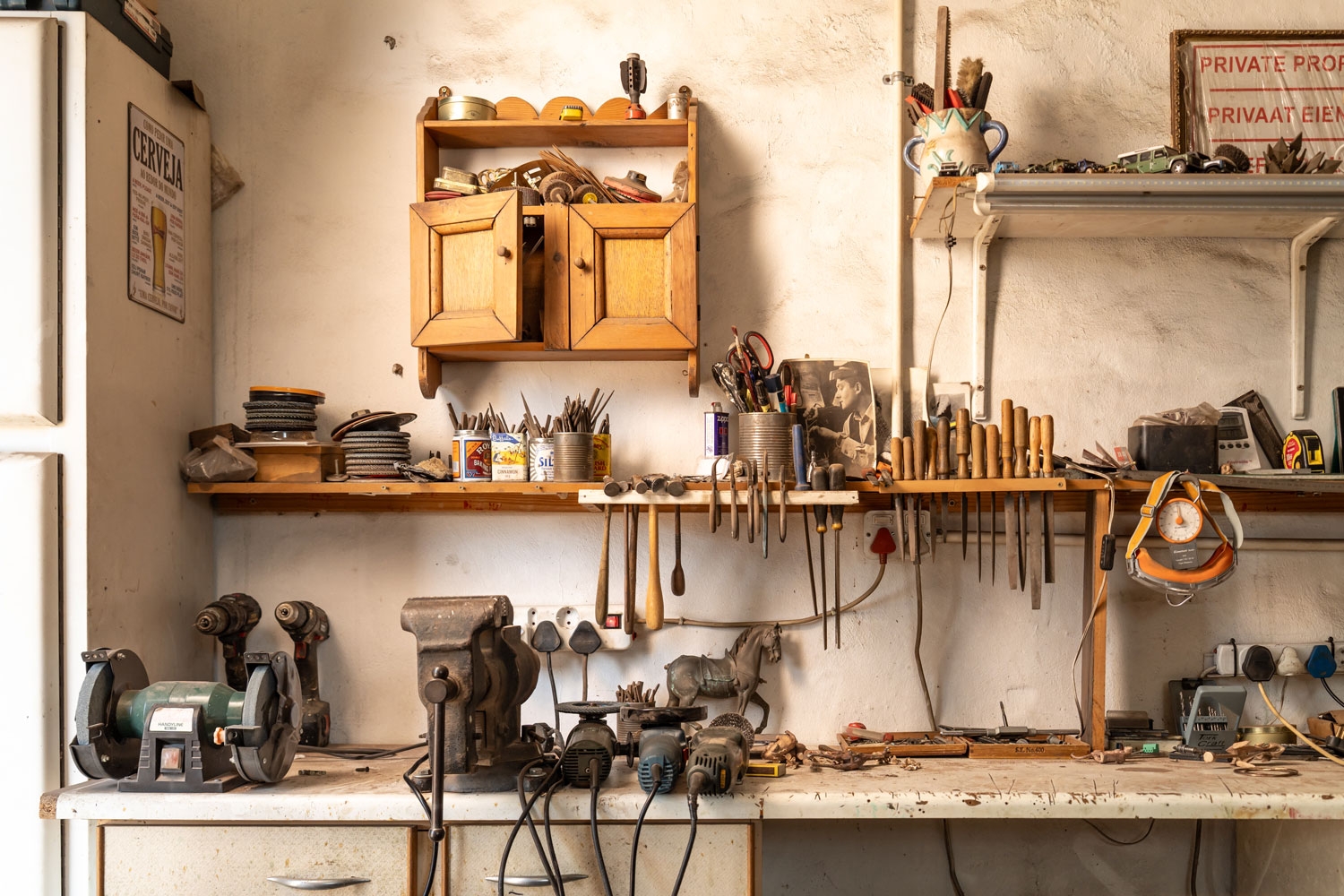
Trained in a small London foundry, Heinrich Filter learned his craft from a sculptor friend and through hands-on experience. "I worked in the foundry to finish the bronze and silver sculptures made by other sculptors," he explains. His skill and precision earned him a strong reputation among established artists, exhibiting in galleries in London and collected across Europe and the Middle East. "I developed a strong affinity for classical forms and metal craftsmanship," adds Heinrich. Originally from South Africa, before this time in the UK, Heinrich had spent over a decade as a safari guide in Botswana, where his deep connection to wildlife began. In 2012, he returned to South Africa and founded his own studio, dedicated to creating wildlife-inspired bronze sculptures.
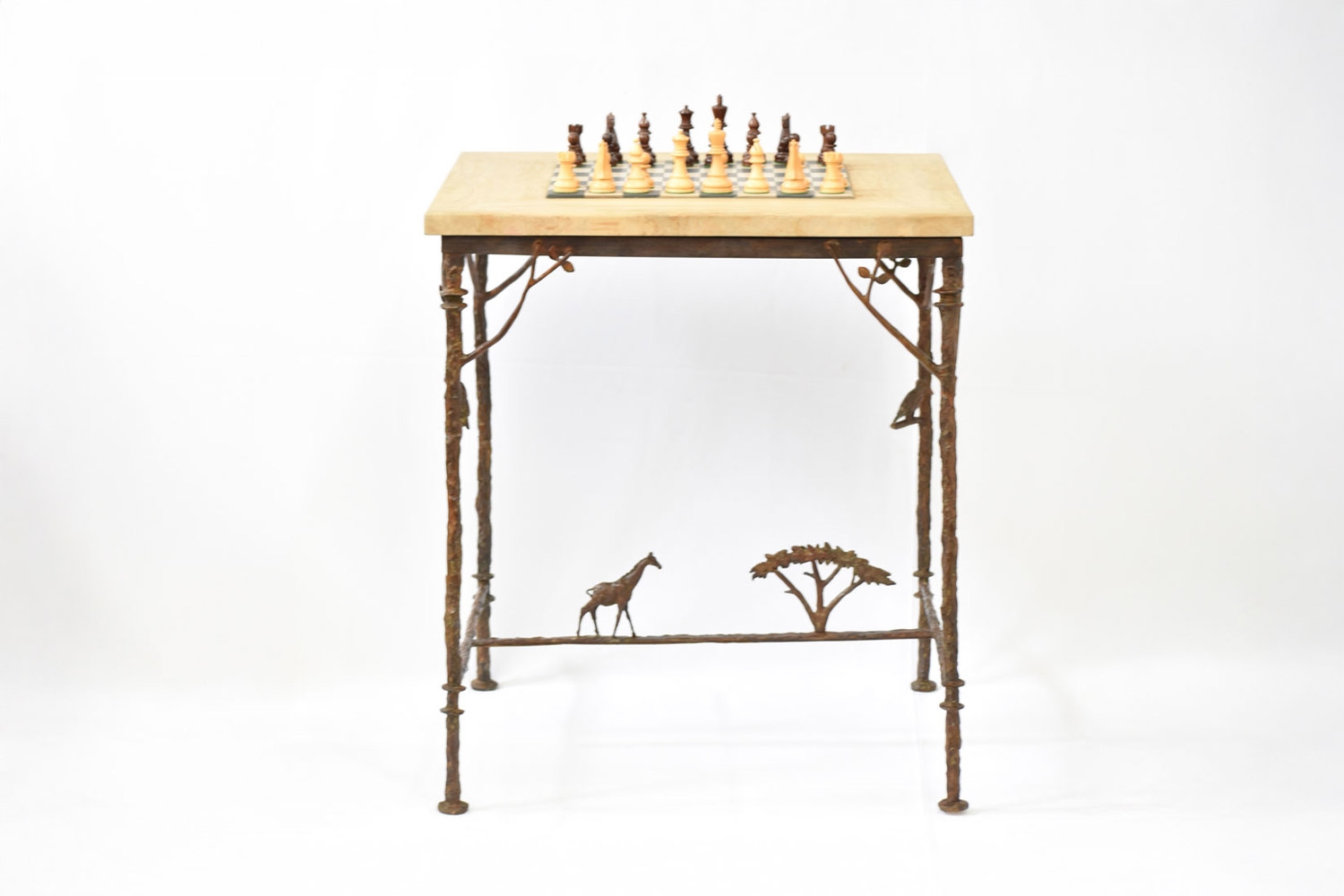
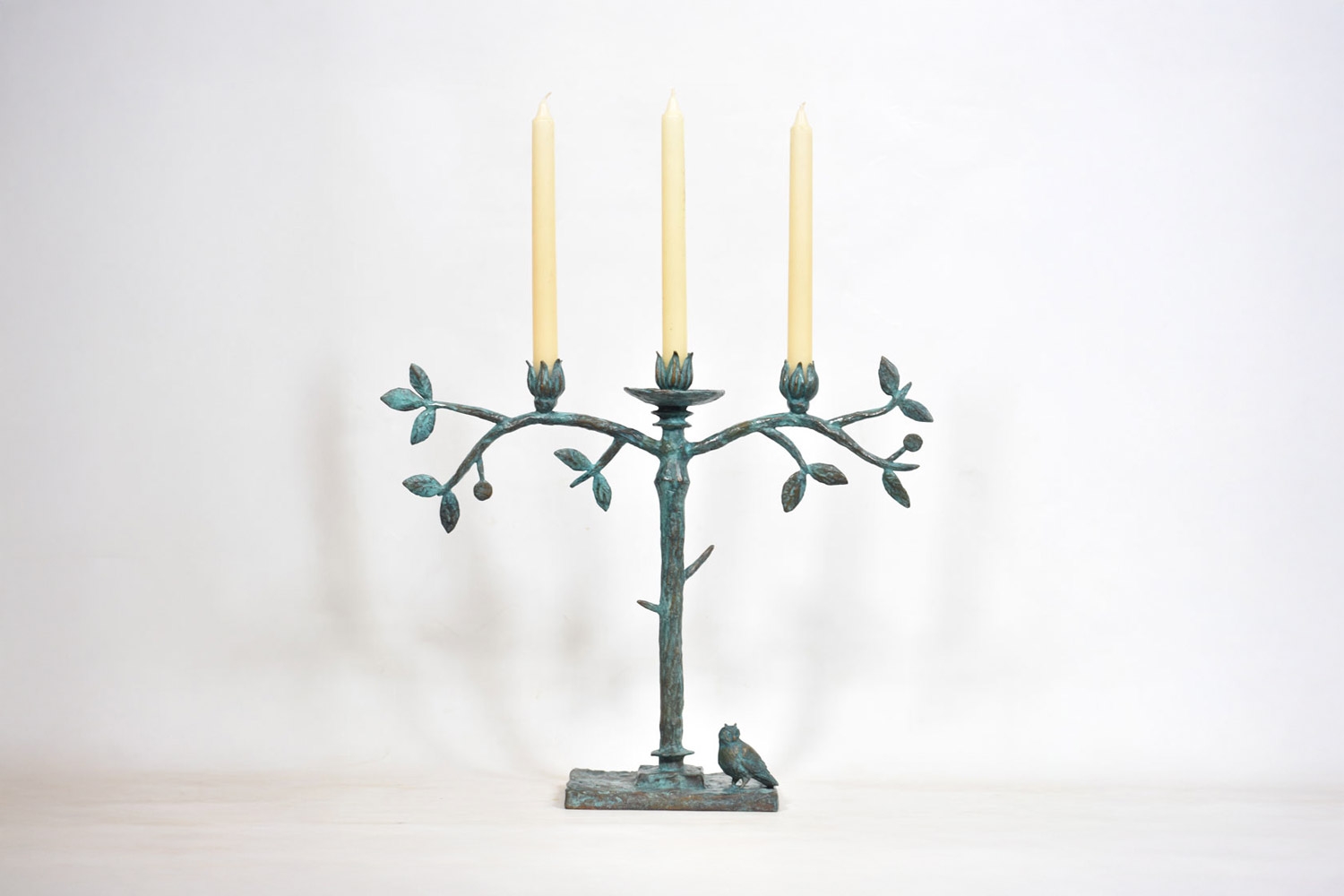
INTERVIEW
After moving from Botswana to London, a friend of mine who was a sculptor in a small foundry there asked me to finish his bronze and silver sculptures. I did this for 10 years, learning a lot from the team and teaching myself along the way. When I moved back to South Africa, I thought, why not try sculpting, and I discovered I had a natural feel for it.
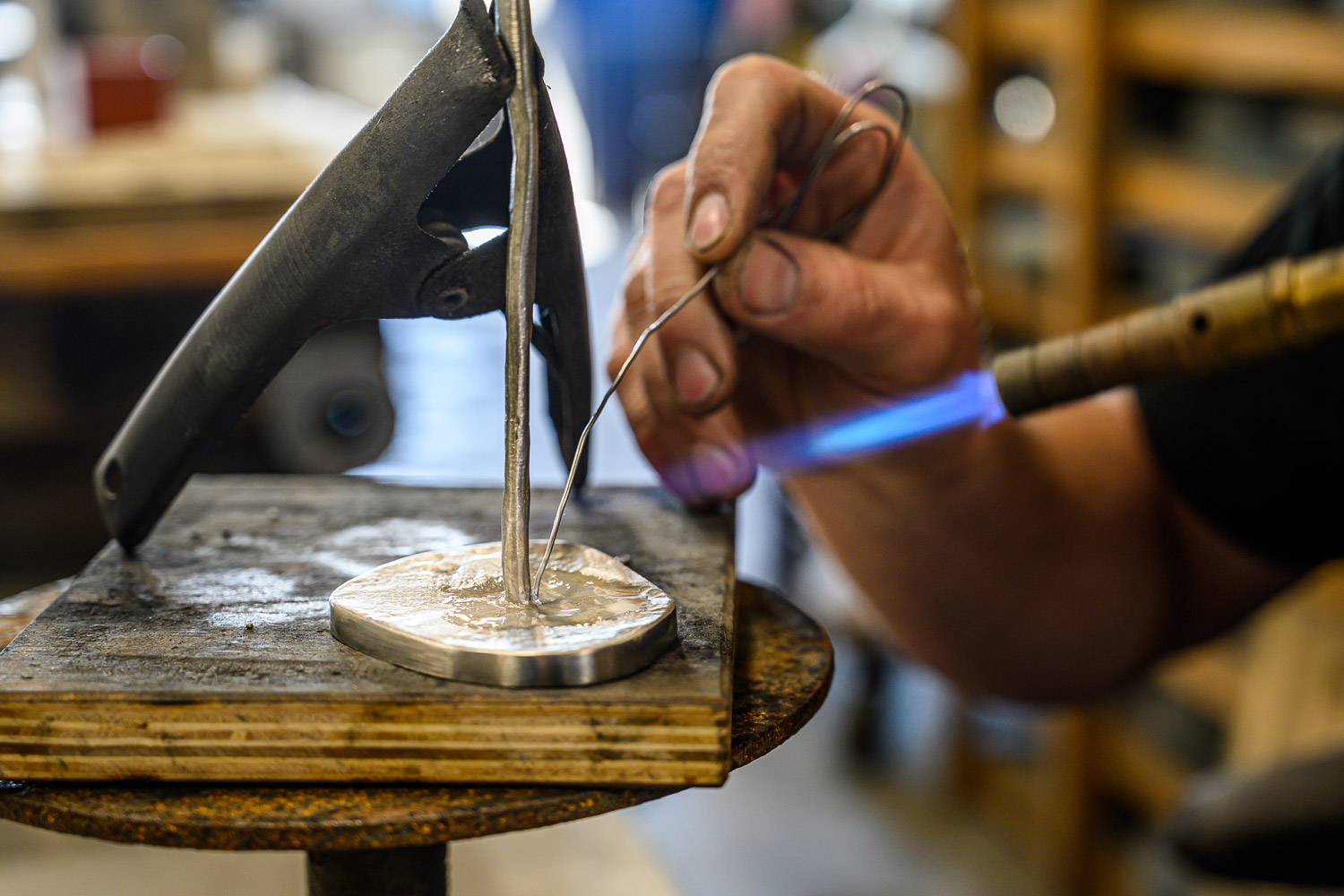
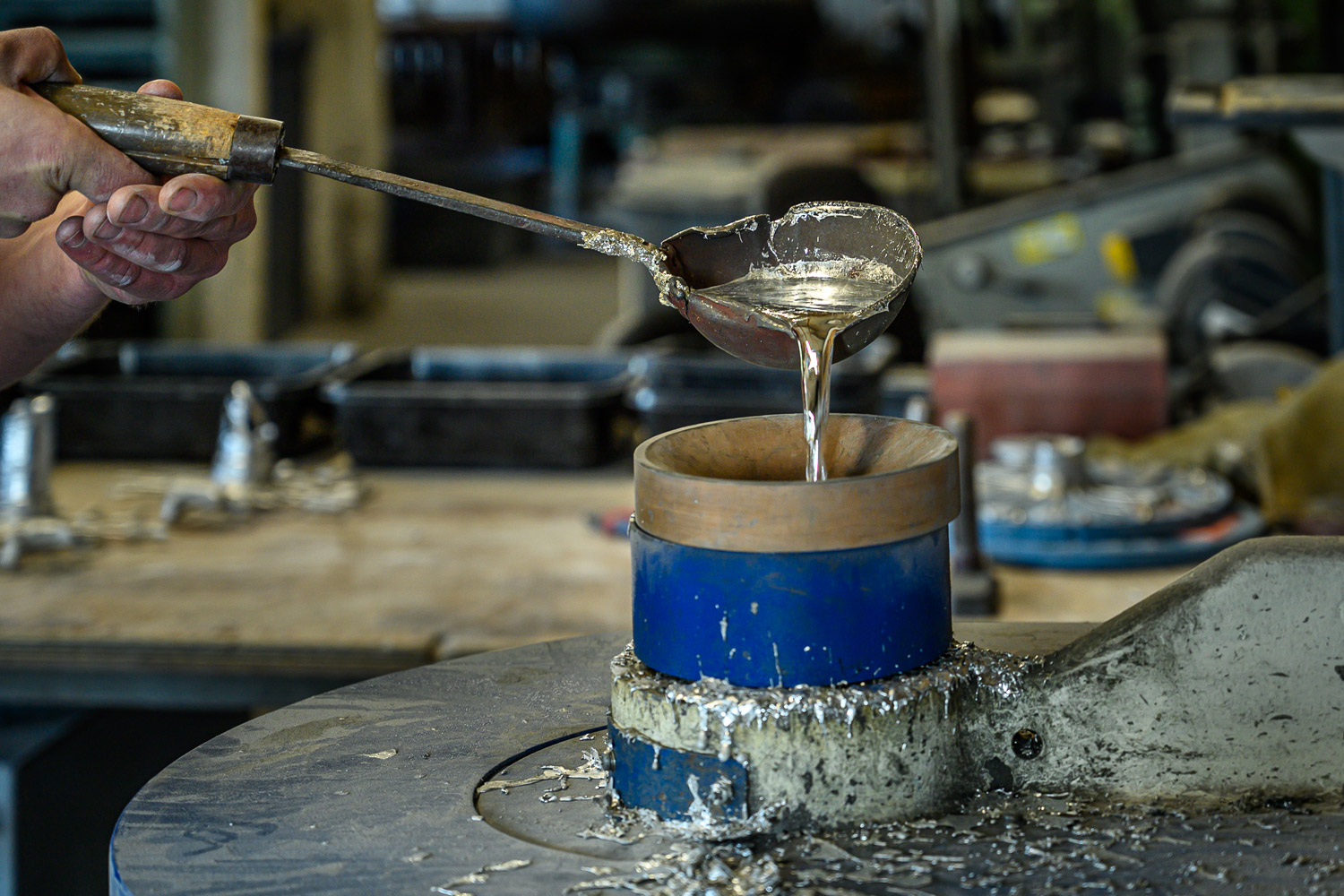
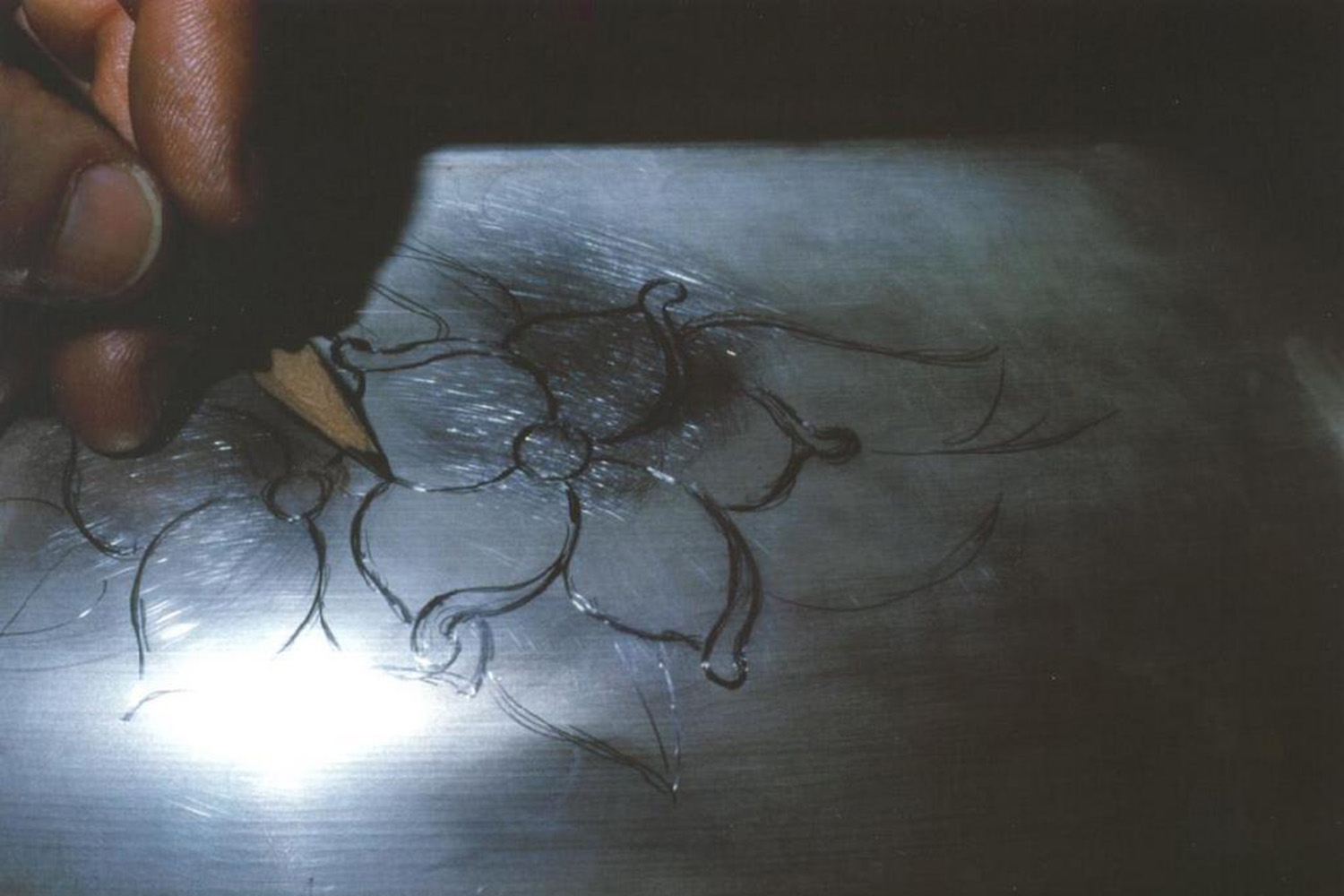
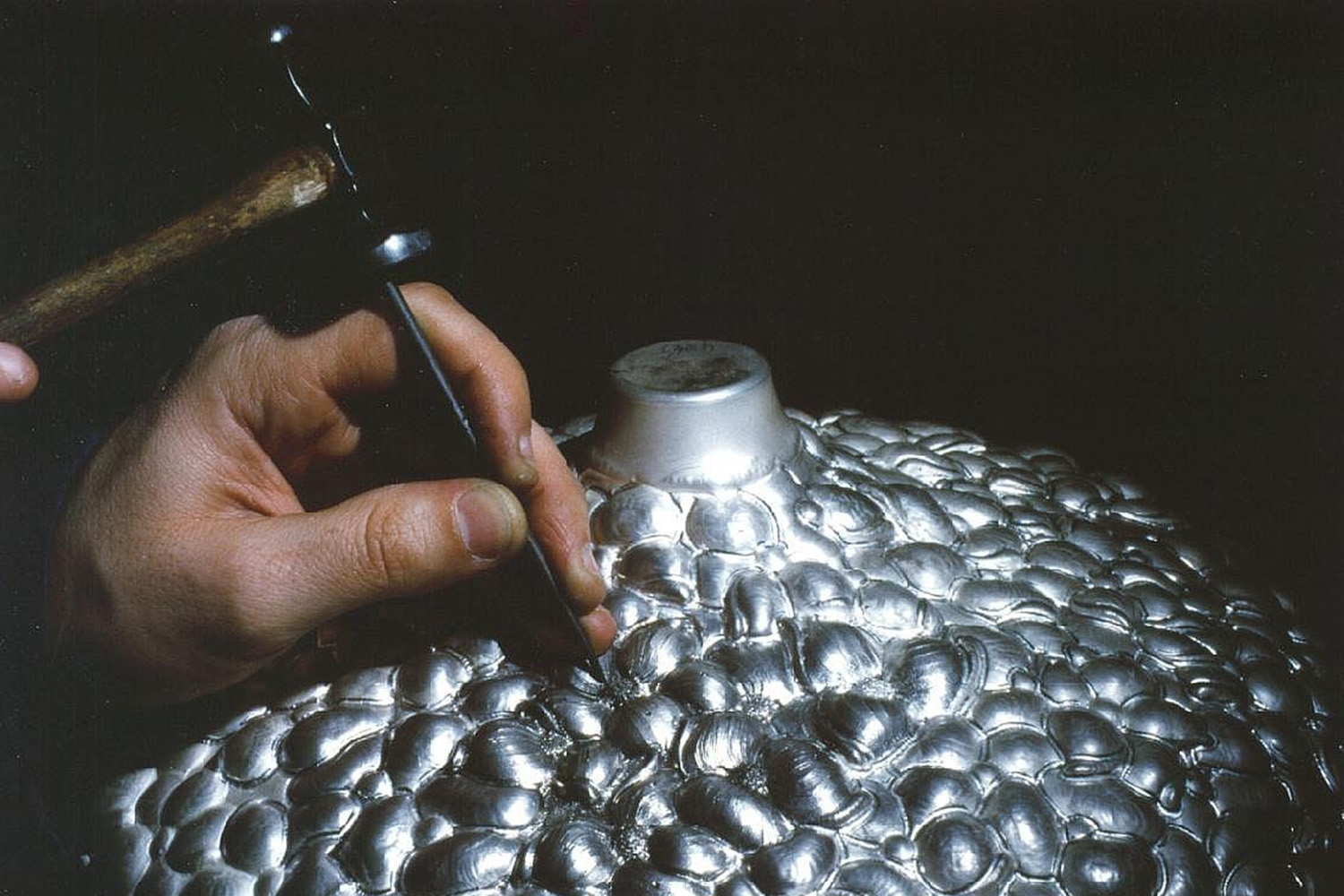
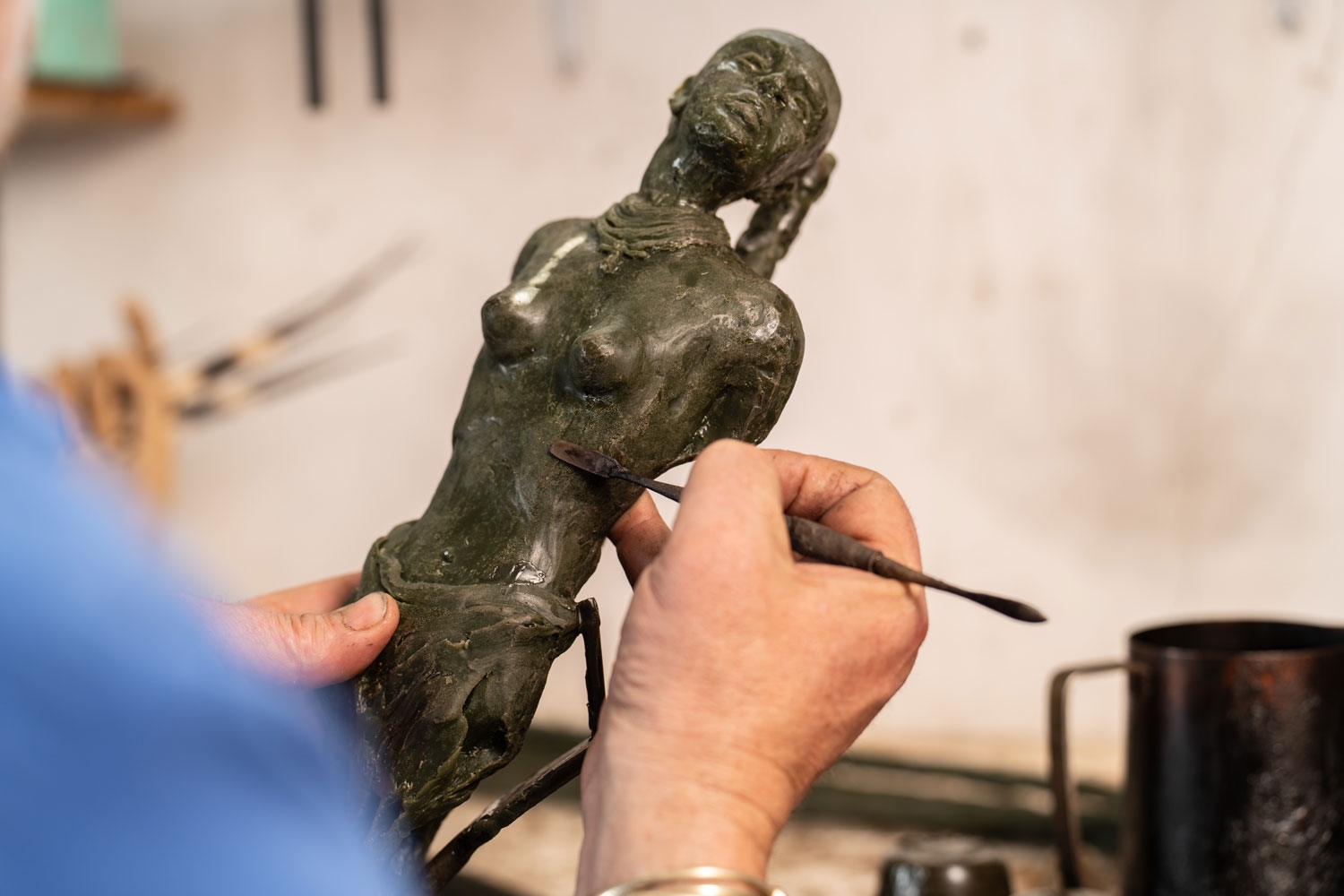
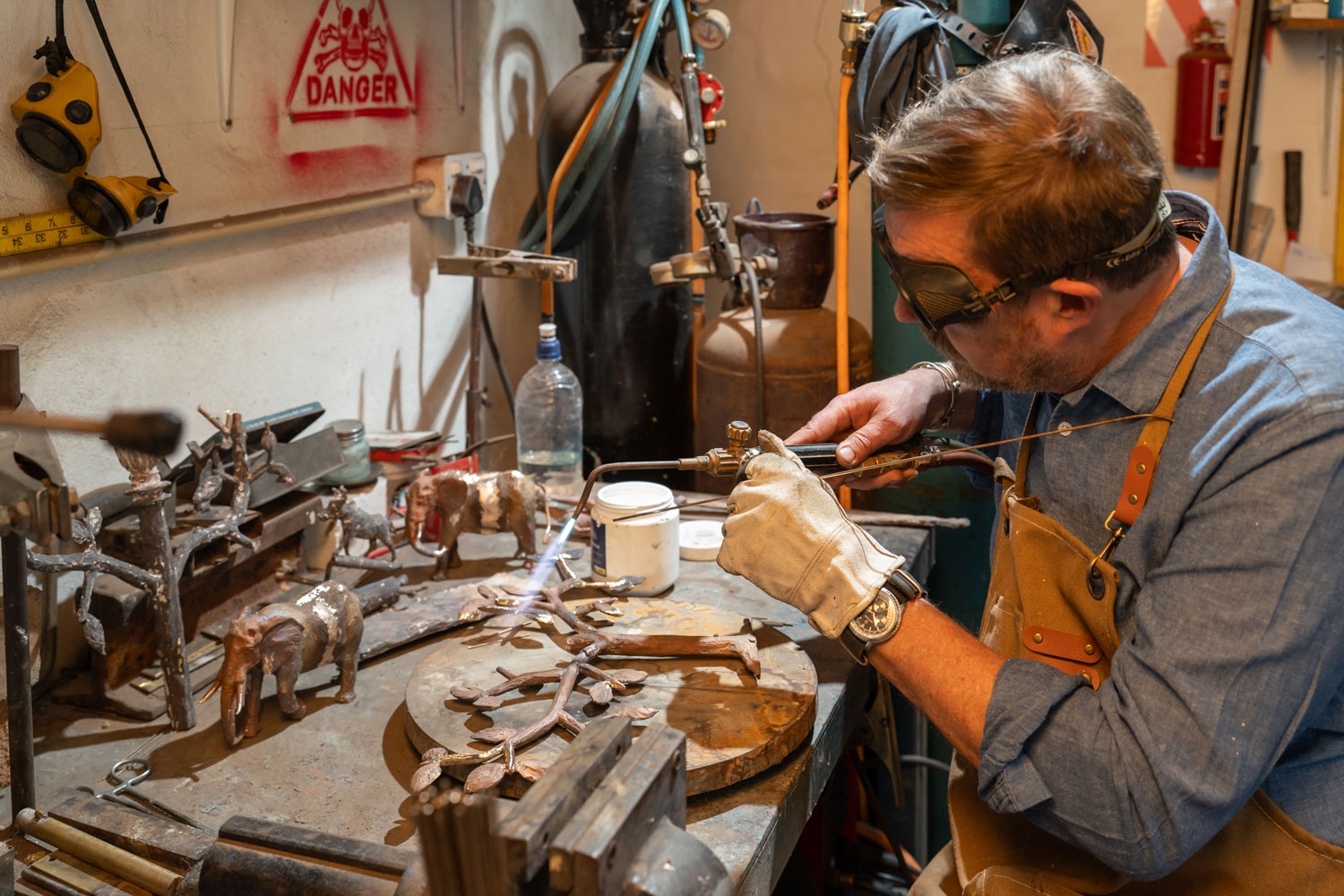
I master the art of silver chasing and bronze fettling. Chasing is done using small punches, putting designs or intricate detail into silver sculpture or silverware. Bronze fettling involves finishing bronze pieces, cleaning cast bronzes, removing sprues, vents and surface imperfections. I also work with bronze casting and rubber mould making, which are essential steps in the full casting process.
Bronze is a very durable medium. It will last for thousands of years and with just a few chemicals, beautiful patinas can be created. As for silver, it is a beautiful metal to work with, such a wonderful shine and colour. It is an expensive medium, and it is more demanding than bronze in terms of manipulation as it melts more quickly.
I did the silversmithing on a commissioned pair of silver and gold Arab horse stallions of about 70 cm high. They were cast and then assembled from various parts. This project challenged all my skills. Silver is soft and unforgiving, requiring extreme precision in chasing and joining. Completing these pieces was both demanding and deeply rewarding.
Heinrich Filter
Metal sculptor
Pretoria, South Africa
ADDRESS
Address upon request, Pretoria, South Africa
AVAILABILITY
By appointment only
PHONE
+27 765979688
LANGUAGES
English, Afrikaans
Homo Faber Finds is a new service aiming to inspire admirers of craft to connect and collaborate with exceptional artisans.
We invite you to submit an enquiry here.