Katrin Spranger
Metal sculptor
London, United Kingdom
Metal creativity for the future
- Electroforming is a technique that Katrin likes to use
- She runs her own jewellery making academy in London
- Her work is often inspired by what life might be like in the future
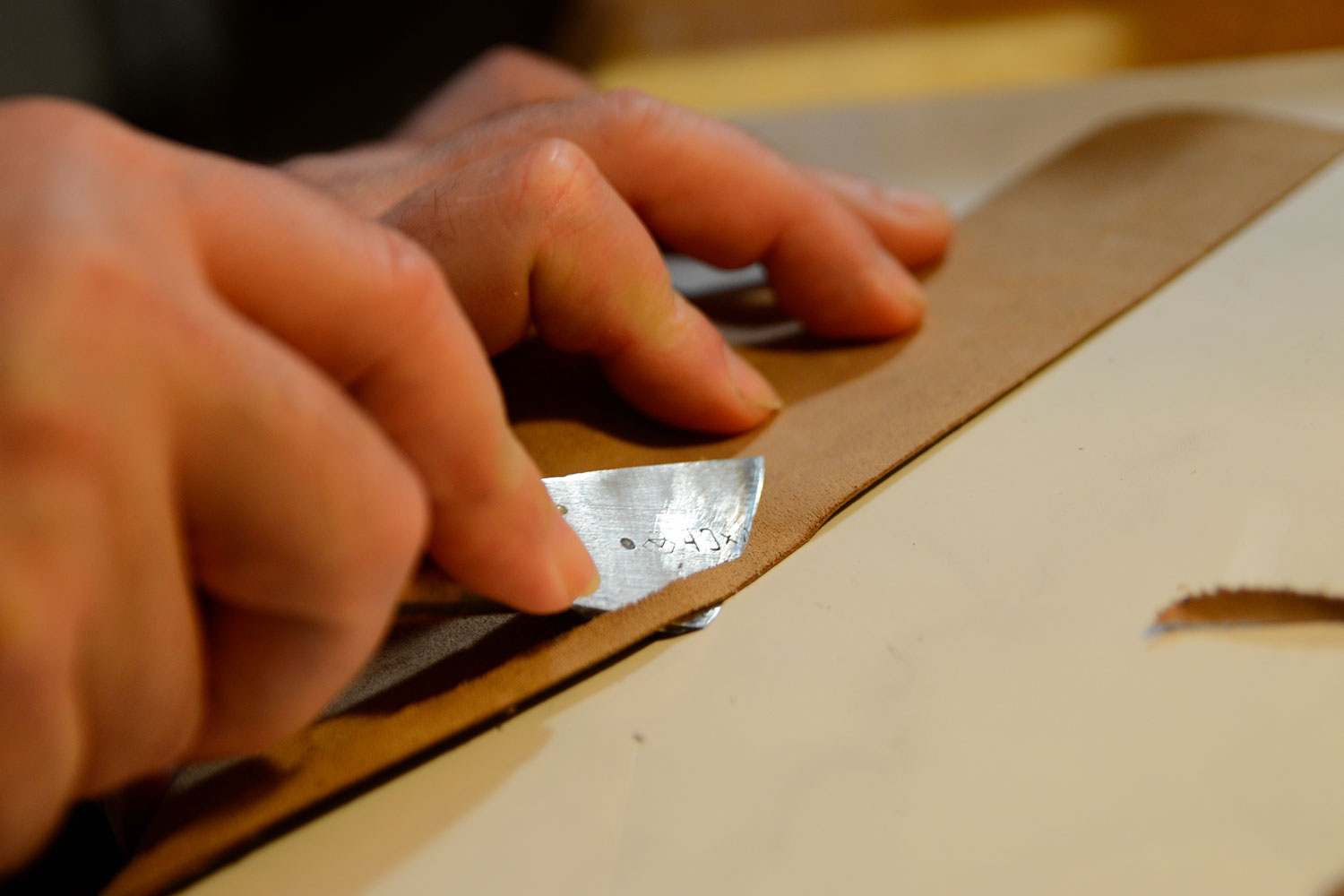
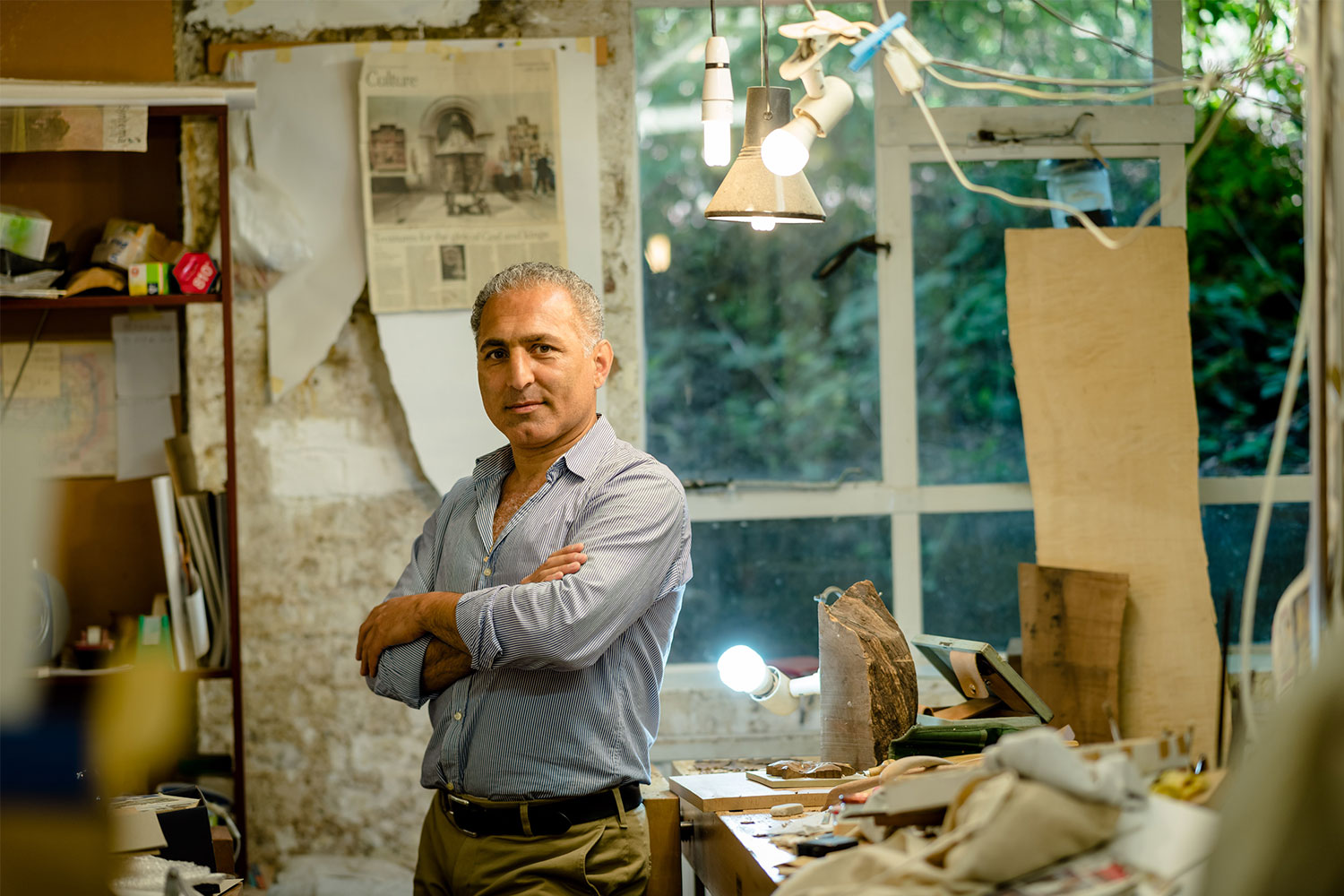
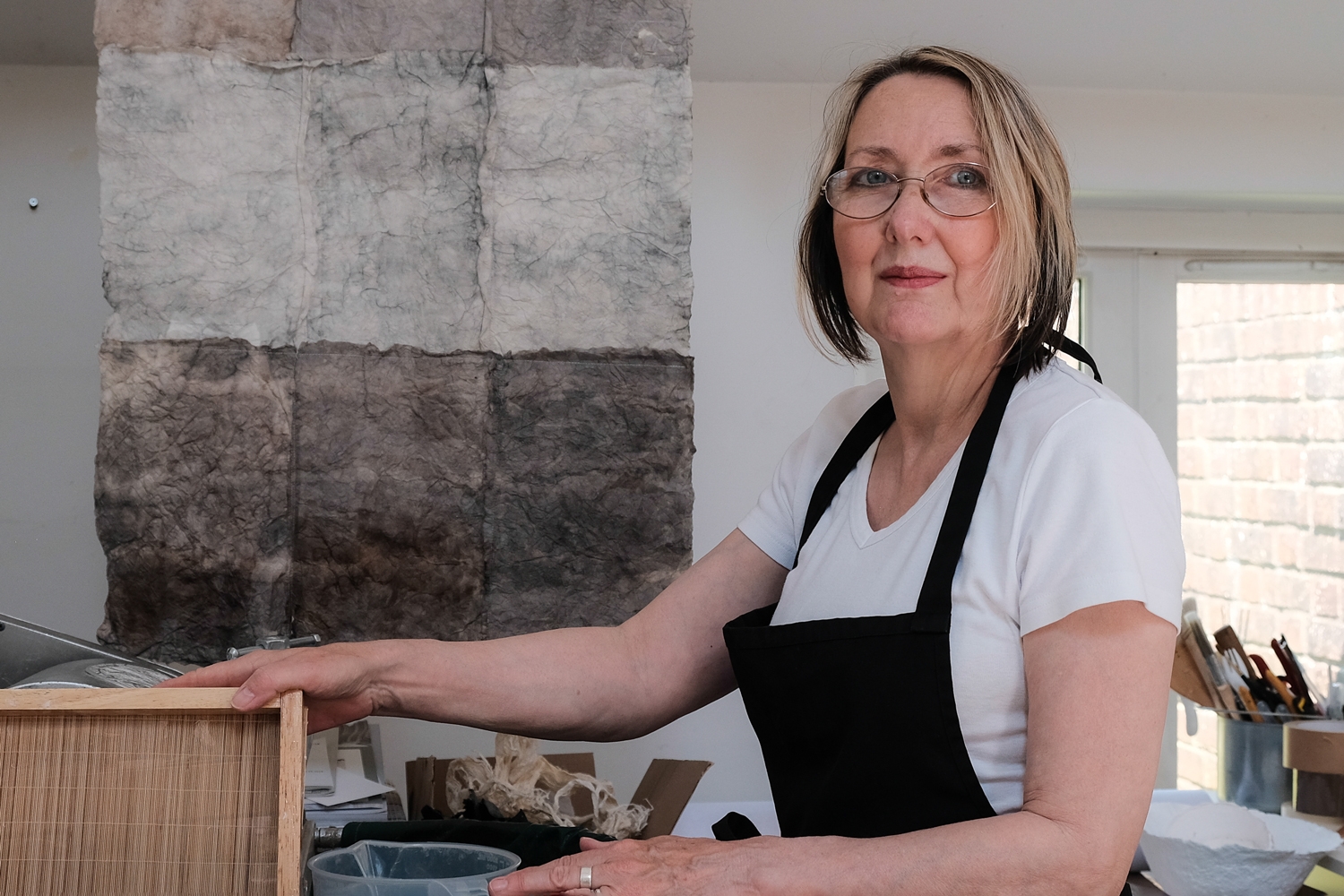
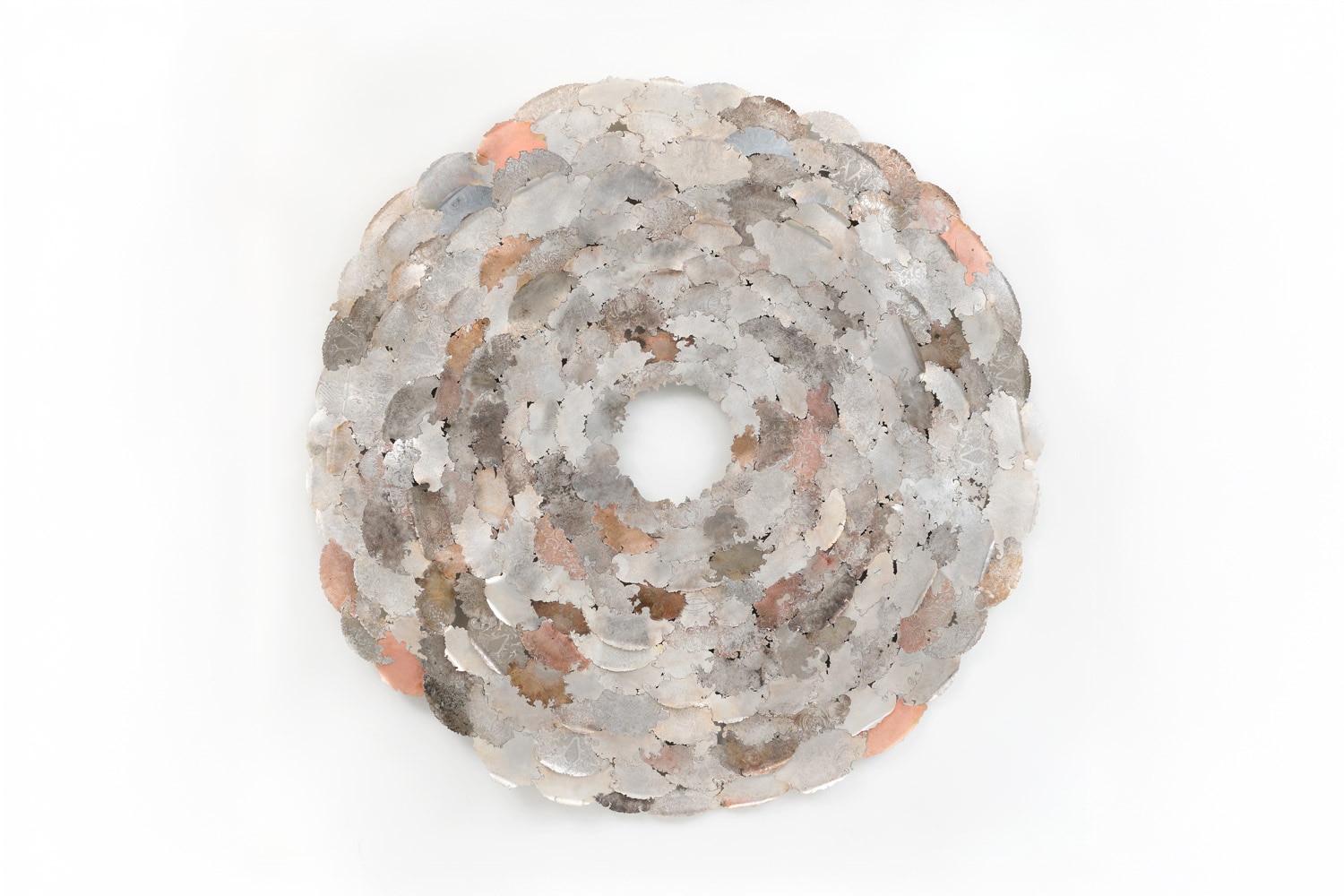
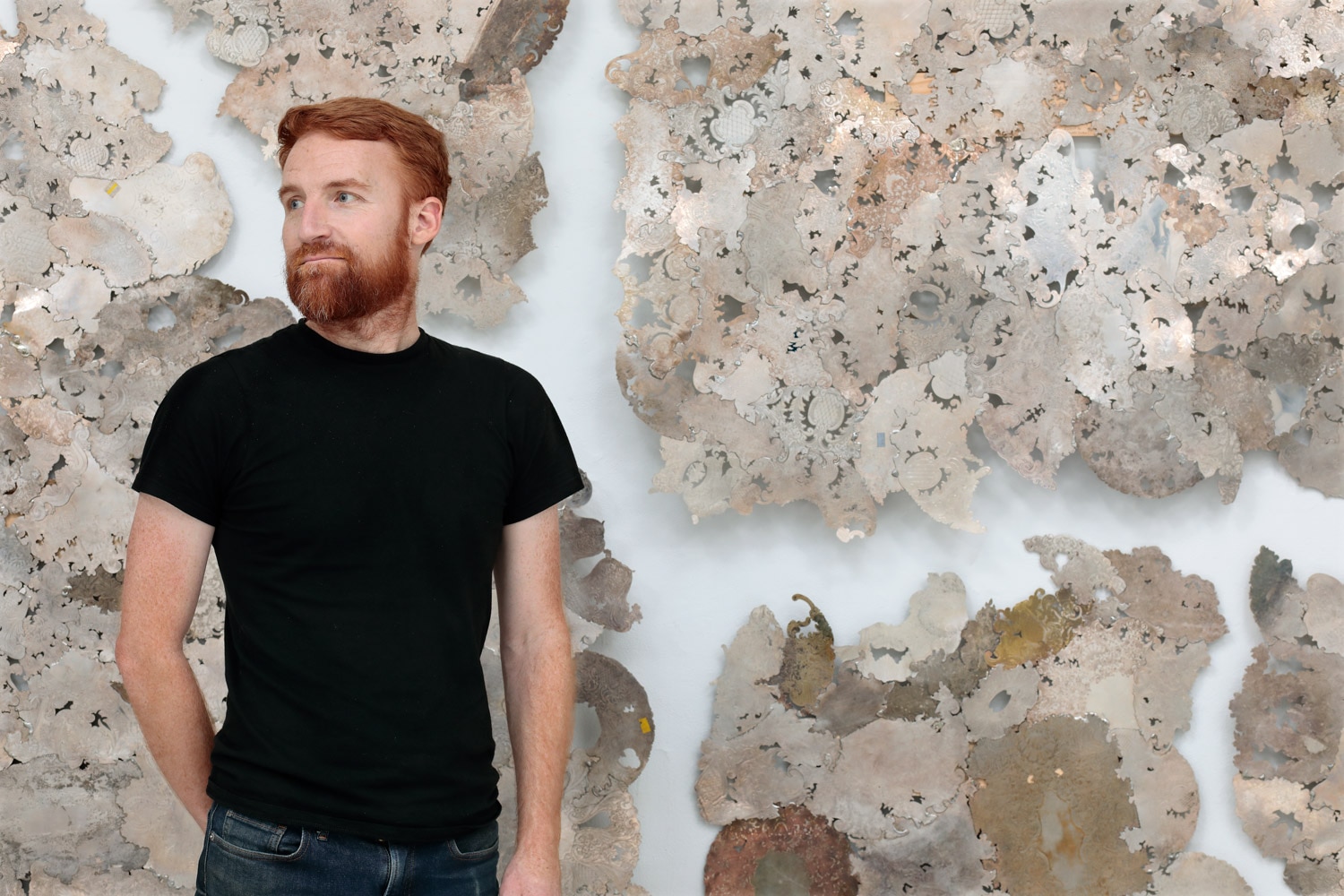
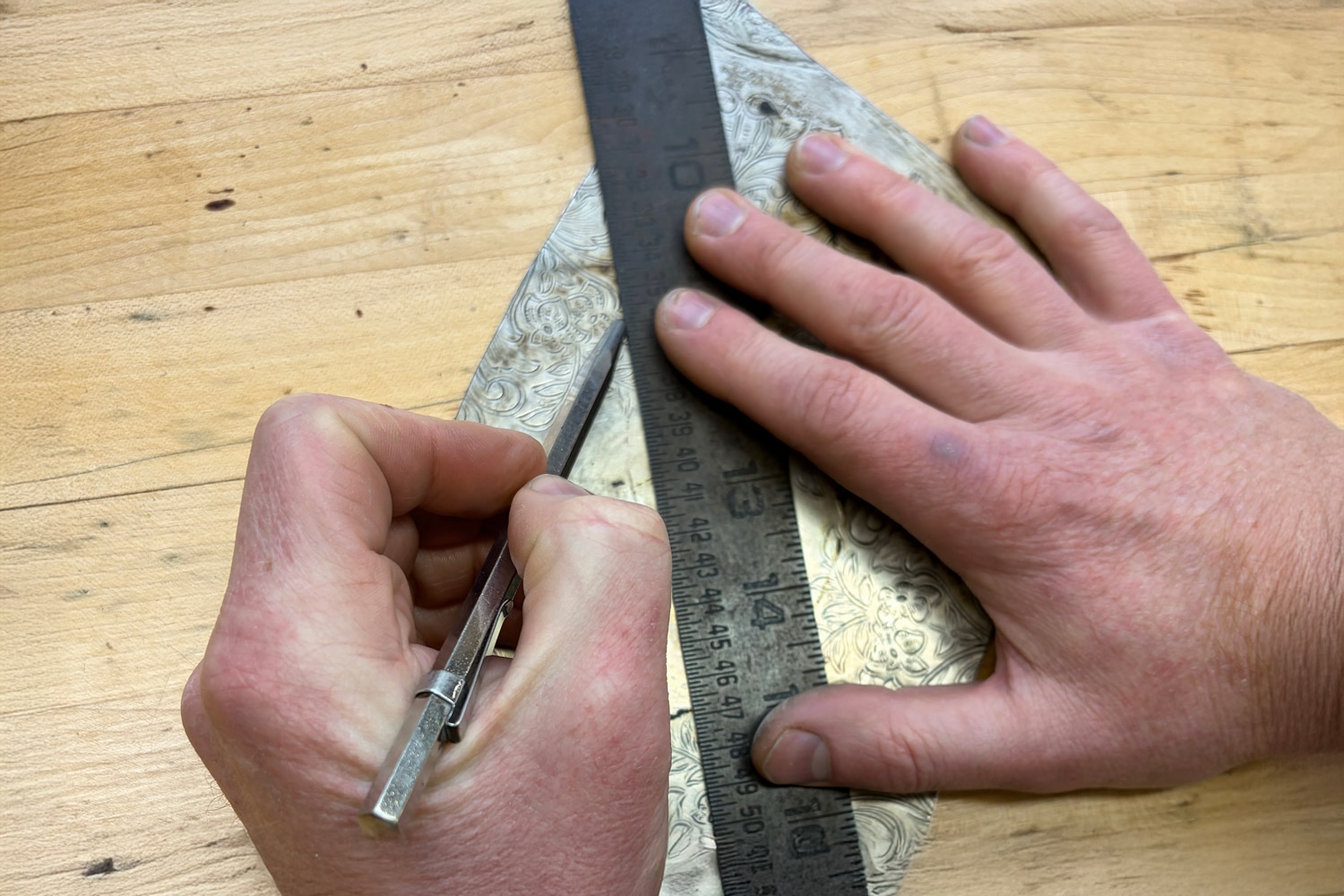
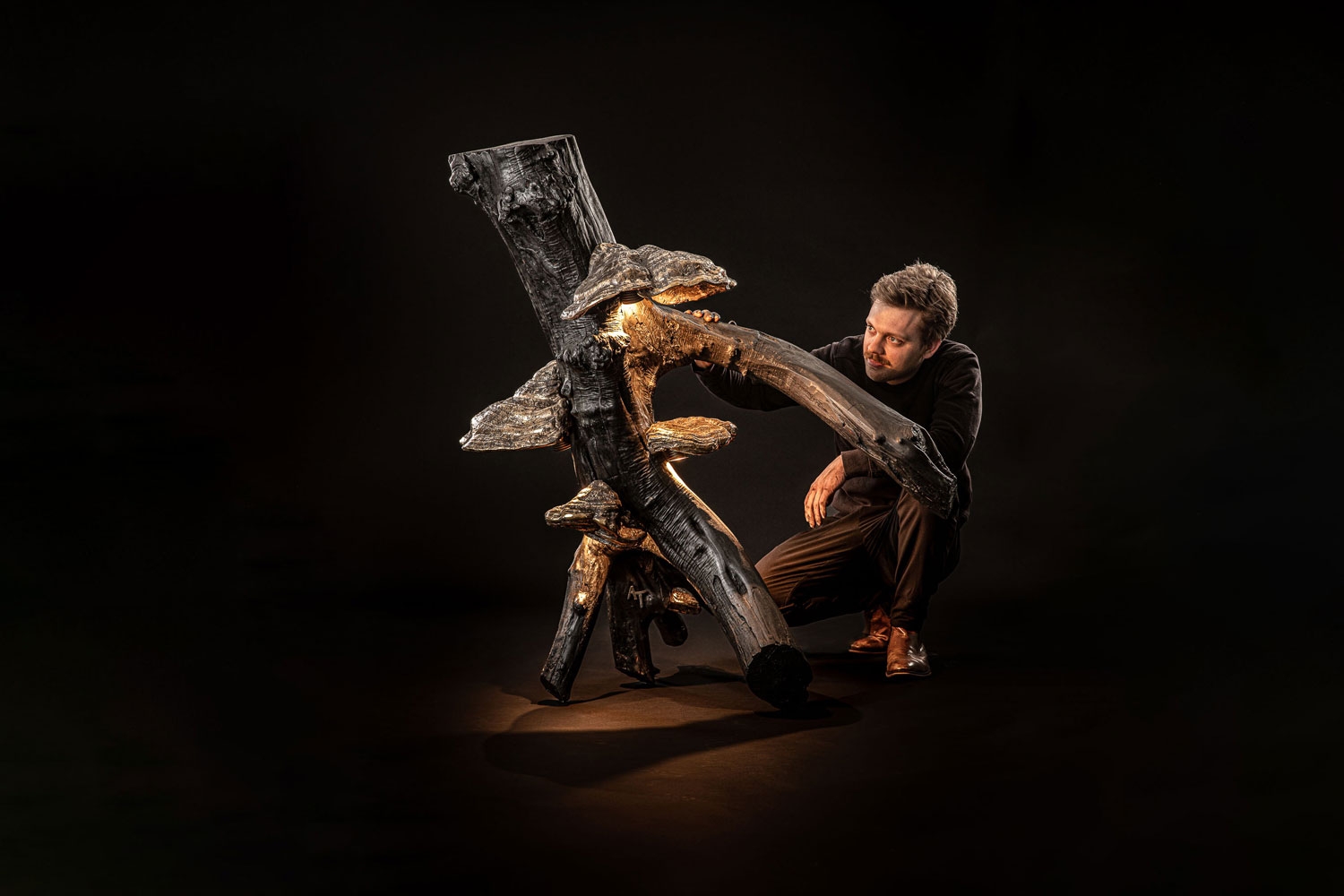
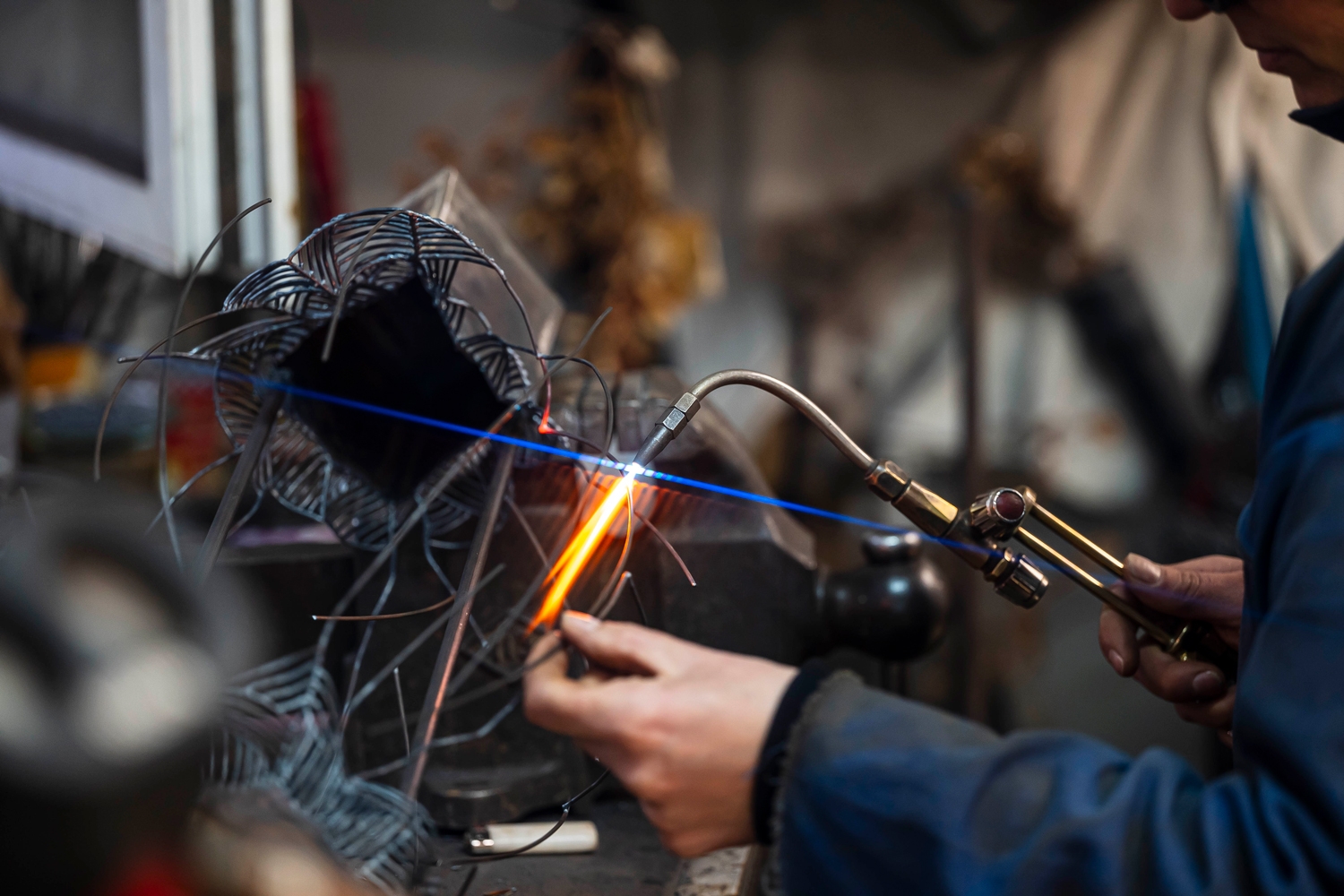
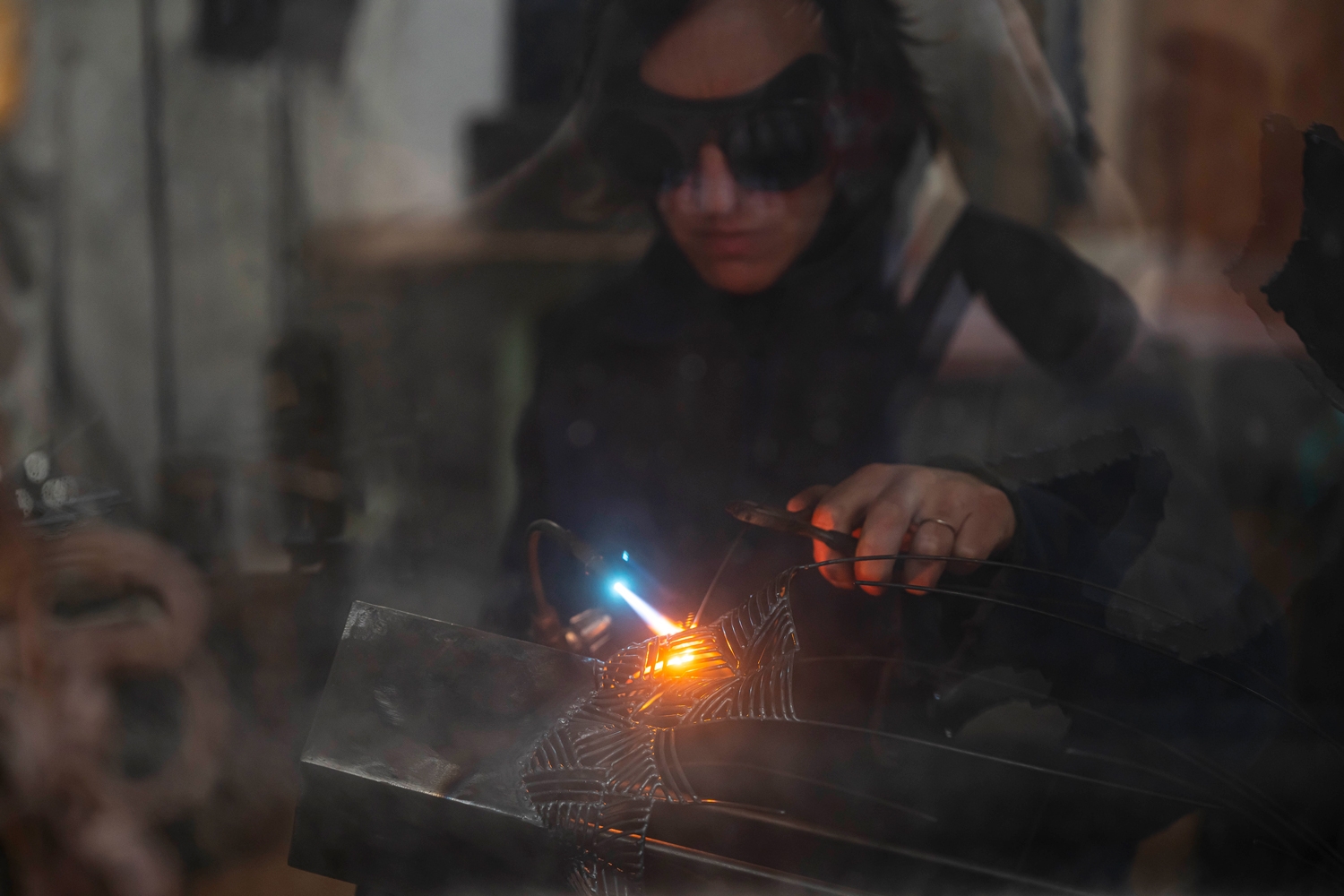
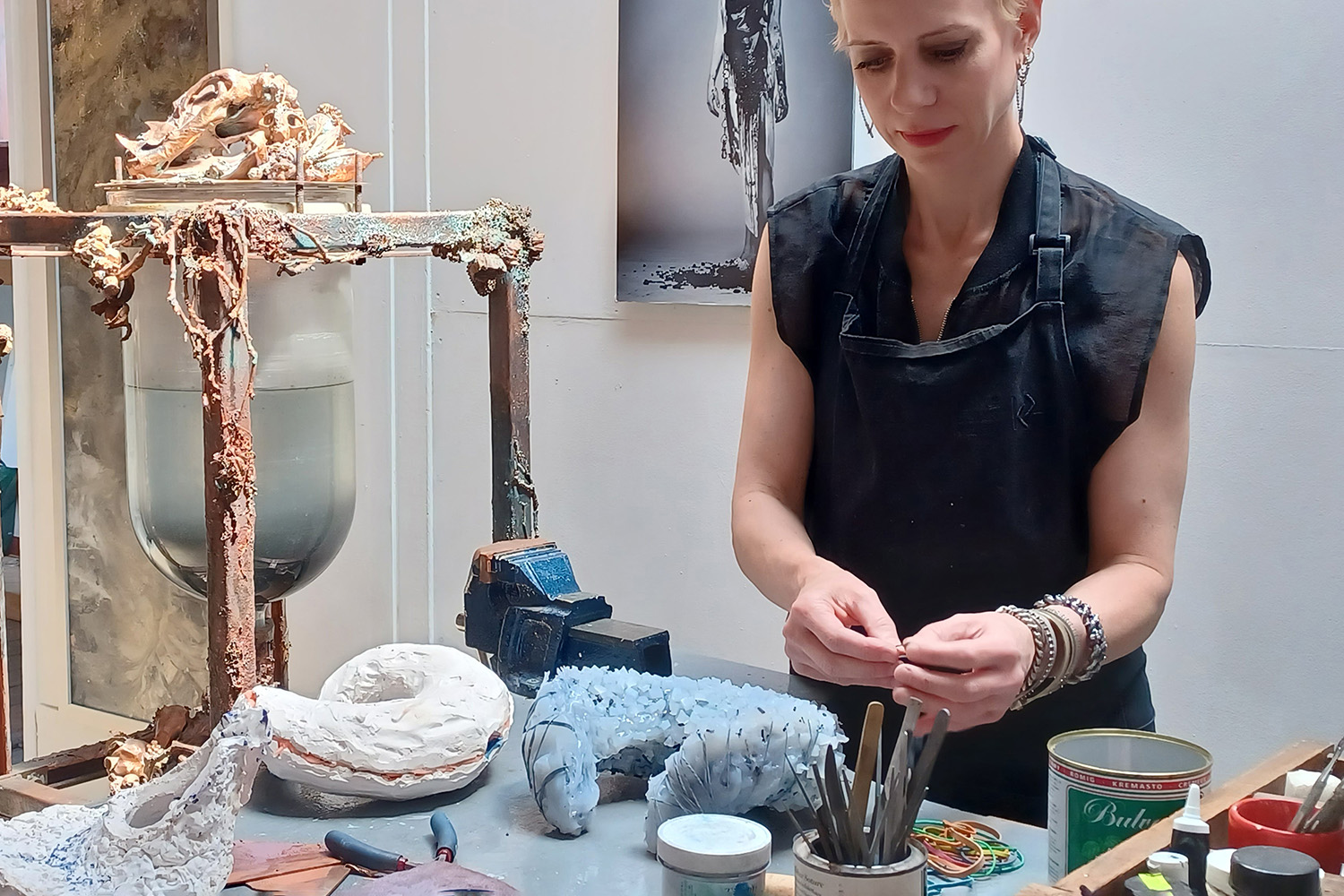
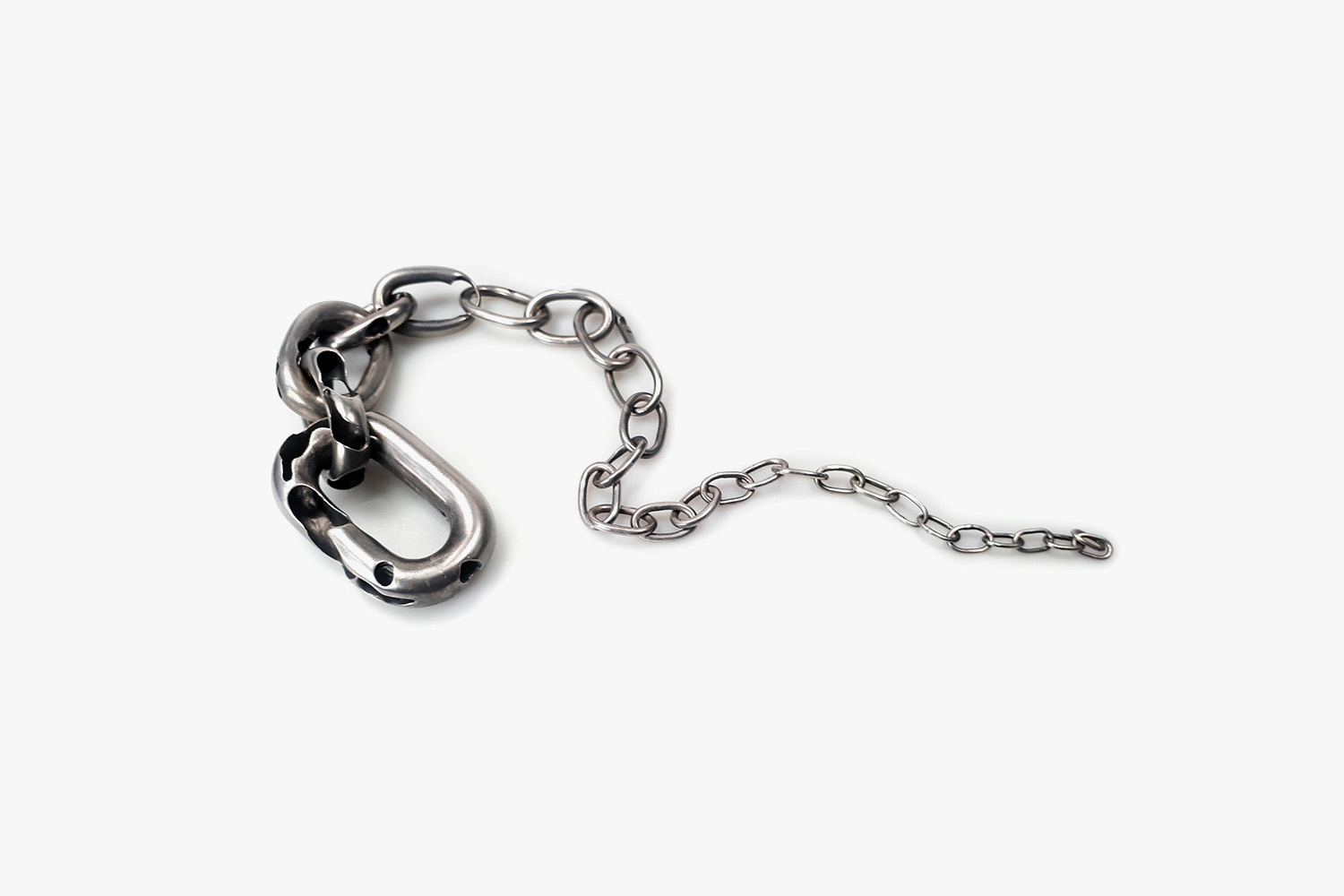
Katrin Spranger is a metal working visual artist at the intersection of sculpture, jewellery, and performance. Katrin started her training with a classic apprenticeship in Hamburg to become a goldsmith. "My training was extremely conservative.” Her desire to learn how to implement an idea or concept, however, led her to study at the University of Applied Arts in Hildesheim for metal design, under Prof. Werner Bünck. In Hildesheim she discovered her preference for working on large scales and sculpture. However it was not until she embarked on her master's degree in Stockholm with Prof. Karen Pontoppidan that she was able to express herself freely. "My approach to work and concepts developed there continues to guide me today. Above all, the focus on natural resources that might become depleted in the future, such as oil or water." Today, Katrin lives and works in London. Alongside her creative work she teaches in the academy that she co-founded and co-directs with Kelvin Birk.
INTERVIEW
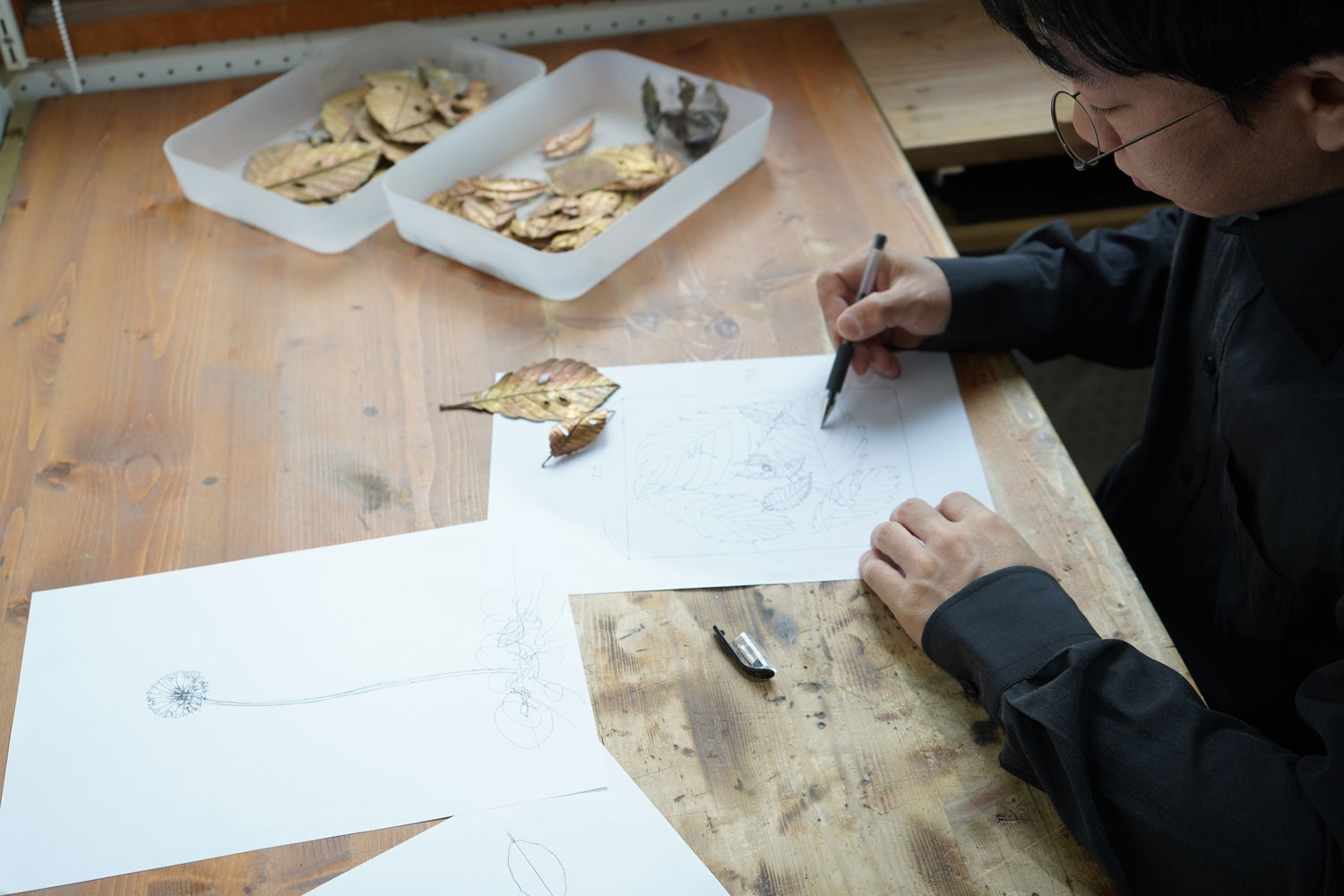
The academy is run by me and my colleague Kelvin Birk, whom I met at Cockpit Yard, where my studio is located. Both Kelvin and I stepped outside the mainstream after receiving excellent goldsmithing training in Germany. This spirit is exactly what we want to instill in our school. On the one hand, a good technical foundation, and on the other hand, the courage to experiment.
Studying under Professor Karen Pontoppidan was amazing. She did not hold me back when I experimented with materials such as oil that are normally not associated with jewellery and metal design. In fact, it was her recommendation that led me to win the two most prestigious university graduate awards.
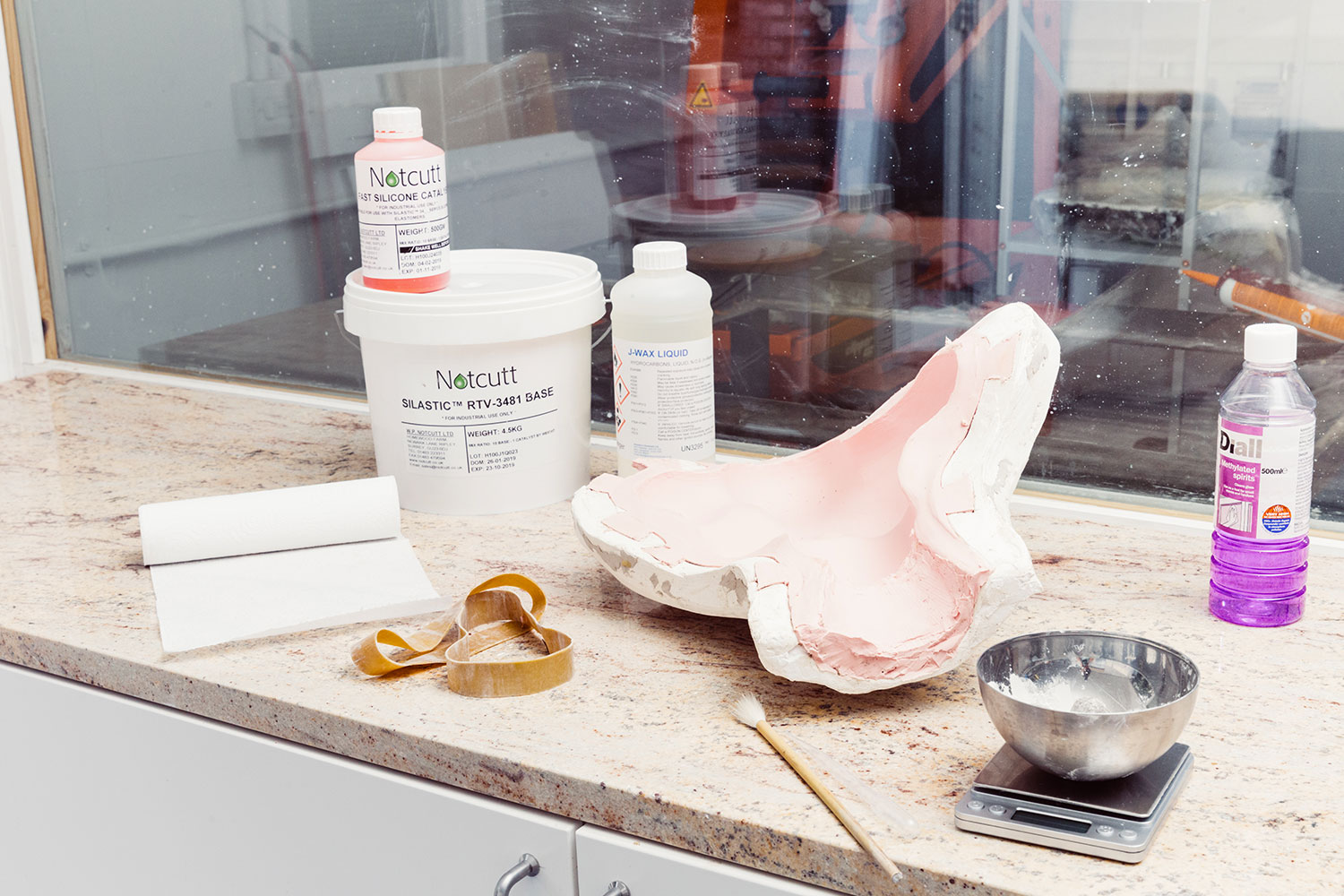
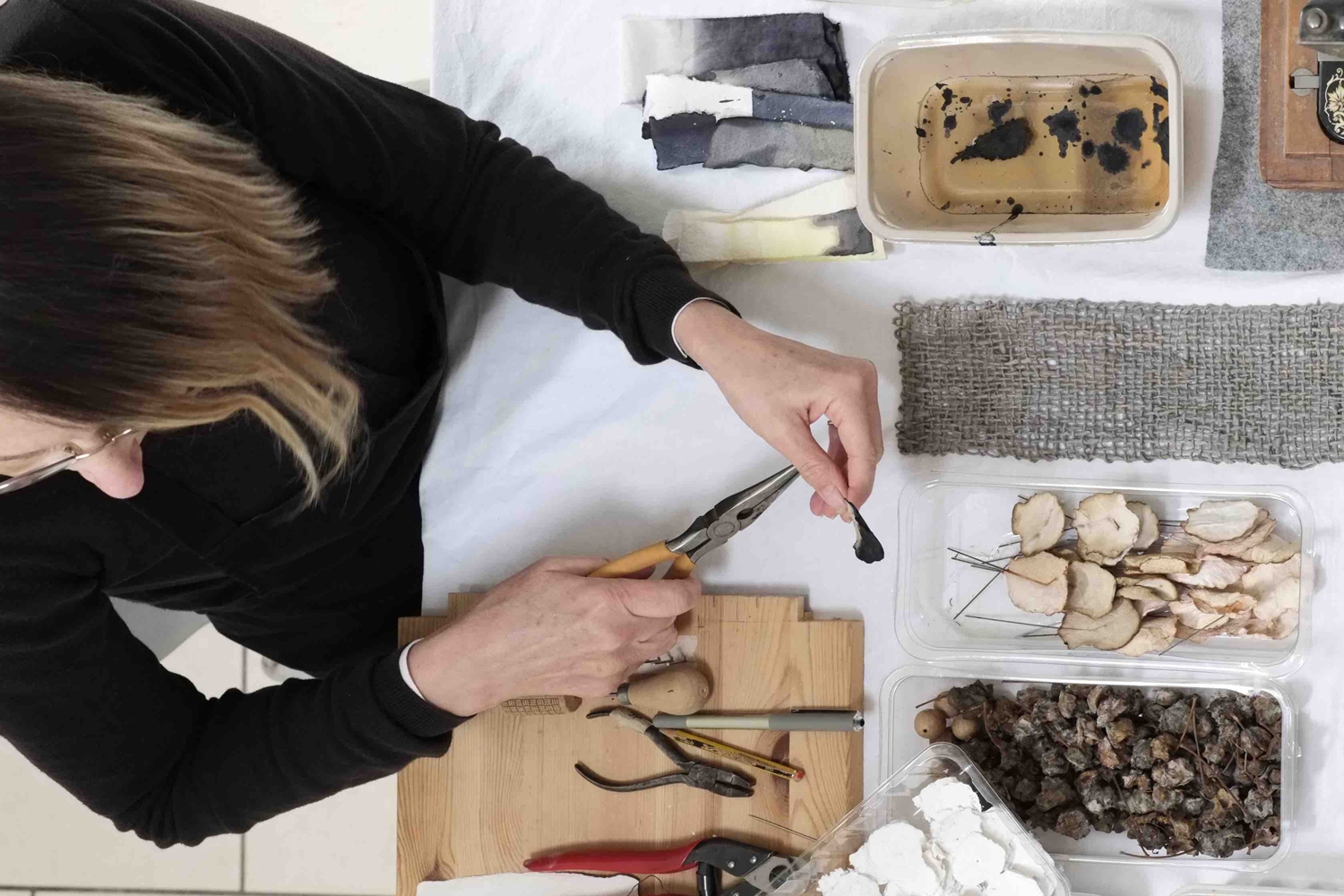
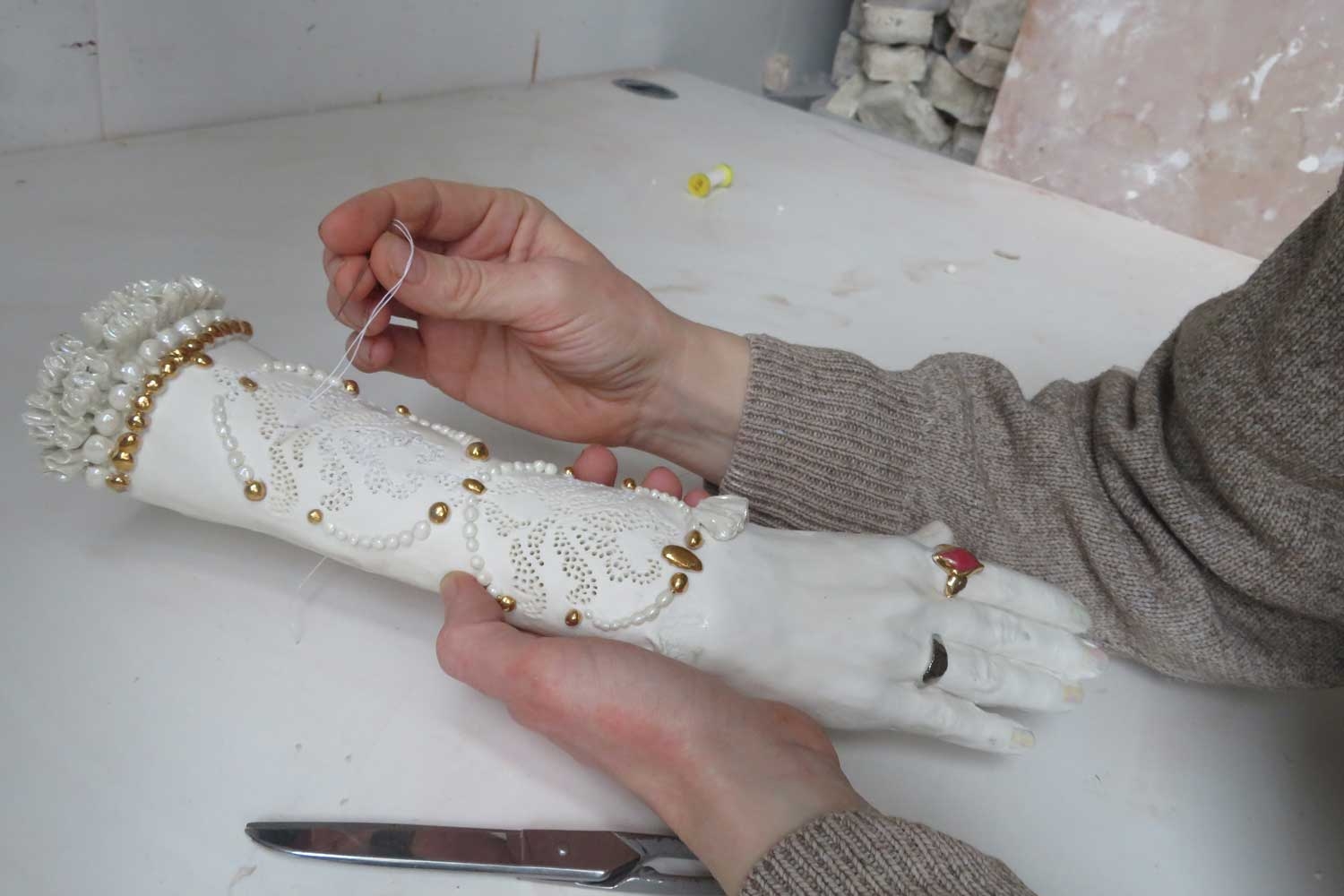
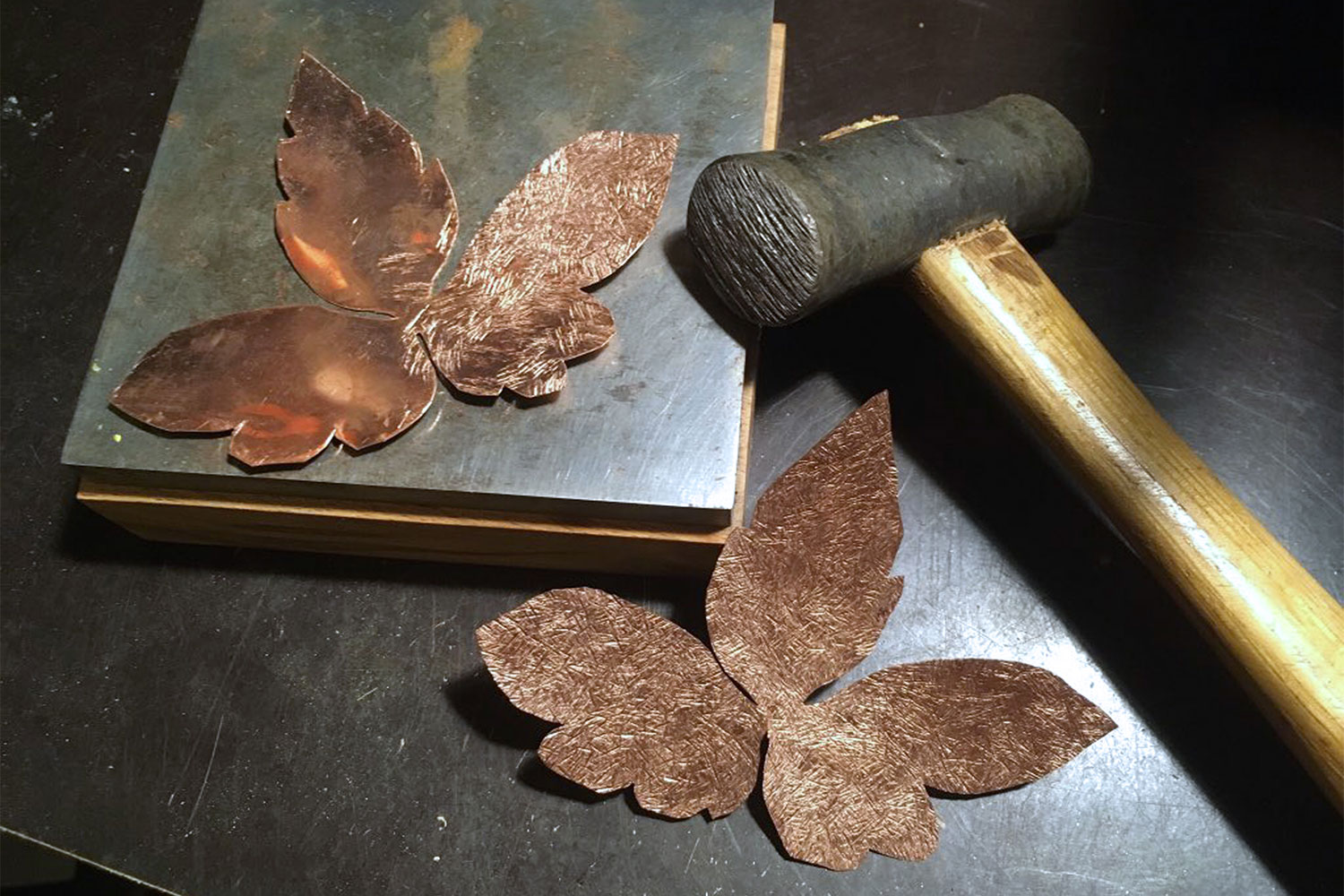
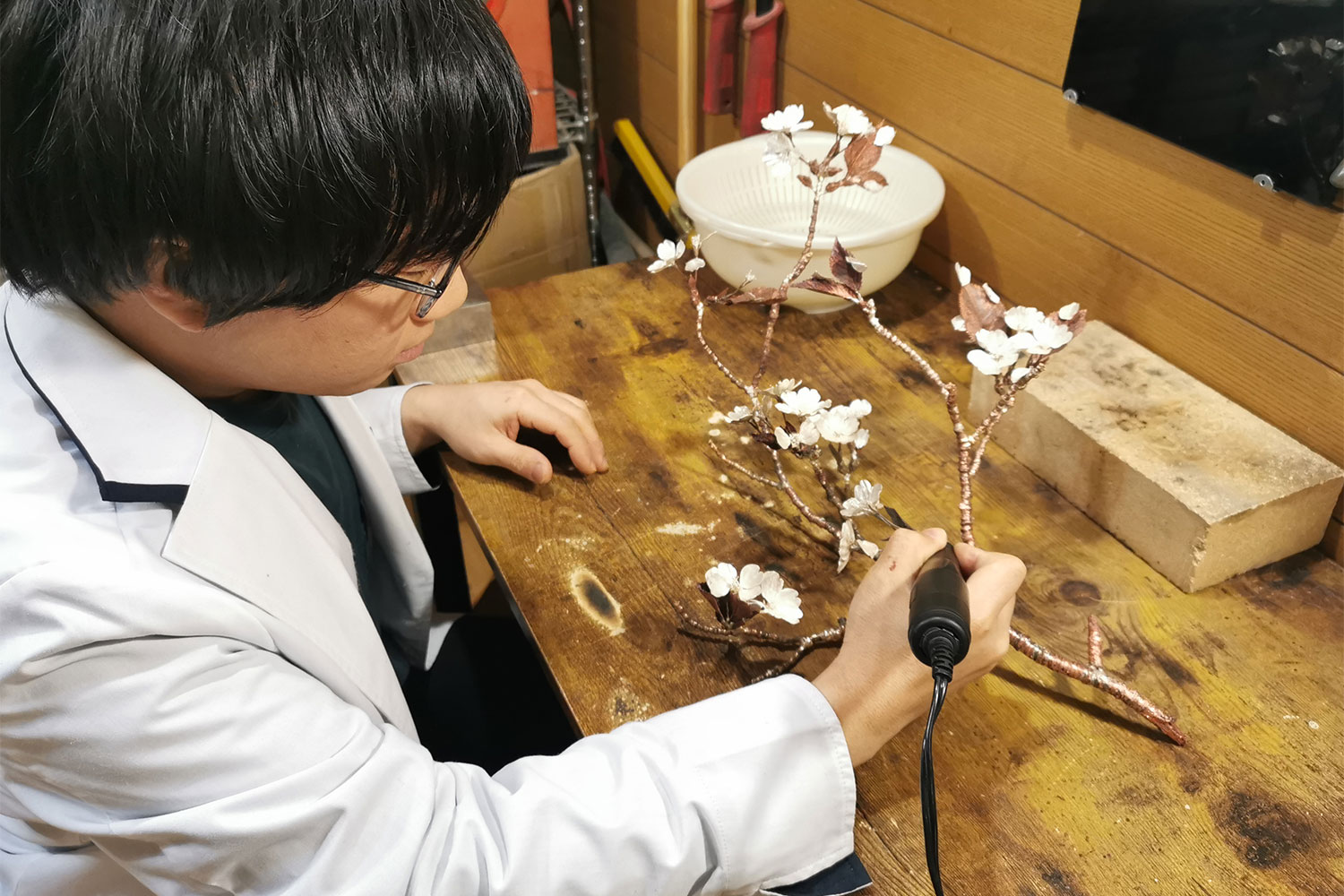
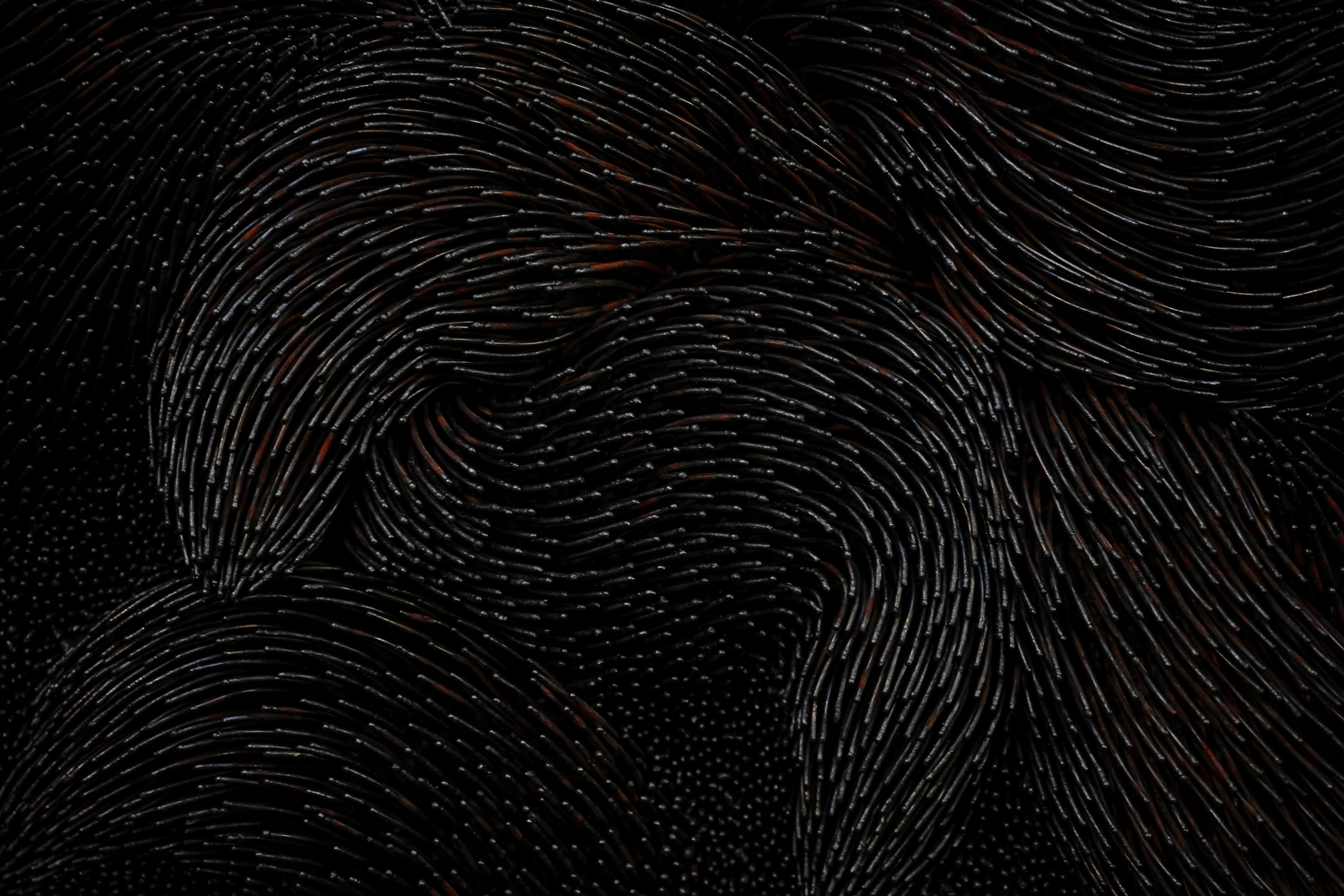
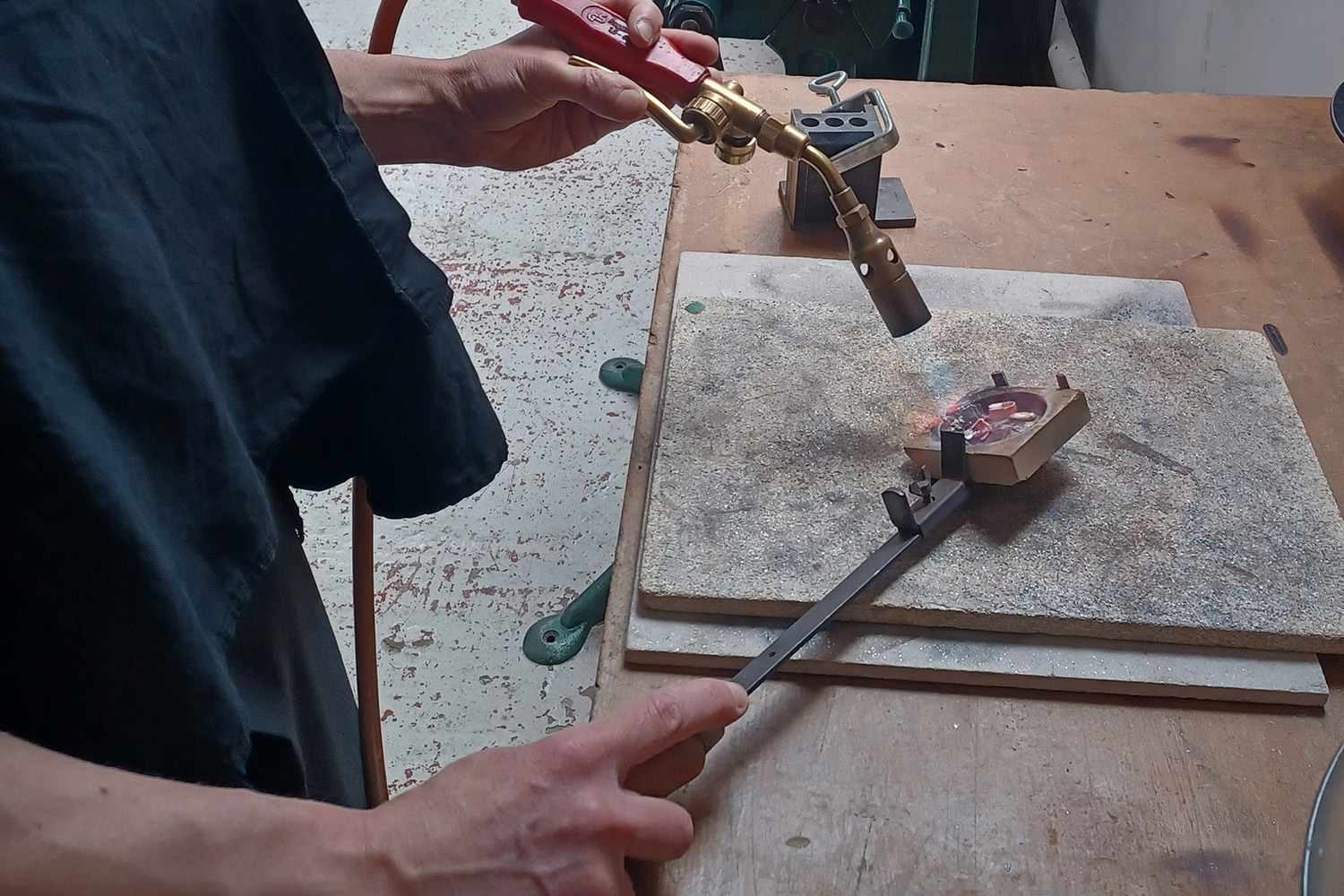
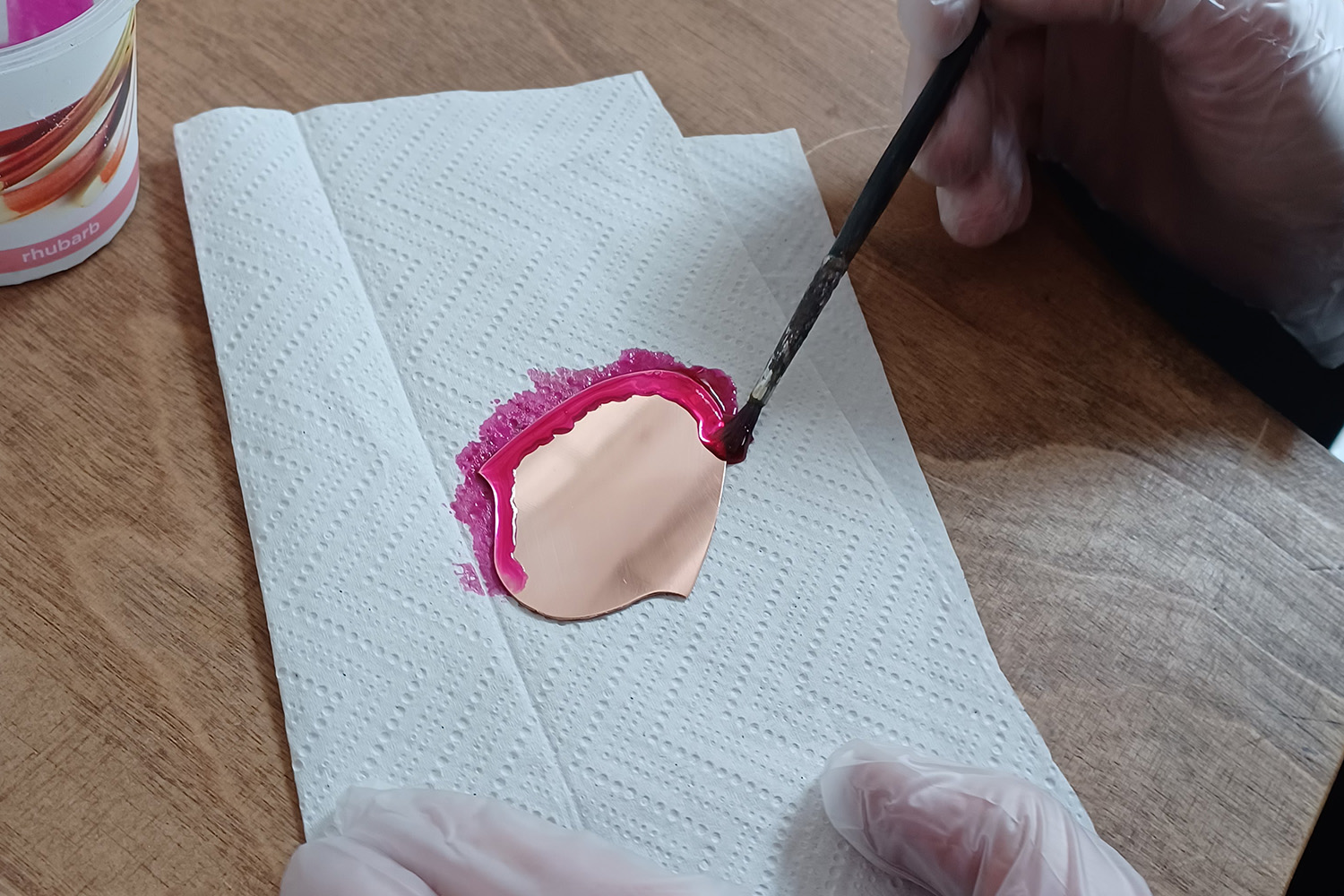
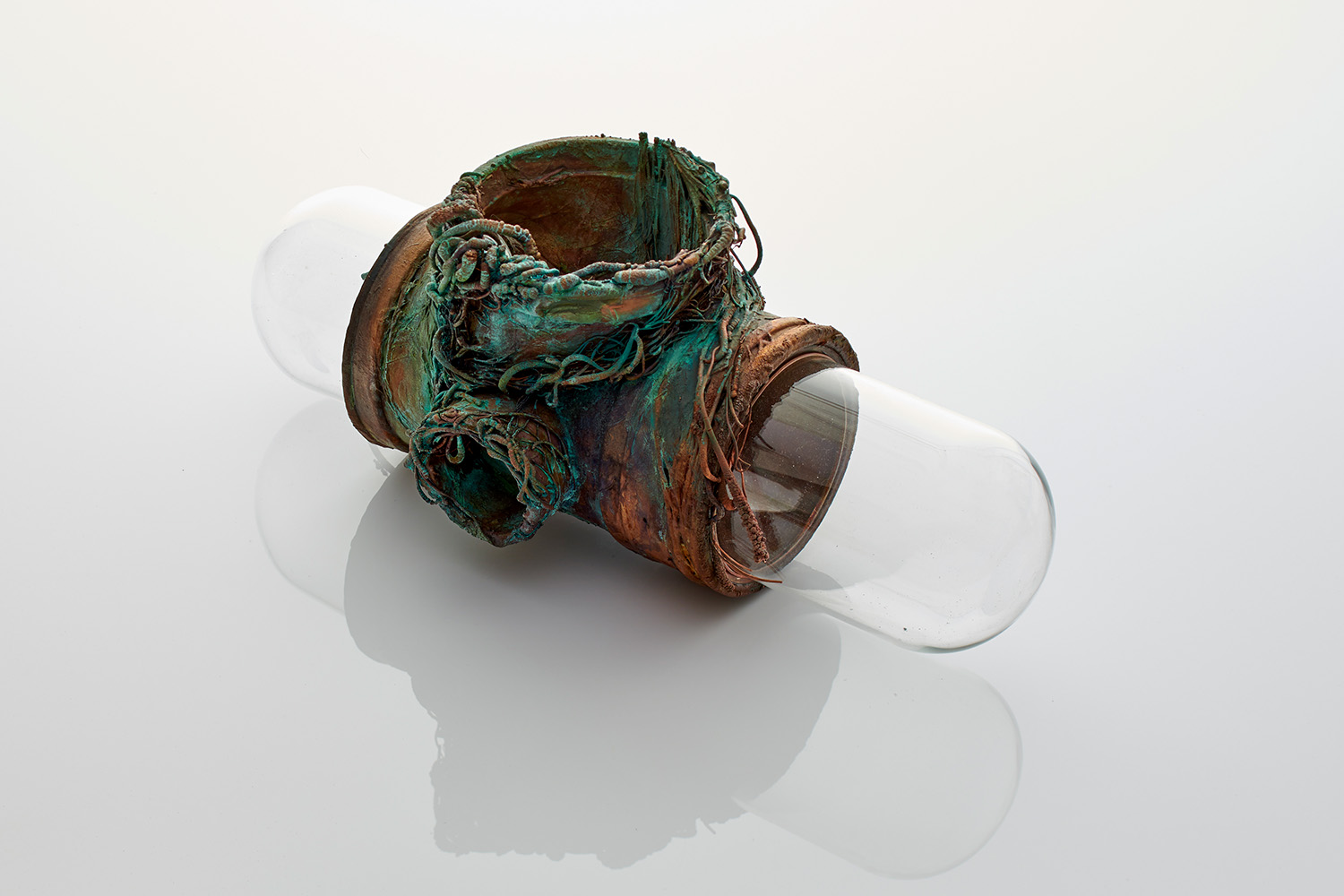
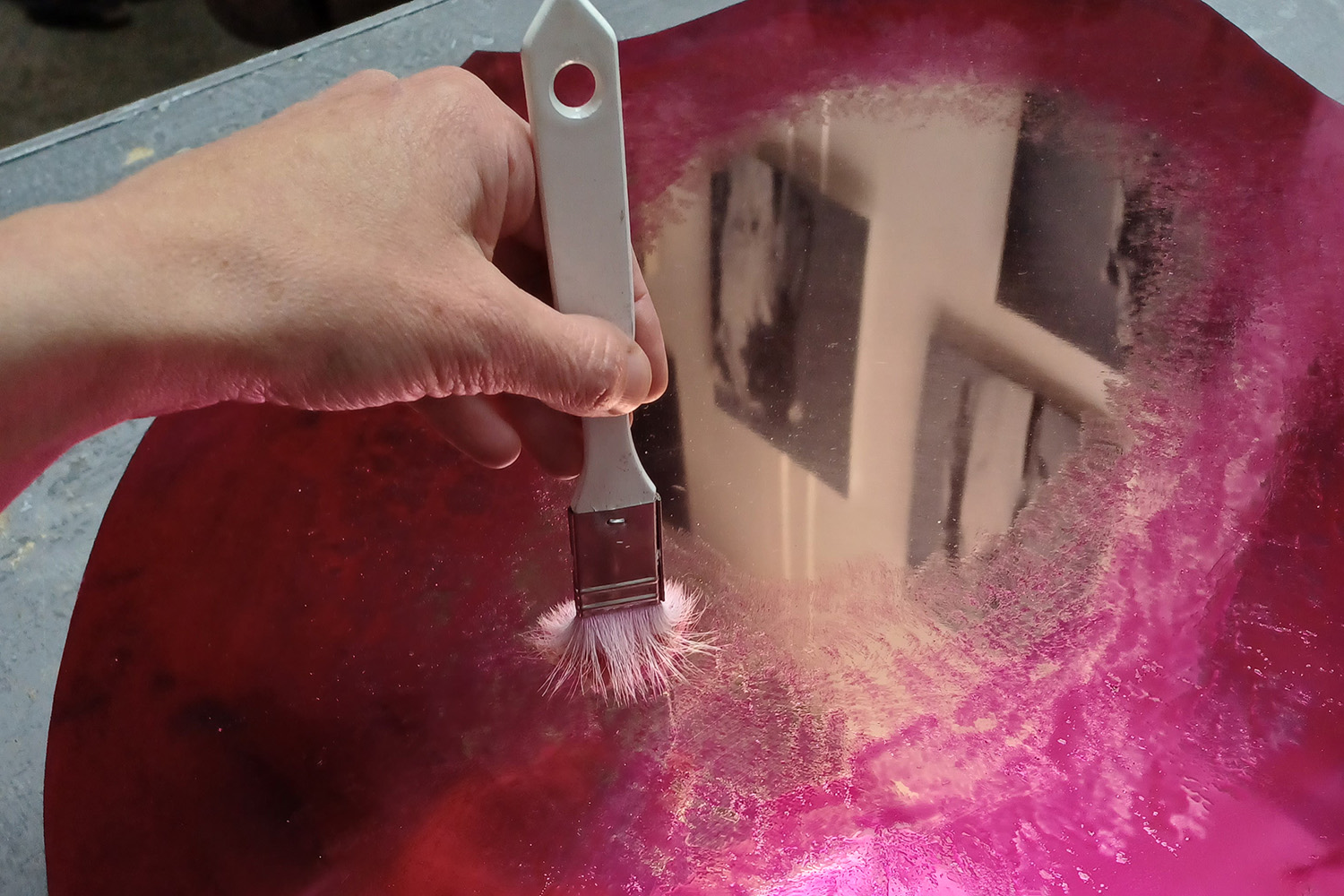
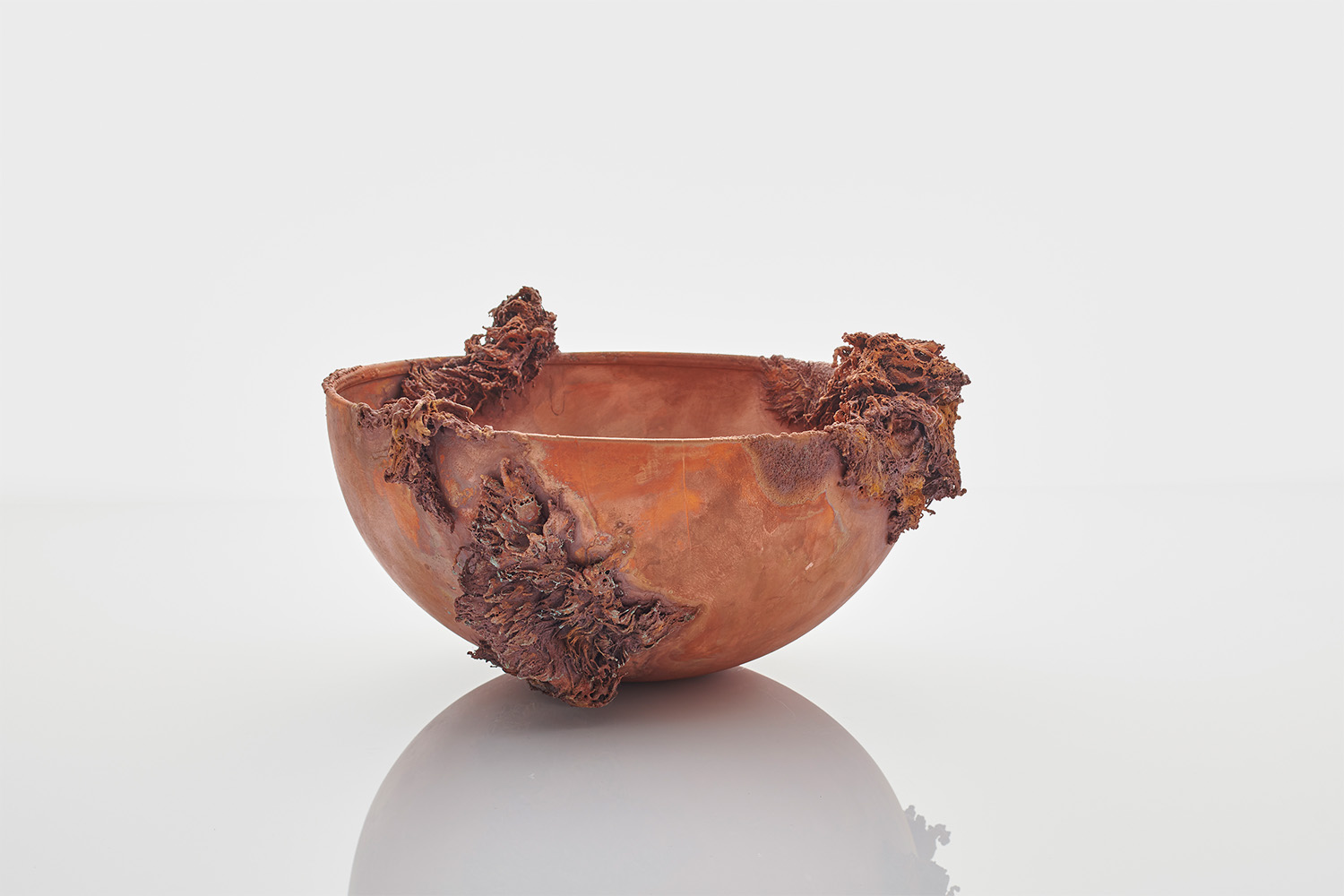
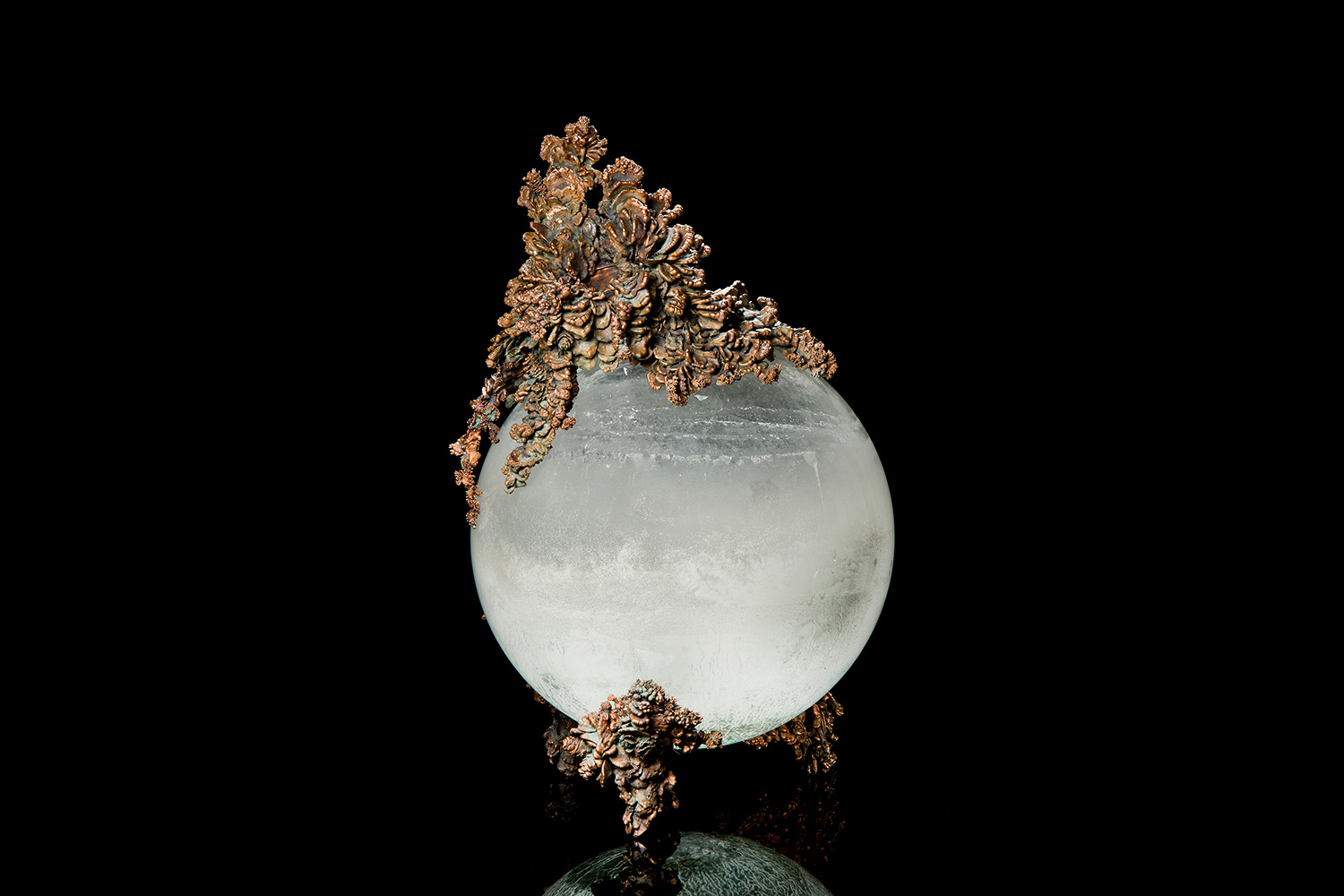
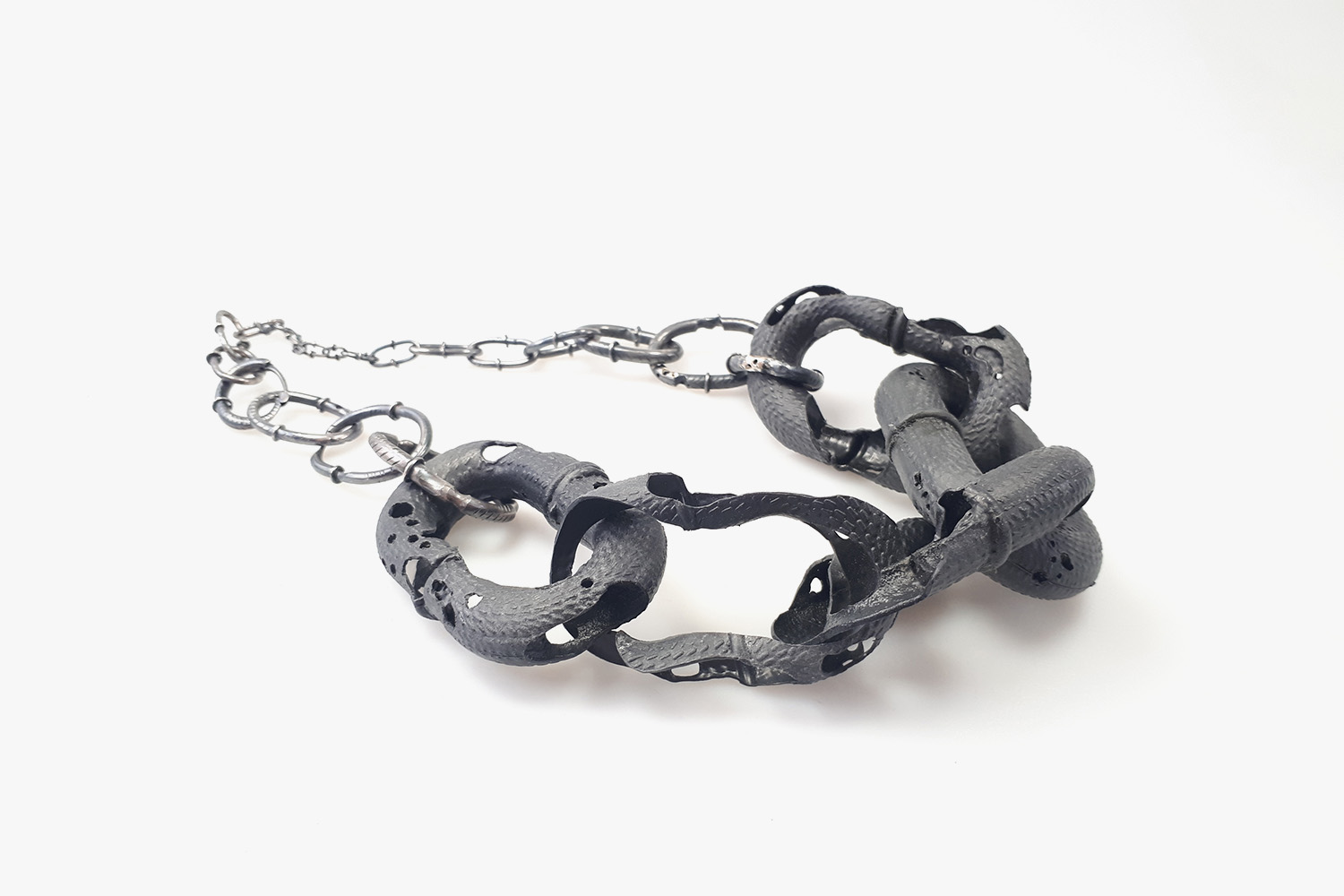
Electroforming is a technique that you will often see in my work. To describe it in simple words, a non-conductive object such as a bone or dried plant piece is coated with conductive material and prepared in a way that allows them to be thickly coated with metal.
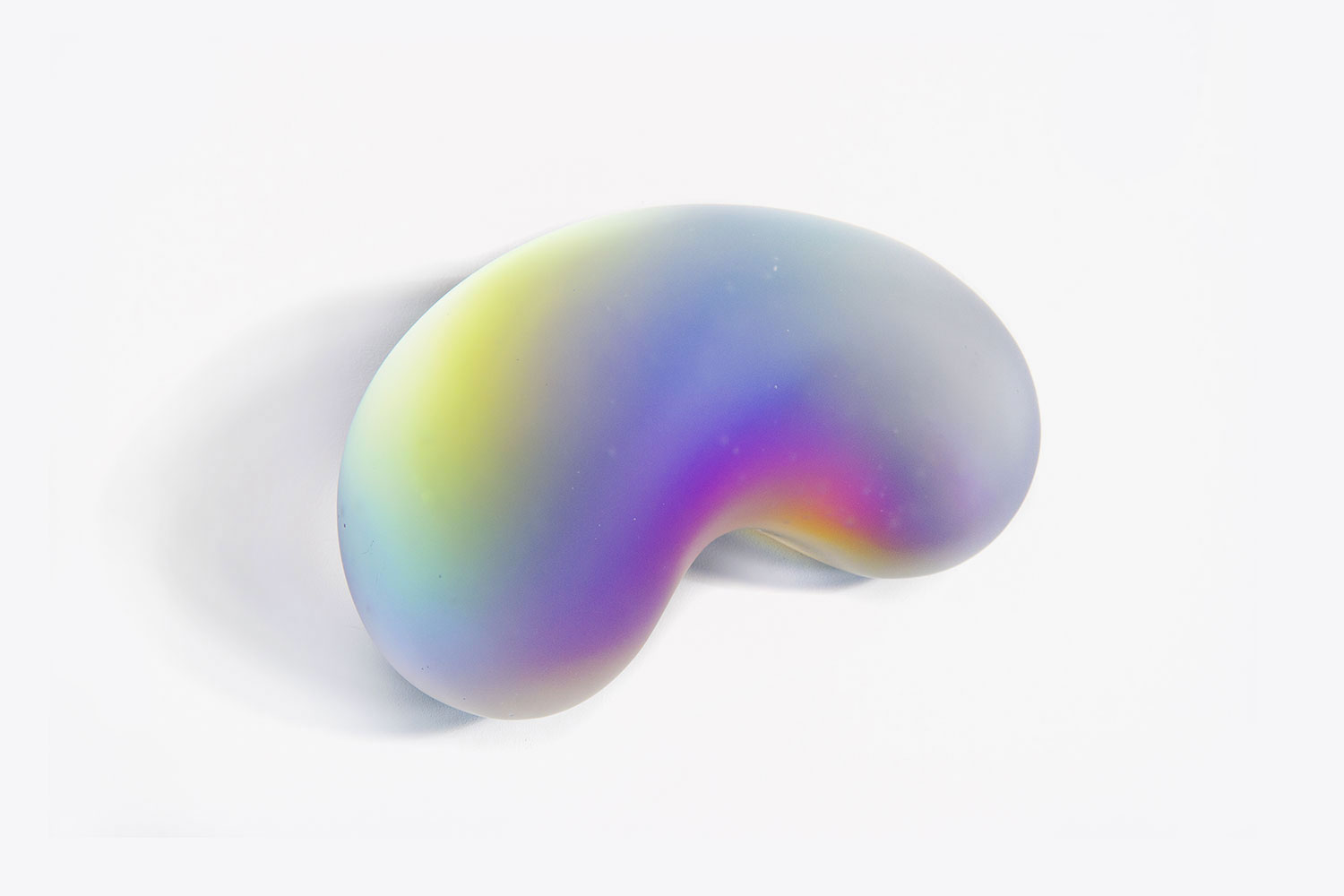
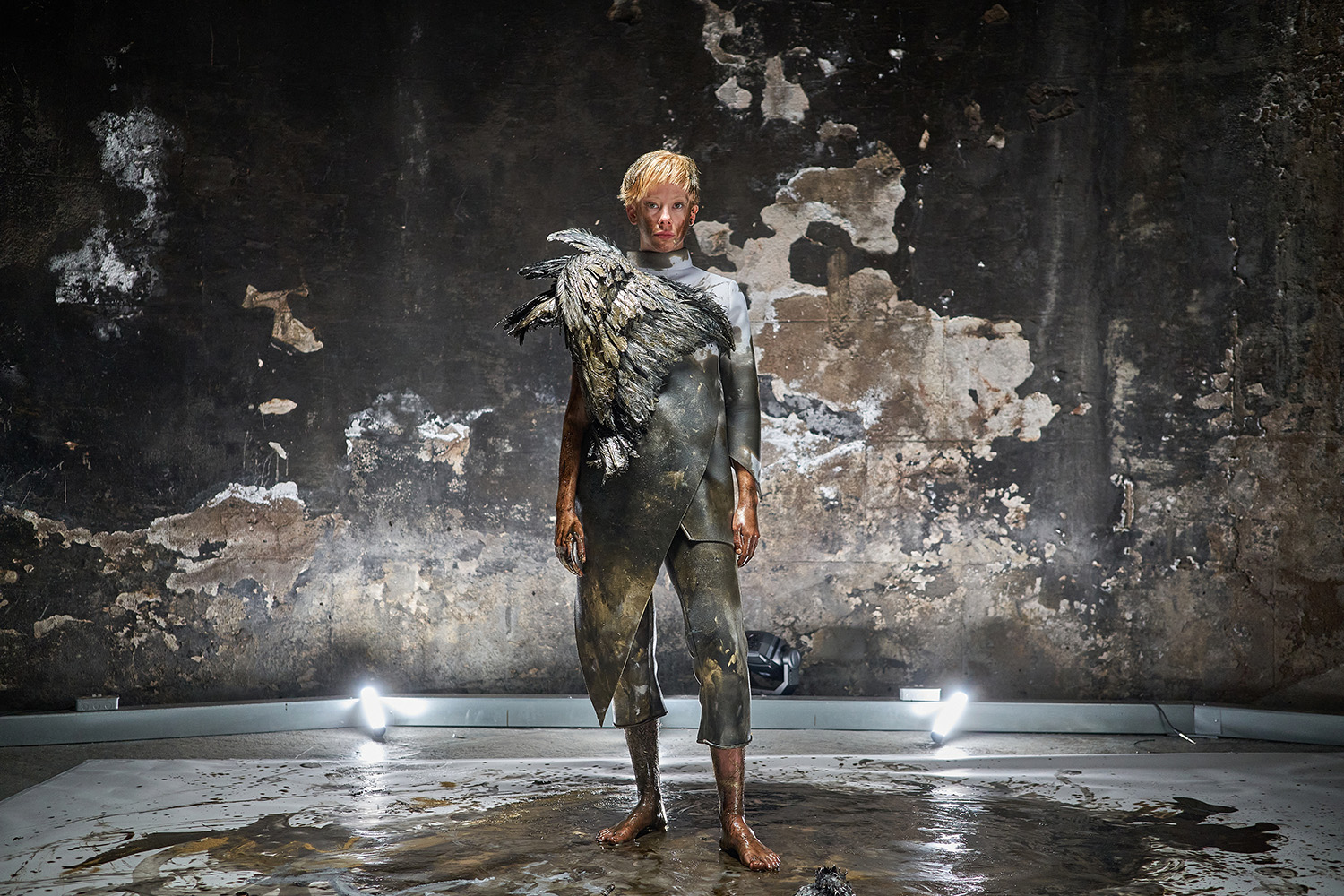
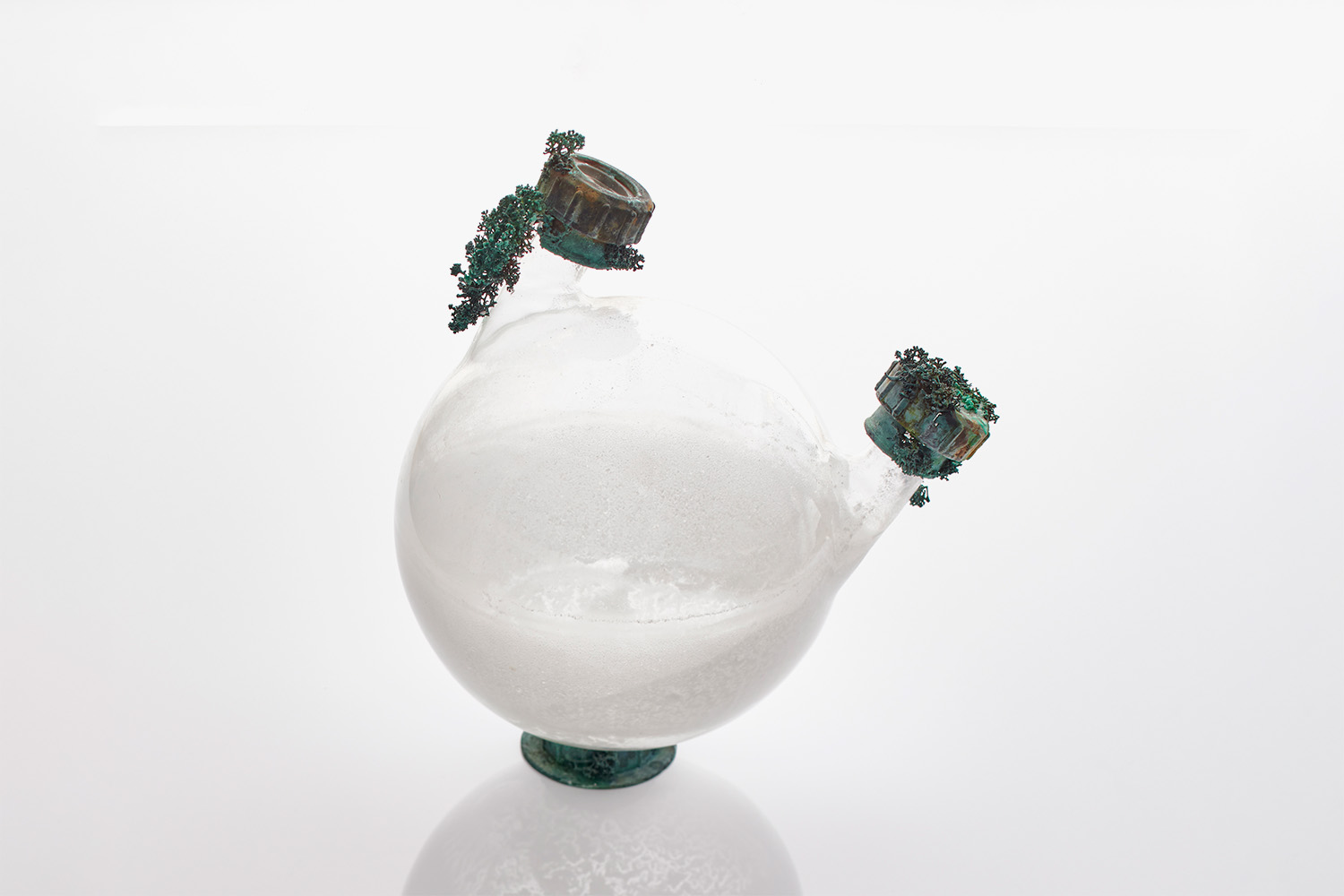
What most intrigues me is innovation and science fiction, as well as thinking about life in the future. My work is also certainly inspired and influenced by environmental issues. Regarding the depletion of natural resources, I often think about what life will be like in 200 years. In my work Aquatopia, for example, I developed objects that future generations can use to preserve and utilise water more efficiently.
Katrin Spranger
Metal sculptor
London, United Kingdom
AVAILABILITY
By appointment only
PHONE
+44 7450257207
LANGUAGES
English, German
Homo Faber Finds is a new service aiming to inspire admirers of craft to connect and collaborate with exceptional artisans.
We invite you to submit an enquiry here.