Irina Razumovskaya
Ceramicist
London, United Kingdom
Visions of ageing architecture
- Irina makes large ceramic sculptures
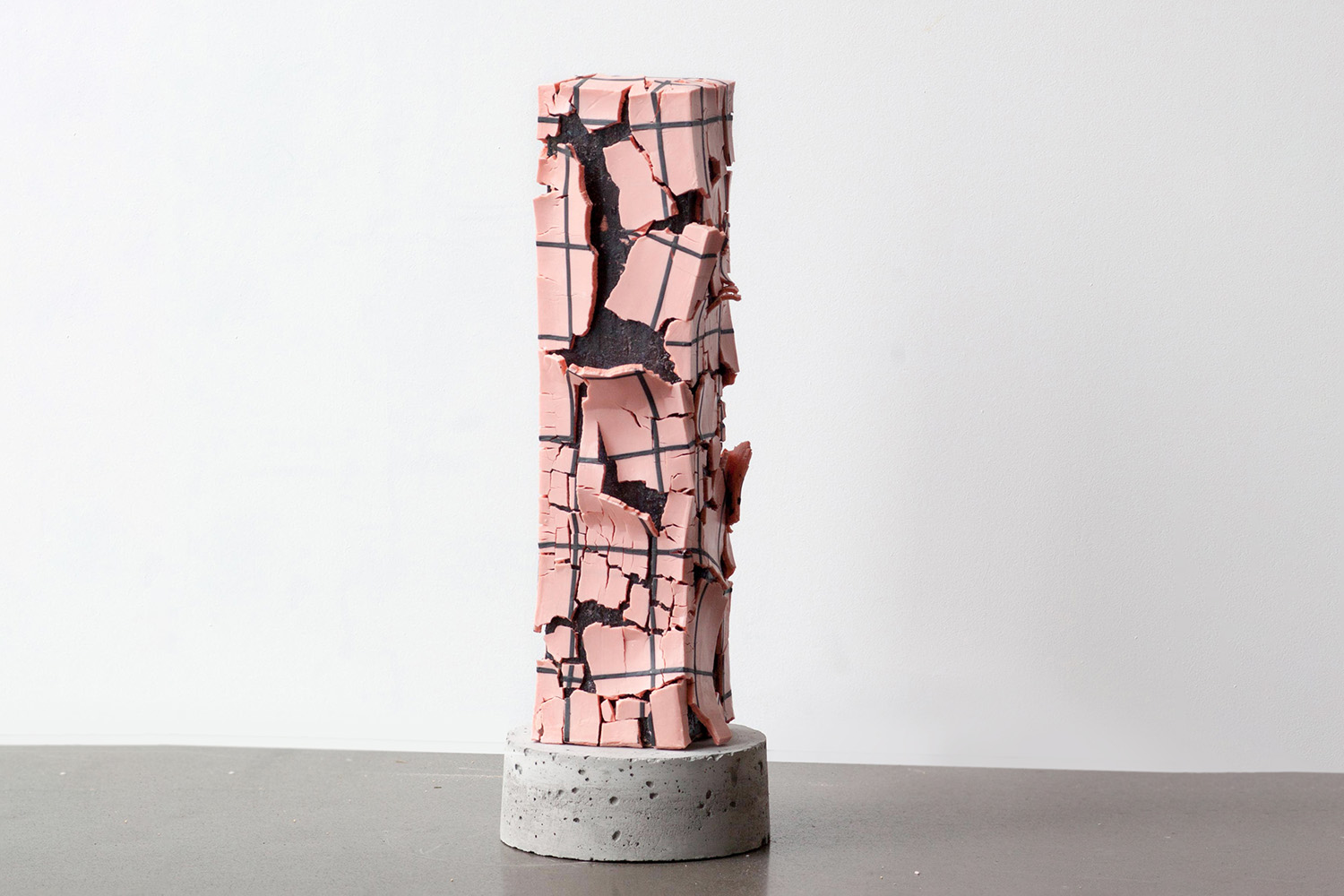
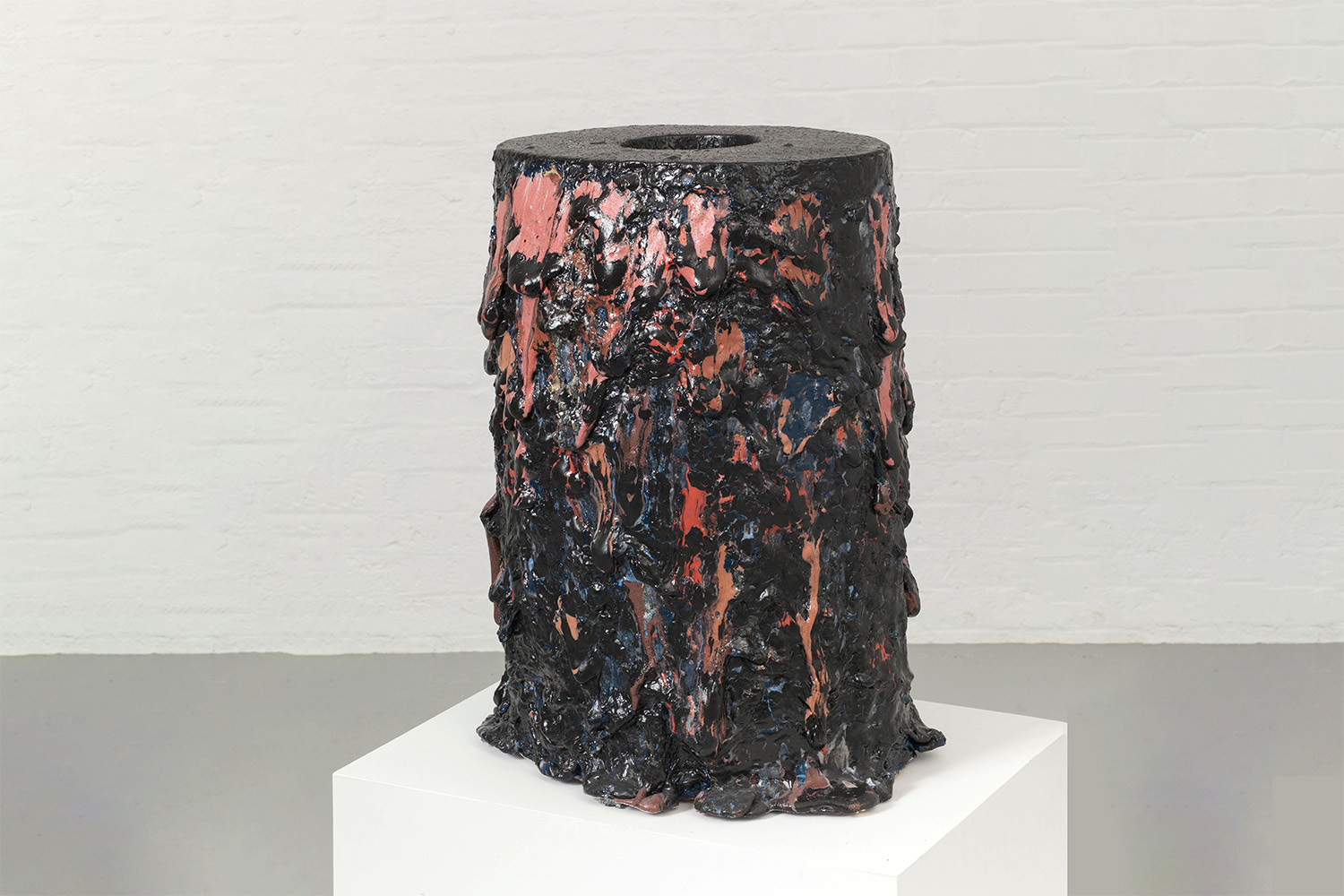
- Her art reflects on the themes of architecture and time
- She got into ceramics at the age of five
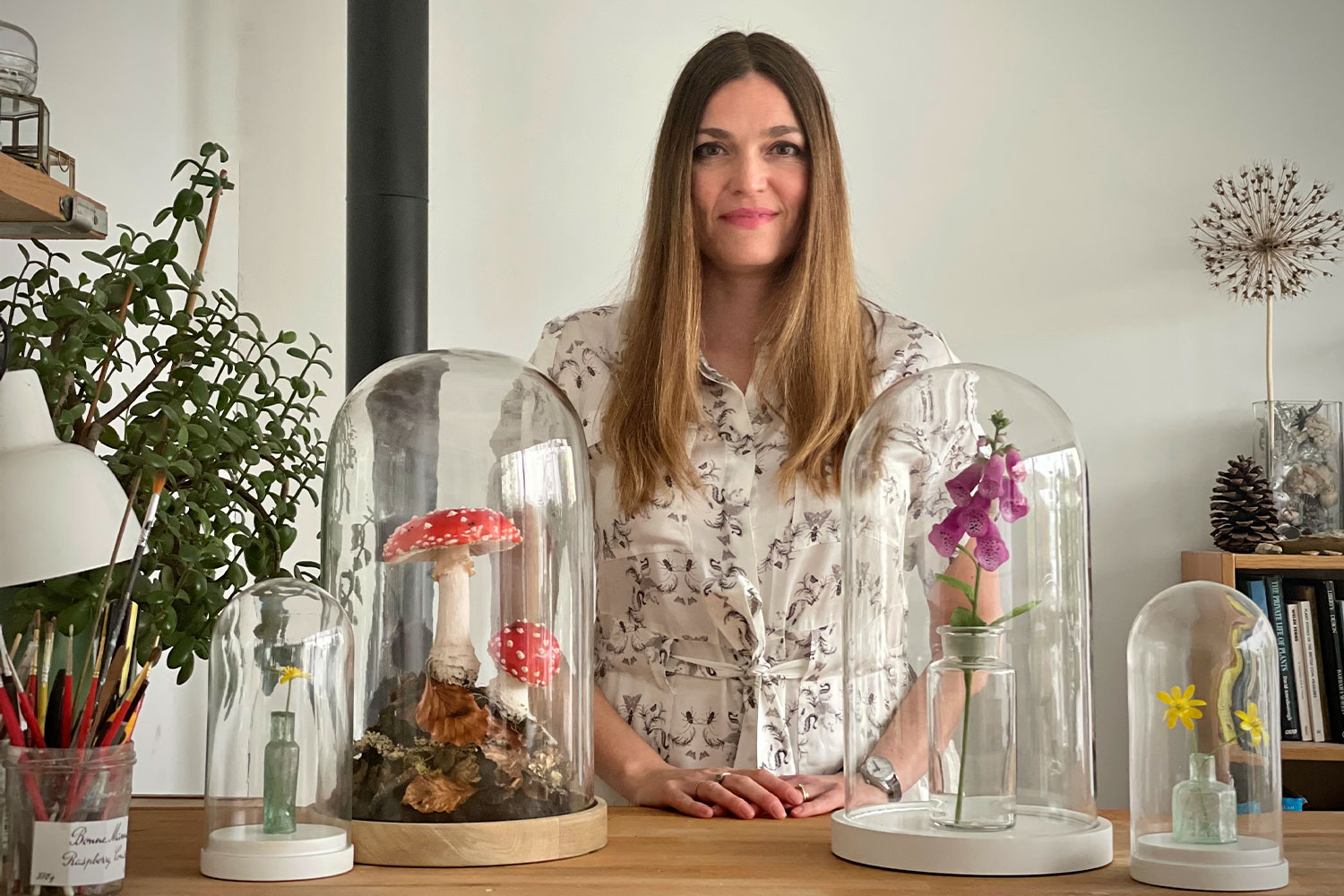
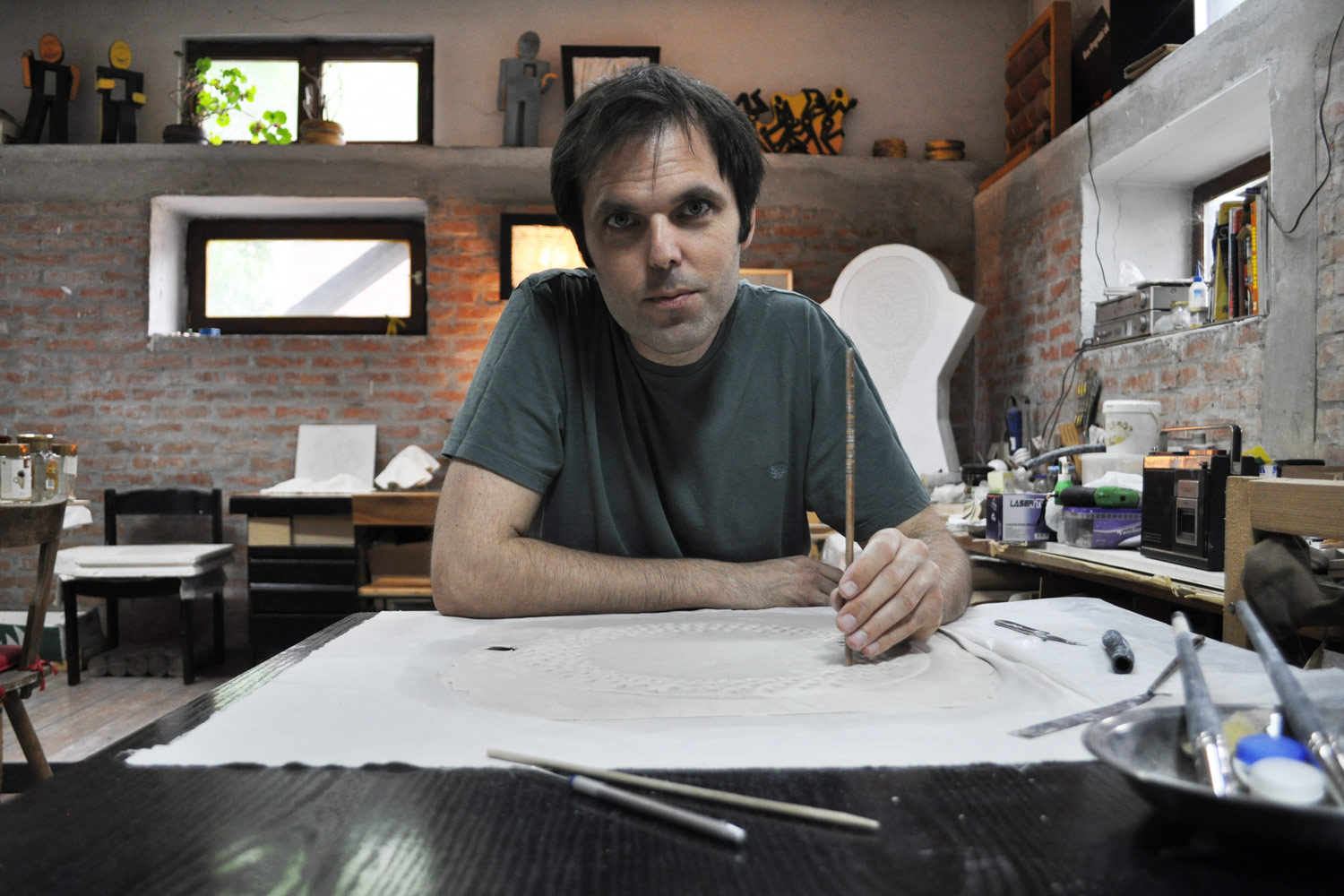
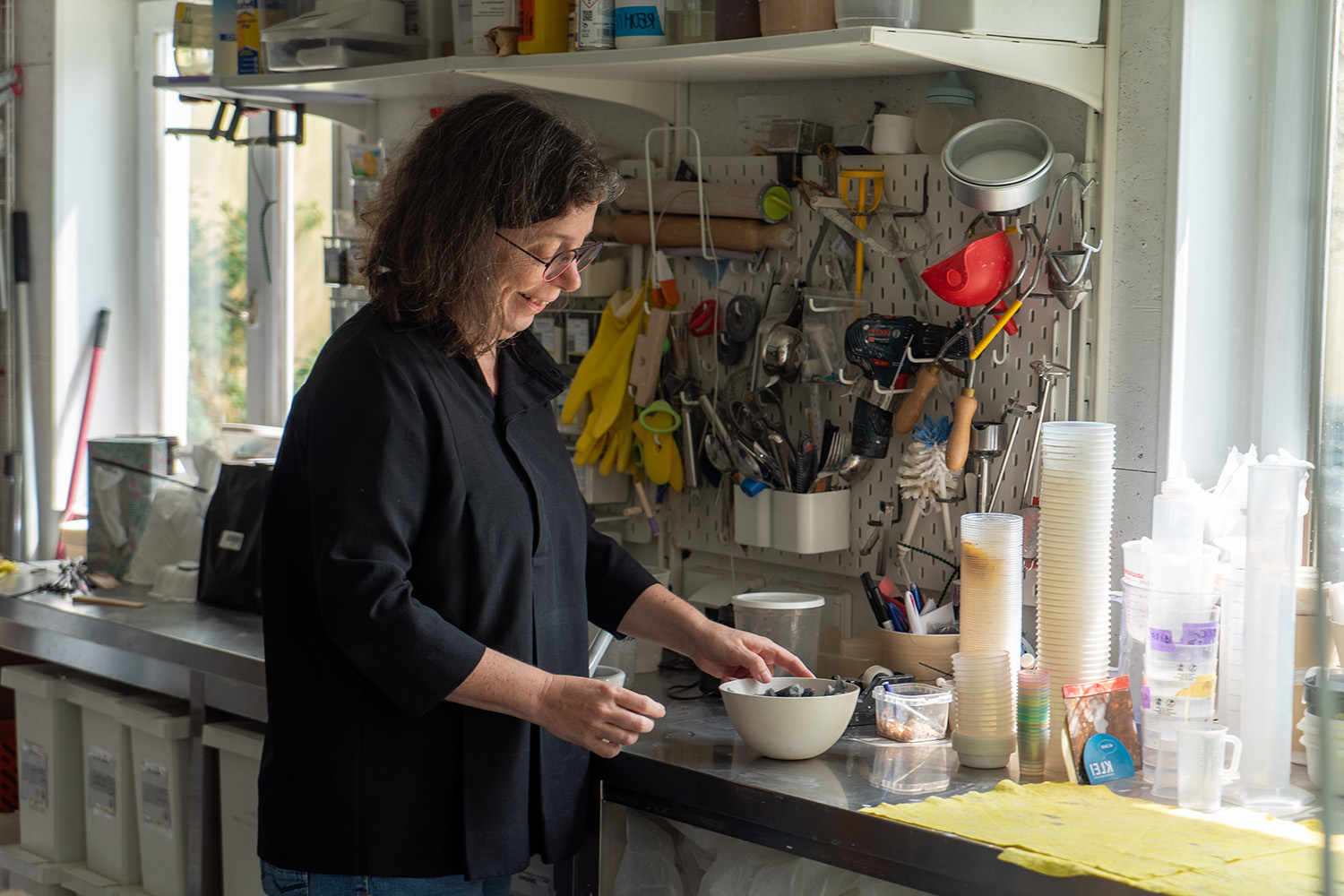
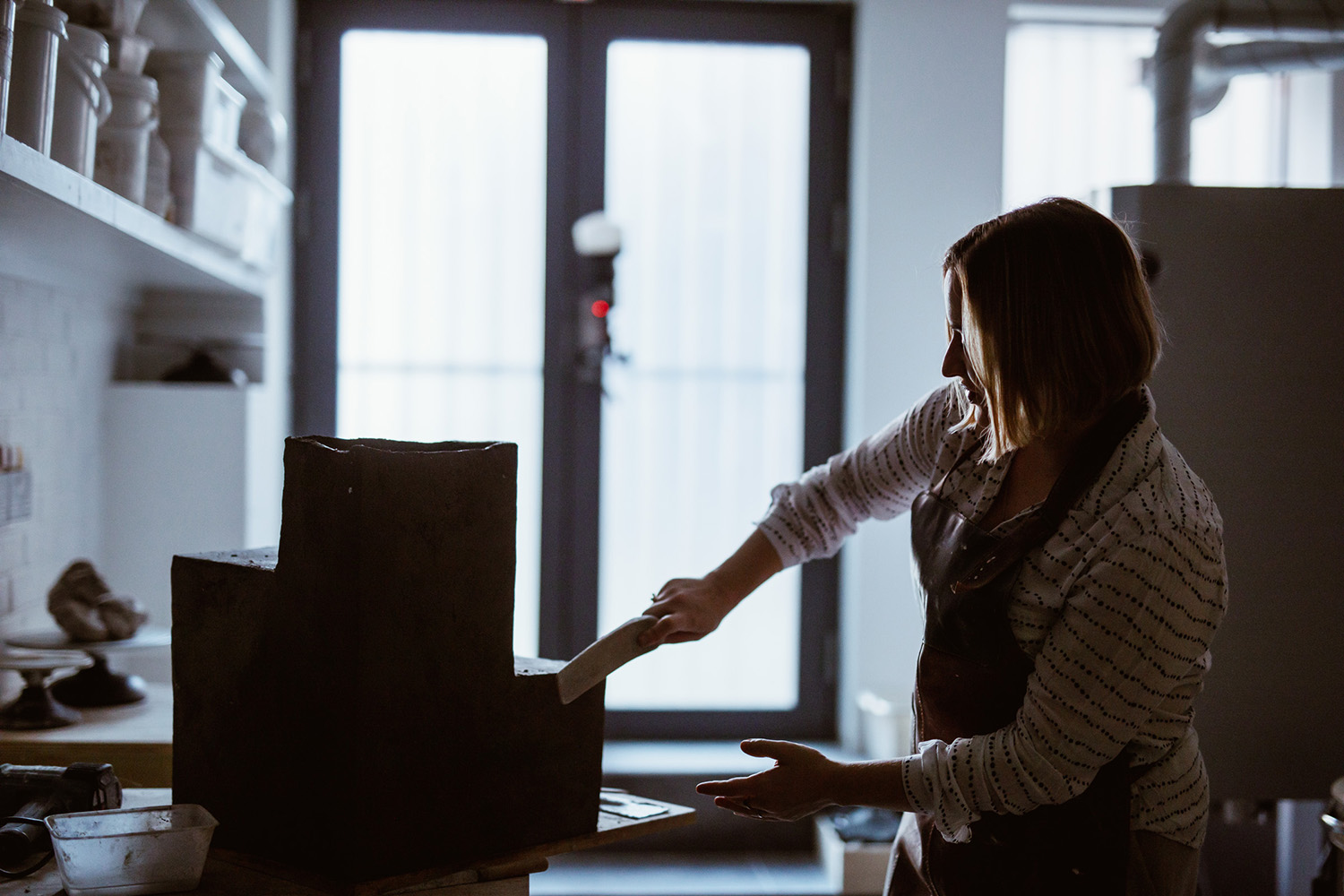
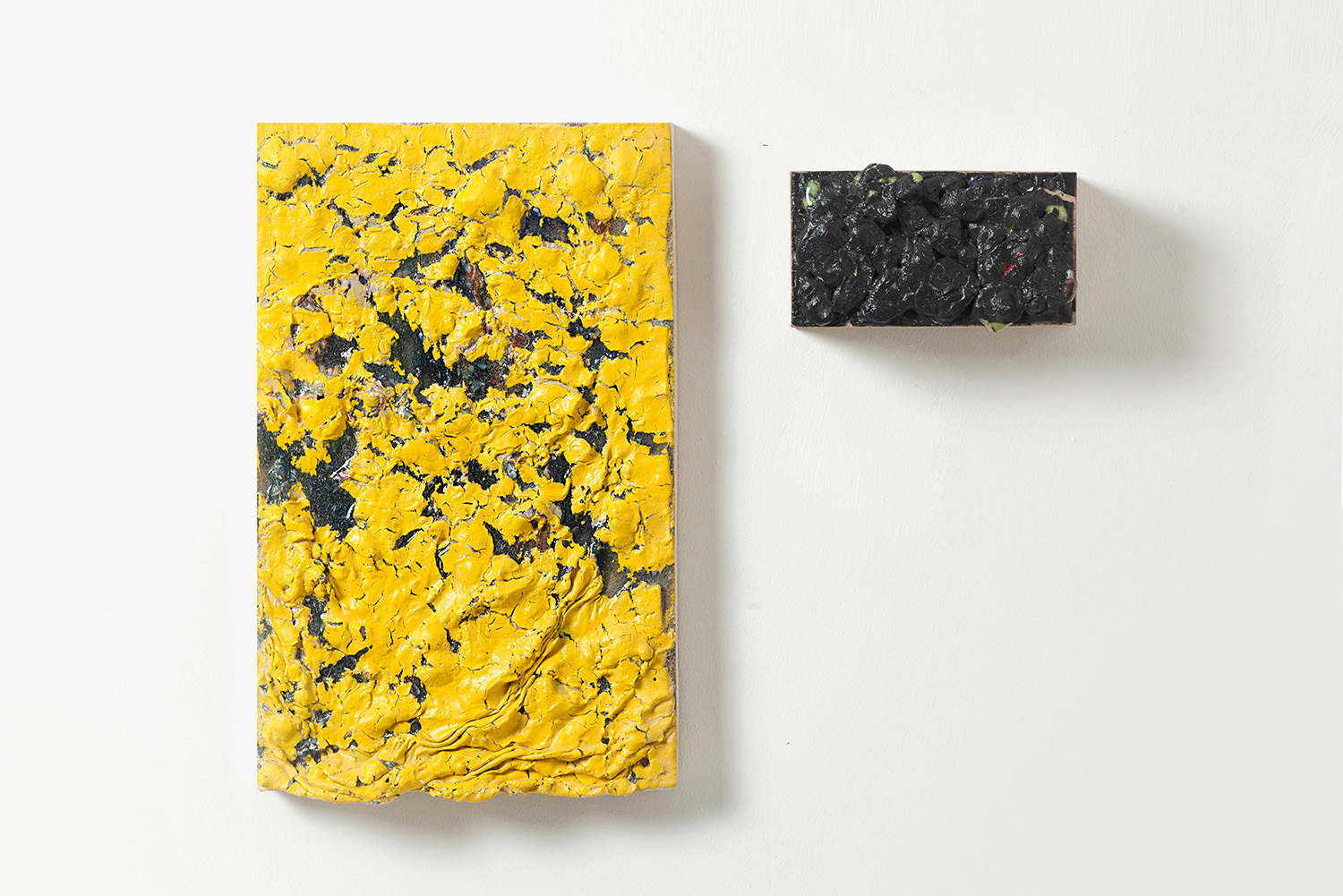
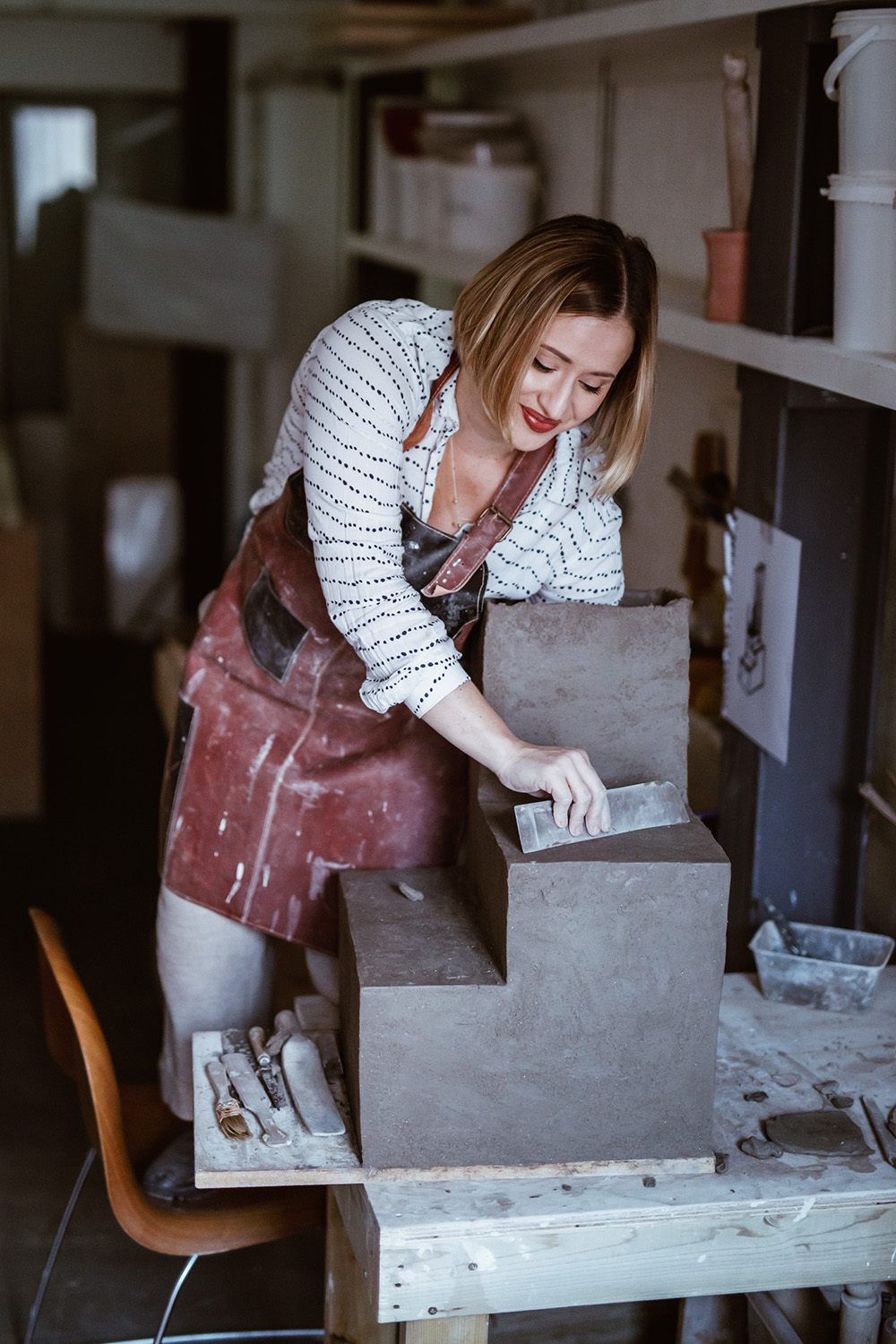
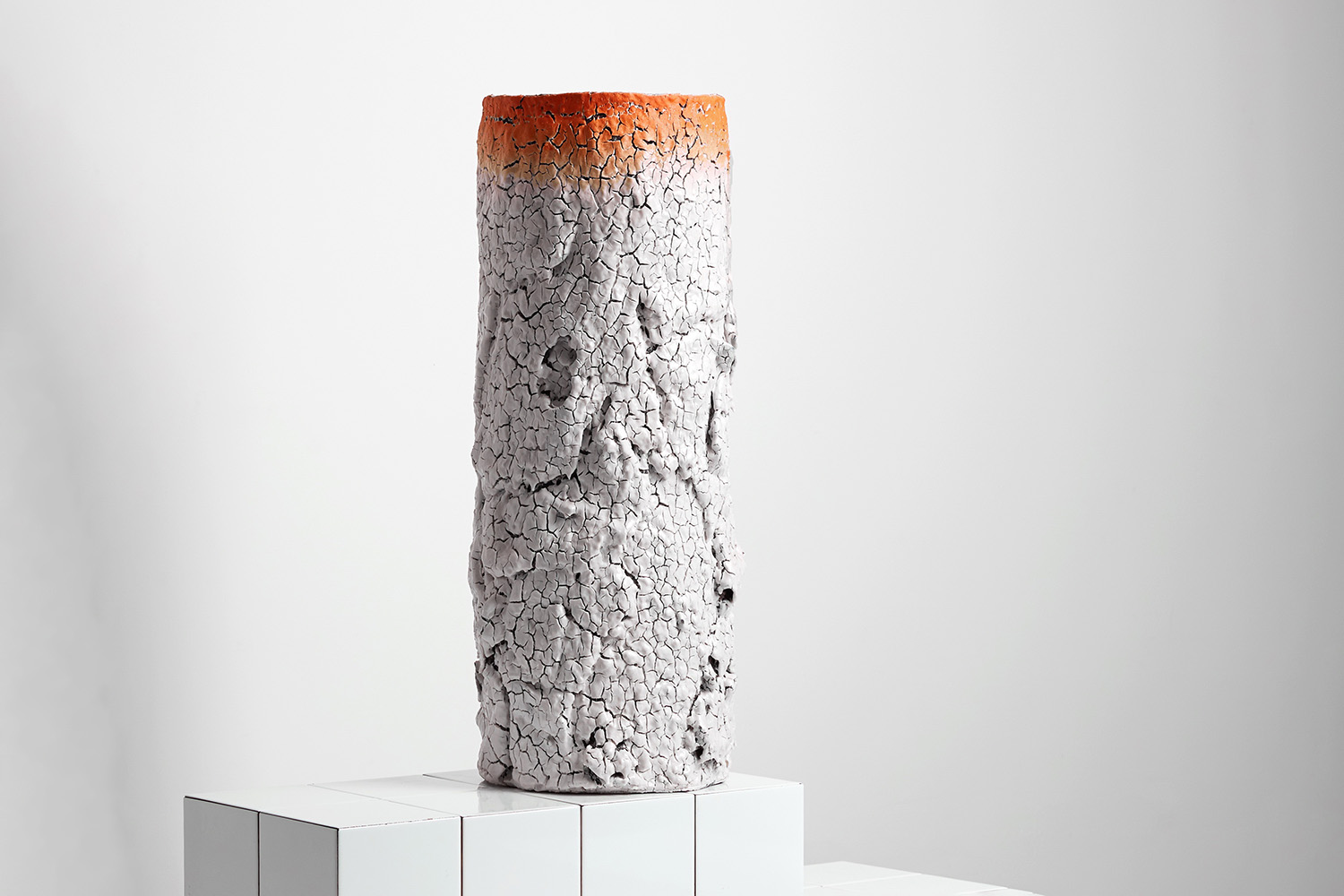
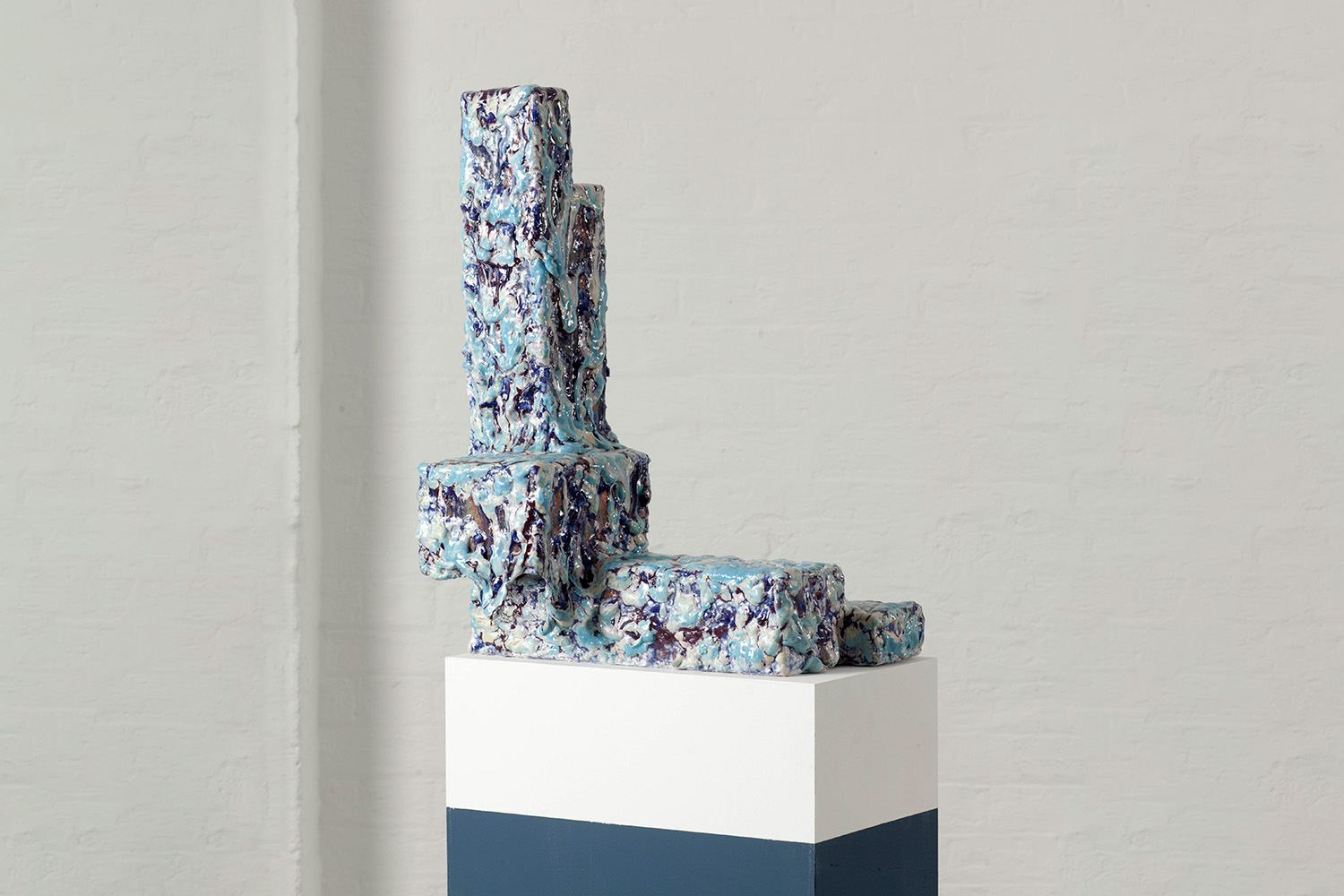
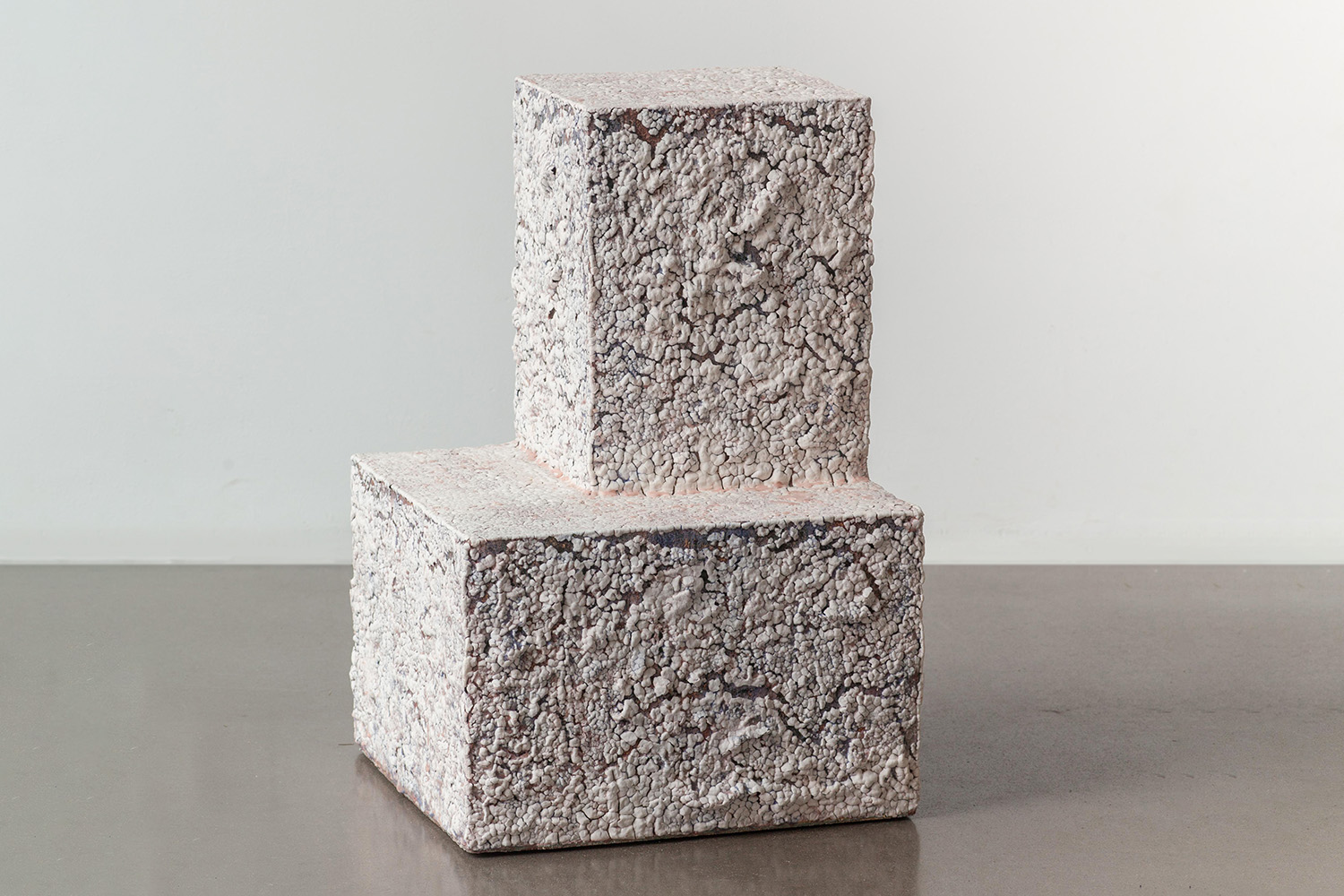
Irina Razumovskaya’s interest in ceramics was first piqued at the age of five, at the Hermitage Museum in her city of birth, St. Petersburg in Russia. “As I was looking at ancient Greek pottery, the distant past suddenly felt very close,” she says. “I could even make out the fingerprints of the ancient makers.” This childhood fascination grew into a passion for working with clay. “I did not want to do anything else. This is the language that I speak most fluently.” In 2017, she established her studio in London, the city where she now lives and also teaches – at the Royal College of Art. Irina specialises in large sculptures and complex glaze chemistry. Her art often reflects the changes that occur naturally in architecture with time, due to the ageing of materials.
INTERVIEW
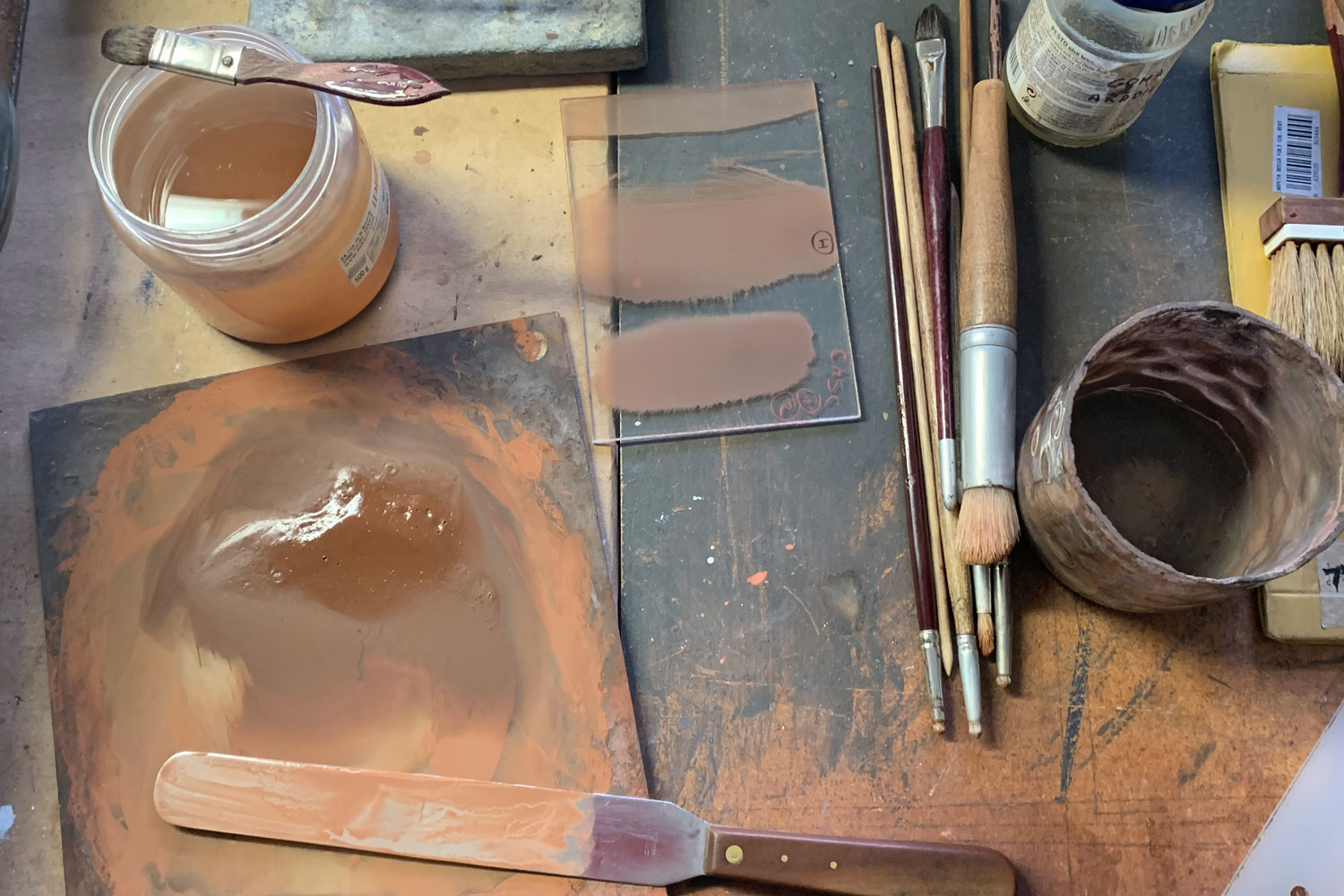
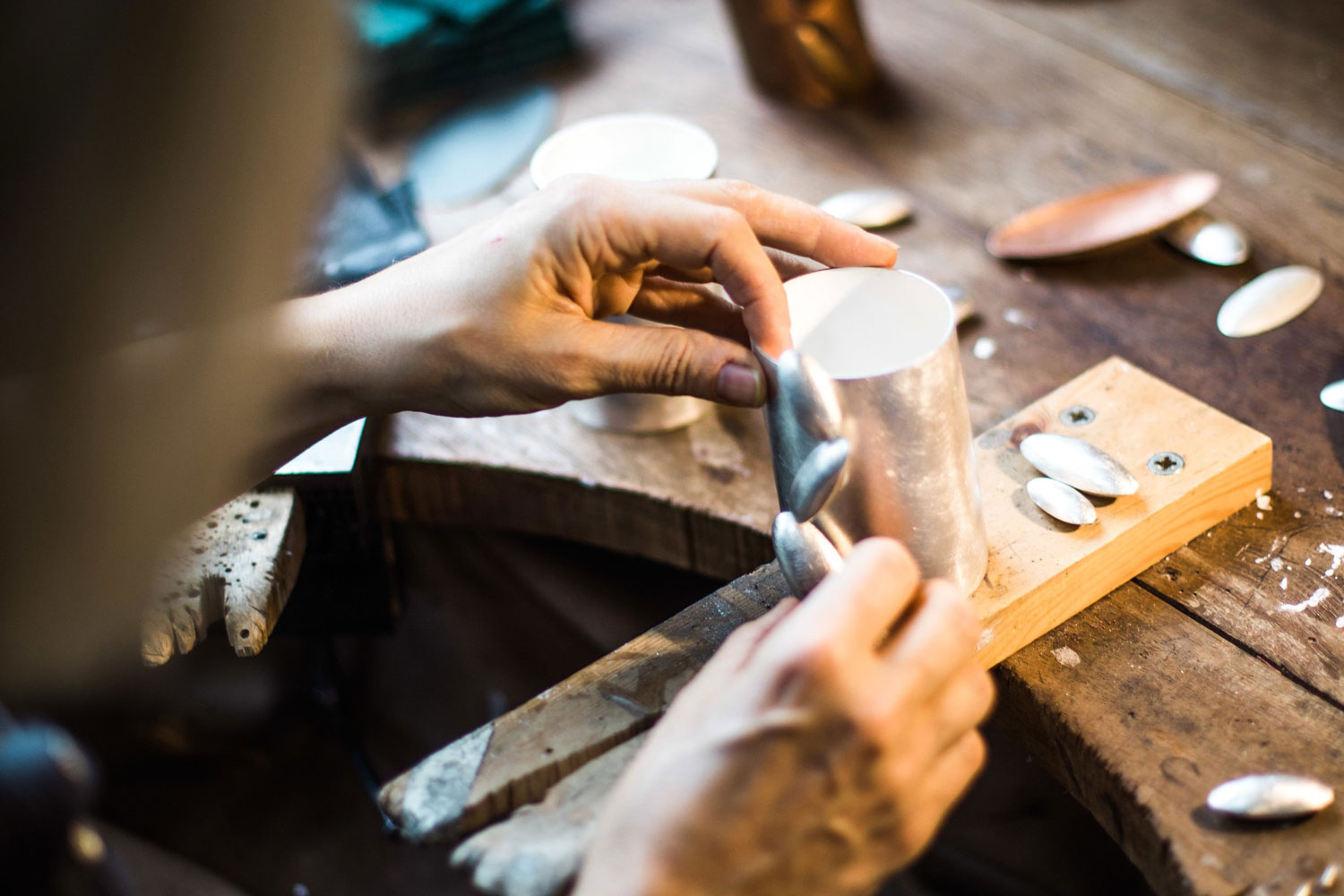
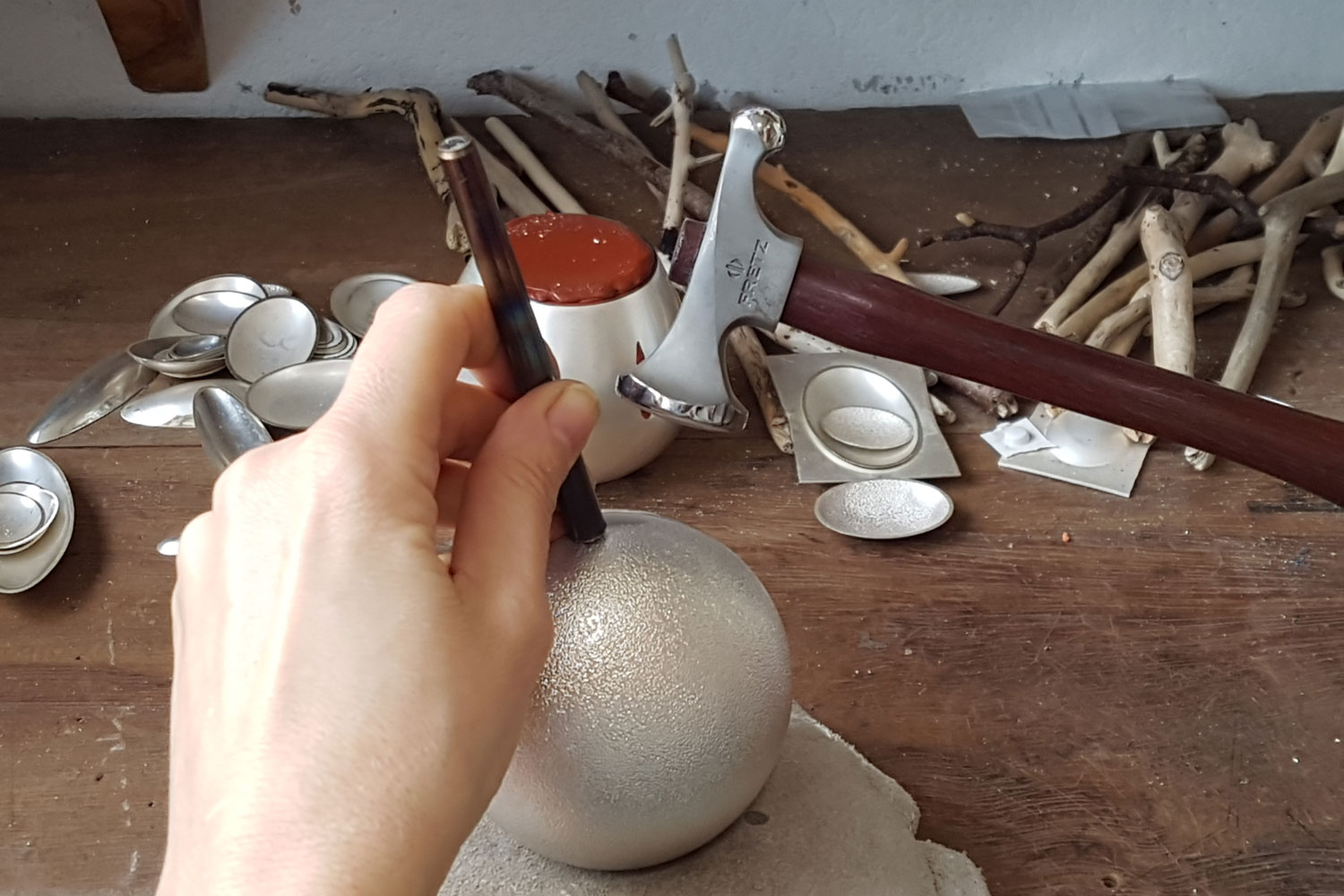
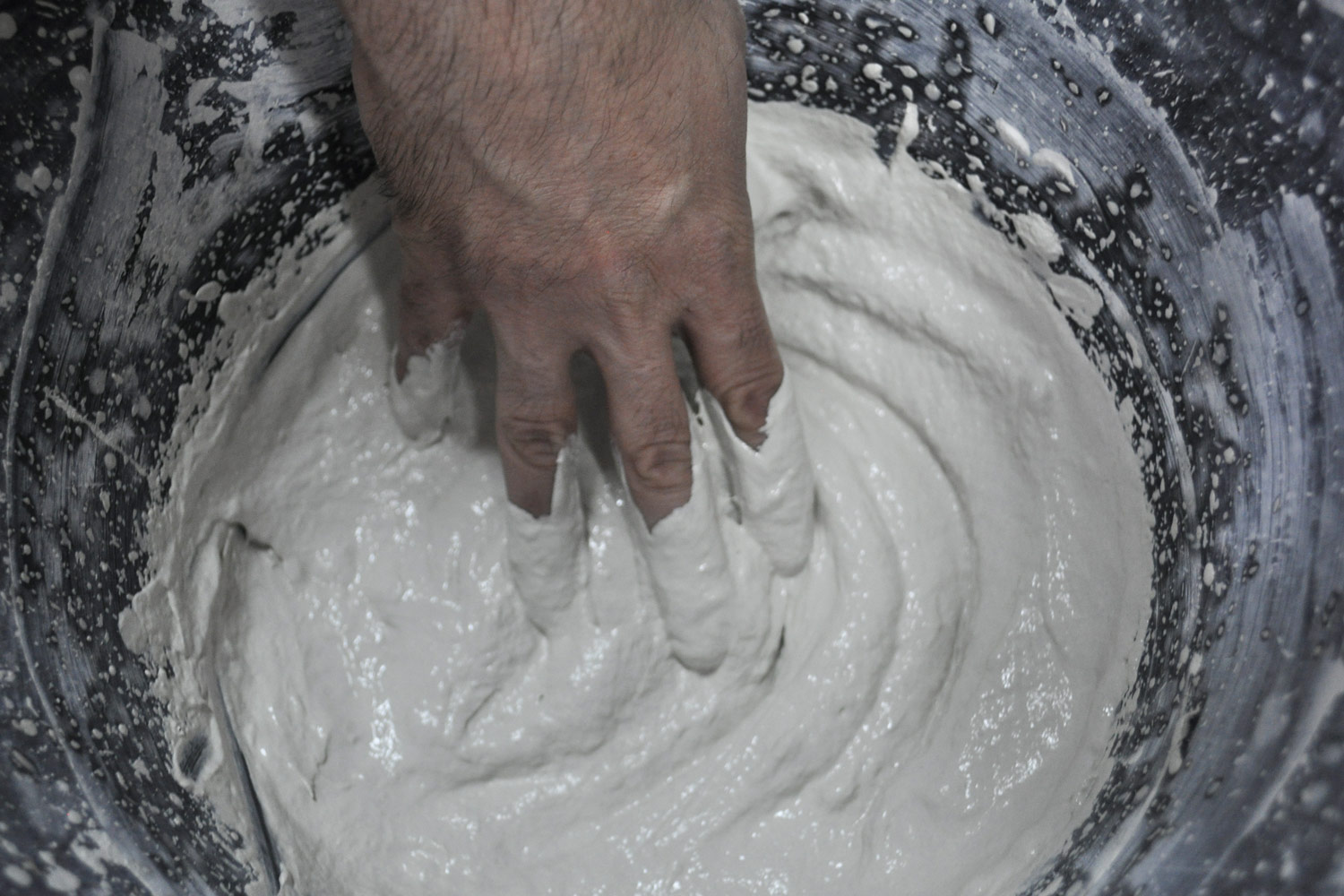
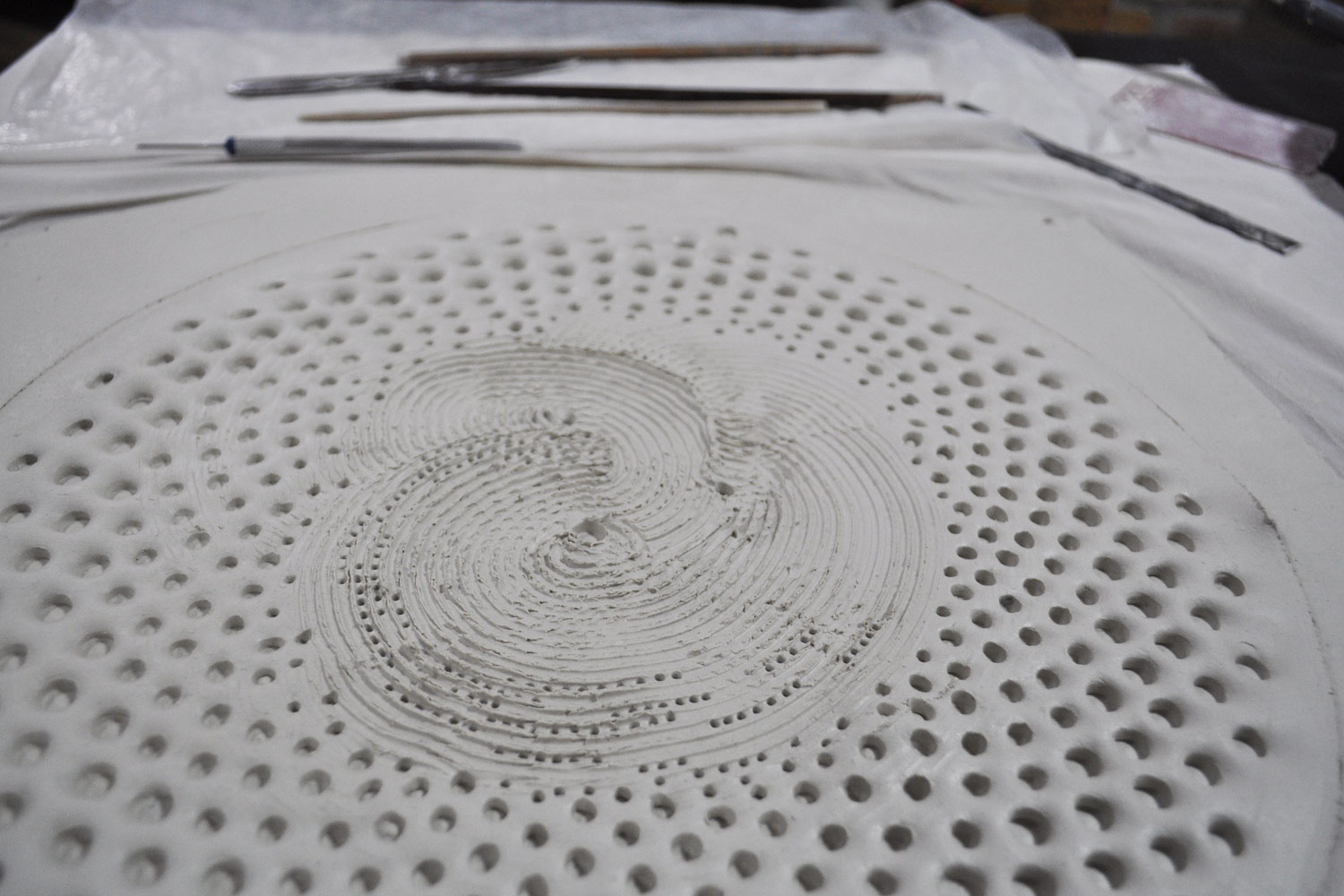
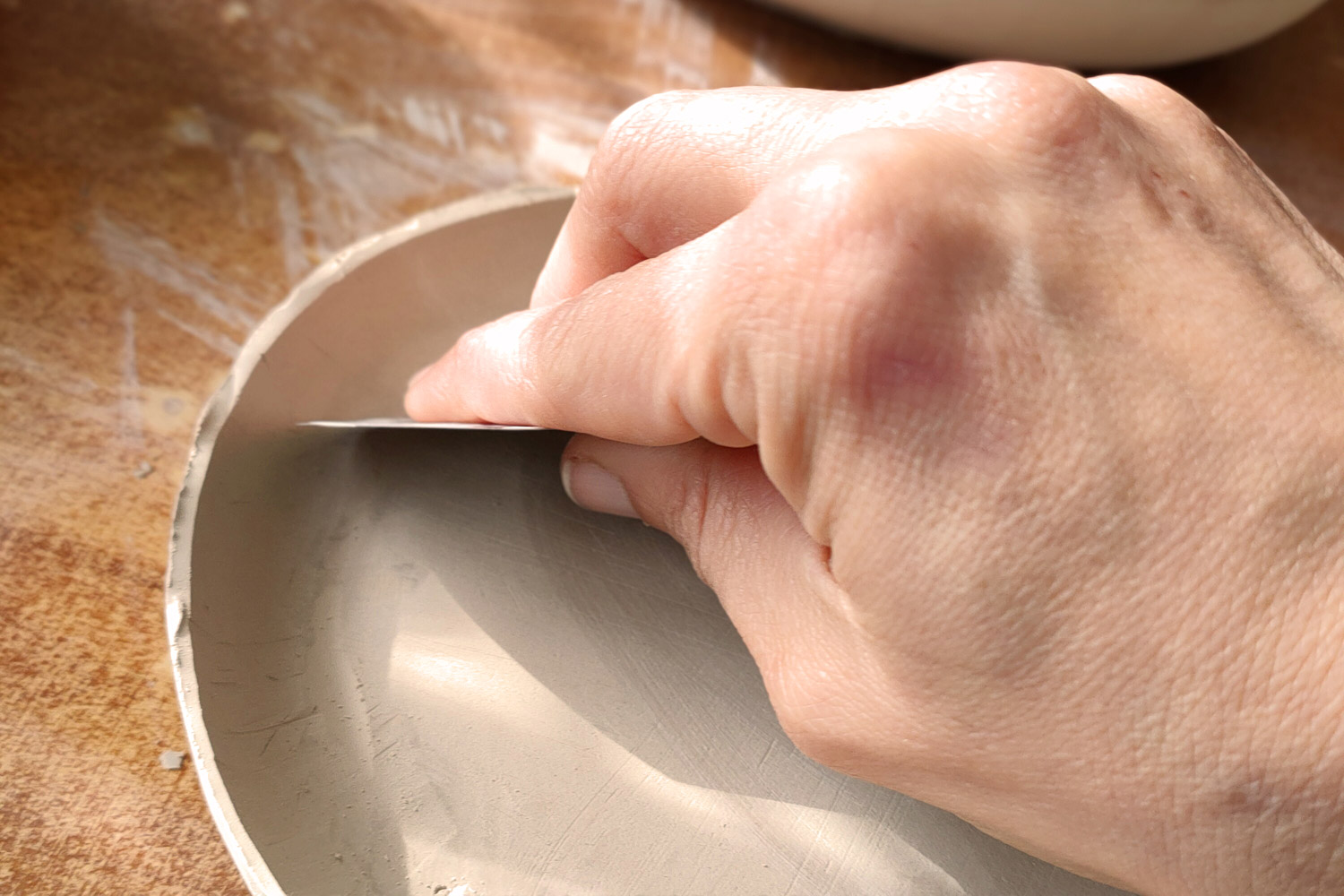
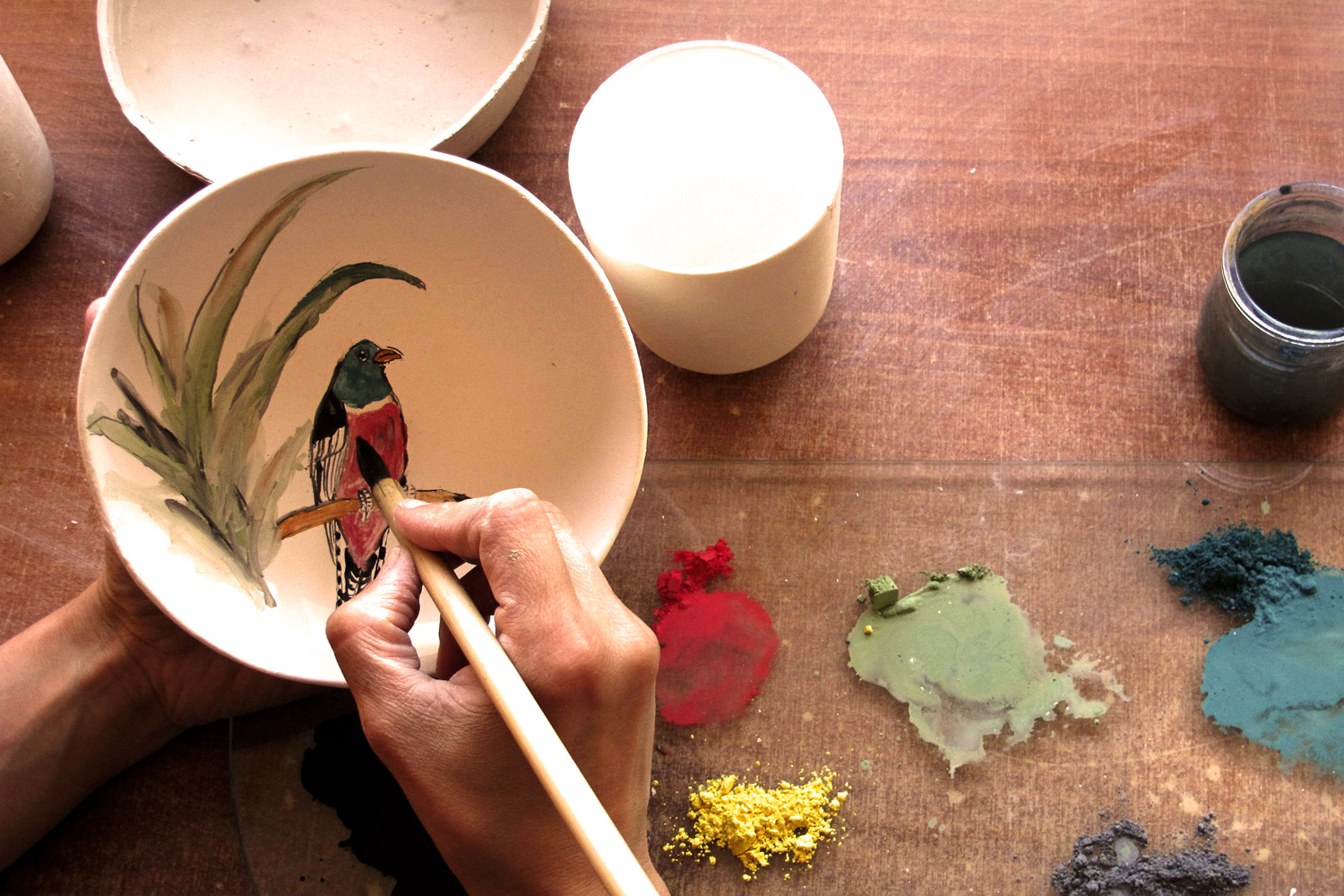
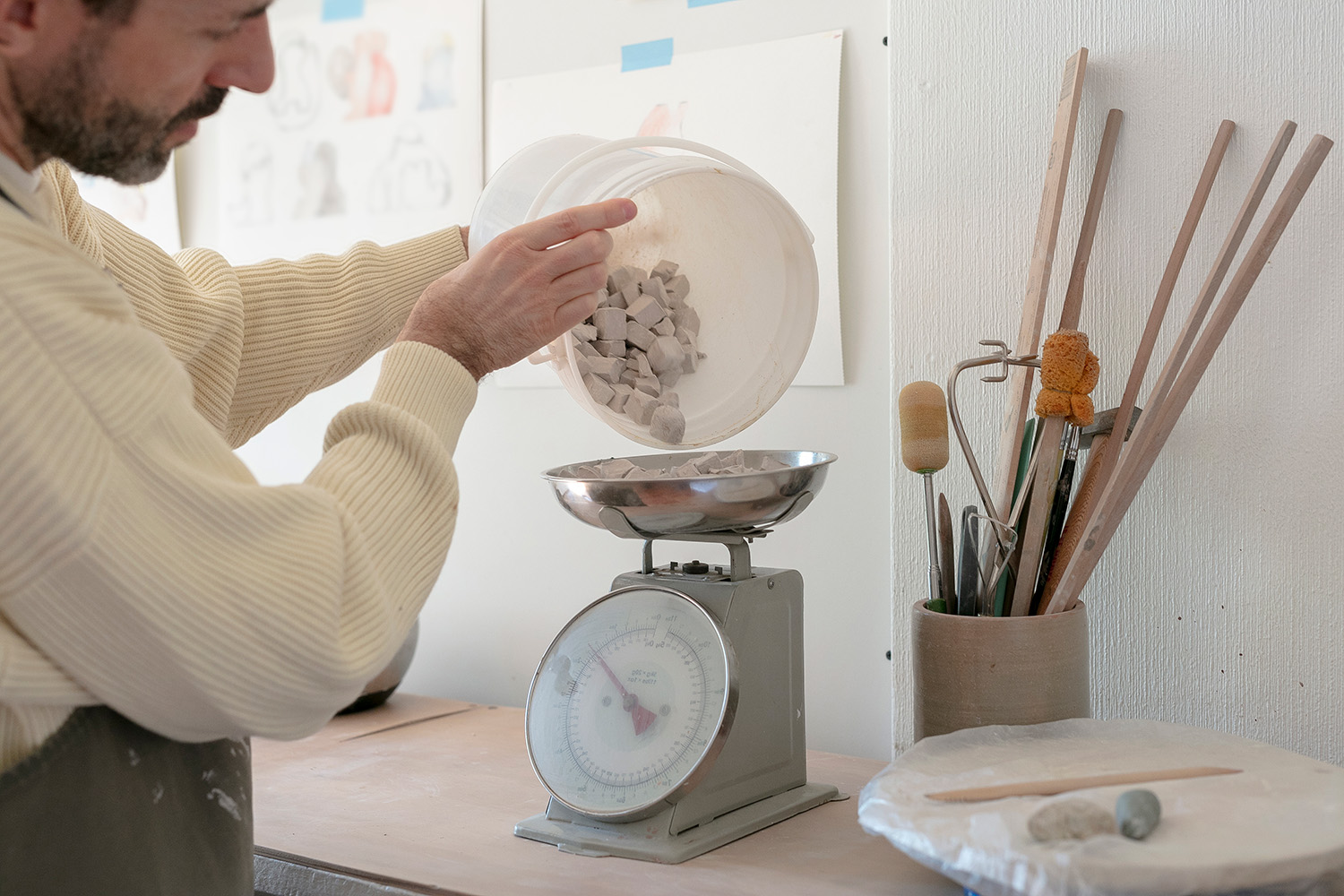
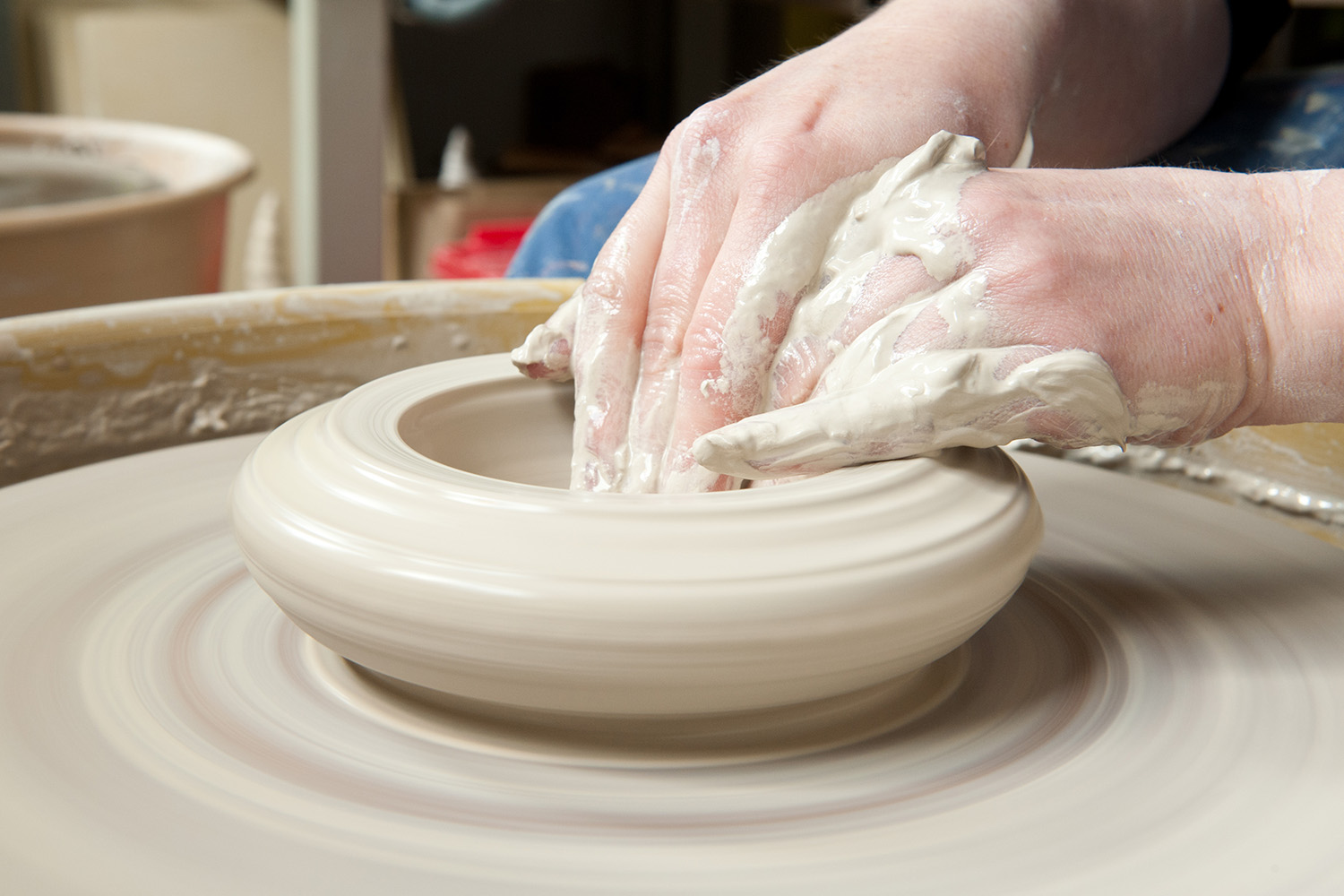
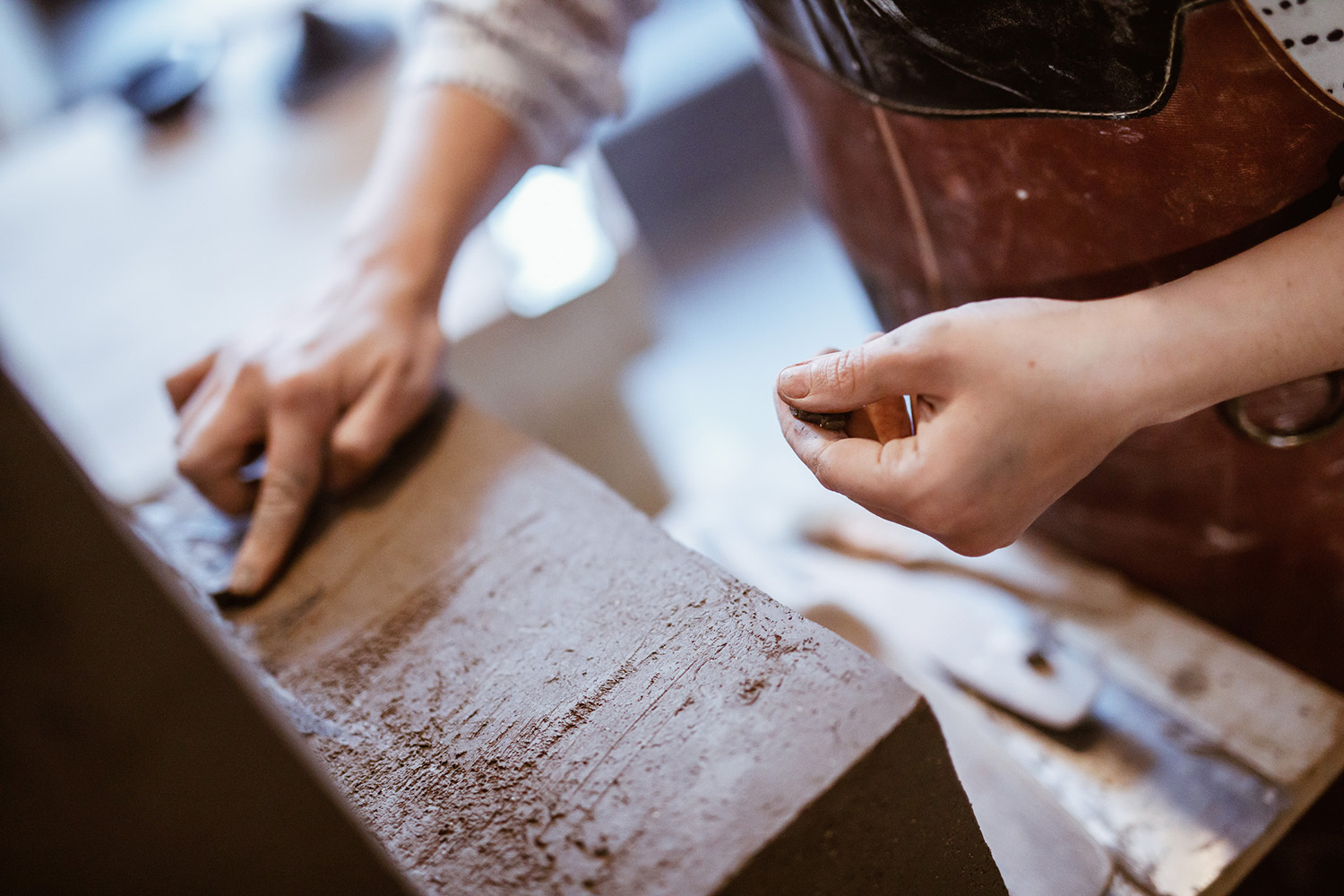
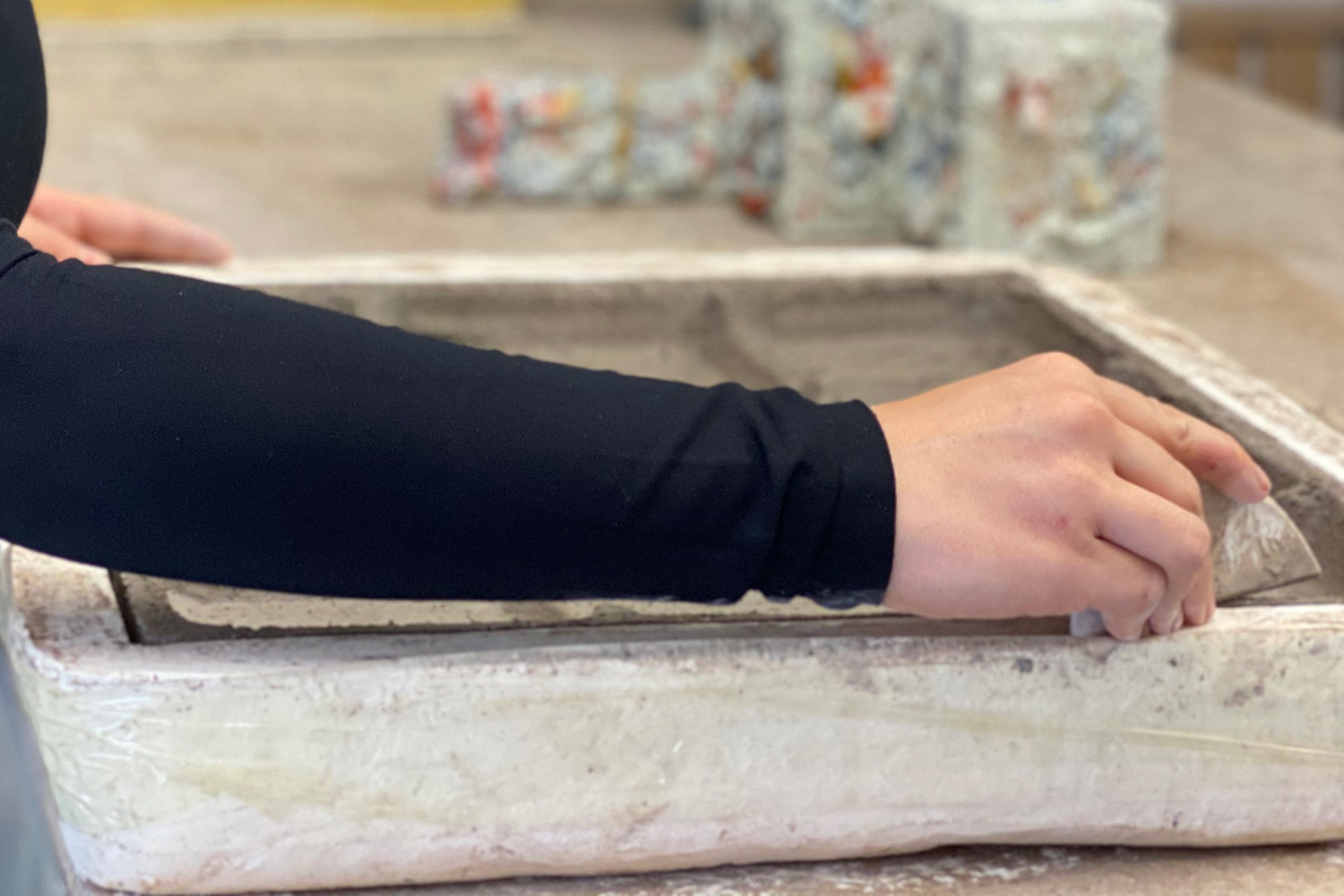
I work with traditional ceramic techniques: hand-building, press-moulding, glazing... But at every step of the making process, I try to break the rules and do something that is not traditional, not 'allowed'. This always results in innovative effects.
That it offers endless possibilities. You can learn all your life about different techniques, nuances, its depth. Working with clay is more of a relationship to me, rather than just a means of self-expression: full of discoveries, charms and disappointments, ups and downs.
As an adolescent, I actually had maths studies or classical philology in mind. Although I had always loved making art, I could not imagine it as my profession. The prospect of getting into St. Petersburg’s State Academy of Art and Design, let alone the Royal College of Art in London, seemed almost impossible.
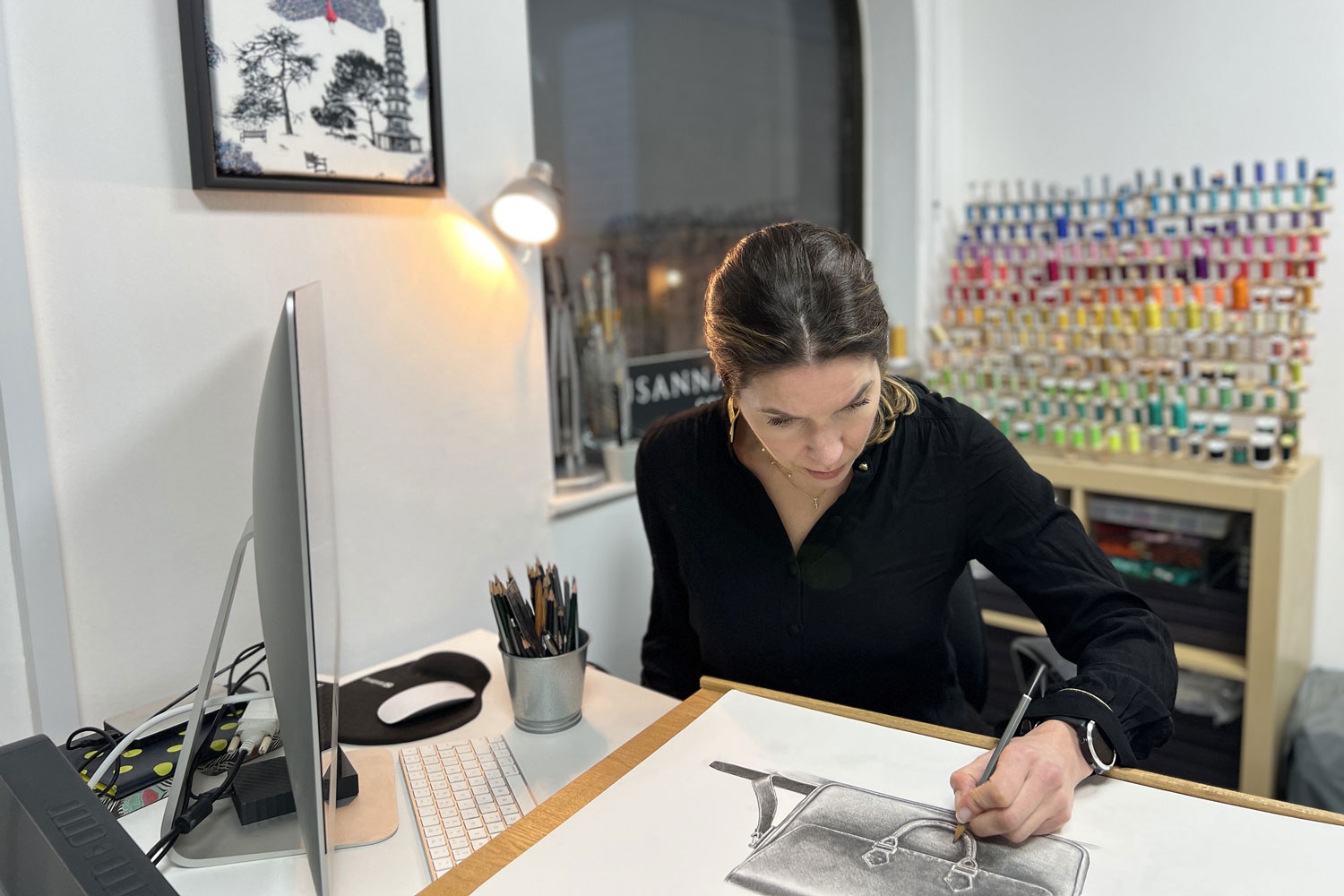
I went to drawing and painting classes every day after school, and on weekends, for three years. Even though it meant I had no free time in my late teens, I was so absorbed in copying Michelangelo’s sketches, drawing portraits and learning anatomy, that I did not mind.
Irina Razumovskaya
Ceramicist
London, United Kingdom
ADDRESS
Address upon request, London, United Kingdom
AVAILABILITY
By appointment only
PHONE
+44 7401807108
LANGUAGES
English, Russian, Italian
Homo Faber Finds is a new service aiming to inspire admirers of craft to connect and collaborate with exceptional artisans.
We invite you to submit an enquiry here.