
Yu-Mei Huang
Knitter
London, United Kingdom
Interactive sensory textiles
- Yu-Mei explores interactive 3D textile
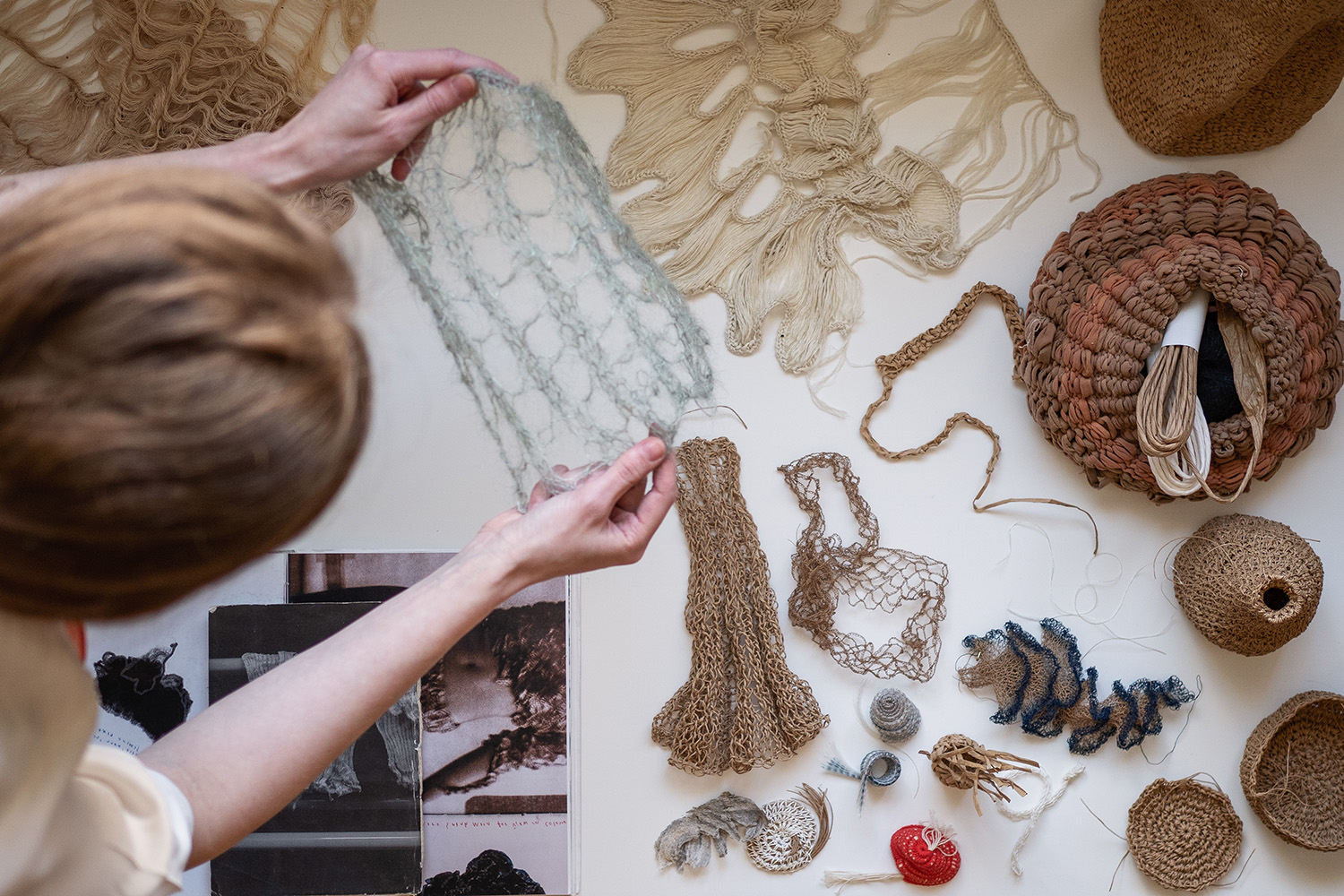
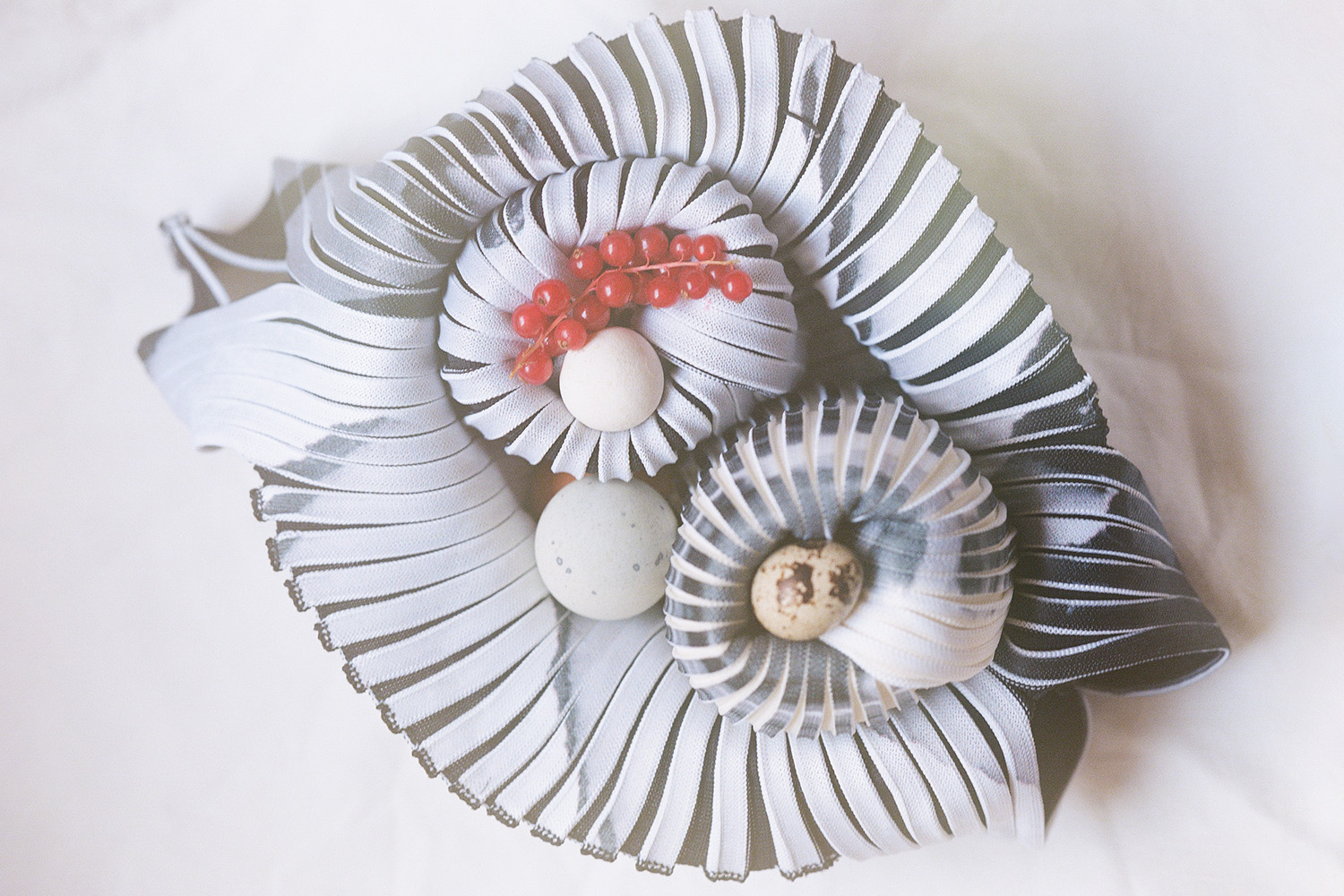
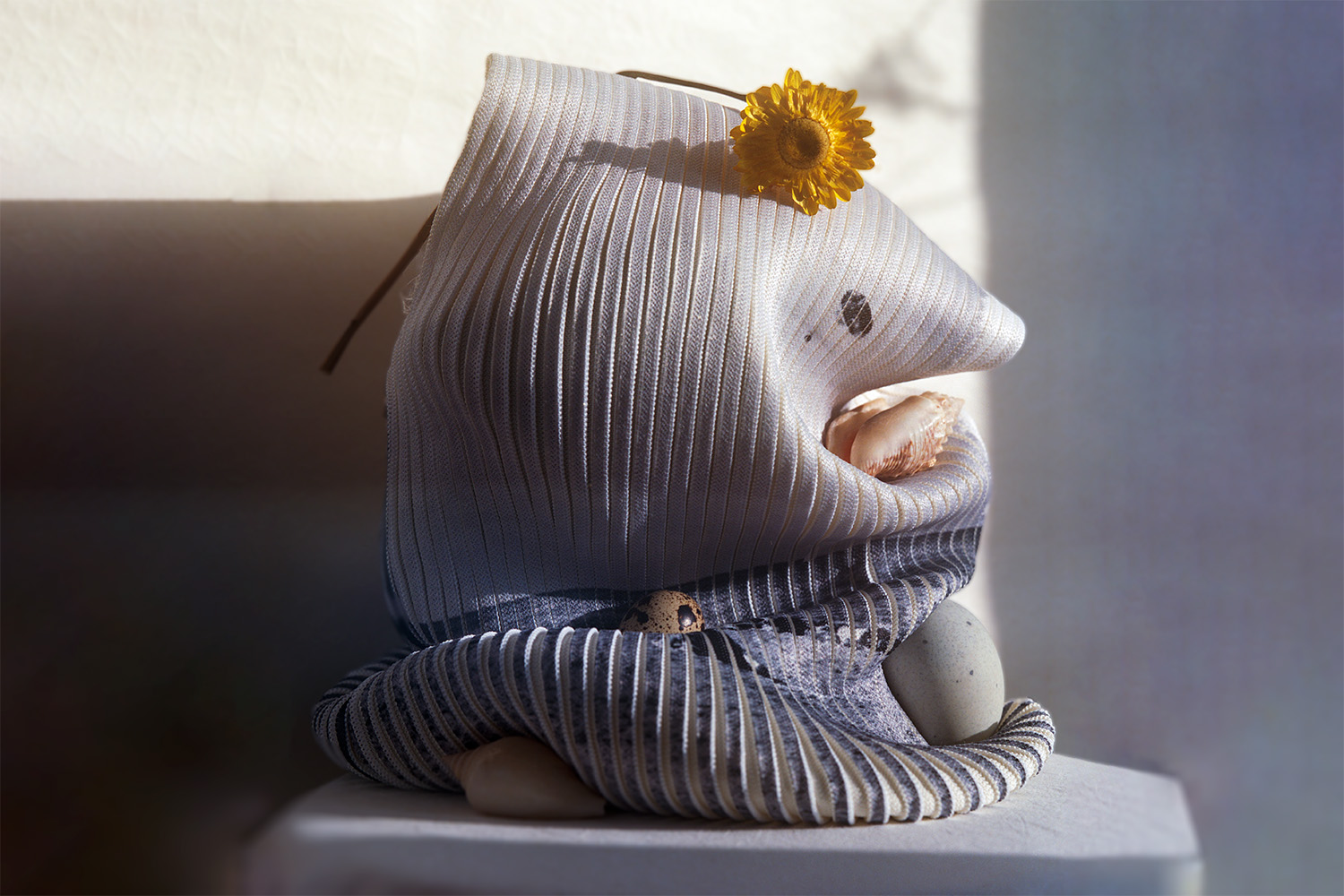
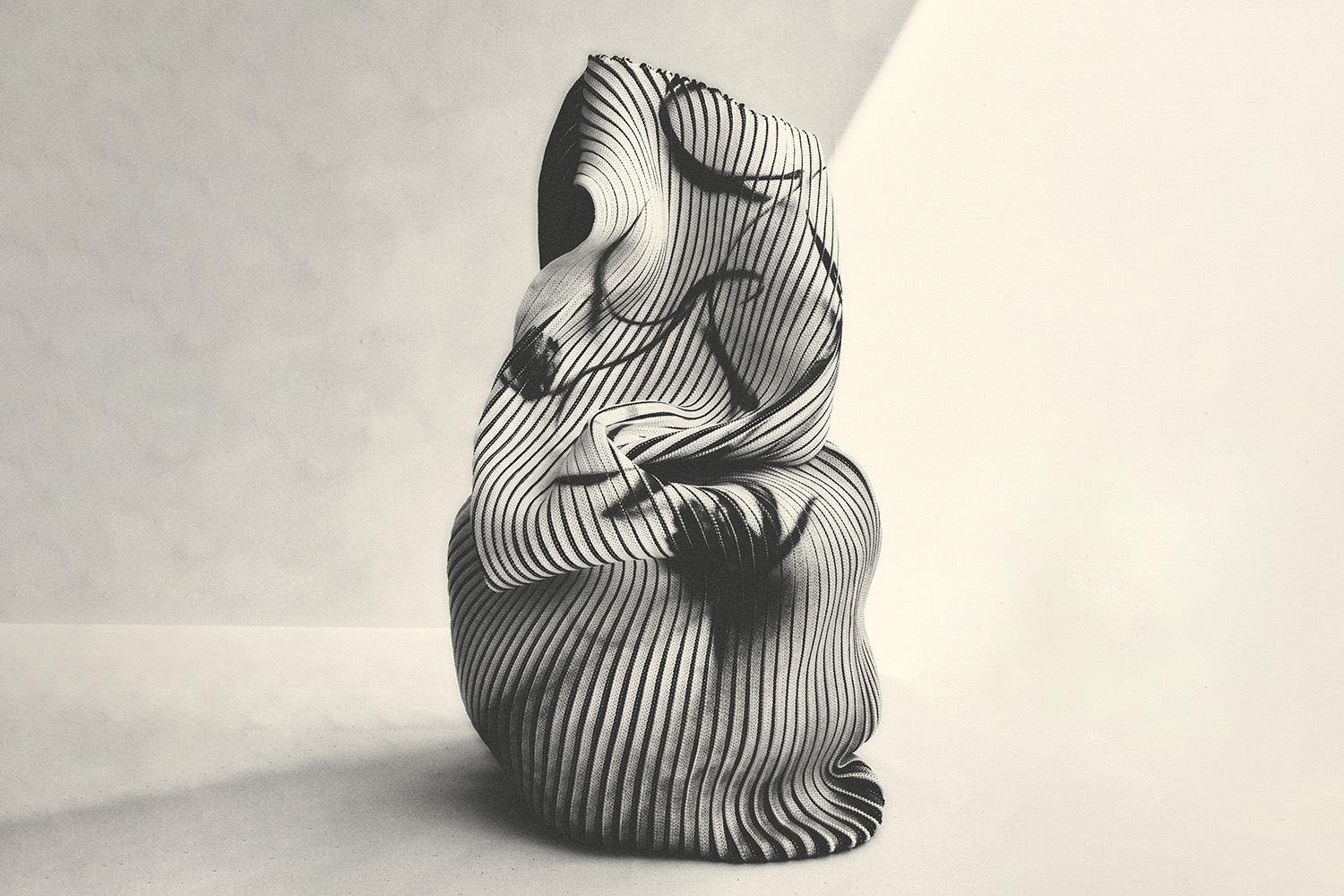
- She blends unconventional materials to create innovative shapes and textures
- She makes items for both exhibitions and fashion
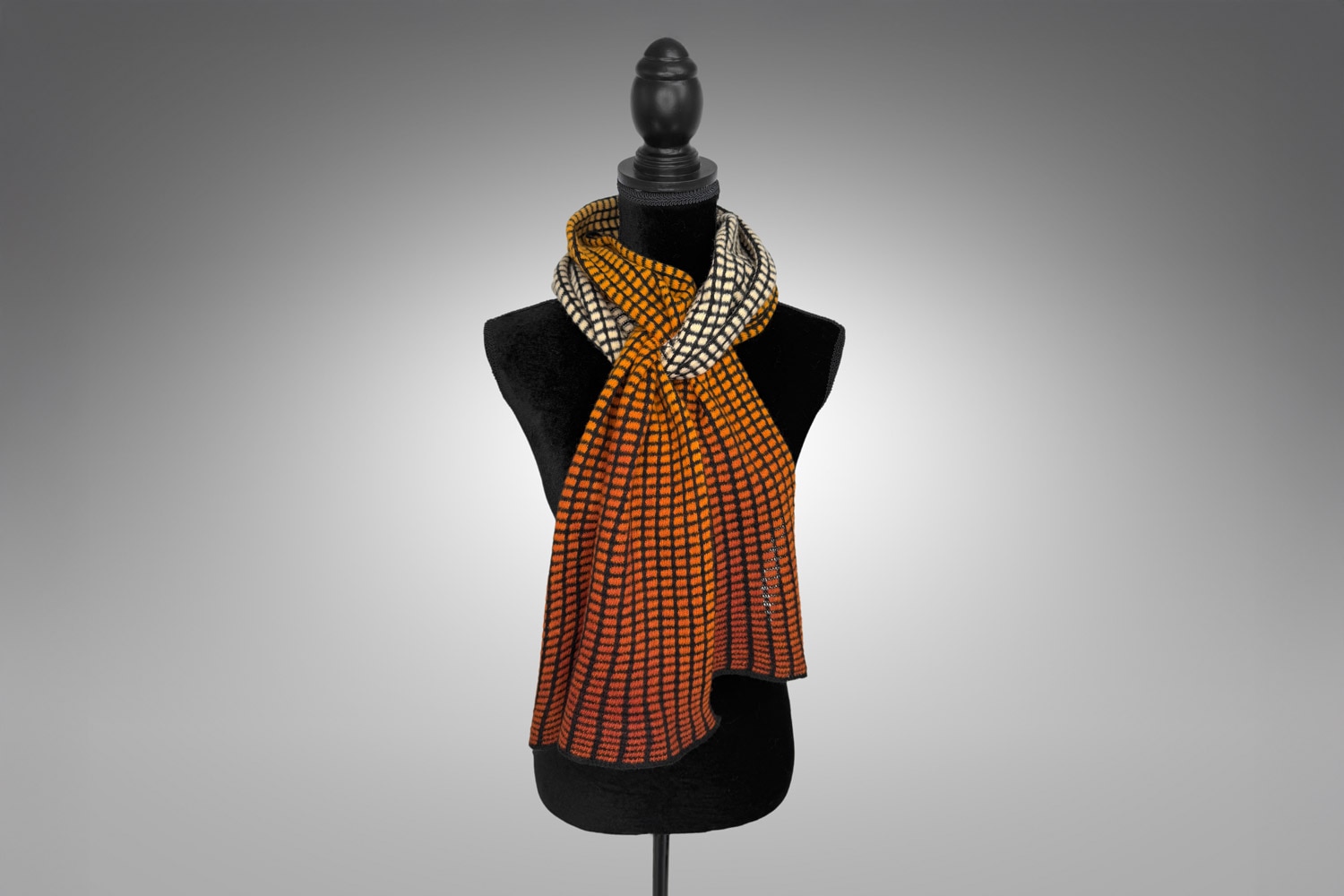
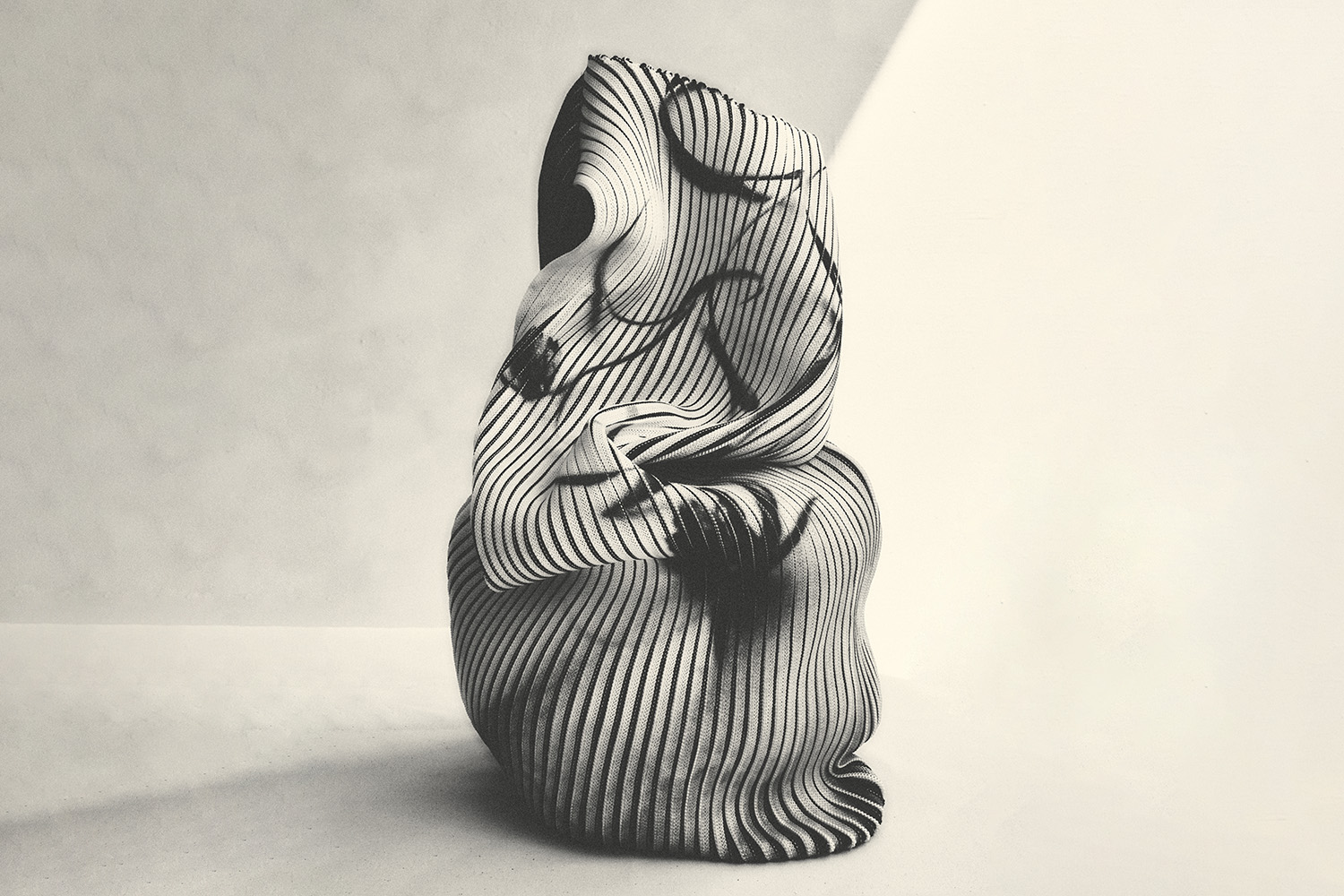
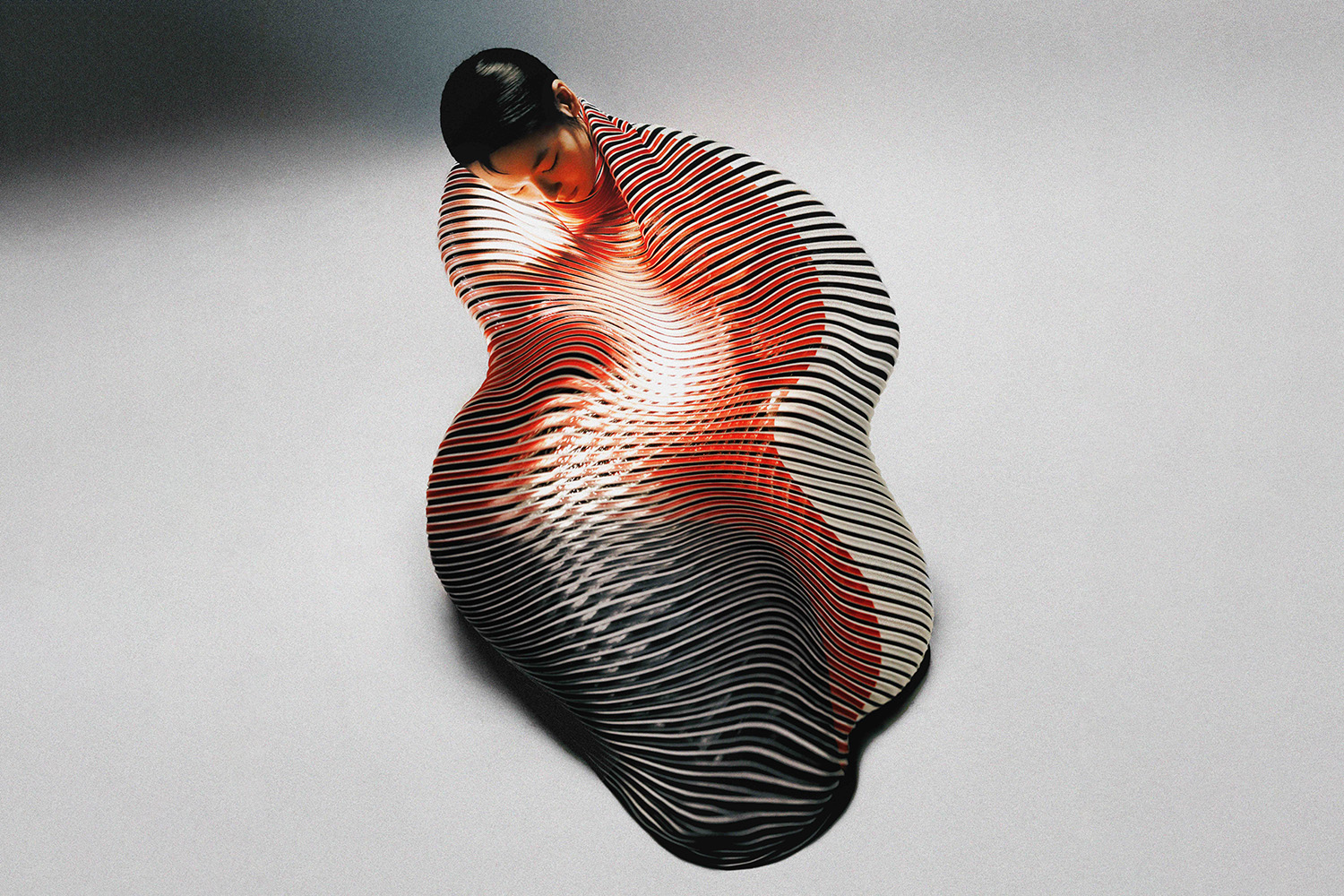
Yu-Mei Huang is a Taiwanese-born, London-based textile artist focused on innovative knit design and practice. She operates across disciplines, interweaving different materials and crafts to examine tactility, the collective experience of space, cultural mobility, and displacement. Yu-Mei's work plays with information, the fabric of time, and our collective memory. Her pieces come alive and apart when we interact with and move around the material. From knitted garments and bags to cutting-edge fibre art and large-scale installations, experimentation is the lifeblood of her creative expression.
INTERVIEW
My work reflects Taiwan's cultural heritage and history and is multicultural due to my experiences in different countries. It is important for me to look back to my background and understand craftsmanship to find an innovative way of demonstrating contemporary craft.
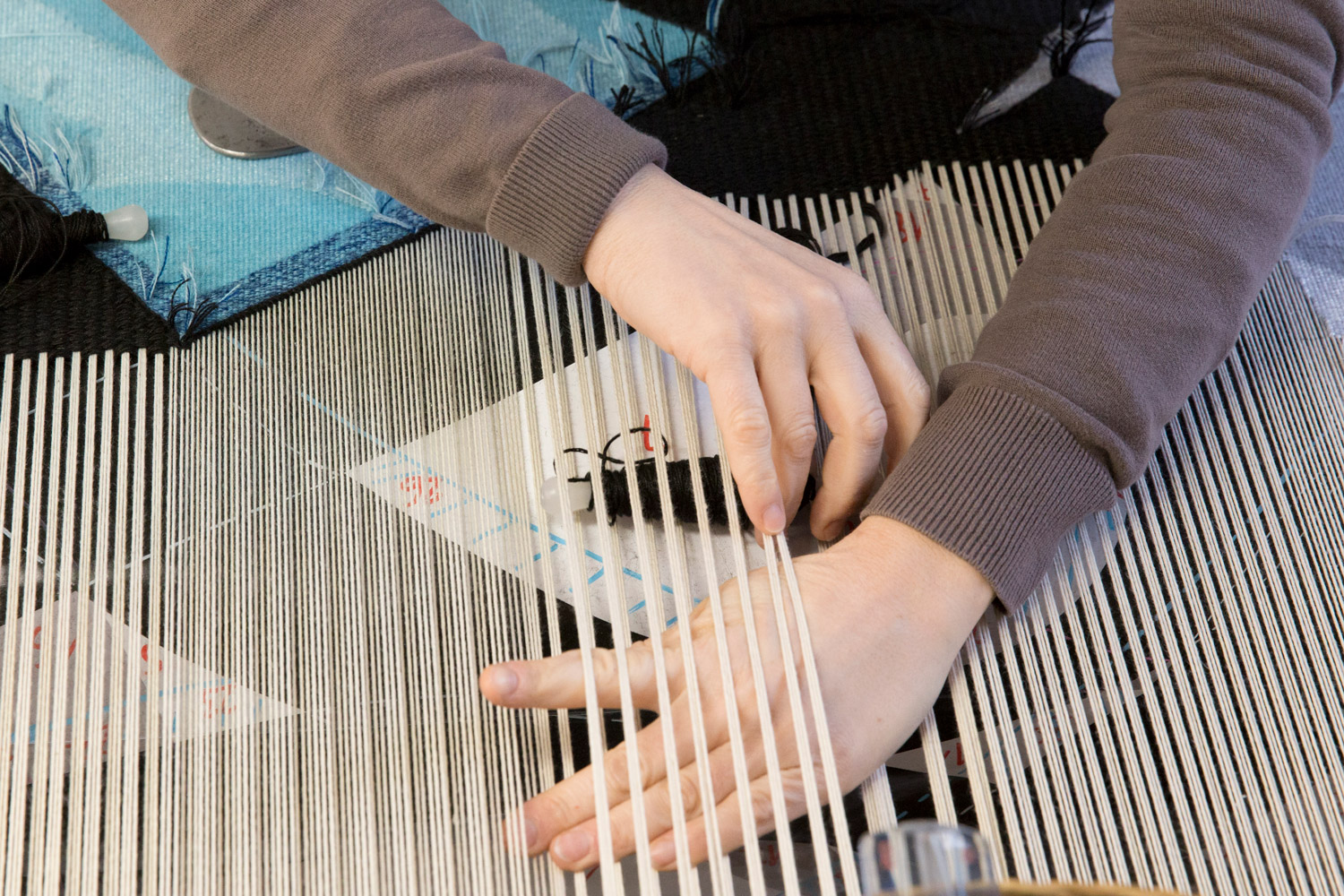
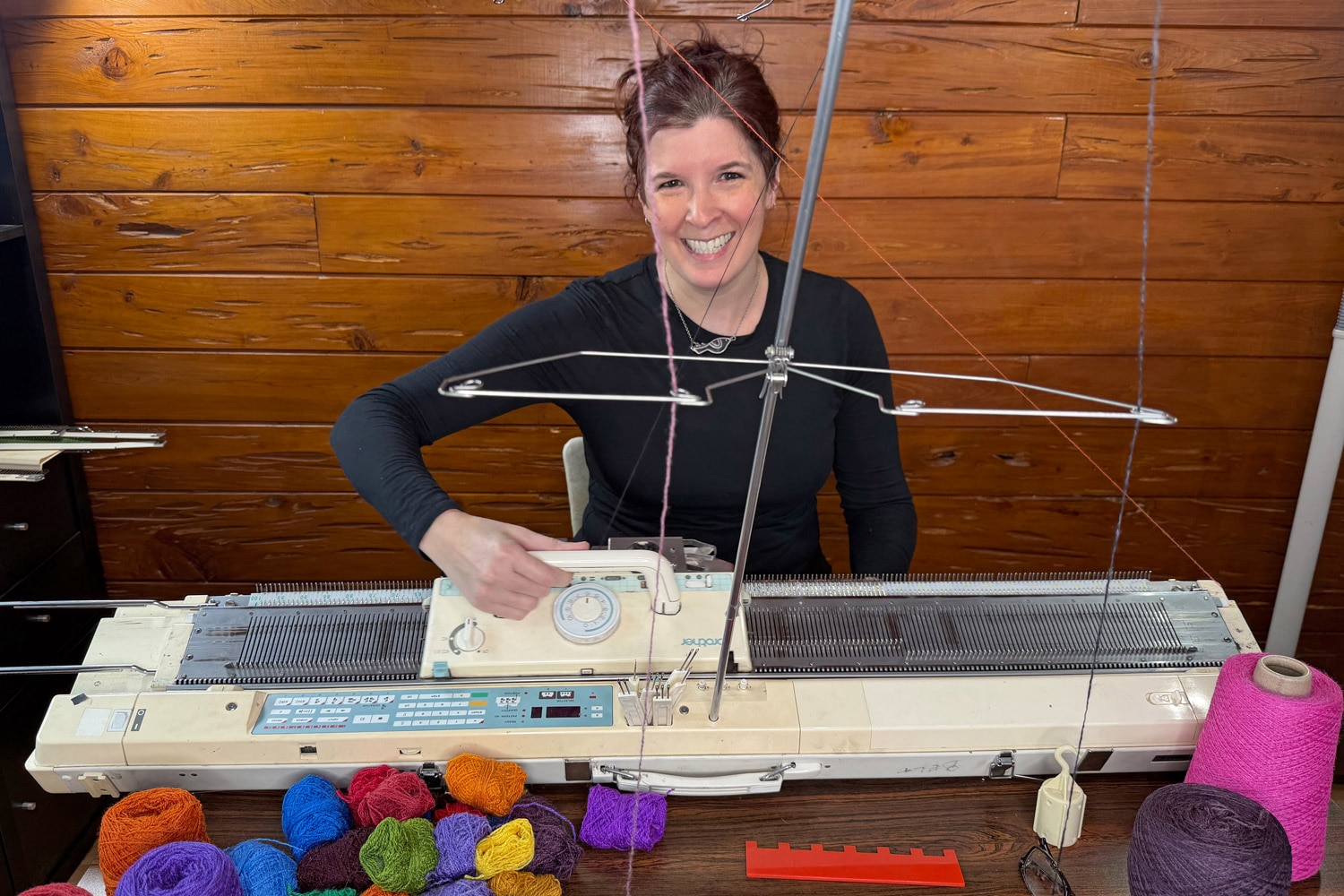
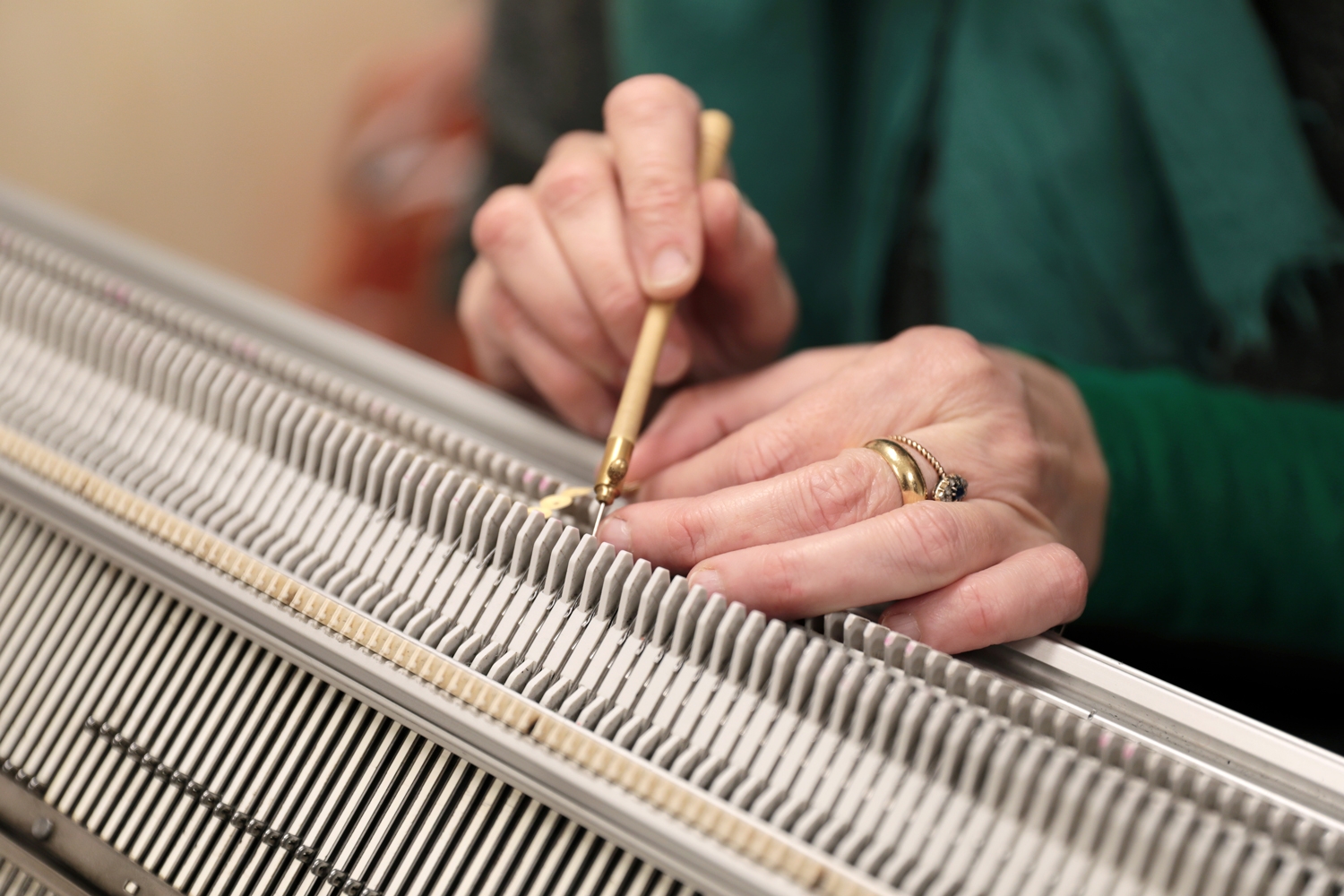
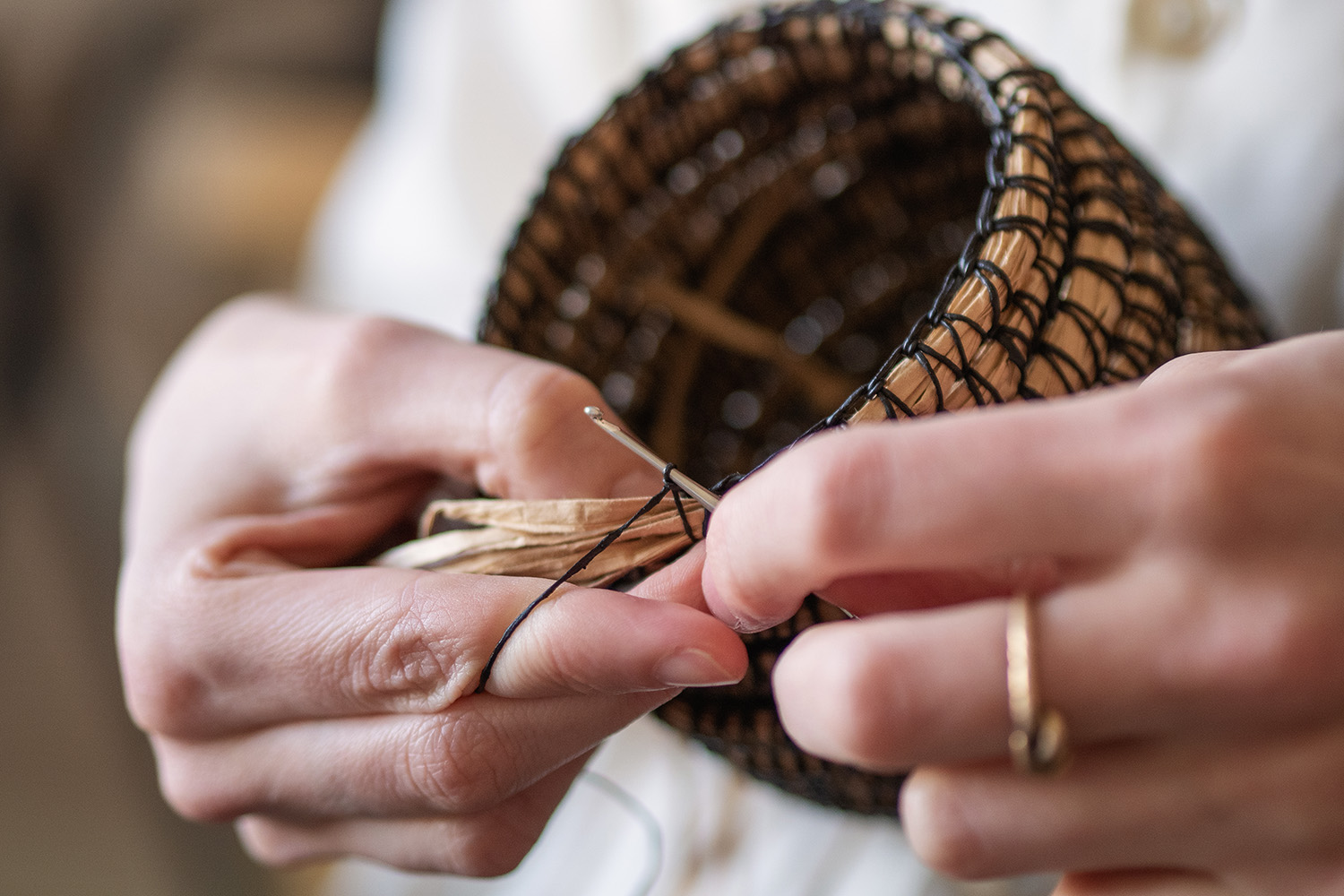
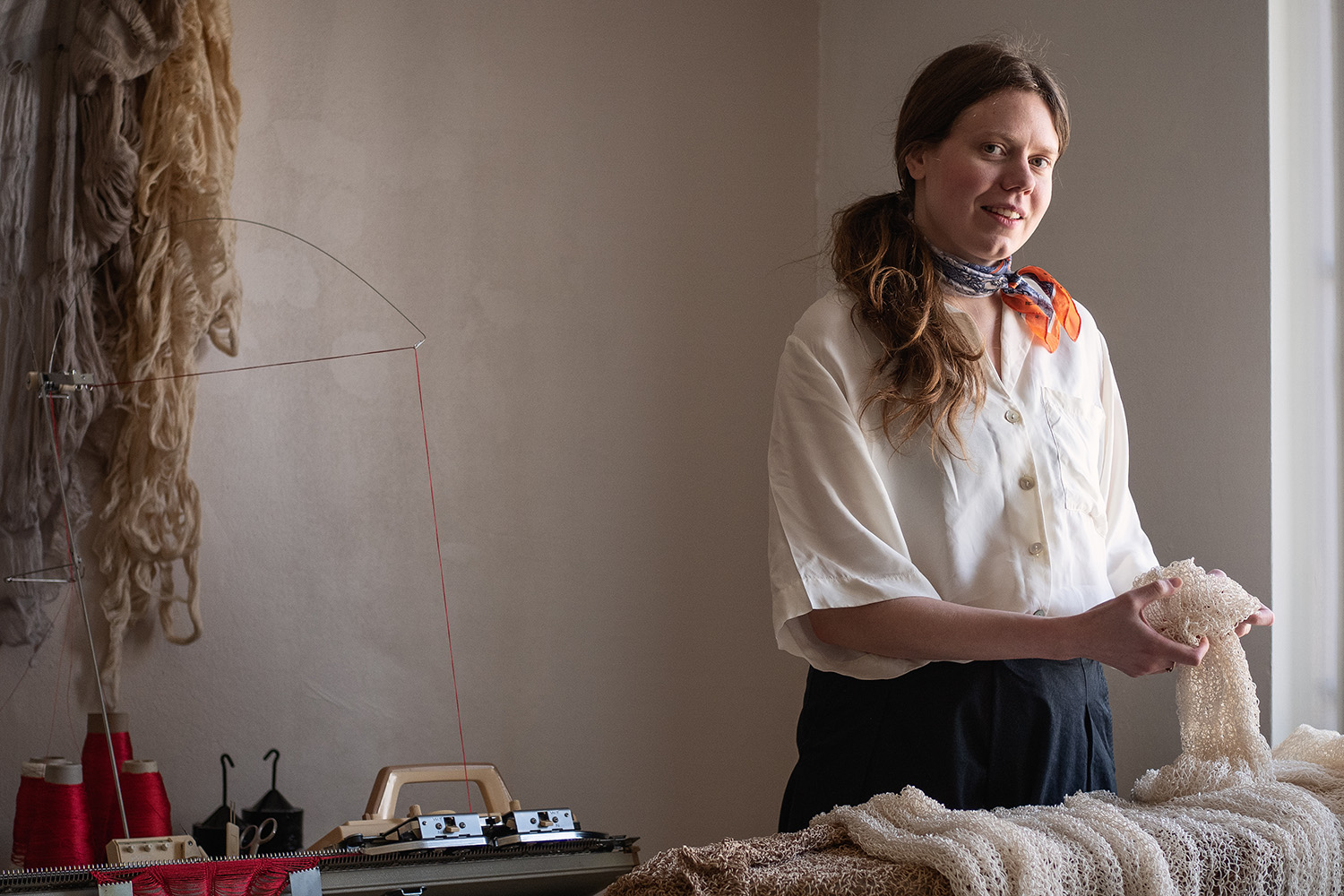
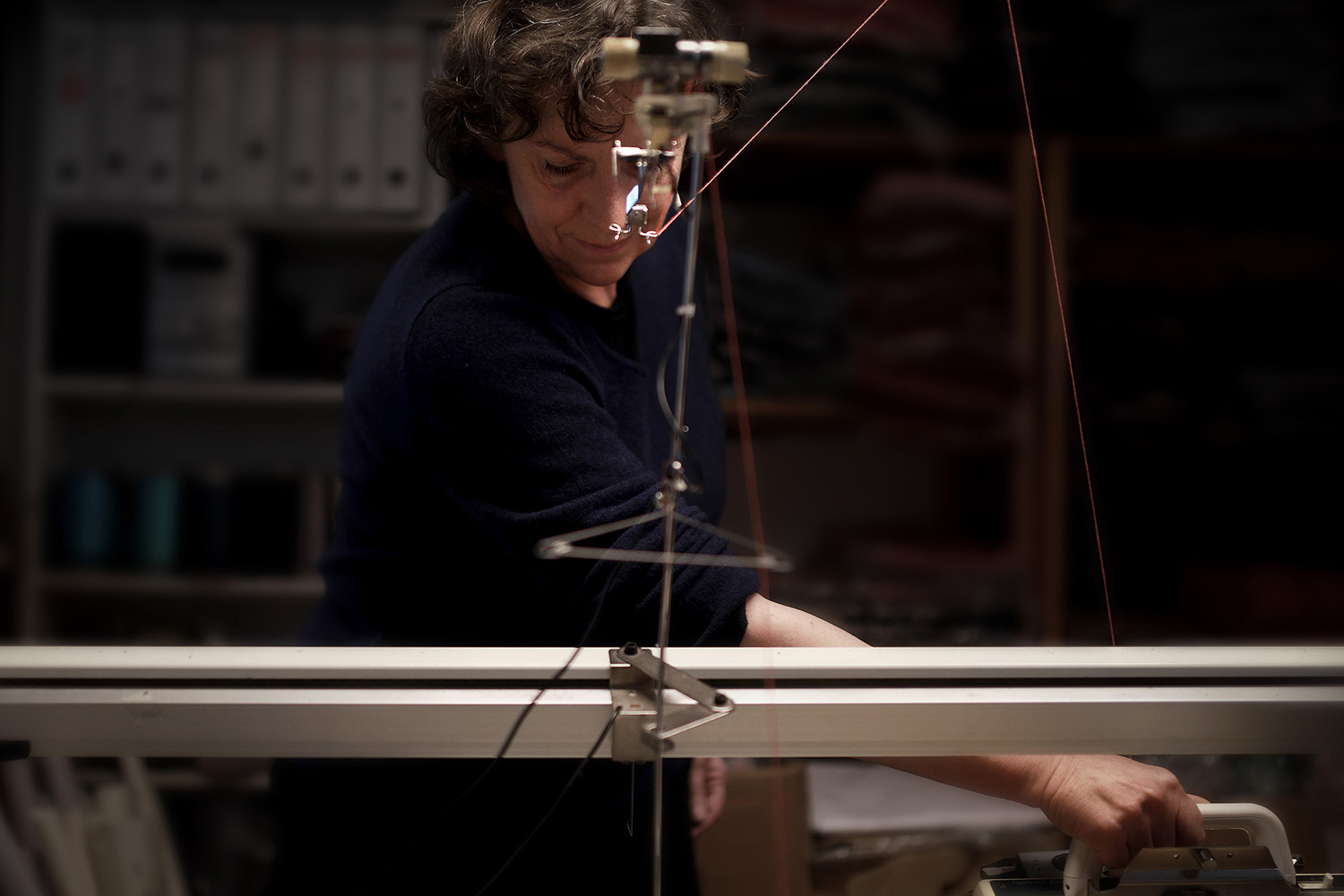
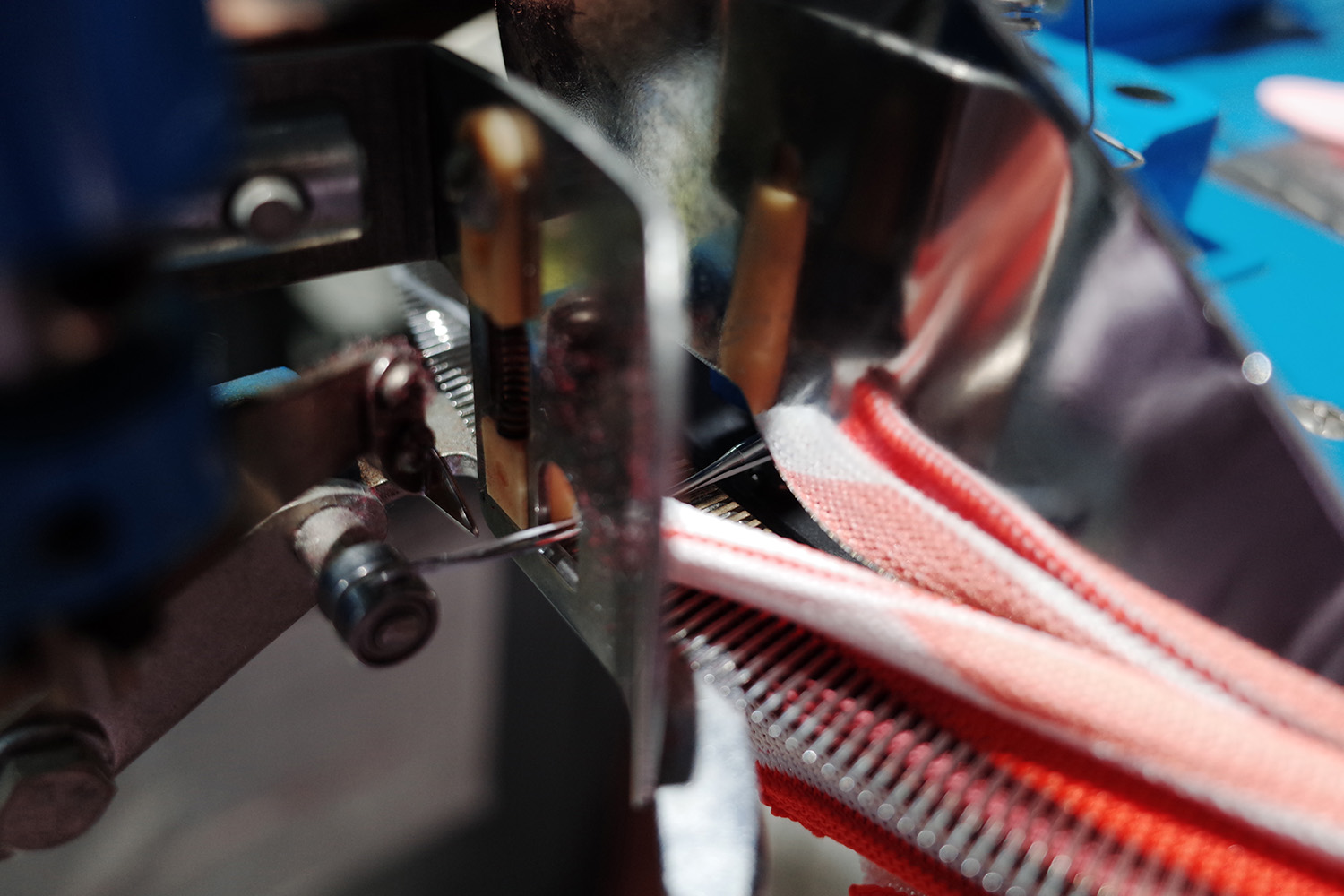
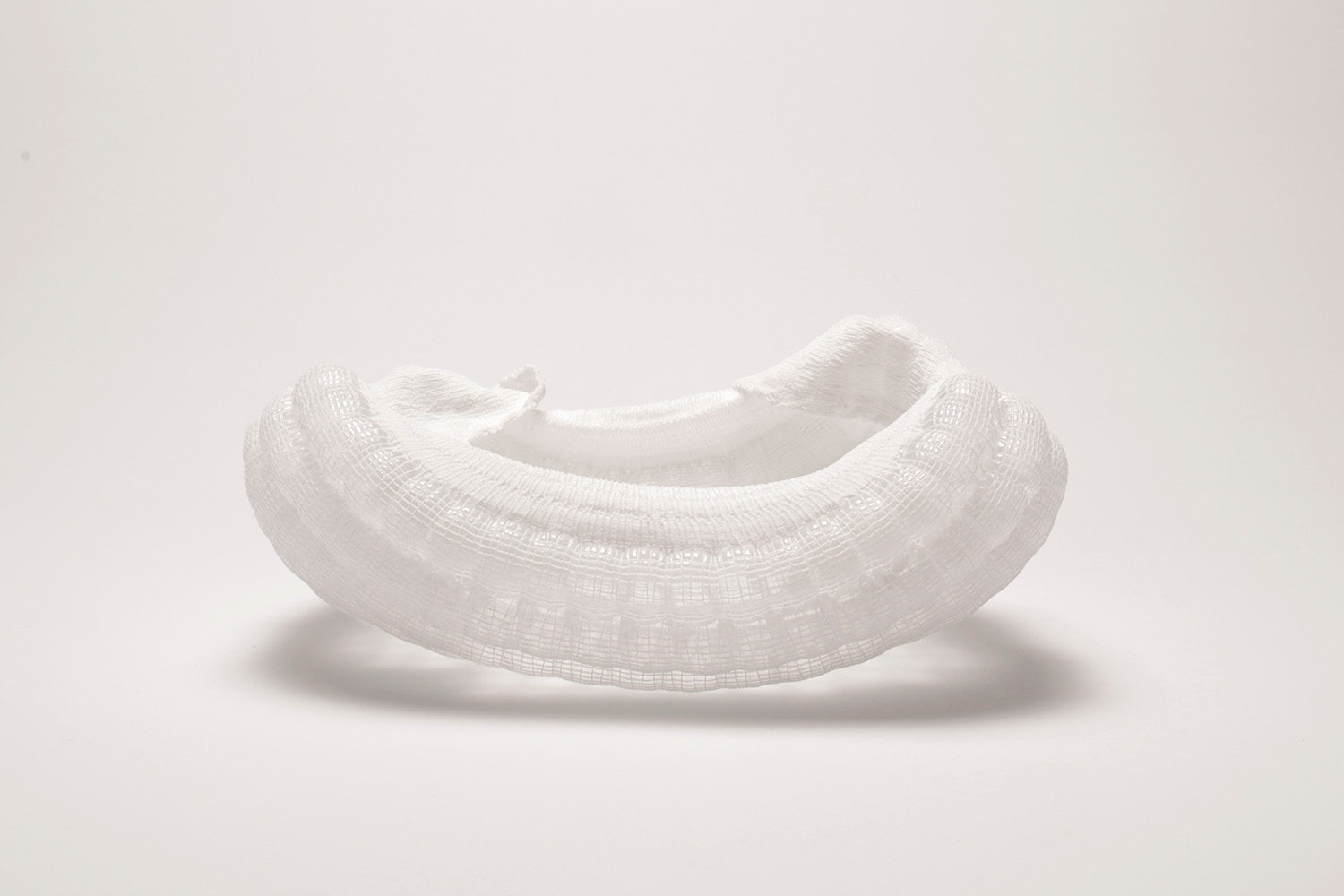
One of my focuses is experimenting with unconventional materials and combining craftsmanship in the making process. I knit with a domestic knitting machine, and by inlaying different materials while knitting, this technique connects yarns with other materials.
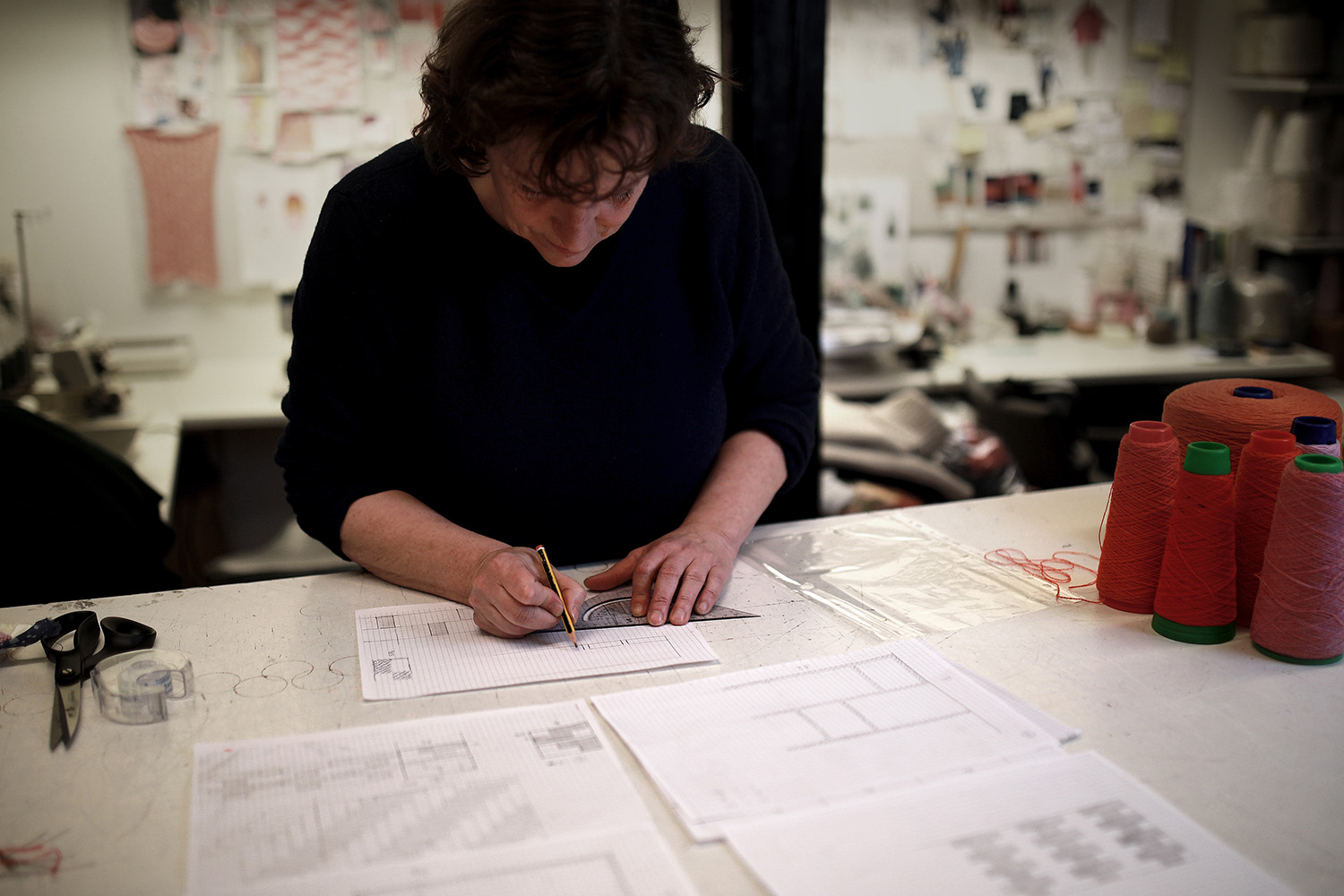
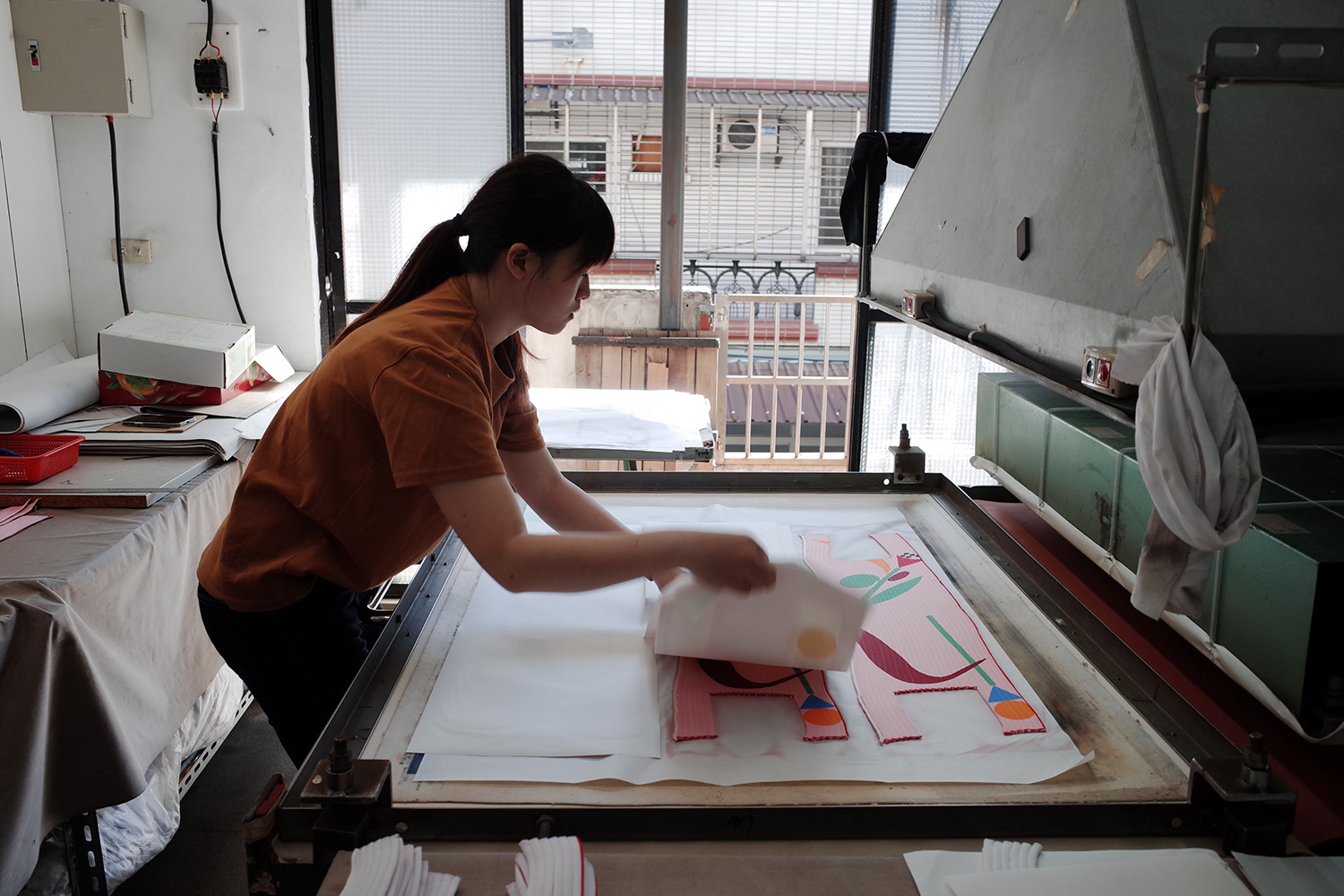
Not really; it depends on the concept and the project. As a textile artist, my main focus is on the fabrication process. Developing with material, shapes, and forms makes working on different presentation forms interesting.
“Let the material lead the shape” is at the core of my practice. I want to explore the modalities and possibilities of textiles. My goal is to reveal that innovative approaches can push the boundaries of conventional systems and pave the way for new methods of sustainable textiles.
Yu-Mei Huang
Knitter
London, United Kingdom
ADDRESS
Address upon request, London, United Kingdom
AVAILABILITY
By appointment only
PHONE
+44 7377099879
LANGUAGES
English, Mandarin
Homo Faber Finds is a new service aiming to inspire admirers of craft to connect and collaborate with exceptional artisans.
We invite you to submit an enquiry here.