Elodie Blanchard
Textile sculptor
Brooklyn, NY, USA
Stitching new life into discarded fabrics
- Elodie’s work is fuelled by a deep interest in the history of the fabrics
- Found materials are a source of inspiration for her pieces
- She juxtaposes the ephemerality of nature with the long life of waste
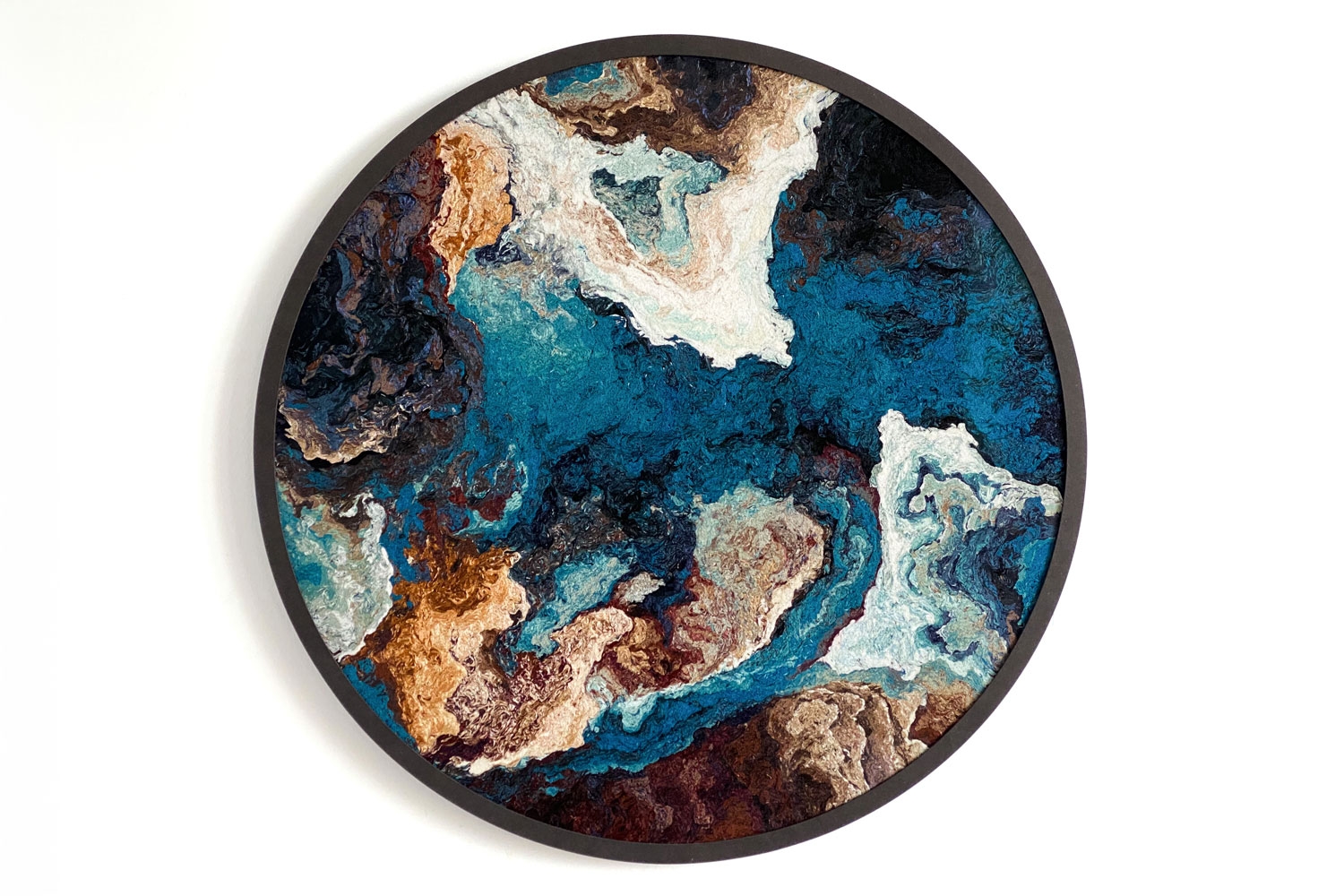
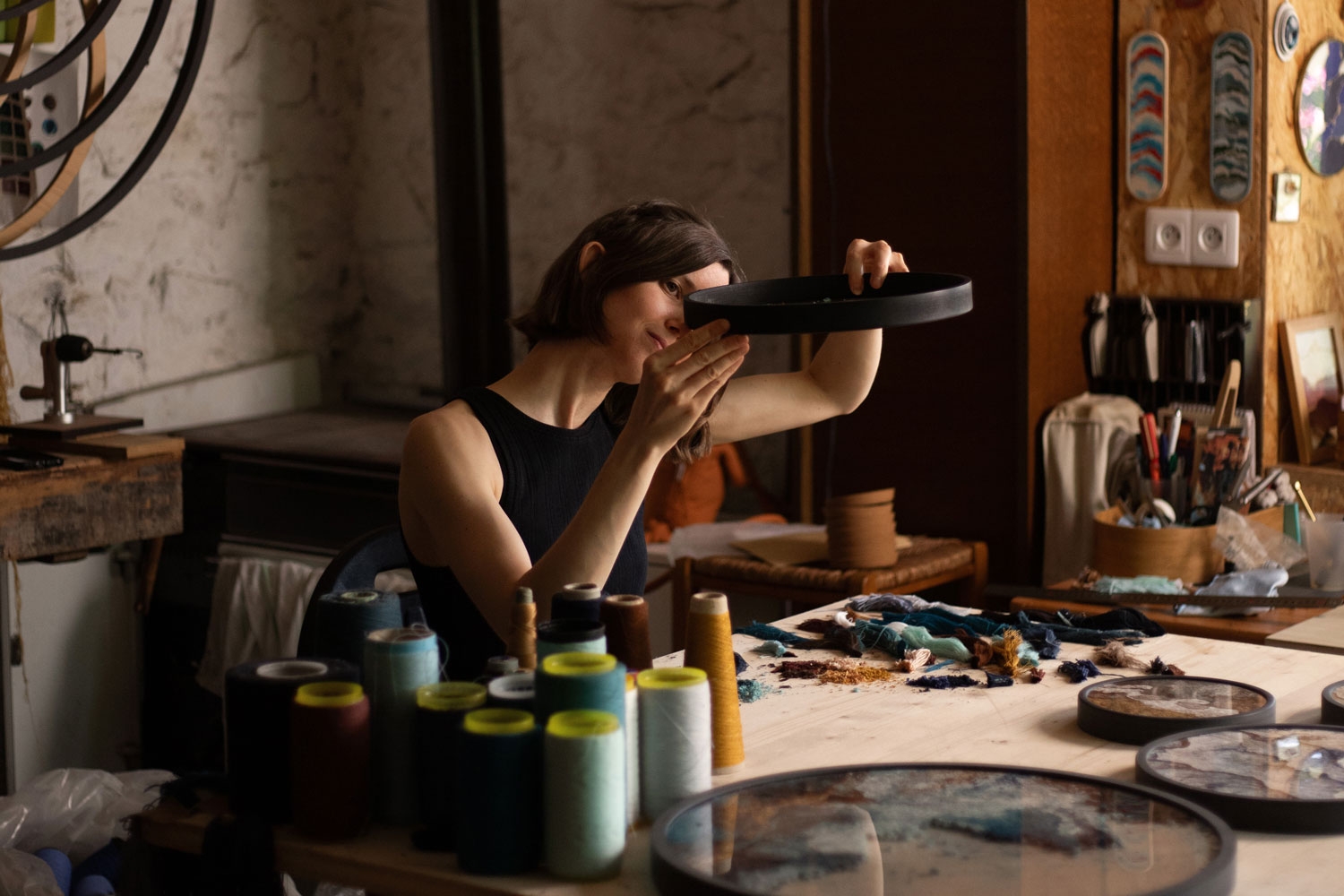
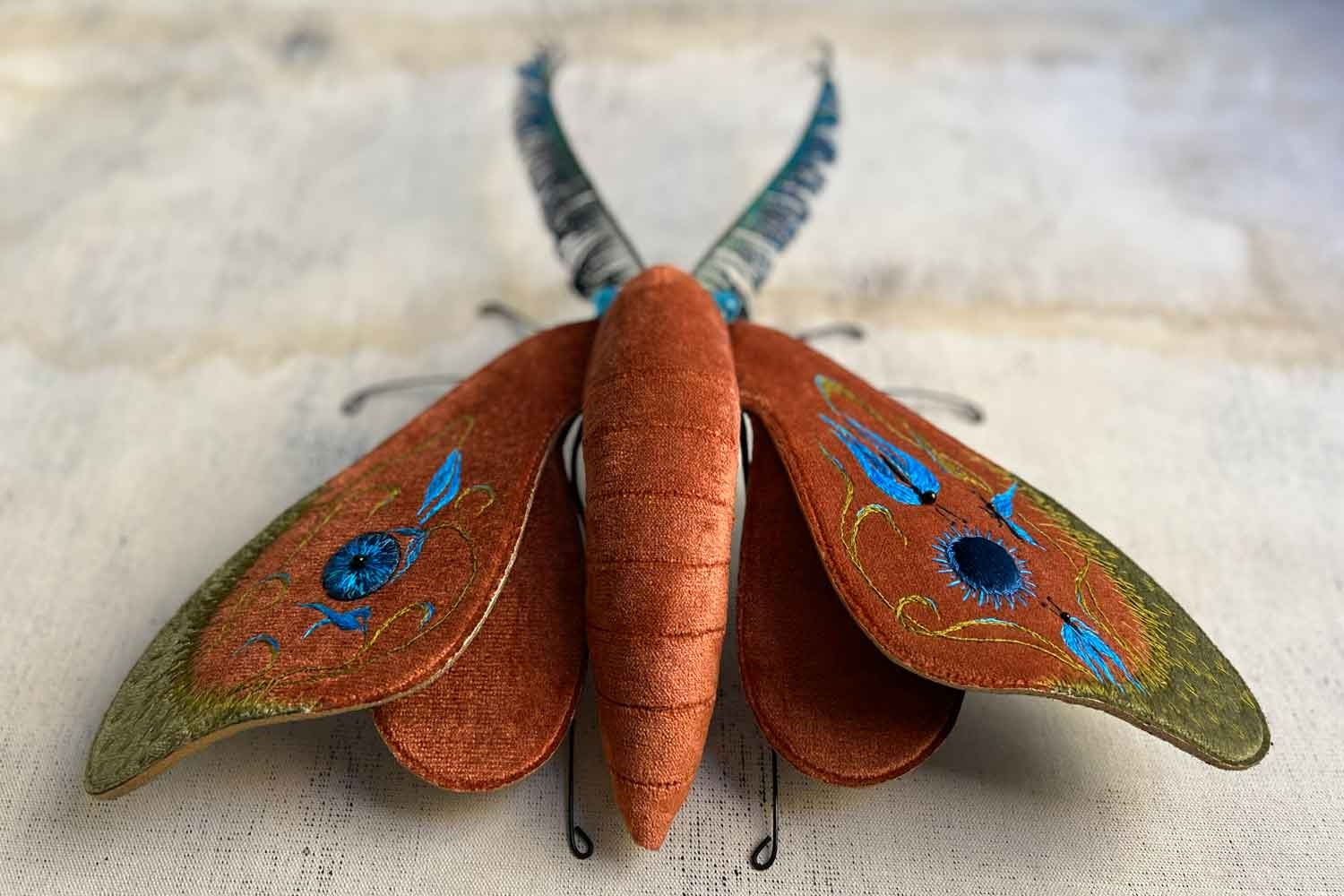
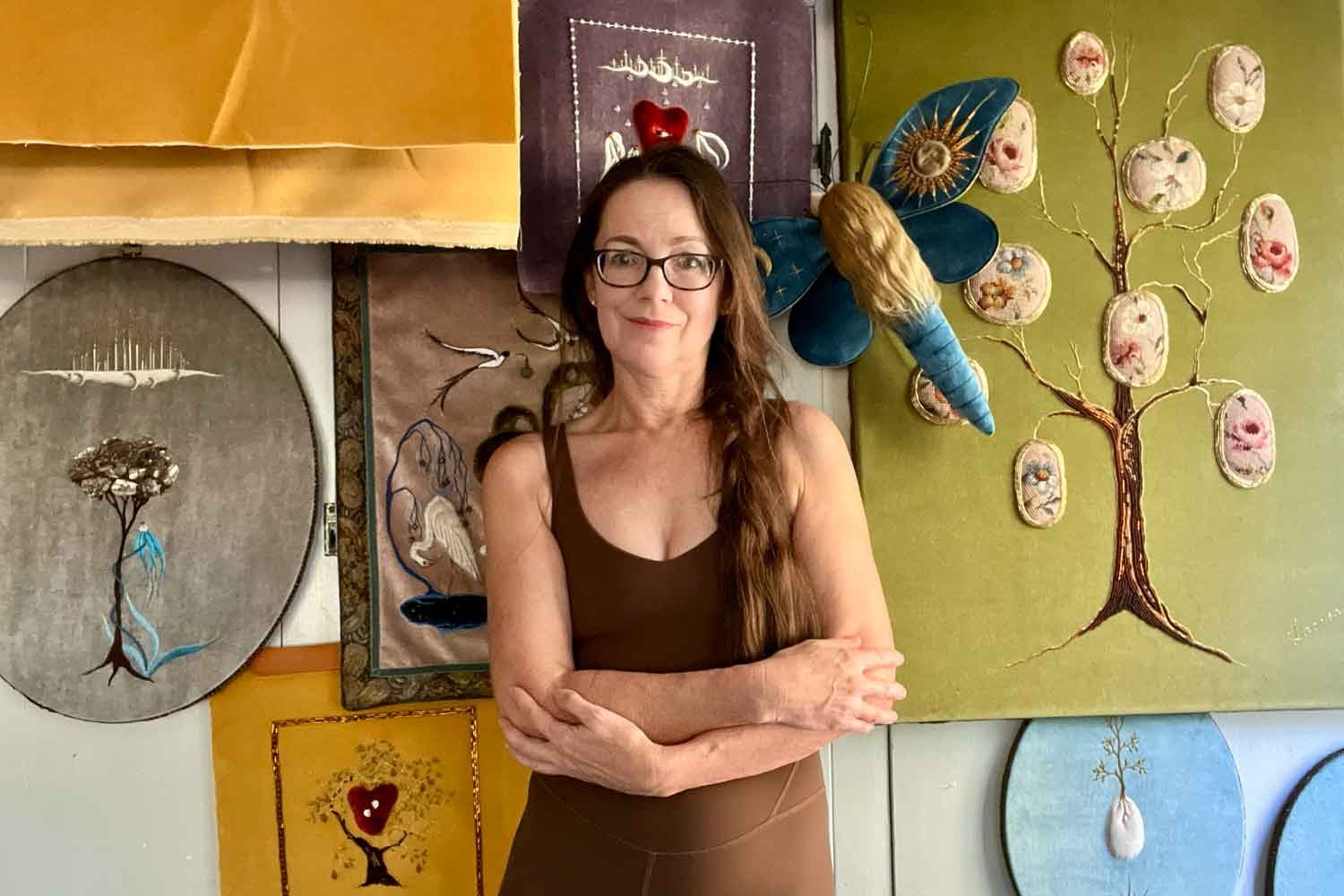
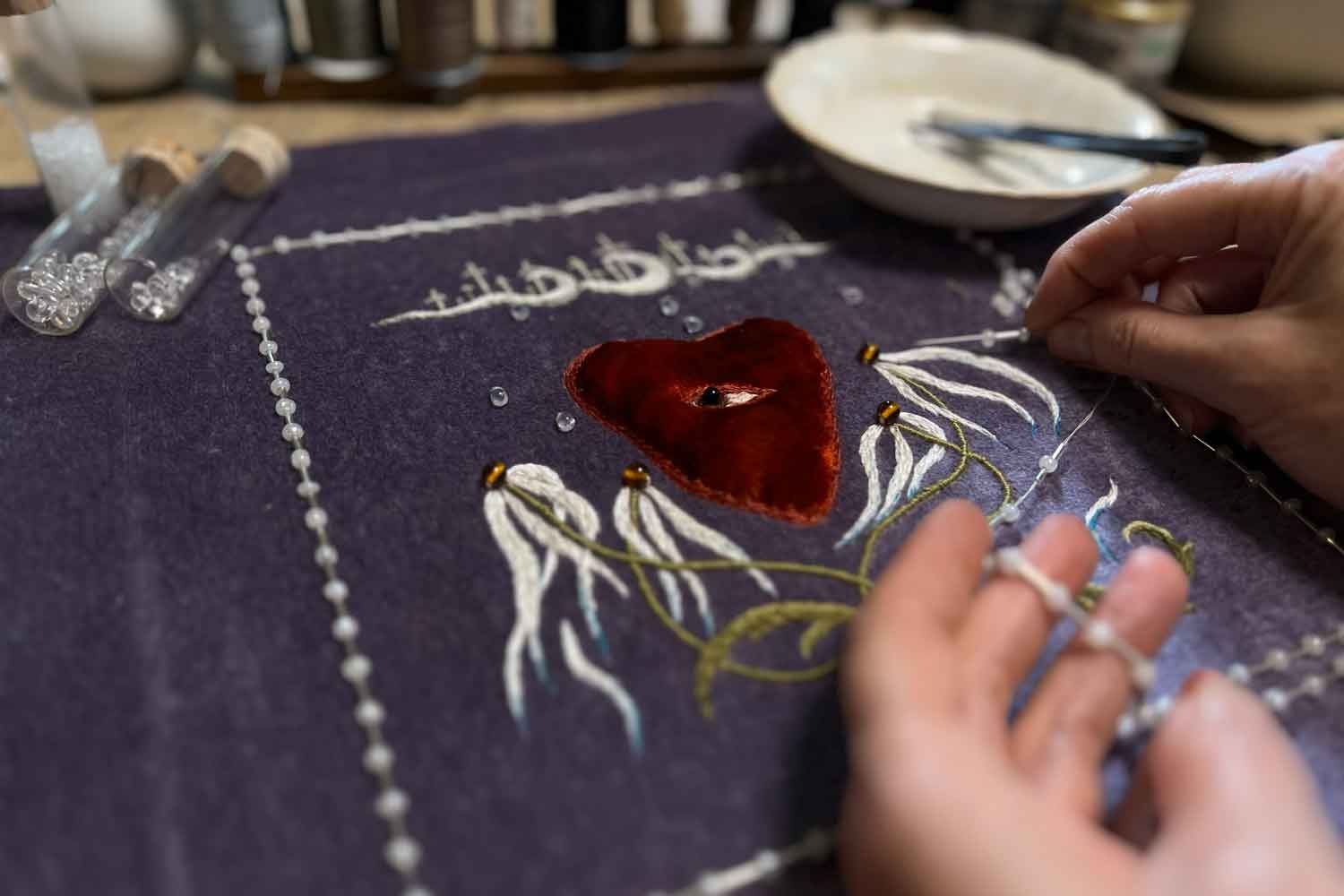
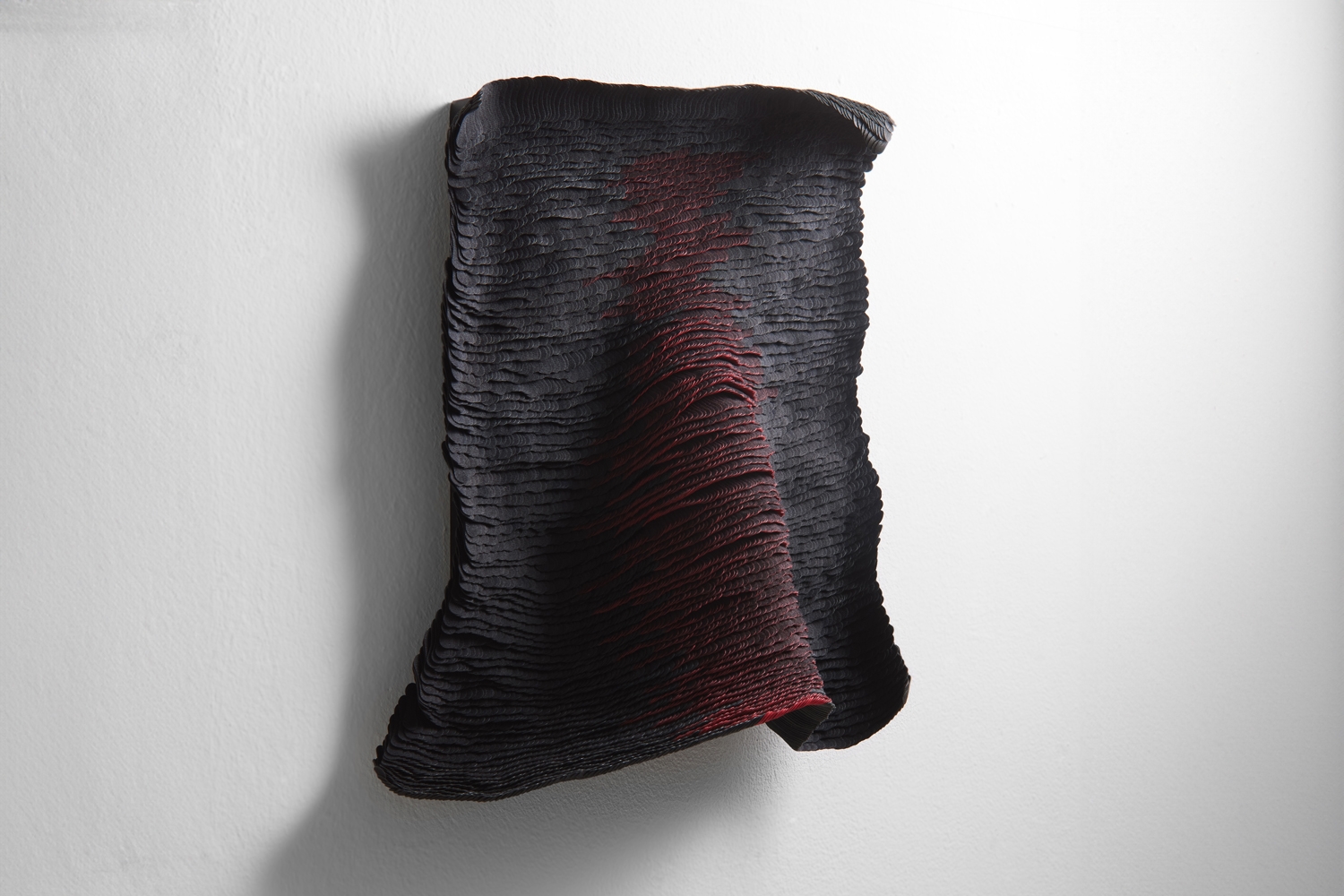
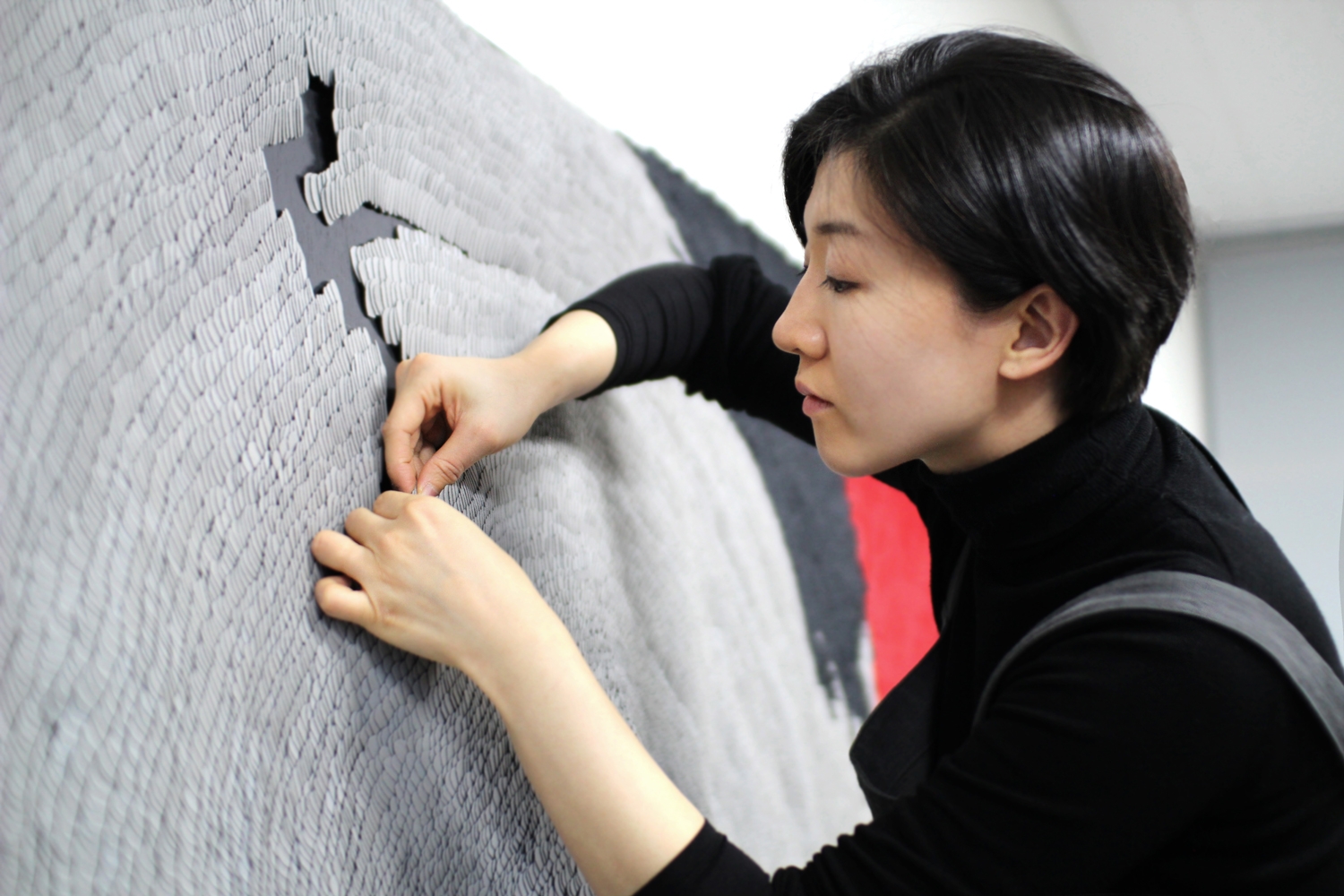
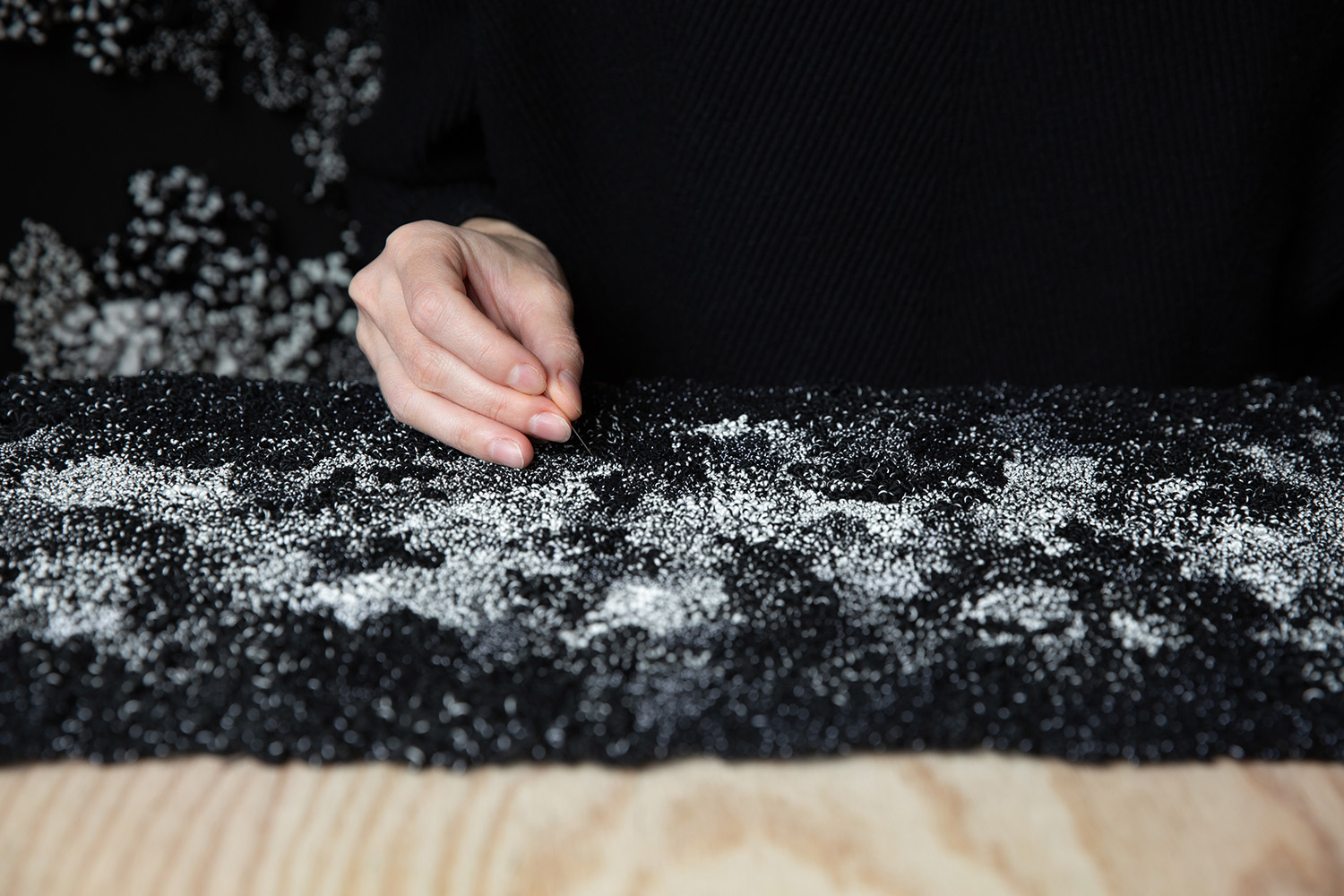
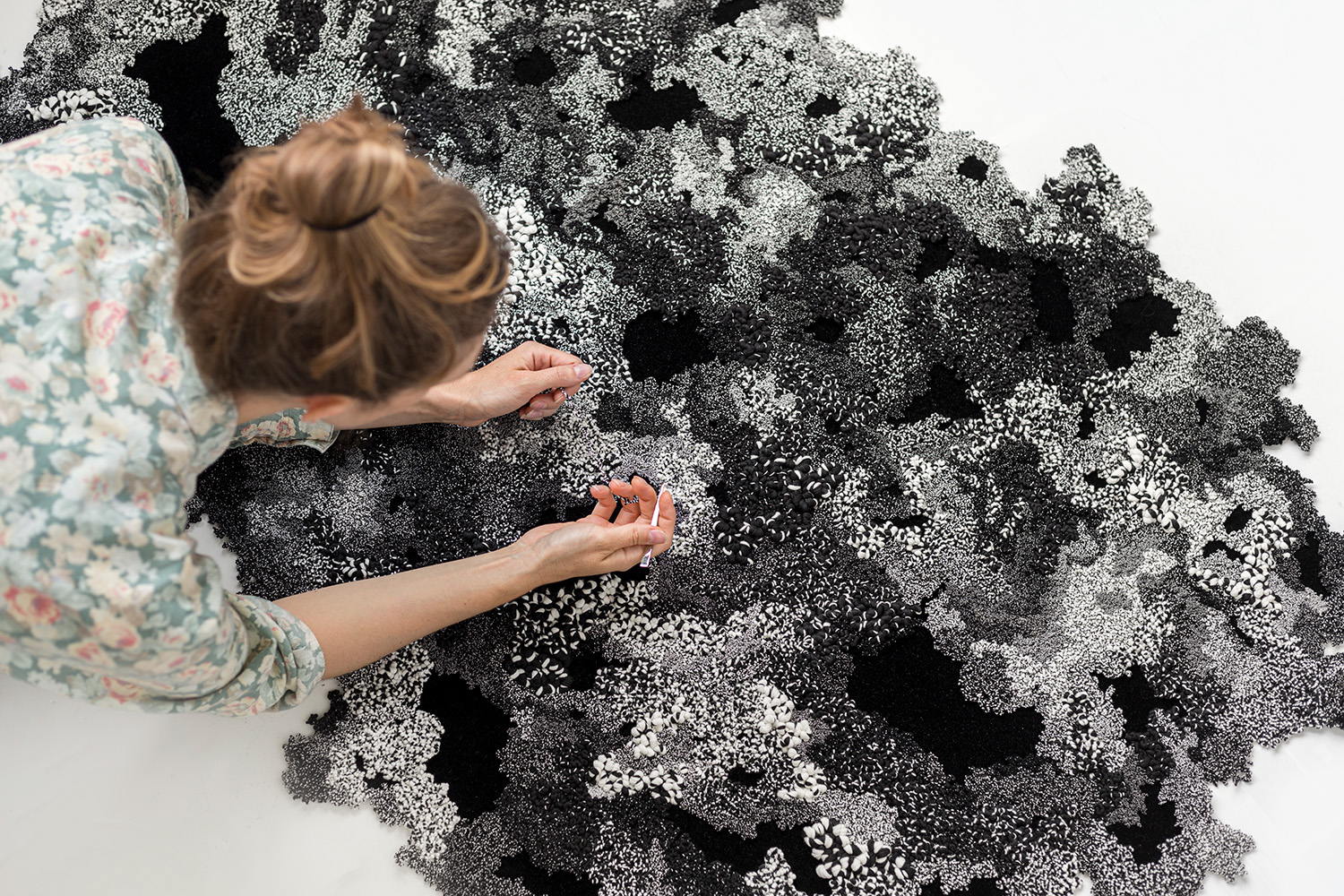
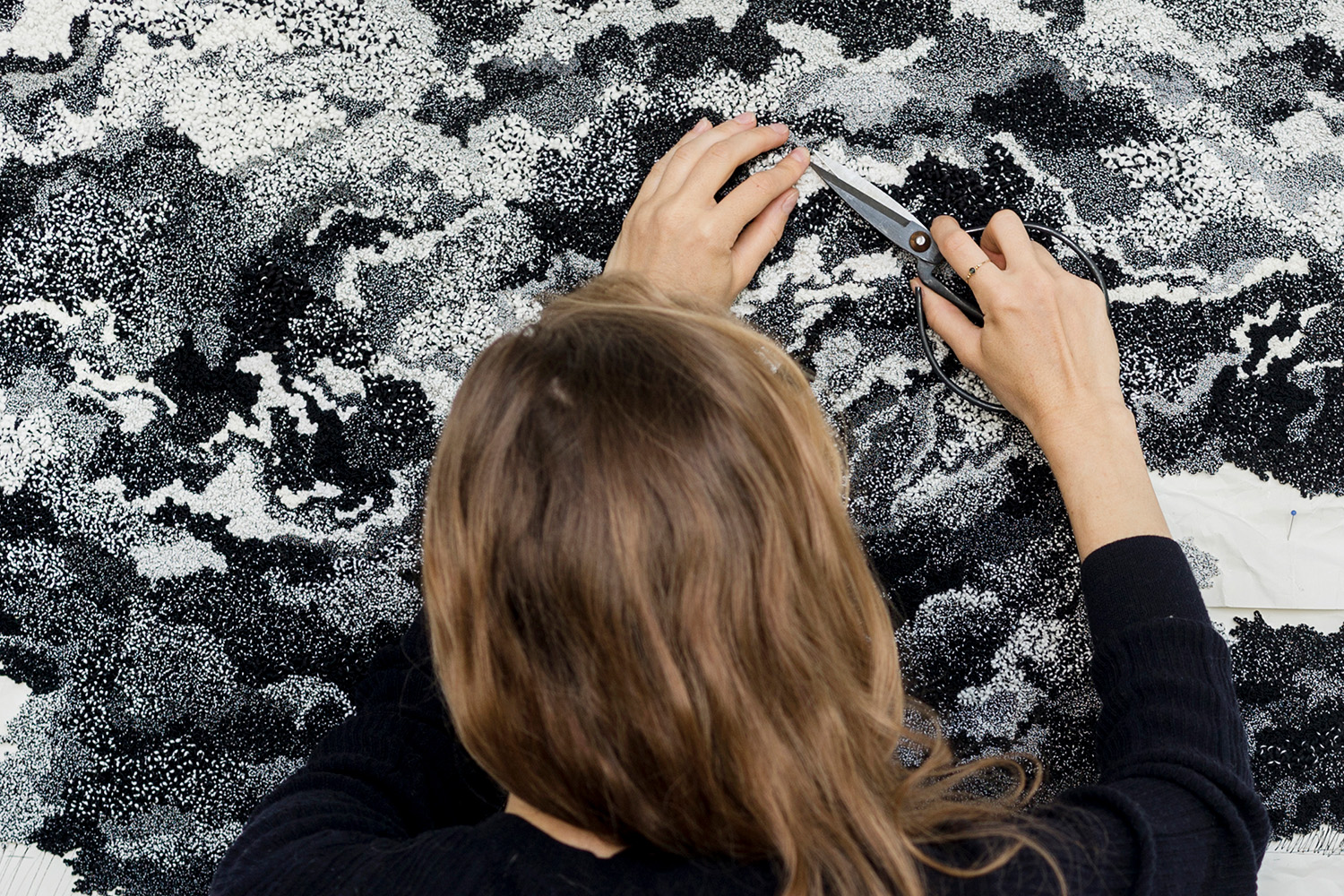
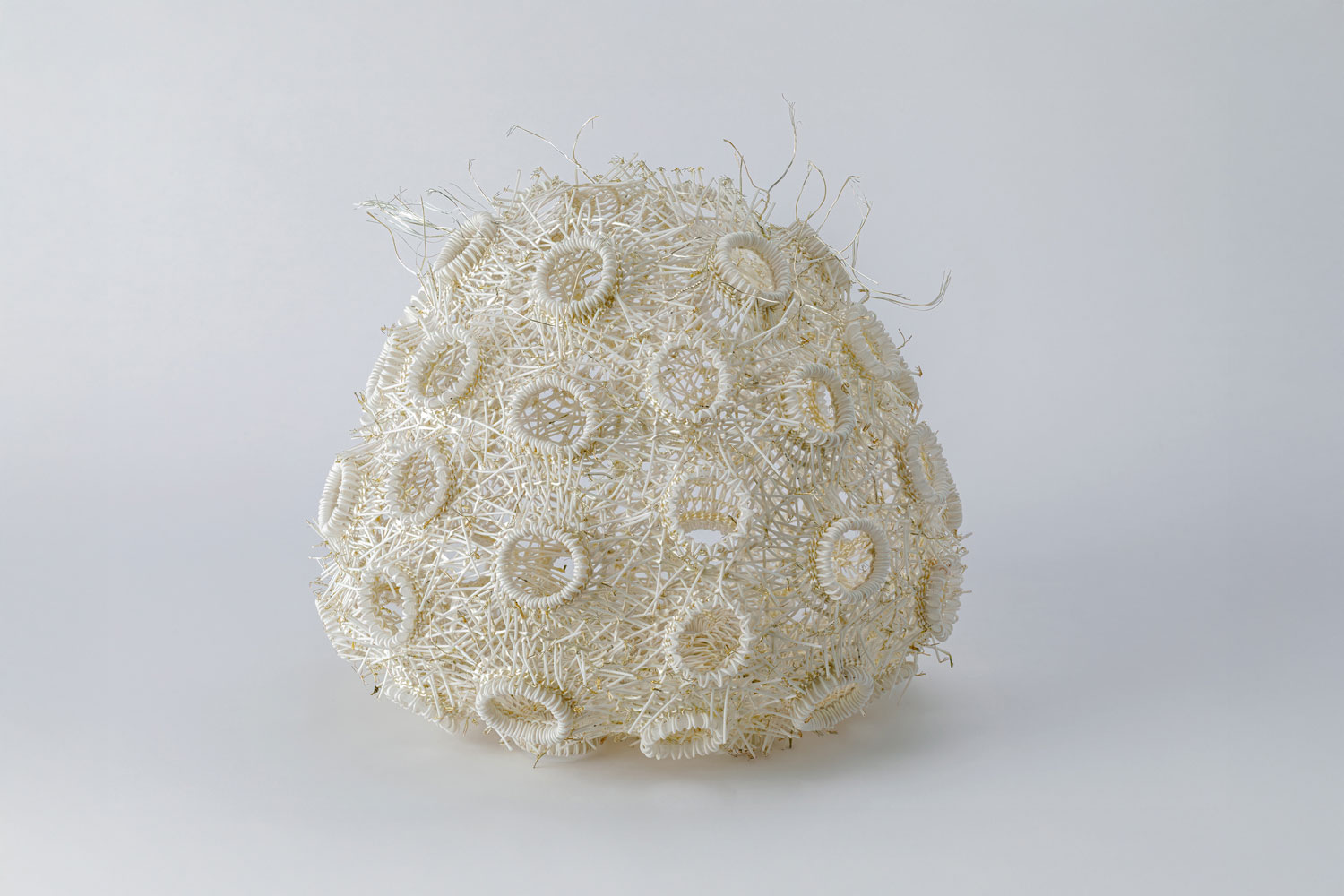
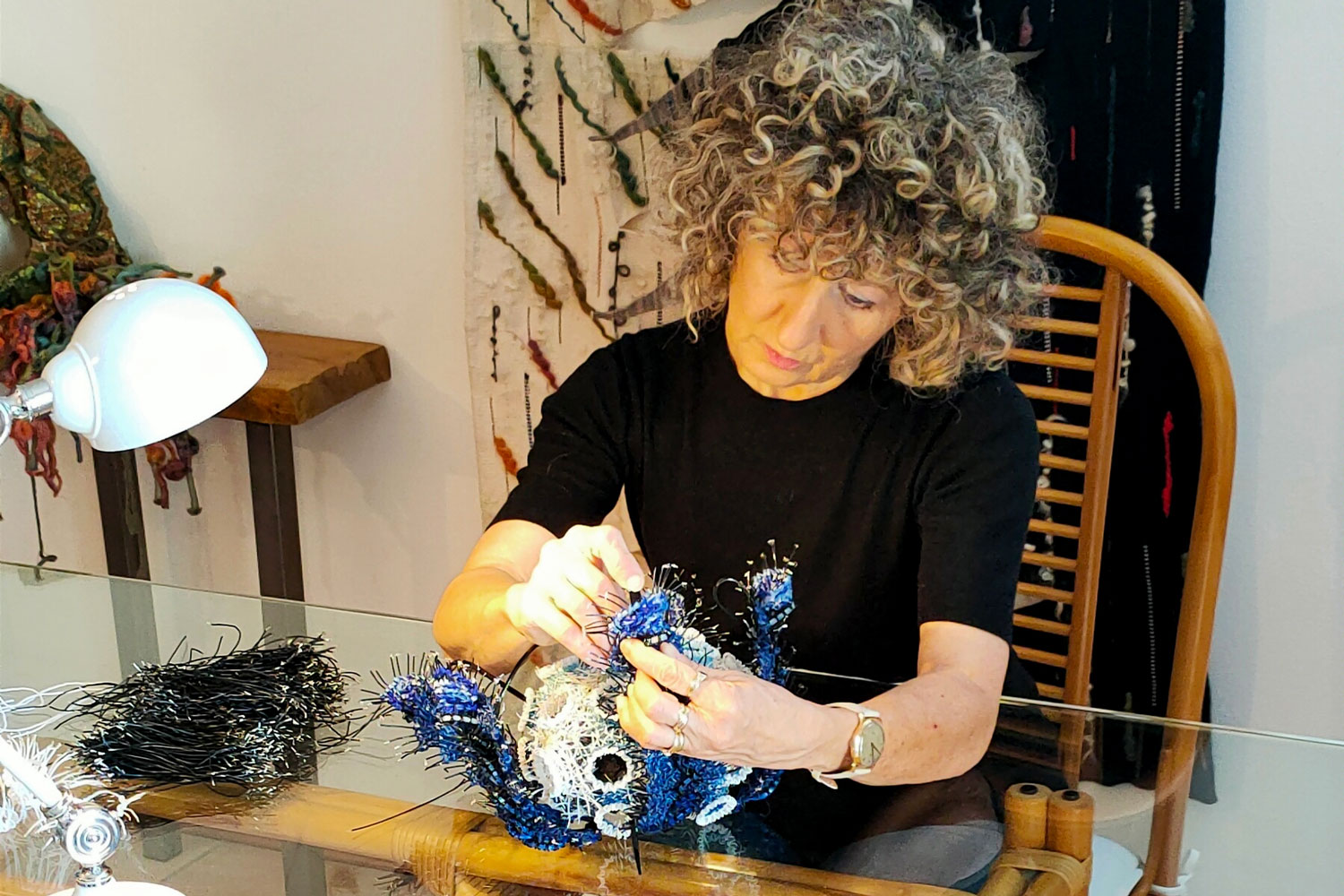
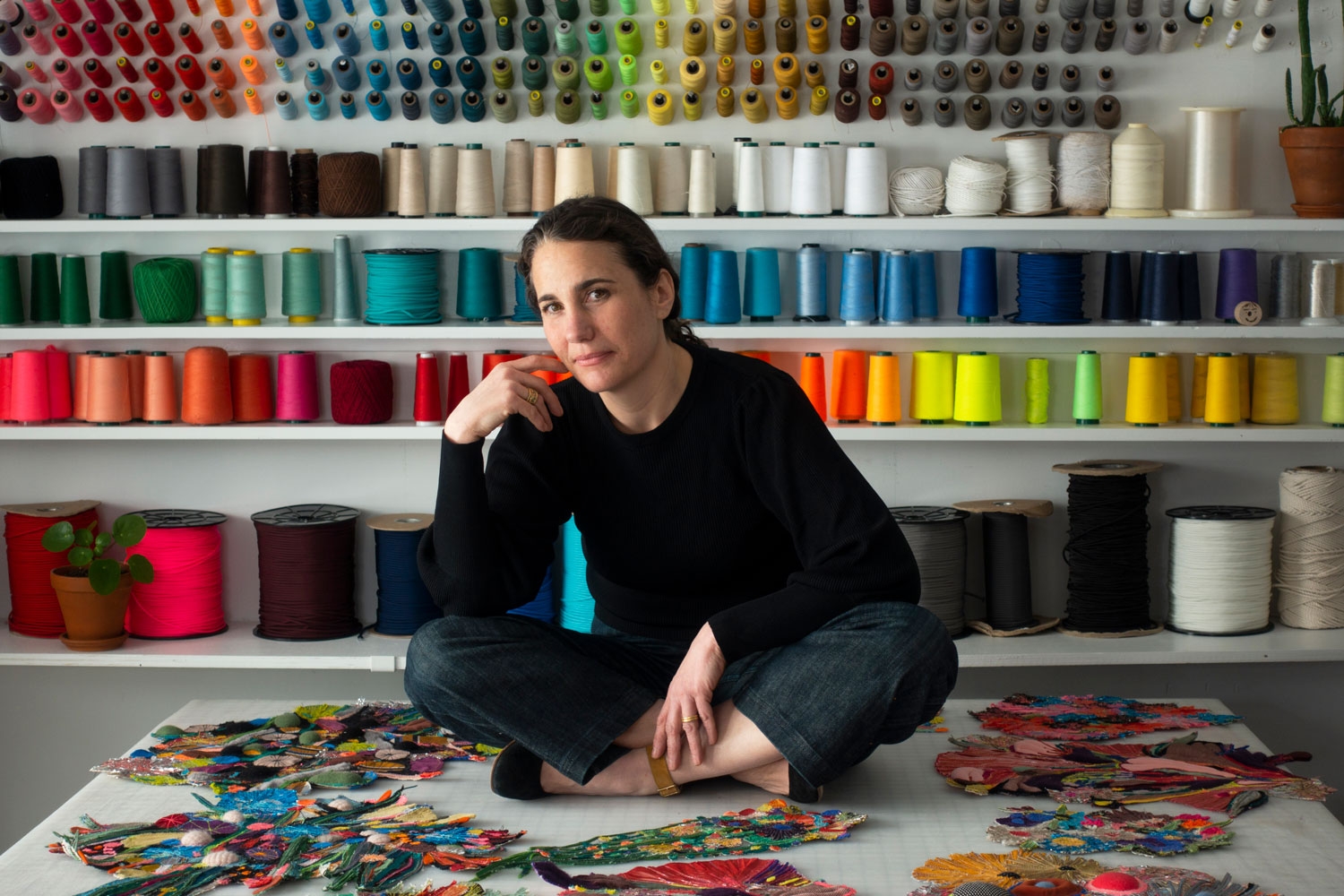
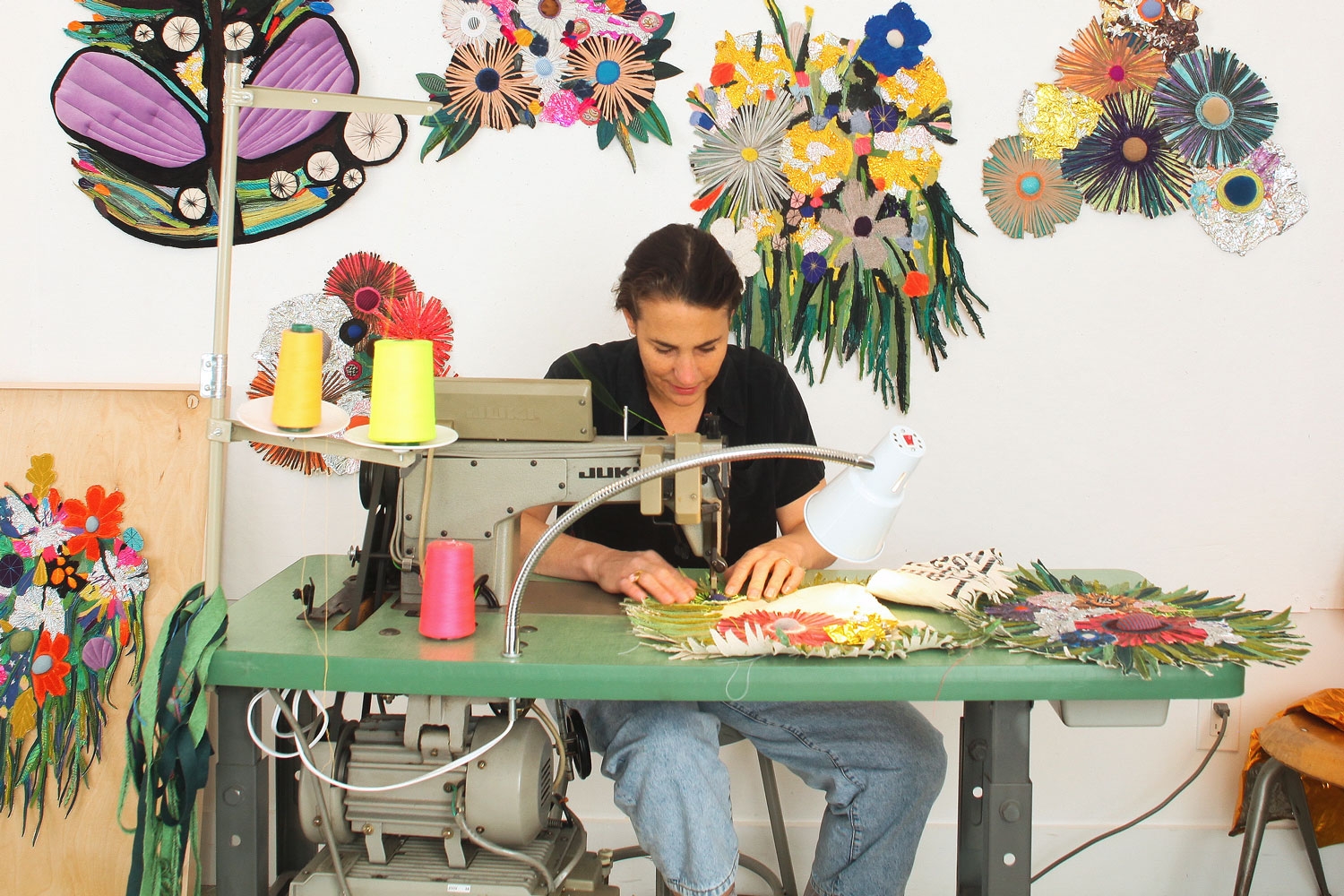
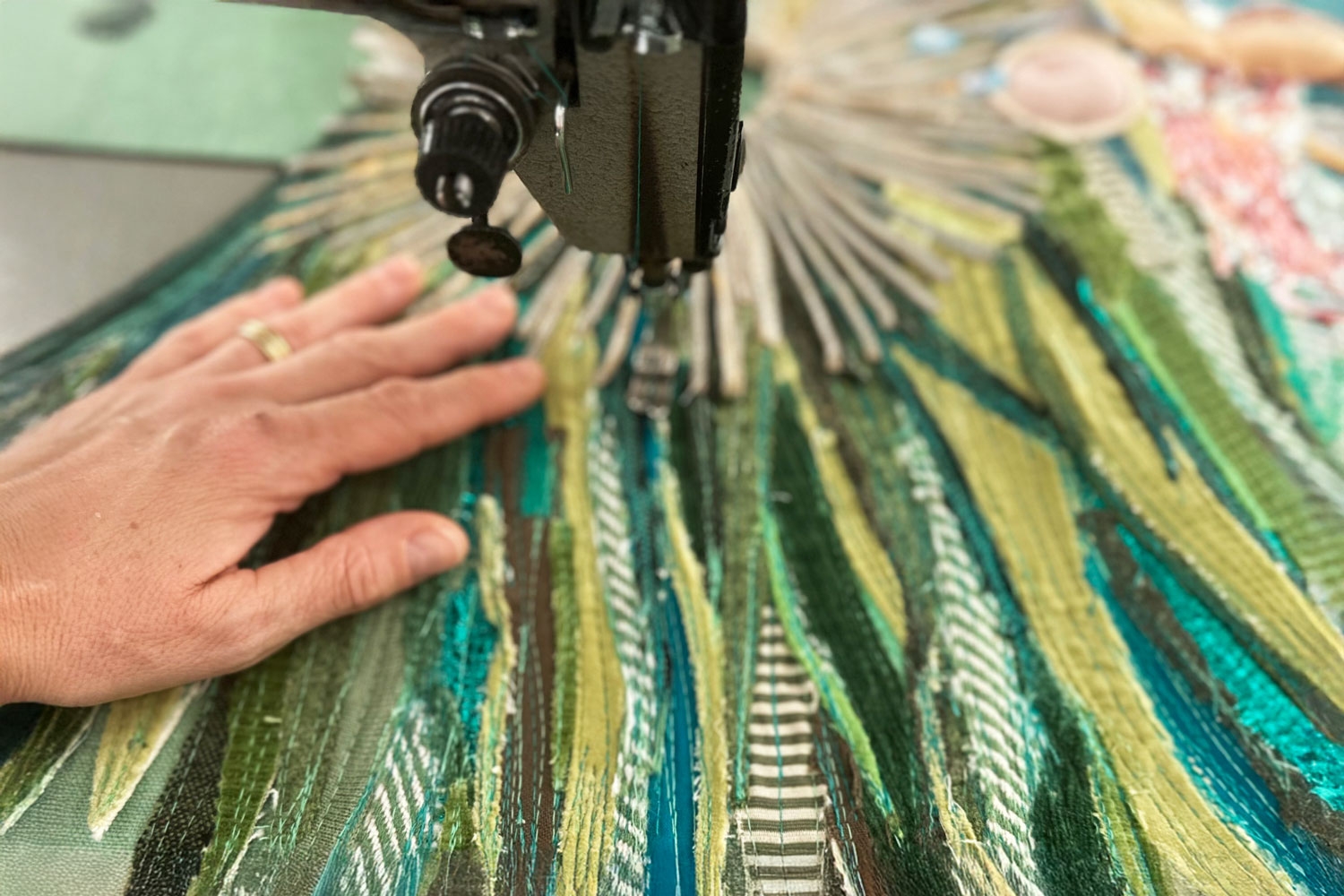
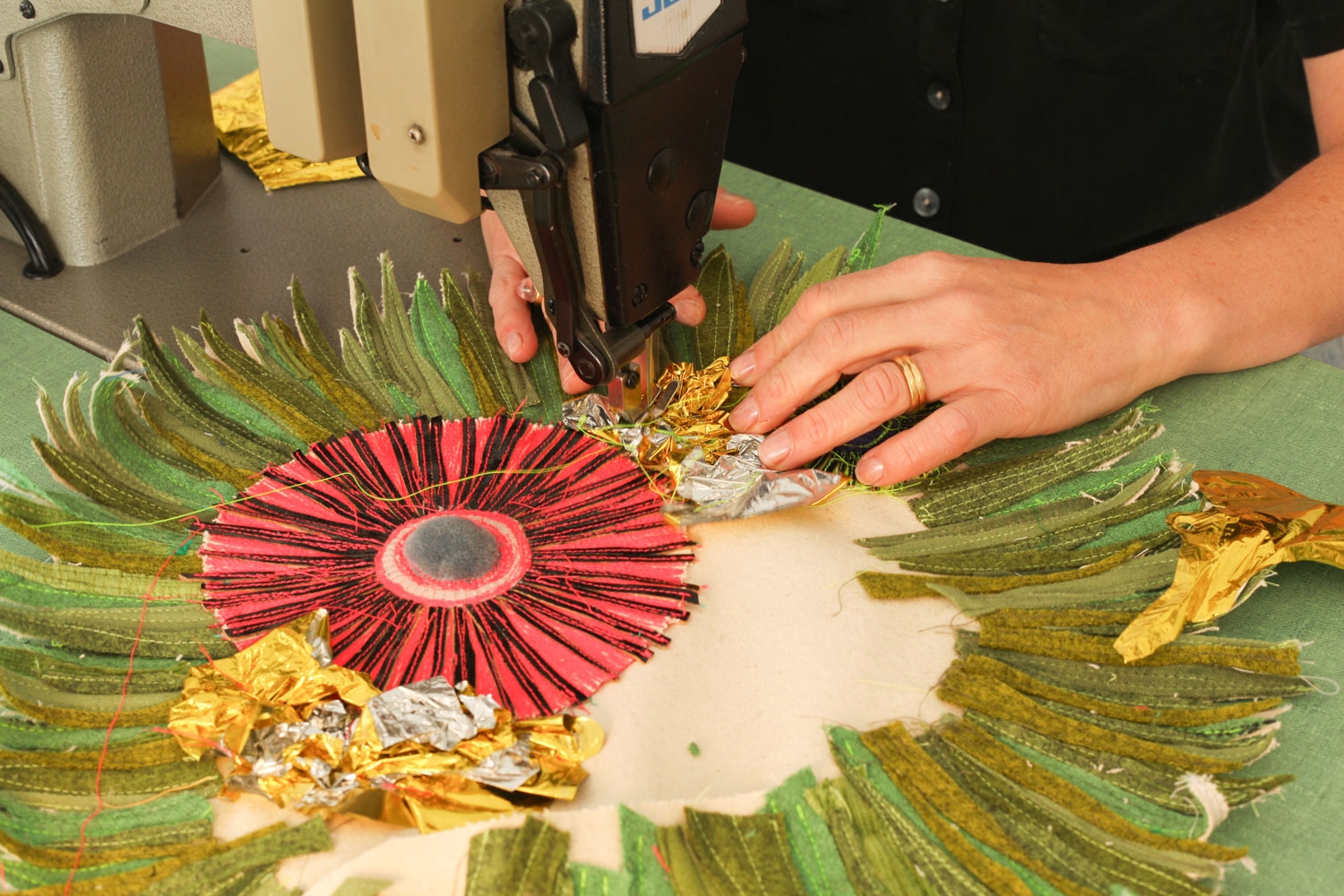
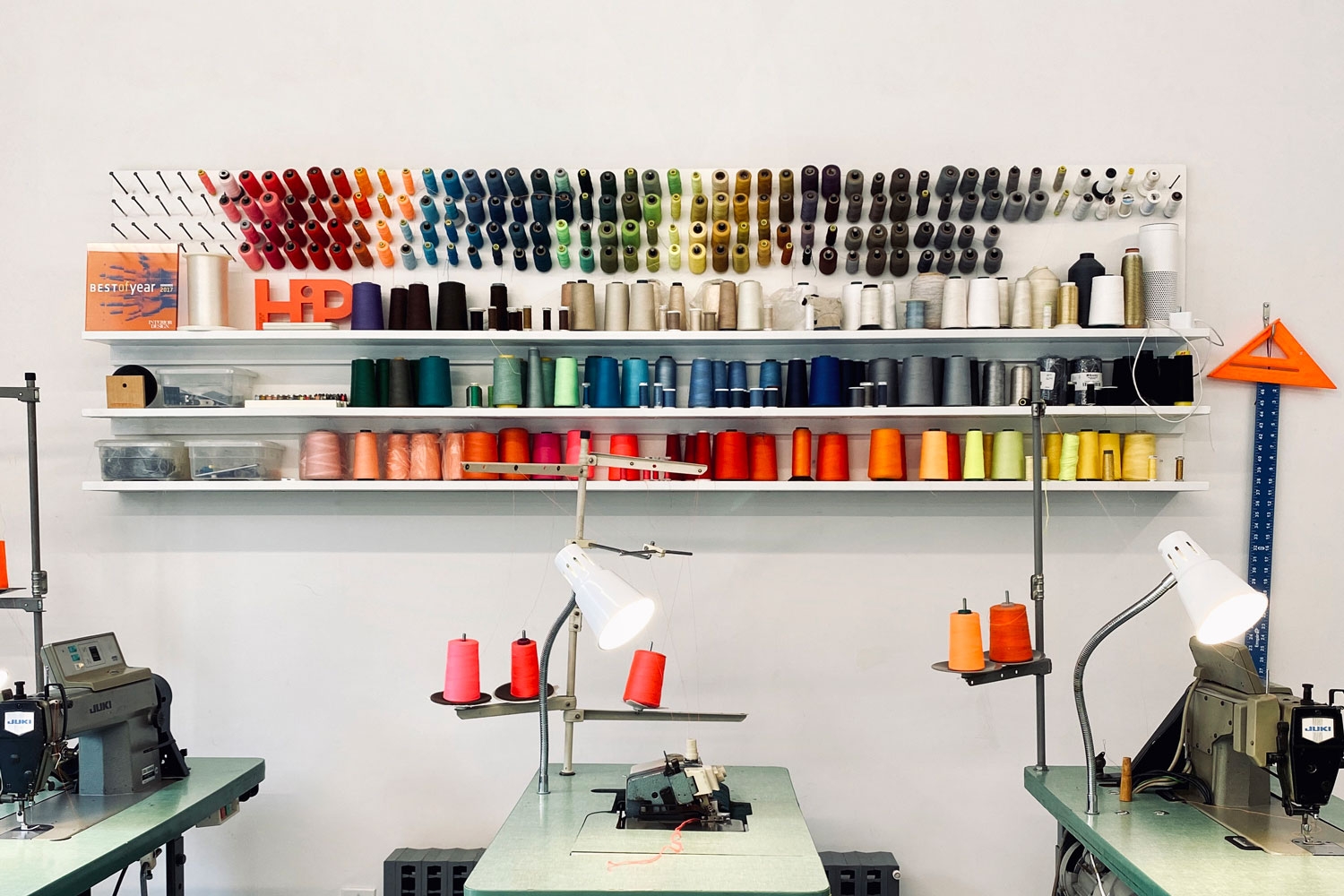
Collecting fabrics from her local market in her teens, Elodie Blanchard’s fascination with fabrics began early as she experimented with making her own clothes. She went on to study sculpture, fashion and performance, and received many accolades for her work in fashion in Paris. Elodie runs her own studio in the USA, where she follows a practice grounded in a deep connection to the stories of fabrics, stitching together their past lives. “I use my sewing machine to draw and layer forgotten materials, touching on themes of emotion and collective memory,” she says. Her output spans textile sculptures, wall hangings and large-scale immersive installations. Elodie’s pieces have been exhibited in public spaces and galleries in New York and London.
INTERVIEW
It began with a love of fashion. I started making clothes in my teens, buying leftover fabric from haute couture maisons at my town market, where they had amazing fabric woven in the weaving mills in Lyon. Most of these factories do not exist anymore.
My work answers personal questions I have at the time. I believe a strong piece becomes more general, so it speaks to more people. Lately, I have also been teaching children. They make art with pure joy. There is no goal, just the moment.
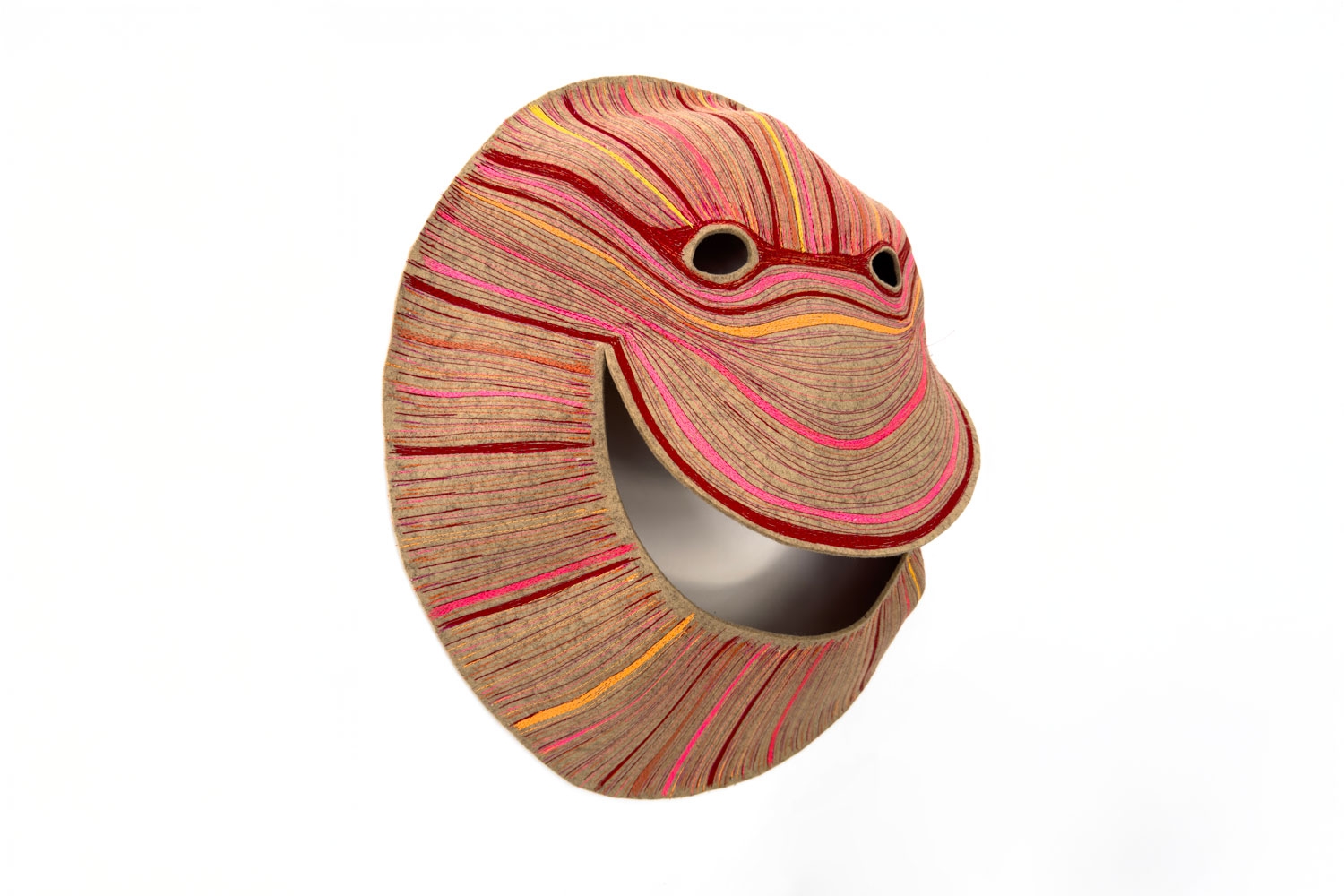
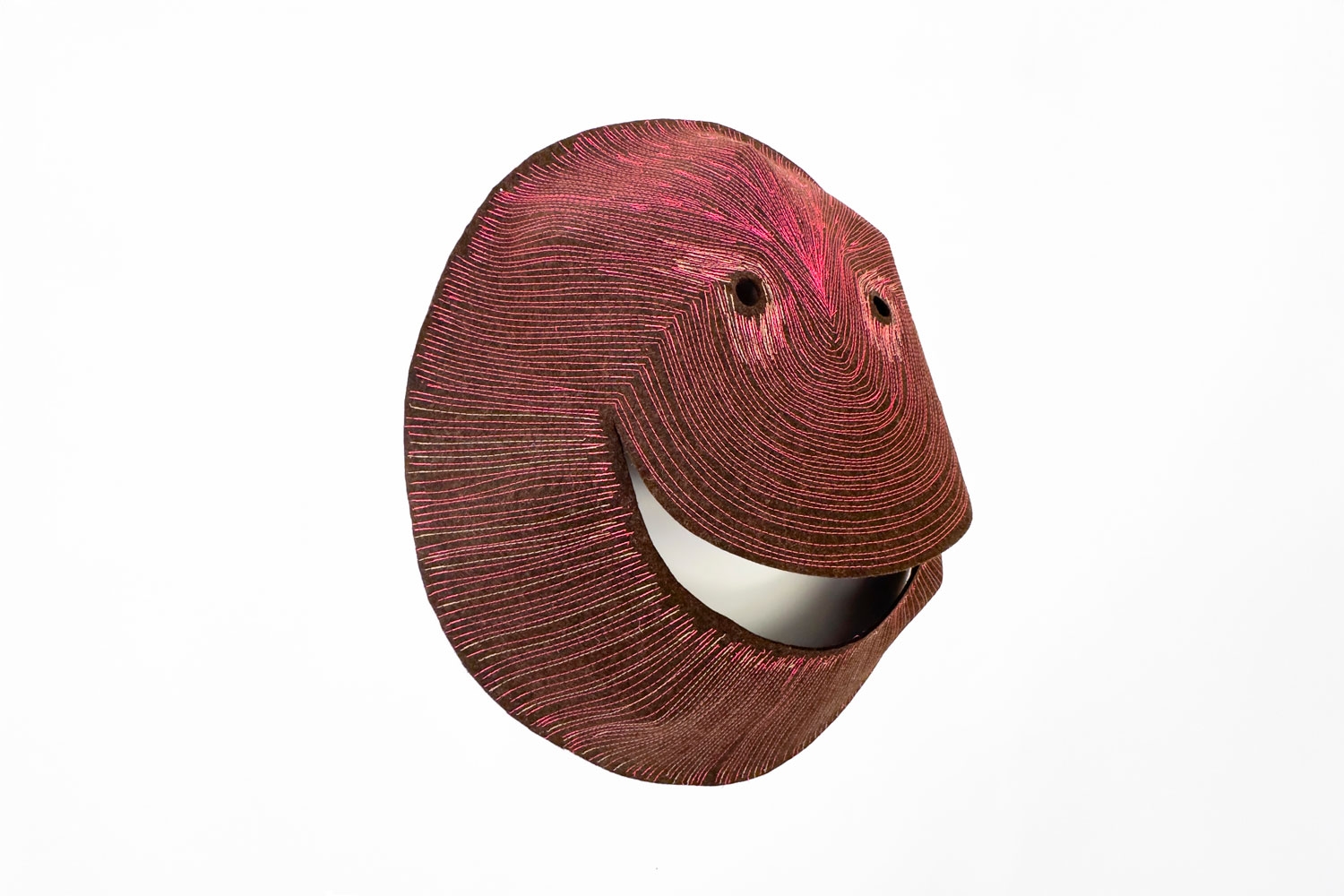
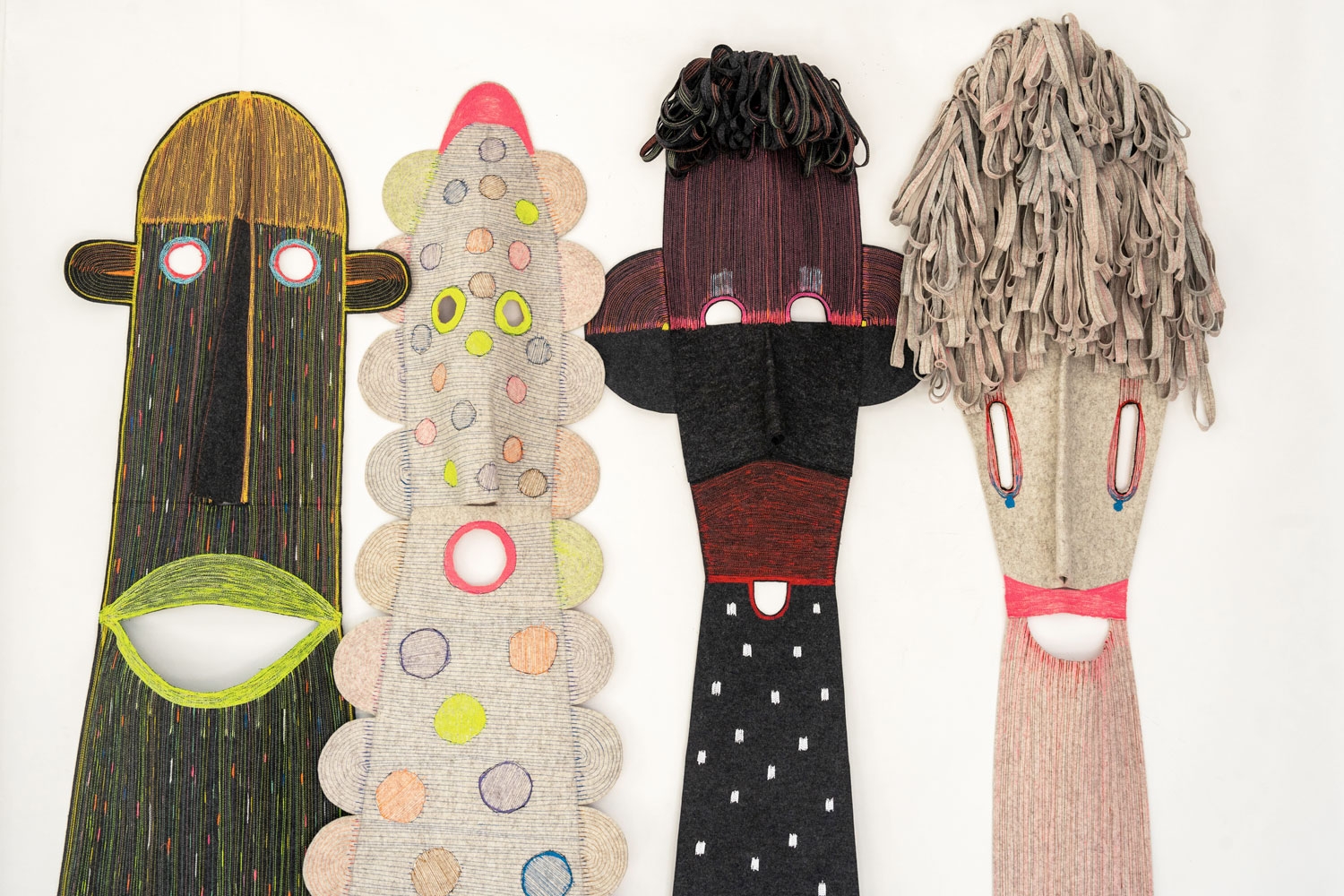
For my series Masked Feelings, I wanted to create a wall of feelings. I began by creating a pattern as you would for a garment. From this, I made alterations, stitching and changing details like the hair or nose. People often find themselves, their friends or their family, in them.
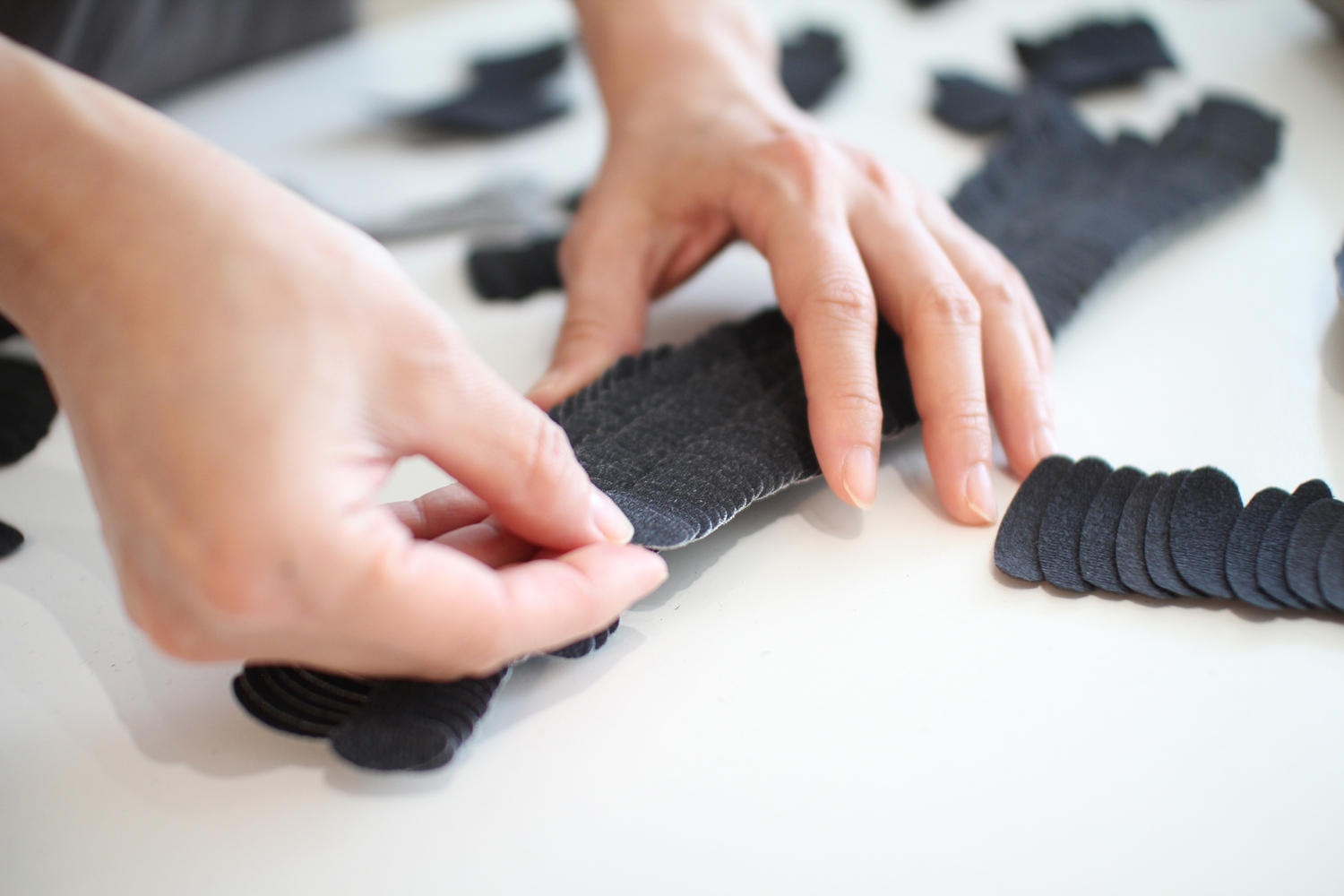
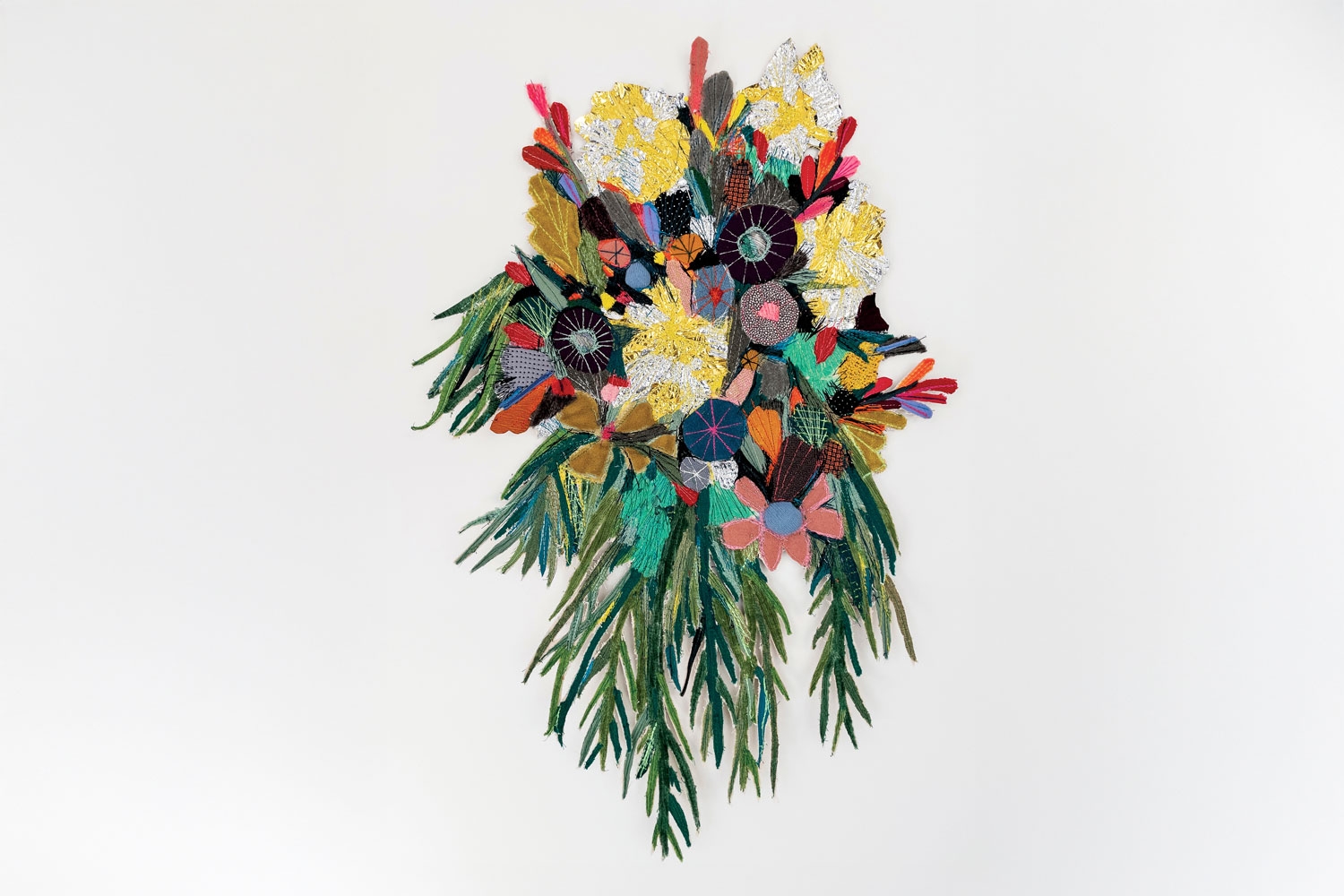
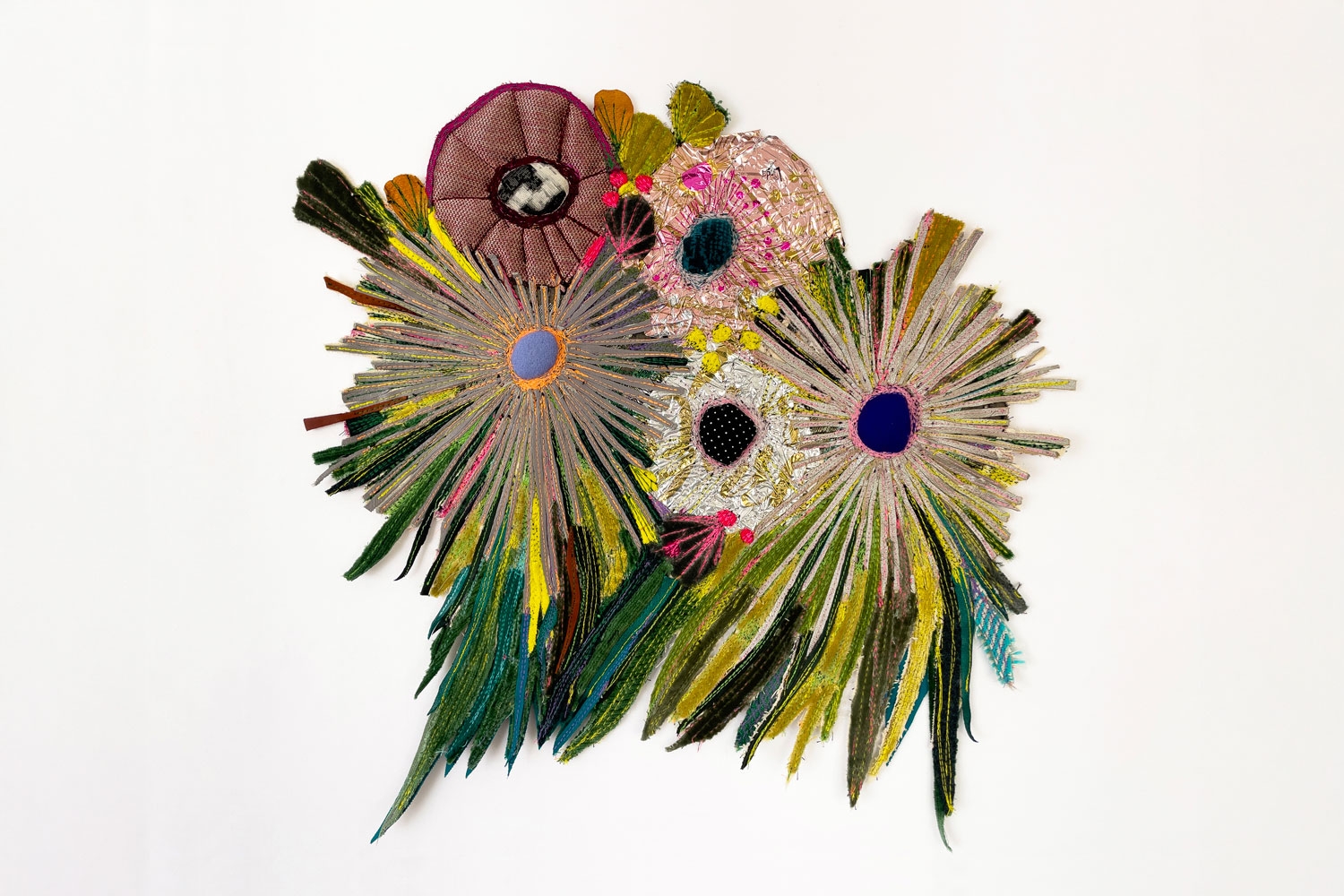
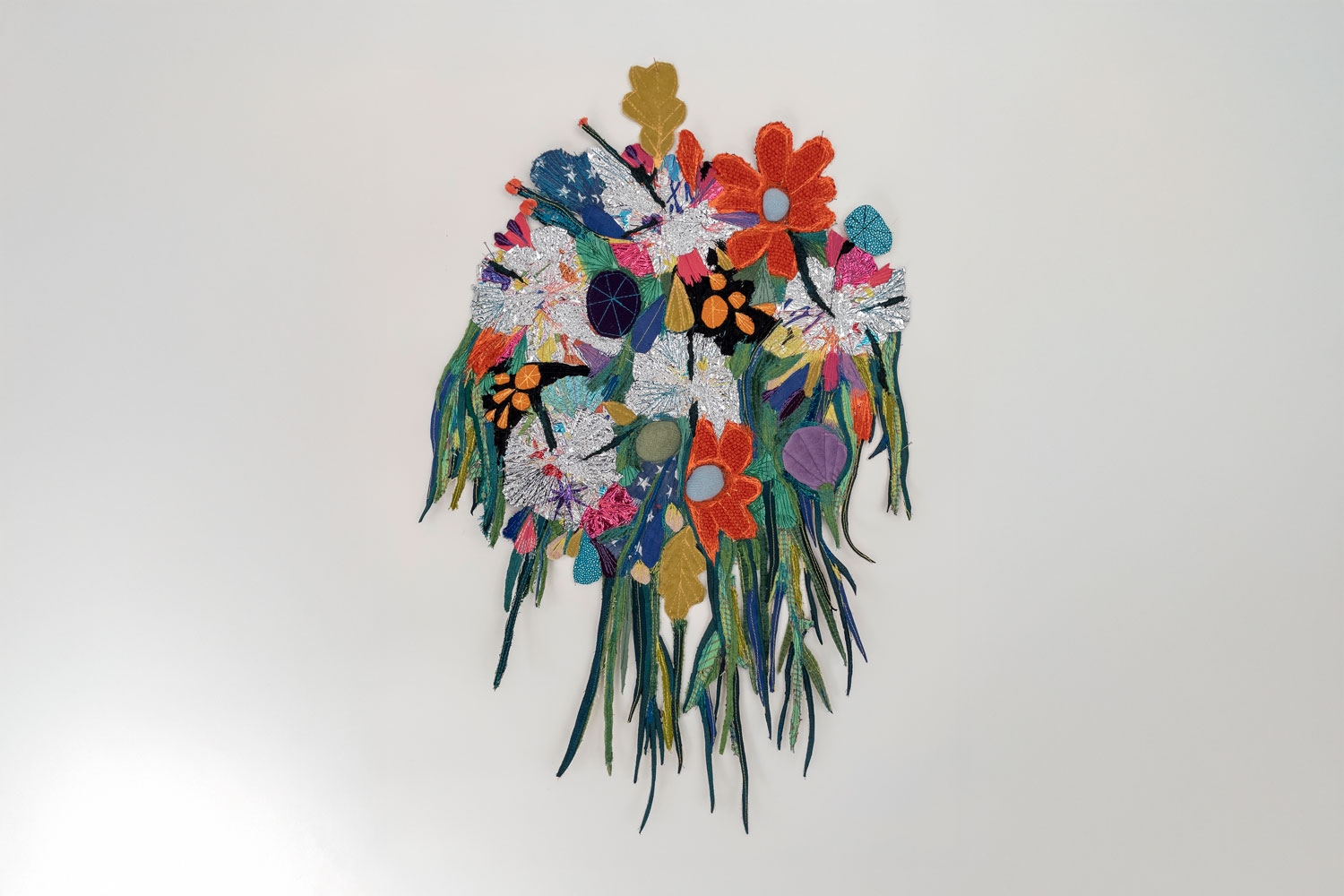
The history of the material is important to me. I use recycled fabrics, kids’ clothes and found textiles, patching pieces from different owners into a new life. In my bouquets, I contrast the ephemerality of floral arrangements with the long life cycle of waste.
Elodie Blanchard
Textile sculptor
Brooklyn, NY, USA
ADDRESS
Address upon request, Brooklyn, NY, USA
AVAILABILITY
By appointment only
PHONE
+1 9176760478
LANGUAGES
English, French
Homo Faber Finds is a new service aiming to inspire admirers of craft to connect and collaborate with exceptional artisans.
We invite you to submit an enquiry here.