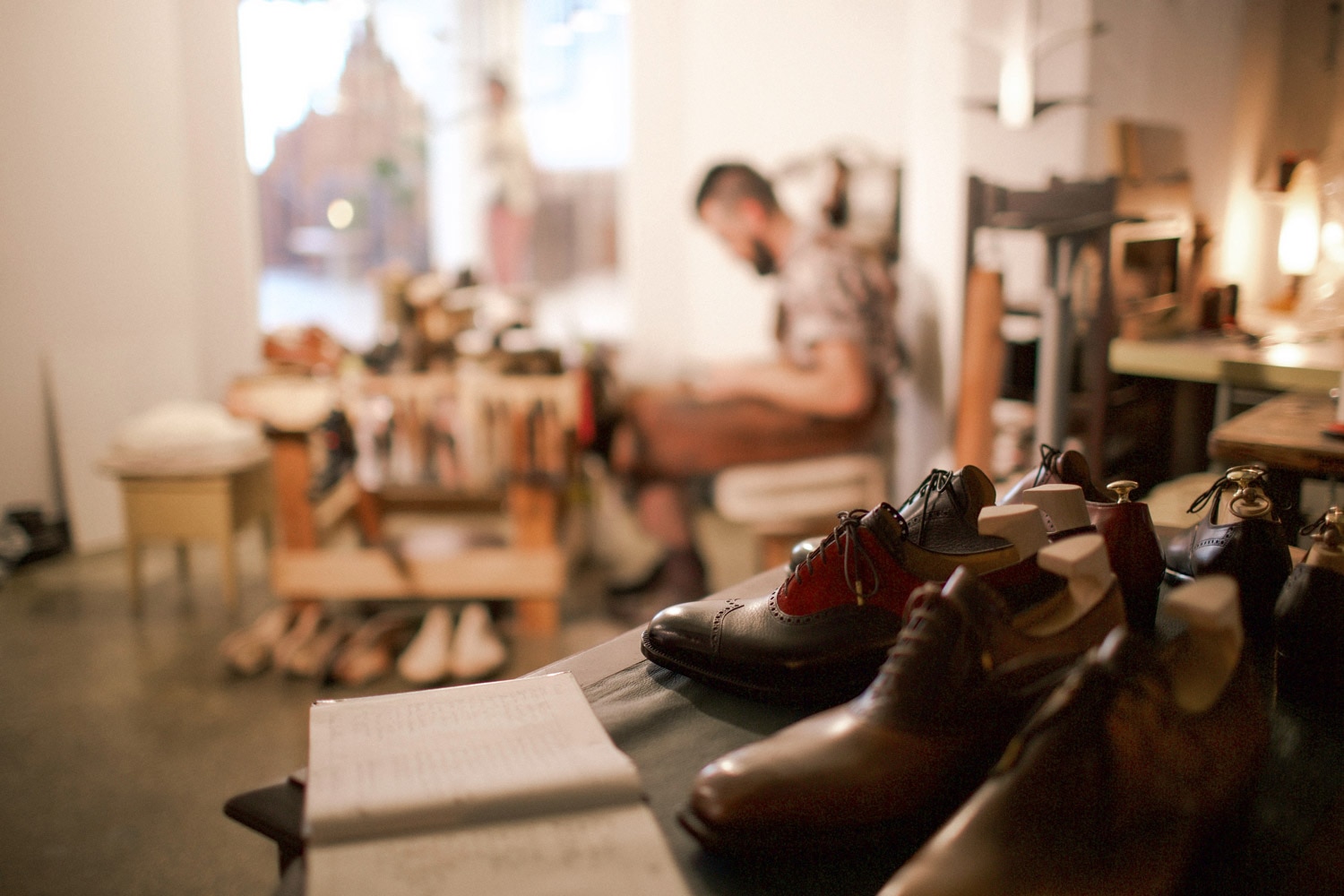
Francis Waplinger
Shoemaker
Brooklyn, NY, USA
Recommended by Closely Crafted
Footwear with finesse and flair
- Francis developed his craft under a master shoemaker in Florence
- Each shoe takes over 100 hours of work from start to finish
- Through his shoemaking, he seeks to make new American classics
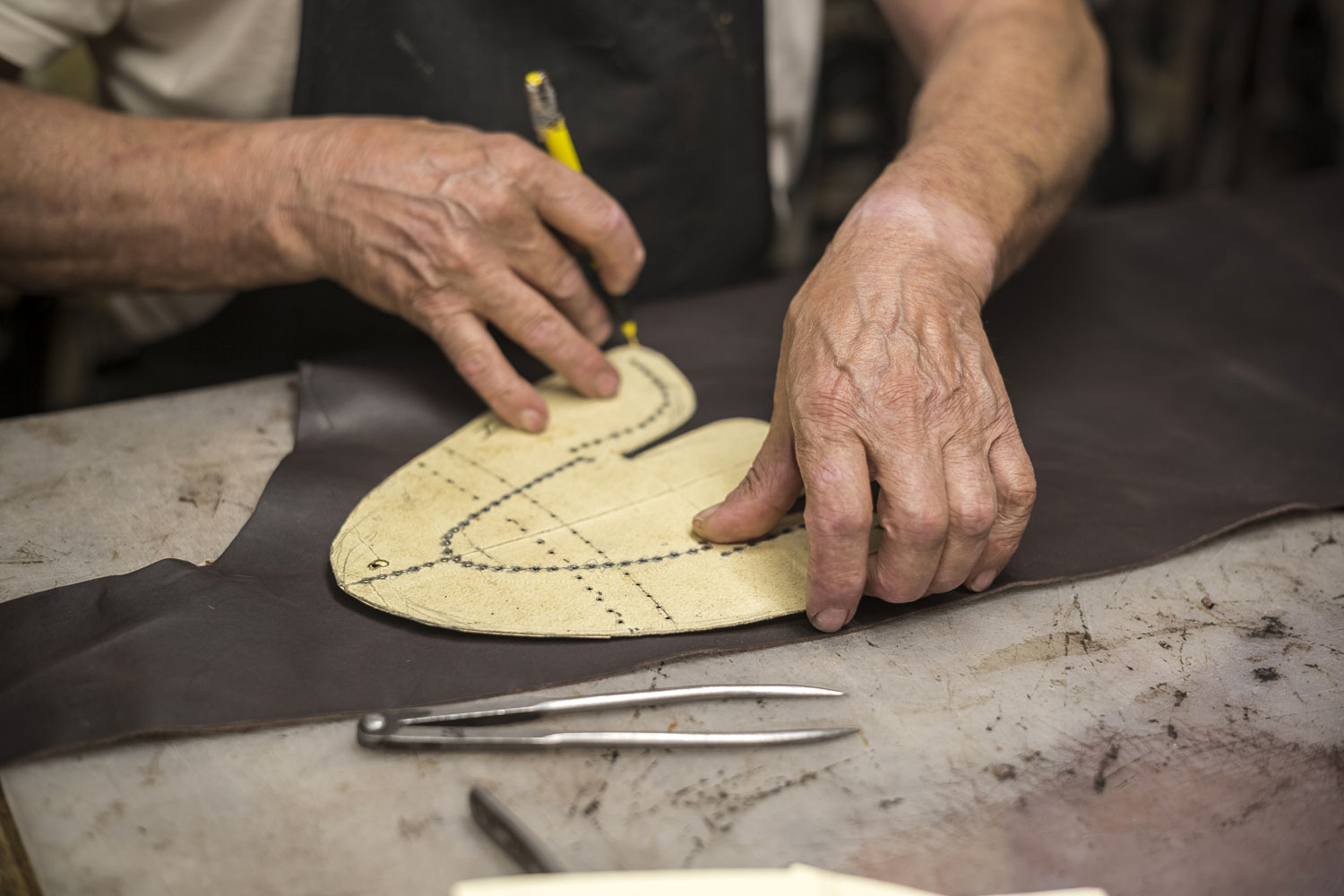
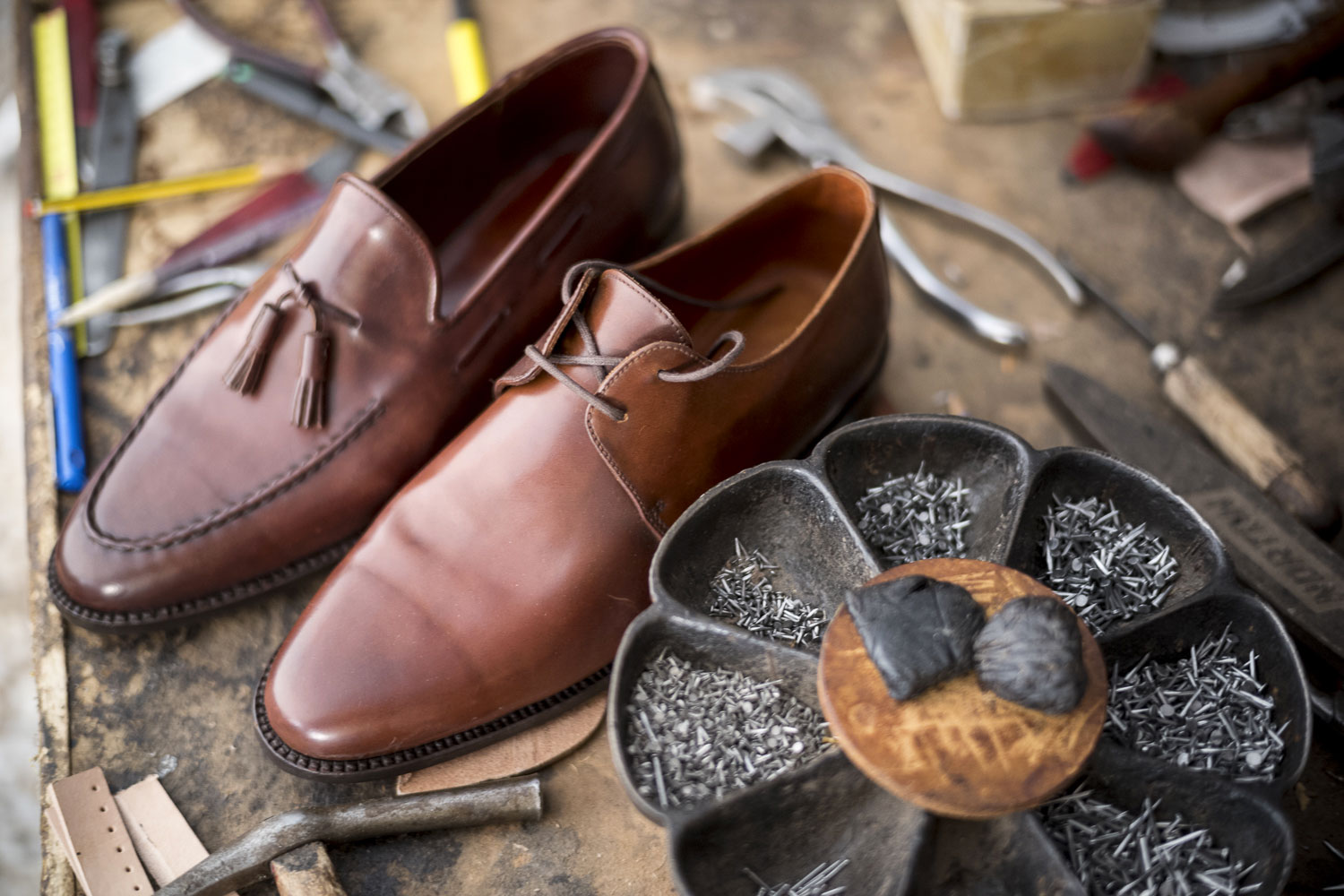
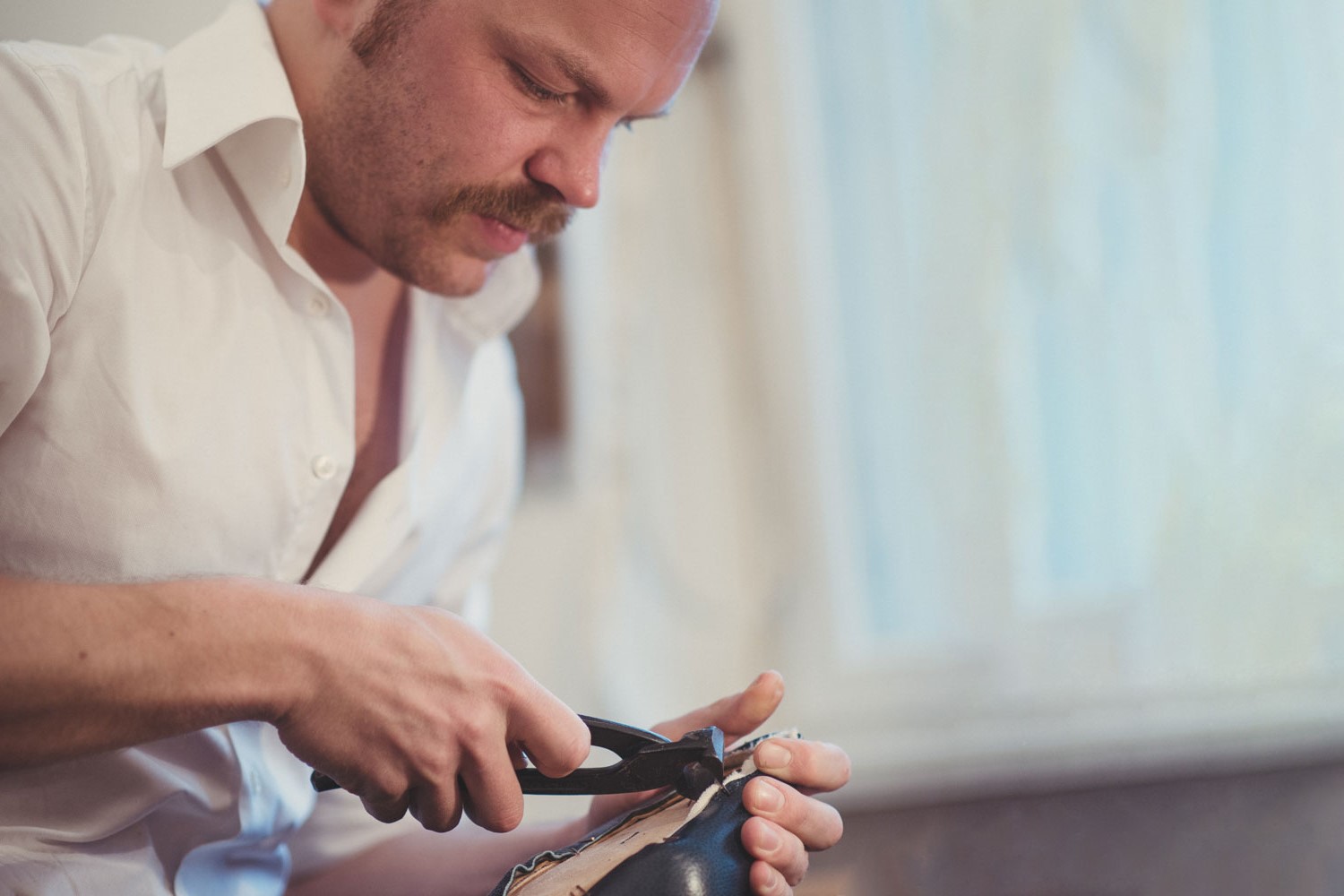
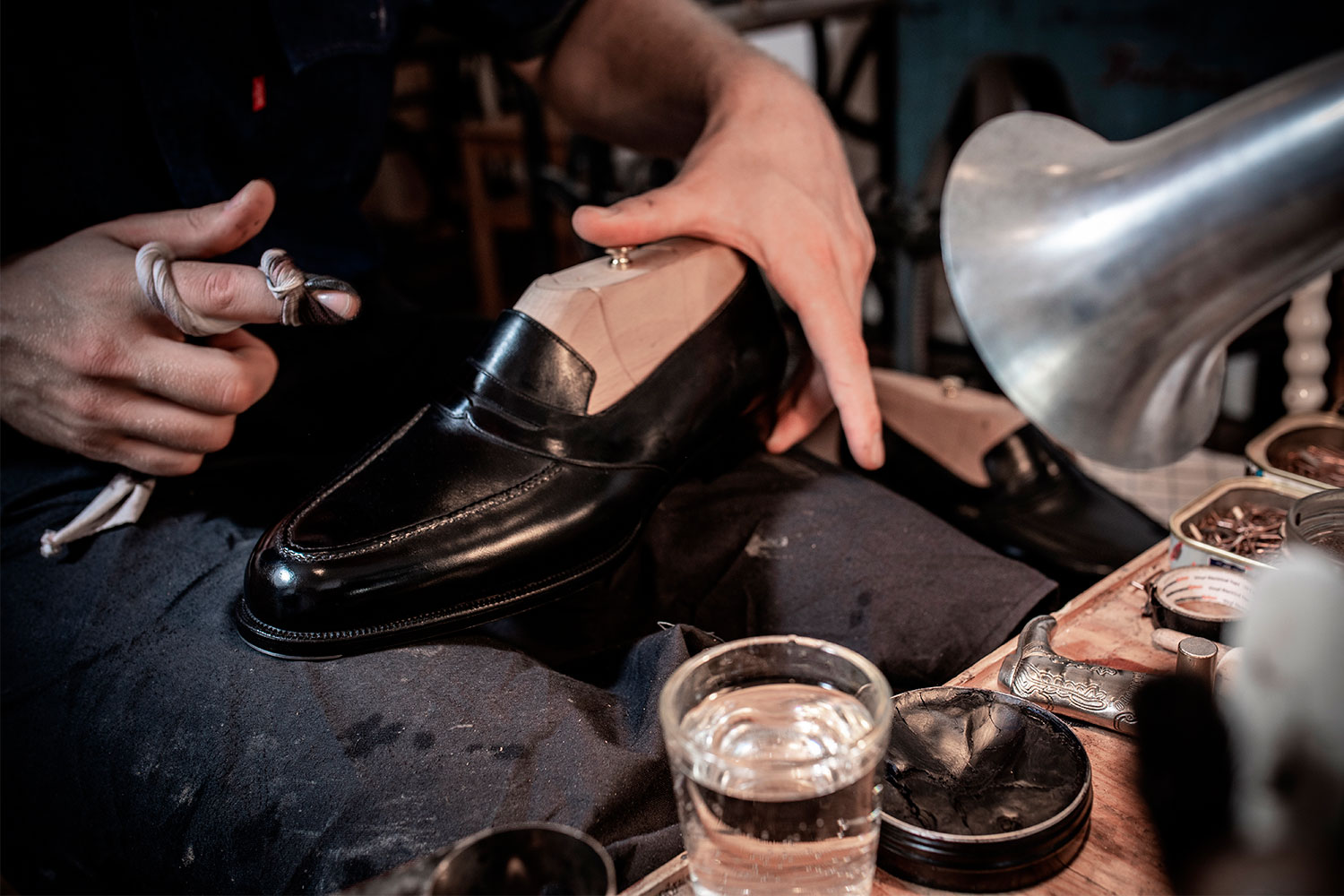
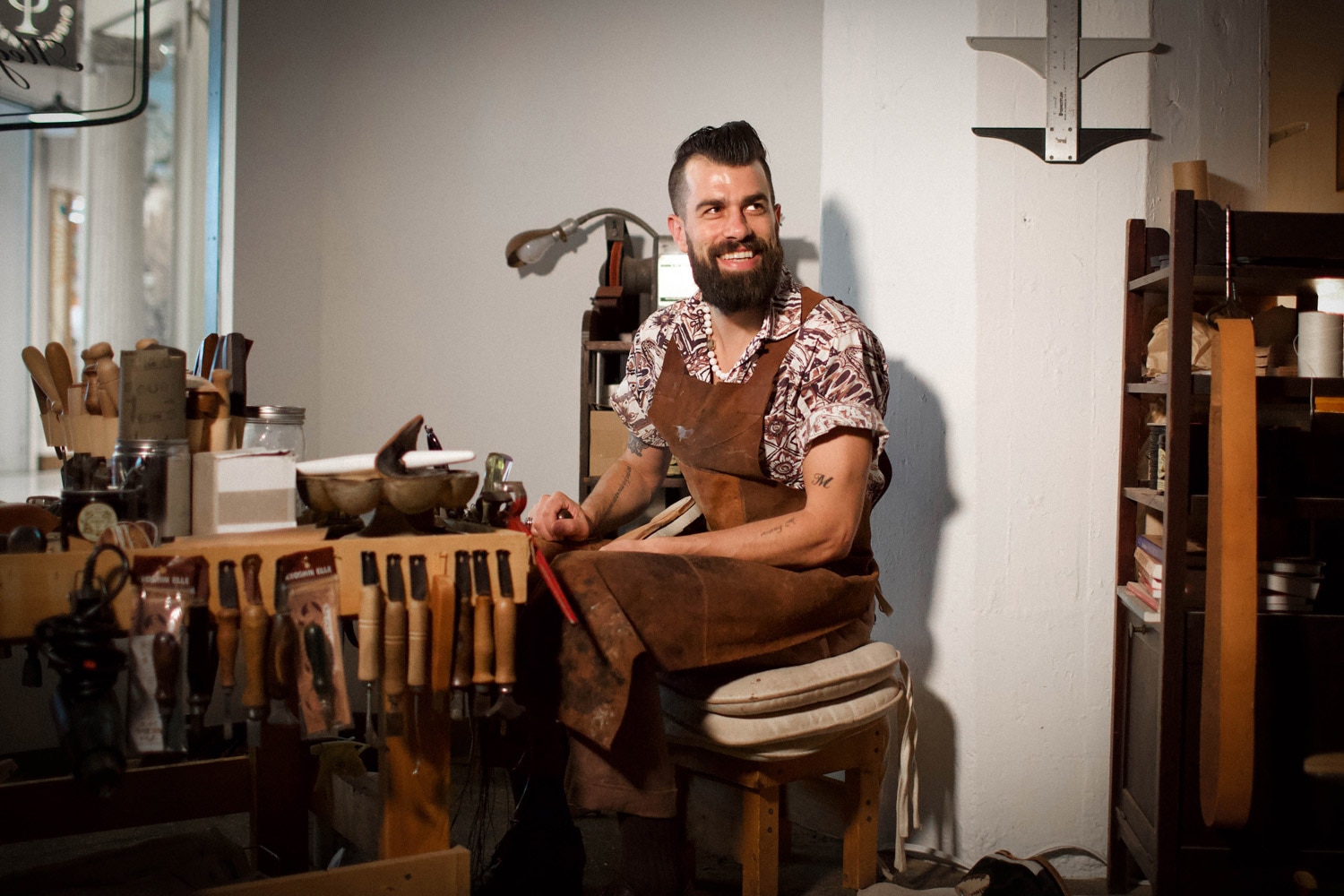
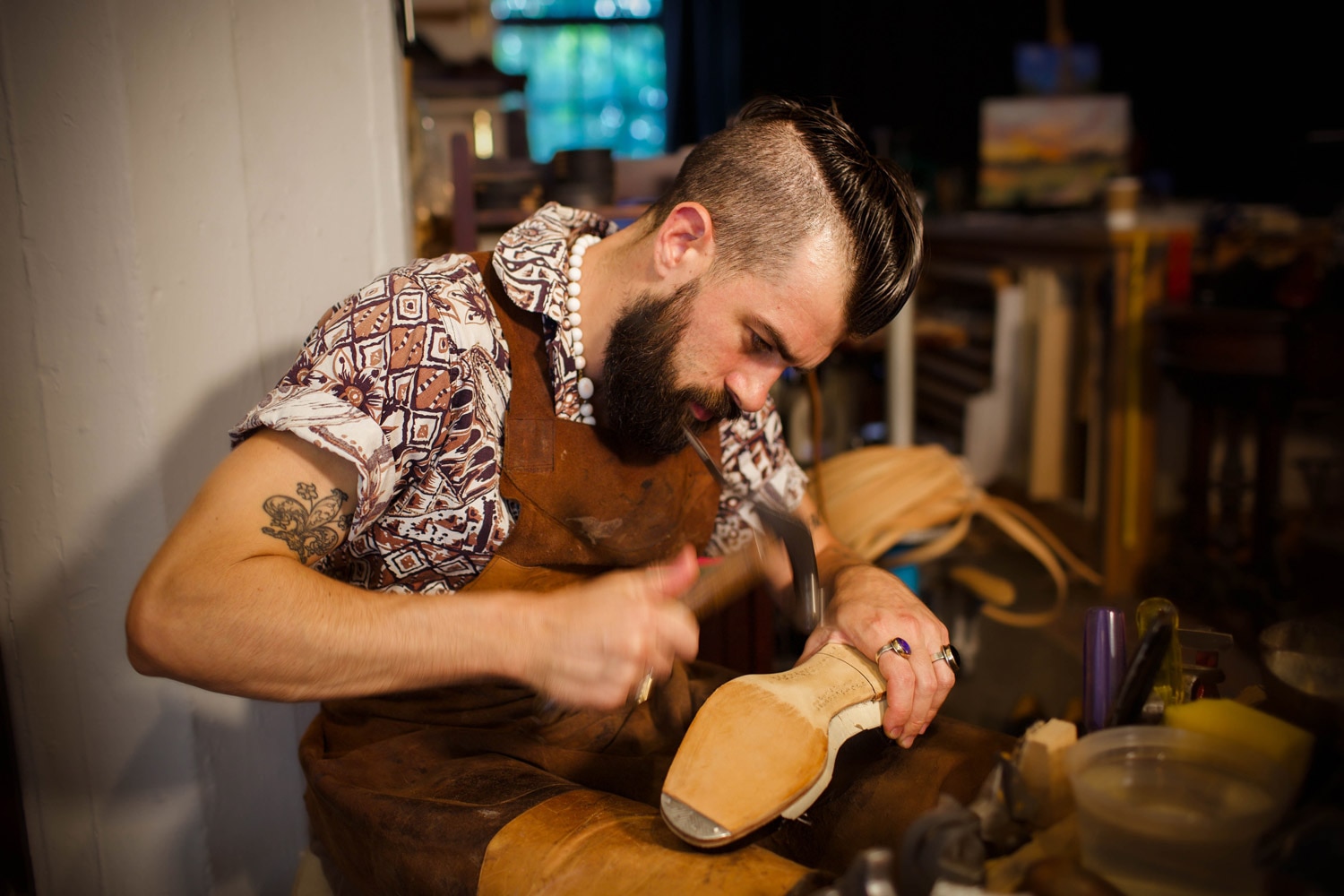
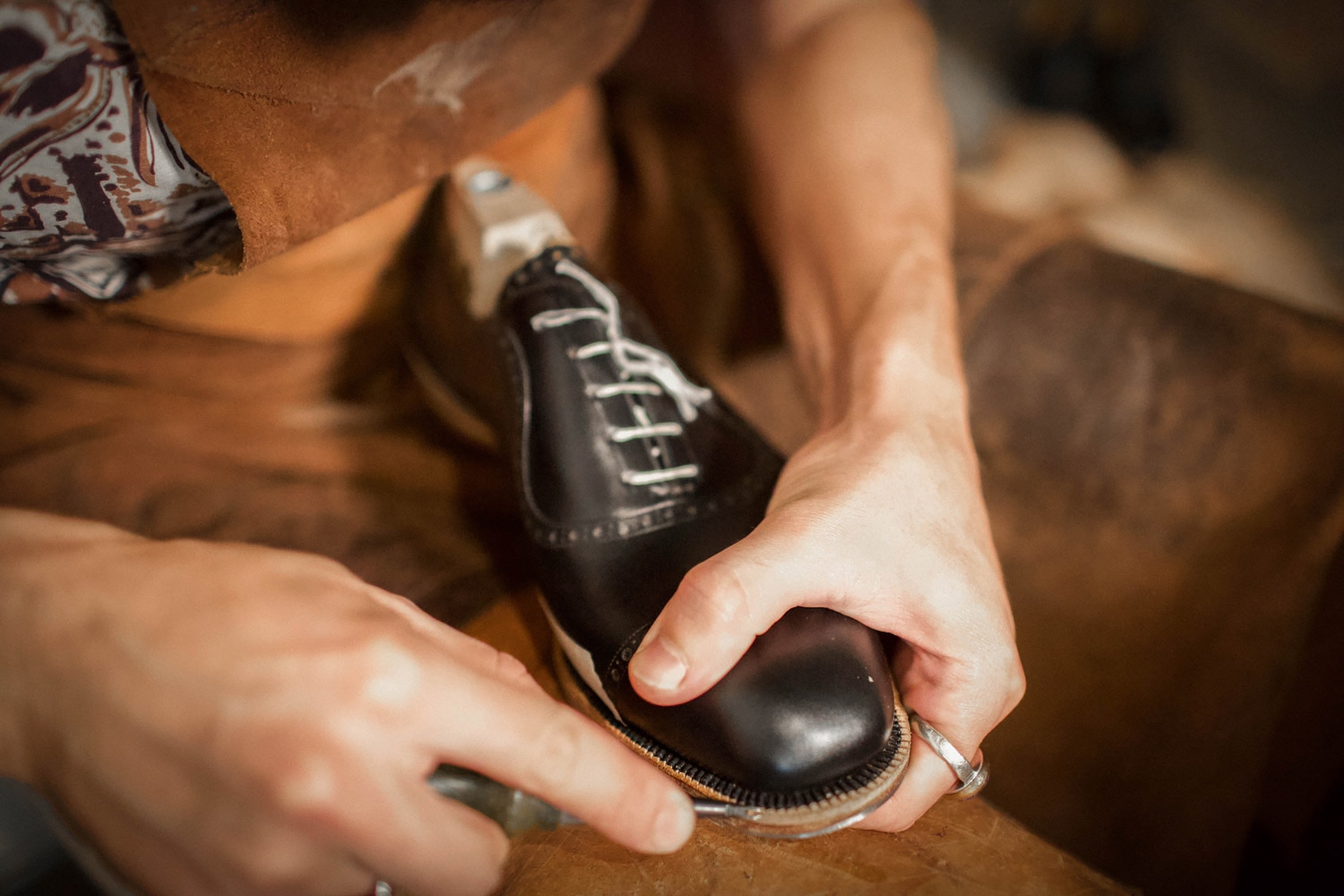
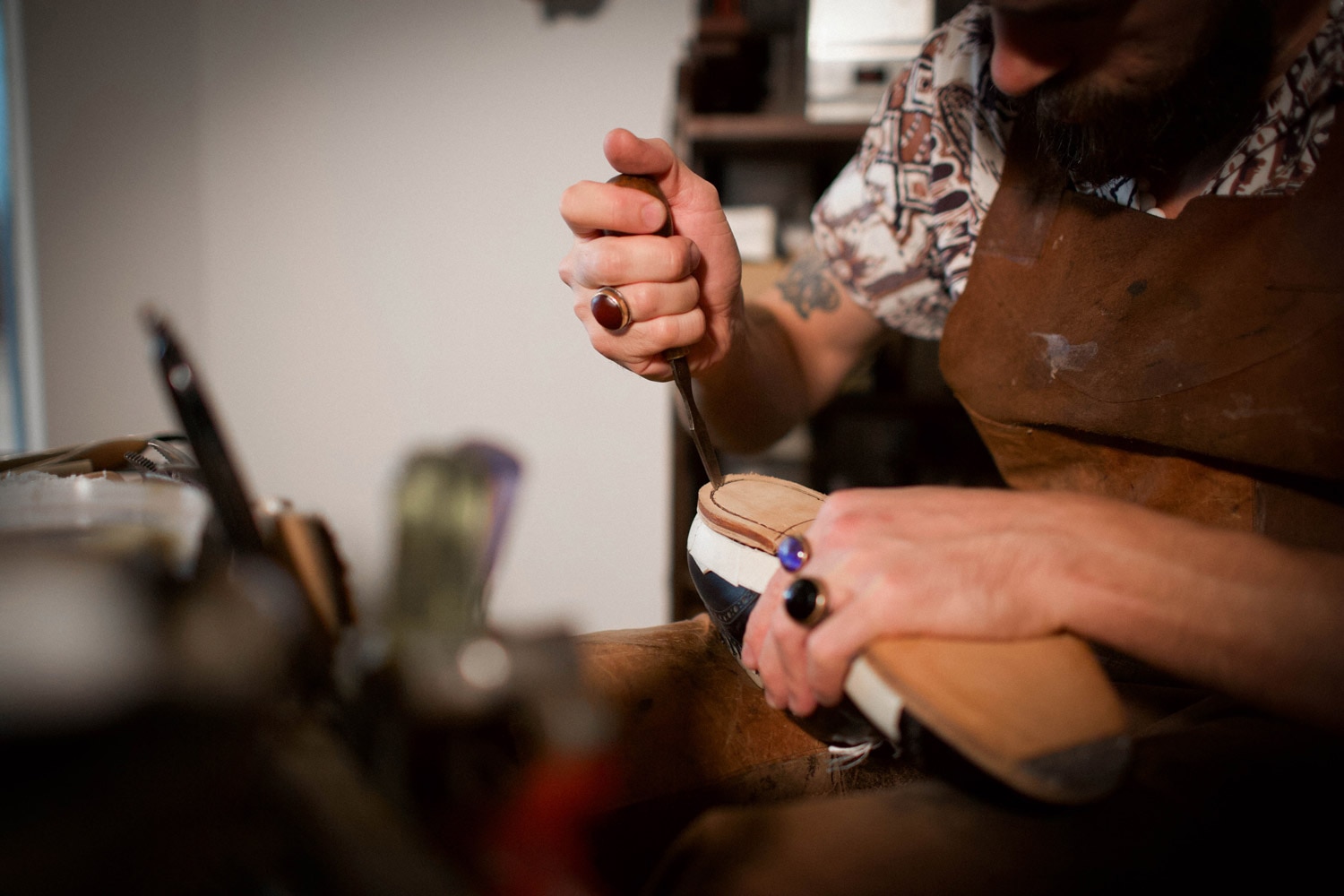
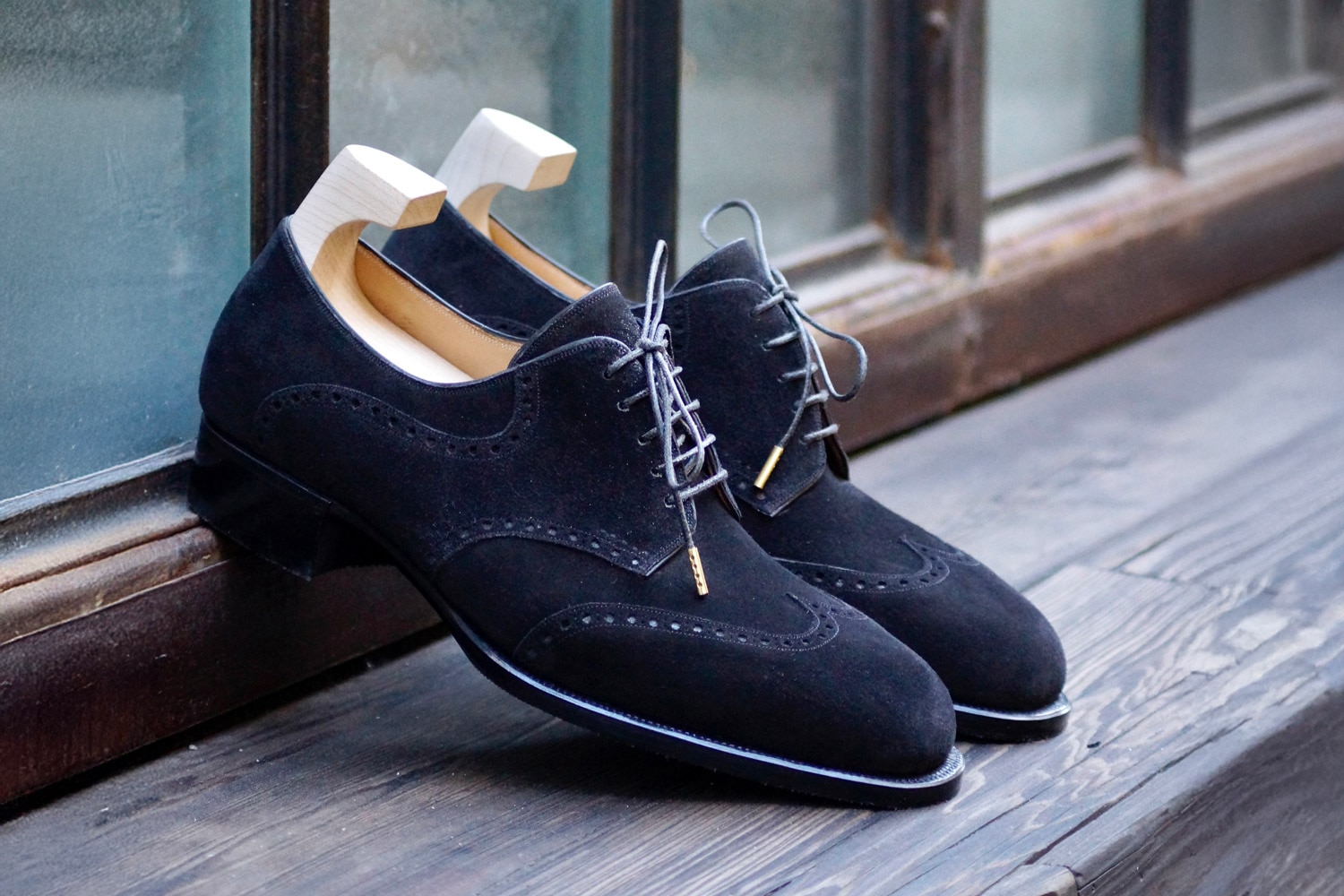
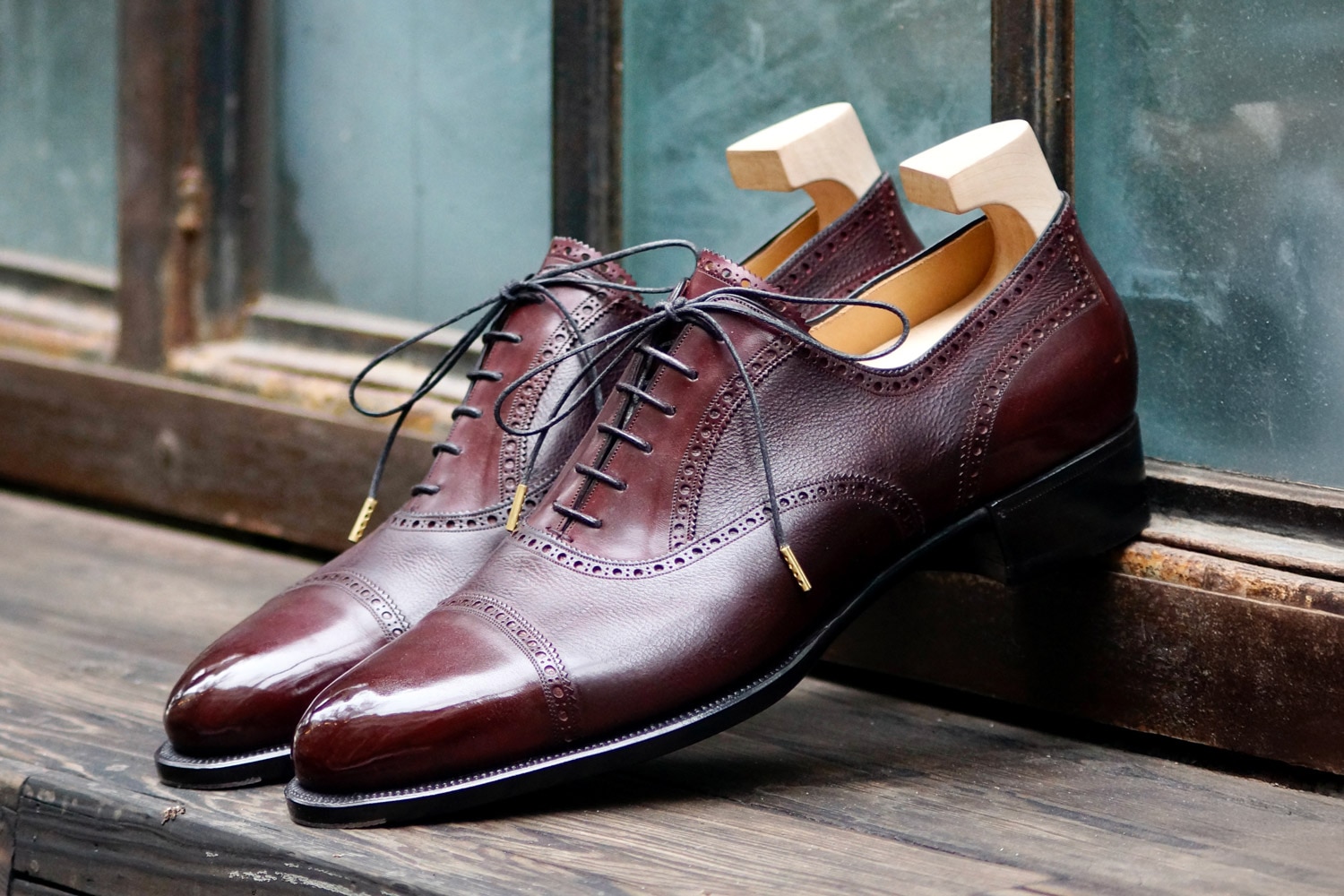
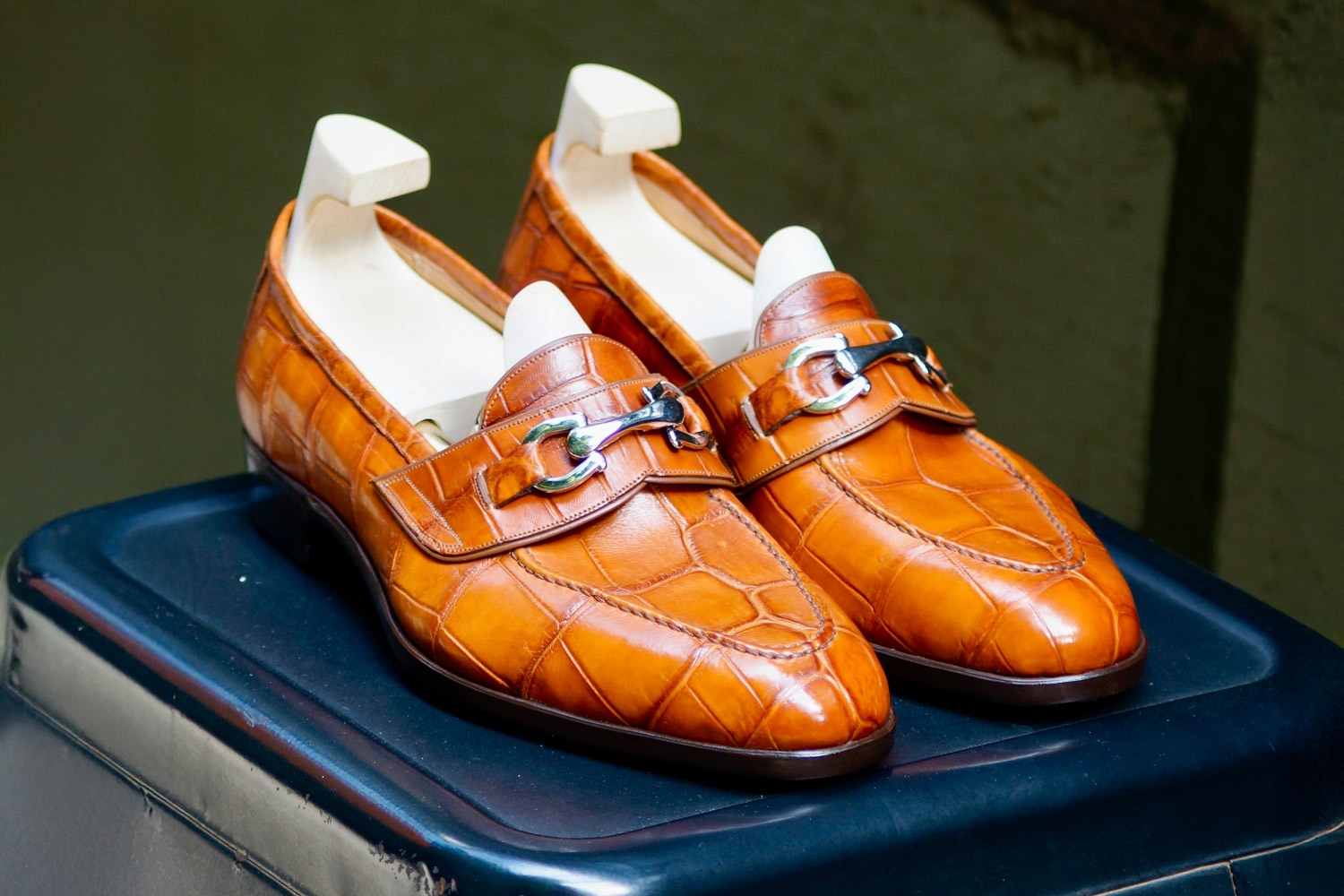
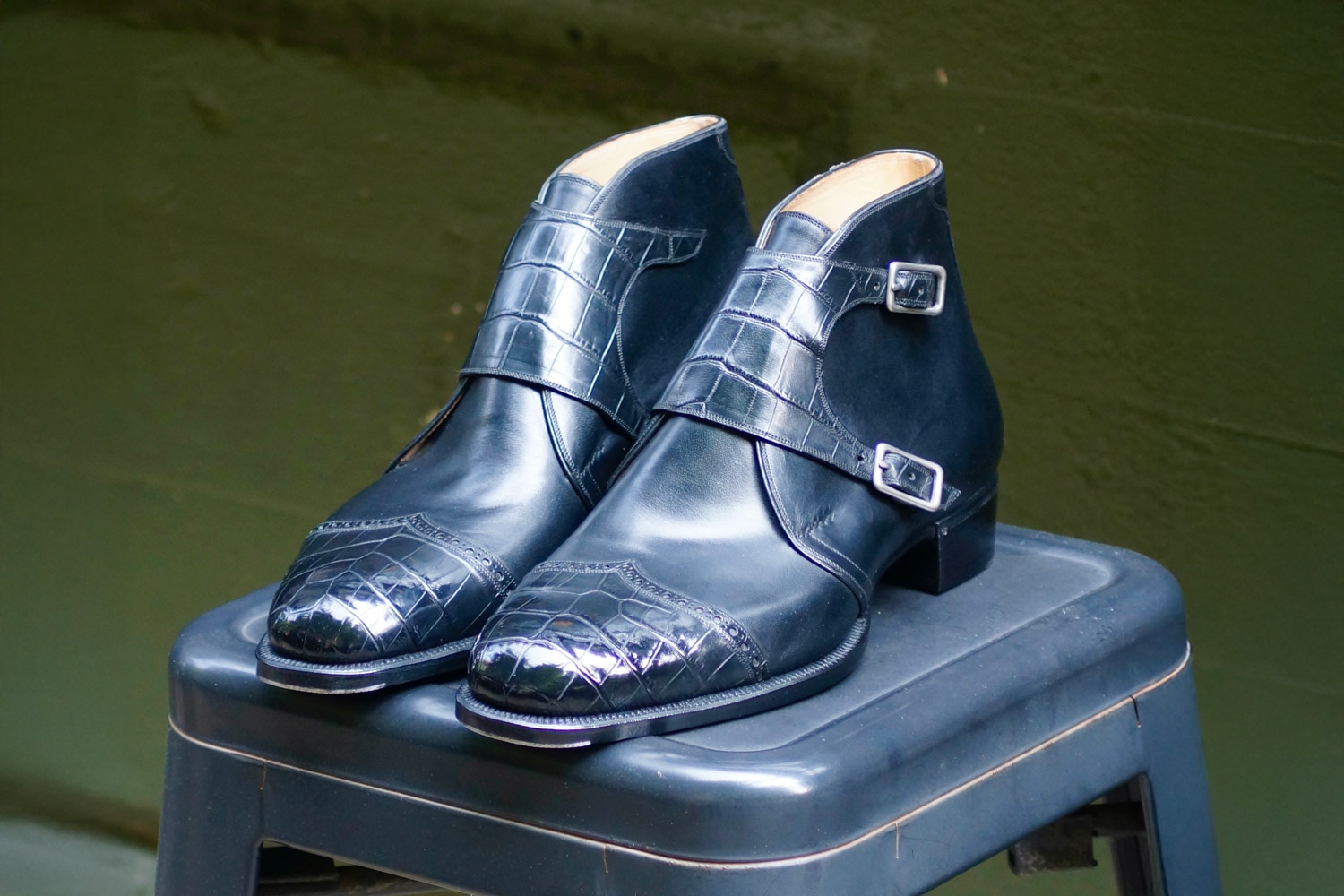
When Francis Waplinger decided he wanted to be a shoemaker, he searched in vain in the USA to find a master who could teach him the craft. In the end, to find the training he needed to elevate his art, he moved to Italy. “My time in there gave me an abiding appreciation for that nation’s tanning traditions,” he says. Now based in Brooklyn, New York, Francis offers bespoke men’s and women’s shoes made in accordance with classic Italian traditions. To ensure the fit is correct, a client will return to him up to three times over the course of the process, which can take longer than a year. The beauty of the material, which often hails from Europe, combined with the elegance of his workmanship, makes Francis’ shoes a pleasure to behold.
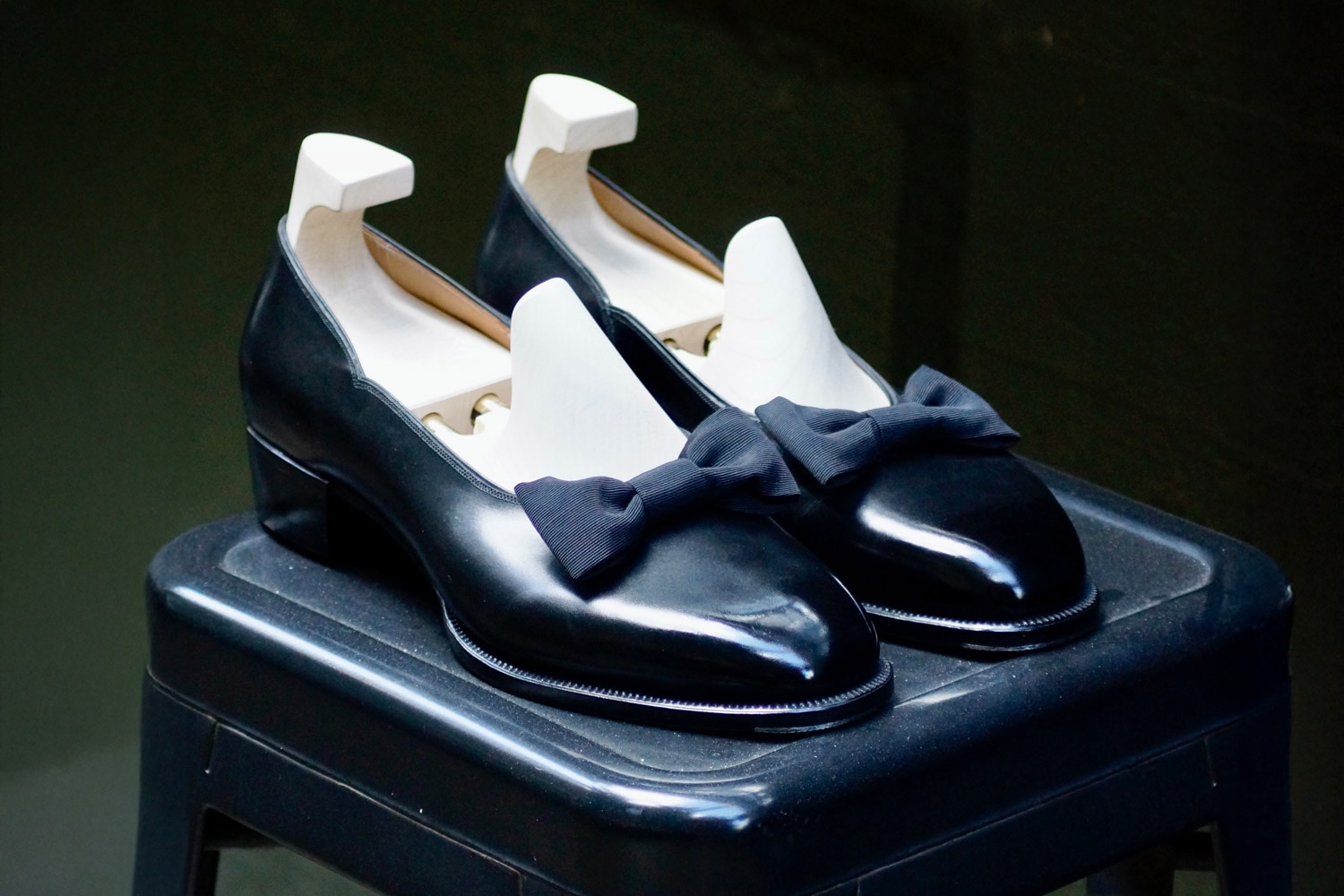
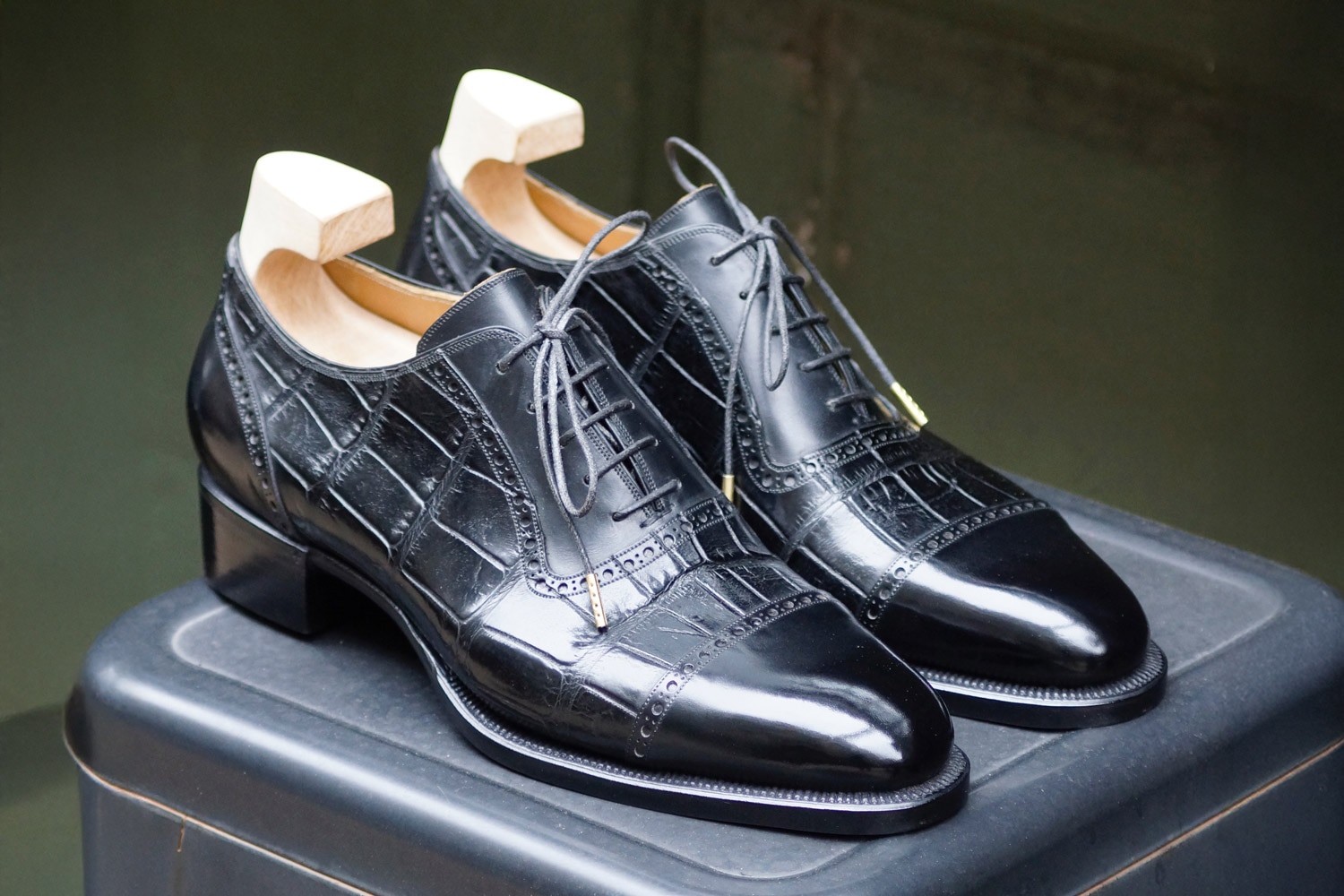
INTERVIEW
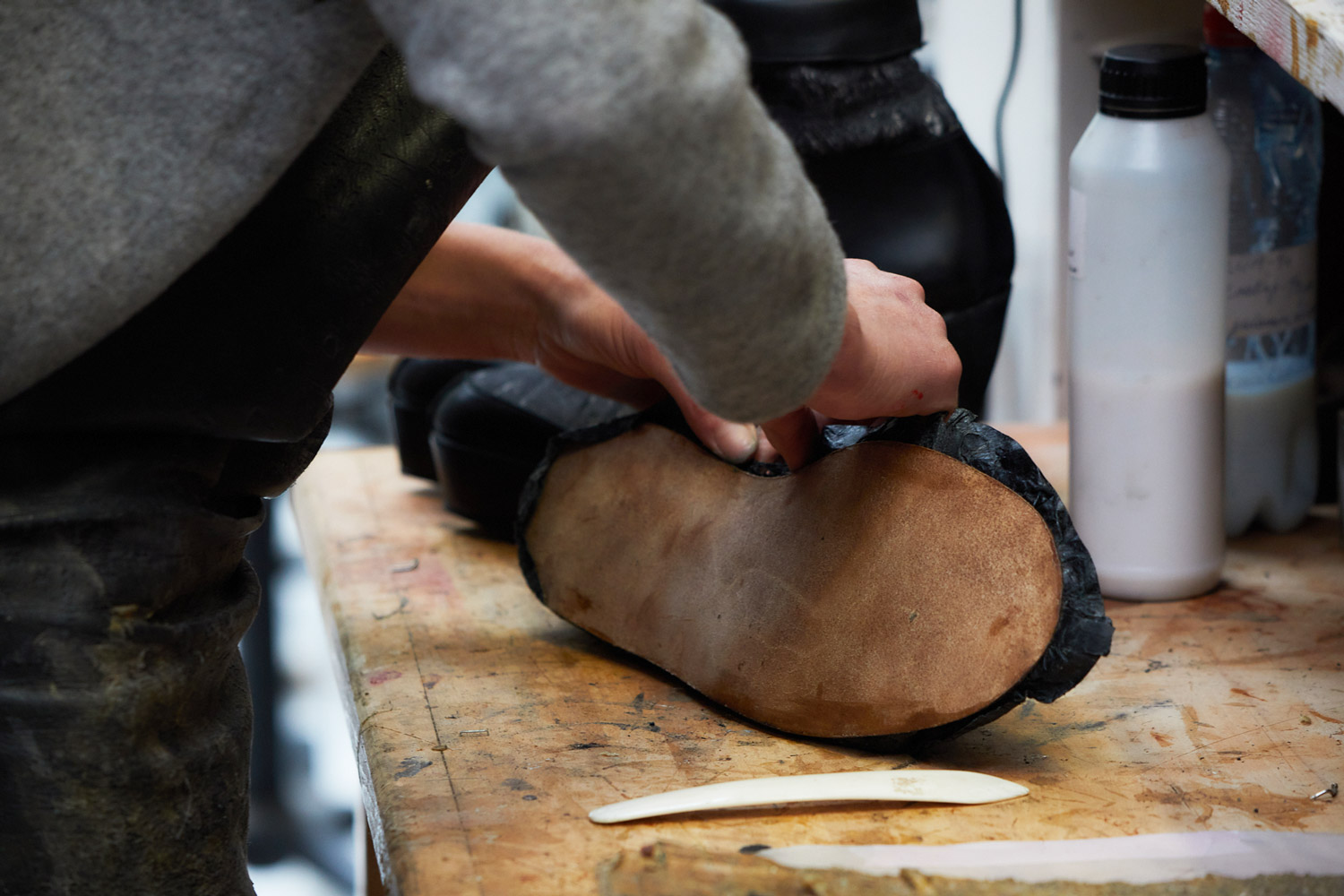
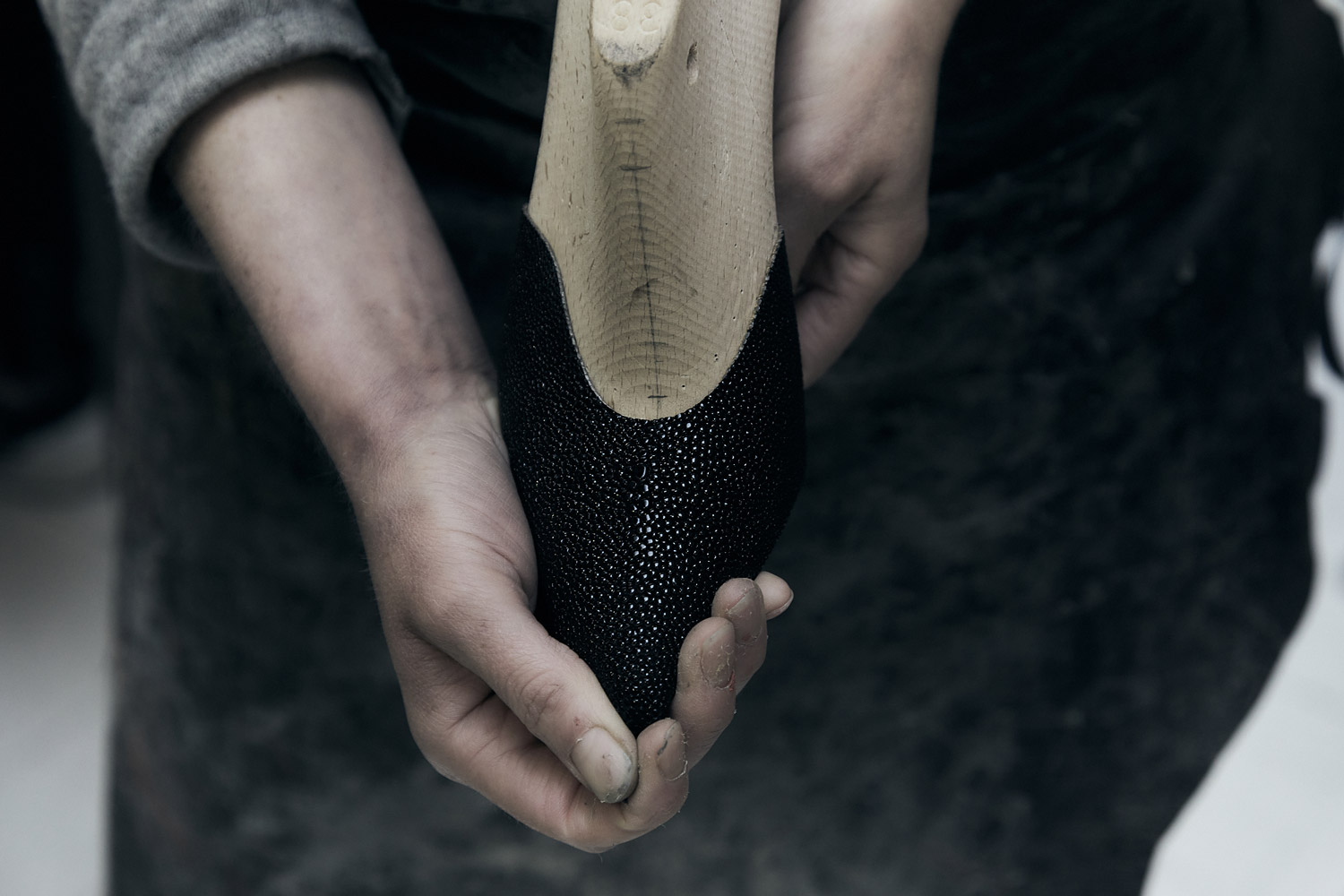
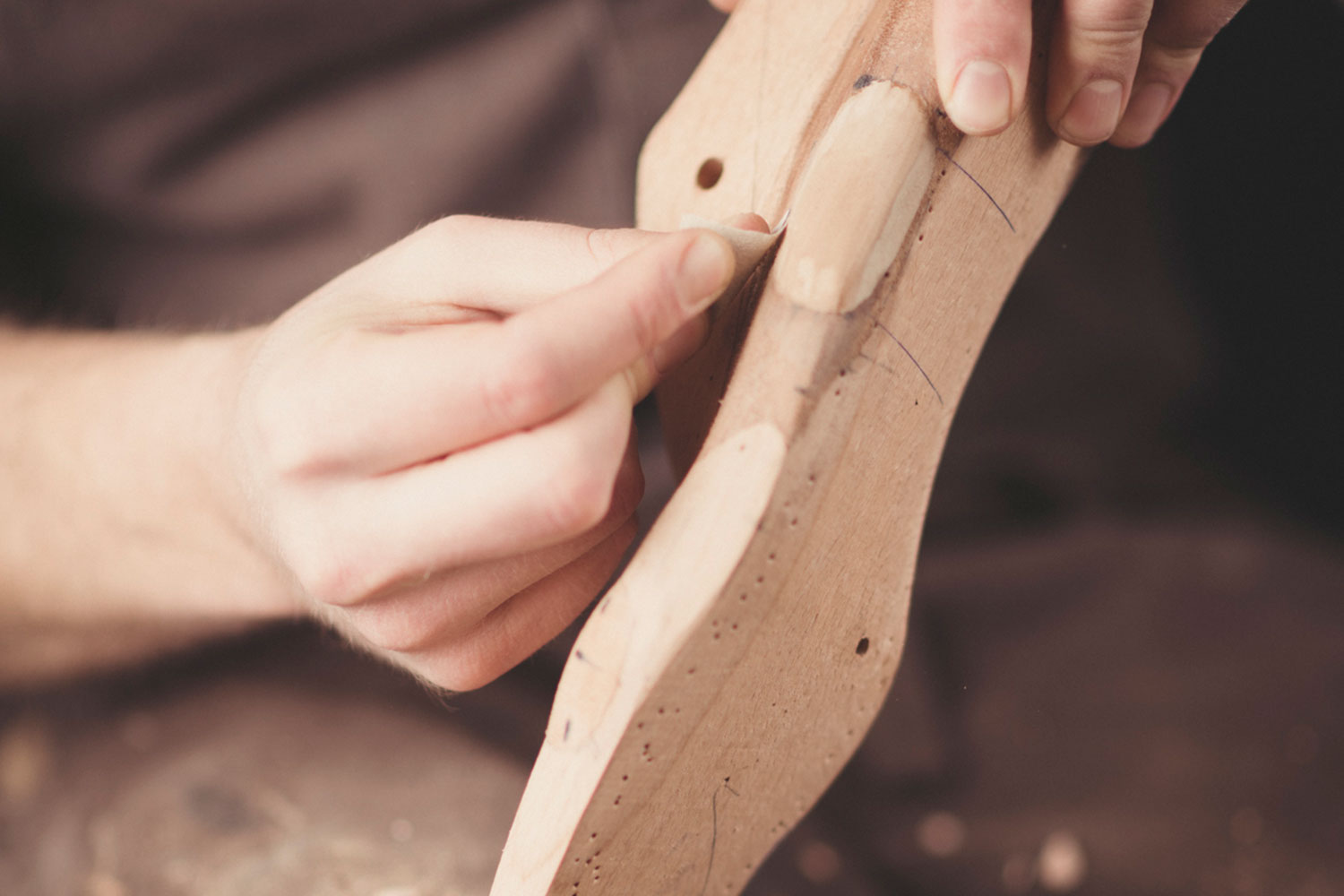
I meet each client in my workshop. I take their measurements and we discuss what they are looking for. I make a personalised last for them and fitting shoes are made on that. On average, it takes two to three fittings to ensure that everything is right before I make the final pair of shoes.
It seemed to me that there was a shoemaking tradition in Europe that was still alive and well, and I could not find anything like it in the USA. The European style of production emphasises not only traditional techniques but also the use of premium materials and a keen sense of style and refinement to the final product.
Fit is one of the more challenging aspects. Different patterns and materials can affect the fit, so the variables are always changing. Some clients prefer a snug shoe while others do not. It comes down to getting the measurements correct and communicating with the client about their expectations.
Most of my material comes from Europe. I have been using a lot of materials from Italy, including the soling leather, insole leather and the uppers lining. I add a smattering of German leather and some from England, France and the USA. I am a little biased towards Italian leathers. I really enjoy their materials and traditions.
Francis Waplinger
Shoemaker
Brooklyn, NY, USA
Recommended by Closely Crafted
AVAILABILITY
By appointment only
PHONE
+1 2062918611
LANGUAGES
English
Homo Faber Finds is a new service aiming to inspire admirers of craft to connect and collaborate with exceptional artisans.
We invite you to submit an enquiry here.