©All rights reserved
©All rights reserved
©All rights reserved
©All rights reserved
©All rights reserved
Beth Katleman
Porcelain maker
Brooklyn, NY, USA
©All rights reserved
©All rights reserved
©All rights reserved
©All rights reserved
©All rights reserved
©All rights reserved
©All rights reserved
©All rights reserved
©All rights reserved
©All rights reserved
Storytelling piece by porcelain piece
- Beth creates ornate wall installations in white porcelain
- She infuses her sometimes insolent creations with provocative narratives
- Her work has featured in and been commissioned by significant museums
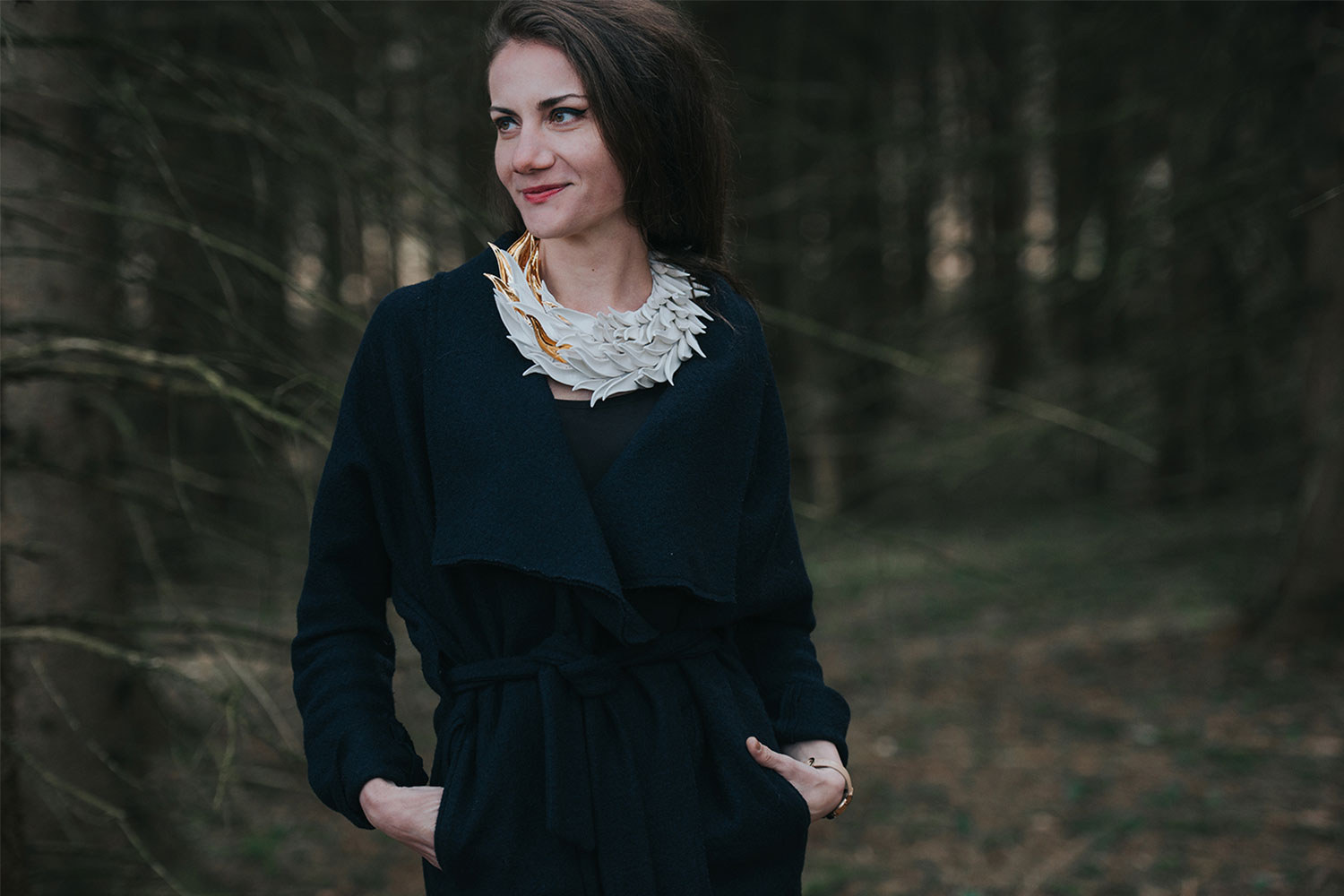
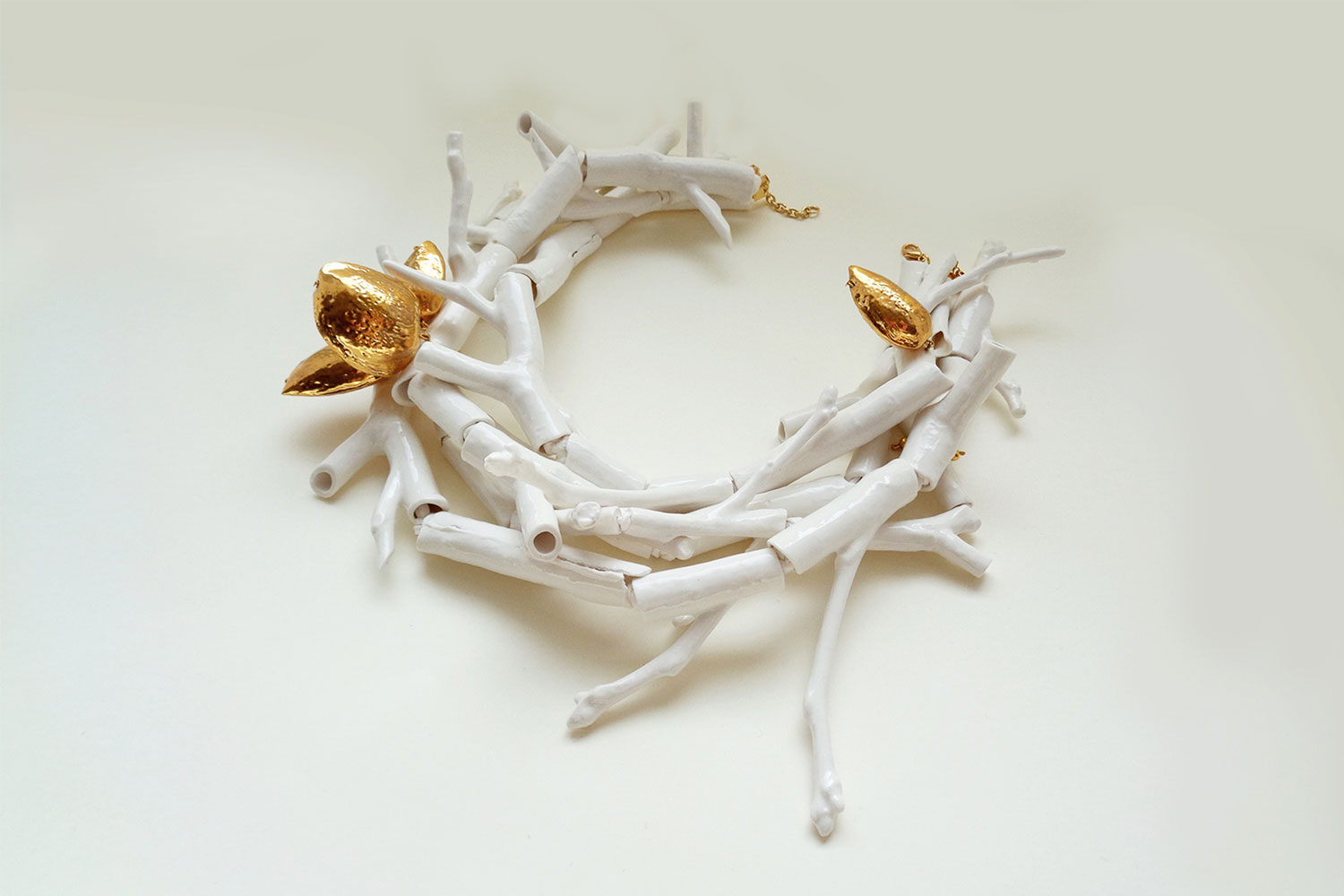
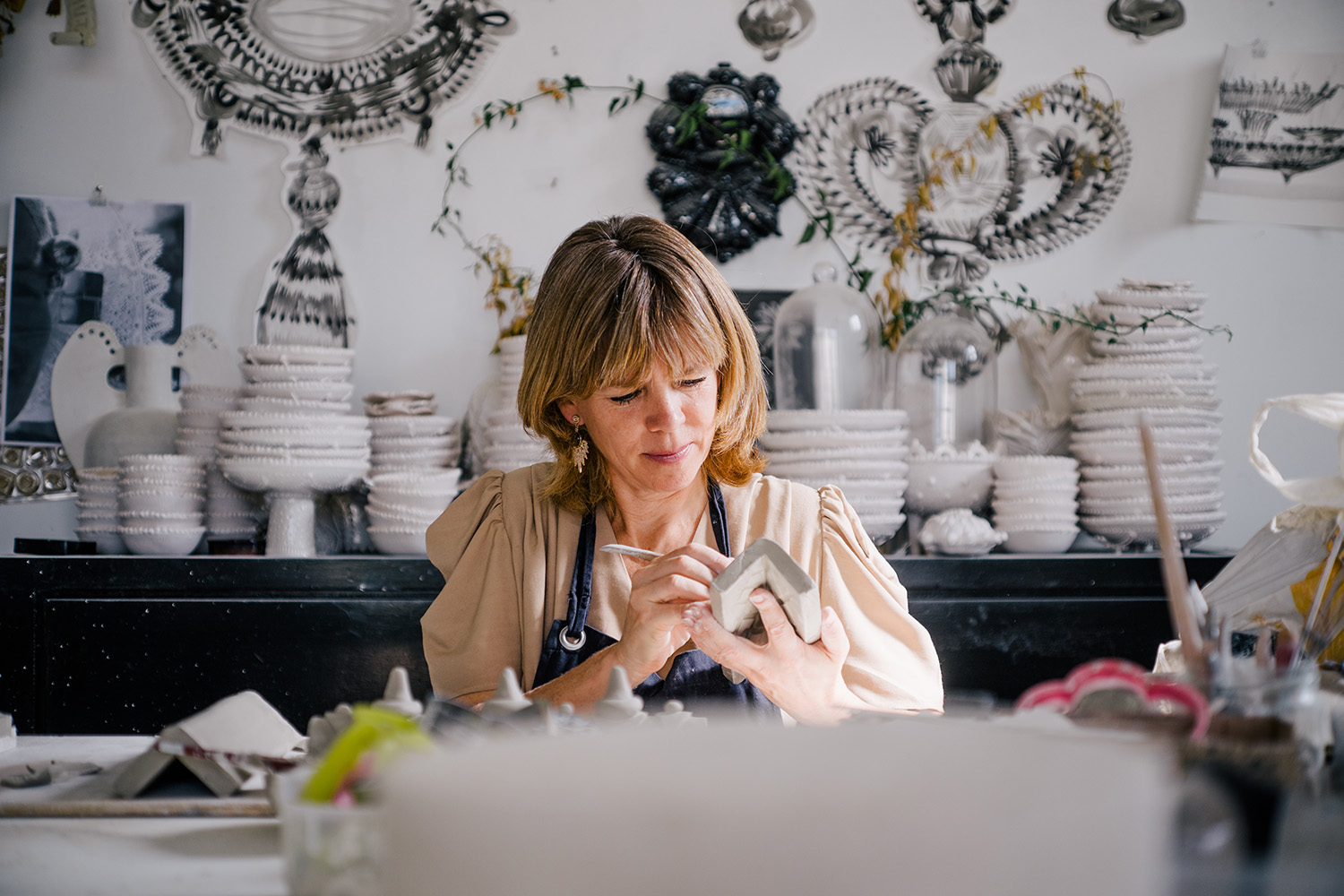
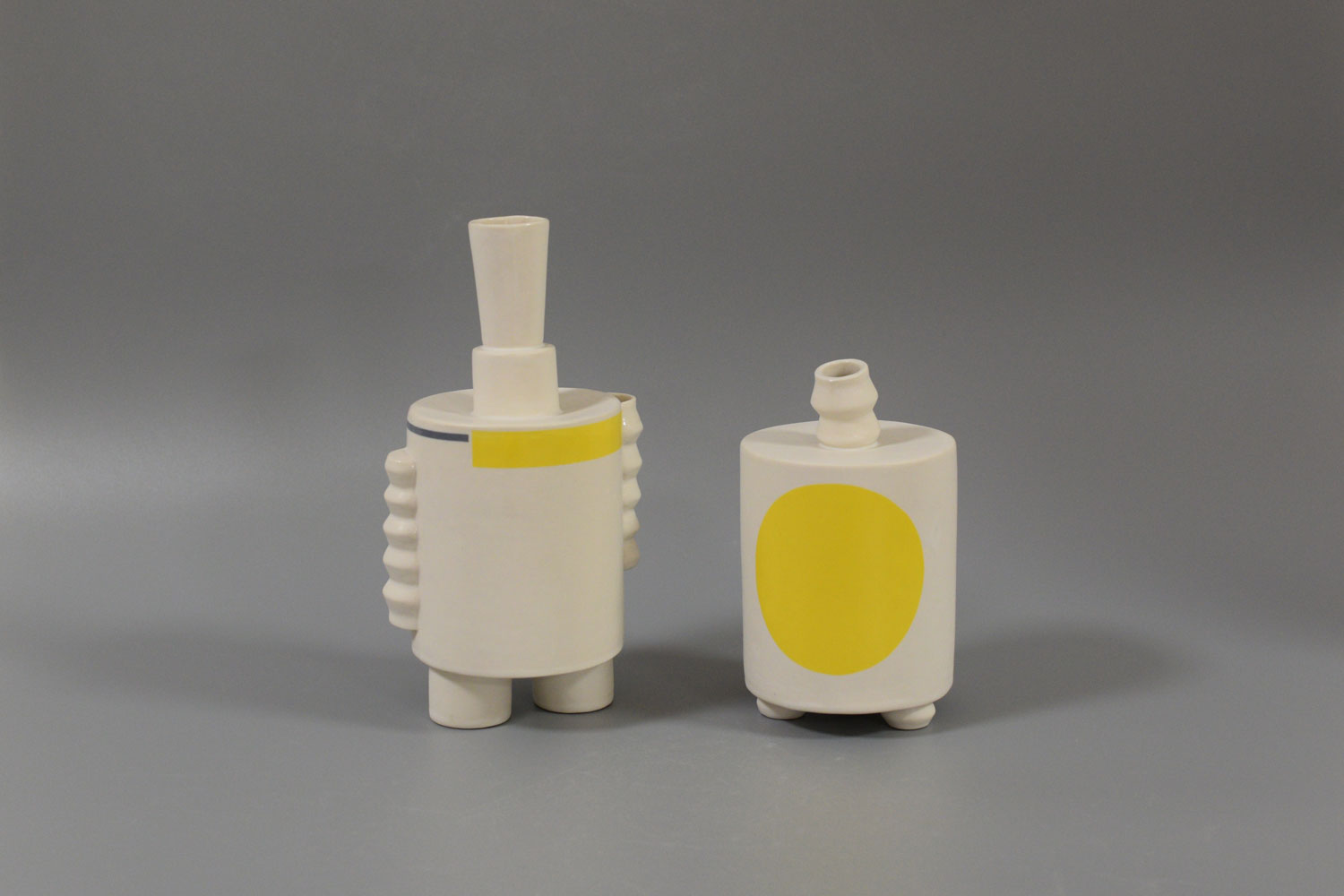
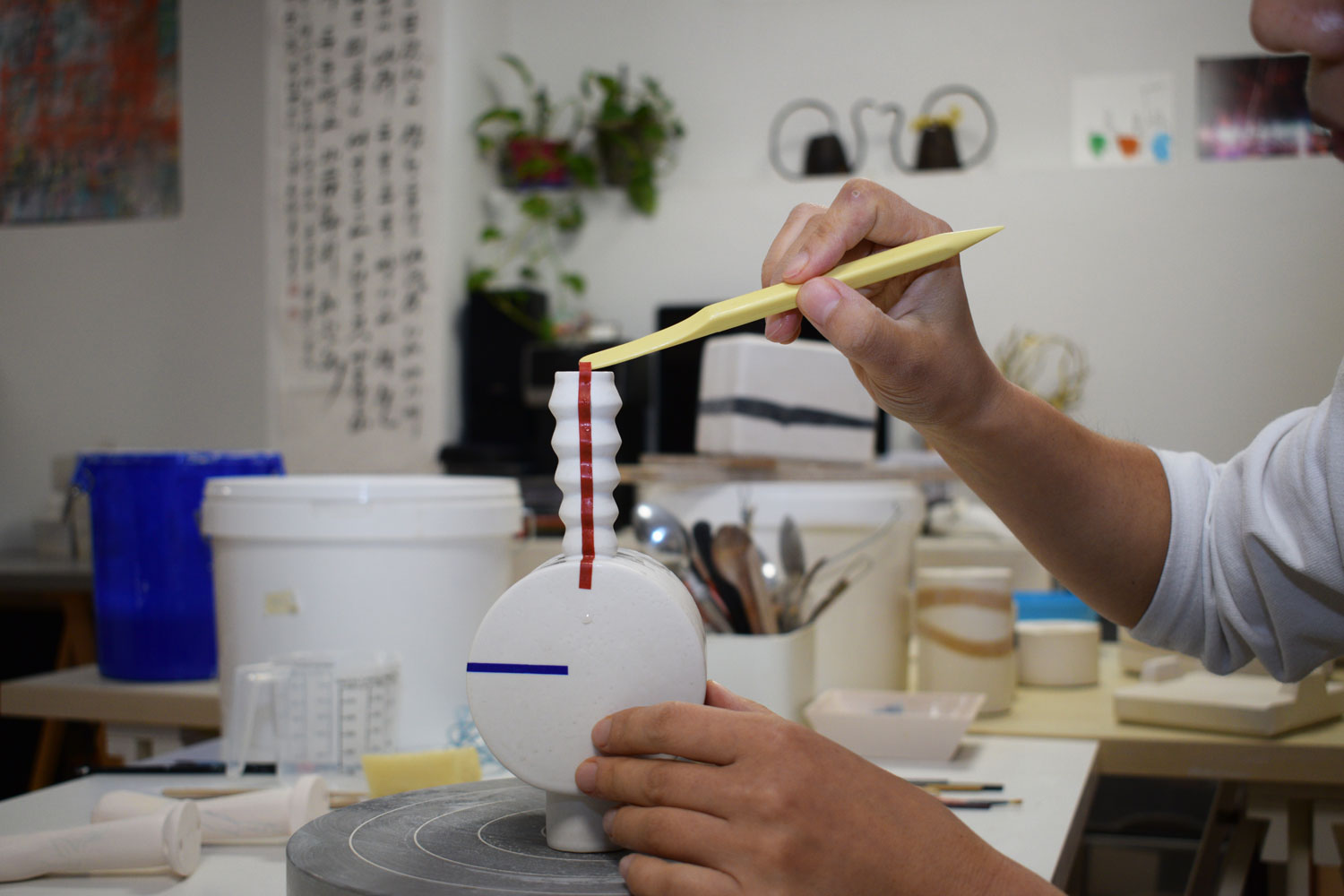
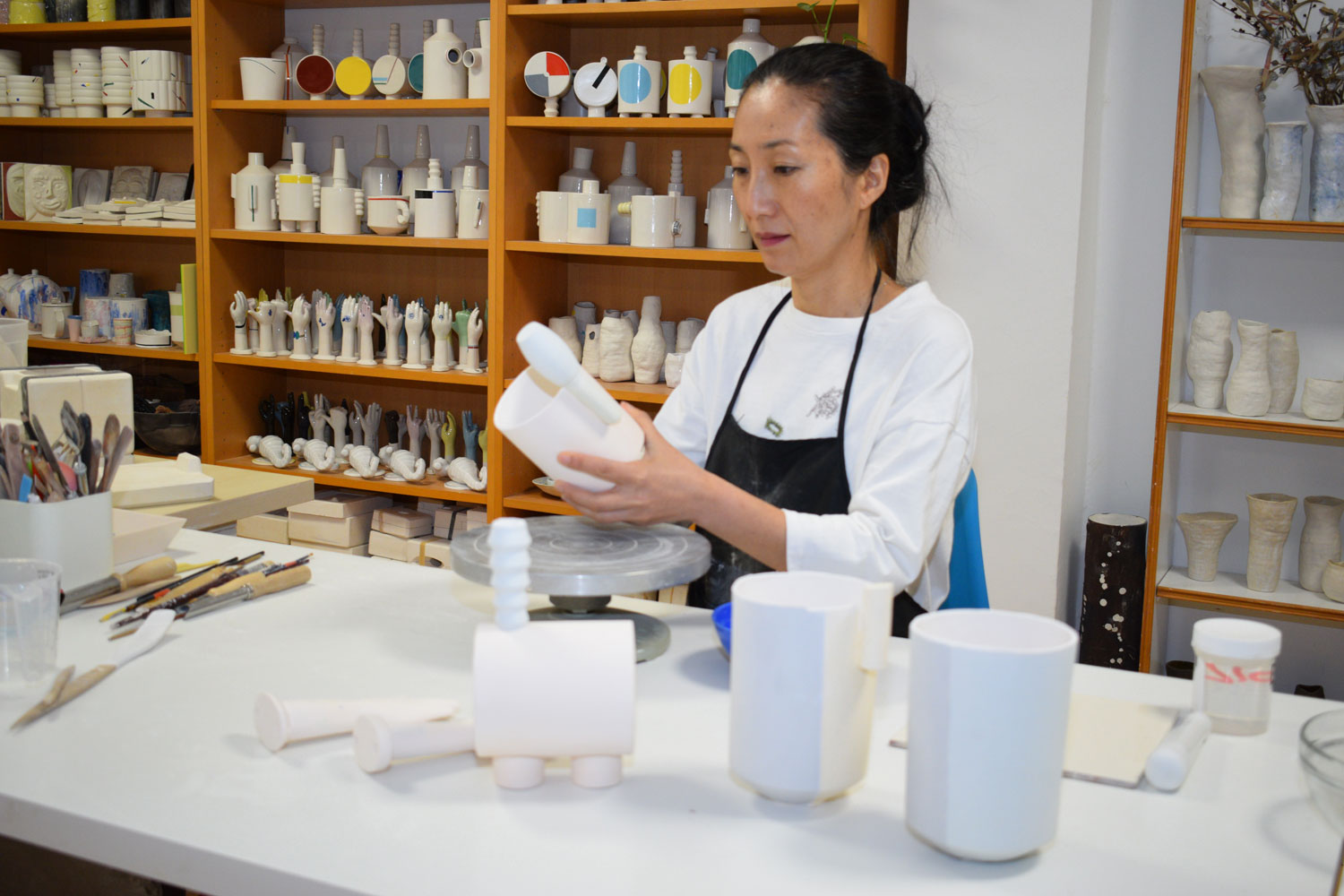
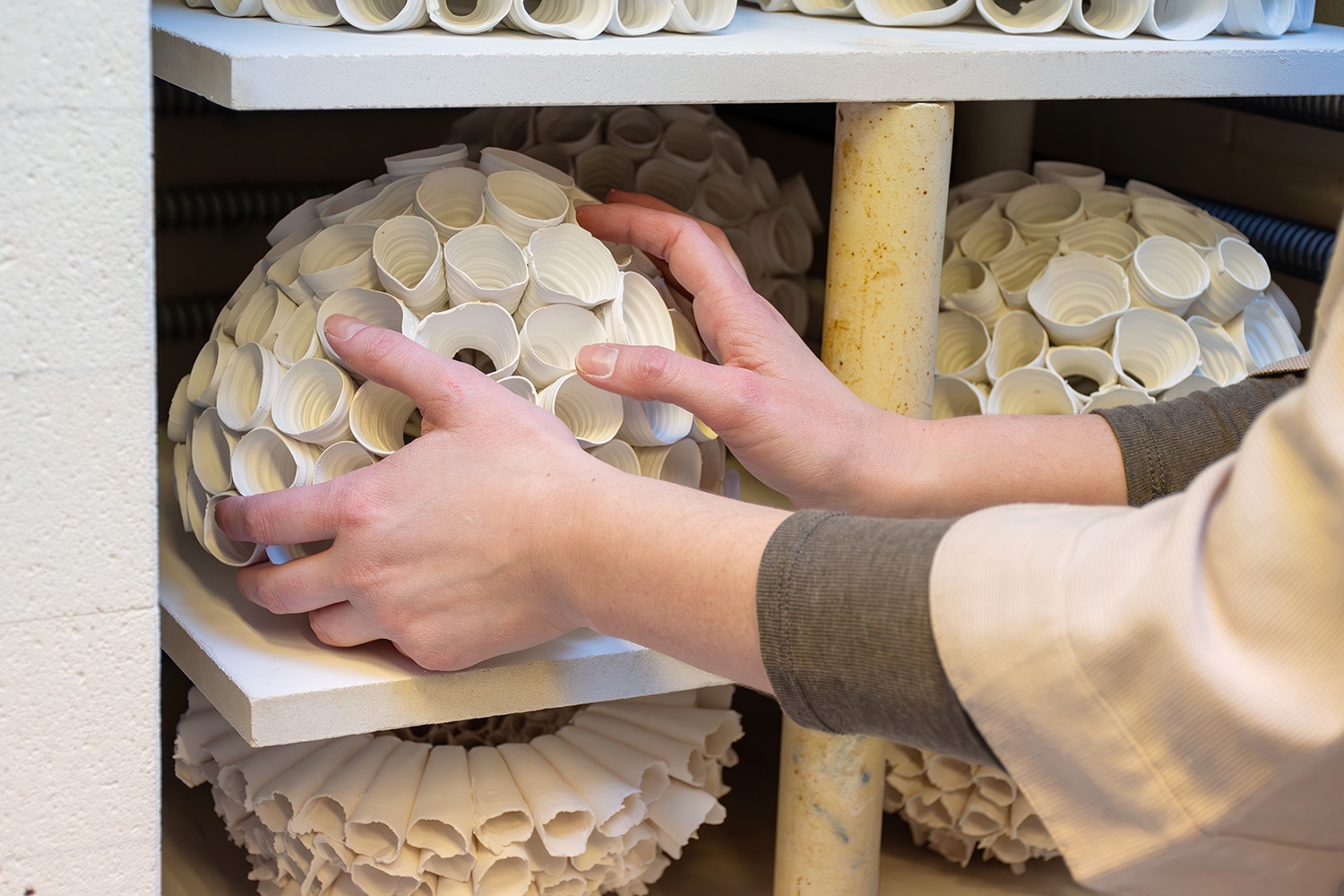
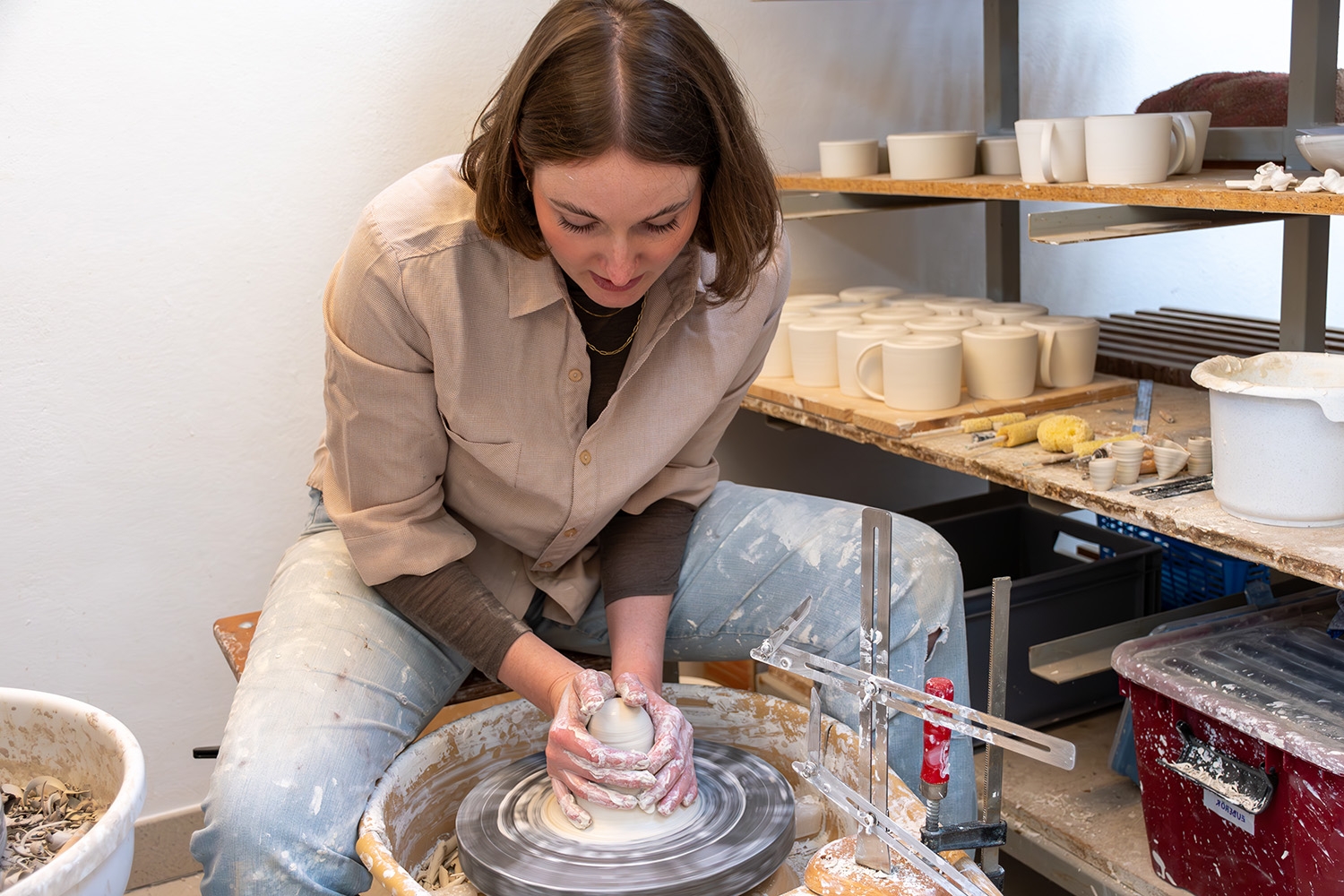
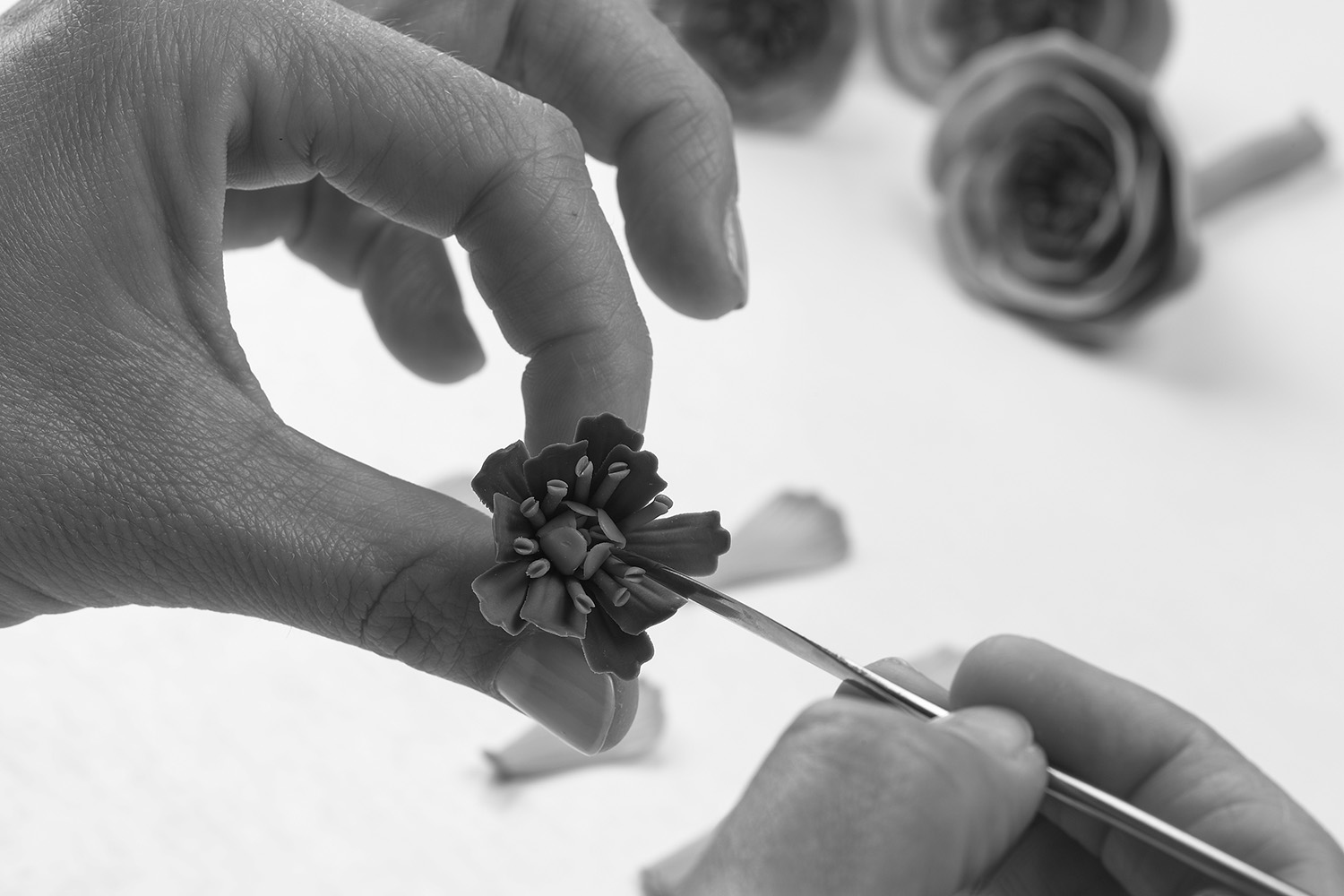
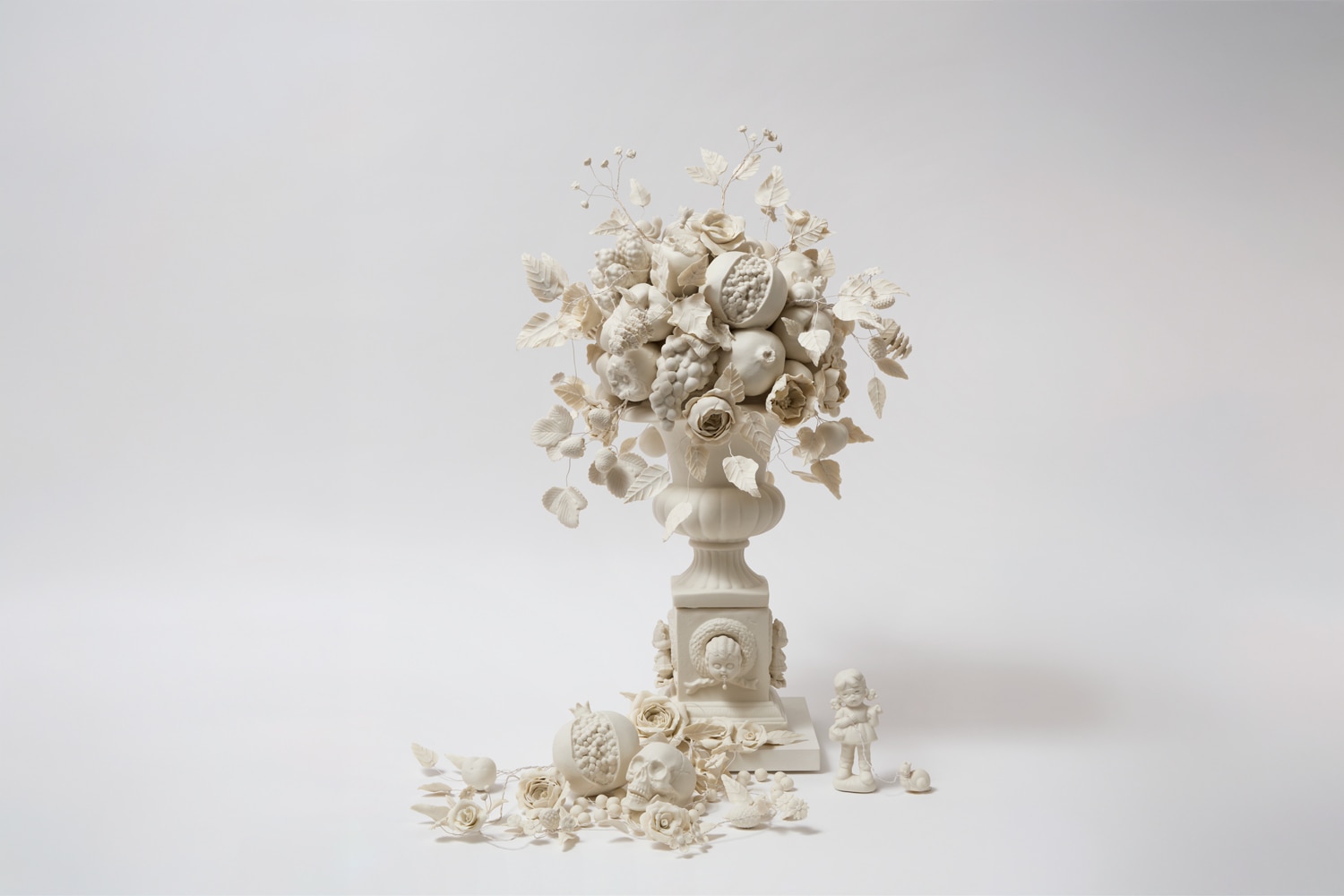
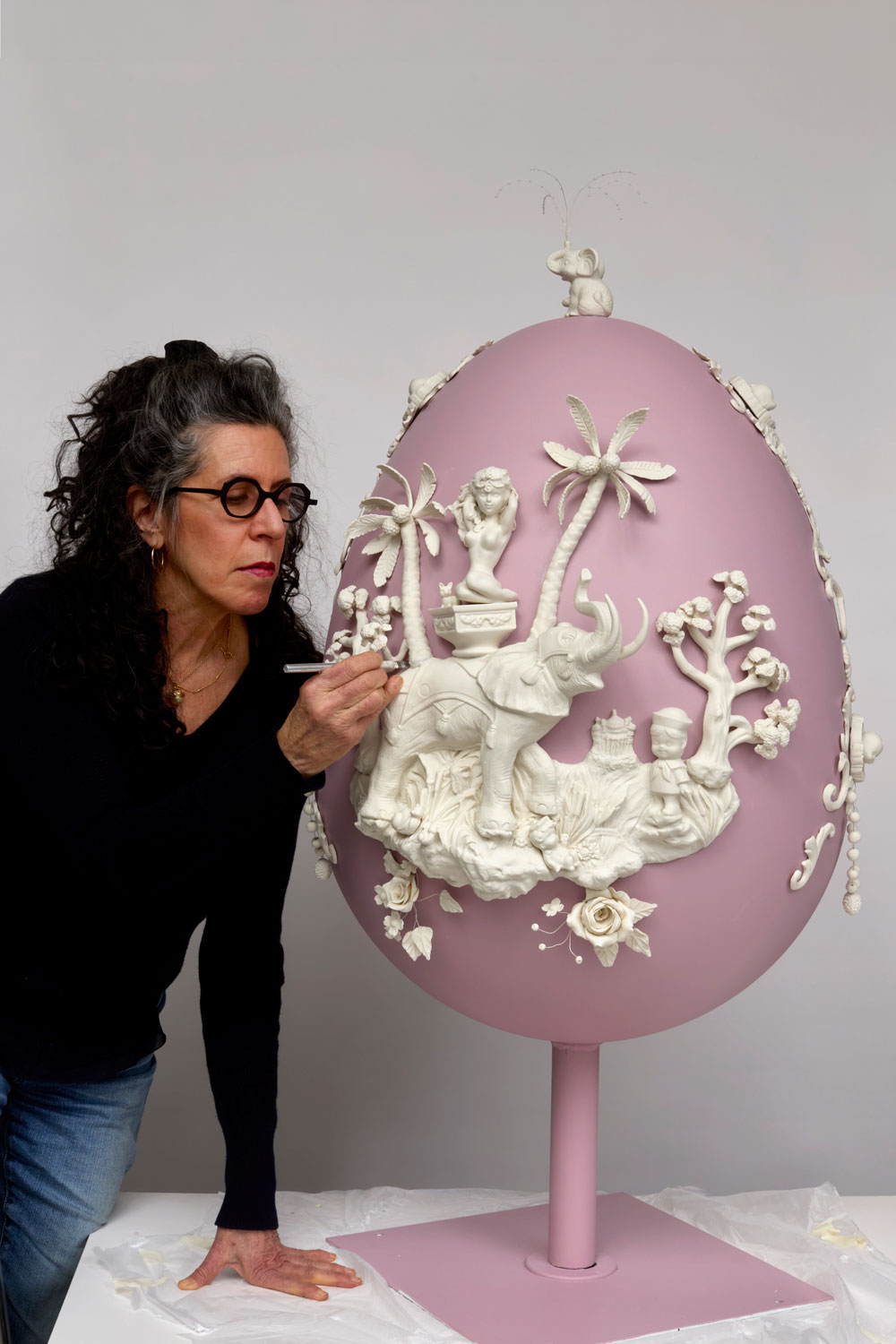
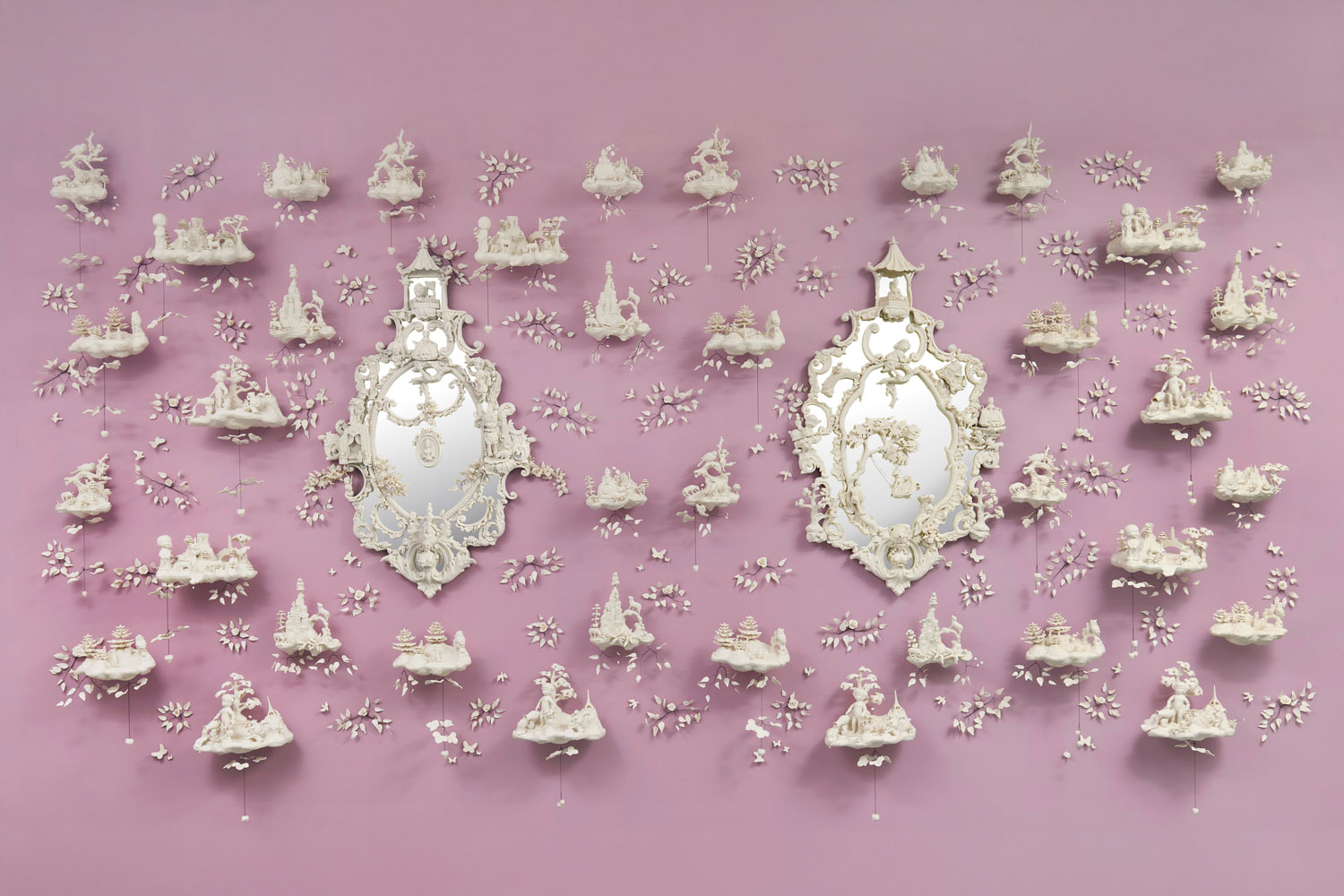
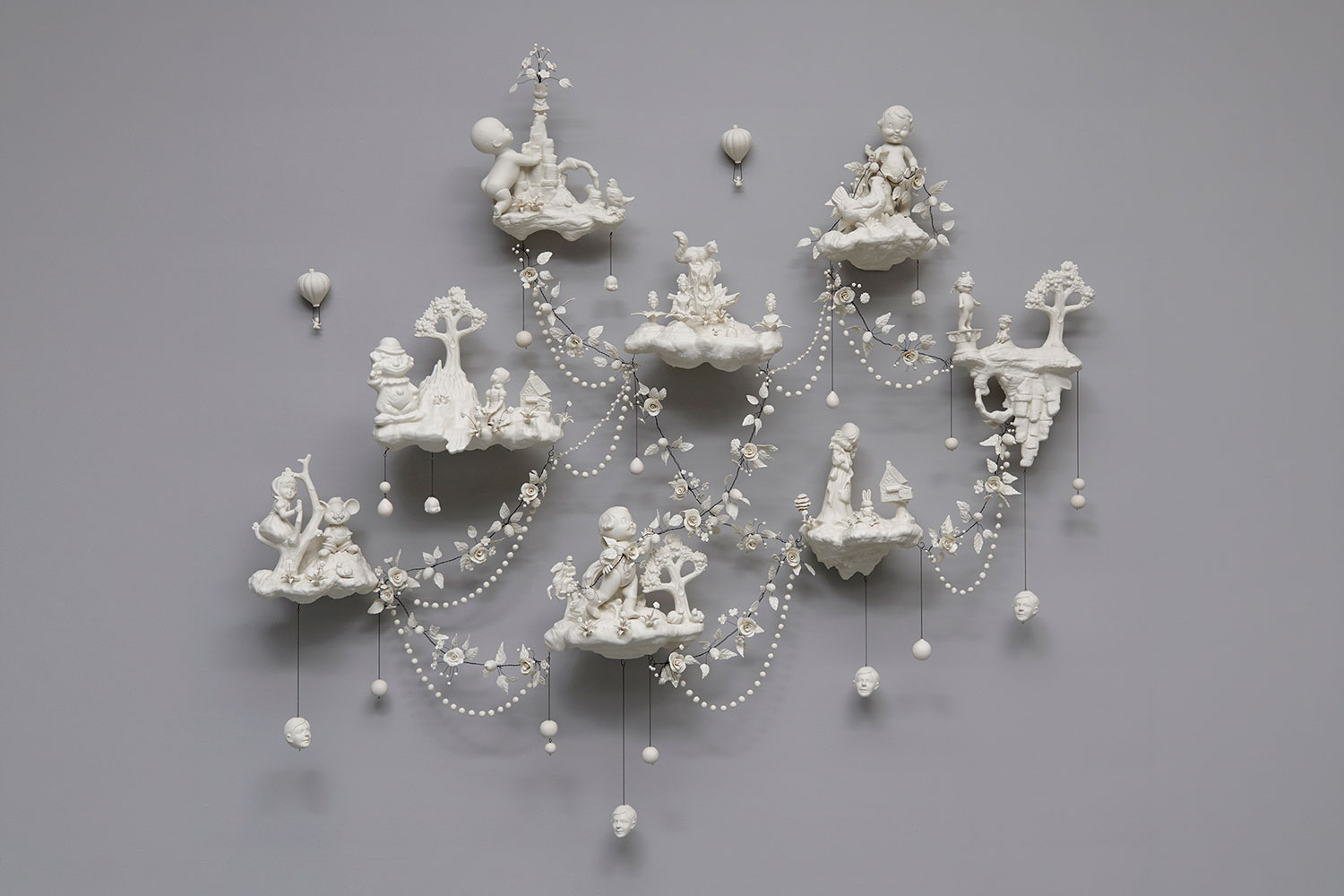
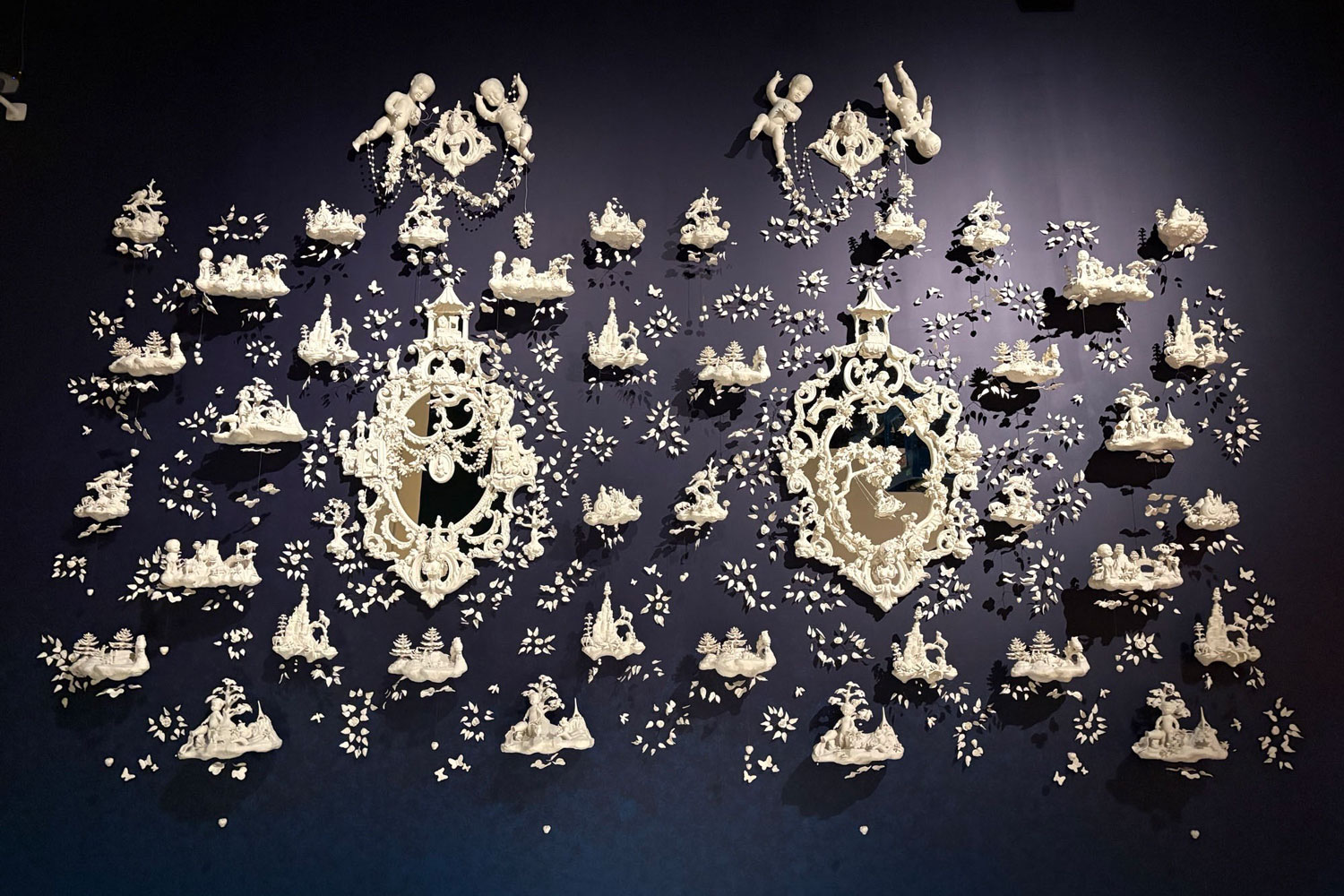
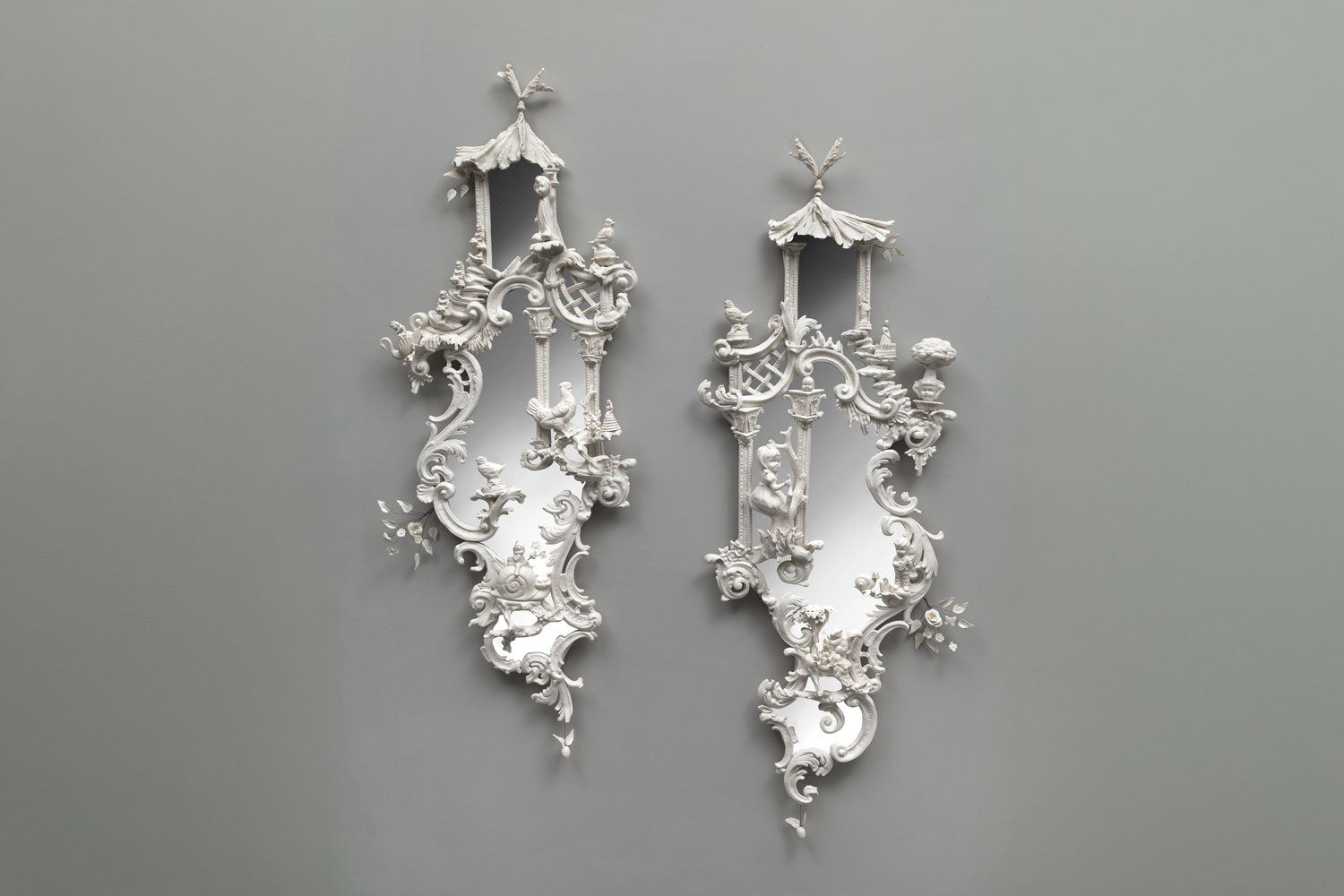
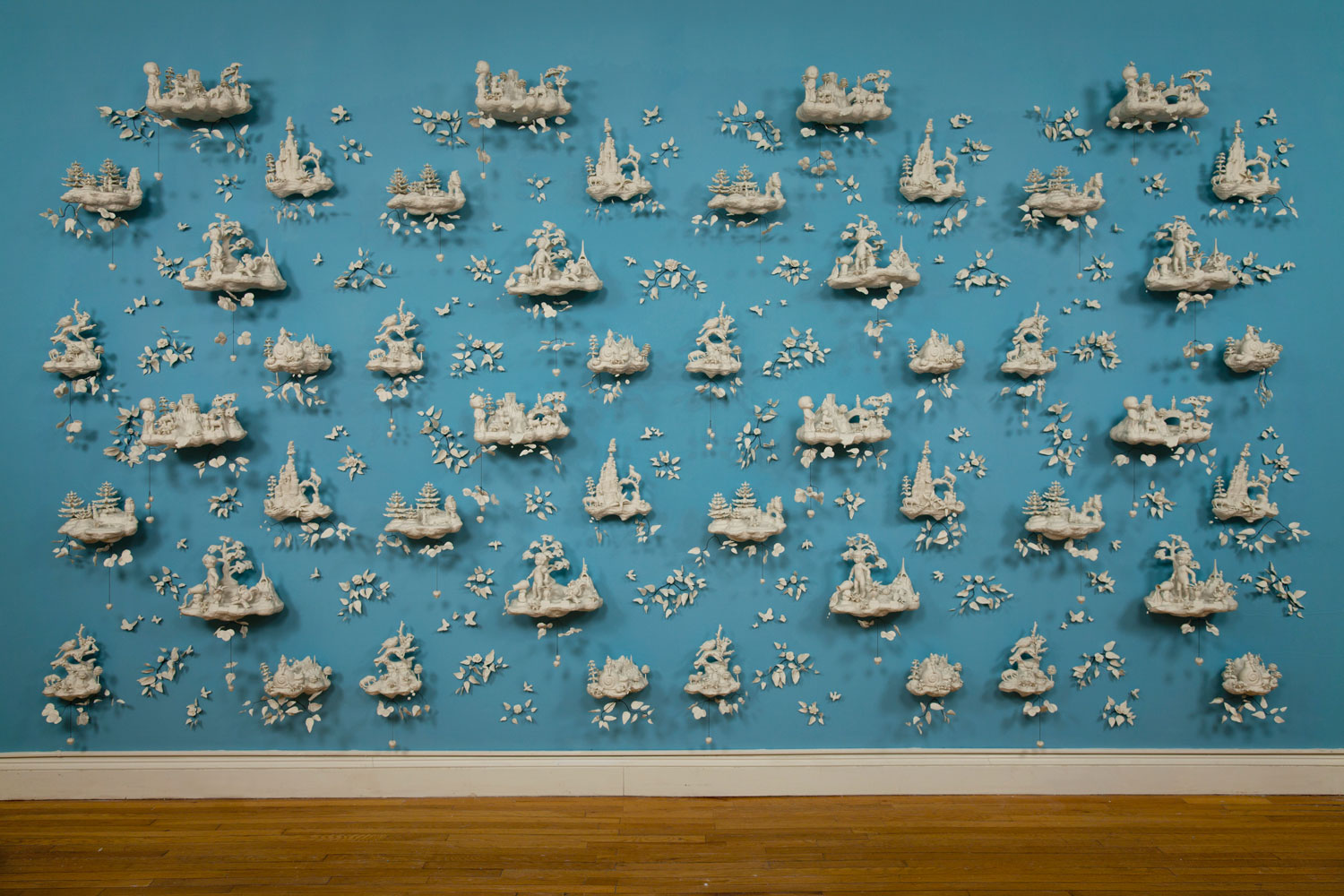
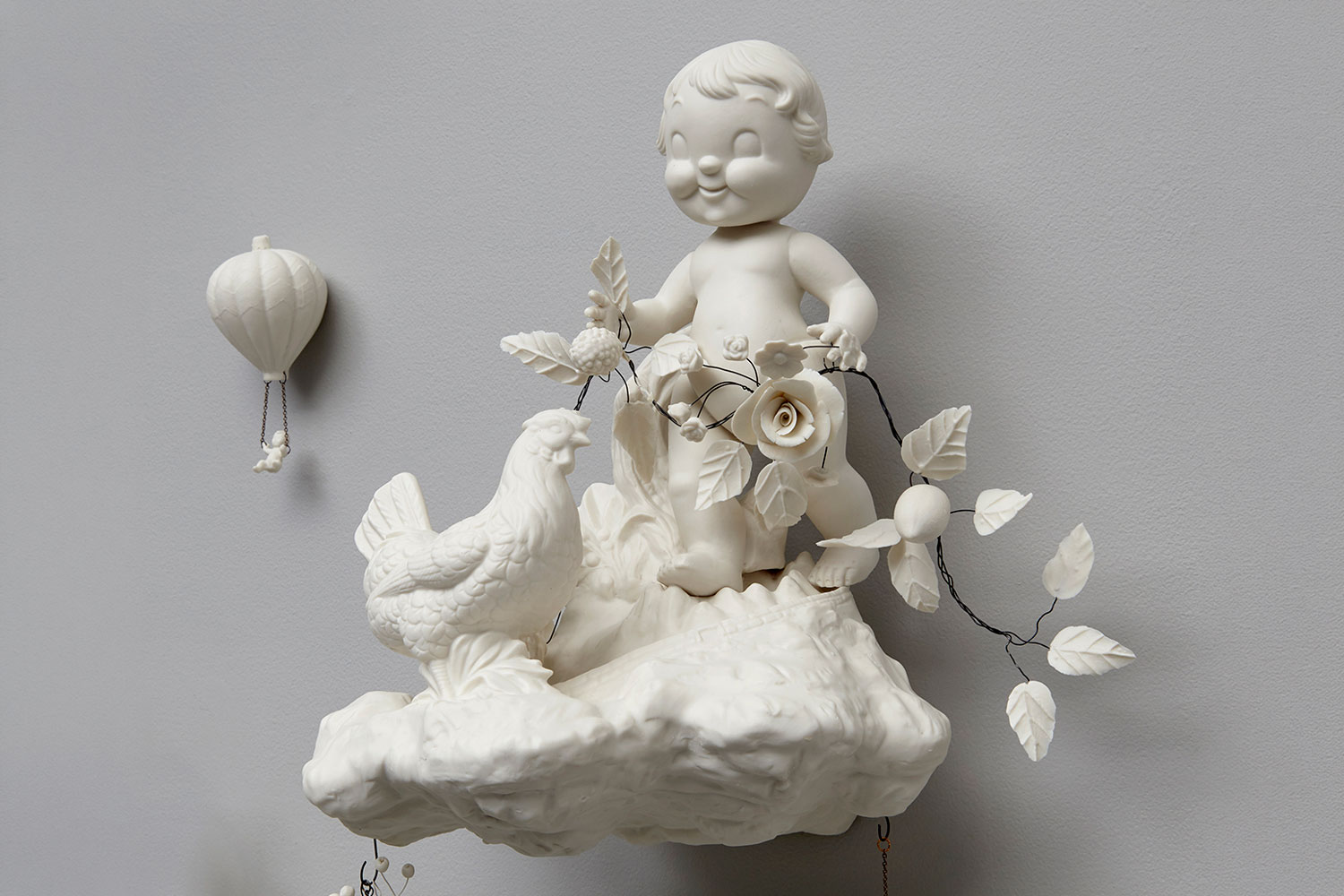
Armed with a degree in literature and a long fascination with the rococo, Beth Katleman conjures ceramic worlds that combine playful storytelling with lavish adornment. She casts thousands of tiny found objects and figurines in white porcelain as she constructs expansive and surreal 3D Toile de Jouy scenes that speak of glamour, femininity, excess, consumption, desire and lost innocence. Drawing on references from film, literature and mythology, Beth’s assemblages feature story and dark humour as central elements, often revealed only at close range. “I invite the viewer to slow down, examine and create their own stories,” she says. Beth’s wall installations have featured in internationally significant museums and galleries as well as at major art fairs around the world.
Beth Katleman is an expert artisan: she began her career in 1995 and she started teaching in 2025.
INTERVIEW
I always knew I wanted to be an artist and often painted with my grandmother at her home. In my twenties, I saw Gaudi’s colourful mosaic Park Güell bench and was inspired to make tiles. I soon found my ideas were better expressed in sculpture than in paint.
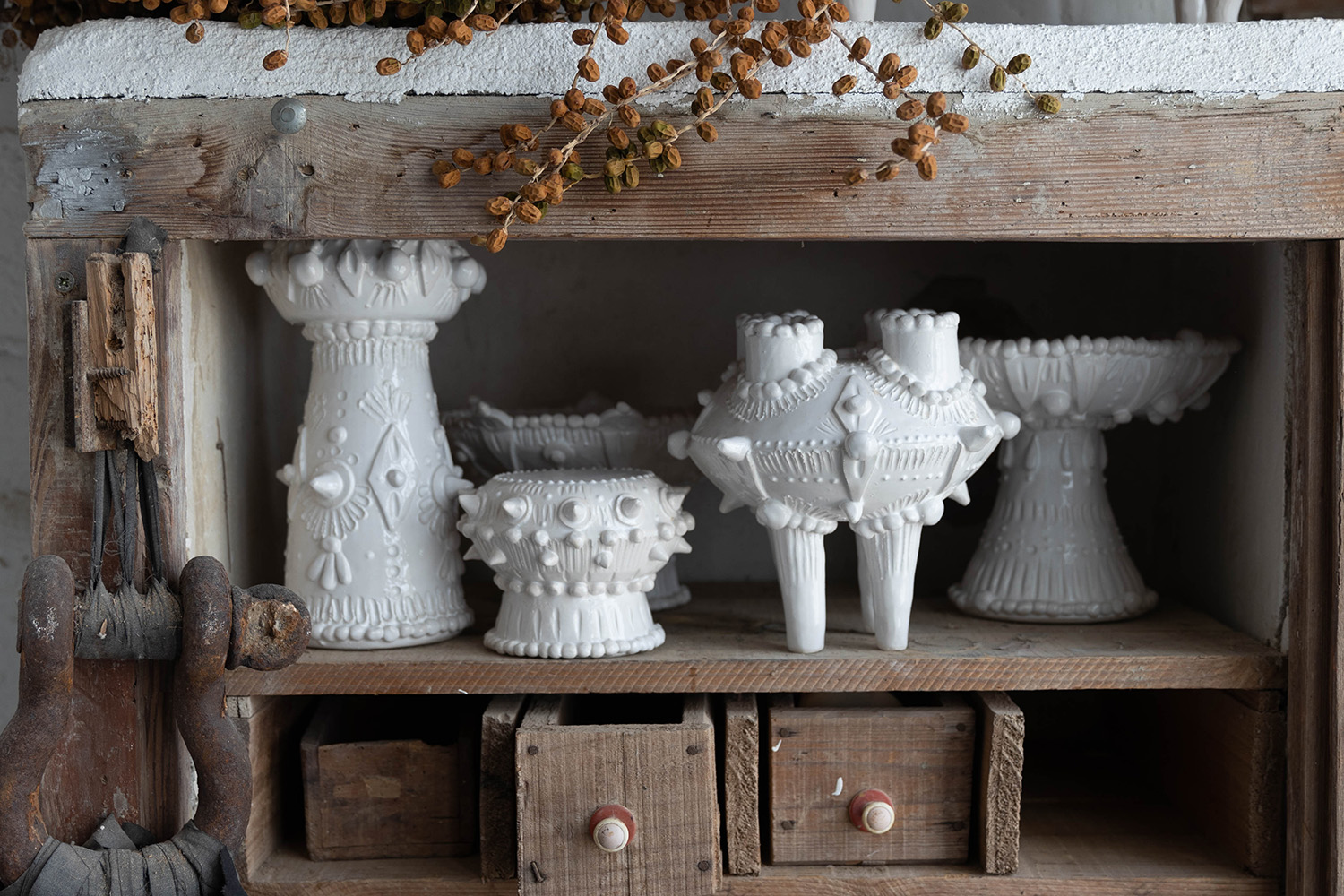
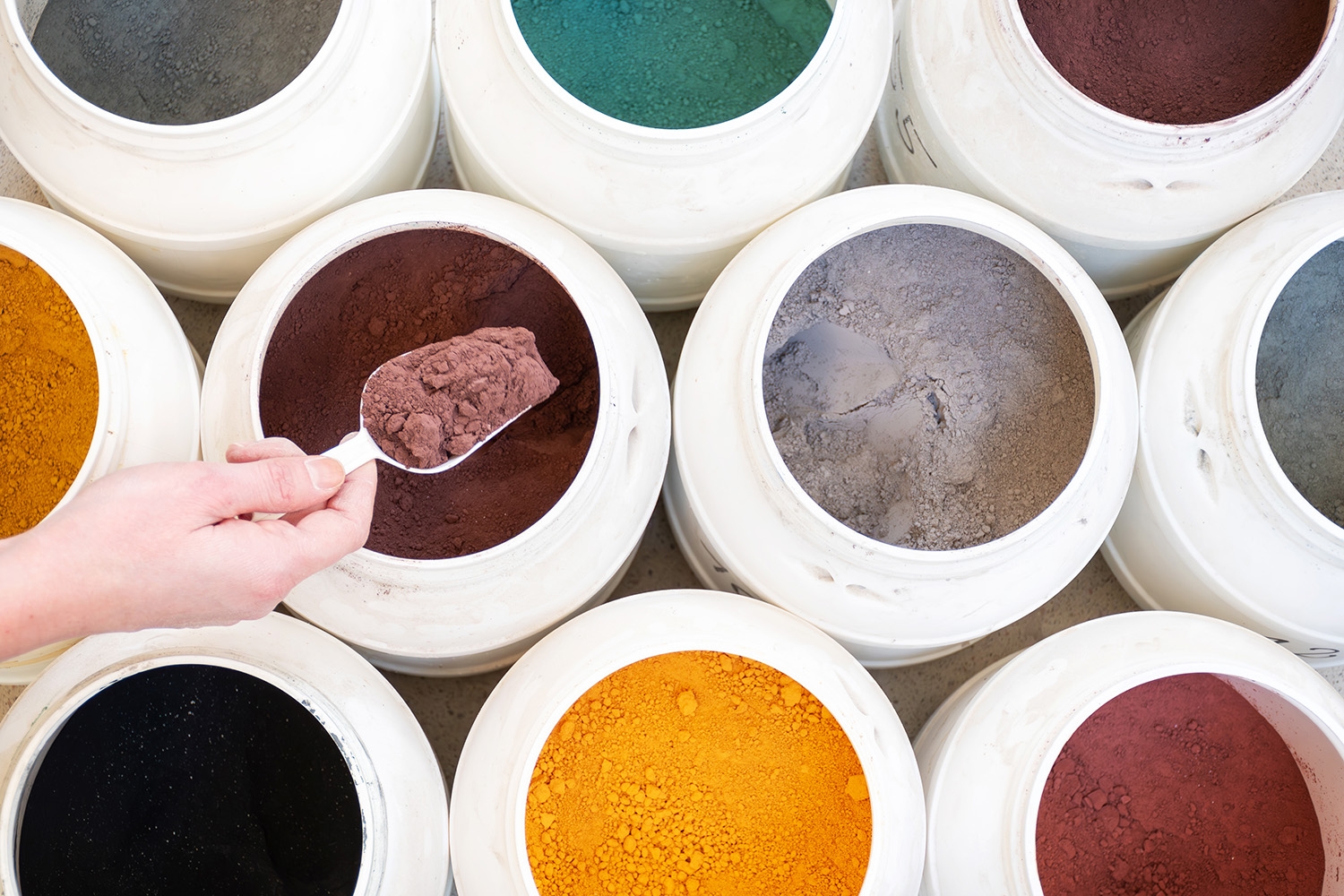
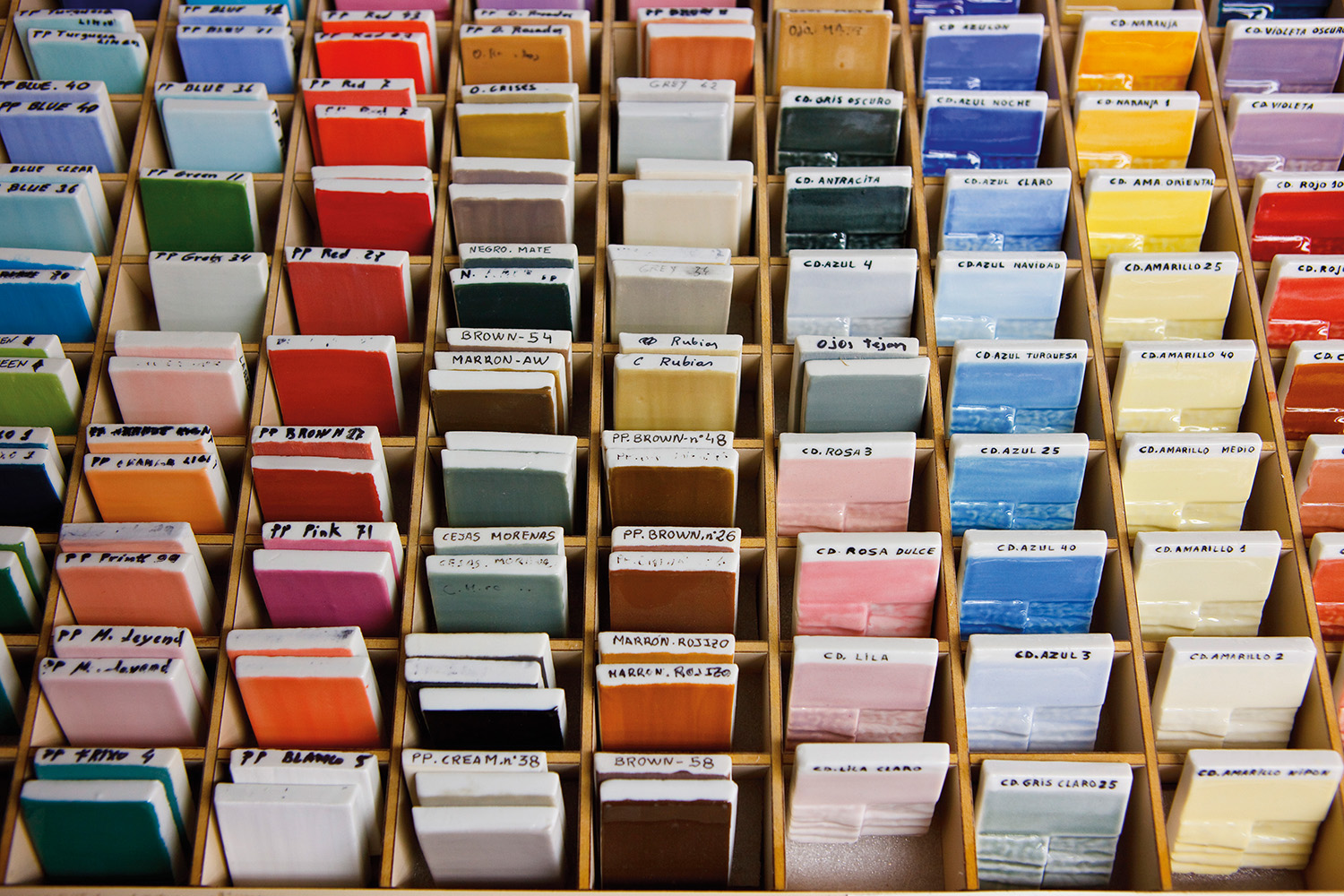
At first, I was attracted to the power of colourful ceramic glazes. My big breakthrough came in 2010 when I dispensed with colour altogether. I noticed that white unified the disparate elements of my pieces and allowed the narrative to take centre-stage.
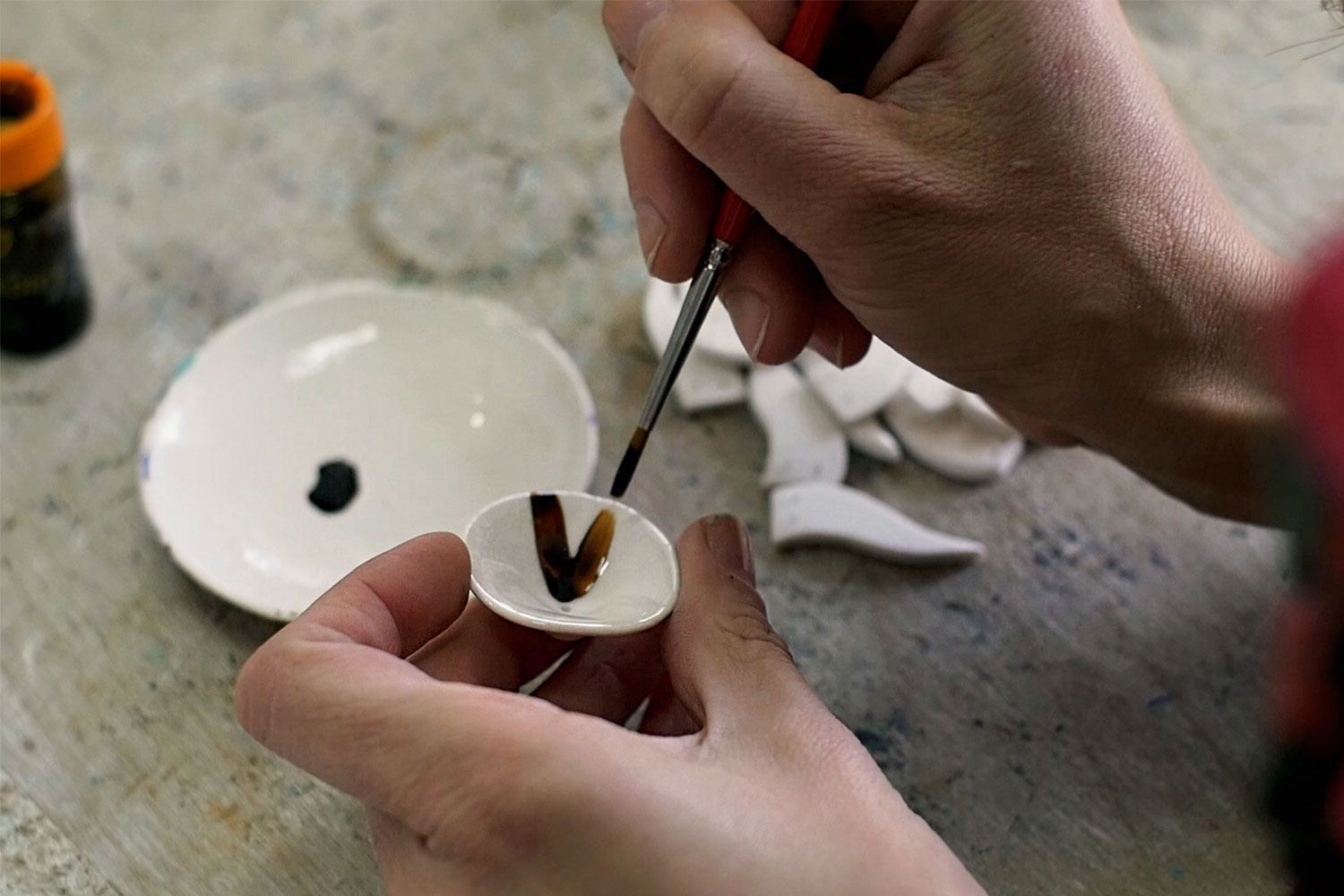
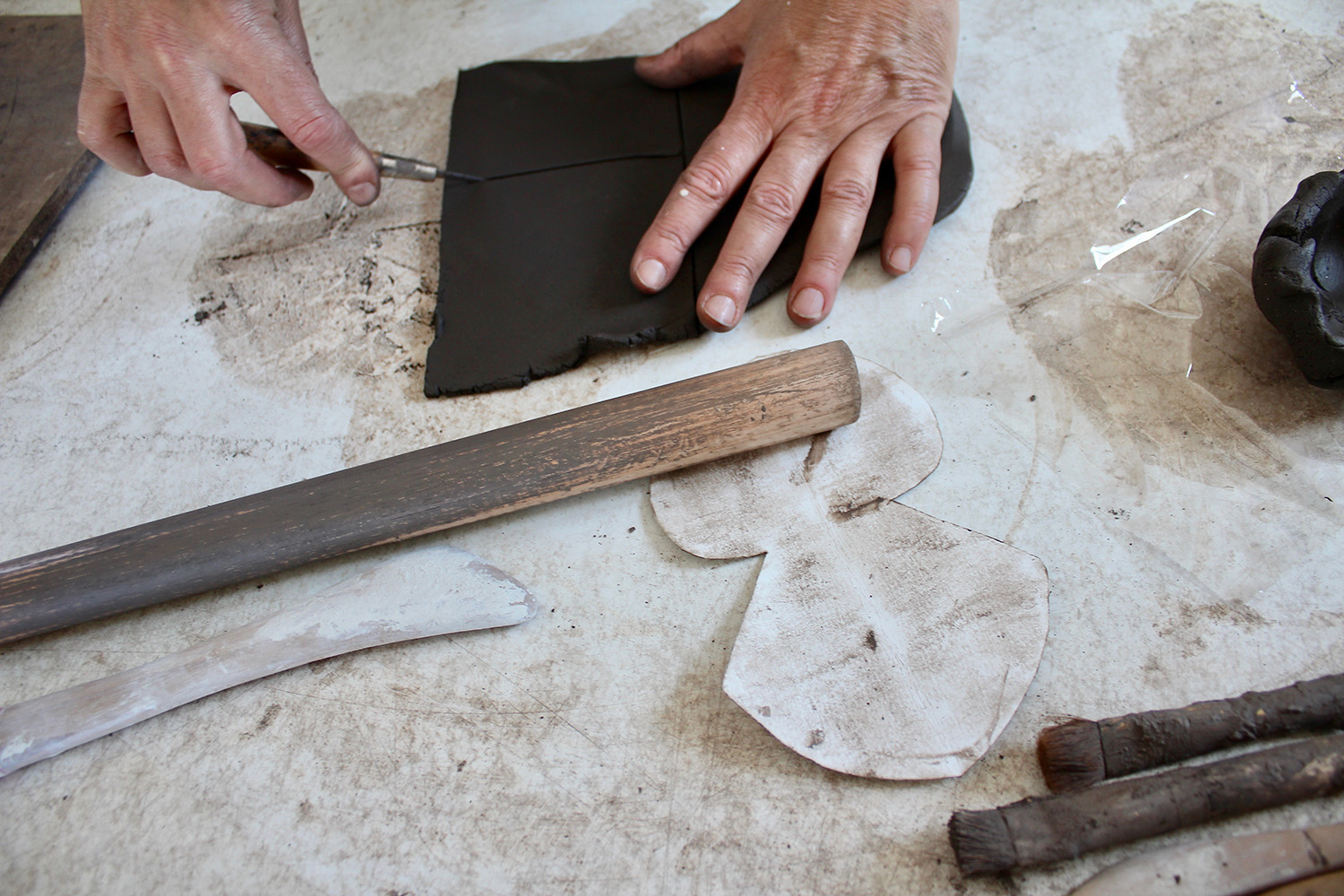
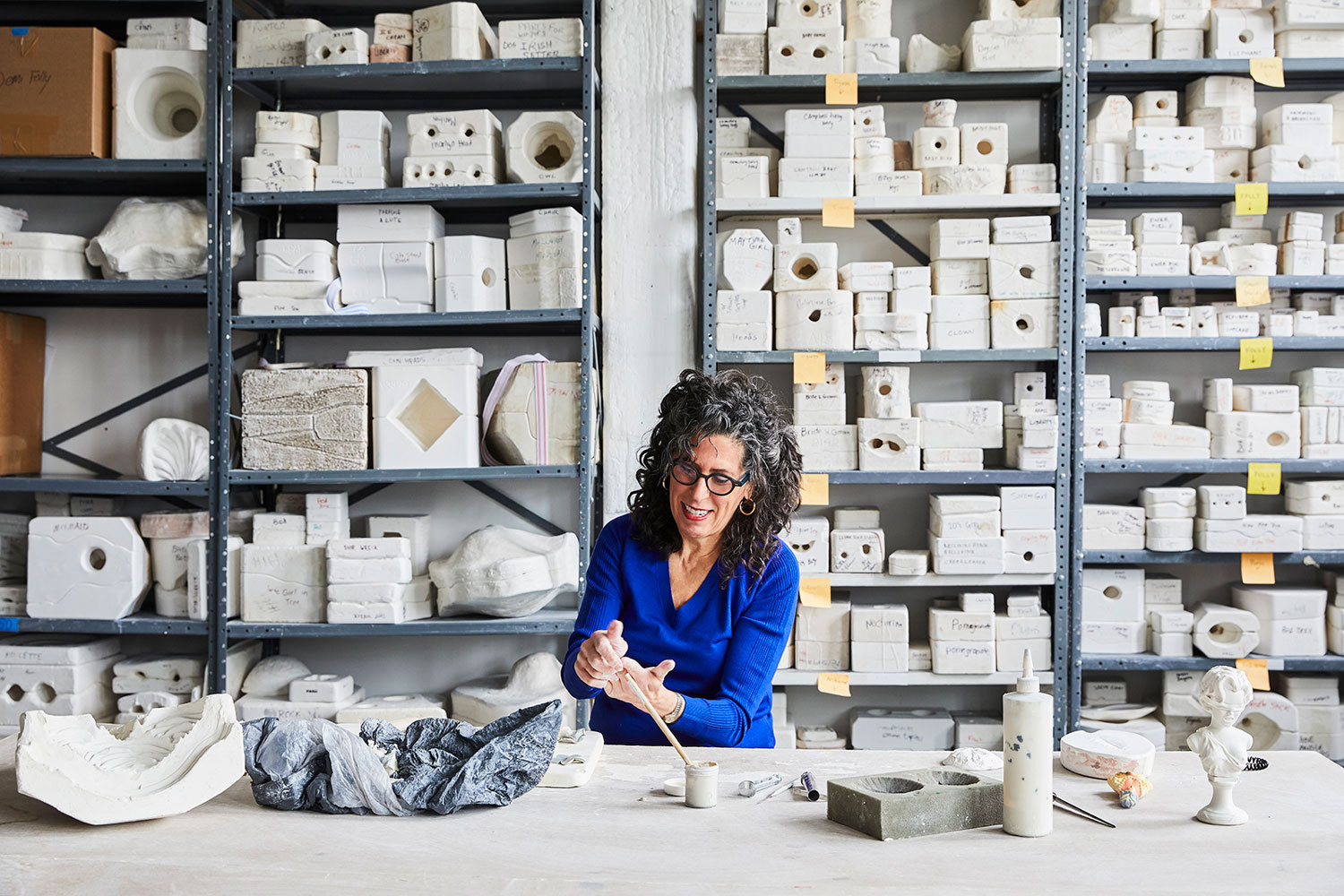
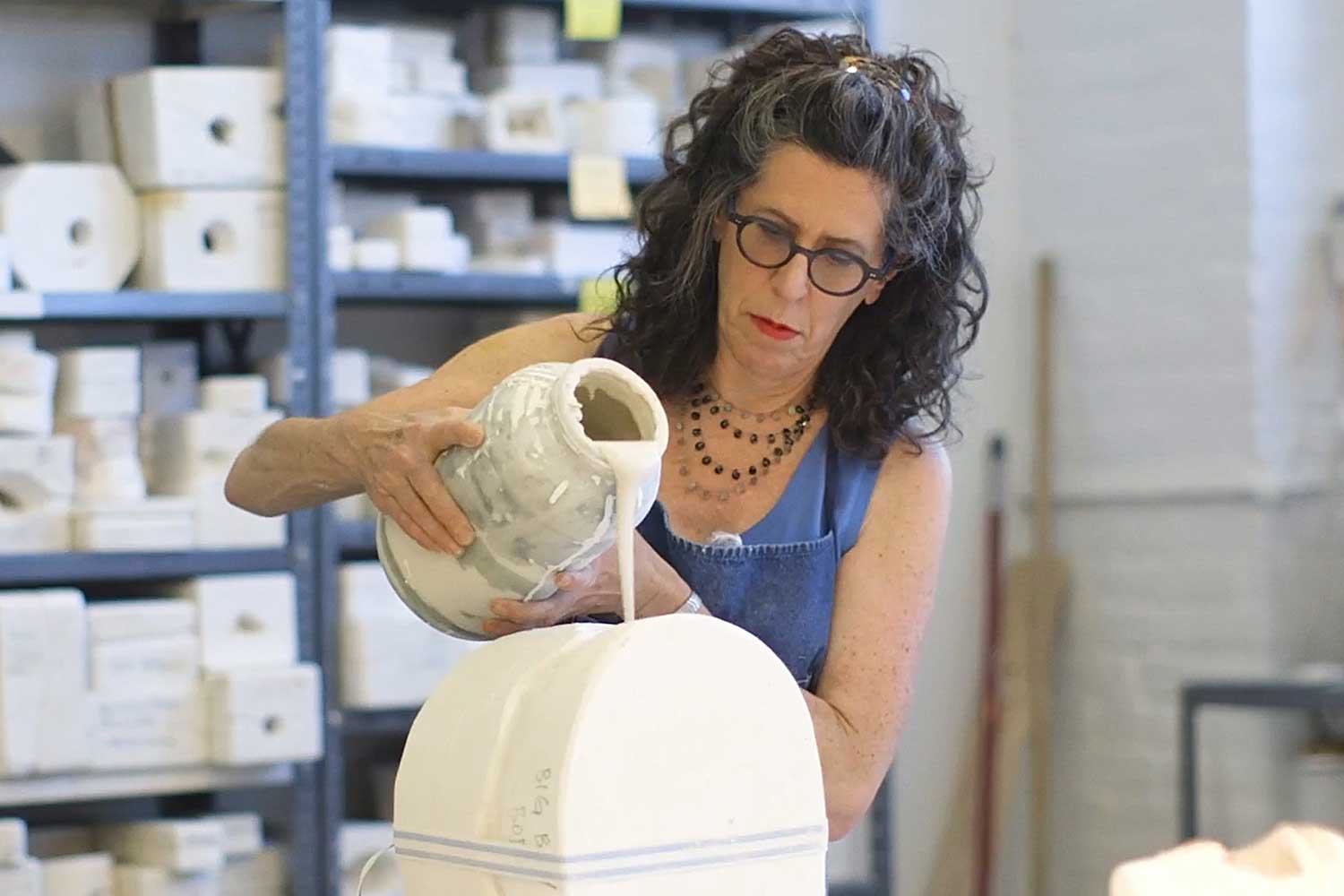
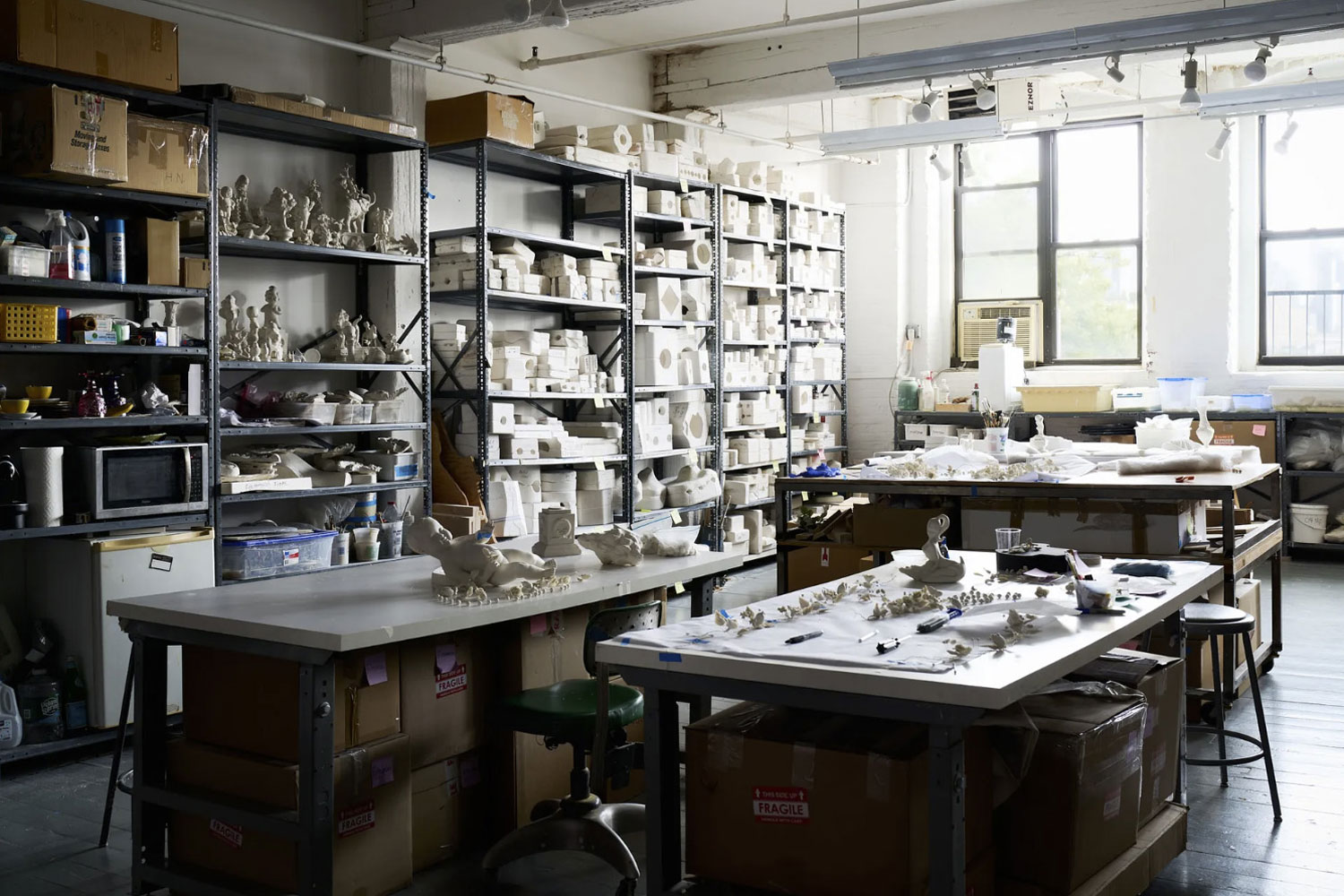
I alternate between digital processes and extreme analogue work, relying on a library of hundreds of moulds cast over the years from trinkets, gadgets, toys. I favour a special slip to create the buttery white surface of Sèvres biscuit porcelain, prized by Marie Antoinette, queen of France in the 1700s.
In 2025, the Victoria & Albert Museum commissioned a large installation for their ‘Marie Antoinette Style’ exhibition. I created a 4,500-piece porcelain wall sculpture that entices from afar, yet up close, shifts to a parable of decadence and decline.
Beth Katleman
Porcelain maker
Brooklyn, NY, USA
ADDRESS
Address upon request, Brooklyn, NY, USA
AVAILABILITY
By appointment only
LANGUAGES
English, Spanish, Italian
HOMO FABER FINDS
Homo Faber Finds is a new service aiming to inspire admirers of craft to connect and collaborate with exceptional artisans.
We invite you to submit an enquiry here.