Leah Kaplan
Porcelain maker
Philadelphia, PA, USA
The light that seeps through
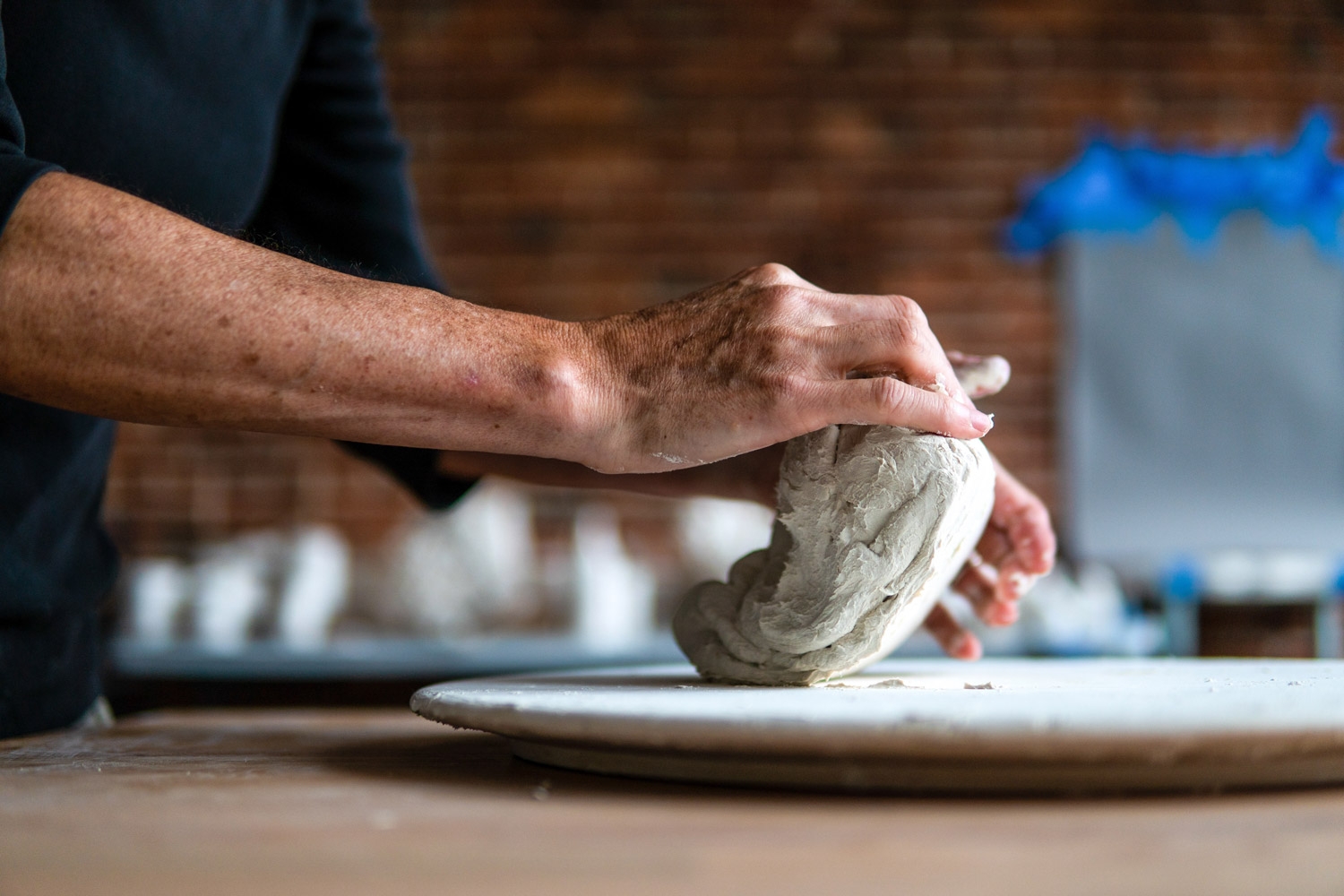
- Leah uses hand building techniques to create porcelain vessels
- She strips away colour to celebrate texture and translucency
- Her work has been exhibited throughout the USA and internationally
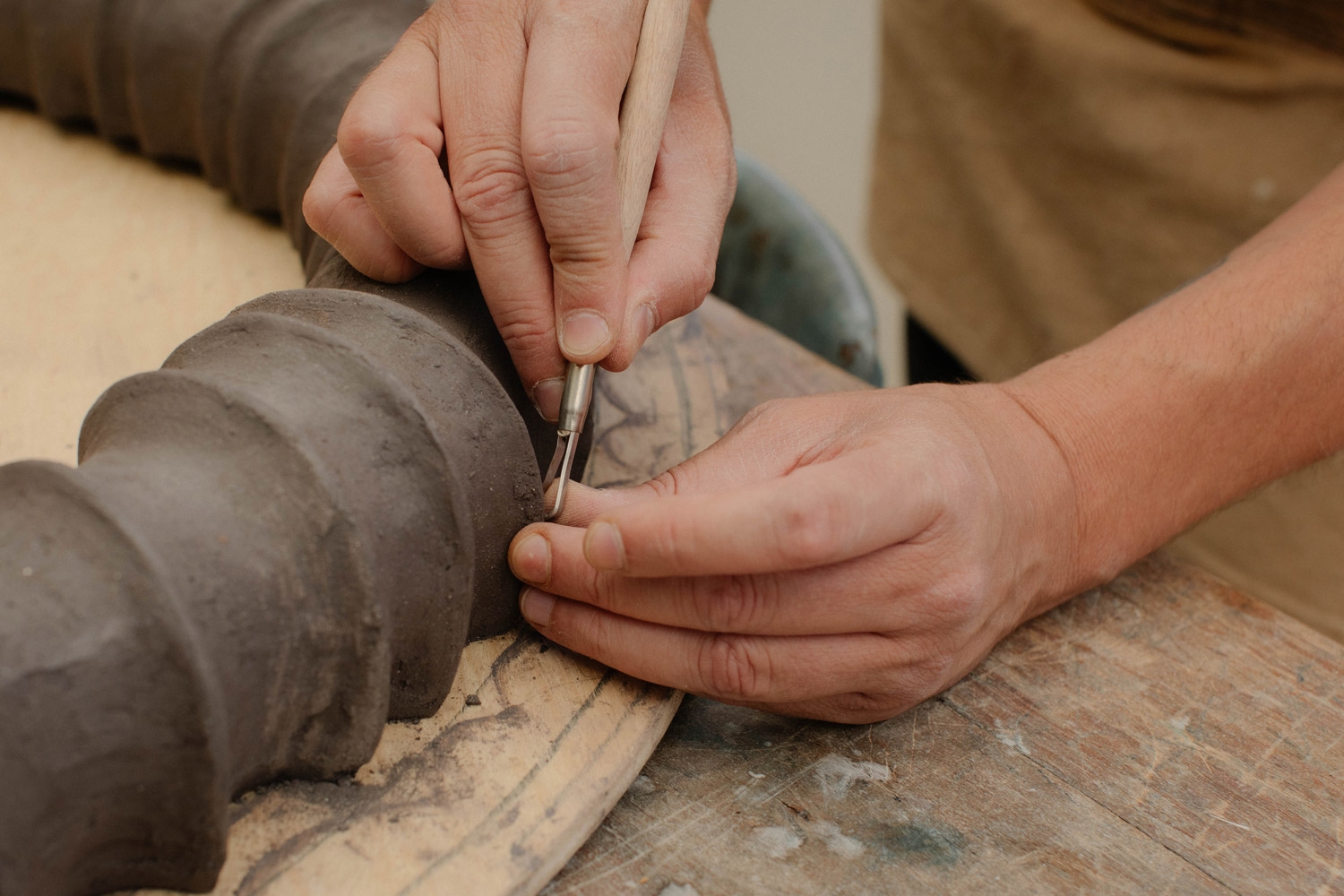
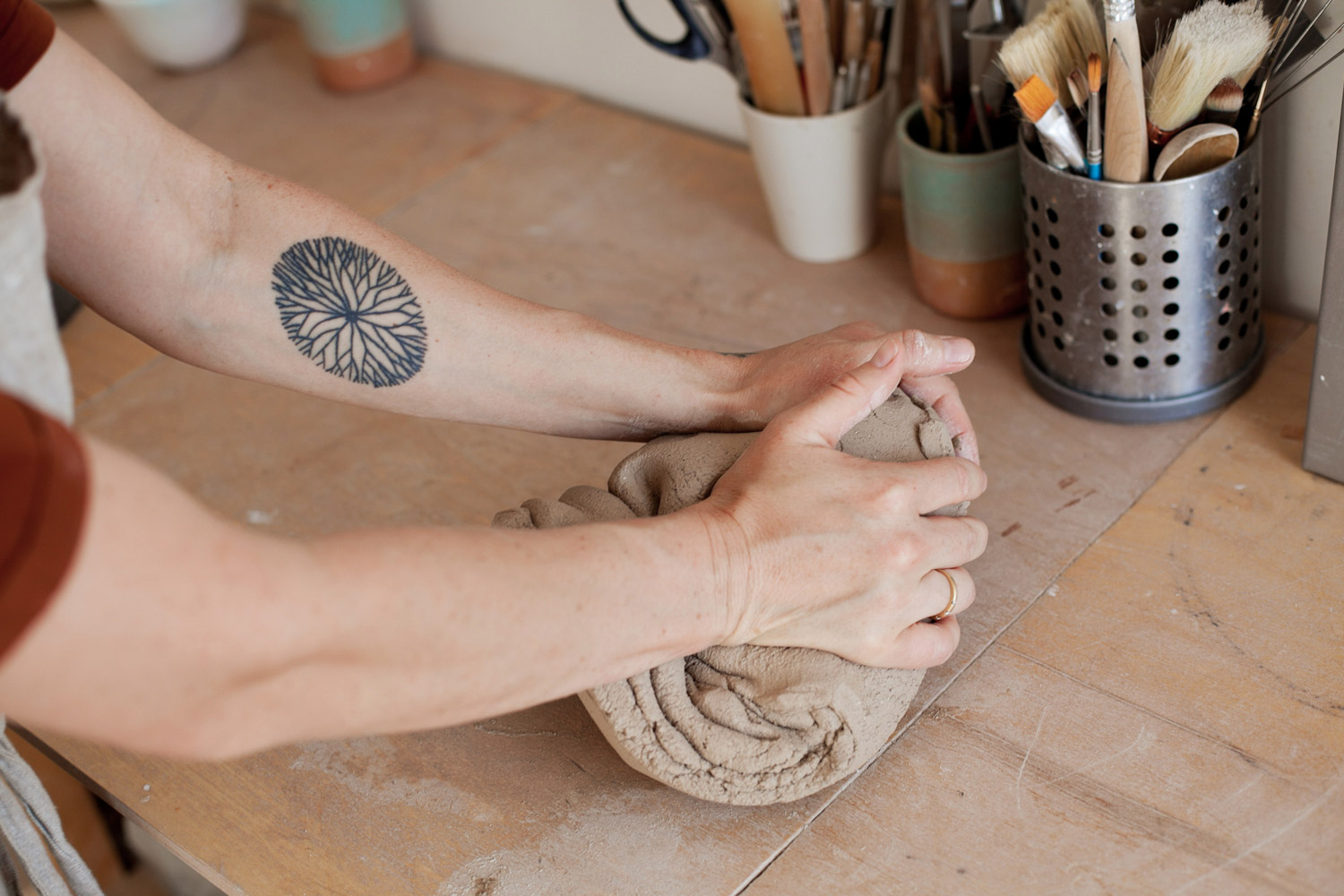
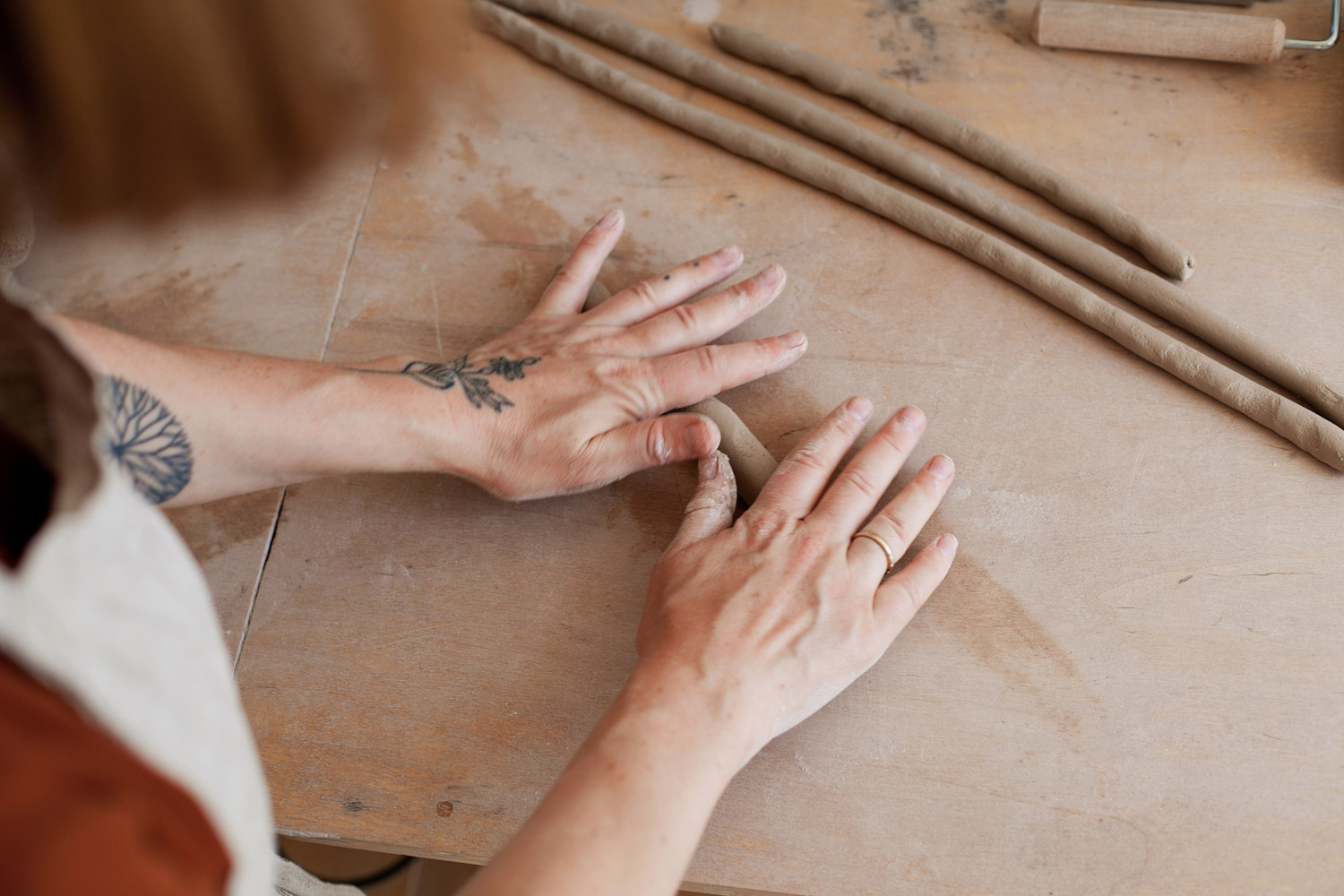
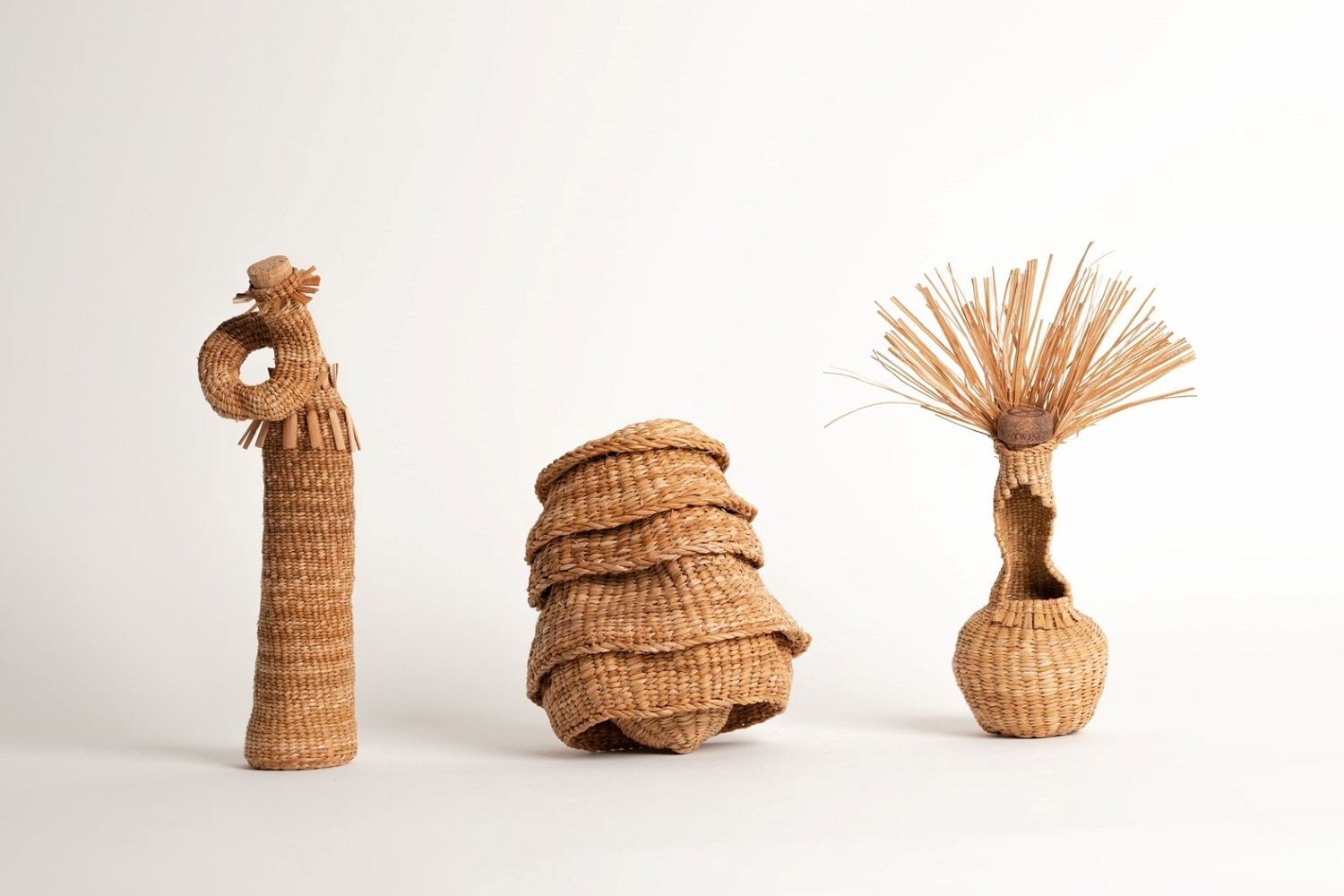
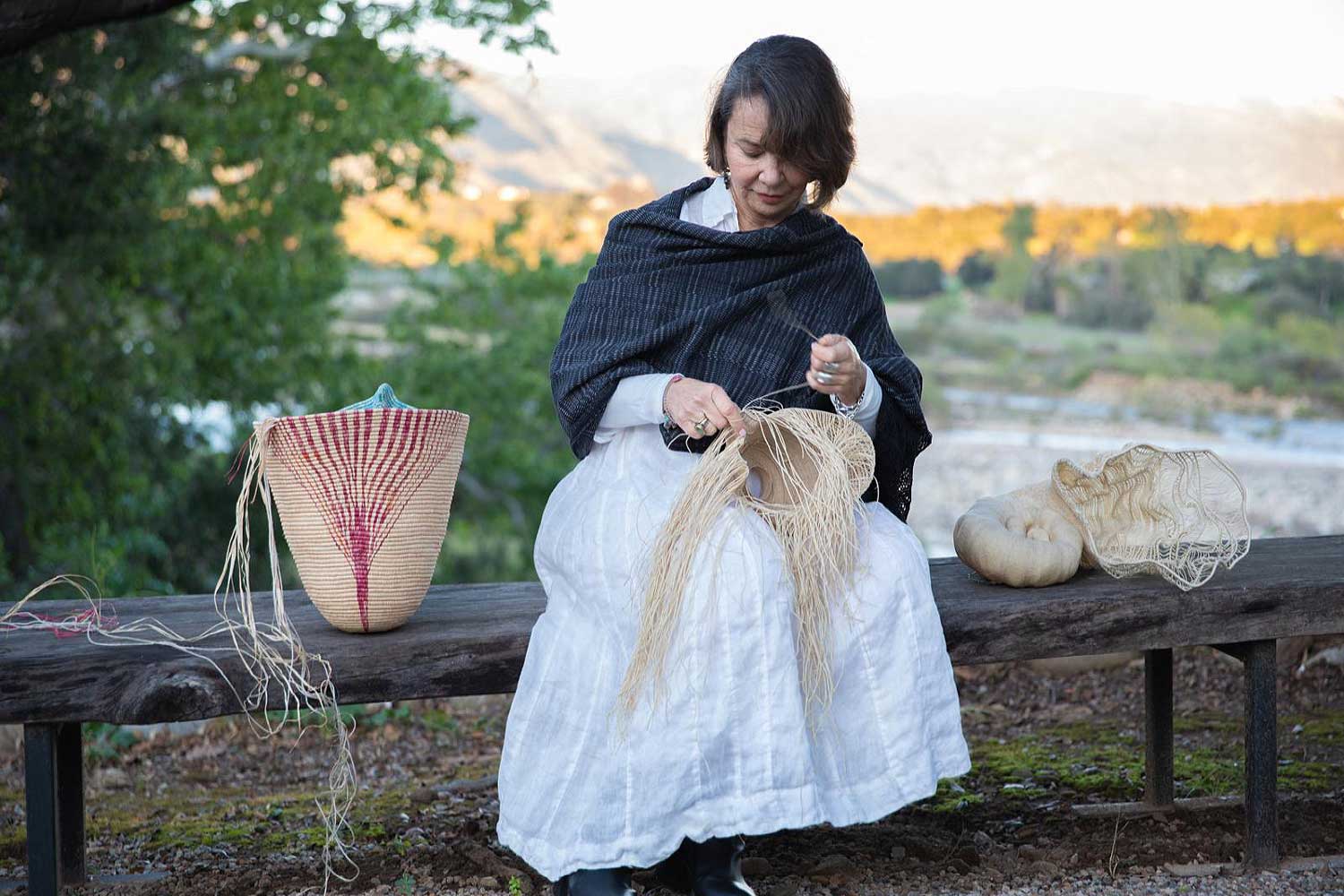
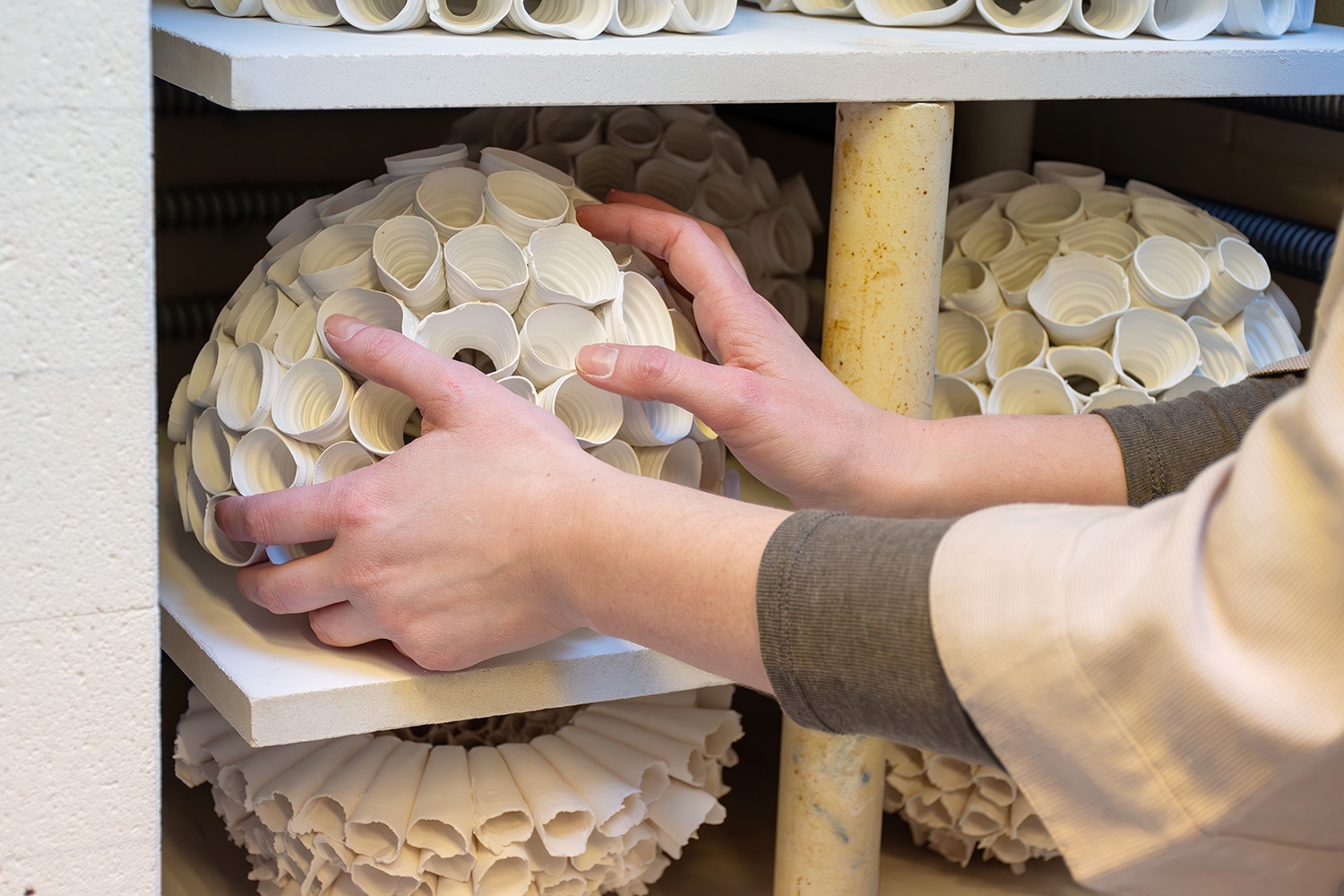
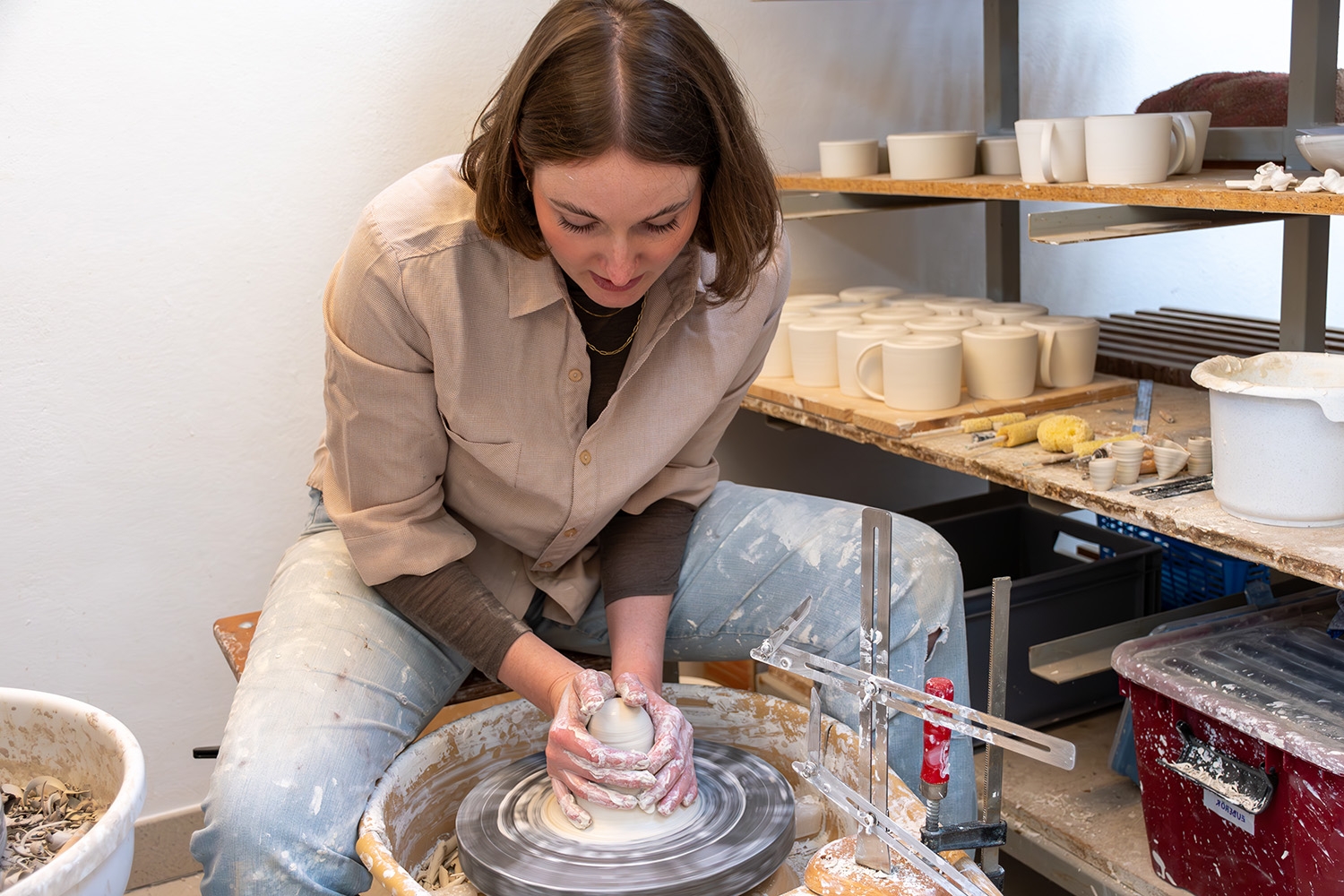
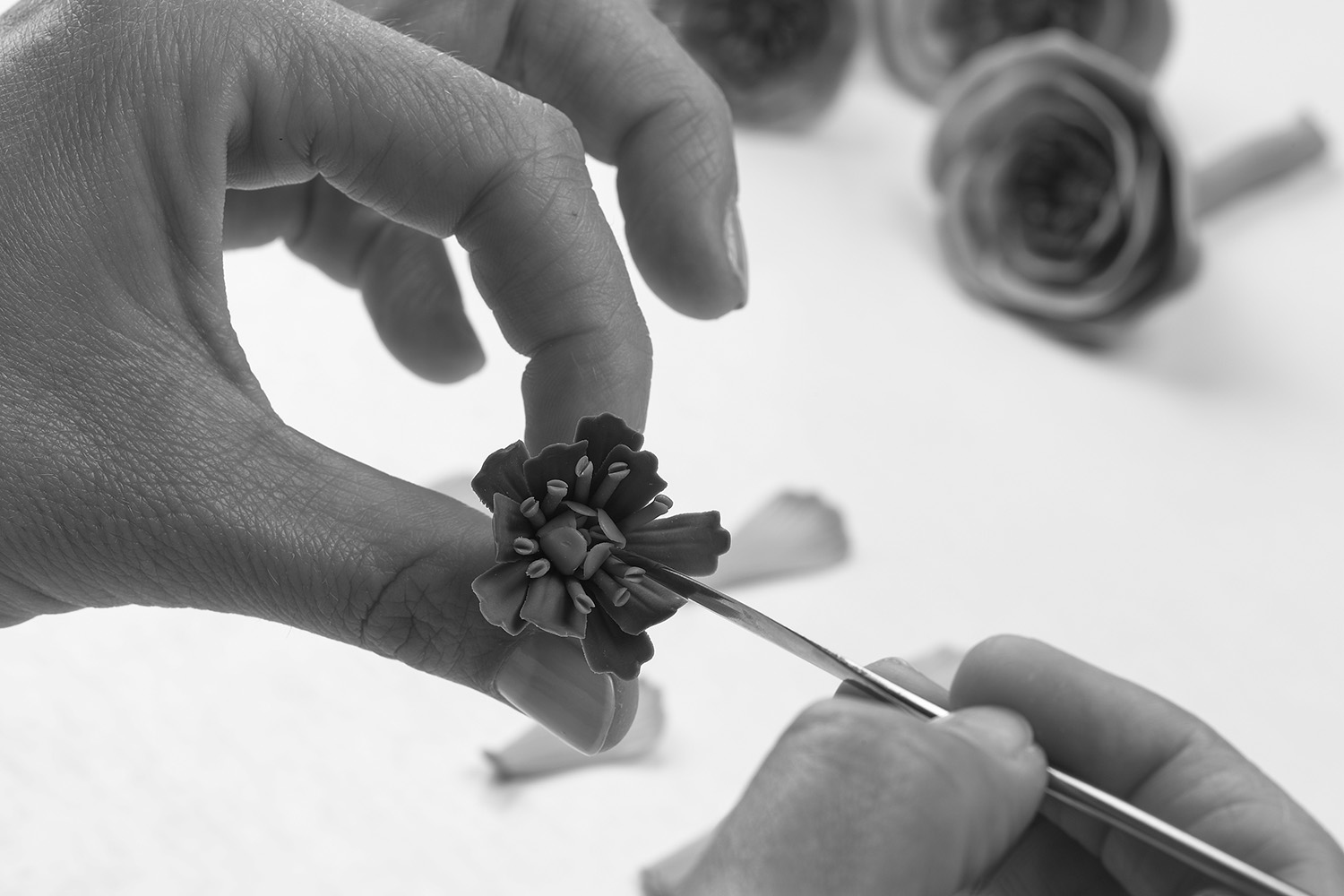
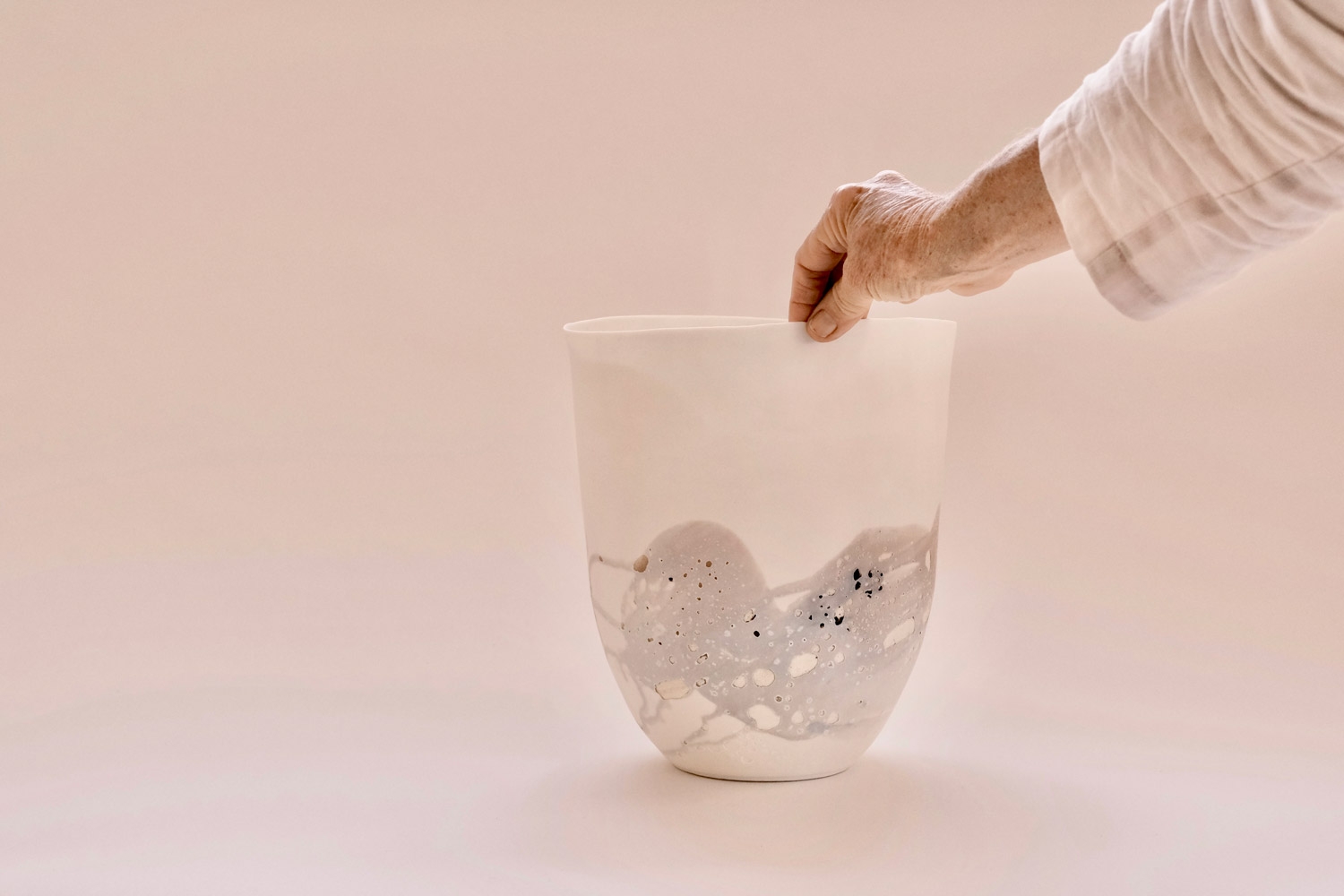
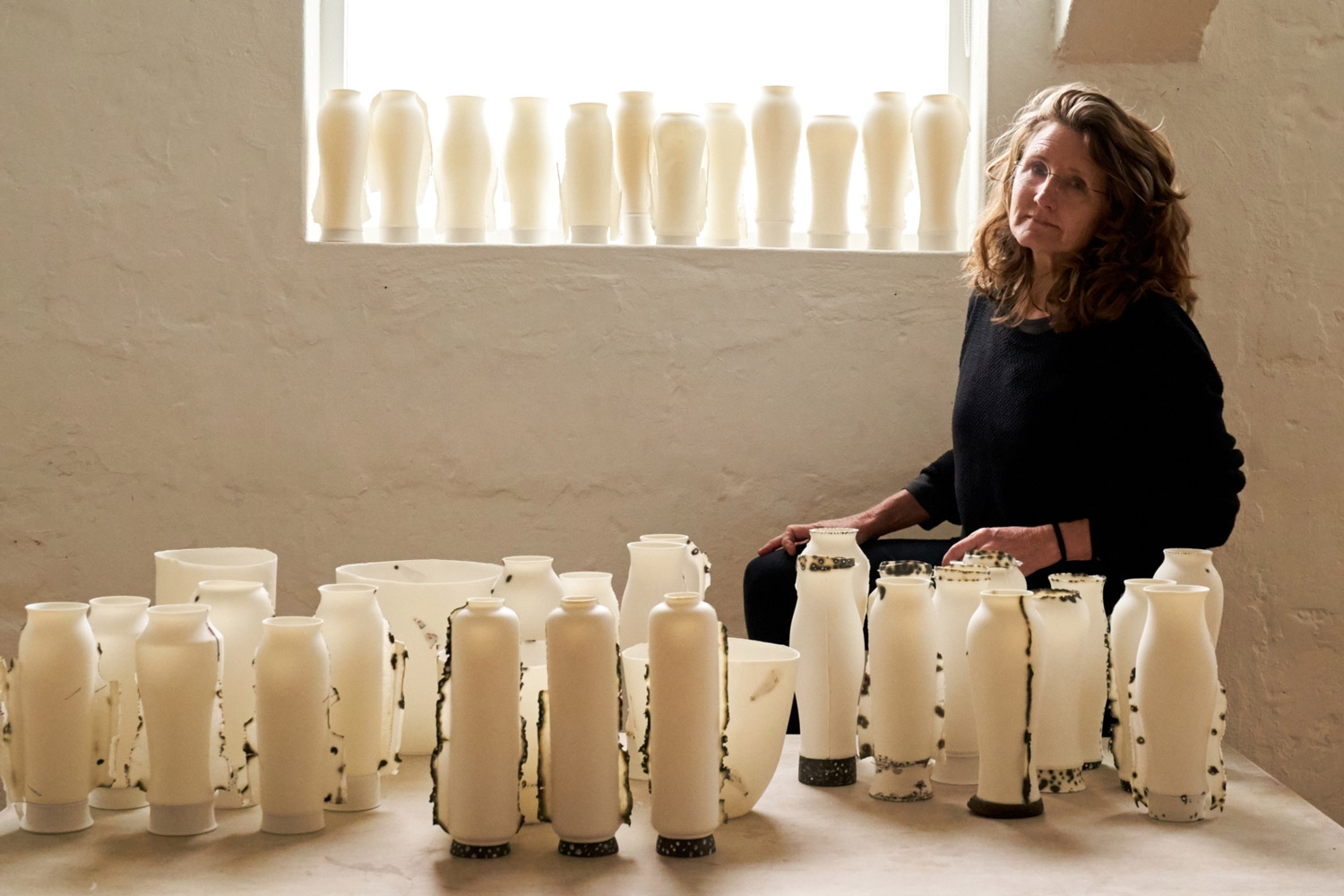
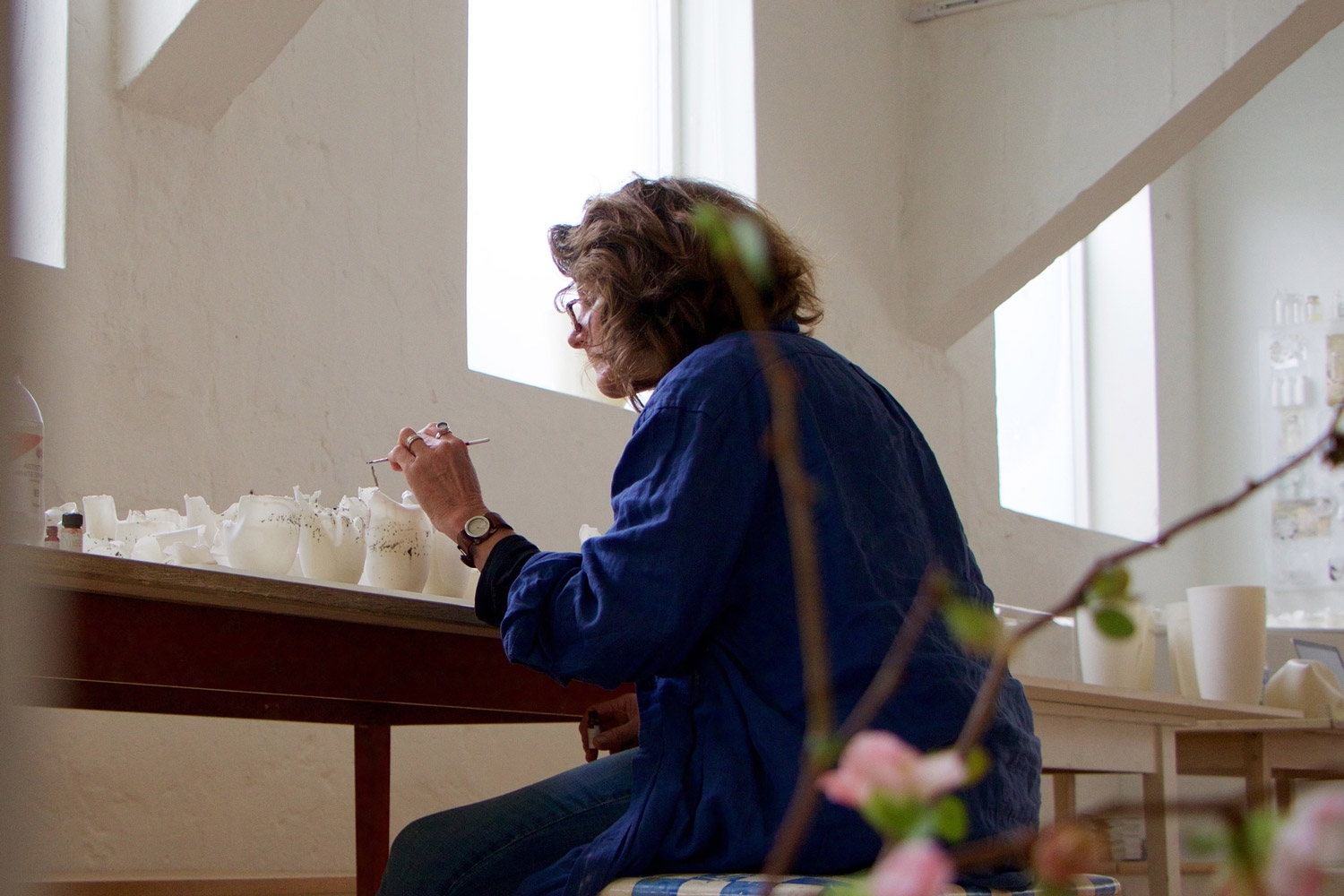
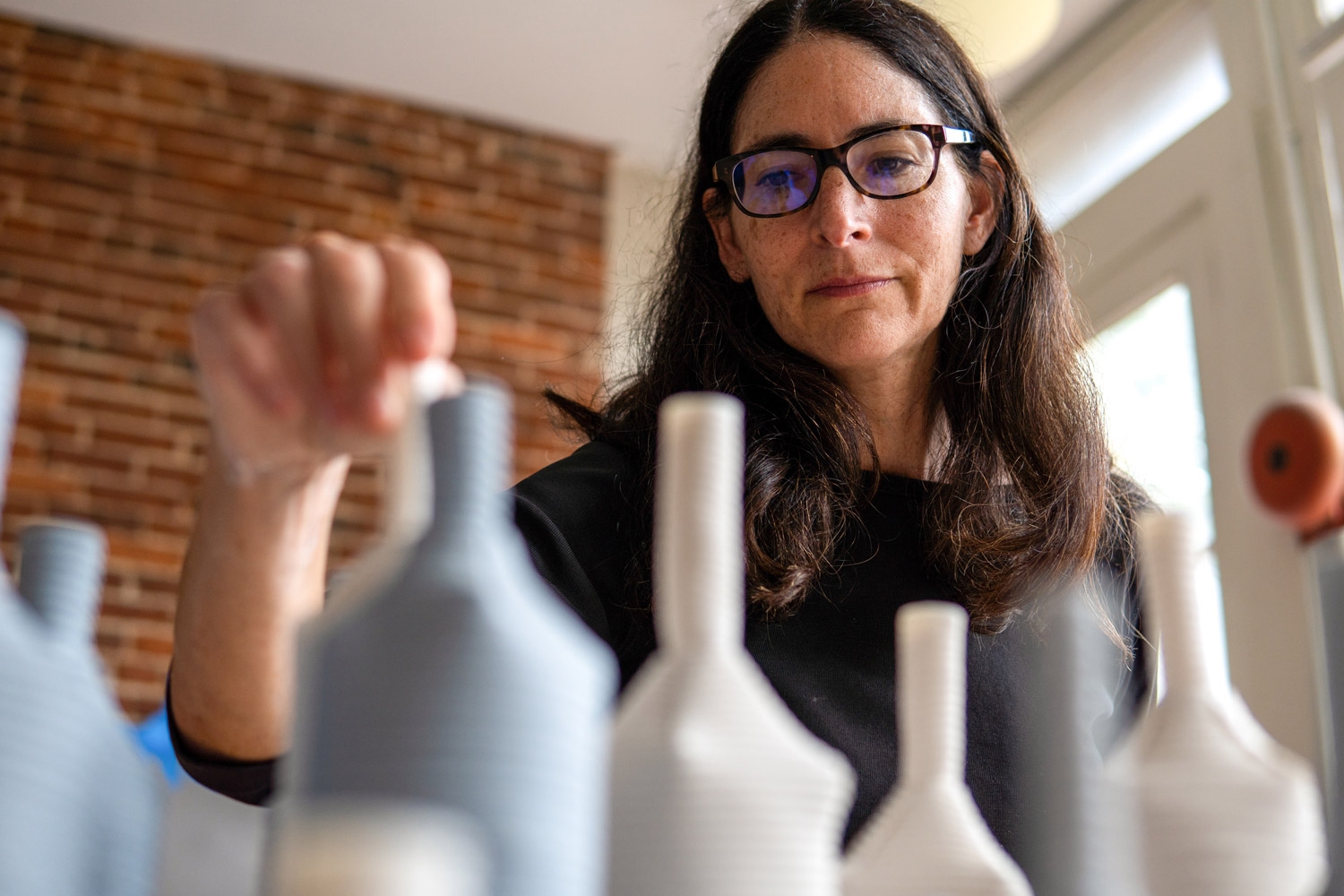
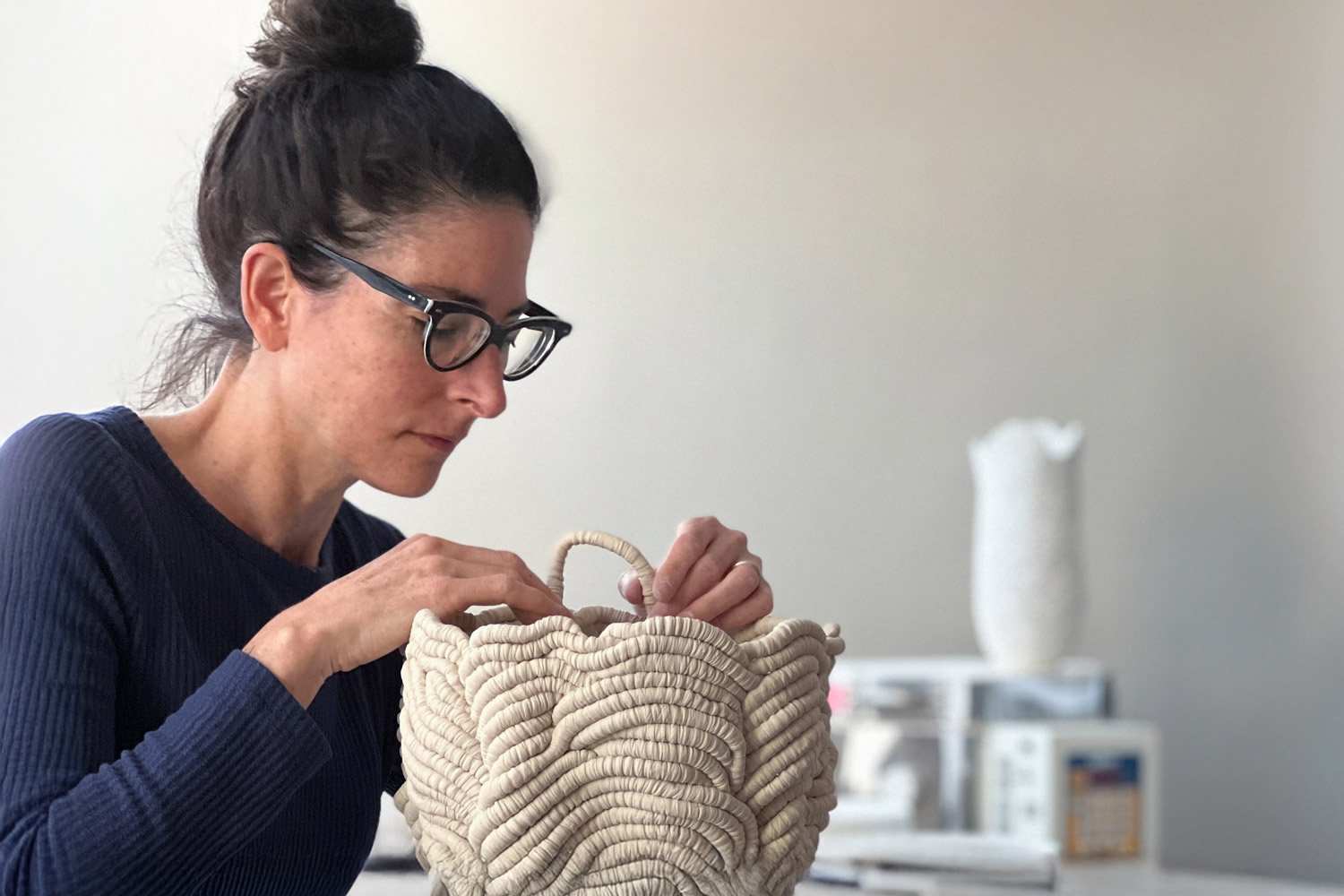
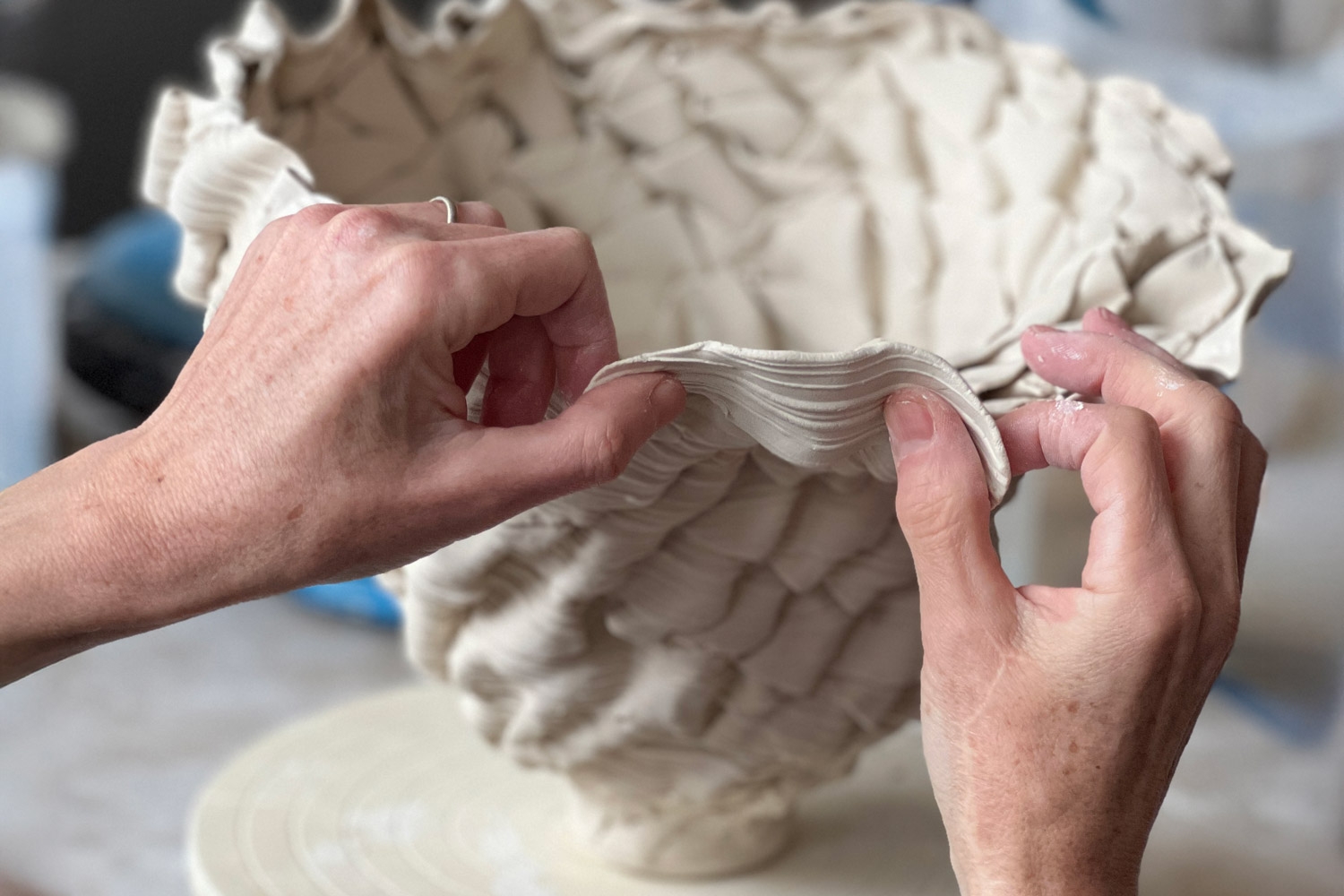
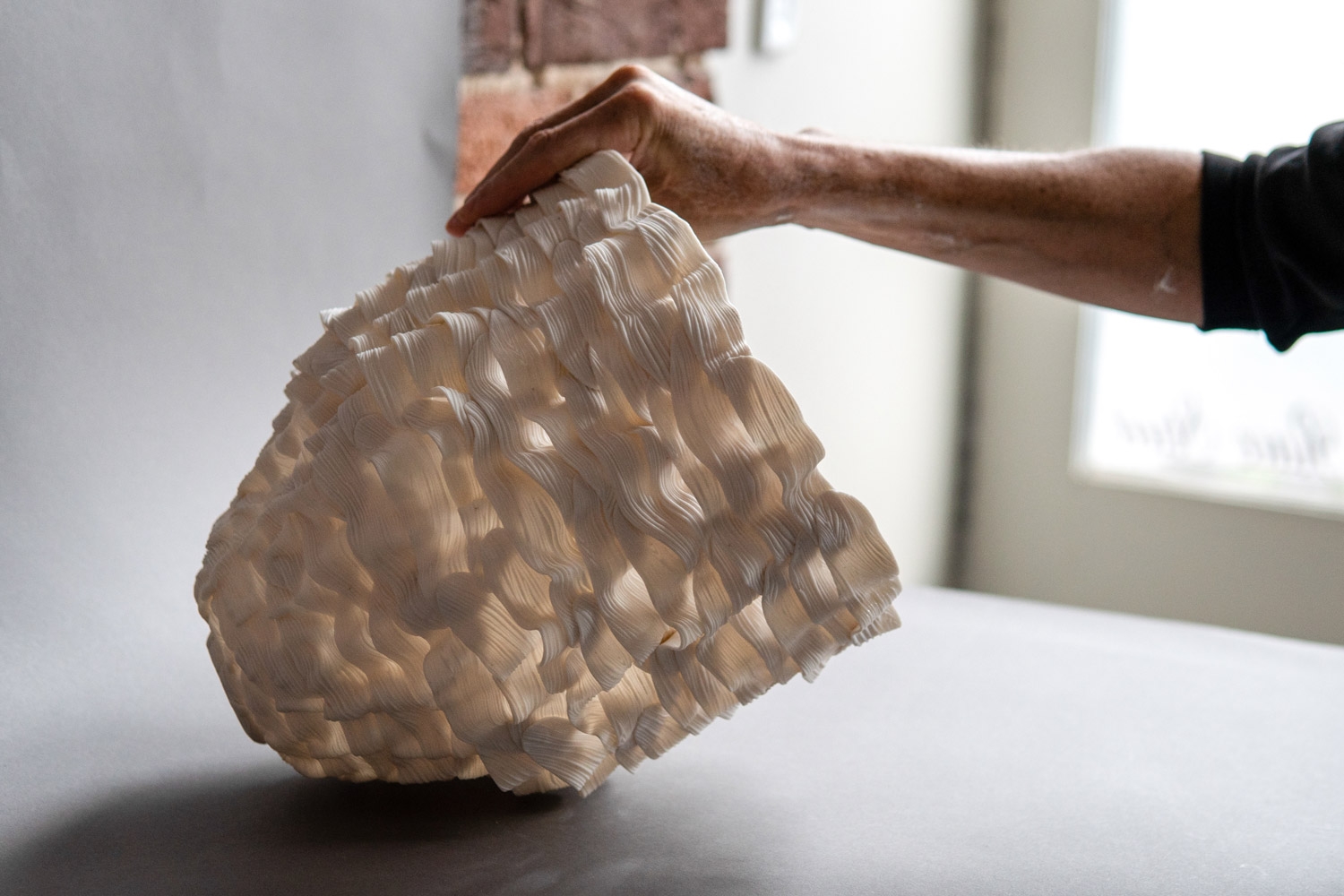
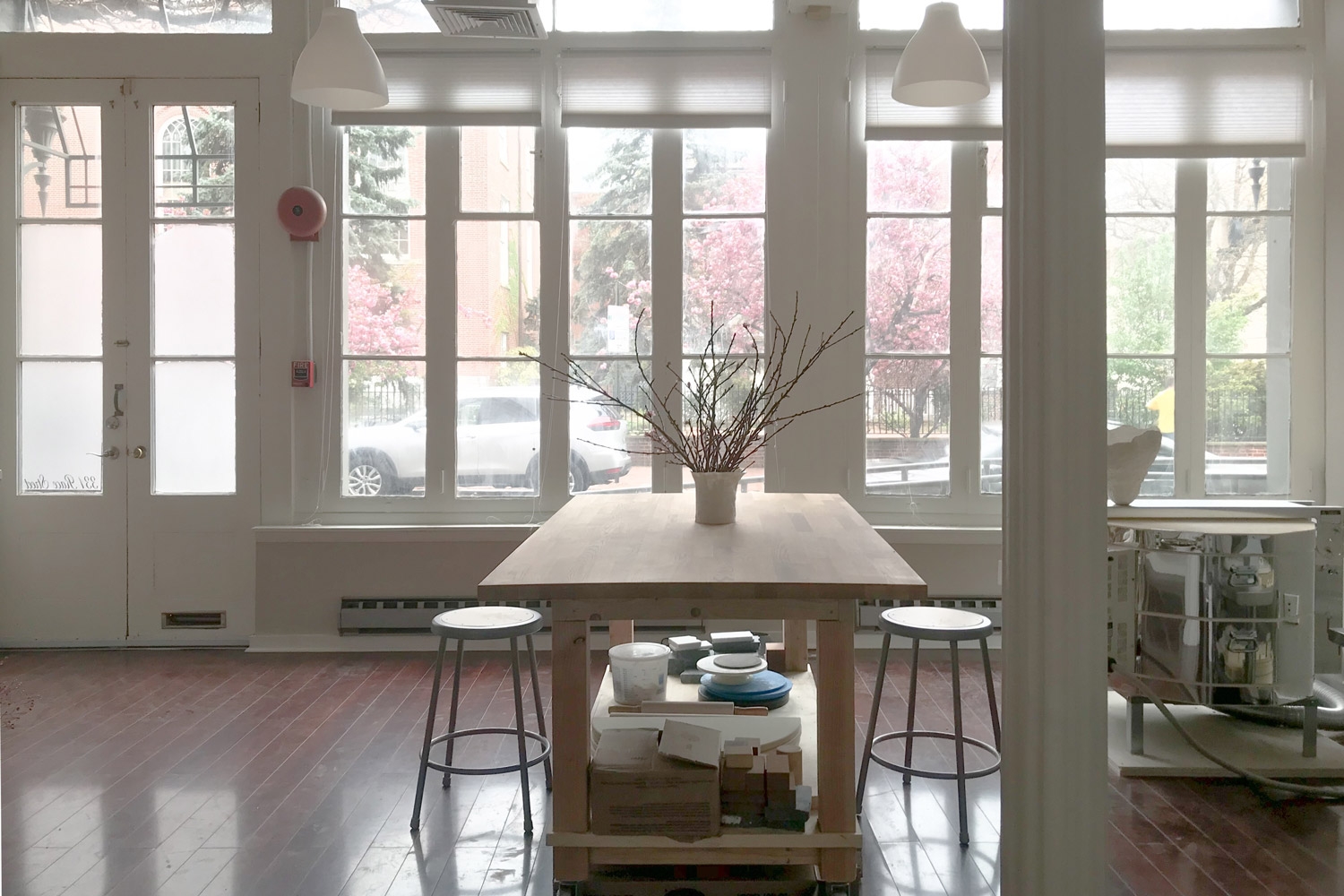
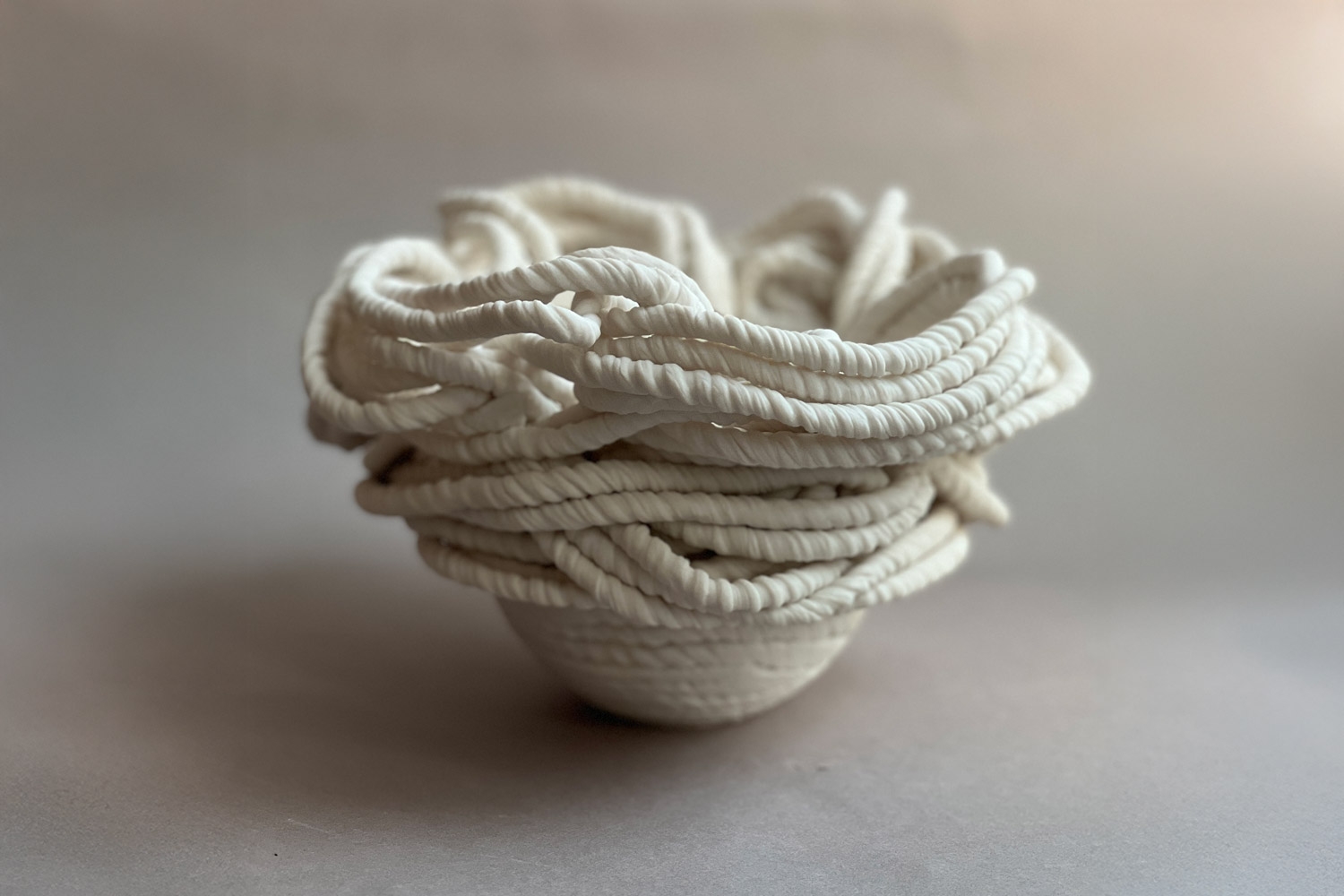
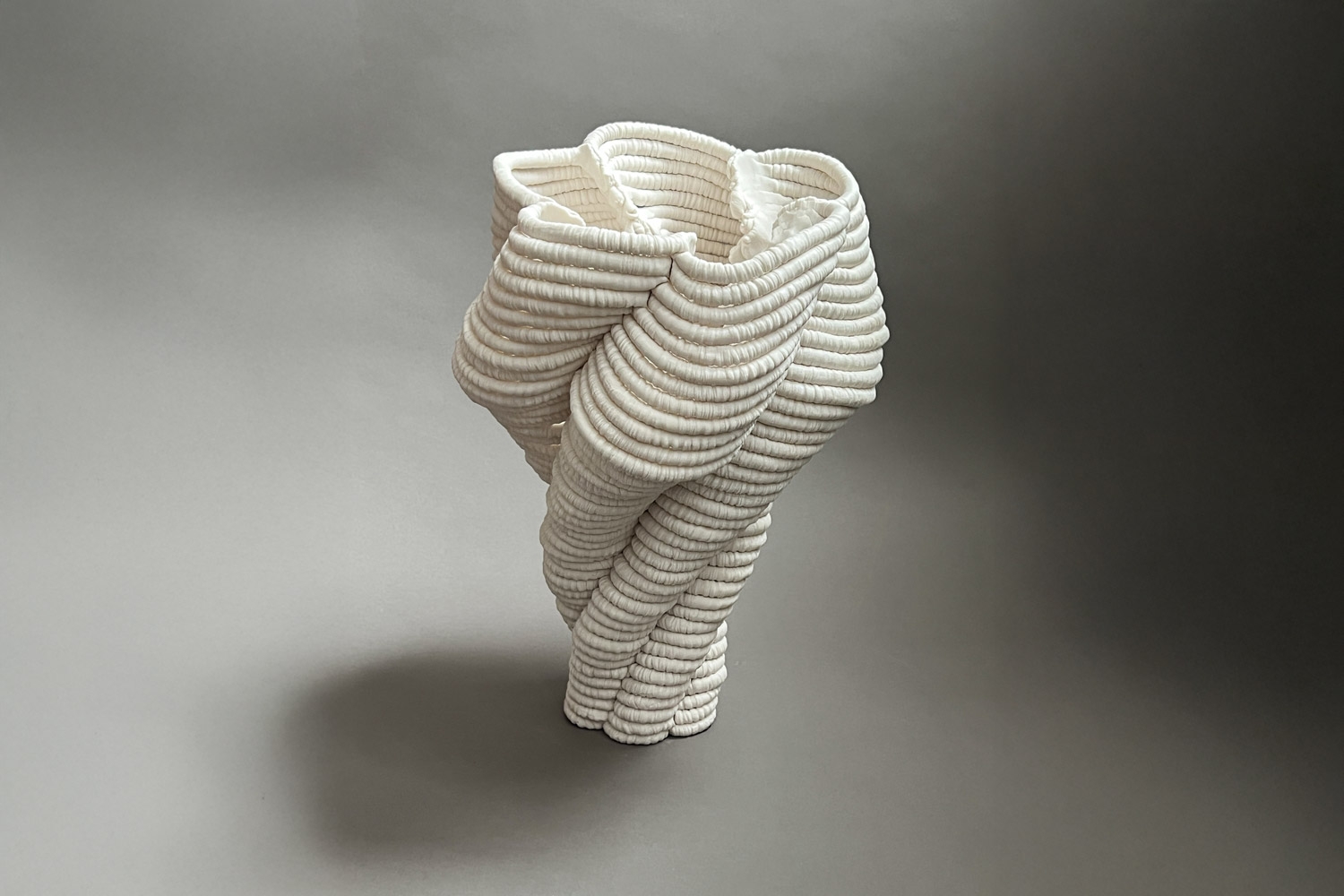
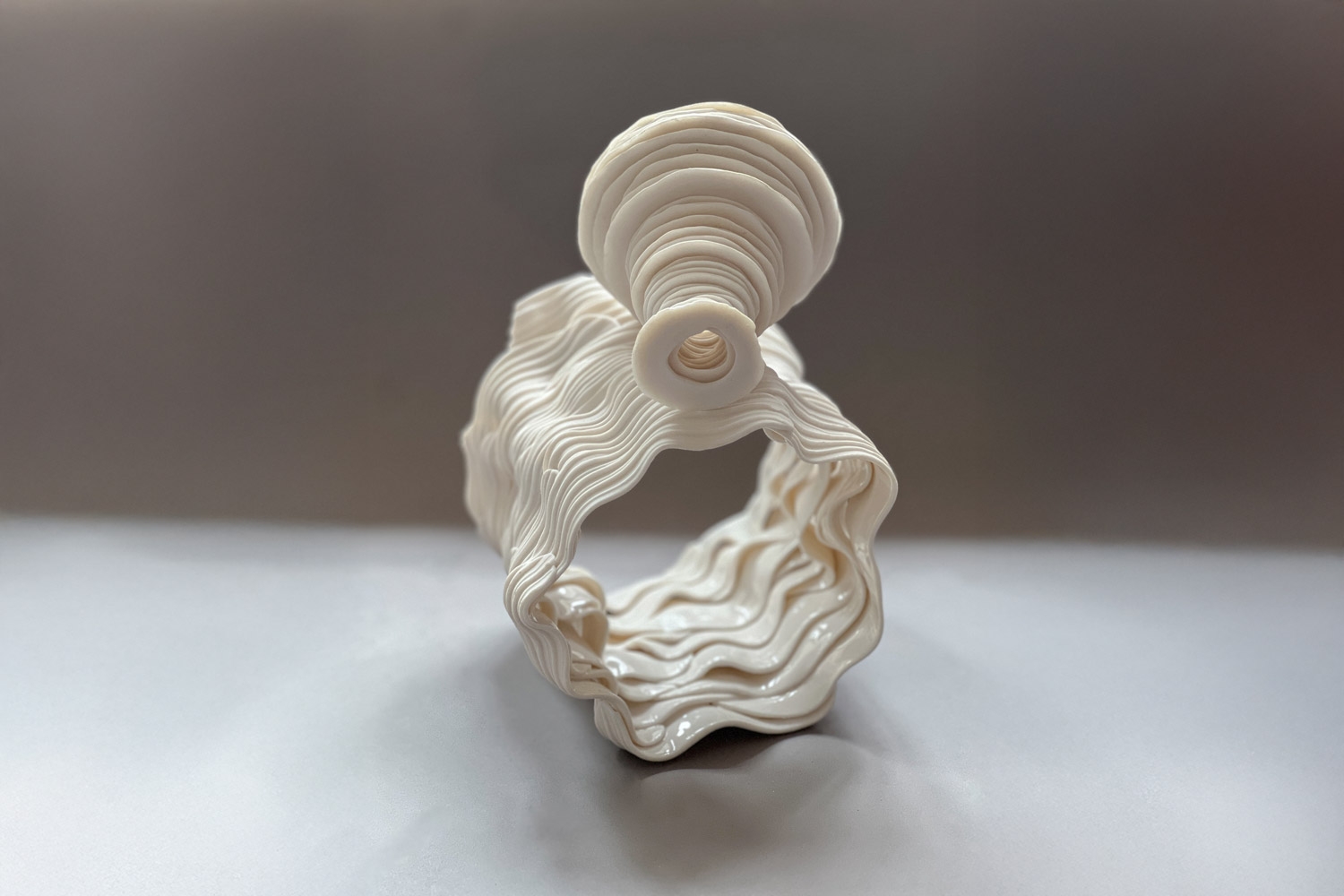
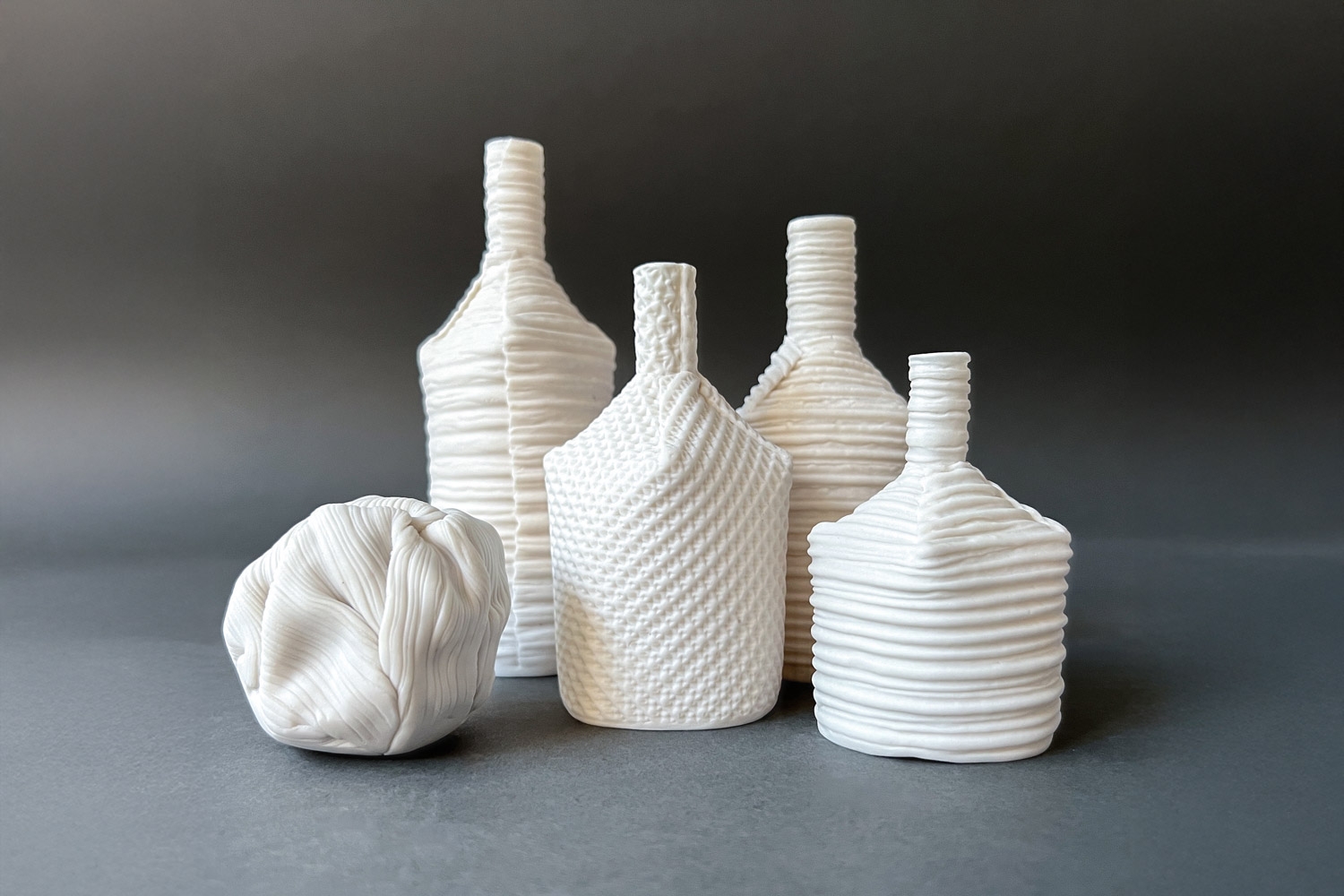
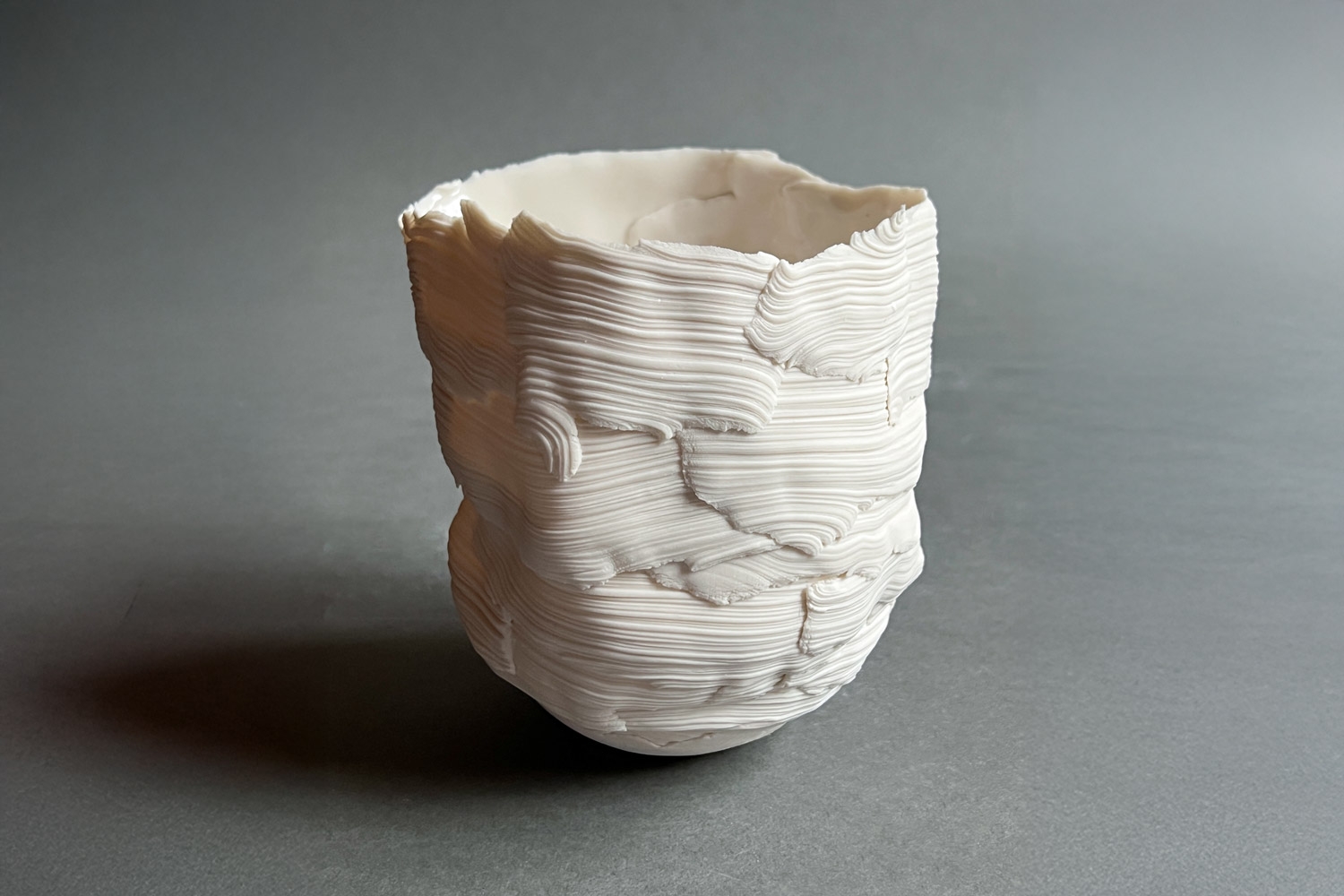
In her Philadelphia studio, Leah Kaplan pushes the boundaries of vessel design by coaxing porcelain into imitating the drape and texture of fabric, lace and basketry. Working with artisans for a non-profit organisation spurred Leah’s love for cultural textile and fibre traditions, including Japanese boro, ikat, shibori and African and South American basketry. “It all really inspires me,” she says. She launched her full-time practice in 2019, when she set up her studio. By stretching the porcelain clay to its thinnest, Leah allows light to play a role: illuminating textures, permeating between coils and making the objects glow. She sometimes uses clear glaze on her hand built pieces, but adds no additional colour, focusing on the form and texture. “My work is so much about materiality and about revealing what porcelain can and cannot do,” Leah says.
INTERVIEW
In 1989, I took a ceramics class in New York City and fell in love with it. I started working with coloured clays in the Japanese nerikomi technique. Today, I work with white and play with texture and form. I stripped down my practice to its most elemental.
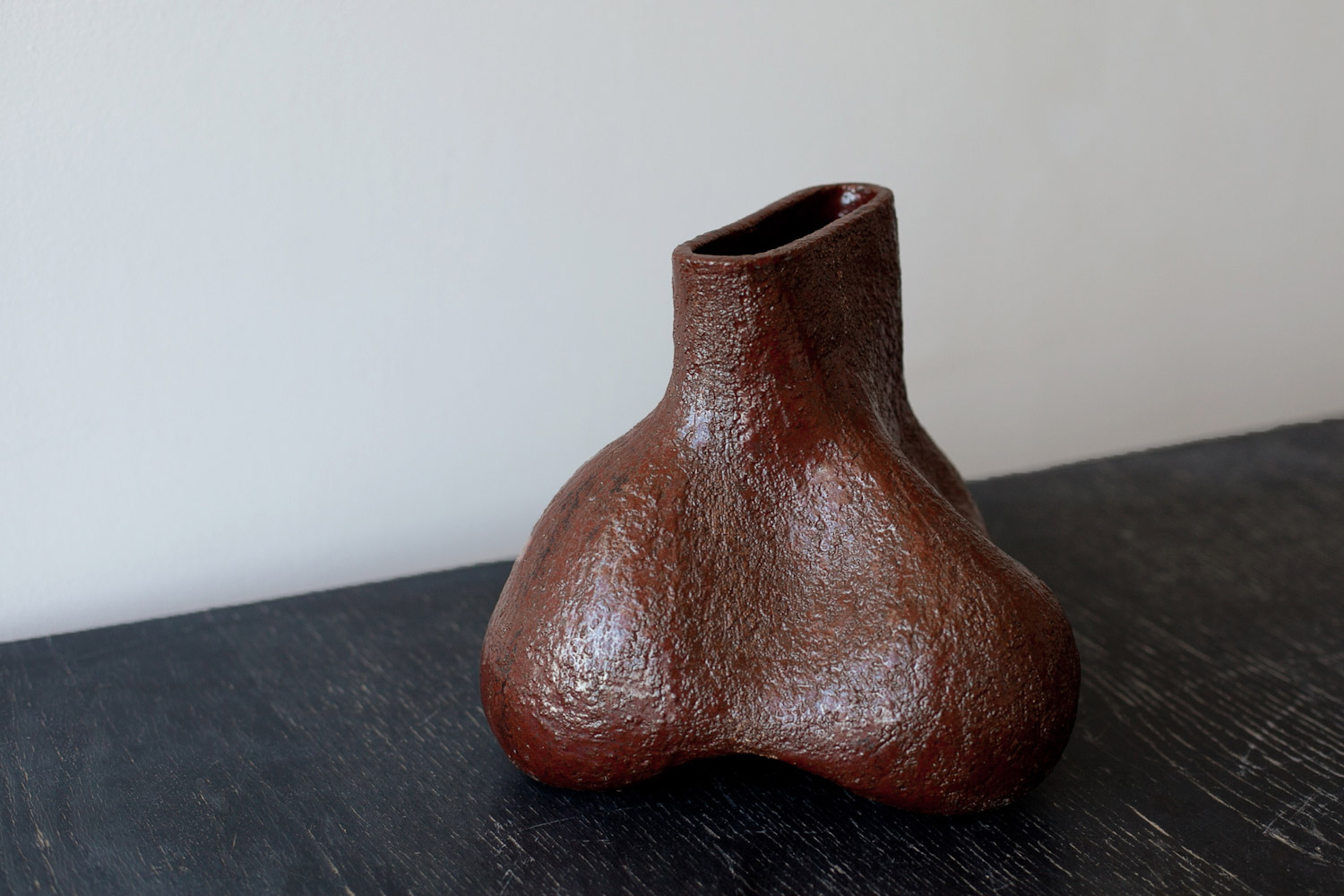
They are sculptural objects and vessels, although sometimes they have no bases. I think of a vessel as having an interior space, like a cavity, so it offers two surfaces I can play with simultaneously. Sometimes I put them on their sides, so viewers can look through them.
I love that my pieces create material confusion. My vessels often appear soft and flowy, but they are in fact incredibly solid and hard. I want people to touch the vessels and circle around them, as their appearance varies from different angles.
There is always a push and pull between serendipity and intention. When trying new techniques, a piece might sometimes go off the rails. This is how I discover unexpected results. It could be a surprising surface in an otherwise failed piece, which might inspire my next creation.
Leah Kaplan
Porcelain maker
Philadelphia, PA, USA
ADDRESS
Address upon request, Philadelphia, PA, USA
AVAILABILITY
By appointment only
LANGUAGES
English
Homo Faber Finds is a new service aiming to inspire admirers of craft to connect and collaborate with exceptional artisans.
We invite you to submit an enquiry here.