Bashar & Roula Jarjour
Porcelain maker
Shippensburg, PA, USA
A newfound porcelain passion
- Roula and Bashar's Middle Eastern heritage informs their sensibility
- Their porcelain sculptures are the result of a detail-driven collaboration
- They have participated in the Smithsonian Fine Craft Show, among others
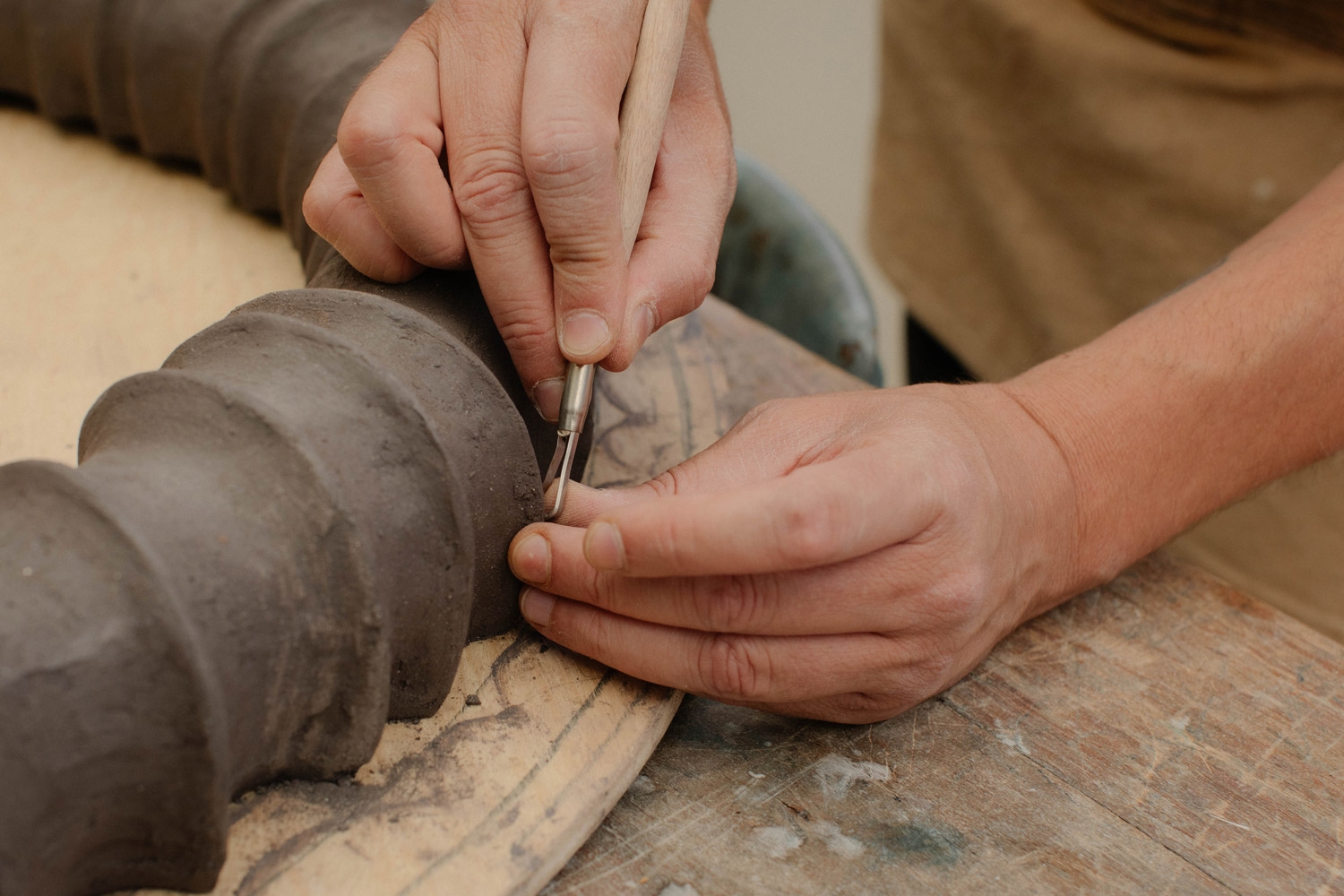
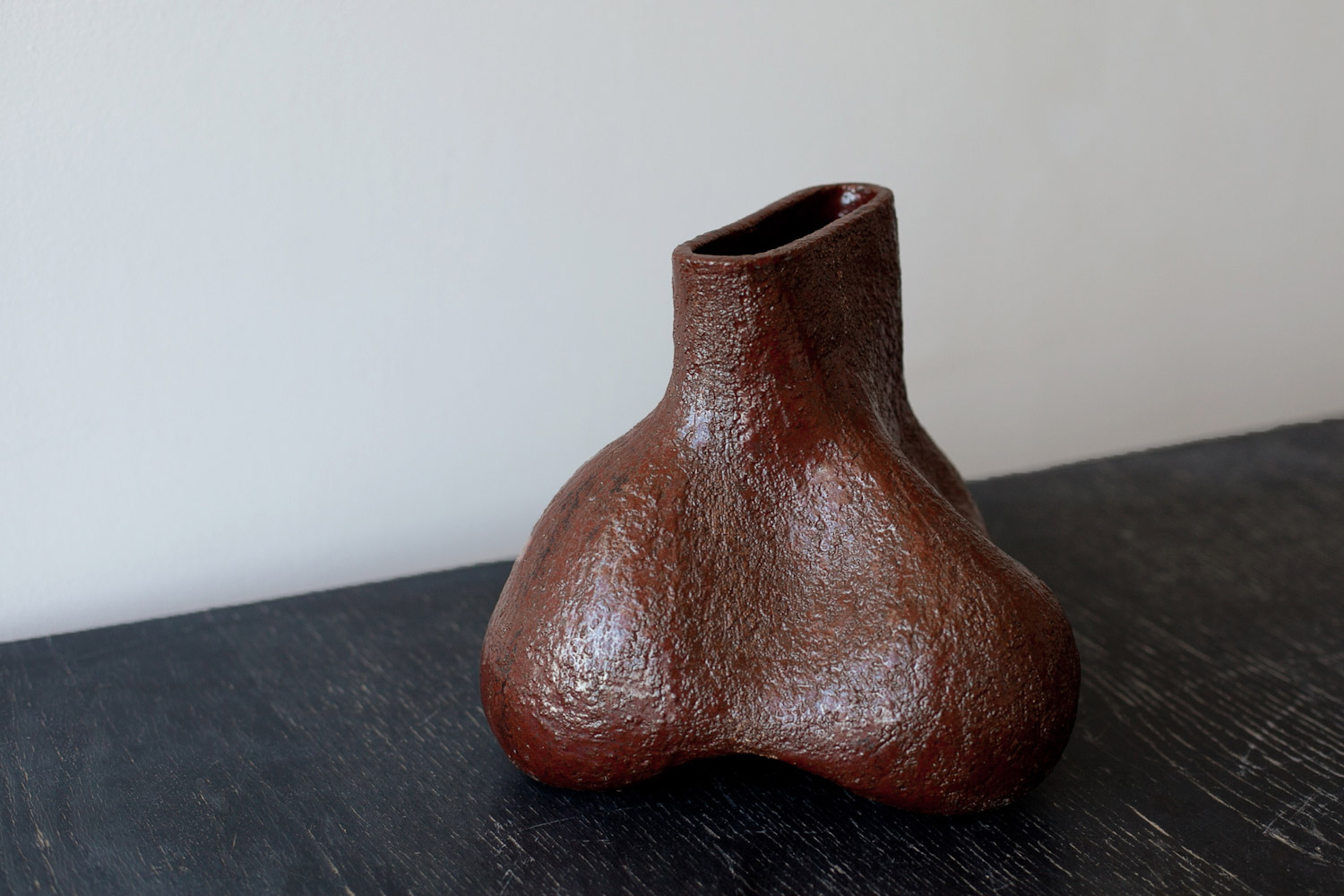
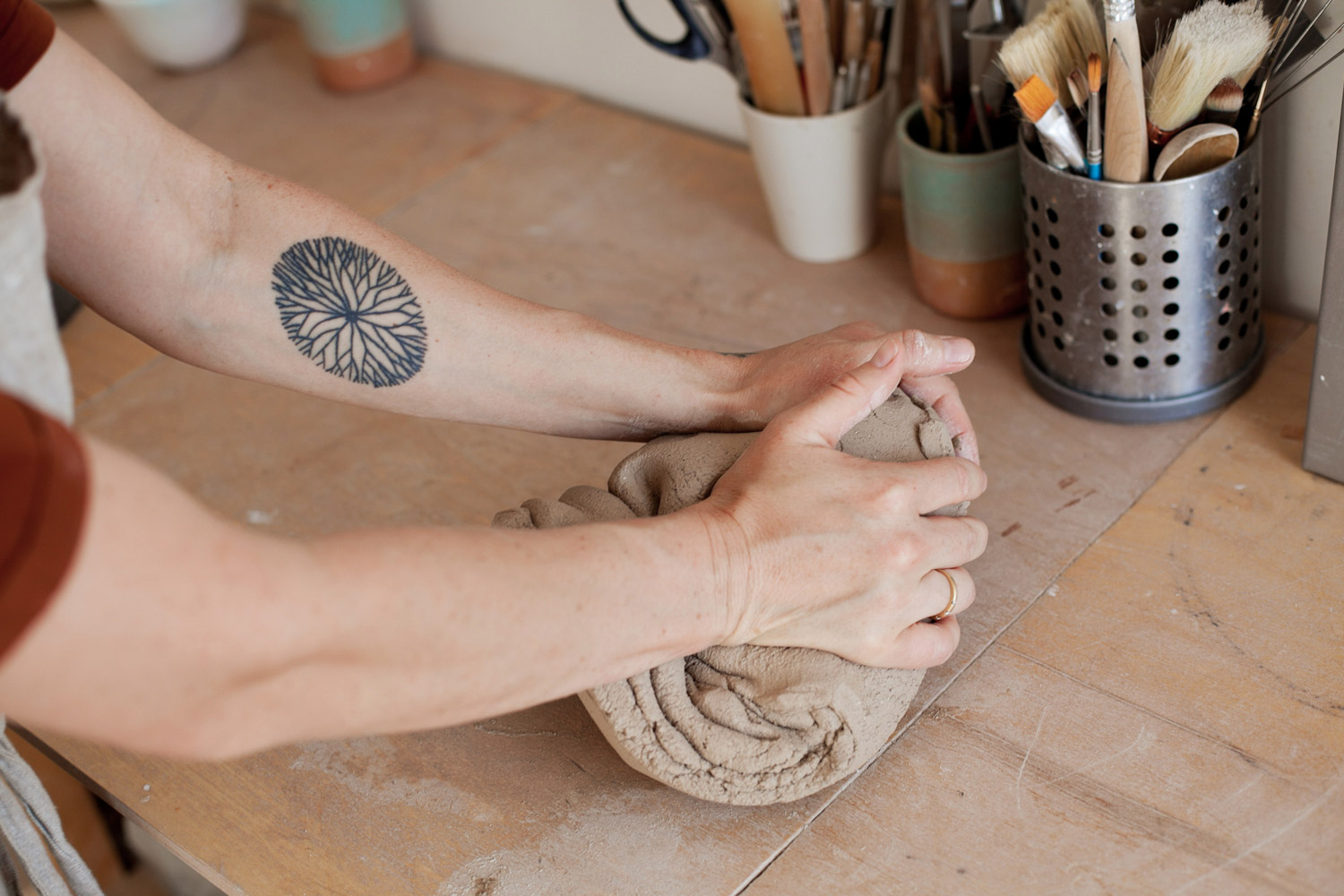
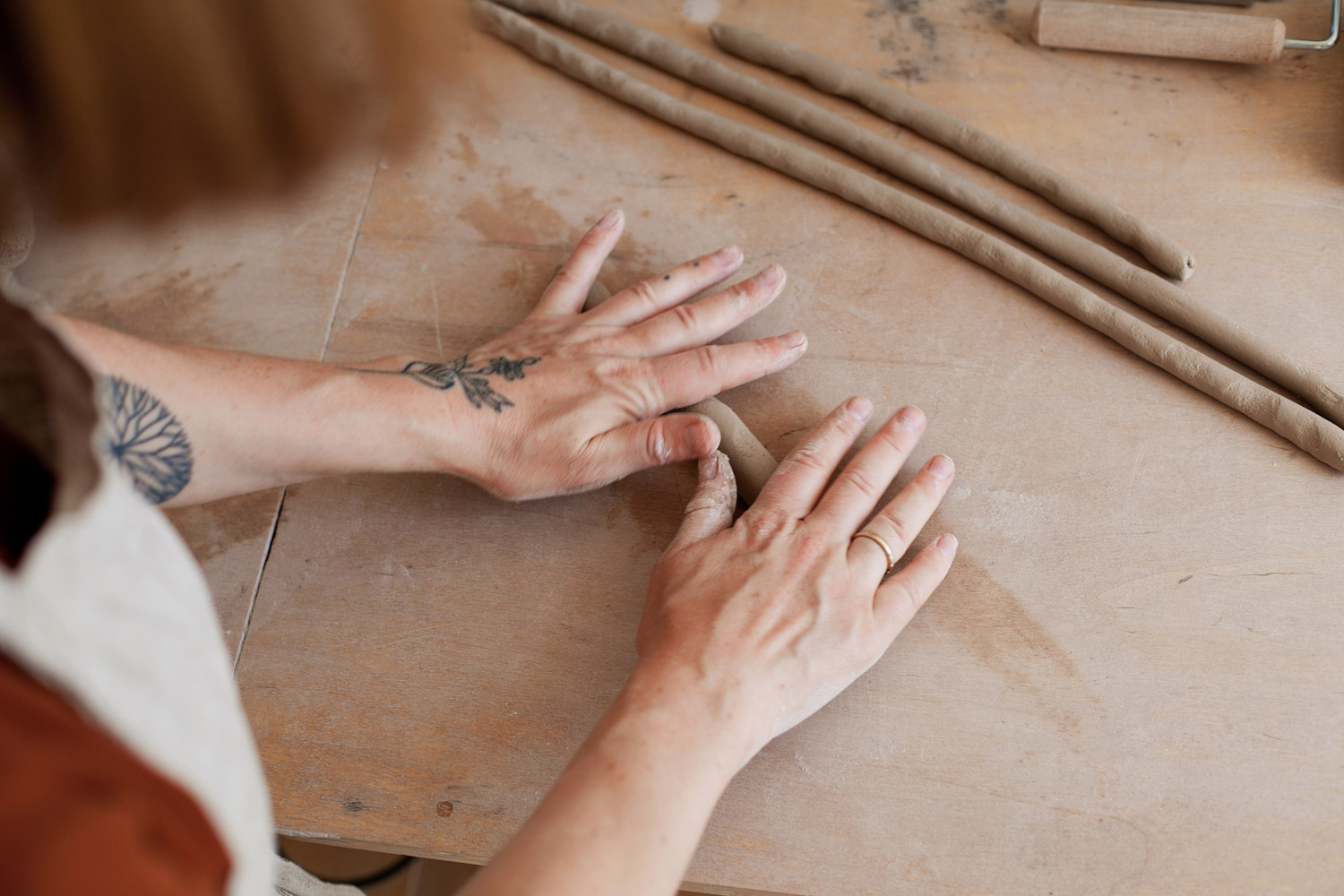
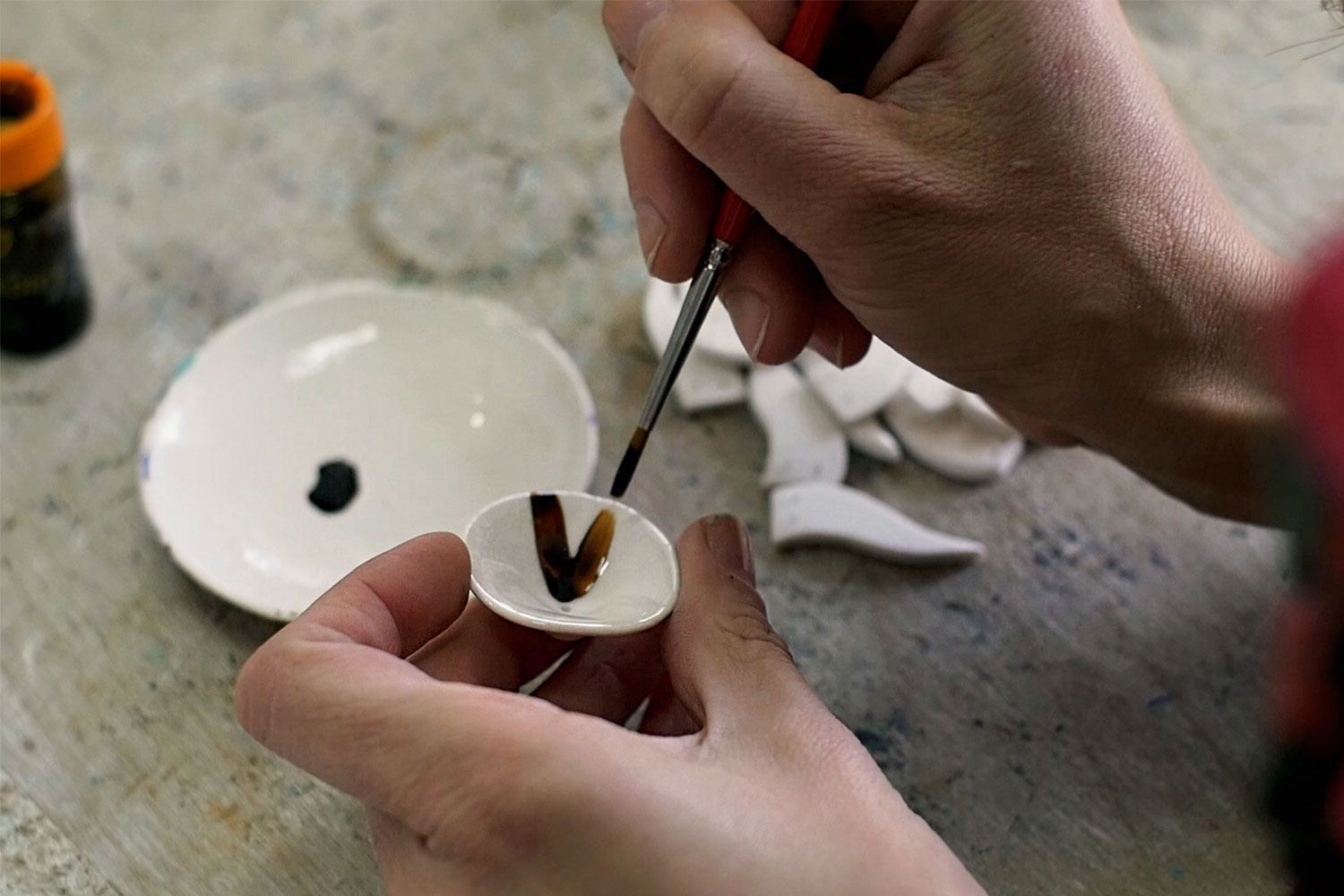
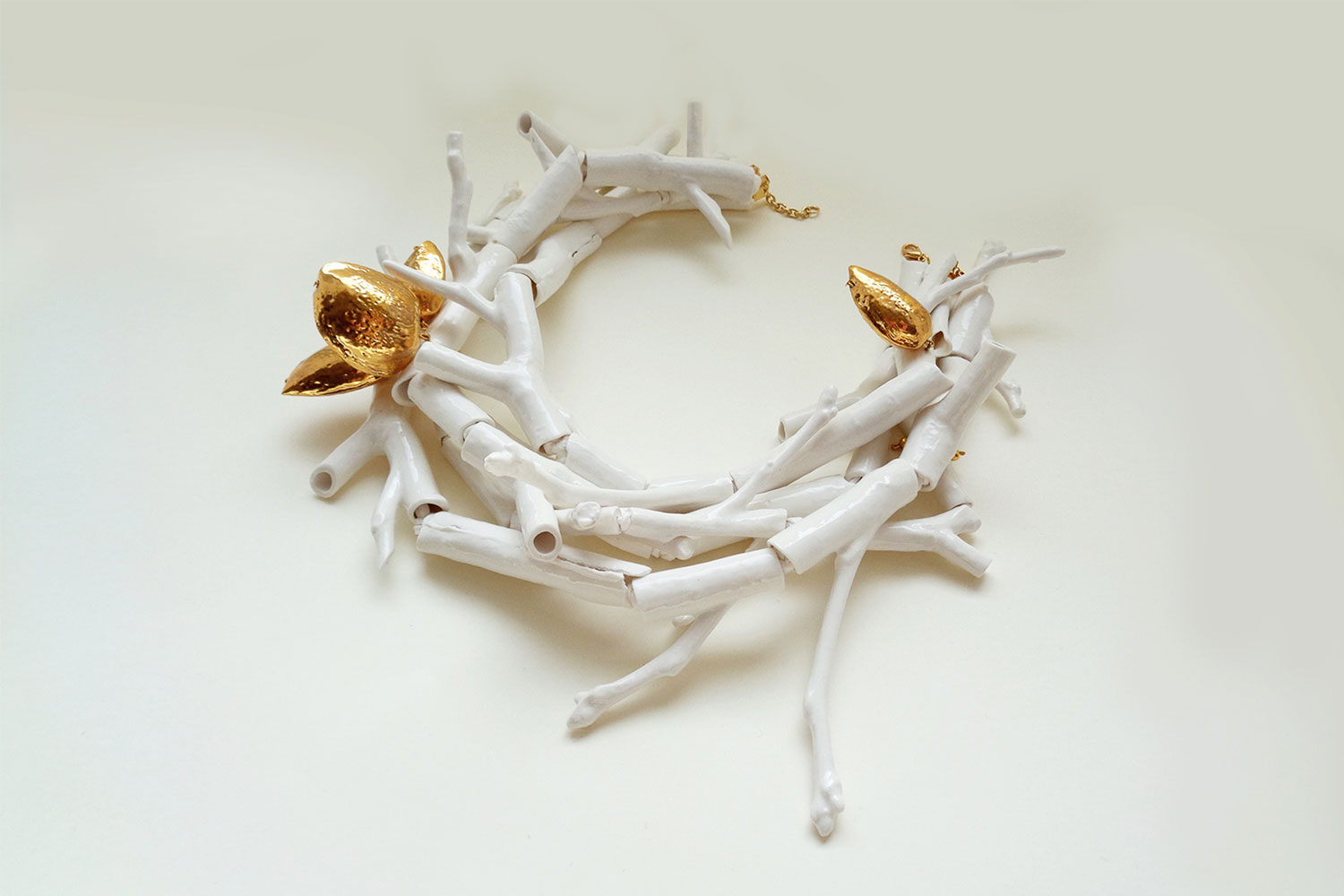
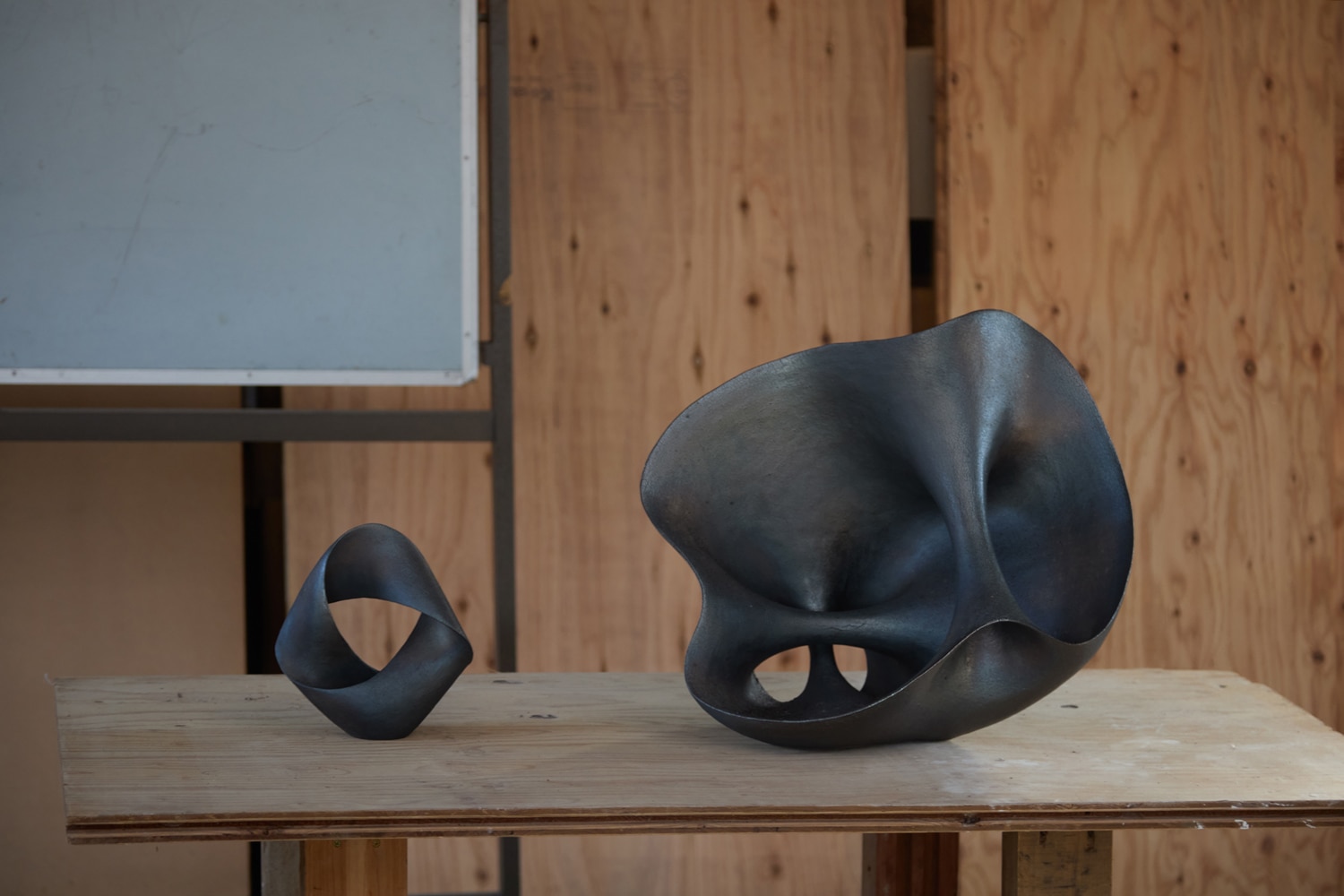
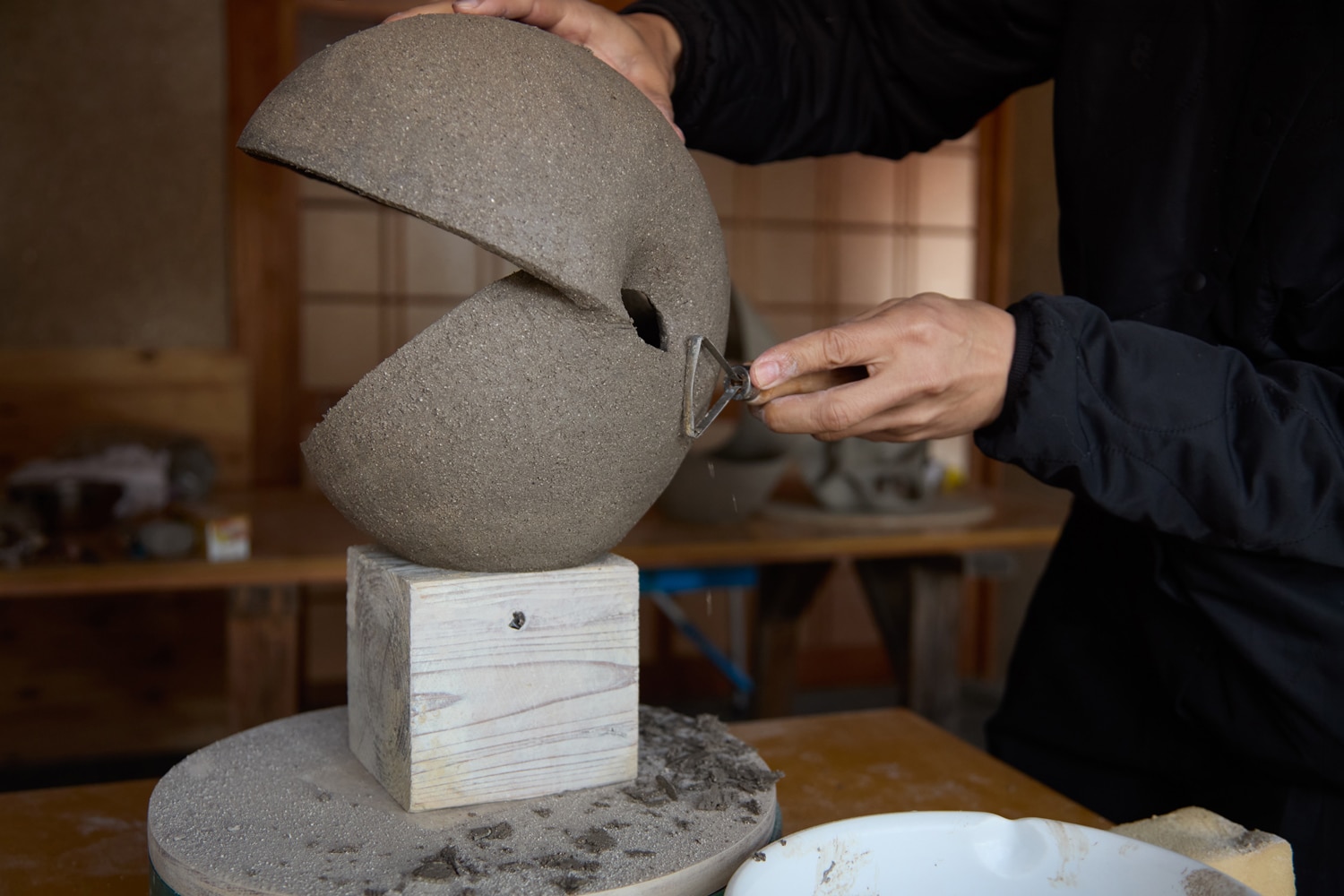
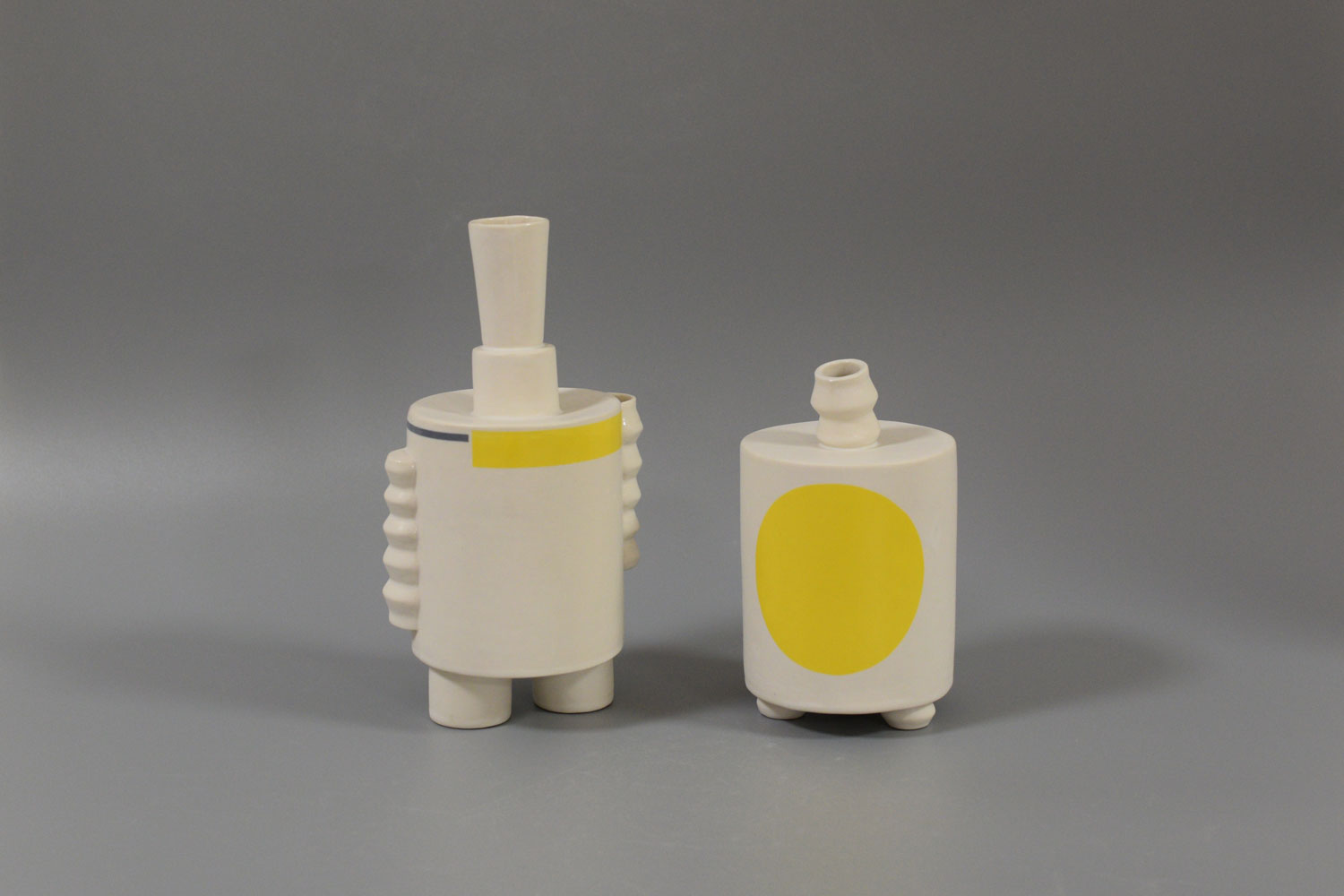
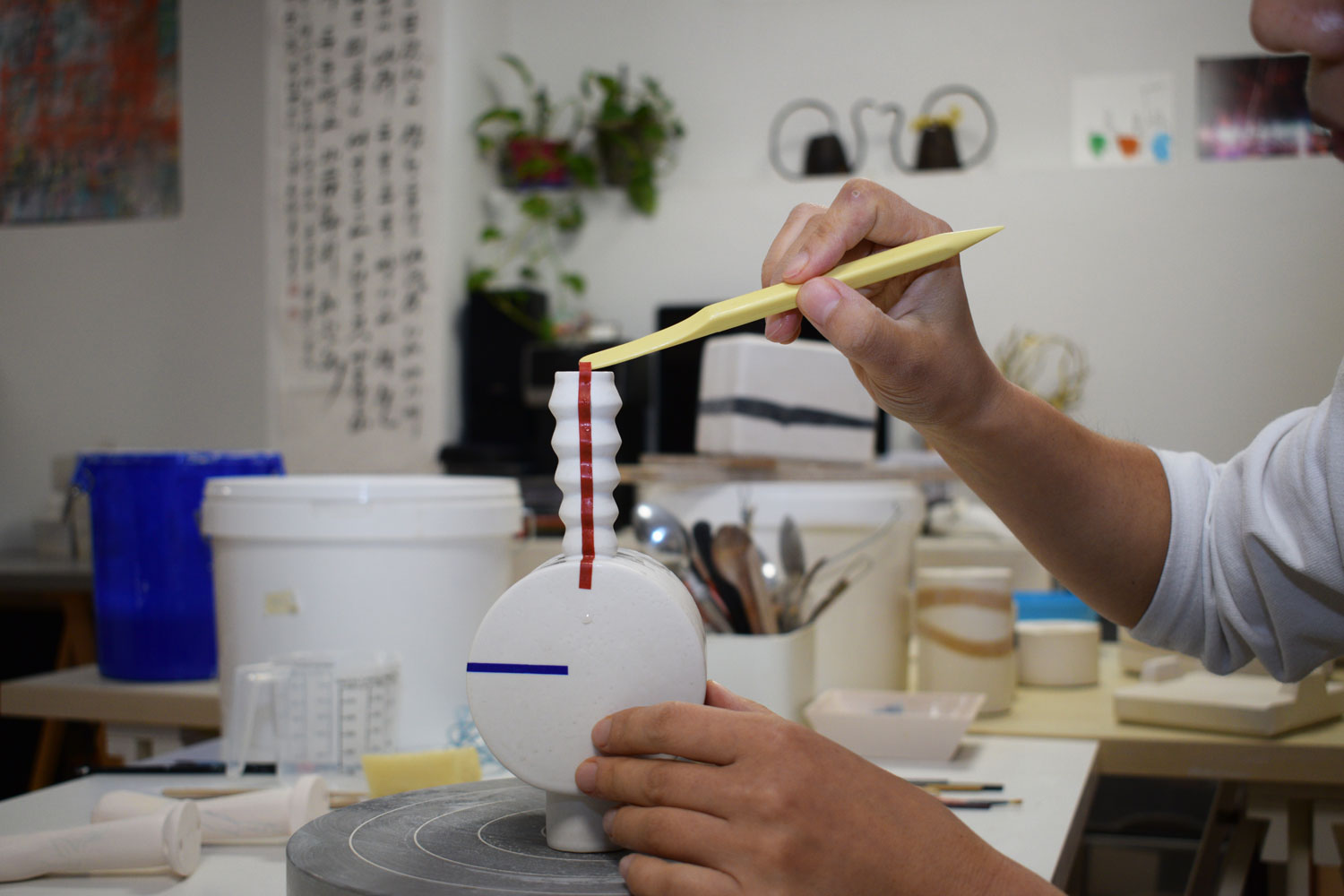
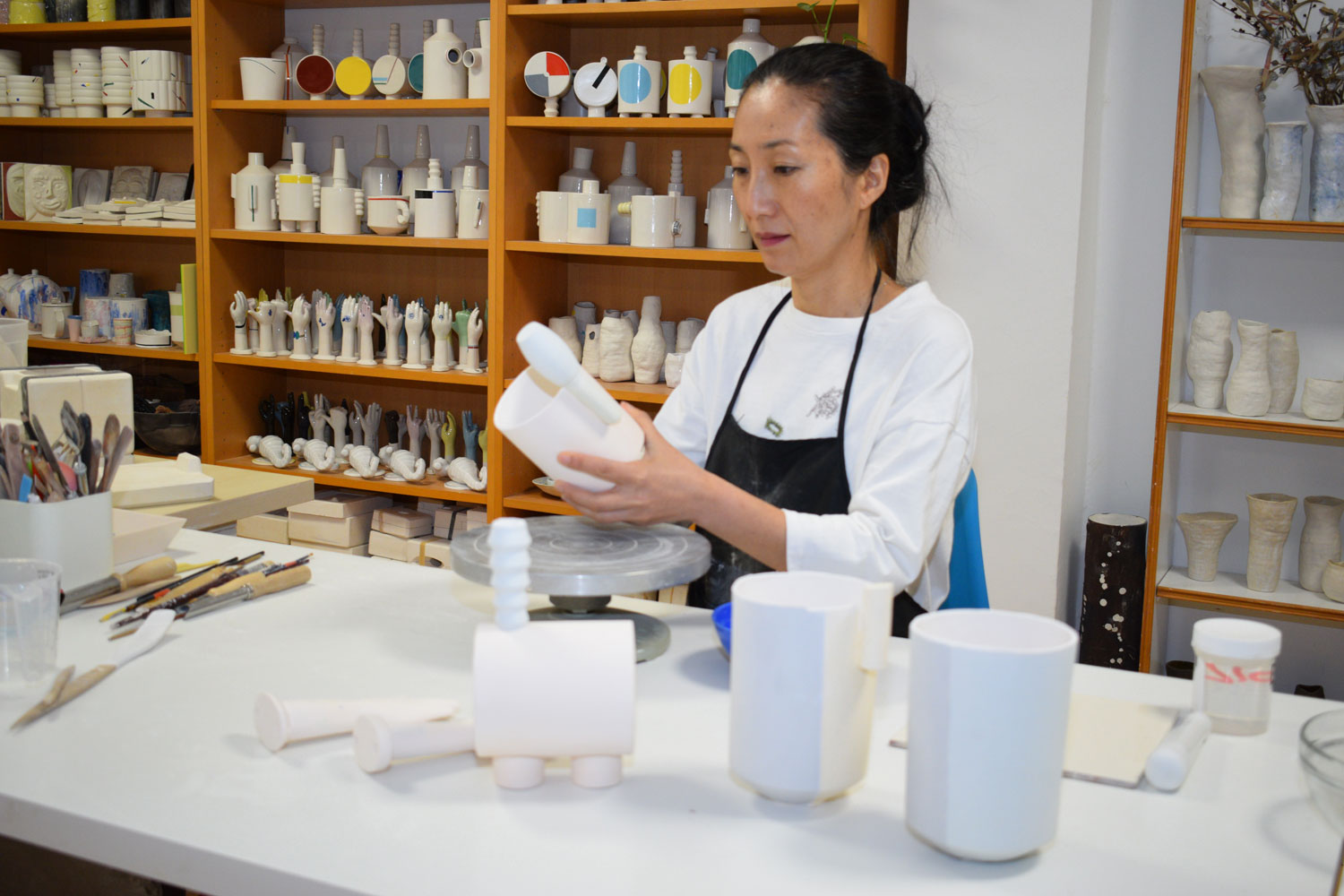
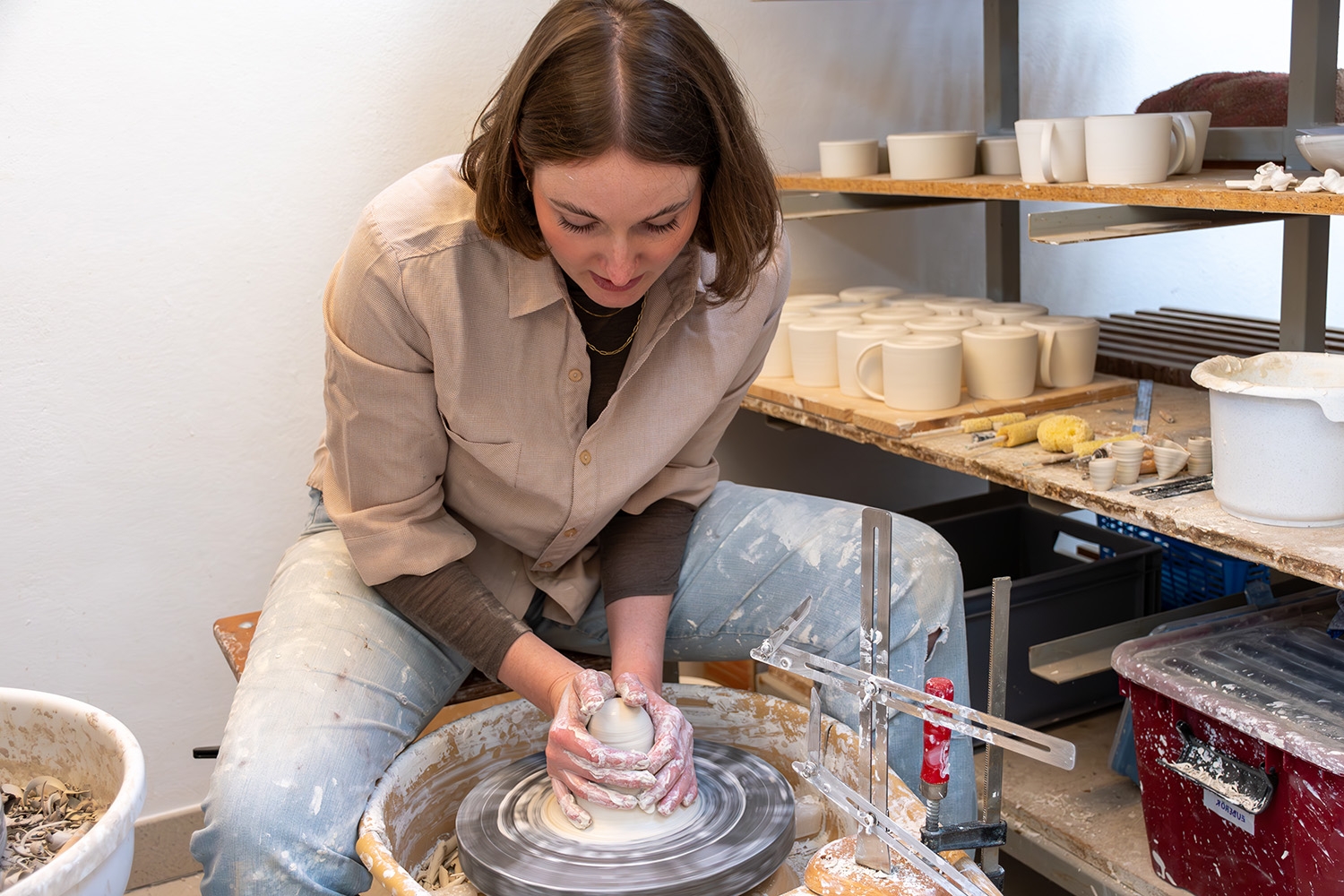
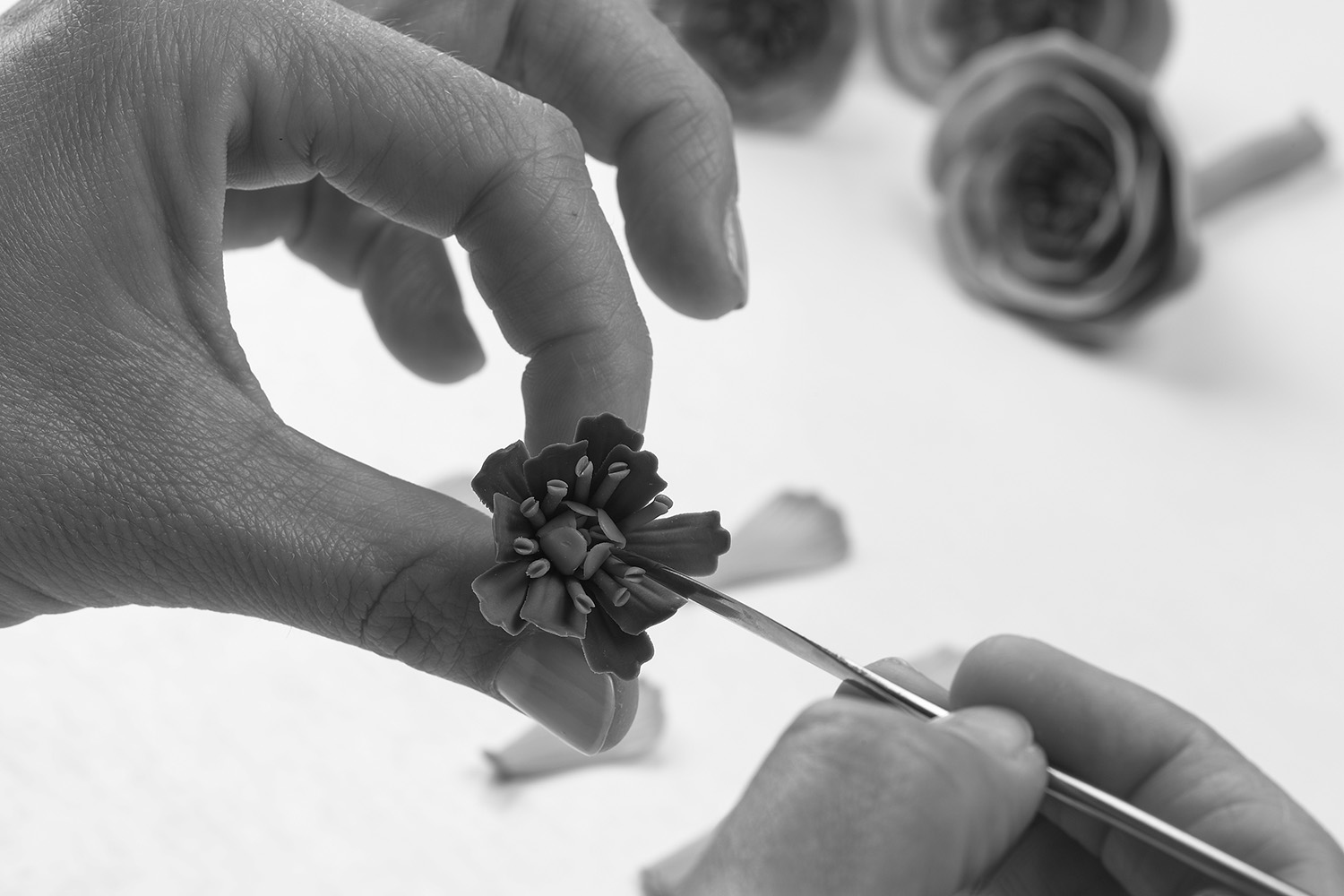
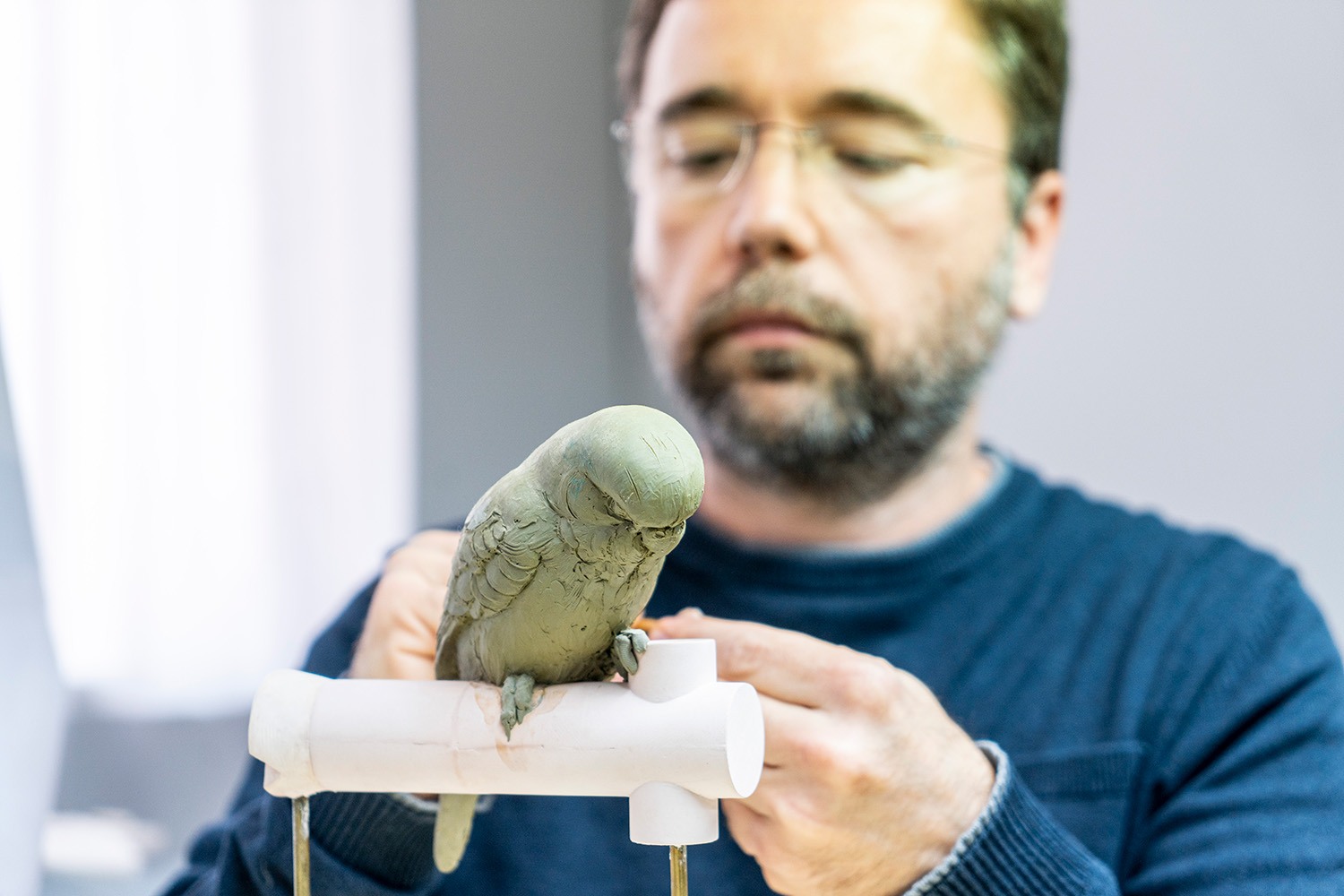
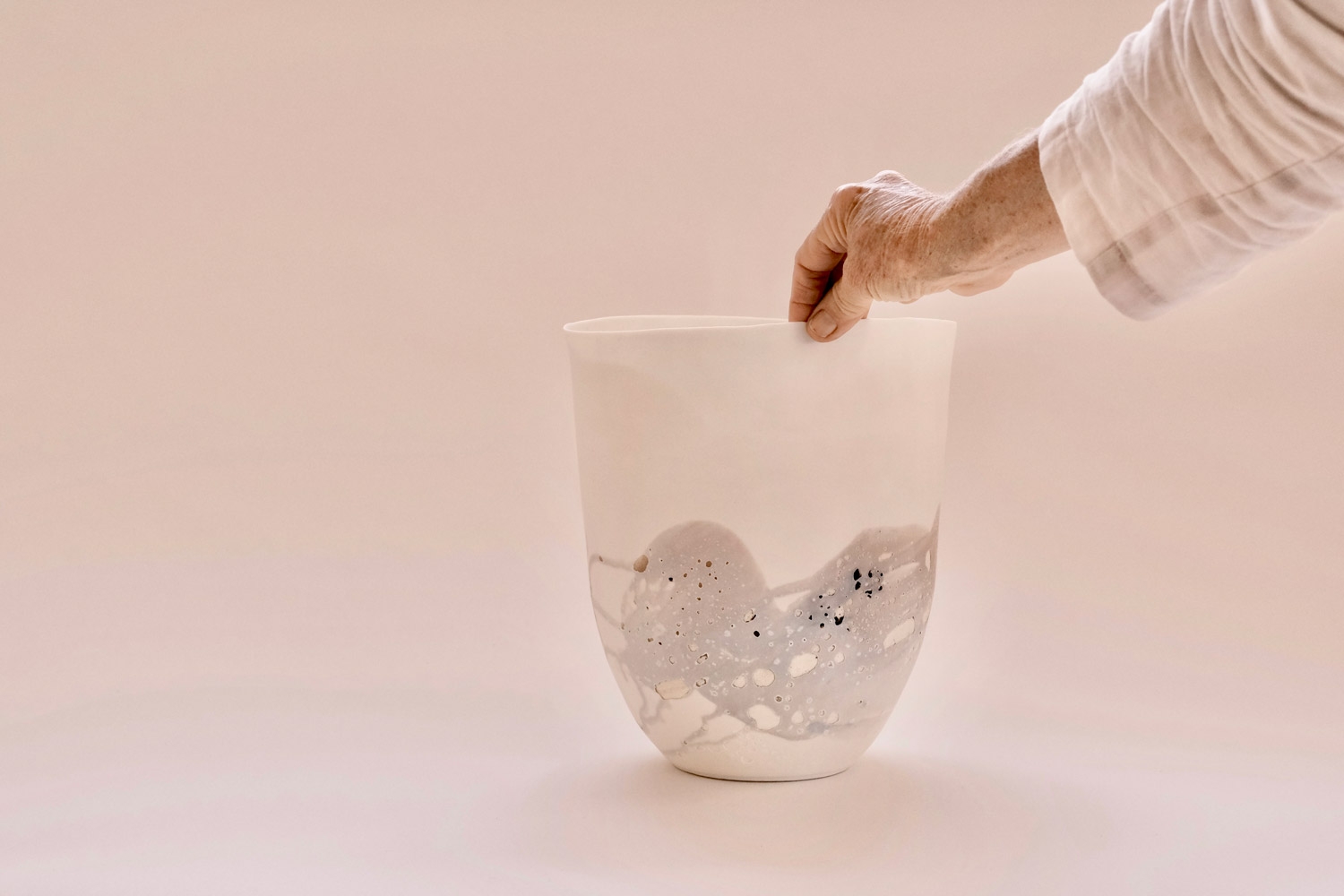
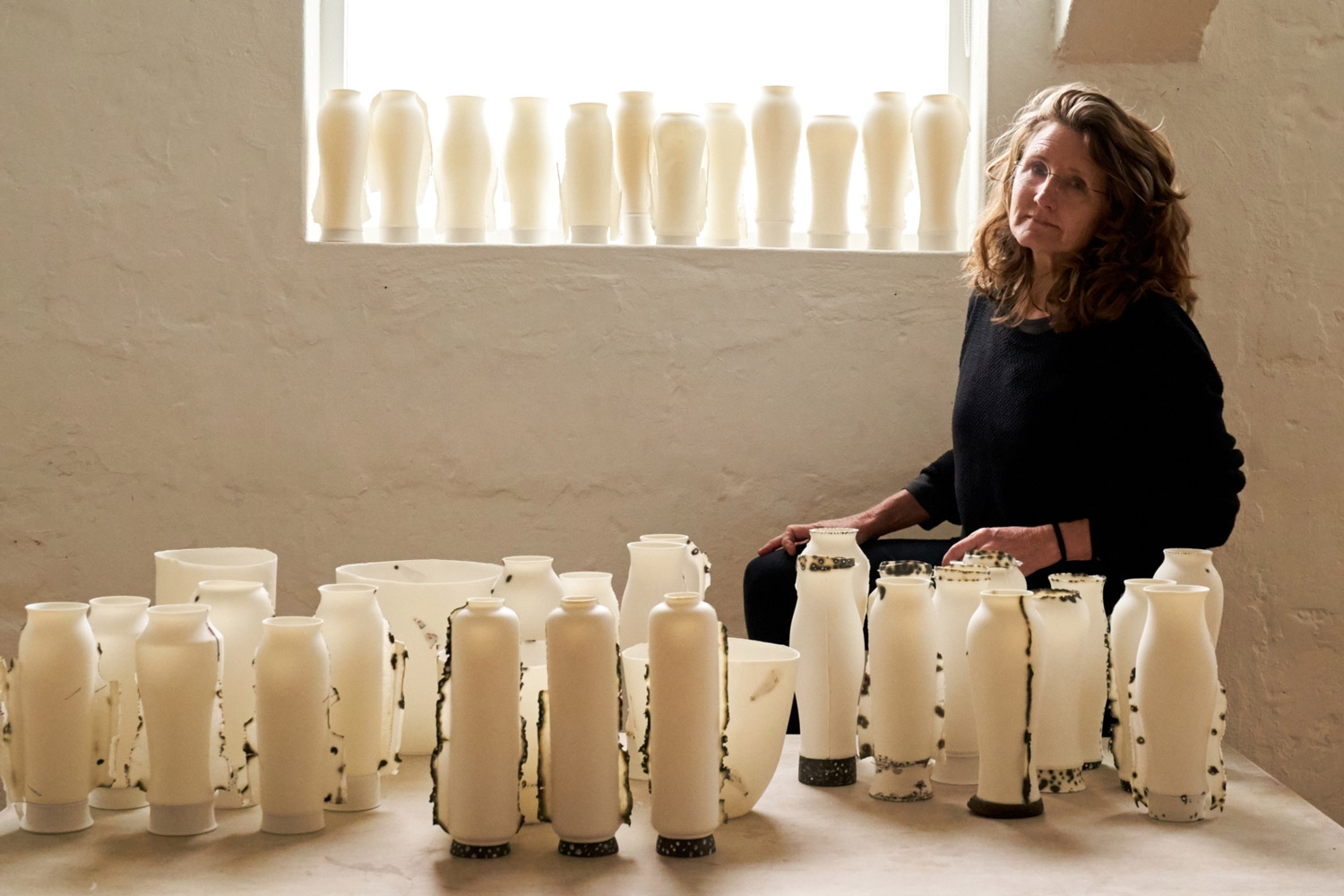
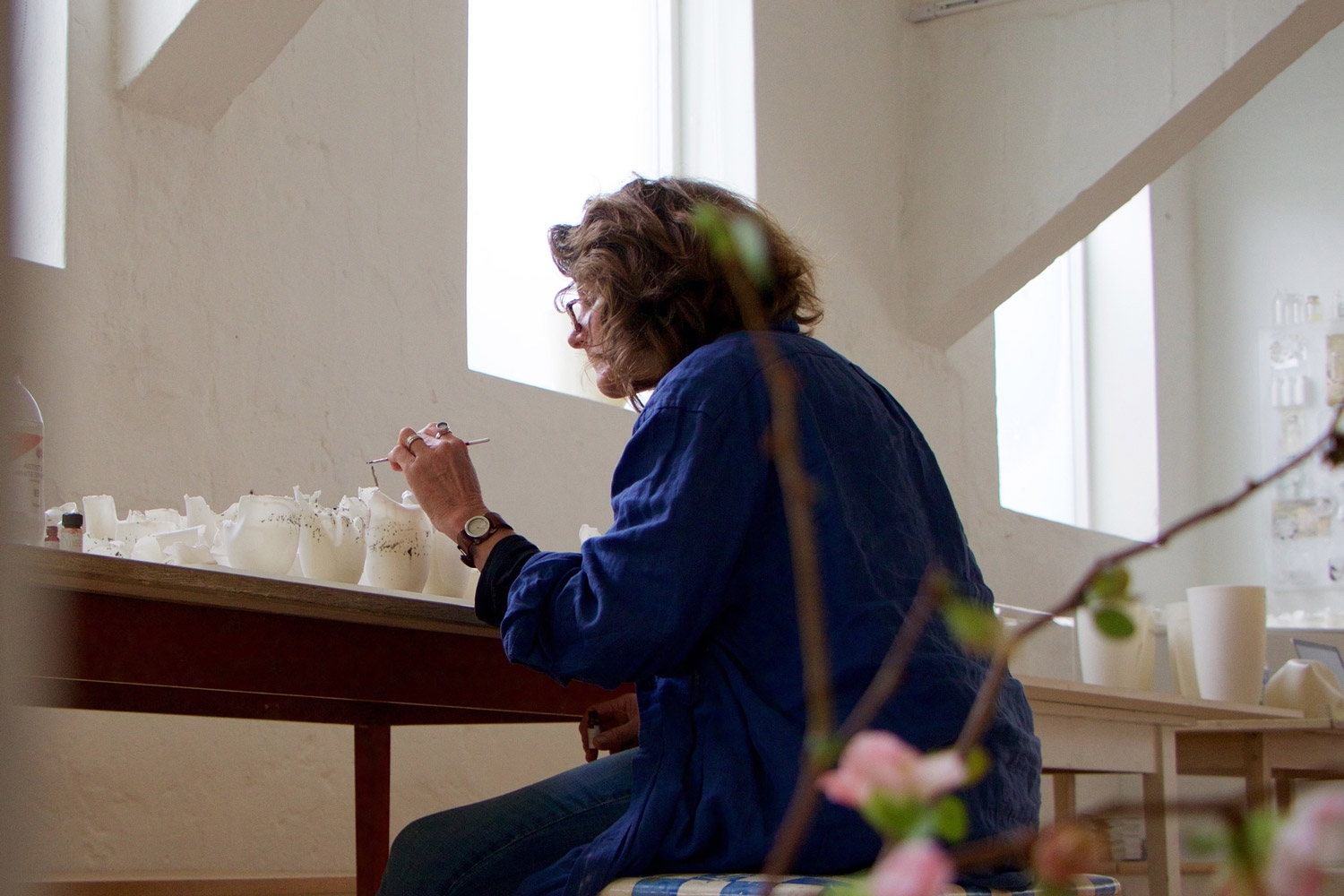
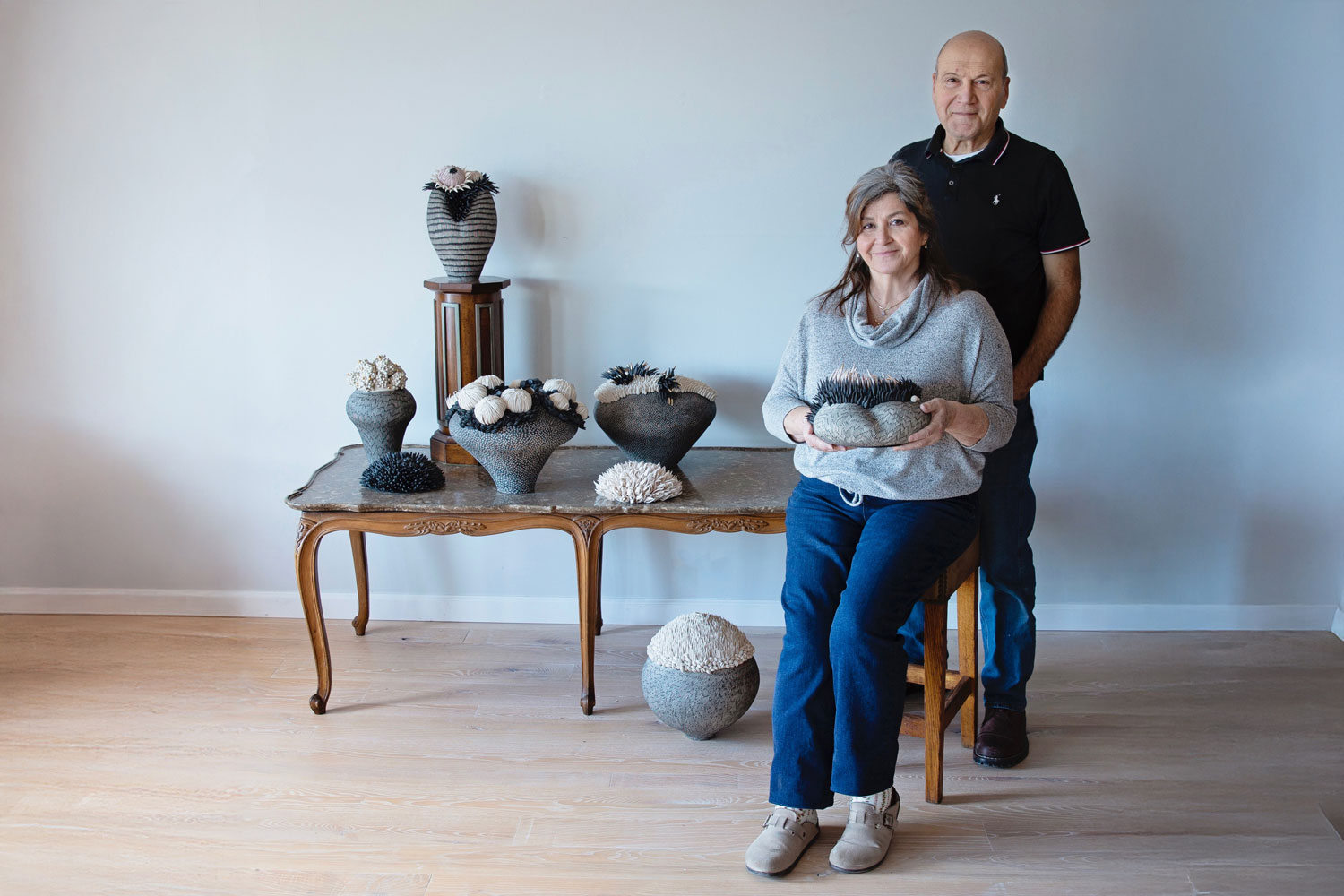
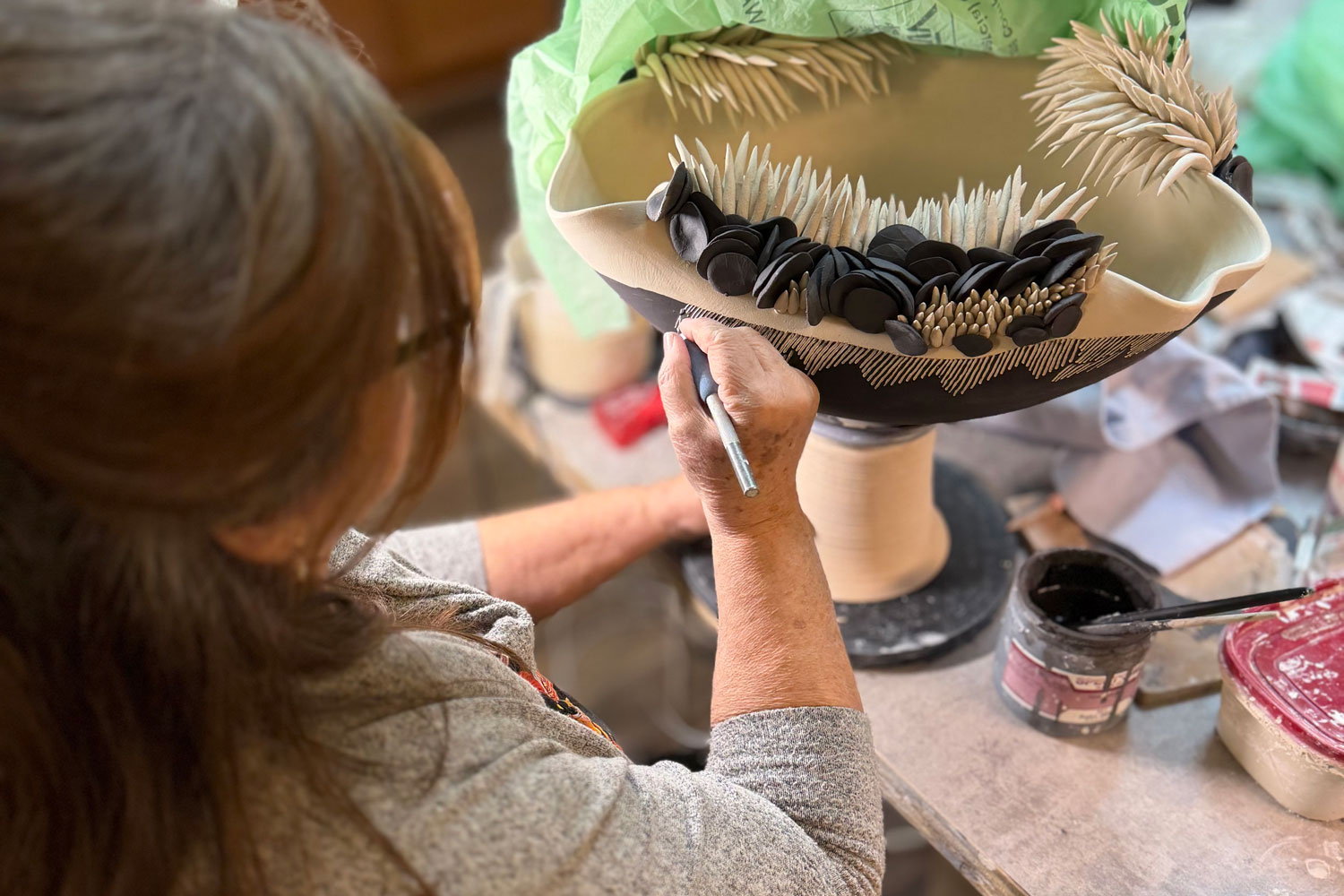
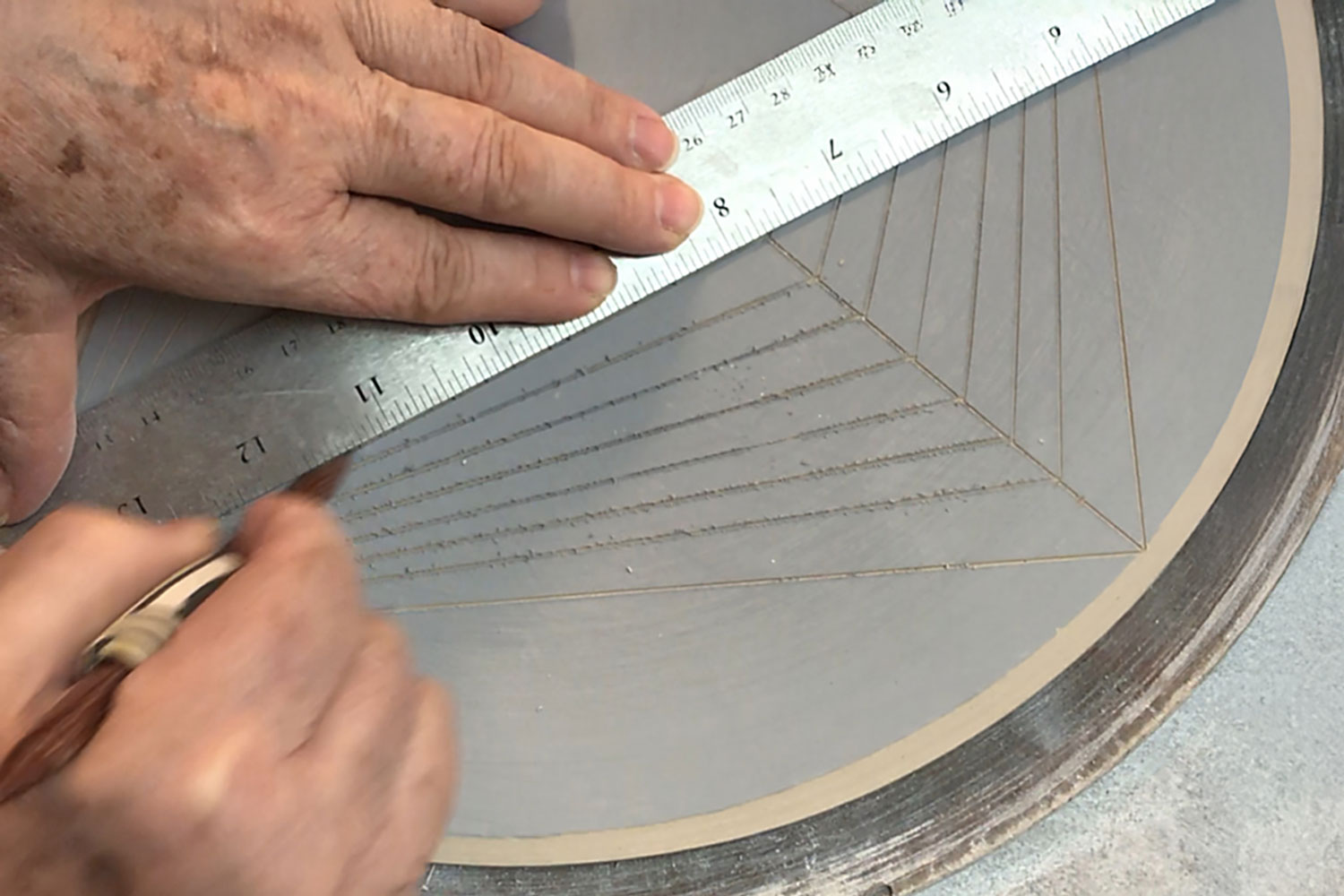
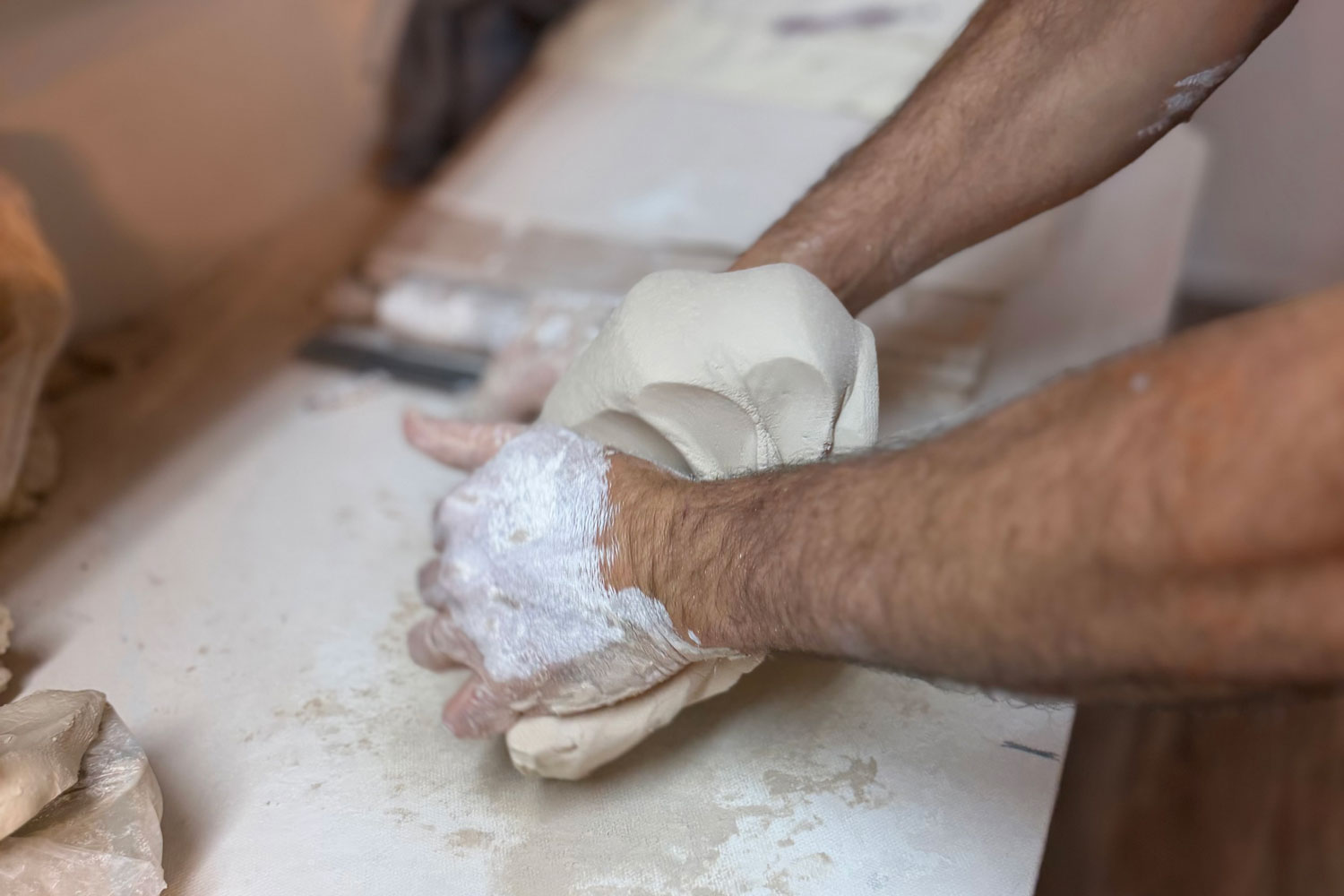
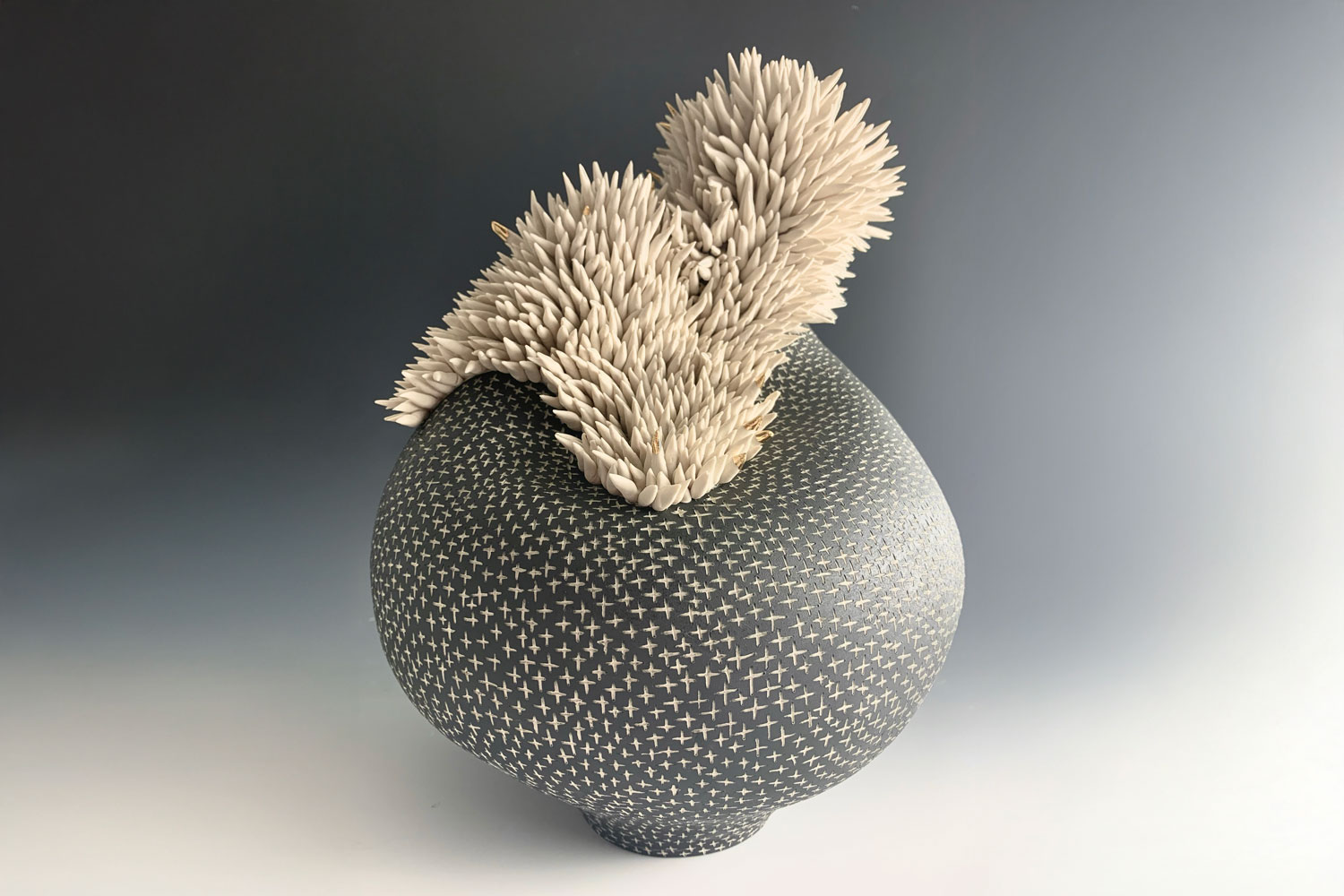
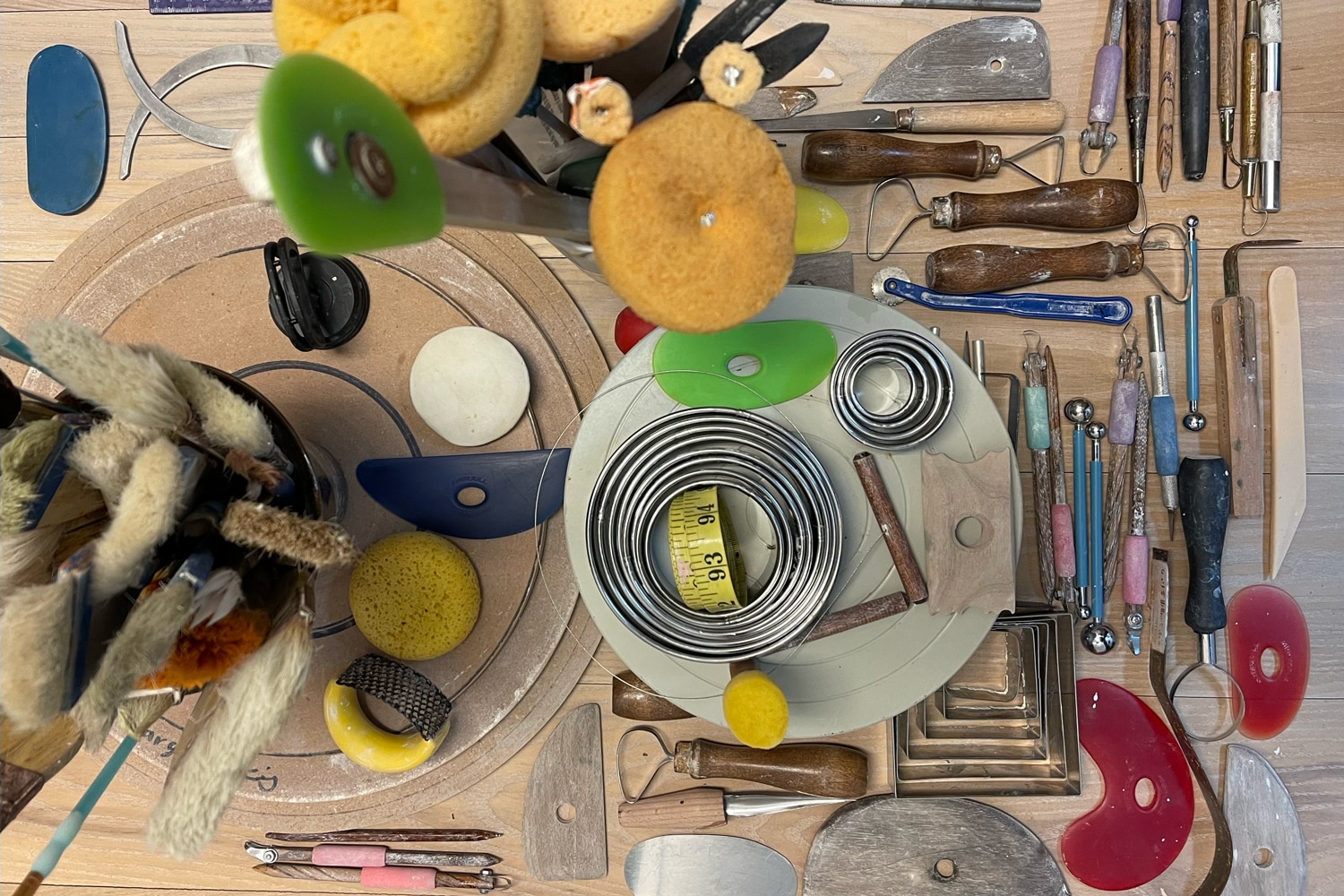
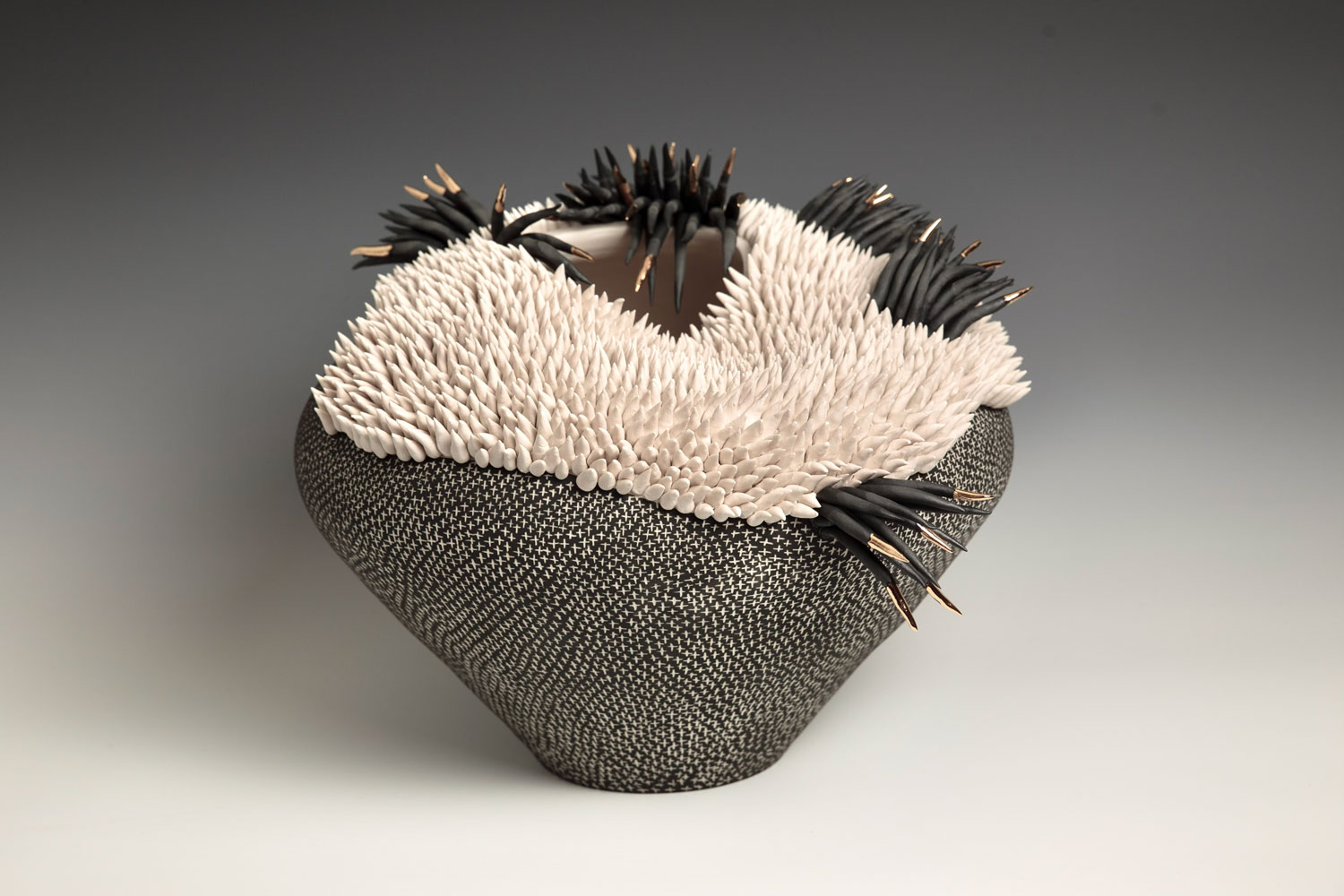
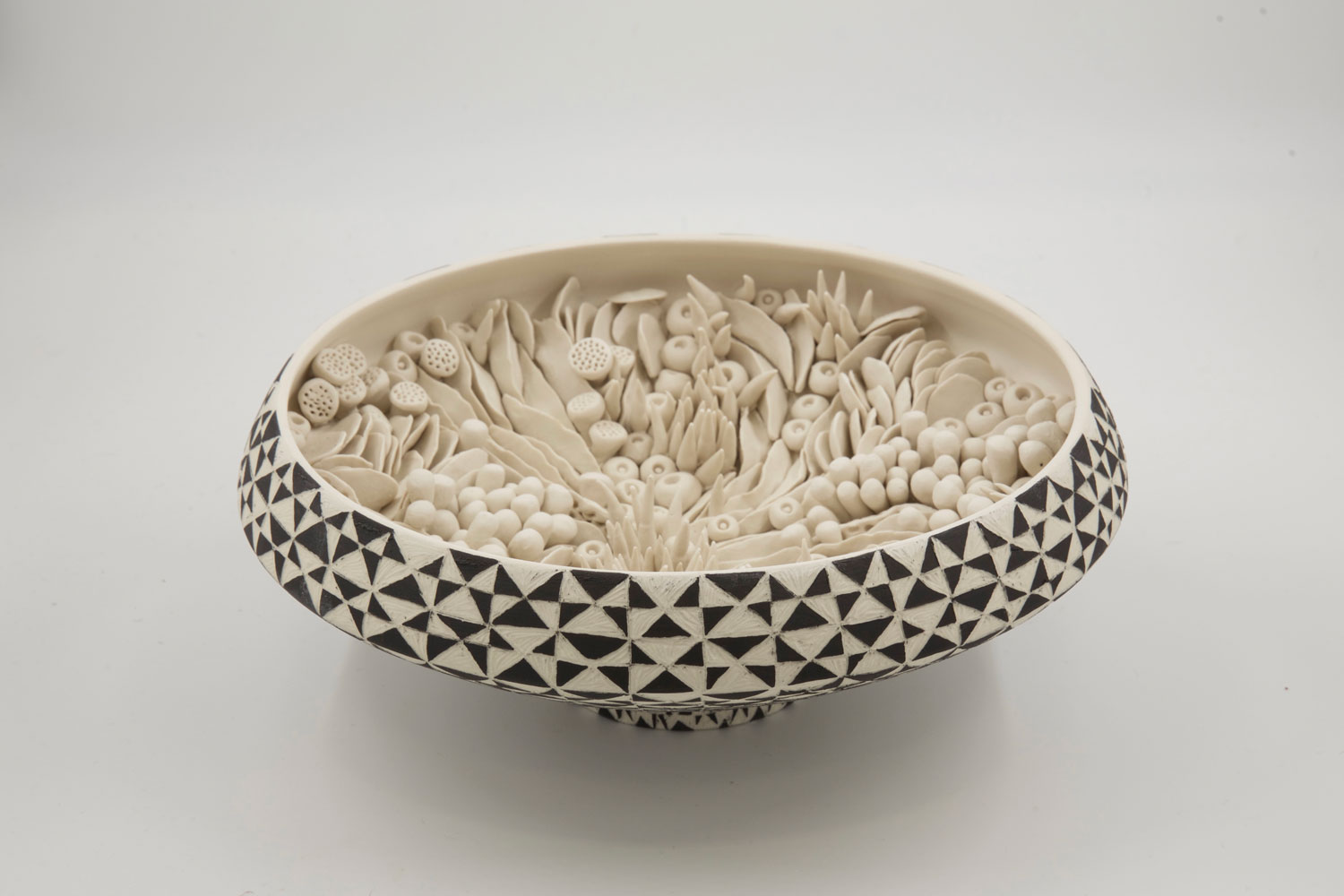
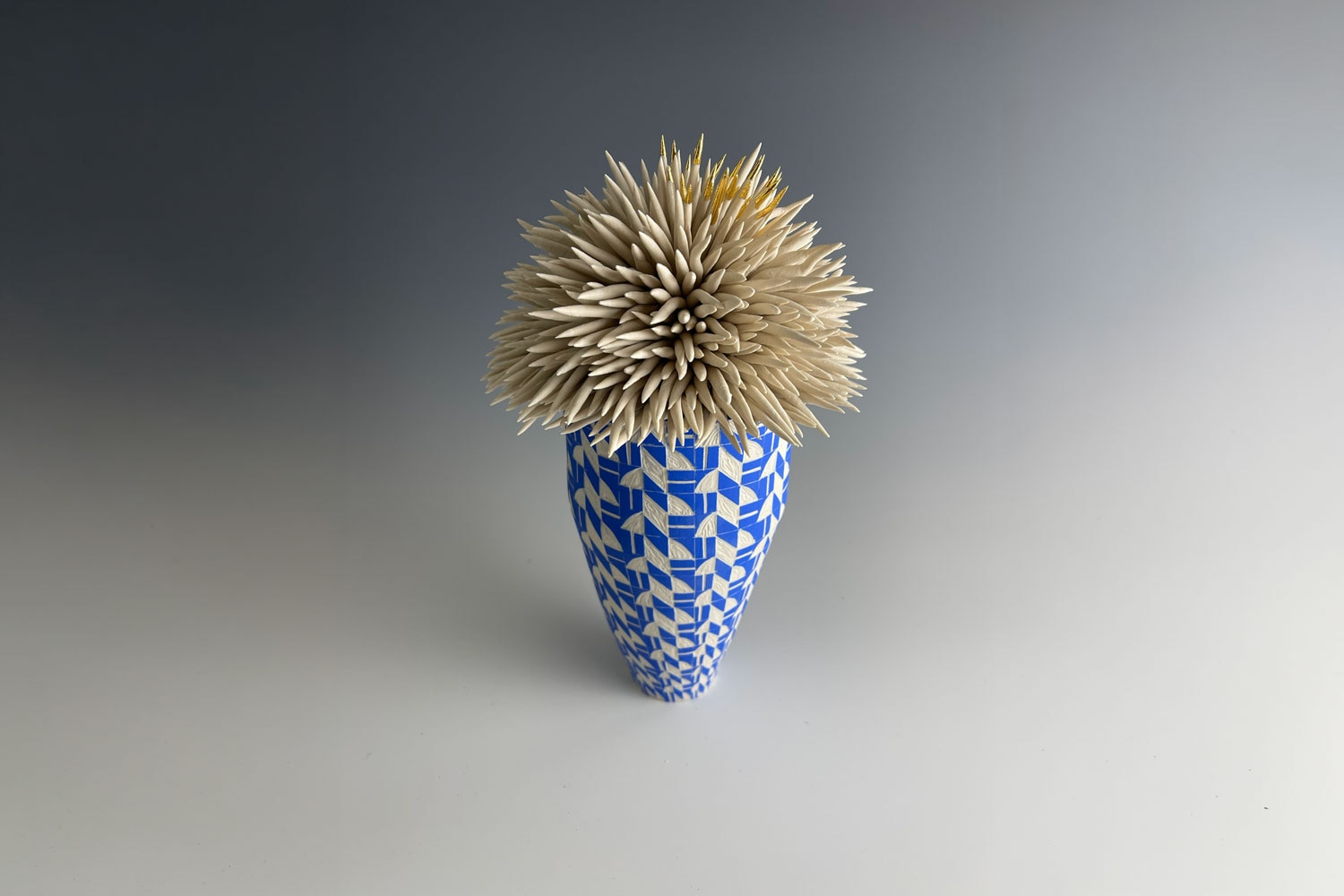
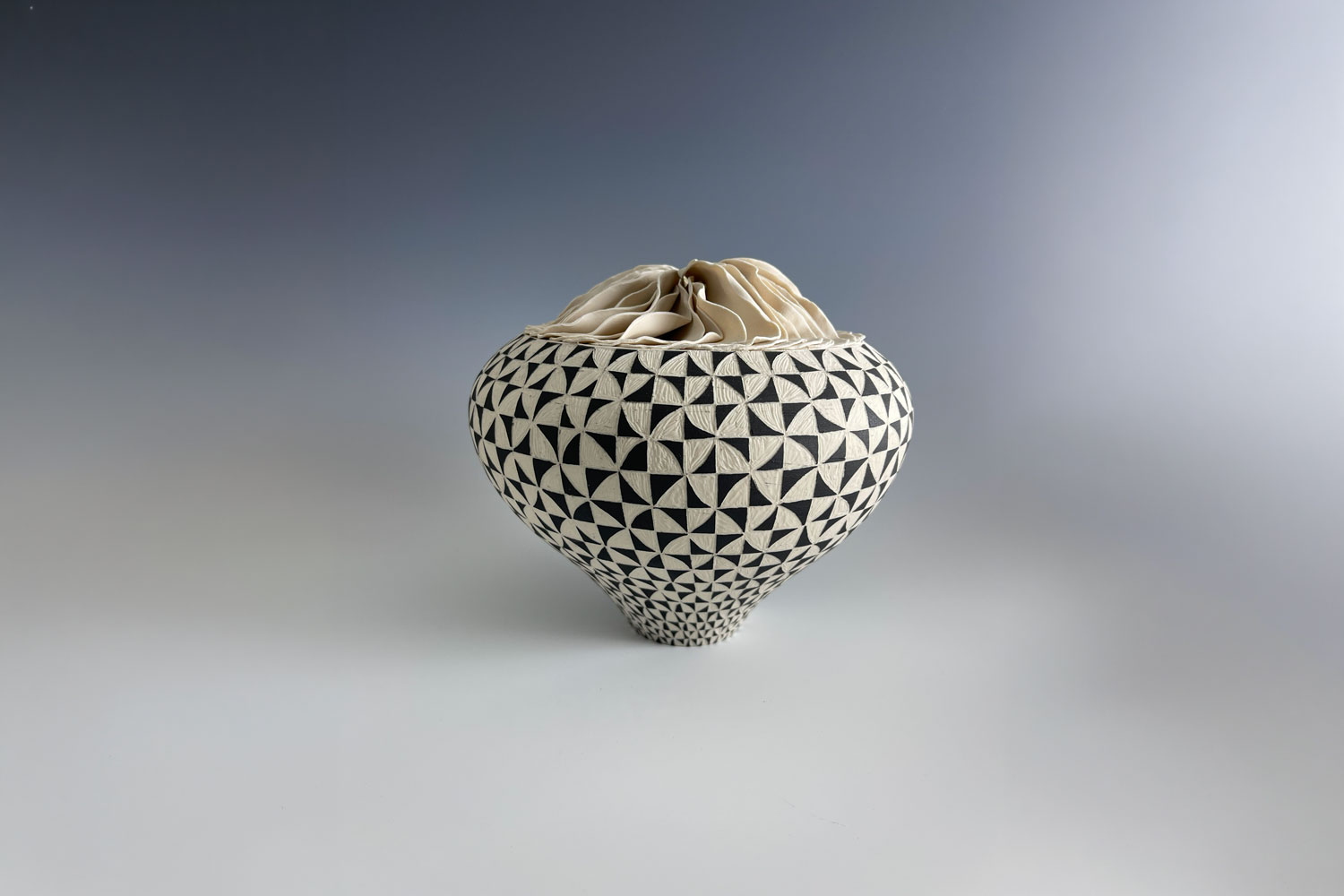
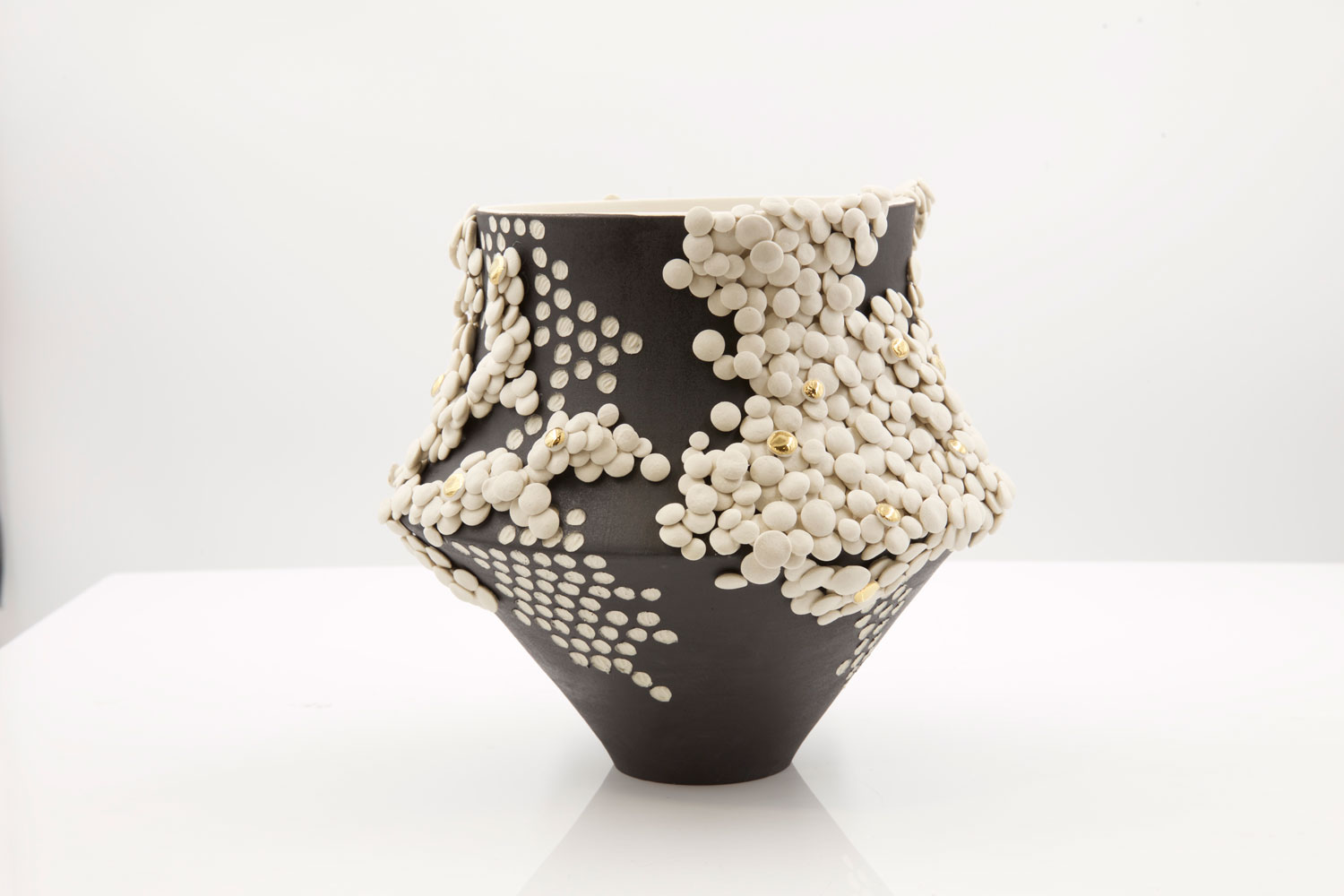
Roula and Bashar Jarjour, the husband-and-wife duo behind Jarjour Pottery, first met as students in their hometown of Damascus, Syria. Bashar was studying agricultural engineering, and Roula French literature. They discovered their shared passion for craft when they immigrated to the USA and happened upon a ceramics class at a local church. Bashar built his own potter’s wheel, fashioned from an electric ceiling fan, in the basement of their family home and installed an old gas kiln in the garden. “After work, we would go to the basement and experiment with clay,” the duo recalls. “Around midnight, our daughters would yell down, ‘Do you know what time it is?’” Today, Bashar wheel throws or hand builds the forms, and Roula uses fine instruments such as needles to create geometric and biomorphic patterns and ornamentation on their intricate porcelain vessels.
INTERVIEW
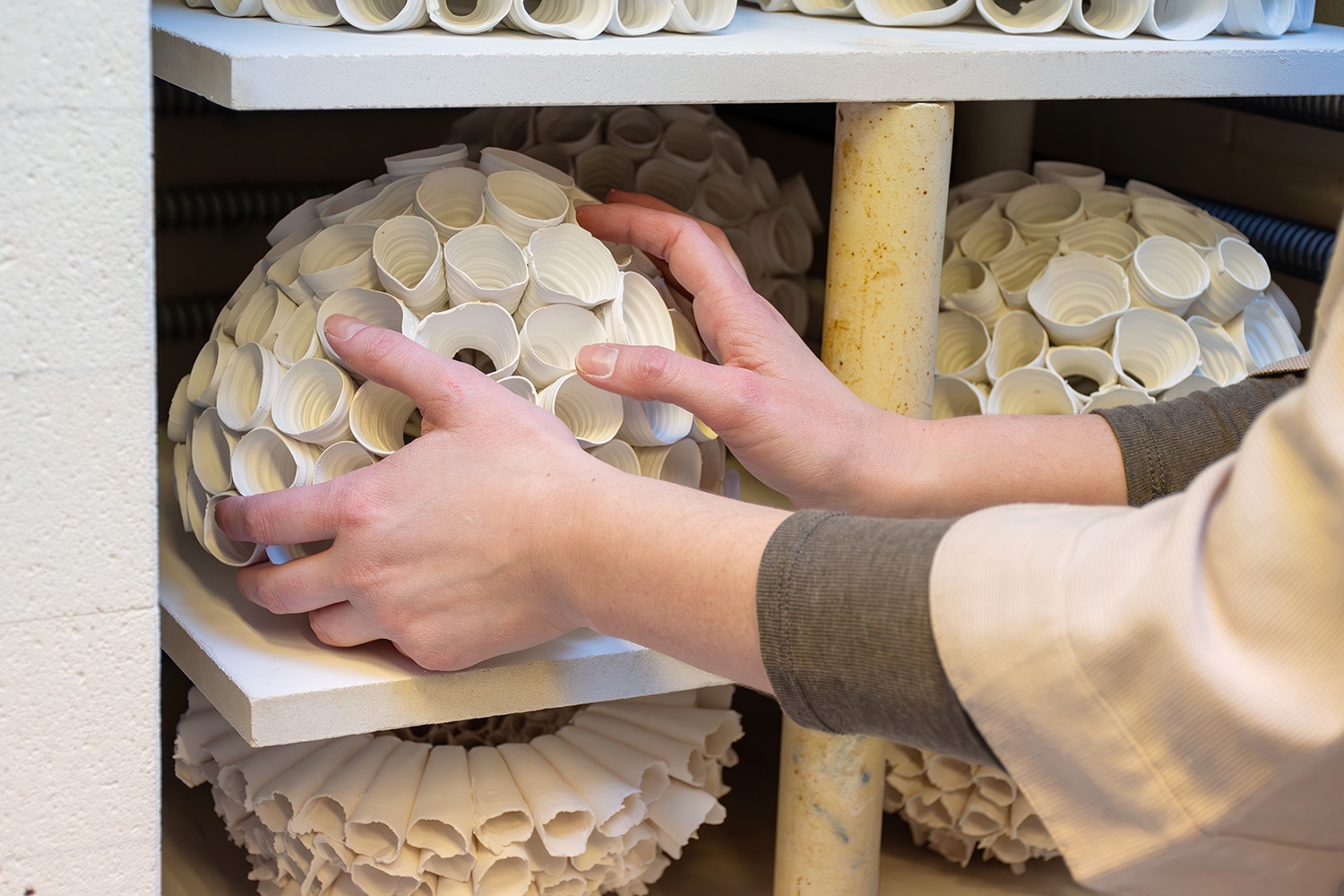
Bashar: We are drawn to forms found in nature, such as pods of seeds, seashells, coral fragments and flowers. Our home garden, in particular, is a deep well of creative inspiration. We are also inspired by the 30 years we spent living by the Mediterranean Sea.
Roula: I am attracted to both perfectly and imperfectly formed shapes. That tension between perfection and imperfection in nature is something we try to weave into our pieces.
Bashar: As an engineer, I am very focused on symmetry and structure, whereas Roula works in a more intuitive, sometimes chaotic way. We talk, we disagree, but our strengths and skills complement each other.
Roula: When you have not formally studied art in college, it becomes a real challenge to teach yourself, and to keep experimenting and improving. Every year, we push ourselves further. We are also motivated by meeting other craftspeople and seeing the beautiful work they create.
Bashar & Roula Jarjour
Porcelain maker
Shippensburg, PA, USA
AVAILABILITY
By appointment only
LANGUAGES
Arabic, English
Homo Faber Finds is a new service aiming to inspire admirers of craft to connect and collaborate with exceptional artisans.
We invite you to submit an enquiry here.