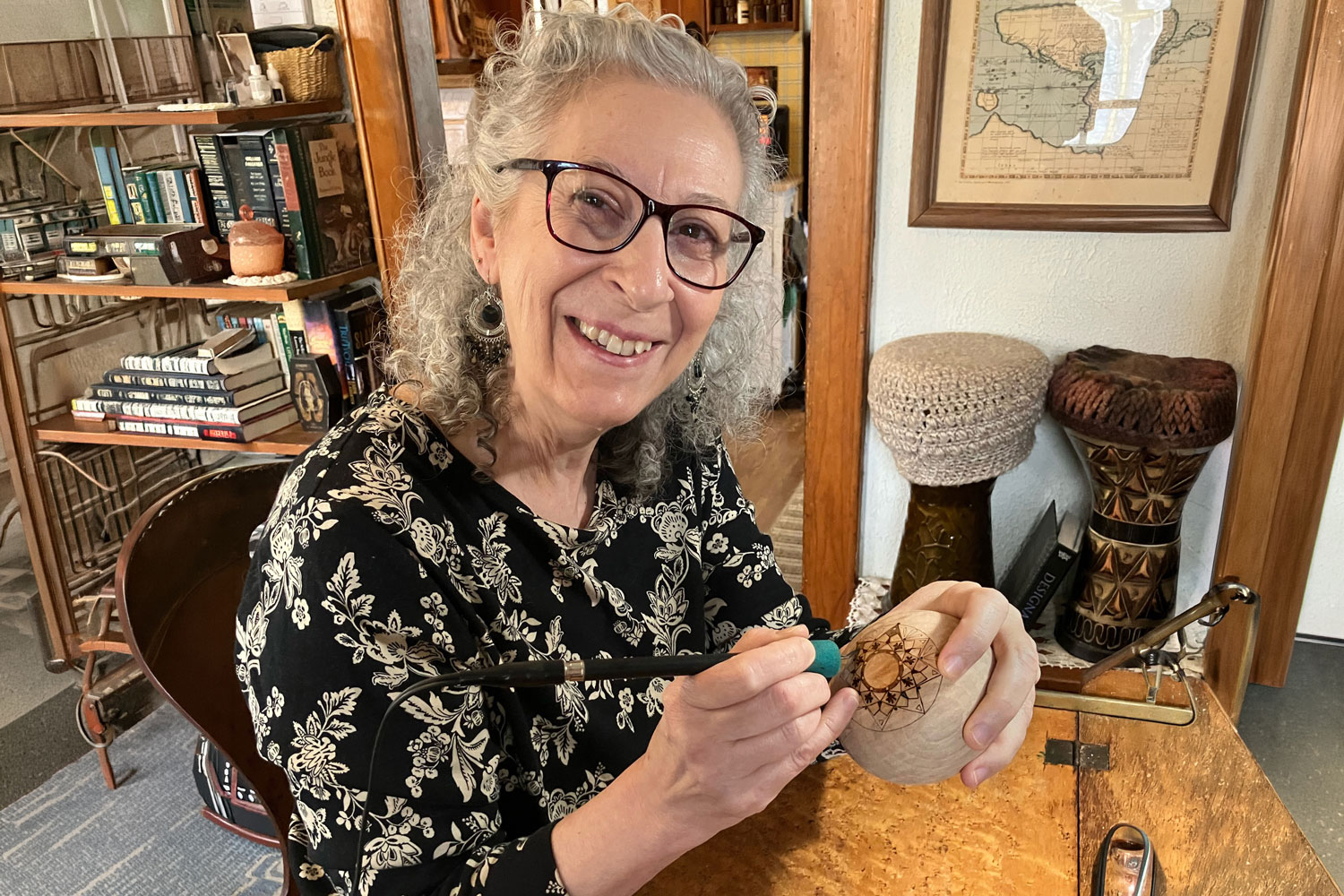
Carol Shaw-Sutton
Textile sculptor
Ventura, CA, USA
Recommended by Craft in America
Woven pieces of California
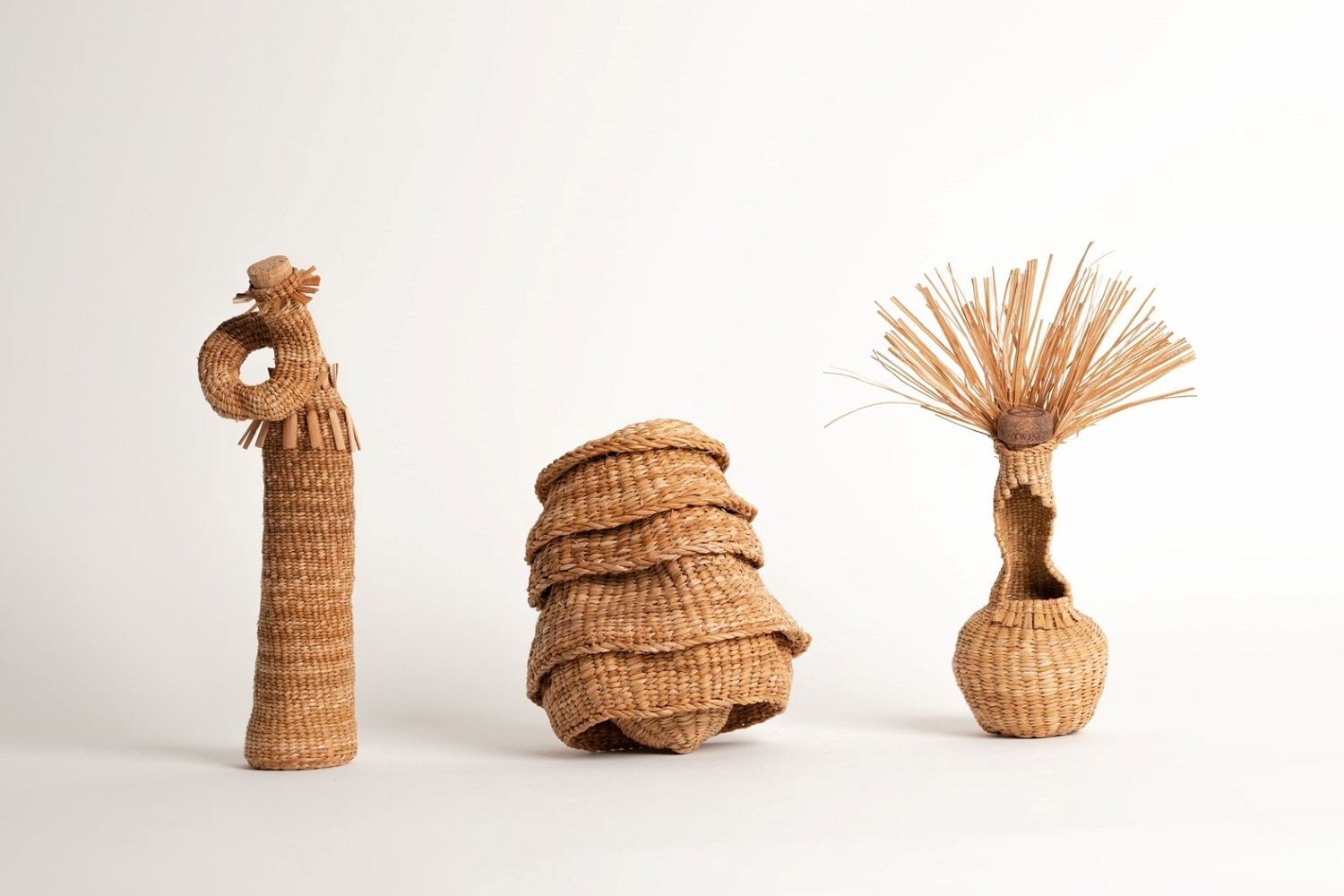
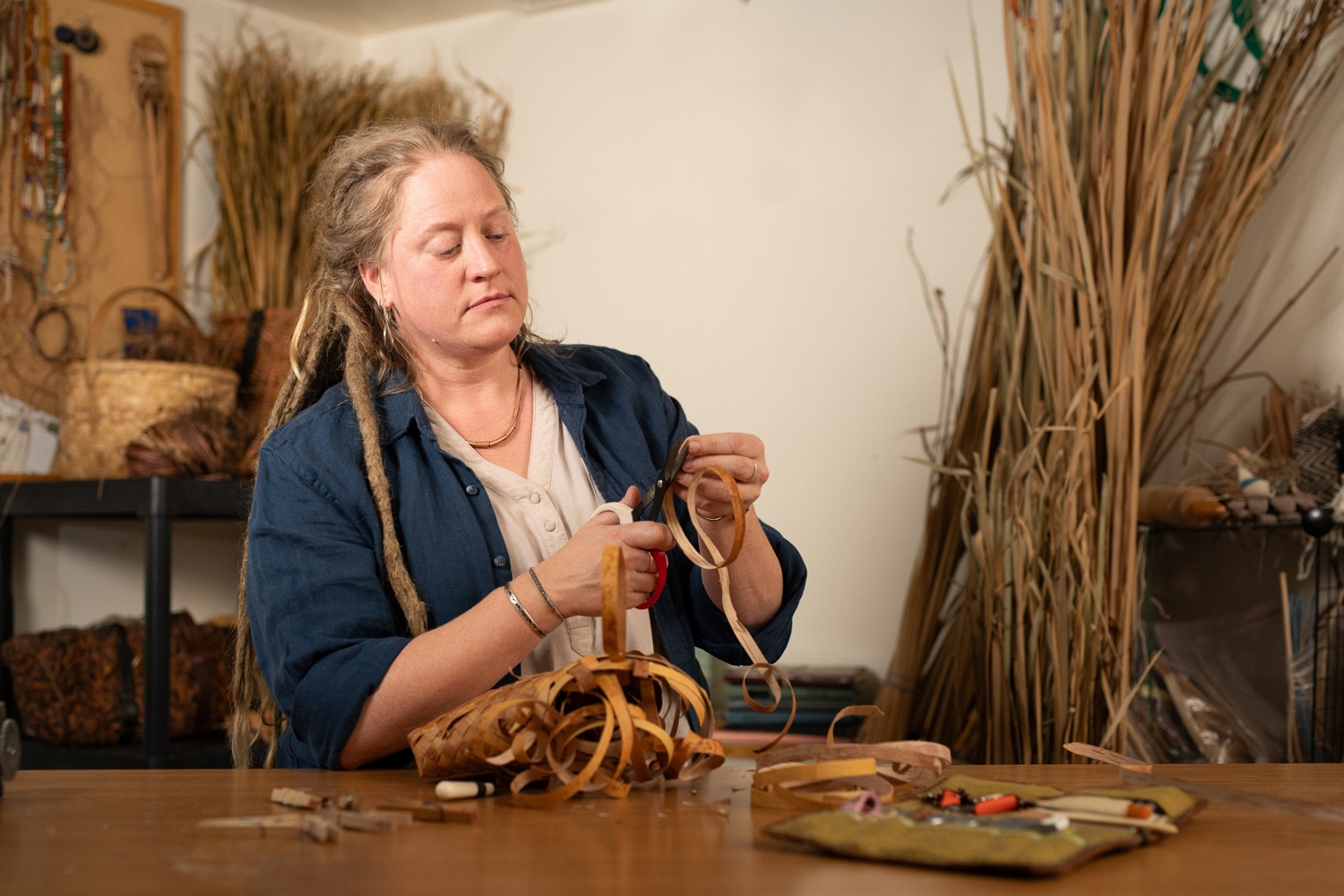
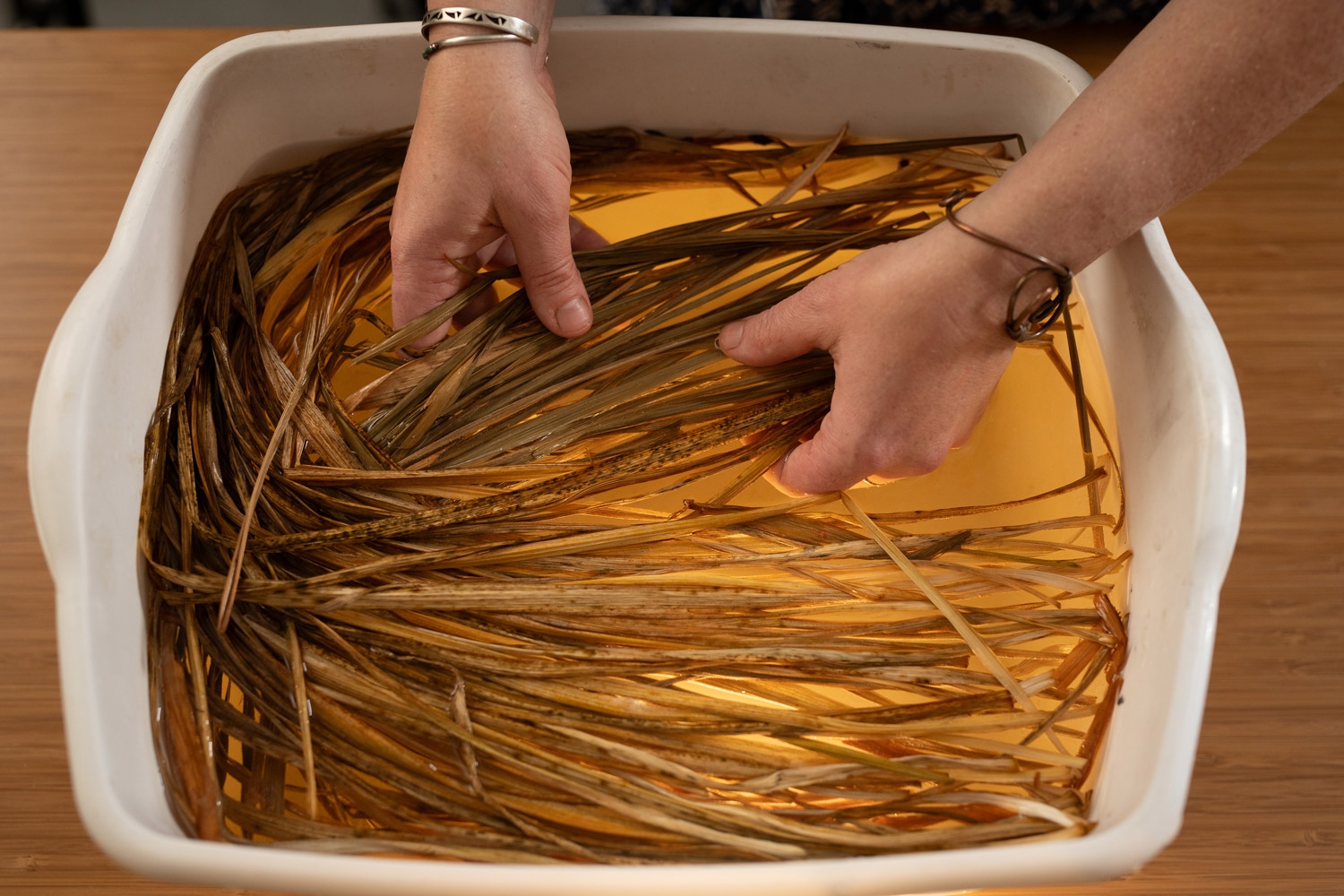
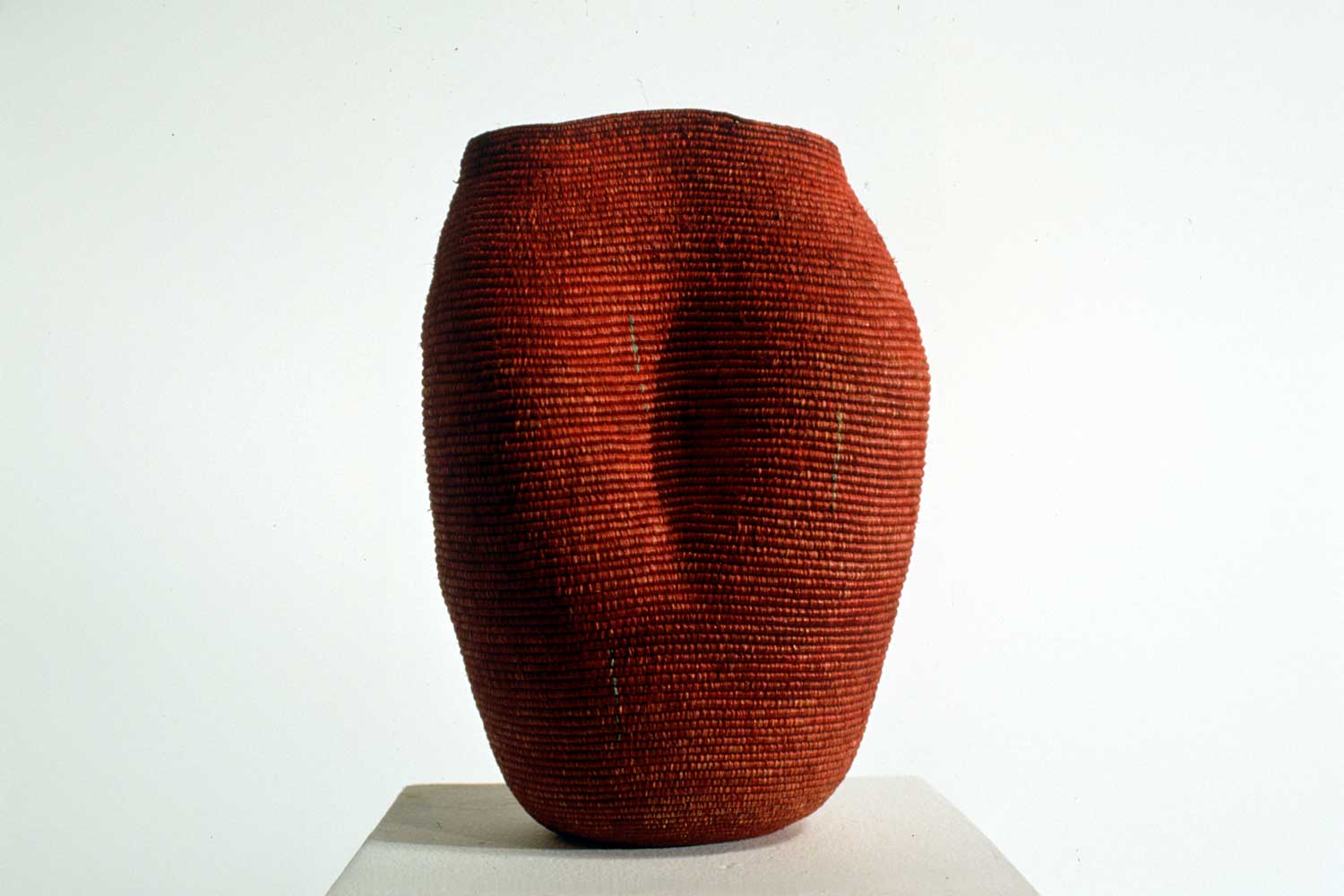
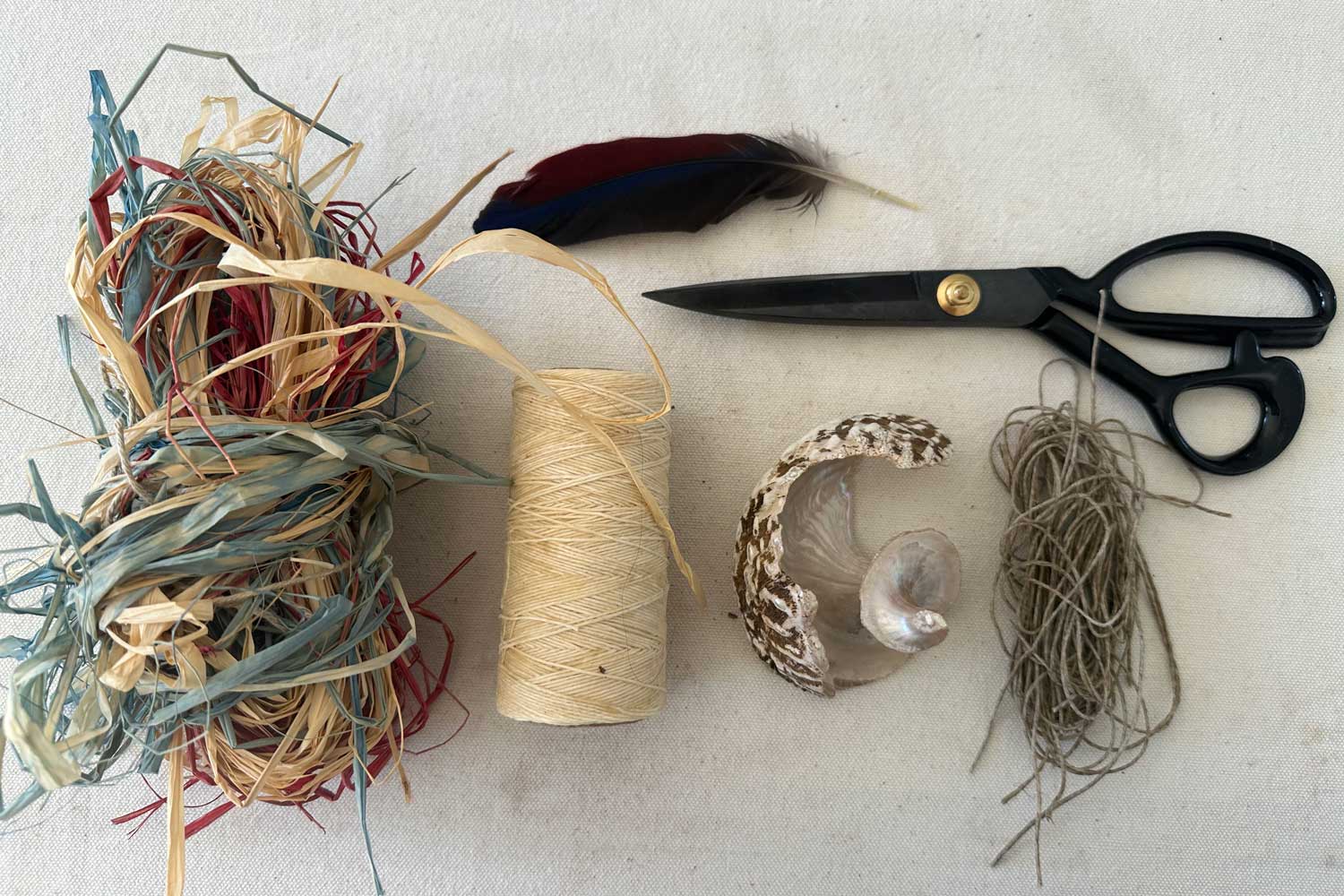
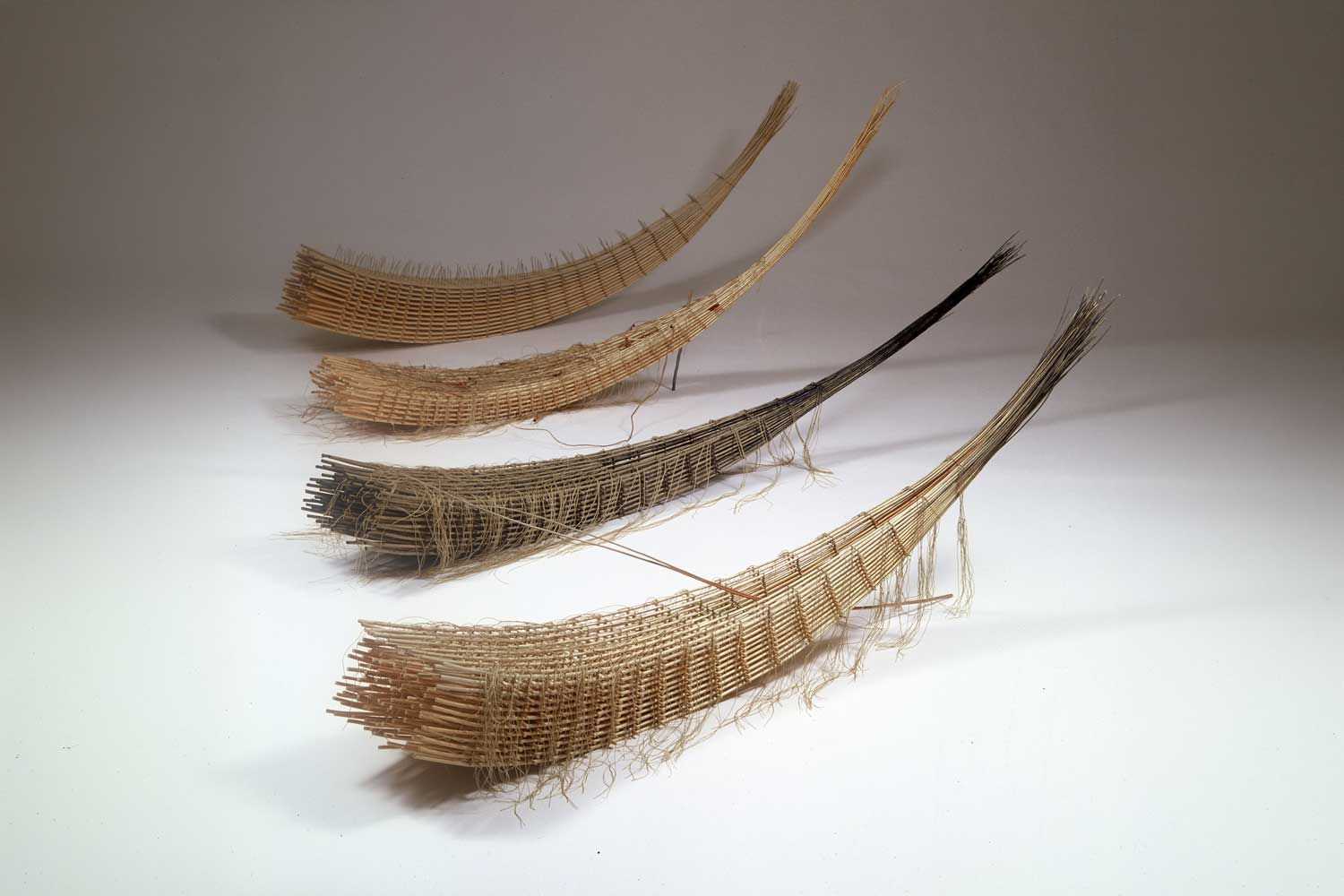
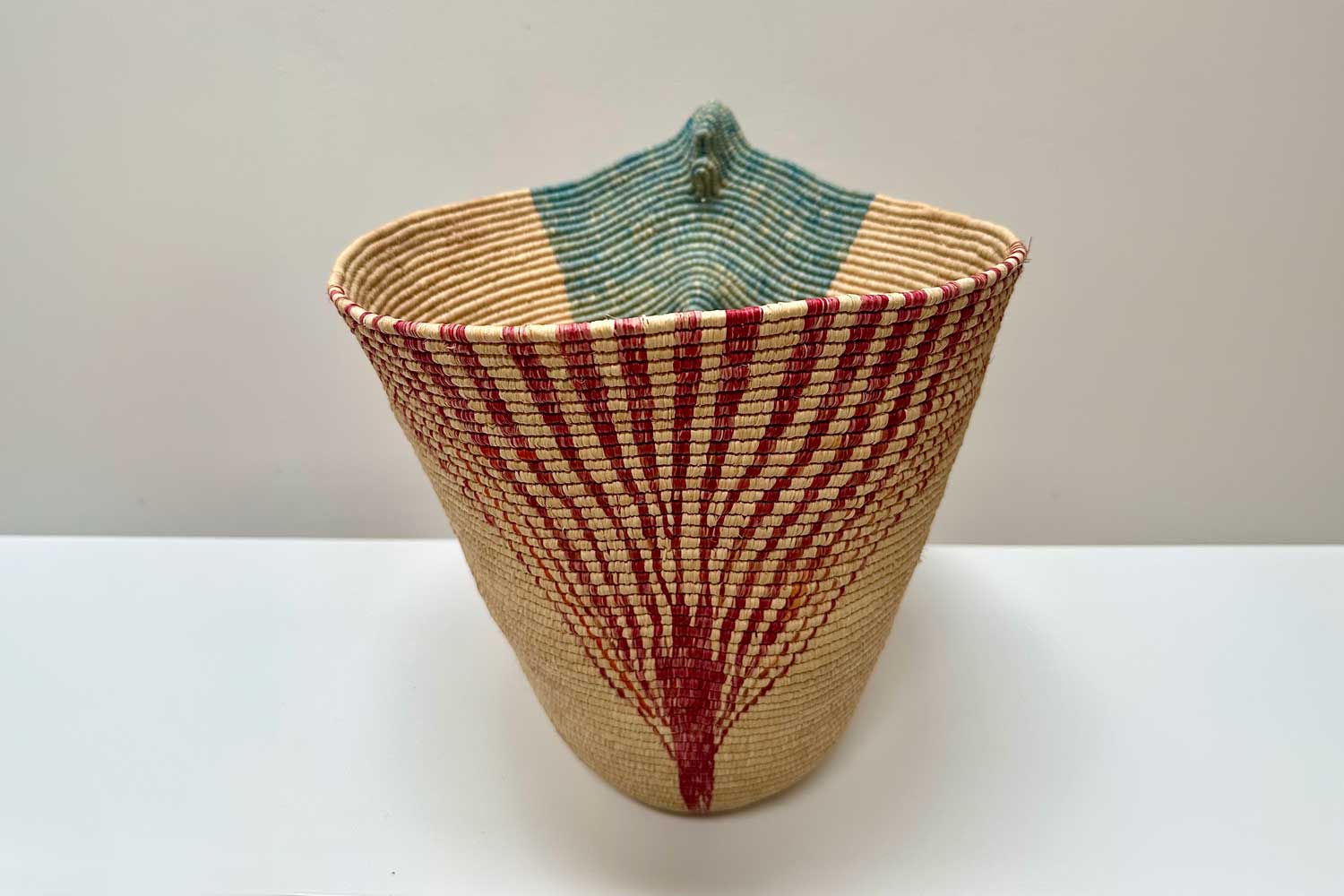
- Carol creates baskets and sculptural works from natural materials including willow
- She first experimented with textiles as a form of therapy as a young child
- Her pieces have been exhibited at the de Young Museum and the Museum of Arts and Design
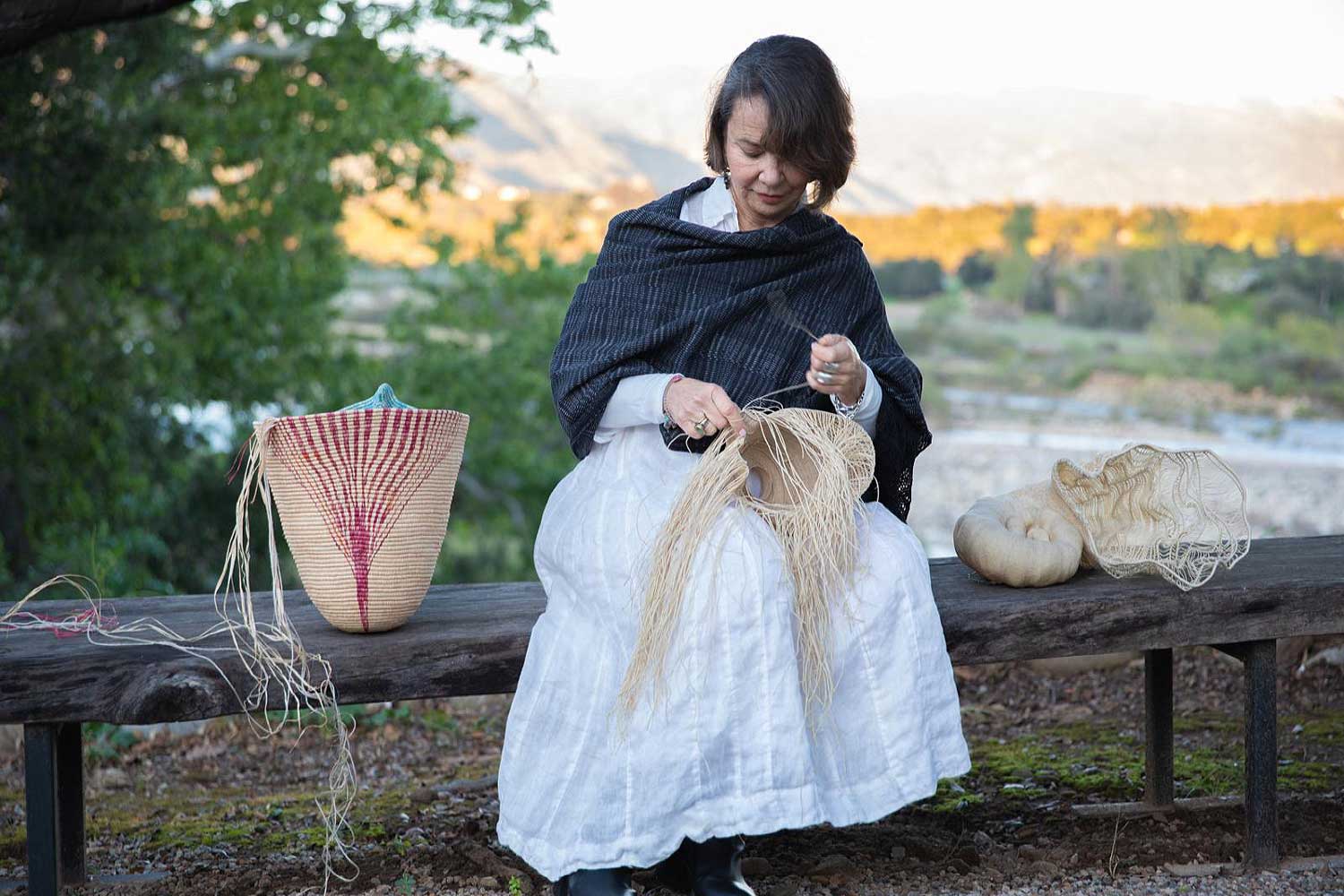
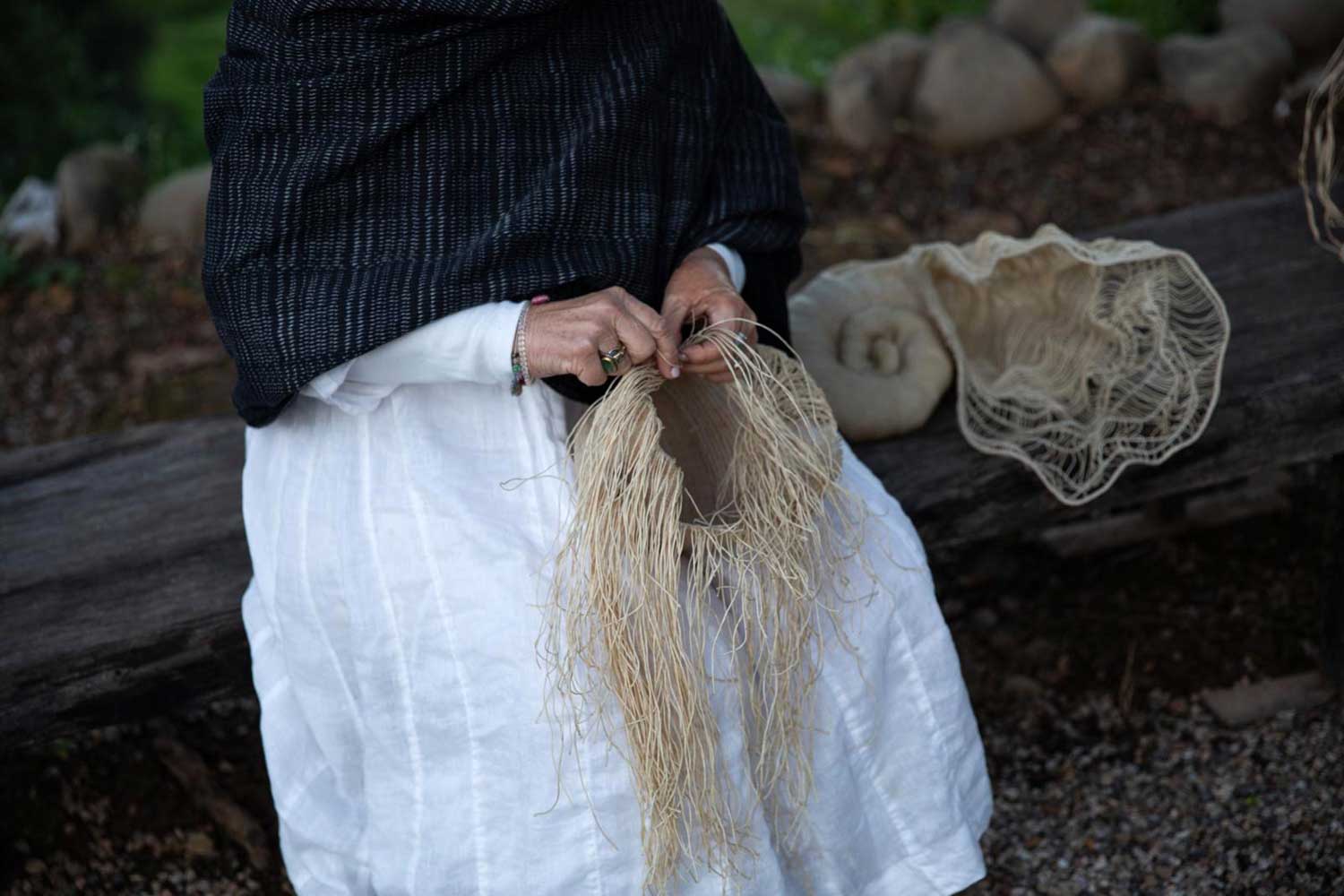
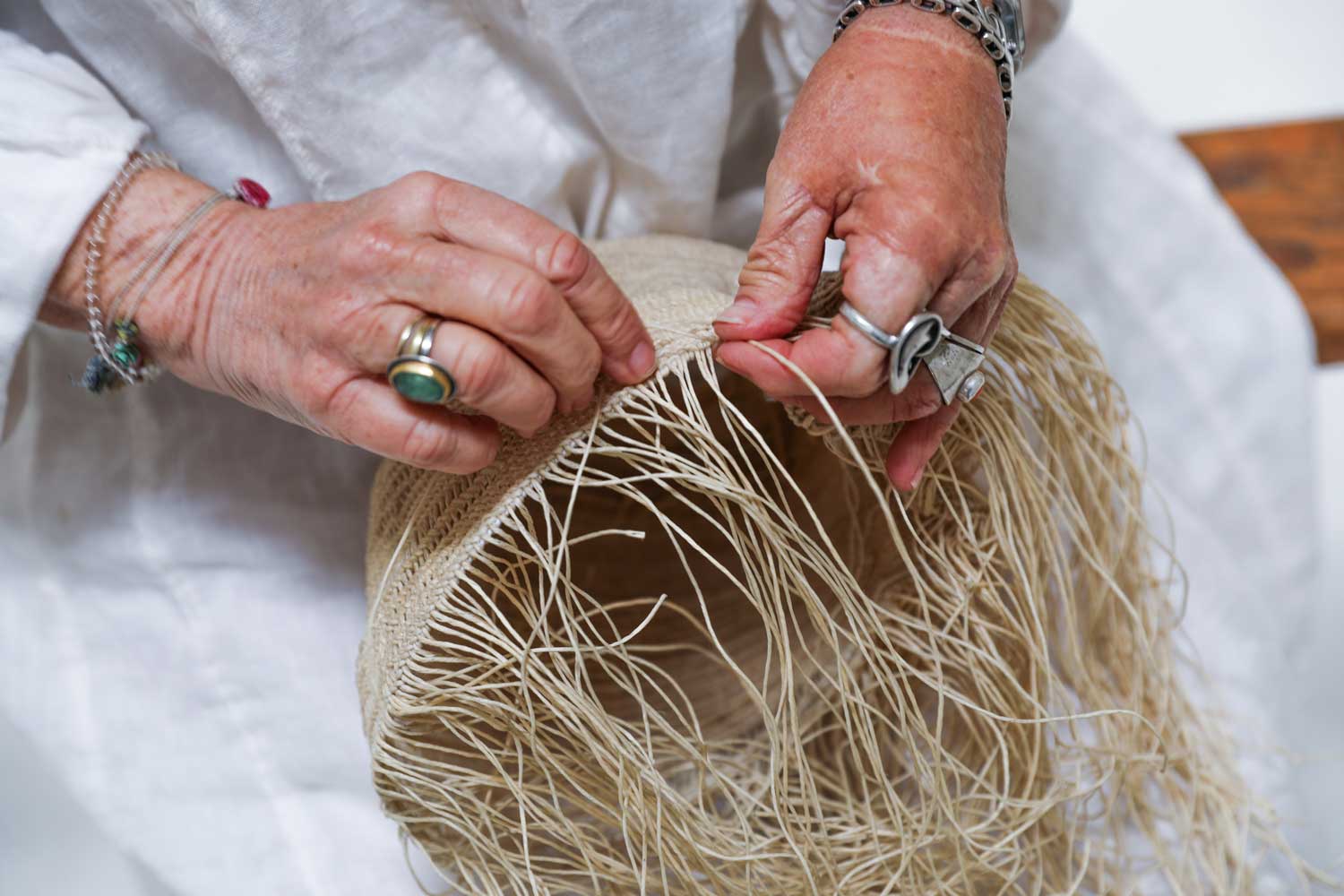
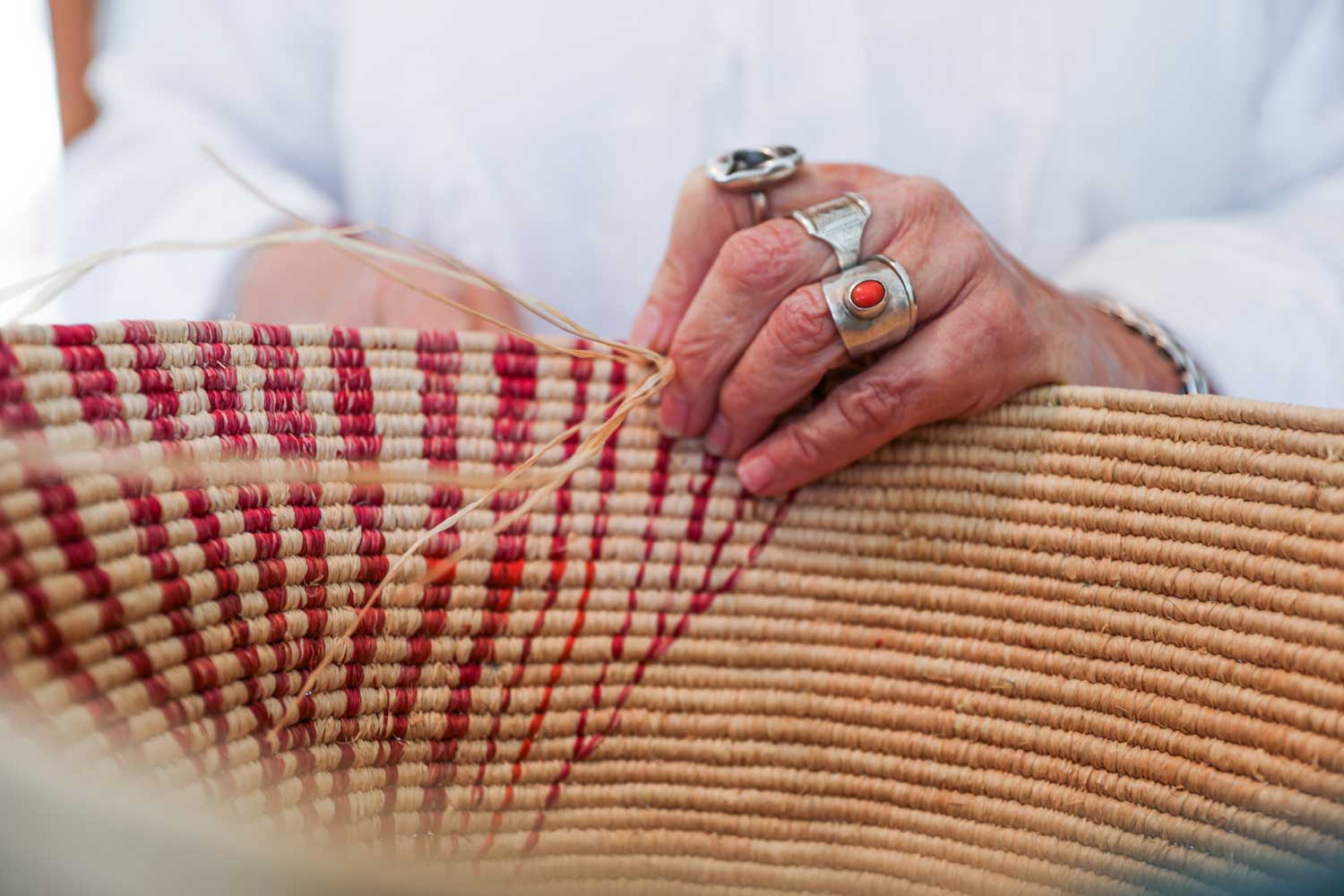
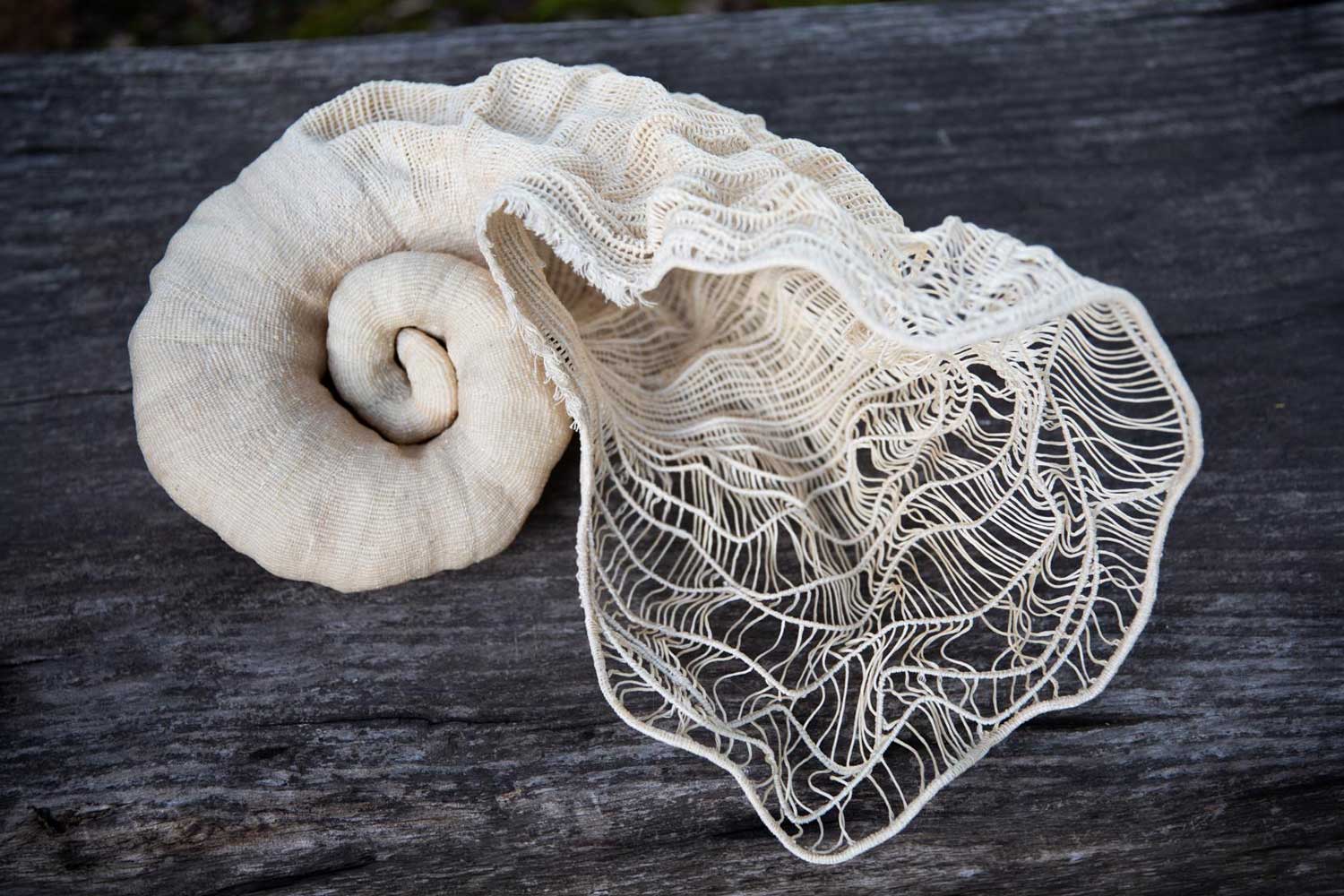
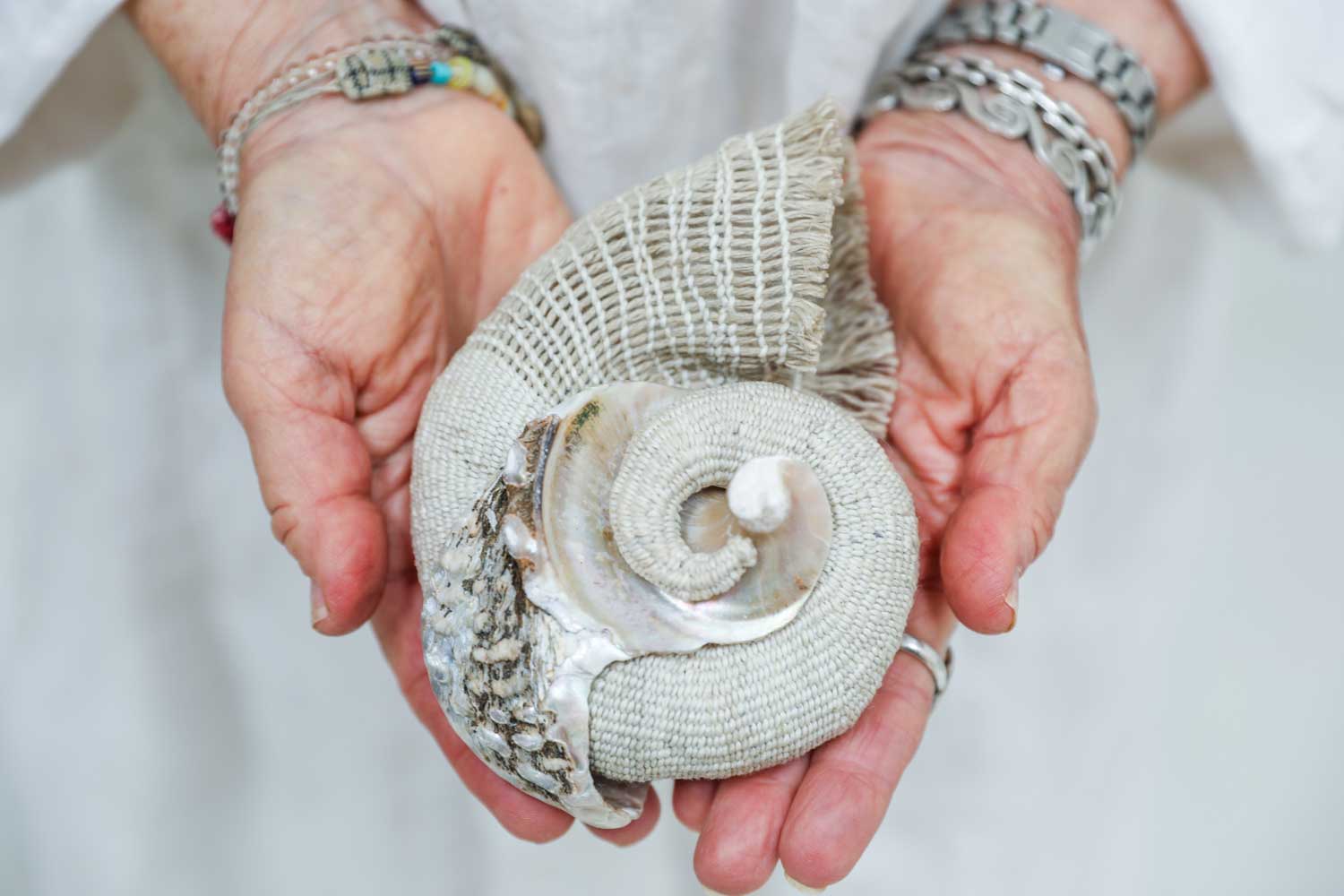
Carol Shaw-Sutton learned to knit at five years old while recovering from third-degree burns on her hands. “While textiles entered my life in the form of reconstructive therapy, I remember enjoying being alone with the time and space to look closely and quietly at things,” she says. Equally formative were childhood road trips to museums across the American Southwest, where Carol encountered Indigenous craft traditions including Hopi ceremonial coiled baskets. Another lasting impression came from watching her Japanese gardener tie backyard vines into a bundle using the vines themselves. “I began to see fibre as something not only useful but also meaningful and beautiful,” she says. Today her delicate pieces reflect shapes seen in nature and culturally significant objects, from tribal canoes to seashells. Since the early 1990s, Carol has taught at California State University’s School of Art, Long Beach, where she served as chair of the fibre programme.
INTERVIEW
I am deeply moved by Californian landscapes, from the golden grasses to the ancient sequoias and the formations of seaweed along the beaches. The life force of the land itself has been palpable to me since I was a child. I am also inspired by the convergence of the many diverse cultures and maker communities along the Pacific Rim. I now have the privilege of living on land belonging to the Chumash people, who are extraordinary basketweavers.
Our Bones Are Made of Stardust… comprises large spiralling red forms made of pigmented willow and linen, stretching nearly six metres toward wall projections of galaxies in outer space. I created the piece after attending a lecture by a physicist who spoke about how the carbon in our bones originates in the stars.
A big part of it is coming up with an idea or vision that thrills me. Once that happens, a sort of electricity overtakes me as I begin the making process. It is almost like sticking my fingers into a socket. It charges me with energy that makes me want to stay up all night, or work for months, to see a piece through.
The language of textile allows me to connect deeply with students and makers from all over the world. Craft is a powerful way to communicate, and fibre is an especially expressive medium. After all, we are immediately swaddled in cloth when we are born into the world.
Carol Shaw-Sutton
Textile sculptor
Ventura, CA, USA
Recommended by Craft in America
ADDRESS
Address upon request, Ventura, CA, USA
AVAILABILITY
By appointment only
LANGUAGES
English
Homo Faber Finds is a new service aiming to inspire admirers of craft to connect and collaborate with exceptional artisans.
We invite you to submit an enquiry here.