Carol Eckert
Textile sculptor
Tempe, AZ, USA
A coil of natural connection
- Carol creates coiled fibre pieces inspired by cabinets of curiosity
- After training as an artist, she discovered basketry and has made it her own
- Her work explores humanity’s complex relationship with nature
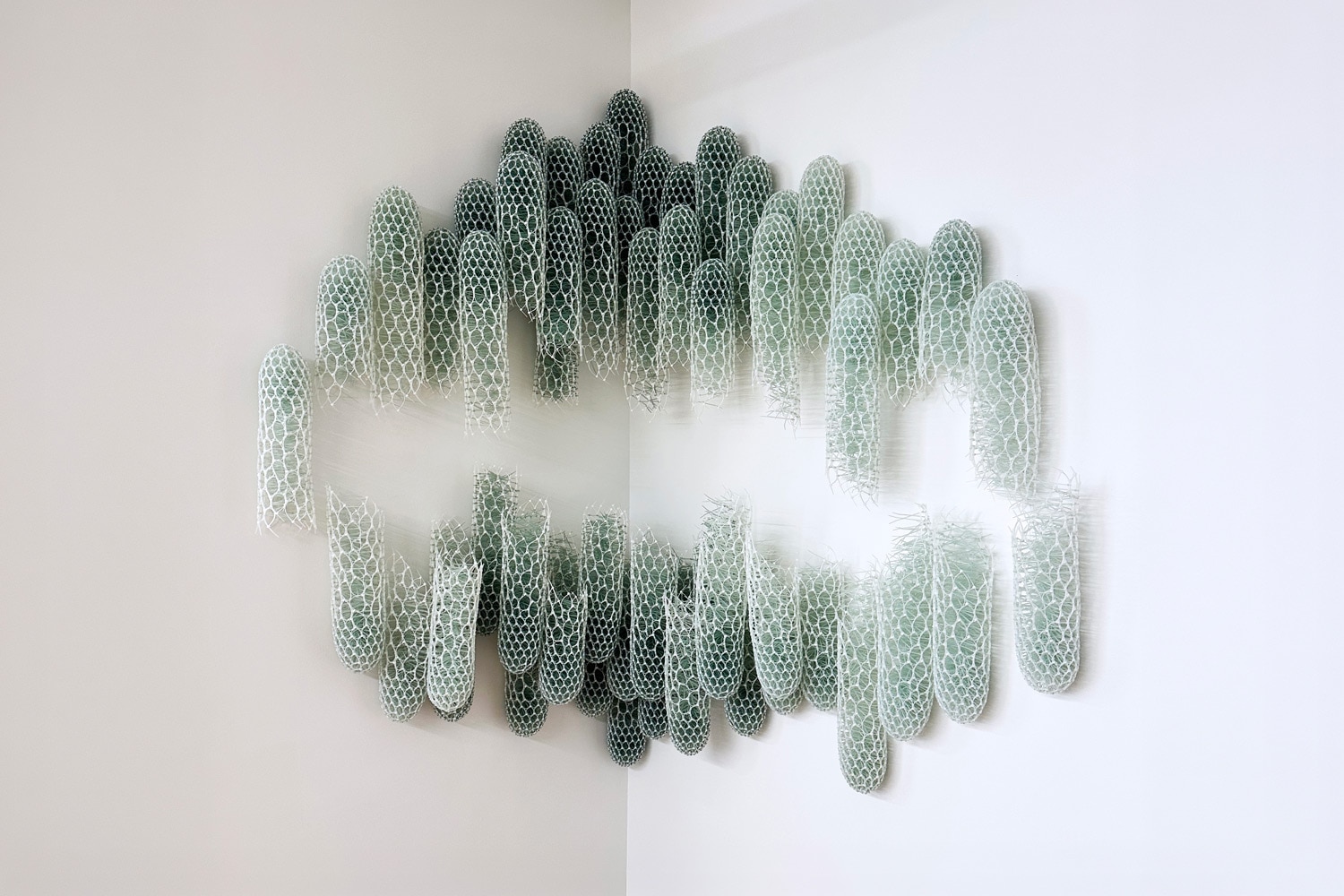
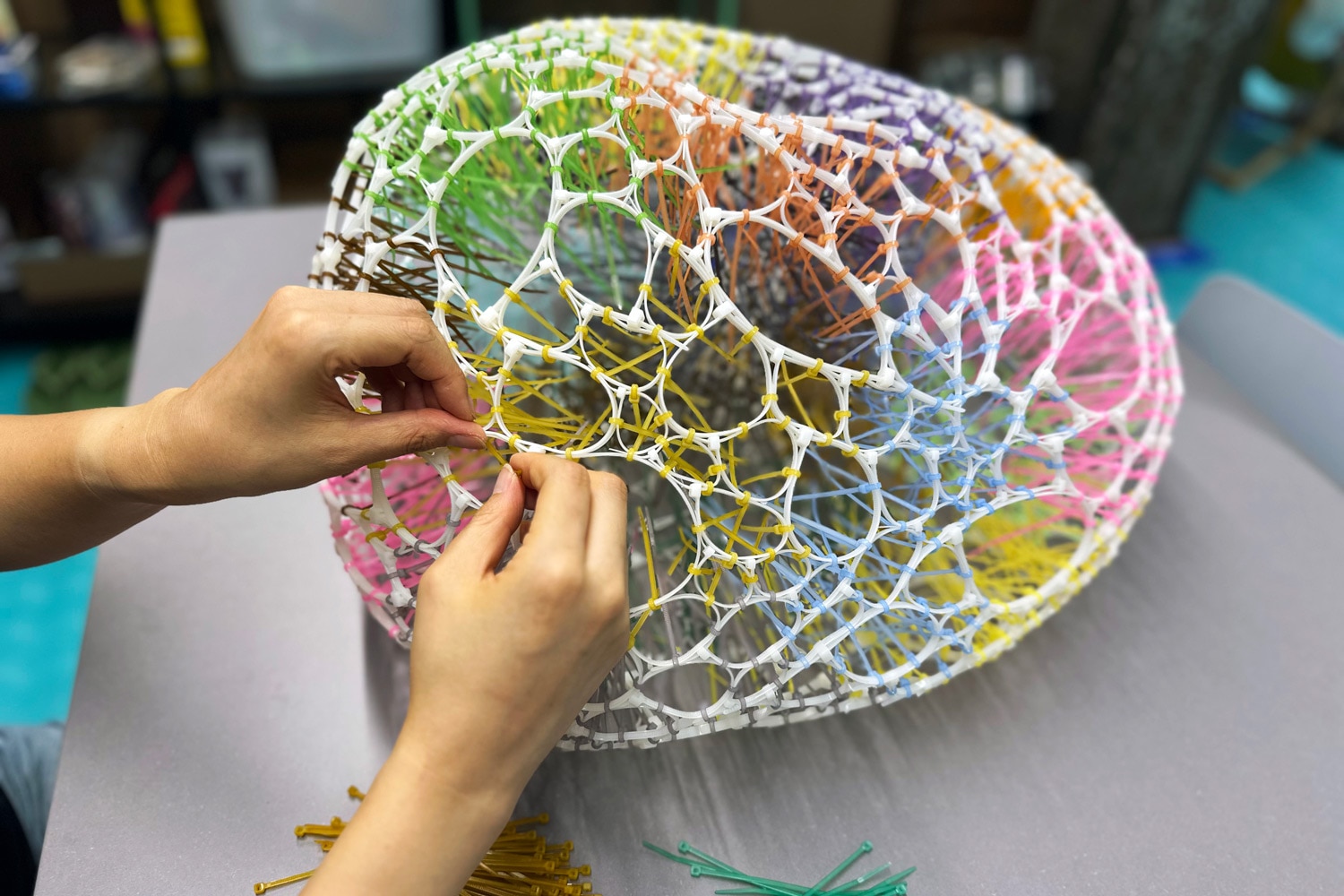
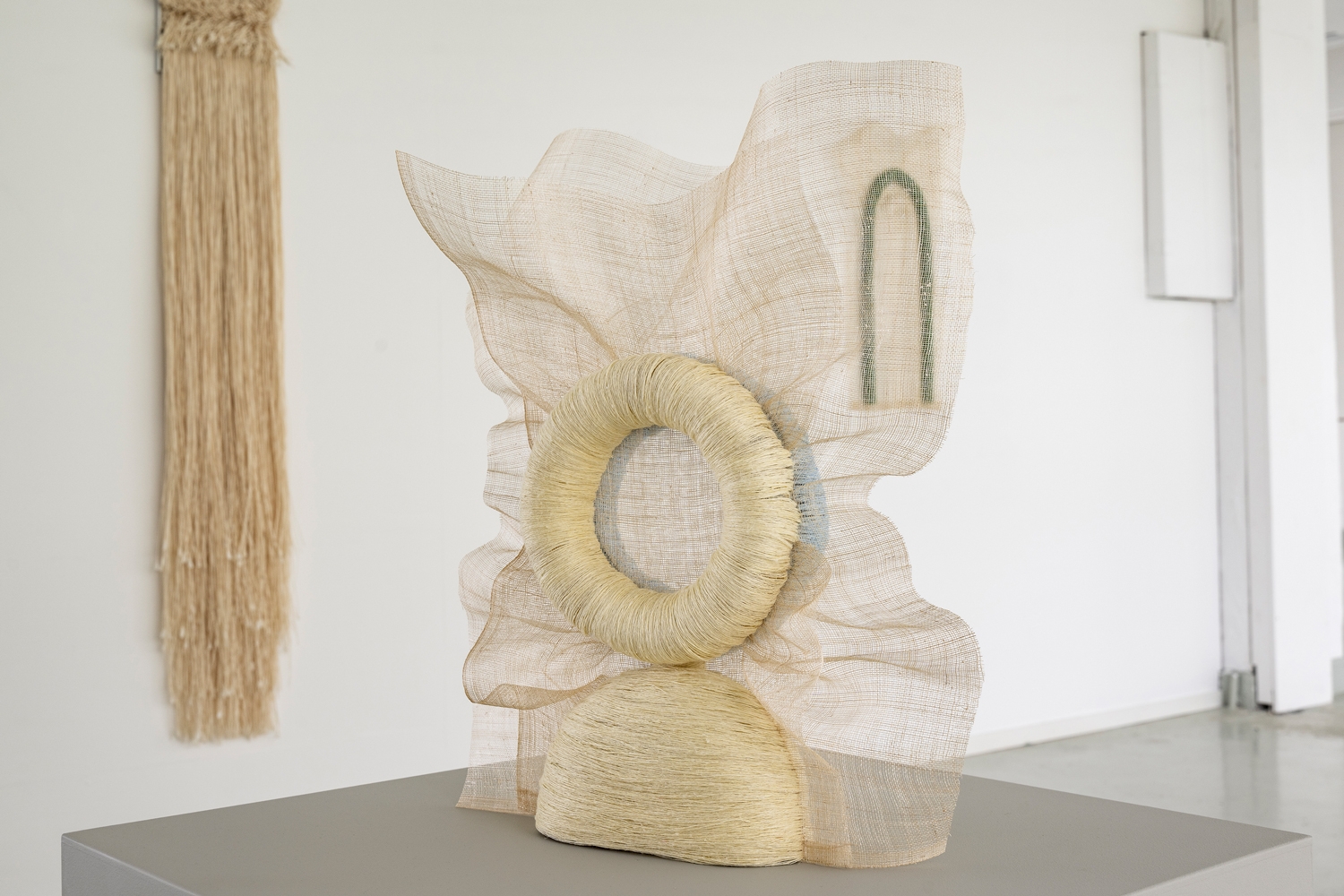
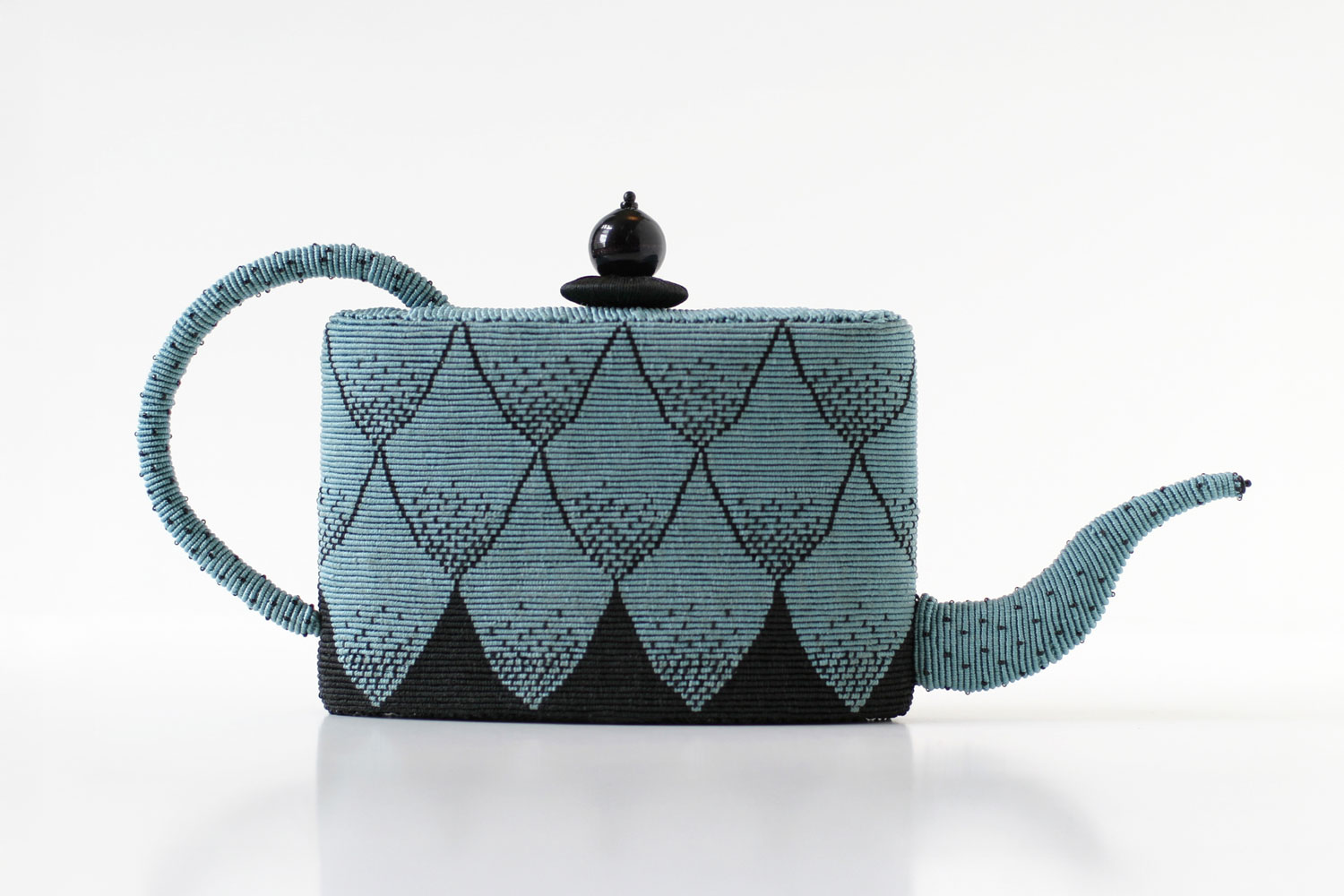
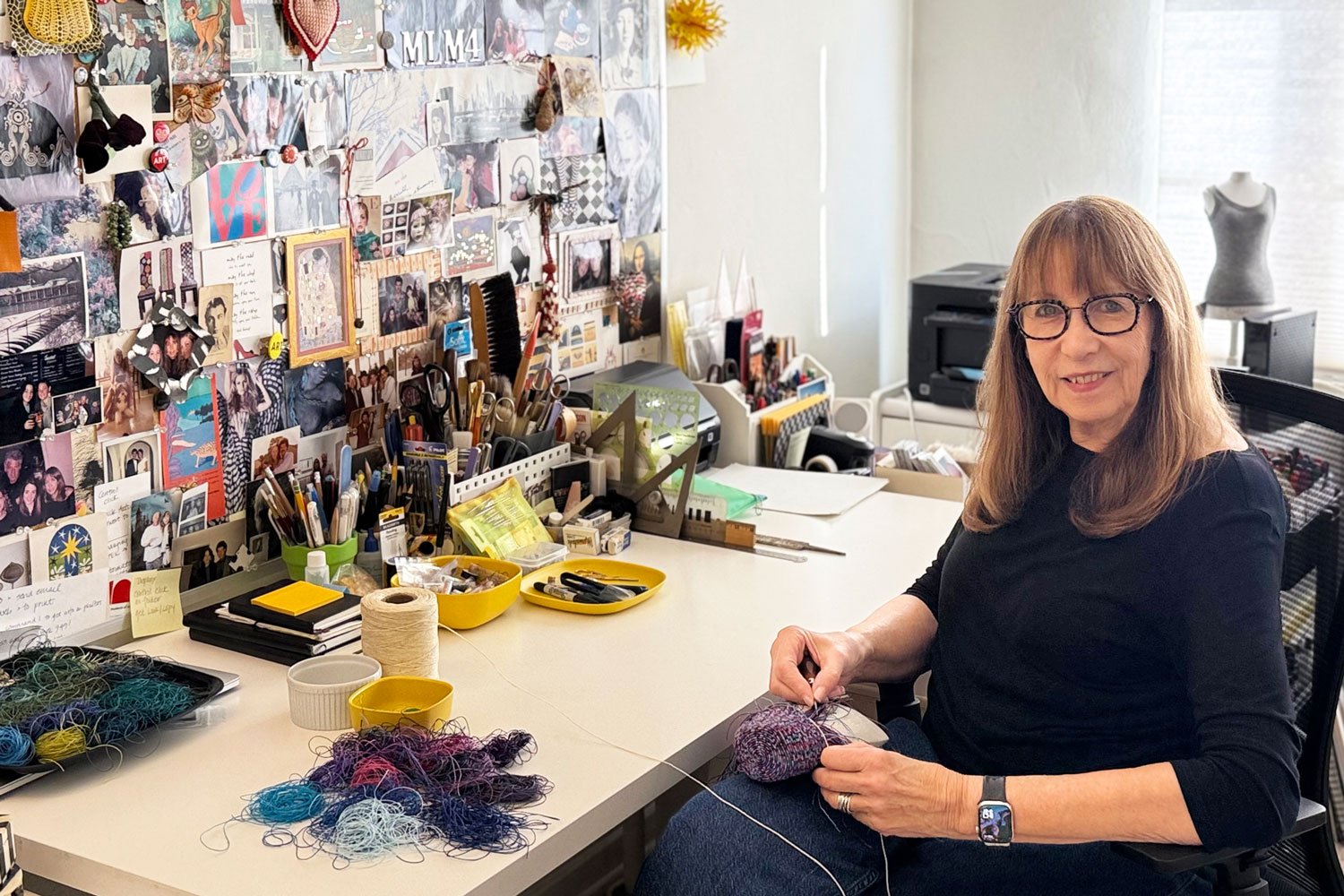
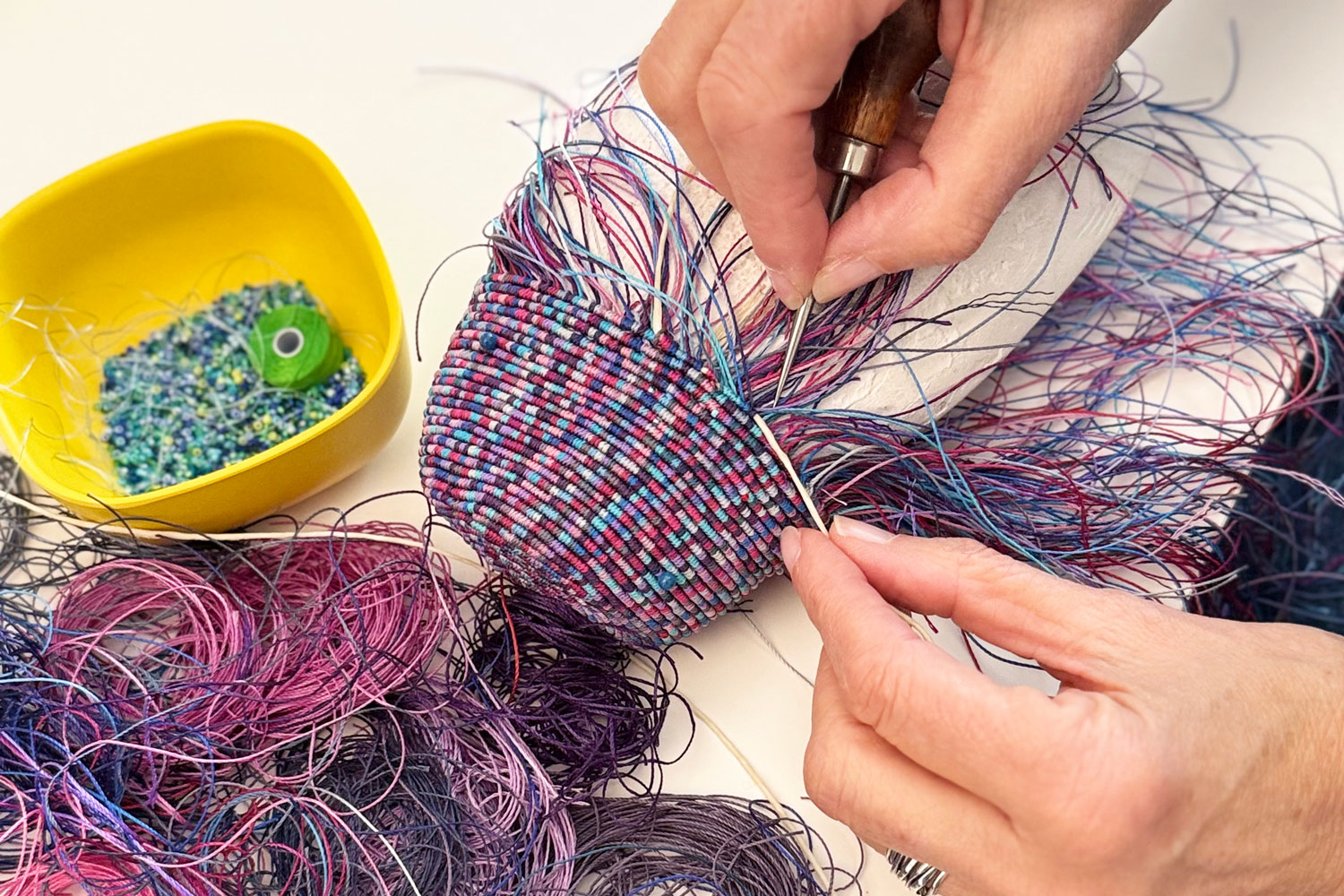
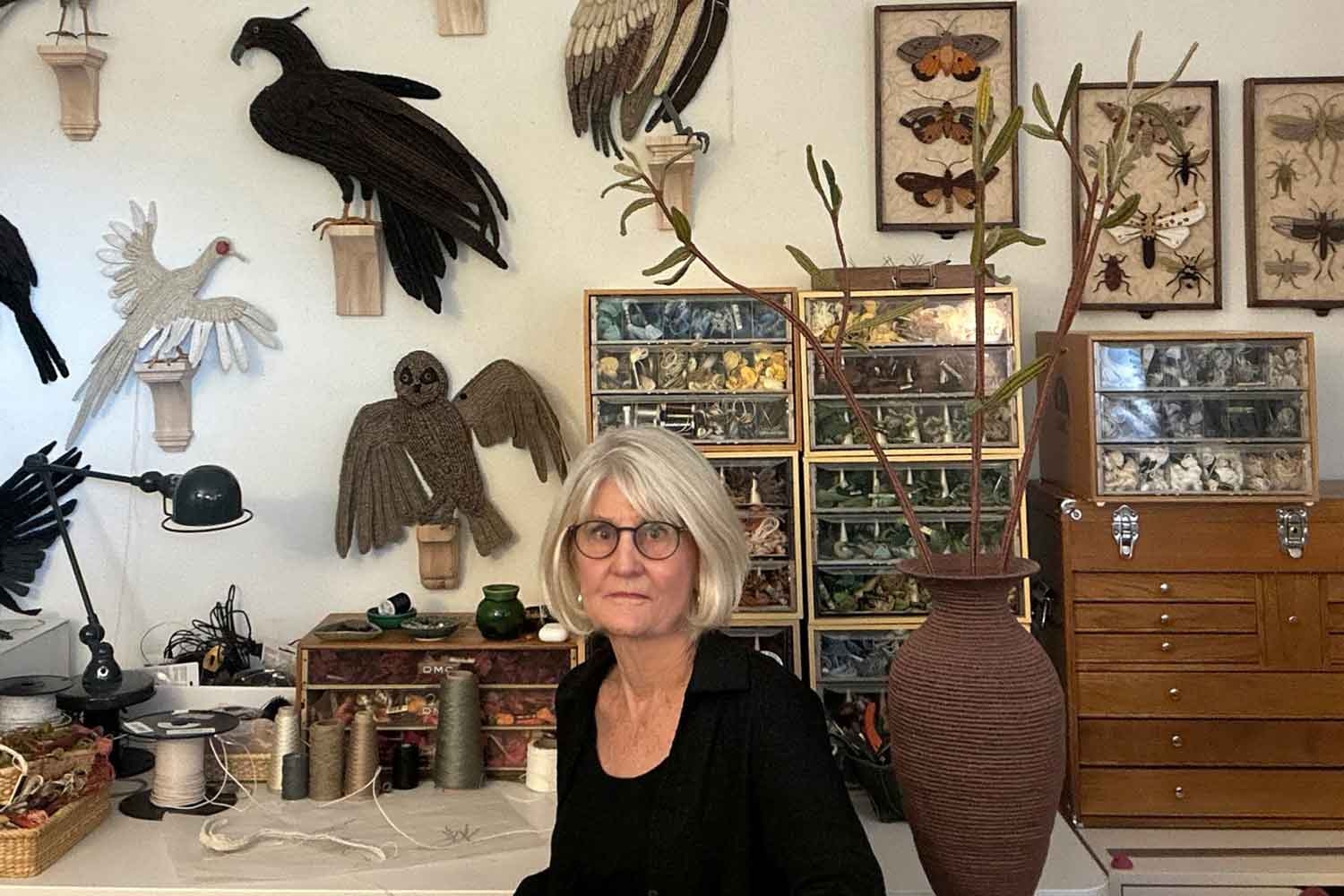
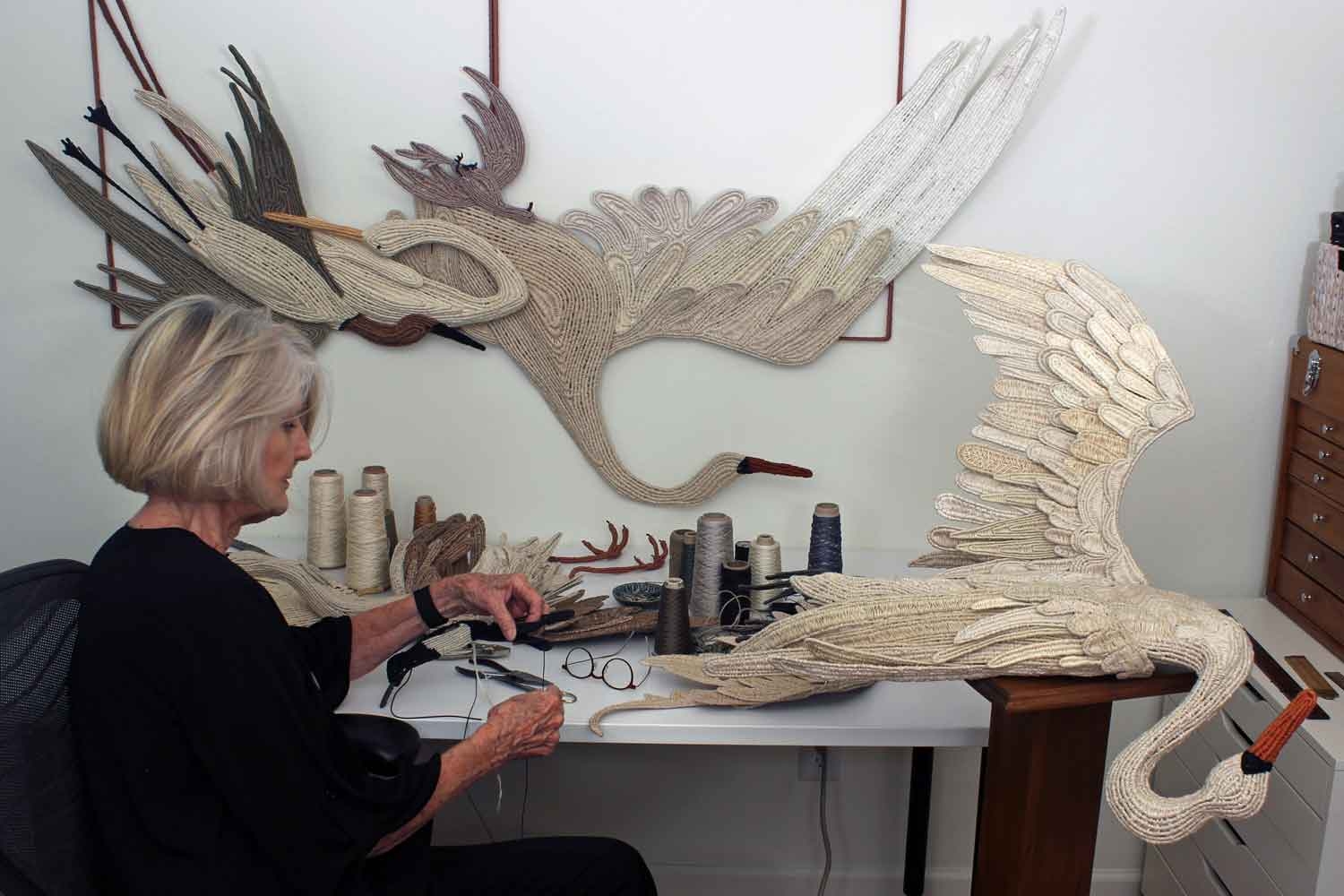
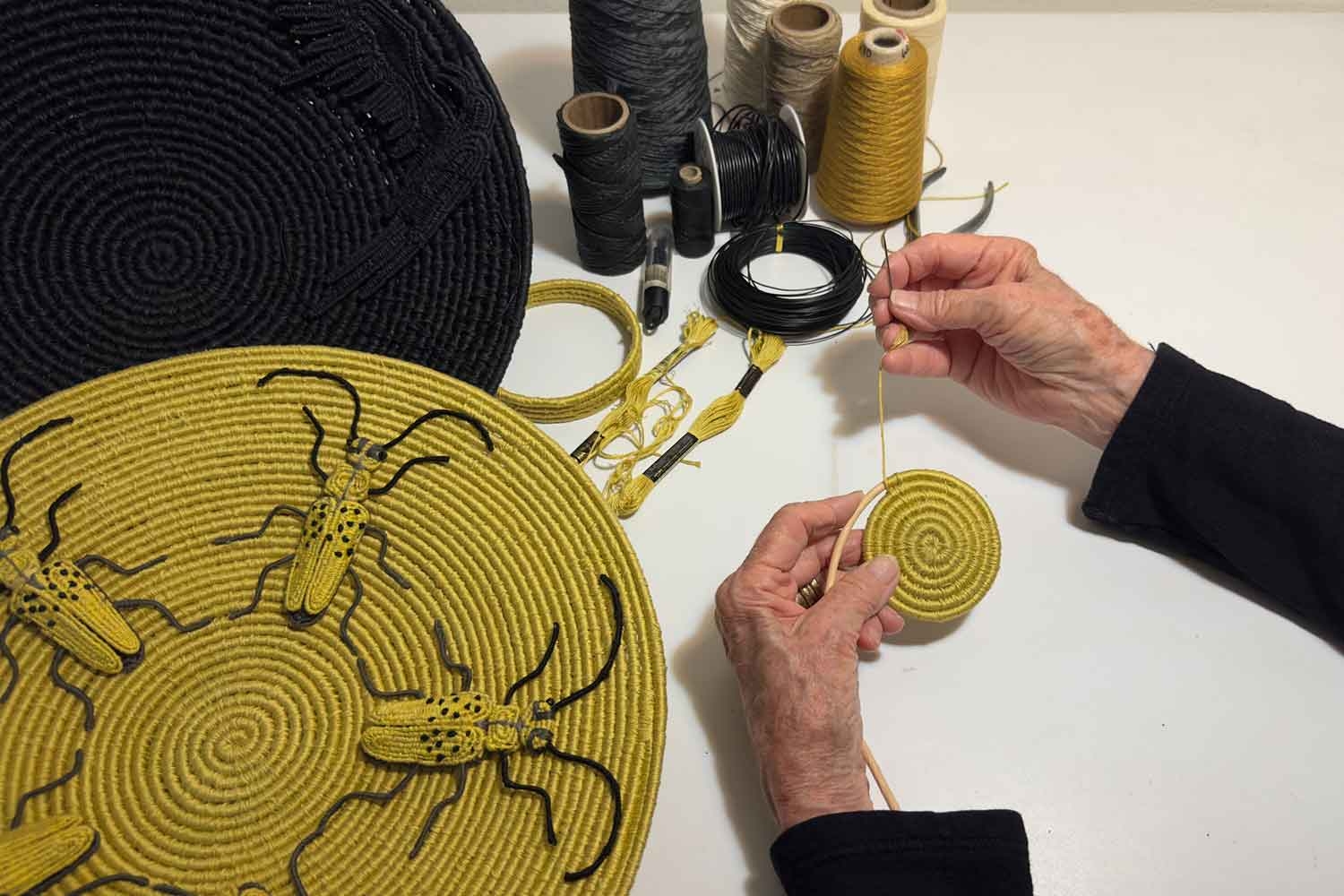
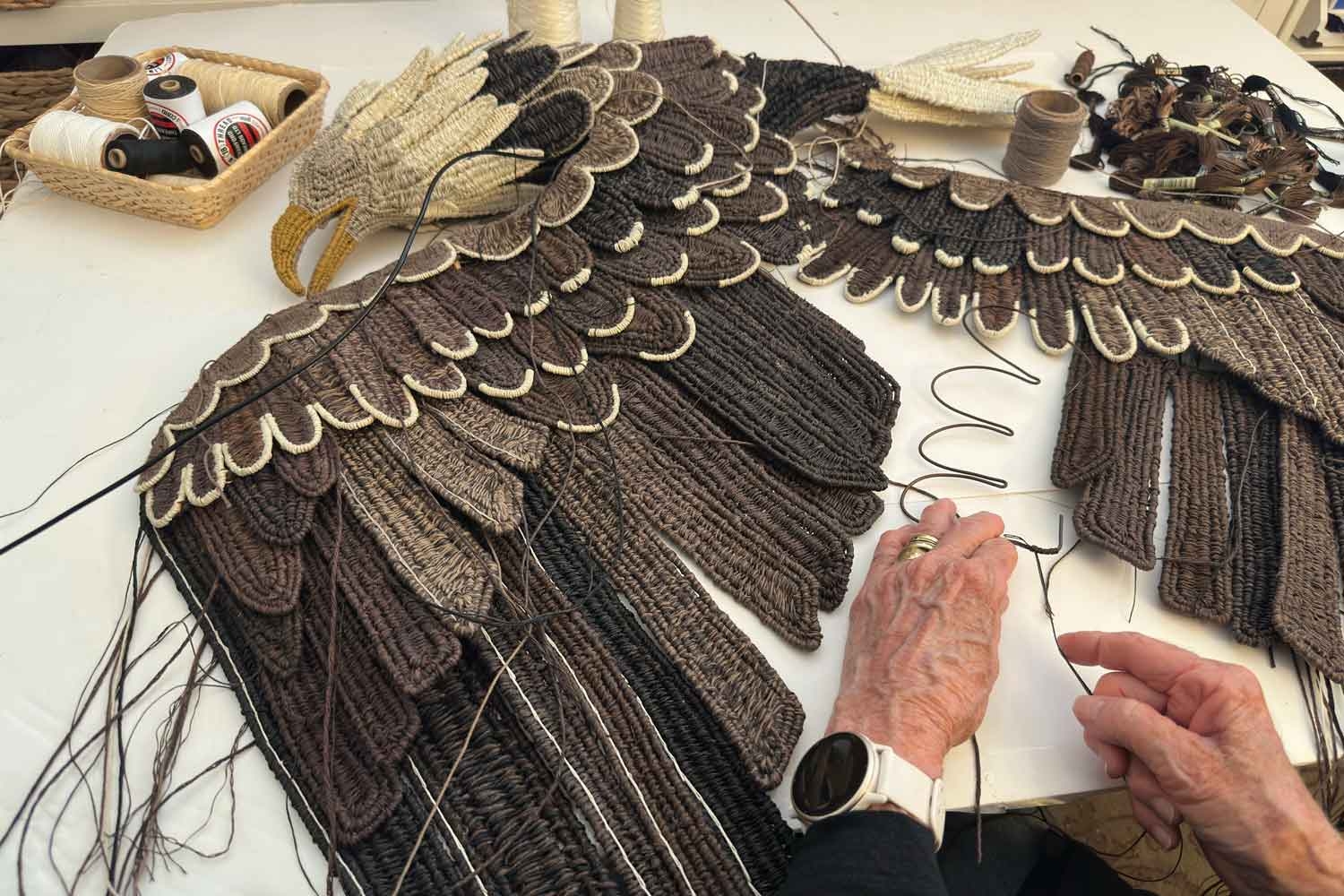
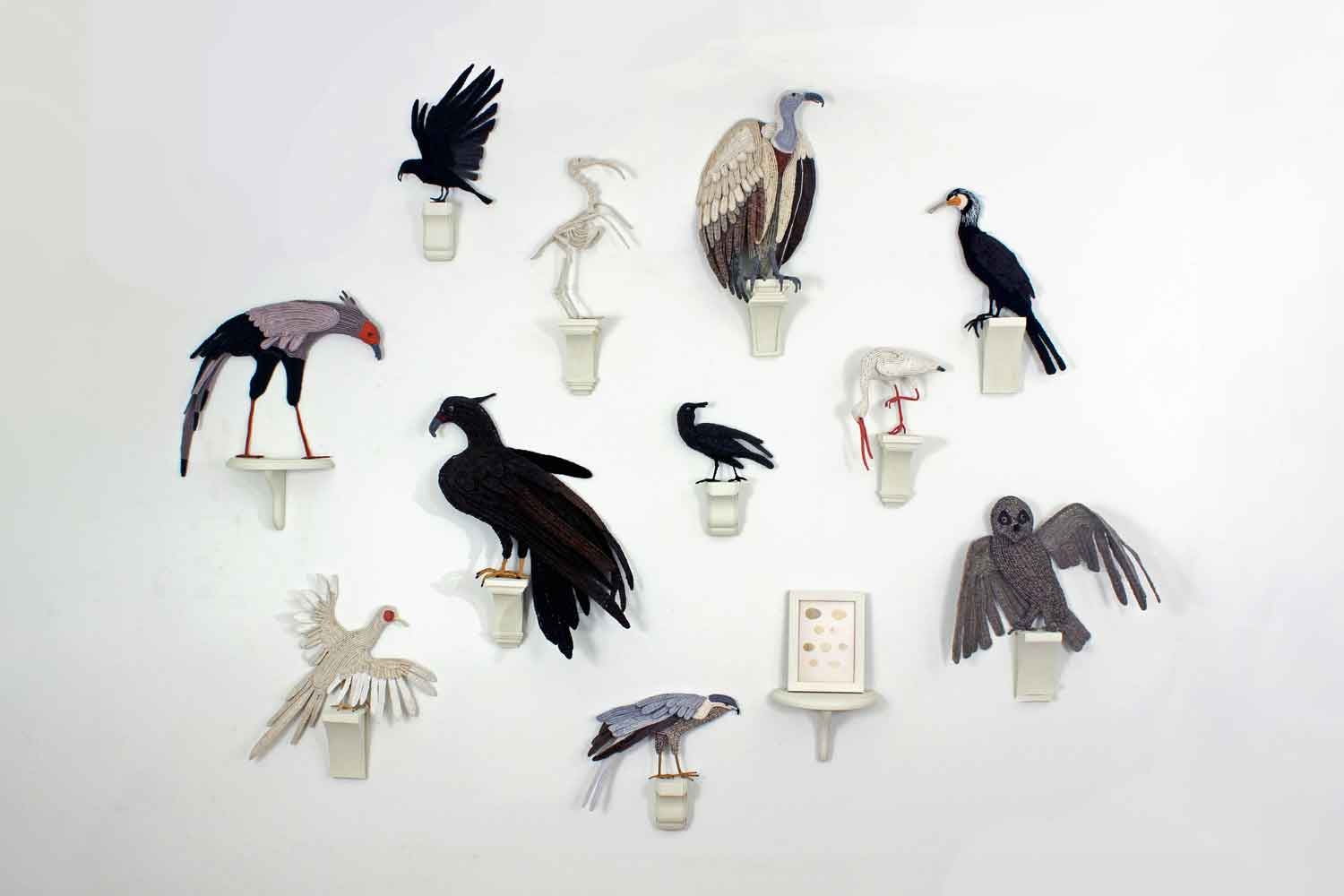
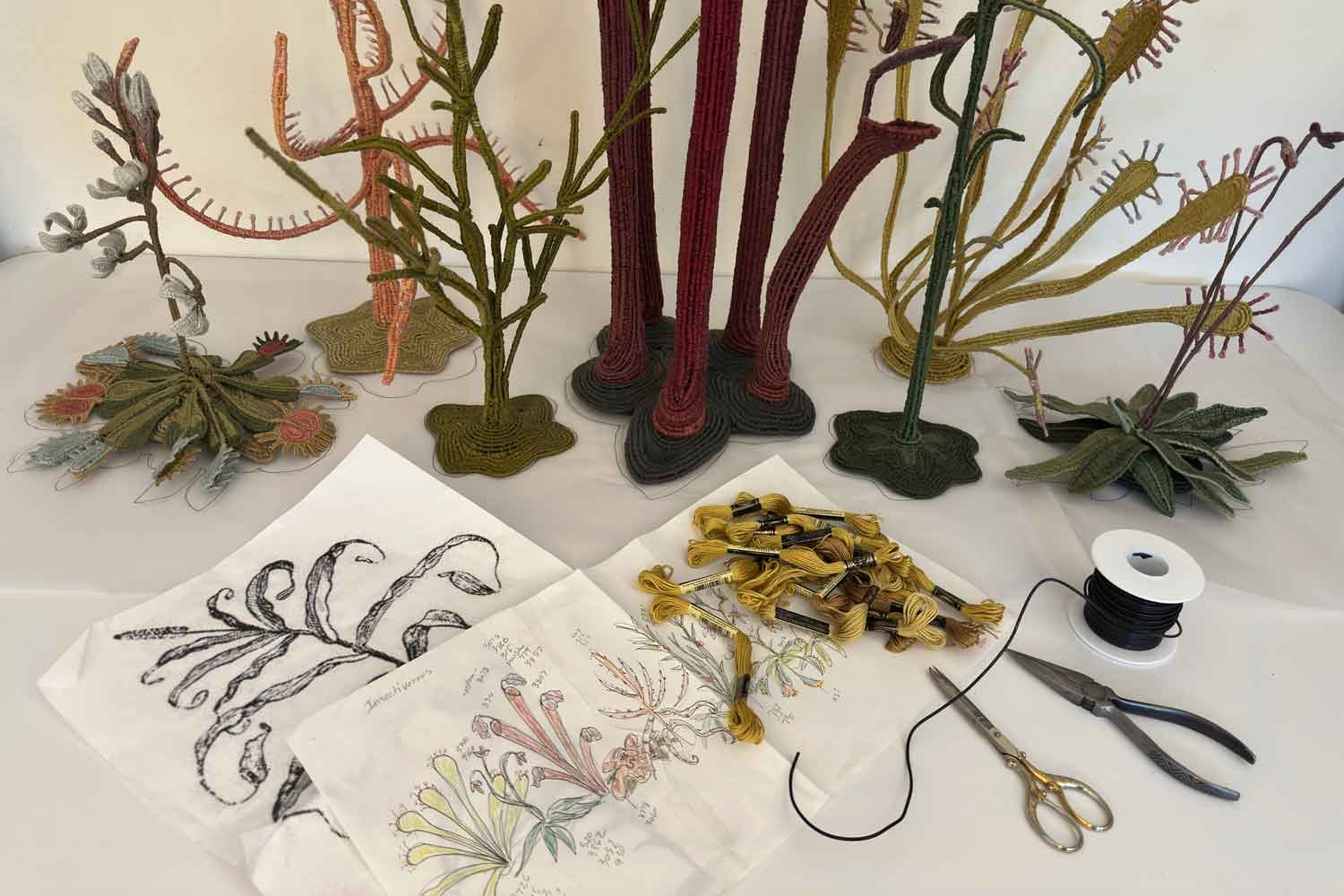
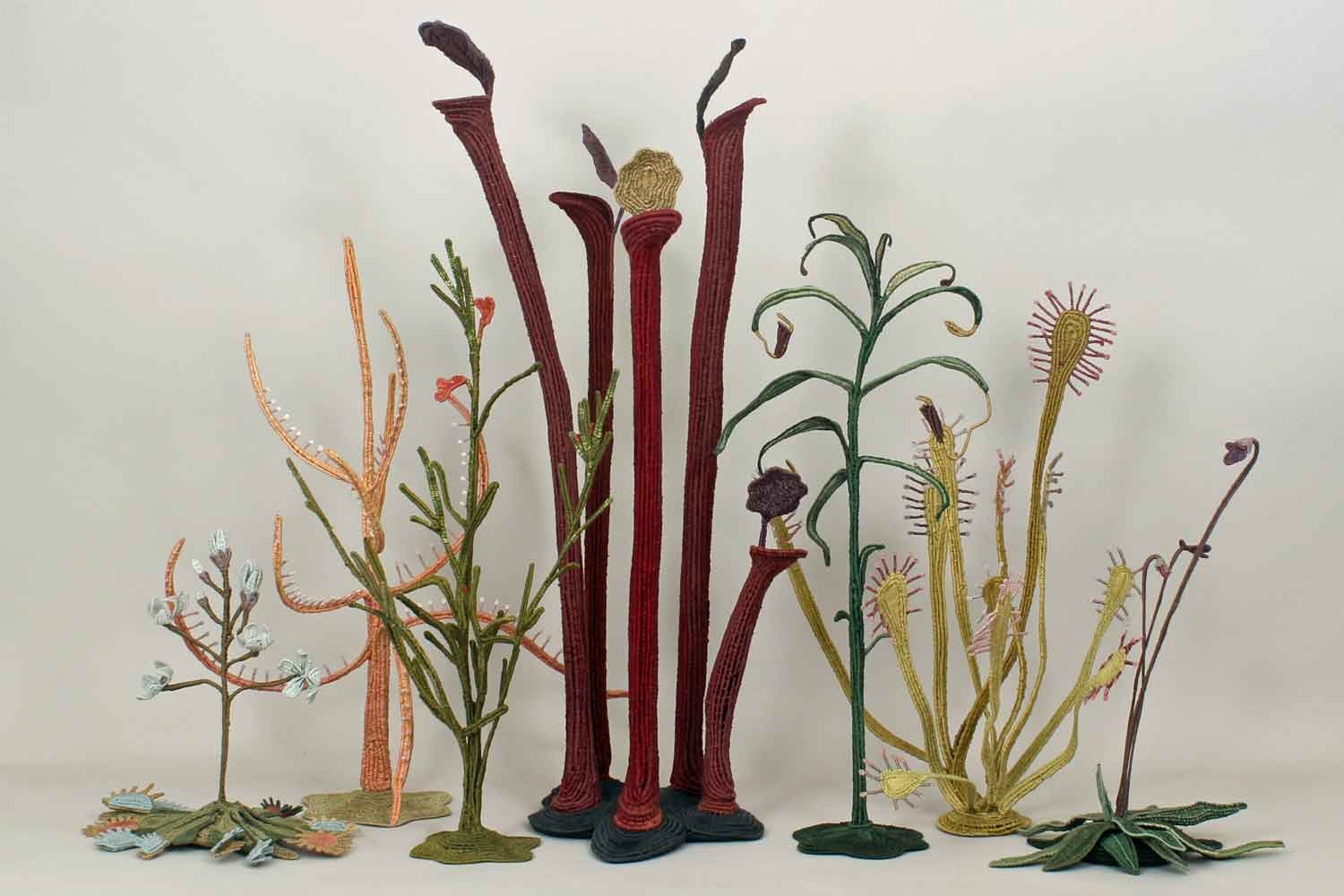
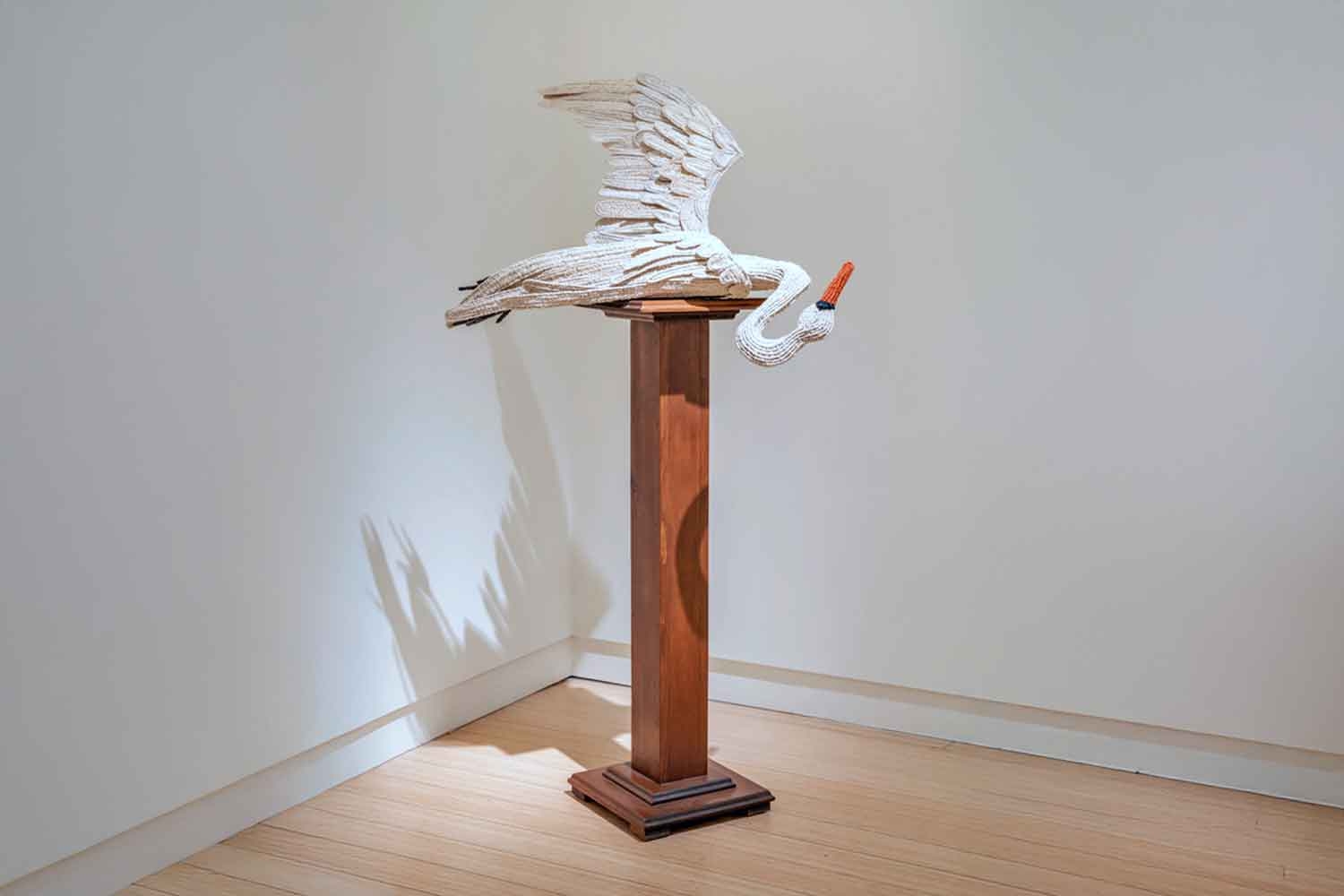
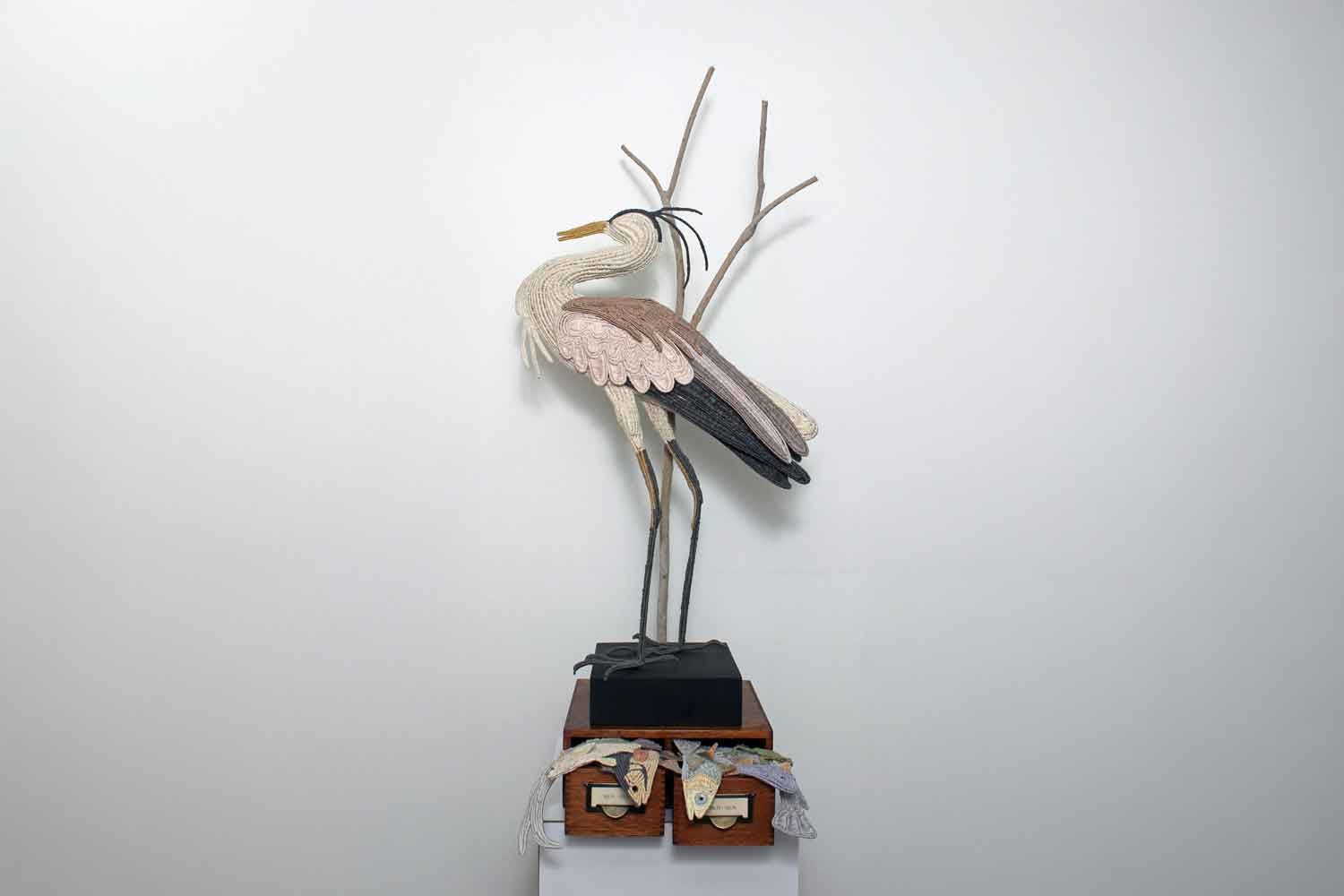
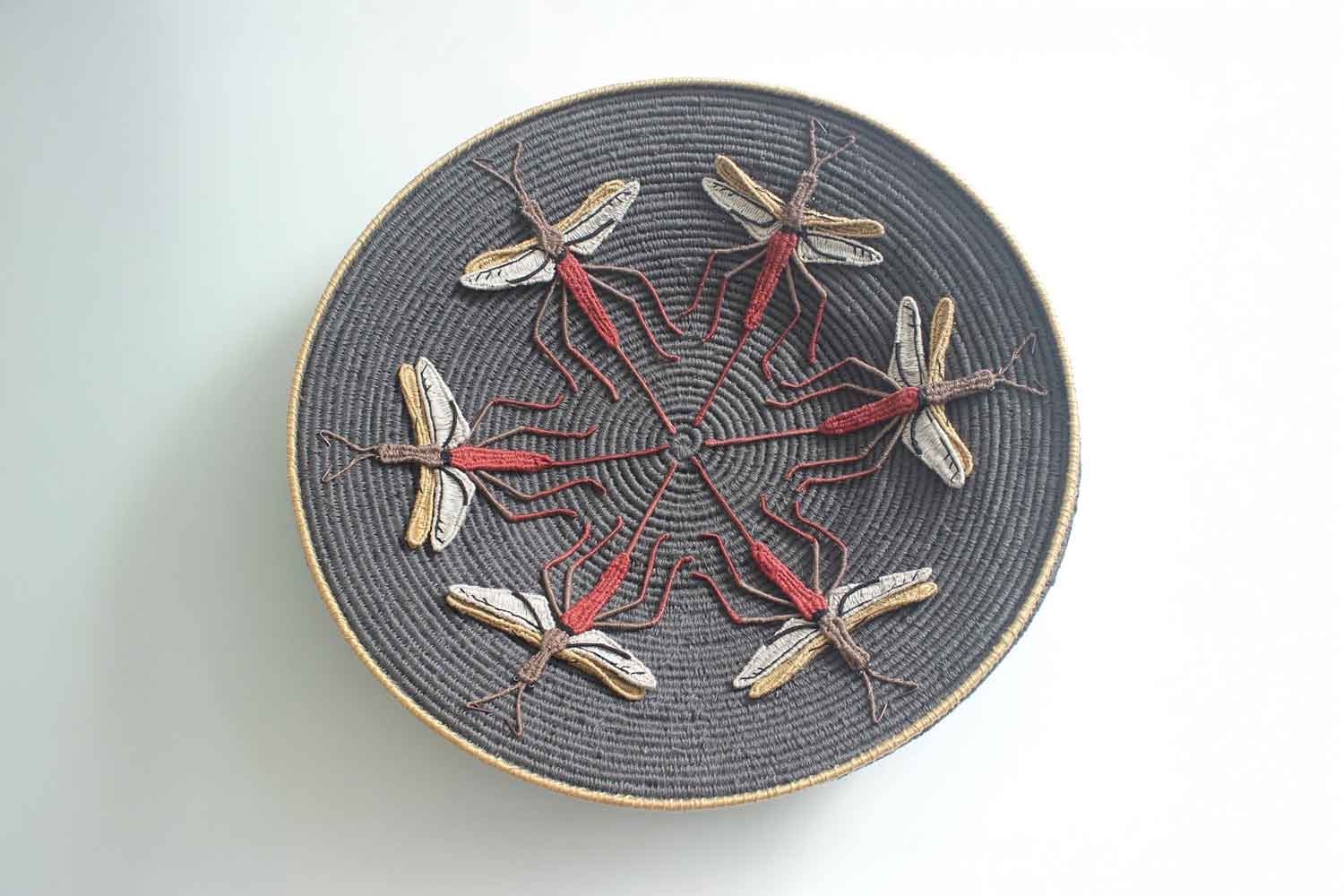
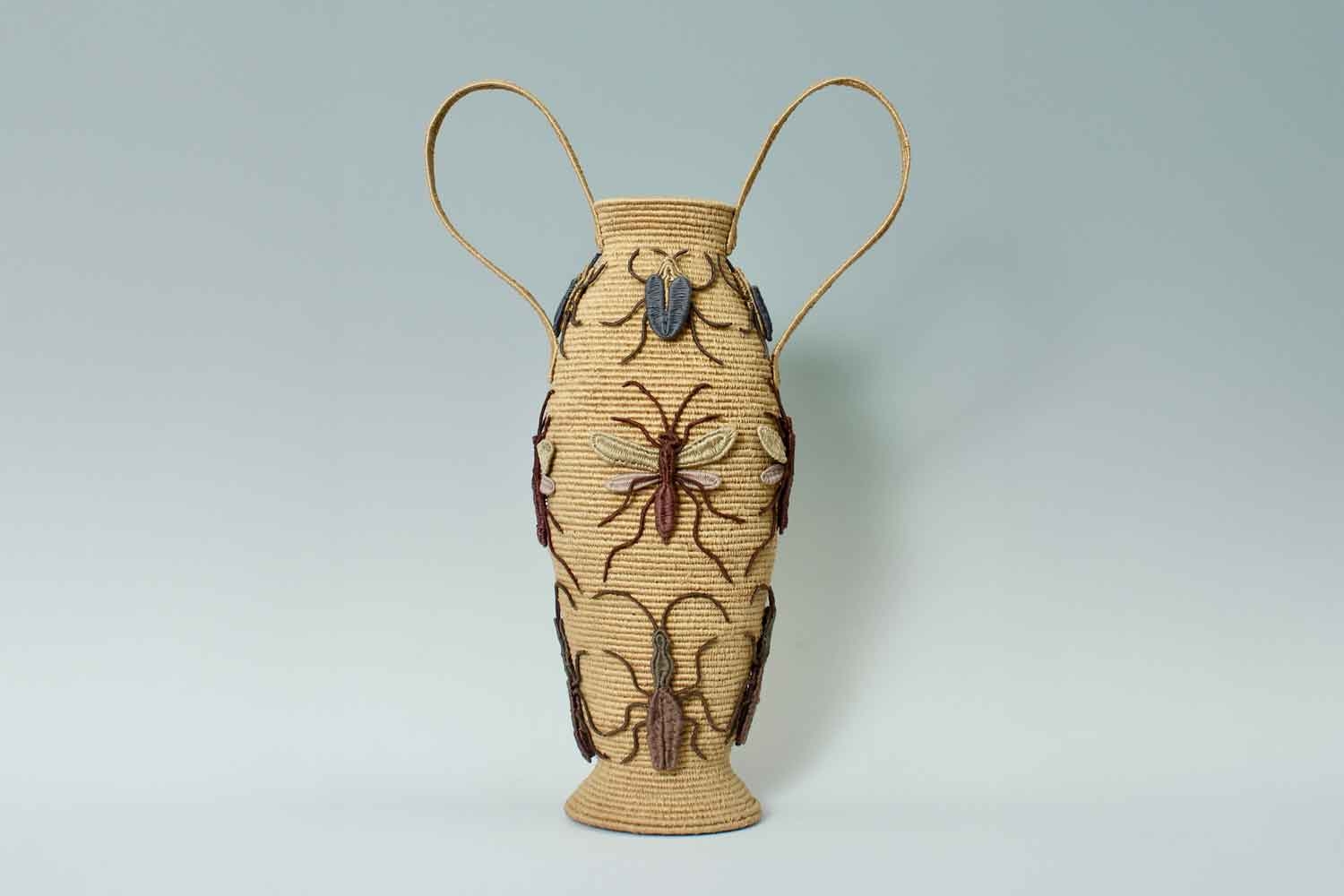
Carol Eckert studied painting and worked with a range of artistic media before discovering basketry techniques. Her exploration of the medium evolved from a smaller, vessel-based practice to creating freestanding sculptural pieces. Looking to ecology, mythology and art history, Carol uses the craft to interrogate the tensions in how humans interact with the natural world, both historically and today. “I am fascinated by how Western explorers went out into the world, shot everything in sight and brought specimens back. It started with cabinets of curiosity,” she says. “It is something I loved as a child, but it is also a pretty horrifying way for humans to interact with the world.” Carol shapes her artwork using wire, twisting and coiling fabric over wire frames to form her pieces. Her work speaks to humans’ enduring connection with nature in their subjects and materials.
INTERVIEW
It was by accident. I trained as a painter, and then I was working with clay and struggling. I came across a simple diagram about coil basketry and it felt right. I did not know the proper way to do things, so I just made things up. And it worked.
Basketry is so ancient. People often refer to it as the oldest technology. If you go back far enough, basketry was highly experimental. I am not preserving any particular traditions, but I feel like I am continuing that original spirit of invention.
My ideas often develop from art history and mythology. I usually start with a sketch then blow it up to a full size drawing that I use like a tapestry cartoon. I put the pieces right on top of it to control the form and choose all the colours in advance.
Early art and mythology show a deep respect for nature. But, as civilisation progressed, you start to see the theme of man’s dominion over nature. I am especially fascinated by how Western explorers went out into the world and brought back specimens for display in natural history museums.
Carol Eckert
Textile sculptor
Tempe, AZ, USA
ADDRESS
Address upon request, Tempe, AZ, USA
AVAILABILITY
By appointment only
LANGUAGES
English
Homo Faber Finds is a new service aiming to inspire admirers of craft to connect and collaborate with exceptional artisans.
We invite you to submit an enquiry here.