DeJeonge Reese
Textile sculptor
Yeadon, PA, USA
Hair, history and power
- DeJeonge creates art with strong historical and cultural resonance
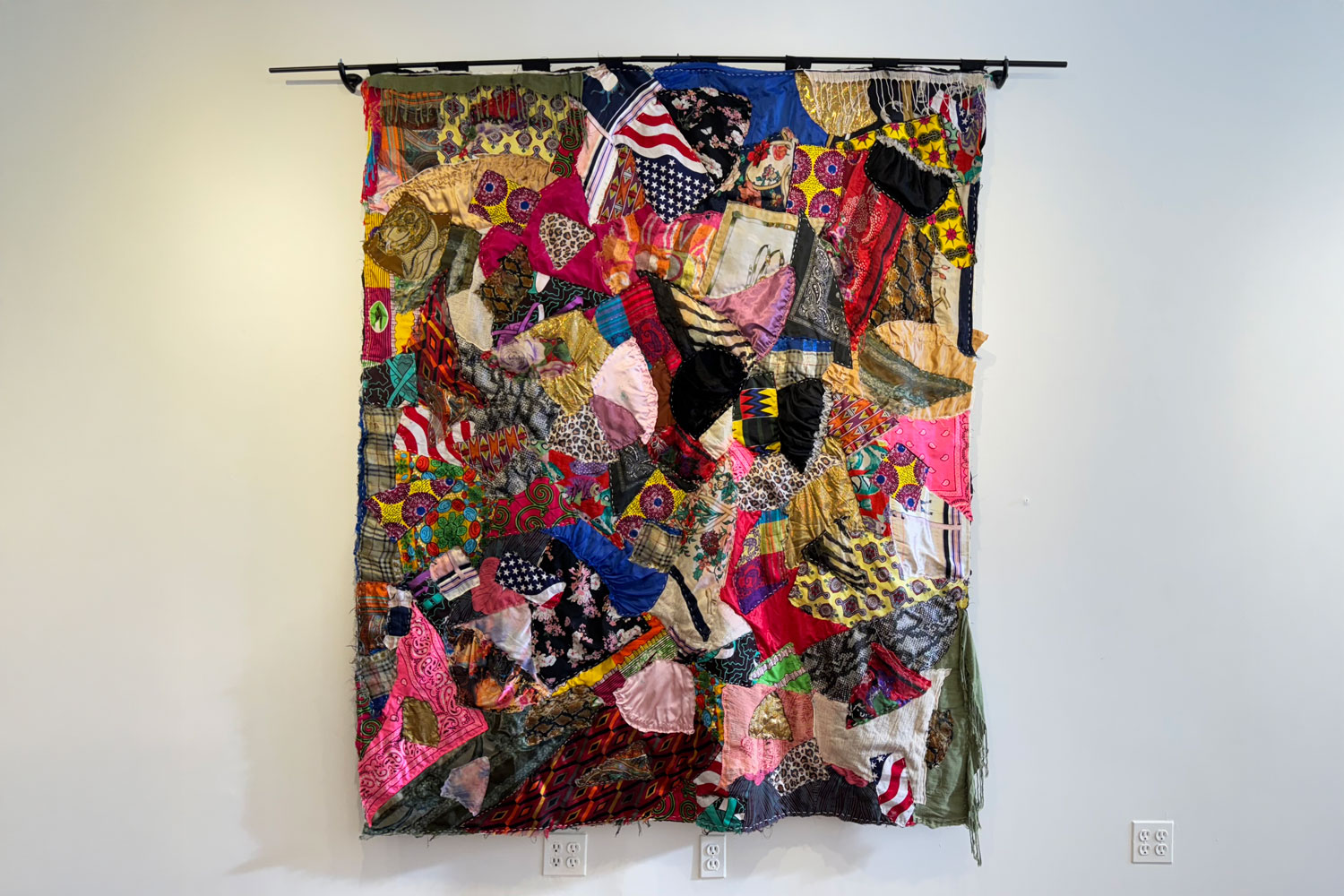
- She aligns the history of Black hair with the history of quilting in its ability to carry messaging
- Her interdisciplinary practice includes mask making and quilt making
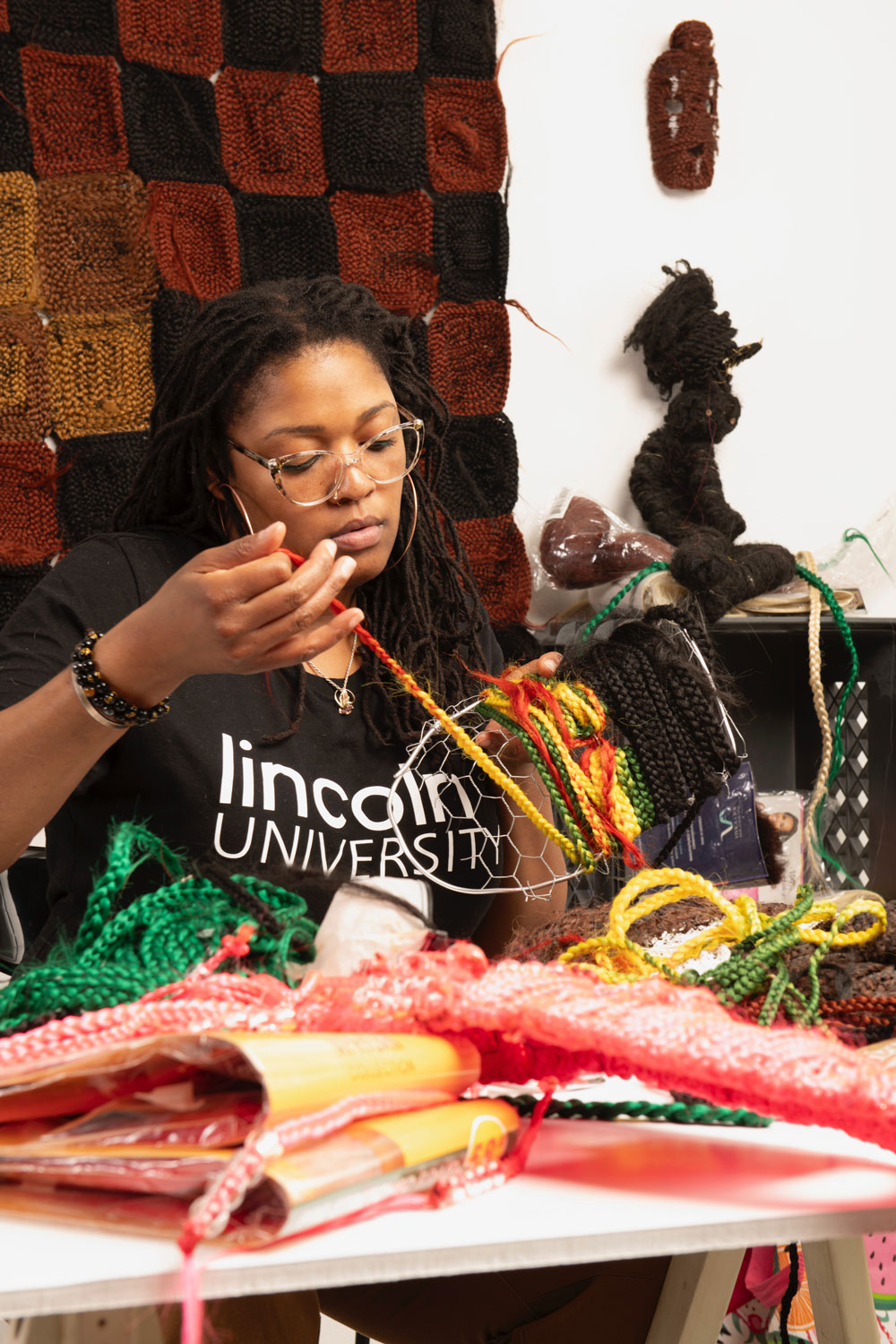
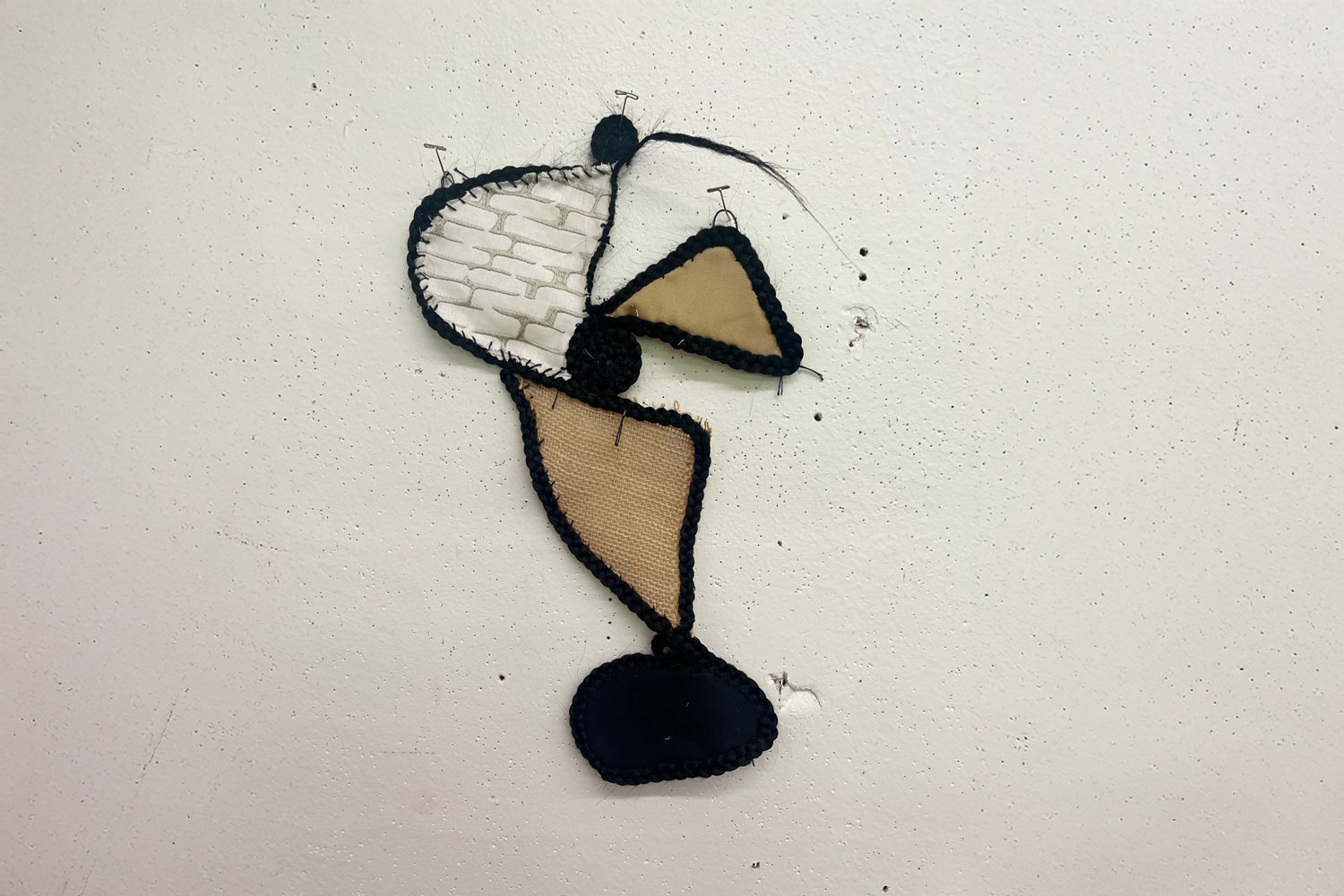
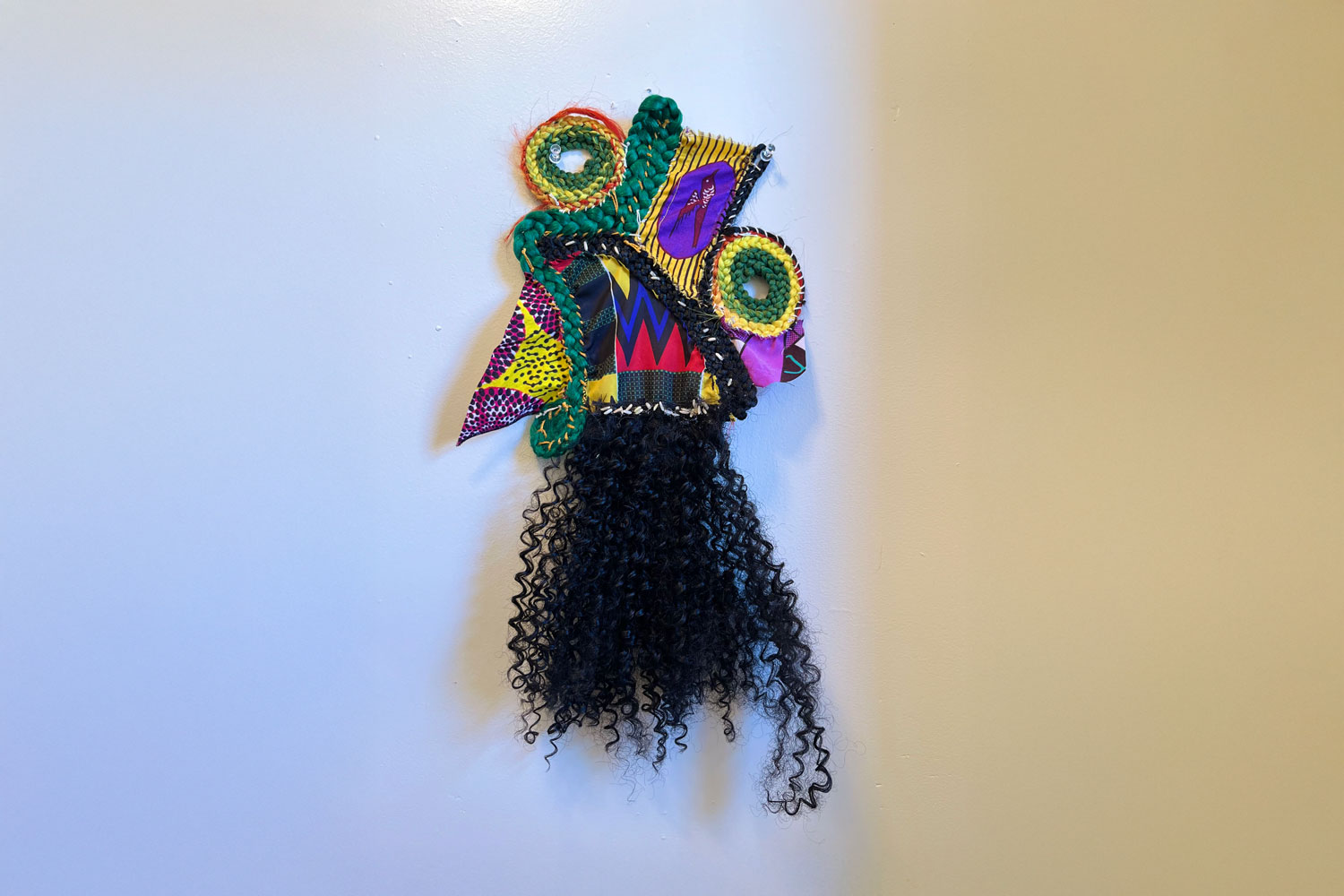
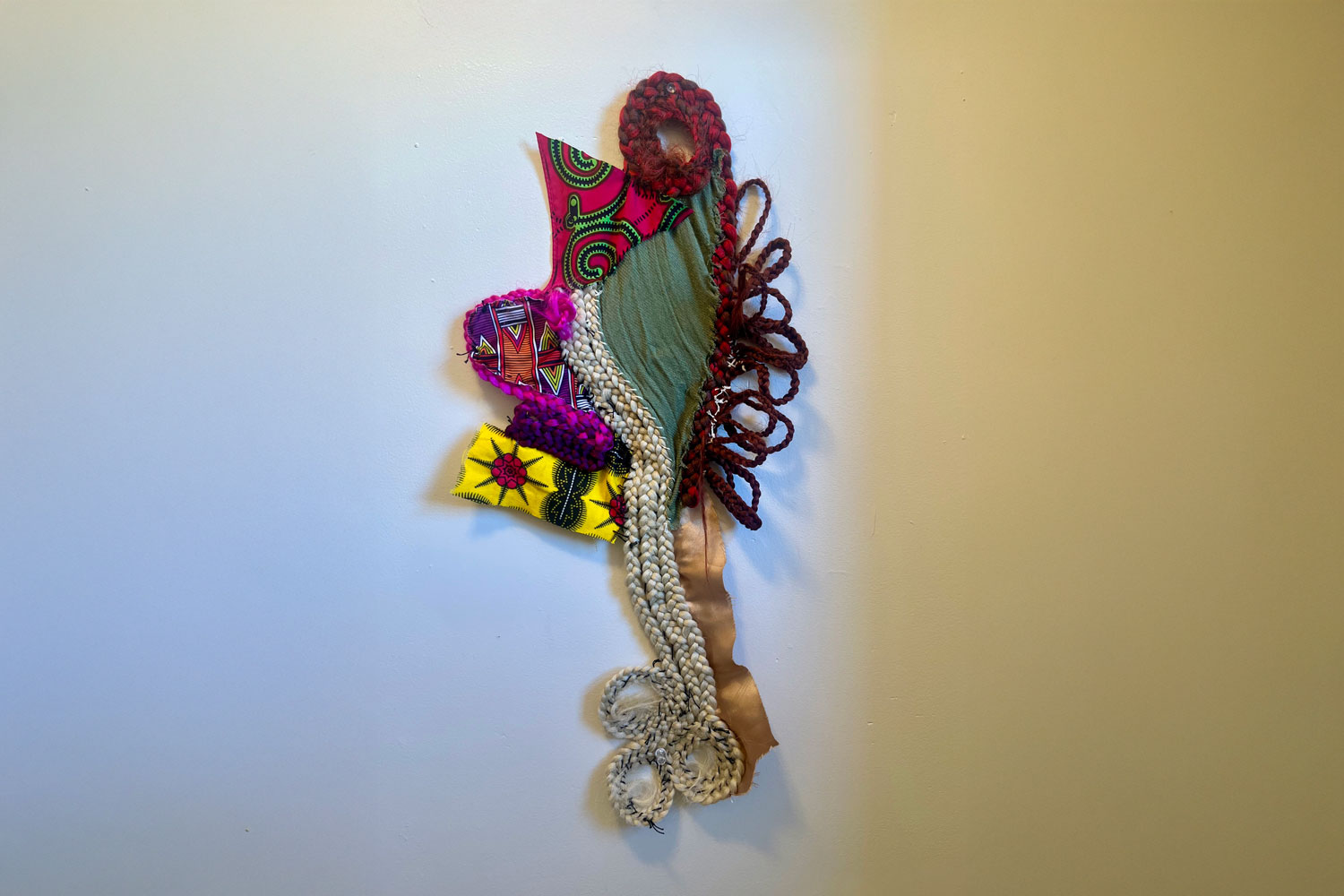
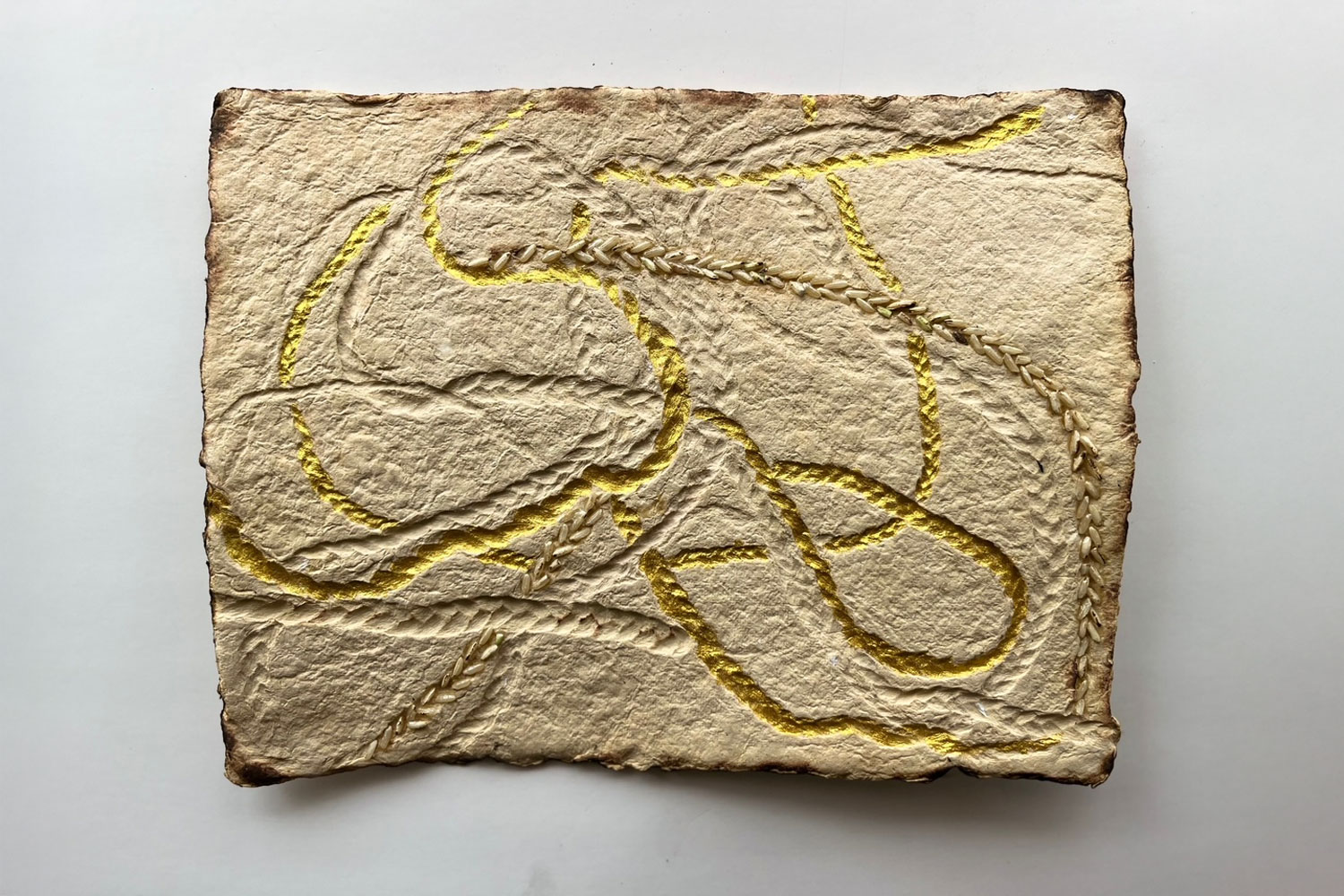
Visual artist DeJeonge Reese creates wearable sculptures and textiles exploring the rich significance of hair in African American and Black culture. Many of her artefacts, which range from maps and wall art to dolls, quilts and installations, are made using hair. DeJeonge’s practice is grounded in historical and ancestral research and explores the rich historical significance that has defined the understanding of hair from a pre-slavery African past to the politicised American present. “Our hair is often a first identifier of an African American person and is distinct from other cultures, but it also holds a deep meaning of who we are from before slavery,” she says. DeJeonge's pieces have been exhibited widely across the USA and Canada.
INTERVIEW
I follow a multidisciplinary approach that is largely focused on historical research of lineage, African American culture and Black culture in general. It is a documentation of my personal journey with self-reflection. A lot of my pieces focus on my own ancestral research.
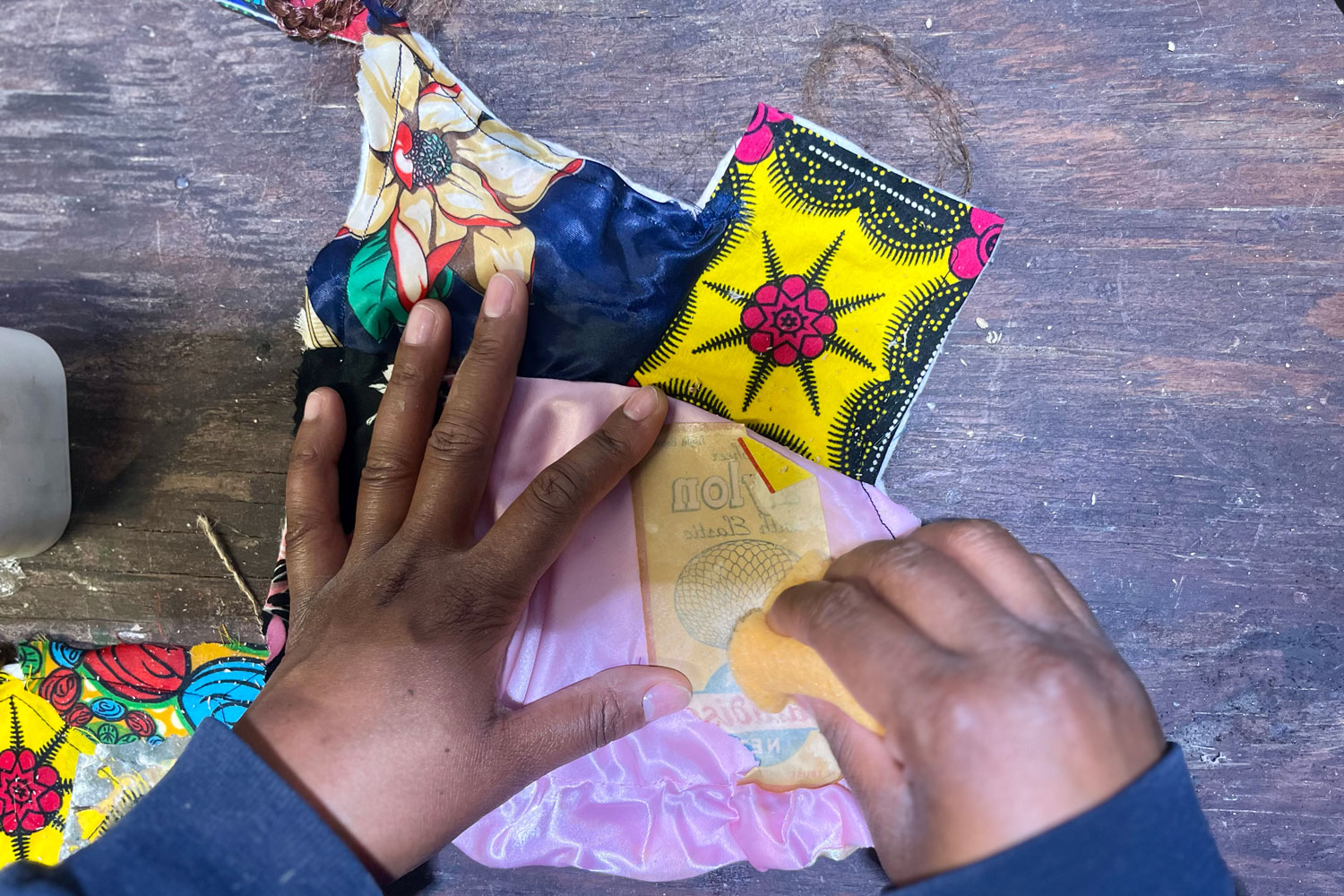
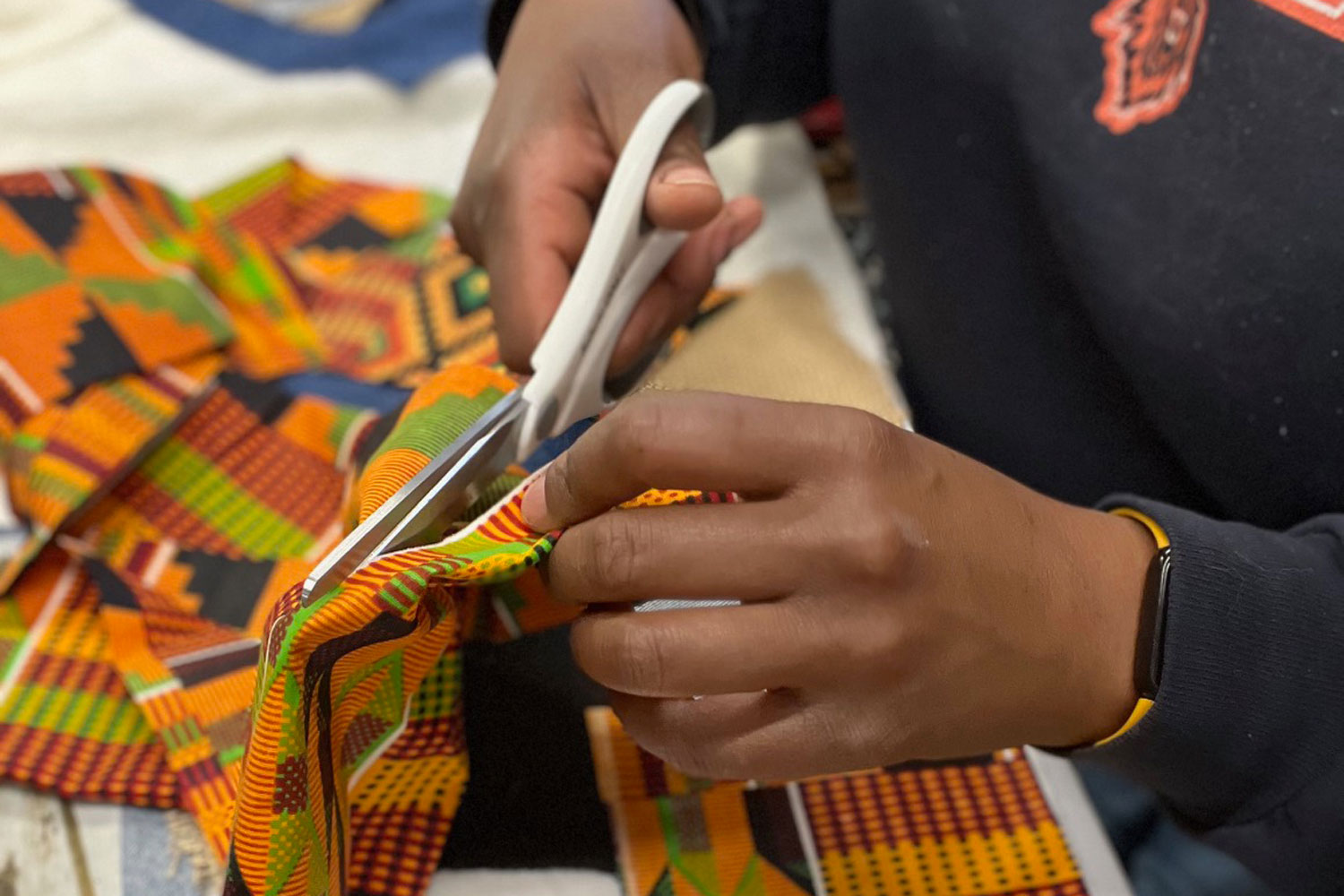
I like to put a lot of thought and research into the materials I am using when it comes to things like burlap and hair, which I favour. I generally follow the spark of an idea, jotting down notes about what I want a creation to look like and how to go about making it.
I started using hair during graduate school when I was experimenting and dabbling with being more multidisciplinary. It was during that time that I decided to lock my own hair. This process got me thinking. I realised I did not have a lot of knowledge beyond Madame C.J. Walker. It prompted me to do a deep dive into Black hair culture.
Hair holds a very rich history rooted to our identity as a people. Its style could denote what tribe we were from, our marital status and rank in the community. I see it as an artefact in that different African American hairstyles signal different time periods throughout history.
DeJeonge Reese
Textile sculptor
Yeadon, PA, USA
ADDRESS
Address upon request, Yeadon, PA, USA
AVAILABILITY
By appointment only
LANGUAGES
English
Homo Faber Finds is a new service aiming to inspire admirers of craft to connect and collaborate with exceptional artisans.
We invite you to submit an enquiry here.