Helen Amy Murray
Textile sculptor
London, United Kingdom
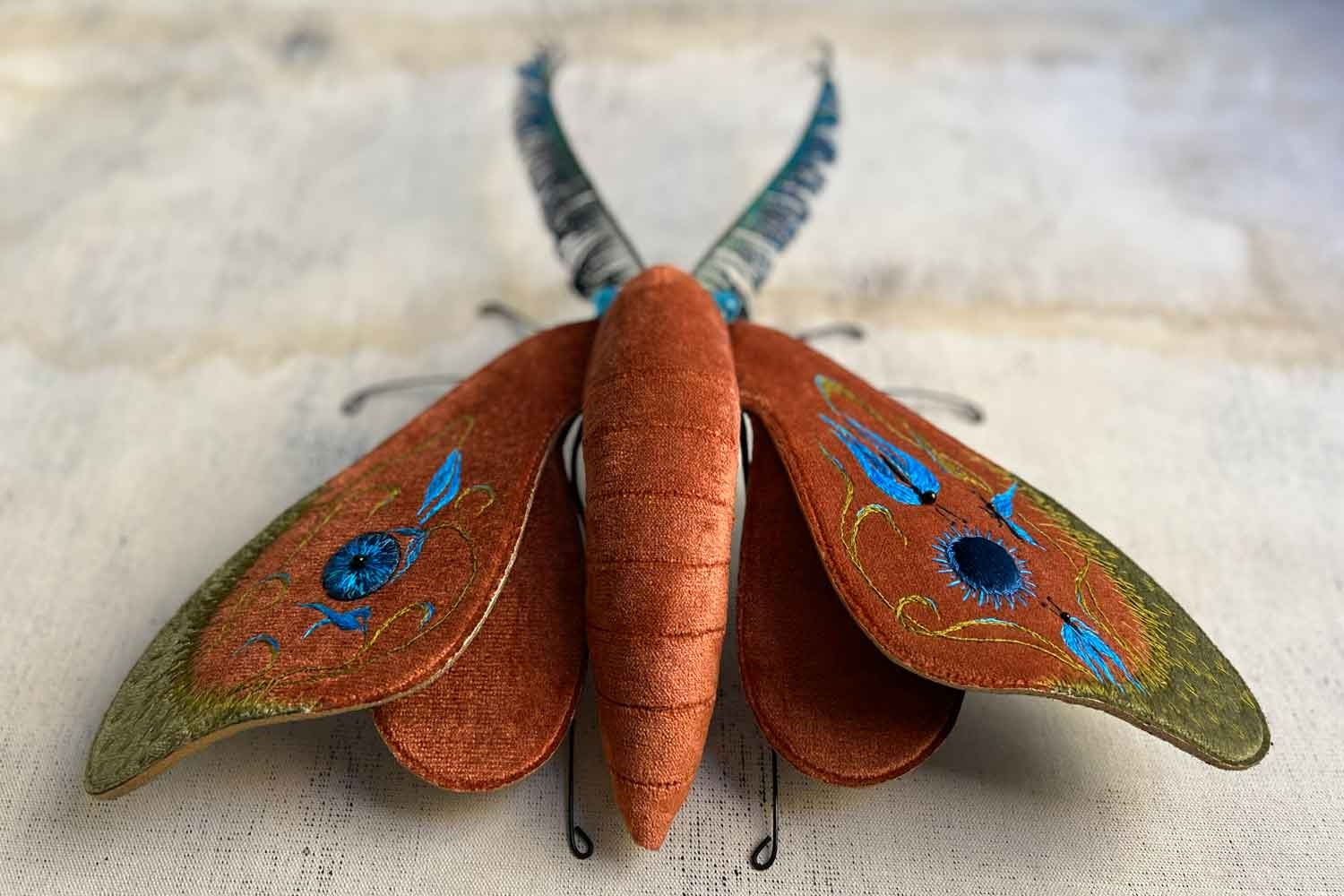
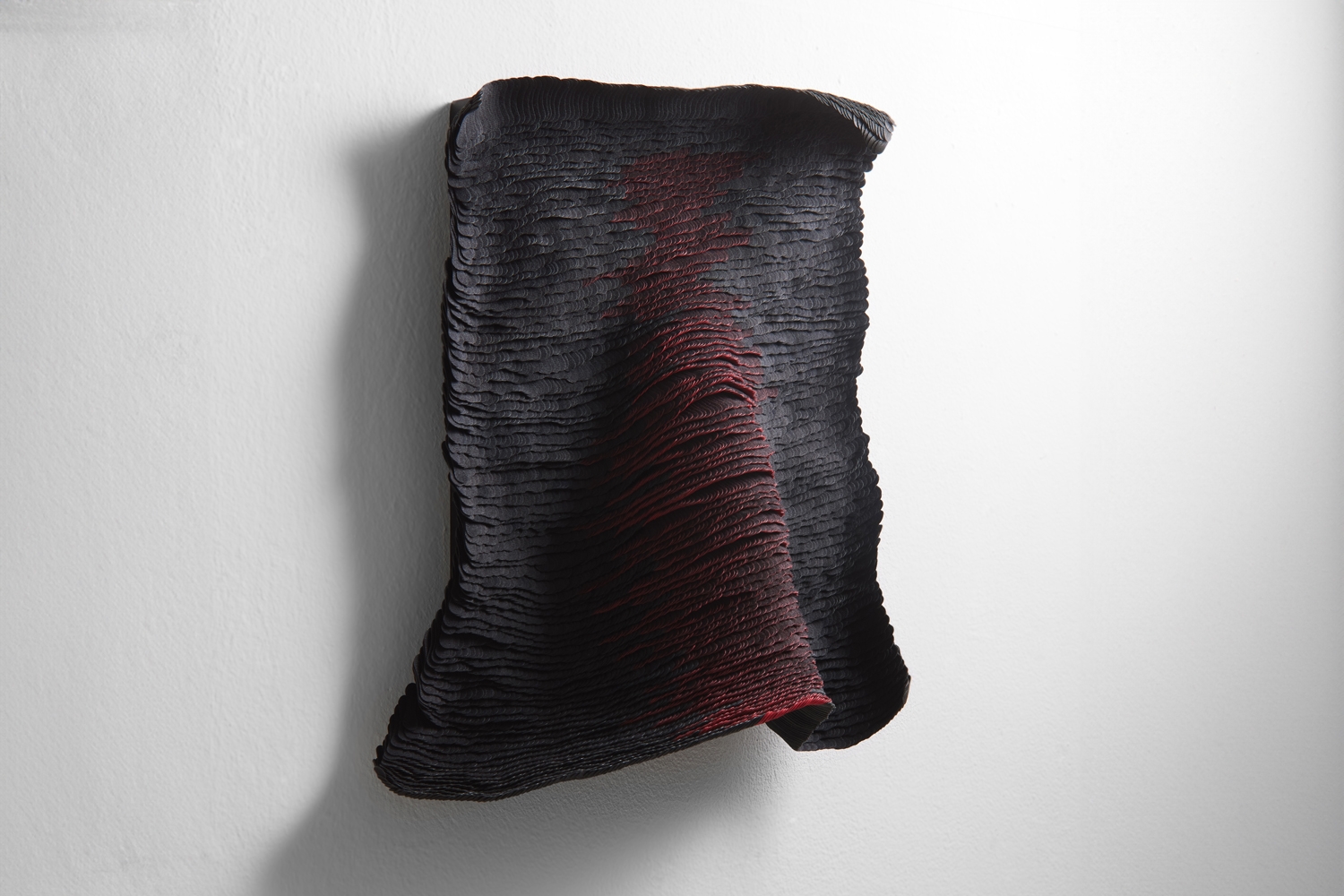
Striking sculptural textiles
- Helen won the Oxo Peugeot Design Award in 2003
- She designs and creates three dimensional textiles
- She handcrafts installations for renowned brands
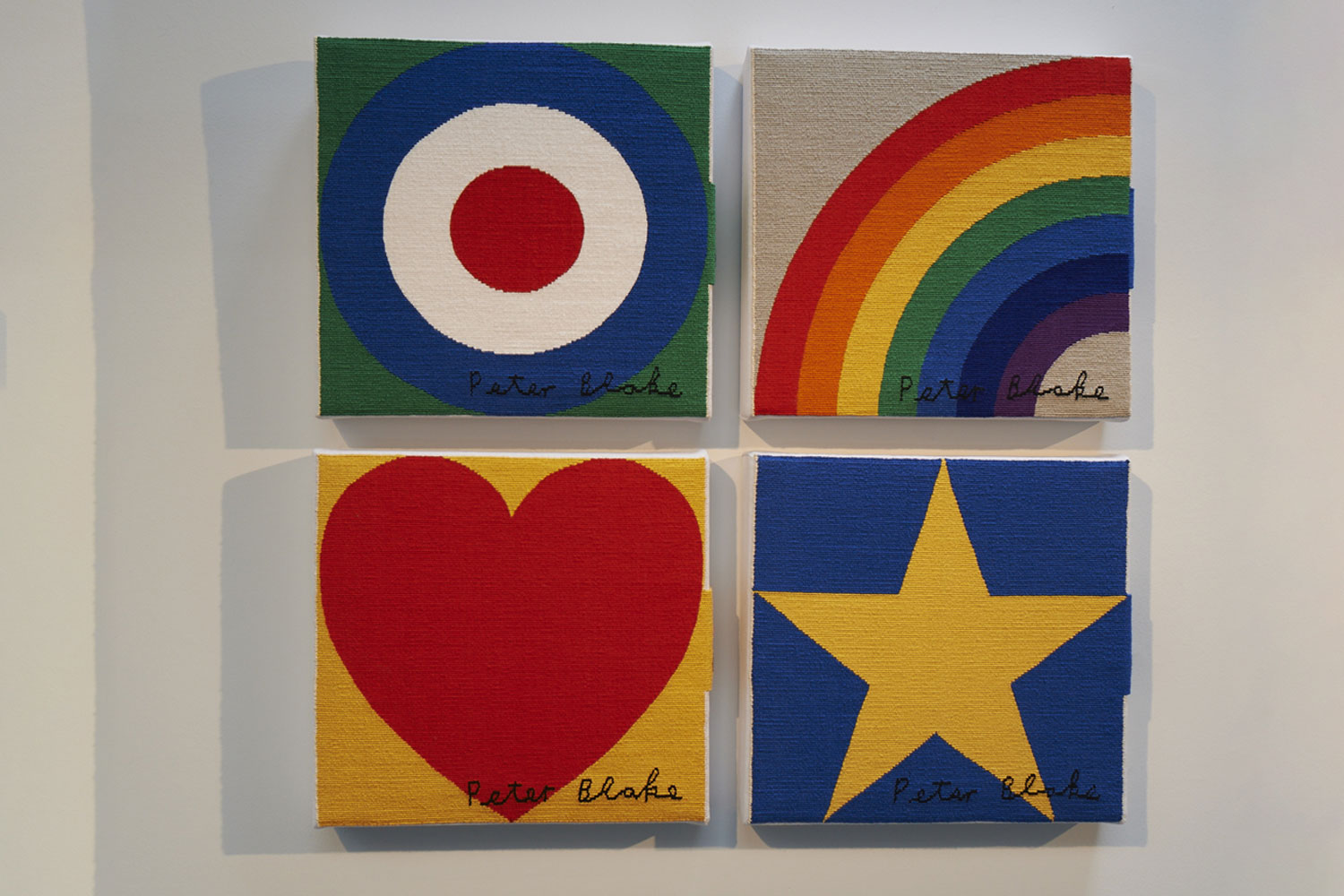
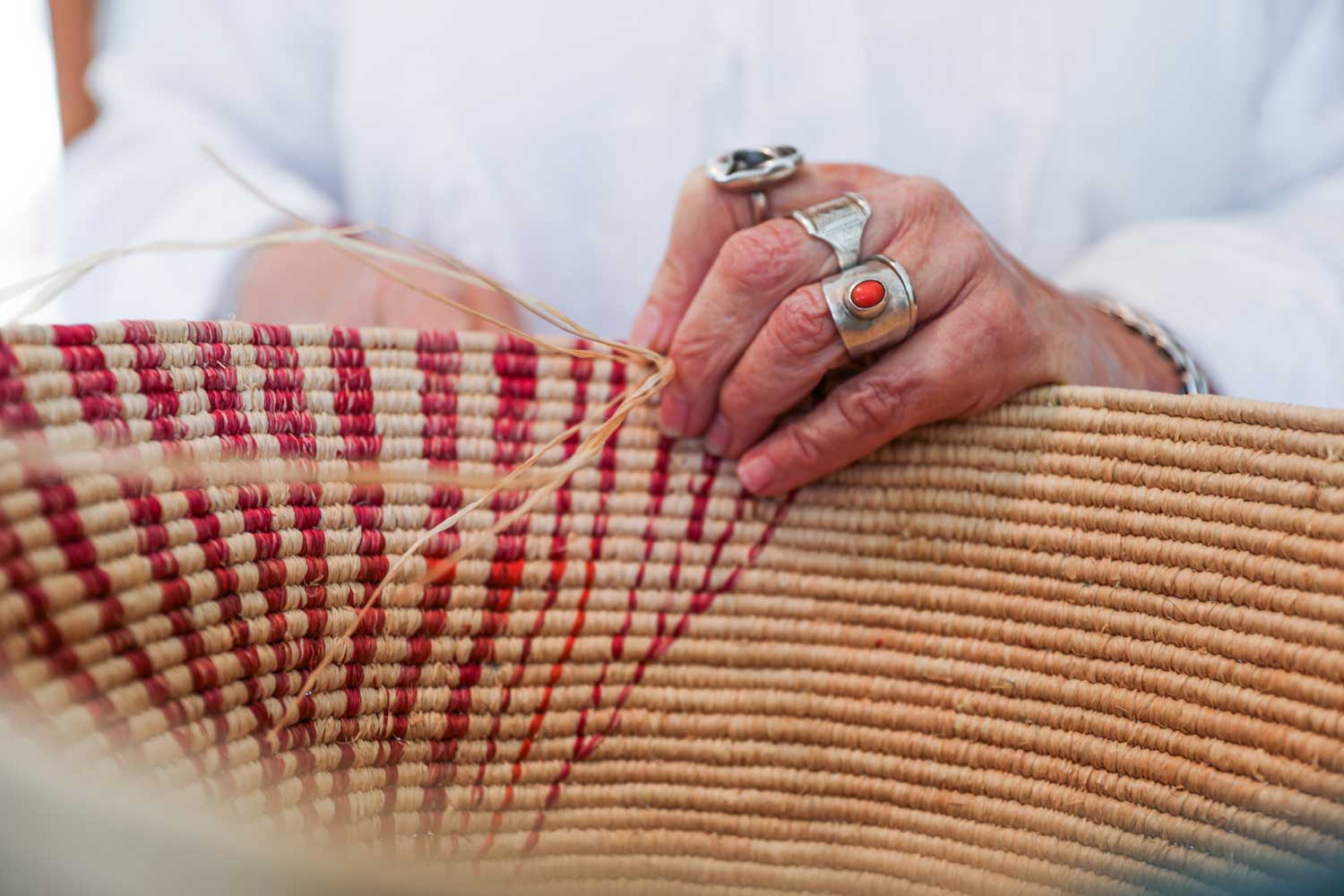
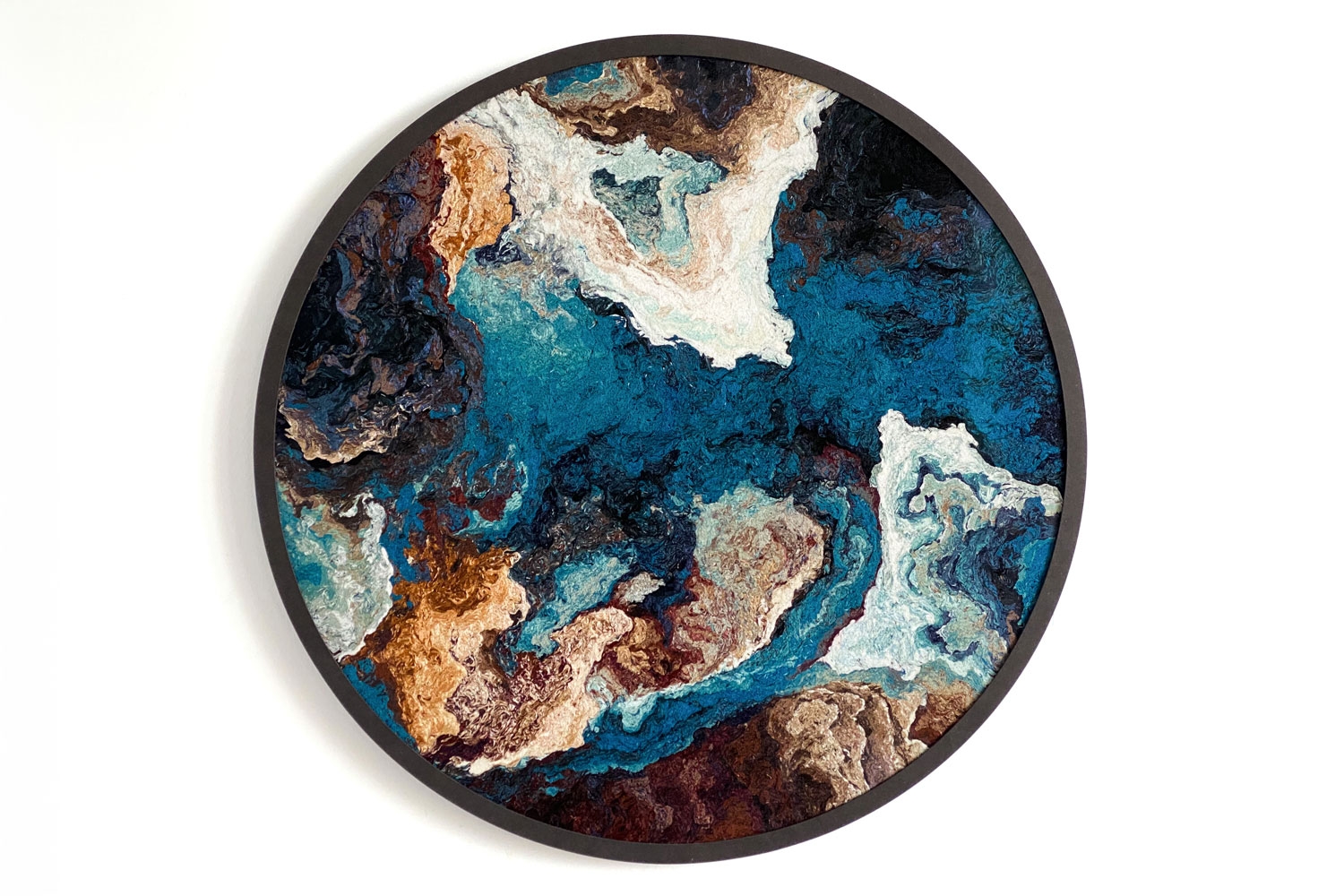
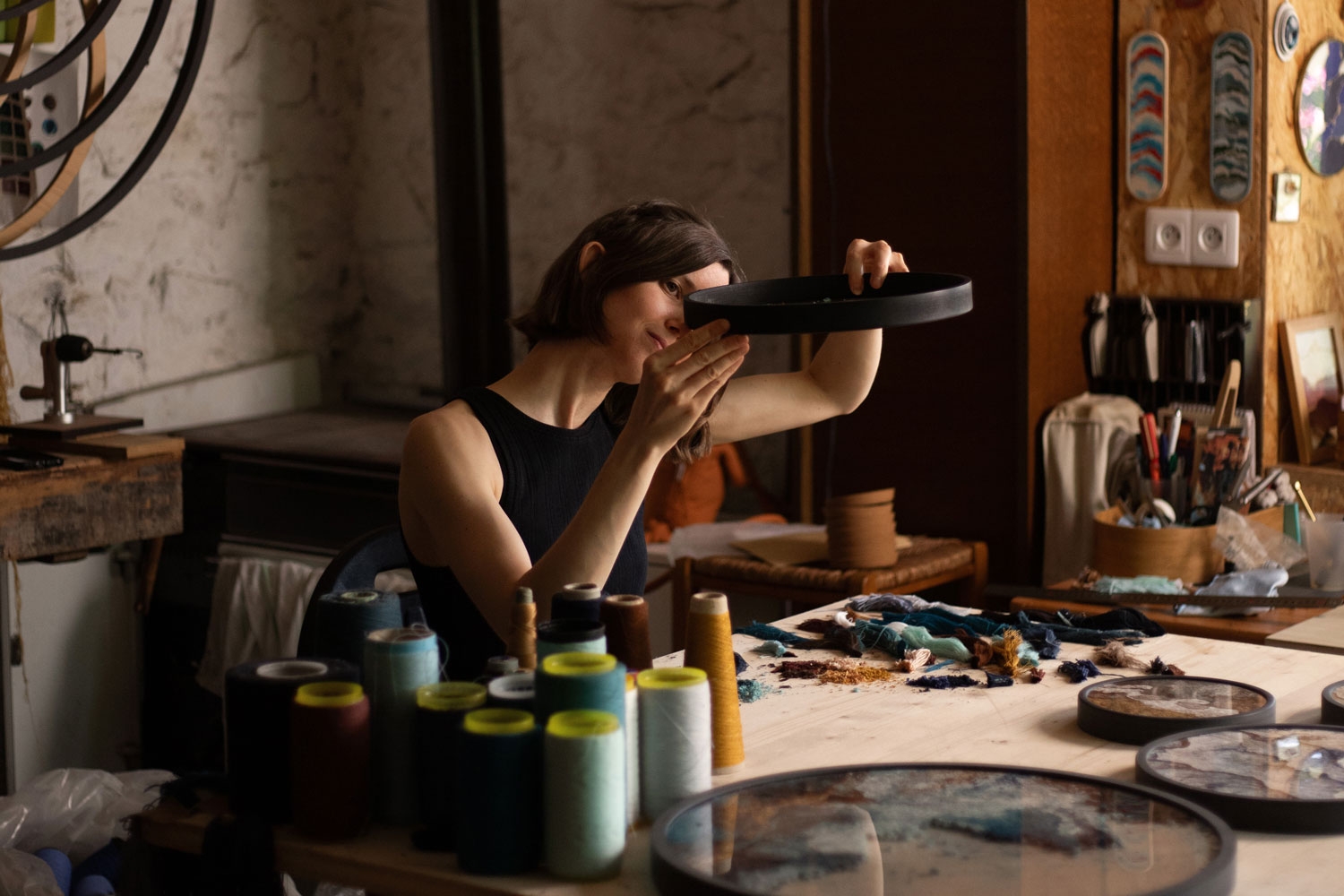
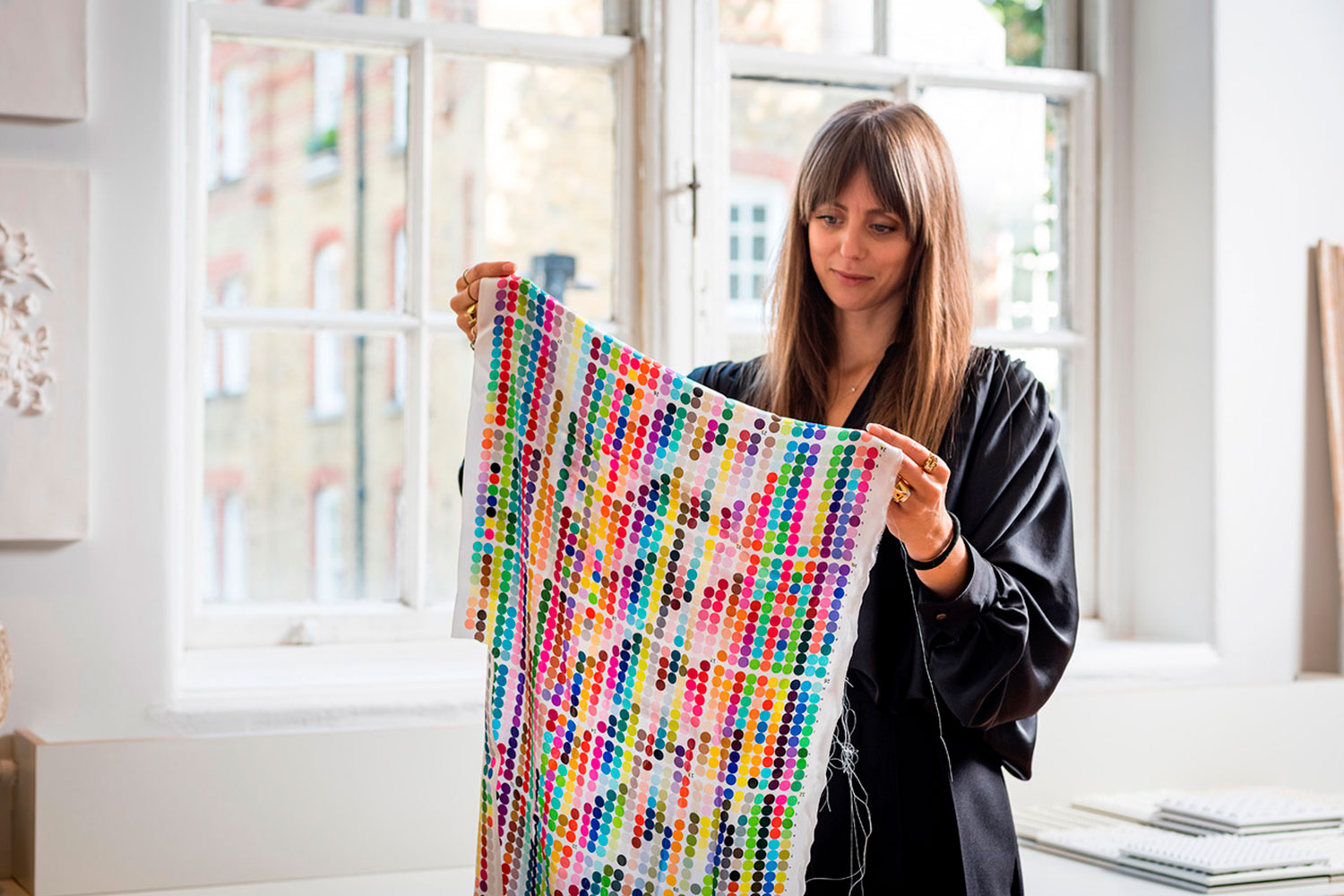
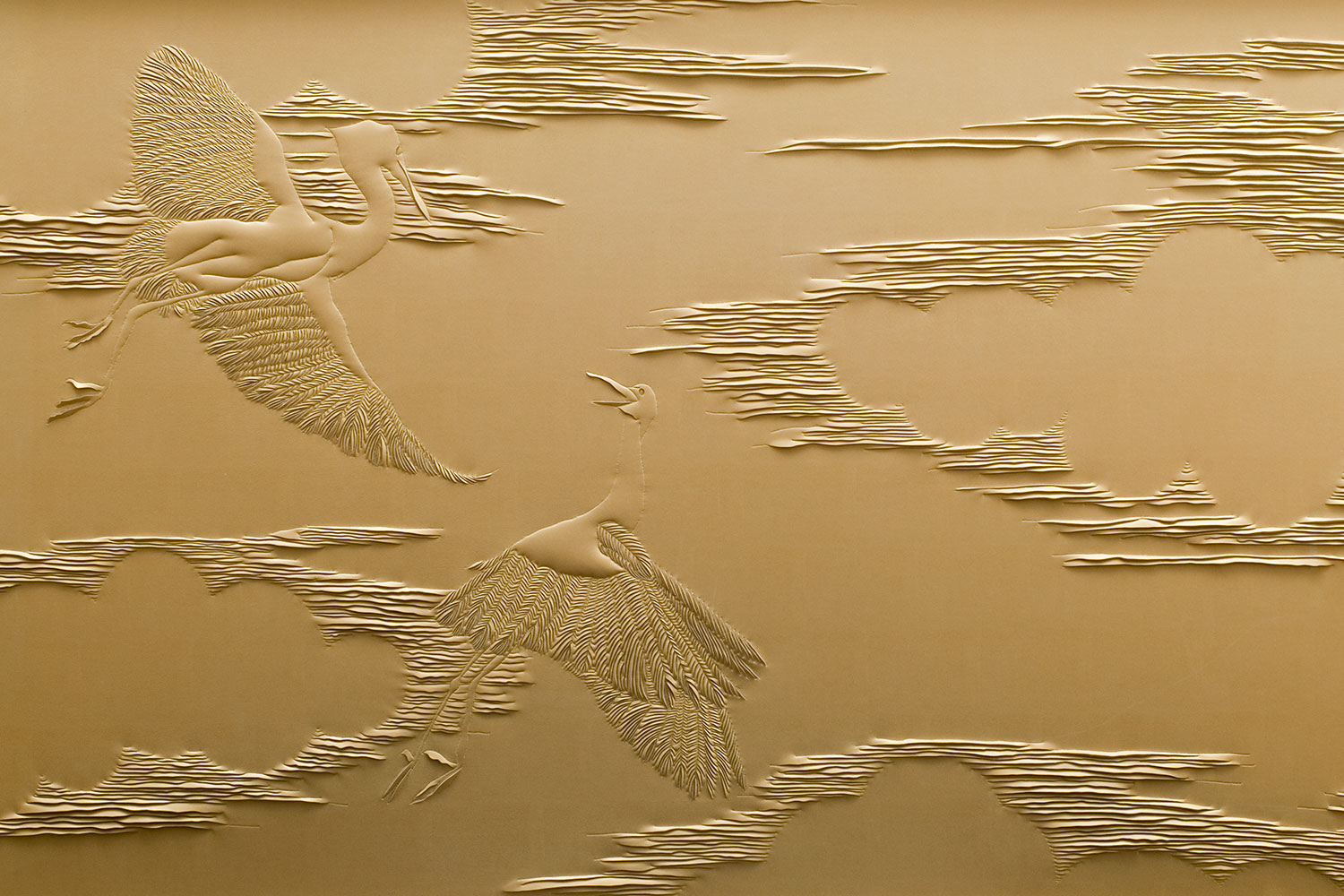
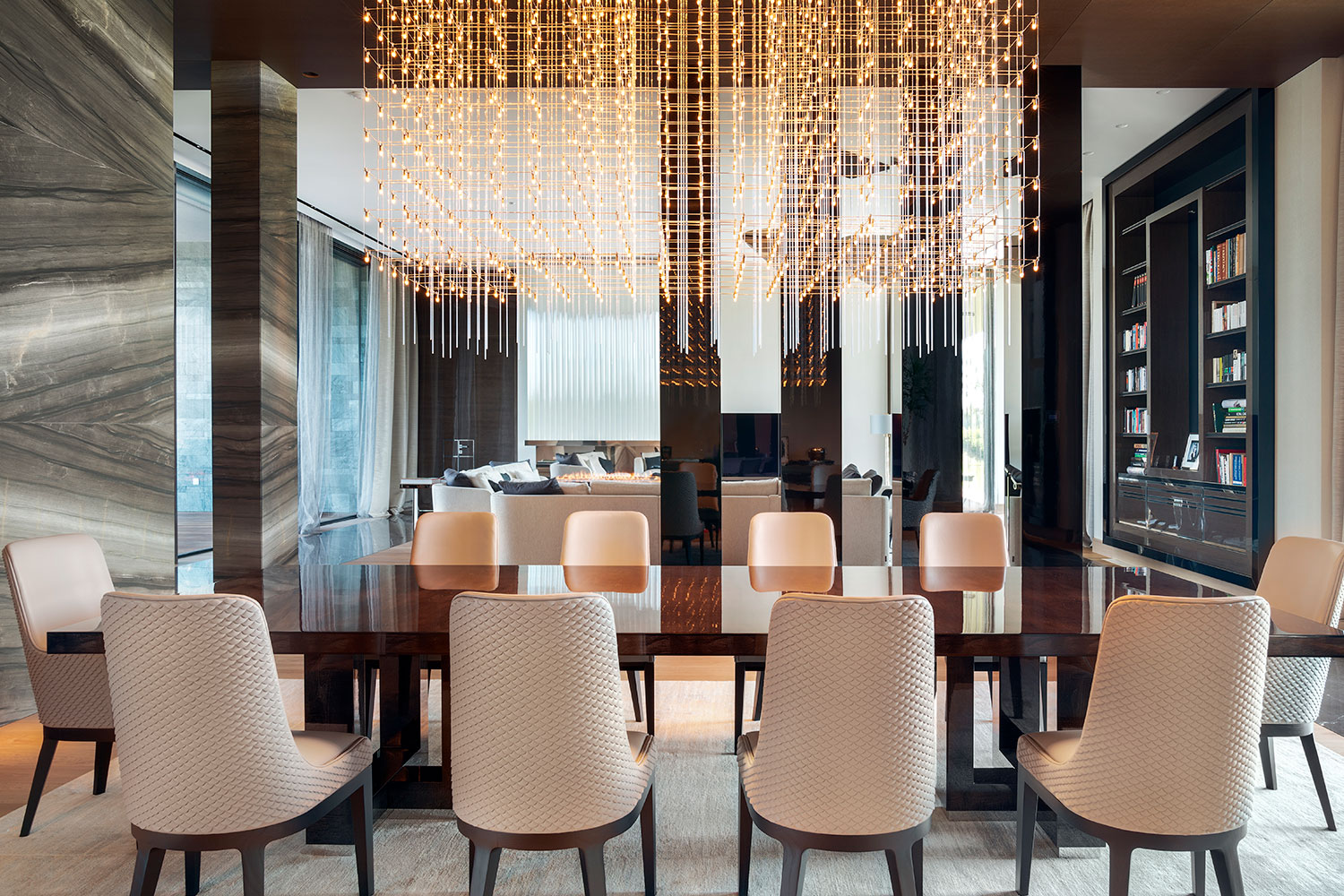
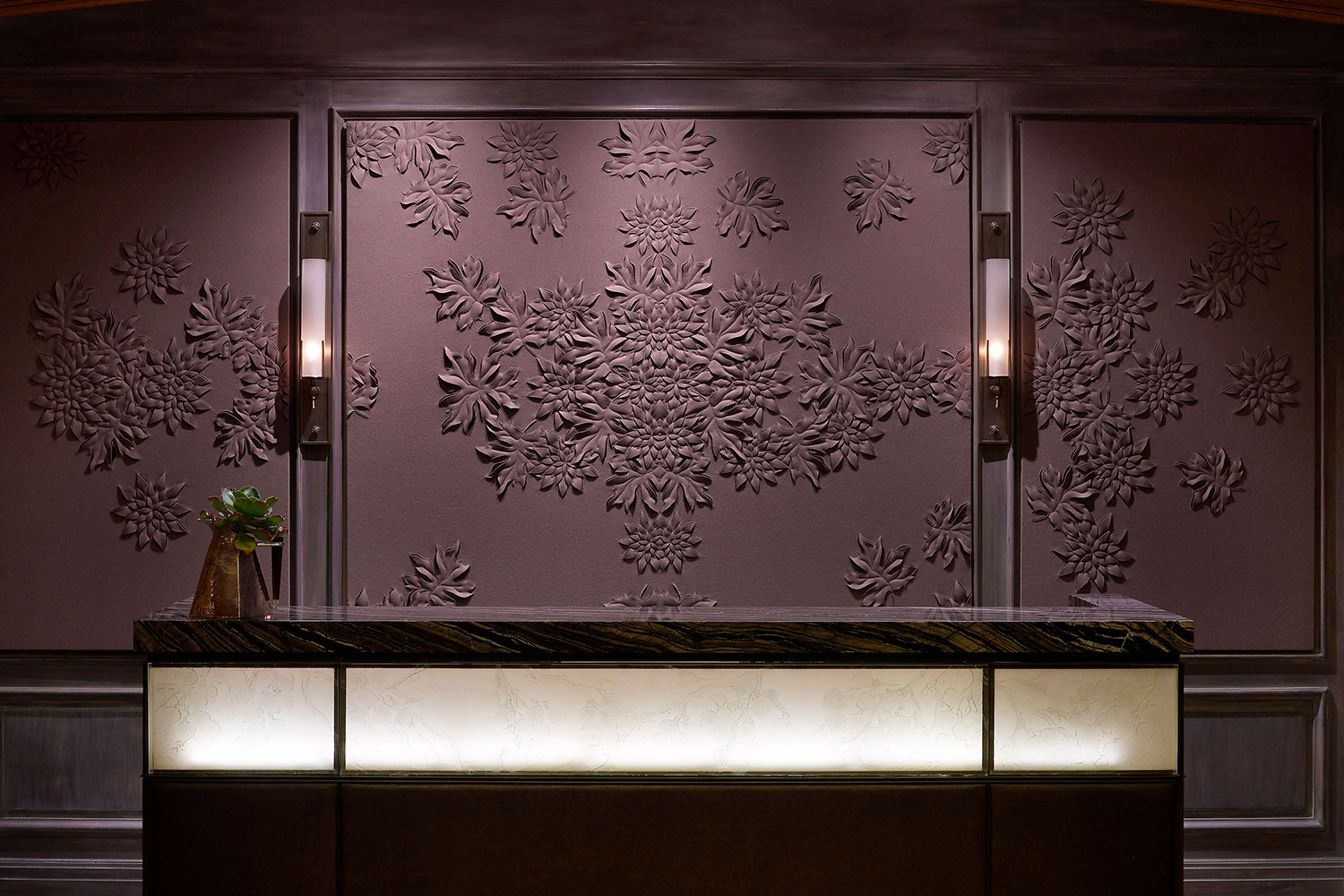
Helen Amy Murray’s sculpted, textile surfaces and artworks can be found in prestigious residences, multi-starred hospitality ventures and flagship stores around the world. Since launching her eponymous studio in 2003, she has been sought after by interior designers and architects keen to harness the wow factor of her work. Having originally studied textile design, she perfected her own three dimensional technique while still at college, which led directly to a private upholstery commission with Lady Aliai Forte. Her first wall covering attracted the attention of Candy & Candy. “They commissioned a 5 metre-wide city skyline in chocolate brown silk for a cinema room, which in turn led to private commissions,” recounts Helen.
INTERVIEW
We have a photo of me as a four-year-old, standing at an easel covered in paint, with a big smile on my face. I was always doing something with my hands, often textile based, whether it was cross-stitch, embroidery or learning to make my own clothes, so that inspiration came very young.
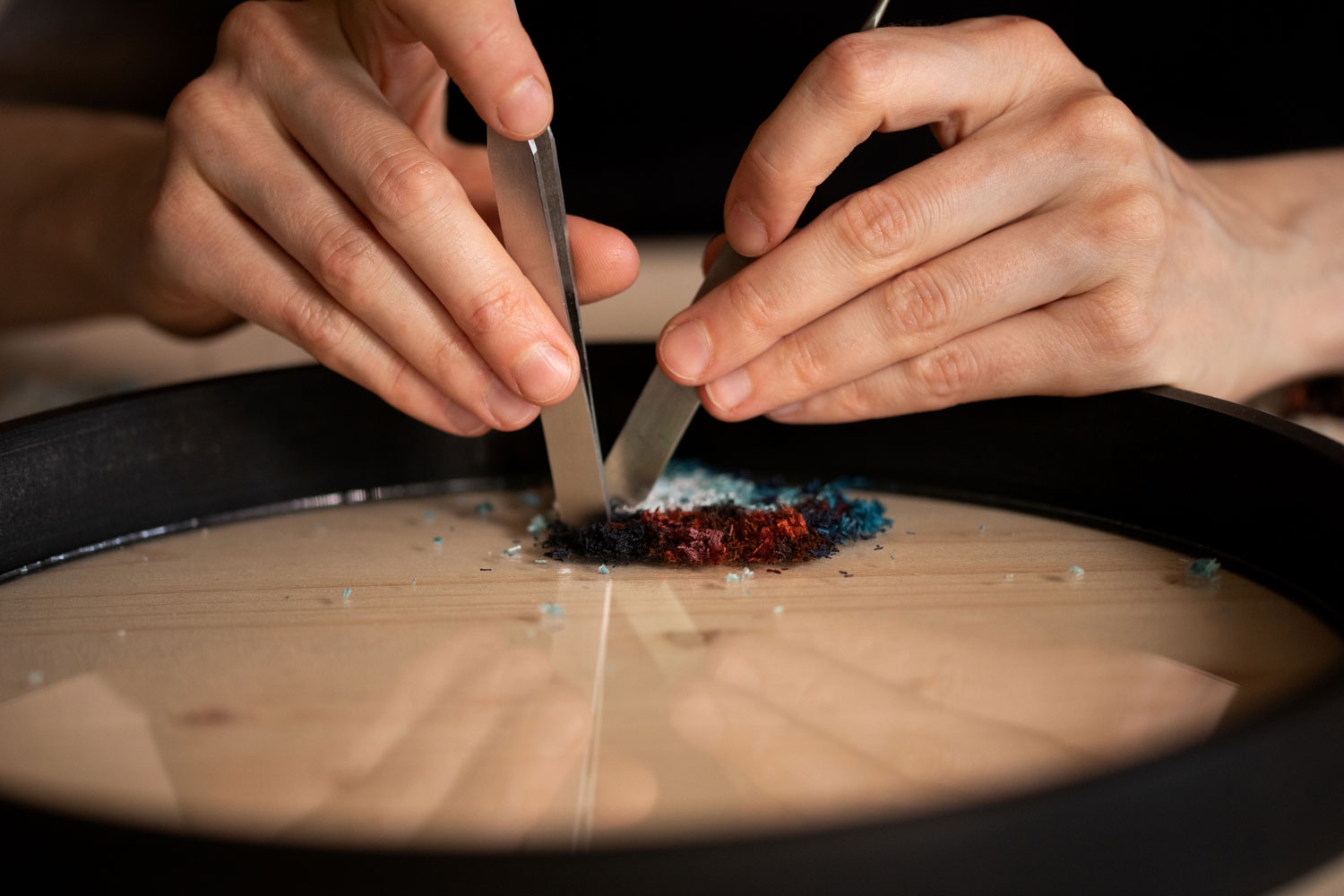
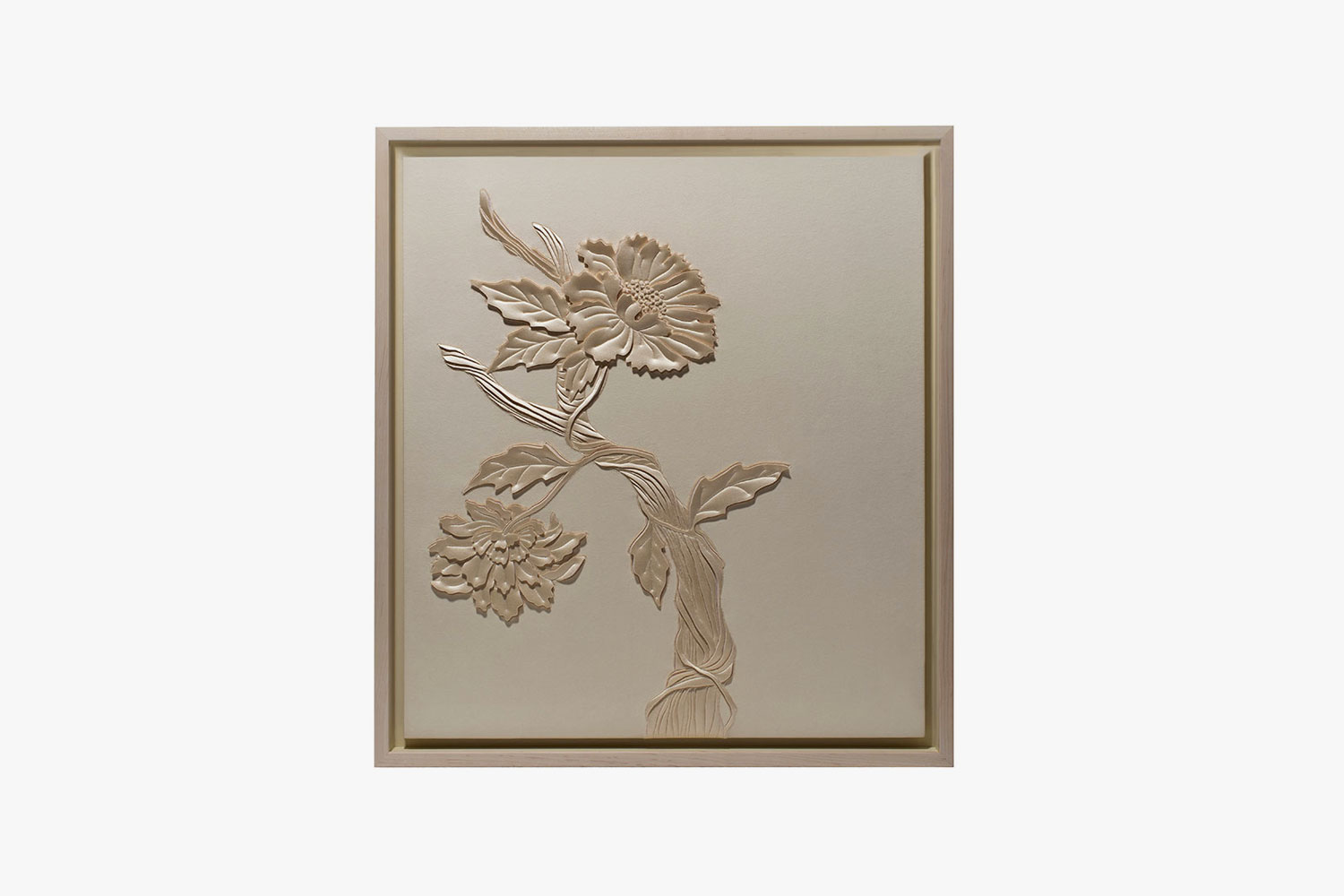
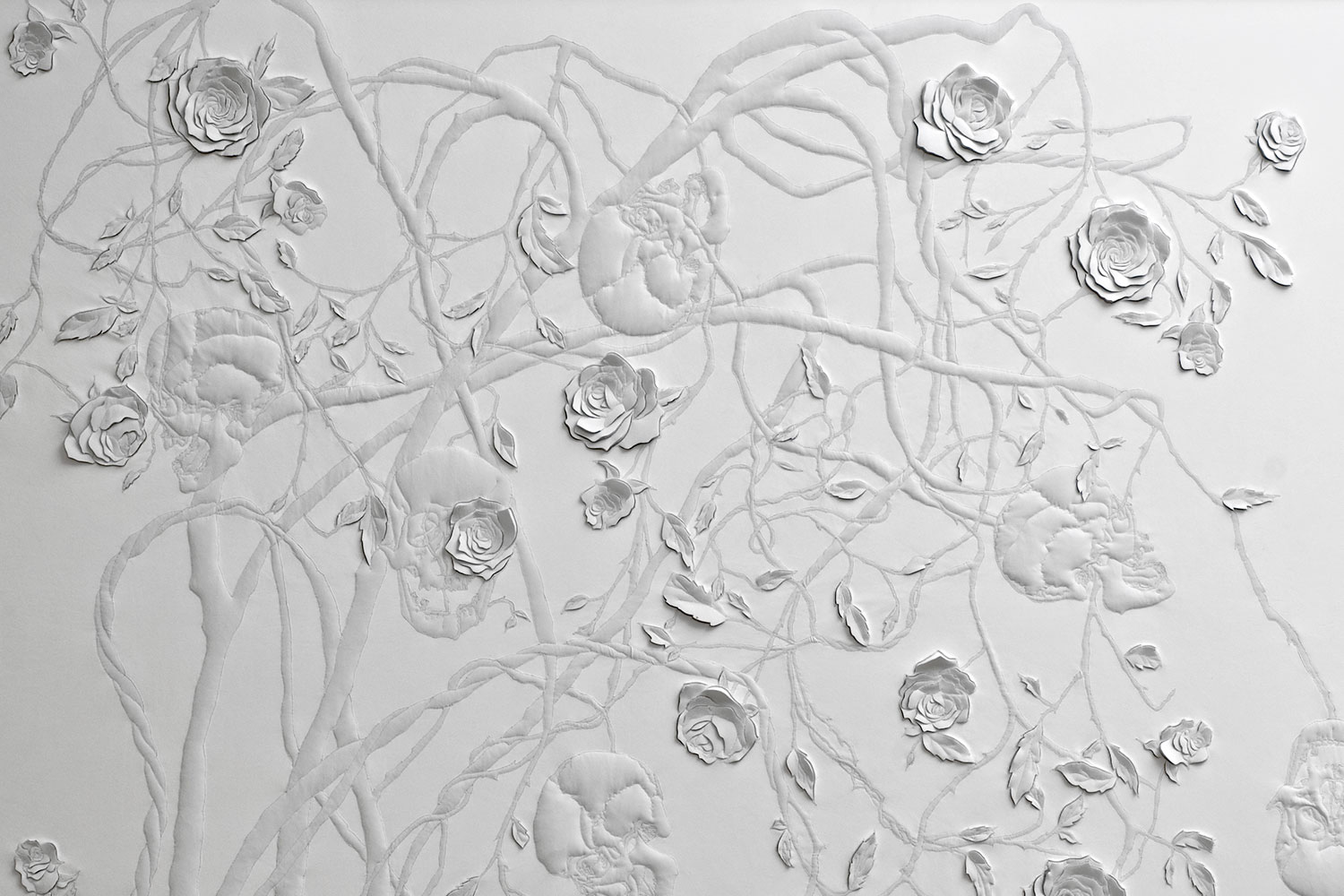
When I visited the Taj Mahal as a student. I became obsessed with finding a way to translate the intricate marble carvings I saw into textiles. I was working with wadding in its raw form, because it had the right thickness with which to create a sculpted, relief surface. By combining layers, I could make it 3D.
Vintage chairs were a free-standing and affordable platform for me to start on, such as a wonderful 1950s dentist’s chair I reupholstered in red leather with peonies, followed by two Arne Jacobsen Egg chairs and a contemporary commission for a pair of Philippe Hurel dining chairs.
My process may start with a line, but what matters is how I am going to interpret that line in a sculptural sense. I visualise the transition from 2D to 3D. My inspiration has always been nature; even with my structured patterns, the most intricate forms, patterns and geometry often connect to the natural world.
Helen Amy Murray
Textile sculptor
London, United Kingdom
AVAILABILITY
By appointment only
PHONE
+44 2076131511
LANGUAGES
English, French
Homo Faber Finds is a new service aiming to inspire admirers of craft to connect and collaborate with exceptional artisans.
We invite you to submit an enquiry here.





DSC02402_©Meg-Lovell.jpg)
DSC01379_©Meg-Lovell.jpg)
DSC01458_©Meg-Lovell.jpg)