©Kinga Munka
©Kinga Munka
©All rights reserved
©Kinga Munka
©Kinga Muhely
©Kinga Munka
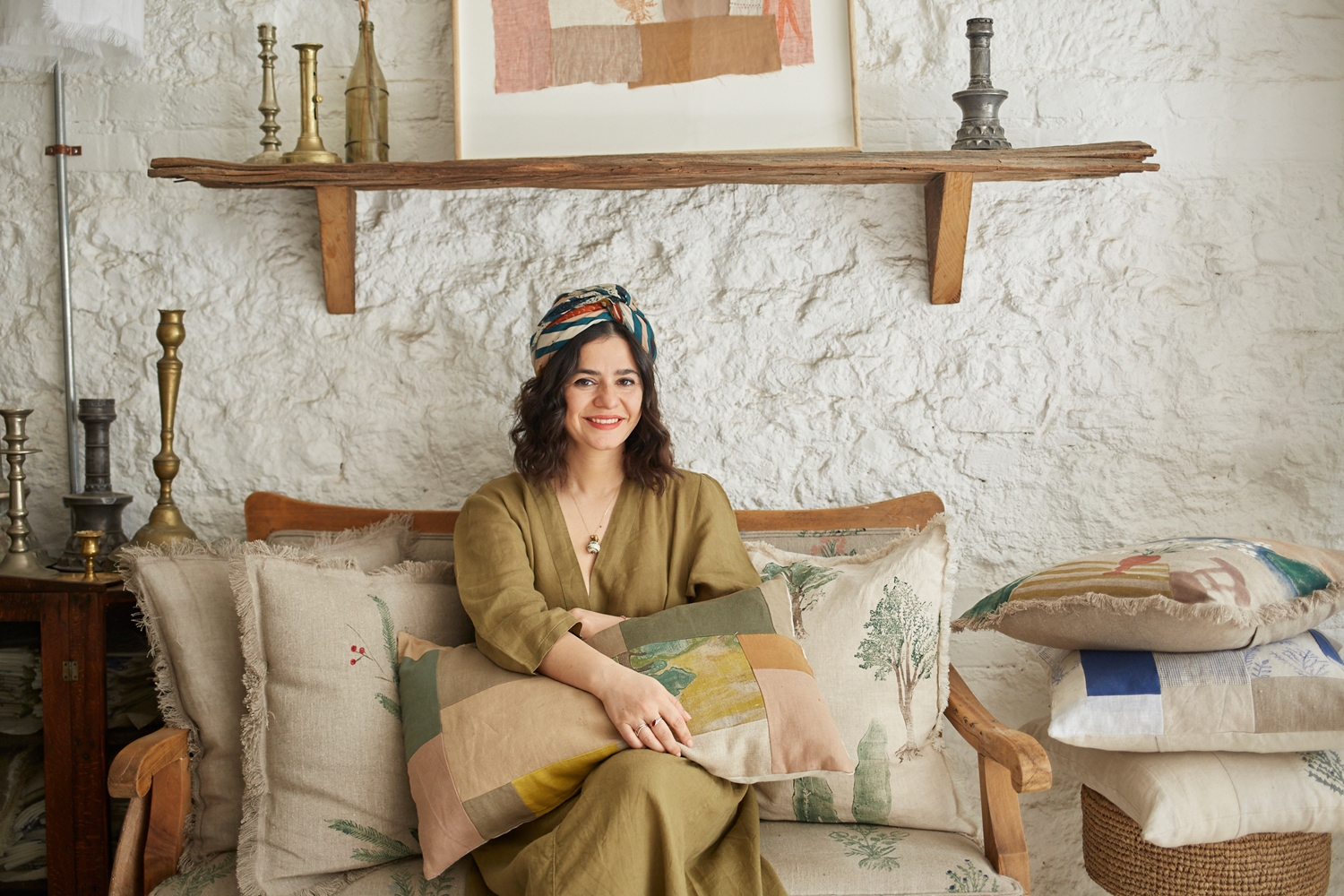
Kinga Földi
Textile sculptor
Budapest, Hungary
Recommended by Judit Osvárt
©Kinga Munka
©Kinga Munka
©Kinga Munka
©Kinga Munka
©All rights reserved
©All rights reserved
©Kinga Munka
©Kinga Munka
©Kinga Muhely
©Kinga Muhely
©Kinga Munka
©Kinga Munka
The technique that opened a new path
- Kinga worked for over a decade designing unique dresses and costumes
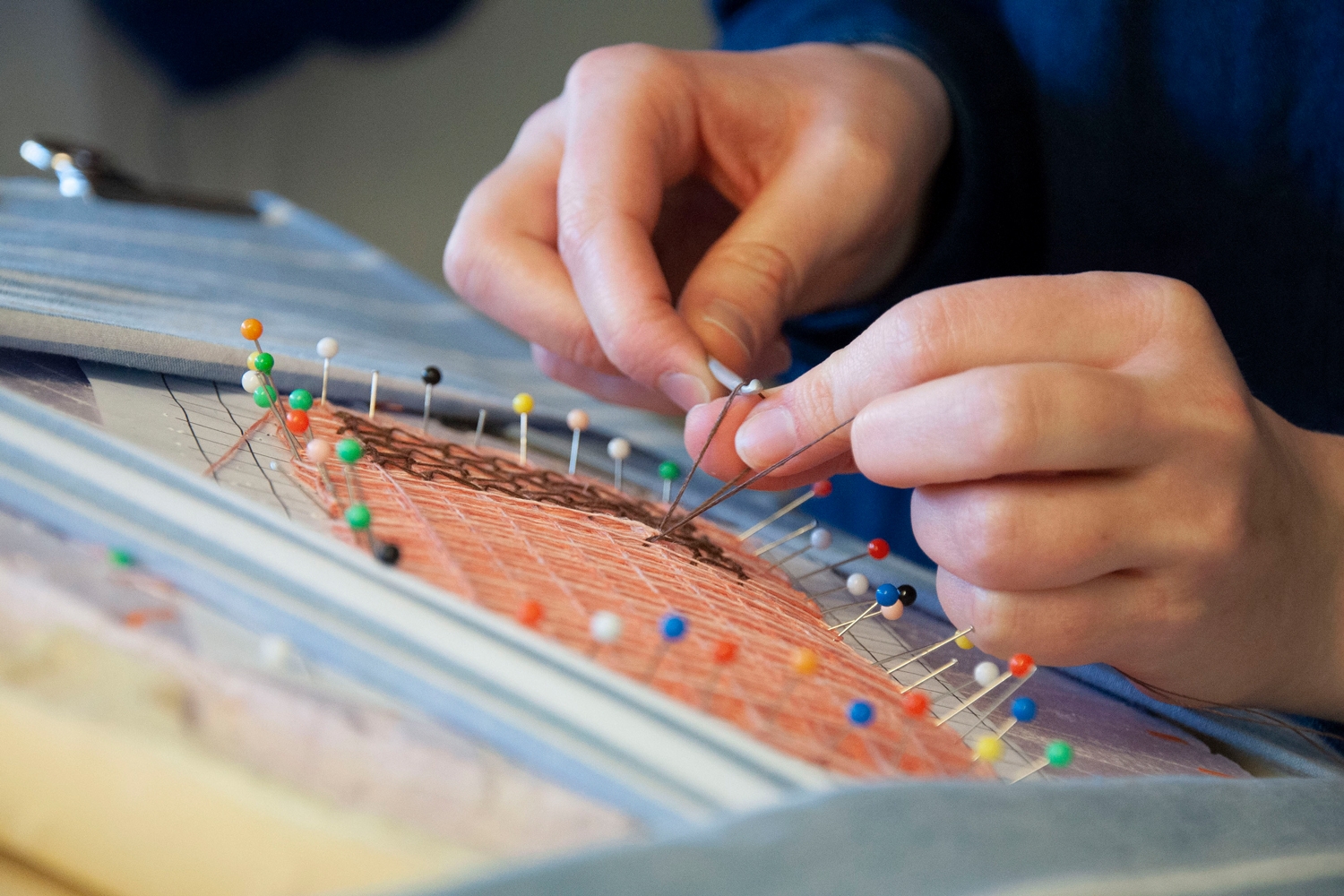
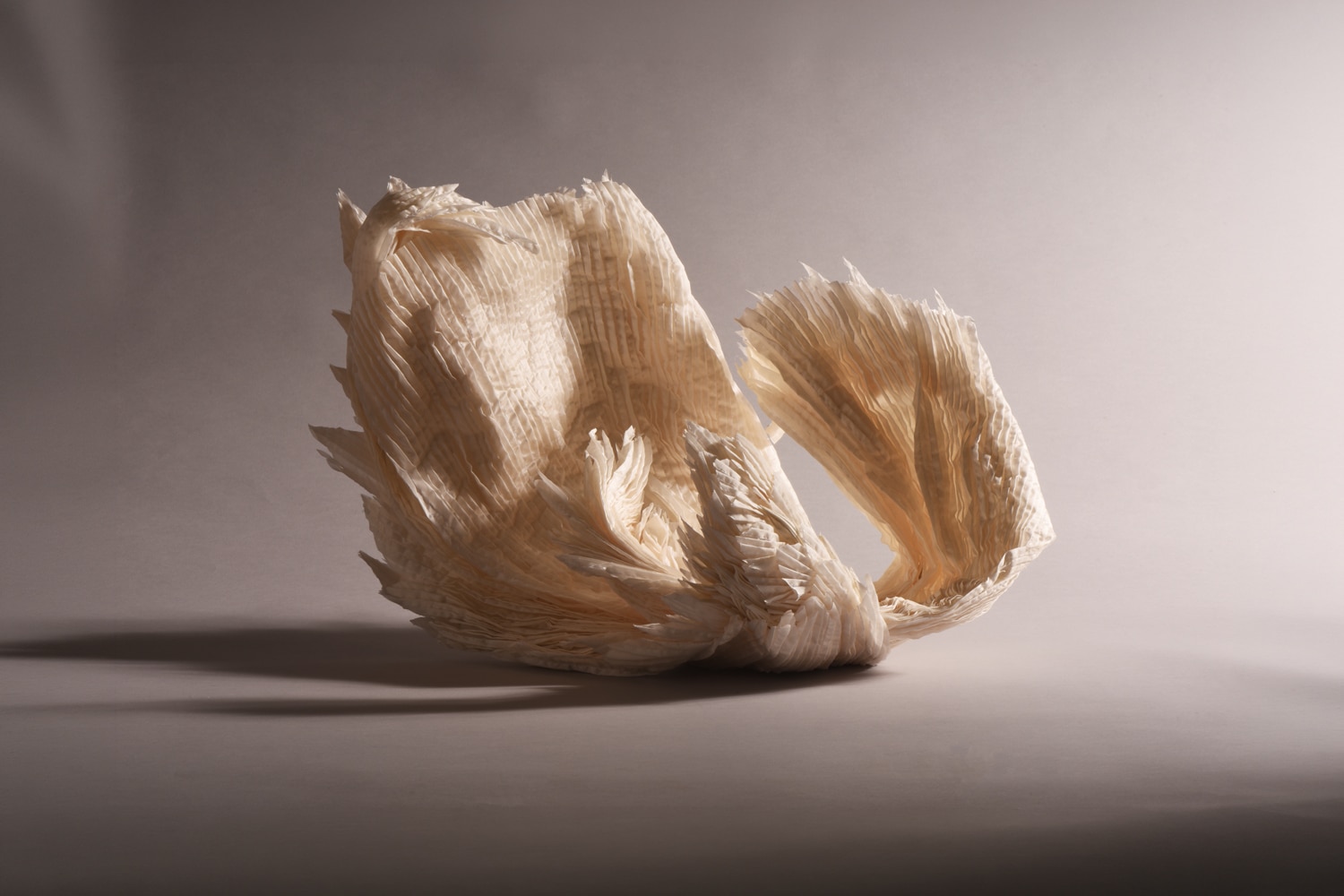
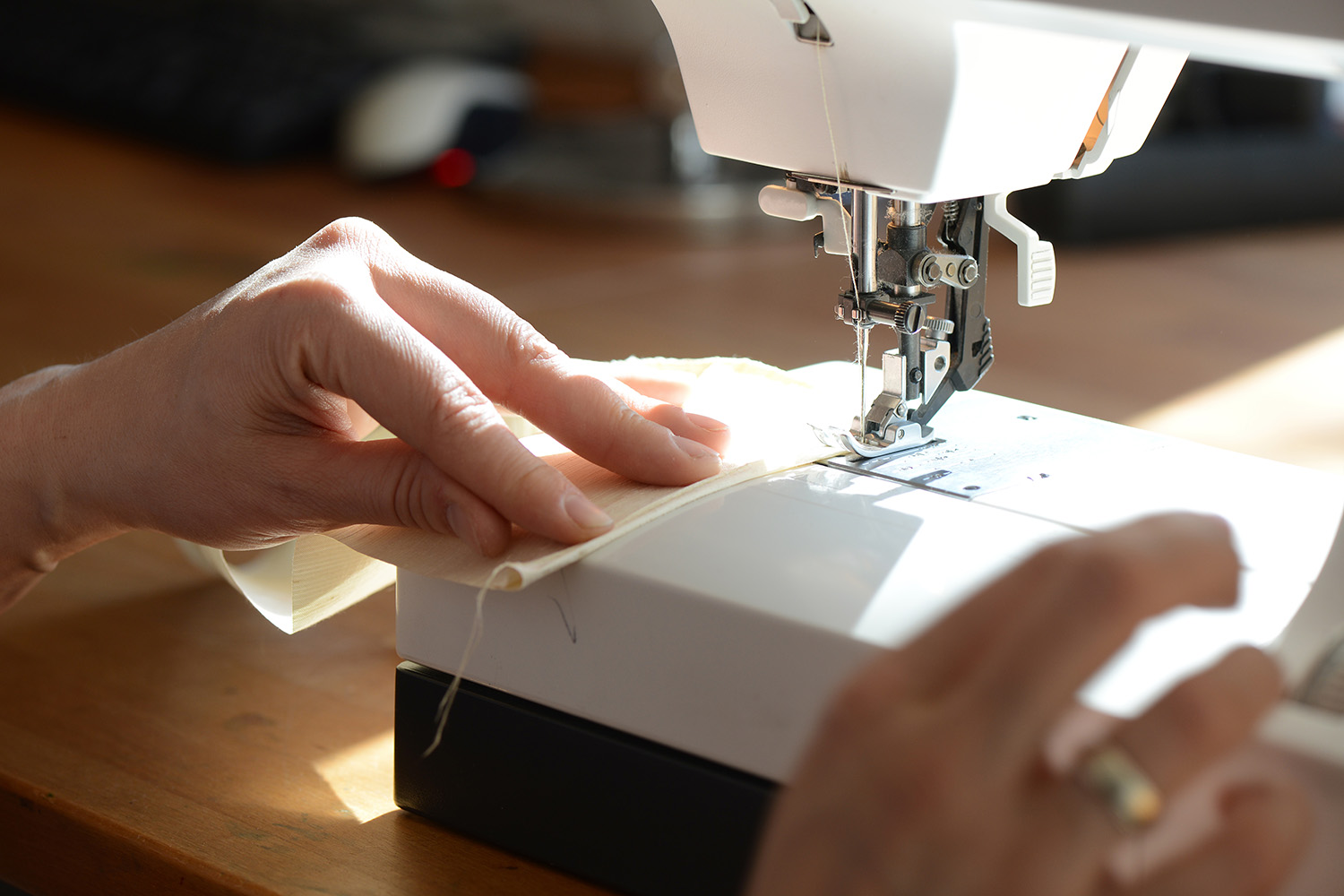
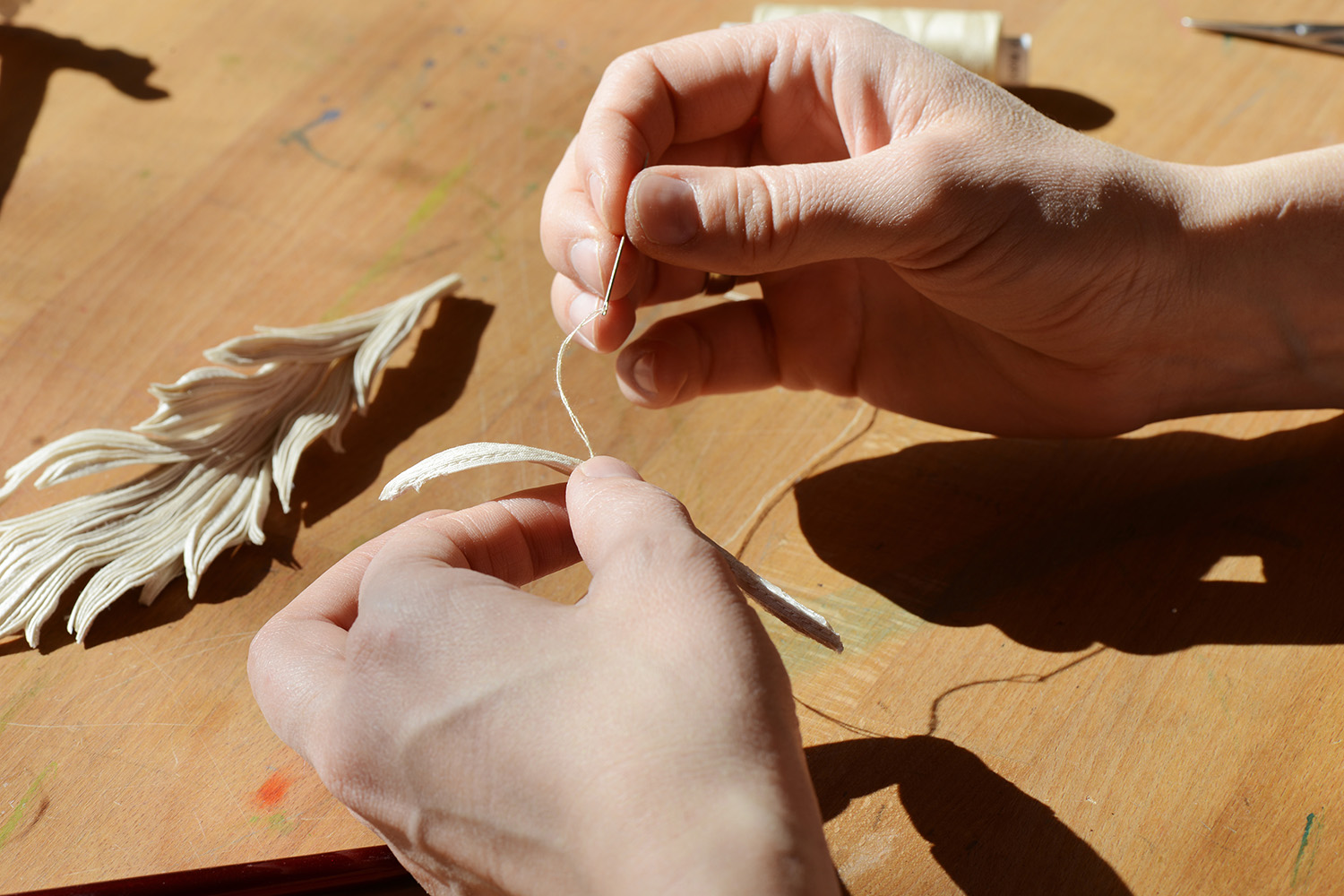
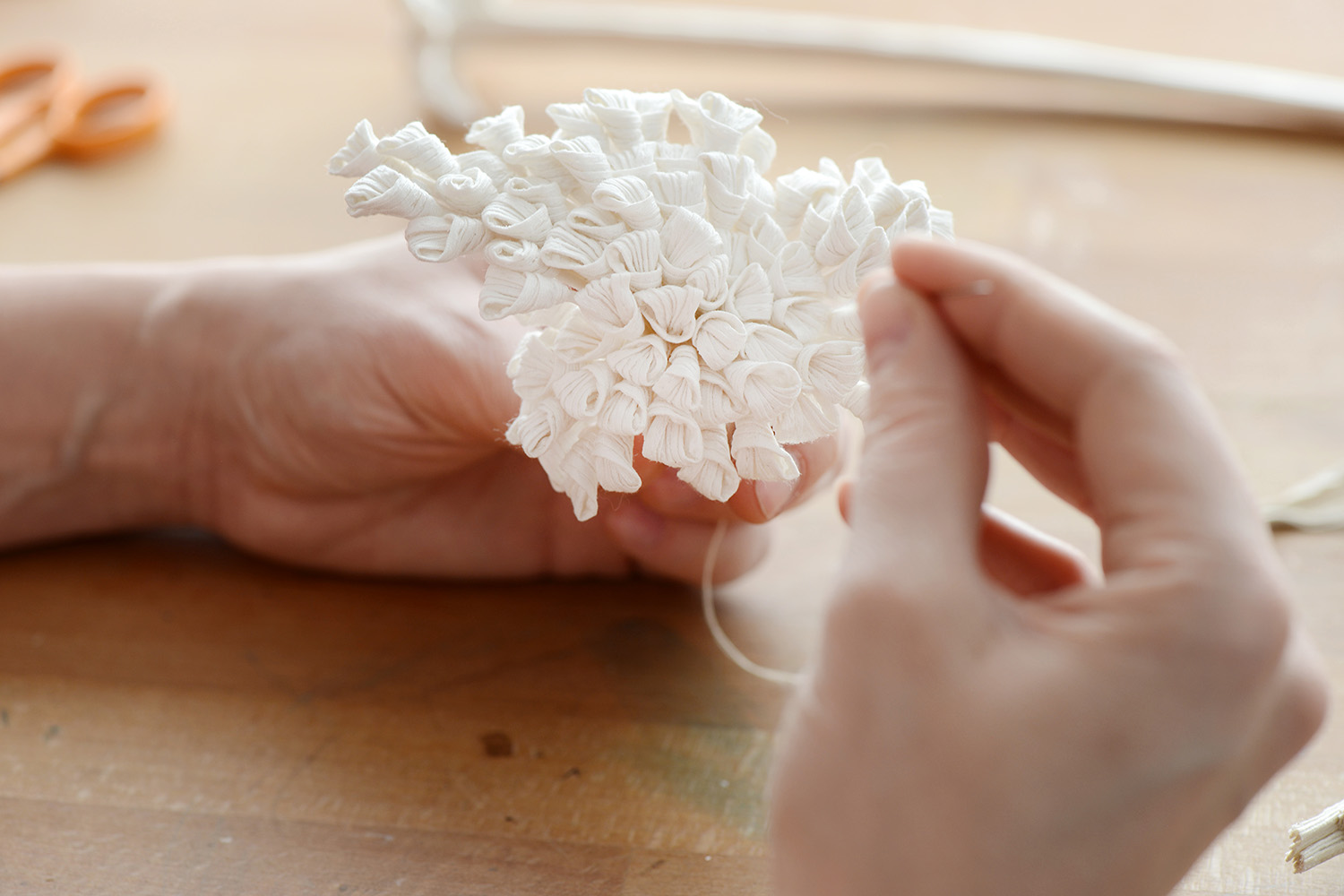
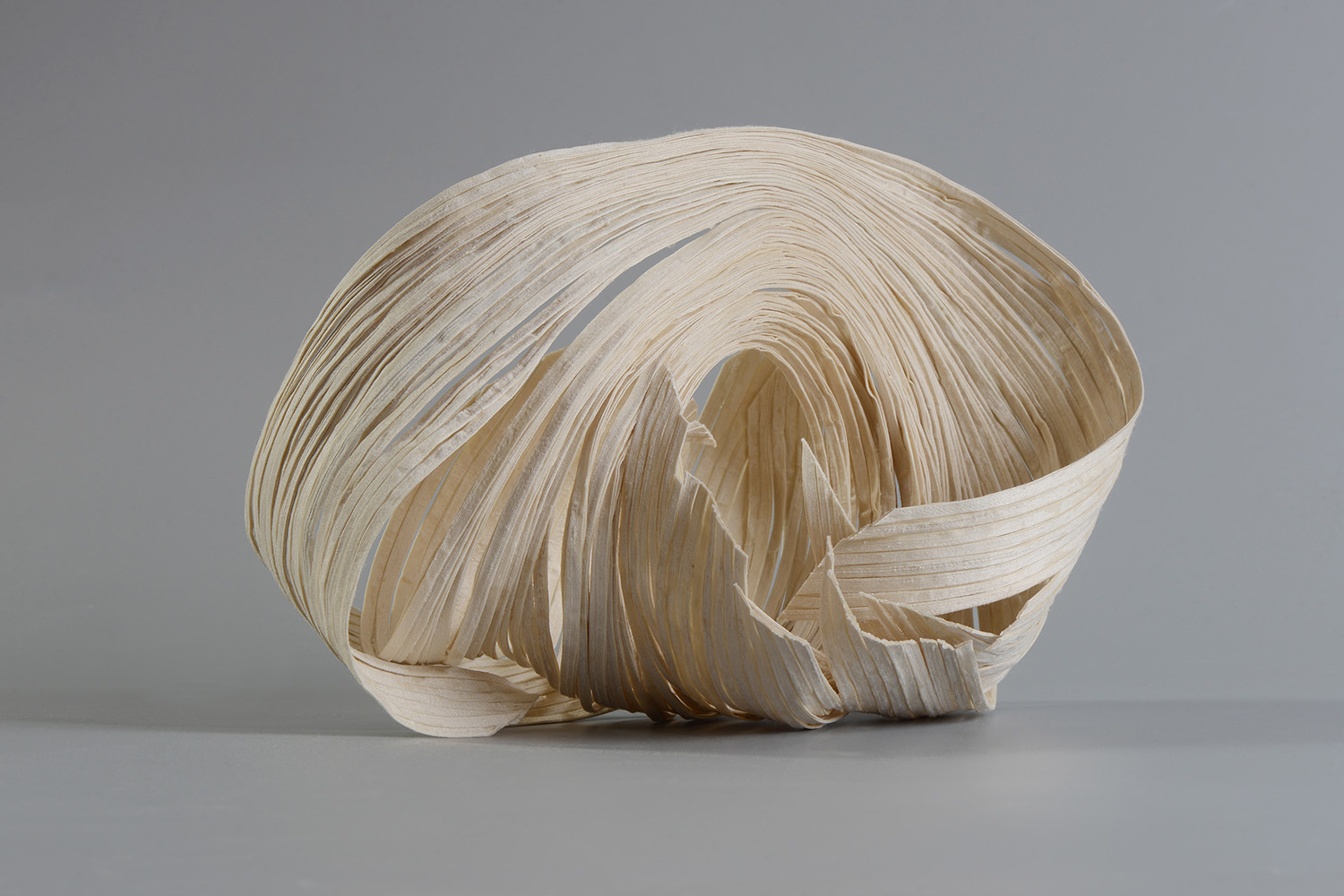
- She uses the pin-tuck technique to manipulate surface and create forms in her textile sculptures
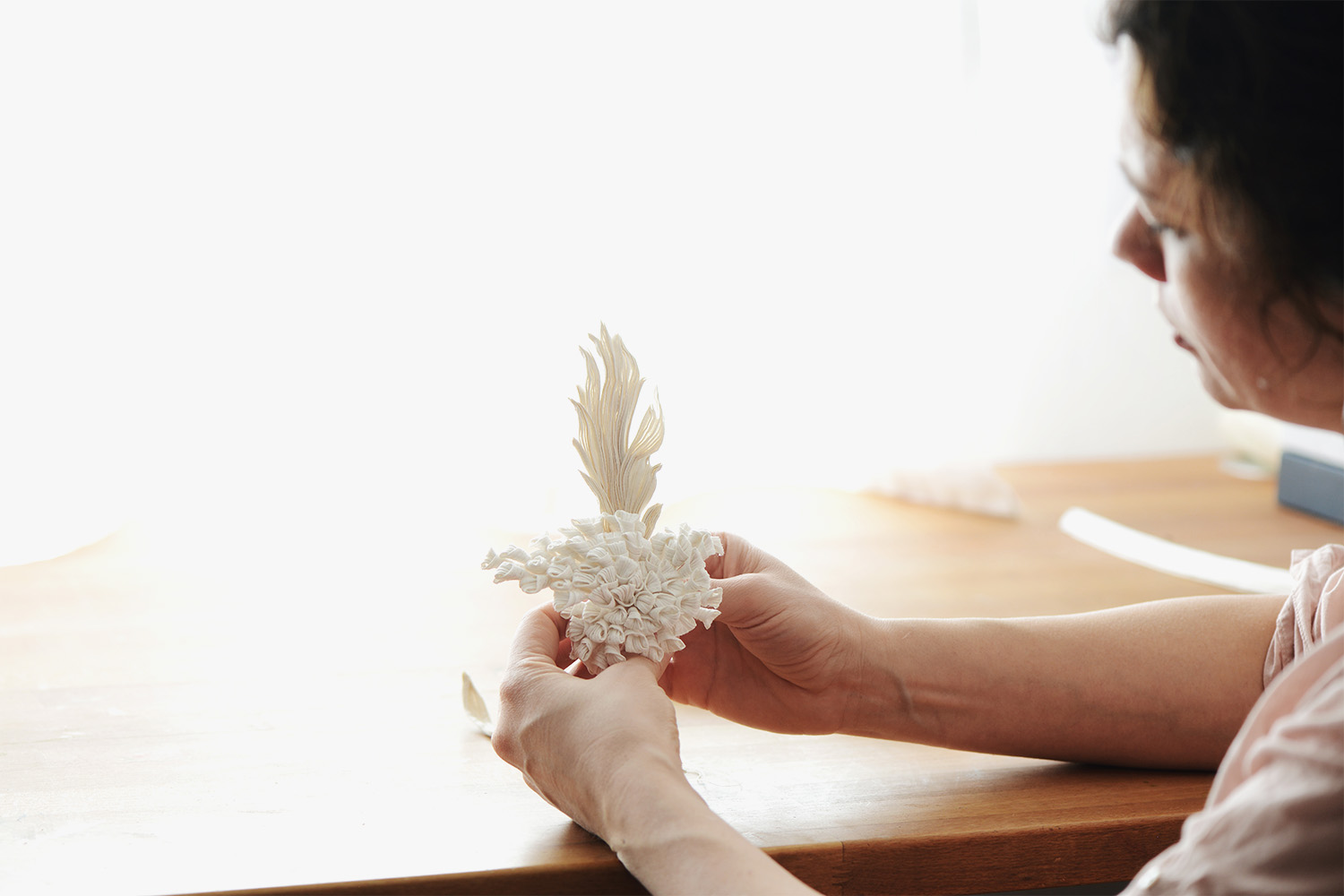
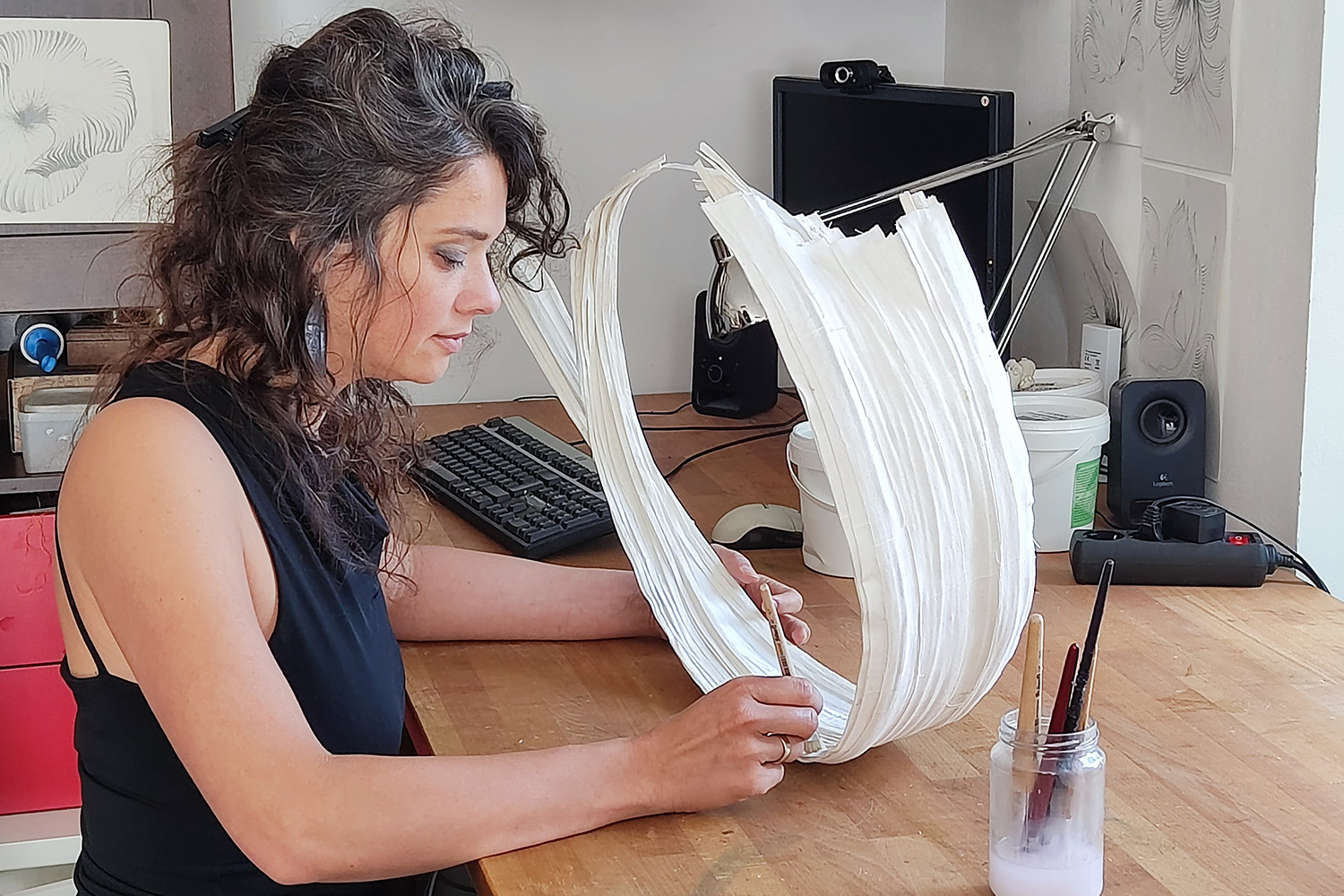
- She is currently experimenting with large-scale and miniature pieces
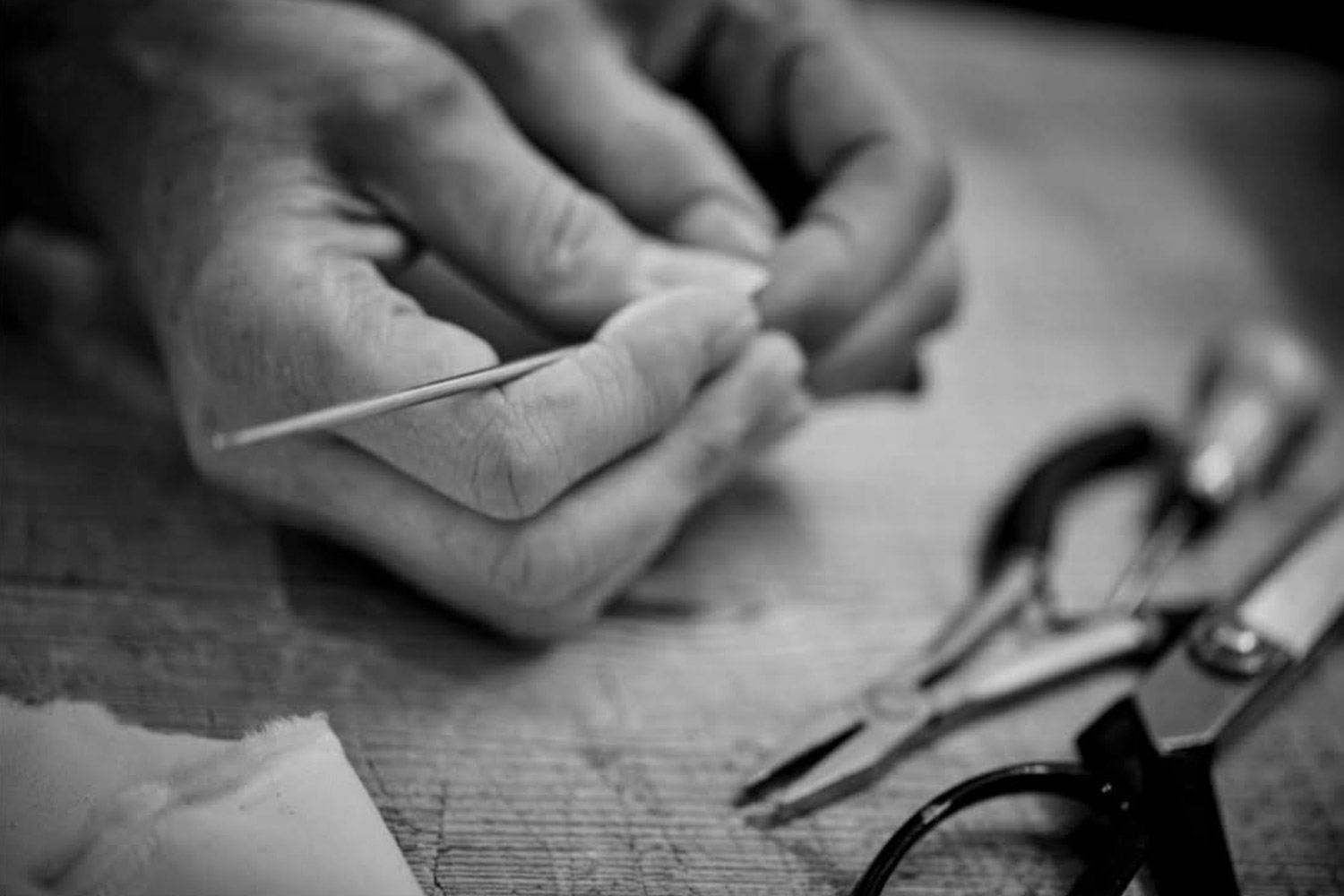
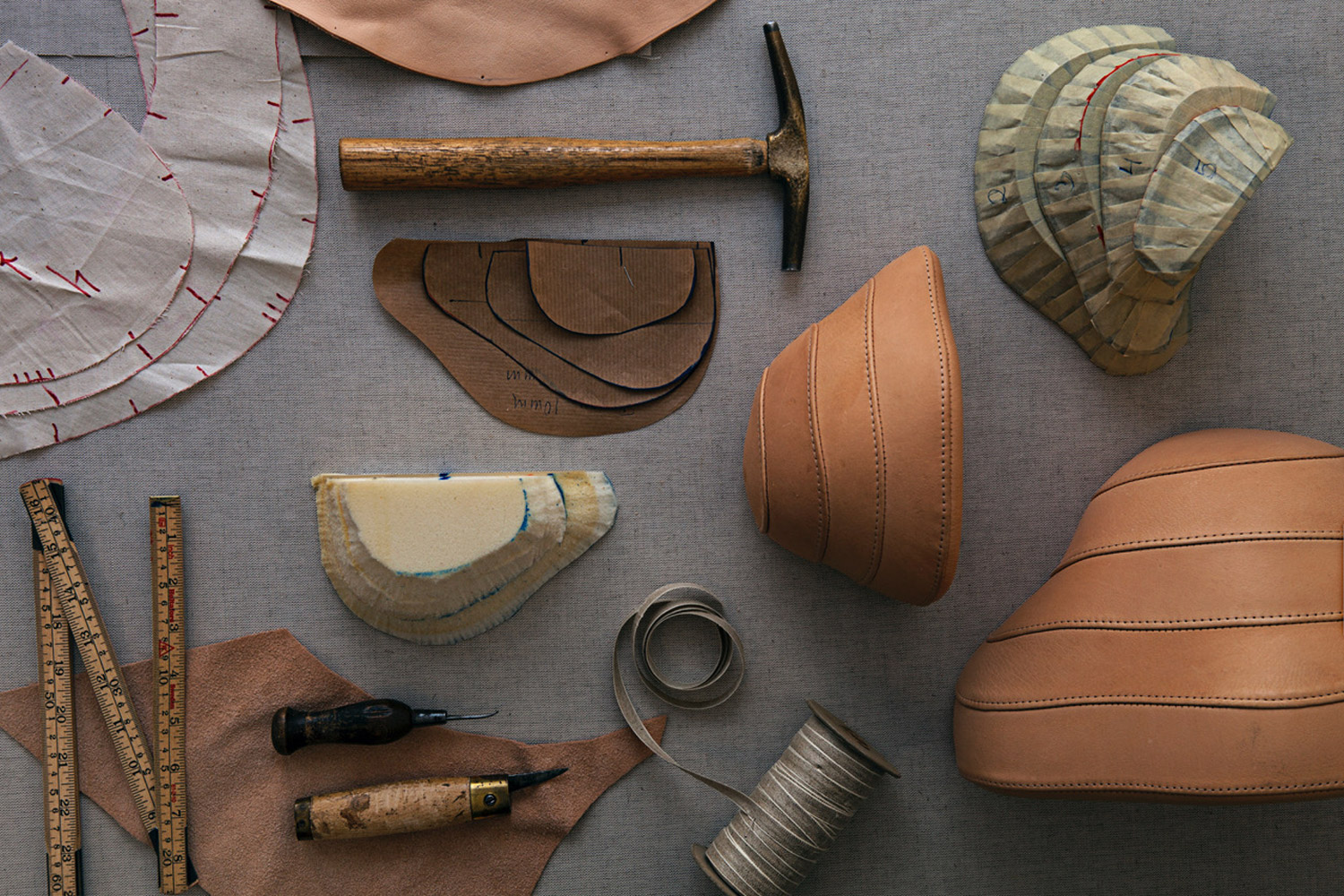
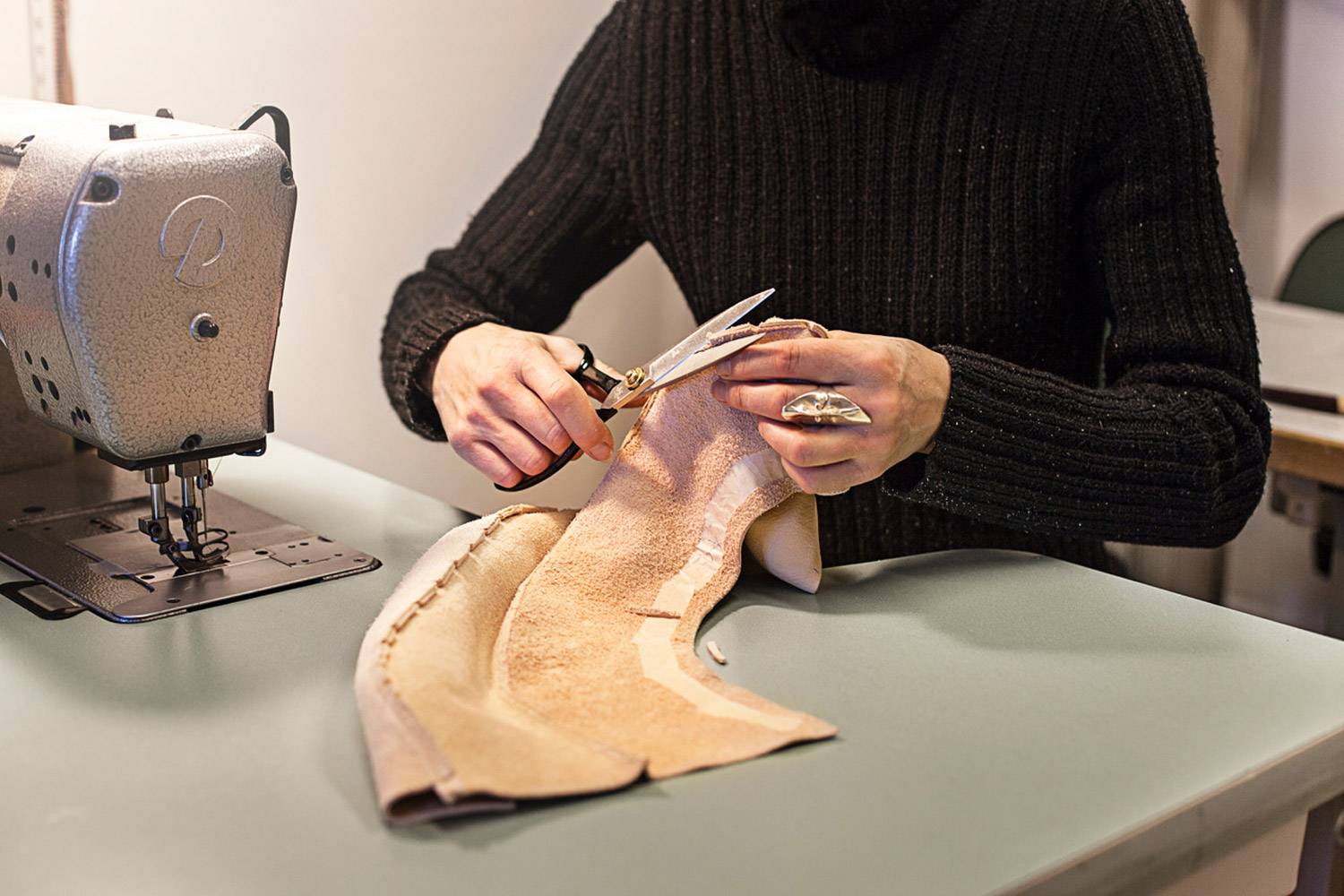
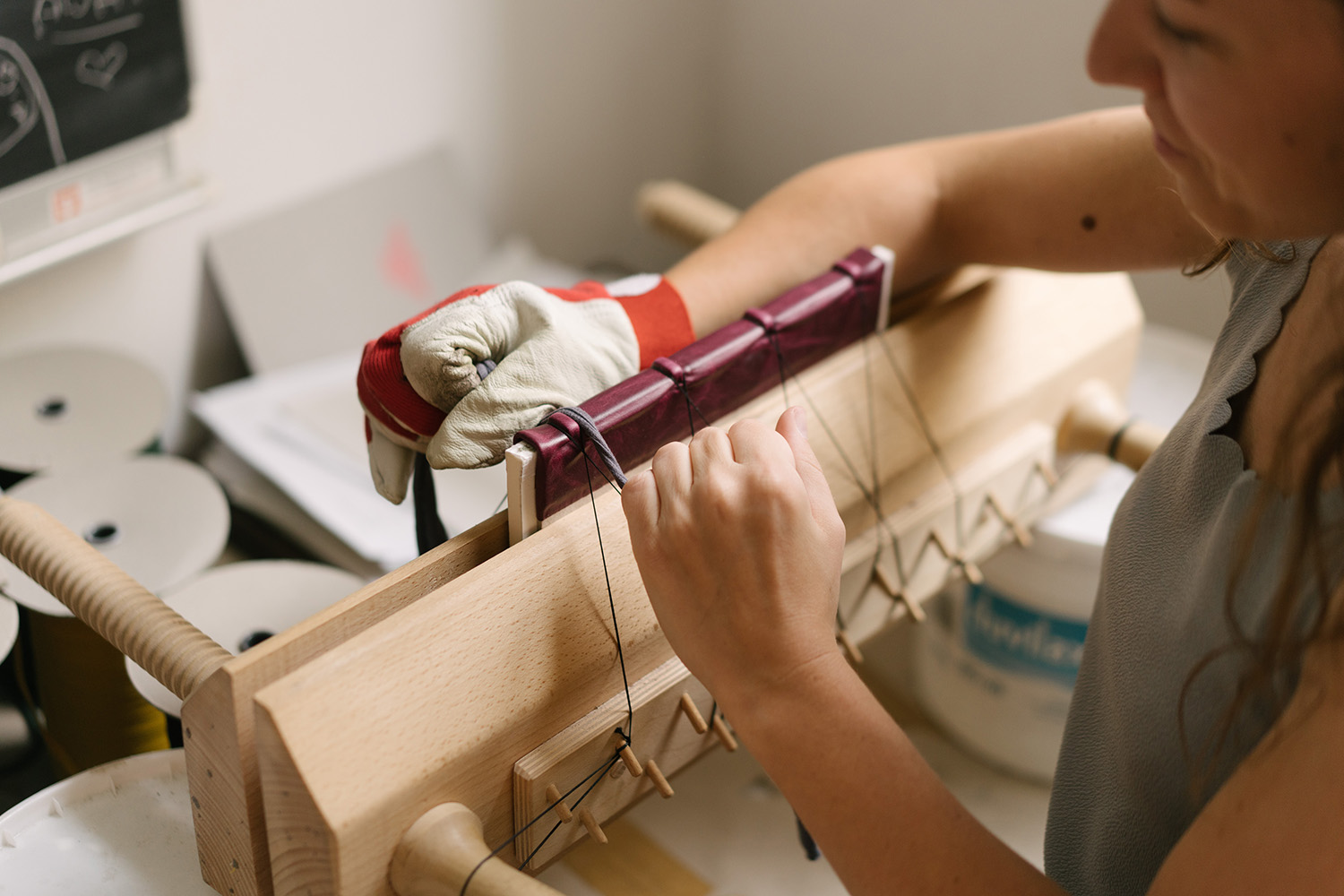
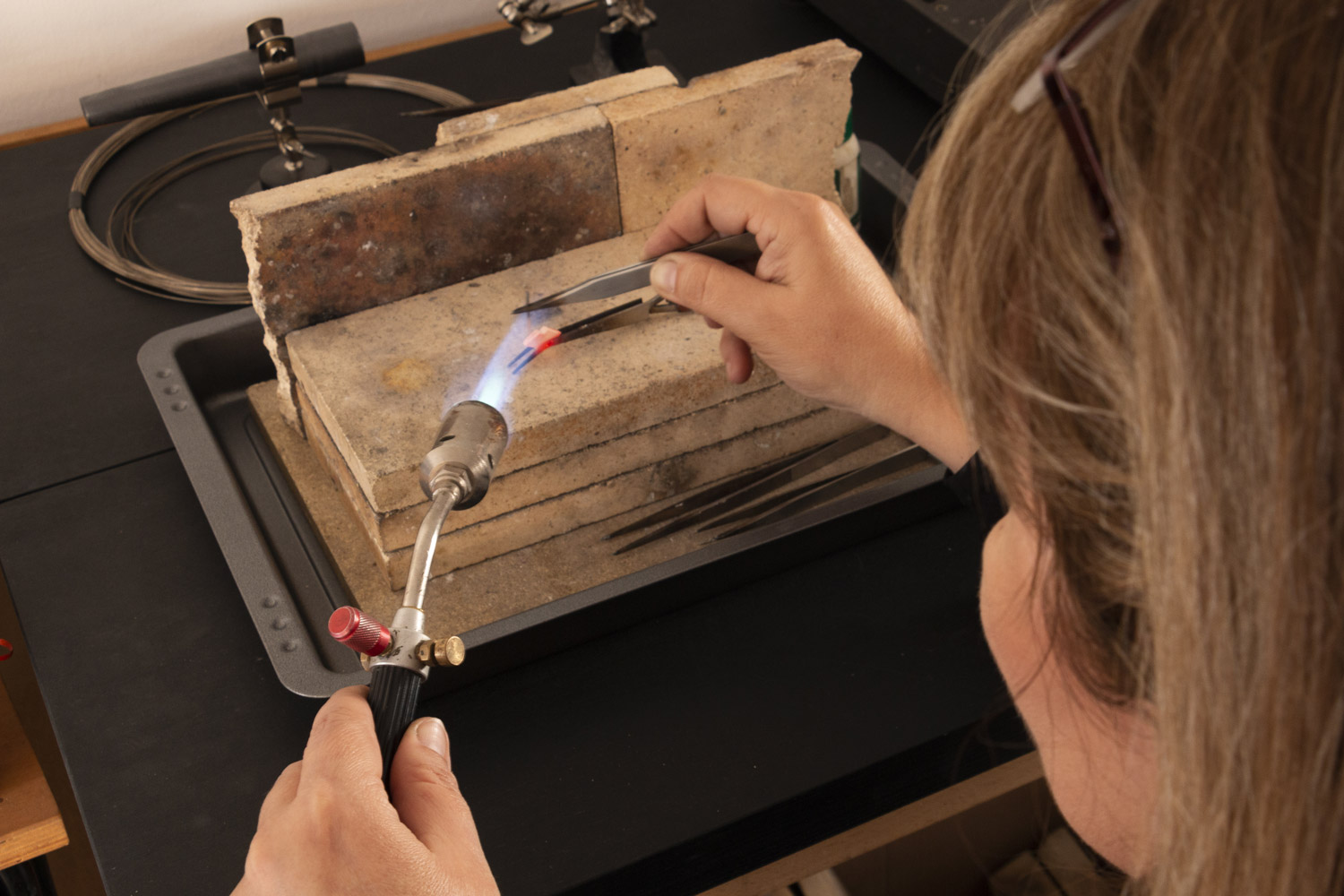
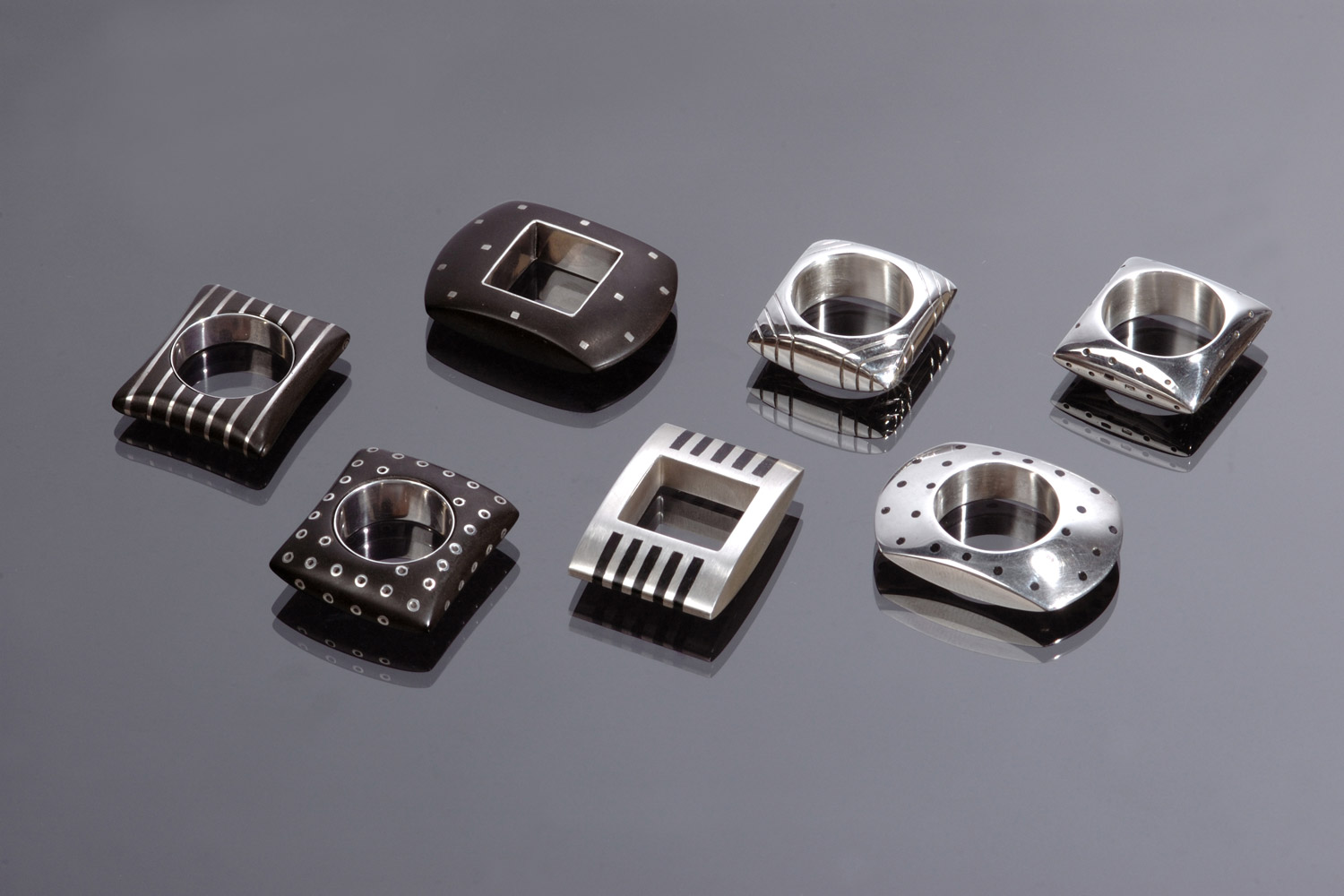
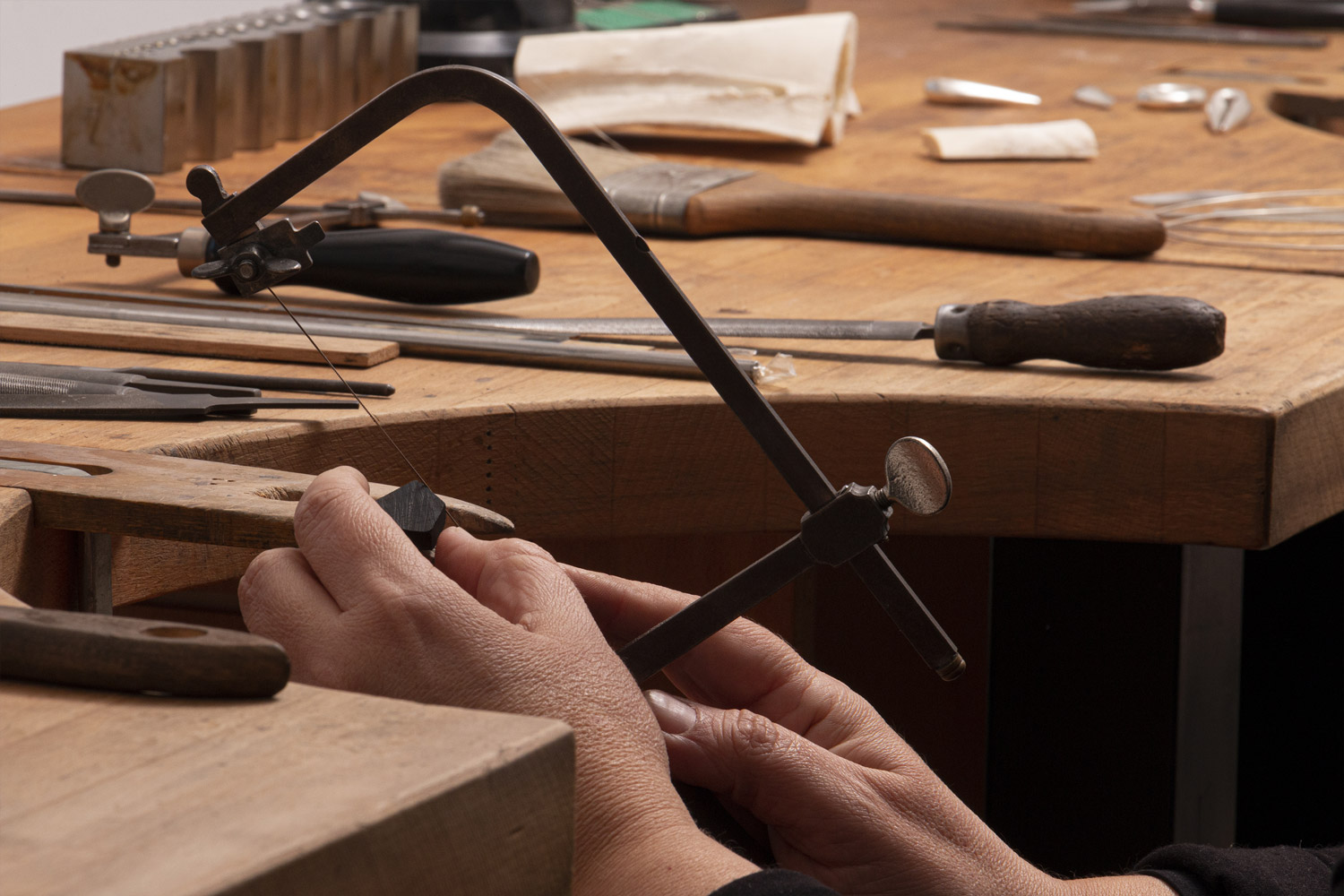
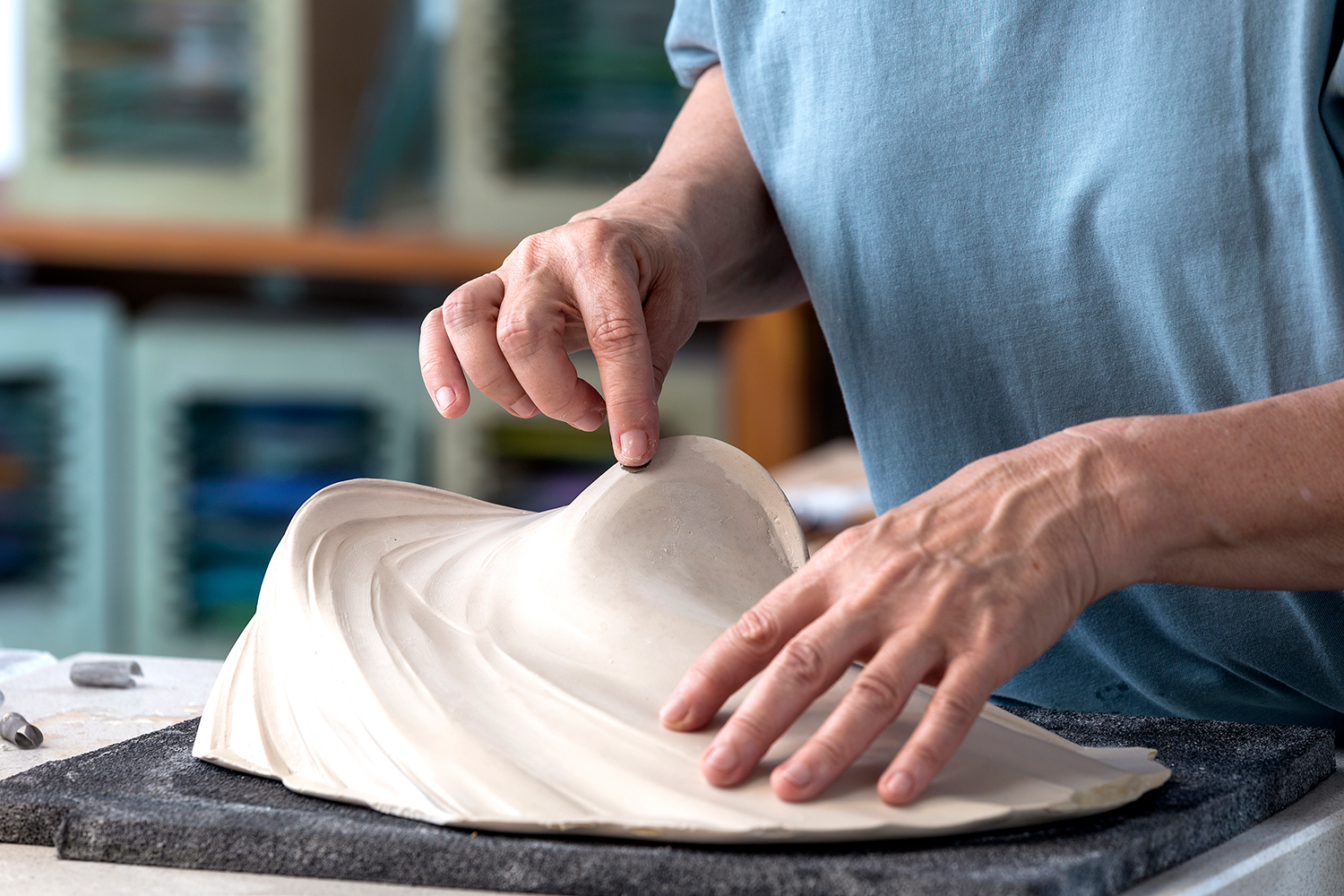
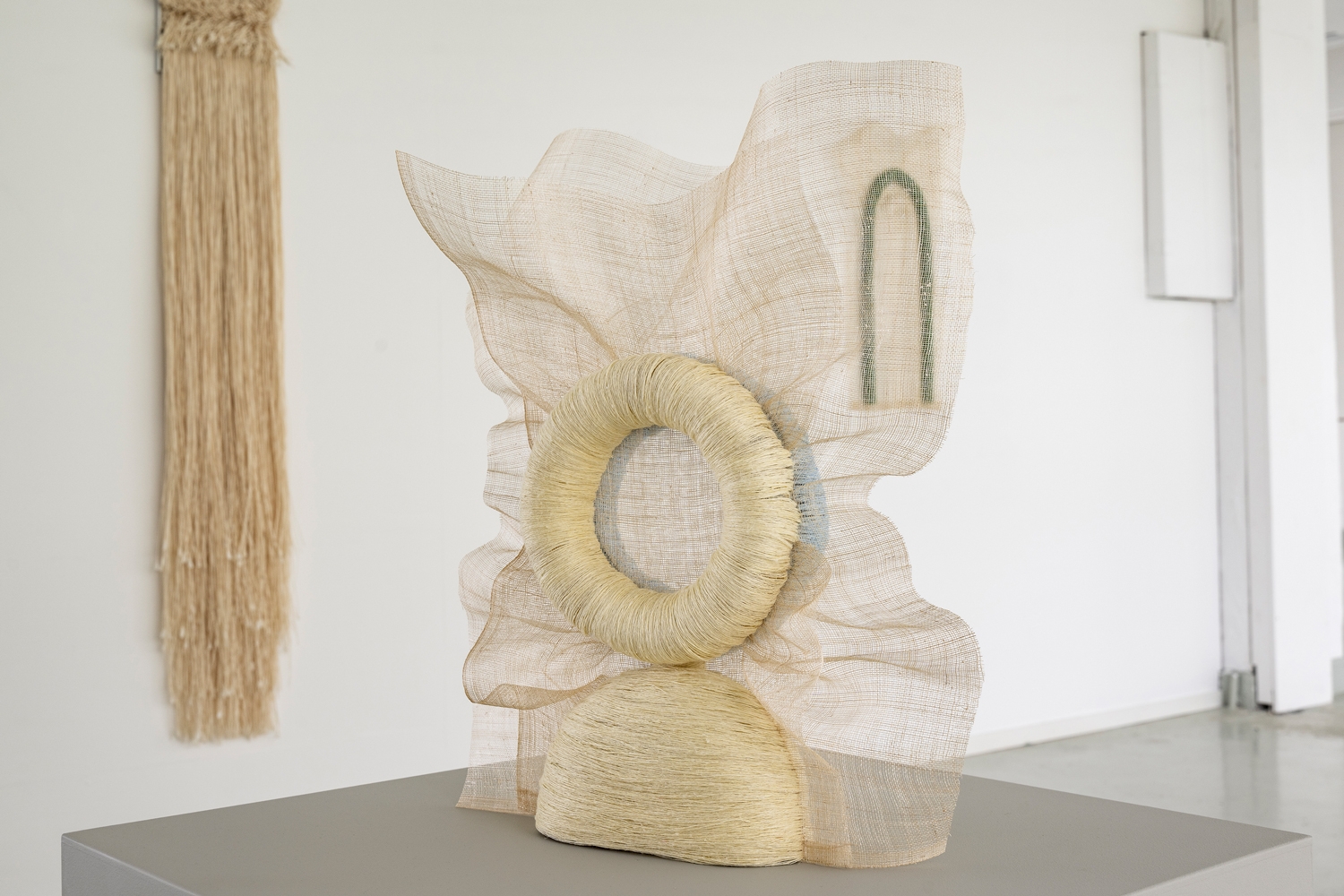
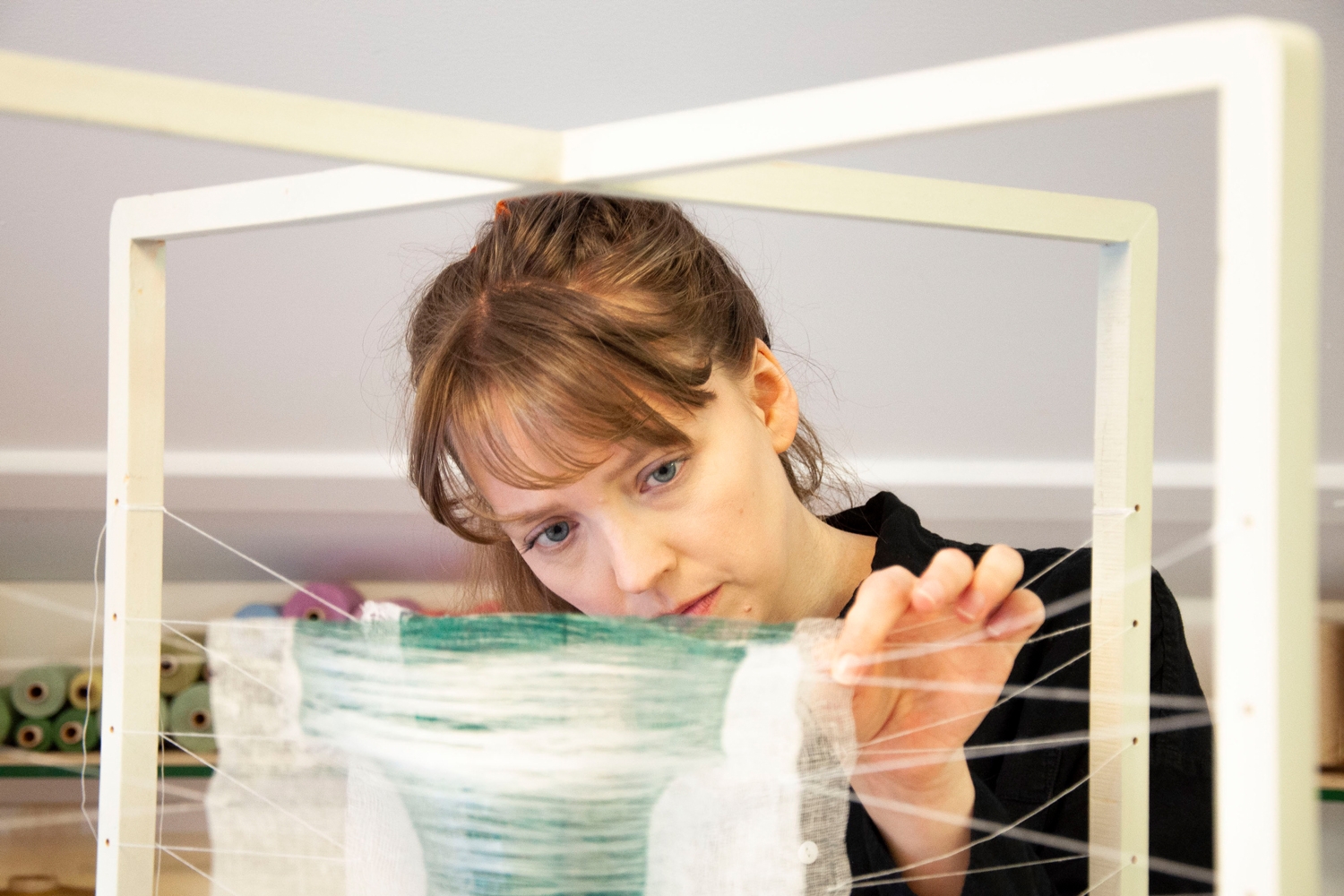
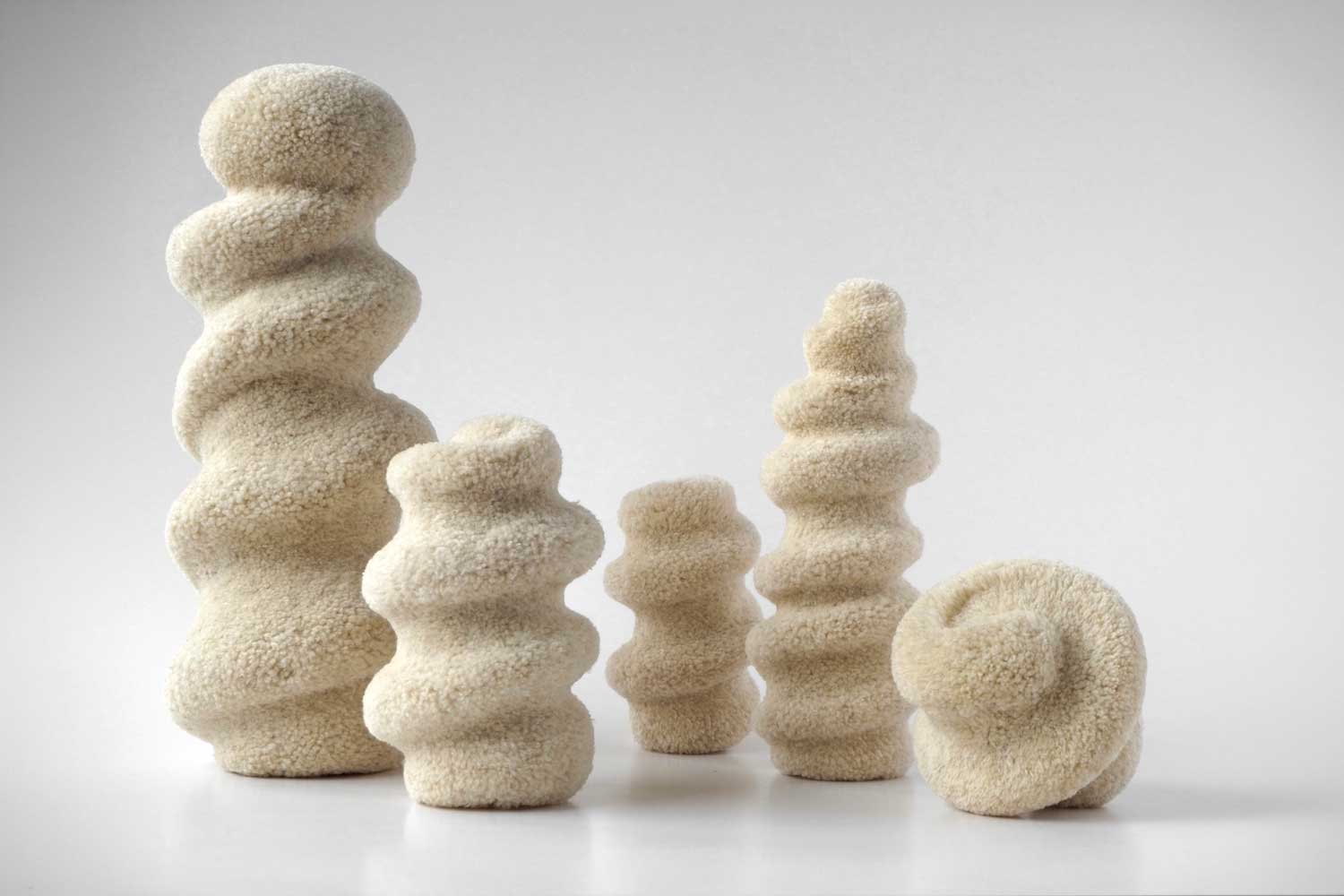
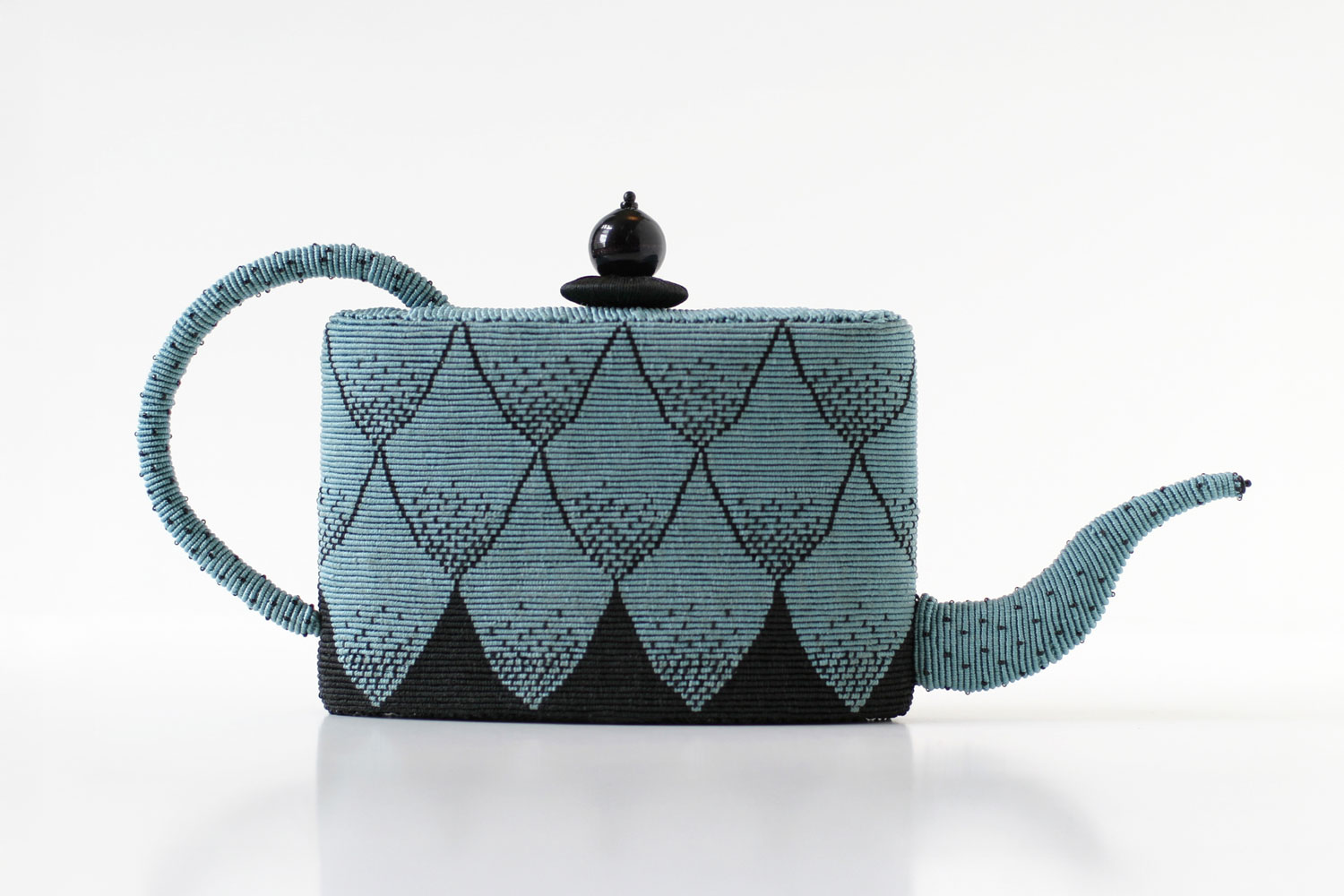
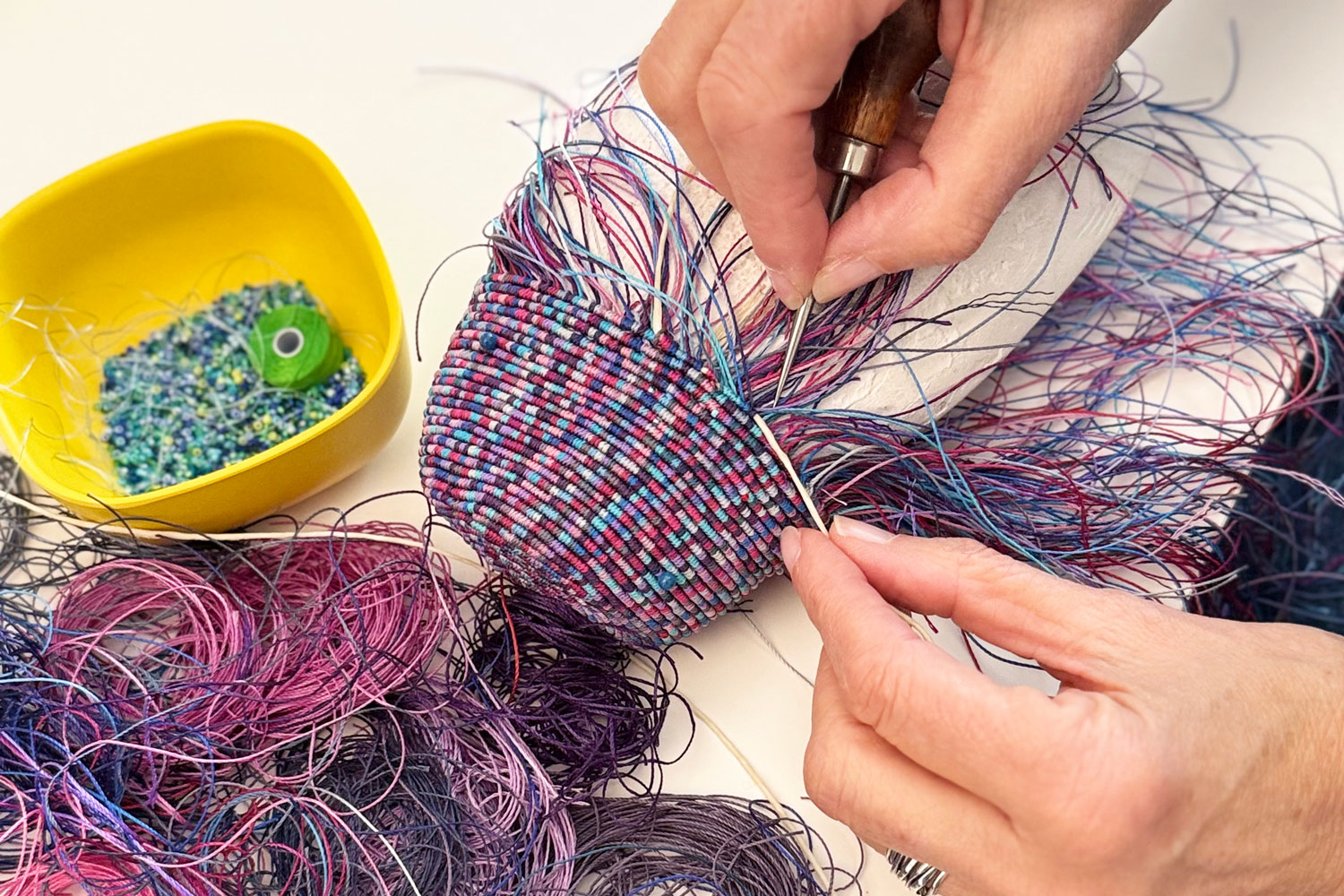
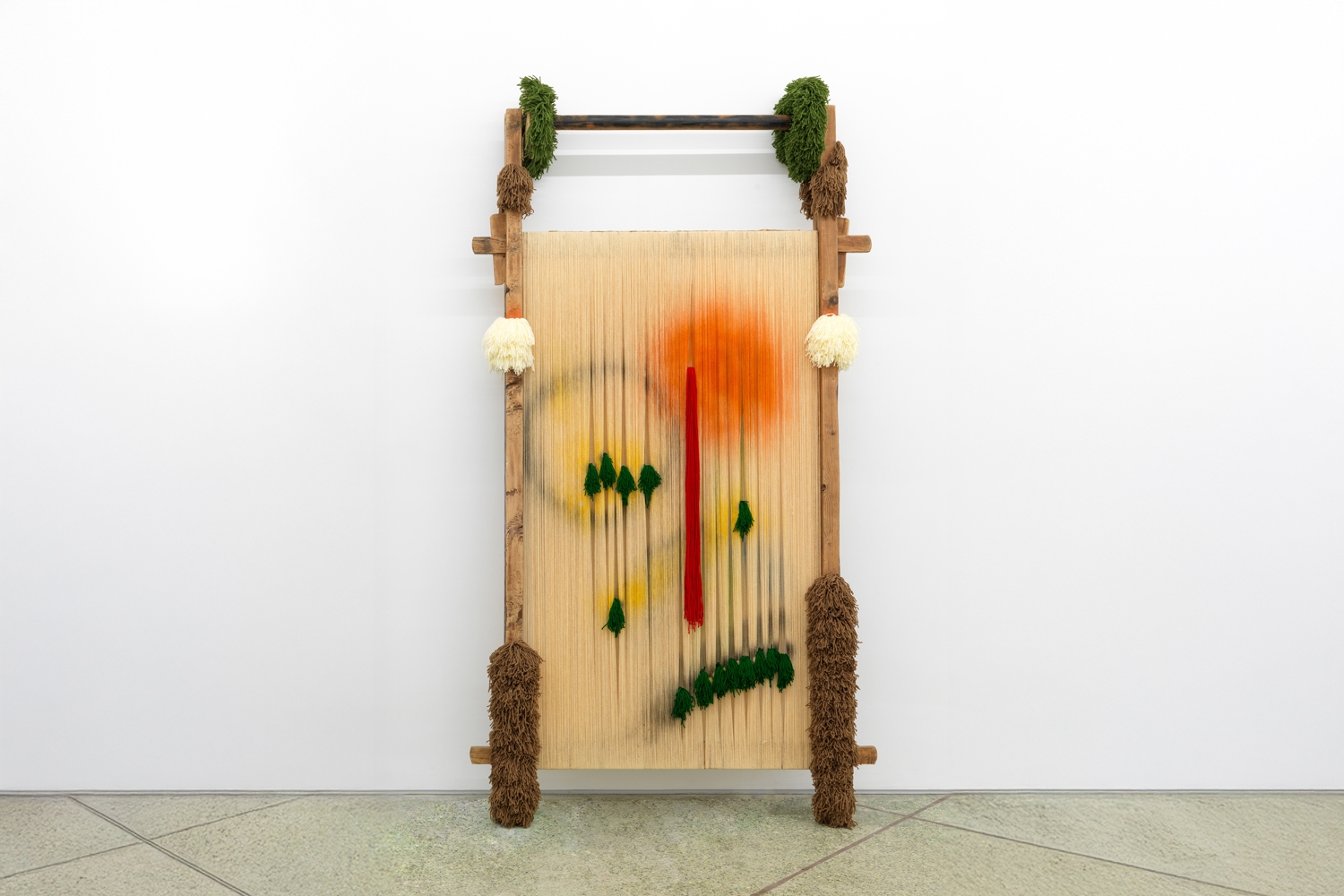
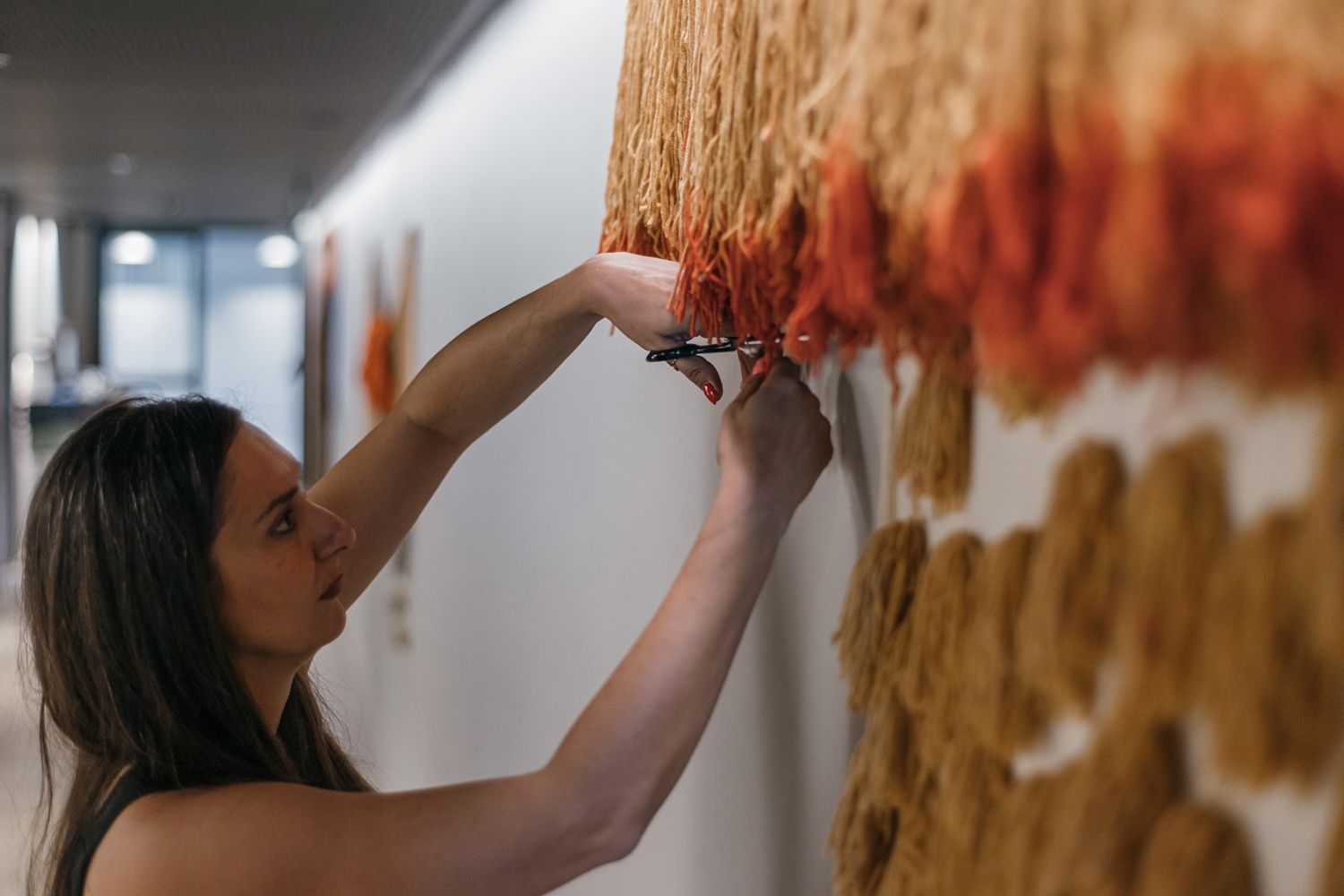
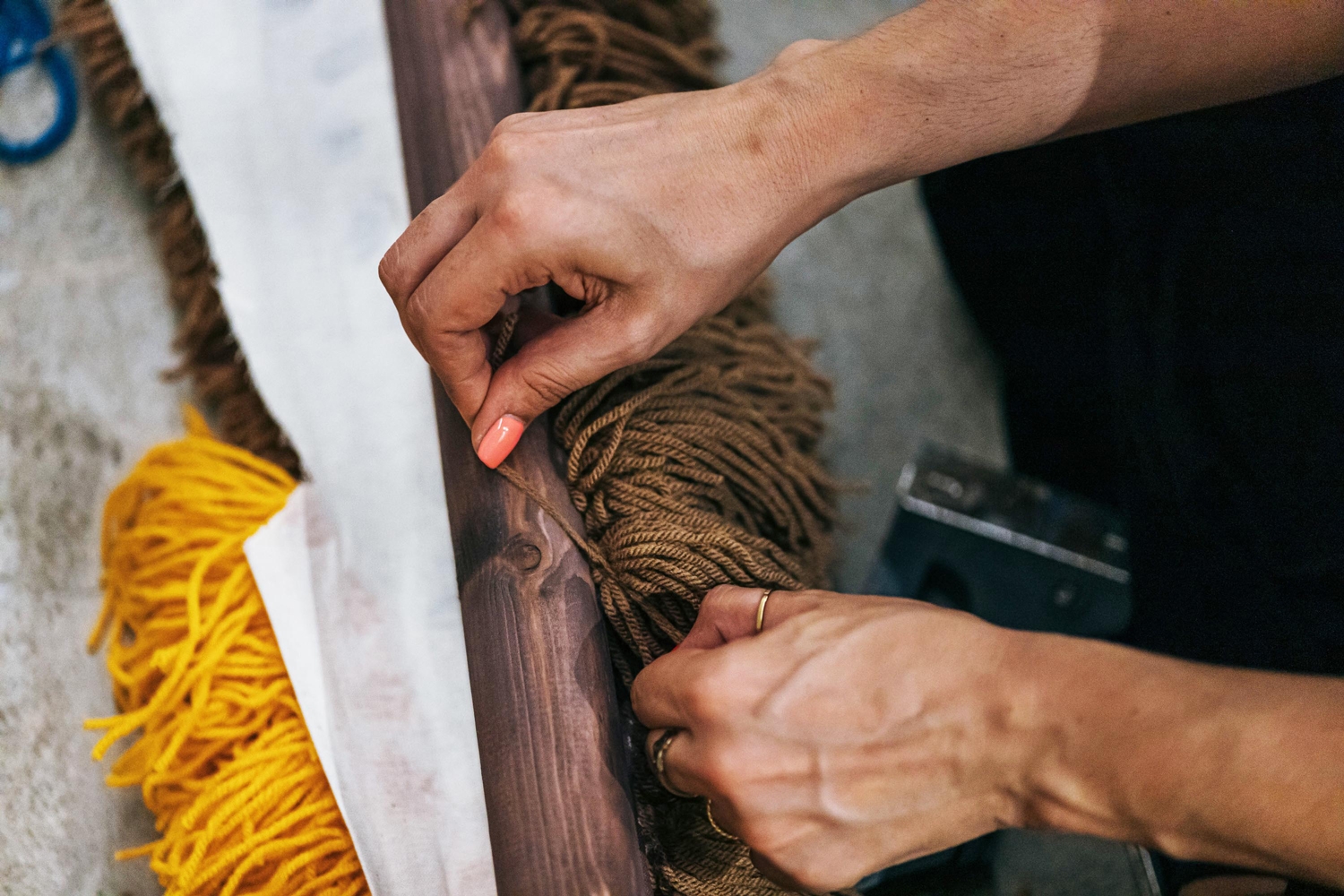
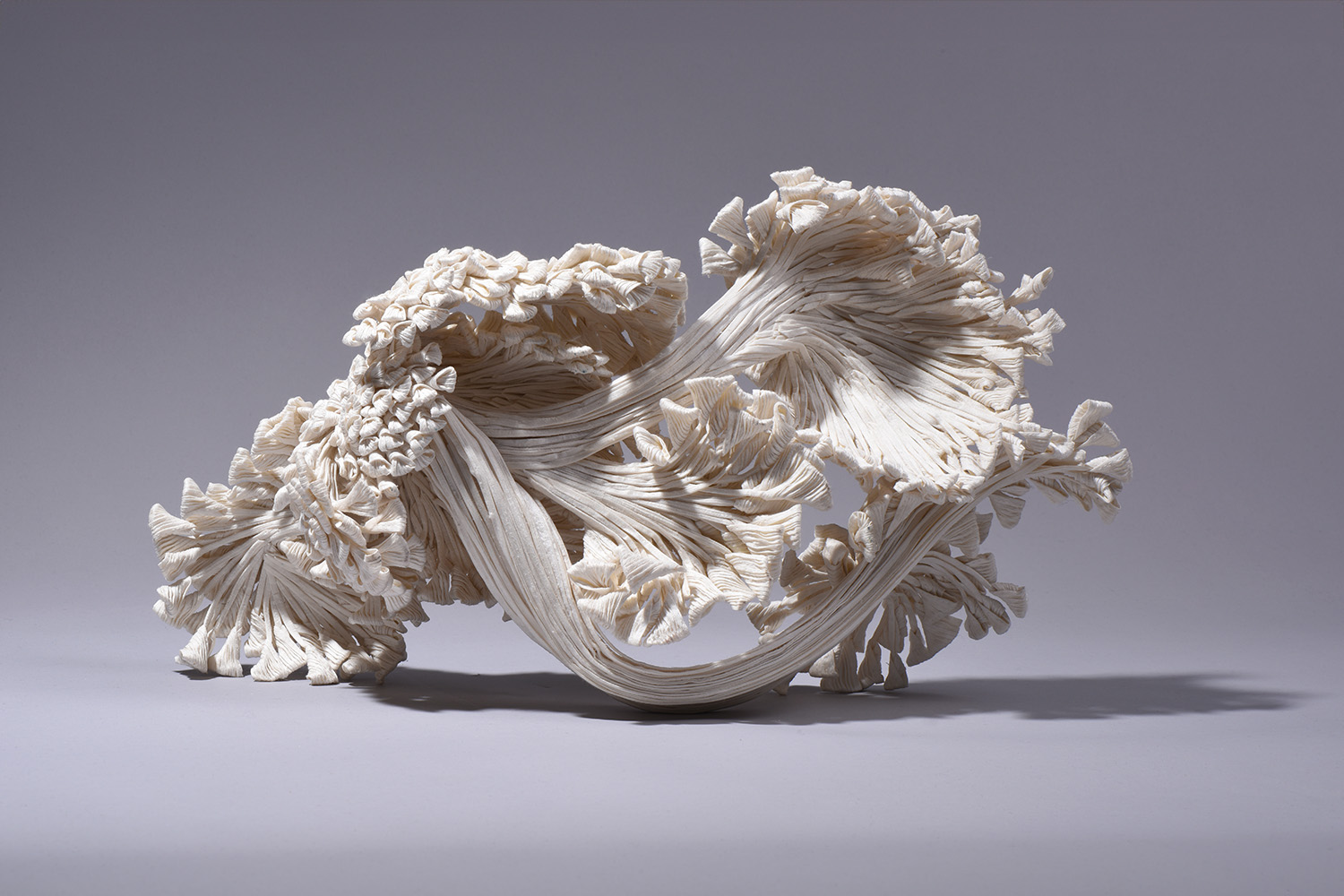
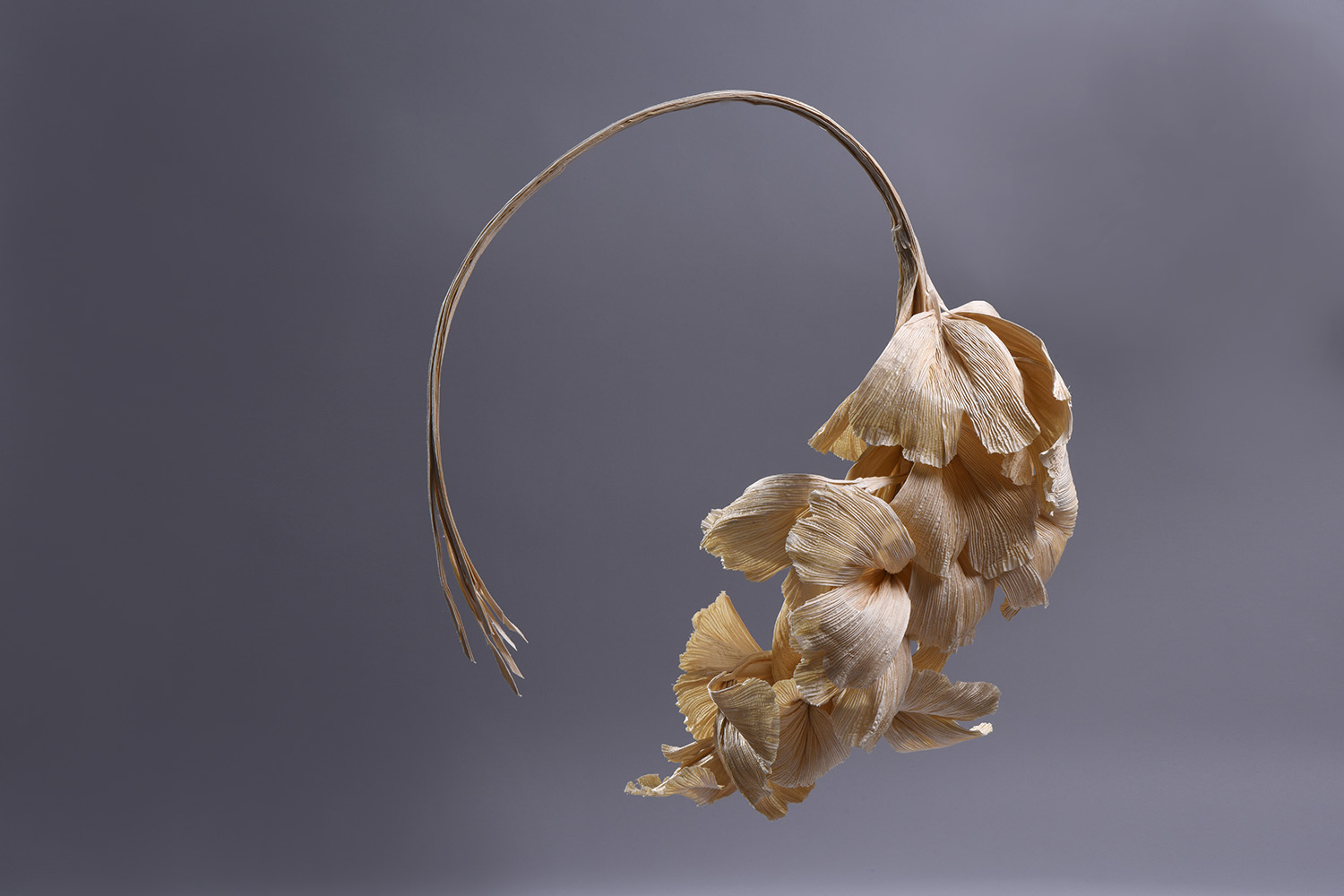
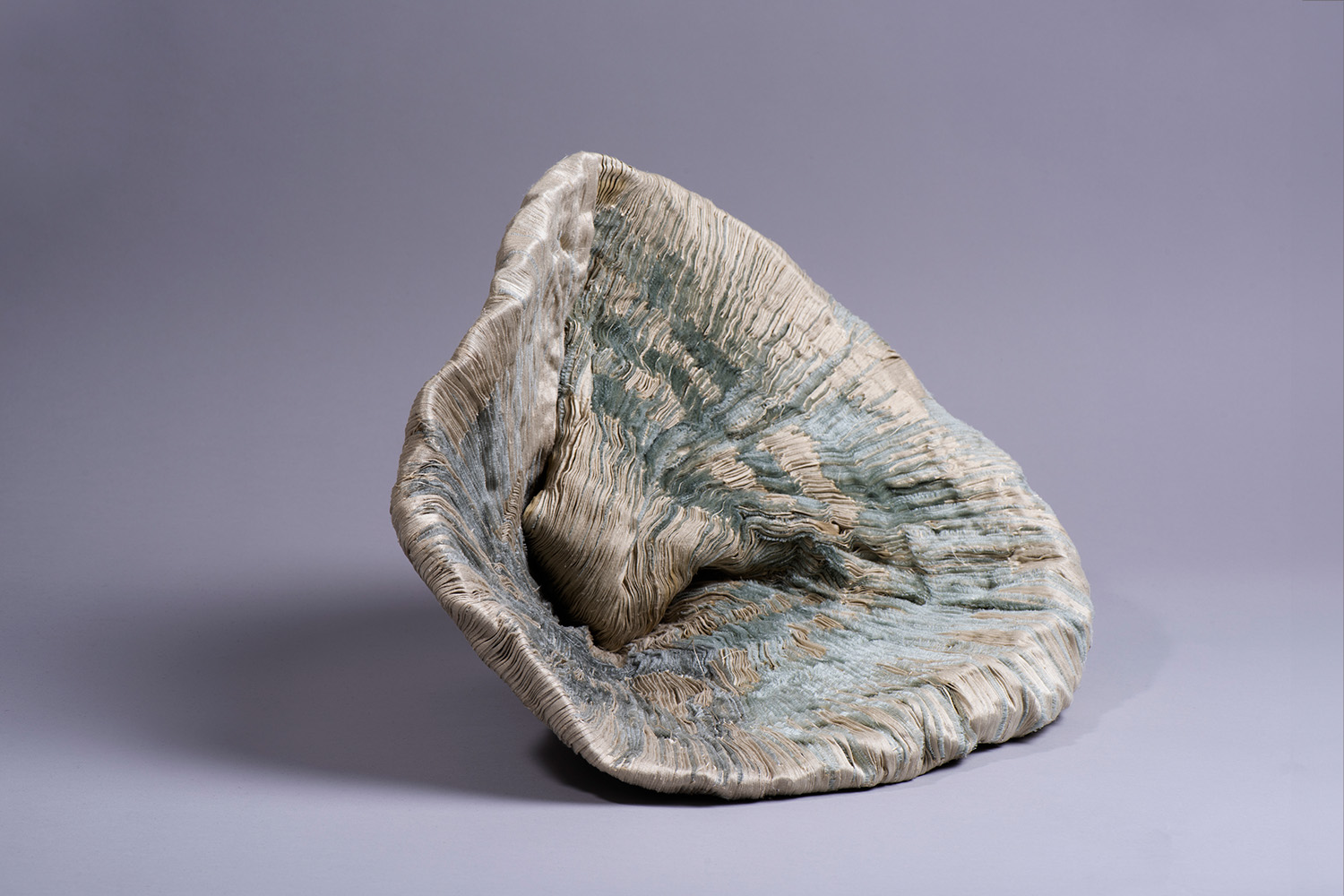
Kinga Földi had been working as a dress and costume designer for 14 years when she reconnected with the pin-tuck technique. She immediately felt she wanted to use this technique to create non-functional, more artistic objects. Since 2020, she has been creating unique textile sculptures using this centuries-old technique, a form of decorative stitching. The forms and patterns Kinga is able to produce with the pin-tuck technique are typical of traditional Hungarian folk art. Kinga is currently working on making larger sculptures, which require different approaches to those used for making small objects. She is also interested in the world of miniatures and therefore developing a jewellery collection with jewellery designer Noémi Gera.
Kinga Földi is an expert artisan: she began her career in 2006.
INTERVIEW
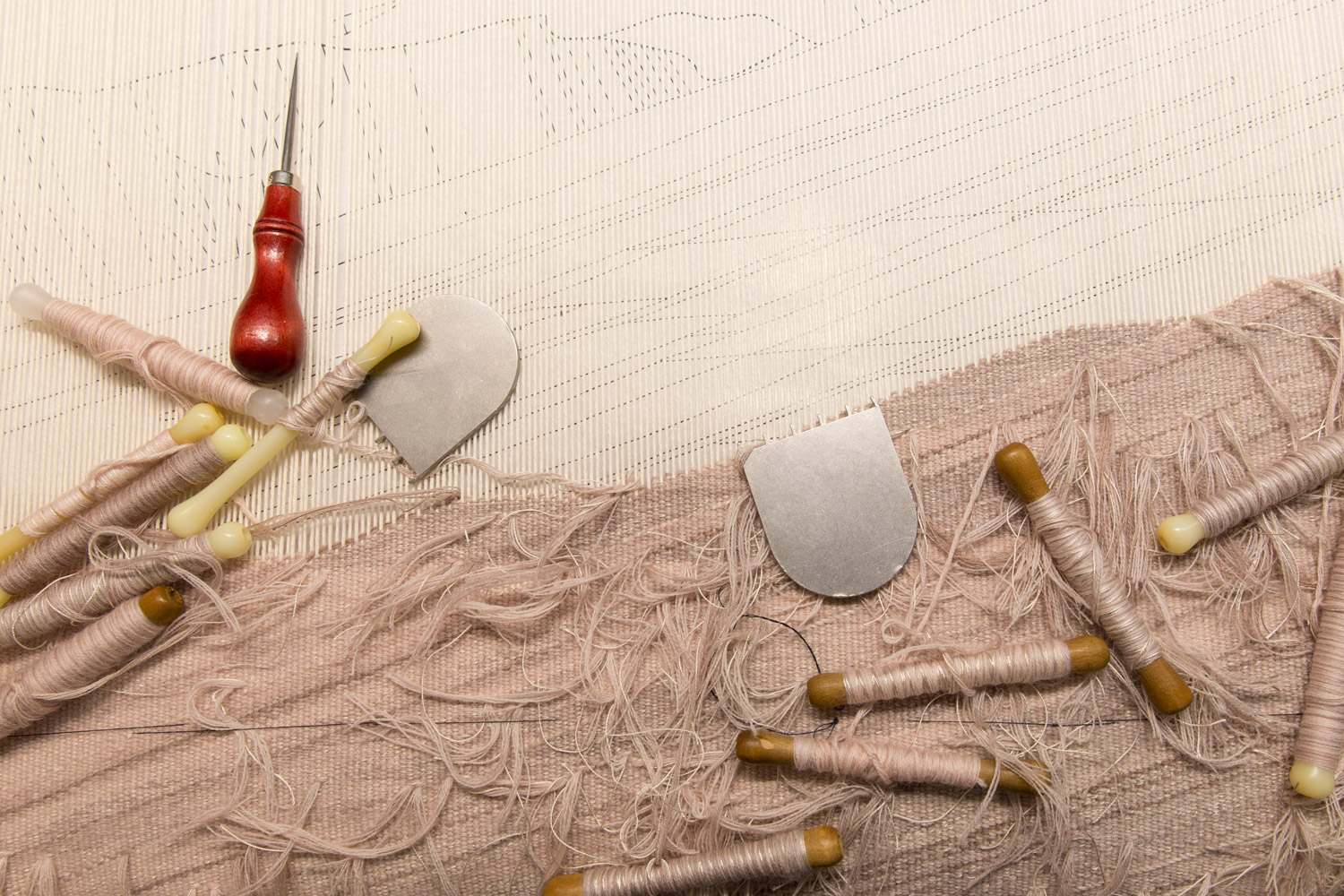
I use a traditional decorative technique. The material I create is not just a flat surface decorated with stripes, but a whole new structure, created thanks to the density of the folds. The material thickens, and due to its thin layers it becomes mobile, fan-like, easy to manipulate.
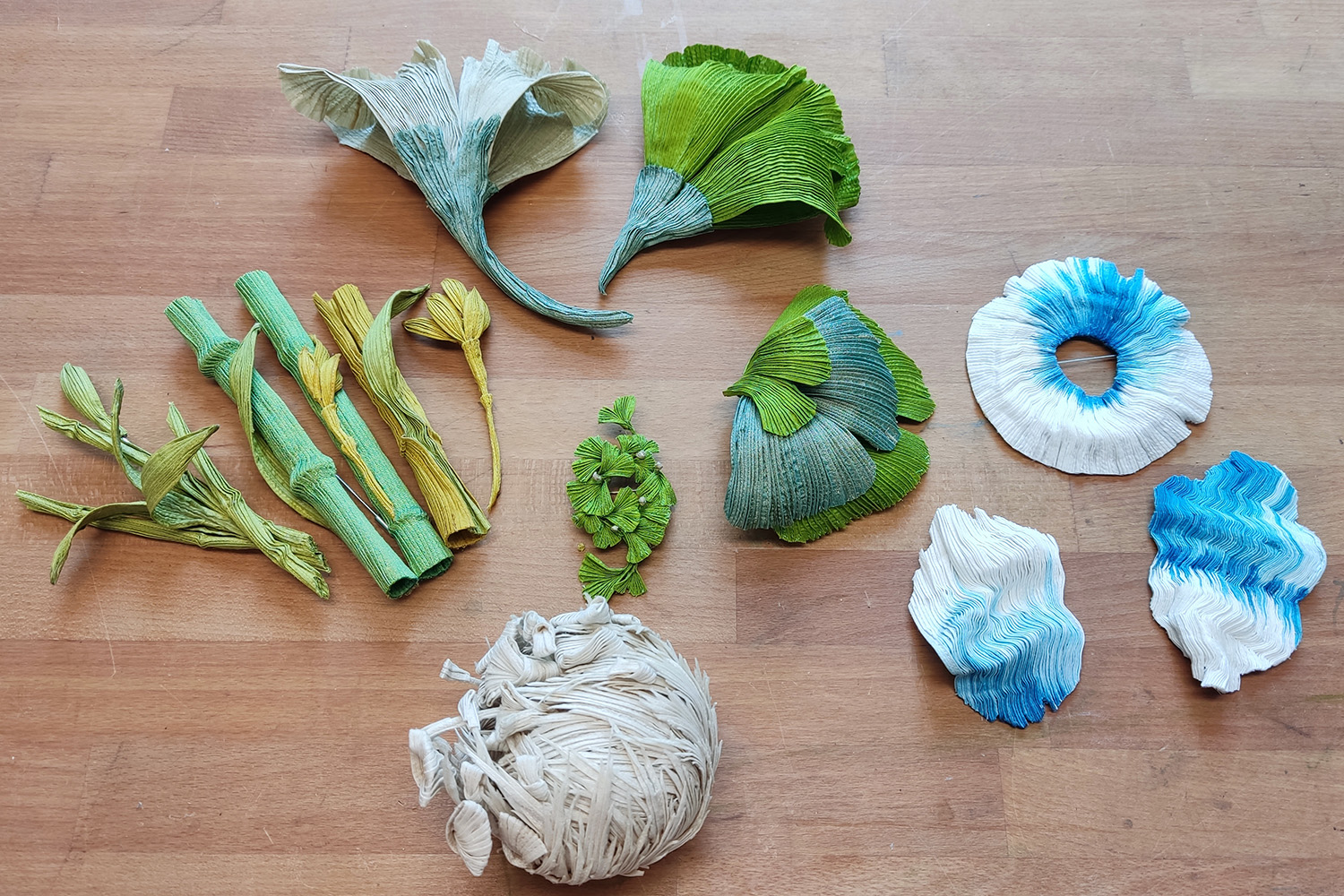
My main source of inspiration is nature, plant and animal forms, the world of fungi. Usually it is a small detail, a surface or a more complex shape that triggers the design. The resulting sculptures are not naturalistic replicas, but imaginary creatures – yet evoke certain formal memories and experiences in the viewer.
For me, a great object has something to say to the viewer, often something that I have not consciously added. It means that I was able to create a very honest object. Another characteristic of a good object is that it can surprise me.
I love the dialogue that is created between me and the material. Often my original vision is surpassed when I start working with silk and it shows me a path I had not thought of. So the sculptures are the result of a collaborative effort, where I observe what the material wants and what it can do, but the control remains in my hands.
Kinga Földi
Textile sculptor
Budapest, Hungary
Recommended by Judit Osvárt
AVAILABILITY
By appointment only
PHONE
+36 203252005
LANGUAGES
Hungarian, German, English
HOMO FABER FINDS
Homo Faber Finds is a new service aiming to inspire admirers of craft to connect and collaborate with exceptional artisans.
We invite you to submit an enquiry here.