Ethan Stern
Studio Melt
Glass sculptor
Los Angeles, CA, USA
Recommended by Craft in America
Glass vessels that hold light
- Ethan turns glass from a reflective surface into a receptive medium through wheel cutting
- His sense of proportion is influenced by the Pacific Northwest and Pilchuck Glass School
- His work is part of the Corning Museum of Glass, a museum he grew up visiting
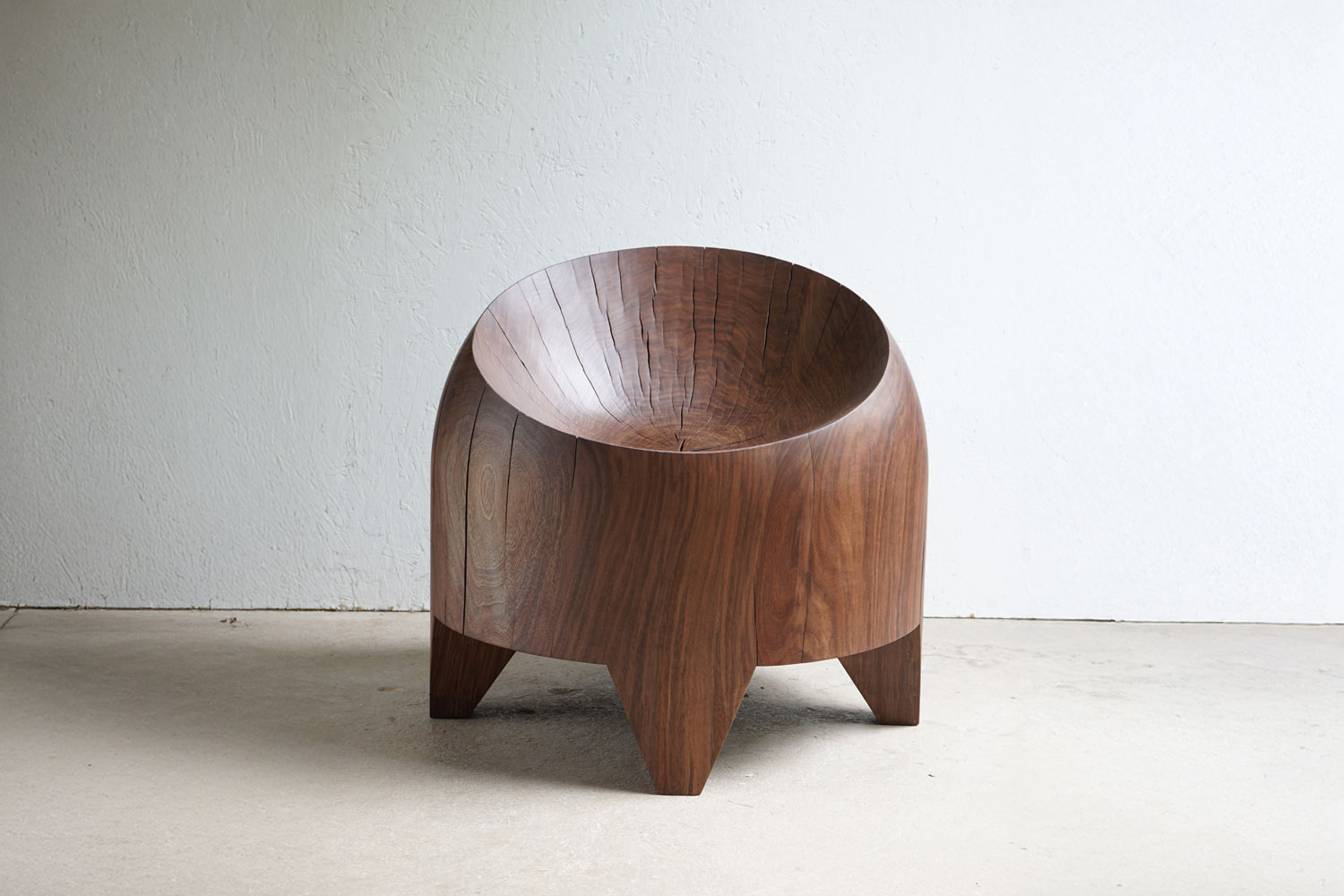
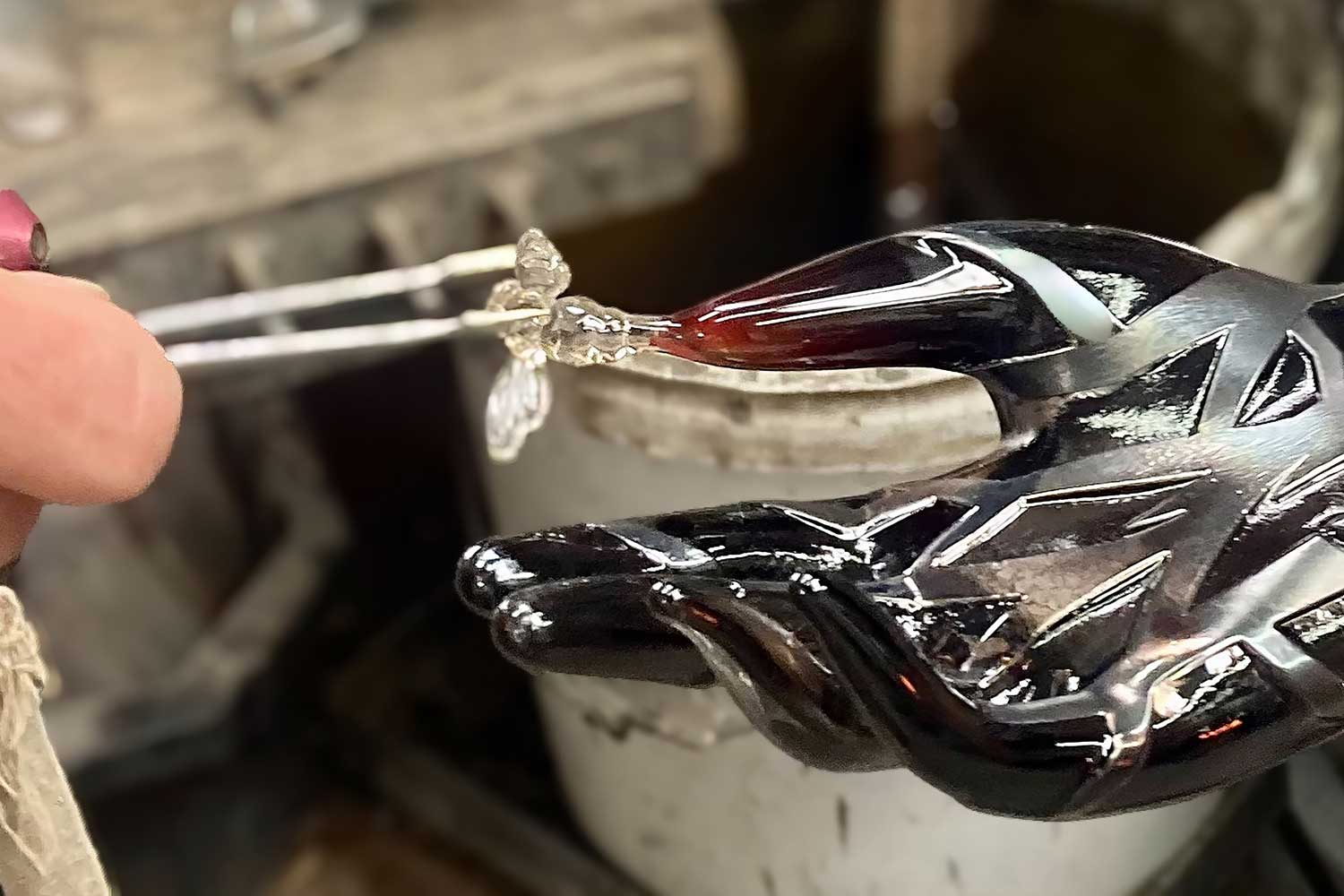
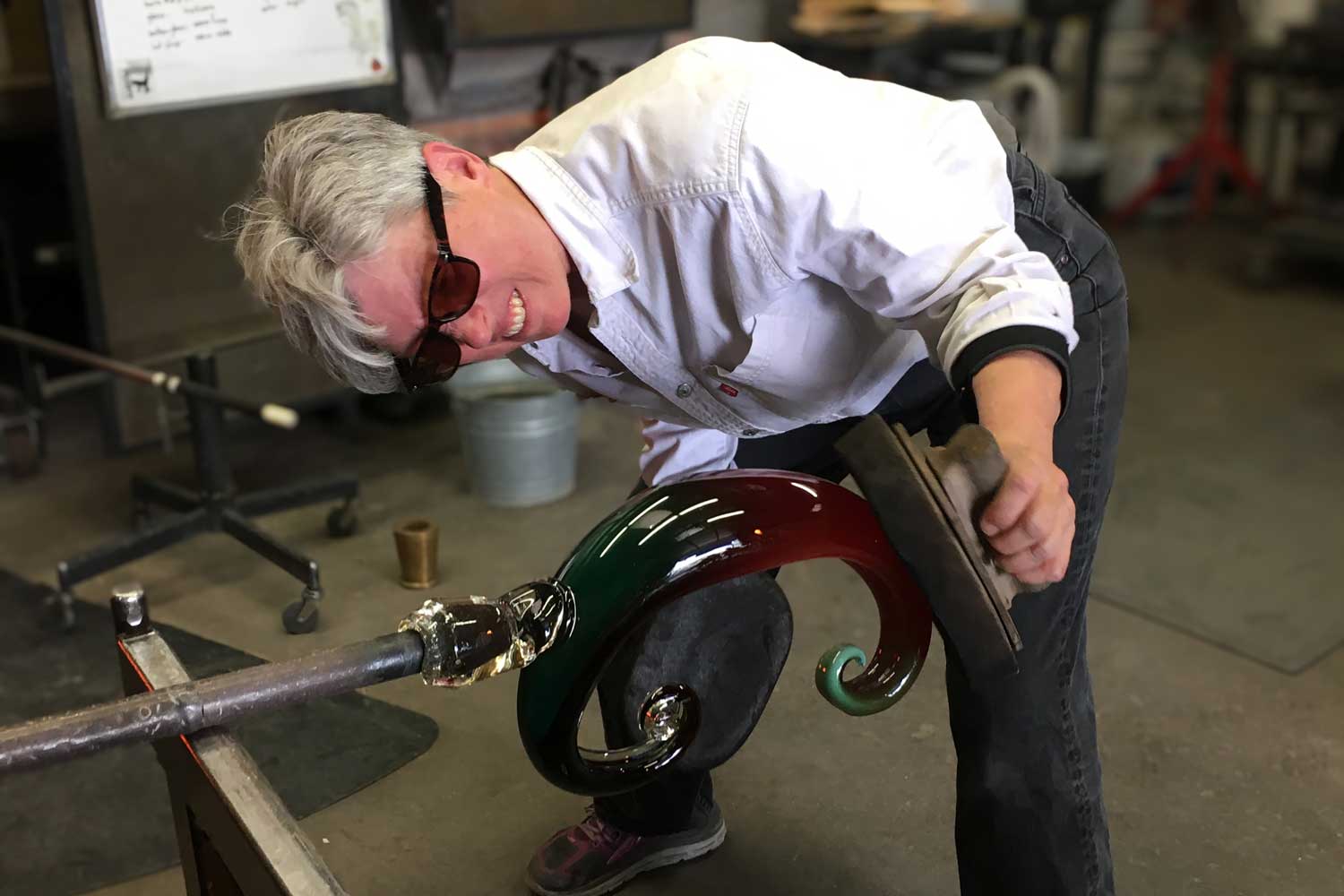
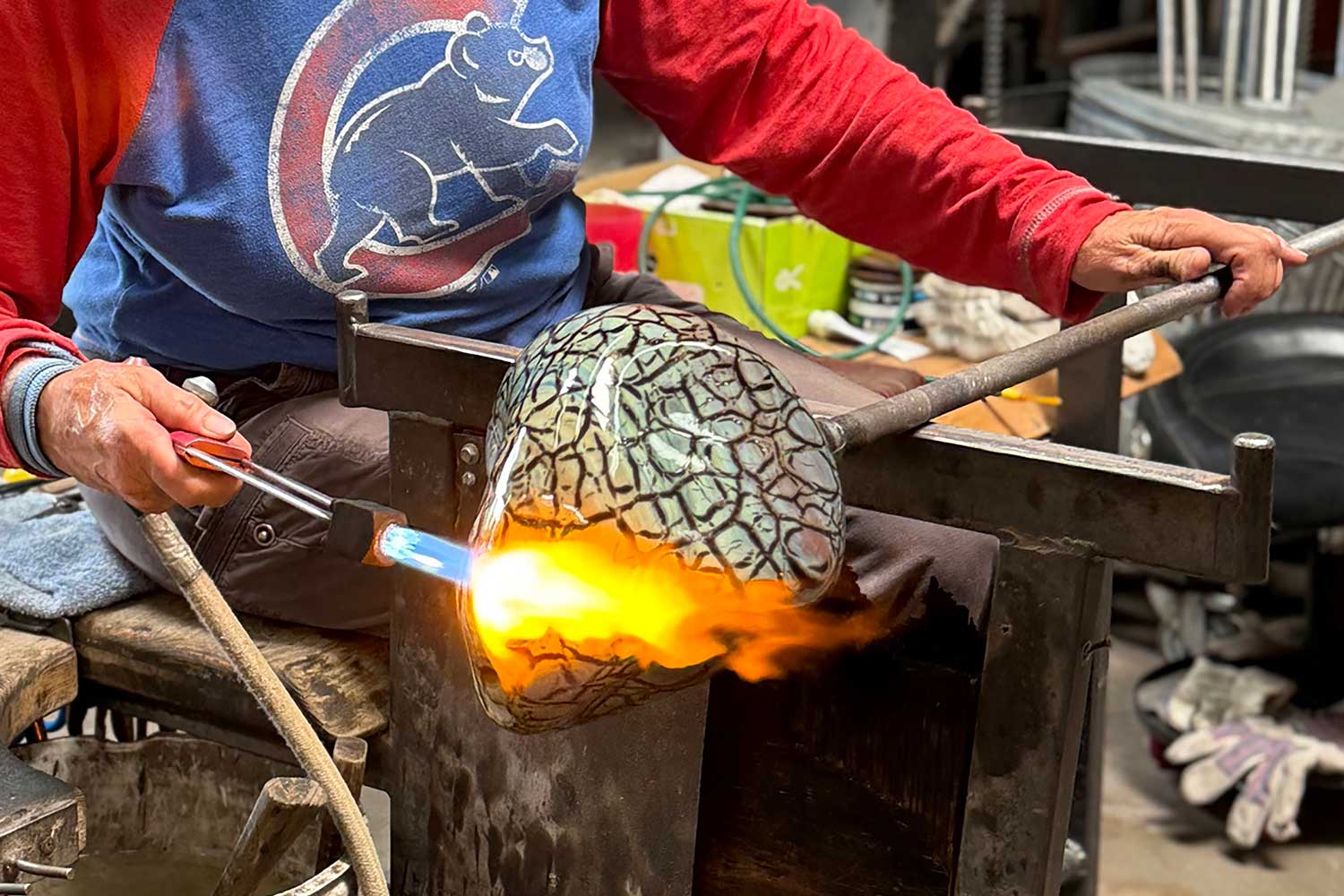
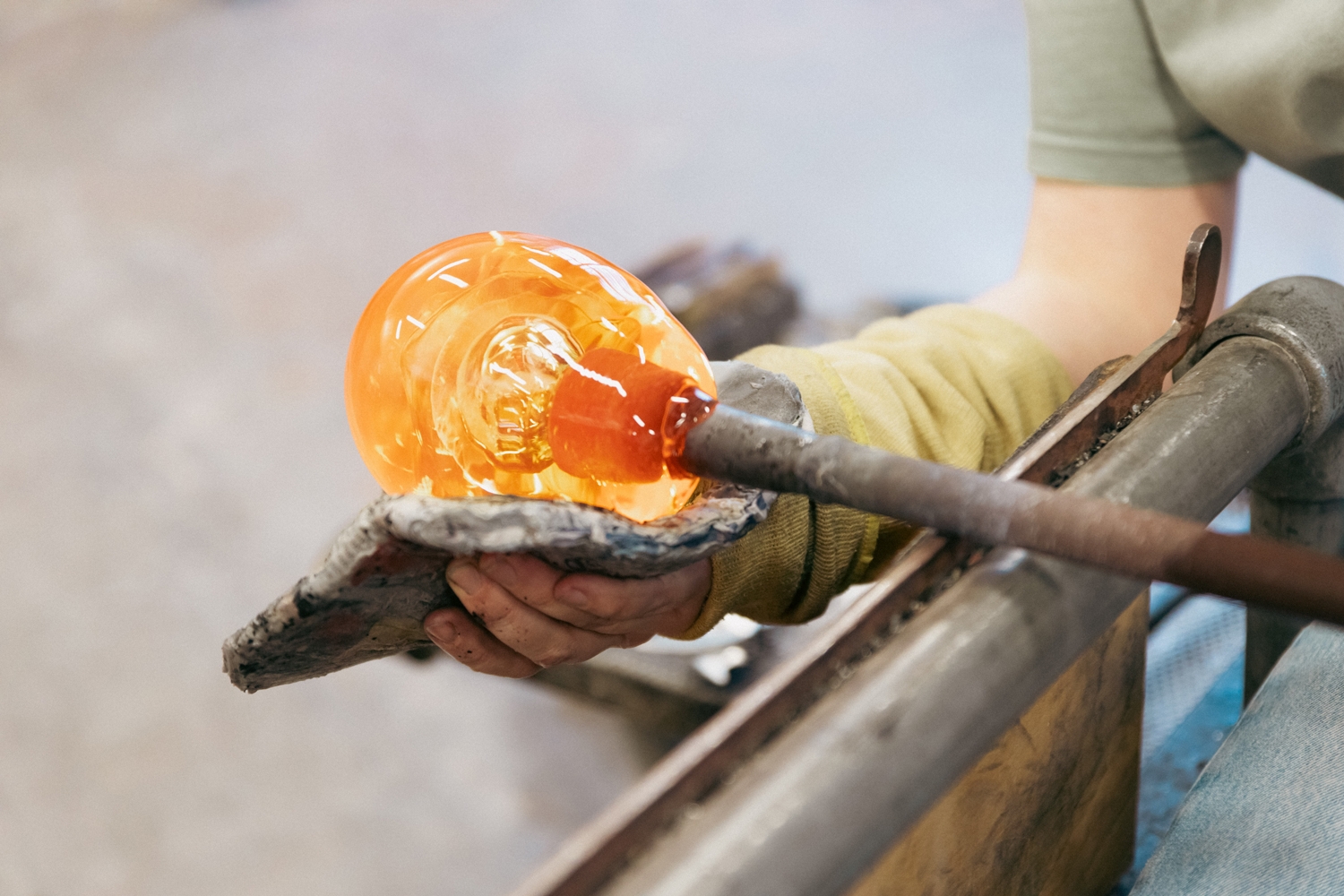
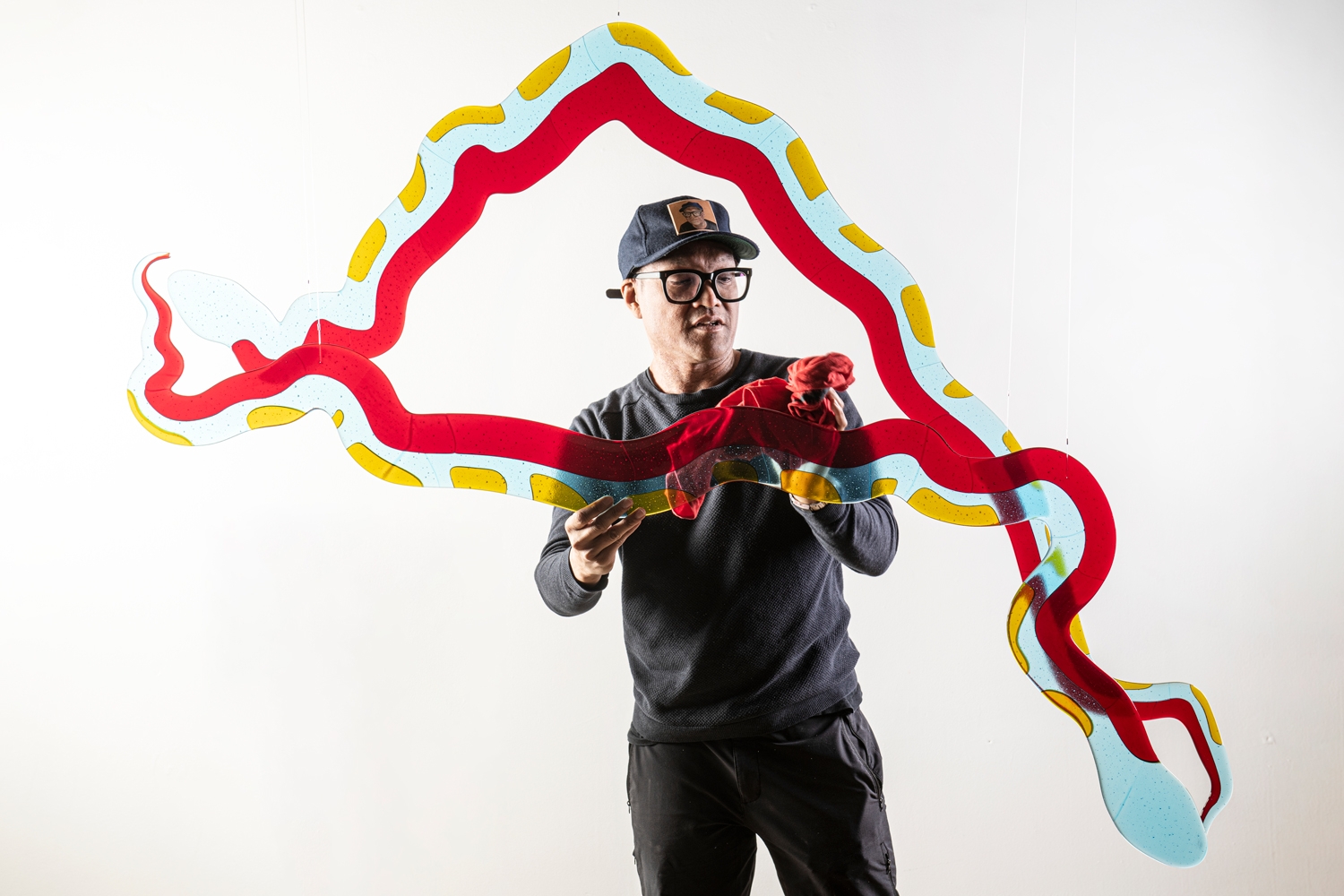
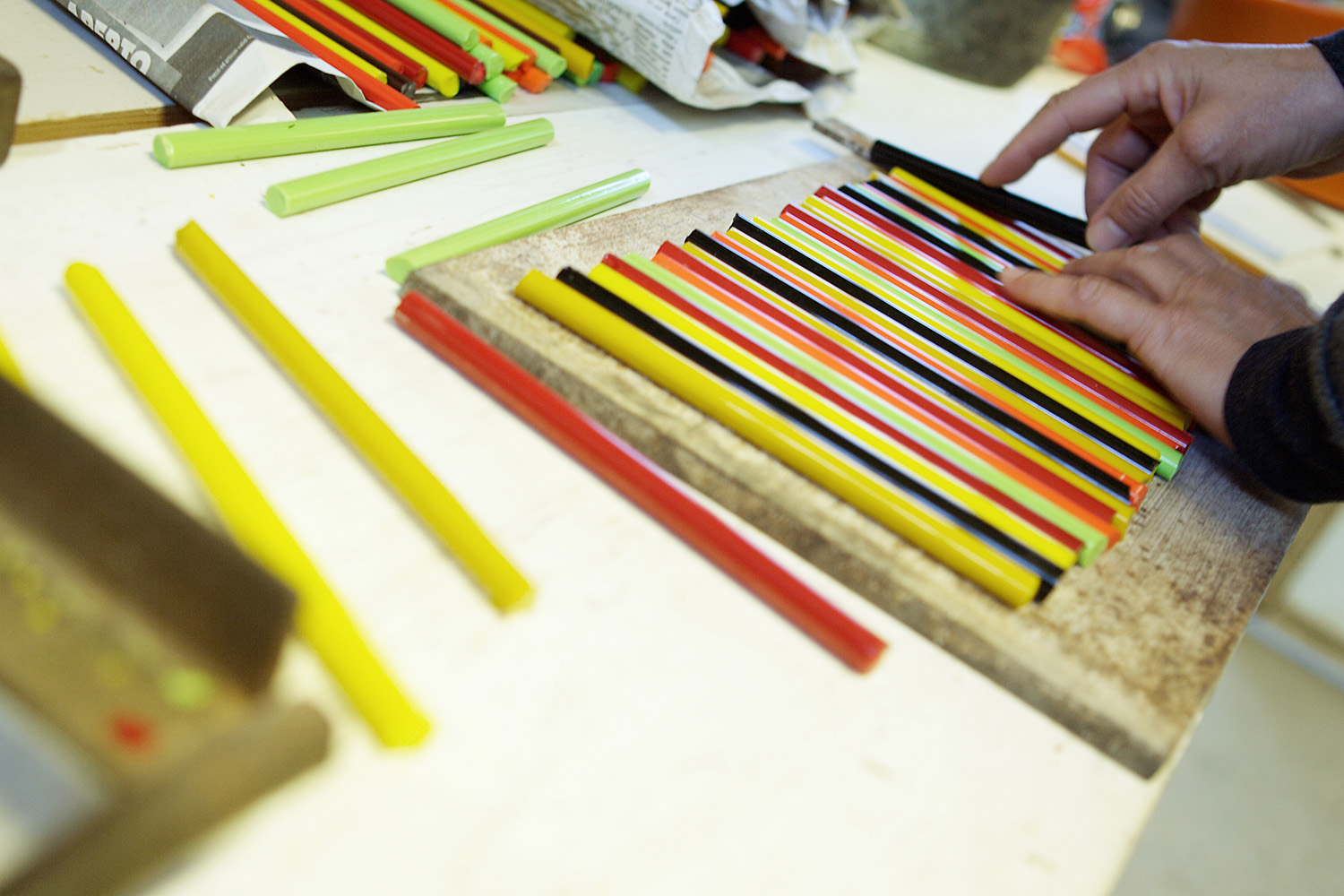
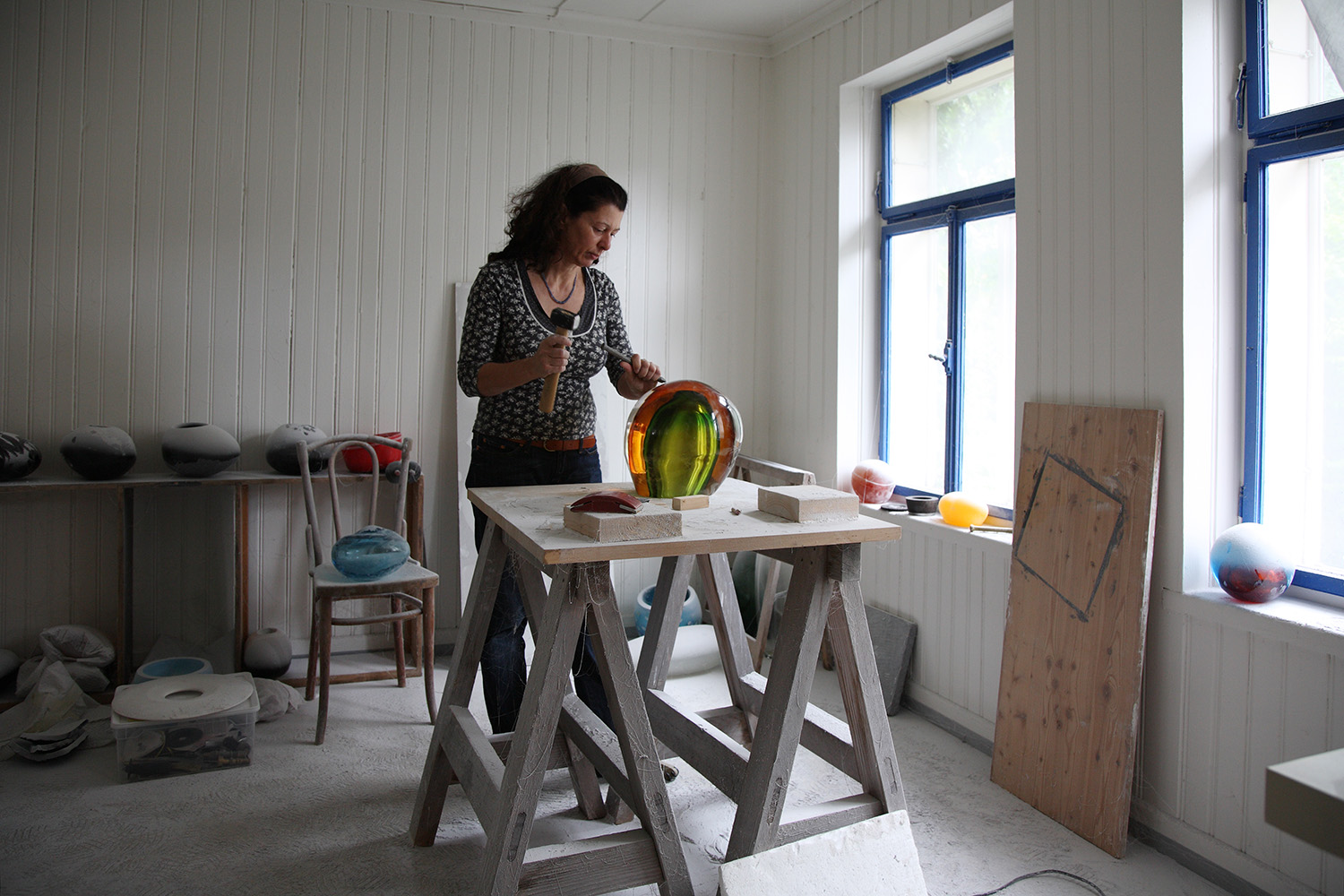
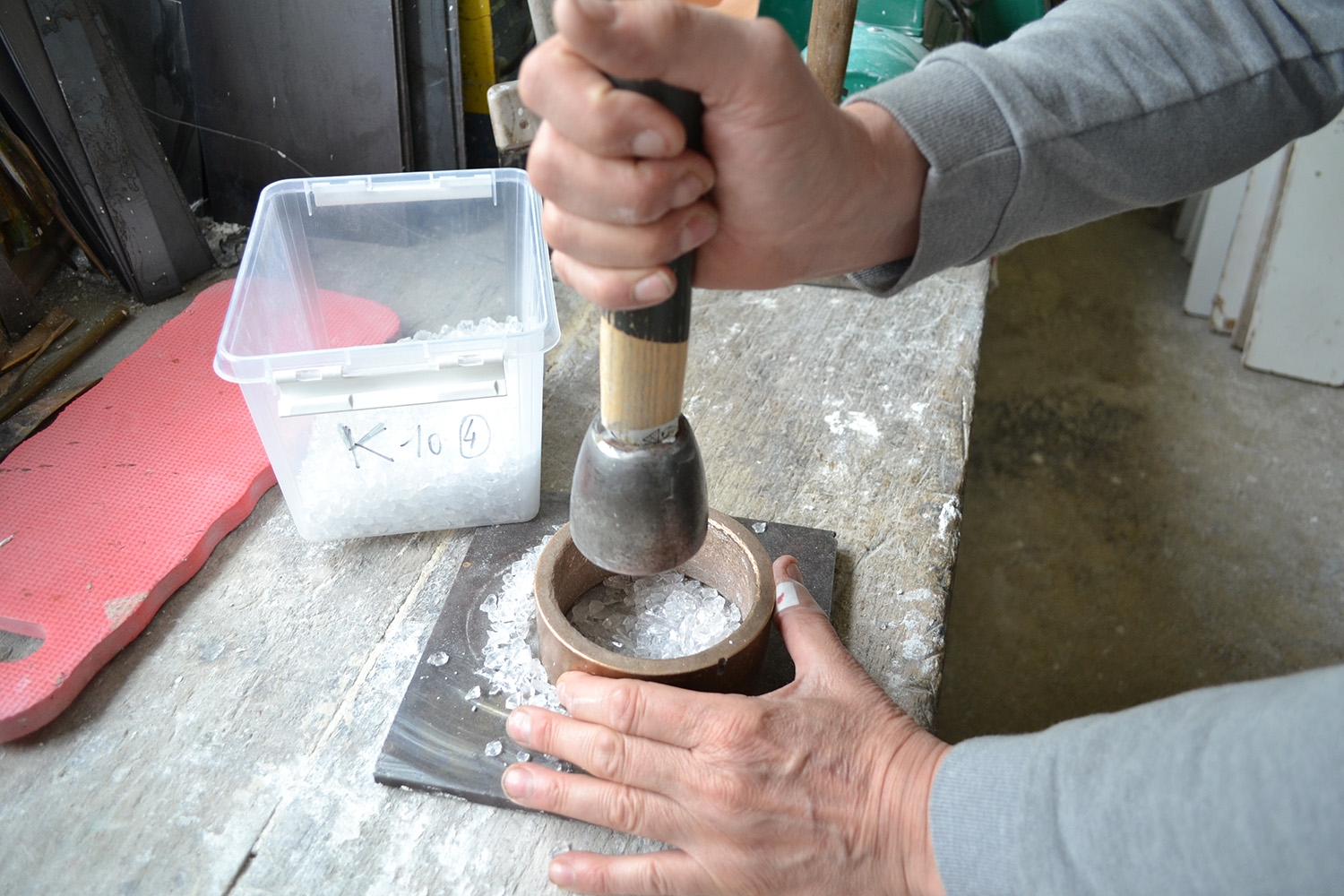
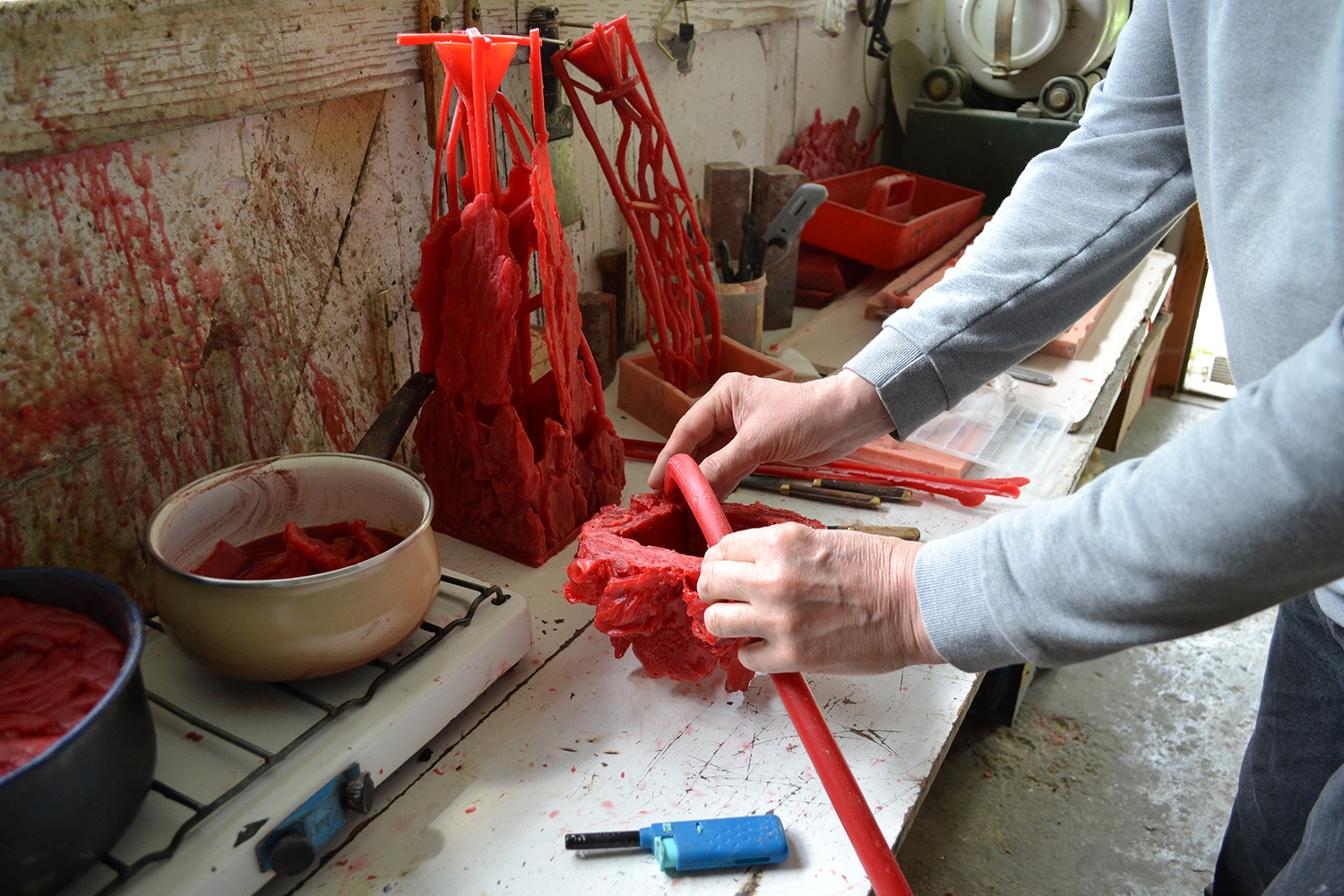
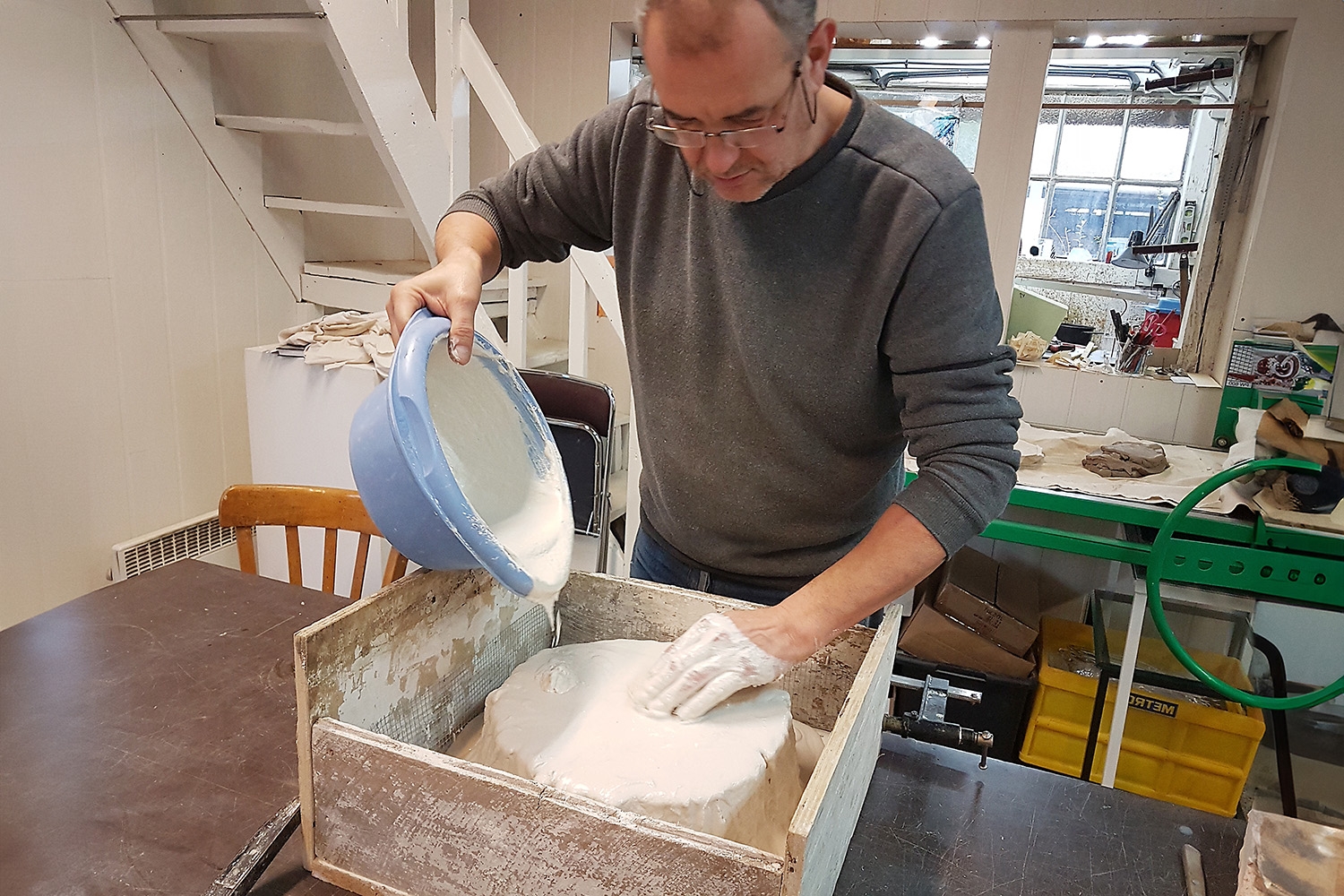
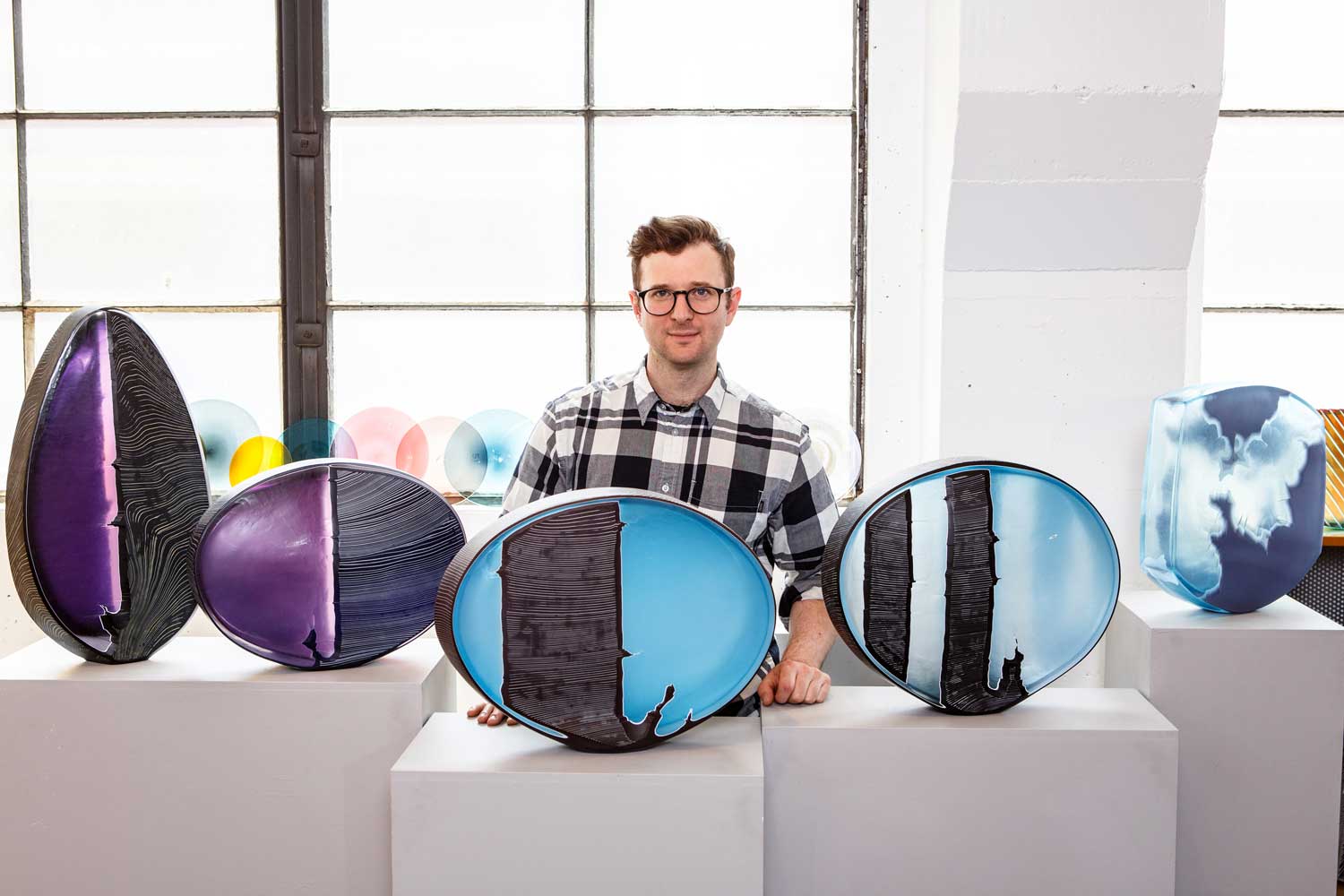
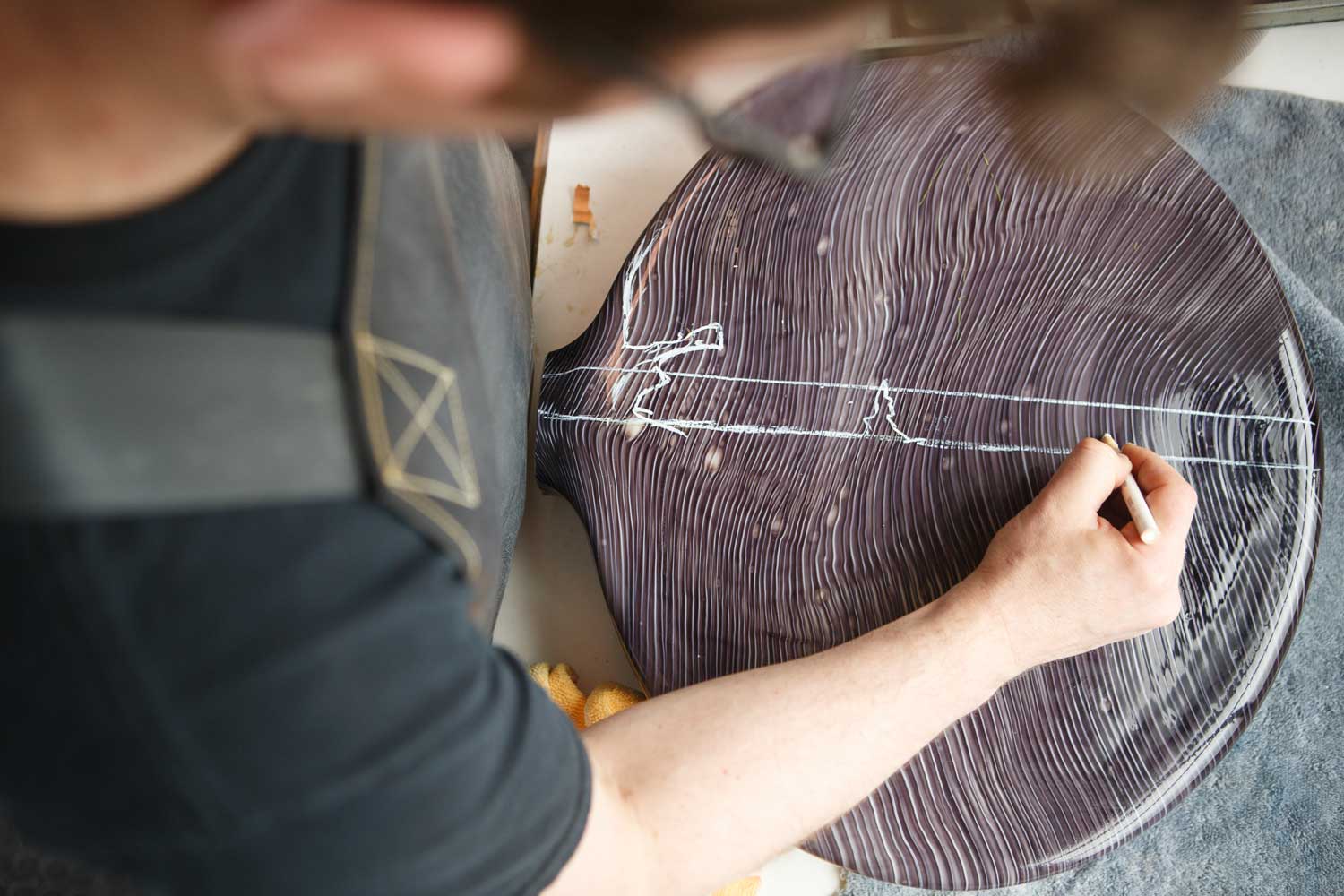
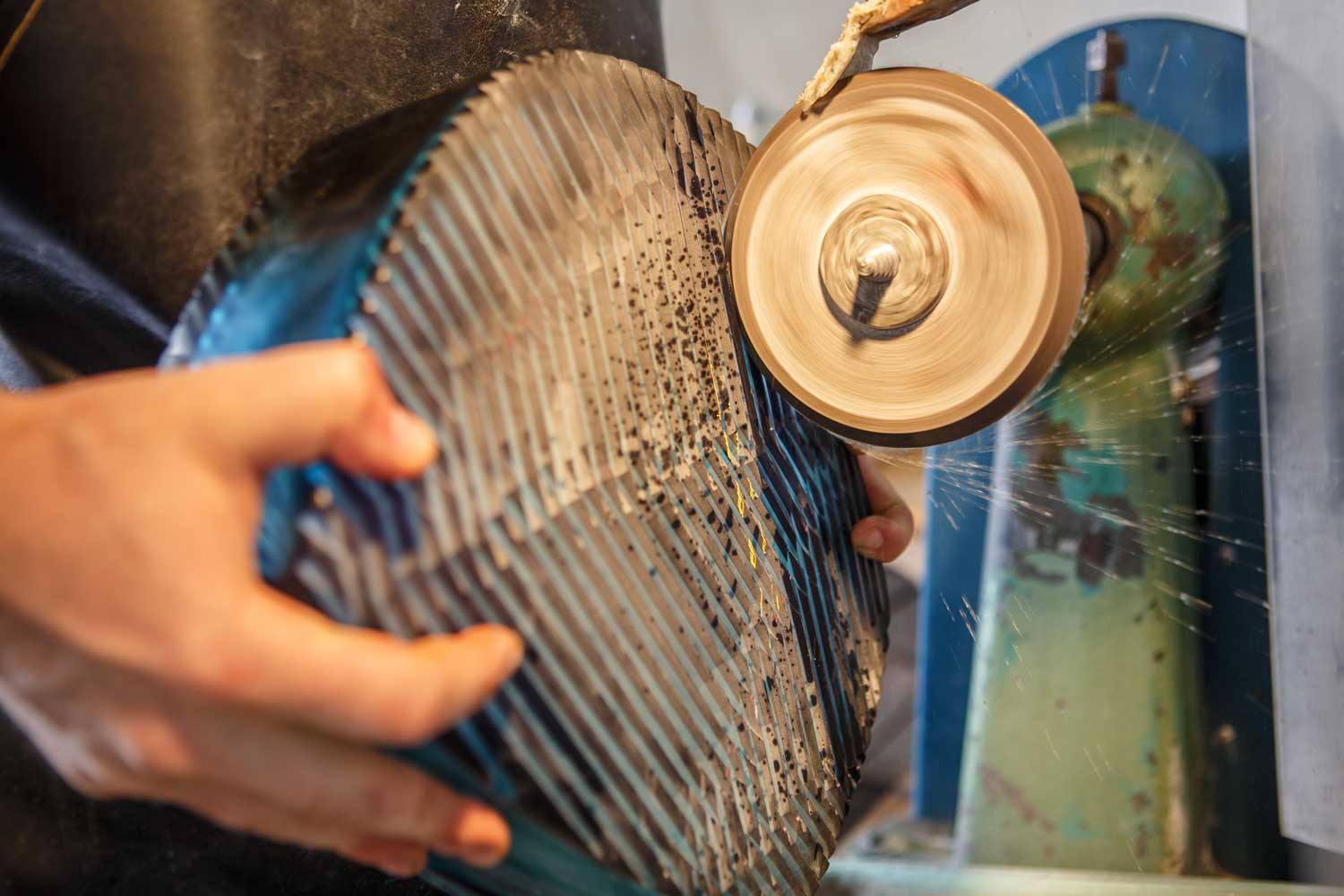
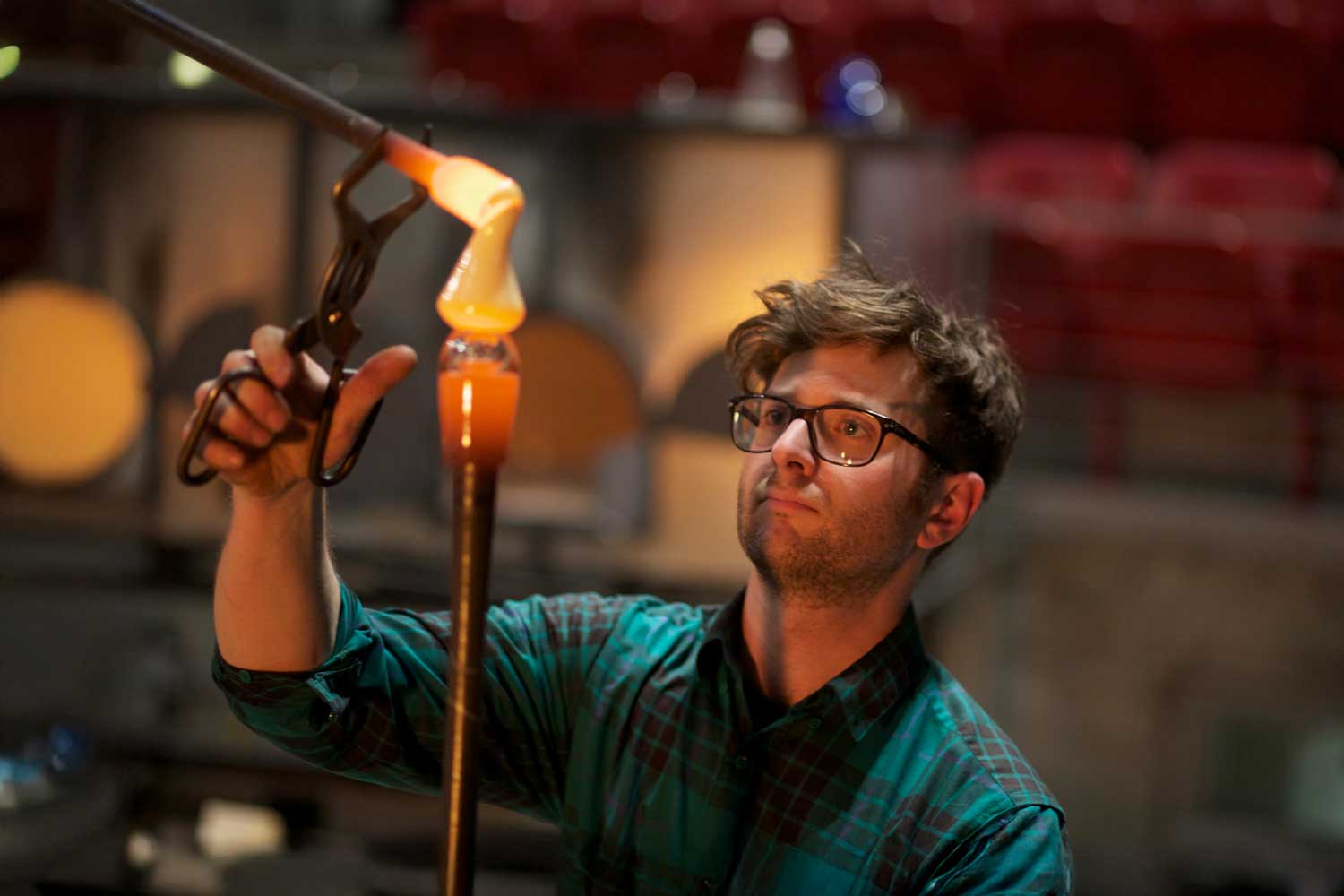
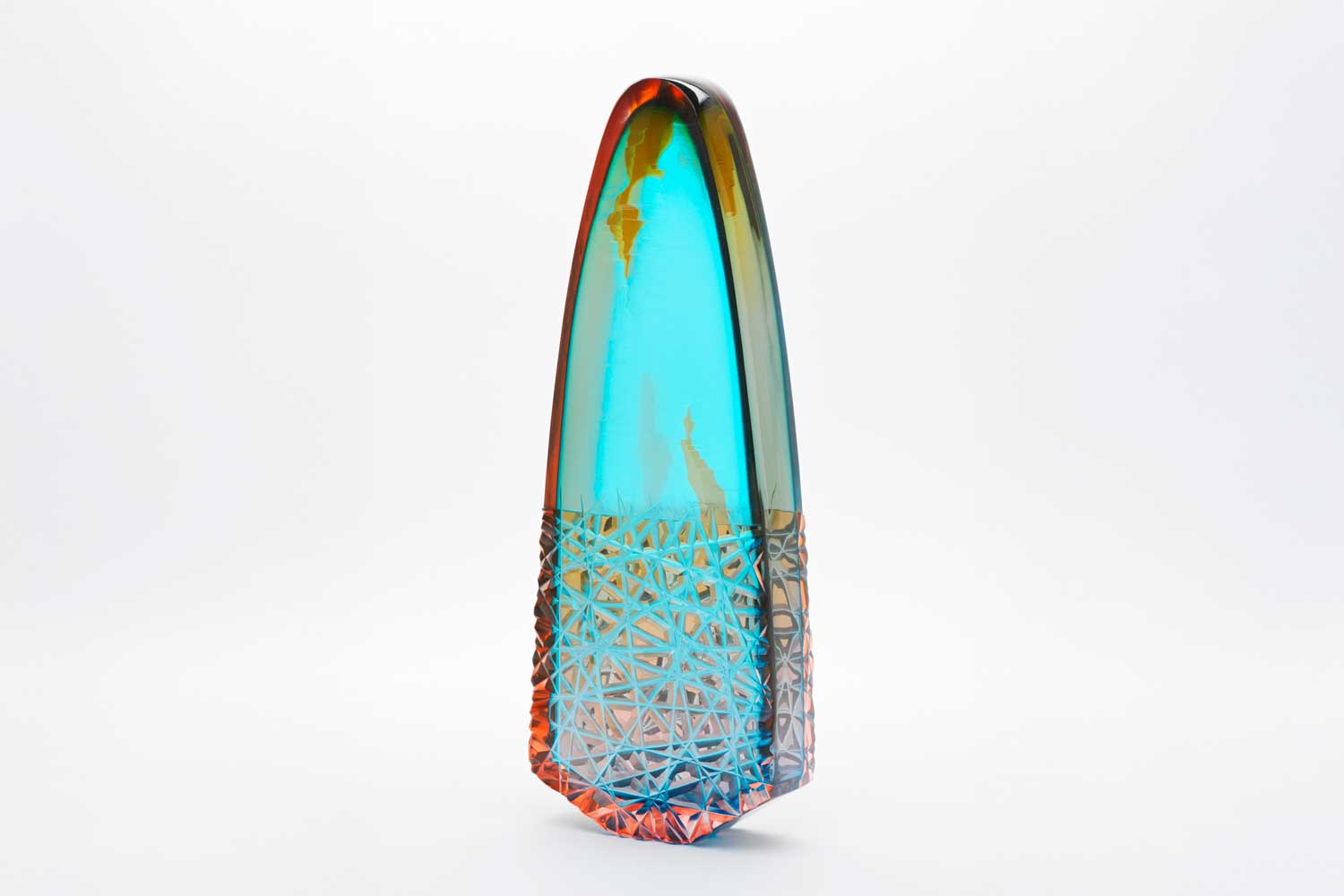
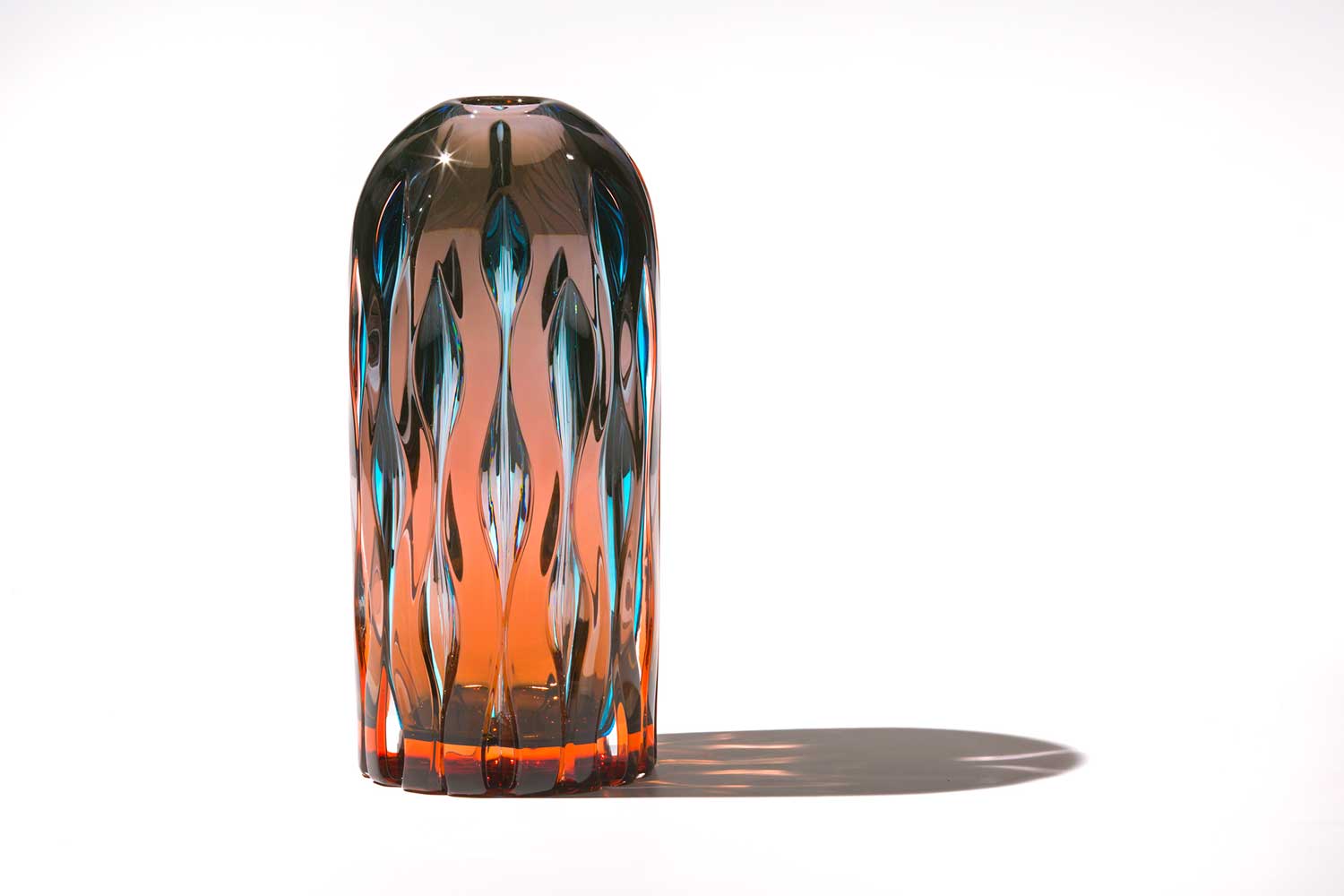
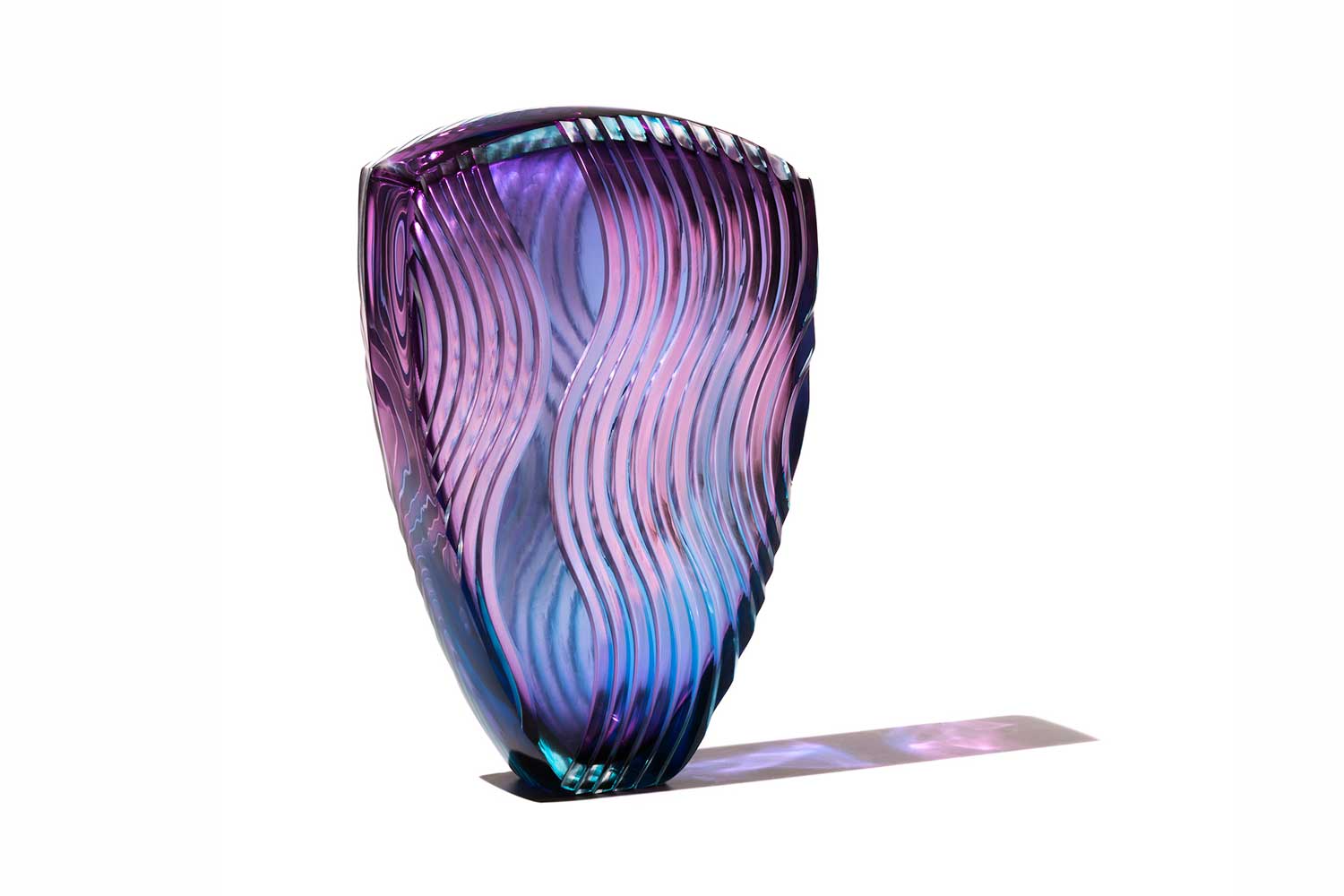
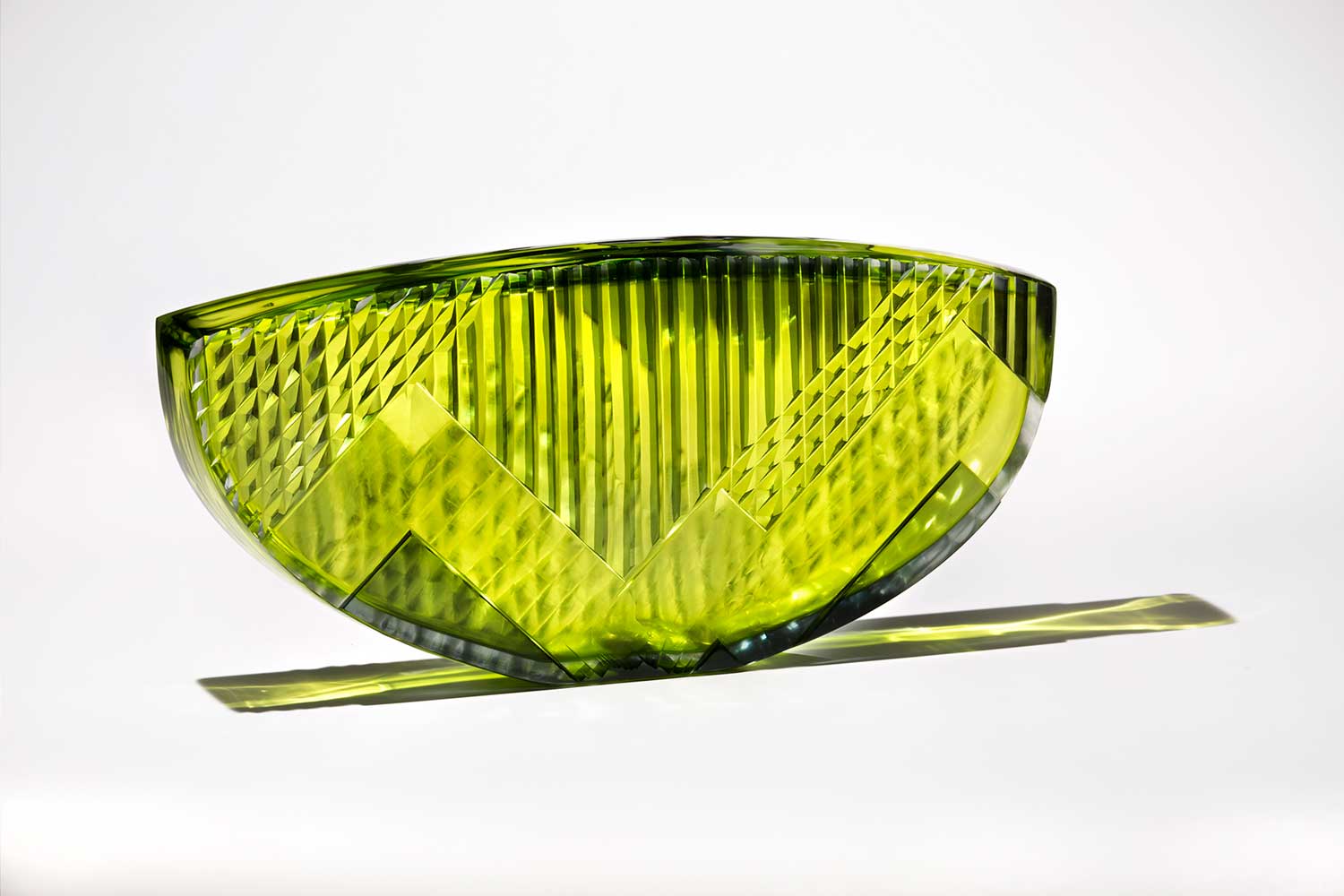
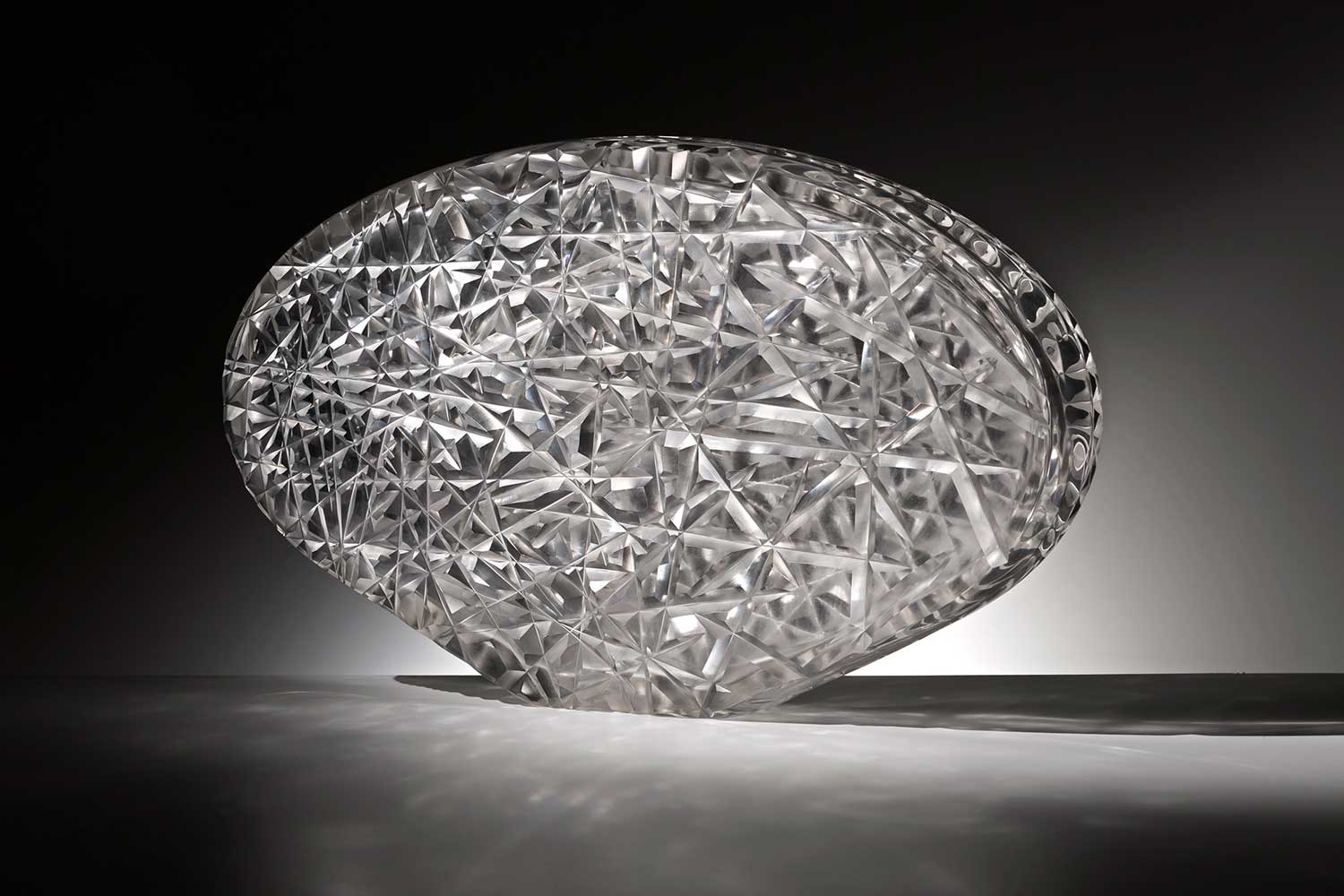
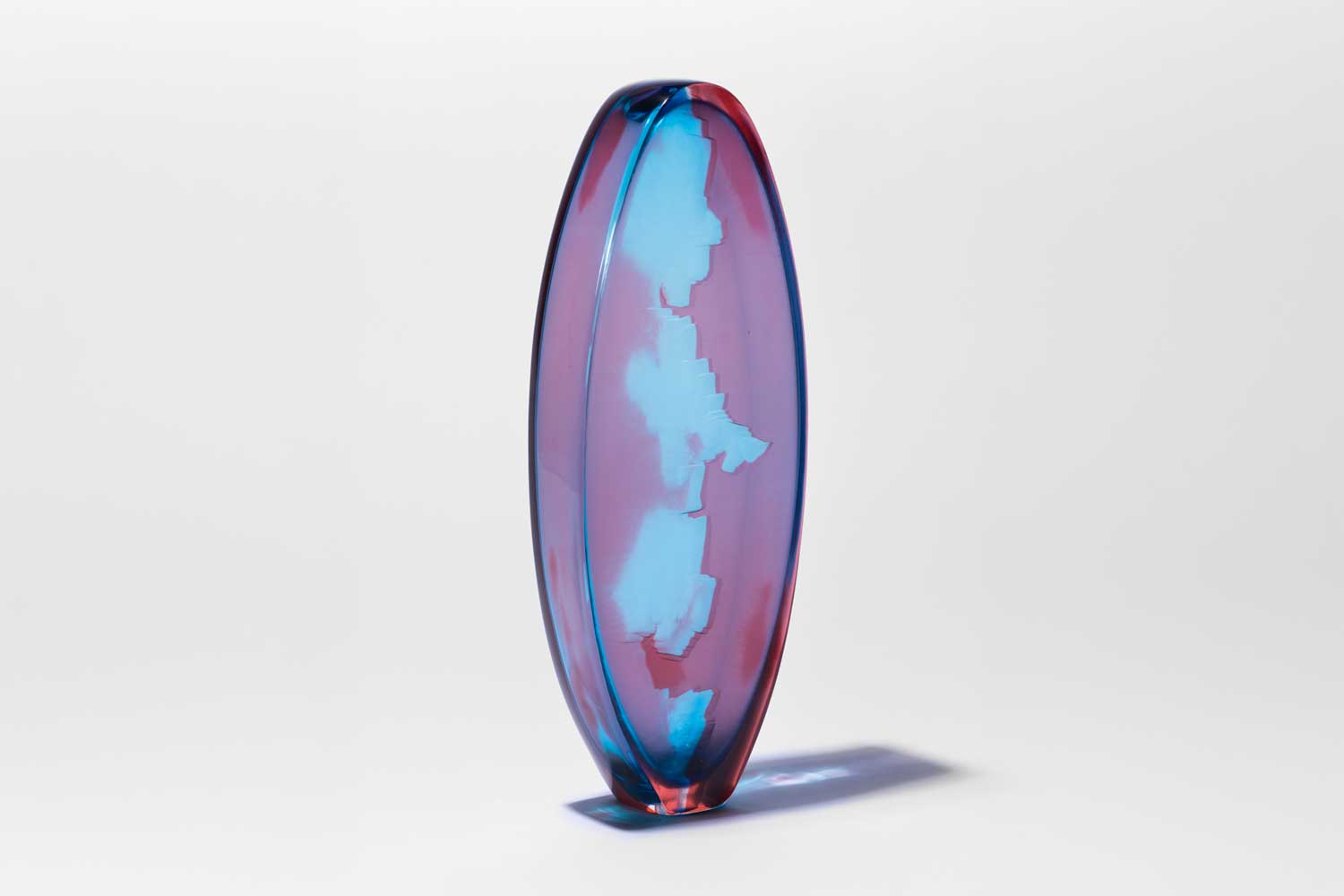
Ethan Stern is a Los Angeles-based sculptor whose work bridges his ceramic training with the legacy of the American studio glass movement, a 1960s shift toward artist driven production. “Glass is a vessel for light,” he says. Ethan's forms look self-luminous, holding rather than reflecting light. His process moves in two tempos. In the hot shop, he and his team blow molten glass into what he refers to as 'blanks'. Once cooled, each piece returns to his hands alone. “I take all the time I need to develop a connection with the object and find my voice through carving and engraving,” he says. “That is where the sculpture comes to life.” Ethan's work nods to European cut glass and American Brilliant cut crystal, a lineage he reimagines, trading sparkle for an inward glow, and hardness for a soft-looking surface.
INTERVIEW
Ceramics continue to shape my sculptures. My glass forms draw directly from historical vessels: the foot, shoulder, waist, lip and spout. This structural vocabulary provides a framework I use to conceptualise and build my work.
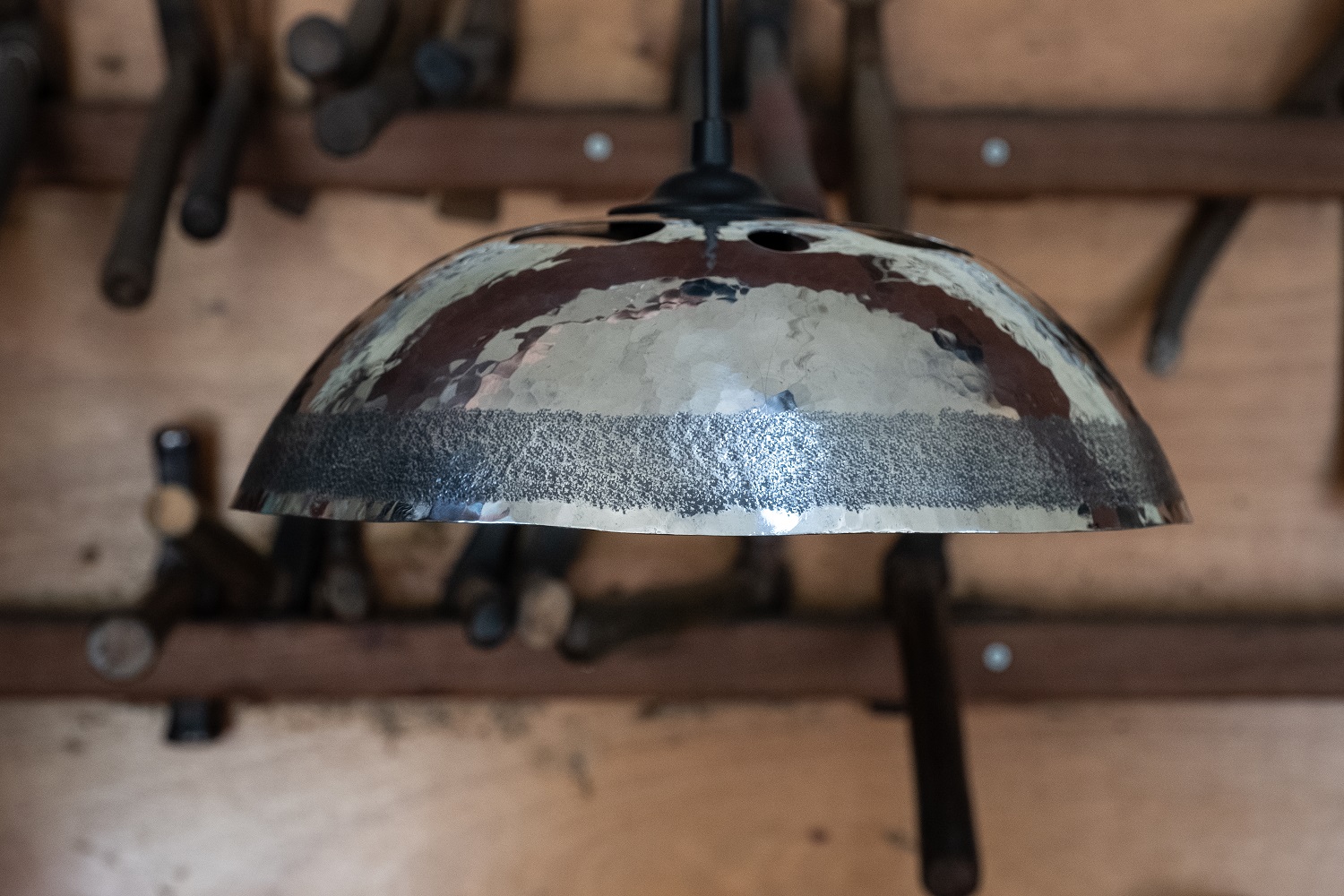
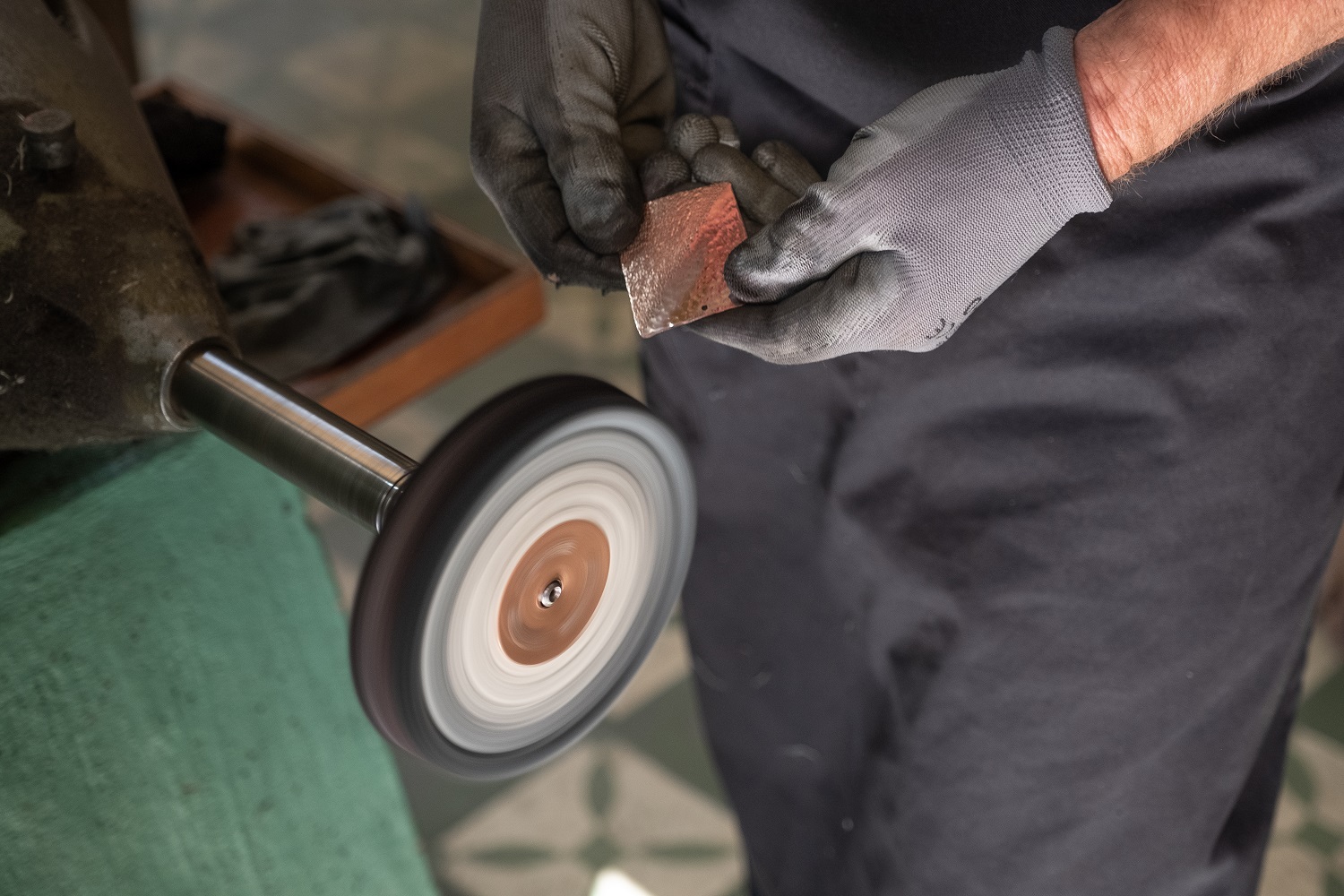
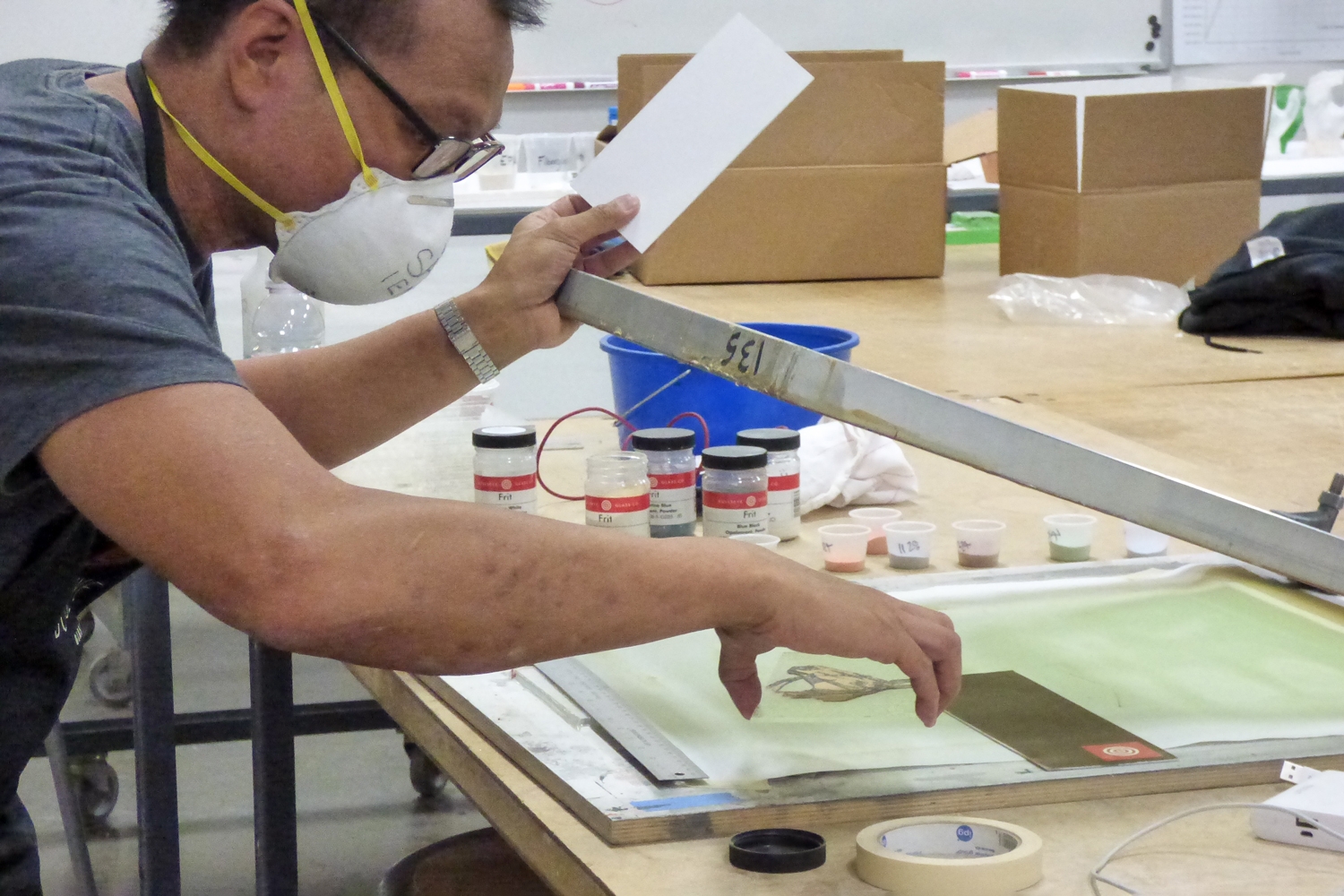
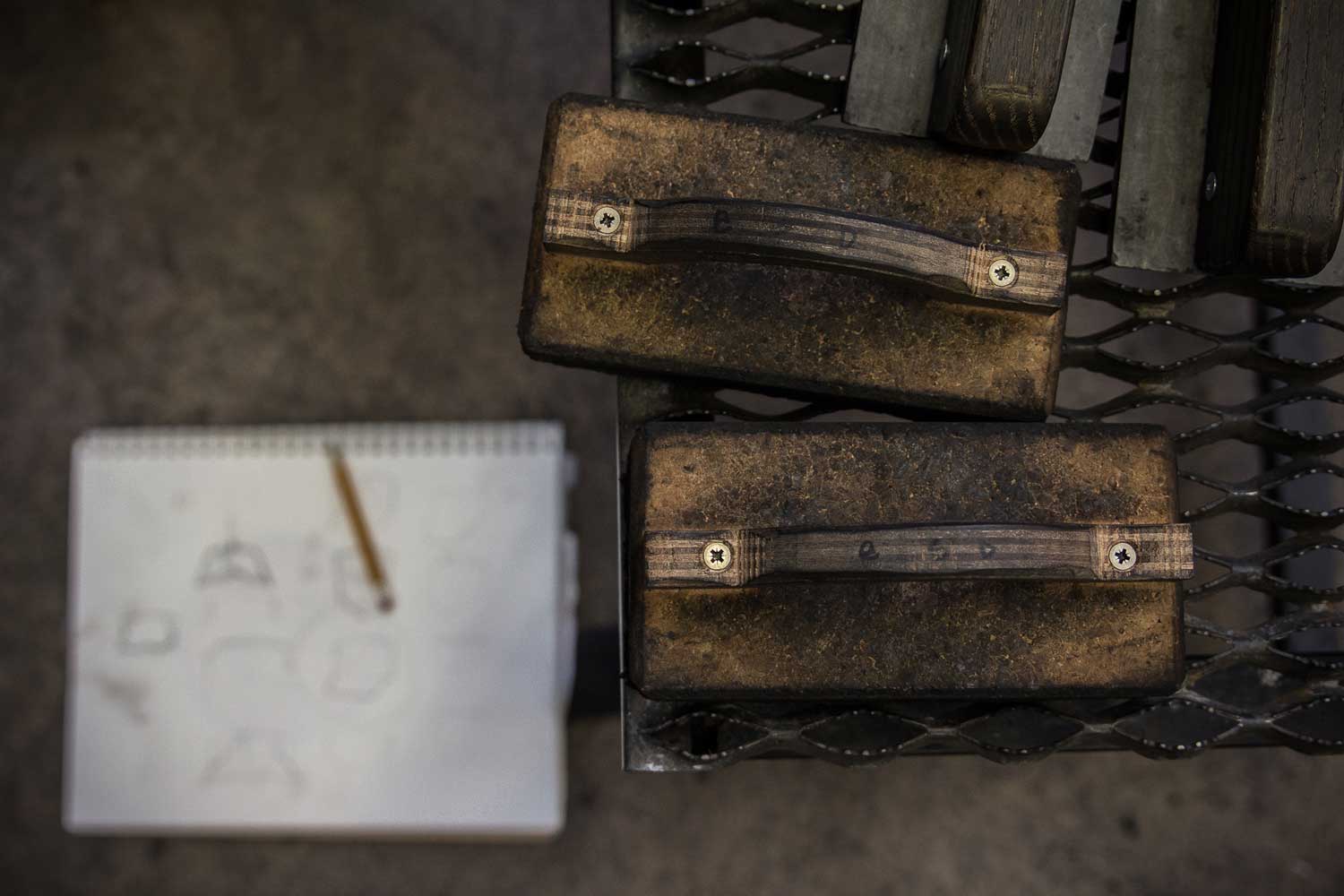
The tools in my cold shop are refurbished from old glass factories. They carry a lineage of traditional pattern cutting and glass carving. Connecting to that heritage matters to me. I am not trying to invent something new, I am trying to make something that is mine.
I inherited boxes of American Brilliant and Waterford cut glass, much of it chipped or cracked. Looking closely, I can see the maker’s hand in the widening cuts and subtle inconsistencies. These pieces carry a history that feels vital in our technology-driven age. They hold real, human information.
Cold working is a disappearing craft. Masters are fading and fewer younger makers are taking it up. I teach to preserve knowledge and remain connected to the labour, skill and history embedded in the process.
Ethan Stern
Studio Melt
Glass sculptor
Los Angeles, CA, USA
Recommended by Craft in America
AVAILABILITY
By appointment only
LANGUAGES
English
Homo Faber Finds is a new service aiming to inspire admirers of craft to connect and collaborate with exceptional artisans.
We invite you to submit an enquiry here.