Scott Strickstein
Mixed media sculptor
Brooklyn, NY, USA
Lights that dance with shadows
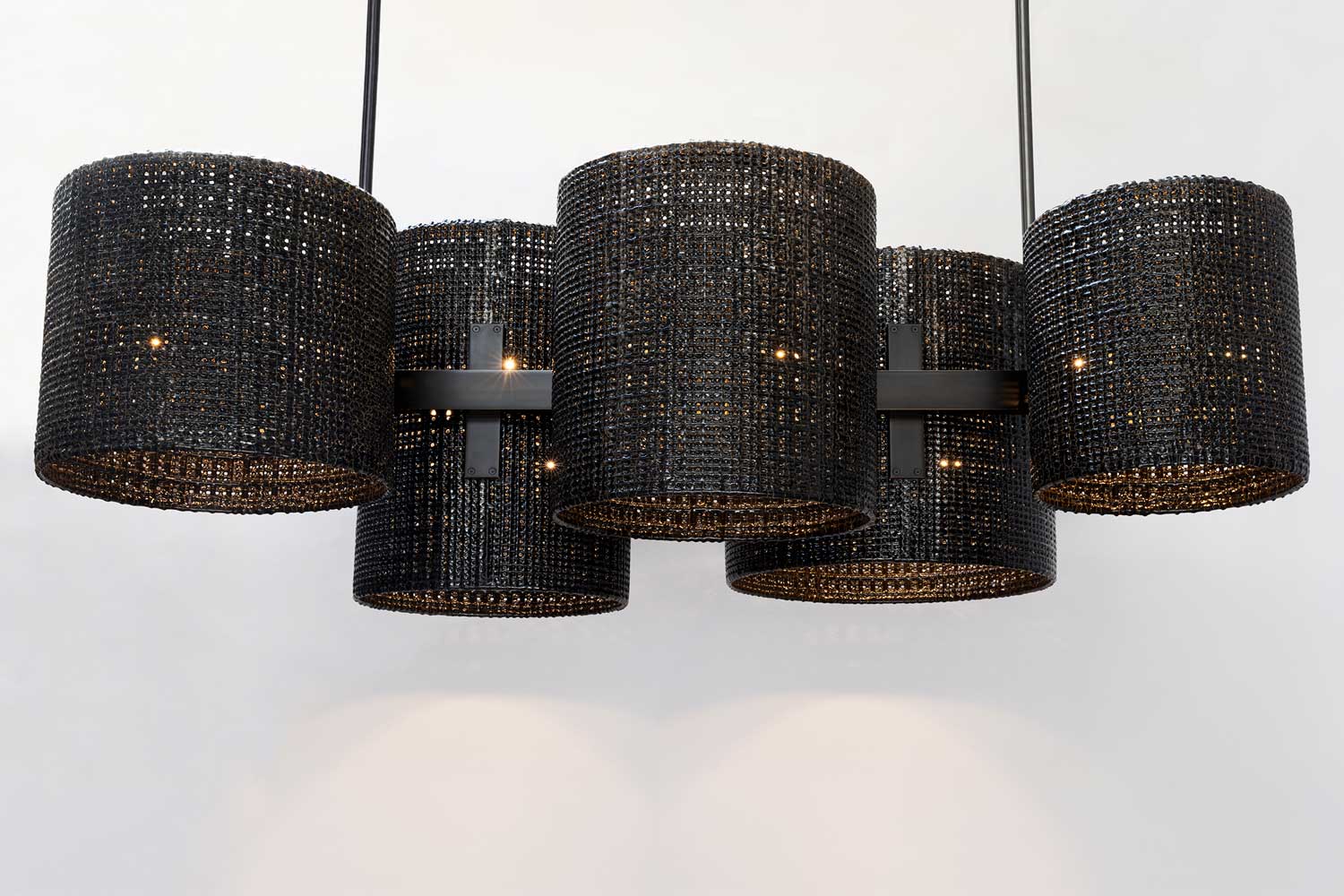
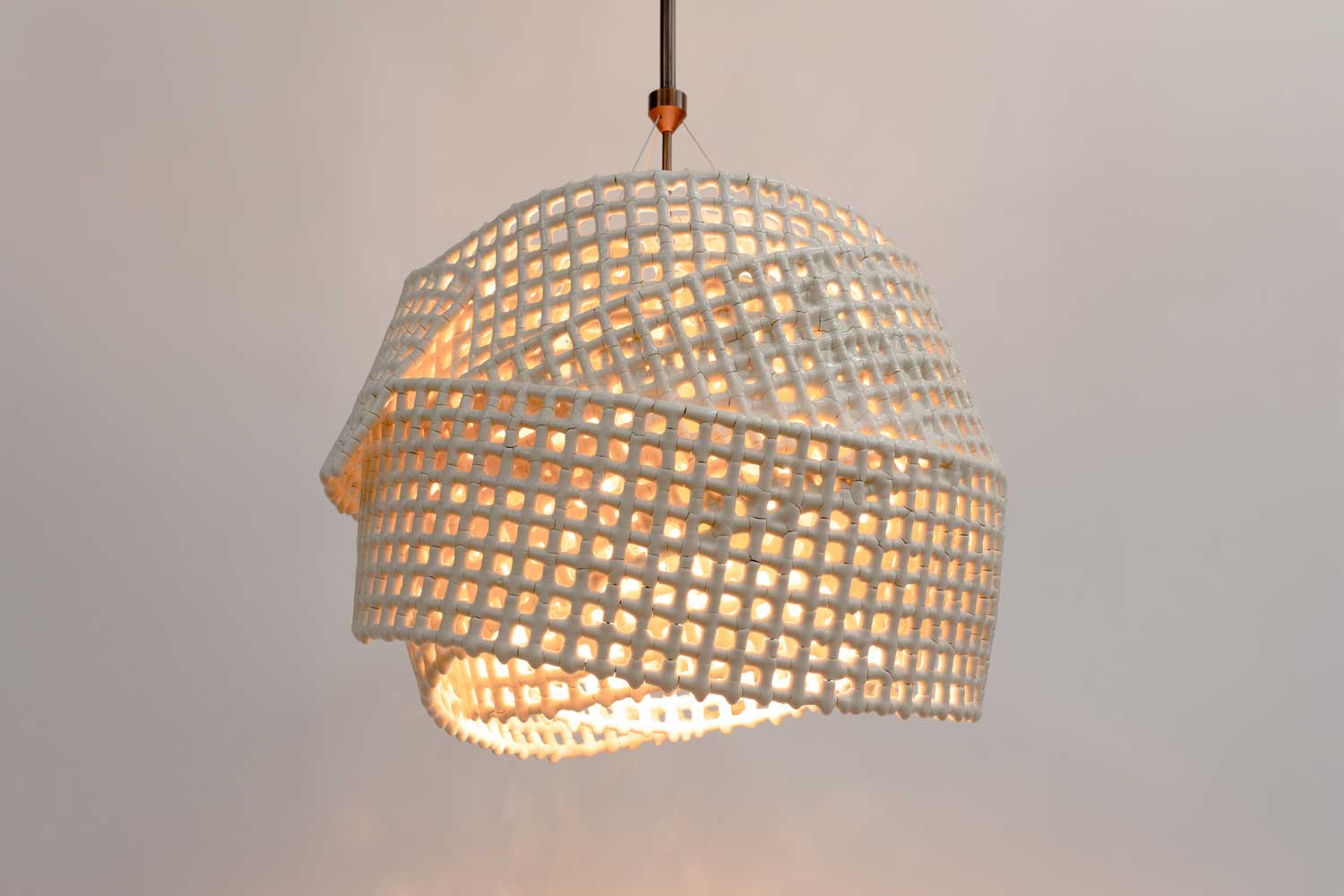
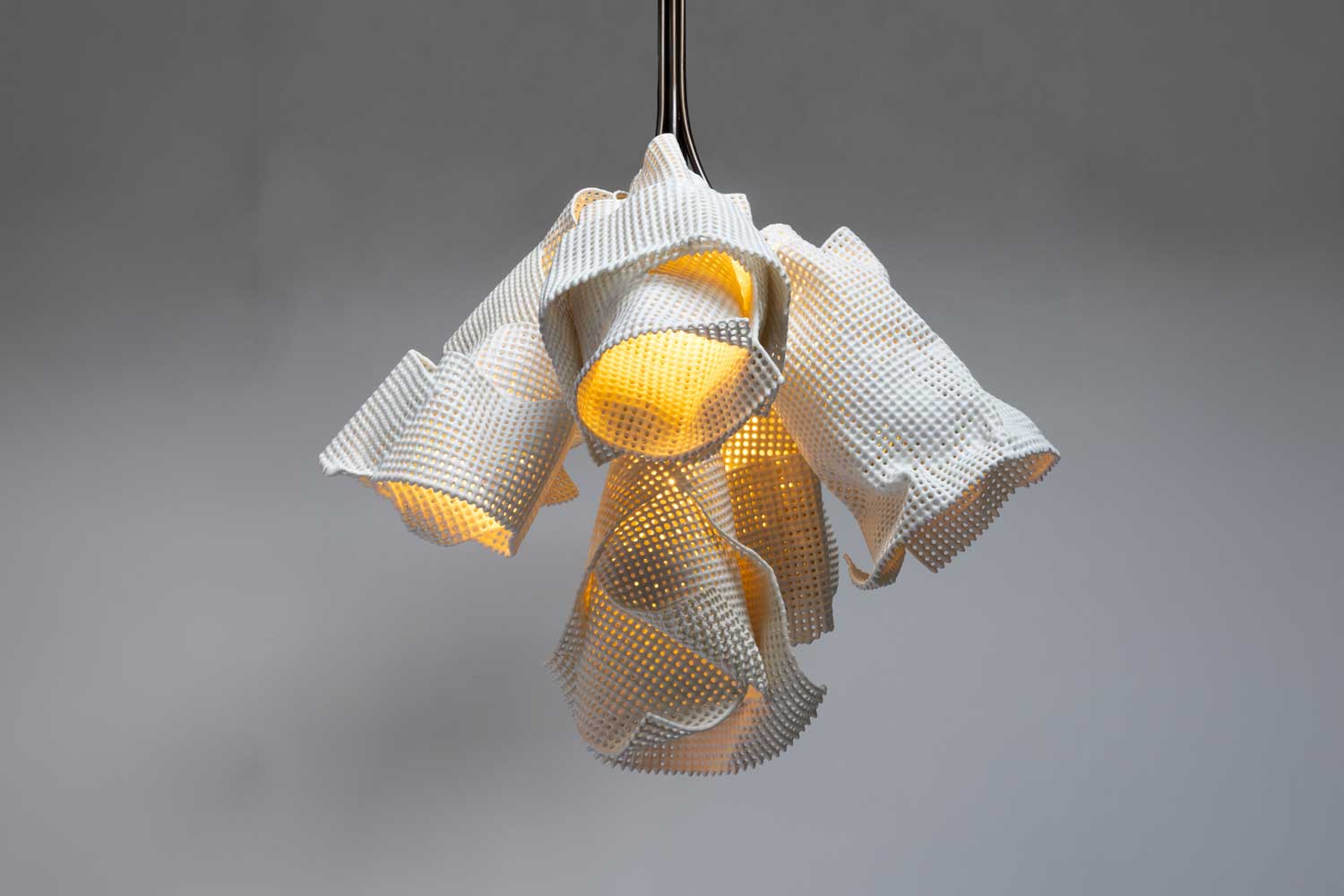
- Scott creates sculptural furniture and lighting from ceramic-coated metal mesh
- Alchemy is one of his sources of inspiration
- He views functional sculpture as a physical and emotional experience
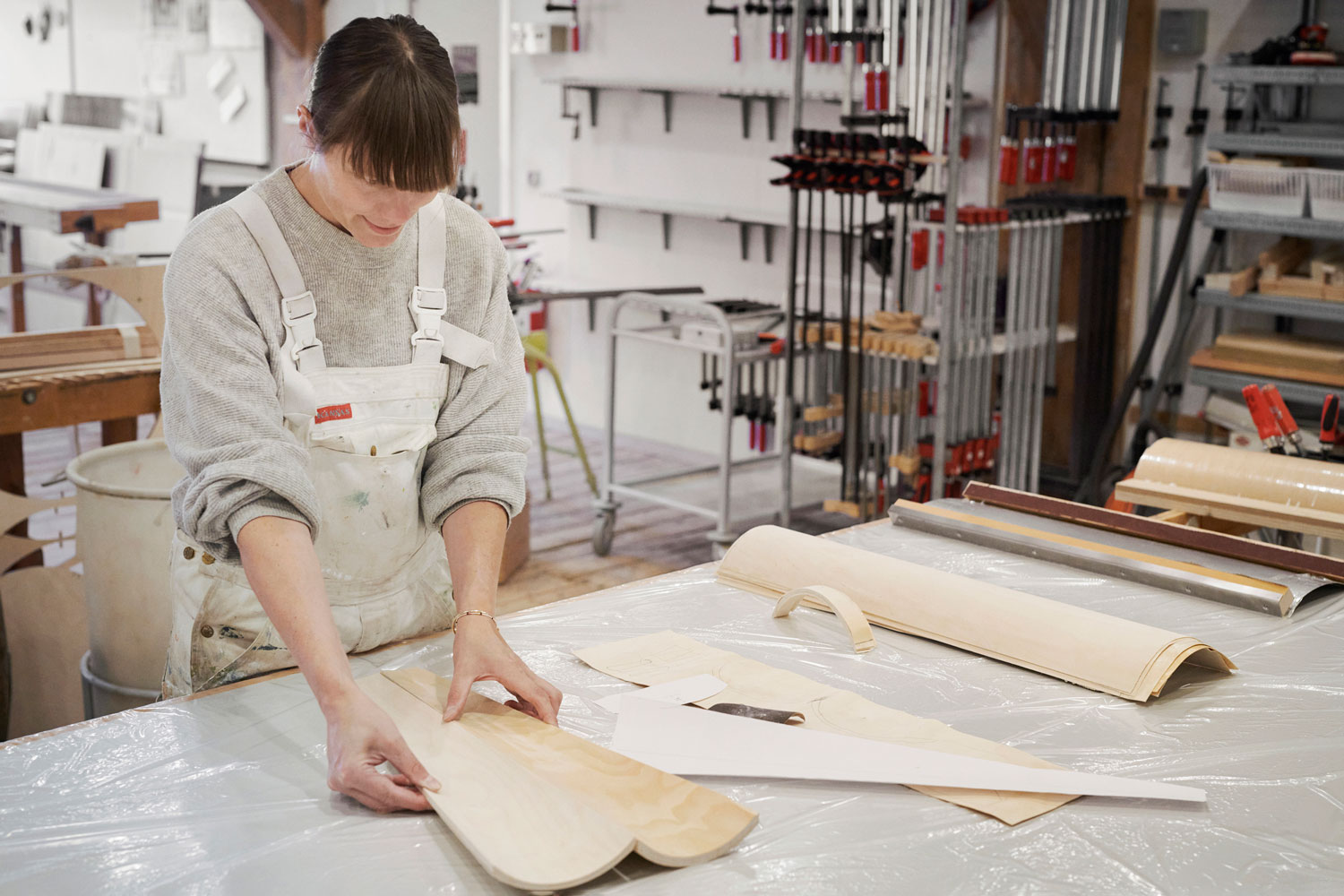
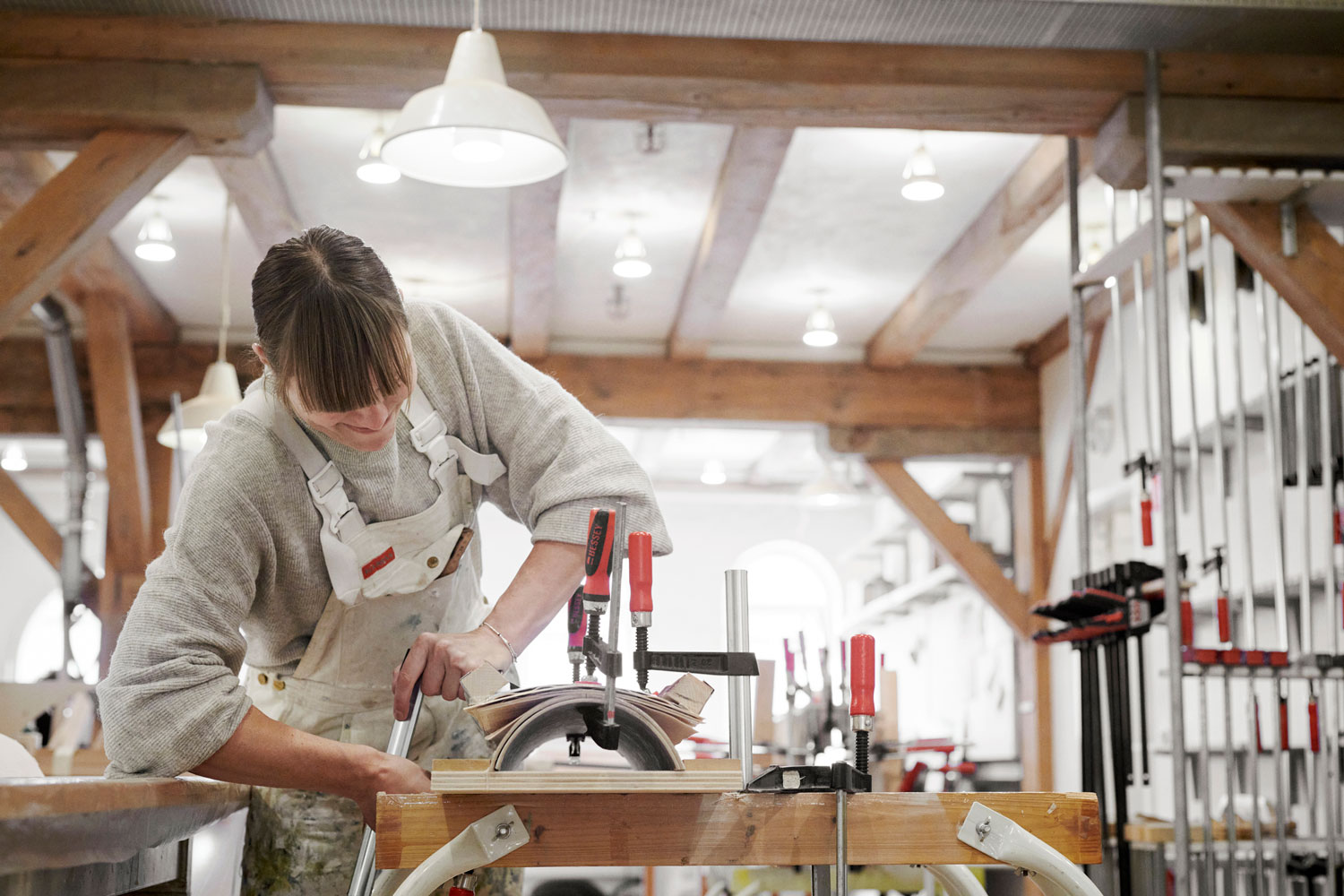
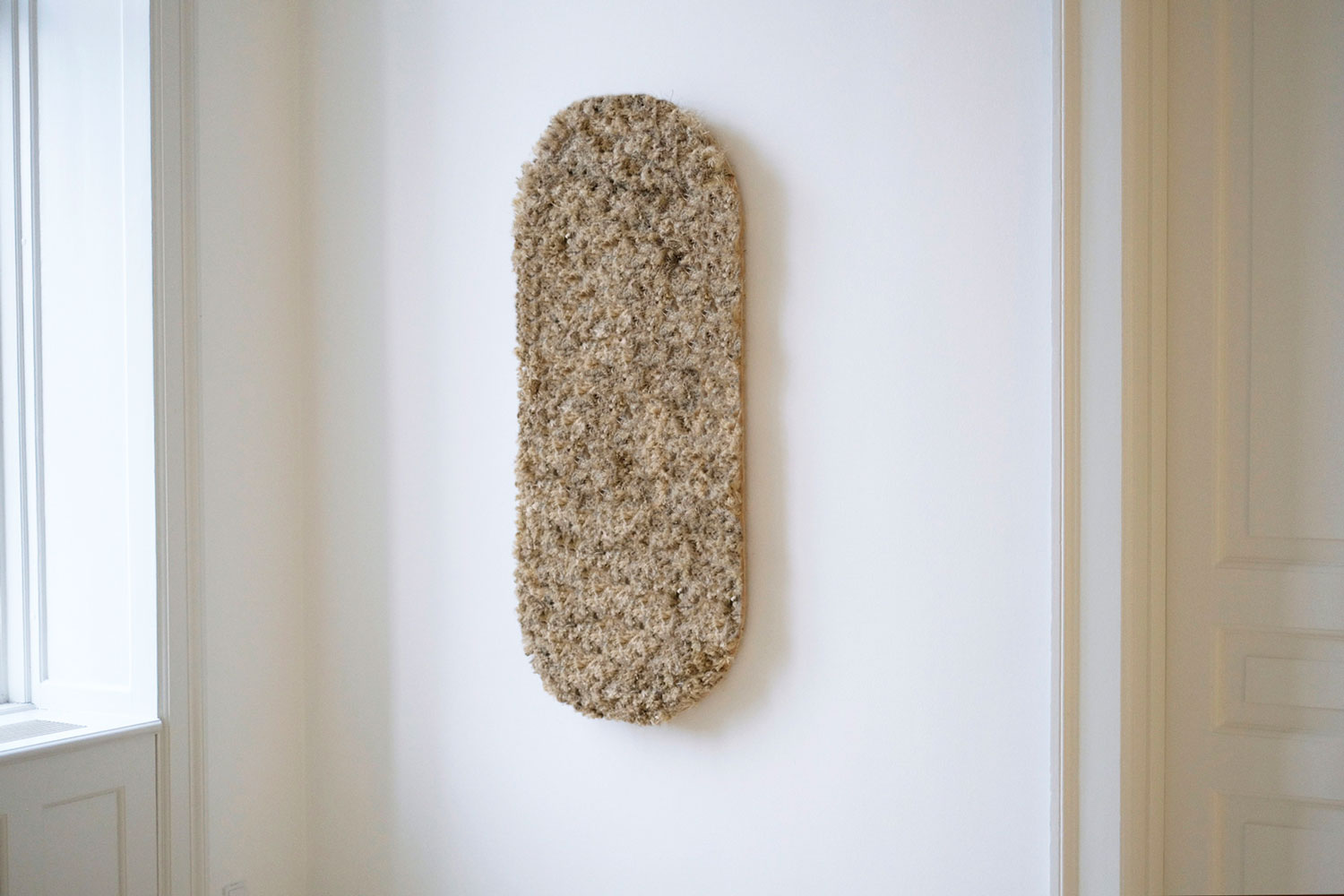
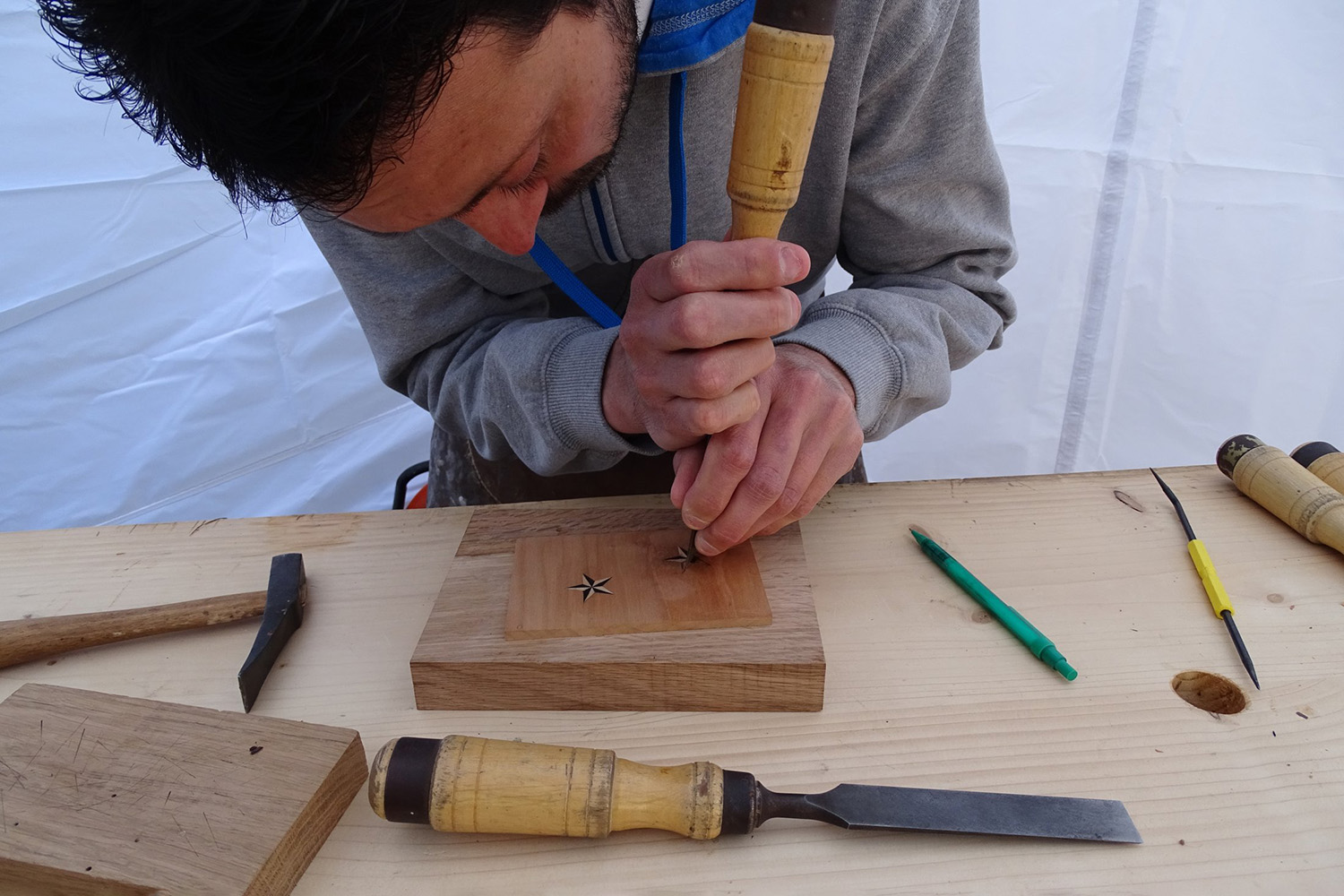
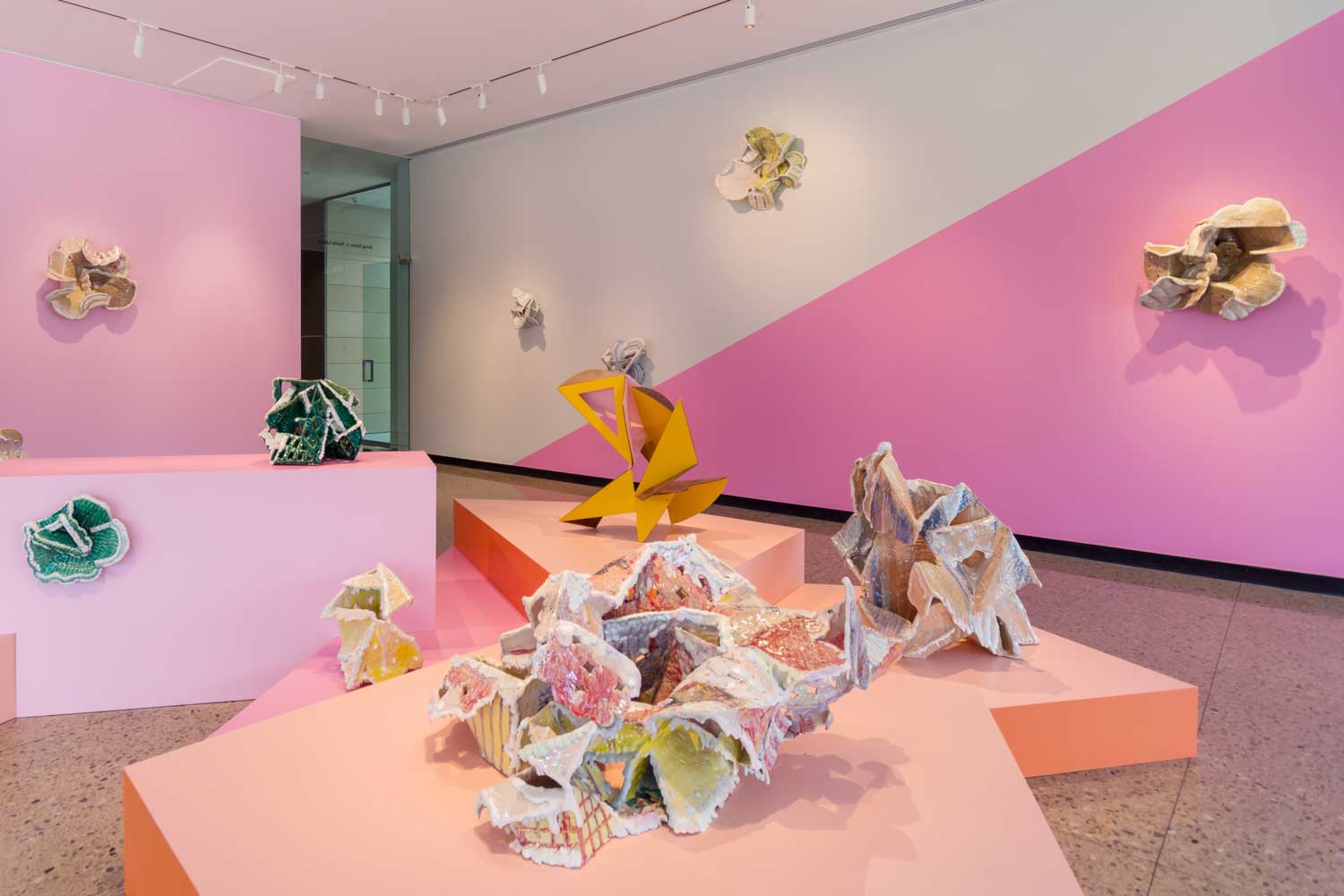
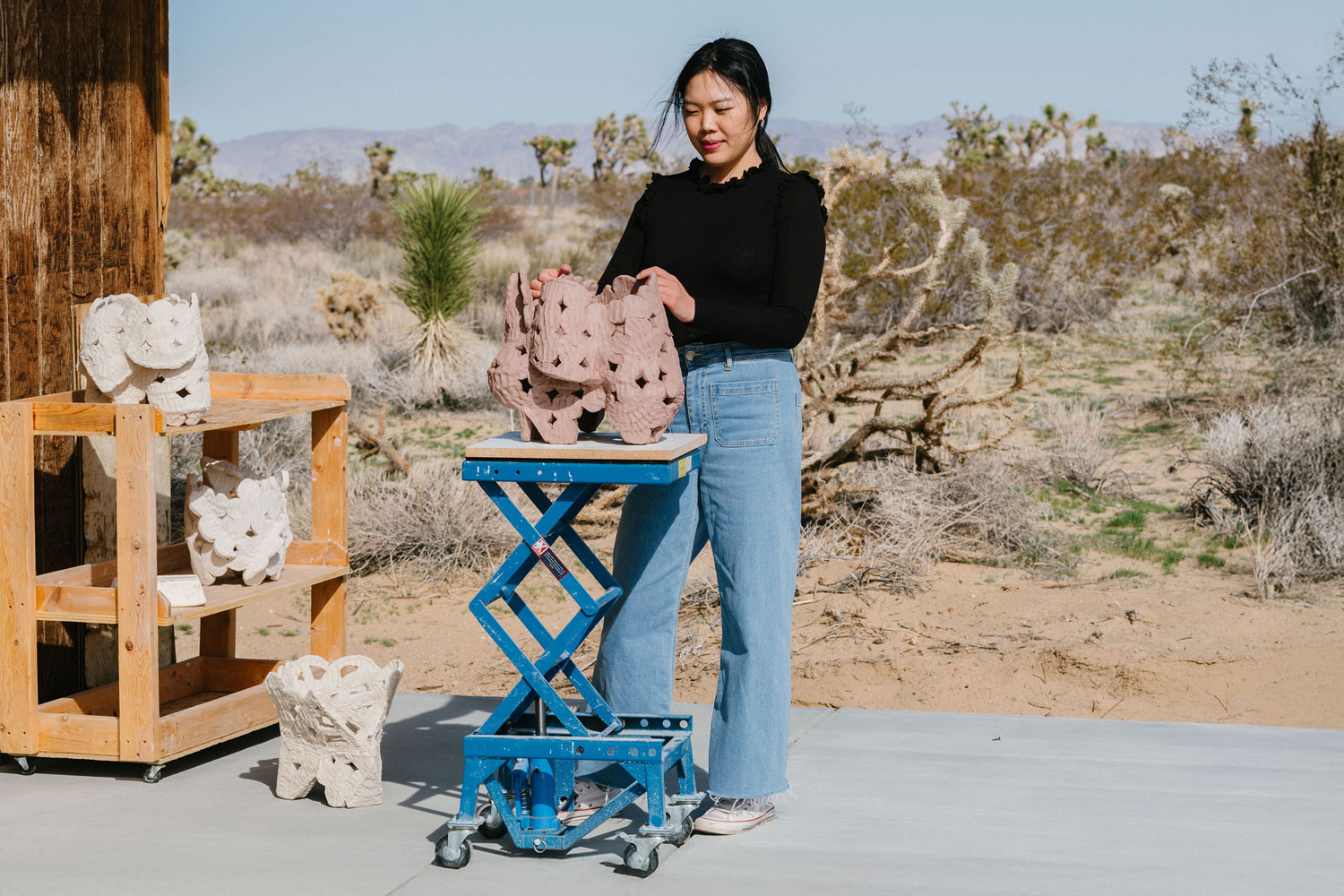
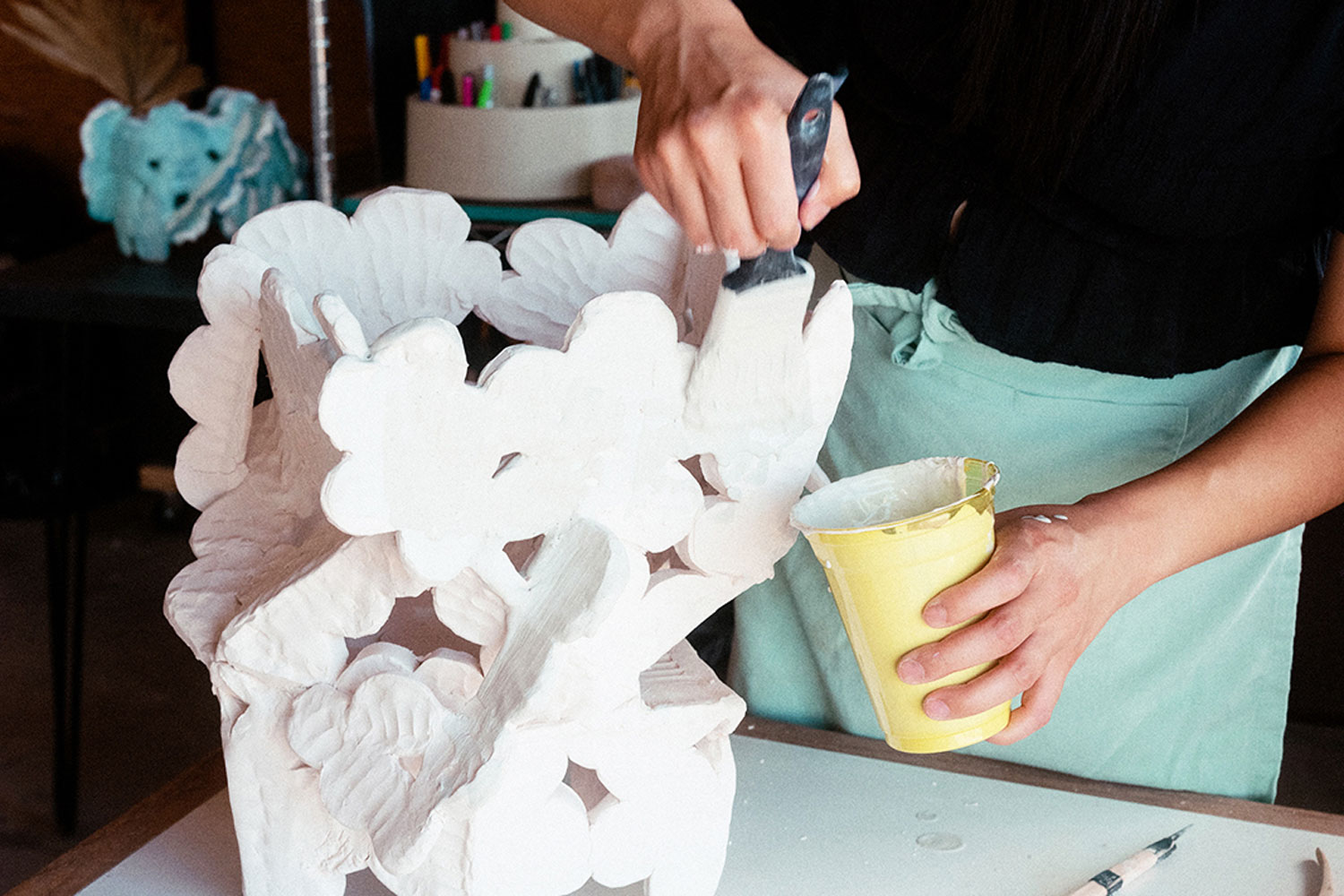
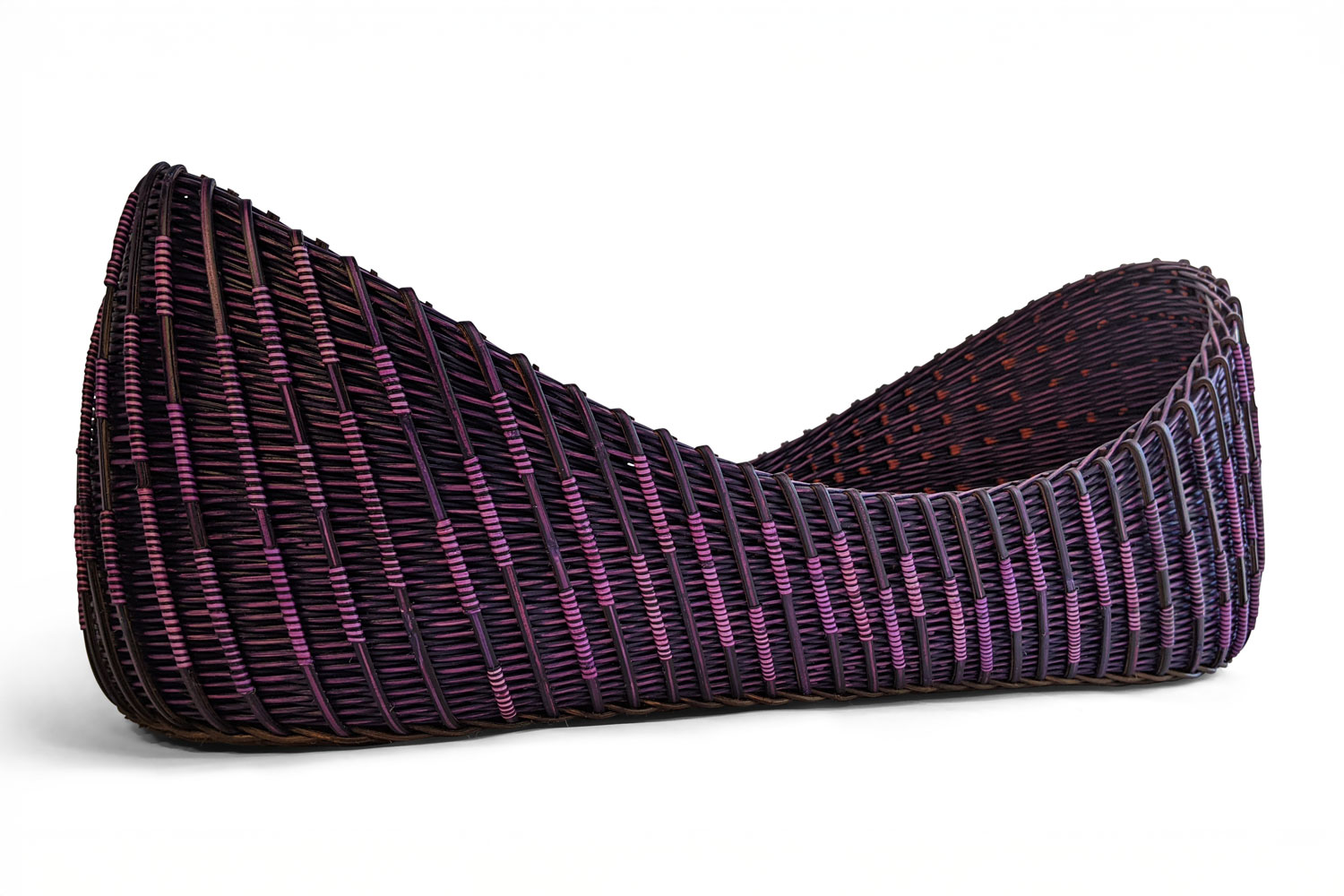
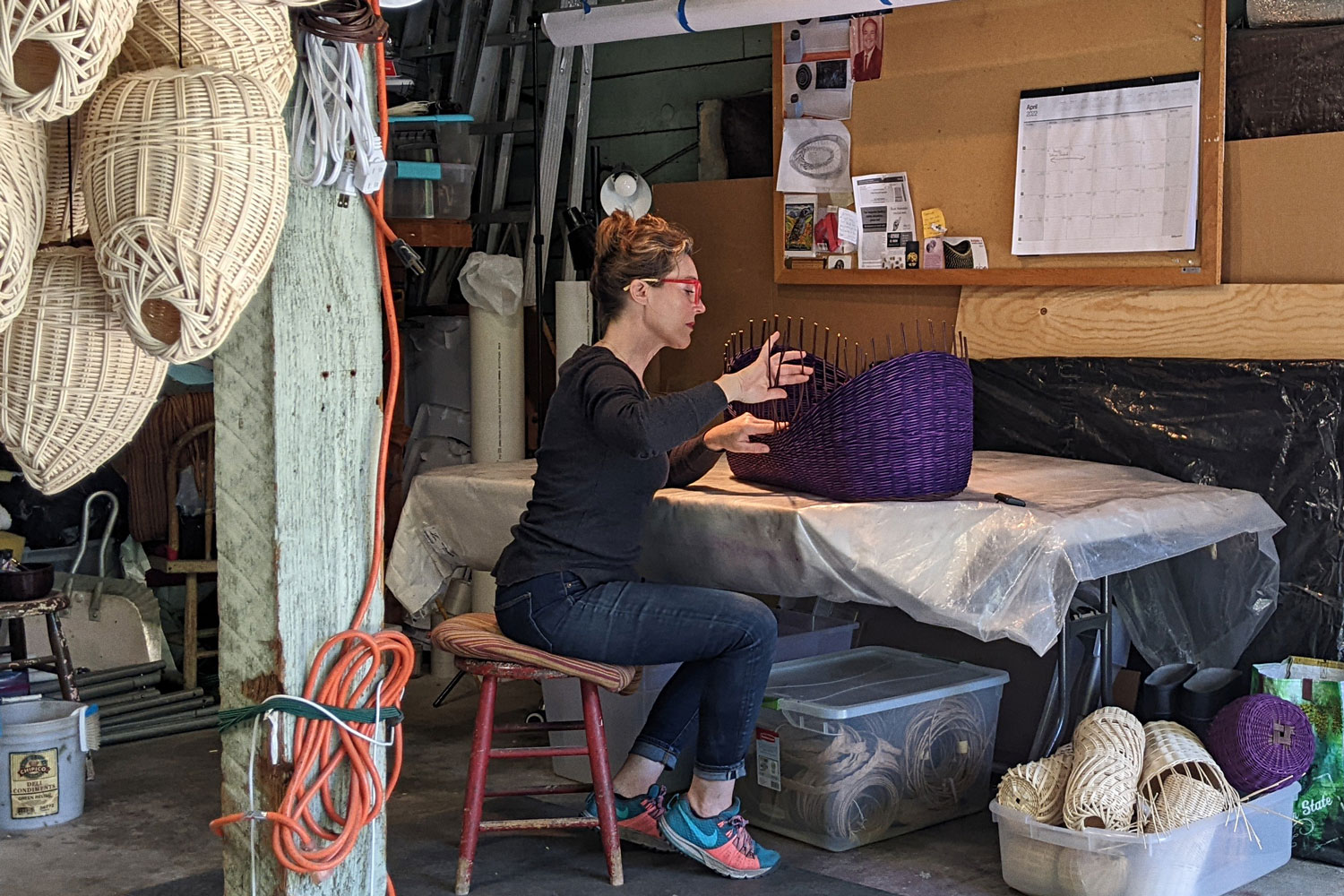
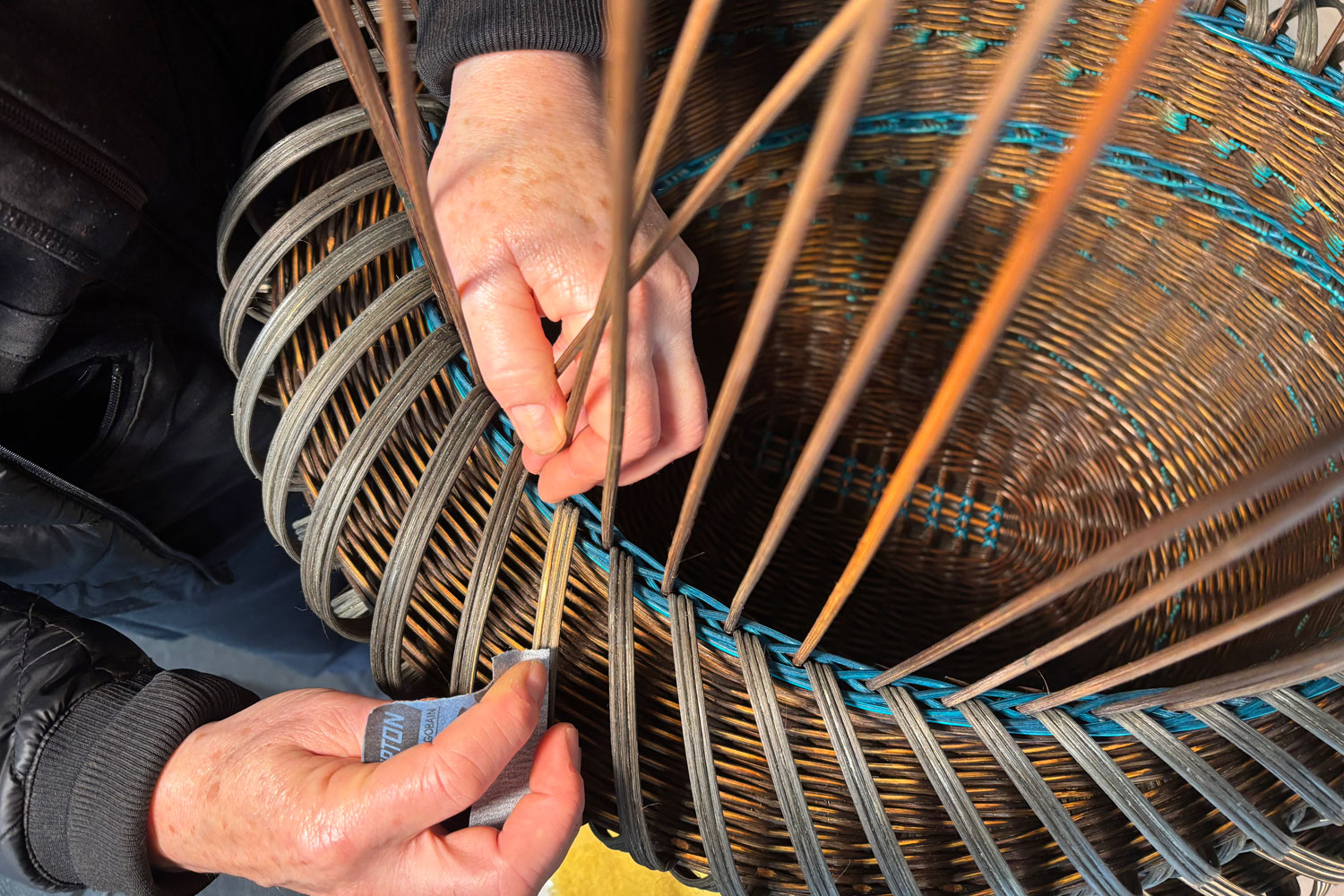
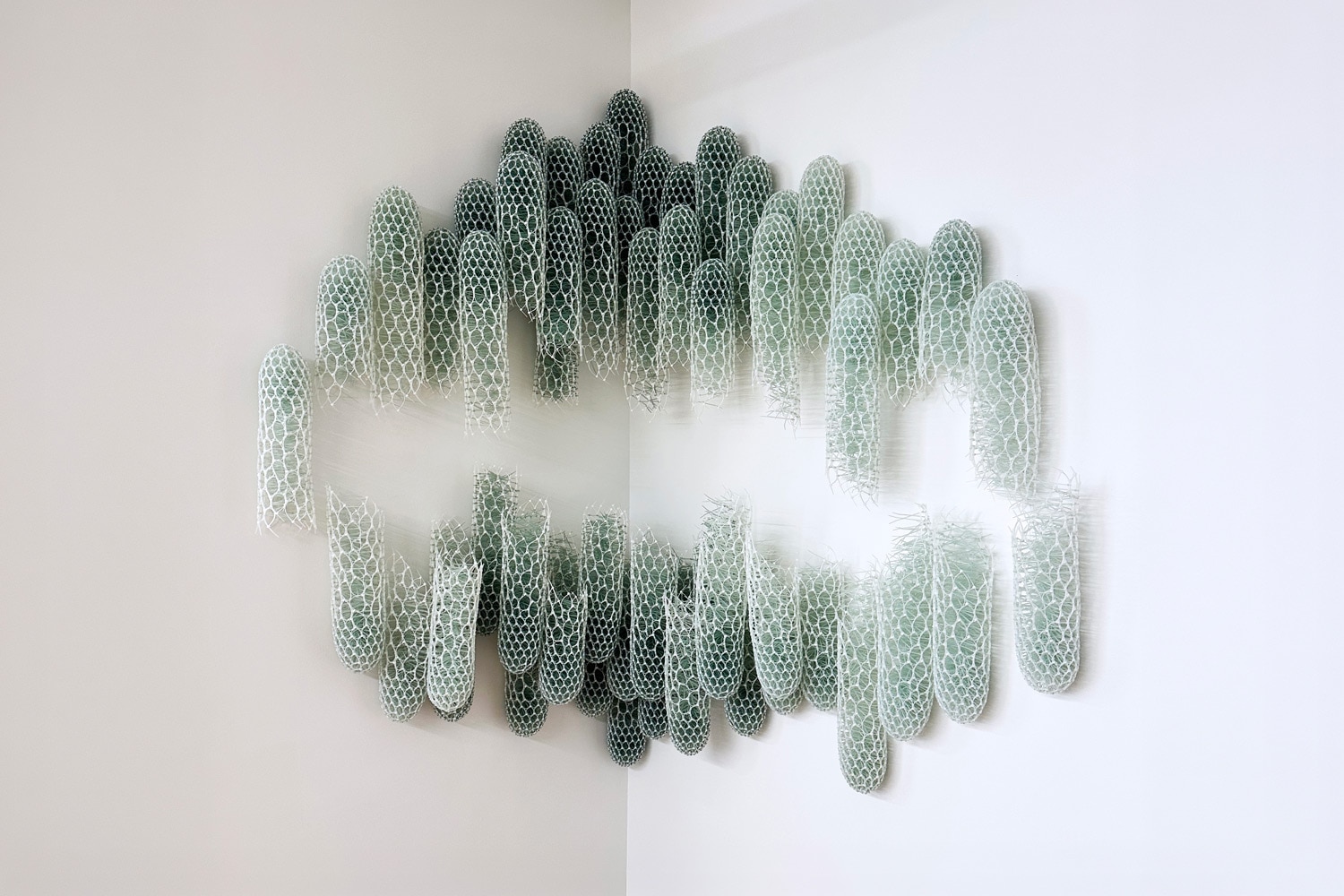
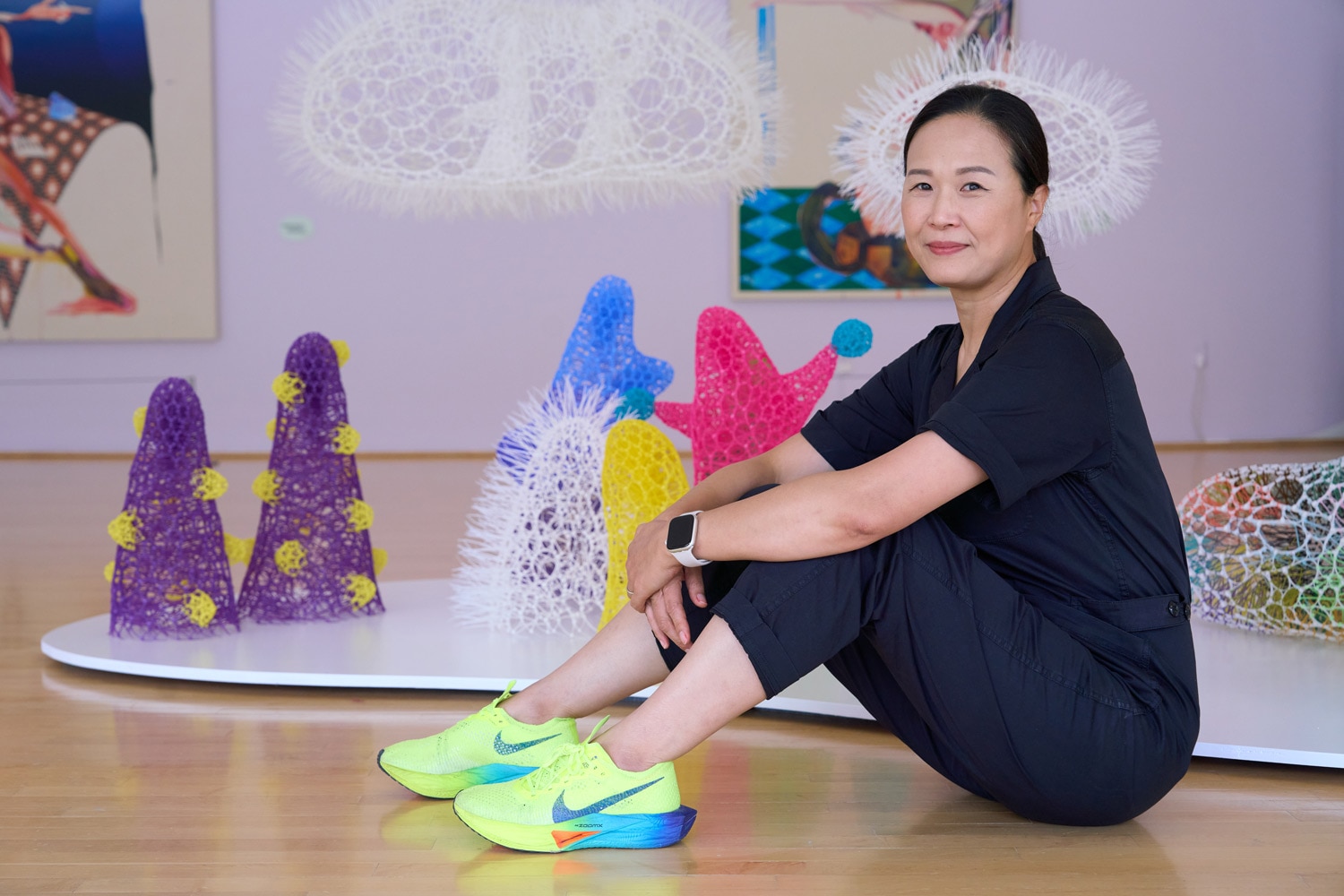
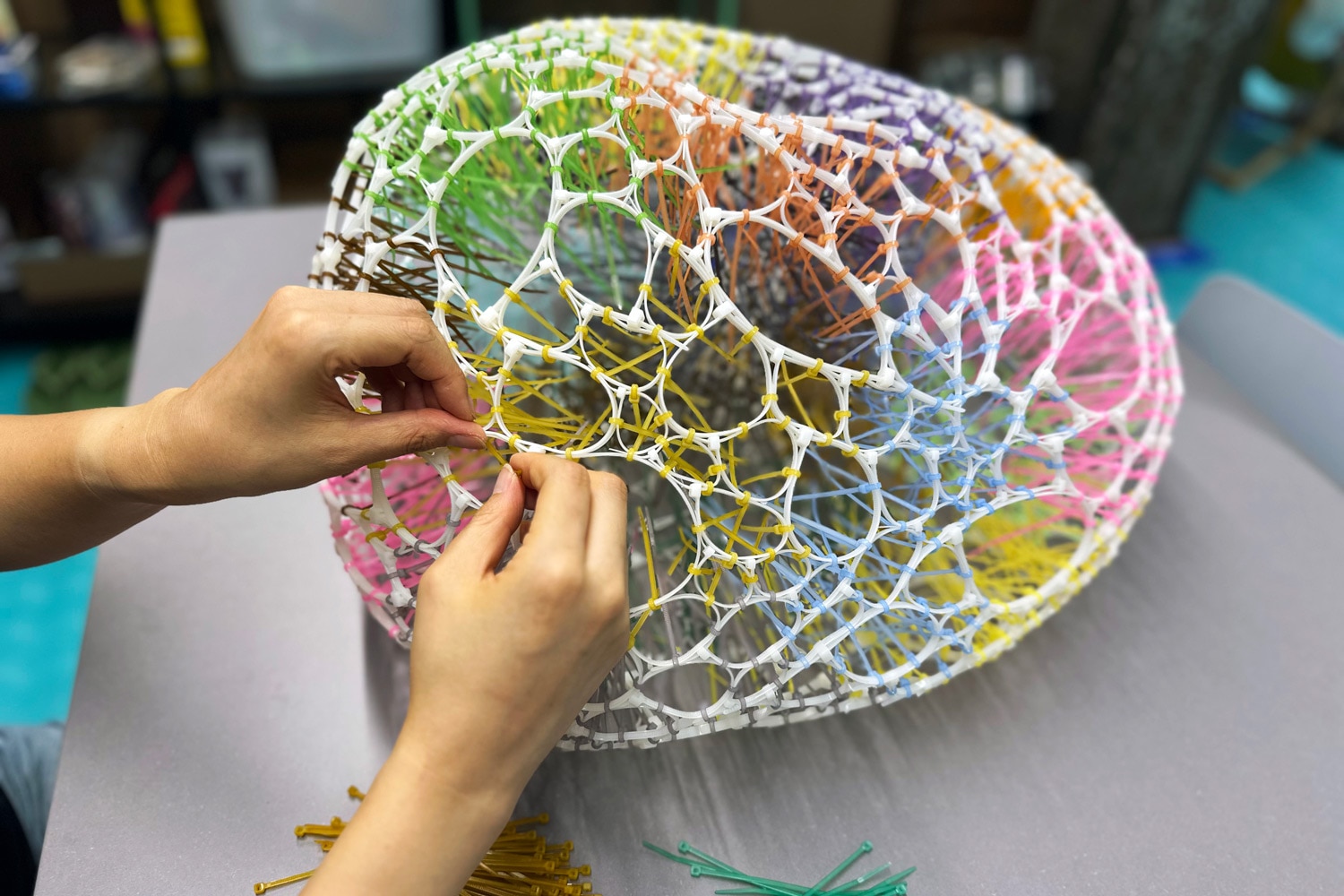
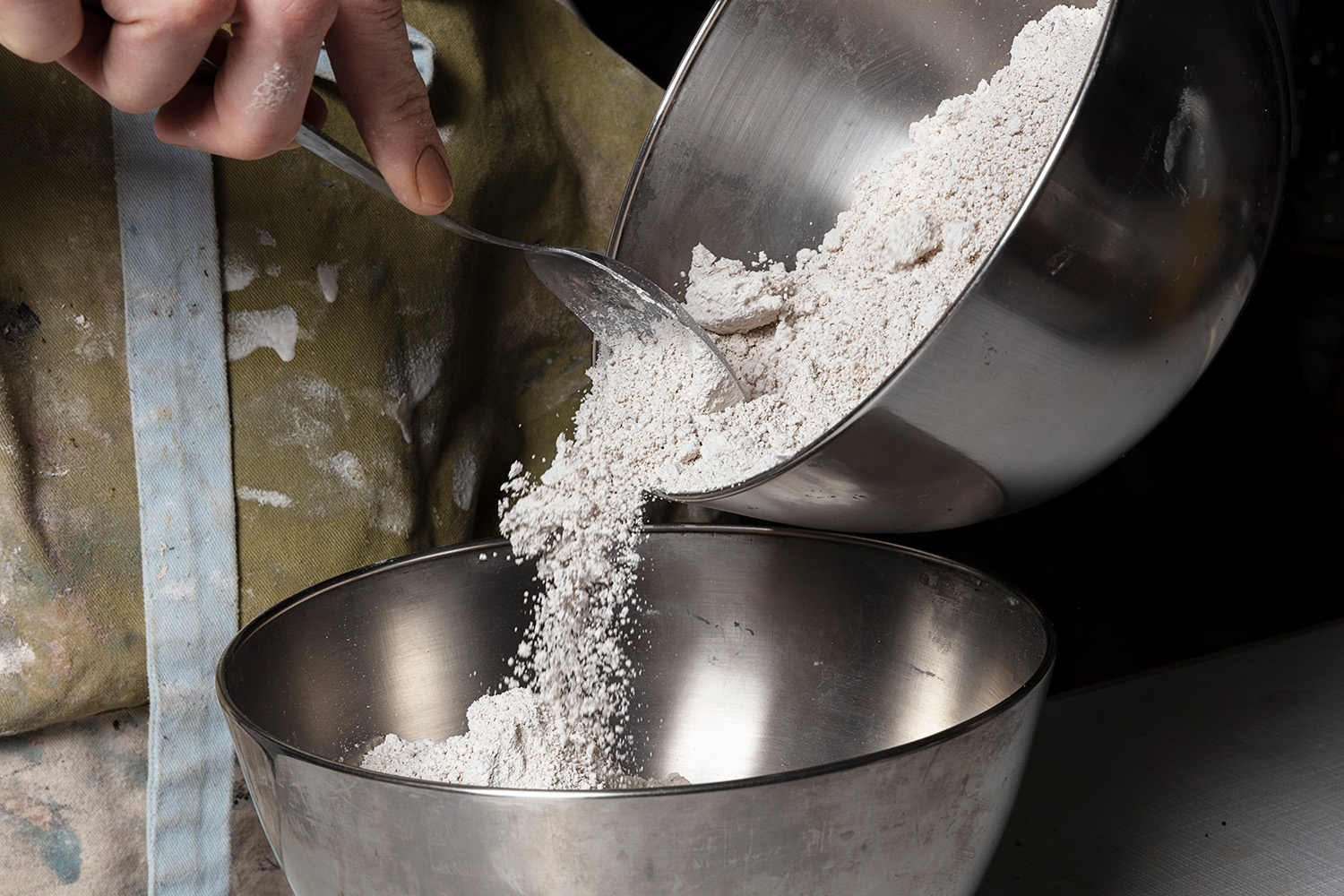
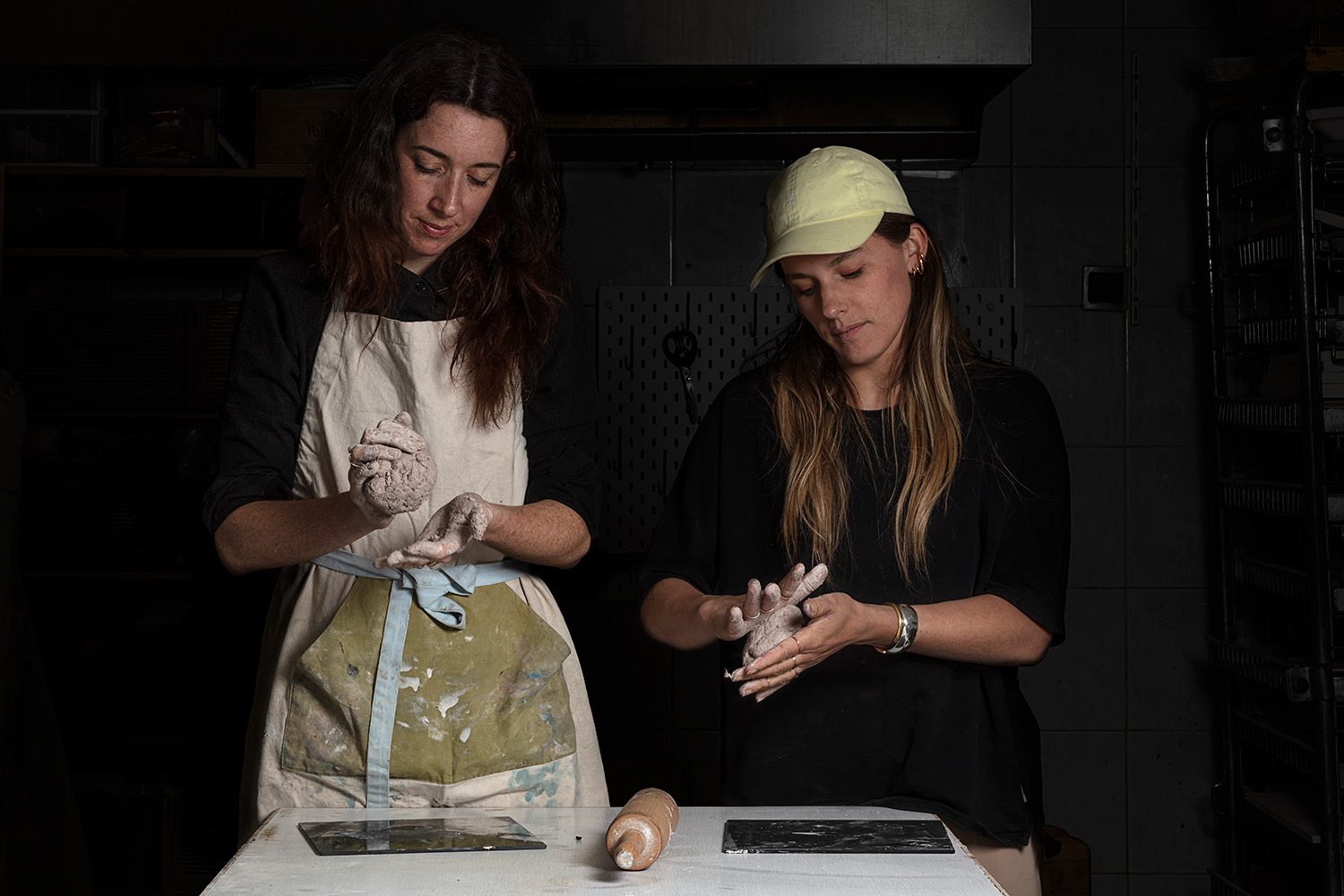
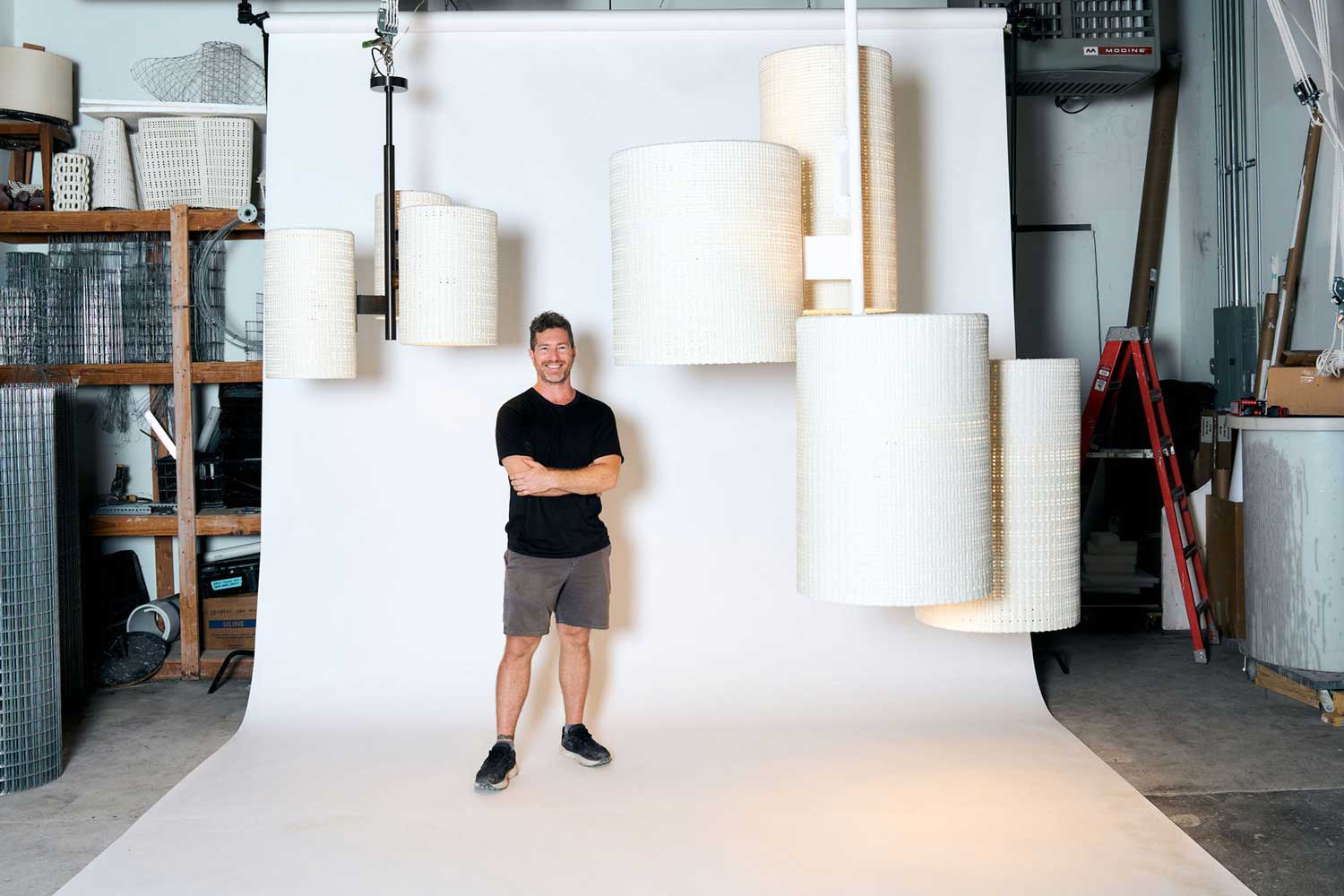
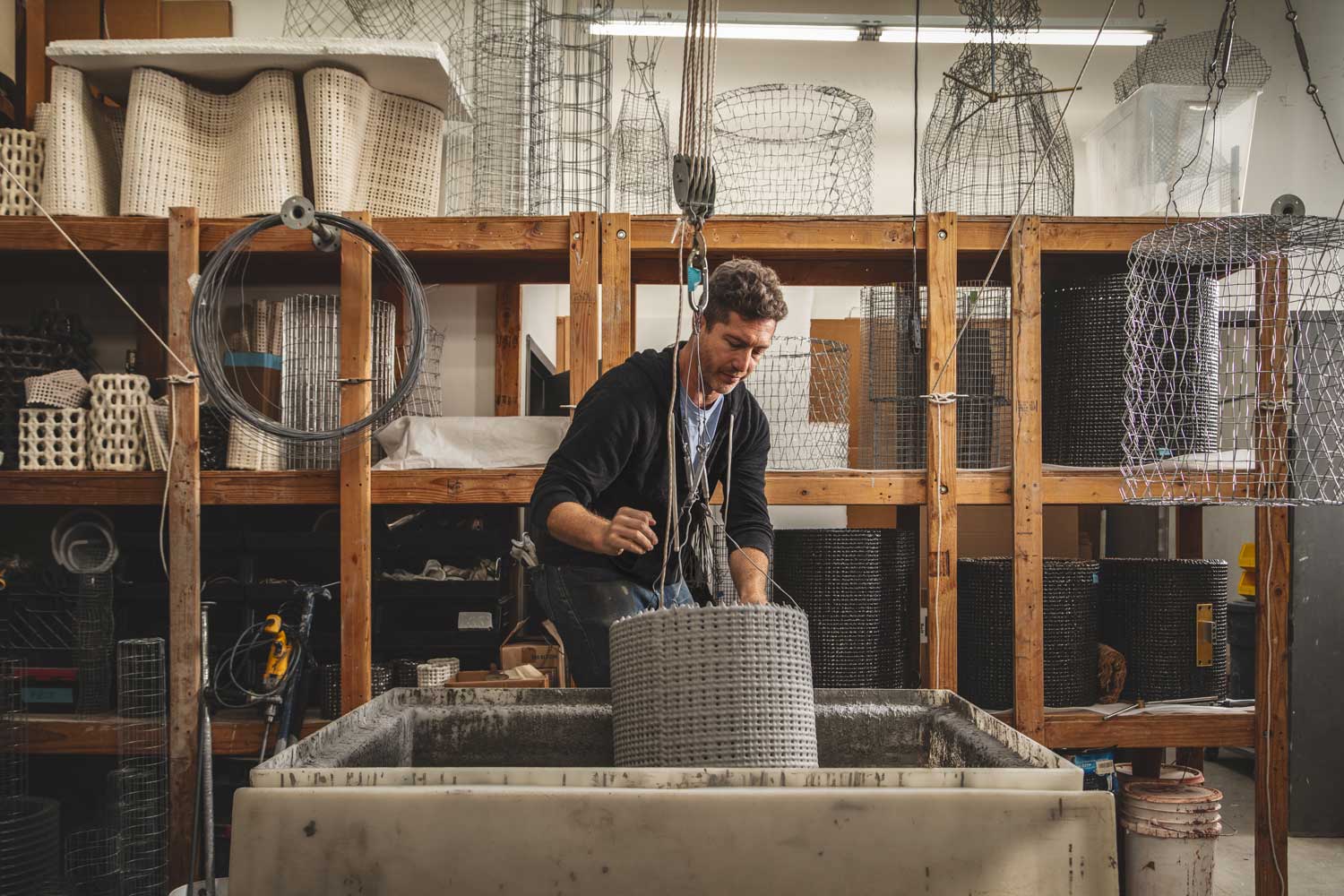
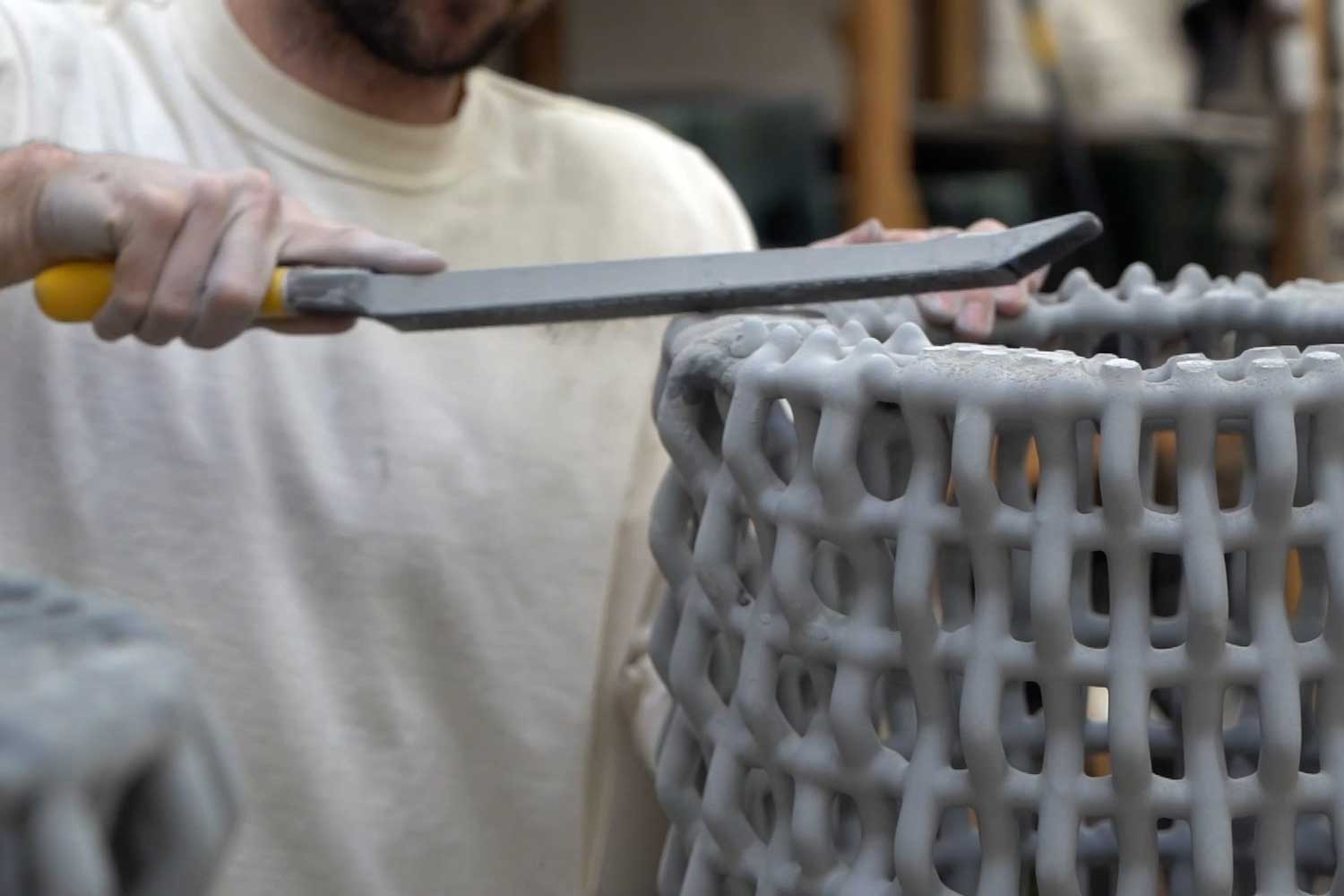
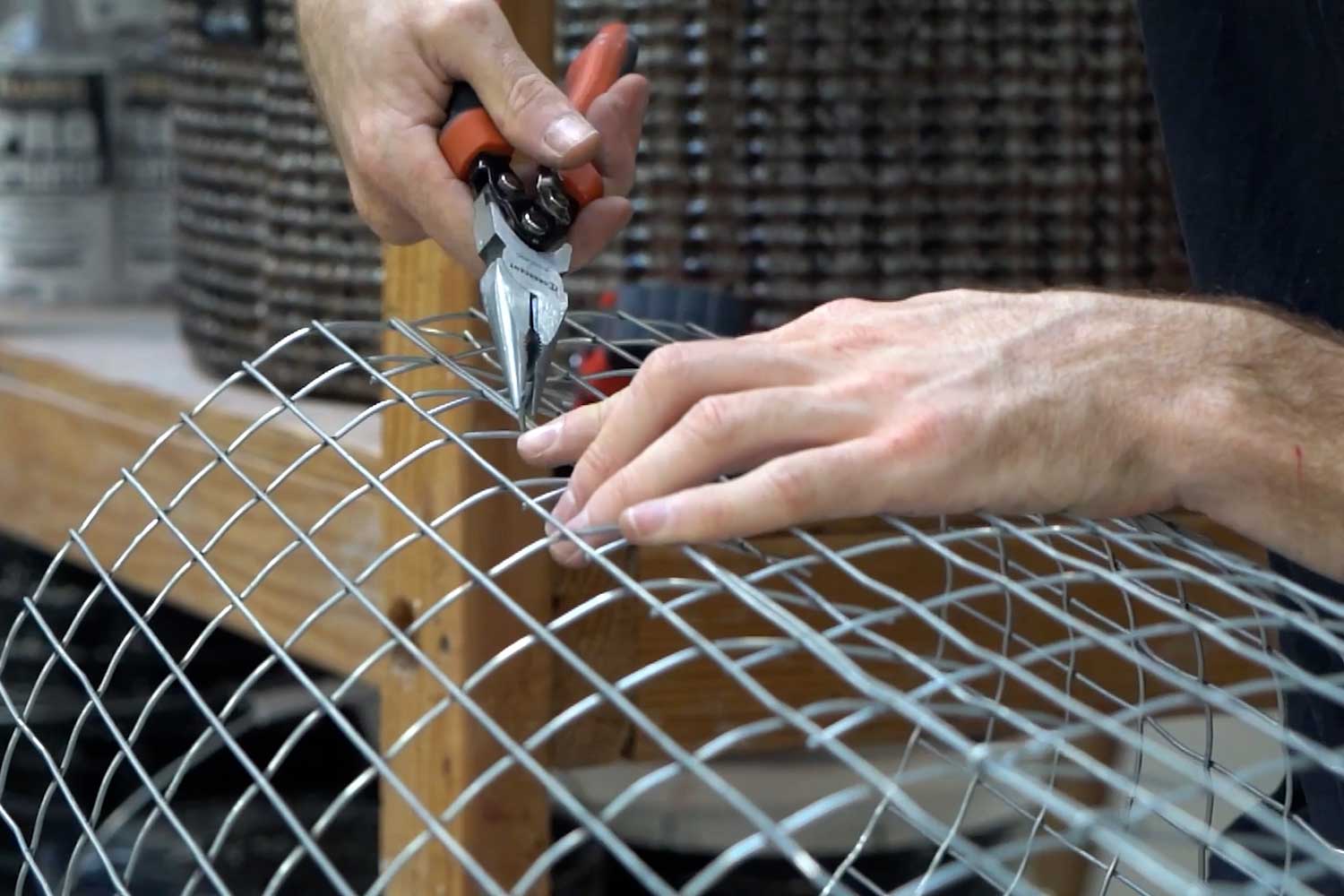
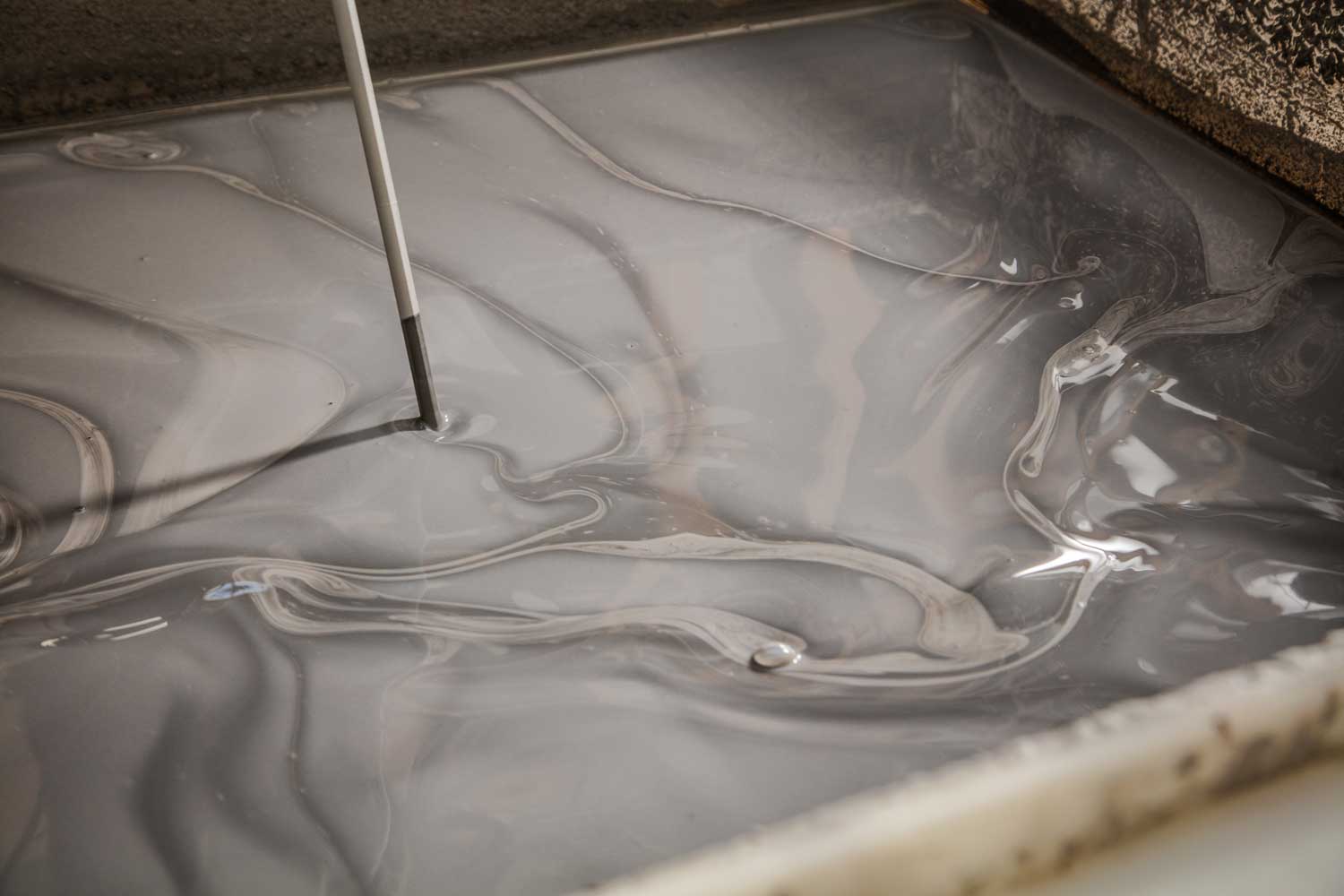
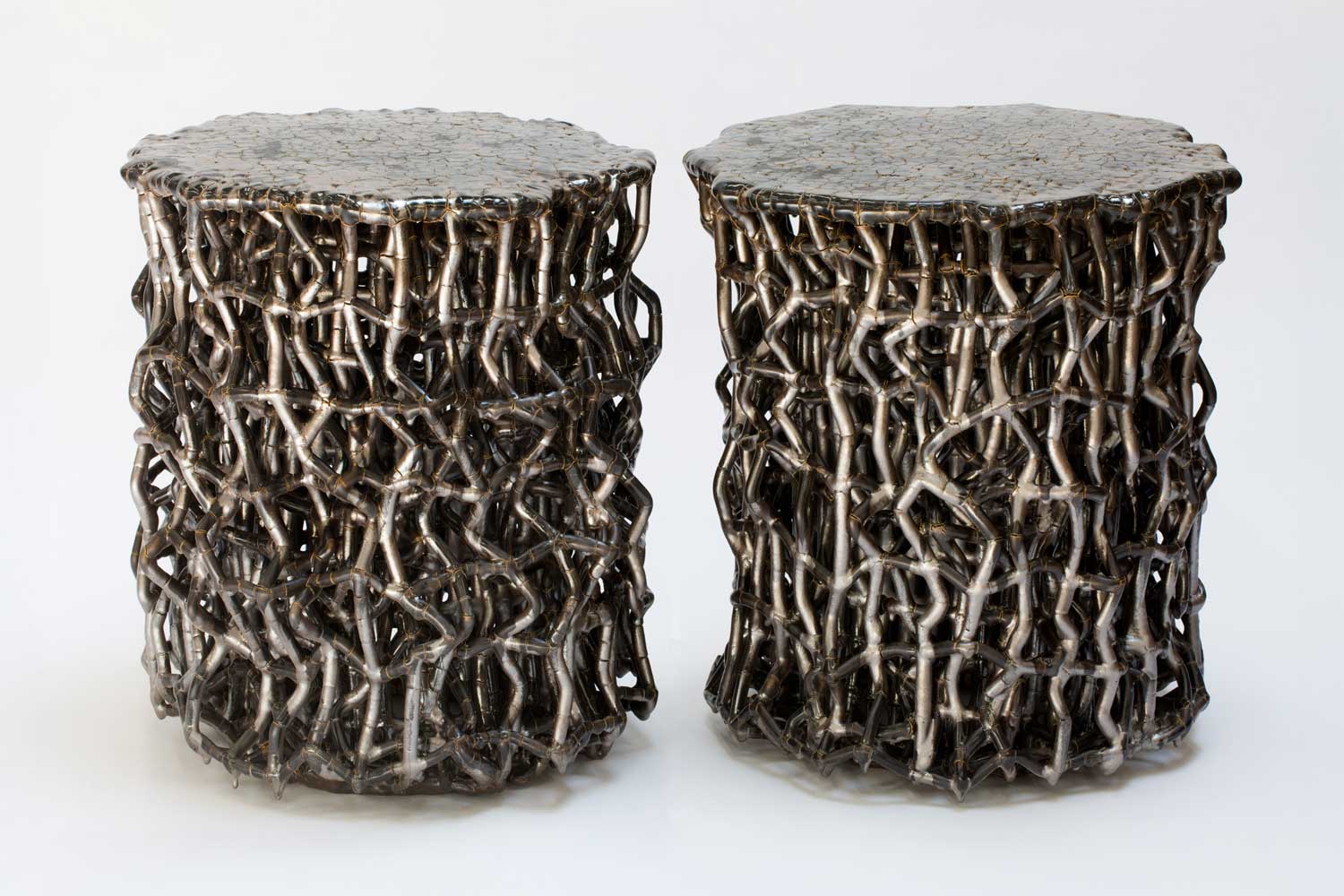
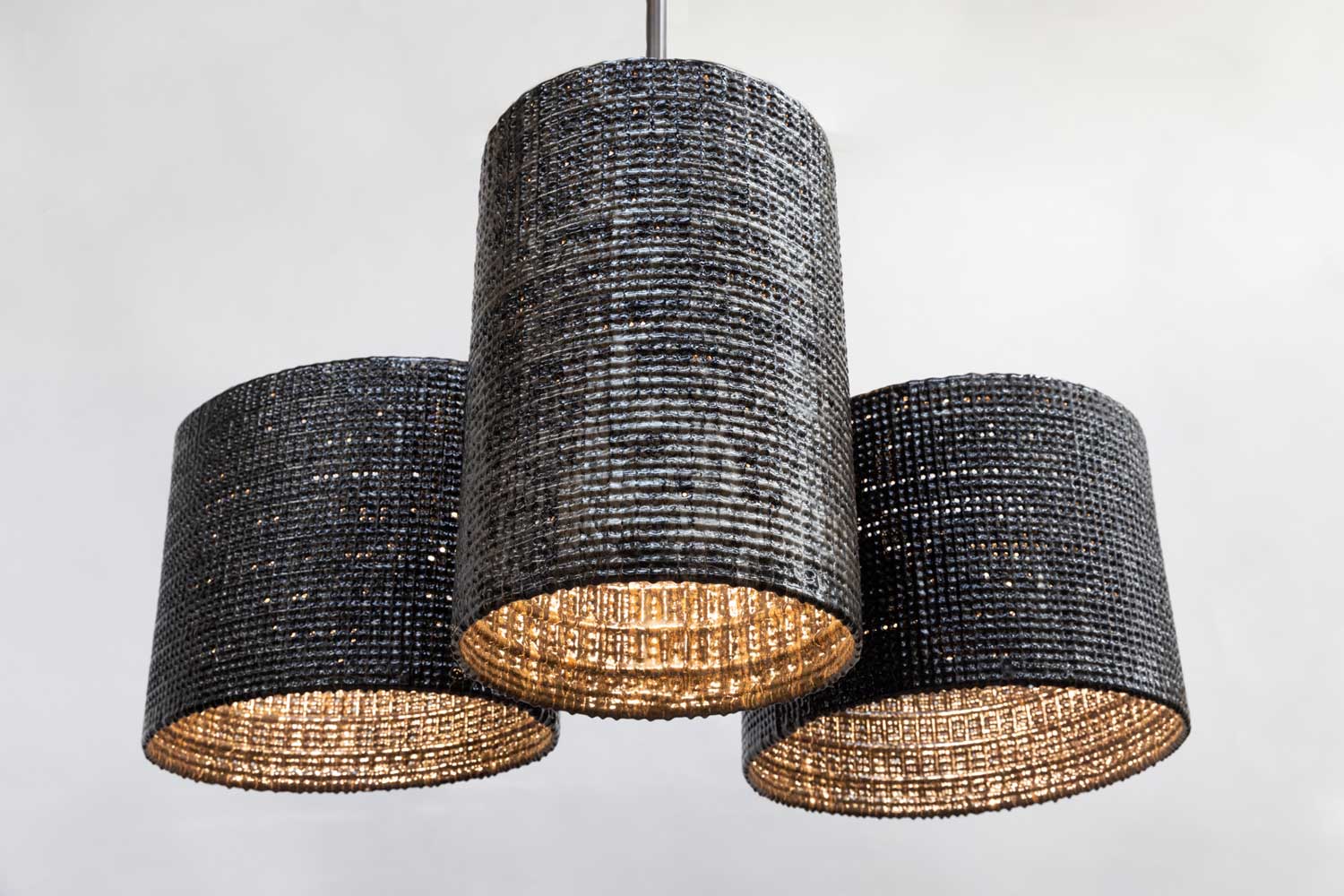
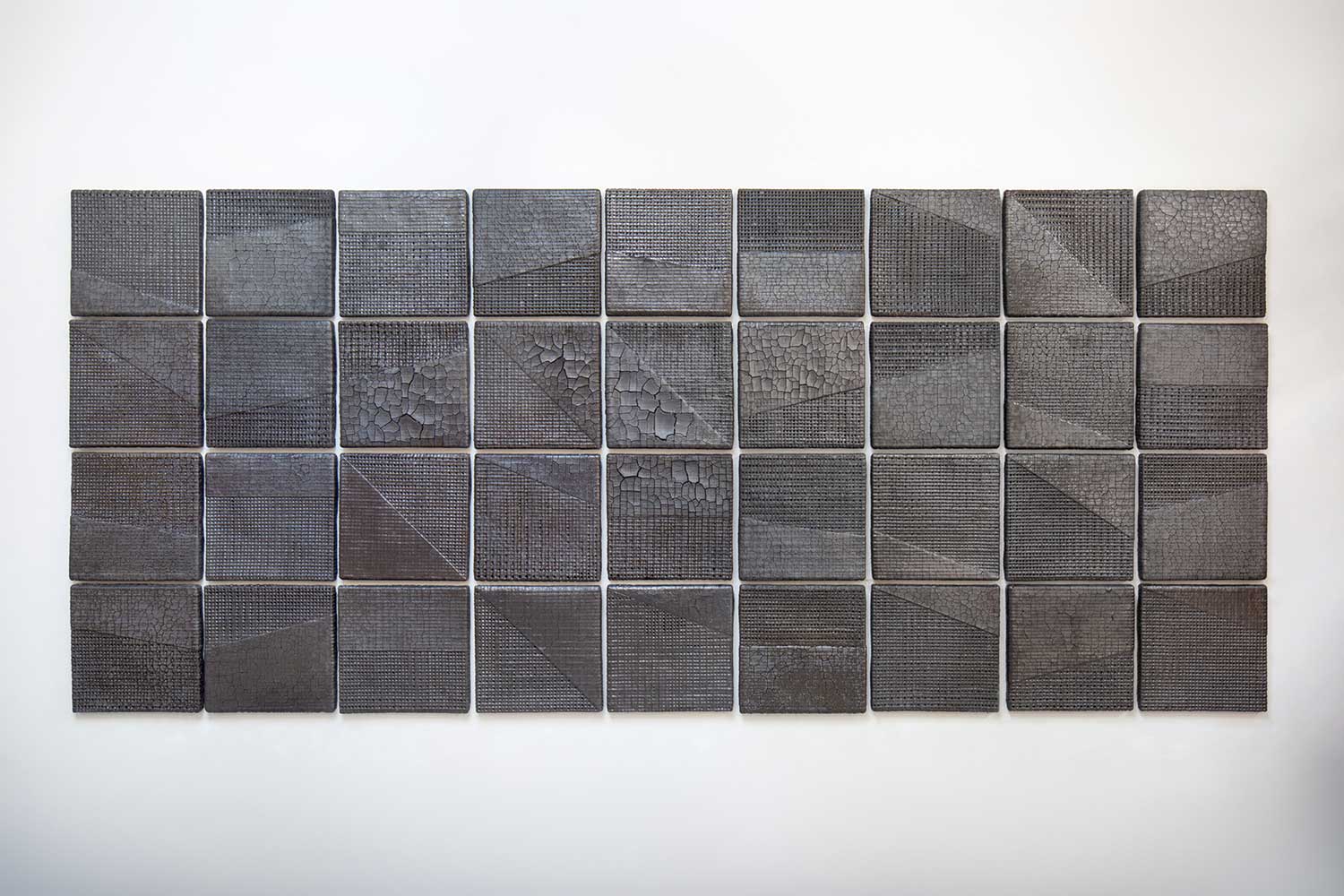
Scott Strickstein creates sculptural furniture by bringing clay and metal wire into dialogue with each other. A native of Detroit, his approach has been influenced by his studies at the College for Creative Studies, where he joined a programme in interdisciplinary craft, and by the city’s automotive industry. Working at a large scale, Scott’s design pieces take shape through an experimental process developed over many years. Metal wire mesh is formed then dipped repeatedly into liquid clay. His works, particularly his lighting, explore the contrast between the density of the material and the way light passes through a perforated structure. “I seek to give basic materials such as clay and wire a greater emotional value, and help viewers reflect on the physical experience of the object,” he says.
INTERVIEW
In high school, I had to choose an elective course. In the art room, there was a display of ceramics made by other students, and I remember thinking it looked really interesting. I decided to take the class and was immediately hooked, by both the material and the process. At the time I simply knew I enjoyed it. I did not yet think of it as a professional path.
About three quarters of the way through my university studies in political theory, I realised something was missing. I found myself spending more and more time in the studio, so much so that people assumed art was actually my major. By the time I was around 23, I accepted that I wanted to pursue art and craft.
It is different every time. At the most basic level, I am guided by materials and the process itself. Much of my practice begins with experimentation, playing with the materials I have at hand and observing how they respond to touch. That interaction often determines the direction the piece ultimately takes.
For me, functional sculpture is more about an emotional and physical experience than about delivering a specific message. What interests me is the intimate relationship people develop with materials and how that relationship shapes the spaces they inhabit. Ultimately, my work is about creating a new dialogue between objects, people and the environments they live in.
Scott Strickstein
Mixed media sculptor
Brooklyn, NY, USA
ADDRESS
Address upon request, Brooklyn, NY, USA
AVAILABILITY
By appointment only
LANGUAGES
English, Spanish
Homo Faber Finds is a new service aiming to inspire admirers of craft to connect and collaborate with exceptional artisans.
We invite you to submit an enquiry here.