James Nelson
Heights Pottery
Mixed media sculptor
Houston, TX, USA
A whirl of wood and ceramics
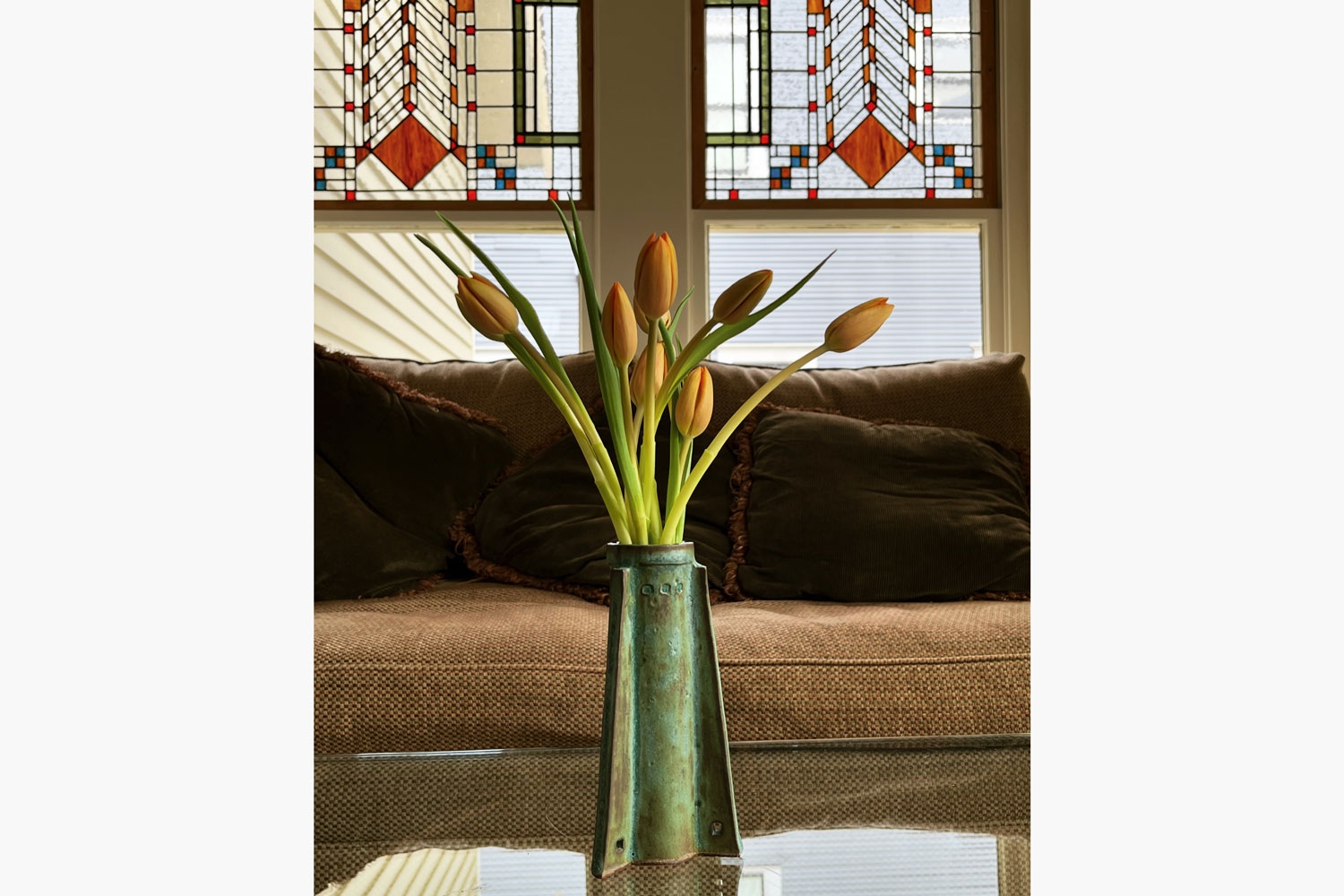
- Jim creates functional pottery inspired by the Arts and Crafts movement
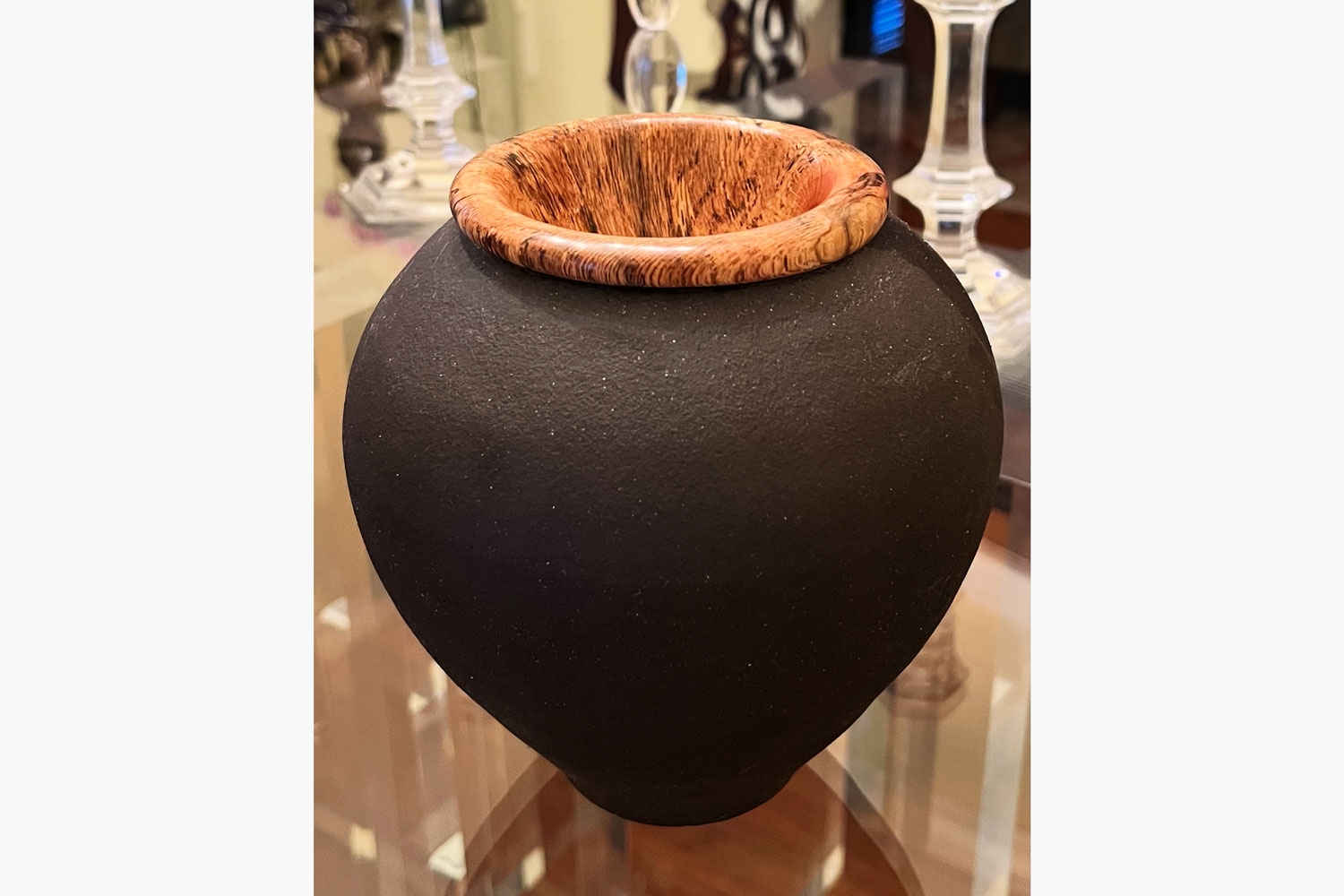
- His pieces combine turned wood and ceramic elements
- His artistic practice builds on his background in dance
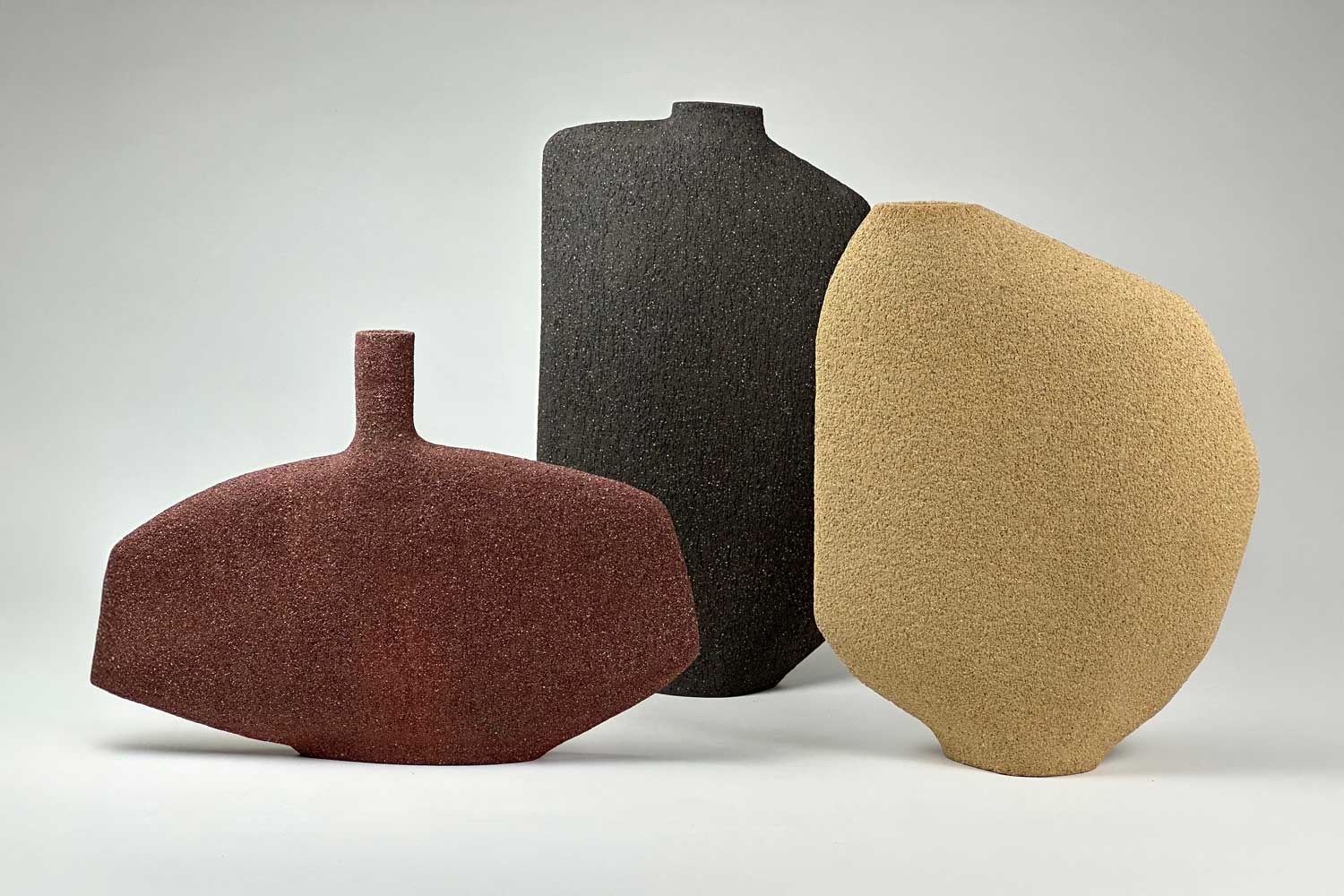
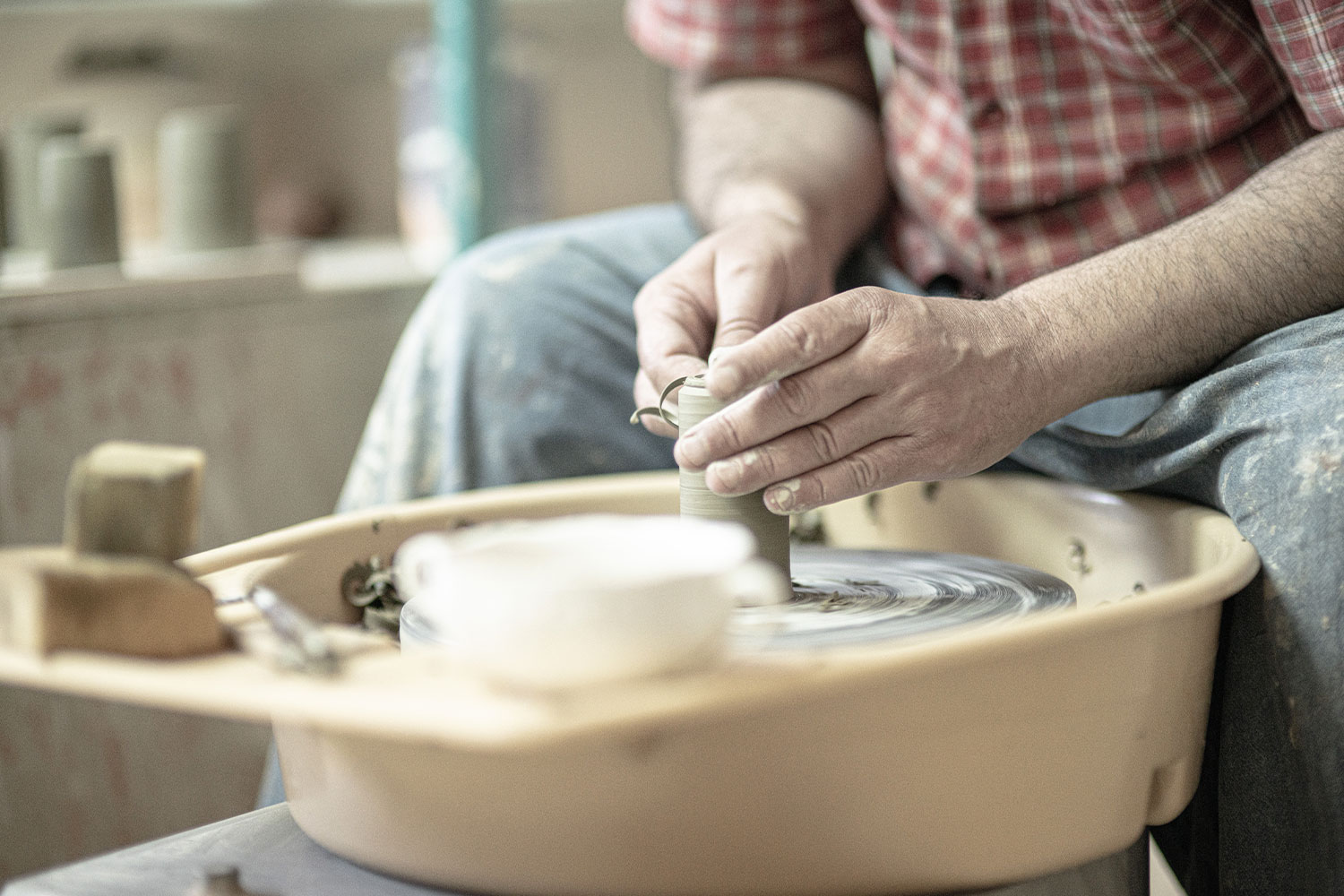
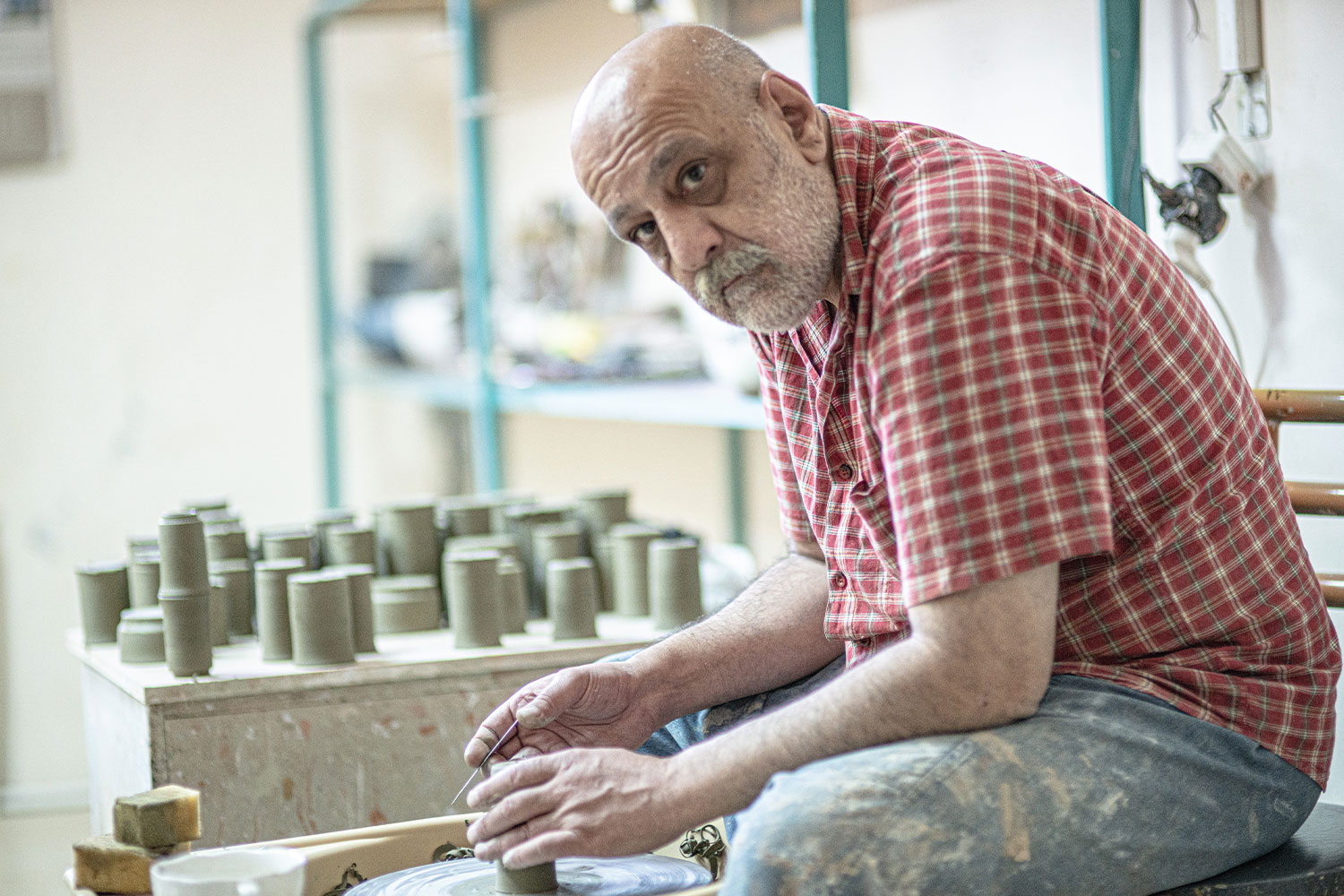
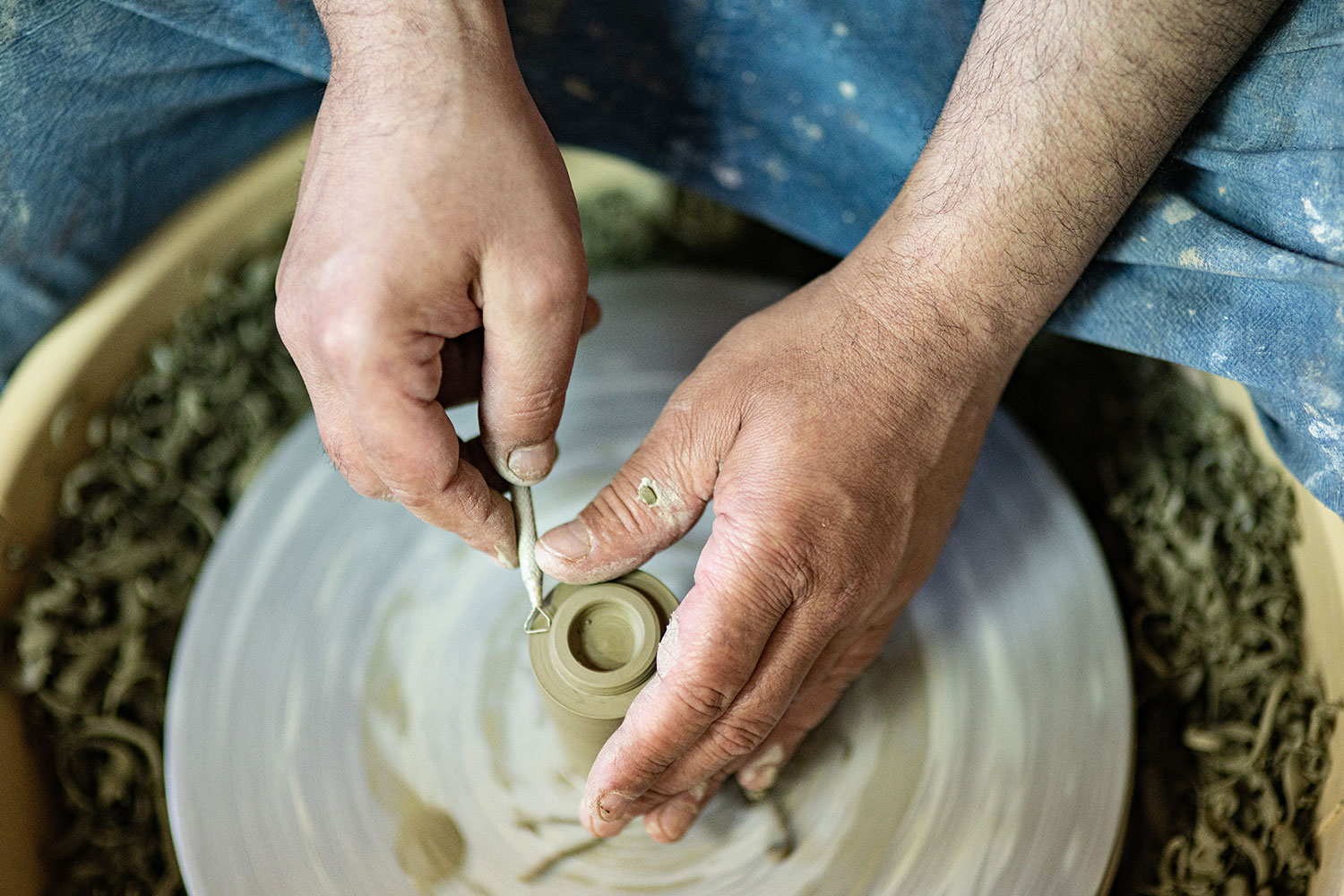
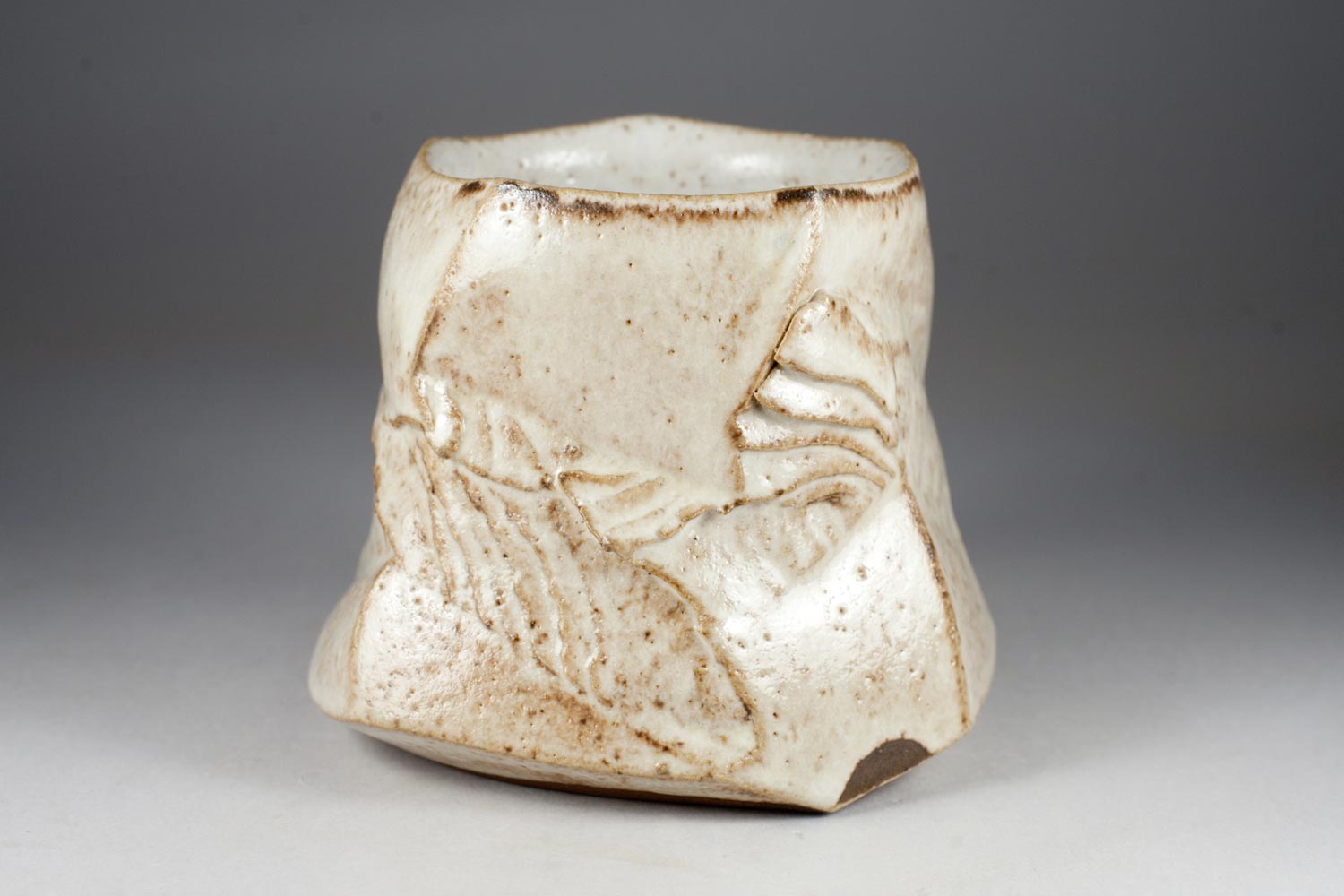
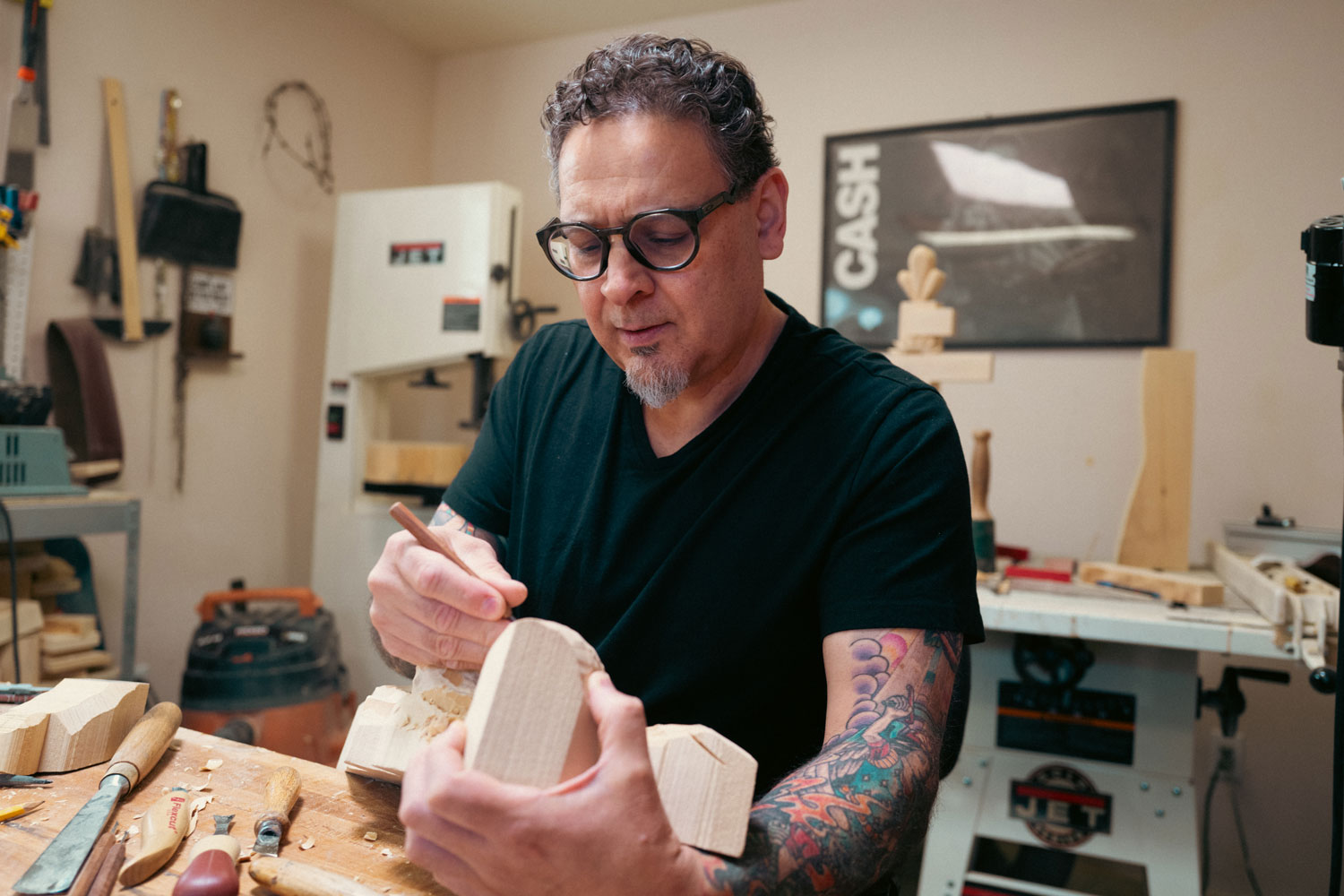
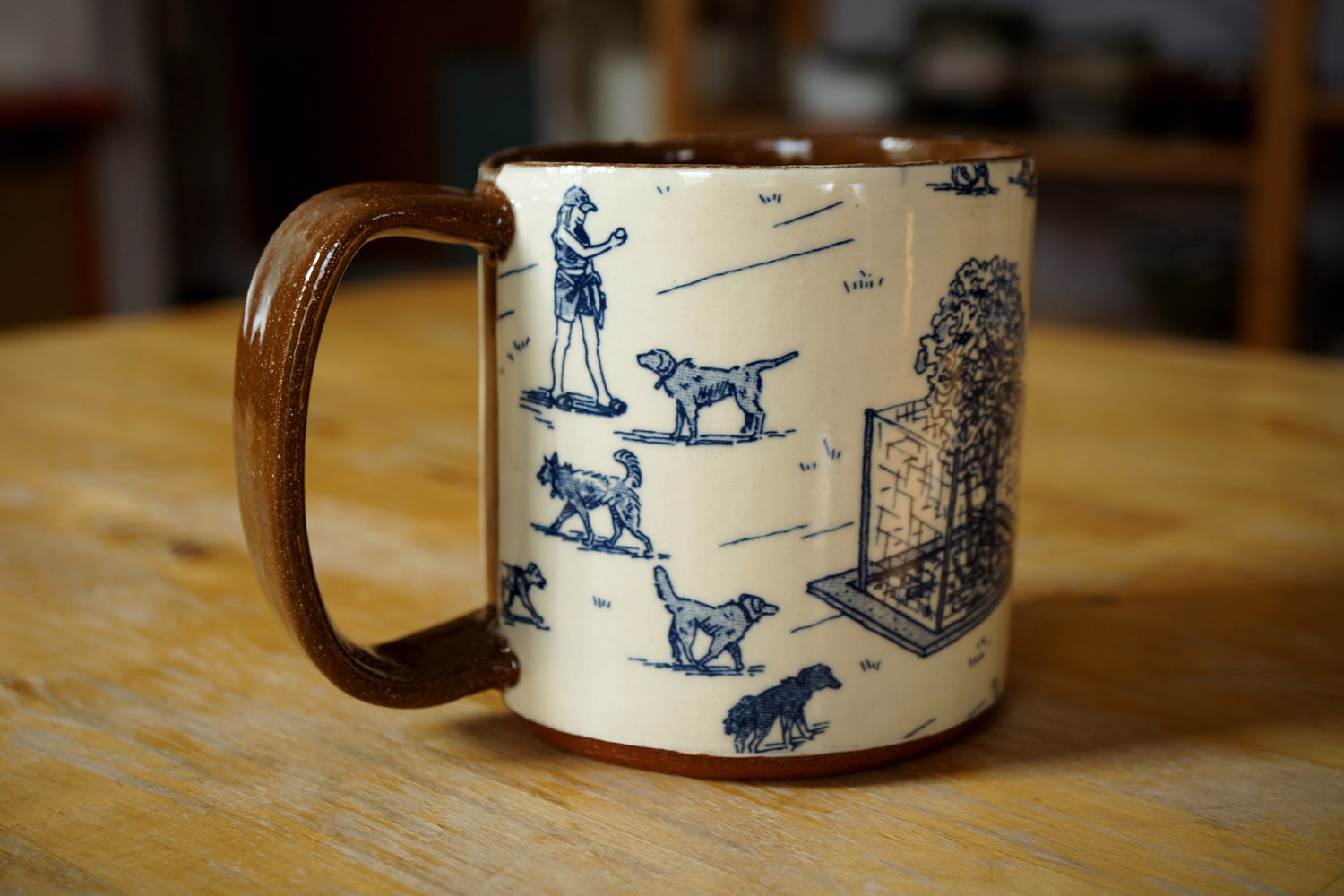
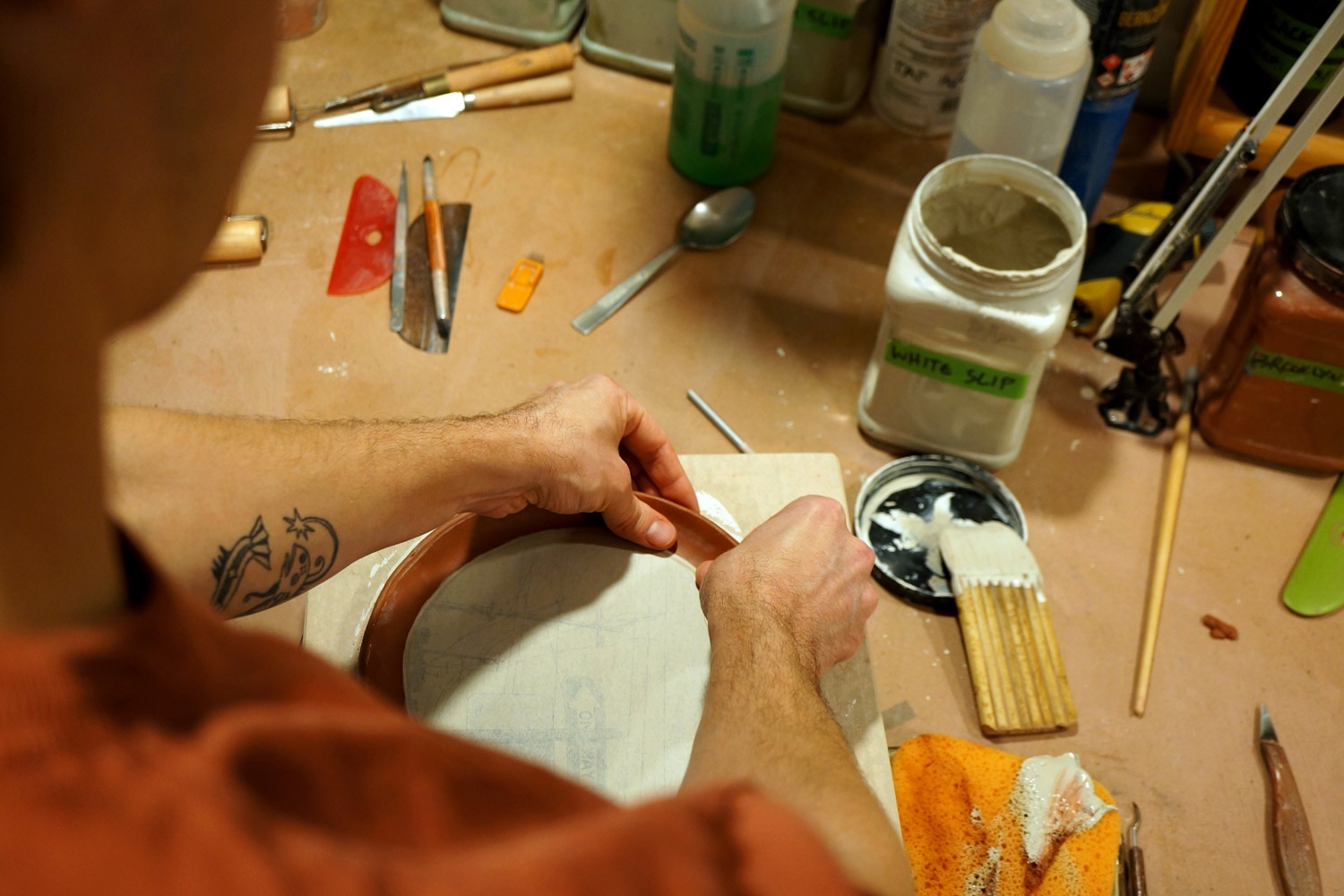
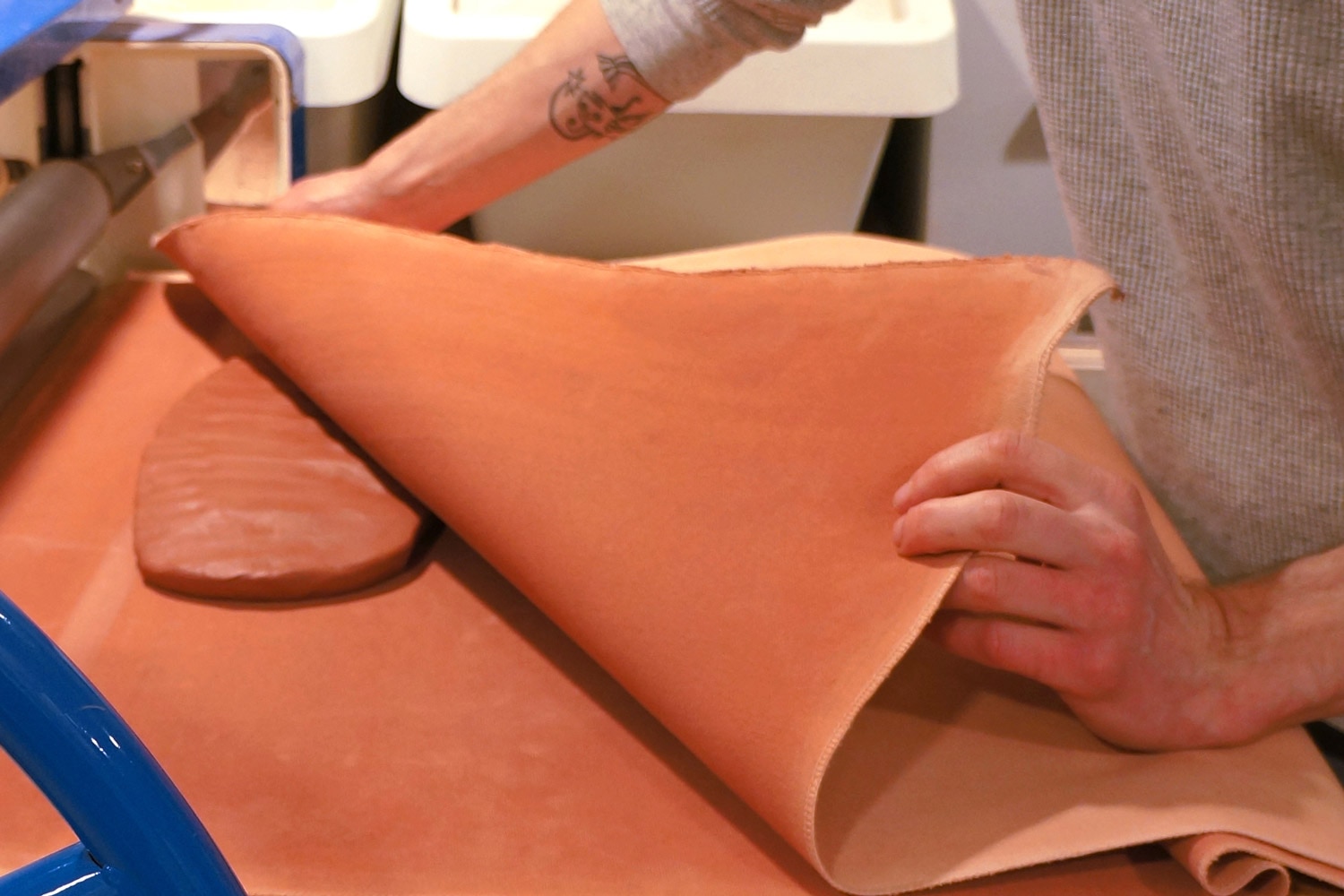
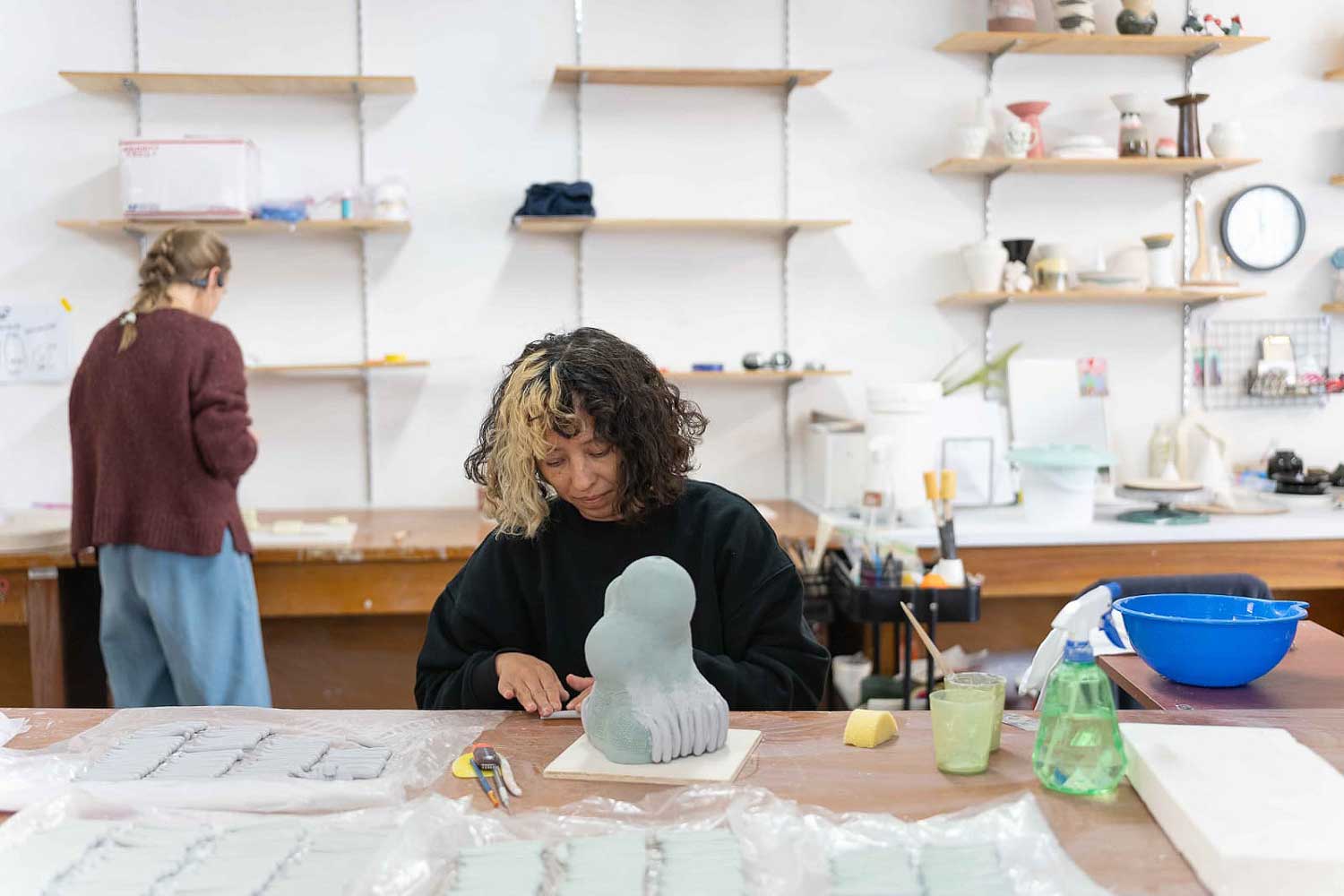
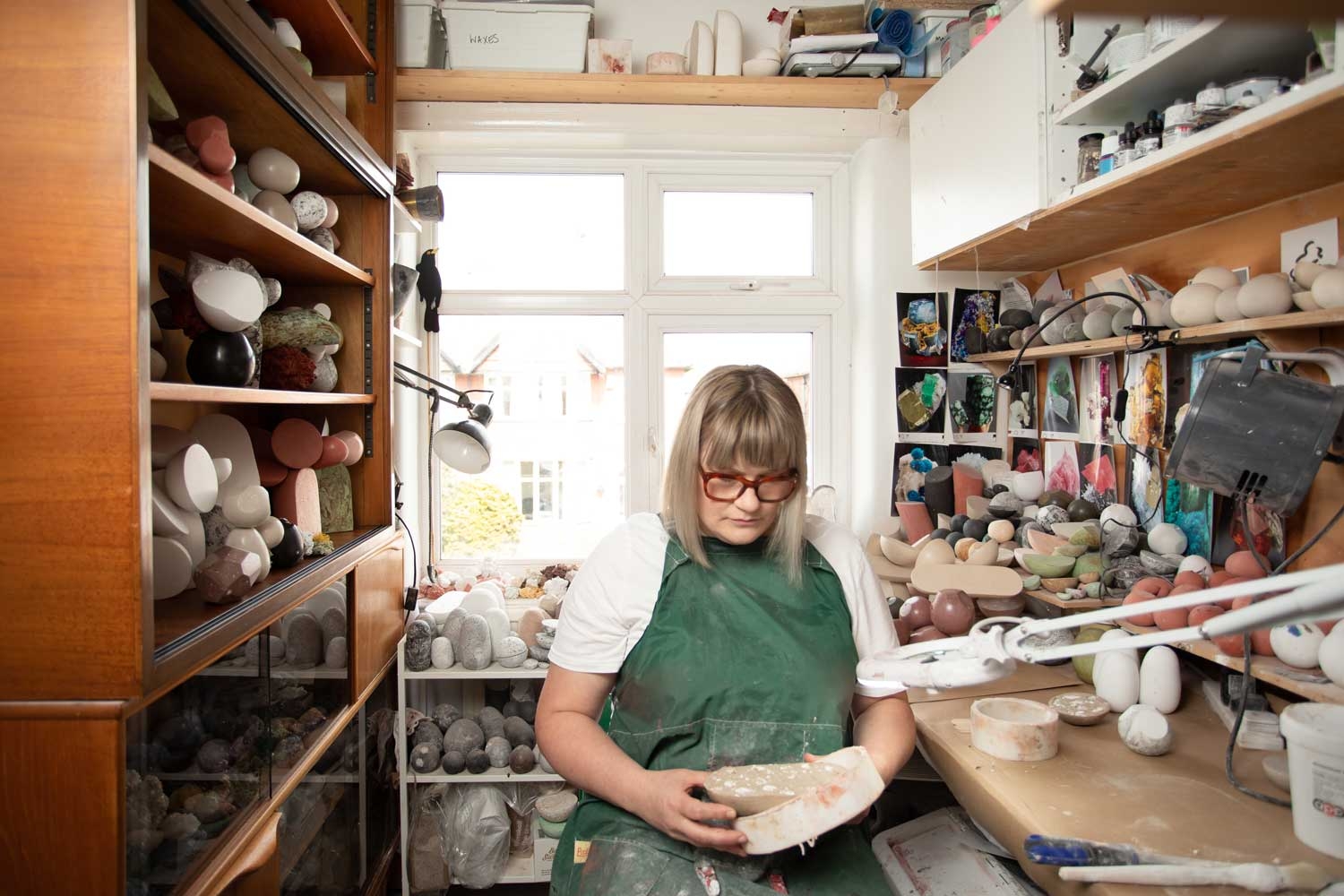
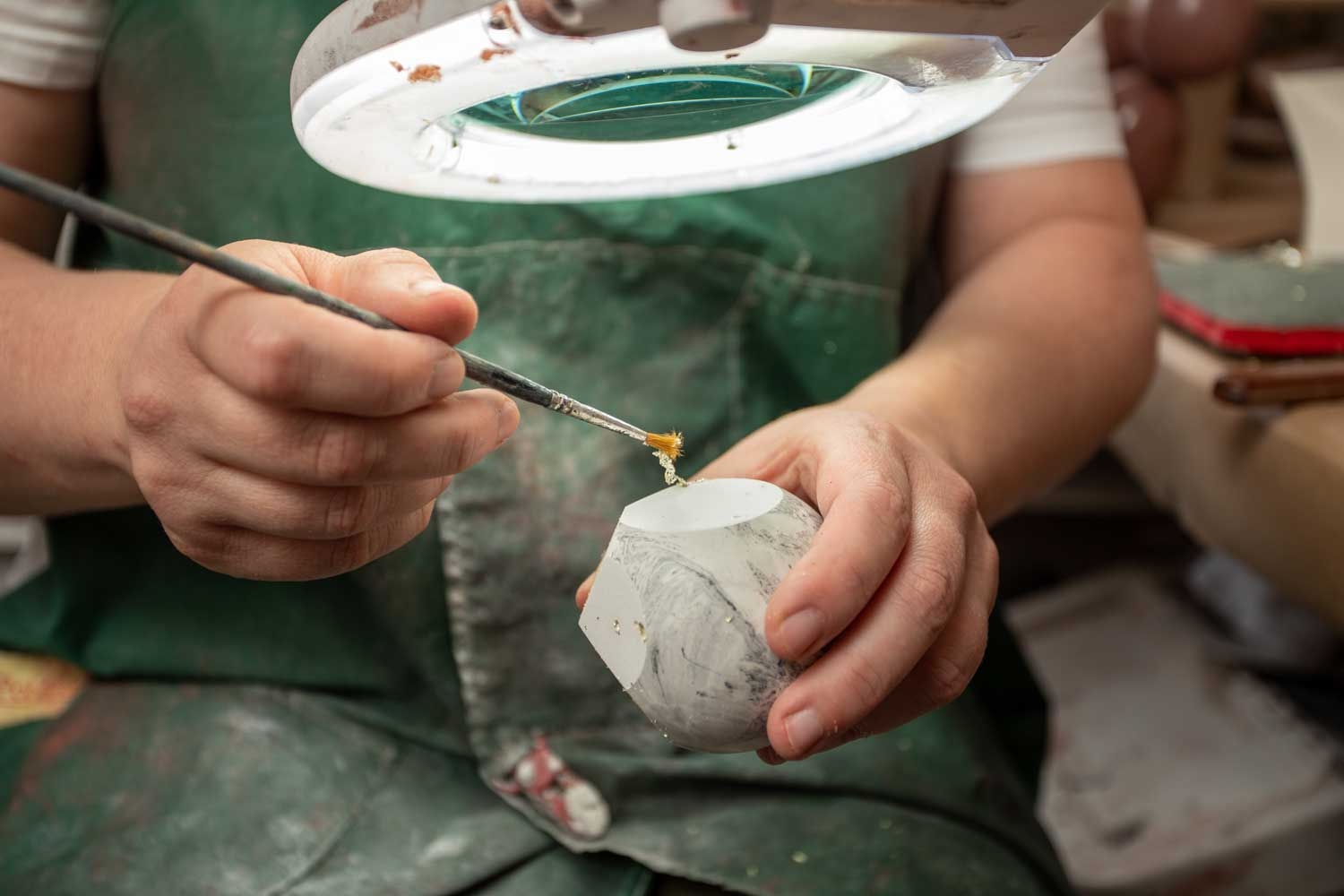
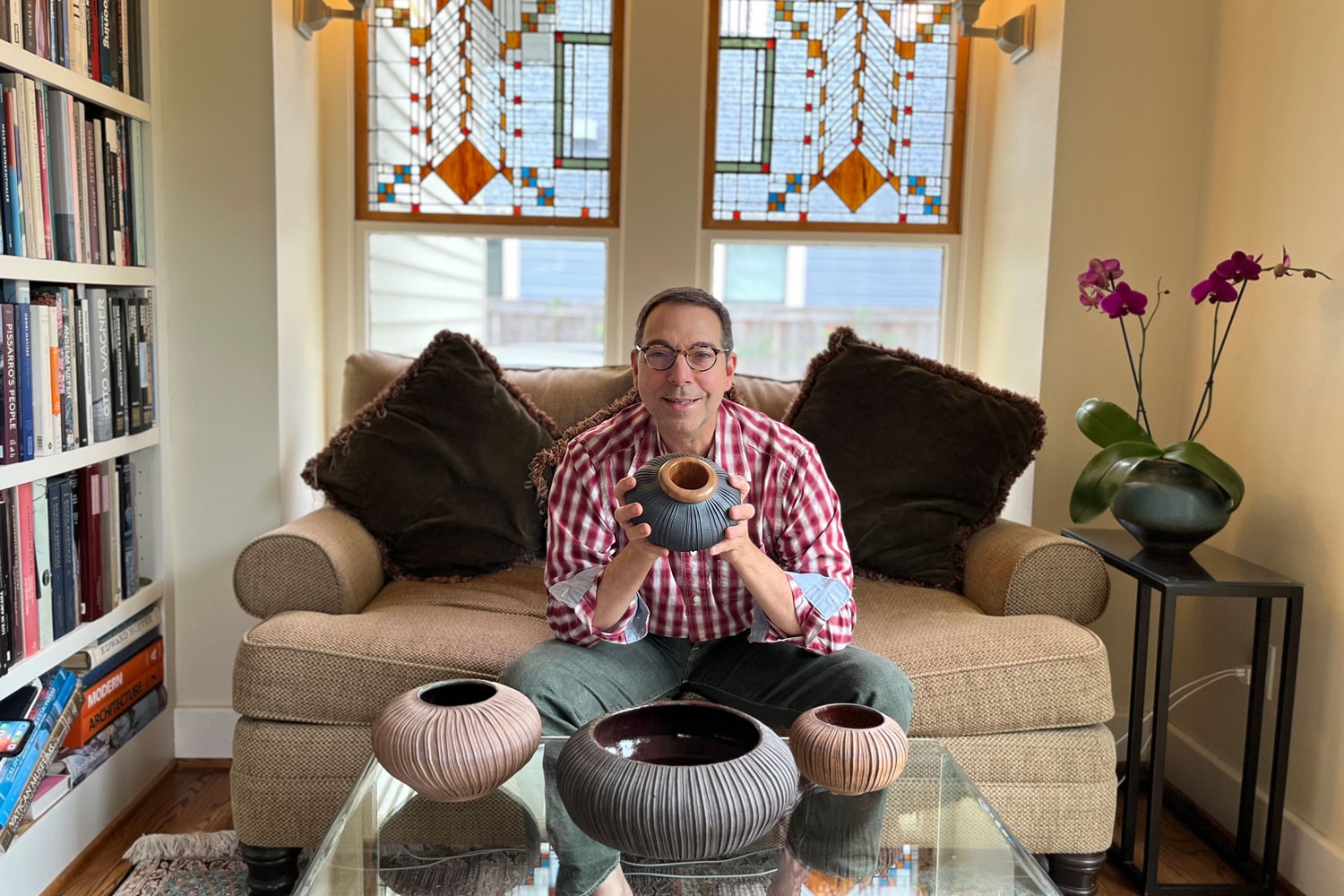
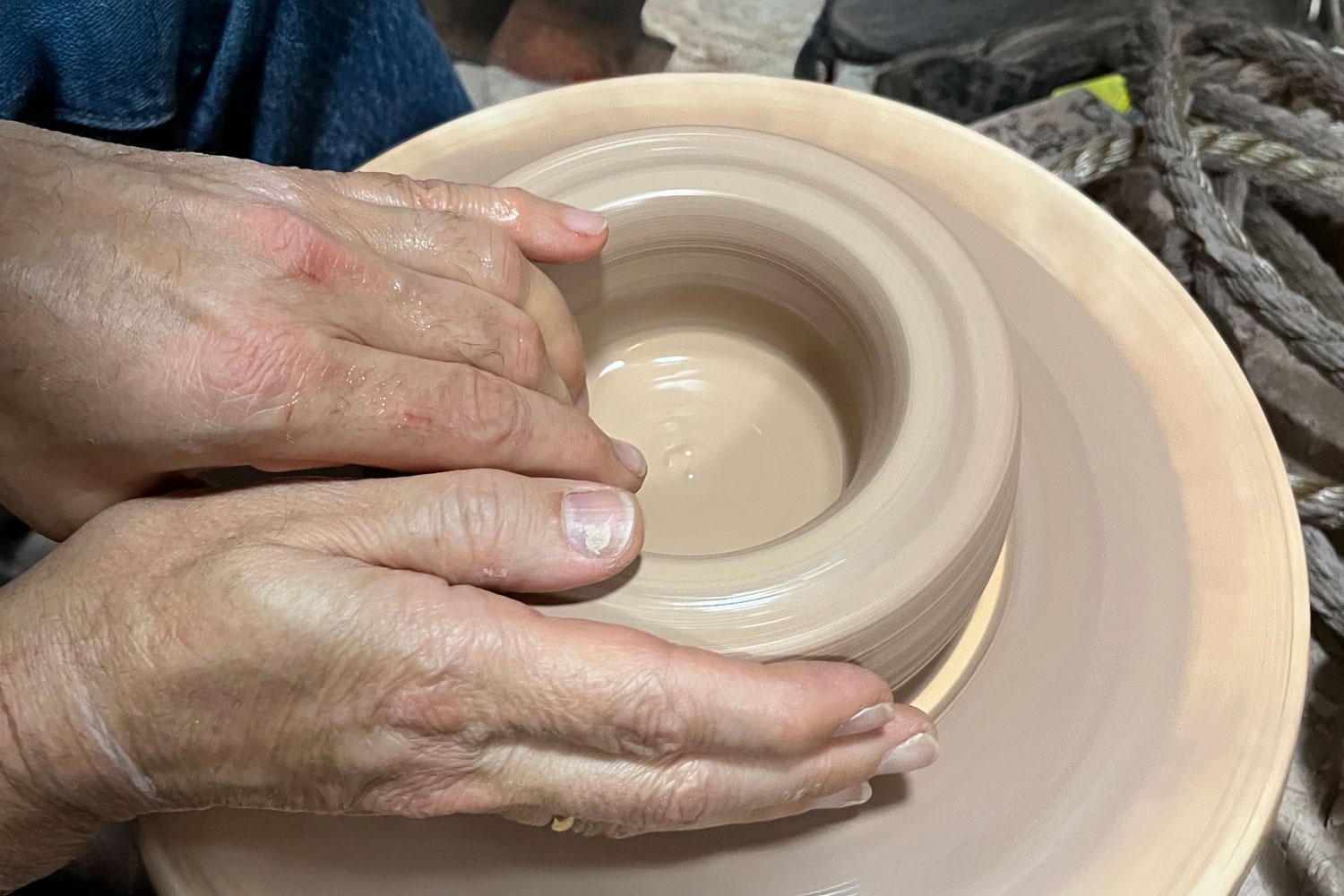
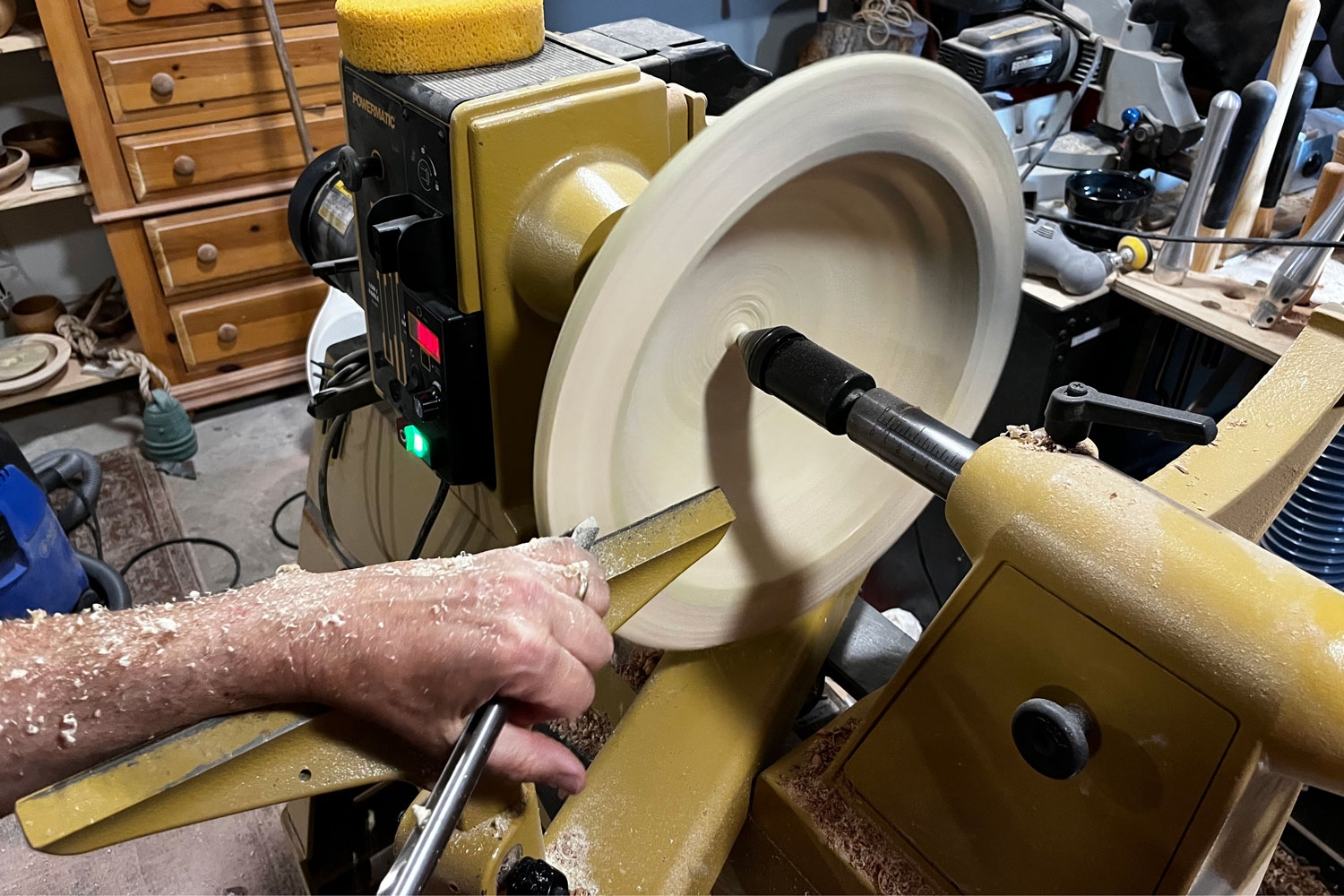
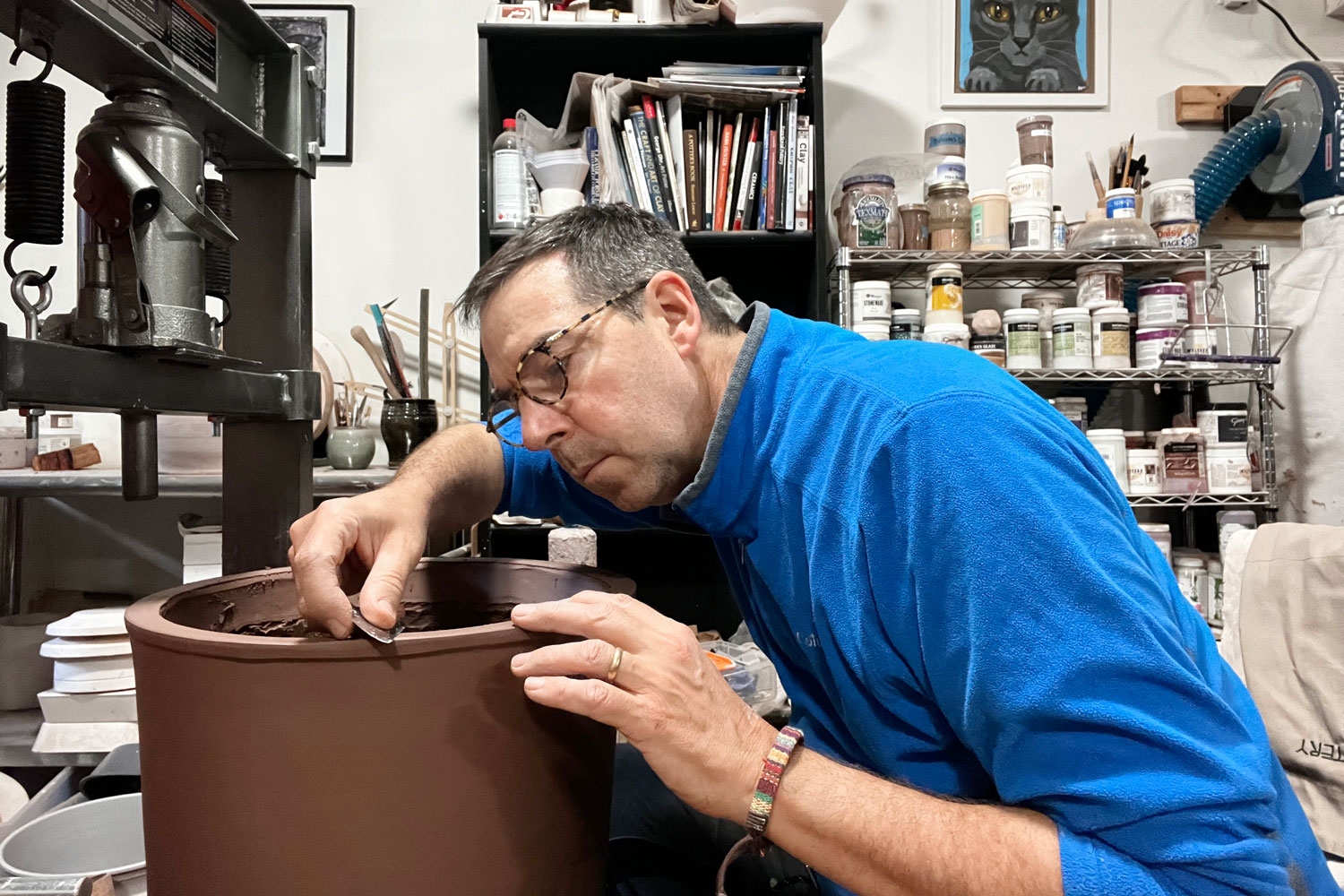
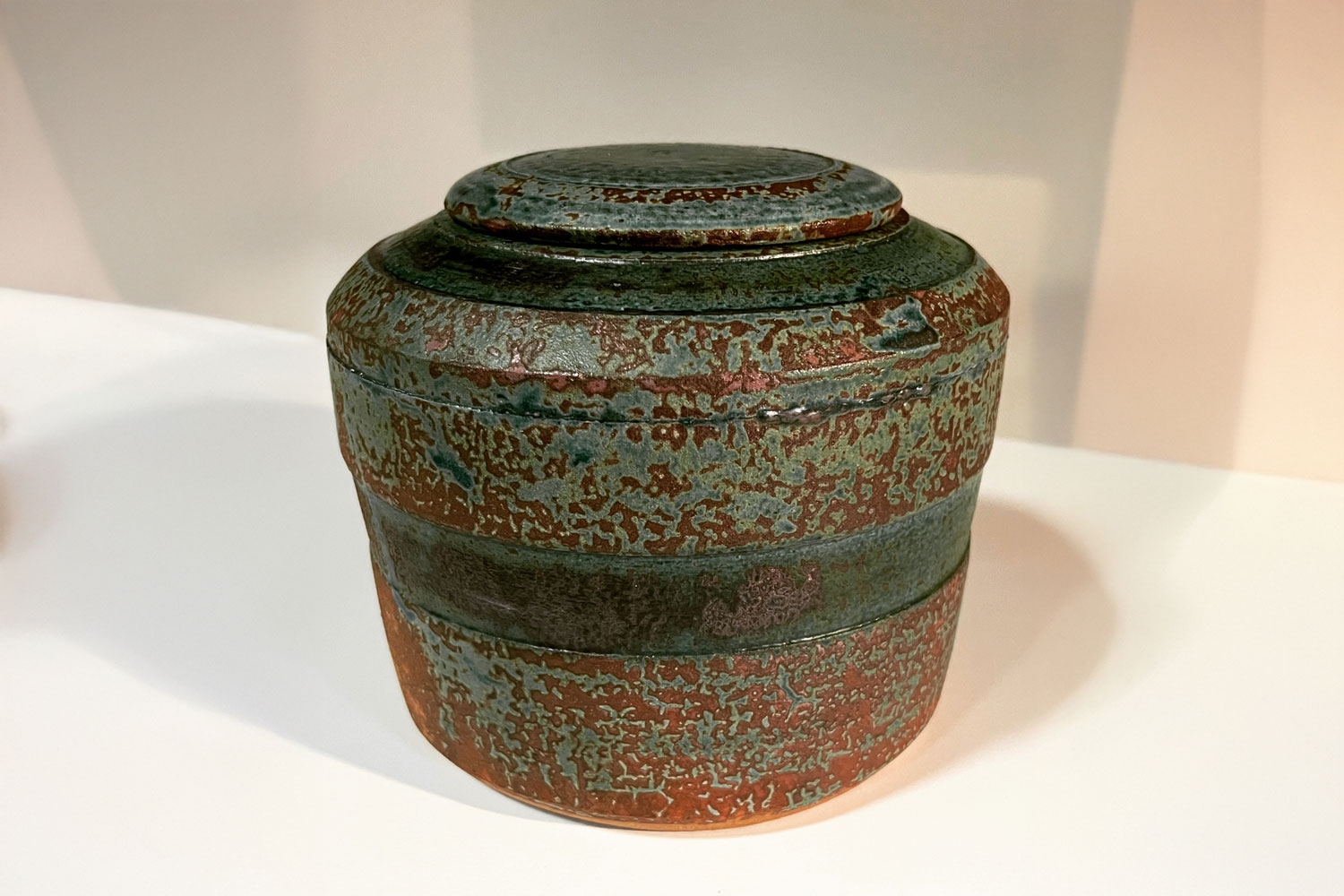
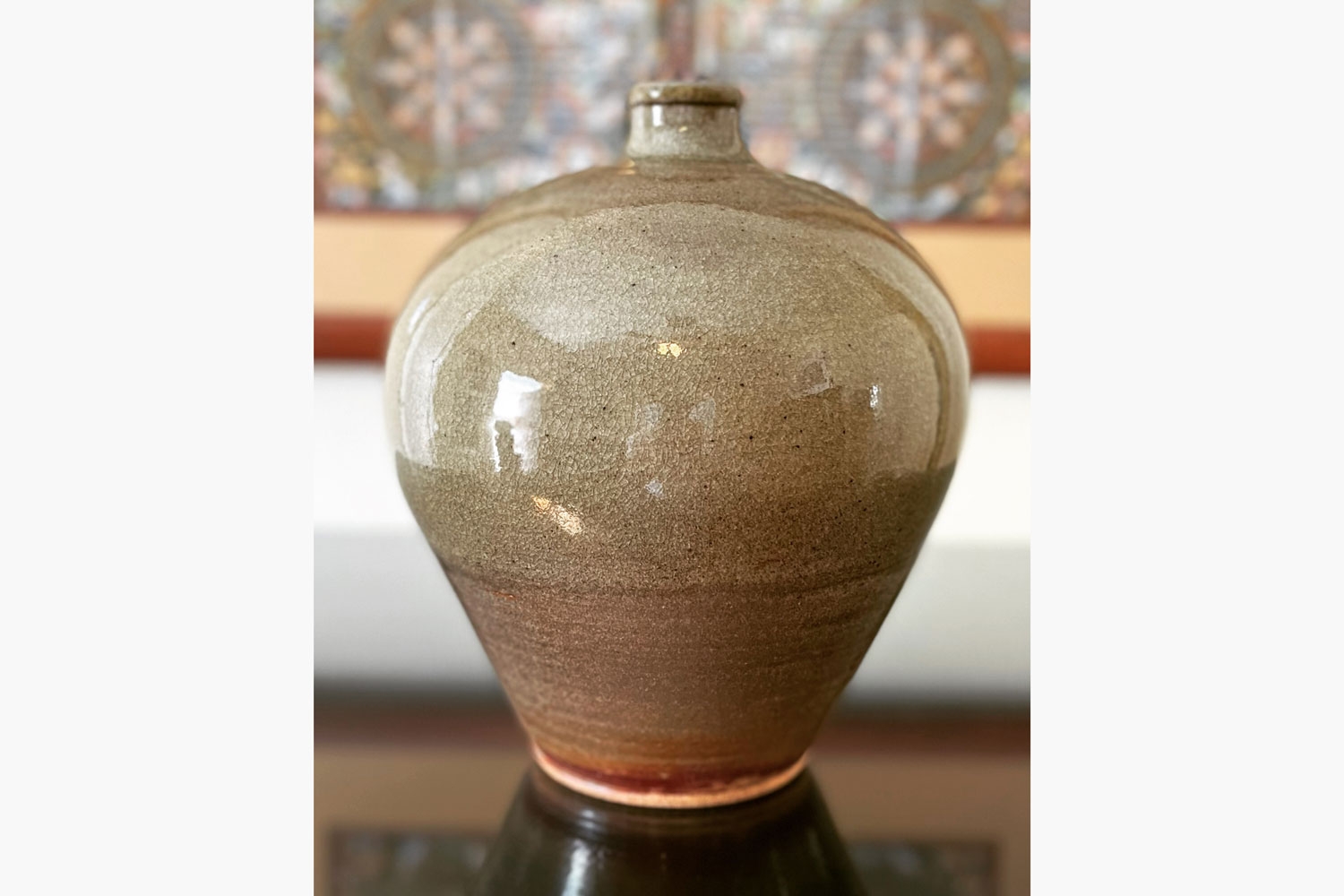
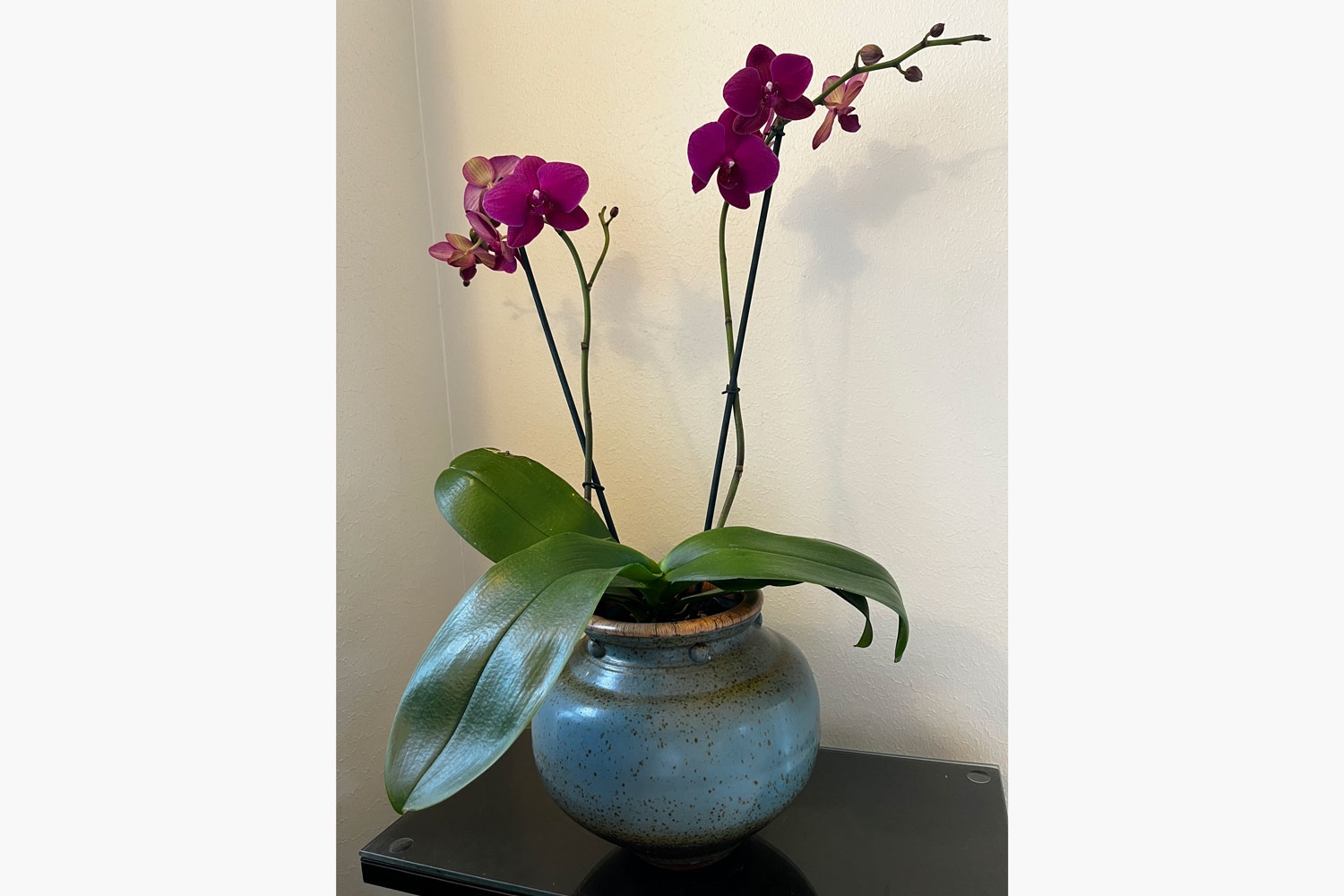
In 2017, Jim Nelson officially pivoted to pottery after a career as a professional ballet dancer. In his studio, Heights Pottery, he creates ceramics, turned wood objects and functional ceramic pieces with turned wood elements. Jim’s patience for practice and precision, cultivated as a dancer, is demonstrated by his mastery of both clay throwing and wood turning. He remains open to new inspirations and experimentation and follows a path he considers to be continually in development. Jim has long been inspired by the Arts and Crafts movement, favouring the functional aspect of pottery. “I love it when people want to use my work and do not feel nervous about handling it,” he says. “When someone tells me, ‘it is my favourite piece, I use it every day,’ that makes me so happy.”
INTERVIEW
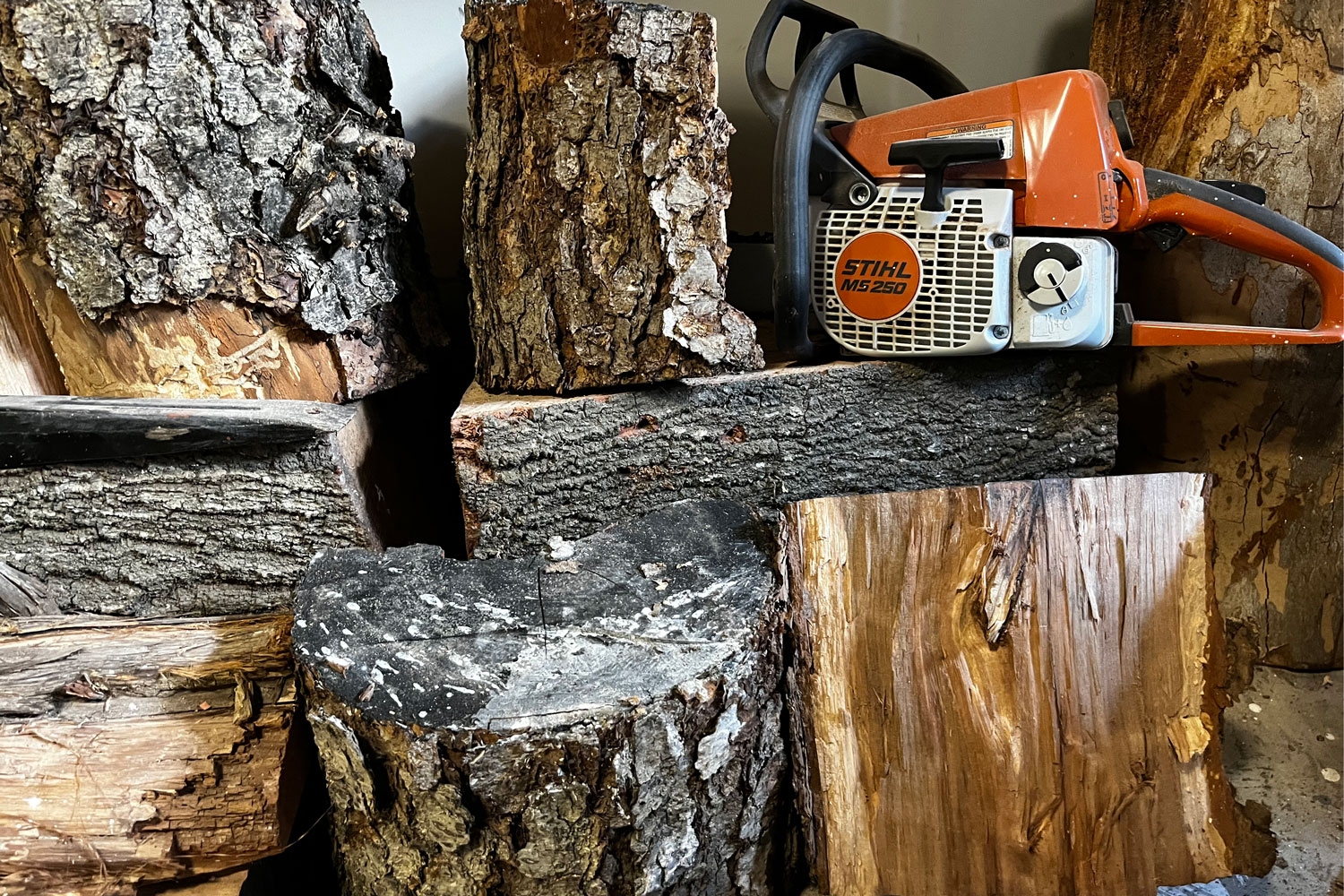
I have dabbled in non-functional forms like raku, but I always came back to high fire stoneware and porcelain because they are functional. On the wood side, I gravitate toward reclaimed wood, even if it is less pristine than wood that has been cut down and kiln-dried. I love the idea of giving wood a second life.
The most exciting thing to me is when someone immediately picks up one of my pieces with no hesitation or concern that it will be too fragile. With wood, the depth and vibrancy draw people in. With pottery, textures make people want to feel the piece. That visceral response is what I am looking for.
I was turning a wood piece and thought, ‘What if I did that in pottery?’ And vice versa. The great thing is how they influence each other. They play off each other, and I feel like I am nowhere near scratching the surface of combining them. It is so exciting.
In ballet you never reach perfection. You always have to stay open to learning. Corrections click quickly because we are used to them. Body mechanics is also important in both art forms. Pottery and wood turning rely heavily on how you position your body. That kind of spatial awareness is second nature to a dancer.
James Nelson
Heights Pottery
Mixed media sculptor
Houston, TX, USA
AVAILABILITY
By appointment only
PHONE
+1 7135699151
LANGUAGES
English
Homo Faber Finds is a new service aiming to inspire admirers of craft to connect and collaborate with exceptional artisans.
We invite you to submit an enquiry here.