Jennifer Trask
Mixed media sculptor
Kingston, NY, USA
Drama, nature, science and sculpture
- Jennifer’s approach to sculpture focuses on gothic, cautionary tales related to nature
- As well as holding a BFA and MFA, she has also studied anthropology and biology
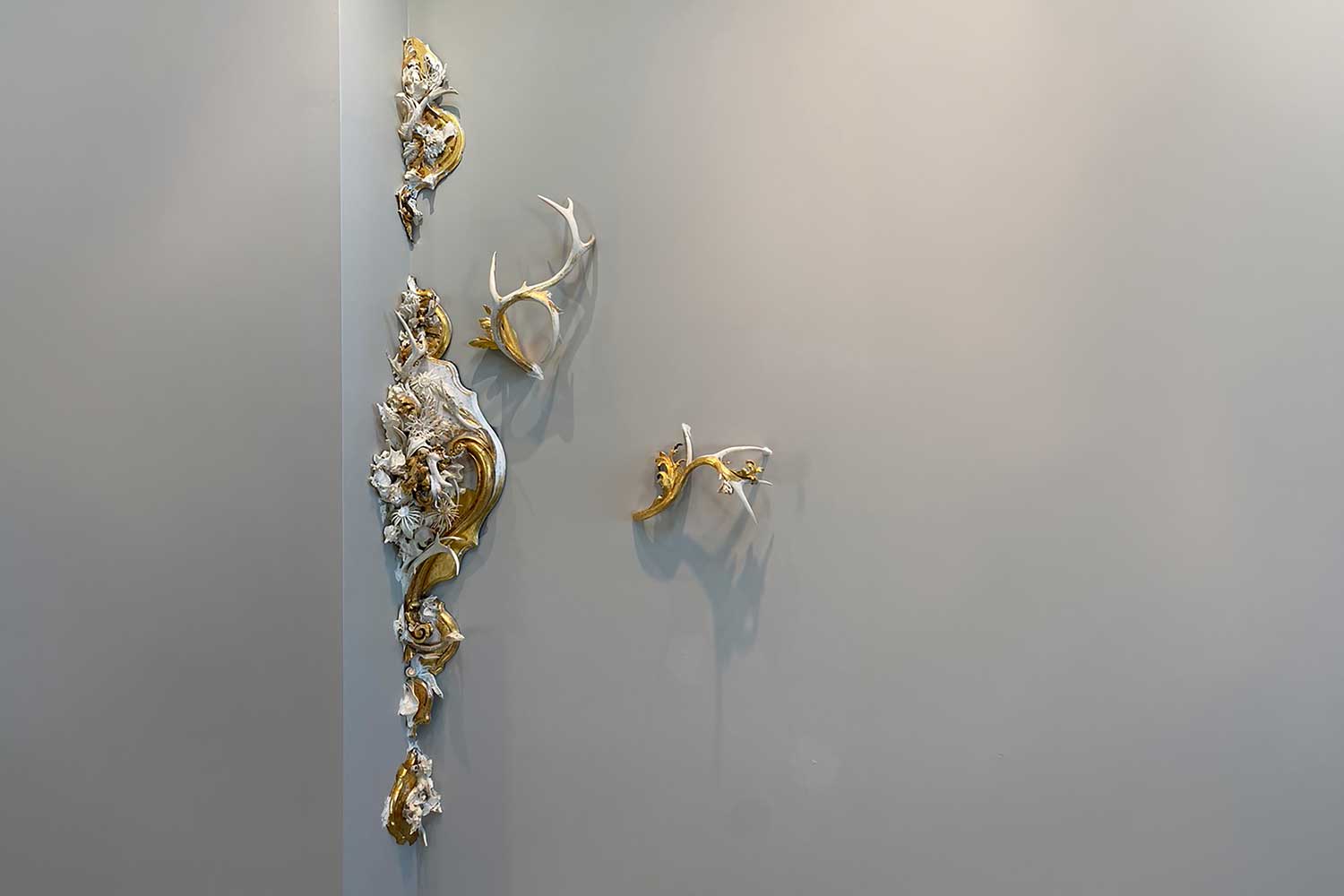
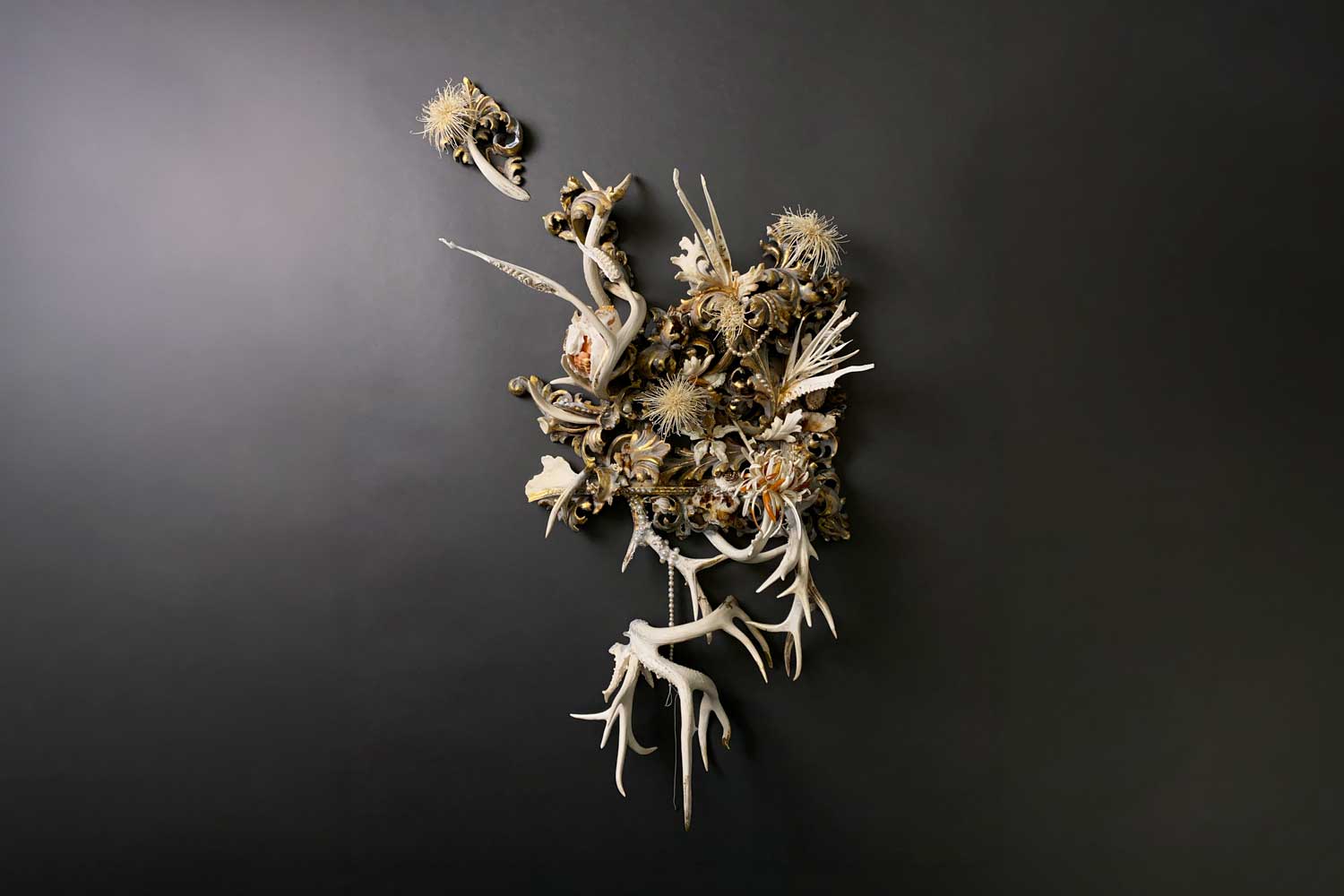
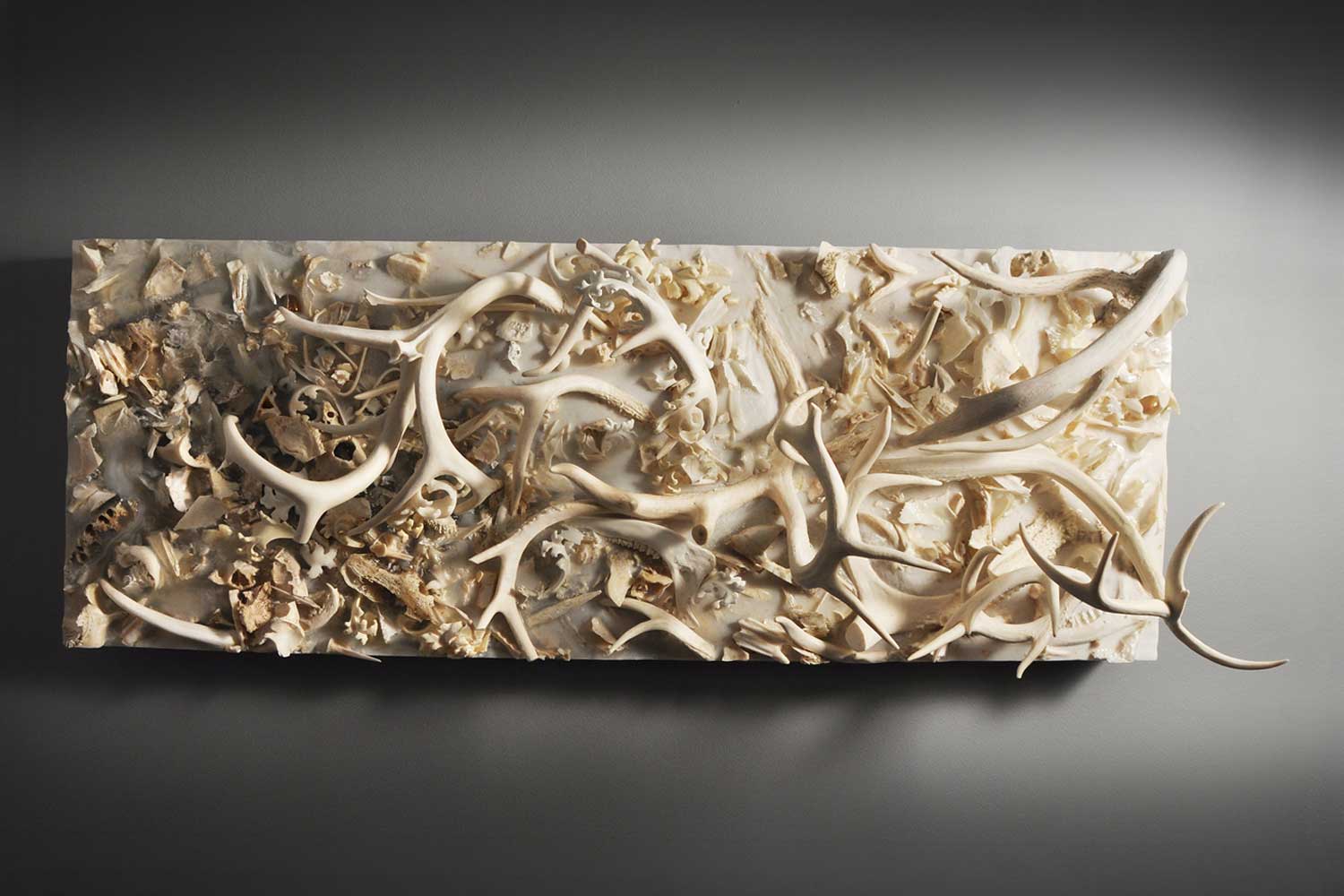
- Her pieces feature plants, antlers, bones and wood from the land around her home
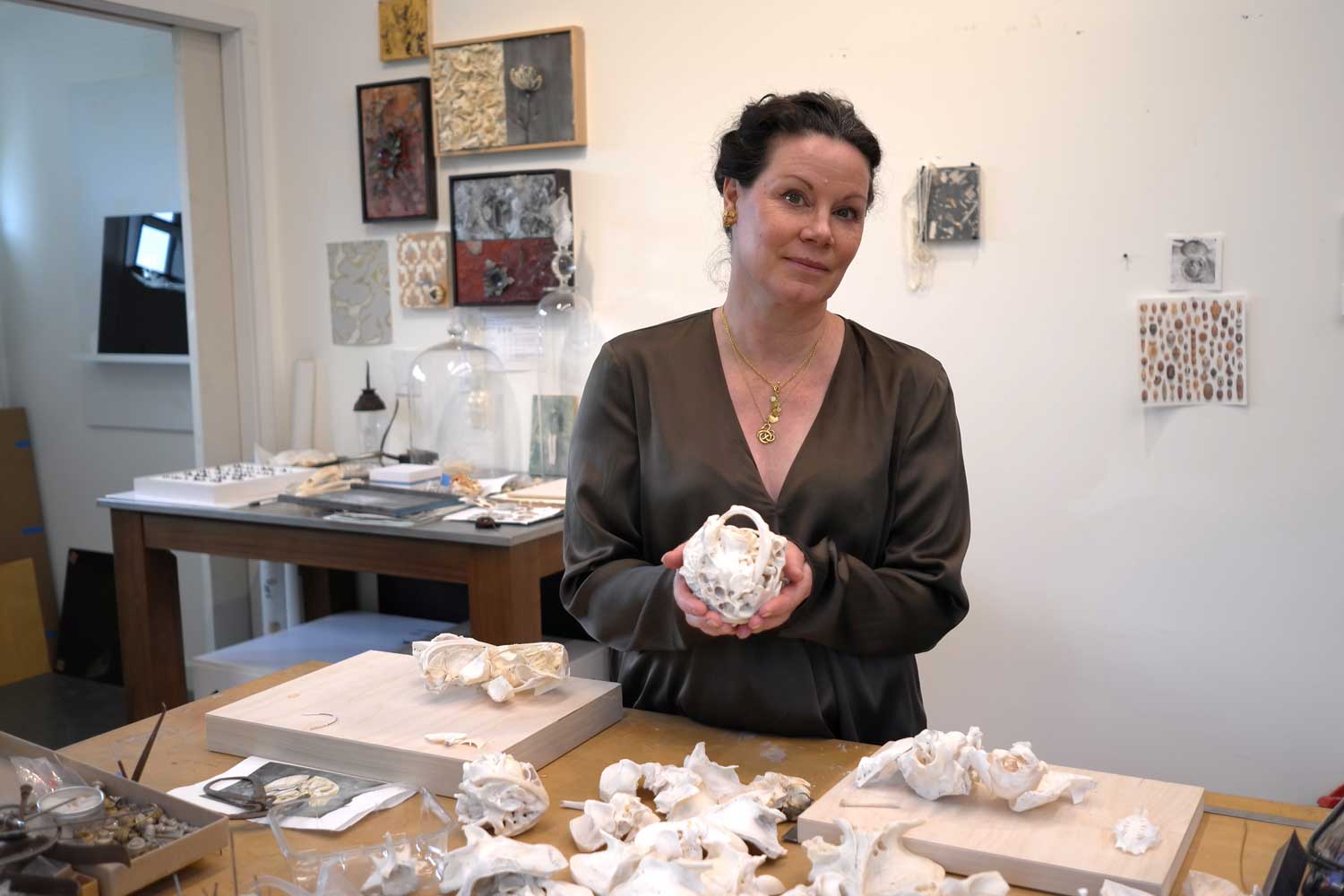
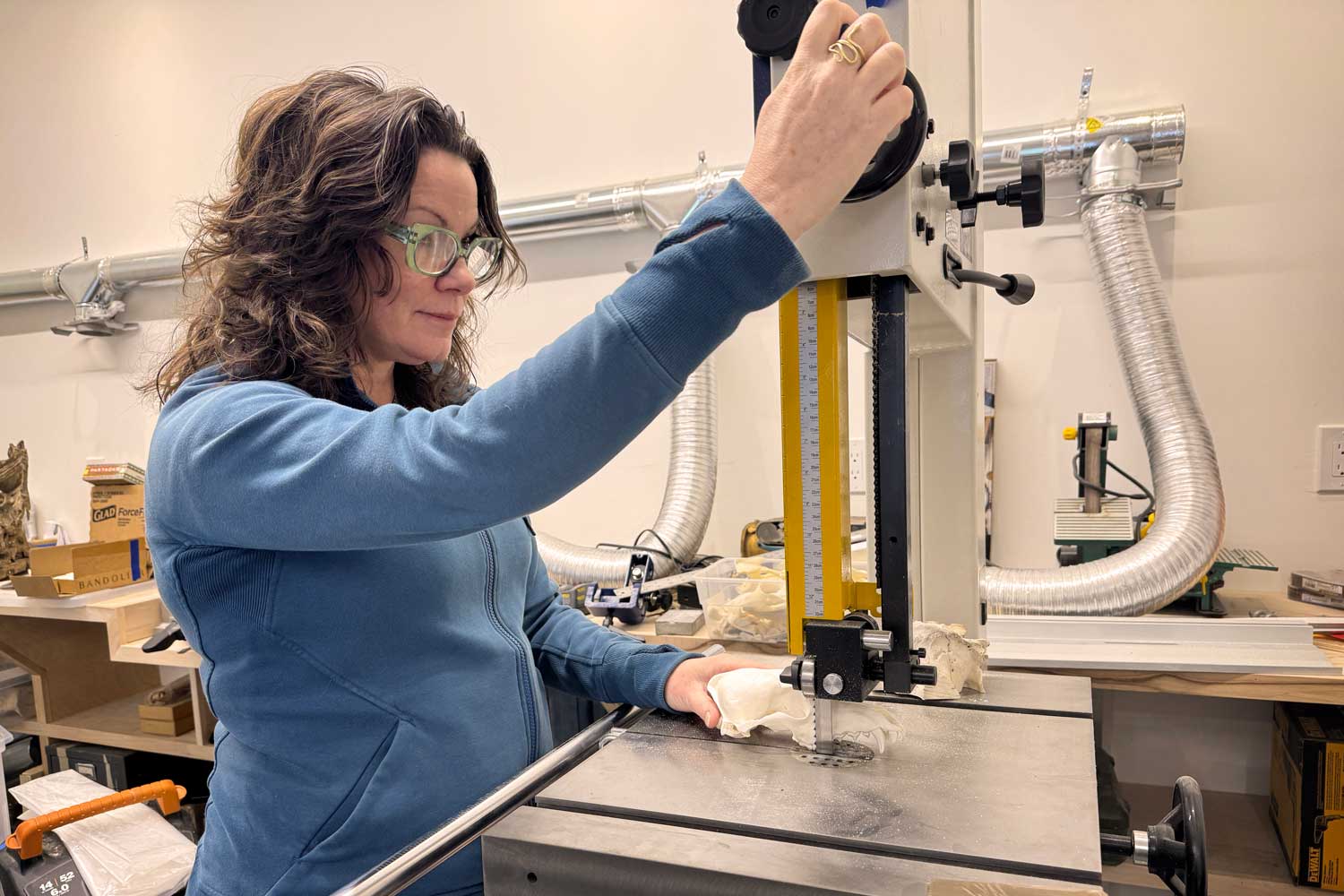
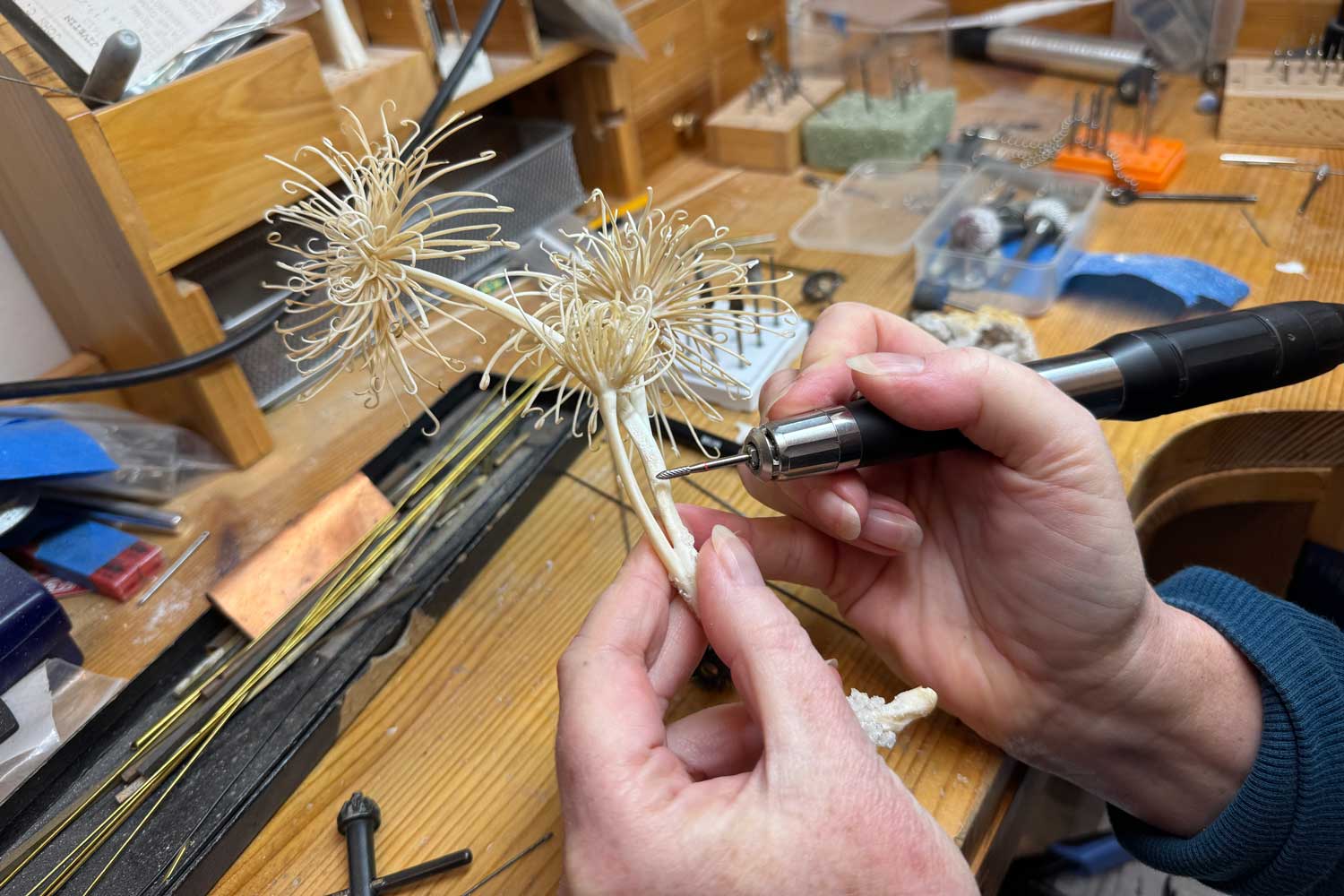
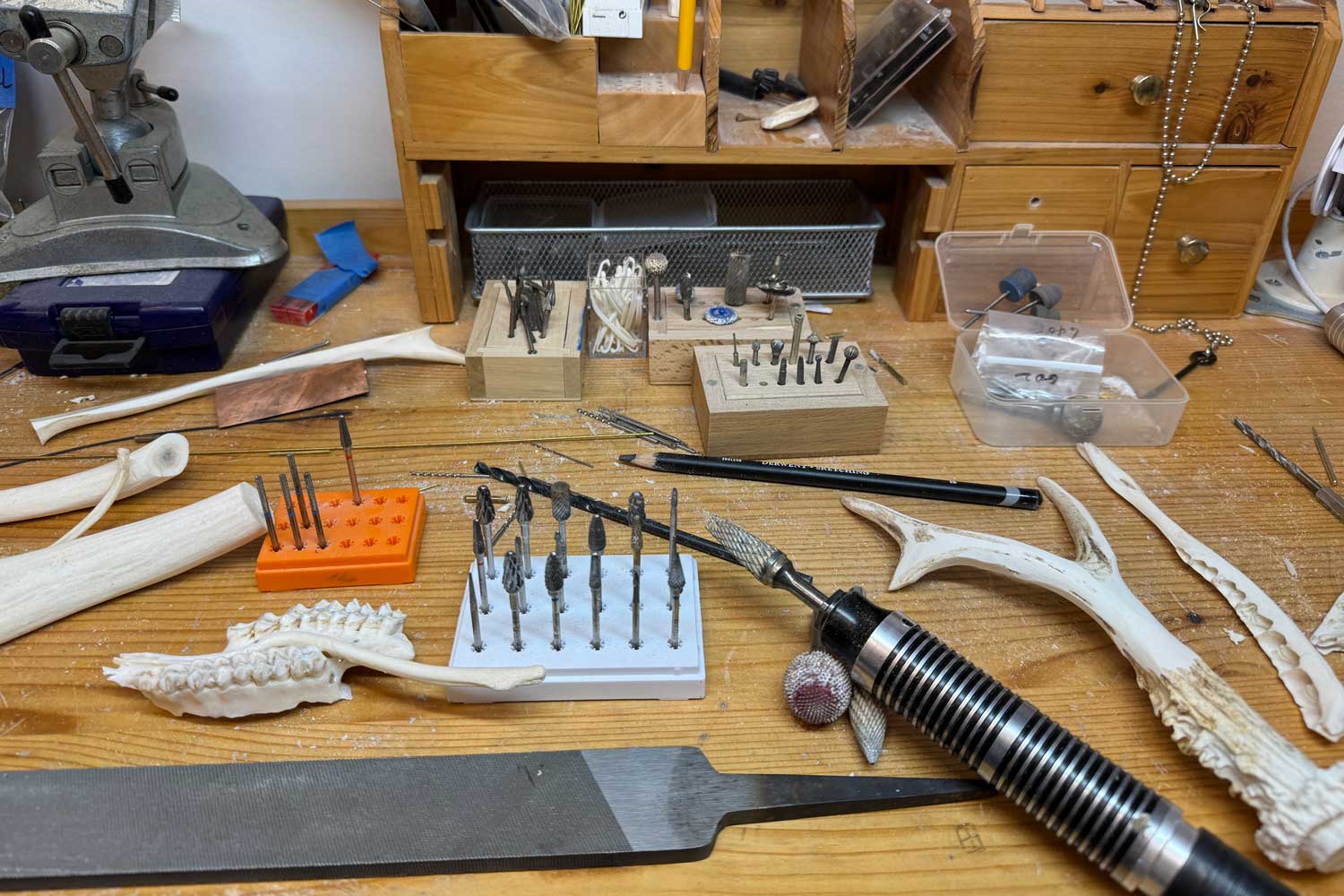
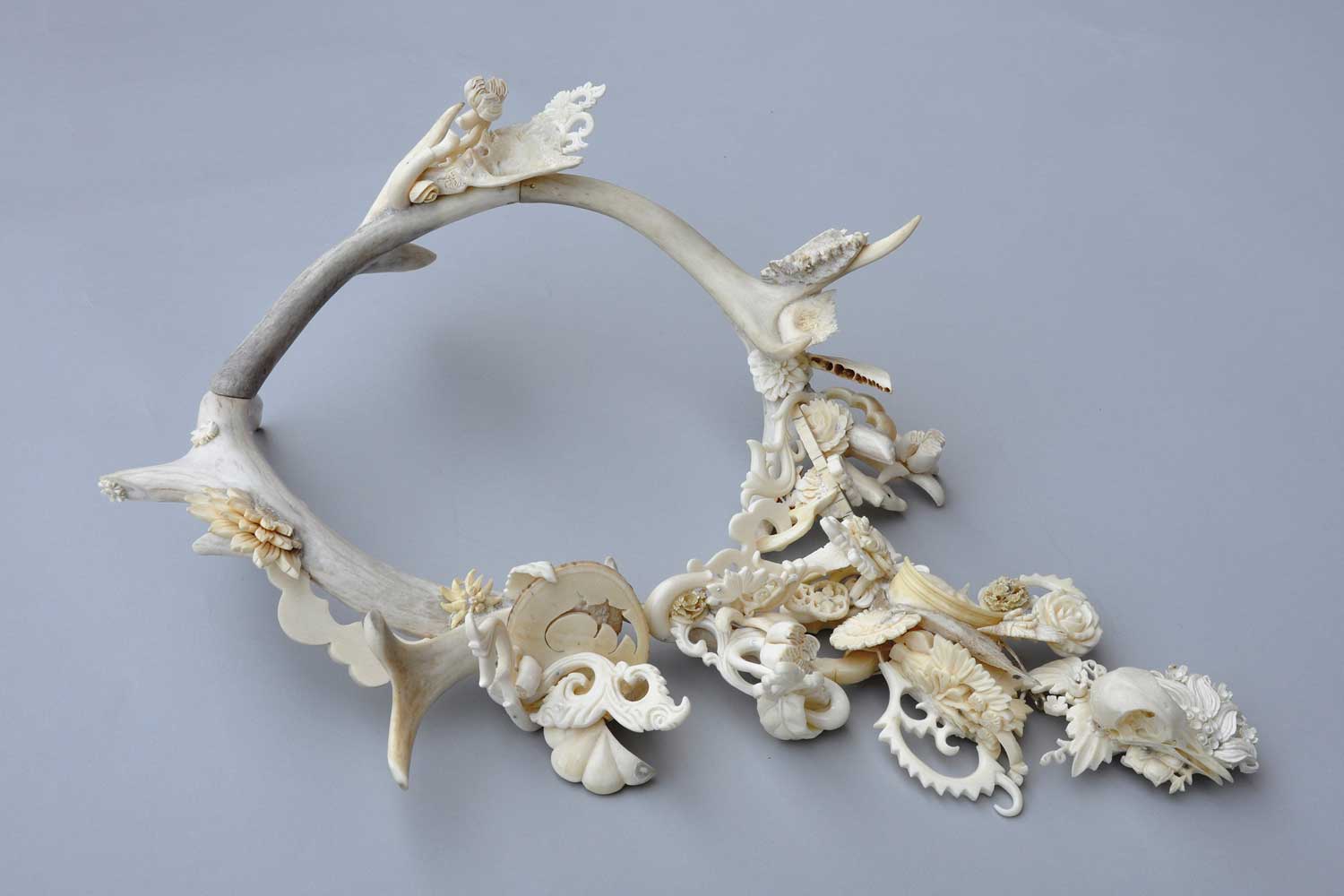
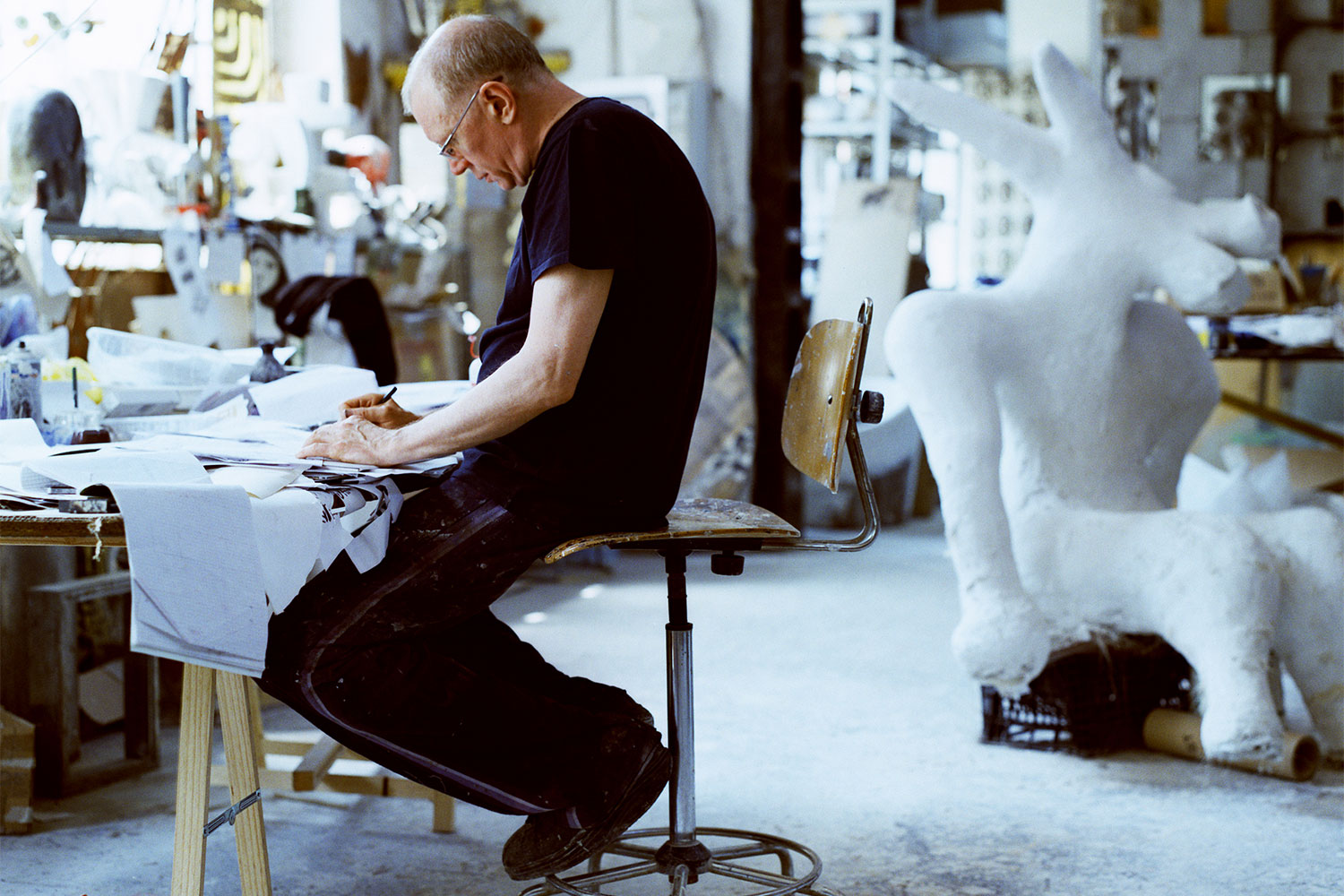
Ever since she can remember, Jennifer Trask has been enamoured with the natural world and possessed by the need to create. Her main practice for over 15 years was sculptural jewellery making, and she continues to work with a similar level of detail in her sculptures today, in which she uses similar techniques. As her practice developed, scientific research led her to consider how bones can be a metaphor for a living record of life. “I started adding small pieces into my jewellery. When I became fully aware of how fascinated I was with the bone itself, the pieces just grew,” she says. Jennifer has trained several interns and continues to focus her practice on creating pieces related to nature that incorporate natural items. “The material needs to serve the idea, and the material is also part of the idea,” she says.
INTERVIEW
I work intuitively. For sculptural pieces I almost never do drawings because the materials dictate where they will go. I look for associations regarding how the objects relate to each other in terms of form or appearance, texture and colour. The process is not linear. Only when the piece is finished do I start to understand what I have made.
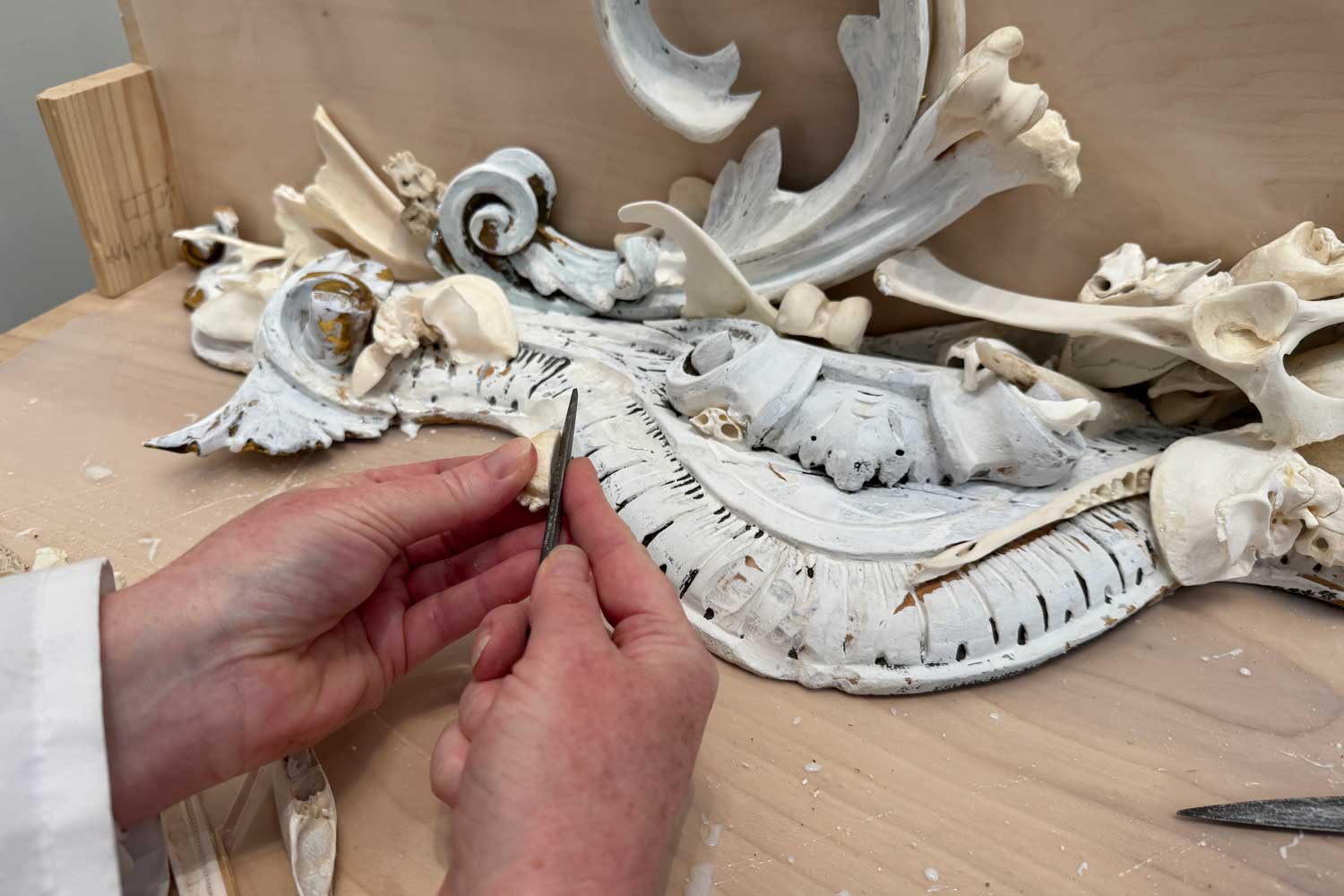
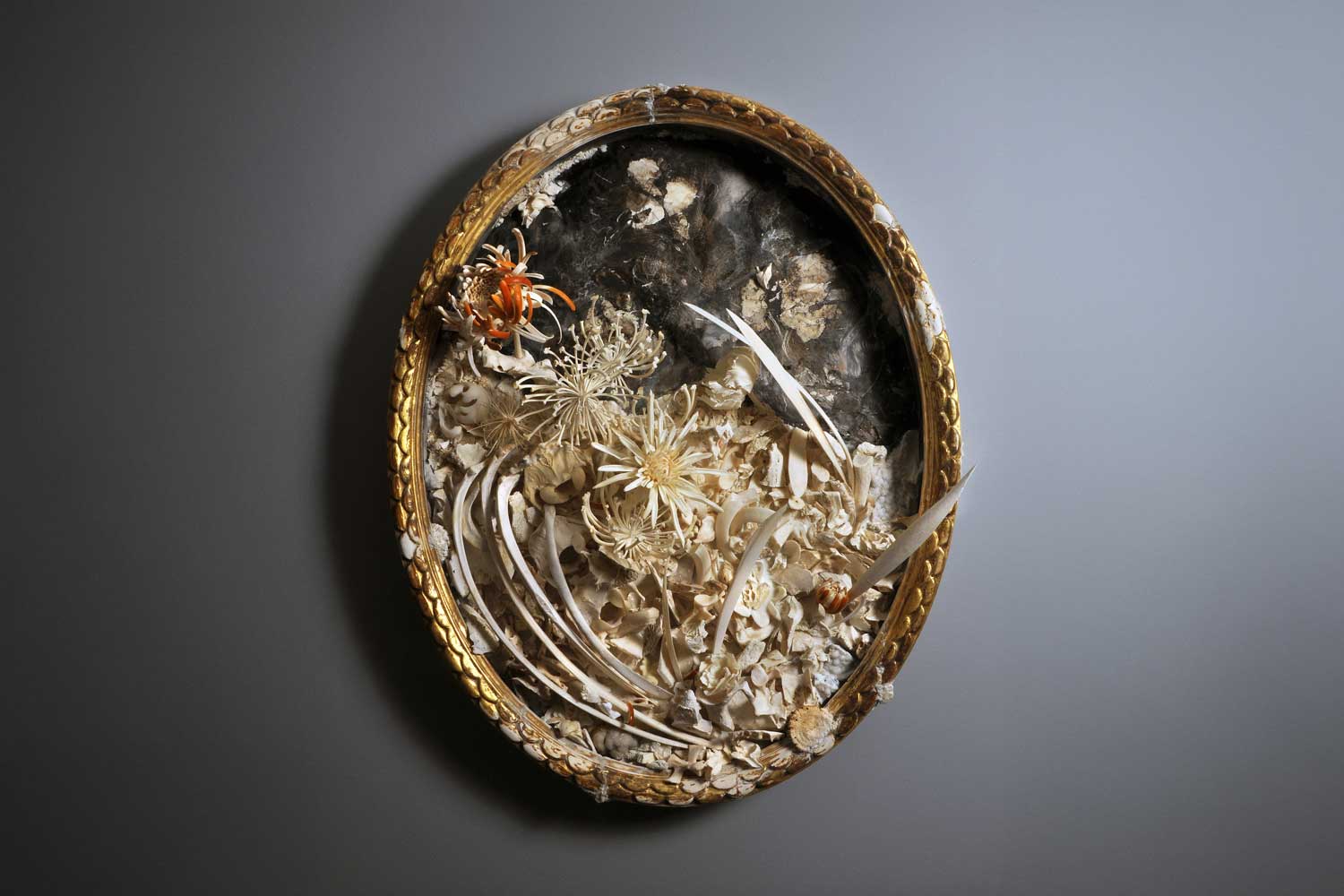
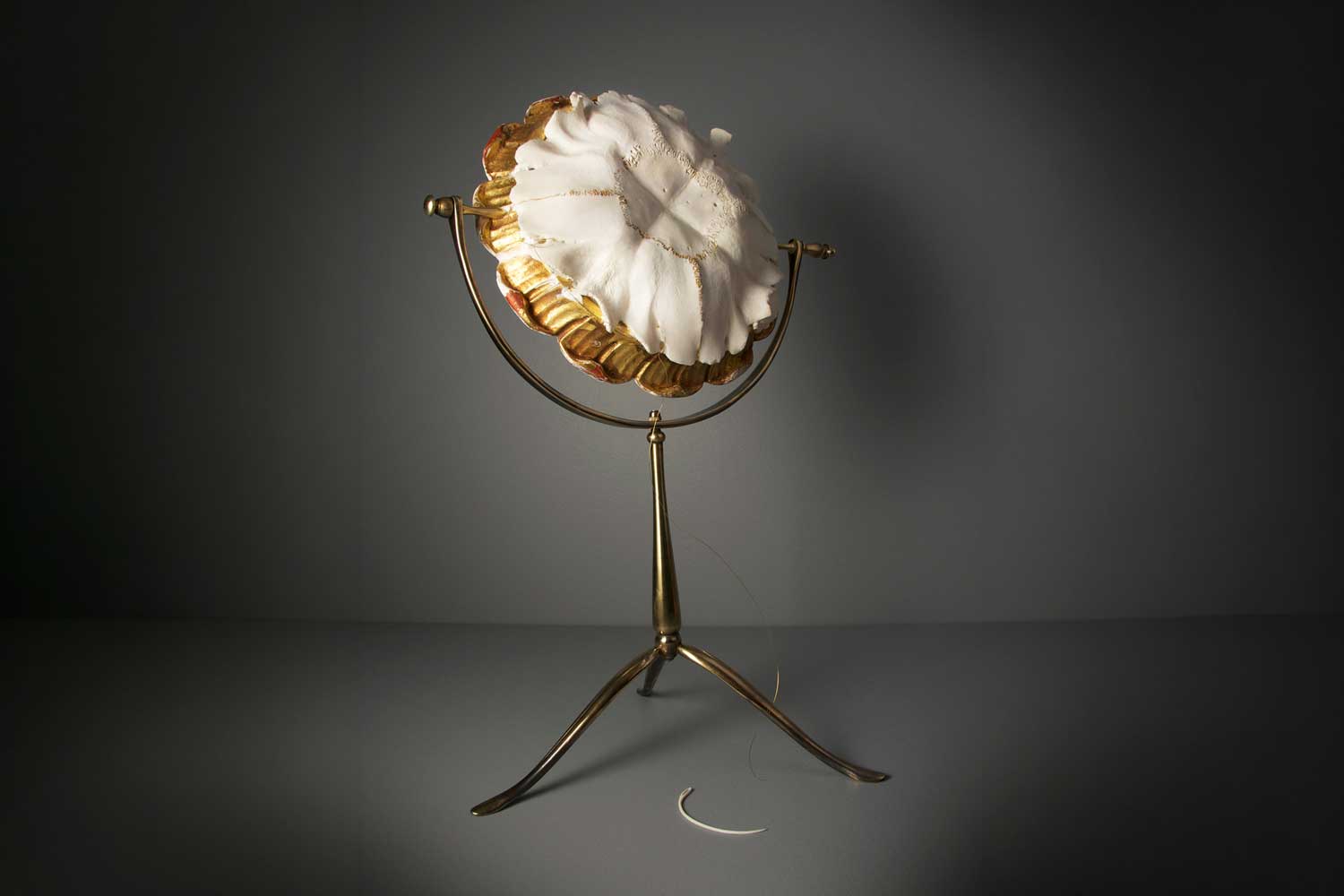
One theme that runs across a lot of my pieces is cautionary tales of human intervention in the environment and the unexpected results of meddling with nature. Another jumping-off point for me is how we view nature, literally. How a frame was once a beautiful, imperfect tree and then artisans carved that wood into idealised leaves. It is quite ironic, which I enjoy. I like to be playful.
In 2010, David McFadden invited me to make whatever I wanted for a show called ‘Dead or Alive’ at the Museum of Arts and Design in New York. I started looking at how we curate nature and how vanitas paintings are a form of idealisation of nature that is not tenable. The piece is called Intrinsecus and it was the first time I used an Italian frame. That was a huge turning point for me.
I want people to think, to wonder and to ask questions. My pieces reward a studied viewing. The more you look, the more you are going to find because I sneak little details into my pieces. You can enter them as a botanist, an art historian or by simply being curious. I want people to enjoy the art and they can take what they want from it.
Jennifer Trask
Mixed media sculptor
Kingston, NY, USA
ADDRESS
Address upon request, Kingston, NY, USA
AVAILABILITY
By appointment only
PHONE
+1 8459018804
LANGUAGES
English
Homo Faber Finds is a new service aiming to inspire admirers of craft to connect and collaborate with exceptional artisans.
We invite you to submit an enquiry here.
Portrait1_©Maxime-Chanet.jpg)