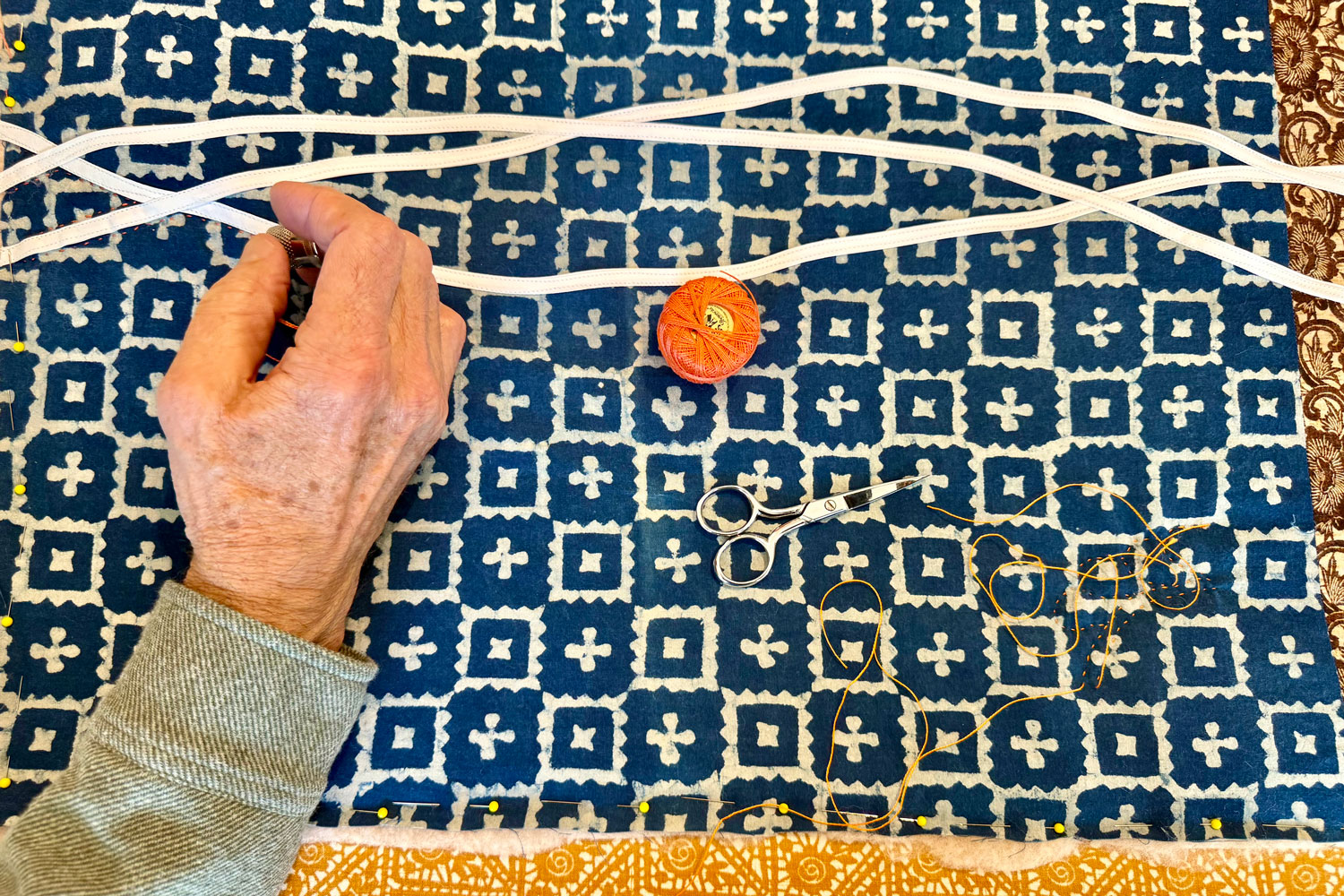
Joe Cunningham
Quilter
San Francisco, CA, USA
Recommended by Craft in America
The modern art of quiltmaking
- Joe's quilts reference American traditions from the 19th century
- He works largely in traditional blocks of six by six feet
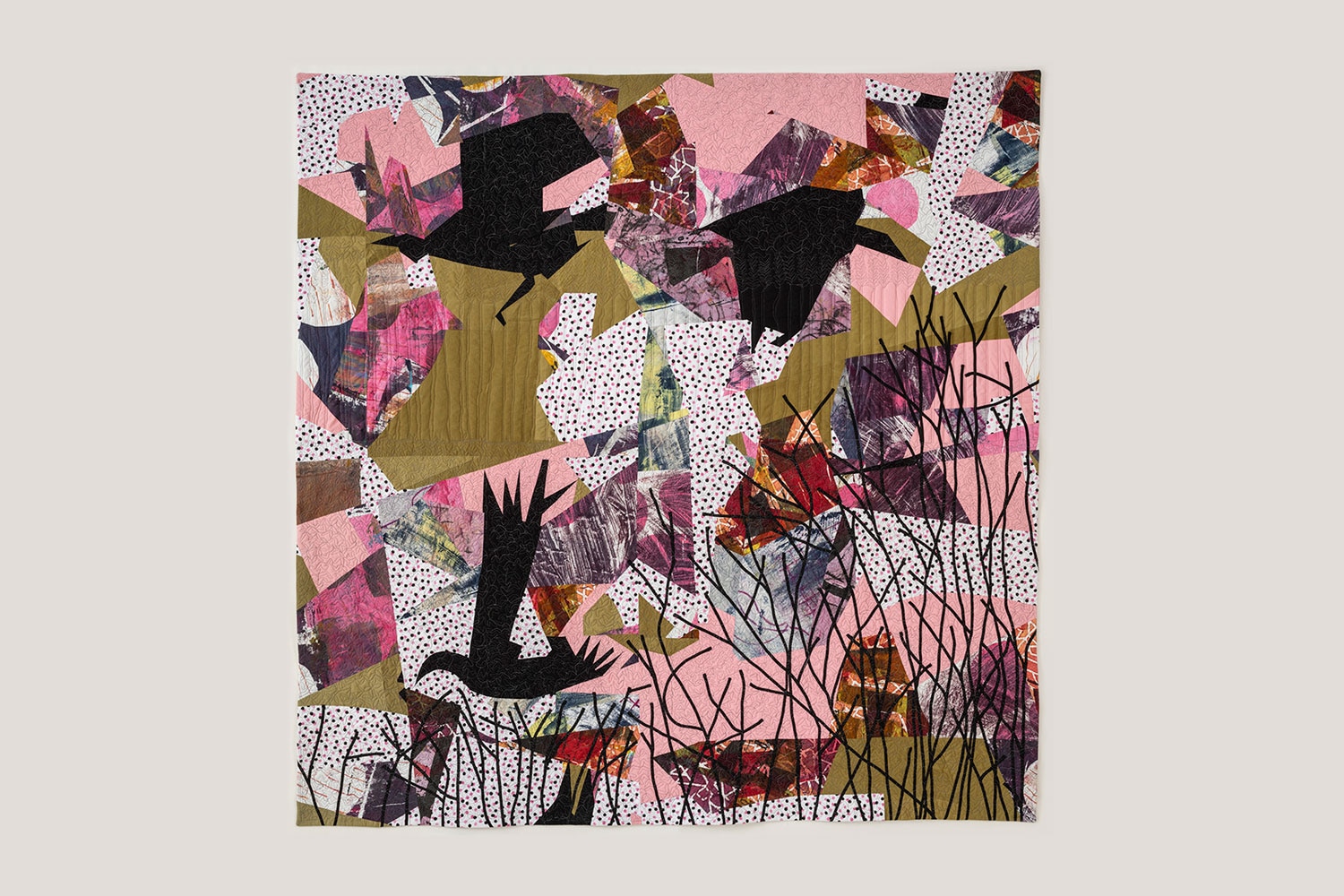
- His style is influenced by minimalism and abstract expressionism
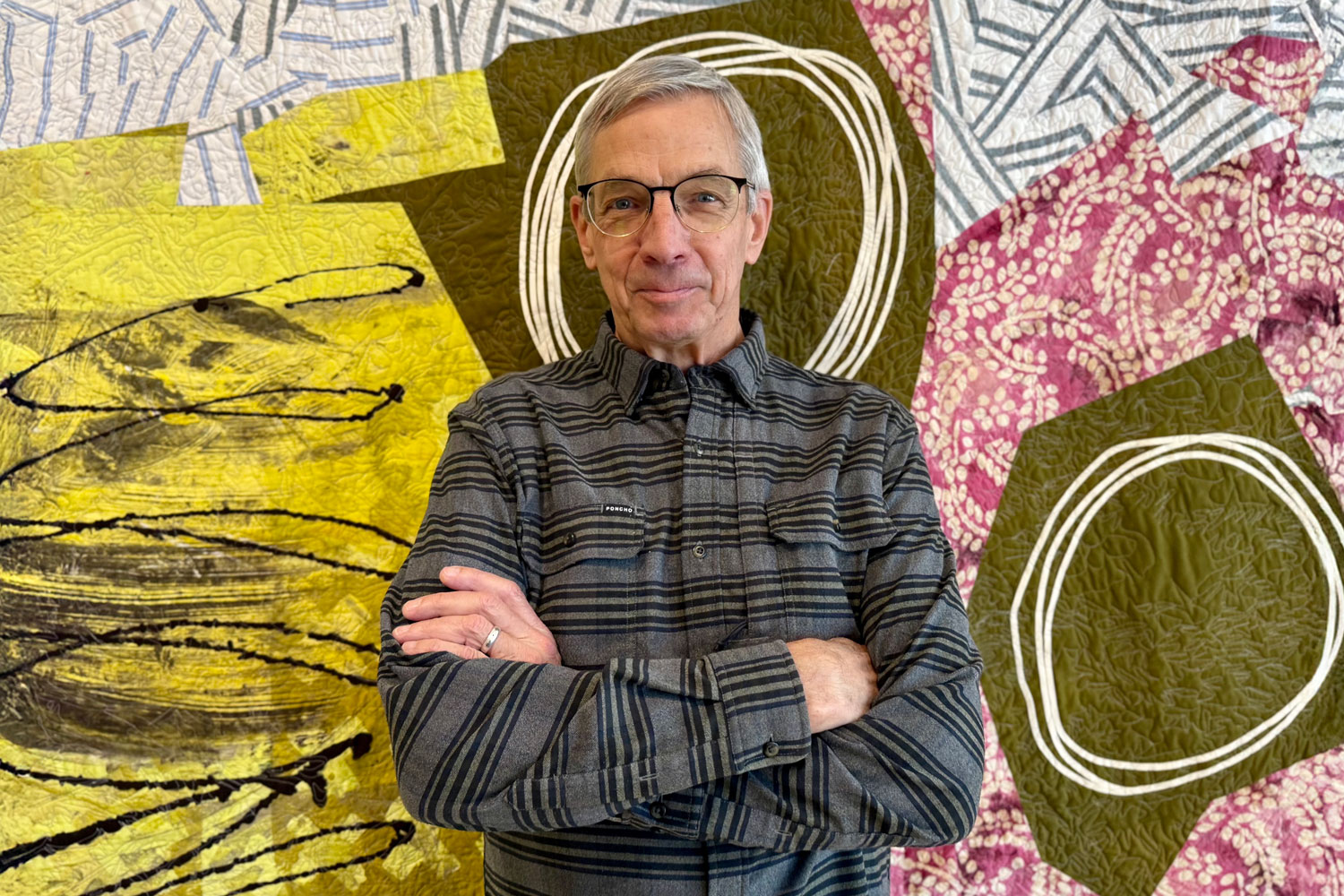
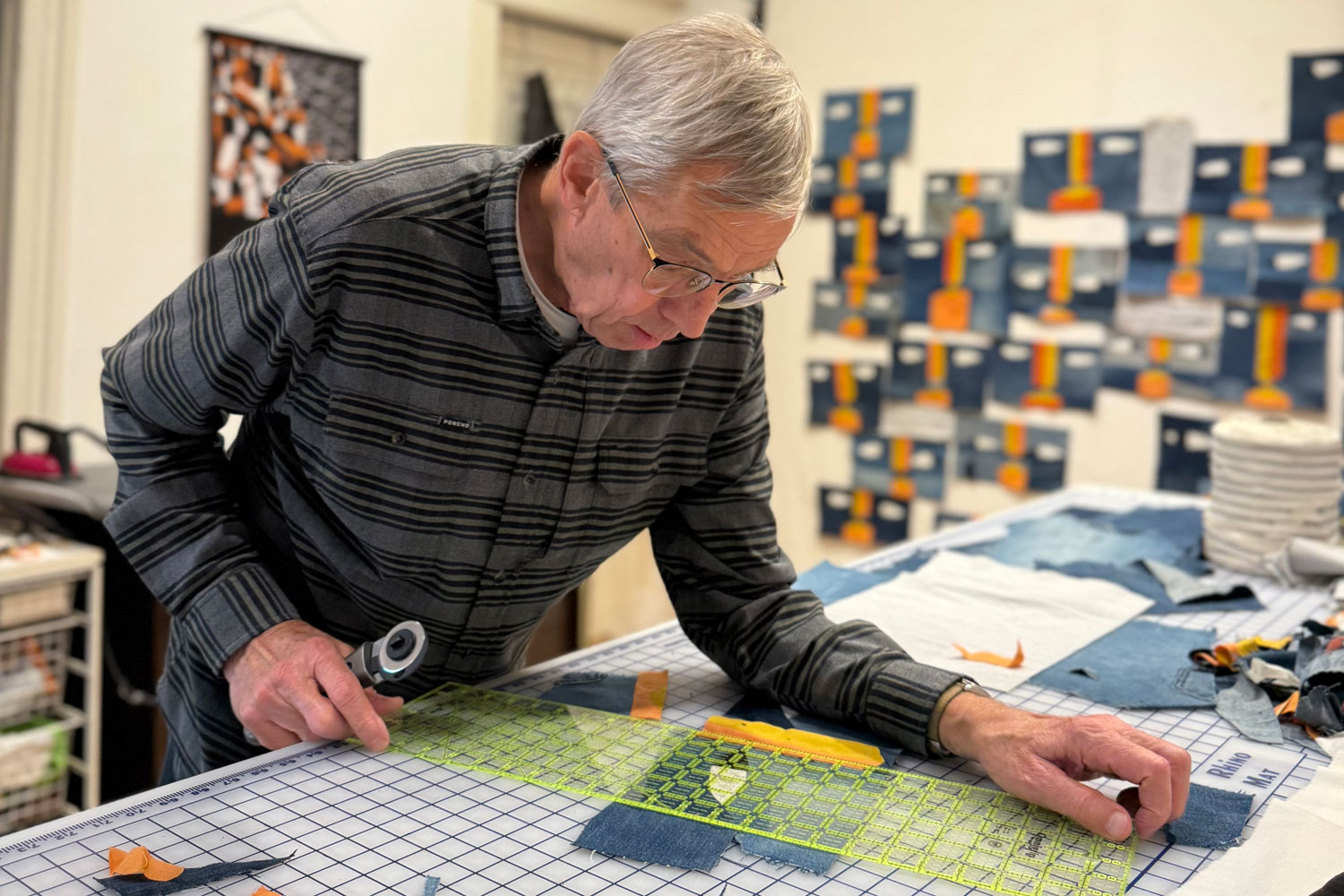
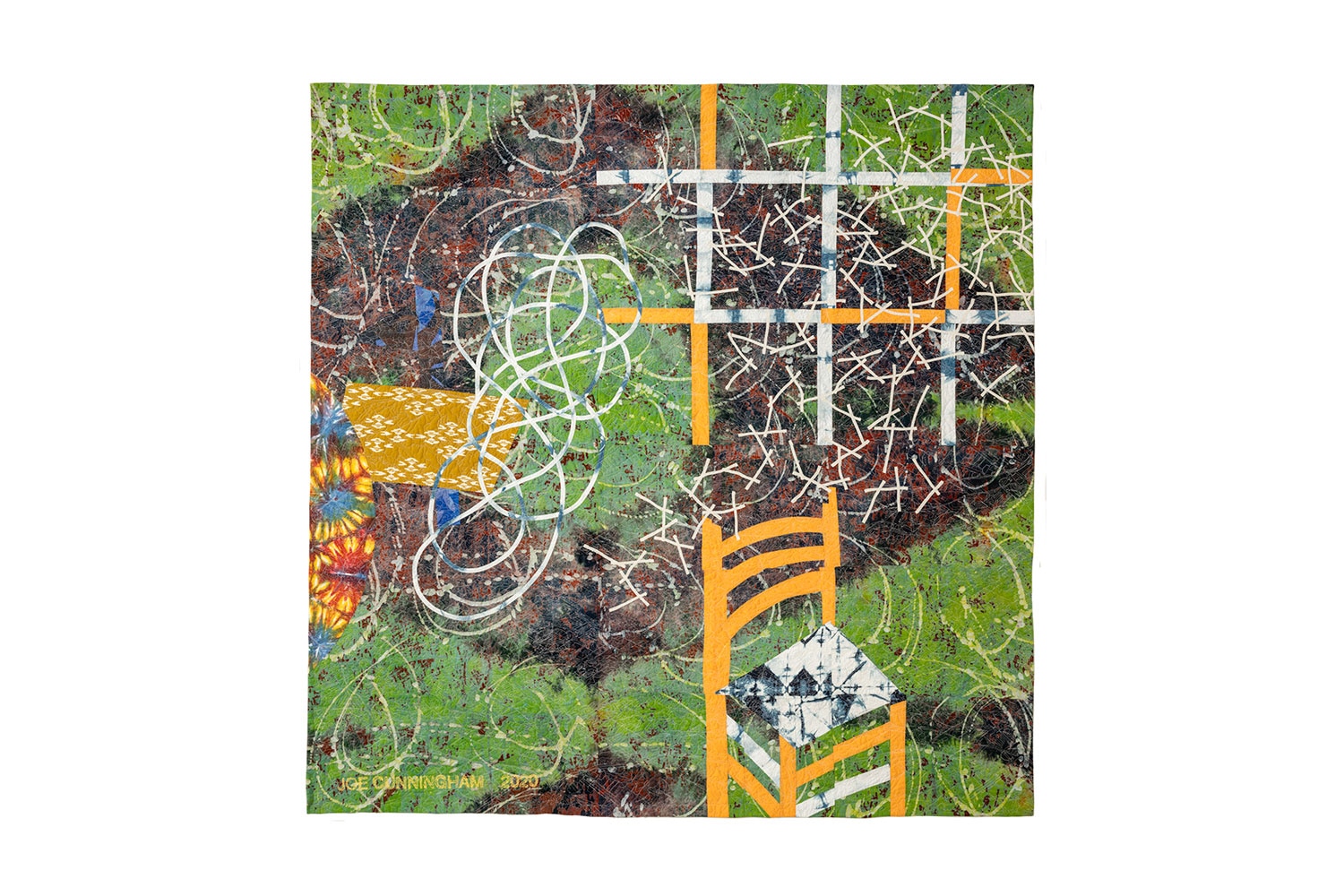
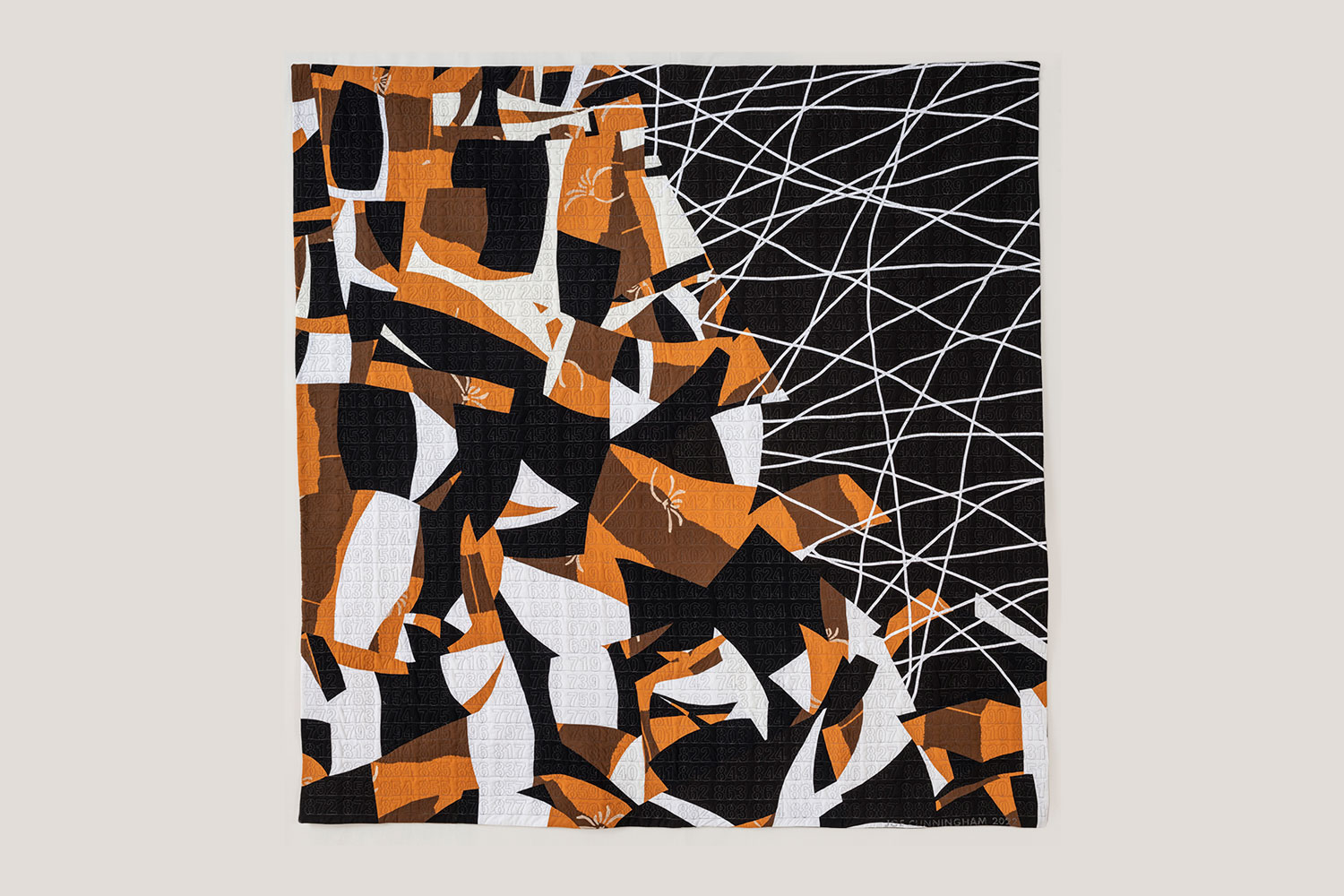
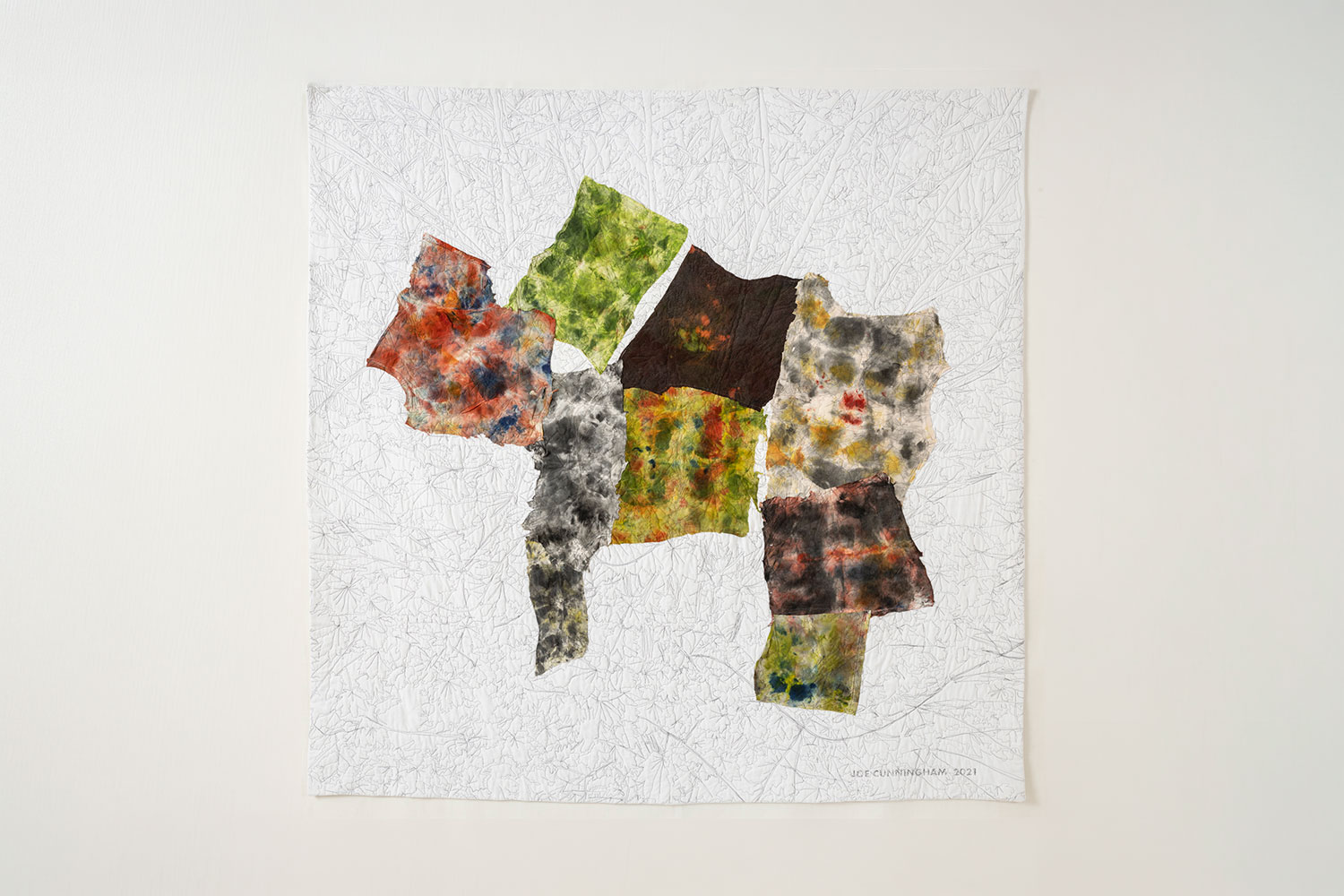
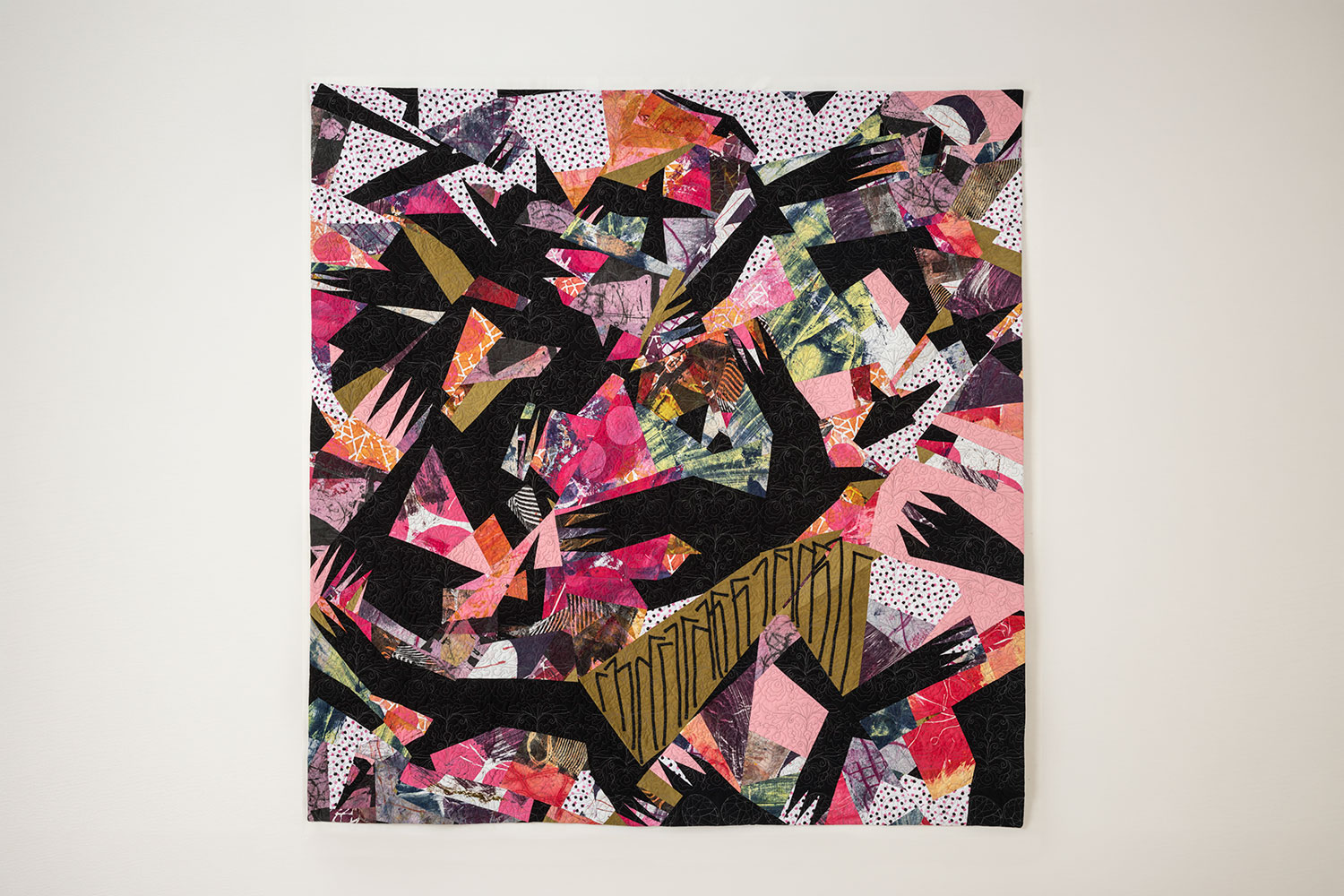
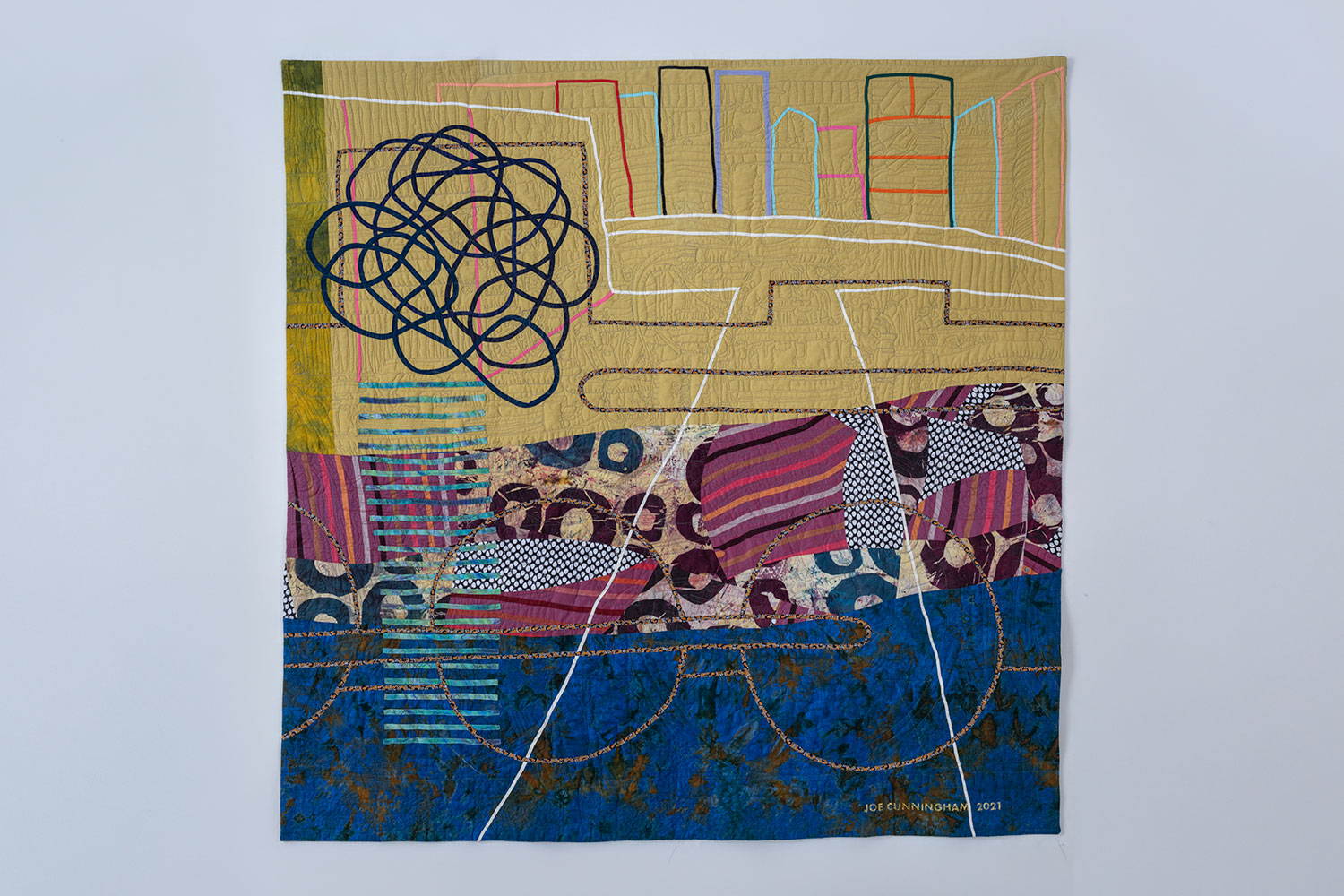
In 1979, after working on a catalogue for a highly respected collection of quilts, Joe Cunningham decided to step away from his main occupation as a professional musician and become a professional quilter. Today, his handmade quilts are individual, with creative and abstract art references woven in. The history of the craft has long fascinated Joe, and his practice references the quilt making traditions of the USA in the 19th century and uses time-honoured techniques. He has however long felt discomfort at the distinction made between art and craft. “In 1979, the walls between art and craft were so high you could not get over them,” he says, pointing out that the women who originally developed the tradition did not have a formal arts education. Joe is the author of several books about quilting and his pieces are exhibited internationally in institutions and exhibitions in Japan, Armenia, the UK and widely across the USA.
INTERVIEW
After extensive technical training, I spent about 20 years copying old quilts, imitating traditional styles and studying quilt history. I eventually used all that I learned to freely create my own designs, just as the old-time quiltmakers in the USA did.
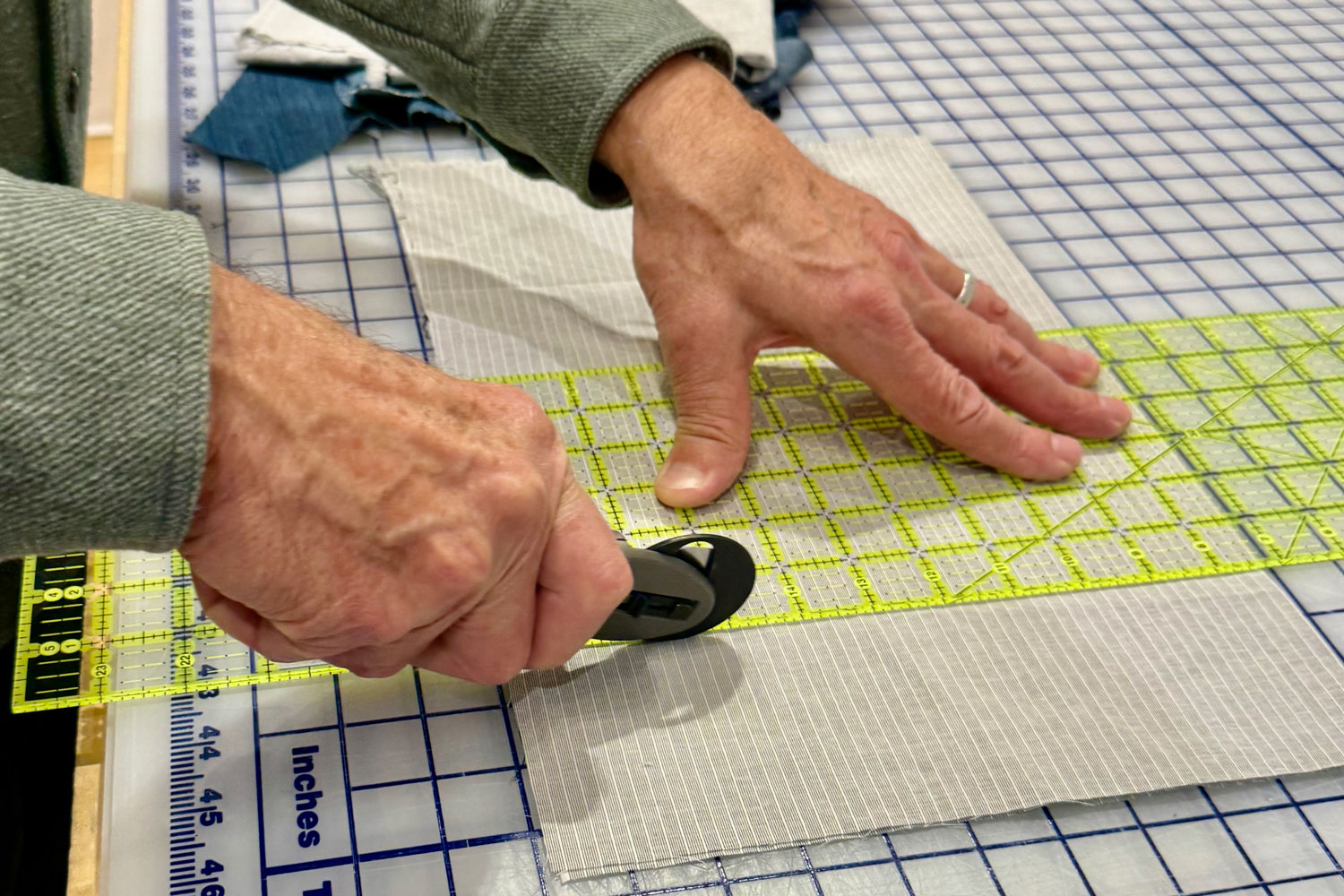
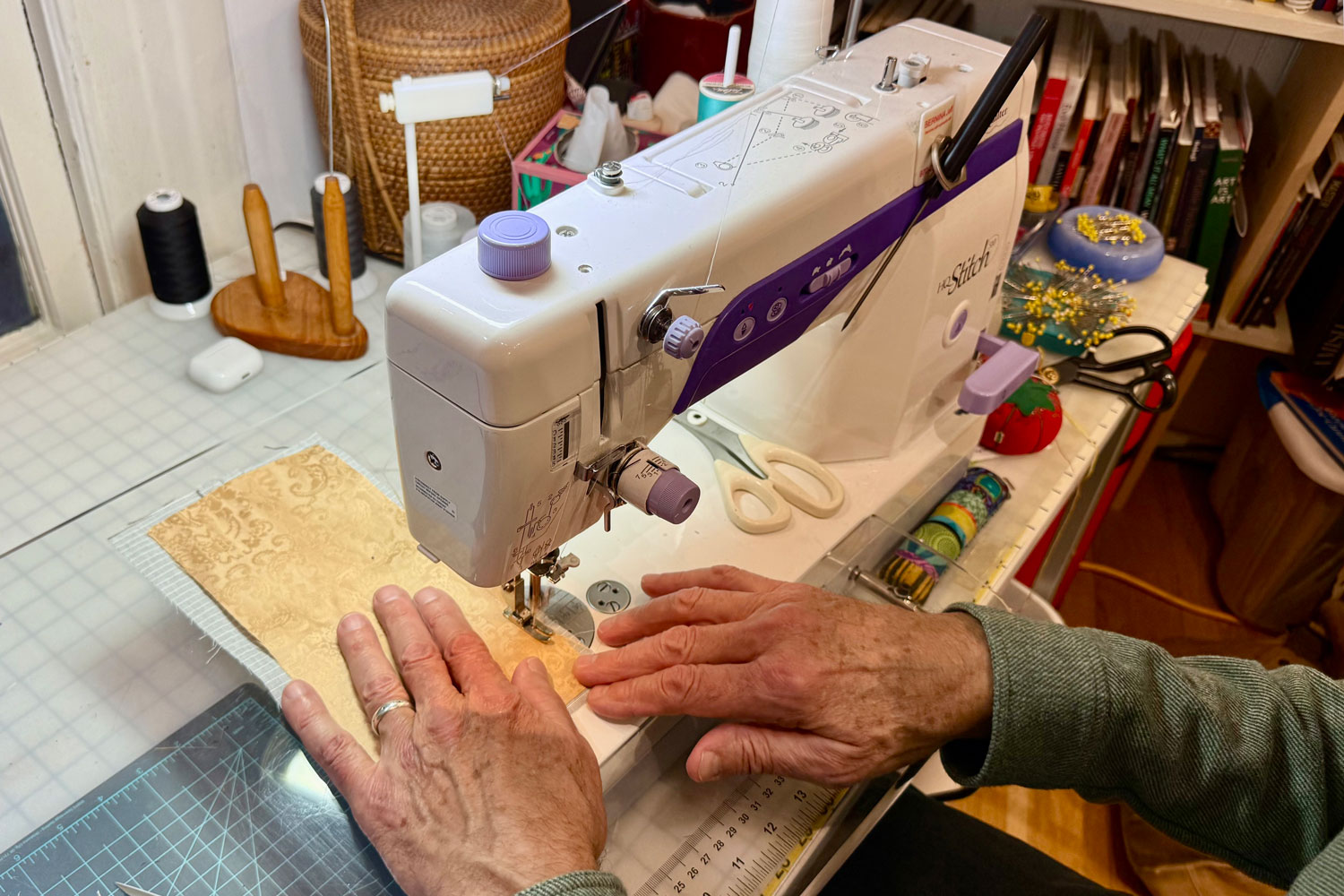
Technically, my approach does not depart from tradition. I create quilts with traditional techniques. My practice departs from those I absorbed by allowing more influences from the contemporary art world and generally in making a large, single image rather than a grid of blocks.
I am incapable of moving on to the next thing until I have finished what I am working on. I start at the beginning and go through the whole process. I do not make drawings. I start with an idea of a theme, which gives me the title of the piece, then I pick out some fabrics and start sewing and cutting. I usually get a shadowy image and start working in that direction.
Teaching forces me to clarify my thinking. It also forces me to practice what I preach. Travelling all over the world to teach exposes me to new ideas and new ways of thought about what a quilt is and what it can be.
Joe Cunningham
Quilter
San Francisco, CA, USA
Recommended by Craft in America
ADDRESS
Address upon request, San Francisco, CA, USA
AVAILABILITY
By appointment only
PHONE
+1 4159392602
LANGUAGES
English
Homo Faber Finds is a new service aiming to inspire admirers of craft to connect and collaborate with exceptional artisans.
We invite you to submit an enquiry here.