Bisa Butler
Quilter
Jersey City, NJ, USA
Recommended by Craft in America
Quilting people’s stories
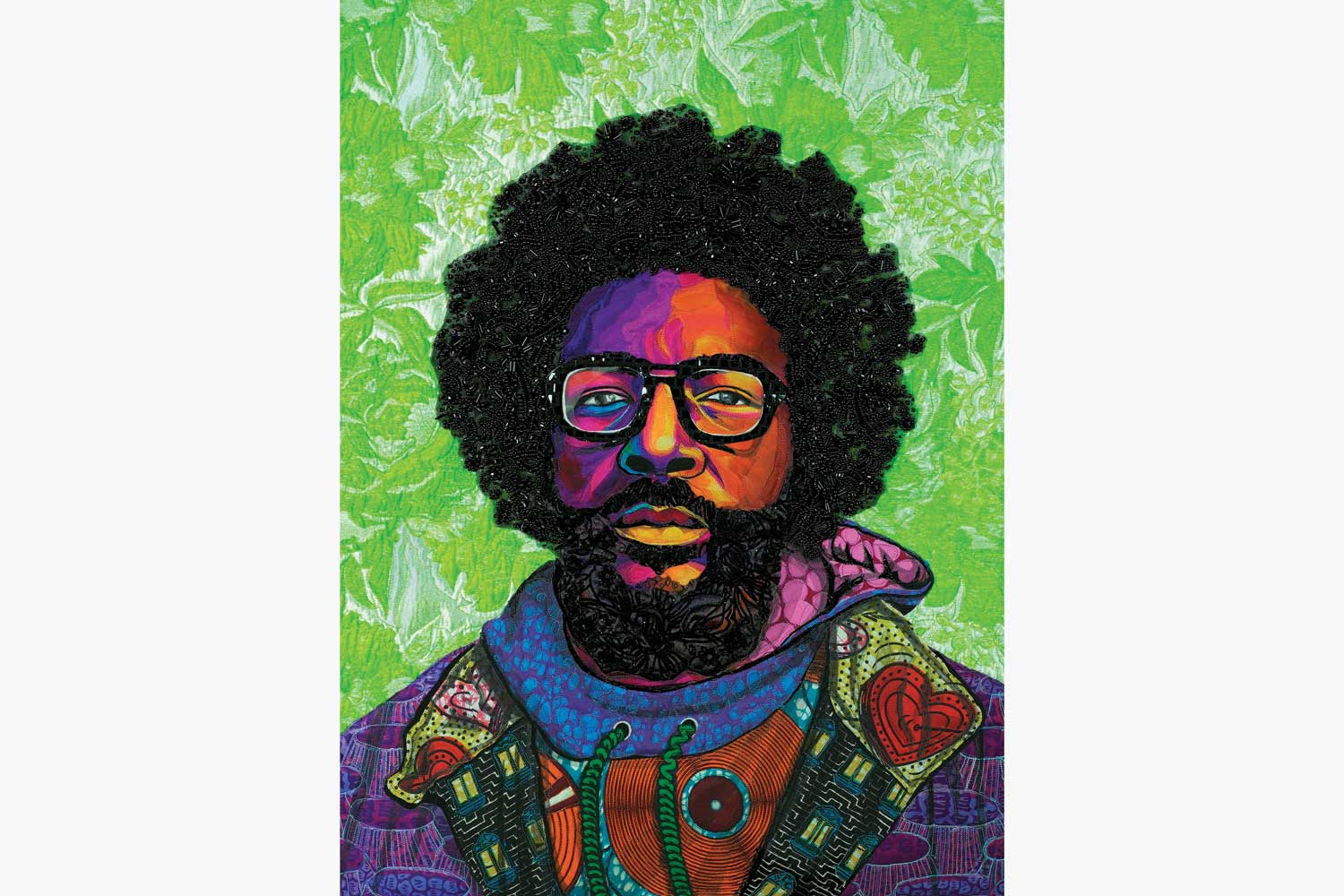
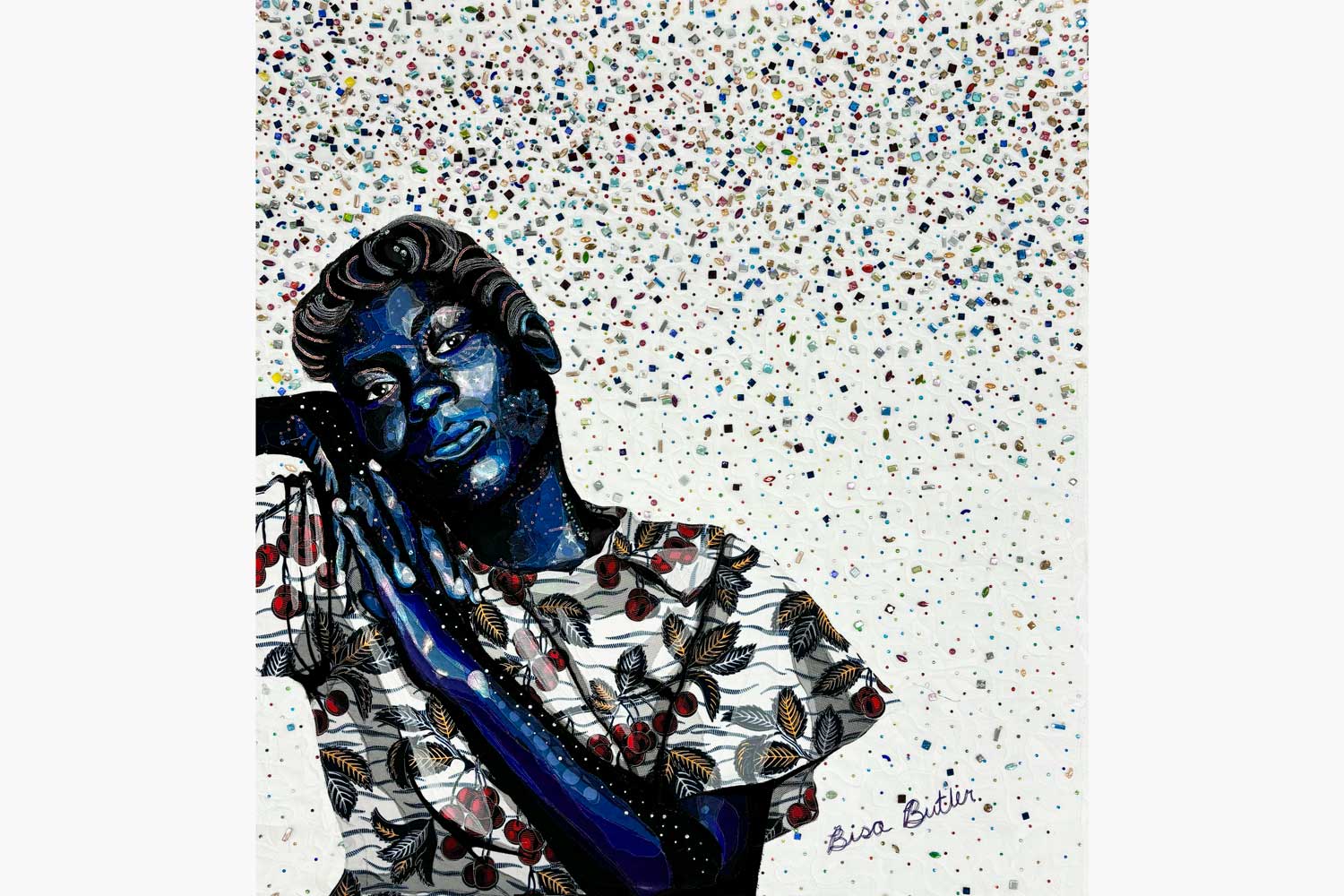
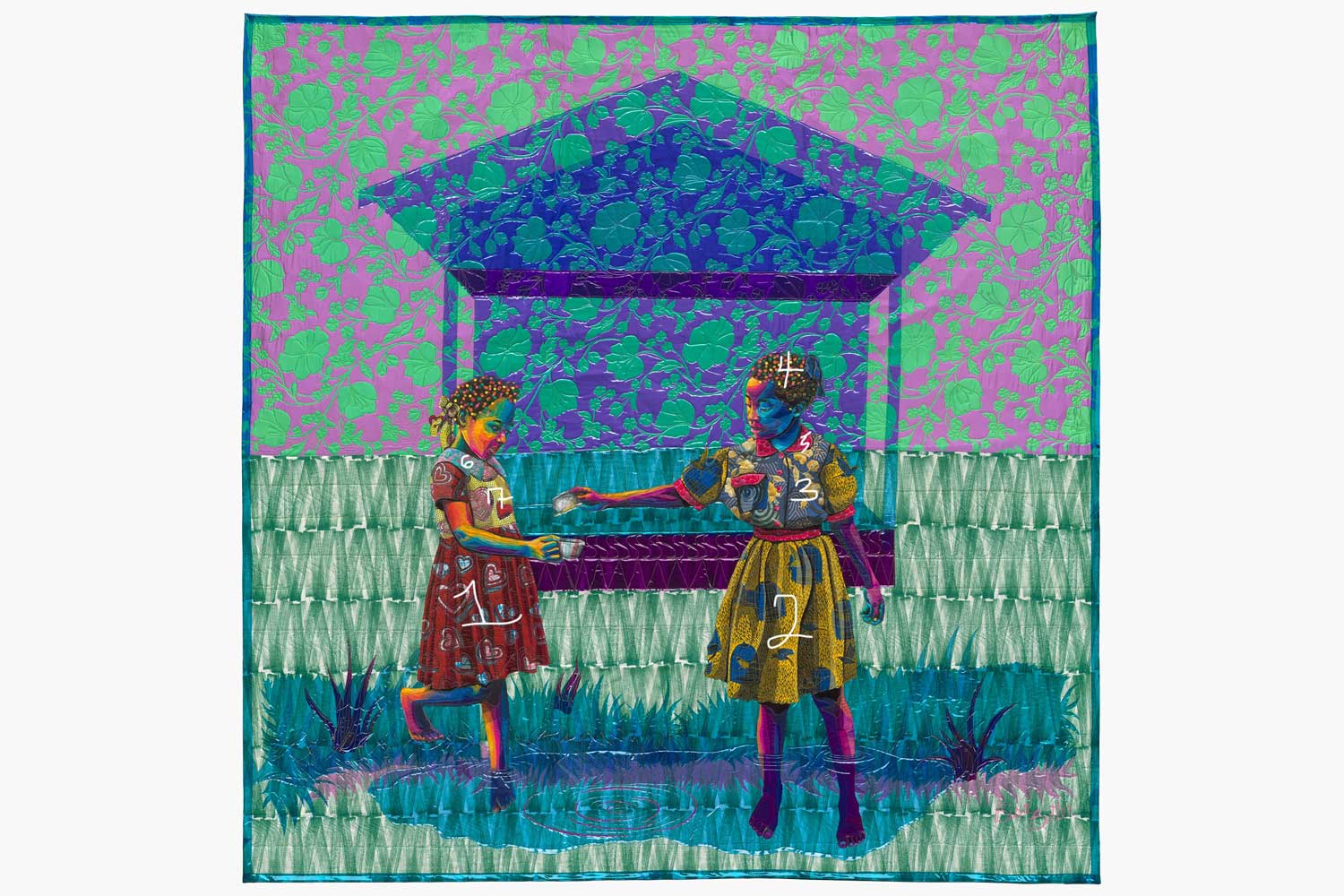
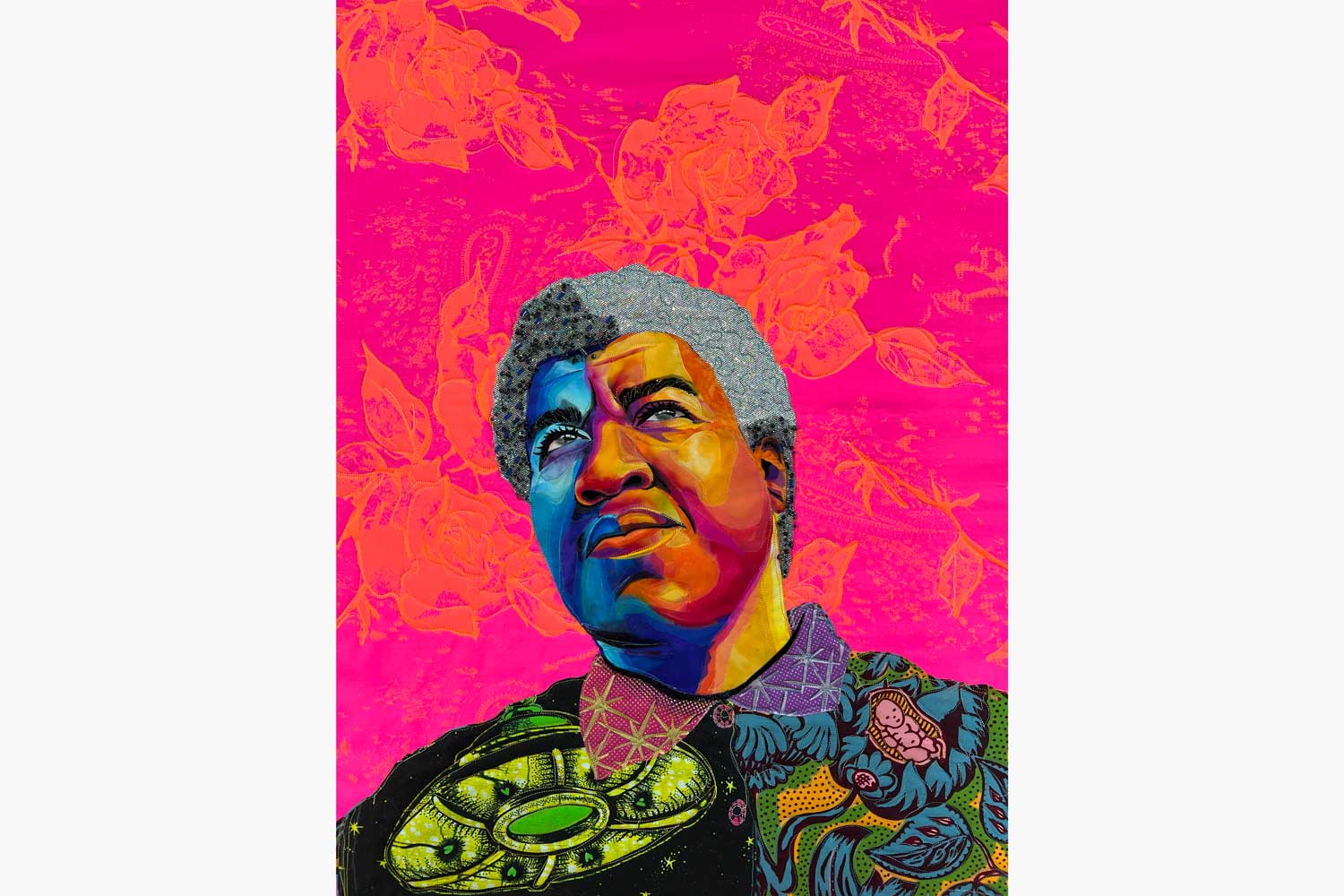
- Bisa makes quilted portraits using photographs of people
- She adds layers of fabric as if they were glazes
- She carefully chooses her palettes and textiles to convey emotion
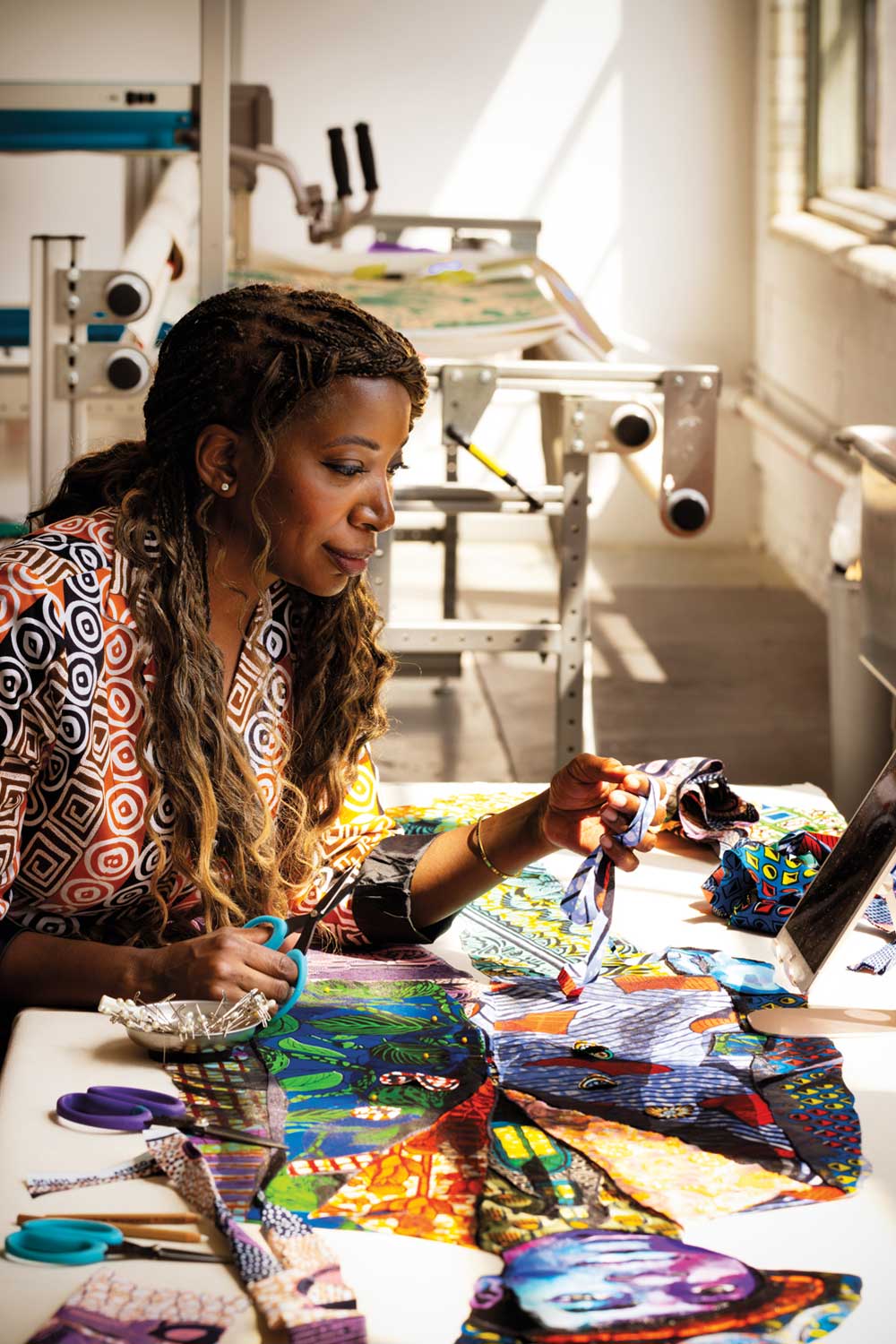
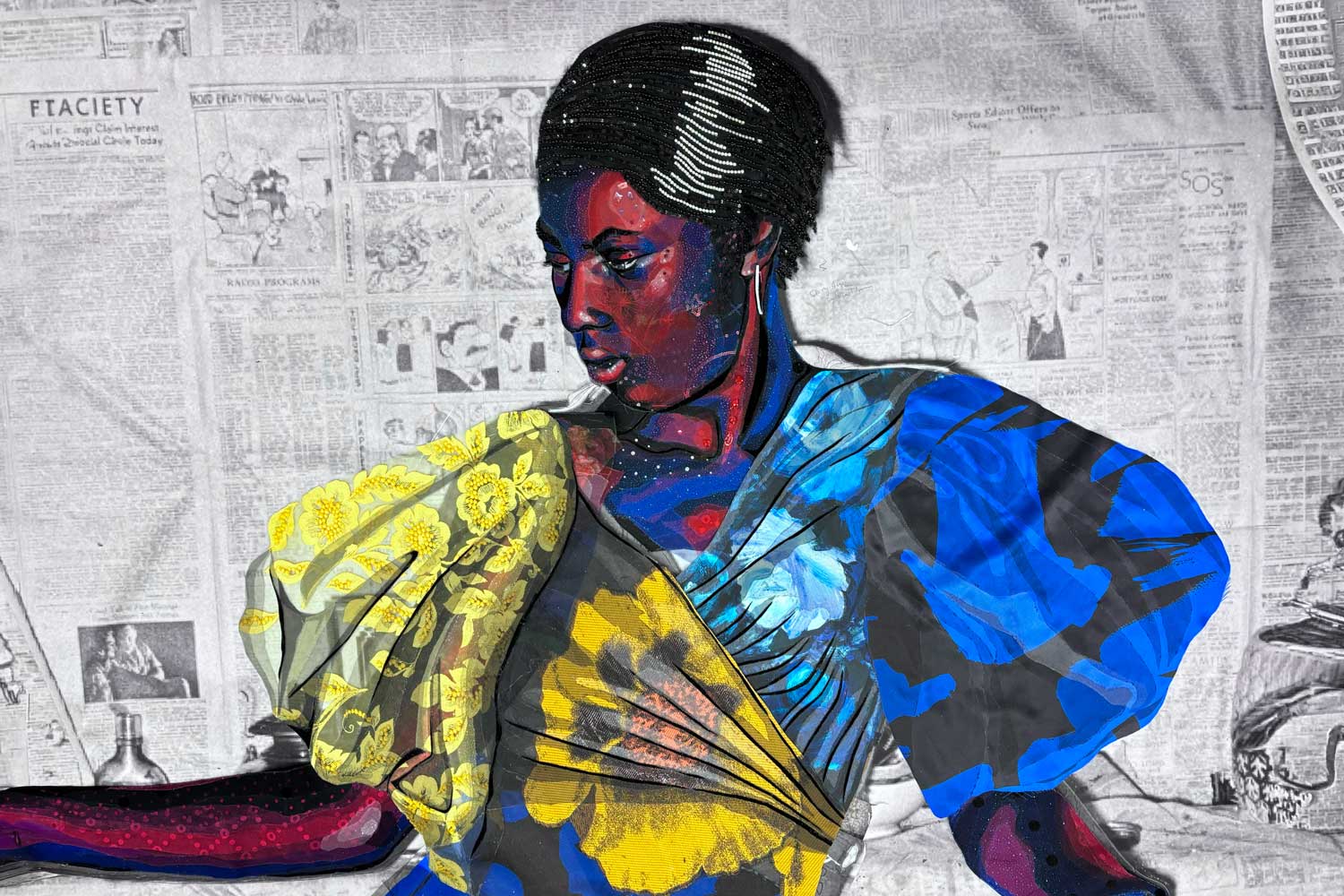
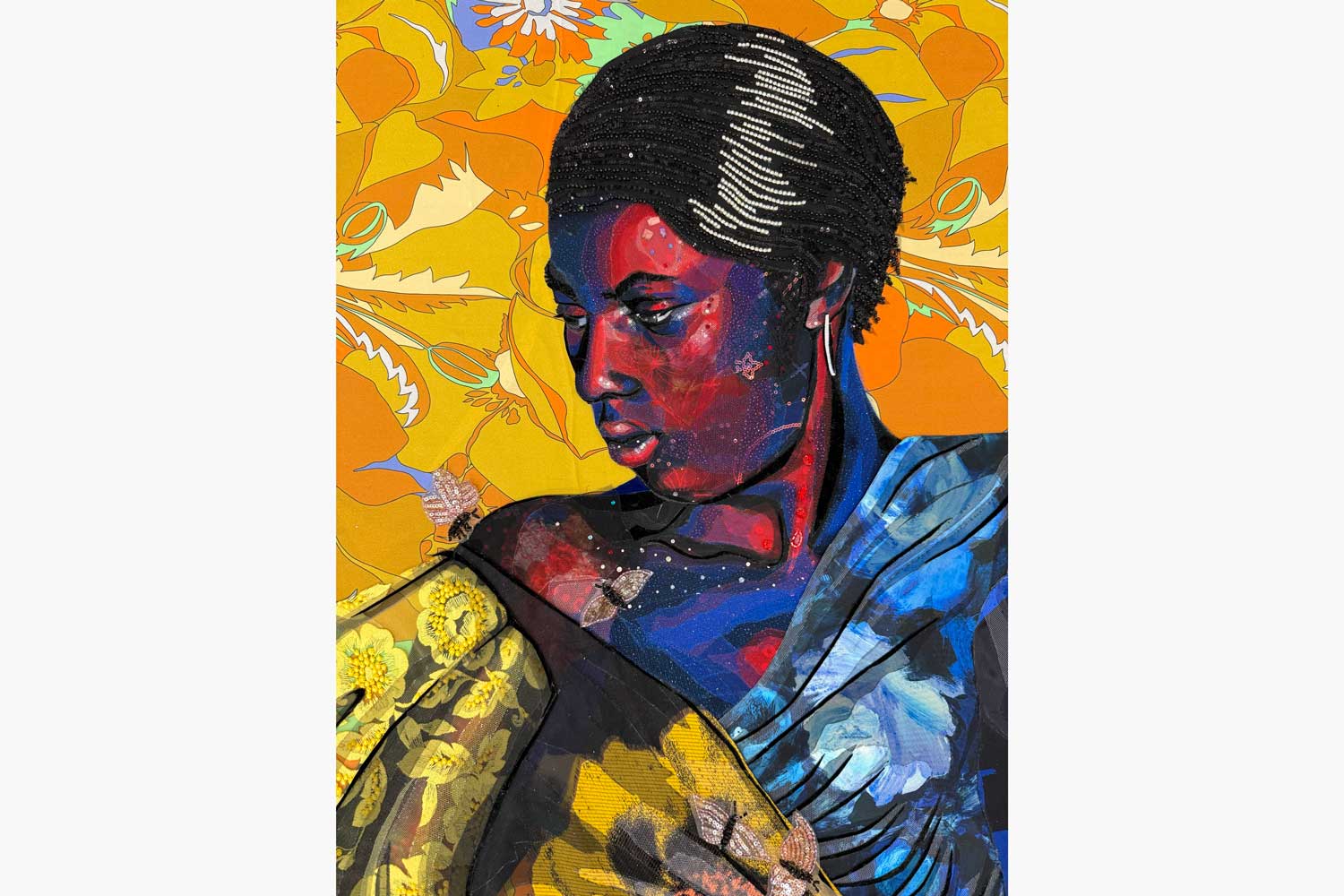
Bisa Butler's fabric portraiture brings together the worlds of painting and photography. Her works are elaborate quilts with a striking 3D effect that she creates by cutting, layering and sewing together different fabrics, from silk and chiffon to gabardine and lace. After majoring in fine arts with a focus on painting, Bisa found in quilting the perfect synthesis of her two passions: the portrayal of human beings and sewing. While she learned the latter from her mother, she learned how to quilt by herself, which helped her develop a distinctive style and technique. “Traditional quilts are either patchwork or appliqué, with one or two layers of fabric sewn to the background,” she explains. “I wanted to go further. I wanted to quilt like a painter, adding layers of fabric like one would add layers of glaze to create depth.”
INTERVIEW
I work with photos of black people, often taken in a documentary style. Sometimes I know when and where they were taken, but these people’s names were hardly ever recorded. So, I act like a cultural anthropologist and try to bring out the story of the human being behind the picture.
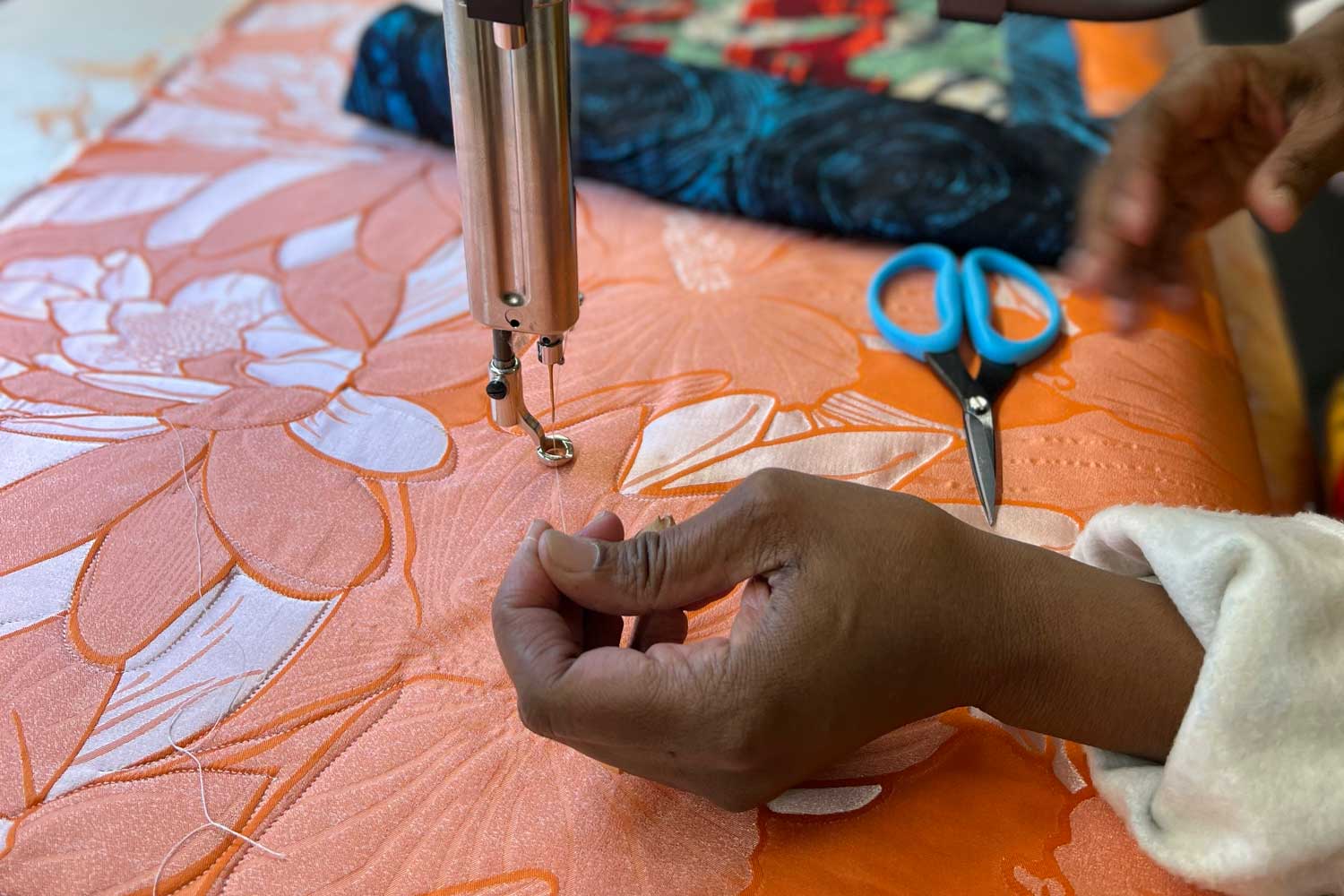
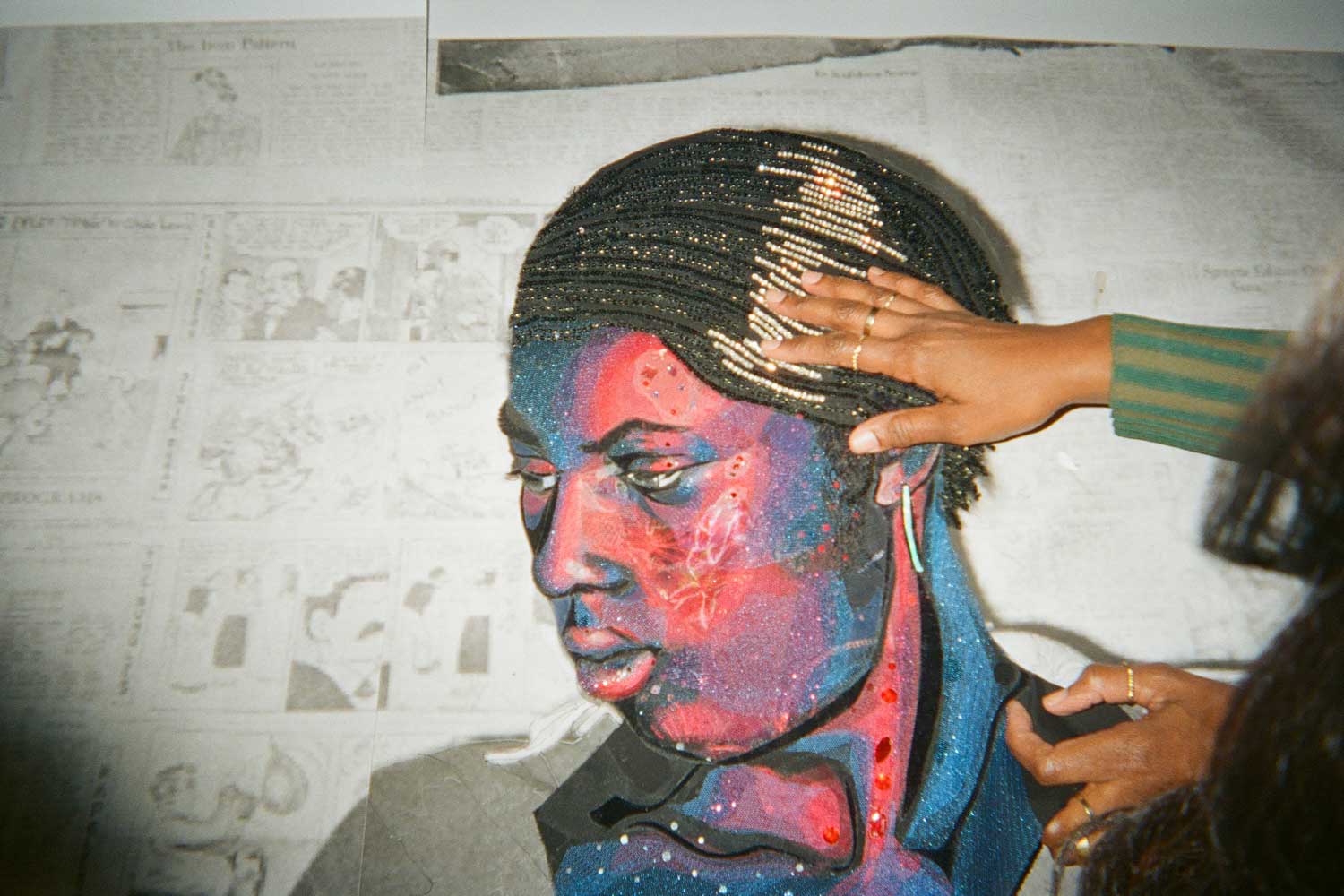
First, I enlarge the photo and outline the contours of the face with a permanent marker, working across the full value scale from white to black. Then I select my palette, cut small pieces of fabric and layer them onto the photograph, securing them with glue. The process to reach this stage usually takes a couple of months.
I choose the background fabric, pin the layers together and sew them on my quilting machine. The top layer is the portrait set against its background, the middle layer is cotton batting and the base layer is a thick cotton canvas. I might add details on the surface, such as stitching the lines of a poem into the background.
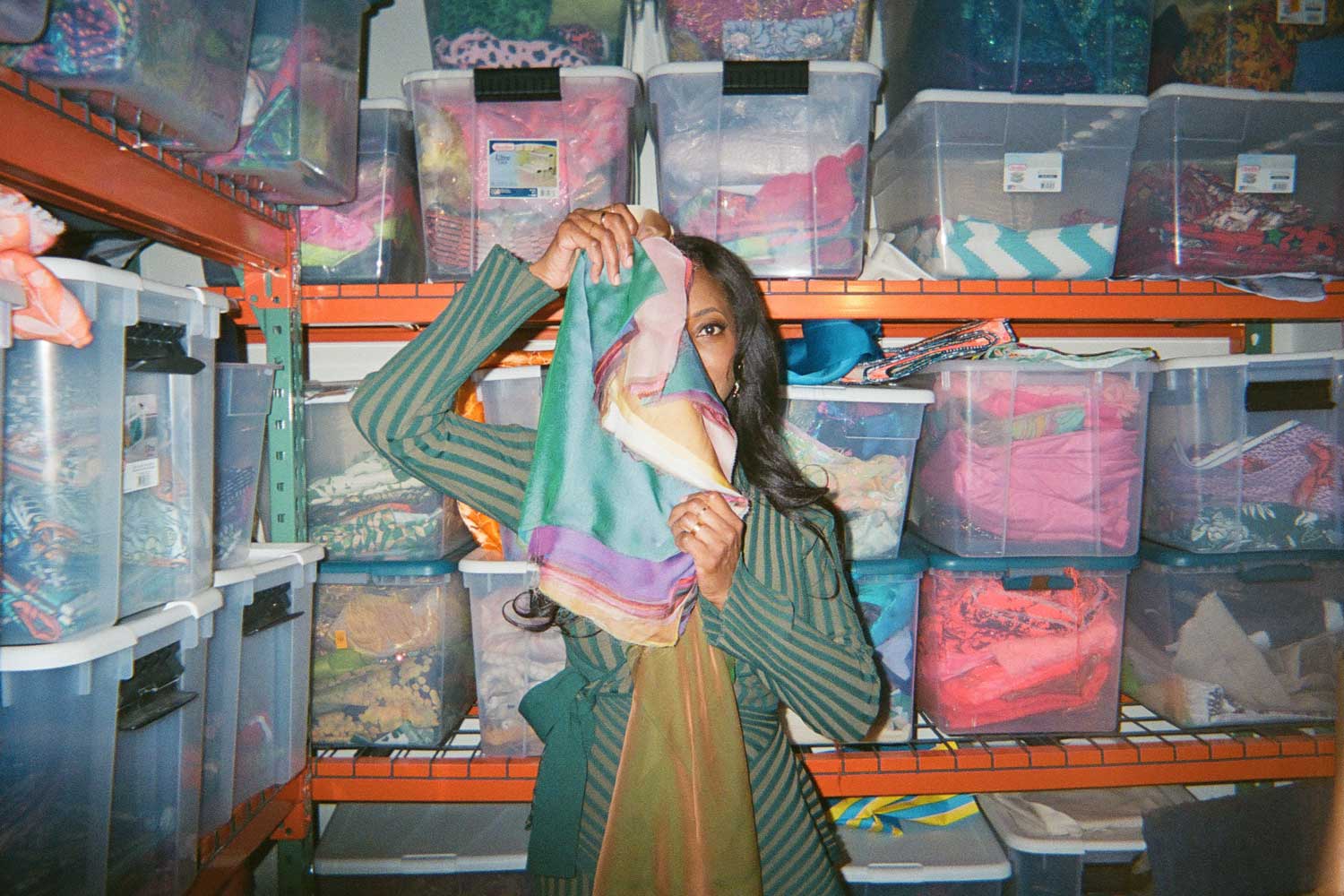
I use colour and fabric to express emotion. If I am portraying a strong woman, I need many different shades of red, representing power, passion and anger. Fabrics carry meaning, too. For example, through African fabric, I might convey strength or tell a story about the person's ancestors.
Bisa Butler
Quilter
Jersey City, NJ, USA
Recommended by Craft in America
ADDRESS
Address upon request, Jersey City, NJ, USA
AVAILABILITY
By appointment only
LANGUAGES
English
Homo Faber Finds is a new service aiming to inspire admirers of craft to connect and collaborate with exceptional artisans.
We invite you to submit an enquiry here.