Coreen Abbott
Ceramicist
San Francisco, CA, USA
Patterns of possibility
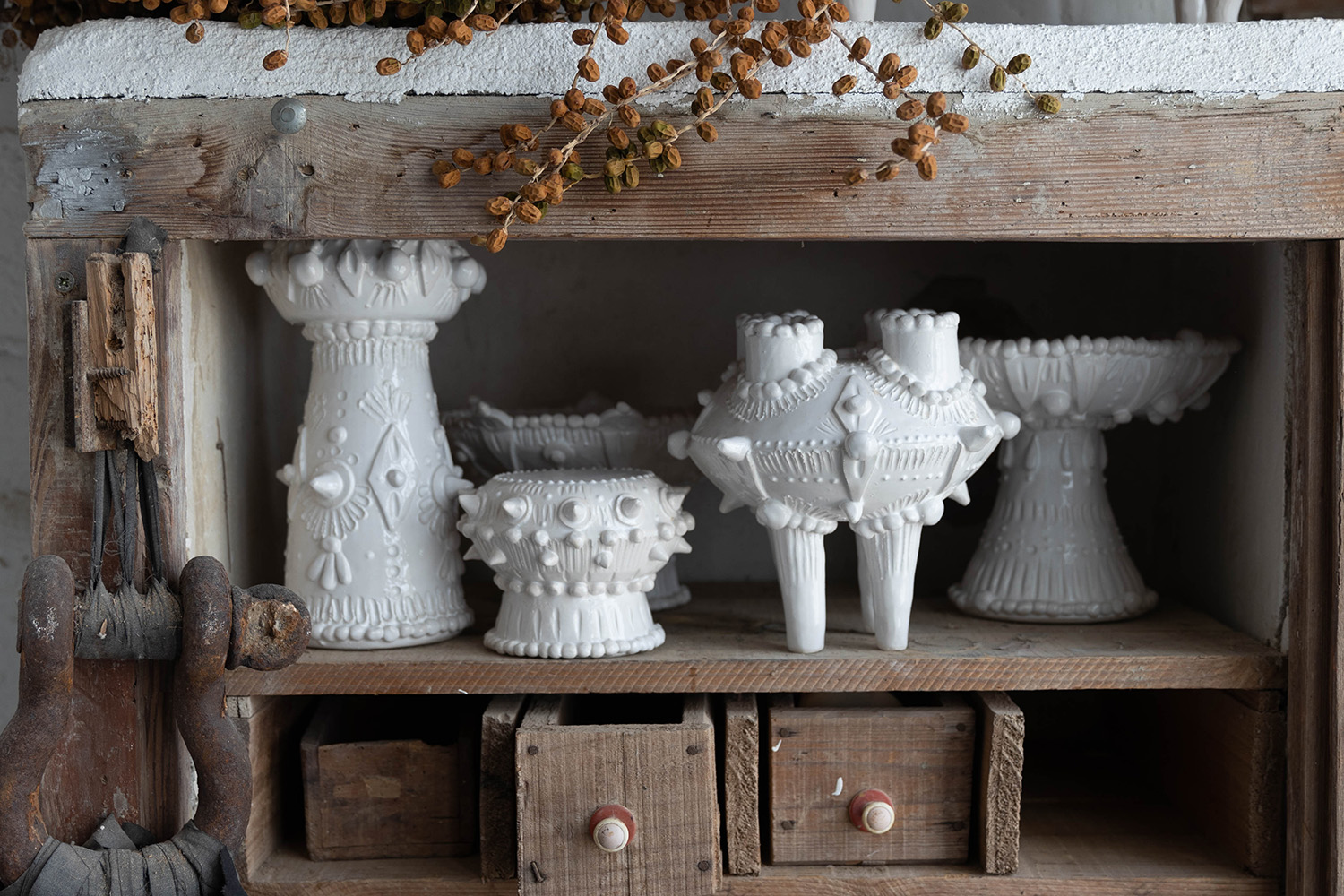
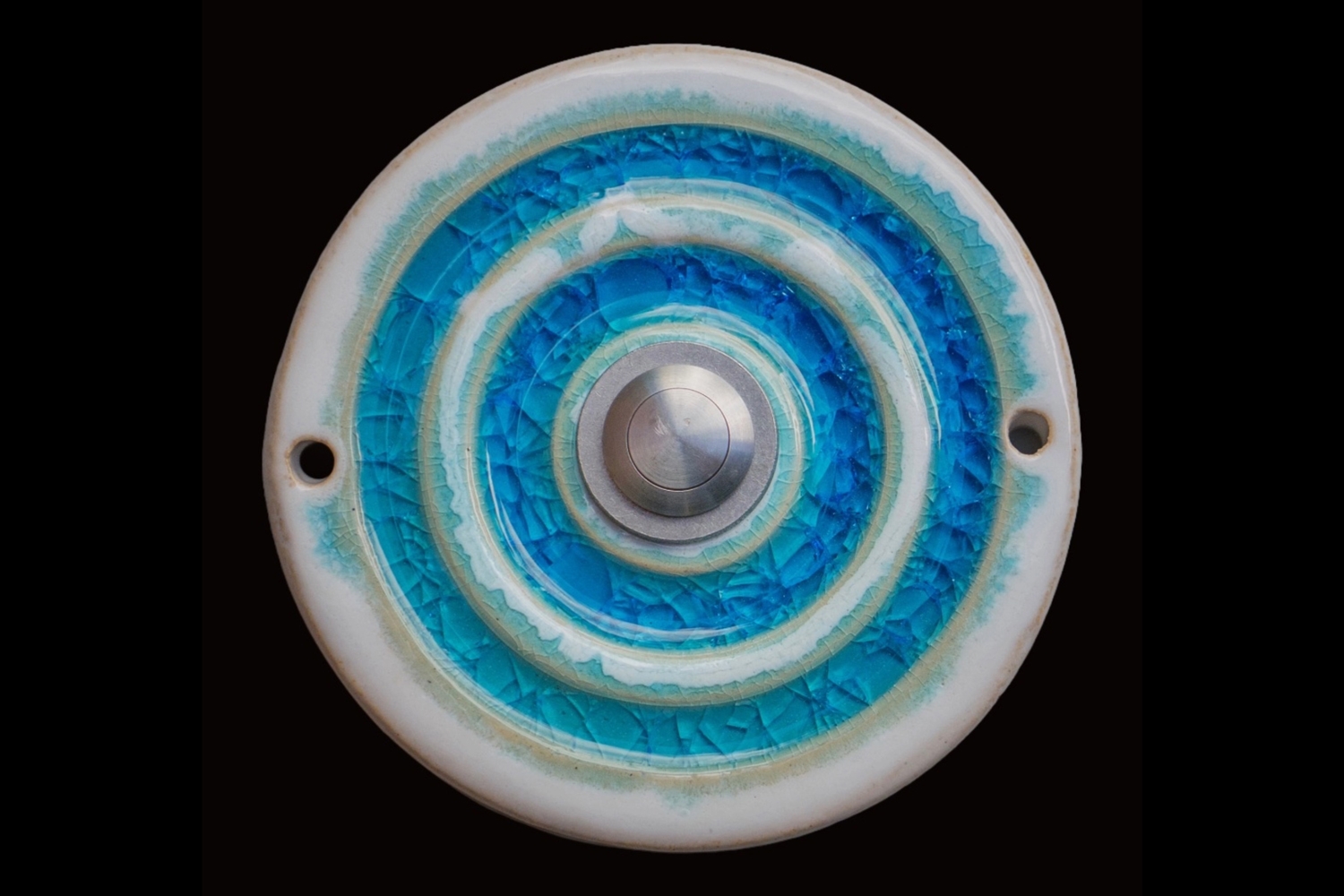
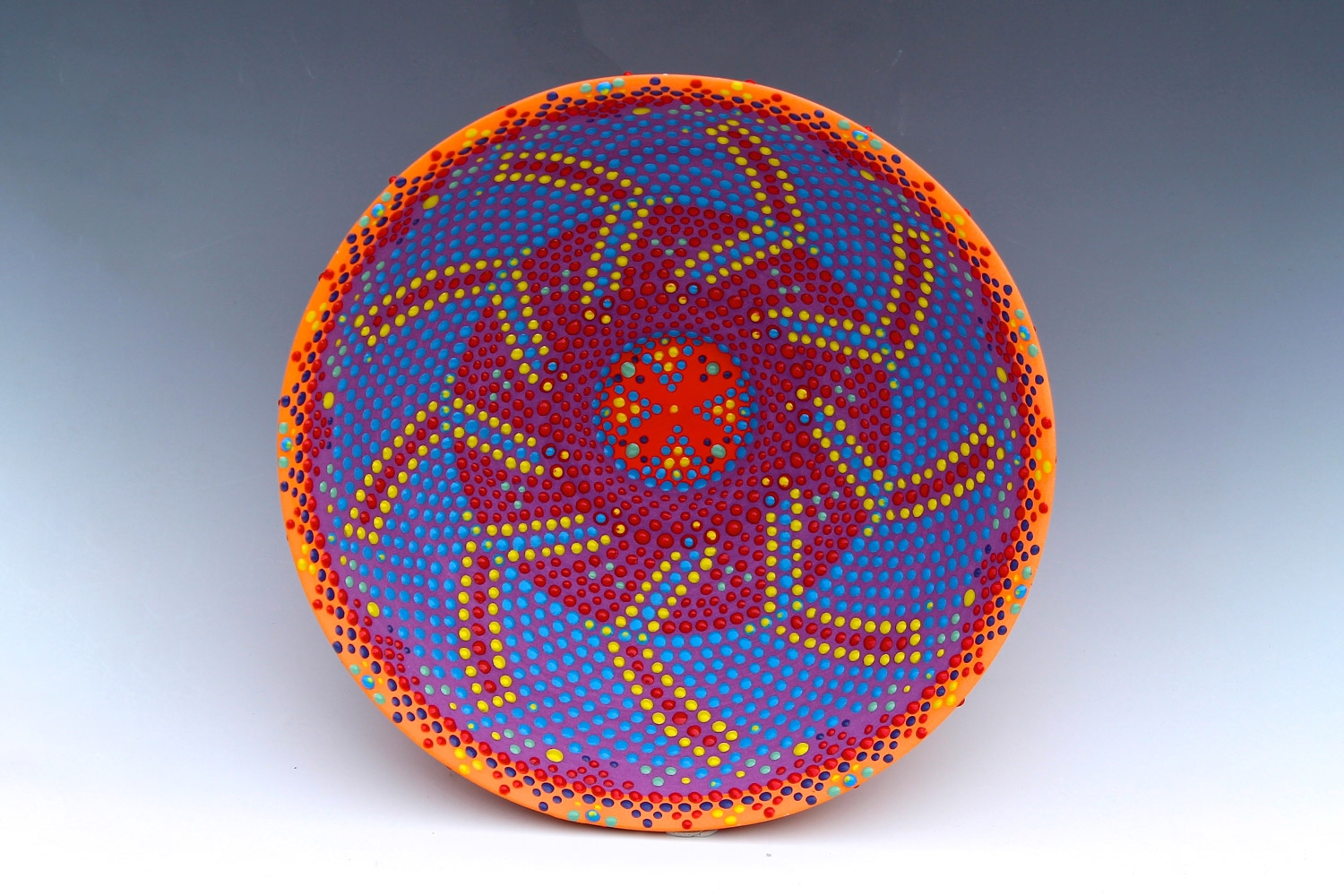
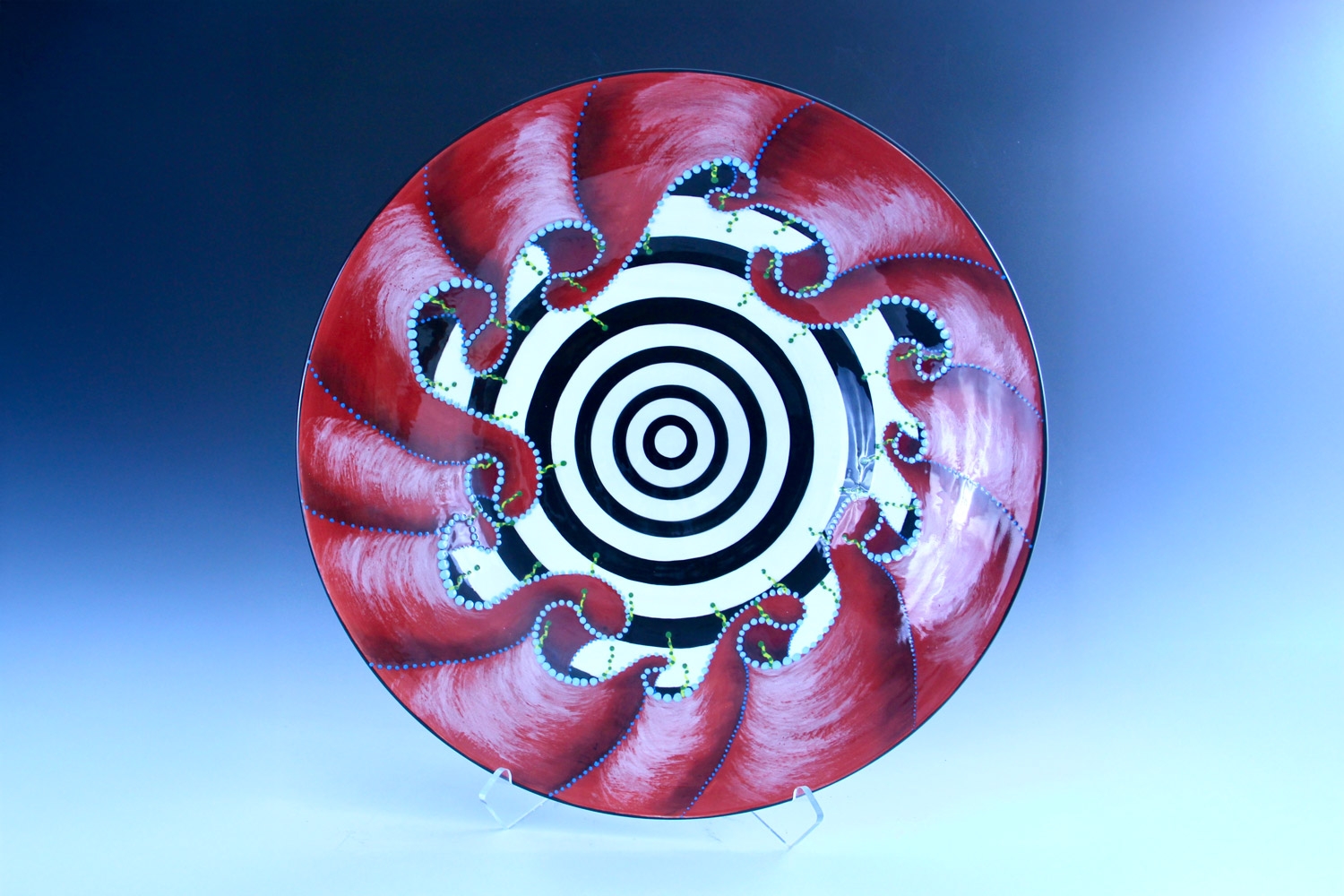
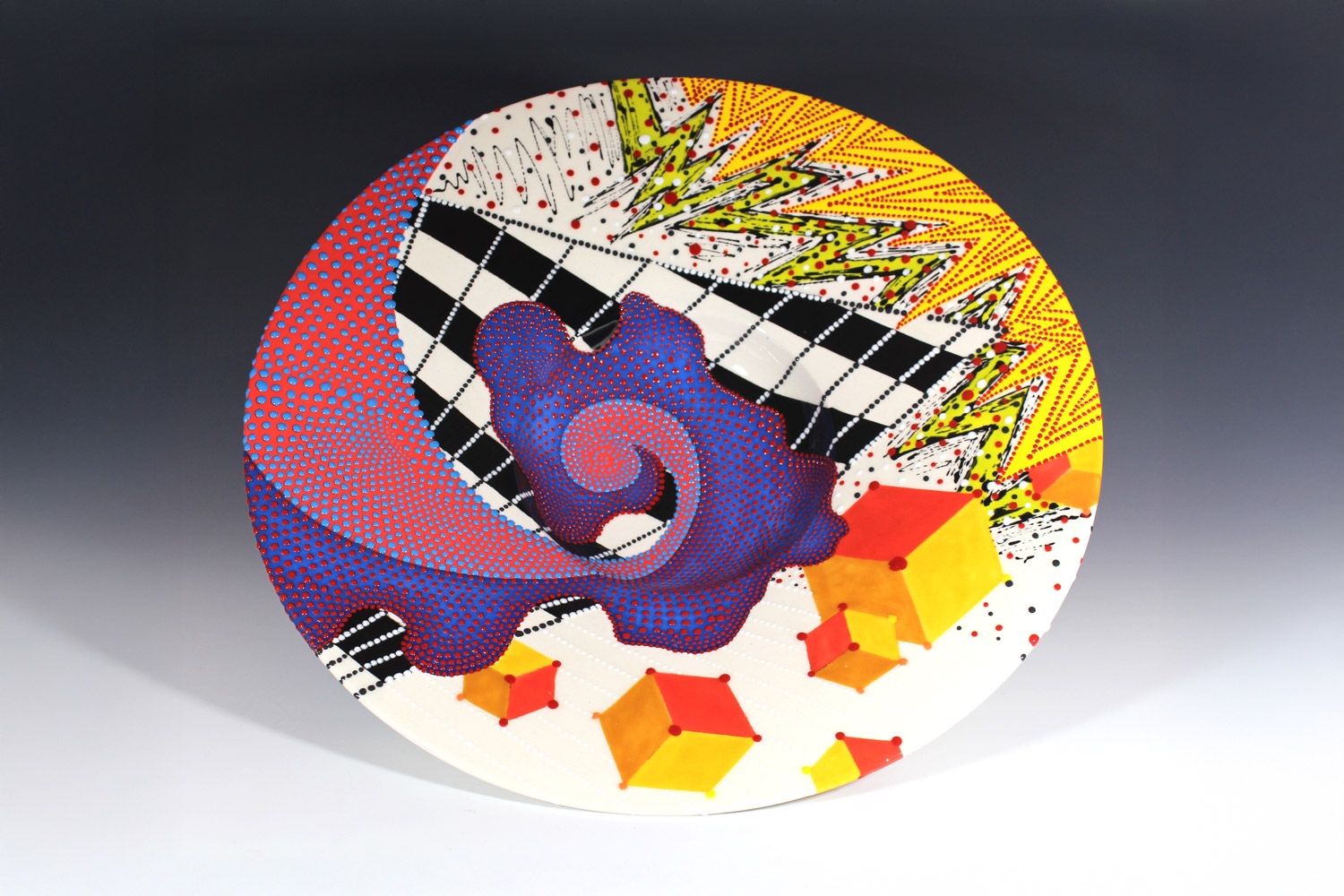
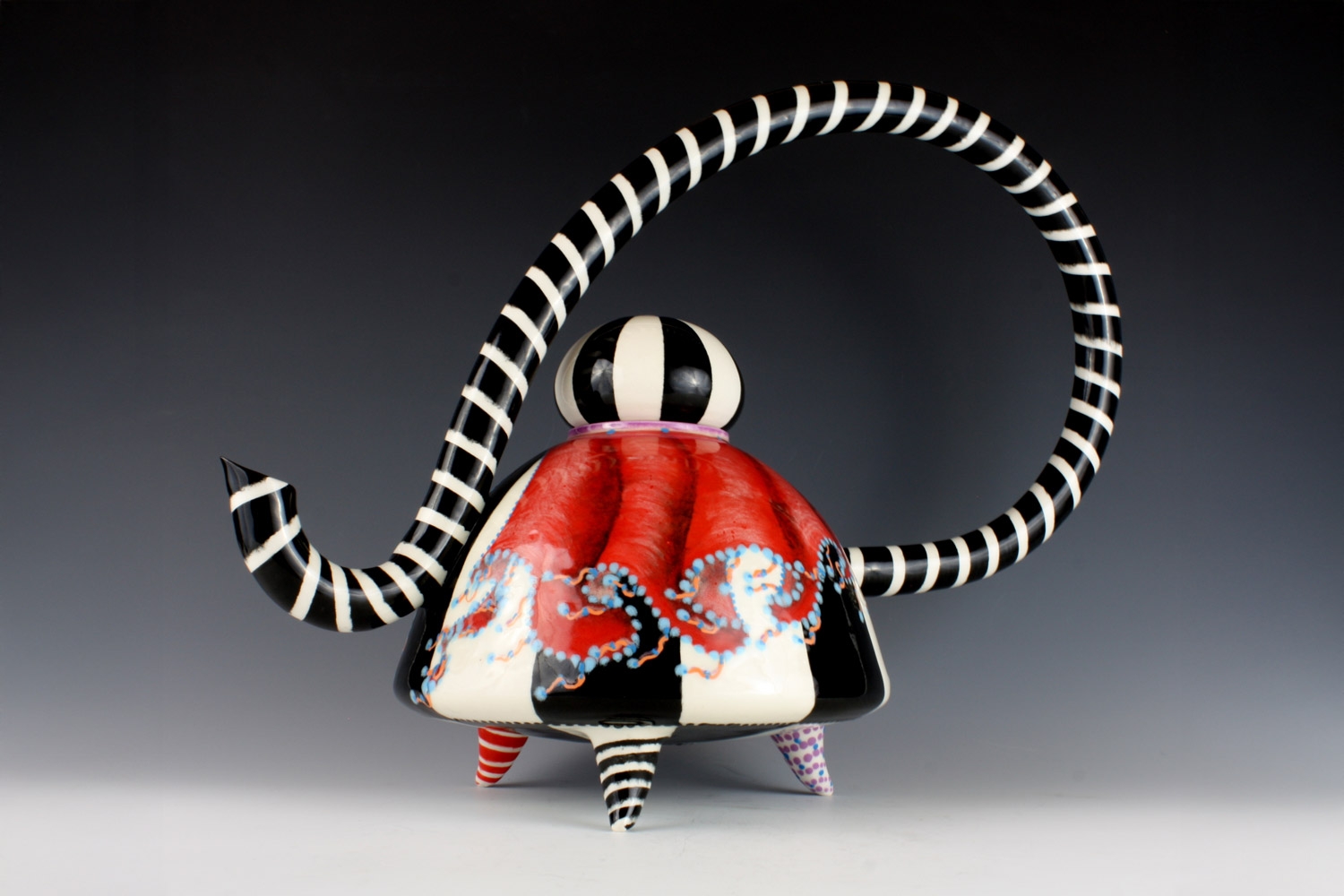
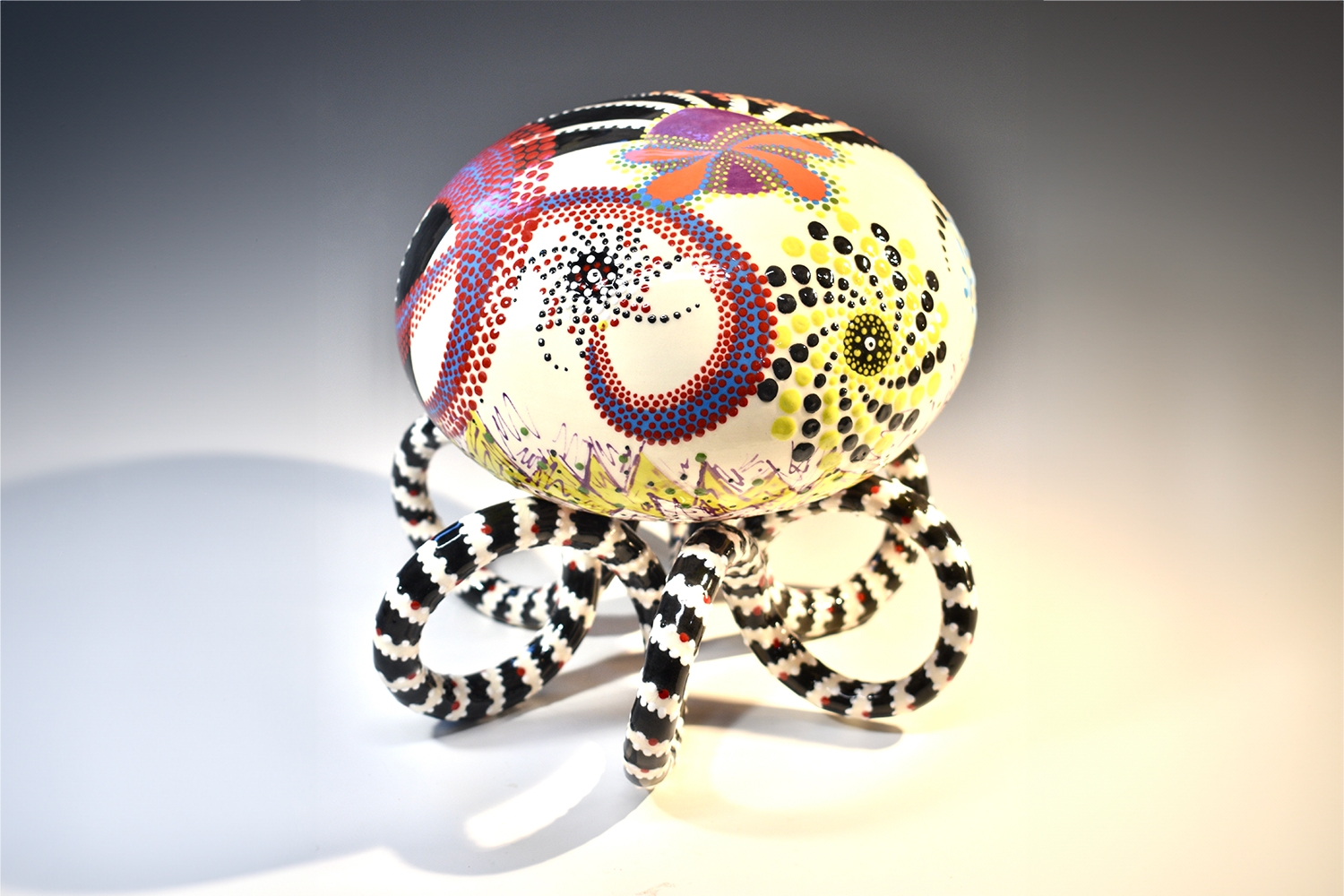
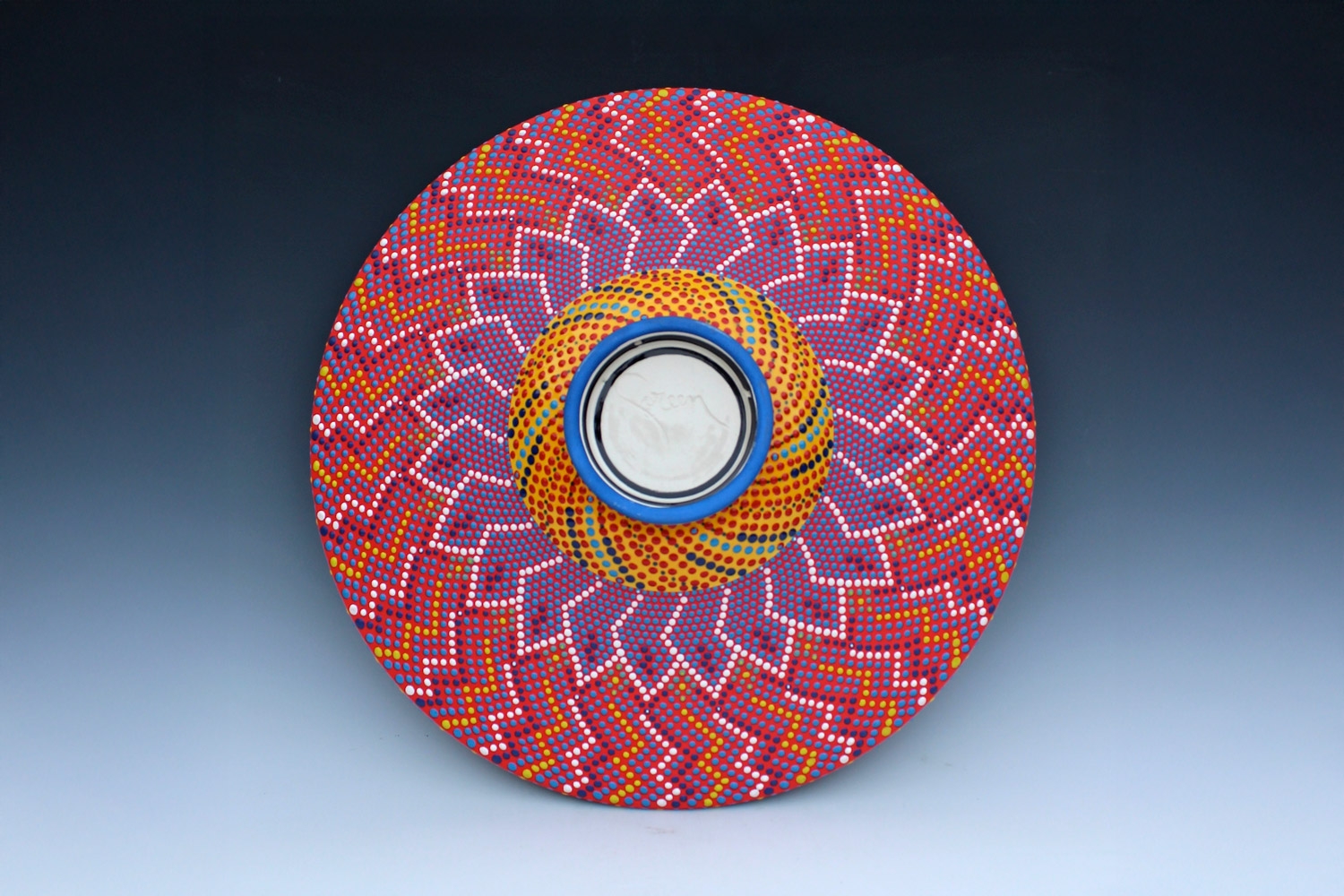
- Coreen's functional ceramics are inspired by nature's patterns and colours
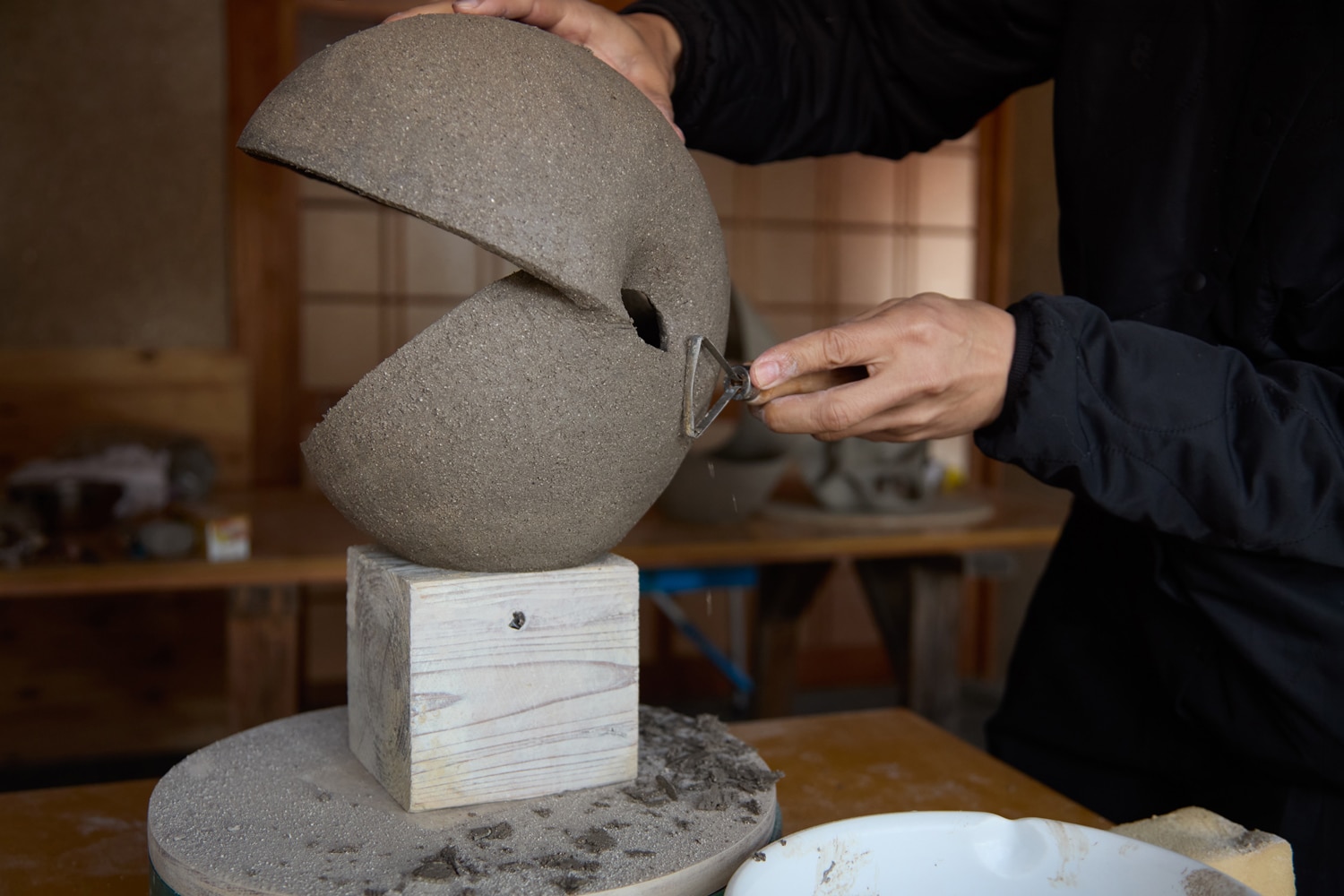
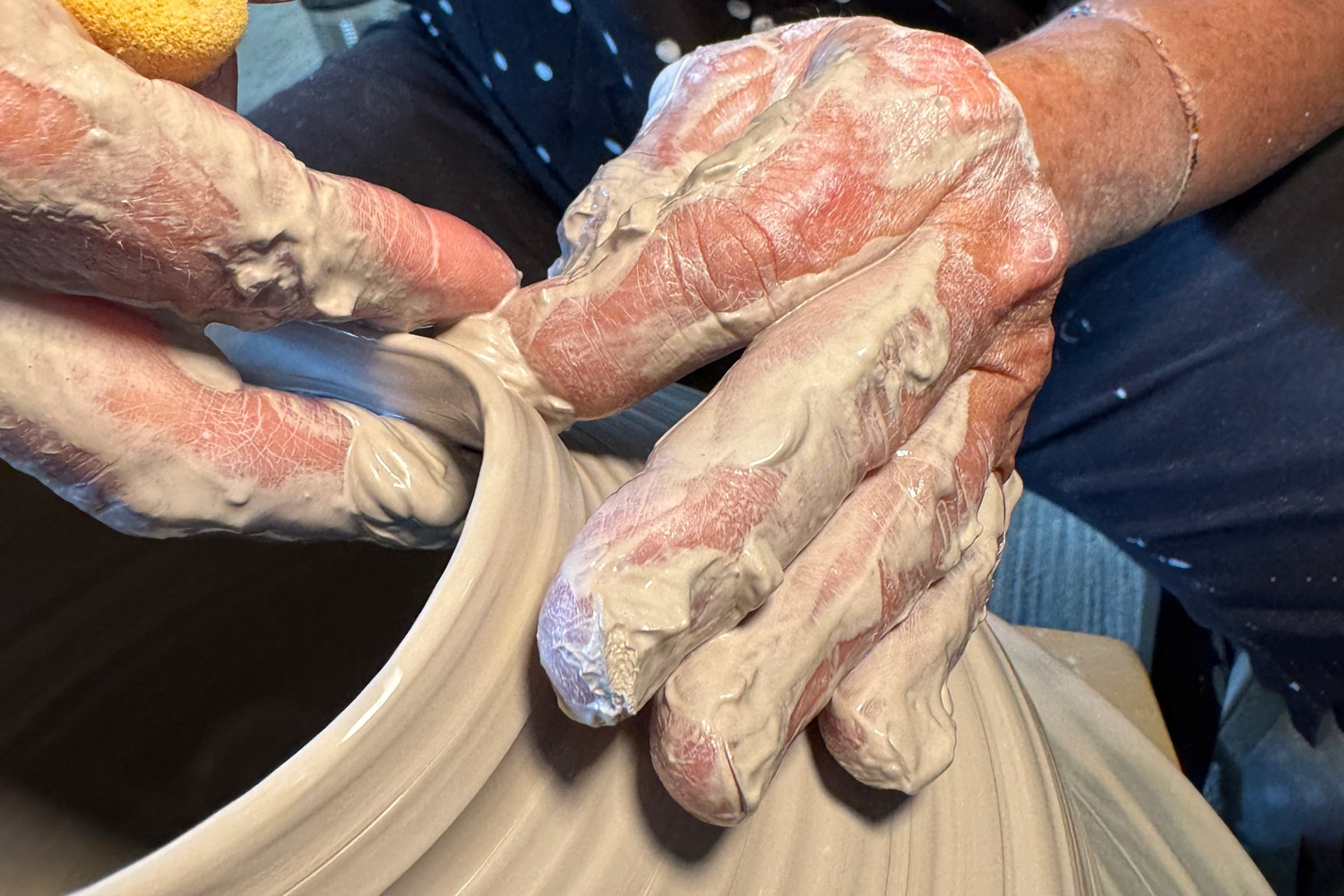
- Her practice has been built on a dialogue with the material
- She is energised by the exchange of ideas she witnesses through teaching
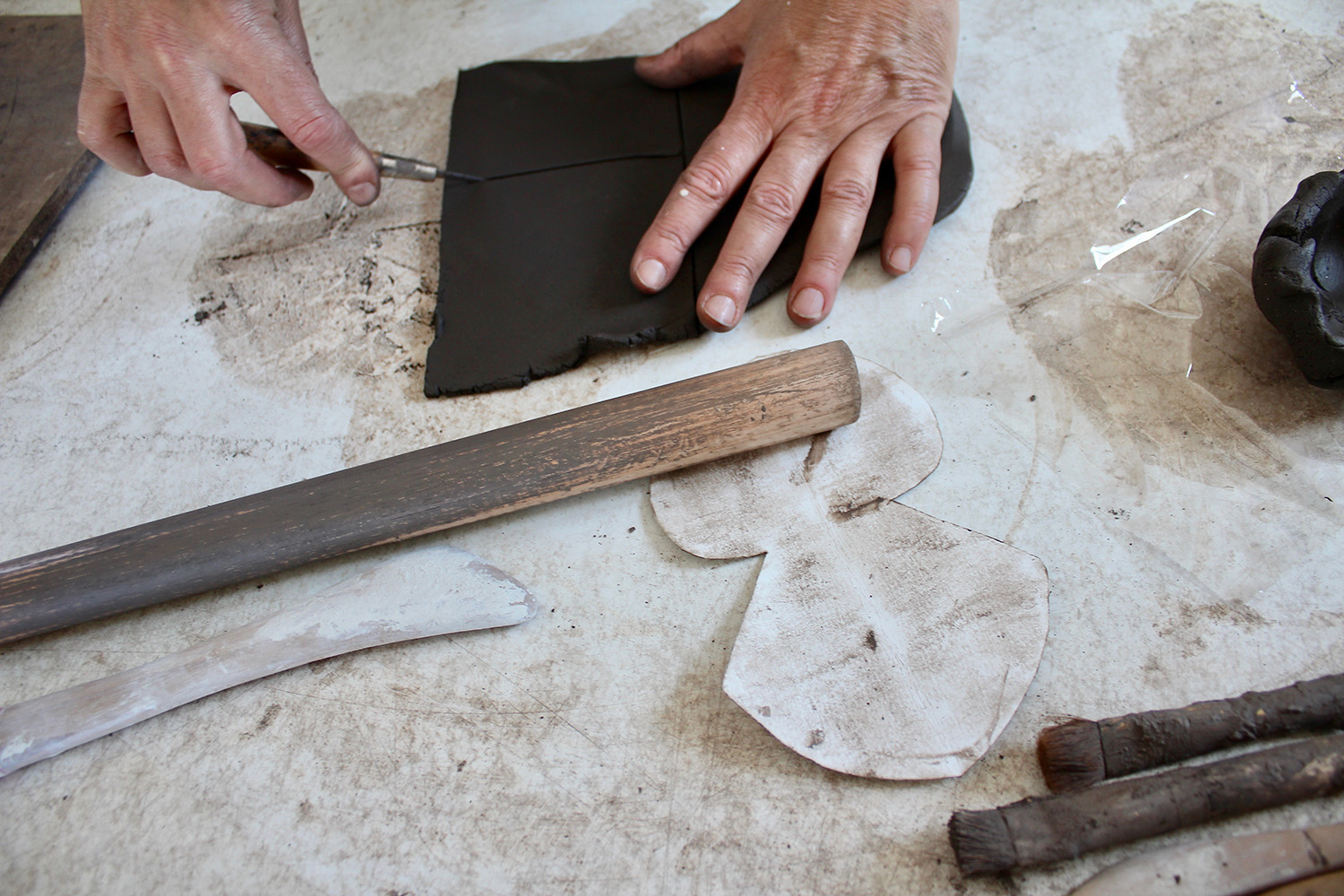
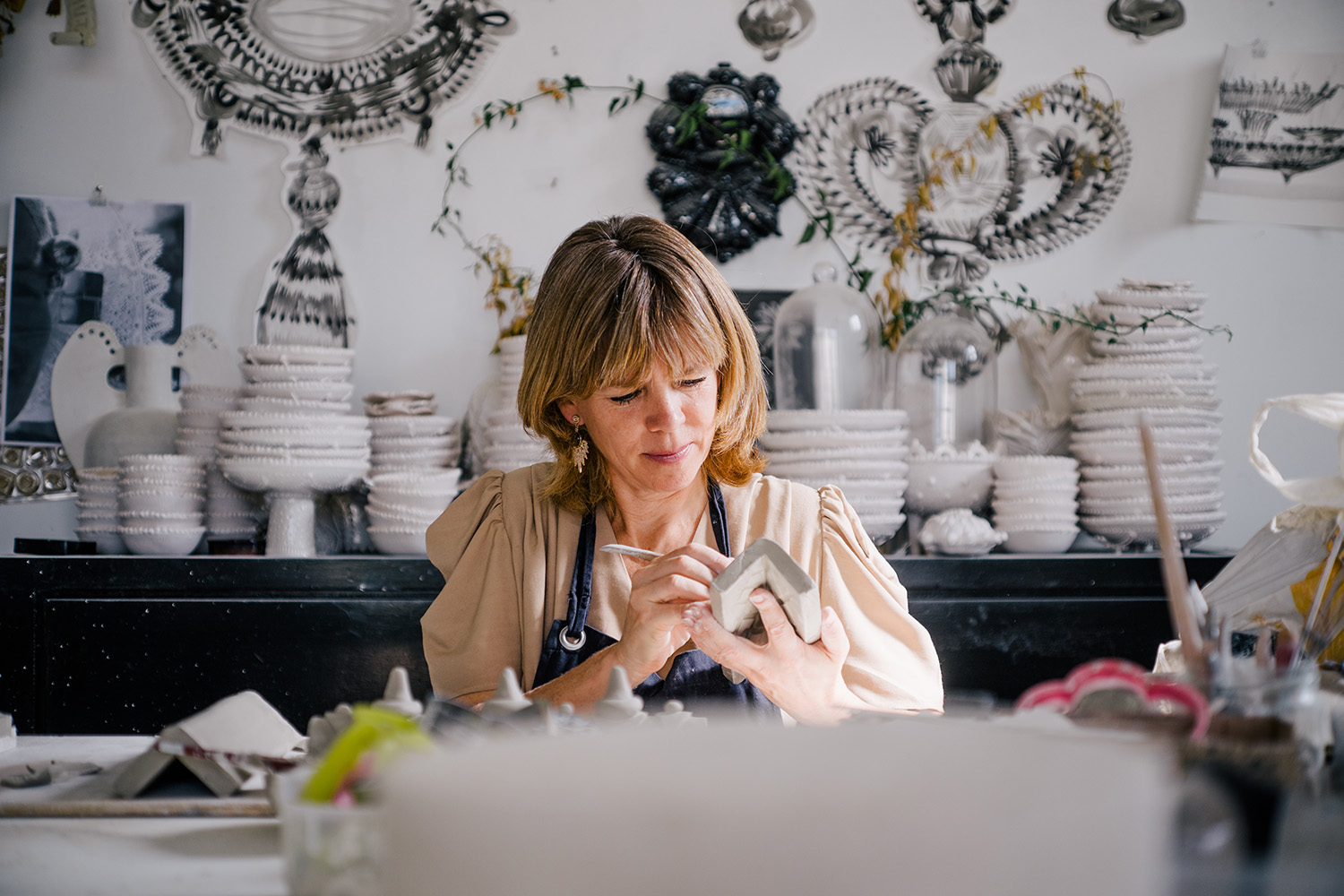
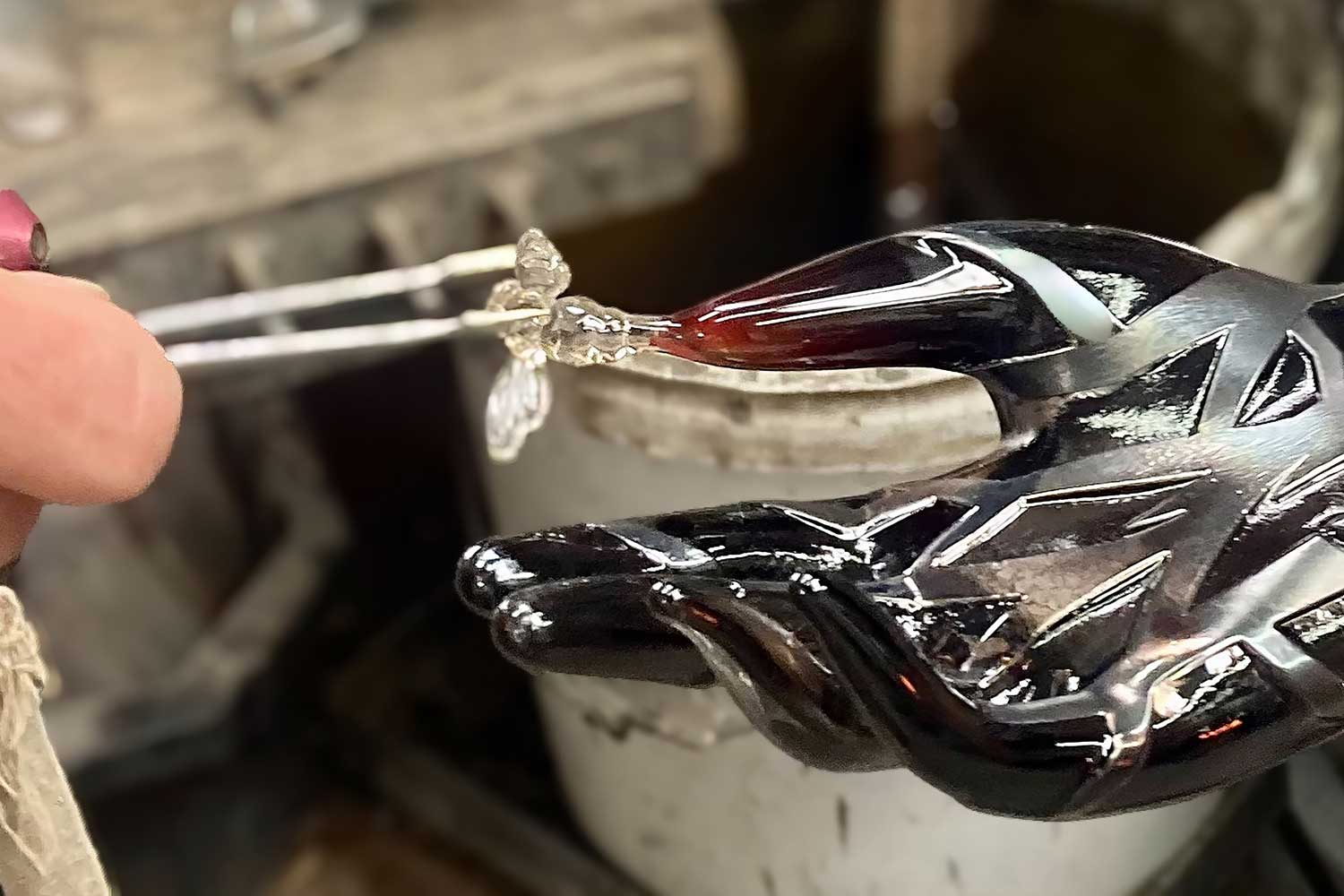
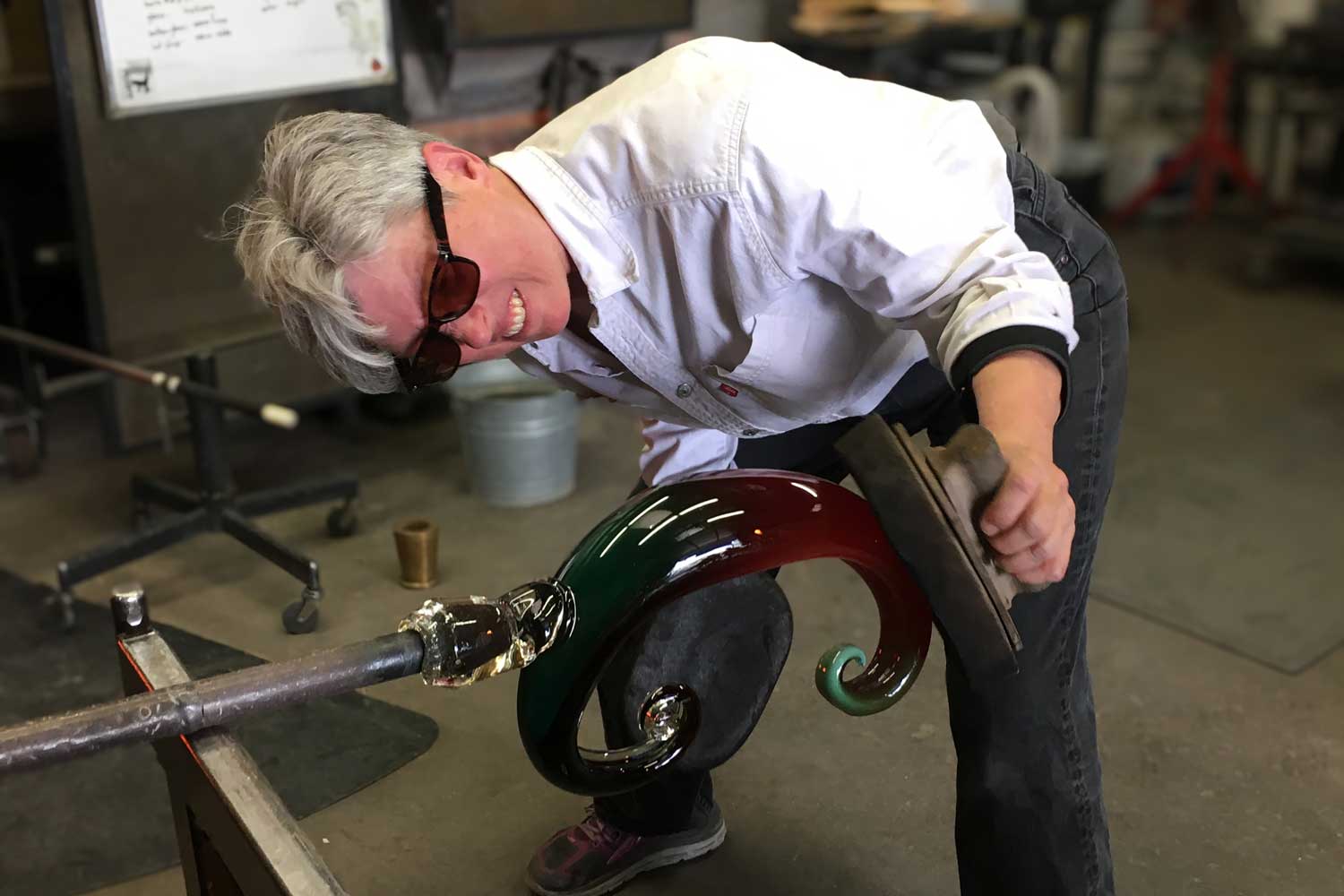
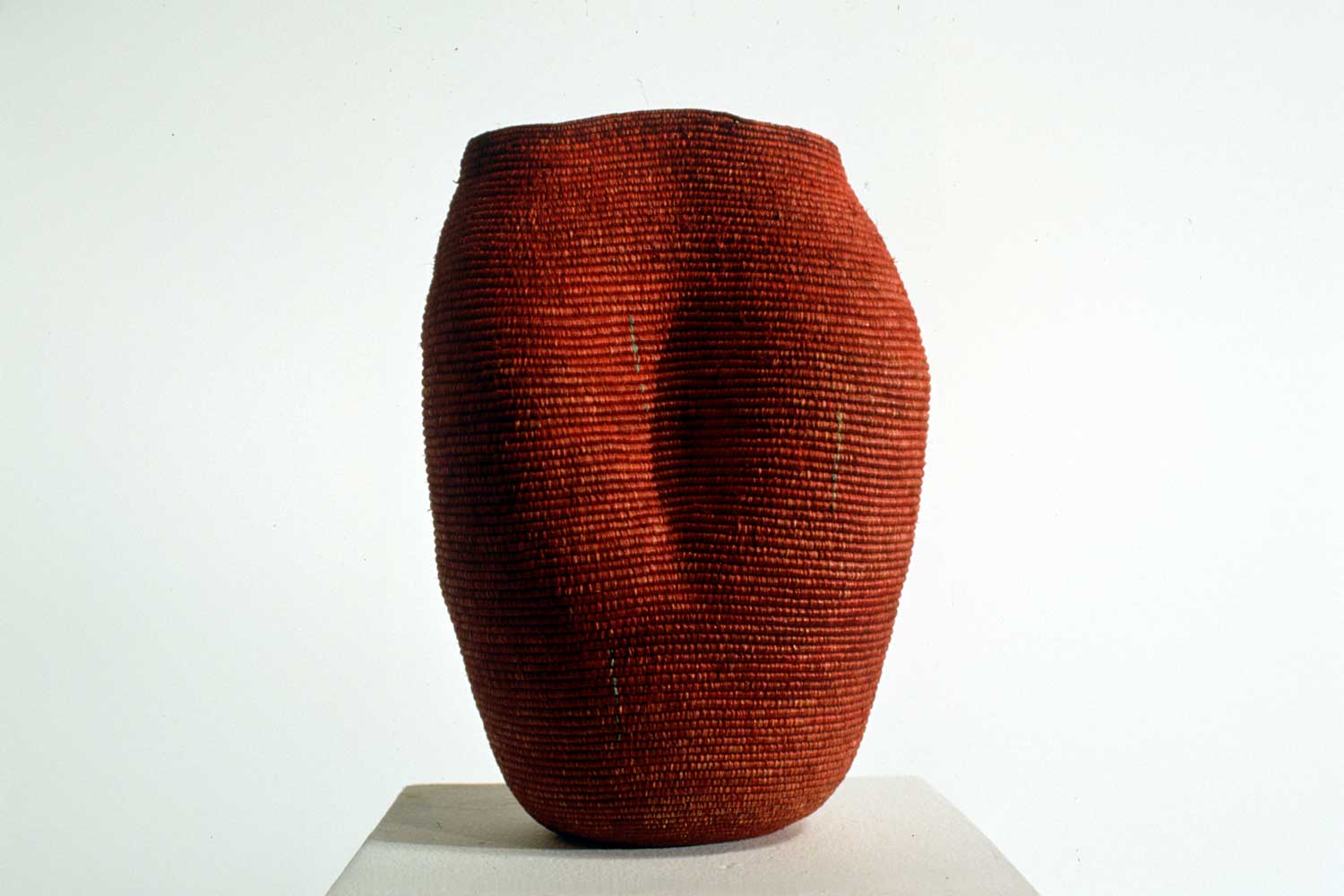
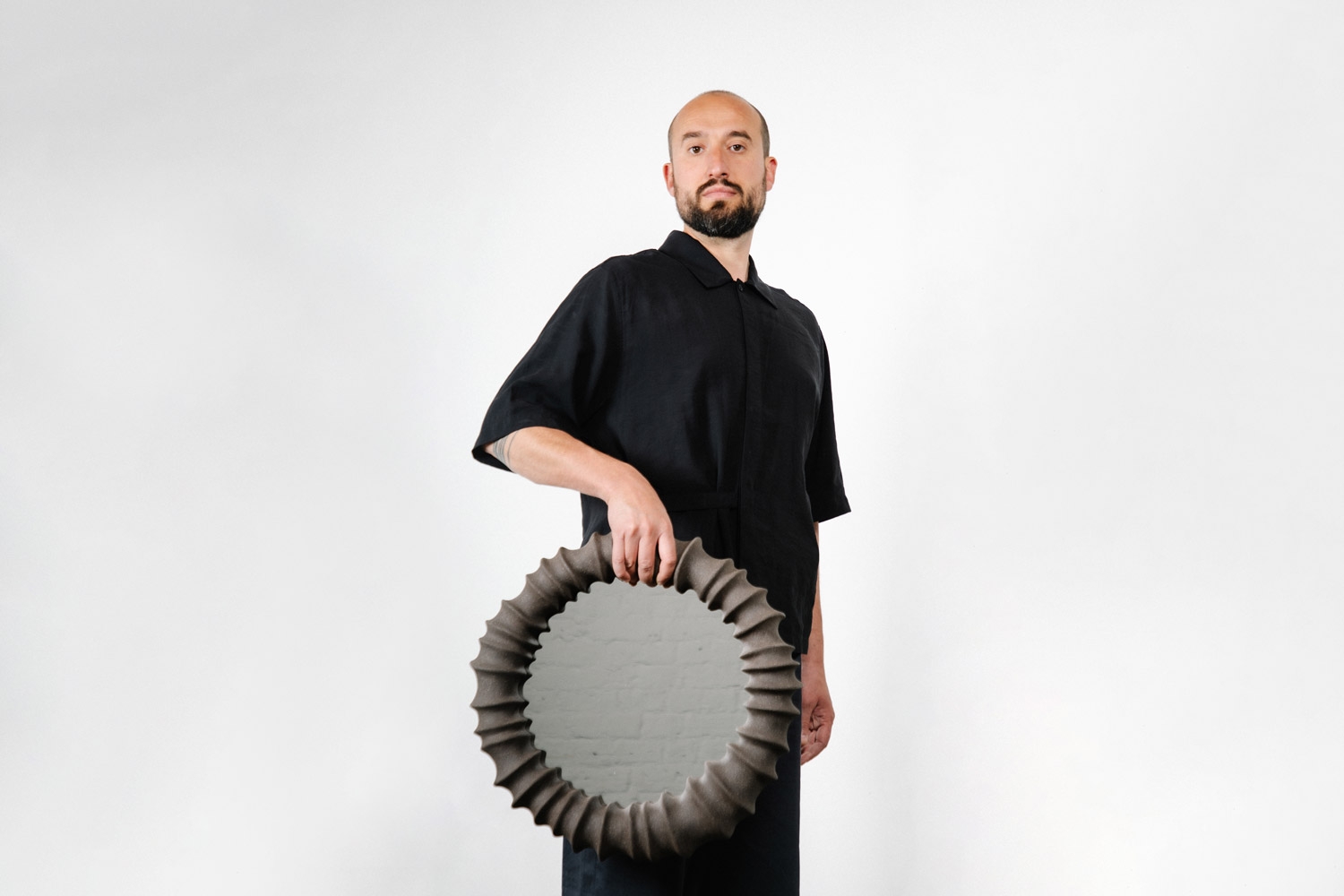
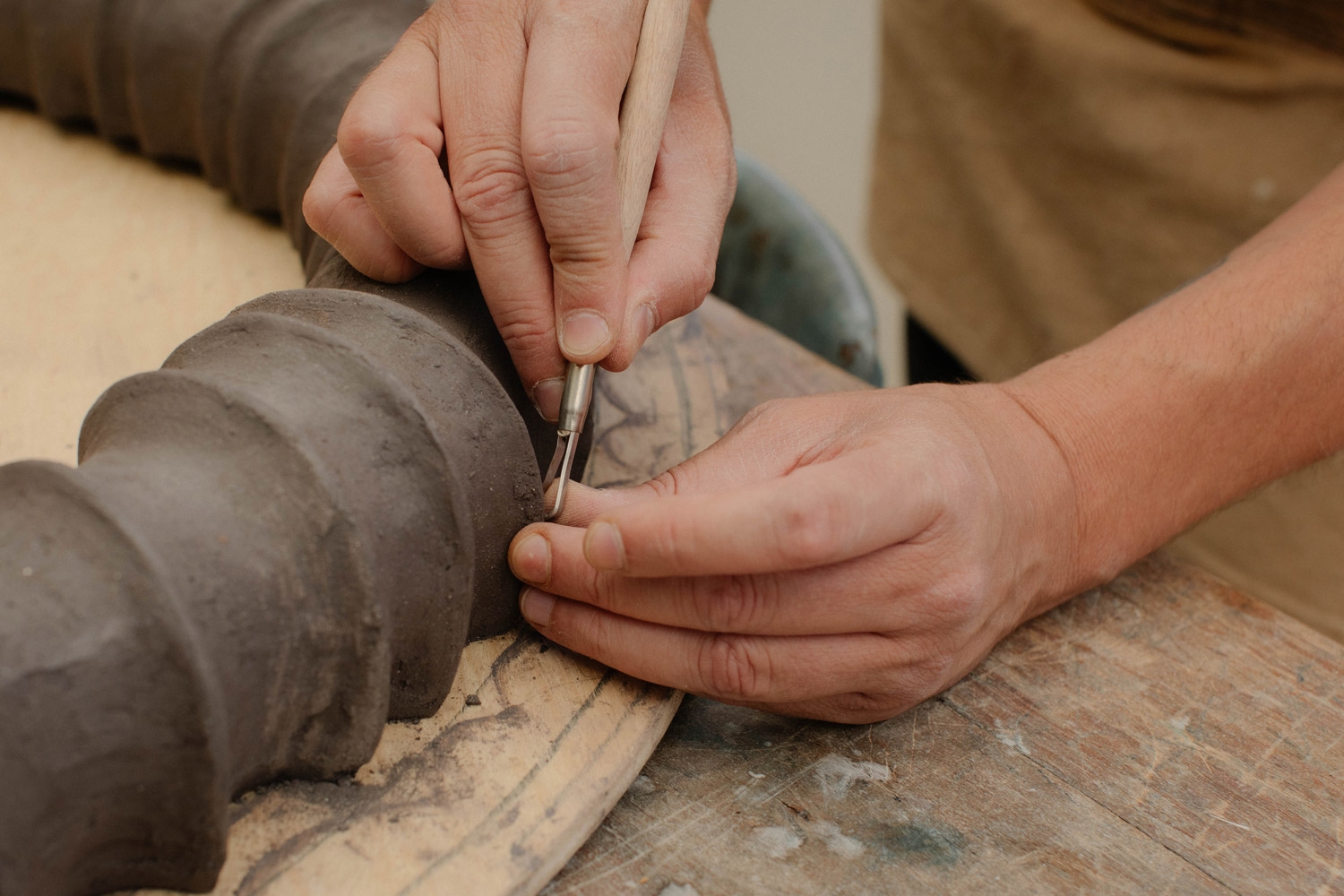
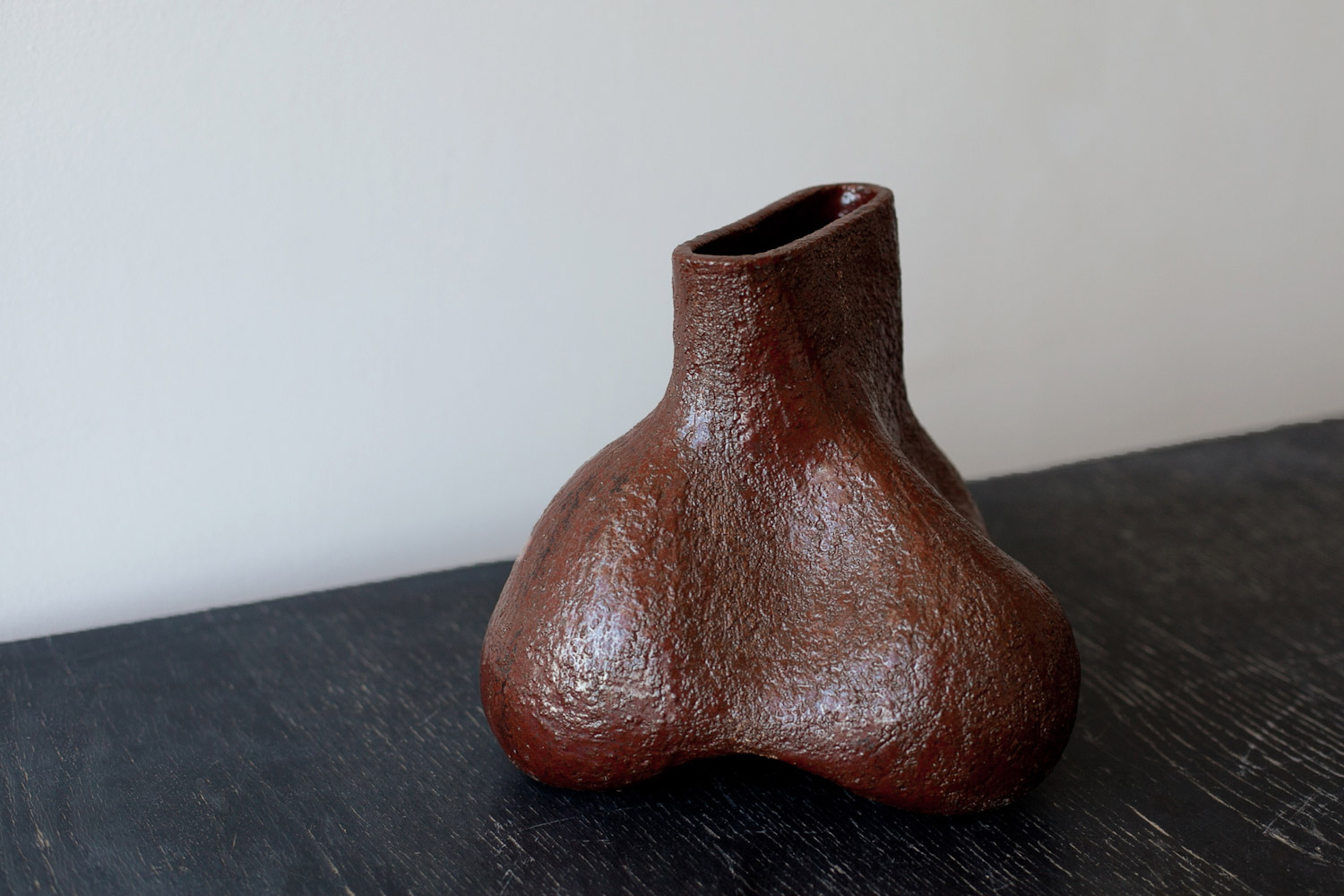
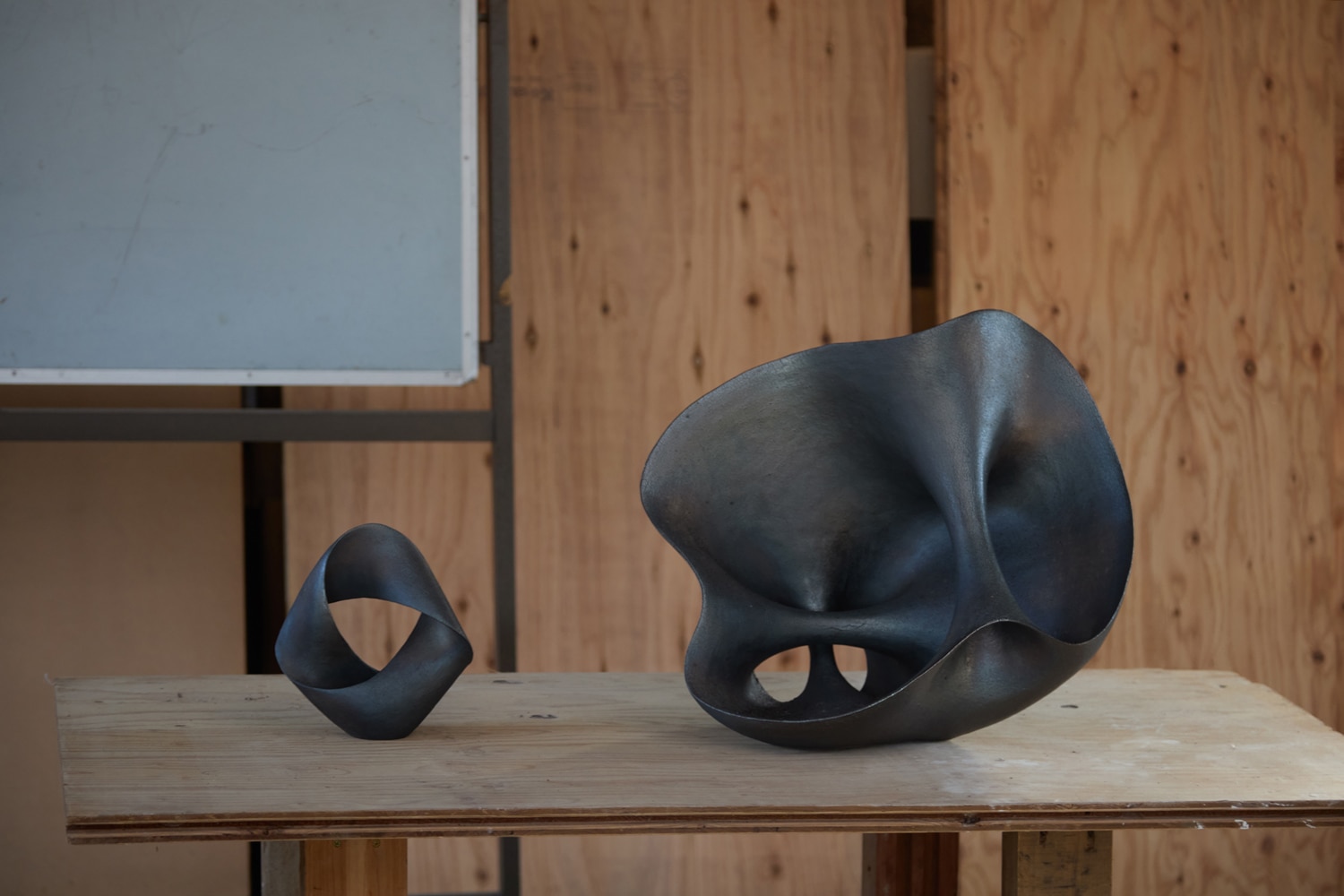
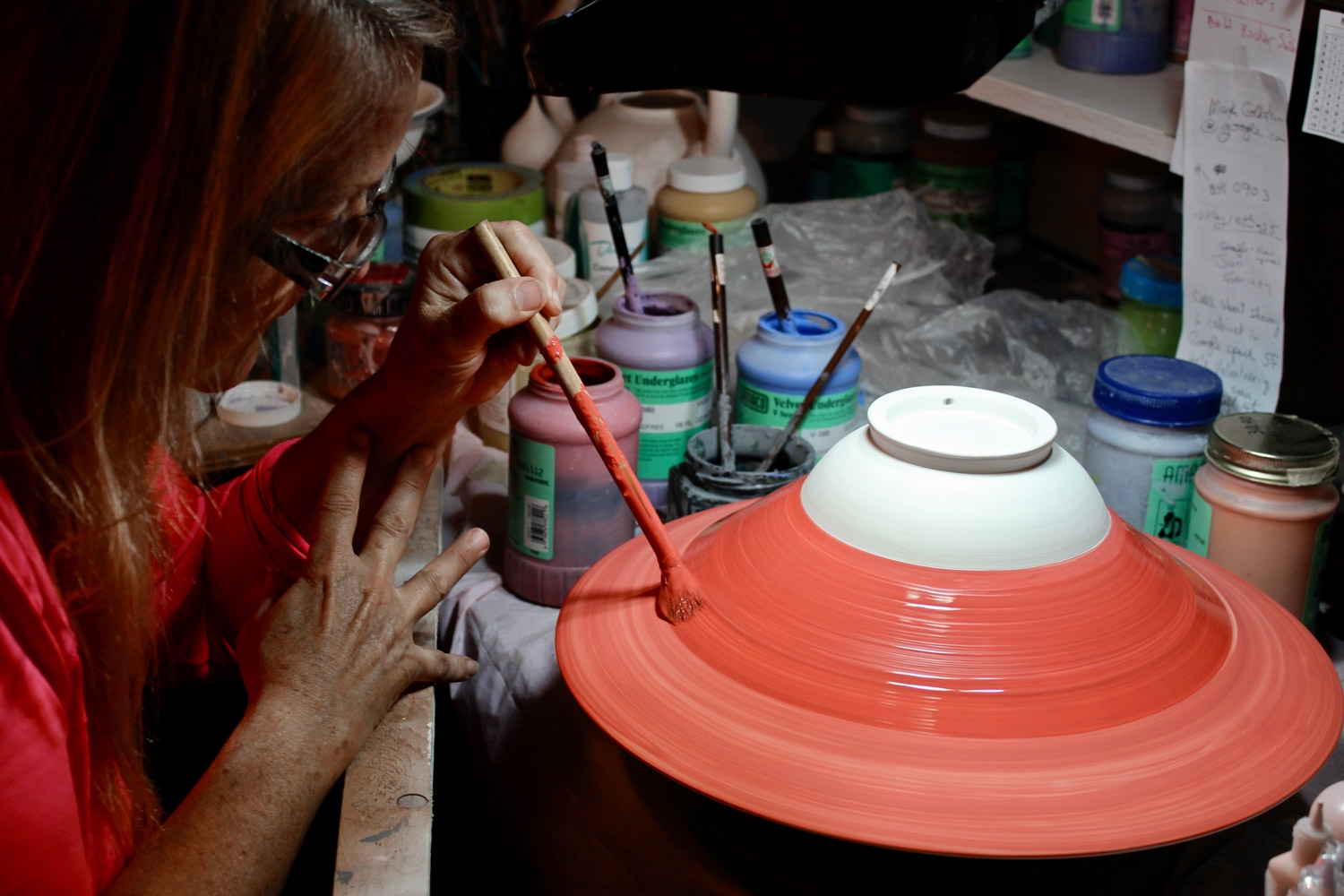
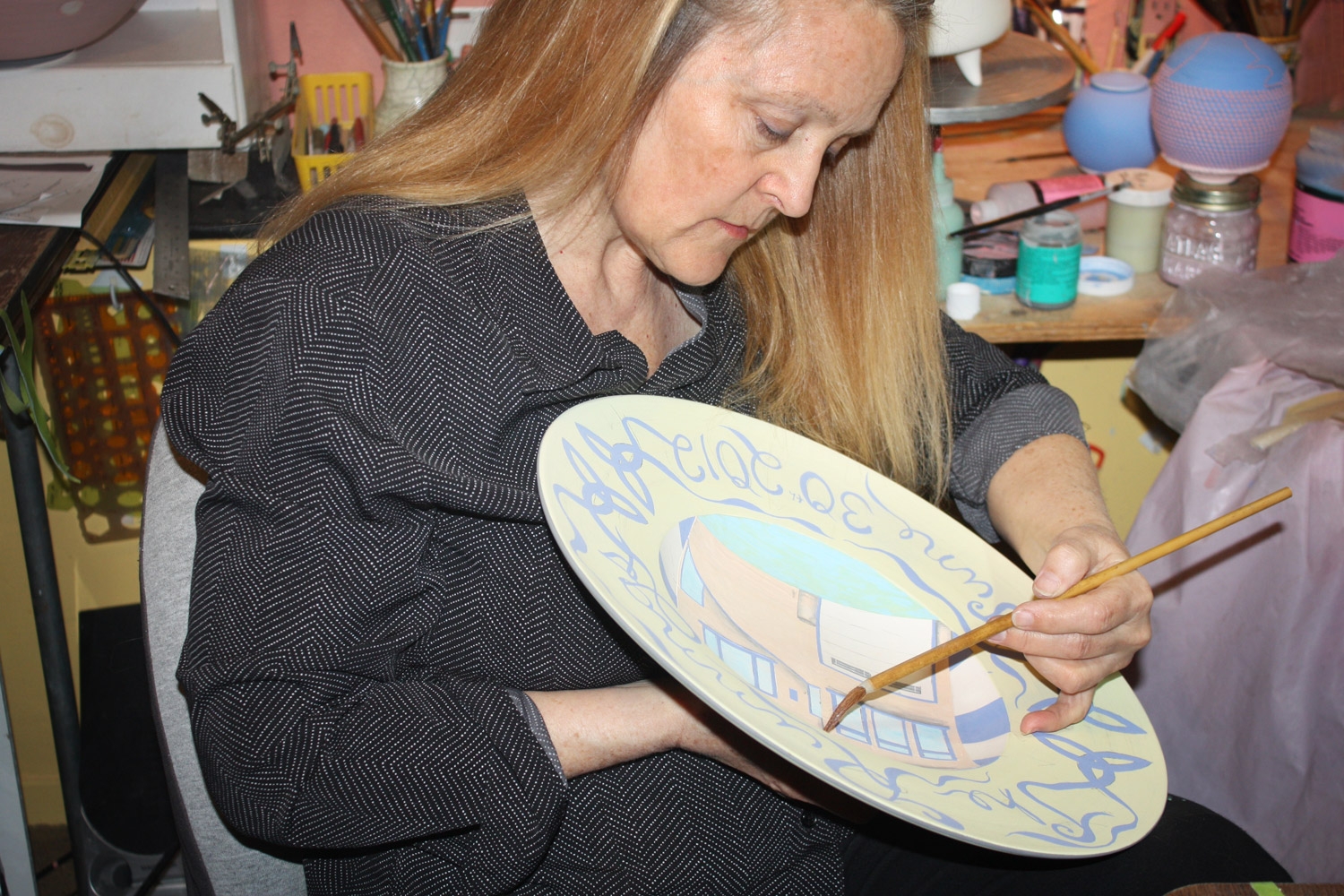
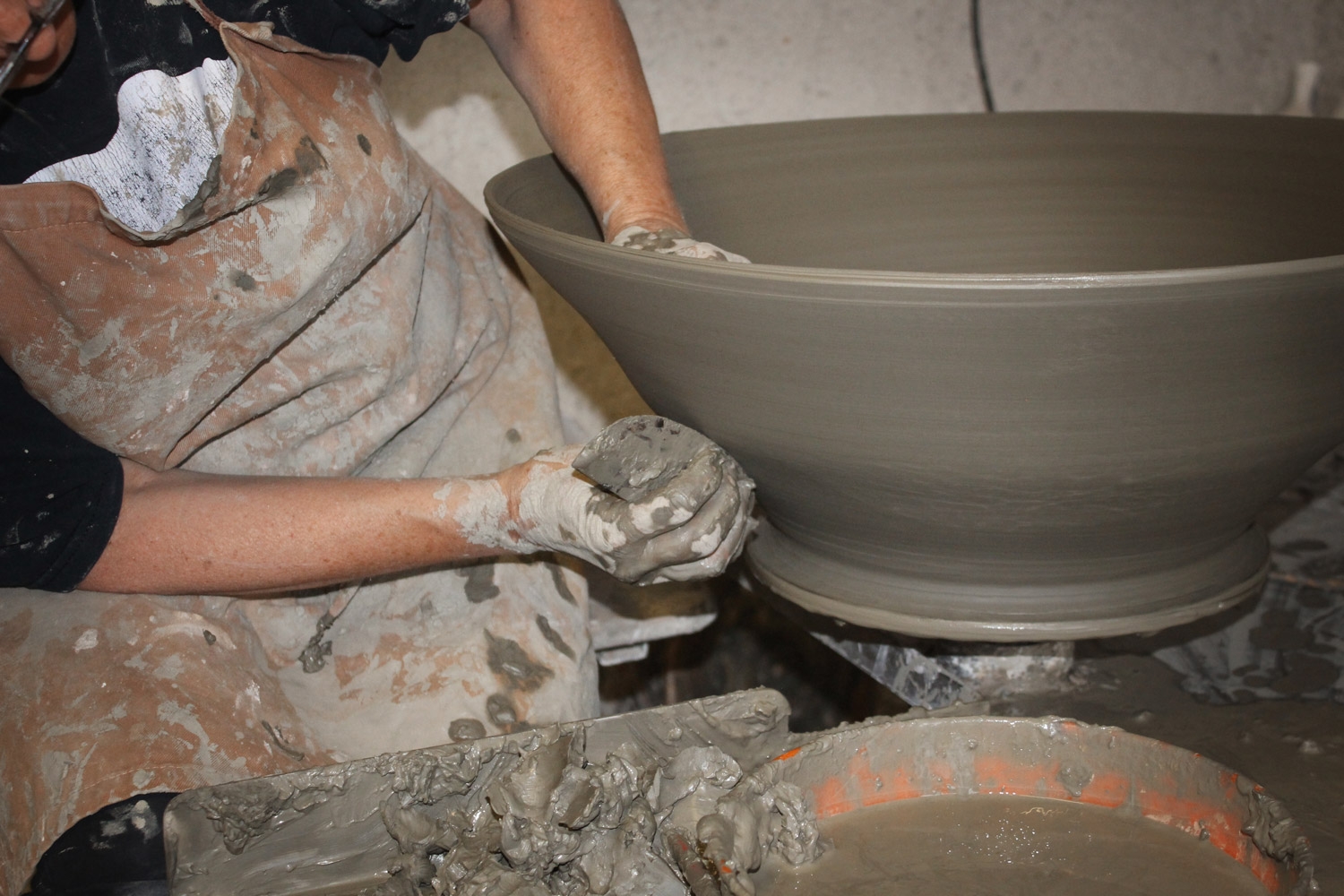
Coreen Abbott’s sculptural and functional ceramic pieces challenge tradition. After her first experience working with clay, she moved from Ohio to complete a BFA at the University of Colorado in 1976. Originally, Coreen's practice followed a functional aesthetic, working with cone ten stoneware and porcelain in a downdraft kiln. Drawn to exploring deeper insights, she studied with sculptors Richard Shaw and John Roloff at the San Francisco Art Institute, graduating with an MFA in ceramic sculpture. “I discovered ceramics could be used in any form,” she says. After living in Faenza, Italy, Coreen's works adopted the rich colours and stable designs available at low-fire temperatures. She has taught internationally in Italy, Malta, China, India and Turkey.
INTERVIEW
As with most creative people, my mentors and intuition have led me to carefully observe and consider the world around me. I am grateful to have studied at the San Francisco Art Institute, an institution that encourages students to experiment and take risks. I have the greatest respect for all the artists who have opened new doors and on whose shoulders I stand.
My biggest influence has been the community of artists I have had the opportunity to be a part of. Additionally, having the opportunity to observe diverse clay practices in different countries has helped me understand the span of clay's possibilities and the endless natural force of human creativity.
I am passionate about observing nature. The most amazing shapes, colours and patterns can be found underwater and even terrestrially. One of the first dot pieces I ever did, I later realised, was inspired by sea urchins. Creatures from whale sharks to trunkfish and even insects offer an endless well of visual and conceptual inspiration.
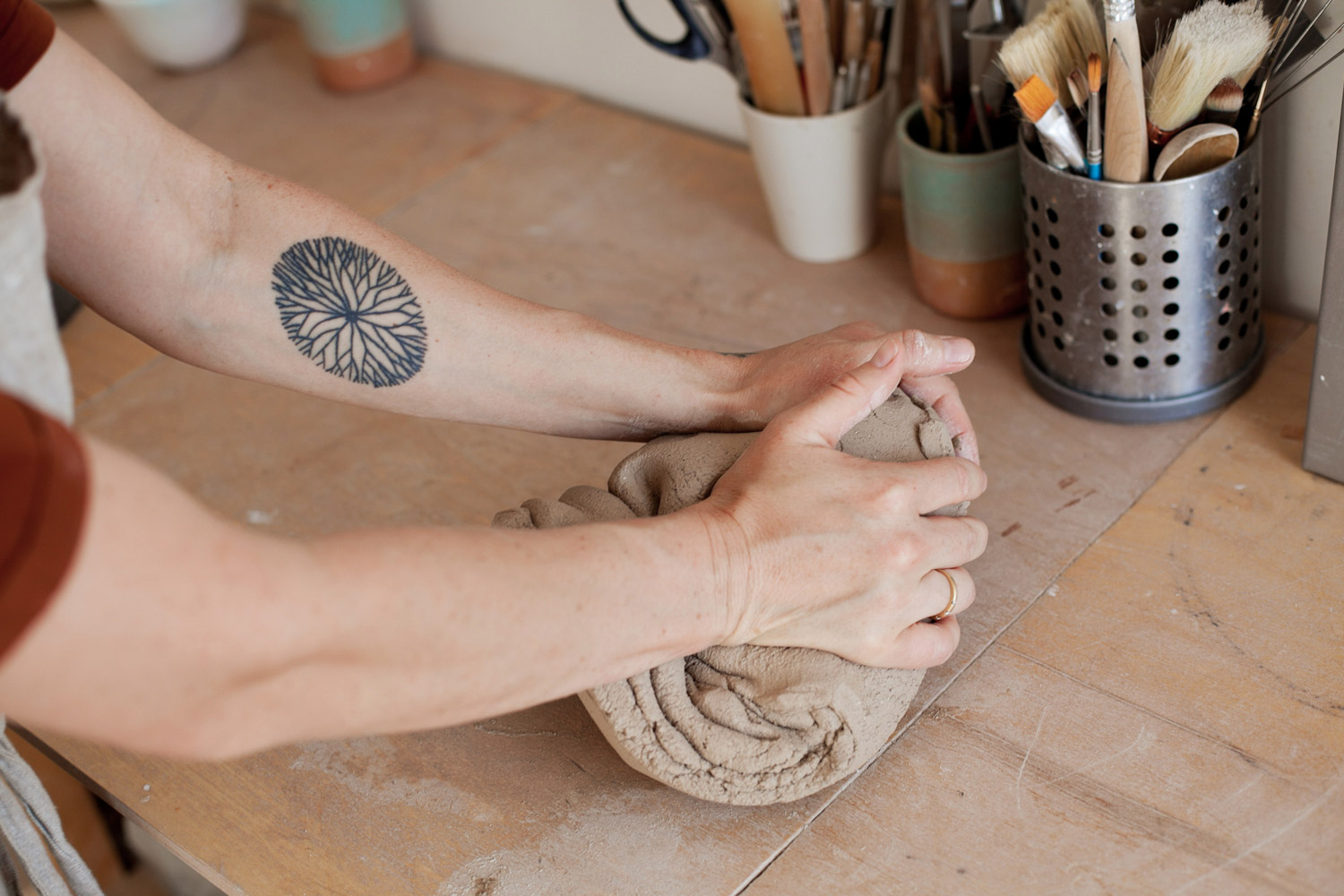
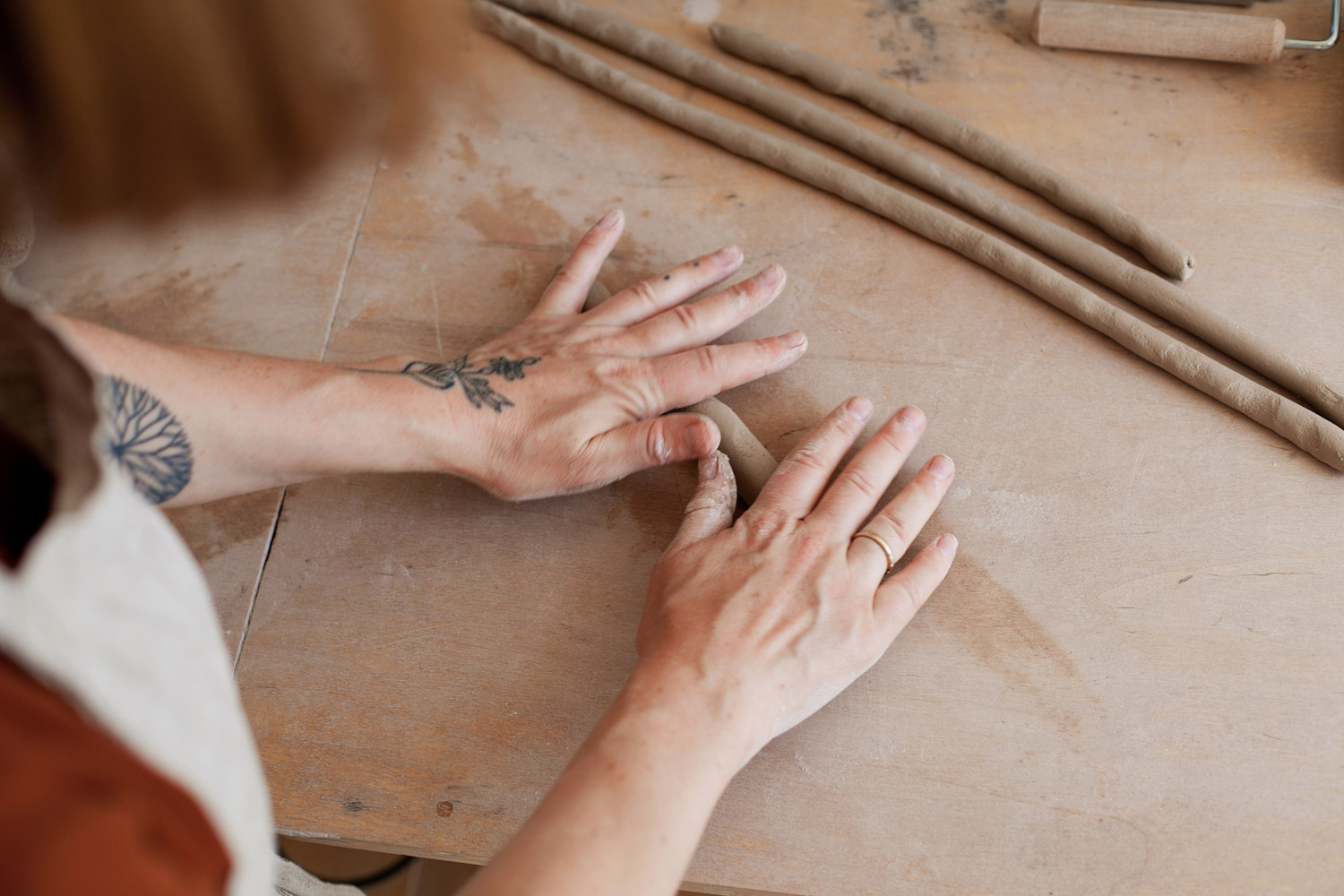
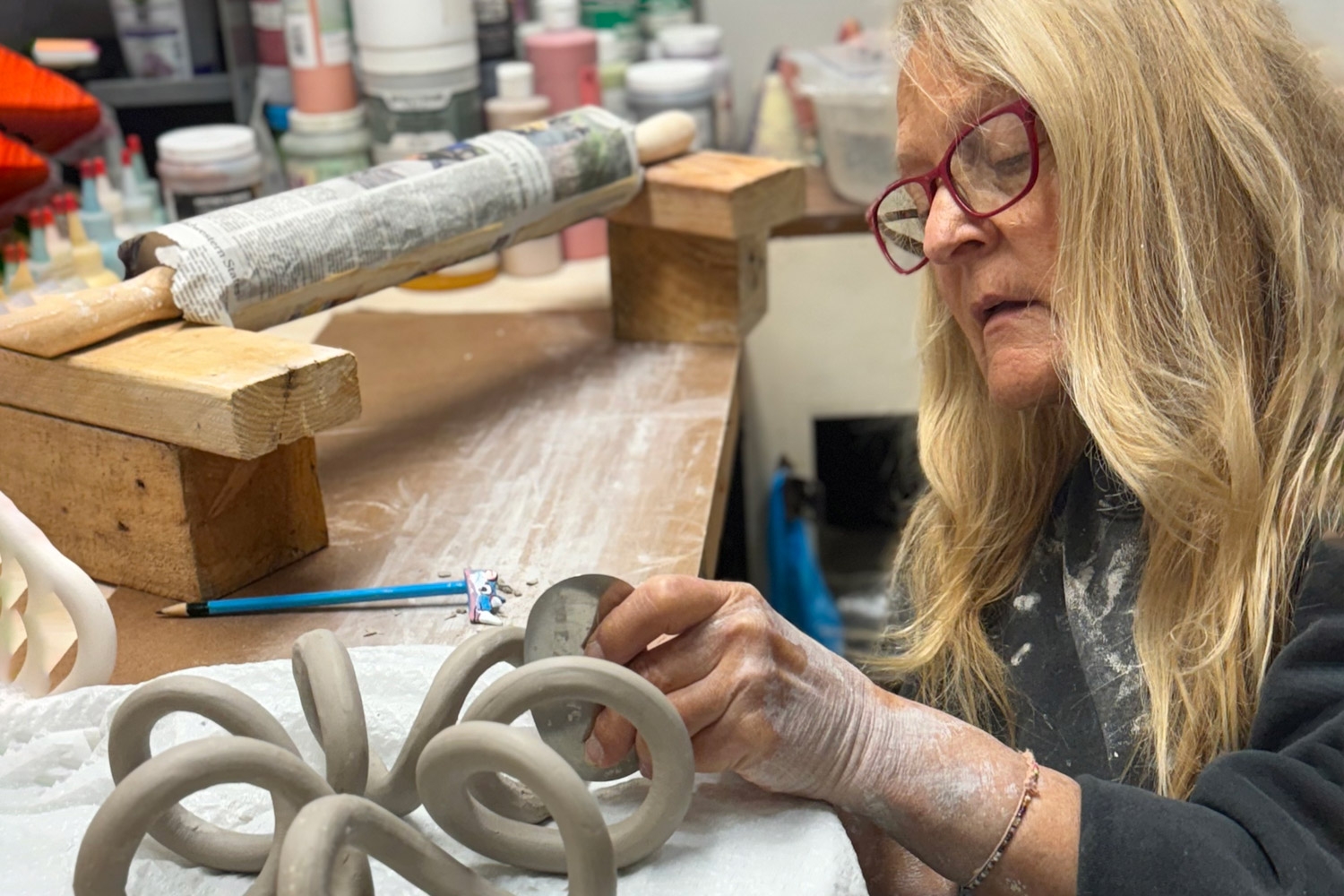
Being a craftsperson requires a lot of alone time. I have to disconnect to get anything done. Teaching is a wonderful counterpoint. It forces me to articulate my process and illuminate ideas, while also seeing what students come up with. I love the idea of the exchange and passing down of ideas.
Coreen Abbott
Ceramicist
San Francisco, CA, USA
ADDRESS
Address upon request, San Francisco, CA, USA
AVAILABILITY
By appointment only
PHONE
+1 4156610330
LANGUAGES
English
Homo Faber Finds is a new service aiming to inspire admirers of craft to connect and collaborate with exceptional artisans.
We invite you to submit an enquiry here.