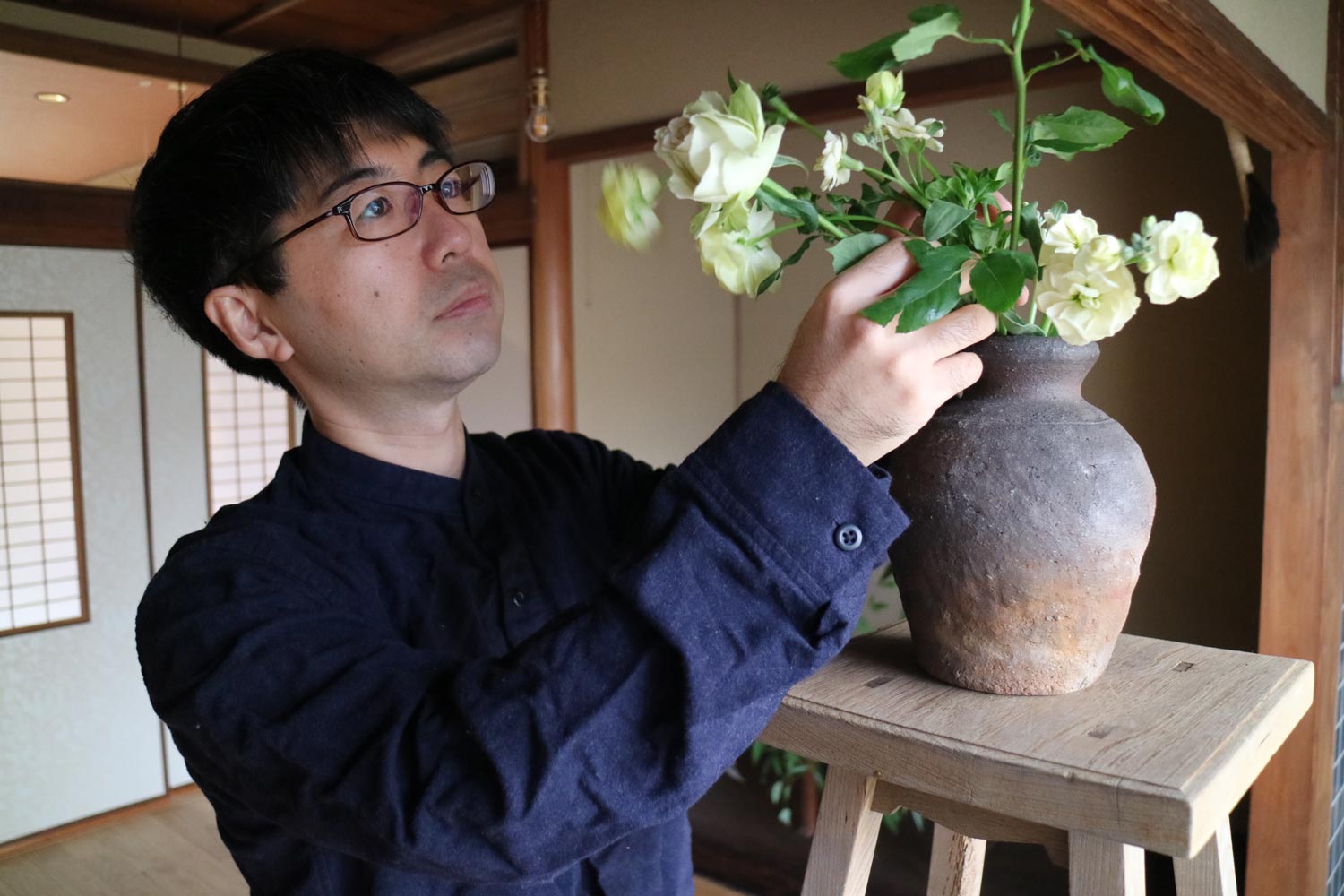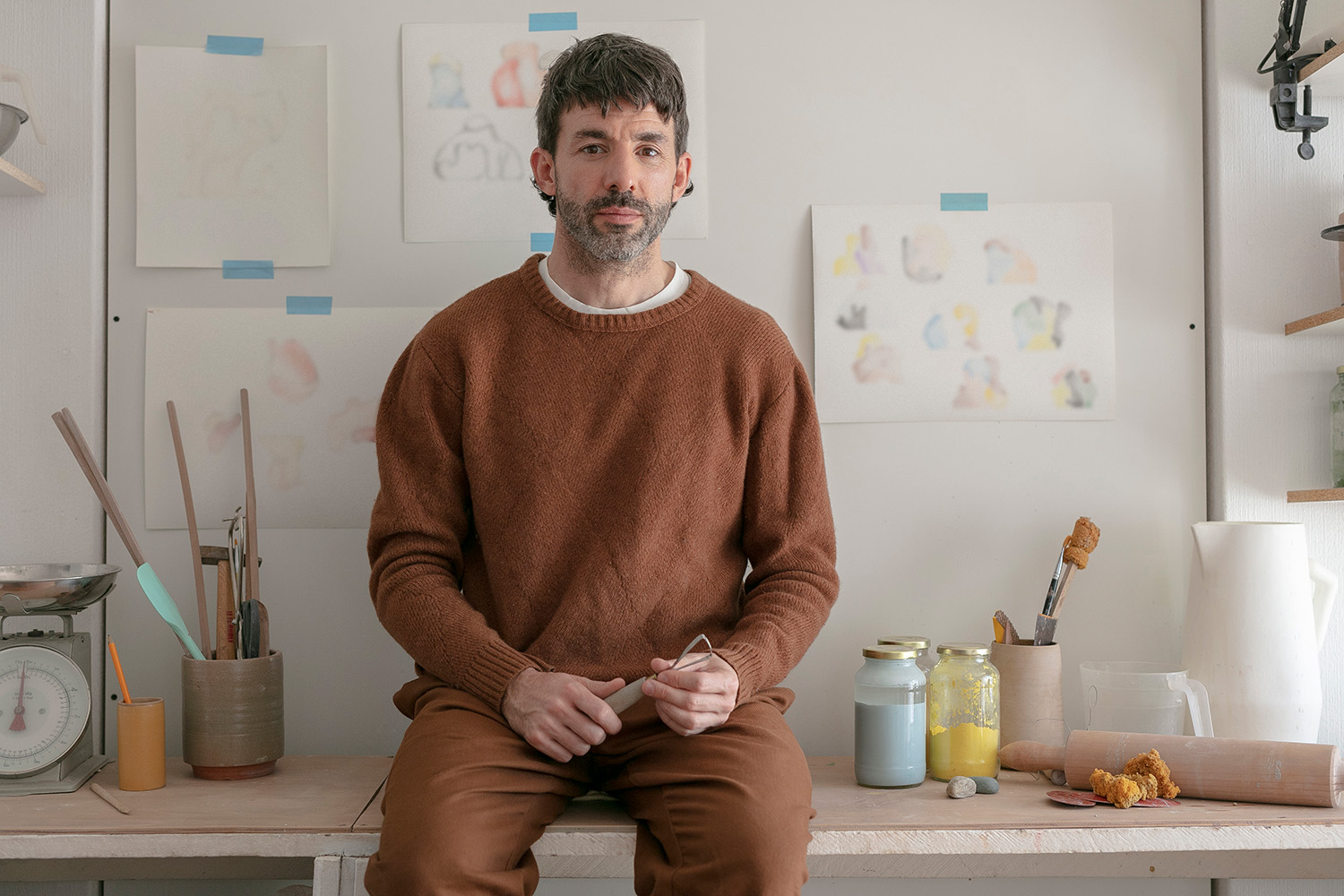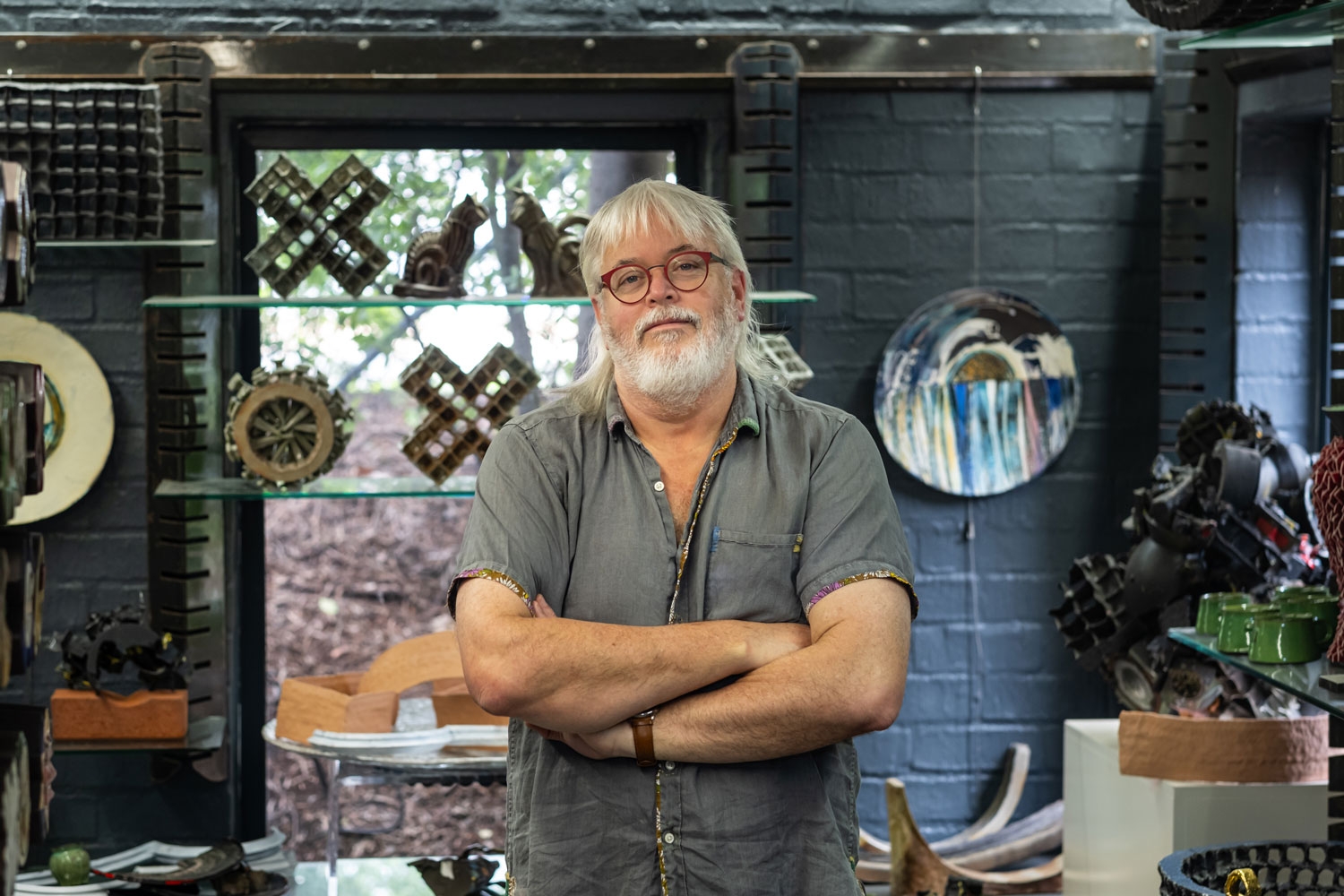
Hennie Meyer
Ceramicist
Cape Town, South Africa
Dynamics of earthenware and clay
- Hennie constantly experiments with ceramic techniques and processes
- He discovered his craft as an exchange student in Australia
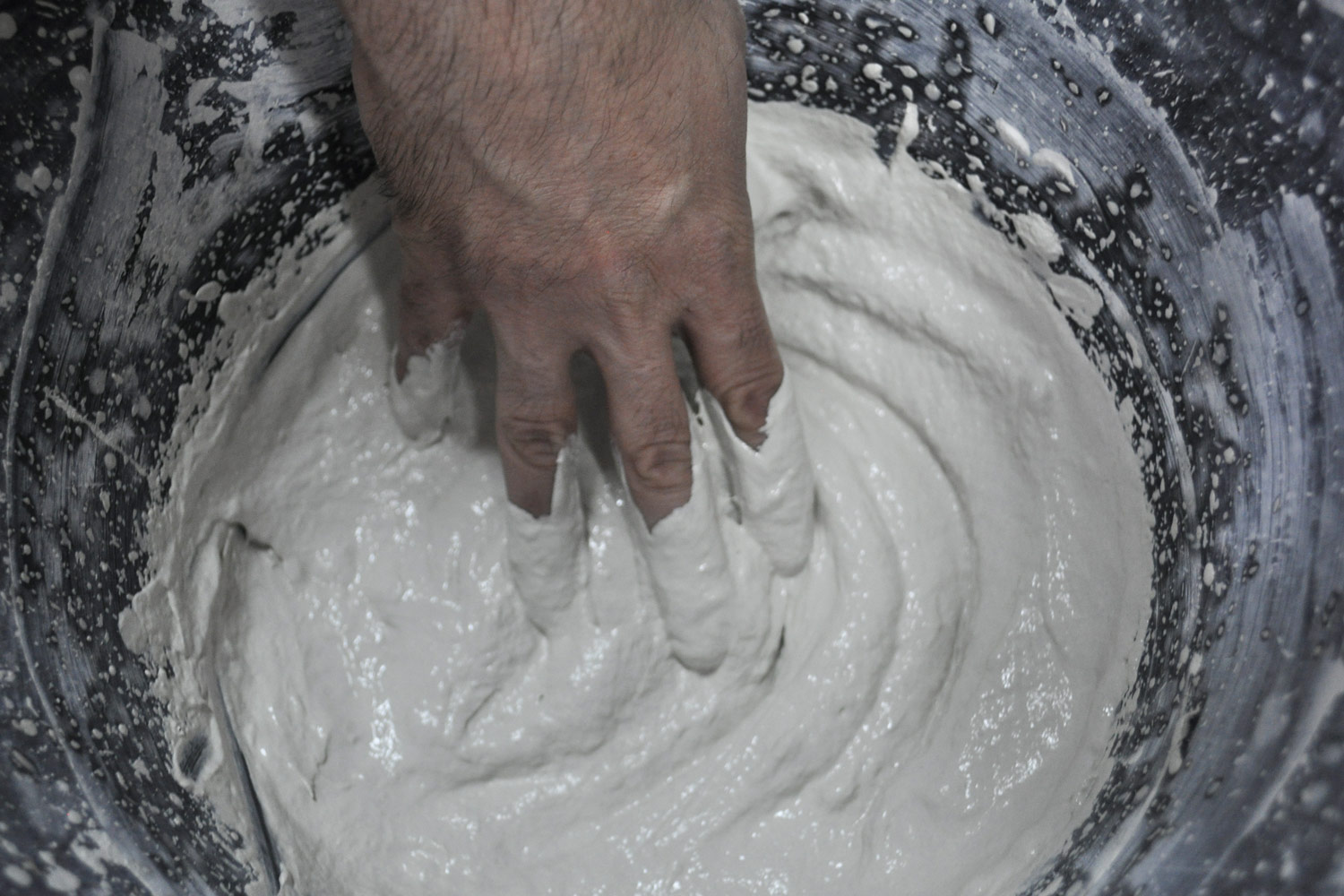
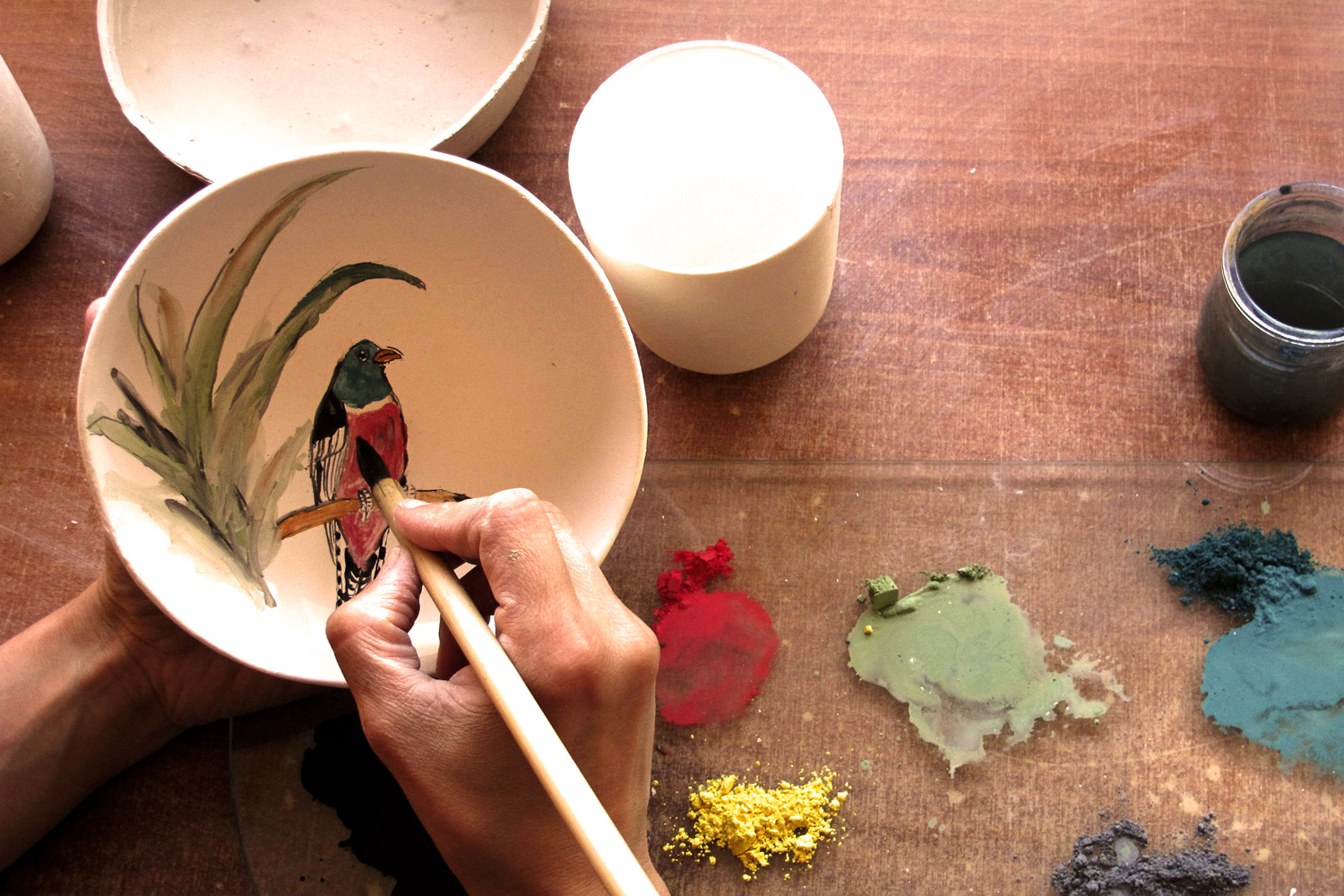
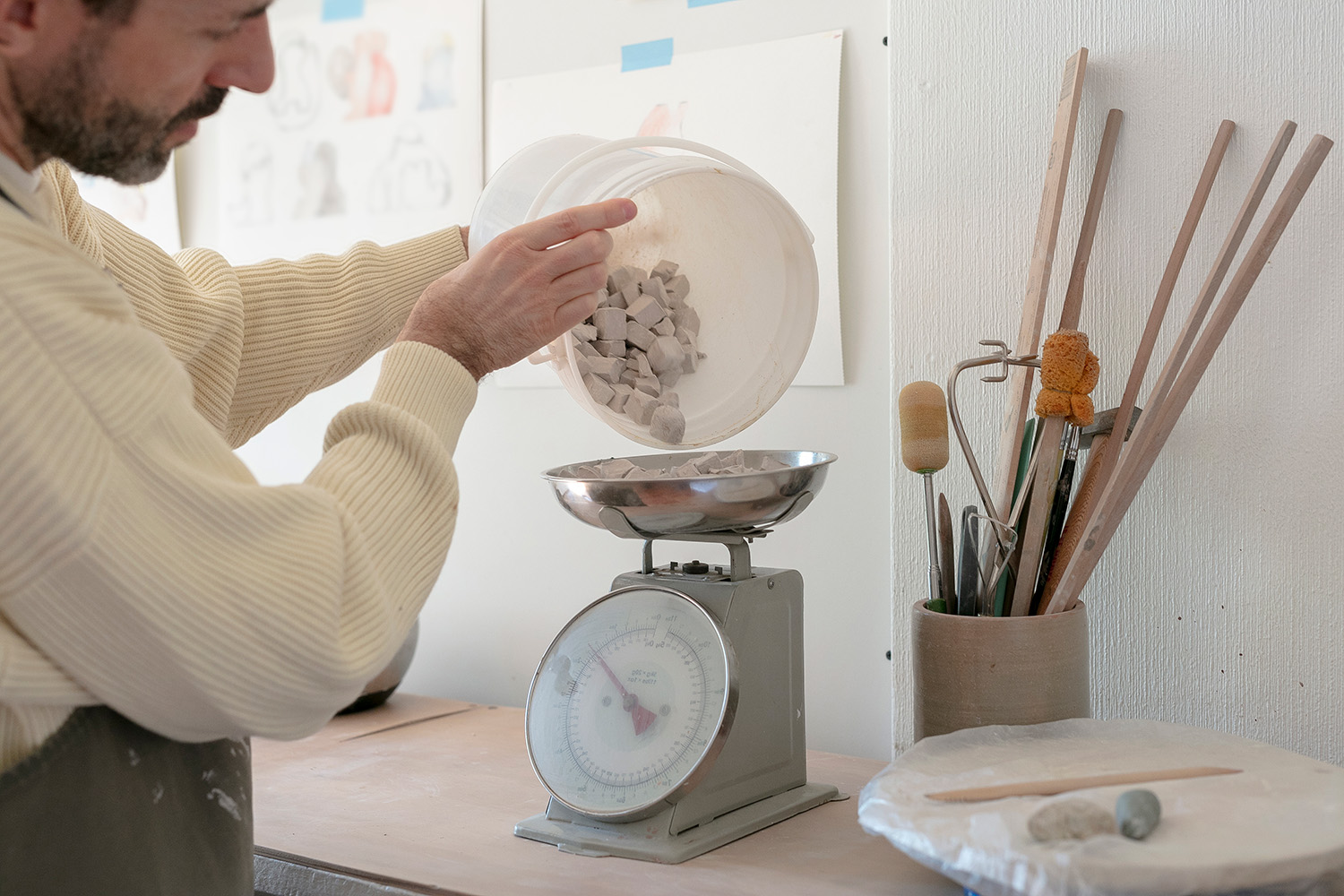
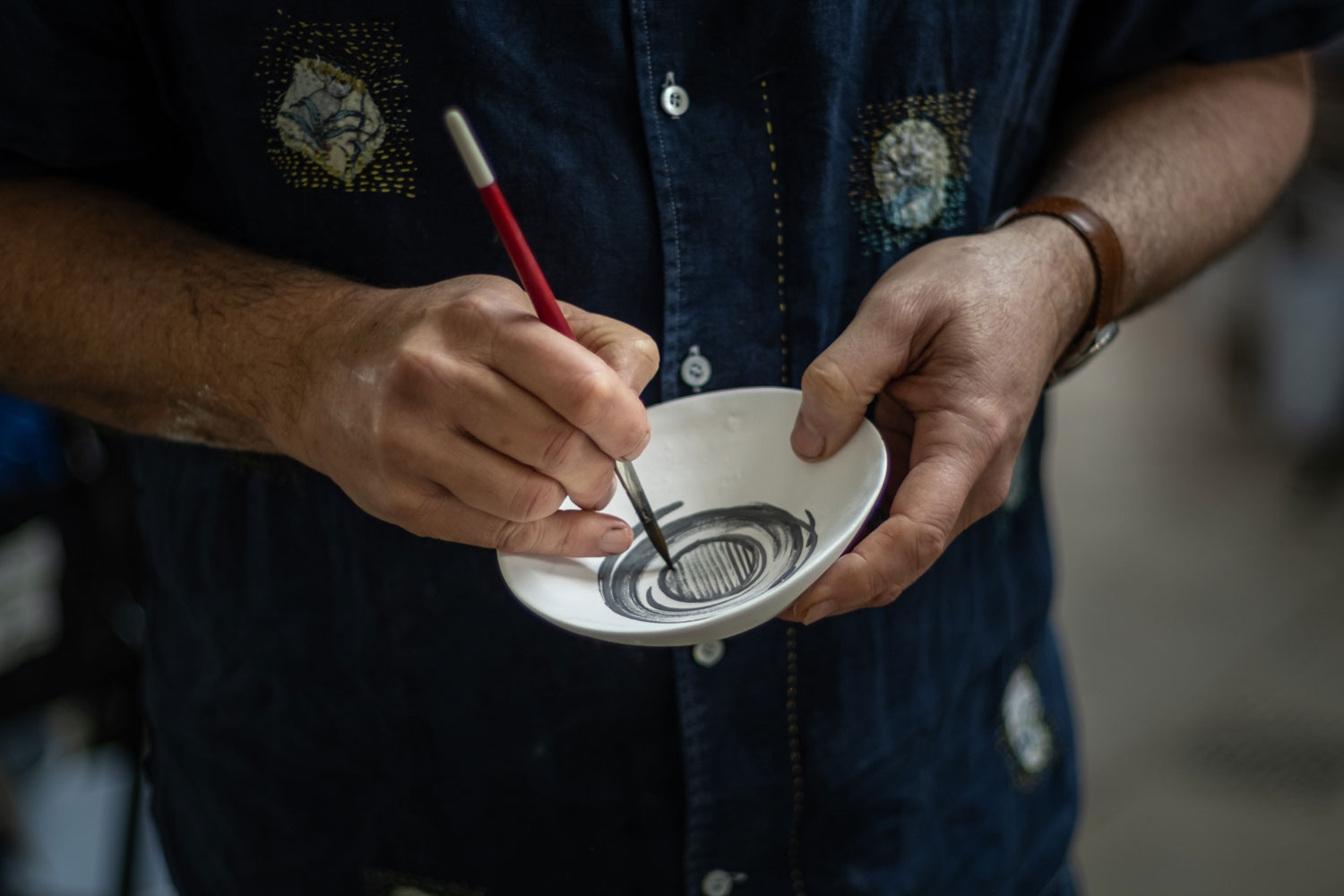
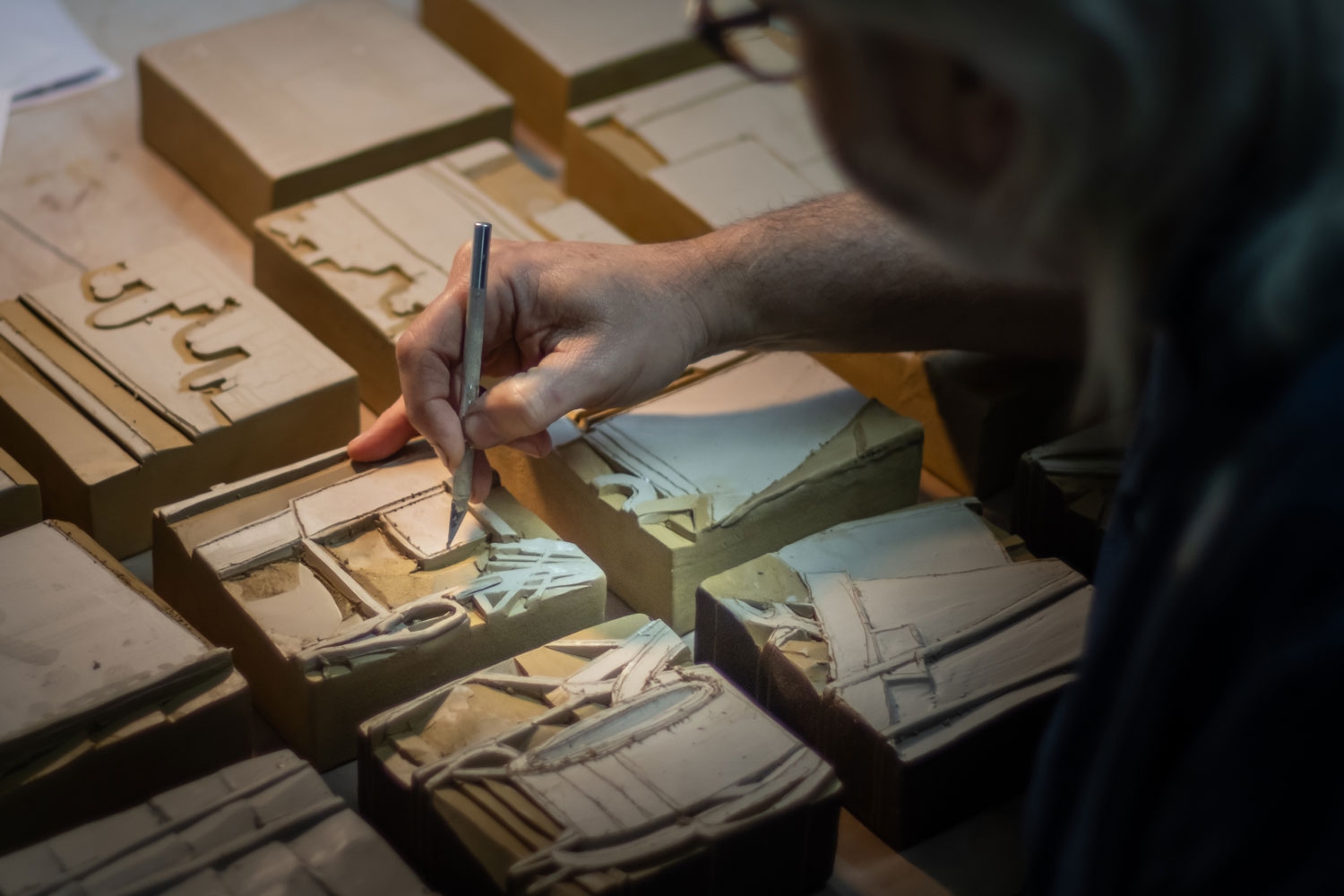
- He works with earthenware clay, and mixes and develops his own slips and glazes
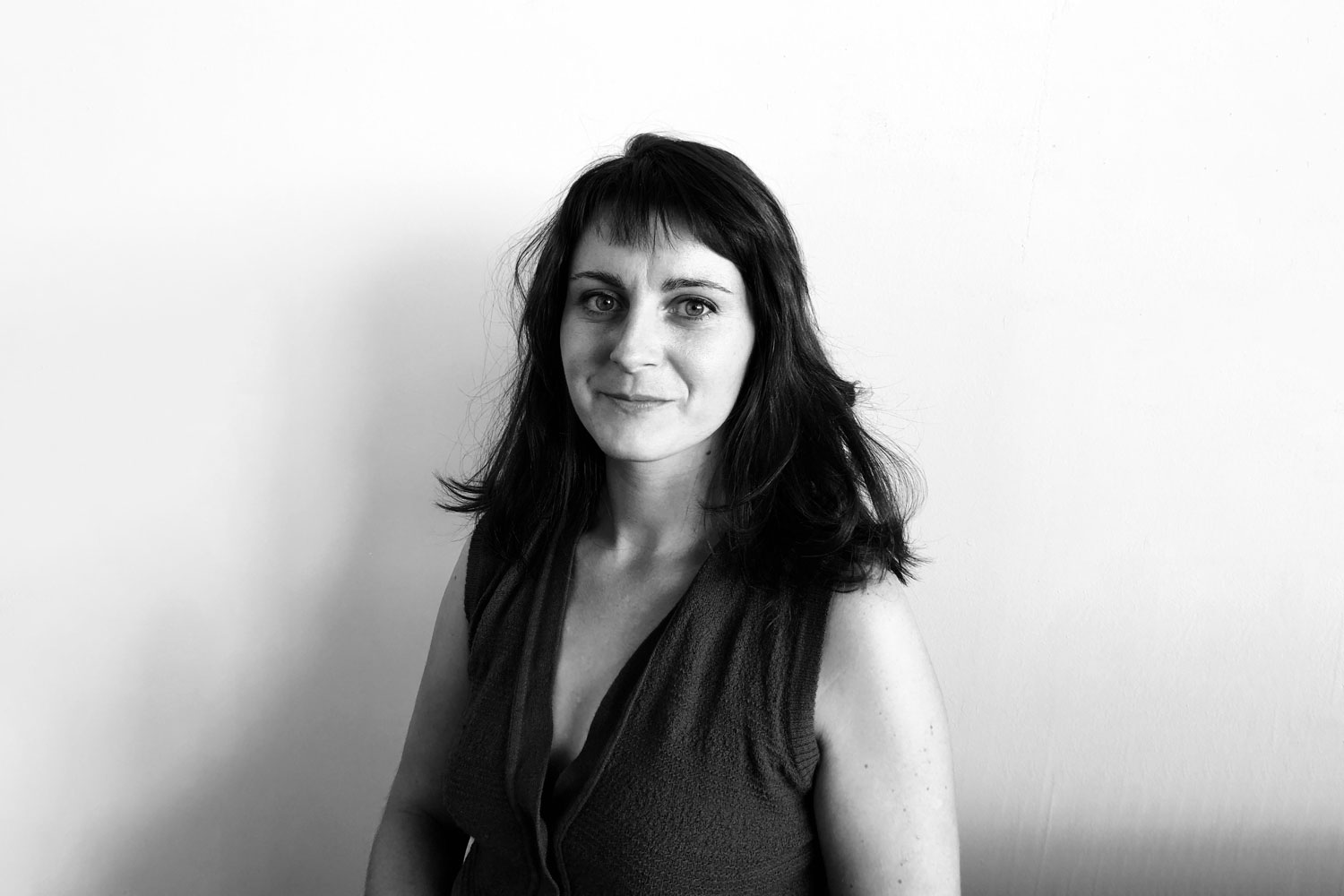
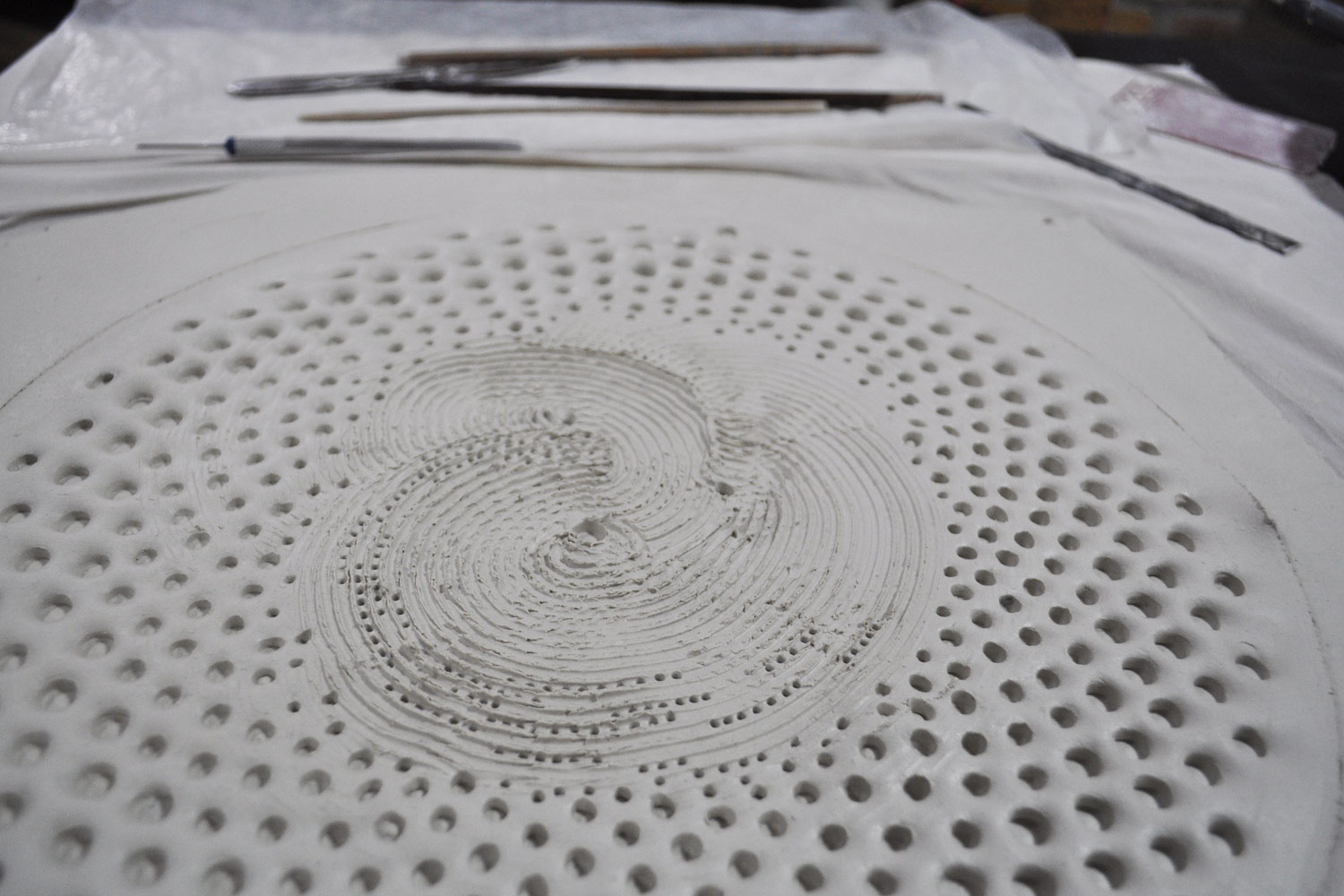
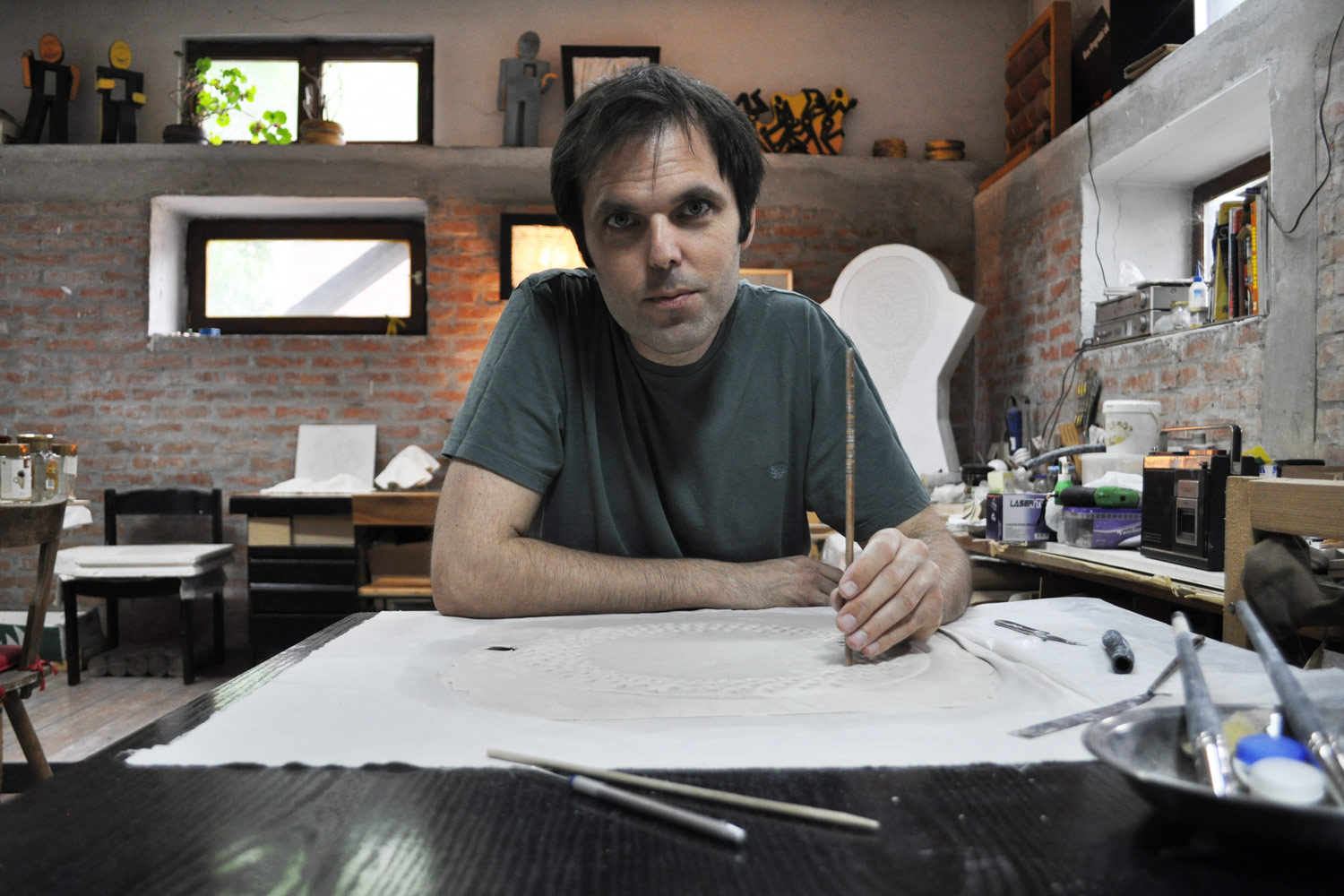
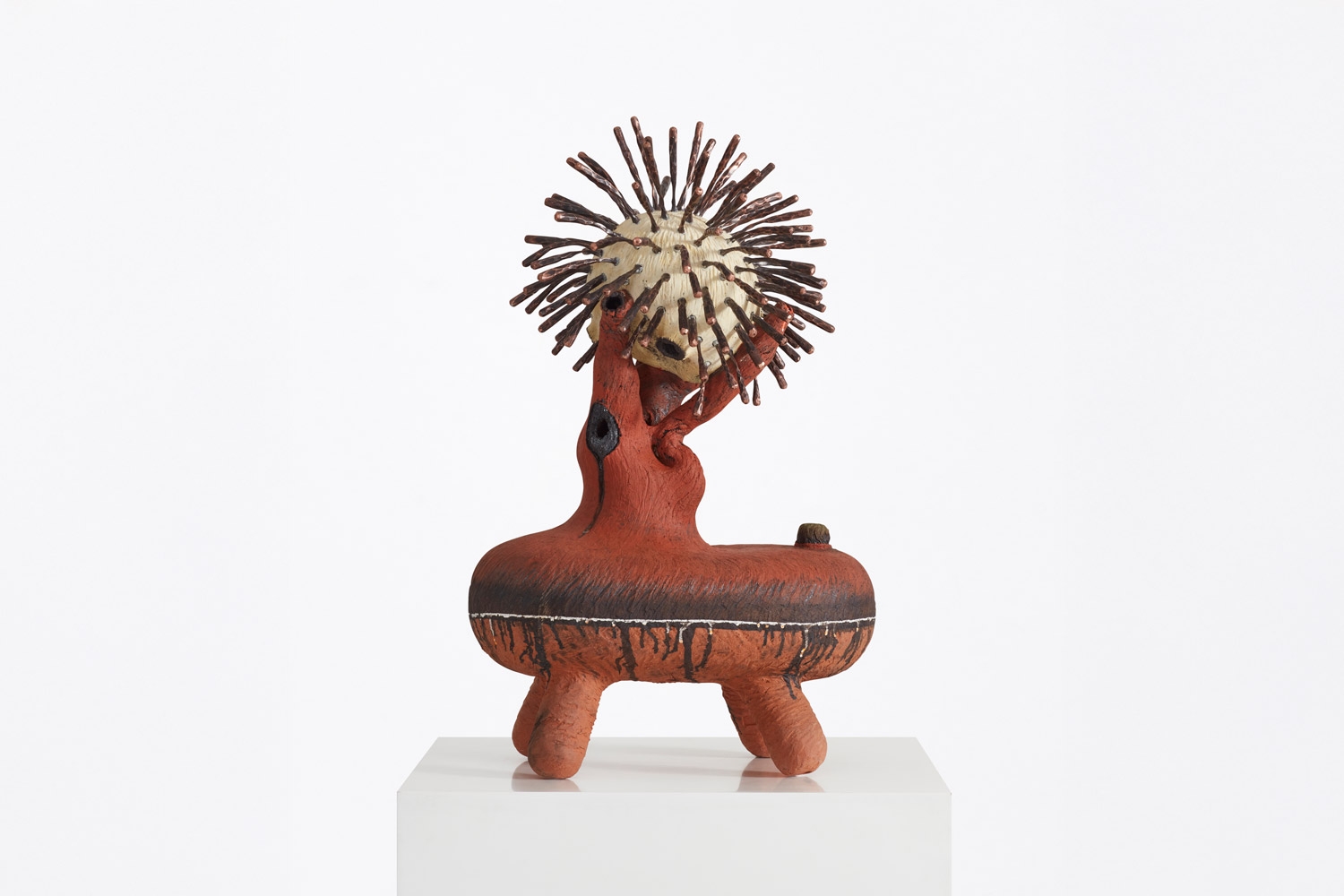
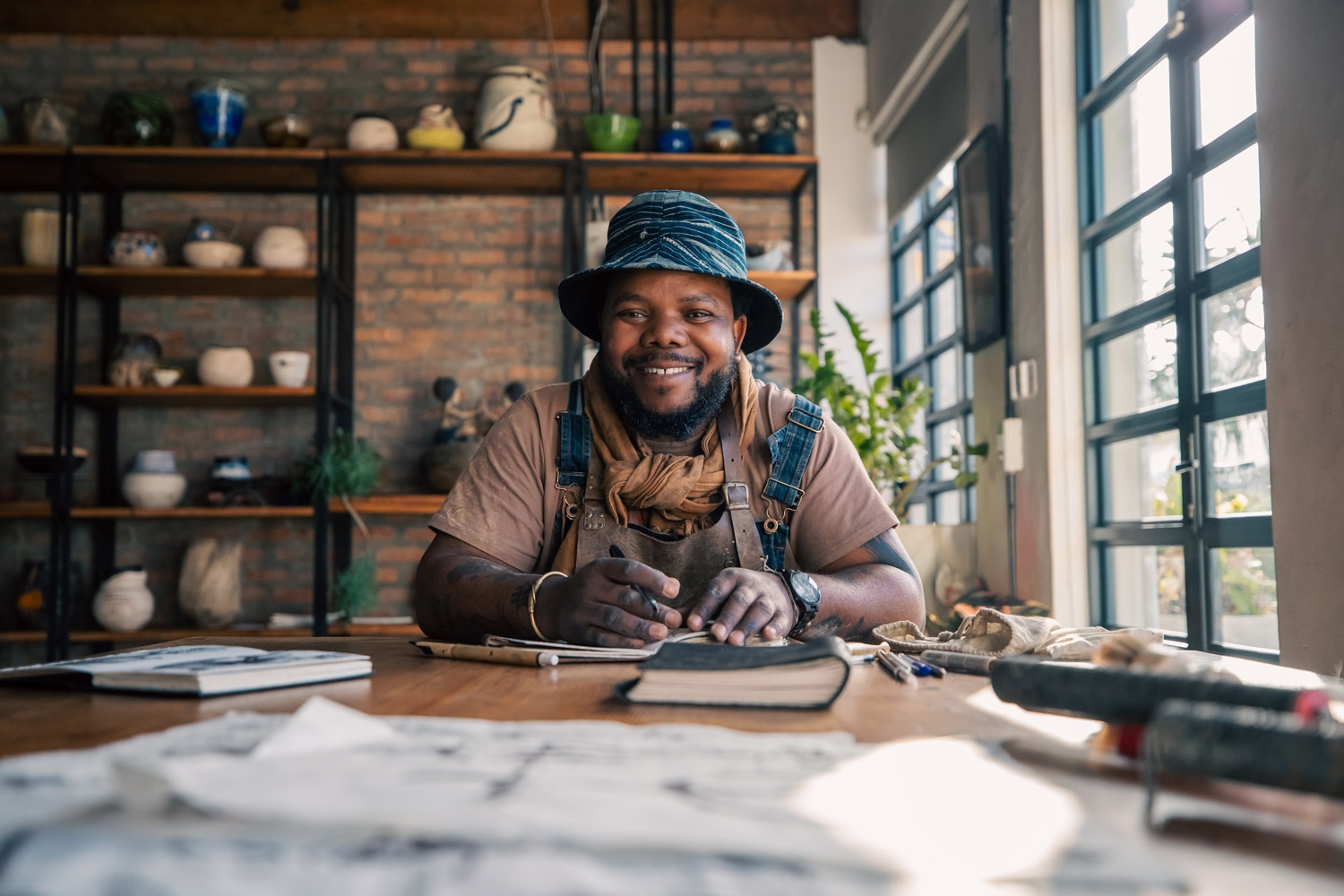
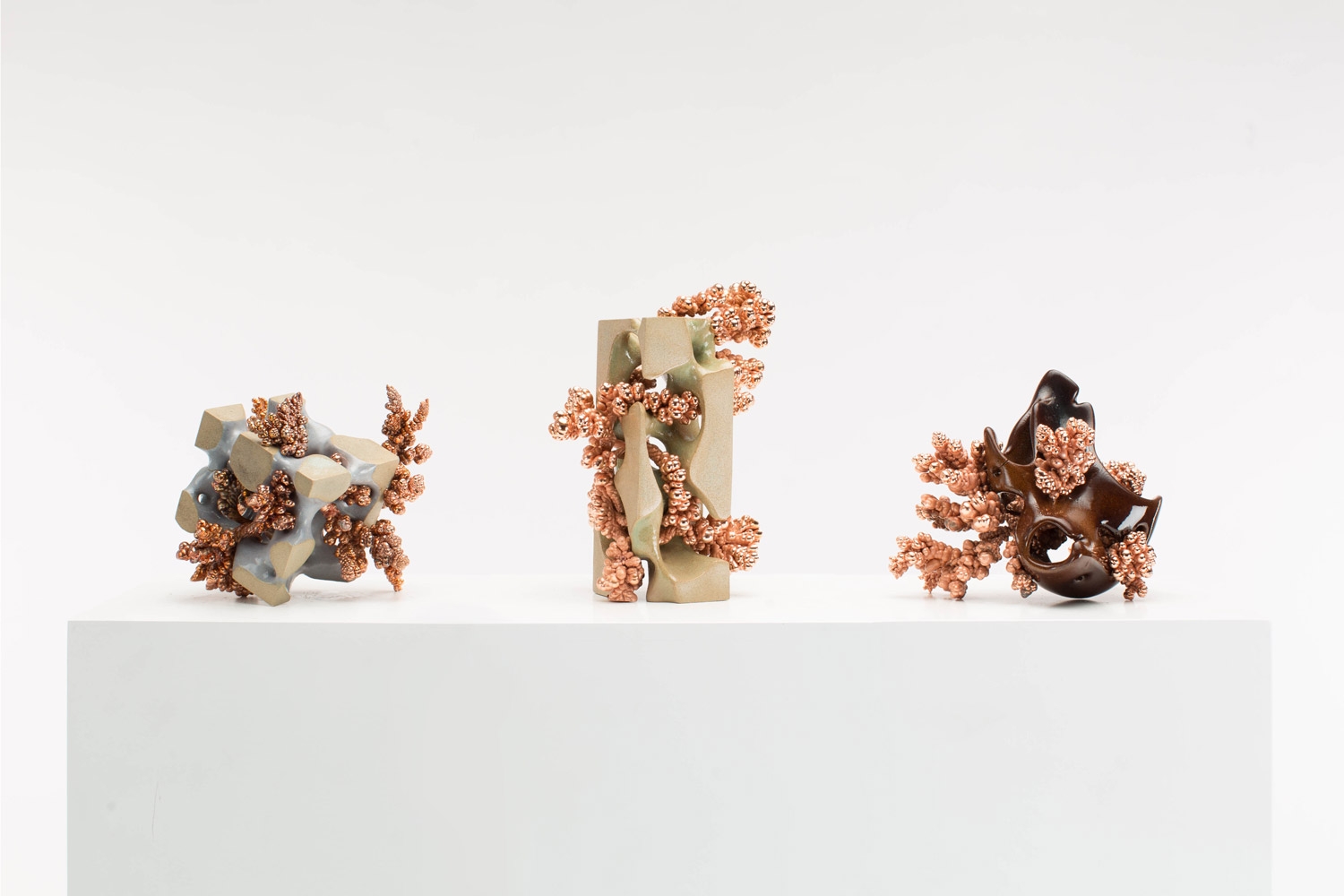
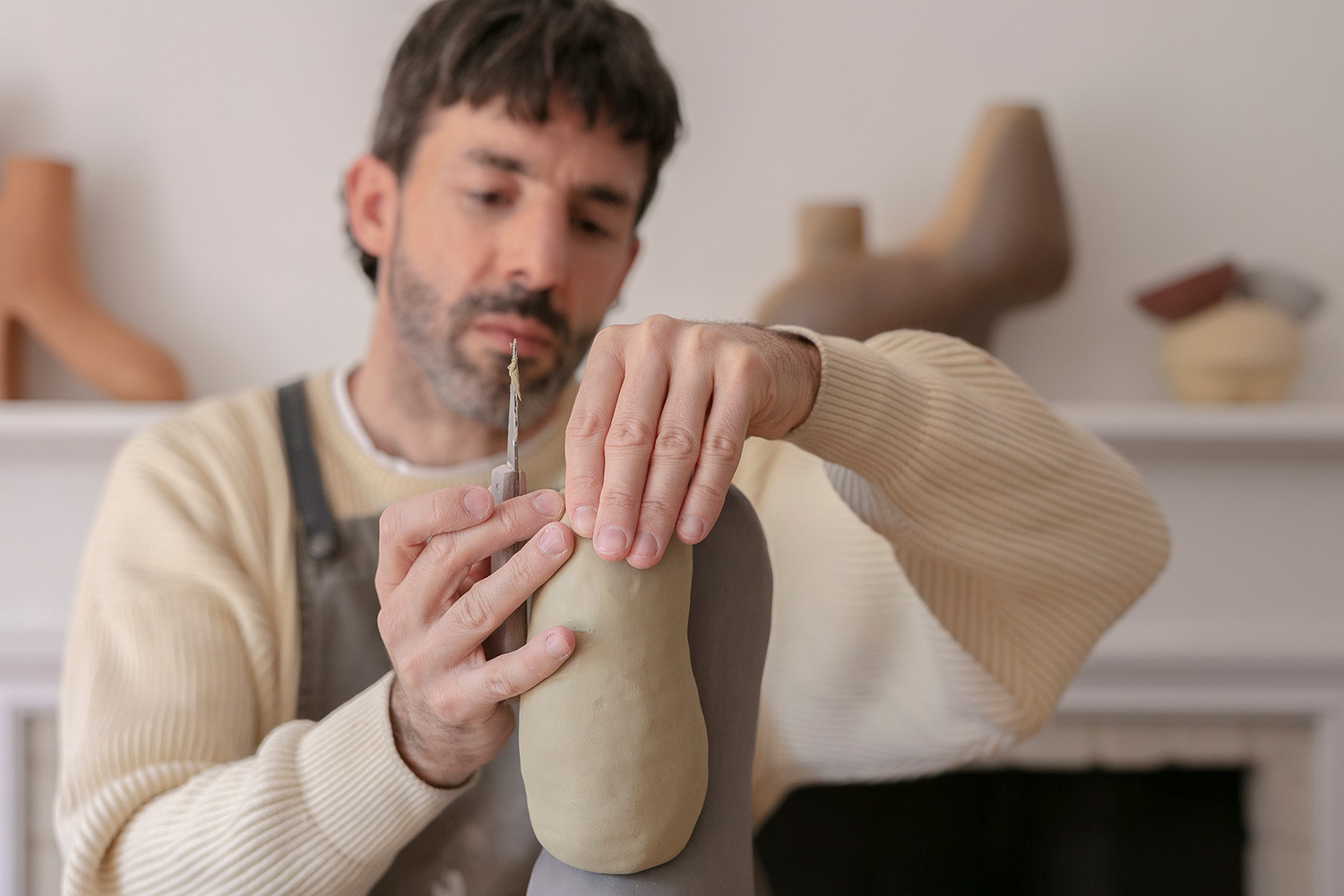
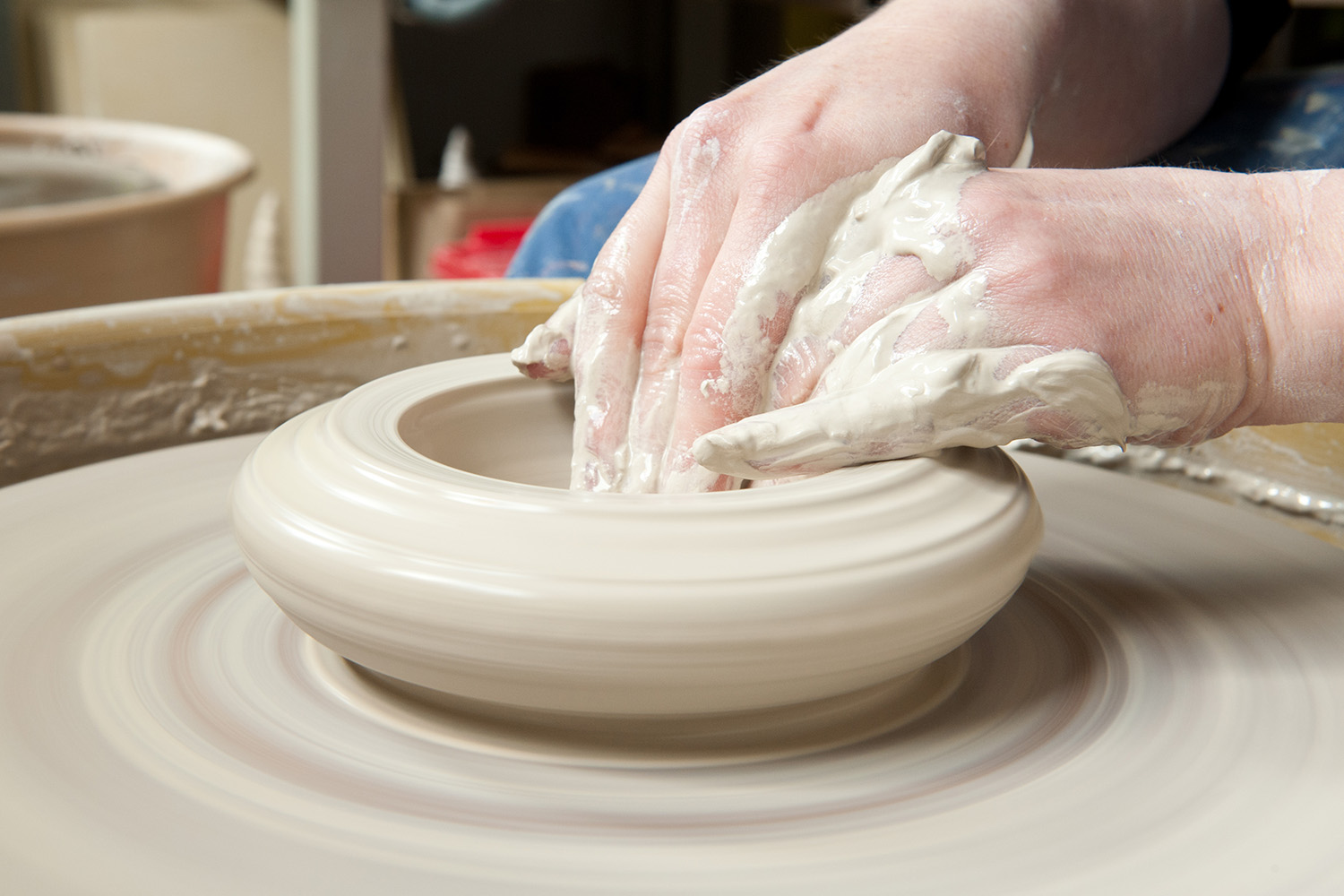
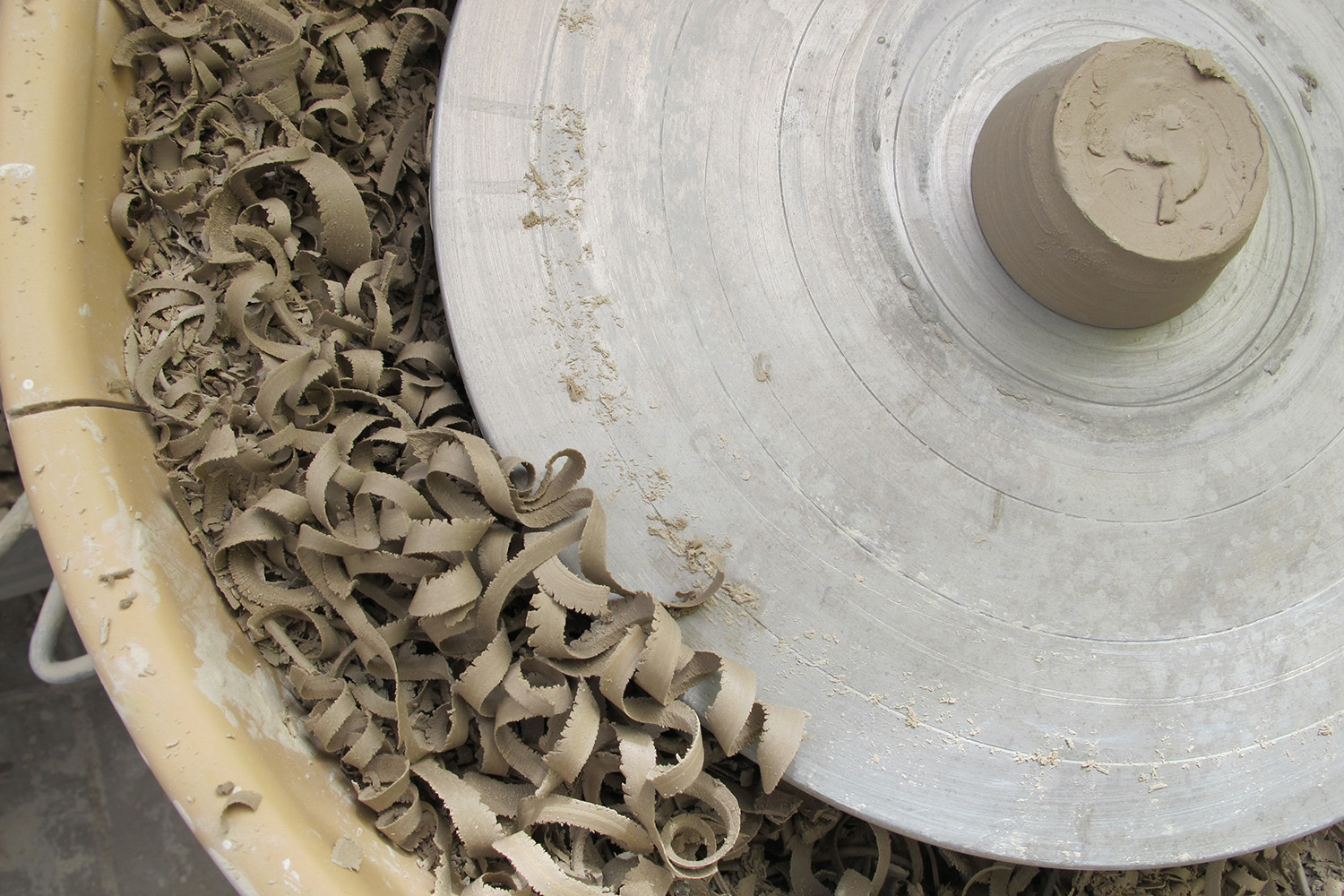
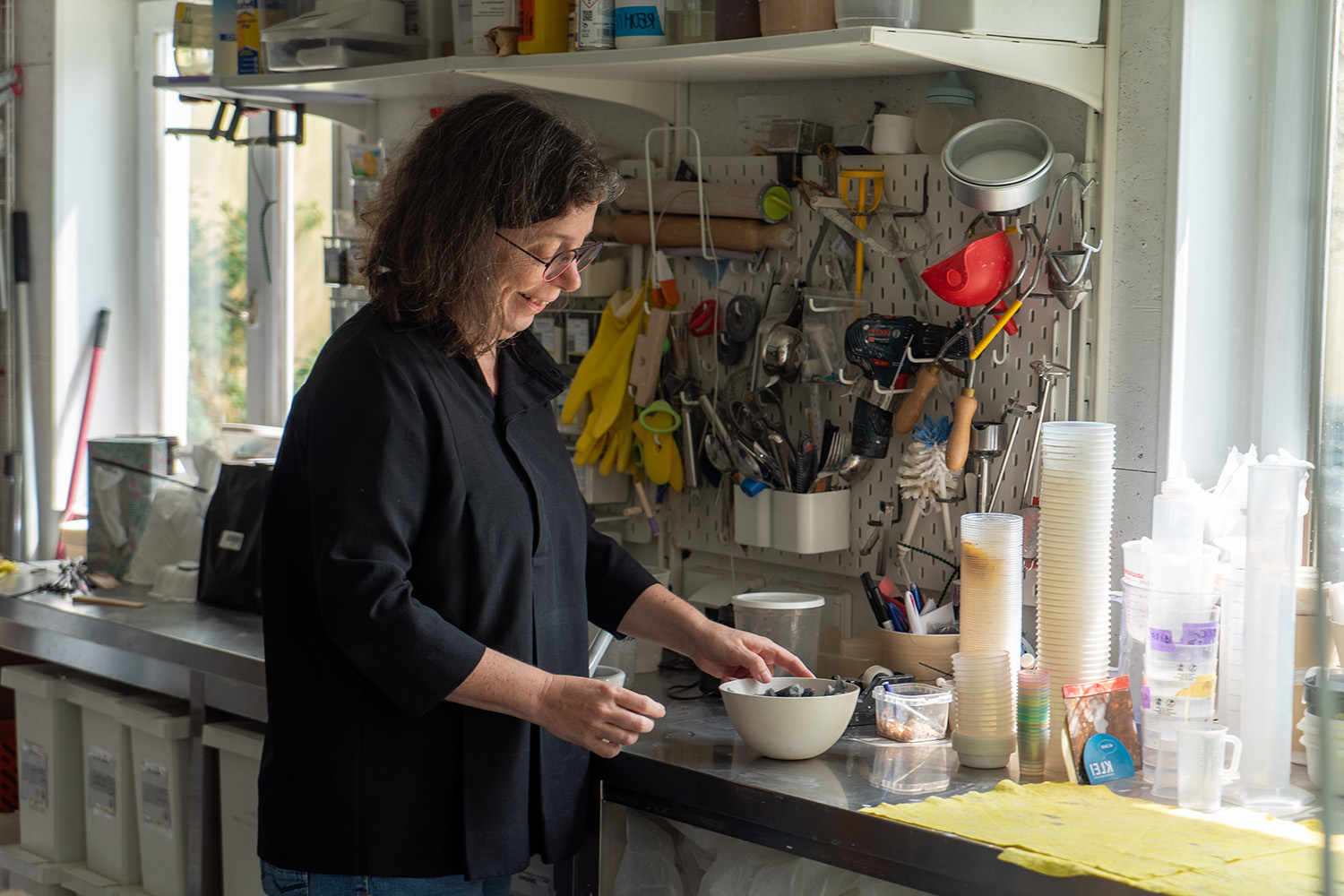
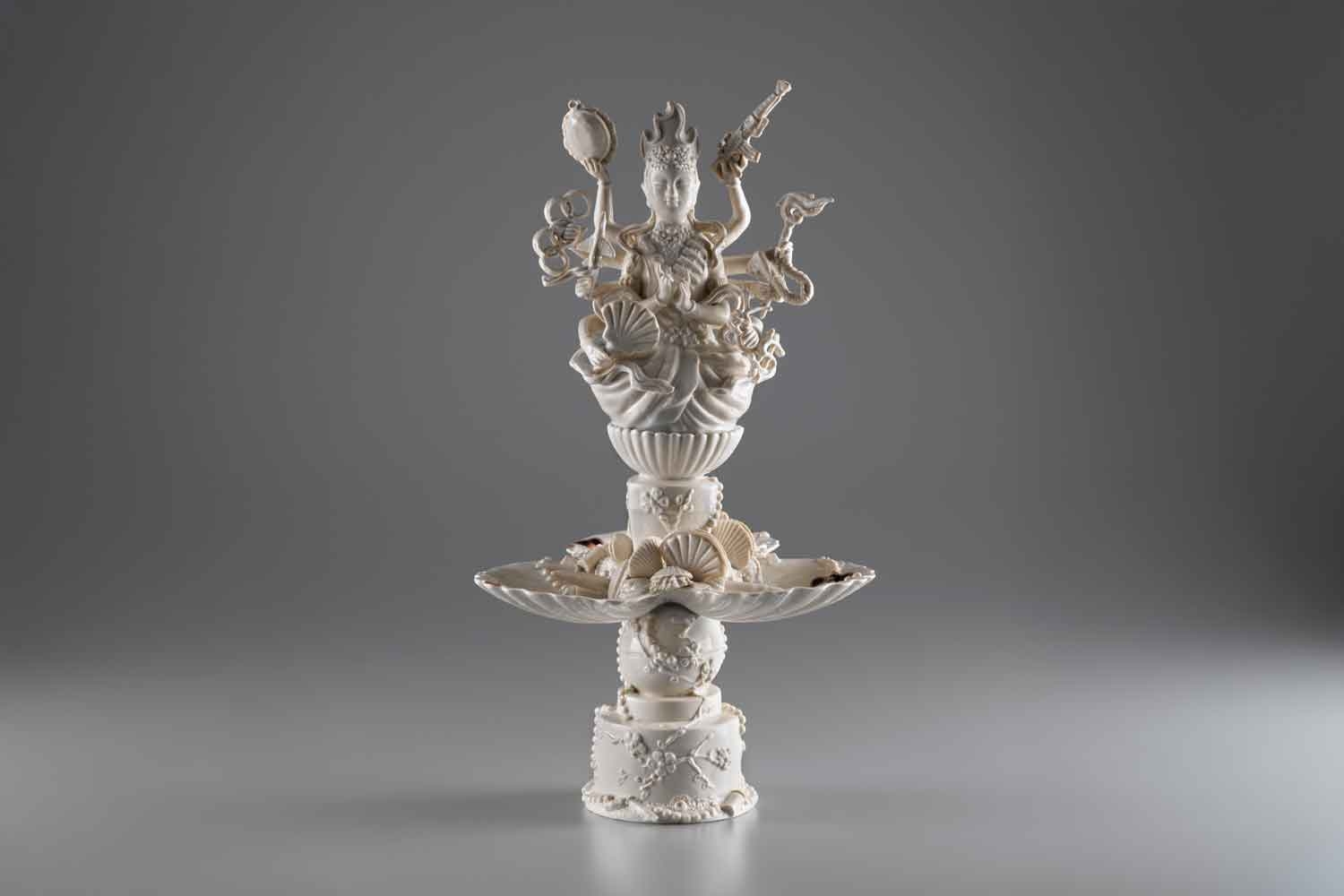
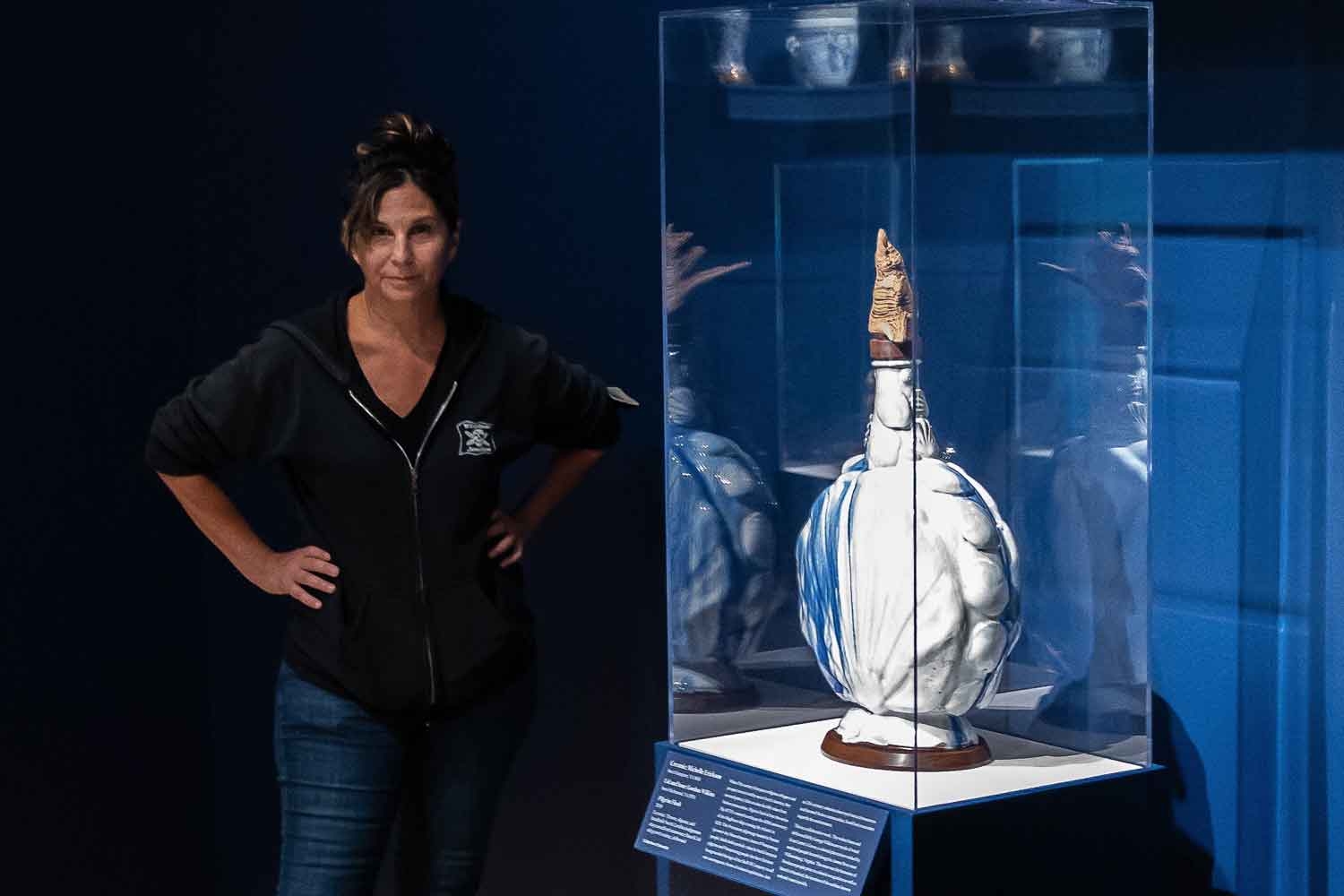
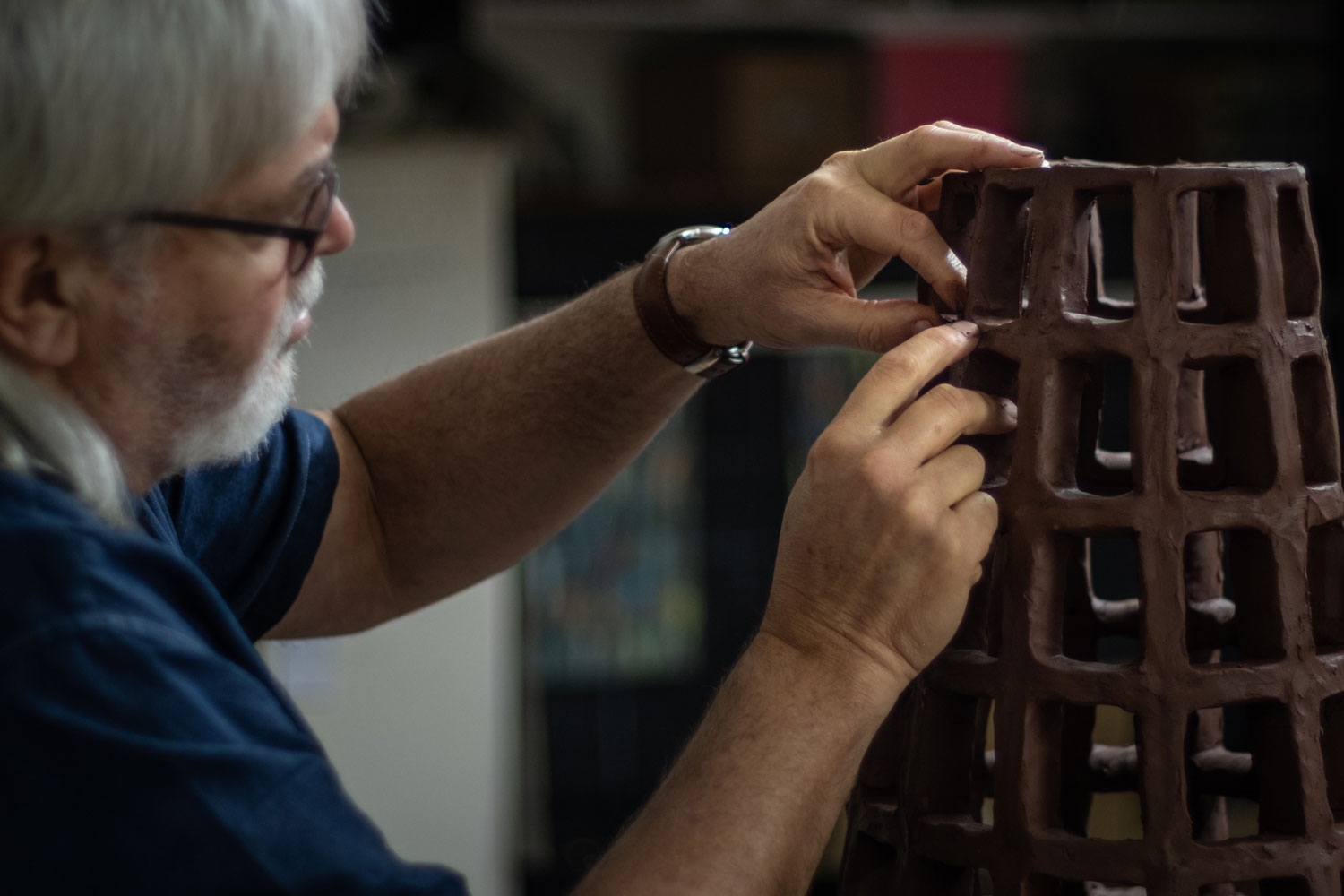
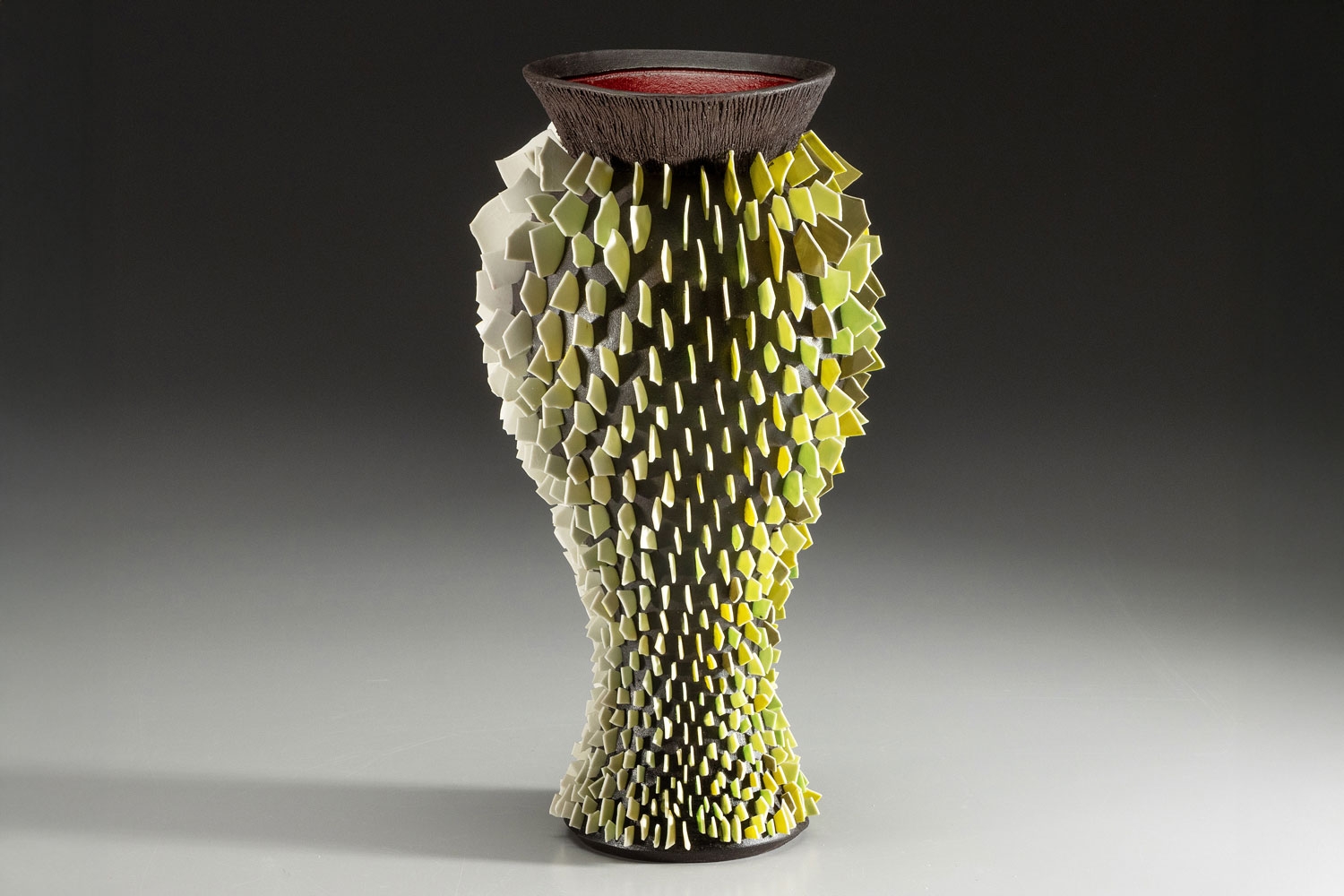
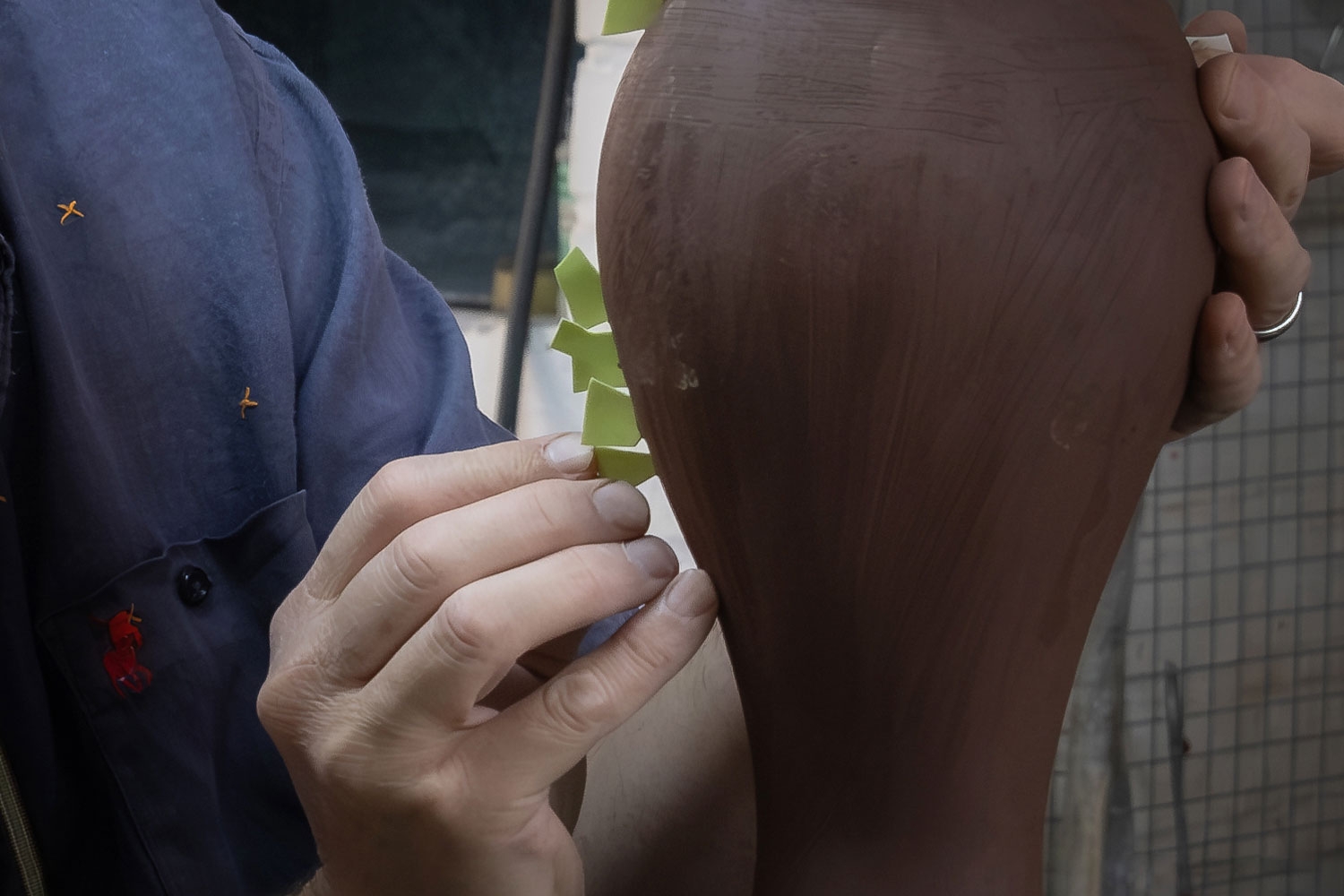
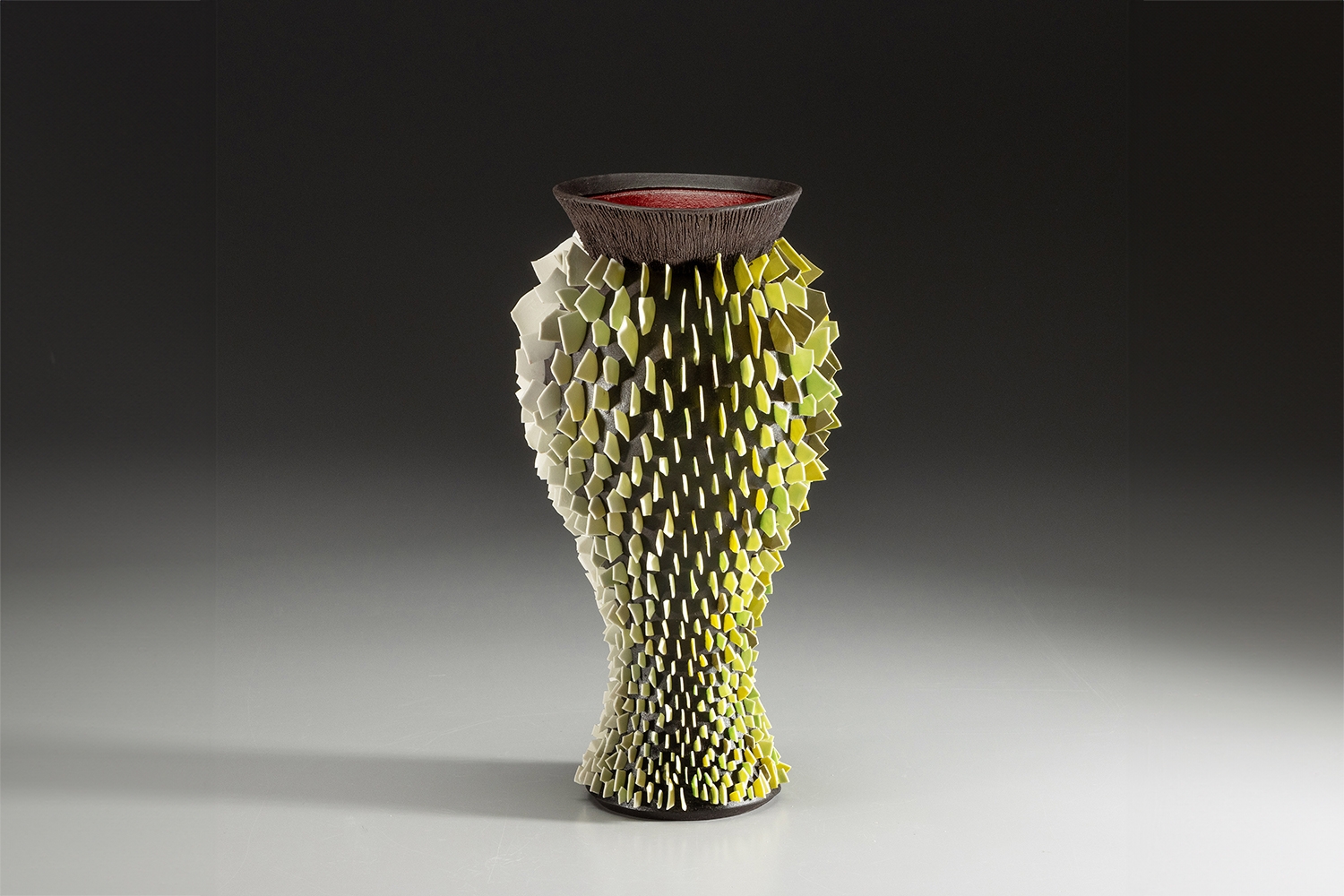
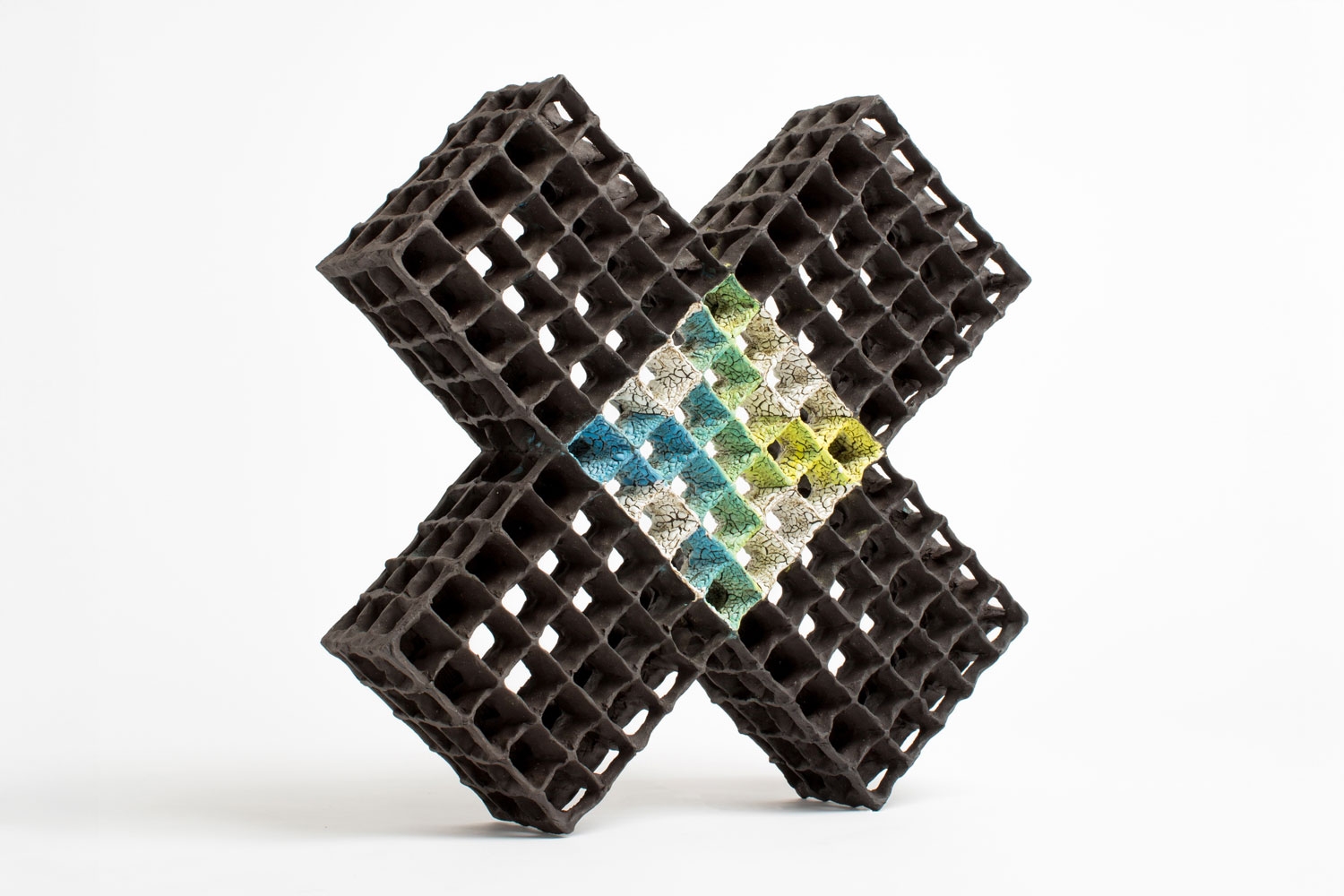
Hennie Meyer creates functional and sculptural thought-provoking ceramic objects and large-scale installations. "Clay is my preferred means of communication. I allow it to take the lead in the making and ideation process," he says. Hennie studied ceramics in South Africa and Australia, where he took part in an exchange programme. "I am inspired by the concept of repetition, as it builds a rhythm that becomes meditative and allows for new forms to emerge," he explains. Hennie favours working with earthenware, which is often viewed as an inferior material to clays like porcelain. In combining clay and earthenware, he aims to convey that to function as a whole, one material needs the other.
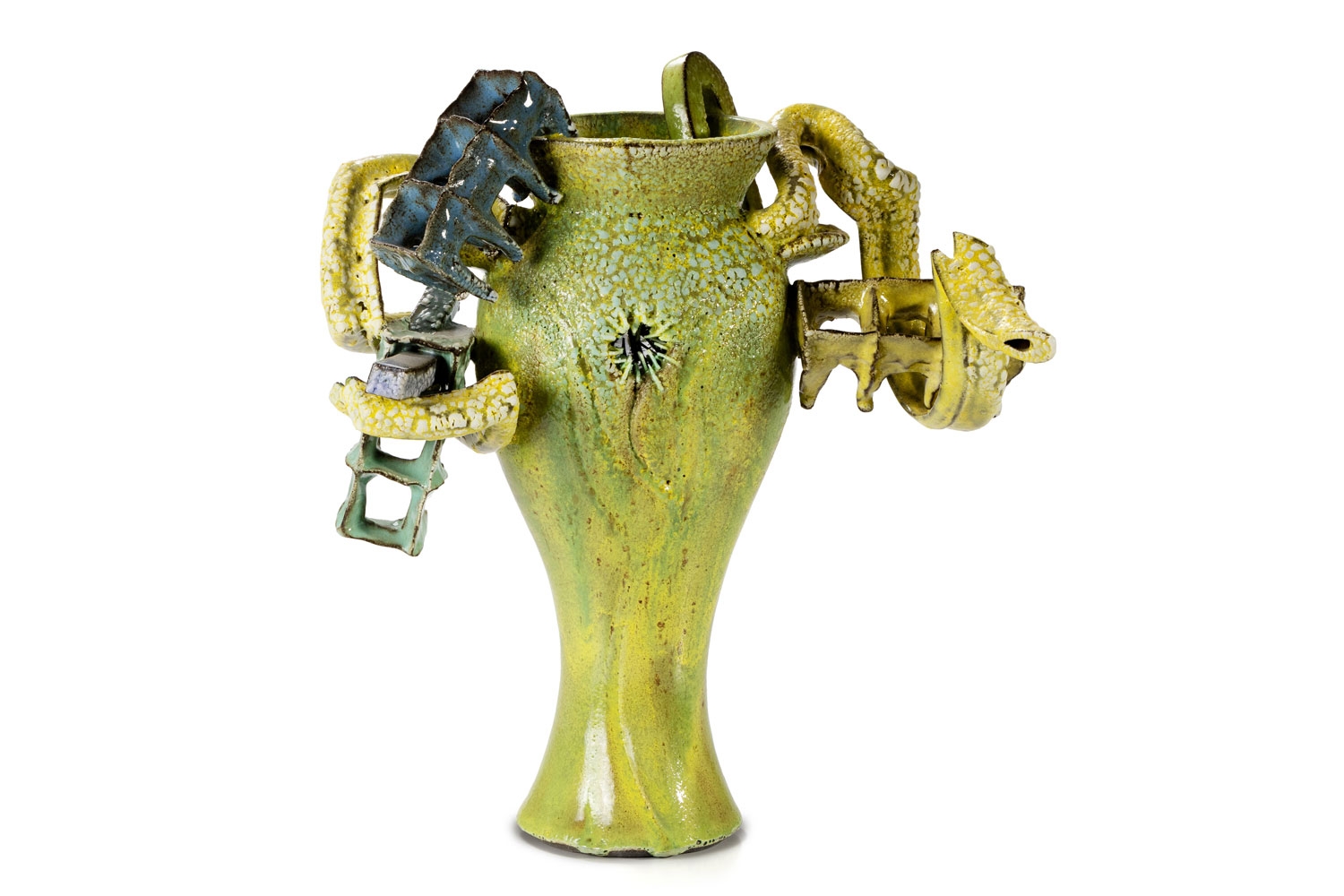
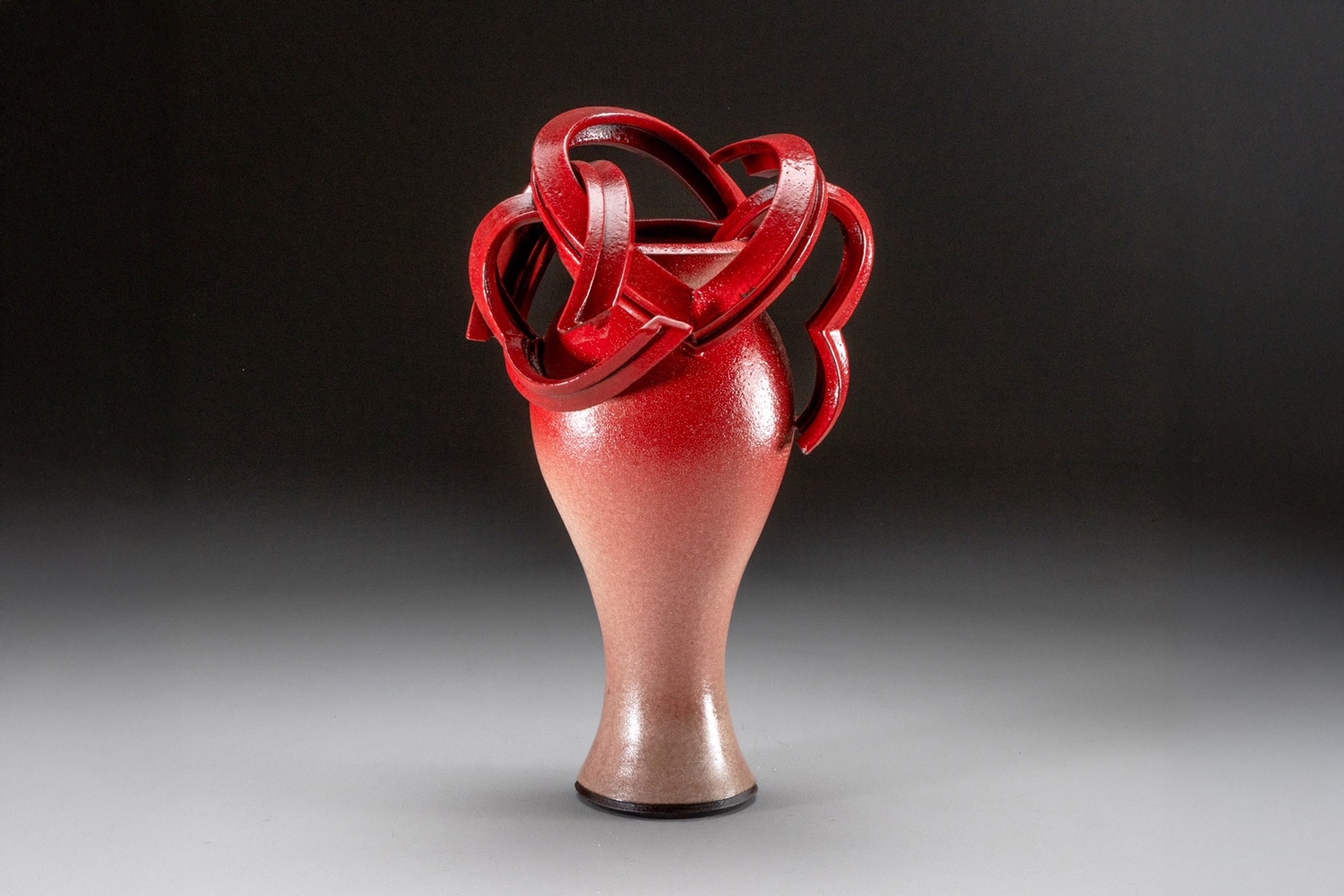
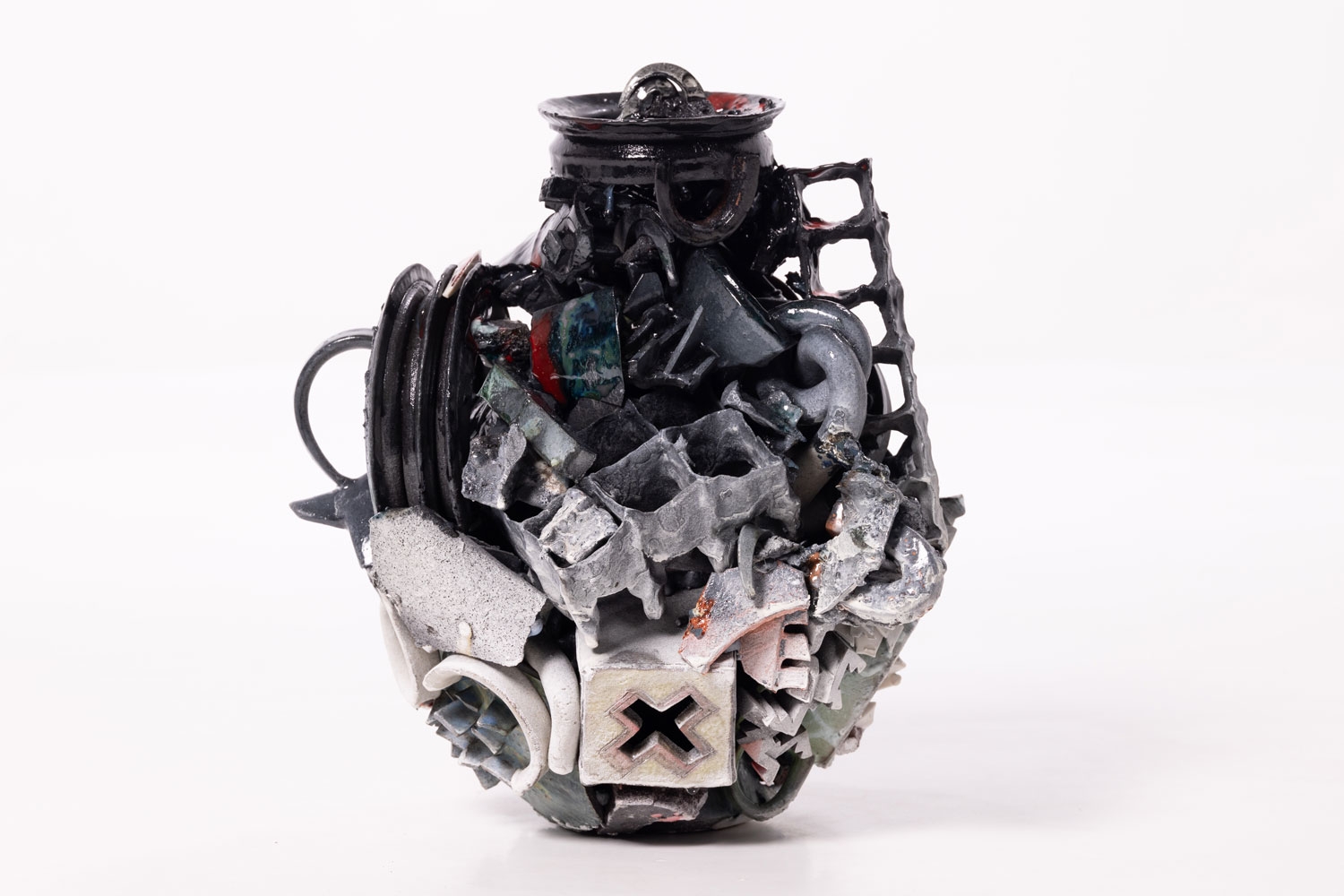
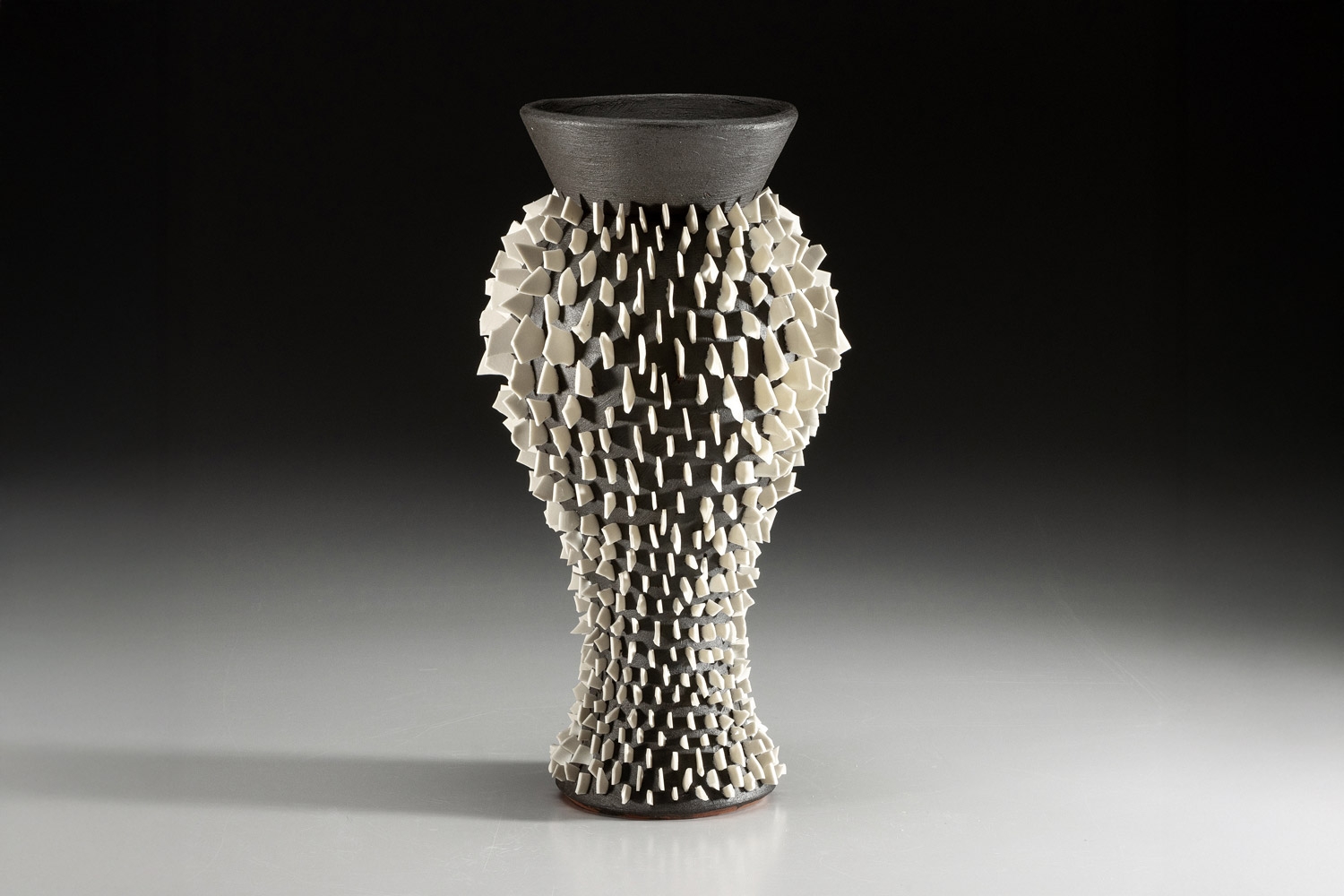
INTERVIEW
I love the challenge of working with clay. Every project is unique, and each day looks different. Ceramics is a vast craft that I will only be able to master a very small part of in one lifetime. The opportunities to learn and develop my knowledge and skills are unlimited.
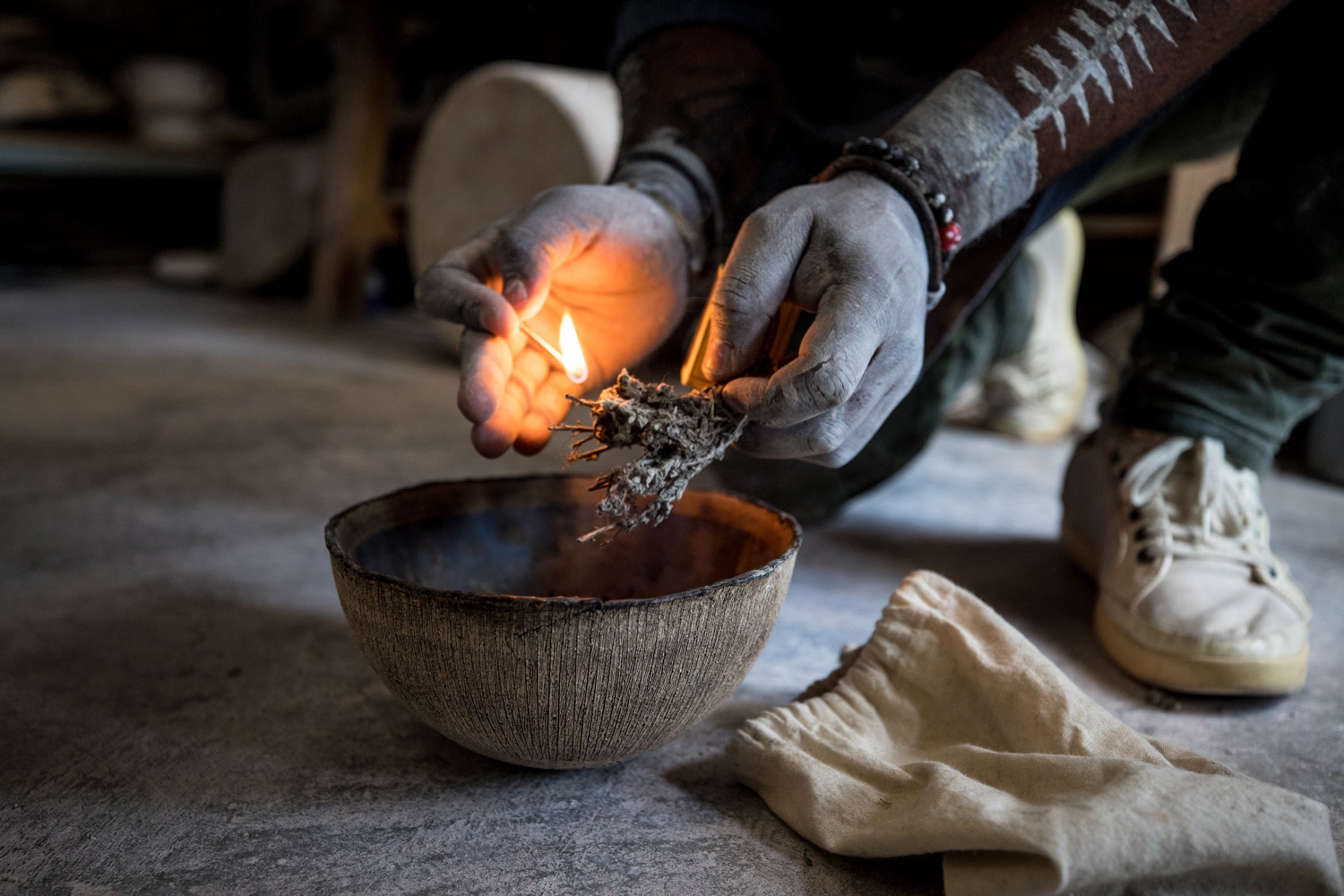
I am constantly interacting with clay, allowing it to take the lead in the making process. Although I work within a conceptual framework, I rarely have a fixed idea of the final outcome, which keeps the process fresh and innovative. I am also consistently experimenting with techniques and processes.
South Africa is a culturally diverse, vibrant and ever-changing country. It would be impossible for me to live in this environment and not have it reflected in my work. I believe that my ability to keep reinventing my approach and developing a diverse range of works is a direct result of the dynamic South African landscape.
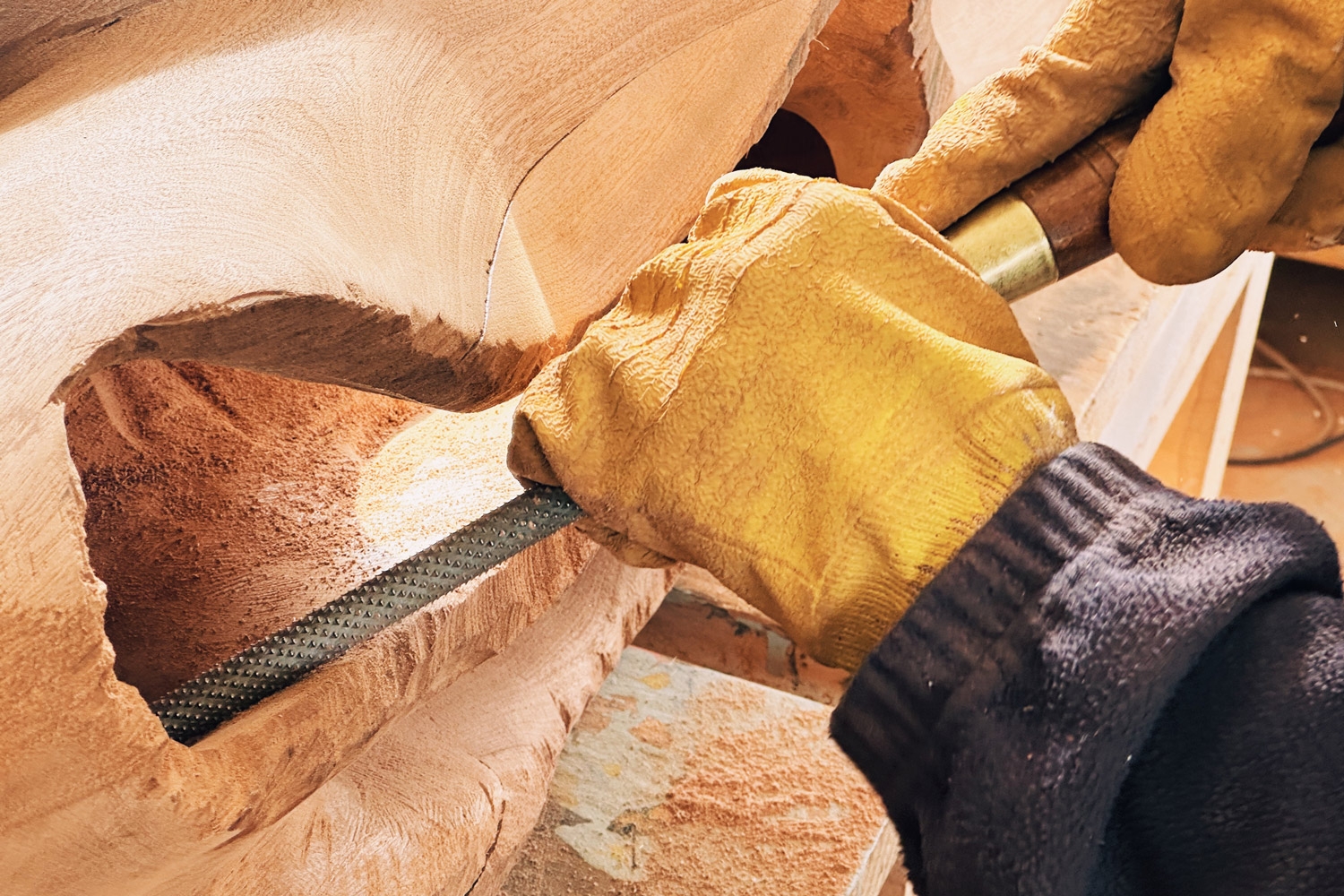
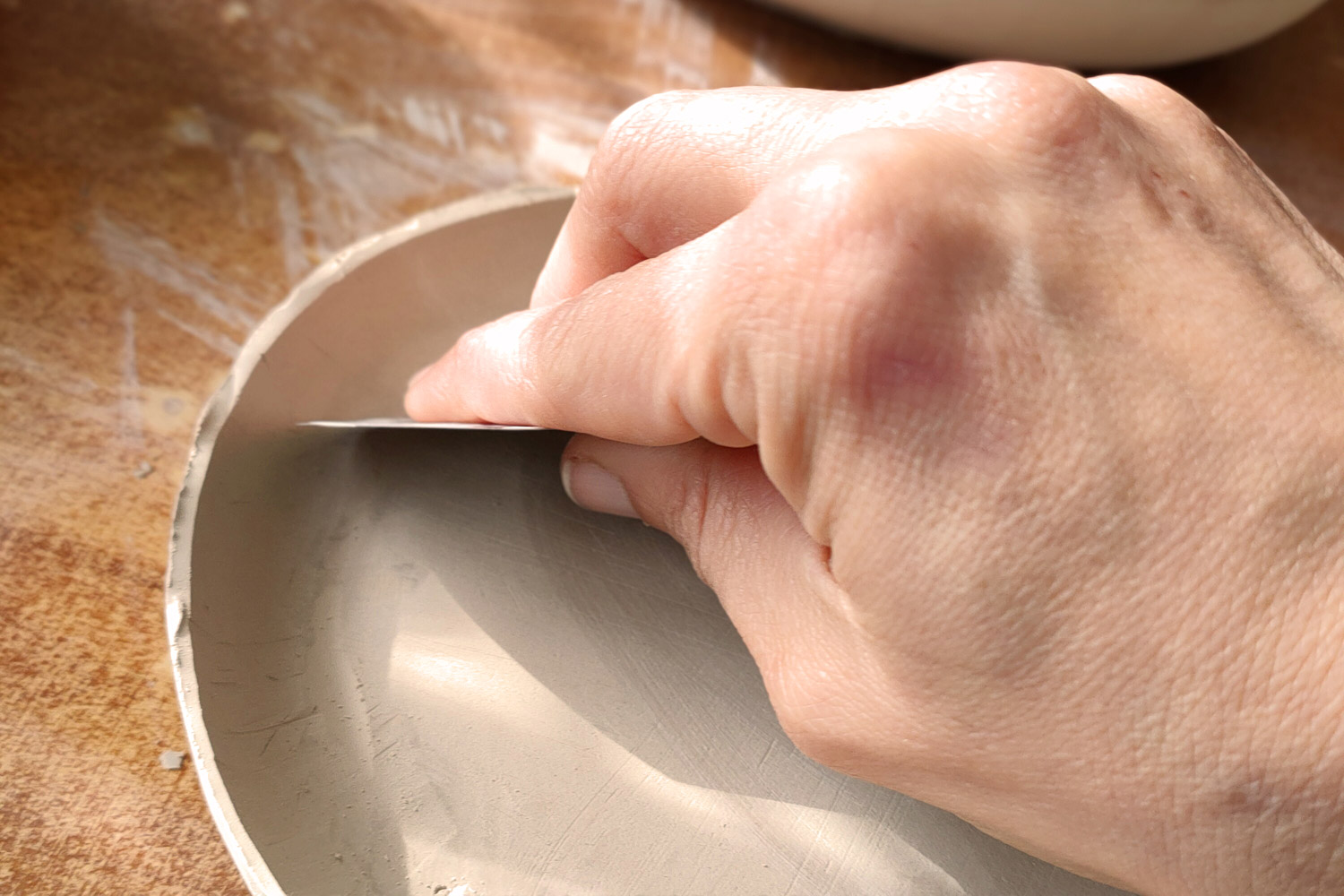
Although I use traditional methods to make my pieces, I innovate through the way I combine traditional and contemporary aesthetics. I push the boundaries by continually experimenting with making and firing processes, and applying traditional techniques in unconventional ways.
Hennie Meyer
Ceramicist
Cape Town, South Africa
ADDRESS
Address upon request, Cape Town, South Africa
AVAILABILITY
By appointment only
PHONE
+27 745825701
LANGUAGES
English, Afrikaans
Homo Faber Finds is a new service aiming to inspire admirers of craft to connect and collaborate with exceptional artisans.
We invite you to submit an enquiry here.