Chloë Wallace
Porcelain maker
Cape Town, South Africa
A porcelain thing of beauty
- Chloë creates porcelain jewellery with plants foraged from nature
- She is inspired by her ceramicist mother and plant enthusiast father
- Each of her pieces presents a unique, irreplicable individual leaf
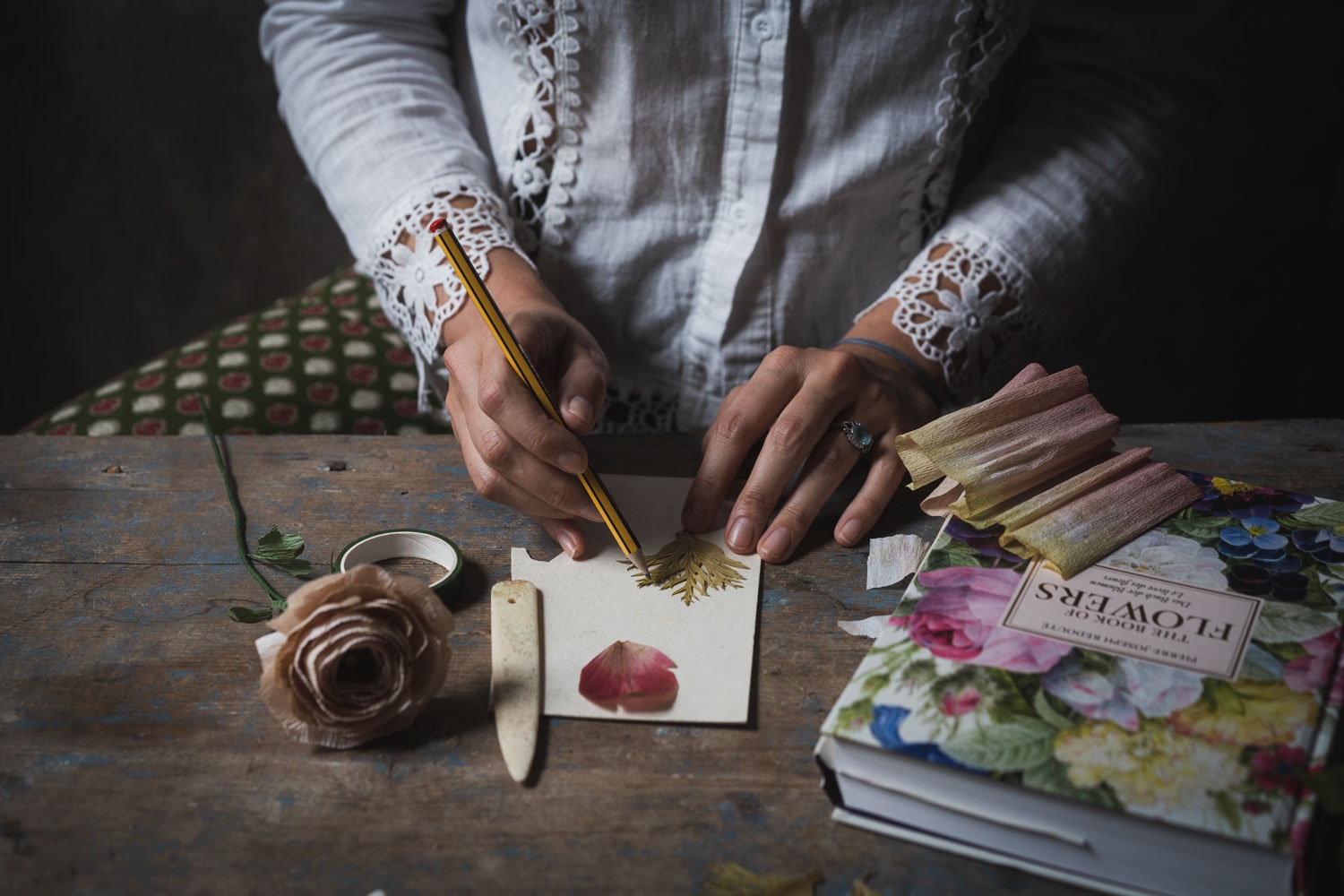
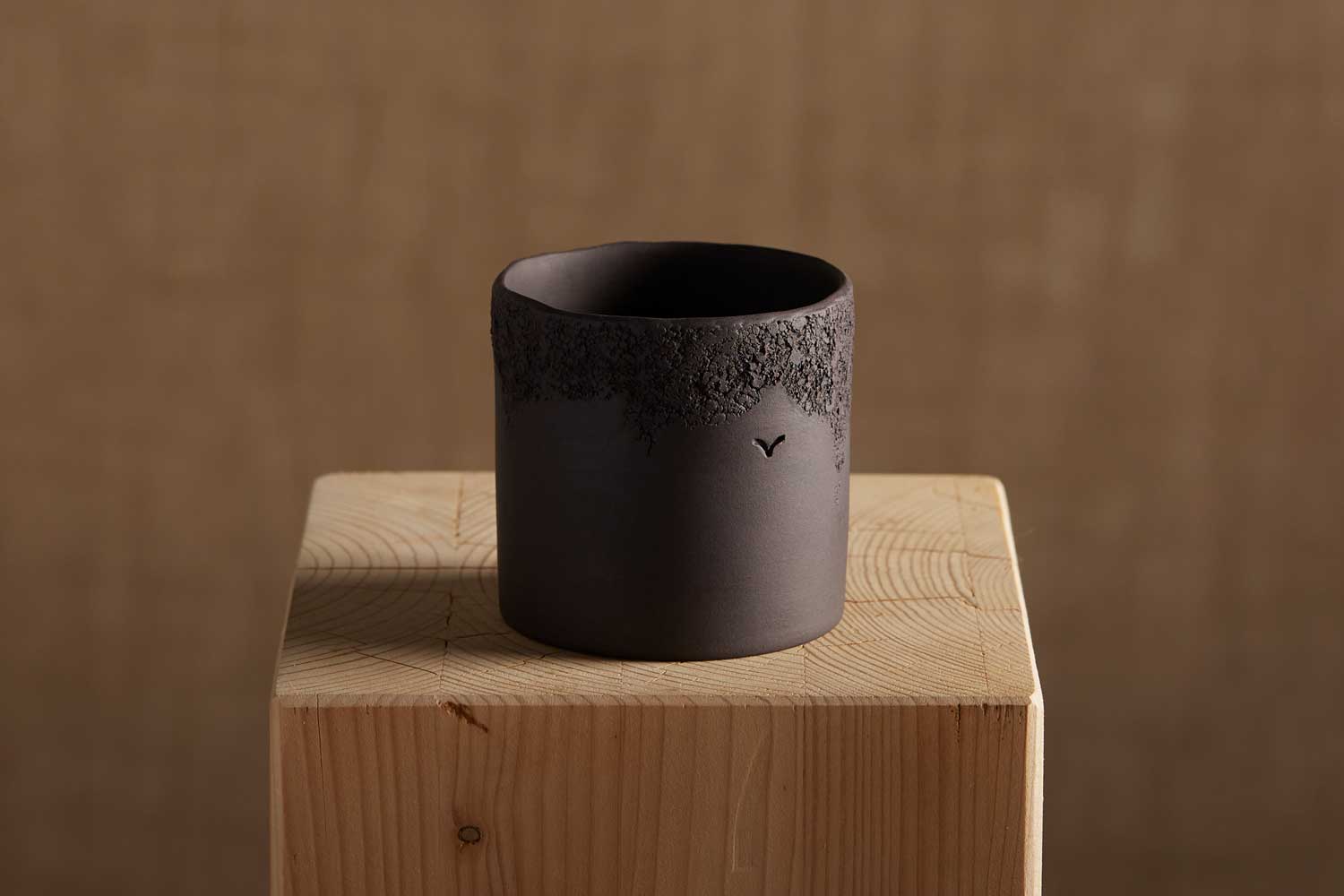
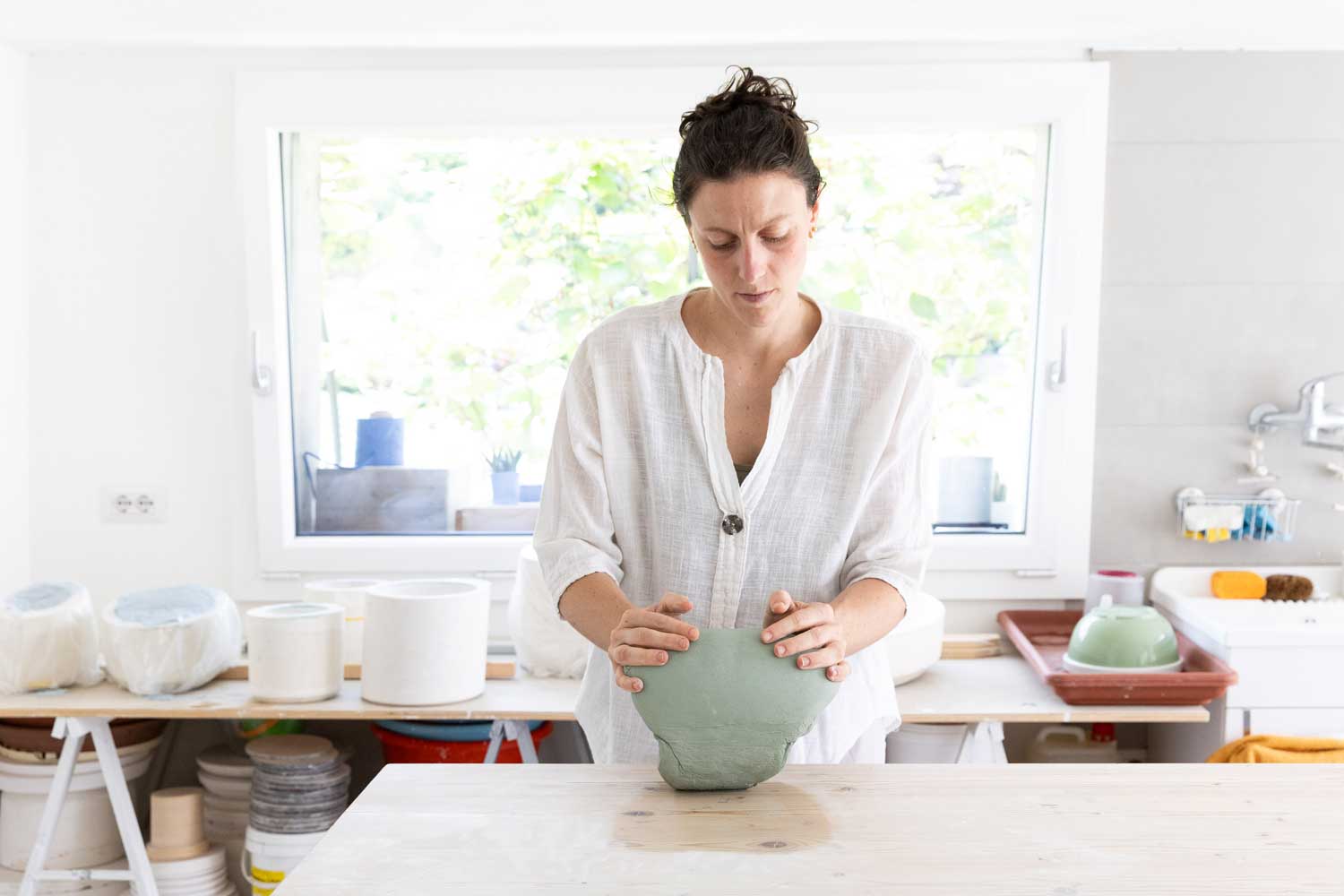
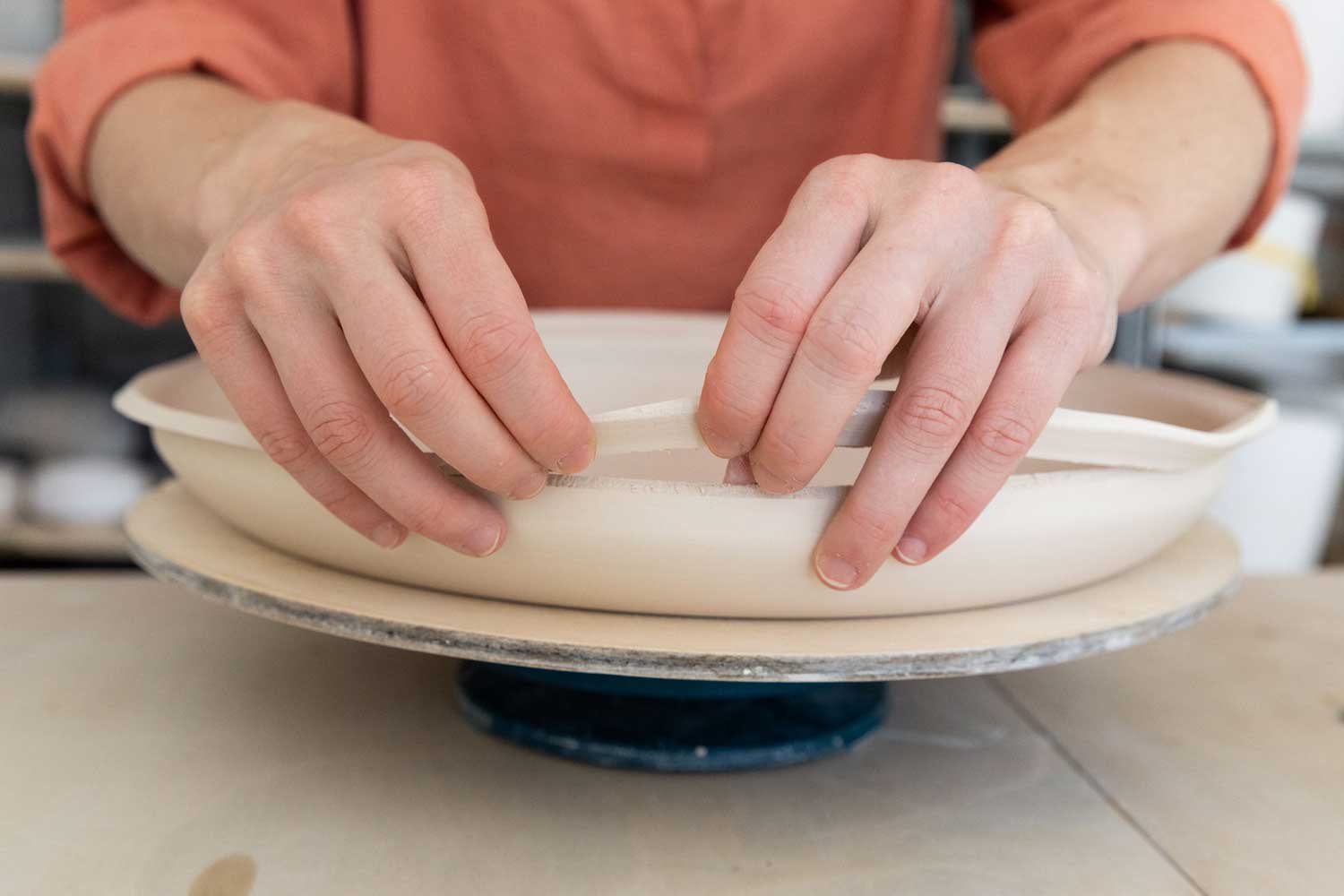
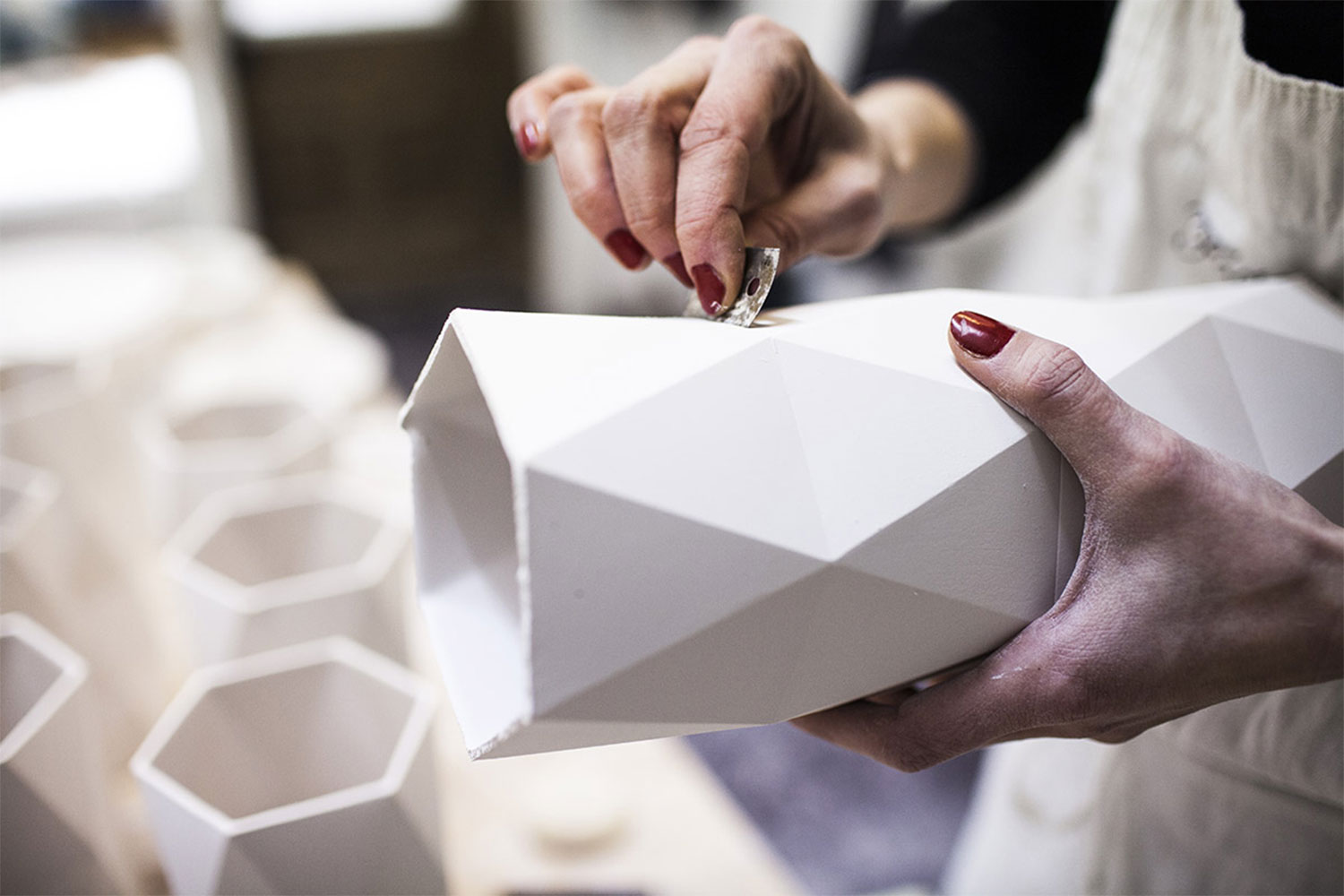
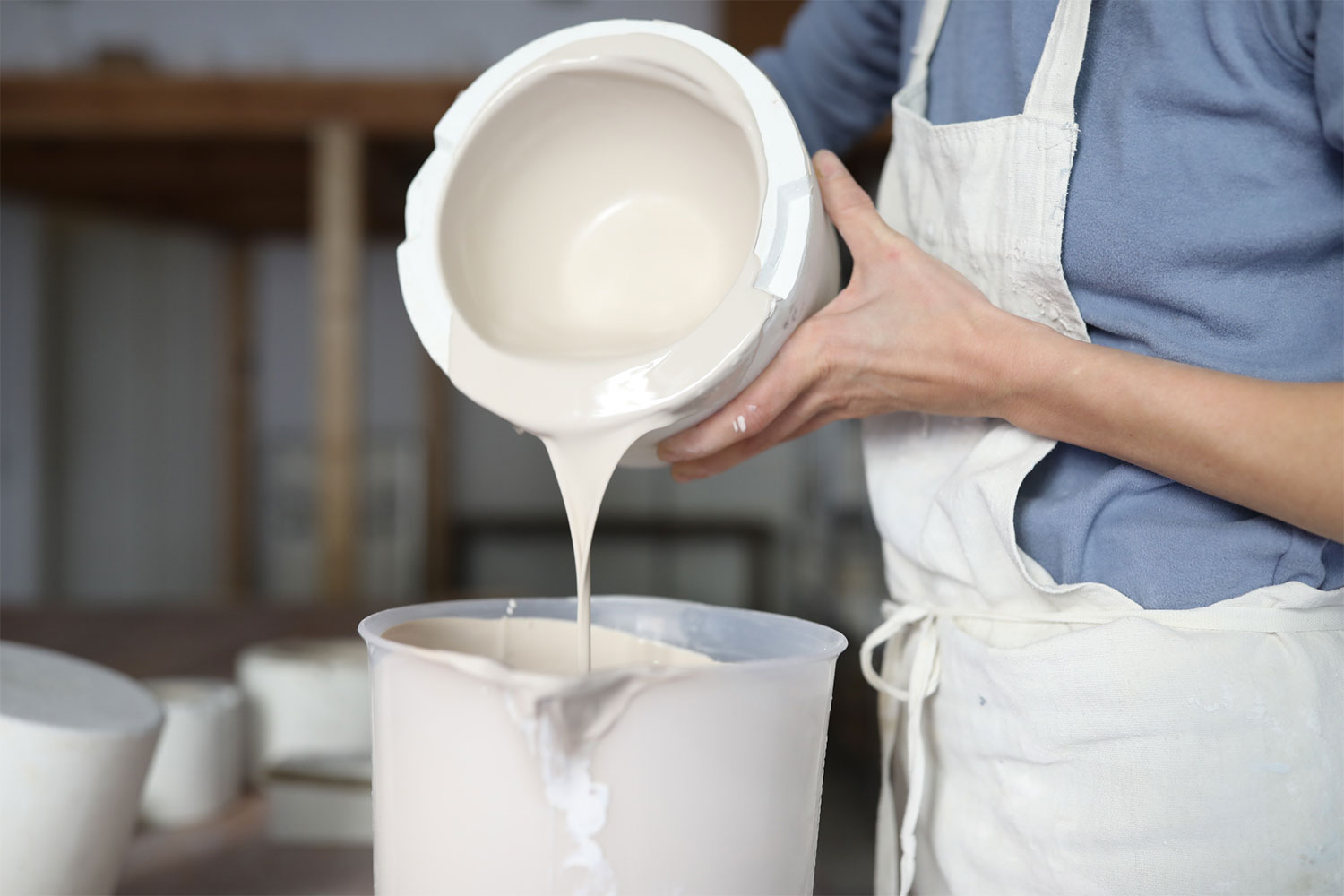
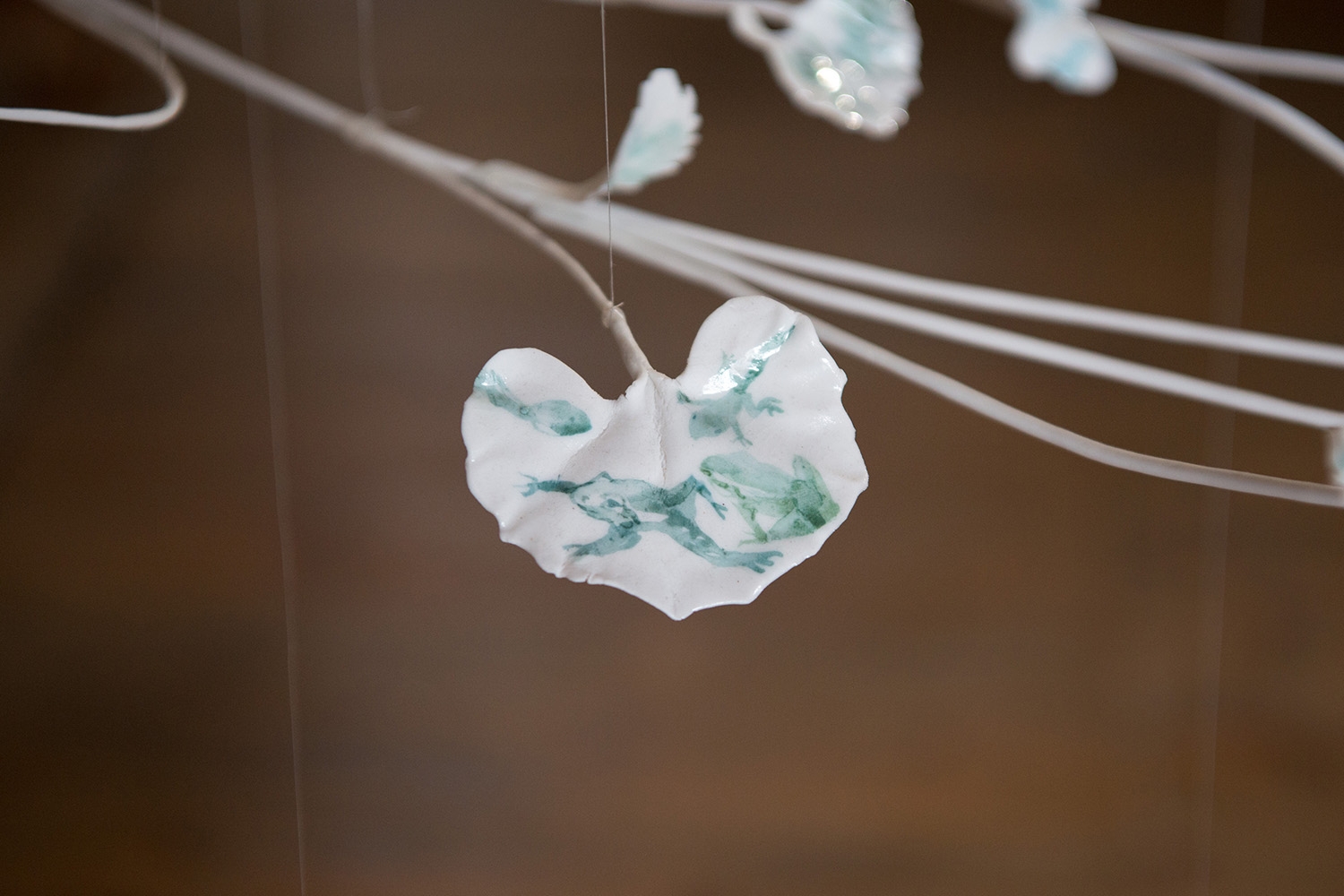
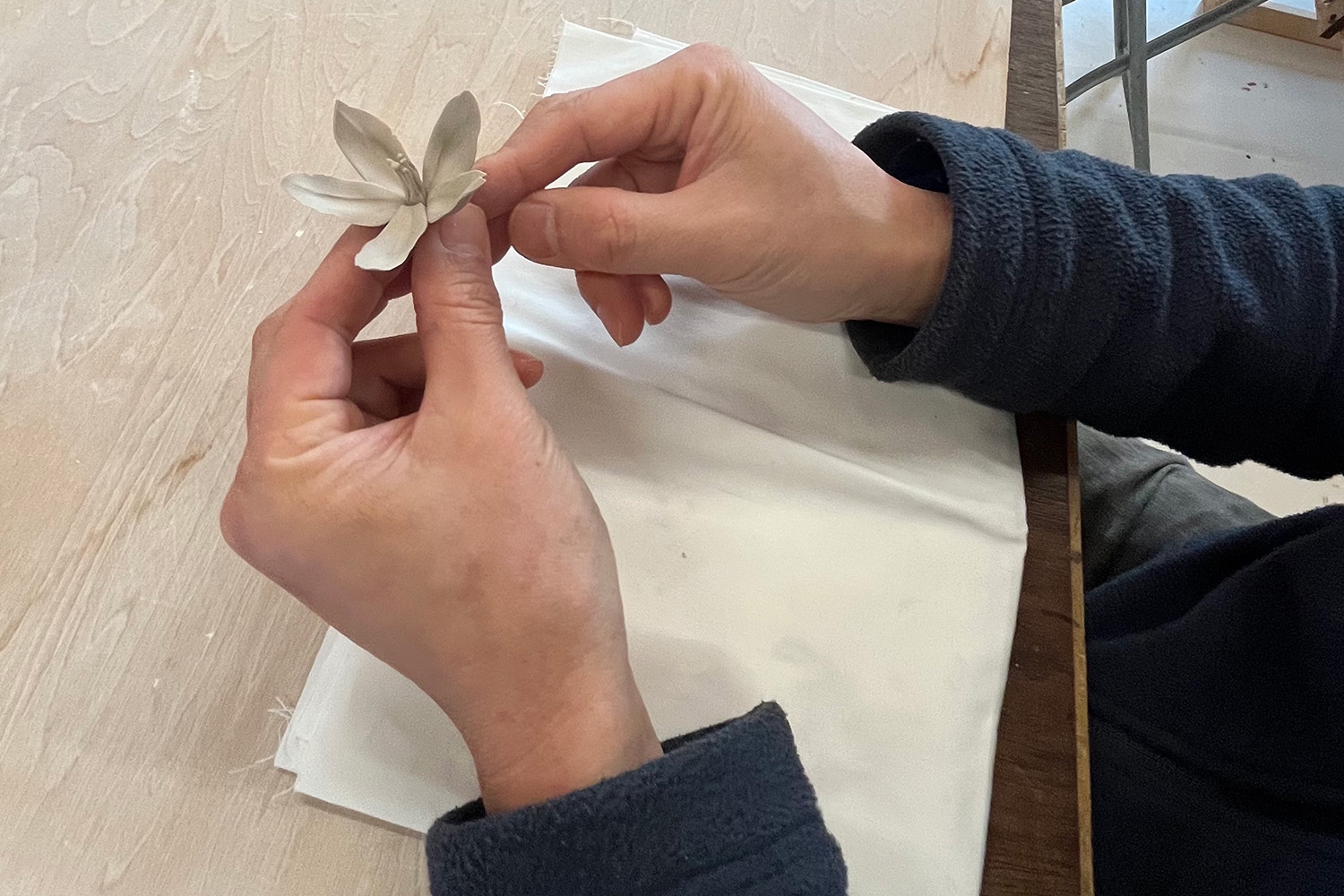
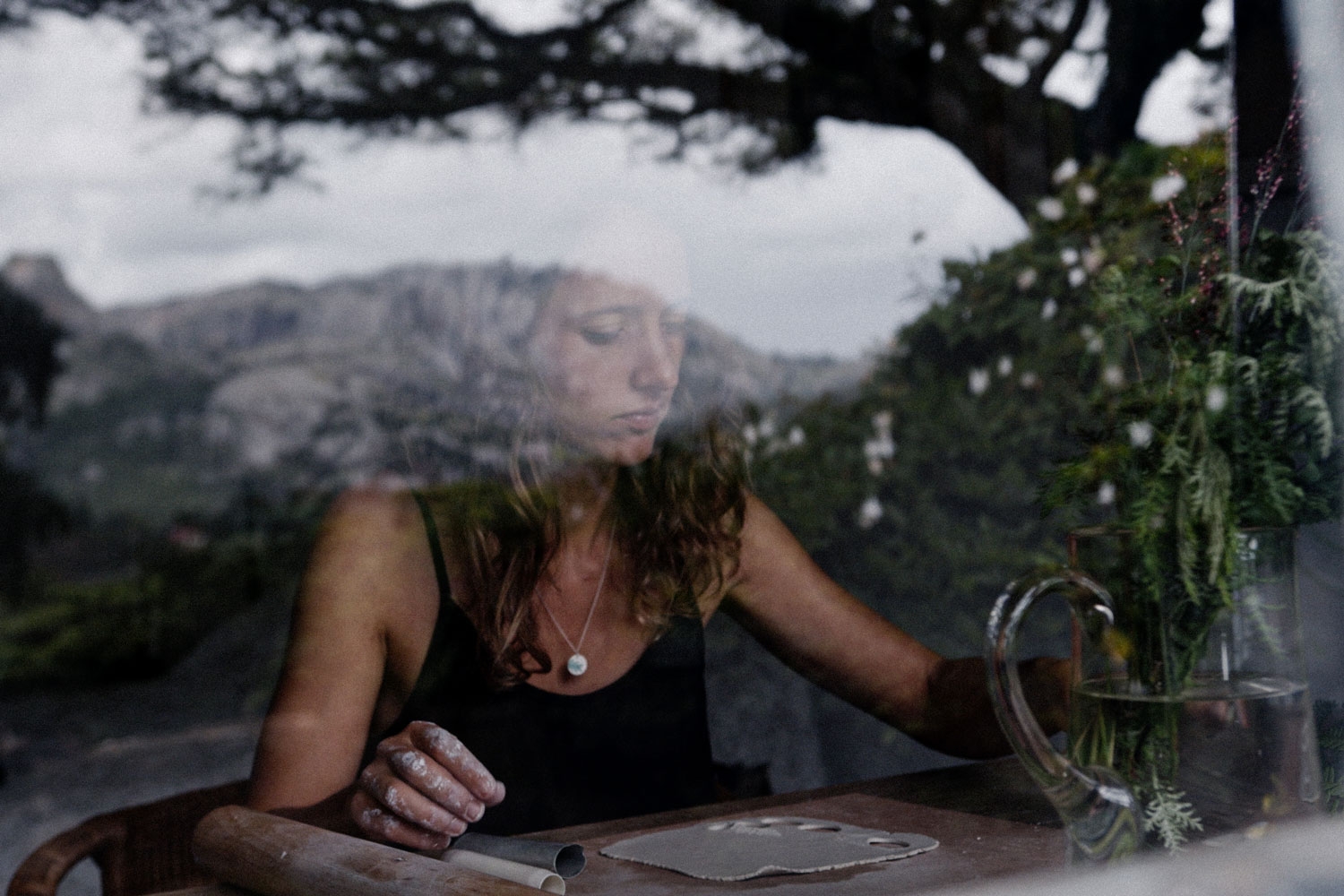
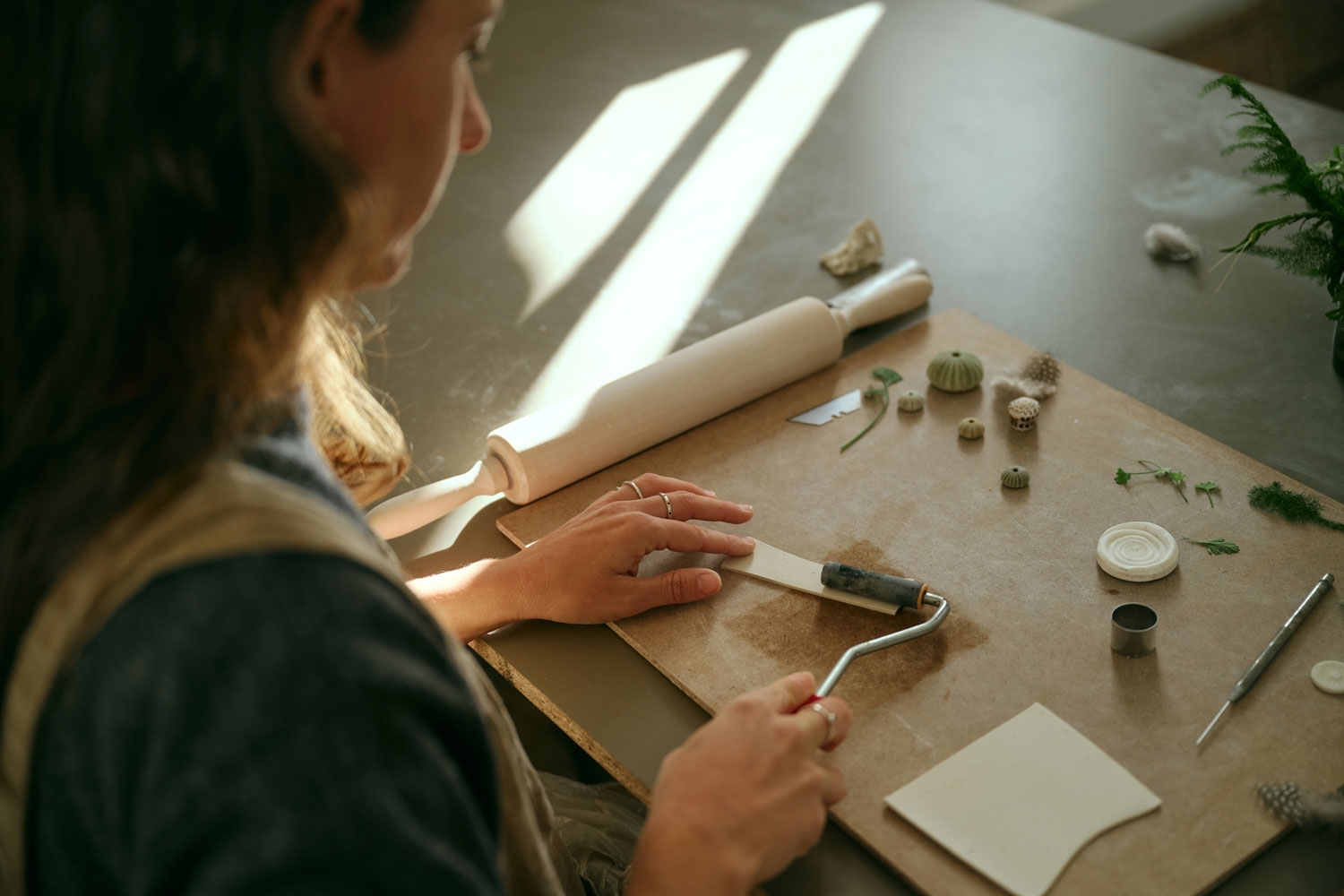
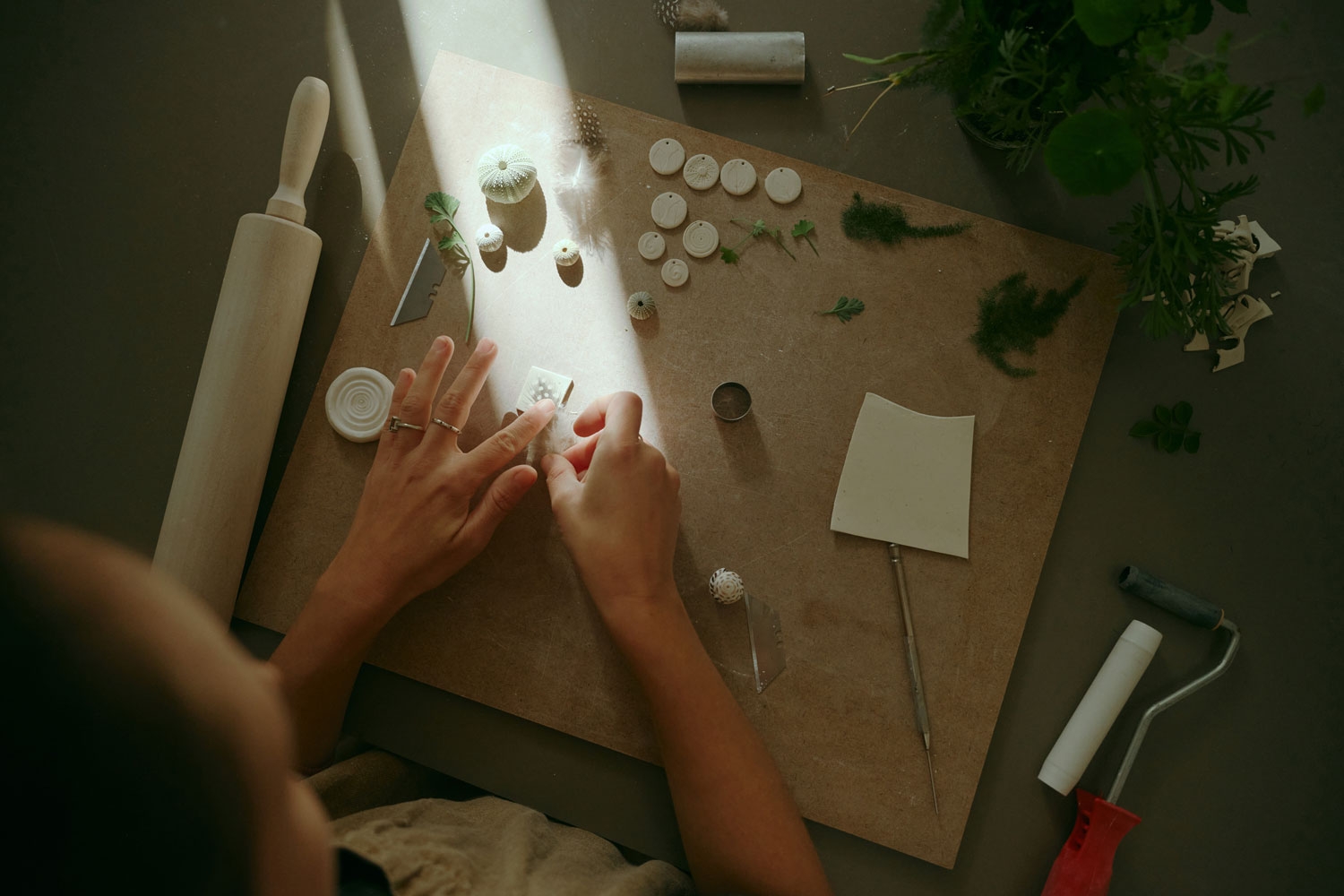
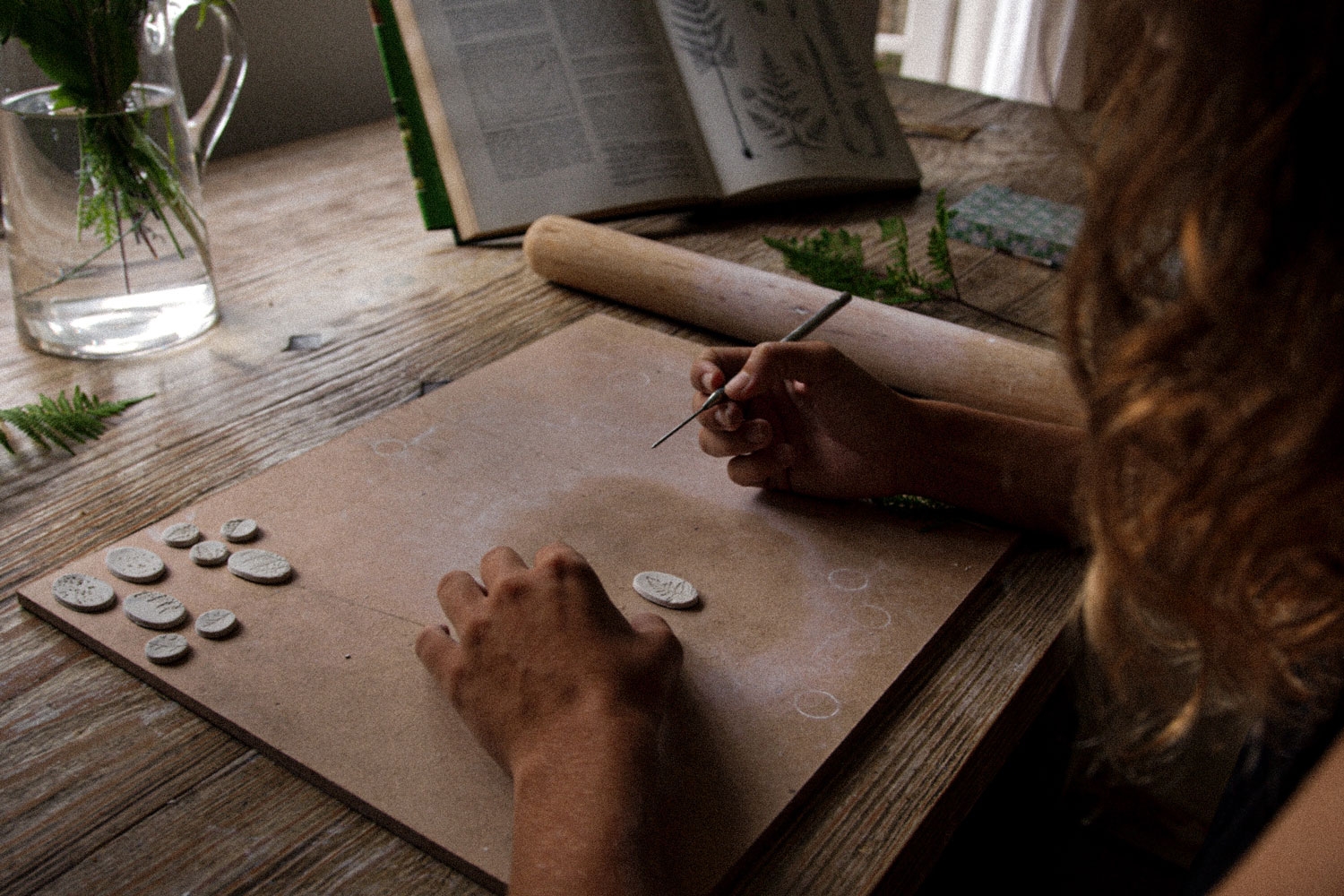
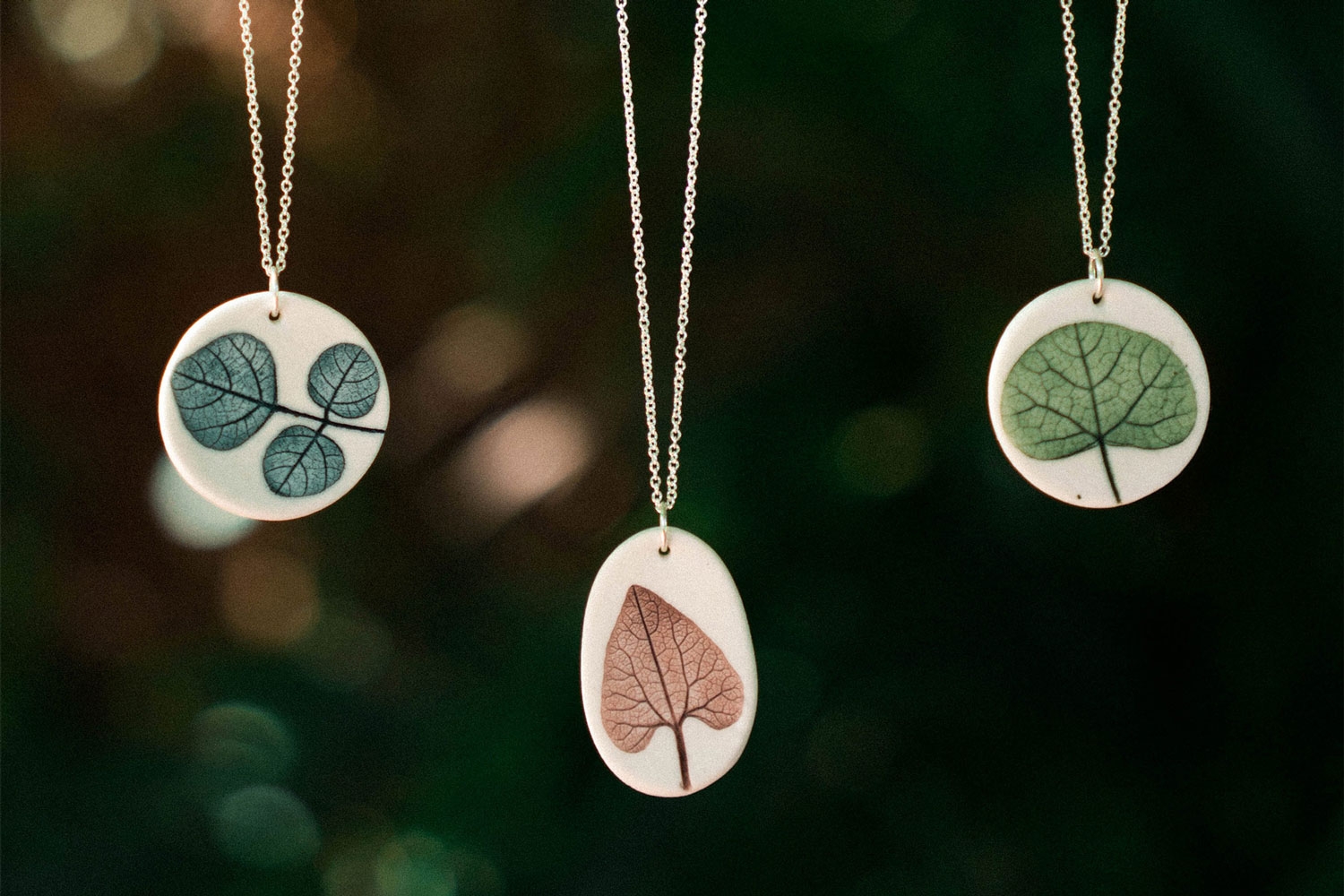
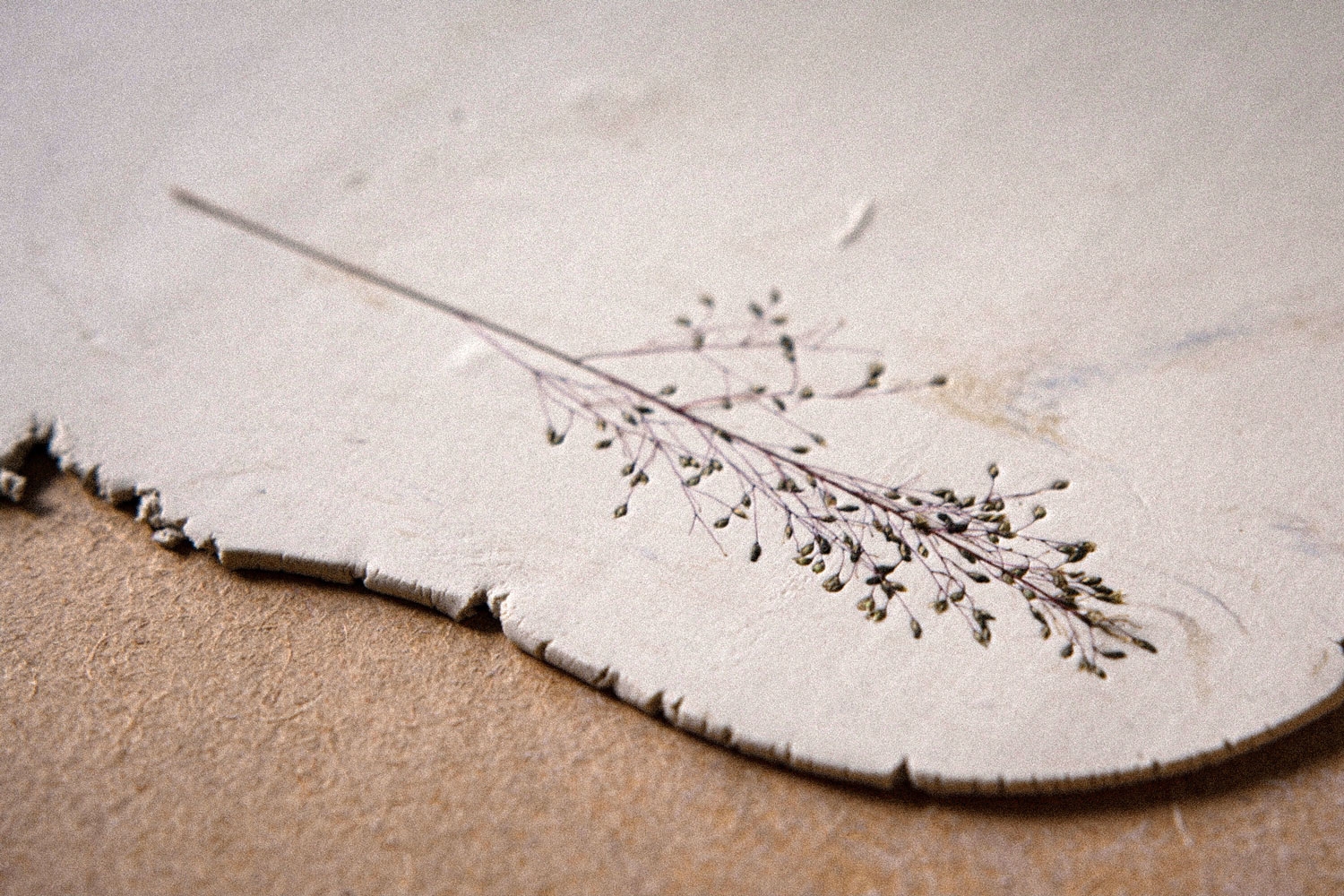
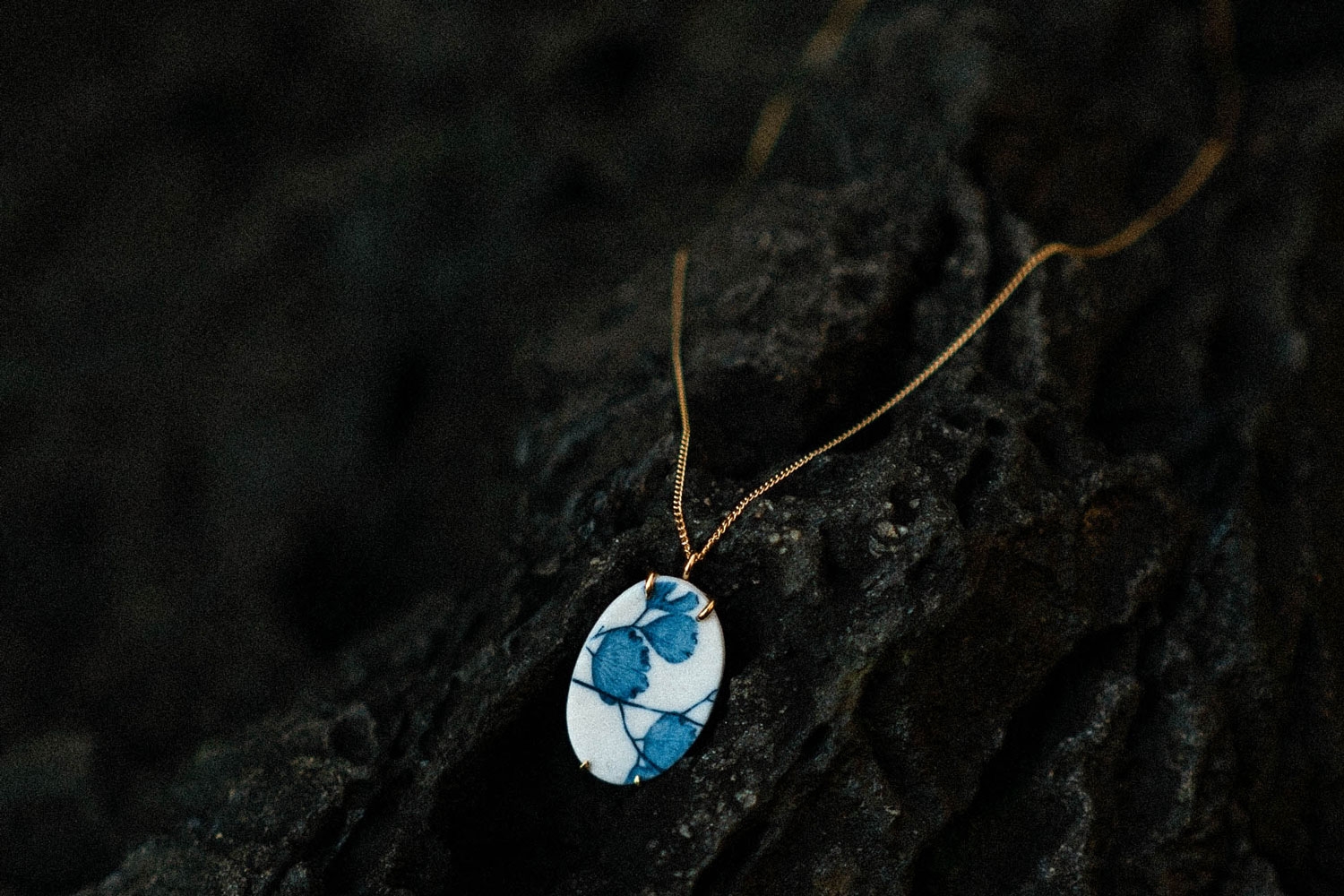
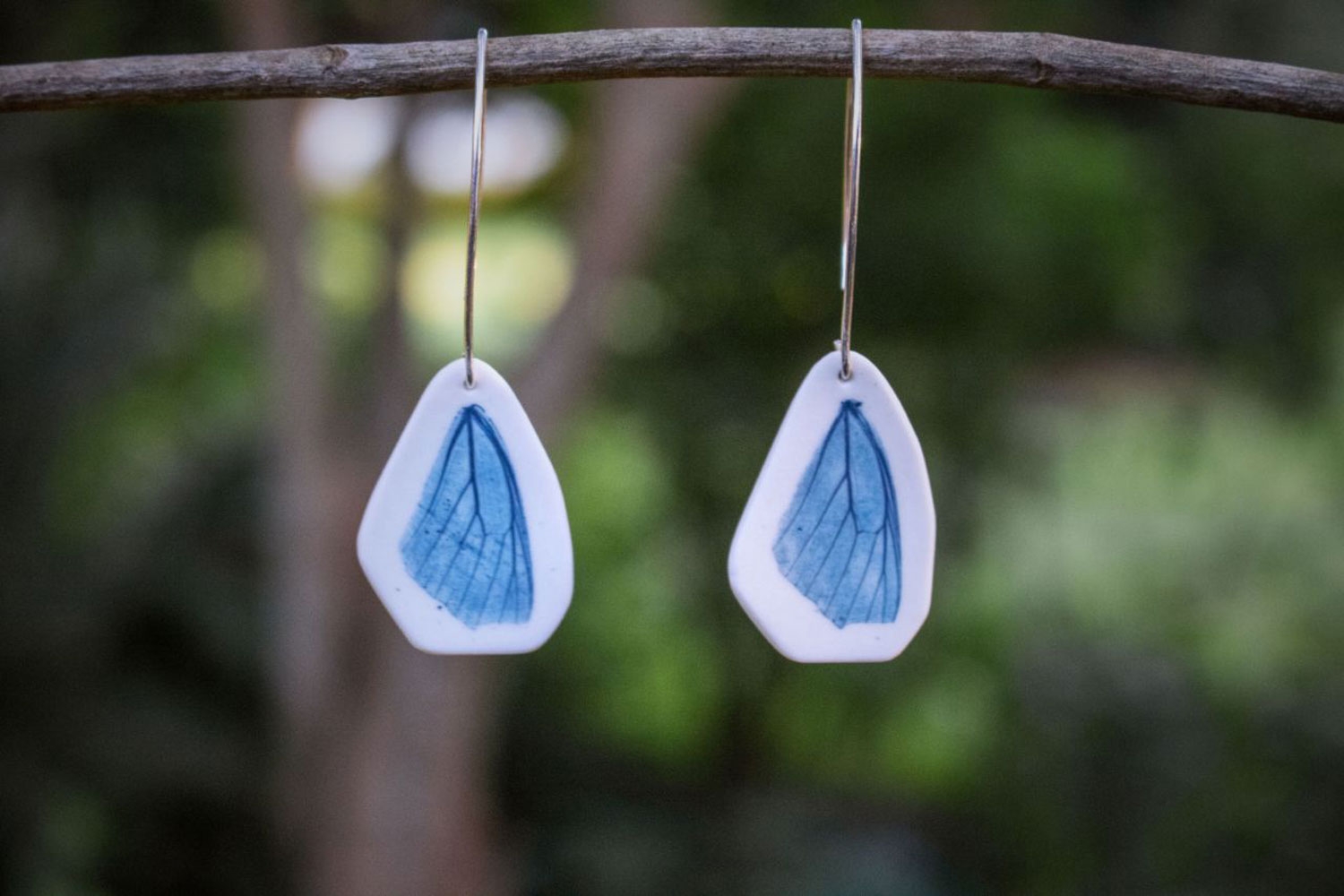
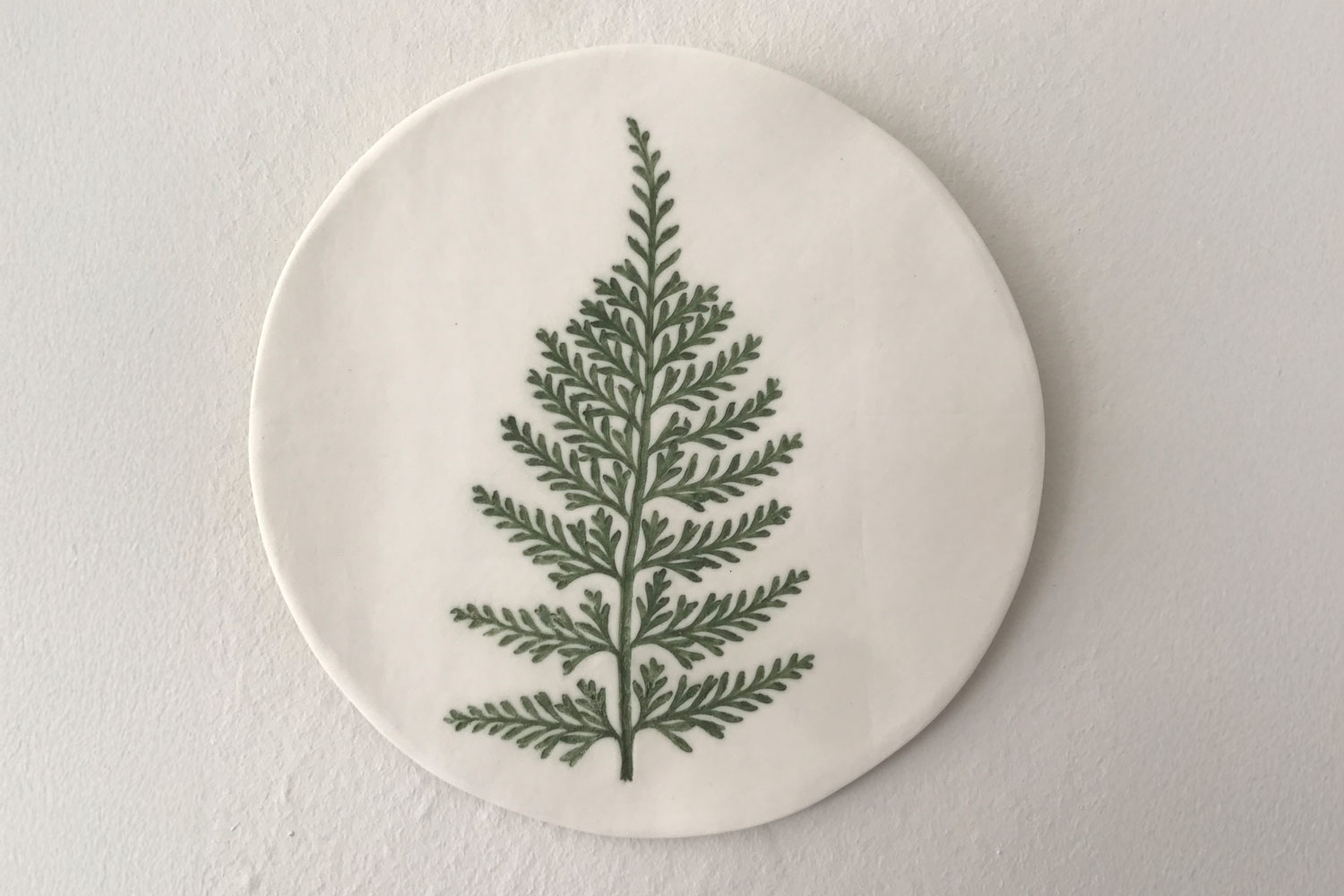
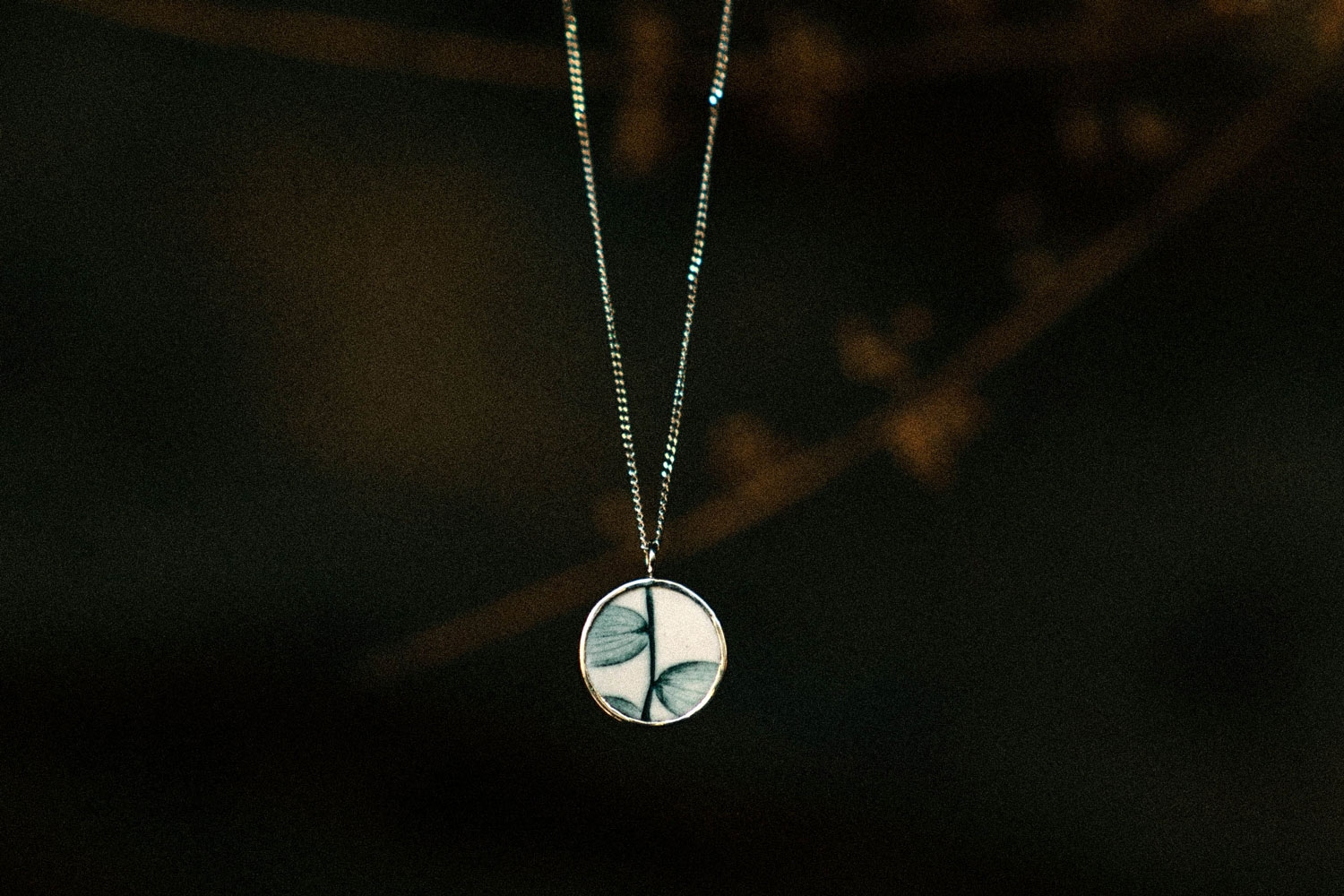
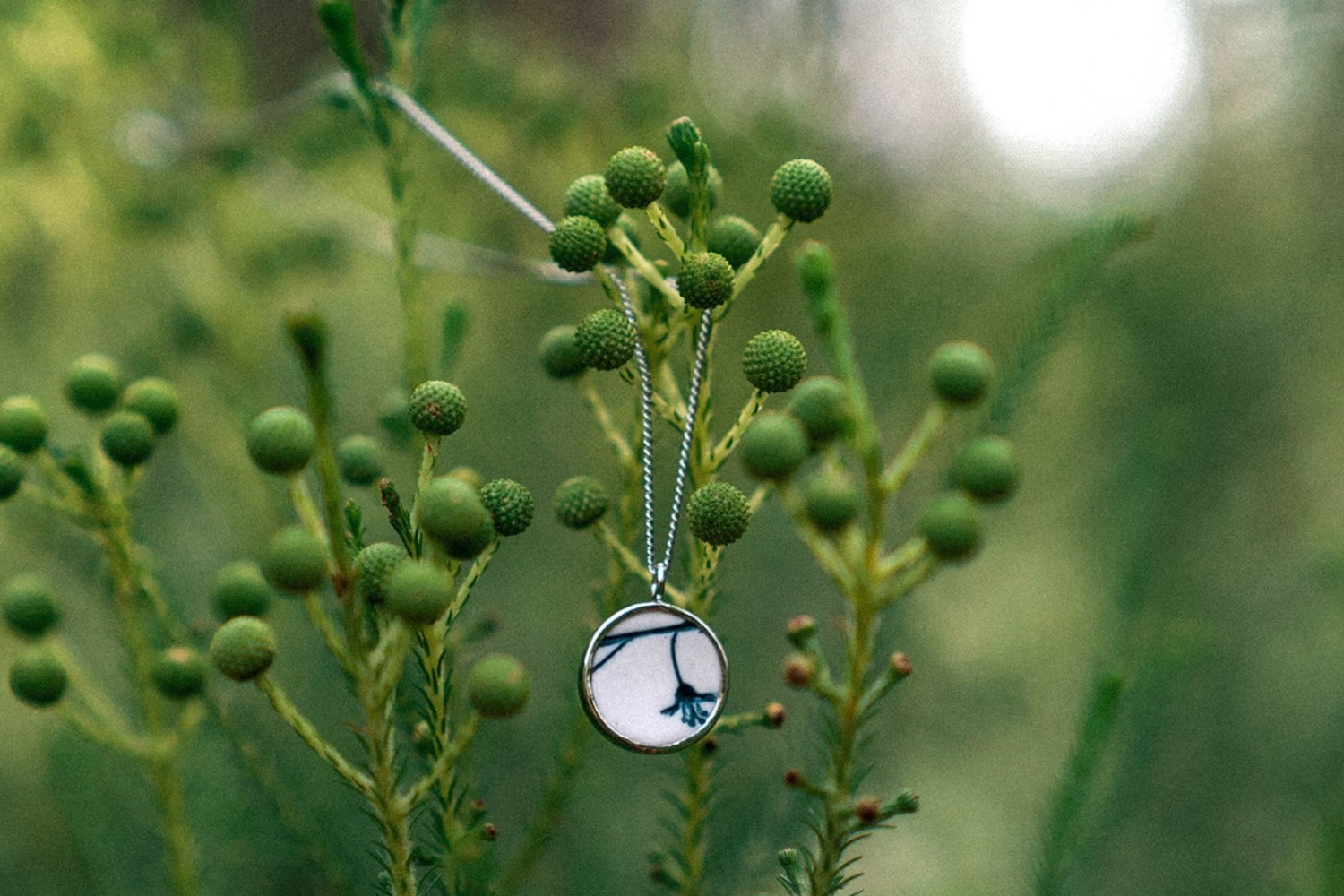
Chloë Wallace imprints botanicals onto fine porcelain to create jewellery pendants and decorative objects inspired by nature's biodiversity. She applies her university studies in botany to her craft, while expressing her creativity and appreciation for the beauty of the plant world. Chloë is based in Cape Town, which has one of the highest floristic diversities in the world. She spends time in nature collecting indigenous flora specimens to find fine leaf veins with delicate edges. "My objects serve to frame nature as a thing of beauty, something to behold and cherish," she says. In her studio, Chloë imprints, cuts-out, dries and hand-colours each pendant with stains and oxides. She then carefully refines each imprinted edge with a blade, and leaves the porcelain matte, with no glaze, to preserve the best detail.
Discover her work
INTERVIEW
Growing up, I spent time playing in my late mother's pottery studio, where she used to decorate fine porcelain ware. My father inspired me to study botany at university. I merged my love for plants with the porcelain in my mother’s studio, and began making my first botanical objects.
I created a series of 60 glazed porcelain pendants with imprints of leaves coloured with copper oxide. I strung them onto leather cords and gifted them to friends. They loved the pieces, which encouraged me to keep making and refining my work into what it is today.
I am inspired by the natural world, and more specifically, botanical biodiversity and evolution. A huge part of my work is observing and identifying plants, which allows me to maintain my botanical learning while expressing my creativity.
People are surprised with the time, effort and level of detail that go into each piece. A pendant presents an individual leaf, so every one is unique. People are also amazed by the minuscule scale of the canvas. On tiny pendants, I am often using very small specimens.
Chloë Wallace
Porcelain maker
Cape Town, South Africa
ADDRESS
Address upon request, Cape Town, South Africa
AVAILABILITY
By appointment only
PHONE
+27 643193592
LANGUAGES
English
Homo Faber Finds is a new service aiming to inspire admirers of craft to connect and collaborate with exceptional artisans.
We invite you to submit an enquiry here.